An icon for a portable Digital-to-Analog Converter (DAC).

DAC Portable

A portable DAC is a compact, pocket-sized device designed to dramatically upgrade the sound quality from your smartphone or laptop. It bypasses the device’s standard headphone output, using its own superior hardware to convert digital music files into clean, powerful analog audio. Most models also include a more robust headphone amplifier to properly drive high-quality headphones. This index covers the leading manufacturers of these essential gadgets for audiophile-grade sound on the go.

17

Hi-Fi brands in the category

Summary information and image

Direct links to official websites

Filters
Search
Country
See more See less

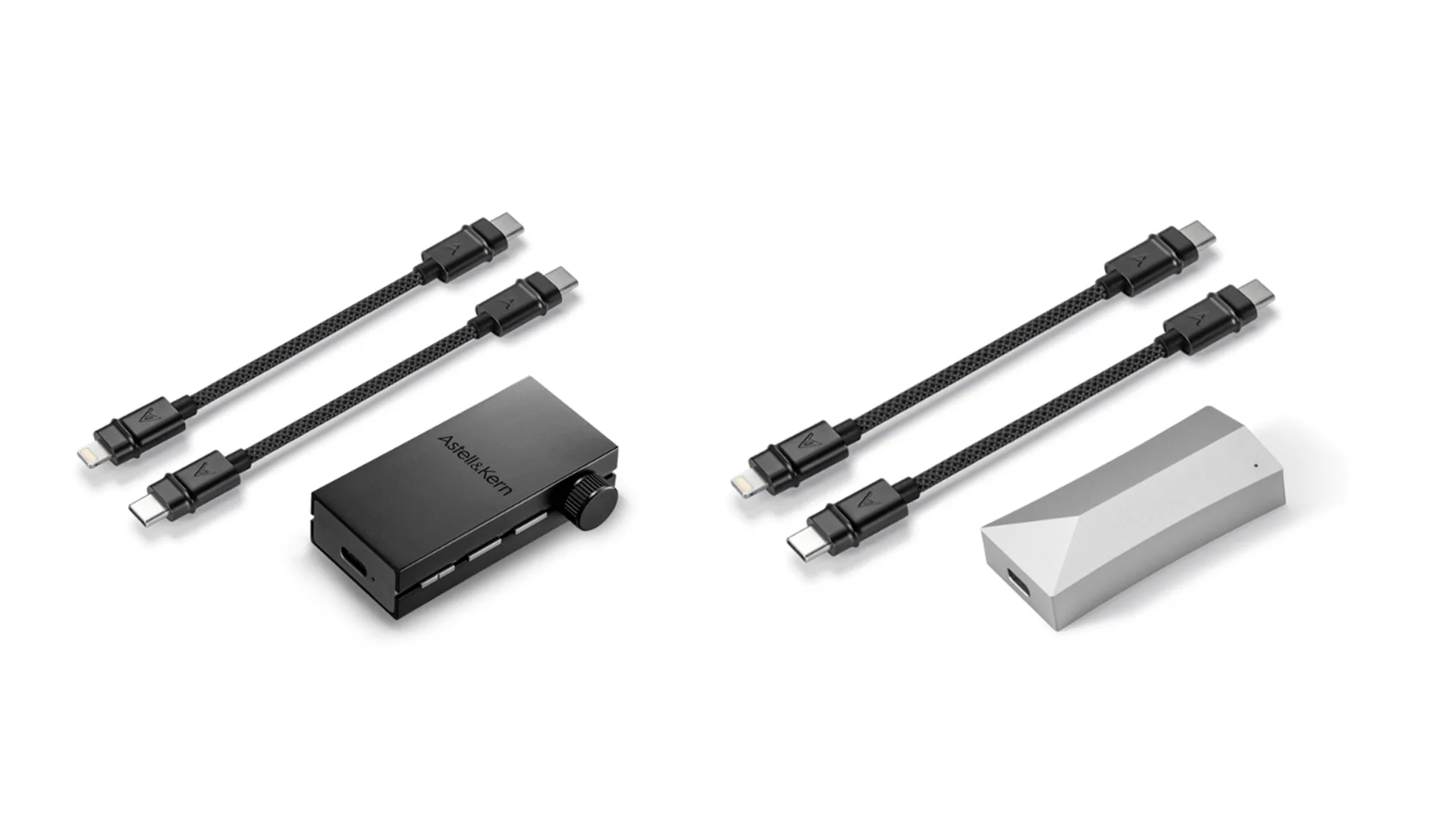
Astell&Kern builds dedicated portable music players that bring file playback, digital conversion and headphone amplification into one purpose-designed device. IRIVER launched the South Korean brand in 2012 with the AK100. Later AK models and the A&ultima, A&futura, A&norma and KANN families explored different balances of size, output capability and circuit complexity. The newer catalogue includes the PD series alongside flagship players. Distinctive machined enclosures and physical volume controls are part of the identity, but the range also reaches beyond players into headphone amplifiers, earphones and home-audio components. Collaborations with specialist IEM makers connect its source electronics with different approaches to personal listening.

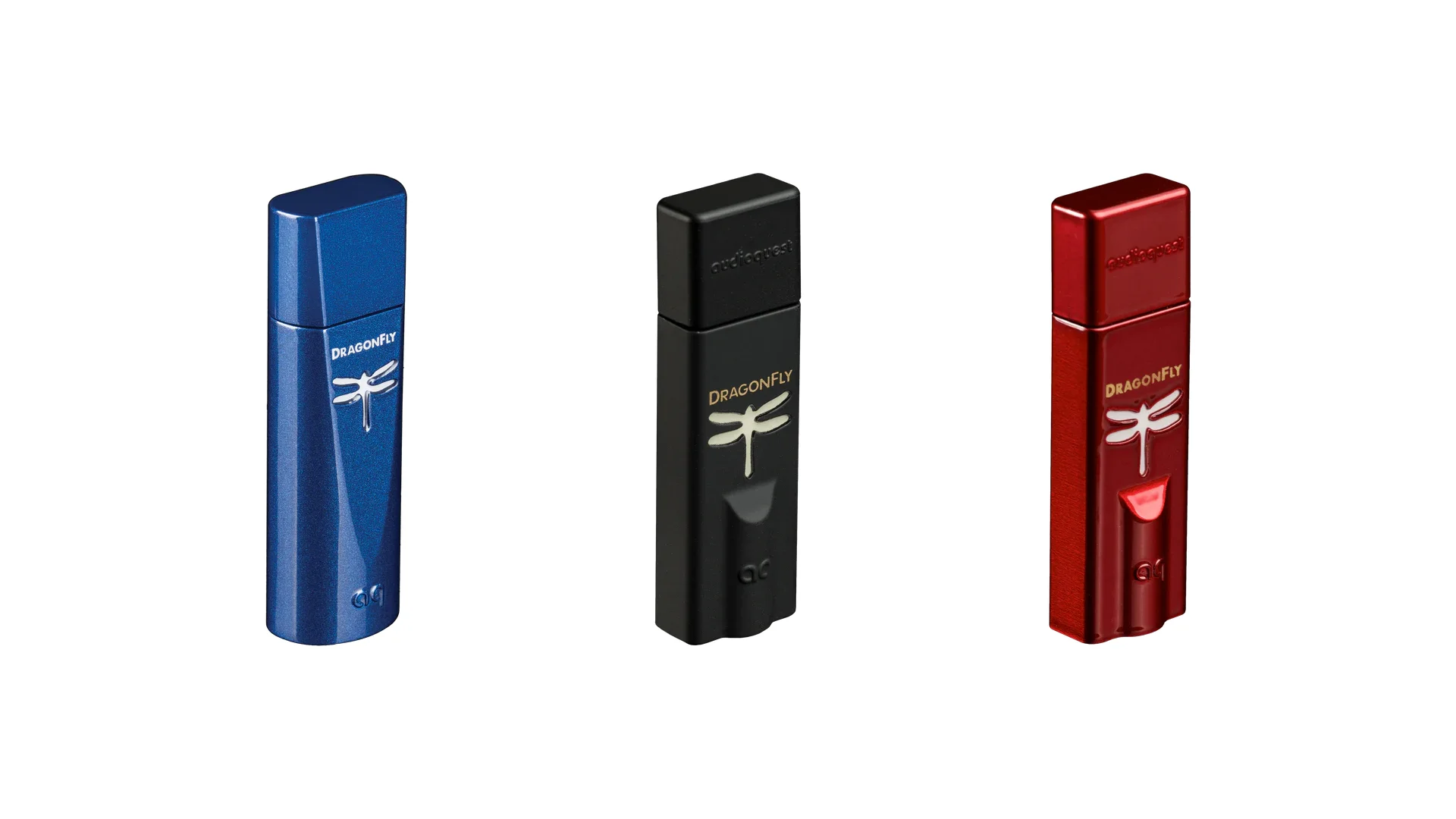
AudioQuest designs cables around one persistent aim: preserve the source signal by reducing added noise and distortion. William ‘Bill’ Low began making custom cables for his hi-fi shop in 1978 and founded the California company in 1980. Its work has progressed from advanced conductor metallurgy and HyperLitz construction to solid and semi-solid conductors, controlled directionality, RF noise dissipation and the Dielectric-Bias System introduced in 2004. The catalogue covers analogue, speaker, digital, HDMI and AC power cables across accessible and reference ranges, including William Tell, ThunderBird and Dragon. AudioQuest also developed DragonFly USB DACs and Niagara and PowerQuest power conditioners, applying the same noise-control priorities beyond cables. The useful distinction is the coherent engineering vocabulary used across a very broad range, rather than exotic materials alone.

Auris Audio gives valve electronics a recognisable Serbian identity through hand assembly and extensive use of wood, leather and metalwork. Founder and CEO Milomir Trosic formally established the company in 2013 after years of designing amplifiers and other electronics. Integrated and power amplifiers form the core of the range, joined by preamplifiers, DACs, loudspeakers and a particularly strong headphone line. Headonia is the statement headphone amplifier, while Nirvana and the compact Euterpe address different headphones and system roles; Forte power amplifiers extend the same tube-led approach to loudspeakers. Transformers and power supplies are treated as fundamental parts of each circuit rather than hidden commodities. The result is a manufacturer defined by its own valve engineering and material craft, not simply retro styling.
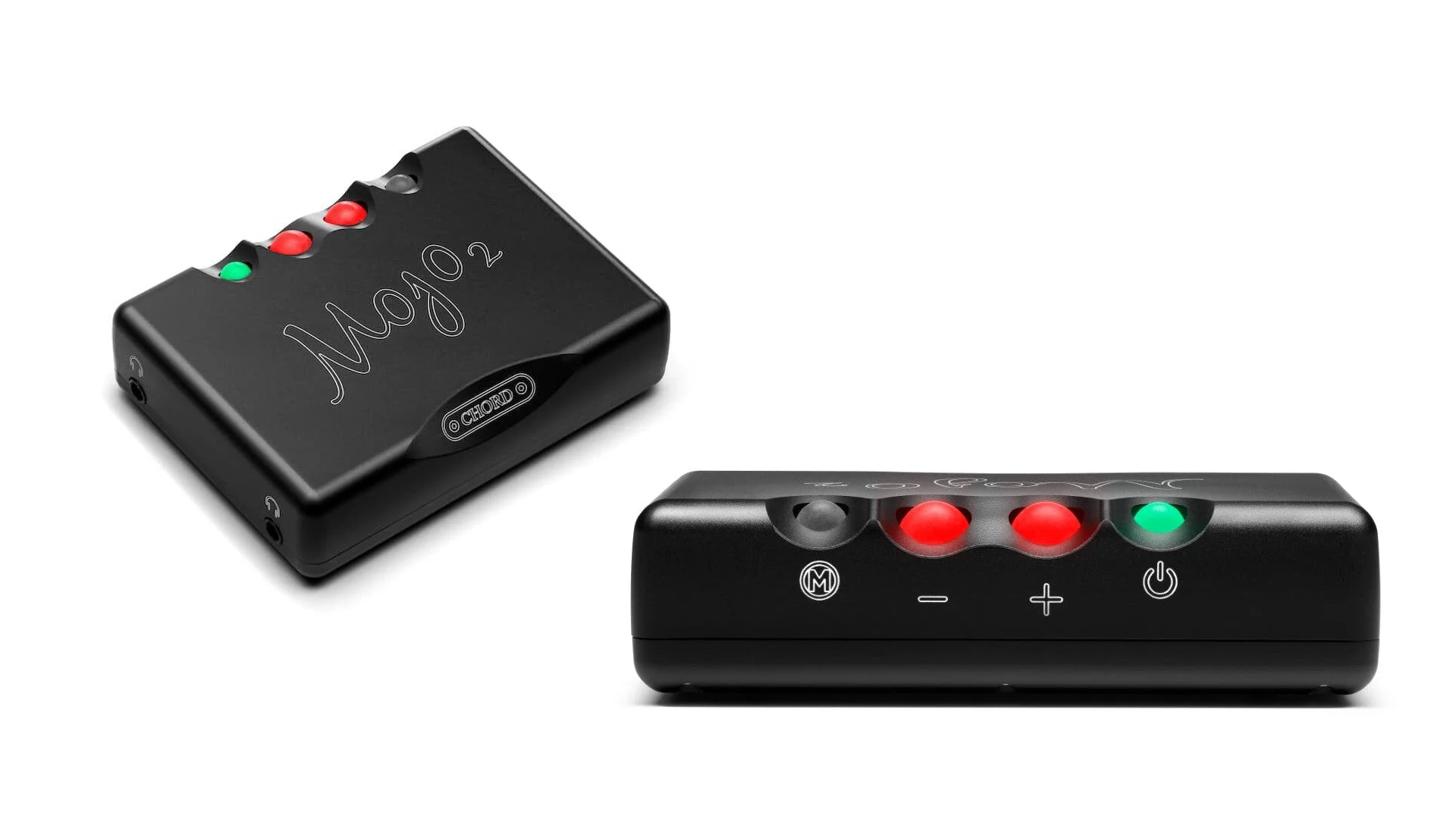
Chord Electronics combines aerospace-derived power-supply engineering with proprietary FPGA digital conversion, giving its amplifiers and DACs two distinct but connected technical lineages. Former avionics engineer John Franks founded the British company in 1989; its first amplifiers went to the BBC and were later used by studios including Abbey Road and Sony Music. Designer Rob Watts subsequently developed Chord’s digital architecture, implementing conversion, noise shaping and the long-tap WTA interpolation filter in programmable logic instead of an off-the-shelf DAC chip. That platform runs from portable Mojo and Hugo products through Qutest, Hugo TT and the reference DAVE, often paired with dedicated streamers or upscalers. Chord’s analogue range includes compact Table Top and Choral components as well as Ultima integrated, stereo and mono power amplifiers using the company’s dual-feed-forward topology. Machined aluminium cases and unusually compact forms are visually distinctive, but the real common thread is control over core circuitry rather than dependence on standard modules.
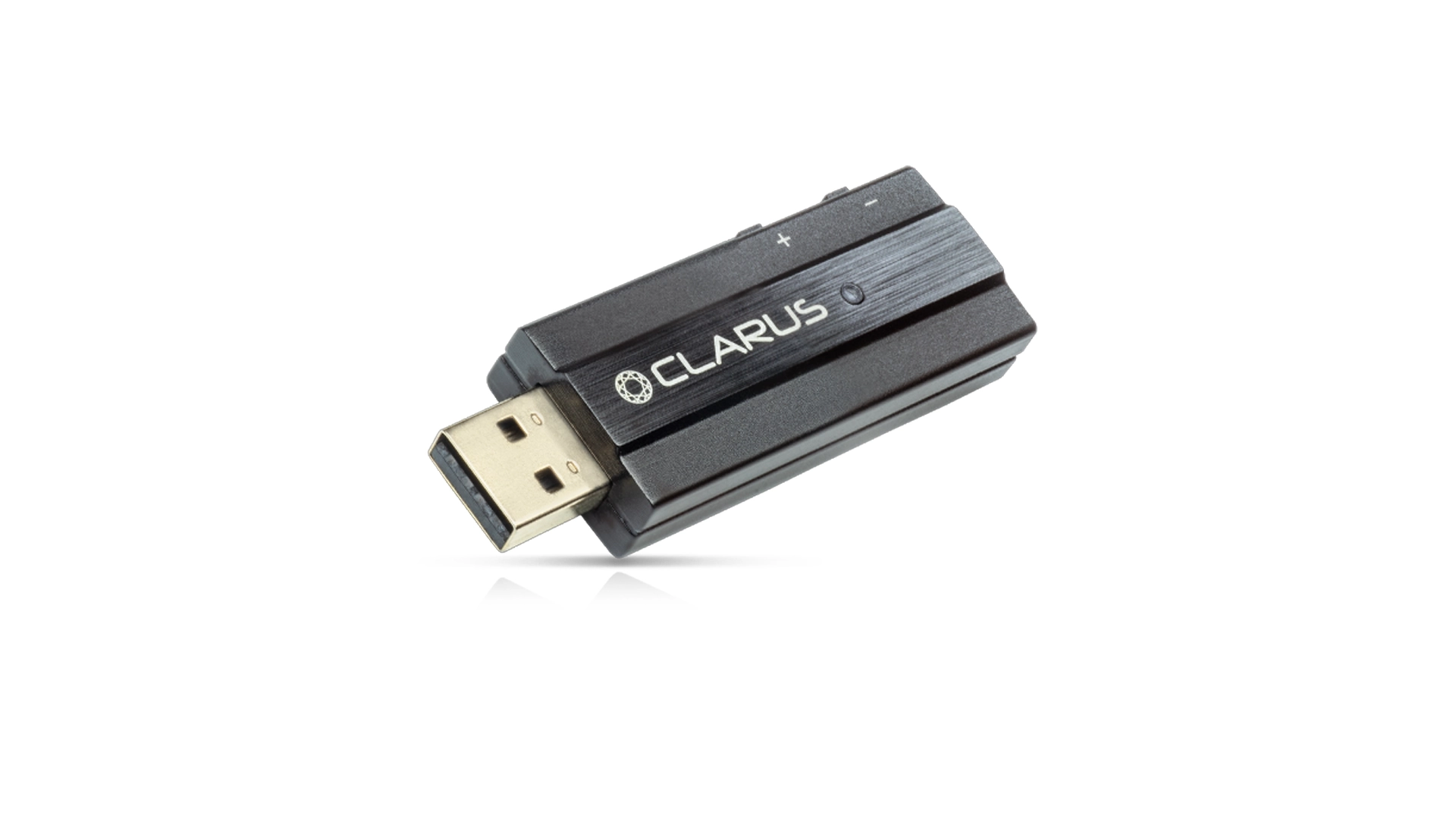
Clarus is the dedicated two-channel audiophile line of Gordon J. Gow Technologies, positioned above its sister brand Tributaries. Established in Orlando in 2011 under company founder Joe Perfito, the range was developed by cable designer Jay Victor rather than adapted from standard AV products. Clarus combines PCOCC copper with several conductor shapes and gauges: solid cores, flat conductors and spiral ribbons are individually insulated and arranged for the electrical demands of analogue, digital, speaker and mains applications. Purpose-designed terminations and controlled impedance accompany the metallurgy. Aqua and Crimson form the main cable families, covering RCA and XLR interconnects, phono, USB, AES/EBU and coaxial digital links, speaker cables and power cords. The catalogue has expanded into Duet and Concerto power distribution and the compact CODA USB DAC/headphone amplifier. The brand’s real distinction is not simply expensive copper, but a consistent geometry developed separately for low-level signals, digital transmission, loudspeaker current and AC power.

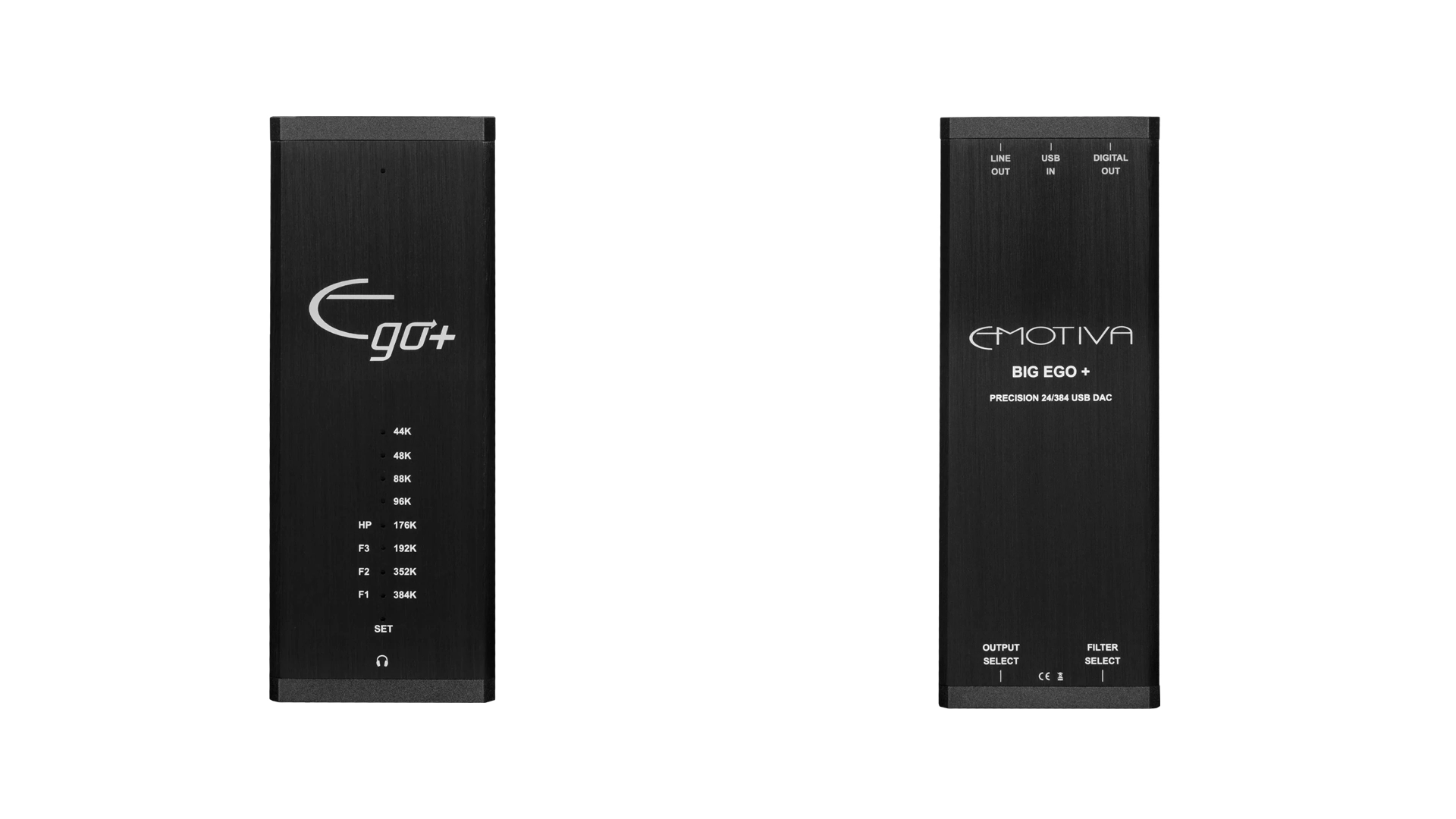
Emotiva is an American audio company founded in 2003 by Dan Laufman to sell serious stereo and home-theatre electronics directly to listeners, removing several layers of conventional distribution cost. That business model matters because it shaped the products: substantial power supplies, high channel counts and upgrade-friendly platforms offered at prices below many specialist competitors. BasX covers accessible amplifiers, preamps and cinema electronics, while XPA power amplifiers scale from stereo systems to multichannel installations through modular high-current Class A/B stages and efficient switch-mode supplies. Differential Reference models use fully balanced, fully differential signal paths and Optimized Class H supply operation for demanding front channels or two-channel systems. Surround processors and receivers address immersive formats, and loudspeakers extend the catalogue into complete systems. Emotiva’s identity is not simply “value for money”; it is the combination of direct sales with unusually powerful, configurable hardware for enthusiasts who may need two channels today and a large cinema later. Design and final product development are centred in Tennessee, with model-specific manufacturing choices rather than a blanket claim that every component is built in the United States.
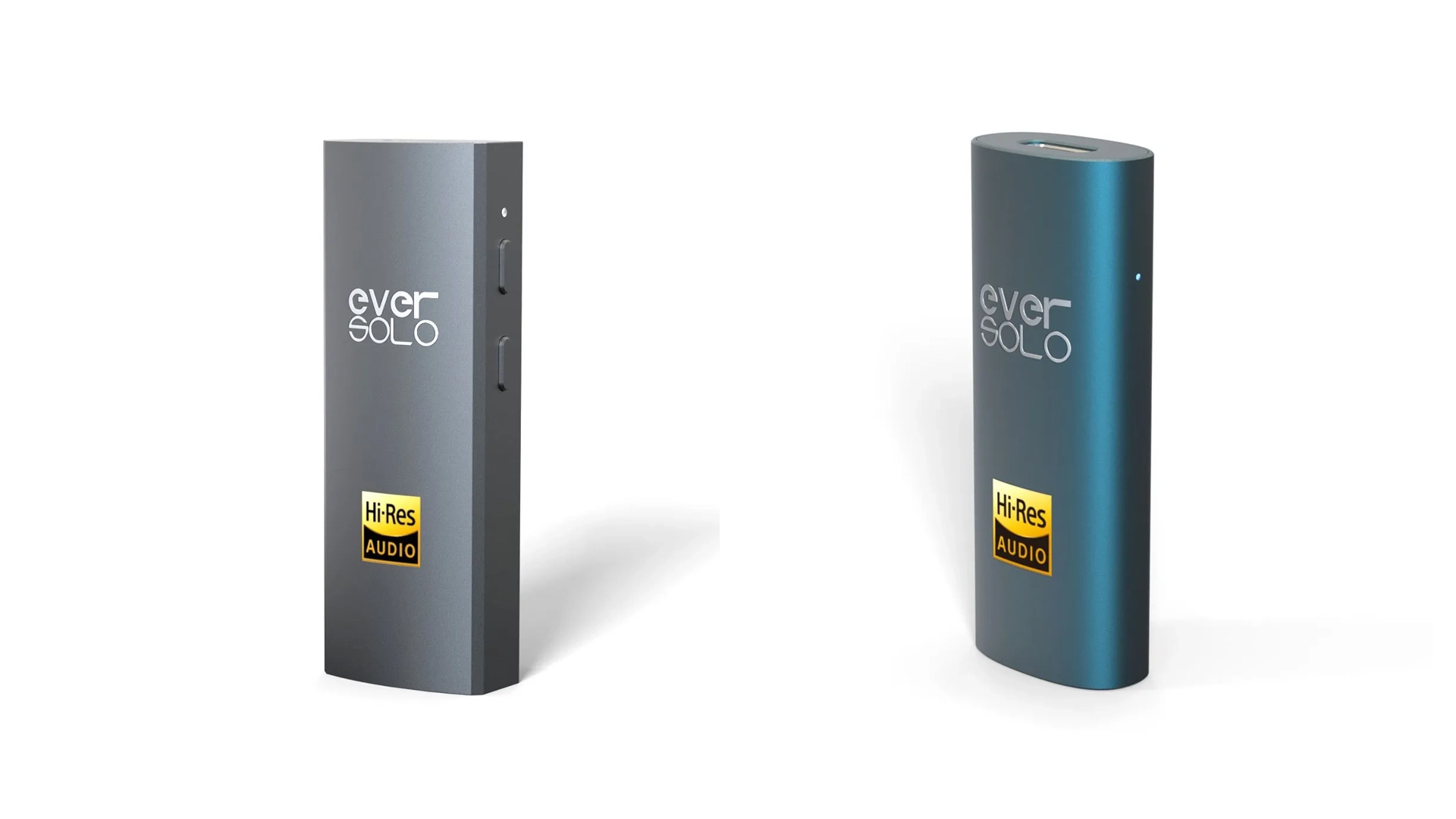
Eversolo is a Shenzhen digital-audio brand backed by Zidoo Technology and staffed by engineers working across decoding, analogue circuitry, amplification, system integration and user-interface design. Its early DAC-Z6 and DAC-Z8 established the visual language, but the DMP-A6 streamer made the name widely known by combining a large touchscreen, local SSD storage, network services, high-resolution conversion and preamplifier functions in one compact chassis. The range has since expanded through DMP-A8 and DMP-A10 streamers, T-series transports, DACs, power amplifiers and the Play streaming amplifier. Eversolo’s real strength is integrated hardware and software: library management, control apps, digital processing, clocking, conversion and analogue outputs are developed as one user-facing system rather than assembled as unrelated functions. It is a modern digital front-end specialist, not an old loudspeaker or amplifier marque.

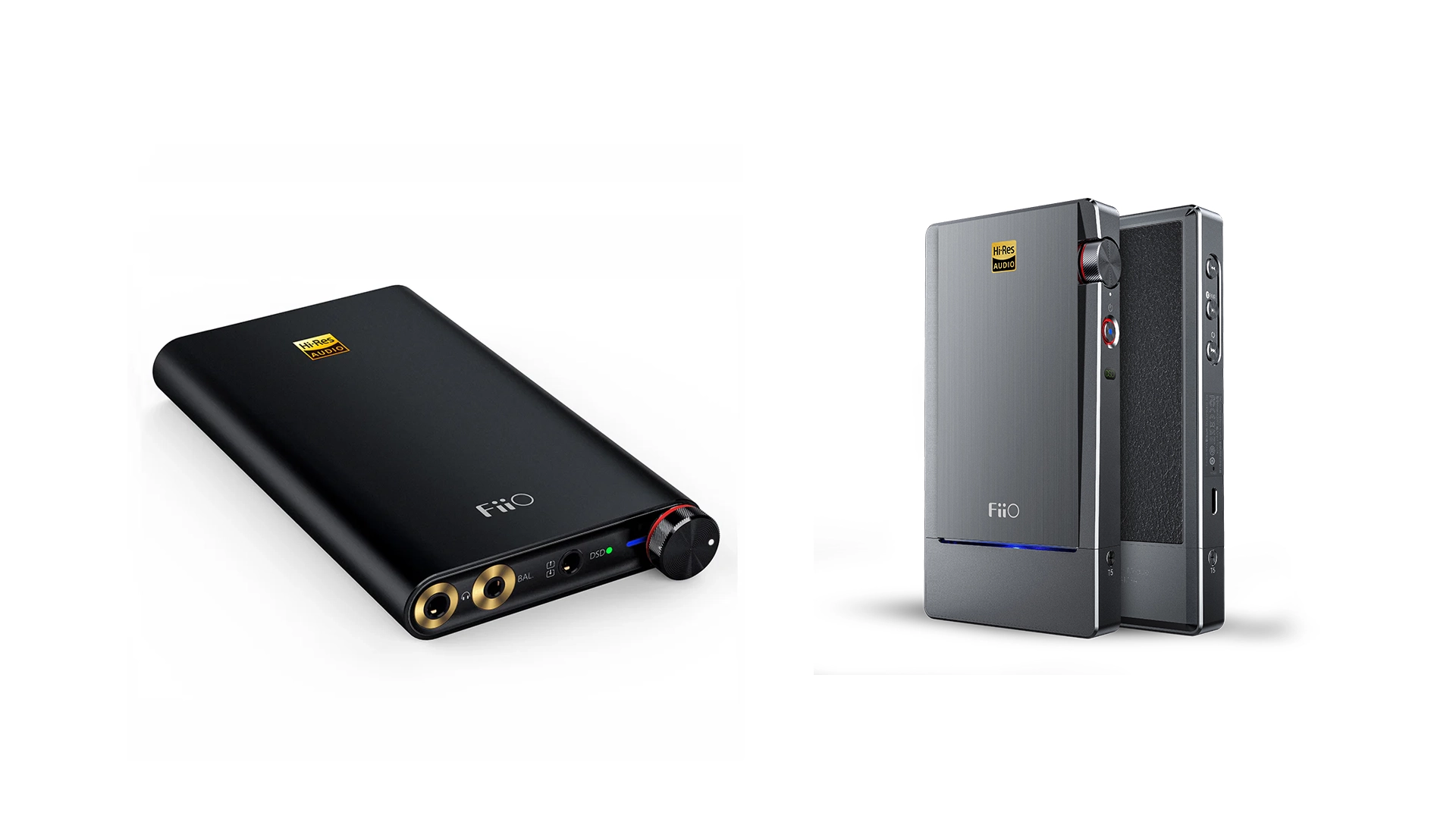
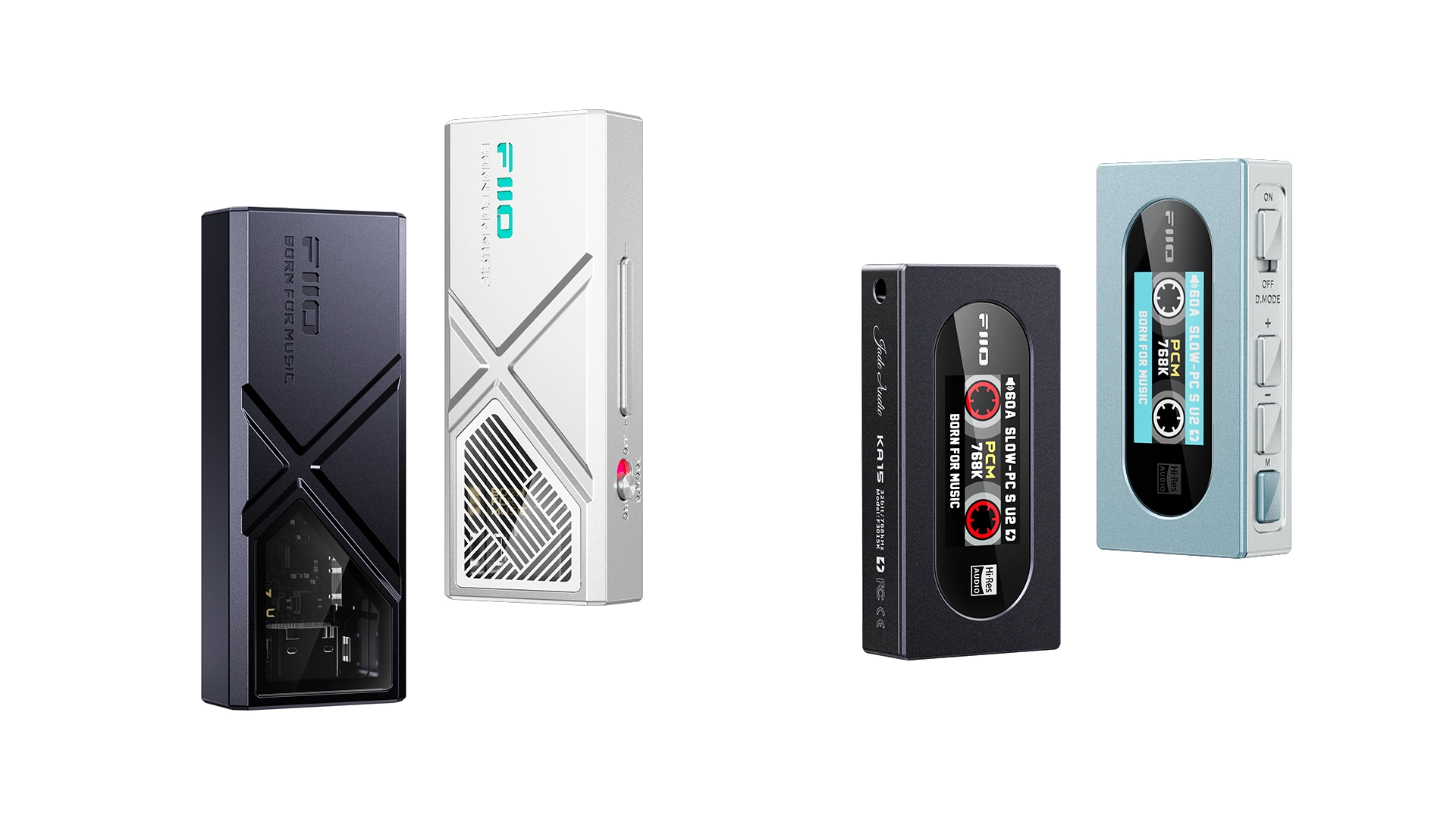
FiiO was founded in Guangzhou in 2007 and helped move serious personal audio from improvised accessories into complete, affordable systems. Early E-series portable headphone amplifiers built its reputation; the X3 player in 2013 made high-resolution playback central to the brand, and today’s Android-based M-series players combine local storage, streaming services, balanced outputs and replaceable or carefully engineered amplification stages. The broader catalogue now includes K-series desktop DAC/headphone amplifiers, BTR Bluetooth receivers, portable dongles, IEMs, full-size headphones and desktop source components. FiiO develops electronics, firmware, apps and transducers rather than depending on one fashionable product category, while sub-brand Snowsky explores smaller and more playful designs. Its distinctive strength is vertical product integration at attainable prices: a listener can build a portable, desktop or living-room chain whose interfaces and power requirements were designed to work together.

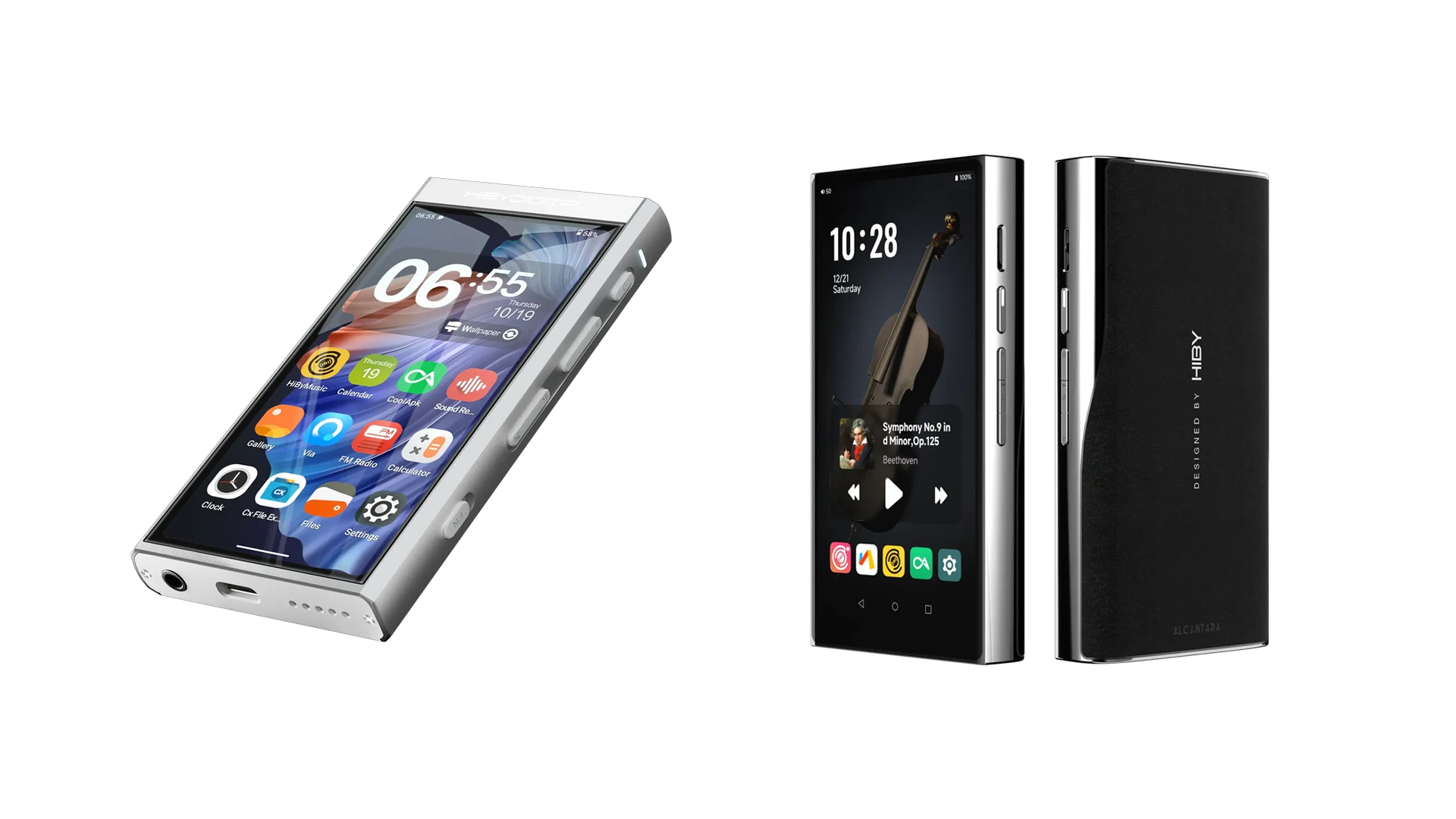
HiBy began in China in 2011 as a software and firmware specialist for portable audio, years before its own digital players became widely known. That background still explains the brand better than any single product: HiBy develops the playback environment as well as the hardware, including HiByMusic, HiByOS, system-level audio processing and control software used across its own devices and by other manufacturers. The R-series players made the company a direct hardware brand, while the RS models introduced its Darwin architecture for configurable R-2R conversion. HiBy now covers digital audio players, USB DAC and headphone-amplifier dongles, Bluetooth devices and earphones, with features such as MSEB sound adjustment linking the products to its software roots. Its particular strength is vertical integration in portable hi-fi—interface, operating system, decoding, DSP and analogue output are developed as parts of one user experience.

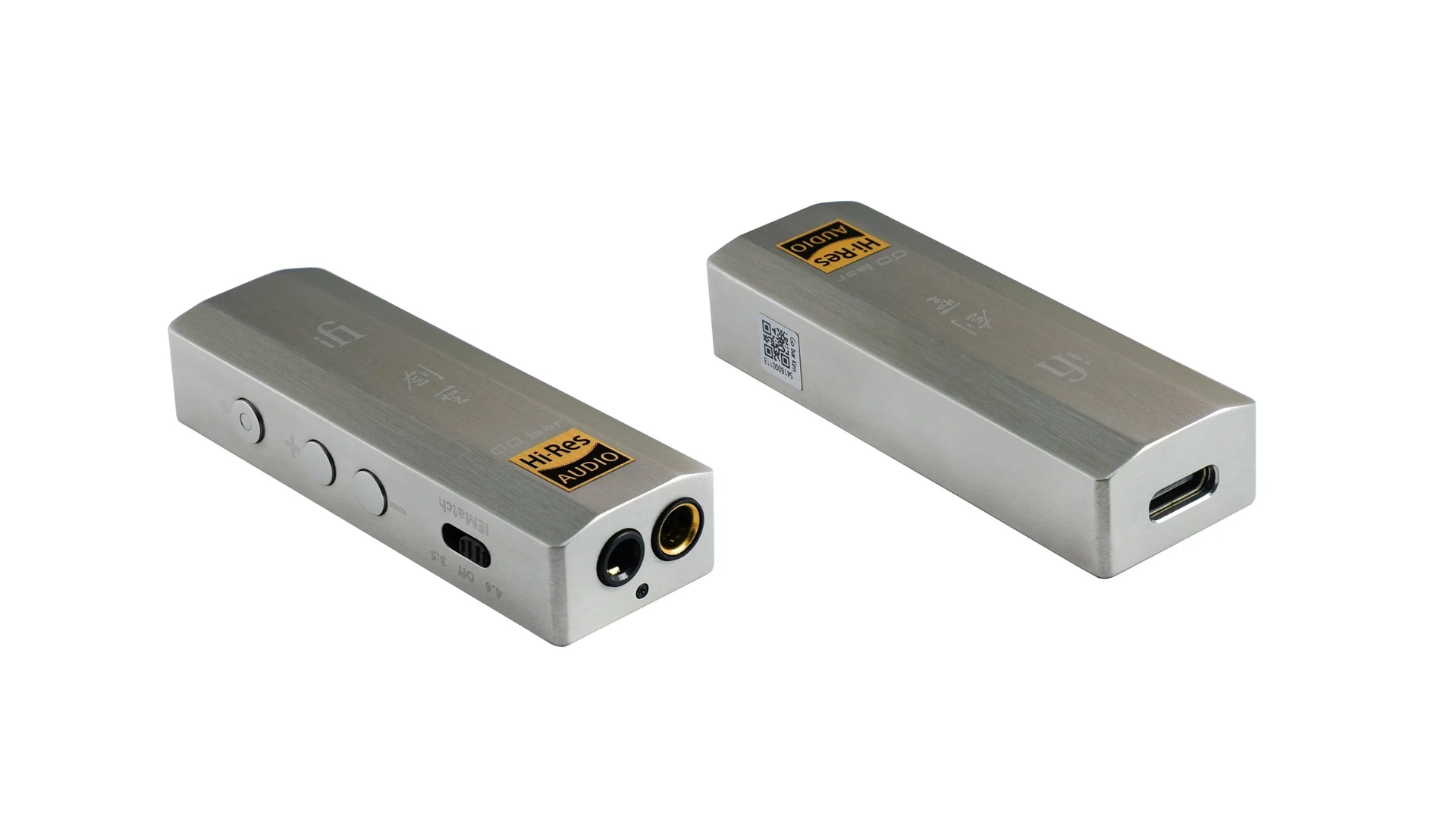
iFi audio is the British specialist that brought serious DAC and headphone-amplifier engineering into genuinely portable and desktop formats. Launched in 2012 as a sister brand to Abbingdon Music Research, iFi develops its products from its headquarters in Southport, UK. The ZEN range made compact DACs, headphone amplifiers, phono stages and streamers easy to combine, while the hip-dac, GO and xDSD families address phones, laptops, Bluetooth listening and travel. Many designs use Burr-Brown conversion, balanced or symmetrical analogue stages and practical proprietary functions such as XBass, XSpace and iEMatch rather than relying on specification-sheet features alone. At the upper end, the Pro and iCAN products explore more elaborate power supplies and amplification; the SilentPower line tackles USB, network and mains noise around the system. iFi’s strength is the breadth of problems it solves without abandoning small enclosures or approachable system building.

Jade Audio is FiiO’s value-focused personal-audio brand, created in China in 2018 to carry proven engineering into simpler, more accessible products. Its point is not to imitate FiiO’s entire catalogue at a lower price, but to concentrate spending on the parts that directly affect listening: transducers, acoustic loading, DAC and amplifier stages, useful connectivity and dependable construction. The range has included JD-series in-ear monitors, JT-series full-size headphones and compact KA-series USB DAC/headphone amplifiers, giving newcomers a practical path from a phone’s basic output to wired hi-res listening. Models are often sold through direct online channels and supplied with fewer luxury extras, which helps keep prices controlled. The unusual name comes from the Chinese expression translated as “sound of jade,” but the real distinction is more concrete: Jade Audio borrows FiiO’s experience in portable audio while maintaining a deliberately lean product brief. It is therefore best understood as an entry point into enthusiast headphones and IEMs, not as a separate maker of unrelated lifestyle electronics.

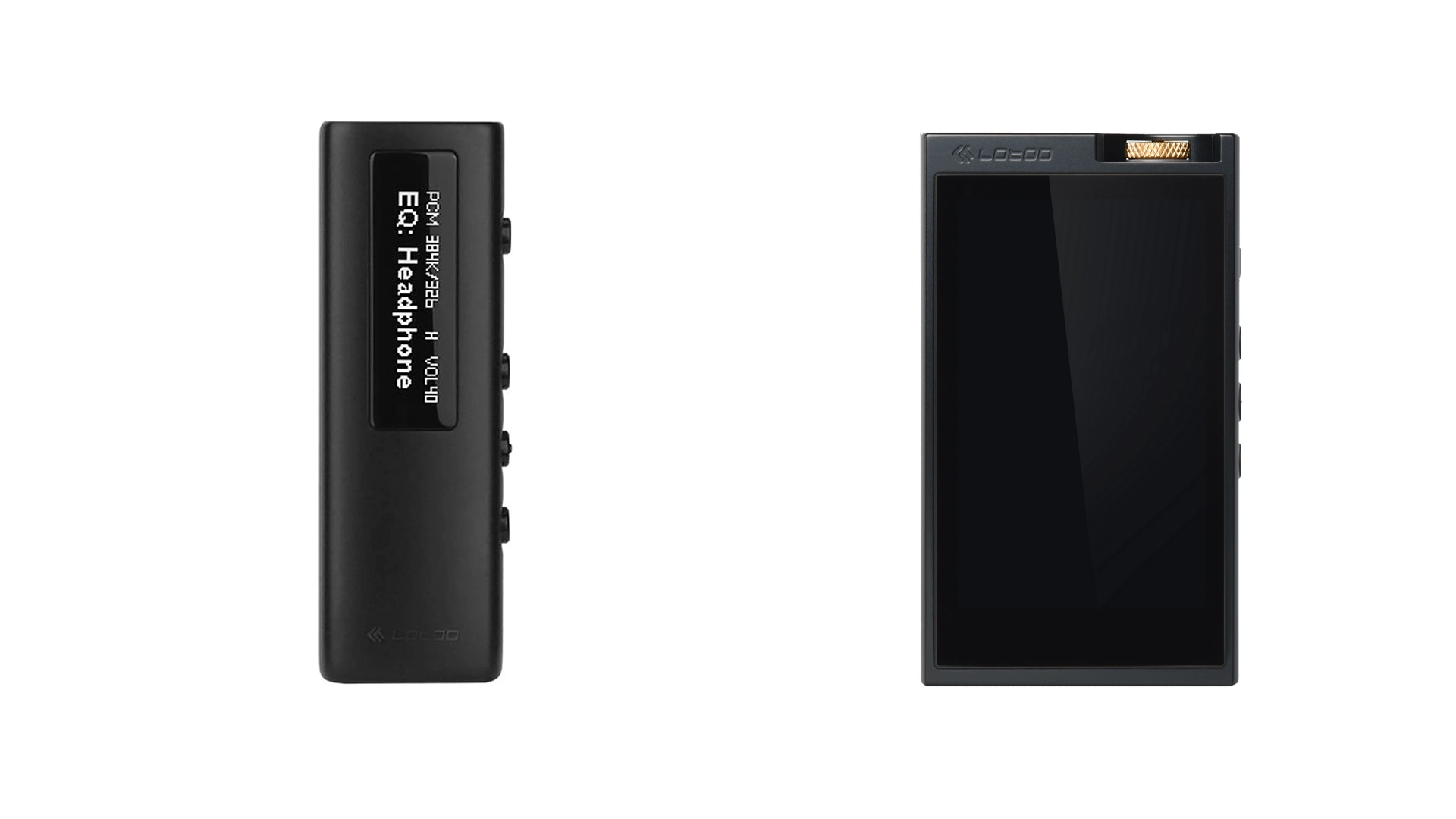
Lotoo is the professional-audio brand of Beijing Infomedia Electronic Technology, founded in China in 1999. Its consumer reputation comes from portable digital audio players, but the underlying experience is in broadcast automation, location recording and professional recorders rather than lifestyle electronics. The PAW family translates that background into robust players with fast, purpose-built firmware, extensive file-format support, low-noise analogue stages and unusually detailed equalisation tools. PAW Gold and PAW Gold Touch established the flagship line; PAW 6000 and compact PAW-series DAC/headphone products bring the same operating philosophy to smaller systems. The transportable Mjölnir expands the idea into a powerful all-in-one source with battery operation, multiple digital and analogue connections and headphone outputs capable of driving demanding loads. Lotoo generally avoids an Android-style open application environment, using its own tightly controlled operating system to prioritise boot speed, stability and audio processing. Parametric EQ and ATE sound-shaping presets offer precise adjustment without replacing the recorded file. The previous 2015 date describes the period when Lotoo became widely visible to international portable-audio buyers, not the company’s 1999 foundation.

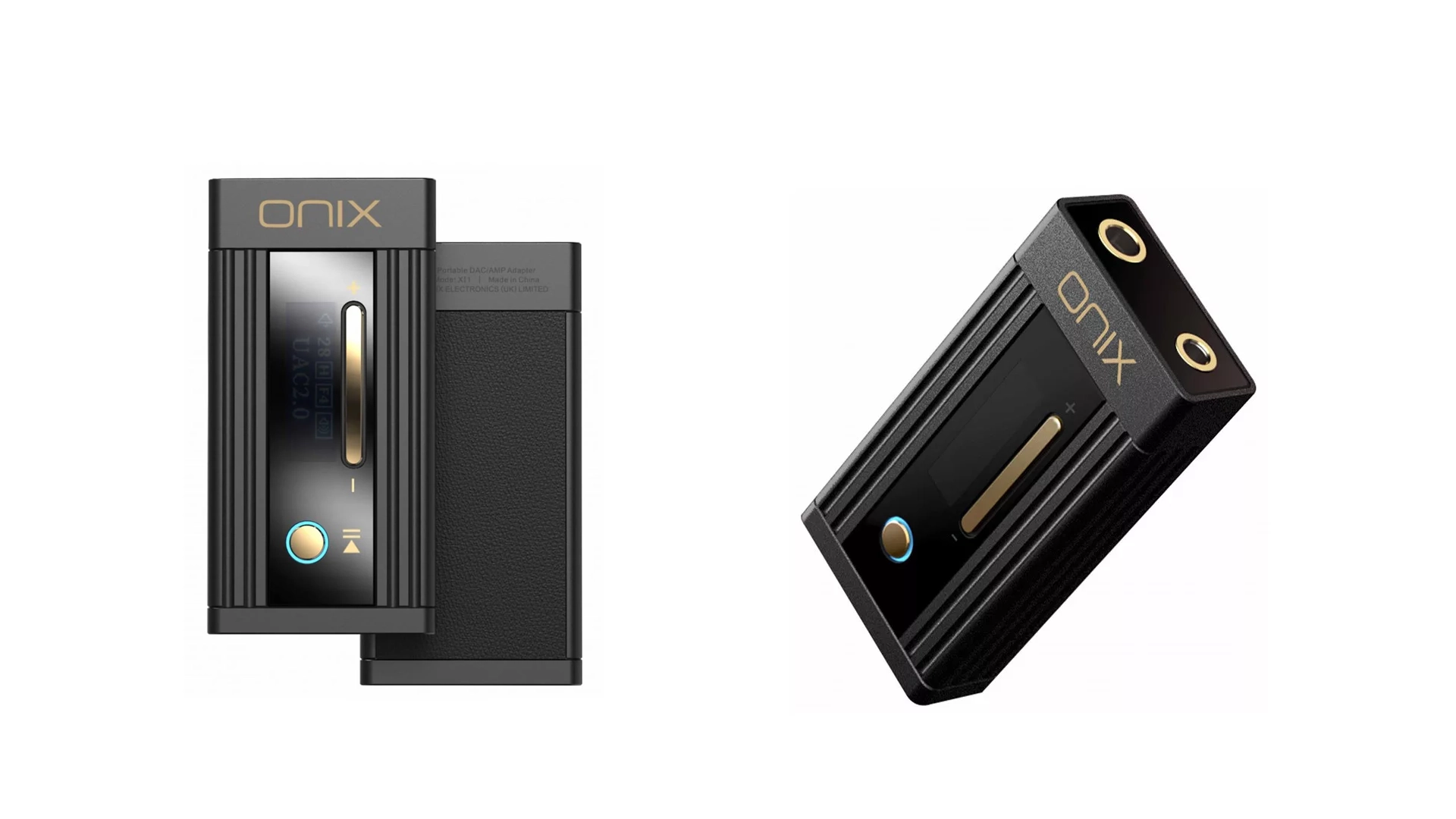
ONIX is a British-origin audio name associated with the compact OA21 integrated amplifier and a minimalist, performance-first approach to electronics. The contemporary range shown on the listed site is developed in close association with Shanling and revives familiar ONIX visual cues—black acrylic, gold details and substantial power supplies—in modern digital and analogue components. Public accounts from the current distributor and from the separate British OA21/ONIX operation conflict over the exact start date, founders and trademark history, so assigning a single founding year here would create false certainty. The present flagship is Miracle, a modular stack that separates streamer, DAC, power supplies and headphone amplification into compact matching chassis. OC93 combines CD replay and network streaming, while OIA92 is a high-current integrated amplifier built around a large UI transformer and a dual-mono output section; ONIX-branded portable players, DACs and headphone products extend the name into personal audio. This should not be presented as an uninterrupted factory history from one owner. It is more accurate to distinguish the classic British amplifier legacy from the current Shanling-associated product programme while recognising that both use the ONIX name. The enduring thread is compact, visually restrained hardware with serious power or digital architecture rather than a broad lifestyle-electronics catalogue.

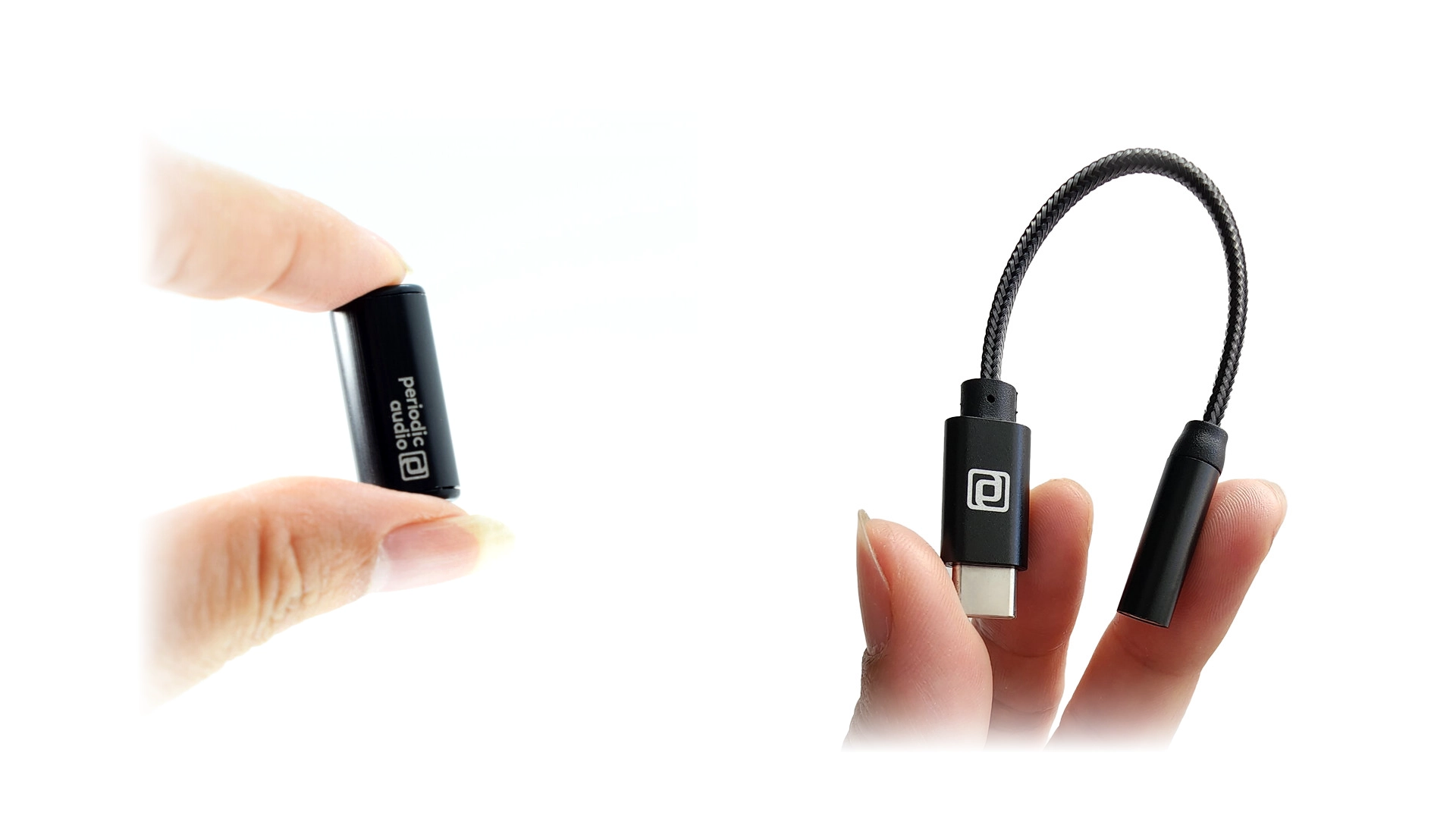
Periodic Audio is an American personal-audio company founded in 2016 by Dan Wiggins, Mike Kim, Zeke Burgess and Ben Webster. Its catalogue is organised like a compact materials experiment: most earphones use one 10 mm dynamic driver, and the model name identifies the diaphragm material rather than an invented lifestyle category. That makes the differences between magnesium, titanium, beryllium and carbon-based diaphragms central to the design rather than a line of marketing copy. Mg, Ti and Be are the core IEMs, with Be using pure beryllium for a particularly stiff, light moving surface; Carbon uses a diamond-like-carbon diaphragm, while N addresses a different tonal target. The V3 generation moved to lightweight Eastman Tritan bodies after an extended material study and introduced the miniature IDEEL removable-cable connector, designed to avoid the bulk of common MMCX or two-pin sockets. Periodic also applies the elemental naming system to very small electronics: Rhodium is a USB DAC, Nickel a portable amplifier, Ne a Bluetooth receiver able to work with two sources, and Silicon a compact DAC/headphone amplifier. The products deliberately avoid ornate shells and multi-driver complexity, concentrating engineering budget on the transducer, acoustical volume and useful portable circuitry. Periodic Audio’s defining claim is testable and easy to understand: vary the physical material and supporting geometry of a single well-controlled driver, then let that engineering—not driver count—separate the models.
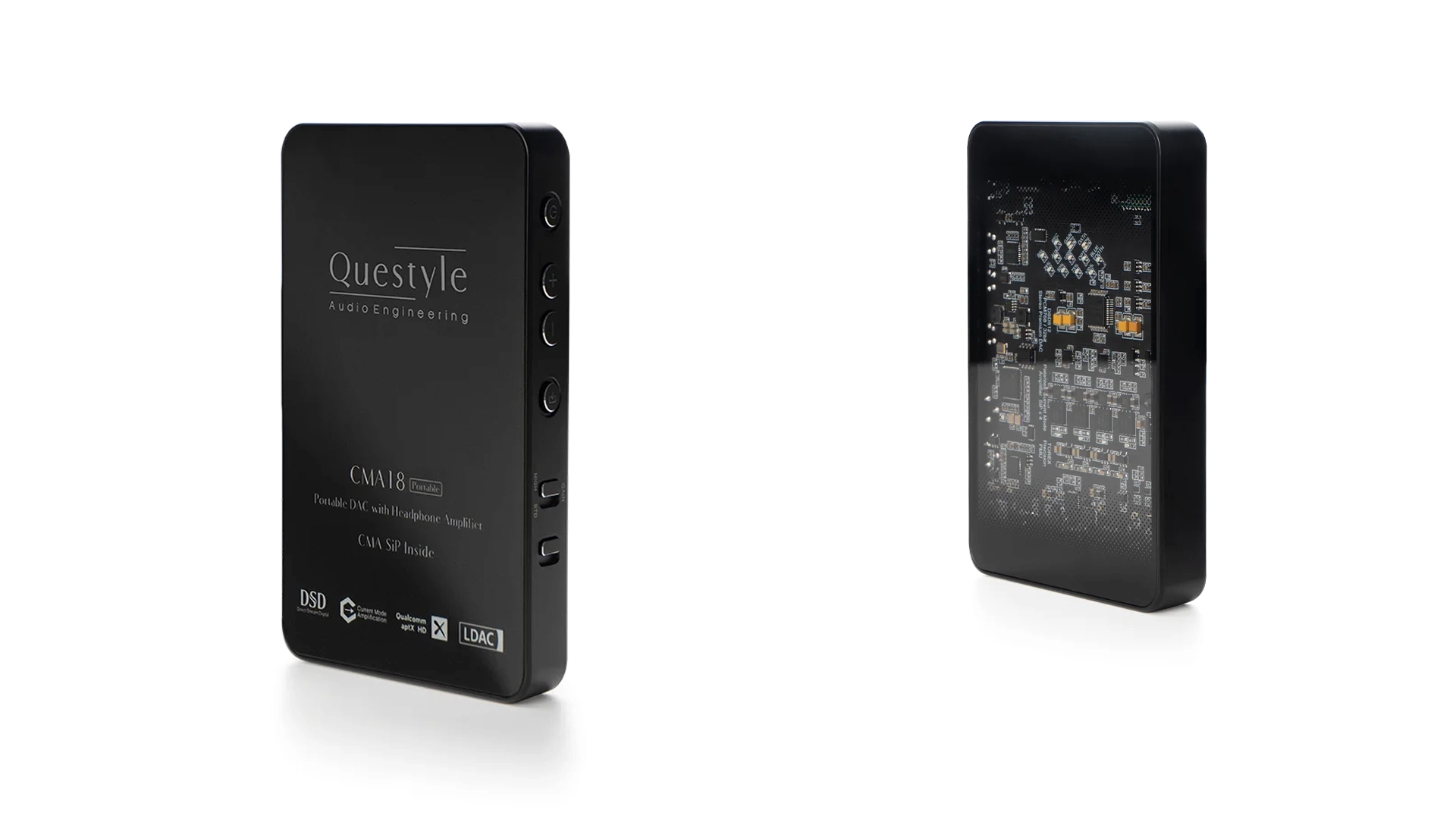
Questyle Audio was founded in Shenzhen in 2012 by engineer Jason Wang. Its identity is built around one circuit approach rather than a generic catalogue of DACs: patented Current Mode Amplification. In a current-mode stage the signal is processed as current through a very low-impedance node, allowing extremely high bandwidth and fast feedback when implemented correctly. Questyle uses the topology in discrete Class A modules, often four per channel in fully balanced desktop products, with the aim of achieving low distortion and stable control of headphones. The CMA family made the technology visible in combined DAC, preamplifier and headphone-amplifier components. CMA Twelve and CMA Fifteen became reference models; CMA Fifteen pairs four current-mode modules with an ESS ES9038PRO converter and can operate as a headphone amplifier, DAC or variable-output preamplifier. Newer CMA18 models continue the desktop line. QP1R and QP2R portable players brought the same amplifier idea to battery-powered listening, while M12, M15 and M15i dongle DAC/amps made it practical with phones and laptops. NHB earphones extend the mobile ecosystem through direct digital connections on supported devices. Product specifications and supported codecs vary by generation, so the brand should not be reduced to a claim that every model is wireless or handles every format. The important point is consistency: Questyle repeatedly redesigns complete source-and-amplifier products around its high-bandwidth current-mode stage, from a pocket dongle to a balanced desktop hub. The founding year has been added only because the 2012 date and Jason Wang’s role are consistently documented; the earlier text had left it blank.
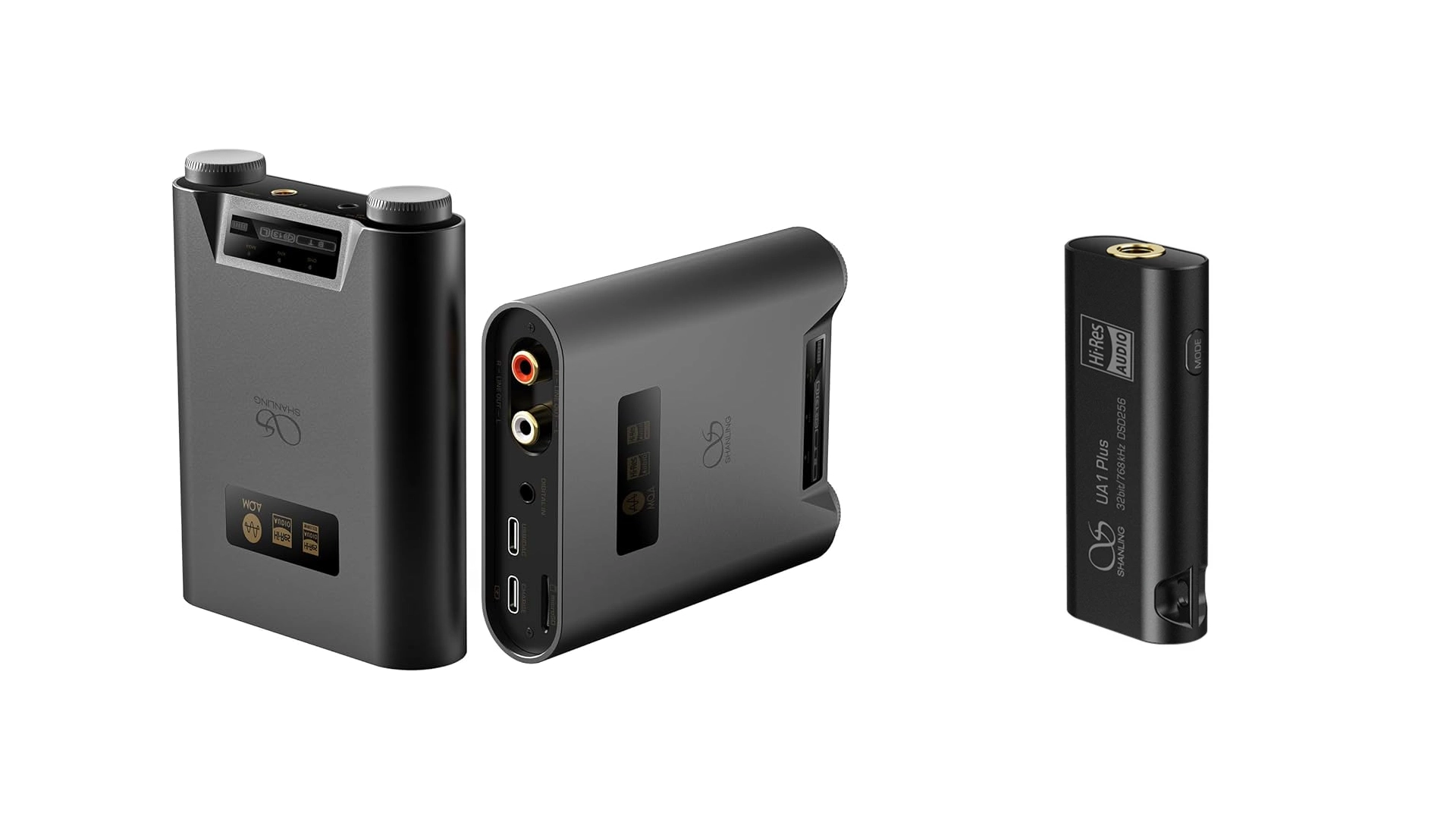
Shanling is a Chinese audio manufacturer founded in 1988, when it developed and released its first stereo amplifier. The company subsequently built CD, HDCD and SACD players, valve-output disc players, tuners, amplifiers and power products, acquiring the manufacturing depth that later distinguished it from brands created solely for the portable-audio boom. The CD-T100 helped Shanling enter international markets, while its M3 of 2014 was the first portable high-resolution player and opened the most visible chapter of the modern range. M-series digital audio players now span tiny entry models to Android flagships, with Shanling’s own MTouch interface used where a lighter operating system is preferable. The miniature M0 became especially influential by combining touchscreen control, high-resolution playback and two-way Bluetooth in a genuinely pocketable body. Portable DAC/headphone amplifiers in the UA and H families, Bluetooth receivers, desktop DACs, streamers and the revived EC/CD lines extend the digital source chain; ME and MG earphones give the company control over the final transducer as well. Shanling regularly works with established DAC, amplifier and Bluetooth platforms, but implements them through its own circuit layouts, clocking, power supplies, firmware and precisely machined aluminium cases. Its Shenzhen offices and Dongguan factory combine R&D, metalwork, assembly and sales, while licences and certifications have included LDAC, Hi-Res Audio, HDCD, Dolby, DTS, DVD and SACD technologies over the firm’s history. Shanling’s strength is continuity across formats: it understands optical discs, desktop hi-fi, wireless links and battery-powered players, so its portable products are not isolated gadgets but compact expressions of a much broader audio-engineering practice.
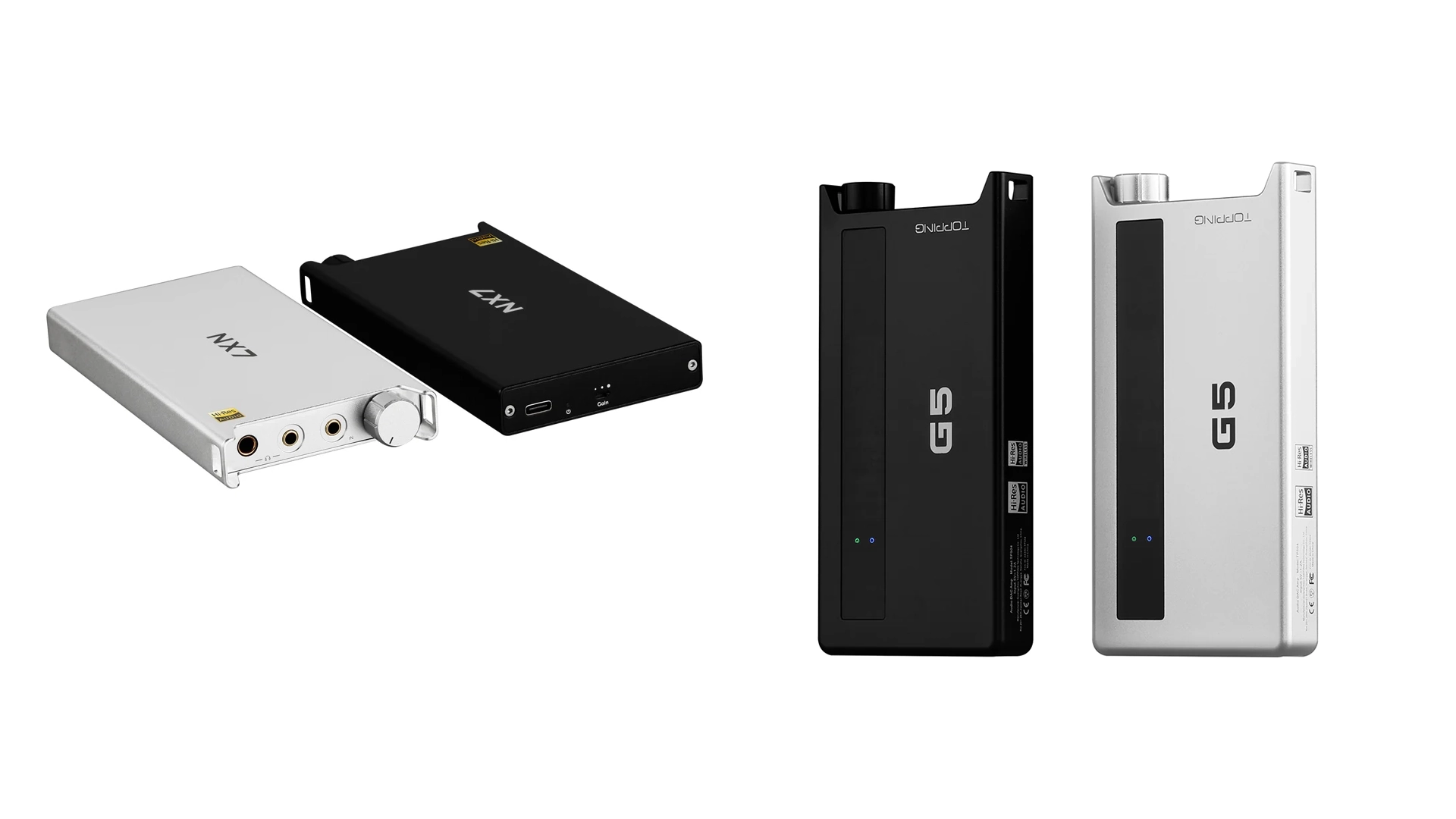
TOPPING is a Chinese desktop-audio manufacturer founded in 2008, recognised for DACs, headphone amplifiers and compact power amplifiers whose measured performance is treated as a primary design target. The company helped shift expectations in affordable digital audio: low noise, low distortion, balanced connections and transparent volume control no longer had to be reserved for physically large or expensive components.

Products such as the D90 DAC and A90 headphone amplifier established TOPPING at the upper end of desktop hi-fi, while E-series DACs, L-series headphone amplifiers and DX combination units cover more accessible systems. The company has also expanded into PA-series power amplifiers, B-series monoblocks and discrete or resistor-ladder conversion. Proprietary NFCA amplifier modules are used to obtain high feedback accuracy, very low output impedance and useful power across a wide range of headphones. Flagship models add sophisticated preamplifier, remote and digital-interface functions without abandoning measurement discipline.

TOPPING’s strength is not that every new model posts another record figure. It is the consistent use of audio analysers, documented specifications and compact circuit integration to make performance predictable. Firmware, user interface and system matching still matter, and a technically excellent device is not automatically the right product for every listener. Yet the brand’s influence is clear: it forced a broad part of the market to explain noise and distortion with evidence. TOPPING now spans entry-level desktop systems and serious separates, but its identity remains unusually focused on engineering results per unit of space and cost.

HFS Ad Rotator · default · slot 1
HFS Ad Rotator · default · slot 2
Add a missing AV-brand or update an existing one

Add a missing AV-brand or update an existing one

Any user can submit a Quick Submission Form to suggest a new AV-brand or suggest update details for an existing one. Brand owners or official representatives of brand can fill a Official Brand Submission Form to provide complete company information, ensuring maximum accuracy and visibility in our portal. All submissions are moderated before publication. 

For suggesting new AV-brands or suggesting updating existing one by users.

Complete official form for brand owners and representatives to provide complete company details to add a new one or update an existing one

Brand Categories:
  • SPEAKERS
    • Bookshelf Speakers — Compact loudspeakers designed for placement on a shelf or dedicated stands.
    • Floorstanding Speakers — Large, full-range loudspeakers that stand directly on the floor, designed for powerful and expansive sound.
    • In-wall Custom Install Speakers — Speakers designed to be installed flush into walls or ceilings for a discreet, "zero-footprint" audio solution.
    • On-Wall Speakers — Slim, low-profile speakers designed to be mounted directly on a wall, often to complement a flat-panel TV.
    • Studio Monitors — Speakers designed for professional audio production, offering a flat, accurate, and uncolored sound reproduction.
    • Planar Ribbon Electrostatic Speakers — Speakers using large, thin diaphragms (panels) instead of cones, prized for their transparent and detailed sound.
    • Horn Speakers — Highly efficient speakers that use a flared horn to amplify a driver, known for their dynamic, "live" sound.
    • Active Powered Speakers — Loudspeakers with built-in amplifiers, creating a simple all-in-one audio solution.
    • Wireless Portable Speakers — Compact, battery-powered speakers with Bluetooth for on-the-go music.
    • Outdoor Speakers — Durable, weather-resistant speakers engineered to provide high-quality audio in open-air spaces like patios and gardens.
    • Marine Extreme Speakers — Rugged, waterproof, and corrosion-resistant speakers built to withstand harsh marine environments on boats and yachts.
    • Commercial Speakers — Durable loudspeaker systems designed for background music and public address in business environments.
    • Invisible Speakers — Architectural speakers installed in a wall and plastered over, making them completely invisible.
    • Subwoofers Bass Speakers — Specialized speakers dedicated to reproducing only the lowest bass frequencies for impact and depth for all purposes
  • AMPLIFIERS
    • Integrated Amplifiers — An all-in-one component combining a preamplifier and a power amplifier in a single chassis.
    • PreAmplifiers — The control hub of a separates audio system, used for source selection and volume control.
    • Power Amplifiers — A component with the sole job of taking a line-level signal and amplifying it to drive loudspeakers.
    • Phono Preamps Phono Stages — A device that amplifies the weak signal from a turntable's cartridge and applies necessary RIAA equalization.
    • Tube Amplifiers — Amplifiers that use vacuum tubes (valves) instead of transistors, prized for their warm and rich sound character.
    • Multi-Zone Multi-Room Amplifiers — Amplifiers that power speakers in multiple different rooms or "zones" from a single, centralized unit.
    • Network Amplifiers — An integrated amplifier with built-in networking and streaming capabilities, creating a modern "just add speakers" system.
    • Desktop Headphone Amplifiers — Mains-powered amplifiers designed to drive high-quality headphones in a desktop or home audio system.
    • Portable Headphone Amplifiers Players — Compact, battery-powered devices (DAPs or amps) for delivering high-quality sound on the move.
  • DAC STREAMERS
    • DAC Desktop — Digital-to-Analog Converters designed to improve sound quality from a computer or other home digital source.
    • DAC Portable — Compact, battery-powered Digital-to-Analog Converters for improving audio from smartphones and laptops.
    • Music Streamers — Devices that connect to the internet to access and play music from online services like Tidal and Spotify.
    • Network Players — Source components focused on high-fidelity playback of digital audio files from a local network (NAS drive).
    • Music Servers HDD Storages — Dedicated devices for storing, managing, and playing a local digital music library with high fidelity.
    • CD Transport Media Players — High-precision disc players that read physical media (CDs, SACDs) and output a pure digital signal to an external DAC.
    • Compact All-in-One Systems — Self-contained audio systems that combine source, amplification, and often speakers into a single, compact unit.
    • Streaming Amplifier — An integrated amplifier with built-in streaming capabilities.
  • TURNTABLES VINYL
    • Turntables — Electromechanical devices that play vinyl records by rotating them at a stable speed.
    • Tonearms — The precision arm on a turntable that holds the cartridge, allowing the stylus to track the record groove.
    • Cartridges — The transducer on a turntable's tonearm that holds the stylus and converts groove vibrations into an electrical signal.
    • Vinyl Cleaning Machine — Specialized machines that use fluid and vacuum/ultrasonic action to deep-clean vinyl records.
    • Vinyl Accessories — Essential tools for setup and maintenance, like clamps, brushes, and alignment protractors.
  • HEADPHONES
    • In-Ear Earbuds — Ultra-portable listening devices, including True Wireless (TWS) models, designed for convenience and daily use.
    • In-Ear Monitors IEM — High-performance in-ear headphones that seal in the ear canal for superior sound isolation and detail.
    • On-Ear Headphones — Headphones with cushions that rest directly on the ears, offering a balance of portability and sound quality.
    • Over-Ear Headphones — Full-sized headphones with large earcups that completely encircle the ears for maximum comfort and immersion.
    • Wireless Headphones — Headphones that connect to source devices via Bluetooth, often featuring Active Noise Cancellation (ANC).
    • Planar Magnetic Ribbon Headphones — High-end headphones using a thin, flat diaphragm driven by magnets, known for their detailed and low-distortion sound.
    • Electrostatic Headphones — High-end headphones using a massless diaphragm in an electrostatic field, requiring a special energizer/amplifier.
  • HOME THEATER
    • AV Receivers Media Players — Central components of a home cinema, combining audio/video processing, amplification, and playback.
    • Home Theater Speakers — Matched sets of speakers (front, center, surround) designed to create an immersive cinematic soundfield.
    • Soundbars — A simple, all-in-one speaker bar that provides a significant audio upgrade over a television's built-in speakers.
    • Subwoofers — Specialized speakers dedicated to reproducing only the lowest bass frequencies for impact and depth for home theaters
    • Processors Amplifiers — High-end home cinema "separates" consisting of a surround sound processor and a multi-channel power amplifier.
    • Screens — High-quality projection surfaces designed to provide an optimal image for a home cinema projector.
    • Projectors — Video projectors optimized for home cinema use, focusing on color accuracy, contrast, and black levels.
  • CABLES ACCESSORIES
    • Speaker Cables — Cables that carry the amplified, high-level signal from an amplifier to passive loudspeakers.
    • Analog Cables — Cables (RCA, XLR) used to transmit analog audio signals between components like DACs and amplifiers.
    • Digital Cables — Cables (Coaxial, Optical, USB) that transmit digital audio data between components.
    • Phono Cables — Specially shielded cables designed to carry the delicate, low-level signal from a turntable to a phono preamp.
    • Headphone Cables — Aftermarket and replacement cables used to upgrade or customize high-quality headphones.
    • Connectors Terminals — The fundamental hardware (plugs, jacks, spades, etc.) used to terminate cables and connect equipment.
    • Power Cables — High-performance AC cords designed to deliver clean, noise-free power to audio components.
    • Power Supplies Conditioners — Devices that filter, stabilize, and protect the AC power supplied to an audio system for improved performance.
  • FURNITURE
    • Speaker Stands Mounts — Stands and mounts used to position speakers at the correct height and angle for optimal sound.
    • Furniture Racks — Purpose-built furniture designed to house audio/video components with a focus on stability, ventilation, and vibration control.
    • Isolation Footers Spikes Shelves — Specialized accessories (spikes, footers, platforms) designed to manage vibrations and isolate components.
    • Soundproof Solutions — Products designed to control room acoustics, including treatment (panels, diffusers) and sound-blocking materials.
  • PROFESSIONAL
    • Concert Speakers — Large-scale PA systems, including line arrays and stage monitors, for live music and public events.
    • Cinema Speakers — Specialized, high-output loudspeaker systems certified for use in large commercial movie theaters.
    • Concert Electronics — Robust electronics including mixing consoles, processors, and amplifiers for live sound reinforcement.
    • Cinema Electronics — Professional, DCI-compliant processors and amplifiers for use in commercial movie theaters.
    • Cinema Screens — Large-format, often acoustically transparent, projection screens built to professional cinema standards.
    • Cinema Projectors — Ultra-high-brightness, DCI-compliant projectors designed for continuous use in commercial movie theaters.
    • Professional Cables Accessories — Rugged, reliable cables and hardware (e.g., snake cables, Speakon connectors) for touring and professional installation.
  • DIY Components
    • Speaker drivers Tweeters — The individual transducers (woofers, mid-range, tweeters) that are the fundamental building blocks of a loudspeaker.
    • Coaxial Speaker Drivers — Speaker drivers where the tweeter is mounted in the center of the woofer, creating a single point source for sound.
    • DIY Speaker Kits — Complete packages including drivers, crossovers, and plans for enthusiasts to build their own loudspeakers.
    • Electron Vacuum Tubes — Glass valves used in tube amplifiers that provide amplification and can be replaced to tune the sound.
    • Electronic Components — Discrete parts (capacitors, resistors, transistors) used by manufacturers and DIYers to build audio circuits.
  • OTHERS
    • Line Stage — A type of preamplifier that exclusively handles line-level sources, without a built-in phono stage.
    • Time Alignment Device — A signal processor that corrects timing delays between drivers or speakers for improved sound coherence.
    • Smart Portable Speakers — Wireless portable speakers with integrated voice assistants (e.g., Alexa, Google Assistant) and smart home functionality.
    • DJ Turntables — Durable, high-torque direct-drive turntables with pitch control, built for performance and DJing applications.
    • Motor Drives — External motor units and power supplies for turntables, providing improved rotational stability and isolation.
    • Crossovers — Electronic circuits that split an audio signal into different frequency bands to route to the correct speaker driver.
    • Car Audio — Audio equipment, including speakers, amplifiers, and source units, specifically designed for use in vehicles.

Brand Categories:
  • Active Powered Speakers — Loudspeakers with built-in amplifiers, creating a simple all-in-one audio solution.
  • Analog Cables — Cables (RCA, XLR) used to transmit analog audio signals between components like DACs and amplifiers.
  • AV Receivers Media Players — Central components of a home cinema, combining audio/video processing, amplification, and playback.
  • Bookshelf Speakers — Compact loudspeakers designed for placement on a shelf or dedicated stands.
  • Car Audio — Audio equipment, including speakers, amplifiers, and source units, specifically designed for use in vehicles.
  • Cartridges — The transducer on a turntable's tonearm that holds the stylus and converts groove vibrations into an electrical signal.
  • CD Transport Media Players — High-precision disc players that read physical media (CDs, SACDs) and output a pure digital signal to an external DAC.
  • Cinema Electronics — Professional, DCI-compliant processors and amplifiers for use in commercial movie theaters.
  • Cinema Projectors — Ultra-high-brightness, DCI-compliant projectors designed for continuous use in commercial movie theaters.
  • Cinema Screens — Large-format, often acoustically transparent, projection screens built to professional cinema standards.
  • Cinema Speakers — Specialized, high-output loudspeaker systems certified for use in large commercial movie theaters.
  • Coaxial Speaker Drivers — Speaker drivers where the tweeter is mounted in the center of the woofer, creating a single point source for sound.
  • Commercial Speakers — Durable loudspeaker systems designed for background music and public address in business environments.
  • Compact All-in-One Systems — Self-contained audio systems that combine source, amplification, and often speakers into a single, compact unit.
  • Concert Electronics — Robust electronics including mixing consoles, processors, and amplifiers for live sound reinforcement.
  • Concert Speakers — Large-scale PA systems, including line arrays and stage monitors, for live music and public events.
  • Connectors Terminals — The fundamental hardware (plugs, jacks, spades, etc.) used to terminate cables and connect equipment.
  • Crossovers — Electronic circuits that split an audio signal into different frequency bands to route to the correct speaker driver.
  • DAC Desktop — Digital-to-Analog Converters designed to improve sound quality from a computer or other home digital source.
  • DAC Portable — Compact, battery-powered Digital-to-Analog Converters for improving audio from smartphones and laptops.
  • Desktop Headphone Amplifiers — Mains-powered amplifiers designed to drive high-quality headphones in a desktop or home audio system.
  • Digital Cables — Cables (Coaxial, Optical, USB) that transmit digital audio data between components.
  • DIY Speaker Kits — Complete packages including drivers, crossovers, and plans for enthusiasts to build their own loudspeakers.
  • DJ Turntables — Durable, high-torque direct-drive turntables with pitch control, built for performance and DJing applications.
  • Electron Vacuum Tubes — Glass valves used in tube amplifiers that provide amplification and can be replaced to tune the sound.
  • Electronic Components — Discrete parts (capacitors, resistors, transistors) used by manufacturers and DIYers to build audio circuits.
  • Electrostatic Headphones — High-end headphones using a massless diaphragm in an electrostatic field, requiring a special energizer/amplifier.
  • Floorstanding Speakers — Large, full-range loudspeakers that stand directly on the floor, designed for powerful and expansive sound.
  • Furniture Racks — Purpose-built furniture designed to house audio/video components with a focus on stability, ventilation, and vibration control.
  • Headphone Cables — Aftermarket and replacement cables used to upgrade or customize high-quality headphones.
  • Home Theater Speakers — Matched sets of speakers (front, center, surround) designed to create an immersive cinematic soundfield.
  • Horn Speakers — Highly efficient speakers that use a flared horn to amplify a driver, known for their dynamic, "live" sound.
  • In-Ear Earbuds — Ultra-portable listening devices, including True Wireless (TWS) models, designed for convenience and daily use.
  • In-Ear Monitors IEM — High-performance in-ear headphones that seal in the ear canal for superior sound isolation and detail.
  • In-wall Custom Install Speakers — Speakers designed to be installed flush into walls or ceilings for a discreet, "zero-footprint" audio solution.
  • Integrated Amplifiers — An all-in-one component combining a preamplifier and a power amplifier in a single chassis.
  • Invisible Speakers — Architectural speakers installed in a wall and plastered over, making them completely invisible.
  • Isolation Footers Spikes Shelves — Specialized accessories (spikes, footers, platforms) designed to manage vibrations and isolate components.
  • Line Stage — A type of preamplifier that exclusively handles line-level sources, without a built-in phono stage.
  • Marine Extreme Speakers — Rugged, waterproof, and corrosion-resistant speakers built to withstand harsh marine environments on boats and yachts.
  • Motor Drives — External motor units and power supplies for turntables, providing improved rotational stability and isolation.
  • Multi-Zone Multi-Room Amplifiers — Amplifiers that power speakers in multiple different rooms or "zones" from a single, centralized unit.
  • Music Servers HDD Storages — Dedicated devices for storing, managing, and playing a local digital music library with high fidelity.
  • Music Streamers — Devices that connect to the internet to access and play music from online services like Tidal and Spotify.
  • Network Amplifiers — An integrated amplifier with built-in networking and streaming capabilities, creating a modern "just add speakers" system.
  • Network Players — Source components focused on high-fidelity playback of digital audio files from a local network (NAS drive).
  • On-Ear Headphones — Headphones with cushions that rest directly on the ears, offering a balance of portability and sound quality.
  • On-Wall Speakers — Slim, low-profile speakers designed to be mounted directly on a wall, often to complement a flat-panel TV.
  • Outdoor Speakers — Durable, weather-resistant speakers engineered to provide high-quality audio in open-air spaces like patios and gardens.
  • Over-Ear Headphones — Full-sized headphones with large earcups that completely encircle the ears for maximum comfort and immersion.
  • Phono Cables — Specially shielded cables designed to carry the delicate, low-level signal from a turntable to a phono preamp.
  • Phono Preamps Phono Stages — A device that amplifies the weak signal from a turntable's cartridge and applies necessary RIAA equalization.
  • Planar Magnetic Ribbon Headphones — High-end headphones using a thin, flat diaphragm driven by magnets, known for their detailed and low-distortion sound.
  • Planar Ribbon Electrostatic Speakers — Speakers using large, thin diaphragms (panels) instead of cones, prized for their transparent and detailed sound.
  • Portable Headphone Amplifiers Players — Compact, battery-powered devices (DAPs or amps) for delivering high-quality sound on the move.
  • Power Amplifiers — A component with the sole job of taking a line-level signal and amplifying it to drive loudspeakers.
  • Power Cables — High-performance AC cords designed to deliver clean, noise-free power to audio components.
  • Power Supplies Conditioners — Devices that filter, stabilize, and protect the AC power supplied to an audio system for improved performance.
  • PreAmplifiers — The control hub of a separates audio system, used for source selection and volume control.
  • Processors Amplifiers — High-end home cinema "separates" consisting of a surround sound processor and a multi-channel power amplifier.
  • Professional Cables Accessories — Rugged, reliable cables and hardware (e.g., snake cables, Speakon connectors) for touring and professional installation.
  • Projectors — Video projectors optimized for home cinema use, focusing on color accuracy, contrast, and black levels.
  • Screens — High-quality projection surfaces designed to provide an optimal image for a home cinema projector.
  • Smart Portable Speakers — Wireless portable speakers with integrated voice assistants (e.g., Alexa, Google Assistant) and smart home functionality.
  • Soundbars — A simple, all-in-one speaker bar that provides a significant audio upgrade over a television's built-in speakers.
  • Soundproof Solutions — Products designed to control room acoustics, including treatment (panels, diffusers) and sound-blocking materials.
  • Speaker Cables — Cables that carry the amplified, high-level signal from an amplifier to passive loudspeakers.
  • Speaker drivers Tweeters — The individual transducers (woofers, mid-range, tweeters) that are the fundamental building blocks of a loudspeaker.
  • Speaker Stands Mounts — Stands and mounts used to position speakers at the correct height and angle for optimal sound.
  • Streaming Amplifier — An integrated amplifier with built-in streaming capabilities.
  • Studio Monitors — Speakers designed for professional audio production, offering a flat, accurate, and uncolored sound reproduction.
  • Subwoofers — Specialized speakers dedicated to reproducing only the lowest bass frequencies for impact and depth for home theaters
  • Subwoofers Bass Speakers — Specialized speakers dedicated to reproducing only the lowest bass frequencies for impact and depth for all purposes
  • Time Alignment Device — A signal processor that corrects timing delays between drivers or speakers for improved sound coherence.
  • Tonearms — The precision arm on a turntable that holds the cartridge, allowing the stylus to track the record groove.
  • Tube Amplifiers — Amplifiers that use vacuum tubes (valves) instead of transistors, prized for their warm and rich sound character.
  • Turntables — Electromechanical devices that play vinyl records by rotating them at a stable speed.
  • Vinyl Accessories — Essential tools for setup and maintenance, like clamps, brushes, and alignment protractors.
  • Vinyl Cleaning Machine — Specialized machines that use fluid and vacuum/ultrasonic action to deep-clean vinyl records.
  • Wireless Headphones — Headphones that connect to source devices via Bluetooth, often featuring Active Noise Cancellation (ANC).
  • Wireless Portable Speakers — Compact, battery-powered speakers with Bluetooth for on-the-go music.

Sales Channels:
  • Dealer & Distributor Network — The traditional sales model where products are sold through a network of authorized, independent retail stores and custom installers. This is the primary channel for most specialized Hi-Fi brands.
  • Direct-to-Consumer (DTC) — The brand sells its products directly to end-users through its own official website, bypassing traditional retail channels. A rapidly growing model in the industry.
  • Custom Installation (CI) Channel — Products are sold primarily through professional firms that design and install integrated smart home and audio-visual systems. This channel is crucial for architectural and high-end integrated solutions.
  • Mass Market Retail — Products are available in large, non-specialized consumer electronics chain stores. This typically applies to more mainstream product lines from larger brands.
  • Brand-Owned Stores / Showrooms — The brand operates its own physical, flagship retail stores or dedicated showrooms to offer a direct and immersive brand experience. This is the least common model, typically used by top-tier brands.

For companies: For any questions about listings & partnership opportunities, please contact us at contact@hifiselector.com

Have a suggestion or found a flaw? Help us improve​

Have a suggestion or found a flaw?