An icon for an audio equipment rack or furniture.

Furniture Racks

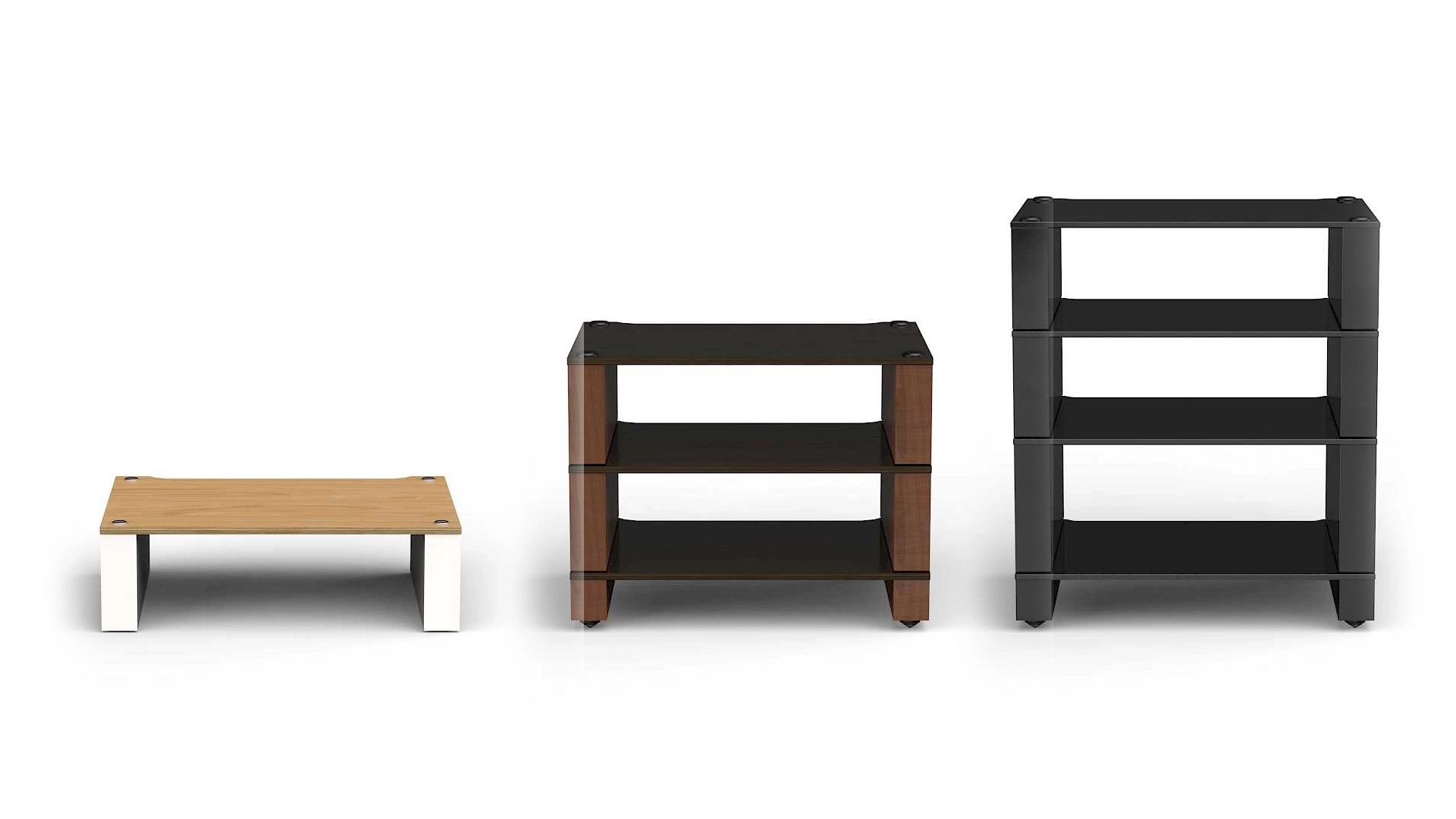
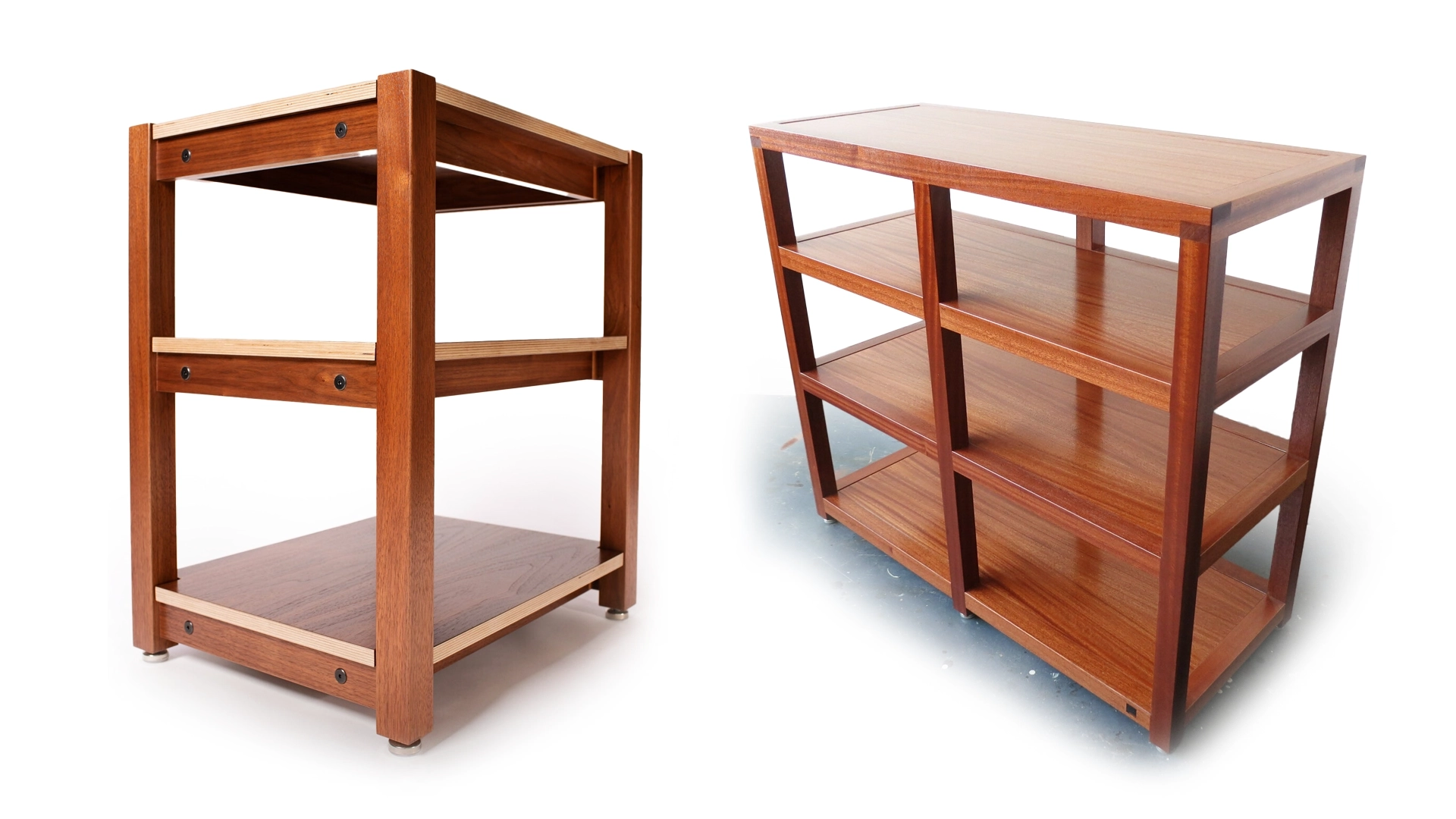
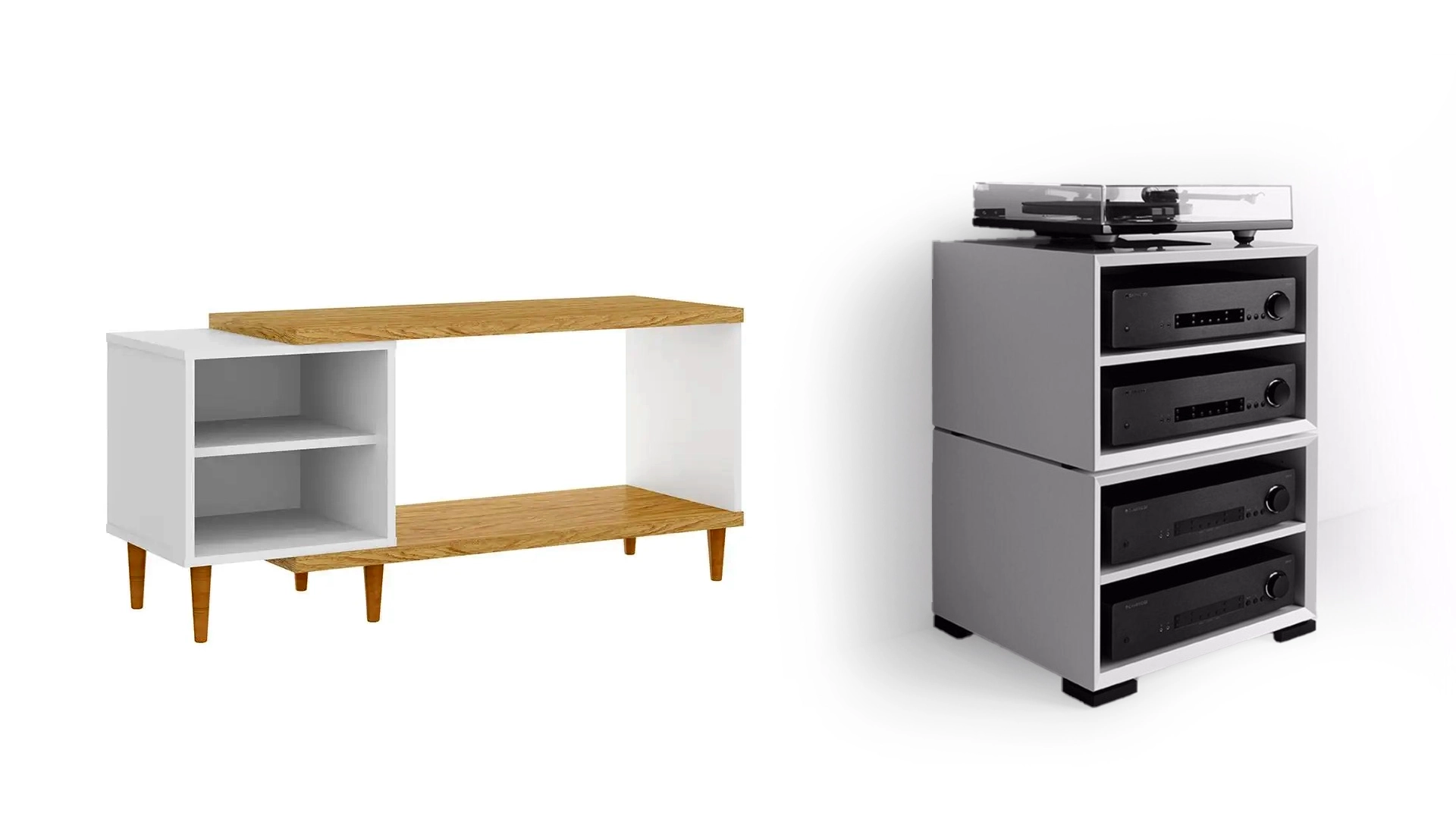
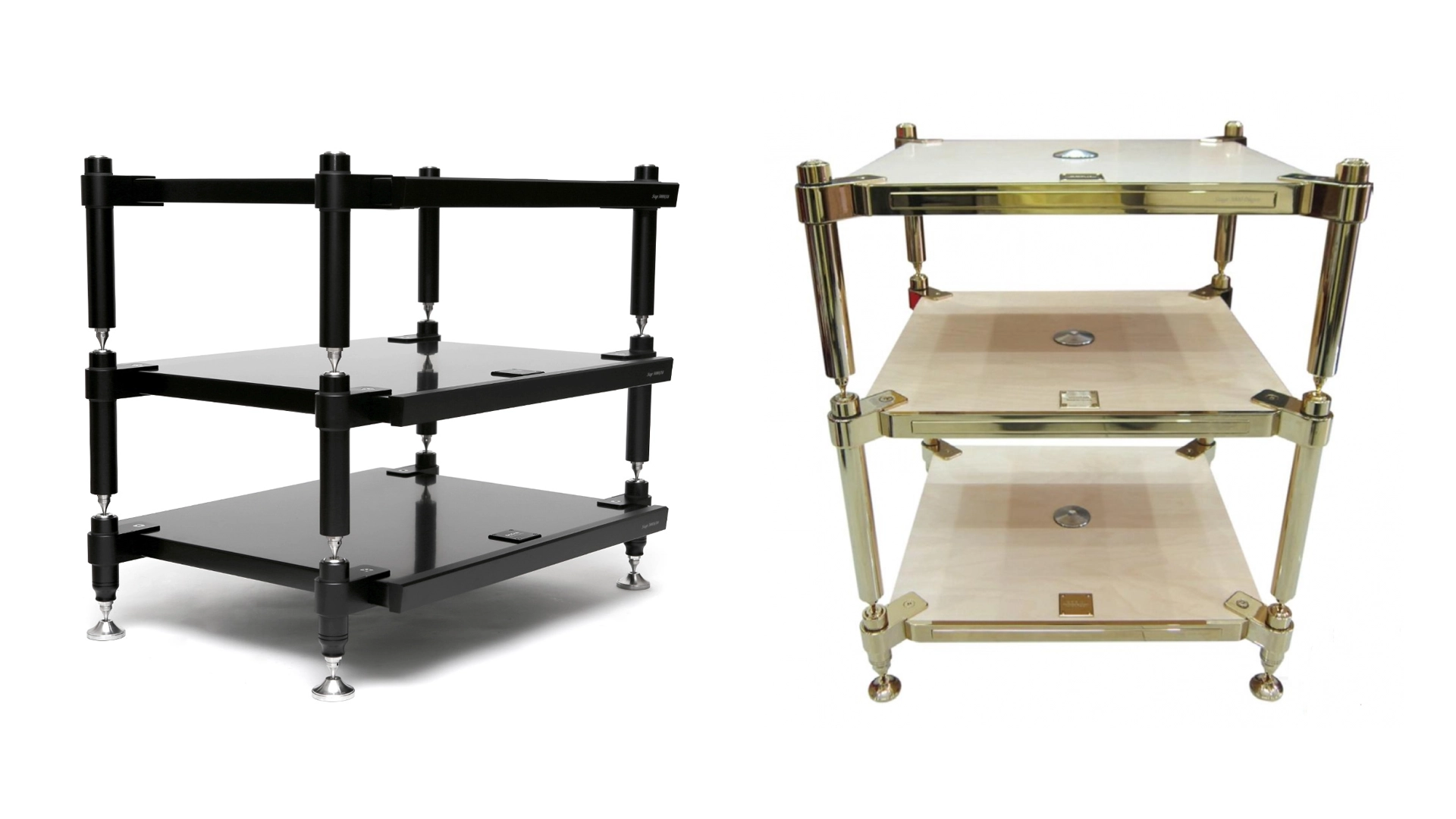
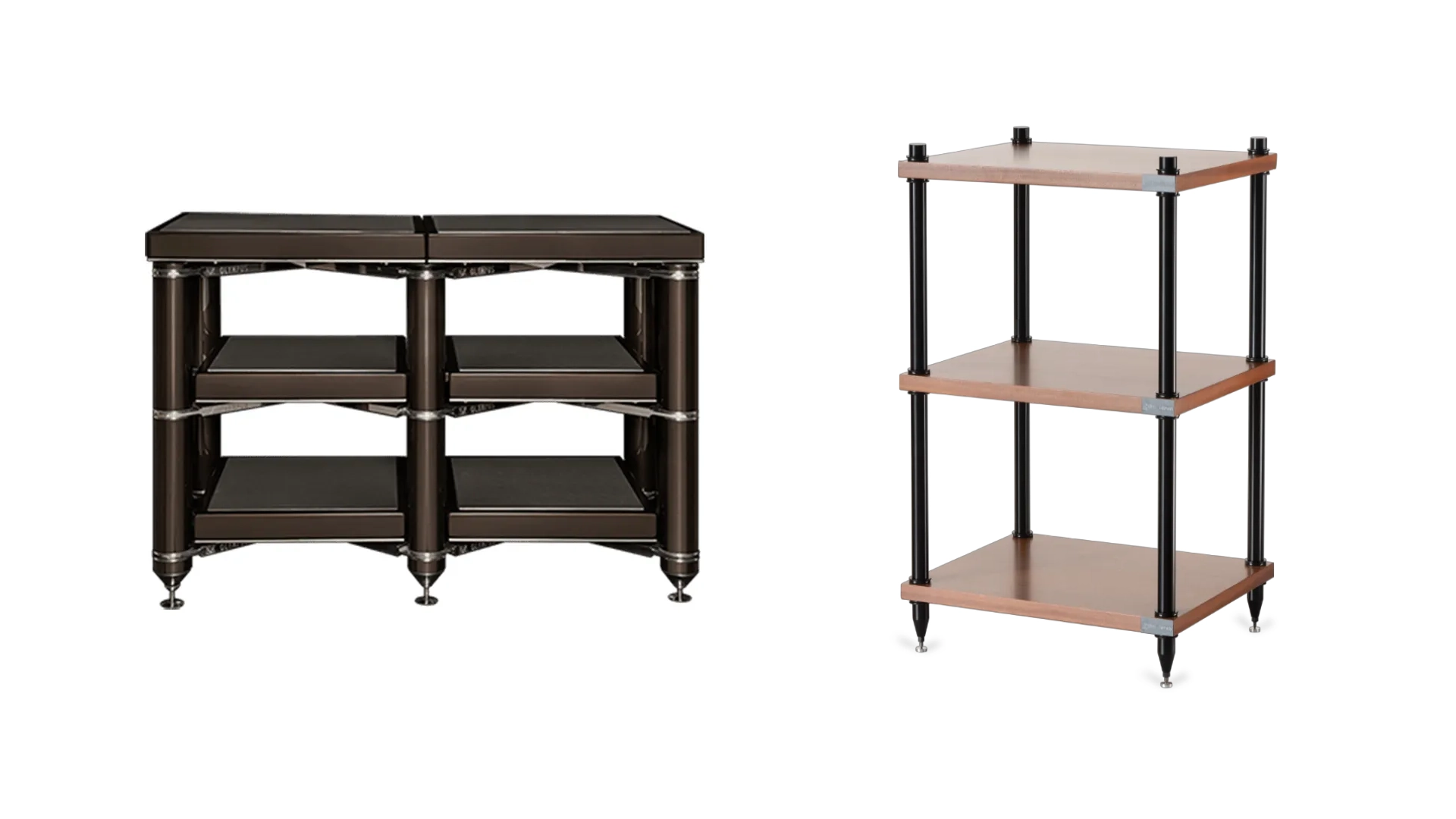
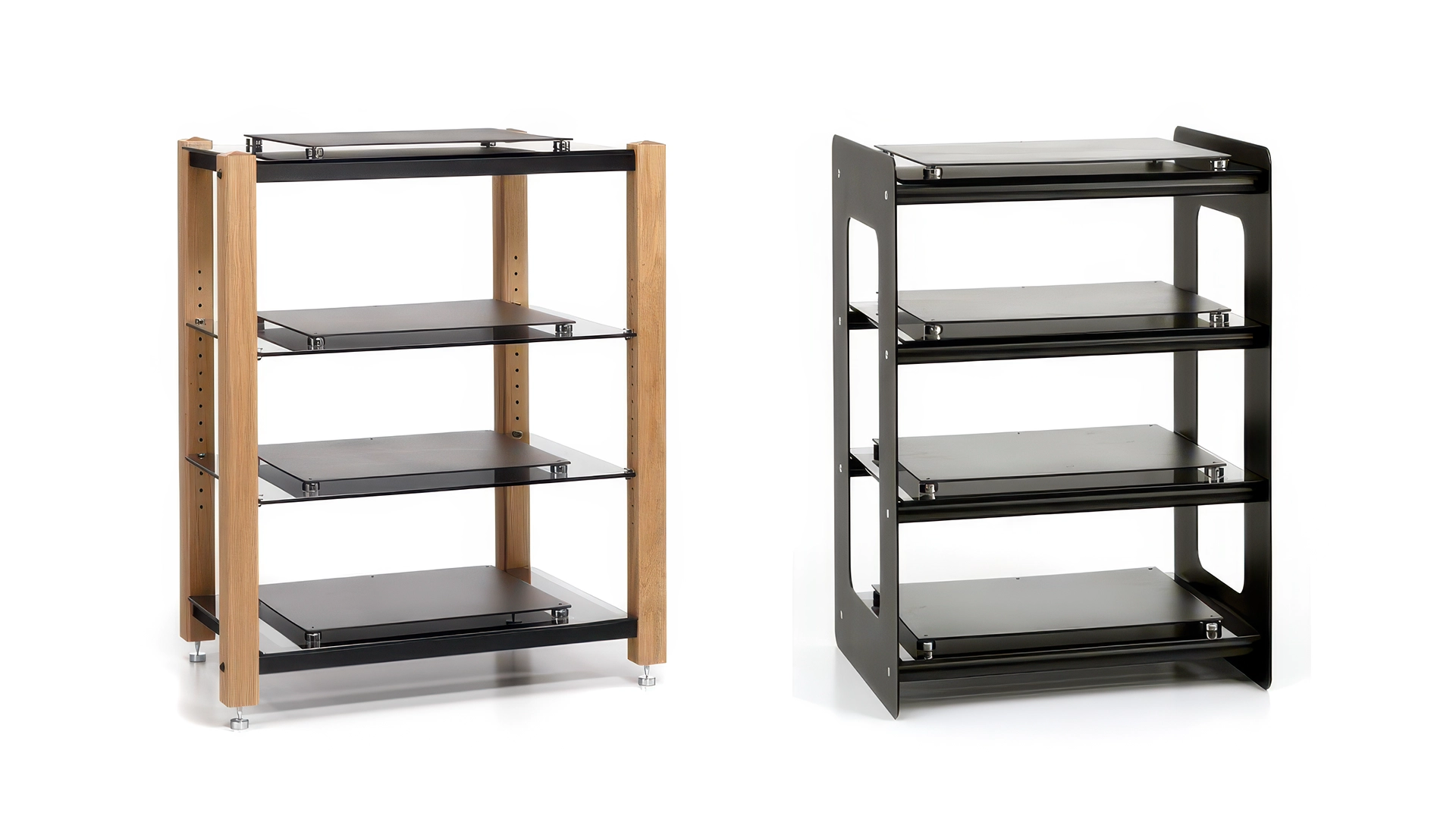
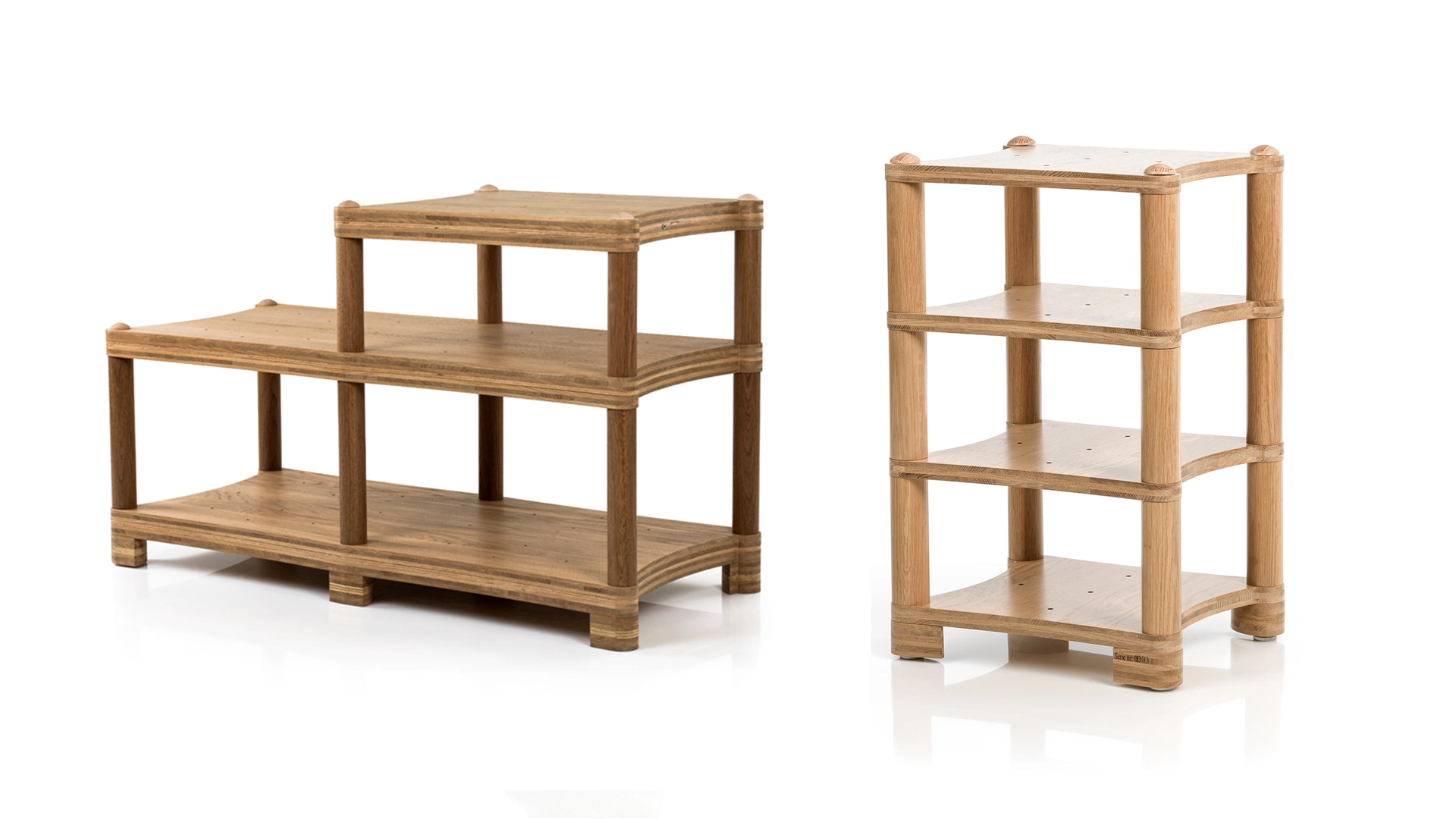
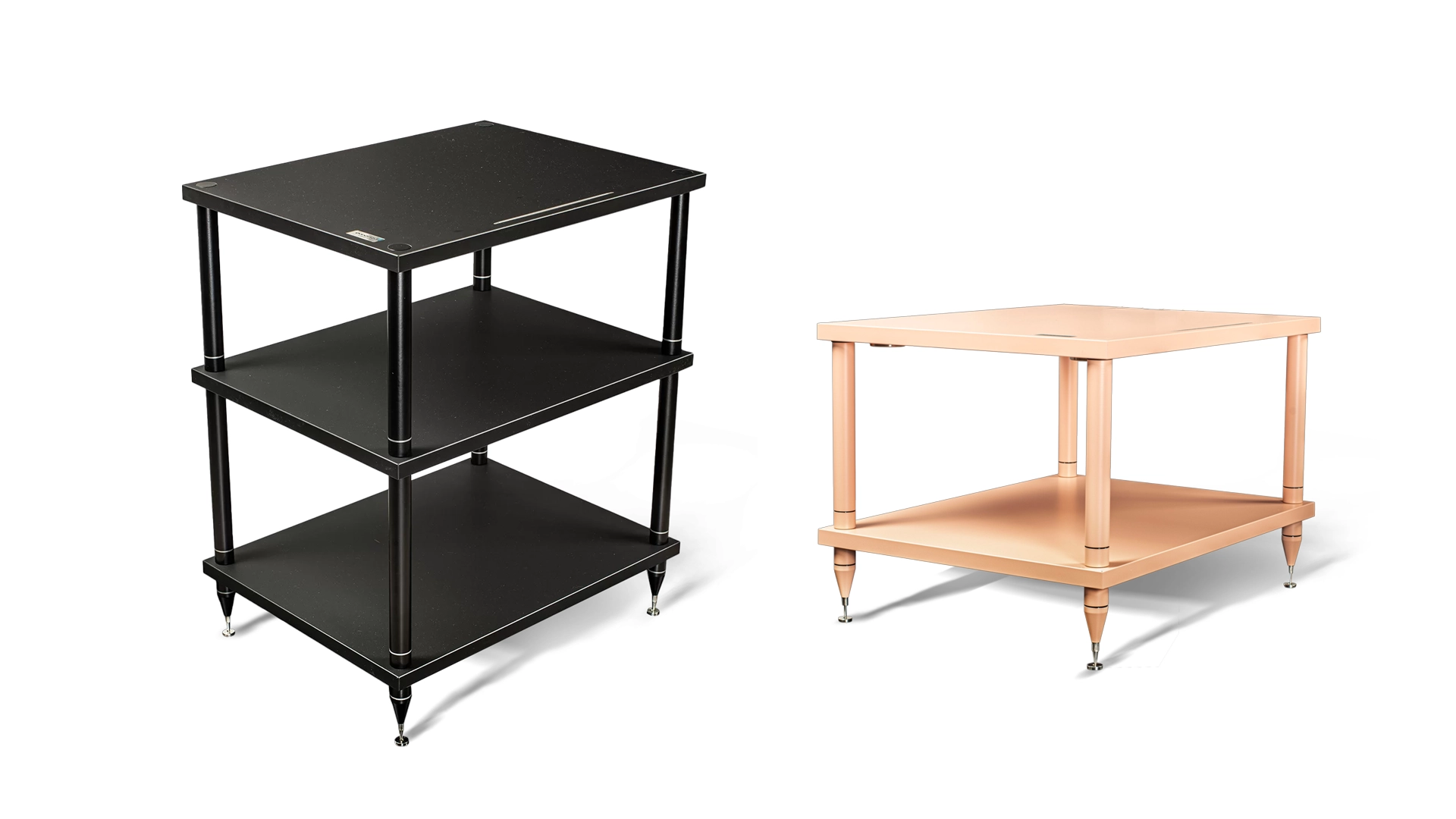
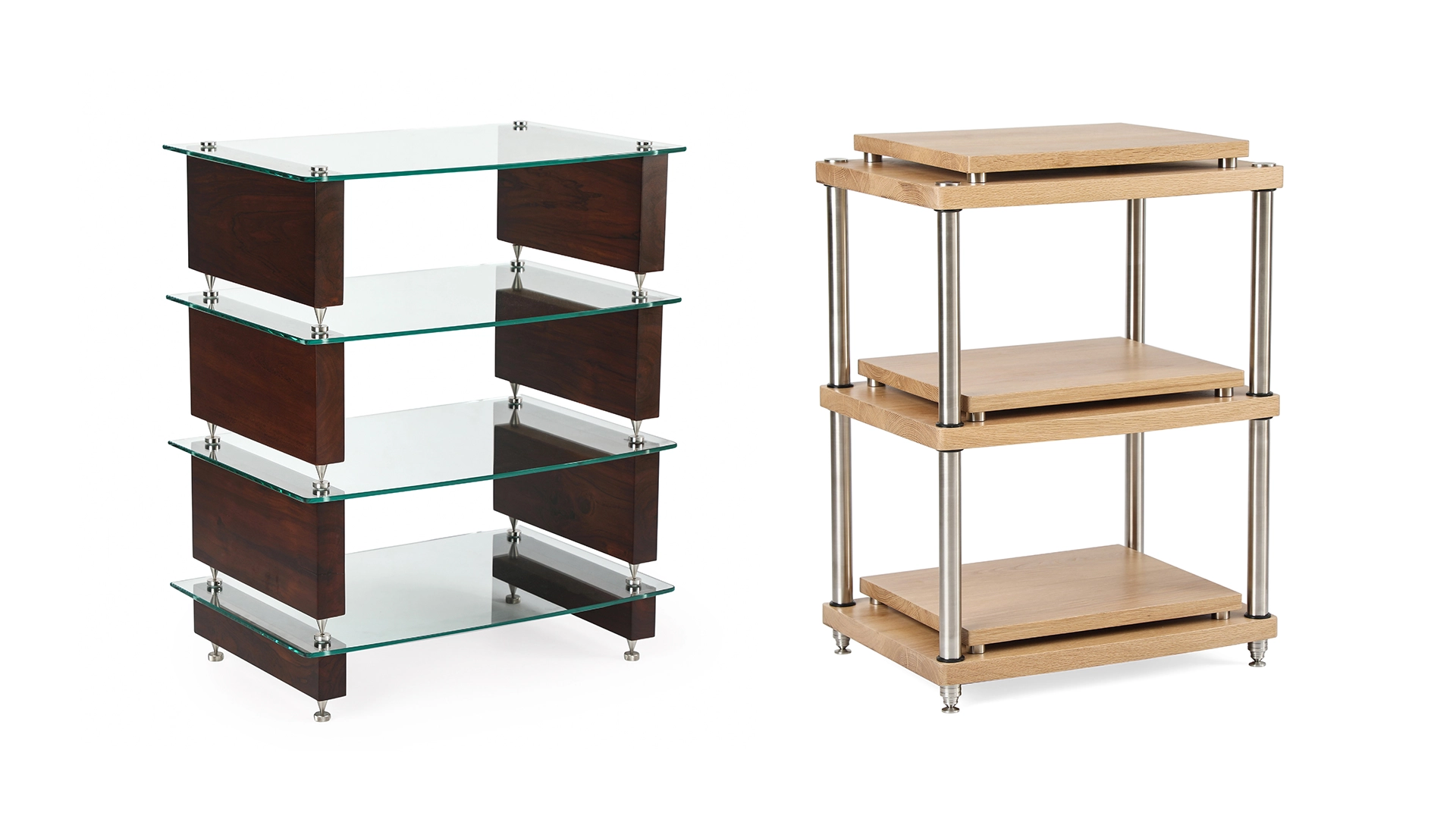
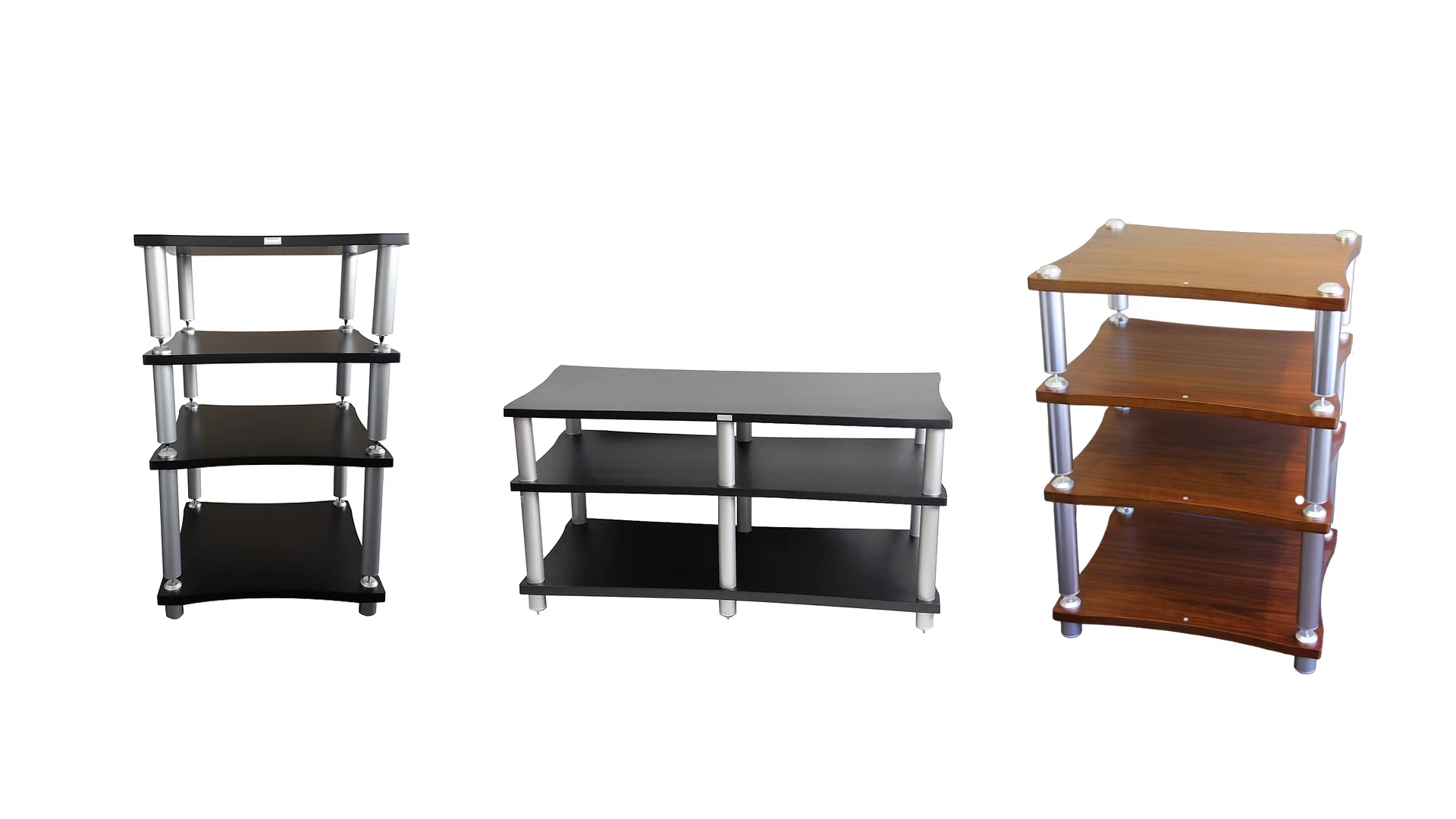
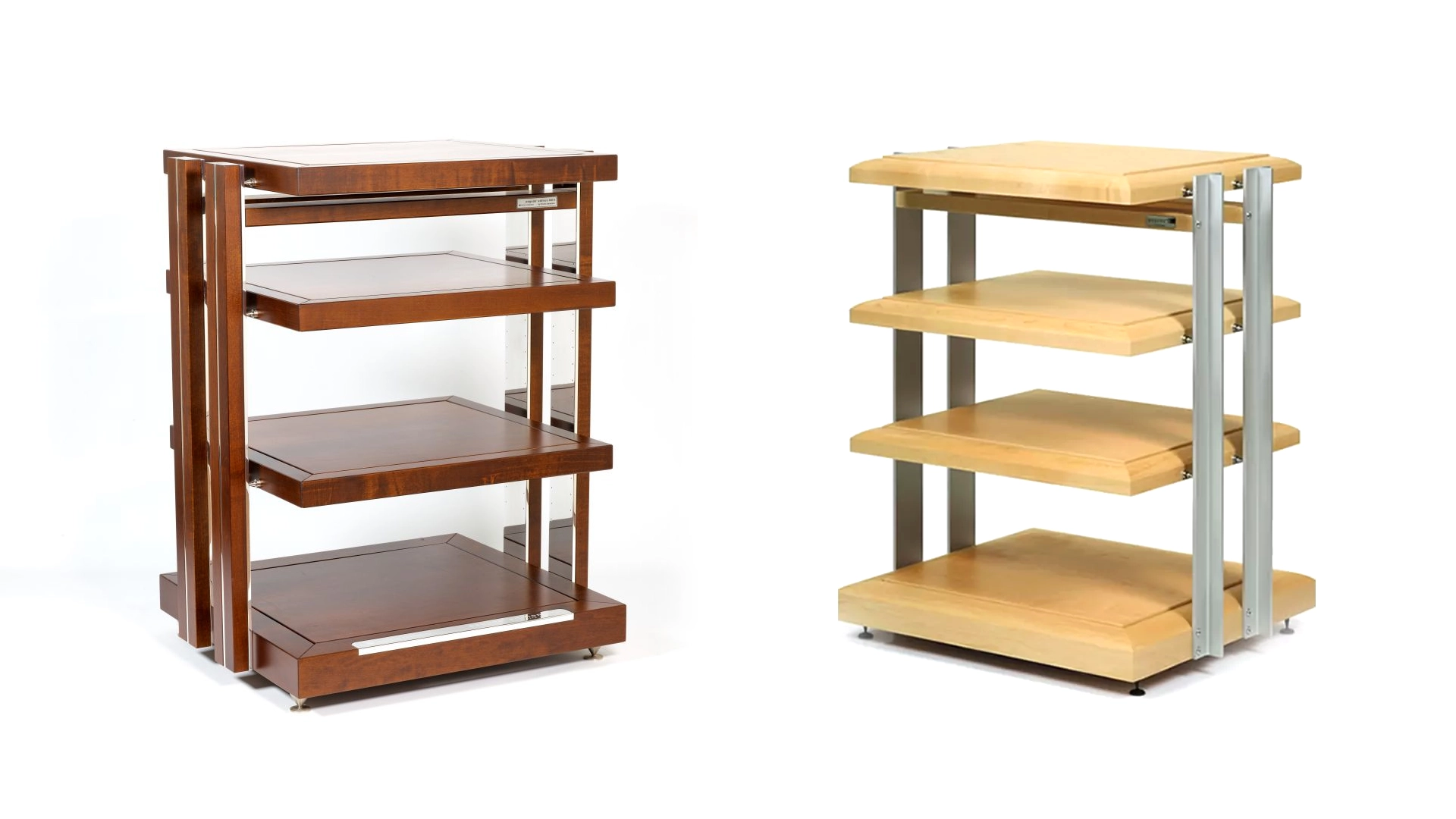
Hi-Fi racks and audio furniture are purpose-built to house your valuable electronic components. Unlike standard household furniture, they are engineered with open designs for proper ventilation, heavy-duty construction for stability, and integrated solutions for cable management. A good rack not only organizes your system but also contributes to better performance by controlling unwanted vibrations. This page is your guide to the specialized brands that build these foundational pieces of audio furniture.

47

Hi-Fi brands in the category

Summary information and image

Direct links to official websites

Filters
Search
Country
See more See less

Alpin-Line makes substantial audio racks and loudspeaker stands in Poland, with granite shelves, metal supports and extensive made-to-order options. Its roots are unusual: the brand story, signed by Marian Piotrowicz, connects the furniture project to Alpin-Bud, a company established in 1997 for rope-access work at height. The mountain imagery is reflected in the physical design, but the practical distinction is customisation. Customers can specify dimensions, leg heights and diameters, support layouts, spikes and damping materials, including quartz-sand filling where offered. Alpin-Line also works from customer drawings, making it relevant when standard rack sizes do not suit the equipment or room.

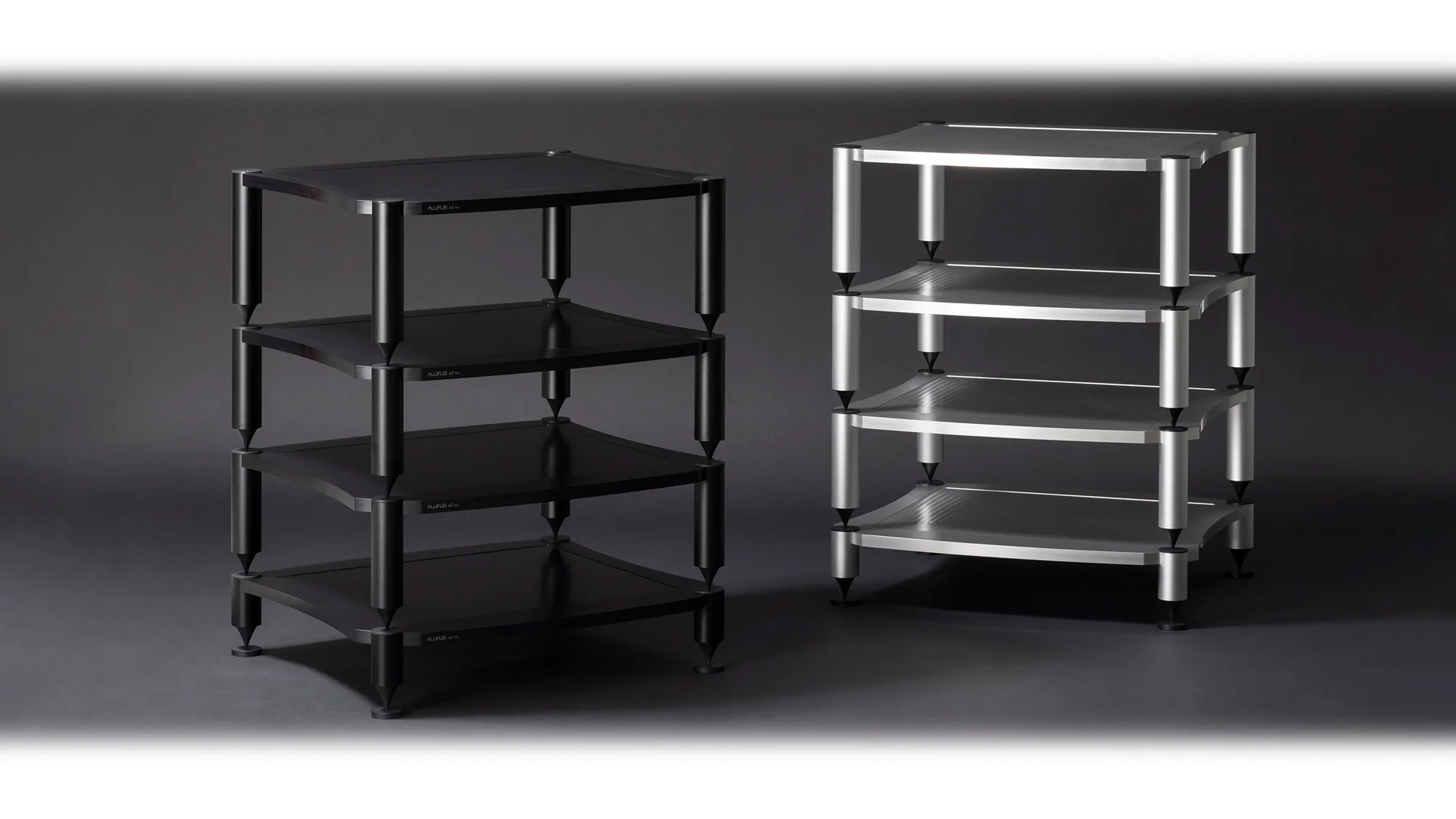
Alufus applies aluminium fabrication and surface-finishing expertise to furniture, including audio equipment racks. The South Korean brand is rooted in a metal-surface-treatment company established in 1944, and its own account places particular emphasis on the colours and textures that can be achieved with aluminium. Its audio catalogue includes the Vela and Vela Noir racks, within a wider furniture collection rather than a business limited to bookshelf-speaker stands. The connection with architectural furniture is visible in its material palette and attention to surface finish: these racks are designed as part of the room as well as supports for audio components.

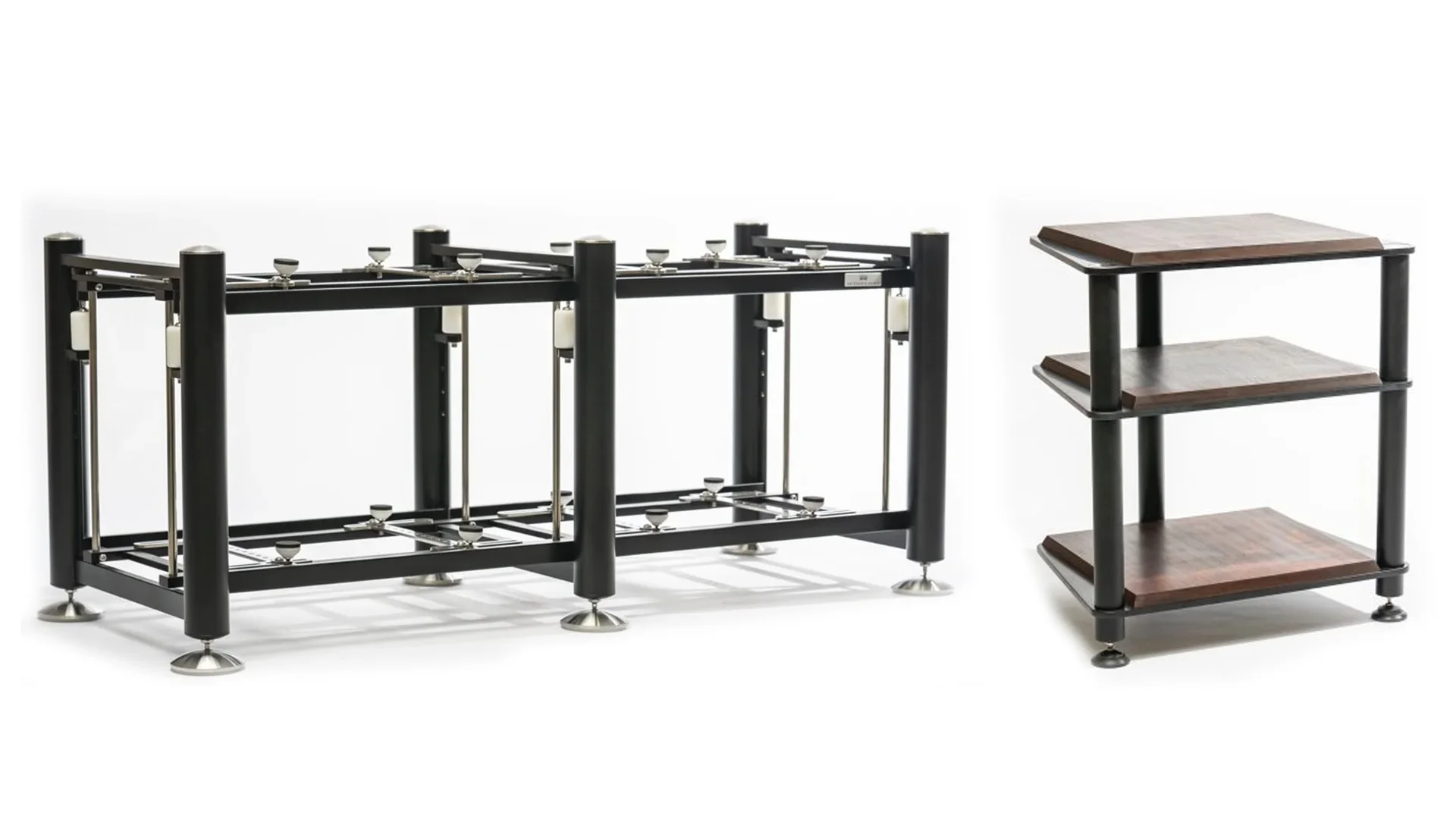
Artesania Audio builds equipment racks around adjustable mechanical supports and multiple stages of decoupling. Founded by acoustic engineer José Luis Lafarga in Barbastro, Spain, its work on vibration control dates to 1993. The Exoteryc rack suspends an inner support structure within a filled metal outer frame. Adjustable arms and isolation discs support components directly, allowing shelf-free placement and adjustment of the contact points beneath each chassis. Separate platforms accommodate turntables and other equipment that needs a conventional surface. Exoteryc and Prestige sit alongside the more furniture-oriented Organic designs, with the common emphasis on how the component, support and floor are mechanically connected.
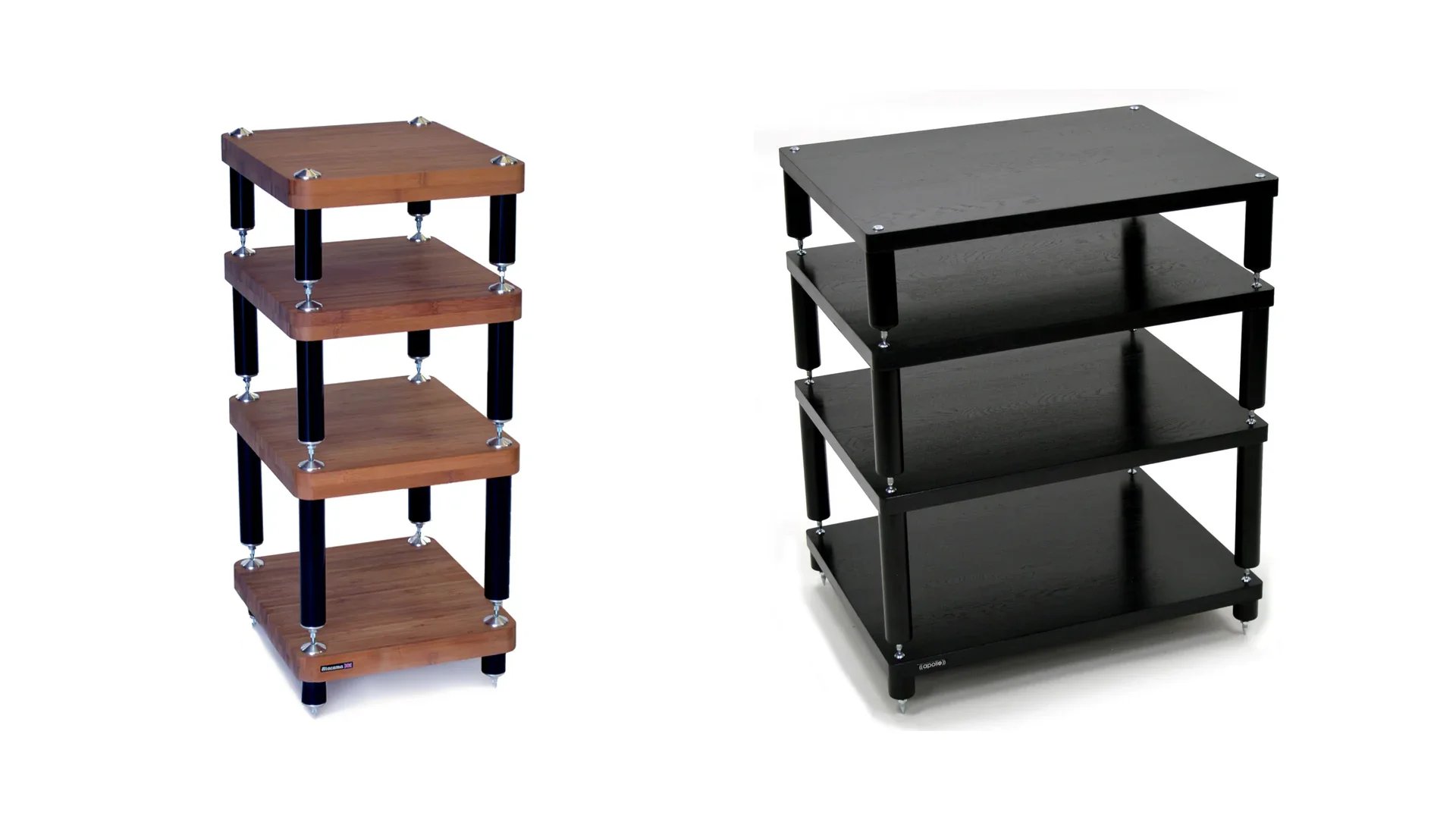
Atacama makes modular hi-fi racks and speaker stands in the UK, with sizes and support arrangements that can be matched to the equipment they carry. Its move into loudspeaker-stand development began in 1987, following earlier engineering work outside hi-fi. Bamboo shelves are a recognisable feature of the Evoque Eco racks, whose separate modules allow the height and capacity of a system to change. Moseco stands pair metal columns with bamboo bases, while other families offer different base materials and load requirements. Replacement components and additional shelving for discontinued ranges also form part of the offering. This makes compatibility and long-term adaptability as relevant as the appearance of the finished rack.

Blok designs hi-fi furniture as part of the equipment’s mechanical and thermal environment, not merely as domestic storage. Founded in Saffron Walden, England, in 2003, the brand is now developed within Monitor Audio Group’s UK design organisation. Its Stax 2G system is modular: shelves, supports and accessories can be configured for different numbers and sizes of components, with attention to load capacity, levelling, cable routing, ventilation and vibration control. Isolation elements between structural parts help prevent energy travelling freely through the rack, while fillable supports allow the owner to adjust mass and stability. Clean proportions and several finishes make the furniture suitable for visible living spaces without hiding the hardware. Blok’s speciality is a coordinated support platform that can evolve as a system changes, rather than generic shelving carrying an audiophile label.

Box Furniture Co. builds audio racks as substantial pieces of American furniture, with joinery and material choices developed specifically around hi-fi equipment. Furniture maker Anthony Abbate launched the Brooklyn company in 2009 after years of cabinetmaking, record collecting and work connected with audio. Its products are handcrafted at the Brooklyn Navy Yard using solid hardwood, mortise-and-tenon construction and durable catalysed finishes. Heritage racks use the company’s established architectural form, while the Modular Series allows shelf spacing and capacity to change with the system. Custom racks and dedicated isolation platforms address components that do not fit a standard layout. Box does not rely on hidden metal frames dressed in veneer. The wooden structure is the furniture, and extensive listening tests help determine the combination of species, dimensions and construction used to support high-resolution systems.

Clic designs Danish furniture that can either present a hi-fi system cleanly or make its cables, electronics and loudspeakers disappear into the room. Founder Mike Fabricius developed the first models at home in 1999 after failing to find furniture that met both the visual and practical needs of serious audio equipment. Every unit is designed and made to order in Denmark. A rigid construction method avoids a fixed rear panel, preserving access, airflow and cable routing while allowing the furniture to stand on feet or be wall-mounted. Buyers can combine solid or acoustically transparent doors, equipment compartments, drawers for records and media, removable rear panels, cable trays, ventilation and dedicated openings or recesses for turntables, televisions and control devices. The current structure includes TV, Classic and Custom series, built from a modular system rather than one-purpose racks. Hand painting, fitted doors and local production give Clic the finish of domestic furniture, while load capacity, cooling and service access remain those of an AV installation product.
Codia Acoustic Design is a South Korean specialist in equipment racks, platforms and accessories that treat the support beneath a hi-fi component as part of the vibration-control system. The company began in 2010, initially working with birch-plywood loudspeaker enclosures before applying that material knowledge to audio furniture. Its Stage racks use laminated Baltic birch shelves whose differently oriented layers and machined diagonal slots are intended to spread and dissipate resonant energy instead of storing it in a simple solid panel. Rigid metal pillars, spikes and optional isolation footers complete the mechanical path. The Stage 1000 and more elaborate Stage 3000 variants illustrate the brand’s modular approach, with shelf counts and dimensions suited to different systems. Codia’s identity lies in combining furniture-grade woodworking with deliberately engineered shelf geometry: these are visually refined racks, but their construction is aimed first at controlling vibration around turntables, valve amplifiers and other sensitive components.
Critical Mass Systems is an American maker of precision equipment racks, amplifier stands and component footers founded by Joseph Lavrencik in 2000. Its products are better described as vibration-mitigation and energy-dissipation systems than as conventional isolation furniture. Lavrencik obtained a US patent for a multistage damping architecture in 2007, and the company later developed a dual-zone, 12-stage constrained-layer system that manages energy through a sequence of materials and mechanical interfaces. That technology appears in products ranging from Center Stage footers and Black Diamond or Black Sapphire stands to Maxxum racks and the flagship Olympus-Ultra. CMS designs are manufactured in the Chicago area and are tailored to component mass and placement rather than relying on one universal soft suspension. The practical aim is to prevent structural and internally generated vibration from accumulating in chassis, circuit boards and transformers while avoiding overdamping. This systematic, load-aware approach — supported by patented layered construction — is the brand’s genuine know-how and should not be reduced to the generic claim that it makes heavy luxury racks.
Custom Design is a family-run British manufacturer of speaker stands, hi-fi racks, isolation platforms and audio-visual furniture based in Newcastle upon Tyne. With more than three decades of specialist experience, its broad catalogue is built around a practical idea: a support should be matched mechanically and dimensionally to the component or loudspeaker it carries, not chosen only by appearance. The company combines steel plate, glass, timber, polymers and its own inert mass-loading material to manage resonance in different ways. Acoustic Steel top and base plates, fillable columns and the iRAP isolation-resonance-absorbing platform are recurring technologies, while Milan, Icon and Reference furniture ranges provide modular equipment storage. Custom Design also manufactures model-specific stands for loudspeakers from brands such as Harbeth, KEF, ATC, Focal and Acoustic Energy, adjusting height, top-plate size and mass to the intended speaker. Choice of finishes and custom dimensions remains part of the service, but the important distinction is domestic engineering and fabrication: these are support systems developed and made in the UK, not generic furniture carrying an audio label.

Entreq is a Swedish maker best known for passive grounding products developed by Per-Olof Friberg. Its Minimus, Tellus and Olympus ground boxes connect to signal ground points on audio components and provide a separate, frequency-selective path intended to drain high-frequency electrical noise; they do not replace or bypass protective safety earth. The wider system includes purpose-built grounding leads, analogue and digital interconnects, power cables, distribution products and accessories for controlling electromagnetic and mechanical interference. Entreq uses wood, mineral mixtures and other natural materials as functional parts of its constructions, giving the products an unmistakable visual language. Because grounding accessories often attract exaggerated claims, the important point is specific: Entreq concentrates on noise management around an existing audio system and treats connectors, cables and ground boxes as one coordinated interface.

Essenza by Bassocontinuo is an Italian hi-fi rack brand introduced at High End Munich in 2024 to bring the parent company’s mechanical-support experience to a more accessible price level. Designed and produced around Bergamo, the racks use HDF shelves, solid turned-steel legs, height-adjustable stainless-steel spikes and modular construction rather than decorative domestic furniture. The original Proton tower and Quark amplifier stand now form part of the Genesis line; Vanguard adds the Sirius rack and Proxima amplifier stand with revised structures and higher load capacity, while Supernova introduces optional rubber-isolated floating panels. Accessories support turntables and system expansion. Essenza’s purpose is clear: straightforward, upgradeable equipment support made in Italy, with vibration control and load-bearing construction retained even though the range sits below Bassocontinuo’s costlier lines.

Esthetica is an Indian furniture manufacturer that applies its bespoke woodworking experience to hi-fi and AV racks. Founded by Bhavya Sharma and operating a modern workshop in Manesar, the company works with solid hardwoods including Indian rosewood, teak, American white oak and European maple, combined with CNC-turned 304-grade stainless-steel hardware. The audio range covers component racks, wider AV cabinets and speaker stands, with shelf spacing, timber, finish and dimensions available to order. Adjustable spikes, anti-vibration mats and rigid joinery address levelling and mechanical stability without disguising the products as laboratory equipment. Esthetica’s useful distinction is therefore custom manufacture: racks can be proportioned for a particular amplifier, turntable or room while retaining the grain, joinery and finish of substantial domestic furniture.
ExtremA is an American specialist in modular support furniture for audio and home-cinema equipment. The California company offers the Classic, Radiance, Profile, Evolution and Evolution X families, ranging from open equipment stands to wider AV configurations. Systems are assembled from rigid shelf structures and metal supports, with shelf spacing and the number of levels selected for the installation; selected designs are specified for loads up to 80 kilograms per shelf. This makes them suitable for heavy power amplifiers as well as sources, processors and turntables. ExtremA’s value is practical rather than mystical: stable load bearing, ventilation, cable access and the ability to adapt a rack as the system changes. Earlier descriptions attributed unverified proprietary damping materials to the brand; the defensible identity is a US maker of configurable, high-capacity audio furniture with a strong architectural look.
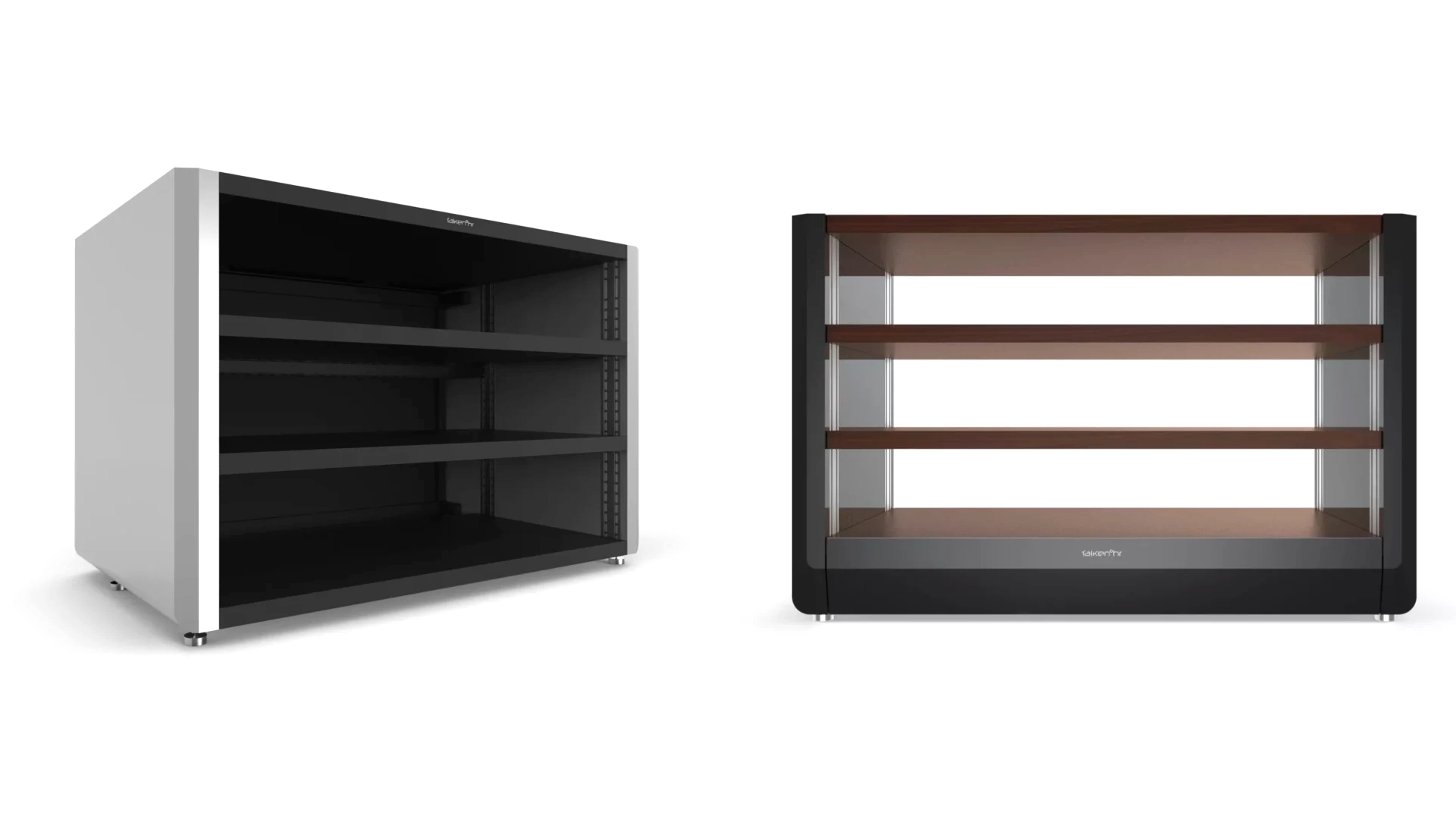
FalkenOhr is an Austrian maker of made-to-order audio racks founded by Robert Mayr in Vorchdorf. Mayr combines engineering experience in automation and mechatronics with the woodworking tradition of a family of master cabinetmakers. The racks use real-wood veneers, anodised aluminium and locally produced hardware, but their main idea is mechanical: the company’s 3D/10 concept connects each shelf to three uprights through isolating interfaces and to a fourth through a controlled conductive path intended to drain vibration. Dimensions, finishes and configurations can be adapted to the equipment and room rather than selected from a fixed furniture catalogue. Production remains deliberately personal—Mayr tests, certifies and signs each completed piece. FalkenOhr is therefore best understood as acoustic furniture built around a specific support geometry, not simply a heavy luxury rack; a precise founding year is not published consistently enough to record.

Finite Elemente is a German specialist in vibration control for audio systems, originally founded in 1997. Its best-known Pagode racks treat the support as a tuned mechanical structure: maple frames, aluminium sections, lightweight shelves and precisely placed resonators are combined to move and dissipate energy instead of relying on mass alone. The resonators are metal elements matched to structural frequencies, while Cerabase, Cerapuc and Ceraball feet use ceramic-ball interfaces to provide hard, precisely defined coupling under components, loudspeakers or racks. Carbofibre platforms extend the same approach to individual products. After the original company ceased trading in 2012, the brand and key product lines were revived in 2018, so the current catalogue has both continuity and a break in corporate operation. Finite Elemente’s distinction is a coherent mechanical system whose racks, platforms and feet solve different parts of the same resonance problem.

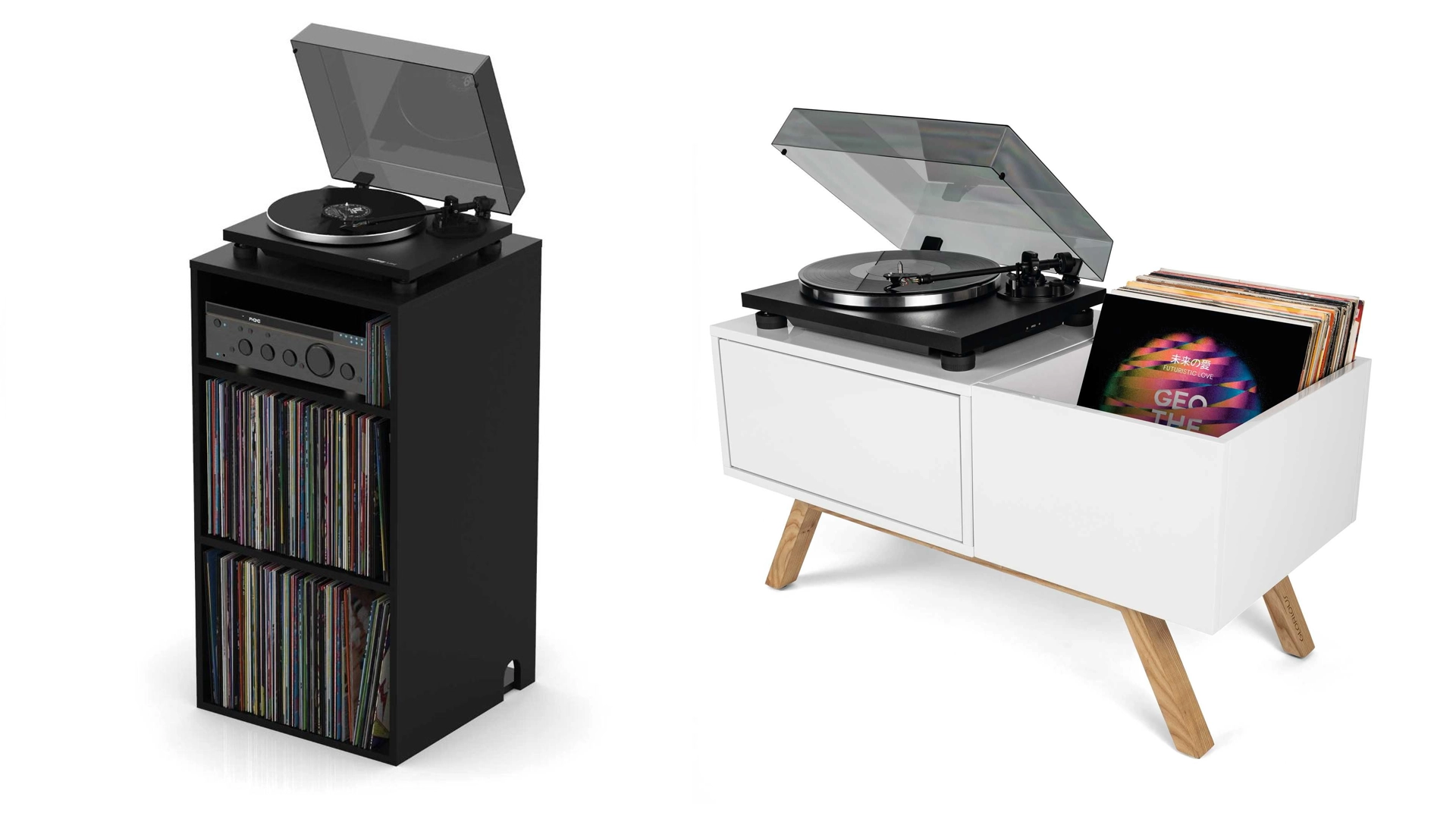
Glorious is a German furniture and accessory brand built specifically around DJ equipment, studio work and vinyl collections. Established in 2004 within Global Distribution, it approaches the listening space as an organized workstation rather than treating furniture as a generic add-on. The range includes DJ tables, production desks, hi-fi racks, modular record storage, display solutions and smaller accessories for handling and presenting vinyl. Cable passages, equipment-sized shelves, expandable modules and durable, easy-to-integrate finishes are recurring design priorities. Glorious serves working DJs and producers as well as home listeners who want turntables, electronics and records to occupy one coherent setup. Its specialty is therefore not audio circuitry but purpose-designed infrastructure that makes music equipment easier to use, store and live with.

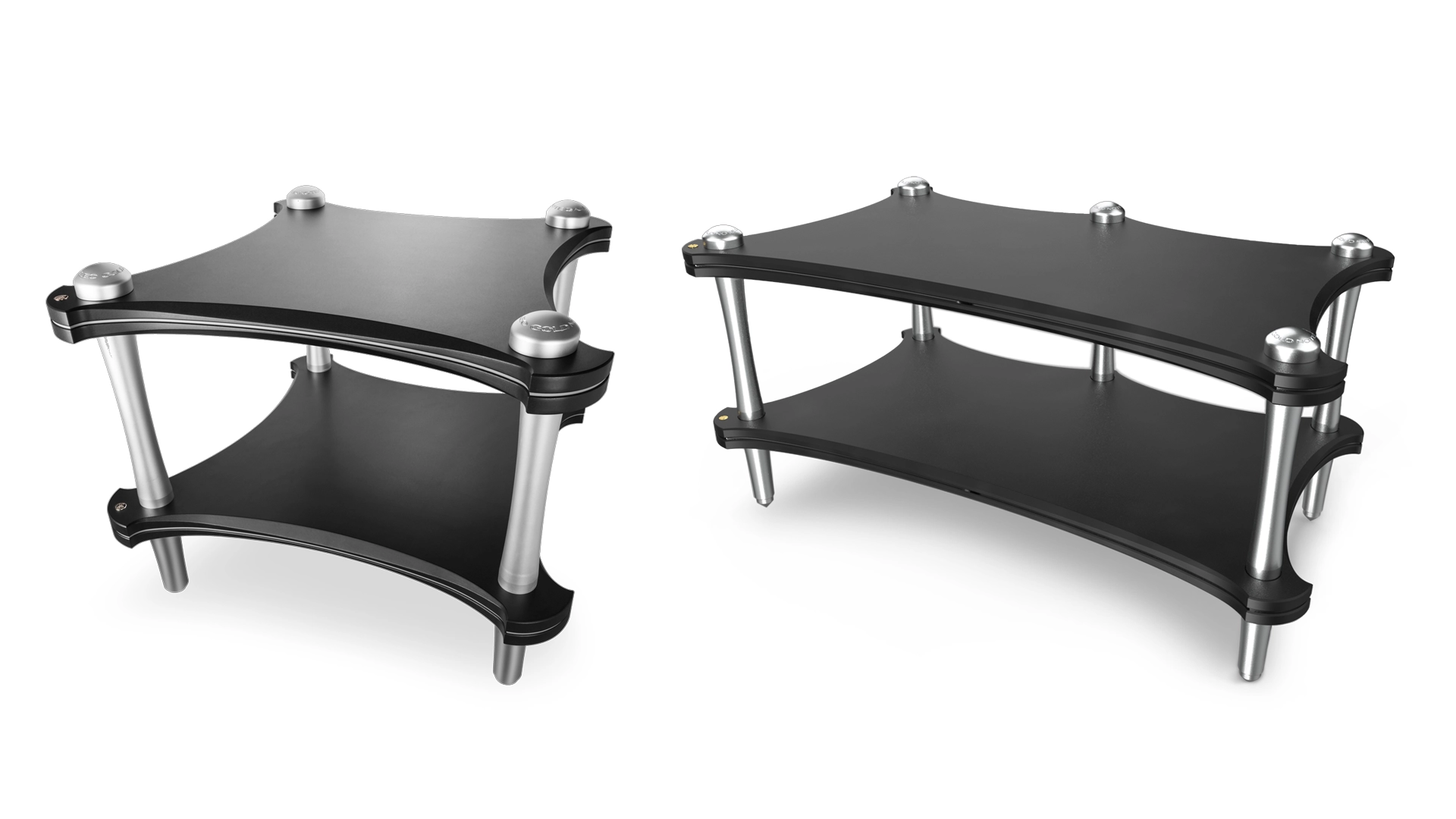
Gold Note is an Italian full-system audio manufacturer whose modern brand grew from Maurizio Aterini’s engineering studio, established in Florence in 1992 to design analogue products for other companies. The Gold Note name itself was founded in 2012, after Elena Basciano and later Alessio Oronti joined the enterprise. Its catalogue now links turntables and cartridges with phono stages, digital sources, all-in-one players, amplifiers, loudspeakers, racks and cables. Recognisable products include the Mediterraneo turntable, PH-10 phono stage, DS-series streamers and IS-series integrated systems. A useful feature of the range is modular upgrading: many components accept dedicated external power supplies, allowing the core unit to remain in service while its power section is improved. Design, development and much of the production remain concentrated in Tuscany.

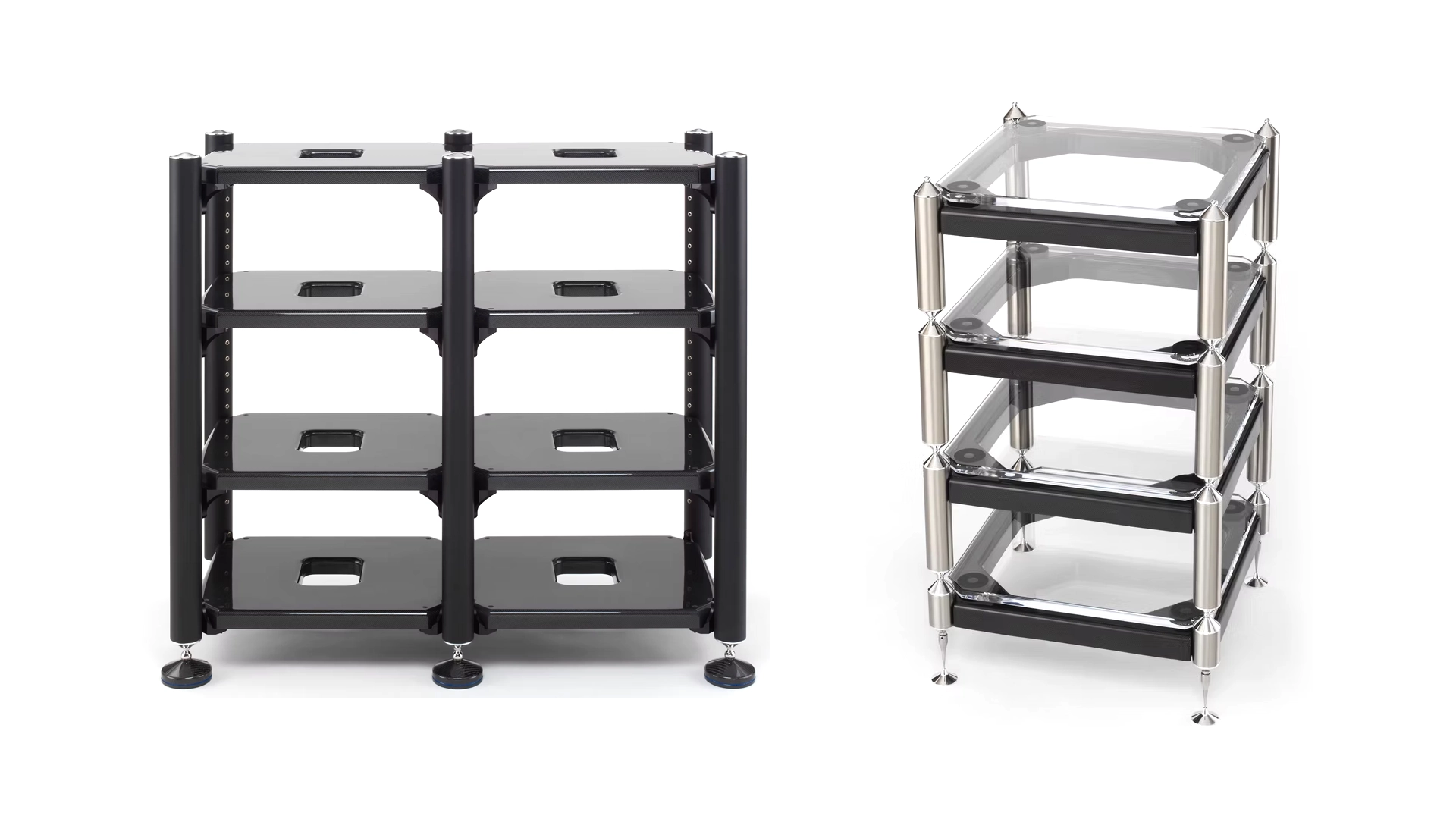
Grand Prix Audio applies racing-derived structural engineering to the problem of keeping vibration out of turntables and audio electronics. Founder and principal designer Alvin Lloyd worked in Formula and Indy-car engineering before creating the first Monaco isolation system in 1999. The company’s modular racks use carbon-fibre members, mechanically constrained joints, tuned dampers and decoupling elements so that stored energy is controlled rather than hidden beneath sheer mass. This approach appears in the Monaco and Silverstone support systems and in Apex equipment footers. Grand Prix Audio later extended the same thinking to the direct-drive Monaco and Parabolica turntables, combining a low-inertia structure with proprietary speed control and fluid damping. Its products are made in the United States and are best understood as engineered mechanical systems, not conventional furniture with an audiophile label.
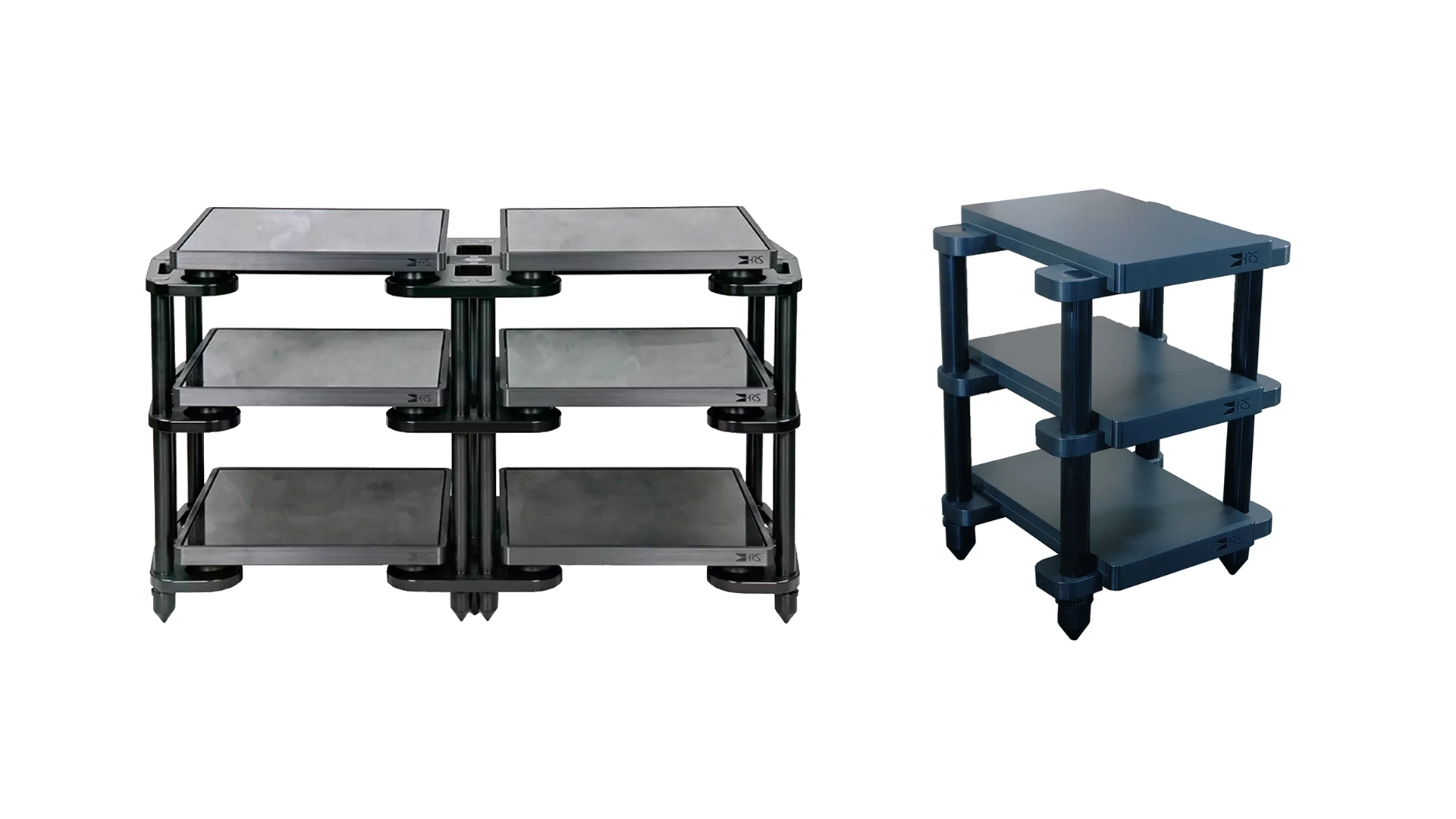
Harmonic Resolution Systems, usually known as HRS, treats the support beneath an audio component as part of the playback system. Founder and chief engineer Michael Latvis established the US company in 1999 after working on vibration, noise and control problems in aerospace and defence. HRS applies that background through measured combinations of structural mass, constrained-layer damping, proprietary elastomers and tuned mechanical interfaces rather than relying on a single universal foot or platform. Its catalogue ranges from Nimbus couplers, Damping Plates and Helix feet to E1X, R3X, S3 and M3X2 isolation bases and the larger EXR, SXR and VXR equipment-support systems. The products are modular and system-specific: load, component construction and support structure all influence the chosen solution. Engineering with 3D modelling and finite-element analysis, US manufacture and upgradeable architectures are central to the brand’s identity.

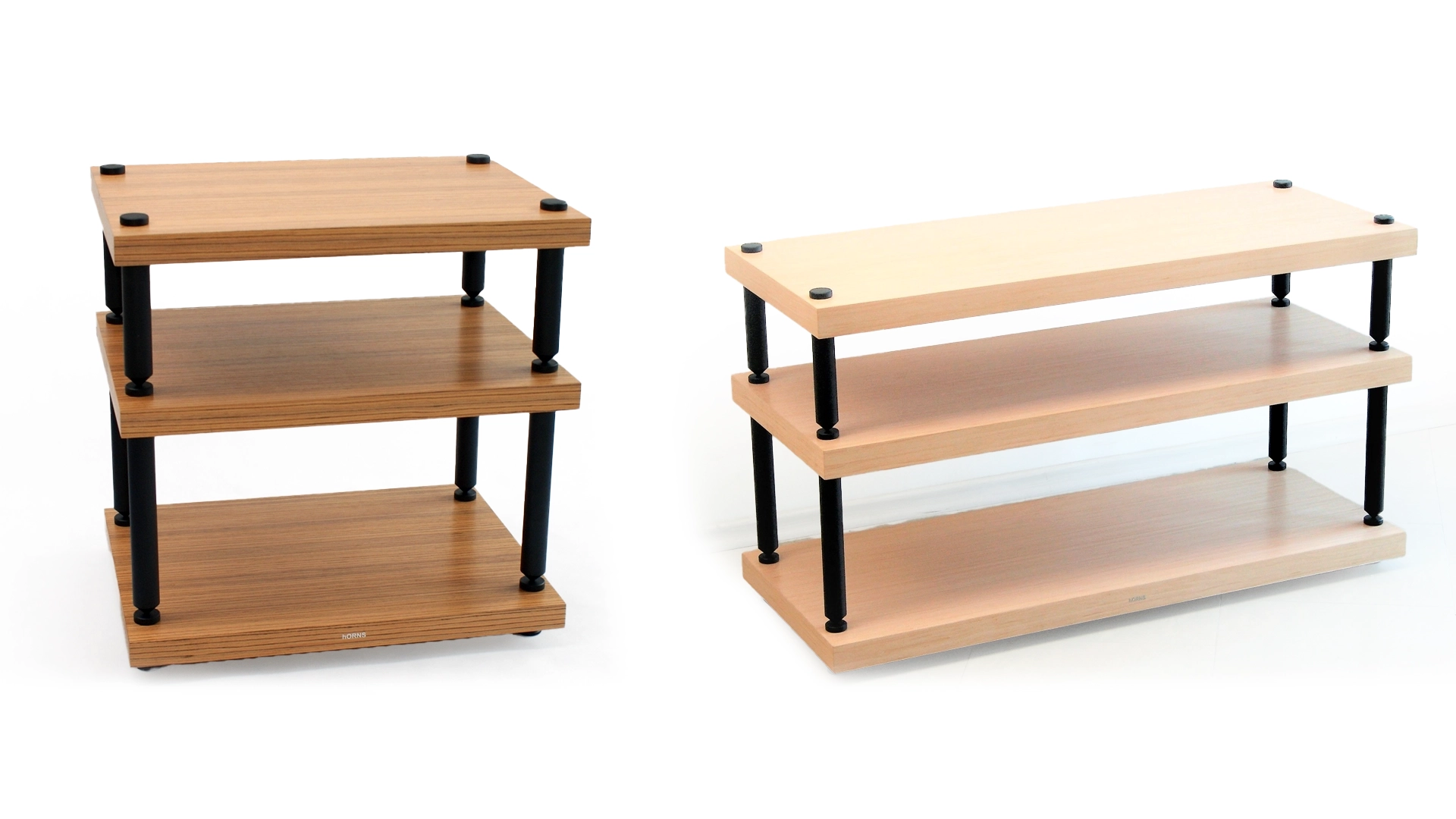
hORNS is a Polish loudspeaker maker that has made horn loading its defining language since 2006. Rather than treat the horn as a decorative feature, the company uses it to improve acoustic coupling, efficiency and control of dispersion, pairing horn-loaded high- and mid-frequency sections with bass alignments chosen for each enclosure. The catalogue has ranged from the compact FP models and the sculptural Mummy to the larger Symphony and Universum systems, with the latter developed through several generations. Different horn profiles, compression drivers, cabinet volumes and crossover solutions let hORNS scale the same core idea from domestic rooms to statement installations. Production is deliberately artisanal, and customers can specify finishes or commission visual adaptations instead of choosing only from mass-market veneers. That combination of high sensitivity, strong dynamic capability and individual cabinet work is what separates hORNS from conventional Polish box-speaker manufacturers.

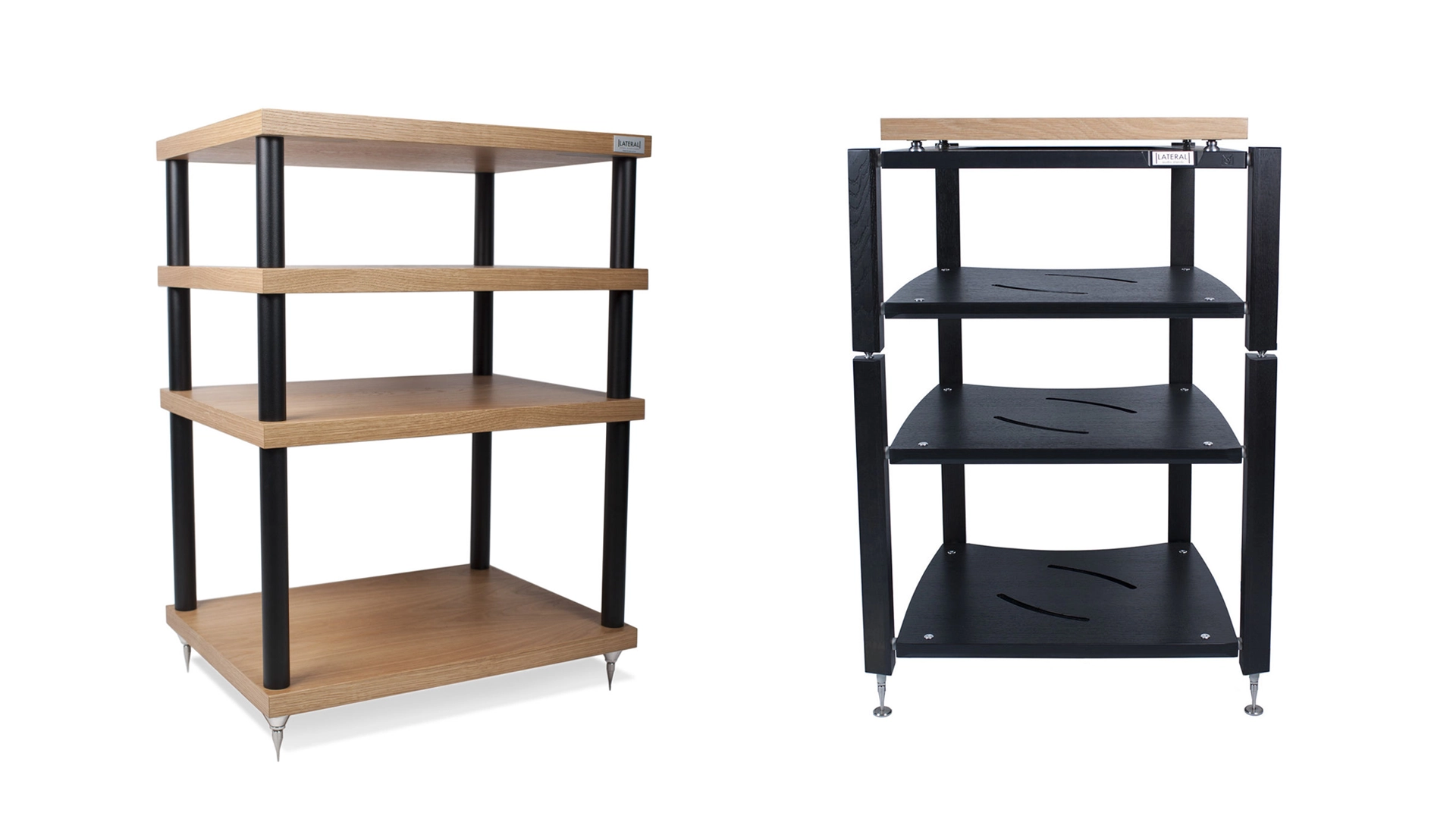
Lateral Audio Stands is a British specialist in equipment supports designed to manage vibration without turning a hi-fi rack into laboratory furniture. Its products are designed and manufactured in the United Kingdom, with structures that combine solid oak or oak-faced plywood, aluminium parts and deliberately chosen interfaces between shelves and frames. The company’s engineering premise is that a support should be stable, store little reactive energy and provide a controlled path for vibration to leave the component. The Cadenz VR rack uses a proprietary Dissipation Array beneath each shelf to address mechanical energy in several directions, while the more architectural Aria and Concert ranges offer different balances of mass, openness and visual presence. Dedicated Amp XM stands keep heavy power amplifiers close to the floor, and APX ISO platforms allow individual turntables, electronics or speakers to gain an additional isolation stage without replacing existing furniture. Dimensions, shelf spacing and finishes can be configured for a system rather than forced into a universal layout. The brand’s speciality is consequently narrow but valuable: purpose-built mechanical grounding and isolation for audio components, executed as durable furniture.

HFS Ad Rotator · default · slot 1
HFS Ad Rotator · default · slot 2
Add a missing AV-brand or update an existing one

Add a missing AV-brand or update an existing one

Any user can submit a Quick Submission Form to suggest a new AV-brand or suggest update details for an existing one. Brand owners or official representatives of brand can fill a Official Brand Submission Form to provide complete company information, ensuring maximum accuracy and visibility in our portal. All submissions are moderated before publication. 

For suggesting new AV-brands or suggesting updating existing one by users.

Complete official form for brand owners and representatives to provide complete company details to add a new one or update an existing one

Brand Categories:
  • SPEAKERS
    • Bookshelf Speakers — Compact loudspeakers designed for placement on a shelf or dedicated stands.
    • Floorstanding Speakers — Large, full-range loudspeakers that stand directly on the floor, designed for powerful and expansive sound.
    • In-wall Custom Install Speakers — Speakers designed to be installed flush into walls or ceilings for a discreet, "zero-footprint" audio solution.
    • On-Wall Speakers — Slim, low-profile speakers designed to be mounted directly on a wall, often to complement a flat-panel TV.
    • Studio Monitors — Speakers designed for professional audio production, offering a flat, accurate, and uncolored sound reproduction.
    • Planar Ribbon Electrostatic Speakers — Speakers using large, thin diaphragms (panels) instead of cones, prized for their transparent and detailed sound.
    • Horn Speakers — Highly efficient speakers that use a flared horn to amplify a driver, known for their dynamic, "live" sound.
    • Active Powered Speakers — Loudspeakers with built-in amplifiers, creating a simple all-in-one audio solution.
    • Wireless Portable Speakers — Compact, battery-powered speakers with Bluetooth for on-the-go music.
    • Outdoor Speakers — Durable, weather-resistant speakers engineered to provide high-quality audio in open-air spaces like patios and gardens.
    • Marine Extreme Speakers — Rugged, waterproof, and corrosion-resistant speakers built to withstand harsh marine environments on boats and yachts.
    • Commercial Speakers — Durable loudspeaker systems designed for background music and public address in business environments.
    • Invisible Speakers — Architectural speakers installed in a wall and plastered over, making them completely invisible.
    • Subwoofers Bass Speakers — Specialized speakers dedicated to reproducing only the lowest bass frequencies for impact and depth for all purposes
  • AMPLIFIERS
    • Integrated Amplifiers — An all-in-one component combining a preamplifier and a power amplifier in a single chassis.
    • PreAmplifiers — The control hub of a separates audio system, used for source selection and volume control.
    • Power Amplifiers — A component with the sole job of taking a line-level signal and amplifying it to drive loudspeakers.
    • Phono Preamps Phono Stages — A device that amplifies the weak signal from a turntable's cartridge and applies necessary RIAA equalization.
    • Tube Amplifiers — Amplifiers that use vacuum tubes (valves) instead of transistors, prized for their warm and rich sound character.
    • Multi-Zone Multi-Room Amplifiers — Amplifiers that power speakers in multiple different rooms or "zones" from a single, centralized unit.
    • Network Amplifiers — An integrated amplifier with built-in networking and streaming capabilities, creating a modern "just add speakers" system.
    • Desktop Headphone Amplifiers — Mains-powered amplifiers designed to drive high-quality headphones in a desktop or home audio system.
    • Portable Headphone Amplifiers Players — Compact, battery-powered devices (DAPs or amps) for delivering high-quality sound on the move.
  • DAC STREAMERS
    • DAC Desktop — Digital-to-Analog Converters designed to improve sound quality from a computer or other home digital source.
    • DAC Portable — Compact, battery-powered Digital-to-Analog Converters for improving audio from smartphones and laptops.
    • Music Streamers — Devices that connect to the internet to access and play music from online services like Tidal and Spotify.
    • Network Players — Source components focused on high-fidelity playback of digital audio files from a local network (NAS drive).
    • Music Servers HDD Storages — Dedicated devices for storing, managing, and playing a local digital music library with high fidelity.
    • CD Transport Media Players — High-precision disc players that read physical media (CDs, SACDs) and output a pure digital signal to an external DAC.
    • Compact All-in-One Systems — Self-contained audio systems that combine source, amplification, and often speakers into a single, compact unit.
    • Streaming Amplifier — An integrated amplifier with built-in streaming capabilities.
  • TURNTABLES VINYL
    • Turntables — Electromechanical devices that play vinyl records by rotating them at a stable speed.
    • Tonearms — The precision arm on a turntable that holds the cartridge, allowing the stylus to track the record groove.
    • Cartridges — The transducer on a turntable's tonearm that holds the stylus and converts groove vibrations into an electrical signal.
    • Vinyl Cleaning Machine — Specialized machines that use fluid and vacuum/ultrasonic action to deep-clean vinyl records.
    • Vinyl Accessories — Essential tools for setup and maintenance, like clamps, brushes, and alignment protractors.
  • HEADPHONES
    • In-Ear Earbuds — Ultra-portable listening devices, including True Wireless (TWS) models, designed for convenience and daily use.
    • In-Ear Monitors IEM — High-performance in-ear headphones that seal in the ear canal for superior sound isolation and detail.
    • On-Ear Headphones — Headphones with cushions that rest directly on the ears, offering a balance of portability and sound quality.
    • Over-Ear Headphones — Full-sized headphones with large earcups that completely encircle the ears for maximum comfort and immersion.
    • Wireless Headphones — Headphones that connect to source devices via Bluetooth, often featuring Active Noise Cancellation (ANC).
    • Planar Magnetic Ribbon Headphones — High-end headphones using a thin, flat diaphragm driven by magnets, known for their detailed and low-distortion sound.
    • Electrostatic Headphones — High-end headphones using a massless diaphragm in an electrostatic field, requiring a special energizer/amplifier.
  • HOME THEATER
    • AV Receivers Media Players — Central components of a home cinema, combining audio/video processing, amplification, and playback.
    • Home Theater Speakers — Matched sets of speakers (front, center, surround) designed to create an immersive cinematic soundfield.
    • Soundbars — A simple, all-in-one speaker bar that provides a significant audio upgrade over a television's built-in speakers.
    • Subwoofers — Specialized speakers dedicated to reproducing only the lowest bass frequencies for impact and depth for home theaters
    • Processors Amplifiers — High-end home cinema "separates" consisting of a surround sound processor and a multi-channel power amplifier.
    • Screens — High-quality projection surfaces designed to provide an optimal image for a home cinema projector.
    • Projectors — Video projectors optimized for home cinema use, focusing on color accuracy, contrast, and black levels.
  • CABLES ACCESSORIES
    • Speaker Cables — Cables that carry the amplified, high-level signal from an amplifier to passive loudspeakers.
    • Analog Cables — Cables (RCA, XLR) used to transmit analog audio signals between components like DACs and amplifiers.
    • Digital Cables — Cables (Coaxial, Optical, USB) that transmit digital audio data between components.
    • Phono Cables — Specially shielded cables designed to carry the delicate, low-level signal from a turntable to a phono preamp.
    • Headphone Cables — Aftermarket and replacement cables used to upgrade or customize high-quality headphones.
    • Connectors Terminals — The fundamental hardware (plugs, jacks, spades, etc.) used to terminate cables and connect equipment.
    • Power Cables — High-performance AC cords designed to deliver clean, noise-free power to audio components.
    • Power Supplies Conditioners — Devices that filter, stabilize, and protect the AC power supplied to an audio system for improved performance.
  • FURNITURE
    • Speaker Stands Mounts — Stands and mounts used to position speakers at the correct height and angle for optimal sound.
    • Furniture Racks — Purpose-built furniture designed to house audio/video components with a focus on stability, ventilation, and vibration control.
    • Isolation Footers Spikes Shelves — Specialized accessories (spikes, footers, platforms) designed to manage vibrations and isolate components.
    • Soundproof Solutions — Products designed to control room acoustics, including treatment (panels, diffusers) and sound-blocking materials.
  • PROFESSIONAL
    • Concert Speakers — Large-scale PA systems, including line arrays and stage monitors, for live music and public events.
    • Cinema Speakers — Specialized, high-output loudspeaker systems certified for use in large commercial movie theaters.
    • Concert Electronics — Robust electronics including mixing consoles, processors, and amplifiers for live sound reinforcement.
    • Cinema Electronics — Professional, DCI-compliant processors and amplifiers for use in commercial movie theaters.
    • Cinema Screens — Large-format, often acoustically transparent, projection screens built to professional cinema standards.
    • Cinema Projectors — Ultra-high-brightness, DCI-compliant projectors designed for continuous use in commercial movie theaters.
    • Professional Cables Accessories — Rugged, reliable cables and hardware (e.g., snake cables, Speakon connectors) for touring and professional installation.
  • DIY Components
    • Speaker drivers Tweeters — The individual transducers (woofers, mid-range, tweeters) that are the fundamental building blocks of a loudspeaker.
    • Coaxial Speaker Drivers — Speaker drivers where the tweeter is mounted in the center of the woofer, creating a single point source for sound.
    • DIY Speaker Kits — Complete packages including drivers, crossovers, and plans for enthusiasts to build their own loudspeakers.
    • Electron Vacuum Tubes — Glass valves used in tube amplifiers that provide amplification and can be replaced to tune the sound.
    • Electronic Components — Discrete parts (capacitors, resistors, transistors) used by manufacturers and DIYers to build audio circuits.
  • OTHERS
    • Line Stage — A type of preamplifier that exclusively handles line-level sources, without a built-in phono stage.
    • Time Alignment Device — A signal processor that corrects timing delays between drivers or speakers for improved sound coherence.
    • Smart Portable Speakers — Wireless portable speakers with integrated voice assistants (e.g., Alexa, Google Assistant) and smart home functionality.
    • DJ Turntables — Durable, high-torque direct-drive turntables with pitch control, built for performance and DJing applications.
    • Motor Drives — External motor units and power supplies for turntables, providing improved rotational stability and isolation.
    • Crossovers — Electronic circuits that split an audio signal into different frequency bands to route to the correct speaker driver.
    • Car Audio — Audio equipment, including speakers, amplifiers, and source units, specifically designed for use in vehicles.

Brand Categories:
  • Active Powered Speakers — Loudspeakers with built-in amplifiers, creating a simple all-in-one audio solution.
  • Analog Cables — Cables (RCA, XLR) used to transmit analog audio signals between components like DACs and amplifiers.
  • AV Receivers Media Players — Central components of a home cinema, combining audio/video processing, amplification, and playback.
  • Bookshelf Speakers — Compact loudspeakers designed for placement on a shelf or dedicated stands.
  • Car Audio — Audio equipment, including speakers, amplifiers, and source units, specifically designed for use in vehicles.
  • Cartridges — The transducer on a turntable's tonearm that holds the stylus and converts groove vibrations into an electrical signal.
  • CD Transport Media Players — High-precision disc players that read physical media (CDs, SACDs) and output a pure digital signal to an external DAC.
  • Cinema Electronics — Professional, DCI-compliant processors and amplifiers for use in commercial movie theaters.
  • Cinema Projectors — Ultra-high-brightness, DCI-compliant projectors designed for continuous use in commercial movie theaters.
  • Cinema Screens — Large-format, often acoustically transparent, projection screens built to professional cinema standards.
  • Cinema Speakers — Specialized, high-output loudspeaker systems certified for use in large commercial movie theaters.
  • Coaxial Speaker Drivers — Speaker drivers where the tweeter is mounted in the center of the woofer, creating a single point source for sound.
  • Commercial Speakers — Durable loudspeaker systems designed for background music and public address in business environments.
  • Compact All-in-One Systems — Self-contained audio systems that combine source, amplification, and often speakers into a single, compact unit.
  • Concert Electronics — Robust electronics including mixing consoles, processors, and amplifiers for live sound reinforcement.
  • Concert Speakers — Large-scale PA systems, including line arrays and stage monitors, for live music and public events.
  • Connectors Terminals — The fundamental hardware (plugs, jacks, spades, etc.) used to terminate cables and connect equipment.
  • Crossovers — Electronic circuits that split an audio signal into different frequency bands to route to the correct speaker driver.
  • DAC Desktop — Digital-to-Analog Converters designed to improve sound quality from a computer or other home digital source.
  • DAC Portable — Compact, battery-powered Digital-to-Analog Converters for improving audio from smartphones and laptops.
  • Desktop Headphone Amplifiers — Mains-powered amplifiers designed to drive high-quality headphones in a desktop or home audio system.
  • Digital Cables — Cables (Coaxial, Optical, USB) that transmit digital audio data between components.
  • DIY Speaker Kits — Complete packages including drivers, crossovers, and plans for enthusiasts to build their own loudspeakers.
  • DJ Turntables — Durable, high-torque direct-drive turntables with pitch control, built for performance and DJing applications.
  • Electron Vacuum Tubes — Glass valves used in tube amplifiers that provide amplification and can be replaced to tune the sound.
  • Electronic Components — Discrete parts (capacitors, resistors, transistors) used by manufacturers and DIYers to build audio circuits.
  • Electrostatic Headphones — High-end headphones using a massless diaphragm in an electrostatic field, requiring a special energizer/amplifier.
  • Floorstanding Speakers — Large, full-range loudspeakers that stand directly on the floor, designed for powerful and expansive sound.
  • Furniture Racks — Purpose-built furniture designed to house audio/video components with a focus on stability, ventilation, and vibration control.
  • Headphone Cables — Aftermarket and replacement cables used to upgrade or customize high-quality headphones.
  • Home Theater Speakers — Matched sets of speakers (front, center, surround) designed to create an immersive cinematic soundfield.
  • Horn Speakers — Highly efficient speakers that use a flared horn to amplify a driver, known for their dynamic, "live" sound.
  • In-Ear Earbuds — Ultra-portable listening devices, including True Wireless (TWS) models, designed for convenience and daily use.
  • In-Ear Monitors IEM — High-performance in-ear headphones that seal in the ear canal for superior sound isolation and detail.
  • In-wall Custom Install Speakers — Speakers designed to be installed flush into walls or ceilings for a discreet, "zero-footprint" audio solution.
  • Integrated Amplifiers — An all-in-one component combining a preamplifier and a power amplifier in a single chassis.
  • Invisible Speakers — Architectural speakers installed in a wall and plastered over, making them completely invisible.
  • Isolation Footers Spikes Shelves — Specialized accessories (spikes, footers, platforms) designed to manage vibrations and isolate components.
  • Line Stage — A type of preamplifier that exclusively handles line-level sources, without a built-in phono stage.
  • Marine Extreme Speakers — Rugged, waterproof, and corrosion-resistant speakers built to withstand harsh marine environments on boats and yachts.
  • Motor Drives — External motor units and power supplies for turntables, providing improved rotational stability and isolation.
  • Multi-Zone Multi-Room Amplifiers — Amplifiers that power speakers in multiple different rooms or "zones" from a single, centralized unit.
  • Music Servers HDD Storages — Dedicated devices for storing, managing, and playing a local digital music library with high fidelity.
  • Music Streamers — Devices that connect to the internet to access and play music from online services like Tidal and Spotify.
  • Network Amplifiers — An integrated amplifier with built-in networking and streaming capabilities, creating a modern "just add speakers" system.
  • Network Players — Source components focused on high-fidelity playback of digital audio files from a local network (NAS drive).
  • On-Ear Headphones — Headphones with cushions that rest directly on the ears, offering a balance of portability and sound quality.
  • On-Wall Speakers — Slim, low-profile speakers designed to be mounted directly on a wall, often to complement a flat-panel TV.
  • Outdoor Speakers — Durable, weather-resistant speakers engineered to provide high-quality audio in open-air spaces like patios and gardens.
  • Over-Ear Headphones — Full-sized headphones with large earcups that completely encircle the ears for maximum comfort and immersion.
  • Phono Cables — Specially shielded cables designed to carry the delicate, low-level signal from a turntable to a phono preamp.
  • Phono Preamps Phono Stages — A device that amplifies the weak signal from a turntable's cartridge and applies necessary RIAA equalization.
  • Planar Magnetic Ribbon Headphones — High-end headphones using a thin, flat diaphragm driven by magnets, known for their detailed and low-distortion sound.
  • Planar Ribbon Electrostatic Speakers — Speakers using large, thin diaphragms (panels) instead of cones, prized for their transparent and detailed sound.
  • Portable Headphone Amplifiers Players — Compact, battery-powered devices (DAPs or amps) for delivering high-quality sound on the move.
  • Power Amplifiers — A component with the sole job of taking a line-level signal and amplifying it to drive loudspeakers.
  • Power Cables — High-performance AC cords designed to deliver clean, noise-free power to audio components.
  • Power Supplies Conditioners — Devices that filter, stabilize, and protect the AC power supplied to an audio system for improved performance.
  • PreAmplifiers — The control hub of a separates audio system, used for source selection and volume control.
  • Processors Amplifiers — High-end home cinema "separates" consisting of a surround sound processor and a multi-channel power amplifier.
  • Professional Cables Accessories — Rugged, reliable cables and hardware (e.g., snake cables, Speakon connectors) for touring and professional installation.
  • Projectors — Video projectors optimized for home cinema use, focusing on color accuracy, contrast, and black levels.
  • Screens — High-quality projection surfaces designed to provide an optimal image for a home cinema projector.
  • Smart Portable Speakers — Wireless portable speakers with integrated voice assistants (e.g., Alexa, Google Assistant) and smart home functionality.
  • Soundbars — A simple, all-in-one speaker bar that provides a significant audio upgrade over a television's built-in speakers.
  • Soundproof Solutions — Products designed to control room acoustics, including treatment (panels, diffusers) and sound-blocking materials.
  • Speaker Cables — Cables that carry the amplified, high-level signal from an amplifier to passive loudspeakers.
  • Speaker drivers Tweeters — The individual transducers (woofers, mid-range, tweeters) that are the fundamental building blocks of a loudspeaker.
  • Speaker Stands Mounts — Stands and mounts used to position speakers at the correct height and angle for optimal sound.
  • Streaming Amplifier — An integrated amplifier with built-in streaming capabilities.
  • Studio Monitors — Speakers designed for professional audio production, offering a flat, accurate, and uncolored sound reproduction.
  • Subwoofers — Specialized speakers dedicated to reproducing only the lowest bass frequencies for impact and depth for home theaters
  • Subwoofers Bass Speakers — Specialized speakers dedicated to reproducing only the lowest bass frequencies for impact and depth for all purposes
  • Time Alignment Device — A signal processor that corrects timing delays between drivers or speakers for improved sound coherence.
  • Tonearms — The precision arm on a turntable that holds the cartridge, allowing the stylus to track the record groove.
  • Tube Amplifiers — Amplifiers that use vacuum tubes (valves) instead of transistors, prized for their warm and rich sound character.
  • Turntables — Electromechanical devices that play vinyl records by rotating them at a stable speed.
  • Vinyl Accessories — Essential tools for setup and maintenance, like clamps, brushes, and alignment protractors.
  • Vinyl Cleaning Machine — Specialized machines that use fluid and vacuum/ultrasonic action to deep-clean vinyl records.
  • Wireless Headphones — Headphones that connect to source devices via Bluetooth, often featuring Active Noise Cancellation (ANC).
  • Wireless Portable Speakers — Compact, battery-powered speakers with Bluetooth for on-the-go music.

Sales Channels:
  • Dealer & Distributor Network — The traditional sales model where products are sold through a network of authorized, independent retail stores and custom installers. This is the primary channel for most specialized Hi-Fi brands.
  • Direct-to-Consumer (DTC) — The brand sells its products directly to end-users through its own official website, bypassing traditional retail channels. A rapidly growing model in the industry.
  • Custom Installation (CI) Channel — Products are sold primarily through professional firms that design and install integrated smart home and audio-visual systems. This channel is crucial for architectural and high-end integrated solutions.
  • Mass Market Retail — Products are available in large, non-specialized consumer electronics chain stores. This typically applies to more mainstream product lines from larger brands.
  • Brand-Owned Stores / Showrooms — The brand operates its own physical, flagship retail stores or dedicated showrooms to offer a direct and immersive brand experience. This is the least common model, typically used by top-tier brands.

For companies: For any questions about listings & partnership opportunities, please contact us at contact@hifiselector.com

Have a suggestion or found a flaw? Help us improve​

Have a suggestion or found a flaw?