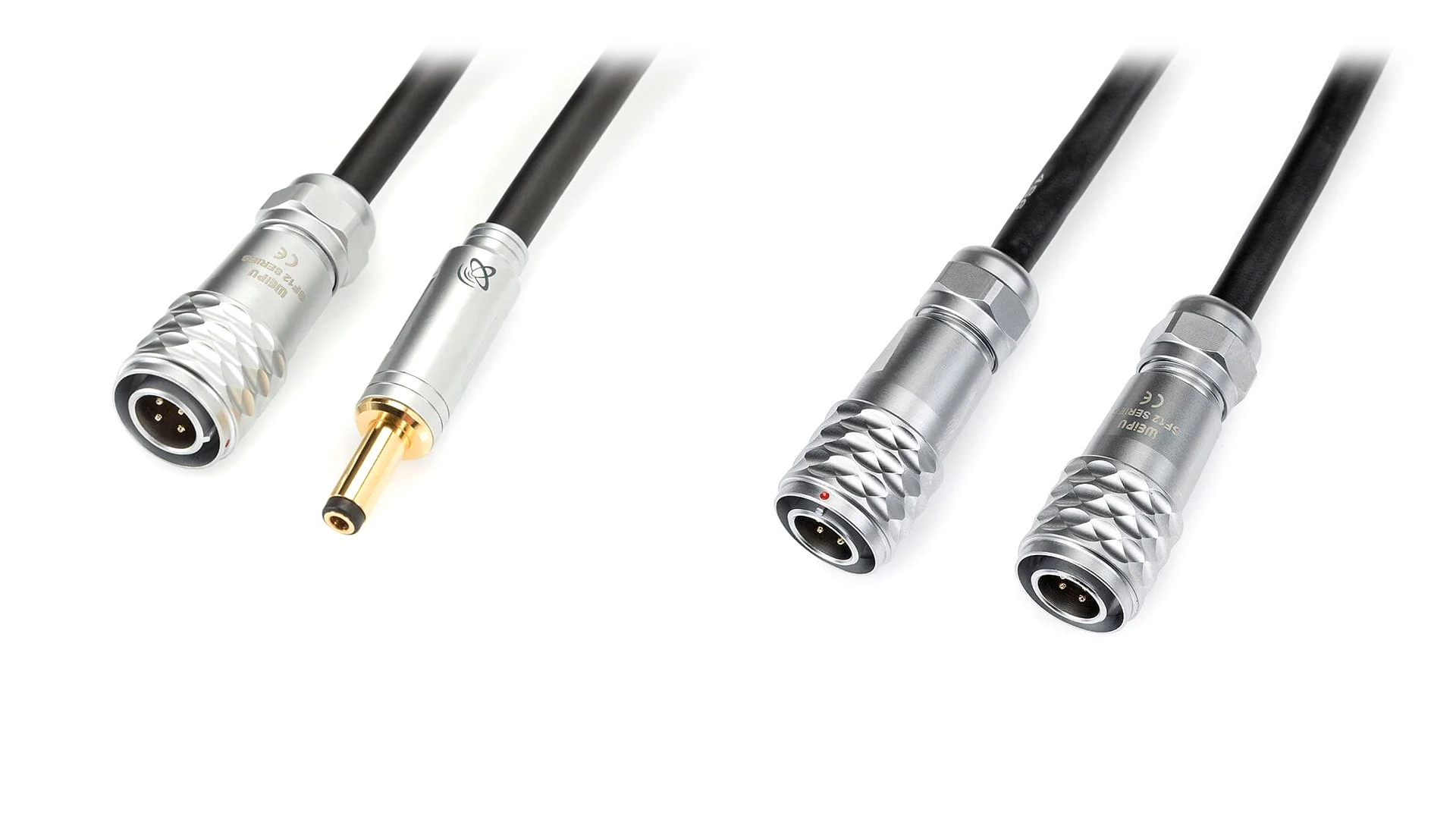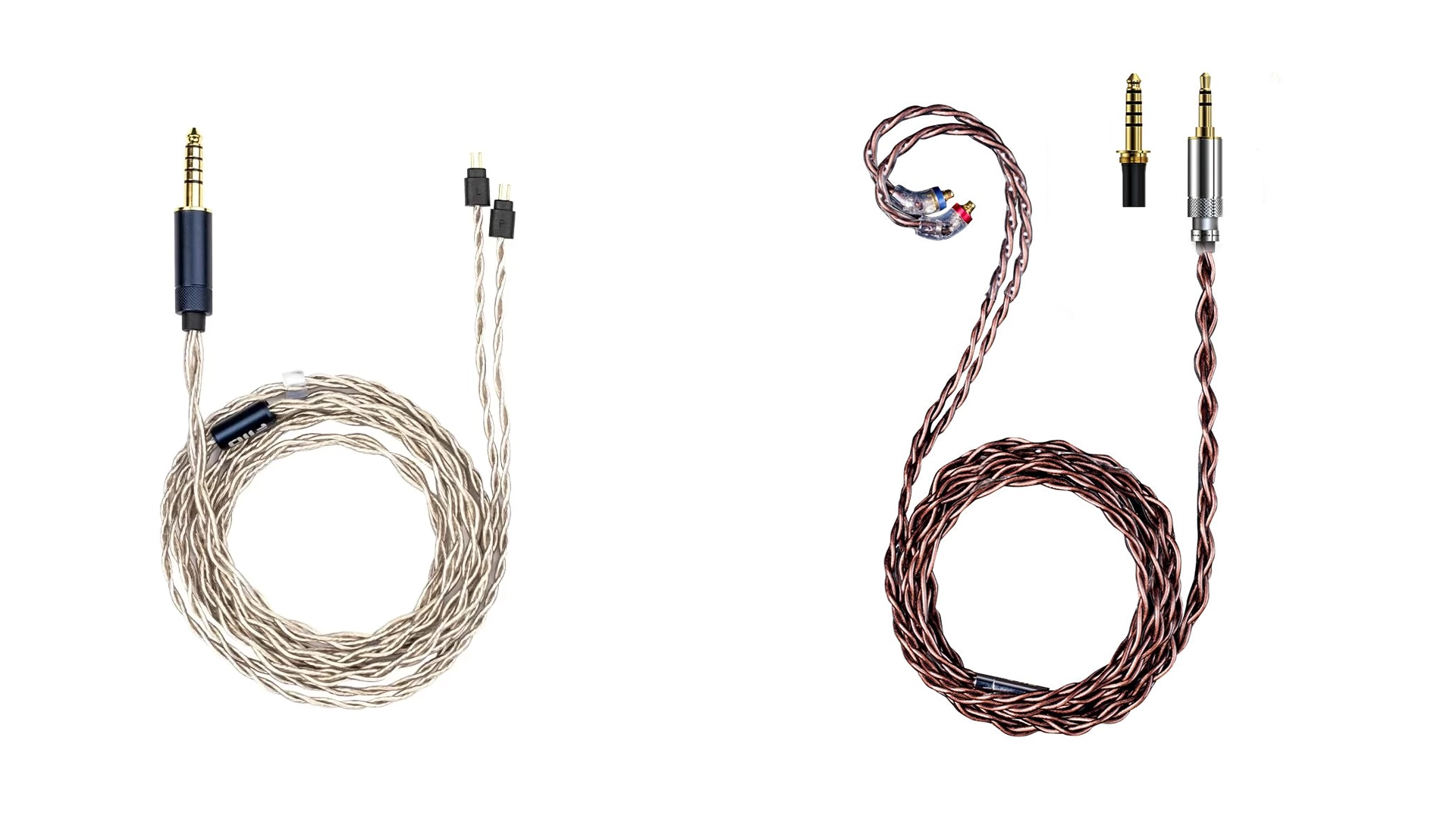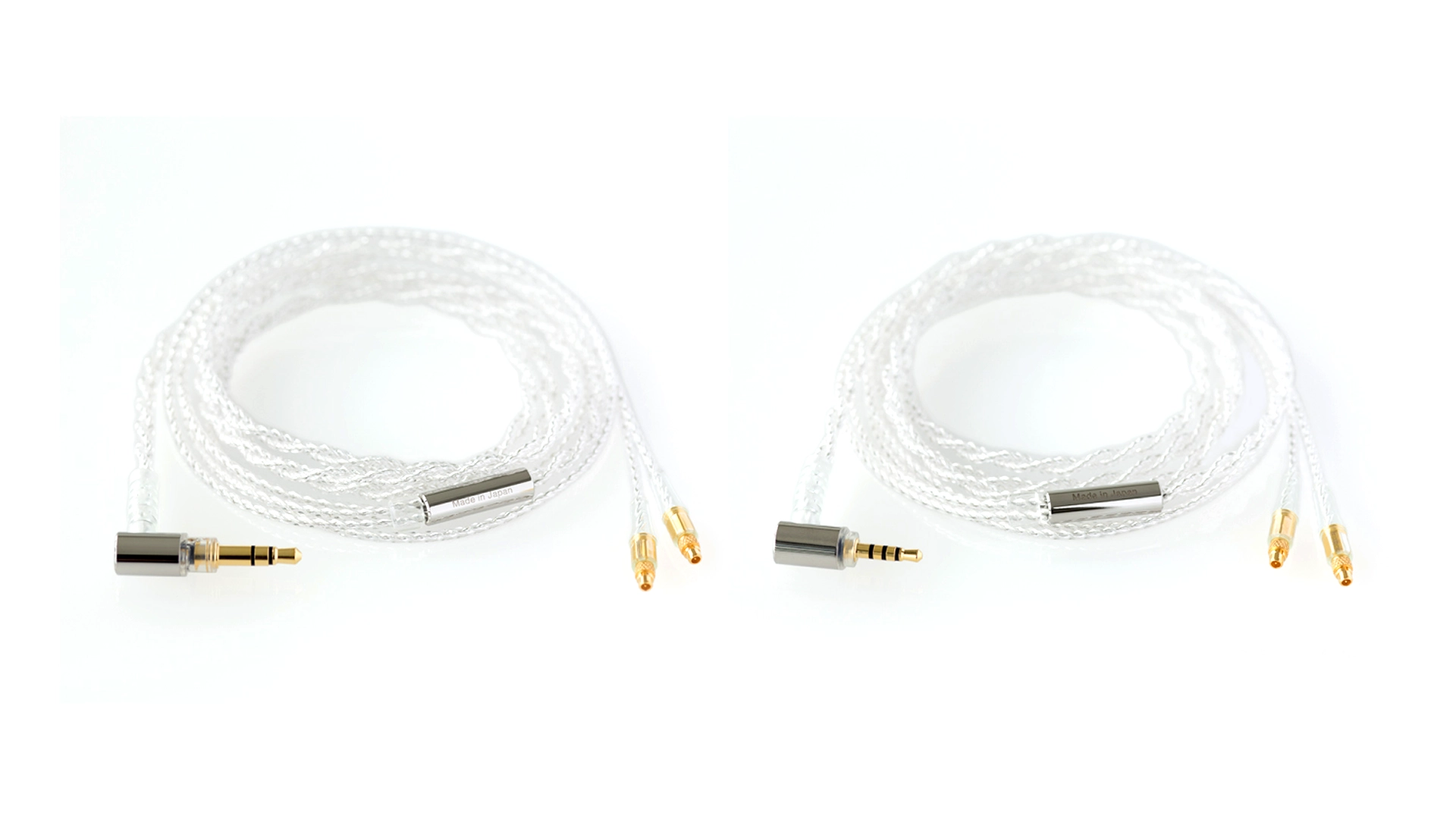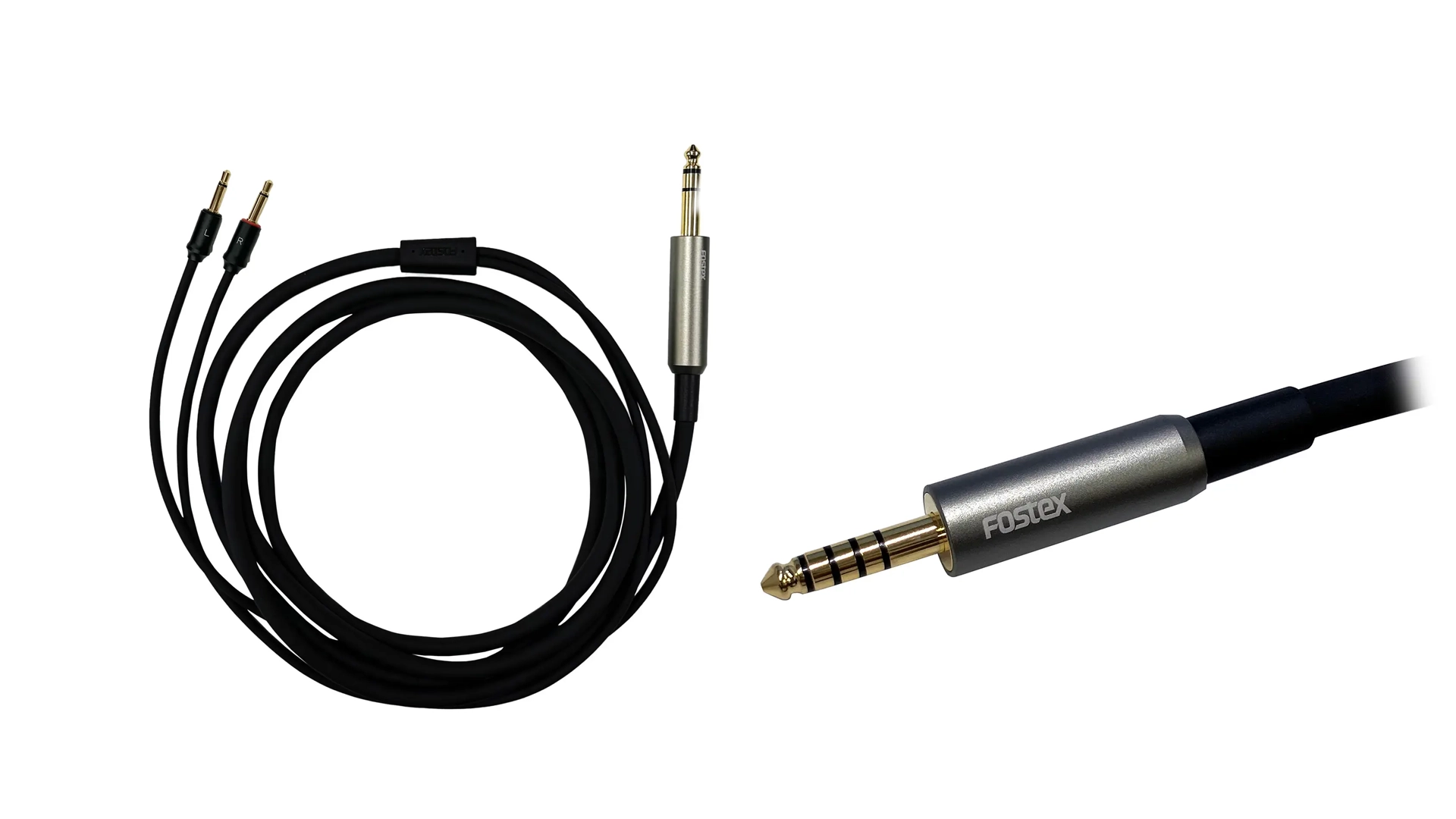
An icon representing replacement or upgrade headphone cables.

Headphone Cables

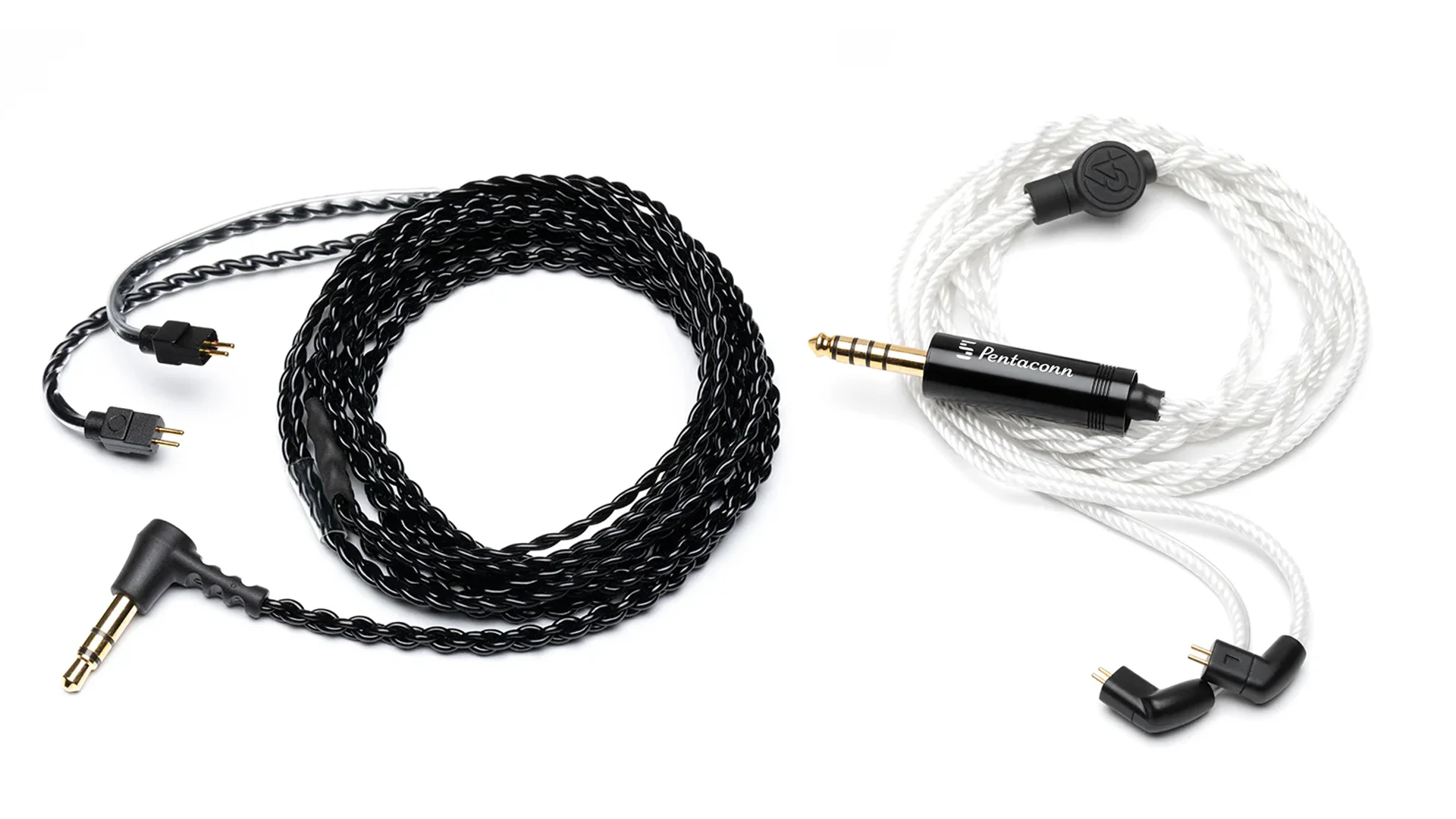
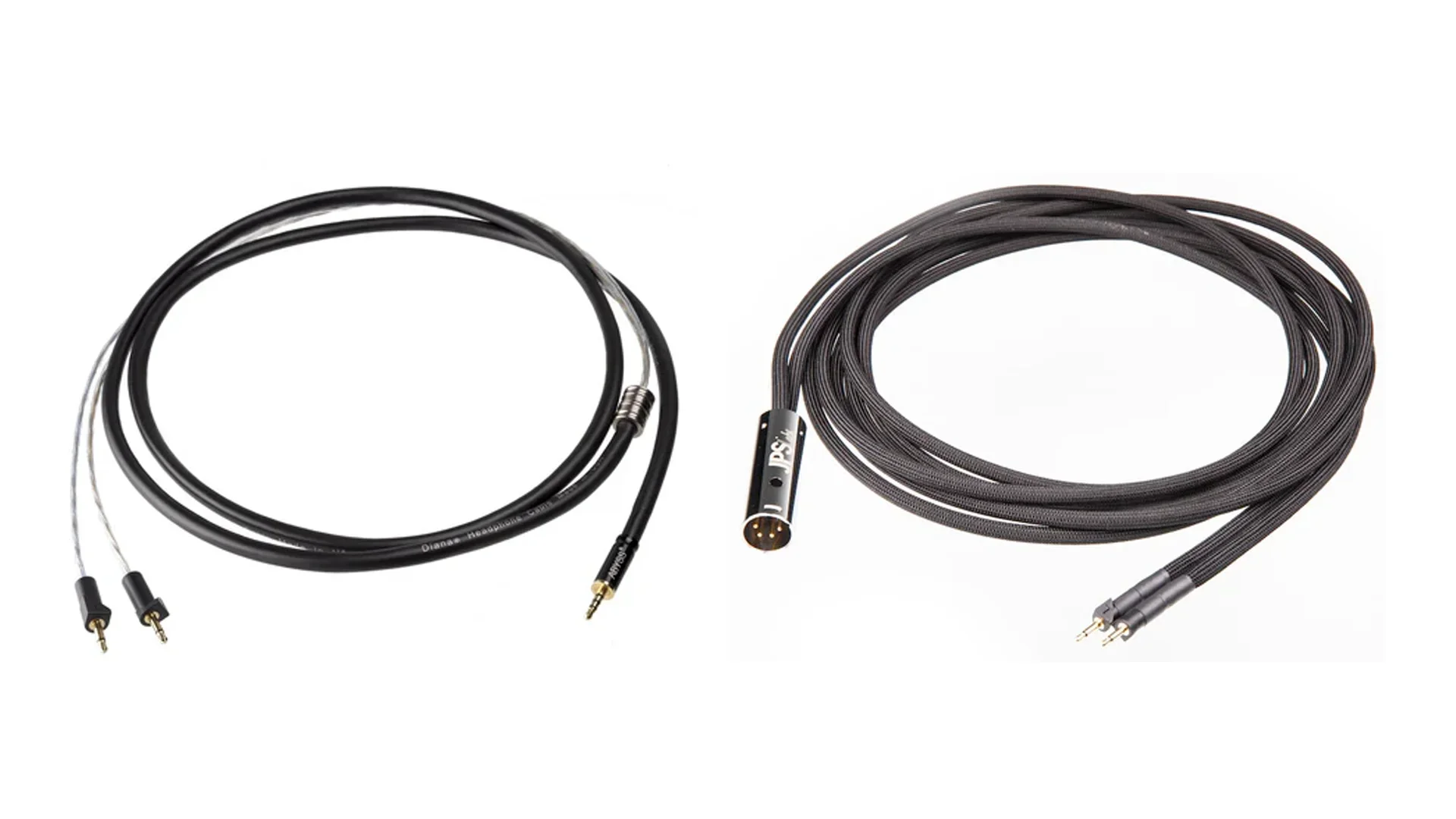
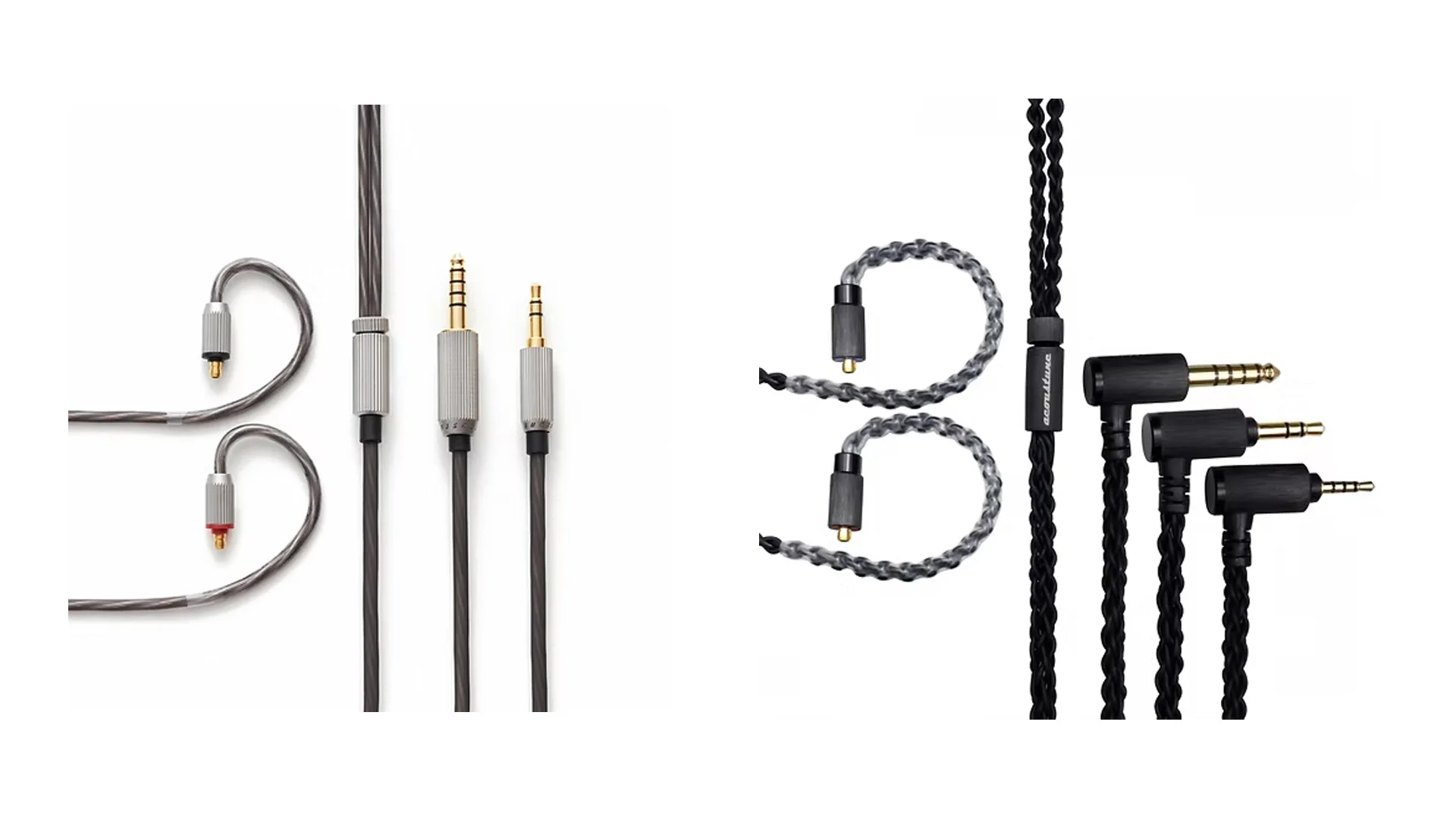
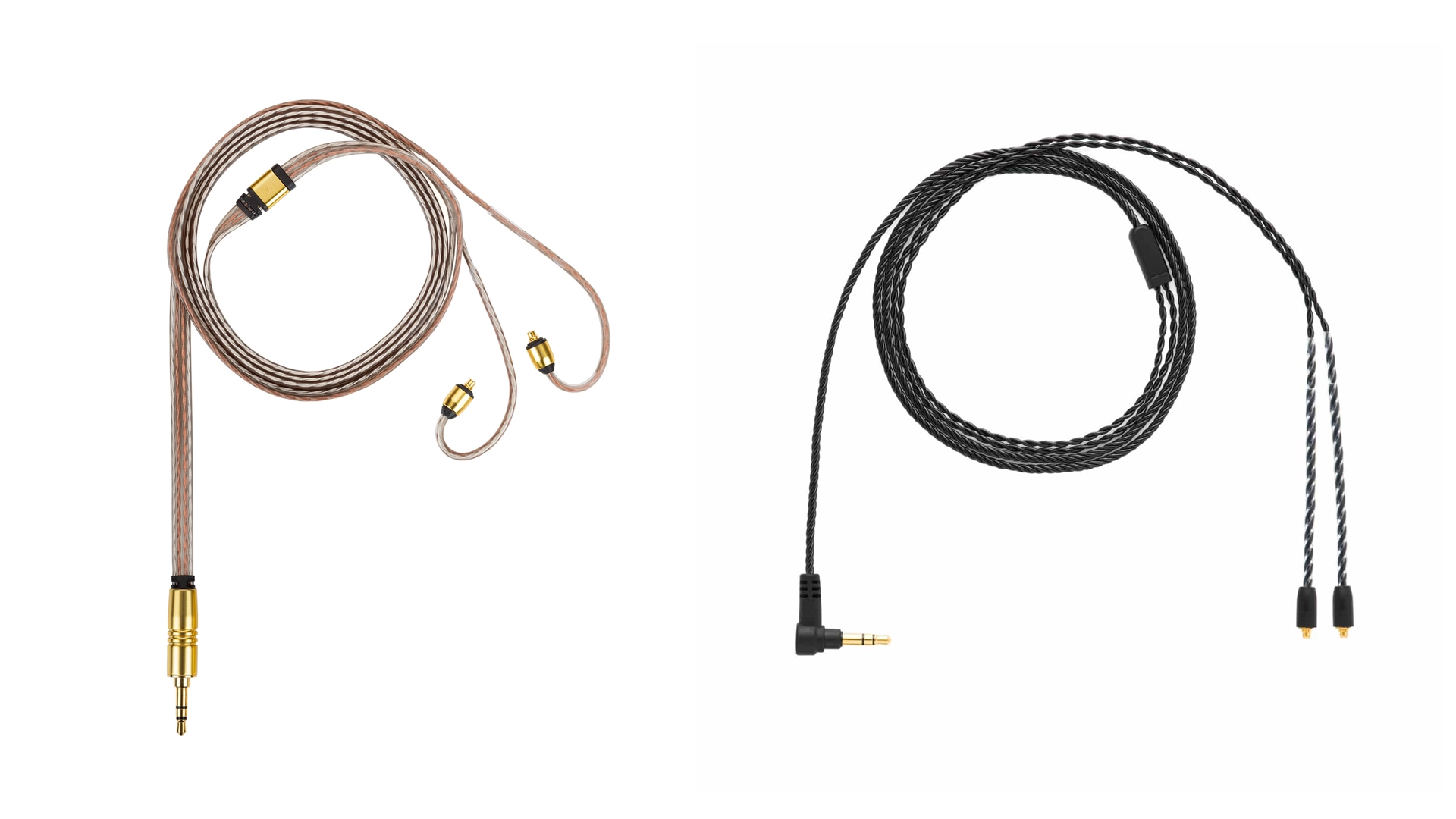
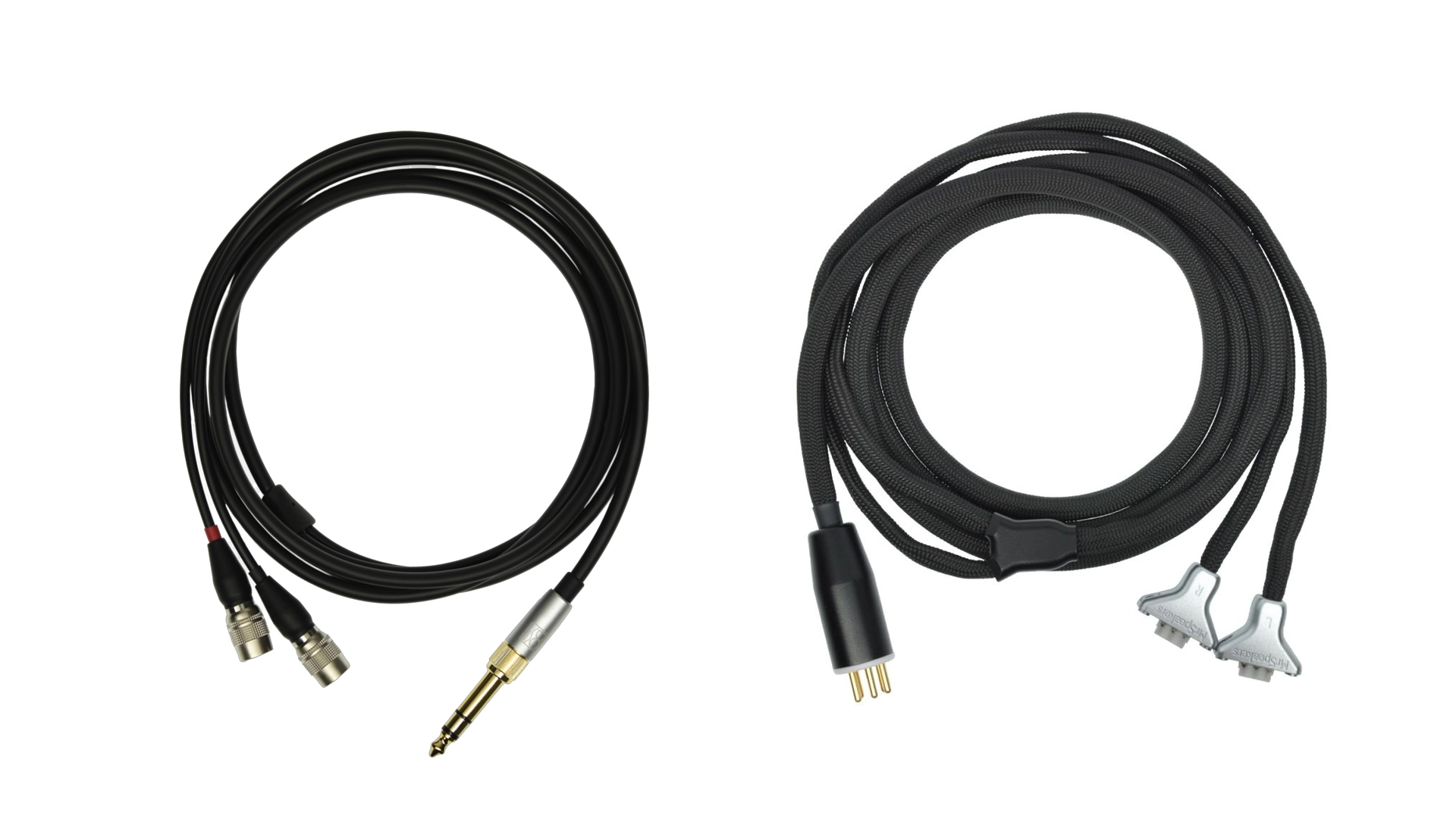
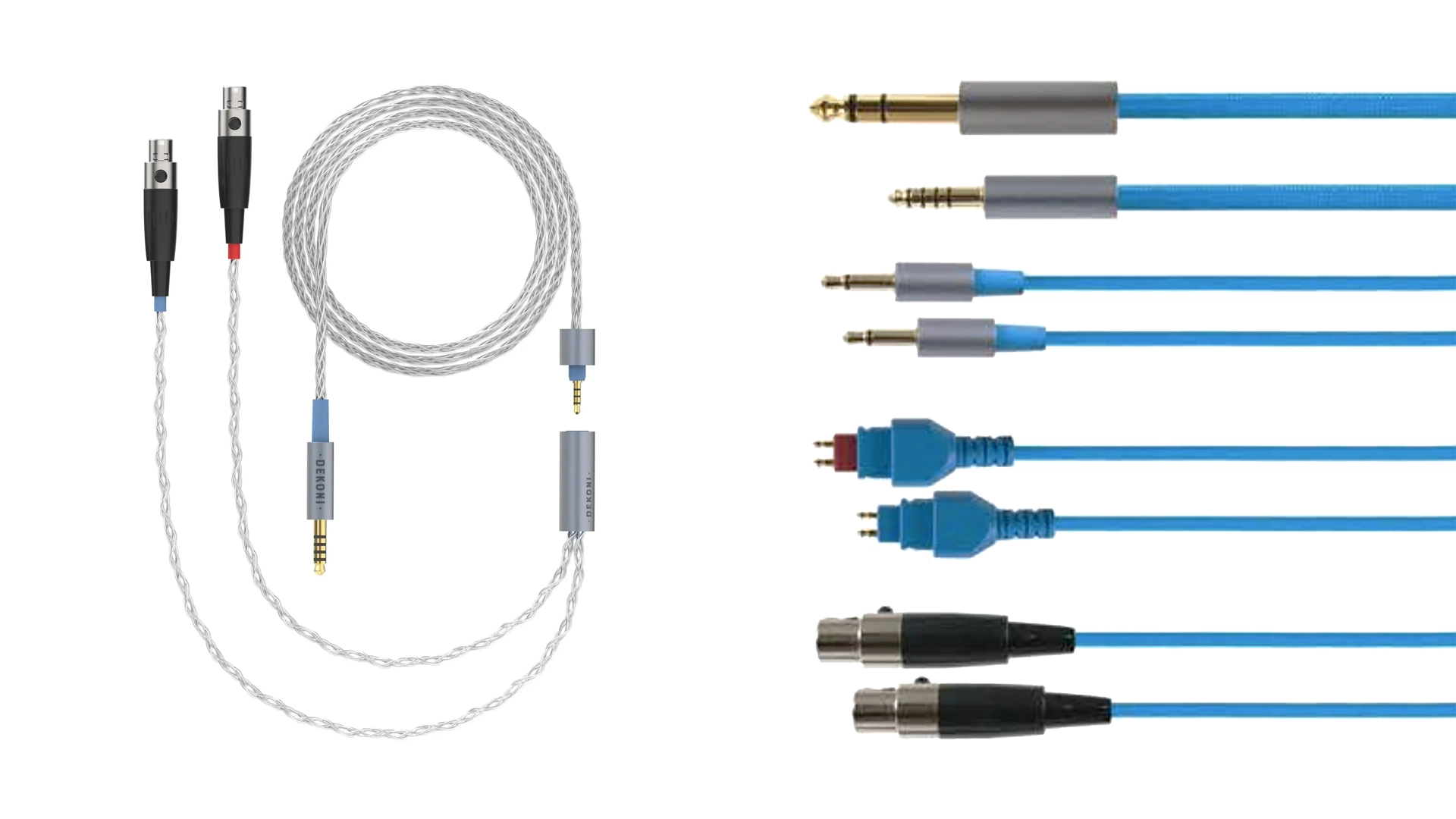
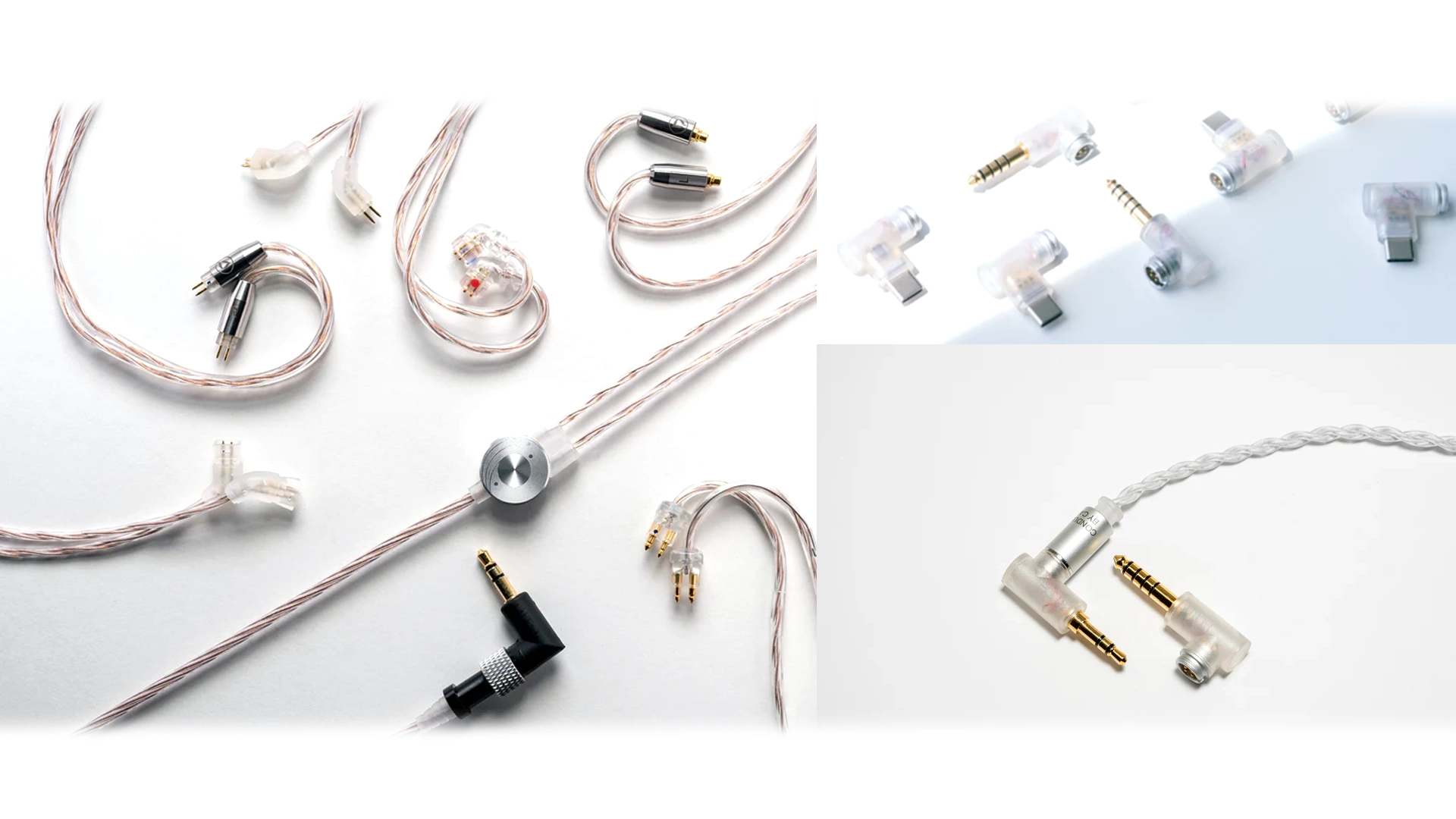
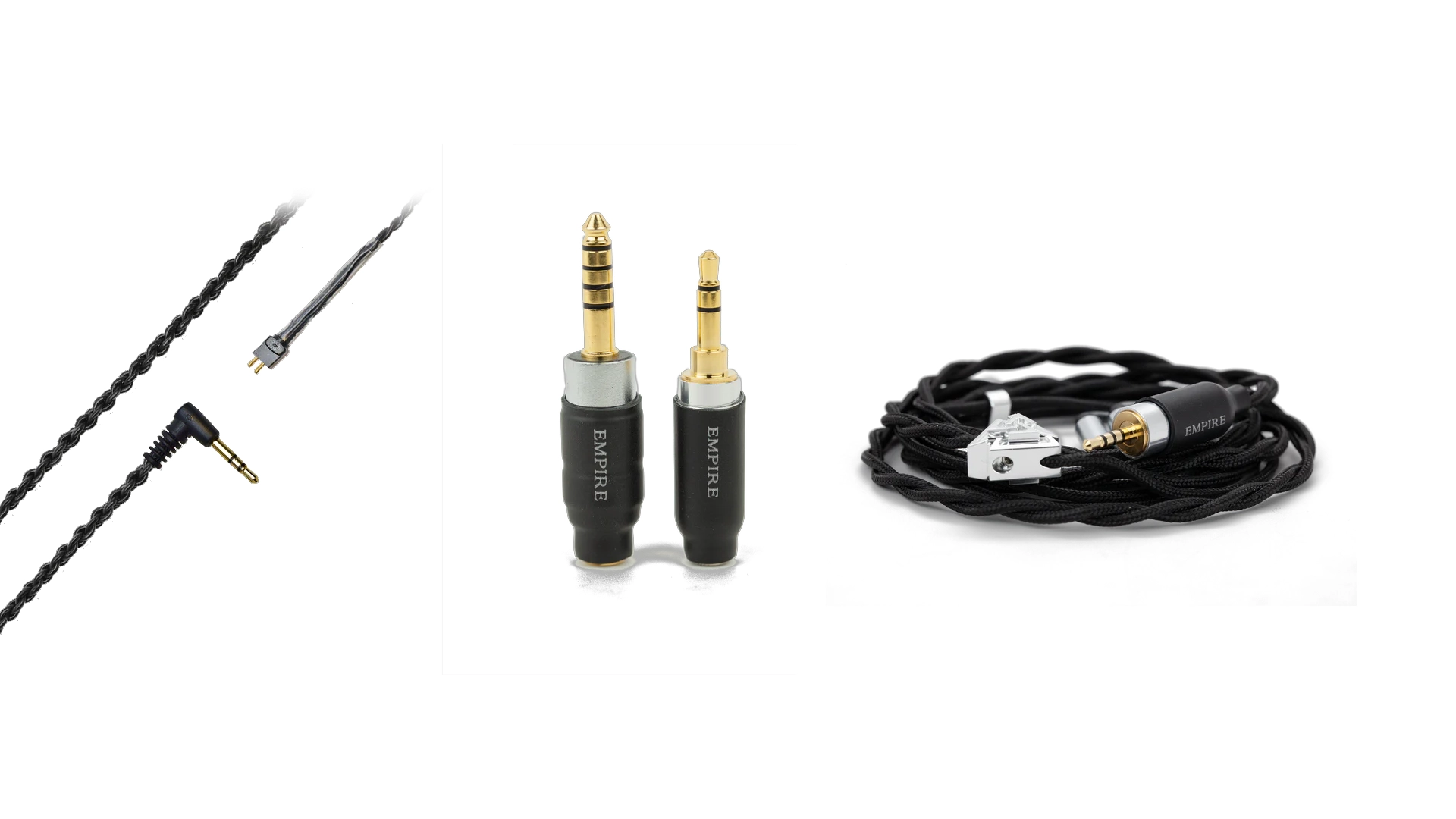
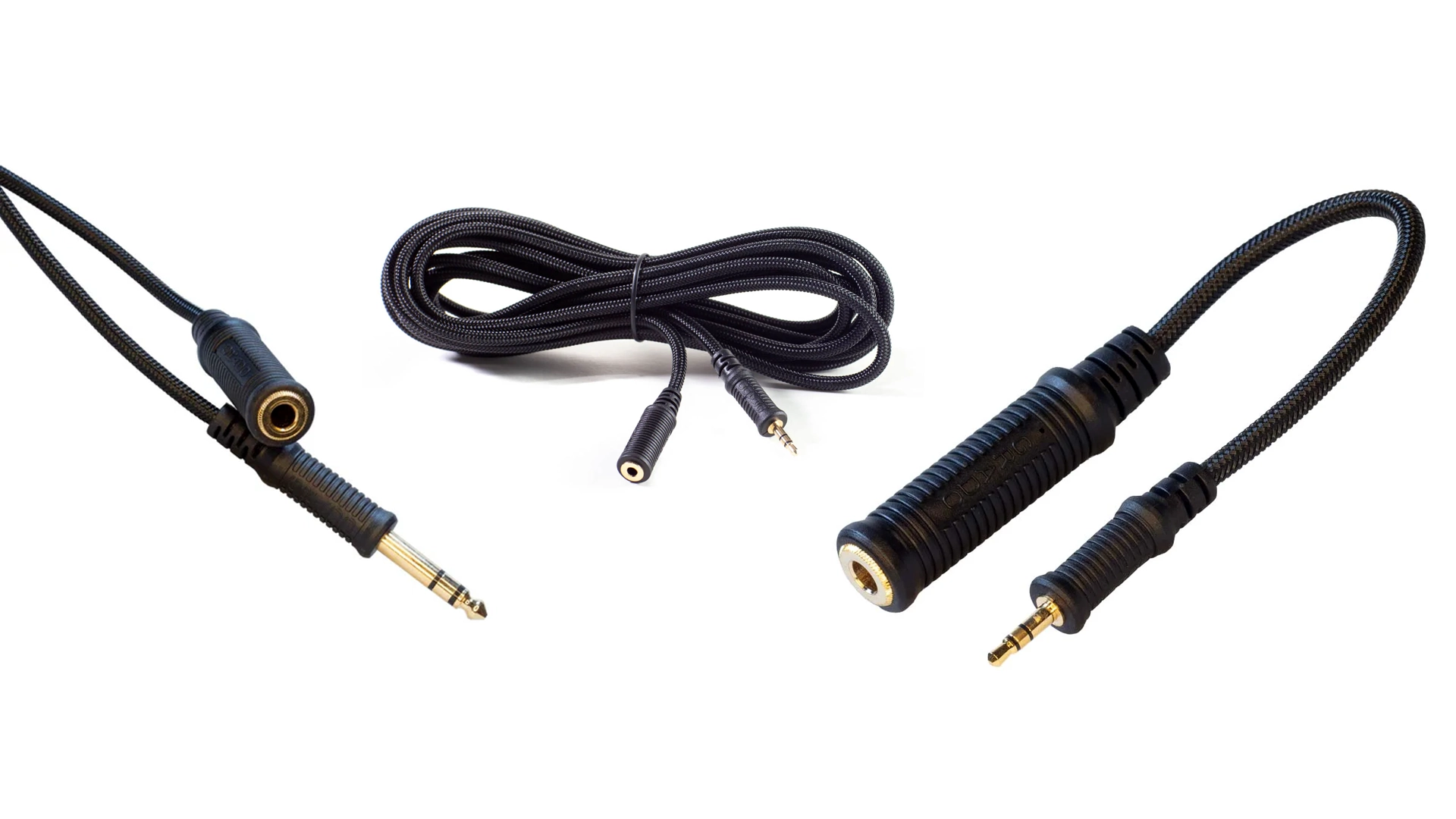
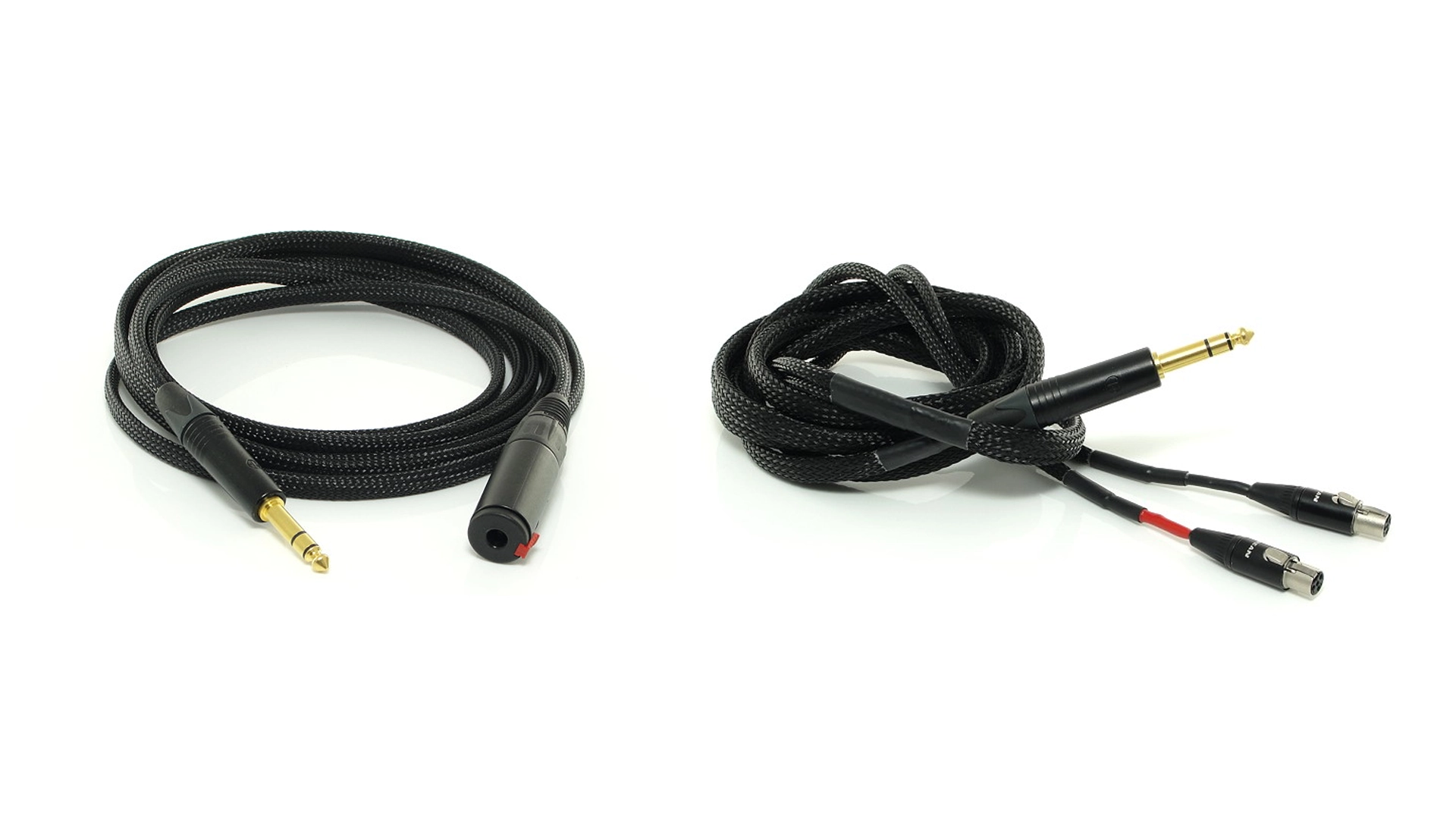
This category covers aftermarket and upgrade cables for high-quality headphones that feature detachable connectors. Enthusiasts use them to fine-tune sound, improve ergonomics and durability, or to connect to various types of headphone amplifiers, such as those with balanced outputs (e.g., 4.4mm Pentaconn or XLR). These cables are a popular way to customize and enhance the personal audio experience. This directory lists brands that specialize in crafting these upgrade cables.

42

Hi-Fi brands in the category

Summary information and image

Direct links to official websites

Filters
Search
Country
See more See less

64 Audio designs custom-fit and universal in-ear monitors with particular attention to pressure relief and the acoustic path between driver and ear. Its apex venting system manages pressure in the sealed ear canal, while tia uses open balanced-armature drivers to avoid the conventional sound tube at that driver. Sound engineer Vitaliy Belonozhko founded the business as 1964 Ears in 2010; it adopted the 64 Audio name in 2015. These technologies appear in different combinations across the range, so the choice involves more than driver count alone. The company serves both stage performers and personal-audio listeners. Custom models use individually fitted shells, while universal models can be shared or auditioned without an ear impression.

ABYSS specialises in planar magnetic headphones, producing its drivers and machining its aluminium frames in New York. The AB-1266 makes that engineering unusually visible: its machined metal frame and magnetically adjustable ear pads make physical fit part of the acoustic setup. The headphone business grew out of JPS Labs, founded by Joe Skubinski; he and his son Eric developed the original AB-1266 together. The Diana family takes a more compact approach to the same broad type of driver technology. In-house driver production and metalwork are central to the brand, rather than simply cosmetic details. Its headphones are intended for dedicated personal listening, with model choice involving both physical fit and the requirements of the partnering headphone amplifier.

Acoustune’s earphones are built around its Myrinx dynamic-driver diaphragm and a modular approach to the housing. Myrinx uses a thin polymer biomaterial, while the metal-body construction separates the driver’s acoustic chamber from the section carrying the cable connector. This separation is intended to limit interaction between the acoustic and mechanical parts of the earphone. Rather than defining its identity through ever-higher driver counts, Acoustune gives particular attention to diaphragm material and chamber construction. Established in 2013, the brand offers several earphone families, with interchangeable acoustic chambers available on selected designs.

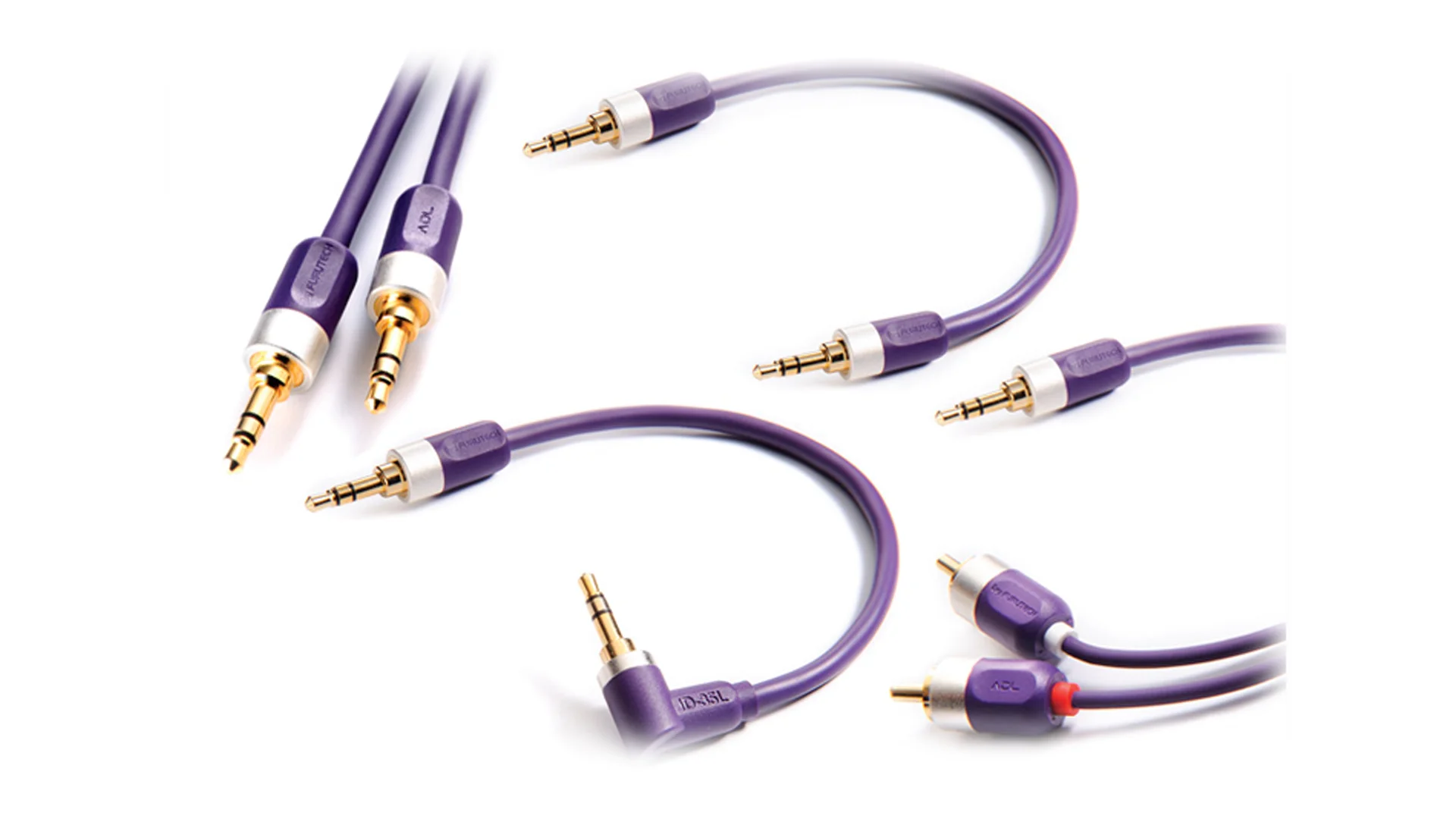
Alpha Design Labs, or ADL, brings Furutech’s audio engineering into compact desktop and portable components. A particularly useful example is the GT40a: it combines a USB DAC, headphone amplifier and MM/MC phono input with analogue-to-digital conversion, allowing records or other analogue sources to be recorded to a computer. The catalogue also covers portable headphone amplifiers, headphones, earphones and cables. Originally introduced as Furutech’s entry-level line, ADL is especially interesting where several connections or functions need to fit into a small listening setup. Its documented products bridge computer audio, personal listening and conventional analogue sources.

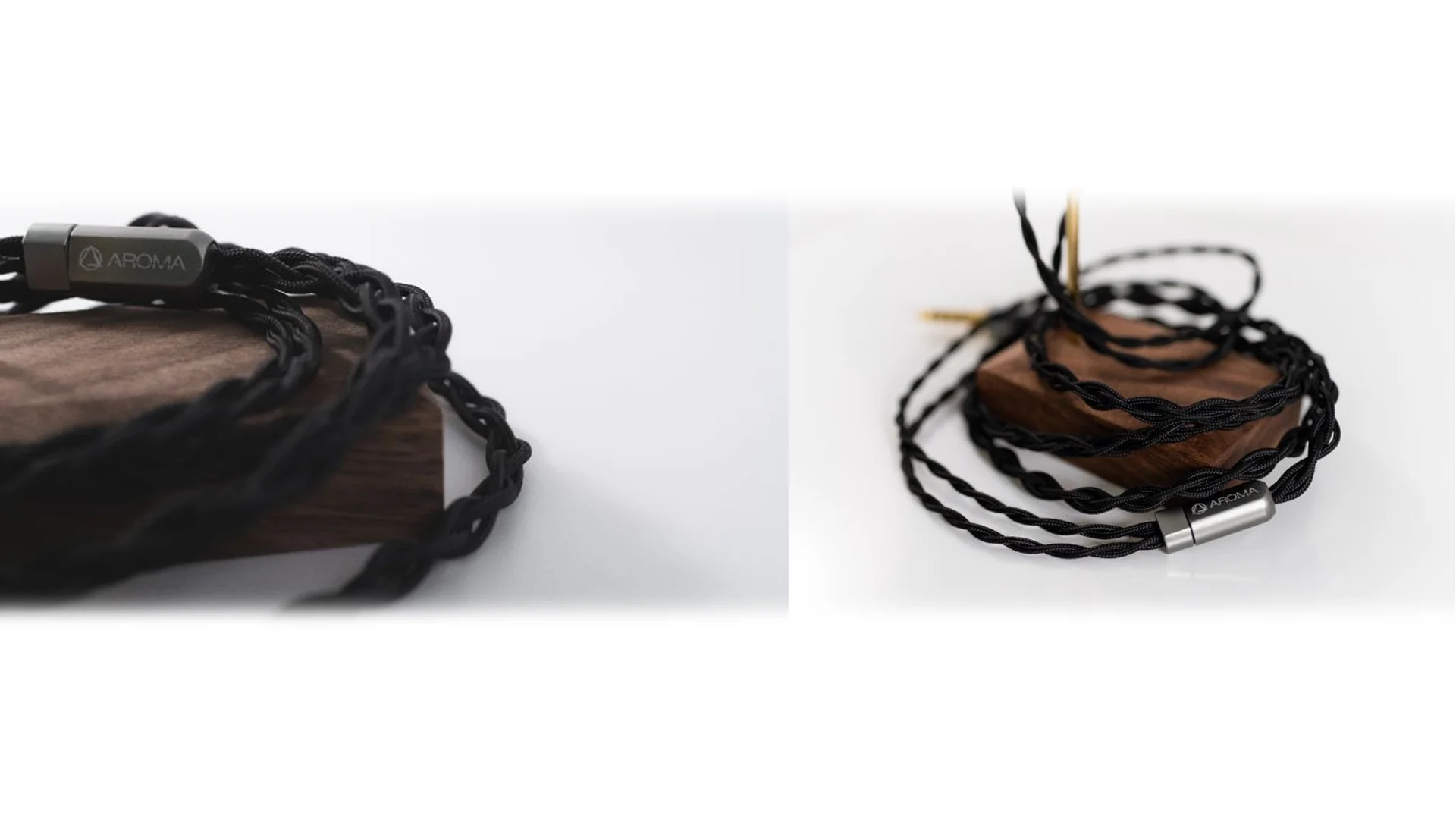
Aroma Audio explores different ways of combining miniature drivers inside an in-ear monitor. Established in Hong Kong in 2015, it offers both universal-fit and custom IEMs, alongside portable headphone amplification and accessories. The Jewel uses a three-way mix of dynamic, balanced-armature and electrostatic driver technologies, while other models take different approaches to driver selection and tuning. Earlier Witch Girl and Musical Box products form part of that development history, followed by designs such as Fei Wan. The range is not built around one uniform sound signature: the choice of model is central to Aroma’s approach, with distinct configurations for different listening preferences.
Astell&Kern builds dedicated portable music players that bring file playback, digital conversion and headphone amplification into one purpose-designed device. IRIVER launched the South Korean brand in 2012 with the AK100. Later AK models and the A&ultima, A&futura, A&norma and KANN families explored different balances of size, output capability and circuit complexity. The newer catalogue includes the PD series alongside flagship players. Distinctive machined enclosures and physical volume controls are part of the identity, but the range also reaches beyond players into headphone amplifiers, earphones and home-audio components. Collaborations with specialist IEM makers connect its source electronics with different approaches to personal listening.

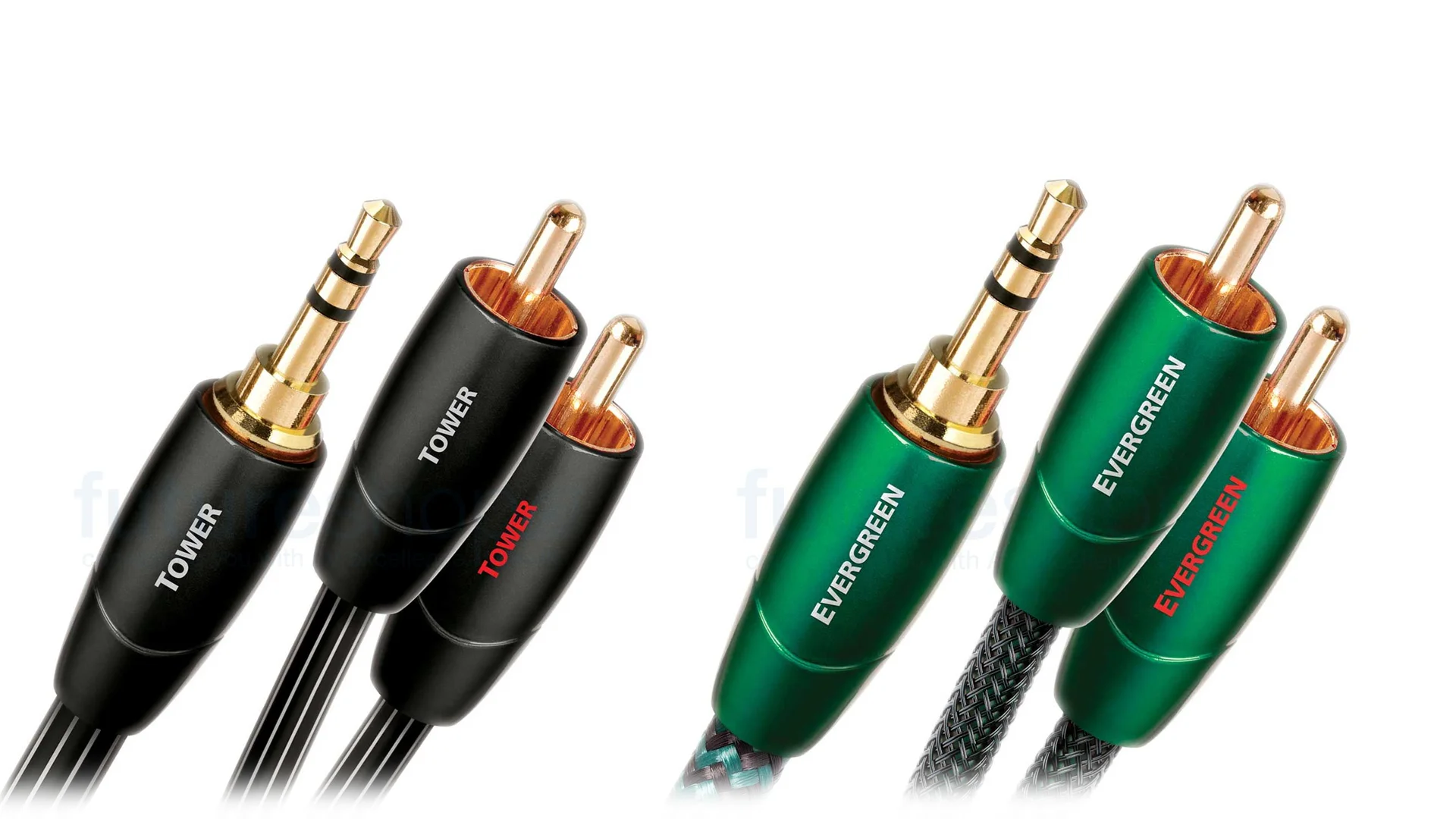
AudioQuest designs cables around one persistent aim: preserve the source signal by reducing added noise and distortion. William ‘Bill’ Low began making custom cables for his hi-fi shop in 1978 and founded the California company in 1980. Its work has progressed from advanced conductor metallurgy and HyperLitz construction to solid and semi-solid conductors, controlled directionality, RF noise dissipation and the Dielectric-Bias System introduced in 2004. The catalogue covers analogue, speaker, digital, HDMI and AC power cables across accessible and reference ranges, including William Tell, ThunderBird and Dragon. AudioQuest also developed DragonFly USB DACs and Niagara and PowerQuest power conditioners, applying the same noise-control priorities beyond cables. The useful distinction is the coherent engineering vocabulary used across a very broad range, rather than exotic materials alone.

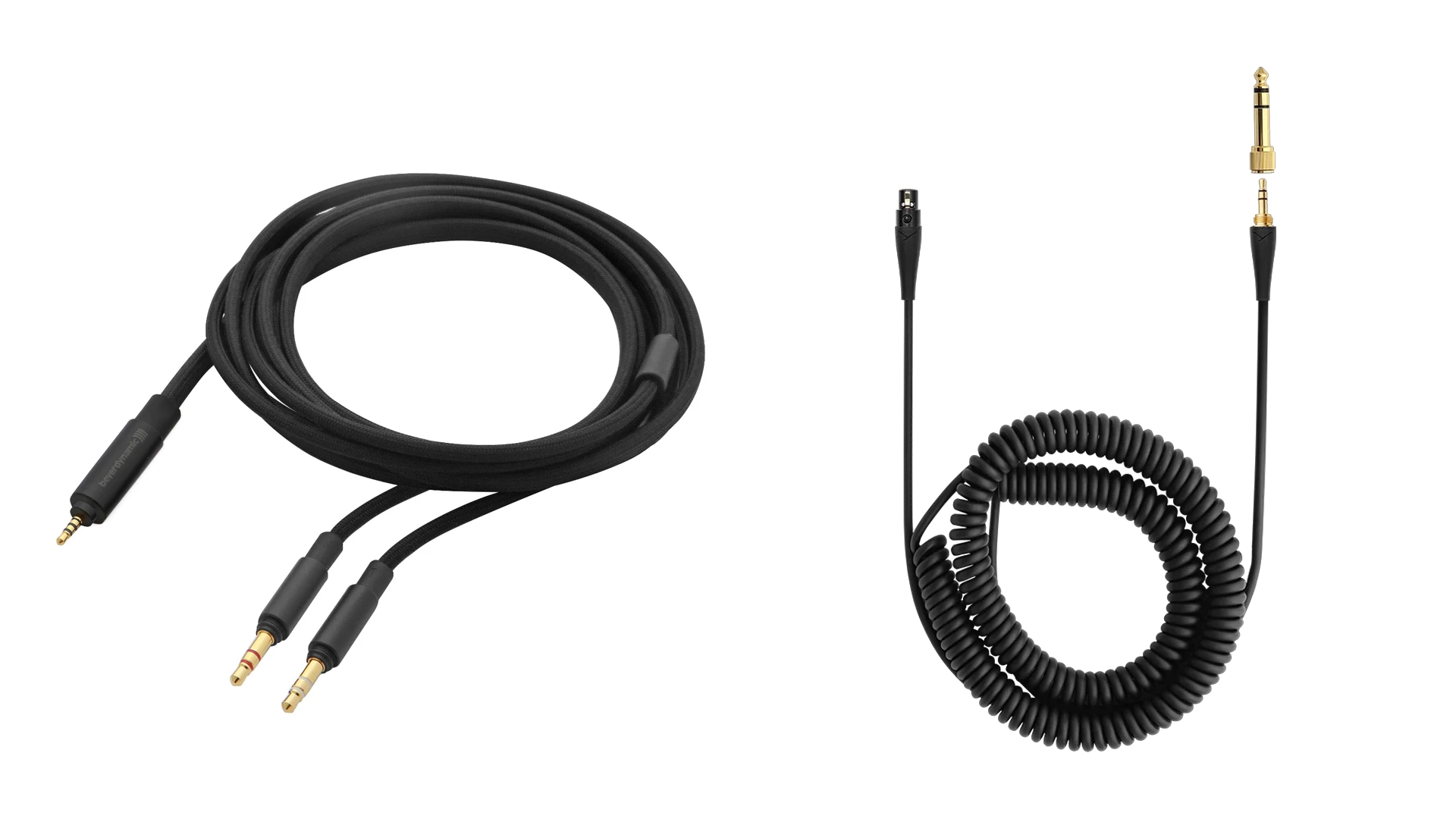
Beyerdynamic is one of the companies that defined the dynamic headphone and still develops key studio and listening models in Heilbronn, Germany. Eugen Beyer founded Elektrotechnische Fabrik Eugen Beyer in Berlin in 1924, initially making cinema loudspeakers; the DT 48 followed in 1937 as an early production dynamic headphone. Today’s DT 770, DT 880 and DT 990 remain studio standards, while the PRO X range modernises that working format and the T1 and T5 use the company’s high-flux Tesla driver technology for home listening. Beyerdynamic also makes broadcast, stage and studio microphones, including the ribbon-based M 160 lineage. The previous claim that the company specialised in planar-magnetic headphones was incorrect and has been removed. Chinese acoustic-component manufacturer Cosonic completed its acquisition of Beyerdynamic in June 2026, while the brand remains based in Heilbronn.

Campfire Audio treats each in-ear monitor as a distinct acoustic design rather than tuning an entire range to one house curve. Ken Ball founded the Portland, Oregon company in 2015 after building cables and portable amplifiers through ALO Audio. More than seventy earphone designs have followed, including the long-running Andromeda, hybrid Solaris, triple-dynamic Trifecta and planar-magnetic Astrolith. Depending on the model, Campfire combines balanced-armature, dynamic or planar drivers with 3D-printed internal acoustic chambers. Its Tuned Acoustic Expansion Chamber shapes the high-frequency response acoustically and reduces reliance on restrictive electronic filtering. Design, engineering, hand assembly, quality control and shipping remain together in the company’s small Portland workshop. The range is intentionally diverse in tonal balance, giving listeners and musicians different presentations rather than presenting every model as a simple step up the same ladder.

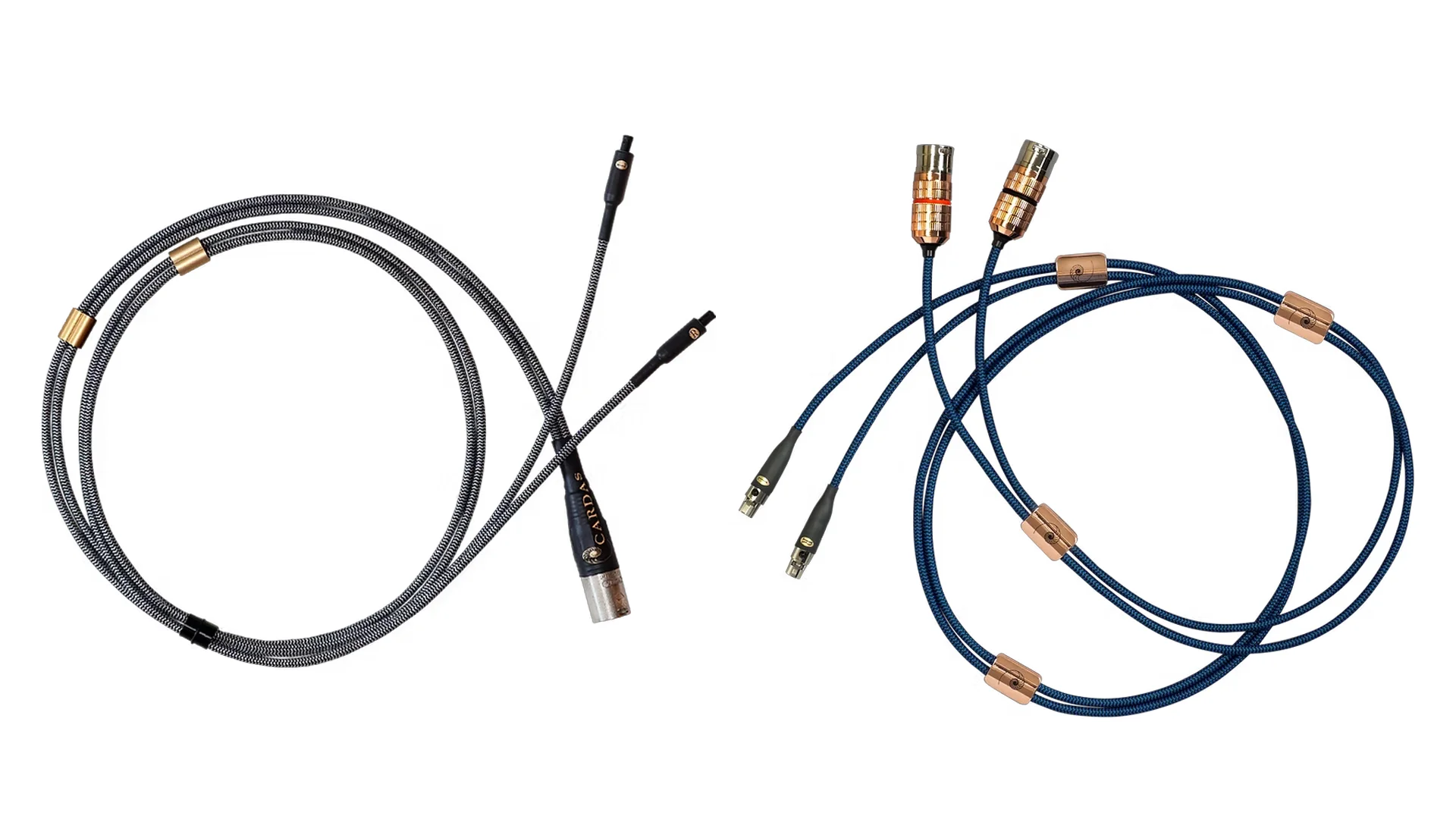
Cardas Audio controls cable behaviour by designing and manufacturing the conductor itself, not only its outer geometry and connectors. Former telephone transmission engineer George Cardas founded the company in Ontario, California, in 1987 and moved it to Bandon, Oregon, in 1992. His patented Golden Section stranding arranges progressively sized conductors according to the golden ratio to spread mechanical and electrical resonances. Each fine strand is individually enamelled in a Litz construction, limiting oxidation and interaction between strands. Later Matched Propagation designs coordinate conductor and dielectric behaviour throughout the Clear range. Cardas produces its own ultra-pure copper conductors and also makes interconnects, speaker and power cables, bulk wire, solder, binding posts, RCA, XLR, DIN and headphone connectors for manufacturers and DIY builders. George remains head designer, while his daughter Angela manages the company.
Dan Clark Audio is a San Diego headphone manufacturer that grew from one engineer’s experiments with modified Fostex models into a specialist in proprietary planar-magnetic and electrostatic designs. Dan Clark founded the company as MrSpeakers in 2012; the early Mad Dog modifications financed Alpha Dog, widely recognised as the first production headphone with 3D-printed ear cups, and then ETHER, its first fully in-house planar model. The business adopted the Dan Clark Audio name in 2019. Its technical identity now rests on several linked ideas: V-Planar creases give the diaphragm greater linear excursion, TrueFlow shapes airflow through the motor, and the Acoustic Metamaterial Tuning System uses tuned acoustic structures between driver and ear to control high-frequency resonances. STEALTH and EXPANSE apply these technologies at flagship level, while E3, ÆON and NOIRE models translate them into lighter or more attainable formats. Folding gimbals, nickel-titanium headbands and careful weight distribution show that comfort is treated as part of engineering, not as an accessory to sound quality.
Dekoni Audio is a New Jersey headphone-accessory specialist founded in 2015 after audio engineer Tal Kocen struggled to find replacement pads that matched both the comfort and acoustic behaviour of the originals. Earpads remain the core product, but they are not treated as generic cushions. Dekoni measures each headphone and shapes memory foam, opening dimensions and attachment rings for the intended model because pad depth, seal and surface absorption can materially change bass, treble and soundstage. Elite sheepskin, fenestrated sheepskin, velour and hybrid pads offer different acoustic and thermal properties, while the Choice range provides durable synthetic alternatives. The catalogue now also includes Bulletz memory-foam ear tips, modular headphone cables, protective cases and Nuggets headband pads, covering fit and maintenance across many leading headphone brands. Compatibility guides are a key part of the service: users can select the exact headphone before choosing a material. Dekoni’s strength is therefore repeatable model-specific engineering that lets owners restore worn headphones or deliberately tune comfort, isolation and tonal balance without replacing the complete product.
DITA Audio is a Singaporean personal-audio company founded in 2012 by mechanical engineer Danny Tan and his business partner Desmond Tan. It built its reputation by pursuing coherence from a single full-range dynamic driver at a time when much of the IEM market was adding balanced-armature units and complex crossovers. The Answer, Dream and Dream XLS established that approach through purpose-developed drivers, precision-machined metal bodies and unusually detailed attention to cables, connectors and packaging. Perpetua marked the brand’s tenth anniversary, while Ventura continues the flagship single-driver line. DITA has also shown that the philosophy is not dogma: Project M combines a dynamic driver with a balanced armature when the design objective calls for it. The Awesome Plug and later APV2 modular systems allow the same cable to accept different source terminations, turning an accessory into a practical part of the product architecture. DITA’s distinguishing know-how lies in mechanical construction and acoustic tuning at miniature scale — controlling the chamber, nozzle, driver and cable interface as one experience rather than competing primarily by driver count.

Empire Ears was an Atlanta-area specialist in custom and universal high-end in-ear monitors, created in 2015 by the Vang family around acoustic engineer Dean Vang and Jack Vang. Its identity came from ambitious multi-driver designs for musicians and audiophiles: models such as Legend X, Valkyrie, Odin and Raven combined balanced-armature, electrostatic and proprietary Weapon IX dynamic bass drivers. The company developed the synX crossover network, EIVEC control for electrostatic drivers and A.R.C. anti-resonance treatment to make unusually complex hybrid layouts work as a coherent earphone. Empire Ears closed its business effective 27 February 2026, so its page should now be read as the record of an influential American IEM maker rather than an active product catalogue.

Ferrum is the Polish audio brand launched in 2020 by HEM, a Warsaw engineering and manufacturing company with decades of experience behind other electronics marques. Its first product, HYPSOS, established the system concept: a hybrid linear and switching power supply with adjustable 5–30-volt output, four-terminal sensing and Sweet Spot Tuning for compatible components. OOR followed as a fully balanced discrete headphone amplifier, ERCO combined conversion and headphone drive, and WANDLA developed into a DAC and preamplifier platform built around Ferrum’s SERCE processing module. The compact components connect through the proprietary Ferrum Power Link, allowing HYPSOS to monitor and power matching units through one cable. Ferrum’s distinction is a genuinely coordinated desktop ecosystem—power regulation, digital processing, analogue control and headphone amplification engineered and manufactured in Poland rather than a collection of rebadged small boxes.

FiiO was founded in Guangzhou in 2007 and helped move serious personal audio from improvised accessories into complete, affordable systems. Early E-series portable headphone amplifiers built its reputation; the X3 player in 2013 made high-resolution playback central to the brand, and today’s Android-based M-series players combine local storage, streaming services, balanced outputs and replaceable or carefully engineered amplification stages. The broader catalogue now includes K-series desktop DAC/headphone amplifiers, BTR Bluetooth receivers, portable dongles, IEMs, full-size headphones and desktop source components. FiiO develops electronics, firmware, apps and transducers rather than depending on one fashionable product category, while sub-brand Snowsky explores smaller and more playful designs. Its distinctive strength is vertical product integration at attainable prices: a listener can build a portable, desktop or living-room chain whose interfaces and power requirements were designed to work together.

Final traces its Japanese audio lineage to 1974, when Kanemori Takai established the original Final brand and pursued unconventional analogue and transducer designs, including a cartridge with a one-piece diamond cantilever and stylus. The modern company began a new chapter when Takai and engineer Takashi Yamaguchi established Final Audio Design in 2007; earphone production followed in 2009, and S’NEXT brought the operation and final name together after a management buyout in 2014. Current products range from E-, A- and B-series earphones to D-series headphones and true-wireless models. Landmark projects show the engineering range: the user-tunable MAKE earphones, the titanium 3D-printed LAB I and the D8000 planar-magnetic headphone with Air Film Damping System. The brand is therefore neither a generic IEM maker nor an uninterrupted single corporation—the accurate story is a 1974 design lineage continued by today’s S’NEXT team.

Fostex connects Japanese transducer manufacturing with tools used by recording engineers, musicians and hands-on loudspeaker builders. The company was created in 1973 as an independently managed subsidiary of Foster Electric, whose OEM loudspeaker experience gave the new brand an unusually deep production base. In 1974 it introduced RP, or Regular Phase, technology: a planar diaphragm carrying a printed conductor and driven across its surface in phase. Successive RP generations power the long-running T50RP family and newer premium planar-magnetic headphones, while the TH series explores dynamic drivers and crafted wooden housings. Fostex also makes active studio monitors, field and multitrack recorders, headphone amplifiers, microphones and professional accessories. A second, equally distinctive part of the catalogue is its raw loudspeaker components, including full-range drivers, compression tweeters and enclosure kits used in commercial and DIY designs. That breadth explains why the name appears both in studios and in enthusiast-built speaker systems.

Grado Labs is a family-owned Brooklyn manufacturer whose two specialties—open-back headphones and phono cartridges—share an emphasis on light moving systems and hand assembly. Joseph Grado founded the company with his brother John in 1953, working from the family building where production still takes place. Joseph became known for early stereo moving-coil cartridge work; John Grado assumed leadership in the early 1990s and launched the headphones that made the name familiar to a wider audience. Richard Grado has led the company since 2023, with third-generation family members Jonathan and Matthew also involved. Today Grado offers Prestige, Timbre and Lineage cartridges together with Classic, Reference and Signature headphones, plus wireless models such as the GW series. Continuity of ownership, repairable construction and small-batch Brooklyn production define the brand more clearly than any single model.

Graham Slee is a British audio-electronics specialist best known for extracting low-level signals from cartridges without turning the phono stage into a feature-heavy control centre. Graham Slee, an electronics designer active professionally since 1974, established Graham Slee Projects in 1998. The catalogue ranges from the compact Gram Amp through Era Gold, Reflex and Accession phono stages, with the Elevator EXP providing active step-up for moving-coil cartridges. It also includes Solo and Ultra-Linear headphone amplifiers, the Majestic DAC/preamplifier, Proprius mono power amplifiers and purpose-designed interconnects. Several products use separate outboard power supplies, and the company documents loading, equalisation and circuit behaviour in unusual depth. Units are designed and hand-built in Britain, with long production runs and upgrade paths valued over frequent cosmetic replacement.

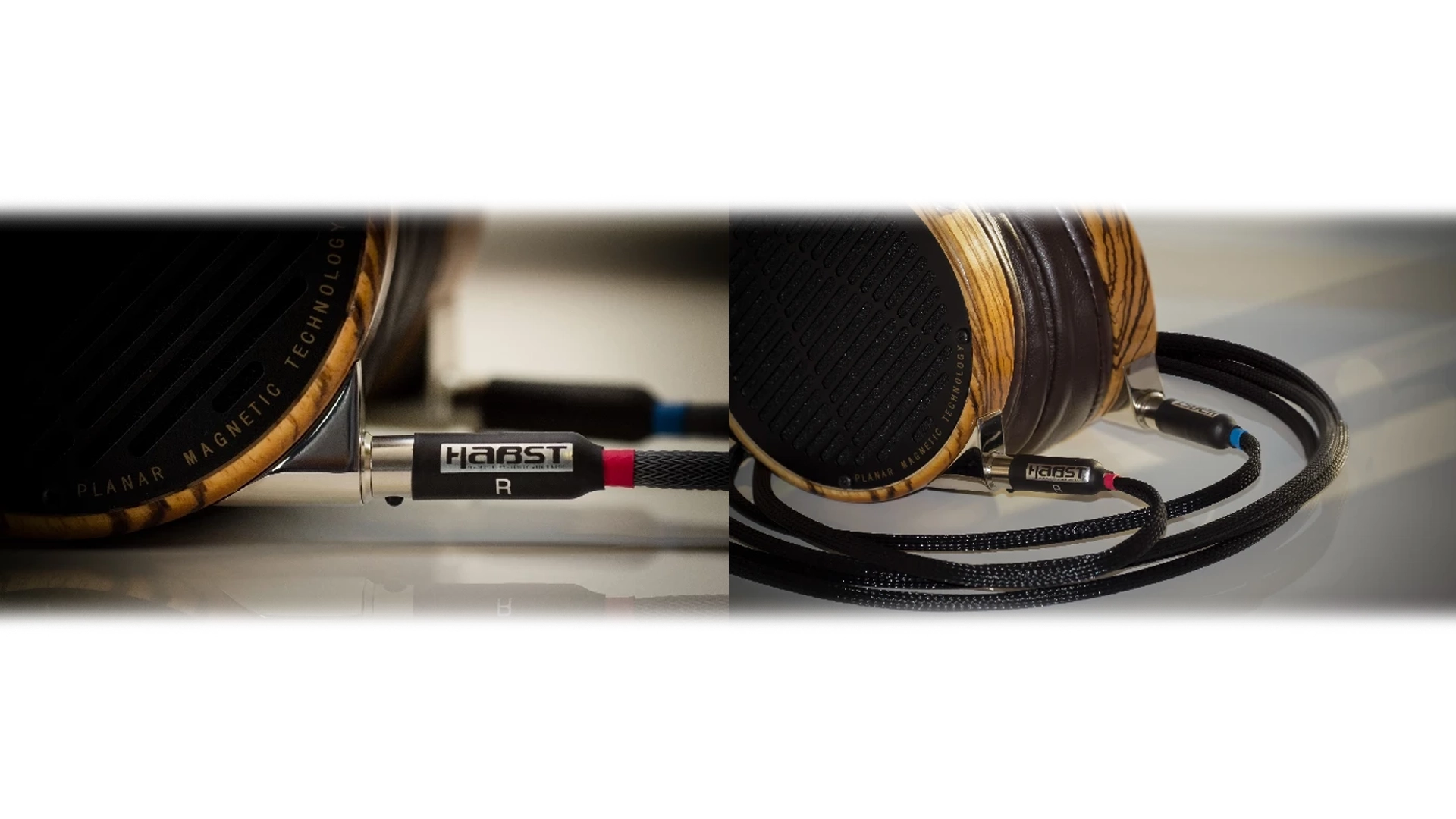
Habst Cables is a small cable atelier whose work began in Berlin and is now carried out in Denmark, with each ordered length assembled by hand rather than cut from generic finished stock. Its principal conductor is 5N (99.999%) cryogenically treated silver manufactured in Germany to Habst’s specification. Depending on the model, the company routes conductors through PTFE or ePTFE air tubes, adds carbon-based shielding and applies its AP resonance-reduction treatment. Analogue and digital interconnects, USB and network cables, loudspeaker and power cables, plus custom headphone leads are made in one piece where the requested length permits. The Majesty headphone cable appeared in 2012, but Habst does not present that date as the foundation of the company. Made-to-order geometry, material control and willingness to build non-standard terminations are the brand’s real points of difference.

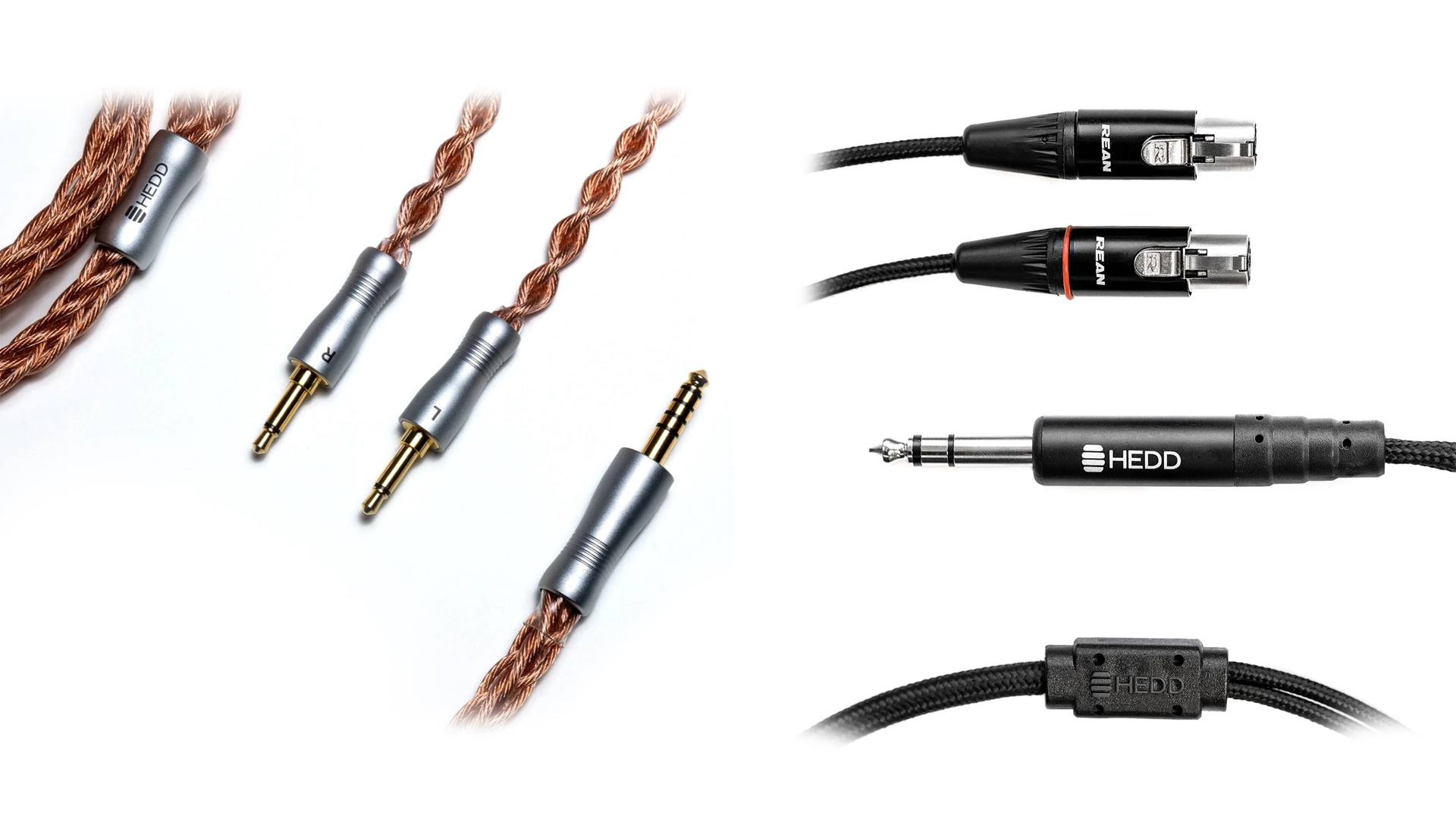
HEDD—Heinz Electrodynamic Designs—is a Berlin company founded in 2015 by physicist Klaus Heinz and his son, musicologist and mastering engineer Dr Frederik Knop. Klaus Heinz had already spent decades developing Air Motion Transformer tweeters, and HEDD made that folded-diaphragm principle the centre of a new range for studios and demanding home systems. The company builds active monitors and subwoofers in Berlin, combining its proprietary AMT with DSP functions such as the Lineariser, a phase-correction system based on zero-phase FIR filtering. MK2 monitors can also be used in closed or ported operation through the CoP design, allowing a practical trade-off between bass extension and transient behaviour. HEDDphone models extend the idea into a full-range Variable Velocity Transform transducer for headphones. HEDD’s identity is unusually coherent: one transducer concept, refined for nearfield monitoring, immersive systems and personal listening.

HFS Ad Rotator · default · slot 1
HFS Ad Rotator · default · slot 2
Add a missing AV-brand or update an existing one

Add a missing AV-brand or update an existing one

Any user can submit a Quick Submission Form to suggest a new AV-brand or suggest update details for an existing one. Brand owners or official representatives of brand can fill a Official Brand Submission Form to provide complete company information, ensuring maximum accuracy and visibility in our portal. All submissions are moderated before publication. 

For suggesting new AV-brands or suggesting updating existing one by users.

Complete official form for brand owners and representatives to provide complete company details to add a new one or update an existing one

Brand Categories:
  • SPEAKERS
    • Bookshelf Speakers — Compact loudspeakers designed for placement on a shelf or dedicated stands.
    • Floorstanding Speakers — Large, full-range loudspeakers that stand directly on the floor, designed for powerful and expansive sound.
    • In-wall Custom Install Speakers — Speakers designed to be installed flush into walls or ceilings for a discreet, "zero-footprint" audio solution.
    • On-Wall Speakers — Slim, low-profile speakers designed to be mounted directly on a wall, often to complement a flat-panel TV.
    • Studio Monitors — Speakers designed for professional audio production, offering a flat, accurate, and uncolored sound reproduction.
    • Planar Ribbon Electrostatic Speakers — Speakers using large, thin diaphragms (panels) instead of cones, prized for their transparent and detailed sound.
    • Horn Speakers — Highly efficient speakers that use a flared horn to amplify a driver, known for their dynamic, "live" sound.
    • Active Powered Speakers — Loudspeakers with built-in amplifiers, creating a simple all-in-one audio solution.
    • Wireless Portable Speakers — Compact, battery-powered speakers with Bluetooth for on-the-go music.
    • Outdoor Speakers — Durable, weather-resistant speakers engineered to provide high-quality audio in open-air spaces like patios and gardens.
    • Marine Extreme Speakers — Rugged, waterproof, and corrosion-resistant speakers built to withstand harsh marine environments on boats and yachts.
    • Commercial Speakers — Durable loudspeaker systems designed for background music and public address in business environments.
    • Invisible Speakers — Architectural speakers installed in a wall and plastered over, making them completely invisible.
    • Subwoofers Bass Speakers — Specialized speakers dedicated to reproducing only the lowest bass frequencies for impact and depth for all purposes
  • AMPLIFIERS
    • Integrated Amplifiers — An all-in-one component combining a preamplifier and a power amplifier in a single chassis.
    • PreAmplifiers — The control hub of a separates audio system, used for source selection and volume control.
    • Power Amplifiers — A component with the sole job of taking a line-level signal and amplifying it to drive loudspeakers.
    • Phono Preamps Phono Stages — A device that amplifies the weak signal from a turntable's cartridge and applies necessary RIAA equalization.
    • Tube Amplifiers — Amplifiers that use vacuum tubes (valves) instead of transistors, prized for their warm and rich sound character.
    • Multi-Zone Multi-Room Amplifiers — Amplifiers that power speakers in multiple different rooms or "zones" from a single, centralized unit.
    • Network Amplifiers — An integrated amplifier with built-in networking and streaming capabilities, creating a modern "just add speakers" system.
    • Desktop Headphone Amplifiers — Mains-powered amplifiers designed to drive high-quality headphones in a desktop or home audio system.
    • Portable Headphone Amplifiers Players — Compact, battery-powered devices (DAPs or amps) for delivering high-quality sound on the move.
  • DAC STREAMERS
    • DAC Desktop — Digital-to-Analog Converters designed to improve sound quality from a computer or other home digital source.
    • DAC Portable — Compact, battery-powered Digital-to-Analog Converters for improving audio from smartphones and laptops.
    • Music Streamers — Devices that connect to the internet to access and play music from online services like Tidal and Spotify.
    • Network Players — Source components focused on high-fidelity playback of digital audio files from a local network (NAS drive).
    • Music Servers HDD Storages — Dedicated devices for storing, managing, and playing a local digital music library with high fidelity.
    • CD Transport Media Players — High-precision disc players that read physical media (CDs, SACDs) and output a pure digital signal to an external DAC.
    • Compact All-in-One Systems — Self-contained audio systems that combine source, amplification, and often speakers into a single, compact unit.
    • Streaming Amplifier — An integrated amplifier with built-in streaming capabilities.
  • TURNTABLES VINYL
    • Turntables — Electromechanical devices that play vinyl records by rotating them at a stable speed.
    • Tonearms — The precision arm on a turntable that holds the cartridge, allowing the stylus to track the record groove.
    • Cartridges — The transducer on a turntable's tonearm that holds the stylus and converts groove vibrations into an electrical signal.
    • Vinyl Cleaning Machine — Specialized machines that use fluid and vacuum/ultrasonic action to deep-clean vinyl records.
    • Vinyl Accessories — Essential tools for setup and maintenance, like clamps, brushes, and alignment protractors.
  • HEADPHONES
    • In-Ear Earbuds — Ultra-portable listening devices, including True Wireless (TWS) models, designed for convenience and daily use.
    • In-Ear Monitors IEM — High-performance in-ear headphones that seal in the ear canal for superior sound isolation and detail.
    • On-Ear Headphones — Headphones with cushions that rest directly on the ears, offering a balance of portability and sound quality.
    • Over-Ear Headphones — Full-sized headphones with large earcups that completely encircle the ears for maximum comfort and immersion.
    • Wireless Headphones — Headphones that connect to source devices via Bluetooth, often featuring Active Noise Cancellation (ANC).
    • Planar Magnetic Ribbon Headphones — High-end headphones using a thin, flat diaphragm driven by magnets, known for their detailed and low-distortion sound.
    • Electrostatic Headphones — High-end headphones using a massless diaphragm in an electrostatic field, requiring a special energizer/amplifier.
  • HOME THEATER
    • AV Receivers Media Players — Central components of a home cinema, combining audio/video processing, amplification, and playback.
    • Home Theater Speakers — Matched sets of speakers (front, center, surround) designed to create an immersive cinematic soundfield.
    • Soundbars — A simple, all-in-one speaker bar that provides a significant audio upgrade over a television's built-in speakers.
    • Subwoofers — Specialized speakers dedicated to reproducing only the lowest bass frequencies for impact and depth for home theaters
    • Processors Amplifiers — High-end home cinema "separates" consisting of a surround sound processor and a multi-channel power amplifier.
    • Screens — High-quality projection surfaces designed to provide an optimal image for a home cinema projector.
    • Projectors — Video projectors optimized for home cinema use, focusing on color accuracy, contrast, and black levels.
  • CABLES ACCESSORIES
    • Speaker Cables — Cables that carry the amplified, high-level signal from an amplifier to passive loudspeakers.
    • Analog Cables — Cables (RCA, XLR) used to transmit analog audio signals between components like DACs and amplifiers.
    • Digital Cables — Cables (Coaxial, Optical, USB) that transmit digital audio data between components.
    • Phono Cables — Specially shielded cables designed to carry the delicate, low-level signal from a turntable to a phono preamp.
    • Headphone Cables — Aftermarket and replacement cables used to upgrade or customize high-quality headphones.
    • Connectors Terminals — The fundamental hardware (plugs, jacks, spades, etc.) used to terminate cables and connect equipment.
    • Power Cables — High-performance AC cords designed to deliver clean, noise-free power to audio components.
    • Power Supplies Conditioners — Devices that filter, stabilize, and protect the AC power supplied to an audio system for improved performance.
  • FURNITURE
    • Speaker Stands Mounts — Stands and mounts used to position speakers at the correct height and angle for optimal sound.
    • Furniture Racks — Purpose-built furniture designed to house audio/video components with a focus on stability, ventilation, and vibration control.
    • Isolation Footers Spikes Shelves — Specialized accessories (spikes, footers, platforms) designed to manage vibrations and isolate components.
    • Soundproof Solutions — Products designed to control room acoustics, including treatment (panels, diffusers) and sound-blocking materials.
  • PROFESSIONAL
    • Concert Speakers — Large-scale PA systems, including line arrays and stage monitors, for live music and public events.
    • Cinema Speakers — Specialized, high-output loudspeaker systems certified for use in large commercial movie theaters.
    • Concert Electronics — Robust electronics including mixing consoles, processors, and amplifiers for live sound reinforcement.
    • Cinema Electronics — Professional, DCI-compliant processors and amplifiers for use in commercial movie theaters.
    • Cinema Screens — Large-format, often acoustically transparent, projection screens built to professional cinema standards.
    • Cinema Projectors — Ultra-high-brightness, DCI-compliant projectors designed for continuous use in commercial movie theaters.
    • Professional Cables Accessories — Rugged, reliable cables and hardware (e.g., snake cables, Speakon connectors) for touring and professional installation.
  • DIY Components
    • Speaker drivers Tweeters — The individual transducers (woofers, mid-range, tweeters) that are the fundamental building blocks of a loudspeaker.
    • Coaxial Speaker Drivers — Speaker drivers where the tweeter is mounted in the center of the woofer, creating a single point source for sound.
    • DIY Speaker Kits — Complete packages including drivers, crossovers, and plans for enthusiasts to build their own loudspeakers.
    • Electron Vacuum Tubes — Glass valves used in tube amplifiers that provide amplification and can be replaced to tune the sound.
    • Electronic Components — Discrete parts (capacitors, resistors, transistors) used by manufacturers and DIYers to build audio circuits.
  • OTHERS
    • Line Stage — A type of preamplifier that exclusively handles line-level sources, without a built-in phono stage.
    • Time Alignment Device — A signal processor that corrects timing delays between drivers or speakers for improved sound coherence.
    • Smart Portable Speakers — Wireless portable speakers with integrated voice assistants (e.g., Alexa, Google Assistant) and smart home functionality.
    • DJ Turntables — Durable, high-torque direct-drive turntables with pitch control, built for performance and DJing applications.
    • Motor Drives — External motor units and power supplies for turntables, providing improved rotational stability and isolation.
    • Crossovers — Electronic circuits that split an audio signal into different frequency bands to route to the correct speaker driver.
    • Car Audio — Audio equipment, including speakers, amplifiers, and source units, specifically designed for use in vehicles.

Brand Categories:
  • Active Powered Speakers — Loudspeakers with built-in amplifiers, creating a simple all-in-one audio solution.
  • Analog Cables — Cables (RCA, XLR) used to transmit analog audio signals between components like DACs and amplifiers.
  • AV Receivers Media Players — Central components of a home cinema, combining audio/video processing, amplification, and playback.
  • Bookshelf Speakers — Compact loudspeakers designed for placement on a shelf or dedicated stands.
  • Car Audio — Audio equipment, including speakers, amplifiers, and source units, specifically designed for use in vehicles.
  • Cartridges — The transducer on a turntable's tonearm that holds the stylus and converts groove vibrations into an electrical signal.
  • CD Transport Media Players — High-precision disc players that read physical media (CDs, SACDs) and output a pure digital signal to an external DAC.
  • Cinema Electronics — Professional, DCI-compliant processors and amplifiers for use in commercial movie theaters.
  • Cinema Projectors — Ultra-high-brightness, DCI-compliant projectors designed for continuous use in commercial movie theaters.
  • Cinema Screens — Large-format, often acoustically transparent, projection screens built to professional cinema standards.
  • Cinema Speakers — Specialized, high-output loudspeaker systems certified for use in large commercial movie theaters.
  • Coaxial Speaker Drivers — Speaker drivers where the tweeter is mounted in the center of the woofer, creating a single point source for sound.
  • Commercial Speakers — Durable loudspeaker systems designed for background music and public address in business environments.
  • Compact All-in-One Systems — Self-contained audio systems that combine source, amplification, and often speakers into a single, compact unit.
  • Concert Electronics — Robust electronics including mixing consoles, processors, and amplifiers for live sound reinforcement.
  • Concert Speakers — Large-scale PA systems, including line arrays and stage monitors, for live music and public events.
  • Connectors Terminals — The fundamental hardware (plugs, jacks, spades, etc.) used to terminate cables and connect equipment.
  • Crossovers — Electronic circuits that split an audio signal into different frequency bands to route to the correct speaker driver.
  • DAC Desktop — Digital-to-Analog Converters designed to improve sound quality from a computer or other home digital source.
  • DAC Portable — Compact, battery-powered Digital-to-Analog Converters for improving audio from smartphones and laptops.
  • Desktop Headphone Amplifiers — Mains-powered amplifiers designed to drive high-quality headphones in a desktop or home audio system.
  • Digital Cables — Cables (Coaxial, Optical, USB) that transmit digital audio data between components.
  • DIY Speaker Kits — Complete packages including drivers, crossovers, and plans for enthusiasts to build their own loudspeakers.
  • DJ Turntables — Durable, high-torque direct-drive turntables with pitch control, built for performance and DJing applications.
  • Electron Vacuum Tubes — Glass valves used in tube amplifiers that provide amplification and can be replaced to tune the sound.
  • Electronic Components — Discrete parts (capacitors, resistors, transistors) used by manufacturers and DIYers to build audio circuits.
  • Electrostatic Headphones — High-end headphones using a massless diaphragm in an electrostatic field, requiring a special energizer/amplifier.
  • Floorstanding Speakers — Large, full-range loudspeakers that stand directly on the floor, designed for powerful and expansive sound.
  • Furniture Racks — Purpose-built furniture designed to house audio/video components with a focus on stability, ventilation, and vibration control.
  • Headphone Cables — Aftermarket and replacement cables used to upgrade or customize high-quality headphones.
  • Home Theater Speakers — Matched sets of speakers (front, center, surround) designed to create an immersive cinematic soundfield.
  • Horn Speakers — Highly efficient speakers that use a flared horn to amplify a driver, known for their dynamic, "live" sound.
  • In-Ear Earbuds — Ultra-portable listening devices, including True Wireless (TWS) models, designed for convenience and daily use.
  • In-Ear Monitors IEM — High-performance in-ear headphones that seal in the ear canal for superior sound isolation and detail.
  • In-wall Custom Install Speakers — Speakers designed to be installed flush into walls or ceilings for a discreet, "zero-footprint" audio solution.
  • Integrated Amplifiers — An all-in-one component combining a preamplifier and a power amplifier in a single chassis.
  • Invisible Speakers — Architectural speakers installed in a wall and plastered over, making them completely invisible.
  • Isolation Footers Spikes Shelves — Specialized accessories (spikes, footers, platforms) designed to manage vibrations and isolate components.
  • Line Stage — A type of preamplifier that exclusively handles line-level sources, without a built-in phono stage.
  • Marine Extreme Speakers — Rugged, waterproof, and corrosion-resistant speakers built to withstand harsh marine environments on boats and yachts.
  • Motor Drives — External motor units and power supplies for turntables, providing improved rotational stability and isolation.
  • Multi-Zone Multi-Room Amplifiers — Amplifiers that power speakers in multiple different rooms or "zones" from a single, centralized unit.
  • Music Servers HDD Storages — Dedicated devices for storing, managing, and playing a local digital music library with high fidelity.
  • Music Streamers — Devices that connect to the internet to access and play music from online services like Tidal and Spotify.
  • Network Amplifiers — An integrated amplifier with built-in networking and streaming capabilities, creating a modern "just add speakers" system.
  • Network Players — Source components focused on high-fidelity playback of digital audio files from a local network (NAS drive).
  • On-Ear Headphones — Headphones with cushions that rest directly on the ears, offering a balance of portability and sound quality.
  • On-Wall Speakers — Slim, low-profile speakers designed to be mounted directly on a wall, often to complement a flat-panel TV.
  • Outdoor Speakers — Durable, weather-resistant speakers engineered to provide high-quality audio in open-air spaces like patios and gardens.
  • Over-Ear Headphones — Full-sized headphones with large earcups that completely encircle the ears for maximum comfort and immersion.
  • Phono Cables — Specially shielded cables designed to carry the delicate, low-level signal from a turntable to a phono preamp.
  • Phono Preamps Phono Stages — A device that amplifies the weak signal from a turntable's cartridge and applies necessary RIAA equalization.
  • Planar Magnetic Ribbon Headphones — High-end headphones using a thin, flat diaphragm driven by magnets, known for their detailed and low-distortion sound.
  • Planar Ribbon Electrostatic Speakers — Speakers using large, thin diaphragms (panels) instead of cones, prized for their transparent and detailed sound.
  • Portable Headphone Amplifiers Players — Compact, battery-powered devices (DAPs or amps) for delivering high-quality sound on the move.
  • Power Amplifiers — A component with the sole job of taking a line-level signal and amplifying it to drive loudspeakers.
  • Power Cables — High-performance AC cords designed to deliver clean, noise-free power to audio components.
  • Power Supplies Conditioners — Devices that filter, stabilize, and protect the AC power supplied to an audio system for improved performance.
  • PreAmplifiers — The control hub of a separates audio system, used for source selection and volume control.
  • Processors Amplifiers — High-end home cinema "separates" consisting of a surround sound processor and a multi-channel power amplifier.
  • Professional Cables Accessories — Rugged, reliable cables and hardware (e.g., snake cables, Speakon connectors) for touring and professional installation.
  • Projectors — Video projectors optimized for home cinema use, focusing on color accuracy, contrast, and black levels.
  • Screens — High-quality projection surfaces designed to provide an optimal image for a home cinema projector.
  • Smart Portable Speakers — Wireless portable speakers with integrated voice assistants (e.g., Alexa, Google Assistant) and smart home functionality.
  • Soundbars — A simple, all-in-one speaker bar that provides a significant audio upgrade over a television's built-in speakers.
  • Soundproof Solutions — Products designed to control room acoustics, including treatment (panels, diffusers) and sound-blocking materials.
  • Speaker Cables — Cables that carry the amplified, high-level signal from an amplifier to passive loudspeakers.
  • Speaker drivers Tweeters — The individual transducers (woofers, mid-range, tweeters) that are the fundamental building blocks of a loudspeaker.
  • Speaker Stands Mounts — Stands and mounts used to position speakers at the correct height and angle for optimal sound.
  • Streaming Amplifier — An integrated amplifier with built-in streaming capabilities.
  • Studio Monitors — Speakers designed for professional audio production, offering a flat, accurate, and uncolored sound reproduction.
  • Subwoofers — Specialized speakers dedicated to reproducing only the lowest bass frequencies for impact and depth for home theaters
  • Subwoofers Bass Speakers — Specialized speakers dedicated to reproducing only the lowest bass frequencies for impact and depth for all purposes
  • Time Alignment Device — A signal processor that corrects timing delays between drivers or speakers for improved sound coherence.
  • Tonearms — The precision arm on a turntable that holds the cartridge, allowing the stylus to track the record groove.
  • Tube Amplifiers — Amplifiers that use vacuum tubes (valves) instead of transistors, prized for their warm and rich sound character.
  • Turntables — Electromechanical devices that play vinyl records by rotating them at a stable speed.
  • Vinyl Accessories — Essential tools for setup and maintenance, like clamps, brushes, and alignment protractors.
  • Vinyl Cleaning Machine — Specialized machines that use fluid and vacuum/ultrasonic action to deep-clean vinyl records.
  • Wireless Headphones — Headphones that connect to source devices via Bluetooth, often featuring Active Noise Cancellation (ANC).
  • Wireless Portable Speakers — Compact, battery-powered speakers with Bluetooth for on-the-go music.

Sales Channels:
  • Dealer & Distributor Network — The traditional sales model where products are sold through a network of authorized, independent retail stores and custom installers. This is the primary channel for most specialized Hi-Fi brands.
  • Direct-to-Consumer (DTC) — The brand sells its products directly to end-users through its own official website, bypassing traditional retail channels. A rapidly growing model in the industry.
  • Custom Installation (CI) Channel — Products are sold primarily through professional firms that design and install integrated smart home and audio-visual systems. This channel is crucial for architectural and high-end integrated solutions.
  • Mass Market Retail — Products are available in large, non-specialized consumer electronics chain stores. This typically applies to more mainstream product lines from larger brands.
  • Brand-Owned Stores / Showrooms — The brand operates its own physical, flagship retail stores or dedicated showrooms to offer a direct and immersive brand experience. This is the least common model, typically used by top-tier brands.

For companies: For any questions about listings & partnership opportunities, please contact us at contact@hifiselector.com

Have a suggestion or found a flaw? Help us improve​

Have a suggestion or found a flaw?