
Vinyl Accessories
This category covers all the crucial tools and add-ons that help you set up, maintain, and optimize your vinyl playback system. This includes precision setup instruments (alignment protractors, digital tracking force scales), daily cleaning products (carbon fiber brushes, stylus cleaners), and performance tweaks (record clamps, weights, and platter mats). This guide lists brands offering these must-have items that protect your investment and help you extract the best possible sound from your record collection.
Hi-Fi brands in the category
Summary information and image
Direct links to official websites
AM Clean Sound

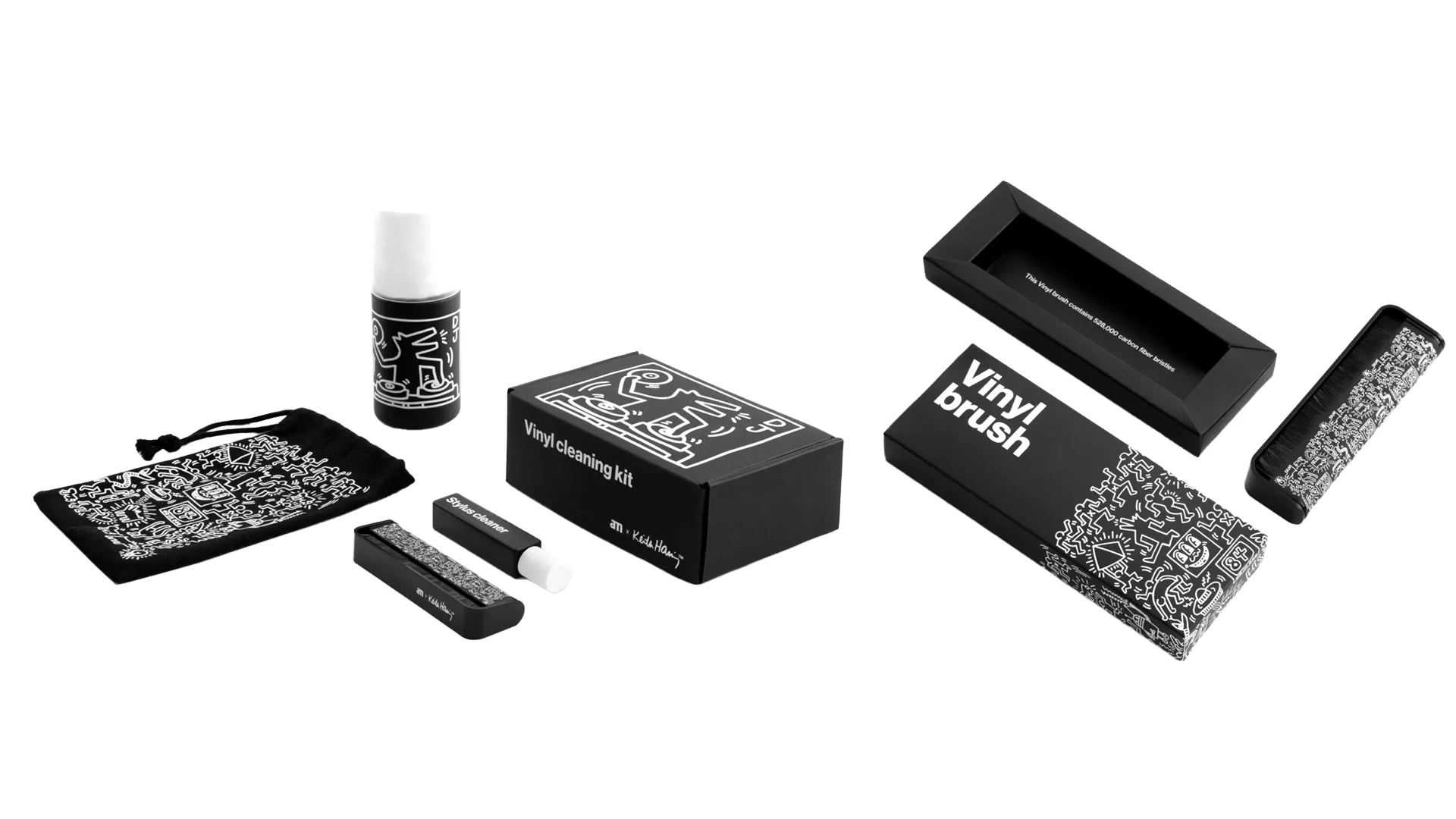
AM Clean Sound concentrates on the routine care that keeps a record collection usable: cleaning records, removing dust and looking after the stylus. The Danish brand traces its audio-care history to 1971. Its range includes record-cleaning fluid, brushes, cloths and stylus-cleaning products, with cassette and tape-head care also represented. These are tools for different tasks, not interchangeable treatments for every surface in a playback system. The catalogue also extends to record mats and weights, and collaborations with music labels connect the products to record-shop culture. AM’s focus is practical maintenance around listening, rather than electronics or a promised transformation of the system’s sound.
Audio Exklusiv
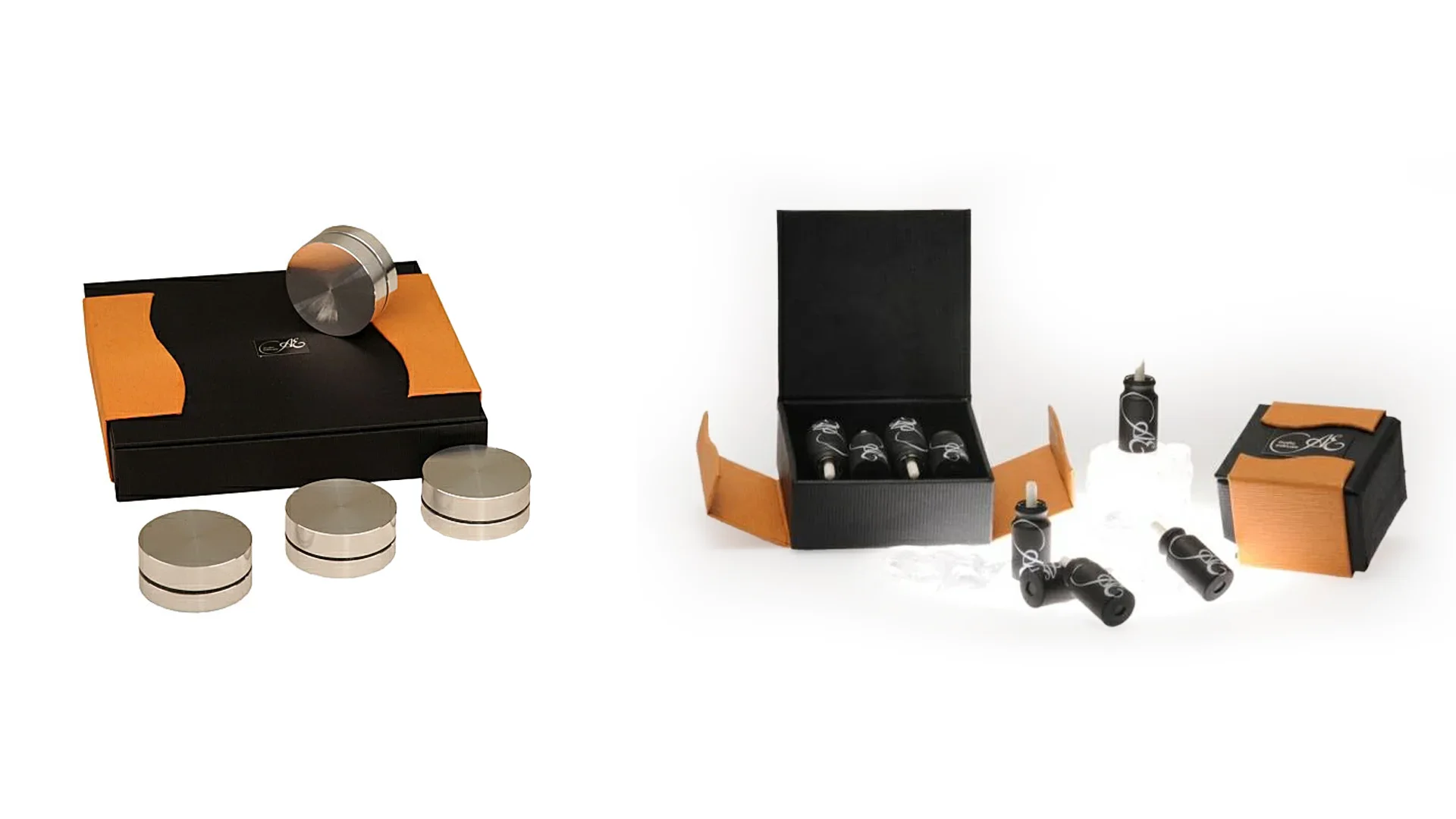
Audio Exklusiv began with Gerd Pütz’s determination to escape the cabinet colouration of conventional loudspeakers. He founded the German company on 1 October 1979 after developing speakers at HECO, then introduced the Tubular Bell I in 1980 and the P3 electrostatic loudspeaker in 1982. Electronics followed because the electrostatics required suitable amplification; the catalogue grew to include tube and transistor preamplifiers, power amplifiers and analogue sources. After Pütz died in 1990, his family continued the business, and Andreas Schönberg acquired the trademark and technical rights in 2009 to restart development. Current products retain the electrostatic heritage while also addressing resonance control, phono playback and system accessories, with development and production carried out in Germany.
Audiorevita

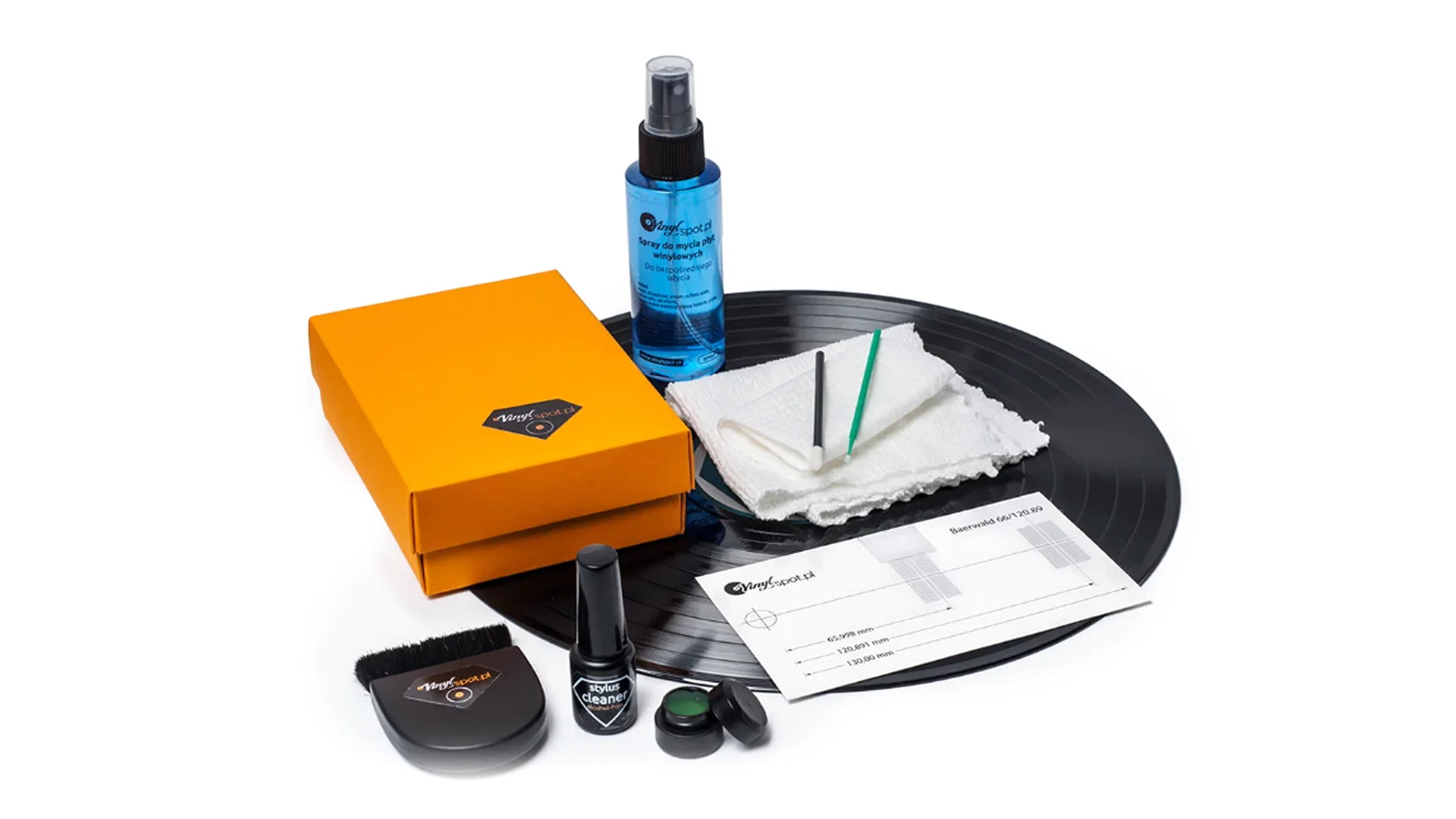
Audiorevita is a small Polish manufacturer of equipment for cleaning vinyl records. Its products combine purpose-built record-rotation modules with ultrasonic cleaning tanks, allowing several LPs to be cleaned in one cycle while their playing surfaces pass through the fluid. The range has included ARC and BRC systems, separate modules, cleaning fluids and practical accessories for rinsing and handling records. Variable-frequency versions address users who want more control over the ultrasonic process, while simpler kits make the method accessible without a fully automated luxury machine. The brand’s work is mechanical record care, not modifications to CD players, DACs or amplifiers. The previous description confused Audiorevita with Ancient Audio and incorrectly attributed it to Ancient Audio founder Jarek Waszczyszyn.
Glorious

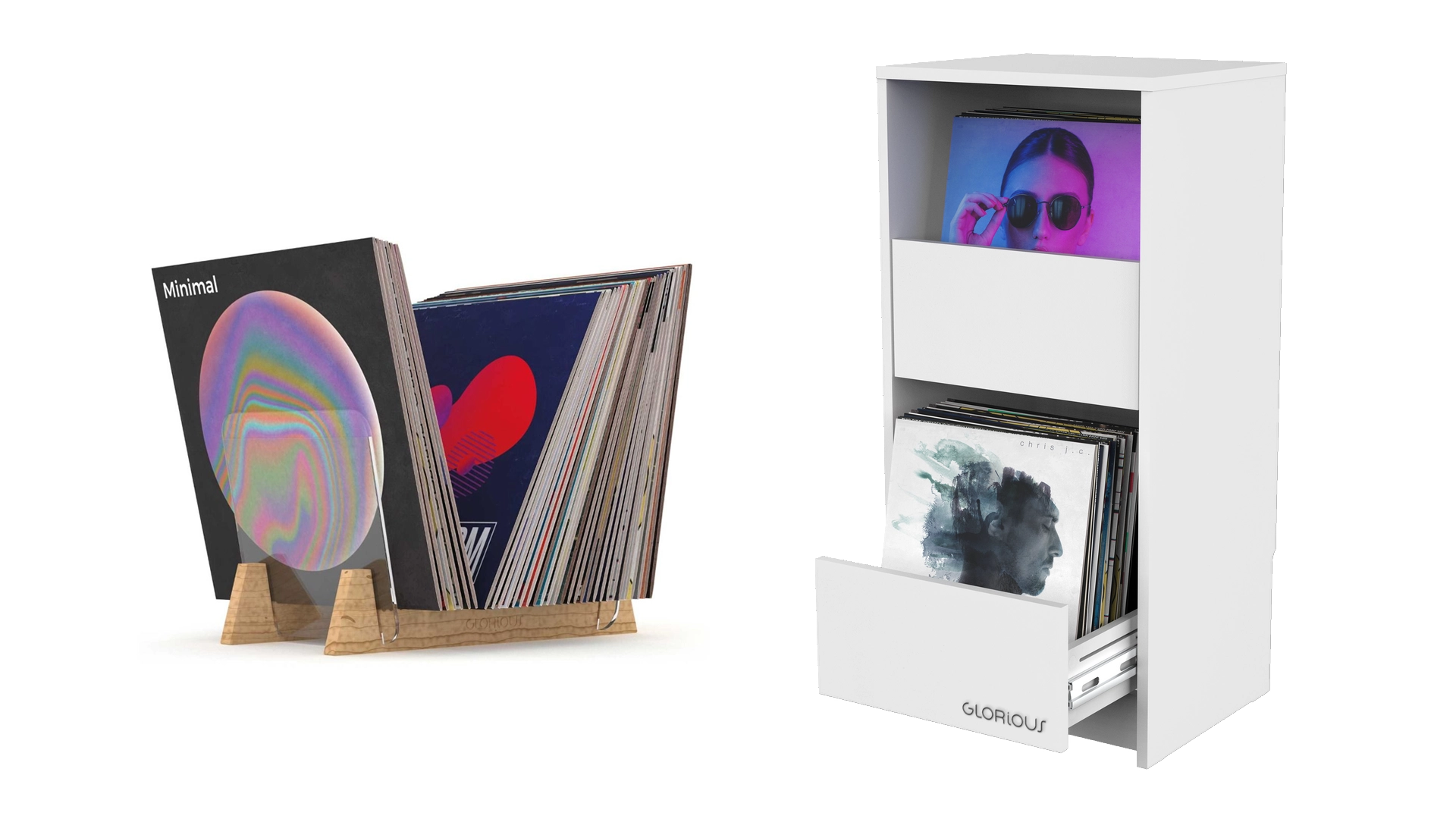
Glorious is a German furniture and accessory brand built specifically around DJ equipment, studio work and vinyl collections. Established in 2004 within Global Distribution, it approaches the listening space as an organized workstation rather than treating furniture as a generic add-on. The range includes DJ tables, production desks, hi-fi racks, modular record storage, display solutions and smaller accessories for handling and presenting vinyl. Cable passages, equipment-sized shelves, expandable modules and durable, easy-to-integrate finishes are recurring design priorities. Glorious serves working DJs and producers as well as home listeners who want turntables, electronics and records to occupy one coherent setup. Its specialty is therefore not audio circuitry but purpose-designed infrastructure that makes music equipment easier to use, store and live with.
Goldring

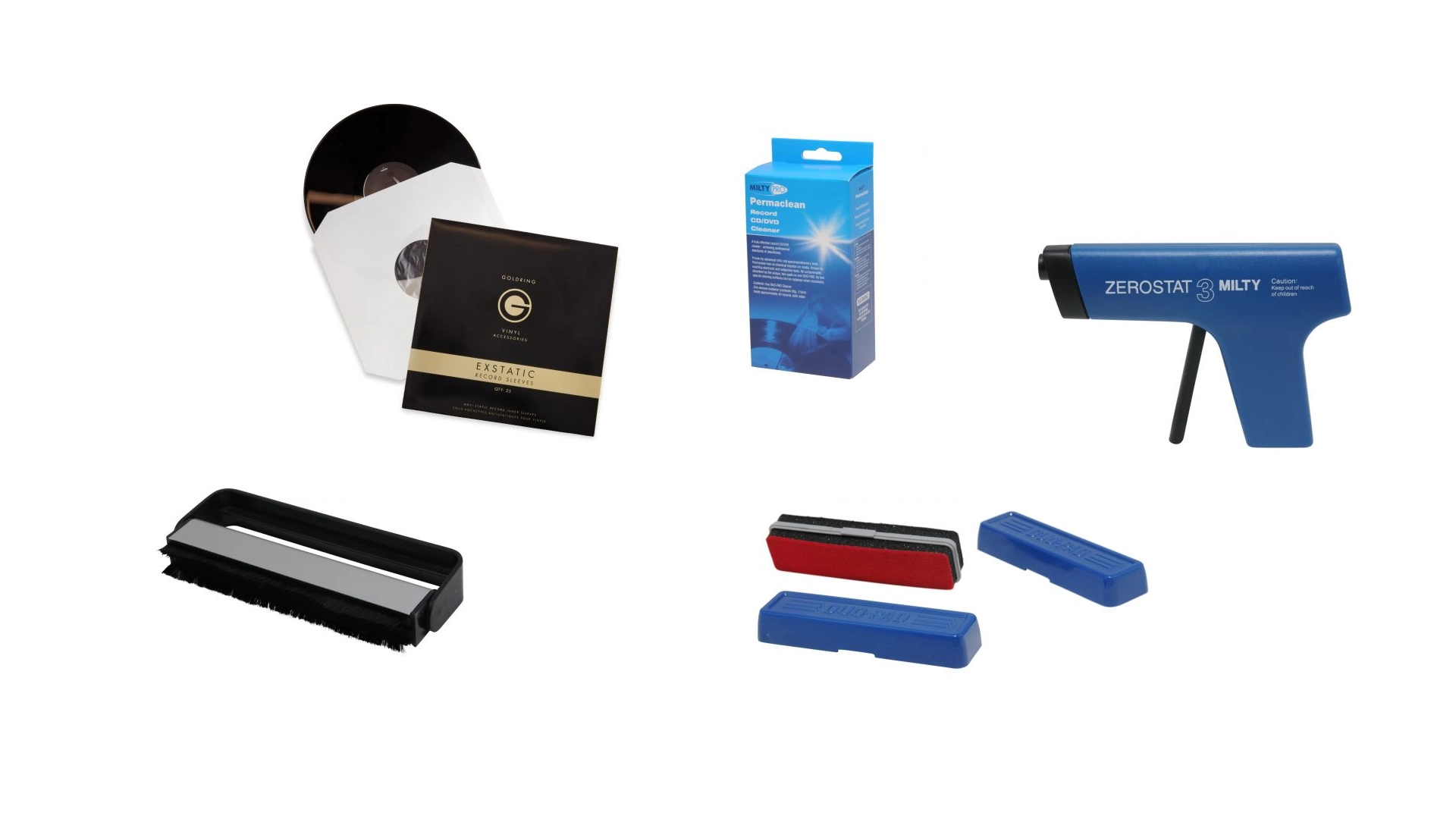
Goldring is a British analogue-audio specialist with roots in the earliest electrical record reproduction. Czech-born brothers Heinrich and Julius Scharf founded Gebrüder Scharf in Berlin in 1906; the business moved to England in 1933 and adopted the Goldring Manufacturing name in 1953. Its history includes the Goldring 500 pickup, the widely used G800 cartridge, collaboration with Lenco on turntables such as the GL75, and the Electro II moving-coil design. The current range covers E-series and 1000/2000-series moving-magnet cartridges alongside Eroica, Elite, Ethos and Legacy moving-coil models, plus replacement styli and dedicated phono accessories. Goldring continues to design cartridges in the UK and hand-builds its moving-coil models there. Long-term stylus support and factory repair expertise are as important to the brand as introducing new models.
HumminGuru

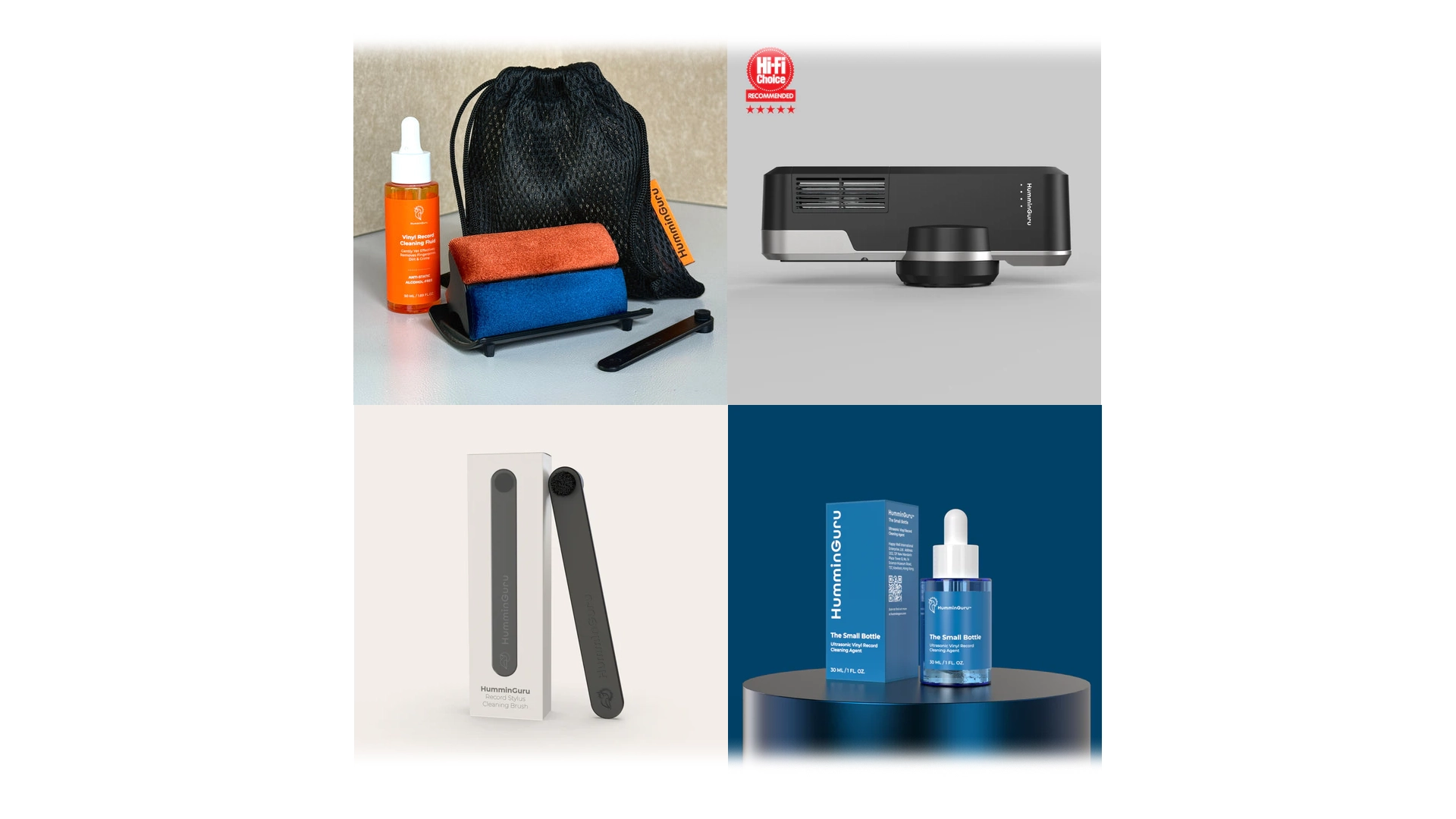
HumminGuru is a Hong Kong vinyl-care specialist that made automated ultrasonic record cleaning compact enough for an ordinary listening room. Established in 2020, the brand became known for an all-in-one machine that rotates a record through an ultrasonic bath and then dries it in the same chassis, avoiding the footprint and manual handling associated with many professional systems. The original cleaner and the more advanced NOVA use replaceable filtration and purpose-designed water management, with adapters available for 7- and 10-inch records as well as standard LPs. HumminGuru has since built a broader maintenance system around that core idea: the EZ washer offers a simpler wet-cleaning route, Orbit removes static charge, S-DUO combines stylus cleaning with tracking-force measurement, and the company supplies sleeves, filters and cleaning accessories. Its real achievement is practical engineering—turning specialist record conservation tasks into repeatable routines for collectors.
Michell Audio

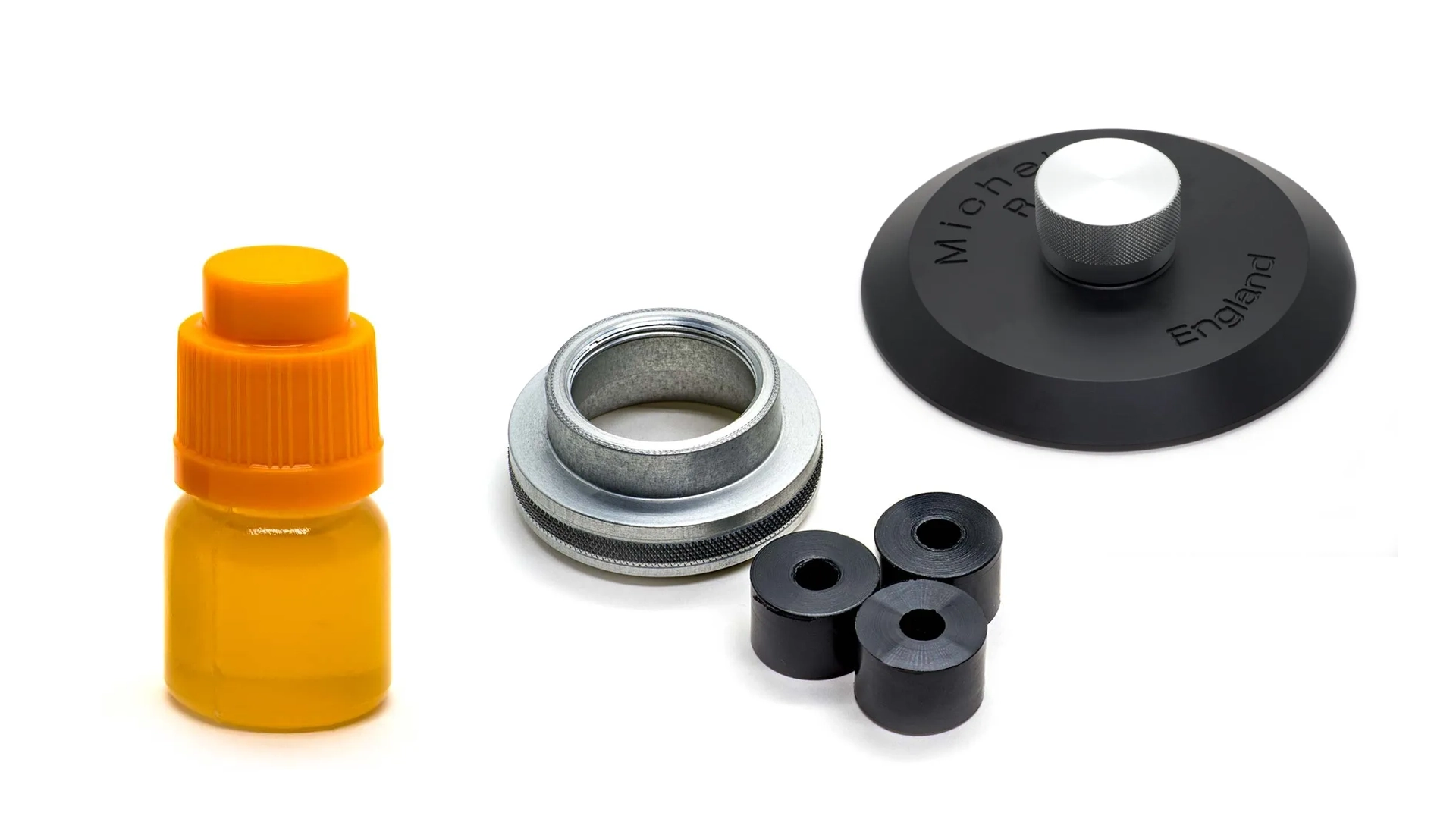
Michell Audio is the British turntable maker behind the unmistakable GyroDec and Orbe: skeletal, suspended record players whose engineering is meant to remain visible. John Michell founded Michell Engineering in the mid-1960s, initially machining precision parts for other manufacturers. Work for Transcriptors, followed by licensed production of the Hydraulic Reference, gave the company a direct route into analogue replay; Michell’s own Reference Electronic appeared in 1977 and the GyroDec followed in the early 1980s. The current range includes the GyroDec, open-frame Gyro SE, flagship Orbe, compact TecnoDec, tonearms, power supplies and upgrades for long-running models. Signature details include suspended subchassis construction, an inverted oil-circulating main bearing, belt drive with an outboard motor, and the GyroDec’s weighted platter. Rather than replacing successful decks every few seasons, Michell develops them through compatible bearings, clamps, power supplies and suspension parts. That continuity is the brand’s real strength: these are visually original turntables supported as evolving mechanical systems, not fashion-led products with a short service life.
Pro-Ject
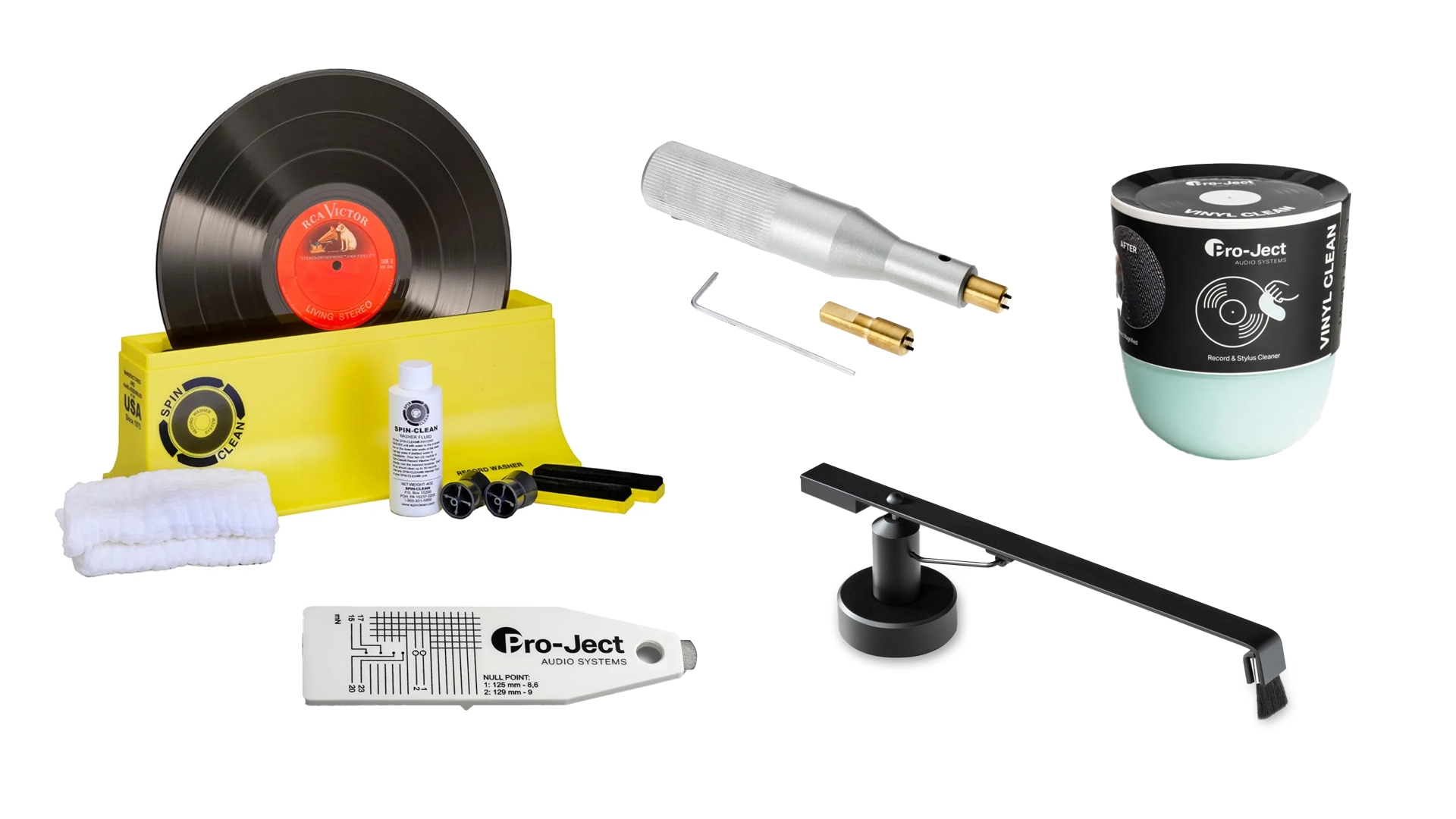
Pro-Ject Audio Systems was founded in Austria in 1991 by Heinz Lichtenegger, at a moment when the audio industry was treating the compact disc as vinyl’s replacement. Lichtenegger’s counterargument was the Pro-Ject 1: a simple belt-drive turntable built around the parts necessary for stable speed and accurate tracking, without automatic mechanisms or cosmetic complexity. The strategy proved prescient, and the Debut, introduced in 1999, became the model that brought the company to a much wider generation of record listeners. Pro-Ject now covers almost every scale of manual turntable. E and T families address first systems; Debut remains the recognisable centre; X, RPM and Xtension add more elaborate plinths, bearings, platters and tonearms; and Signature represents the flagship engineering. Many decks are assembled by hand in the Czech Republic, preserving production skills from the region’s long record-player history. The company also makes phono stages, speed controls, cartridges, record-cleaning machines and accessories, so a turntable can be upgraded rather than discarded. Box Design electronics—compact phono stages, amplifiers, DACs, streamers and CD transports—are largely produced in Slovakia and extend the same space-efficient philosophy beyond vinyl. Artist Collection editions use visual collaborations and licensed themes, but beneath the artwork they remain functional Pro-Ject platforms. The brand’s significance is not simply that it sells many turntables: it maintained European manual-turntable production through the digital era and built a clear path from an inexpensive first deck to genuinely ambitious analogue systems.
Rock on Wall
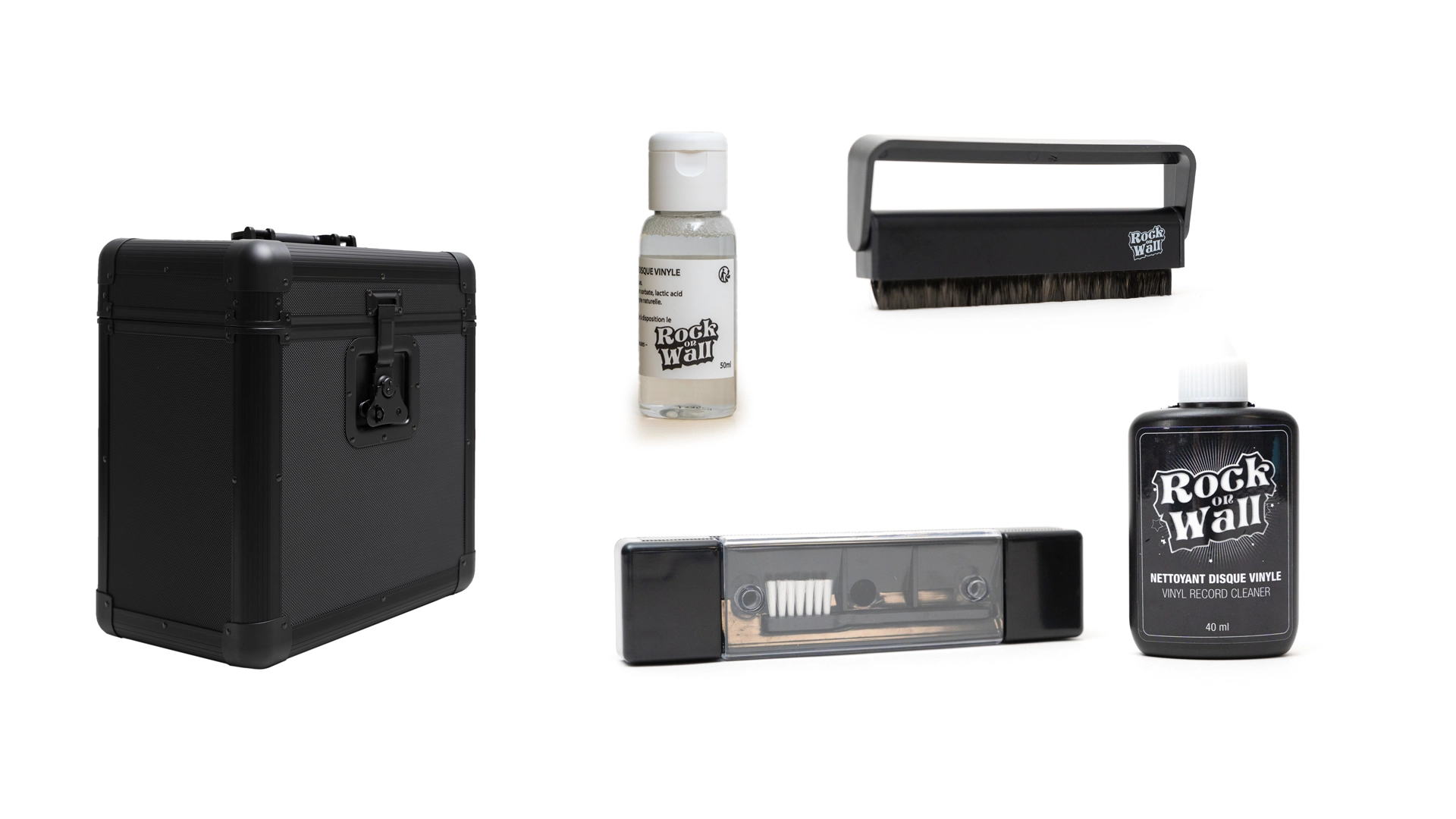
Rock on Wall is a French specialist in vinyl-record display and care, founded in Annecy in March 2006. The original description misidentified it as a maker of wall-mounted loudspeakers and broad audio furniture. Its defining product is instead the Easy Frame: a wall-mounted record frame with a patented opening mechanism that lets the user insert, remove or change an LP without dismantling the frame. That simple idea turned an album cover into accessible display rather than a permanently sealed decoration and established the company’s name. Rock on Wall began with record frames made in France, changed ownership in 2010 and gradually expanded around the practical needs of record collectors. Today the catalogue includes protective inner and outer sleeves, storage and transport solutions, record-cleaning products, turntable mats, adapters, brushes, stylus-care accessories and selected flight cases. The products range from small consumables to display systems, but the focus remains the physical record—showing it, protecting it, cleaning it and moving it safely. A significant share of the range, especially the frames, continues to be manufactured in France, while the company selects complementary accessories where specialist outside production is more appropriate. Rock on Wall’s strength is clarity: it does not claim to redesign the whole hi-fi system. It solves the tactile and domestic problems that arrive with a vinyl collection, led by one genuinely distinctive product whose function can be understood at a glance. That makes it relevant to analogue audio culture without pretending to be a loudspeaker or electronics manufacturer.
Russ Andrews

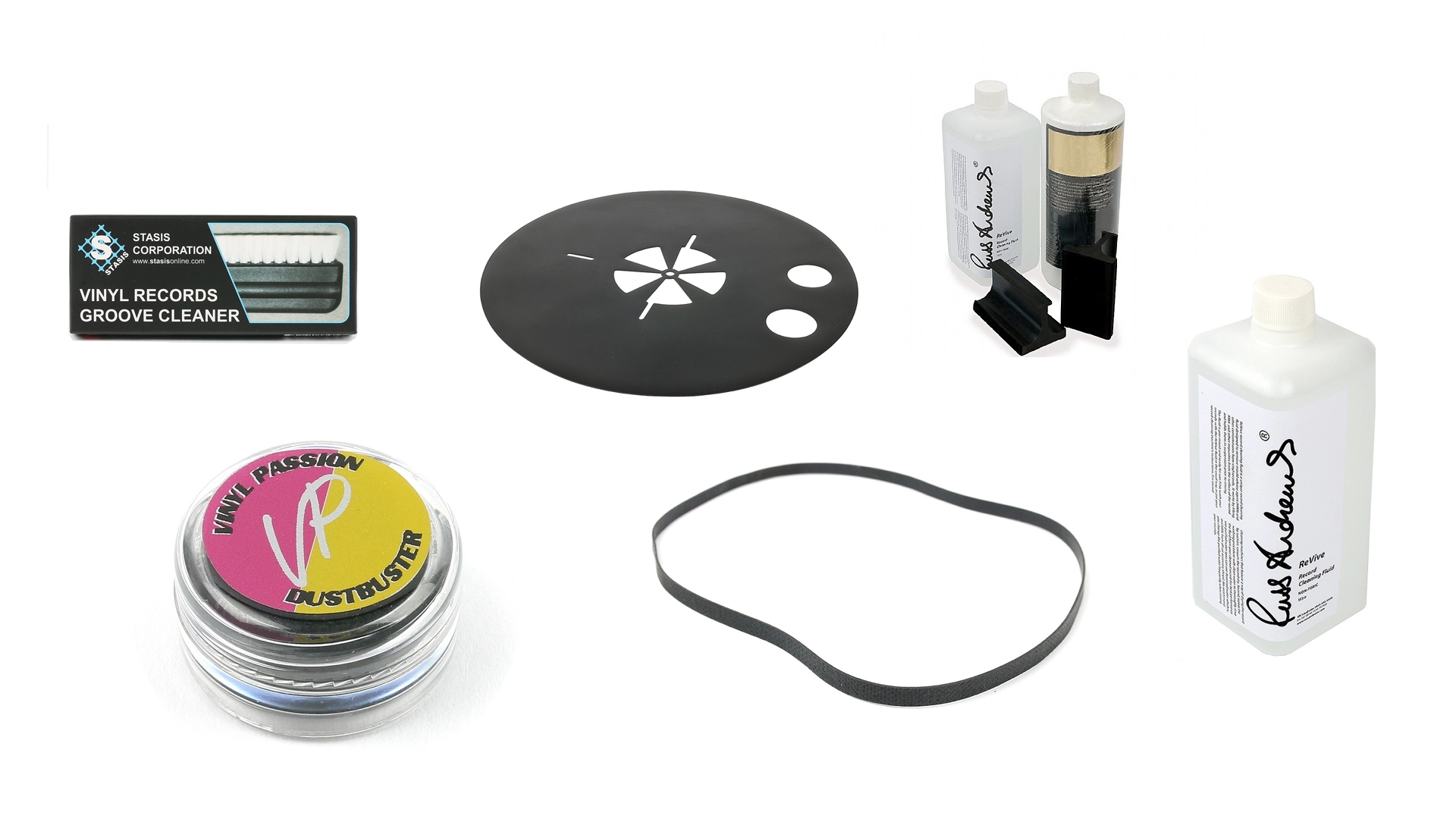
Russ Andrews is a British specialist in hi-fi cables, mains power, grounding and equipment support. Russ Andrews Accessories was incorporated in 1985 and began trading in 1986, initially selling Kimber Kable, Torlyte supports and turntable accessories through dealers. The company later developed a direct-sales model and a broad catalogue built around the parts of a system that sit between the wall socket, components and loudspeakers. Its best-known products include PowerKord mains leads, distribution blocks, conditioners and filters; SuperKord and Signature variants extend the same families, while grounding devices, RF-control accessories, fuses and connectors address installation-specific noise problems. Russ Andrews remains closely associated with the American cable designer Kimber Kable and supplies its analogue, digital and loudspeaker cables alongside products developed in-house. Torlyte racks, platforms and isolation accessories continue the original interest in mechanical support, and the company also offers upgrade parts and practical tools for system setup. Claims made for power and cable products naturally invite debate, so the most meaningful distinction is the way the business lets customers evaluate them in their own systems: a 60-day return period, an upgrade scheme and long warranties—at least 25 years on many Russ Andrews products—reduce dependence on a brief showroom demonstration. The brand’s history should not be reduced to vague “tweaks” or to the controversy surrounding them. It has spent four decades building a coherent accessories business around power delivery, signal connection, vibration control and after-sales support, with clear product hierarchies and unusually long ownership pathways.
Simply Analog
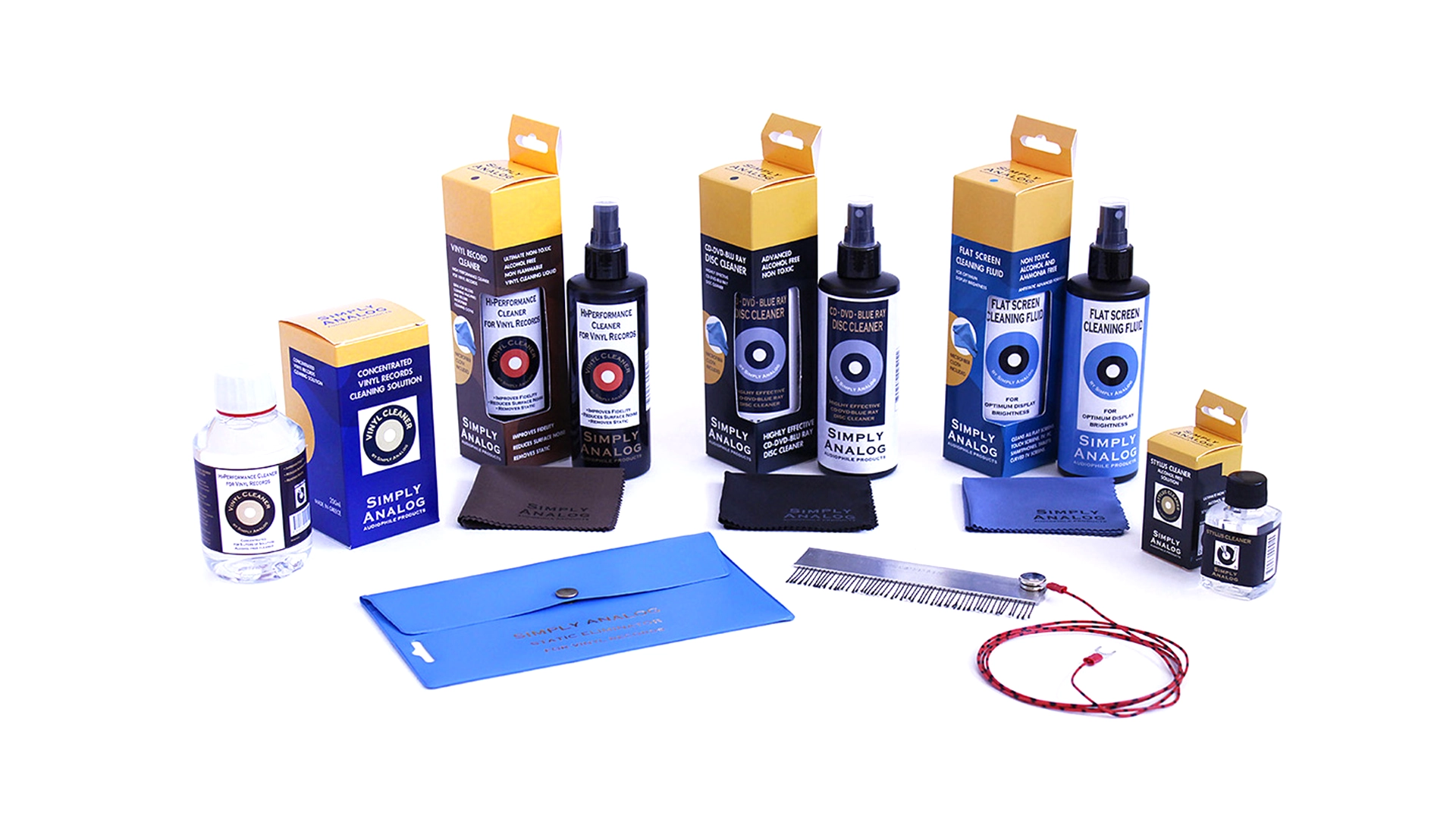
Simply Analog is a Greek specialist in the cleaning, protection and storage of records and other physical media. Its roots reach back to 1990, when the parent activity worked in record production and distribution, later expanding into deluxe media packaging and handmade record covers. The dedicated Simply Analog brand was launched in 2017; that is the appropriate founding date for the brand itself, while 1990 remains important as the start of the underlying business experience. The catalogue follows the complete routine of record ownership rather than centring on one expensive machine. Cleaning products include ready-to-use and concentrated fluids, brushes for wet and dry care, microfiber cloths, rollers and complete box sets. Stylus brushes and cleaning liquids address the contact point that collects debris most easily. Antistatic inner sleeves, resealable and conventional outer sleeves, gatefold protectors and durable storage boxes help prevent the record from immediately returning to a contaminated environment. Labels, dividers, work mats, gloves and display accessories make sorting and handling safer, while related products cover CDs, DVDs and other collectable media. Many items are simple by design: correct materials, dimensions, chemical formulation and packaging matter more than an elaborate mechanism. This practical breadth is the brand’s strength. Simply Analog connects first-hand knowledge of record production and presentation with the everyday maintenance problems faced by collectors, dealers and archives. It should therefore be described neither as a turntable company nor as a vague “hi-end accessory” label. It is a focused Greek vinyl-care ecosystem built to keep grooves, stylus and packaging clean, organised and usable over years of repeated listening.
Spinclean
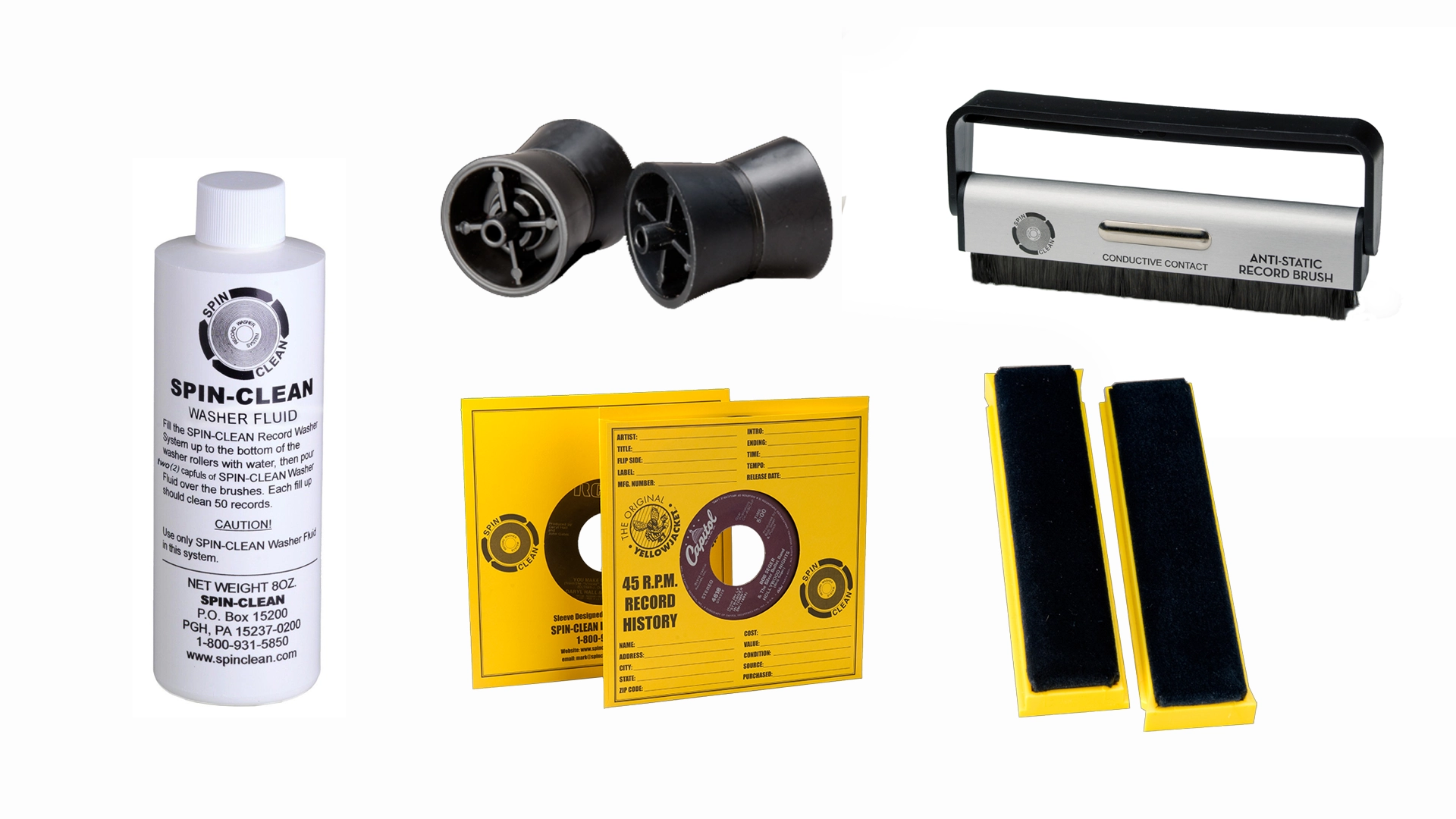
Spin-Clean made record washing a simple manual process that does not require a turntable, vacuum pump or mains power. The product began in Chicago around 1974 as Fidelitone’s “Spin ’n Clean”. When Fidelitone decided to discontinue it, Pittsburgh record retailer Paul C. Mawhinney—whose Record-Rama shop had sold the washer successfully through demonstrations—bought the design and began manufacturing it in 1975 under the Spin-Clean name. His son Mark Mawhinney later took over the business and relaunched an extensively revised Record Washer System in 2010. The principle remains recognisable: a record is rotated by hand through a bath while paired brushes clean both sides at once. Spin-Clean’s alcohol-free fluid is formulated to loosen contamination and carry it to the bottom of the bright yellow basin, away from the grooves. Preset brush pressure keeps operation straightforward, while different rollers accommodate LPs, 45s and 78s. The current range centres on Record Washer MKII packages, with replacement brushes, rollers, drying cloths and cleaning fluid available separately. This is important for a product meant to be used repeatedly rather than discarded when consumables wear out. Spin-Clean is still manufactured and hand-assembled in the United States. Its lasting appeal is not technological theatre but accessibility: collectors can deep-clean both groove walls, reduce dust carried to the stylus and maintain an entire record library with a compact device whose method is visible and easy to understand.
Tonar
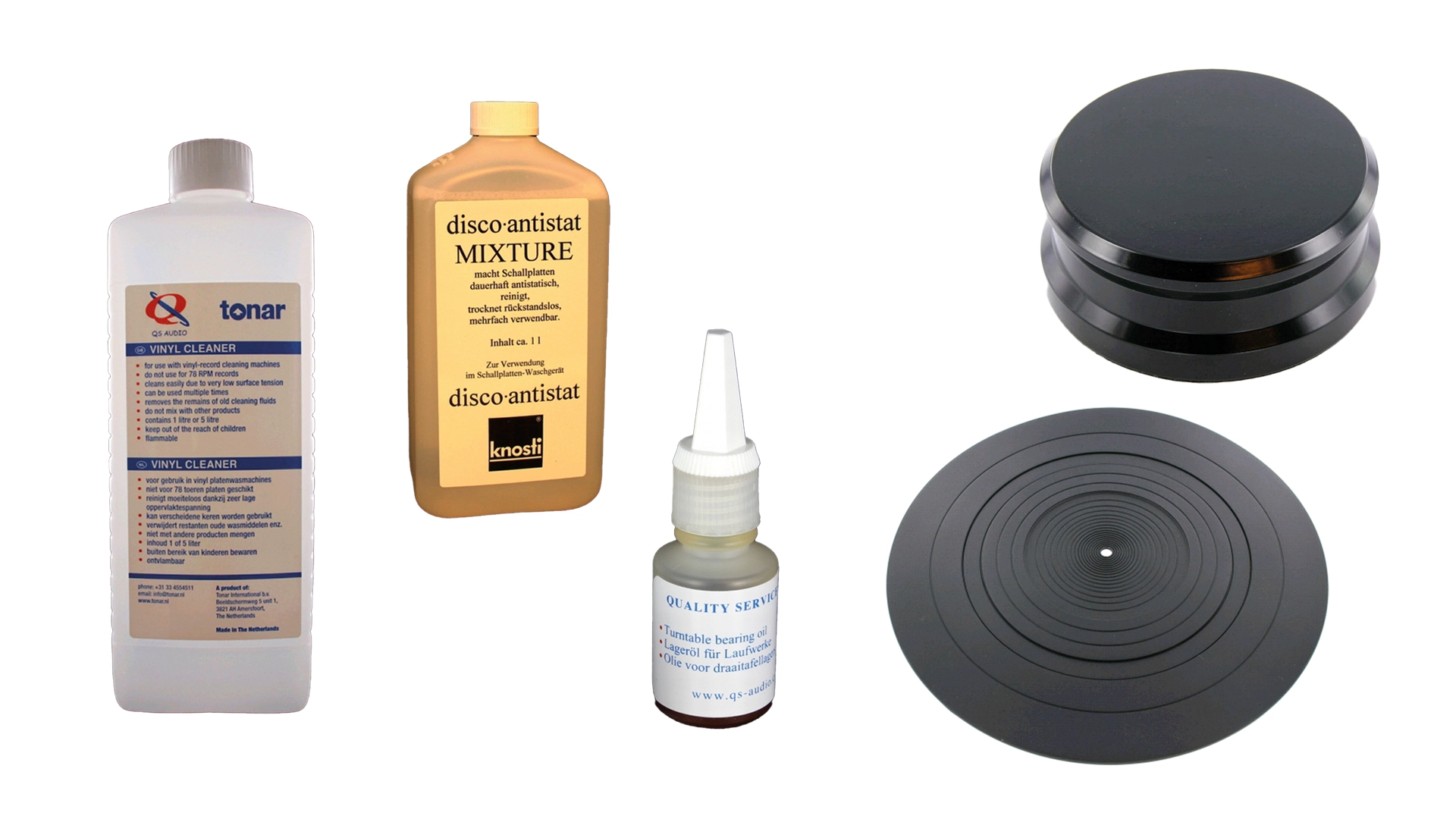
Tonar is a Dutch vinyl specialist founded in 1954 by Wilf Libgott, a Canadian pilot for KLM who used his travel between Europe, America and Japan to build an unusual supply network. The company began as an OEM supplier of synthetic-sapphire products, including precision bearings and replacement styli. That origin explains its lasting strength: Tonar understands the small, easily overlooked parts that keep record players working long after the original manufacturer has disappeared.
Its catalogue includes thousands of replacement styli for cartridges from many eras, along with complete moving-magnet cartridges, headshells, belts, idler wheels and setup accessories. Tonar also serves record care through brushes, sleeves, mats and cleaning products such as the familiar Knosti-style wet-cleaning systems it distributes. For owners of vintage turntables, the ability to identify a stylus by cartridge, shape and application is often more valuable than another fashionable new component.
Tonar’s role is broader than manufacturing every item under one roof: it sources, specifies and distributes specialist analogue parts internationally. That distinction matters because the brand’s real know-how lies in continuity, compatibility and inventory. A replacement stylus must have the correct mechanical fit and operating behaviour, not merely a similar plastic grip. After more than seven decades, Tonar remains a practical bridge between the mass-market cartridges of the LP era and today’s vinyl revival. Few audio companies have supported so many different record players through such modest but essential components.
Uberlight

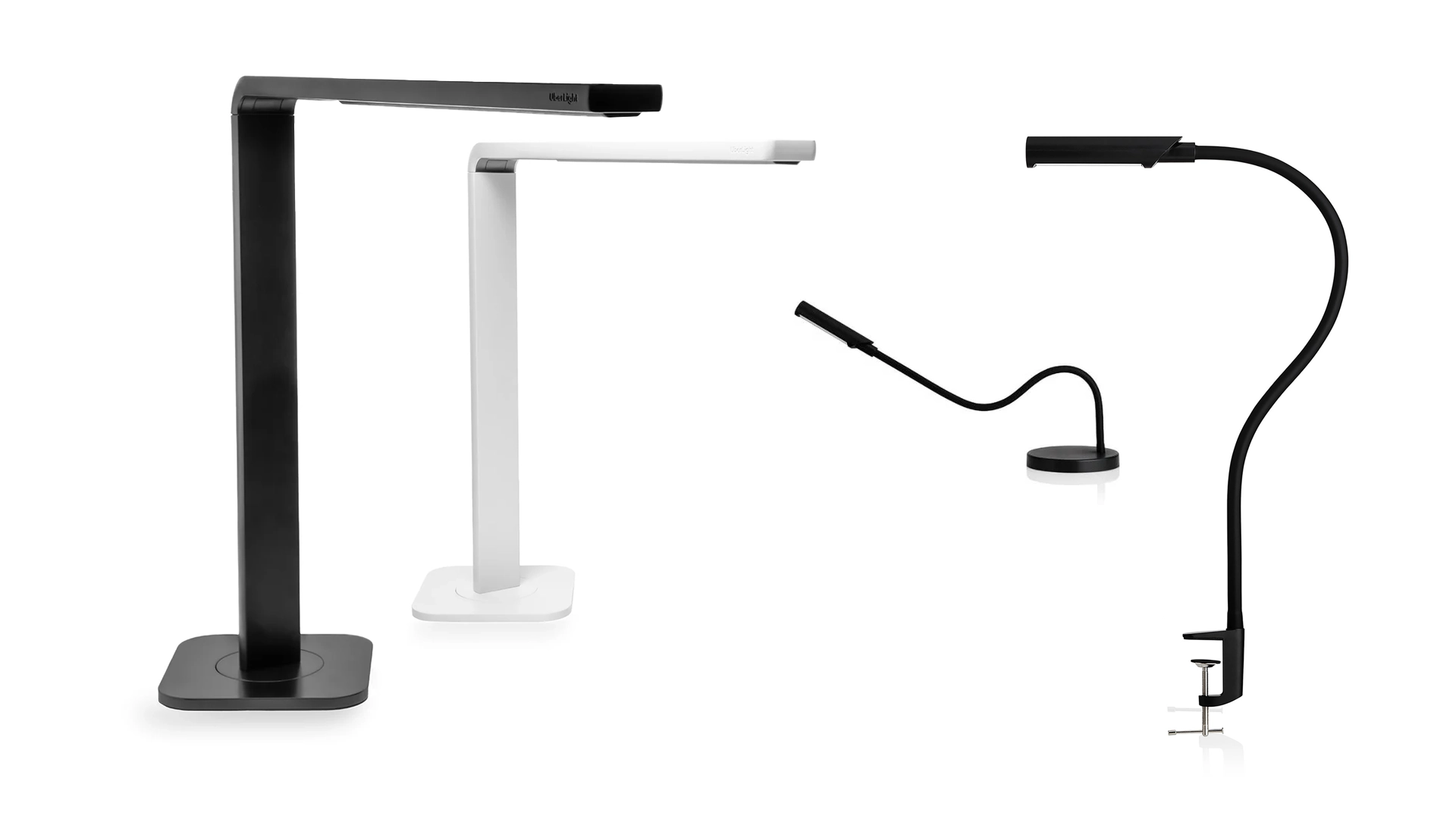
UberLight is a Canadian task-lighting brand from Reliable Corporation, a family company founded in 1955. It is included in an audio directory for a practical reason rather than as an electronics manufacturer: accurate, adjustable light is useful when cueing a record, aligning a cartridge, reading run-out inscriptions, cleaning vinyl or inspecting tape and equipment in a dark listening room.
The UberLight Flex uses a long articulated neck and clamp or base mounting so illumination can be placed over a turntable without occupying the plinth. Multiple brightness levels and three colour temperatures let the user choose warmer room light or a cooler setting for inspection. The larger UberLight Frame is designed specifically as a desk/audio light. Its broad LED structure offers six touch-controlled zones, six brightness levels and three colour temperatures—more than one hundred combinations—with high colour rendering and up to 600 lumens.
Those details distinguish UberLight from a decorative lamp sold beside hi-fi furniture. Even illumination and a high CRI help reveal stylus dust, groove damage and colour-coded wiring, while touch zones keep the light away from a delicate cartridge. Reliable’s wider business includes sewing, garment-care and dental-laboratory equipment, so UberLight should not be described as a conventional audio brand. Its value to listeners is narrower and refreshingly honest: purpose-built illumination that makes analogue setup and everyday record handling safer, easier and more precise.
Van Den Hul

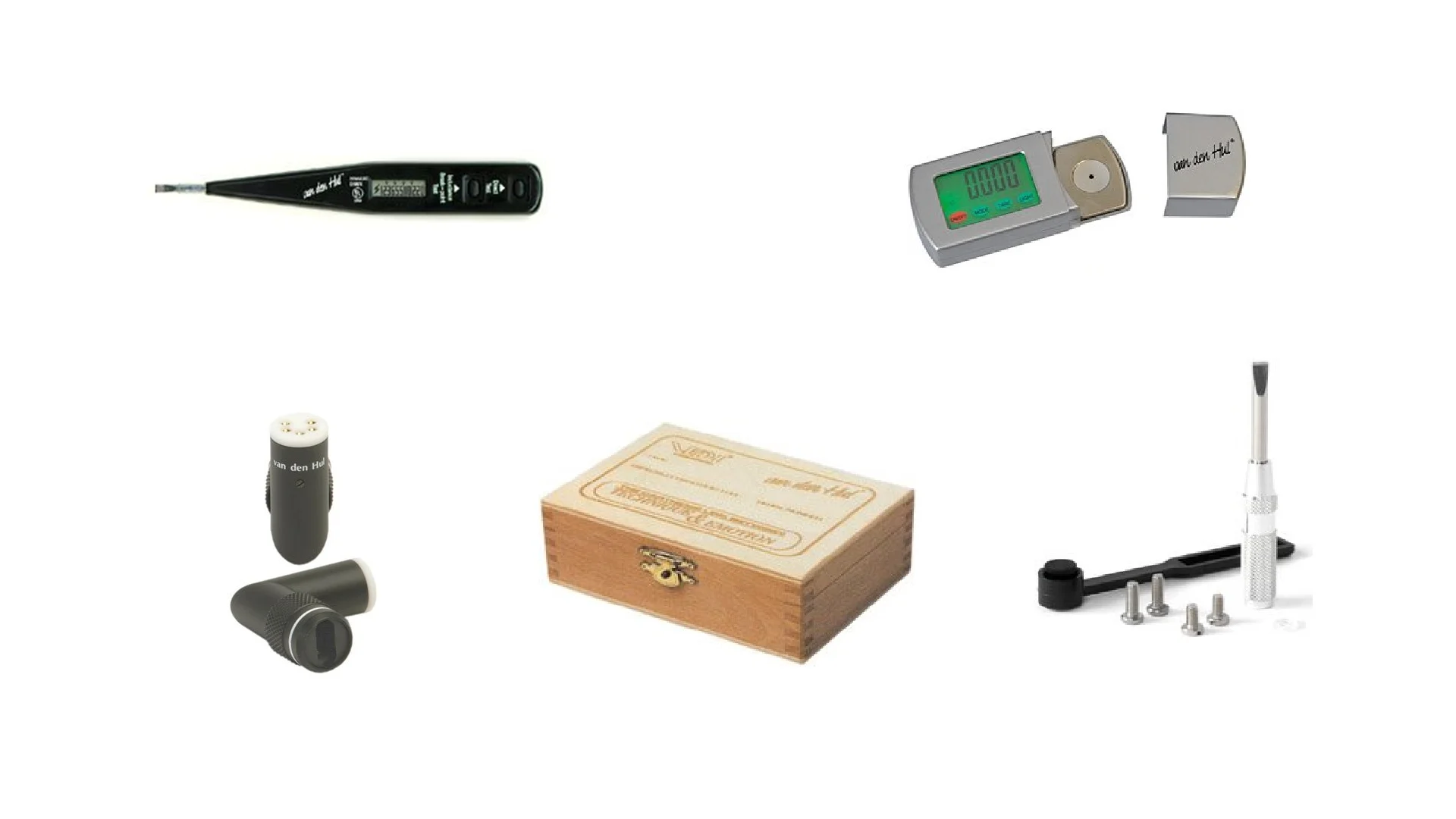
Van den Hul is a Dutch specialist whose identity spans three demanding parts of analogue playback: moving-coil cartridges, signal cables and the electronics that connect them. Aalt Jouk van den Hul founded the company in 1980 after years of cartridge repair and stylus research, and his name remains inseparable from the firm’s phono work. The Van den Hul stylus profile, developed to improve groove contact while reducing wear, led naturally to complete cartridges. Grasshopper established the marque internationally; Colibri, Condor, Crimson, Canary and Frog continue a range in which many units are built or serviced by hand. Cable development followed the same concern for preserving very small signals. Van den Hul introduced Linear Structured Carbon and used it in The First, presented as the first interconnect whose conductors contain no metal. The Second and The Third extended that carbon-conductor idea, while Hybrid designs combine carbon layers with proprietary metal conductors such as Fusion Technology alloys. The catalogue now includes interconnects, loudspeaker, digital and power cables, phono accessories, cartridge transformers and electronics including The Grail phono stages. Production is concentrated in Western Europe and the company also supplies materials and cables to professional and industrial users. What makes Van den Hul unusual is not one fashionable material but the continuity between groove geometry, microscopic cartridge signals and the conductors expected to carry them without adding a recognisable signature.
Vertere
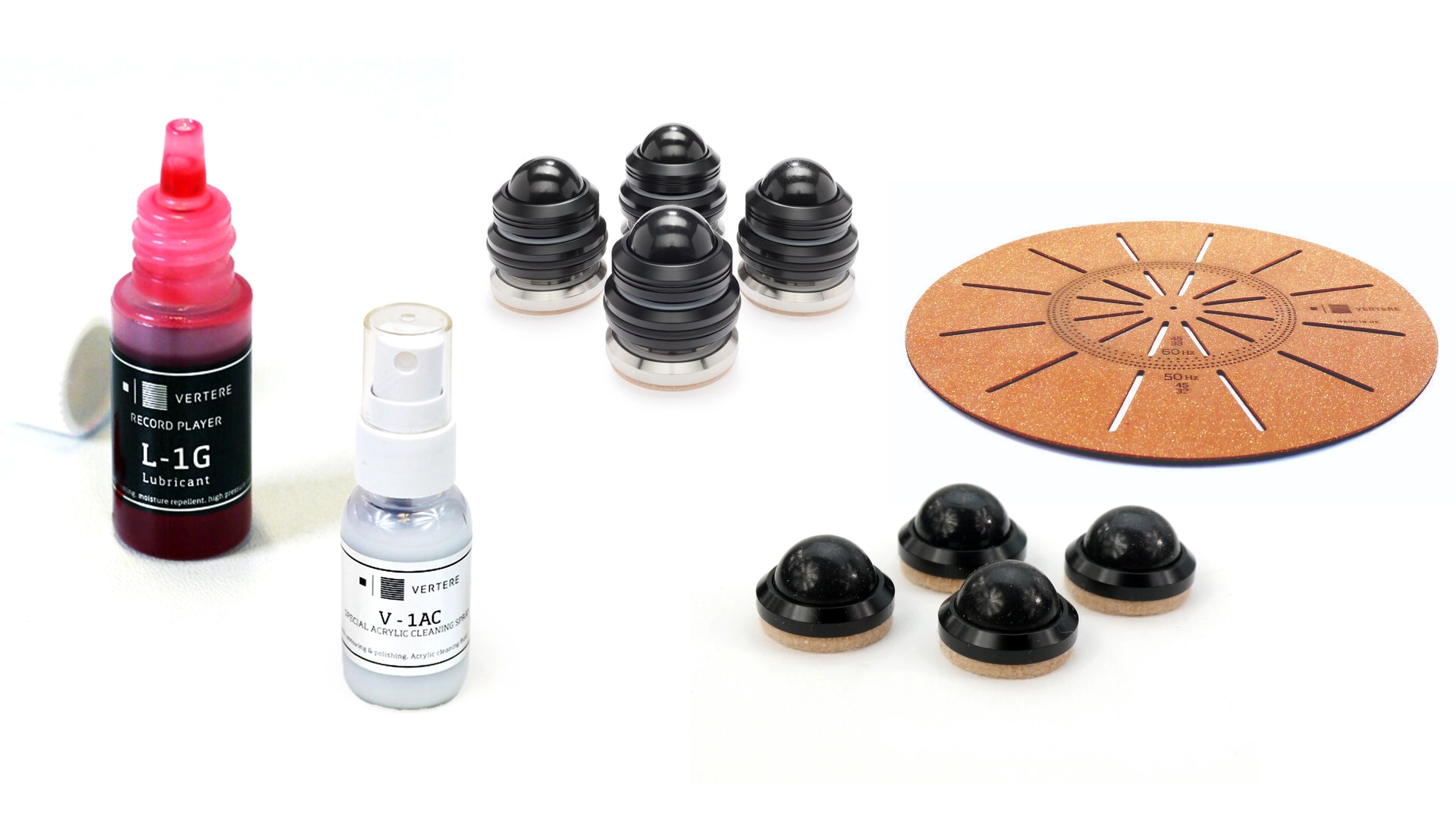
Vertere is the British analogue specialist founded in 2010 by Touraj Moghaddam, the engineer who had earlier co-founded Roksan and designed the Xerxes turntable. The company began with high-performance cables, but its defining work is now a complete vinyl-replay chain in which turntable, motor drive, tonearm, cartridge, phono stage and connections are developed together. At the top, the RG-1 Reference Groove and SG-1 Super Groove platforms pursue extreme control of bearing, structure and motor noise. MG-1 Magic Groove brings related ideas to a less rarefied level, while DG-1 Dynamic Groove—and its later DG X development—uses an immediately recognisable layered acrylic structure to make careful mechanical engineering easier to own and set up. Vertere’s tonearms include Reference, SG-1 and Groove Runner designs; Mystic is its moving-coil cartridge, Phono-1 MkII its adjustable phono stage, and Imperium a high-grade motor-drive power supply. The cable catalogue remains central rather than incidental, reflecting Moghaddam’s view that microscopic cartridge signals are especially vulnerable to conductor geometry, shielding and connector behaviour. Across the range, the recurring task is to prevent unwanted movement from being confused with the modulation in the record groove. Vertere products are modular and upgradeable where practical, so a system can evolve without discarding its mechanical foundation. The brand’s character comes from this unusually coherent engineering authorship: four decades of turntable experience distilled into a modern British ecosystem rather than a collection of unrelated accessories.
VPI Industries
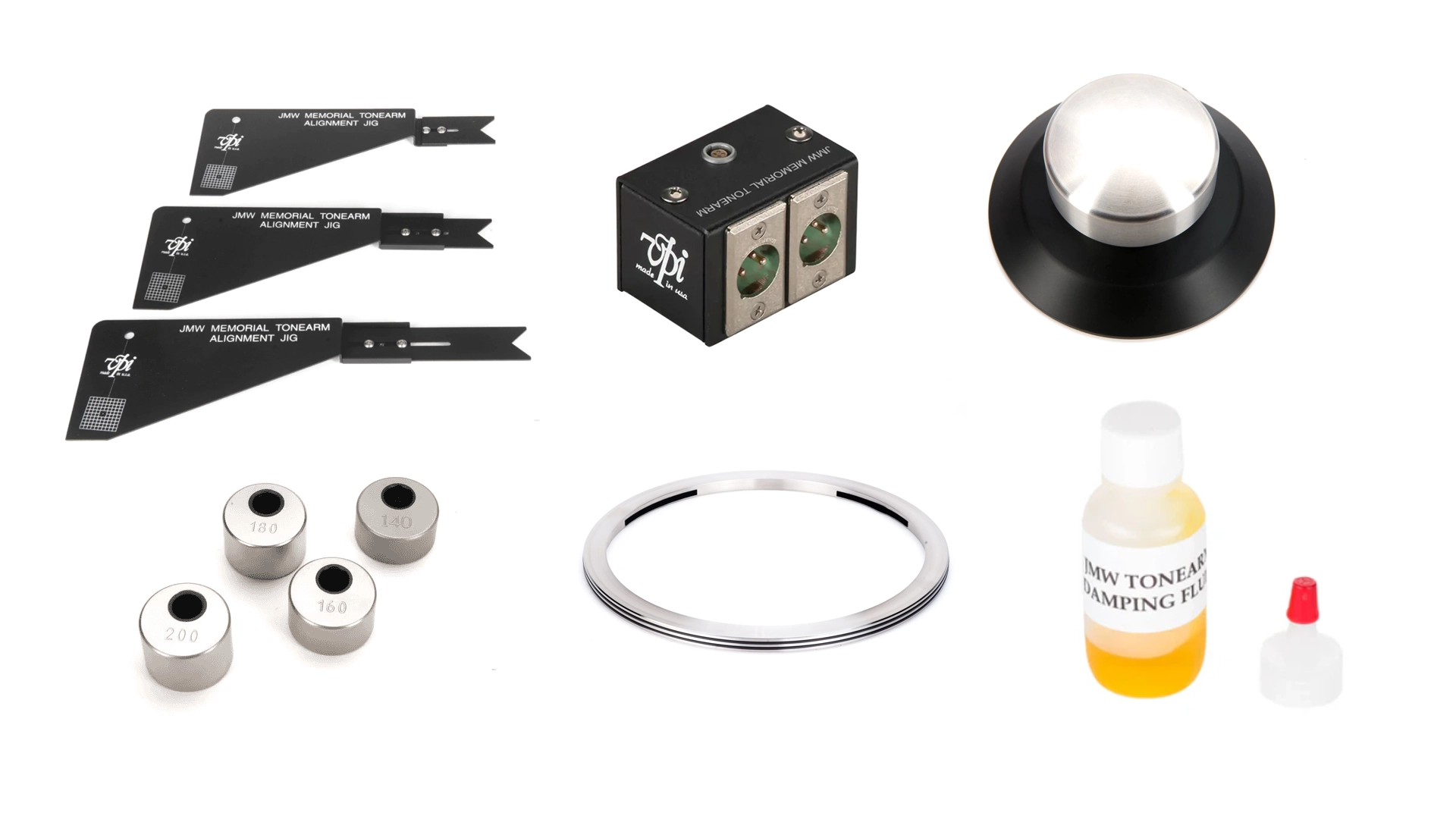
VPI Industries is an American family company whose history joins two parts of vinyl replay that are often treated separately: cleaning the record and playing it accurately. Harry and Sheila Weisfeld founded VPI in 1978, beginning with a practical record-cleaning machine before moving into turntables, tonearms and accessories. The HW-16.5 vacuum cleaner became a long-lived reference, while the HW-19 turntable established VPI as a serious analogue manufacturer. Later generations produced the Scout, Classic, Prime and Avenger families, ranging from approachable high-performance decks to modular reference platforms. VPI became especially associated with JMW unipivot tonearms, whose single-point bearing allows low-friction movement and easy exchange of complete arm wands; the company now also offers gimbal-bearing arms for listeners who prefer their different handling and stability. Heavy platters, substantial bearings, outboard motors and upgradeable construction recur throughout the range, but are applied according to the scale and purpose of each model rather than as a fixed recipe. Current flagships include the direct-drive Titan alongside belt-driven Avenger configurations. After Sheila’s death, their son Mat Weisfeld took a leading role and has kept production, service and much component machining in New Jersey. That continuity matters: VPI turntables are designed as products owners can maintain, modify and keep for decades, supported by a company whose record-cleaning machines, arms and decks grew from the same hands-on knowledge of vinyl.