Over-Ear Headphones
Over-ear, or circumaural, headphones have large earcups that completely encircle the ears, creating a comfortable seal and an immersive listening experience. This design is ideal for long listening sessions and includes many of the world’s most acclaimed audiophile models. They come in two main types: open-back for a spacious, natural sound, and closed-back for superior noise isolation. This guide covers the brands that produce these full-sized headphones for serious listeners.
Hi-Fi brands in the category
Summary information and image
Direct links to official websites
1MORE

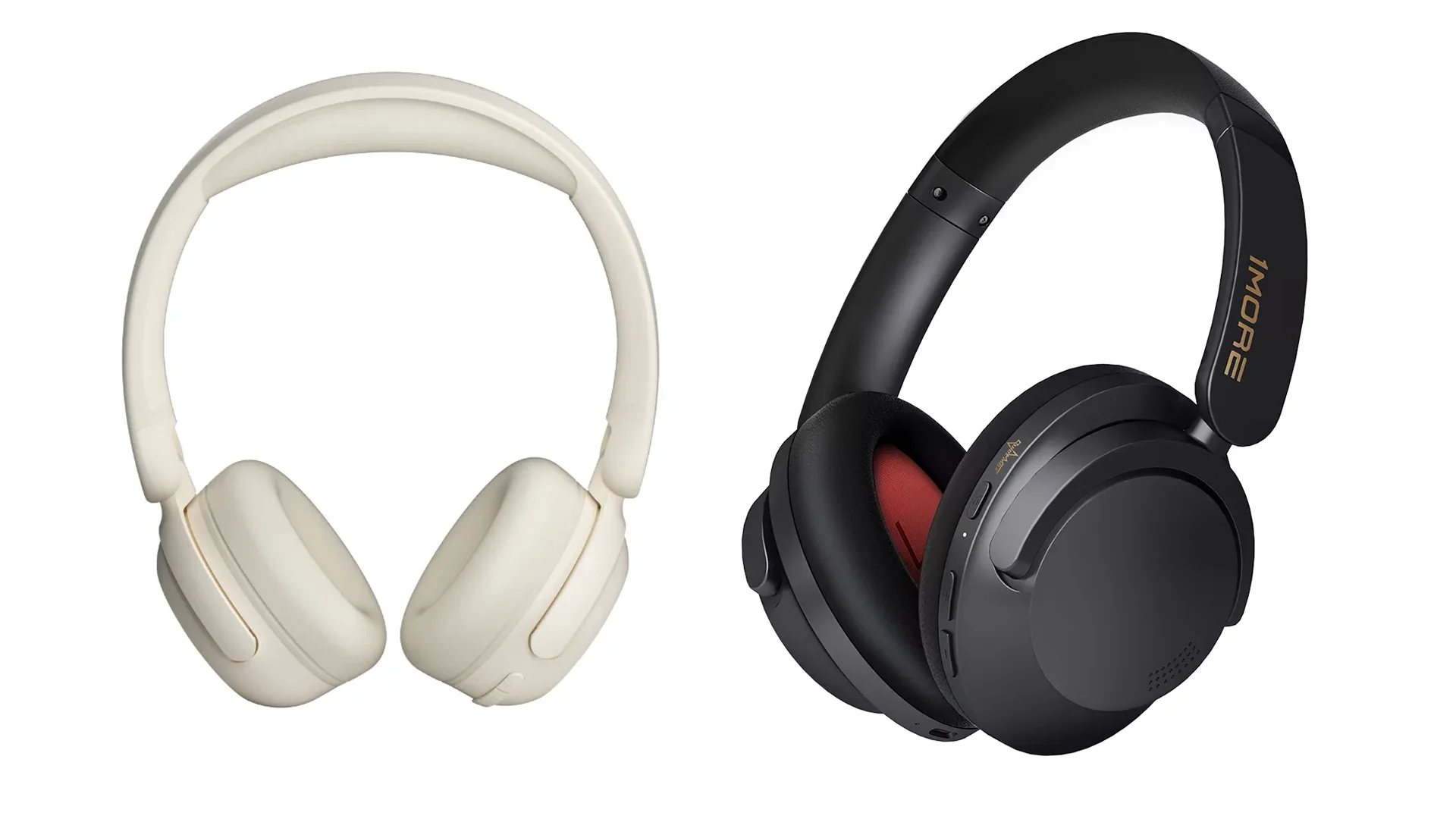
1MORE makes earphones and headphones that bring multi-driver designs and professional sound tuning to everyday listening. Its wired Triple Driver earphones combine two balanced armatures with a dynamic driver, with final tuning developed alongside recording engineer Luca Bignardi. Co-founded in China in 2013 by former Foxconn executive Gary Hsieh, the company set out to build its own audio brand rather than remain a contract manufacturer. The Triple Driver illustrates the brand’s approach: a technically ambitious design at an accessible price, with practical features such as an inline microphone and playback controls. The wider catalogue includes wireless earbuds and over-ear headphones, giving listeners a choice between a wired connection and the convenience of wireless listening.
Abyss

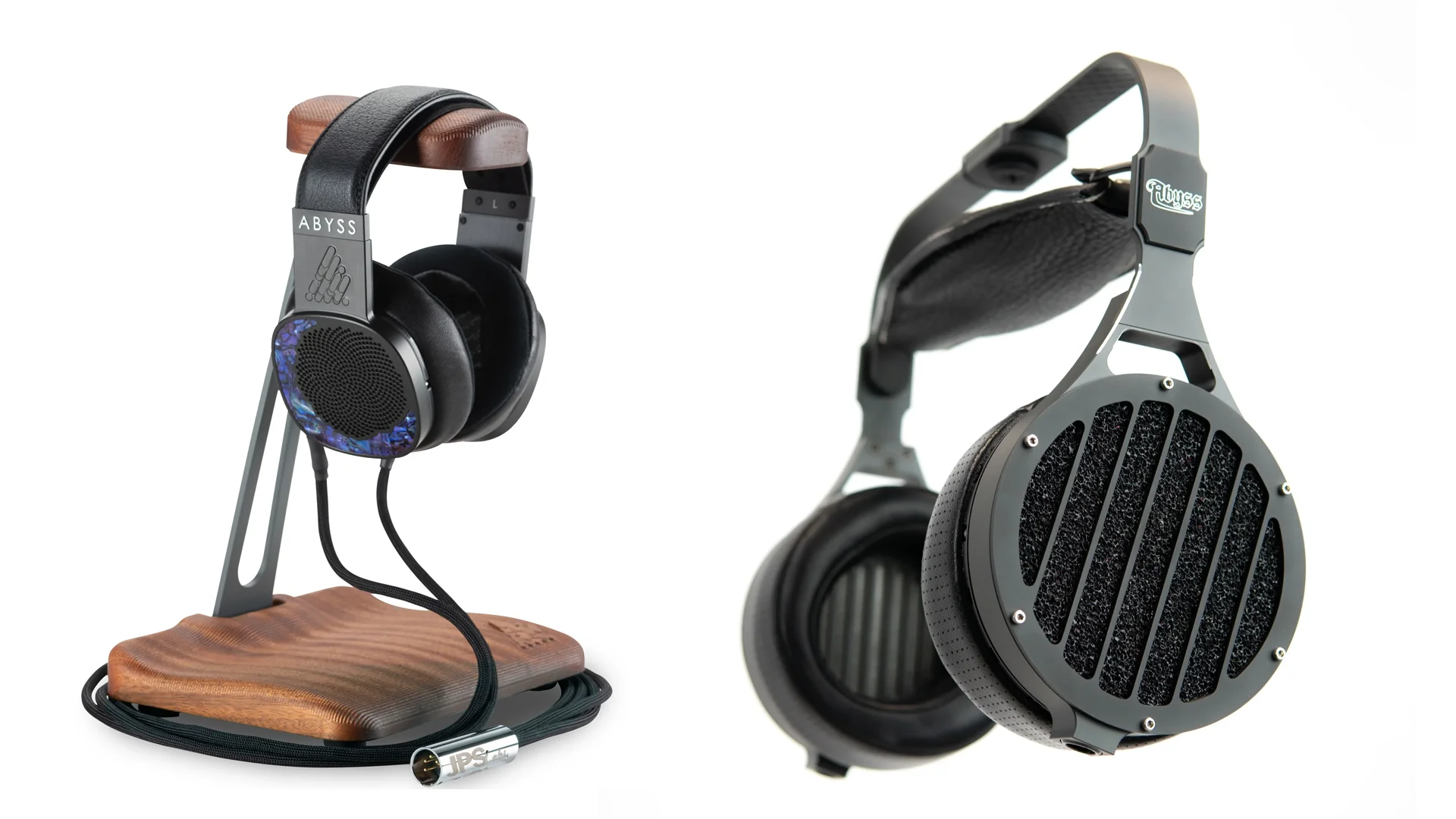
ABYSS specialises in planar magnetic headphones, producing its drivers and machining its aluminium frames in New York. The AB-1266 makes that engineering unusually visible: its machined metal frame and magnetically adjustable ear pads make physical fit part of the acoustic setup. The headphone business grew out of JPS Labs, founded by Joe Skubinski; he and his son Eric developed the original AB-1266 together. The Diana family takes a more compact approach to the same broad type of driver technology. In-house driver production and metalwork are central to the brand, rather than simply cosmetic details. Its headphones are intended for dedicated personal listening, with model choice involving both physical fit and the requirements of the partnering headphone amplifier.
Astell & Kern

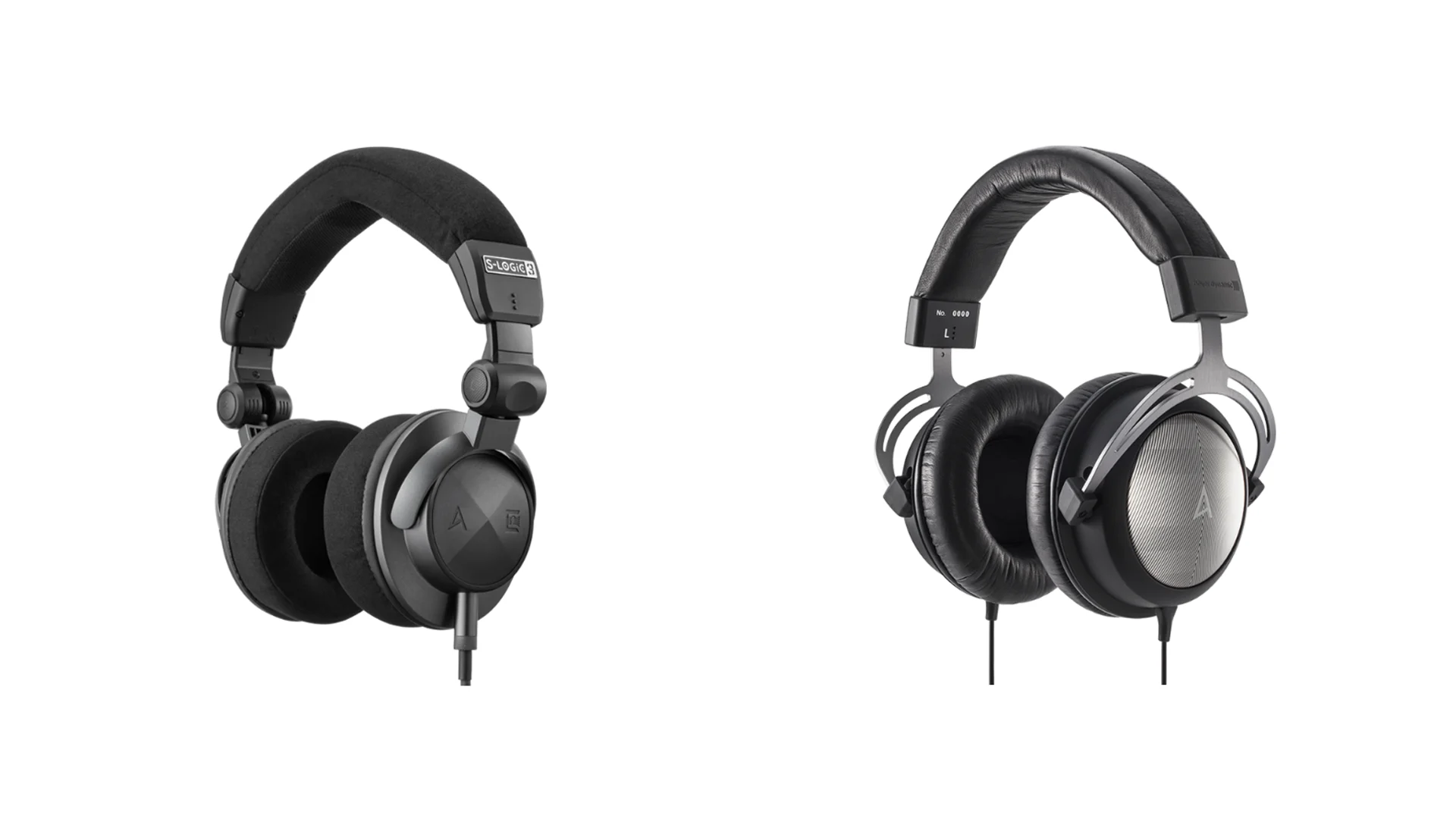
Astell&Kern builds dedicated portable music players that bring file playback, digital conversion and headphone amplification into one purpose-designed device. IRIVER launched the South Korean brand in 2012 with the AK100. Later AK models and the A&ultima, A&futura, A&norma and KANN families explored different balances of size, output capability and circuit complexity. The newer catalogue includes the PD series alongside flagship players. Distinctive machined enclosures and physical volume controls are part of the identity, but the range also reaches beyond players into headphone amplifiers, earphones and home-audio components. Collaborations with specialist IEM makers connect its source electronics with different approaches to personal listening.
Audeze
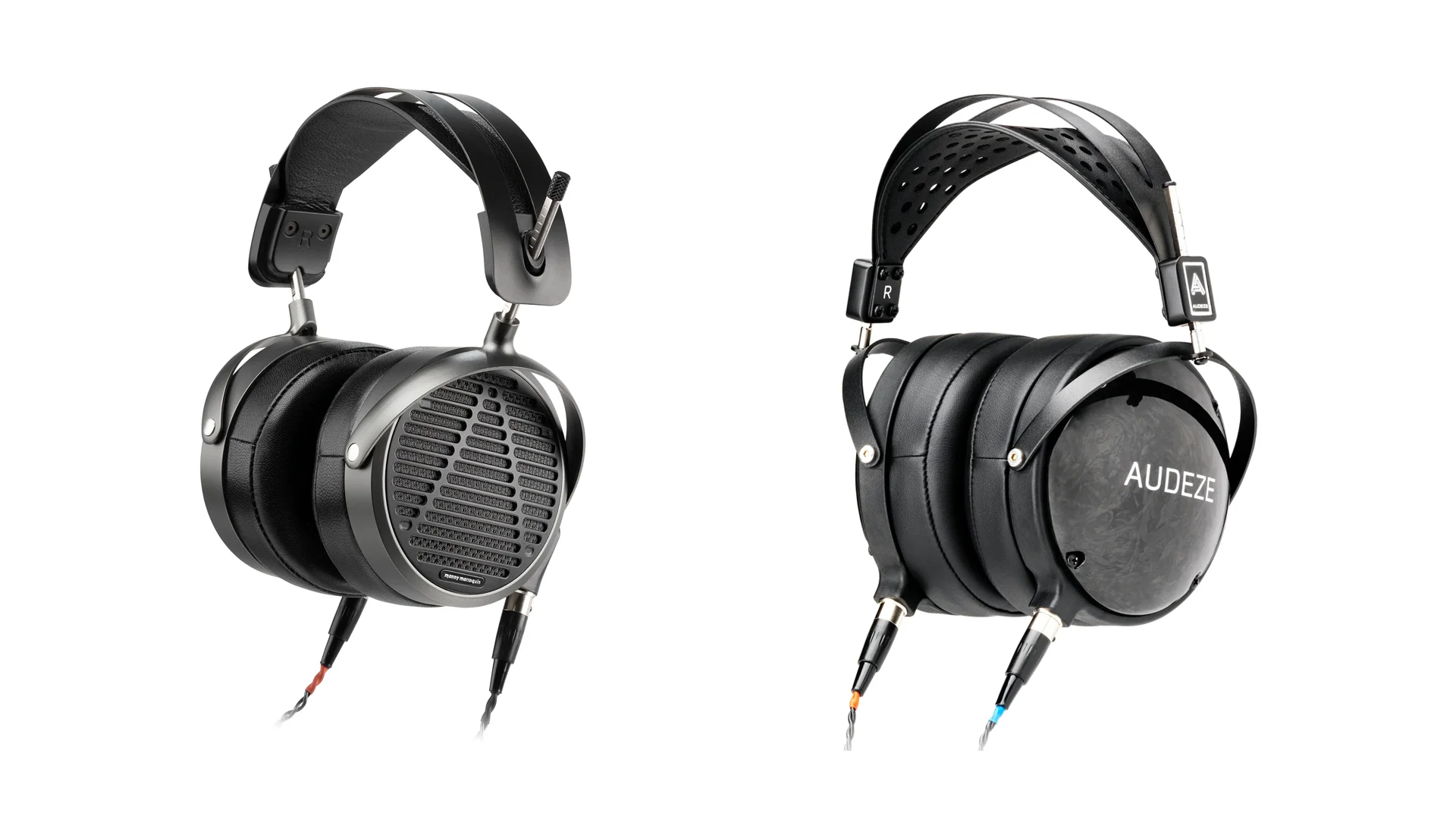
Audeze is best known for planar magnetic headphones, in which a thin diaphragm carrying conductive traces is driven across its surface by a magnetic field. The Californian company began in 2008 with co-founders including Sankar Thiagasamudram and Alexander Rosson; transducer engineer Dr. Dragoslav Colich has also been central to its development. The LCD family established its hi-fi identity, followed by headphones for professional production and gaming. Its work now extends to the CRBN electrostatic range, so planar technology no longer describes the whole catalogue. Audeze makes its planar and electrostatic drivers in Orange County, retaining direct control over a component that defines the behaviour of each headphone.
Audio-Technica

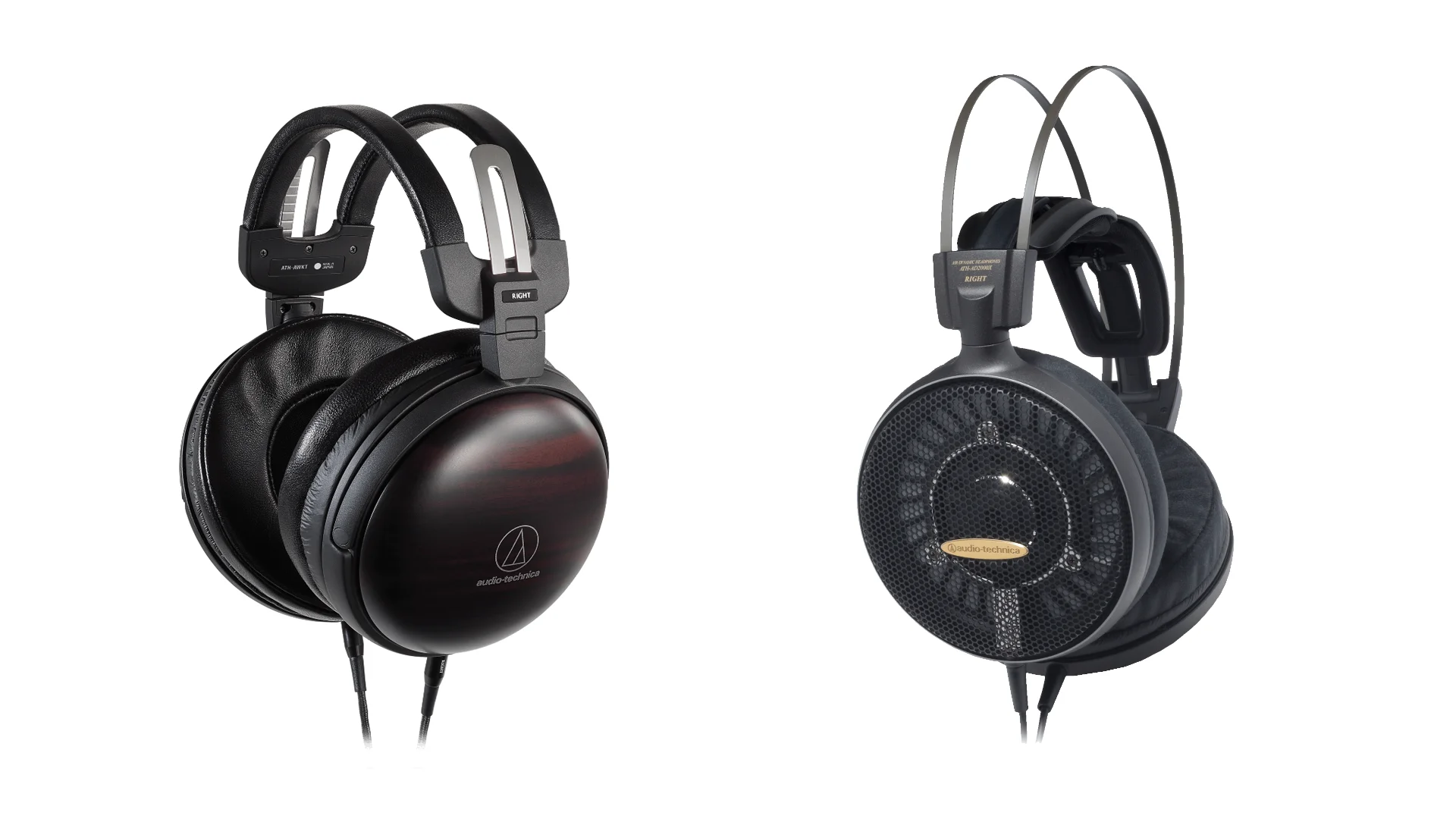
Audio-Technica began with the part that reads a record groove and grew into one of Japan’s broadest audio manufacturers. Hideo Matsushita founded the company above a ramen shop in Shinjuku on 17 April 1962; its first products were the AT-1 and AT-3 phono cartridges. Cartridge engineering remains a defining strength, spanning affordable VM models, long-running AT-OC9 moving-coil designs and the direct-power AT-ART1000 series. The company later applied its transducer expertise to studio, broadcast and live microphones, professional and domestic headphones, wireless systems and turntables. Products such as the ATH-M50x became working tools as well as consumer favourites, while high-end cartridges continue to be serviced and tested at the Japanese production facility. The unusually wide catalogue is connected by practical transducer design rather than by a single audiophile price tier.
Ausounds

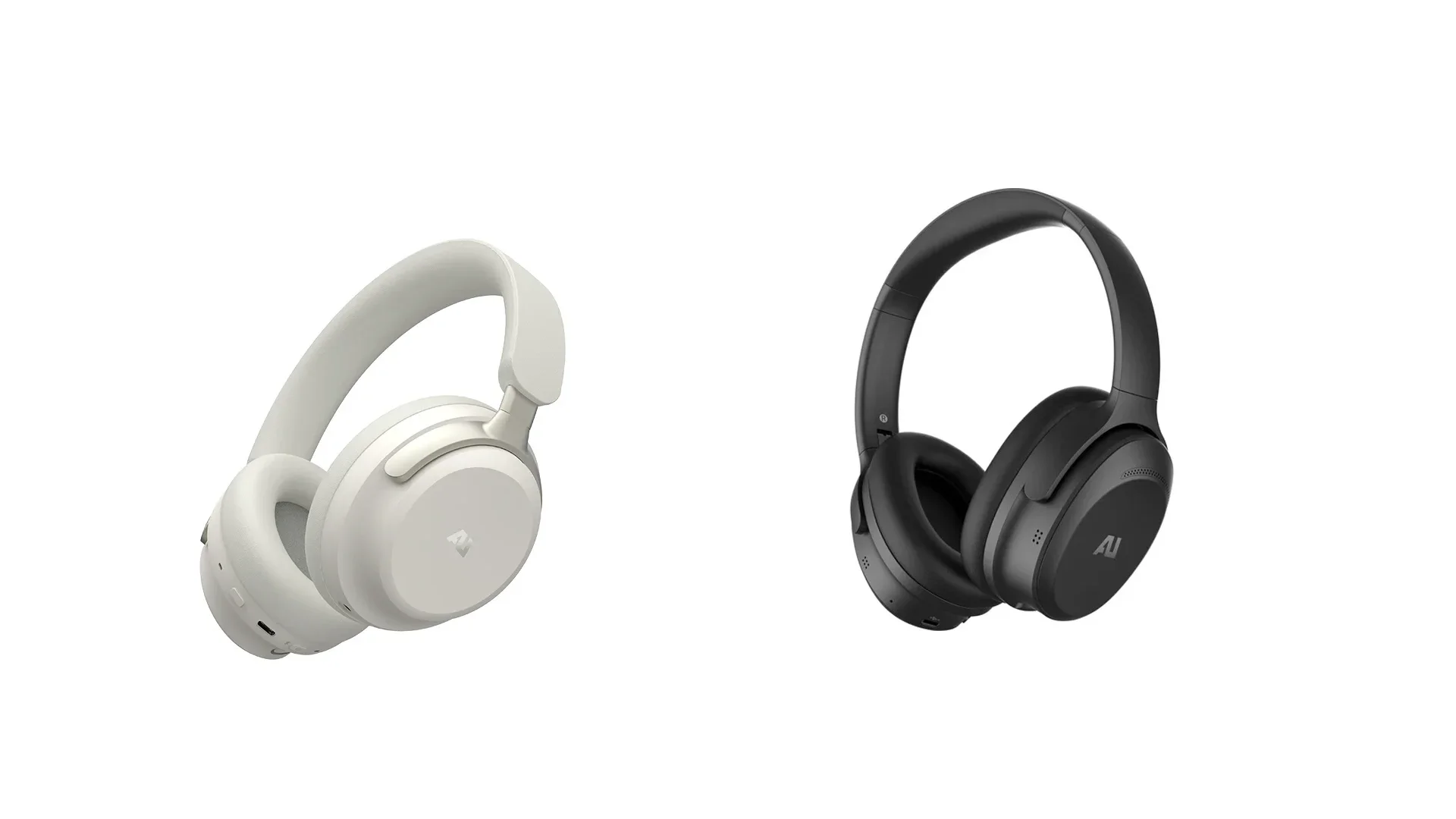
Ausounds applies audiophile driver ideas to wireless headphones and earphones intended for daily use. The US-based brand entered the market in 2019 with products designed around active noise cancellation, portable operation and higher-grade transducers rather than a single lifestyle feature. Its range has included AU-Stream true-wireless earphones, AU-Flex neckband models and AU-XT over-ear headphones using graphene-coated dynamic drivers. The AU-X pushed the concept further by combining a planar-magnetic over-ear driver with active noise cancellation, an unusual pairing in portable audio. Across the line, Bluetooth, wired listening, travel-friendly construction and long battery operation sit alongside the acoustic design. Ausounds is therefore best understood as a headphone specialist trying to bridge consumer convenience and more ambitious driver technology.
Austrian Audio

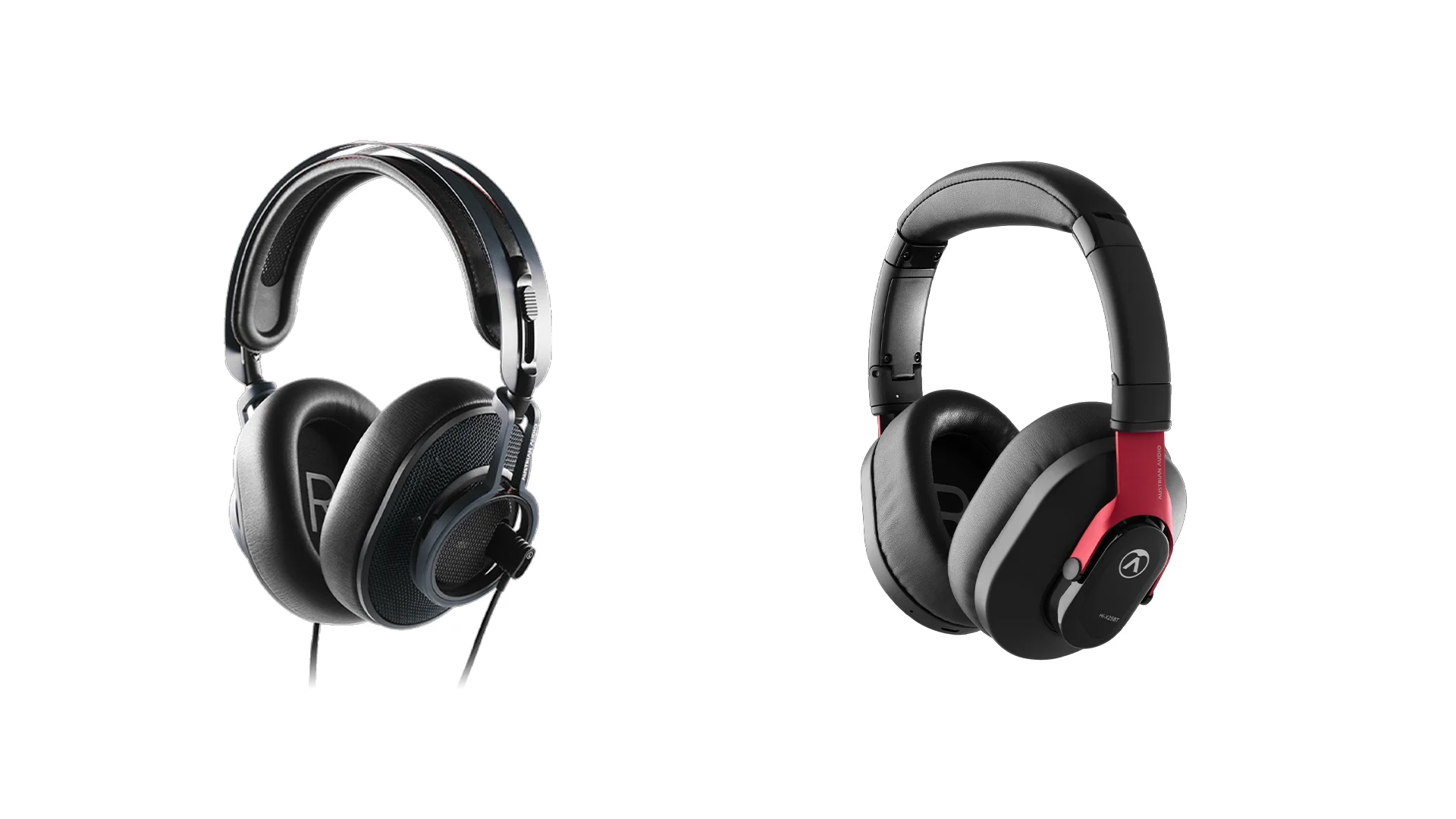
Austrian Audio carries Vienna’s professional transducer knowledge into a new independent company. It opened in July 2017 after AKG’s Vienna offices closed, beginning with a core team of 22 former AKG specialists in acoustics, electronics, mechanics, RF, software and measurement. The OC818 and OC18 studio microphones established the brand around the handmade CKR12 ceramic capsule; the dual-output OC818 also permits remote or post-production control of polar behaviour. Hi-X professional headphones followed, and the catalogue now spans recording, broadcast, live sound and high-end listening, including The Composer headphones and Full Score one amplifier. Products are developed and key parts are made or assembled in Vienna. The important continuity is engineering expertise, while the designs and patents belong to Austrian Audio rather than being reproductions of old AKG models.
Bang & Olufsen

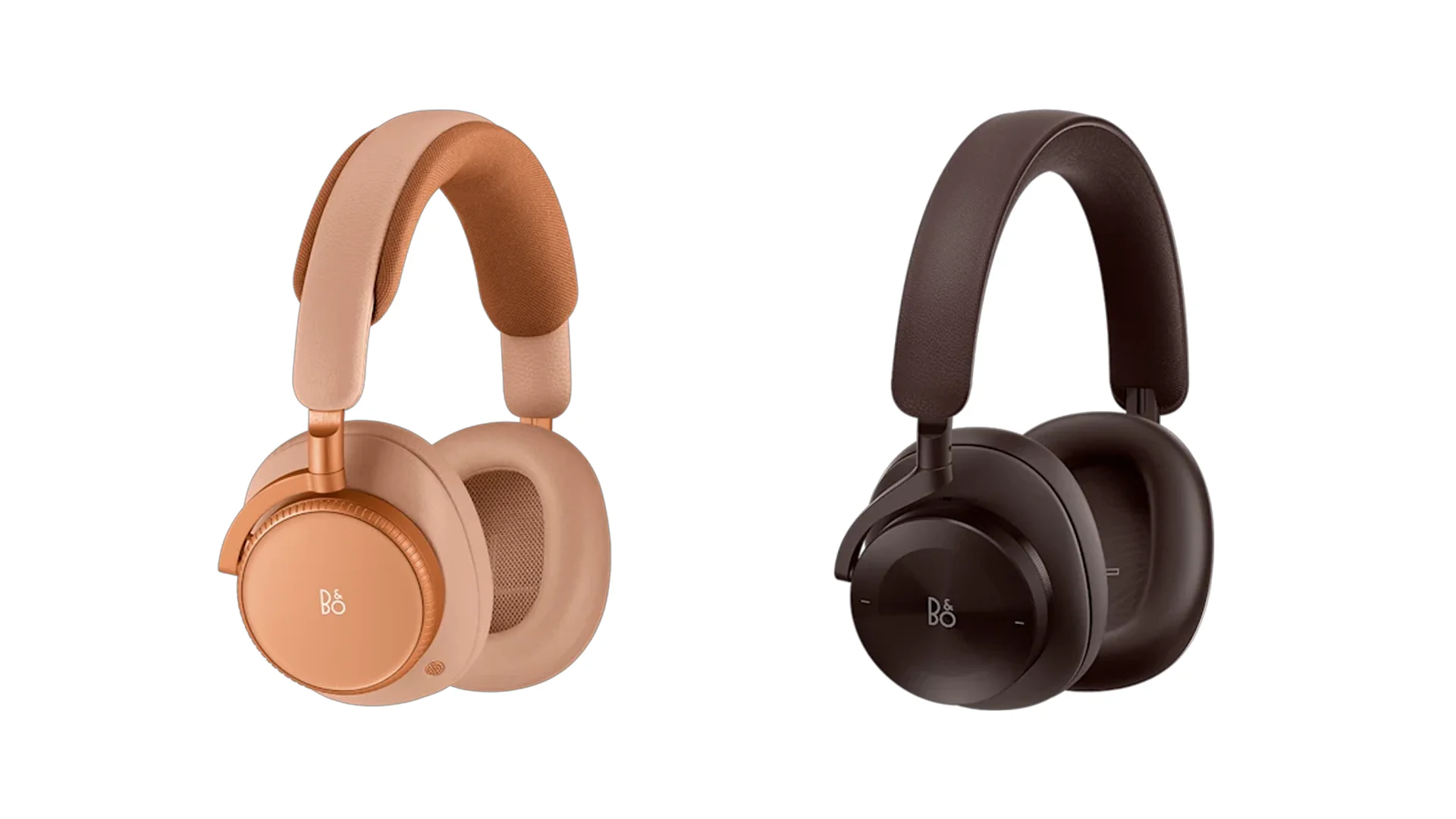
Bang & Olufsen has spent a century treating sound, mechanics and furniture-scale design as one discipline. Engineers Peter Bang and Svend Olufsen founded the Danish company in 1925 at the Olufsen family estate, Quistrup. From early radios and the mains-powered Eliminator to Beomaster systems and active Beolab loudspeakers, B&O repeatedly integrated technology that other manufacturers left in separate boxes. Beolab 90 represents the engineering extreme with multiple amplified drivers, beam-width control and room compensation; Beosound speakers, Beovision televisions, soundbars and Beoplay headphones carry the approach into everyday rooms and portable use. Aluminium machining, acoustic textiles, motorised movement and long software support are used as parts of the experience rather than surface decoration. The strongest B&O products are identifiable before music plays, yet their form is built around active acoustic and interaction engineering.
Beyerdynamic

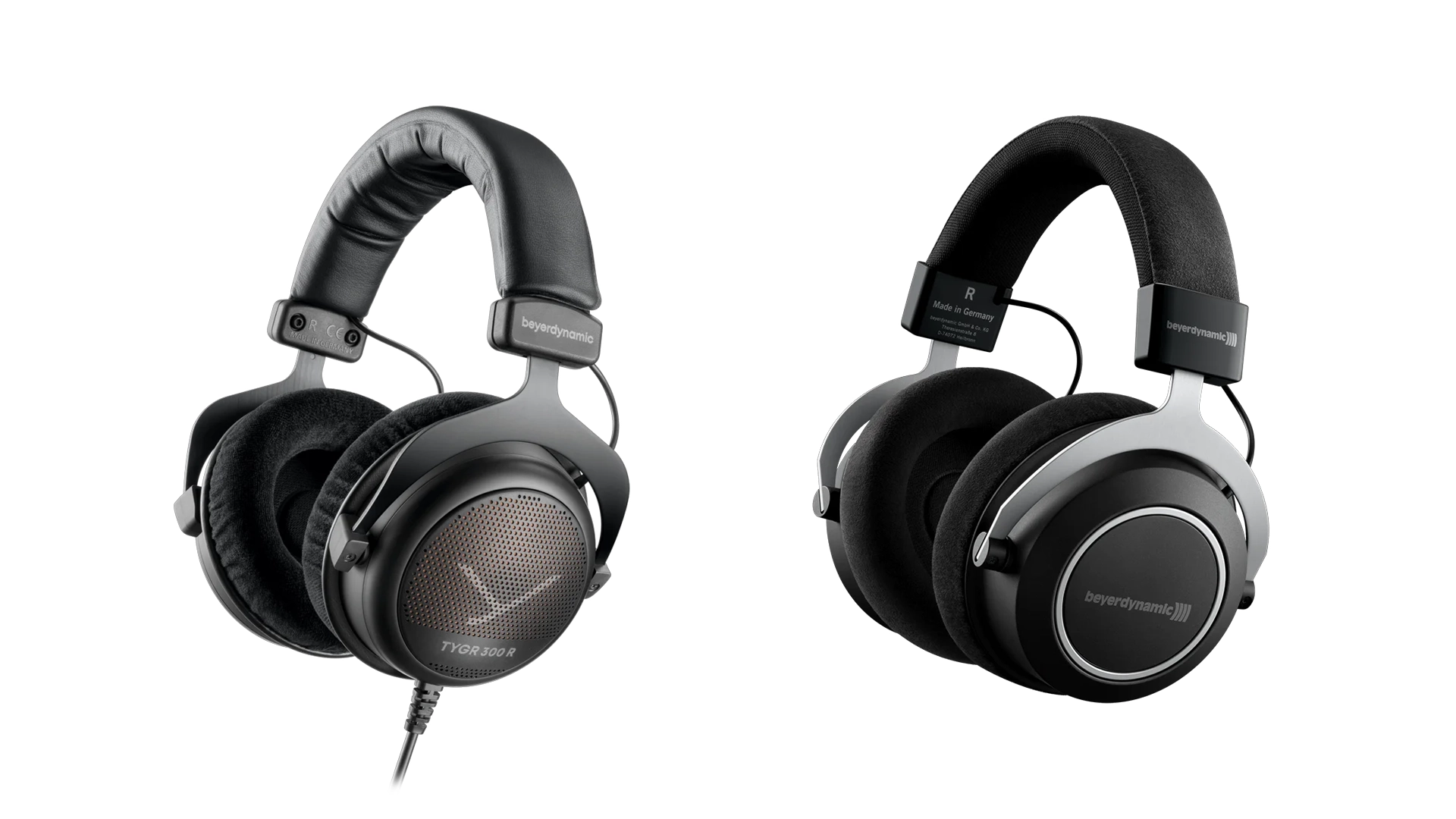
Beyerdynamic is one of the companies that defined the dynamic headphone and still develops key studio and listening models in Heilbronn, Germany. Eugen Beyer founded Elektrotechnische Fabrik Eugen Beyer in Berlin in 1924, initially making cinema loudspeakers; the DT 48 followed in 1937 as an early production dynamic headphone. Today’s DT 770, DT 880 and DT 990 remain studio standards, while the PRO X range modernises that working format and the T1 and T5 use the company’s high-flux Tesla driver technology for home listening. Beyerdynamic also makes broadcast, stage and studio microphones, including the ribbon-based M 160 lineage. The previous claim that the company specialised in planar-magnetic headphones was incorrect and has been removed. Chinese acoustic-component manufacturer Cosonic completed its acquisition of Beyerdynamic in June 2026, while the brand remains based in Heilbronn.
Bose

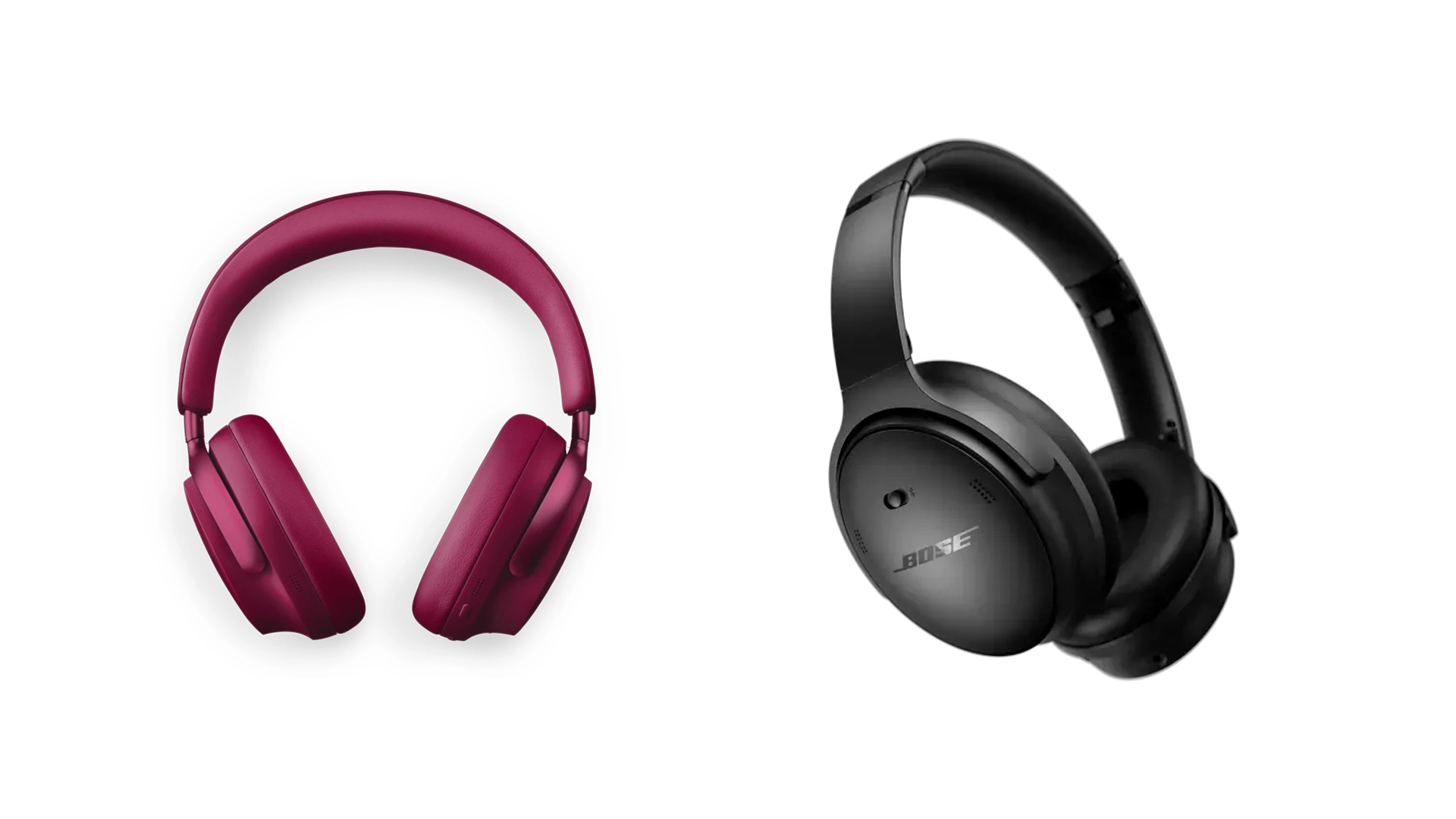
Bose built its reputation by using acoustic research and signal processing to solve practical listening problems at consumer scale. Dr Amar G. Bose founded the Massachusetts company in 1964 after studying why technically competent loudspeakers often failed to reproduce the experience of live music. The 901 Direct/Reflecting speaker became its early landmark, deliberately using room reflections as part of the presentation. Later work produced Wave music systems, compact home-theatre speakers and, after research beginning in 1978, active noise reduction for aviation and the QuietComfort consumer headphone family. Today’s range includes headphones, earbuds, Bluetooth speakers, soundbars and home audio, alongside automotive and professional systems. Bose’s strength is not traditional high-end component minimalism; it is the integration of acoustics, electronics, psychoacoustics and industrial design into products that make complex technology easy to use.
Cambridge Audio

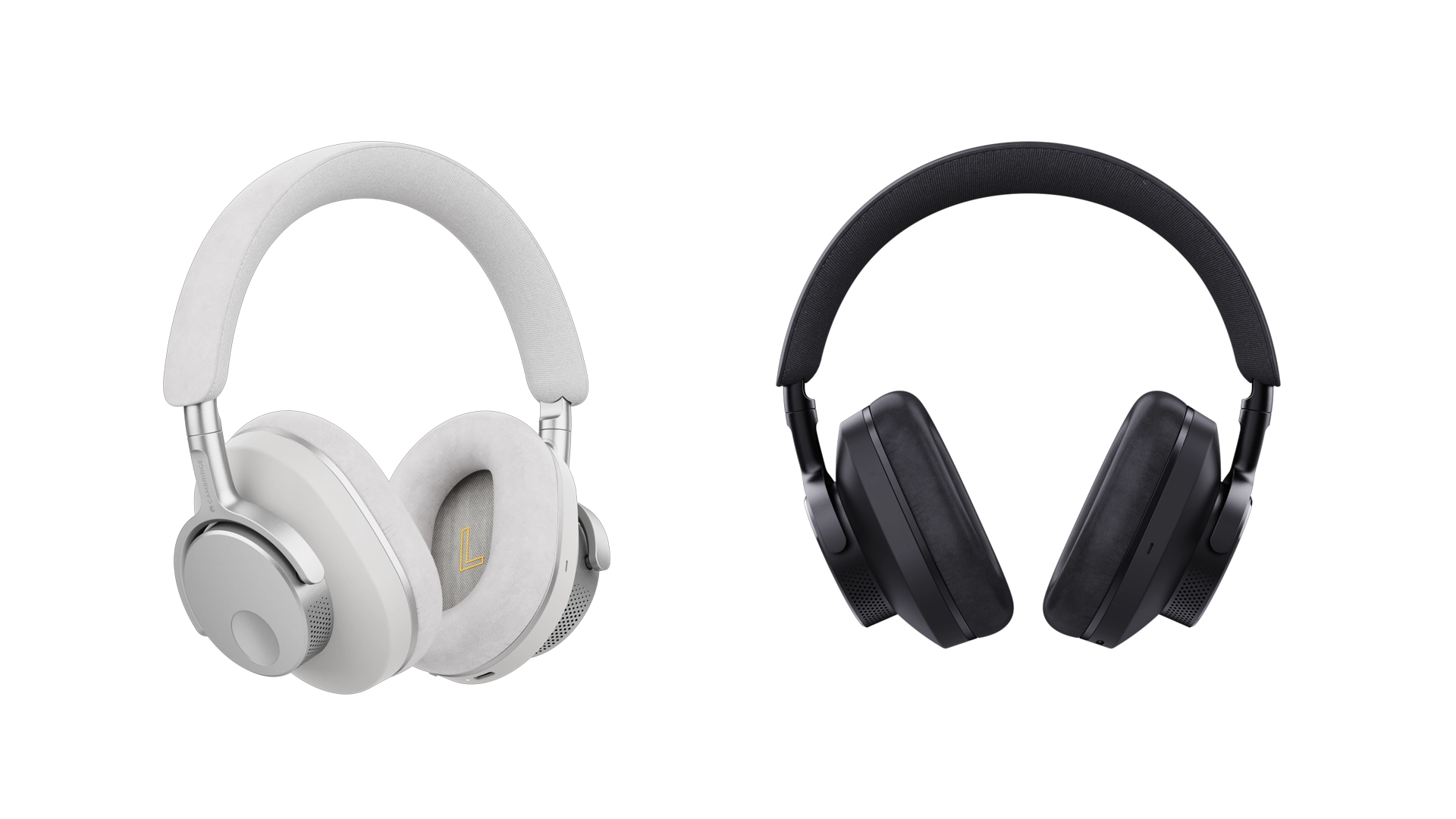
Cambridge Audio has spent more than five decades bringing useful engineering advances into attainable hi-fi components. The company began in Cambridge in 1968, when a team including Gordon Edge and Peter Lee created the P40 integrated amplifier. It was an early commercial amplifier built around a toroidal transformer, a solution that later became standard throughout the industry. Today’s AX and CX ranges cover integrated amplification, CD playback and network sources. Edge uses the company’s Class XA amplifier topology at the flagship level, while Evo combines StreamMagic streaming, conversion and speaker amplification in a compact system. Alva turntables add direct-drive vinyl playback and Bluetooth transmission. StreamMagic remains a major strength because Cambridge controls both the network hardware and the software platform, and continues adding service support to older generations. Product design is led from London, with the range aimed at complete systems rather than one specialist category.
Camerton

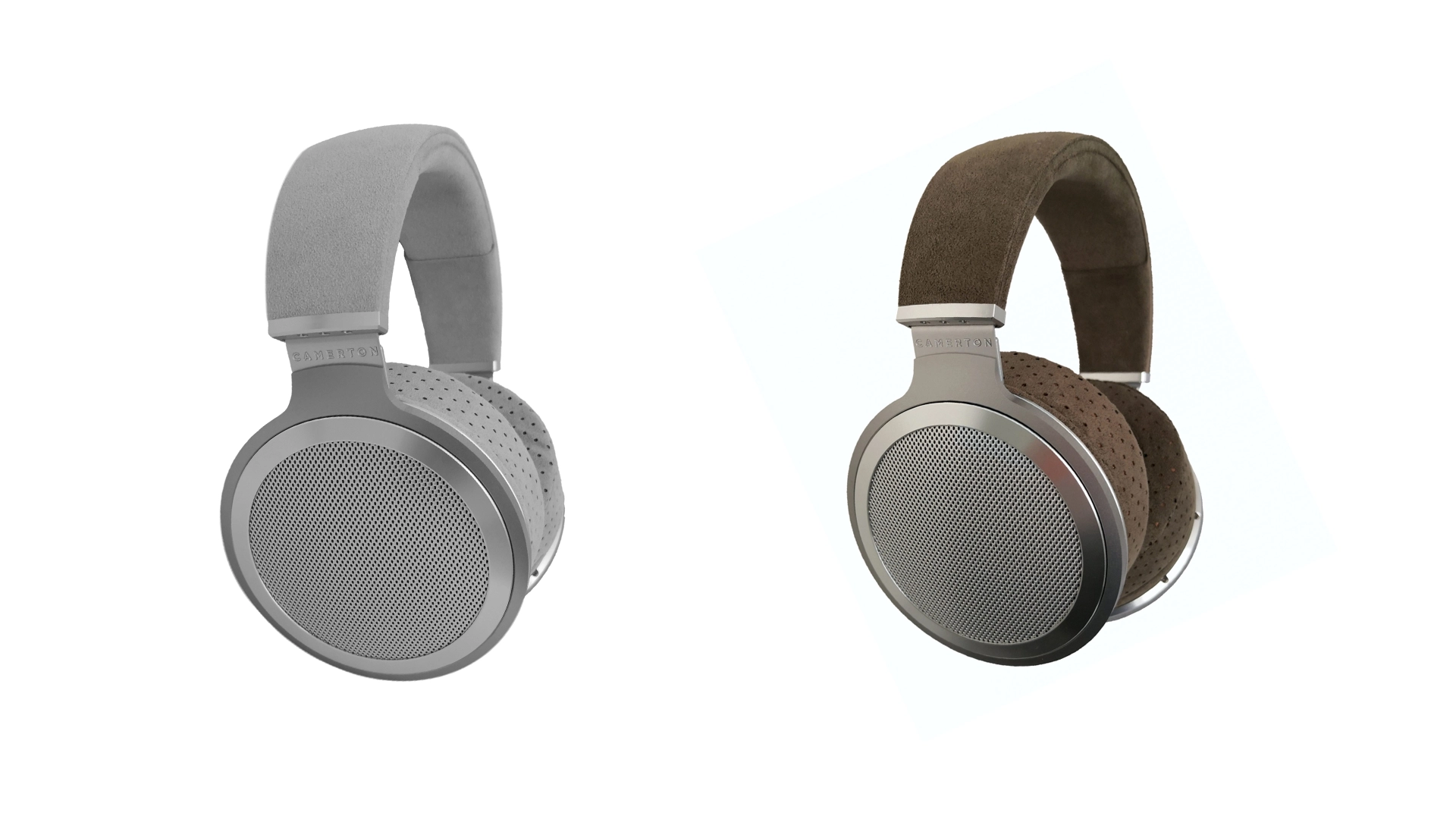
Camerton Audio develops its own flat-diaphragm wideband and isodynamic drivers for loudspeakers and headphones. Oleh Lizohub founded the company in Ukraine in 1999, moved to Germany in 2011 and relaunched Camerton in Berlin in 2019 after working as a senior engineer at Voxativ. The Binom-1 loudspeaker uses a single proprietary wideband driver to cover most of the audible range without a conventional multi-way crossover. Binom-A makes the underlying driver available as a separate component, while the open-back Binom-ER headphone uses Camerton’s large dual-sided isodynamic transducer. These products are designed and handmade on a very small scale by Lizohub. The old description incorrectly presented single-ended-triode amplifiers as part of Camerton’s speciality. The brand’s own work is transducer engineering, with efficient loudspeakers that can partner low-powered amplifiers but no current amplifier line of its own.
Cerwin-Vega!

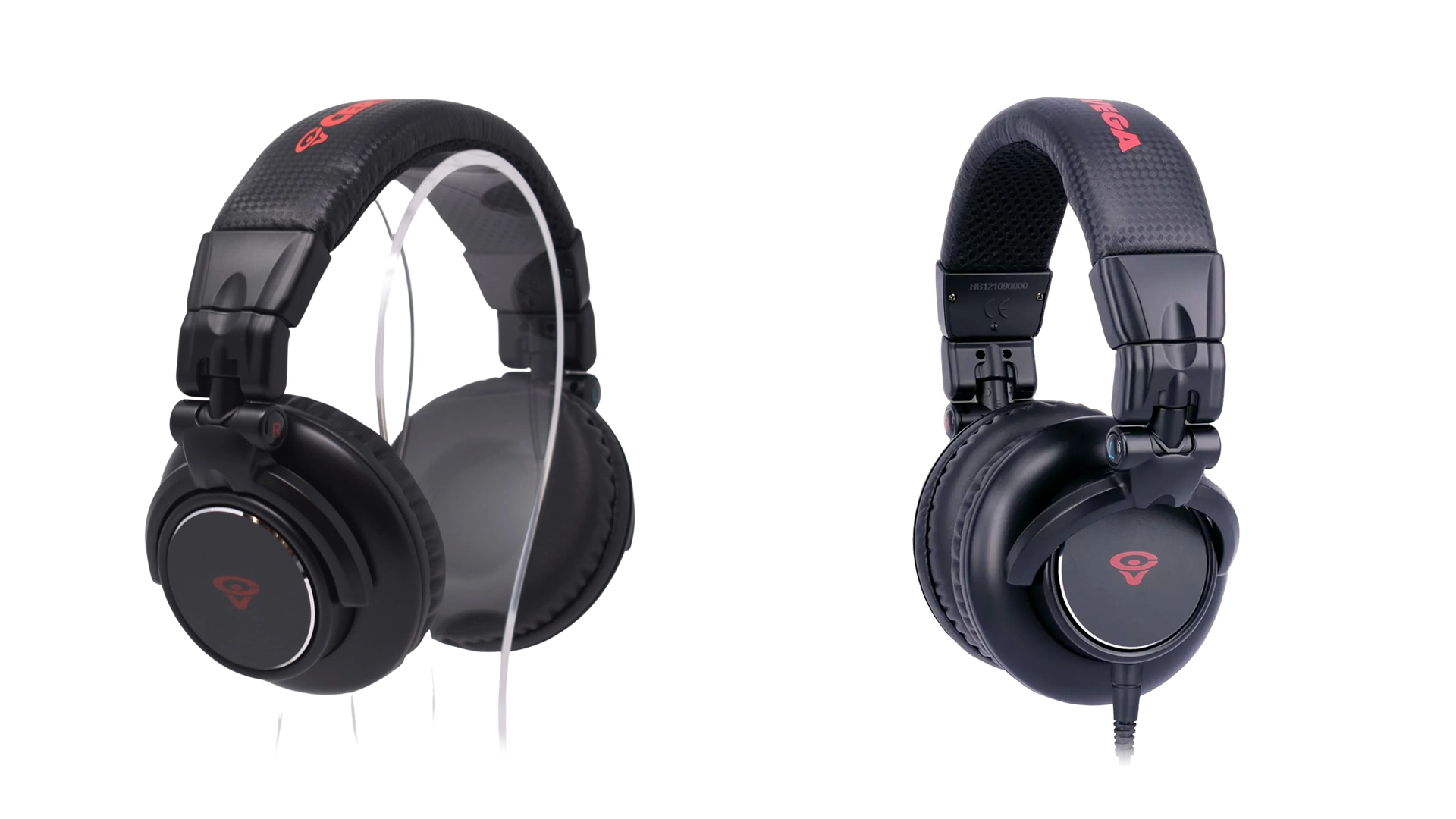
Cerwin-Vega! designs loudspeakers around high efficiency, deep bass and the ability to produce convincing live-event sound pressure without fragile construction. Aerospace engineer Eugene ‘Gene’ Czerwinski founded Vega Associates in Los Angeles in 1954; the company later became Cerwin-Vega. An early 18-inch system capable of exceptional output at 30 Hz established its low-frequency reputation, while professional systems, instrument speakers and the red-surround home models made the brand visually unmistakable. Cerwin-Vega also supplied the folded-horn subwoofer technology used for Universal’s Sensurround presentation of Earthquake in 1974, work recognised with a special technical Academy Award. The brand later passed through several owners and was split between mobile and pro/home operations, but those divisions were reunited under Cerwin-Vega Inc. in 2020. Current ranges cover home speakers and subwoofers, professional PA systems, amplifiers and car audio, preserving the original emphasis on robust drivers, high output and bass with physical impact.
Cleer Audio

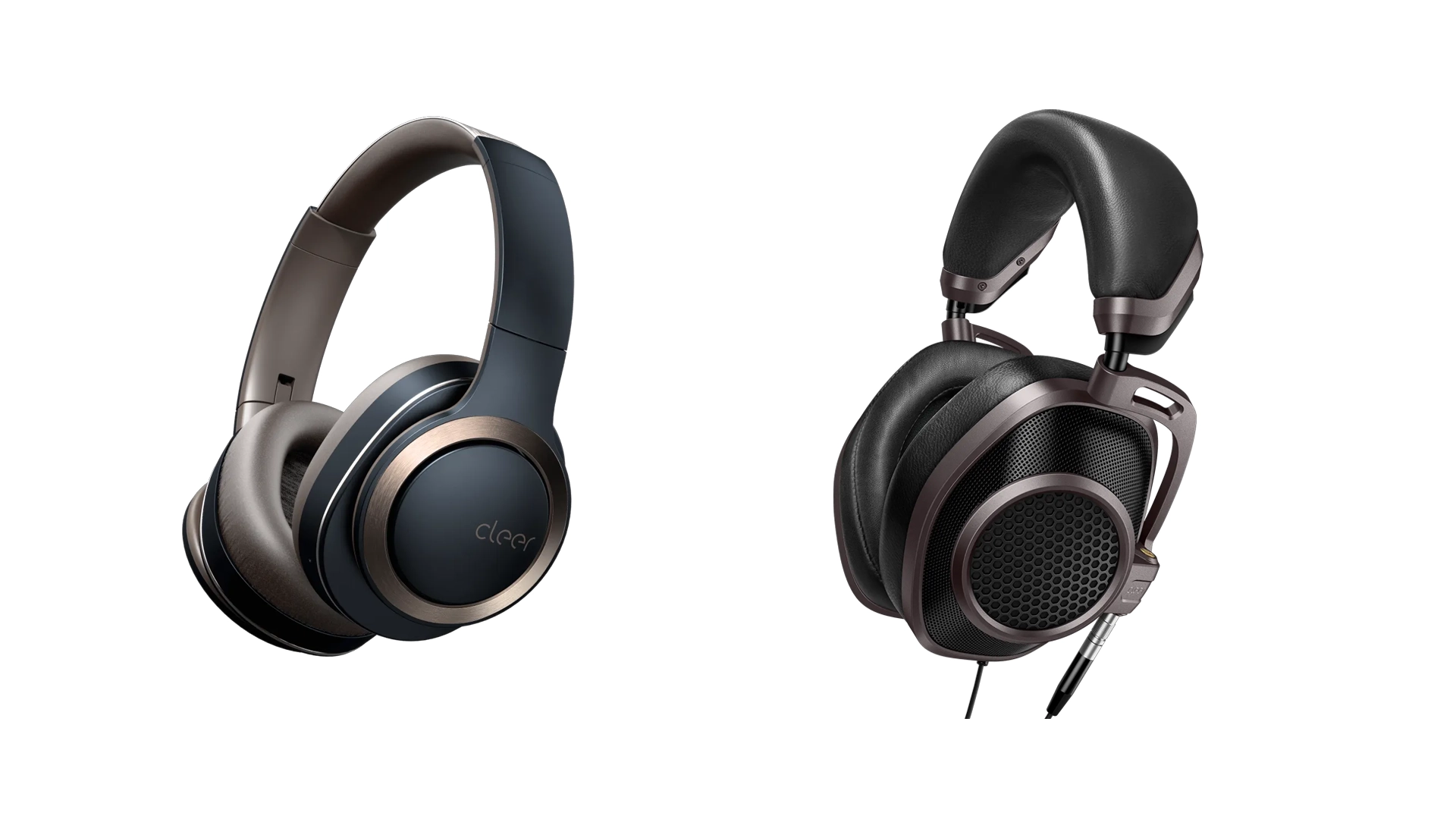
Cleer Audio is a San Diego personal-audio brand focused on wireless products that combine ambitious features with everyday ergonomics. Established in 2012 by a team with experience at larger consumer-electronics companies, Cleer first became known for over-ear headphones and later made open-ear listening its most recognisable category. The ARC family positions a driver near the ear canal on an articulated earhook, keeping the ear open to surrounding sound; current ARC 4 and ARC 5 variants add spatial-audio, gaming and sport-focused options, including THX-certified models. ALPHA and ENDURO cover conventional over-ear listening with active noise cancellation and long battery life, while the catalogue also includes true-wireless earphones and SCENE and CRESCENT speakers. Technologies vary by product and include multipoint Bluetooth, high-resolution codecs, beamforming microphones, adaptive noise control and app-based sound adjustment. Cleer’s identity is therefore modern connected personal audio rather than the hand-built cables made by the unrelated British company Clearer Audio.
Dan Clark Audio

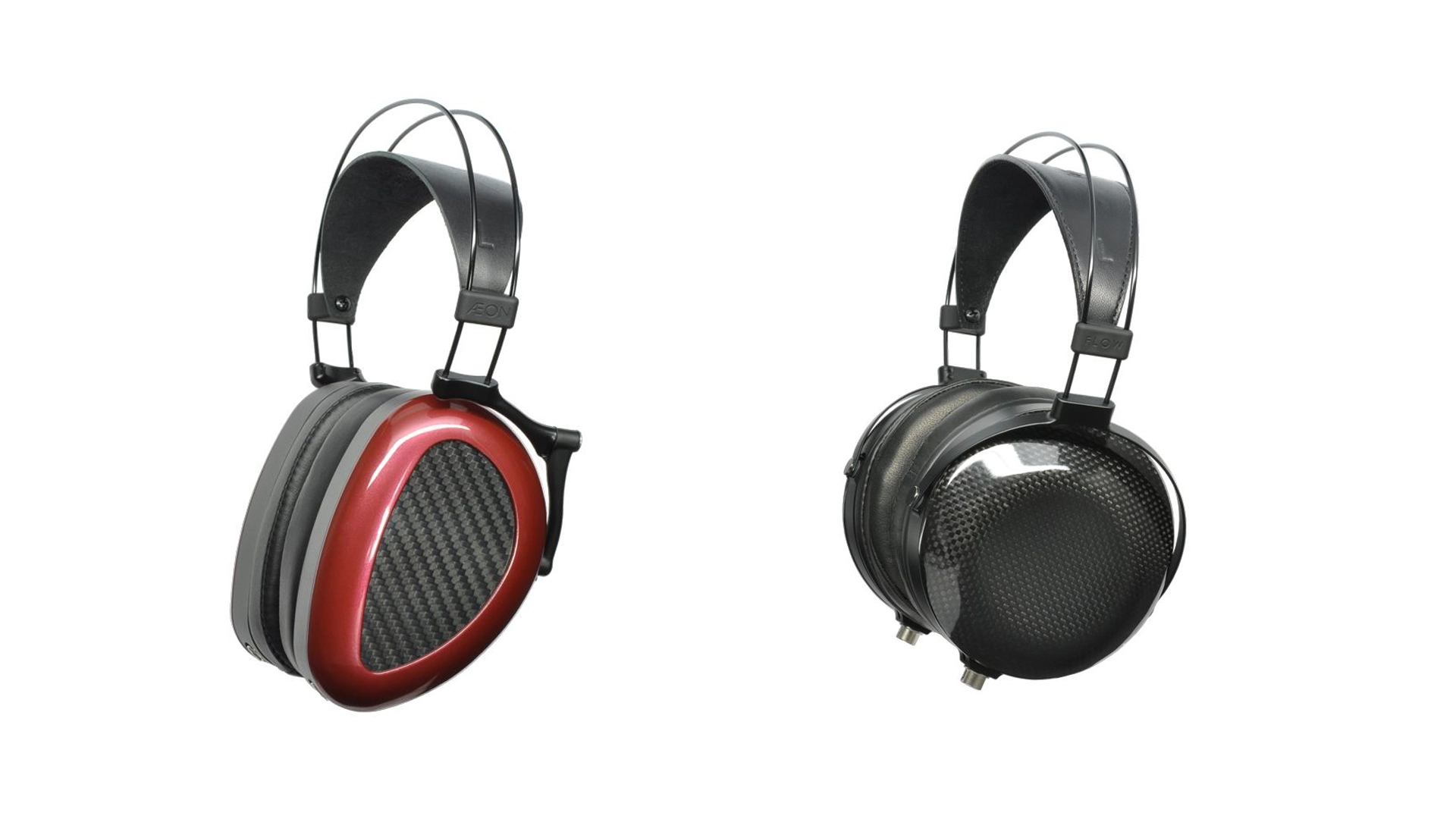
Dan Clark Audio is a San Diego headphone manufacturer that grew from one engineer’s experiments with modified Fostex models into a specialist in proprietary planar-magnetic and electrostatic designs. Dan Clark founded the company as MrSpeakers in 2012; the early Mad Dog modifications financed Alpha Dog, widely recognised as the first production headphone with 3D-printed ear cups, and then ETHER, its first fully in-house planar model. The business adopted the Dan Clark Audio name in 2019. Its technical identity now rests on several linked ideas: V-Planar creases give the diaphragm greater linear excursion, TrueFlow shapes airflow through the motor, and the Acoustic Metamaterial Tuning System uses tuned acoustic structures between driver and ear to control high-frequency resonances. STEALTH and EXPANSE apply these technologies at flagship level, while E3, ÆON and NOIRE models translate them into lighter or more attainable formats. Folding gimbals, nickel-titanium headbands and careful weight distribution show that comfort is treated as part of engineering, not as an accessory to sound quality.
Denon

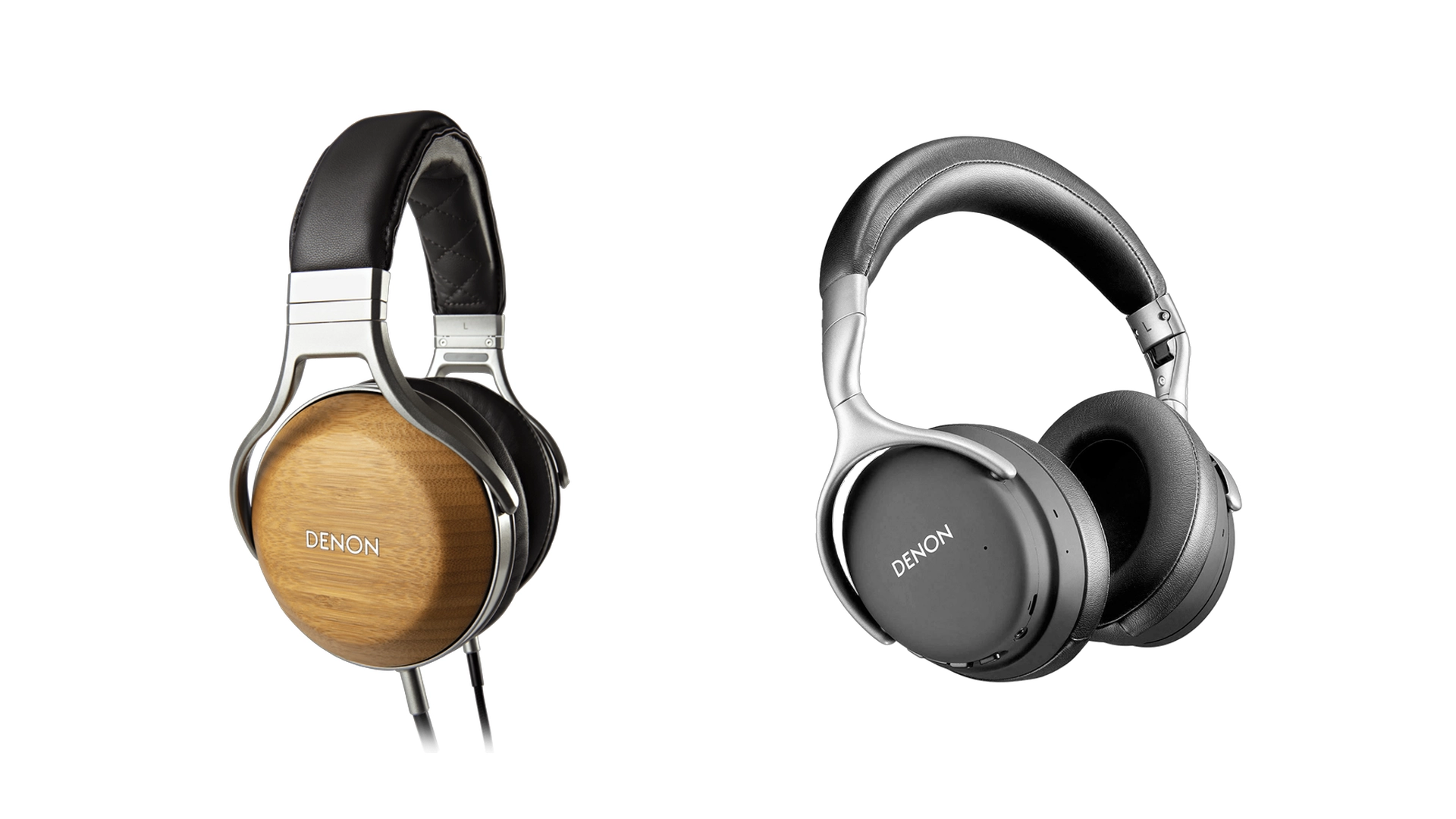
Denon’s history begins in 1910, when American entrepreneur Frederick Whitney Horn established the Japan Recorders Corporation, the antecedent of today’s Japanese audio brand, to manufacture records and gramophones. The company subsequently linked recording and playback in ways few consumer manufacturers can claim: it built Japan’s first professional disc recorder, released the country’s first commercial LP records, developed the broadcast-standard DL-103 moving-coil cartridge in 1963 and introduced an eight-channel PCM digital recorder in 1972. That combination of analogue, digital and broadcast experience still appears in a broad catalogue. AVR and AVC home-cinema receivers integrate amplification, decoding, room correction and HEOS network audio; PMA amplifiers and DCD disc players serve stereo systems; turntables, cartridges, headphones and soundbars cover other parts of the chain. The DL-103 remains in production decades after its broadcast origins, while modern receivers adopt current HDMI and immersive-audio standards. Denon’s strength is not merely age or product count, but a continuous ability to translate professional recording and format changes into durable home-audio products.
Dyson

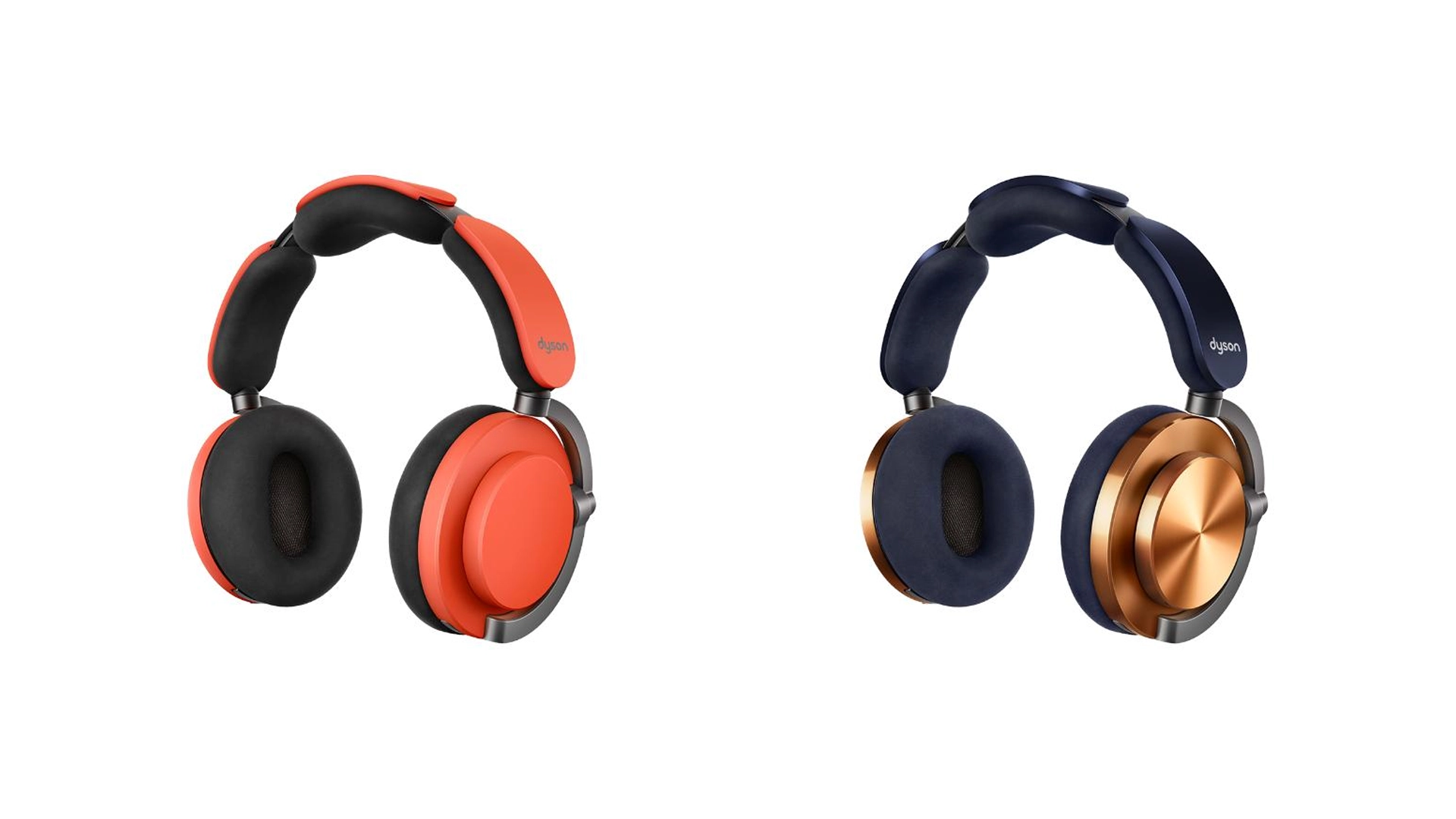
Dyson is a British engineering company founded by James Dyson in 1991; in personal audio, its significance comes from applying the company’s motor, airflow, acoustics and industrial-design resources to headphones rather than from a long hi-fi lineage. The first product, Dyson Zone, arrived in 2022 as noise-cancelling headphones combined with a detachable air-purification visor—an audacious concept, but not the template for everything that followed. OnTrac, introduced in 2024, is a conventional over-ear wireless headphone built around custom 40 mm drivers, active noise cancellation and extensive physical personalisation through interchangeable ear cushions and outer caps. Dyson places the batteries in the headband to distribute mass and claims up to 55 hours of listening with ANC, while microphones continuously monitor external sound for cancellation. The important distinction is chronological: 1991 is the founding year of Dyson as a company, not of a headphone manufacturer. Its audio identity is recent and rests on integrated mechanical packaging, noise control, comfort engineering and a willingness to rethink the physical form of personal listening products.
Erzetich Audio

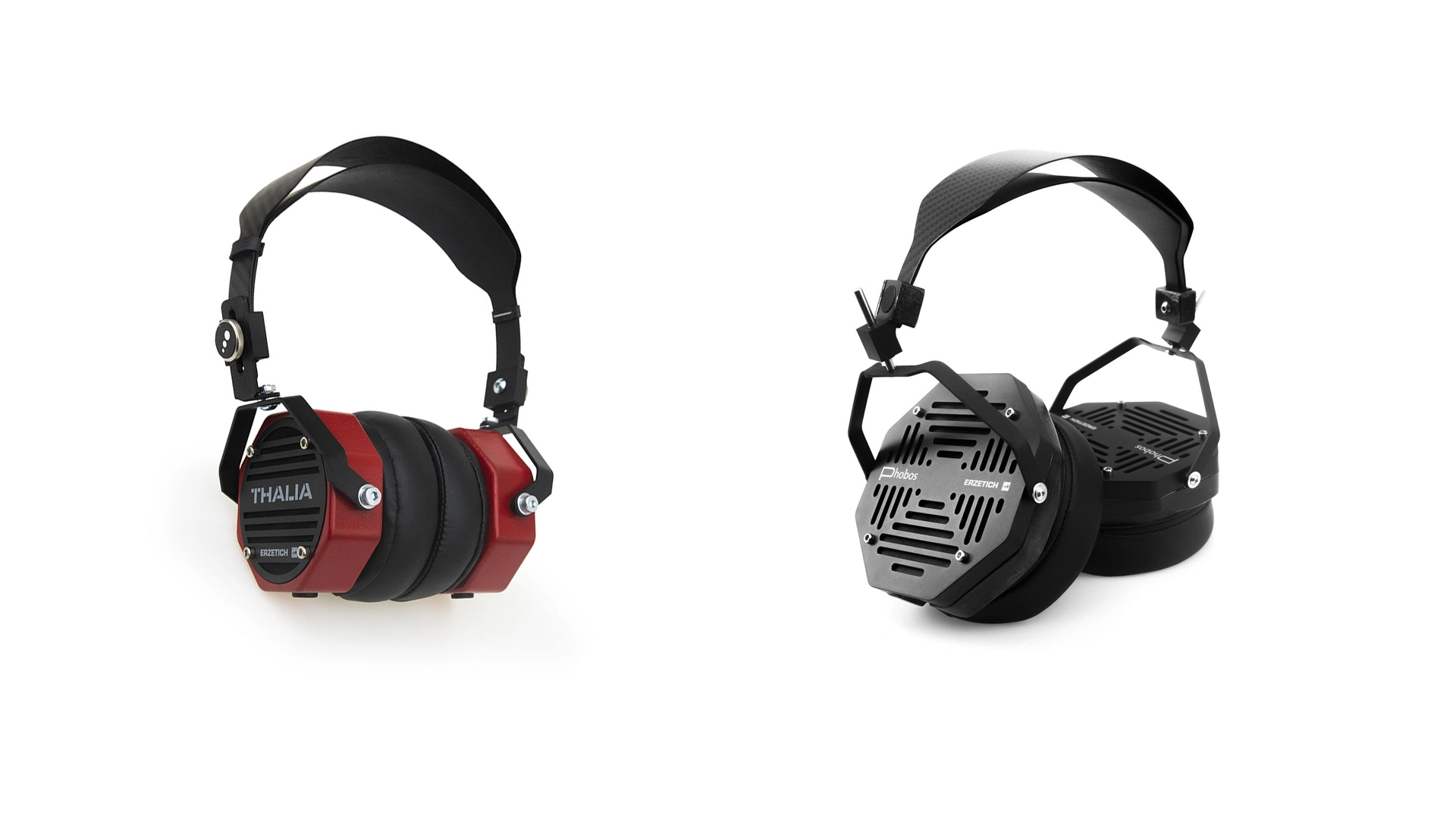
Erzetich Audio is a Slovenian personal-audio workshop founded by Blaž Erzetič in 2012. The first product was the compact Bacillus headphone amplifier, followed by larger designs including the dual-mono Class A Deimos and balanced Scylla. The company later added headphones, with open planar-magnetic models such as Phobos and the flagship Charybdis becoming central to the range. Erzetič’s background spans electronics, recording, music and visual design, which explains products that are technically purposeful but visually unlike mass-market studio gear. Wood, metal and locally sourced craft work are used selectively rather than as decoration applied to a standard chassis. The brand’s real niche is a coherent headphone system—amplifiers and transducers developed by the same small team, built in Slovenia and offered in limited-production forms.
ESD Acoustic

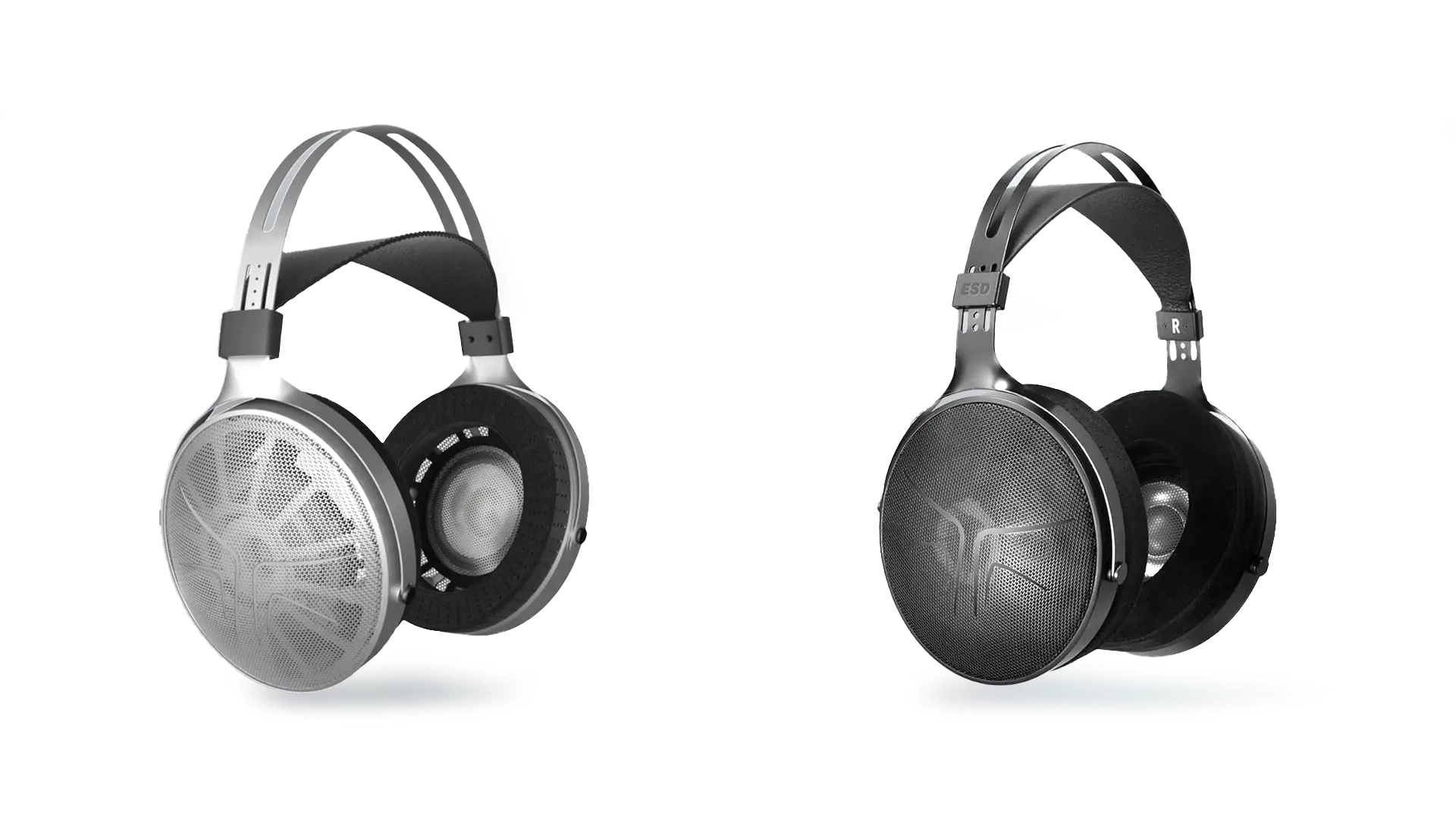
ESD Acoustic is a Chinese ultra-high-end audio manufacturer whose project began in 2016 with David Dai and Jacky Dai. Early development drew on technology and guidance acquired from horn specialists Bruce Edgar and Sam Saye; the Hangzhou company followed in 2017. ESD’s signature is the complete field-coil horn system: externally energised drivers, large carbon-fibre horns and, in selected units, beryllium diaphragms are combined for high efficiency and wide dynamic range. Systems range from comparatively compact models to the immense Dragon and Super Dragon installations. ESD also makes the field-coil power supplies, active crossovers, Class A amplification and source components needed to operate them as an integrated chain. The scale is spectacular, but the important know-how lies in controlling magnetic fields, horn geometry, diaphragm behaviour and system alignment across many ways.
FiiO

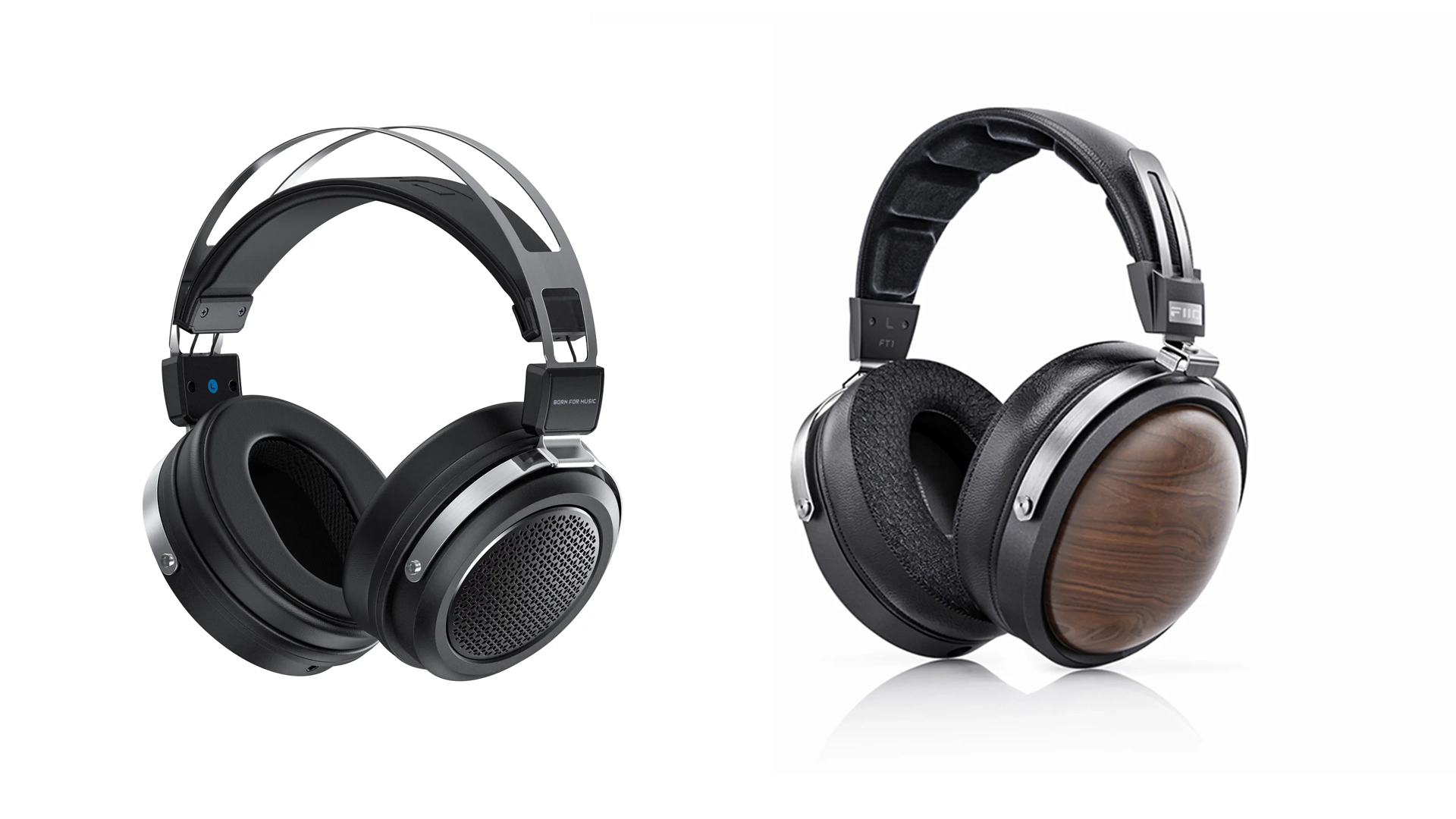
FiiO was founded in Guangzhou in 2007 and helped move serious personal audio from improvised accessories into complete, affordable systems. Early E-series portable headphone amplifiers built its reputation; the X3 player in 2013 made high-resolution playback central to the brand, and today’s Android-based M-series players combine local storage, streaming services, balanced outputs and replaceable or carefully engineered amplification stages. The broader catalogue now includes K-series desktop DAC/headphone amplifiers, BTR Bluetooth receivers, portable dongles, IEMs, full-size headphones and desktop source components. FiiO develops electronics, firmware, apps and transducers rather than depending on one fashionable product category, while sub-brand Snowsky explores smaller and more playful designs. Its distinctive strength is vertical product integration at attainable prices: a listener can build a portable, desktop or living-room chain whose interfaces and power requirements were designed to work together.
Final

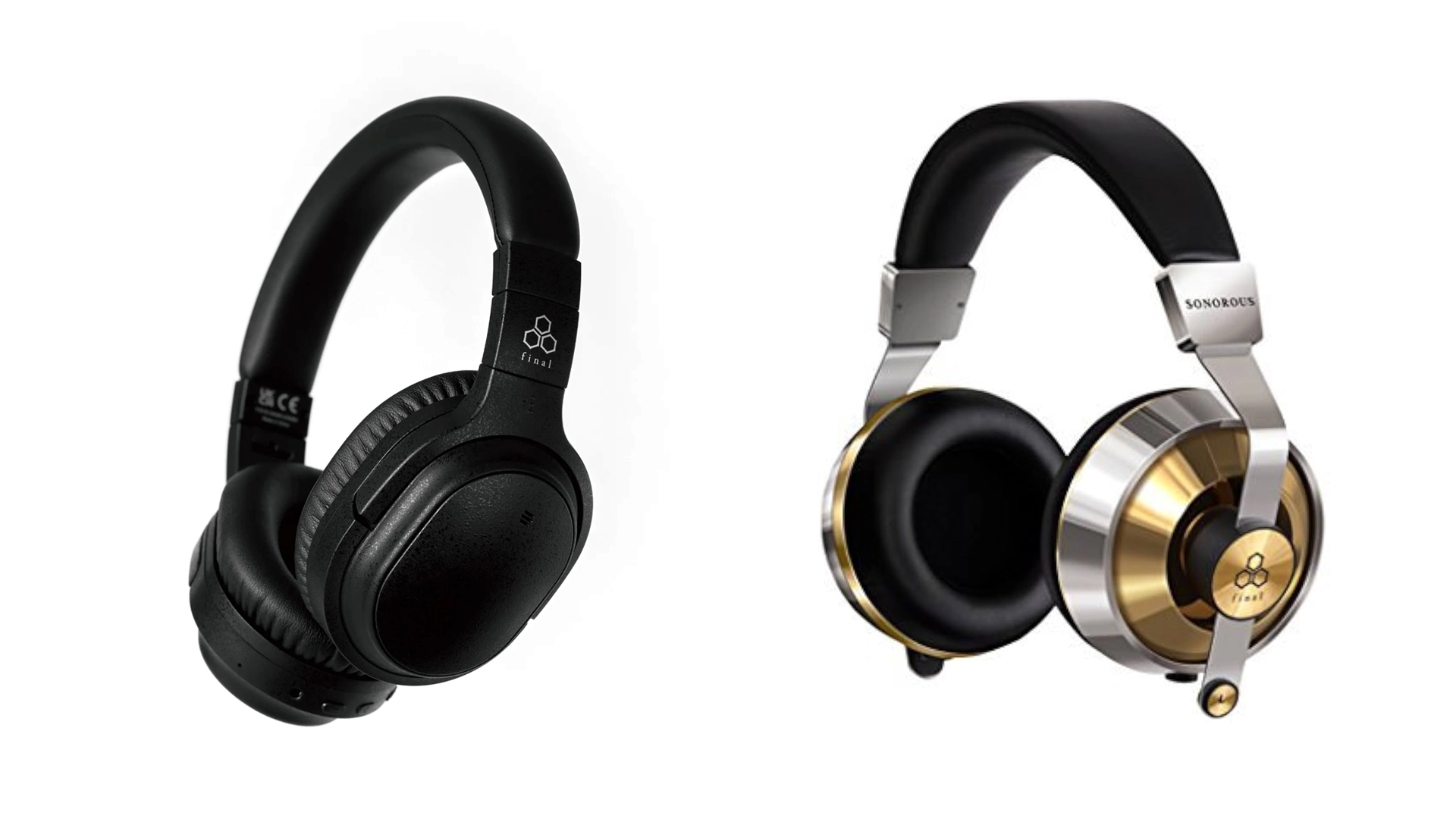
Final traces its Japanese audio lineage to 1974, when Kanemori Takai established the original Final brand and pursued unconventional analogue and transducer designs, including a cartridge with a one-piece diamond cantilever and stylus. The modern company began a new chapter when Takai and engineer Takashi Yamaguchi established Final Audio Design in 2007; earphone production followed in 2009, and S’NEXT brought the operation and final name together after a management buyout in 2014. Current products range from E-, A- and B-series earphones to D-series headphones and true-wireless models. Landmark projects show the engineering range: the user-tunable MAKE earphones, the titanium 3D-printed LAB I and the D8000 planar-magnetic headphone with Air Film Damping System. The brand is therefore neither a generic IEM maker nor an uninterrupted single corporation—the accurate story is a 1974 design lineage continued by today’s S’NEXT team.
Focal

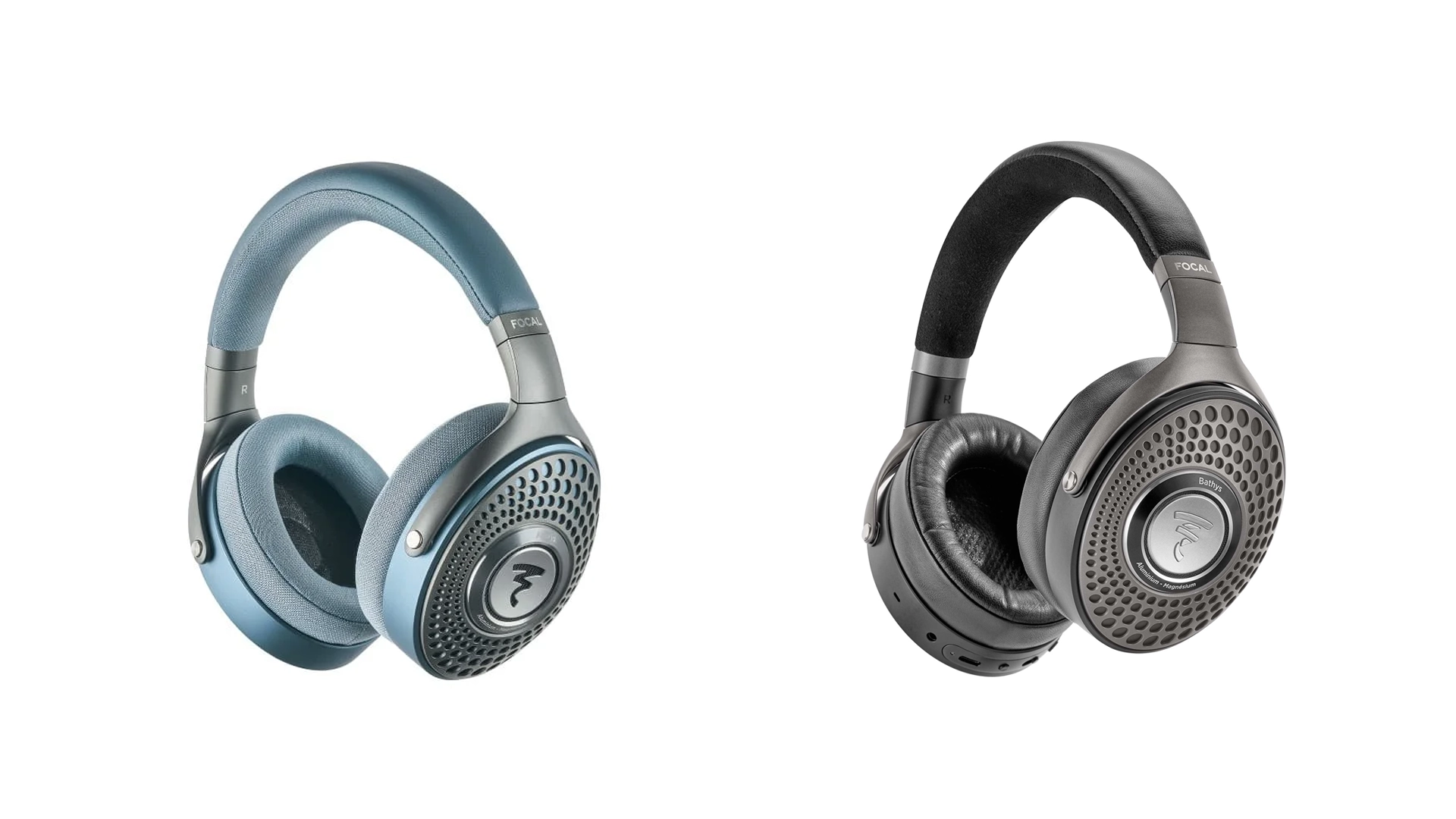
Few audio manufacturers cover as much of the reproduction chain as Focal while still developing and making key drivers in-house. Engineer Jacques Mahul founded Focal-JMlab in Saint-Étienne in 1979, initially building loudspeaker drivers and complete systems in a family precision-engineering workshop. The French company now serves home hi-fi and cinema, professional studios, car audio, headphones and custom installation. Its technical identity is visible in pure-beryllium tweeters, W-composite and K2 cones, flax-sandwich diaphragms, M-shaped profiles and Tuned Mass Damper surrounds; each technology is used where its stiffness, mass or resonance behaviour suits the product. Landmark Utopia loudspeakers established Focal’s high-end reputation, while Sopra, Kanta, Aria Evo X and Vestia broaden the home range. Bathys, Clear, Stellia and Utopia headphones bring the same driver-led philosophy closer to the listener. Cabinet making for the upper loudspeaker lines and much of the driver production remain centred in France.