An icon for a home theater video projector.

Projectors for Home Theater

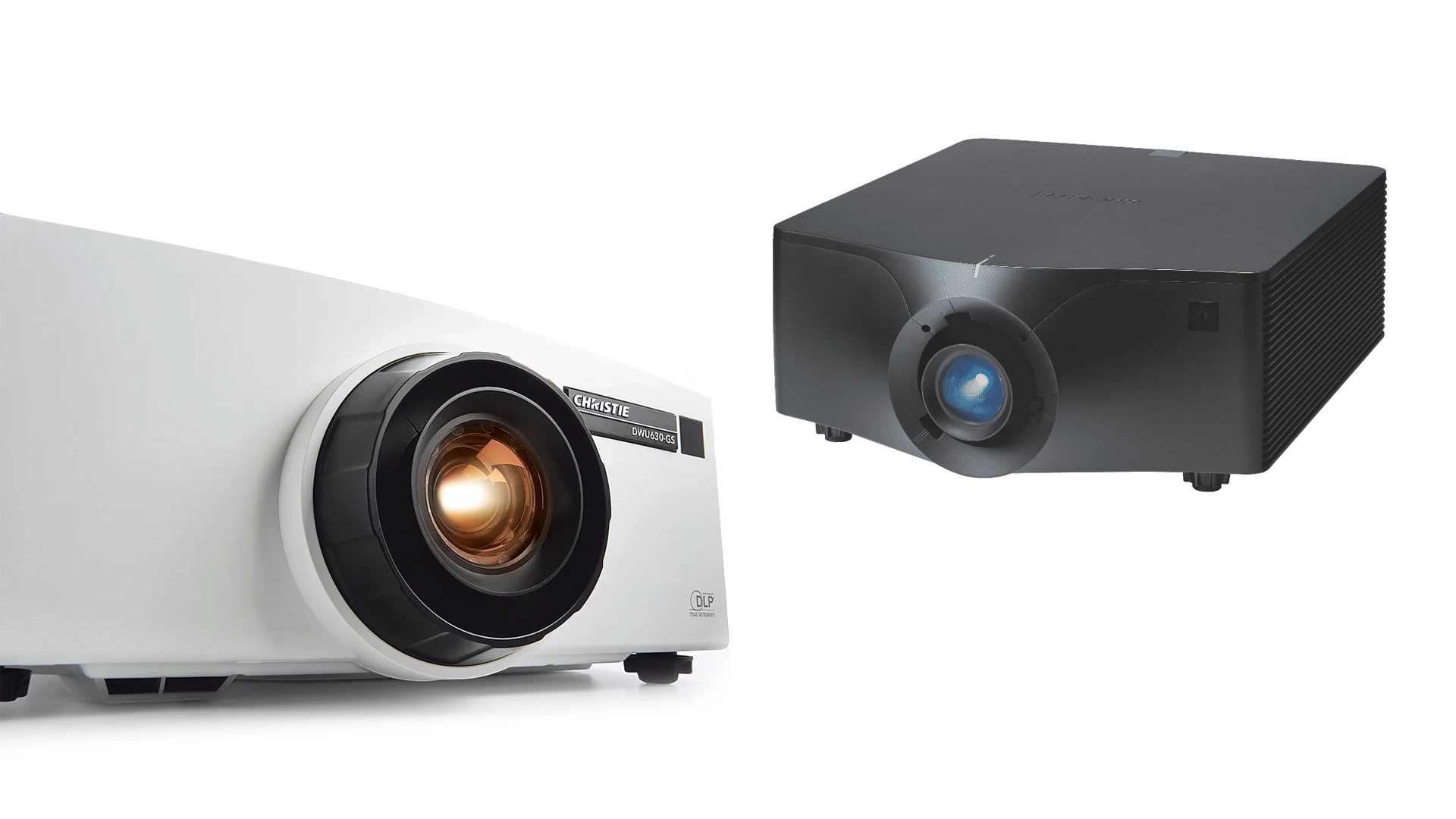
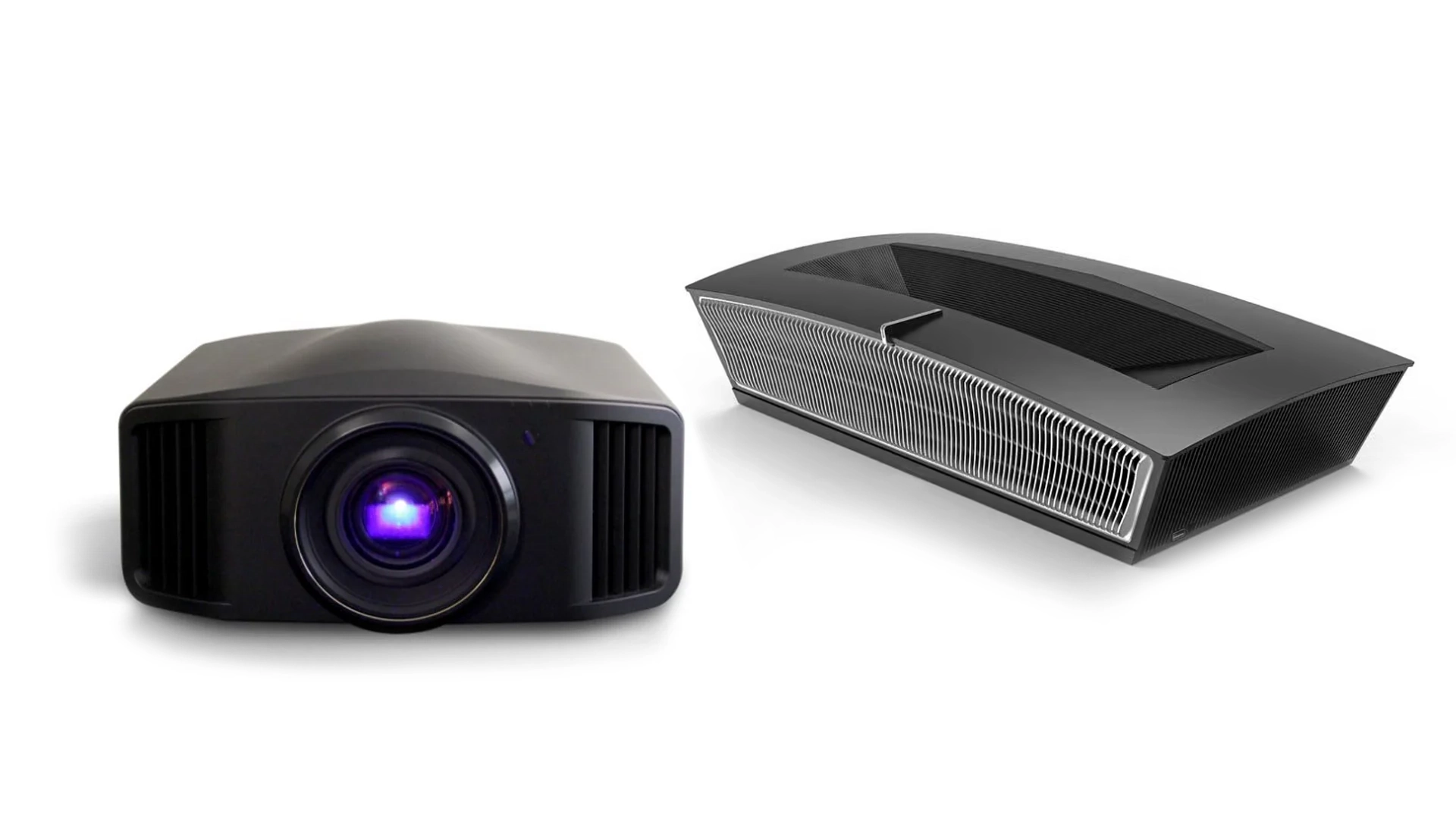
A home cinema projector is designed to create a large-scale, immersive image that no television can match. Unlike business projectors, these devices are optimized for performance in a dark room, focusing on accurate color, deep black levels, and high contrast for a stunningly realistic picture. Today’s models feature key technologies like 4K resolution and High Dynamic Range (HDR). This guide lists the leading brands that manufacture these gateways to a true big-screen experience.

11

Hi-Fi brands in the category

Summary information and image

Direct links to official websites

Filters
Search
Country
See more See less

Christie is a professional visual-technology company whose equipment moves images from cinema projection booths to large venues, themed attractions, control rooms and simulation systems. S. L. Christie established the original California business in 1929 to build battery chargers and power supplies before it became an important supplier of 35 mm cinema projectors and lamp houses. Japanese light-source specialist Ushio acquired Christie in 1992. Christie then became the first licensee of Texas Instruments’ DLP technology and acquired Electrohome’s Canadian projection operation in 1999, accelerating its move into digital cinema. Its current portfolio includes high-brightness laser projectors, cinema systems, direct-view LED, MicroTiles modular displays, image processors and media/show-control platforms. Engineering operations in Kitchener complement the US headquarters in Cypress, California. Christie’s relevance to AV is therefore not domestic hi-fi but the tightly integrated projection, processing and content-management infrastructure used where image scale, colour, reliability and continuous operation are critical.

DreamVision is a French home-cinema projection company founded in Paris in 1982 by Jean-Claude Younes, initially as the first specialist to import video projectors into the French market. From the mid-1990s it moved beyond distribution into developing and refining projectors for dedicated residential cinemas, building a reputation around high native contrast, accurate colour and custom presentation rather than mass-market office features. Current EOS Signature-L models use laser illumination and native 4K-class imaging platforms, with calibration and HDR handling aimed at large screens in controlled rooms. Earlier Siglos and Helios generations helped establish DreamVision in enthusiast and custom-install channels, while distinctive chassis work and finish options allowed the projector to fit luxury interiors instead of being treated as anonymous infrastructure. The company does not manufacture every imaging component from first principles; its value lies in selecting a strong optical platform, specifying the implementation, refining firmware and image processing, and supporting specialist integration. DreamVision is therefore most relevant to buyers seeking cinema-focused setup and dealer calibration from a long-established French projection specialist.

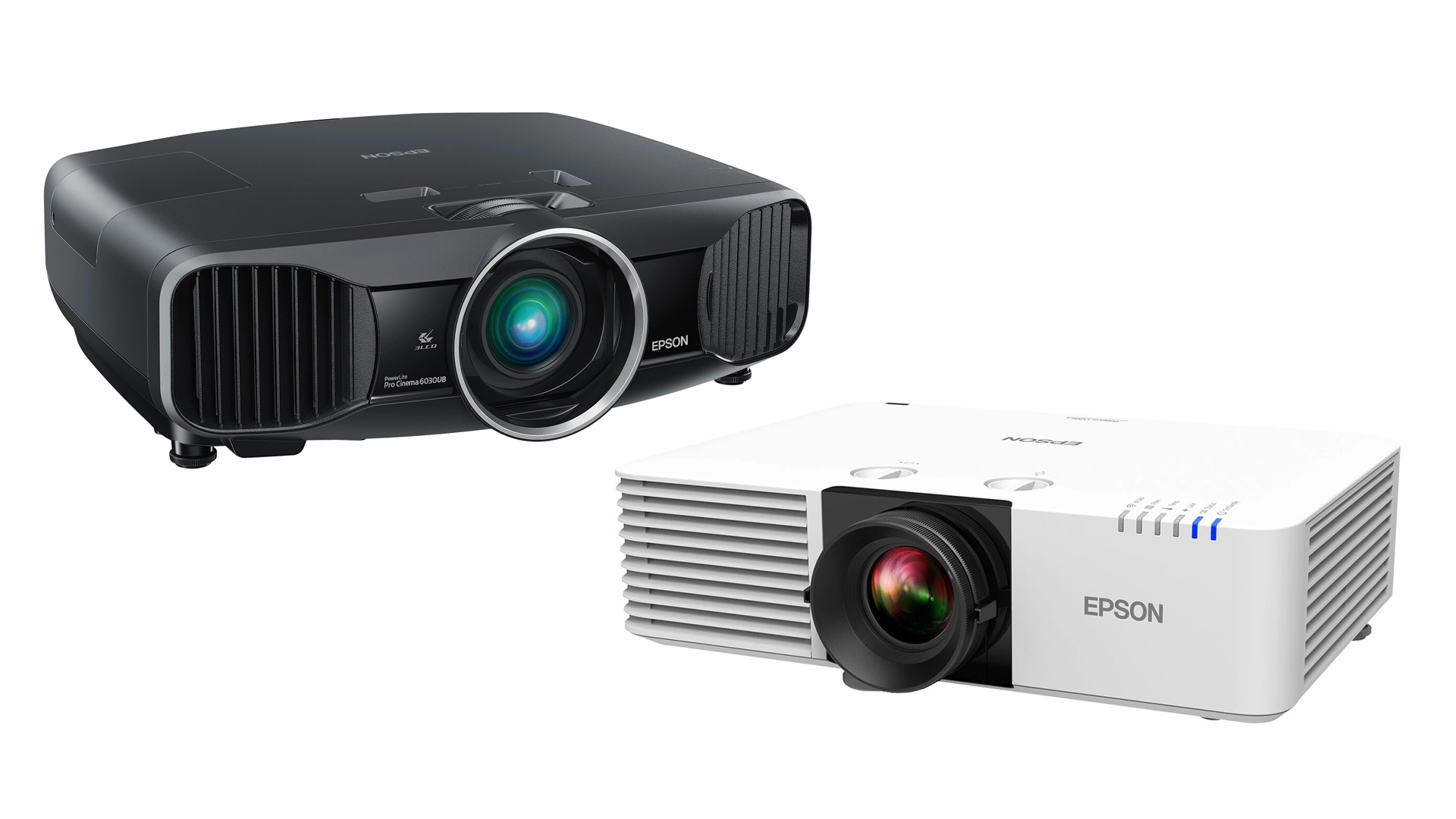
Epson is a Japanese imaging and precision-electronics company whose corporate roots reach back to Daiwa Kogyo, established beside Lake Suwa in 1942. The Epson brand itself was created in 1975, its name referring to products that would follow the EP-101 miniature printer. For home cinema, education and large-venue installation, Epson’s distinctive competence is 3LCD projection: separate red, green and blue imaging panels produce colour without a single colour wheel. Its professional laser projectors combine high light output with interchangeable lenses, extensive lens shift, geometric correction, edge blending and tools for multi-projector installations; the home-cinema range applies the same imaging expertise at domestic scale. Epson is included here not as an audio manufacturer, but as a major source of display technology for complete AV rooms and projection systems.

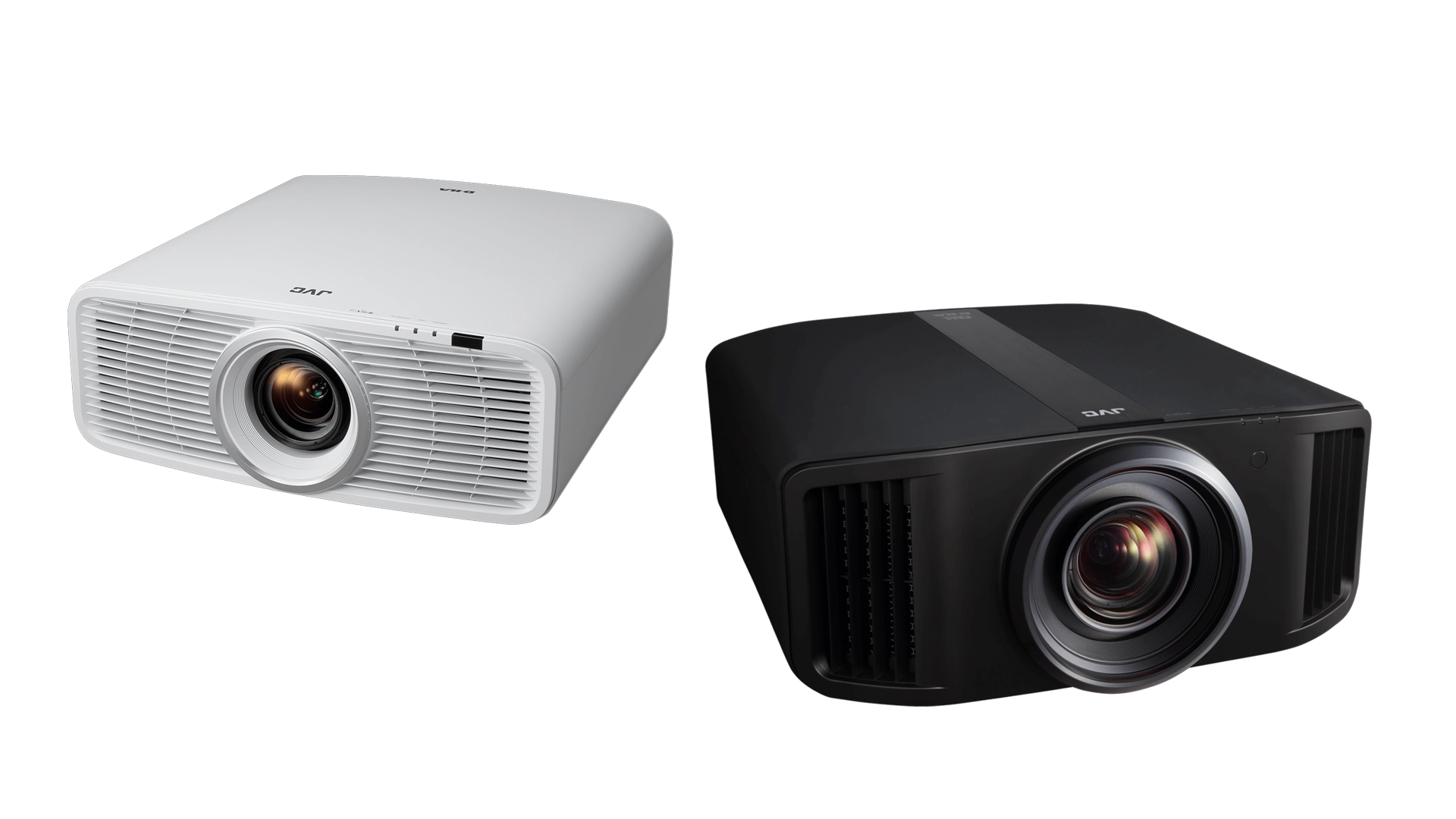
JVC is a Japanese audio-video brand whose history reaches from phonographs and recording media to headphones, car receivers and projectors. The Victor Company of Japan was established in Yokohama in 1927 as a Japanese subsidiary of the US Victor Talking Machine Company, then developed its own engineering and manufacturing base. Its best-known global achievement was VHS, introduced in 1976 and designed as a practical home-video system that could be licensed widely. Audio work ran alongside it: the Nivico export name, compact systems, tape equipment, speakers, headphones and later EXOFIELD spatial-processing products all belong to different periods of the same company. JVC merged with Kenwood in 2008 and now operates as a brand of JVCKENWOOD, so it should not be described as a fully independent multinational company. The current audio identity is concentrated in wireless and wired headphones, car multimedia and selected home products, while D-ILA projection represents another important specialist branch. JVC’s real strength is format and application engineering across sound and image, not a single timeless product range.

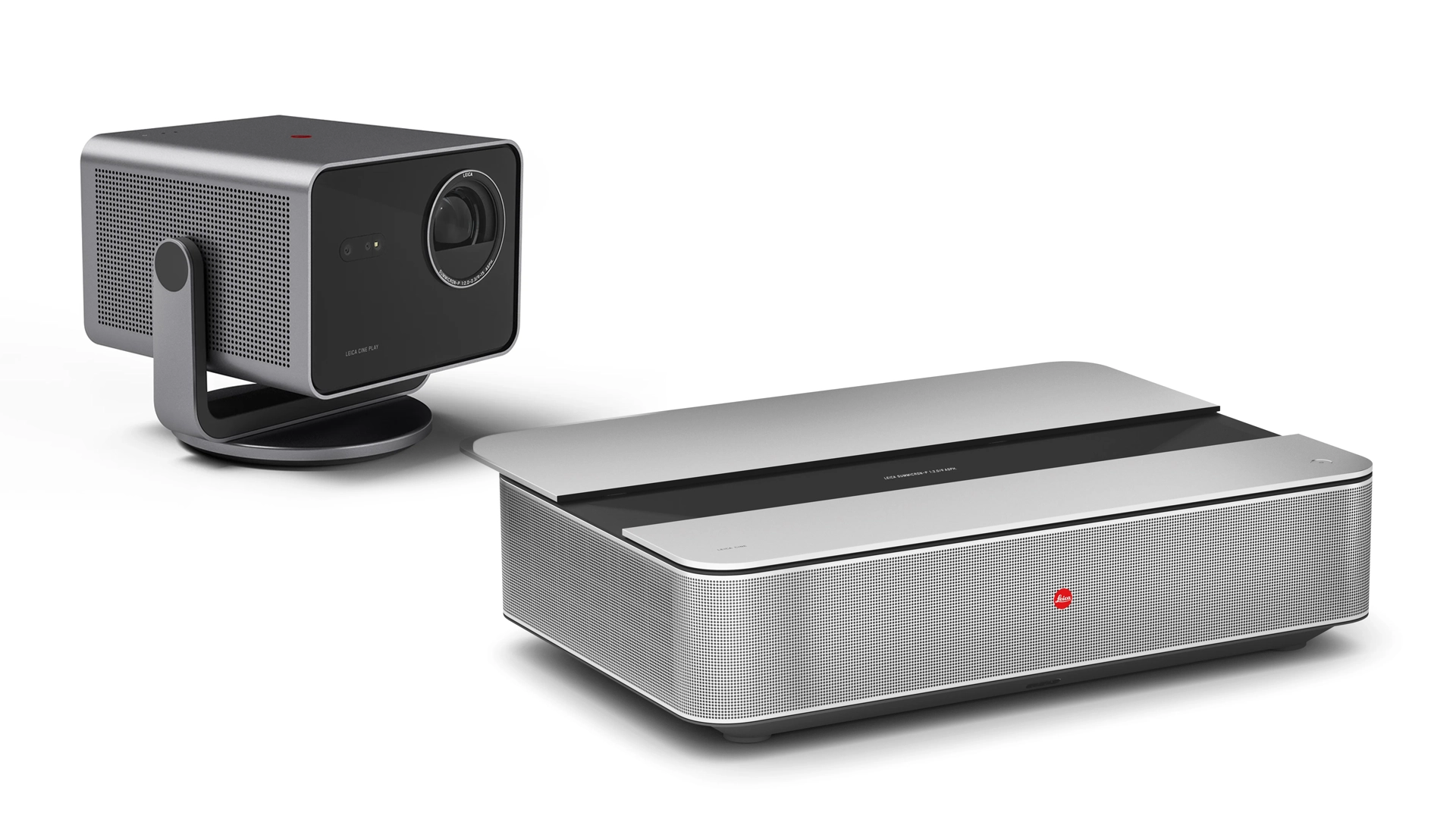
Leica Cinema is the home-cinema division of Leica Camera, launched in 2022 to apply the company’s optical expertise to laser projection. It should not be dated to 1869—the origin of the Ernst Leitz enterprise—because Leica Cinema is a modern product activity developed with projection technology partners. Its centrepiece is the Cine 1, an ultra-short-throw 4K laser television available for defined screen sizes. A Leica Summicron lens and triple-RGB laser light engine are paired with Leica Image Optimization processing to control sharpness, colour and tonal rendering, while integrated television tuners, streaming functions and audio make it a complete large-screen system rather than a conventional long-throw projector. The Cine Play 1 offers a more flexible compact projector format, and the Cine Compact 1 extends the range toward portable, room-friendly use. Depending on model and market, the platform supports current HDR and immersive-audio formats, with motorised or matching screens available for installation. Leica Cinema’s distinctive contribution is precise optical design, restrained industrial design and image processing under one recognisable photographic brand—not an attempt to recast Leica’s entire 19th-century history as a cinema lineage.

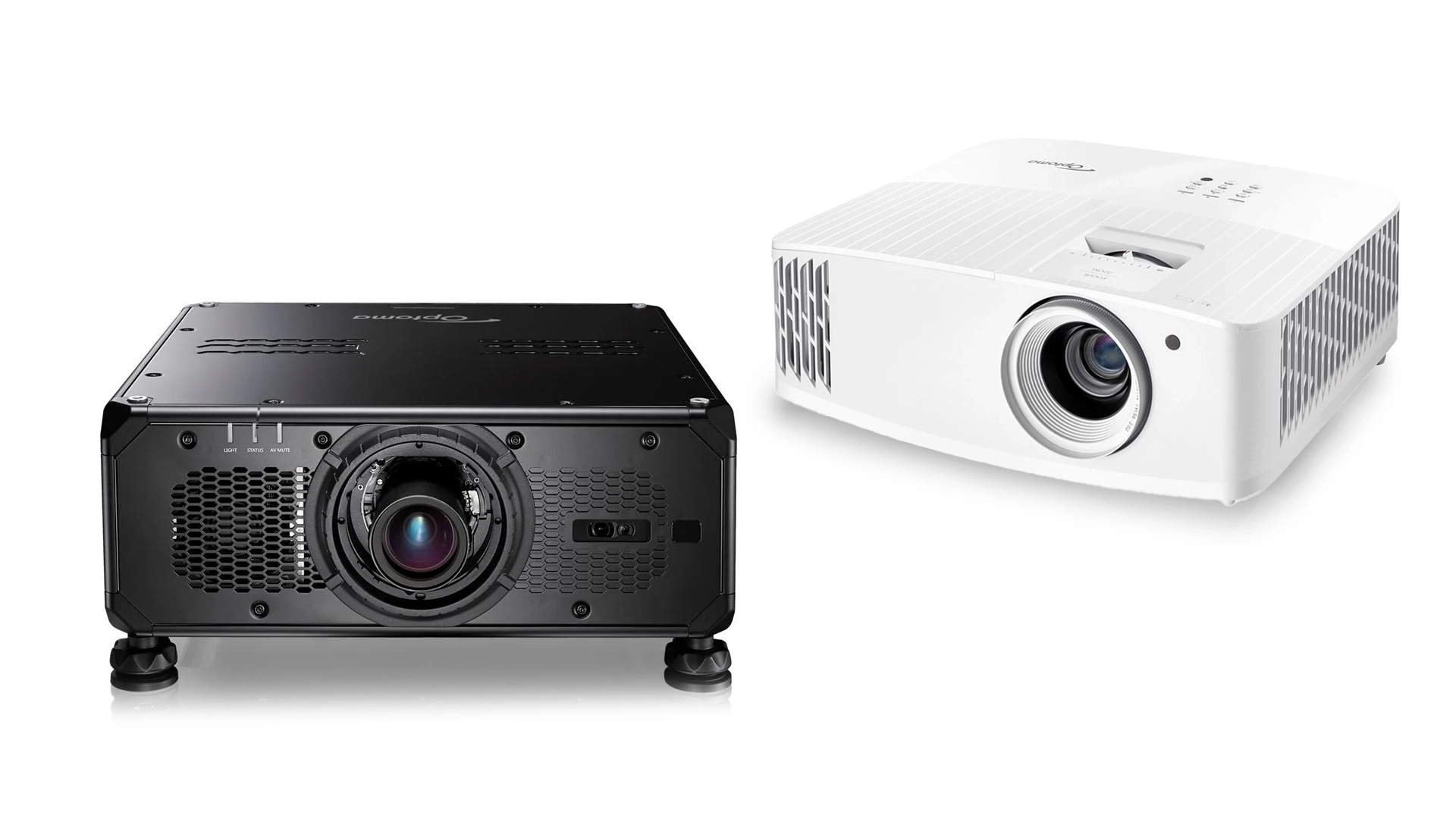
Optoma is the Taiwanese-origin visual-technology brand established in 2002 as an independent company within the wider Coretronic manufacturing ecosystem. Although it has sold audio products at different points in its history—including the NuForce business acquired in 2014—its durable identity is projection. Optoma develops products for home cinema, gaming, education, corporate presentation, simulation and large professional installations rather than operating as a conventional hi-fi electronics maker. DLP imaging forms the technical foundation of much of the range. CinemaX ultra-short-throw projectors place a large image close to the wall, home and gaming models balance colour, latency and light output, while ProScene systems address higher-brightness and multi-projector applications. Optoma has progressively moved from replaceable lamps toward laser and LED illumination; its DuraCore platform combines solid-state light sources with cooling and dust-resistant optical design to extend service life in demanding installations. Interactive flat panels and display-management software now complement projection, reflecting the shift from a hardware-only manufacturer to complete visual systems. An accurate description should therefore keep NuForce as a historical acquisition, not make it the centre of present-day Optoma. The brand’s real know-how lies in compact DLP optical engines, installation flexibility and long-life solid-state projection across consumer and professional environments.

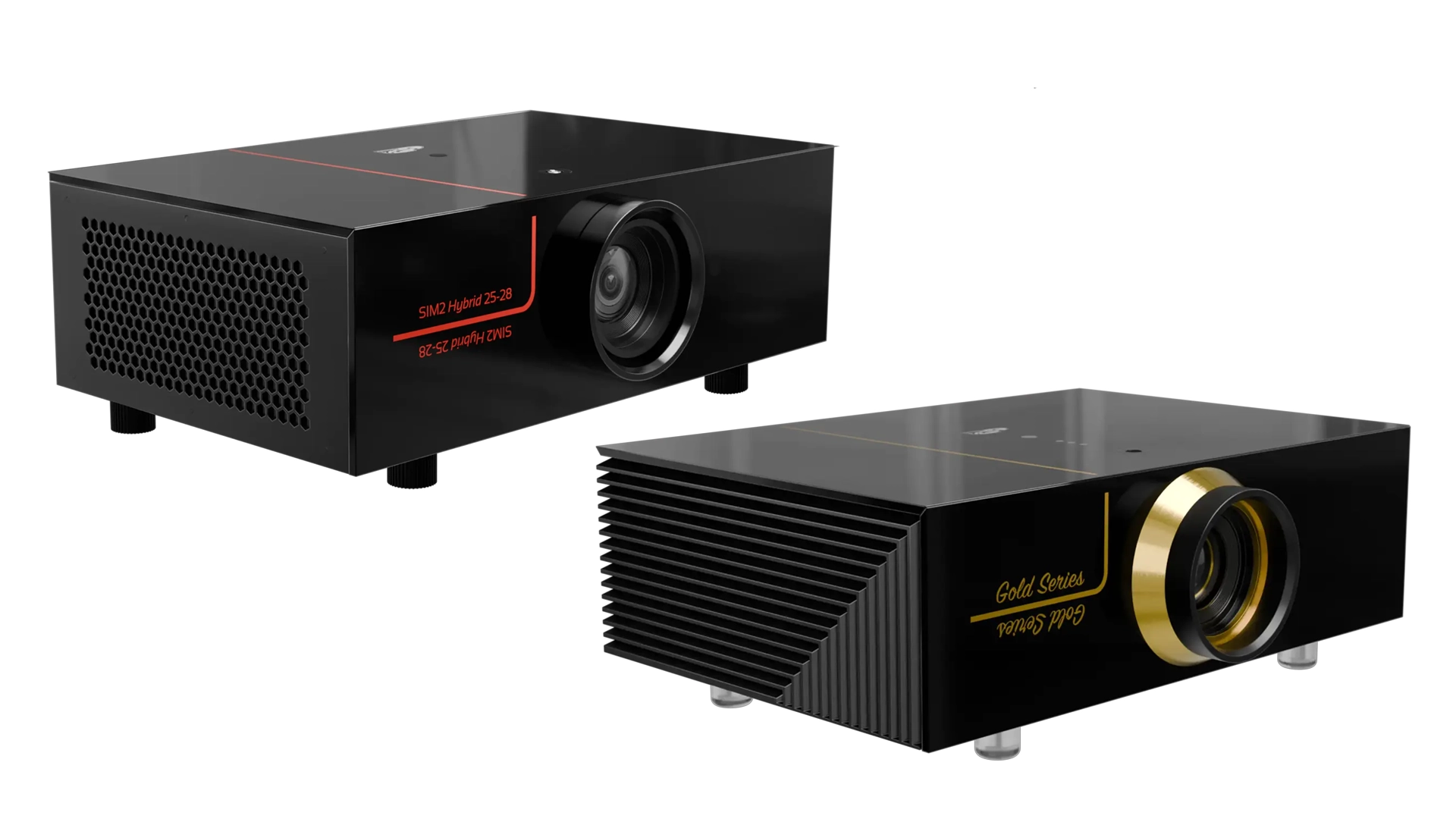
SIM2 is an Italian specialist in premium video projection, established in 1995 from the multimedia activities of the Seleco group. Based in Pordenone, it built an international reputation around Texas Instruments DLP technology and the optical, thermal and colour-management engineering required to turn a DMD imaging chip into a convincing large picture. Early Grand Cinema projectors made high-performance home cinema a central part of the business, while the distinctive three-lens C3X series used separate DLP devices for red, green and blue to avoid colour-wheel compromises. SIM2 later combined DLP with LED, laser and hybrid light sources, and developed high-brightness HDR systems for content grading, demonstrations and specialised installations. The current catalogue includes compact and full-size 4K home-cinema projectors in Domino, Crystal and Nero families, together with short-throw, professional and custom solutions for screening rooms, yachts, museums, hospitality, simulation and other controlled environments. Models differ substantially in lens, light output, colour volume and installation flexibility, so SIM2’s work is not captured by resolution figures alone. Optical alignment, black level, tone mapping, colour calibration, cooling and chassis design determine whether a projector remains accurate and quiet in a real room. The company invests heavily in R&D and keeps design and final quality control closely tied to its Italian base, while sourcing core imaging technologies from specialist partners where necessary. SIM2’s strength is concentration: unlike consumer-electronics groups that treat projection as one display category among many, it has spent three decades solving how to create a cinema-scale image with stable colour, high dynamic range and installation-grade reliability.

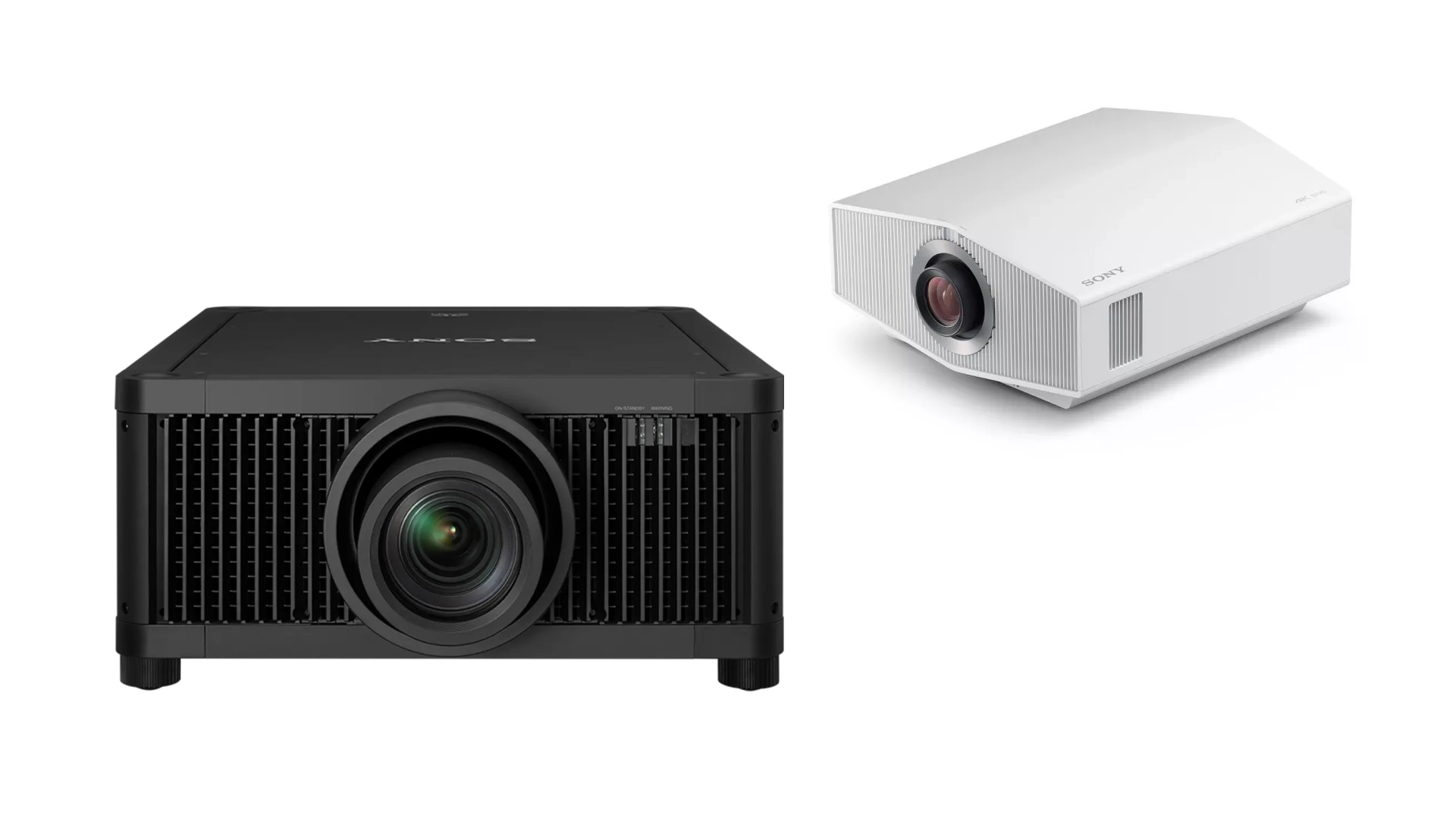
Sony helped shape both personal listening and home entertainment, from the Walkman and Compact Disc era to televisions, headphones and cinema systems. Masaru Ibuka and Akio Morita established the company in Tokyo in 1946 as Tokyo Tsushin Kogyo; the Sony name became its corporate identity in 1958. Tape recorders and transistor radios provided early foundations, but the 1979 TPS-L2 Walkman changed how people carried music with them. The CDP-101 followed in 1982, and the compact D-50 portable CD player in 1984 helped bring digital discs beyond the living room. Sony also played a central role with Philips in developing the Compact Disc and later SACD formats. Its hi-fi history includes ES amplifiers and disc players, while Walkman continued into digital music players. Headphones became another major field, spanning studio use, dedicated home listening and wireless noise-cancelling models. In video, the progression from Trinitron to BRAVIA televisions sits alongside home-cinema projectors and professional imaging equipment. Soundbars, receivers and disc players connect these audio and video interests within domestic systems. Sony’s scale matters because it works across recording, signal processing, playback hardware and entertainment production, with technologies moving between those areas. The consumer brand therefore encompasses far more than its professional AV division: it includes several of the products and formats through which generations of listeners first encountered recorded music and film.

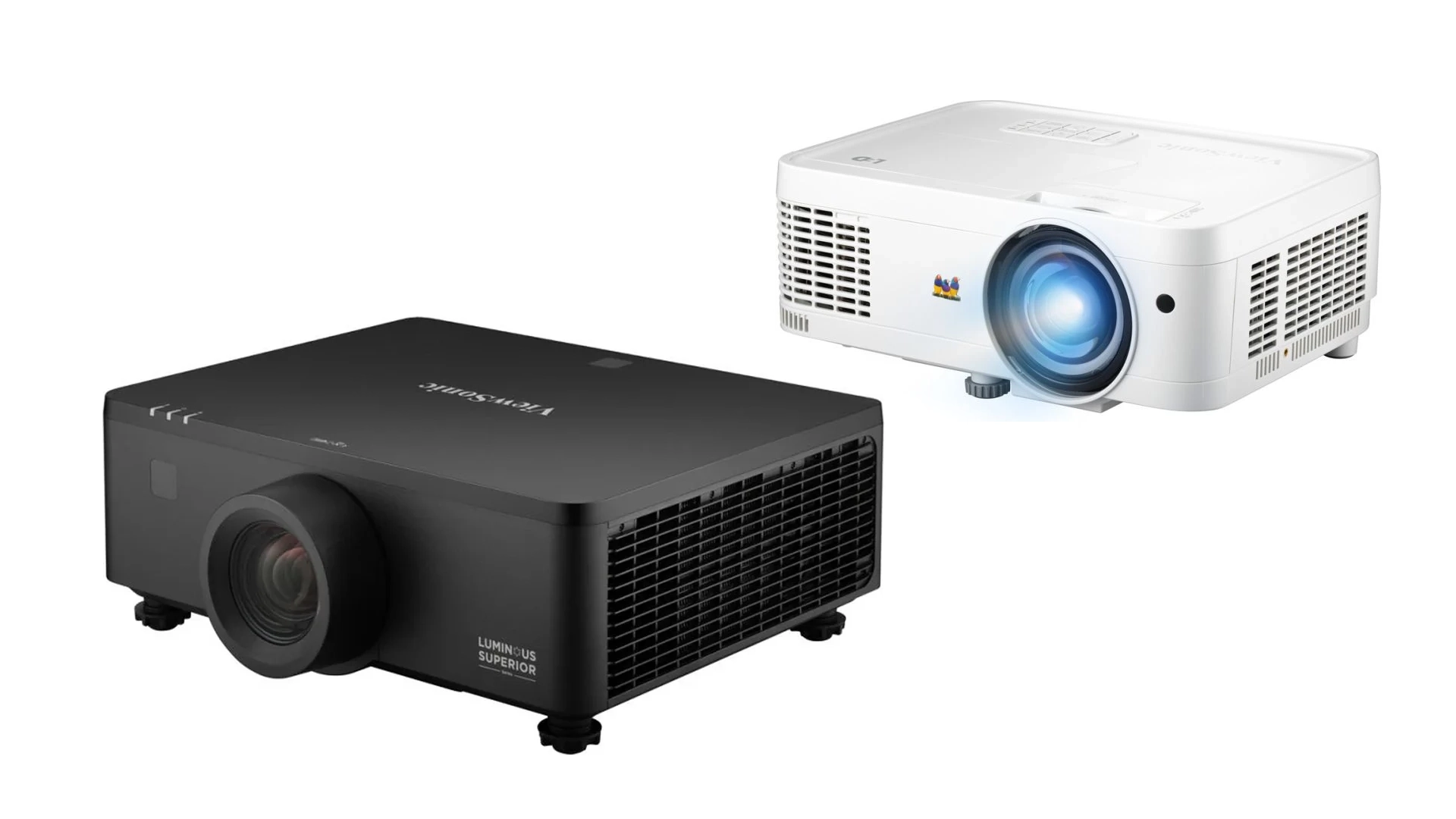
ViewSonic is an American visual-technology company whose relevance to audio-video systems comes through displays and projectors, not through standalone hi-fi components. James Chu founded Keypoint Technology in California in 1987; after launching monitors under the ViewSonic name, the company adopted that identity in 1990. The three Gouldian finches in its logo became familiar on desktop CRTs and later LCD monitors, helping ViewSonic grow from a display distributor into a global product developer with headquarters in Brea, California, and significant engineering operations in Taiwan. Today the range spans office, professional, creator and gaming monitors; portable screens; home-entertainment and installation projectors; ViewBoard interactive displays; commercial signage; direct-view LED walls and software for education and collaboration. Projectors and displays frequently include speakers, audio outputs, HDMI connectivity and control features, but sound is a supporting function within a visual platform. ViewSonic’s more meaningful strengths are image processing, colour-focused monitor lines, low-latency gaming displays and integrated hardware/software systems for classrooms and meeting rooms. ViewBoard in particular moved the company beyond selling panels into shared annotation, device management and hybrid-work workflows. This distinction prevents the brand from being misclassified: ViewSonic belongs in an AV directory because it supplies the image endpoint and collaborative display infrastructure used alongside audio systems. Its history is the evolution of a Californian monitor brand into a broad international visual-solutions company, not the story of an audio manufacturer.

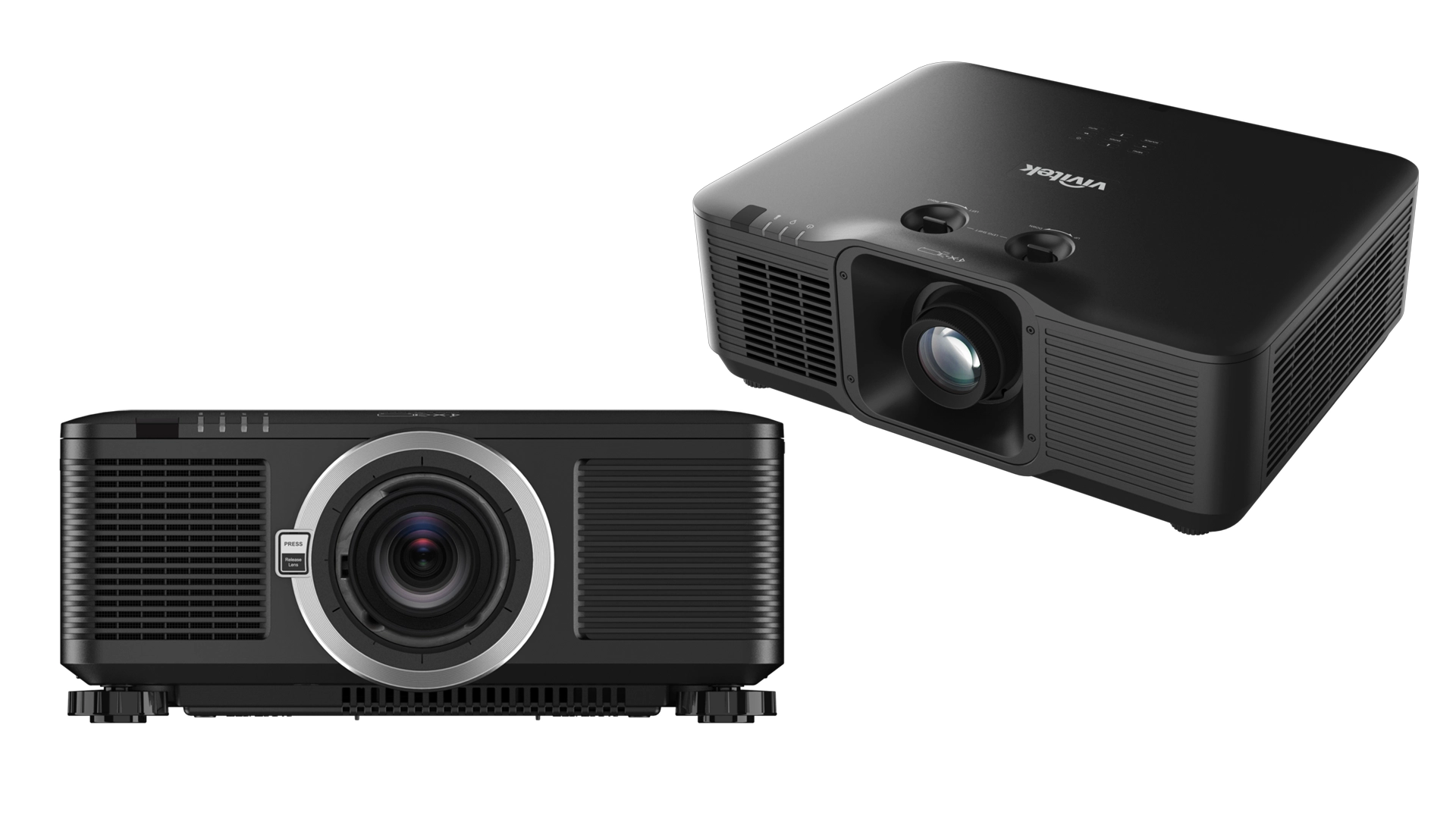
Vivitek is the visual-solutions brand of Taiwan-based Delta Electronics, introduced in 2008 and developed for business, education, large venues and home entertainment. It is not primarily an audio manufacturer, even though many of its projectors and collaborative displays include speakers and audio connections. The brand belongs in an AV directory for its image and presentation technologies: portable and installation projectors, laser light sources, large-format interactive displays, direct-view LED walls, digital signage and wireless collaboration. Early products helped establish Vivitek through DLP projection, including compact Qumi LED projectors that brought a genuinely portable form to big-screen viewing. The company has continued using DLP imaging across home-cinema, education and high-brightness installation models, while long-life laser illumination reduces lamp changes in professional venues. NovoConnect is the other important part of its identity. The platform allows multiple devices to share content wirelessly in classrooms and meeting rooms; NovoDS extends the ecosystem into digital signage and central content management. This combination moved Vivitek from selling projectors as isolated hardware toward complete display and collaboration systems. Delta’s scale supplies power-electronics, thermal-management and manufacturing resources, while Vivitek operates internationally with a particularly visible European organisation. Its Taiwanese origin should remain the country designation even though regional headquarters and support are distributed globally. The accurate summary is therefore a broad visual-technology brand—strongest in projection and collaborative display infrastructure—with integrated sound serving the presentation rather than defining the product.

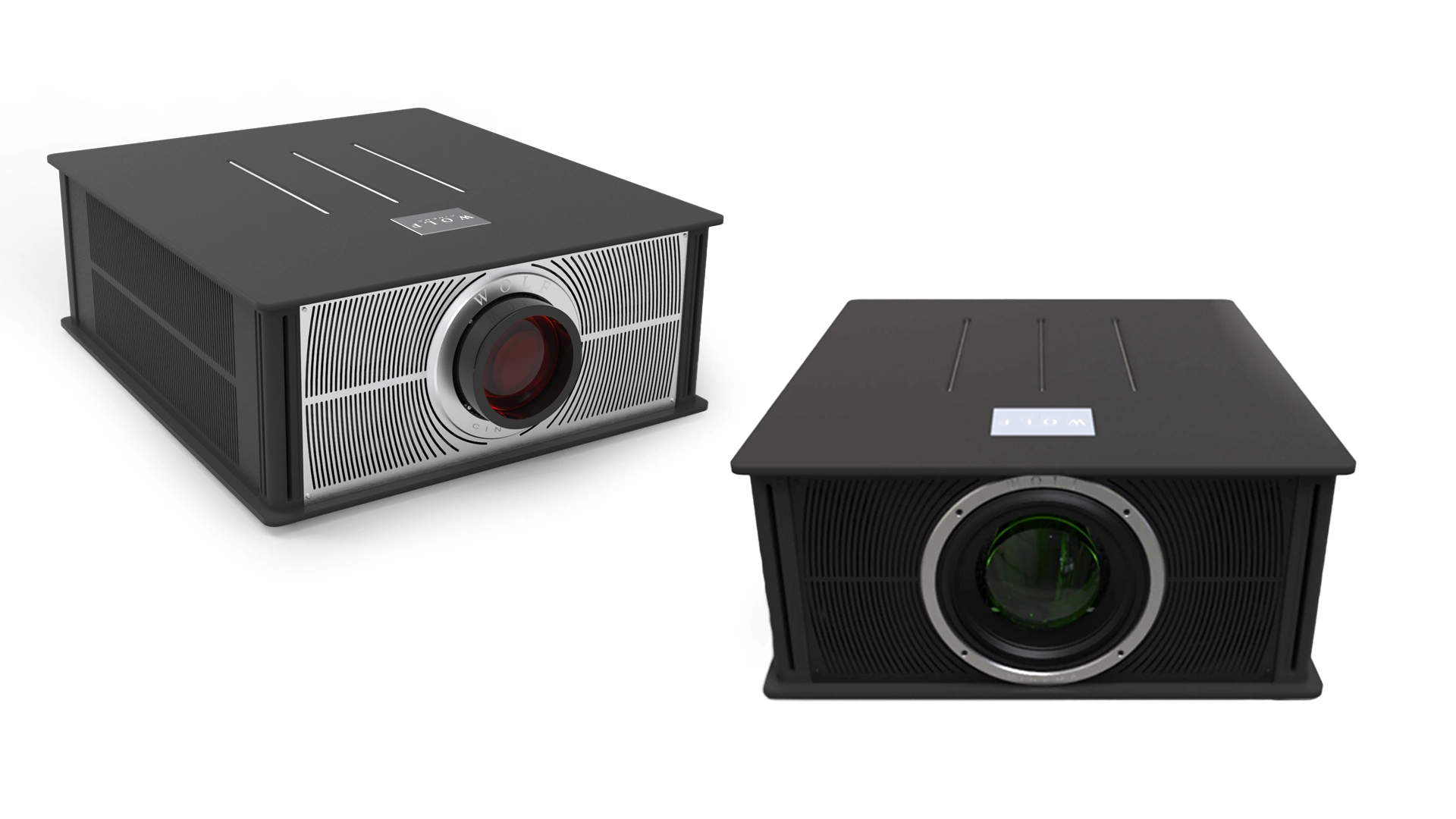
Wolf Cinema is an American specialist in reference home-theatre projection, founded by parent company Sumiko in January 2008 and established as an independent organisation in 2011. Based in Berkeley, California, the company does not manufacture every imaging engine from raw silicon; instead, it selects professional projection platforms and substantially adapts their optics, processing, power, cooling, firmware and calibration for demanding residential cinemas. That distinction is important. A Wolf projector is intended to be specified with screen size, throw distance, room light control, lens and video chain considered as one system, then installed and calibrated by a specialist. Current D-ILA-based models such as the native-4K TXF series target high contrast, accurate colour and large screens, while compact and ultra-short-throw products serve rooms where a conventional booth or long throw is impossible. External video processing has also played a central role in the brand’s systems, handling scaling, aspect ratios and calibration before the image reaches the projector. Units undergo additional testing and are supported through the custom-installation channel, with upgrade and service planning meant to protect an unusually large investment. Wolf Cinema’s strongest contribution is not a proprietary display technology comparable to DLP or D-ILA itself. It is the integration layer around those technologies: selecting a proven light engine, engineering it for quieter and more stable cinema use, and delivering a calibrated projection package whose performance is defined in the actual room rather than by a headline lumen figure.

HFS Ad Rotator · default · slot 1
HFS Ad Rotator · default · slot 2
Add a missing AV-brand or update an existing one

Add a missing AV-brand or update an existing one

Any user can submit a Quick Submission Form to suggest a new AV-brand or suggest update details for an existing one. Brand owners or official representatives of brand can fill a Official Brand Submission Form to provide complete company information, ensuring maximum accuracy and visibility in our portal. All submissions are moderated before publication. 

For suggesting new AV-brands or suggesting updating existing one by users.

Complete official form for brand owners and representatives to provide complete company details to add a new one or update an existing one

Brand Categories:
  • SPEAKERS
    • Bookshelf Speakers — Compact loudspeakers designed for placement on a shelf or dedicated stands.
    • Floorstanding Speakers — Large, full-range loudspeakers that stand directly on the floor, designed for powerful and expansive sound.
    • In-wall Custom Install Speakers — Speakers designed to be installed flush into walls or ceilings for a discreet, "zero-footprint" audio solution.
    • On-Wall Speakers — Slim, low-profile speakers designed to be mounted directly on a wall, often to complement a flat-panel TV.
    • Studio Monitors — Speakers designed for professional audio production, offering a flat, accurate, and uncolored sound reproduction.
    • Planar Ribbon Electrostatic Speakers — Speakers using large, thin diaphragms (panels) instead of cones, prized for their transparent and detailed sound.
    • Horn Speakers — Highly efficient speakers that use a flared horn to amplify a driver, known for their dynamic, "live" sound.
    • Active Powered Speakers — Loudspeakers with built-in amplifiers, creating a simple all-in-one audio solution.
    • Wireless Portable Speakers — Compact, battery-powered speakers with Bluetooth for on-the-go music.
    • Outdoor Speakers — Durable, weather-resistant speakers engineered to provide high-quality audio in open-air spaces like patios and gardens.
    • Marine Extreme Speakers — Rugged, waterproof, and corrosion-resistant speakers built to withstand harsh marine environments on boats and yachts.
    • Commercial Speakers — Durable loudspeaker systems designed for background music and public address in business environments.
    • Invisible Speakers — Architectural speakers installed in a wall and plastered over, making them completely invisible.
    • Subwoofers Bass Speakers — Specialized speakers dedicated to reproducing only the lowest bass frequencies for impact and depth for all purposes
  • AMPLIFIERS
    • Integrated Amplifiers — An all-in-one component combining a preamplifier and a power amplifier in a single chassis.
    • PreAmplifiers — The control hub of a separates audio system, used for source selection and volume control.
    • Power Amplifiers — A component with the sole job of taking a line-level signal and amplifying it to drive loudspeakers.
    • Phono Preamps Phono Stages — A device that amplifies the weak signal from a turntable's cartridge and applies necessary RIAA equalization.
    • Tube Amplifiers — Amplifiers that use vacuum tubes (valves) instead of transistors, prized for their warm and rich sound character.
    • Multi-Zone Multi-Room Amplifiers — Amplifiers that power speakers in multiple different rooms or "zones" from a single, centralized unit.
    • Network Amplifiers — An integrated amplifier with built-in networking and streaming capabilities, creating a modern "just add speakers" system.
    • Desktop Headphone Amplifiers — Mains-powered amplifiers designed to drive high-quality headphones in a desktop or home audio system.
    • Portable Headphone Amplifiers Players — Compact, battery-powered devices (DAPs or amps) for delivering high-quality sound on the move.
  • DAC STREAMERS
    • DAC Desktop — Digital-to-Analog Converters designed to improve sound quality from a computer or other home digital source.
    • DAC Portable — Compact, battery-powered Digital-to-Analog Converters for improving audio from smartphones and laptops.
    • Music Streamers — Devices that connect to the internet to access and play music from online services like Tidal and Spotify.
    • Network Players — Source components focused on high-fidelity playback of digital audio files from a local network (NAS drive).
    • Music Servers HDD Storages — Dedicated devices for storing, managing, and playing a local digital music library with high fidelity.
    • CD Transport Media Players — High-precision disc players that read physical media (CDs, SACDs) and output a pure digital signal to an external DAC.
    • Compact All-in-One Systems — Self-contained audio systems that combine source, amplification, and often speakers into a single, compact unit.
    • Streaming Amplifier — An integrated amplifier with built-in streaming capabilities.
  • TURNTABLES VINYL
    • Turntables — Electromechanical devices that play vinyl records by rotating them at a stable speed.
    • Tonearms — The precision arm on a turntable that holds the cartridge, allowing the stylus to track the record groove.
    • Cartridges — The transducer on a turntable's tonearm that holds the stylus and converts groove vibrations into an electrical signal.
    • Vinyl Cleaning Machine — Specialized machines that use fluid and vacuum/ultrasonic action to deep-clean vinyl records.
    • Vinyl Accessories — Essential tools for setup and maintenance, like clamps, brushes, and alignment protractors.
  • HEADPHONES
    • In-Ear Earbuds — Ultra-portable listening devices, including True Wireless (TWS) models, designed for convenience and daily use.
    • In-Ear Monitors IEM — High-performance in-ear headphones that seal in the ear canal for superior sound isolation and detail.
    • On-Ear Headphones — Headphones with cushions that rest directly on the ears, offering a balance of portability and sound quality.
    • Over-Ear Headphones — Full-sized headphones with large earcups that completely encircle the ears for maximum comfort and immersion.
    • Wireless Headphones — Headphones that connect to source devices via Bluetooth, often featuring Active Noise Cancellation (ANC).
    • Planar Magnetic Ribbon Headphones — High-end headphones using a thin, flat diaphragm driven by magnets, known for their detailed and low-distortion sound.
    • Electrostatic Headphones — High-end headphones using a massless diaphragm in an electrostatic field, requiring a special energizer/amplifier.
  • HOME THEATER
    • AV Receivers Media Players — Central components of a home cinema, combining audio/video processing, amplification, and playback.
    • Home Theater Speakers — Matched sets of speakers (front, center, surround) designed to create an immersive cinematic soundfield.
    • Soundbars — A simple, all-in-one speaker bar that provides a significant audio upgrade over a television's built-in speakers.
    • Subwoofers — Specialized speakers dedicated to reproducing only the lowest bass frequencies for impact and depth for home theaters
    • Processors Amplifiers — High-end home cinema "separates" consisting of a surround sound processor and a multi-channel power amplifier.
    • Screens — High-quality projection surfaces designed to provide an optimal image for a home cinema projector.
    • Projectors — Video projectors optimized for home cinema use, focusing on color accuracy, contrast, and black levels.
  • CABLES ACCESSORIES
    • Speaker Cables — Cables that carry the amplified, high-level signal from an amplifier to passive loudspeakers.
    • Analog Cables — Cables (RCA, XLR) used to transmit analog audio signals between components like DACs and amplifiers.
    • Digital Cables — Cables (Coaxial, Optical, USB) that transmit digital audio data between components.
    • Phono Cables — Specially shielded cables designed to carry the delicate, low-level signal from a turntable to a phono preamp.
    • Headphone Cables — Aftermarket and replacement cables used to upgrade or customize high-quality headphones.
    • Connectors Terminals — The fundamental hardware (plugs, jacks, spades, etc.) used to terminate cables and connect equipment.
    • Power Cables — High-performance AC cords designed to deliver clean, noise-free power to audio components.
    • Power Supplies Conditioners — Devices that filter, stabilize, and protect the AC power supplied to an audio system for improved performance.
  • FURNITURE
    • Speaker Stands Mounts — Stands and mounts used to position speakers at the correct height and angle for optimal sound.
    • Furniture Racks — Purpose-built furniture designed to house audio/video components with a focus on stability, ventilation, and vibration control.
    • Isolation Footers Spikes Shelves — Specialized accessories (spikes, footers, platforms) designed to manage vibrations and isolate components.
    • Soundproof Solutions — Products designed to control room acoustics, including treatment (panels, diffusers) and sound-blocking materials.
  • PROFESSIONAL
    • Concert Speakers — Large-scale PA systems, including line arrays and stage monitors, for live music and public events.
    • Cinema Speakers — Specialized, high-output loudspeaker systems certified for use in large commercial movie theaters.
    • Concert Electronics — Robust electronics including mixing consoles, processors, and amplifiers for live sound reinforcement.
    • Cinema Electronics — Professional, DCI-compliant processors and amplifiers for use in commercial movie theaters.
    • Cinema Screens — Large-format, often acoustically transparent, projection screens built to professional cinema standards.
    • Cinema Projectors — Ultra-high-brightness, DCI-compliant projectors designed for continuous use in commercial movie theaters.
    • Professional Cables Accessories — Rugged, reliable cables and hardware (e.g., snake cables, Speakon connectors) for touring and professional installation.
  • DIY Components
    • Speaker drivers Tweeters — The individual transducers (woofers, mid-range, tweeters) that are the fundamental building blocks of a loudspeaker.
    • Coaxial Speaker Drivers — Speaker drivers where the tweeter is mounted in the center of the woofer, creating a single point source for sound.
    • DIY Speaker Kits — Complete packages including drivers, crossovers, and plans for enthusiasts to build their own loudspeakers.
    • Electron Vacuum Tubes — Glass valves used in tube amplifiers that provide amplification and can be replaced to tune the sound.
    • Electronic Components — Discrete parts (capacitors, resistors, transistors) used by manufacturers and DIYers to build audio circuits.
  • OTHERS
    • Line Stage — A type of preamplifier that exclusively handles line-level sources, without a built-in phono stage.
    • Time Alignment Device — A signal processor that corrects timing delays between drivers or speakers for improved sound coherence.
    • Smart Portable Speakers — Wireless portable speakers with integrated voice assistants (e.g., Alexa, Google Assistant) and smart home functionality.
    • DJ Turntables — Durable, high-torque direct-drive turntables with pitch control, built for performance and DJing applications.
    • Motor Drives — External motor units and power supplies for turntables, providing improved rotational stability and isolation.
    • Crossovers — Electronic circuits that split an audio signal into different frequency bands to route to the correct speaker driver.
    • Car Audio — Audio equipment, including speakers, amplifiers, and source units, specifically designed for use in vehicles.

Brand Categories:
  • Active Powered Speakers — Loudspeakers with built-in amplifiers, creating a simple all-in-one audio solution.
  • Analog Cables — Cables (RCA, XLR) used to transmit analog audio signals between components like DACs and amplifiers.
  • AV Receivers Media Players — Central components of a home cinema, combining audio/video processing, amplification, and playback.
  • Bookshelf Speakers — Compact loudspeakers designed for placement on a shelf or dedicated stands.
  • Car Audio — Audio equipment, including speakers, amplifiers, and source units, specifically designed for use in vehicles.
  • Cartridges — The transducer on a turntable's tonearm that holds the stylus and converts groove vibrations into an electrical signal.
  • CD Transport Media Players — High-precision disc players that read physical media (CDs, SACDs) and output a pure digital signal to an external DAC.
  • Cinema Electronics — Professional, DCI-compliant processors and amplifiers for use in commercial movie theaters.
  • Cinema Projectors — Ultra-high-brightness, DCI-compliant projectors designed for continuous use in commercial movie theaters.
  • Cinema Screens — Large-format, often acoustically transparent, projection screens built to professional cinema standards.
  • Cinema Speakers — Specialized, high-output loudspeaker systems certified for use in large commercial movie theaters.
  • Coaxial Speaker Drivers — Speaker drivers where the tweeter is mounted in the center of the woofer, creating a single point source for sound.
  • Commercial Speakers — Durable loudspeaker systems designed for background music and public address in business environments.
  • Compact All-in-One Systems — Self-contained audio systems that combine source, amplification, and often speakers into a single, compact unit.
  • Concert Electronics — Robust electronics including mixing consoles, processors, and amplifiers for live sound reinforcement.
  • Concert Speakers — Large-scale PA systems, including line arrays and stage monitors, for live music and public events.
  • Connectors Terminals — The fundamental hardware (plugs, jacks, spades, etc.) used to terminate cables and connect equipment.
  • Crossovers — Electronic circuits that split an audio signal into different frequency bands to route to the correct speaker driver.
  • DAC Desktop — Digital-to-Analog Converters designed to improve sound quality from a computer or other home digital source.
  • DAC Portable — Compact, battery-powered Digital-to-Analog Converters for improving audio from smartphones and laptops.
  • Desktop Headphone Amplifiers — Mains-powered amplifiers designed to drive high-quality headphones in a desktop or home audio system.
  • Digital Cables — Cables (Coaxial, Optical, USB) that transmit digital audio data between components.
  • DIY Speaker Kits — Complete packages including drivers, crossovers, and plans for enthusiasts to build their own loudspeakers.
  • DJ Turntables — Durable, high-torque direct-drive turntables with pitch control, built for performance and DJing applications.
  • Electron Vacuum Tubes — Glass valves used in tube amplifiers that provide amplification and can be replaced to tune the sound.
  • Electronic Components — Discrete parts (capacitors, resistors, transistors) used by manufacturers and DIYers to build audio circuits.
  • Electrostatic Headphones — High-end headphones using a massless diaphragm in an electrostatic field, requiring a special energizer/amplifier.
  • Floorstanding Speakers — Large, full-range loudspeakers that stand directly on the floor, designed for powerful and expansive sound.
  • Furniture Racks — Purpose-built furniture designed to house audio/video components with a focus on stability, ventilation, and vibration control.
  • Headphone Cables — Aftermarket and replacement cables used to upgrade or customize high-quality headphones.
  • Home Theater Speakers — Matched sets of speakers (front, center, surround) designed to create an immersive cinematic soundfield.
  • Horn Speakers — Highly efficient speakers that use a flared horn to amplify a driver, known for their dynamic, "live" sound.
  • In-Ear Earbuds — Ultra-portable listening devices, including True Wireless (TWS) models, designed for convenience and daily use.
  • In-Ear Monitors IEM — High-performance in-ear headphones that seal in the ear canal for superior sound isolation and detail.
  • In-wall Custom Install Speakers — Speakers designed to be installed flush into walls or ceilings for a discreet, "zero-footprint" audio solution.
  • Integrated Amplifiers — An all-in-one component combining a preamplifier and a power amplifier in a single chassis.
  • Invisible Speakers — Architectural speakers installed in a wall and plastered over, making them completely invisible.
  • Isolation Footers Spikes Shelves — Specialized accessories (spikes, footers, platforms) designed to manage vibrations and isolate components.
  • Line Stage — A type of preamplifier that exclusively handles line-level sources, without a built-in phono stage.
  • Marine Extreme Speakers — Rugged, waterproof, and corrosion-resistant speakers built to withstand harsh marine environments on boats and yachts.
  • Motor Drives — External motor units and power supplies for turntables, providing improved rotational stability and isolation.
  • Multi-Zone Multi-Room Amplifiers — Amplifiers that power speakers in multiple different rooms or "zones" from a single, centralized unit.
  • Music Servers HDD Storages — Dedicated devices for storing, managing, and playing a local digital music library with high fidelity.
  • Music Streamers — Devices that connect to the internet to access and play music from online services like Tidal and Spotify.
  • Network Amplifiers — An integrated amplifier with built-in networking and streaming capabilities, creating a modern "just add speakers" system.
  • Network Players — Source components focused on high-fidelity playback of digital audio files from a local network (NAS drive).
  • On-Ear Headphones — Headphones with cushions that rest directly on the ears, offering a balance of portability and sound quality.
  • On-Wall Speakers — Slim, low-profile speakers designed to be mounted directly on a wall, often to complement a flat-panel TV.
  • Outdoor Speakers — Durable, weather-resistant speakers engineered to provide high-quality audio in open-air spaces like patios and gardens.
  • Over-Ear Headphones — Full-sized headphones with large earcups that completely encircle the ears for maximum comfort and immersion.
  • Phono Cables — Specially shielded cables designed to carry the delicate, low-level signal from a turntable to a phono preamp.
  • Phono Preamps Phono Stages — A device that amplifies the weak signal from a turntable's cartridge and applies necessary RIAA equalization.
  • Planar Magnetic Ribbon Headphones — High-end headphones using a thin, flat diaphragm driven by magnets, known for their detailed and low-distortion sound.
  • Planar Ribbon Electrostatic Speakers — Speakers using large, thin diaphragms (panels) instead of cones, prized for their transparent and detailed sound.
  • Portable Headphone Amplifiers Players — Compact, battery-powered devices (DAPs or amps) for delivering high-quality sound on the move.
  • Power Amplifiers — A component with the sole job of taking a line-level signal and amplifying it to drive loudspeakers.
  • Power Cables — High-performance AC cords designed to deliver clean, noise-free power to audio components.
  • Power Supplies Conditioners — Devices that filter, stabilize, and protect the AC power supplied to an audio system for improved performance.
  • PreAmplifiers — The control hub of a separates audio system, used for source selection and volume control.
  • Processors Amplifiers — High-end home cinema "separates" consisting of a surround sound processor and a multi-channel power amplifier.
  • Professional Cables Accessories — Rugged, reliable cables and hardware (e.g., snake cables, Speakon connectors) for touring and professional installation.
  • Projectors — Video projectors optimized for home cinema use, focusing on color accuracy, contrast, and black levels.
  • Screens — High-quality projection surfaces designed to provide an optimal image for a home cinema projector.
  • Smart Portable Speakers — Wireless portable speakers with integrated voice assistants (e.g., Alexa, Google Assistant) and smart home functionality.
  • Soundbars — A simple, all-in-one speaker bar that provides a significant audio upgrade over a television's built-in speakers.
  • Soundproof Solutions — Products designed to control room acoustics, including treatment (panels, diffusers) and sound-blocking materials.
  • Speaker Cables — Cables that carry the amplified, high-level signal from an amplifier to passive loudspeakers.
  • Speaker drivers Tweeters — The individual transducers (woofers, mid-range, tweeters) that are the fundamental building blocks of a loudspeaker.
  • Speaker Stands Mounts — Stands and mounts used to position speakers at the correct height and angle for optimal sound.
  • Streaming Amplifier — An integrated amplifier with built-in streaming capabilities.
  • Studio Monitors — Speakers designed for professional audio production, offering a flat, accurate, and uncolored sound reproduction.
  • Subwoofers — Specialized speakers dedicated to reproducing only the lowest bass frequencies for impact and depth for home theaters
  • Subwoofers Bass Speakers — Specialized speakers dedicated to reproducing only the lowest bass frequencies for impact and depth for all purposes
  • Time Alignment Device — A signal processor that corrects timing delays between drivers or speakers for improved sound coherence.
  • Tonearms — The precision arm on a turntable that holds the cartridge, allowing the stylus to track the record groove.
  • Tube Amplifiers — Amplifiers that use vacuum tubes (valves) instead of transistors, prized for their warm and rich sound character.
  • Turntables — Electromechanical devices that play vinyl records by rotating them at a stable speed.
  • Vinyl Accessories — Essential tools for setup and maintenance, like clamps, brushes, and alignment protractors.
  • Vinyl Cleaning Machine — Specialized machines that use fluid and vacuum/ultrasonic action to deep-clean vinyl records.
  • Wireless Headphones — Headphones that connect to source devices via Bluetooth, often featuring Active Noise Cancellation (ANC).
  • Wireless Portable Speakers — Compact, battery-powered speakers with Bluetooth for on-the-go music.

Sales Channels:
  • Dealer & Distributor Network — The traditional sales model where products are sold through a network of authorized, independent retail stores and custom installers. This is the primary channel for most specialized Hi-Fi brands.
  • Direct-to-Consumer (DTC) — The brand sells its products directly to end-users through its own official website, bypassing traditional retail channels. A rapidly growing model in the industry.
  • Custom Installation (CI) Channel — Products are sold primarily through professional firms that design and install integrated smart home and audio-visual systems. This channel is crucial for architectural and high-end integrated solutions.
  • Mass Market Retail — Products are available in large, non-specialized consumer electronics chain stores. This typically applies to more mainstream product lines from larger brands.
  • Brand-Owned Stores / Showrooms — The brand operates its own physical, flagship retail stores or dedicated showrooms to offer a direct and immersive brand experience. This is the least common model, typically used by top-tier brands.

For companies: For any questions about listings & partnership opportunities, please contact us at contact@hifiselector.com

Have a suggestion or found a flaw? Help us improve​

Have a suggestion or found a flaw?