
Network Players
A network audio player is designed for the audiophile who wants to achieve the highest quality playback from their personal digital music collection. While most can also access online services, their core focus is on flawlessly rendering high-resolution audio files (like FLAC, WAV, or DSD) stored on a local computer or Network-Attached Storage (NAS) drive. It is the modern, high-fidelity successor to the CD player, dedicated to playing your curated library with bit-perfect precision. This directory lists manufacturers who build these high-performance players for serious digital audio enthusiasts.
Hi-Fi brands in the category
Summary information and image
Direct links to official websites
AMC

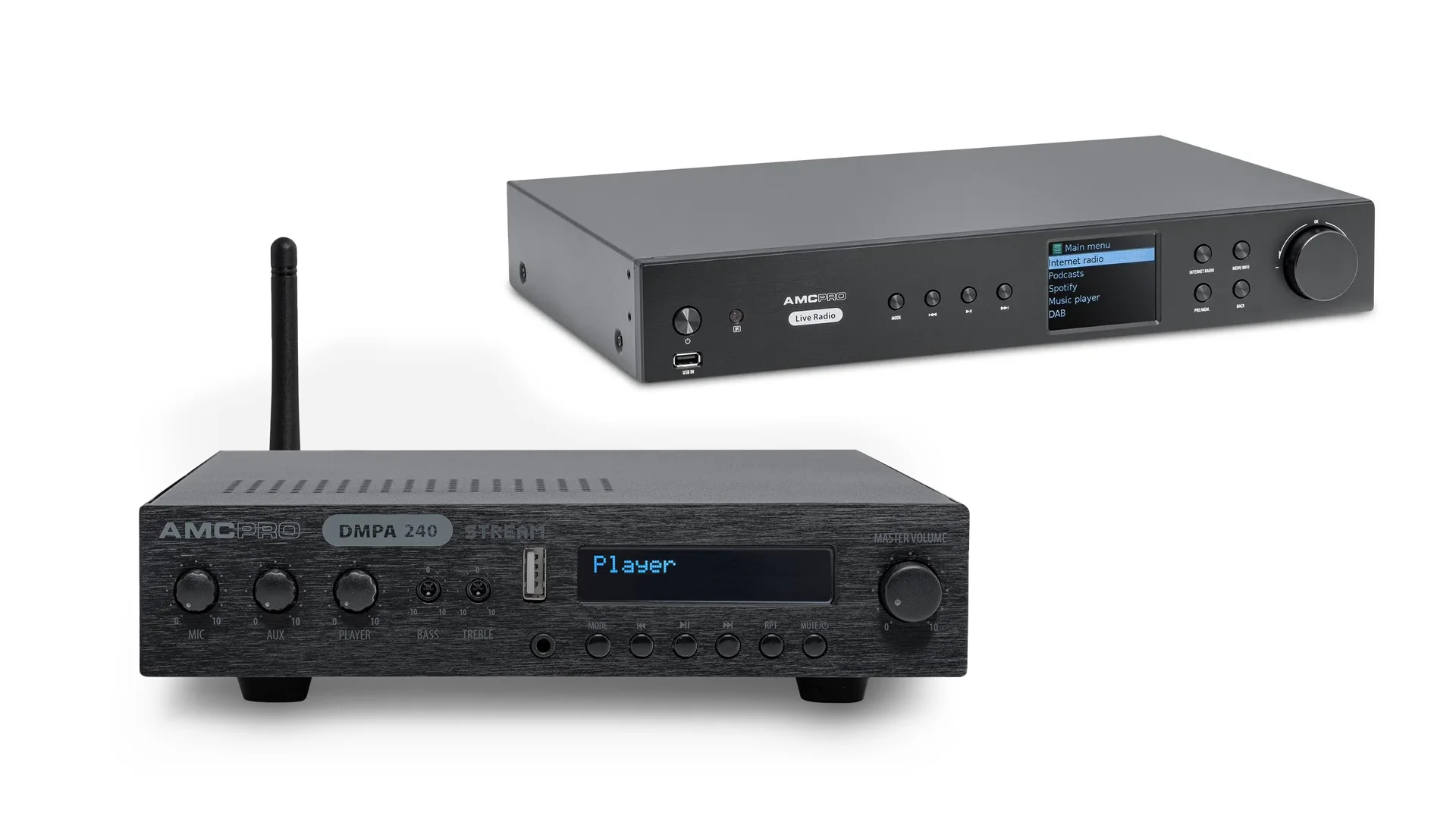
AMC offers both conventional hi-fi components and multiroom audio equipment, connecting two-channel listening with installed sound around the home. The company dates its work to 1970 and lists its headquarters in South Pasadena, California. Its hi-fi catalogue includes transistor integrated amplifiers, CVT valve amplifiers, CD players and digital-to-analogue conversion, alongside multichannel amplification. The multiroom side is organised around distributing and controlling sources in different rooms. This breadth is the useful distinction: AMC is not solely a budget stereo-amplifier label, and the technology varies across its ranges. Product choice depends on whether the task is a standalone music system, valve amplification or a distributed installation.
APL Hi-Fi

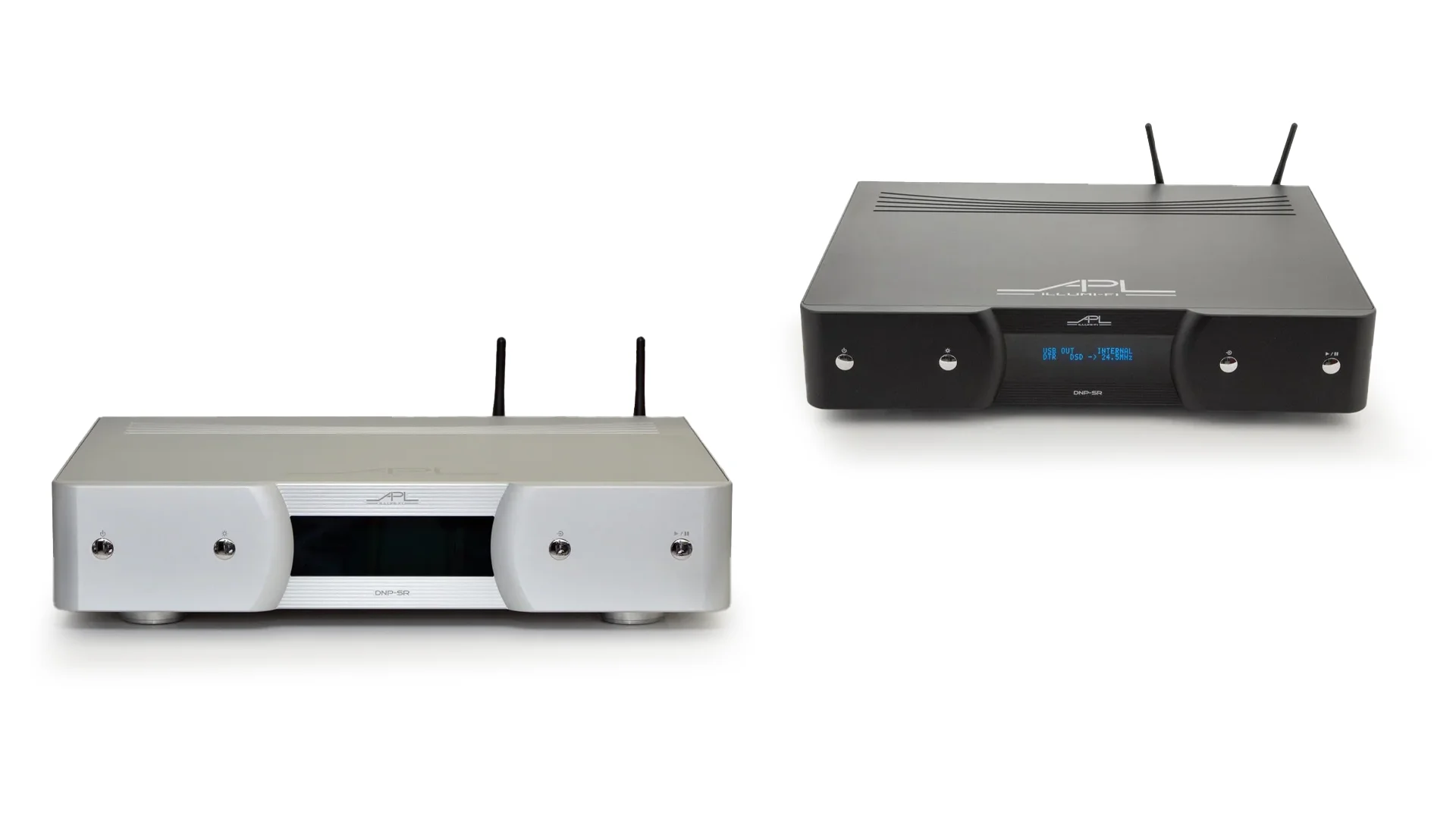
APL Hi-Fi develops digital sources with particular attention to DSD conversion and the analogue stage that follows it. Alex Peychev established the company in 1988; its history includes his work at Sony in North America and extensive modifications of existing digital players. Based in Ruse, Bulgaria, APL has since moved to its own products rather than operating primarily as a modification service. The DSD-GR Ultimate uses a transformer-coupled Class A tube output stage, while the DSD-WR takes a solid-state route. Network sources complement the DACs, including an architecture that separates server and player tasks between two computers. Digital processing and analogue output circuitry are both central to the designs.
Aqua Acoustic

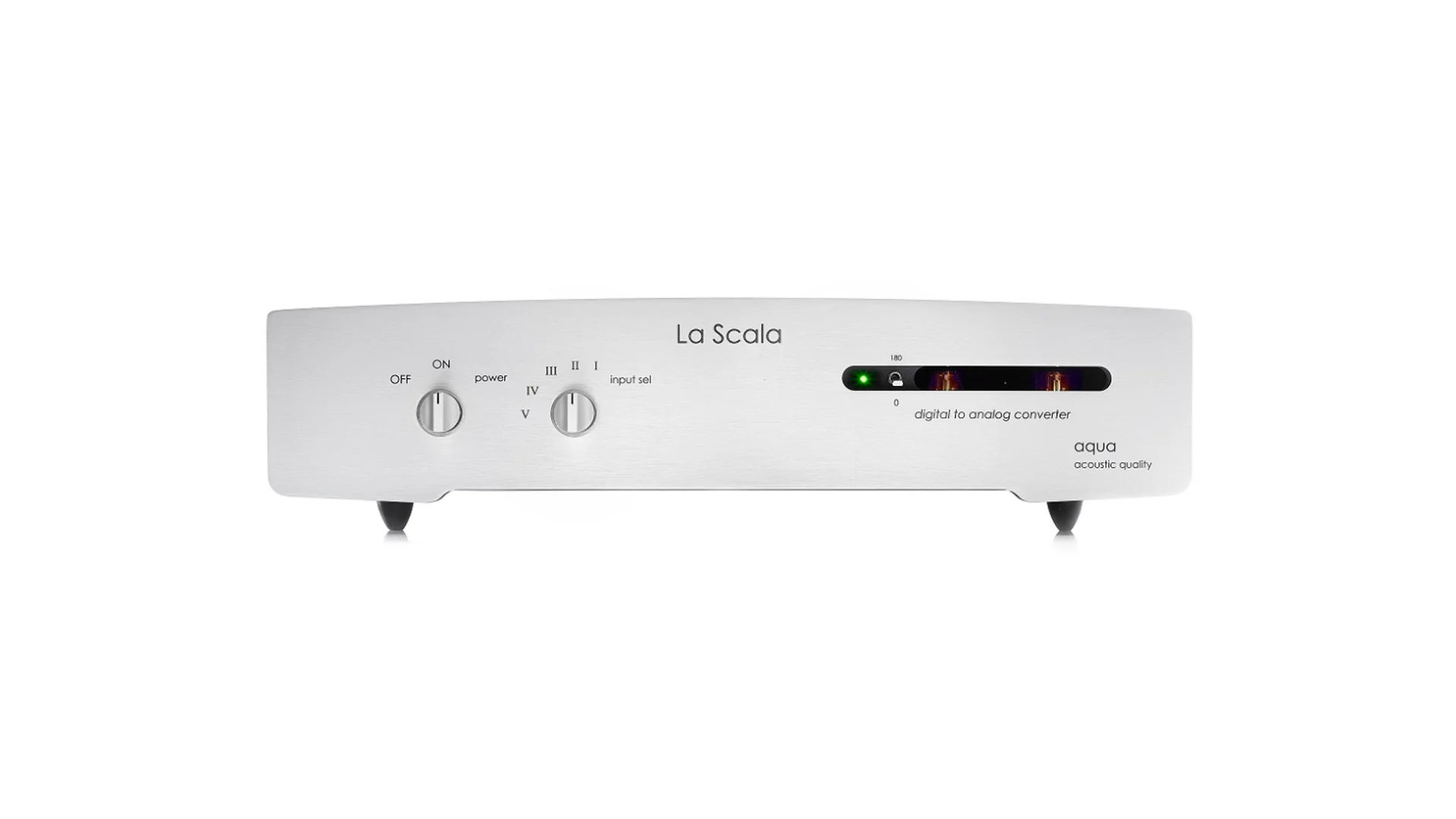
Aqua – Acoustic Quality makes digital sources with a modular architecture intended to keep existing equipment upgradeable. Designed and built in Italy, its range includes Formula, La Scala and La Voce DACs, the LinQ network transport and La Diva CD transports. The proprietary Optologic conversion system uses resistor-ladder circuitry and optical isolation between digital control and conversion sections, without conventional digital oversampling filters. Output stages differ by model: La Scala combines valves with solid-state circuitry. Separate circuit modules allow selected hardware developments to be fitted to earlier units, making the upgrade path a practical part of Aqua’s product design rather than requiring a complete replacement each time.
Bluesound Professional

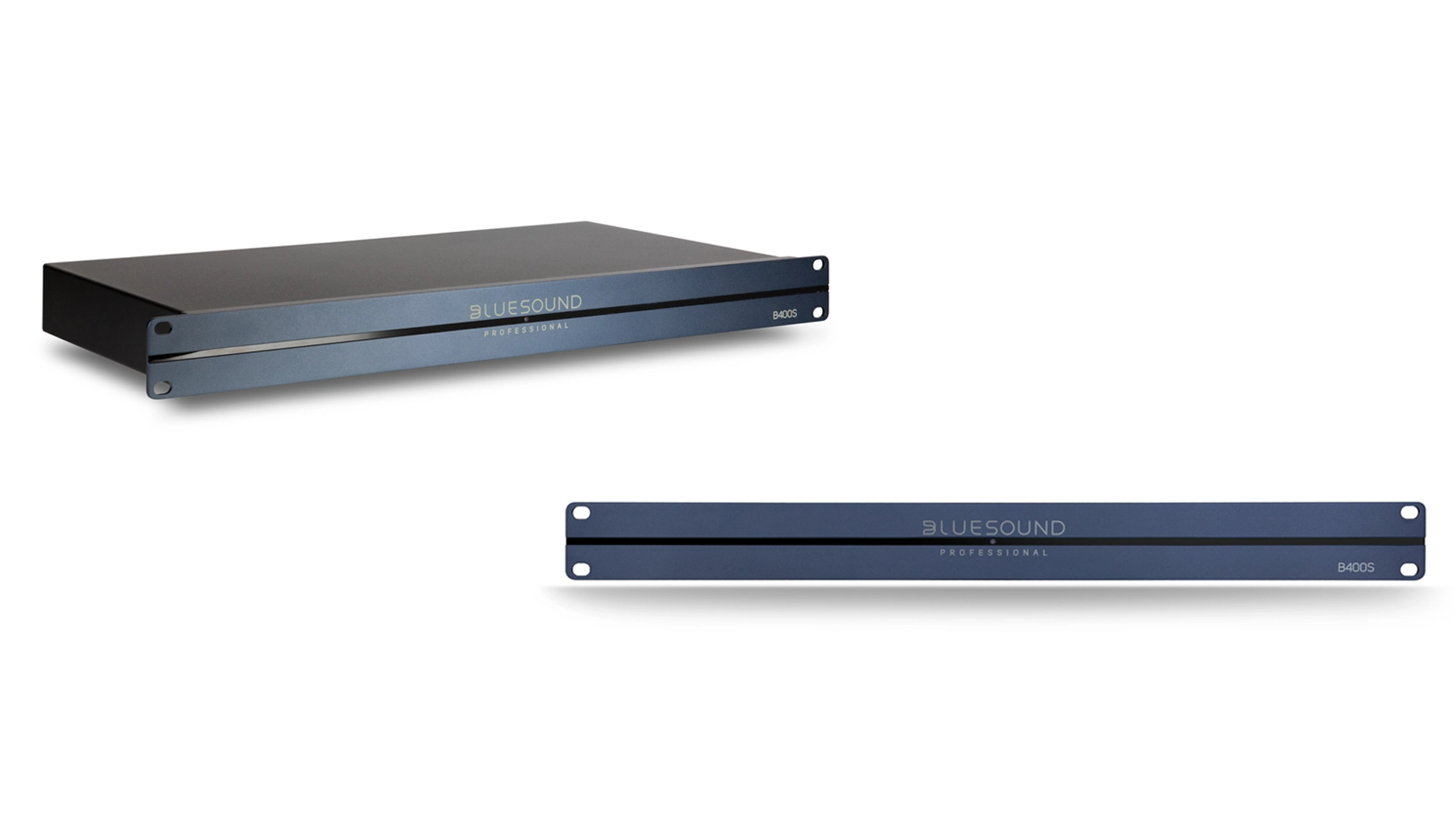
Bluesound Professional adapts the BluOS streaming platform for commercial spaces that need centrally managed audio across many zones. Lenbrook created the Canadian division in 2019, six years after the consumer Bluesound brand, so the earlier 2013 date described the parent platform rather than this business. Its range includes rack-mount streamers and amplifiers, network music players, wall controllers, powered loudspeakers and Power over Ethernet endpoints for retail, hospitality, restaurants, workplaces and other installed systems. Integrators can route different sources to separate areas, group zones, schedule playback and connect supported music services without building every project around a traditional central matrix. The important distinction is installation infrastructure: products, mounting and control are designed for continuous commercial deployment while retaining BluOS’s familiar source management and networked high-resolution audio architecture.
Bricasti Design

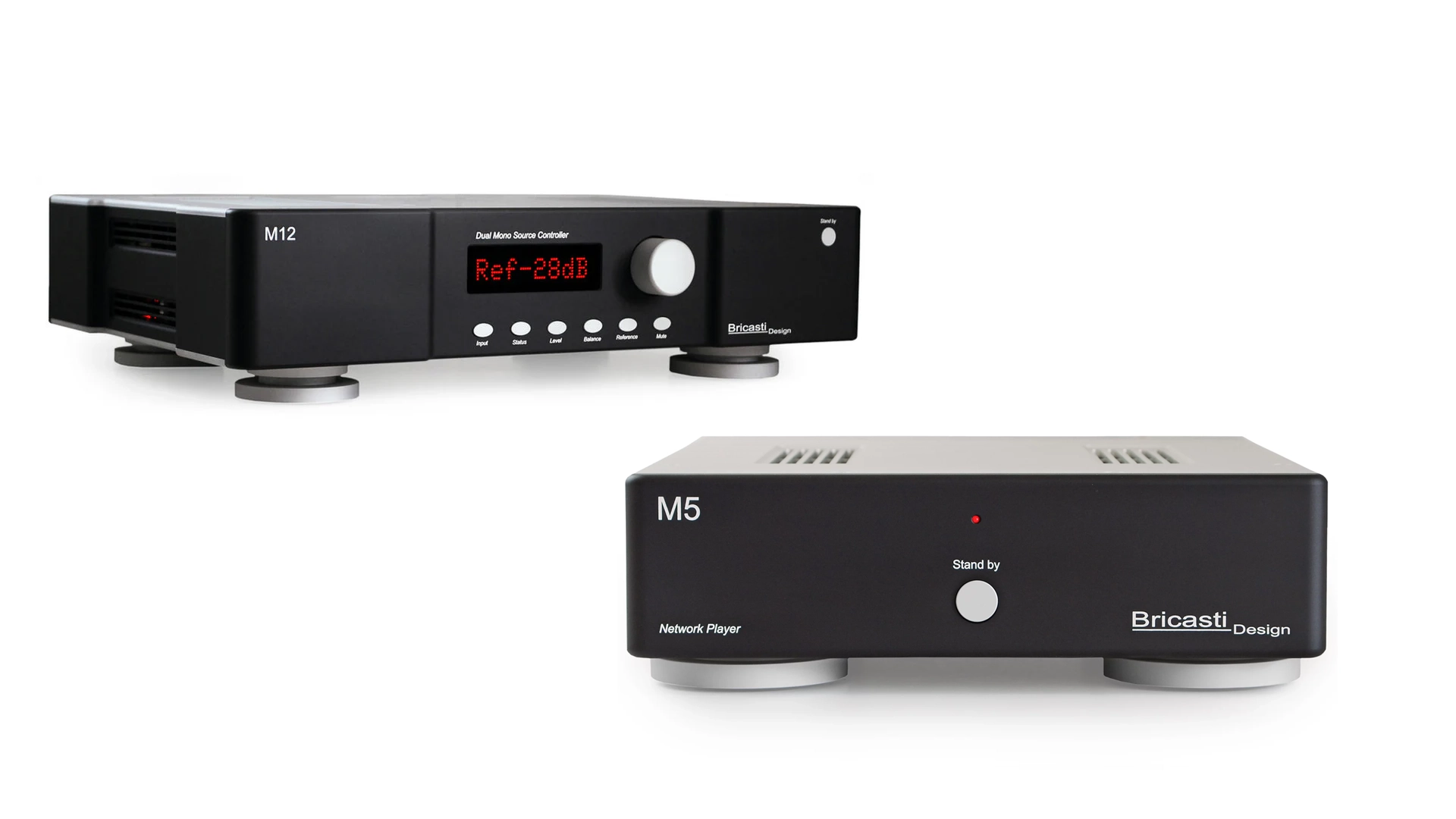
Bricasti Design joins professional digital engineering with home components designed and built in Massachusetts. Brian Zolner and Casey Dowdell founded the company in 2004 after careers at Lexicon, first earning recognition with the M7 digital reverb used in recording and mastering. The consumer range grew from that signal-processing experience but is much broader than DACs alone. M1, M3 and M21 converters, the M5 network player, M12 source controller, M19 SACD transport and M20 preamplifier cover the source and control stages. M15, M25 and M28 or M30 power amplifiers extend the same dual-mono, low-noise approach to loudspeakers. Bricasti writes its digital processing, designs its clocking and analogue stages and machines substantial aluminium chassis in-house. The documented 2004 foundation year has been added to the previously empty field.
Cary Audio

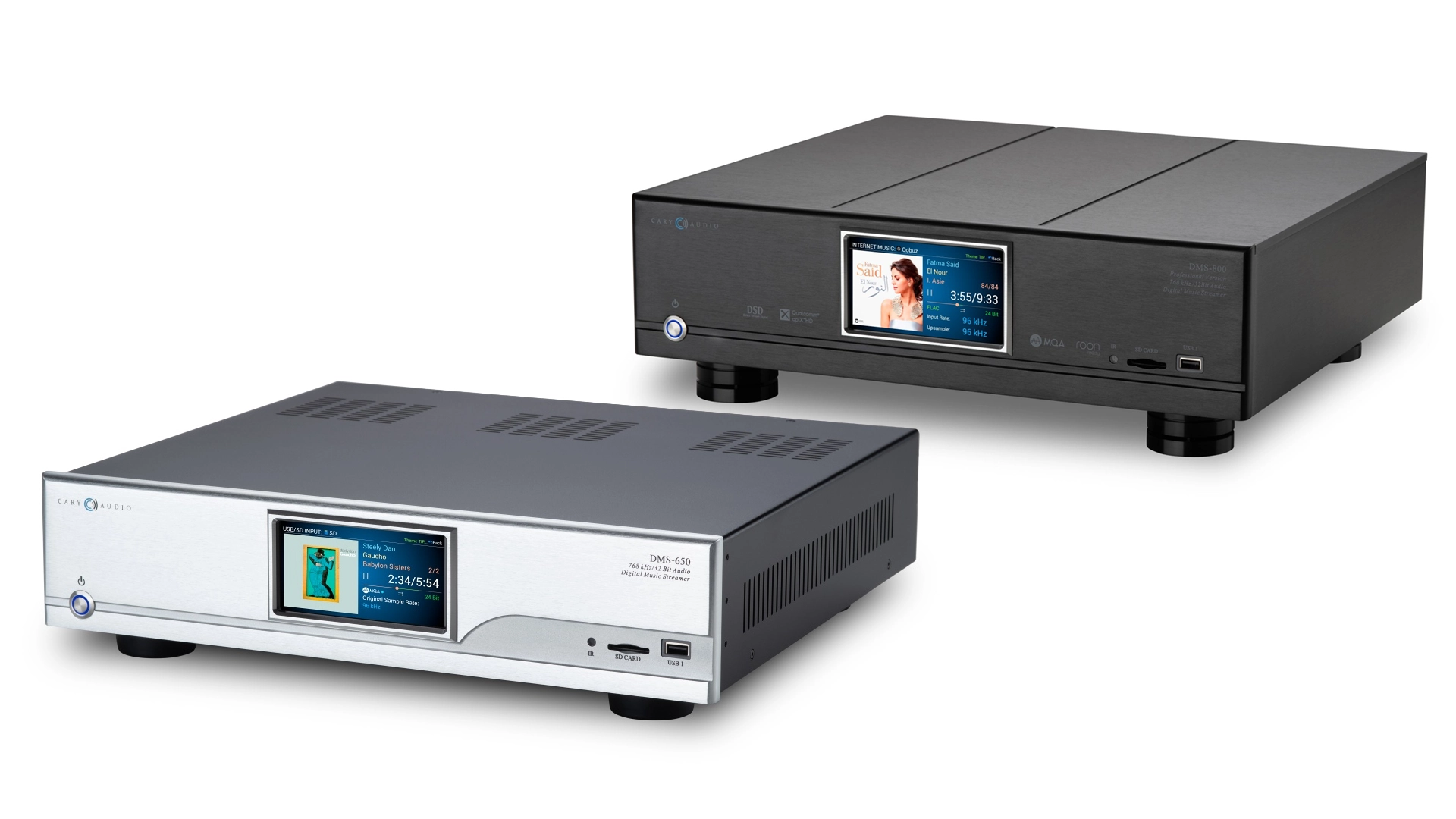
Cary Audio helped establish single-ended triode amplification as a serious modern high-end category in the United States. Dennis and Donna Had founded Cary Audio Design in North Carolina in 1989, initially concentrating on handcrafted vacuum-tube electronics. Dennis Had’s influential SET designs, particularly the CAD-805 monoblock and 300B-based amplifiers, gave the company an identity built around simple signal paths, output-transformer expertise and the expressive qualities of directly heated triodes. Today’s range retains that lineage through products such as the CAD-300SEI, CAD-805RS, CAD-211FE, SLI integrated amplifiers and SLP preamplifiers, while also covering solid-state power amplifiers and phono stages. Cary’s DMS network players and DMC digital sources add streaming, DAC and disc-playback functions to a catalogue that is no longer tube-only. The result is an unusual brand whose classic valve engineering and current digital platform are developed as parts of one complete system.
Fell Audio

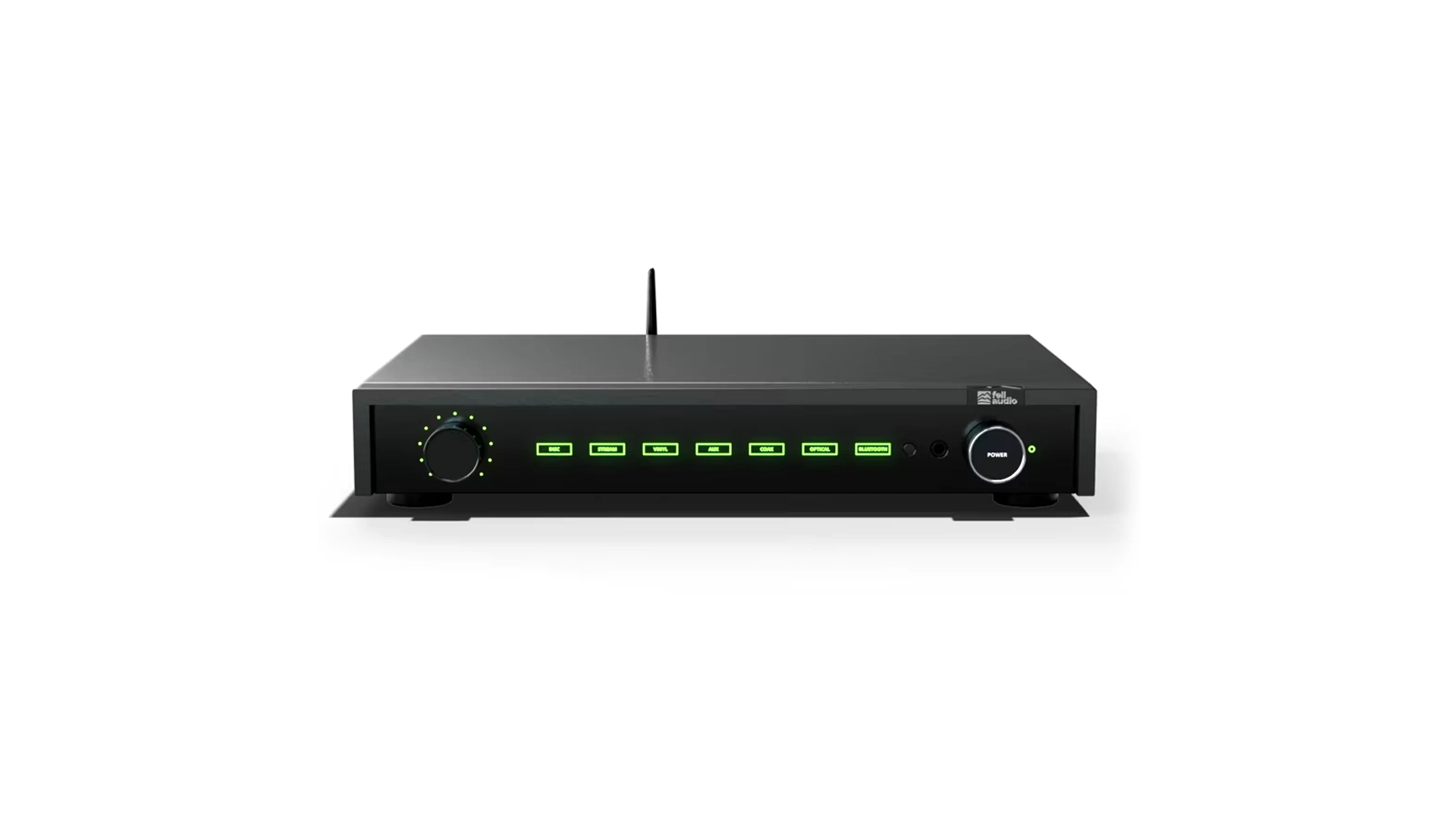
Fell Audio is a British hi-fi electronics brand launched in November 2024 by the family behind long-established retailer Peter Tyson, with Matthew Tyson as managing director. It entered the market with two deliberately straightforward, UK-made components: the Fell Amp integrated amplifier and Fell Disc CD player. The Amp delivers 89 watts per channel and combines Class D power with an ESS-based DAC, moving-magnet phono stage, aptX HD Bluetooth and headphone output; the Disc uses an ESS ES9018 converter and plays CD, CD-R and CD-RW. A network player was announced as the next part of the system. Repairability, replaceable parts and domestic manufacturing are central to the proposition, alongside a price aimed below much British-built hi-fi. This is not the unrelated professional-monitor company previously described on the page, and Christopher Fell was not its founder.
Innuos

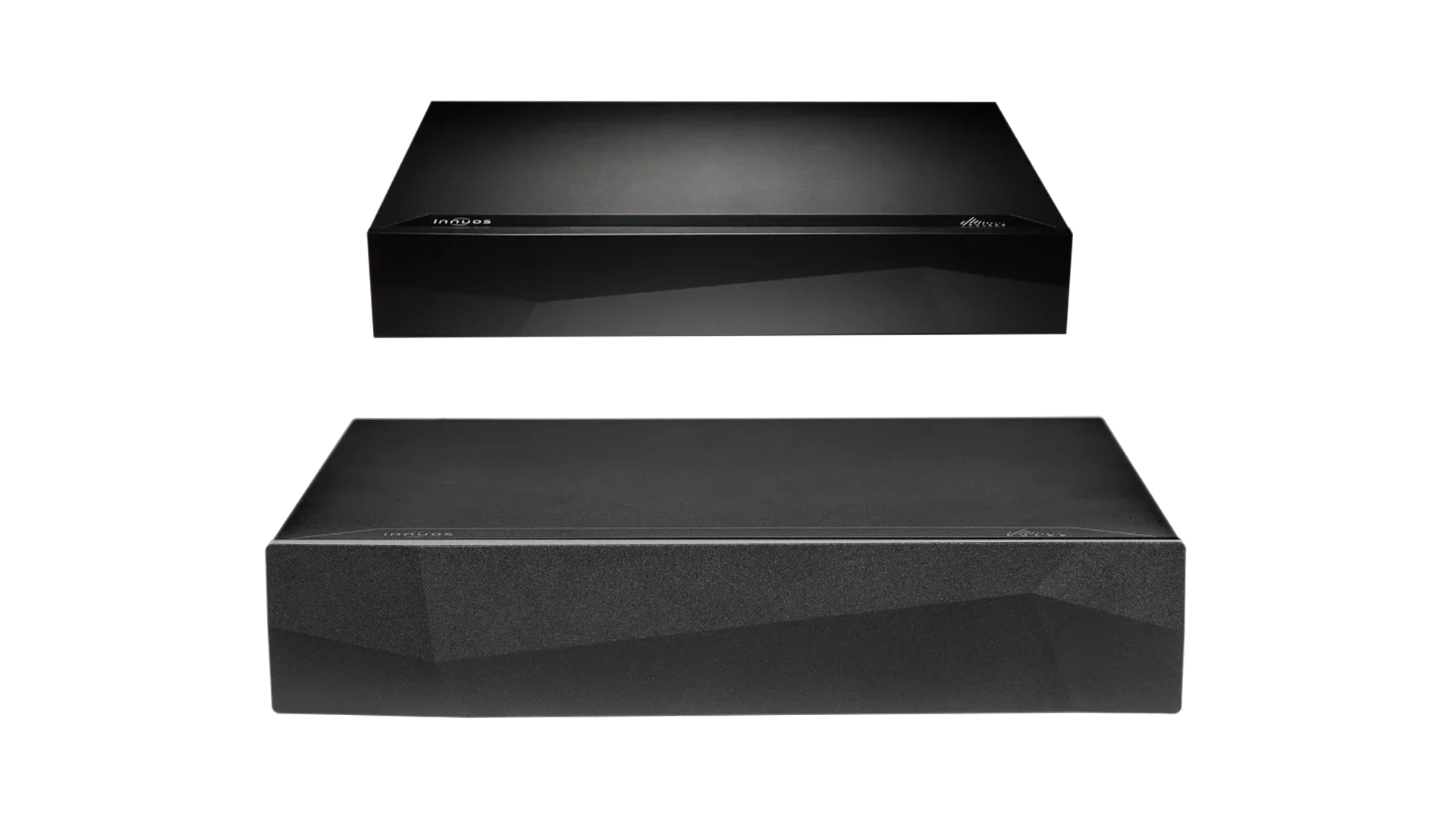
Innuos is a Portuguese digital-audio company founded in 2009 by computer engineers Amelia Santos and Nuno Vitorino. Its music servers and streamers are designed as complete playback systems in which storage, network behaviour, power, clocking and software are treated together. ZEN, ZENith and Statement machines combine ripping, library storage, streaming and server duties, while PULSE and PULSAR models concentrate on streaming; PhoenixNET and PhoenixUSB address network and USB noise and timing elsewhere in a system. The company’s Sense operating system and app are central to the experience, unifying local music, internet services, metadata and playback control without requiring the owner to administer a general-purpose computer. Hardware design adds low-noise power supplies, vibration control and carefully selected interfaces, with higher models increasing isolation and clock precision. Innuos stands out because its founders’ computing background is used to simplify digital music while the hardware remains purpose-built for audio.
Integra

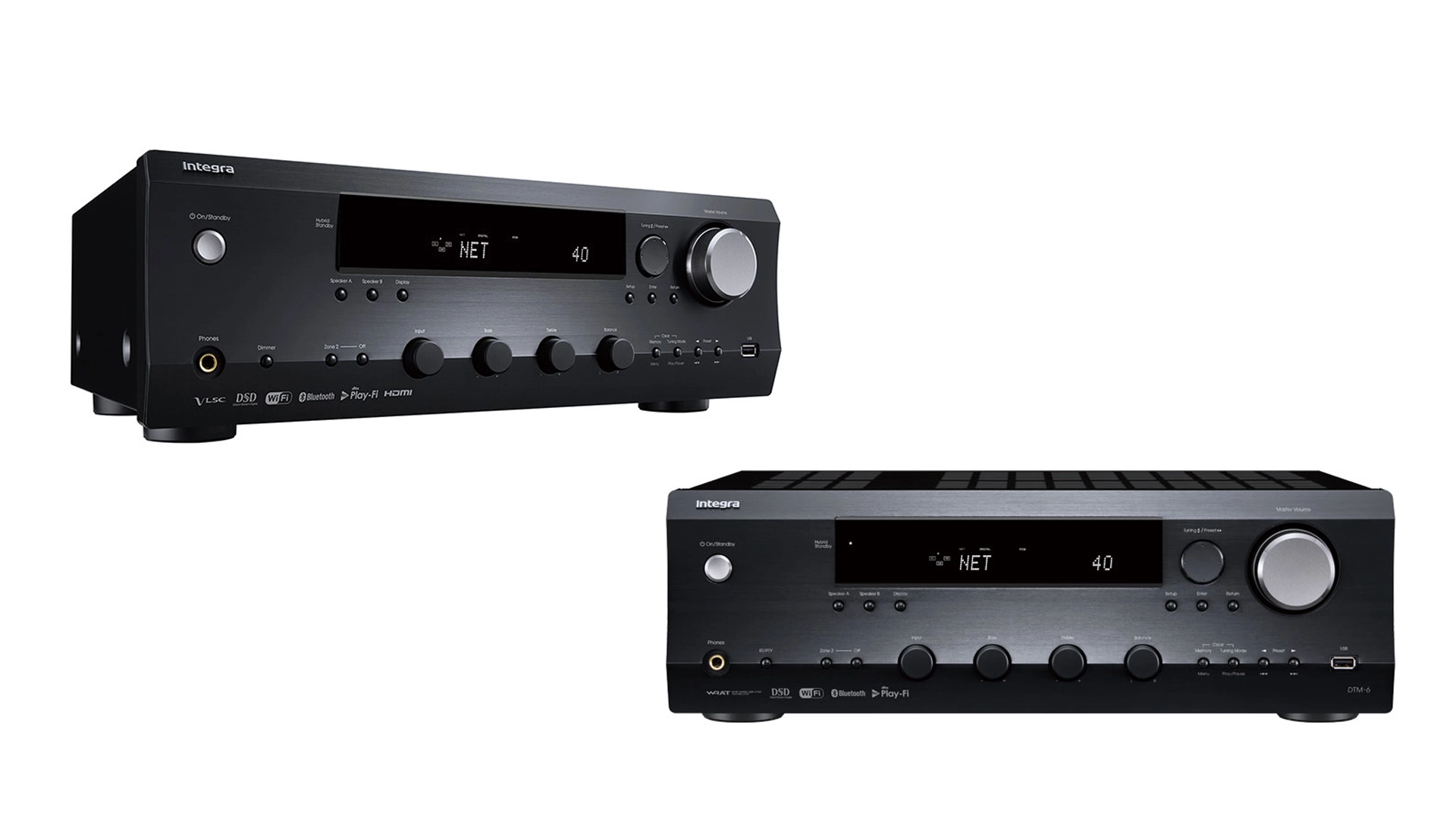
Integra is the Japanese-origin AV brand created for systems that must perform well and integrate cleanly into a professionally installed home. The name traces back to Onkyo’s premium Integra amplifier line introduced in 1969; Integra later became a dedicated division for custom residential cinema and is now operated within the Premium Audio Company and Sharp audio business. DRX network receivers, DHC processors and DTA power amplifiers are specified not only for surround formats and video switching but also for the work installers face after commissioning: IP and RS-232 control, web-based setup, rack-friendly connectivity, automation-system compatibility and remote diagnostics. Current receivers add technologies such as Dirac Live room correction and modern HDMI video support, but the lasting distinction is system integration rather than a checklist of consumer features. Integra is therefore best understood as Onkyo’s installation-focused premium lineage, not as an unrelated American receiver manufacturer.
Lumin

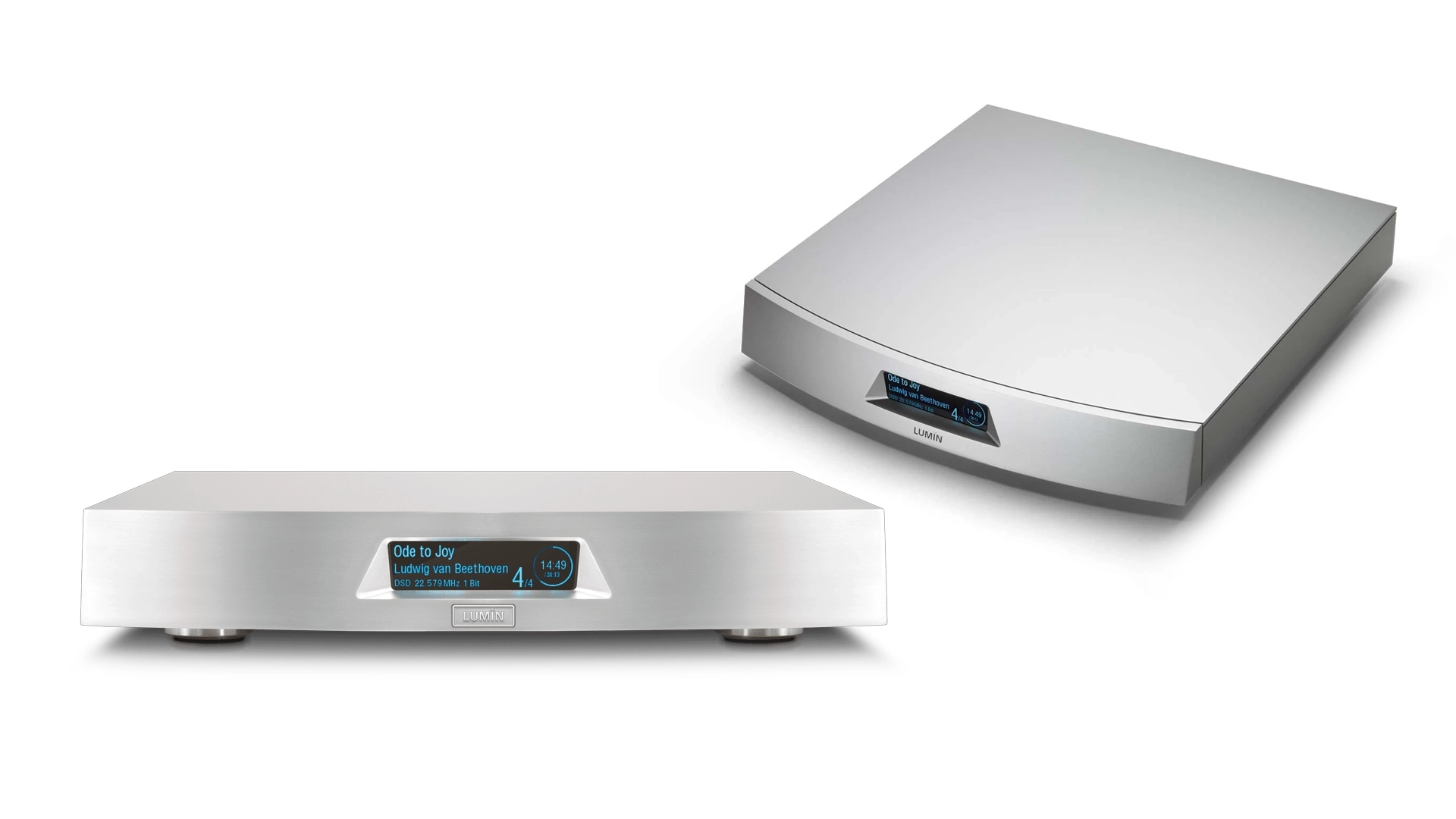
Lumin is a Hong Kong network-audio brand created by Pixel Magic Systems, a company with a background in digital video and signal processing. After two years of development, the first Lumin player appeared in late 2012 as an early network streamer capable of native DSD playback. That digital-source focus remains intact. Current products range from integrated network players with analogue outputs to digital transports, streaming preamplifiers, power amplifiers and the L2 music library/server. The flagship X2 uses Lumin’s discrete dual-mono DAC architecture, precision clock distribution, separate analogue power stages and optical SFP networking; P-series products add input switching and volume control, while U-series transports omit the analogue converter for owners of an external DAC. The Lumin app, OpenHome support and Roon integration provide library and service control, and compatible models implement Leedh Processing for loss-minimised digital volume adjustment. Linear external or dual-stage internal power supplies and machined aluminium cases address electrical and mechanical noise. Lumin’s strength is not merely format support: hardware, firmware, network behaviour and the control application are developed as one playback platform, with updates extending products long after launch.
MBL

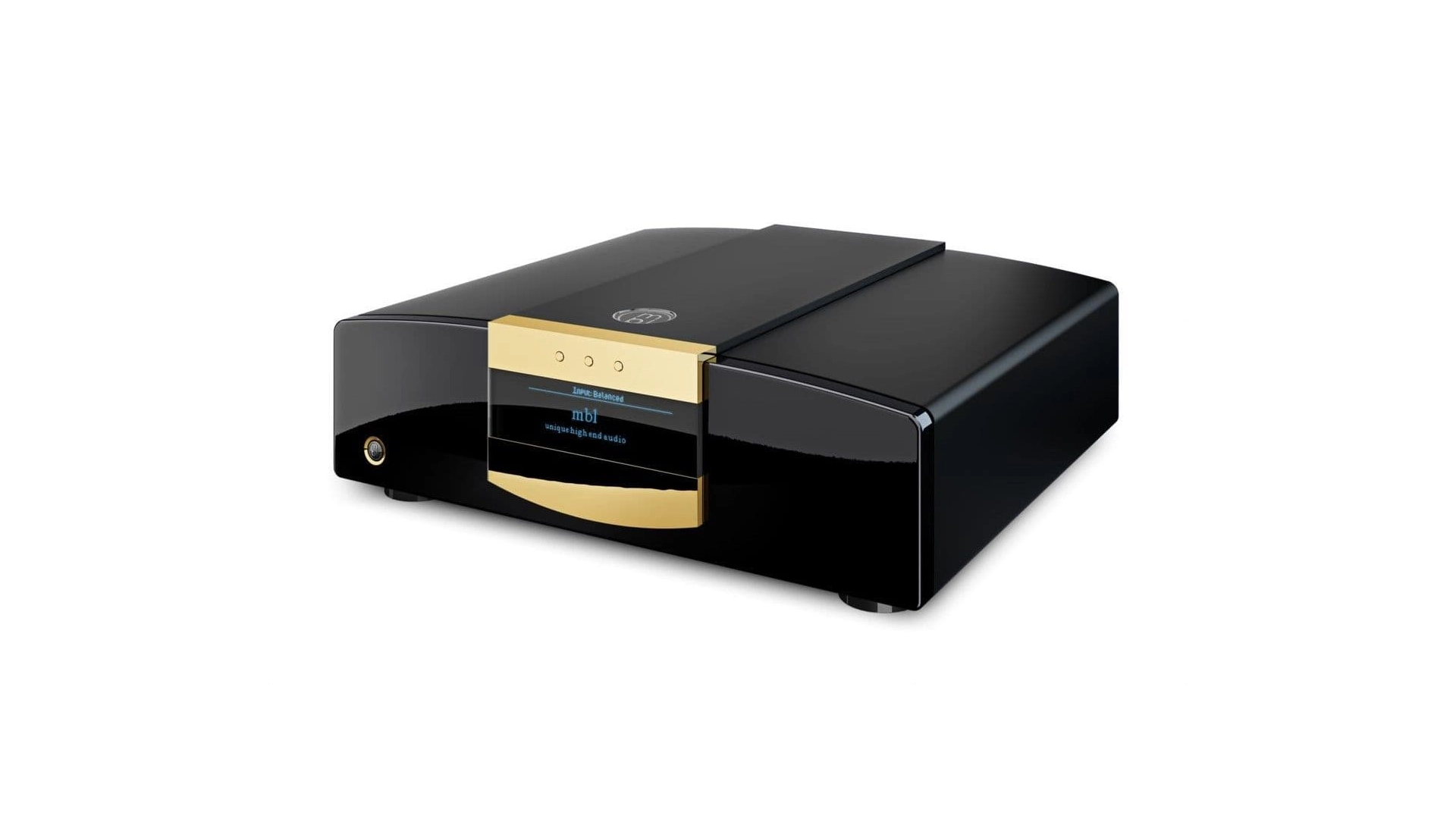
MBL is a German ultra-high-end manufacturer defined by the Radialstrahler, an omnidirectional bending-wave loudspeaker that radiates sound through 360 degrees. Wolfgang Meletzky’s original radial transducer and the MBL 100 were presented at IFA Berlin in 1979. Instead of a conventional forward-firing cone, the design uses vertical lamellae arranged around a central axis; when driven, they flex together to form an expanding and contracting acoustic surface. That principle remains central to models such as the 101, 111 and 126, with separate radial elements optimized for different frequency bands and dynamic woofers handling the lowest octaves where required. MBL also builds matching digital sources, preamplifiers and power amplifiers in its Reference, Noble and Cadenza lines. The electronics emphasize high current capability, low-noise power supplies and the stability needed to control demanding loudspeaker loads. Engineering and manufacturing are carried out at the company’s facility near Berlin. MBL’s genuine distinction is spatial: the Radialstrahler excites a room more like an acoustic instrument than a narrowly aimed box speaker, creating a broad listening area while placing unusual demands on driver precision and system setup.
Melco

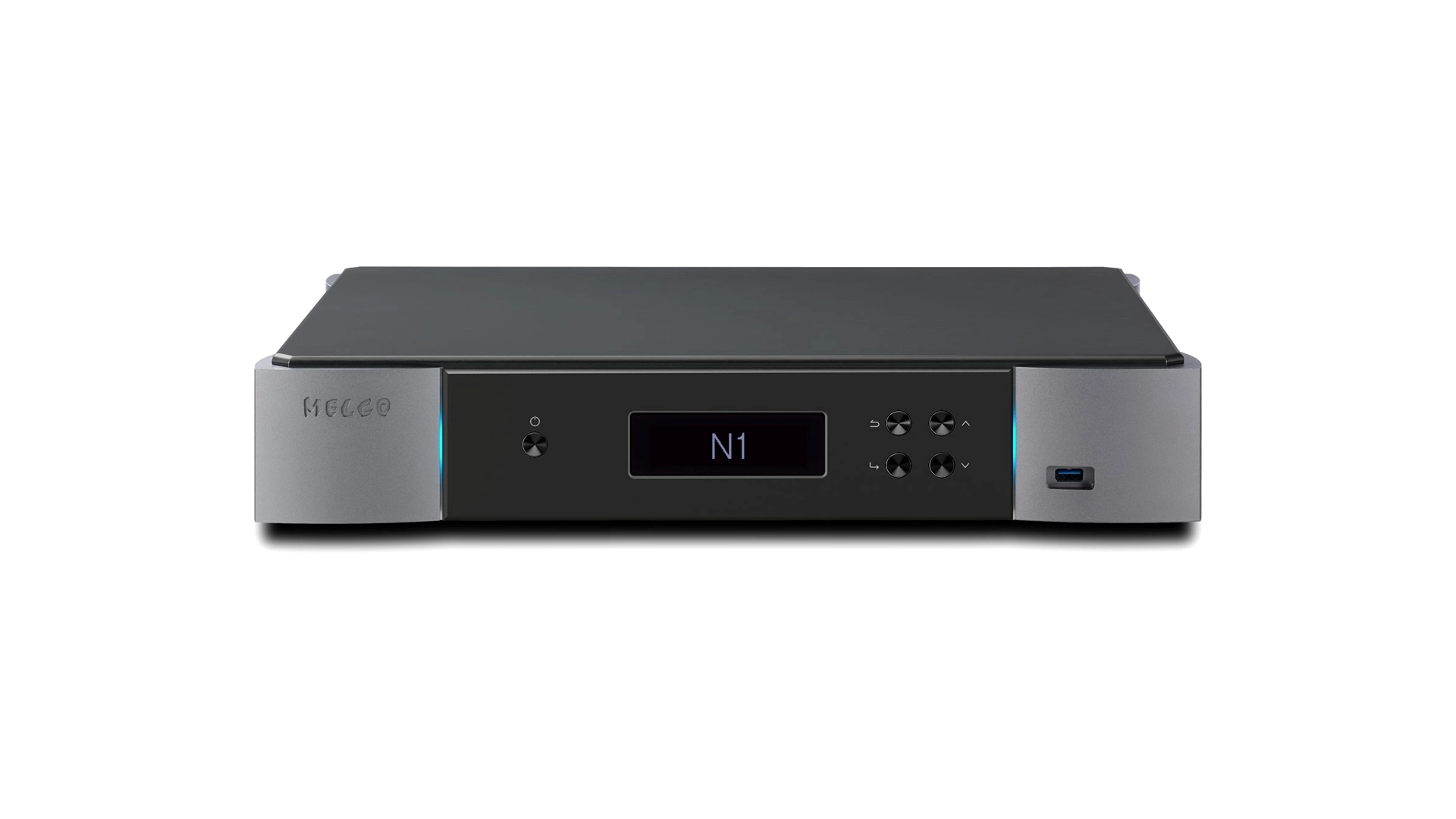
Melco is the Japanese network-audio lineage that applies storage and data-network engineering to music libraries, servers, players and audiophile Ethernet switches. Audiophile Makoto Maki founded Maki Engineering Laboratory Company—MELCO—in Nagoya in 1975 to make audio equipment. The business later became best known through the Buffalo computer and networking brand, then returned to specialist audio roughly four decades later with dedicated Melco music libraries. Products such as the N1, N10 and N100 were designed as purpose-built audio sources rather than ordinary NAS appliances. Their engineering addresses electrical noise, vibration, storage behavior and network traffic through separate player and LAN ports, selected drives, rigid chassis, dedicated power supplies and software developed for music importing, library management and playback. Matching network switches and optical-network accessories extend the same system approach. In 2025 the audio company marked its fiftieth anniversary and began the next phase under the DELA name; the underlying company history and product expertise continue. The brand’s distinctive idea is straightforward but technically demanding: digital files remain data, yet the server, network and power environment delivering them can still influence the analogue result of a high-resolution playback system.
Metronome

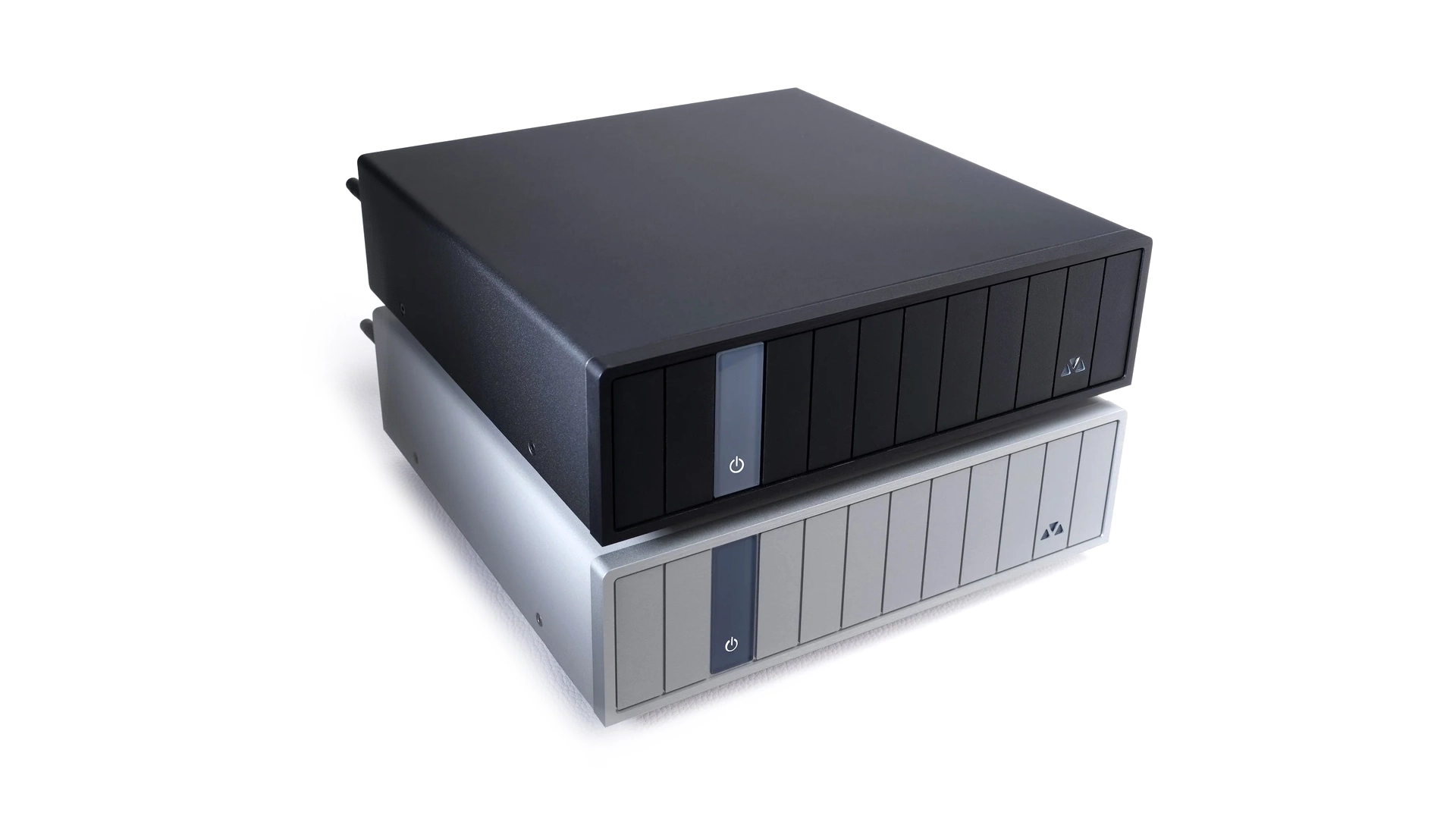
Métronome is a French specialist in high-end digital sources, known for CD and SACD transports, players, streamers and DACs designed and manufactured near Toulouse. Furniture maker and music enthusiast Dominique Giner founded Métronome Technologie in 1987; the name came from an earlier loudspeaker whose cabinet resembled a metronome. That woodworking background remained visible in the company’s substantial enclosures and top-loading disc mechanisms. Métronome separates mechanical reading, clocking, conversion and power supply rather than treating a digital player as a generic computer platform. Depending on the model, its designs use multiple transformers and regulation stages, asynchronous USB, network streaming, tube or solid-state analogue outputs, and proprietary mechanical decoupling. The Classica line offers integrated players and DACs, while AQWO separates SACD/CD transport and conversion at a higher level. Kalista, developed as the company’s statement line, takes the transport architecture and sculptural construction further. Under Jean-Marie Clauzel, the range has remained focused on making digital playback physically robust, quiet and upgradeable. Métronome’s niche is not digital convenience alone, but the complete treatment of disc or file playback from mechanism and clock to analogue output.
Naim

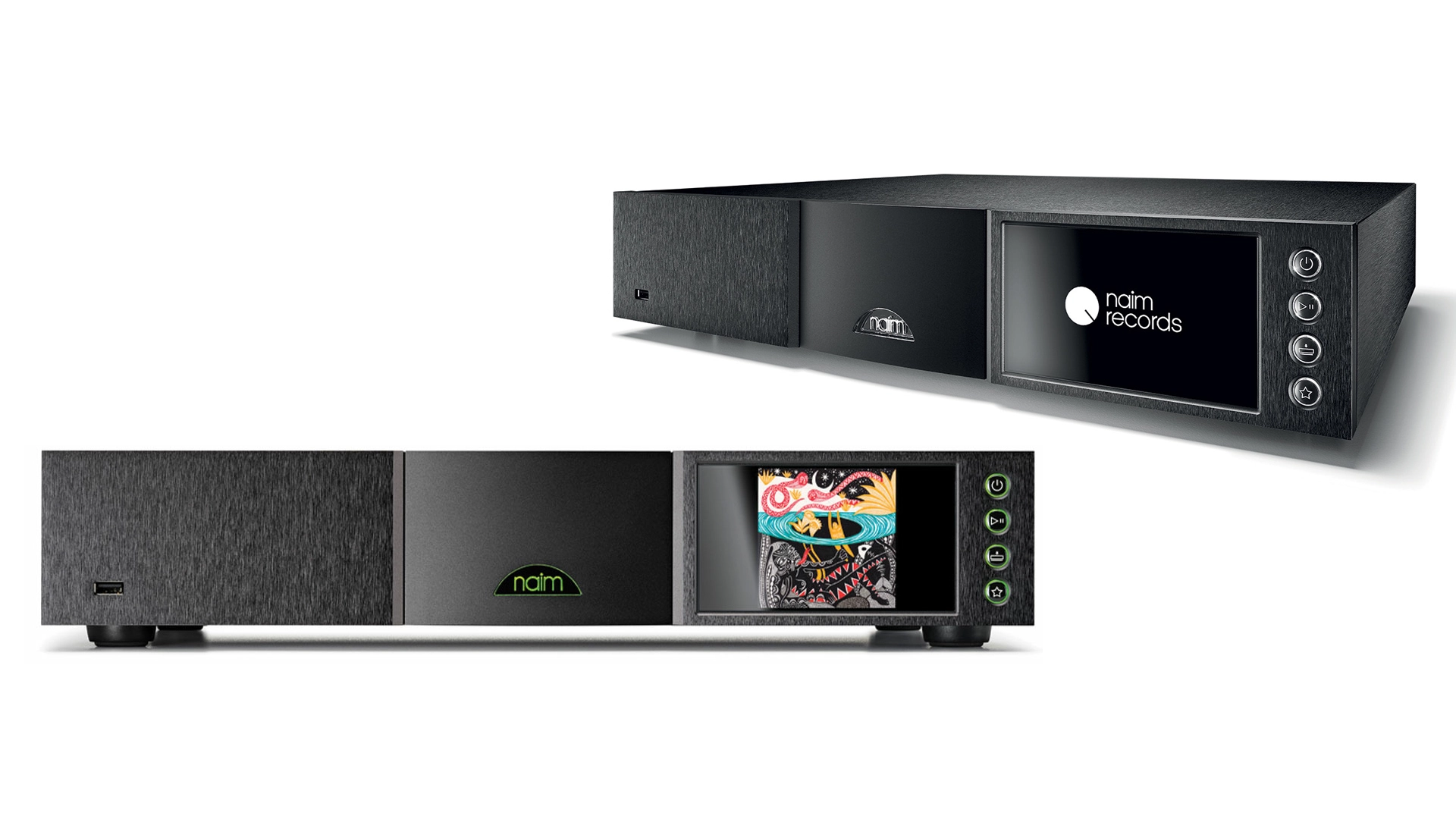
Naim Audio is the Salisbury electronics maker whose reputation rests on amplifiers and sources designed to preserve musical timing and momentum. Julian Vereker’s early amplifier work grew from a contract for Capital Radio, and Naim Audio was incorporated in 1973 with Vereker and Shirley Clarke as directors. The first consumer power amplifiers established a deliberately direct circuit philosophy; the NAP 250, introduced in 1975, became the long-running reference, while the compact NAIT integrated amplifier showed that the same priorities could work in an affordable system. Naim later built complete upgradeable systems around separate preamps, power amps and external power supplies, then became an early serious adopter of network replay. Uniti streaming amplifiers and Mu-so wireless systems broadened the audience, while ND sources, the New Classic separates and Statement amplification maintain the specialist end. Mechanical isolation, low-noise power regulation, carefully controlled grounding and proprietary streaming software matter more to the engineering than the familiar shorthand “PRaT.” Naim joined French loudspeaker maker Focal in 2011 under VerVent Audio Group, while design and production remained centred in Salisbury. In August 2026 Belgium’s Barco completed its acquisition of VerVent, so Naim is now part of Barco while retaining its British origin, brand and manufacturing identity.
NuPrime

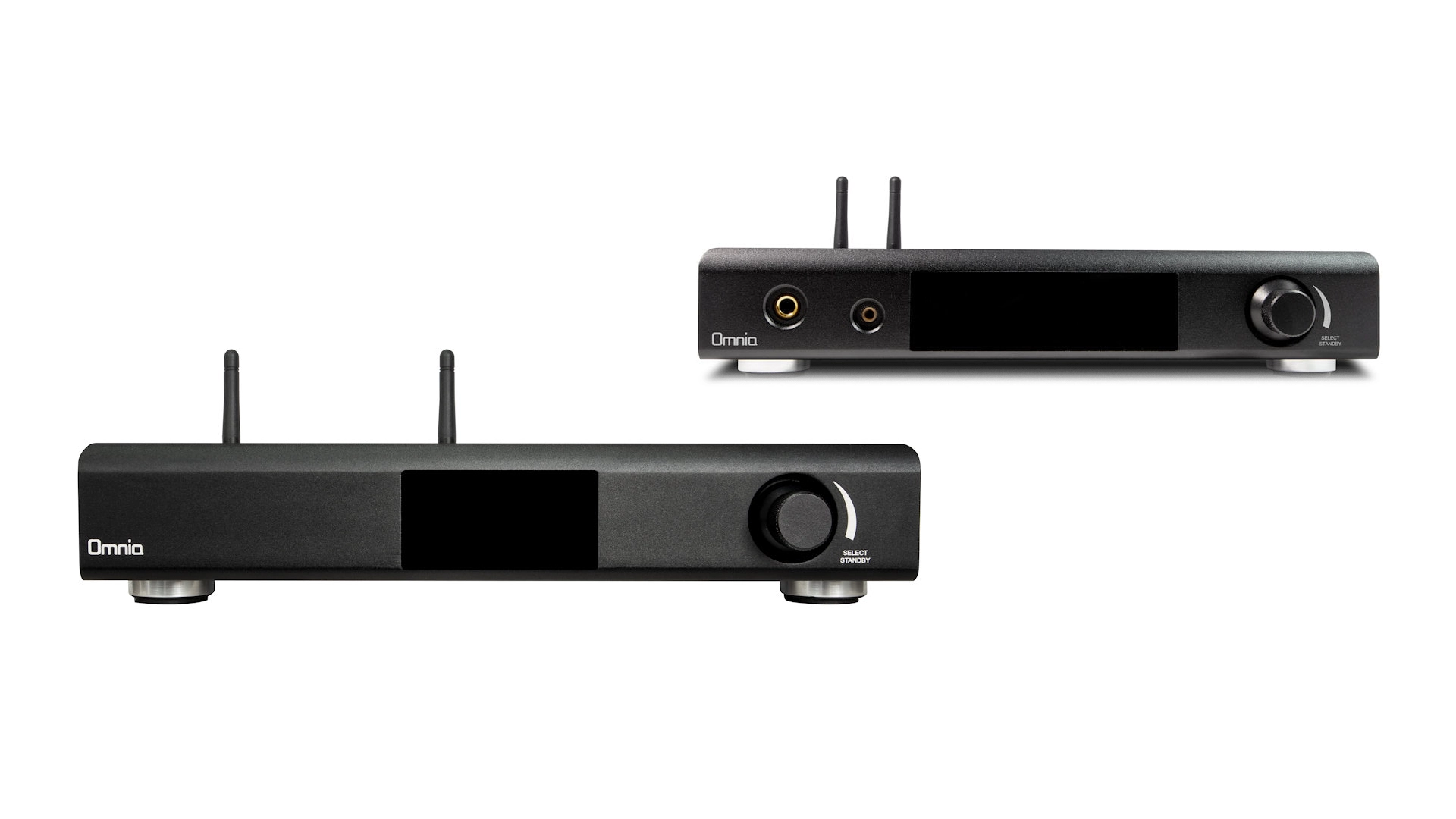
NuPrime Audio is the high-end electronics company Jason Lim created in 2014 after co-founding NuForce. With backing from a Taiwanese OEM partner, Lim acquired the assets of NuForce’s premium division and formed NuPrime to continue developing compact, efficient amplifiers and digital components. That lineage matters because NuPrime was not simply a renamed catalogue: it retained the high-end engineering direction while NuForce’s consumer brand followed a separate path. Amplification is the centre of the range. NuPrime designs its own switching stages and control loops instead of building every model around an off-the-shelf Class-D module; it describes the result as hybrid Class-D, combining a tailored analogue front end with a high-frequency switching output stage. Evolution is the reference family, AMG emphasises compact separates, and the 9 Series offers accessible DACs, preamps and power amplifiers with matching proportions. Integrated amplifiers, phono stages, streamers and the NuPrime-X multi-channel platform extend the architecture into complete and installed systems. As of 2026 the brand is managed by Singapore-based Nuoem Pte. Ltd., while NuPrime Audio, Inc. retains its American origin. The defining advantage is a coherent ecosystem of small, low-heat electronics built around proprietary amplification rather than Class-D efficiency alone.
Plinius

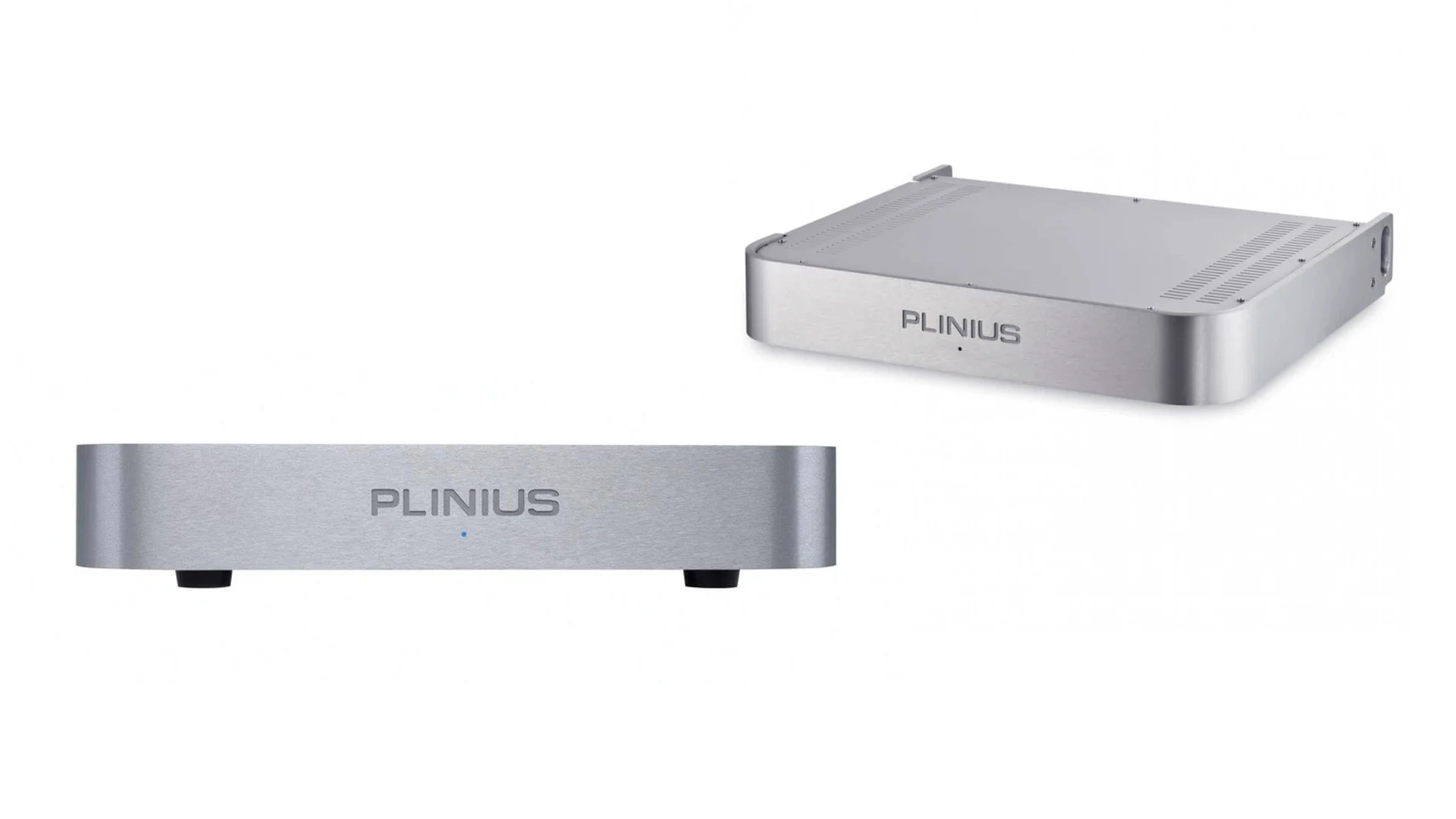
Plinius is a New Zealand audio-electronics manufacturer established in 1980. Its international reputation was built by muscular analogue amplifiers that could deliver high current into difficult loudspeaker loads while retaining the smoothness associated with heavily biased Class A operation. The company designs, assembles and tests its components in Christchurch, where each unit is built individually rather than treated as an anonymous imported platform. Power amplification remains the centre of the range. P10 provides a relatively compact stereo entry, while Reference A-150 and A-300 scale the supply, output stage and thermal capacity for demanding systems. Hiato and Hautonga integrated amplifiers combine that drive with line-level control in a single chassis. Kaitaki and Reference M-10 preamplifiers, P100 and Koru phono stages, and Tiki, Toko and Arataki network/source components allow a complete Plinius system without reducing the brand to amplifiers alone. Earlier SA-series designs are important to its identity because their Class A and switchable-bias architecture showed that high power and refined low-level behaviour need not be opposing goals. Current cases are visually restrained, with short control paths and generous power supplies taking precedence over rapidly changing display features. Plinius’s character is the continuity of New Zealand manufacture and analogue power engineering: substantial components made to control real loudspeakers, supported by phono and network products rather than displaced by them.
Primare
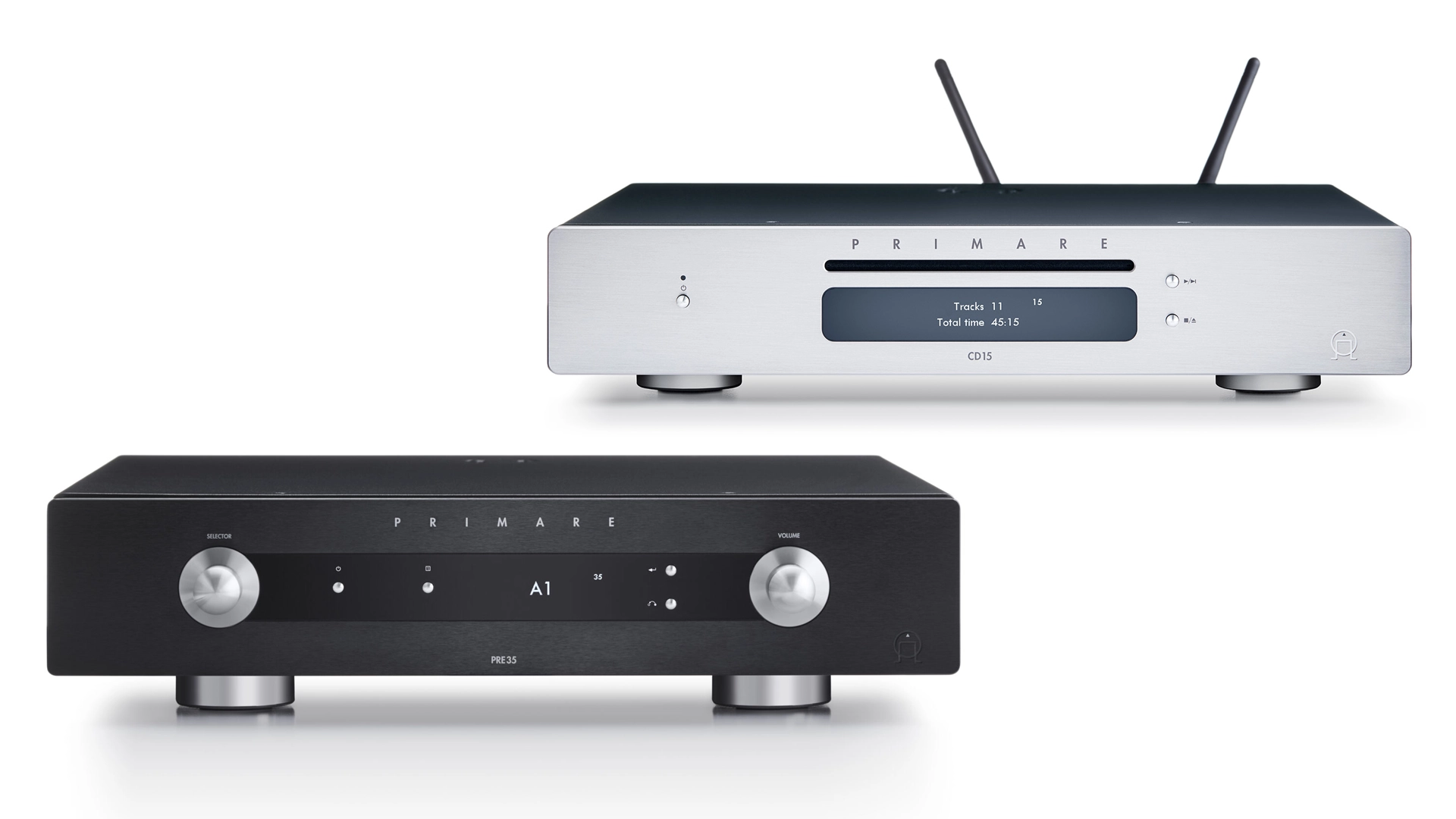
Primare began in 1985 when Danish industrial designer Bo Christensen set out to make audio components whose operation, proportions and sound belonged to one coherent object. Working with engineer Bent Nielsen and a Scandinavian development team, he produced the 928 series in 1986, followed by the 200 and 300 series. The company later came under Swedish leadership through Lars Pedersen and the Xena organisation; the 30 Series of 1998 established the clean forms and modular thinking associated with modern Primare. The present range still follows that idea of “lagom”—neither too much nor too little. I15, I25 and I35 integrated amplifiers anchor the 15, 25 and 35 families, joined by CD transports and players, R15 and R35 phono stages, PRE35 control and A35.2/A35.8 power amplifiers. UFPD and current UFPD 2 are Primare’s proprietary Class D amplifier platforms, designed for consistent gain across the audio band and high-current stability rather than adopted simply to make smaller boxes. Prisma is the network layer: it adds streaming, multiroom control and major service protocols to compatible electronics while keeping the core amplifier usable independently. Plug-in DAC and Prisma modules let selected models be updated instead of replaced, a direct continuation of the “living product” idea. SPA25, SP25 and A35.8 bring the same architecture to multichannel systems without treating cinema as a separate design language. Primare is Swedish in corporate identity, Danish at its creative origin and recognisably Scandinavian in its insistence that technical capability, restraint and ease of use should reinforce one another.
Pro-Ject
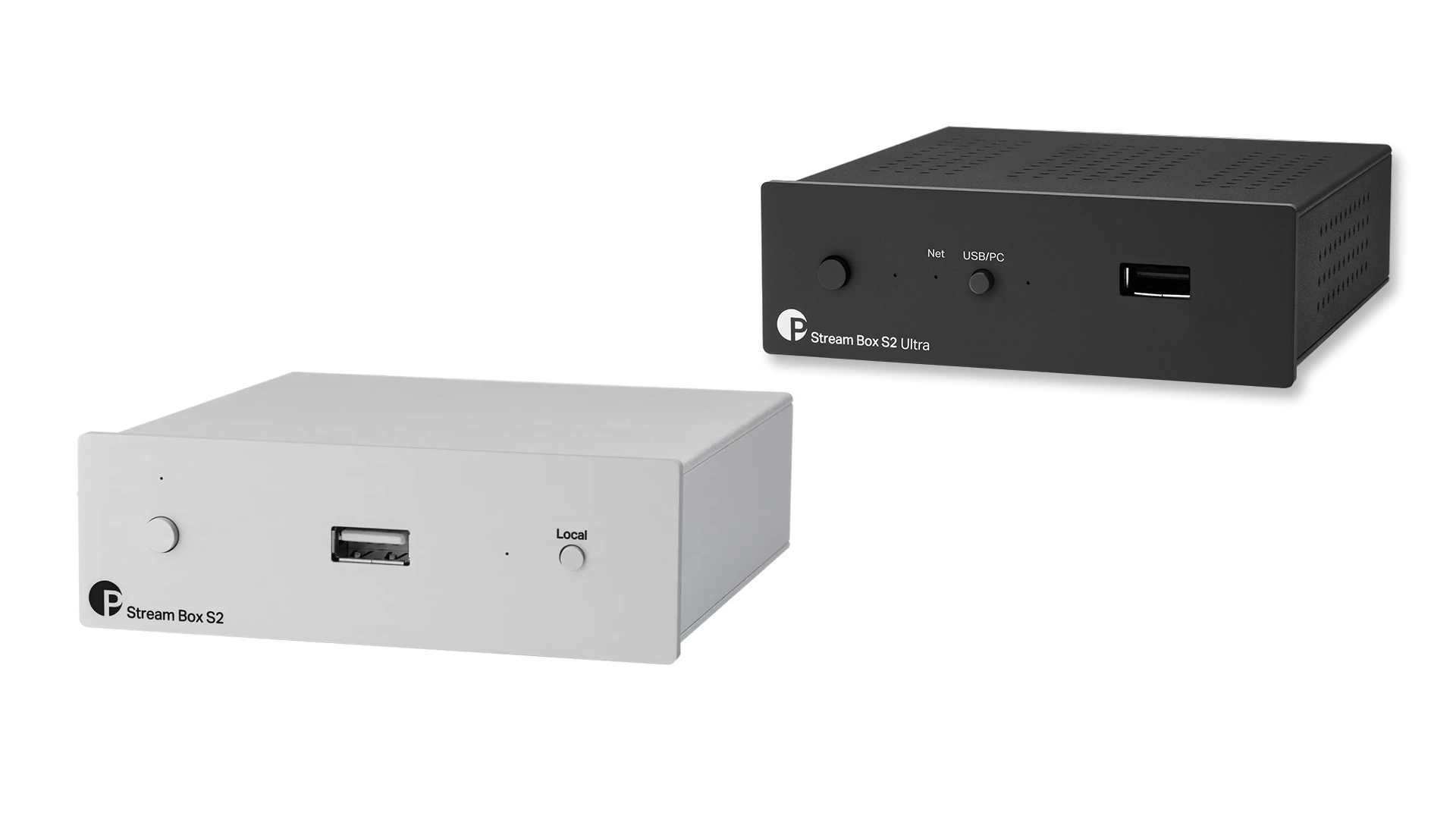
Pro-Ject Audio Systems was founded in Austria in 1991 by Heinz Lichtenegger, at a moment when the audio industry was treating the compact disc as vinyl’s replacement. Lichtenegger’s counterargument was the Pro-Ject 1: a simple belt-drive turntable built around the parts necessary for stable speed and accurate tracking, without automatic mechanisms or cosmetic complexity. The strategy proved prescient, and the Debut, introduced in 1999, became the model that brought the company to a much wider generation of record listeners. Pro-Ject now covers almost every scale of manual turntable. E and T families address first systems; Debut remains the recognisable centre; X, RPM and Xtension add more elaborate plinths, bearings, platters and tonearms; and Signature represents the flagship engineering. Many decks are assembled by hand in the Czech Republic, preserving production skills from the region’s long record-player history. The company also makes phono stages, speed controls, cartridges, record-cleaning machines and accessories, so a turntable can be upgraded rather than discarded. Box Design electronics—compact phono stages, amplifiers, DACs, streamers and CD transports—are largely produced in Slovakia and extend the same space-efficient philosophy beyond vinyl. Artist Collection editions use visual collaborations and licensed themes, but beneath the artwork they remain functional Pro-Ject platforms. The brand’s significance is not simply that it sells many turntables: it maintained European manual-turntable production through the digital era and built a clear path from an inexpensive first deck to genuinely ambitious analogue systems.
Simaudio
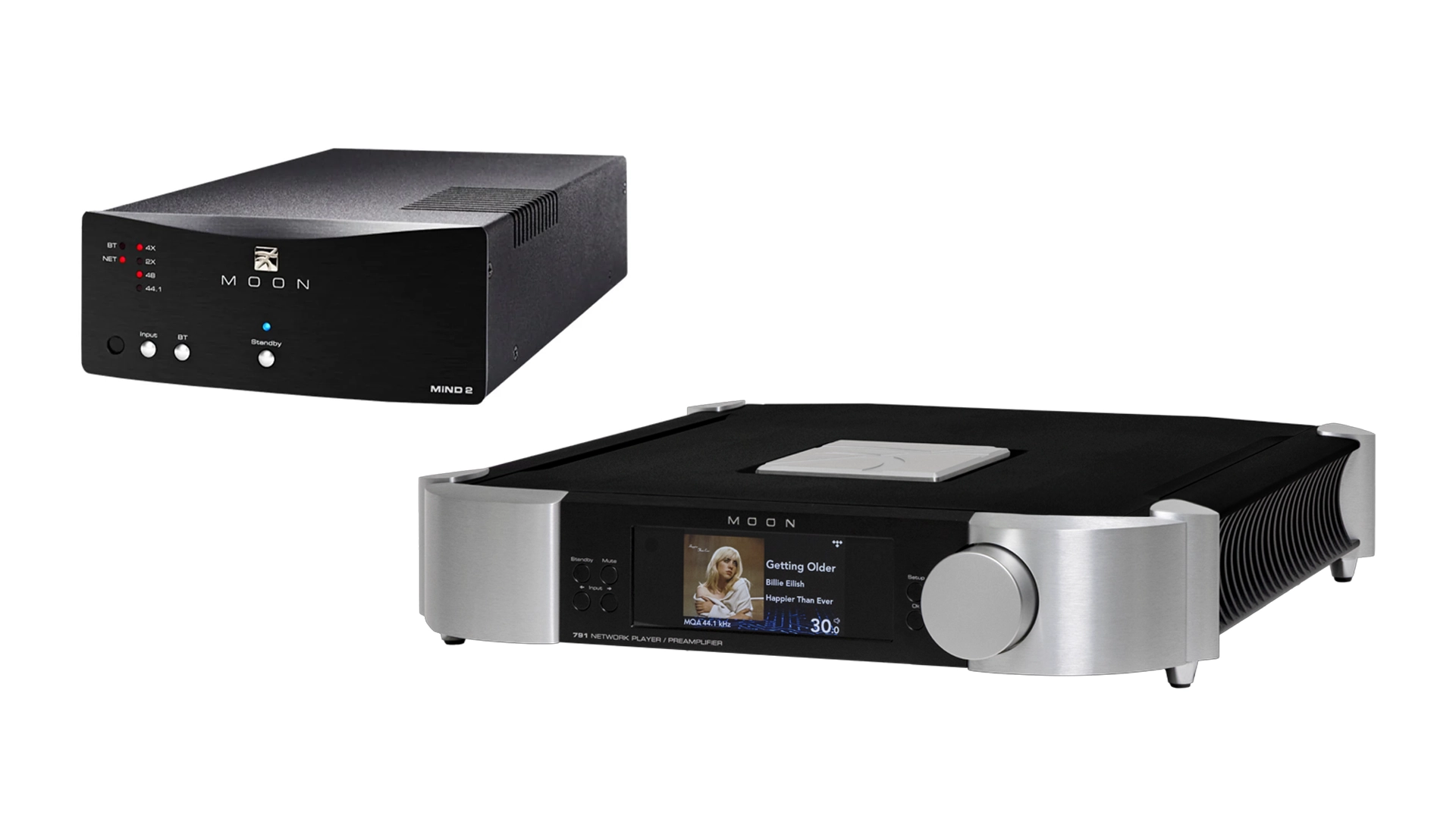
Simaudio is a Canadian high-end electronics manufacturer founded in 1980 as Sima Electronics by Victor Sima. The early company became known for muscular amplifiers able to control demanding loudspeakers; in 1994 Jean Poulin and partners acquired the business, and the MOON name gradually became the public identity of its products. Design and manufacturing remain near Montreal, with metalwork, circuit assembly, testing and long-term service kept unusually close for a modern audio company. MOON electronics cover integrated and power amplifiers, preamplifiers, network players, DACs and phono stages. The Evolution series established technologies such as M-LoVo low-voltage regulation, M-eVOL2 volume control and the MiND network platform, while the compact ACE combined streaming, conversion, amplification and phono input in one chassis. MiND 2 supports contemporary network playback and multiroom control without making a computer the front end. The flagship North Collection develops this architecture in the 681 streamer/DAC, 791 network player/preamplifier, 761 and 861 power amplifiers, and the 891/888 reference separates, with the BRM remote giving tactile control across the system. Simaudio does not use one circuit unchanged at every price: power-supply scale, dual-mono separation, output topology, conversion and control are adjusted to each product, but low noise, high current and operational longevity remain consistent priorities. The company is still independently Canadian rather than a legacy badge owned abroad. Its distinction is the ability to join serious analogue amplification with mature streaming and interface design while preserving repairability and factory support—an evolutionary approach that has kept MOON components current without erasing their two-channel roots.
Small Green Computer

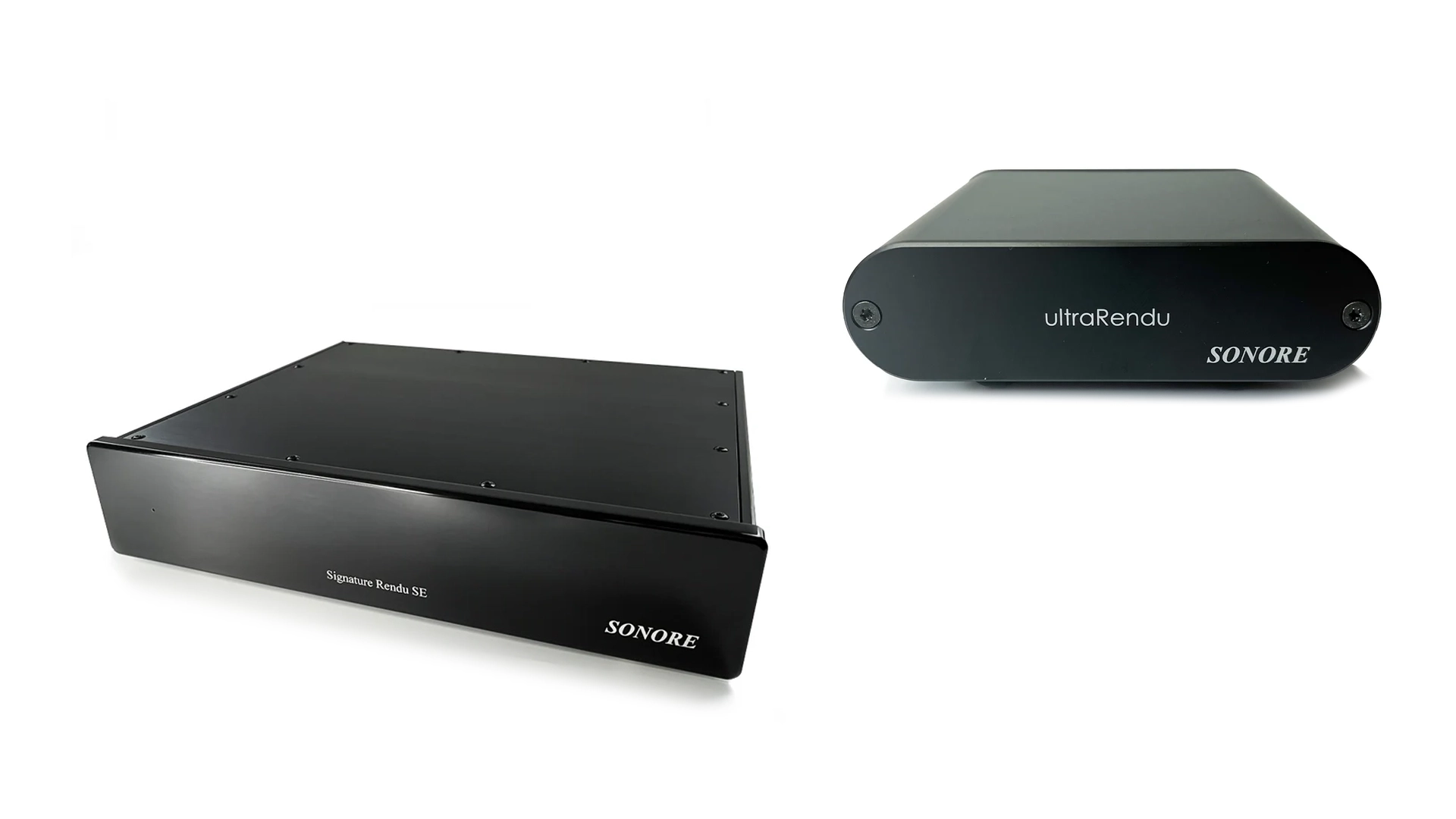
Small Green Computer is an American specialist in fanless music servers and network-audio systems. Its central idea is to remove the noisy, maintenance-heavy general-purpose computer from the listening room and divide digital playback into clear jobs. A sonicTransporter server stores the library and runs software such as Roon, Audirvāna, HQPlayer, Squeezebox or DLNA services; a separate Rendu network endpoint receives the stream and hands it to a DAC, usually over USB. Current sonicTransporter i7 and i9 generations provide different processing headroom for large libraries, multiroom playback and demanding HQPlayer upsampling, while the WhirlWind offers another server configuration. The endpoint side includes Sonore-branded ultraRendu, opticalRendu and Signature Rendu SE models. This brand relationship is important: Small Green Computer supplies the servers and complete system pathway, while the Rendu products carry the Sonore name rather than being renamed SGC devices. The systemOptique concept uses fibre Ethernet to break the conductive electrical path between network sections, and the company also supplies compatible optical modules, switches and low-noise linear DC power. Fanless cases, purpose-built operating images and remote support make the products appliances rather than DIY Linux computers, yet advanced users retain access to multiple playback ecosystems. Small Green Computer’s strength is integration and long-term human support: server, optical network, endpoint and power can be selected as one chain, while users are not locked into a single library application. No sufficiently reliable founding year is published, so the date remains blank.
Sonos

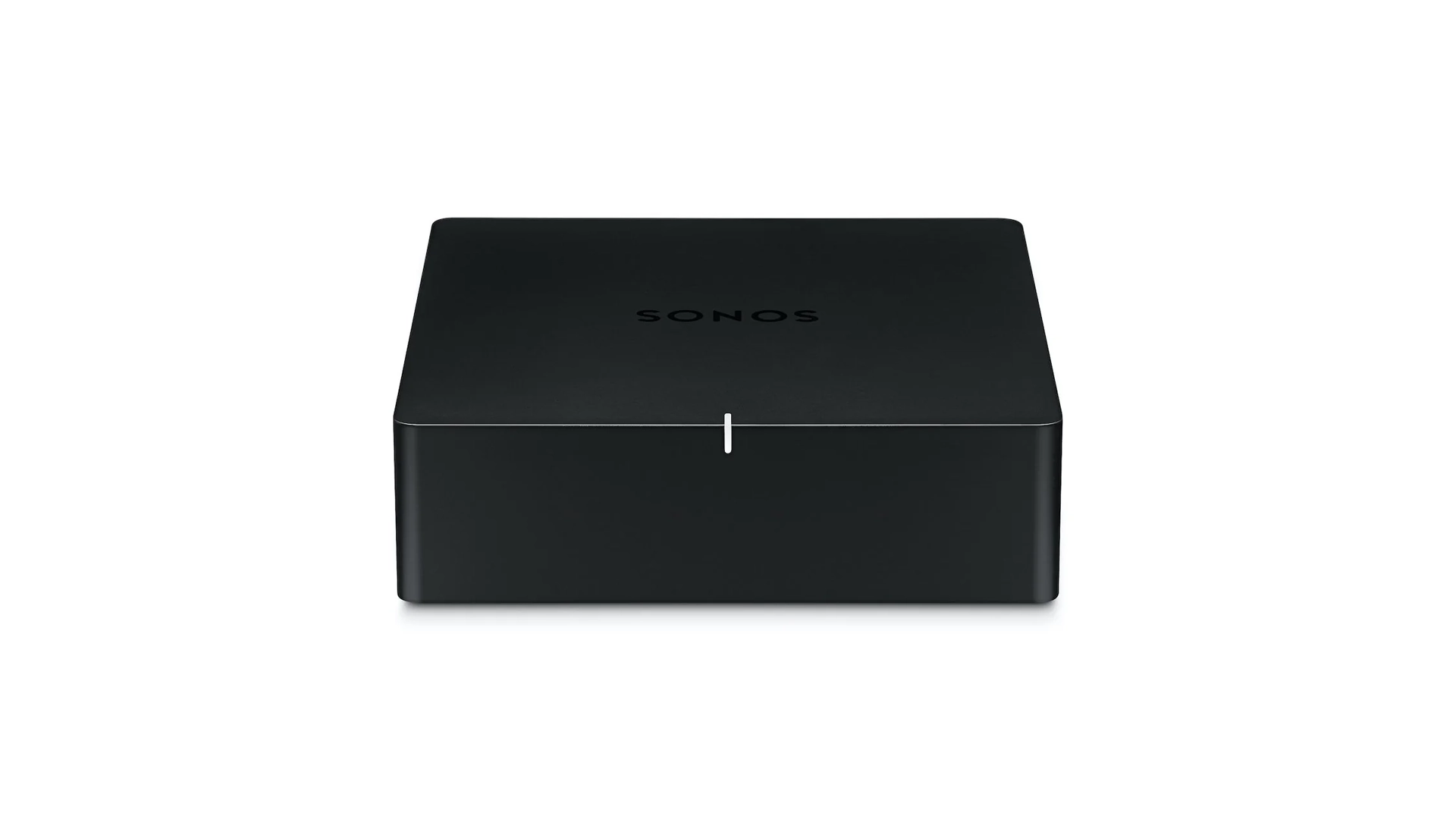
Sonos made synchronised music in different rooms the foundation of an audio system that can grow one speaker at a time. John MacFarlane, Tom Cullen, Trung Mai and Craig Shelburne founded the company in Santa Barbara, California, in 2002. Their idea was to use home networking to make music accessible throughout a house, with playback and room selection managed through a common interface. Early ZonePlayer components established the system approach; the arrival of all-in-one speakers in 2009 made it accessible without a separate amplifier and speakers in every room. Products such as Play:5 and One became familiar expressions of that idea, followed by the Era family. Matching speakers can form stereo pairs, and selected models can work with soundbars and subwoofers in a home-theatre configuration. Arc and Beam brought television into the ecosystem, while Move and Roam added portable listening. Sonos also makes Amp and Port components for connecting conventional loudspeakers or an existing hi-fi system. Its more recent range includes Arc Ultra, Move 2, Roam 2 and Ace headphones, the latter extending compatible television sound to private listening through TV Audio Swap. Across these different forms, Sonos’s defining product is the connected system as much as the individual enclosure: software, synchronisation and compatible hardware make it possible to use rooms separately or bring them together. That continuity explains how a brand associated with wireless speakers also has a substantial role in installed home audio.
SOtM

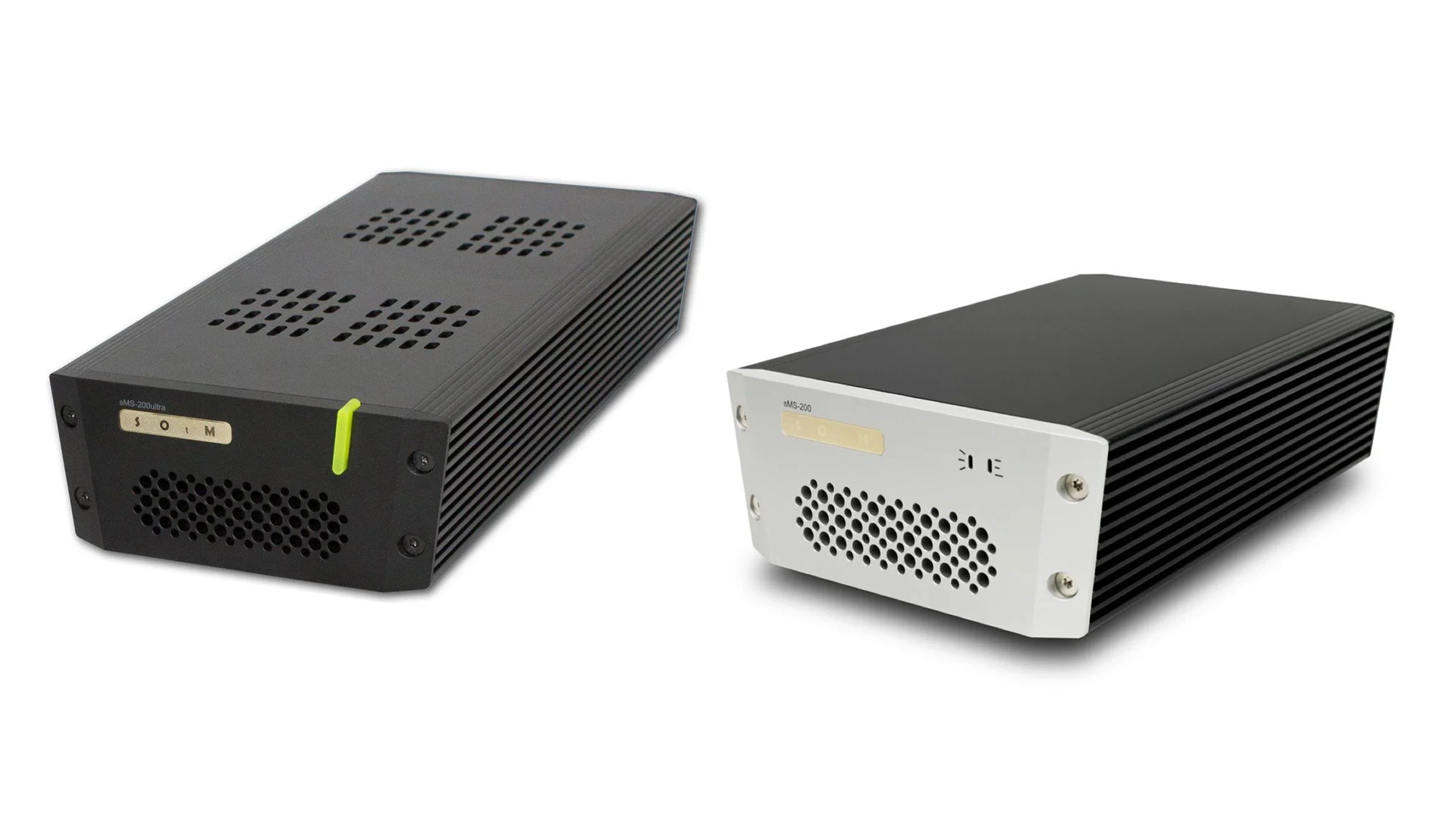
SOtM builds digital-audio components around the less visible parts of computer playback: clocking, power regulation and the electrical interfaces feeding a DAC. The South Korean company’s name stands for Soul Of the Music, and its catalogue connects network players with supporting USB, clock and power products. The sMS-200 family became a recognisable entry point, using a dedicated playback board to send USB audio to an external converter. In the sMS-200ultra, the sCLK-EX clock is integrated into that compact network-player architecture, with an optional connection for an external master clock. Its Linux-based Eunhasu interface provides access to playback modes including Roon Ready, Squeezelite, DLNA and HQPlayer NAA. This makes the player usable within several software environments while allowing the rest of the music library system to reside elsewhere. The wider range includes the sMS-2000 music server, alongside products addressing network connections and the supply of power to digital equipment. DAC and headphone-audio products have also formed part of SOtM’s work. The company’s distinctive approach is to treat a digital source as a collection of interacting electrical subsystems rather than judging it only by supported sample rates. Owners can start with a network player and select compatible supporting components as their system develops. That modular structure is particularly relevant to listeners who already own a DAC and want to build a dedicated streaming front end around it.