
Network Players
A network audio player is designed for the audiophile who wants to achieve the highest quality playback from their personal digital music collection. While most can also access online services, their core focus is on flawlessly rendering high-resolution audio files (like FLAC, WAV, or DSD) stored on a local computer or Network-Attached Storage (NAS) drive. It is the modern, high-fidelity successor to the CD player, dedicated to playing your curated library with bit-perfect precision. This directory lists manufacturers who build these high-performance players for serious digital audio enthusiasts.
Hi-Fi brands in the category
Summary information and image
Direct links to official websites
Taga Harmony


TAGA Harmony is a company specializing in loudspeakers, audio electronics, and cables, known for its focus on providing high-quality sound at accessible price points. While having European roots, the company has significant operations and design influence from Japan. TAGA Harmony offers a wide range of products, including floor-standing speakers, bookshelf speakers, center channel speakers, subwoofers, integrated amplifiers, and various cables. Their products often feature a modern aesthetic and are designed to deliver a balanced and engaging sound. The company’s design philosophy emphasizes a combination of engineering principles and subjective listening evaluations to achieve optimal performance. TAGA Harmony products are positioned in the
Teac

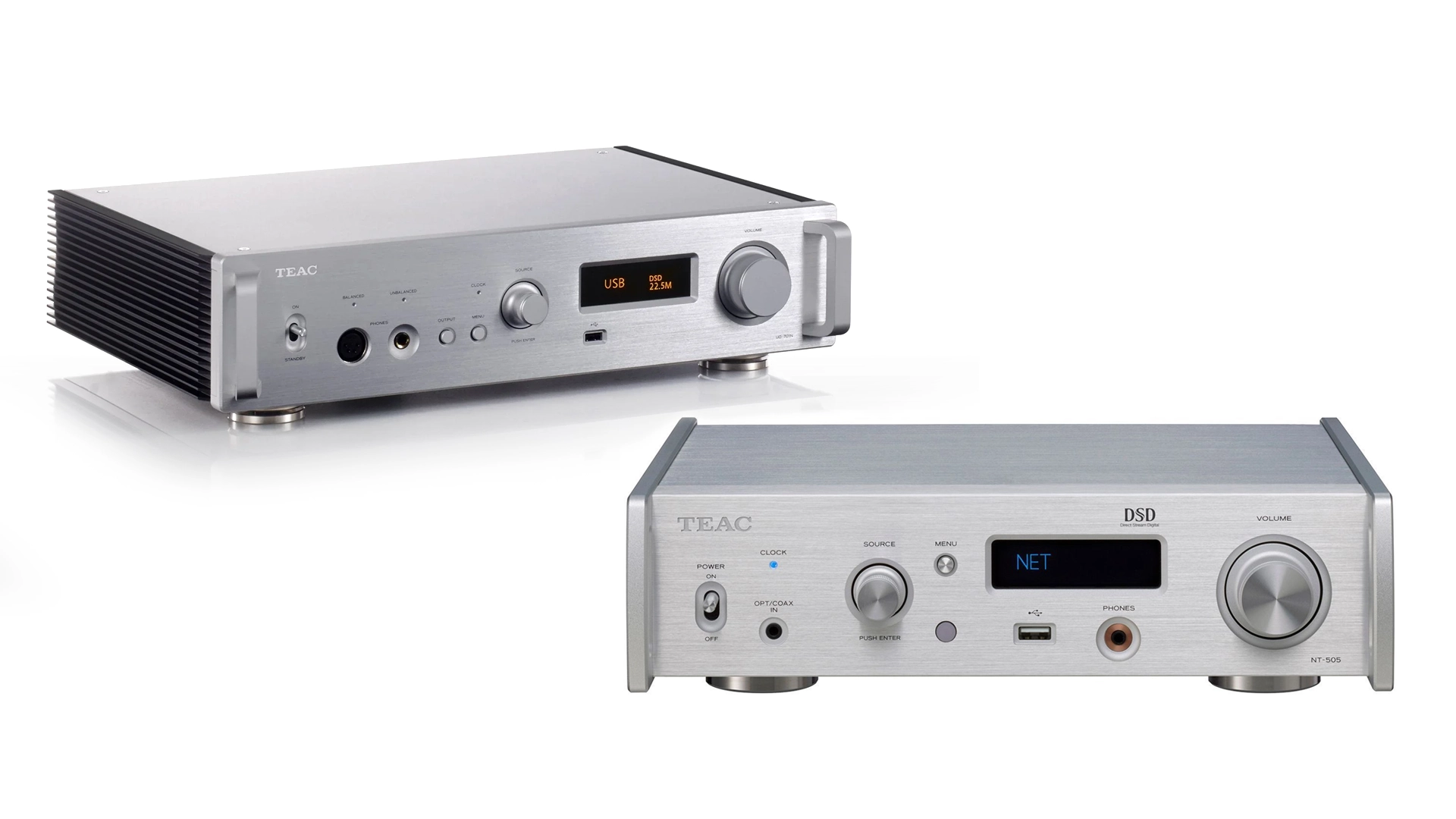
TEAC is a Japanese audio manufacturer whose history links open-reel tape, professional recording and modern digital hi-fi. Brothers Katsuma and Tomoma Tani founded the Tokyo Television Acoustic Company in 1953, and the business soon became Tokyo Electro-Acoustic Company, the source of the TEAC name. Precision tape transports established its international reputation: reel-to-reel machines such as the A-4010 and later X-series decks became fixtures in serious home systems and small studios.
That mechanical expertise led to several distinct branches. TASCAM grew from TEAC’s professional-audio activity and helped bring multitrack recording within reach of musicians through products such as the 80-8 reel-to-reel recorder and Portastudio cassette workstations. Esoteric, introduced in 1987, took the company’s disc-transport and digital engineering into the high-end sector. TEAC itself continued with cassette decks, CD players, turntables, amplifiers and compact Reference components rather than abandoning the consumer listener.
Today’s range connects those traditions. TN-series turntables serve vinyl systems, while the Reference 500 and 700 components combine network playback, USB conversion, headphone amplification and power amplification in relatively compact cases. The VRDS-701 revives TEAC’s rigid-disc-clamping transport principle for CD playback. TEAC’s real distinction is continuity: few brands can trace the same concern for transport stability, recording practice and serviceable engineering from magnetic tape to contemporary streaming and conversion.
Technics
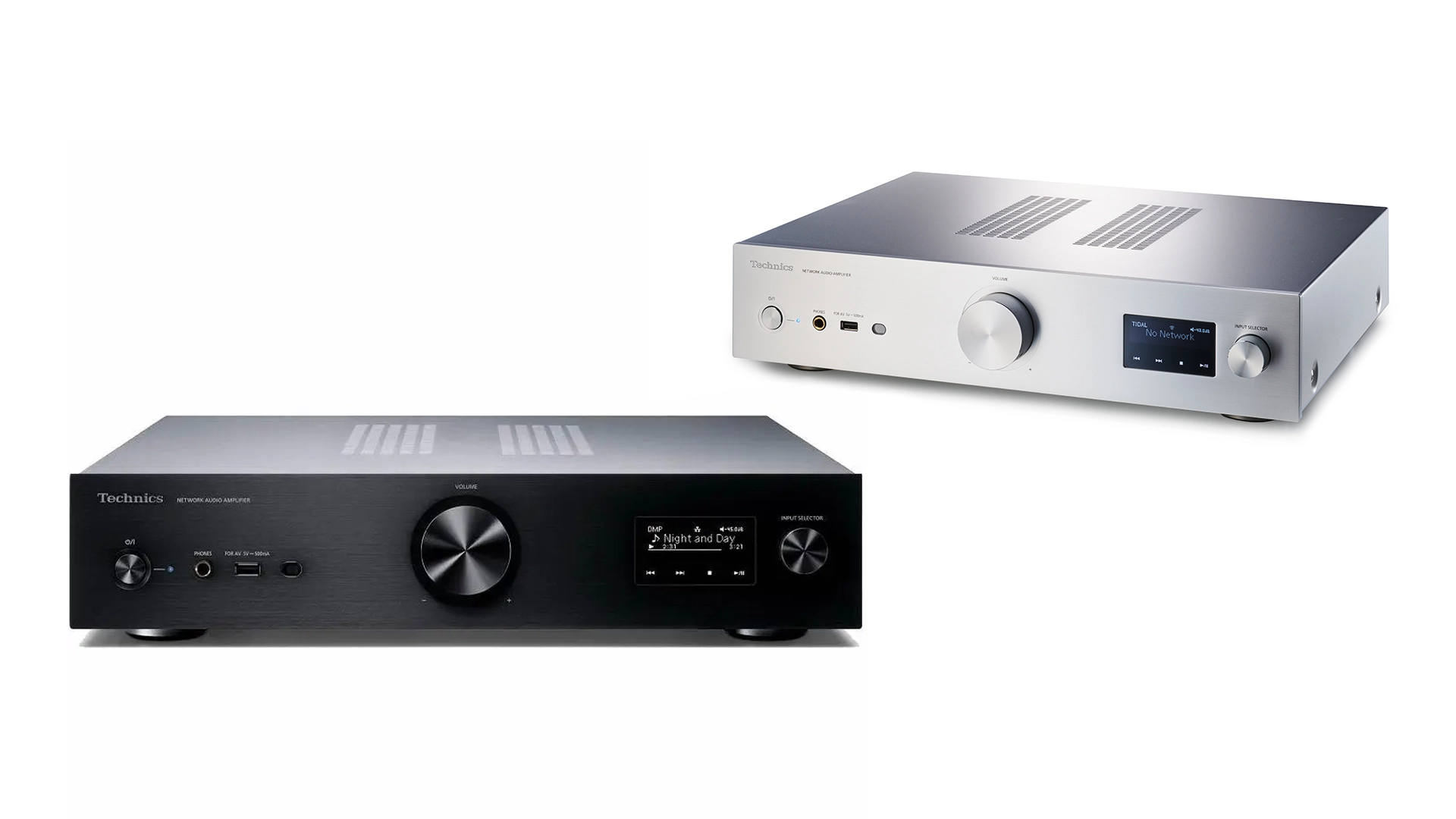
Technics is Panasonic’s Japanese hi-fi brand, introduced in 1965 and defined above all by its transformation of the turntable. The first product to carry the name was the Technics 1 loudspeaker, but the SP-10 of 1970 created the decisive legacy: it was the first commercially available direct-drive turntable, placing the platter directly on the motor and eliminating belts and idlers. The SL-1200 followed in 1972, and the quartz-controlled SL-1200MK2 of 1979 became an enduring tool for broadcasters, clubs, DJs and home listeners. That achievement can obscure the breadth of the company. Technics also built amplifiers, cassette and open-reel machines, CD players and loudspeakers, often using advanced motor, power-supply and digital research from the wider Panasonic organisation. After a pause in dedicated hi-fi production, the brand returned in 2014 with new Reference and Grand Class systems rather than a purely retro catalogue.
Modern turntables range from the accessible SL-1500C and SL-1200GR2 to the SL-1200G and Reference SP-10R, whose coreless direct-drive motors address cogging and rotational stability with current control technology. Electronics such as the SU-R1000 integrated amplifier use digital signal processing for functions including cartridge calibration and load-adaptive speaker control, while wireless systems and loudspeakers broaden the range. Technics remains distinctive because one engineering idea became both an audiophile reference and a global musical instrument, yet the company continues to refine it instead of merely reproducing the past.
Vermeer Audio
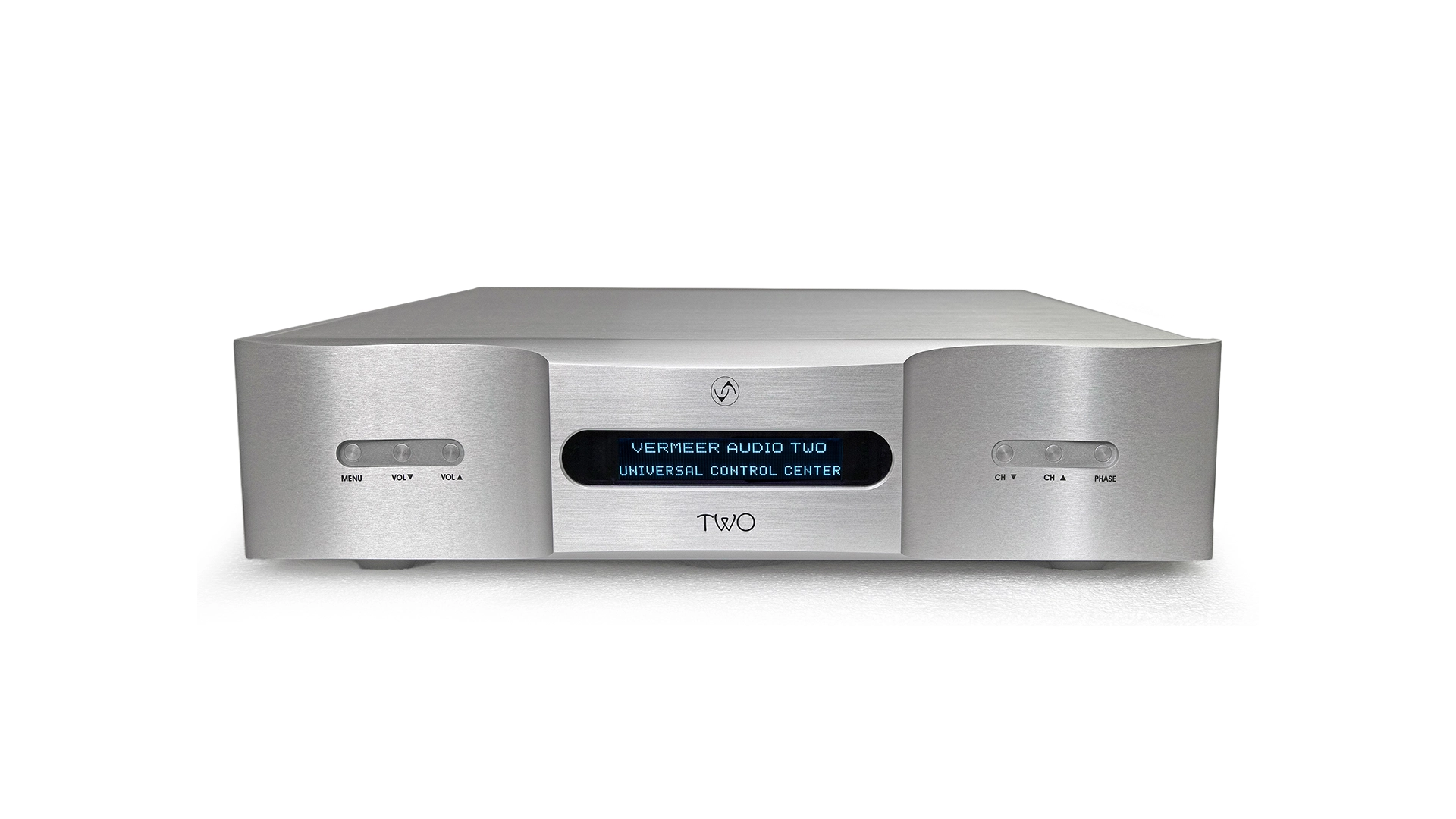
Vermeer Audio is a French digital-audio company created in Lyon in 2014 by a team that acquired the assets and intellectual property of Audio Aero. The 2002 date previously associated with the brand belongs to the earlier history around Audio Aero and is not an accurate founding year for Vermeer Audio itself. Rather than simply rebadging inherited machines, the team used that knowledge as a starting point for its own compact reference components. Model TWO established the approach: a network player, DAC and analogue preamplifier combined as a universal control centre for a high-end system. It accepts local and network digital sources, provides volume control and analogue connectivity, and is intended to drive a power amplifier directly when a separate preamplifier is unnecessary. Model THREE advances the same idea with updated digital processing, streaming and interface design while preserving the emphasis on a short, carefully managed signal path. Vermeer’s engineers draw on more than two decades of experience with digital conversion, clocking and mixed analogue/digital circuitry. Units are assembled by hand in France, with one technician responsible for an individual product rather than a fragmented production line. This background is important because Vermeer Audio should not be described as Audio Aero under another name. Its individuality lies in turning that acquired digital expertise into a small, focused range of French source-preamplifiers: products designed to consolidate streaming, conversion and system control without treating convenience as a reason to lower analogue engineering standards.
Yamaha

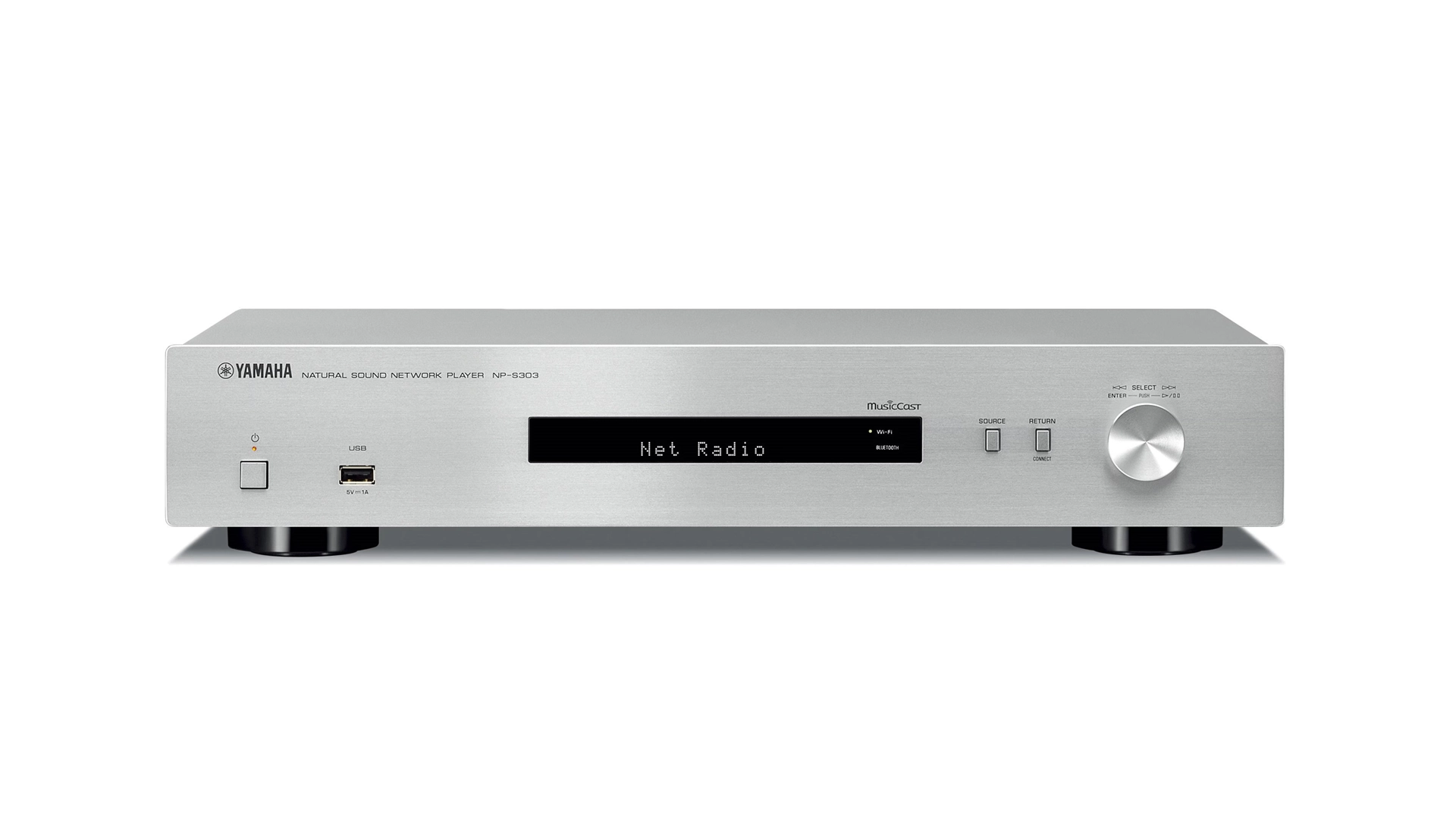
Yamaha began in 1887 when Torakusu Yamaha repaired a reed organ in Hamamatsu and built his own instrument; the tuning-fork emblem still reflects that origin. The company became Nippon Gakki and developed pianos, organs and other instruments long before expanding into electronics, professional sound and home audio. Yamaha’s audio strength comes from this unusually broad view of the chain—from the instrument and recording venue to mixing, amplification and reproduction. The NS-1000 loudspeaker of 1974 was a landmark use of beryllium domes for both midrange and treble, while the B-1 introduced a powerful vertical-FET amplifier and the GT turntables explored extreme mechanical stability. Modern hi-fi retains those threads. A-S integrated amplifiers range from accessible models to the fully balanced A-S3200; R-N network receivers add MusicCast streaming and multi-room control; the C-5000/M-5000 separates and GT-5000 turntable form the flagship 5000 Series. NS-2000A and NS-5000 loudspeakers use Yamaha’s Zylon-based Harmonious Diaphragm concept across multiple drivers to improve tonal continuity. At the same time, Yamaha remains a major force in AV receivers, soundbars, studio monitors, digital mixers and concert systems. Yamaha Motor has been a separate company since 1955, so motorcycles should not blur this audio history. The enduring identity is integration: acoustic-instrument knowledge, professional production tools, cinema processing and domestic hi-fi developed within one Japanese engineering culture.
Zidoo

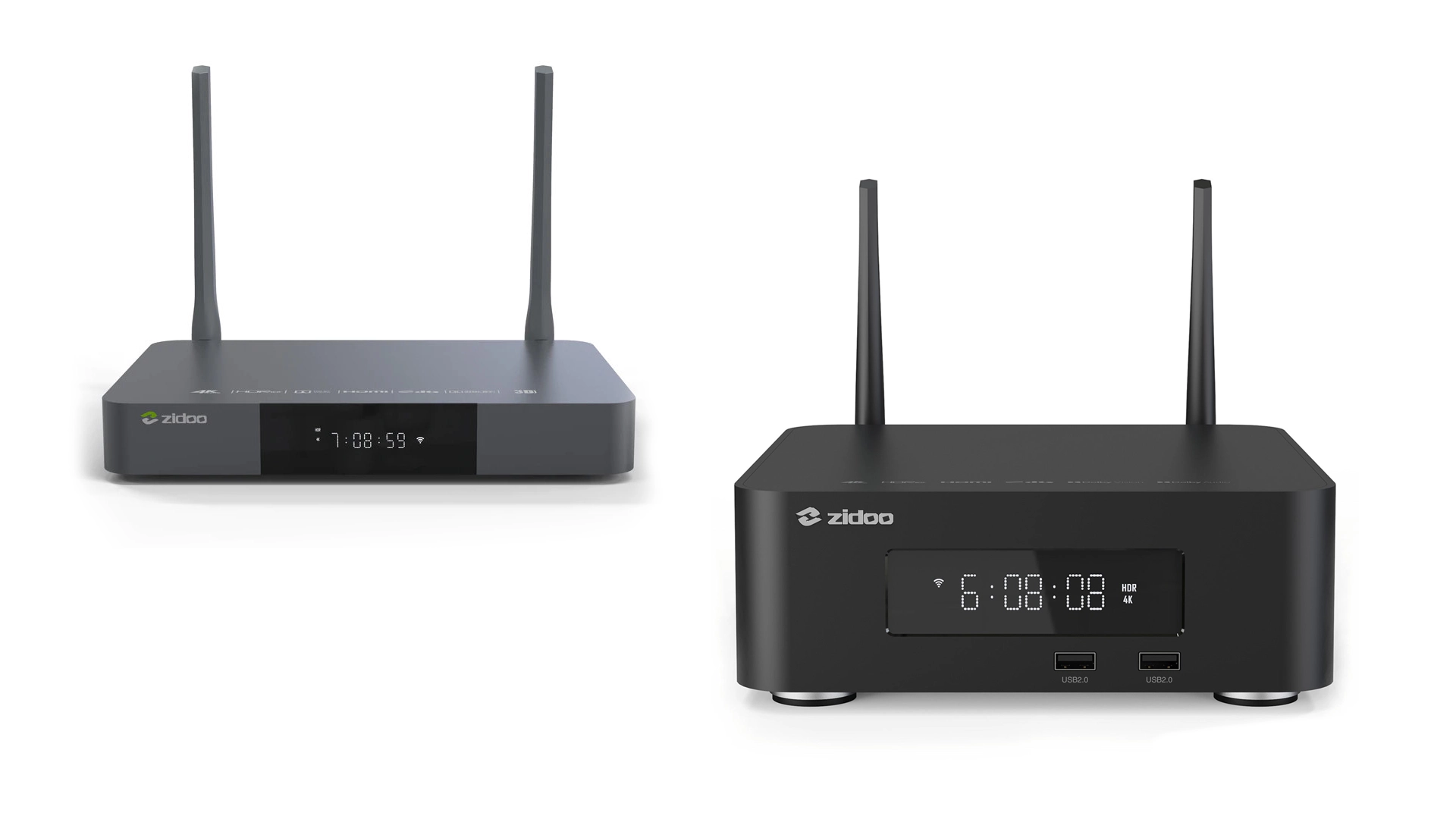
Zidoo is a Shenzhen-based electronics company founded in 2014 and best known for media players designed around locally stored film libraries. Its early Android boxes combined broad format support with HDMI output, but the X9S of 2016 established a more specialised direction: reliable 4K playback, automatic frame-rate and resolution switching, Blu-ray menu handling and an interface suited to large collections. Poster Wall software scans files, retrieves artwork and metadata and presents a cinema library without exposing the underlying folder structure. Later Z9X, Z10 Pro and UHD models added Dolby Vision processing, HDR conversion, dual-drive storage, linear power supplies and progressively stronger audio sections. Current 8K-generation players continue this separation between the media library, video engine and high-quality AV output, with flagship chassis intended for dedicated theatres. Zidoo also entered two-channel audio with NEO players and developed streaming-focused products through the related Eversolo brand, but the two names should not be collapsed: Zidoo remains primarily the home-cinema and local-media platform. The company develops firmware, mobile control, library management and hardware together, which is why long-term software behaviour matters as much as the selected system-on-chip. Its strength is practical integration rather than inventing a new video codec: one appliance can index large local libraries, decode uncommon disc structures, output modern HDR formats and provide the control and connectivity expected in an installed cinema.