Soundproof Solutions
This category covers products designed to control sound and optimize the acoustics of your listening space. It includes acoustic treatment products—such as absorber panels, diffusers, and bass traps—which manage sound reflections inside the room to improve clarity and imaging. It also covers soundproofing materials, which are designed to block sound from entering or leaving the room. This directory lists brands that manufacture these essential solutions for any dedicated listening environment.
Hi-Fi brands in the category
Summary information and image
Direct links to official websites
Artnovion

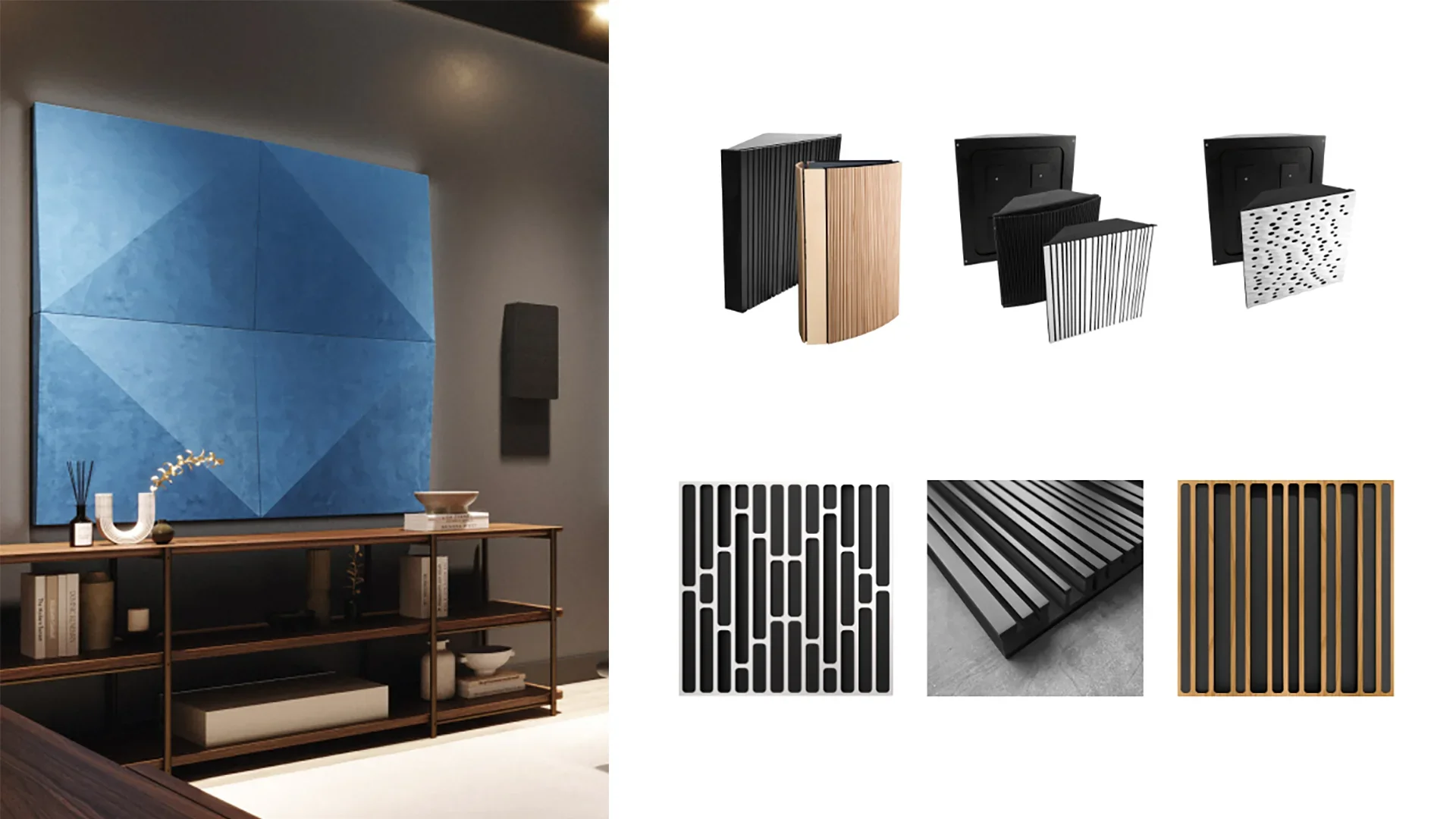
Artnovion combines room-acoustic treatment with the finish and installation choices expected of architectural products. Acoustic engineer Jorge Castro founded the Portuguese company in 2015. Its absorbers, diffusers and bass traps serve recording studios, home cinemas and shared interiors, with each type addressing a different part of the room’s behaviour. For example, the Bass Trap Wall uses two independent cavities and diaphragmatic membranes to target low frequencies that thin decorative panels cannot adequately address. The broader offering includes project support and the Impulso acoustic-measurement apps. Materials, surface patterns and mounting arrangements give designers options while keeping the acoustic function central to the specification.
Complete Acoustic Treatment System

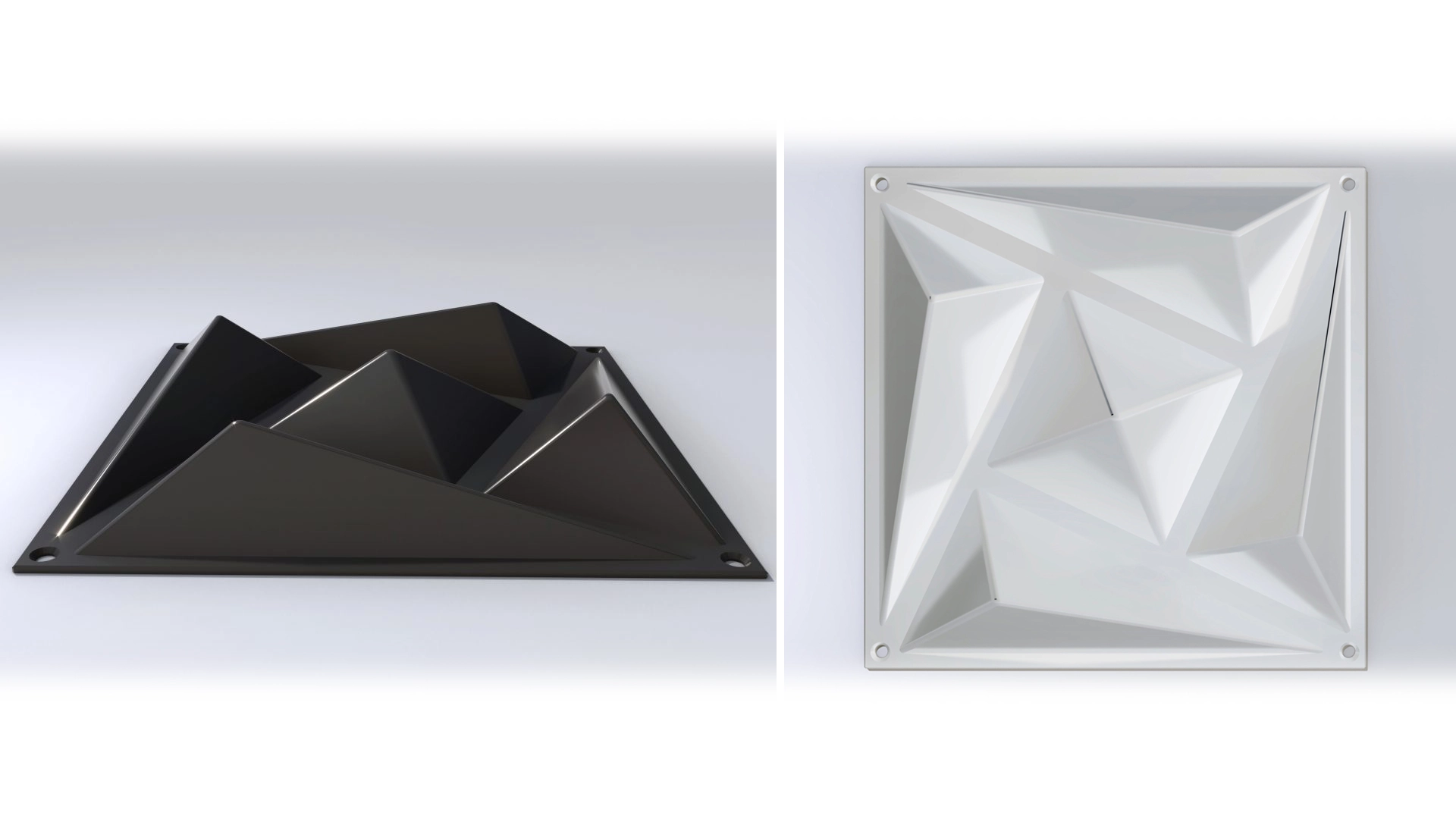
Complete Acoustic Treatment System, usually shortened to C-ATS, is a British room-acoustics brand built around an unusually shallow treatment architecture. Its goal is to address the three recurring room problems it calls the “Three R’s” — resonance, reverberation and reflection — while sacrificing as little floor and wall space as possible. Rather than selling one generic foam panel, C-ATS divides the work among dedicated resonance-, reverberation- and reflection-control modules that can be combined after the room has been assessed. Key panels are approximately 50 mm deep, which makes the system relevant where conventional bass traps or deep absorbers would intrude into a home cinema, screening room, studio or commercial interior. Reflection panels use a moulded surface to scatter mid and high frequencies, while other modules target decay and low-frequency behaviour. The brand’s real strength is the repeatable system concept: a compact family of purpose-specific treatments, installation guidance and design services that can be scaled to the acoustic problem rather than applied as decoration.
GIK Acoustics

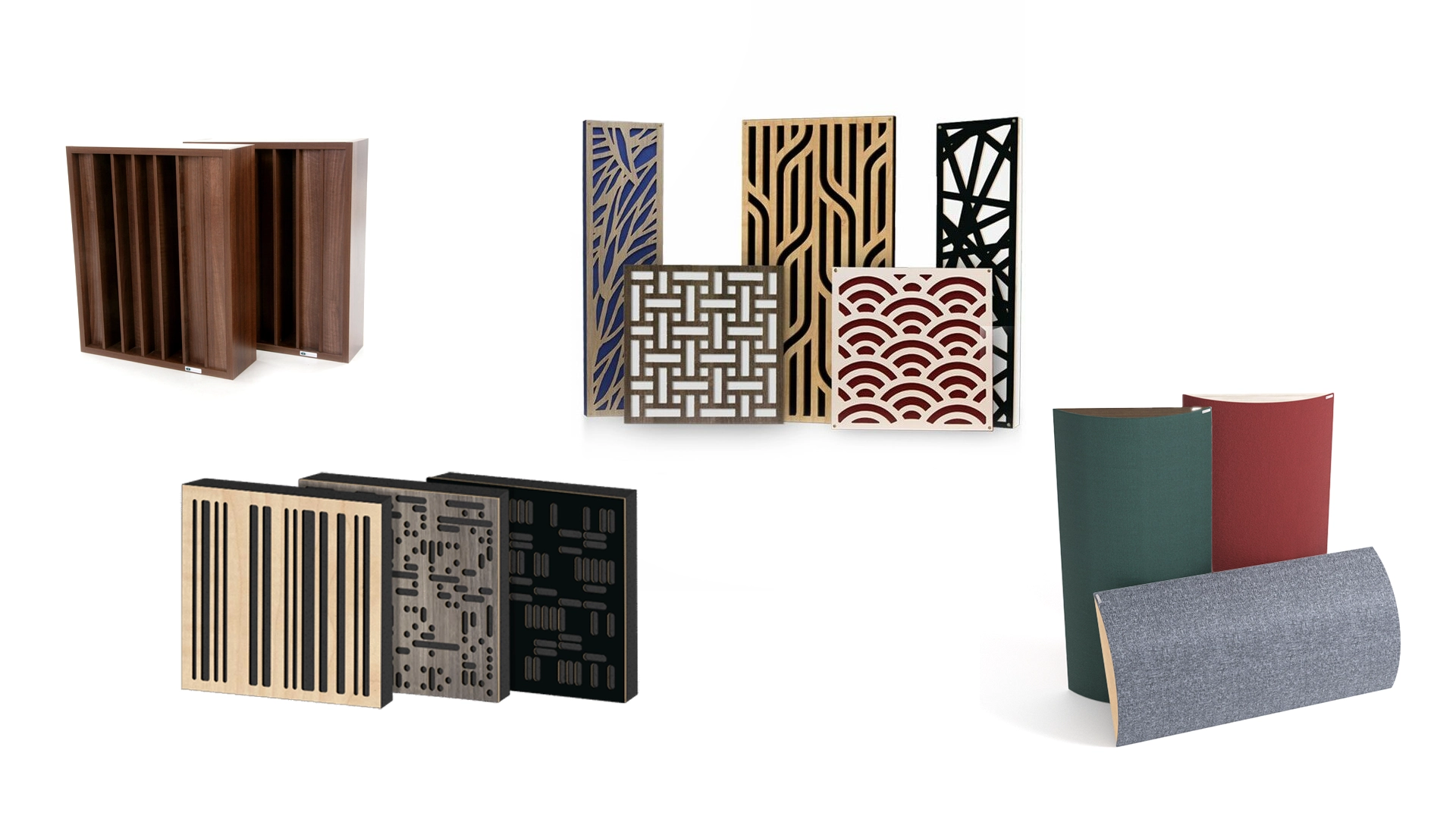
GIK Acoustics makes room treatment that addresses measurable acoustic problems while remaining practical for homes, studios and public spaces. Musician Glenn Kuras founded the company in Atlanta, Georgia, in 2004; a European operation followed in Bradford, England, in 2008. Its range covers broadband panels, corner and soffit bass traps, diffusers, hybrid absorber-diffusers, gobos, vocal booths and portable isolation products, supported by room-planning advice. GIK’s US Patent 9,091,060 describes a two-frame absorber construction, while FlexRange options let customers choose broadband action or greater low-frequency emphasis. The Alpha series combines absorption with a slatted scattering surface, avoiding the need to treat diffusion and damping as separate afterthoughts. This mix of acoustic engineering, configurable products and direct consultation is the brand’s main strength.
Horns

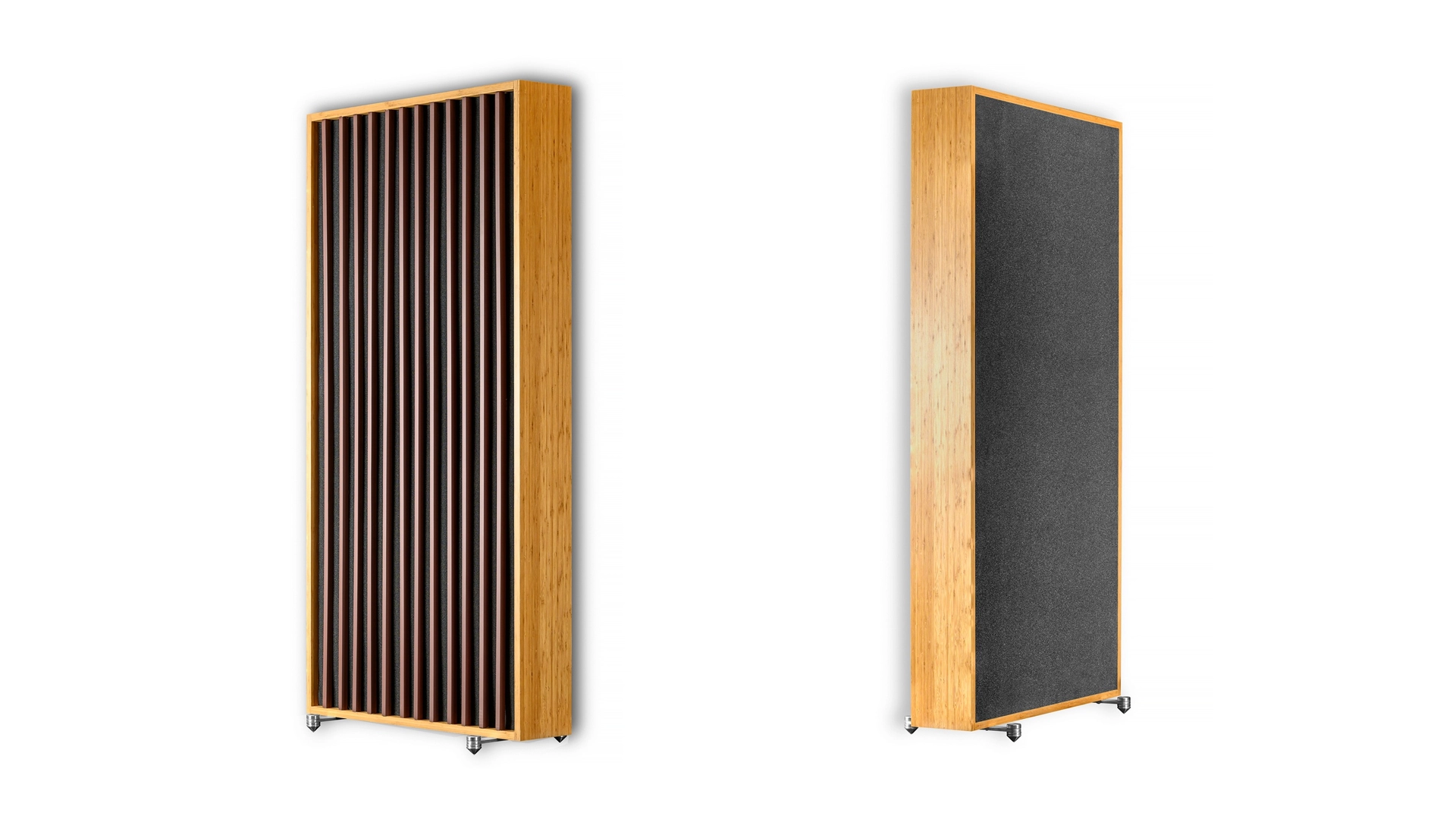
hORNS is a Polish loudspeaker maker that has made horn loading its defining language since 2006. Rather than treat the horn as a decorative feature, the company uses it to improve acoustic coupling, efficiency and control of dispersion, pairing horn-loaded high- and mid-frequency sections with bass alignments chosen for each enclosure. The catalogue has ranged from the compact FP models and the sculptural Mummy to the larger Symphony and Universum systems, with the latter developed through several generations. Different horn profiles, compression drivers, cabinet volumes and crossover solutions let hORNS scale the same core idea from domestic rooms to statement installations. Production is deliberately artisanal, and customers can specify finishes or commission visual adaptations instead of choosing only from mass-market veneers. That combination of high sensitivity, strong dynamic capability and individual cabinet work is what separates hORNS from conventional Polish box-speaker manufacturers.
RDacoustic

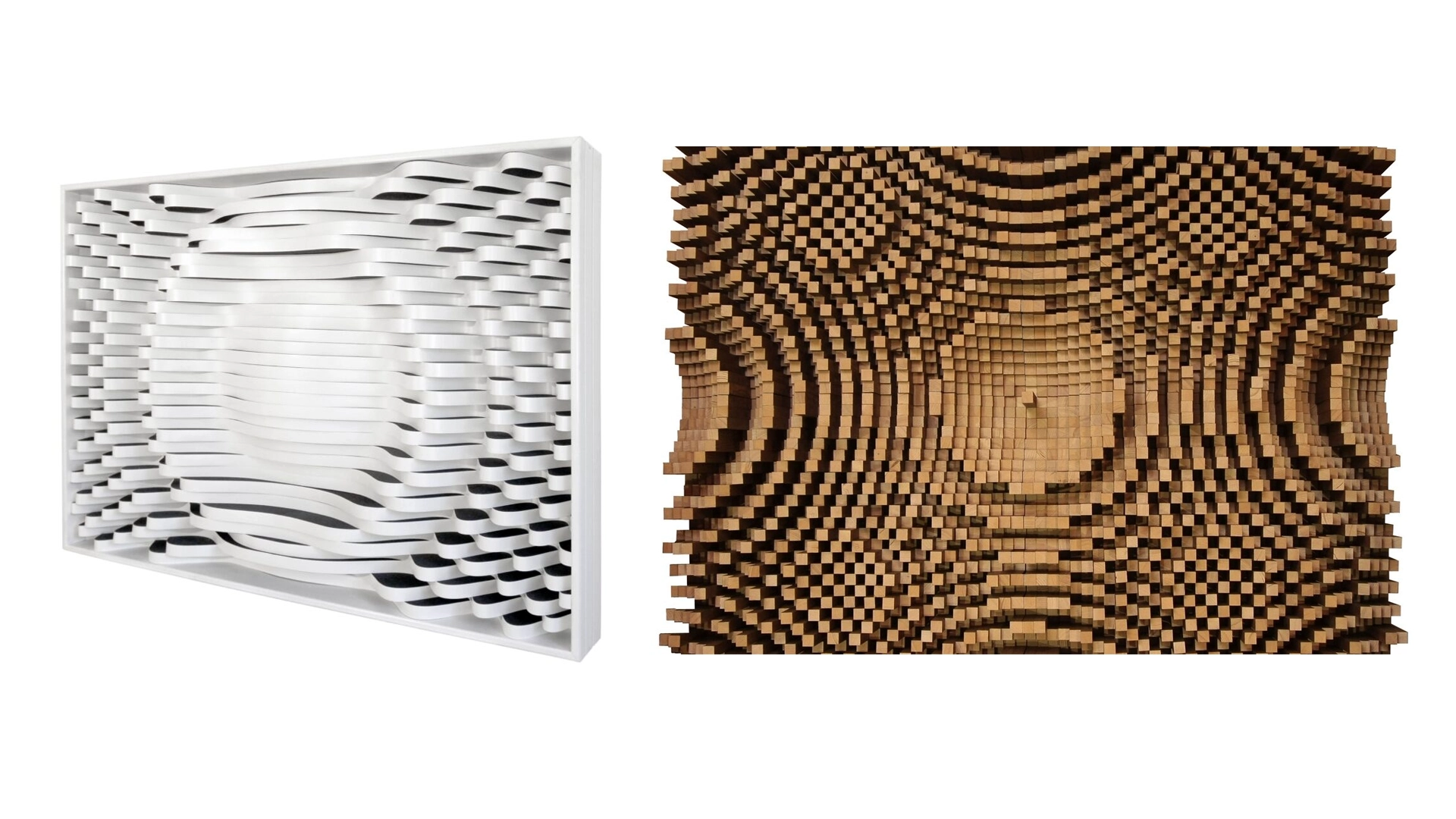
RDacoustic is a Czech company founded by Radovan Řehořek and David Piska after years of experiments with high-sensitivity loudspeakers. Řehořek began a first horn prototype in 2002; the company itself was established in 2014 when the Evolution design was ready to move beyond prototypes. That date has been added to the since field rather than treating the first experiment as a formal launch. Development and much of the production take place around Rožnov pod Radhoštěm in the Czech Republic. Evolution is the product that explains the brand: a high-efficiency loudspeaker built around a single full-range driver and a carefully developed rear horn, avoiding an electrical crossover through most or all of the audible range. Euphoria expands the concept for larger rooms by combining a broad-band driver with a 15-inch bass unit; the crossover is placed low so the main driver remains uninterrupted through the phase-sensitive midrange. Cabinet geometry and horn loading, rather than an assortment of unrelated premium drivers, do the central acoustic work. The original record also named a “Voyager” model that does not belong to RDacoustic’s documented current range and has been removed. The company has grown beyond loudspeakers into the surrounding listening environment: hybrid acoustic diffusers, Silentmax absorption panels, EVO isolation pads and room-design services. EMI Neutralizer products address high-frequency contamination on the mains without replacing the safety-earth function. RDacoustic’s individuality is this joined-up view of a system—efficient crossover-light speakers, mechanical support, power-noise control and the acoustic treatment of the room in which they operate.
Sonitus Acoustics

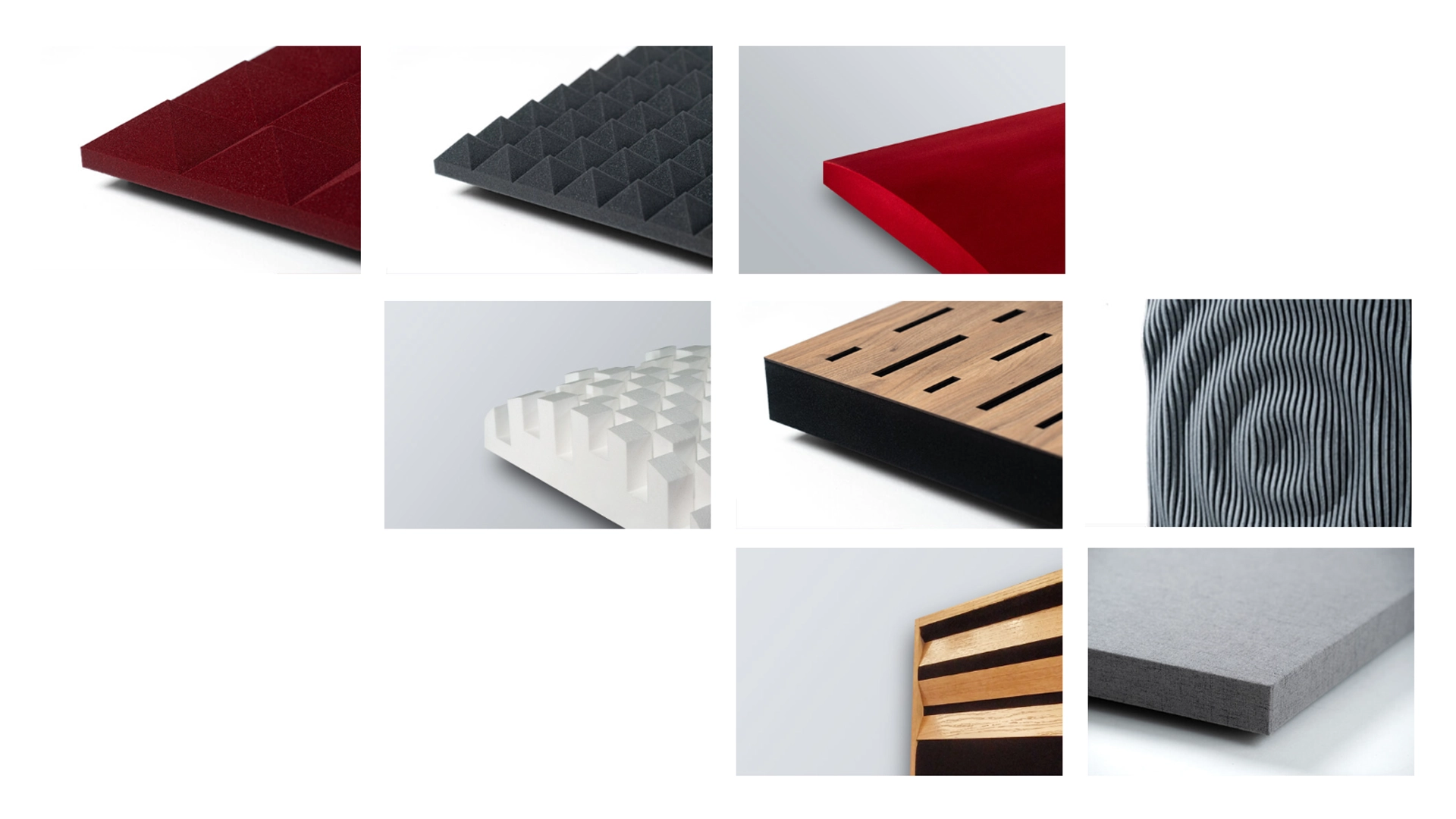
Sonitus Acoustics treats the listening room itself, making absorbers, bass traps and diffusers for recording studios, home cinemas and domestic spaces. The Croatian company began in 2009 when studio owner Manuel Marković turned a personal interest in acoustic treatment into a manufacturing business. That studio background still gives the catalogue a practical character: it covers simple rehearsal-room treatment as well as products intended to remain visible in a carefully furnished interior. Production is kept within the company’s own facilities near Koprivnica, allowing it to develop both the acoustic elements and their decorative finishes. Foam absorbers, covered panels, PET panels and dedicated bass traps address different parts of a room’s behaviour, while diffusers provide another way to manage reflections. Decosorber is a particularly clear example of the brand’s approach. It combines acoustic foam with a patterned, perforated MDF face, absorbing energy especially through the midrange while reflecting more high-frequency sound than an exposed absorber. The pattern and wood-style finish make the panel part of the room’s appearance as well as its treatment. Leviter, Visilio and Massive broaden the available forms, and the separate Kicker range serves drummers. Sonitus offers tools that can be combined according to the space and the problem being addressed. Its strongest contribution is making room treatment available in a wide choice of constructions and finishes, so acoustic planning can be integrated with the way a studio or living room is actually used.
Stillpoints

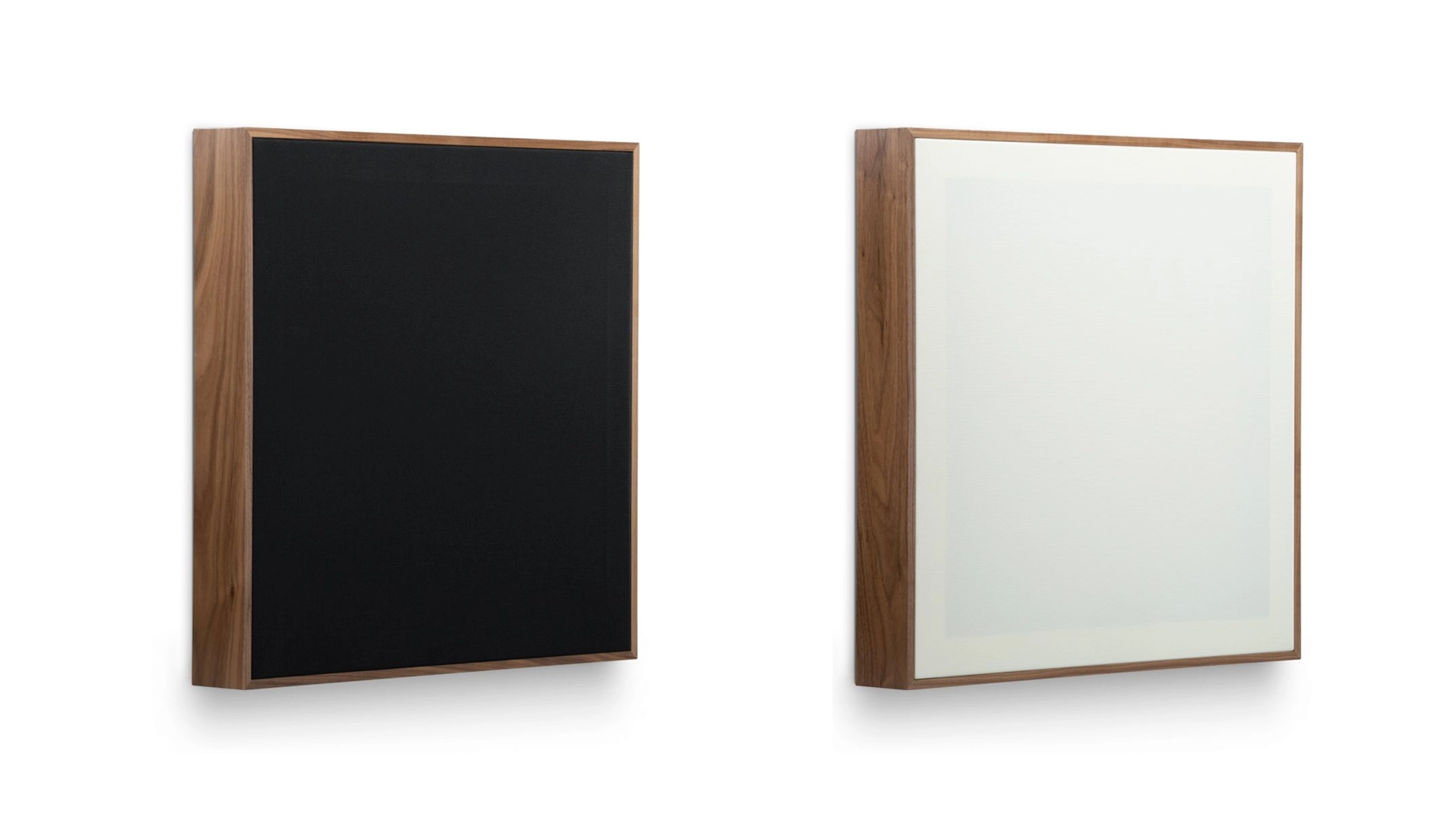
Stillpoints develops mechanical isolation products for audio components and loudspeakers, then extends the same concern with stored energy into equipment furniture and room acoustics. Established in the United States in 2002, the company is closely associated with Paul Wakeen and designer Bruce Jacobs; patents also name Craig Shirley in its acoustic-panel work. The Ultra isolators are its best-known products. Rather than relying on a simple rubber foot or a single spring, they use multiple stages of stainless-steel and ceramic elements to create paths through which vibration can be dissipated. Different bodies and adapters let the system support source components, amplifiers, racks and loudspeakers, while Ultra SS, Ultra 5 and Ultra 6 provide progressively more elaborate implementations. Orientation and loading matter, so installation is part of obtaining the intended result. ESS and Ultra ESS racks integrate Stillpoints technology into complete support structures, and Component Stand SS provides low-level placement for heavy amplifiers. Aperture acoustic panels take the company into the room itself. Their patented internal structure combines absorption and diffusion across a broad area, and panels can be used on walls, in stands or around difficult reflection points without filling the room entirely with soft treatment. Stillpoints therefore addresses two related but distinct paths: mechanical energy travelling through equipment supports and acoustic energy circulating in the listening space. Its value lies in offering a scalable system—from one component footer to a complete rack and treatment plan—rather than presenting every vibration problem as identical.
VAF Research

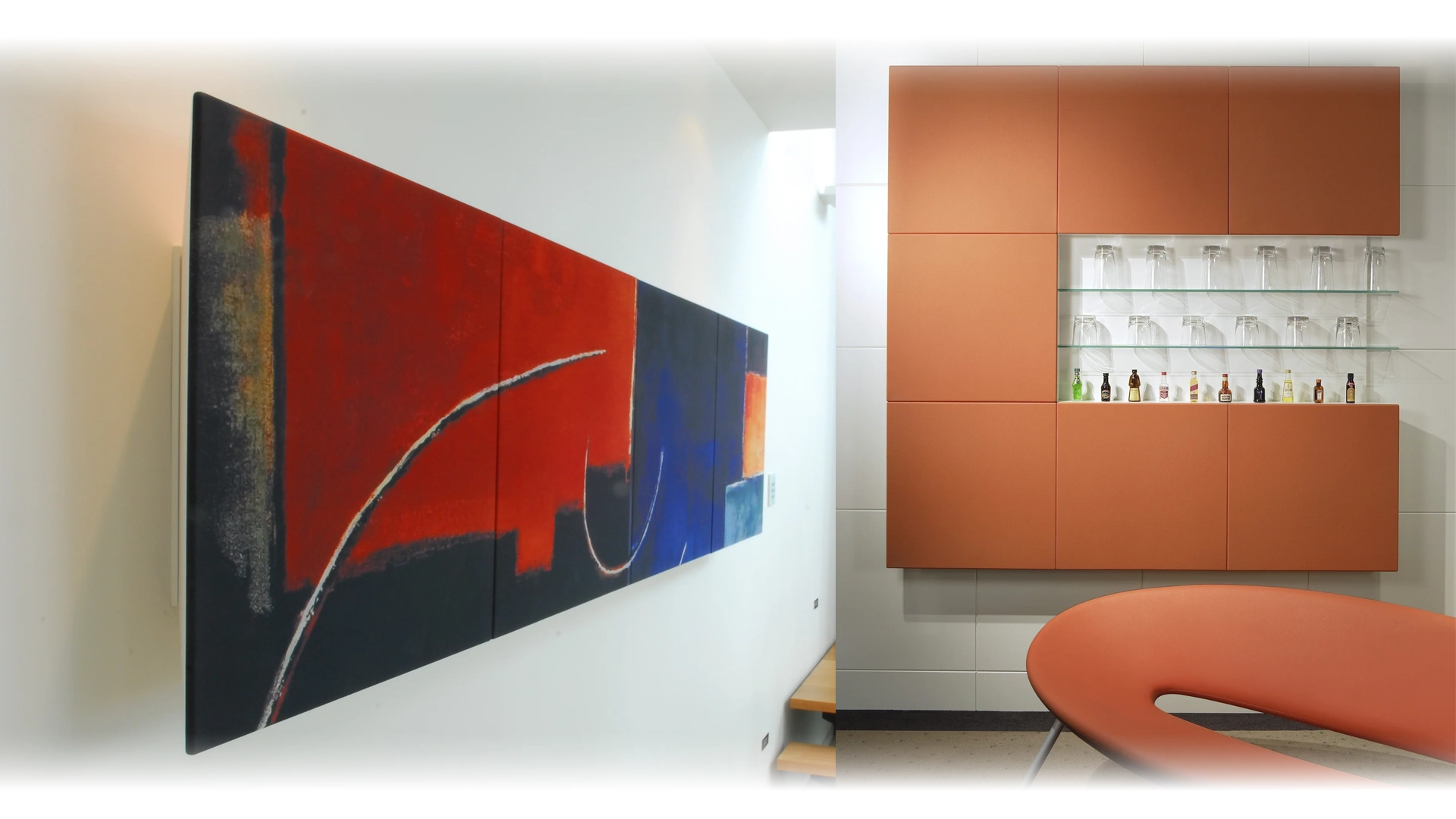
VAF Research is an Australian loudspeaker manufacturer founded in Adelaide in 1978 by Philip Vafiadis. It grew from a local specialist into one of the country’s longest-running independent audio companies, designing complete speakers and supplying cabinets, parts or manufacturing expertise to international brands including Sony, Dynaudio, Jamo, DALI and Duntech. That industrial background gave VAF experience beyond a boutique domestic catalogue.
The Signature series became the public reference. The i66 floorstander appeared in the late 1990s and led to the larger i93, an Australian statement speaker using multiple drivers and carefully controlled radiation to deliver full-scale output in large rooms. Compact i91 models bring the same family priorities to smaller spaces, while Evolution speakers, subwoofers and the SoundWall architectural system cover attainable stereo, cinema and custom installations. Products are designed and built in Adelaide with unusually long loudspeaker warranties.
VAF’s engineering has also served public and professional spaces. In 1998 it supplied a 300-loudspeaker electro-acoustic system for the Adelaide Festival Centre, and in 2003 designed speakers for the Australian Senate chamber. These projects demonstrate why “Research” belongs in the name: modelling and measurement must be reconciled with intelligibility, coverage and subjective listening under very different conditions. Philip Vafiadis remains central to the company’s history, while a broader development team now carries the range forward. VAF’s strength is this continuity between Australian domestic hi-fi, custom problem-solving and installations where acoustic performance is a public responsibility.
Vicoustic

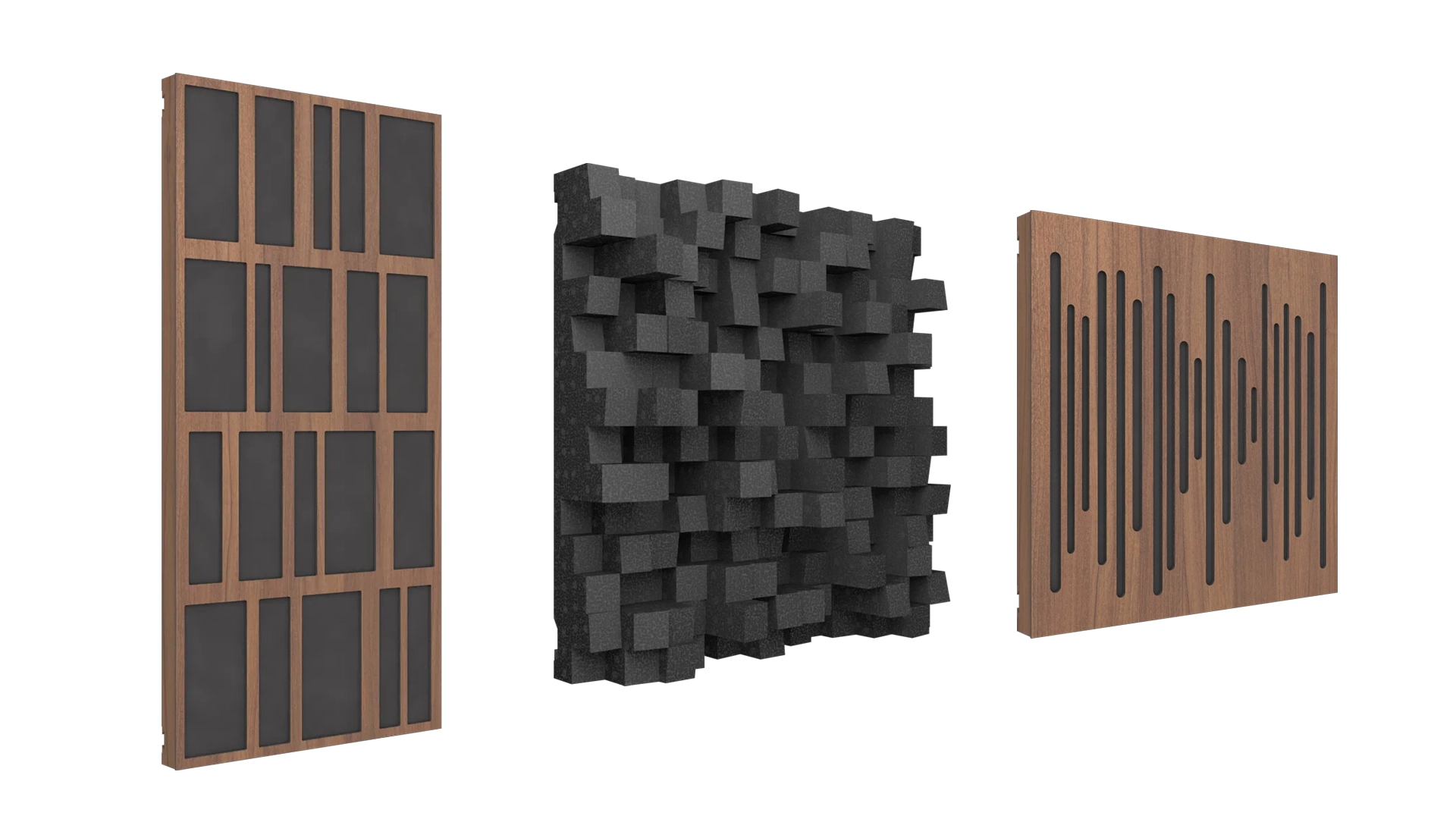
Vicoustic is a Portuguese acoustic-treatment company founded in 2007 to make room engineering usable in studios, listening rooms, cinemas, workplaces and public interiors. Its catalogue combines absorption, diffusion and low-frequency control rather than assuming that every acoustic problem can be solved by covering walls with soft foam. Multifuser Wood uses mathematically arranged wooden wells to scatter reflections, while Wavewood and VicPattern panels combine absorption with visually controlled surfaces. Bass traps address modal energy in corners and boundaries, ceiling products extend treatment above the listening area, and VicBooth modular enclosures create isolated work or recording spaces without permanent construction. The company supports these products with project design, measurement and simulation services, an important distinction when treatment must be specified for a particular room rather than purchased as decoration. Vicoustic opened its own research centre in 2012 and has continued investing in testing and manufacturing, including a larger Portuguese production facility opened in 2024. Sustainability is part of the product engineering: recycled and recyclable materials, low-emission components and solutions such as VicPET Wool reduce reliance on conventional petroleum-based acoustic foam. Finishes and modular patterns allow panels to function as interior architecture, which helps treatment remain in place instead of being removed because it looks temporary. Vicoustic’s strongest contribution is this bridge between measurable acoustics and inhabitable design. It provides the absorbers, diffusers, bass control and technical planning needed to shape reverberation and reflections while recognising that most real rooms must still look and function like places where people want to spend time.