
Studio Monitors
Studio monitors are loudspeakers engineered for professional audio production, designed to deliver exceptionally flat and accurate sound reproduction. Unlike consumer hi-fi speakers that might color the sound to make it more pleasing, monitors provide an unvarnished, analytical presentation, allowing sound engineers and musicians to hear every detail and flaw in a recording. This page is a detailed index of the world’s leading studio monitor manufacturers, from legendary names in professional audio to modern innovators. It’s an essential resource for anyone building a recording studio or seeking ruthlessly honest sound.
Hi-Fi brands in the category
Summary information and image
Direct links to official websites
ADAM Audio

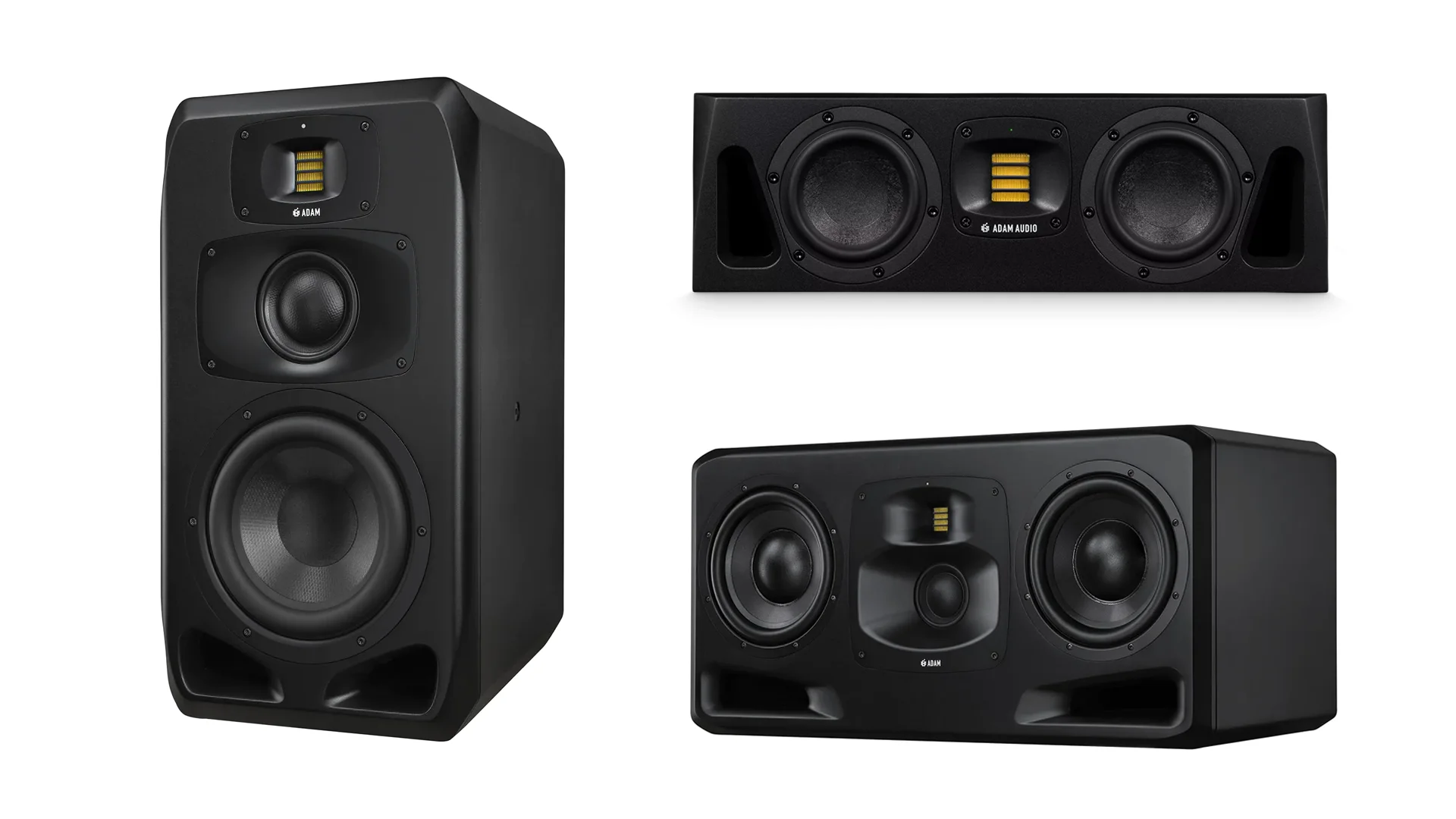
ADAM Audio makes active studio monitors distinguished by ART-family tweeters, whose folded diaphragms move air through an accordion-like motion. That driver principle has been central to the Berlin company’s identity since its early monitors. Klaus Heinz and Roland Stenz founded ADAM Audio in Berlin in 1999, developing ART from Oskar Heil’s Air Motion Transformer principle. Room adaptation is another important part of its newer designs: A Series monitors can be adjusted through A Control software and store Sonarworks calibration filters in their own DSP. This allows the correction to run in the speakers rather than relying on a permanent software plug-in in the playback chain. Across its monitor ranges, ADAM addresses home studios, professional production and installation, with features and tweeter versions varying by series.
Amphion

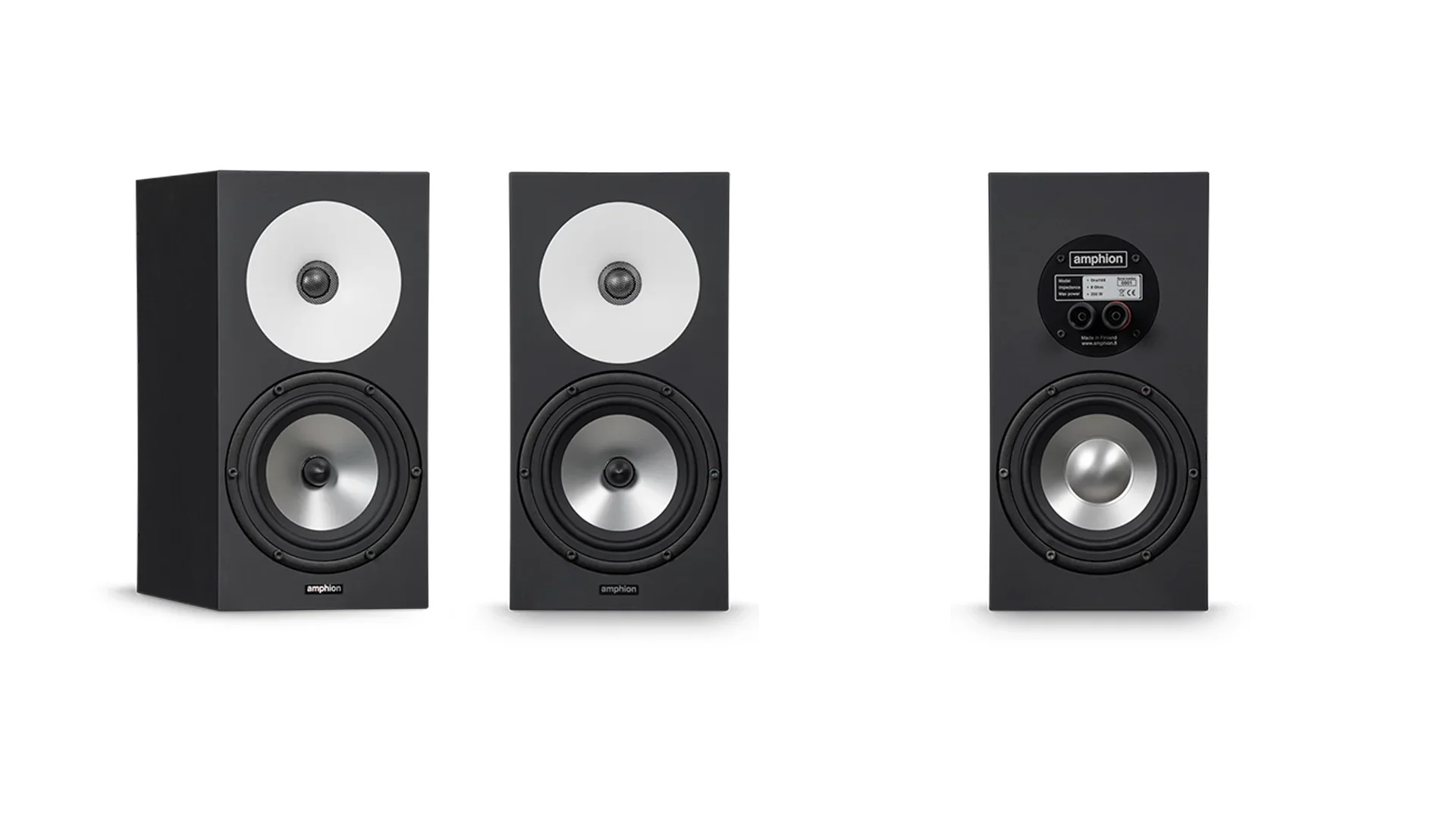
Amphion brings the same loudspeaker-design priorities to living rooms and recording studios: controlled dispersion, a clear acoustic image and a restrained Finnish appearance. Co-founded in 1998 by Anssi Hyvönen, the company builds its speakers in Finland. The deep waveguide around the tweeter helps shape how sound spreads through the room and integrates with the mid/bass driver. Home models span compact Helium and Argon speakers through the larger Krypton designs. Its move into professional monitoring developed into a separate range, where selected passive models use rear passive radiators instead of reflex ports. The studio catalogue also includes the active One25A, so Amphion is no longer exclusively a passive-monitor specialist.
Antelope Audio

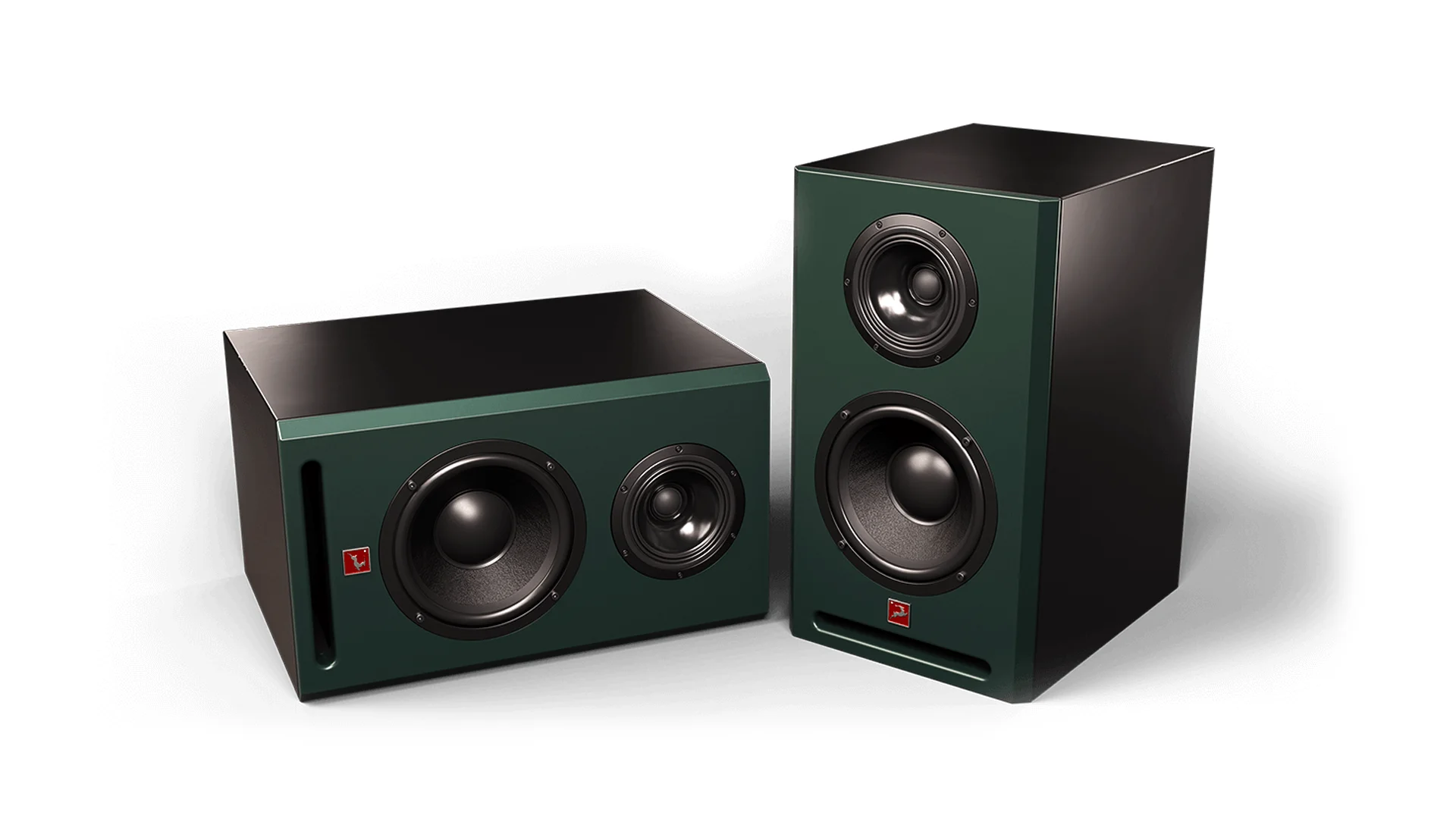
Antelope Audio connects studio recording, digital conversion and precision clocking in a single product family. Founded by Igor Levin in 2005, the company develops audio interfaces, master clocks, converters and modelling microphones, with products for home listening as well as professional production. Its Acoustically Focused Clocking technology addresses the timing of digital audio conversion. A separate development, Synergy Core, combines FPGA and DSP processing inside compatible interfaces to run modelled effects during recording and monitoring, reducing reliance on the host computer for those tasks. Orion and Galaxy interfaces illustrate the multichannel studio side of the business; dedicated clocks and hi-fi converters extend its digital-audio expertise into other systems.
Aperion Audio

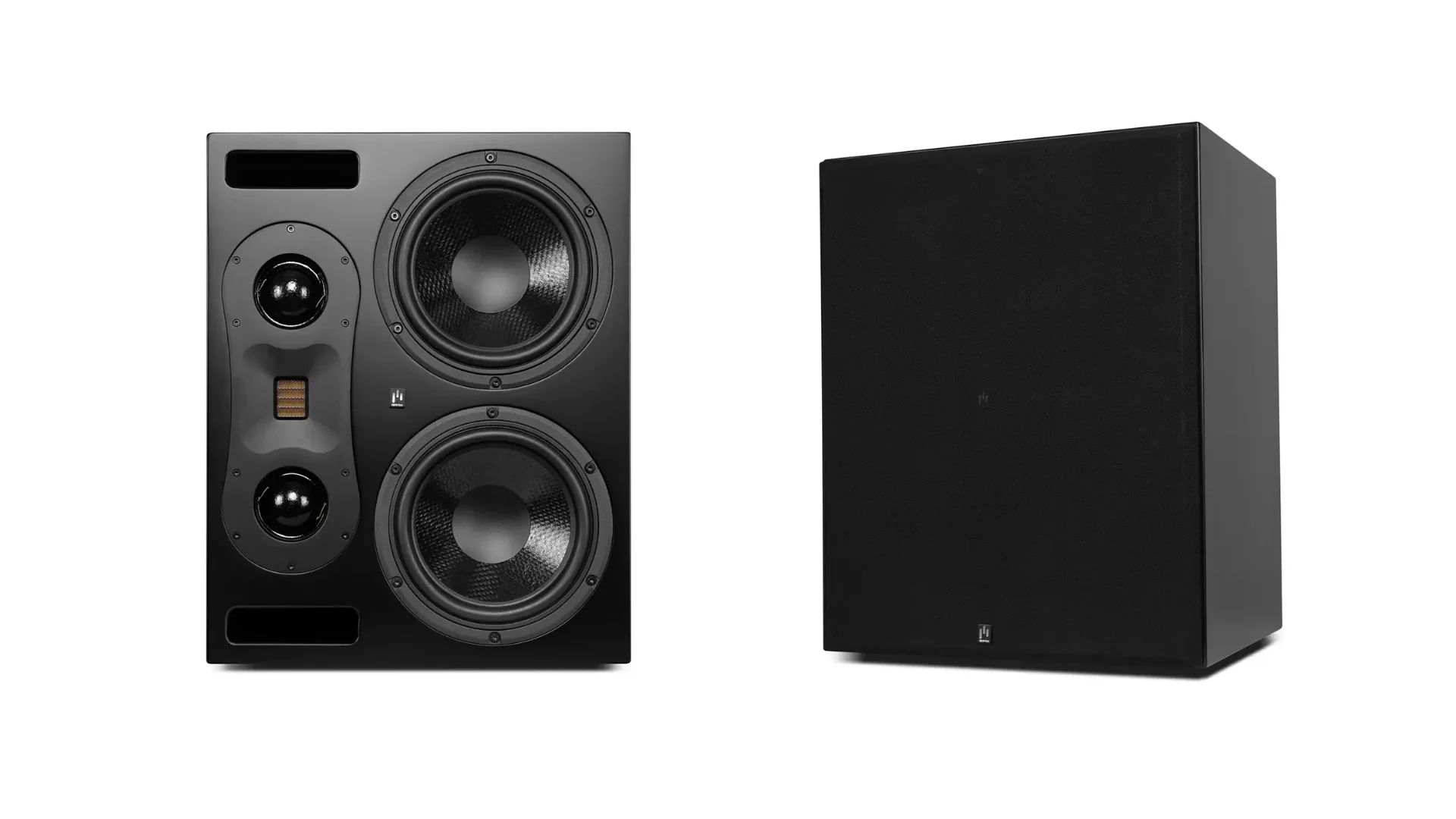
Aperion Audio grew from a practical question: could people choose serious loudspeakers at home instead of relying entirely on a showroom audition? Win Jeanfreau’s search for a replacement music system in 1998 led to the American direct-to-consumer speaker business. Its early Intimus home-theatre system established a path that now includes Verus and Novus speakers, subwoofers and architectural models. The catalogue also has an unusual accessory category: add-on super tweeters for existing loudspeakers. Bookshelf, floorstanding and centre-channel designs let buyers assemble either a stereo pair or a coordinated surround system. Direct sales and the opportunity to audition at home remain part of the brand’s identity.
ATC

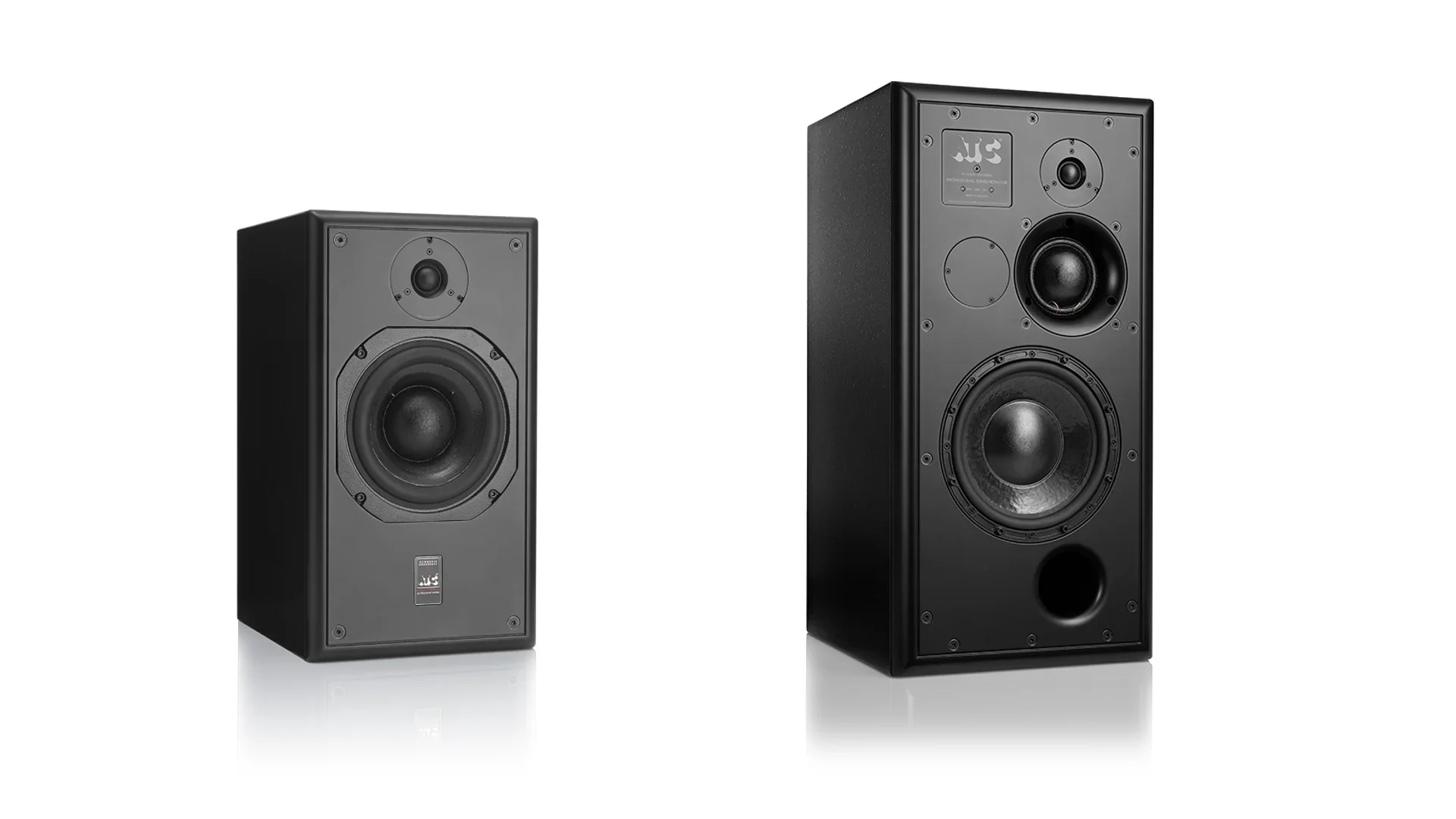
ATC grew from making professional loudspeaker drivers into building complete studio monitors and domestic hi-fi systems. Billy Woodman founded the British company in 1974; its large soft-dome midrange driver followed in 1976 and remains a defining part of many three-way designs. Another development, Super Linear motor technology, addresses distortion associated with magnetic hysteresis. Active models combine electronic crossovers with separate amplification for the drive units, while passive versions allow owners to choose their own power amplifiers. The SCM50 and SCM100 families connect the studio and home catalogues, supported by smaller speakers and separate electronics. Driver development is the thread running through both sides of the business.
Canton

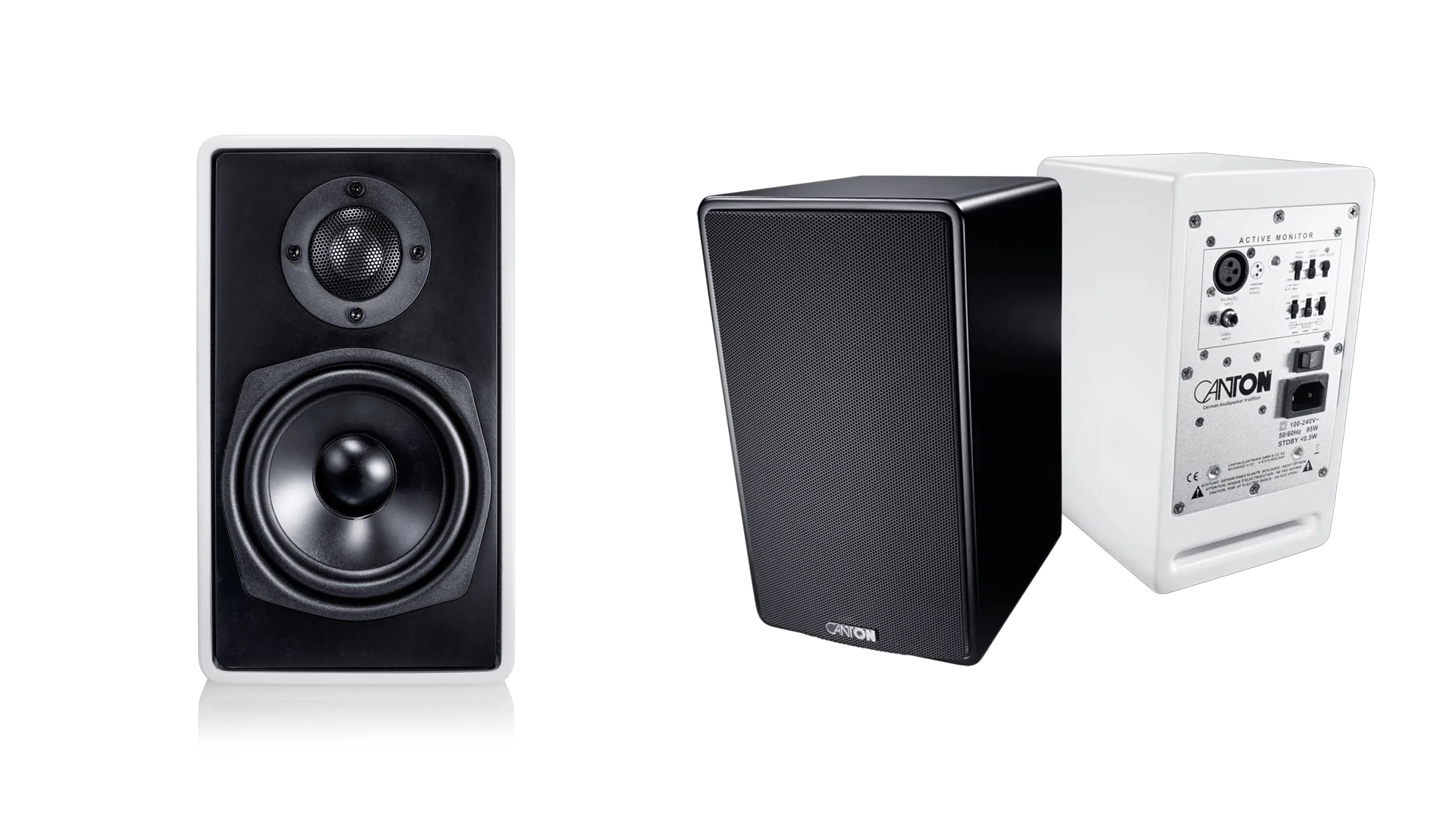
Canton is a family-owned German loudspeaker company with enough scale to develop drivers, cabinets, electronics and measurement facilities under one programme. Hubert Milbers, Otfried Sandig, Wolfgang Seikritt and Günther Seitz founded it in Weilrod in 1972. The early LE 250 compact speaker was followed by one of the company’s recurring themes: achieving substantial bandwidth and output in forms suited to real living spaces. Today’s catalogue extends from GLE and Townus through Vento to the Reference and Reference Alpha lines, with centre speakers, subwoofers and installation models for complete cinema systems. The Smart series adds active wireless stereo and surround configurations, while soundbars cover television systems. Aluminium-ceramic and later ceramic-tungsten diaphragms, waveguides, cabinet simulations and measurements in Canton’s own anechoic chamber support the range. Reference models and selected production remain closely tied to the Weilrod facility.
Cerwin-Vega!

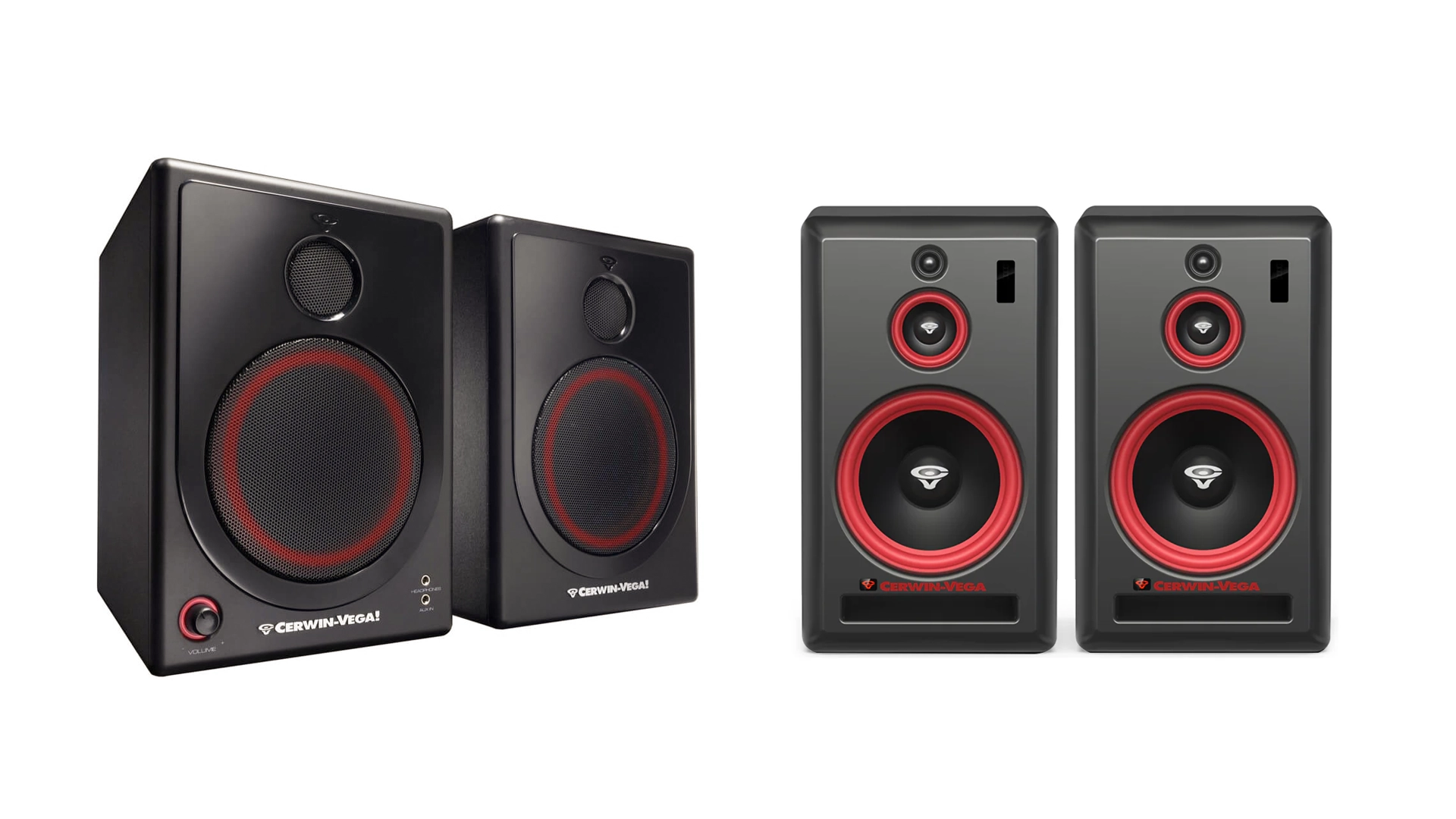
Cerwin-Vega! designs loudspeakers around high efficiency, deep bass and the ability to produce convincing live-event sound pressure without fragile construction. Aerospace engineer Eugene ‘Gene’ Czerwinski founded Vega Associates in Los Angeles in 1954; the company later became Cerwin-Vega. An early 18-inch system capable of exceptional output at 30 Hz established its low-frequency reputation, while professional systems, instrument speakers and the red-surround home models made the brand visually unmistakable. Cerwin-Vega also supplied the folded-horn subwoofer technology used for Universal’s Sensurround presentation of Earthquake in 1974, work recognised with a special technical Academy Award. The brand later passed through several owners and was split between mobile and pro/home operations, but those divisions were reunited under Cerwin-Vega Inc. in 2020. Current ranges cover home speakers and subwoofers, professional PA systems, amplifiers and car audio, preserving the original emphasis on robust drivers, high output and bass with physical impact.
Dutch & Dutch

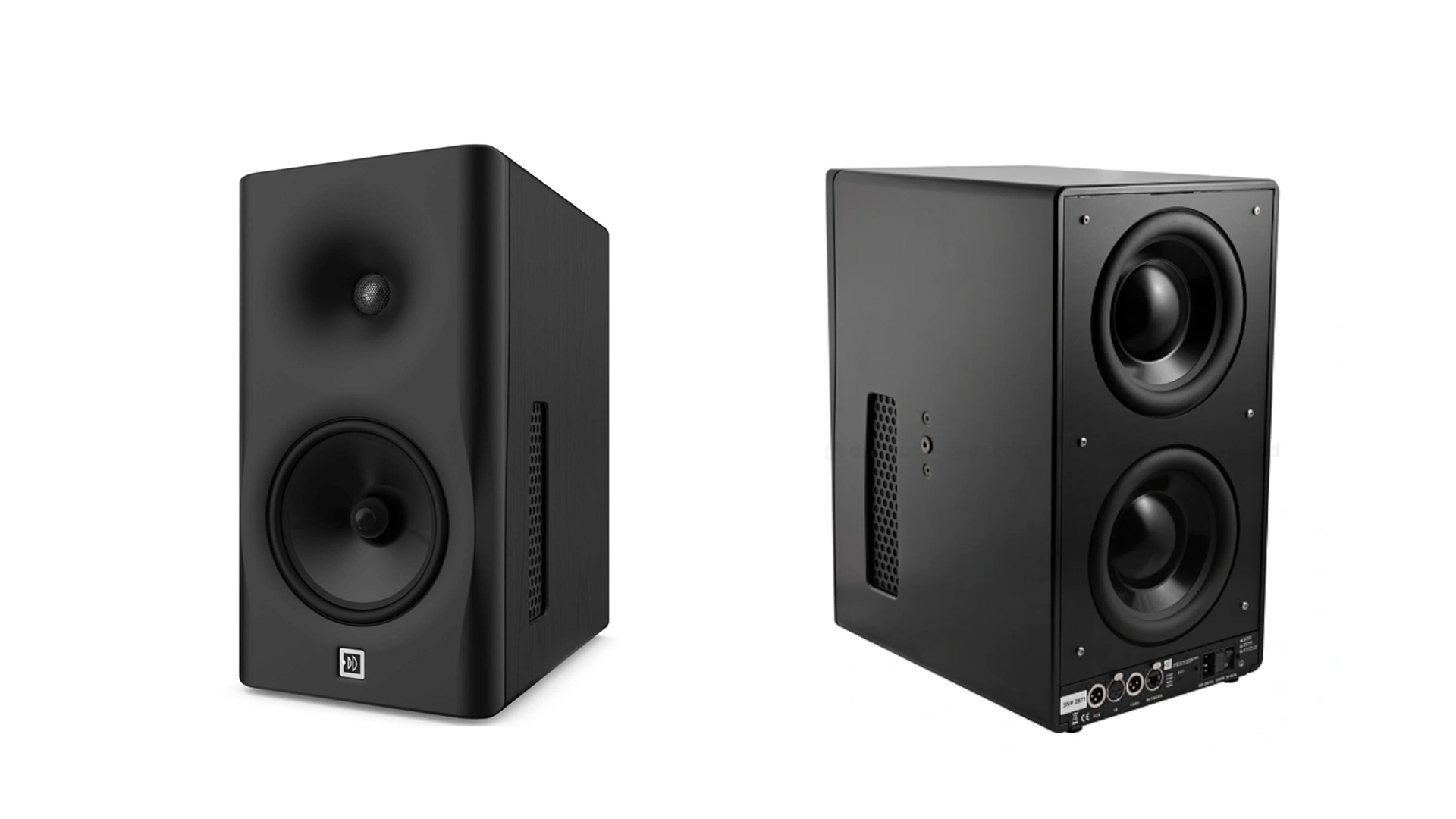
Dutch & Dutch is a Rotterdam loudspeaker company founded in 2014 to make the interaction between speaker and room part of the design rather than an afterthought. Its 8c active monitor combines a waveguided tweeter, cardioid midrange, rear low-frequency drivers, onboard amplification and DSP in one network-connected system. The cardioid section reduces energy sent toward the wall behind the speaker, while the rear woofers are intended to use nearby boundaries deliberately; together they make placement predictable in real rooms instead of chasing anechoic flatness alone. DSP controls crossover, phase and time behaviour, and the company’s RoomMatching tools let the user account for placement and room modes without changing the basic acoustic identity. Analogue, digital and network operation allow the 8c to function as either a conventional active speaker or a compact streaming system. The newer 6c brings the same controlled-directivity and integrated philosophy to a smaller format. Dutch & Dutch’s key innovation is this union of passive acoustics and software: radiation pattern, boundary loading, amplification and calibration are engineered as one reproducible loudspeaker-room system.
Dynaudio

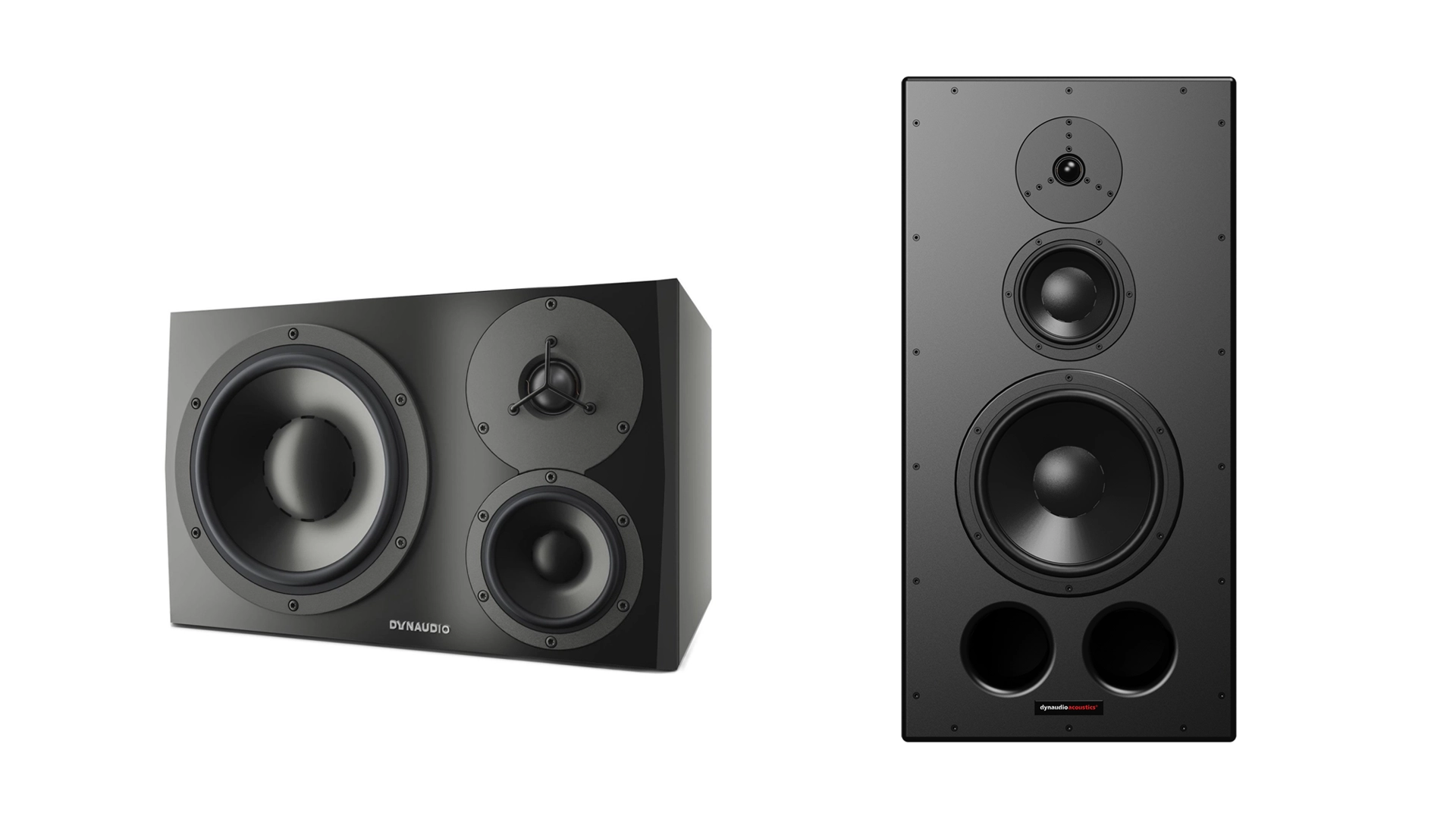
Dynaudio is a Danish loudspeaker and driver manufacturer founded in 1977 in Skanderborg, built on the decision that control over the finished speaker required control over the transducers themselves. Its long-running technical signatures include magnesium silicate polymer cone material, large-diameter lightweight voice coils and coated soft-dome tweeters, developed and manufactured in-house rather than selected from a standard supplier catalogue. Esotar tweeters represent the reference end of that work, while technologies such as Hexis inner domes manage airflow and resonance behind the diaphragm. The home range spans Emit, Evoke, Contour, Confidence and Heritage models; Focus combines active amplification, wireless streaming and room-related DSP. Dynaudio Professional applies the same driver knowledge to studio monitors, and the company also engineers custom-install and automotive systems. Product categories vary, but the defining advantage remains vertical acoustic integration: diaphragm material, motor, voice coil, crossover, cabinet and voicing can be developed together. That continuity gives Dynaudio a recognisable engineering identity across compact monitors, large floorstanders and professional control rooms.
Focal

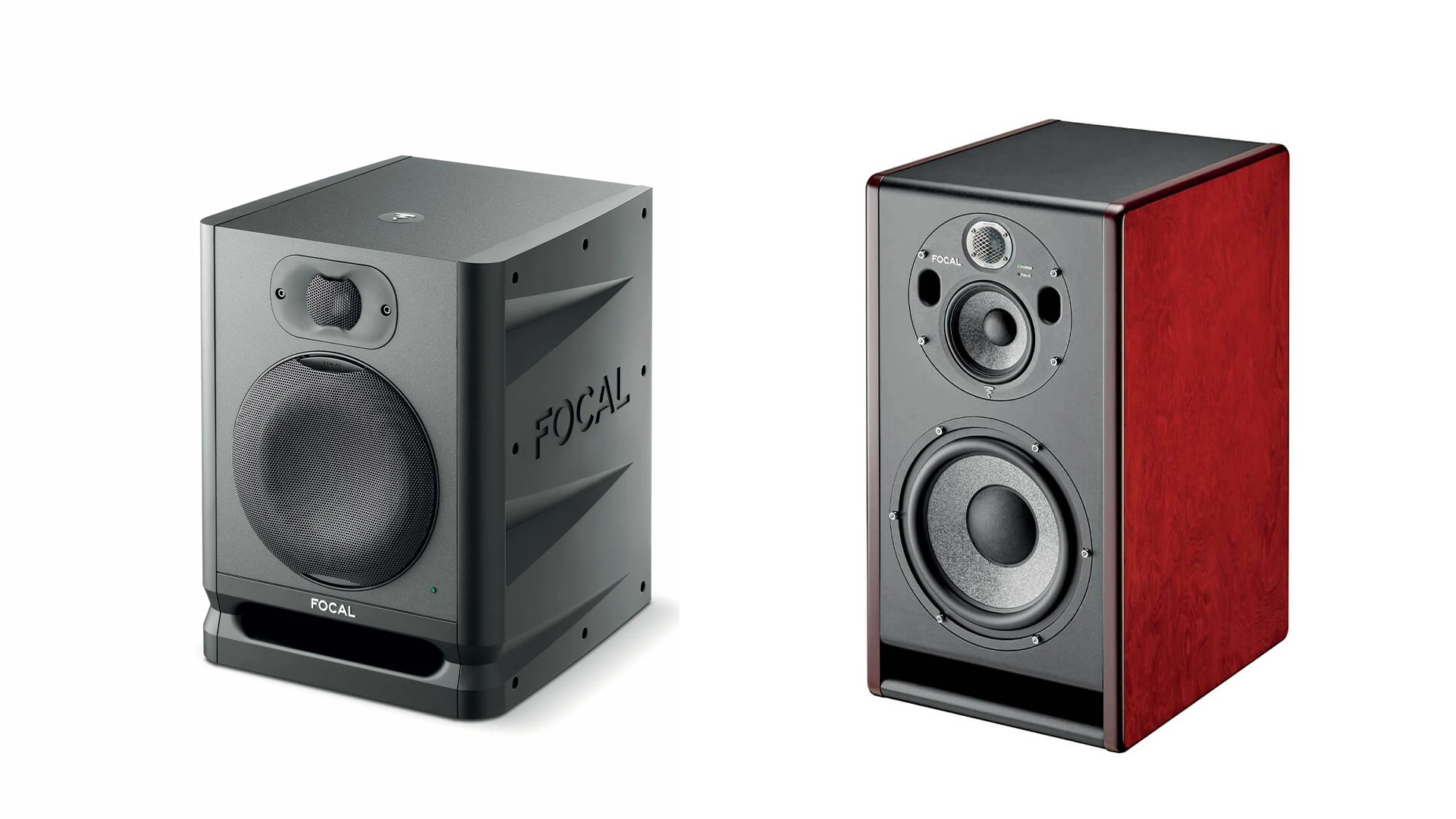
Few audio manufacturers cover as much of the reproduction chain as Focal while still developing and making key drivers in-house. Engineer Jacques Mahul founded Focal-JMlab in Saint-Étienne in 1979, initially building loudspeaker drivers and complete systems in a family precision-engineering workshop. The French company now serves home hi-fi and cinema, professional studios, car audio, headphones and custom installation. Its technical identity is visible in pure-beryllium tweeters, W-composite and K2 cones, flax-sandwich diaphragms, M-shaped profiles and Tuned Mass Damper surrounds; each technology is used where its stiffness, mass or resonance behaviour suits the product. Landmark Utopia loudspeakers established Focal’s high-end reputation, while Sopra, Kanta, Aria Evo X and Vestia broaden the home range. Bathys, Clear, Stellia and Utopia headphones bring the same driver-led philosophy closer to the listener. Cabinet making for the upper loudspeaker lines and much of the driver production remain centred in France.
Fostex

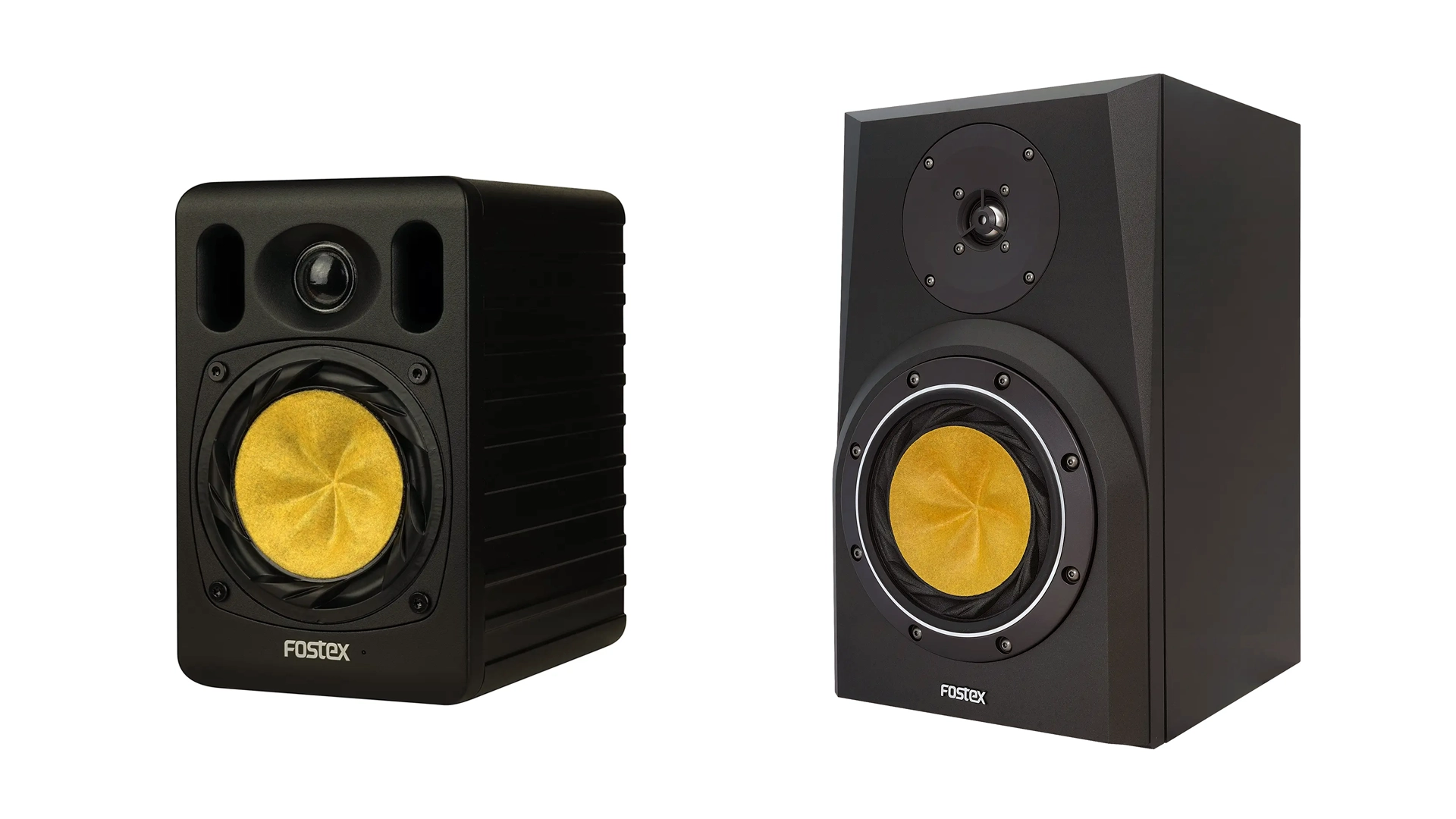
Fostex connects Japanese transducer manufacturing with tools used by recording engineers, musicians and hands-on loudspeaker builders. The company was created in 1973 as an independently managed subsidiary of Foster Electric, whose OEM loudspeaker experience gave the new brand an unusually deep production base. In 1974 it introduced RP, or Regular Phase, technology: a planar diaphragm carrying a printed conductor and driven across its surface in phase. Successive RP generations power the long-running T50RP family and newer premium planar-magnetic headphones, while the TH series explores dynamic drivers and crafted wooden housings. Fostex also makes active studio monitors, field and multitrack recorders, headphone amplifiers, microphones and professional accessories. A second, equally distinctive part of the catalogue is its raw loudspeaker components, including full-range drivers, compression tweeters and enclosure kits used in commercial and DIY designs. That breadth explains why the name appears both in studios and in enthusiast-built speaker systems.
Genelec

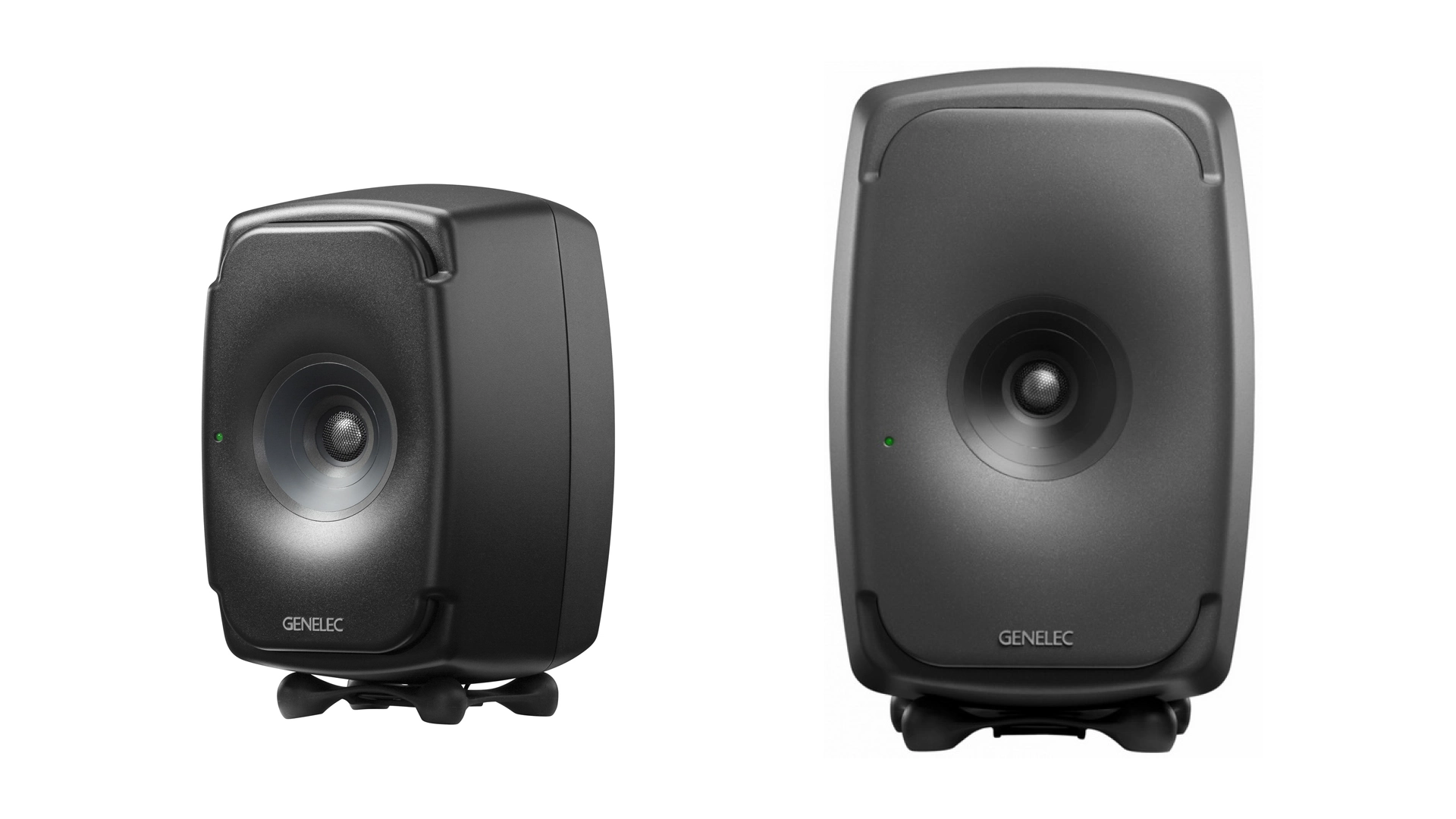
Genelec made active loudspeakers a repeatable monitoring system rather than simply placing an amplifier inside a cabinet. Ilpo Martikainen and Topi Partanen founded the company in Iisalmi in 1978 after Finnish broadcaster YLE asked them to develop a reliable active control-room monitor; the resulting S30 established separate amplification, protection, calibration controls and long-term serviceability as core principles. Modern 8000-series monitors use rounded Minimum Diffraction Enclosures, Directivity Control Waveguides and integrated reflex ports to control radiation and cabinet effects. Smart Active Monitors add DSP and network control, while GLM software measures and calibrates level, delay and room response across stereo or immersive arrays. The Ones combine a Minimum Diffraction Coaxial mid/tweeter with Acoustically Concealed Woofers to create point-source behaviour over a wide bandwidth. Genelec also serves installed audio through Smart IP and home listening through the G and F series. Product development and much of the recycled-aluminium enclosure manufacturing remain in Iisalmi, Finland.
Gershman Acoustics

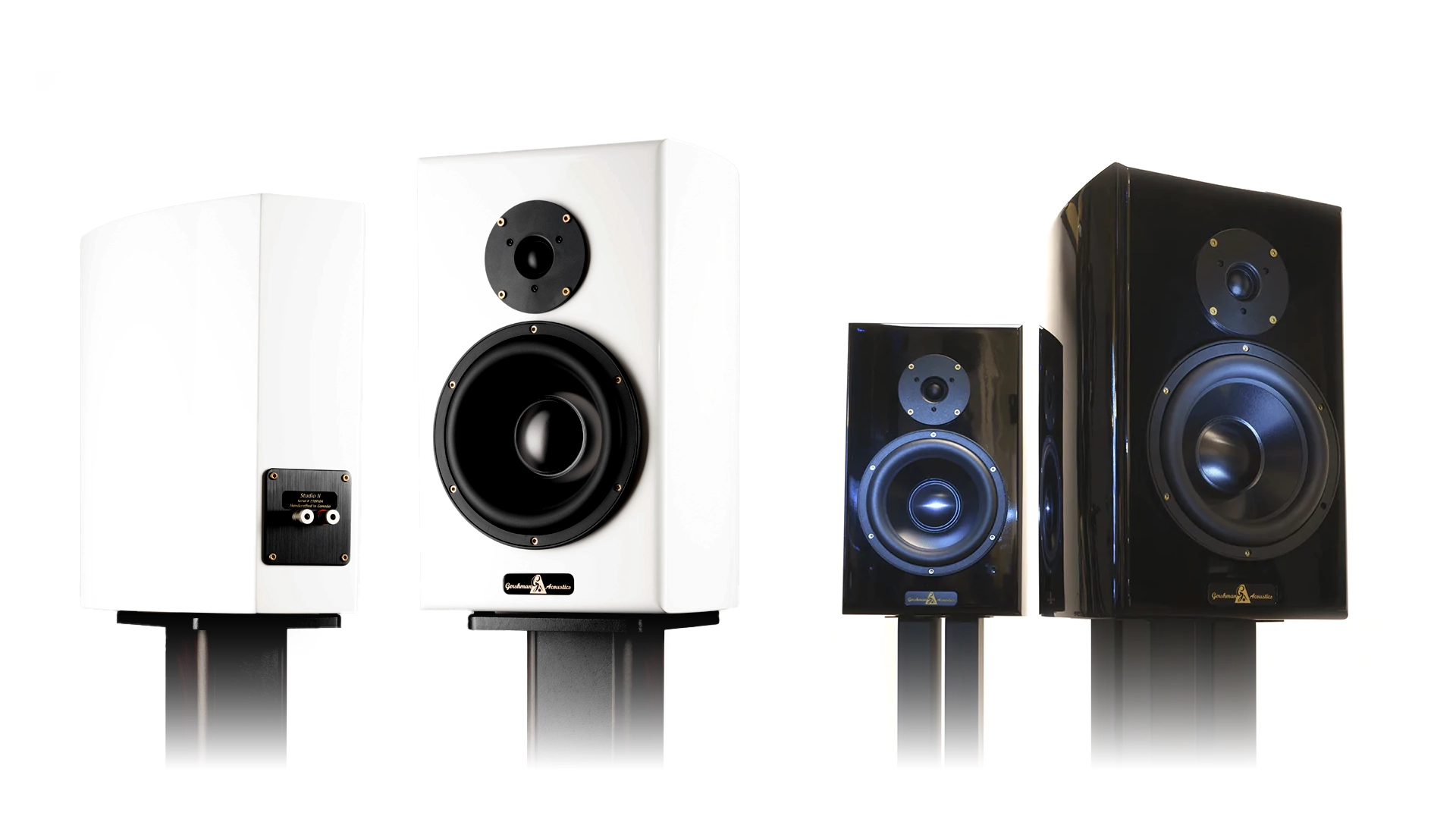
Gershman Acoustics is a family-run Canadian loudspeaker maker distinguished by unconventional cabinet engineering and close control of the drivers’ rear wave. Eli Gershman founded the company in 1993, and Ofra Gershman soon joined him in developing the business, evaluating designs and shaping the brand. Its first loudspeaker was the GAP; later designs include the Grand Avant Garde, Black Swan and Studio models. A defining idea is BCT (Back-wave Control Technology), which couples the enclosure to a dedicated bass-trap structure instead of allowing stored energy to blur the output. Some models also use the company’s separate sub-alignment architecture to keep low-frequency loading mechanically isolated from the main enclosure. Gershman loudspeakers are designed and hand-built in Canada, with cabinet form serving an acoustic purpose rather than decoration alone.
Harbeth

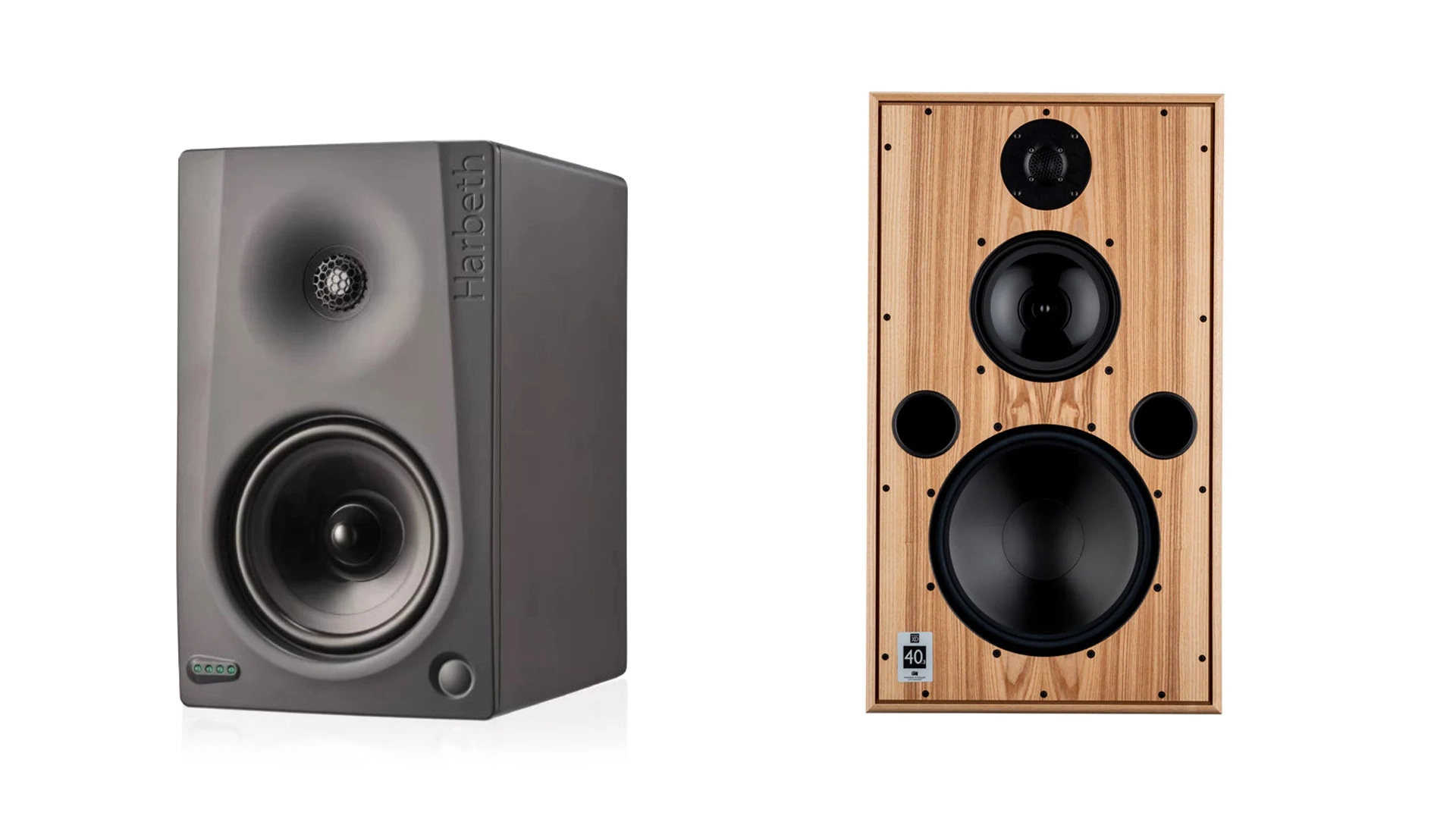
Harbeth is one of the clearest living links to the BBC school of monitor design. The British company was founded in 1977 by BBC engineer H. D. “Dudley” Harwood, who had worked on the broadcaster’s research into polypropylene loudspeaker cones; its name combines Harwood with that of his wife, Elizabeth. Since Alan Shaw took control in 1986, Harbeth has developed this research into its proprietary RADIAL cone materials while retaining the thin-wall, carefully damped cabinet construction that distinguishes classic BBC monitors from heavy, rigid-box alternatives. The compact P3, Compact 7, Super HL5, Monitor 30 and flagship Monitor 40 families are designed around natural midrange reproduction, controlled resonance and long-term consistency rather than visual novelty. Harbeth’s real know-how lies in polymer-cone development, painstaking crossover matching and the tuning of the cabinet, driver and crossover as one system.
HEDD
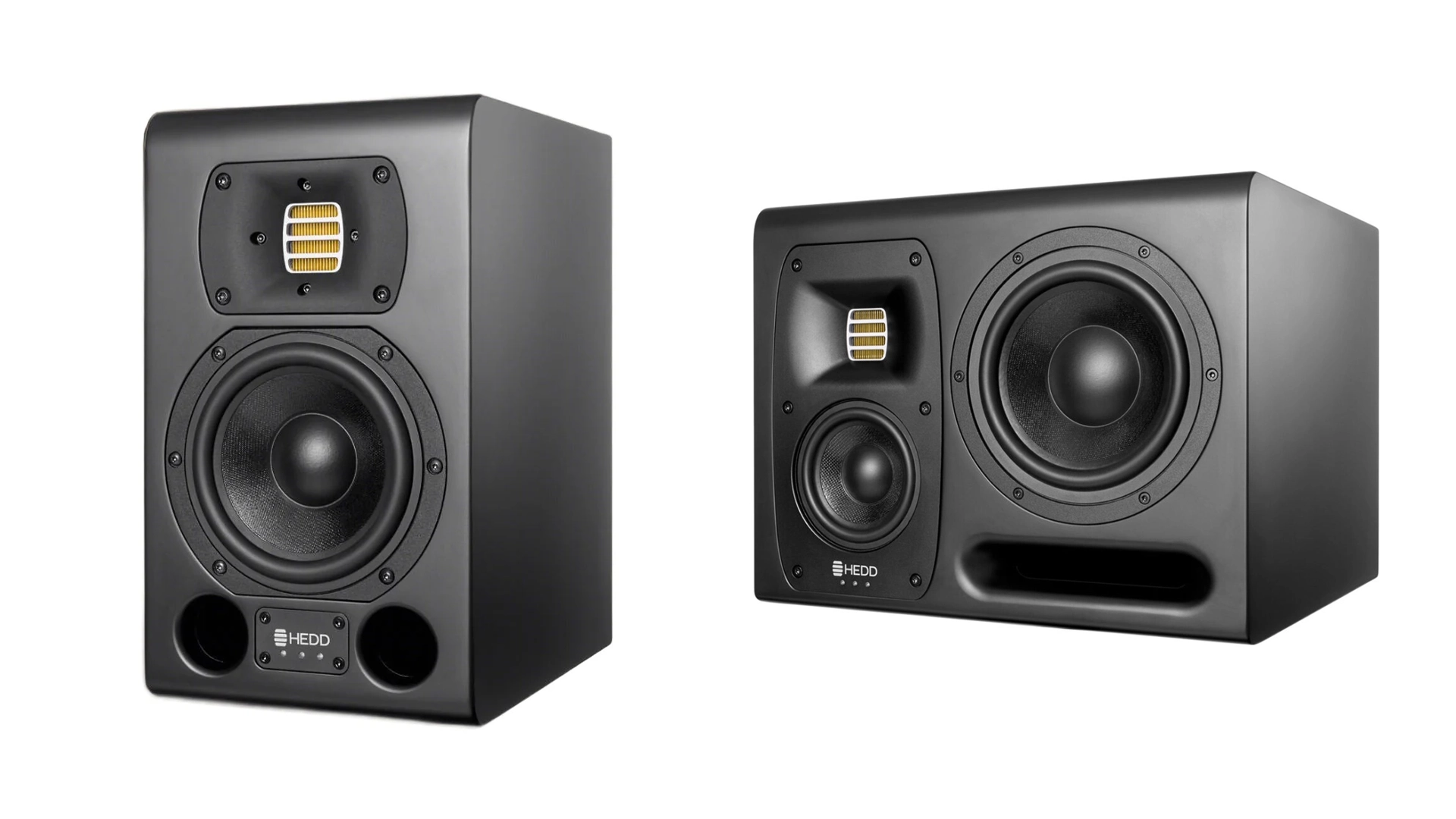
HEDD—Heinz Electrodynamic Designs—is a Berlin company founded in 2015 by physicist Klaus Heinz and his son, musicologist and mastering engineer Dr Frederik Knop. Klaus Heinz had already spent decades developing Air Motion Transformer tweeters, and HEDD made that folded-diaphragm principle the centre of a new range for studios and demanding home systems. The company builds active monitors and subwoofers in Berlin, combining its proprietary AMT with DSP functions such as the Lineariser, a phase-correction system based on zero-phase FIR filtering. MK2 monitors can also be used in closed or ported operation through the CoP design, allowing a practical trade-off between bass extension and transient behaviour. HEDDphone models extend the idea into a full-range Variable Velocity Transform transducer for headphones. HEDD’s identity is unusually coherent: one transducer concept, refined for nearfield monitoring, immersive systems and personal listening.
M-Audio

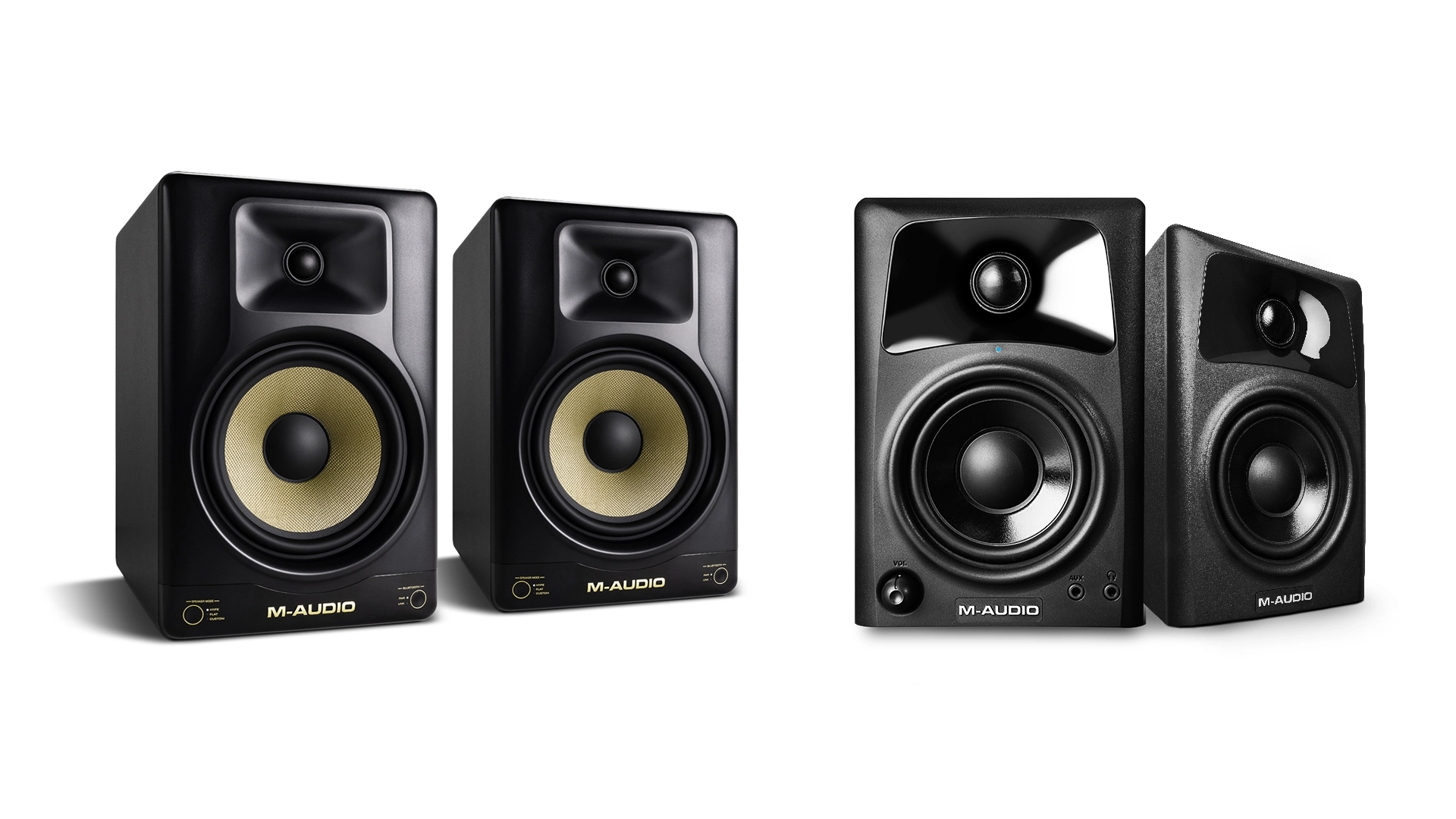
M-Audio is an American music-technology brand that helped make computer recording and MIDI control accessible outside large studios. Engineer Tim Ryan founded the business in 1988 as Music Soft, soon renamed Midiman, initially producing practical synchronisers and interfaces that connected MIDI equipment, tape machines and computers. As digital recording expanded, the company moved into sound cards, USB audio interfaces, controller keyboards and monitors; the M-Audio name became the corporate identity in 2002. Avid acquired the company in 2004, and inMusic purchased the M-Audio product line in 2012. Today the range centres on M-Track recording interfaces, Keystation and Oxygen keyboard controllers, Hammer-series weighted controllers, BX studio monitors, microphones and compact production accessories. The engineering priority is straightforward workflow: class-compliant connections where practical, bundled production software, accessible gain and monitoring controls, and enough model sizes to match a first home setup or a larger project studio. M-Audio should not be described as a conventional audiophile manufacturer. Its importance is in reducing the cost and complexity of getting performances, MIDI data and microphone signals into a computer, making it one of the recognisable hardware names of the desktop-recording era.
M&K Sound

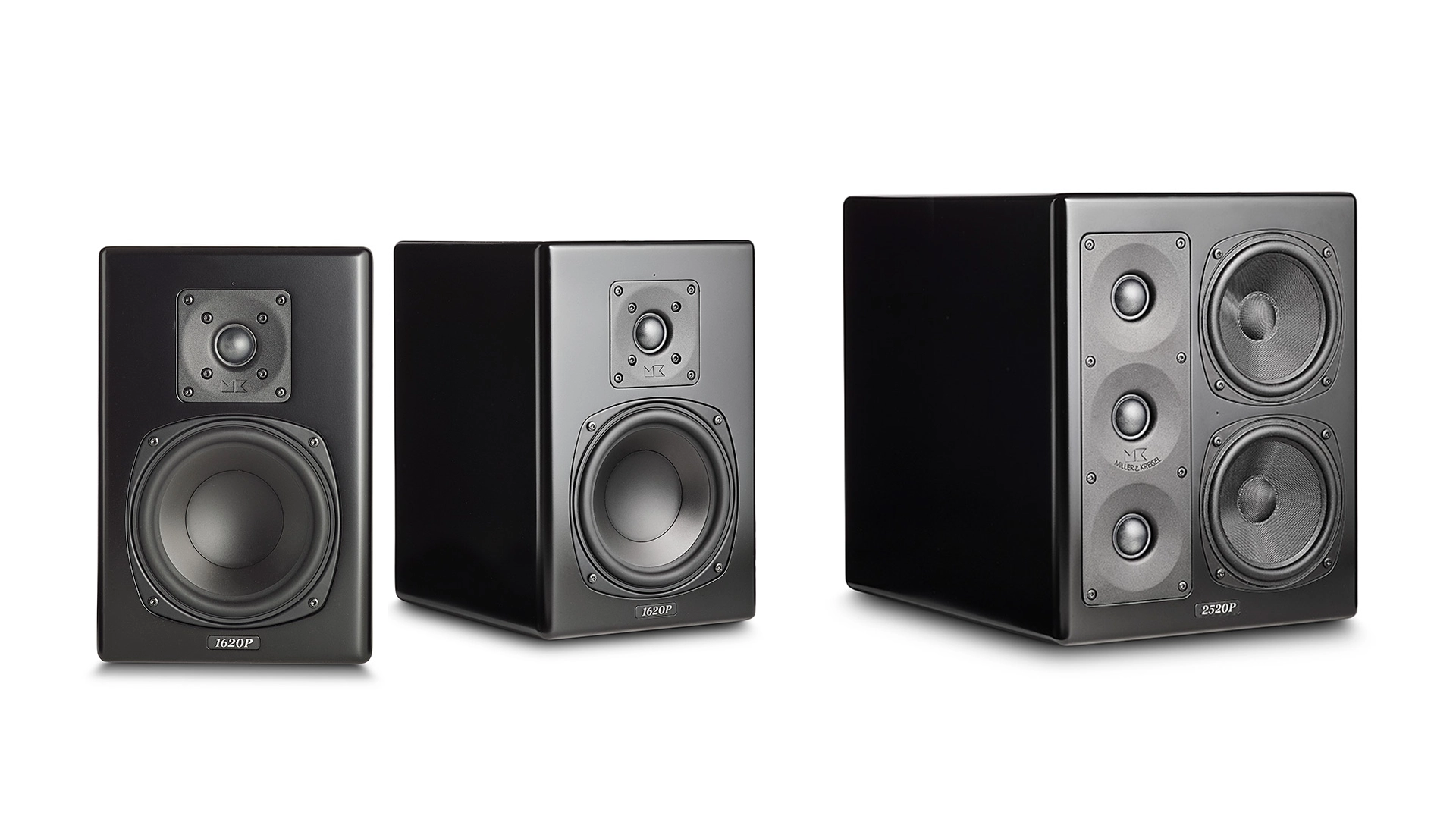
M&K Sound—originally Miller & Kreisel—is a studio-monitor and home-cinema loudspeaker brand with American roots and a present-day base in Denmark. Jonas Miller and Ken Kreisel began the company in Beverly Hills in 1973 after Walter Becker of Steely Dan requested a reference bass system for work on Pretzel Logic. The resulting balanced dual-driver subwoofer made low-frequency reproduction a separate engineering task, and M&K subsequently helped establish the compact satellite-plus-subwoofer format. Its monitors became fixtures in music, film mixing and post-production, creating a direct connection between the rooms where soundtracks are made and the systems used to reproduce them at home. The S150 remains the reference point for the brand’s controlled directivity and high output, while S300, 950 and 750 series address different room sizes. X+ subwoofers use opposed or push-pull driver arrangements to reduce cabinet reaction and distortion, and dedicated surrounds support multichannel installations. Numerous models carry THX certifications, including demanding Dominus applications, but certification is a consequence of measurable output and consistency rather than the whole identity. M&K’s lasting speciality is system scale: compact, closely matched speakers hand the deepest bass to purpose-designed subwoofers, allowing predictable results from stereo through immersive cinema.
Meyer Sound

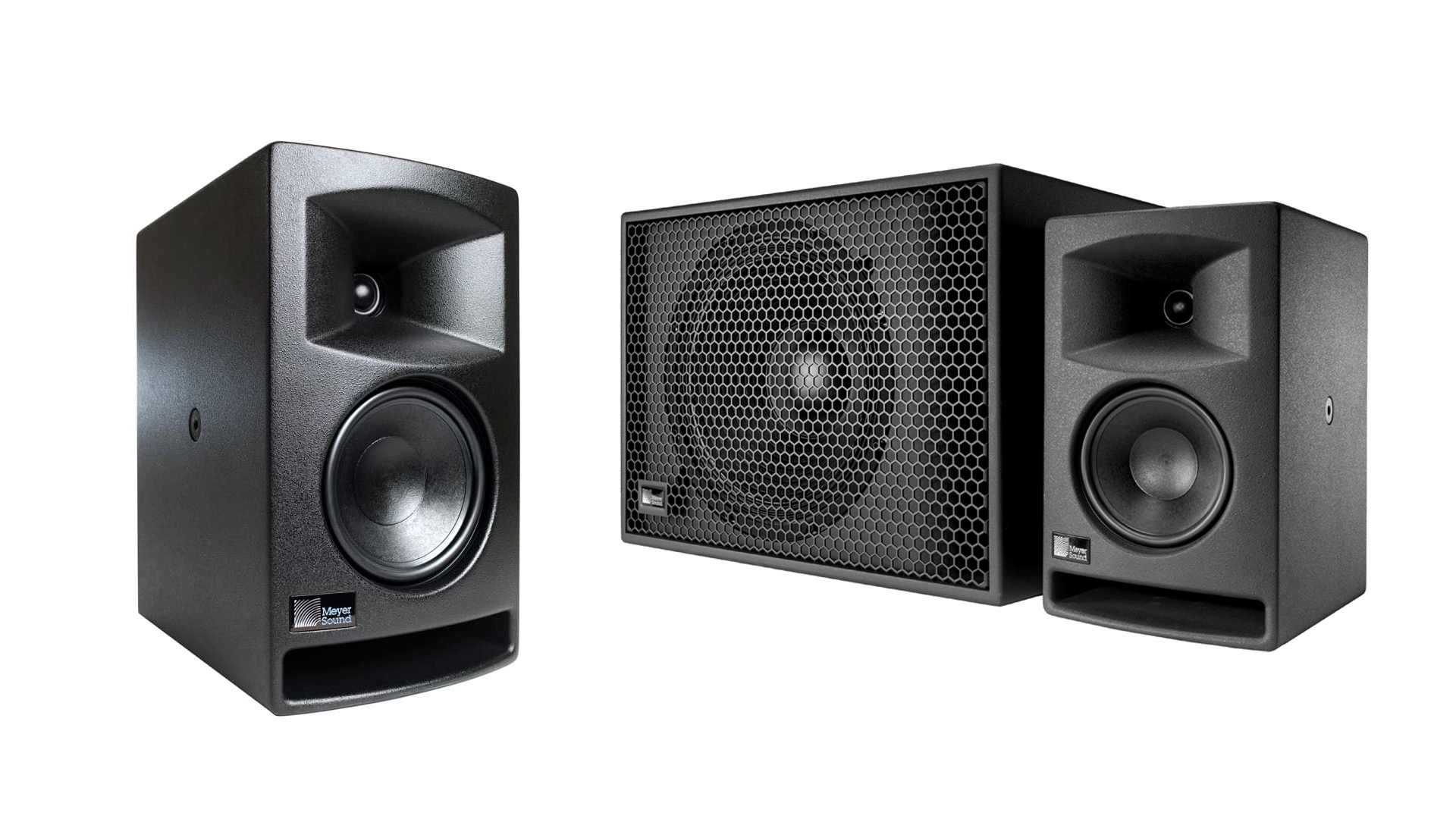
Meyer Sound is an American professional-audio company that helped make self-powered loudspeaker systems a reliable standard for touring, theatre and fixed installation. John and Helen Meyer founded the family-owned business in 1979, combining transducer research with rigorous measurement and repeatable system behavior. The HD-1 studio monitor and MSL-4 reinforcement loudspeaker were important milestones in integrating amplification, processing and drivers as one calibrated product. Today Meyer Sound builds point-source speakers, line arrays, subwoofers, stage monitors, spatial-audio tools and active-acoustic systems. LEO-family arrays—including PANTHER, LEOPARD and LINA—scale from large tours to compact venues, while ULTRA-X models apply concentric-driver concepts to versatile point sources. MAPP 3D predicts coverage and system interaction before installation; GALAXY processors provide networked control and optimization; Spacemap Go handles spatial sound, and Constellation uses microphones, processing and loudspeakers to alter a room’s acoustic response. The company manufactures in Berkeley, California, and supports products with extensive testing and education. Its strongest distinction is systems engineering: loudspeaker, amplifier, protection, prediction and room behavior are designed as one reproducible chain.
Musical Fidelity

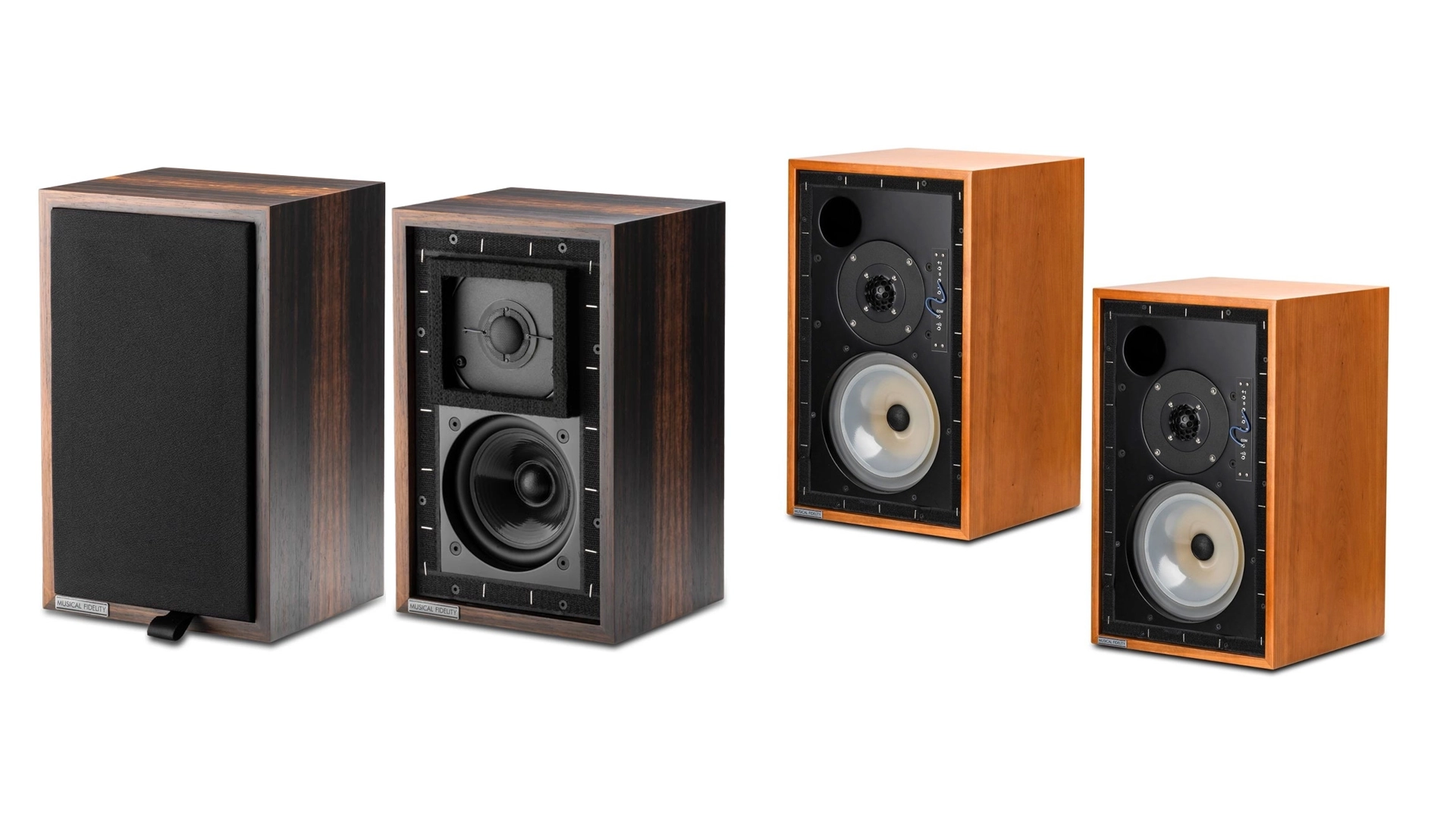
Musical Fidelity is a British hi-fi electronics brand founded in 1982 by clarinettist and audio enthusiast Antony Michaelson. It became known for amplifiers that combined generous power reserves with compact or unconventional formats: the original A1 integrated amplifier, launched in 1985, ran heavily biased in Class A, while the cylindrical X-series made serious phono, DAC and headphone functions accessible as separate components. The Nu-Vista line later adopted nuvistor valves, a low-noise miniature tube technology rarely used in modern consumer audio. The current catalogue includes integrated, pre and power amplifiers, phono stages, DACs, CD players, streamers, turntables and power conditioning. A1 and X-series products have been re-engineered rather than merely cosmetically revived, while M3, M5, M6, M8 and Nu-Vista cover progressively larger systems. Since 2018 the brand has been owned and operated by Austria’s Audio Tuning, but product identity remains explicitly British and analogue-led. Musical Fidelity’s strength is range without anonymity: high-current transistor amplification, discrete phono circuitry and the unusual nuvistor platform give different families real technical character instead of the same chassis being repackaged at several prices.
PMC

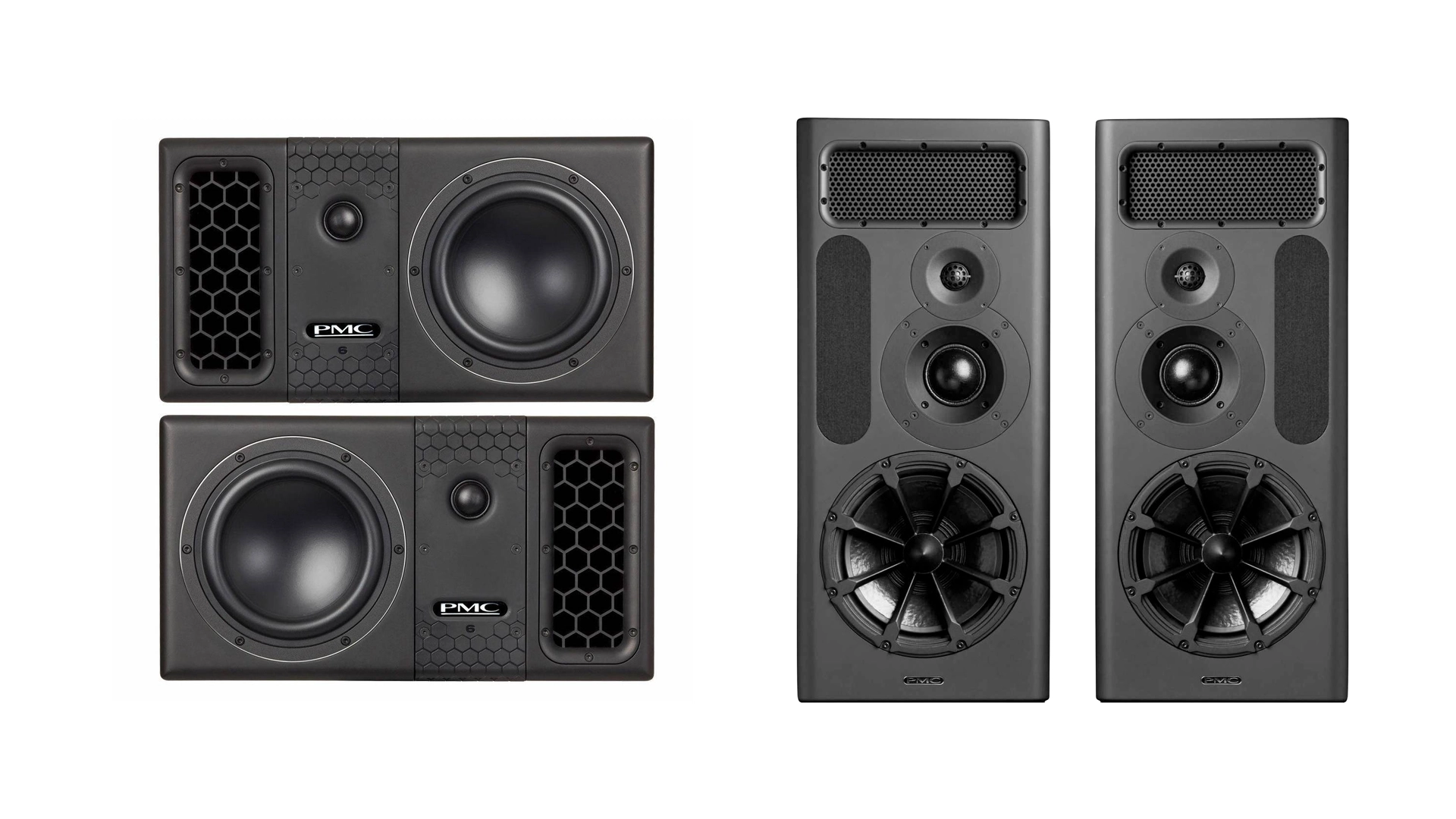
PMC—Professional Monitor Company—was founded in Britain in 1991 by Peter Thomas, then manager of the BBC’s Music Studios, and engineer Adrian Loader. Their first loudspeaker, the BB5-A, was created because they could not find a large monitor that combined the level, bass extension and neutrality required for critical studio work. The design established a rare continuity between professional control rooms and domestic hi-fi: PMC does not maintain one acoustic philosophy for engineers and another for music listeners. The company’s core technology is the Advanced Transmission Line, or ATL. The rear output of the bass driver enters a long, folded, heavily damped passage inside the cabinet. Absorbent material removes much of the unwanted midrange energy, while the lowest frequencies emerge from a tuned vent in phase with the front radiation. Done correctly, this extends bass and reduces driver excursion rather than producing the single-note emphasis of a poorly tuned port. Laminair aerodynamic vents, derived from airflow research, further reduce turbulence and compression at high levels. Current domestic ranges run from prodigy and twenty5i to fact and the flagship fact fenestria; the slim ci series brings the same controlled behaviour to on-wall and in-wall installations. result6, PMC6, PMC6-2 and larger main monitors continue the professional side. PMC’s identity is not merely “accurate British speakers,” but a transmission-line system refined in studios, mastering rooms and broadcast facilities, then scaled coherently for home listening.
RAAL-Requisite

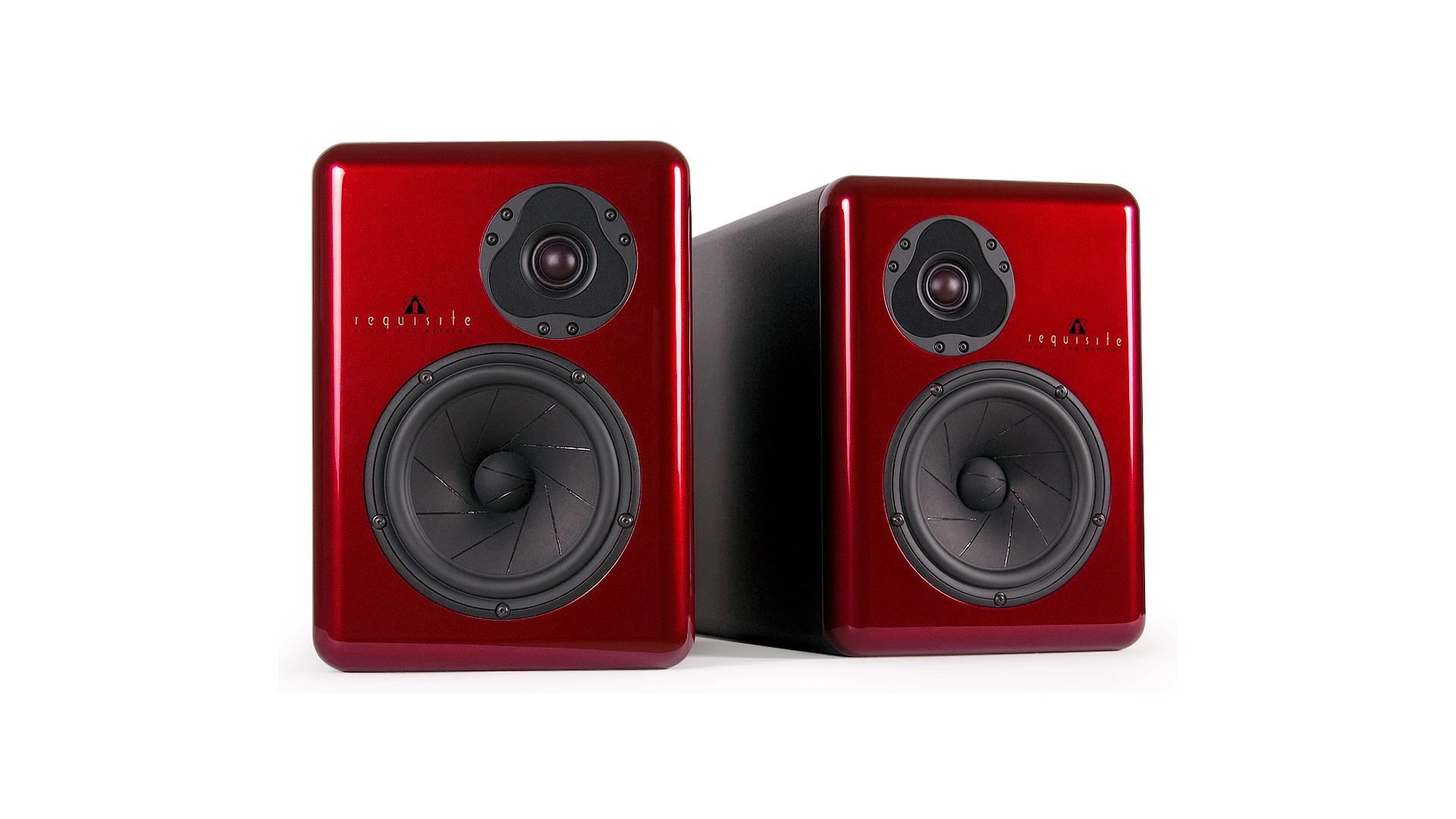
RAAL-requisite was the collaboration between Serbian ribbon specialist RAAL and Danny “Sage” McKinney’s Requisite Audio in California. McKinney and designer Aleksandar Radisavljević worked together for roughly two decades before the SR1a appeared in 2018. Their goal was not to put a conventional planar diaphragm into a headphone cup, but to adapt a true ribbon—the conductor and radiating diaphragm are the same corrugated aluminium foil—to full-range personal listening. The SR1a became the defining product. Its open “earfield monitor” wings sit beside the ears and can be angled to alter the presentation, creating a speaker-like field without sealed cups. The extremely low-impedance ribbon initially required an interface connected to a suitable speaker amplifier or a purpose-built direct-drive amplifier. HSA-1b and VM-1a were developed around that unusual load. CA-1a later placed a full-range ribbon in a more familiar circumaural form while retaining replaceable ribbon cartridges and dedicated amplification requirements. The old text incorrectly suggested a range of open- and closed-back conventional models; neither SR1a nor CA-1a is an ordinary closed-back headphone. The corporate presentation has since changed. Requisite Audio now represents RAAL 1995 in the Americas, and the current Magna and Immanis headphones use two or three purpose-tuned true ribbons per side; Magna EVO continues that multi-ribbon generation. RAAL-requisite remains historically important as the name under which SR1a and CA-1a reached the market, while the current products sit under RAAL 1995 and Requisite. No speculative founding year has been added to the joint brand.
Reloop

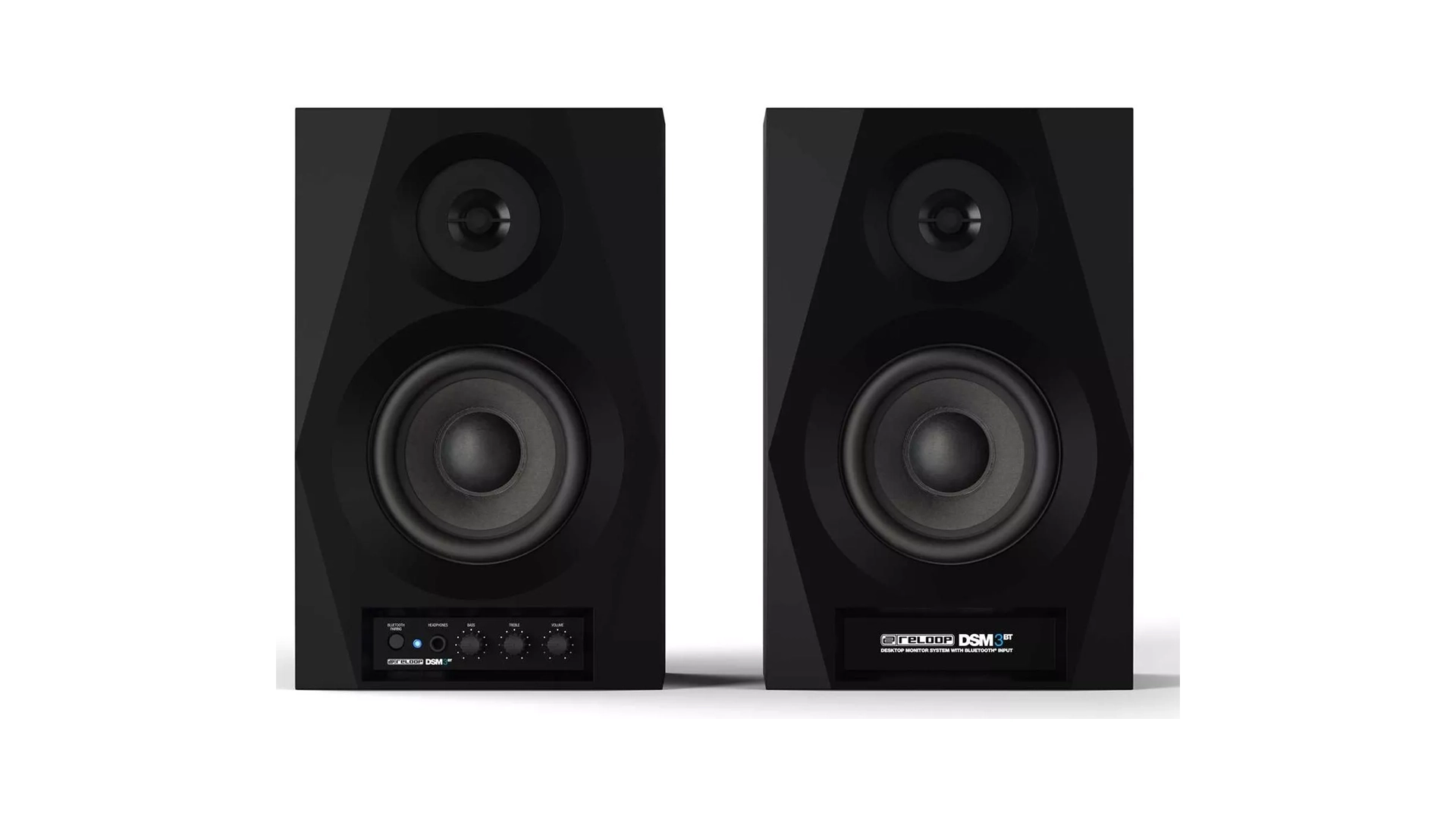
Reloop was founded in Münster, Germany, in 1996 by a young group of music-technology specialists. Its first products were DJ turntables, and the company has since grown into a complete performance range designed with working DJs rather than as a lifestyle offshoot of a consumer-electronics brand. The core remains physical control: robust direct-drive decks, mixers and controllers that can survive transport and allow familiar techniques to move between vinyl and software. RP-7000 MK2 is the club-oriented reference turntable, combining quartz-locked direct drive, adjustable torque, multiple pitch ranges and a heavy, damped chassis. RP-8000 MK2 adds MIDI pads and performance controls so cue points, loops and samples in Serato can be operated from the deck without abandoning vinyl-style handling. RP-7 adapts professional direct drive specifically to 7-inch records. RMX mixers range from straightforward club layouts to digital models, while Buddy, Ready, Mixon and Mixtour controllers address mobile and software-based performance at different scales. Flux provides a dedicated USB DVS interface for using timecode records with an existing mixer, and Turn models extend the catalogue toward home listening. Headphones, cartridges, stands and studio monitors complete working setups. The old text described only competitive pricing and generic software compatibility; that misses why Reloop is recognisable. Its product development repeatedly joins traditional turntable technique to digital control—most clearly in RP-8000 MK2—while still offering a serious analogue deck for DJs who do not need pads or a laptop. Design and company identity remain German even though manufacturing is international.