
Bookshelf Speakers
This page provides an extensive index of bookshelf speaker manufacturers from around the world. Our goal is to present the largest possible collection of brands in one place, including both well-known producers and niche companies. Each entry in this directory lists the brand’s country of origin, its founding information, and a direct link to the bookshelf or standmount speaker category on its official website. The resource is designed as a straightforward almanac for researching and discovering speaker companies.
Hi-Fi brands in the category
Summary information and image
Direct links to official websites
8MM Audiolab

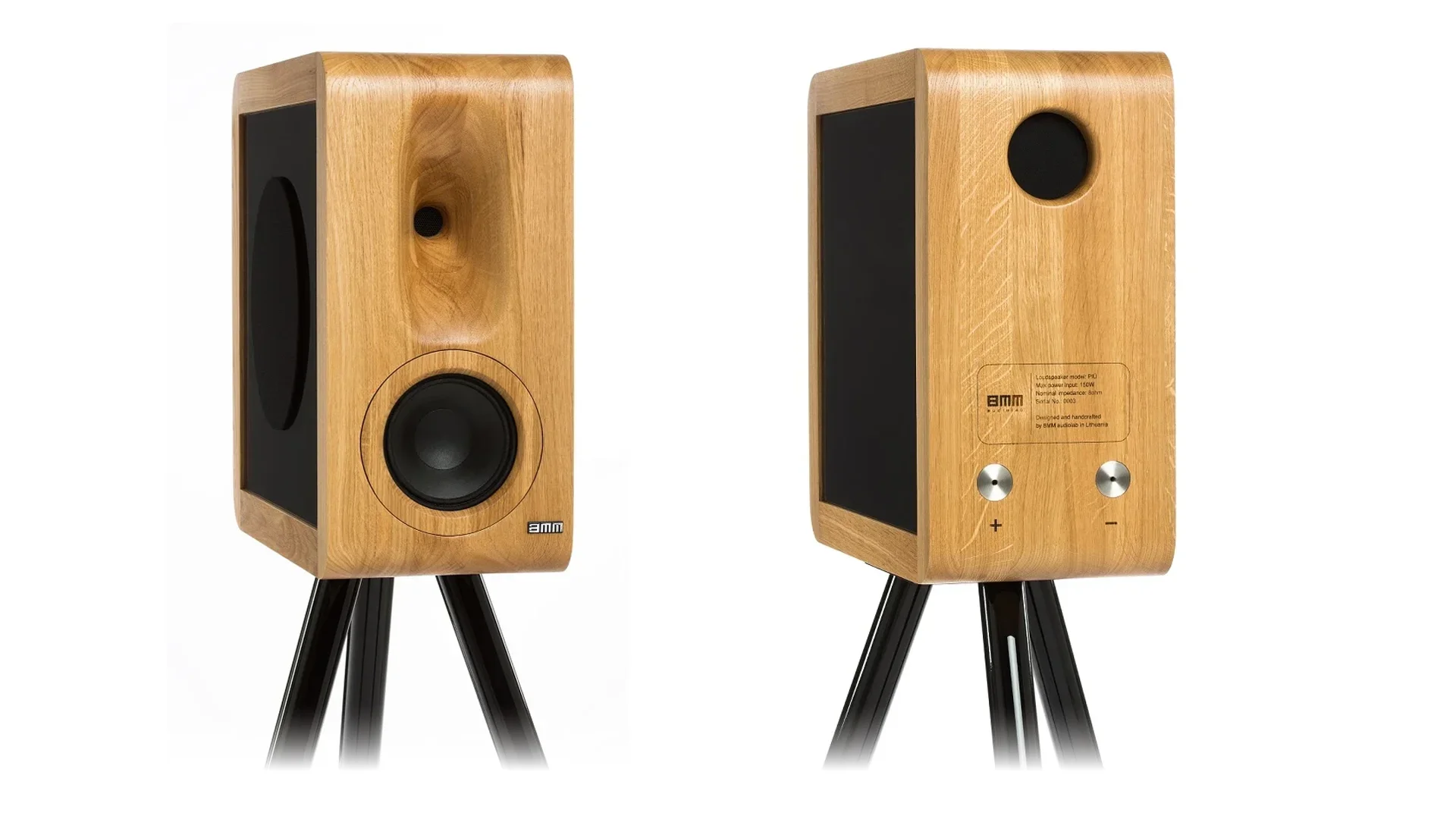
8MM Audiolab makes loudspeakers in Lithuania with substantial oak construction and an unusually sculpted cabinet profile. Its PIU three-way design combines a 12-inch woofer, a midrange driver and a compression driver loaded by a waveguide machined into solid oak. The cabinet uses a braced oak structure, thick front panels and six-layer damped sidewalls, making enclosure construction a defining part of the design. Alongside PIU, the company presents PIU mini and Linga loudspeakers and offers custom design work.
Acoustic Energy

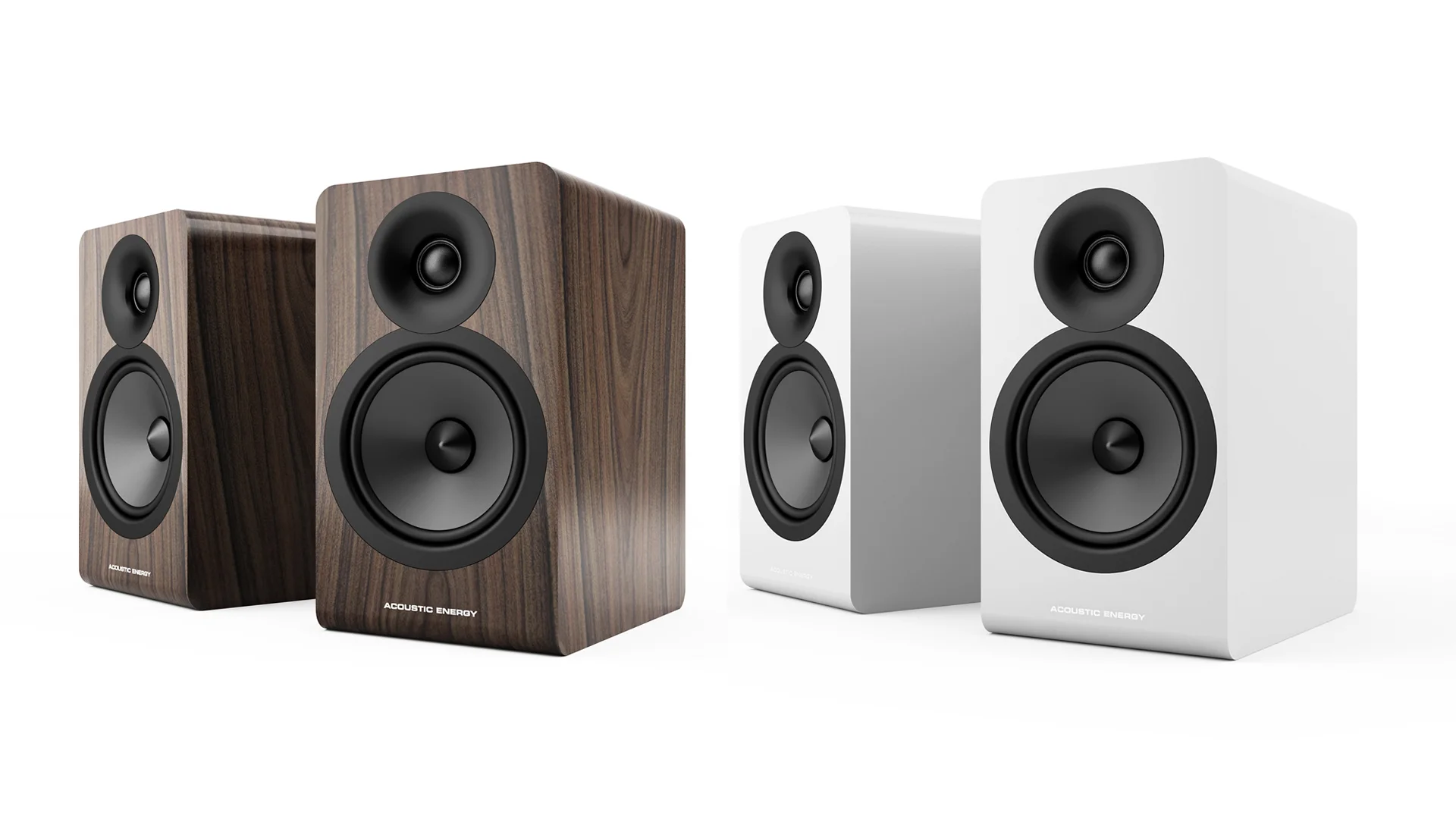
Acoustic Energy’s story began with the compact AE1, and its loudspeakers continue to explore how driver and cabinet design can deliver substantial performance from domestic-sized enclosures. The British company develops standmount and floorstanding speakers, with different materials chosen for different ranges. Corinium, for example, combines carbon-fibre midrange and bass cones with a soft-dome tweeter, an aluminium front baffle and a layered Resonance Suppression Composite cabinet. Founded in London in 1987, Acoustic Energy links its original compact-monitor heritage with larger home-listening designs.
ADAM Audio

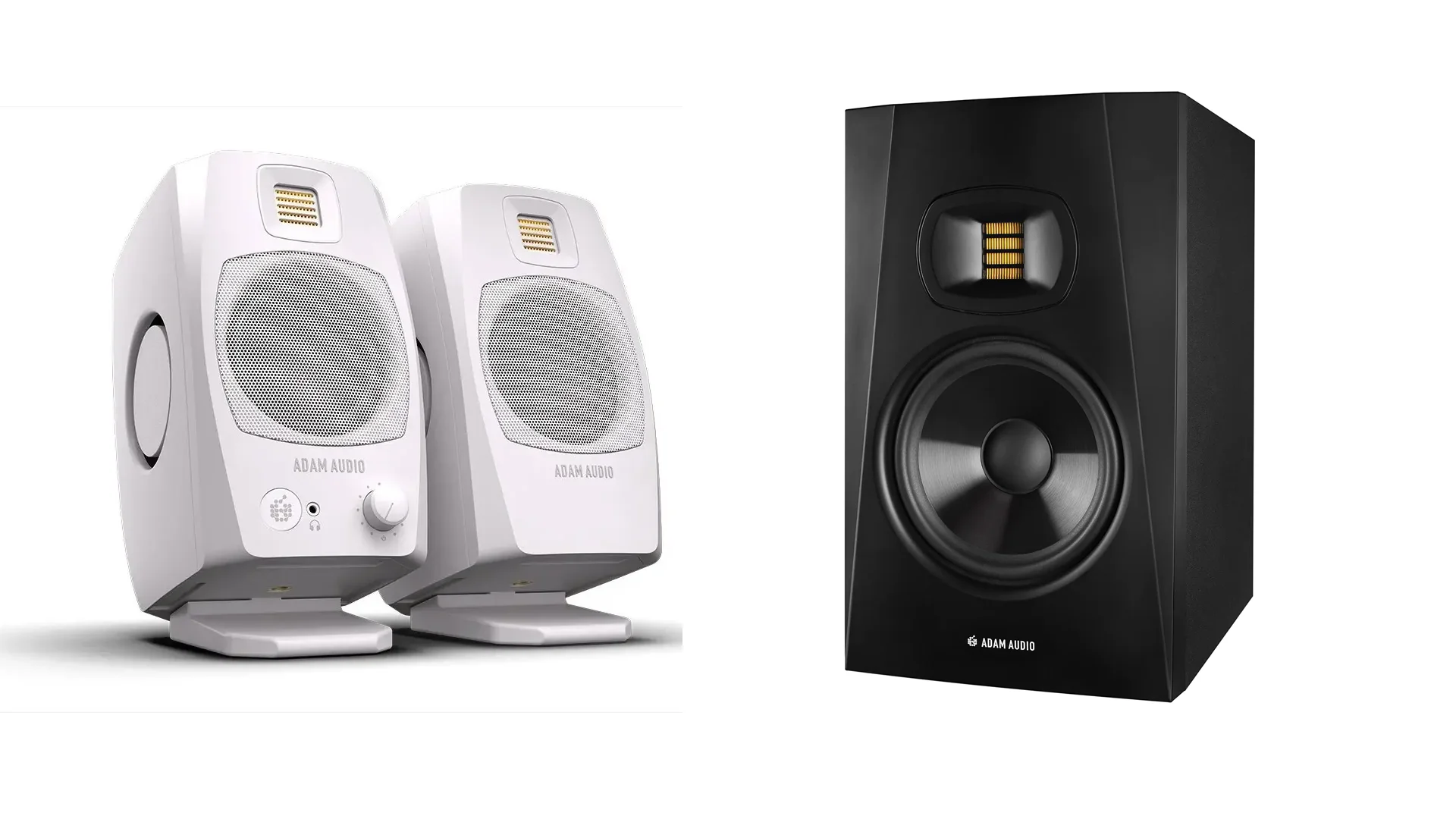
ADAM Audio makes active studio monitors distinguished by ART-family tweeters, whose folded diaphragms move air through an accordion-like motion. That driver principle has been central to the Berlin company’s identity since its early monitors. Klaus Heinz and Roland Stenz founded ADAM Audio in Berlin in 1999, developing ART from Oskar Heil’s Air Motion Transformer principle. Room adaptation is another important part of its newer designs: A Series monitors can be adjusted through A Control software and store Sonarworks calibration filters in their own DSP. This allows the correction to run in the speakers rather than relying on a permanent software plug-in in the playback chain. Across its monitor ranges, ADAM addresses home studios, professional production and installation, with features and tweeter versions varying by series.
Advance Paris

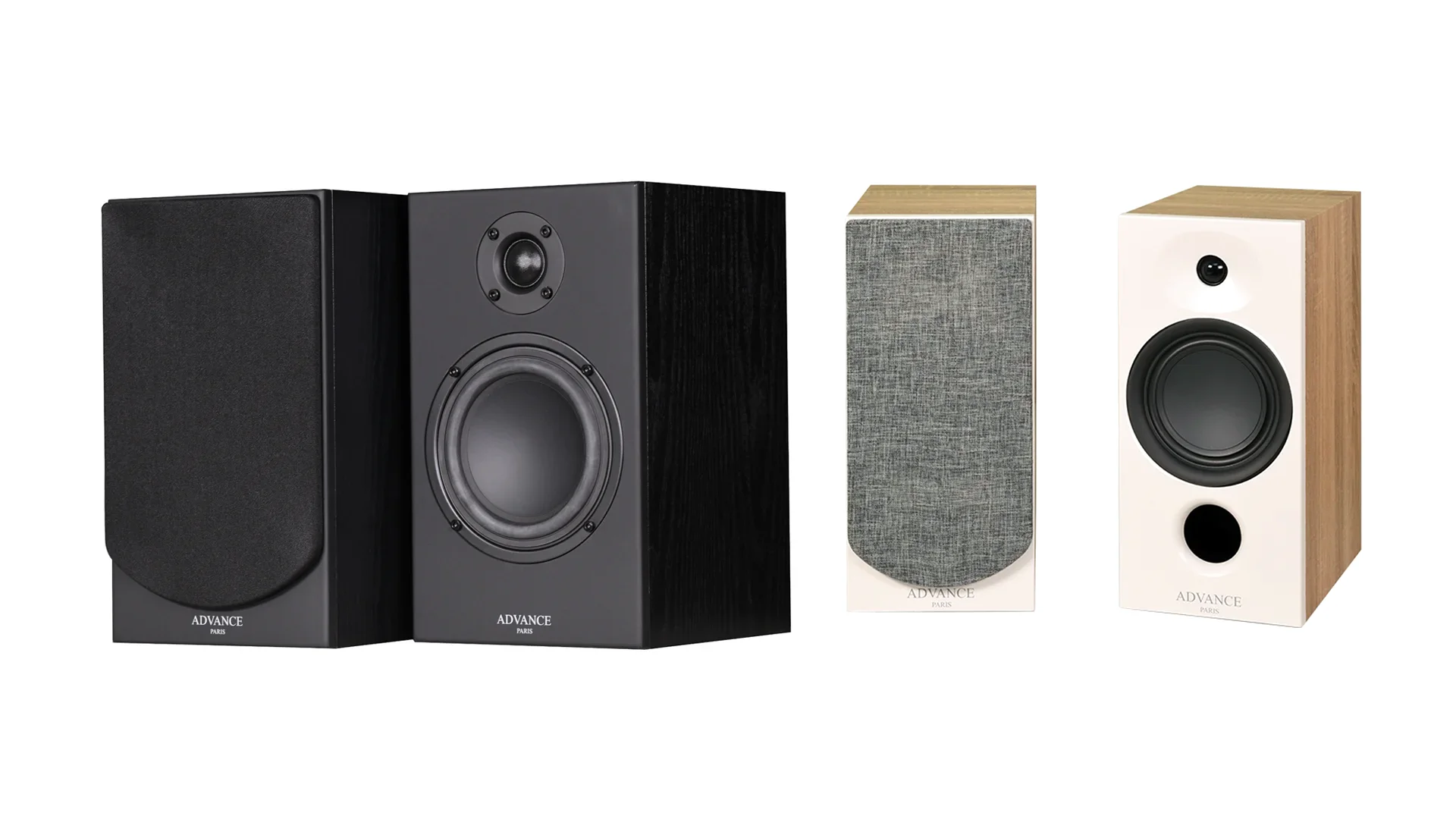
Advance Paris builds stereo electronics with a recognisable combination of illuminated VU meters, extensive connections and, in selected amplifiers, valve preamplification. Its roots are in Advance Acoustic, launched in France in 1995 with five loudspeakers; the first product bearing the Advance Paris name followed in 2013. The catalogue now spans amplifiers, separates, CD players and network sources. Its MyConnect range brings several of those functions into one chassis: the MyConnect 250 combines a CD player, network streaming and FM/DAB radio with a valve preamplifier and transistor power amplification. A configurable MM/MC phono input and HDMI ARC also accommodate a turntable and television. The result is a range that accommodates records, discs, television and streaming while retaining the controls and visual character of a traditional stereo system.
Airpulse

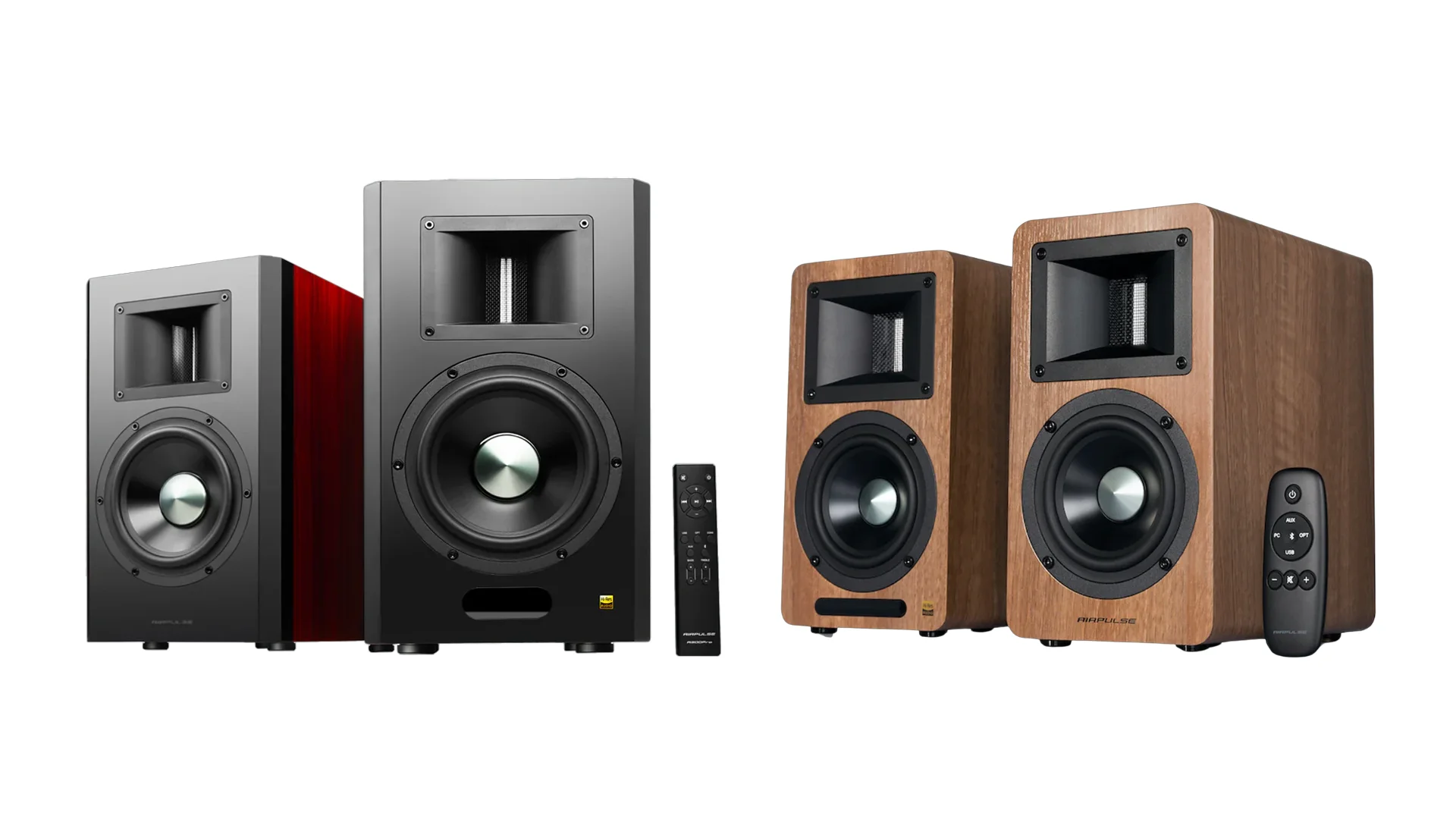
Airpulse puts Phil Jones’s loudspeaker engineering into active speakers that need no separate power amplifier. The A100 illustrates the approach: a horn-loaded ribbon tweeter works with an aluminium-cone mid/bass driver, with amplification built into the system. USB, optical, analogue and Bluetooth inputs allow the same pair to serve a computer, television or other music source, while a subwoofer output provides an expansion option. The A-series also includes larger designs such as the A300, extending the same active-speaker concept to different listening spaces. Airpulse’s identity lies in this combination of distinctive driver design and a self-contained playback system, rather than Bluetooth convenience alone.
Alexandria Audio

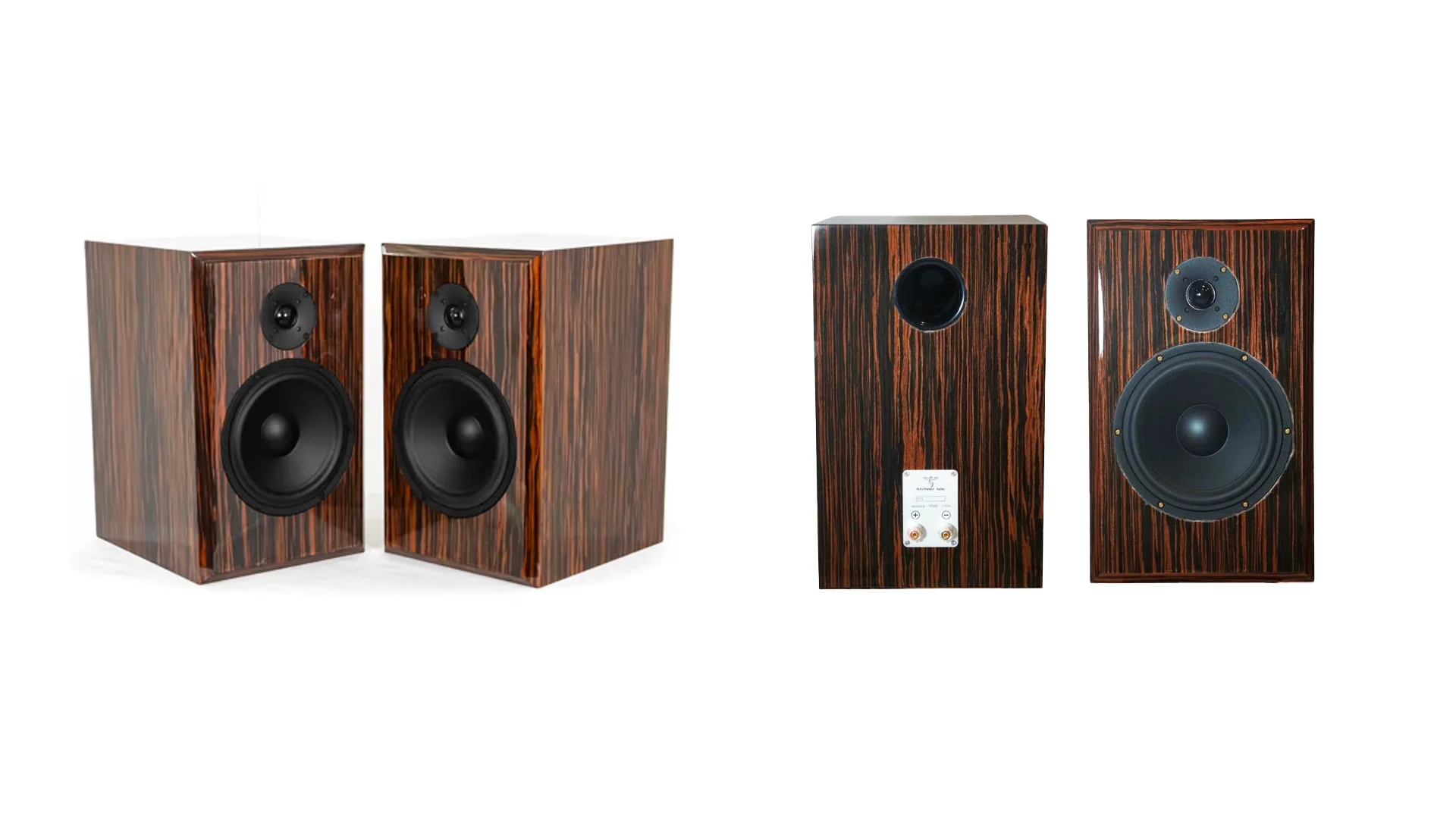
Alexandria Audio builds loudspeakers in Bali with a particular interest in high sensitivity and compatibility with low-powered amplifiers. Henry Kristanto and Kenneth Lin founded the Indonesian company in 2019, bringing together loudspeaker development and cabinet-making experience. Its designs are not confined to one format: The Monitor combines a paper/carbon mid/bass driver with a waveguide-loaded dome tweeter, while Praetoria uses a large paper woofer and horn-loaded compression driver. Those choices distinguish the individual models more usefully than a single claimed house sound. Alongside loudspeakers, Alexandria offers audio electronics and cables, but speaker design and locally made cabinetry provide the clearest introduction to the brand.
Amphion

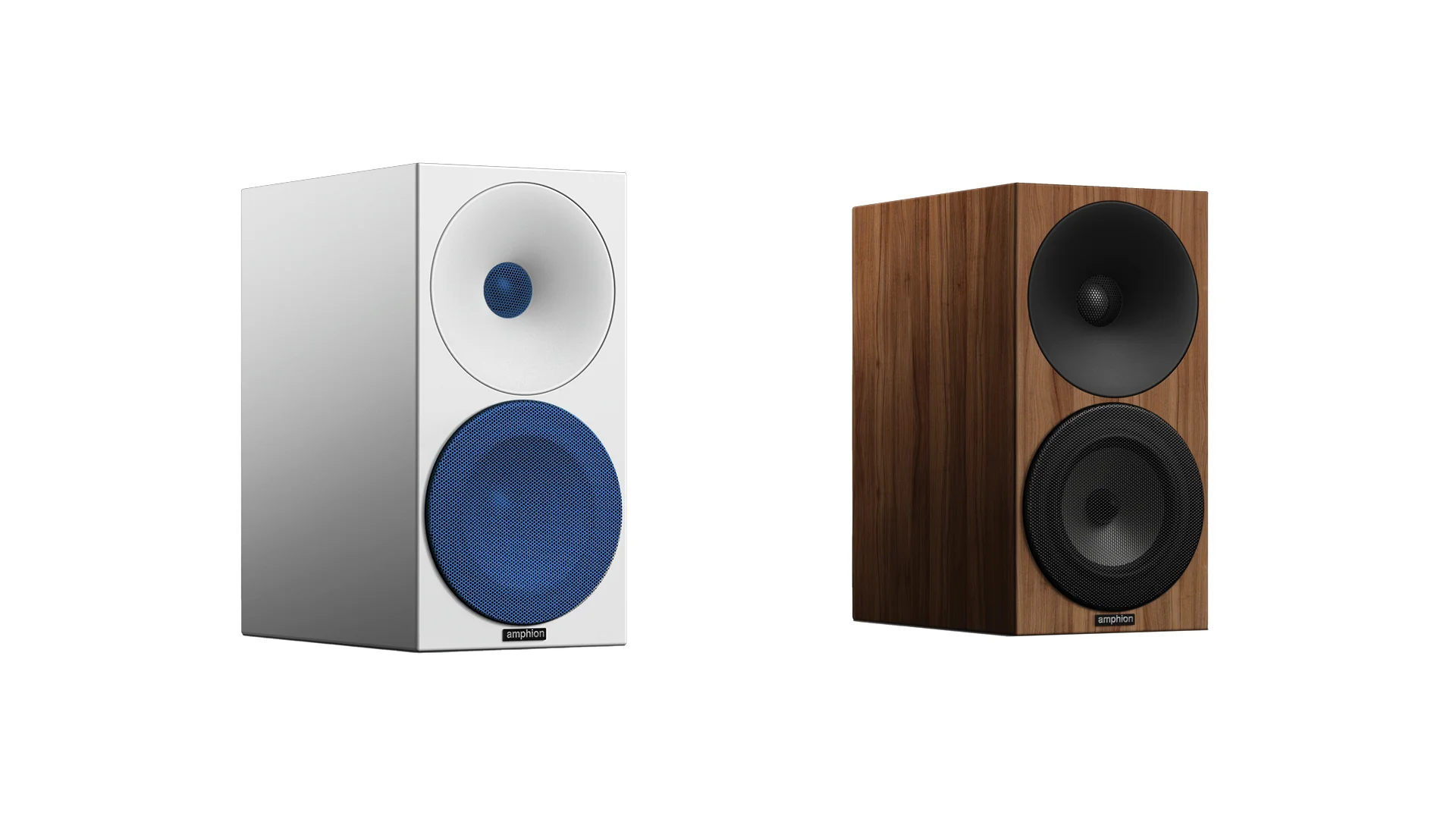
Amphion brings the same loudspeaker-design priorities to living rooms and recording studios: controlled dispersion, a clear acoustic image and a restrained Finnish appearance. Co-founded in 1998 by Anssi Hyvönen, the company builds its speakers in Finland. The deep waveguide around the tweeter helps shape how sound spreads through the room and integrates with the mid/bass driver. Home models span compact Helium and Argon speakers through the larger Krypton designs. Its move into professional monitoring developed into a separate range, where selected passive models use rear passive radiators instead of reflex ports. The studio catalogue also includes the active One25A, so Amphion is no longer exclusively a passive-monitor specialist.
Analog Domain Audio

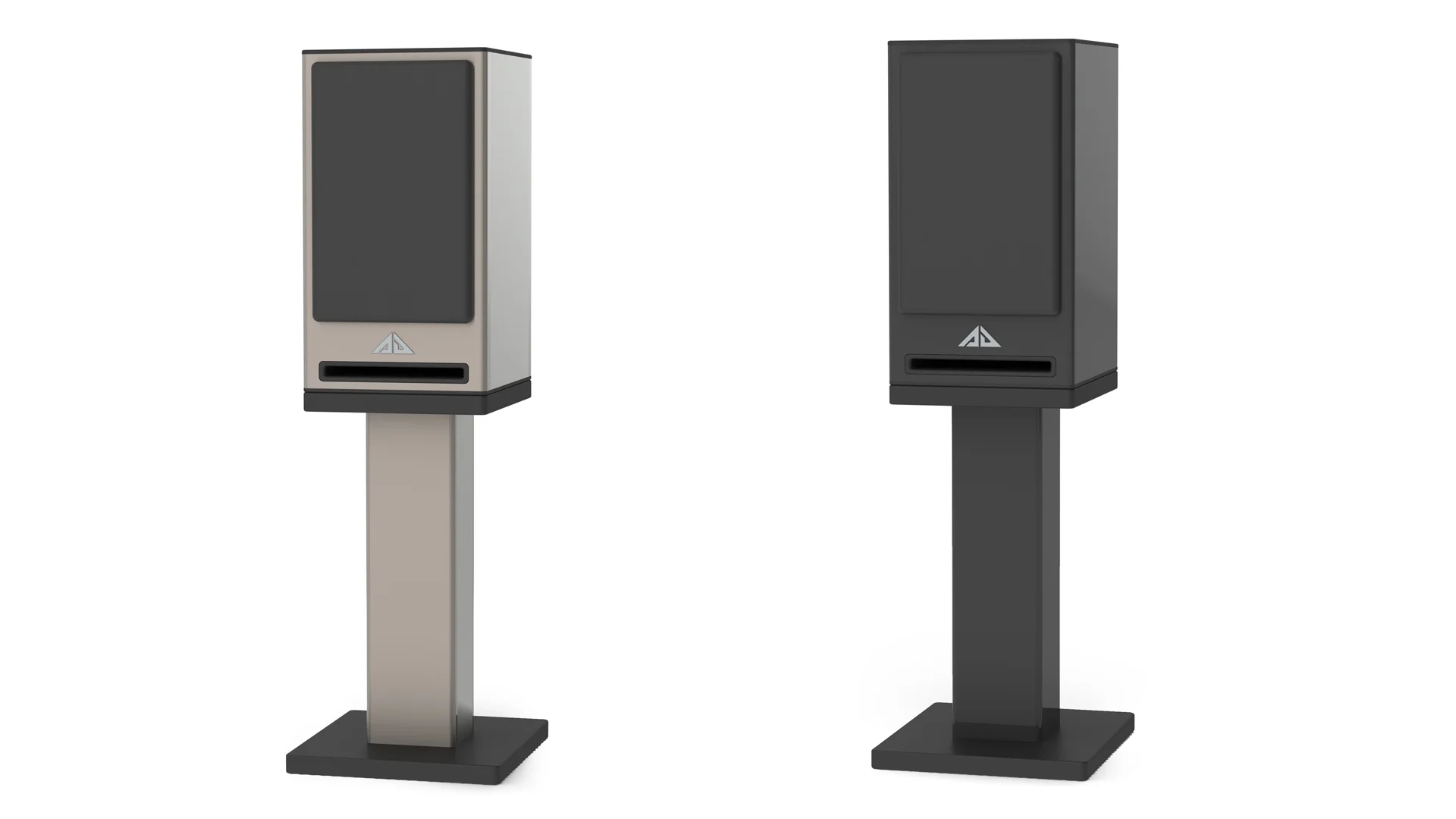
Analog Domain develops solid-state amplifiers around a specific engineering problem: keeping the output stage correctly biased as operating conditions change. Its proprietary DXDrive circuitry monitors idle current directly and adjusts bias dynamically, rather than relying only on a temperature sensor. Based in Germany and led by Angel Despotov, the company offers amplification under names including Isis, Artemis and Apollo, alongside digital conversion and loudspeakers. Large power supplies and substantial chassis are visible features, but the more distinctive work is inside the amplifier’s control circuitry. The range is aimed at systems needing dedicated stereo electronics, with different amplifier formats rather than a single all-in-one platform.
Angstrom Loudspeakers

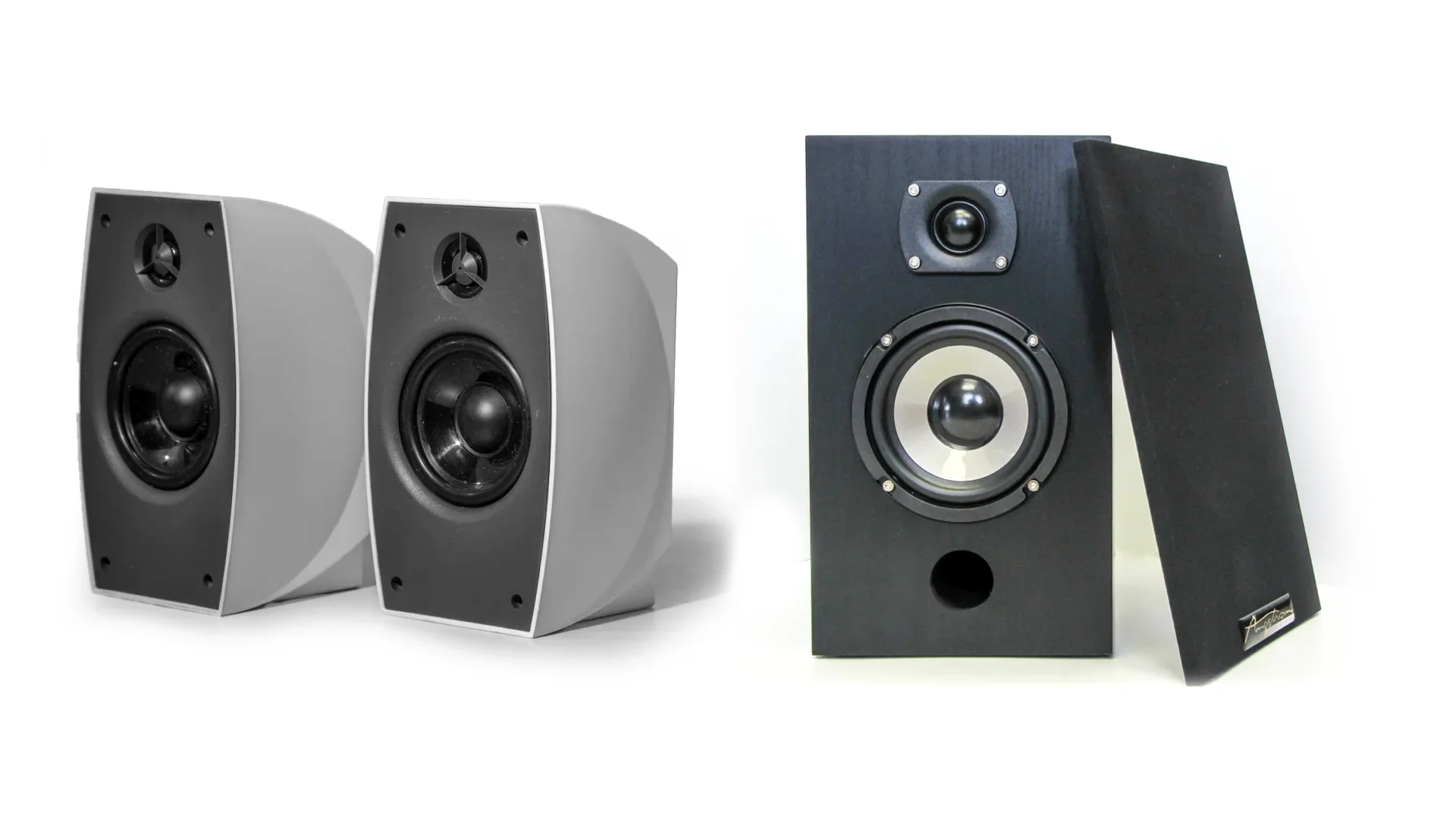
Angstrom makes loudspeakers for places where conventional speaker boxes do not fit: beside a television, within a wall or ceiling, and in architectural installations. The Canadian company’s history begins in 1978 as Angstrom Acoustic Laboratories and includes loudspeaker testing at the National Research Council in Ottawa. Its Suono Spatial Diffuser designs add side-firing tweeters to the forward-radiating drivers. In the Suono 600SD, two cabinets also accommodate the left, centre and right channels of a home-theatre system. This combination of acoustic layout and installation practicality is more representative of Angstrom than a generic focus on floorstanding hi-fi speakers. The wider range includes architectural and outdoor models.
Aperion Audio

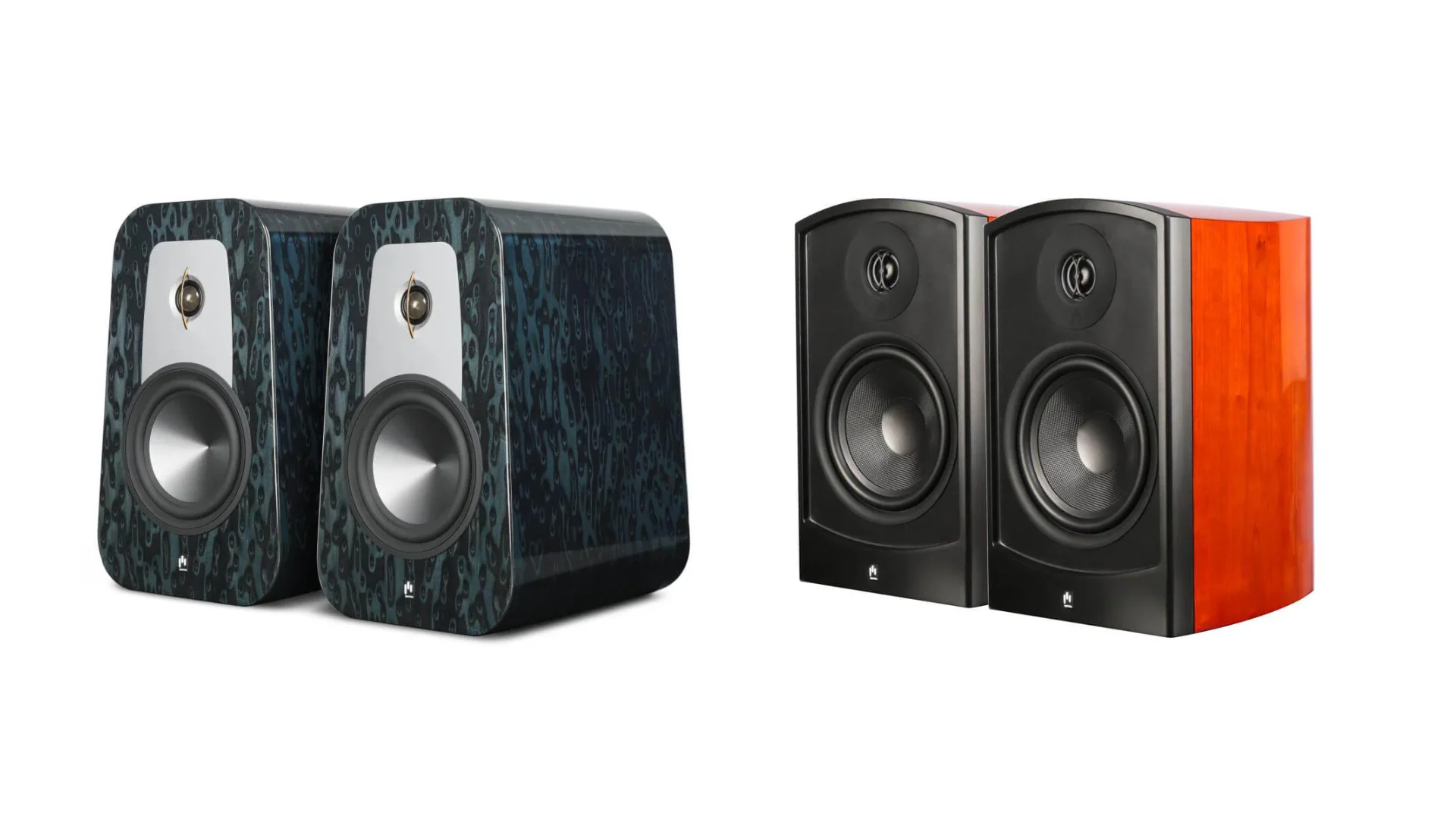
Aperion Audio grew from a practical question: could people choose serious loudspeakers at home instead of relying entirely on a showroom audition? Win Jeanfreau’s search for a replacement music system in 1998 led to the American direct-to-consumer speaker business. Its early Intimus home-theatre system established a path that now includes Verus and Novus speakers, subwoofers and architectural models. The catalogue also has an unusual accessory category: add-on super tweeters for existing loudspeakers. Bookshelf, floorstanding and centre-channel designs let buyers assemble either a stereo pair or a coordinated surround system. Direct sales and the opportunity to audition at home remain part of the brand’s identity.
Apertura

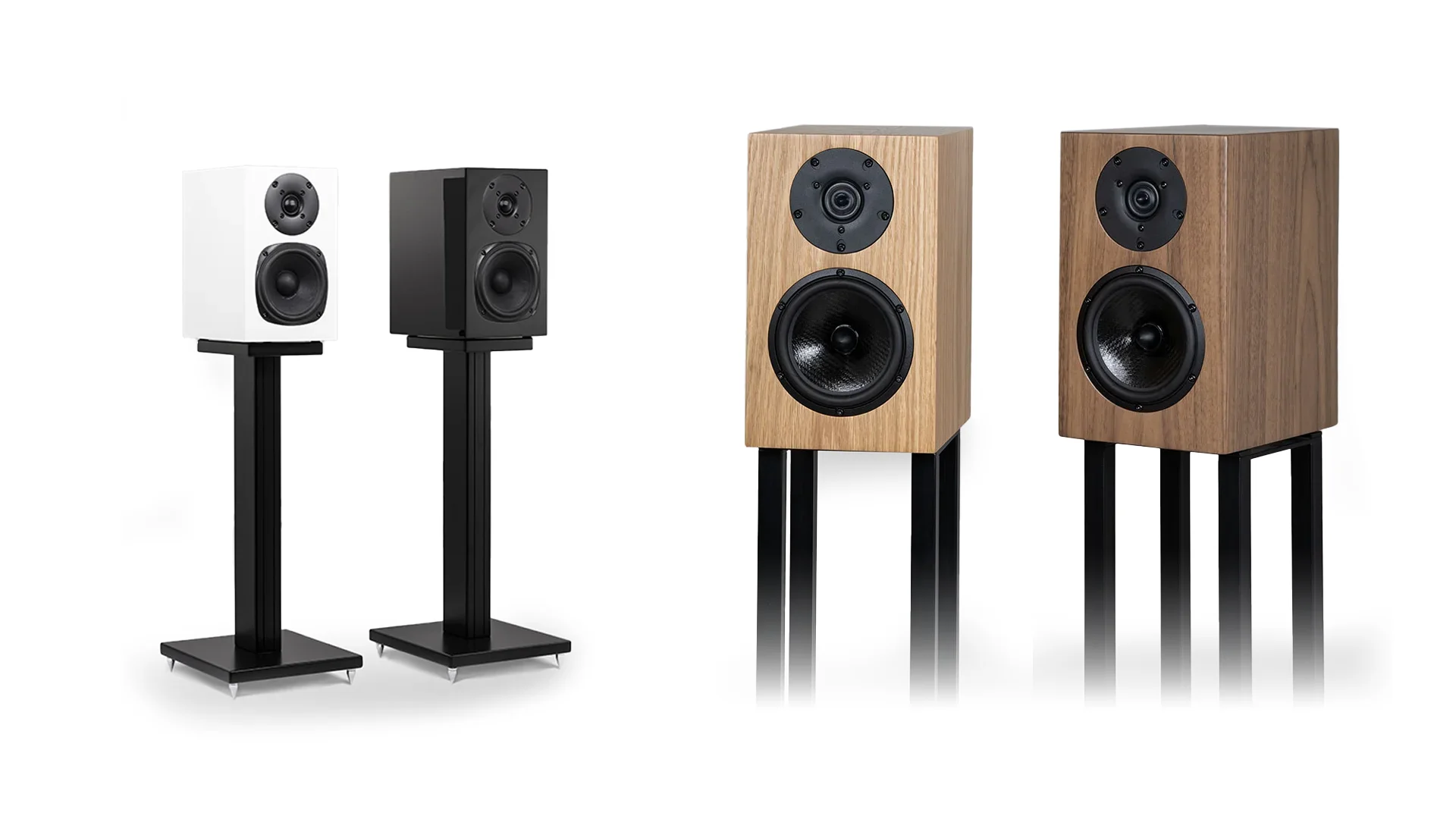
Apertura’s loudspeakers are shaped as much by their crossover design as by their curved cabinets. Founded by French designer Christian Yvon, the brand traces its first loudspeaker to 1983. Its proprietary DRIM filter uses a multi-slope approach to manage the transition between drivers. In models such as the Edena Evolution, each driver pair is measured and the crossover adjusted to match it, rather than treating every production unit as electrically identical. That model combines a ribbon tweeter with a woven-polypropylene mid/bass driver, housed in a laminated cabinet with non-parallel surfaces. The result is a recognisable engineering approach built around driver integration, individual matching and control of cabinet resonances.
Architettura Sonora

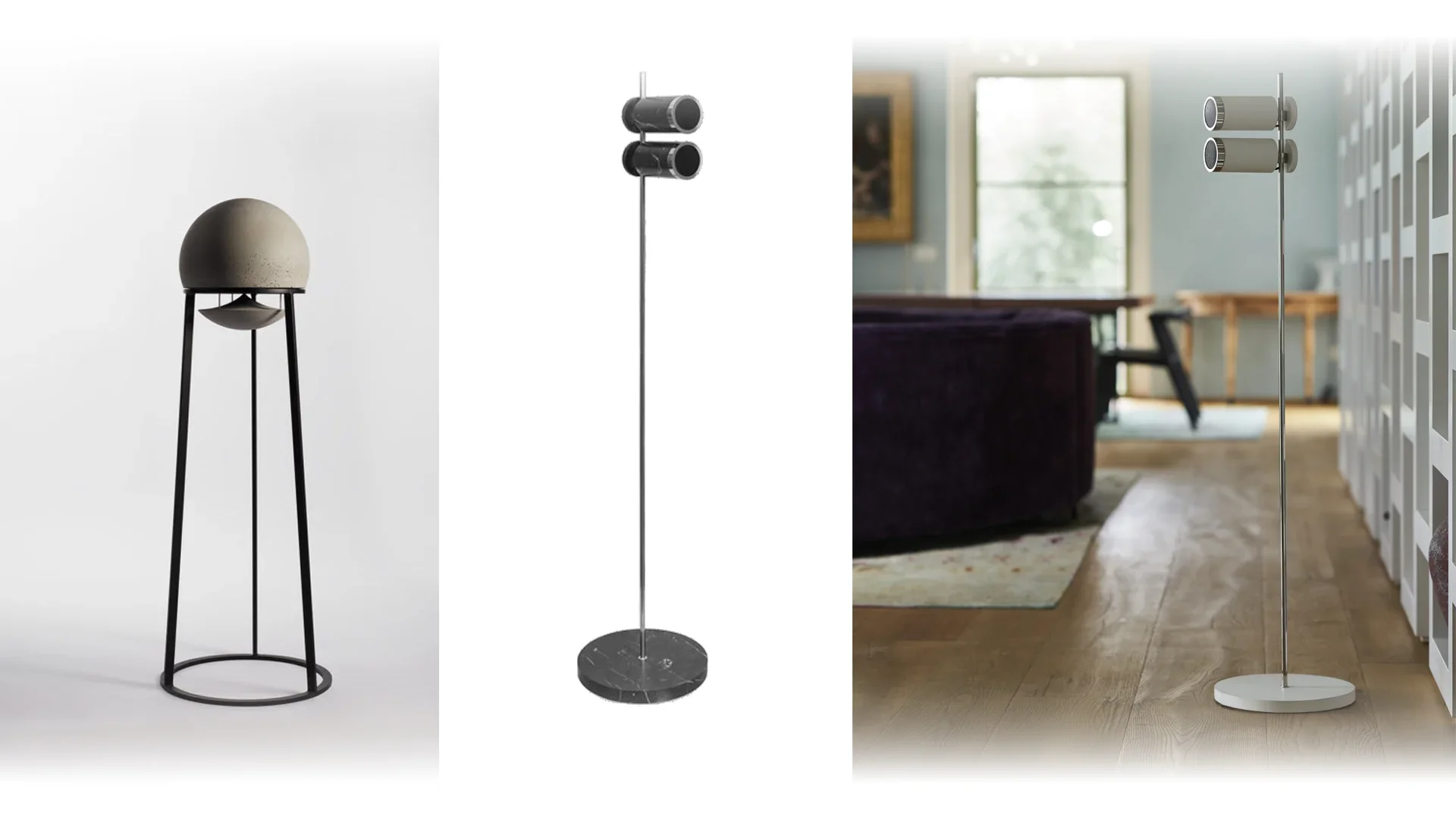
Architettura Sonora makes loudspeakers that function as architectural objects, using forms such as spheres, cylinders and cubes in stone, concrete and terracotta. Established in 2009 as a division of Italian driver manufacturer B&C Speakers, it joins loudspeaker engineering with material and spatial design. Its products are intended for interiors as well as gardens, terraces and other outdoor settings, with construction and placement chosen for the installation. The sculptural forms are not simply disguises for conventional boxes: the relationship between the driver, enclosure and surrounding space is part of the design. Bespoke finishes and installation-oriented models serve residential, hospitality and other architectural projects.
Argon Audio

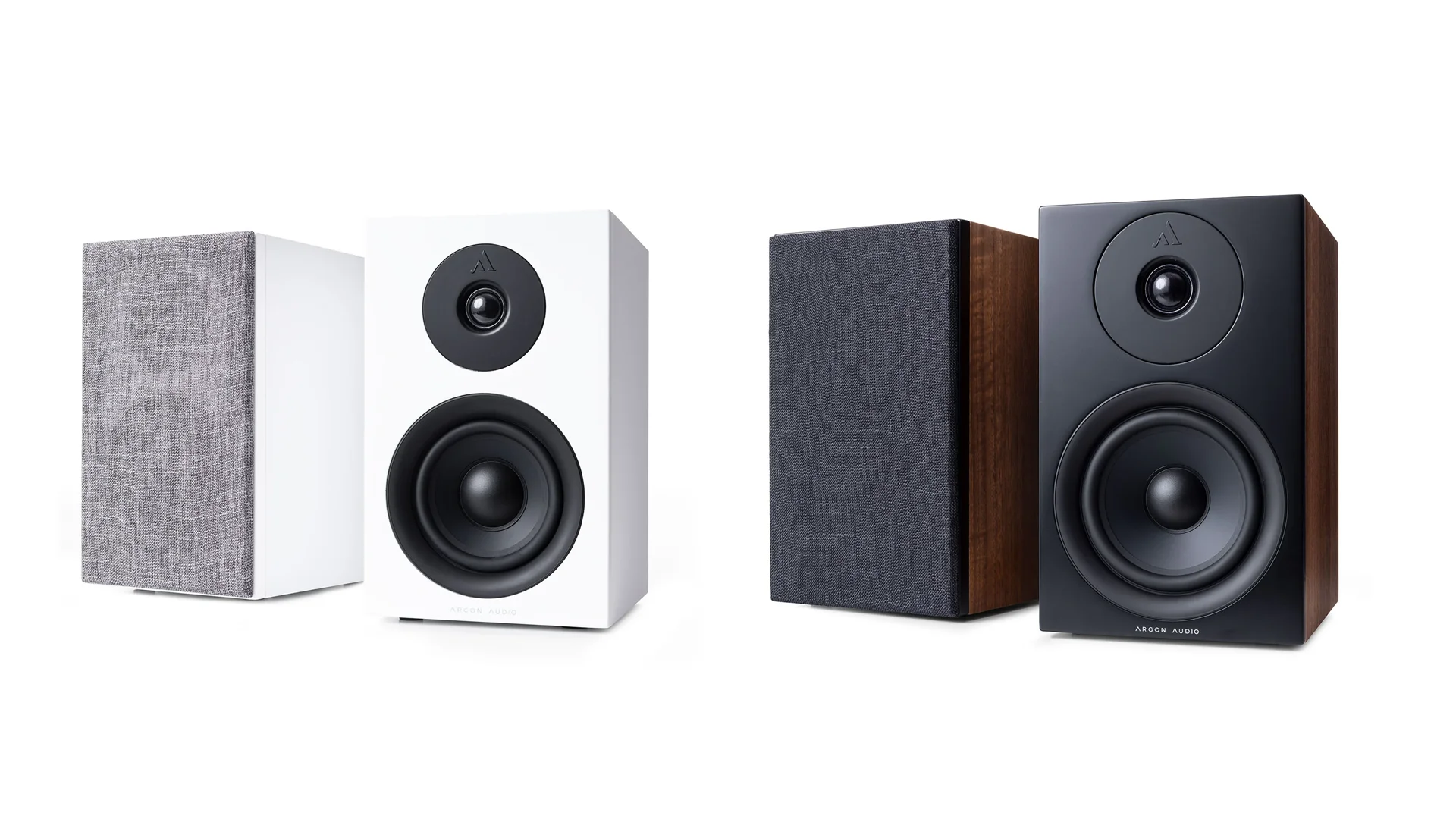
Argon Audio makes compact, affordable hi-fi that reduces the number of separate boxes needed to start listening. Its Danish roots are in HiFi Klubben, where Klaus Philipsen helped develop the brand in the early 2000s. A DAB radio was an early product, followed by active loudspeakers and turntables; the business became a separate limited company in 2019. Today, FENRIS active speakers combine amplification with connections for several sources, including television, while the turntable range offers a straightforward entry into vinyl. The consistent idea is a usable first system—or a smaller second one—with restrained Scandinavian styling and functions selected around everyday listening.
Ascend Acoustics

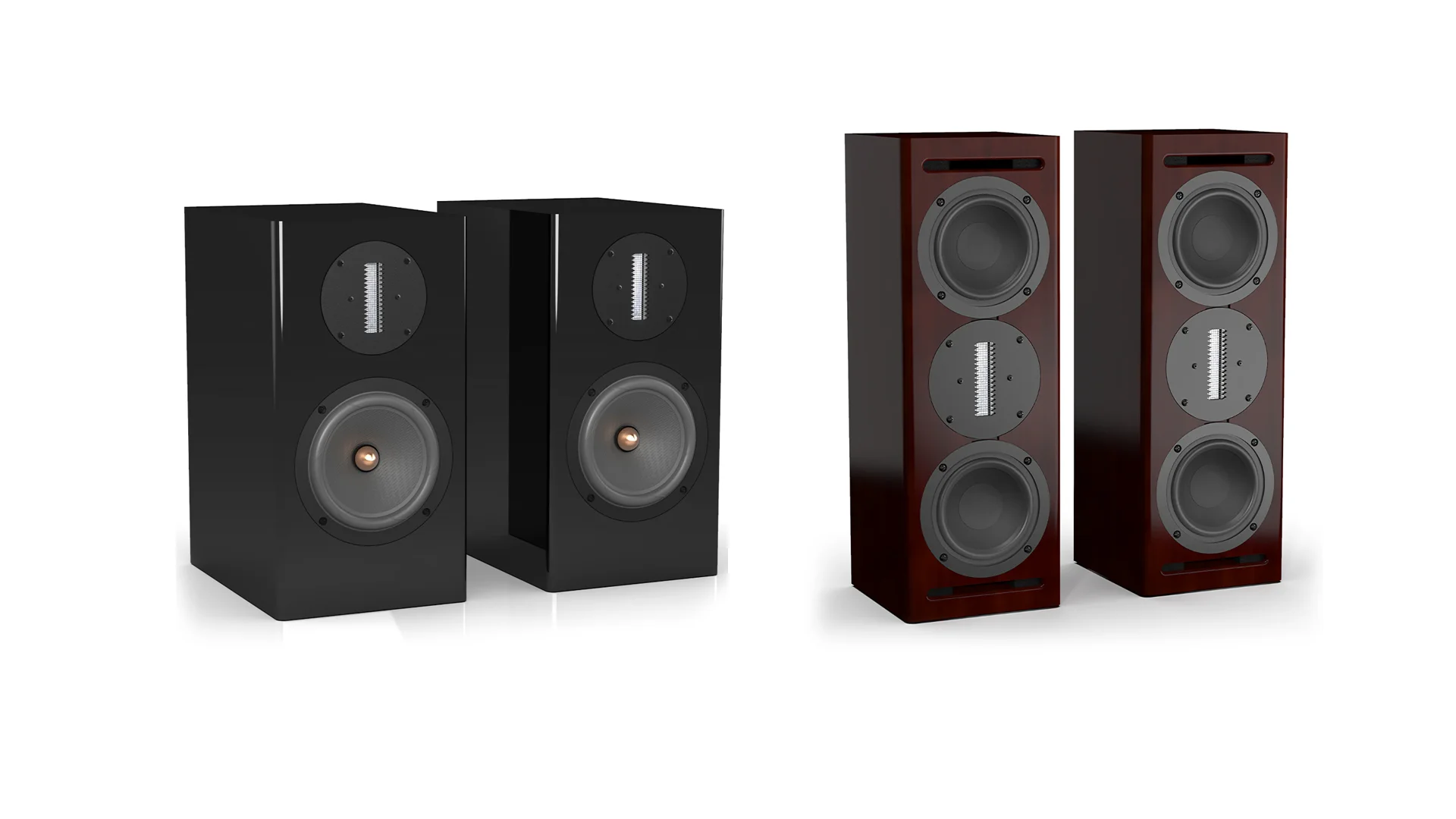
Ascend Acoustics sells loudspeakers directly to listeners, putting much of its development effort into measured acoustic behaviour and practical upgrade paths. David Fabrikant founded the Californian company in 1999. The catalogue spans Signature, Sierra and ELX speakers for stereo and home cinema, with compact monitors, centre channels and floorstanding designs. Recent revisions use Klippel Near Field Scanner measurements to refine the crossover and the speaker’s radiation pattern. In some cases, that work is also offered as an upgrade kit for existing owners: the Duo V2 kit, for example, updates the crossover and cabinet treatment of an earlier Duo. This links ongoing engineering development to products already in customers’ systems.
ATC
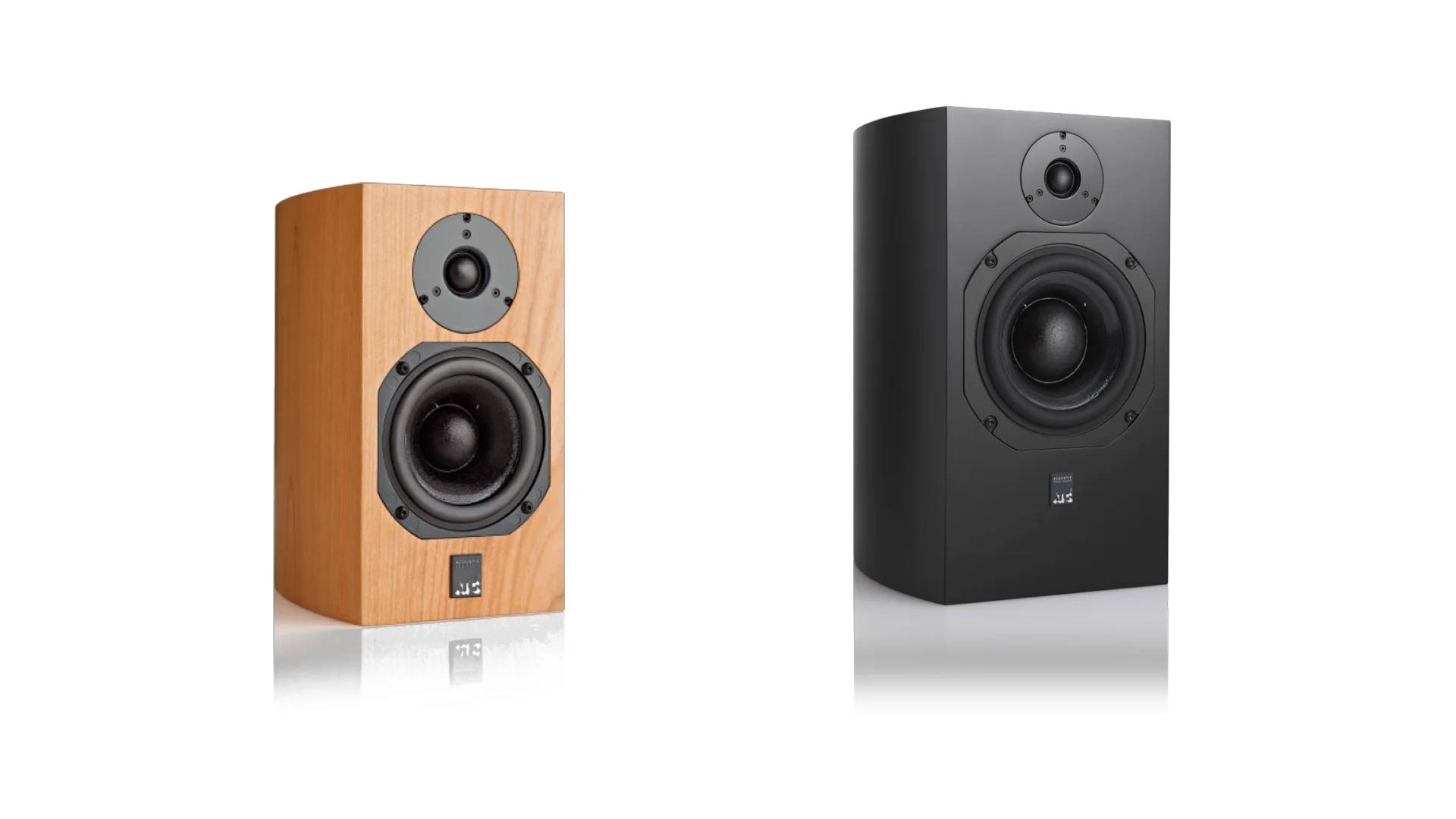
ATC grew from making professional loudspeaker drivers into building complete studio monitors and domestic hi-fi systems. Billy Woodman founded the British company in 1974; its large soft-dome midrange driver followed in 1976 and remains a defining part of many three-way designs. Another development, Super Linear motor technology, addresses distortion associated with magnetic hysteresis. Active models combine electronic crossovers with separate amplification for the drive units, while passive versions allow owners to choose their own power amplifiers. The SCM50 and SCM100 families connect the studio and home catalogues, supported by smaller speakers and separate electronics. Driver development is the thread running through both sides of the business.
Atohm

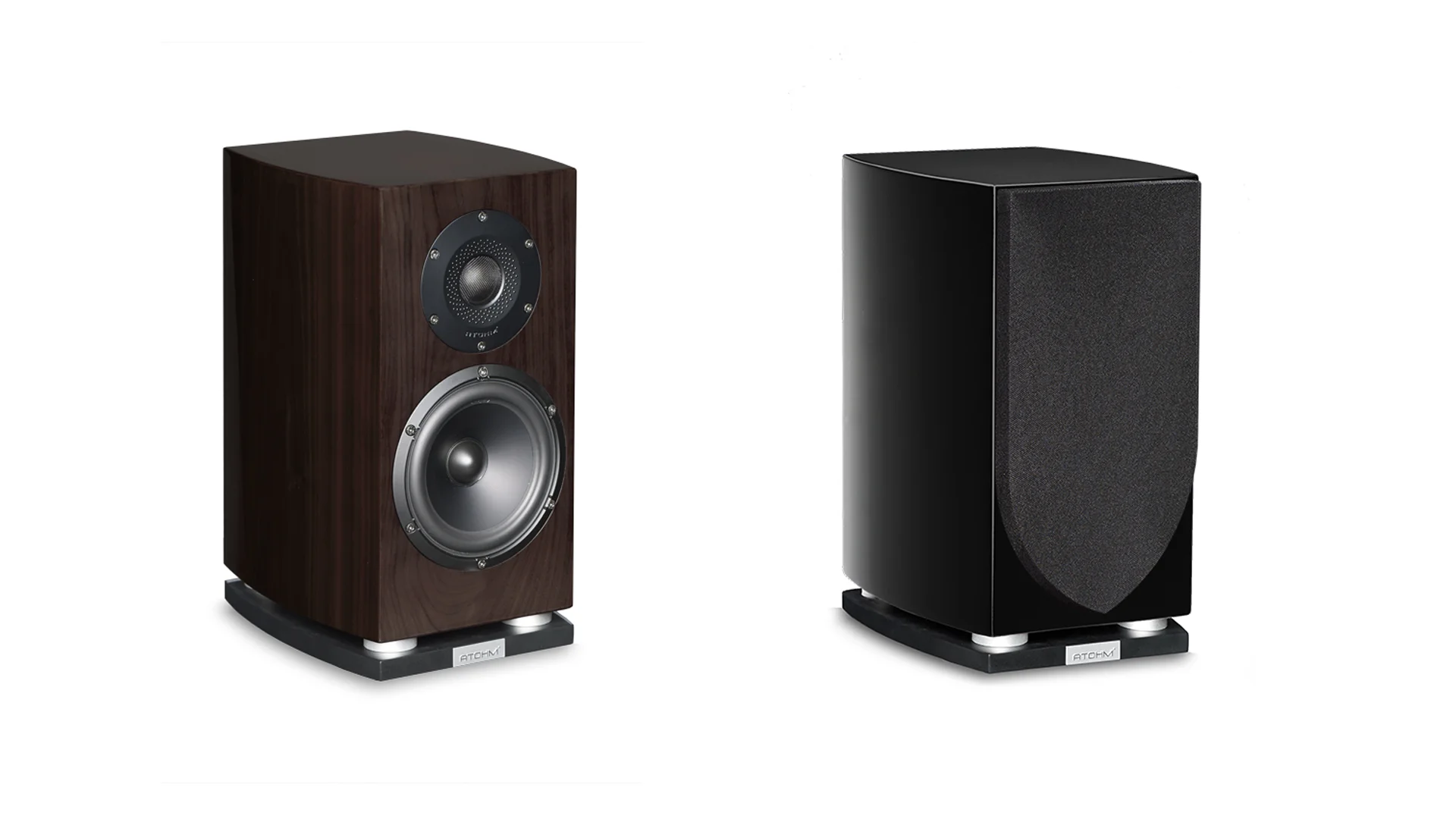
Atohm develops the drive units as well as the finished loudspeaker, and also supplies drivers and kits to people building their own systems. Thierry Comte established the French business behind the brand, Welcohm Technology, in 2000. Its catalogue connects GT and Sirocco loudspeakers with Rafale subwoofers, amplification and ZEF cables. The GT technical platform illustrates the detail of its driver engineering: the Absolute Series tweeter combines a treated silk dome, a neodymium motor and a copper ring intended to reduce and linearise inductance. Motor geometry and dispersion are developed together with the diaphragm and suspension. The same engineering interests extend into its component and DIY offerings.
Audience

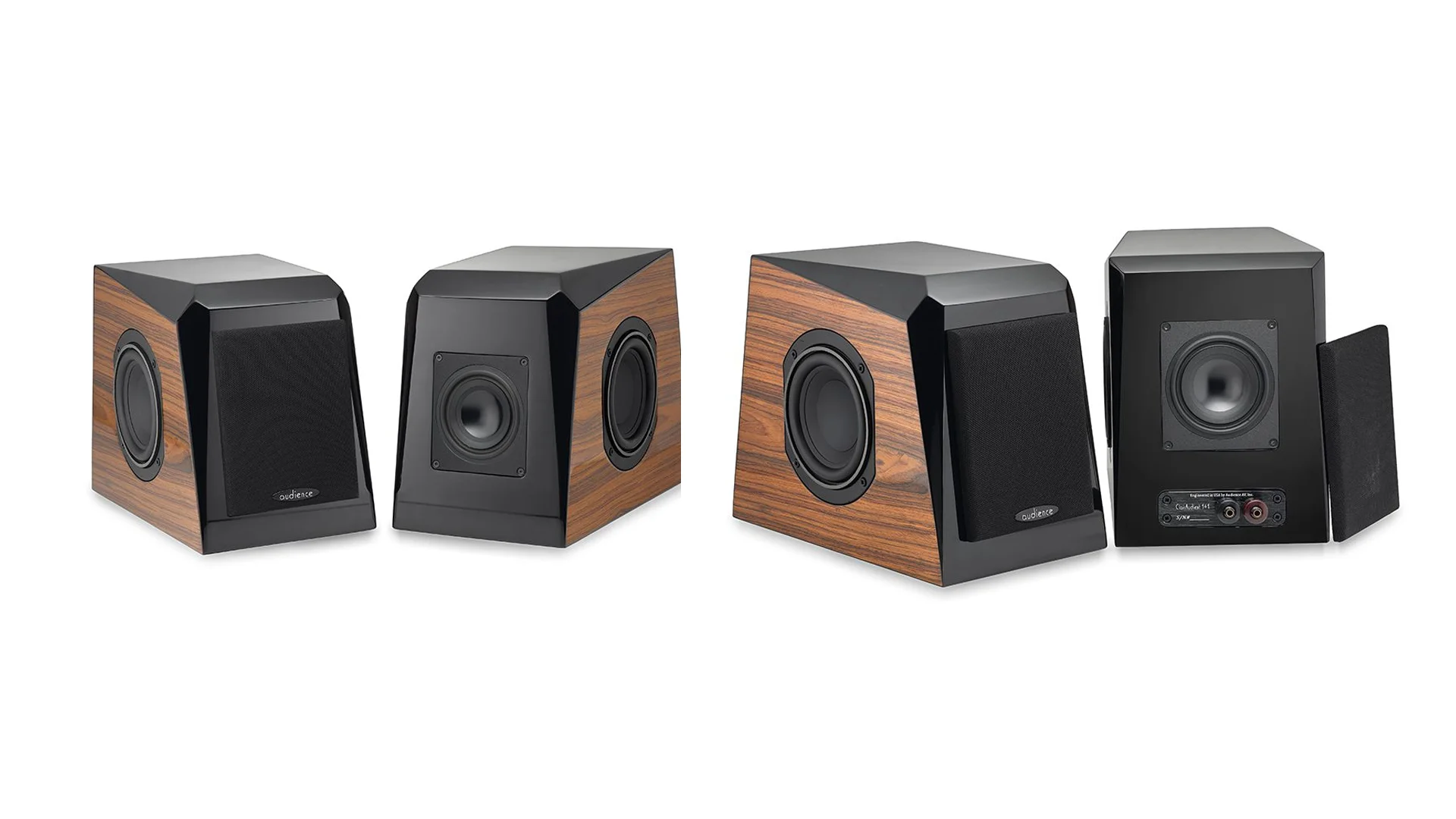
Audience’s cables and power conditioners grew alongside a long-running effort to build loudspeakers without a conventional crossover. John McDonald and Richard Smith founded the American company with engineer Roger Sheker in 1997, following an earlier venture together. Work on full-range drivers eventually led to the ClairAudient speakers, with the ClairAudient 16 debuting in 2009. Au24 and later cable families developed around low-mass construction, while adeptResponse conditioners brought the company’s power-filtration work into a separate product range. Audience also supplies drivers and Auricap capacitors for other manufacturers and DIY projects. The shared thread is component-level development across connections, power and sound reproduction.
Audio Note

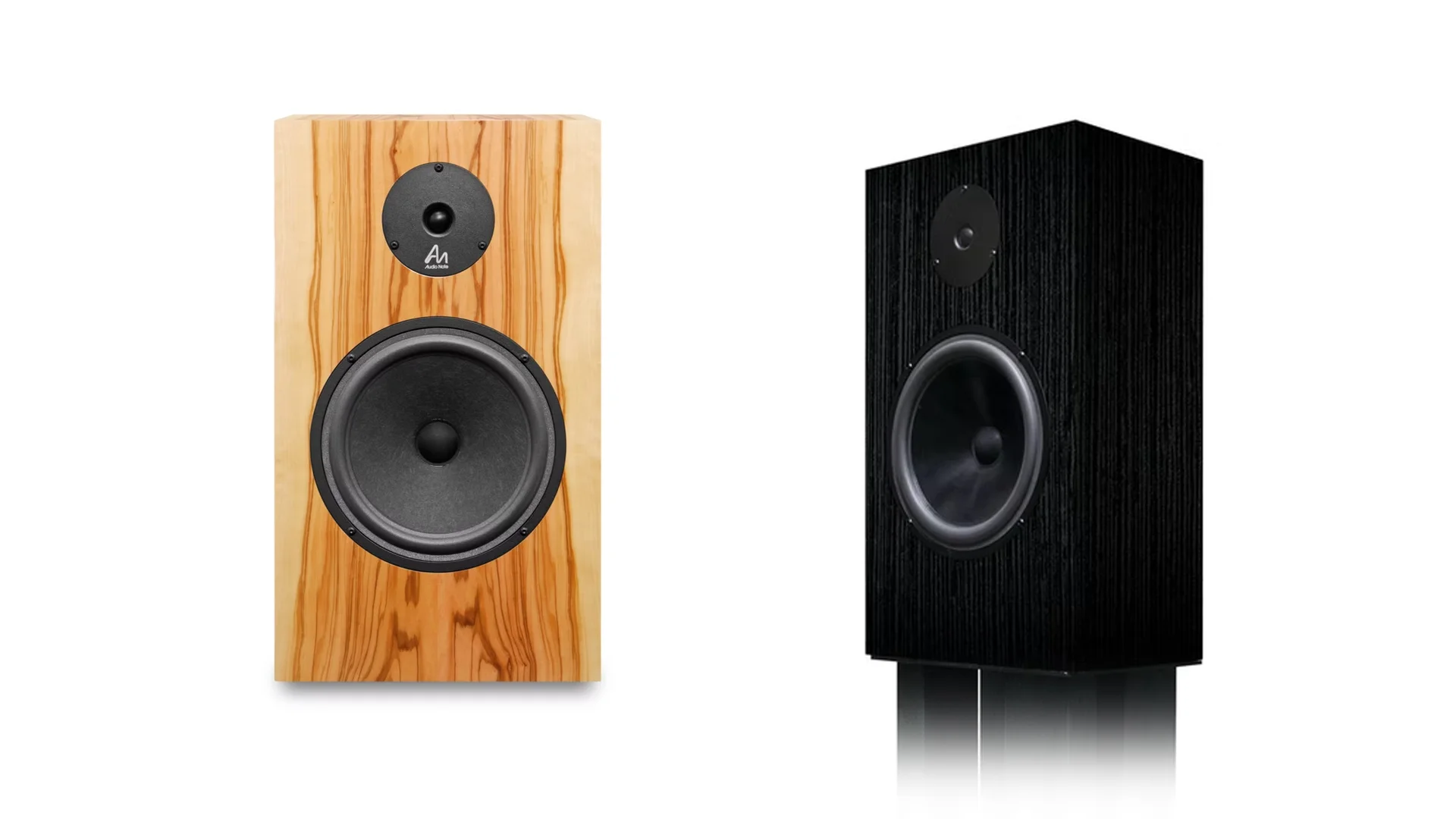
Audio Note (UK) builds complete valve-based playback systems, from cartridges and digital sources to amplifiers, cables and loudspeakers. The UK company led by Peter Qvortrup introduced the OTO PP integrated amplifier in 1991, and that long-lived model still captures its preference for simple circuits and serviceable products. Single-ended triode amplifiers, custom output transformers and internally developed resistors, capacitors and wiring are central to the range. Its DACs deliberately avoid oversampling, digital filtering and conventional reconstruction filters, pursuing timing and musical continuity through a different engineering route. Products are organised by levels from Zero to Five, with models such as Meishu and Ongaku showing how parts quality and transformer design are progressively developed. The name here refers specifically to Audio Note (UK), not Kondo Audio Note Japan.
Audio Physic

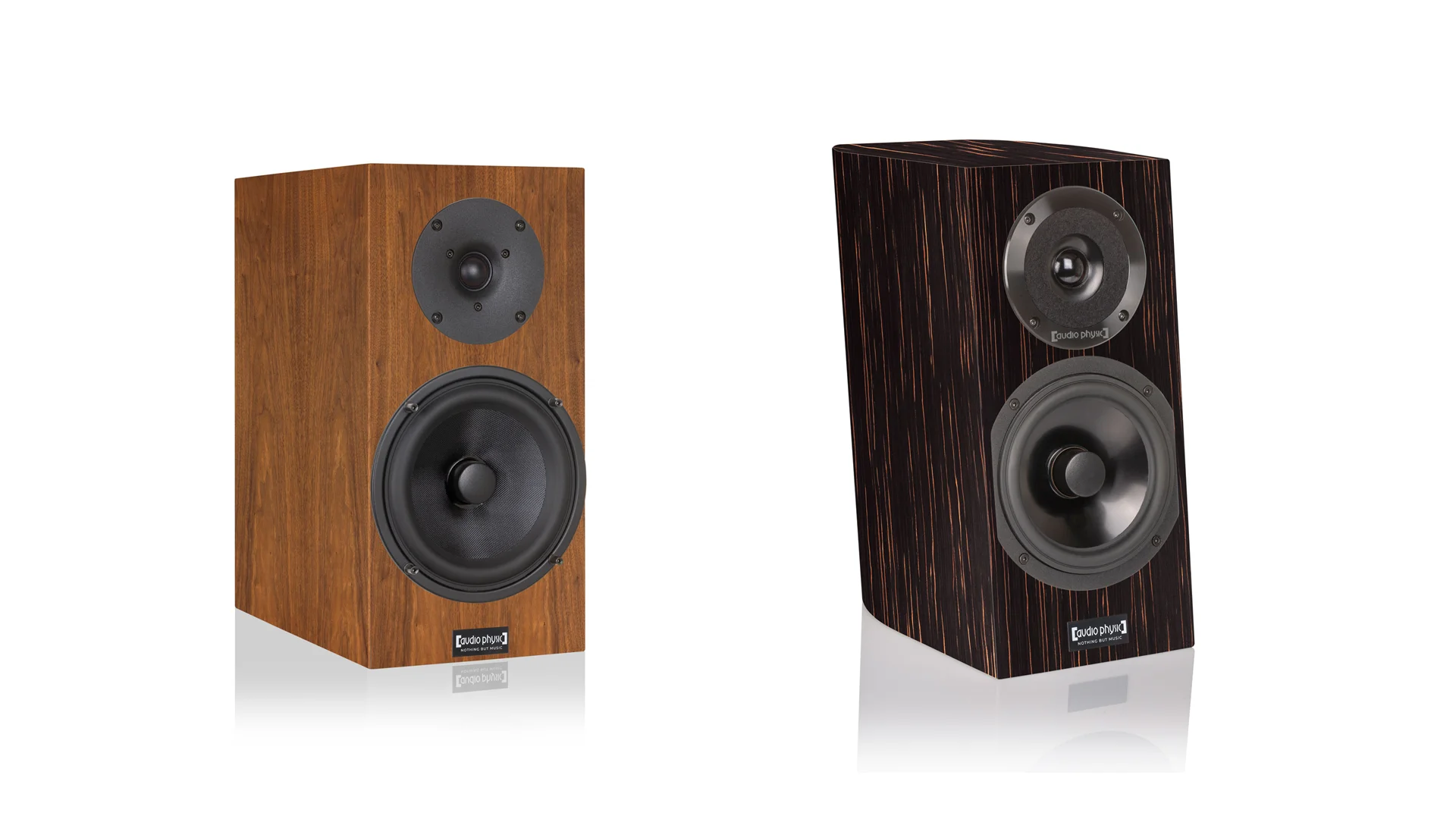
Audio Physic approaches loudspeaker design through the interaction of drivers, cabinet behaviour and the listening room. Wilhelm Hegener and Joachim Gerhard founded the German company in 1985, two years earlier than the date previously recorded. Their early work established a principle still visible in current models: an enclosure should be rigid where necessary, carefully damped and free from energy storage that masks fine detail. Modern speakers use Audio Physic’s Hyper Holographic Cone midrange and tweeter technologies, developed to suppress unwanted vibration at the driver, together with multi-layer cabinet structures and mechanical isolation. Cardeas sits at the top of a range that also includes Codex, Midex, Avanti and Tempo. The brand’s strength is spatial precision and low cabinet contribution, expressed in slim floorstanders rather than oversized conventional boxes.
Audio Solutions

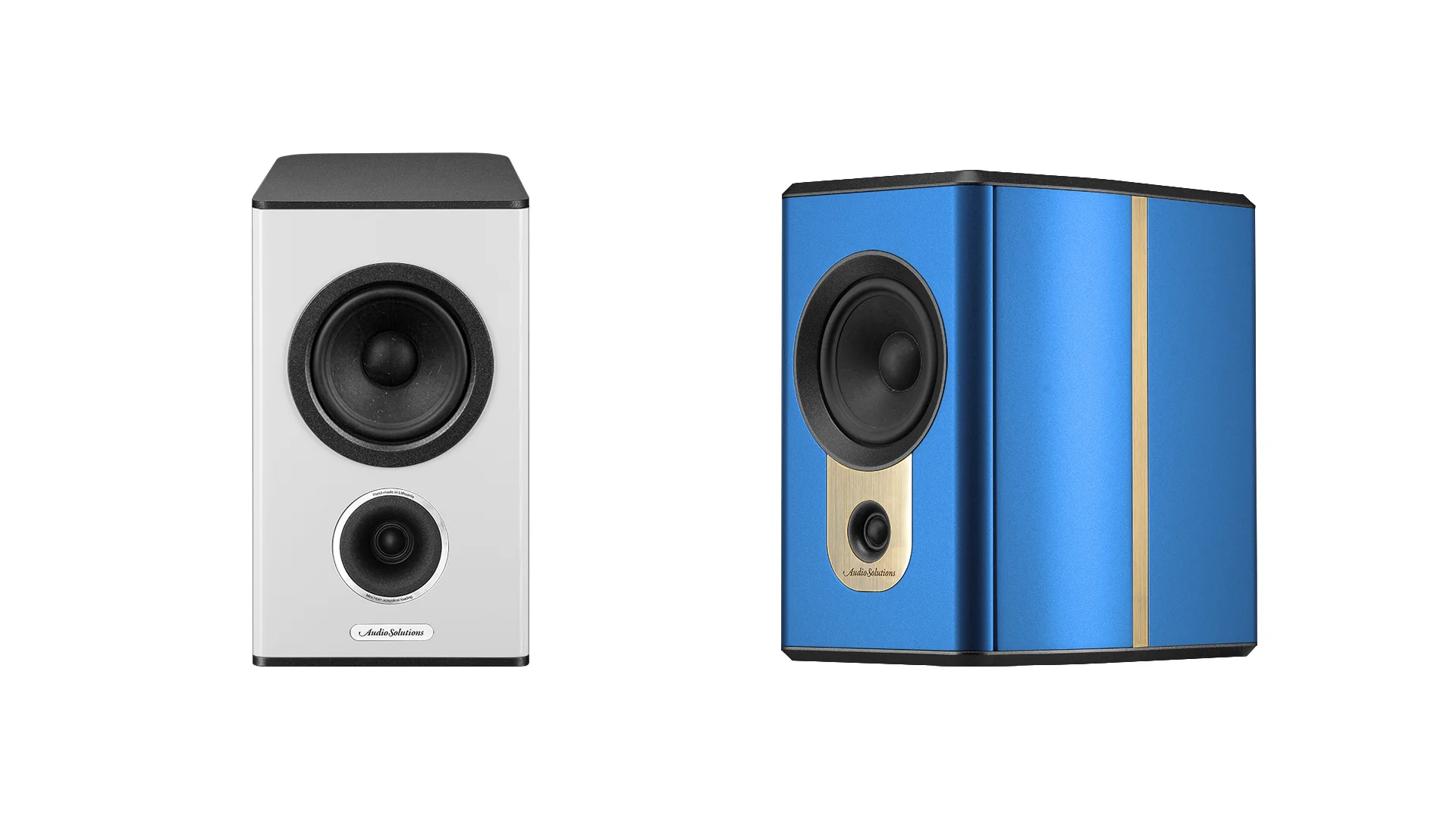
AudioSolutions turns cabinet construction into an active part of loudspeaker engineering. Speaker designer Gediminas Gaidelis founded the company in Vilnius in 2011, where its products are developed and assembled. The proprietary Self-Locking Cabinet technique joins interlocking panels into a rigid enclosure and varies wall structure and thickness where resonance control demands it. Figaro models also use two interchangeable front baffles, one protected by fabric and one open, designed to preserve the same acoustic power response. The range extends from the accessible Overture family through Figaro and the more elaborate Virtuoso designs, with carefully shaped enclosures and finish options that are made as part of the structure rather than added as decoration. AudioSolutions is therefore best understood as a cabinet-led loudspeaker manufacturer with its own production know-how, not simply a user of premium drive units.
Audioengine

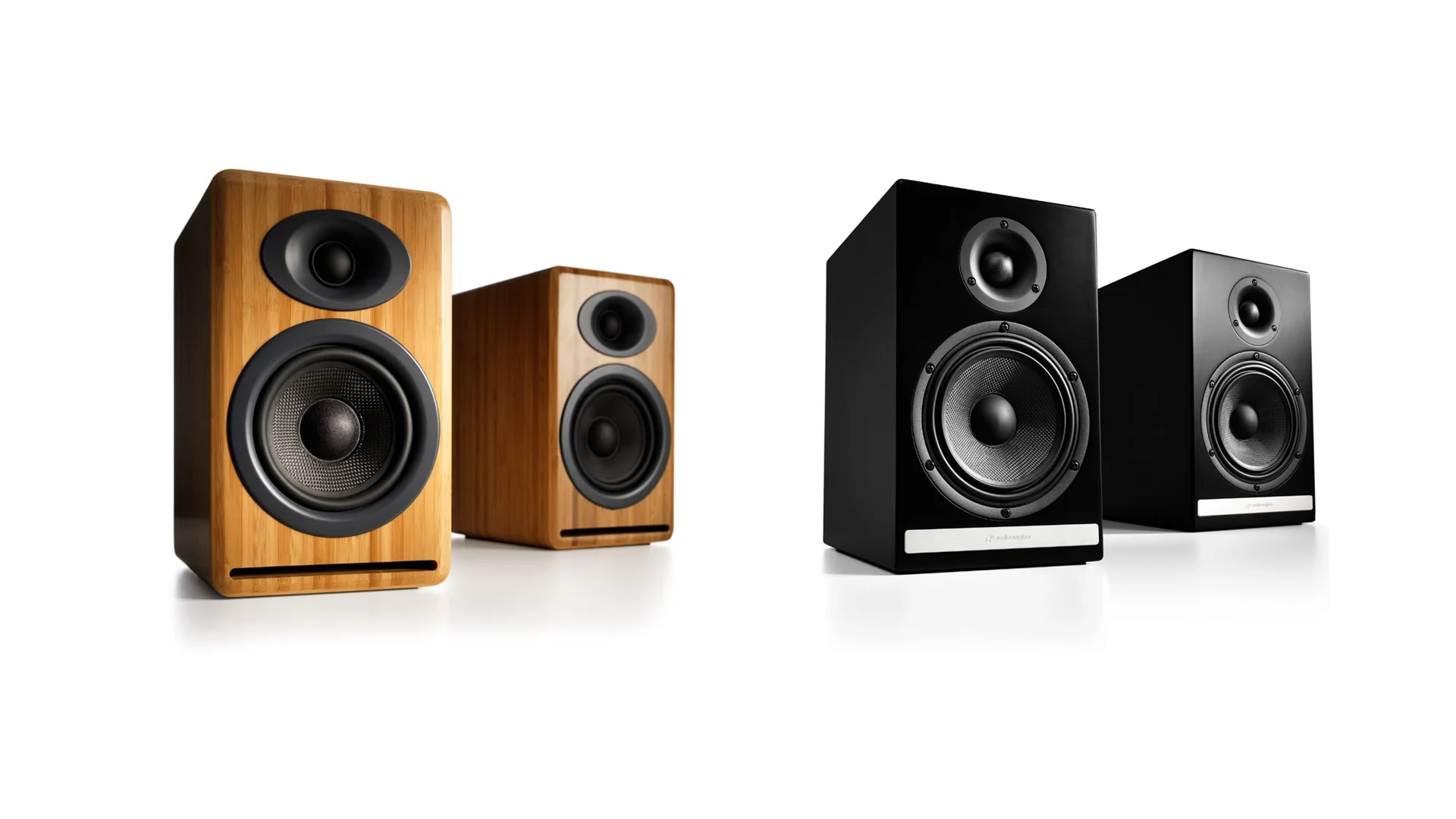
Audioengine helped make a pair of compact powered speakers a credible main music system for a desk, office or small room. Industry veterans Brady and Dave founded the company in Austin, Texas, in 2005 after work with firms including Harman, Apple, Gibson and Alesis. The original A5 put amplification inside a conventional wooden bookshelf cabinet and connected directly to everyday sources. Subsequent A2+, A5+ and HD models added USB, optical and high-quality Bluetooth options without turning setup into a network project. The range also includes passive speakers, subwoofers, DAC/headphone amplifiers and receivers such as the B1 for adding wireless playback to an existing system. Audioengine’s consistent strength is integration: useful connections, matched amplification and domestic-scale cabinets in products that remain recognisably stereo pairs.
Audiovector

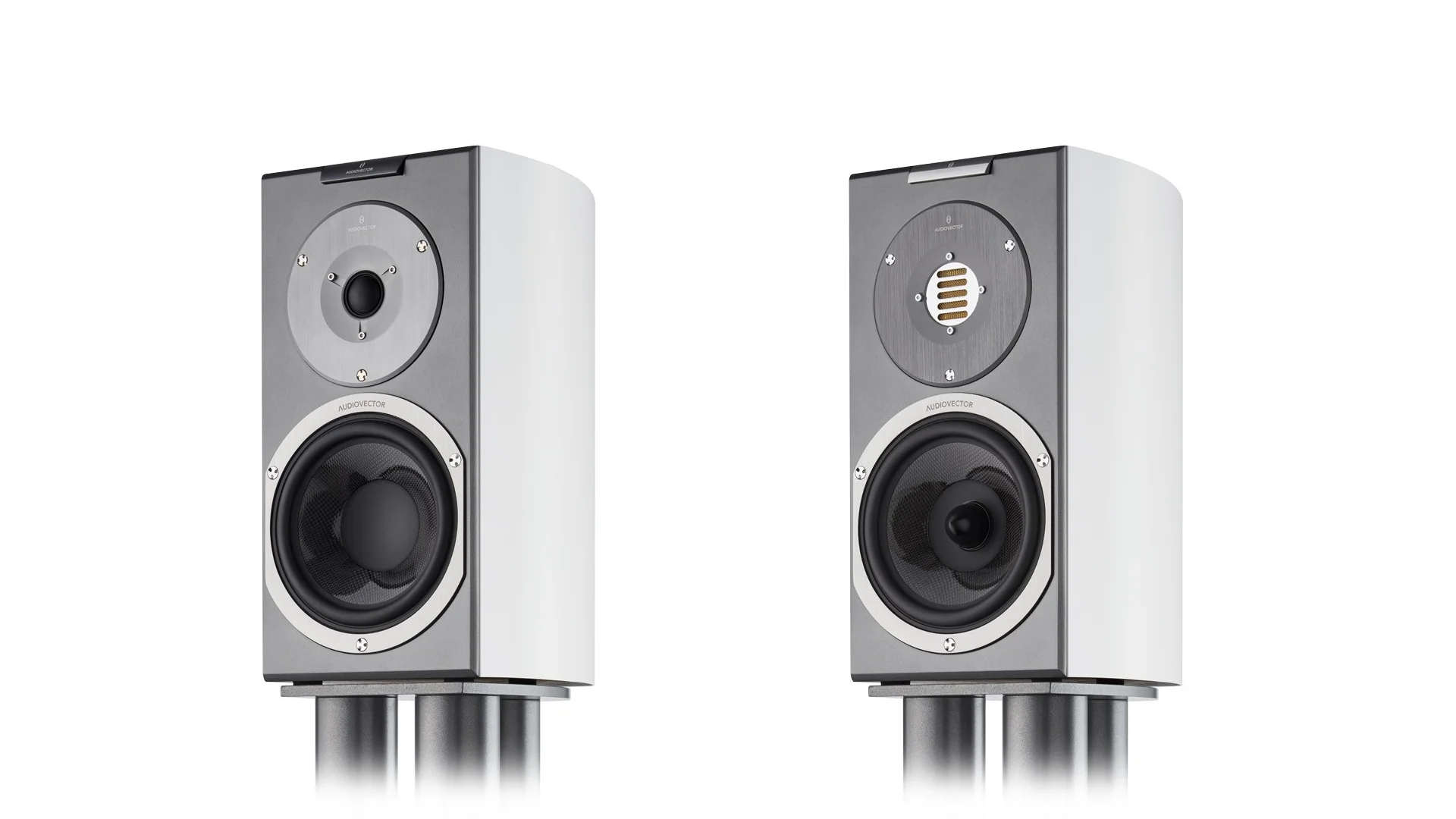
Audiovector makes upgradeability part of the loudspeaker itself. Ole Klifoth founded the Copenhagen company in 1979 and introduced the original Trapeze that year; today his son Mads Klifoth leads the family-owned business. Its Individual Upgrade Concept allows eligible speakers to be rebuilt to a higher version with revised drivers, crossovers and internal parts, extending the useful life of the original cabinet. The R and QR families cover stand-mount, floorstanding, centre, surround and subwoofer roles, while the Trapeze Reimagined reconnects the range with Klifoth’s first design. Air Motion Transformer tweeters, mechanically isolated enclosures and careful attention to phase and low compression recur across the catalogue. Audiovector designs, hand-assembles and tests its speakers in Denmark.