
Bookshelf Speakers
This page provides an extensive index of bookshelf speaker manufacturers from around the world. Our goal is to present the largest possible collection of brands in one place, including both well-known producers and niche companies. Each entry in this directory lists the brand’s country of origin, its founding information, and a direct link to the bookshelf or standmount speaker category on its official website. The resource is designed as a straightforward almanac for researching and discovering speaker companies.
Hi-Fi brands in the category
Summary information and image
Direct links to official websites
Theophany

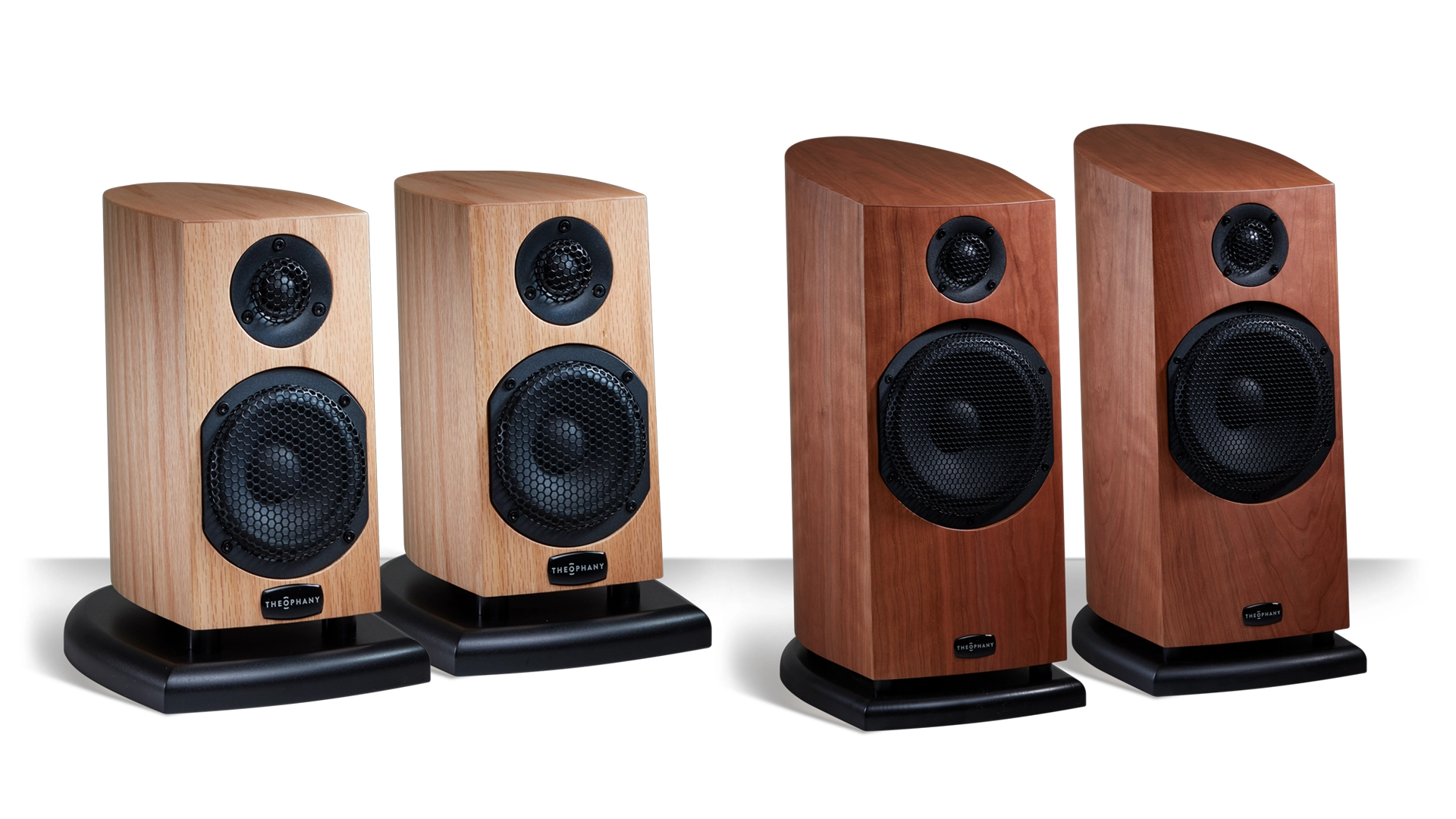
Theophany is a New Zealand loudspeaker company officially launched in 2005 by Garth Murray and his family. Its origin story began in 2002, when serious illness ended Murray’s aviation career and a vivid dream prompted him to sketch an unfamiliar loudspeaker form. With help from his sons, he developed and tested the idea over the following months. That first concept evolved into the Psuche Kathar, a model that remains central to the company’s identity.
The story is unusual, but Theophany’s products are not presented as dream objects without engineering. Cabinets, driver integration and crossover work were refined through prototypes, measurement and independent listening. Curved enclosures and carefully finished surfaces give the speakers a recognisable sculptural character while controlling internal reflections and panel behaviour. The compact M5 broadened recognition of the brand, and larger models extend the same family approach to scale and bass performance.
Theophany remains a family business, with Garth’s wife Stephanie and other family members involved in its development and presentation. Speakers are handcrafted in New Zealand rather than outsourced as a design badge. Correctly dating the company matters: 2002 marks the personal event and first experimental work, while 2005 is the documented commercial launch of Theophany. The brand’s appeal comes from preserving both sides of that history. It has an origin story no committee could invent, yet its survival depends on the patient cabinet work, acoustic development and family commitment required to turn that inspiration into repeatable loudspeakers.
Thrax

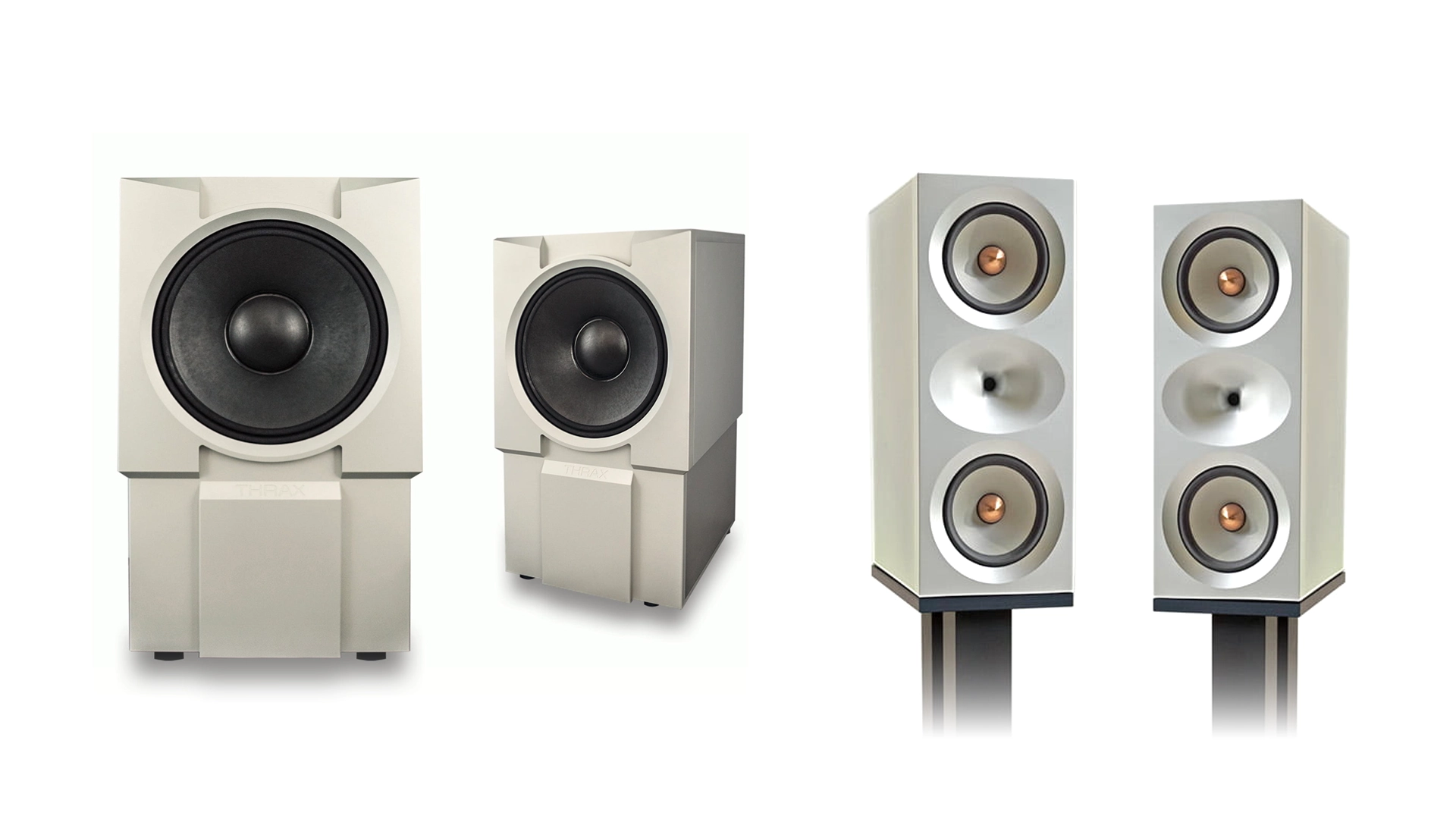
Thrax Audio is a Bulgarian high-end manufacturer founded in Sofia in 2008 by engineer Rumen Artarski. The first product was the Dionysos line preamplifier, created around a single-tube gain stage and an elaborate transformer volume control. It was followed by the Orpheus phono stage and the Spartacus power amplifier, establishing a range that combines vacuum-tube simplicity with demanding power supplies, magnetics and mechanical construction.
The modern statement line includes the Spartacus 300 monoblocks and Libra preamplifier. Maximinus addresses digital conversion, while Orpheus continues the company’s interest in LCR phono equalisation and flexible cartridge matching. Thrax also builds integrated and solid-state amplification, loudspeakers and more accessible Evolution components. These are not scaled copies with different front panels. Artarski’s team chooses a topology for each role, whether directly heated triodes, transformer coupling or high-current solid-state output is the more appropriate tool.
Production is concentrated in Sofia. Transformers are wound in-house, chassis are machined from solid aluminium, and completed units are listened to before shipment. That vertical control is important for a small company working with circuits whose performance depends heavily on magnetics, grounding and physical layout. Thrax’s character comes from joining Eastern European engineering self-reliance with a clear visual and mythological language. The products are luxurious, but the brand’s real credibility lies in original circuits and the ability of a compact team to manufacture the difficult parts itself.
Tonewinner

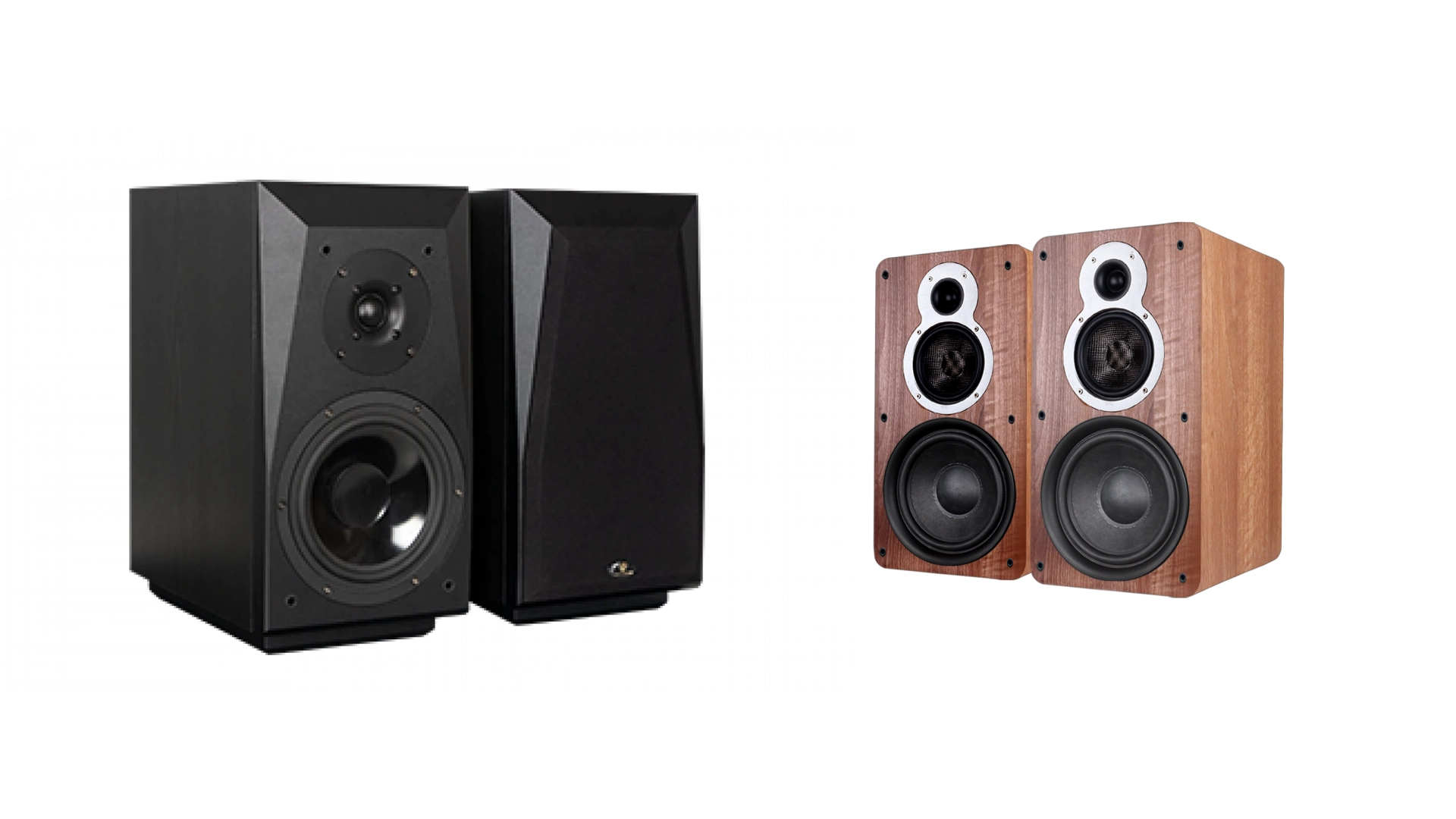
ToneWinner is a Chinese audio manufacturer founded in 1992 and based in Guangzhou. The company is best known internationally for home-cinema electronics that deliver high channel counts and substantial power without the pricing of boutique brands, but its work spans stereo amplifiers, DACs, headphone products, loudspeakers and professional or OEM manufacturing. Large-scale production and in-house engineering are central to its value proposition.
The AT-series processors and AD-series multichannel power amplifiers made ToneWinner particularly visible to cinema builders. Models such as the AT-300 provide immersive decoding and room-calibration functions, while amplifiers including the AD-7300PA+ supply separate high-current channels for demanding speaker arrays. The catalogue also includes integrated stereo components, monoblock and Class A amplification, source electronics and subwoofers, allowing the brand to serve both two-channel listeners and complete theatres.
ToneWinner’s identity should not be reduced to “affordable Chinese hi-fi.” It has decades of experience with power supplies, thermal management, metalwork and the repeatability required for multi-channel hardware, and it manufactures at a scale smaller high-end companies cannot match. At the same time, model specifications and software features vary by market and generation, so individual products deserve evaluation rather than blanket claims. The brand’s strongest contribution is practical: bringing balanced connections, powerful amplification and modern surround processing to systems whose budgets would otherwise force a compromise in channel count or output capability.
Totem Acoustic

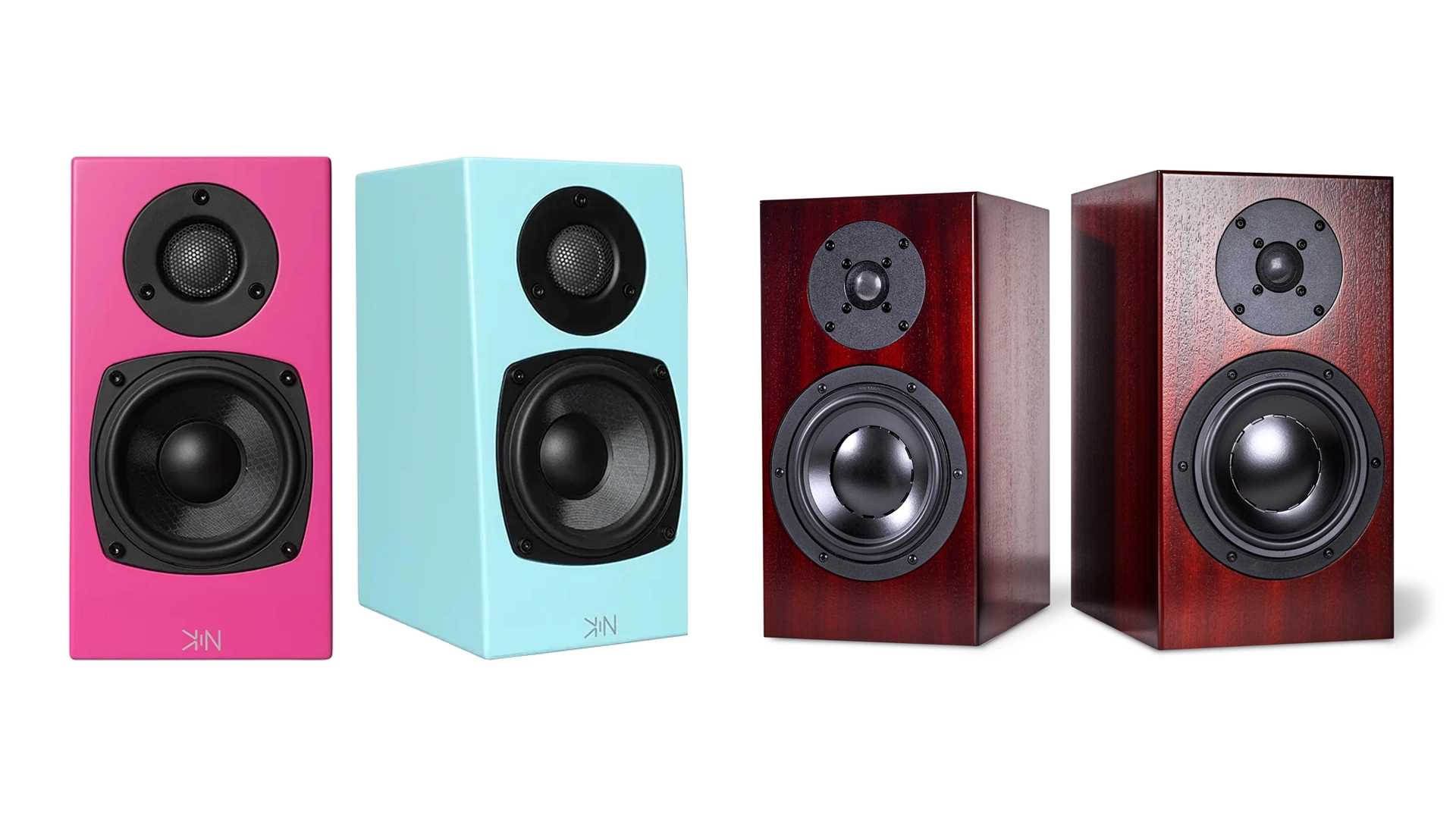
Totem Acoustic is a Canadian loudspeaker company founded in 1987 by Vince Bruzzese. Its reputation was built on a difficult promise: compact speakers should preserve scale, rhythm and bass authority instead of sounding like reduced versions of larger boxes. The original Model 1 monitor made that philosophy audible and established a design language based on carefully selected drivers, extensively tuned cabinets and crossovers kept as simple as the acoustic behaviour allows.
Models such as Mani-2, Arro, Hawk and Forest expanded the idea across stand-mount and floorstanding formats. Totem often uses long-throw drivers, mass-loaded or interlocked enclosures and unusually broad placement tolerance to obtain energy from modest cabinet volume. The Element series introduced Torrent woofers developed for high magnetic control and operation with minimal crossover intervention. Tribe on-wall and in-wall speakers carry the same priorities into architectural systems, while KIN products add powered, wireless and home-cinema options.
Bruzzese remains the central designer, and development is based in Montreal, with many premium models built in Canada. Totem does not pursue a single visual monument; it creates speakers intended to work in real rooms, often closer to walls and with smaller amplifiers than their output suggests. That practical side is part of the brand’s personality. Its best products feel lively without depending on spectacular cabinet size, and the range moves convincingly from a personal stereo to concealed theatre. Totem became distinctive by making compactness an engineering challenge, not a reason to lower musical ambition.
Triangle

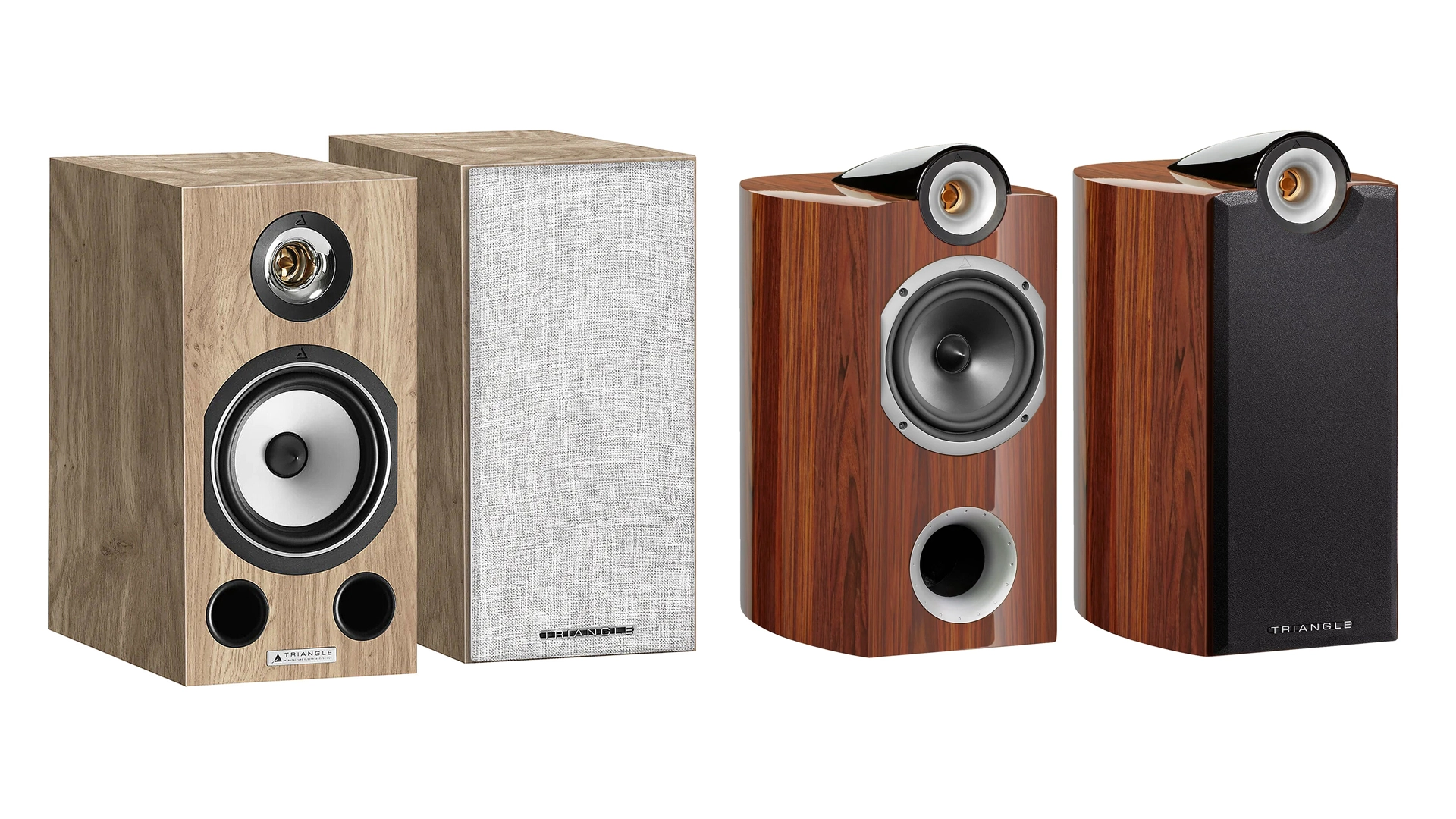
Triangle is a French loudspeaker manufacturer founded in 1980 by engineer Renaud de Vergnette. From its earliest models, the company pursued speed, sensitivity and dynamic contrast rather than the heavily damped, low-efficiency fashion common in parts of the high-end market. Triangle develops key drivers and assembles its premium loudspeakers in Soissons, giving the brand control over the transducers that shape its recognisable presentation.
Horn-loaded tweeters are a signature, designed to provide high efficiency and controlled radiation. Many models pair them with natural-cellulose paper midrange cones, chosen for low mass and direct vocal reproduction, while proprietary bass drivers and carefully vented cabinets provide scale. The flagship Magellan family demonstrates the fullest version of this engineering. Signature and Esprit EZ carry much of it into smaller systems, and the widely successful Borea range brings Triangle’s driver philosophy to accessible stereo and home cinema.
The company now covers architectural speakers, subwoofers and active or connected products as well as traditional passive designs. AIO systems address streaming, while Capella combines active wireless speakers with room optimisation. That expansion has not erased the original character: Triangle speakers are generally designed to communicate musical energy easily and to work with a broad range of amplifiers. The brand’s longevity comes from more than “French sound” or elegant cabinets. It rests on four decades of driver development, a coherent preference for efficiency and transients, and the ability to carry those priorities from a compact Borea monitor to a full Magellan system.
Unison Research

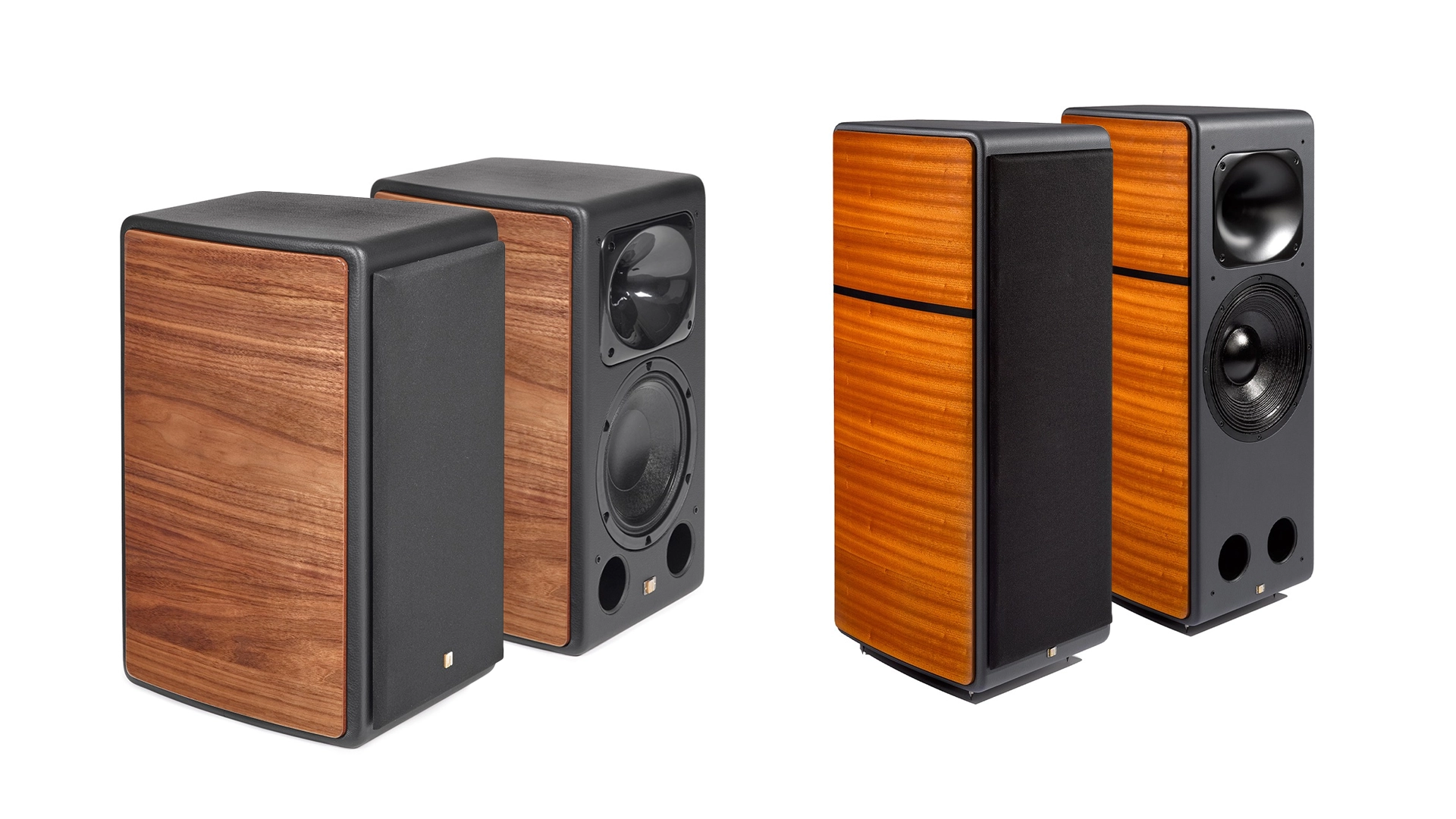
Unison Research is an Italian high-end electronics manufacturer founded near Treviso in 1987 by a group of enthusiasts led by engineer Giovanni Maria Sacchetti. Sacchetti’s study of valve behaviour and transformer coupling gave the company a recognisable direction from the beginning: traditional tubes should be treated as current engineering components, supported by carefully designed power supplies, output transformers and cases made for domestic use.
The Simply Two integrated amplifier became an international emblem of approachable single-ended valve design, and today’s Simply Italy continues that idea with EL34 output tubes and straightforward controls. At the reference end, Absolute 845 and Performance integrated amplifiers use ambitious tube stages and substantial magnetics. Unison also builds line and phono preamplifiers and source components, allowing a complete system to retain the same electrical and visual language.
The Unico series broadened the audience through hybrid circuits: valves handle the input or voltage-gain stage while solid-state output sections provide the current needed by less sensitive loudspeakers. Unico Primo, Nuovo and Unico 90 illustrate how the concept scales rather than simply repeating one amplifier at different prices. Wood details and rounded metalwork are distinctly Italian, but they frame real topology choices between single-ended, push-pull and hybrid operation. Unison Research later developed close ties with Opera Loudspeakers, creating complementary Italian electronics and speaker expertise. Its longevity comes from balancing romance with discipline—visible valves and tactile craft, grounded by Sacchetti’s continuing attention to circuits and transformers.
Unitra

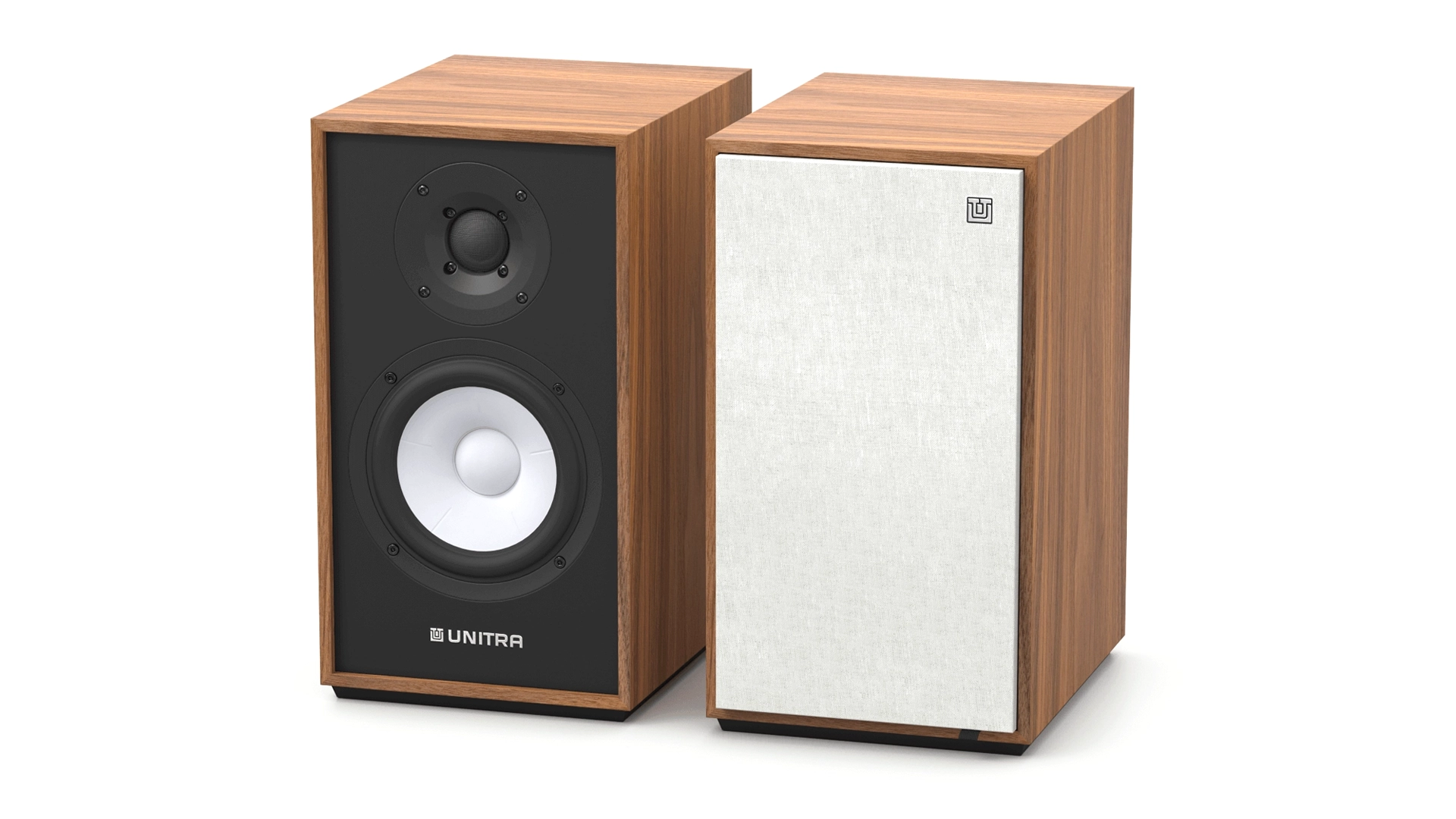
Unitra is the historic Polish electronics name established in 1961 as an association of state-owned radio, telecommunications and consumer-electronics factories. At its height it coordinated an enormous industrial network producing radios, amplifiers, tape machines, turntables and loudspeakers for Poland, other Eastern Bloc markets and export customers. Unitra was therefore not one conventional factory or designer, but a shared brand and research structure joining companies such as Fonica, Diora, Tonsil and ZRK.
The original organisation declined after Poland’s economic transformation and ceased in its old form around 1989. A new management team revived Unitra for specialist audio in 2021, with the current product generation reaching the market in 2023. This ownership and organisational break should be explicit: today’s private company inherits the name and Polish design heritage, not the original state combine itself.
The WSH-805 integrated amplifier uses dual-mono construction, switchable Class A/Class AB operation, analogue inputs and physical meters. GSH-630 Fryderyk and GSH-801 Edmund are direct-drive turntables with Unitra-developed motors and R10 tonearms. CSH-801 adds CD playback, while ZGZ loudspeakers and cables complete the system. Products are designed and engineered in Poland with emphasis on repairability, replaceable assemblies and long support. The achievement of the revival is not retro styling alone: Unitra has rebuilt a coherent Polish hi-fi range around tactile controls and original engineering while honestly carrying one of Central Europe’s most important consumer-audio names into a new corporate era.
Unity Audio

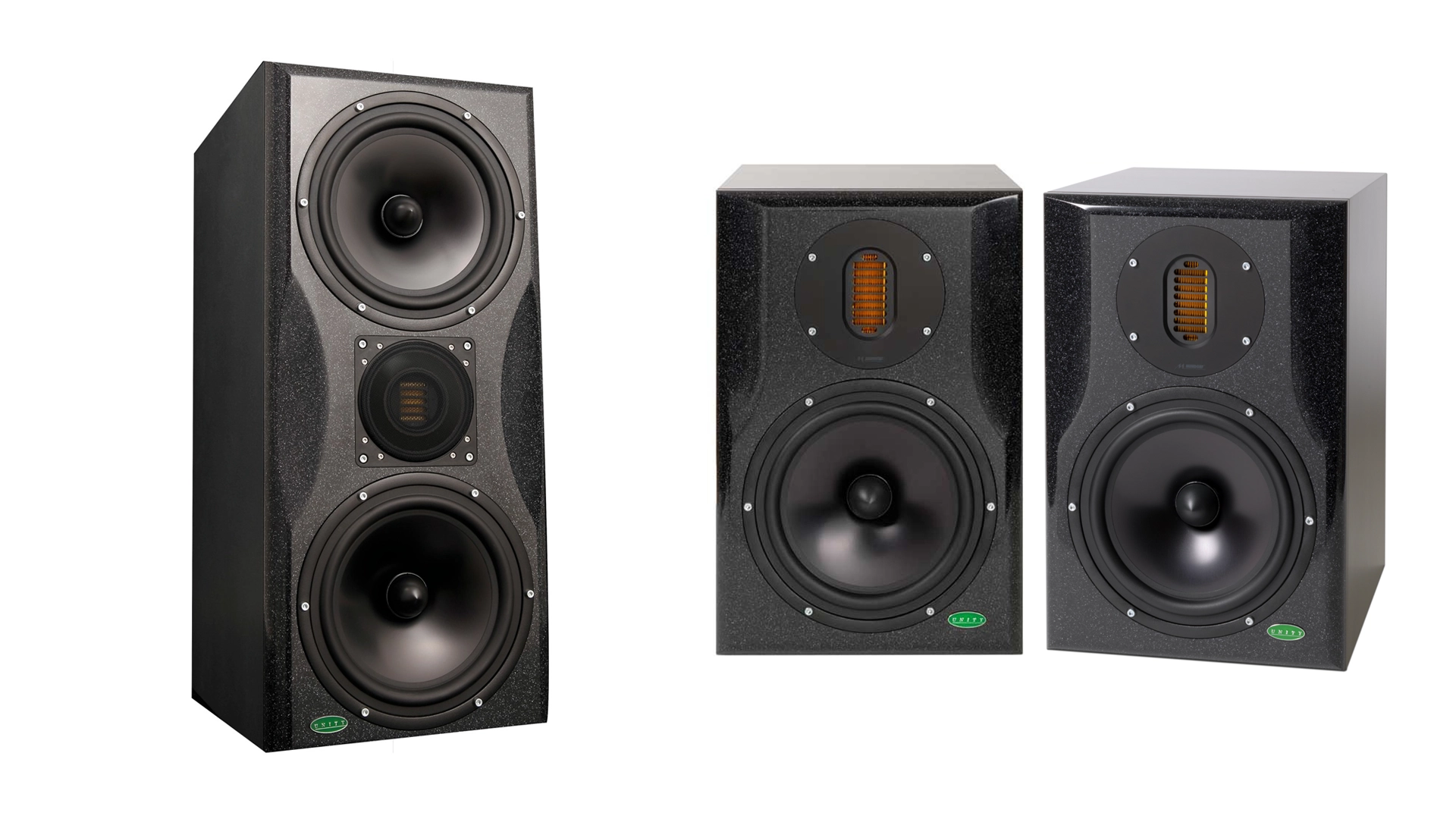
Unity Audio is a British studio-monitor manufacturer founded in 2009 by Kevin Walker, building on the distribution company he had established in 1995. Walker developed the first Unity-badged monitor with studio designer and acoustician Kevin Van Green. Their decision to use sealed cabinets set the direction: predictable low-frequency roll-off, controlled time behaviour and accurate translation were prioritised over the extra extension a reflex port can provide.
The original Rock combined an inert Corian front baffle, folded-ribbon tweeter and bespoke discrete Class A/B amplification designed with Tim de Paravicini of EAR Yoshino. It became the foundation for Mini-Rock, Super Rock and successive Rock generations, including DSP versions. Boulder and Mini Boulder add three-way scale, while Avalanche subwoofers, Monolith main monitors and the B.A.B.E. bass-extension system cover larger rooms. Selected models are also offered for high-end home listening.
Unity’s geological names are memorable, but the useful continuity is technical. Closed boxes, ribbon high-frequency drivers, robust amplifiers and carefully controlled cabinet vibration allow engineers to judge balances without port noise or exaggerated bass. DSP models add alignment and room-interface tools without erasing the analogue versions. The company also distributes and develops specialist recording hardware, yet monitors remain its public identity. Unity Audio stands out because a compact British team created a complete monitor family from one clear acoustic decision and maintained it across nearfield, midfield, main and subwoofer systems.
VAF Research

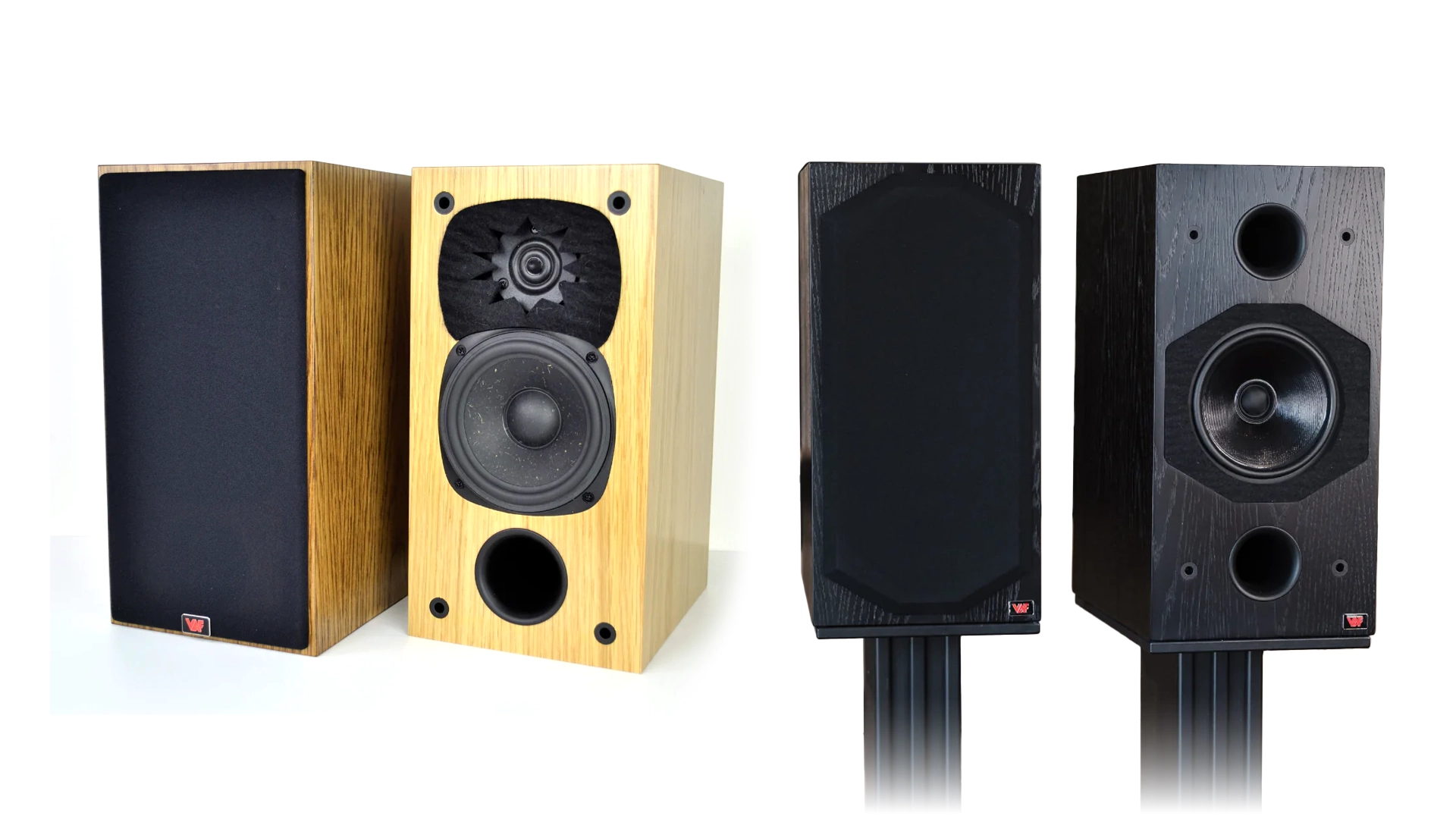
VAF Research is an Australian loudspeaker manufacturer founded in Adelaide in 1978 by Philip Vafiadis. It grew from a local specialist into one of the country’s longest-running independent audio companies, designing complete speakers and supplying cabinets, parts or manufacturing expertise to international brands including Sony, Dynaudio, Jamo, DALI and Duntech. That industrial background gave VAF experience beyond a boutique domestic catalogue.
The Signature series became the public reference. The i66 floorstander appeared in the late 1990s and led to the larger i93, an Australian statement speaker using multiple drivers and carefully controlled radiation to deliver full-scale output in large rooms. Compact i91 models bring the same family priorities to smaller spaces, while Evolution speakers, subwoofers and the SoundWall architectural system cover attainable stereo, cinema and custom installations. Products are designed and built in Adelaide with unusually long loudspeaker warranties.
VAF’s engineering has also served public and professional spaces. In 1998 it supplied a 300-loudspeaker electro-acoustic system for the Adelaide Festival Centre, and in 2003 designed speakers for the Australian Senate chamber. These projects demonstrate why “Research” belongs in the name: modelling and measurement must be reconciled with intelligibility, coverage and subjective listening under very different conditions. Philip Vafiadis remains central to the company’s history, while a broader development team now carries the range forward. VAF’s strength is this continuity between Australian domestic hi-fi, custom problem-solving and installations where acoustic performance is a public responsibility.
Vienna Acoustics

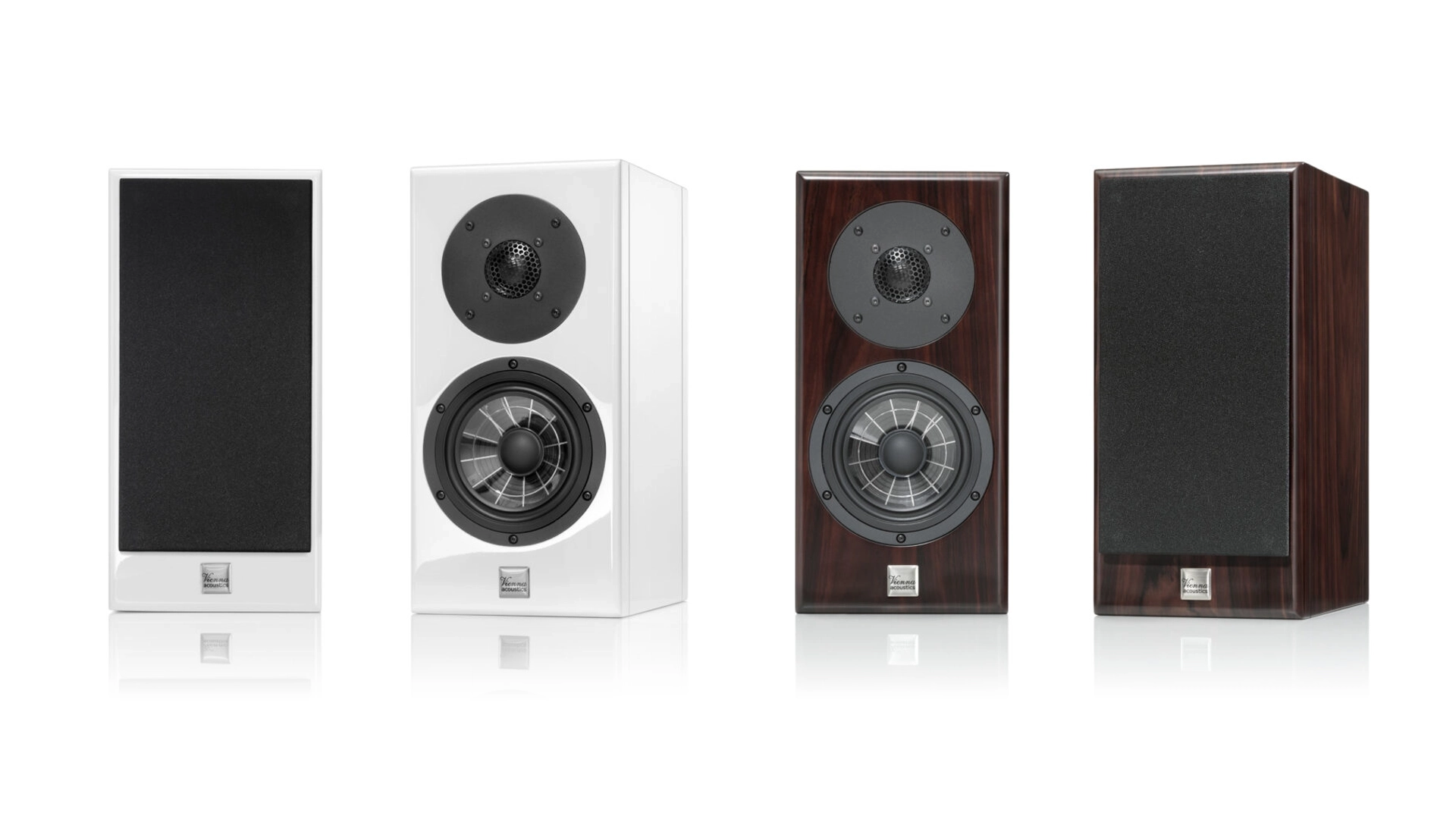
Vienna Acoustics is an Austrian loudspeaker manufacturer founded in 1989 by designer Peter Gansterer, who remains the central voice behind its products. The company develops and builds its speakers near Vienna and names many models after figures and works from the city’s musical culture: Haydn, Mozart, Beethoven, Liszt and The Music are not random labels but a durable product language. Early Mozart and Beethoven floorstanders helped establish the brand internationally by combining room-friendly proportions with a full, unforced presentation. Larger designs such as Liszt and The Music expanded the concept with separate or adjustable head modules and more ambitious bass systems. Vienna Acoustics develops much of its driver technology in-house. Its transparent Spidercone and later Flat-Spider-Cone diaphragms use proprietary polymer formulations and reinforcing ribs to control breakup while keeping moving mass low; coaxial arrangements in reference models align the midrange and tweeter for consistent radiation. Silk-dome tweeters, carefully tuned crossovers and cabinets finished to furniture standards complete an approach in which the engineering is meant to disappear behind the musical result. Recent Reference and Jubilee models refine familiar names rather than discarding them for annual replacement. This continuity is one of the brand’s strengths. Vienna Acoustics does not trade only on an Austrian address or classical associations: it has built a recognisable school of loudspeaker design around proprietary composite drivers, elegant cabinetry and voicing intended to preserve instrumental colour and scale through long listening sessions.
Viva Audio

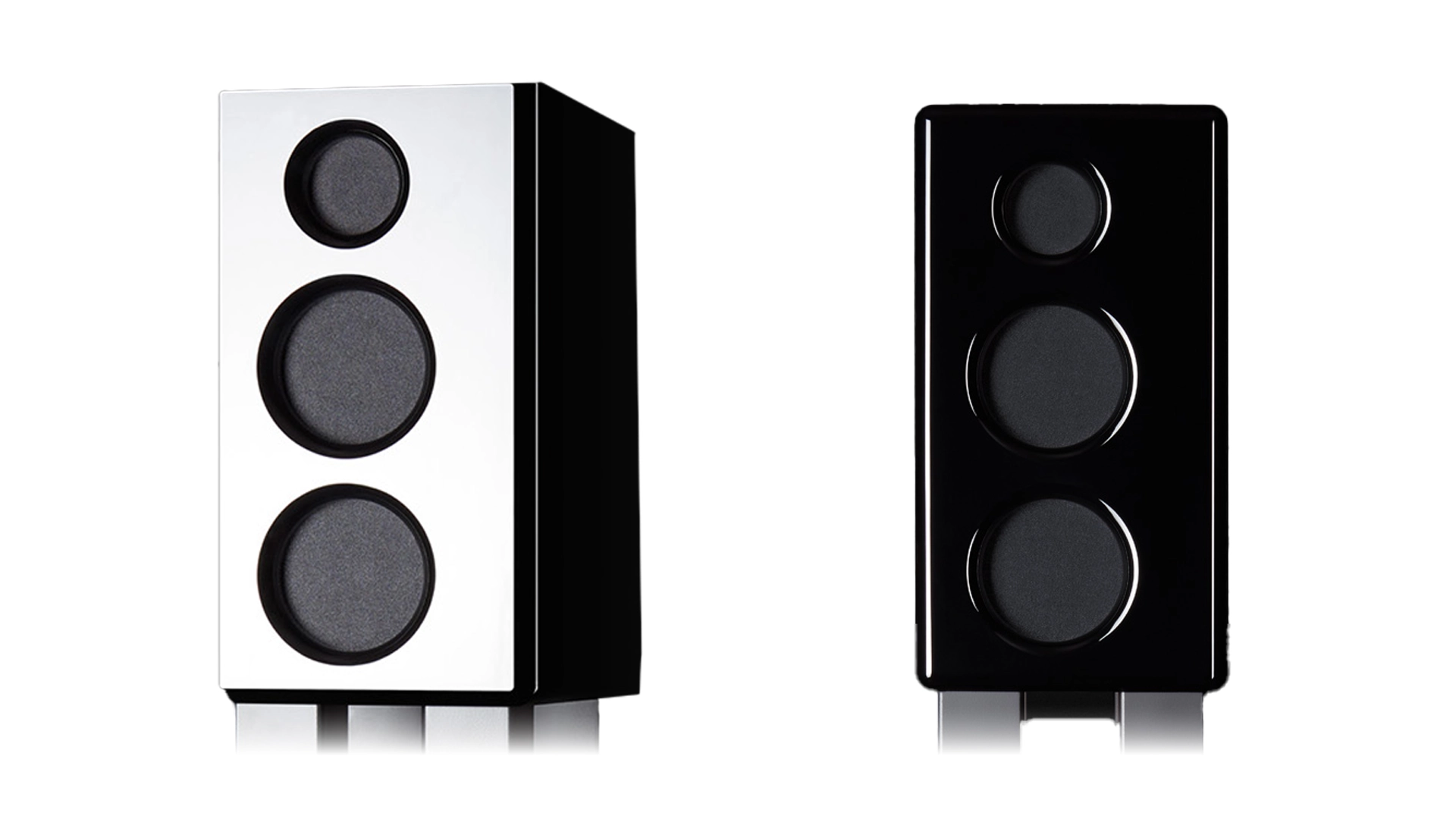
Viva Audio is an Italian manufacturer that treats vacuum-tube electronics, loudspeakers and industrial form as parts of one bespoke system. Amedeo Schembri founded the company in 1996, working with his brother Giampietro, and remains responsible for the circuit and sonic direction. Viva is best known for single-ended triode amplification: products such as the Aurora monoblocks and Solista integrated amplifier use directly heated power tubes in circuits designed around simplicity, substantial custom transformers and point-to-point hand construction. Solistino offers a more compact integrated route, while Linea preamplifiers, Fono phono stages and Numerico digital conversion complete the source chain. The Egoista family adapted Viva’s large triode stages to headphones and became one of the brand’s most visible achievements; versions built around 845 or 2A3 tubes, and the more powerful Egoista STX, address very different loads without reducing the amplifier to a desktop accessory. Viva also makes loudspeakers, from Agile and Allegro to sculptural Nuda and large Master Horn systems, allowing amplification and transducers to be voiced together. Components are assembled and finished by hand in Vicenza, with colours and surface treatments that make each system feel commissioned rather than selected from anonymous black boxes. The visual drama can overshadow the engineering, but the important point is continuity: Viva has spent decades refining transformers, tube operating points, horn and dynamic loudspeakers, and the interfaces between them. Its products are recognisably Italian because craft, colour and proportion are integral to the circuit-led audio design.
Vivid Audio

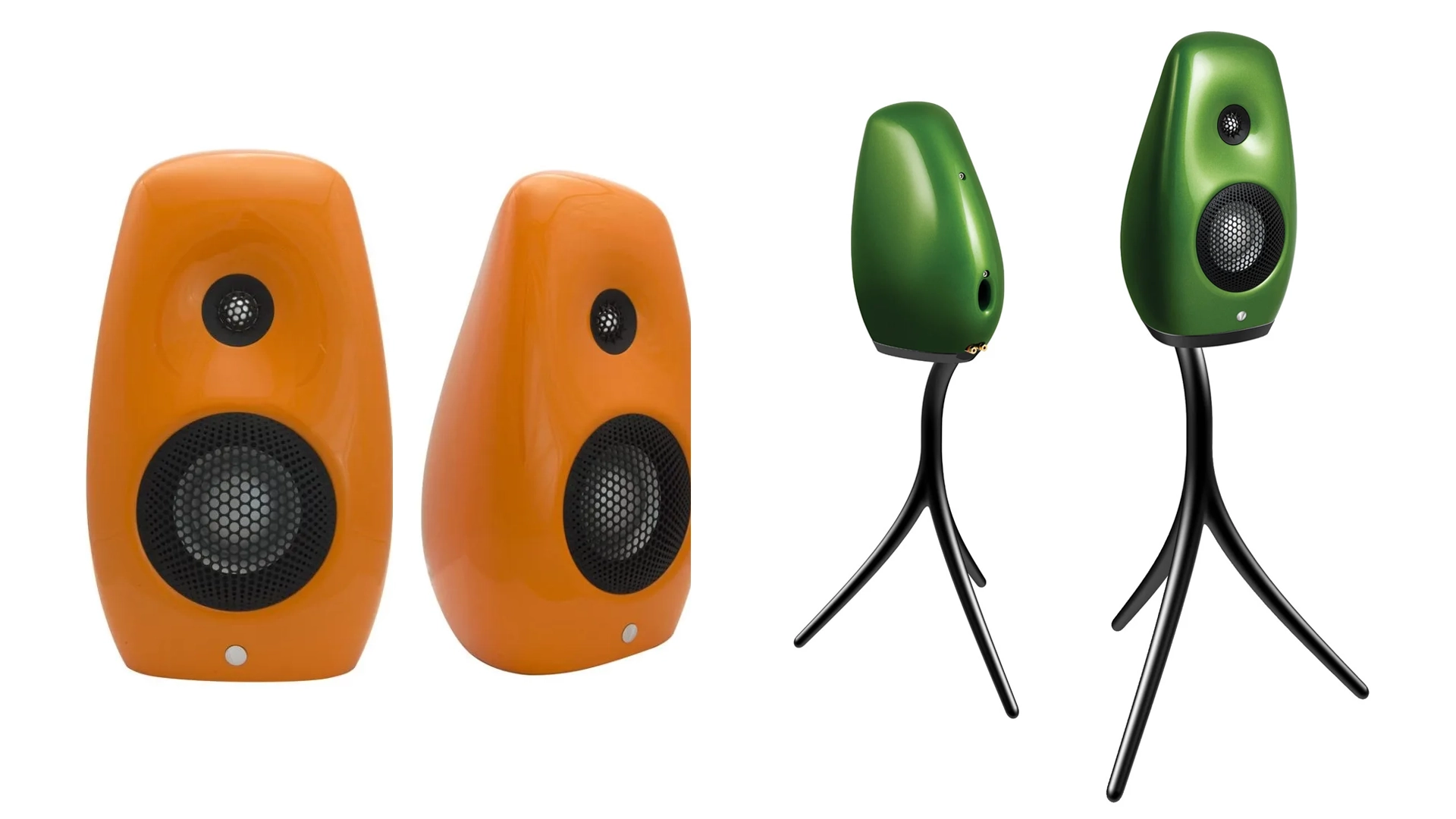
Vivid Audio is a South African loudspeaker company founded in 2001 by Philip Guttentag and British engineer Laurence Dickie. Dickie had previously led the design of Bowers & Wilkins’ Nautilus, and Vivid became the place where he could extend its tapered-tube loading, low-diffraction enclosures and in-house driver development across a complete range. The Oval models established the brand’s flowing composite cabinets; Giya turned the rearward tapered absorber into an unmistakable external form, and Kaya translated related engineering into more compact speakers. Moya M1 now stands as the largest expression of the platform. The shapes are not styling applied after the acoustics. Each rear tube absorbs energy from the back of a driver so that it is less likely to return through the diaphragm, while smooth cabinet curves reduce edge diffraction around the front wave. Vivid designs and manufactures its own metal-diaphragm drive units, using features such as catenary-profile domes with carbon reinforcement, Super Flux magnet systems and copper-capped pole pieces to control breakup and distortion. Opposed bass drivers and ports in larger models reduce reaction forces transmitted to the enclosure. Design work draws on Dickie’s UK engineering base, but cabinet manufacture, assembly and the company’s roots remain in Durban, South Africa. Vivid’s achievement is the coherence between appearance and mechanism: the loudspeakers look organic because their enclosures, absorbers and driver layout follow the path of unwanted acoustic energy, not because the company wanted a conventional box to appear futuristic.
Voxativ

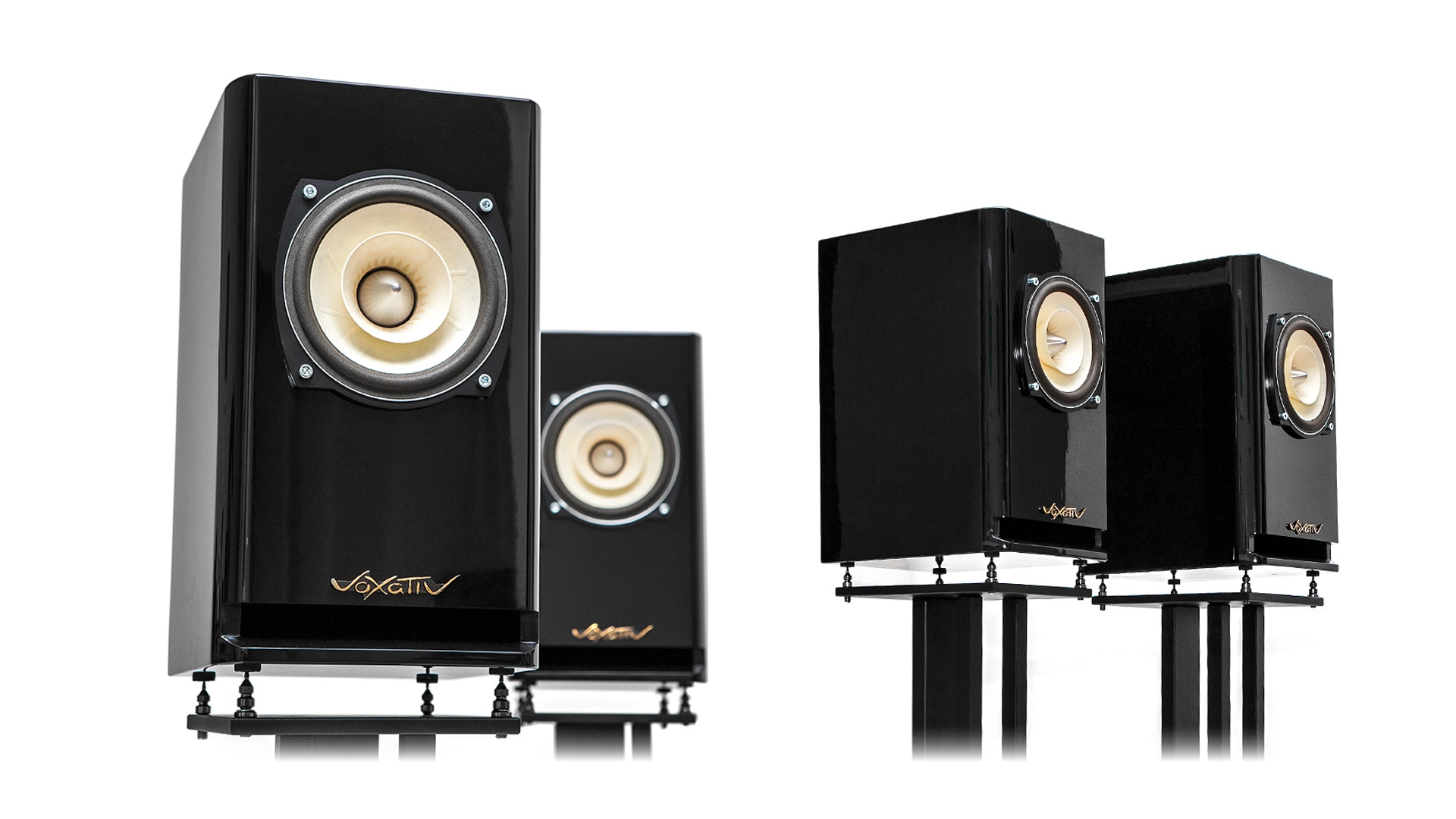
Voxativ is the Berlin loudspeaker company founded by engineer Inès Adler to pursue full-range reproduction without a conventional crossover. Its loudspeakers ask one highly specialised driver to cover most or all of the audible spectrum, avoiding the phase and integration problems created where separate bass, midrange and treble units hand the signal to one another. Making that principle work requires exceptionally light paper cones, carefully controlled suspensions and powerful magnetic motors. Voxativ designs and manufactures its own drivers in Germany, offering both permanent-magnet versions and field-coil models whose magnetic field is supplied electrically. The drivers are sold separately for specialist projects, but their natural context is the company’s complete loudspeakers. Ampeggio established the brand internationally with a rear-loaded horn folded inside a tall cabinet; the compact Hagen and Pi designs adapt the same single-driver logic to smaller rooms, while the modular 9.87 and 9.88 systems add dedicated bass sections when greater scale is required. Field-coil power supplies and low-powered amplification complete the ecosystem. Voxativ does not pretend that a crossoverless speaker is the universal answer: efficiency, cabinet loading and room placement are integral to the result. Its achievement is the depth with which one concept has been developed—from cone formulation and motor construction to horn geometry and complete systems—giving the brand a recognisable technical and musical character rather than merely another variation on a multiway box.
Wharfedale

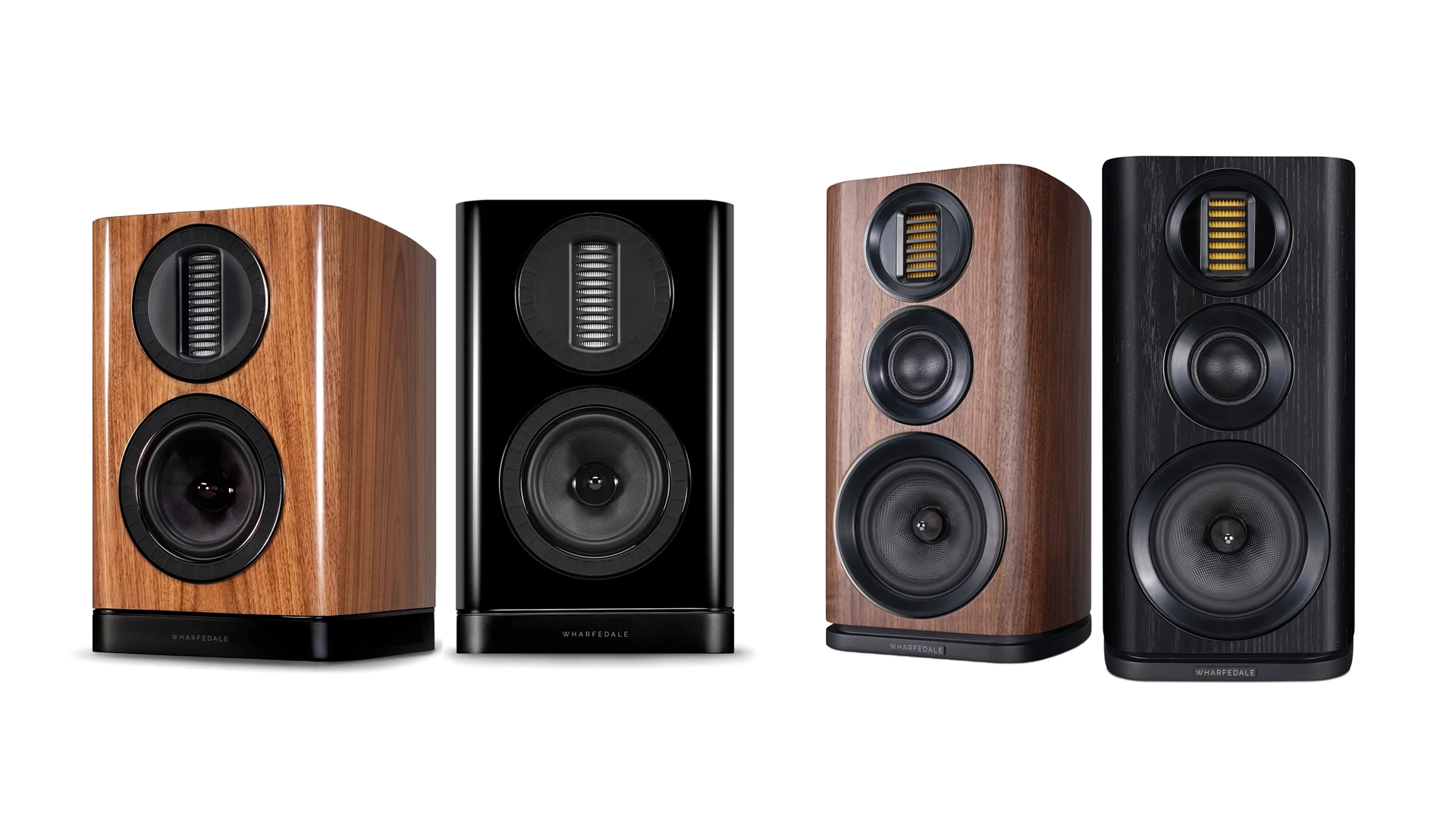
Wharfedale was founded in 1932 by Gilbert Briggs in Ilkley, Yorkshire, and named after the nearby valley of the River Wharfe. Briggs combined practical cabinet and driver development with unusually public demonstrations, comparing live musicians with reproduced sound in major halls to show what domestic loudspeakers could achieve. The company introduced influential techniques in cone manufacture, cabinet damping and multiway design, but its strongest long-term achievement has been bringing serious engineering to attainable price levels. The Diamond series, launched in 1982, became one of hi-fi’s enduring affordable loudspeaker families and remains the entry point to the modern range. EVO and AURA move upward with AMT high-frequency drivers and more elaborate cabinets, while the Heritage line revisits classic proportions without merely reproducing old internals. Denton, Linton, Super Linton and the large Dovedale combine wide baffles, substantial bass drivers and contemporary crossovers; Dovedale also marked a return of selected Wharfedale production to Britain. International Audio Group acquired Wharfedale in the late 1990s. The brand remains British in origin and design direction—now led by long-time acoustic designer Peter Comeau—while IAG’s Chinese manufacturing base supplies most series and its UK facility builds Dovedale. That mixed reality is more accurate than either calling Wharfedale unchanged since Briggs or dismissing it as a badge. Its identity survives in value-conscious loudspeakers that balance tonal ease, useful bass and domestic practicality across unusually broad price levels.
Whatmough

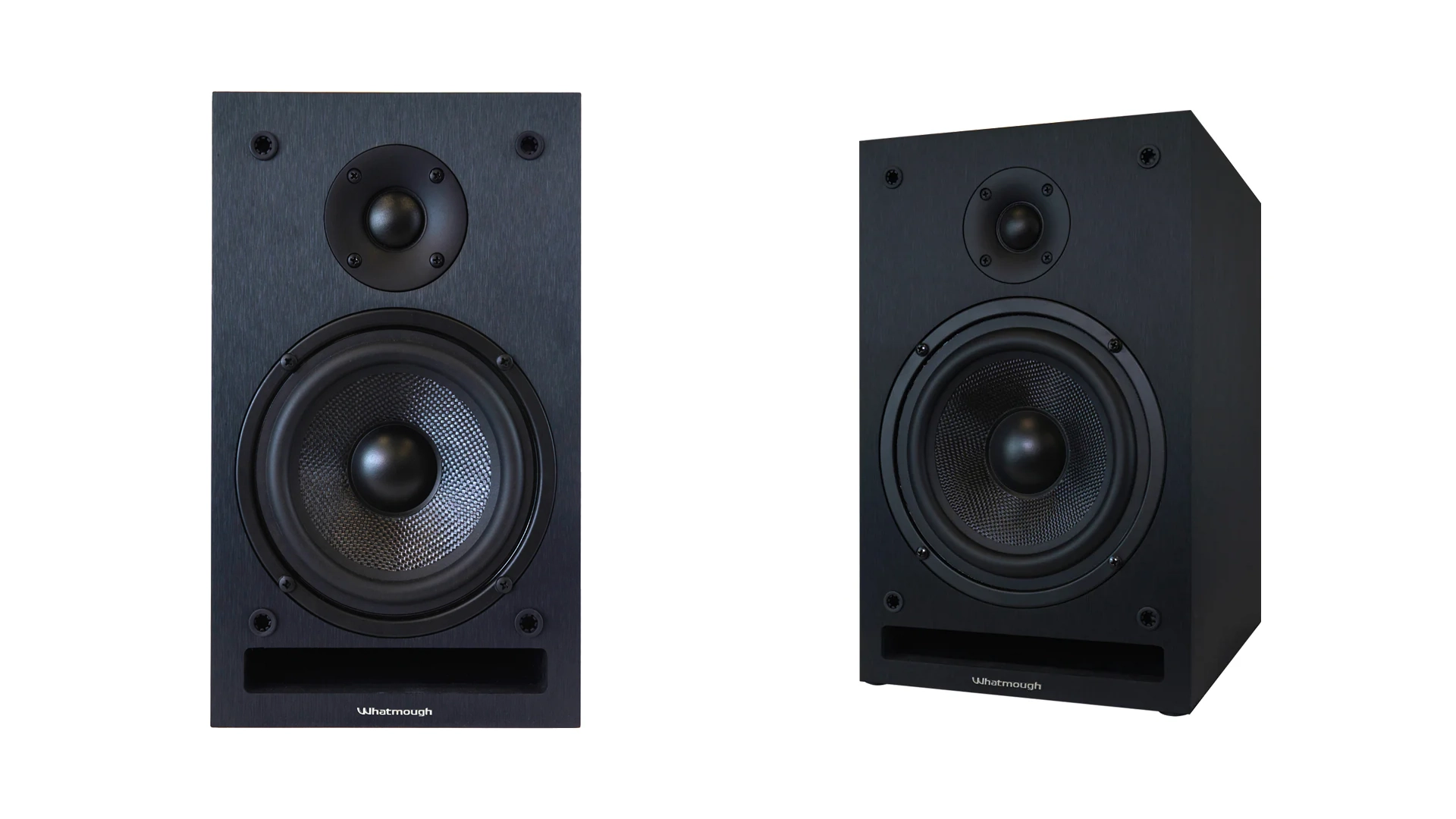
Whatmough is an Australian loudspeaker brand established in 1975 by designer Colin Whatmough. Working from Melbourne, Whatmough pursued time and phase behaviour, cabinet resonance control and crossover quality with a direct, experimental style. Early designs such as the Monitor used transmission-line loading and unconventional open-baffle elements; later 201 and 202 models became known for lead-lined cabinets, while Ondine’s sculptural form and the Focal Point system showed that the company was prepared to depart radically from a rectangular box. The Performance and Signature ranges brought those priorities to more conventional domestic speakers, with hard-wired crossovers, air-core inductors, film capacitors and close driver matching. At the top, Paragon and later Signature 301/303 systems demonstrated the scale Colin considered necessary for low compression and convincing dynamics. After his death in 2011, his wife Kee Whatmough continued the business and completed products already in development, including the P15-SE. In 2022 Australian distributor Westan announced that it had taken over the Whatmough brand and was developing a new generation of products. The company therefore has both a significant historic catalogue and a current revival under different ownership; the country remains Australia, where the design name and market reputation were created. Whatmough’s real legacy is not a generic promise of “no compromise,” but four decades of distinctive local engineering that treated cabinet structure, crossover parts and room-scale bass as equally important to musical communication.
Wilson Benesch

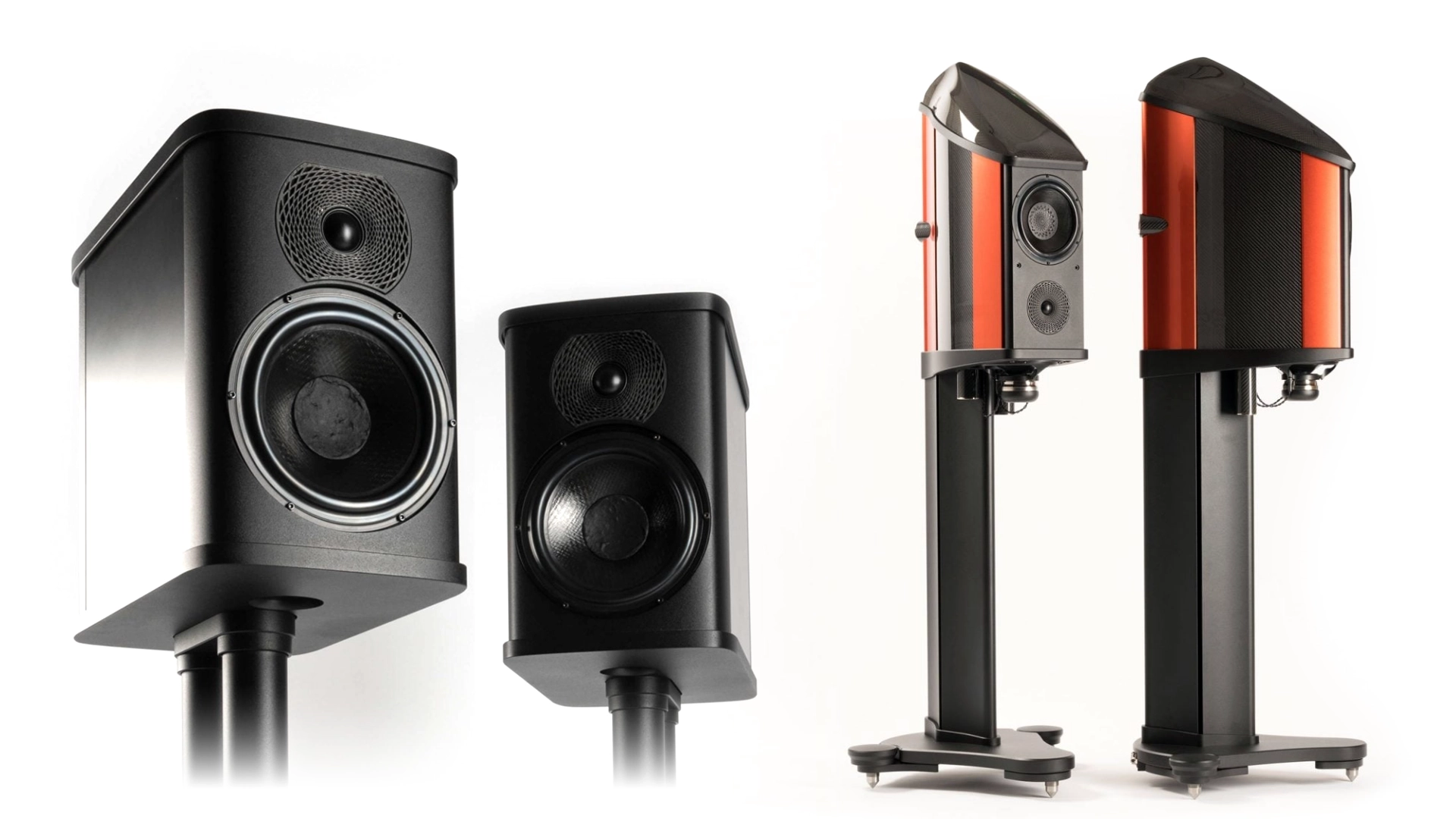
Wilson Benesch is a British engineering company founded in Sheffield in 1989 by Craig and Christina Milnes. A government-supported research programme gave the young firm access to advanced composite technology, leading to the Wilson Benesch Turntable and the A.C.T. One tonearm—among the earliest audio products to use carbon fibre as a structural material rather than decoration. The same thinking soon entered loudspeakers. Curved A.C.T. monocoque cabinets use carbon-composite shells to create a stiff, well-damped enclosure with fewer broad resonant panels, while machined alloy elements define the driver interfaces. The company subsequently developed its own Tactic mid/bass driver and the Fibonacci tweeter, whose hybrid dome and carbon-fibre structure is designed to control high-frequency breakup. Discovery, Endeavour and Resolution established the Geometry series; the newer Omnium and Eminence models extend the platform with larger isobaric bass systems and increasingly complex composite structures. Torus infrasonic generators use a large carbon-fibre diaphragm driven around its circumference, a distinctive alternative to a conventional pistonic subwoofer. Wilson Benesch still produces turntables, including the GMT One System, linking its present reference analogue work to the product that launched the company. Design, carbon-composite manufacture, machining and assembly are centred in Sheffield, with specialist British partners contributing where required. Few audio brands have applied one materials programme so consistently across tonearms, turntables, loudspeaker enclosures and low-frequency drivers.
YG Acoustics

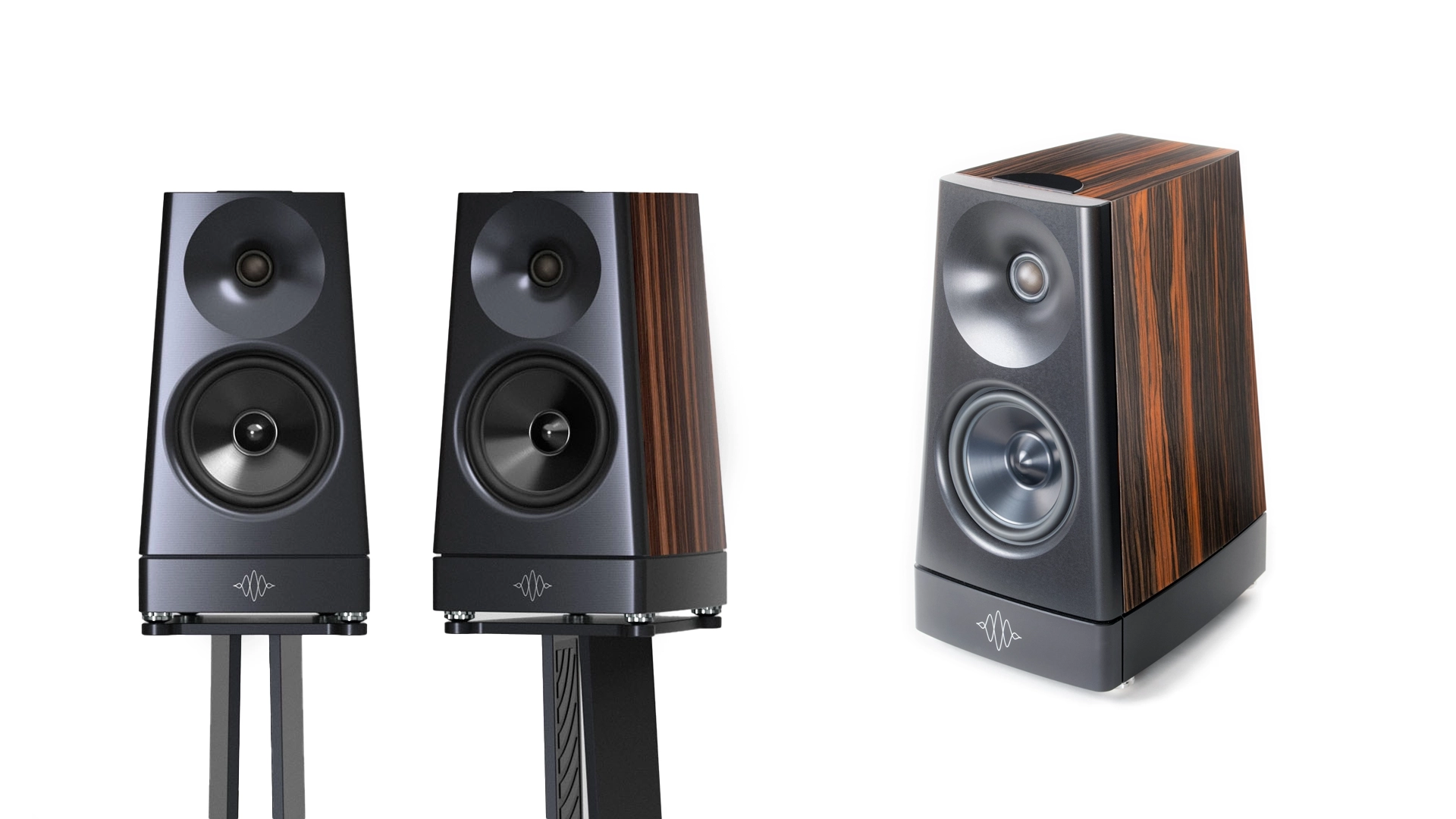
YG Acoustics is an American high-end loudspeaker manufacturer founded in 2002 by Israeli-born engineer Yoav Geva and subsequently established in Arvada, Colorado. The company became known for cabinets machined from thick aluminium plates and for applying mathematical modelling to drivers, crossovers and enclosure behaviour. Its BilletCore mid/bass cones are carved from solid aluminium stock rather than stamped from sheet, producing a stiff, precisely profiled diaphragm; ForgeCore tweeter motors are machined to control magnetic flux and reduce distortion. Earlier DualCoherent crossover work sought flat frequency response while preserving phase behaviour, a difficult combination that helped define the brand’s technical reputation. Carmel, Vantage, Hailey and Sonja form the established Reference range, from compact floorstander to modular flagship. Peaks models bring YG engineering to simpler cabinets and lower prices, while XX Live integrates amplification and active control at the top of the current programme. Ownership changed in 2017 when an investor group led by LK Capital acquired the company alongside Geva; he later departed, and mathematician and engineer Dr Matthew Webster now leads YG with an expanded design team. The factory, CNC machining and assembly remain in Colorado. That transition matters because modern YG is not merely repeating its founder’s catalogue: it preserves the aluminium construction and low-distortion priorities while introducing new drivers, software-led development and more accessible product families under new technical leadership.
Zingali Acoustics

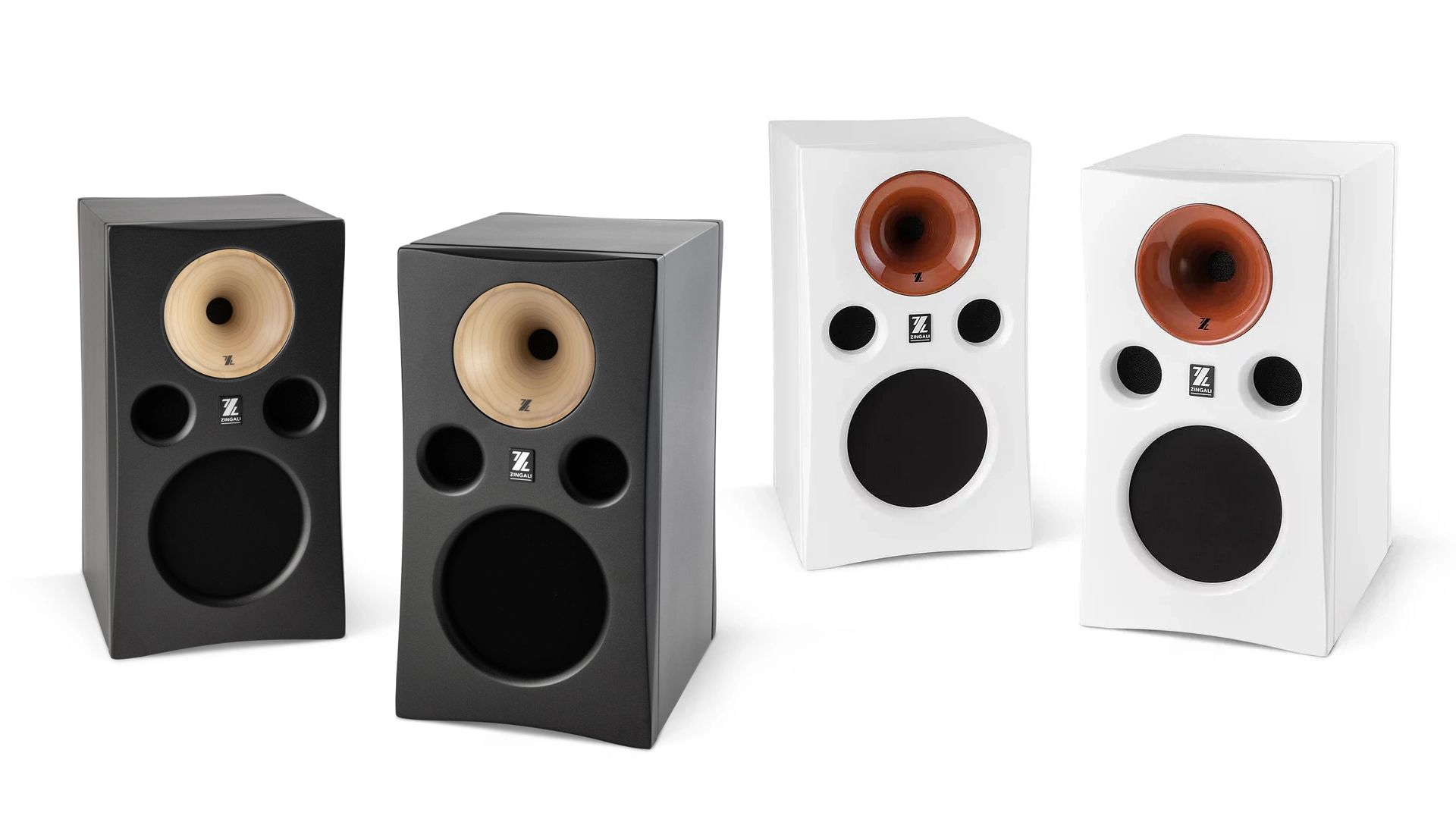
Zingali Acoustics is the Italian loudspeaker company founded in 1986 by Giuseppe Zingali. Its roots lie in professional monitors, where high efficiency, controlled coverage and the ability to reproduce live levels without strain are essential. The 8800 Studio Monitor introduced a wooden mid/high-frequency horn that became the basis of Zingali’s visual and technical identity. In 1995 Giuseppe patented Omniray, a circular horn architecture designed to couple a compression driver to the room with controlled dispersion while avoiding the abrupt profile changes of many conventional horns. The wooden horn is not simply ornamental: its contour defines acoustic loading and coverage, while the material and finish integrate the waveguide into a domestic cabinet. Home ranges including Zero, Twenty and Client Name scale Omniray from compact two-way speakers to large multi-driver systems, with subwoofers, centre channels and architectural options supporting cinema installations. The later Quantum Array programme introduced Kompressor Array, patented in 2018, coordinating low- and high-frequency radiation within a controlled angle to reduce room reflections and maintain output over distance. Cabinets, horns and finishes are produced in Italy with extensive handwork and custom options. Zingali’s distinction is the continuity between studio and home listening: it did not adopt a horn as retro styling, but spent decades refining a proprietary wooden waveguide and then applying its efficiency, dynamics and directivity to products that can also live as crafted furniture.
Zu Audio

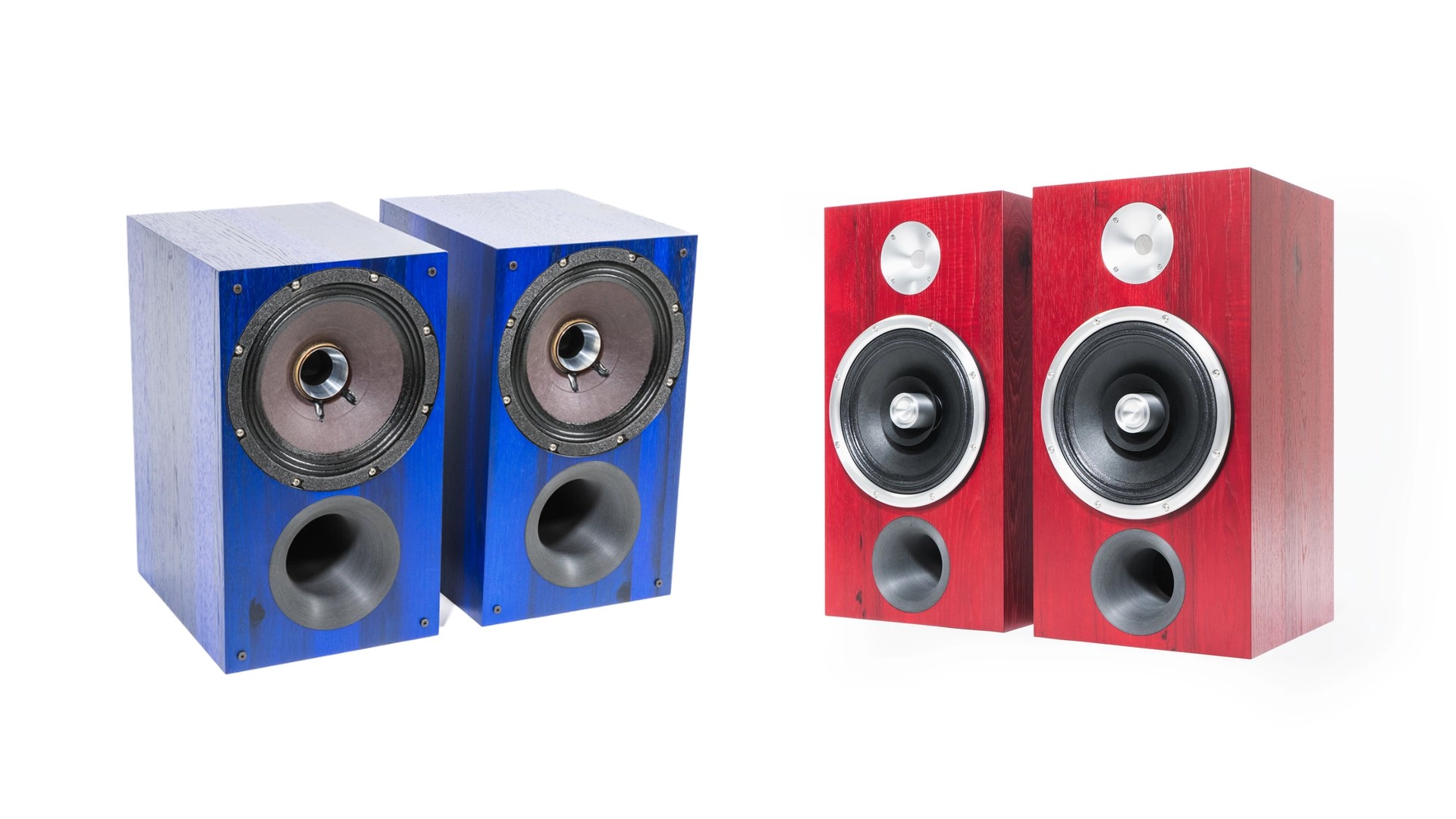
Zu Audio is an American loudspeaker and cable manufacturer founded in 2000 in Ogden, Utah, by Sean Casey and Adam Decaria. The company rejects the assumption that domestic speakers must trade efficiency and dynamic ease for flat measured response. Most Zu models use a large, high-efficiency full-range driver through the critical vocal band, supplemented by a tweeter above it and, where required, dedicated bass support. With no conventional crossover in the main driver’s path, phase shift and component loss are reduced. Zu-Griewe loading—developed from Sean Casey’s earlier work with Ron Griewe—uses a controlled gap between cabinet and floor to couple the enclosure to the room, functioning differently from a normal reflex port. Druid introduced the formula in 2001; Soul and Soul Supreme made it more compact, while Definition added powered bass and greater scale. Union and DW series bring the approach to wider price points, and Experience models explore more ambitious drivers and finishes. High sensitivity allows low-powered valve amplifiers, yet the speakers are designed to preserve impact with modern solid-state power as well. Zu also manufactures cables, driver assemblies, cabinets, metal parts and finishes in-house, giving its Ogden factory unusual control over both loudspeakers and their internal wiring. The result is a coherent alternative to conventional multiway design: minimal filtering, generous radiating area and room-aware loading used to reproduce tone, timing and live-scale dynamics rather than to chase specifications in isolation.