
Bookshelf Speakers
This page provides an extensive index of bookshelf speaker manufacturers from around the world. Our goal is to present the largest possible collection of brands in one place, including both well-known producers and niche companies. Each entry in this directory lists the brand’s country of origin, its founding information, and a direct link to the bookshelf or standmount speaker category on its official website. The resource is designed as a straightforward almanac for researching and discovering speaker companies.
Hi-Fi brands in the category
Summary information and image
Direct links to official websites
Polk

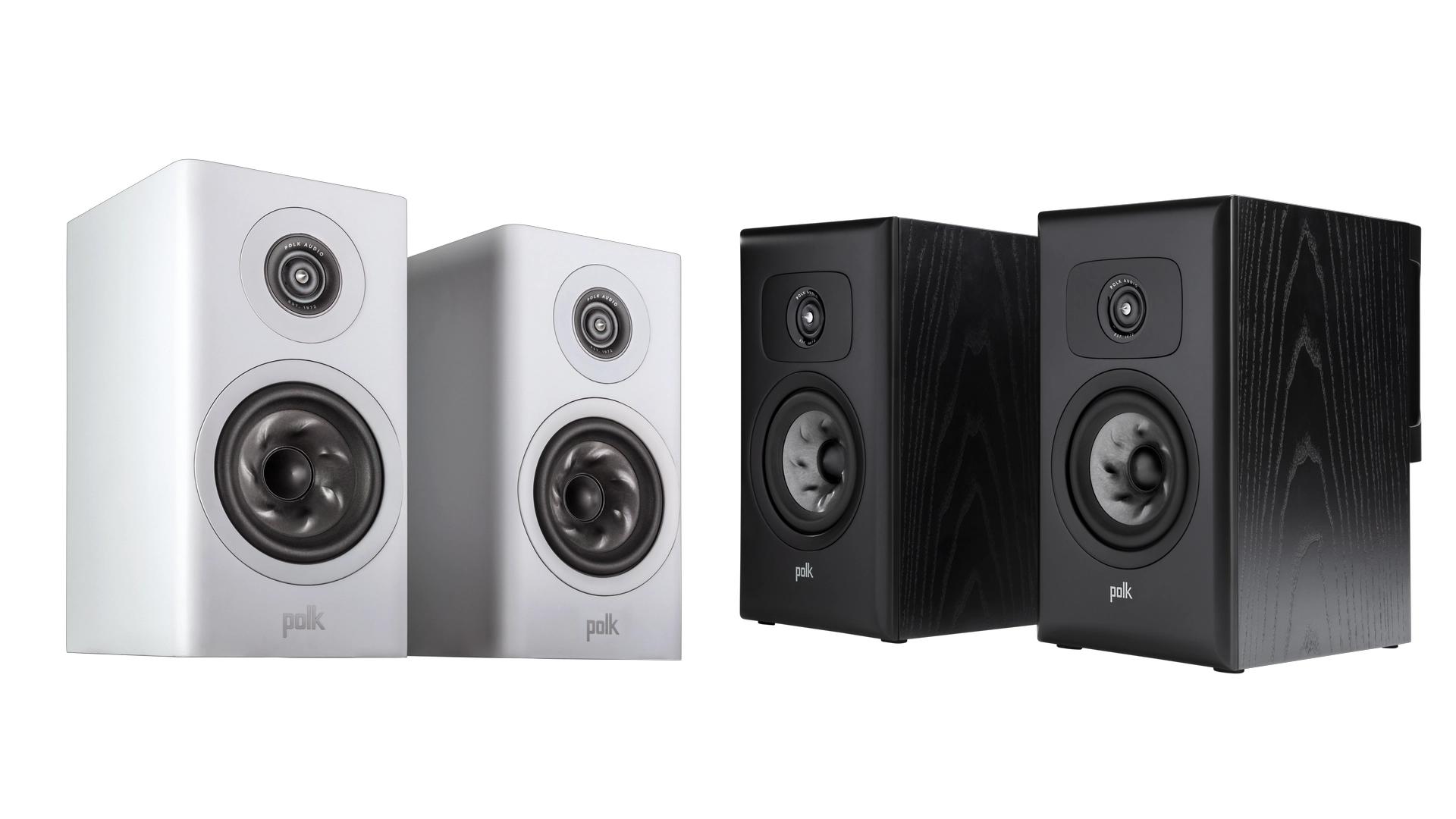
Polk Audio was founded in Baltimore in 1972 by Johns Hopkins graduates Matthew Polk, George Klopfer and Sandy Gross. The company grew by applying serious loudspeaker engineering to products ordinary music lovers could buy, beginning with early Monitor models rather than positioning itself as an inaccessible laboratory brand. That combination of broad availability and distinctive acoustic ideas has remained Polk’s place in American audio. Its most original contribution is Stereo Dimensional Array, introduced in the 1980s. SDA uses additional drivers and a controlled cancellation signal to reduce interaural crosstalk—the sound from the left speaker reaching the right ear and vice versa—so a stereo recording can create a wider, more stable spatial field. The modern Legend L800 revives the concept as SDA-PRO. Dynamic Balance is Polk’s broader method of using modelling and measurement to identify resonances in cones, suspensions and cabinets, while Power Port shapes the transition from reflex port to room to reduce turbulence and increase useful bass output. Legend and Reserve form the upper passive-speaker ranges; Signature Elite and Monitor XT cover more accessible stereo and cinema systems, alongside MagniFi soundbars, architectural, outdoor, car and marine audio. The old description’s ownership note is now obsolete: after periods within Directed Electronics and Sound United, Polk became part of HARMAN in September 2025; HARMAN is a Samsung subsidiary. The brand remains American in origin and engineering identity, even though its corporate parent has changed.
Pro-Ject

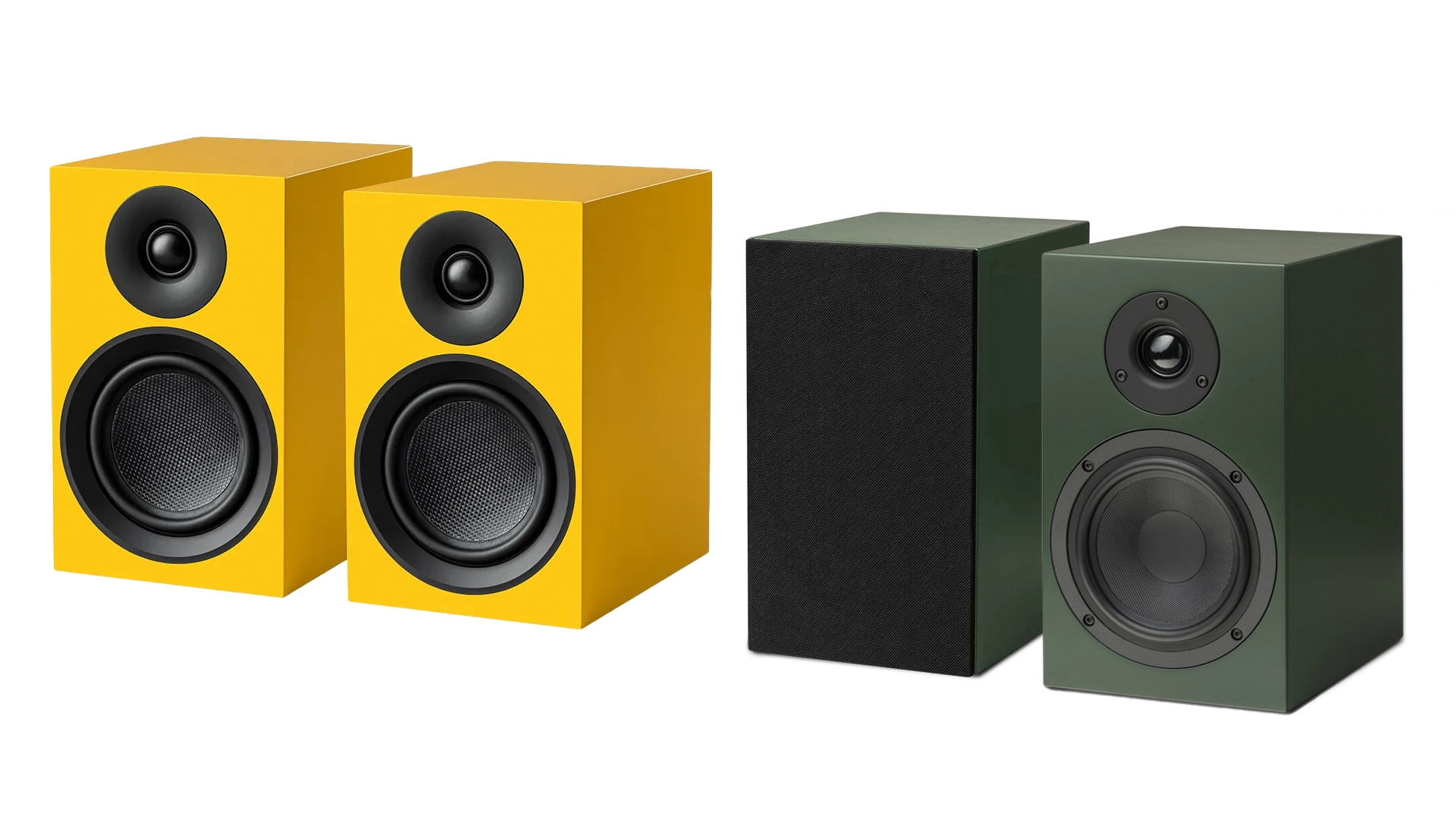
Pro-Ject Audio Systems was founded in Austria in 1991 by Heinz Lichtenegger, at a moment when the audio industry was treating the compact disc as vinyl’s replacement. Lichtenegger’s counterargument was the Pro-Ject 1: a simple belt-drive turntable built around the parts necessary for stable speed and accurate tracking, without automatic mechanisms or cosmetic complexity. The strategy proved prescient, and the Debut, introduced in 1999, became the model that brought the company to a much wider generation of record listeners. Pro-Ject now covers almost every scale of manual turntable. E and T families address first systems; Debut remains the recognisable centre; X, RPM and Xtension add more elaborate plinths, bearings, platters and tonearms; and Signature represents the flagship engineering. Many decks are assembled by hand in the Czech Republic, preserving production skills from the region’s long record-player history. The company also makes phono stages, speed controls, cartridges, record-cleaning machines and accessories, so a turntable can be upgraded rather than discarded. Box Design electronics—compact phono stages, amplifiers, DACs, streamers and CD transports—are largely produced in Slovakia and extend the same space-efficient philosophy beyond vinyl. Artist Collection editions use visual collaborations and licensed themes, but beneath the artwork they remain functional Pro-Ject platforms. The brand’s significance is not simply that it sells many turntables: it maintained European manual-turntable production through the digital era and built a clear path from an inexpensive first deck to genuinely ambitious analogue systems.
Proficient Audio

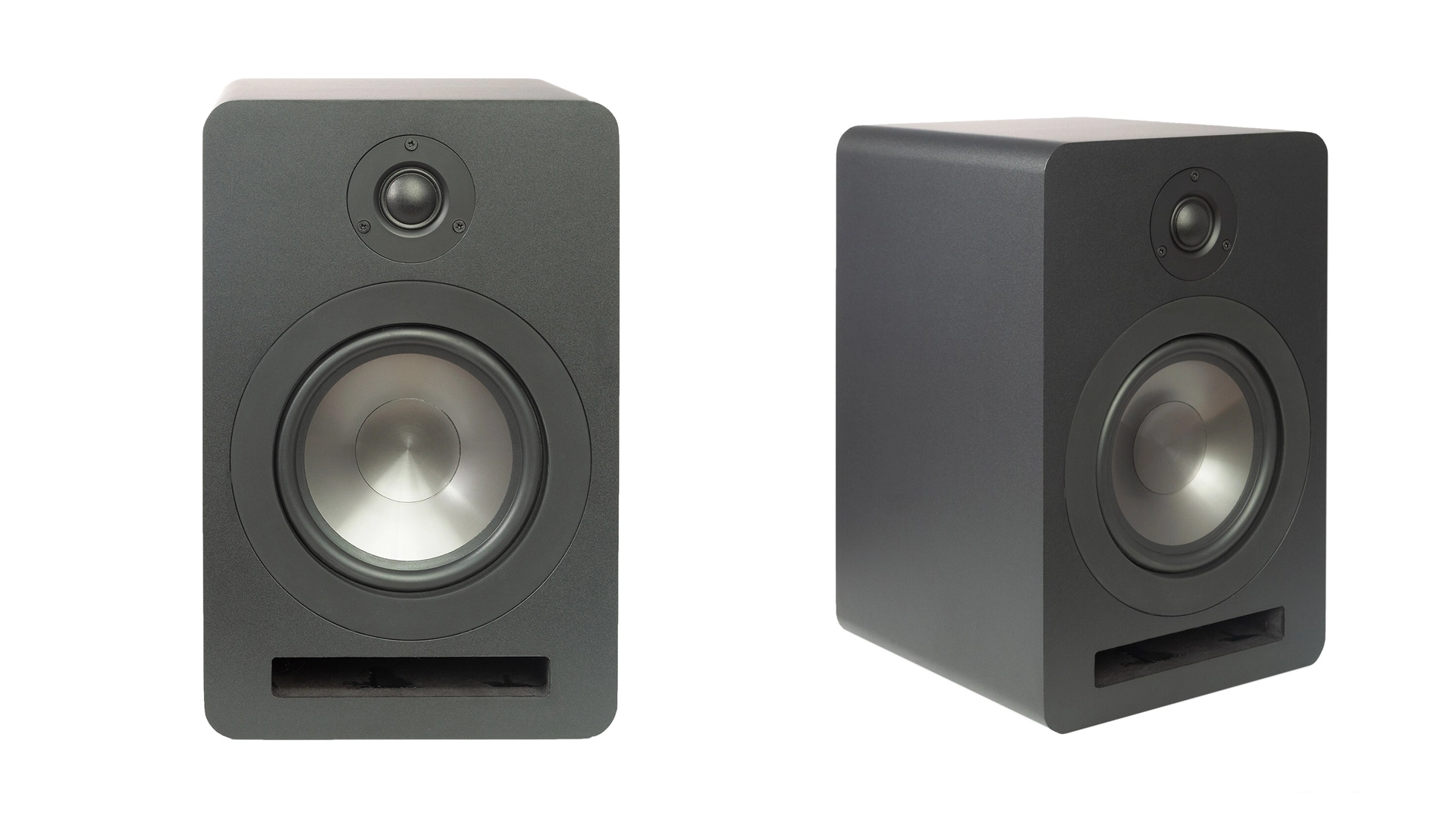
Proficient Audio is an American custom-installation brand built around loudspeakers that disappear into architecture rather than compete with it. Its range is intended for integrators who need repeatable solutions for a whole project: in-ceiling and in-wall speakers, LCR and surround models, subwoofers, outdoor and landscape systems, plus distribution amplifiers and controls. The old description correctly identified this focus but names an obsolete parent company. Nortek Control was acquired by Nice in 2021 and became Nice North America; Proficient now sits within that organisation. Signature is the performance-led series, with pivoting or aimable driver assemblies and models for stereo, cinema and distributed audio. Reference and Protege broaden the choice for rooms where mounting depth, coverage, moisture resistance or budget matters more than maximum output. For outdoor systems, wide-dispersion satellite speakers can be distributed through a garden and paired with partially buried subwoofers, producing more even level than trying to cover the whole area from one wall. Weather-resistant enclosures, protected connectors and purpose-designed rock, planter and surface-mount forms address installation rather than merely repainting an indoor speaker. The company also supplies multi-channel amplifiers and volume-control hardware that help an installer complete a system from one catalogue. A dependable founding year has not been added because the brand’s published corporate material does not establish one clearly. Proficient’s real strength is practical breadth: architecturally discreet loudspeakers and outdoor products designed to be specified, installed and serviced as part of an integrated home.
PSAudio

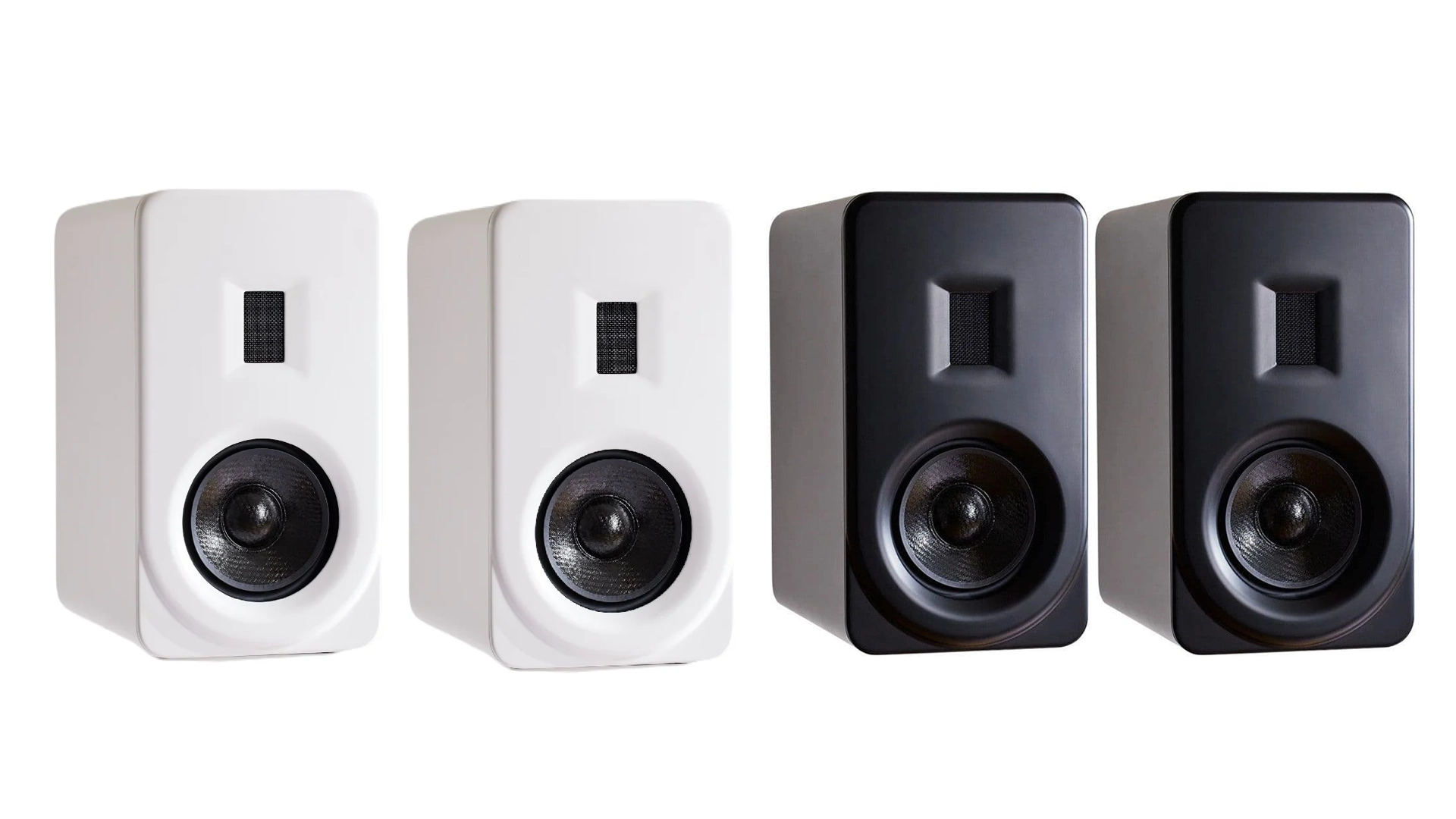
PS Audio was founded in Santa Maria, California, in 1973 by Paul McGowan and Stan Warren—the initials of their surnames supplied the name. Early phono stages and preamplifiers established the company, but its most distinctive modern contribution is power regeneration. Unlike a passive conditioner that only filters the wall supply, a Power Plant converts incoming AC and synthesises a new, regulated low-distortion waveform for the connected system. Successive generations, including the P12, P15 and P20, made that approach central to the brand. Digital products form the other major strand. The DirectStream DAC, designed around Ted Smith’s programmable FPGA architecture, converts incoming PCM to a high-rate DSD-related stream and can receive substantial processing changes through firmware rather than a new converter chip. DirectStream transports and AirLens network interfaces extend that digital ecosystem. BHK Signature hybrid amplifiers, created with the late Bascom H. King, combine valve input stages with MOSFET output power; Stellar components bring amplification, conversion and control to a more compact level. The Aspen FR30, FR20 and FR10 loudspeakers later expanded PS Audio into complete systems, using planar-magnetic midrange and high-frequency drivers with separately loaded woofers. The company also operates Octave Records in Boulder, Colorado, recording releases in high-resolution DSD and using the studio as a practical reference for product development. The original description ended mid-sentence; the completed story is a founder-led American manufacturer spanning regenerated power, reprogrammable digital audio, hybrid amplification and loudspeakers.
› Paul McGowan YouTube on Hi-Fi Selector
PSB

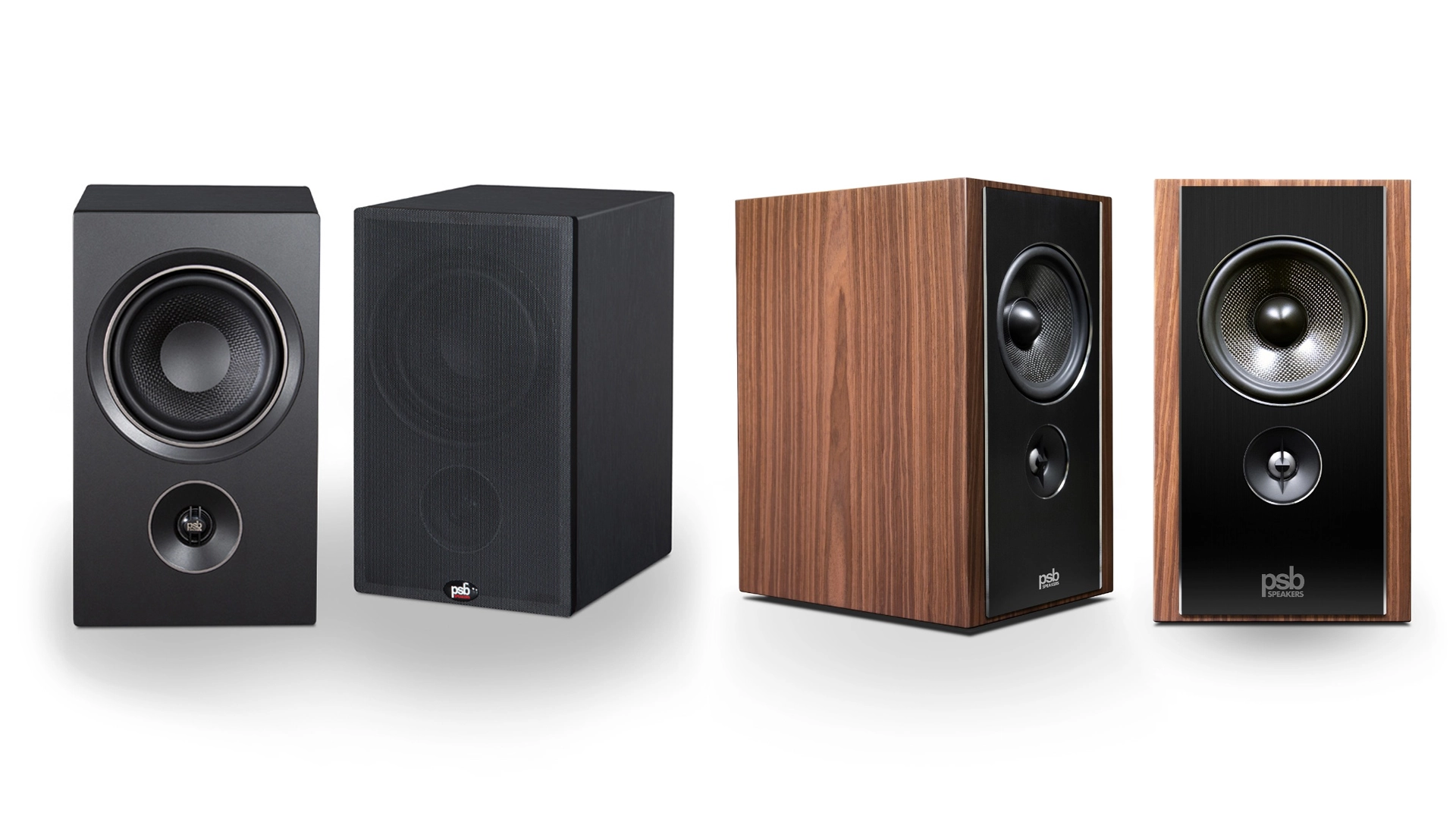
PSB Speakers was founded in 1972 by Canadian designer Paul Barton; the initials stand for Paul and Sue Barton. Rather than building a brand around one fashionable material, Barton developed a repeatable process of anechoic measurement and controlled listening. His long work at Canada’s National Research Council helped connect smooth on-axis response, well-behaved off-axis radiation and listener preference, giving PSB an engineering method that could be applied from entry-level speakers to flagships. Alpha is the accessible expression of that method and has remained important through several generations. Imagine covers stereo and home-cinema systems at a higher level, while Synchrony—including the current T800 flagship—uses more elaborate driver, cabinet and crossover engineering. Architectural PWM and CustomSound models, CS outdoor speakers and subwoofers extend the same voicing to installed systems. PSB also applies acoustic research to M4U headphones; its RoomFeel tuning is intended to reproduce the spectral balance listeners experience from well-designed loudspeakers in a room rather than the unnaturally flat pressure response of a raw headphone fixture. The company is part of Canada’s Lenbrook group alongside NAD and Bluesound, giving it access to shared research and distribution while Paul Barton remains closely associated with its acoustic direction. PSB’s lasting achievement is disciplined value: models at very different prices are developed through the same measurement-and-listening loop, so the family resemblance comes from controlled directivity and tonal balance rather than from repeated styling alone.
Pylon Audio

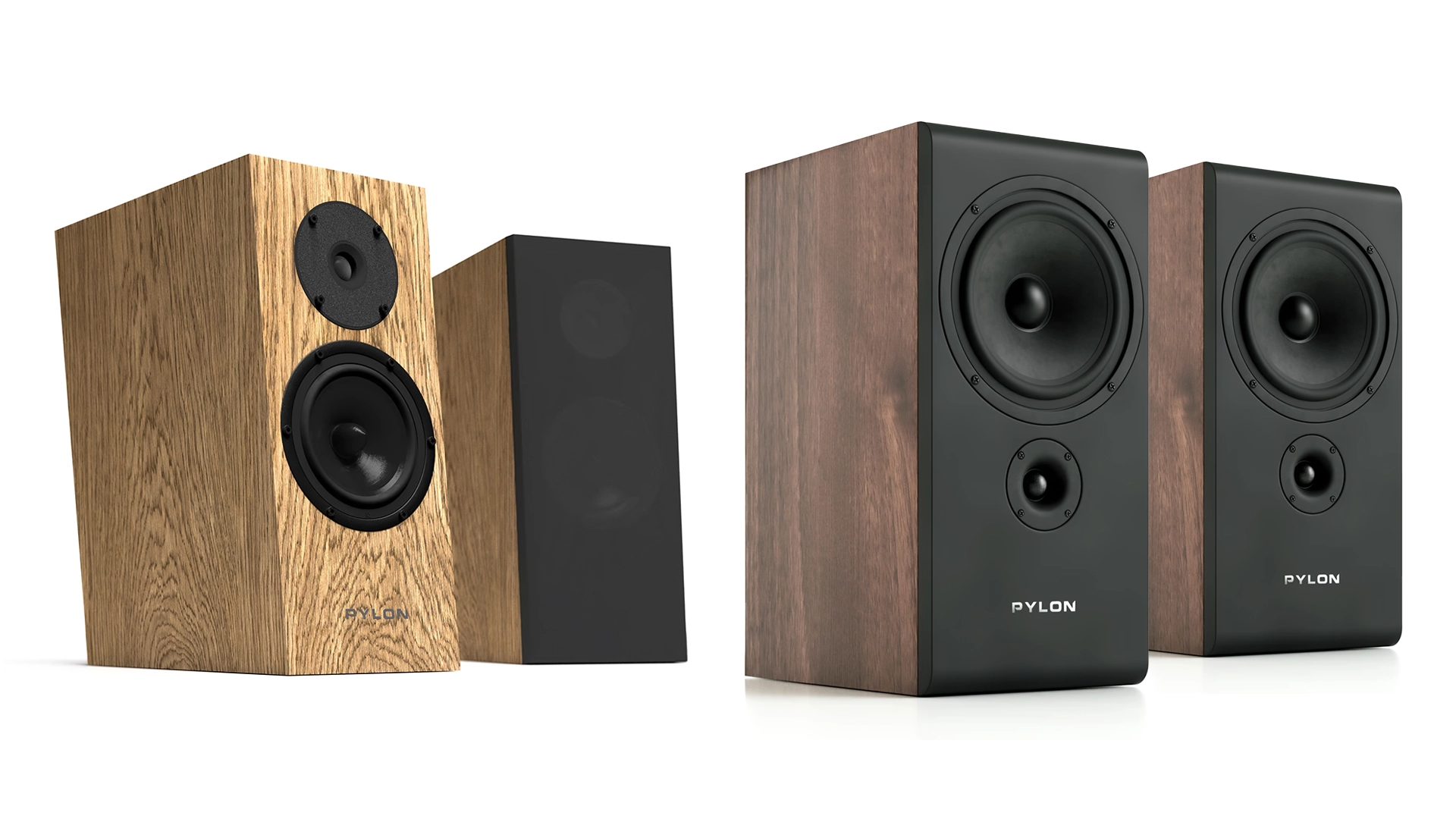
Pylon Audio was founded in Poland in 2011 by childhood friends Mateusz and Mikołaj, drawing on their families’ background in furniture production. The company first built loudspeaker cabinets and then moved into complete speakers, which explains why enclosure manufacture remains more than a styling exercise. Woodworking, acoustic design, finishing and final assembly are kept closely connected at its Jarocin-area operation, and a large anechoic chamber supports development with repeatable full-range measurements. The range is unusually wide but has recognisable characters. Pearl and Opal provide straightforward entry points; Diamond adds more refined drivers, crossover work and cabinetry; Jade uses broad baffles and larger drivers in a deliberate visual and acoustic reference to classic studio monitors. Amber MkII pursues high sensitivity and substantial dynamics, while Jasper and Jasper Active form the modern flagship family with curved cabinets, premium transducers and, in the active versions, integrated amplification and DSP. Zirkon 20 addresses compact listening, and matching centres, surrounds and subwoofers allow home-cinema systems without abandoning the stereo lines. Pylon also manufactures cabinets and selected components for other audio companies, an industrial capability that supports its own price-to-build-quality ratio. The brand’s strength is not a vague claim that every part is made in-house. It is the practical control gained by combining furniture-grade enclosure production, acoustic measurement and final loudspeaker assembly under one Polish organisation, then applying those resources from attainable floorstanders to ambitious statement models.
Q Acoustics

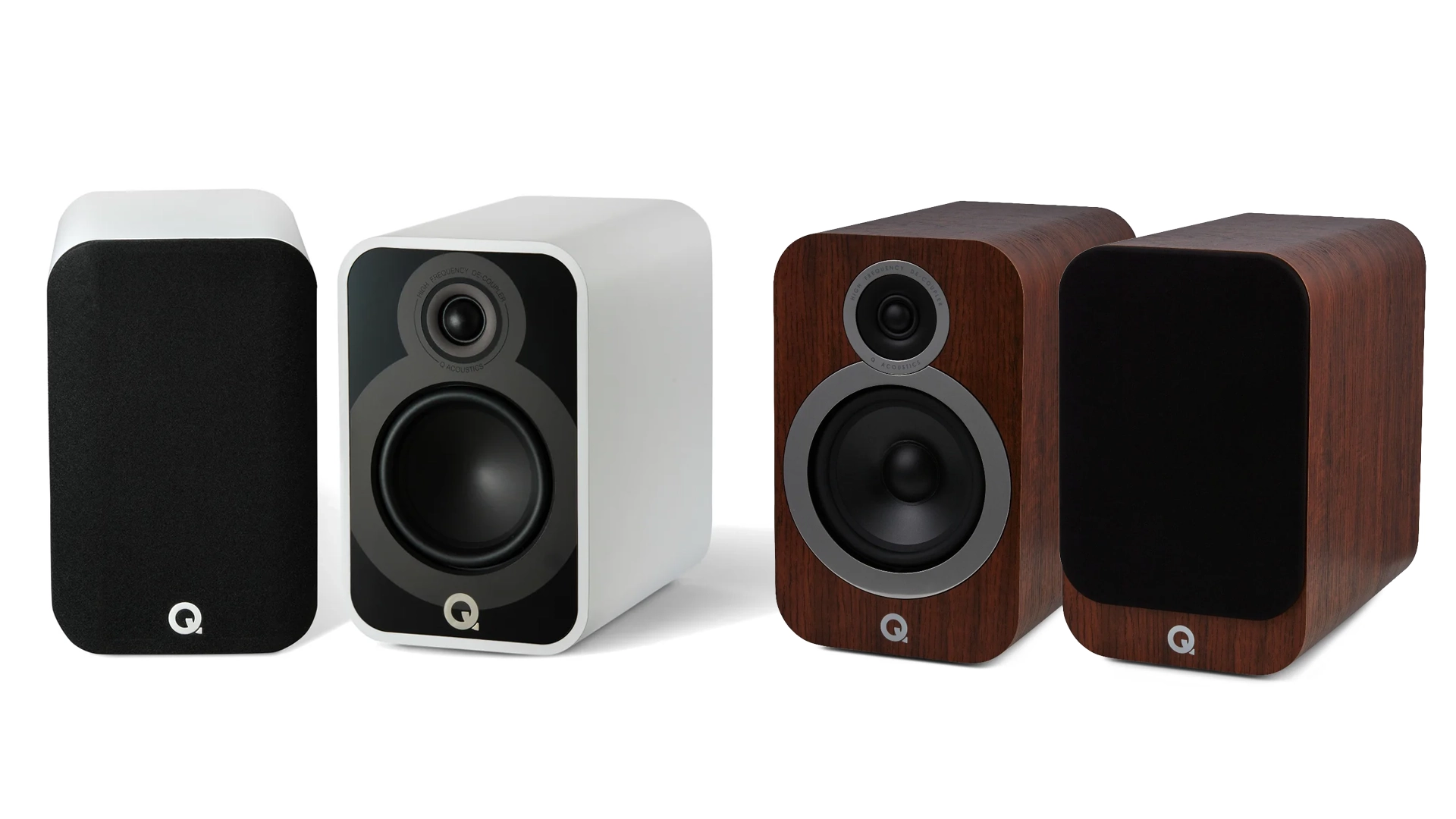
Q Acoustics is a British loudspeaker brand established in 2006 with a clear brief: use serious cabinet and driver engineering at prices below the traditional high-end. Its first 1000 Series quickly established that position, and the company has since expanded from affordable passive speakers to the Concept range, active wireless systems, subwoofers and architectural models without abandoning the value-led centre of the catalogue. Much of its know-how concerns what the cabinet does after a driver begins moving. Gelcore uses a layered enclosure with a non-setting gel between skins to convert high-frequency panel vibration into heat. P2P, or Point-to-Point, bracing reinforces only the areas identified by structural analysis instead of filling the box indiscriminately, while HPE—Helmholtz Pressure Equalizer—tubes reduce pressure gradients and standing-wave effects inside taller enclosures. The Continuous Curved Cone, or C3, bass/midrange profile introduced with the 5000 Series and carried into 3000c combines the smooth flare of a conventional cone with stronger behaviour near the voice coil, improving integration and power handling. Concept models apply the most elaborate cabinet control; 3000c and 5000 cover mainstream stereo and cinema; Q Active adds amplification and wireless hubs; Q SUB and M models serve bass and powered-TV applications; install speakers handle in-wall, in-ceiling and outdoor use. Q Acoustics’ “value” is therefore not a euphemism for basic construction. Its identity comes from moving structural techniques developed for the premium Concept line into progressively more affordable families.
Quad

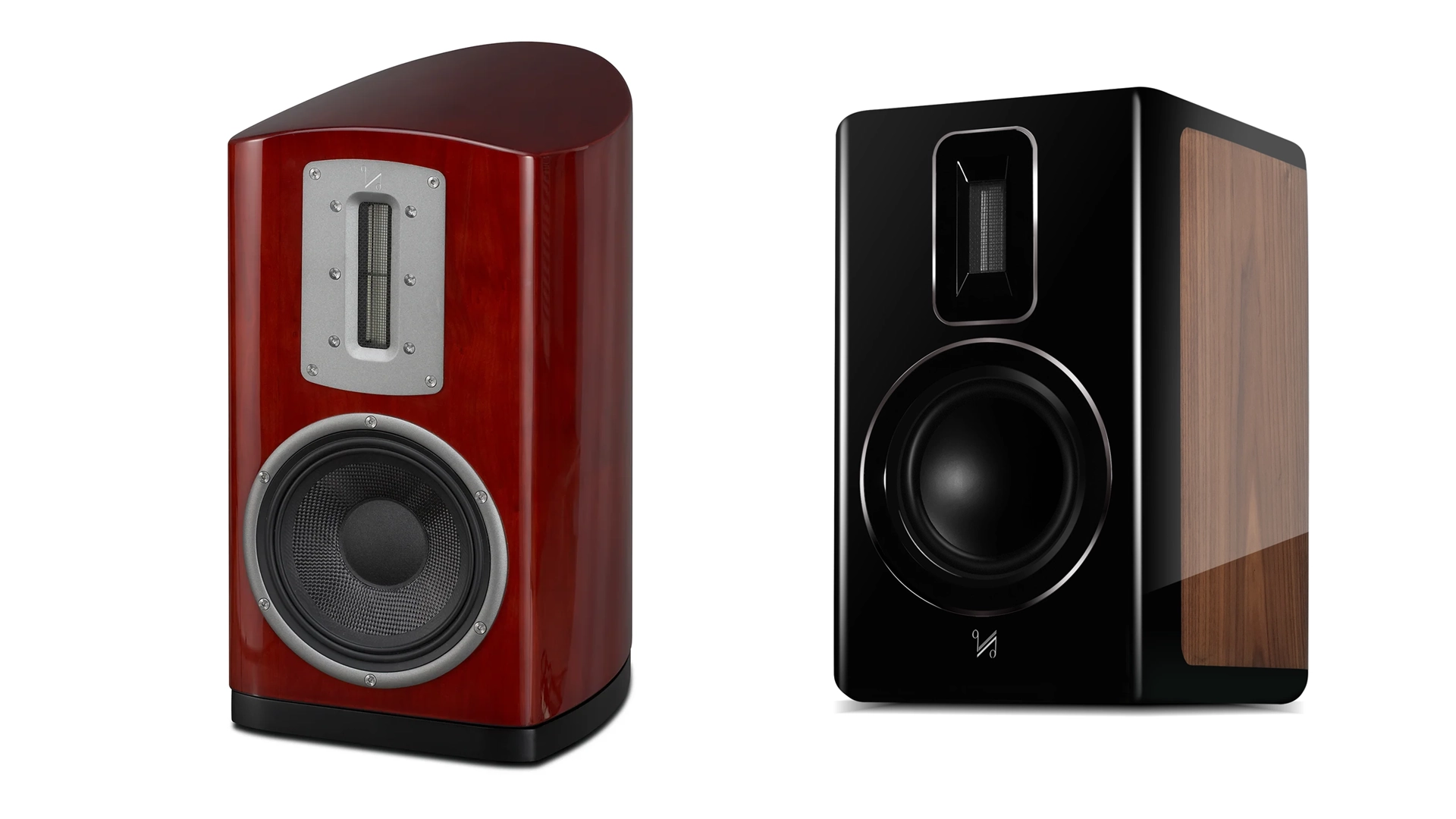
QUAD was founded by Peter J. Walker in 1936 as S.P. Fidelity Sound Systems, later becoming the Acoustical Manufacturing Company. The name came from “Quality Unit Amplifier Domestic,” but the brand’s lasting reputation rests on two different inventions: full-range electrostatic loudspeakers and current-dumping amplification. Both pursued Walker’s famous aim of making the closest approach to the original sound through low distortion rather than theatrical voicing. The original Electrostatic Loudspeaker of 1957—now commonly called the ESL-57—used a charged film diaphragm driven over its area instead of a conventional cone and voice coil. Its transparency made it a reference, while the ESL-63 introduced concentric delay-line stators that approximate a point source. Current ESL-2812X and ESL-2912X models continue that lineage with improved structure, protection and power handling. A factual error in the old description has been corrected: the Quad 303 was a conventional transistor amplifier; Peter Walker’s current-dumping circuit reached production in the Quad 405 in the mid-1970s. It combines a low-power precision amplifier with high-power “dumpers,” using error correction to achieve low distortion efficiently. QUAD also made enduring valve electronics such as the QUAD II and now offers Artera, Vena, Quad 3, the revived 33/303 pairing and Platina electronics, alongside Revela and other dynamic loudspeakers. Since 1997 the company has been part of International Audio Group; management, design and service remain in Huntingdon, including support for many historic products. QUAD therefore remains British in origin and engineering identity even within an international owner.
Quadral

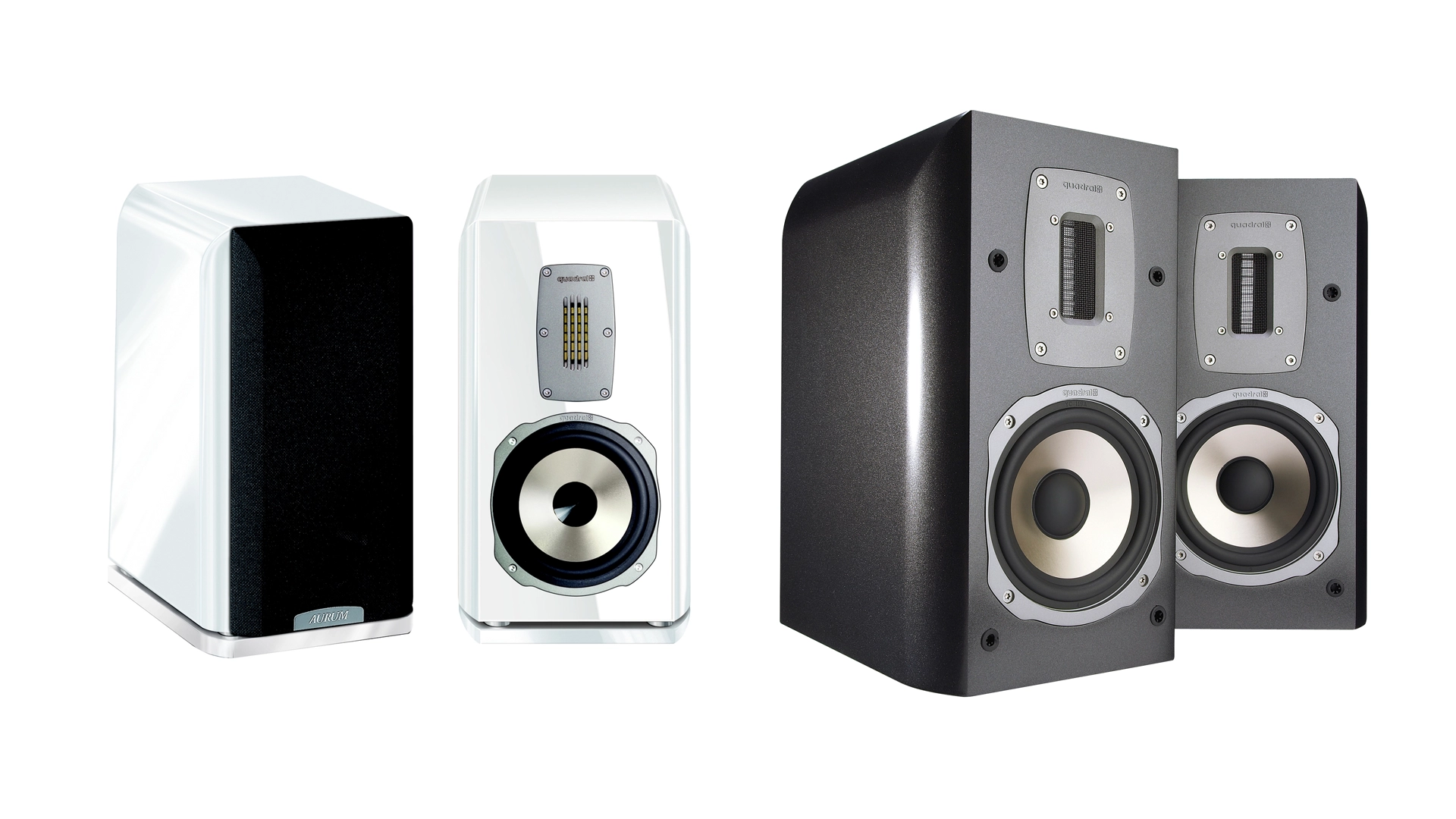
Quadral began in Hanover in 1972 as the consumer-electronics distributor all-akustik, founded by Hans-Dieter Hoffmann, Helmut Pabel, Horst Enders and Friedel Hofmann. It soon moved from importing equipment to developing loudspeakers of its own. The turning point was TITAN in 1981: a large statement system that established the AURUM line and has since evolved through multiple generations rather than surviving only as a nostalgic model. The modern catalogue is organised more clearly than the old description suggested. AURUM is the high-end family, with TITAN at its summit; SIGNUM, CHROMIUM STYLE and ARGENTUM bring the company’s approach to progressively more accessible stereo and home-cinema systems. Quadral’s signature high-frequency device is the quSENSE ribbon tweeter, whose very light diaphragm is intended to combine fast response with wide extension. Upper models pair it with ALTIMA mid/bass cones made from an aluminium, titanium and magnesium alloy, selected for stiffness with controlled mass. Cabinet geometry, internal bracing and model-specific pressure-chamber or bass-reflex loading are developed as part of the system, while matching centre, surround and subwoofer products allow consistent multichannel setups. Ownership also changed in 2020, when Austrian building-automation company Loxone acquired Quadral. The connection added architectural and multiroom audio to the business, but Quadral continues to develop hi-fi loudspeakers in Hanover and manufacture important parts there, including AURUM ribbon tweeters. Its country should remain Germany: Loxone ownership is part of the current corporate story, not a replacement for the brand’s German origin and five decades of loudspeaker engineering.
Raidho Acoustics

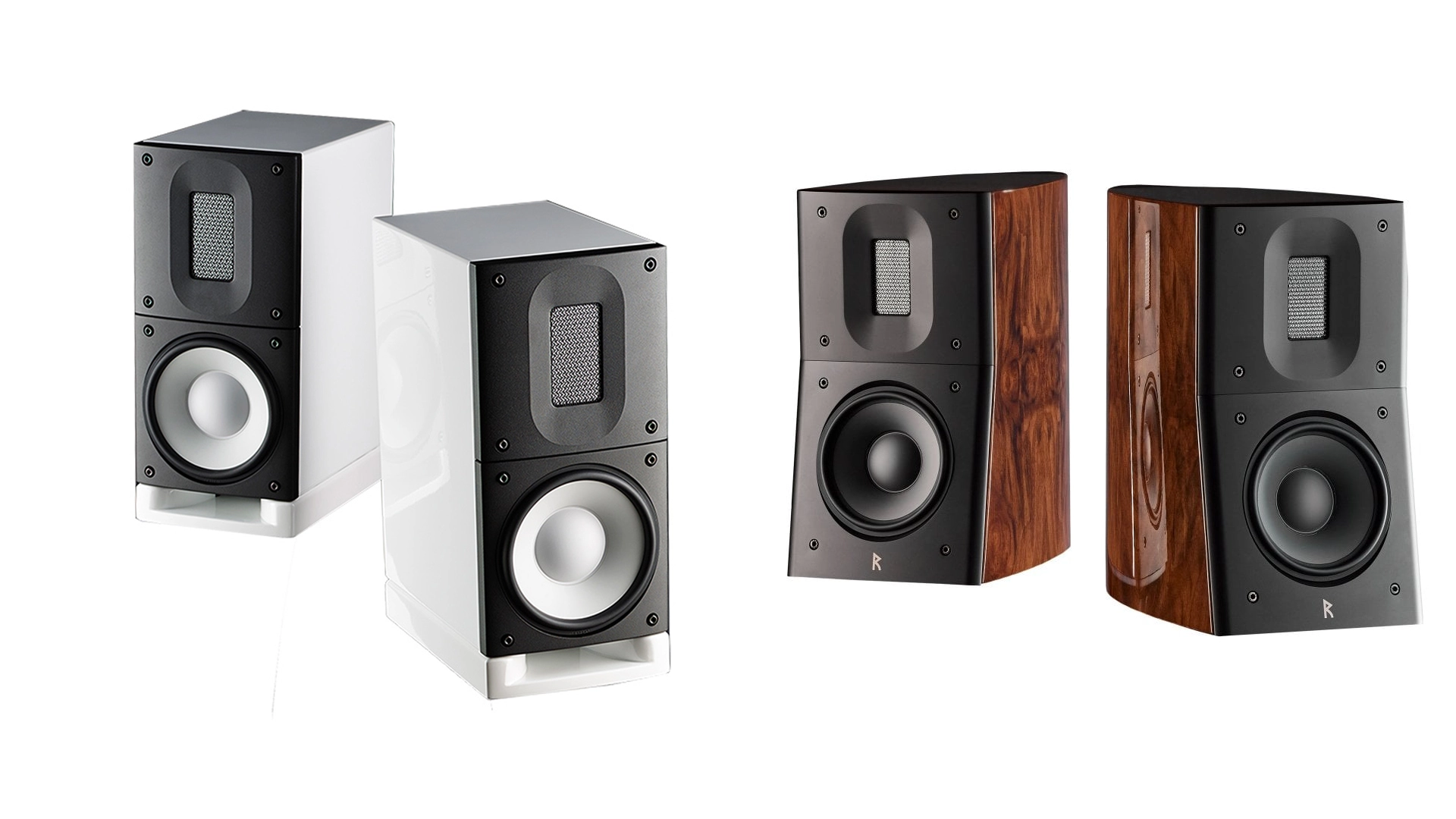
Raidho Acoustics was founded in Denmark in 2001 by loudspeaker designer Michael Børresen. The existing since value of 2009 confused the brand’s founding with a later corporate event: in 2009 Danish public company Dantax acquired the Raidho project. Raidho is now built at Dantax’s facility in Pandrup, where cabinets, crossovers and proprietary drivers are produced or assembled with a high degree of local control. The original country therefore remains Denmark, while Dantax ownership belongs in the description. The signature device is Raidho’s planar-magnetic ribbon tweeter, made from an extremely thin foil with conductive traces and driven by a strong magnetic system. Its very low moving mass and open acoustic path are intended to extend response far beyond the audible band without the stored energy of a conventional dome. Dynamic mid/bass drivers begin with an aluminium cone whose surface is converted to a hard ceramic layer—the basis of Ceramix technology. In the TD series, tantalum and diamond-related surface treatments further increase stiffness and push breakup modes away from the operating band. Current X models provide the more attainable route into the ribbon-and-ceramic architecture; TD is the reference family, extending from compact monitors to large multiway floorstanders. TD8 SUB and TD10 SUB apply diamond-coated drivers to dedicated low-frequency systems. Older C and XT series remain part of Raidho’s development history but should not be presented as the complete current range. After Børresen’s departure, the company continued with a new engineering team, including designer Benno Baun Meldgaard. Raidho’s real distinction is vertically integrated Danish driver work, not ribbon terminology alone.
Redgum

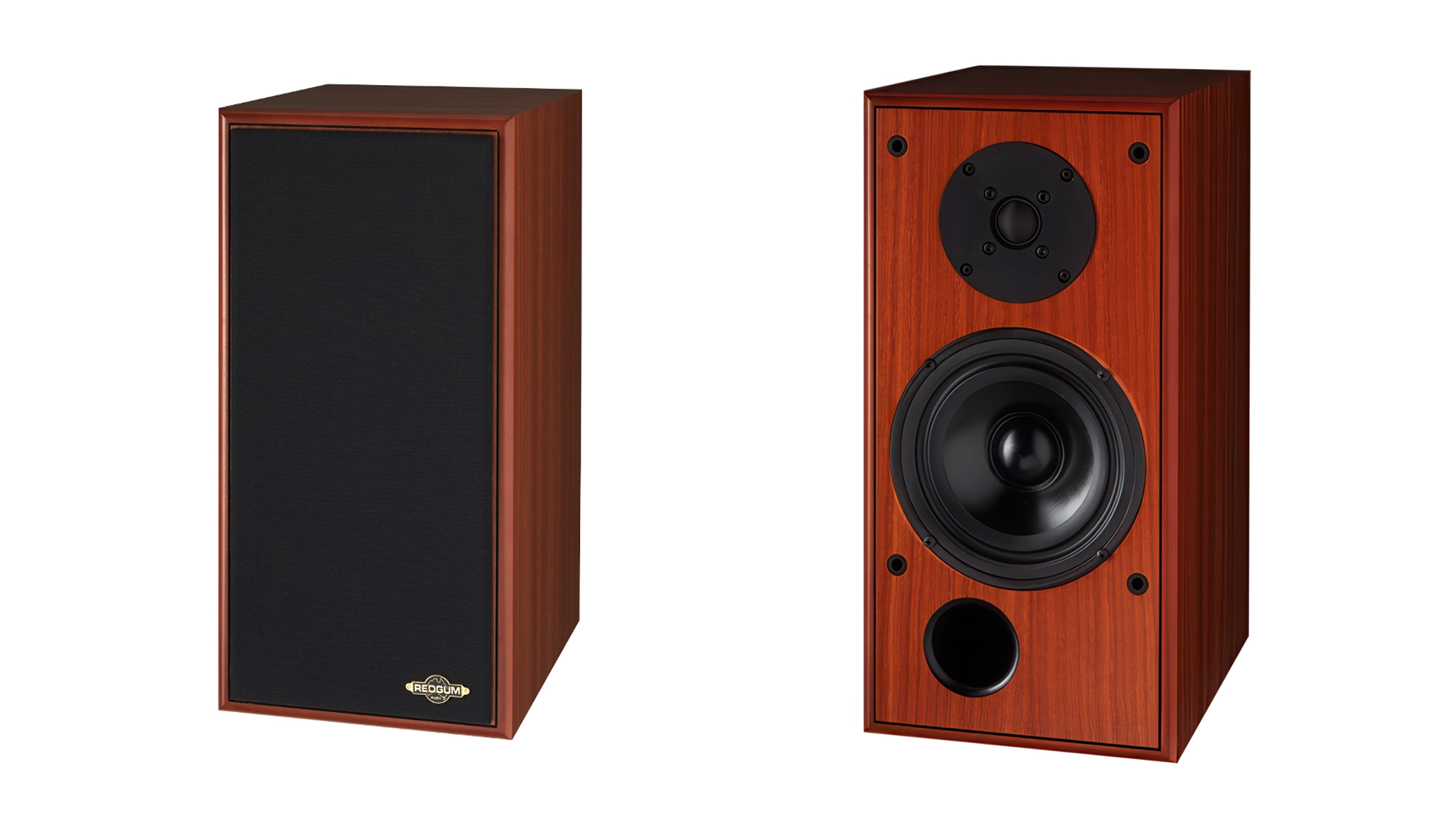
REDGUM Audio was founded in Melbourne in 1993 by Ian Robinson, after two decades of retail and service experience through the Contemporary Sound Centre he had opened in 1972. Hearing unamplified orchestral music convinced him that an amplifier needed transient current and dynamic freedom, not simply an attractive continuous-power figure. Customer response to his early prototypes led to the first commercial integrated amplifier, and the company name supplied the immediately recognisable Australian red-gum timber front panels. High-current solid-state amplification remains the centre of the range. RGi integrated amplifiers and separate power amplifiers are designed with short signal paths, substantial power supplies and protection intended to survive difficult loudspeaker loads; higher ENR versions use “Enhanced Non-Resonant” chassis construction and selected parts. The key-shaped power switch and individually figured timber fascia make each unit visually distinct without hiding its controls. REDGUM has also produced DACs, CD players, phono stages and loudspeakers, including speaker work with John Reilly of Axis. The use of serviceable computer CD-ROM mechanisms in earlier disc players was a practical response to transport obsolescence, not a cost-saving detail to conceal. Model availability has varied as a small manufacturer, so the brand should not be described as maintaining every historic category continuously. What remains consistent is Robinson’s emphasis on locally engineered, repairable electronics with generous current reserve and a seven-year warranty on many products. The original text contained valuable history and has been retained, but reorganised so the products and engineering reasons appear before colourful anecdotes.
Rega

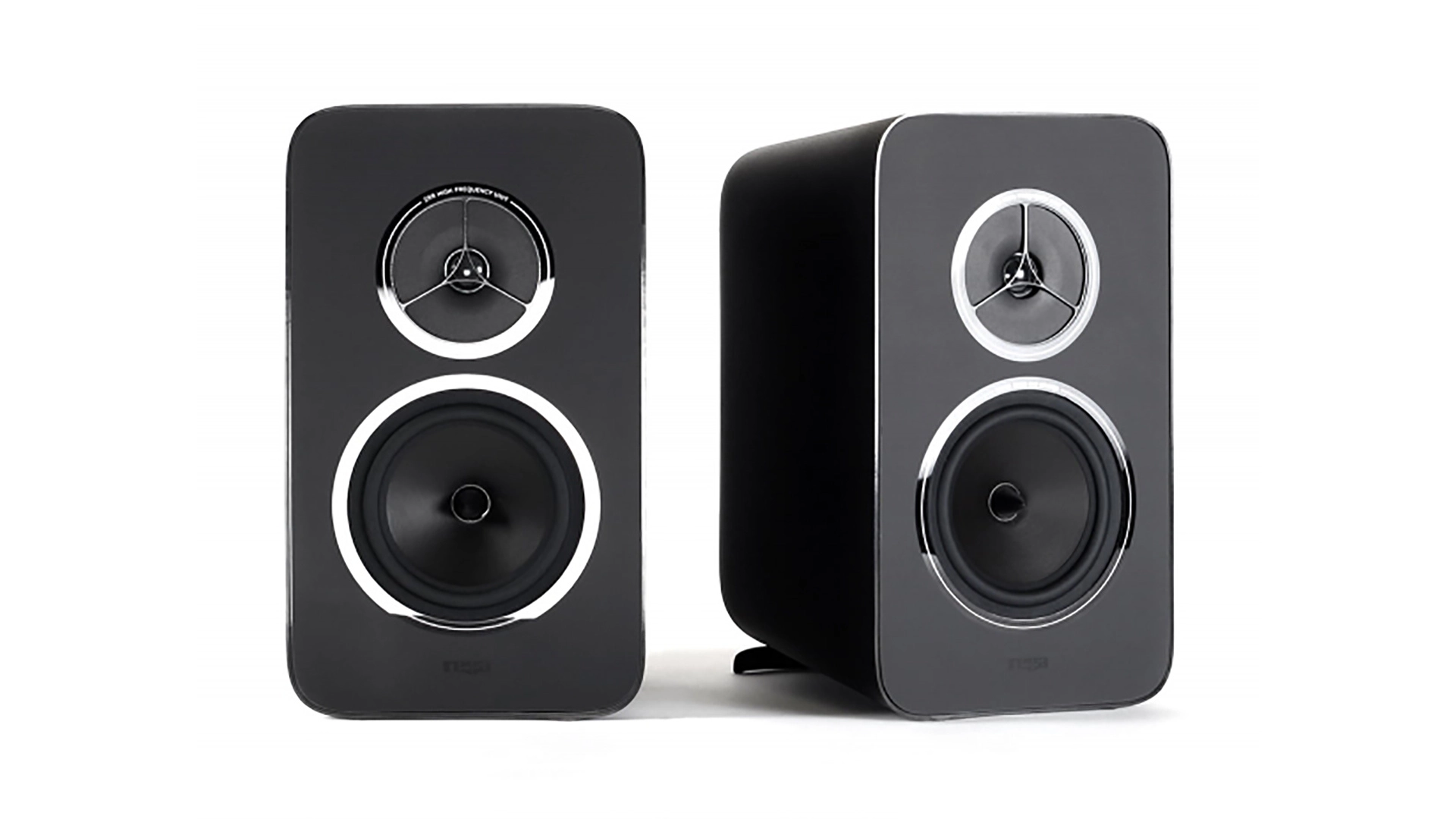
Rega Research was founded in England in 1973 by Roy Gandy and Tony Relph; the name combines parts of their surnames. Its first commercial turntable was the unconventional Planet, but the Planar 3 of 1976 created the enduring template: a simple belt drive, rigid low-mass plinth, glass platter and an integrated tonearm developed as one mechanical system. Rega’s influence comes not from preserving that design unchanged, but from repeatedly refining the same priorities while manufacturing a remarkably broad range in Essex. The central principle is lightweight rigidity. Gandy argues that excessive mass can store vibration and release it later, so current Planar models remove material where it is unnecessary and add stiffness between the main bearing and tonearm through double-brace structures. One-piece RB tonearm tubes minimise joints from headshell to bearing housing; higher models use increasingly precise bearings, ceramic platters and sophisticated power supplies. Planar 1, 2, 3, 6, 8 and 10 form the main progression, while Naia translates research from the limited Naiad into the production flagship. Rega also develops Nd moving-magnet and Ania, Apheta and Aphelion moving-coil cartridges, Fono and Aria phono stages, so the complete record-playing chain can be engineered together. Io, Brio, Elex, Elicit, Aethos and Osiris amplifiers, Apollo and Saturn digital sources, and Kyte or Aya loudspeakers broaden the system without displacing vinyl from the centre. Rega’s lasting strength is purposeful reduction: spend materials and tolerance where they control speed, bearing behaviour, rigidity and cartridge alignment, then leave out mechanisms that do not help record playback.
Revel

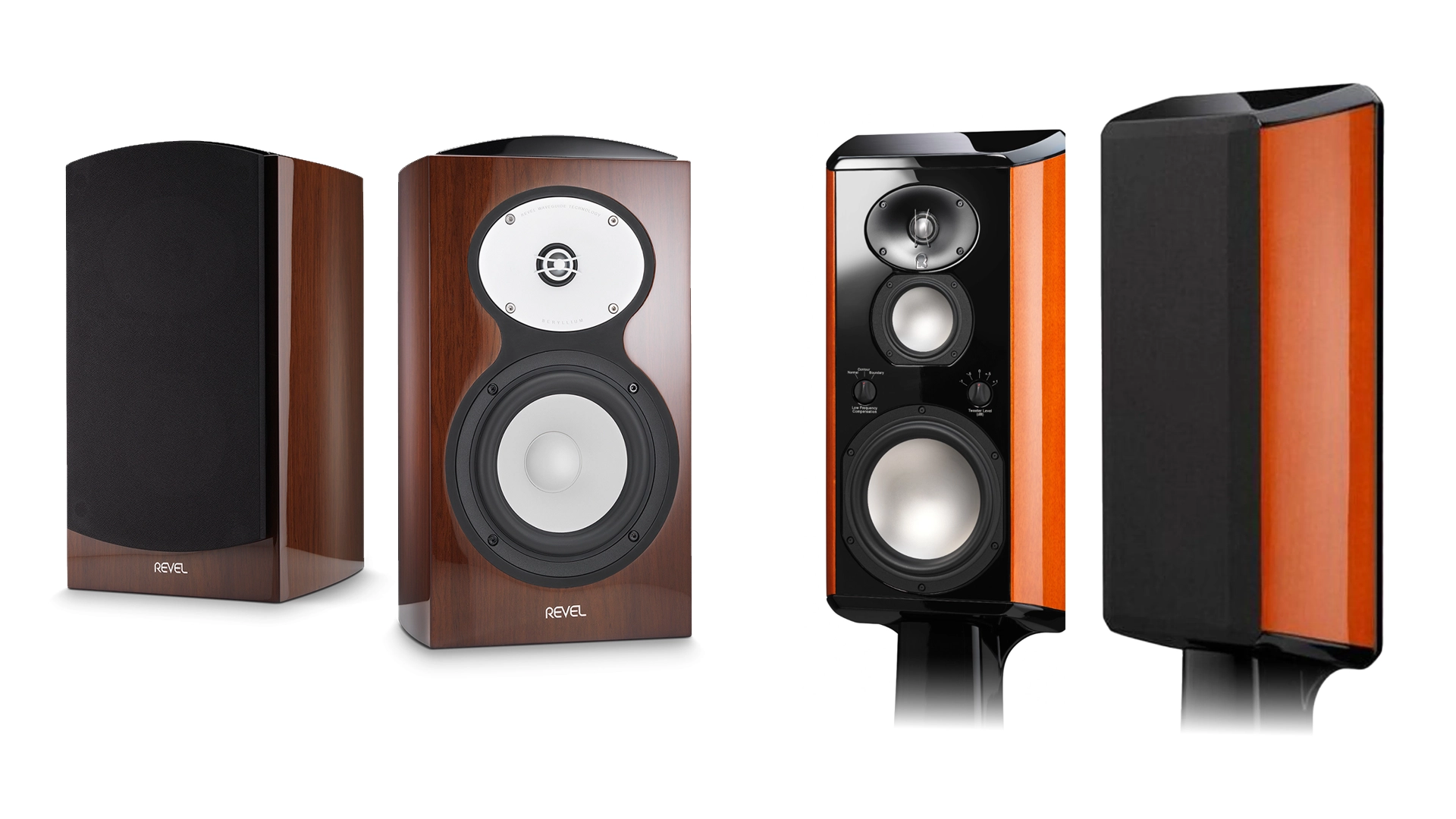
Revel is an American loudspeaker brand established in 1996 within Harman to apply controlled research and repeatable listening tests to high-end speaker design. Under the long-standing technical direction of Kevin Voecks, development has combined anechoic measurements, computer modelling and double-blind listening in Harman’s Multichannel Listening Lab. The objective is practical rather than academic: broad, smooth dispersion and neutral on-axis response should make a speaker sound balanced in a real room and remain convincing for more than one listener. Revel’s reference reputation was built by the Ultima range, especially the Salon and later Salon2 floorstanders, whose carefully shaped cabinets, high-order crossovers and wide-bandwidth drivers demonstrated the method at ambitious scale. PerformaBe brought beryllium tweeters, acoustic lenses and deep ceramic-coated aluminium cones to more attainable models, while Performa3 and Concerta2 extend the same design discipline through floorstanding, stand-mount, centre-channel and surround speakers. Architectural and Extreme Climate models adapt the engineering to concealed and outdoor installations, and Revel systems have also appeared in Lincoln vehicles. The brand does not depend on one exotic material or a deliberately voiced house sound; its real signature is the process by which prototypes are measured, compared and refined. Revel remains part of Harman, which has been owned by Samsung since 2017. Its position in high-end audio rests on making subjective preference testable—then using the results to build loudspeakers with consistent tonal balance, controlled directivity and strong performance across different rooms.
Revival Audio

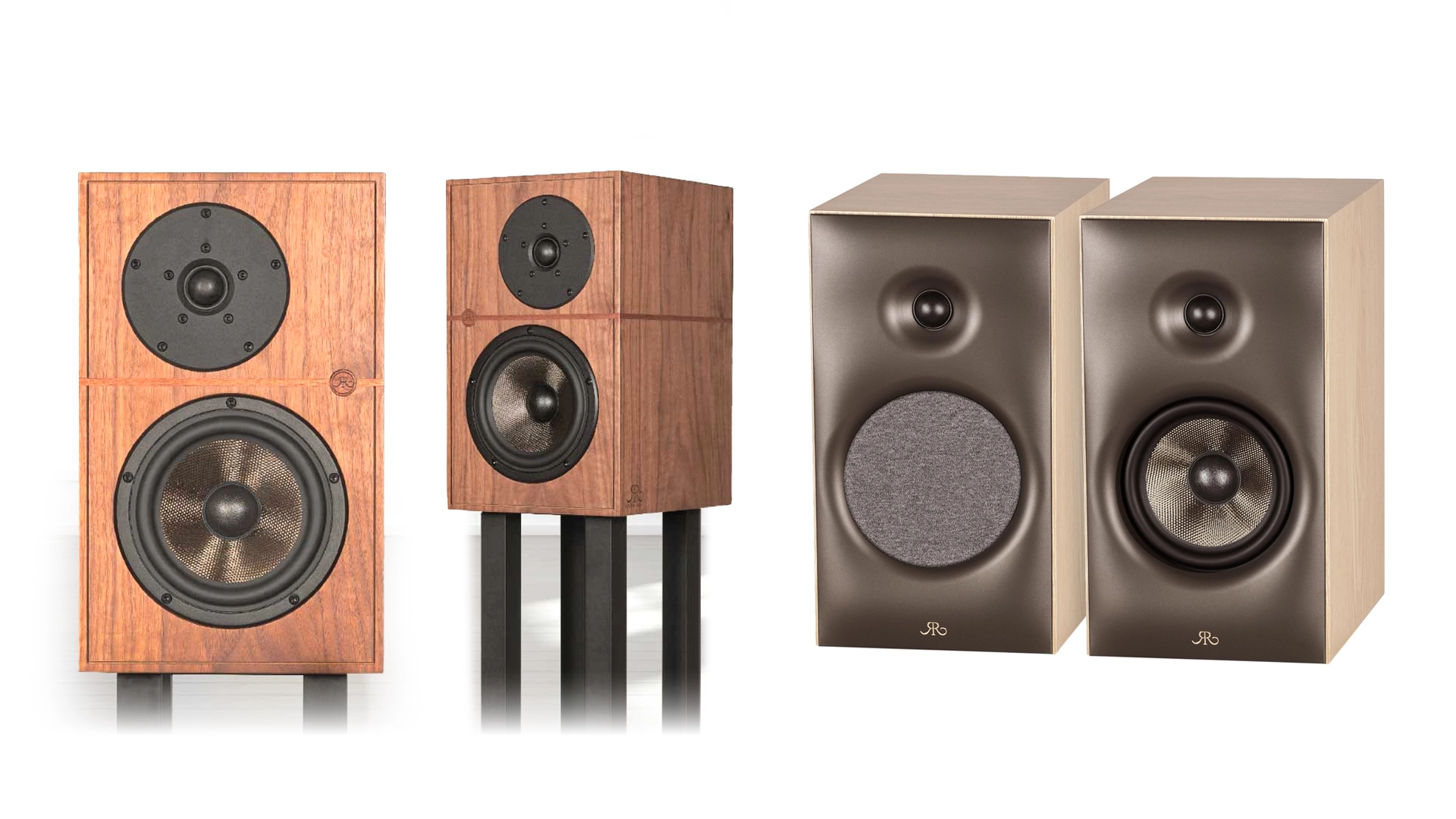
Revival Audio is a French loudspeaker company created at the end of 2021 by engineer Daniel Emonts and entrepreneur Jacky Lee. Emonts brought more than three decades of transducer and loudspeaker-development experience, while Lee built the commercial and operational side; the company established its engineering base in Alsace and set out to control the important acoustic parts in-house. Revival first made its name with the ATALANTE series—ATalante 3, ATALANTE 4 and the large ATALANTE 5—whose broad baffles, walnut finishes and matching stands recall classic studio furniture without simply reproducing an old design. Their core technologies are current: the RASC 28 mm soft-dome tweeter uses the large ARID rear chamber to absorb back-wave energy, while the BSC midrange and bass drivers employ a basalt-fibre sandwich construction developed for stiffness, damping and low mass. The sculpted Elytron element around the tweeter and midrange controls diffraction and gives the front baffle a distinctive functional identity. ATALANTE models are assembled in France, and their industrial design was developed with the Paris studio A+A Cooren. The newer SPRINT range translates Revival’s driver work into slimmer, more accessible loudspeakers and includes stand-mount, floorstanding and centre-channel options for stereo and cinema systems. Revival Audio’s appeal is the clarity of this proposition: proprietary drivers, measured acoustic solutions and French manufacture presented through warm, domestic design rather than laboratory aesthetics. It is a young brand, but not an inexperienced one, and its products already have a recognisable technical and visual language.
Revox

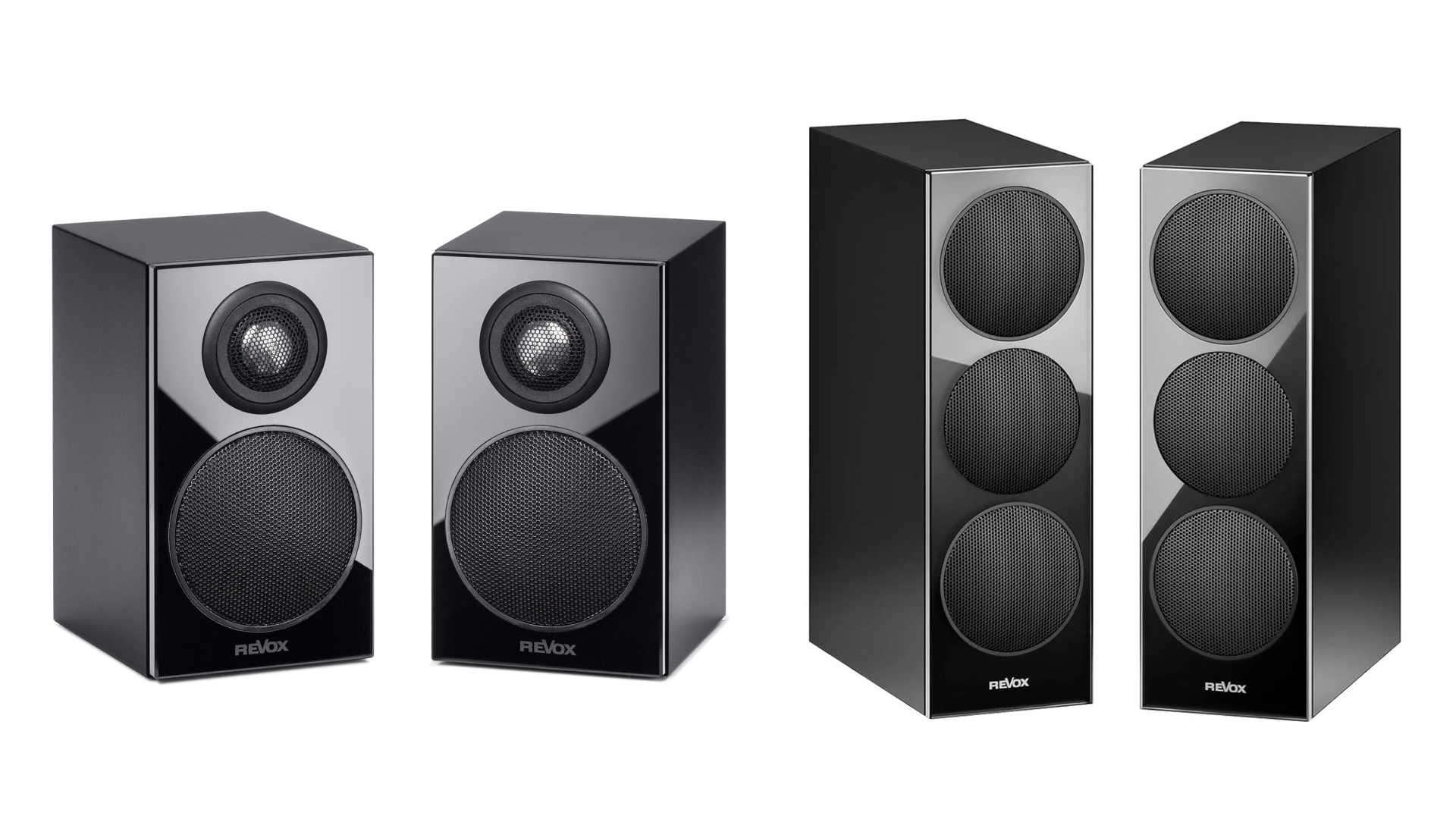
Revox is a Swiss audio company whose story began in 1948, when engineer Willi Studer opened a business in Herisau and developed the Dynavox tape recorder. Revox became the name for the consumer products, while Studer served professional studios and broadcasters; the shared engineering culture made reel-to-reel machines such as the A77 and B77 enduring references for robust mechanics, serviceability and recording quality. The brand later expanded into complete systems, including the B-series electronics and loudspeakers, but tape remains an important part of its identity. In 2024 Revox introduced the B77 MK III, a newly manufactured reel-to-reel recorder rather than a cosmetic reissue, bringing the format back into current production with revised electronics and modern manufacturing. Contemporary Revox is broader than analogue tape. The company develops modular multiroom and custom-installation systems, networked amplifiers, servers, speakers and control interfaces intended to distribute music through an entire home. STUDIOART provides compact wireless products, JOY and STUDIOMASTER components address network playback and amplification, and the T700 turntable connects the brand’s precision-mechanical tradition with vinyl. Revox also maintains restoration and service activity for classic machines, an important distinction for equipment with decades of working life. The company has passed through ownership and organisational changes since the Studer era, but its strongest products still follow the original logic: sources, electronics, speakers and control designed as a coordinated system. Revox is therefore best understood not merely as a historic tape-recorder name, but as a rare bridge between Swiss recording heritage and current integrated audio.
Richter

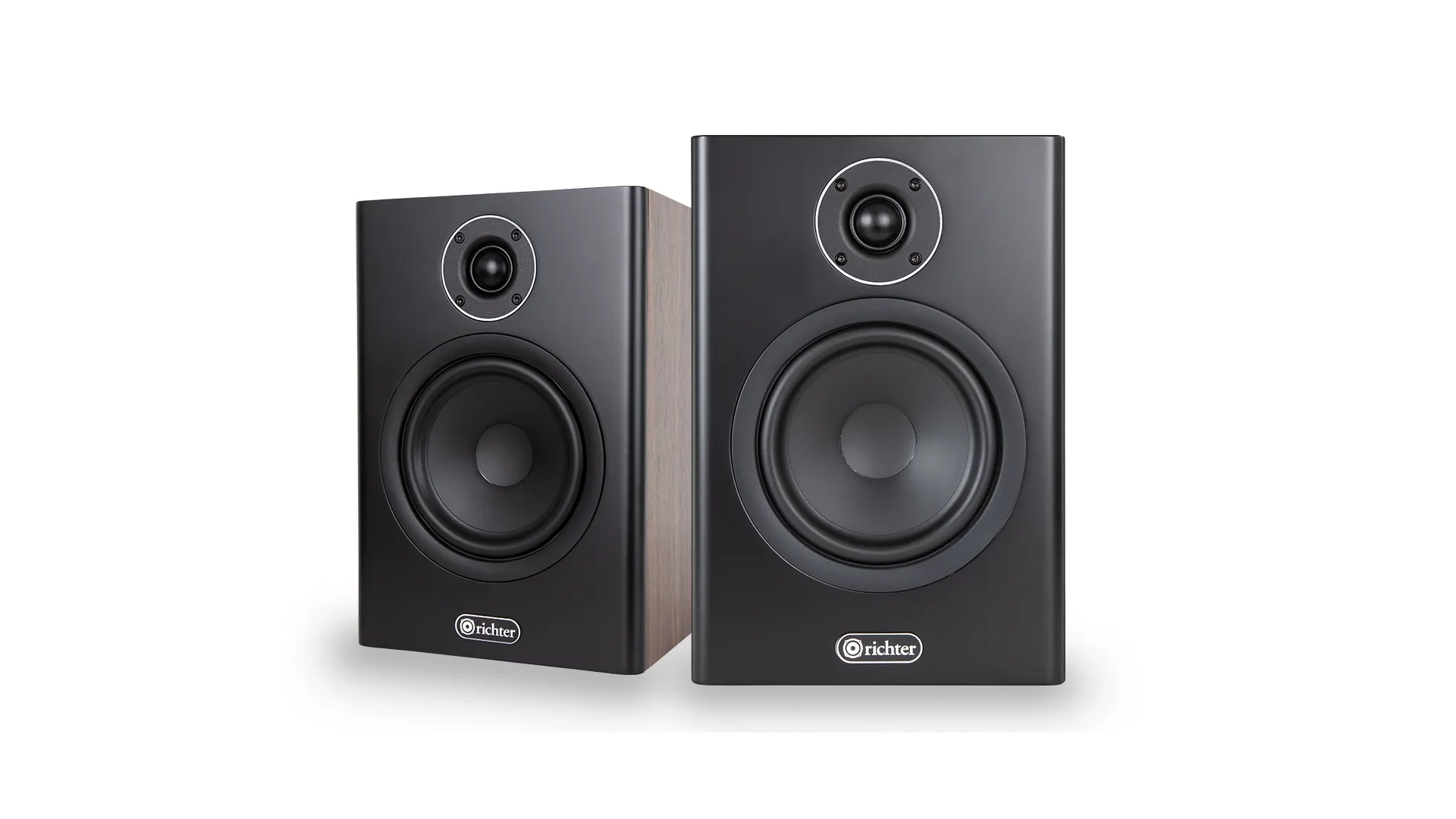
Richter is an Australian loudspeaker company founded in Sydney in November 1986 by designer Ralph Waters. The original description incorrectly named several people as co-founders; Dr Neville Thiele and Dr Richard Small were foundational figures in loudspeaker science, but they did not found Richter. The company earned its reputation by developing speakers specifically for Australian rooms and budgets, with strong low-frequency performance and easy system matching rather than miniature “bookshelf” priorities. The Wizard floorstander became its defining model, while names such as Dragon, Harlequin, Merlin and Thor built a catalogue that Australian listeners could recognise across generations. Modern Legend Series models continue that lineage with floorstanding, stand-mount, centre-channel and surround speakers, while Thor subwoofers serve both stereo and home cinema. Current designs are led by Dr Martin Gosnell and use carefully modelled cabinets, proprietary drivers and crossovers voiced through measurement and listening. The Wizard remains important because it demonstrates the brand’s formula: useful sensitivity, substantial bass from a domestically manageable enclosure and a tonal balance intended for long listening rather than showroom spectacle. Richter has changed ownership and engineering teams during its history, but it has retained Australian design and a strong direct relationship with the local market. That continuity matters more than attaching famous acoustic names to the company. Richter’s individuality lies in making full-range, room-friendly loudspeakers with a distinctly Australian heritage—and in repeatedly updating the products that created that reputation instead of abandoning them for a new identity.
Rogers

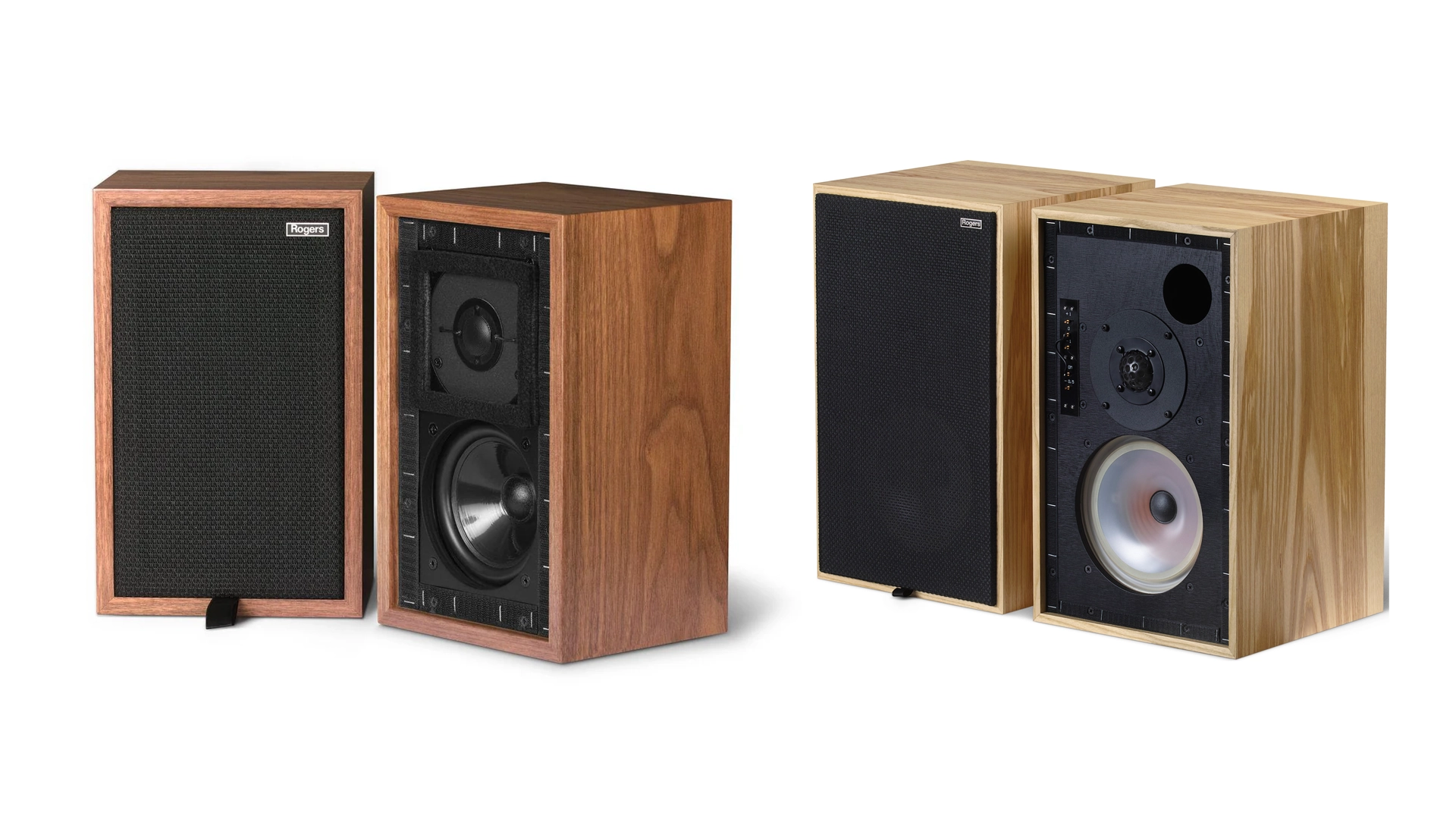
Rogers is a British audio company founded in 1947 by Jim Rogers. It first built amplifiers and tuners, but its enduring place in hi-fi history comes from work with BBC monitor designs. Rogers was among the licensed manufacturers of the compact LS3/5A and became one of the model’s most recognised producers; the larger LS5/9 and LS5/8, together with the LS3/6 and Export Monitor, extended the same concern for vocal accuracy, tonal consistency and controlled cabinet behaviour to different listening levels. These were engineering specifications for broadcast monitoring, not a retro styling exercise, and surviving examples remain reference points for the British thin-wall loudspeaker tradition. Corporate ownership changed in 1993 when Hong Kong-based Wo Kee Hong Group acquired Rogers. British production later ceased, but the brand re-established manufacturing in the United Kingdom in 2018 and now offers renewed Classic and SE versions of the LS3/5A, LS5/9 and LS5/8 rather than merely licensing the badge to unrelated products. The catalogue also reconnects with Rogers’ earlier electronics through valve amplifiers such as the E20a II and E40a II. Modern versions necessarily use current parts and production controls, yet their value depends on respecting the acoustic proportions, crossover relationships and listening purpose of the originals. Rogers is therefore more than one famous small monitor. Its significance lies in translating BBC research into commercially available loudspeakers, sustaining those designs across decades and, under present overseas ownership, restoring genuine UK manufacture for products whose identity is inseparable from British broadcast history.
Ruark

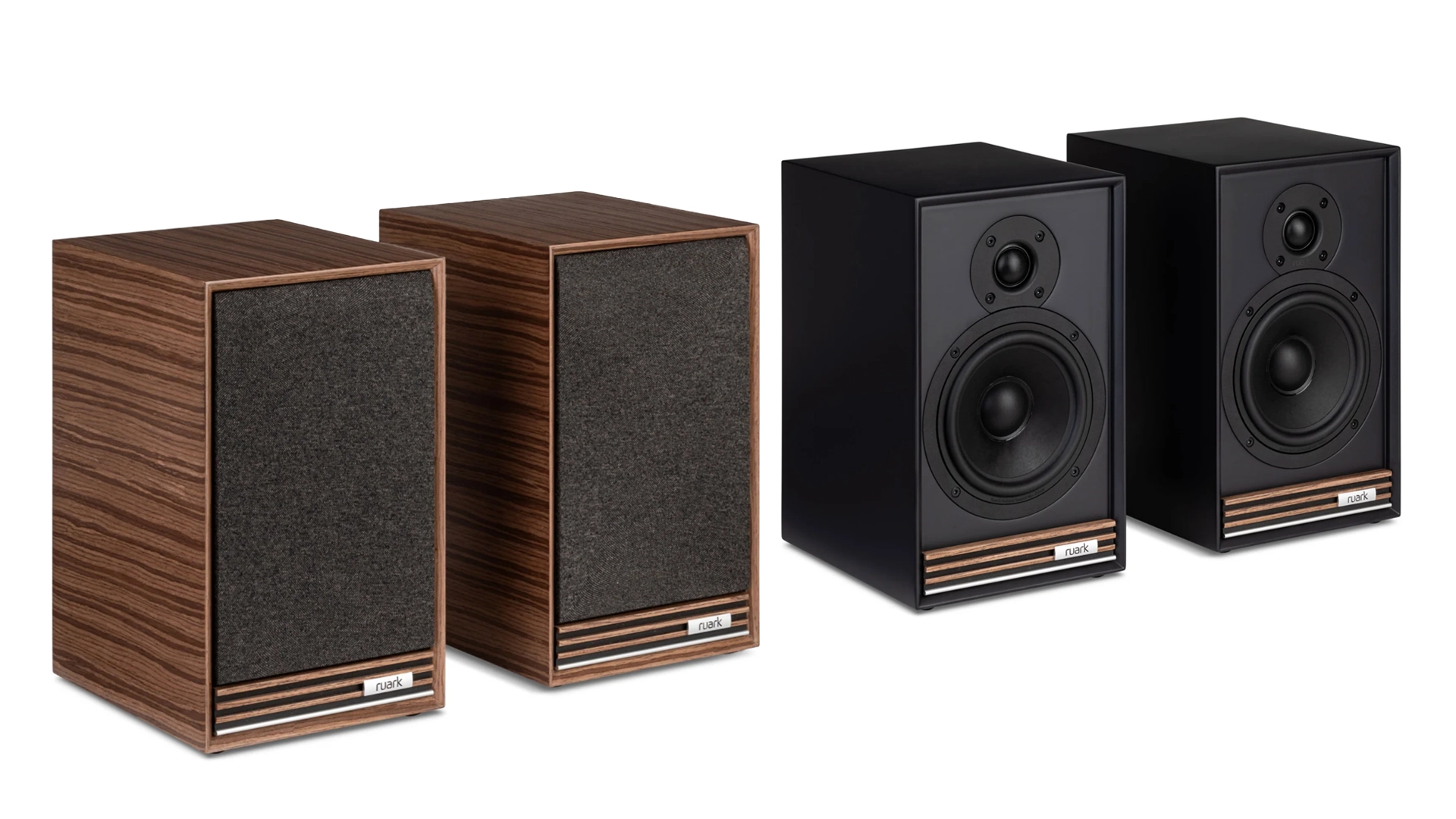
Ruark is a British audio company created in 1985 by Brian O’Rourke and his son Alan in Rayleigh, Essex. It began as Ruark Acoustics, building serious passive loudspeakers: the Sabre and Broadsword arrived in 1986, followed by models such as Accolade, Talisman and Crusader. That loudspeaker background matters because Ruark’s later success did not begin with generic radios. Seeing how poorly many early DAB receivers reproduced music, the company developed the original R1 tabletop radio, launched in 2006 under the Vita Audio name; since 2012 the products have again carried the Ruark name. The R1 and stereo R2 established the formula—purpose-designed drivers and enclosures, tactile controls, readable displays and furniture-grade finishes in a compact product. Today’s range stretches from R1S and R2 connected radios to R3S, R410 and the large R810 radiogram-style system, combining DAB/DAB+, FM, internet radio, Bluetooth, Wi-Fi streaming and service integration according to model. R610 revives the separate music-console idea for use with external speakers, while Sabre-R—and, in 2026, Talisman-R—reconnect the catalogue directly with Ruark’s original loudspeaker craft. The products use real-wood veneers, carefully formed cabinets and the distinctive RotoDial controller instead of disguising audio hardware as anonymous smart technology. Ruark’s strength is this unusual continuity between traditional British speaker making and modern connected listening. It understands that a compact system lives in full view and must be pleasant to operate, but it earns its place through acoustics and long-term design rather than appearance alone.
Russell K

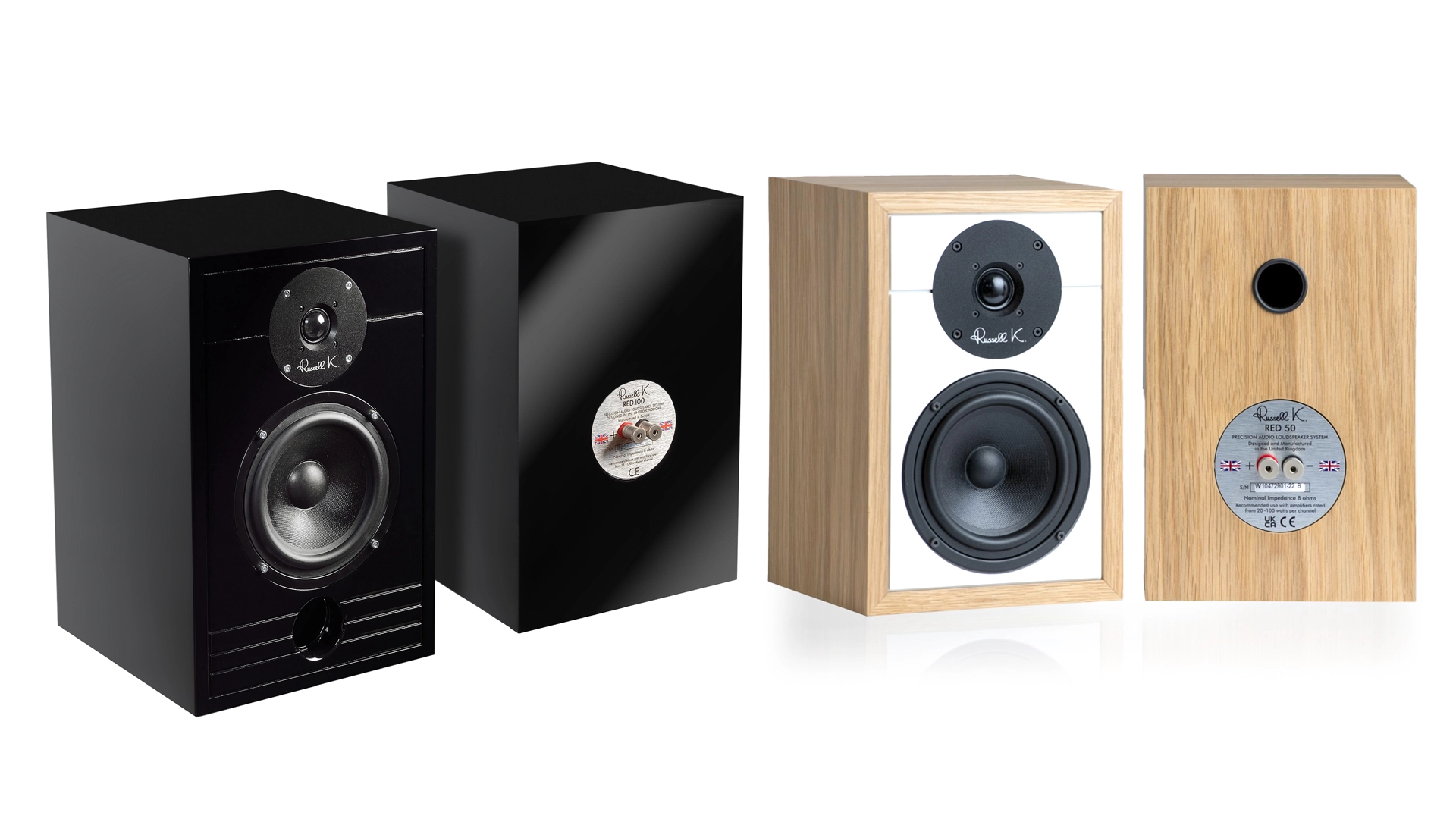
Russell K is a British loudspeaker company established in 2013 by Russell Kauffman after a career in retail, distribution and loudspeaker development. Its first commercial model, the Red 100, appeared in 2014 and set out the design principles that still distinguish the range. Kauffman rejects the assumption that a cabinet must be made extremely heavy and acoustically inert. Russell K enclosures use relatively thin panels, purposeful internal bracing and carefully positioned shelves so that resonances are controlled and distributed rather than stored in thick damping material. The bass driver is allowed to communicate with the cabinet volume without conventional absorbent filling, an approach intended to preserve timing, dynamics and the natural decay of instruments. Crossovers are deliberately simple where the drivers permit it, but the speakers are voiced through extensive listening as well as measurement. The Red family—from compact Red 50 to larger Red 100 and Red 150—established the brand with direct, rhythmically alert stand-mount and floorstanding designs. The Black series moves the same philosophy upward with more ambitious drivers, cabinets and crossover parts, while maintaining the recognisable emphasis on coherence rather than spectacular tonal effects. Models are designed and assembled in the United Kingdom, with cabinet construction and finish treated as functional parts of the acoustic system. Russell K is not notable because it uses an exotic tweeter or a fashionable cone material. Its individuality lies in a contrarian but consistent understanding of cabinet energy: letting a carefully tuned structure release energy quickly, so music sounds lively and proportionate instead of mechanically overdamped.
Scansonic HD

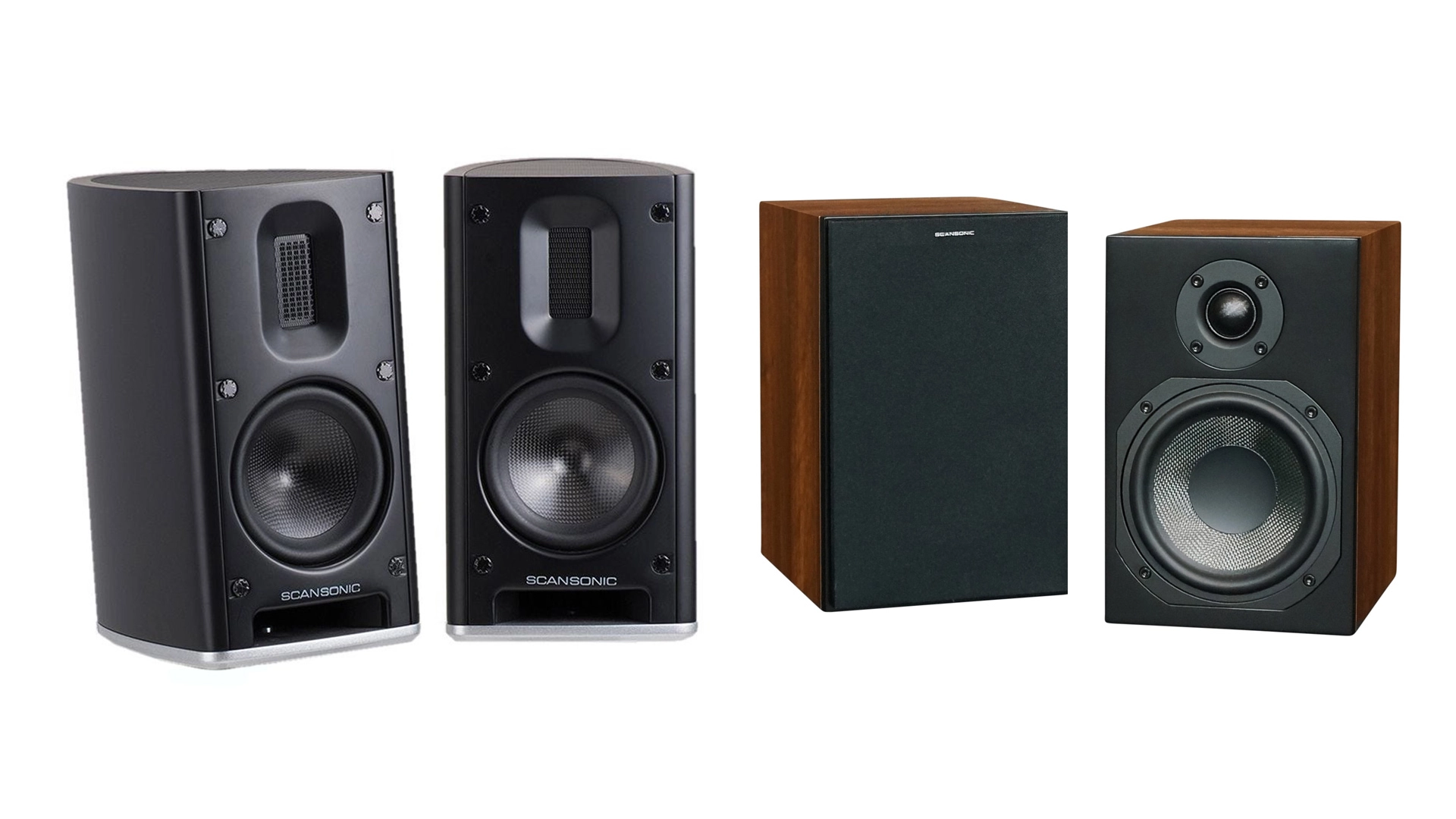
Scansonic HD is a Danish loudspeaker brand established in 2012 within Dantax, the same group that owns Raidho Acoustics. Its purpose is not to produce inexpensive visual copies of Raidho speakers, but to translate knowledge from the sister company’s drivers, crossovers and narrow enclosures into more accessible systems. That relationship is clearest in the ribbon and quasi-ribbon tweeters used in the brand’s performance ranges. Their extremely light membranes are intended to reproduce fast transients with little stored energy, and are paired with carbon-fibre mid/bass drivers designed to keep pace through the crossover region. The earlier MB family established Scansonic HD’s reputation with slim cabinets and ribbon high frequencies. The current M Series develops that approach in compact stand-mount, floorstanding and centre-channel models, using carbon drivers and rear or internal passive-radiator loading according to model to obtain useful bass from small enclosures. Q Series applies bespoke woven-carbon drivers and a quasi-ribbon tweeter with crossover ideas derived from Raidho. The more affordable L Series uses soft-dome tweeters and Kevlar-cone drivers, often in multi-driver slim cabinets, providing stereo and cinema options without pretending to be the same technology at a lower price. Design and voicing take place in Denmark, and the family resemblance is visual as well as technical, yet each range has a defined role. Scansonic HD’s strength is controlled technology transfer: it gives listeners a recognisably fast, open Danish presentation and elegant proportions while keeping the engineering and pricing distinct from Raidho’s far more ambitious products.
Serhan Swift

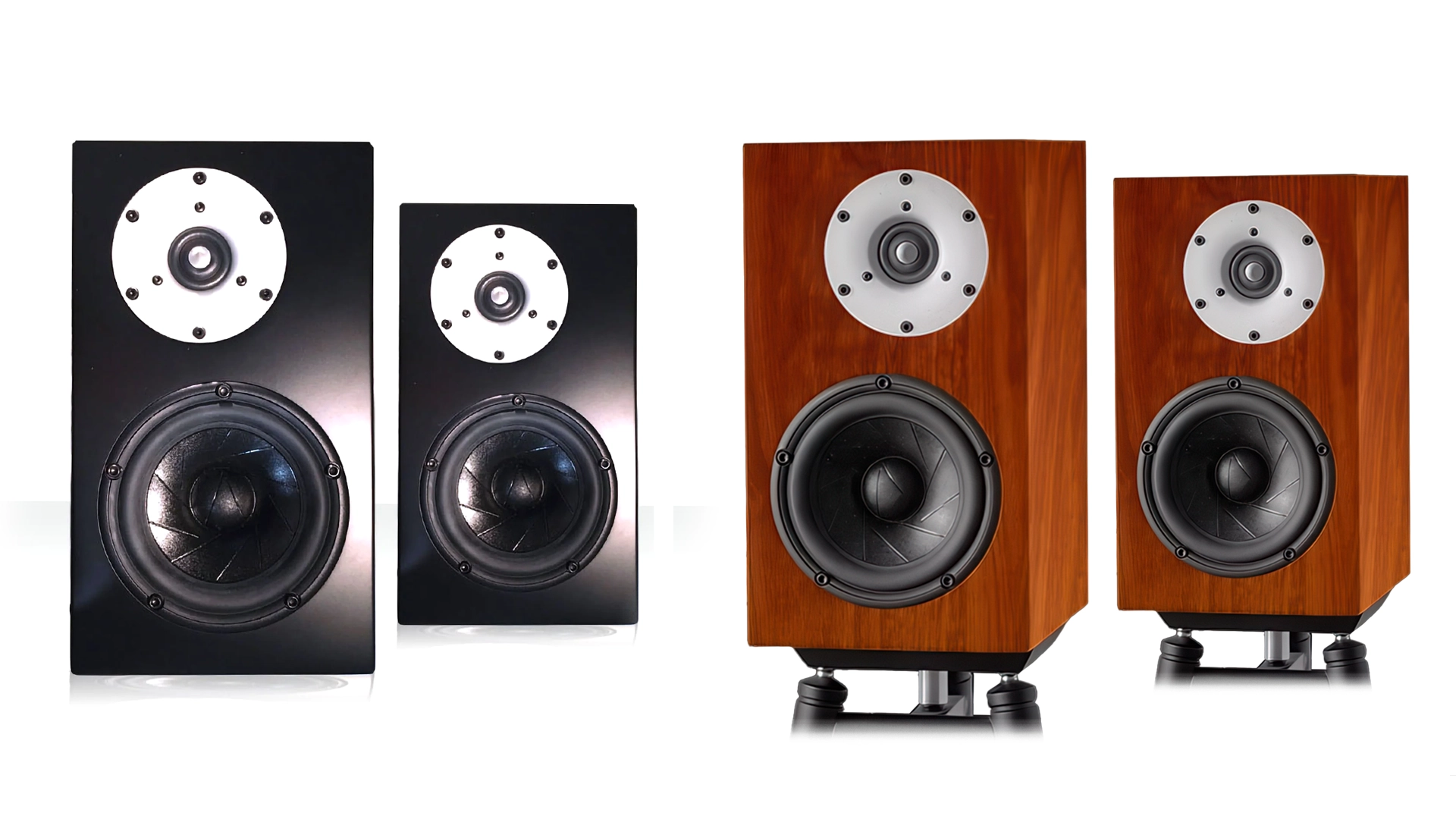
Serhan Swift is an Australian loudspeaker company formed in 2013 when designer Brad Serhan partnered with electronics engineer Morris Swift. Serhan had already founded Orpheus Loudspeakers in 1984 and designed numerous successful Australian speakers; Swift brought experience in electronics, measurement, manufacturing management and crossover development. Their joint brand is intentionally small and focused, allowing each design to be developed through repeated measurement and listening rather than expanded into a broad lifestyle range. The best-known product is the mu2, later refined as mu2 Mk II: a compact two-way stand-mount whose size conceals unusually ambitious cabinet, driver and crossover work. A Scan-Speak tweeter and Revelator mid/bass unit are integrated with a carefully shaped baffle and rear port, while the enclosure is built and braced to keep stored energy from obscuring timing and low-level detail. The aim is not exaggerated bass from a small box, but a coherent tonal balance, stable imaging and scale appropriate to real rooms. The Brigadier family carries the partnership’s ideas into larger and more powerful loudspeakers, and special editions have explored upgraded parts and finishes without changing the underlying acoustic priorities. Design, crossover assembly, final voicing and quality control retain a strong Australian connection, with specialist suppliers used where their drivers or cabinet skills serve the design. Serhan Swift stands out because the founders’ roles are complementary and visible: acoustic judgement and long loudspeaker experience on one side, rigorous electronic and production engineering on the other. The result is a boutique brand whose limited catalogue reflects depth of development, not lack of ambition.
Silent pound

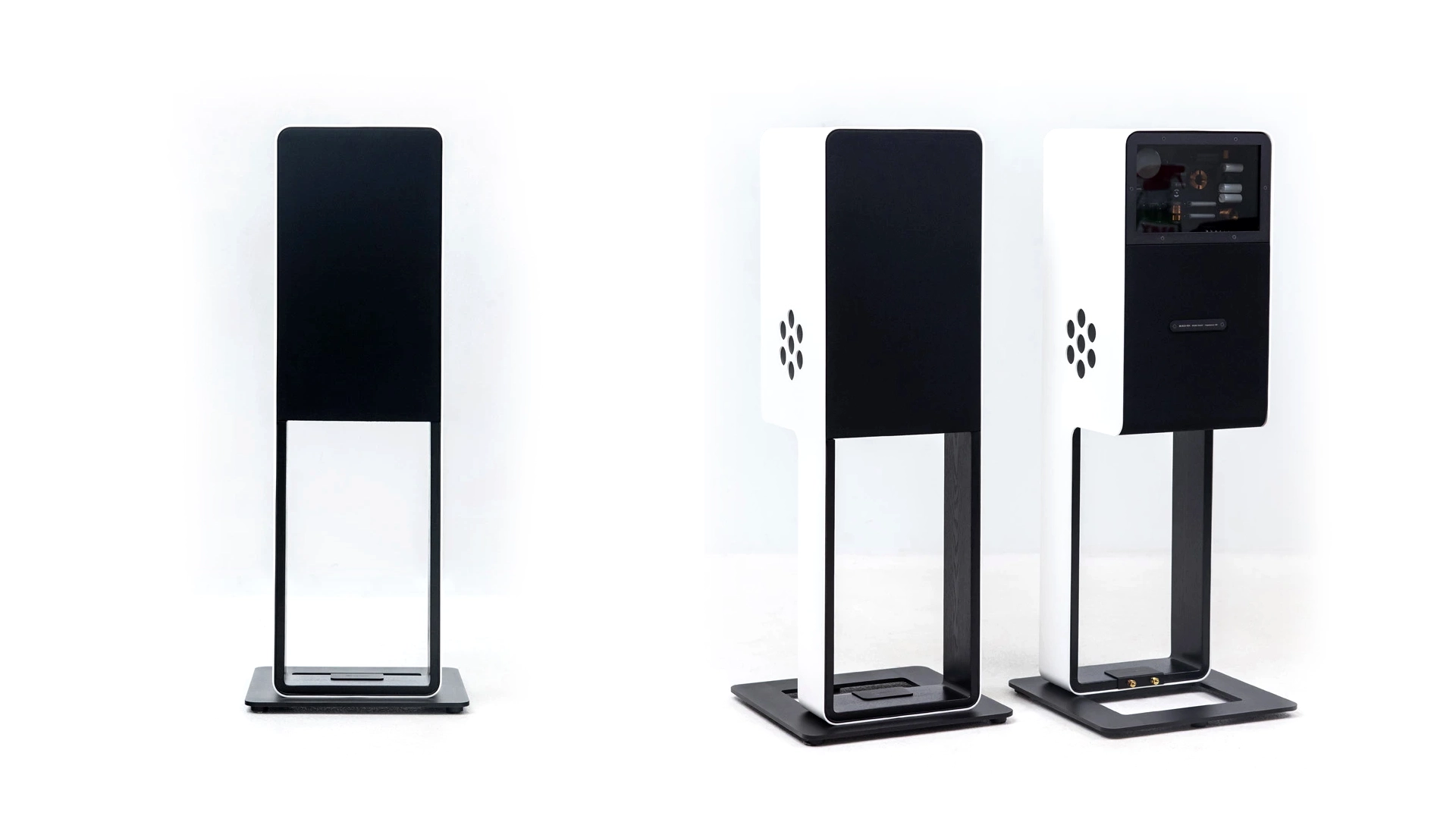
Silent Pound is a Lithuanian loudspeaker company founded in Kaunas in 2022 by engineer Audrius Balčiūnas and composer and pianist Martynas Šerkšnys. Its work began with a practical question: how can a loudspeaker reduce the room’s contribution without forcing the owner to cover the living space in acoustic treatment? The answer is controlled directivity across a much wider frequency range than a conventional box speaker normally manages. Challenger II, the company’s first major model, combines a dipole low-frequency section, a patent-pending midrange enclosure and a compact waveguide for the mid/high-frequency driver. The front and rear radiation patterns are shaped so less acoustic energy reaches walls, floor and ceiling, reducing early reflections and excitation of room modes while retaining useful output toward the listener. Finite-element modelling is used to optimise baffle geometry, crossover behaviour and the transition between the bass, midrange and waveguide sections. The later Bloom applies the same room-conscious philosophy in a more compact and visually distinctive loudspeaker, broadening the catalogue without abandoning the original acoustic problem. These designs are not omnidirectional sculptures and not ordinary open baffles: their purpose is a predictable radiation pattern, lower room interaction and stable spatial information over the listening area. Silent Pound remains a young manufacturer, so claims should stay close to products that actually exist rather than inventing a long heritage. What makes the brand notable is already specific enough—the collaboration of engineering and musical practice, Lithuanian manufacture, and a loudspeaker architecture built around directivity as the primary design variable rather than an afterthought.