
Bookshelf Speakers
This page provides an extensive index of bookshelf speaker manufacturers from around the world. Our goal is to present the largest possible collection of brands in one place, including both well-known producers and niche companies. Each entry in this directory lists the brand’s country of origin, its founding information, and a direct link to the bookshelf or standmount speaker category on its official website. The resource is designed as a straightforward almanac for researching and discovering speaker companies.
Hi-Fi brands in the category
Summary information and image
Direct links to official websites
Metrum Acoustics

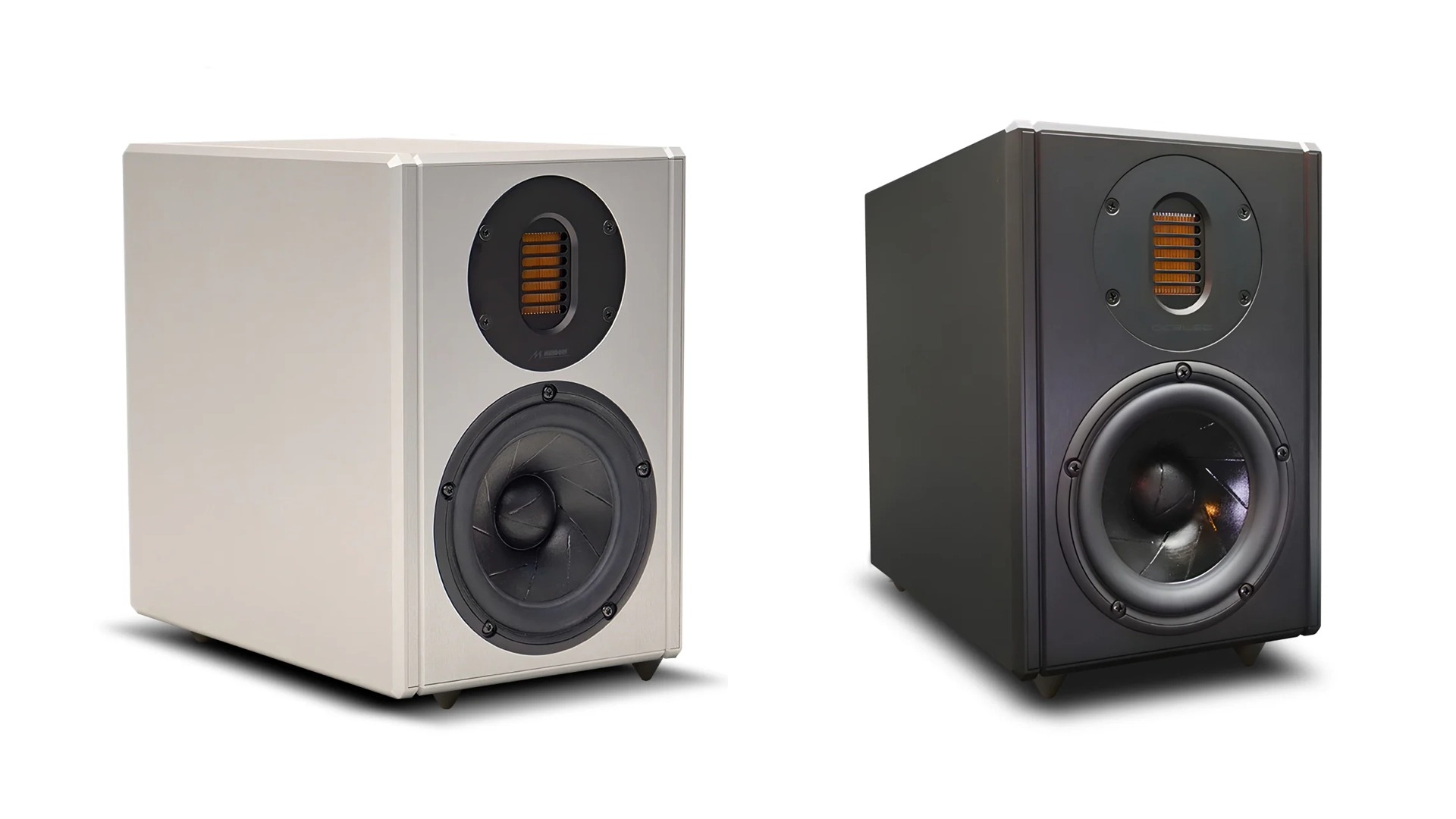
Metrum Acoustics is a Dutch digital-audio brand built around proprietary non-oversampling conversion modules rather than standard off-the-shelf DAC chips. Engineer Cees Ruijtenberg began investigating digital conversion in 2008 and introduced the compact NOS Mini DAC soon afterwards; models such as the Octave and Hex brought the approach to an international audience. The brand dates from 2009 and operates through All Engineering in the Netherlands. Metrum’s key idea is to avoid mandatory oversampling and steep digital reconstruction filters, using industrial high-speed conversion technology adapted for audio and increasingly sophisticated in-house modules. Flagship converters such as Pavane and Adagio use multiple ladder-style modules, separate power regulation and balanced architectures; the Ambre adds network streaming, while matching preamplifiers and power amplifiers create a complete system. The company went through an ownership dispute and brief interruption after Ruijtenberg’s departure, but he regained the Metrum name and resumed development in 2020 alongside sister brand Sonnet Digital Audio. That history matters, yet the enduring distinction is technical: a consistent NOS architecture refined across generations instead of a catalogue defined by whichever commercial converter chip is newest.
Mission

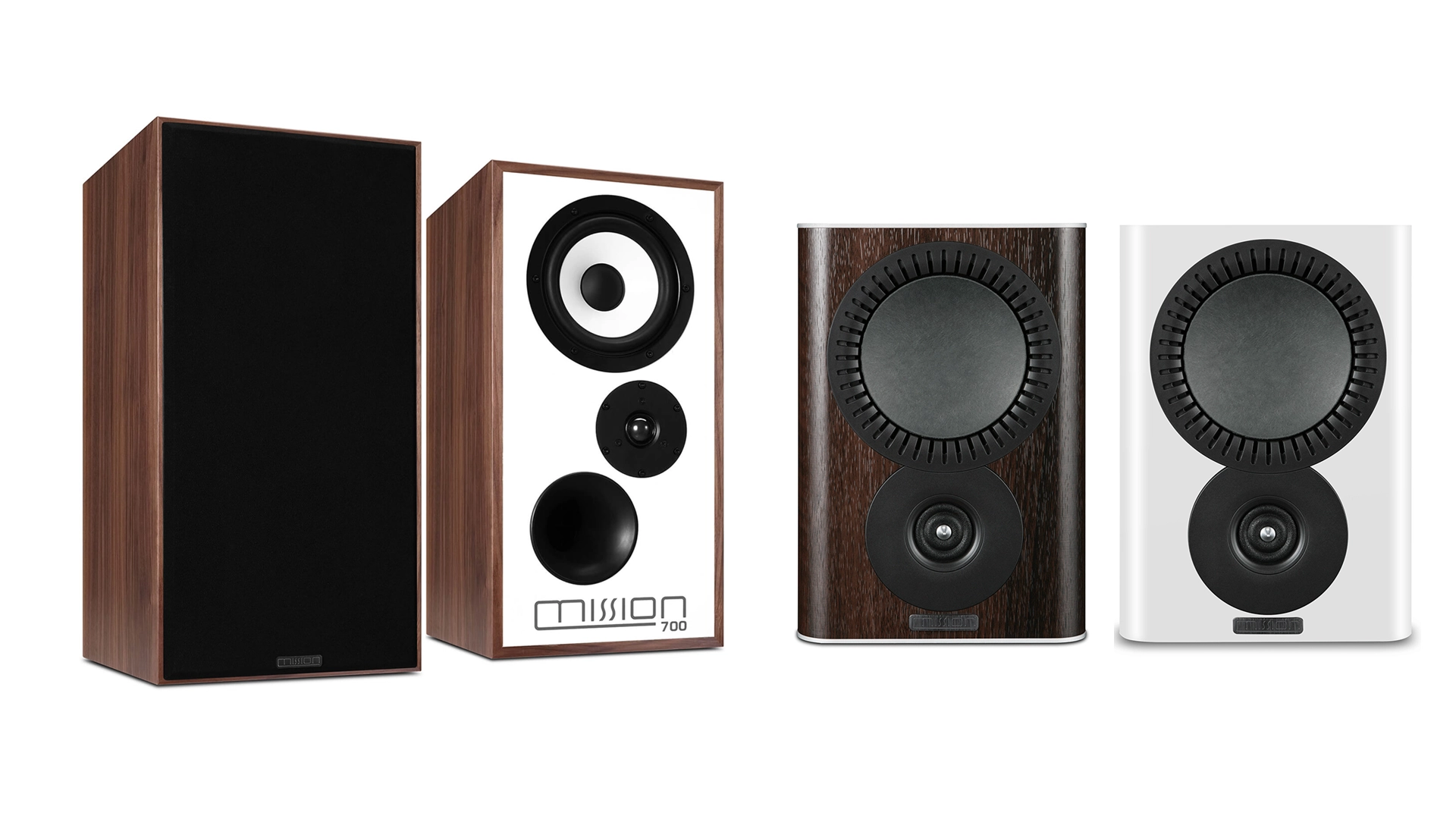
Mission is a British loudspeaker brand whose identity was established by compact, affordable speakers that used unconventional geometry to solve practical acoustic problems. Farad Azima founded Mission in 1977, and the original 770 quickly became a reference point for the company. One of its most recognizable ideas is Inverted Driver Geometry: placing the treble unit below the bass/mid driver to align the acoustic paths at the listening position and improve integration through the crossover region. Mission now offers standmount and floorstanding loudspeakers, centre and surround channels, subwoofers, active wireless systems and the revived 778 electronics. The LX MKII and QX MKII families bring the brand’s core concepts to accessible systems, while the modern 700, 750 and 770 reinterpret historic models with contemporary drivers, crossovers and cabinets. Depending on the range, Mission uses DiaDrive-style mid/bass diaphragms, ring-dome or microfibre-dome tweeters and carefully profiled cabinet structures. Its lasting distinction is not generic “British sound,” but the ability to turn specific engineering choices—driver order, crossover timing and cabinet proportions—into complete ranges that remain straightforward to own.
MoFi Electronics

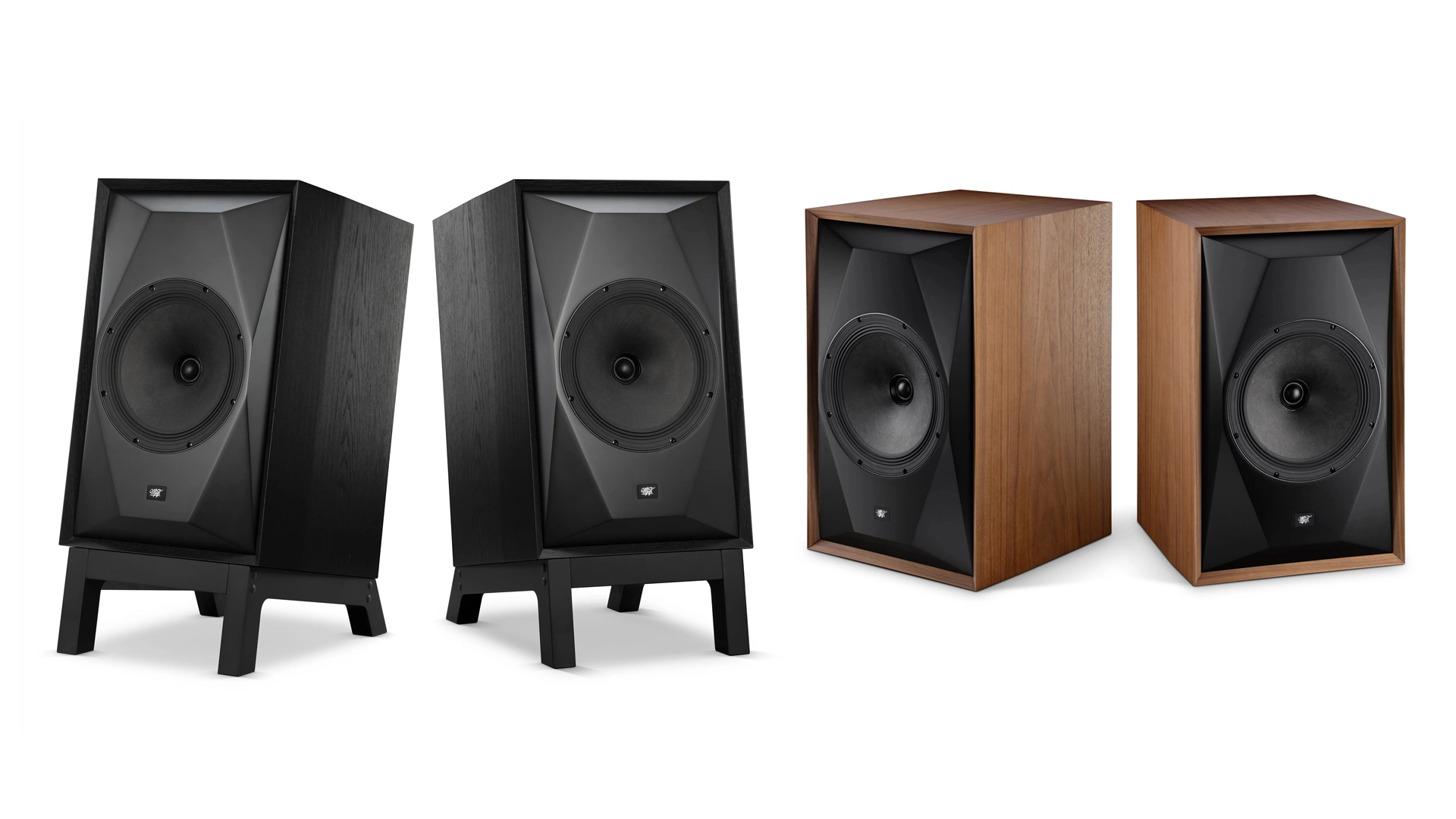
MoFi Electronics is the hardware arm of the Mobile Fidelity family, translating the record label’s analogue experience into turntables, cartridges, phono stages and loudspeakers. The business was formed in 2014 and introduced its first hardware publicly in 2016, drawing on outside specialists rather than claiming that mastering expertise alone is sufficient to design equipment. Turntable engineer Allen Perkins led the analogue platform, while later loudspeakers were created by Andrew Jones and the MasterPhono by Peter Madnick. StudioDeck and UltraDeck established the line with isolated AC motors, constrained-layer plinths and proprietary tonearms; the Allen Perkins-designed MasterDeck adds three-speed operation and fine speed adjustment. UltraGold, MasterTracker and other cartridges are voiced as part of the same playback chain. SourcePoint speakers use Jones’s concentric driver architecture to control directivity and integrate treble with the mid/bass unit from a common acoustic centre. MoFi Electronics is distinctive because its catalogue is not a label-logo exercise: it is a set of purpose-designed components by identifiable engineers, informed by how records are cut, evaluated and replayed.
Monitor Audio

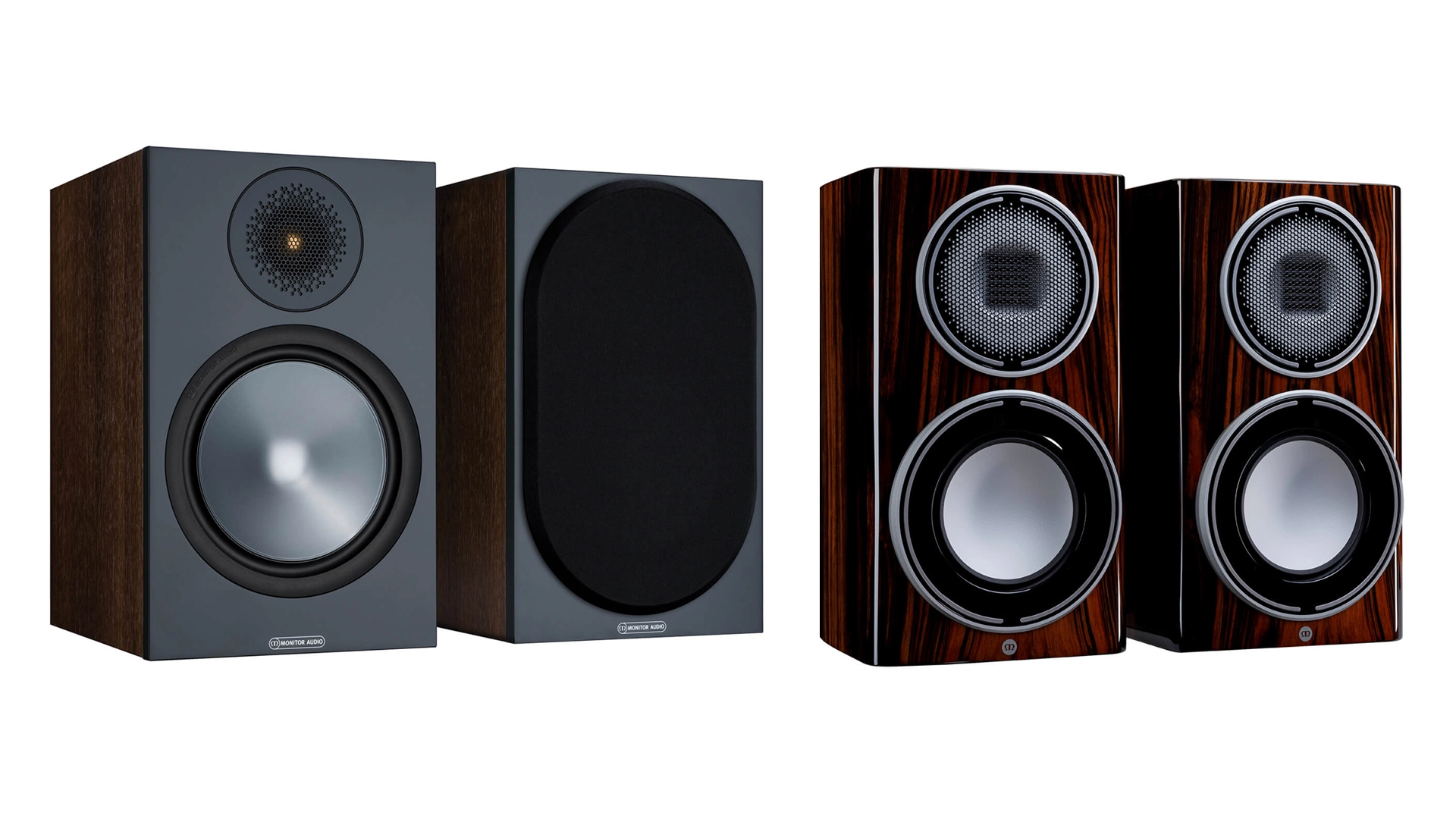
Monitor Audio is a British loudspeaker manufacturer whose strongest identity lies in developing its own metal-diaphragm driver families across products from entry-level stereo to architectural and flagship systems. Mo Iqbal founded the company in 1972 in Teversham near Cambridge, and the MA1 was its first loudspeaker. Design and engineering remain centred in Britain, while the catalogue now spans standmount and floorstanding speakers, home-cinema channels, subwoofers, creator-series installation models and outdoor audio. C-CAM—Ceramic-Coated Aluminium/Magnesium—is the foundation technology, providing a light, rigid diaphragm used in cones and the familiar gold-dome tweeter. Higher ranges extend it through RDT III sandwich cones, MPD III micro-pleated high-frequency transducers, DCF coupling and Hive II reflex ports. The Hyphn flagship arranges six RDT III midrange units around an MPD III transducer as a point-source M-Array and uses opposed, force-cancelling bass drivers. Bronze, Silver, Gold and Platinum apply related ideas at different levels without pretending they are identical. Monitor Audio’s advantage is this continuous driver-development ladder, backed by a broad system range rather than a single celebrated model.
Morel

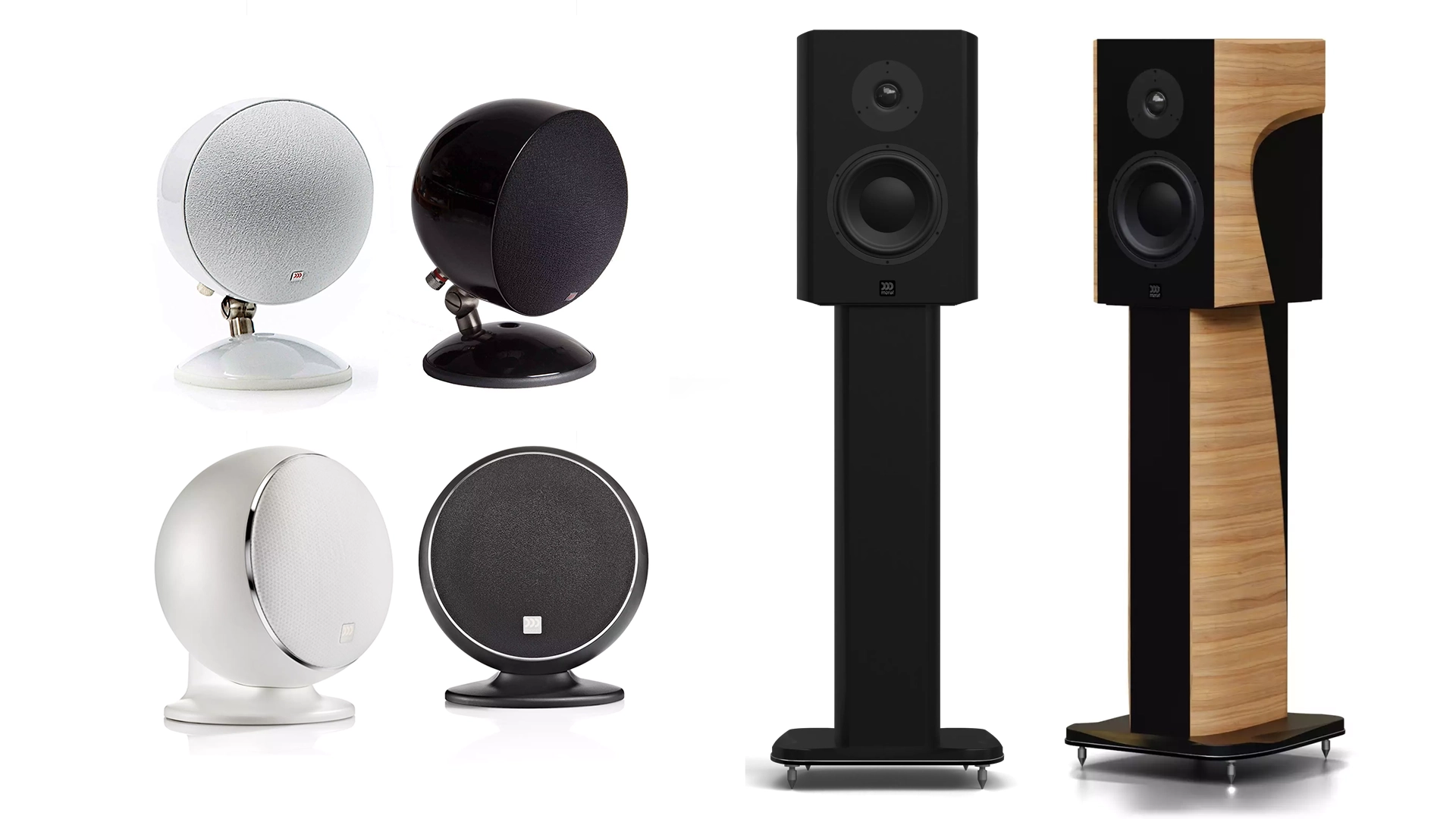
Morel is an Israeli loudspeaker and drive-unit specialist whose complete home and car systems are grounded in nearly five decades of transducer manufacturing. Meir Mordechai founded the company in 1975; the name derives from Mordechai Electro-acoustics. Morel remains family owned and develops raw drivers as well as finished products, giving it control over the motor, suspension, diaphragm and enclosure rather than forcing a speaker design around catalogue parts. The brand’s signature technologies include large External Voice Coils, which place the magnetic motor inside the coil for efficient use of magnetic energy, and Hexatech aluminium wire shaped to pack the winding with minimal air gaps. Hybrid neodymium/ferrite magnet systems, damped polymer composite cones and soft-dome midrange units appear across different applications. Home-audio lines such as Sopran, Avyra and Högtalare sit alongside architectural models, car-audio components and OEM drivers supplied to other makers. Morel’s distinction is therefore broader than a particular “sound”: it is the unusual overlap of specialist driver engineering, hand assembly and the ability to carry the same motor and diaphragm know-how from a raw transducer to a complete loudspeaker.
Neat Acoustics

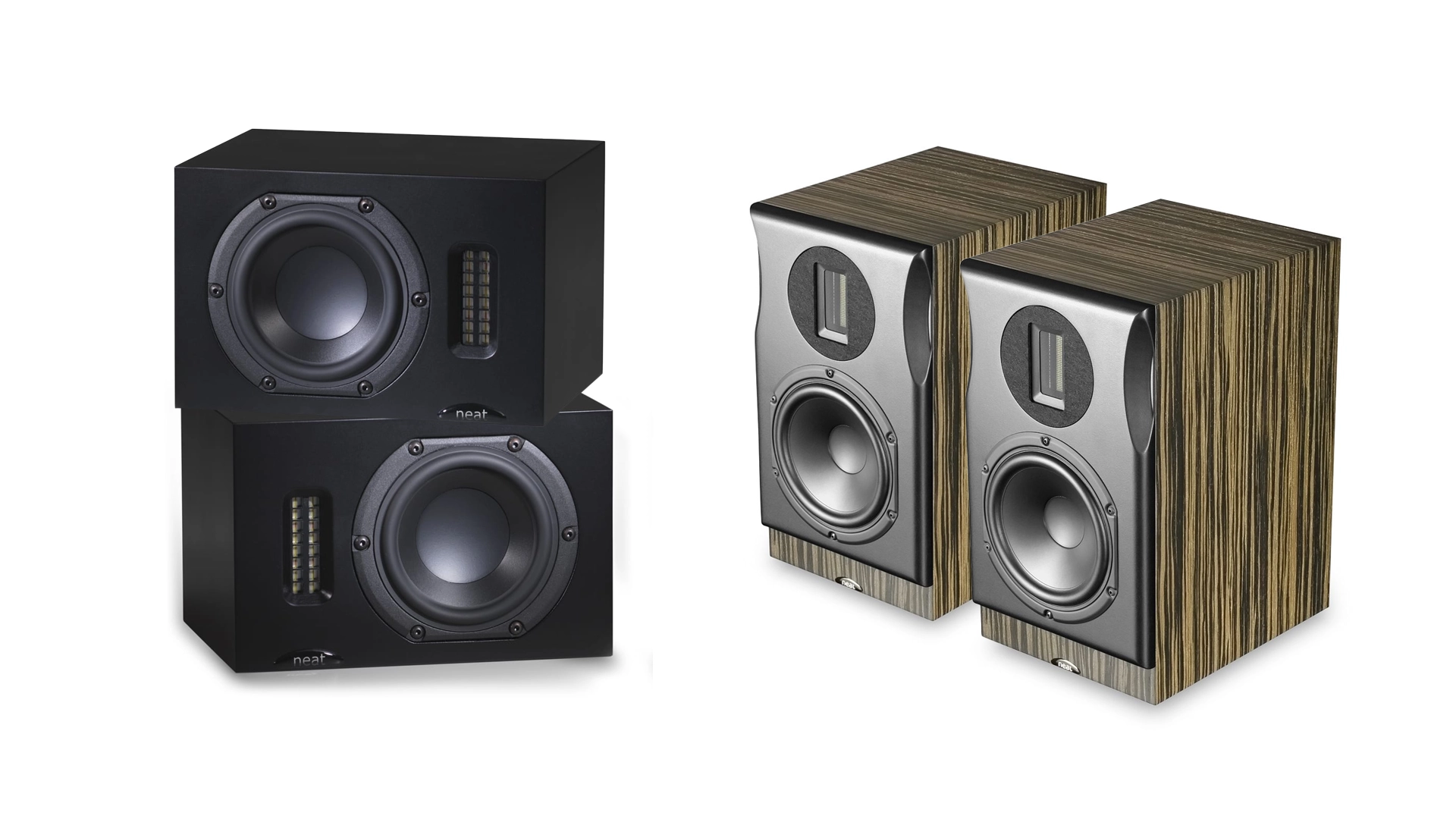
Neat Acoustics is the small British loudspeaker maker that built its identity around speakers sounding much larger than their cabinets suggest. Founder Bob Surgeoner began in 1989 with a hi-fi shop in north-east England and the first Neat Petite monitor; his background as a musician and recording enthusiast shaped a development process in which measurements establish safe engineering boundaries and long listening sessions decide the final crossover and balance. The Petite’s scale from a compact enclosure set the pattern for the brand. Neat repeatedly uses isobaric bass loading, coupling a second internal or lower driver to the visible woofer so a relatively small cabinet can reach deeper without simply enlarging the box. The approach appears in designs such as the Ekstra and Majistra, while the Iota family explores compact, horizontally oriented monitors and the unusually proportioned Iota Alpha floorstander. Momentum and Ultimatum established the earlier high-end line; current Classic models revisit the Petite and Mystique with modern drivers and crossovers. Neat also uses upward-firing supertweeters and mixed driver materials where a model requires them rather than applying one technical recipe everywhere. The brand’s appeal is specific: compact domestic proportions, surprising low-frequency authority and a voicing process led by people who make and record music themselves.
NVA

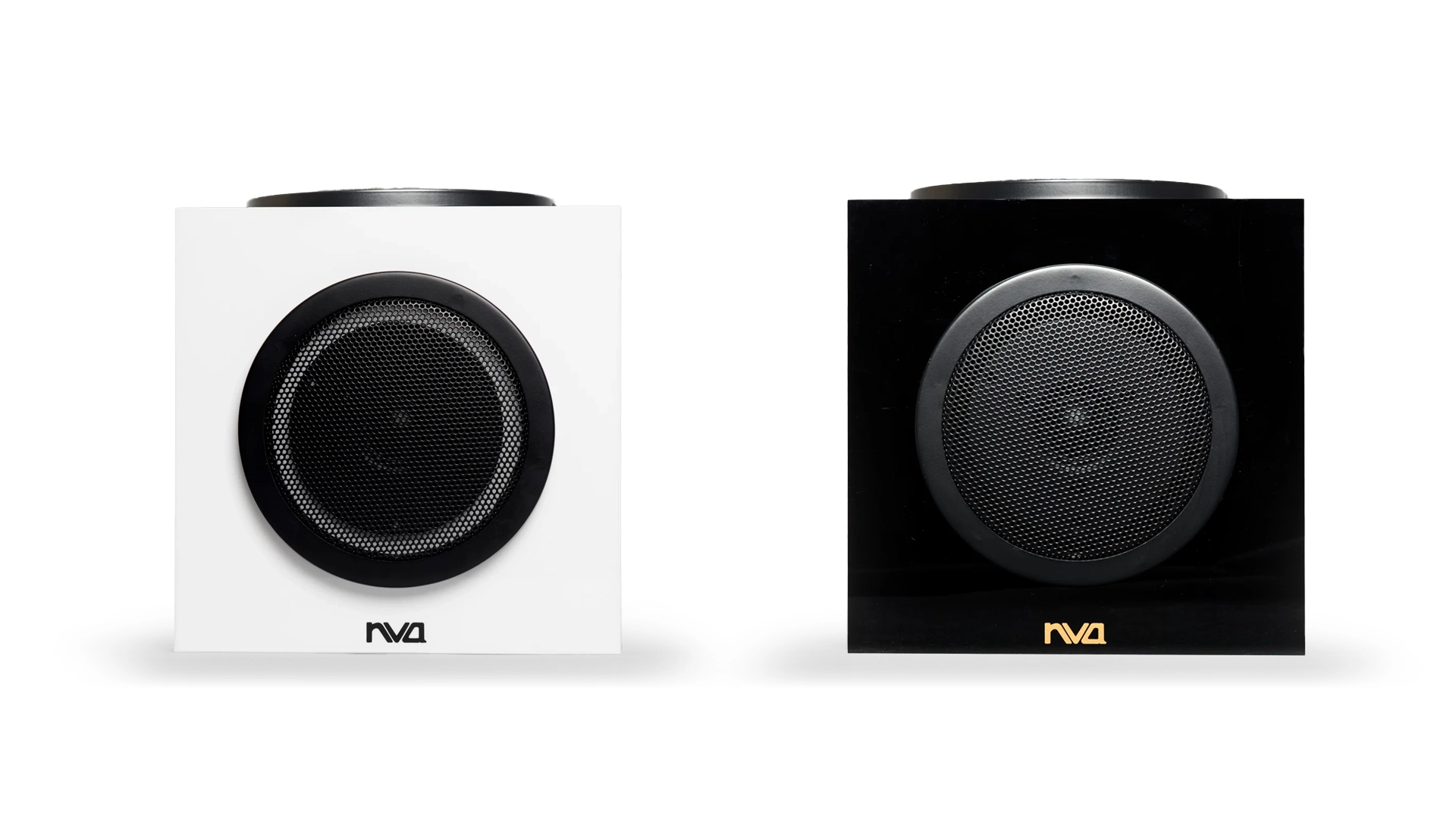
NVA—originally Nene Valley Audio—is the British specialist amplifier brand founded in 1982 by Richard Dunn, formerly of professional-audio maker Tresham. Dunn’s maxim was “if you can do without it, do without it,” and his products removed active preamplifier stages, unnecessary protection networks and long signal paths wherever practical. Acrylic cases avoided the eddy-current paths of conductive metal chassis, while passive volume controls, hard-wired power connections and deliberately low-capacitance NVA cables formed a tightly matched system. The original description is critically wrong in saying NVA ceased trading in 2019. Dunn died that May, but former employee Tomasz Danus and long-time customer Paul Tiernan bought the remaining assets in August and established Hi-fi Subjectivist Audio Ltd to revive the brand. Mark McVitty joined as a shareholder and UK builder in 2022. Current products include P-series passive preamps, S and M power amplifiers, INT integrated amplifiers, phono and headphone stages, Cube semi-omnidirectional speakers, low-capacitance interconnects and speaker cables, and a balanced mains unit. The new team has preserved Dunn’s circuits while improving boards, transformers, capacitors, assembly and service support. NVA remains hand-built and direct-sold in Britain, with home trials and repair paths for legacy units.
Odeon Audio

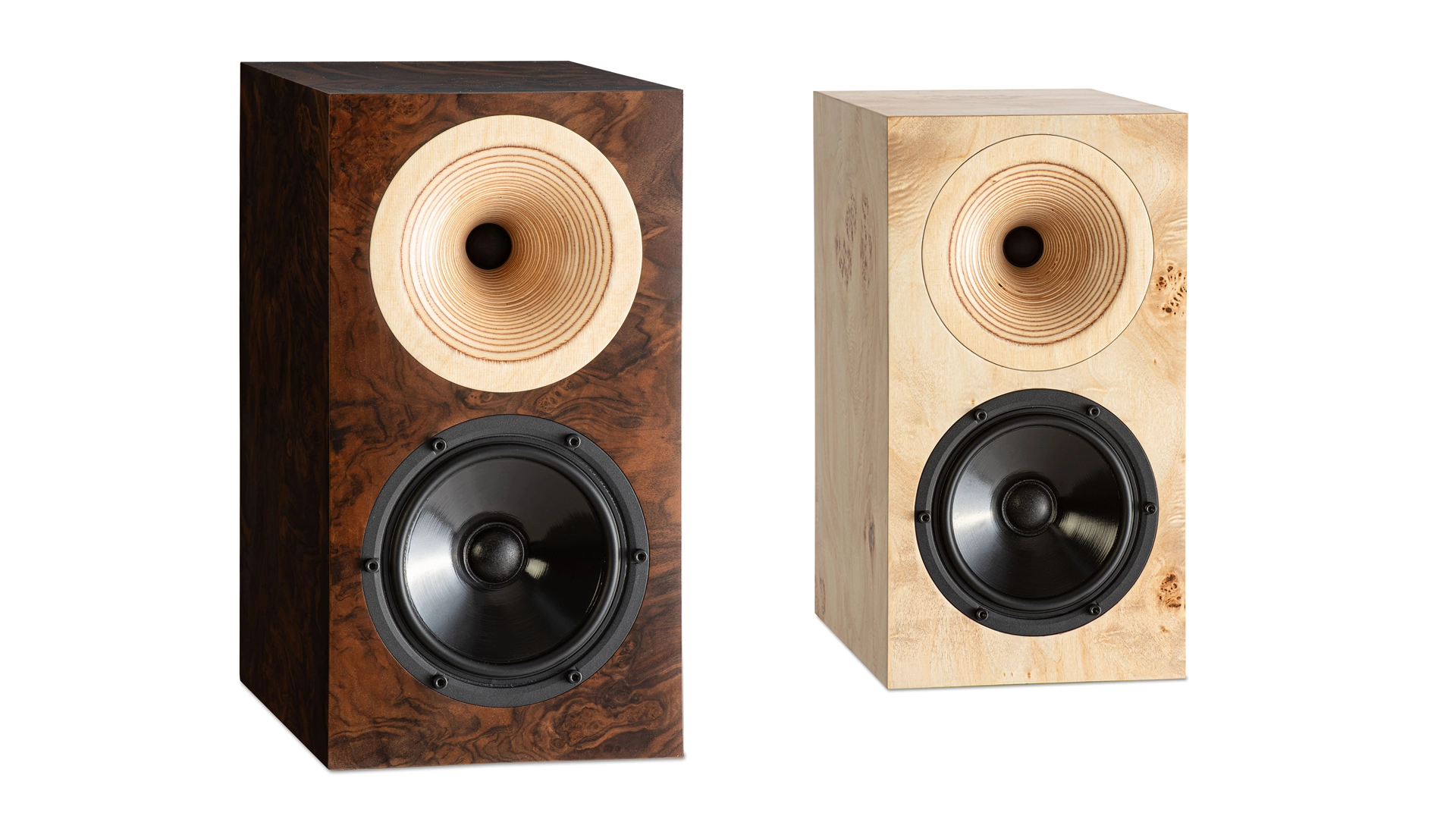
Odeon Audio is the German loudspeaker manufacturer that made the horn principle usable beyond theatre-scale systems. The company traces its roots to 1987, when designer Axel Gersdorff founded ARS Elektroakustik after almost a decade of experimenting with loudspeakers. Today development and final assembly take place in Haltern am See, where Odeon builds high-efficiency systems around a distinctive spherical-wave horn rather than treating the horn as a decorative retro detail. The horn is machined from solid blocks of laminated birch plywood. Its smooth, rotationally symmetrical flare controls directivity without the abrupt transitions of many conventional profiles, while high sensitivity keeps driver excursion low and preserves dynamic contrast. Odeon combines these in-house horns with carefully selected and matched drivers from specialist partners, model-specific crossovers and rigid, regionally produced cabinets. Orfeo and Nova S make the concept relatively compact; Helix and Semper scale it up, while the four-way Carnegie is the statement design. Celeste occupies a more domestically sized middle ground. The useful distinction is not a generic promise of “live sound”: Odeon applies precise woodworking, controlled dispersion and low-excursion operation to obtain the immediacy of a horn without demanding an auditorium-sized room or amplifier power.
Oephi
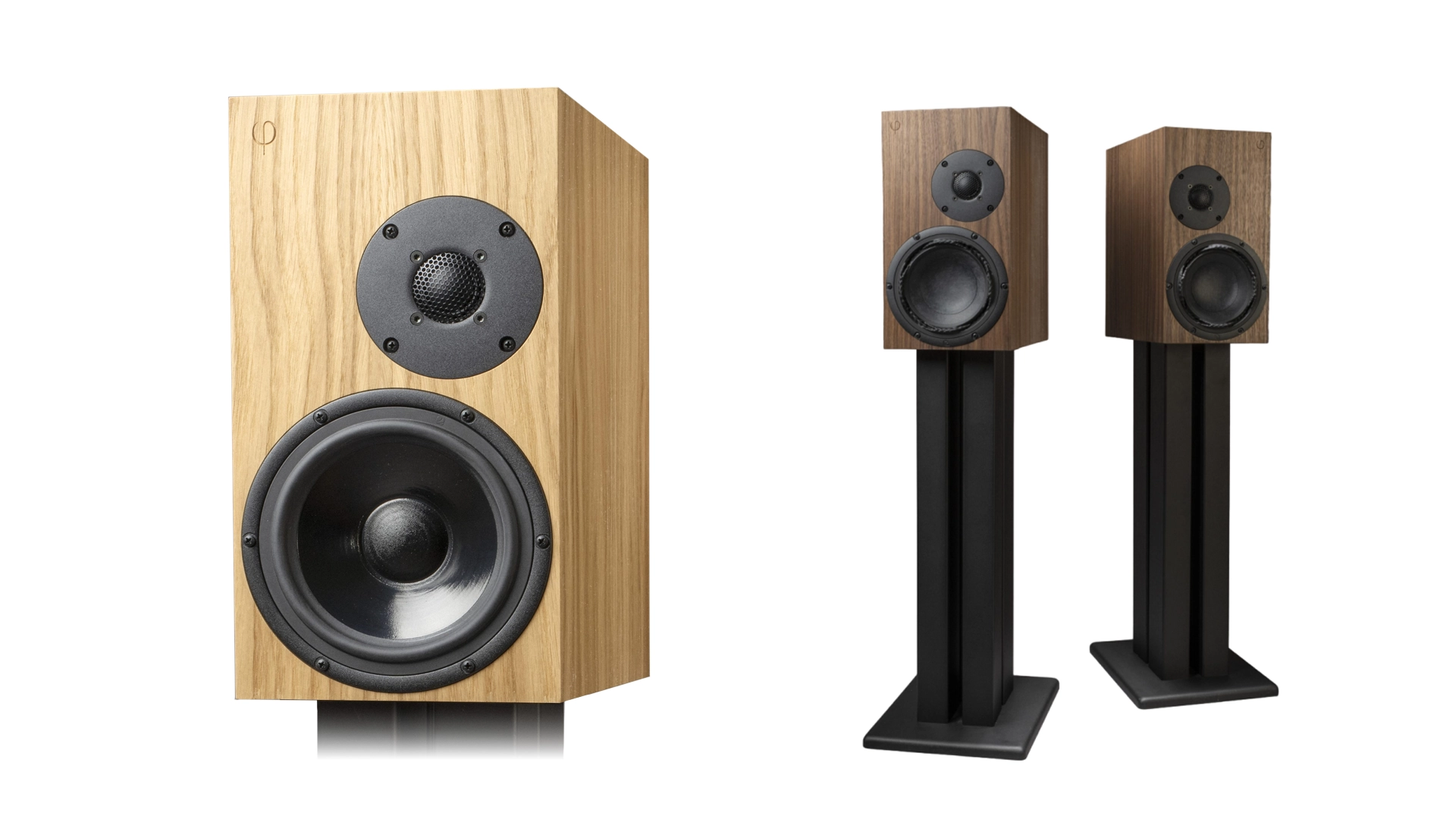
OePhi is the Danish audio company of engineer Joakim Juhl, built around one unusually consistent idea: preserve timing as carefully as frequency response. Juhl arrived at the brand after nearly two decades of cable research, but a reliably documented company-founding year is not available. The work began with signal transmission and has since grown into loudspeakers and amplification designed according to the same time-domain priorities. OePhi cables use in-house conductor geometry, very low capacitance and inductance, and cotton-damped air dielectric rather than heavy conventional insulation. Lounge, Ascendance, Transcendence, Immanence, Reference and Kali form progressive families across interconnect, speaker, digital and power cables, using copper, silver-plated copper or pure silver according to level. The company also manufactures its own silver terminations for selected products and accepts custom lengths and connections. OePhi Acoustics models—including Lounge 2, Transcendence 2 and Immanence 2/2.5—apply careful driver selection, crossover phase behaviour and wide bandwidth to handmade Danish speakers. Integrated amplifiers extend the concept with short Class-AB signal paths and resistor-ladder volume control. OePhi is therefore no longer accurately described as a cable-only brand: cables remain its origin, while complete components now test the same timing philosophy from input to acoustic output.
ONCE Custom Sound

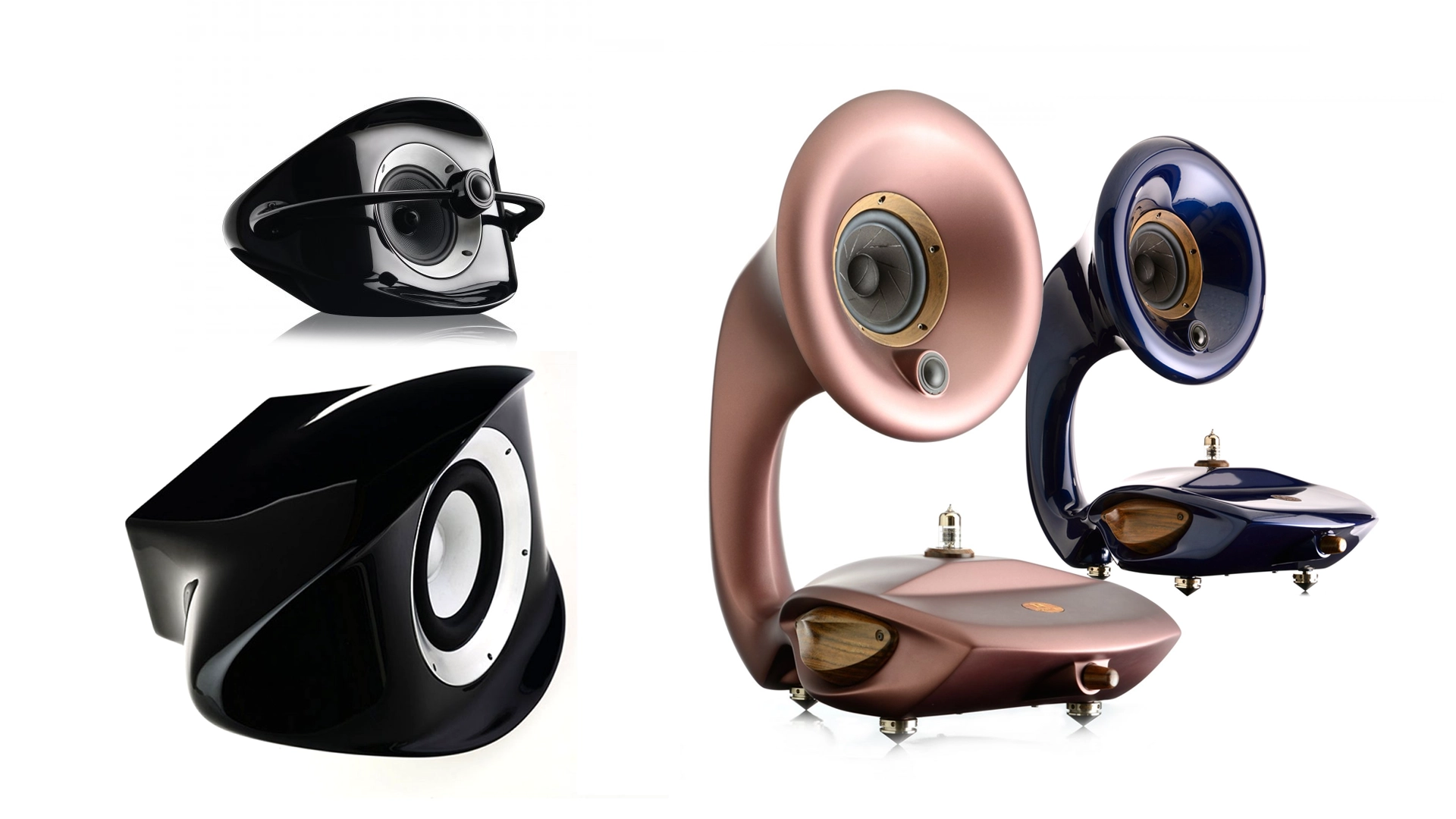
ONCE Custom Sound is a Turkish loudspeaker atelier that treats the cabinet as both an acoustic instrument and a commissioned object. Founded in 2018 by two friends—one formed by a life in music, the other an artist raised around a composer father—the company works in small quantities and adapts finish, colour and surface treatment to the room rather than offering only standard veneers. Its speakers are organised around individually named designs such as Su, Nar, Almula, Ali and Lara. Su—the Turkish word for water—expresses the brand particularly well: a sculpted enclosure and carefully chosen transducers are intended to combine physical presence with an unforced flow. Other models change scale, driver arrangement and visual character instead of stretching one anonymous box into several sizes. Cabinets are shaped and finished by hand, with attention to internal volume, resonance control and the way the loudspeaker occupies living space. The earlier description confused ONCE with an unrelated Danish cable maker; there is no factual reason to connect the two brands. ONCE is best understood on its own terms: a young Istanbul-area maker whose speciality is bespoke loudspeakers in which acoustic tuning, Turkish design references and the client’s choice of materials are developed as one object.
Opera Loudspeakers

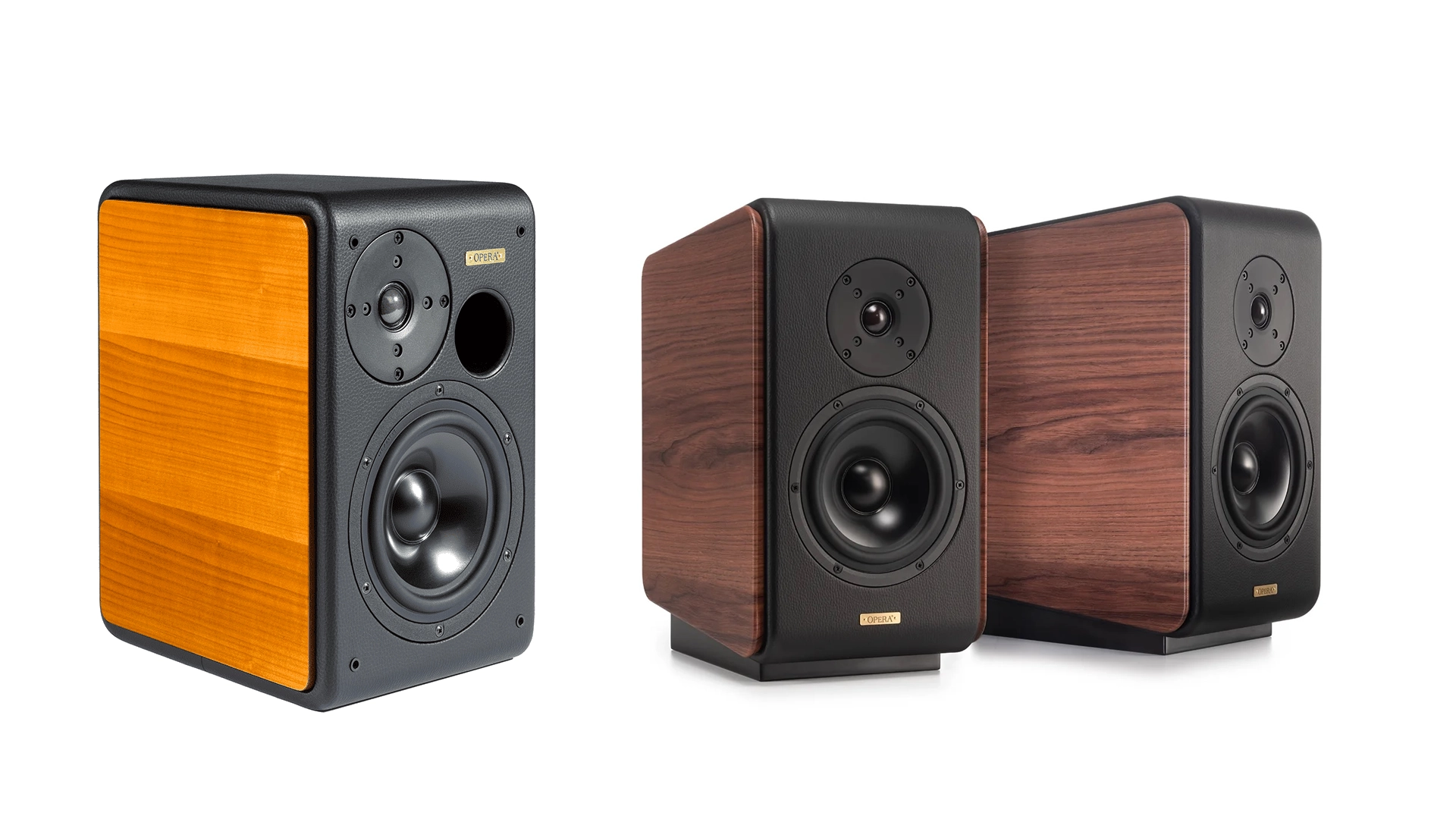
Opera Loudspeakers is an Italian manufacturer founded in 1989 by Giovanni Nasta and closely linked with valve-electronics specialist Unison Research. Based near Treviso, the company builds loudspeakers whose woodworking and upholstery are not applied after the acoustic design but form part of it: curved multilayer cabinets, real wood and leather help create rigid, damped enclosures with a distinctly Italian domestic presence. Opera does not impose one driver formula on every model. Its designers select transducers, cabinet loading and crossover topology for the intended scale, then voice the complete system through measurement and listening. The current Classica family includes Mezza, Quinta and Grand Mezza, while the Callas line moves toward more ambitious multi-driver and standmount designs; the larger Grand Callas remains one of the names most associated with the brand. Production and finishing remain centred in Italy, and the shared organisation with Unison Research allows complete Italian-made systems to be demonstrated and developed under one roof. After Giovanni Nasta’s death in 2020, the family and management continued the operation; the current site identifies UK Distribution Srl as the owner. Opera’s character is the combination of acoustic engineering and furniture-grade cabinet craft, not merely a generic claim of “musical” voicing.
Ophidian

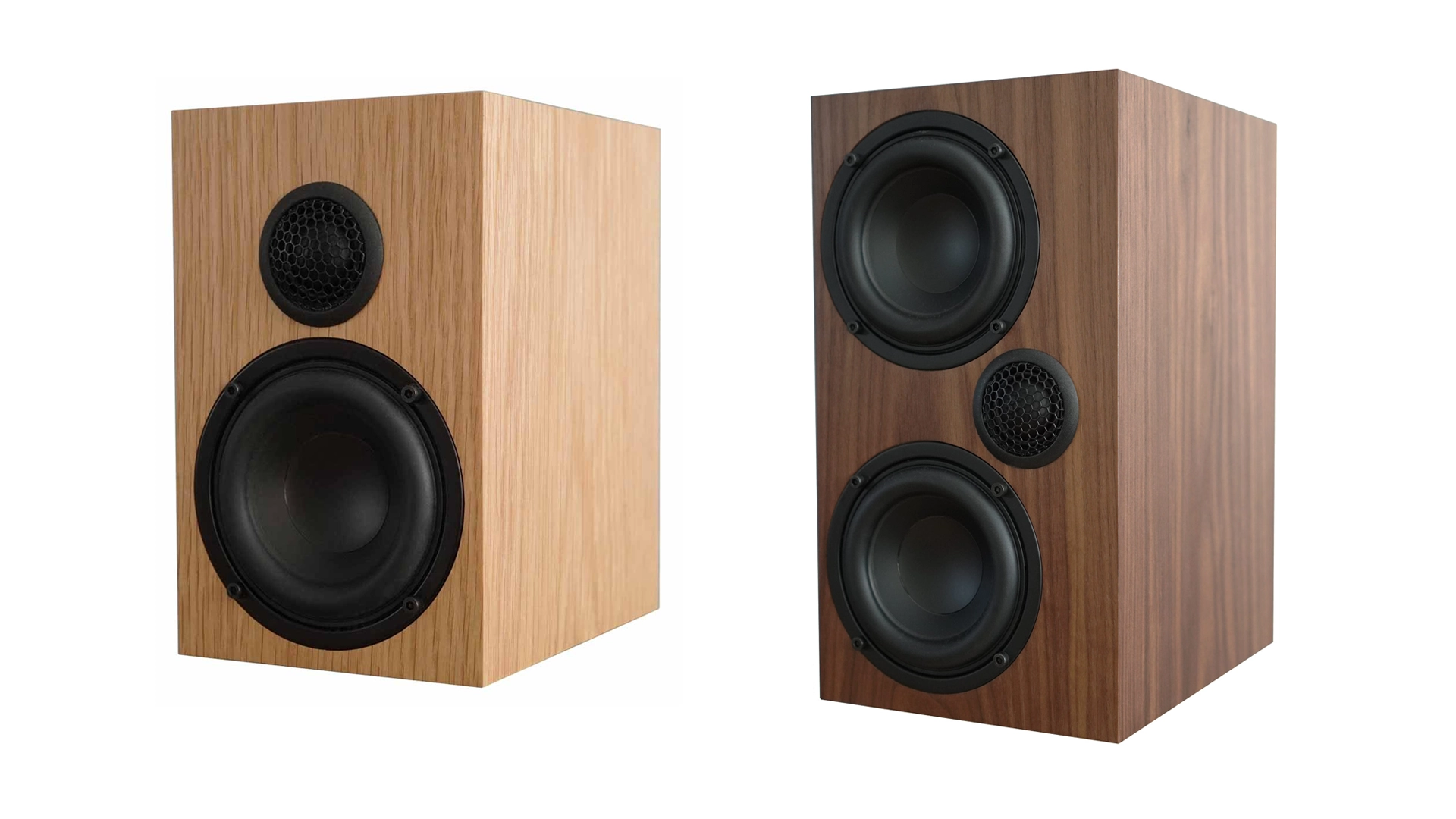
Ophidian is the British loudspeaker company founded in 2011 by designer Gareth James to make compact cabinets perform beyond their apparent volume. The original Minimo monitor established that direction; the range later expanded from small standmounts to the imposing Voodoo floorstander, but the design method remained a combination of detailed measurement and long listening sessions rather than size or driver count for its own sake. The key technology is AEROFLEX bass loading. Conventional reflex ports can become noisy and compress dynamics when the air speed rises. Ophidian instead uses a larger, longer port formed as an integral part of the cabinet, paired with a bass driver of high motor strength. Lower air velocity reduces turbulence, while the folded internal structure also stiffens the enclosure and controls the driver’s movement over a wider level range. This is why models such as the Minimo and Mojo can deliver unexpectedly clean, extended bass without artificial warmth; larger designs apply the same principle with greater scale and output. The loudspeakers are designed and built in Britain, with crossovers and cabinet proportions tuned for a consistent tonal balance at both quiet and high levels. Ophidian’s real speciality is not simply “big sound from a small box,” but a specific loading system that converts internal volume into useful, controlled bandwidth.
Origin Live

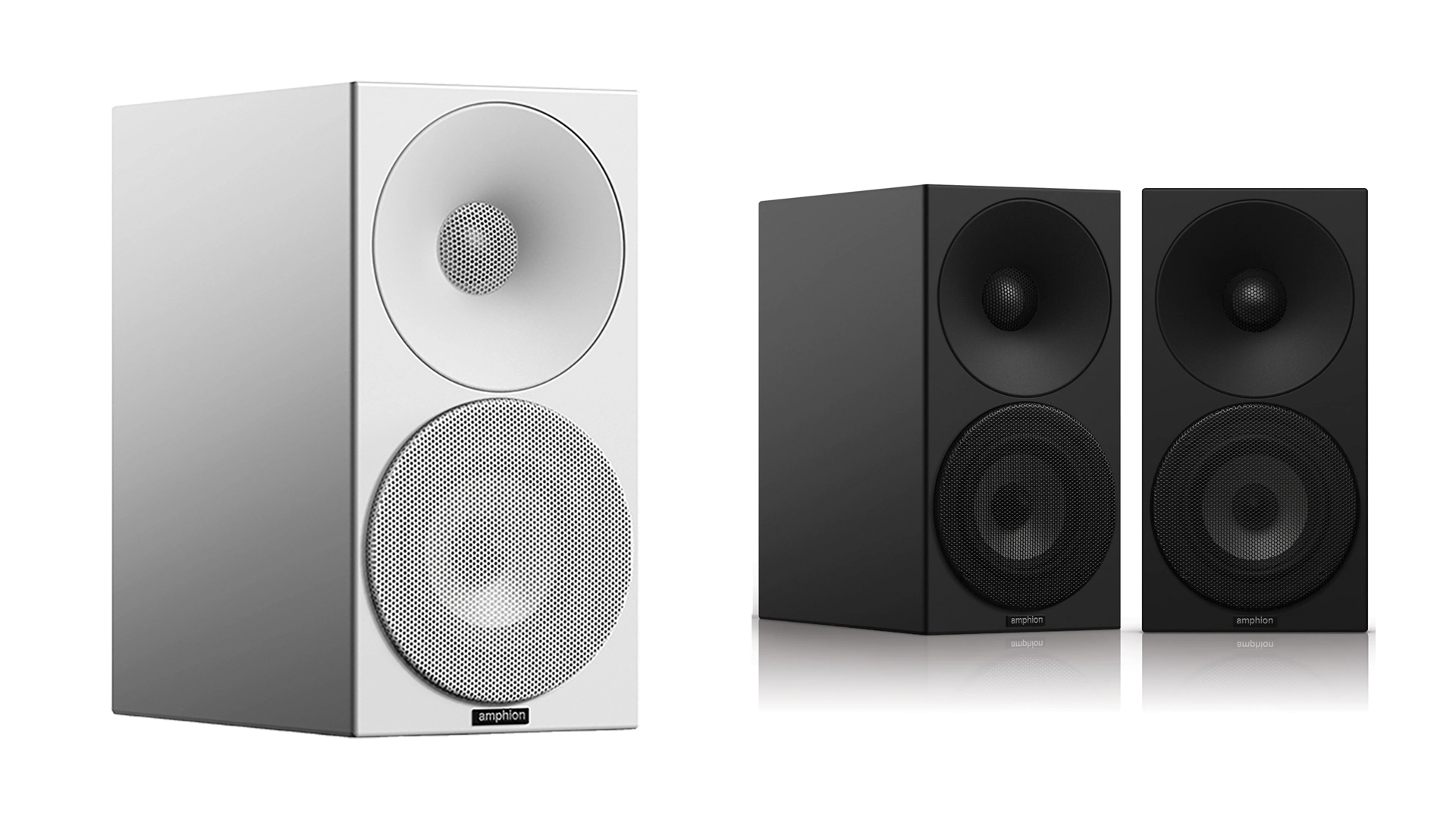
Origin Live is the British analogue manufacturer founded by engineer Mark Baker and operating from Southampton since 1986, not 1990. The company first became known for modifying turntables and developing a replacement DC motor power supply; that practical upgrade work grew into complete decks, tonearms and accessories built around the control of vibration and energy flow. Its turntable range progresses from Aurora and Swift through Calypso, Resolution and Sovereign to the flagship Voyager. Rather than rely on one fashionable material, Origin Live combines low-friction bearings, carefully decoupled motors, layered plinth structures and platter interfaces according to the model. Tonearms are equally central: Onyx and Silver open the range, followed by Zephyr, Encounter, Illustrious, Conqueror, Enterprise, Agile and Renown. Their development focuses on bearing behaviour, tube rigidity, counterweight placement and how mechanical energy leaves the cartridge. Motor kits and structural upgrades remain available for decks from other manufacturers, preserving the company’s original problem-solving role. Origin Live designs and manufactures in Britain and uses listening alongside measurement to judge changes. Its individuality lies in treating the entire record-playing mechanism—motor, bearing, platter, arm and support—as an energy-management system, then offering that knowledge both as complete products and as upgrades.
Osborn

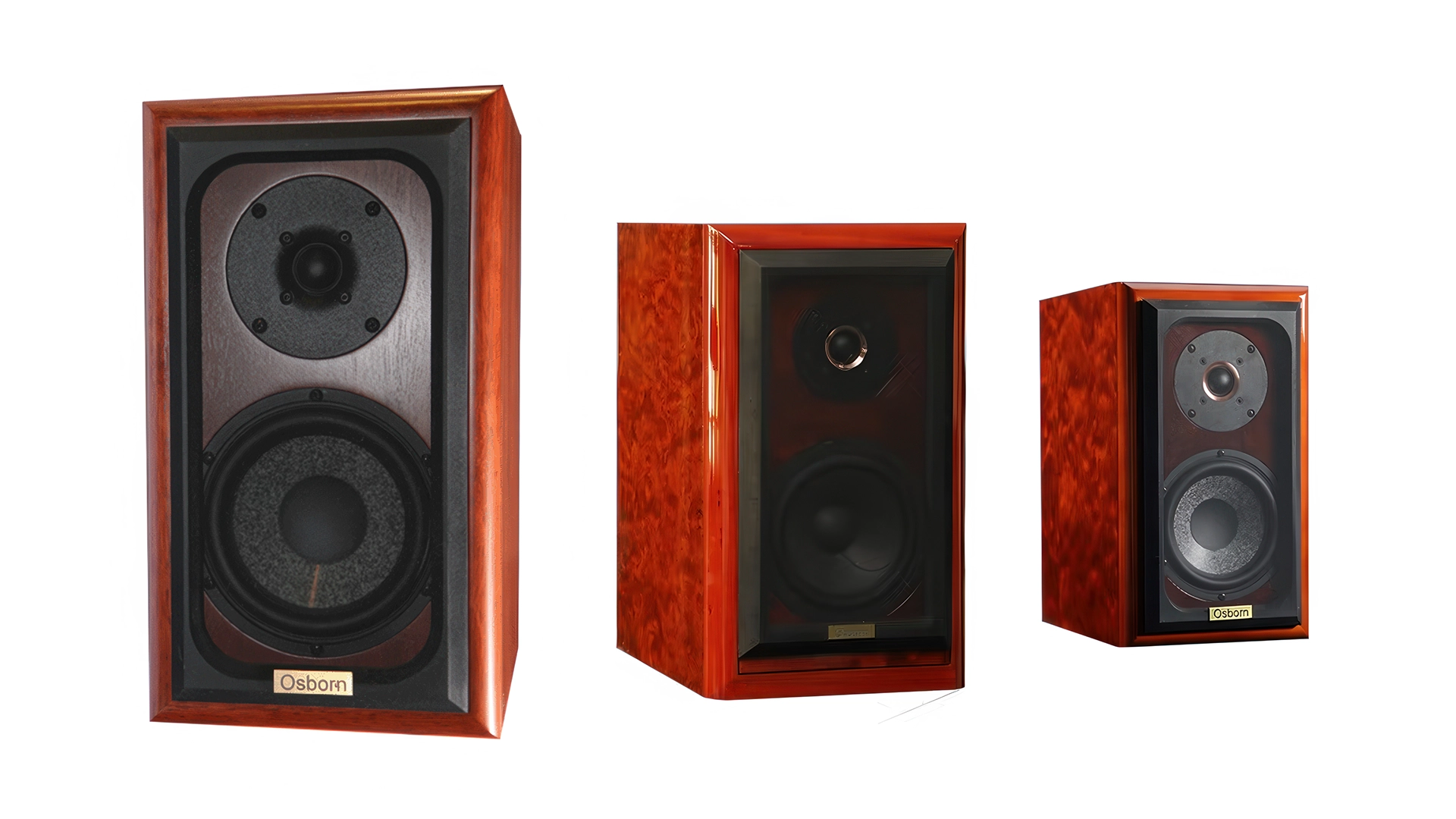
Osborn No Compromise Loudspeakers is the Australian company founded in 1984 by its continuing designer, Greg Osborn. Dissatisfied with the old divide between restrained “English” speakers and large but less controlled “American” designs, Osborn set out to combine tonal delicacy, a stable soundstage, deep defined bass and the dynamic range of live music. The Mark 1 Epitome was the result; demand led him to build the first 150 pairs at home and established a direct, word-of-mouth business. Epitome and its bass units remain central to the story, joined by Monument and Grand Monument at the largest scale, Eclipse as a more domestically manageable floorstander, and compact F1, Atom and Eos models. Cabinets are cut on CNC machinery for repeatability, then finished by hand in a wide choice of real-wood veneers. Greg Osborn personally winds the crossover inductors, assembles the networks and auditions each pair after roughly 30–40 hours of running-in. The company also produces centre, surround and subwoofer models for matched home theatres and supplies cables, while distributing selected electronics under separate brands. Osborn’s value lies in the continuity between one designer and a broad but recognisable speaker family: high dynamic headroom, substantial cabinetry and individually checked crossovers, all built in Australia rather than outsourced as a generic catalogue.
Paradigm

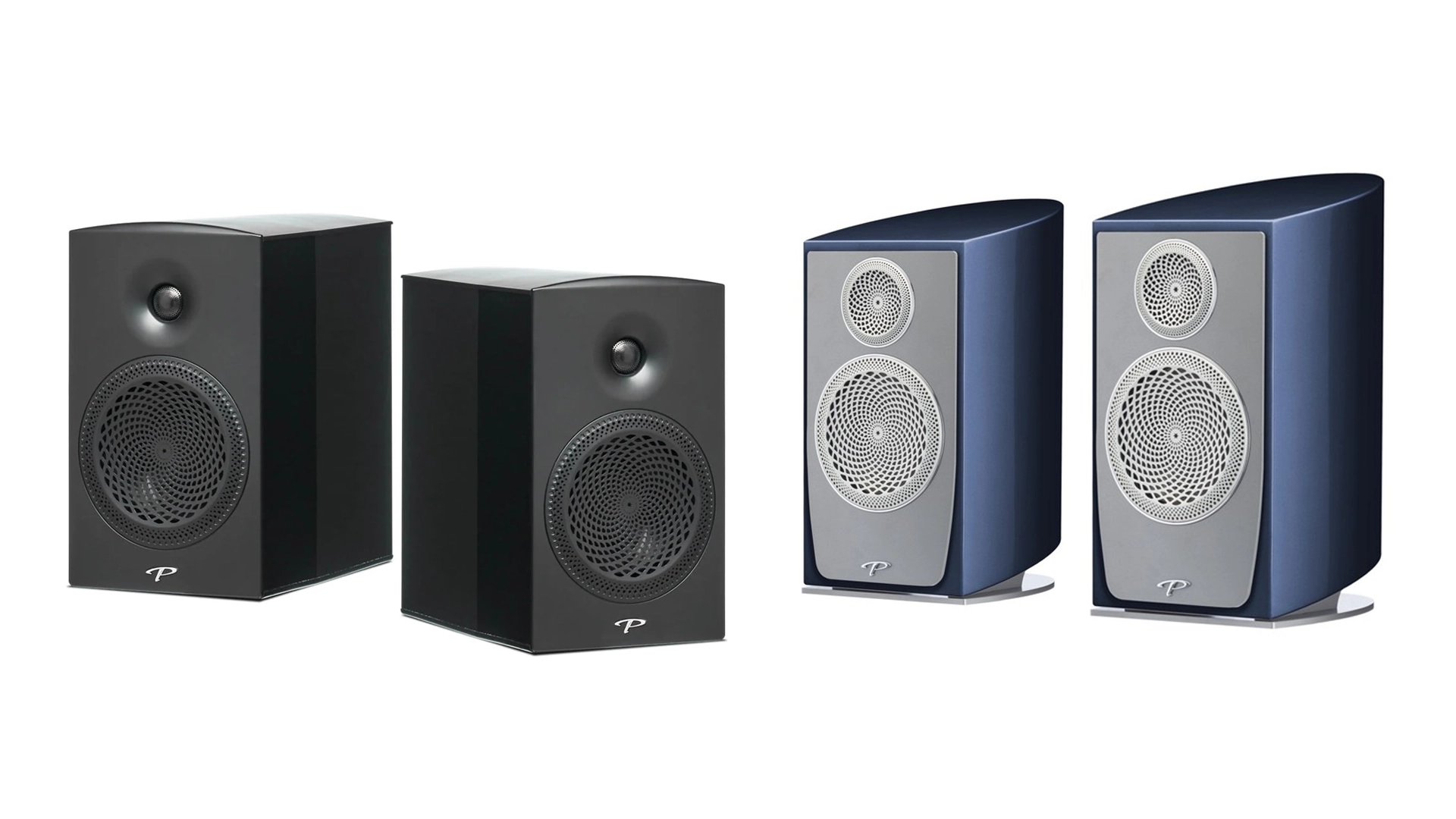
Paradigm is the Canadian loudspeaker manufacturer founded in Toronto in 1982 by Jerry VanderMarel and Scott Bagby. The early Model 7 and Model 9 established an unusual promise for the time: use controlled listening and serious measurement to improve performance while keeping production efficient. Collaboration with Canada’s National Research Council gave the young company access to psychoacoustic research and anechoic testing, a discipline Paradigm later brought into its own engineering facilities. That research-led approach now spans several clear product levels. Monitor SE and Premier make the core technology accessible; Founder combines proprietary aluminium-magnesium ceramic and carbon-based drivers with advanced cabinet isolation, while Persona uses beryllium diaphragms in its premium midrange and tweeter systems. Defiance subwoofers add app control and, on selected models, Anthem Room Correction. Millenia, CI architectural speakers and outdoor models extend the same voicing principles beyond traditional floorstanders. Paradigm designs drivers, crossovers and cabinets together and manufactures many key components and higher-level speakers at its Canadian facility rather than assembling a range solely from catalogue parts. The brand’s signature is not a single famous cone material: it is the long feedback loop between blind listening, anechoic measurement, in-house driver development and scalable Canadian production.
PBN Audio

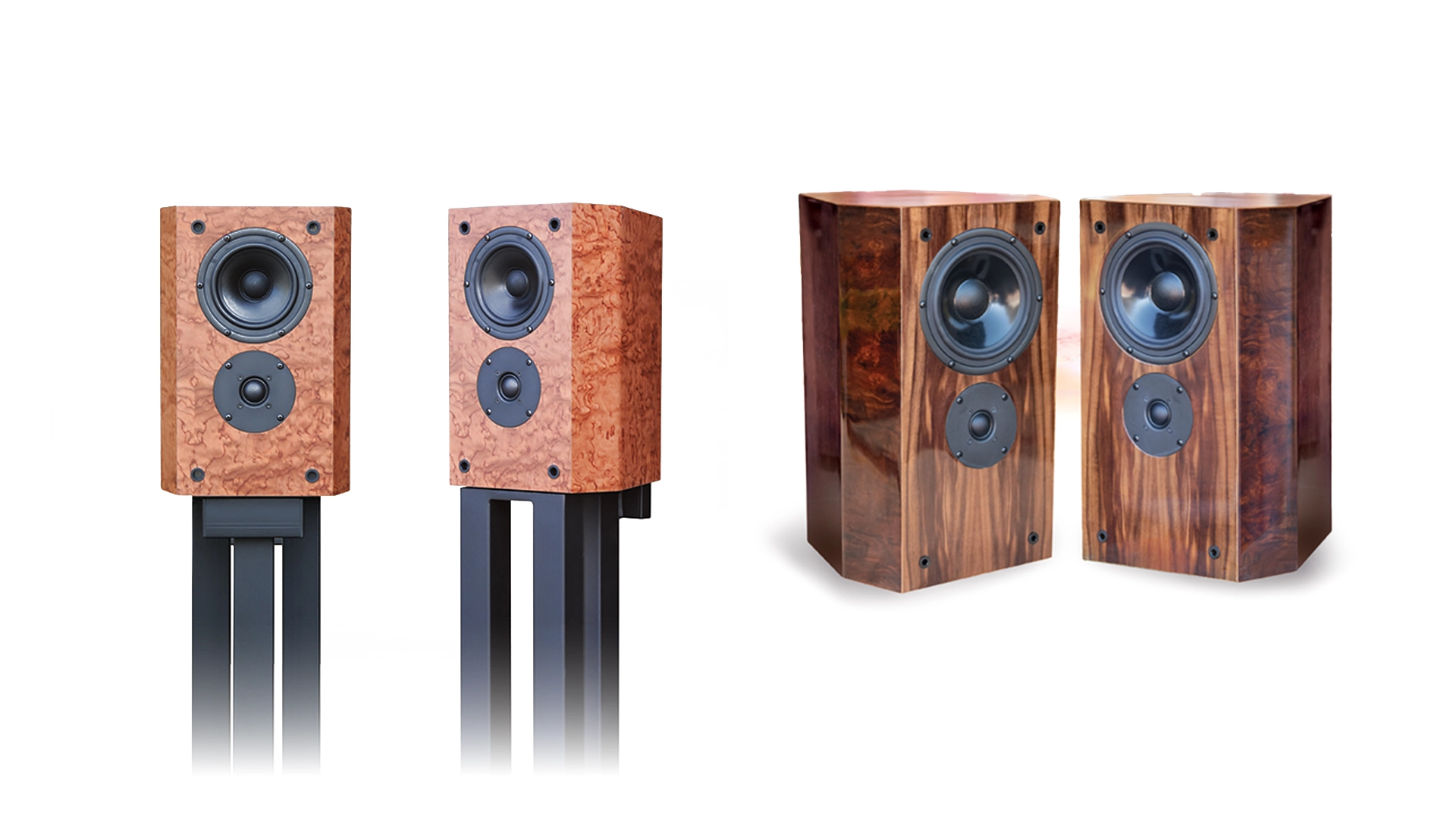
PBN Audio is the American company founded by Danish-born engineer Peter B. Noerbaek, who began building under the name in 1992 and made it a full-time operation in 1993. Loudspeakers brought the company its widest recognition, especially the Montana line, but PBN has always worked across the complete playback chain: speakers, amplifiers, preamplifiers, digital sources and highly specialised turntables are designed as parts of one system. Montana loudspeakers use thick, extensively braced enclosures with non-parallel internal walls to suppress standing waves and keep stored cabinet energy out of the sound. Drivers and crossover parts are selected and matched for each model, and custom finishes or application-specific builds are available for listening rooms, cinemas and professional studios. The current M Series and Studio Reference 10 and 14 continue that cabinet-intensive approach. PBN’s Olympia electronics provide high-current amplification, line and phono control and digital conversion to partner them. Its most unusual products are the Groovemaster Direct turntables: Peter Noerbaek rebuilds proven Denon direct-drive motors, platters and control electronics into massive modern plinths with new bearings, arm mounting and power arrangements. This combination of Scandinavian engineering habits, American small-series production and a willingness to re-engineer classic broadcast-grade mechanisms makes PBN much more individual than a generic maker of luxury wooden speakers.
Pearl Evolution

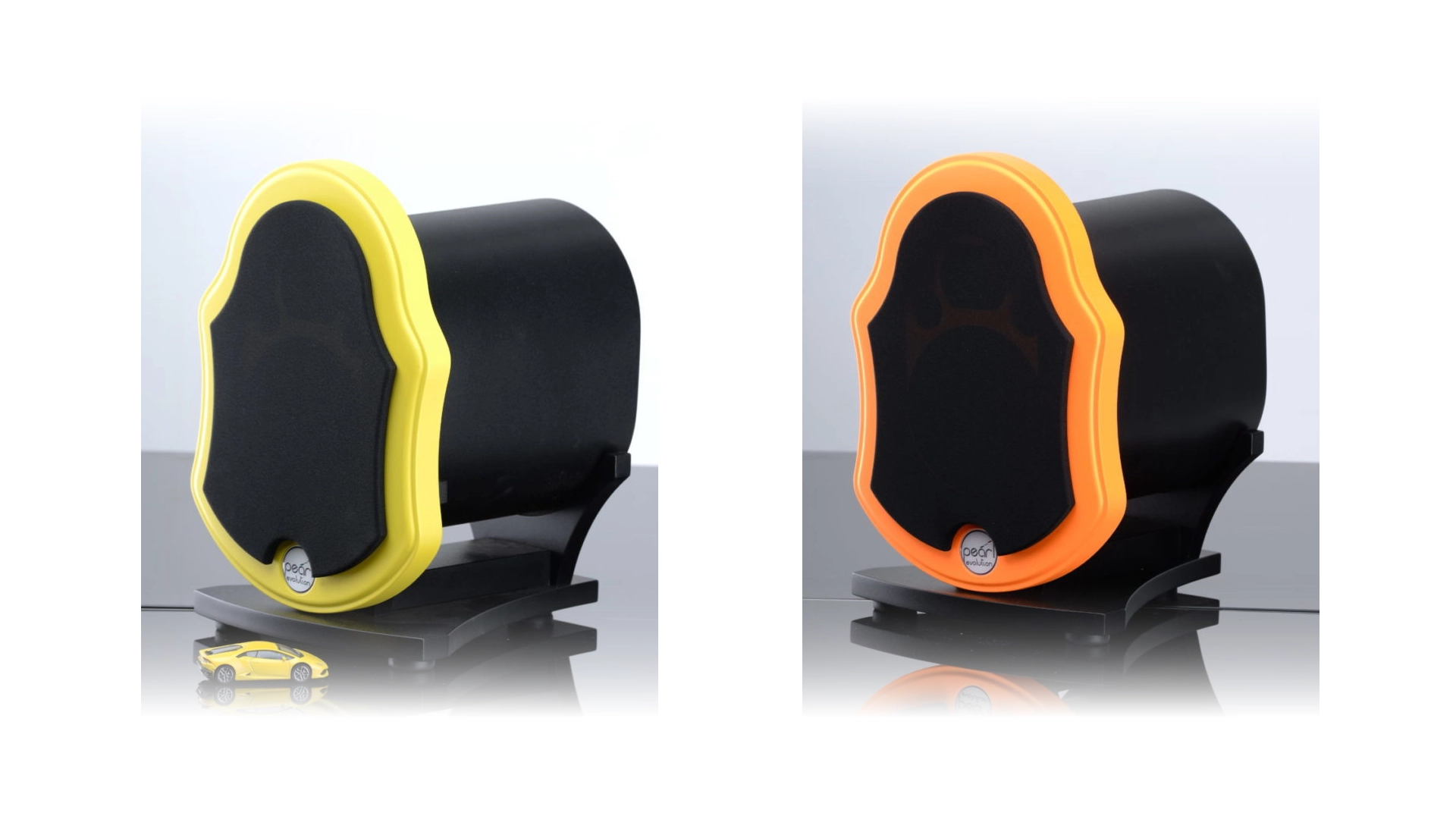
Pearl Evolution is the Italian audio brand created around designer Silvano Cremonesi’s work on loudspeaker loading, mechanical isolation and system setup. Operated by Più Uno Elettronica in Trento, it does not offer the vague assortment of “devices, accessories and software” suggested by the old description. Its centre is a small family of high-sensitivity loudspeakers supported by bass modules, coupling products and software intended to make their behaviour in a real room predictable. Victor Ballerina, Mini Ballerina and Micro Ballerina are the core speakers. The full-size Victor Ballerina uses a three-way D’Appolito arrangement with an isodynamic ribbon tweeter, dome midranges and a 200 mm magnesium-cone woofer. Cremonesi’s proprietary DPG loading applies a Venturi-like path to manage the rear radiation of the bass driver and obtain useful extension without a conventionally tuned, over-emphasised reflex response. The adjustable LFM low-frequency module can extend a system while offering several output settings for room and placement. Isol Coupling devices continue Cremonesi’s longer interest in mechanical decoupling, which also produced the patented Relaxa platform in the 1990s, and the company’s software assists with loudspeaker positioning. Pearl Evolution is unusual because the same designer addresses acoustic loading, vibration transfer and installation instead of treating accessories as unrelated add-ons. The result is a coherent Italian system concept, not simply another catalogue of luxury boxes.
Penaudio

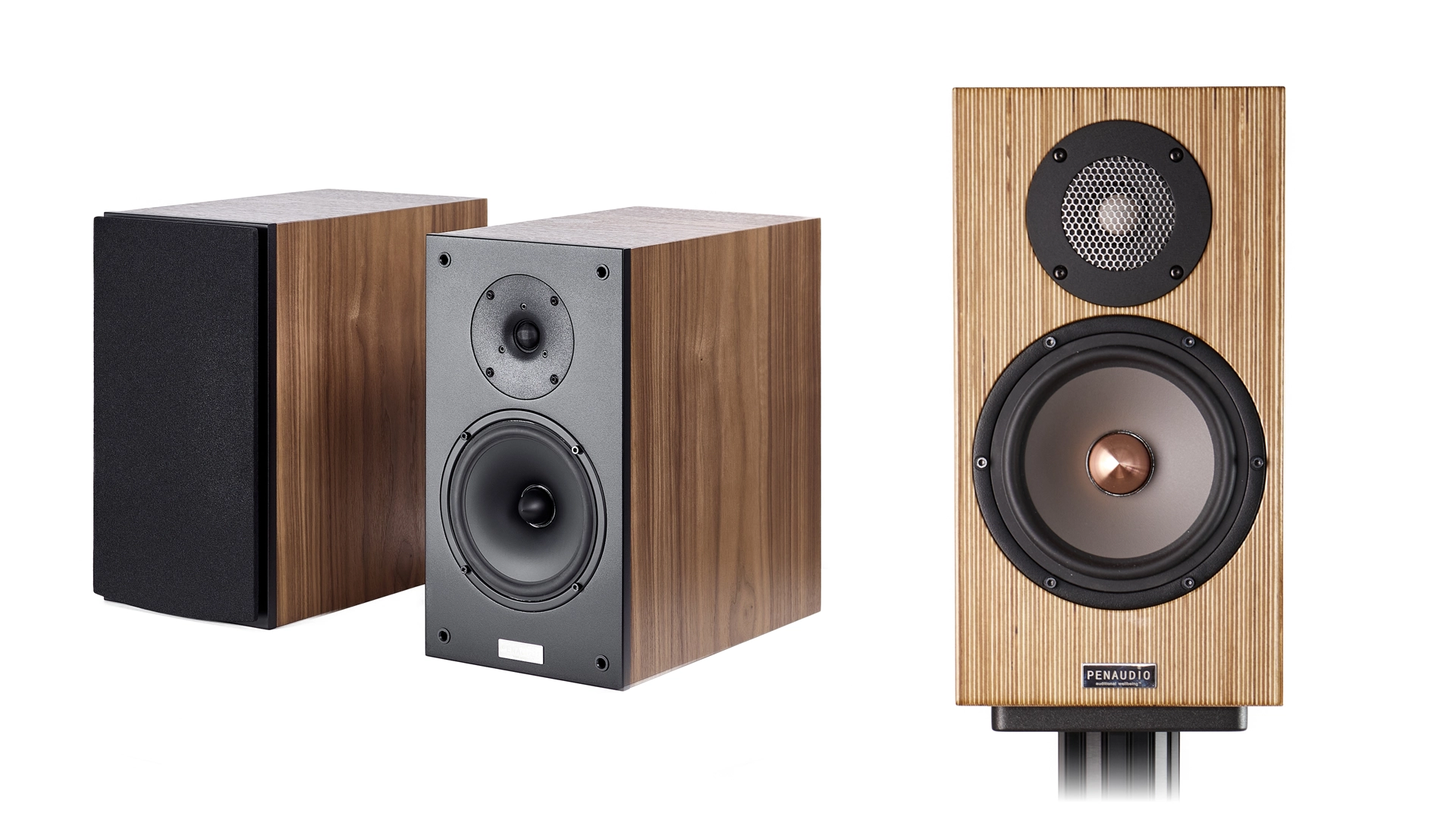
Penaudio is the Finnish loudspeaker company founded by musician and designer Sami Penttilä in 1999. Penttilä began by building the kind of compact speaker he wanted to live with himself, and the brand retained that human scale as it expanded. Its most visible signature is the striped Finnish birch-plywood cabinet: alternating layers are left exposed, turning a structurally stiff, well-damped material into part of the visual identity rather than covering it with a conventional veneer. Penaudio works closely with Scandinavian driver specialist SEAS and designs crossovers and enclosures around the chosen units instead of applying one recipe across every price. Cenya, Sara and Serenade established the international range, with Serenade in particular becoming a long-running reference floorstander. The current Signature family continues those names, while Cenya Diamond and Sara Diamond add diamond tweeters and graphene-treated magnesium bass/midrange diaphragms. The Snow line—such as Lumi, Talvi and Alba Lumi—offers simpler forms and lighter visual treatment. At the top, Karelia and the Suomi models investigate controlled directivity and room interaction on a larger scale; Suomi uses a customised SEAS Excel diamond tweeter. Cabinets and final assembly remain closely associated with Finnish craft, and the proportions stay recognisably Scandinavian even in the flagships. Penaudio’s individuality is the meeting of Penttilä’s musician-led voicing, layered birch construction and carefully commissioned Nordic drivers—not a generic promise of “natural sound.”
Perlisten


Perlisten Audio was founded in 2016 by an international engineering team led by Dan Roemer, Lars Johansen and Erik Wiederholtz; its name contracts “perceptual listening.” The company spent several years developing before releasing its first six products in 2020. It entered the market with complete loudspeaker and subwoofer systems for both two-channel music and large home cinemas, then became the first manufacturer to earn THX Dominus certification, including for the S7t loudspeaker and D215s subwoofer. The S Series is built around Perlisten’s DPC—Directivity Pattern Control—array: a beryllium tweeter sits between two thin-ply-carbon midrange domes in a shaped waveguide. The three drivers operate together to control vertical and horizontal dispersion, reduce floor and ceiling reflections and keep tonal balance more consistent across seats. Woofers, cabinet geometry and crossover behaviour are developed with the same directivity target rather than added around a generic tweeter module. The R Series translates that architecture into different diaphragm materials and more accessible systems, while the A Series extends the range further; matching subwoofers use opposed or multiple drivers, powerful DSP and app control according to model. Perlisten’s key strength is the integration of psychoacoustics, beam control and cinema-level output. THX certification is a consequence of that work, not the whole story: the brand designs speaker families whose directivity and dynamic capability remain coherent from a stereo pair to a multichannel room.
PIEGA

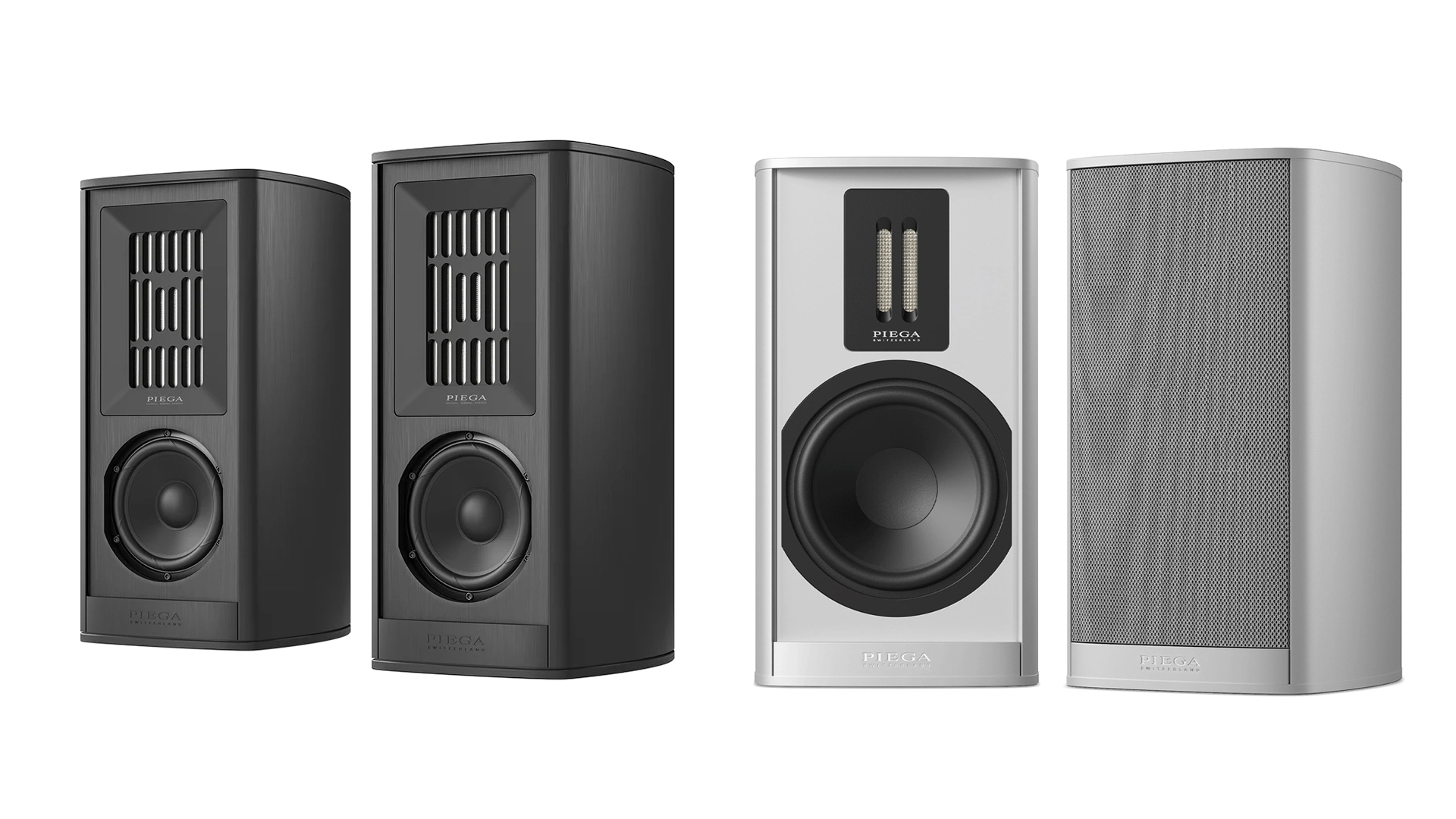
PIEGA is the Swiss loudspeaker manufacturer founded in 1986 by Leo Greiner and Kurt Scheuch. Scheuch’s early work on an extremely light foil tweeter gave the company its technical direction: reproduce high frequencies with a low-mass ribbon system, then design the rest of the loudspeaker around its speed and radiation pattern. Ribbon manufacture remains a skilled in-house process at PIEGA’s Horgen facility near Lake Zurich, and the family company is now led by the next Greiner generation, including Alexander and Manuel. PIEGA introduced a ribbon midrange in 1993 and the first coaxial midrange/tweeter ribbon in the C1 in 2000. In that same period, extruded aluminium enclosures became the other defining technology. Their curved, rigid shells provide a slim form while controlling panel resonance, but require internal damping and carefully shaped end structures to avoid the ringing associated with untreated metal. Coax Gen2 is the present expression of the coaxial ribbon concept; Premium Gen2 and the compact Ace family carry PIEGA engineering into smaller rooms, with wireless variants for active systems. Master Line Source is the flagship: a large dipole line-source array of ribbon elements designed to control vertical dispersion and reduce room interaction. PIEGA’s identity therefore comes from two capabilities developed together over decades—hand-built foil transducers and mechanically controlled aluminium cabinets—rather than from aluminium styling alone.
Pitt & Giblin

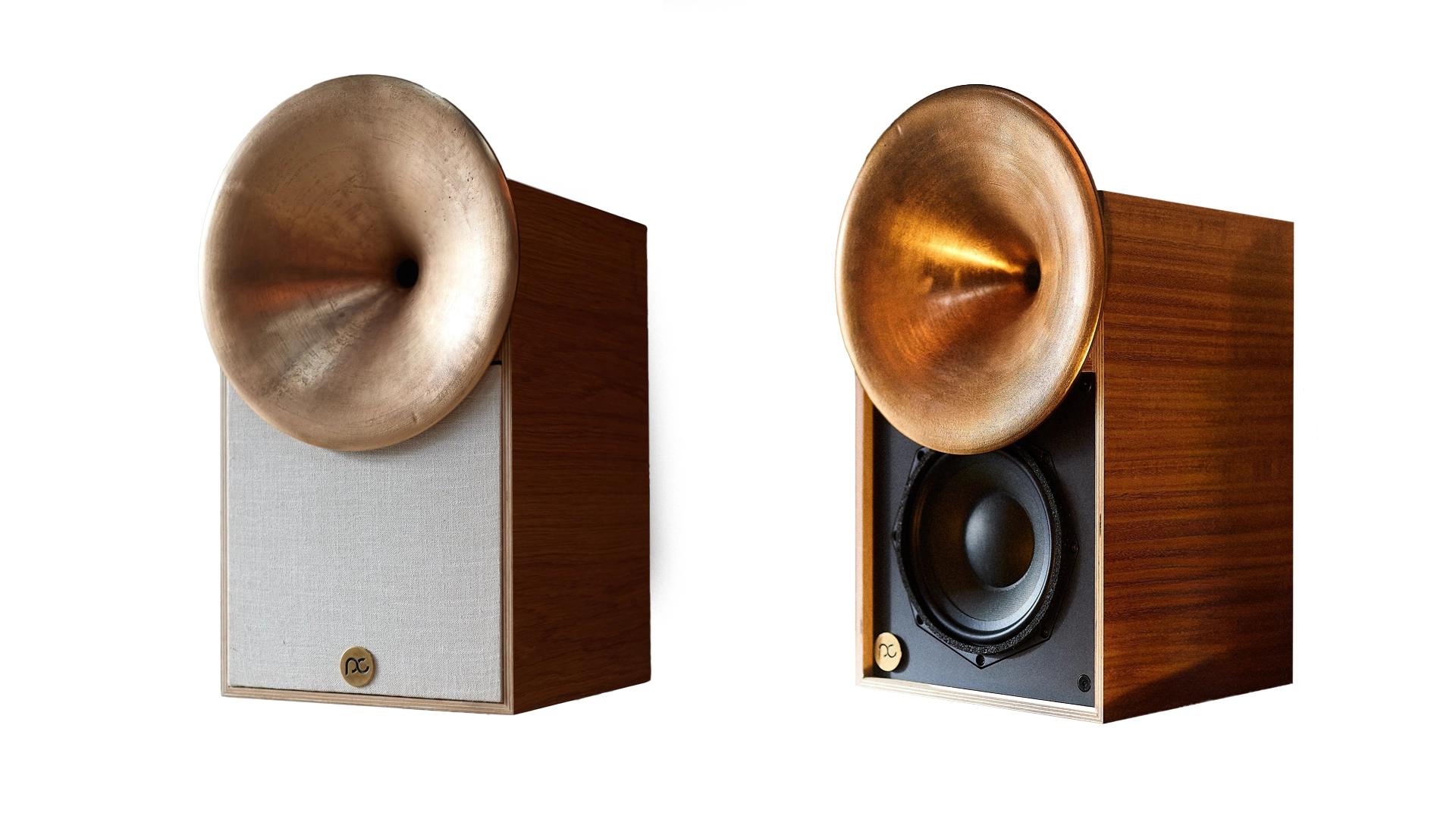
Pitt & Giblin is the Australian loudspeaker company launched in 2019 by longtime friends Jack Pitt and Ross Giblin. Working in Hobart, Tasmania, they combine cabinetmaking, acoustics and modern active electronics in small batches. Their speakers do not follow the usual slim passive-tower formula: large woofers and compression drivers are used because controlled directivity and low excursion at realistic levels matter more to the designers than making the enclosure visually disappear. Superwax established the approach, and Superwax Mini condenses it into a complete active system with a 15-inch bass driver, a compression driver feeding a locally cast solid-bronze waveguide, onboard DAC and DSP, and Hypex NCore amplification delivering 350 watts per side. The waveguide is not an imported decorative horn; its geometry controls radiation through the crossover region and its bronze construction provides a rigid, repeatable acoustic boundary. A-grade birch plywood is used instead of MDF, with veneers and joinery finished in Tasmania. Flare, Livi, Tenet and Exhibition 30 explore different scales and formats while retaining active filtering, carefully managed dispersion and serviceable professional-grade electronics, including Hypex or Purifi modules where suitable. The old description incorrectly suggested aluminium and steel cabinets. Pitt & Giblin’s actual material language is more distinctive: plywood furniture construction, cast bronze acoustic components and digitally controlled active drive, developed by two makers who keep design and production close enough to revise every part.
PMC

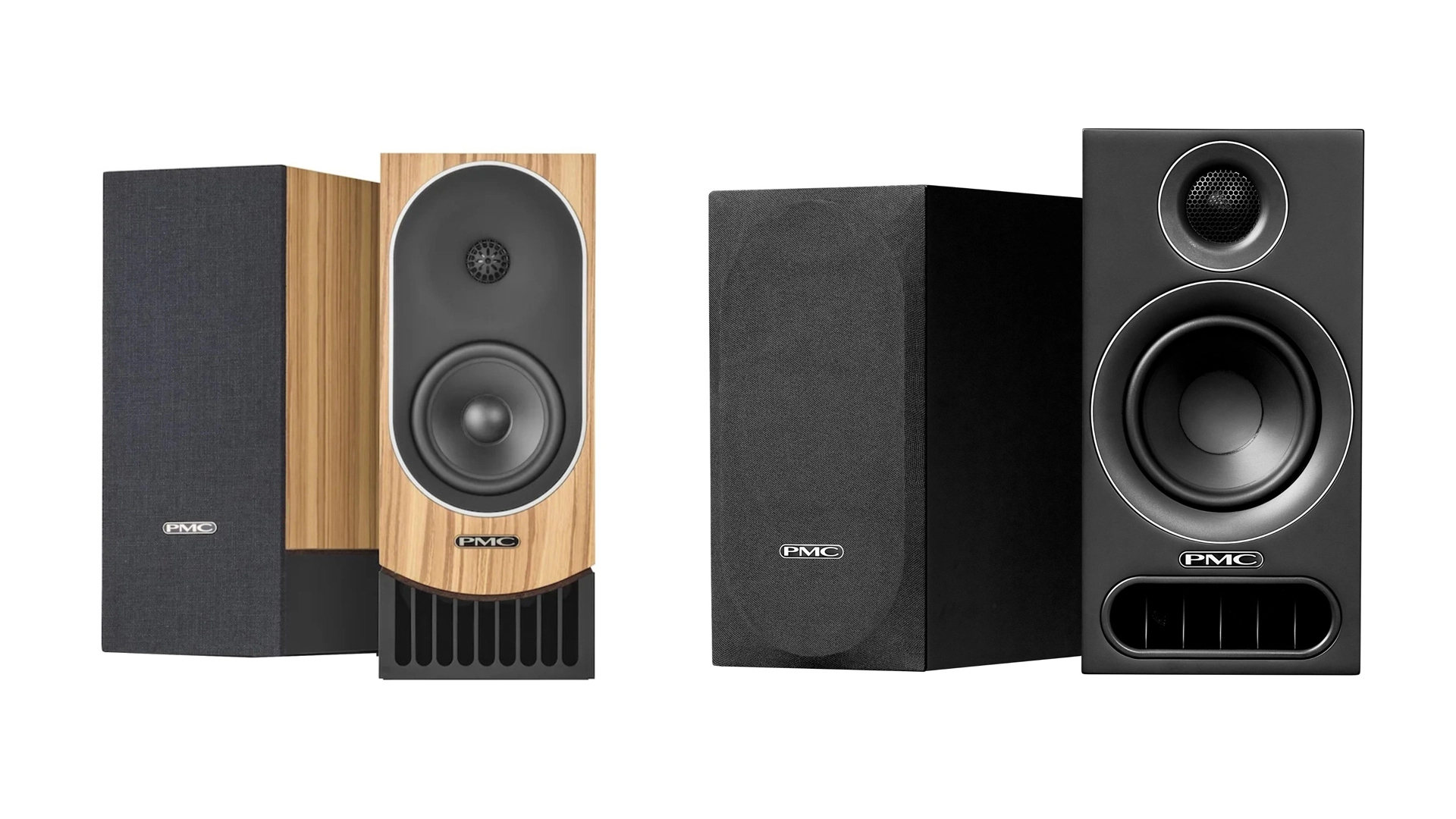
PMC—Professional Monitor Company—was founded in Britain in 1991 by Peter Thomas, then manager of the BBC’s Music Studios, and engineer Adrian Loader. Their first loudspeaker, the BB5-A, was created because they could not find a large monitor that combined the level, bass extension and neutrality required for critical studio work. The design established a rare continuity between professional control rooms and domestic hi-fi: PMC does not maintain one acoustic philosophy for engineers and another for music listeners. The company’s core technology is the Advanced Transmission Line, or ATL. The rear output of the bass driver enters a long, folded, heavily damped passage inside the cabinet. Absorbent material removes much of the unwanted midrange energy, while the lowest frequencies emerge from a tuned vent in phase with the front radiation. Done correctly, this extends bass and reduces driver excursion rather than producing the single-note emphasis of a poorly tuned port. Laminair aerodynamic vents, derived from airflow research, further reduce turbulence and compression at high levels. Current domestic ranges run from prodigy and twenty5i to fact and the flagship fact fenestria; the slim ci series brings the same controlled behaviour to on-wall and in-wall installations. result6, PMC6, PMC6-2 and larger main monitors continue the professional side. PMC’s identity is not merely “accurate British speakers,” but a transmission-line system refined in studios, mastering rooms and broadcast facilities, then scaled coherently for home listening.