
Bookshelf Speakers
This page provides an extensive index of bookshelf speaker manufacturers from around the world. Our goal is to present the largest possible collection of brands in one place, including both well-known producers and niche companies. Each entry in this directory lists the brand’s country of origin, its founding information, and a direct link to the bookshelf or standmount speaker category on its official website. The resource is designed as a straightforward almanac for researching and discovering speaker companies.
Hi-Fi brands in the category
Summary information and image
Direct links to official websites
Simaudio

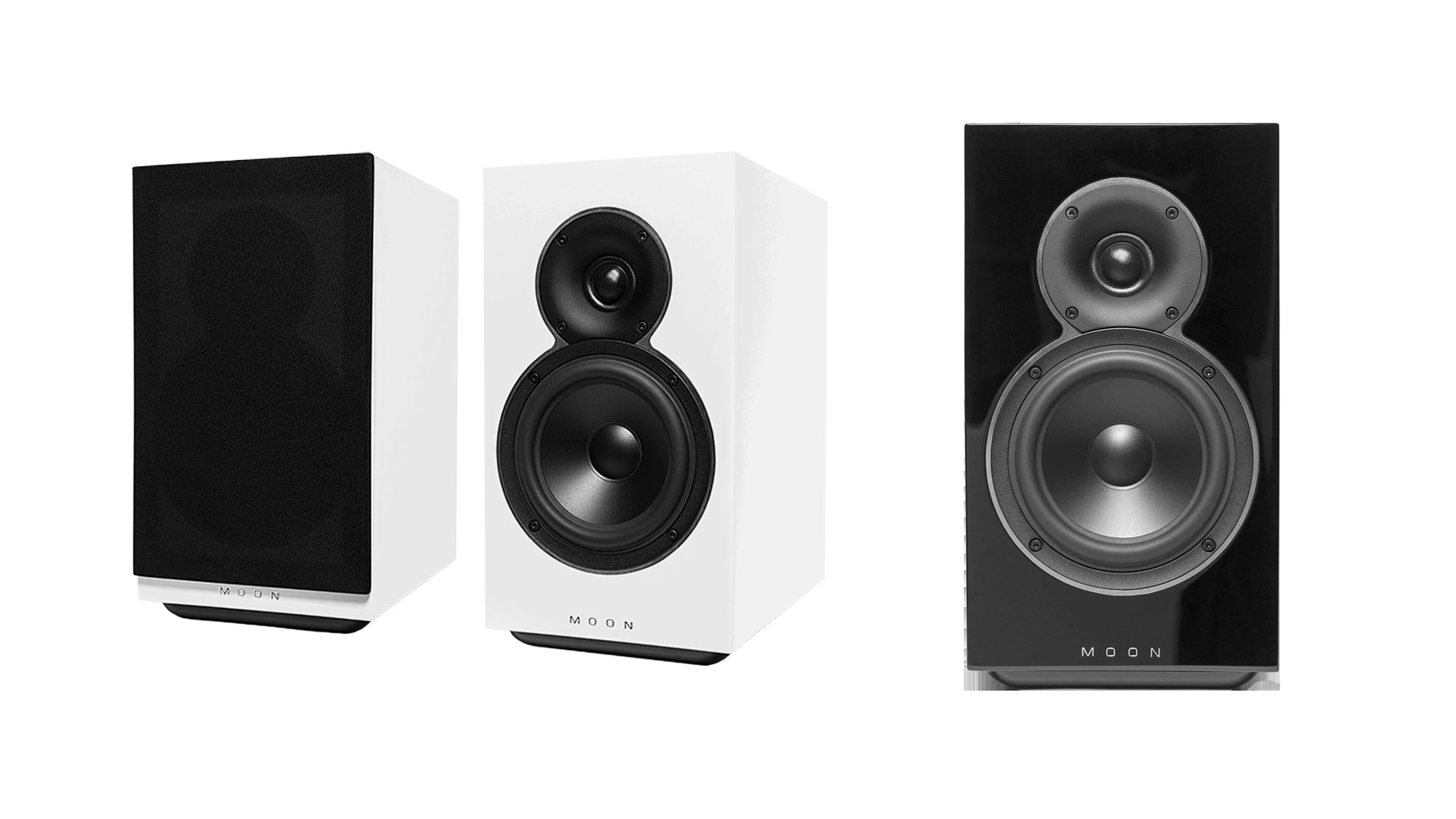
Simaudio is a Canadian high-end electronics manufacturer founded in 1980 as Sima Electronics by Victor Sima. The early company became known for muscular amplifiers able to control demanding loudspeakers; in 1994 Jean Poulin and partners acquired the business, and the MOON name gradually became the public identity of its products. Design and manufacturing remain near Montreal, with metalwork, circuit assembly, testing and long-term service kept unusually close for a modern audio company. MOON electronics cover integrated and power amplifiers, preamplifiers, network players, DACs and phono stages. The Evolution series established technologies such as M-LoVo low-voltage regulation, M-eVOL2 volume control and the MiND network platform, while the compact ACE combined streaming, conversion, amplification and phono input in one chassis. MiND 2 supports contemporary network playback and multiroom control without making a computer the front end. The flagship North Collection develops this architecture in the 681 streamer/DAC, 791 network player/preamplifier, 761 and 861 power amplifiers, and the 891/888 reference separates, with the BRM remote giving tactile control across the system. Simaudio does not use one circuit unchanged at every price: power-supply scale, dual-mono separation, output topology, conversion and control are adjusted to each product, but low noise, high current and operational longevity remain consistent priorities. The company is still independently Canadian rather than a legacy badge owned abroad. Its distinction is the ability to join serious analogue amplification with mature streaming and interface design while preserving repairability and factory support—an evolutionary approach that has kept MOON components current without erasing their two-channel roots.
Sonoro

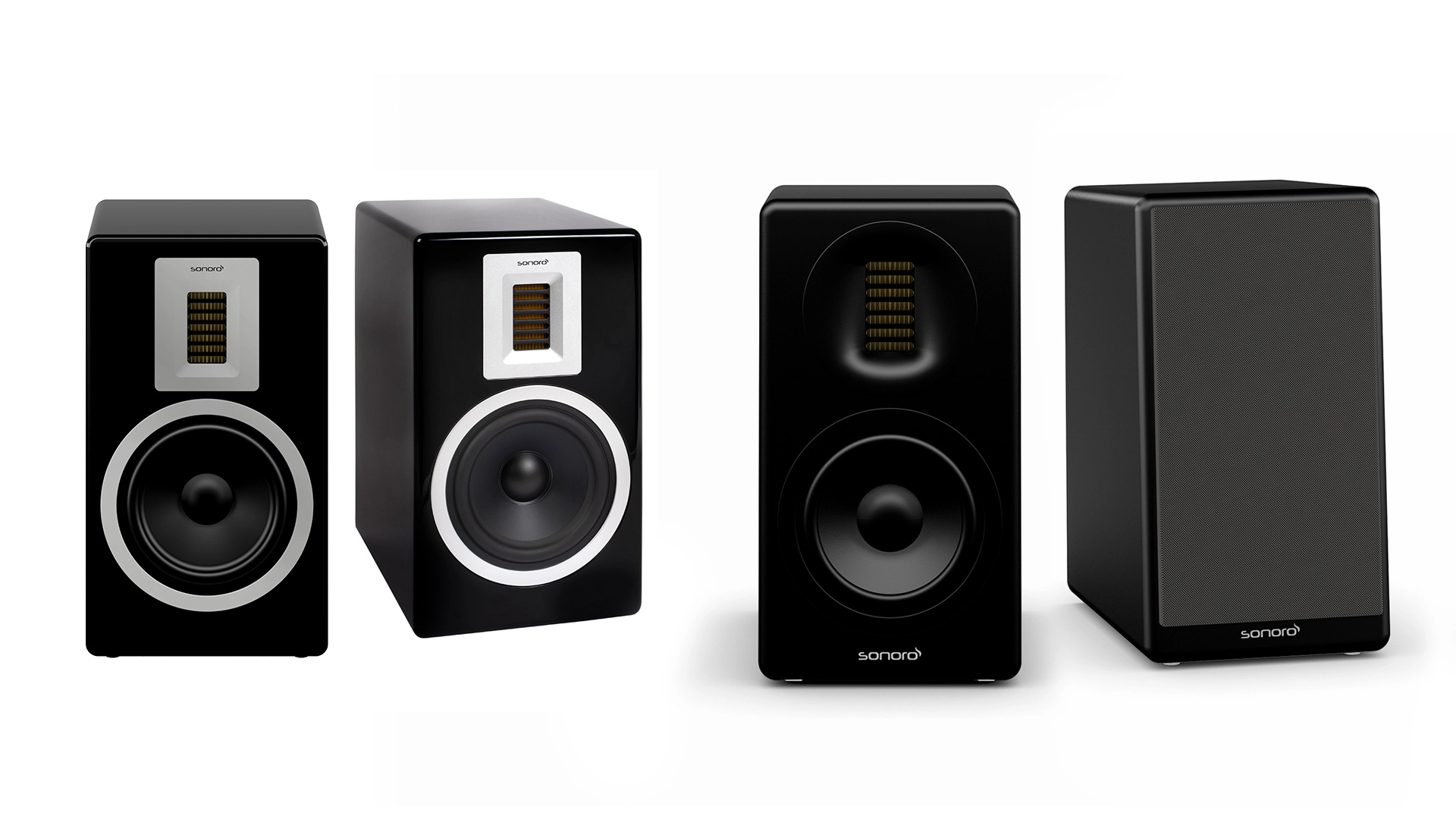
Sonoro brings radio, discs and streaming into music systems designed to live comfortably in an ordinary room. Founded in Germany in 2006 by Marcell Faller, the company develops its products in Neuss with equal attention to their controls, proportions and audio functions. Compact all-in-one systems made its name: products such as Elite, Prestige and Meisterstück gather sources and loudspeakers into a single enclosure, reducing the equipment and cabling needed for everyday listening. Depending on the model, the source selection combines CD playback, FM and DAB+ radio, internet radio and network services. That mixture is an important part of Sonoro’s identity, accommodating a physical music collection alongside newer listening habits. Meisterstück has developed into a more substantial all-in-one platform; its second generation adds facilities including AirPlay, Chromecast and room calibration. Sonoro has also expanded beyond self-contained radios and music centres. Maestro supplies the electronics for a separate stereo system, Orchestra loudspeakers provide the matching speaker option, and Platinum turntables bring vinyl into the catalogue. This gives the brand a path from a single bedroom or living-room unit to a system with physically separated speakers. The common design language remains restrained and domestic, with clearly arranged controls and cabinets intended to be seen. Sonoro’s particular strength is assembling familiar and modern sources into approachable products whose use and appearance matter as much as their specification lists.
Sonus Faber
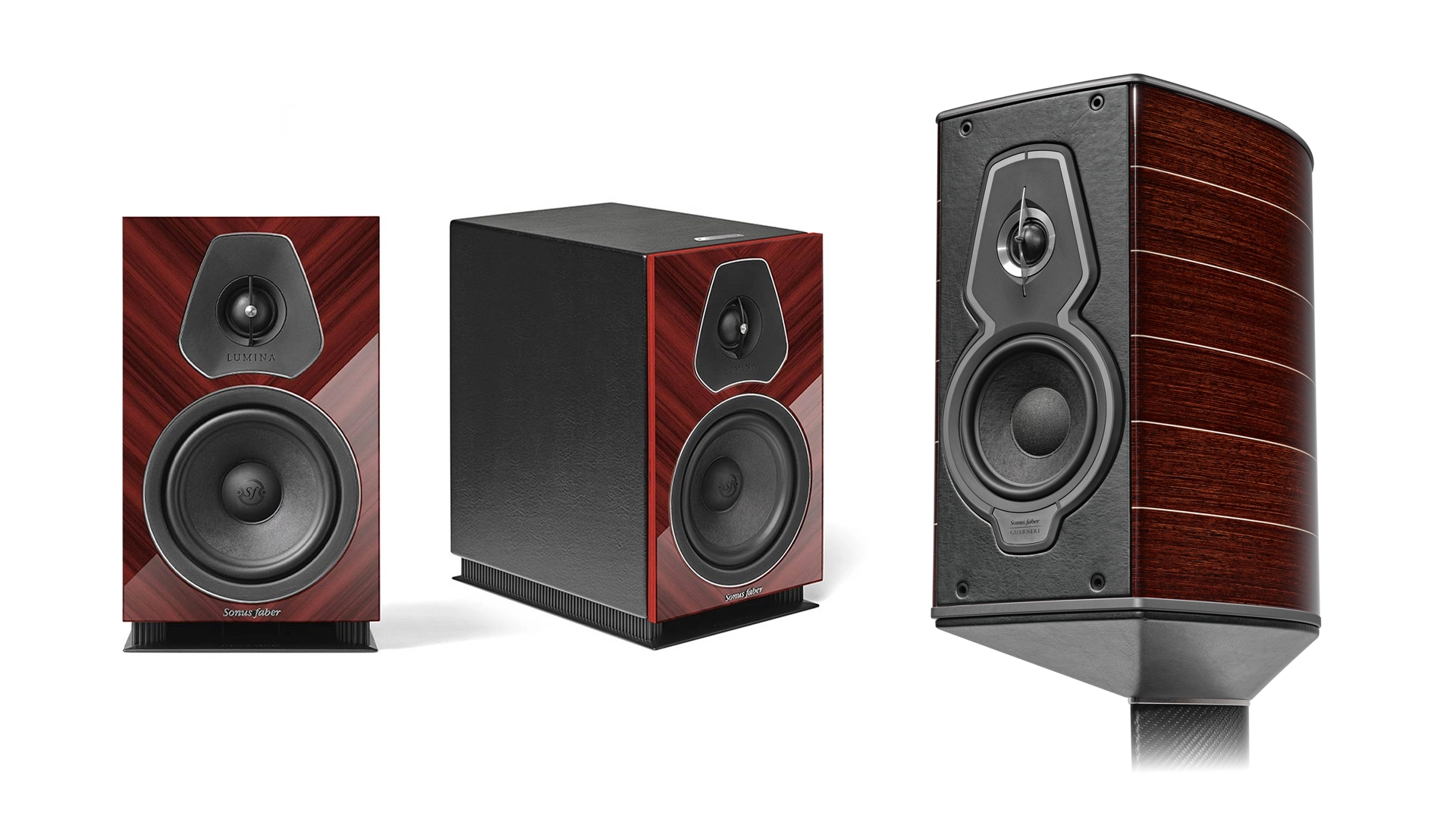
Sonus faber gives loudspeakers the visual and material character of fine musical instruments, combining sculpted cabinets with a long tradition of acoustic development in Vicenza, Italy. Franco Serblin founded the company in 1983, and early designs established the importance of wood, careful proportions and a natural presentation of voices and instruments. Guarneri Homage became a defining model: its lute-inspired cabinet and reference to Italian violin making helped establish a design language that would recur throughout the Homage family. Leather details, shaped wooden surfaces and cabinet construction are part of the engineering and craft rather than a finish applied to an anonymous box. The catalogue now ranges from Lumina and Sonetto loudspeakers to Olympica, Homage and large reference systems, with compact monitors and substantial floorstanders serving different rooms. The company also develops wireless products, Gravis subwoofers and Palladio installation speakers, extending its work into home cinema and distributed audio. Automotive and marine collaborations take its sound engineering into still different environments. Sonus faber became part of Bose’s portfolio through the acquisition of McIntosh Group announced in November 2024; its origin and manufacturing identity remain Italian. The thread connecting the early workshop to the broader modern range is the combination of cabinet craftsmanship, driver development and listening-led tuning. Its most recognisable speakers are objects with a strong physical presence, designed to remain part of the room even when the music has stopped.
Sophia Electric

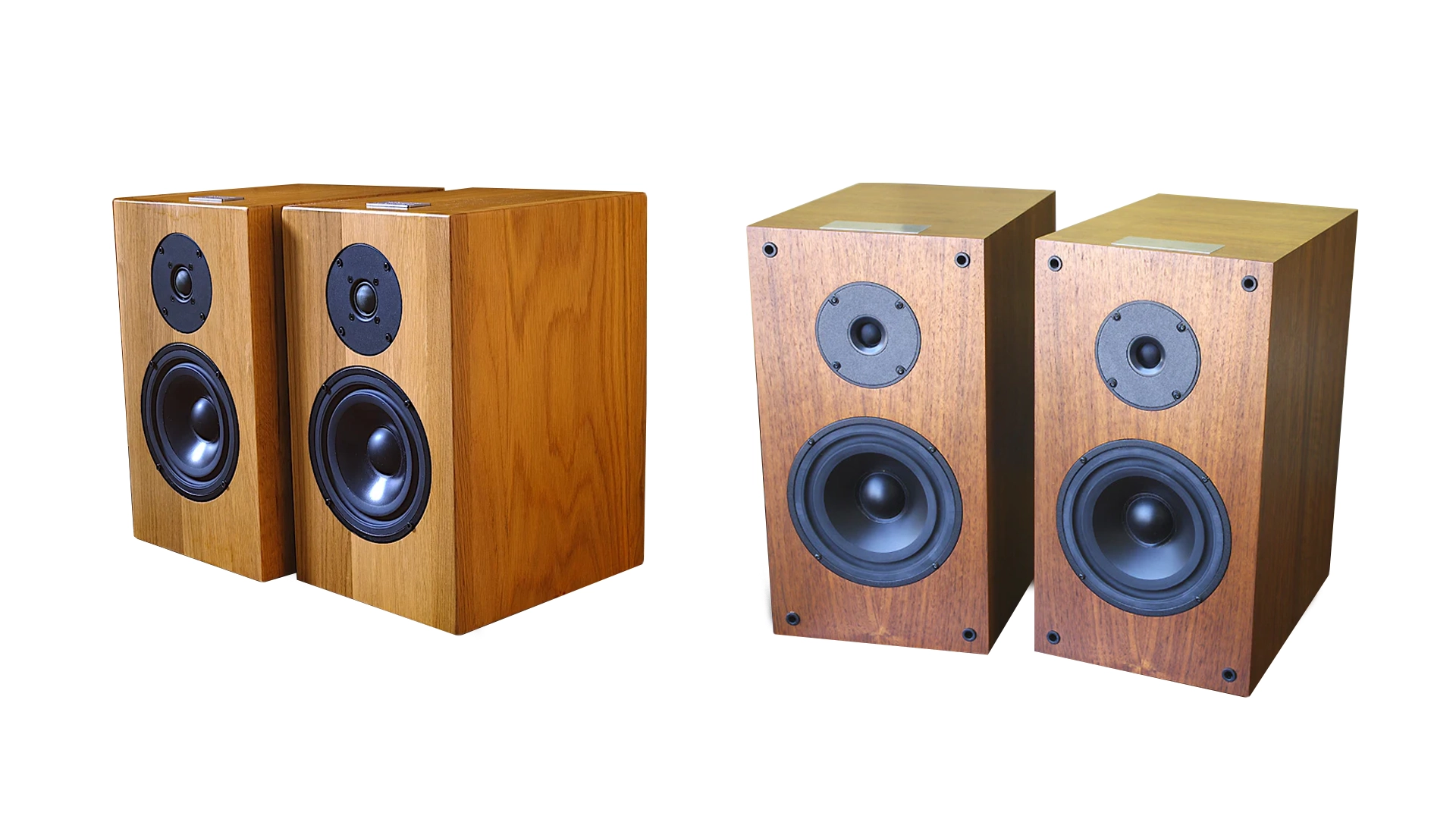
Sophia Electric specialises in the vacuum tubes and amplifiers that keep directly heated triode audio an active engineering tradition. Its best-known work centres on the 300B, with different tube constructions developed for listeners using single-ended amplifiers. The American company grew from two East Coast custom amplifier businesses. In 2001, Richard Wugang and his family supplied capital and industrial resources, and Wugang brought together additional designers and engineers to expand the range. His interest in vintage amplifiers helped shape a catalogue that connects classic circuit ideas with newly produced components. Mesh-plate 300B tubes were an early signature, followed by Princess and later Classic designs. Rectifiers form another important speciality: the 274B family has progressed through several versions, including the Aqua series. Small-signal tubes such as the 6SN7 and output types including KT66, KT88 and EL84 broaden the applications beyond 300B amplification. Sophia also developed complete amplifiers, including 300B designs drawing on the Western Electric tradition, and its historical catalogue extends to speakers and audio capacitors. The significance of the brand lies in this link between complete equipment and the parts inside it. It serves owners maintaining or developing existing valve systems as well as listeners seeking a finished amplifier. Different tube types and versions have their own electrical requirements, so the range is best understood as a set of specific components for compatible circuits, each with a defined role in the audio chain.
Sound Kaos

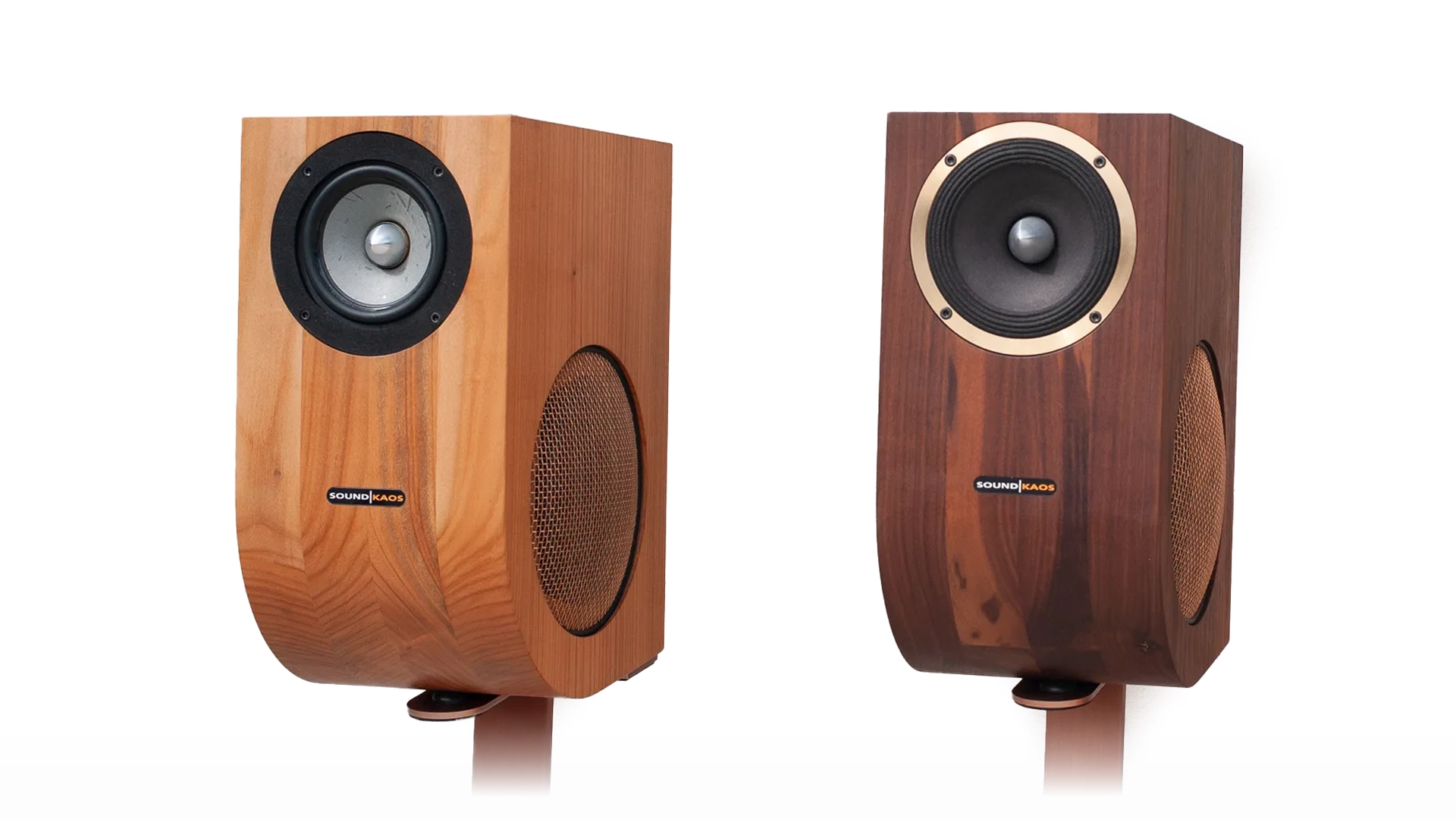
Sound Kaos combines wideband loudspeaker drivers with unusually compact wooden cabinets and, in other designs, open-baffle construction. Founded in Switzerland in 2010 by Martin Gateley, the brand treats industrial design, electroacoustic modelling and local woodworking as complementary parts of the same project. The VOX 3 monitor is a good example of its individual approach. Within a small solid-wood enclosure it combines a forward-facing wideband driver, two opposed side-mounted bass drivers and an upward-facing RAAL ribbon supertweeter. The bass pair is arranged for force cancellation, while the wideband unit covers much of the musically important range. Ferrite and Alnico driver versions offer different implementations of the concept. This is a four-driver, three-way cabinet loudspeaker; the open-baffle approach belongs to designs such as Libération, which explores a different form and radiation pattern. Wood species, natural finishes, bronze mesh covers and matching stands contribute to the physical identity of the range. Gateley develops the initial concept with specialist electroacoustic input, and the company works with a Swiss woodworker before completing assembly and testing in-house. VIBRA decoupling products extend its attention to the mechanical relationship between speaker and support. Sound Kaos is distinctive because it accommodates several acoustic architectures without losing its focus on wideband reproduction, compact proportions where possible and materials whose character remains visible in the finished product.
Soundsmith

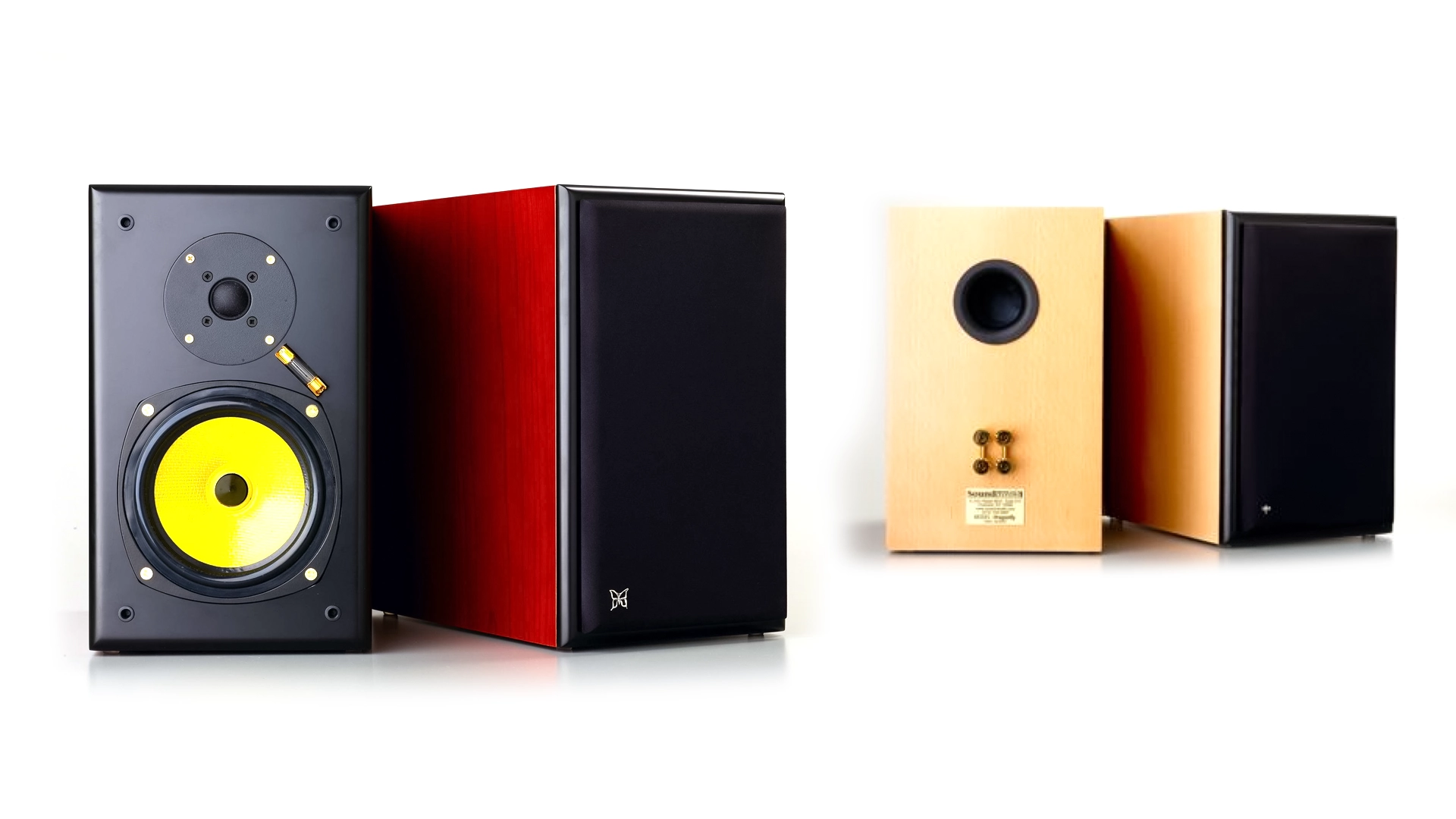
Soundsmith is a New York audio workshop best known for phono cartridges that can be rebuilt and for Peter Ledermann’s work on fixed-coil and strain-gauge reproduction. Founded in 1972, the company combines manufacturing in Peekskill with the repair of cartridges and audio electronics from many other makers. That service background is central to its products: maintainability and the behaviour of the tiny moving system receive as much attention as the finished cartridge body. In its fixed-coil designs, the coils remain stationary while a small magnetic element responds to the stylus movement. Reducing the mass that must follow the groove is a principal design objective. Different output levels allow these cartridges to serve a variety of phono systems, and repeated rebuilding is part of the ownership model. Soundsmith’s strain-gauge cartridges take a separate route and are supplied as systems with their associated electronics. The catalogue includes stereo and mono cartridges, replacements compatible with Bang & Olufsen turntables, and replacement styli for selected classic designs. Phono preamplifiers, the Alto tonearm and other audio products extend the workshop’s work beyond the cartridge itself. Ledermann also operates DirectGrace, a charitable record label supporting children, connecting his interest in recording with a wider personal purpose. Soundsmith’s individuality comes from that close relationship between designer, manufacturing bench and repair service: it produces new ways to read records while keeping existing cartridges and equipment in use.
Spendor

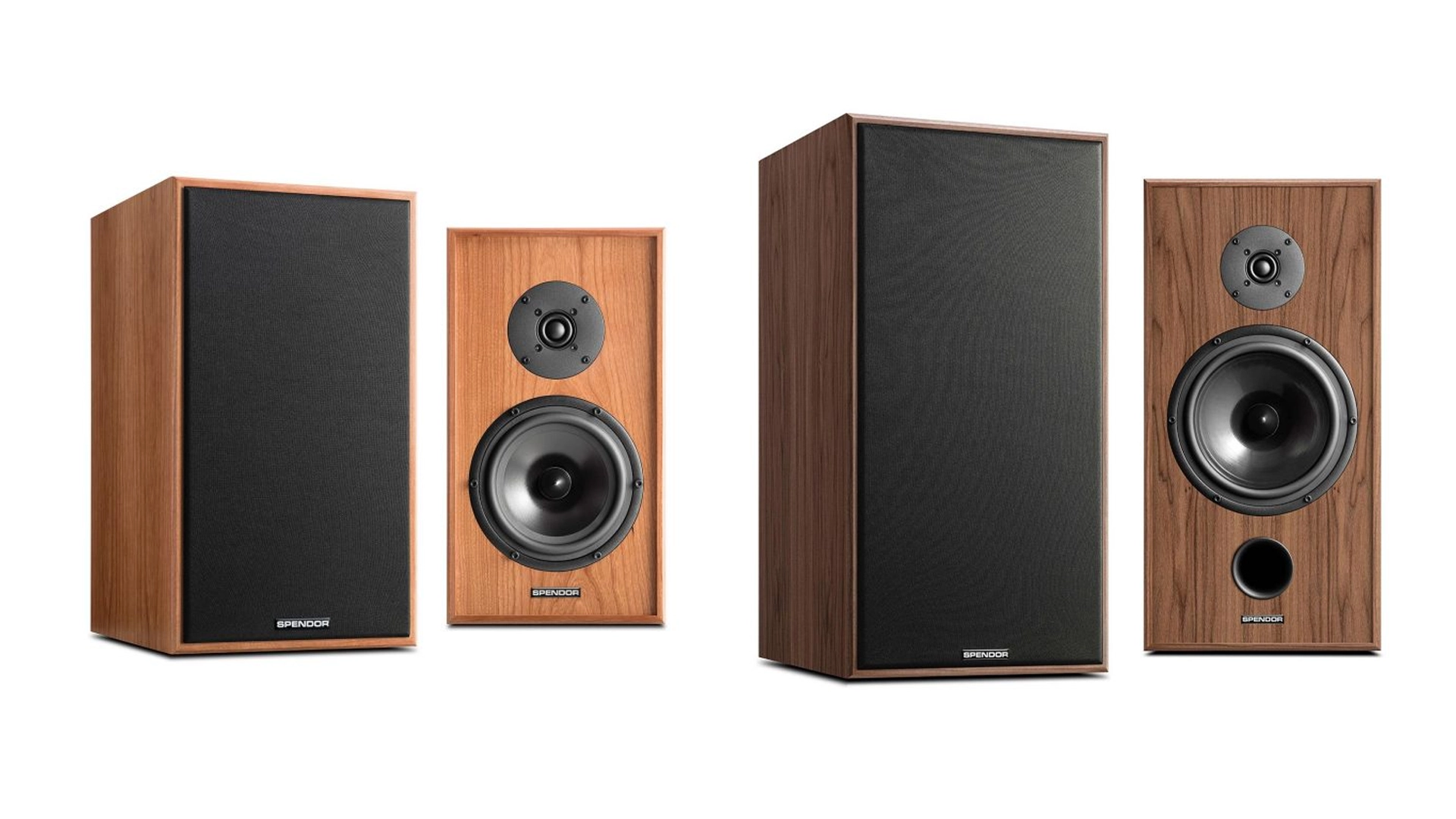
Spendor’s loudspeakers connect the BBC monitor tradition with British-made systems for modern homes. Spencer and Dorothy Hughes founded the company in 1969, combining parts of their names to create Spendor. Spencer’s work in the BBC’s sound engineering department informed the BC1, the loudspeaker that established the company’s reputation with broadcasters, recording studios and domestic listeners. Its influence continues through the Classic range, where familiar cabinet proportions coexist with revised drivers, crossover networks and damping. Spendor has also developed a different visual and technical direction in its slimmer A-Line and D-Line speakers. A-Line emphasises compact forms suited to ordinary living spaces, while D-Line introduces the company’s LPZ high-frequency unit and more ambitious floorstanding designs. The LPZ arrangement is intended to equalise sound-path lengths and create a balanced pressure environment around the tweeter. Products such as D7.2 illustrate how this research sits alongside work on bass airflow, polymer cones and cabinet behaviour. Spendor designs and manufactures its own drive units and cabinets, and assembles its loudspeakers in the UK, giving the company control over parts that many brands purchase as complete assemblies. Listening and measurement both inform development. The continuity with the BC1 is consequently more than a familiar name or a retro silhouette: it lies in the attention to speech and instrumental reproduction, supported by sustained work on the interaction of drive units, crossover and enclosure.
Stein Music

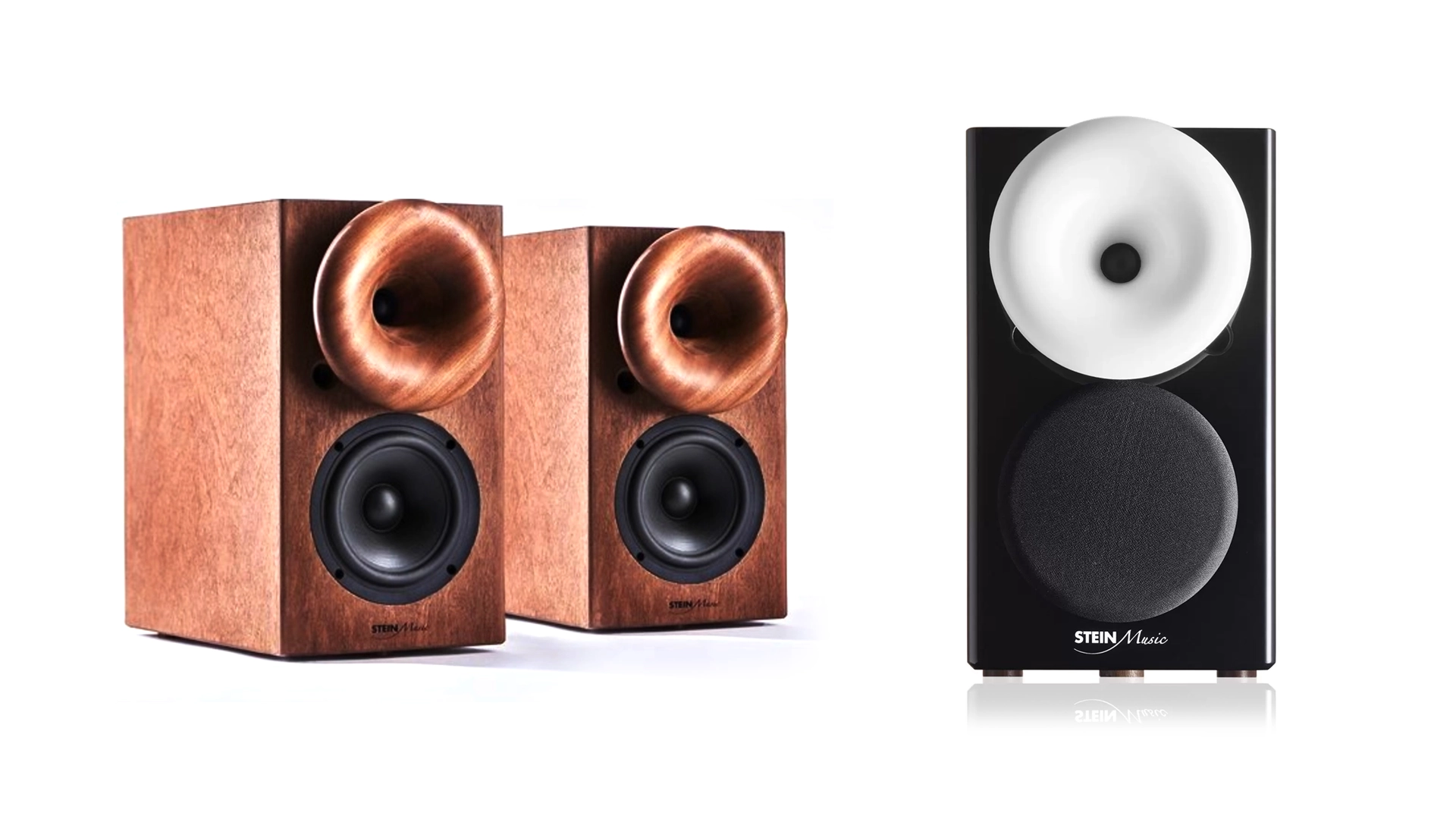
SteinMusic is the unusually broad high-end audio project of German physicist and designer Holger Stein. He built his first amplifier at fourteen and founded the company in Mülheim an der Ruhr in 1982. Over more than four decades, the catalogue has expanded far beyond electronics to include loudspeakers, vinyl accessories, cables, grounding products and room-treatment devices. That breadth reflects Stein’s view that music reproduction depends on the interaction of the entire system and room, not on one component measured in isolation. The Bobby and Bob loudspeakers are current anchors of the range, using modular concepts and dedicated bass solutions to adapt the system to different spaces. Amplifiers provide the matching electronics, while the Perfect Interface mats and cartridge-related products address the mechanical contact points in vinyl replay. SteinMusic is also known for accessories whose operation is less conventional, including Harmonizer room systems, Magic Stones and Super Ground products. Their claimed effects should be understood as the manufacturer’s approach rather than universal engineering consensus; the relevant fact is that these products form a coherent and long-running part of the brand, not a recent marketing detour. More conventional interfaces, including LAN and USB isolators, sit alongside them. Products are developed and assembled in Germany. SteinMusic’s individuality comes from Holger Stein’s willingness to treat acoustics, resonance, electrical grounding and component design as one connected listening problem—and to build a catalogue that lets users explore that philosophy at very different levels.
Steinway Lyngdorf

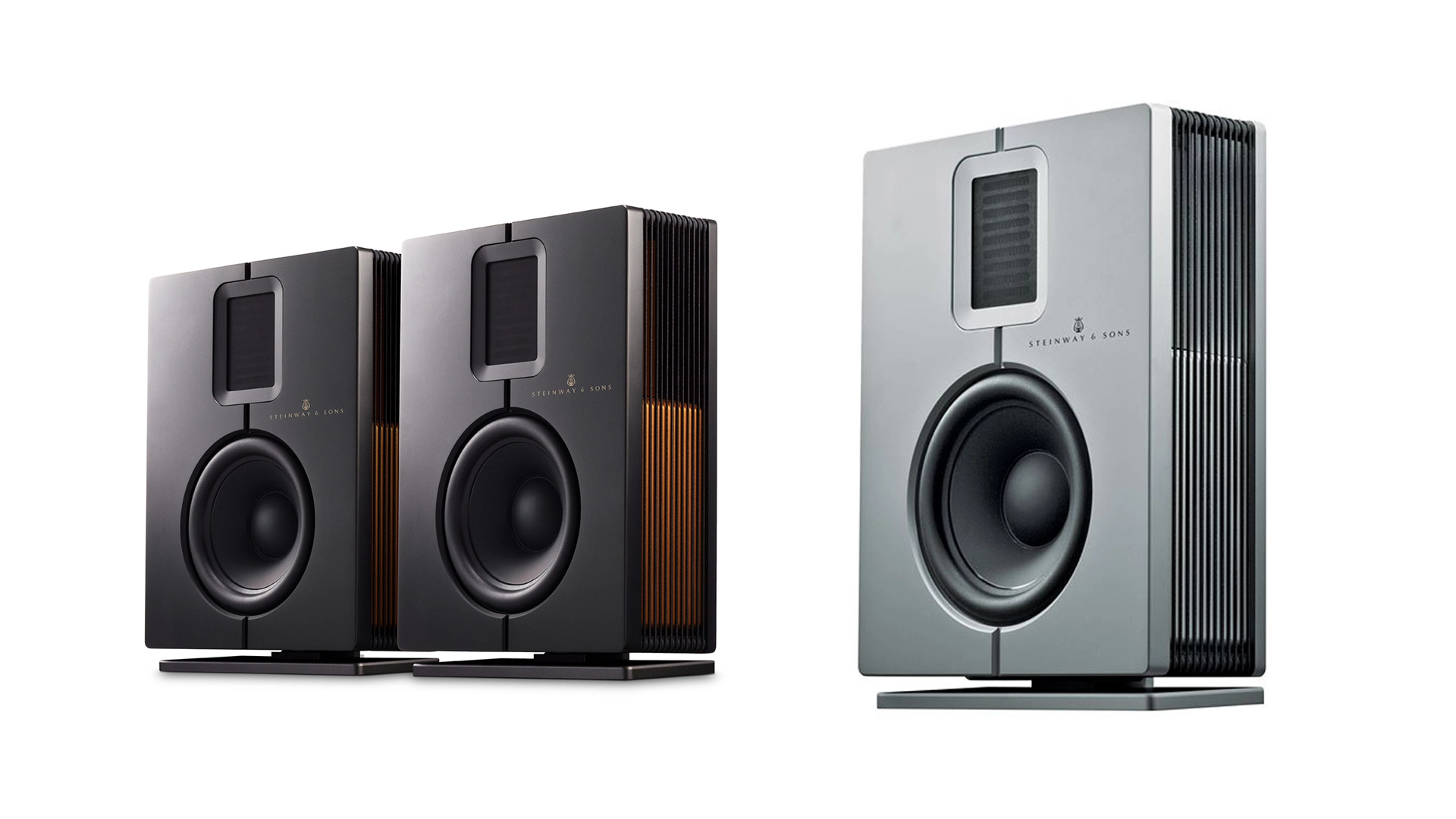
Steinway Lyngdorf creates complete active music and cinema systems in which loudspeakers, digital amplification, signal processing and room calibration are engineered as one installation. The foundation was laid in 2005 when Danish entrepreneur Peter Lyngdorf established Lyngdorf Audio under his own name, following earlier work on the Equibit platform and the Millennium fully digital amplifier. RoomPerfect arrived in 2006, mapping several positions in a room and correcting the system while preserving the loudspeaker’s intended tonal character rather than forcing a simple flat response at one seat. The collaboration with Steinway & Sons followed in 2007. Its first statement product, Model D, was named after the concert grand and set the pattern for a tightly integrated system finished to the visual standards expected of the piano maker. The Steinway & Sons range now includes freestanding Model A, B, C and D systems, the compact Model S family, architectural loudspeakers, boundary woofers and multichannel electronics such as P100 and P300 processors with A1/A2 amplifiers. Boundary woofers deliberately use placement near walls to work with room acoustics, while RoomPerfect handles calibration across stereo and immersive installations. These are not speakers intended to be mixed casually with unrelated electronics: authorised design, installation and tuning are part of the proposition. Steinway Lyngdorf’s defining achievement is turning Peter Lyngdorf’s digital-amplification and room-correction work into a complete architectural audio platform carrying the Steinway & Sons name.
Stenheim

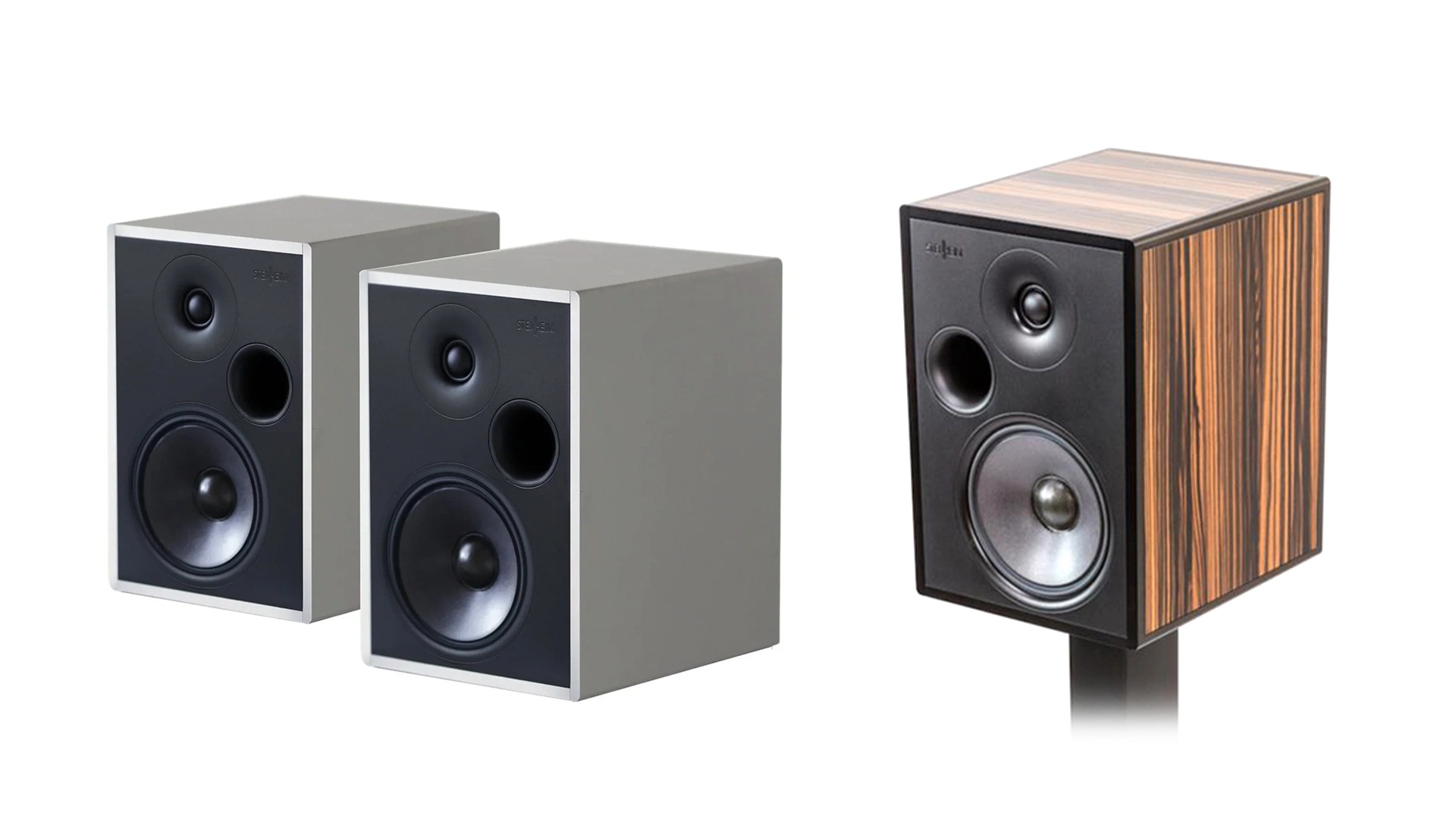
Stenheim builds high-efficiency loudspeakers in Switzerland using aluminium cabinets instead of the more usual wood-composite enclosures. The company was founded in 2010 by a team that had worked together at Nagra, bringing experience in precision Swiss audio engineering to loudspeaker design. After two years of development, the compact Alumine established the formula: rigid metal panels, carefully controlled internal damping and drive units selected to deliver realistic dynamics without demanding extreme amplifier power. The Alumine line now ranges from stand-mount models to larger floorstanders and a dedicated subwoofer. Above it, the Reference line scales the same priorities into Reference Ultime and Reference Statement systems designed for much larger rooms and listening levels. Aluminium is not used simply to give the products a machined appearance. Its stiffness allows cabinet dimensions and panel behaviour to be controlled precisely, while internal treatment is used to prevent the enclosure from adding a metallic signature of its own. High sensitivity and benign electrical loading are equally important parts of the design, widening the choice of compatible amplification, including lower-powered valve designs. Stenheim moved its headquarters and production to Vétroz in the canton of Valais, where assembly and finishing remain closely supervised. The brand’s identity rests on a productive contrast: substantial, highly engineered cabinets intended to stay mechanically quiet, paired with loudspeakers voiced to preserve the scale, immediacy and ease of a live performance.
Stones Speakers

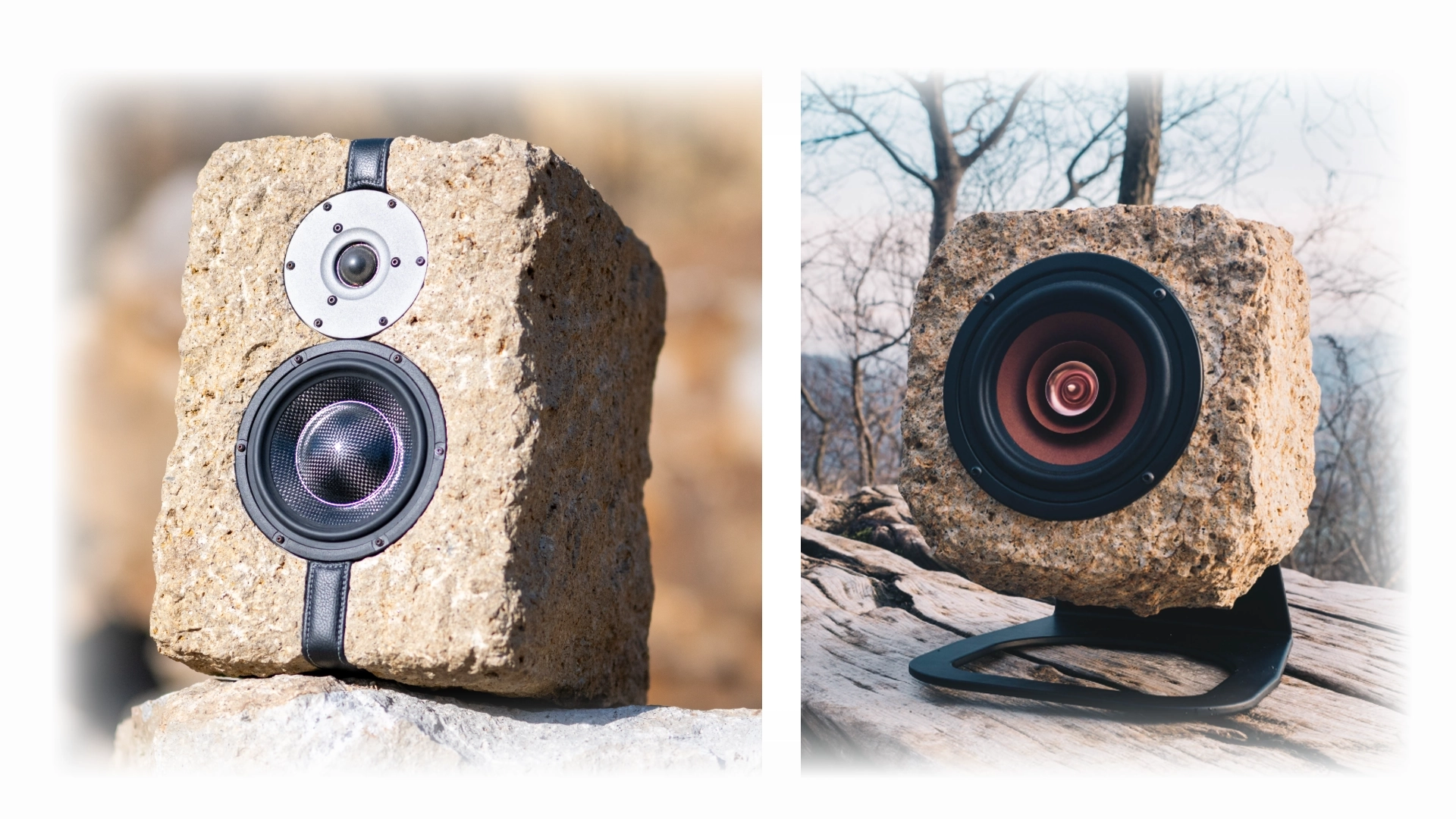
Stones Speakers turns a local Italian volcanic rock into the cabinet of a functioning high-fidelity loudspeaker. The small Veneto workshop uses Euganean trachyte quarried from the Euganean Hills, the same dense, durable stone seen in historic paving and architecture around Venice and Padua. Each enclosure is carved from solid material by a craftsman identified by the company as Master Michele, drawing on stone-working knowledge passed through generations. The choice produces more than an arresting object. A heavy, rigid mineral cabinet is difficult for the drive units to excite, reducing the broad panel flexing that can colour a wooden box; its irregular natural surface also gives every pair a visibly individual character. Venetia 487 is the best-documented model, a two-way loudspeaker with rear reflex loading and a cabinet sculpted from trachyte rather than assembled from flat panels. Driver openings, internal volume and ports must be formed with the precision required by an acoustic enclosure despite the resistance and variability of the stone. Metal hardware and carefully fitted electroacoustic parts complete what begins as a substantial block of local rock. Stones Speakers does not need an invented corporate mythology: its point is already unusual and specific. Design and manufacture remain in Veneto, and the product sits at the meeting place of regional craft, sculpture and loudspeaker engineering. For the owner, the enclosure is both the principal resonance-control strategy and the feature that makes no two naturally finished examples exactly alike.
Storgaard & Vestskov

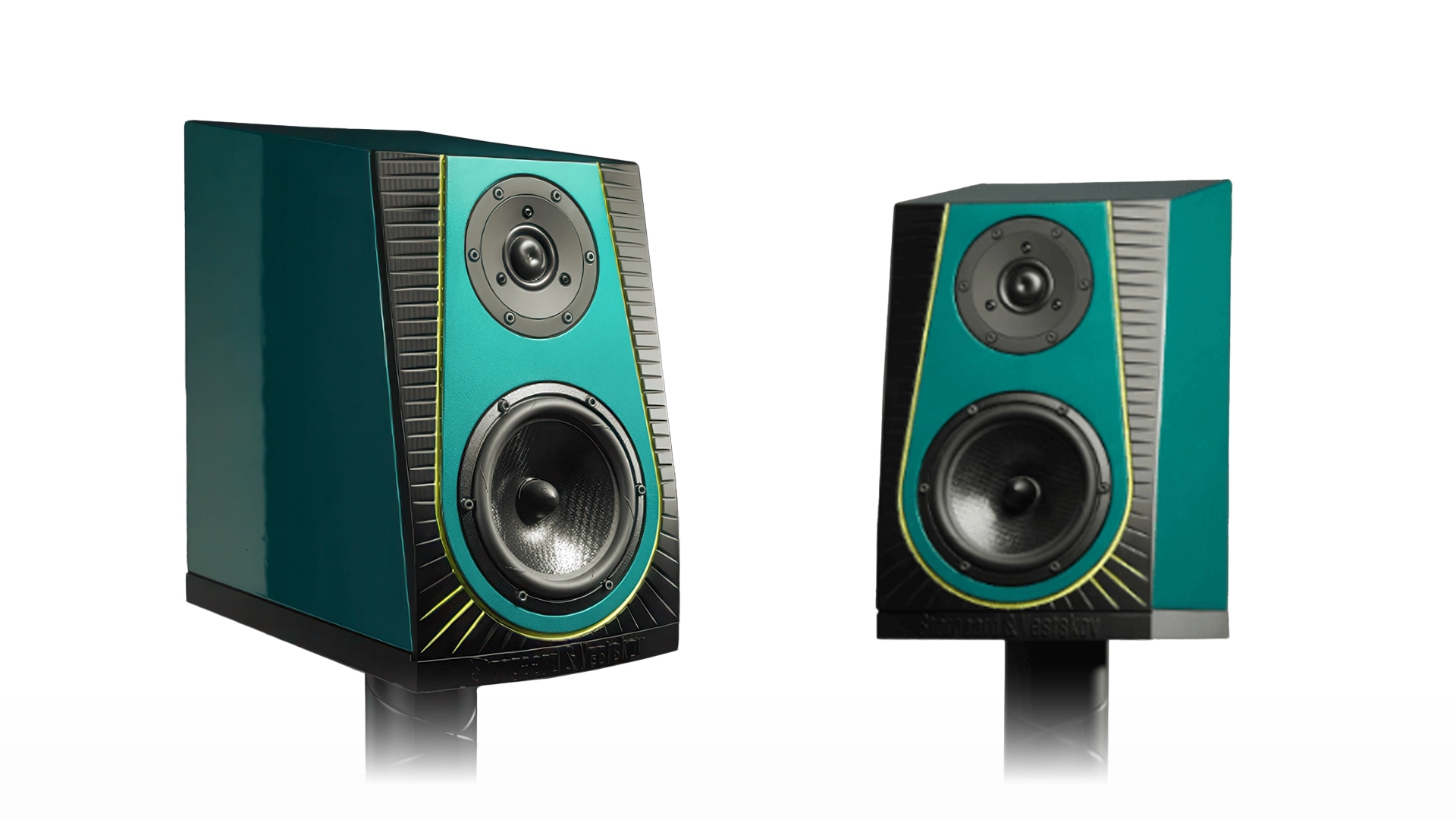
Storgaard & Vestskov is the Danish loudspeaker company now presented internationally as SV-Audio. Founded on Bornholm in 2022, it grew from crossover experiments begun several years earlier and from the partnership between CEO and designer Casper Vestskov and veteran sound engineer Jens Posselt. Posselt brings more than four decades of Danish loudspeaker-development experience; the industrial form, materials and production programme are developed around that acoustic work rather than added after it. GRO and FRIDA define the young brand’s first mature range. Their broad aluminium front baffles curve away from the drivers, controlling diffraction while giving the speakers a recognisable sun-disc profile inspired by the light and landscape of Bornholm. The cabinets combine substantial construction with in-house machining, finishing, assembly and individual measurement. SV-Audio stresses neutrality, but the engineering route is concrete: carefully developed crossovers, controlled radiation, low cabinet contribution and drivers selected to preserve dynamics at domestic levels. GRO is the larger statement design, while FRIDA brings the same visual language and development philosophy to a more compact floorstanding form. The company has continued strengthening its technical team, appointing Danish designer Benno Baun Meldgaard as CTO in 2026. Its original country identity is therefore especially relevant. SV-Audio is not merely using Danish design as a label; the loudspeakers are conceived and manufactured on Bornholm, with the island’s production capabilities and aesthetics built into the product from the beginning.
Stratton Acoustics

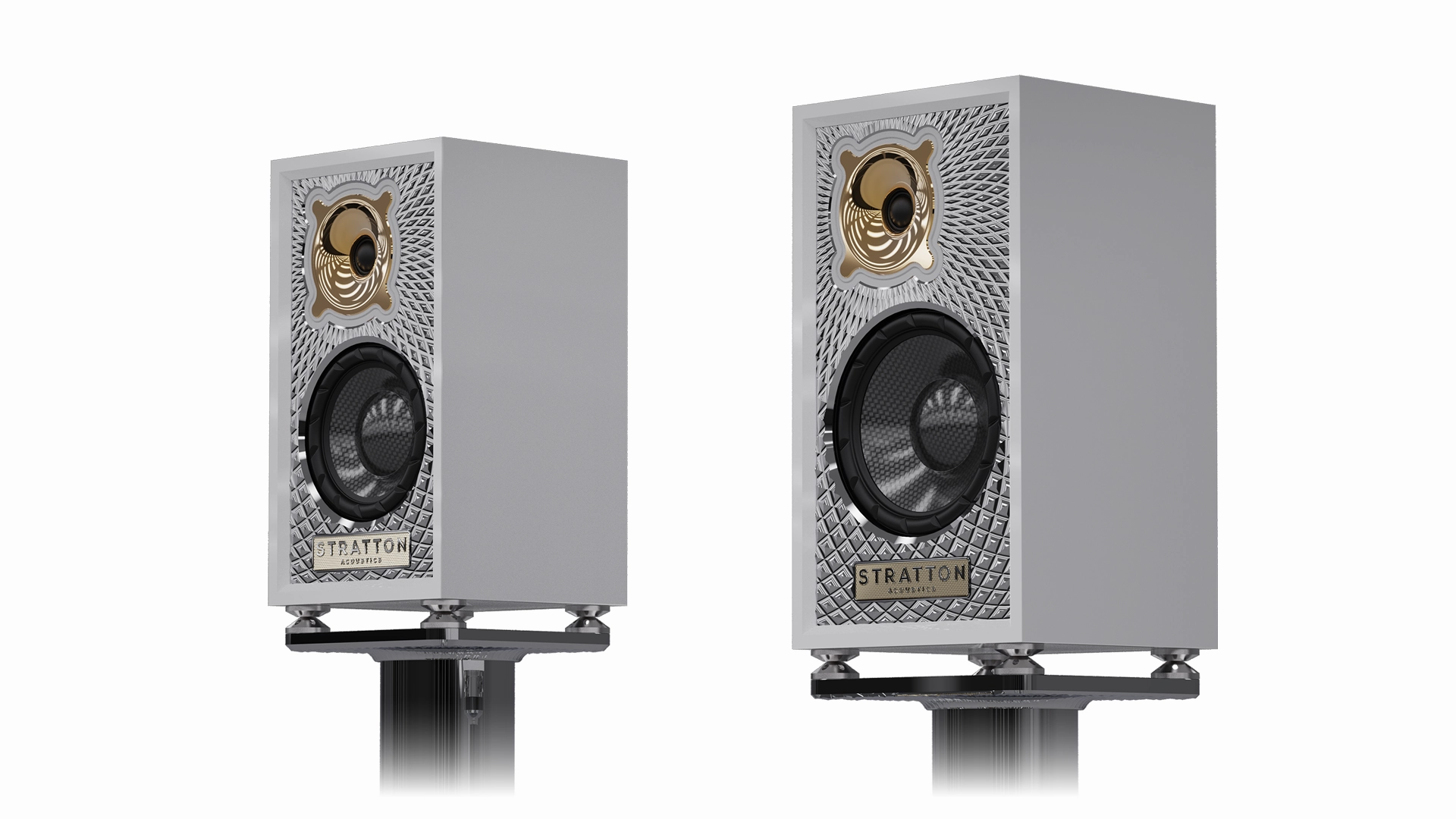
Stratton Acoustics builds modern British loudspeakers around the scale, efficiency and physical excitement associated with the great studio monitors of the 1970s. Industrial designer and manufacturer David Fowler founded the company, working with electroacoustic engineer and founding partner Phil Ward. Their first product, the Elypsis 1512, was revealed in 2023 after roughly four years of development. Its visual cues acknowledge monitors such as the JBL 4350, Tannoy Buckingham and Urei 815A, but the engineering uses contemporary professional drive units, modelling and manufacturing rather than recreating a vintage circuit. A broad, curved baffle, very high sensitivity and large bass radiators allow the Elypsis to reproduce substantial dynamic range with low compression. Midrange and treble level controls provide limited adjustment for the room, an especially useful feature on a speaker too large to reposition casually. The Element 12 translated the same emphasis on rhythm, dynamics and engagement into a more manageable two-way design with an integral stand. Element 8 and Element 6 subsequently extended the family into smaller rooms while retaining proprietary waveguide work, rigid enclosures and dedicated stands. Loudspeakers and stands are manufactured in the UK, and bespoke finishes are treated as part of the industrial design. Stratton’s appeal is not nostalgia alone. It asks what listeners valued in large control-room monitors—ease, scale and direct communication—then rebuilds those qualities with present-day drivers, lower colouration and the finish expected of domestic high-end furniture.
SVS

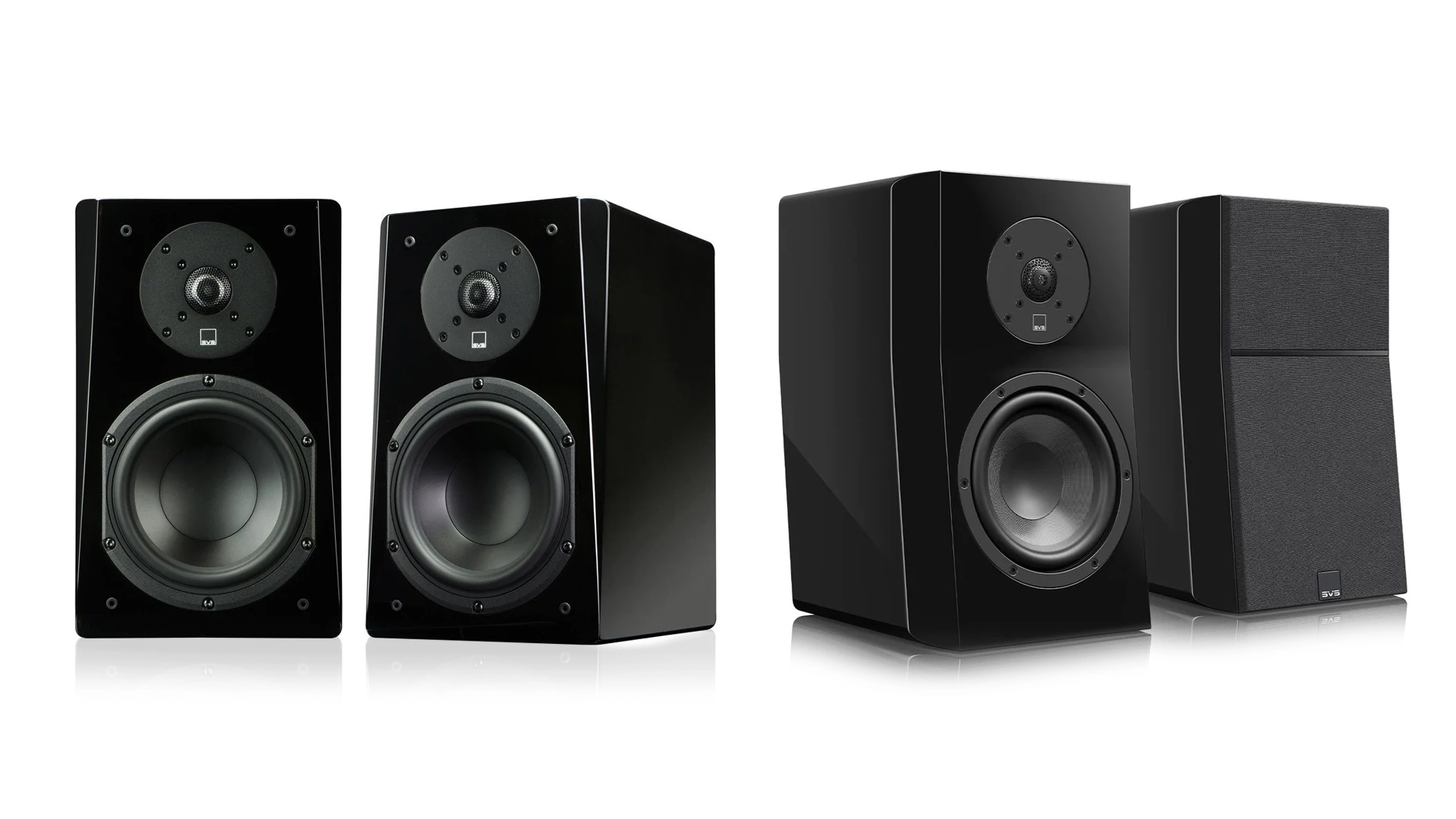
SVS is an American company specializing in high-performance subwoofers, loudspeakers, and audio accessories, known for its direct-to-consumer sales model and its focus on delivering exceptional value for money. The company’s subwoofers are particularly well-regarded, known for their deep bass extension, high output, and ability to provide a powerful and impactful low-frequency foundation for both music and home theater systems. SVS offers a wide range of subwoofers, from compact sealed models to large ported designs, catering to different room sizes and listening preferences. They also produce a range of loudspeakers, designed to complement their subwoofers and provide a complete audio solution. The “PB” (Ported Box) and “SB” (Sealed Box) prefixes are commonly used to denote their subwoofer models, while the “Prime” and “Ultra” series represent different tiers within their loudspeaker lineup.
Swan Speakers

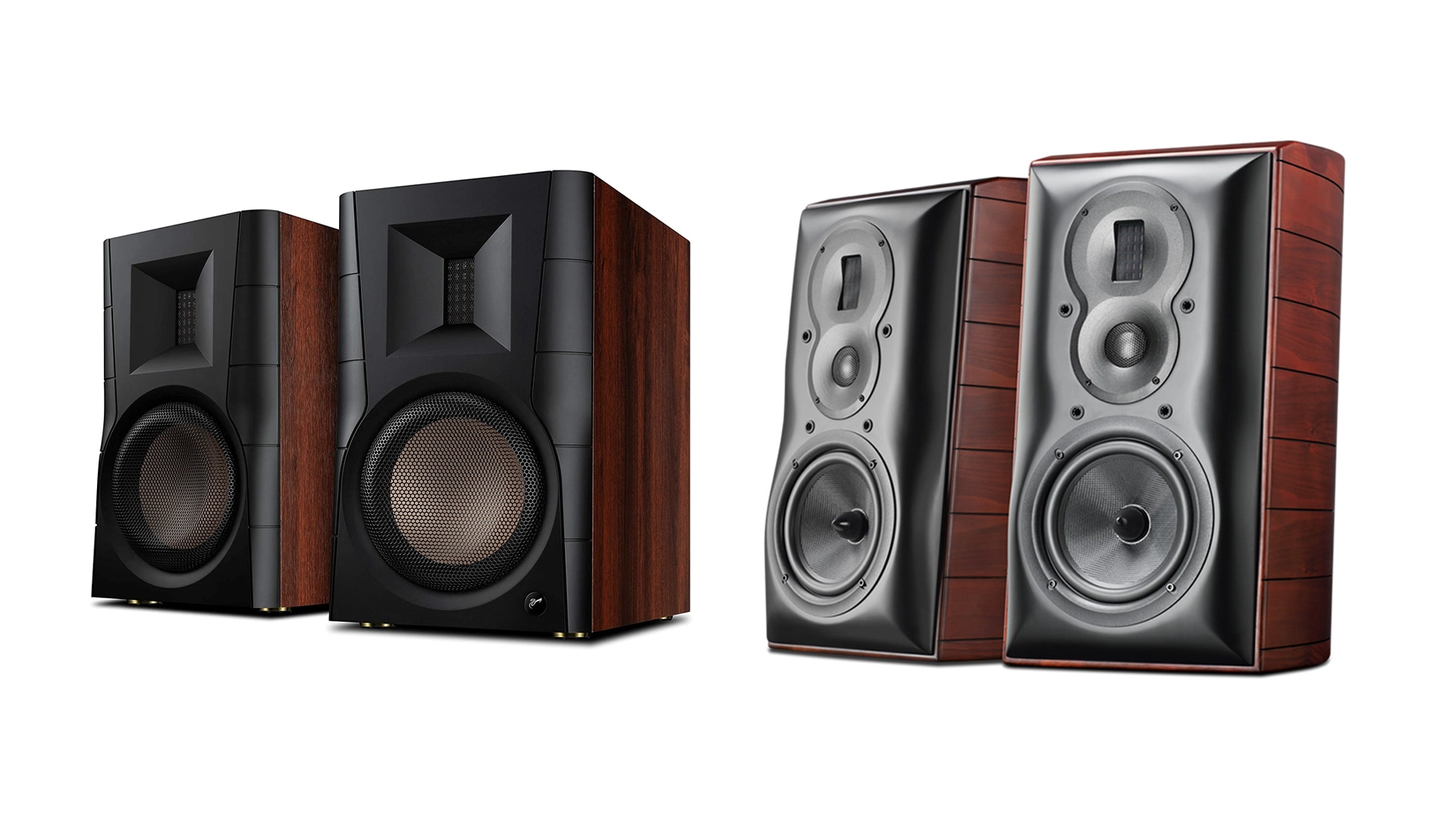
Swan Speakers (HiVi Technology, stock code 002888) is a Chinese audio manufacturer founded in 1991, initially focused on high-end speakers. Their philosophy is “Hear the Difference.” In 1997, they merged with Swan Speaker Systems (USA), acquiring the Swan brand and Frank Hale as chief designer. Hale, known for his work on the Swan M1 speaker, had previously designed the world’s first isodynamic ribbon speaker. The company has grown significantly, with three major industrial bases totaling 200,000 square meters, including a Zhuhai production base established in 2011. They have a full product range, including Hi-Fi, home theater, multimedia active audio, power amplifiers, internet cloud audio, headphones, car audio, professional audio, smart radios, conference systems, and speaker drivers. Swan possesses advanced facilities, including two large anechoic chambers. Their speaker drivers are used by many other audio manufacturers in Europe and America. Swan has won 17 CES Innovation Awards, including two Best of CES. They emphasize innovation, combining advanced electroacoustic technology with Chinese precision manufacturing.
System Audio

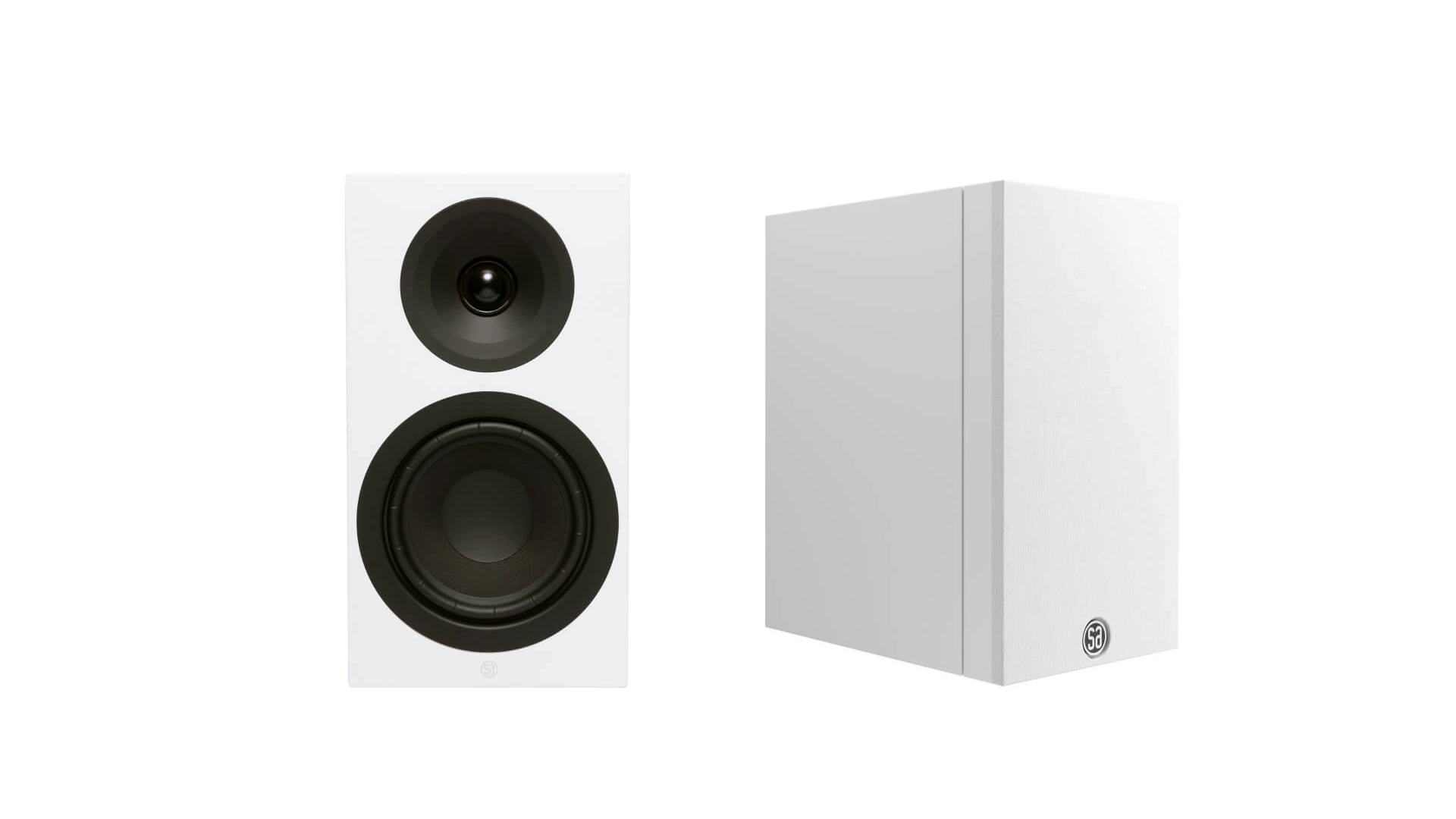
System Audio is a Danish loudspeaker manufacturer known for its slim and elegant designs, focus on fast and dynamic sound, and a commitment to making high-quality audio accessible to a wide audience. Founded by Ole Witthøft. The company’s loudspeakers often feature narrow baffles, which are intended to minimize diffraction and improve imaging. System Audio utilizes a variety of driver technologies and cabinet construction techniques to achieve their desired sonic characteristics. They offer a wide range of models, from compact bookshelf speakers to larger floor-standing designs, as well as on-wall speakers and subwoofers. The “SA legend,” “SA saxo,” and “SA aura” series represent different points in their product line. System Audio products are positioned in the mid-to-high-end segment of the market, appealing to audiophiles and music lovers who value both performance and Scandinavian design.
T+A

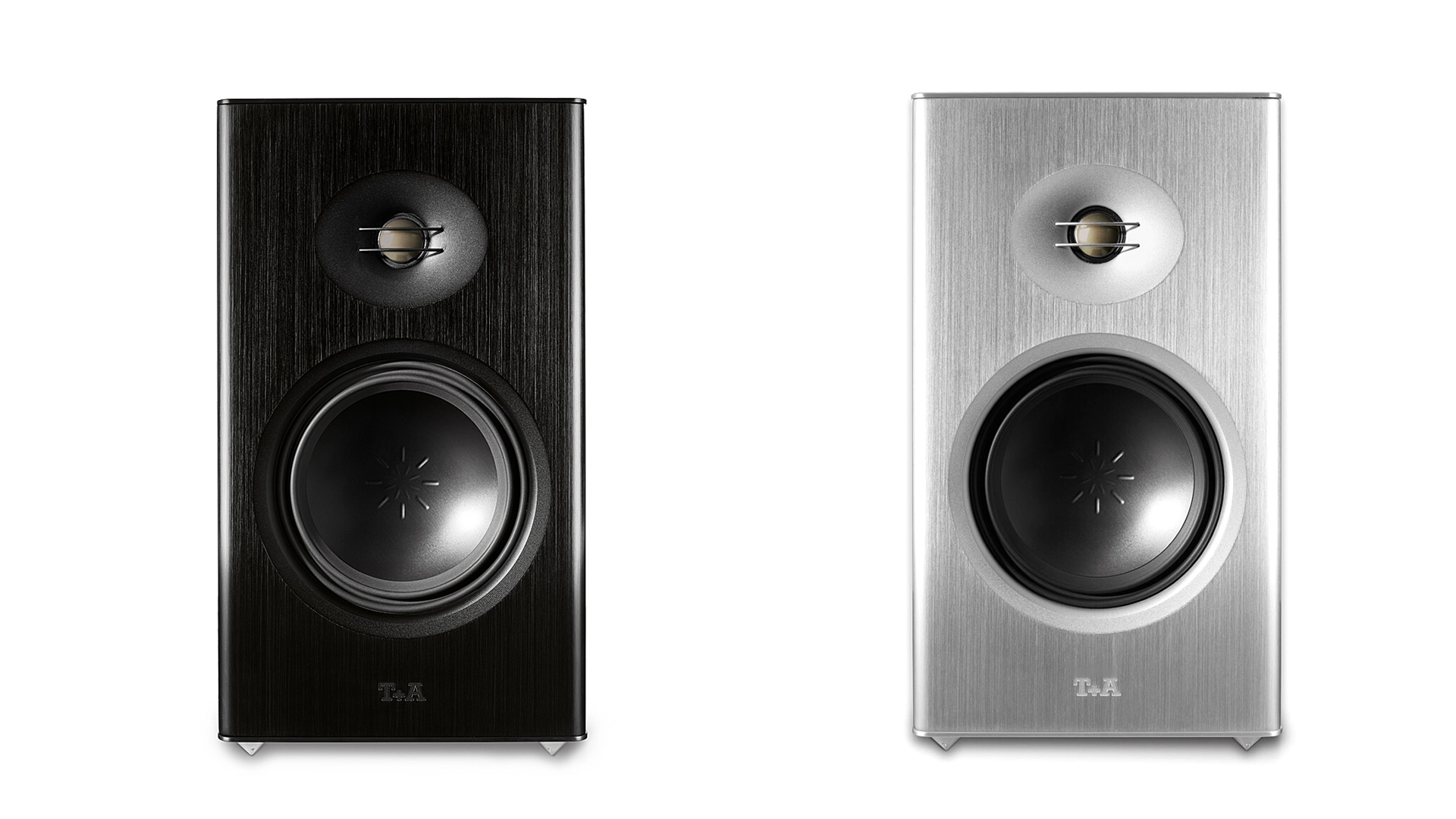
T+A elektroakustik (Theory + Application) is a German manufacturer of high-end audio equipment, known for its wide range of products, innovative technologies, and a focus on delivering both exceptional sound quality and comprehensive features. The company’s product range includes amplifiers, preamplifiers, integrated amplifiers, CD players, streamers, all-in-one systems, loudspeakers, and even headphones. T+A often utilizes proprietary technologies and advanced engineering in its designs, aiming to push the boundaries of audio performance. Their products are characterized by their robust build quality, elegant aesthetics, and a sonic signature that emphasizes detail, dynamics, and a natural, unforced presentation. The “HV” (High Voltage), “R” series , and “Cala” series represent different facets of their product offerings. T+A products are positioned in the high-end segment of the market, appealing to audiophiles who value both performance and German engineering.
TAD

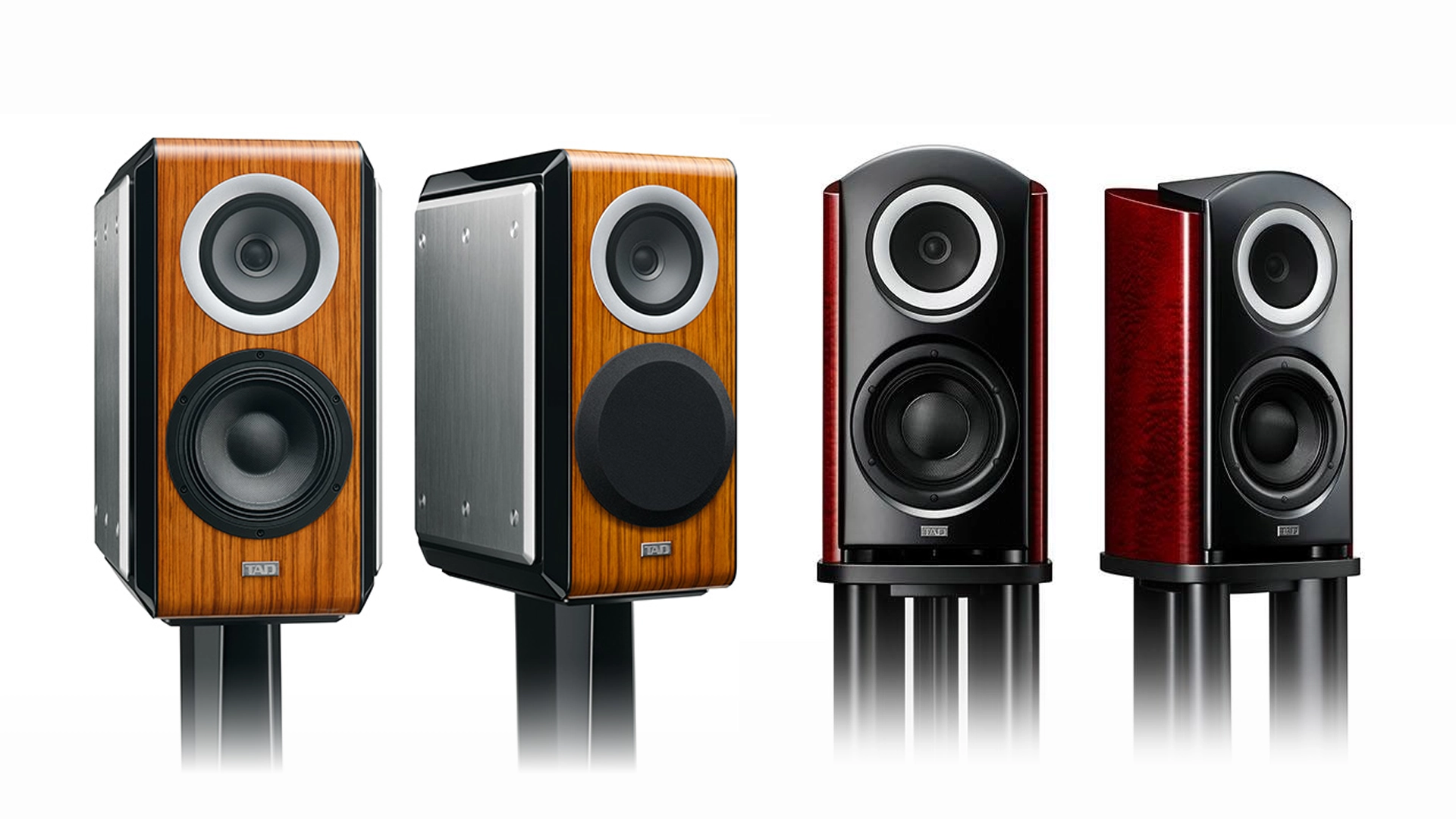
TAD (Technical Audio Devices Laboratories, Inc.), a high-end audio brand and division of Pioneer, was initially focused on professional studio monitors. Founded by Bart Locanthi. Their entry into the consumer market began in 2002 with the TAD-M1 speaker system, unveiled at the Consumer Electronics Show (CES). The TAD-M1, and subsequent TAD speakers, are built around their proprietary CST (Coherent Source Transducer) Driver. This coaxial driver combines a beryllium tweeter dome and a beryllium midrange cone, achieving ultra-wide-range reproduction from 250 Hz to 100 kHz. The CST driver acts as a point source, providing uniform directional characteristics both horizontally and vertically, for natural sound dispersion. The use of beryllium is key: it’s the lightest and most rigid metal with high internal loss, ideal for reproducing ultra-high frequencies (including harmonic overtones that enhance the audible band). The shallow, large-diameter beryllium midrange also contributes to lower bass response. The CST Driver, incorporating high-precision processing and a proprietary vapor deposition technique for the beryllium diaphragm, represents the culmination of years of TAD’s technical expertise. The technology is found in models like the TAD Reference One (released 2007) and other speakers.
Taga Harmony


TAGA Harmony is a company specializing in loudspeakers, audio electronics, and cables, known for its focus on providing high-quality sound at accessible price points. While having European roots, the company has significant operations and design influence from Japan. TAGA Harmony offers a wide range of products, including floor-standing speakers, bookshelf speakers, center channel speakers, subwoofers, integrated amplifiers, and various cables. Their products often feature a modern aesthetic and are designed to deliver a balanced and engaging sound. The company’s design philosophy emphasizes a combination of engineering principles and subjective listening evaluations to achieve optimal performance. TAGA Harmony products are positioned in the
Tangent

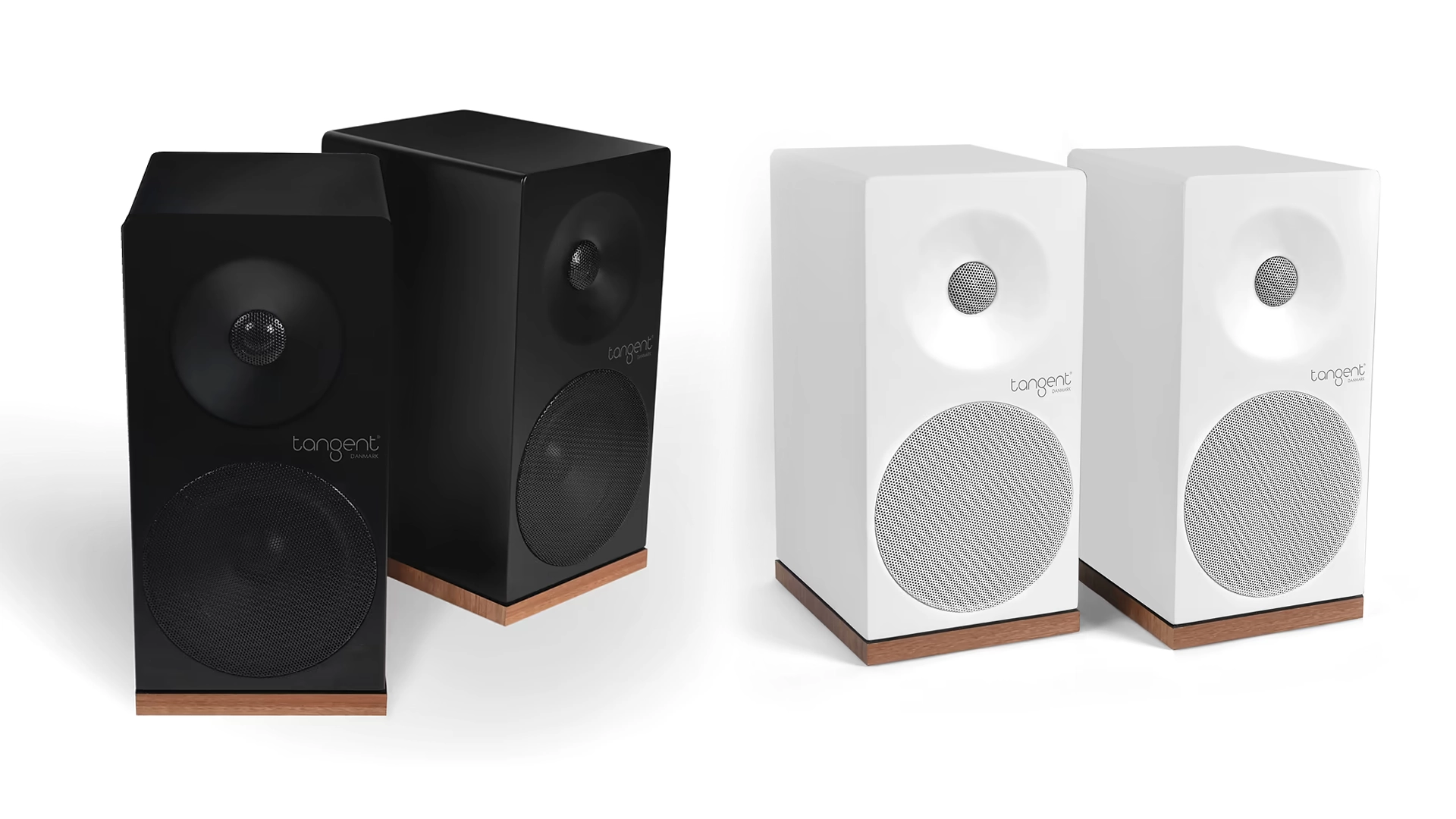
Tangent is a Danish brand of audio electronics, known for its stylish and compact designs, often featuring a minimalist Scandinavian aesthetic. The company offers a range of products, including radios, CD players, amplifiers, speakers, and all-in-one music systems. Tangent products are often characterized by their ease of use, intuitive controls, and support for various wireless technologies, such as Bluetooth and Wi-Fi. They are designed to be versatile and user-friendly, integrating seamlessly into modern living spaces. The company’s focus is on providing a good balance of sound quality, features, and design, at accessible price points. Tangent products are positioned in the mid-range consumer market, appealing to a broad audience who appreciate both aesthetics and functionality.
Tannoy

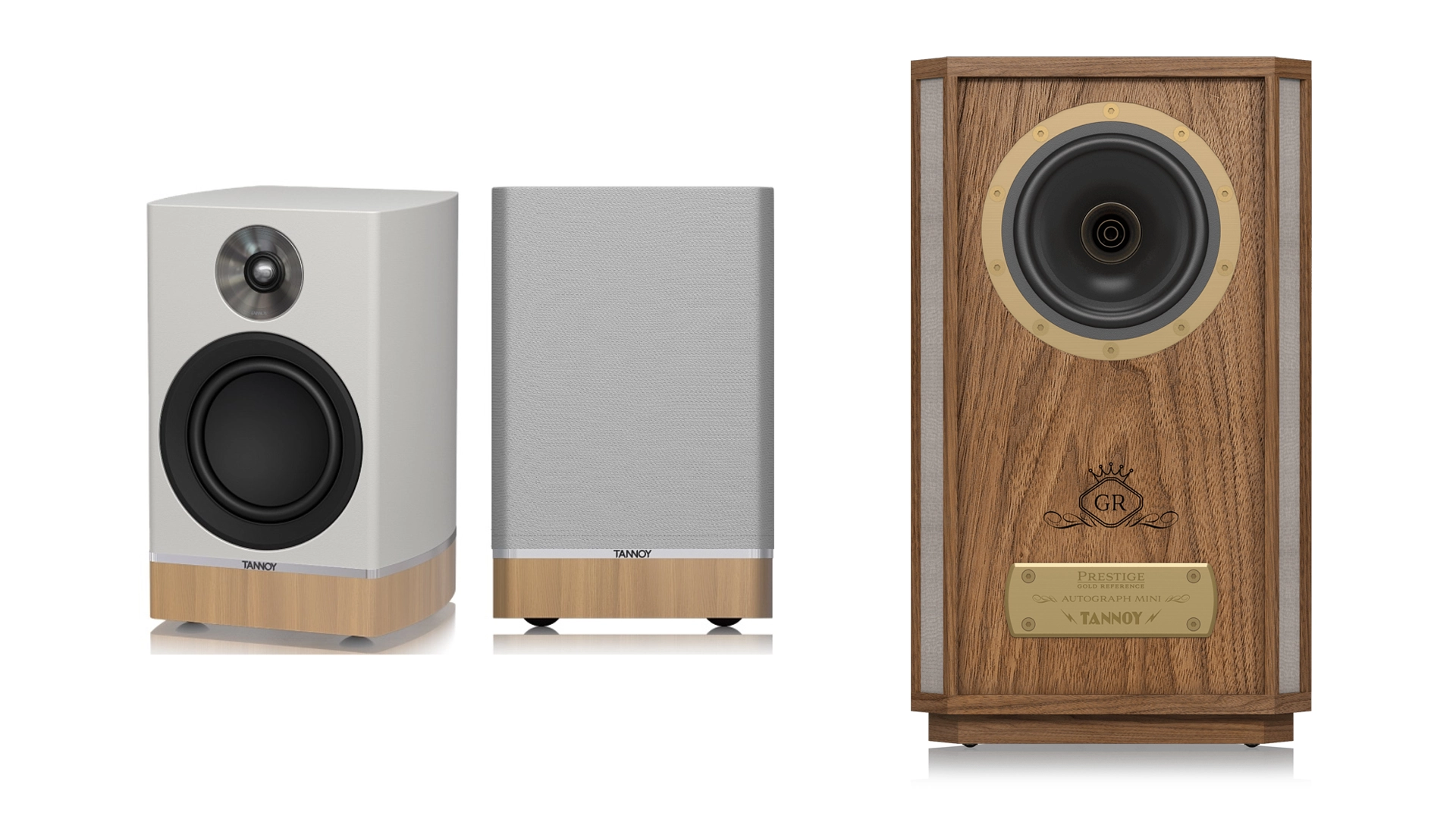
Tannoy is a classic British loudspeaker manufacturer with a long and storied history in the audio industry, particularly known for its “Dual Concentric” driver technology. Founded by Guy Fountain. The company’s Dual Concentric design places the tweeter at the center of the woofer, aiming to create a point-source sound with improved imaging and coherence. Tannoy loudspeakers are used in a variety of applications, from professional studio monitoring and sound reinforcement to high-end home audio. They offer a wide range of models, from compact bookshelf speakers to large, floor-standing designs. The “Prestige,” “Legacy,” and “Definition” series represent different points in their product line. Tannoy products are often characterized by their warm, musical, and engaging sound, with a particular emphasis on midrange clarity and naturalness. The company is a major player in the global loudspeaker market, with a reputation for quality, innovation, and a distinctive sonic signature.
Technics

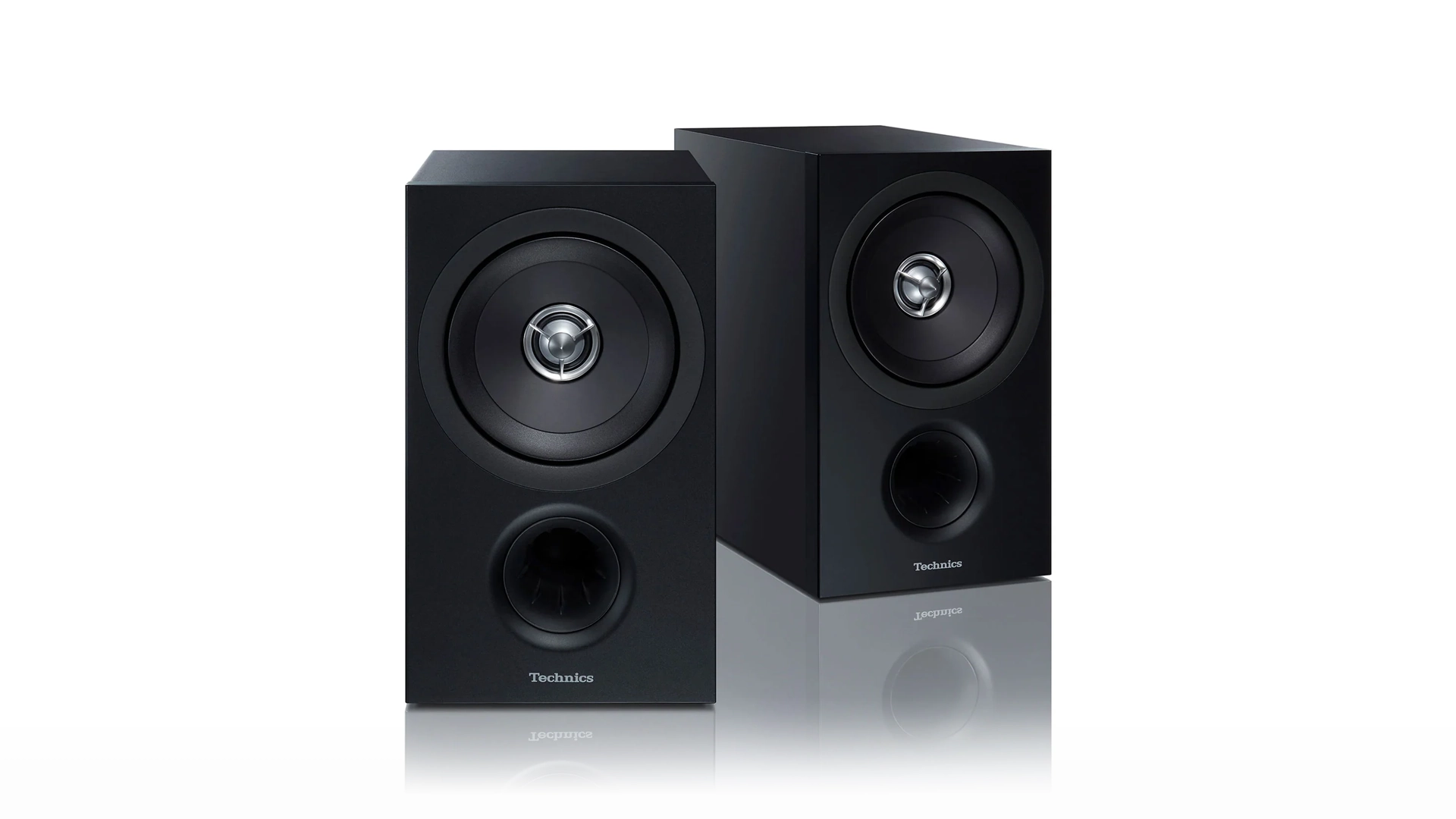
Technics is Panasonic’s Japanese hi-fi brand, introduced in 1965 and defined above all by its transformation of the turntable. The first product to carry the name was the Technics 1 loudspeaker, but the SP-10 of 1970 created the decisive legacy: it was the first commercially available direct-drive turntable, placing the platter directly on the motor and eliminating belts and idlers. The SL-1200 followed in 1972, and the quartz-controlled SL-1200MK2 of 1979 became an enduring tool for broadcasters, clubs, DJs and home listeners. That achievement can obscure the breadth of the company. Technics also built amplifiers, cassette and open-reel machines, CD players and loudspeakers, often using advanced motor, power-supply and digital research from the wider Panasonic organisation. After a pause in dedicated hi-fi production, the brand returned in 2014 with new Reference and Grand Class systems rather than a purely retro catalogue.
Modern turntables range from the accessible SL-1500C and SL-1200GR2 to the SL-1200G and Reference SP-10R, whose coreless direct-drive motors address cogging and rotational stability with current control technology. Electronics such as the SU-R1000 integrated amplifier use digital signal processing for functions including cartridge calibration and load-adaptive speaker control, while wireless systems and loudspeakers broaden the range. Technics remains distinctive because one engineering idea became both an audiophile reference and a global musical instrument, yet the company continues to refine it instead of merely reproducing the past.