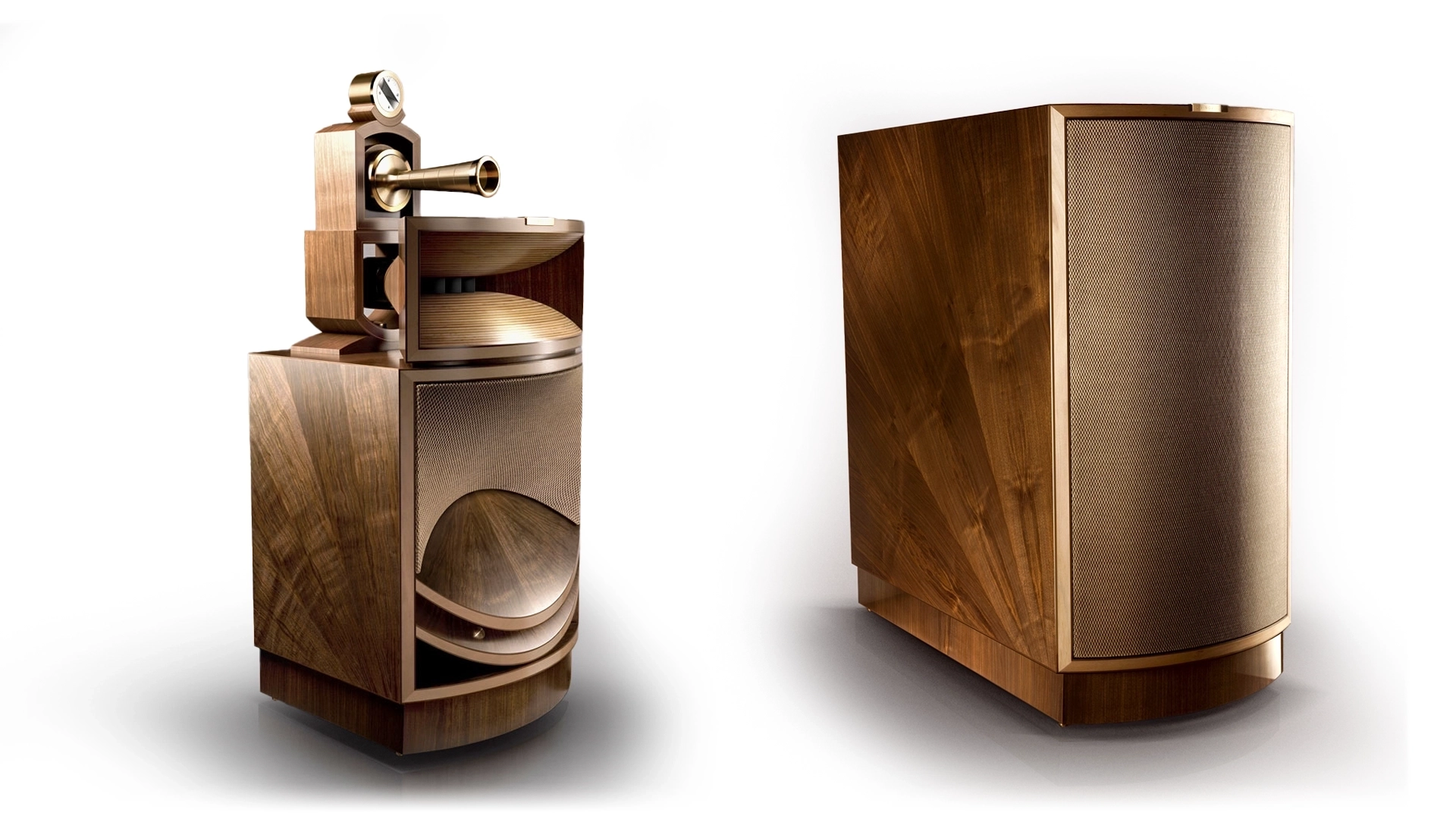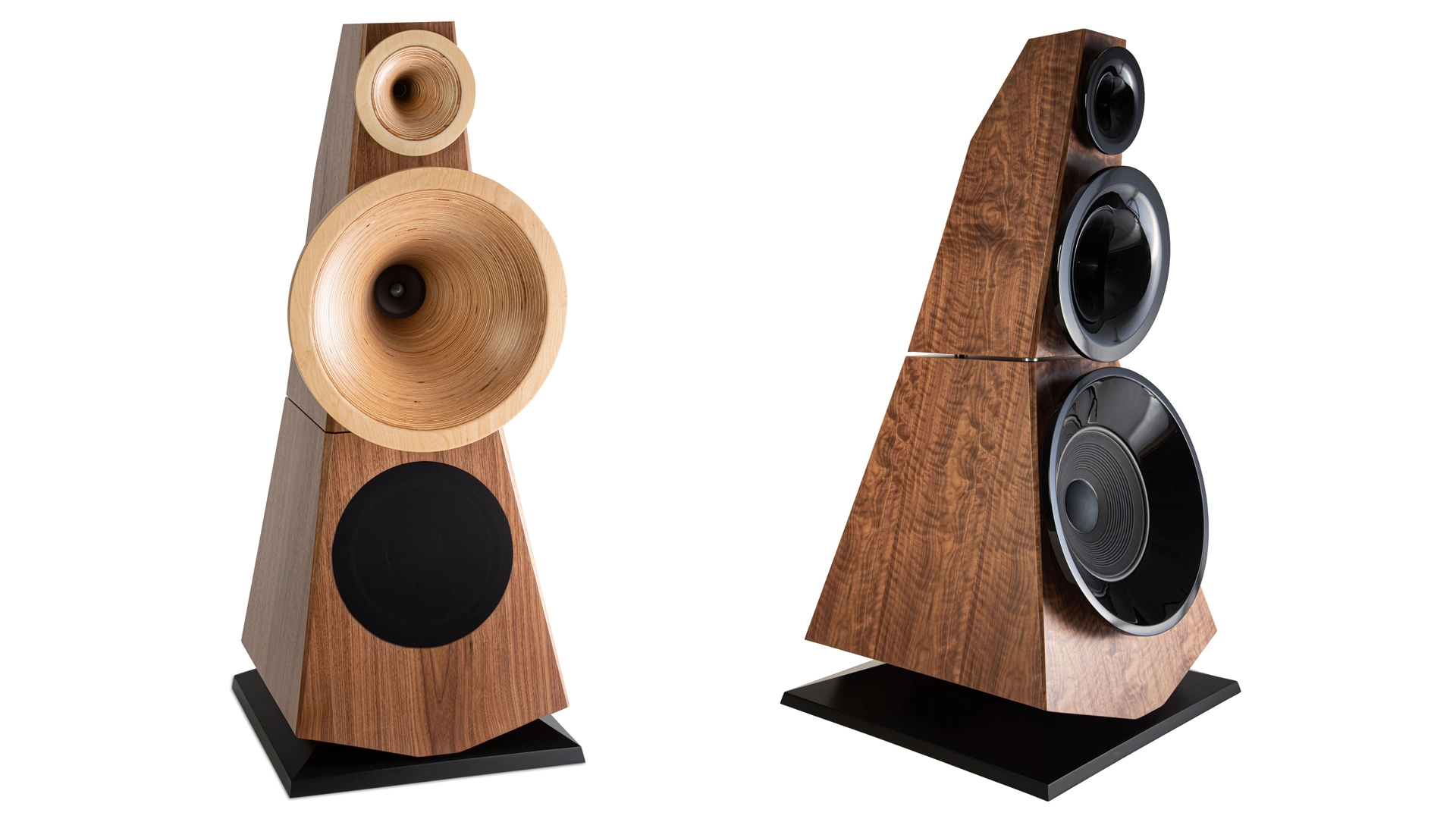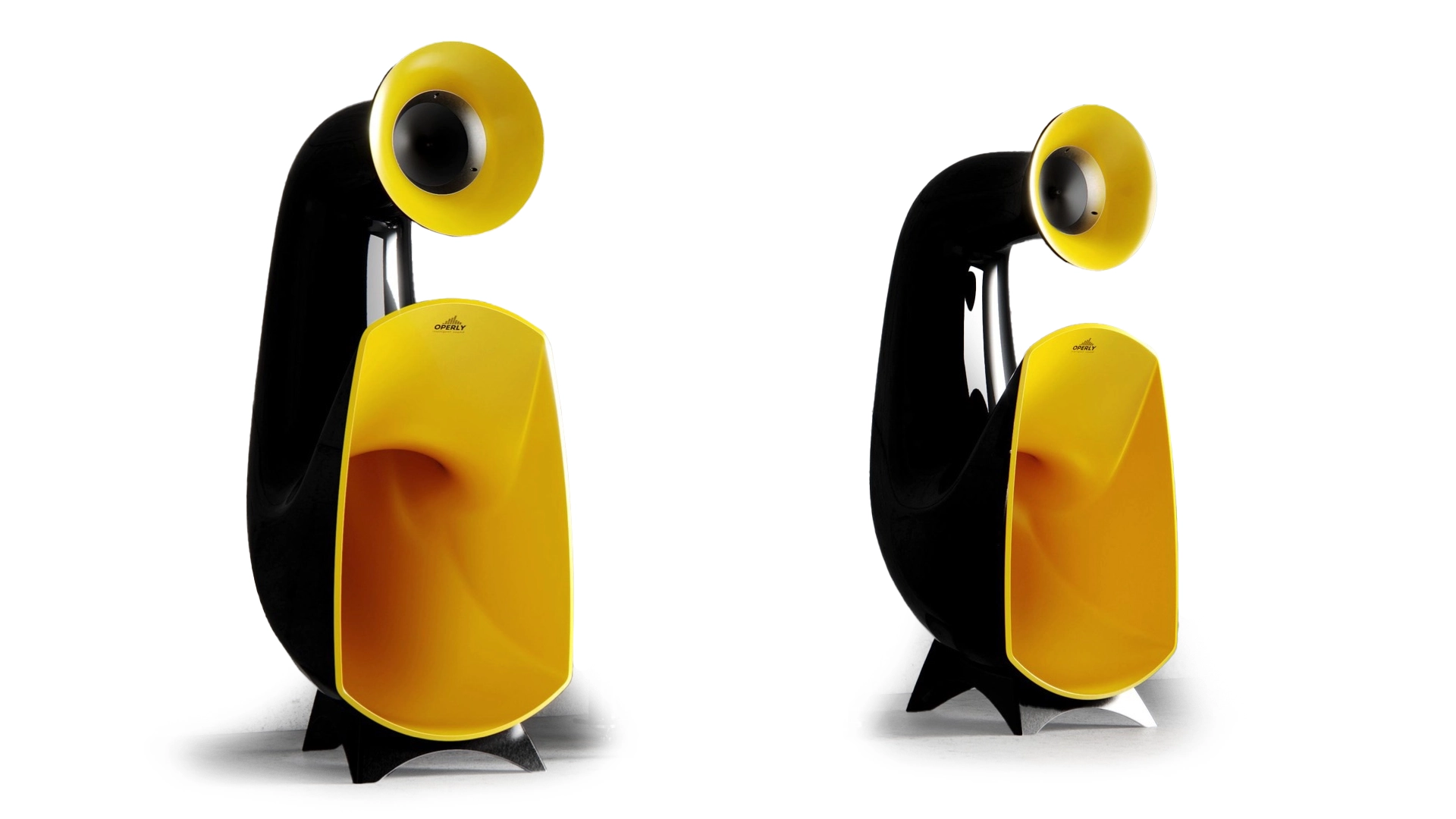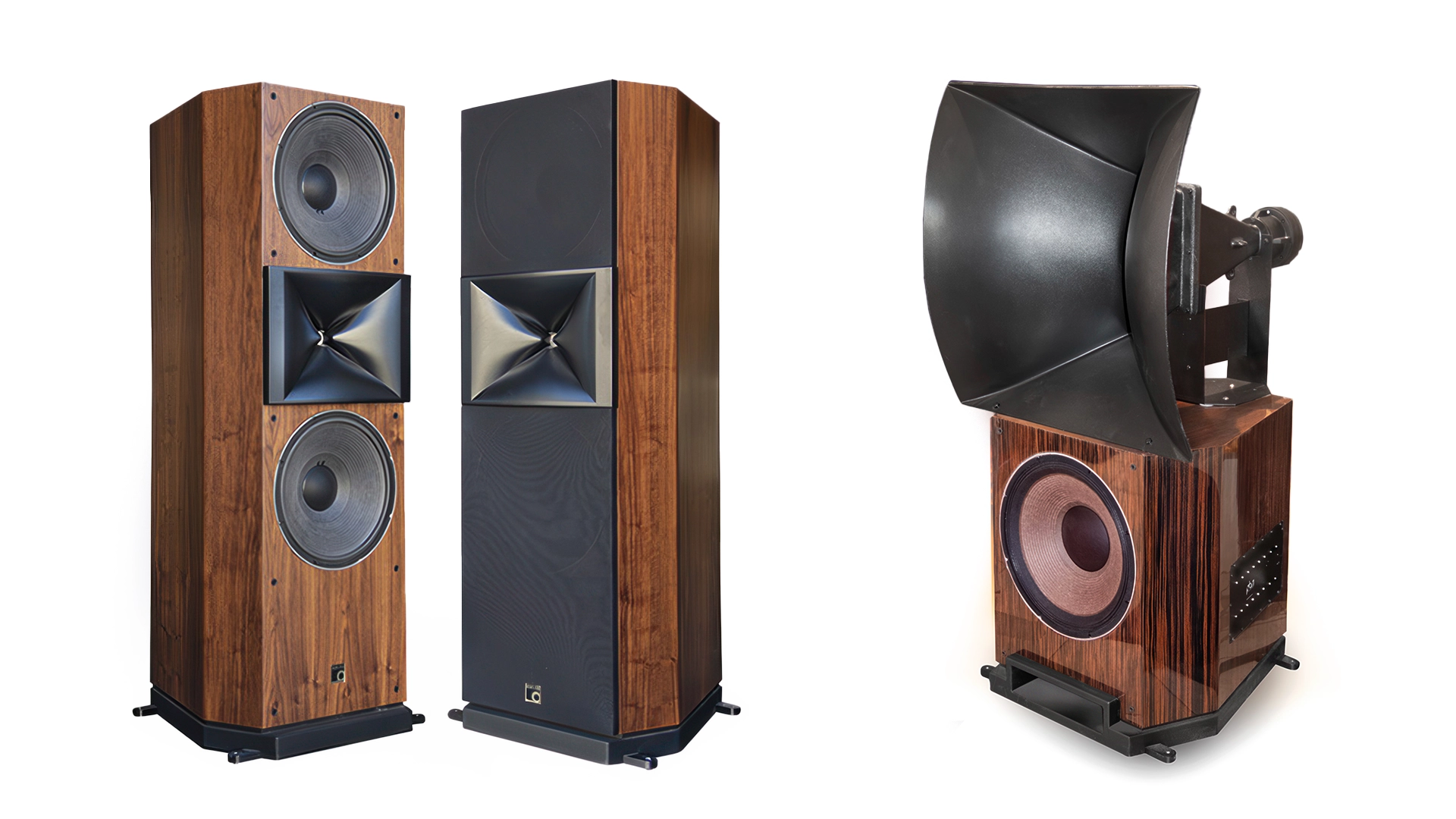
An icon representing horn-loaded speakers.

Horn Speakers

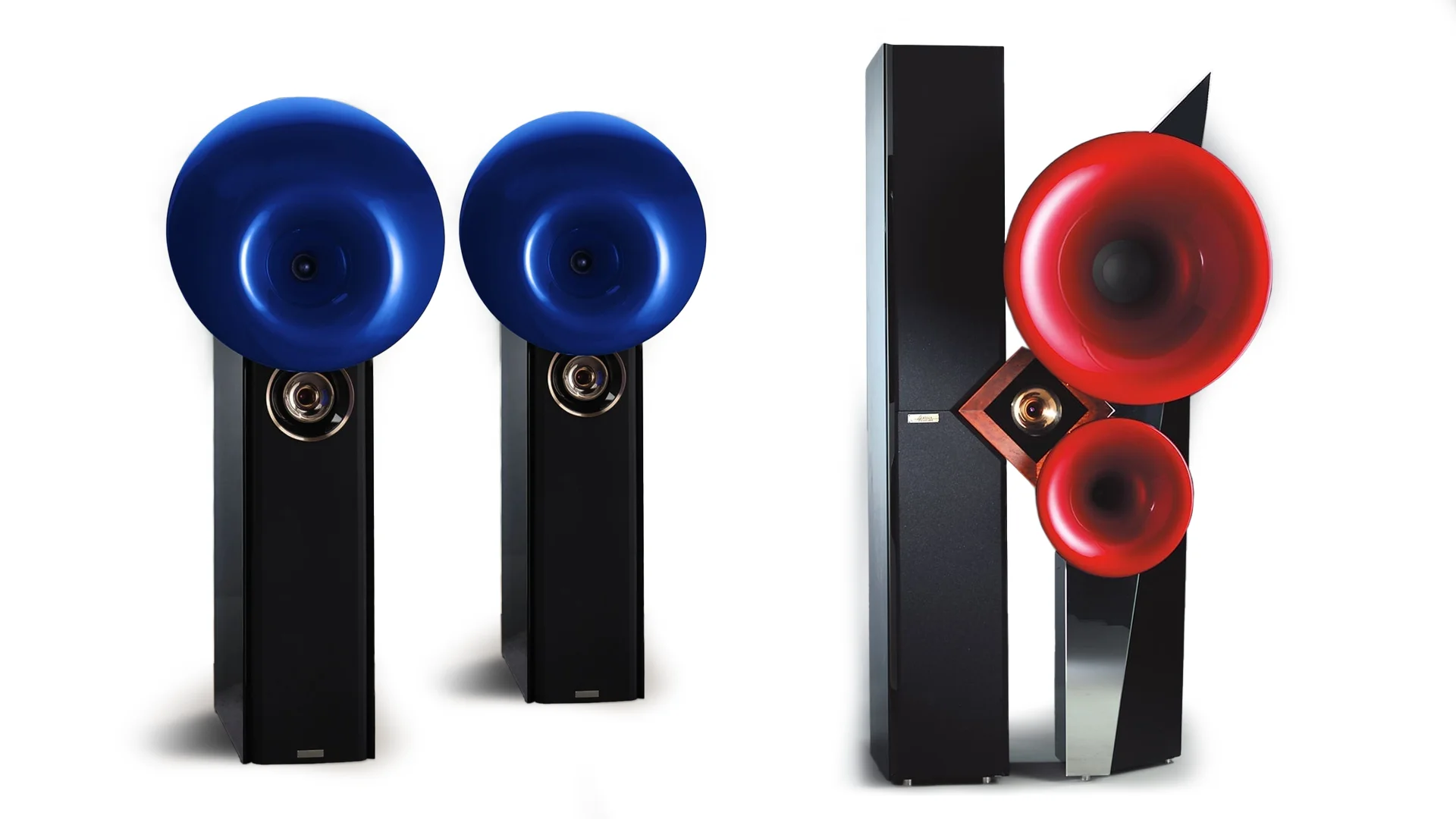
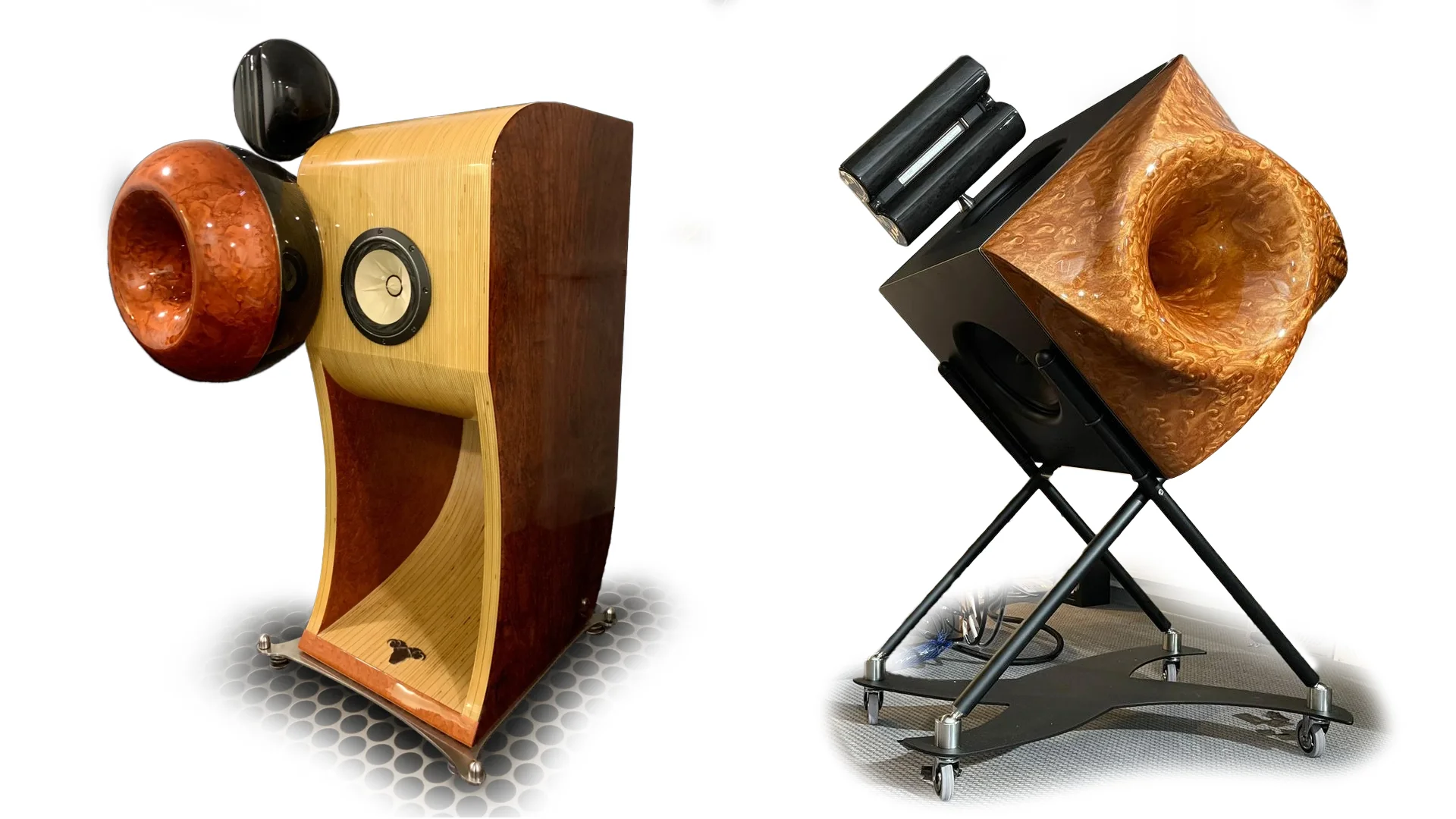
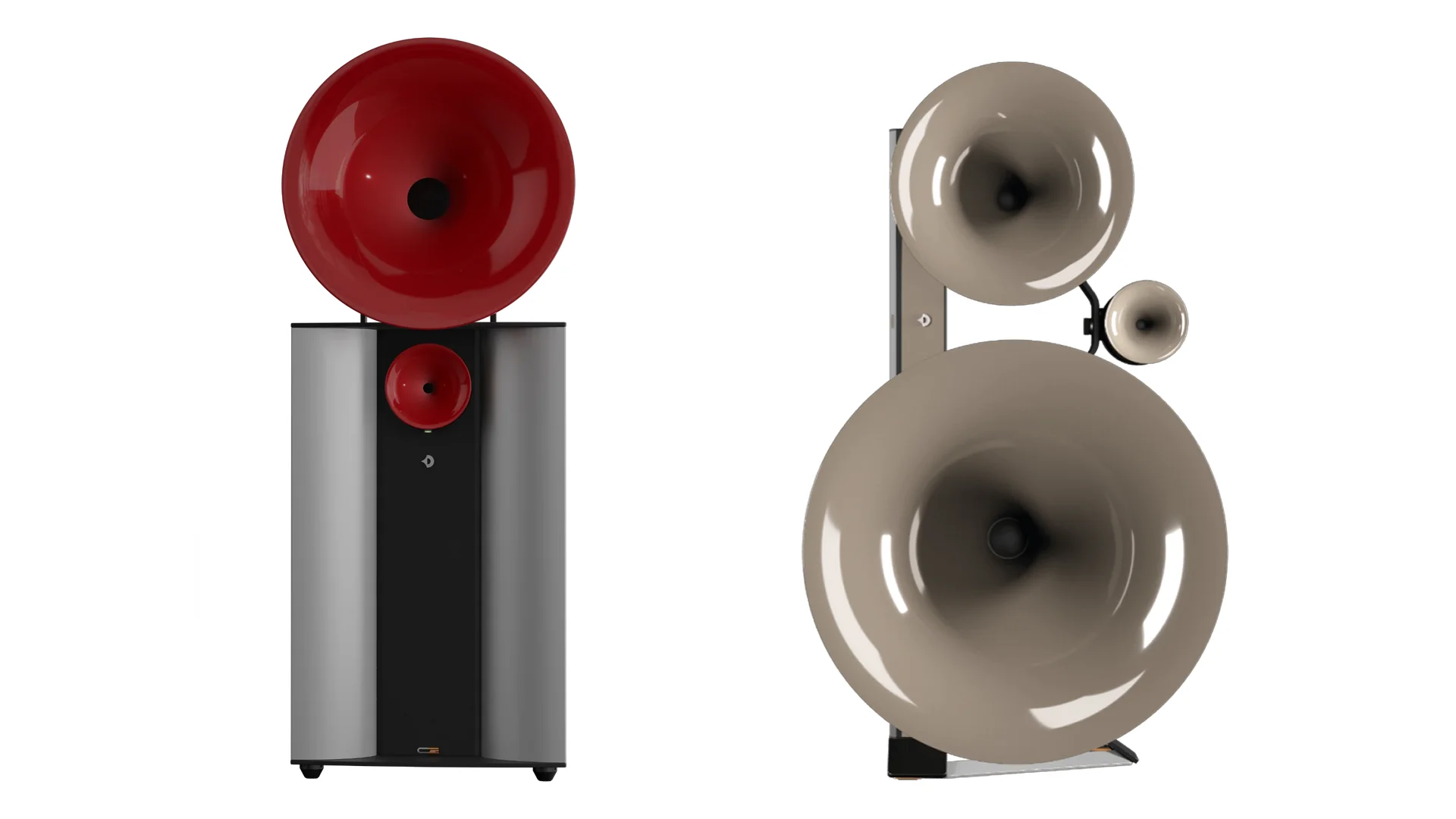
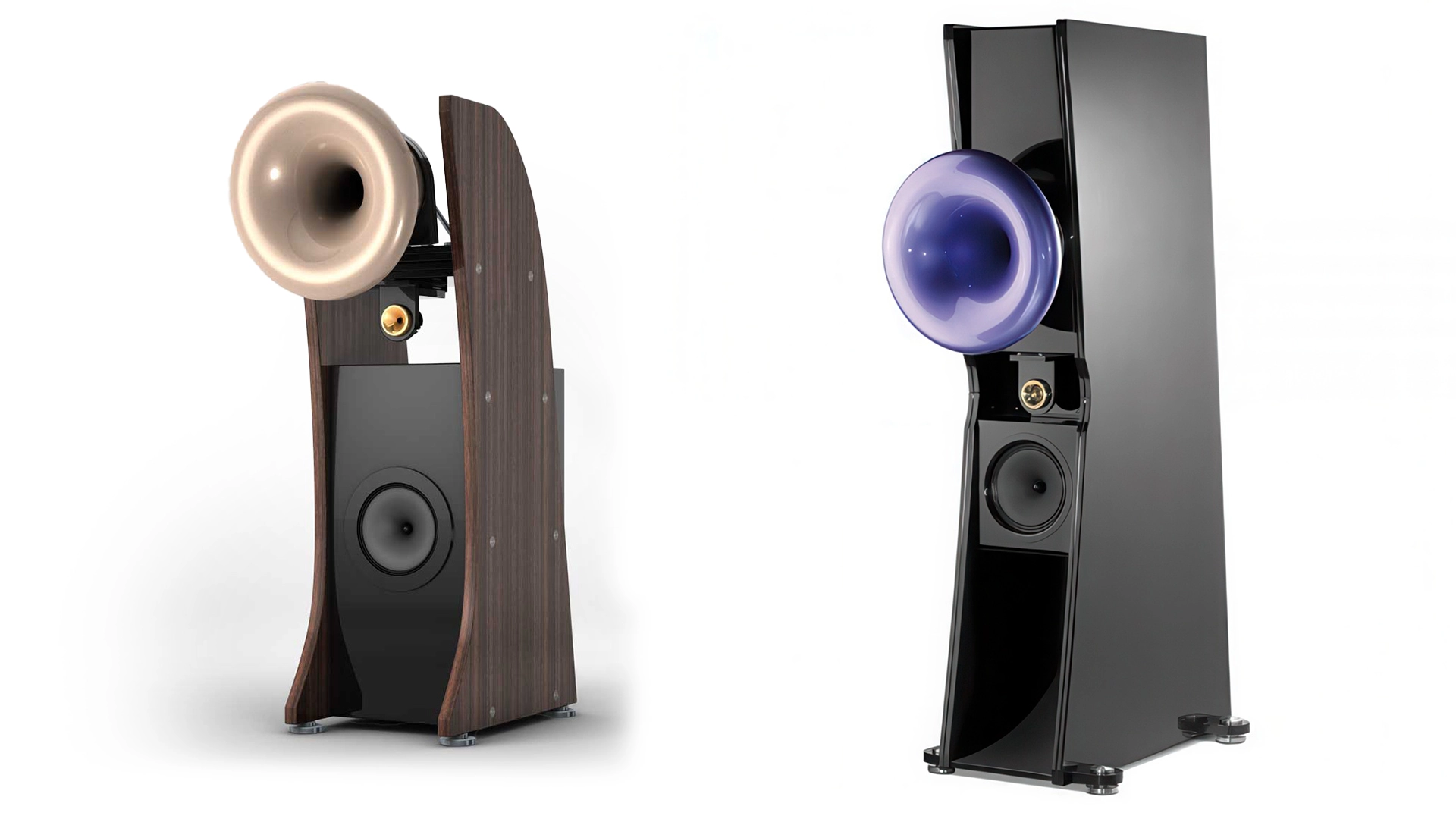
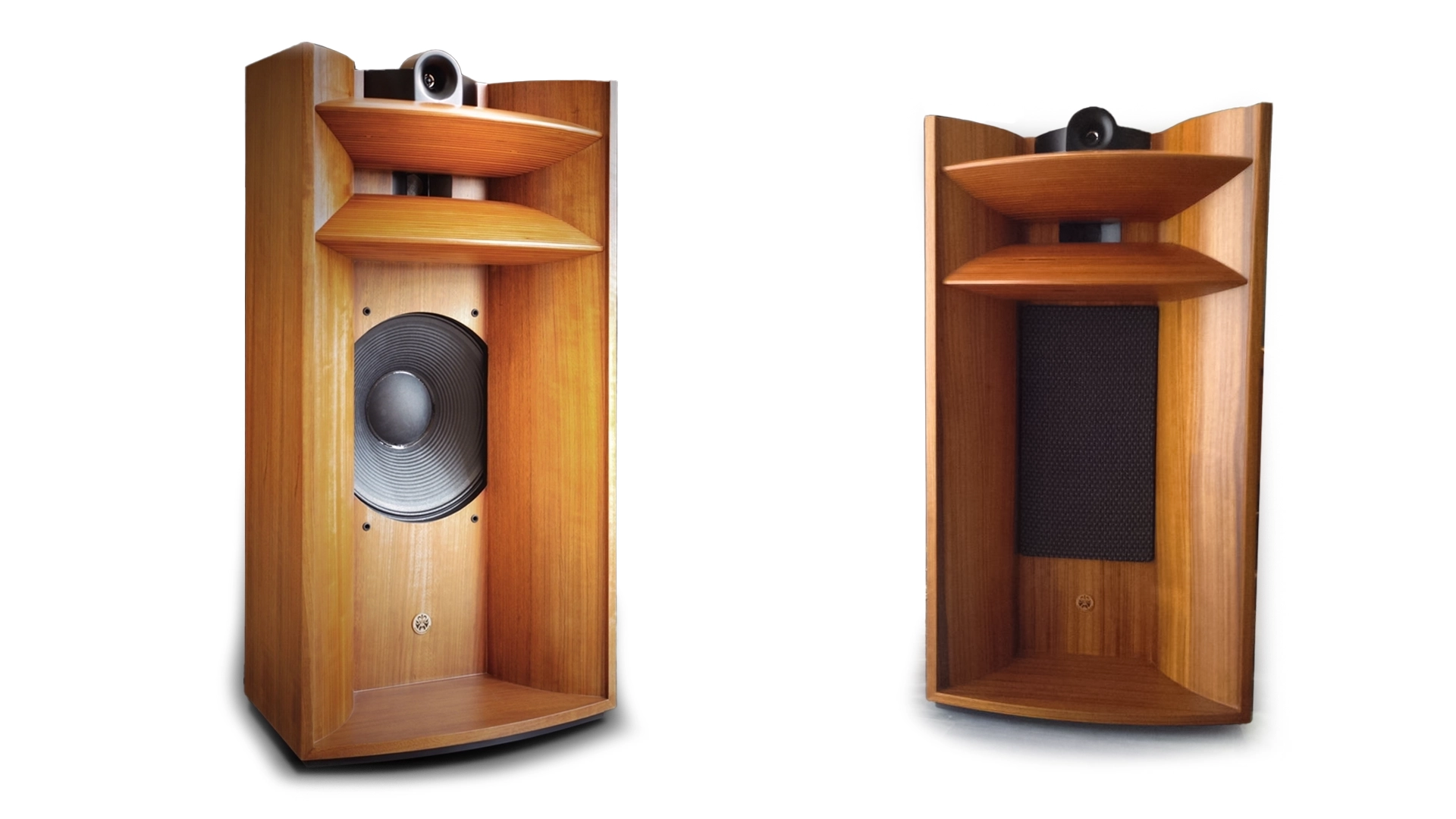
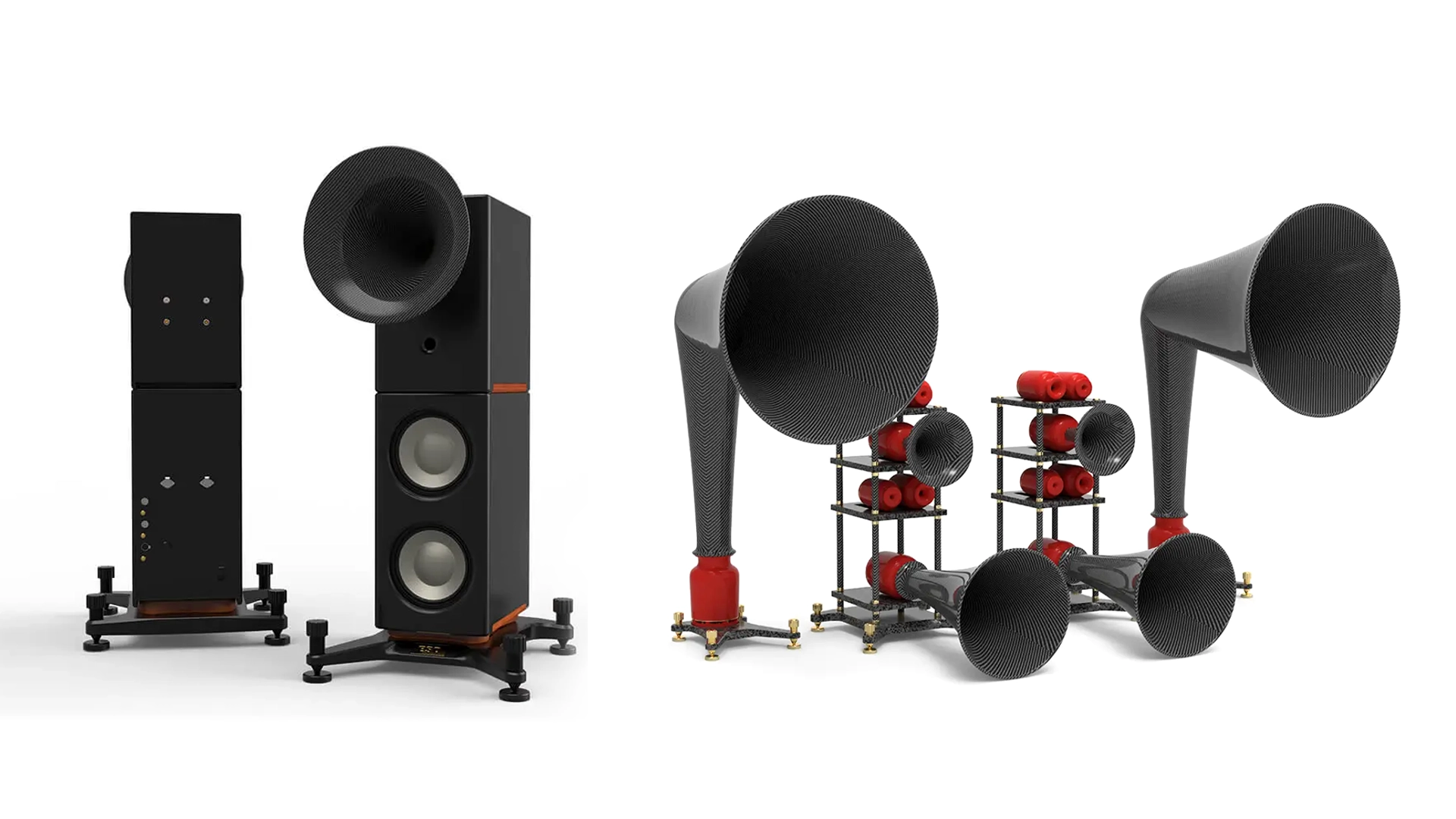
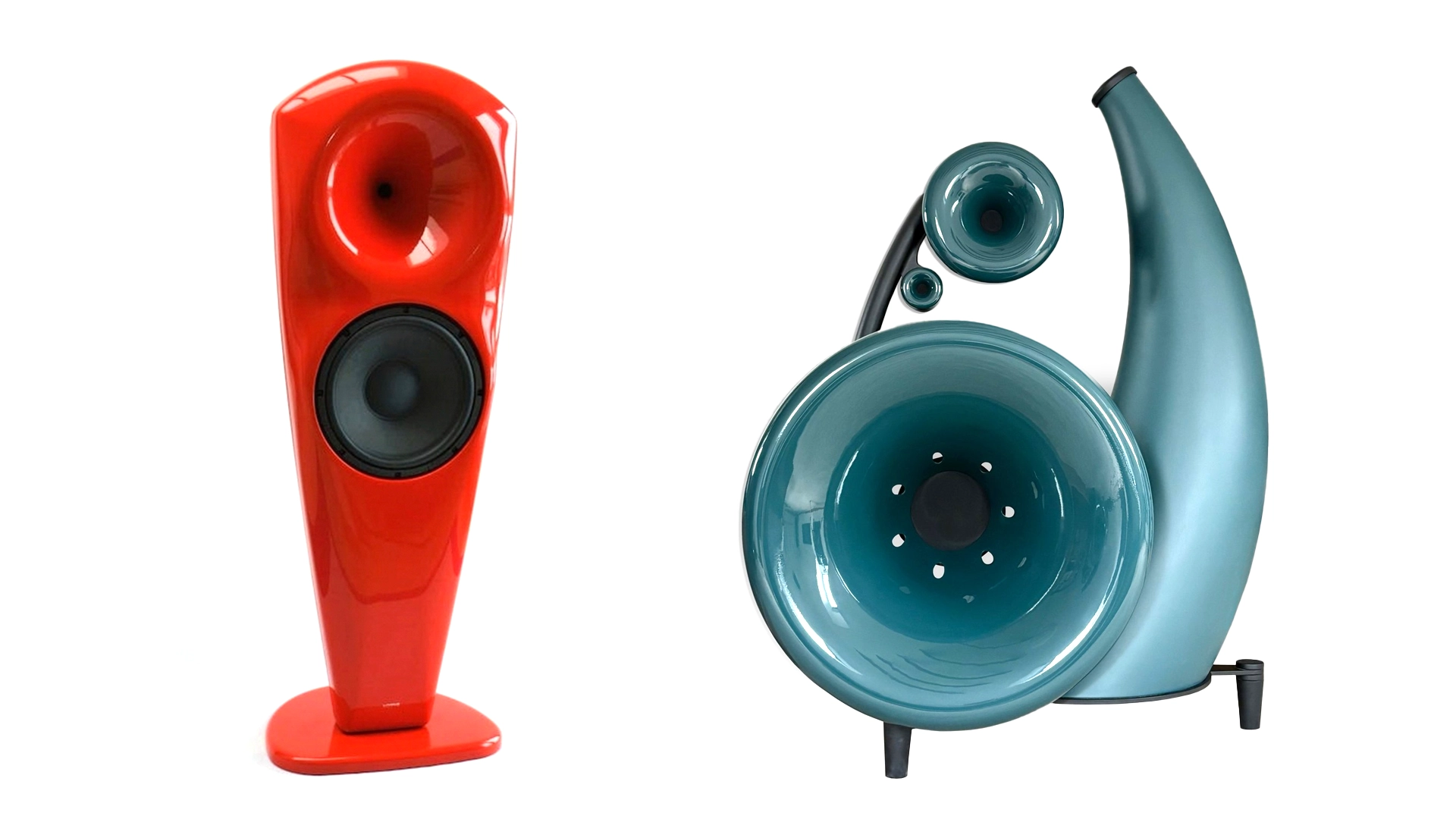
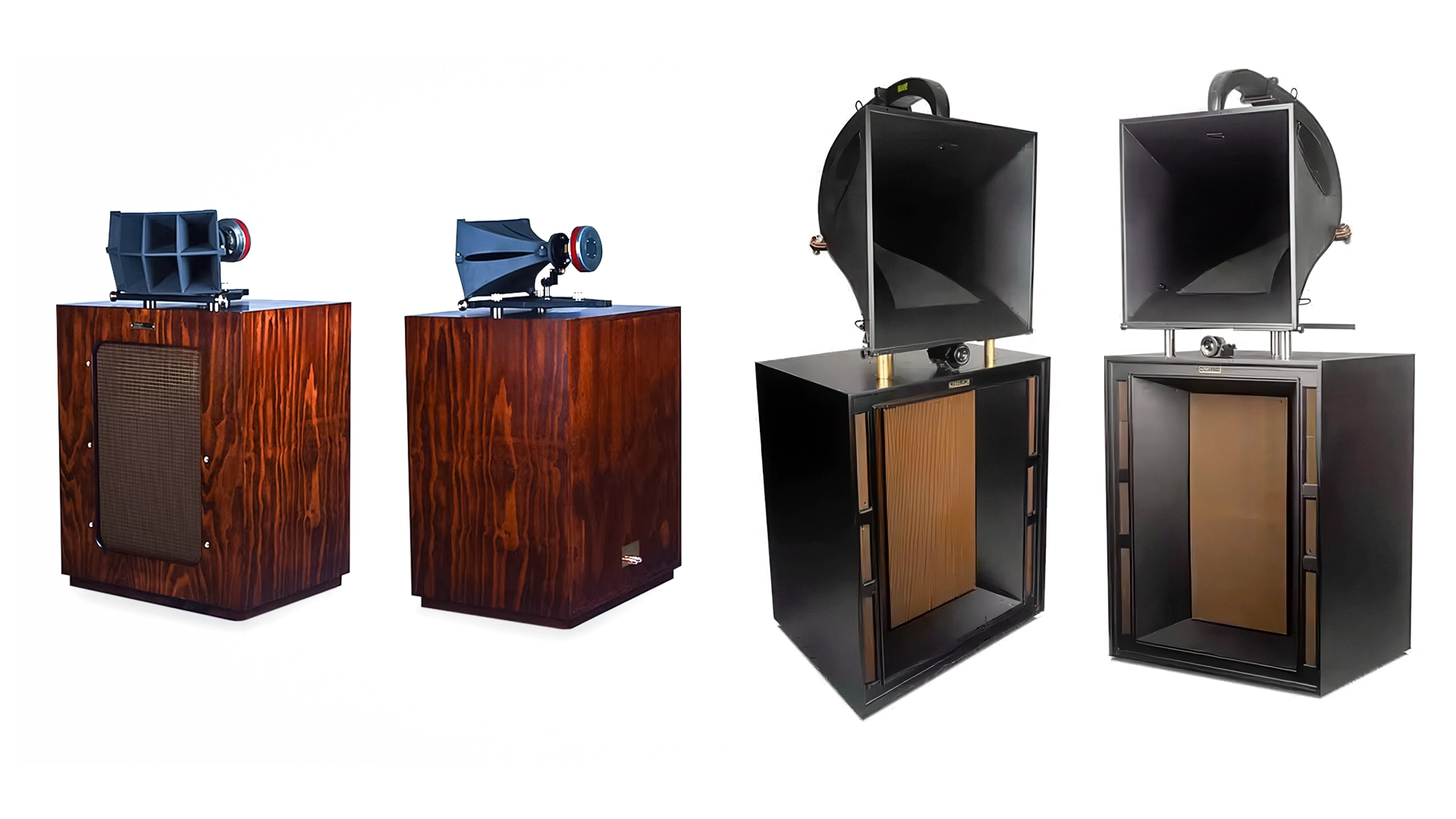
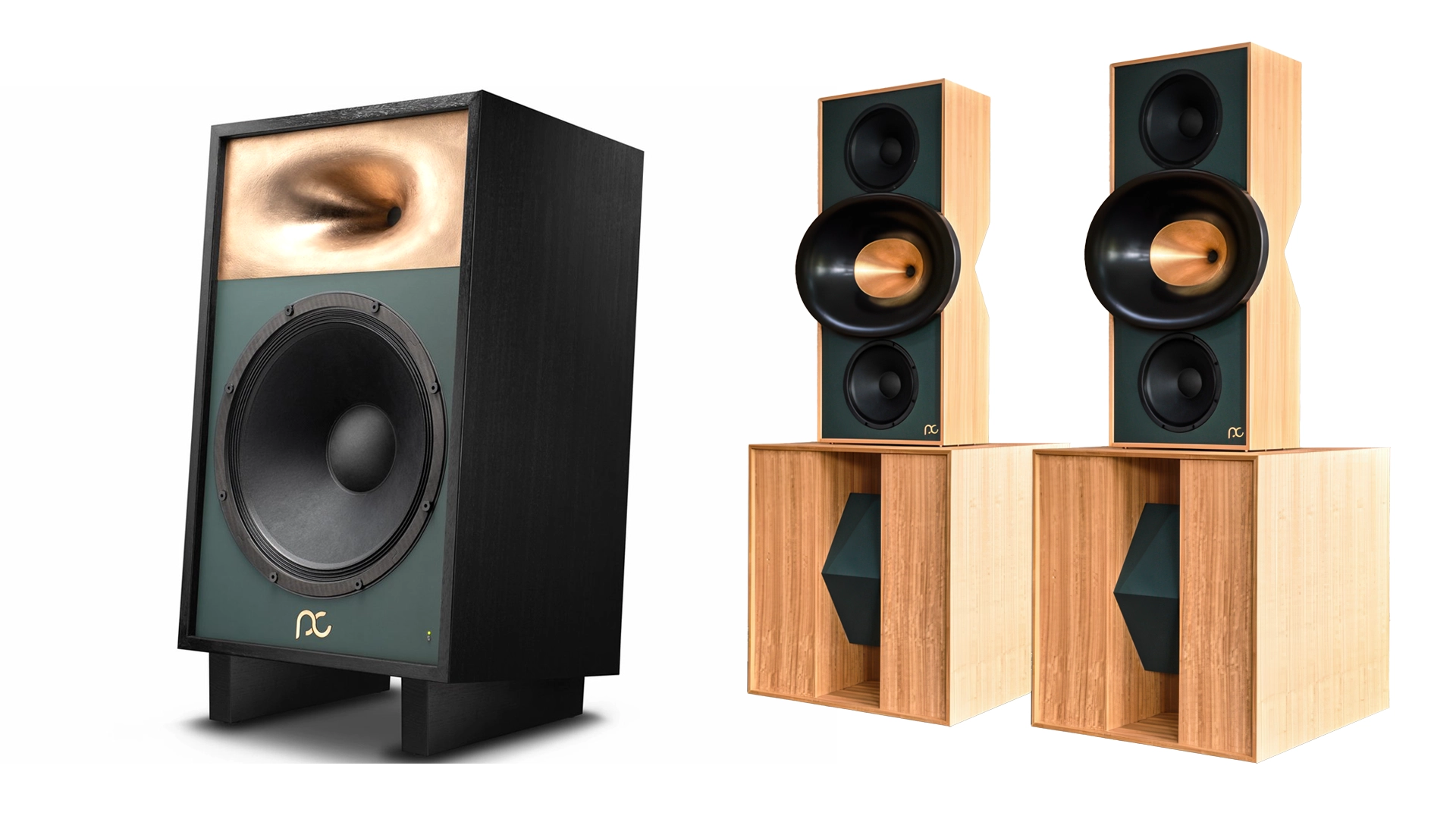
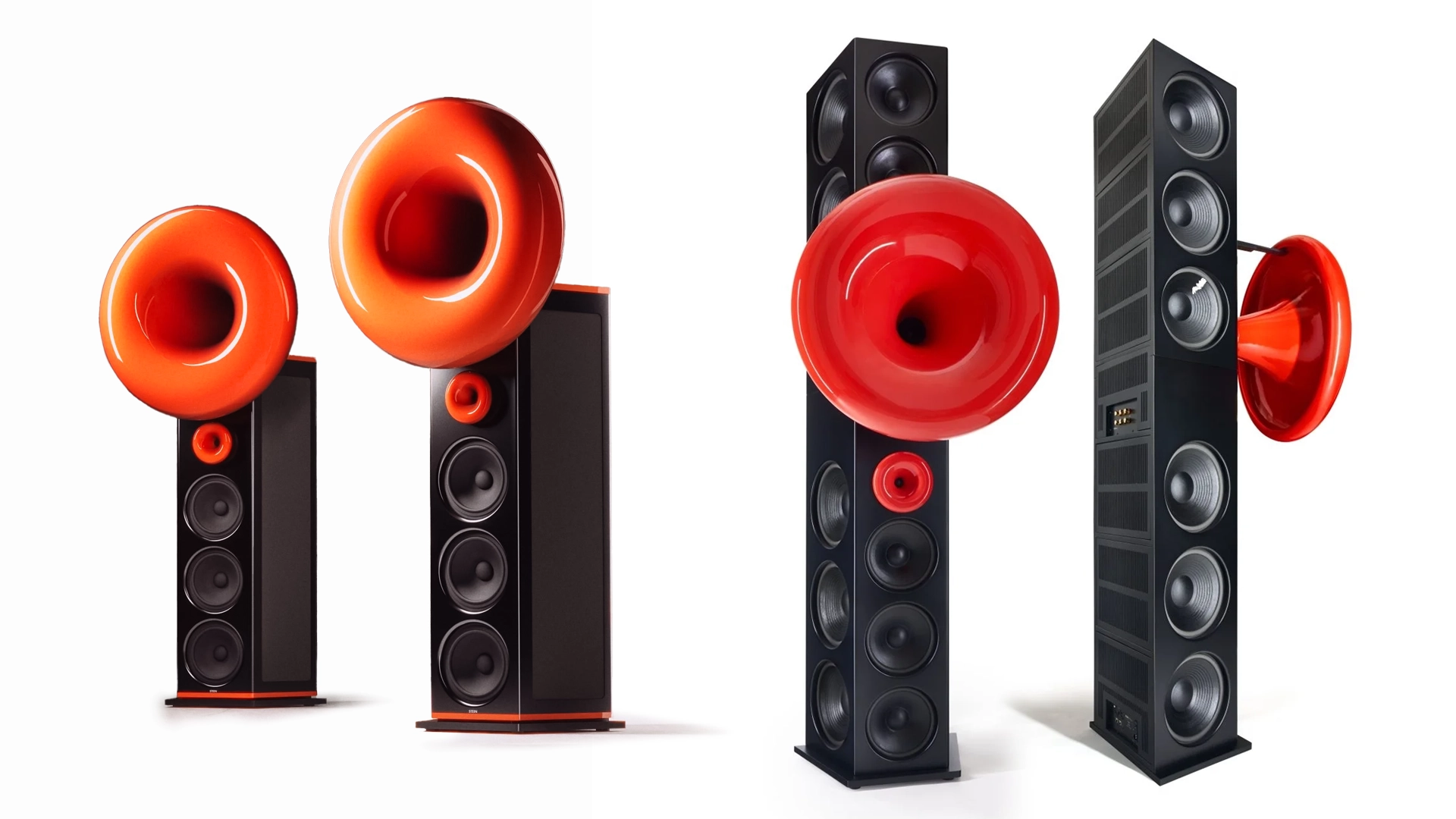
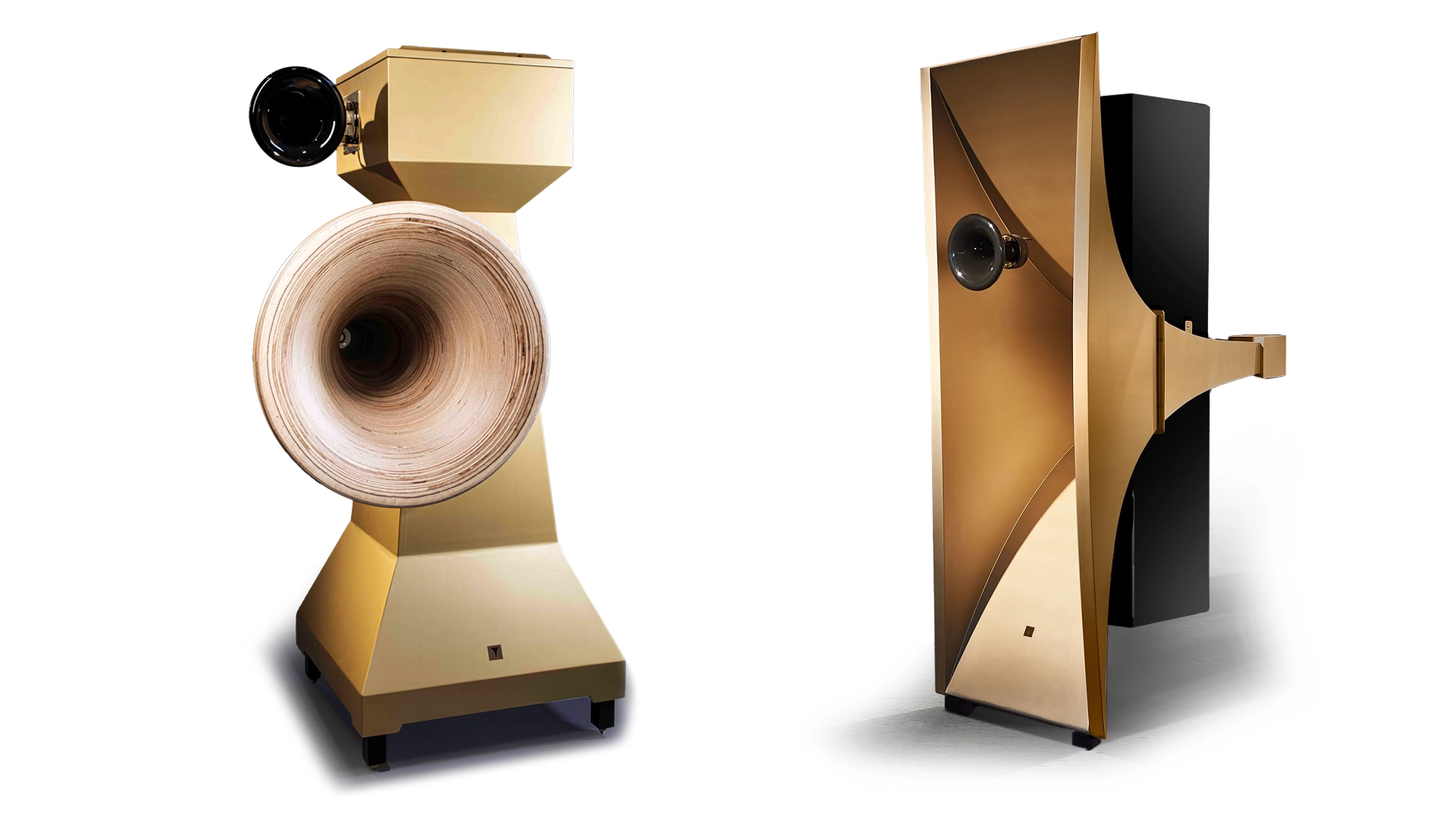
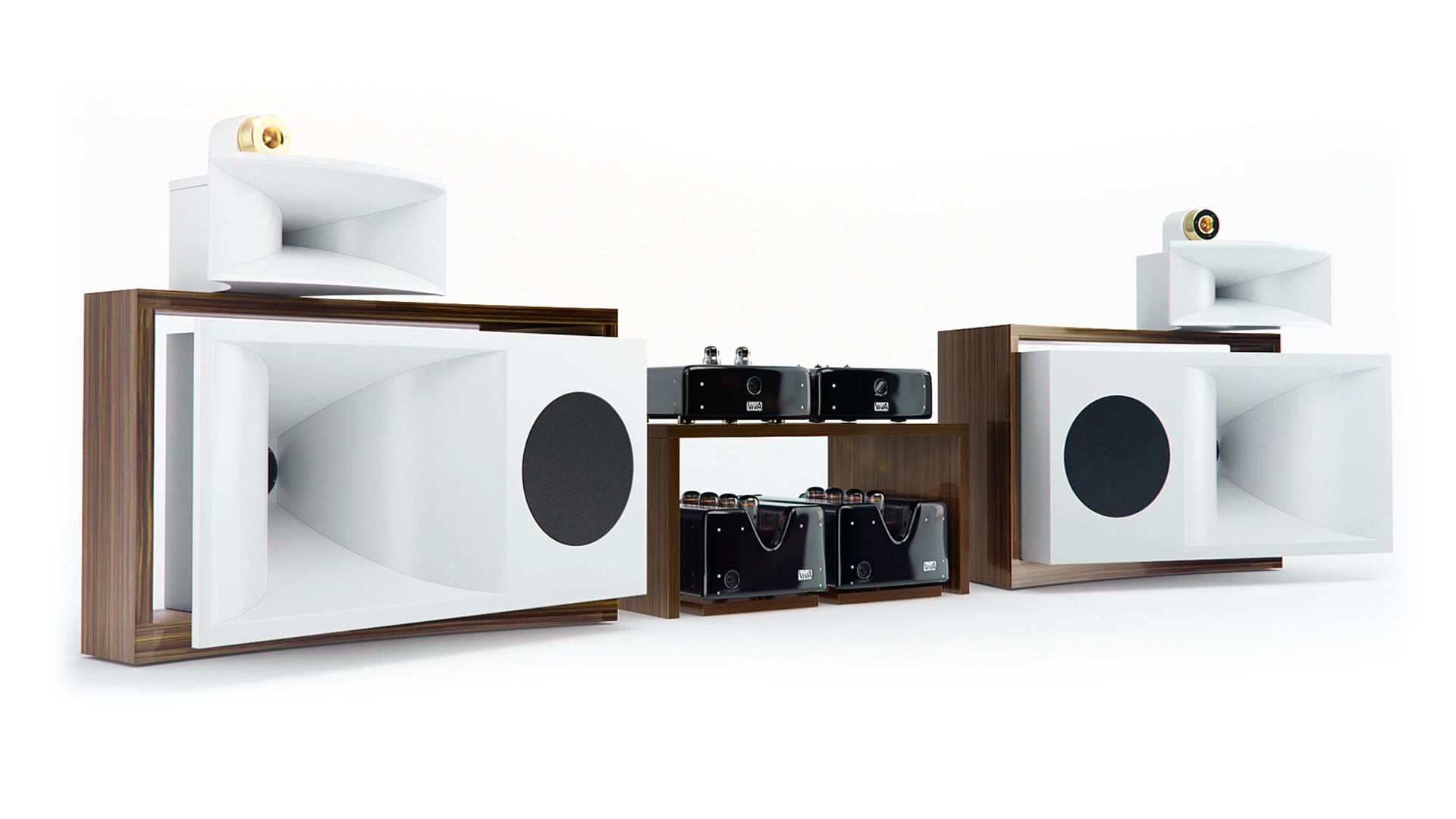
Horn speakers utilize a flared horn to amplify the output of a driver, a principle that dates back to the earliest days of audio. This design is incredibly efficient, allowing the speakers to produce immense dynamic range and a “live” concert-like sound with very little amplifier power. Known for their powerful and engaging presentation, horn speakers remain a favorite among many audiophiles. This page gathers the key brands that continue to champion this technology, from heritage manufacturers to modern high-end innovators

17

Hi-Fi brands in the category

Summary information and image

Direct links to official websites

Filters
Search
Country
See more See less

Acapella Audio Arts is a German loudspeaker maker distinguished by large spherical and hyperspherical horns and, in selected designs, an ion tweeter. This tweeter creates sound by exciting air with a plasma flame instead of moving a conventional diaphragm. Founders Alfred Rudolph and Hermann Winters built the company around these unconventional loudspeaker principles. Systems such as Atlas and Campanile combine that approach with horn loading and dedicated cone bass drivers, giving the brand a very different construction from a conventional box loudspeaker. Acapella also emphasises long ownership: its history describes upgrades for earlier Violon and Campanile models as those designs evolved. The range extends from smaller domestic speakers to large multi-part systems.

Aries Cerat builds audio electronics around large-scale tube circuits and custom transformers, with digital conversion receiving the same attention as amplification. Stavros Danos founded the company in Cyprus in 2010. Its range includes power amplifiers, preamplifiers and DACs, with different circuit approaches across the families. The Heléne DAC shows how those interests meet: parallel R-2R converter chips operate without oversampling, transformers perform current-to-voltage conversion, and a tube stage provides the analogue output. The company also develops its own Inverted Triode designs. Heléne is the smaller DAC in the range, rather than its flagship; much of its architecture draws on the larger Kassandra models.

Avantgarde Acoustic makes the horn visible, measurable and central to the system. Holger Fromme and Matthias Ruff developed the idea together before the German company formally began in 1991. Its spherical horns couple highly efficient drivers to the room, allowing large dynamic range with very small diaphragm movement; powered bass sections solve the low-frequency task where a domestic full-size horn would be impractical. Uno, Duo and Trio established the visual and technical language, while the current G3 generation is modular and can be ordered in passive form or with iTRON current-drive amplification for the horn sections. Trio G3 can be combined with SpaceHorn bass modules and reaches 109 dB/W/m sensitivity. The company also builds electronics, but its distinctive know-how remains the integration of high-efficiency horns, active bass and purpose-designed amplification.

Cessaro Horn Acoustics builds room-scale horn systems for listeners who want the sensitivity and immediacy of professional cinema sound without accepting utilitarian construction. Ralph Krebs founded the German company in 2006. Its most distinctive hardware is the horn itself: a hand-built two-shell composite structure filled with a damping polymer and coupled to the compression driver through a machined aluminium flange. Cessaro combines selected TAD compression units with proprietary in-house drivers, high-sensitivity passive sections and, in larger systems, actively amplified low bass. Opus I and Gaia provide different entry points, while the modular Alpha III can be upgraded toward Beta III or Gamma III configurations; Omega II occupies the statement end of the range. The partly active four-way Alpha III illustrates the approach, pairing horn-loaded mid and high frequencies with a 16-inch bass driver. Systems can be extensively customised in finish and architecture, and the company treats long-term upgradeability as part of the design rather than replacing an entire loudspeaker generation.

Consonance is the product brand of Opera Audio, one of China’s early internationally distributed high-end audio manufacturers. Opto-mechanical engineer and opera enthusiast Shi Hui Liu founded the Beijing company in 1994 after building a valve amplifier for himself and then being asked to make another. That origin still explains the range: tube and solid-state amplifiers sit alongside CD players, DACs, streamers, loudspeakers, cables and an especially substantial analogue line. Opera became an early Chinese high-end turntable manufacturer, and Consonance decks such as the Droplet, Die Walküre and Wax Engine show a willingness to develop complete mechanisms, plinths and tonearms rather than treat vinyl as a sideline. Many model names reference European opera, but the engineering is not confined to retro styling; the company combines traditional valve circuits with digital sources and modern manufacturing. Its “Simple. Human.” philosophy is a useful summary of the house character: direct circuits, restrained interfaces and a broad, internally designed system intended to serve music rather than specification theatre.

ESD Acoustic is a Chinese ultra-high-end audio manufacturer whose project began in 2016 with David Dai and Jacky Dai. Early development drew on technology and guidance acquired from horn specialists Bruce Edgar and Sam Saye; the Hangzhou company followed in 2017. ESD’s signature is the complete field-coil horn system: externally energised drivers, large carbon-fibre horns and, in selected units, beryllium diaphragms are combined for high efficiency and wide dynamic range. Systems range from comparatively compact models to the immense Dragon and Super Dragon installations. ESD also makes the field-coil power supplies, active crossovers, Class A amplification and source components needed to operate them as an integrated chain. The scale is spectacular, but the important know-how lies in controlling magnetic fields, horn geometry, diaphragm behaviour and system alignment across many ways.

hORNS is a Polish loudspeaker maker that has made horn loading its defining language since 2006. Rather than treat the horn as a decorative feature, the company uses it to improve acoustic coupling, efficiency and control of dispersion, pairing horn-loaded high- and mid-frequency sections with bass alignments chosen for each enclosure. The catalogue has ranged from the compact FP models and the sculptural Mummy to the larger Symphony and Universum systems, with the latter developed through several generations. Different horn profiles, compression drivers, cabinet volumes and crossover solutions let hORNS scale the same core idea from domestic rooms to statement installations. Production is deliberately artisanal, and customers can specify finishes or commission visual adaptations instead of choosing only from mass-market veneers. That combination of high sensitivity, strong dynamic capability and individual cabinet work is what separates hORNS from conventional Polish box-speaker manufacturers.

Line Magnetic Audio is a Chinese high-end manufacturer whose work connects present-day valve electronics with the engineering of Western Electric, Altec and Jensen cinema systems. Brothers Zheng Cai and Zheng Xi founded the company in Zhuhai in 2005 after years spent repairing, collecting and studying historic amplifiers, field-coil drivers and horns. The company first became known for painstaking replicas of classic loudspeaker drivers and theatre electronics, then developed an extensive range of original integrated amplifiers, preamplifiers, power amplifiers, digital sources and loudspeakers. Single-ended Class A models built around 845, 805, 211 or 300B output valves are central to the catalogue, while push-pull designs offer greater power for less sensitive speakers. Products such as the LM-845IA, LM-805IA and LM-88IA show that Line Magnetic does not rely on a single tube topology. Large output transformers, point-to-point wiring in many valve models and user-accessible bias adjustment reflect practical manufacturing know-how. Its horn systems and replica drivers preserve a separate, historically informed side of the business. Line Magnetic’s individuality lies in learning directly from early cinema audio while producing usable contemporary components rather than decorative copies.

Living Voice is a British loudspeaker manufacturer founded by Kevin Scott in 1990, with two product families that look radically different but share an emphasis on system matching and long-term refinement. The Auditorium range began as a practical loudspeaker for Scott’s own demonstrations. Its slim, high-sensitivity two-and-a-half-way format evolved through Auditorium, Avatar, IBX and OBX versions, with upper models moving the crossover into an external enclosure to isolate it from cabinet vibration and magnetic fields. The designs are relatively easy to drive and are often partnered with low-powered valve amplifiers, yet their identity comes from careful driver selection, crossover voicing and cabinet execution rather than a single exotic technology. At the opposite extreme, the Vox Olympian and Vox Elysian are large, hand-built horn systems developed without the size and cost limits of a conventional domestic speaker; bespoke compression drivers, field-coil elements and complex wooden horns form a complete installation. Living Voice also produces battery power supplies and equipment tables for reference systems. Designed and manufactured in England, the brand stands out for maintaining an attainable evolutionary range alongside one of high-end audio’s most ambitious horn projects.

Odeon Audio is the German loudspeaker manufacturer that made the horn principle usable beyond theatre-scale systems. The company traces its roots to 1987, when designer Axel Gersdorff founded ARS Elektroakustik after almost a decade of experimenting with loudspeakers. Today development and final assembly take place in Haltern am See, where Odeon builds high-efficiency systems around a distinctive spherical-wave horn rather than treating the horn as a decorative retro detail. The horn is machined from solid blocks of laminated birch plywood. Its smooth, rotationally symmetrical flare controls directivity without the abrupt transitions of many conventional profiles, while high sensitivity keeps driver excursion low and preserves dynamic contrast. Odeon combines these in-house horns with carefully selected and matched drivers from specialist partners, model-specific crossovers and rigid, regionally produced cabinets. Orfeo and Nova S make the concept relatively compact; Helix and Semper scale it up, while the four-way Carnegie is the statement design. Celeste occupies a more domestically sized middle ground. The useful distinction is not a generic promise of “live sound”: Odeon applies precise woodworking, controlled dispersion and low-excursion operation to obtain the immediacy of a horn without demanding an auditorium-sized room or amplifier power.

Operly is a German loudspeaker company based in Düsseldorf and focused on a single unconventional system rather than a conventional model ladder. Intelligence III is a passive, crossoverless loudspeaker built around one full-range driver and a two-part horn architecture: a front horn shapes the direct output, while a much longer rear-loaded path reinforces the low frequencies. The absence of a crossover keeps the electrical path simple and avoids handing the musical spectrum between dissimilar drivers. The enclosure is a seamless, high-strength shell with no parallel internal walls. Its wide mouth and sculpted geometry are functional parts of the acoustic loading, yet also make each pair resemble a commissioned interior object. Operly quotes sensitivity around 100 dB, a six-ohm nominal impedance and a recommended amplifier range beginning at only a few watts, so Intelligence III can work with low-powered valve amplifiers while still producing room-scale dynamics. Buyers can choose bespoke colours, metal finishes and decorative treatments, but the acoustic structure remains constant. Operly’s distinction is therefore easy to state without ornamental language: it pursues coherence through one driver, no crossover and carefully calculated front- and back-loaded horns, then uses advanced moulding and custom finishing to make that architecture practical in a luxury domestic setting.

PBN Audio is the American company founded by Danish-born engineer Peter B. Noerbaek, who began building under the name in 1992 and made it a full-time operation in 1993. Loudspeakers brought the company its widest recognition, especially the Montana line, but PBN has always worked across the complete playback chain: speakers, amplifiers, preamplifiers, digital sources and highly specialised turntables are designed as parts of one system. Montana loudspeakers use thick, extensively braced enclosures with non-parallel internal walls to suppress standing waves and keep stored cabinet energy out of the sound. Drivers and crossover parts are selected and matched for each model, and custom finishes or application-specific builds are available for listening rooms, cinemas and professional studios. The current M Series and Studio Reference 10 and 14 continue that cabinet-intensive approach. PBN’s Olympia electronics provide high-current amplification, line and phono control and digital conversion to partner them. Its most unusual products are the Groovemaster Direct turntables: Peter Noerbaek rebuilds proven Denon direct-drive motors, platters and control electronics into massive modern plinths with new bearings, arm mounting and power arrangements. This combination of Scandinavian engineering habits, American small-series production and a willingness to re-engineer classic broadcast-grade mechanisms makes PBN much more individual than a generic maker of luxury wooden speakers.

Pitt & Giblin is the Australian loudspeaker company launched in 2019 by longtime friends Jack Pitt and Ross Giblin. Working in Hobart, Tasmania, they combine cabinetmaking, acoustics and modern active electronics in small batches. Their speakers do not follow the usual slim passive-tower formula: large woofers and compression drivers are used because controlled directivity and low excursion at realistic levels matter more to the designers than making the enclosure visually disappear. Superwax established the approach, and Superwax Mini condenses it into a complete active system with a 15-inch bass driver, a compression driver feeding a locally cast solid-bronze waveguide, onboard DAC and DSP, and Hypex NCore amplification delivering 350 watts per side. The waveguide is not an imported decorative horn; its geometry controls radiation through the crossover region and its bronze construction provides a rigid, repeatable acoustic boundary. A-grade birch plywood is used instead of MDF, with veneers and joinery finished in Tasmania. Flare, Livi, Tenet and Exhibition 30 explore different scales and formats while retaining active filtering, carefully managed dispersion and serviceable professional-grade electronics, including Hypex or Purifi modules where suitable. The old description incorrectly suggested aluminium and steel cabinets. Pitt & Giblin’s actual material language is more distinctive: plywood furniture construction, cast bronze acoustic components and digitally controlled active drive, developed by two makers who keep design and production close enough to revise every part.

SteinMusic is the unusually broad high-end audio project of German physicist and designer Holger Stein. He built his first amplifier at fourteen and founded the company in Mülheim an der Ruhr in 1982. Over more than four decades, the catalogue has expanded far beyond electronics to include loudspeakers, vinyl accessories, cables, grounding products and room-treatment devices. That breadth reflects Stein’s view that music reproduction depends on the interaction of the entire system and room, not on one component measured in isolation. The Bobby and Bob loudspeakers are current anchors of the range, using modular concepts and dedicated bass solutions to adapt the system to different spaces. Amplifiers provide the matching electronics, while the Perfect Interface mats and cartridge-related products address the mechanical contact points in vinyl replay. SteinMusic is also known for accessories whose operation is less conventional, including Harmonizer room systems, Magic Stones and Super Ground products. Their claimed effects should be understood as the manufacturer’s approach rather than universal engineering consensus; the relevant fact is that these products form a coherent and long-running part of the brand, not a recent marketing detour. More conventional interfaces, including LAN and USB isolators, sit alongside them. Products are developed and assembled in Germany. SteinMusic’s individuality comes from Holger Stein’s willingness to treat acoustics, resonance, electrical grounding and component design as one connected listening problem—and to build a catalogue that lets users explore that philosophy at very different levels.

Tune Audio is the Greek horn-loudspeaker workshop of designer Manolis Proestakis. Rather than using a small horn only for the tweeter, the company develops complete high-sensitivity systems in which acoustic loading, driver choice and the physical shape of the enclosure work together. The goal is directness and dynamic scale with modest amplifier power—qualities especially valuable to listeners using single-ended triodes.

Anima brought Tune Audio broad international attention with separate horn structures for bass, midrange and treble. The larger Avaton pushes full-range horn loading and room-scale dynamics further, while Prime and Marvel translate the idea into more manageable floorstanding forms. Compact Kion and Pulse models and the Epitome system broaden the catalogue without turning it into a generic speaker range. Large flared mouths and sculpted wooden surfaces are visually dramatic, but their dimensions follow wavelength, compression and dispersion requirements rather than styling alone.

Proestakis treats the loudspeaker as a reproduction machine “in service of the music.” That phrase fits the brand better than stock claims about a huge soundstage: horns must be integrated carefully, and room distance and amplifier noise become more audible when sensitivity is high. Tune Audio’s skill lies in making those interacting parts behave as one speaker, not in assuming that efficiency alone guarantees quality. The company builds in Greece and collaborates frequently with specialist valve-electronics makers, yet its own founding year is not stated clearly enough in reliable public material to justify inventing one. The products and their author provide a much stronger identity than an uncertain date.

Viva Audio is an Italian manufacturer that treats vacuum-tube electronics, loudspeakers and industrial form as parts of one bespoke system. Amedeo Schembri founded the company in 1996, working with his brother Giampietro, and remains responsible for the circuit and sonic direction. Viva is best known for single-ended triode amplification: products such as the Aurora monoblocks and Solista integrated amplifier use directly heated power tubes in circuits designed around simplicity, substantial custom transformers and point-to-point hand construction. Solistino offers a more compact integrated route, while Linea preamplifiers, Fono phono stages and Numerico digital conversion complete the source chain. The Egoista family adapted Viva’s large triode stages to headphones and became one of the brand’s most visible achievements; versions built around 845 or 2A3 tubes, and the more powerful Egoista STX, address very different loads without reducing the amplifier to a desktop accessory. Viva also makes loudspeakers, from Agile and Allegro to sculptural Nuda and large Master Horn systems, allowing amplification and transducers to be voiced together. Components are assembled and finished by hand in Vicenza, with colours and surface treatments that make each system feel commissioned rather than selected from anonymous black boxes. The visual drama can overshadow the engineering, but the important point is continuity: Viva has spent decades refining transformers, tube operating points, horn and dynamic loudspeakers, and the interfaces between them. Its products are recognisably Italian because craft, colour and proportion are integral to the circuit-led audio design.

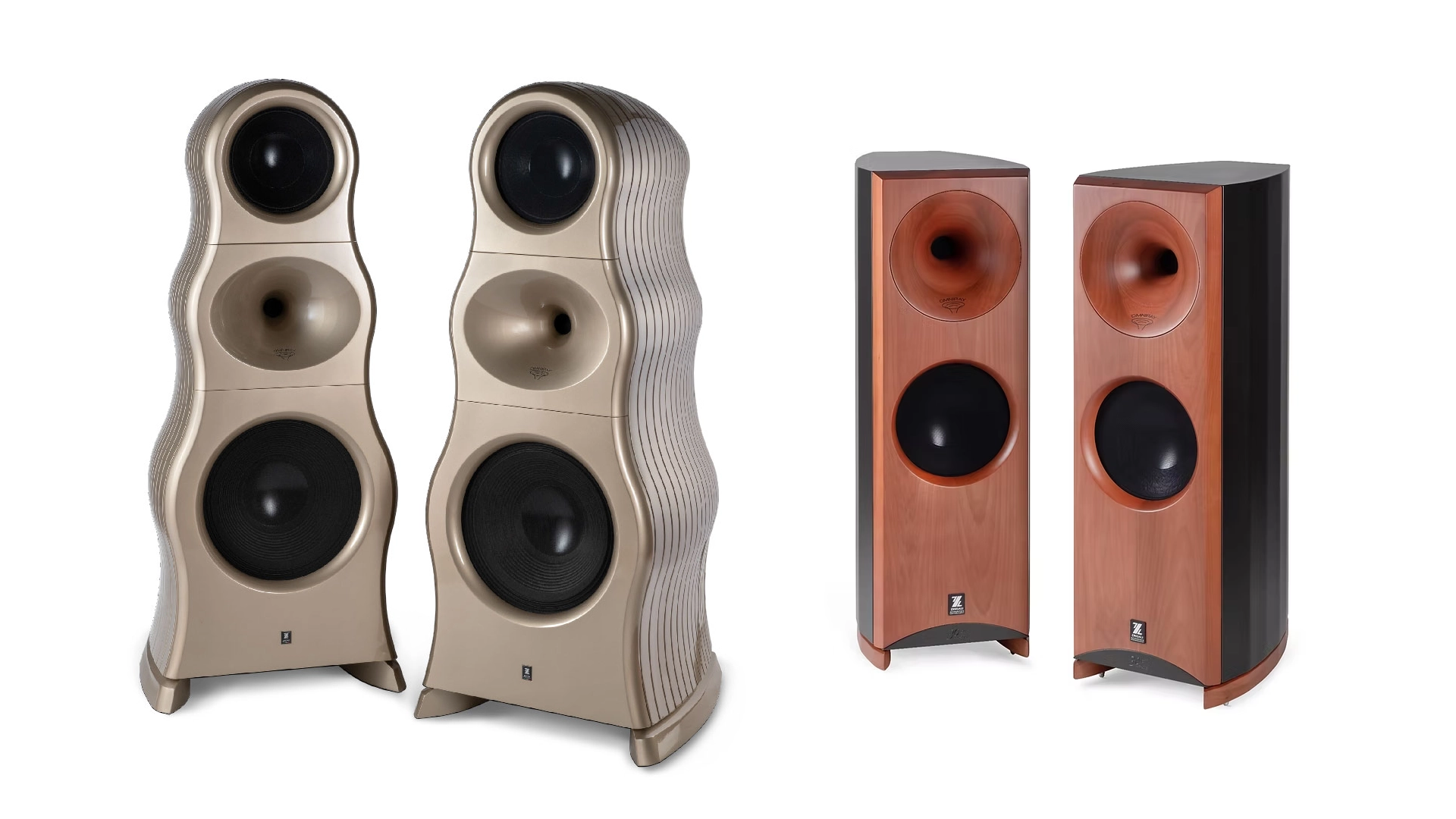
Zingali Acoustics is the Italian loudspeaker company founded in 1986 by Giuseppe Zingali. Its roots lie in professional monitors, where high efficiency, controlled coverage and the ability to reproduce live levels without strain are essential. The 8800 Studio Monitor introduced a wooden mid/high-frequency horn that became the basis of Zingali’s visual and technical identity. In 1995 Giuseppe patented Omniray, a circular horn architecture designed to couple a compression driver to the room with controlled dispersion while avoiding the abrupt profile changes of many conventional horns. The wooden horn is not simply ornamental: its contour defines acoustic loading and coverage, while the material and finish integrate the waveguide into a domestic cabinet. Home ranges including Zero, Twenty and Client Name scale Omniray from compact two-way speakers to large multi-driver systems, with subwoofers, centre channels and architectural options supporting cinema installations. The later Quantum Array programme introduced Kompressor Array, patented in 2018, coordinating low- and high-frequency radiation within a controlled angle to reduce room reflections and maintain output over distance. Cabinets, horns and finishes are produced in Italy with extensive handwork and custom options. Zingali’s distinction is the continuity between studio and home listening: it did not adopt a horn as retro styling, but spent decades refining a proprietary wooden waveguide and then applying its efficiency, dynamics and directivity to products that can also live as crafted furniture.

HFS Ad Rotator · default · slot 1
HFS Ad Rotator · default · slot 2
Add a missing AV-brand or update an existing one

Add a missing AV-brand or update an existing one

Any user can submit a Quick Submission Form to suggest a new AV-brand or suggest update details for an existing one. Brand owners or official representatives of brand can fill a Official Brand Submission Form to provide complete company information, ensuring maximum accuracy and visibility in our portal. All submissions are moderated before publication. 

For suggesting new AV-brands or suggesting updating existing one by users.

Complete official form for brand owners and representatives to provide complete company details to add a new one or update an existing one

Brand Categories:
  • SPEAKERS
    • Bookshelf Speakers — Compact loudspeakers designed for placement on a shelf or dedicated stands.
    • Floorstanding Speakers — Large, full-range loudspeakers that stand directly on the floor, designed for powerful and expansive sound.
    • In-wall Custom Install Speakers — Speakers designed to be installed flush into walls or ceilings for a discreet, "zero-footprint" audio solution.
    • On-Wall Speakers — Slim, low-profile speakers designed to be mounted directly on a wall, often to complement a flat-panel TV.
    • Studio Monitors — Speakers designed for professional audio production, offering a flat, accurate, and uncolored sound reproduction.
    • Planar Ribbon Electrostatic Speakers — Speakers using large, thin diaphragms (panels) instead of cones, prized for their transparent and detailed sound.
    • Horn Speakers — Highly efficient speakers that use a flared horn to amplify a driver, known for their dynamic, "live" sound.
    • Active Powered Speakers — Loudspeakers with built-in amplifiers, creating a simple all-in-one audio solution.
    • Wireless Portable Speakers — Compact, battery-powered speakers with Bluetooth for on-the-go music.
    • Outdoor Speakers — Durable, weather-resistant speakers engineered to provide high-quality audio in open-air spaces like patios and gardens.
    • Marine Extreme Speakers — Rugged, waterproof, and corrosion-resistant speakers built to withstand harsh marine environments on boats and yachts.
    • Commercial Speakers — Durable loudspeaker systems designed for background music and public address in business environments.
    • Invisible Speakers — Architectural speakers installed in a wall and plastered over, making them completely invisible.
    • Subwoofers Bass Speakers — Specialized speakers dedicated to reproducing only the lowest bass frequencies for impact and depth for all purposes
  • AMPLIFIERS
    • Integrated Amplifiers — An all-in-one component combining a preamplifier and a power amplifier in a single chassis.
    • PreAmplifiers — The control hub of a separates audio system, used for source selection and volume control.
    • Power Amplifiers — A component with the sole job of taking a line-level signal and amplifying it to drive loudspeakers.
    • Phono Preamps Phono Stages — A device that amplifies the weak signal from a turntable's cartridge and applies necessary RIAA equalization.
    • Tube Amplifiers — Amplifiers that use vacuum tubes (valves) instead of transistors, prized for their warm and rich sound character.
    • Multi-Zone Multi-Room Amplifiers — Amplifiers that power speakers in multiple different rooms or "zones" from a single, centralized unit.
    • Network Amplifiers — An integrated amplifier with built-in networking and streaming capabilities, creating a modern "just add speakers" system.
    • Desktop Headphone Amplifiers — Mains-powered amplifiers designed to drive high-quality headphones in a desktop or home audio system.
    • Portable Headphone Amplifiers Players — Compact, battery-powered devices (DAPs or amps) for delivering high-quality sound on the move.
  • DAC STREAMERS
    • DAC Desktop — Digital-to-Analog Converters designed to improve sound quality from a computer or other home digital source.
    • DAC Portable — Compact, battery-powered Digital-to-Analog Converters for improving audio from smartphones and laptops.
    • Music Streamers — Devices that connect to the internet to access and play music from online services like Tidal and Spotify.
    • Network Players — Source components focused on high-fidelity playback of digital audio files from a local network (NAS drive).
    • Music Servers HDD Storages — Dedicated devices for storing, managing, and playing a local digital music library with high fidelity.
    • CD Transport Media Players — High-precision disc players that read physical media (CDs, SACDs) and output a pure digital signal to an external DAC.
    • Compact All-in-One Systems — Self-contained audio systems that combine source, amplification, and often speakers into a single, compact unit.
    • Streaming Amplifier — An integrated amplifier with built-in streaming capabilities.
  • TURNTABLES VINYL
    • Turntables — Electromechanical devices that play vinyl records by rotating them at a stable speed.
    • Tonearms — The precision arm on a turntable that holds the cartridge, allowing the stylus to track the record groove.
    • Cartridges — The transducer on a turntable's tonearm that holds the stylus and converts groove vibrations into an electrical signal.
    • Vinyl Cleaning Machine — Specialized machines that use fluid and vacuum/ultrasonic action to deep-clean vinyl records.
    • Vinyl Accessories — Essential tools for setup and maintenance, like clamps, brushes, and alignment protractors.
  • HEADPHONES
    • In-Ear Earbuds — Ultra-portable listening devices, including True Wireless (TWS) models, designed for convenience and daily use.
    • In-Ear Monitors IEM — High-performance in-ear headphones that seal in the ear canal for superior sound isolation and detail.
    • On-Ear Headphones — Headphones with cushions that rest directly on the ears, offering a balance of portability and sound quality.
    • Over-Ear Headphones — Full-sized headphones with large earcups that completely encircle the ears for maximum comfort and immersion.
    • Wireless Headphones — Headphones that connect to source devices via Bluetooth, often featuring Active Noise Cancellation (ANC).
    • Planar Magnetic Ribbon Headphones — High-end headphones using a thin, flat diaphragm driven by magnets, known for their detailed and low-distortion sound.
    • Electrostatic Headphones — High-end headphones using a massless diaphragm in an electrostatic field, requiring a special energizer/amplifier.
  • HOME THEATER
    • AV Receivers Media Players — Central components of a home cinema, combining audio/video processing, amplification, and playback.
    • Home Theater Speakers — Matched sets of speakers (front, center, surround) designed to create an immersive cinematic soundfield.
    • Soundbars — A simple, all-in-one speaker bar that provides a significant audio upgrade over a television's built-in speakers.
    • Subwoofers — Specialized speakers dedicated to reproducing only the lowest bass frequencies for impact and depth for home theaters
    • Processors Amplifiers — High-end home cinema "separates" consisting of a surround sound processor and a multi-channel power amplifier.
    • Screens — High-quality projection surfaces designed to provide an optimal image for a home cinema projector.
    • Projectors — Video projectors optimized for home cinema use, focusing on color accuracy, contrast, and black levels.
  • CABLES ACCESSORIES
    • Speaker Cables — Cables that carry the amplified, high-level signal from an amplifier to passive loudspeakers.
    • Analog Cables — Cables (RCA, XLR) used to transmit analog audio signals between components like DACs and amplifiers.
    • Digital Cables — Cables (Coaxial, Optical, USB) that transmit digital audio data between components.
    • Phono Cables — Specially shielded cables designed to carry the delicate, low-level signal from a turntable to a phono preamp.
    • Headphone Cables — Aftermarket and replacement cables used to upgrade or customize high-quality headphones.
    • Connectors Terminals — The fundamental hardware (plugs, jacks, spades, etc.) used to terminate cables and connect equipment.
    • Power Cables — High-performance AC cords designed to deliver clean, noise-free power to audio components.
    • Power Supplies Conditioners — Devices that filter, stabilize, and protect the AC power supplied to an audio system for improved performance.
  • FURNITURE
    • Speaker Stands Mounts — Stands and mounts used to position speakers at the correct height and angle for optimal sound.
    • Furniture Racks — Purpose-built furniture designed to house audio/video components with a focus on stability, ventilation, and vibration control.
    • Isolation Footers Spikes Shelves — Specialized accessories (spikes, footers, platforms) designed to manage vibrations and isolate components.
    • Soundproof Solutions — Products designed to control room acoustics, including treatment (panels, diffusers) and sound-blocking materials.
  • PROFESSIONAL
    • Concert Speakers — Large-scale PA systems, including line arrays and stage monitors, for live music and public events.
    • Cinema Speakers — Specialized, high-output loudspeaker systems certified for use in large commercial movie theaters.
    • Concert Electronics — Robust electronics including mixing consoles, processors, and amplifiers for live sound reinforcement.
    • Cinema Electronics — Professional, DCI-compliant processors and amplifiers for use in commercial movie theaters.
    • Cinema Screens — Large-format, often acoustically transparent, projection screens built to professional cinema standards.
    • Cinema Projectors — Ultra-high-brightness, DCI-compliant projectors designed for continuous use in commercial movie theaters.
    • Professional Cables Accessories — Rugged, reliable cables and hardware (e.g., snake cables, Speakon connectors) for touring and professional installation.
  • DIY Components
    • Speaker drivers Tweeters — The individual transducers (woofers, mid-range, tweeters) that are the fundamental building blocks of a loudspeaker.
    • Coaxial Speaker Drivers — Speaker drivers where the tweeter is mounted in the center of the woofer, creating a single point source for sound.
    • DIY Speaker Kits — Complete packages including drivers, crossovers, and plans for enthusiasts to build their own loudspeakers.
    • Electron Vacuum Tubes — Glass valves used in tube amplifiers that provide amplification and can be replaced to tune the sound.
    • Electronic Components — Discrete parts (capacitors, resistors, transistors) used by manufacturers and DIYers to build audio circuits.
  • OTHERS
    • Line Stage — A type of preamplifier that exclusively handles line-level sources, without a built-in phono stage.
    • Time Alignment Device — A signal processor that corrects timing delays between drivers or speakers for improved sound coherence.
    • Smart Portable Speakers — Wireless portable speakers with integrated voice assistants (e.g., Alexa, Google Assistant) and smart home functionality.
    • DJ Turntables — Durable, high-torque direct-drive turntables with pitch control, built for performance and DJing applications.
    • Motor Drives — External motor units and power supplies for turntables, providing improved rotational stability and isolation.
    • Crossovers — Electronic circuits that split an audio signal into different frequency bands to route to the correct speaker driver.
    • Car Audio — Audio equipment, including speakers, amplifiers, and source units, specifically designed for use in vehicles.

Brand Categories:
  • Active Powered Speakers — Loudspeakers with built-in amplifiers, creating a simple all-in-one audio solution.
  • Analog Cables — Cables (RCA, XLR) used to transmit analog audio signals between components like DACs and amplifiers.
  • AV Receivers Media Players — Central components of a home cinema, combining audio/video processing, amplification, and playback.
  • Bookshelf Speakers — Compact loudspeakers designed for placement on a shelf or dedicated stands.
  • Car Audio — Audio equipment, including speakers, amplifiers, and source units, specifically designed for use in vehicles.
  • Cartridges — The transducer on a turntable's tonearm that holds the stylus and converts groove vibrations into an electrical signal.
  • CD Transport Media Players — High-precision disc players that read physical media (CDs, SACDs) and output a pure digital signal to an external DAC.
  • Cinema Electronics — Professional, DCI-compliant processors and amplifiers for use in commercial movie theaters.
  • Cinema Projectors — Ultra-high-brightness, DCI-compliant projectors designed for continuous use in commercial movie theaters.
  • Cinema Screens — Large-format, often acoustically transparent, projection screens built to professional cinema standards.
  • Cinema Speakers — Specialized, high-output loudspeaker systems certified for use in large commercial movie theaters.
  • Coaxial Speaker Drivers — Speaker drivers where the tweeter is mounted in the center of the woofer, creating a single point source for sound.
  • Commercial Speakers — Durable loudspeaker systems designed for background music and public address in business environments.
  • Compact All-in-One Systems — Self-contained audio systems that combine source, amplification, and often speakers into a single, compact unit.
  • Concert Electronics — Robust electronics including mixing consoles, processors, and amplifiers for live sound reinforcement.
  • Concert Speakers — Large-scale PA systems, including line arrays and stage monitors, for live music and public events.
  • Connectors Terminals — The fundamental hardware (plugs, jacks, spades, etc.) used to terminate cables and connect equipment.
  • Crossovers — Electronic circuits that split an audio signal into different frequency bands to route to the correct speaker driver.
  • DAC Desktop — Digital-to-Analog Converters designed to improve sound quality from a computer or other home digital source.
  • DAC Portable — Compact, battery-powered Digital-to-Analog Converters for improving audio from smartphones and laptops.
  • Desktop Headphone Amplifiers — Mains-powered amplifiers designed to drive high-quality headphones in a desktop or home audio system.
  • Digital Cables — Cables (Coaxial, Optical, USB) that transmit digital audio data between components.
  • DIY Speaker Kits — Complete packages including drivers, crossovers, and plans for enthusiasts to build their own loudspeakers.
  • DJ Turntables — Durable, high-torque direct-drive turntables with pitch control, built for performance and DJing applications.
  • Electron Vacuum Tubes — Glass valves used in tube amplifiers that provide amplification and can be replaced to tune the sound.
  • Electronic Components — Discrete parts (capacitors, resistors, transistors) used by manufacturers and DIYers to build audio circuits.
  • Electrostatic Headphones — High-end headphones using a massless diaphragm in an electrostatic field, requiring a special energizer/amplifier.
  • Floorstanding Speakers — Large, full-range loudspeakers that stand directly on the floor, designed for powerful and expansive sound.
  • Furniture Racks — Purpose-built furniture designed to house audio/video components with a focus on stability, ventilation, and vibration control.
  • Headphone Cables — Aftermarket and replacement cables used to upgrade or customize high-quality headphones.
  • Home Theater Speakers — Matched sets of speakers (front, center, surround) designed to create an immersive cinematic soundfield.
  • Horn Speakers — Highly efficient speakers that use a flared horn to amplify a driver, known for their dynamic, "live" sound.
  • In-Ear Earbuds — Ultra-portable listening devices, including True Wireless (TWS) models, designed for convenience and daily use.
  • In-Ear Monitors IEM — High-performance in-ear headphones that seal in the ear canal for superior sound isolation and detail.
  • In-wall Custom Install Speakers — Speakers designed to be installed flush into walls or ceilings for a discreet, "zero-footprint" audio solution.
  • Integrated Amplifiers — An all-in-one component combining a preamplifier and a power amplifier in a single chassis.
  • Invisible Speakers — Architectural speakers installed in a wall and plastered over, making them completely invisible.
  • Isolation Footers Spikes Shelves — Specialized accessories (spikes, footers, platforms) designed to manage vibrations and isolate components.
  • Line Stage — A type of preamplifier that exclusively handles line-level sources, without a built-in phono stage.
  • Marine Extreme Speakers — Rugged, waterproof, and corrosion-resistant speakers built to withstand harsh marine environments on boats and yachts.
  • Motor Drives — External motor units and power supplies for turntables, providing improved rotational stability and isolation.
  • Multi-Zone Multi-Room Amplifiers — Amplifiers that power speakers in multiple different rooms or "zones" from a single, centralized unit.
  • Music Servers HDD Storages — Dedicated devices for storing, managing, and playing a local digital music library with high fidelity.
  • Music Streamers — Devices that connect to the internet to access and play music from online services like Tidal and Spotify.
  • Network Amplifiers — An integrated amplifier with built-in networking and streaming capabilities, creating a modern "just add speakers" system.
  • Network Players — Source components focused on high-fidelity playback of digital audio files from a local network (NAS drive).
  • On-Ear Headphones — Headphones with cushions that rest directly on the ears, offering a balance of portability and sound quality.
  • On-Wall Speakers — Slim, low-profile speakers designed to be mounted directly on a wall, often to complement a flat-panel TV.
  • Outdoor Speakers — Durable, weather-resistant speakers engineered to provide high-quality audio in open-air spaces like patios and gardens.
  • Over-Ear Headphones — Full-sized headphones with large earcups that completely encircle the ears for maximum comfort and immersion.
  • Phono Cables — Specially shielded cables designed to carry the delicate, low-level signal from a turntable to a phono preamp.
  • Phono Preamps Phono Stages — A device that amplifies the weak signal from a turntable's cartridge and applies necessary RIAA equalization.
  • Planar Magnetic Ribbon Headphones — High-end headphones using a thin, flat diaphragm driven by magnets, known for their detailed and low-distortion sound.
  • Planar Ribbon Electrostatic Speakers — Speakers using large, thin diaphragms (panels) instead of cones, prized for their transparent and detailed sound.
  • Portable Headphone Amplifiers Players — Compact, battery-powered devices (DAPs or amps) for delivering high-quality sound on the move.
  • Power Amplifiers — A component with the sole job of taking a line-level signal and amplifying it to drive loudspeakers.
  • Power Cables — High-performance AC cords designed to deliver clean, noise-free power to audio components.
  • Power Supplies Conditioners — Devices that filter, stabilize, and protect the AC power supplied to an audio system for improved performance.
  • PreAmplifiers — The control hub of a separates audio system, used for source selection and volume control.
  • Processors Amplifiers — High-end home cinema "separates" consisting of a surround sound processor and a multi-channel power amplifier.
  • Professional Cables Accessories — Rugged, reliable cables and hardware (e.g., snake cables, Speakon connectors) for touring and professional installation.
  • Projectors — Video projectors optimized for home cinema use, focusing on color accuracy, contrast, and black levels.
  • Screens — High-quality projection surfaces designed to provide an optimal image for a home cinema projector.
  • Smart Portable Speakers — Wireless portable speakers with integrated voice assistants (e.g., Alexa, Google Assistant) and smart home functionality.
  • Soundbars — A simple, all-in-one speaker bar that provides a significant audio upgrade over a television's built-in speakers.
  • Soundproof Solutions — Products designed to control room acoustics, including treatment (panels, diffusers) and sound-blocking materials.
  • Speaker Cables — Cables that carry the amplified, high-level signal from an amplifier to passive loudspeakers.
  • Speaker drivers Tweeters — The individual transducers (woofers, mid-range, tweeters) that are the fundamental building blocks of a loudspeaker.
  • Speaker Stands Mounts — Stands and mounts used to position speakers at the correct height and angle for optimal sound.
  • Streaming Amplifier — An integrated amplifier with built-in streaming capabilities.
  • Studio Monitors — Speakers designed for professional audio production, offering a flat, accurate, and uncolored sound reproduction.
  • Subwoofers — Specialized speakers dedicated to reproducing only the lowest bass frequencies for impact and depth for home theaters
  • Subwoofers Bass Speakers — Specialized speakers dedicated to reproducing only the lowest bass frequencies for impact and depth for all purposes
  • Time Alignment Device — A signal processor that corrects timing delays between drivers or speakers for improved sound coherence.
  • Tonearms — The precision arm on a turntable that holds the cartridge, allowing the stylus to track the record groove.
  • Tube Amplifiers — Amplifiers that use vacuum tubes (valves) instead of transistors, prized for their warm and rich sound character.
  • Turntables — Electromechanical devices that play vinyl records by rotating them at a stable speed.
  • Vinyl Accessories — Essential tools for setup and maintenance, like clamps, brushes, and alignment protractors.
  • Vinyl Cleaning Machine — Specialized machines that use fluid and vacuum/ultrasonic action to deep-clean vinyl records.
  • Wireless Headphones — Headphones that connect to source devices via Bluetooth, often featuring Active Noise Cancellation (ANC).
  • Wireless Portable Speakers — Compact, battery-powered speakers with Bluetooth for on-the-go music.

Sales Channels:
  • Dealer & Distributor Network — The traditional sales model where products are sold through a network of authorized, independent retail stores and custom installers. This is the primary channel for most specialized Hi-Fi brands.
  • Direct-to-Consumer (DTC) — The brand sells its products directly to end-users through its own official website, bypassing traditional retail channels. A rapidly growing model in the industry.
  • Custom Installation (CI) Channel — Products are sold primarily through professional firms that design and install integrated smart home and audio-visual systems. This channel is crucial for architectural and high-end integrated solutions.
  • Mass Market Retail — Products are available in large, non-specialized consumer electronics chain stores. This typically applies to more mainstream product lines from larger brands.
  • Brand-Owned Stores / Showrooms — The brand operates its own physical, flagship retail stores or dedicated showrooms to offer a direct and immersive brand experience. This is the least common model, typically used by top-tier brands.

For companies: For any questions about listings & partnership opportunities, please contact us at contact@hifiselector.com

Have a suggestion or found a flaw? Help us improve​

Have a suggestion or found a flaw?