
On-Ear Headphones
On-ear headphones, also known as supra-aural, feature earcups with cushions that rest directly on top of your ears. This design provides a great balance between the portability of smaller models and the more impactful sound of larger headphones. Often lightweight and foldable, they are an excellent choice for commuters and travelers who want better sound quality without the bulk of an over-ear pair. This directory lists the key manufacturers of this popular and versatile headphone style
Hi-Fi brands in the category
Summary information and image
Direct links to official websites
1MORE

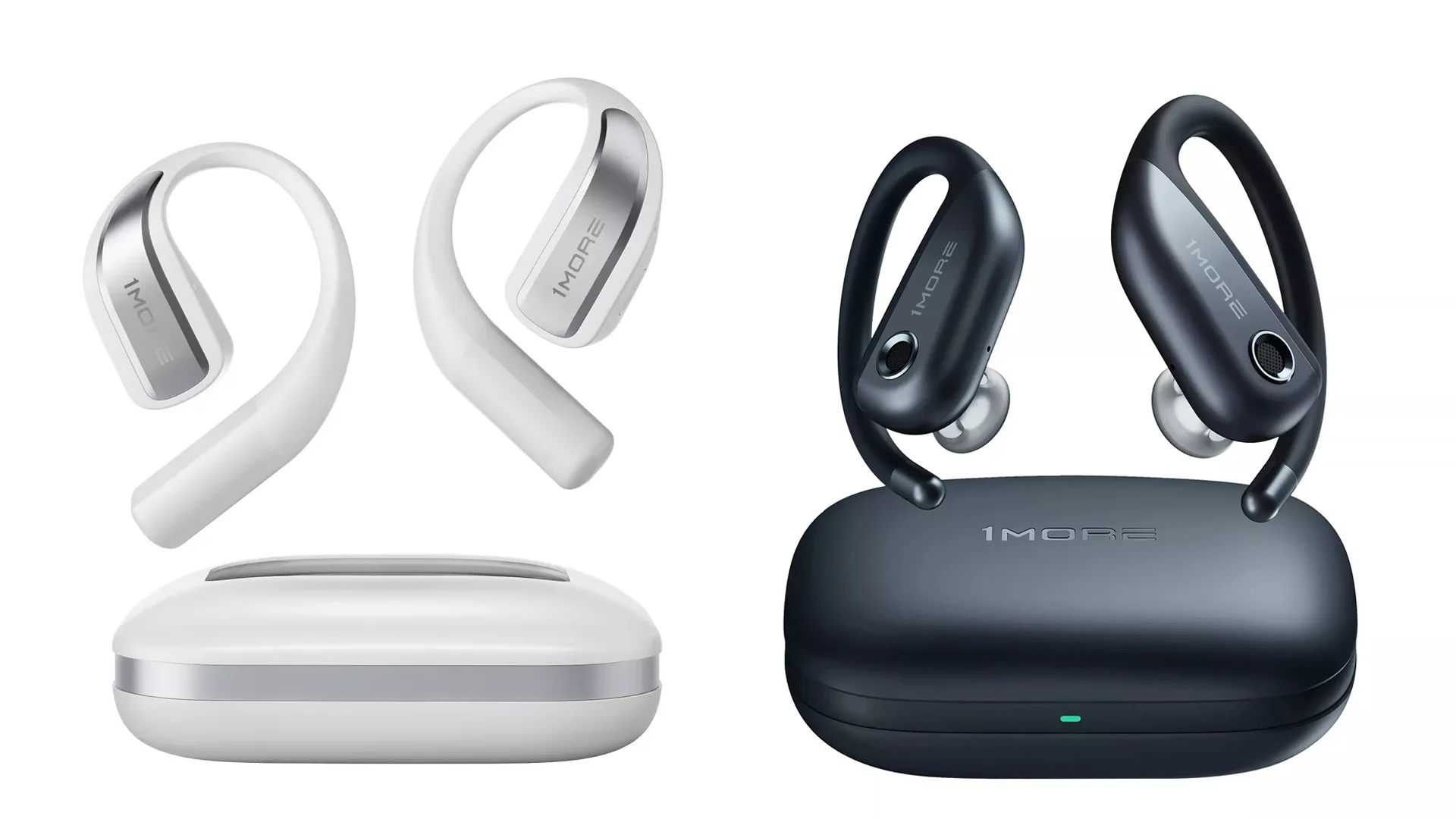
1MORE makes earphones and headphones that bring multi-driver designs and professional sound tuning to everyday listening. Its wired Triple Driver earphones combine two balanced armatures with a dynamic driver, with final tuning developed alongside recording engineer Luca Bignardi. Co-founded in China in 2013 by former Foxconn executive Gary Hsieh, the company set out to build its own audio brand rather than remain a contract manufacturer. The Triple Driver illustrates the brand’s approach: a technically ambitious design at an accessible price, with practical features such as an inline microphone and playback controls. The wider catalogue includes wireless earbuds and over-ear headphones, giving listeners a choice between a wired connection and the convenience of wireless listening.
Audio-Technica

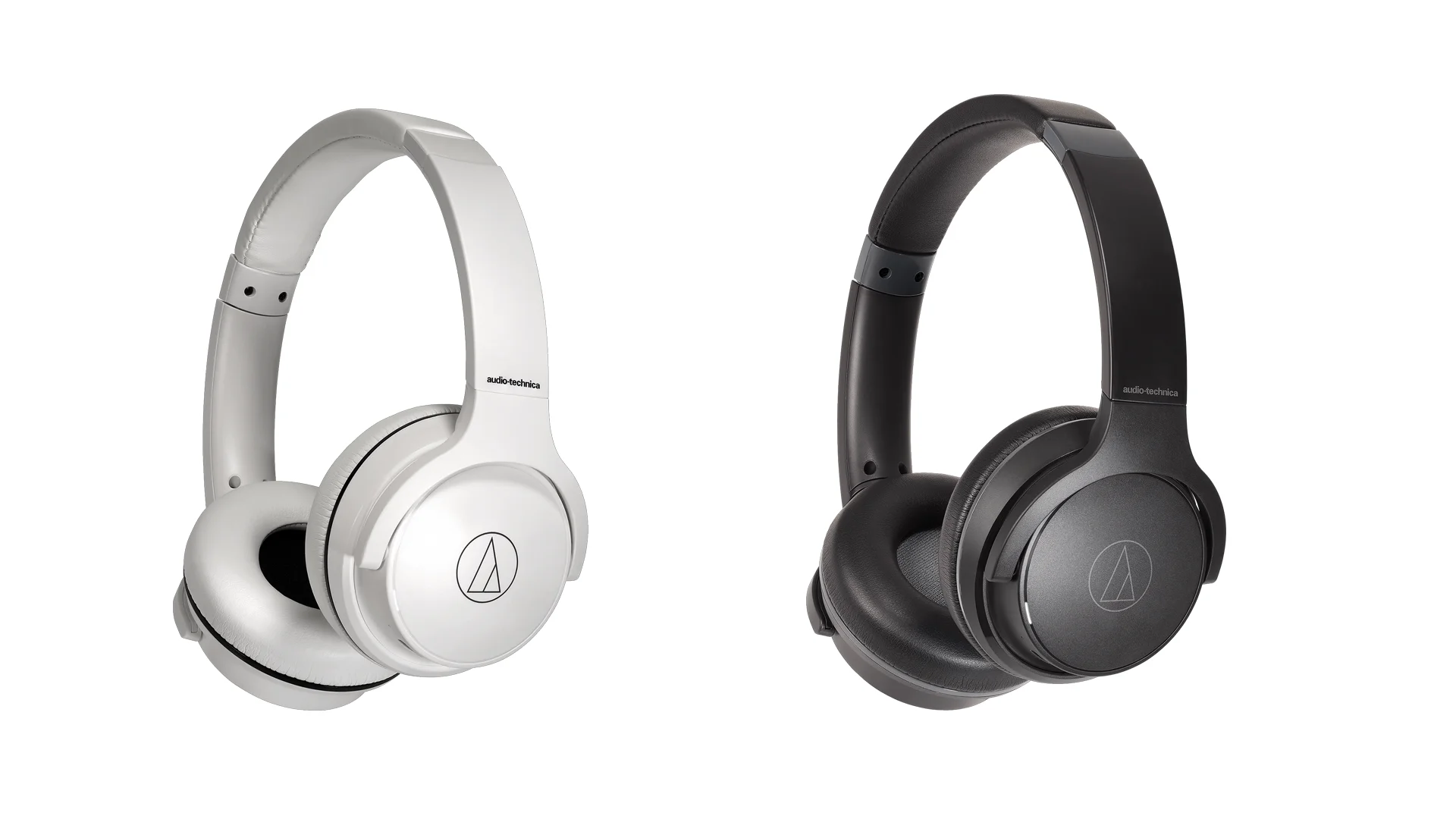
Audio-Technica began with the part that reads a record groove and grew into one of Japan’s broadest audio manufacturers. Hideo Matsushita founded the company above a ramen shop in Shinjuku on 17 April 1962; its first products were the AT-1 and AT-3 phono cartridges. Cartridge engineering remains a defining strength, spanning affordable VM models, long-running AT-OC9 moving-coil designs and the direct-power AT-ART1000 series. The company later applied its transducer expertise to studio, broadcast and live microphones, professional and domestic headphones, wireless systems and turntables. Products such as the ATH-M50x became working tools as well as consumer favourites, while high-end cartridges continue to be serviced and tested at the Japanese production facility. The unusually wide catalogue is connected by practical transducer design rather than by a single audiophile price tier.
Beyerdynamic

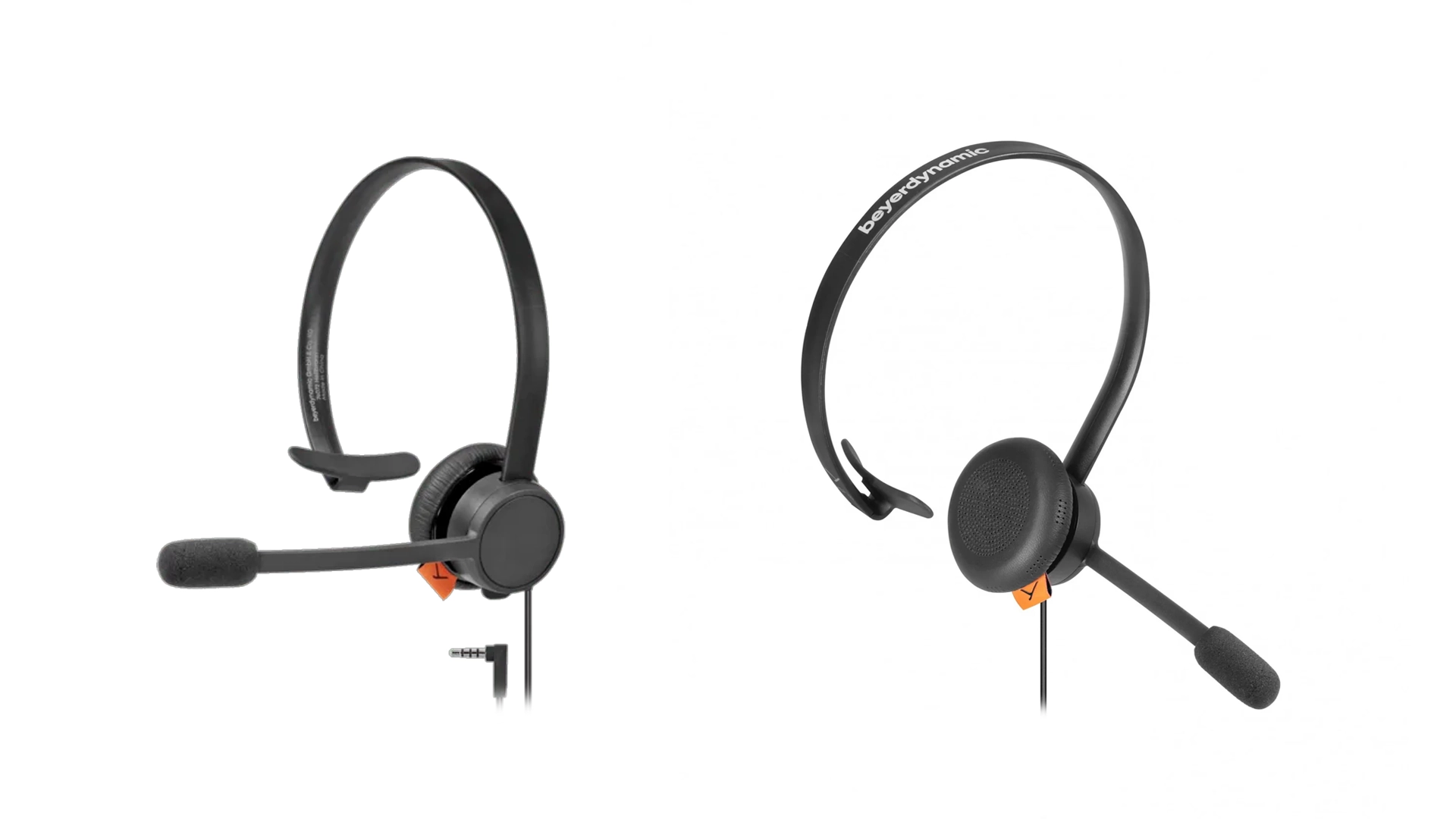
Beyerdynamic is one of the companies that defined the dynamic headphone and still develops key studio and listening models in Heilbronn, Germany. Eugen Beyer founded Elektrotechnische Fabrik Eugen Beyer in Berlin in 1924, initially making cinema loudspeakers; the DT 48 followed in 1937 as an early production dynamic headphone. Today’s DT 770, DT 880 and DT 990 remain studio standards, while the PRO X range modernises that working format and the T1 and T5 use the company’s high-flux Tesla driver technology for home listening. Beyerdynamic also makes broadcast, stage and studio microphones, including the ribbon-based M 160 lineage. The previous claim that the company specialised in planar-magnetic headphones was incorrect and has been removed. Chinese acoustic-component manufacturer Cosonic completed its acquisition of Beyerdynamic in June 2026, while the brand remains based in Heilbronn.
DALI

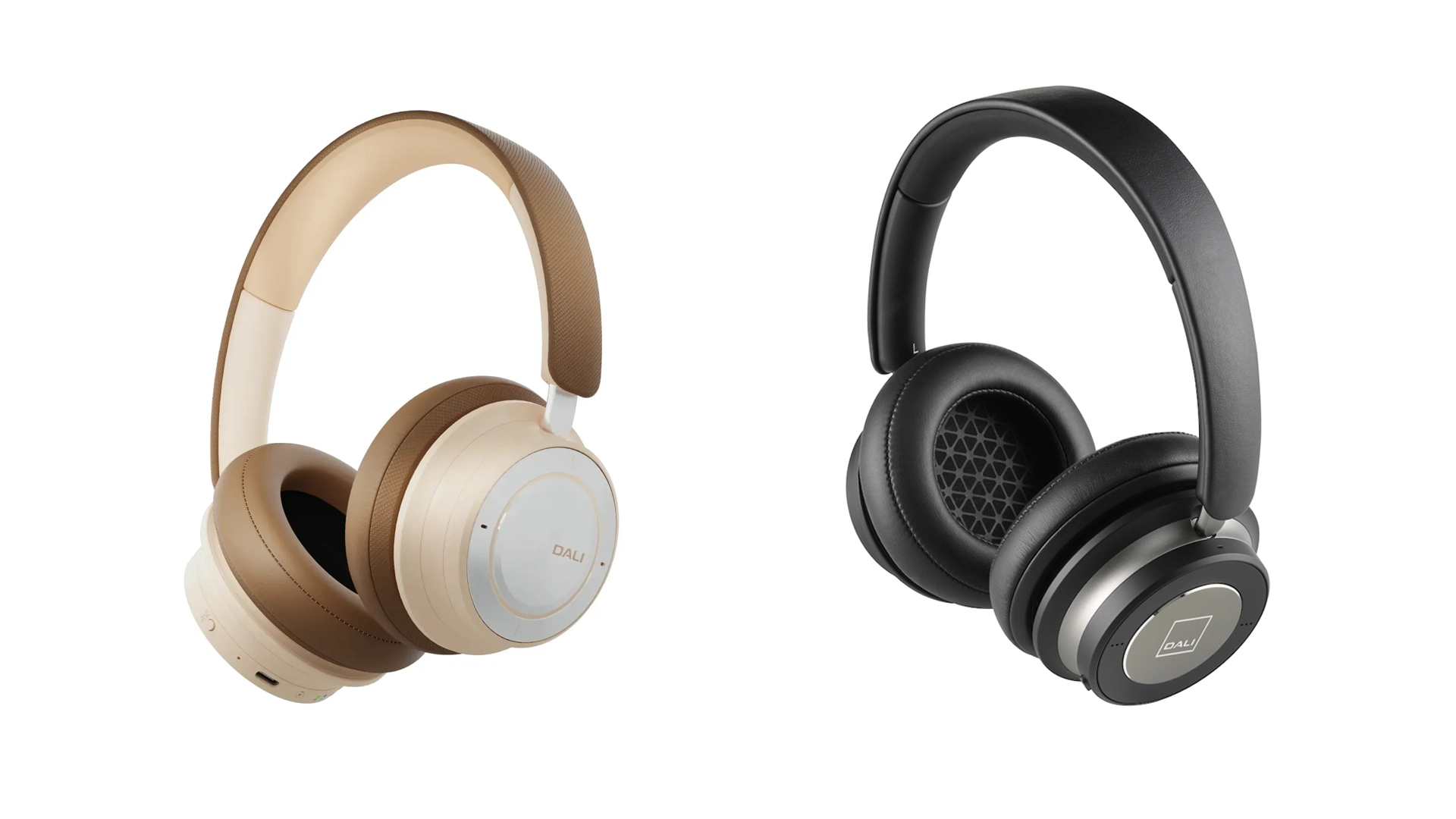
DALI — Danish Audiophile Loudspeaker Industries — was founded by Peter Lyngdorf in 1983 to build loudspeakers that reproduce music honestly across a wide listening area. The company opened its factory in Nørager in 1986, creating the vertically integrated development and production base that still shapes the brand. Several technologies make a DALI speaker easy to identify technically: low-mass wood-fibre cones, wide-dispersion driver geometry, soft-dome or hybrid dome-and-ribbon tweeter modules, and in upper ranges the company’s low-loss SMC magnetic material. These choices are intended to reduce distortion and preserve consistent tonal balance when the listener is not locked to one narrow seat. DALI applies the same principles across compact, floorstanding, on-wall, active and custom-installation models, from accessible OBERON and OPTICON families through RUBIKORE and EPICON to the KORE flagship. The breadth of the catalogue is important, but the stronger story is continuity: driver materials, magnet systems and dispersion behaviour developed for statement products are progressively adapted for speakers intended for ordinary living rooms.
FiiO

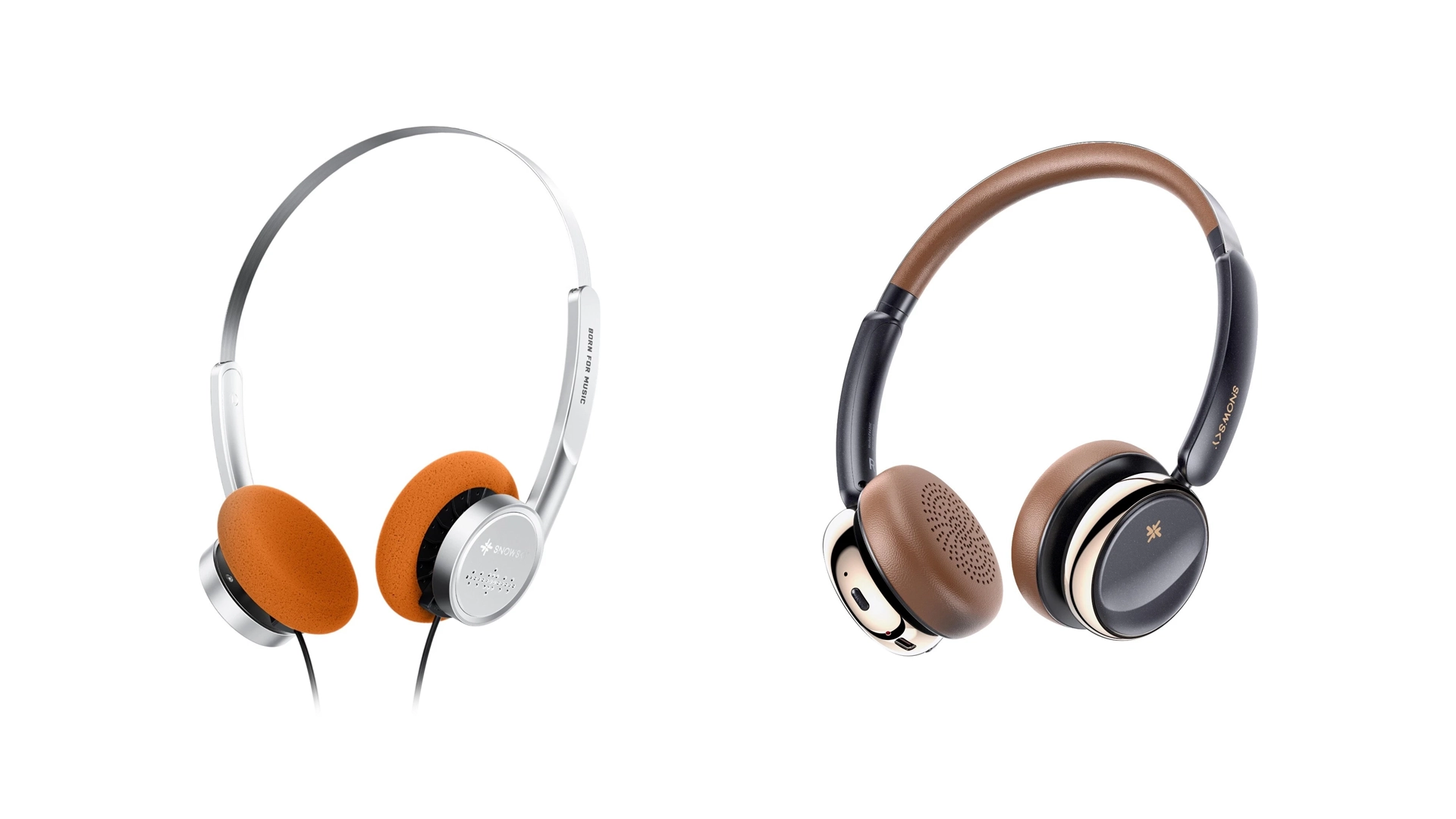
FiiO was founded in Guangzhou in 2007 and helped move serious personal audio from improvised accessories into complete, affordable systems. Early E-series portable headphone amplifiers built its reputation; the X3 player in 2013 made high-resolution playback central to the brand, and today’s Android-based M-series players combine local storage, streaming services, balanced outputs and replaceable or carefully engineered amplification stages. The broader catalogue now includes K-series desktop DAC/headphone amplifiers, BTR Bluetooth receivers, portable dongles, IEMs, full-size headphones and desktop source components. FiiO develops electronics, firmware, apps and transducers rather than depending on one fashionable product category, while sub-brand Snowsky explores smaller and more playful designs. Its distinctive strength is vertical product integration at attainable prices: a listener can build a portable, desktop or living-room chain whose interfaces and power requirements were designed to work together.
Jabra

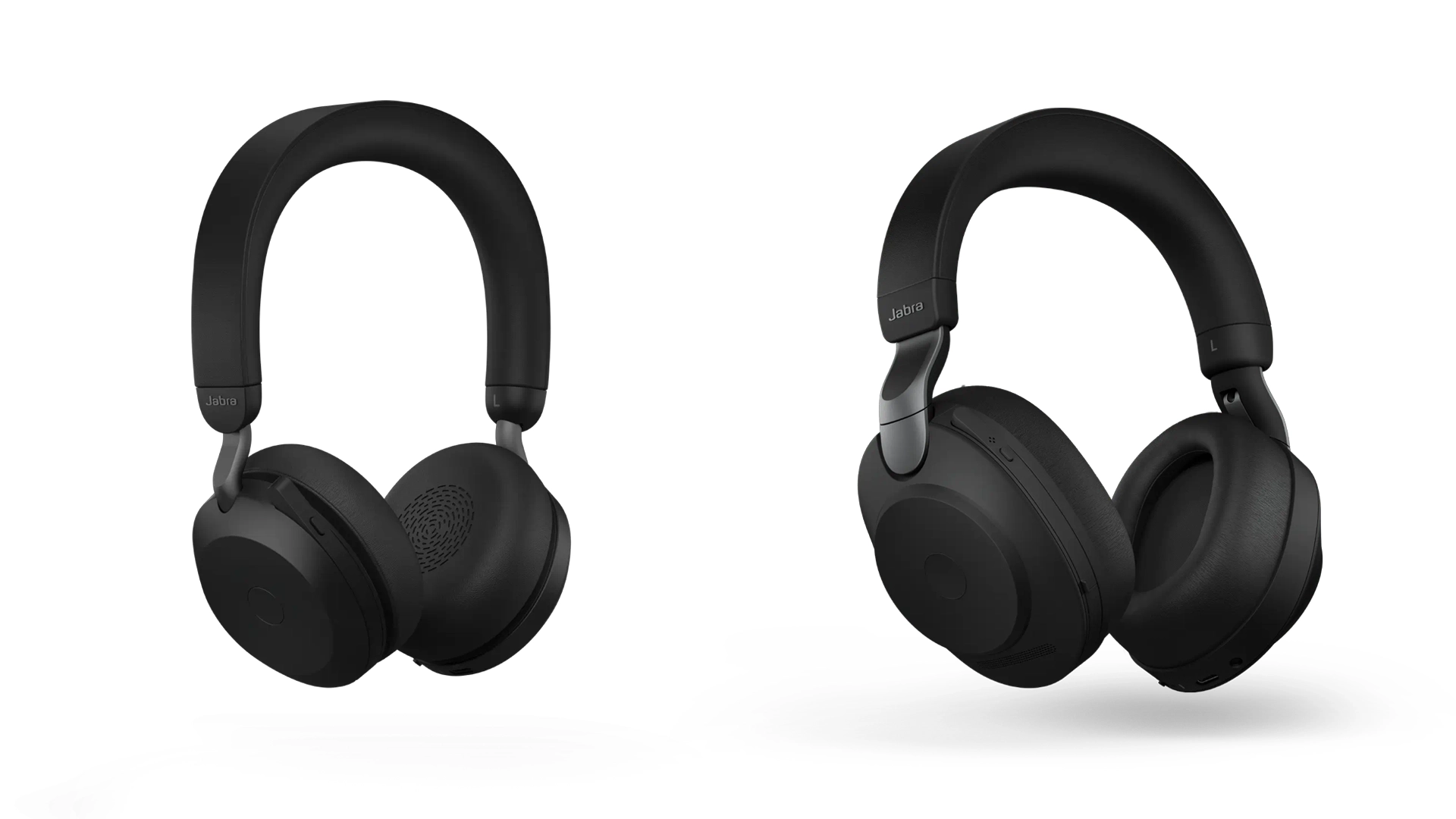
Jabra builds communication tools around one demanding task: making voices intelligible when the room, office or call centre is not quiet. The name began in the US in 1983 with Norcom Electronics, founded by inventor Elwood “Woody” Norris, and became part of Denmark’s GN Group in 2000; today it is a Danish GN brand with deep expertise in professional headsets. Its Evolve and Engage families combine directional microphone arrays, active noise cancellation, hearing protection and software-based device management for hybrid work and contact centres. Speak speakerphones cover small meetings, while PanaCast cameras add wide-angle video, intelligent framing and room analytics. Jabra also built a substantial consumer following with Elite earbuds and Talk mono headsets, although GN announced in 2024 that those two lines would be wound down. That shift makes the brand’s current identity clearer: enterprise-grade audio and video, certified integrations with major collaboration platforms, and engineering focused on reliable conversations rather than decorative hi-fi claims.
JLab

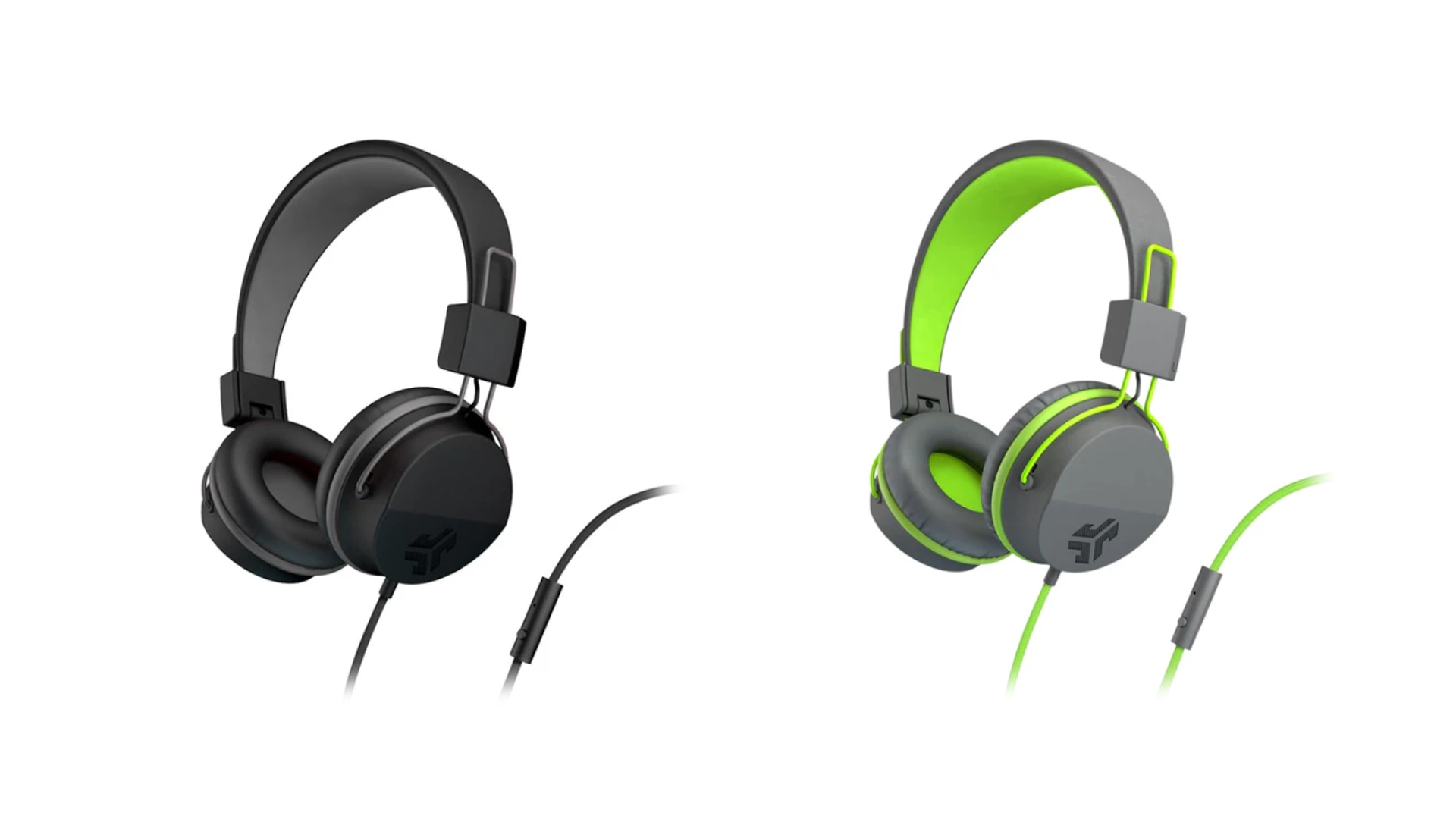
JLab is an American personal-audio brand built around aggressive value rather than stripped-down specifications. Joshua Rosenfield founded it in Tucson in 2005; the business later moved to California and, since 2021, has been owned by Japan’s Noritsu. JLab’s range spans GO and JBuds true-wireless earbuds, Epic performance models, over-ear headphones, children’s headphones, gaming headsets, microphones and small computer accessories. Across those categories it tends to prioritise long battery life, selectable EQ presets, multipoint Bluetooth, compact charging cases and fit options that make everyday use less troublesome. Sport models add ear hooks or secure shapes, while work-oriented products bring boom microphones and USB connectivity. The products are not positioned as studio references, and that is precisely the point: JLab competes by deciding which current features can be delivered at mass-market prices and by offering many formats for school, calls, exercise and travel. Its strongest identity is practical experimentation at scale—often adopting a useful wireless feature quickly, then packaging it in a product ordinary buyers can replace or upgrade without a luxury premium.
JVC

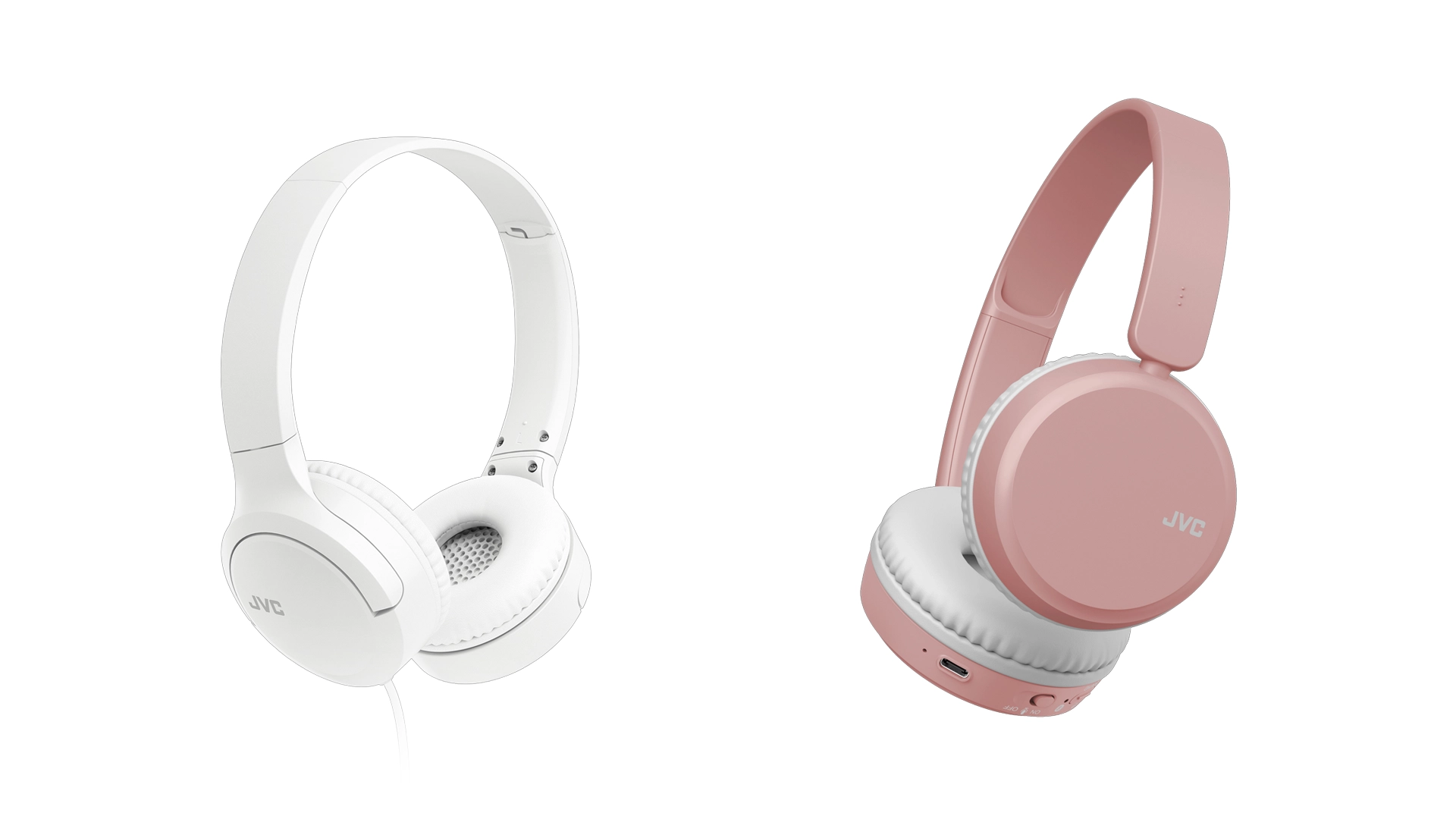
JVC is a Japanese audio-video brand whose history reaches from phonographs and recording media to headphones, car receivers and projectors. The Victor Company of Japan was established in Yokohama in 1927 as a Japanese subsidiary of the US Victor Talking Machine Company, then developed its own engineering and manufacturing base. Its best-known global achievement was VHS, introduced in 1976 and designed as a practical home-video system that could be licensed widely. Audio work ran alongside it: the Nivico export name, compact systems, tape equipment, speakers, headphones and later EXOFIELD spatial-processing products all belong to different periods of the same company. JVC merged with Kenwood in 2008 and now operates as a brand of JVCKENWOOD, so it should not be described as a fully independent multinational company. The current audio identity is concentrated in wireless and wired headphones, car multimedia and selected home products, while D-ILA projection represents another important specialist branch. JVC’s real strength is format and application engineering across sound and image, not a single timeless product range.
Koss

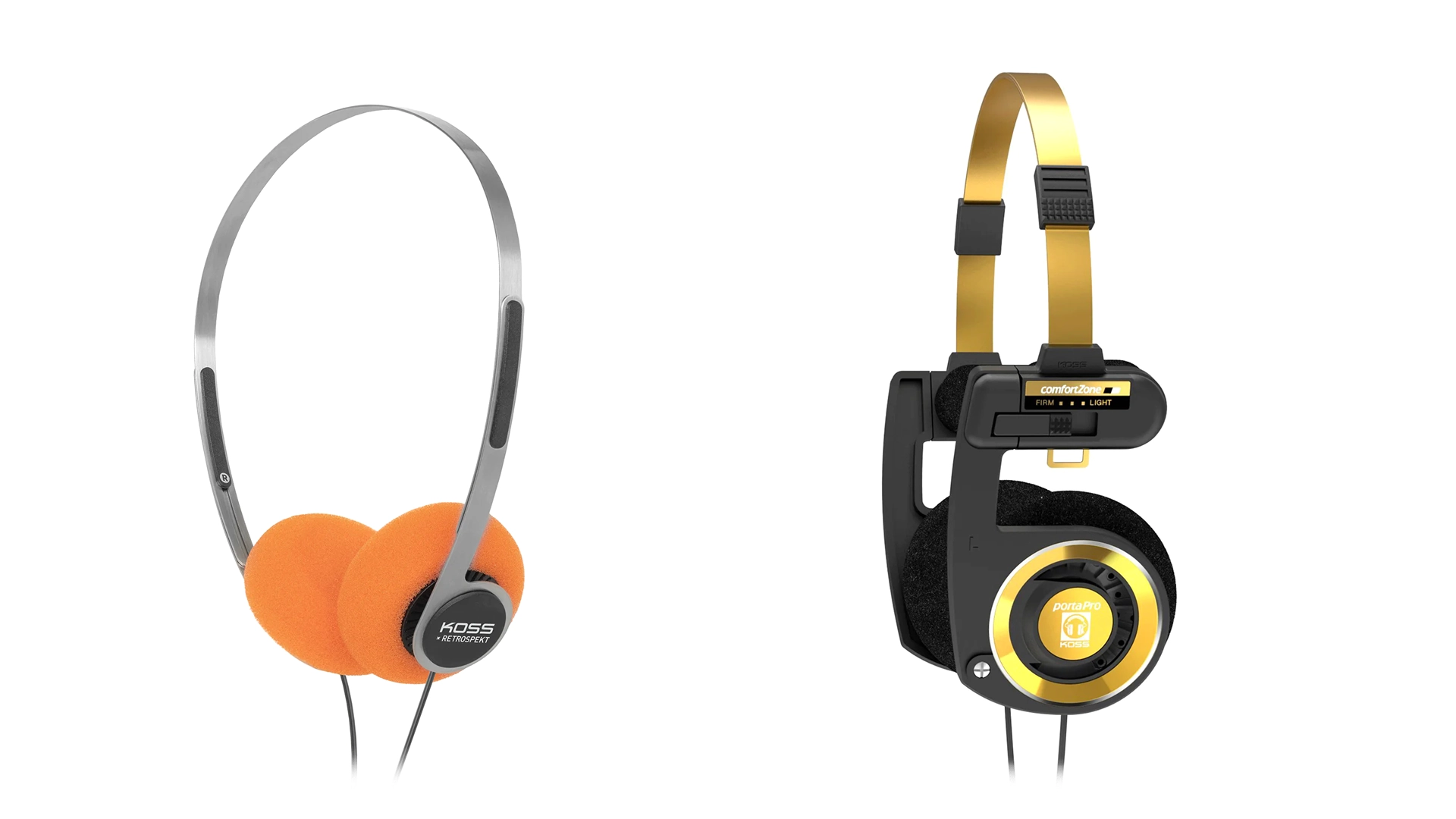
Koss is an American headphone company founded in Milwaukee by John C. Koss in 1953. The business initially rented televisions, but its direction changed in 1958 when Koss and engineer Martin Lange demonstrated a portable stereo phonograph with the SP/3 stereophone. That product is widely recognised as the first commercial high-fidelity stereo headphone and established personal stereo listening as Koss’s defining field; 1958 is the breakthrough year, not the company’s founding date. The later Pro/4AA became a durable studio and broadcast reference, while the open-back Porta Pro of 1984 created an even longer-lived design through its light frame, adjustable temple pads and replaceable foam cushions. Current favourites such as KSC75, KPH30i and KPH40 reuse aspects of the brand’s practical on-ear engineering, alongside Bluetooth and communication models. Koss has never depended on luxury materials or rapid annual replacement. Its strength is a rare continuity of affordable, repairable or parts-supported headphones whose basic acoustic platforms often remain useful for decades.
Luzli

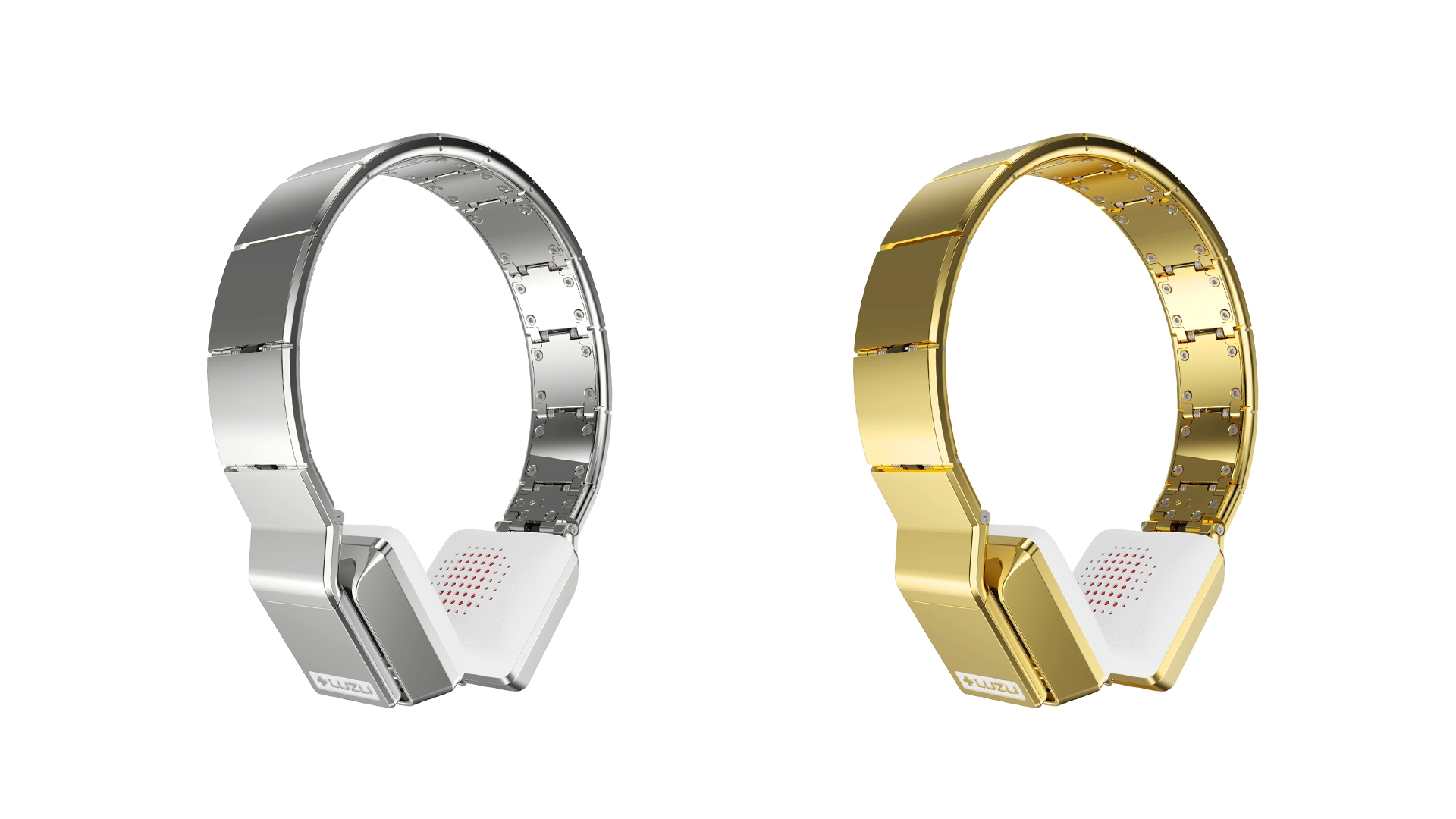
Luzli is a Swiss maker of limited-edition headphones whose defining feature is a headband that can roll into a compact coil. The Roller was developed by the Swiss-British design duo Dina Guth and Andy James Lee, drawing on watch construction rather than the usual plastic-and-hinge architecture of portable headphones. Its patented mechanism uses 22 articulated stainless-steel spring sections that conform to the wearer’s head and allow the headphone to curl for storage without a conventional folding joint. The closed-back Roller MK01 is the smaller on-ear version, while the MK02 enlarges the structure for an around-ear fit. Both are assembled in Switzerland, individually numbered and supplied with detachable OCC-copper cabling, replaceable memory-foam pads and a wooden presentation case. The visible metal mechanism is not merely styling: it distributes pressure through many small moving elements and removes a common mechanical weak point in travel headphones. Luzli has produced a very narrow catalogue rather than a succession of mass-market wireless models, so its identity rests on one thoroughly developed object. An exact founding year is not stated consistently enough by the company’s own material to add one with confidence.
Marshall

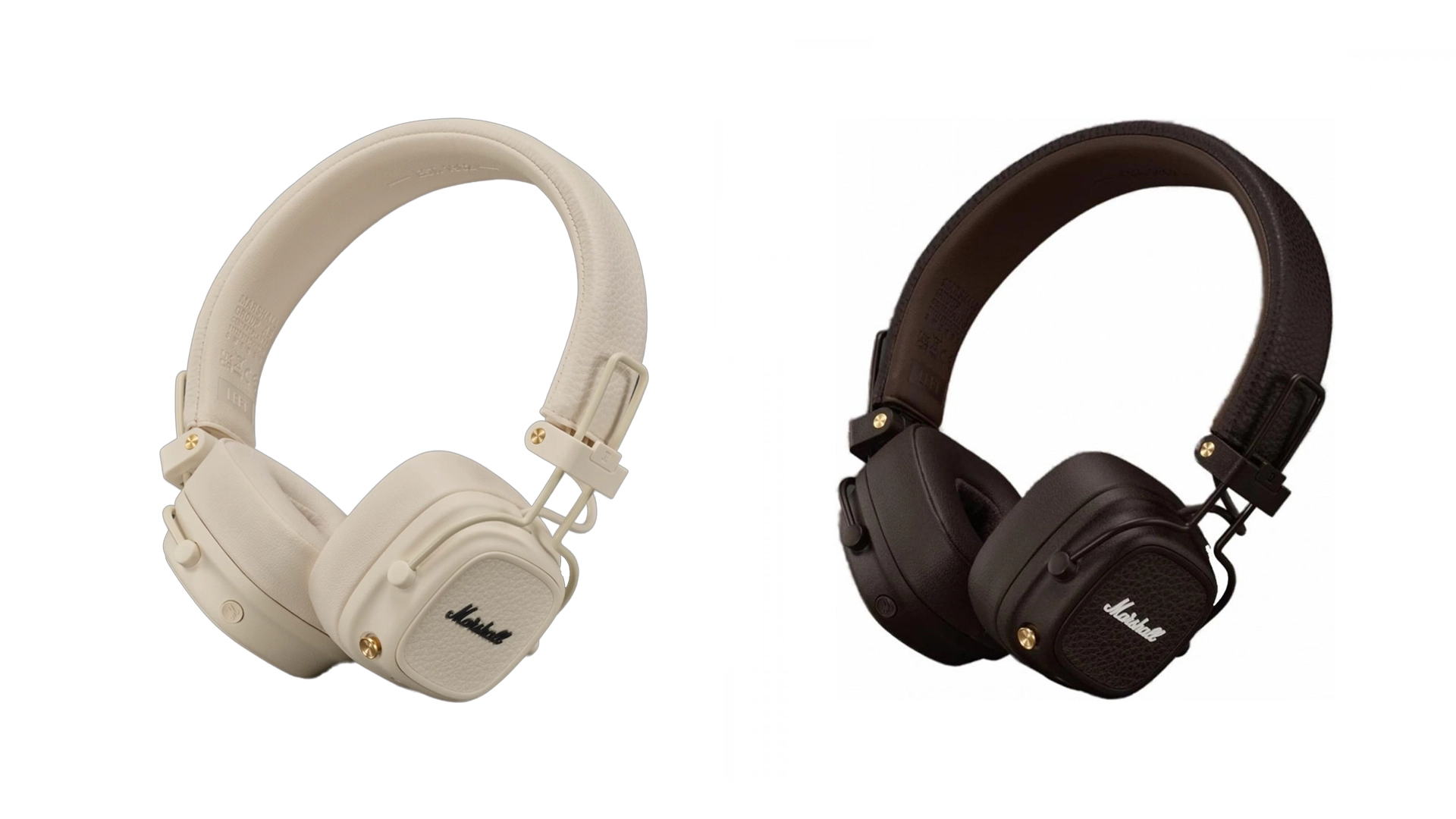
Marshall is the British amplification name that turned the sound and appearance of a guitar stack into a global rock-and-roll signature, then carried that identity into headphones and wireless speakers. Drum-shop owner and former drummer Jim Marshall founded the business in London in 1962 with technicians Ken Bran and Dudley Craven. Their early JTM45 amplifier responded to musicians seeking more volume and a different voice from the American designs then available; later Plexi, Super Lead and JCM models became fixtures on stages and recordings. The current catalogue still includes guitar and bass amplifiers, cabinets and effects, alongside consumer products such as the Major and Monitor headphones, Motif and Minor earbuds, and portable or home Bluetooth speakers including Emberton, Middleton, Stanmore and Woburn. Since the Marshall amplification and former Zound consumer-audio businesses were brought together in Marshall Group in 2023, product development, licensing and brand stewardship sit within one company, while the Marshall family remains involved. What makes Marshall unusual is the continuity between professional music equipment and everyday listening products: tactile controls, durable construction and amplifier-inspired design are tied to a genuine manufacturing and performance history rather than an invented retro theme.
Sennheiser

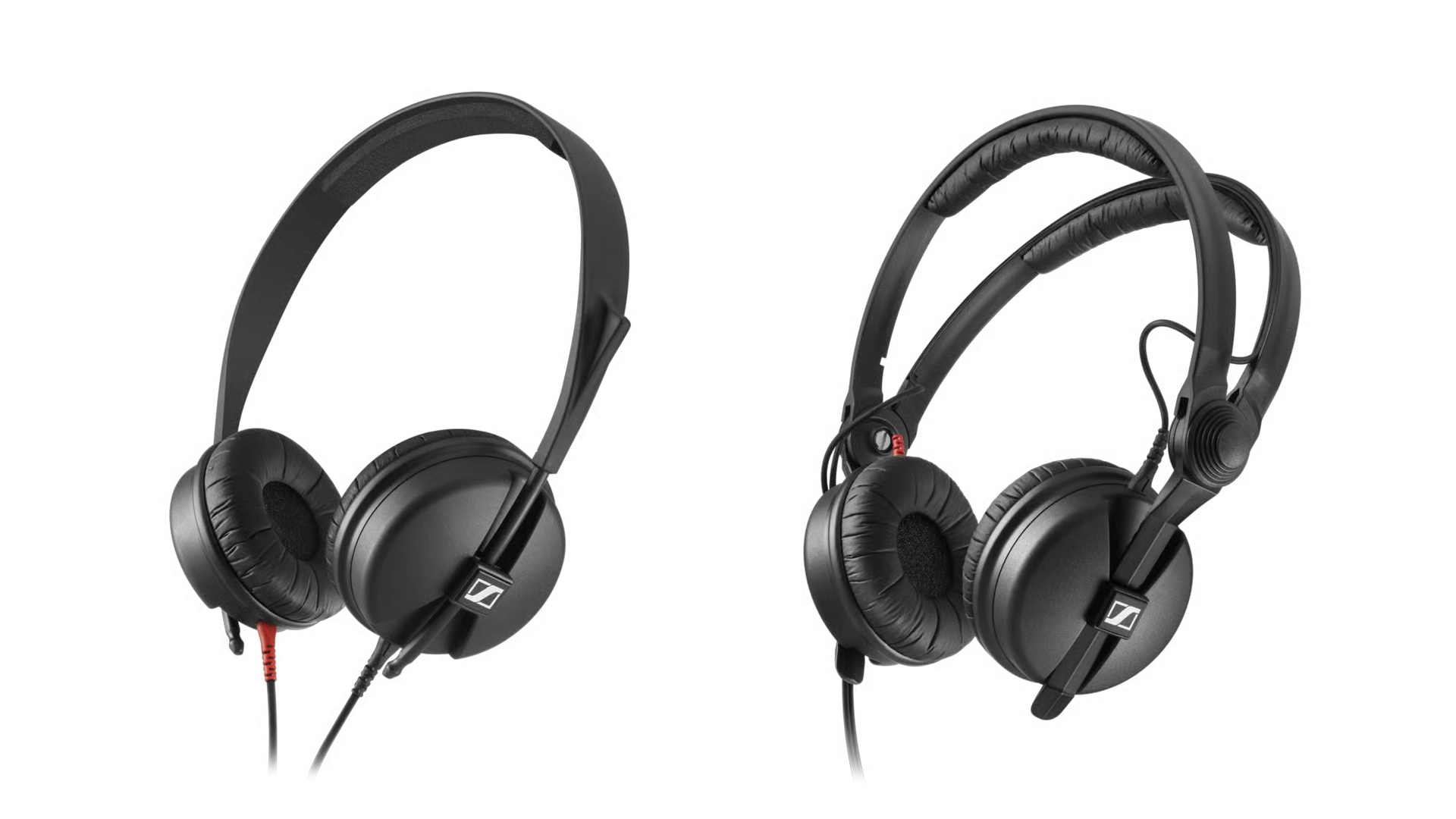
Sennheiser is a German audio company founded in 1945 by electrical engineer Fritz Sennheiser as Laboratorium Wennebostel, or “Labor W,” near Hanover. Microphones established the business: the MD 2 followed soon after its first measuring equipment, the MD 421 became a studio and broadcast standard, and the MKH and evolution families carried the name into film, stage and location sound. Headphones form the other great strand. The open-back HD 414 of 1968 was produced on an extraordinary scale; later HD 600, HD 650 and HD 800 models became long-lived references for home listening, while the Orpheus/HE 1 electrostatic system demonstrated the company’s no-compromise engineering. Wireless microphone systems, aviation and broadcast headsets, in-ear monitoring and AMBEO immersive-audio products broaden the professional portfolio. Ownership now needs careful distinction. The Sennheiser family-owned company continues to run the professional-audio business. Its consumer headphone and hearable division was acquired by Swiss hearing-care group Sonova in 2022 and operates under a perpetual licence to the Sennheiser brand; in March 2026 Sonova announced that it intends to divest this Consumer Hearing business, with a transaction expected during its 2026/27 financial year. Until a sale is completed, Sonova remains the owner of that division. The original country therefore remains Germany, but “Sennheiser” no longer describes one corporate unit. What connects the products is an unusually deep history in transducers, acoustics and wireless transmission—knowledge applied from stage microphones to open-back audiophile headphones rather than a brand assembled around a single consumer trend.
Sony

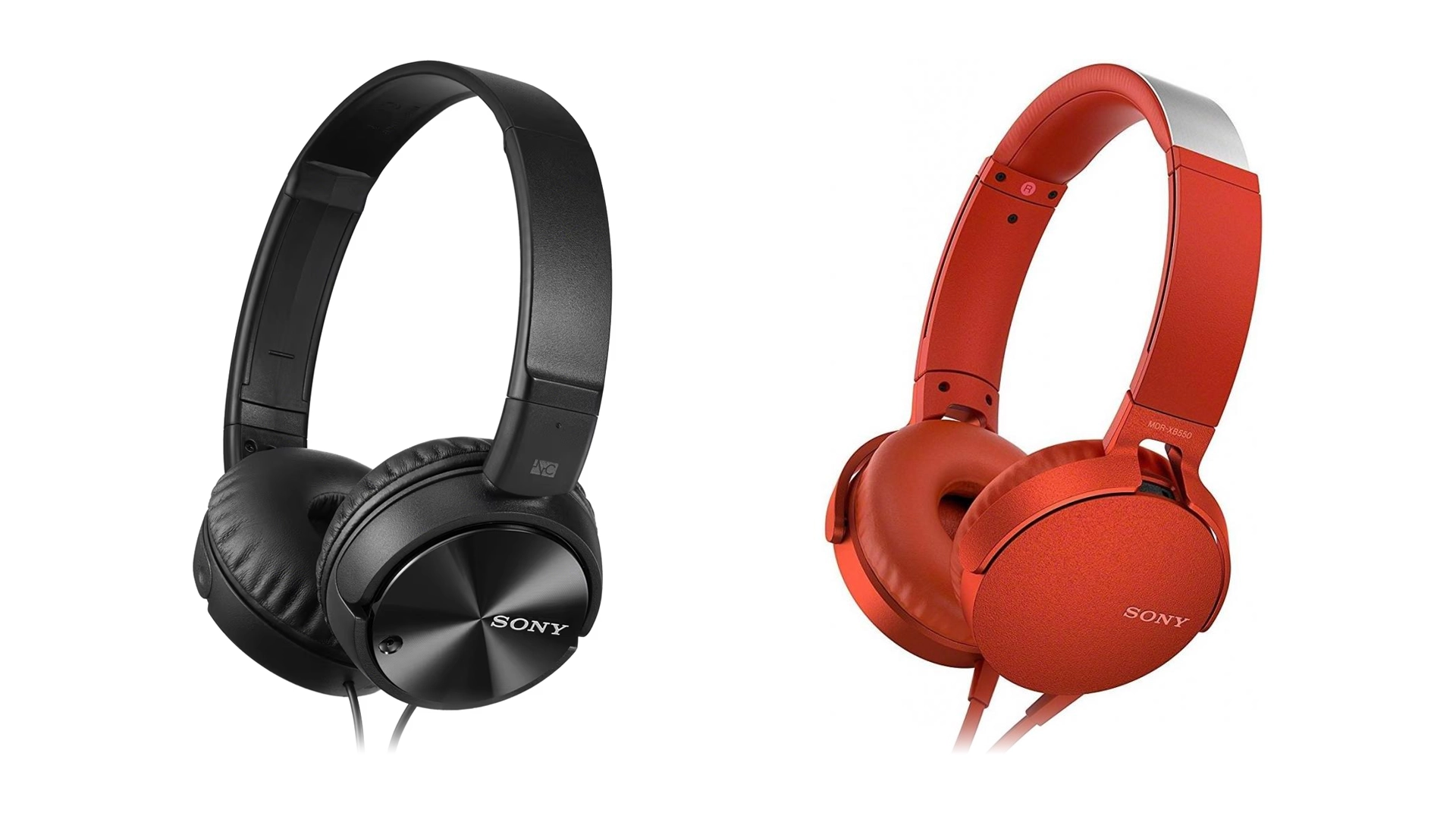
Sony helped shape both personal listening and home entertainment, from the Walkman and Compact Disc era to televisions, headphones and cinema systems. Masaru Ibuka and Akio Morita established the company in Tokyo in 1946 as Tokyo Tsushin Kogyo; the Sony name became its corporate identity in 1958. Tape recorders and transistor radios provided early foundations, but the 1979 TPS-L2 Walkman changed how people carried music with them. The CDP-101 followed in 1982, and the compact D-50 portable CD player in 1984 helped bring digital discs beyond the living room. Sony also played a central role with Philips in developing the Compact Disc and later SACD formats. Its hi-fi history includes ES amplifiers and disc players, while Walkman continued into digital music players. Headphones became another major field, spanning studio use, dedicated home listening and wireless noise-cancelling models. In video, the progression from Trinitron to BRAVIA televisions sits alongside home-cinema projectors and professional imaging equipment. Soundbars, receivers and disc players connect these audio and video interests within domestic systems. Sony’s scale matters because it works across recording, signal processing, playback hardware and entertainment production, with technologies moving between those areas. The consumer brand therefore encompasses far more than its professional AV division: it includes several of the products and formats through which generations of listeners first encountered recorded music and film.
Yamaha

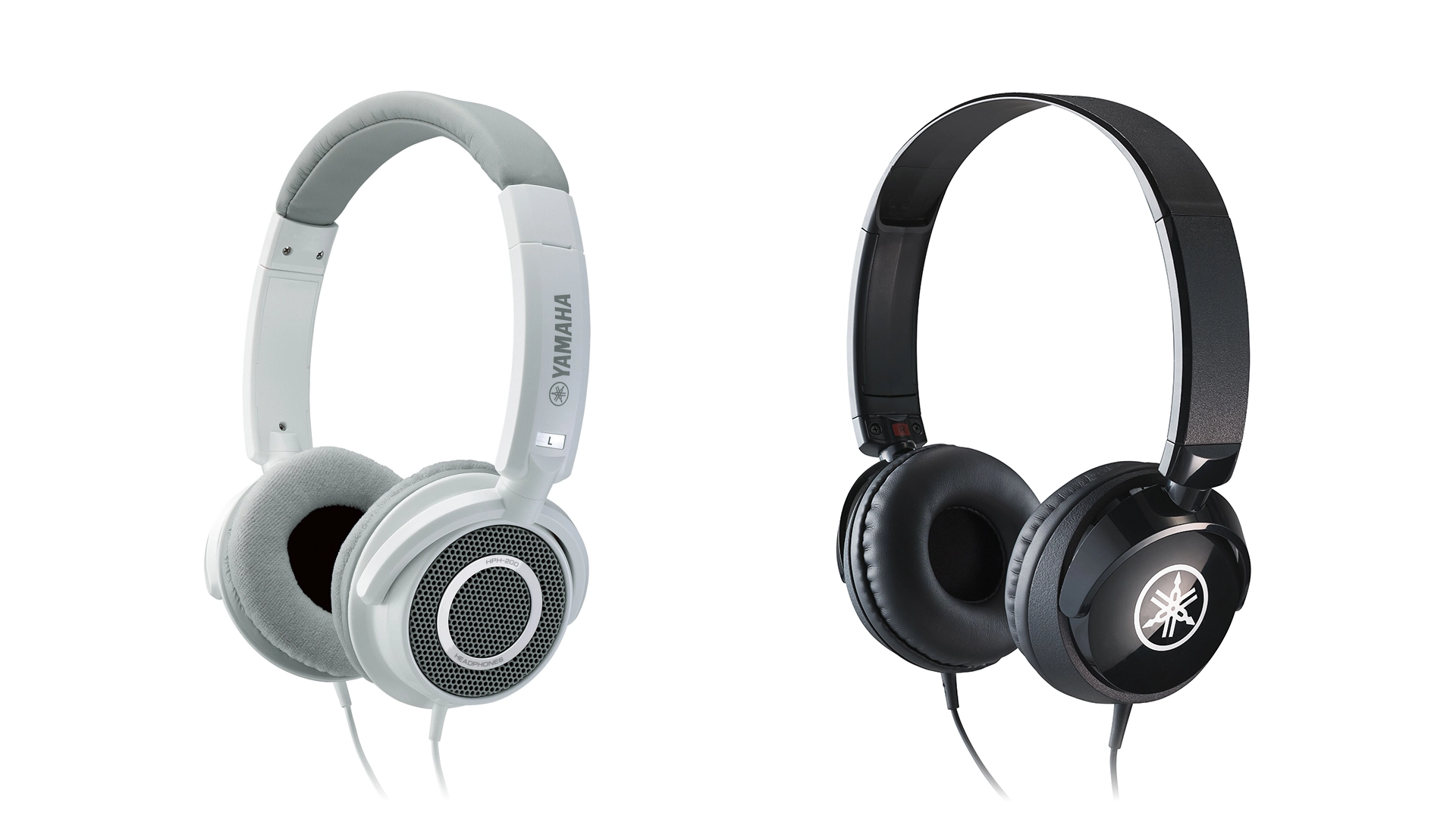
Yamaha began in 1887 when Torakusu Yamaha repaired a reed organ in Hamamatsu and built his own instrument; the tuning-fork emblem still reflects that origin. The company became Nippon Gakki and developed pianos, organs and other instruments long before expanding into electronics, professional sound and home audio. Yamaha’s audio strength comes from this unusually broad view of the chain—from the instrument and recording venue to mixing, amplification and reproduction. The NS-1000 loudspeaker of 1974 was a landmark use of beryllium domes for both midrange and treble, while the B-1 introduced a powerful vertical-FET amplifier and the GT turntables explored extreme mechanical stability. Modern hi-fi retains those threads. A-S integrated amplifiers range from accessible models to the fully balanced A-S3200; R-N network receivers add MusicCast streaming and multi-room control; the C-5000/M-5000 separates and GT-5000 turntable form the flagship 5000 Series. NS-2000A and NS-5000 loudspeakers use Yamaha’s Zylon-based Harmonious Diaphragm concept across multiple drivers to improve tonal continuity. At the same time, Yamaha remains a major force in AV receivers, soundbars, studio monitors, digital mixers and concert systems. Yamaha Motor has been a separate company since 1955, so motorcycles should not blur this audio history. The enduring identity is integration: acoustic-instrument knowledge, professional production tools, cinema processing and domestic hi-fi developed within one Japanese engineering culture.