
Electrostatic Headphones
Often considered the pinnacle of personal audio, electrostatic headphones are renowned for their unmatched clarity and effortless detail. They operate using a unique principle where a virtually massless diaphragm is moved by a high-voltage electrostatic field. This technology requires a dedicated amplifier, known as an “energizer,” to function. This page is a guide to the exclusive manufacturers that produce these complete, state-of-the-art personal listening systems for the ultimate in sonic purity.
Hi-Fi brands in the category
Summary information and image
Direct links to official websites
Audeze

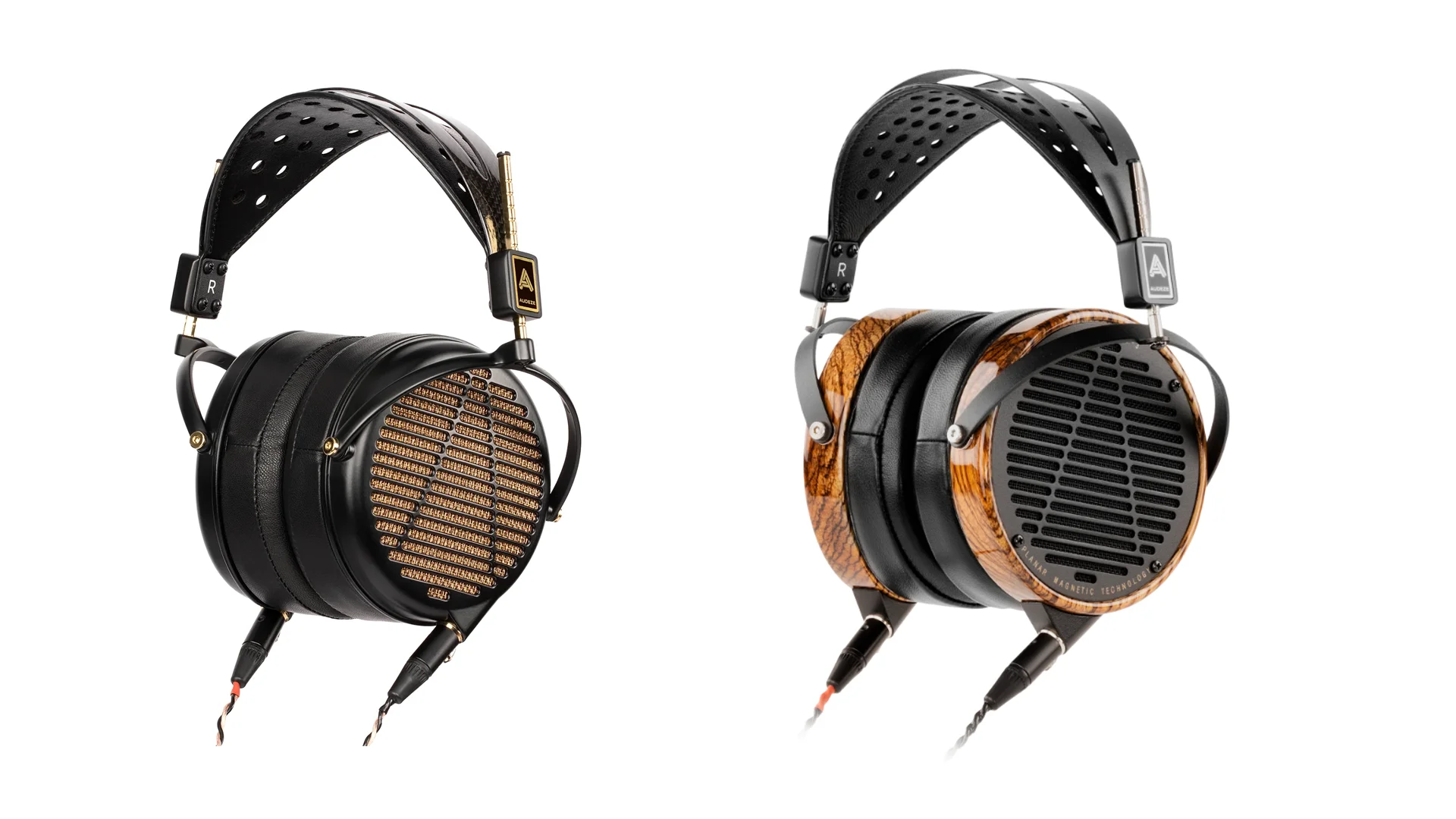
Audeze is best known for planar magnetic headphones, in which a thin diaphragm carrying conductive traces is driven across its surface by a magnetic field. The Californian company began in 2008 with co-founders including Sankar Thiagasamudram and Alexander Rosson; transducer engineer Dr. Dragoslav Colich has also been central to its development. The LCD family established its hi-fi identity, followed by headphones for professional production and gaming. Its work now extends to the CRBN electrostatic range, so planar technology no longer describes the whole catalogue. Audeze makes its planar and electrostatic drivers in Orange County, retaining direct control over a component that defines the behaviour of each headphone.
Dan Clark Audio

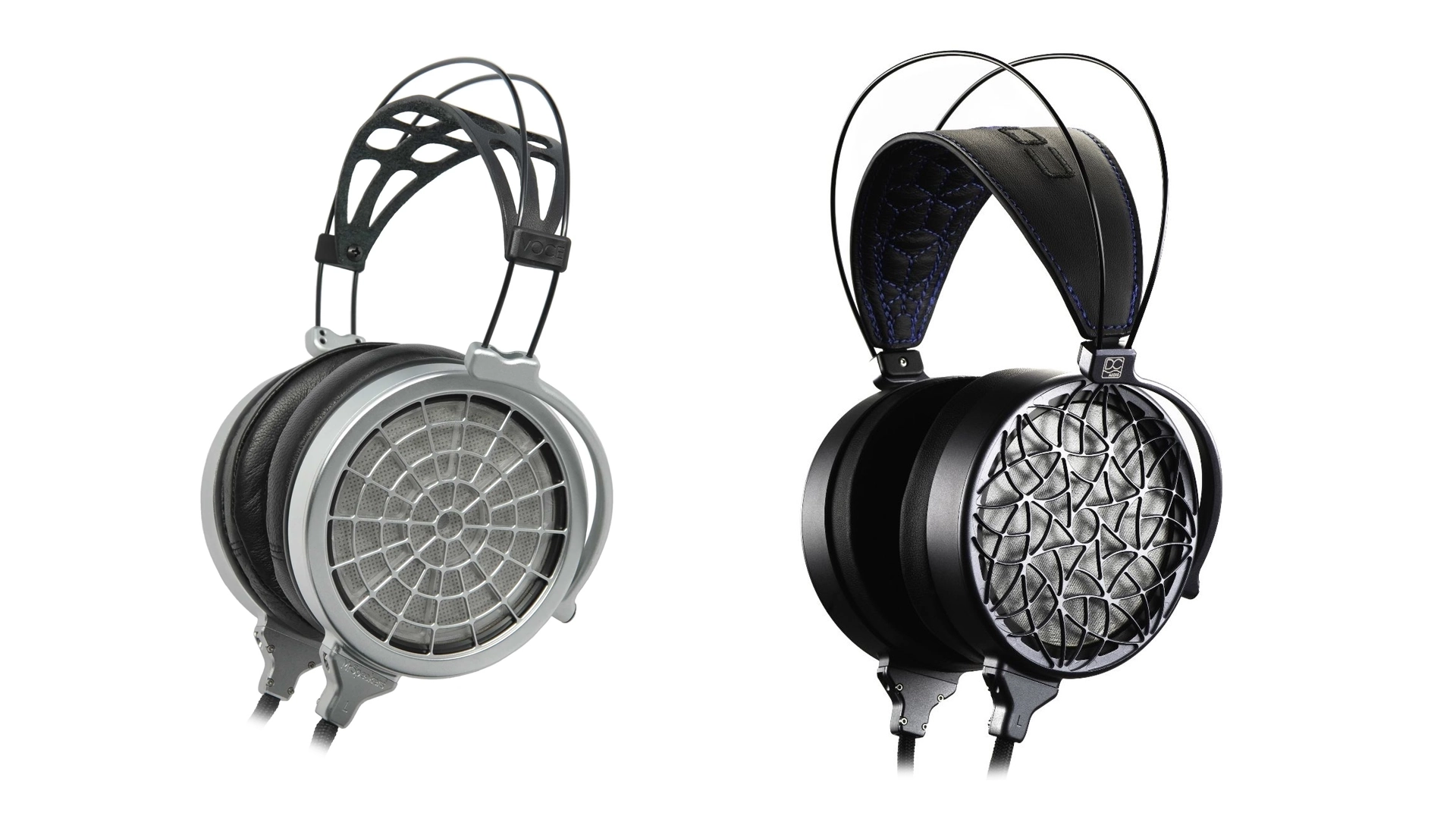
Dan Clark Audio is a San Diego headphone manufacturer that grew from one engineer’s experiments with modified Fostex models into a specialist in proprietary planar-magnetic and electrostatic designs. Dan Clark founded the company as MrSpeakers in 2012; the early Mad Dog modifications financed Alpha Dog, widely recognised as the first production headphone with 3D-printed ear cups, and then ETHER, its first fully in-house planar model. The business adopted the Dan Clark Audio name in 2019. Its technical identity now rests on several linked ideas: V-Planar creases give the diaphragm greater linear excursion, TrueFlow shapes airflow through the motor, and the Acoustic Metamaterial Tuning System uses tuned acoustic structures between driver and ear to control high-frequency resonances. STEALTH and EXPANSE apply these technologies at flagship level, while E3, ÆON and NOIRE models translate them into lighter or more attainable formats. Folding gimbals, nickel-titanium headbands and careful weight distribution show that comfort is treated as part of engineering, not as an accessory to sound quality.
HiFiMAN

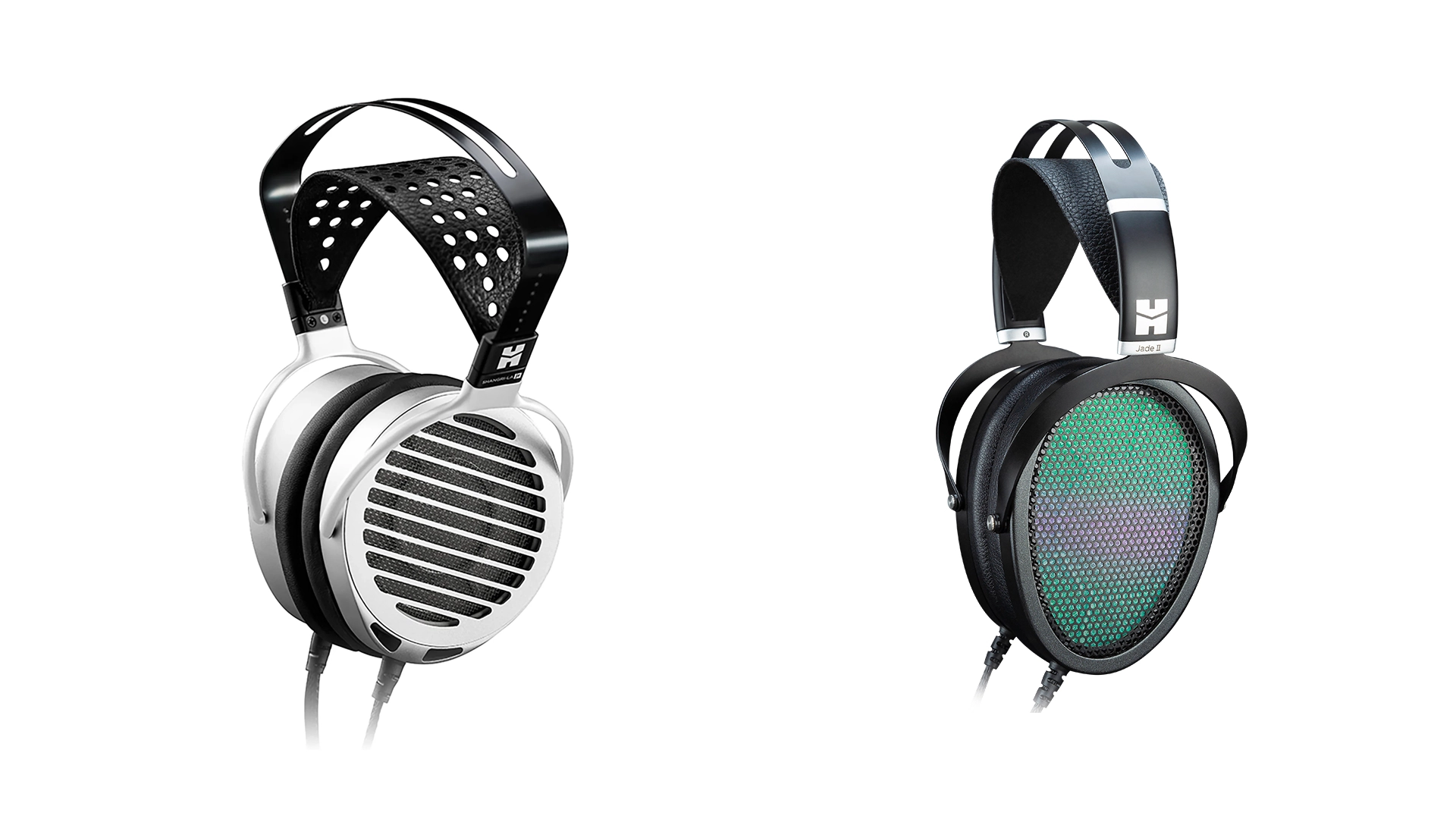
HiFiMAN is one of the companies most responsible for bringing planar-magnetic headphones back into mainstream high-end audio. Dr Fang Bian started Head-Direct in New York in 2005 and adopted the HiFiMAN name in 2007; early products such as the HM-801 portable player and HE-5 headphone established both its digital and transducer ambitions. The core range now runs from accessible models such as Sundara through Ananda, Arya and HE1000 to the flagship Susvara. Across these families, very thin planar diaphragms, distributed conductor traces and increasingly acoustically transparent magnet structures are used to reduce moving mass and obstruction; the company describes later versions as Stealth Magnet designs. HiFiMAN also produces DAC/headphone amplifiers, R-2R portable players and in-ear monitors. Its real significance is the scale at which it has developed planar technology—from attainable everyday models to uncompromised reference designs.
King Sound

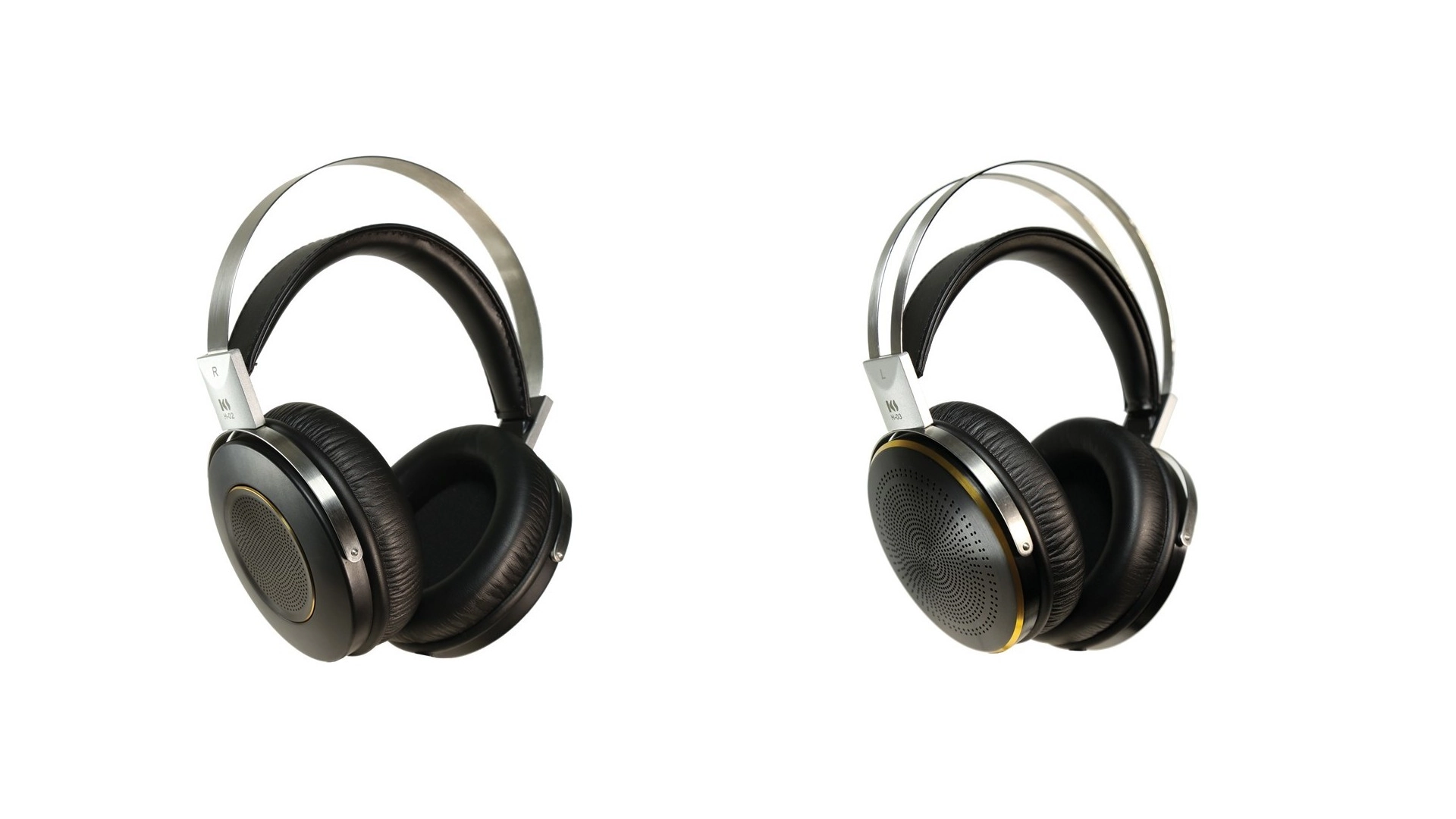
King Sound, also presented as King’s Audio, is a Hong Kong specialist best known for making electrostatic loudspeakers and headphones accessible in several sizes. An electrostatic panel moves an extremely light diaphragm suspended between charged stators, giving the brand a route to low moving mass and rapid transient response that differs fundamentally from conventional cone drivers. The company has used this principle in full-height models such as King and King III, smaller Prince variants and later KS-series designs. Some loudspeakers combine electrostatic panels with dynamic bass sections, so the range should not be reduced to the inaccurate claim that every model is a crossover-free full-range panel. King Sound has also produced matching high-voltage energisers, headphone amplifiers and electrostatic headphones, allowing the same expertise to serve personal listening. Product availability and naming have varied by market, but the technical identity is consistent: complete electrostatic playback systems built by a rare Asian manufacturer with experience in both room and headphone formats.
Koss

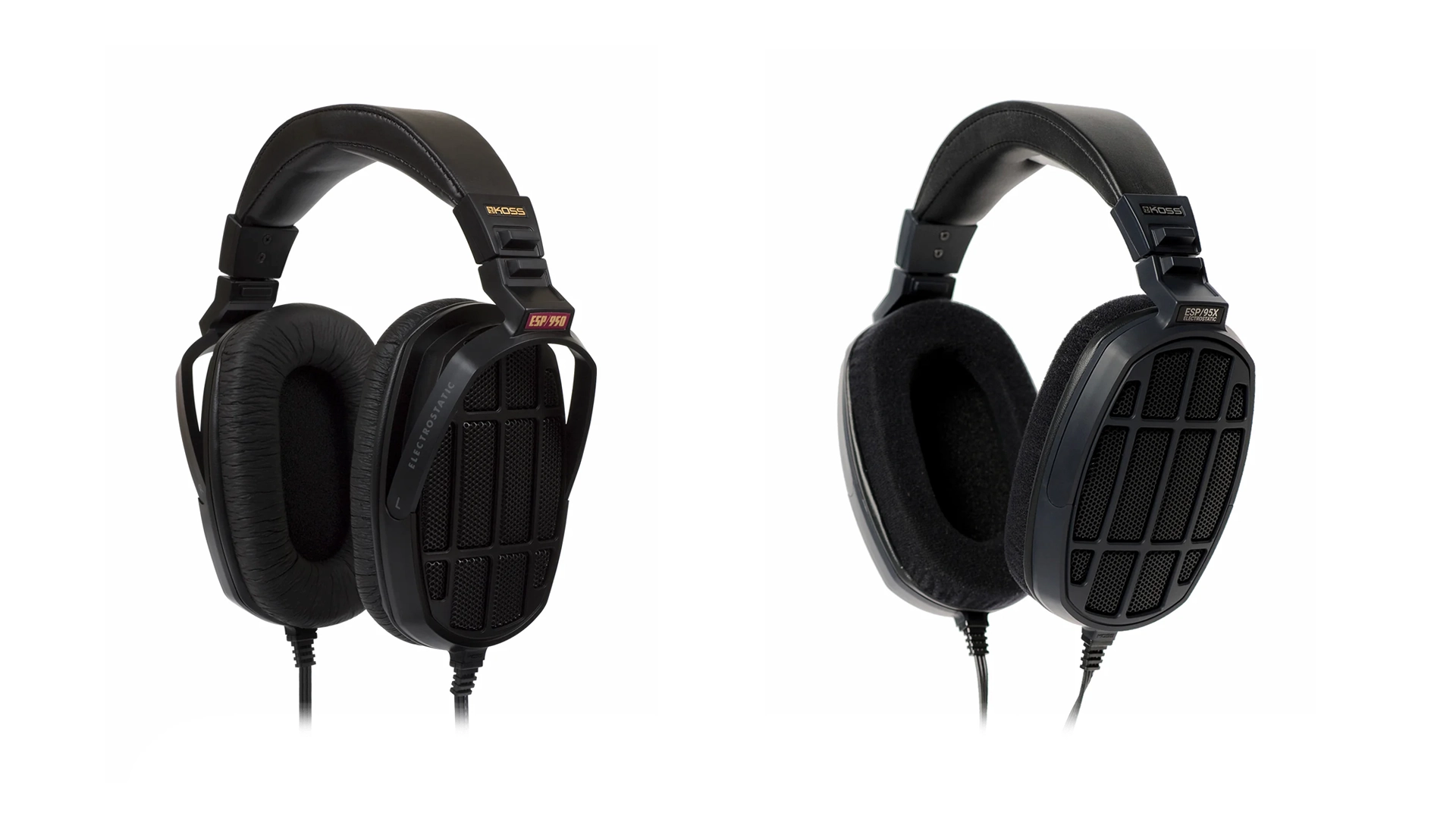
Koss is an American headphone company founded in Milwaukee by John C. Koss in 1953. The business initially rented televisions, but its direction changed in 1958 when Koss and engineer Martin Lange demonstrated a portable stereo phonograph with the SP/3 stereophone. That product is widely recognised as the first commercial high-fidelity stereo headphone and established personal stereo listening as Koss’s defining field; 1958 is the breakthrough year, not the company’s founding date. The later Pro/4AA became a durable studio and broadcast reference, while the open-back Porta Pro of 1984 created an even longer-lived design through its light frame, adjustable temple pads and replaceable foam cushions. Current favourites such as KSC75, KPH30i and KPH40 reuse aspects of the brand’s practical on-ear engineering, alongside Bluetooth and communication models. Koss has never depended on luxury materials or rapid annual replacement. Its strength is a rare continuity of affordable, repairable or parts-supported headphones whose basic acoustic platforms often remain useful for decades.
Stax

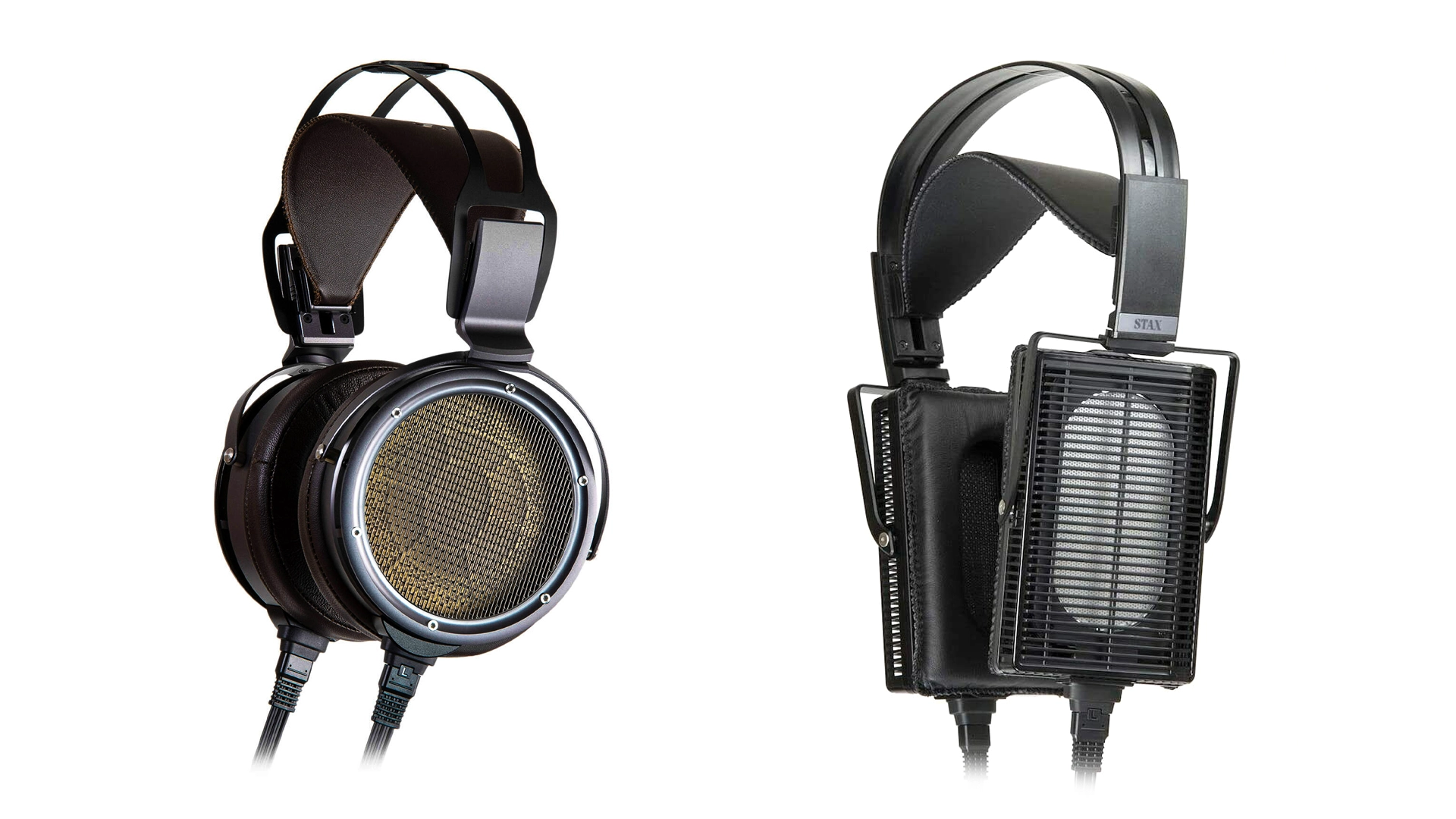
STAX is the Japanese company that turned the electrostatic headphone into a complete, enduring product category. Established in 1938 by Naotake Hayashi, it developed the SR-1 in 1959 and introduced it in 1960 as the world’s first commercially available electrostatic headphone. STAX calls its headphones “Earspeakers”, a useful reminder that their operating principle differs from ordinary dynamic models. A very thin charged diaphragm moves between fixed electrodes, and the headphone must be partnered with a dedicated high-voltage driver unit, commonly called an energizer. This system approach shaped the brand’s history. The Lambda series made the large rectangular open-back form instantly recognisable, while the Omega lineage led to reference models such as SR-007, SR-009 and today’s SR-X9000. Current ranges also include more accessible SR-L and SR-X designs, together with solid-state, valve-hybrid and portable driver units. Because headphone and energizer are designed as an electrical pair, amplification is not an afterthought in a STAX system. The company encountered serious financial difficulties in the 1990s and was re-established in 1996; Chinese loudspeaker manufacturer Edifier later acquired the business, with the alliance announced in 2011. STAX nevertheless remains a Japanese brand with development and production centred on its electrostatic speciality. Few audio companies are so closely associated with one transducer principle, or have refined it through so many generations without turning it into a conventional headphone in different clothing.
Warwick Acoustics

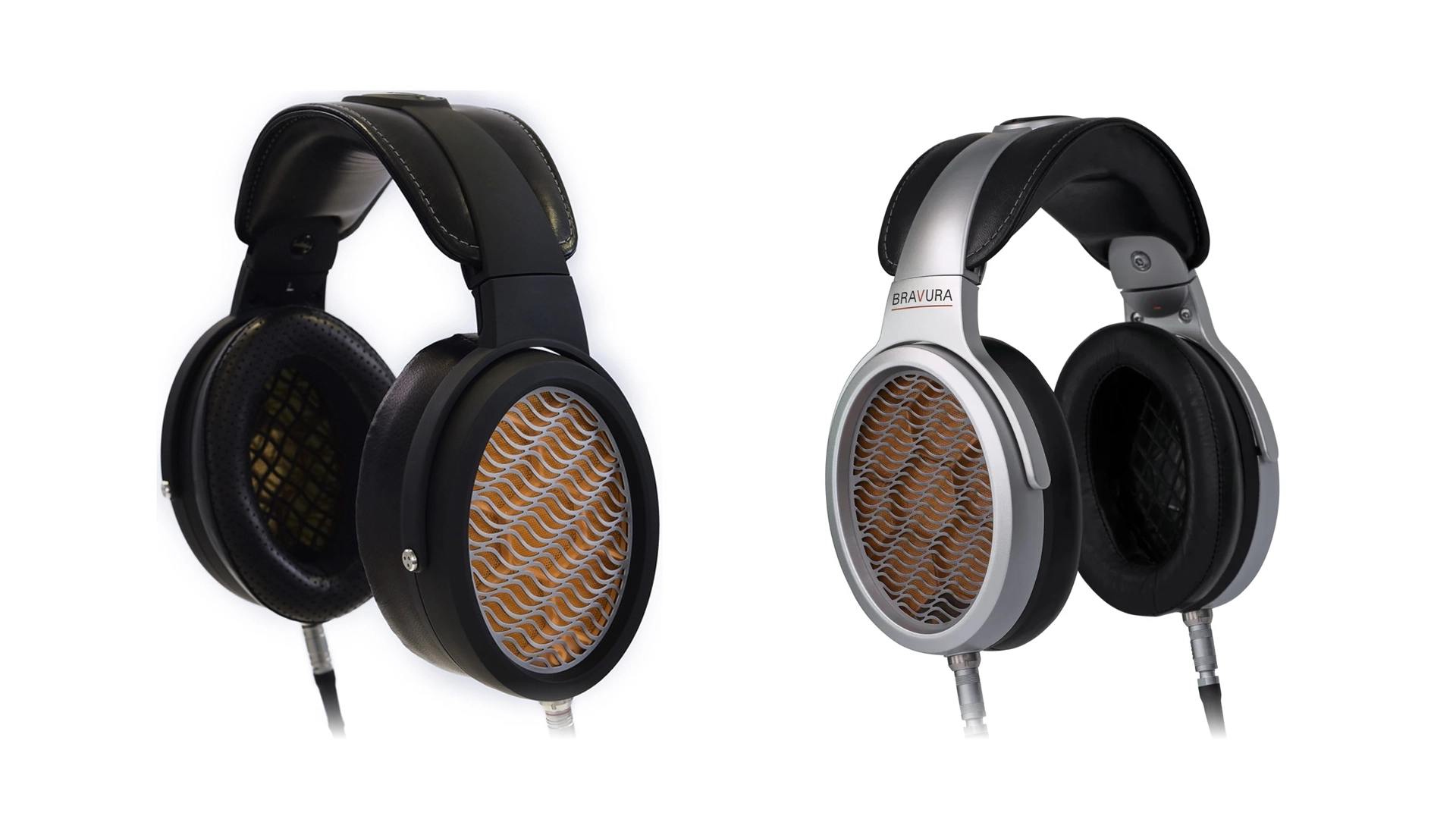
Warwick Acoustics is a British electrostatic-transducer company founded in 2002 as a spin-out from the University of Warwick’s School of Engineering. Its key invention is the High-Precision Electrostatic Laminate, or HPEL: an extremely thin diaphragm and conductive electrode structure manufactured as a lightweight laminated panel. Because the moving element has very low mass and is driven across its surface, the technology is intended to combine fast transient response with low mechanical inertia. The Sonoma Model One introduced HPEL to complete high-end headphone systems, pairing the transducer with the dedicated high-voltage energiser, DAC and amplifier it requires. Bravura refined the more accessible open-back system, while Aperio became the reference platform with balanced analogue and digital inputs and a fully integrated energiser/electronics unit. These are deliberately complete systems rather than headphones sold on the assumption that any conventional amplifier can drive them. Personal audio, however, is only one expression of the technology. Warwick has developed larger, ultra-thin HPEL panels and electronic control for automotive cabins, where low weight, shallow installation depth and precise placement are valuable, particularly in electric vehicles. This second business explains why the company describes itself more broadly than a headphone manufacturer. Warwick Acoustics’ distinction is the successful movement of a university-developed electrostatic laminate from research into repeatable products—first for uncompromising private listening and increasingly as an architectural element in premium vehicle interiors.