
Subwoofers for Home Theater
In a home cinema, the subwoofer is responsible for reproducing the deep bass and the dedicated Low-Frequency Effects (LFE) channel found in movie soundtracks. It delivers the visceral impact—the rumbles, explosions, and powerful scores—that makes a film experience truly thrilling and immersive. A capable subwoofer isn’t a luxury; it’s a necessity for authentic cinema sound. This guide lists the manufacturers who engineer these powerhouses of cinematic bass.
Hi-Fi brands in the category
Summary information and image
Direct links to official websites
Argon Audio

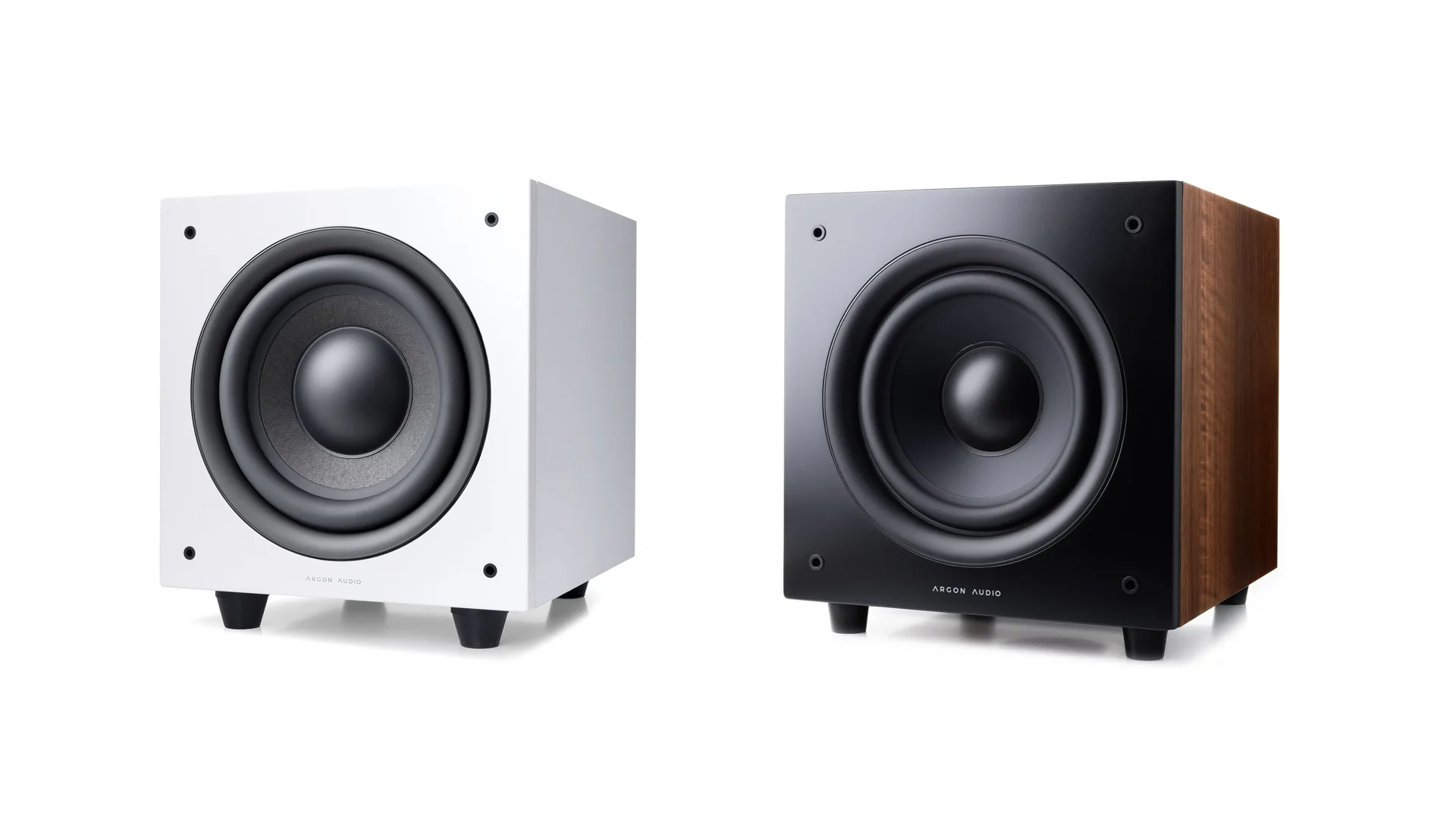
Argon Audio makes compact, affordable hi-fi that reduces the number of separate boxes needed to start listening. Its Danish roots are in HiFi Klubben, where Klaus Philipsen helped develop the brand in the early 2000s. A DAB radio was an early product, followed by active loudspeakers and turntables; the business became a separate limited company in 2019. Today, FENRIS active speakers combine amplification with connections for several sources, including television, while the turntable range offers a straightforward entry into vinyl. The consistent idea is a usable first system—or a smaller second one—with restrained Scandinavian styling and functions selected around everyday listening.
Artcoustic

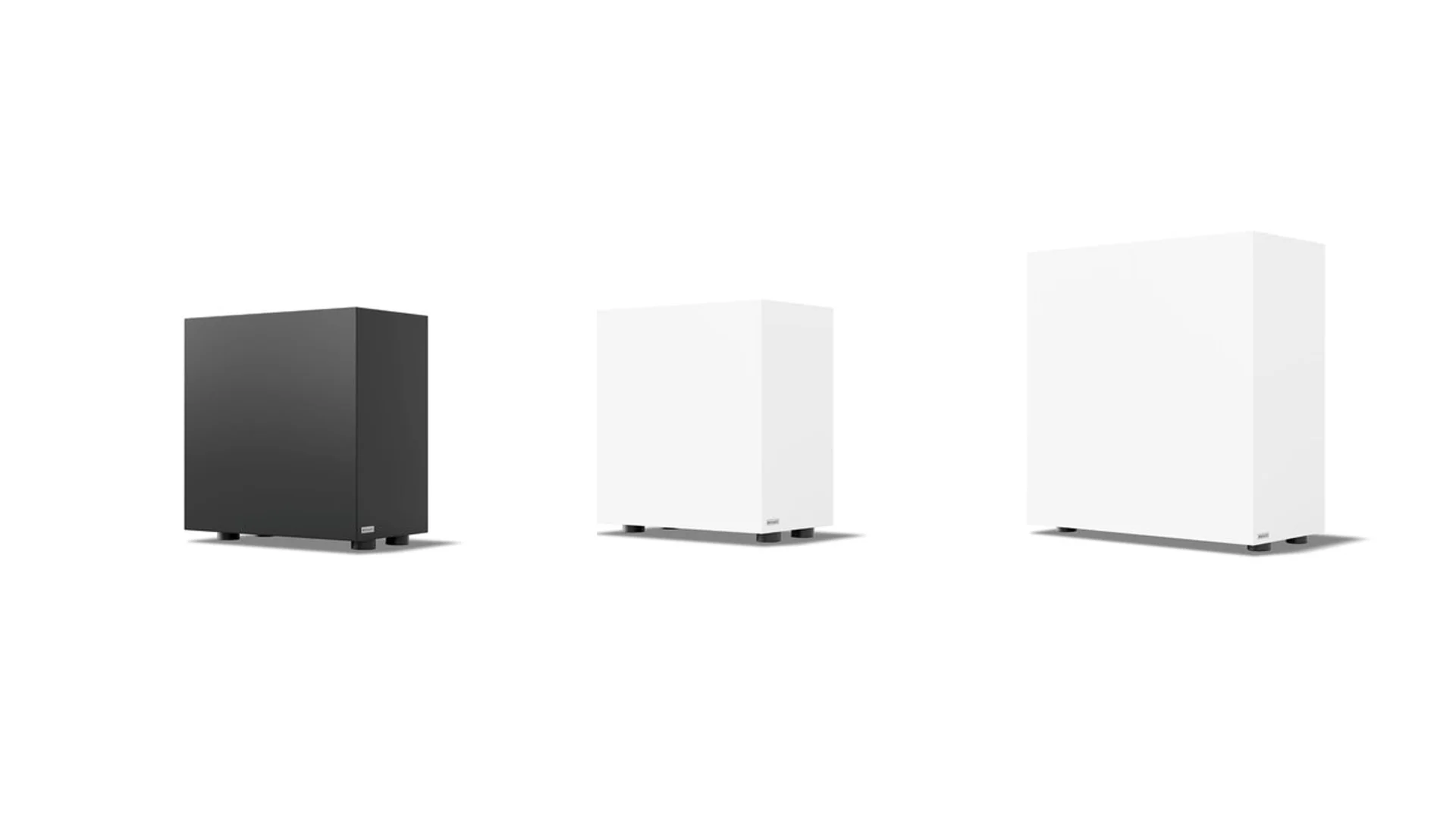
Artcoustic makes shallow loudspeakers whose appearance can be changed as readily as the artwork in a room. Kim Donvig and Patricia Ljungberg founded the Danish brand in 1998, combining an interest in pro-audio performance with Scandinavian interior design. On-wall models can be specified in RAL or NCS colours and fitted with interchangeable magnetic screens, including printed artwork. Behind that visual flexibility is a system-oriented range: SL speakers for domestic installations, Spitfire cinema models, soundbars, ceiling speakers and subwoofers. Different cabinet sizes and driver arrays let an installer build anything from a discreet stereo system to a dedicated cinema without abandoning the same visual language.
Ascend Acoustics

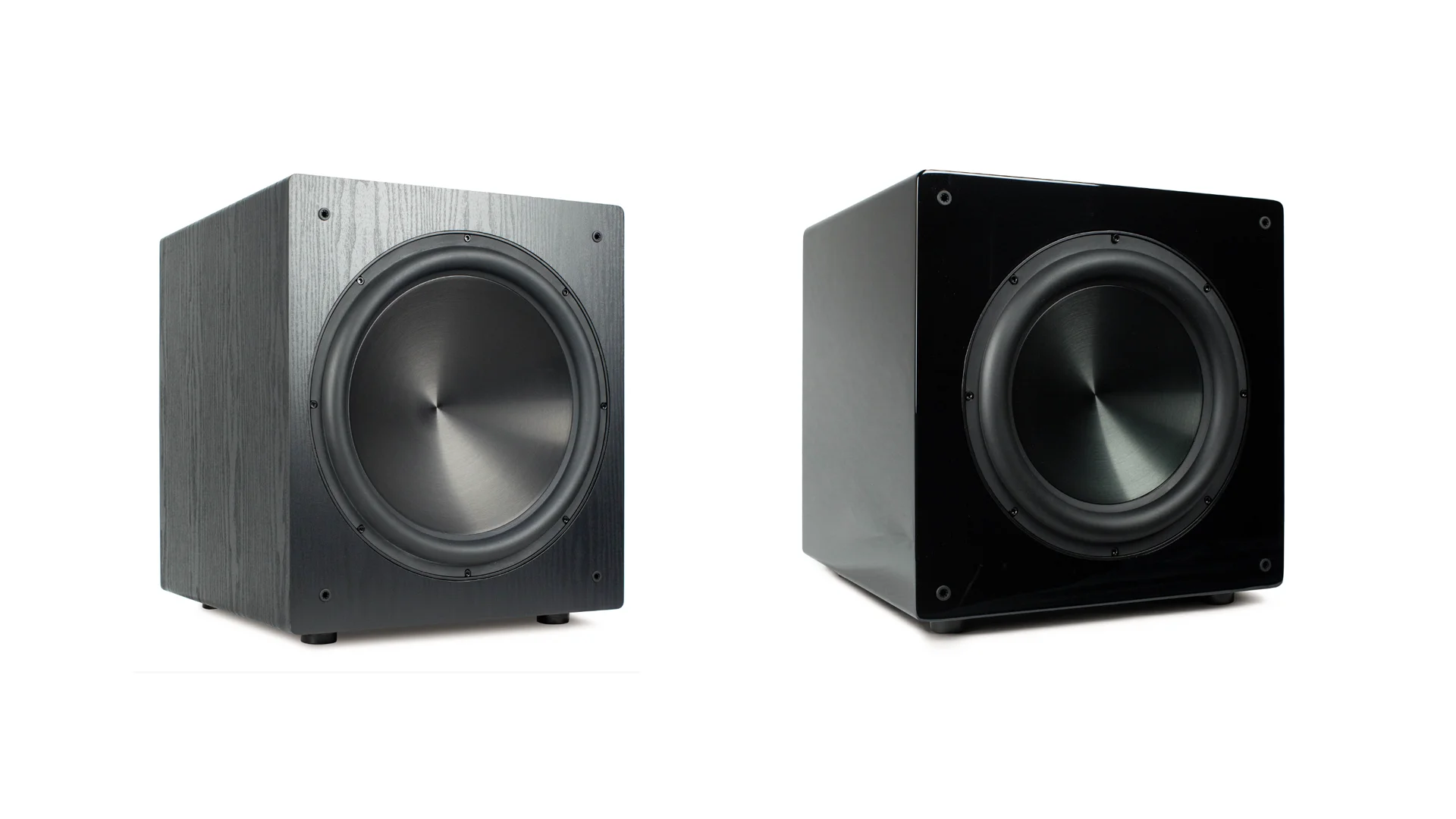
Ascend Acoustics sells loudspeakers directly to listeners, putting much of its development effort into measured acoustic behaviour and practical upgrade paths. David Fabrikant founded the Californian company in 1999. The catalogue spans Signature, Sierra and ELX speakers for stereo and home cinema, with compact monitors, centre channels and floorstanding designs. Recent revisions use Klippel Near Field Scanner measurements to refine the crossover and the speaker’s radiation pattern. In some cases, that work is also offered as an upgrade kit for existing owners: the Duo V2 kit, for example, updates the crossover and cabinet treatment of an earlier Duo. This links ongoing engineering development to products already in customers’ systems.
ATC
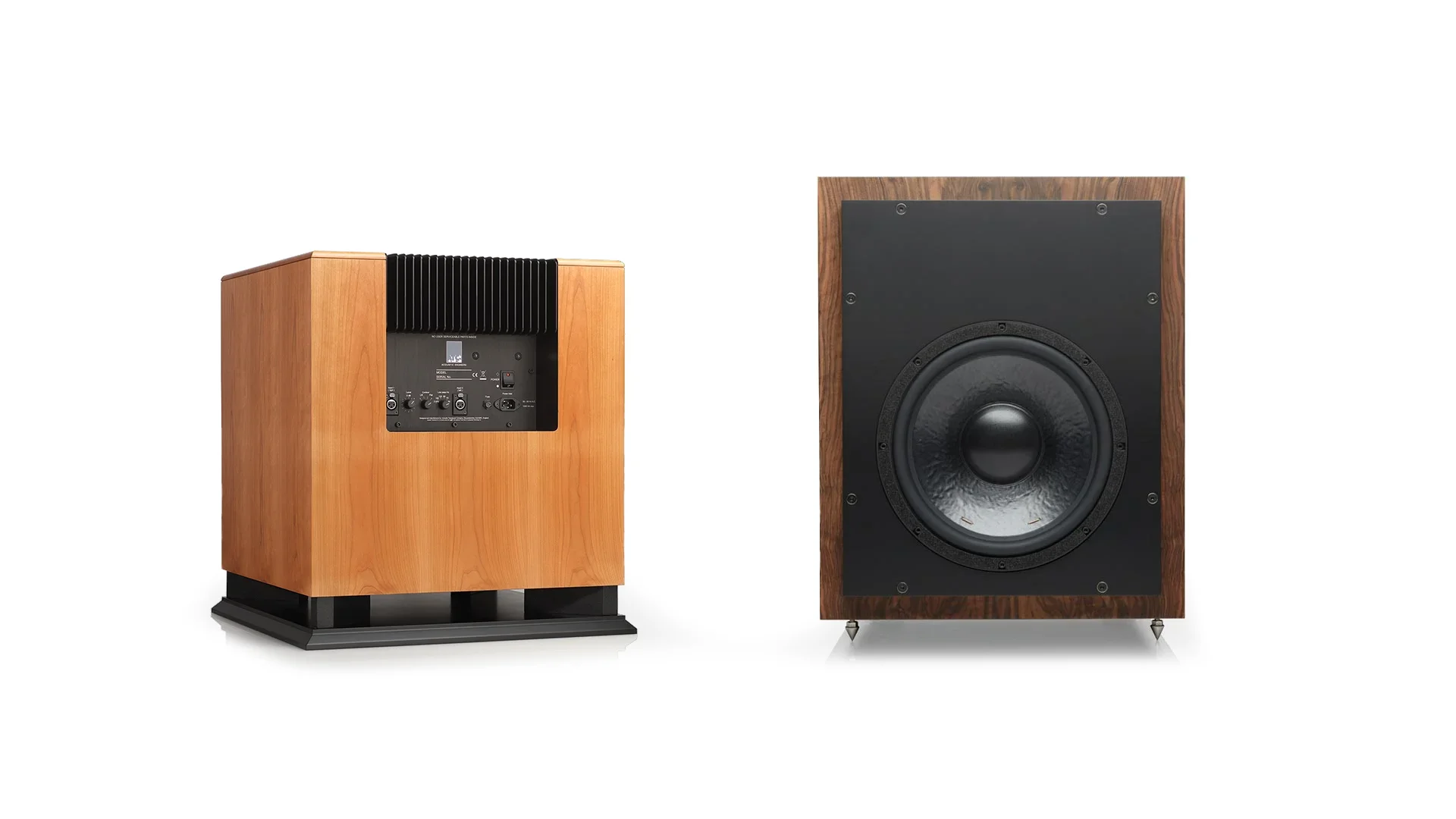
ATC grew from making professional loudspeaker drivers into building complete studio monitors and domestic hi-fi systems. Billy Woodman founded the British company in 1974; its large soft-dome midrange driver followed in 1976 and remains a defining part of many three-way designs. Another development, Super Linear motor technology, addresses distortion associated with magnetic hysteresis. Active models combine electronic crossovers with separate amplification for the drive units, while passive versions allow owners to choose their own power amplifiers. The SCM50 and SCM100 families connect the studio and home catalogues, supported by smaller speakers and separate electronics. Driver development is the thread running through both sides of the business.
Atohm

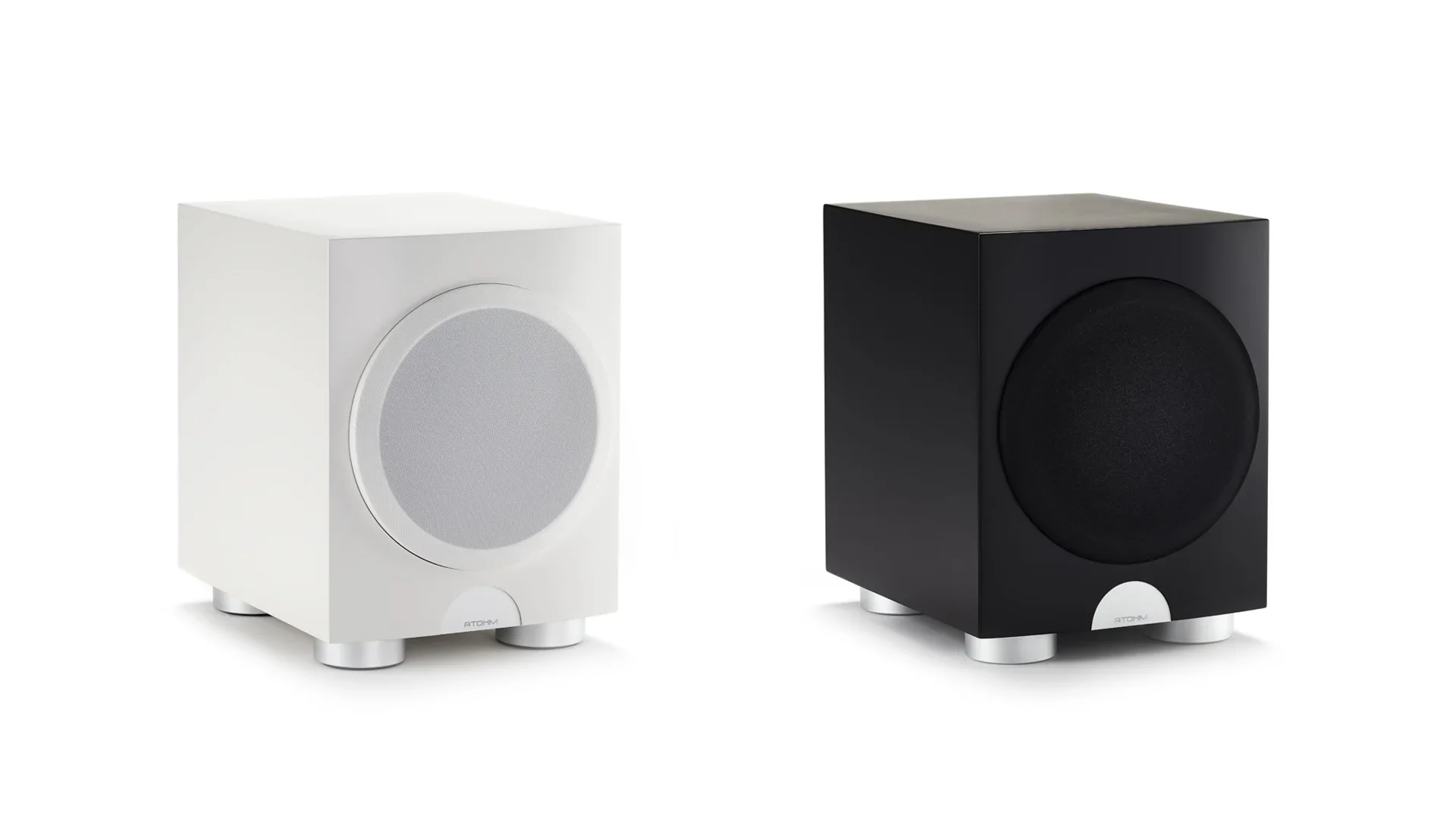
Atohm develops the drive units as well as the finished loudspeaker, and also supplies drivers and kits to people building their own systems. Thierry Comte established the French business behind the brand, Welcohm Technology, in 2000. Its catalogue connects GT and Sirocco loudspeakers with Rafale subwoofers, amplification and ZEF cables. The GT technical platform illustrates the detail of its driver engineering: the Absolute Series tweeter combines a treated silk dome, a neodymium motor and a copper ring intended to reduce and linearise inductance. Motor geometry and dispersion are developed together with the diaphragm and suspension. The same engineering interests extend into its component and DIY offerings.
Audioengine

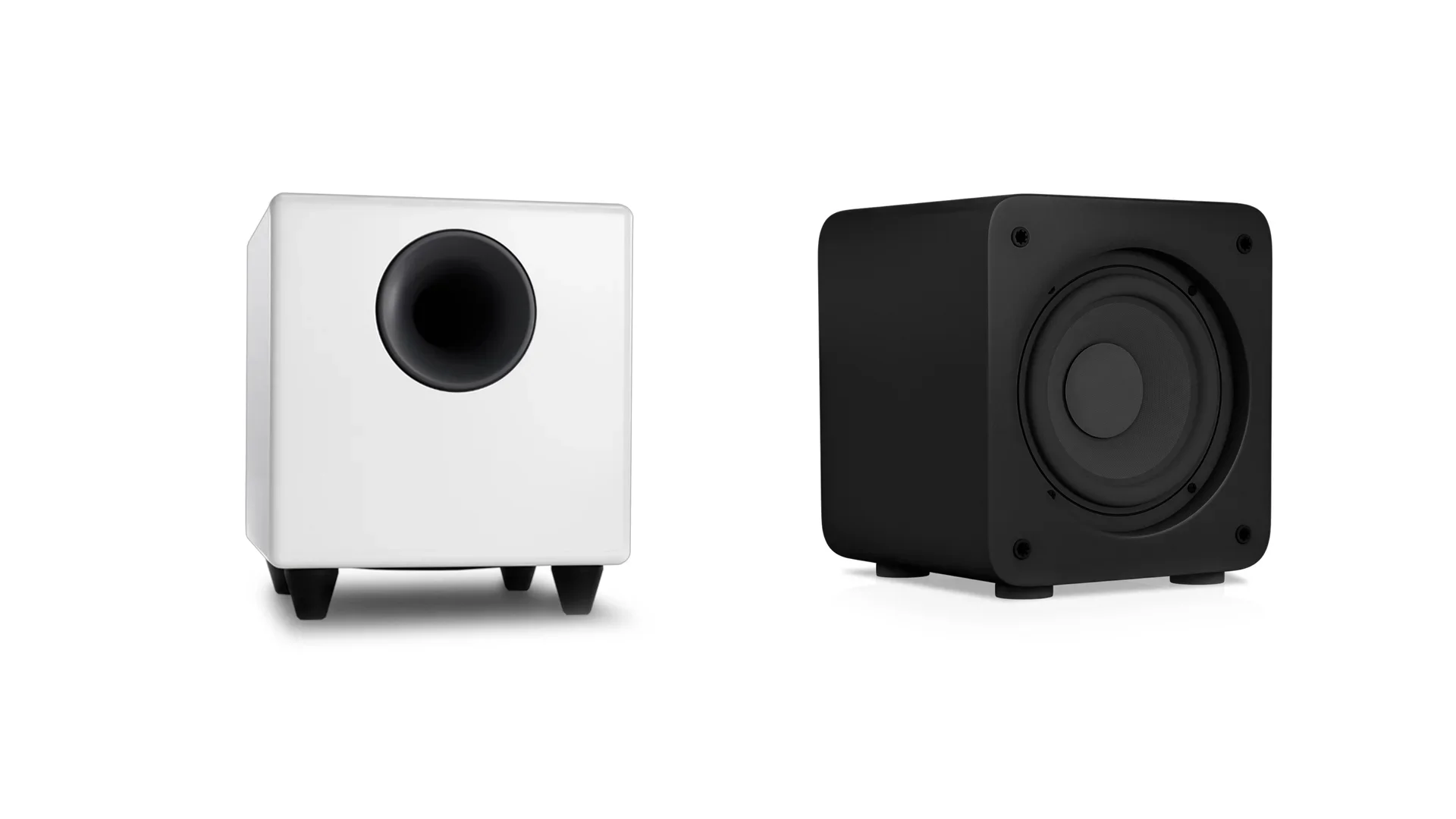
Audioengine helped make a pair of compact powered speakers a credible main music system for a desk, office or small room. Industry veterans Brady and Dave founded the company in Austin, Texas, in 2005 after work with firms including Harman, Apple, Gibson and Alesis. The original A5 put amplification inside a conventional wooden bookshelf cabinet and connected directly to everyday sources. Subsequent A2+, A5+ and HD models added USB, optical and high-quality Bluetooth options without turning setup into a network project. The range also includes passive speakers, subwoofers, DAC/headphone amplifiers and receivers such as the B1 for adding wireless playback to an existing system. Audioengine’s consistent strength is integration: useful connections, matched amplification and domestic-scale cabinets in products that remain recognisably stereo pairs.
Audiovector

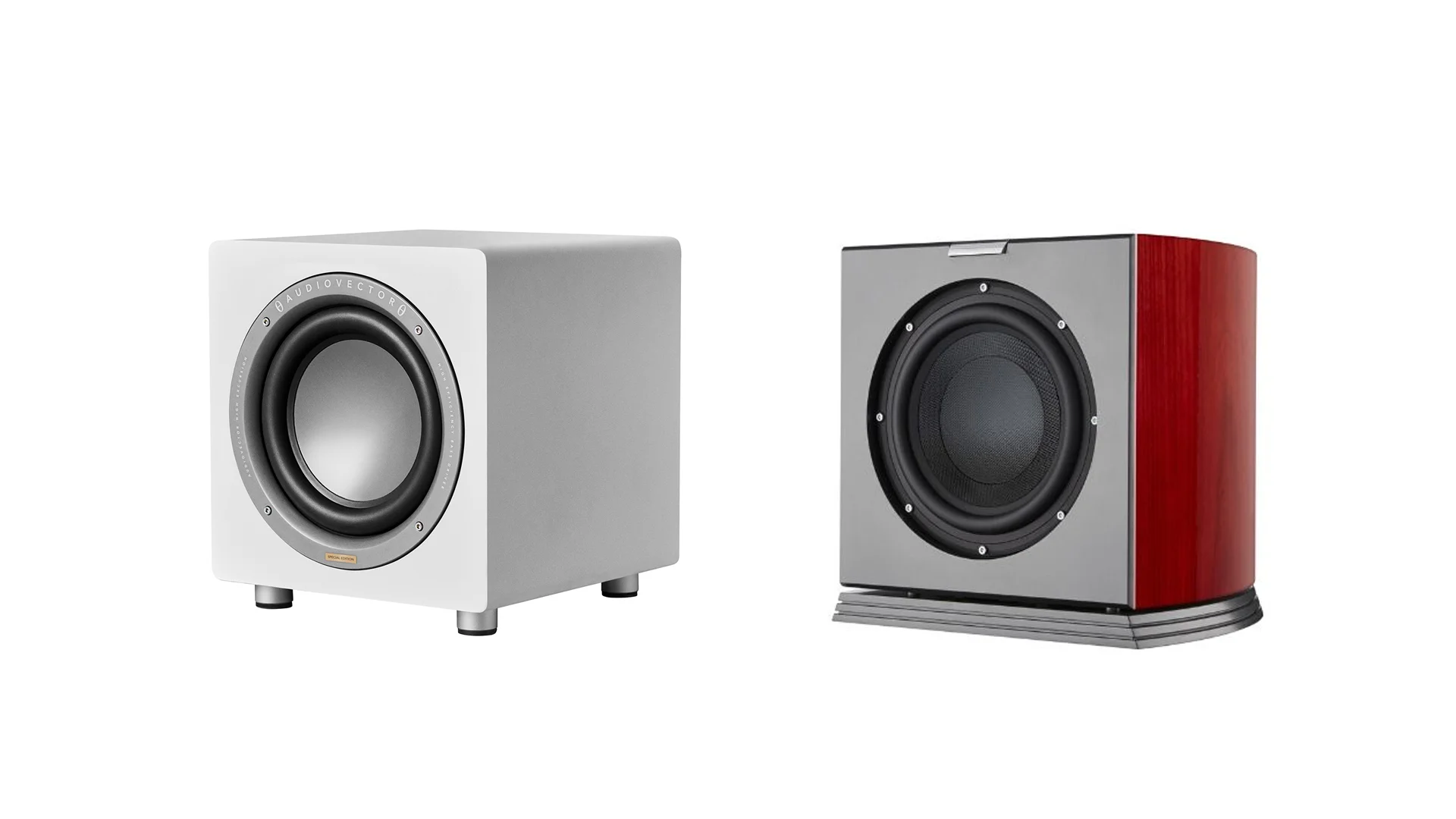
Audiovector makes upgradeability part of the loudspeaker itself. Ole Klifoth founded the Copenhagen company in 1979 and introduced the original Trapeze that year; today his son Mads Klifoth leads the family-owned business. Its Individual Upgrade Concept allows eligible speakers to be rebuilt to a higher version with revised drivers, crossovers and internal parts, extending the useful life of the original cabinet. The R and QR families cover stand-mount, floorstanding, centre, surround and subwoofer roles, while the Trapeze Reimagined reconnects the range with Klifoth’s first design. Air Motion Transformer tweeters, mechanically isolated enclosures and careful attention to phase and low compression recur across the catalogue. Audiovector designs, hand-assembles and tests its speakers in Denmark.
Aurea Cinema

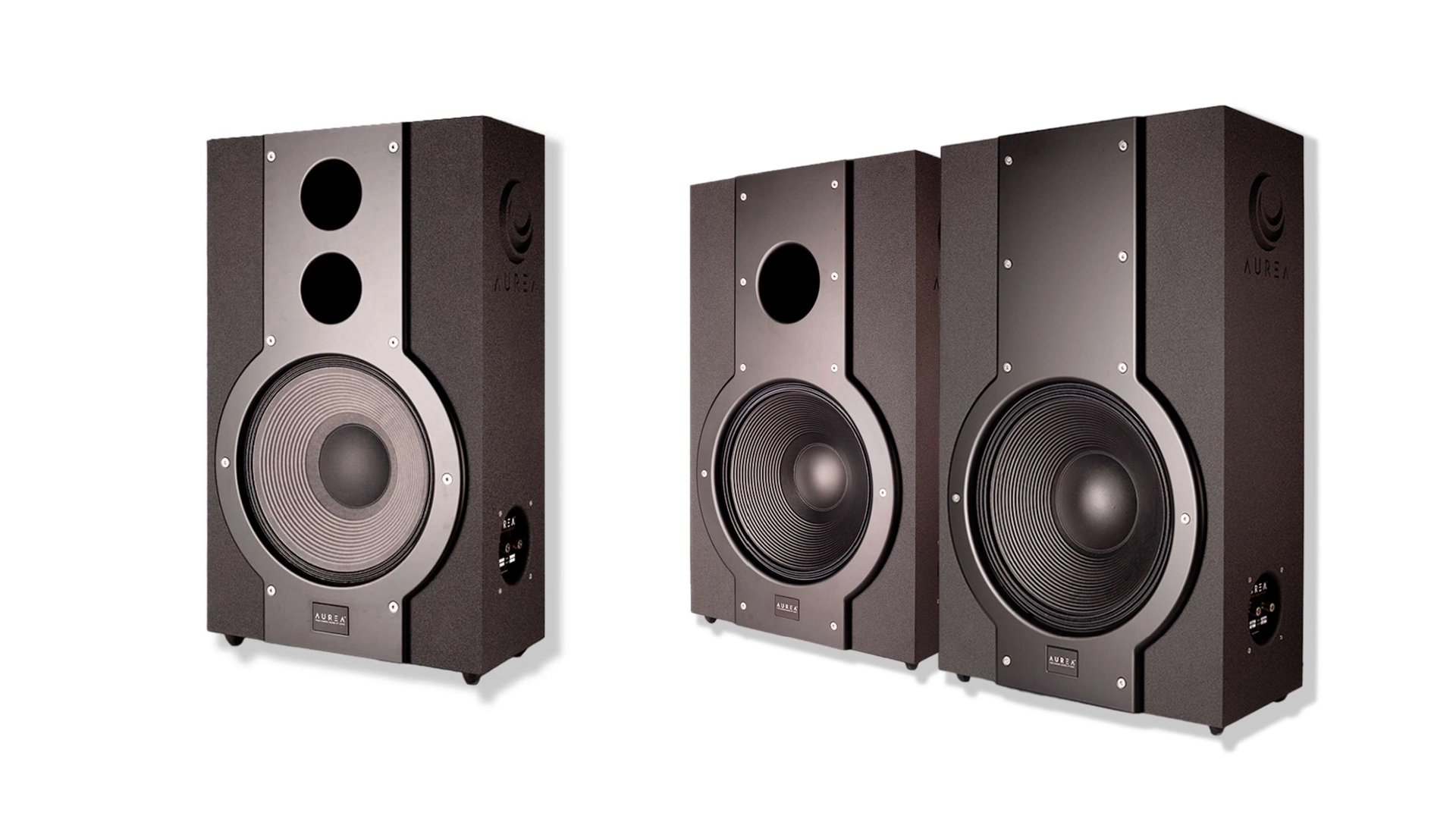
Aurea Cinema brings commercial-theatre loudspeaker engineering into dedicated home cinemas. The Spanish manufacturer, based near Madrid, develops screen-channel systems, surrounds, in-wall and ceiling speakers, subwoofers and matching amplification for professional and residential installations. Its screen models are built for high output, intelligible dialogue and controlled coverage across several seating rows rather than for decorative placement in a living room. Three-way screen systems divide bass, midrange and treble duties, while compact in-wall and overhead models extend the same cinema-oriented approach to immersive layouts. Aurea’s close connection with professional cinema supply and installation is the useful distinction: the home products are derived from equipment designed to work behind screens and in purpose-built theatres. No dependable public foundation date was found, so the year remains unspecified.
Bluesound

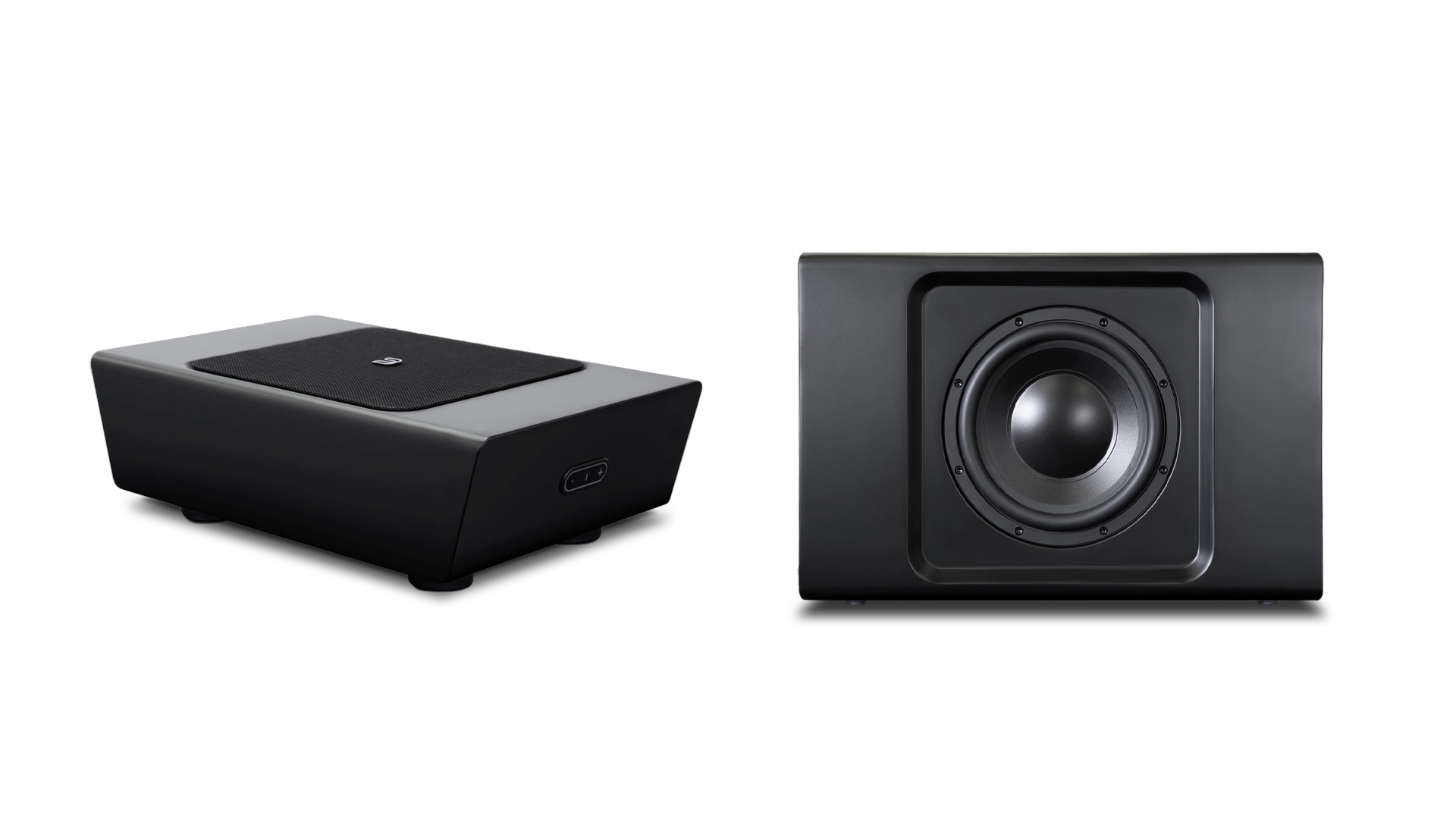
Bluesound brought high-resolution multi-room audio into a compact product family without reducing the system to background listening. Lenbrook launched the Canadian brand in 2013 around BluOS, a network platform that joins local libraries, internet radio and numerous streaming services in one app-controlled ecosystem. NODE streamers add BluOS to an existing hi-fi system; POWERNODE models include speaker amplification; VAULT combines playback with CD ripping and internal storage; PULSE wireless speakers and soundbars extend the platform through the home. Products communicate over the network, can be grouped by room and support lossless high-resolution playback up to 24-bit/192 kHz where the source and model allow. Bluesound’s advantage is the relationship between mature control software and purpose-built audio hardware, backed by Lenbrook’s longer experience with NAD and PSB rather than a stand-alone wireless speaker app.
Bose

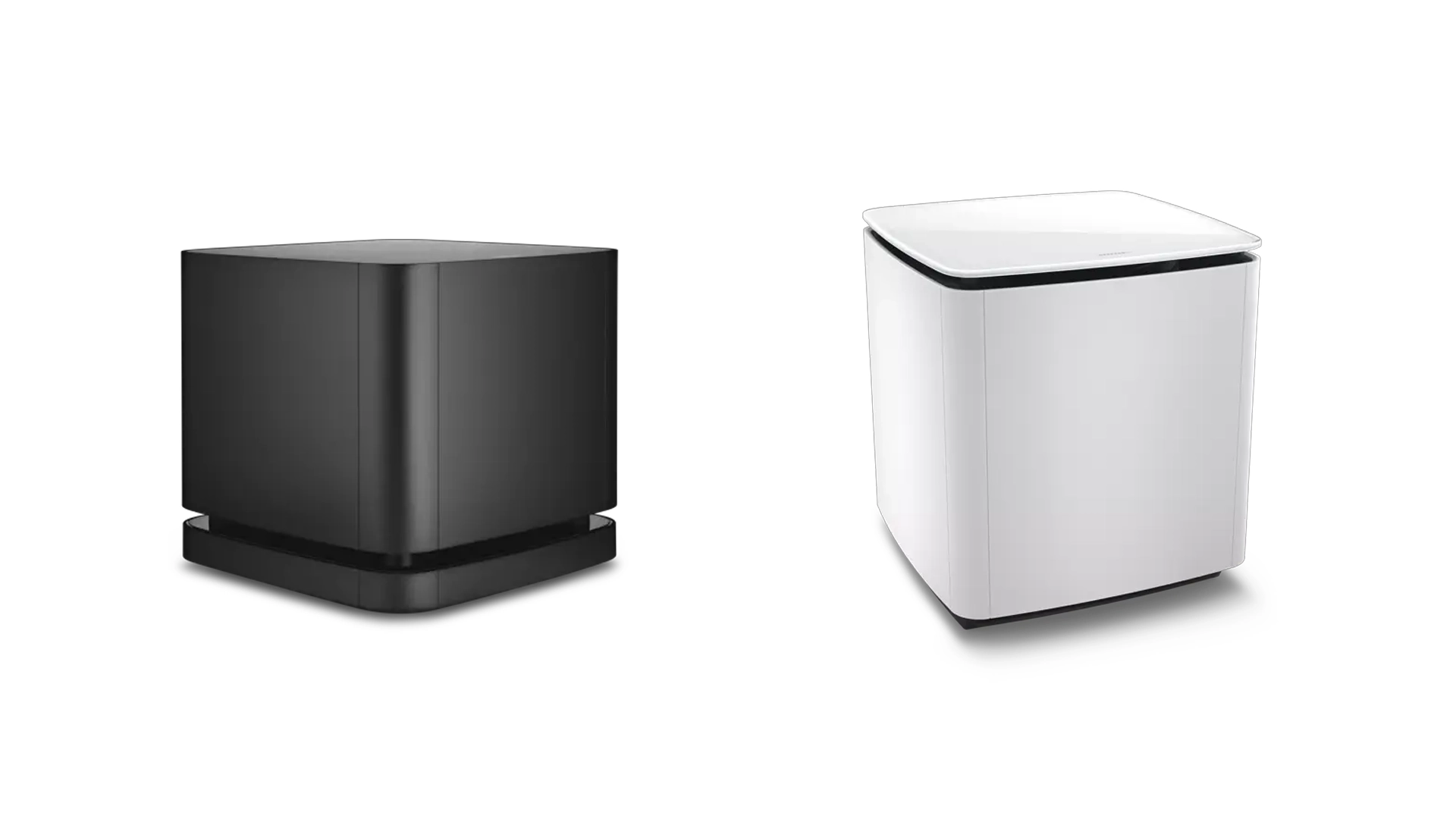
Bose built its reputation by using acoustic research and signal processing to solve practical listening problems at consumer scale. Dr Amar G. Bose founded the Massachusetts company in 1964 after studying why technically competent loudspeakers often failed to reproduce the experience of live music. The 901 Direct/Reflecting speaker became its early landmark, deliberately using room reflections as part of the presentation. Later work produced Wave music systems, compact home-theatre speakers and, after research beginning in 1978, active noise reduction for aviation and the QuietComfort consumer headphone family. Today’s range includes headphones, earbuds, Bluetooth speakers, soundbars and home audio, alongside automotive and professional systems. Bose’s strength is not traditional high-end component minimalism; it is the integration of acoustics, electronics, psychoacoustics and industrial design into products that make complex technology easy to use.
Bowers & Wilkins

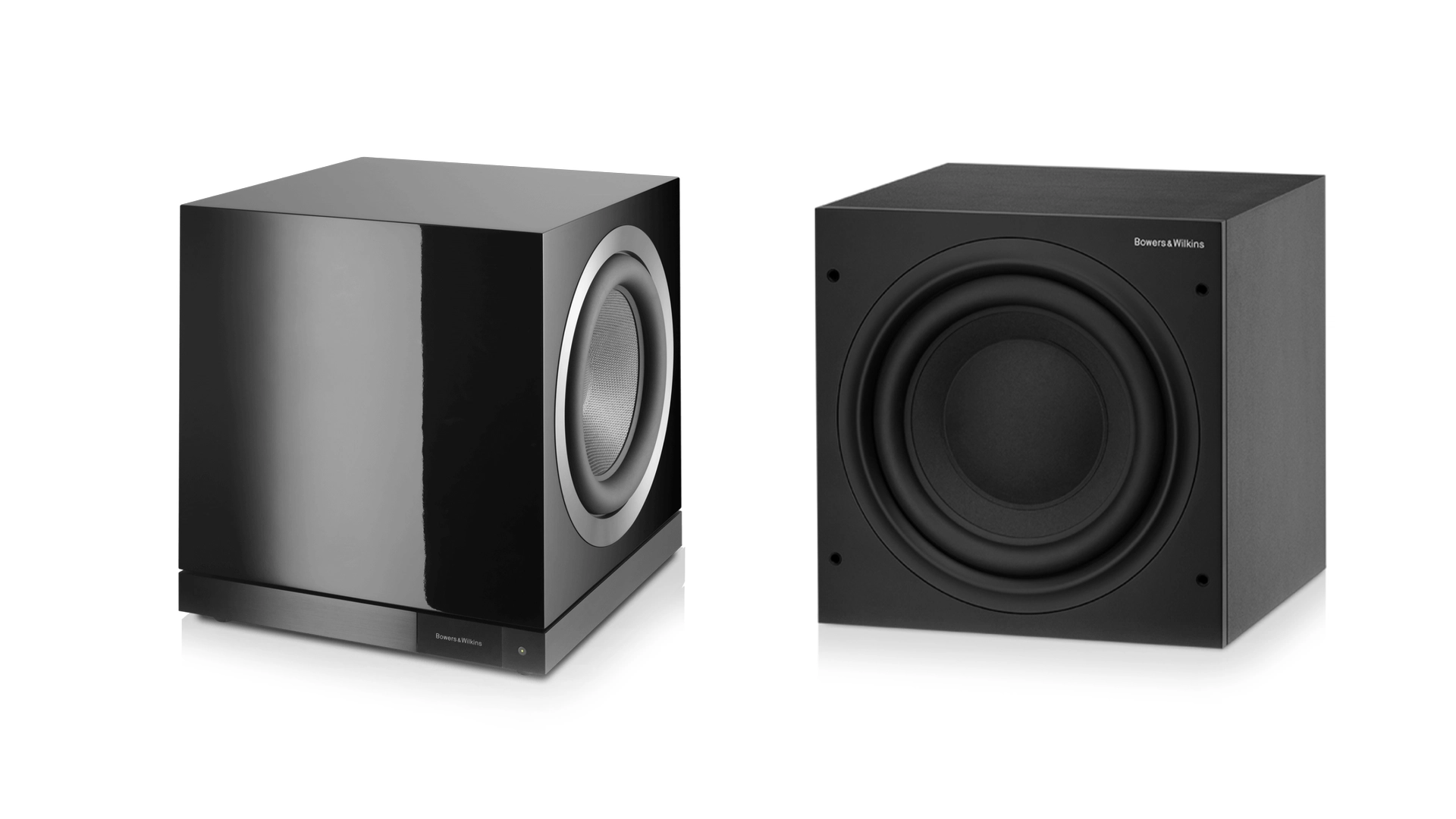
Bowers & Wilkins develops loudspeakers from the driver, enclosure and measurement system outward rather than assembling standard parts into a cabinet. John Bowers established the speaker company in Worthing in 1966 after operating an electronics shop with Roy Wilkins. The P1 funded early measurement equipment, and the later 801 became an influential studio monitor adopted by Abbey Road. Matrix bracing, tapered Nautilus tubes, diamond-dome tweeters, Continuum midrange cones, Aerofoil bass cones and Biomimetic Suspension mark successive stages of its research. The 800 Series Diamond D5 is the current flagship family, with 700 and 600 Series models covering more accessible stereo and home-cinema systems. Bowers & Wilkins also makes headphones, wireless speakers and soundbars. The brand is now part of Sound United within Harman, while its high-end loudspeaker development and 800 Series production remain centred in Worthing.
Cabasse

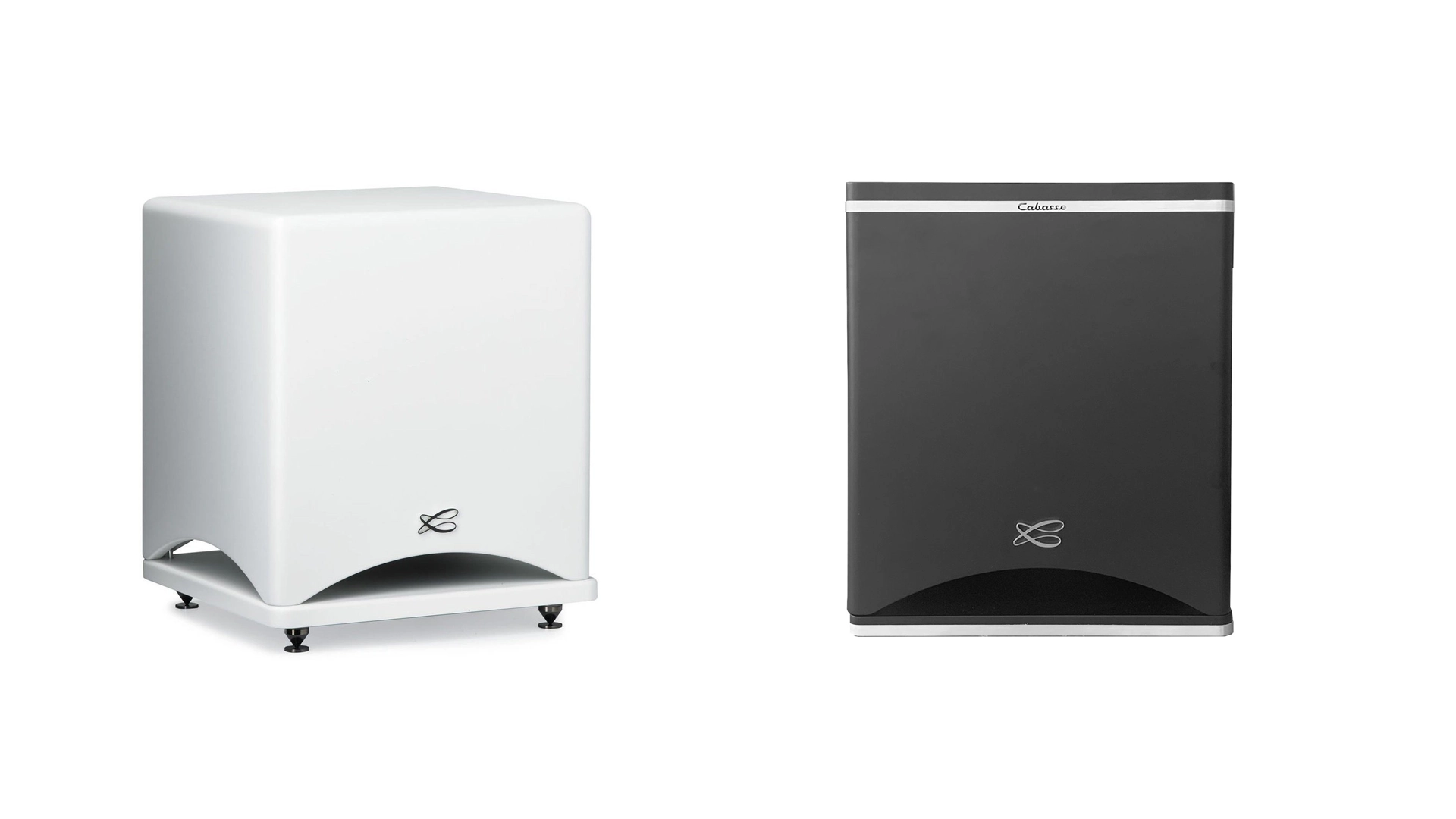
Cabasse has pursued the point-source loudspeaker for decades, progressing from cinema coaxials to active connected spheres. Electrical engineer Georges Cabasse founded the company in Brittany in 1950, continuing a family tradition associated with musical-instrument making. A two-way coaxial driver was already used for the Grand Rex cinema installation in 1952. Later Spatially Coherent System research placed several frequency ranges on the same acoustic axis, culminating in the four-way La Sphère and the compact Baltic. The Pearl Collection carries that geometry into self-powered wireless speakers with amplification, digital processing, room correction and network playback, while passive models and custom-installation products cover conventional stereo and cinema systems. Loewe Technology acquired Cabasse in April 2026 after the French company entered receivership, allowing the brand and its acoustic development to continue within the German group.
Cambridge Audio

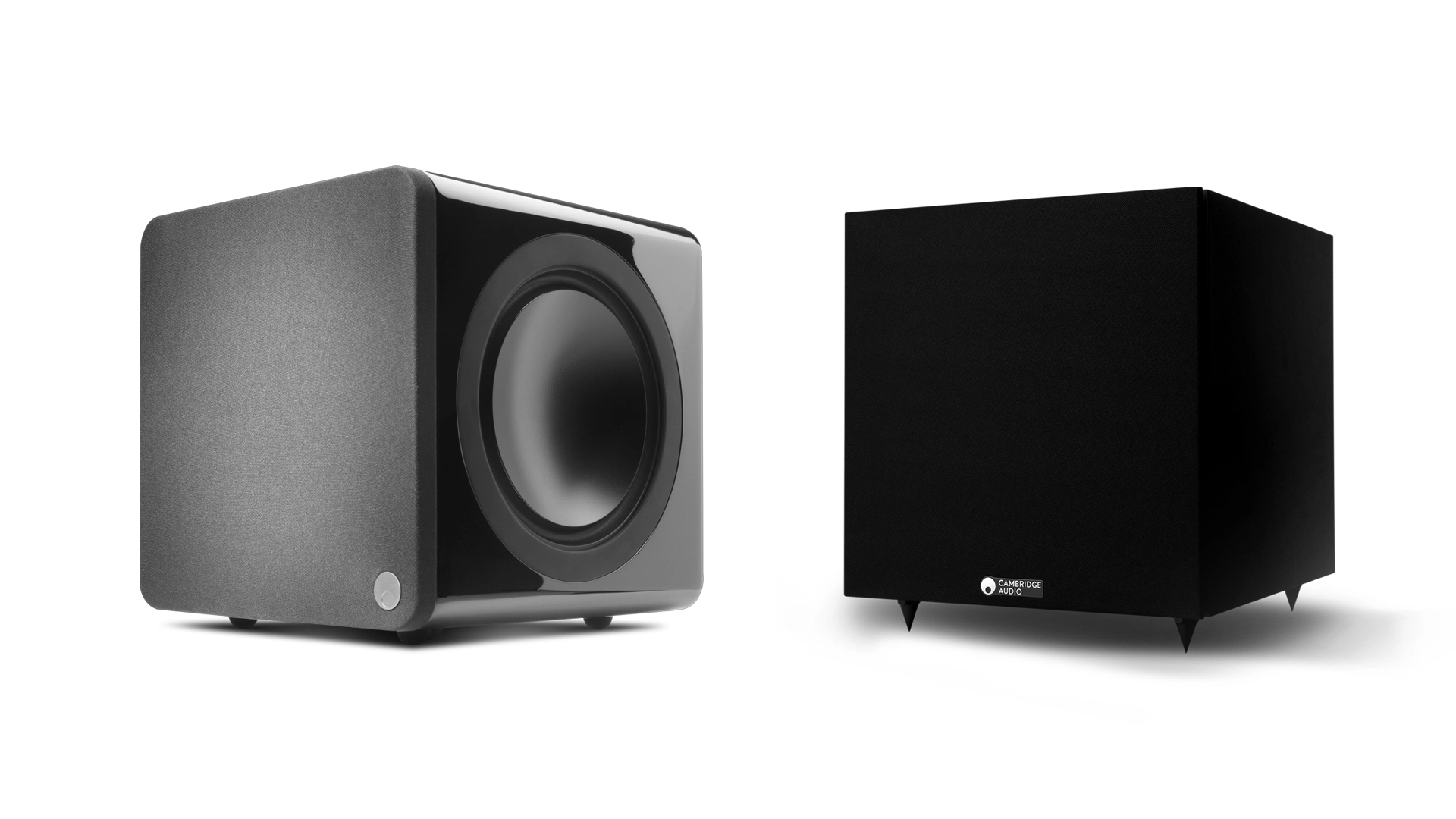
Cambridge Audio has spent more than five decades bringing useful engineering advances into attainable hi-fi components. The company began in Cambridge in 1968, when a team including Gordon Edge and Peter Lee created the P40 integrated amplifier. It was an early commercial amplifier built around a toroidal transformer, a solution that later became standard throughout the industry. Today’s AX and CX ranges cover integrated amplification, CD playback and network sources. Edge uses the company’s Class XA amplifier topology at the flagship level, while Evo combines StreamMagic streaming, conversion and speaker amplification in a compact system. Alva turntables add direct-drive vinyl playback and Bluetooth transmission. StreamMagic remains a major strength because Cambridge controls both the network hardware and the software platform, and continues adding service support to older generations. Product design is led from London, with the range aimed at complete systems rather than one specialist category.
Canton

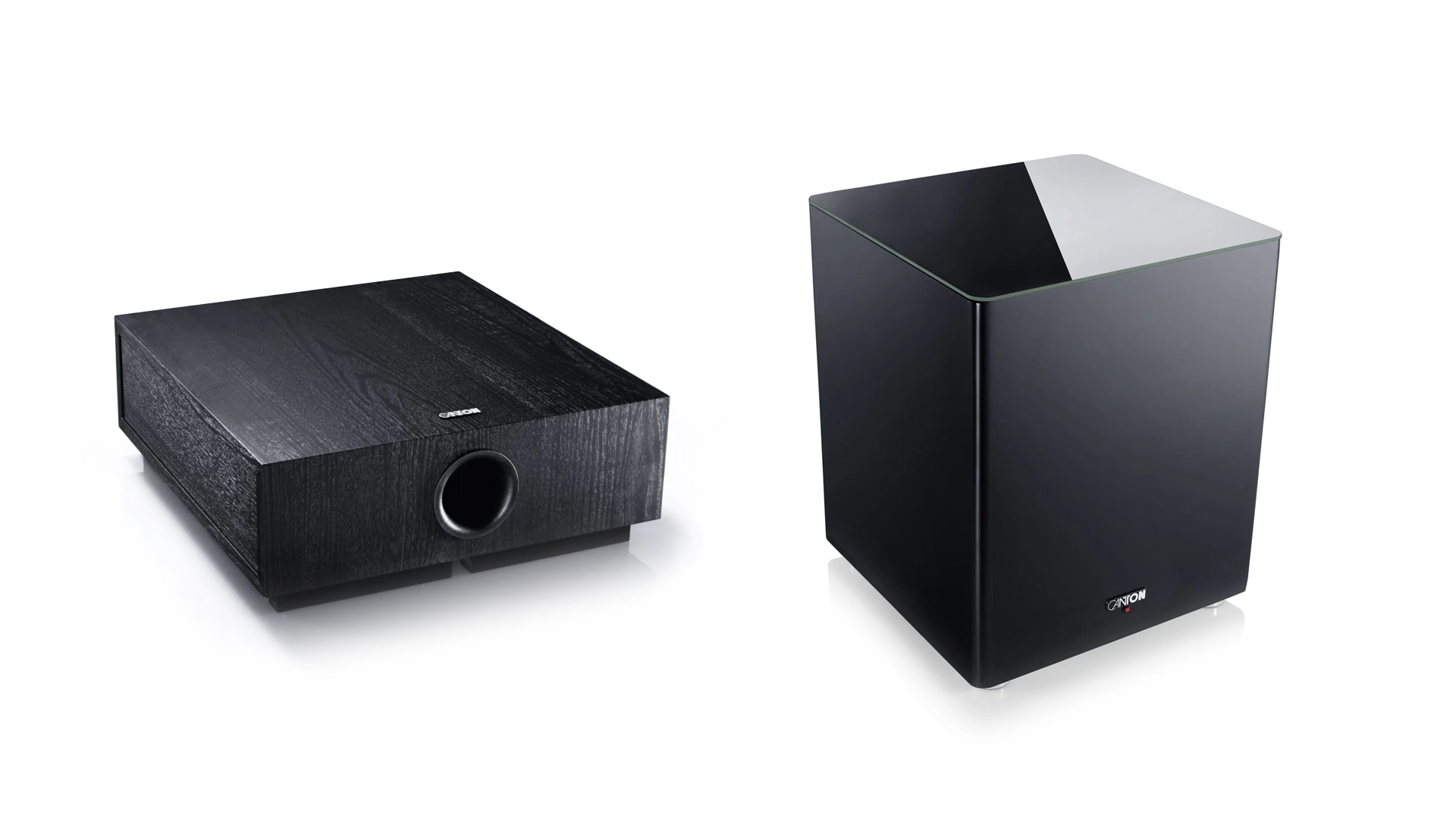
Canton is a family-owned German loudspeaker company with enough scale to develop drivers, cabinets, electronics and measurement facilities under one programme. Hubert Milbers, Otfried Sandig, Wolfgang Seikritt and Günther Seitz founded it in Weilrod in 1972. The early LE 250 compact speaker was followed by one of the company’s recurring themes: achieving substantial bandwidth and output in forms suited to real living spaces. Today’s catalogue extends from GLE and Townus through Vento to the Reference and Reference Alpha lines, with centre speakers, subwoofers and installation models for complete cinema systems. The Smart series adds active wireless stereo and surround configurations, while soundbars cover television systems. Aluminium-ceramic and later ceramic-tungsten diaphragms, waveguides, cabinet simulations and measurements in Canton’s own anechoic chamber support the range. Reference models and selected production remain closely tied to the Weilrod facility.
Cerwin-Vega!

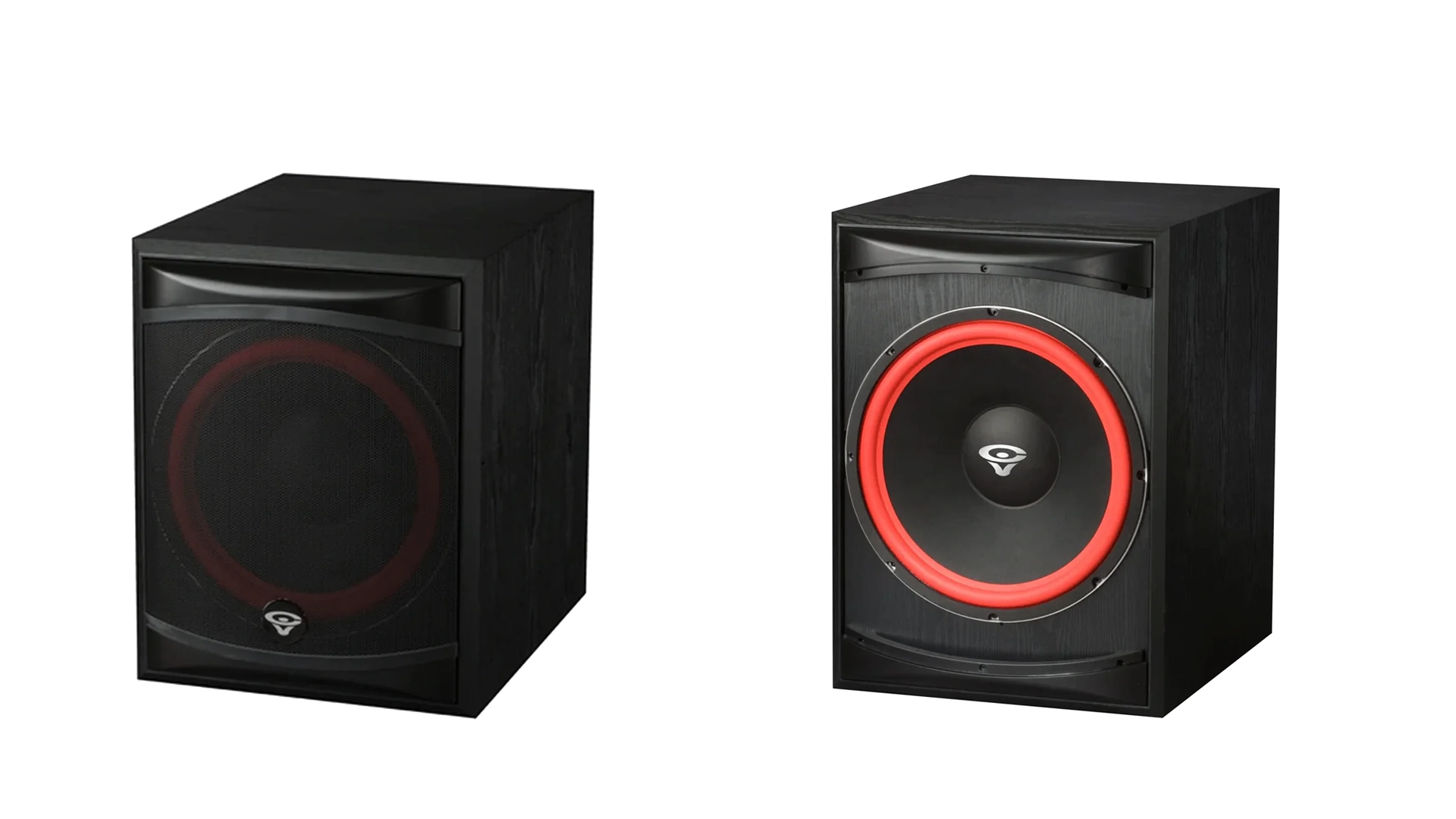
Cerwin-Vega! designs loudspeakers around high efficiency, deep bass and the ability to produce convincing live-event sound pressure without fragile construction. Aerospace engineer Eugene ‘Gene’ Czerwinski founded Vega Associates in Los Angeles in 1954; the company later became Cerwin-Vega. An early 18-inch system capable of exceptional output at 30 Hz established its low-frequency reputation, while professional systems, instrument speakers and the red-surround home models made the brand visually unmistakable. Cerwin-Vega also supplied the folded-horn subwoofer technology used for Universal’s Sensurround presentation of Earthquake in 1974, work recognised with a special technical Academy Award. The brand later passed through several owners and was split between mobile and pro/home operations, but those divisions were reunited under Cerwin-Vega Inc. in 2020. Current ranges cover home speakers and subwoofers, professional PA systems, amplifiers and car audio, preserving the original emphasis on robust drivers, high output and bass with physical impact.
DALI

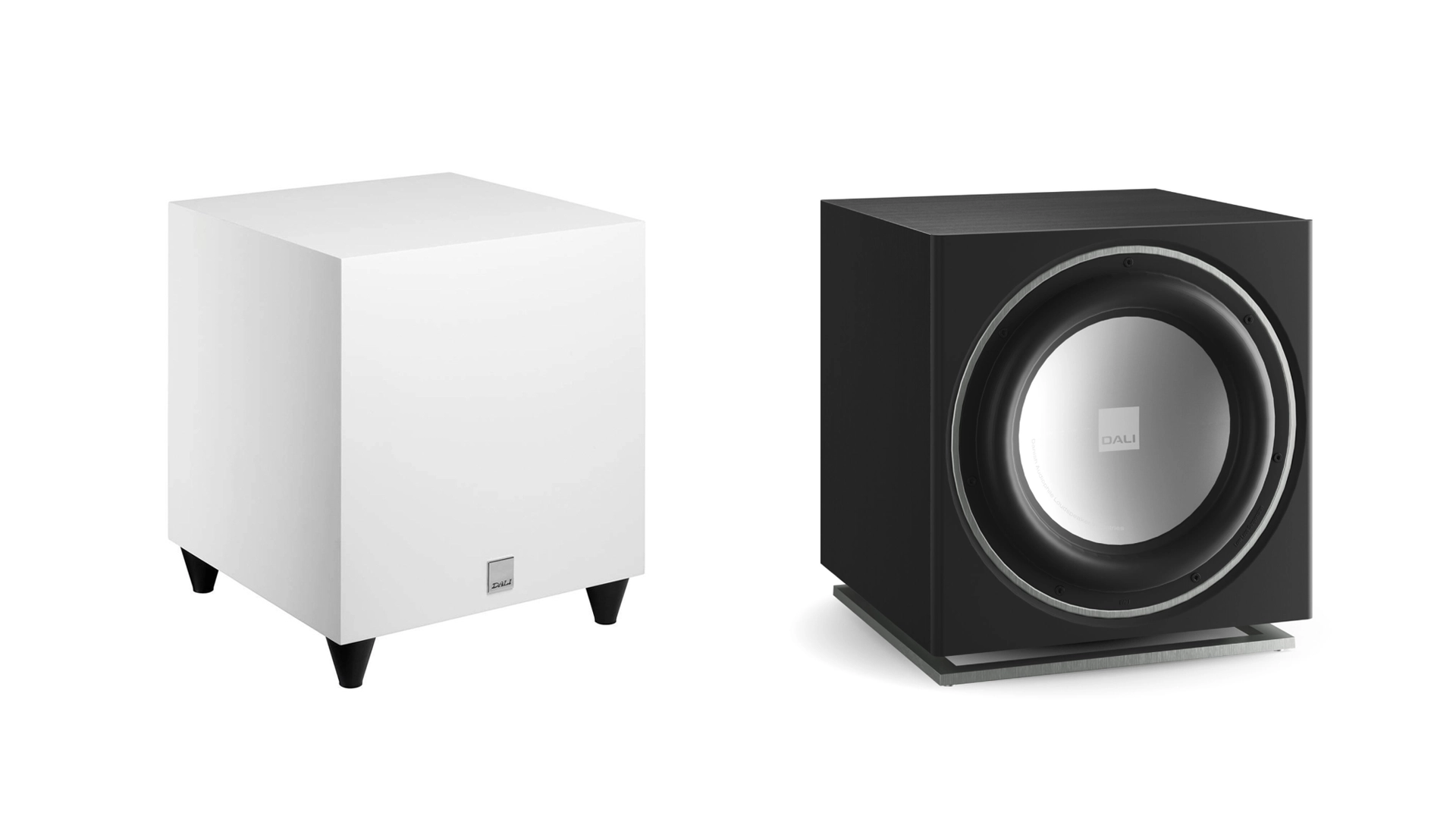
DALI — Danish Audiophile Loudspeaker Industries — was founded by Peter Lyngdorf in 1983 to build loudspeakers that reproduce music honestly across a wide listening area. The company opened its factory in Nørager in 1986, creating the vertically integrated development and production base that still shapes the brand. Several technologies make a DALI speaker easy to identify technically: low-mass wood-fibre cones, wide-dispersion driver geometry, soft-dome or hybrid dome-and-ribbon tweeter modules, and in upper ranges the company’s low-loss SMC magnetic material. These choices are intended to reduce distortion and preserve consistent tonal balance when the listener is not locked to one narrow seat. DALI applies the same principles across compact, floorstanding, on-wall, active and custom-installation models, from accessible OBERON and OPTICON families through RUBIKORE and EPICON to the KORE flagship. The breadth of the catalogue is important, but the stronger story is continuity: driver materials, magnet systems and dispersion behaviour developed for statement products are progressively adapted for speakers intended for ordinary living rooms.
Dayton Audio

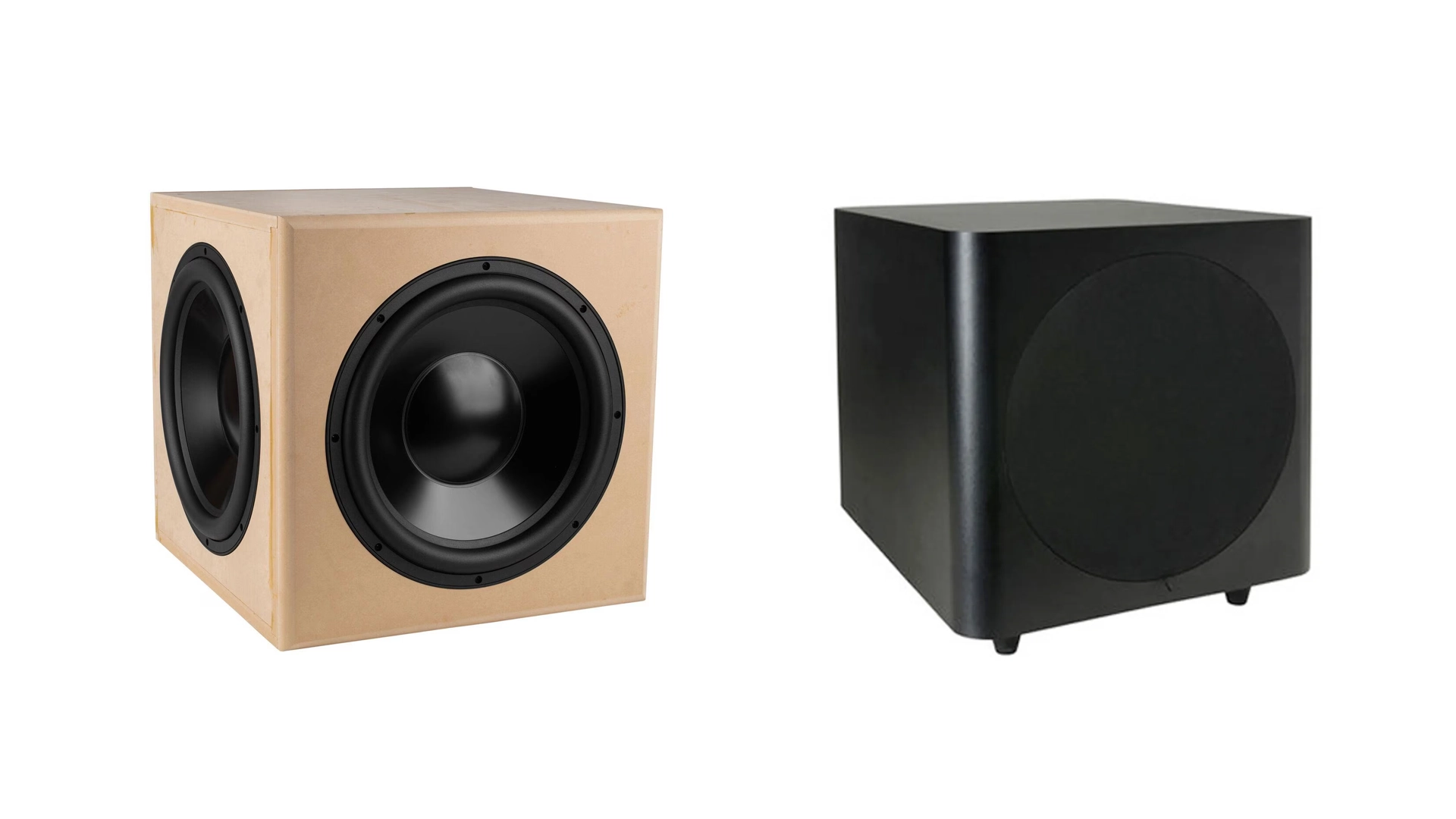
Dayton Audio is the house audio brand associated with Ohio-based Parts Express, serving builders, installers and value-conscious listeners with components that are normally sourced from many separate suppliers. Its catalogue spans individual tweeters, midrange and woofer drivers, passive radiators, subwoofer plate amplifiers, class-D amplifier boards, DSP modules, finished subwoofers, compact speakers and complete kits. Reference and Signature drivers provide measured parameters for original loudspeaker designs, while Ultimax subwoofers prioritise long excursion and power handling. Just as important is the supporting tool chain: the DATS measurement system helps builders determine driver impedance and Thiele-Small parameters, and project documentation makes the parts usable rather than merely inexpensive. Dayton also collaborates with independent designers on kits and supplies OEM or custom-installation solutions through Parts Express. Its distinctive strength is breadth with technical accessibility — drivers, electronics, measurement and practical documentation within one ecosystem — making it especially useful to DIY loudspeaker builders who want compatible parts and test tools from one source.
Definitive Technology

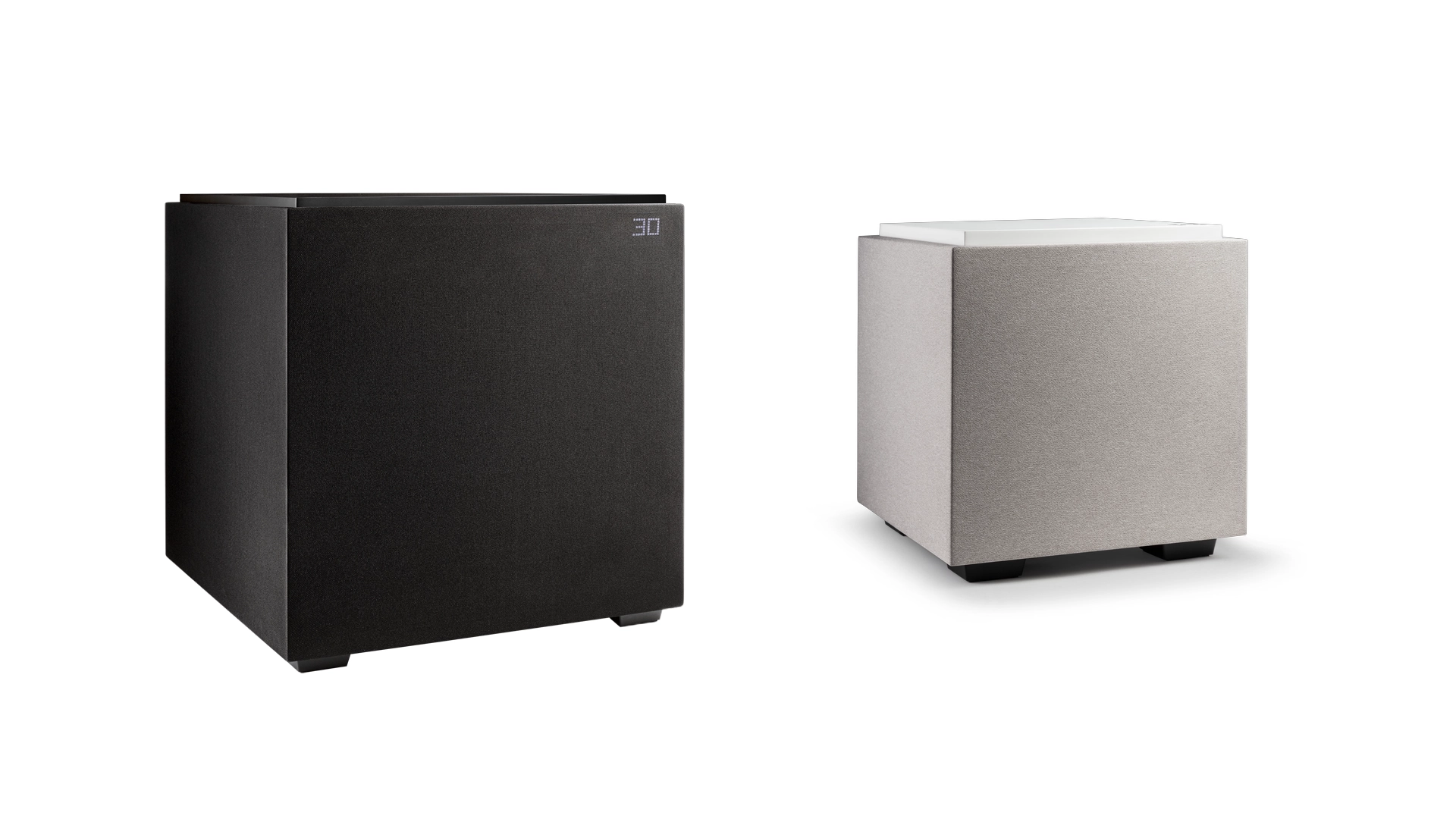
Definitive Technology is the American loudspeaker brand founded in 1990 by Sandy Gross, Don Givogue and Ed Blais, initially around a tower that combined bipolar radiation with its own powered subwoofer. That pairing remains central to the company’s identity. Front- and rear-facing driver arrays create a broader, more enveloping field than a conventional forward-radiating box, while active bass sections allow deep low-frequency output from a relatively narrow cabinet and reduce the burden on an external amplifier. The current Dymension family develops this formula with bipolar towers, integrated powered woofers and optional height modules for immersive home cinema; Mythos applies Definitive’s acoustic approach in slimmer wall-friendly enclosures. Matching centres, surrounds, subwoofers and architectural speakers allow complete multichannel systems rather than isolated stereo models. Although the company has passed through several corporate owners since its 2004 acquisition, the more useful story for users is product continuity: spacious bipolar presentation, substantial built-in bass and visually restrained cabinets designed to make one system effective for both films and music.
Dynaudio

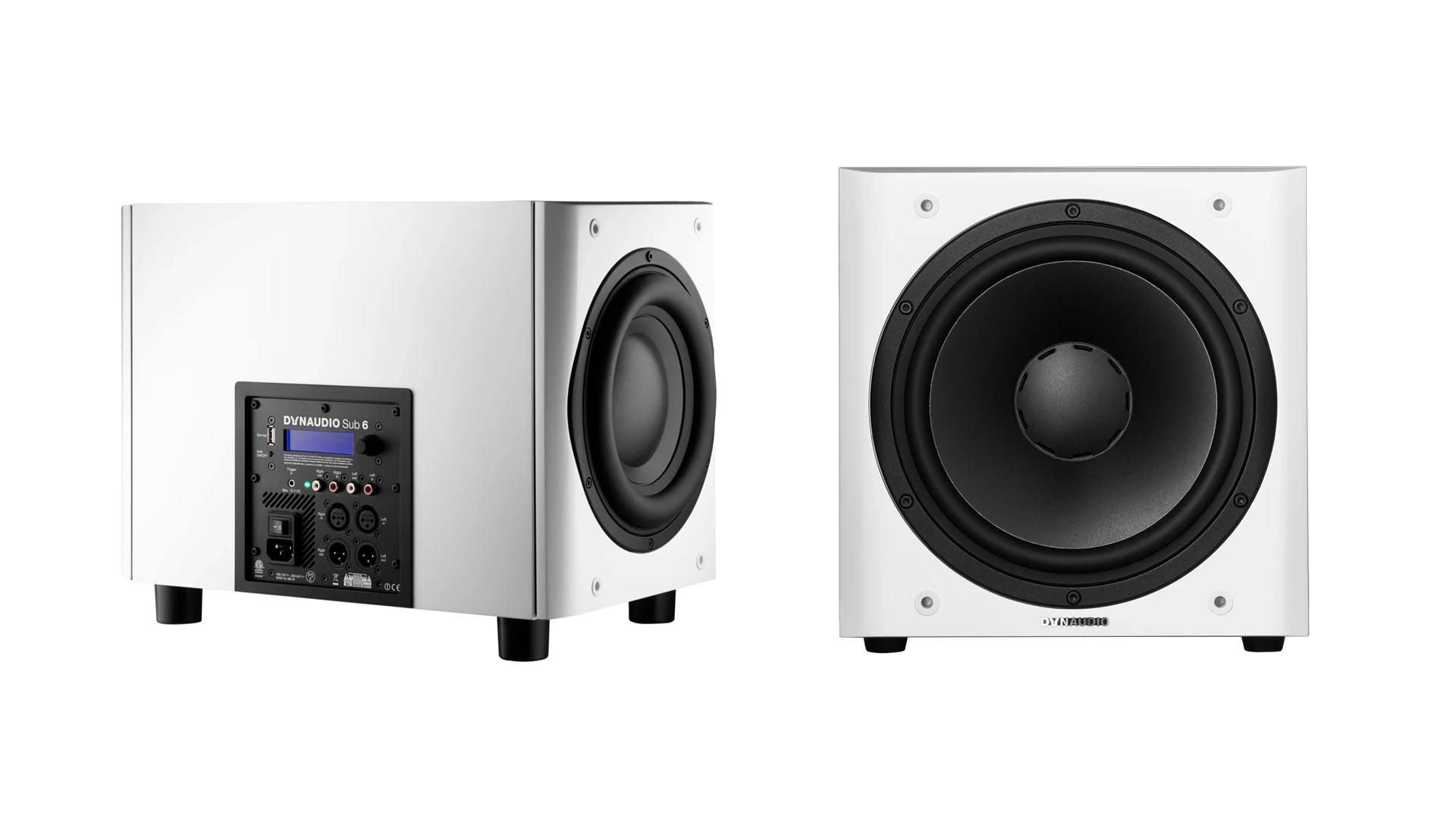
Dynaudio is a Danish loudspeaker and driver manufacturer founded in 1977 in Skanderborg, built on the decision that control over the finished speaker required control over the transducers themselves. Its long-running technical signatures include magnesium silicate polymer cone material, large-diameter lightweight voice coils and coated soft-dome tweeters, developed and manufactured in-house rather than selected from a standard supplier catalogue. Esotar tweeters represent the reference end of that work, while technologies such as Hexis inner domes manage airflow and resonance behind the diaphragm. The home range spans Emit, Evoke, Contour, Confidence and Heritage models; Focus combines active amplification, wireless streaming and room-related DSP. Dynaudio Professional applies the same driver knowledge to studio monitors, and the company also engineers custom-install and automotive systems. Product categories vary, but the defining advantage remains vertical acoustic integration: diaphragm material, motor, voice coil, crossover, cabinet and voicing can be developed together. That continuity gives Dynaudio a recognisable engineering identity across compact monitors, large floorstanders and professional control rooms.
Dynavoice
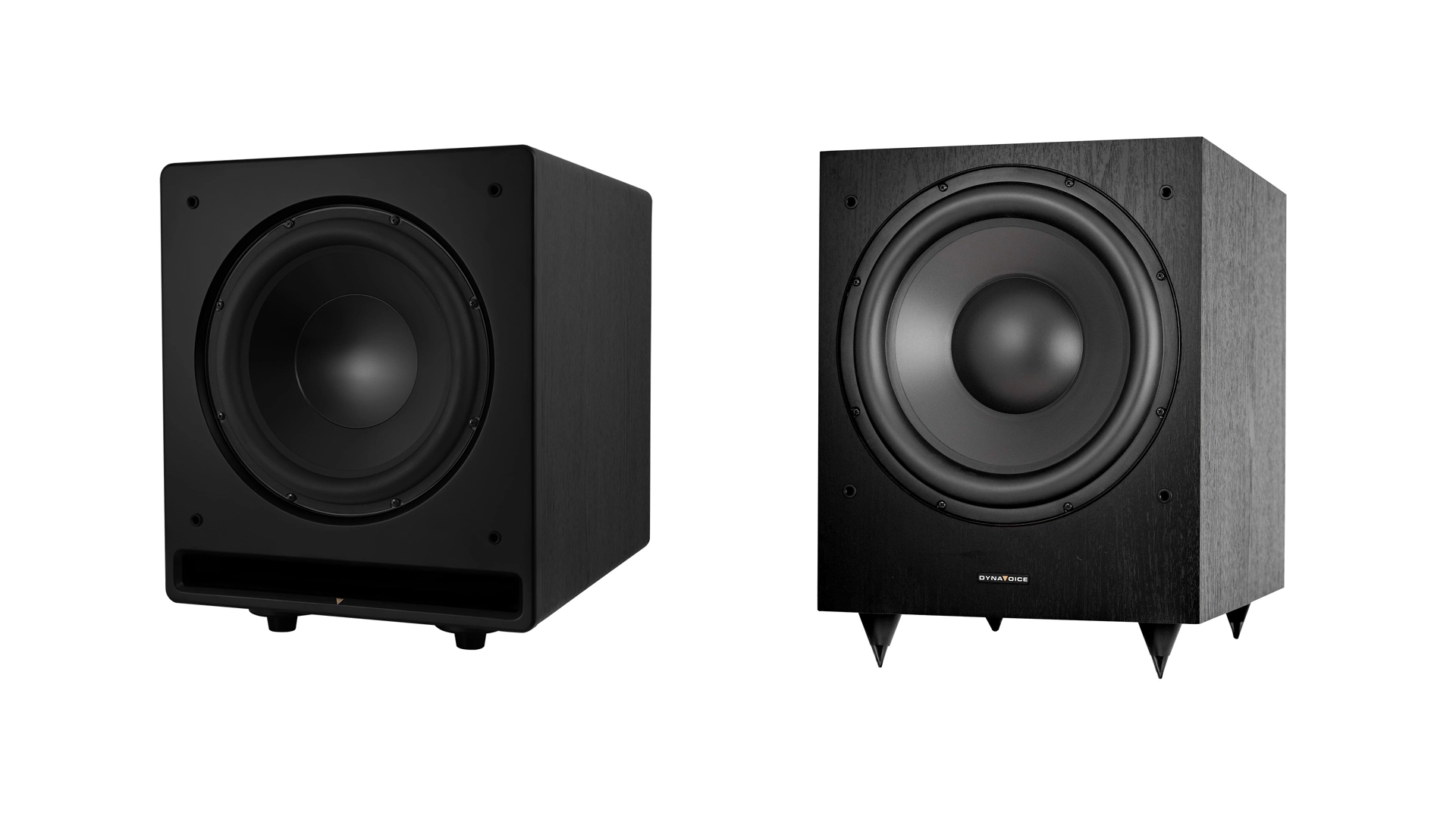
Dynavoice is a Swedish loudspeaker brand built around an unusually practical promise: full-scale stereo and home-cinema sound without turning sensible pricing into an apology. Its roots reach back to 1975, when Tommy Wadensten began the JWS loudspeaker business in Falkenberg; Dynavoice later emerged from that engineering and distribution lineage as the company’s more ambitious speaker identity. The range is structured for real systems rather than one showcase model. Magic covers accessible stereo and surround installations, Challenger adds greater output and cabinet scale, and Definition moves upward with ribbon-assisted high-frequency reproduction and more elaborate driver layouts. Matching centre, surround and subwoofer models make the same voicing available across multichannel setups. A recognisable Dynavoice feature is X-Change, a passive terminal arrangement on selected speakers that lets the owner adjust treble balance without inserting an electronic equaliser. The brand’s strength is therefore not exotic storytelling but system breadth, lively dynamics and useful tuning options developed by a company with decades of Scandinavian loudspeaker experience.
Elac

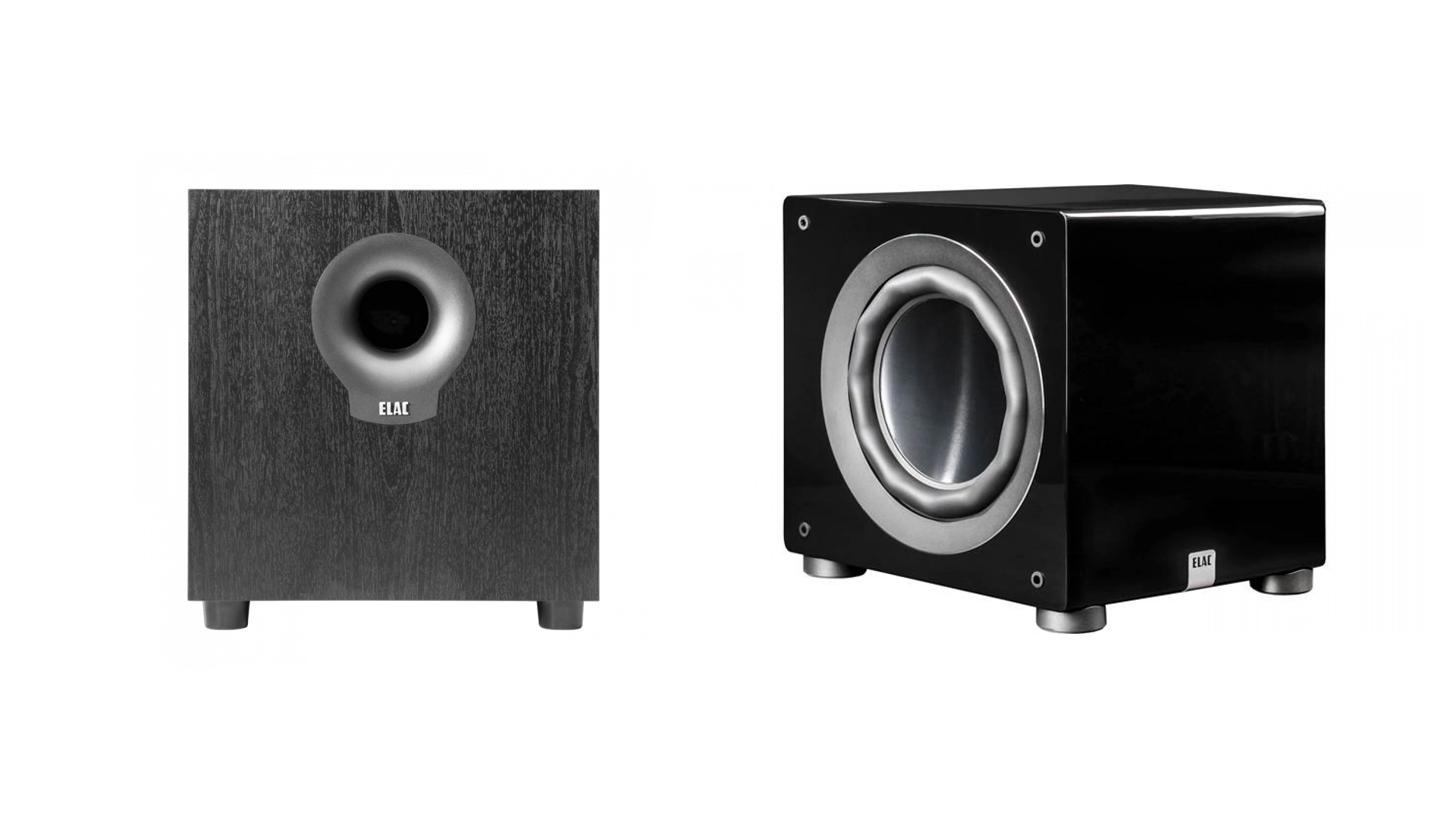
ELAC is a German audio company founded in Kiel on 1 September 1926 by Dr Heinrich Hecht, Dr Wilhelm Rudolph and Gerhard Schmidt. Its near-century history is unusually broad: the company began in electroacoustics and sonar, became a major post-war maker of turntables and cartridges, and shifted its centre of gravity to loudspeakers in the 1980s. Modern ELAC is therefore more than the affordable speakers often associated with designer Andrew Jones. The Debut and Uni-Fi families use carefully engineered cone drivers and, in Uni-Fi, concentric midrange/tweeter geometry to bring controlled directivity and coherent imaging to accessible systems. Carina, Vela and higher ranges draw on the folded JET tweeter, while active subwoofers and electronics complete stereo and cinema installations. Turntables keep the brand’s analogue history visible rather than treating it as a retro licensing exercise. ELAC’s lasting advantage is range backed by real transducer engineering: it can translate its knowledge of motors, diaphragms, wave launch and cabinet behaviour from compact entry models to elaborate floorstanders, while the 1926 date describes the actual company lineage rather than a recently revived name.
Elipson

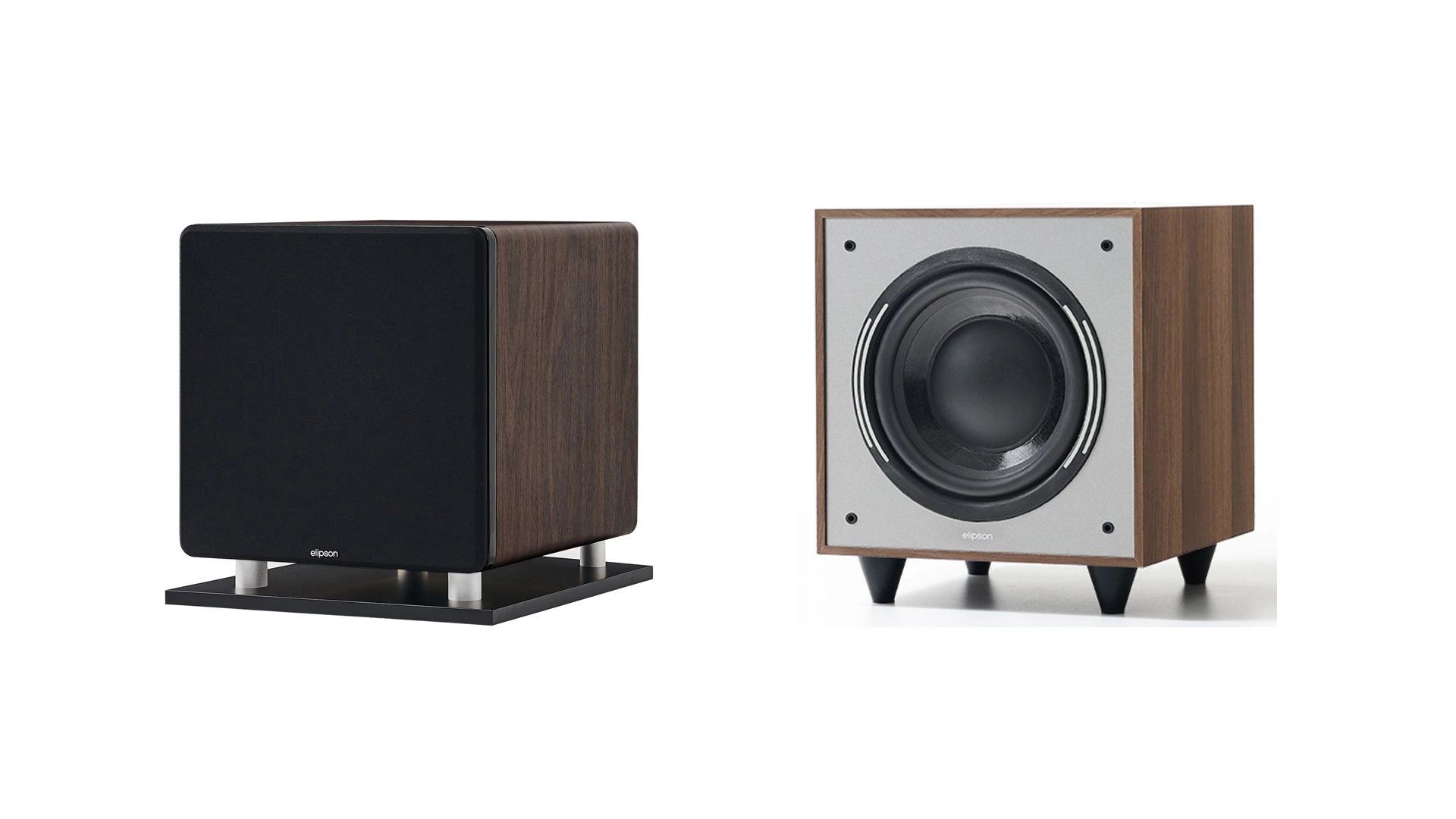
Elipson is France’s oldest surviving specialist loudspeaker name, tracing its company origin to 1938 and its distinctive acoustic identity to engineer Joseph Léon. The historical sequence deserves precision: the business began as Multimoteur, early audio research started around 1940, Léon joined in 1946 and led the company from 1948, and the Elipson name—formed from “ellipse” and the French word “son”—was adopted in 1951. Under Léon, spheres, reflectors and resonators were engineering tools for controlling diffraction, radiation and time alignment, not merely futuristic styling. The BS50 Chambord and later 402 made those experiments iconic in French broadcasting and public installations. Today the Planet series keeps the spherical enclosure visible, while Heritage models revisit large-format designs and newer Prestige, Legacy and wireless products cover conventional home systems. Elipson also offers turntables and electronics, but loudspeaker form remains its signature. Its strength is the unusually direct link between acoustic research and industrial design: shapes that are instantly recognisable because they were first chosen to solve propagation and enclosure problems.