Master the language of high-fidelity audio and advanced home cinema. Explore clear, professional definitions of acoustic concepts, AV technology, and audiophile terminology.
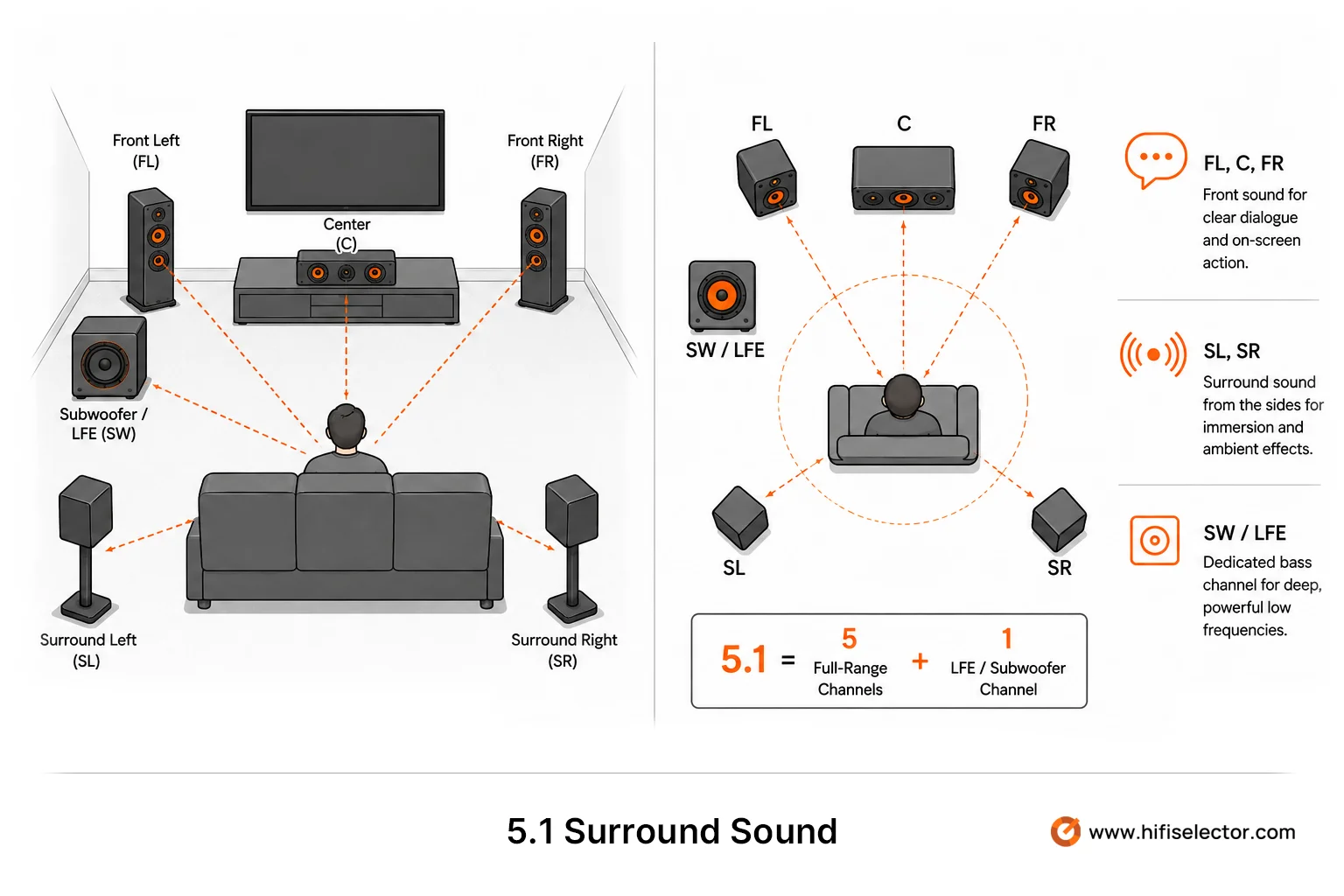
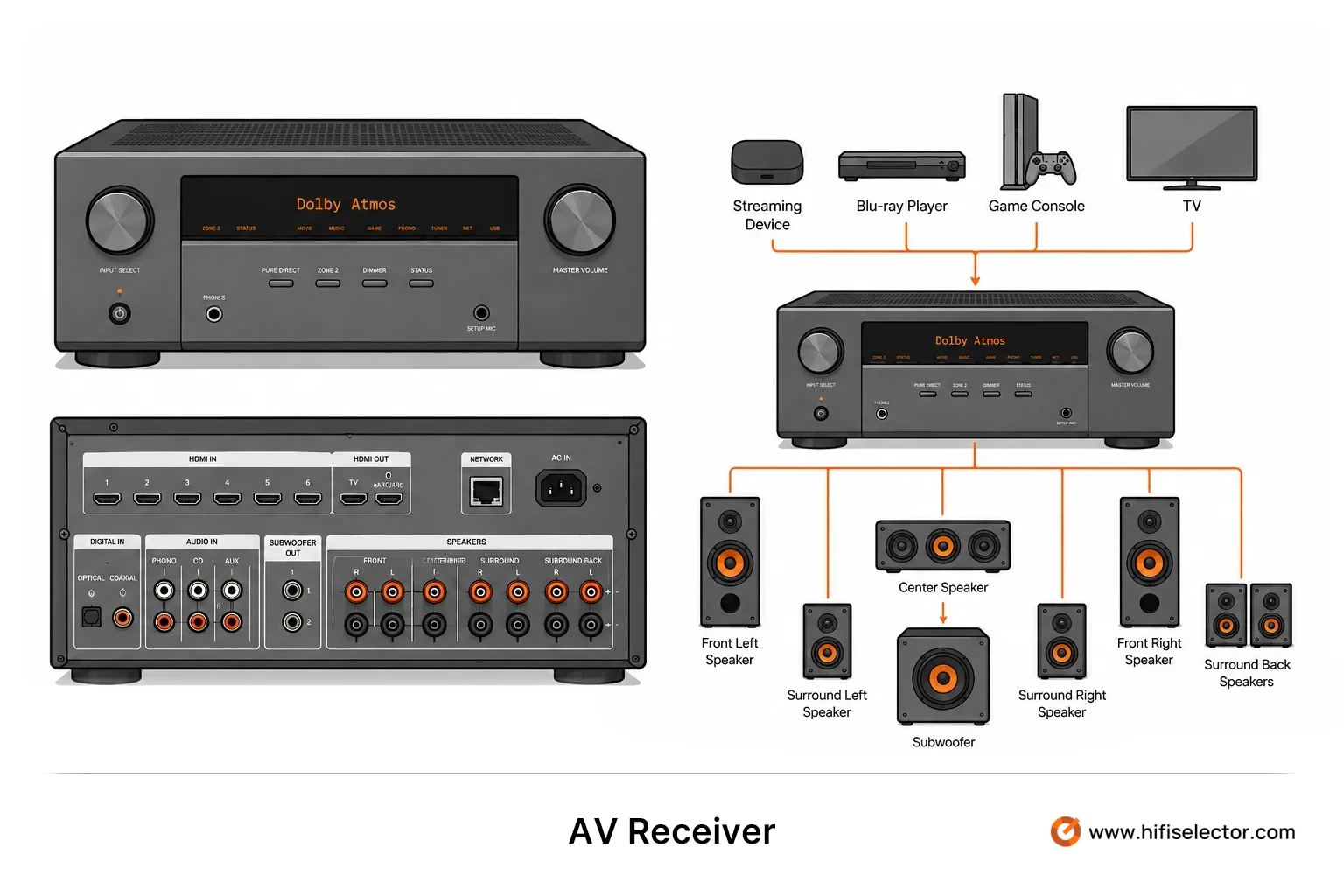
A surround layout with five ear-level channels—left, center, right, and two surrounds—plus one low-frequency-effects channel normally reproduced by a subwoofer.
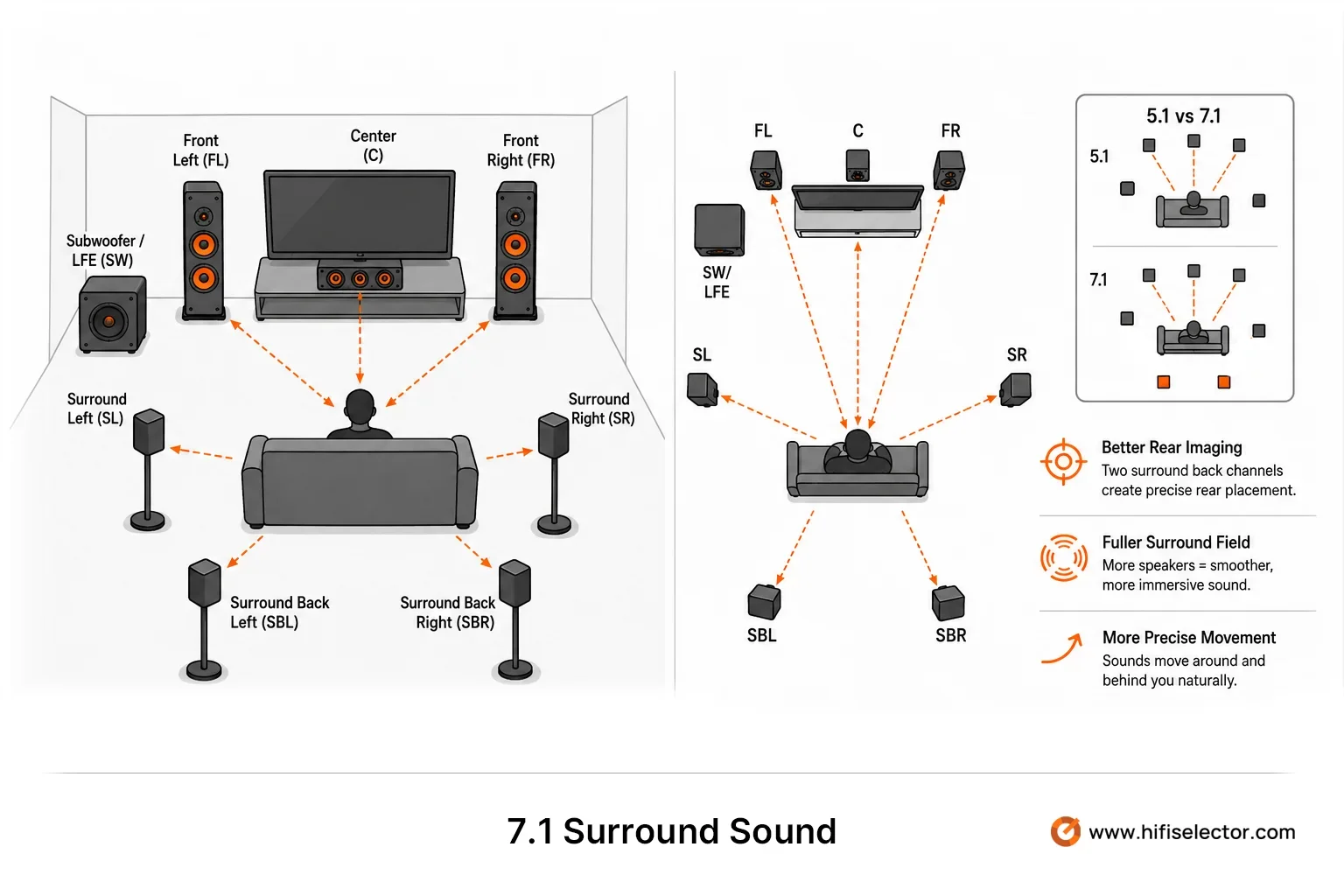
A surround layout with seven ear-level channels, adding rear-surround channels to a 5.1 arrangement, plus one low-frequency-effects channel for bass content.
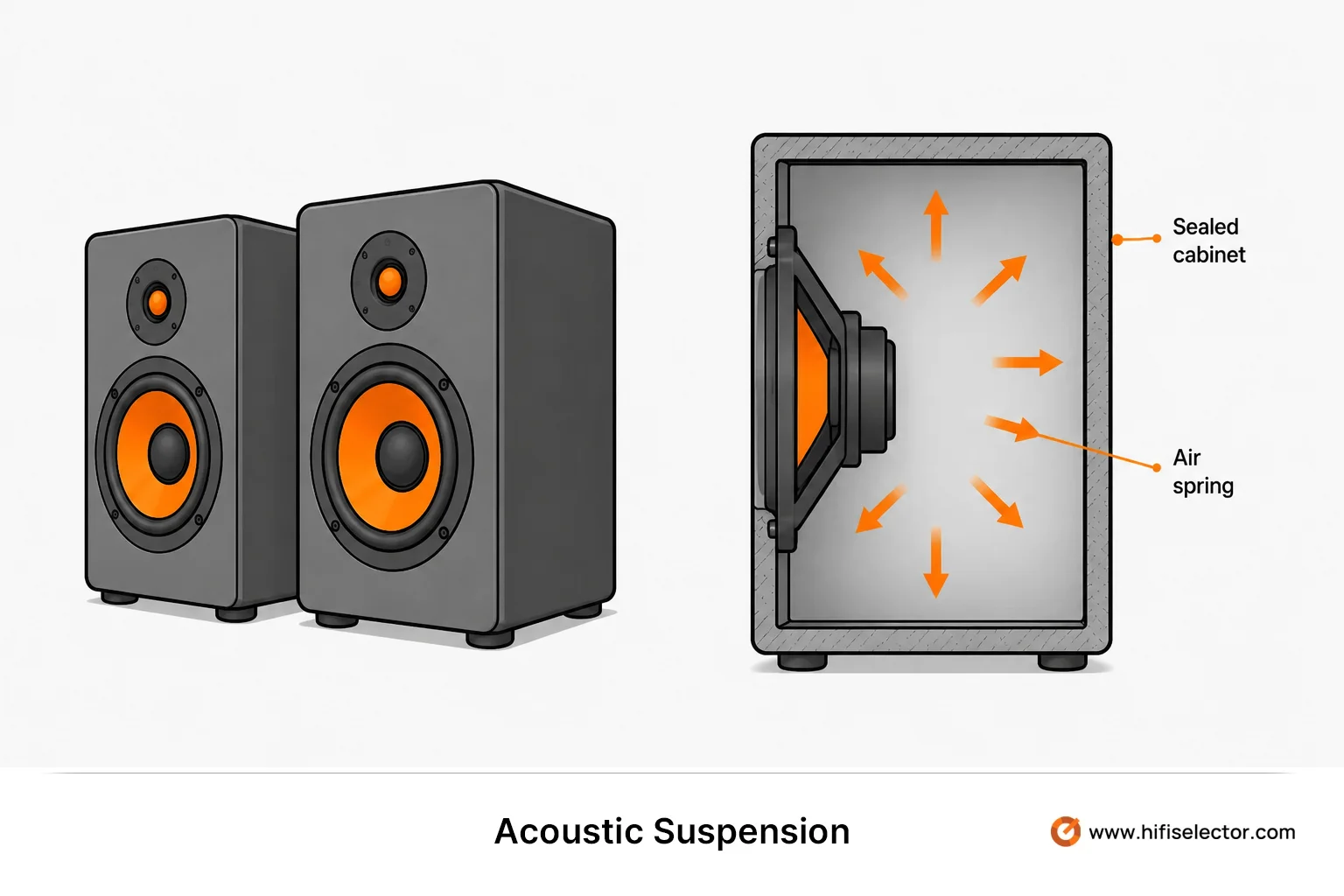
A sealed loudspeaker design in which trapped cabinet air provides much of the woofer’s restoring force, enabling controlled low-frequency response and compact enclosures.
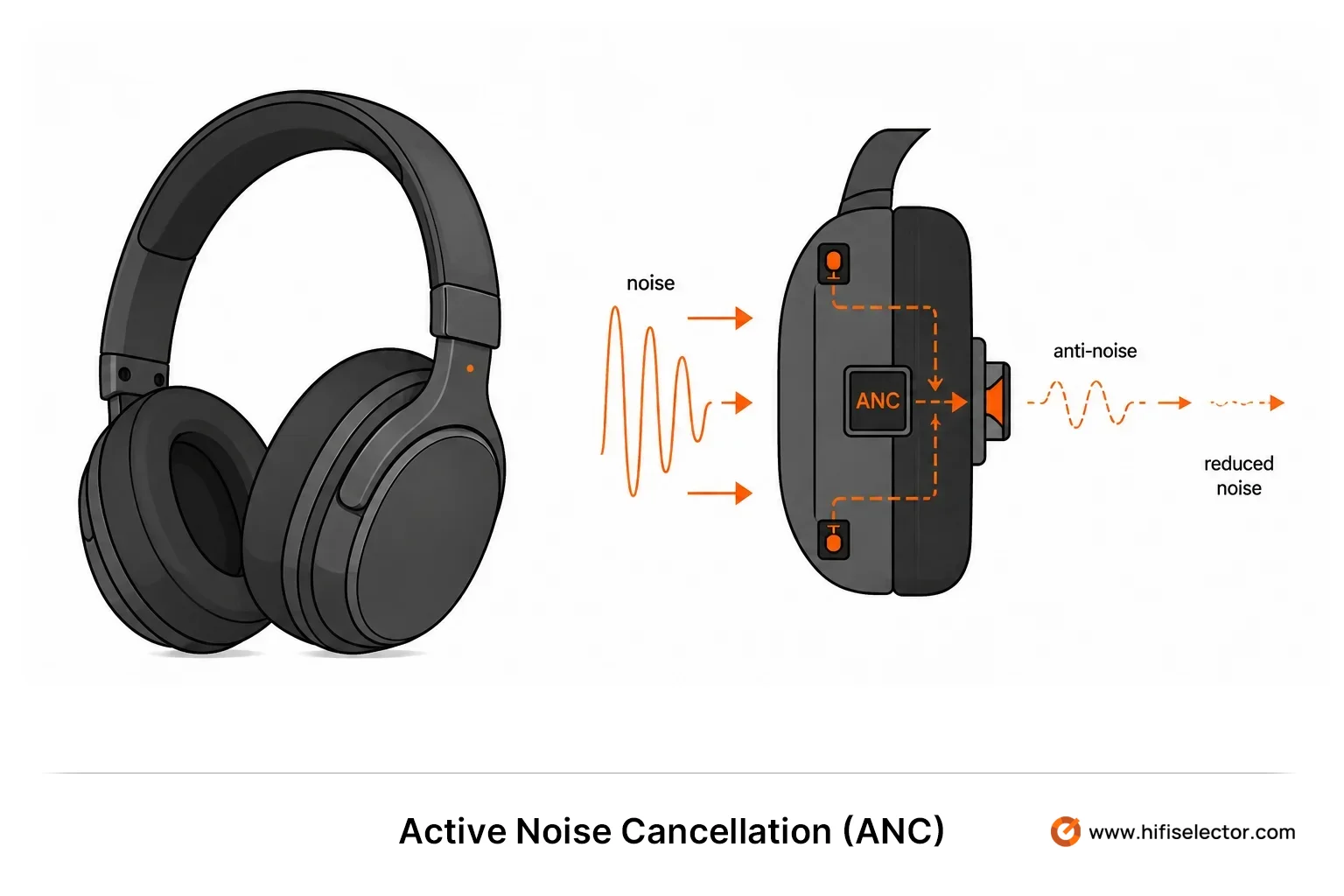
Uses microphones, signal processing, and anti-phase sound to reduce selected external noise reaching the listener, especially steady low-frequency ambient sounds.
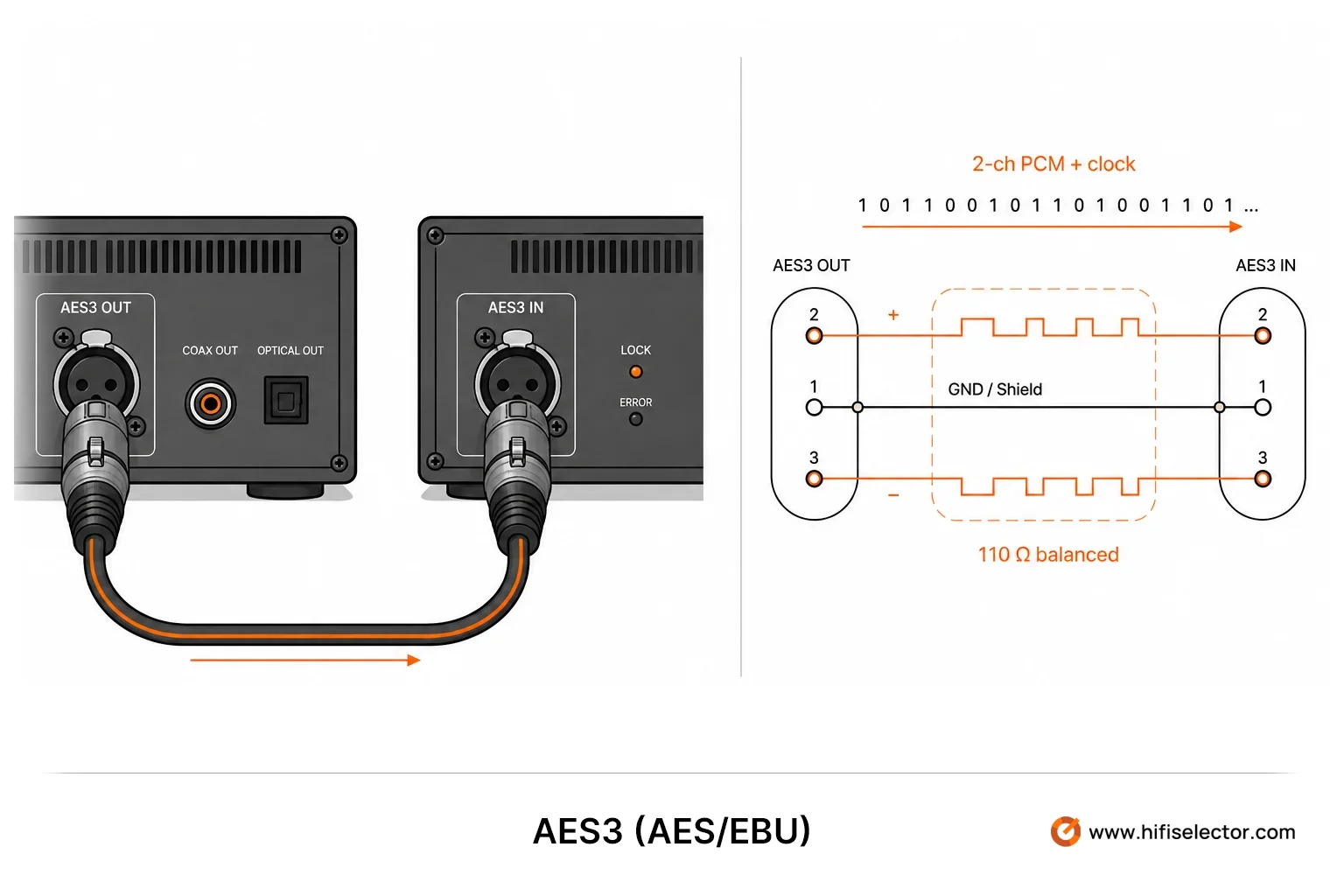
A professional digital-audio interface commonly carried over balanced 110-ohm XLR connections, transporting two channels of PCM audio with embedded clock information.
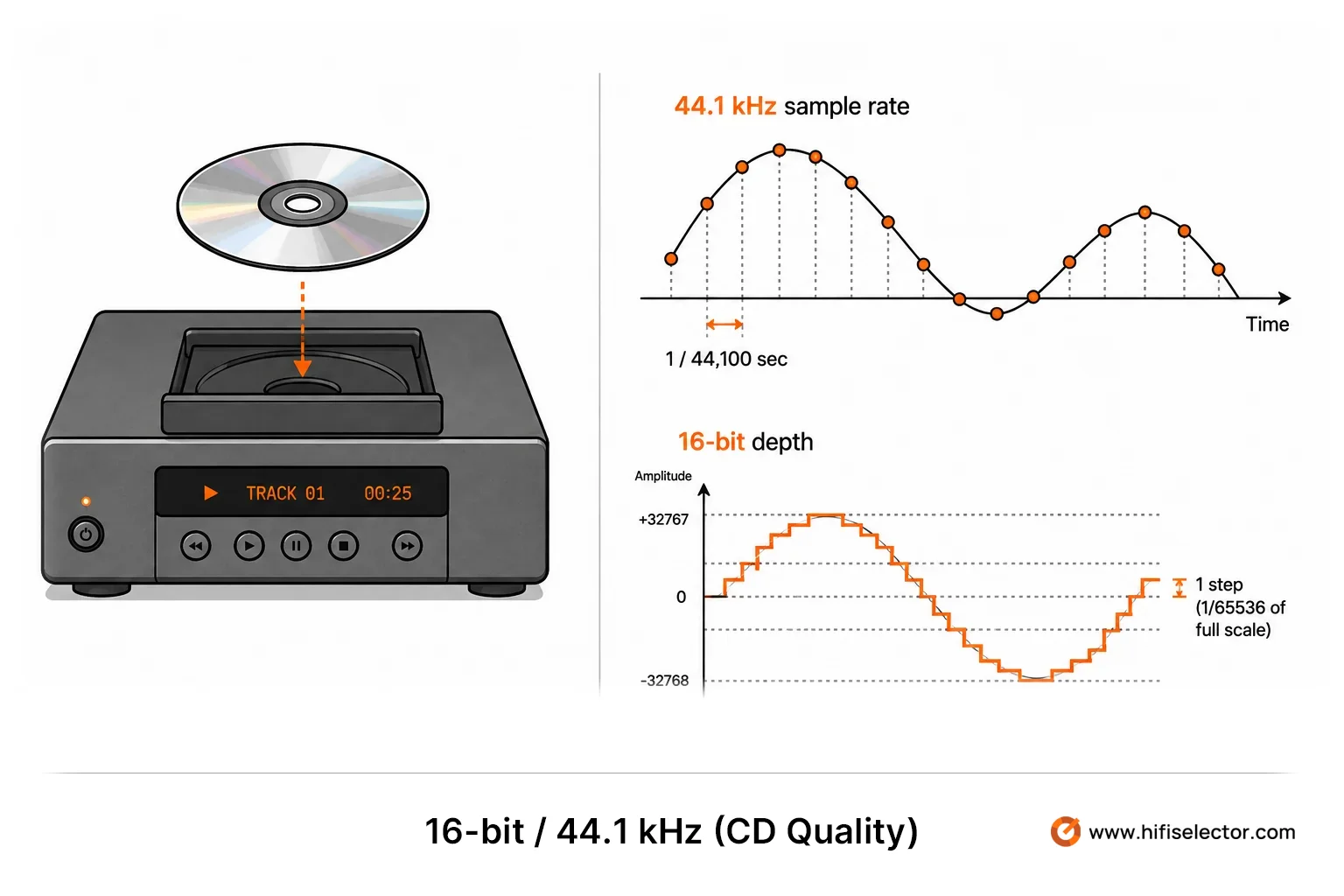
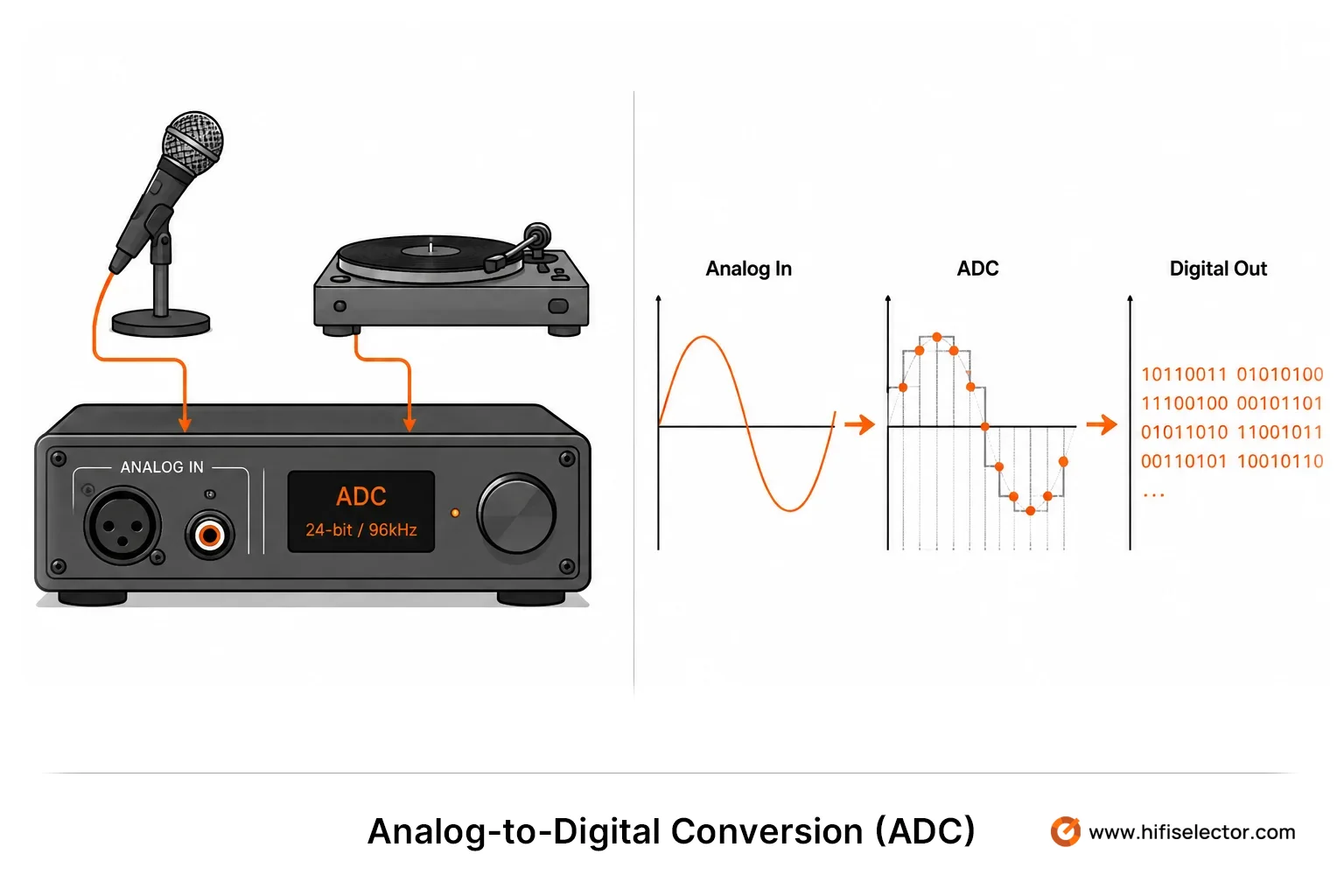
Converts a continuous analog audio waveform into digital samples represented by numerical values, enabling recording, processing, storage, and digital transmission.
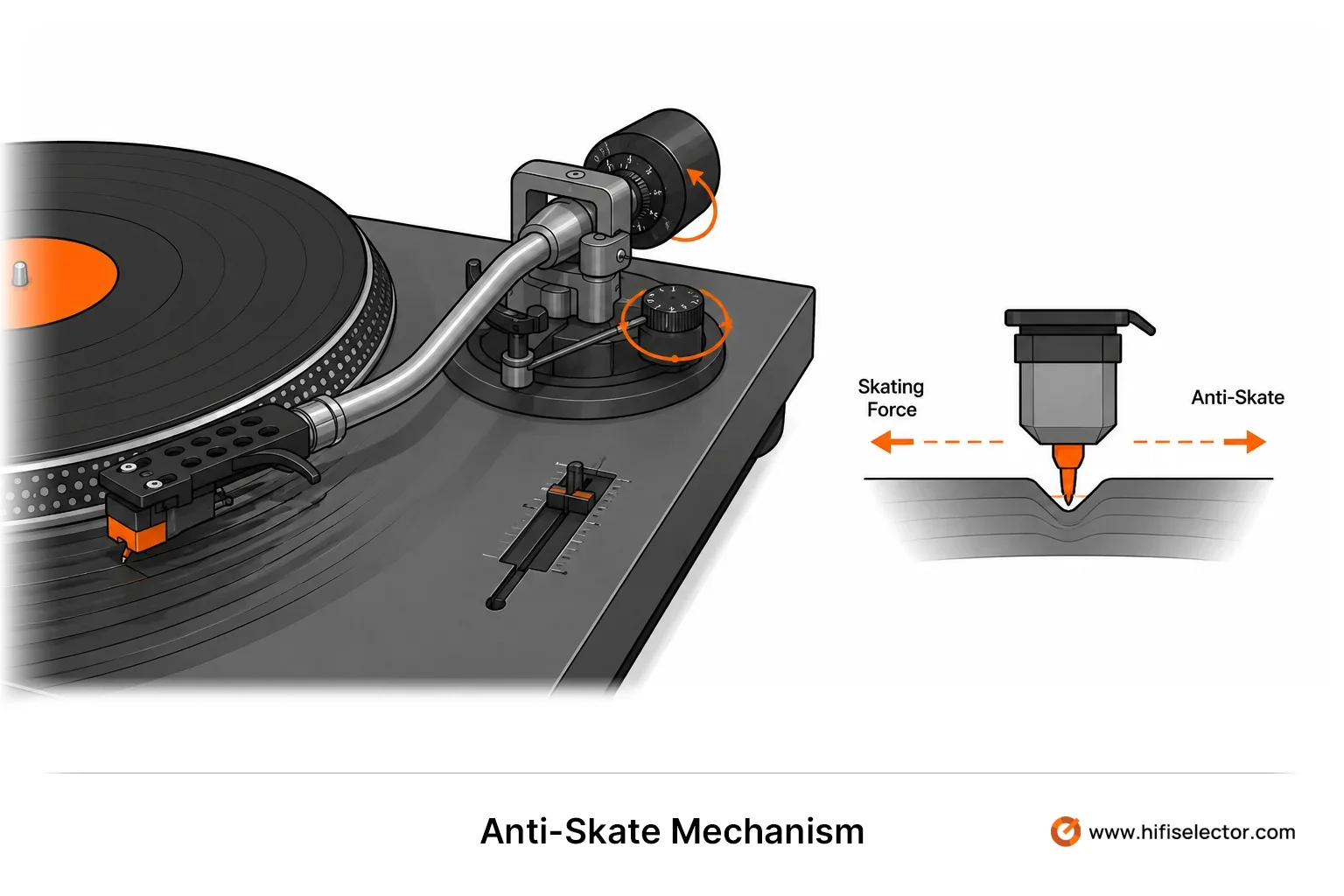
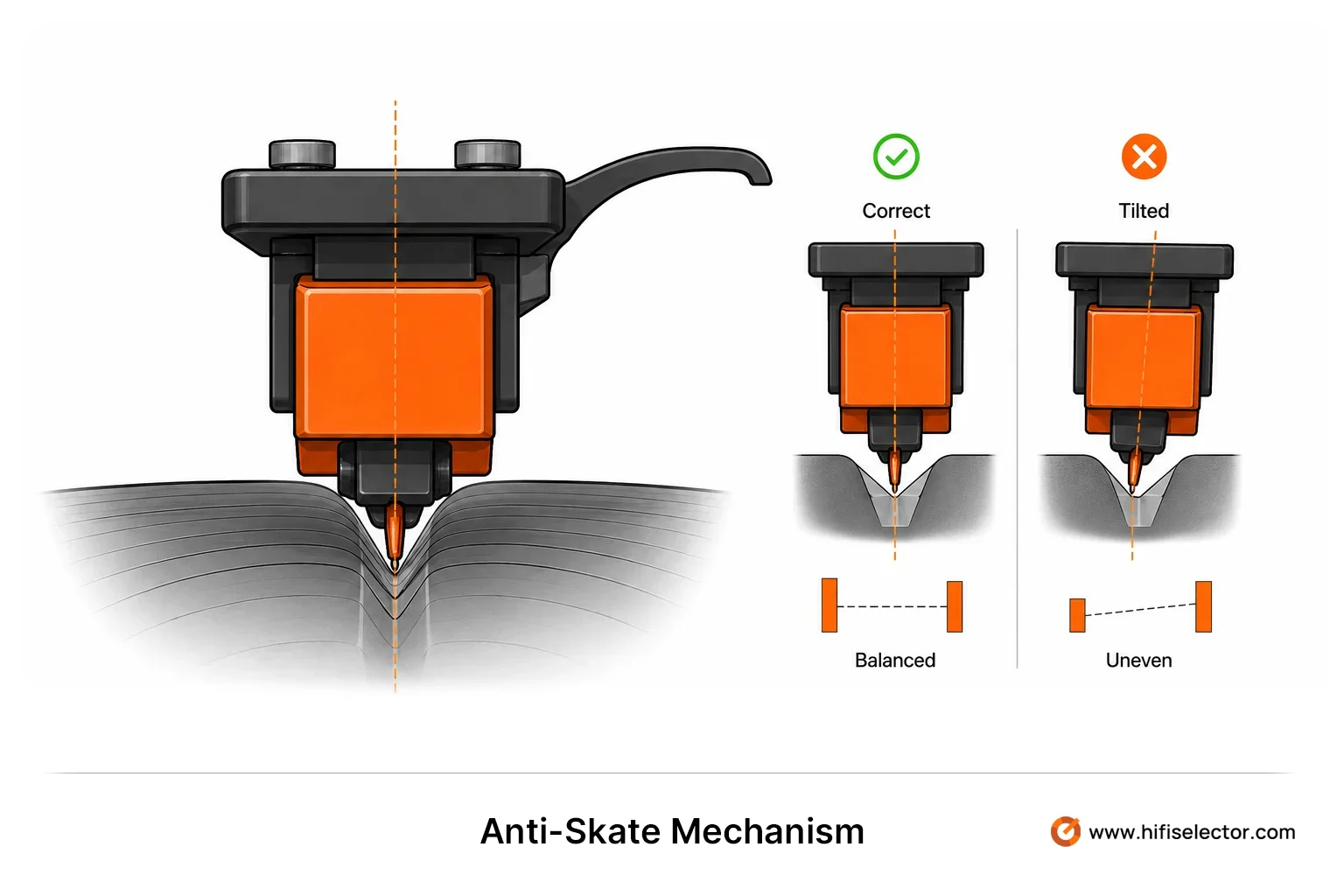
A turntable adjustment that applies outward compensation to counter the tonearm’s inward skating force, helping maintain balanced stylus pressure on both groove walls.
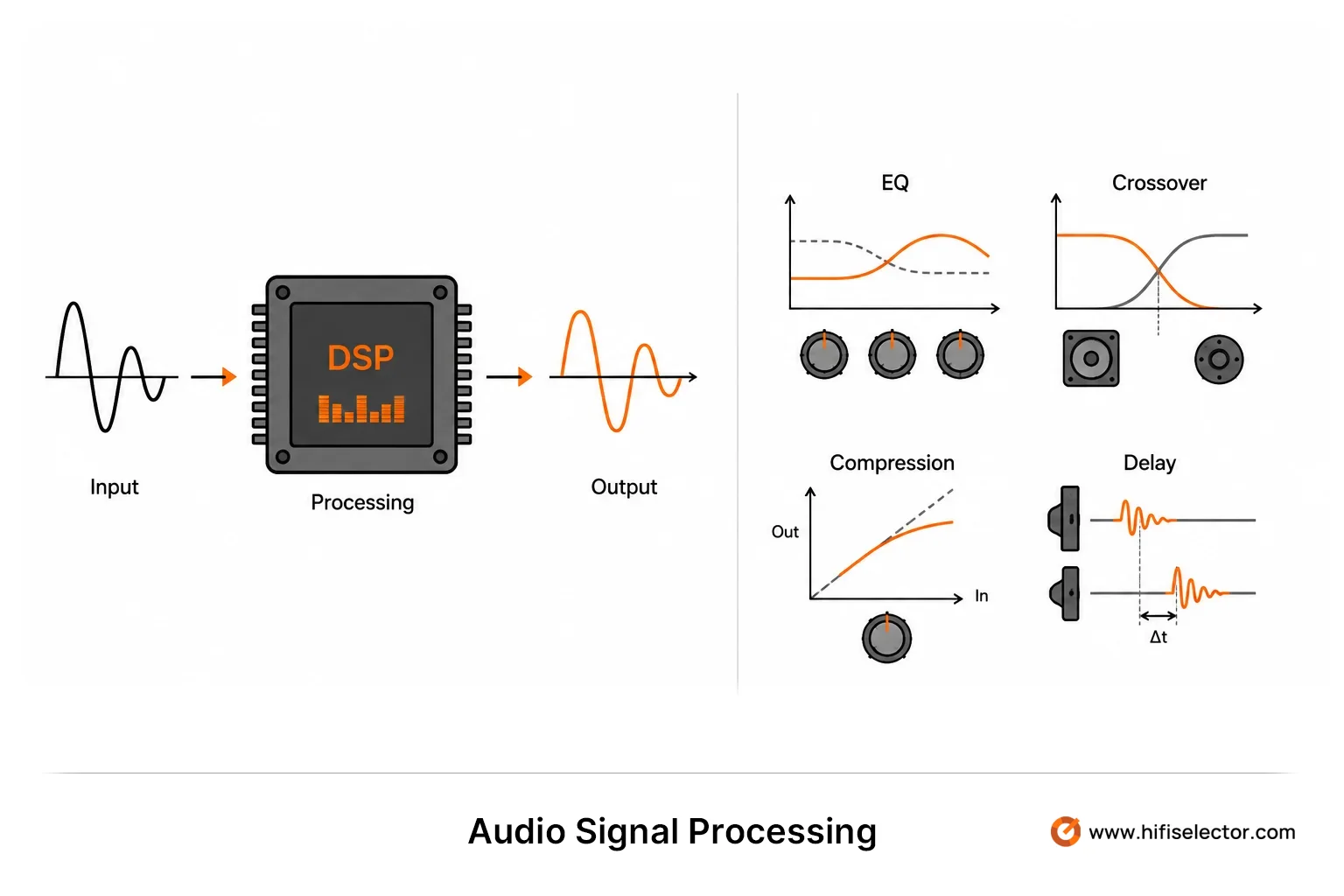
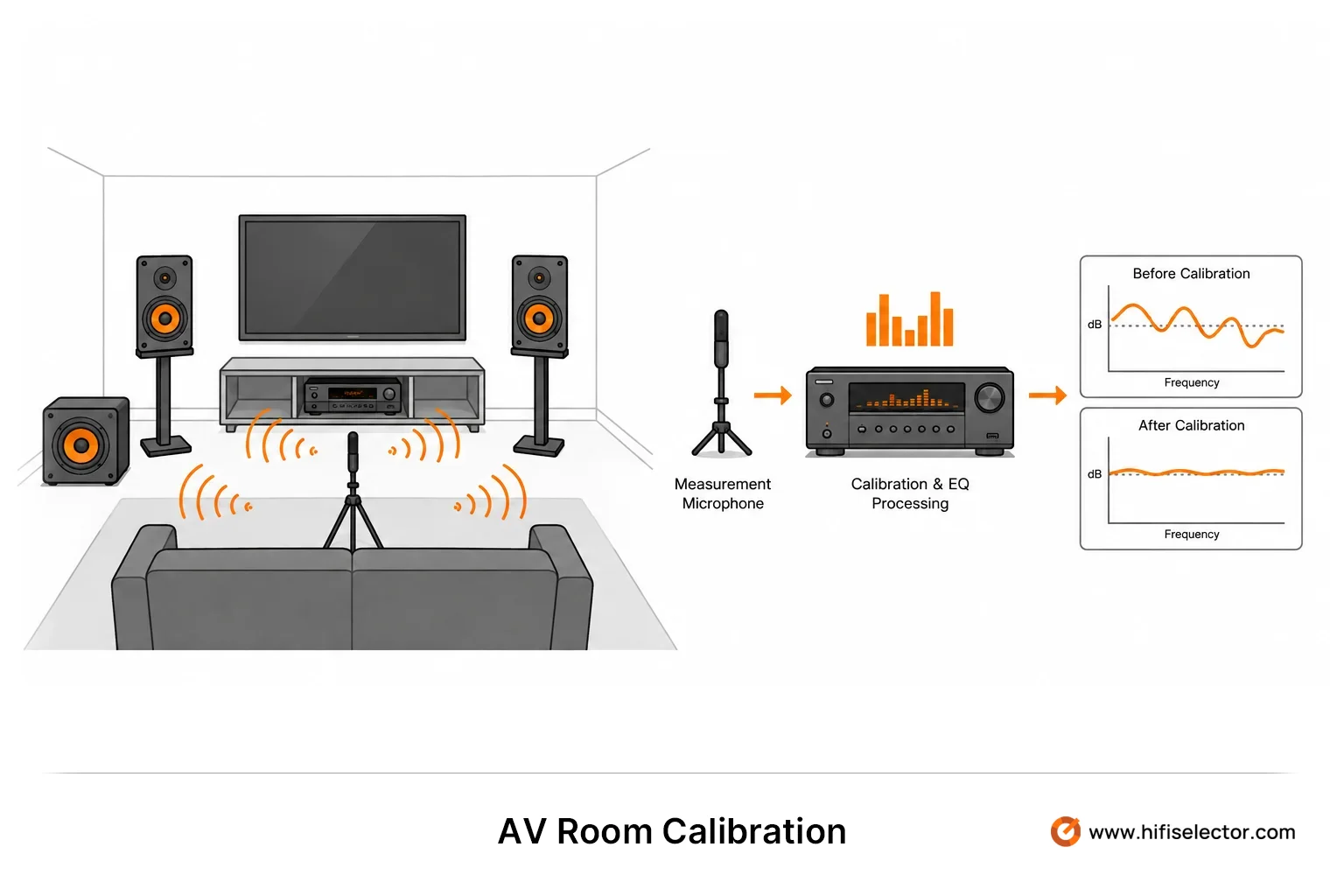
The analysis or modification of audio using analog or digital techniques such as filtering, equalization, dynamics control, mixing, correction, and effects.
The cartridge’s side-to-side rotational alignment when viewed from the front, affecting stylus contact with both groove walls, channel balance, and crosstalk.
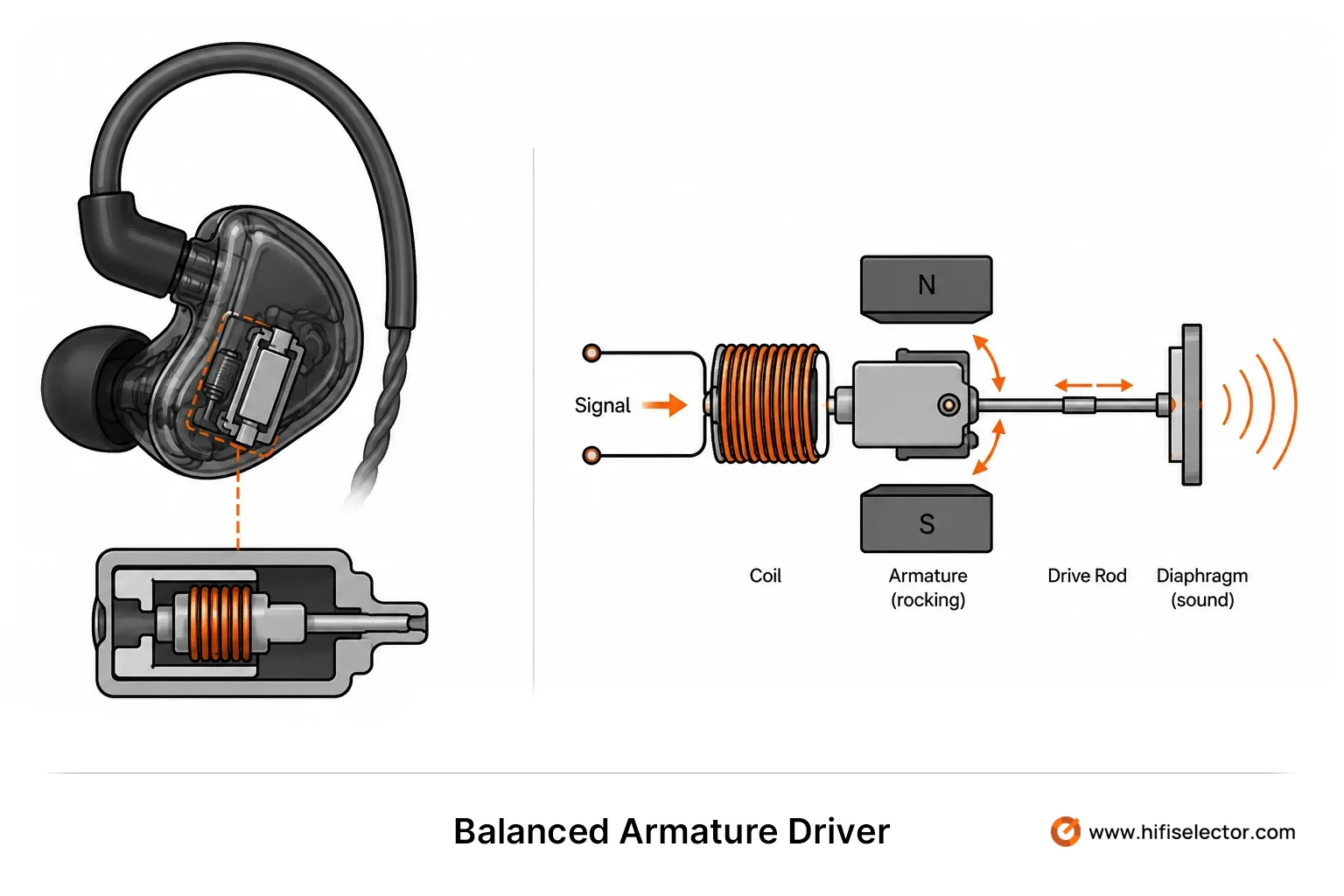
A miniature transducer common in in-ear monitors that moves an armature within a magnetic field, providing high efficiency and compact multi-driver implementations.
HFS Ad Rotator · default · slot 1
HFS Ad Rotator · default · slot 2
Have a suggestion or found a flaw? Help us improve