Master the language of high-fidelity audio and advanced home cinema. Explore clear, professional definitions of acoustic concepts, AV technology, and audiophile terminology.
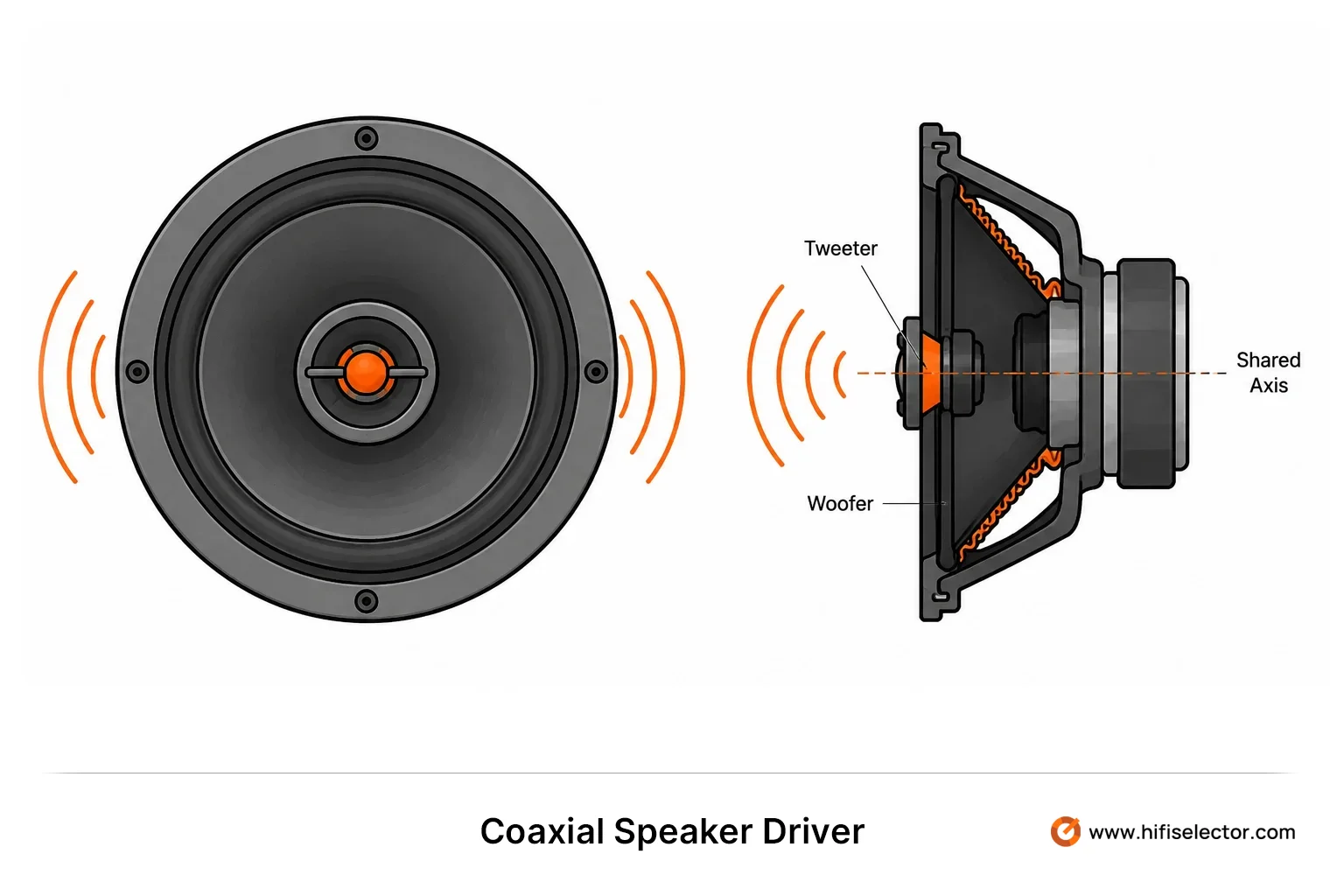
A driver arrangement placing high- and low-frequency radiators on the same acoustic axis to improve source coherence and directional consistency through the crossover region.
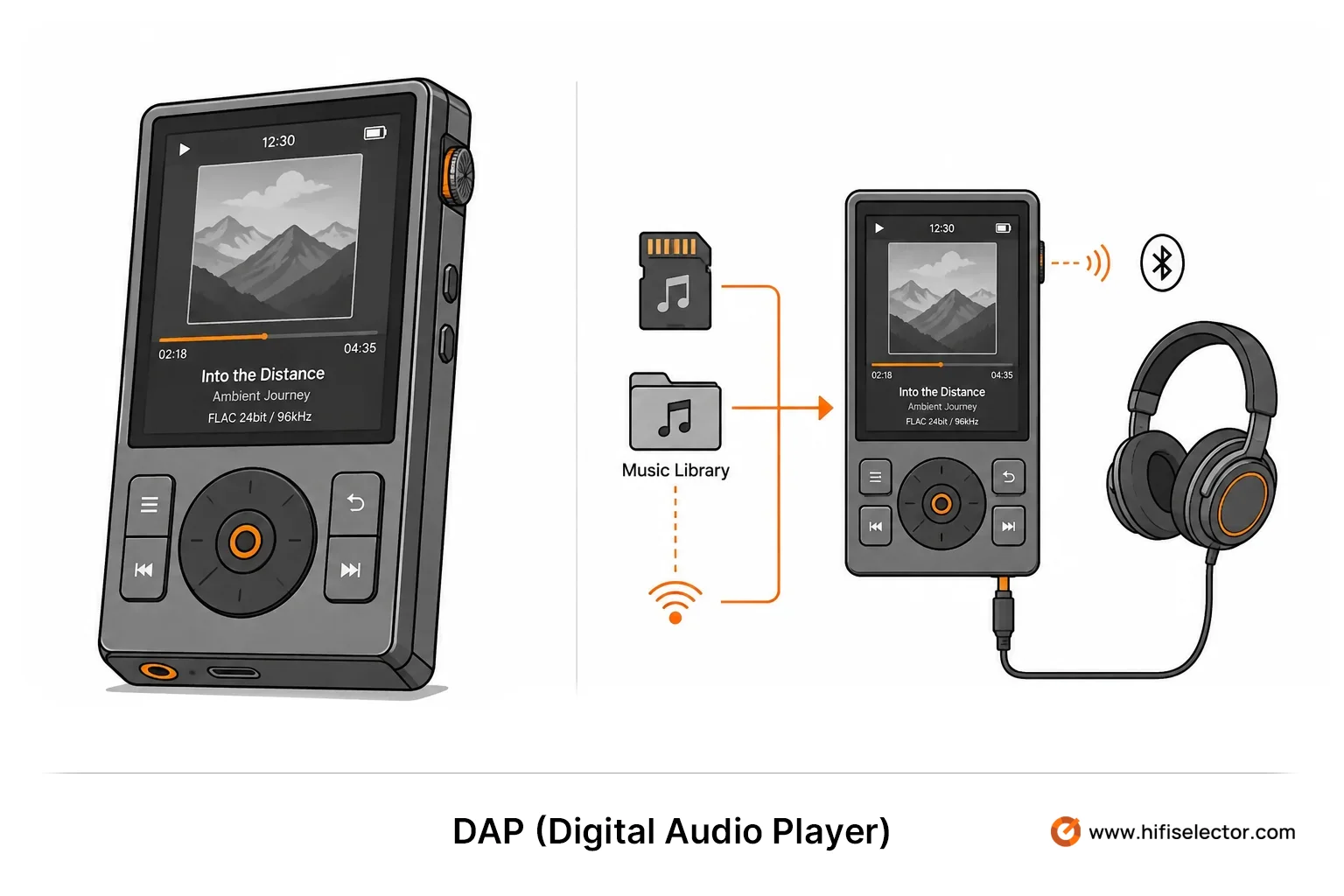
A portable player dedicated to stored or streamed digital music, typically offering audio-focused hardware, expandable storage, and higher-quality headphone output.
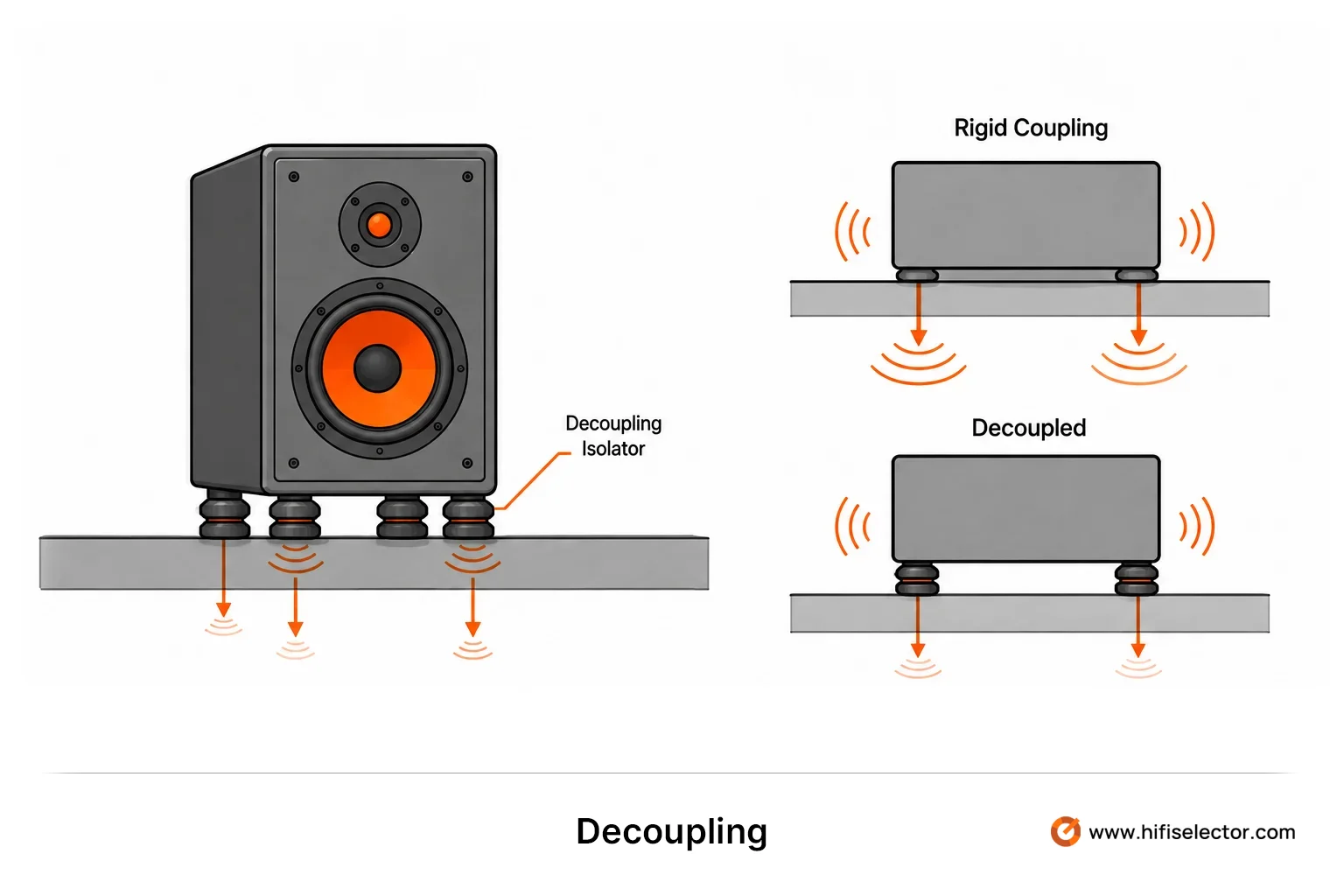
A method of isolating structures to prevent sound vibrations from passing through, often achieved by creating a physical break or using resilient channels.
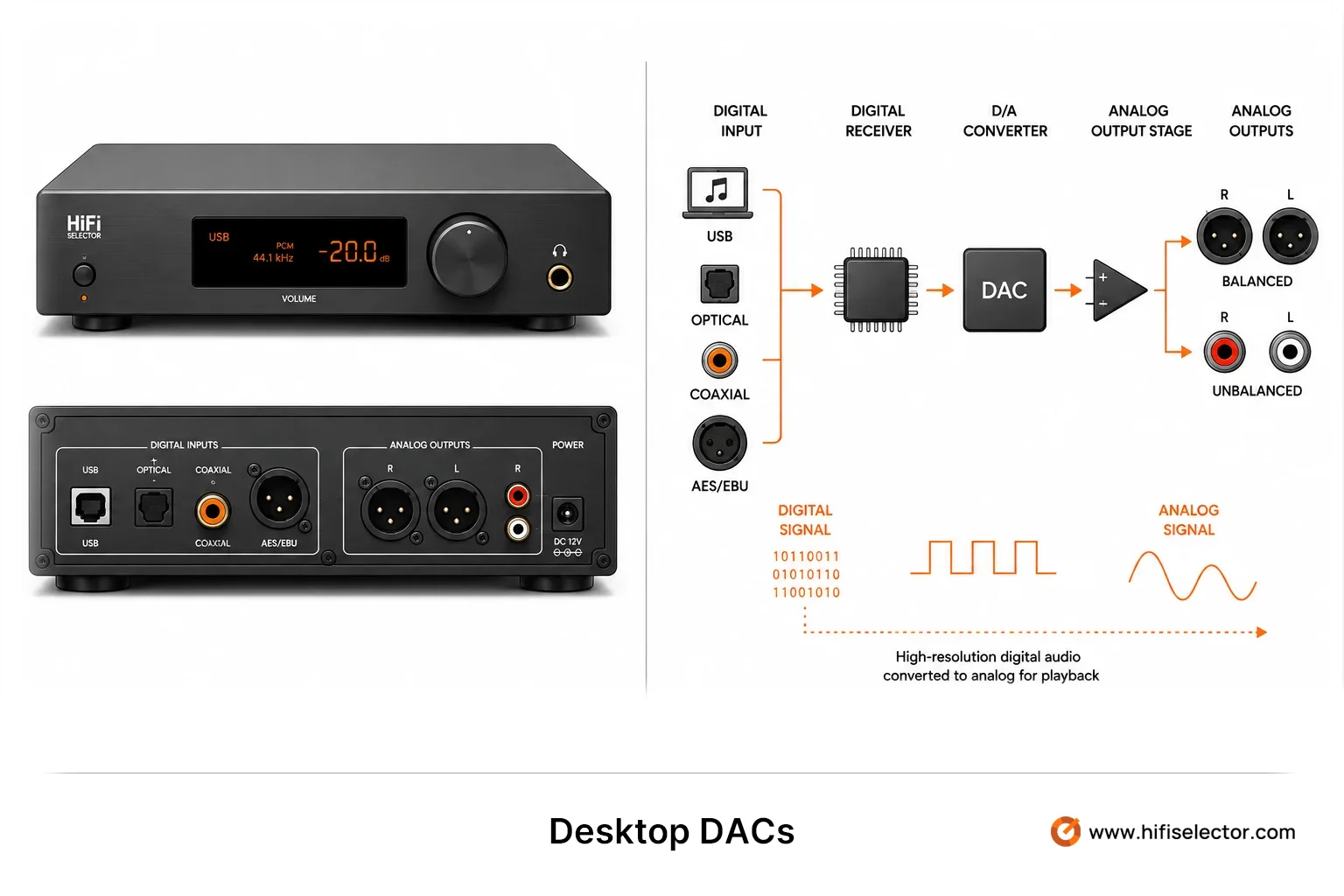
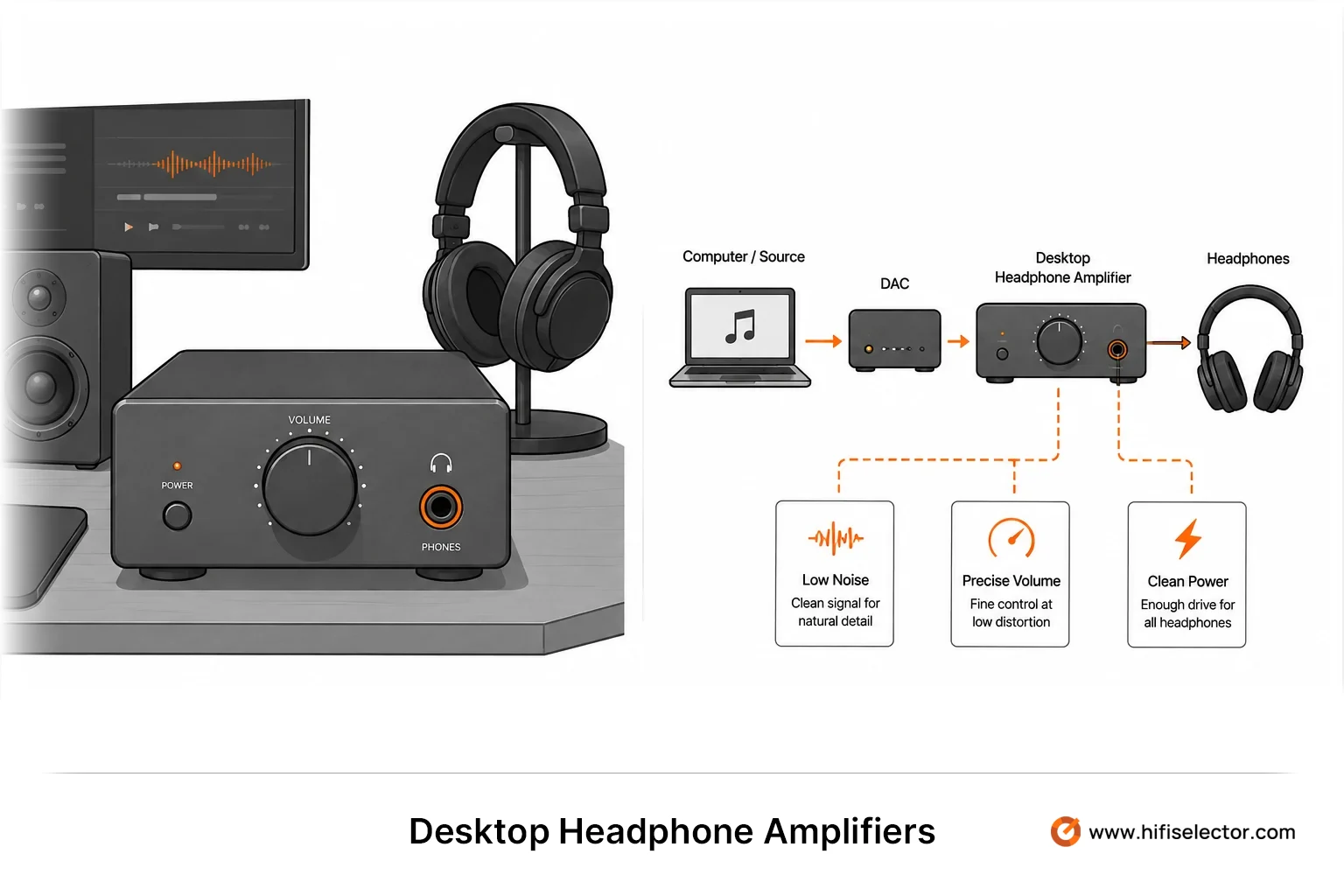
Digital-to-analog converters designed for desktop use, improving audio fidelity by accurately converting digital files into high‑quality analog signals.
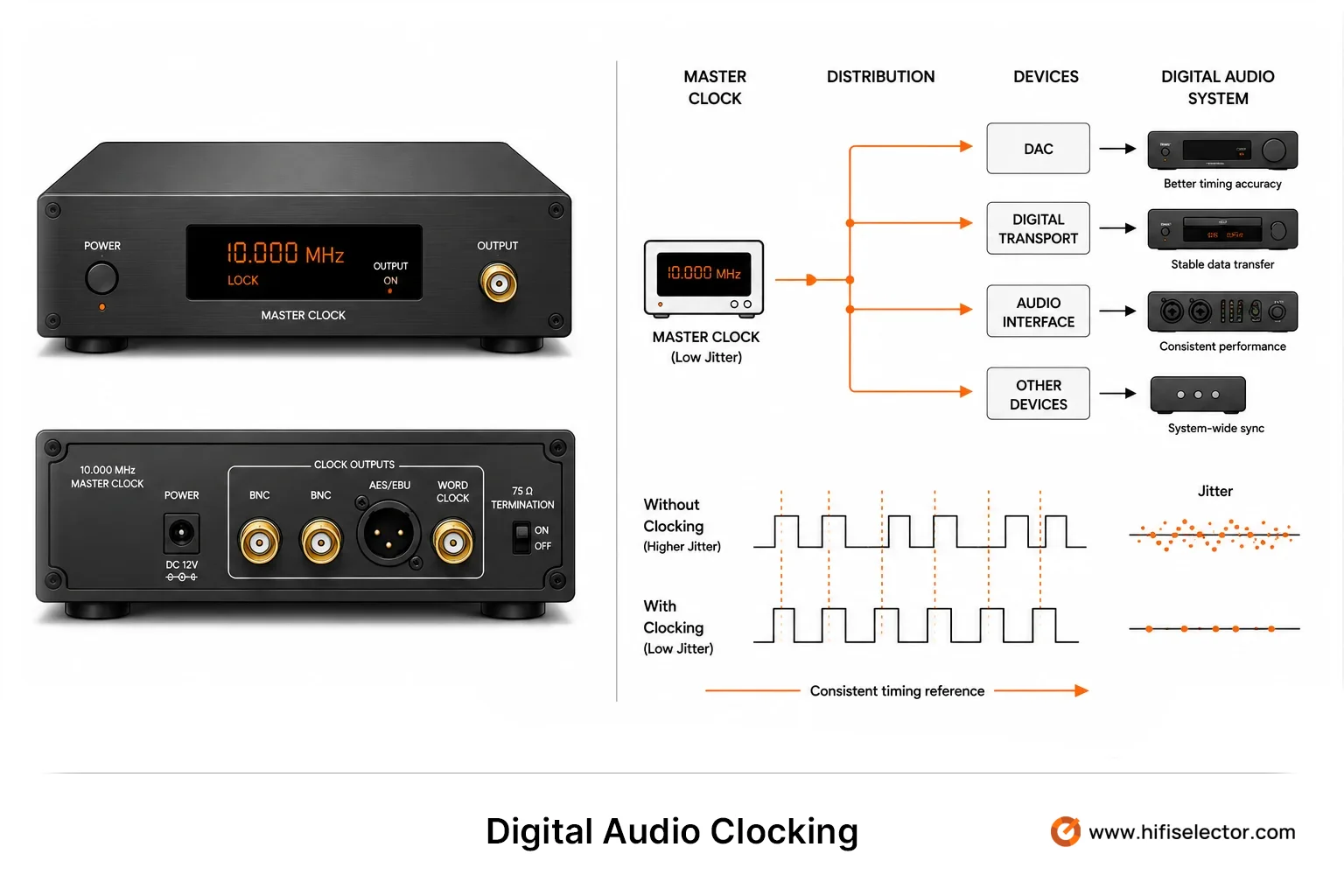
Timing that determines when digital audio samples are captured or reproduced; clock stability and synchronization are important across connected digital components.
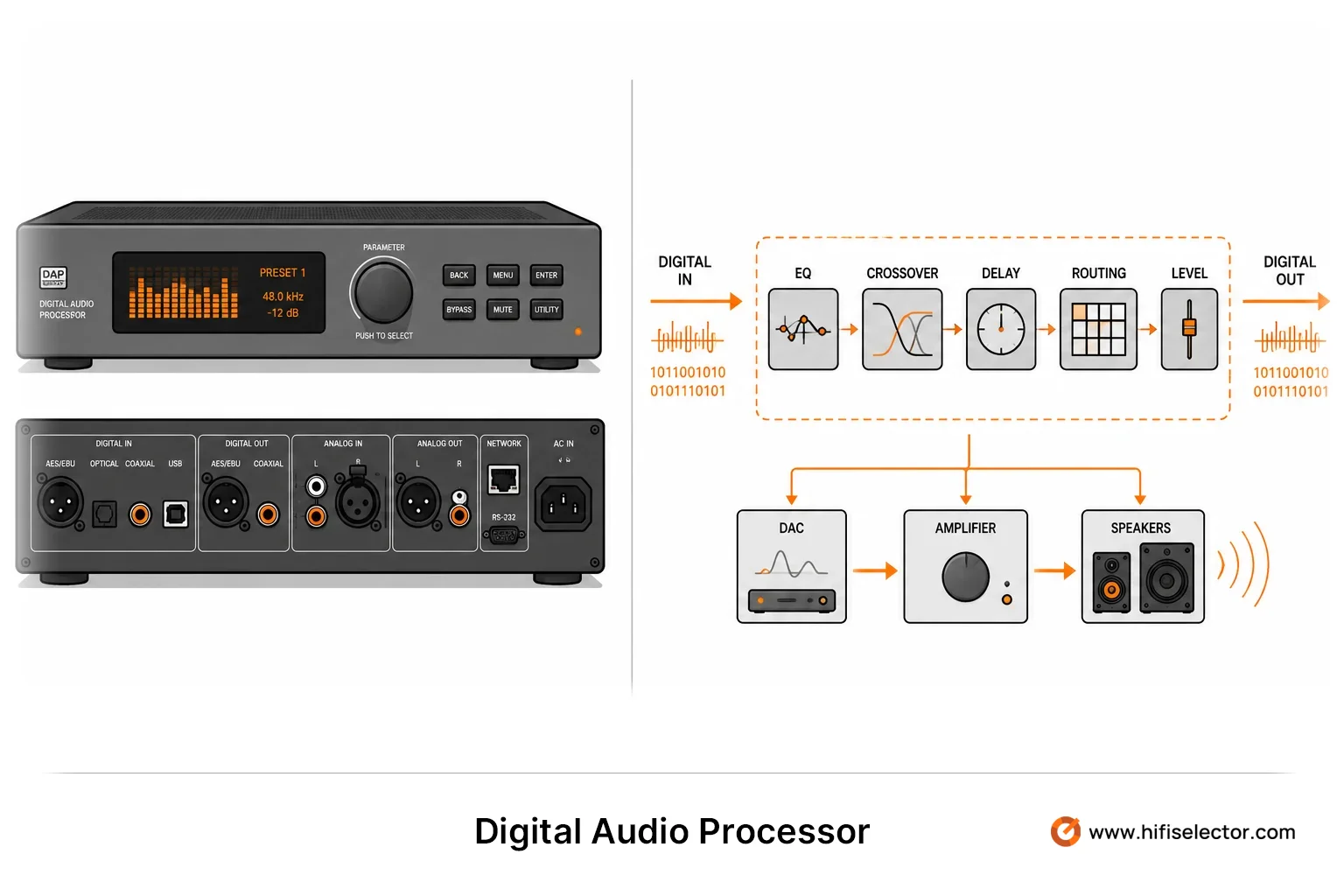
A complete audio component that applies digital-domain functions such as equalization, crossover filtering, delay, routing, room correction, dynamics processing, or sample-rate conversion.
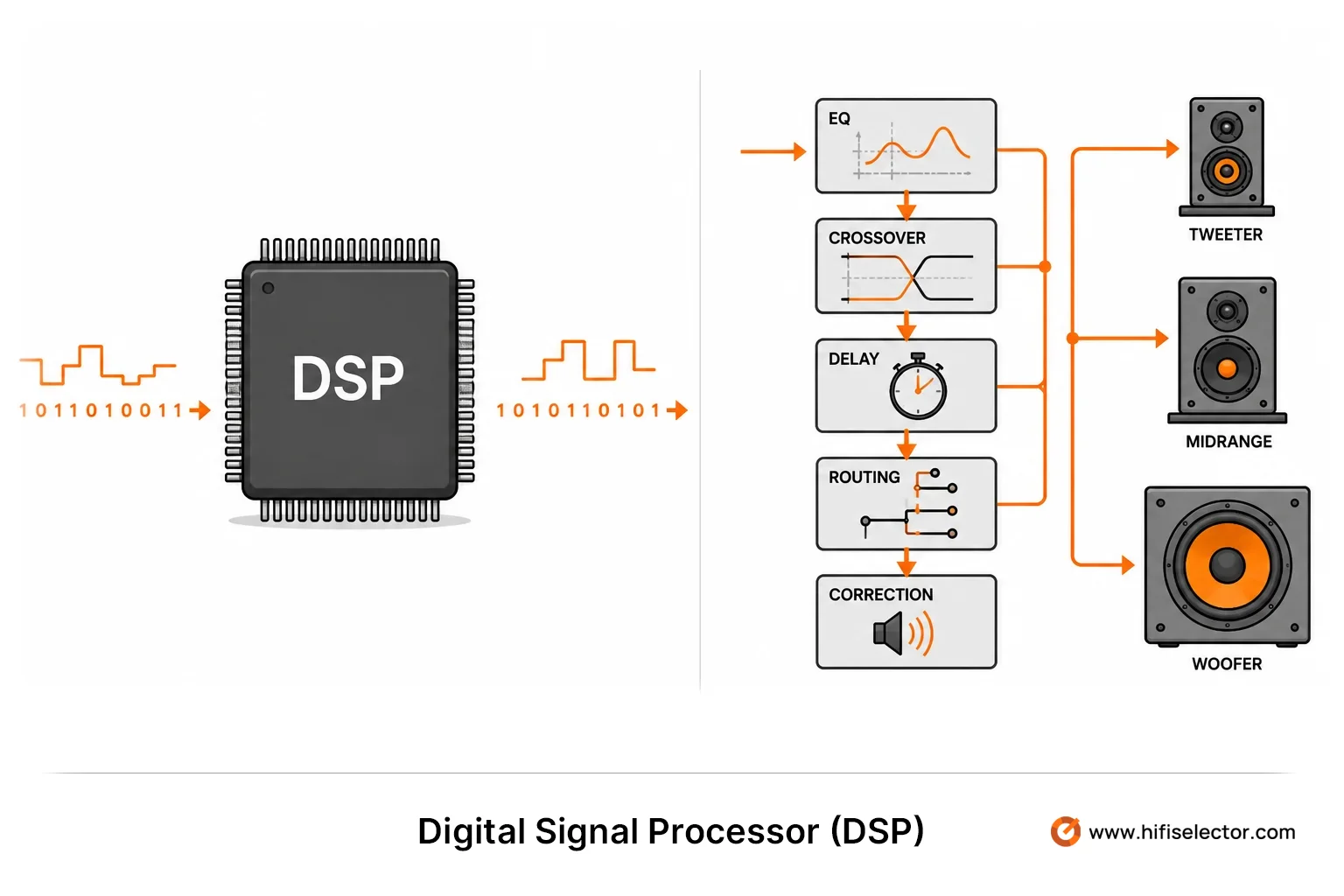
A programmable processor or processing architecture that performs mathematical operations on digitized audio for filtering, equalization, routing, delay, correction, and other functions.
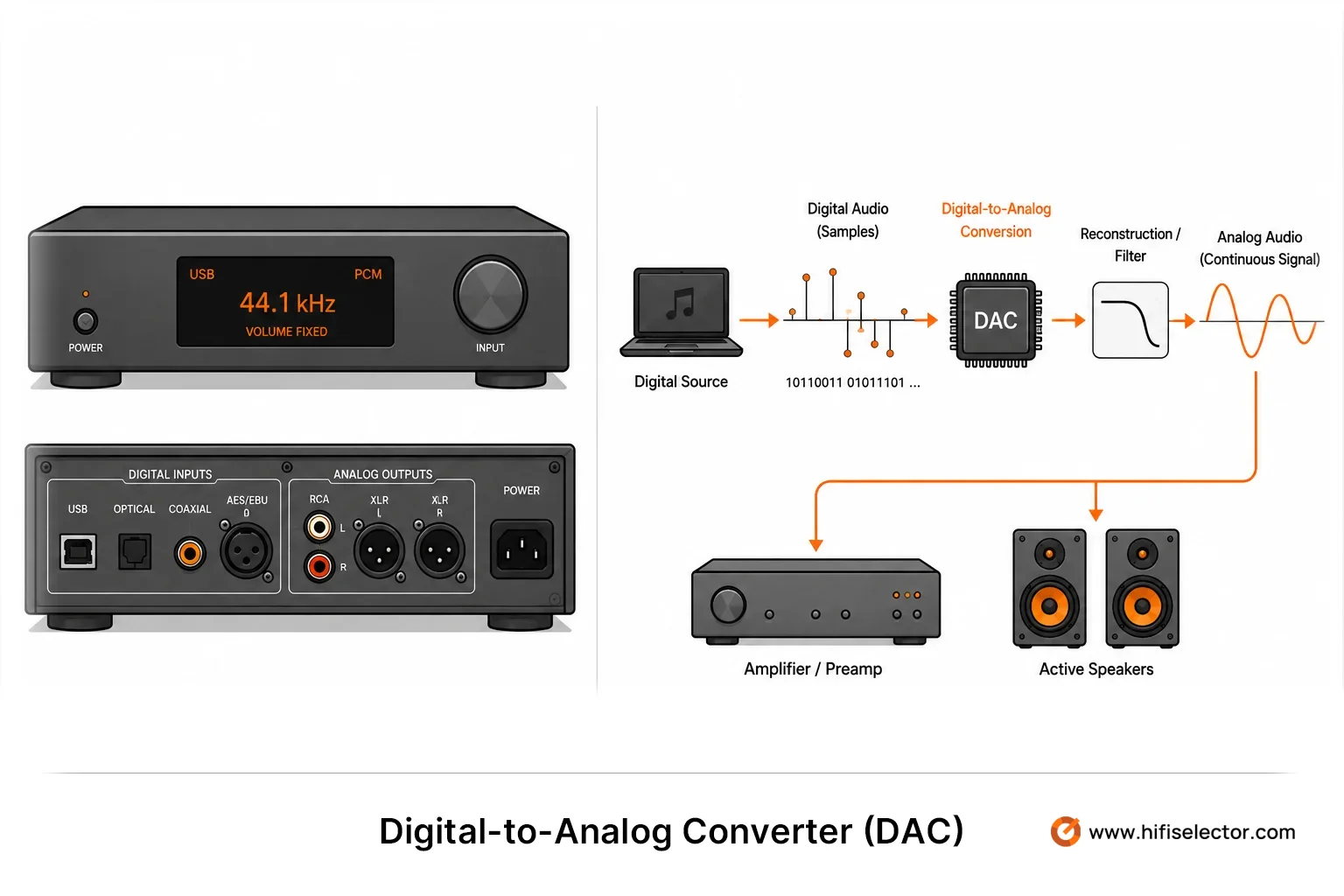
Converts digital audio samples into a continuous analog electrical signal that can feed a preamplifier, integrated amplifier, headphone amplifier, or active speaker.
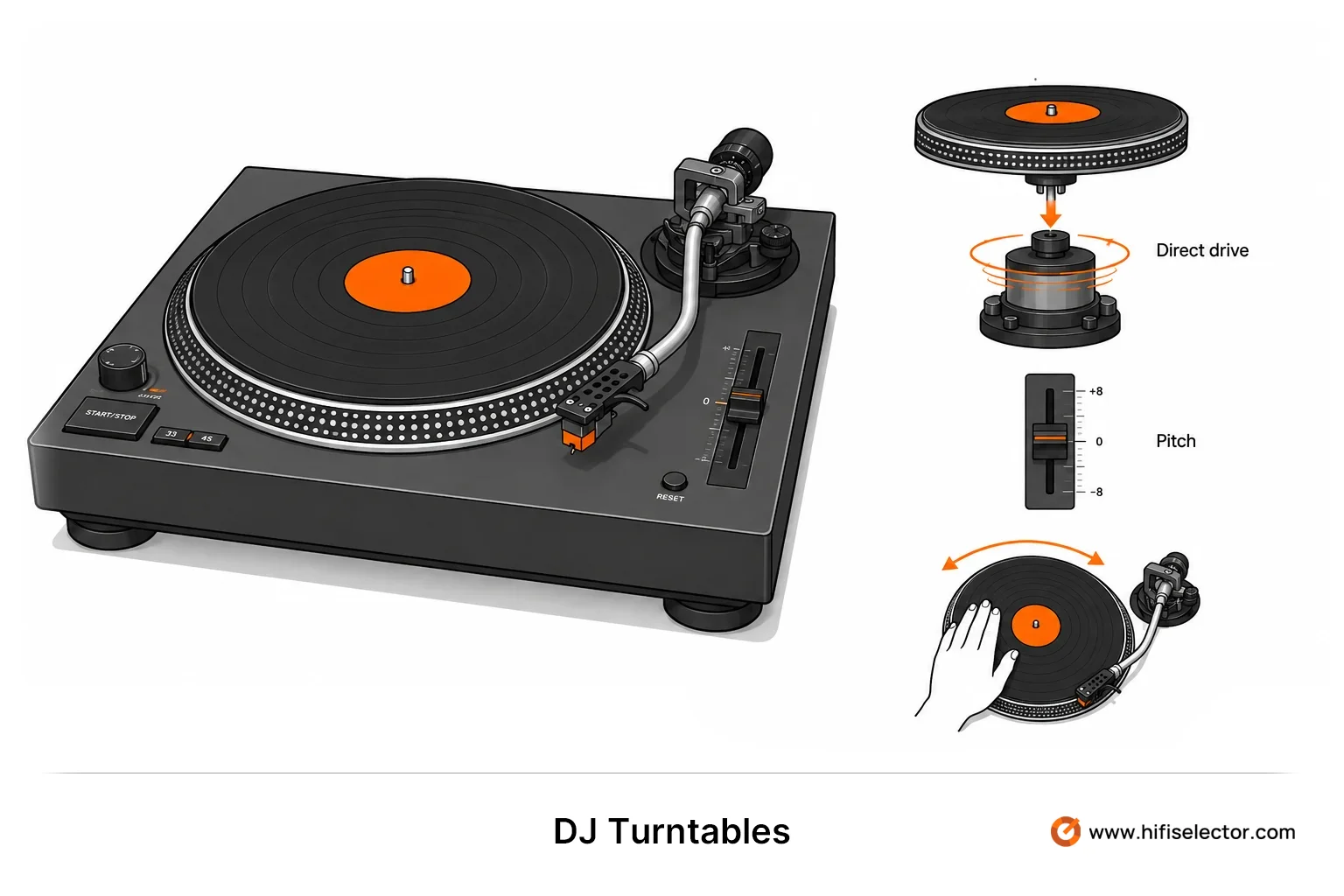
Specialized turntables built for DJ use, featuring direct‑drive motors, pitch control, and robust construction to support scratching, mixing, and extended performance sessions.
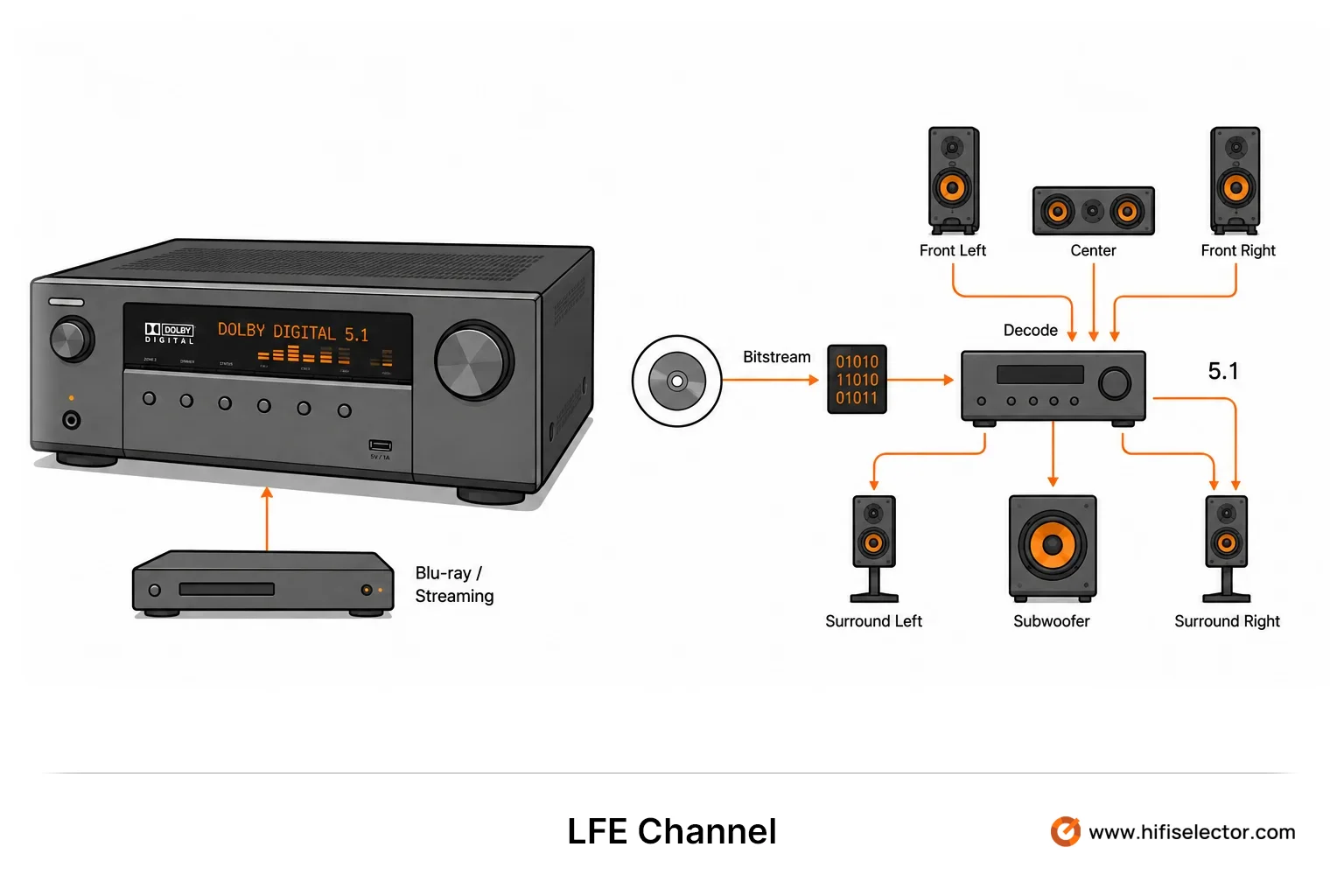
A perceptual digital audio codec family widely used for multichannel film, television, broadcast, and disc soundtracks, commonly supporting 5.1-channel playback.
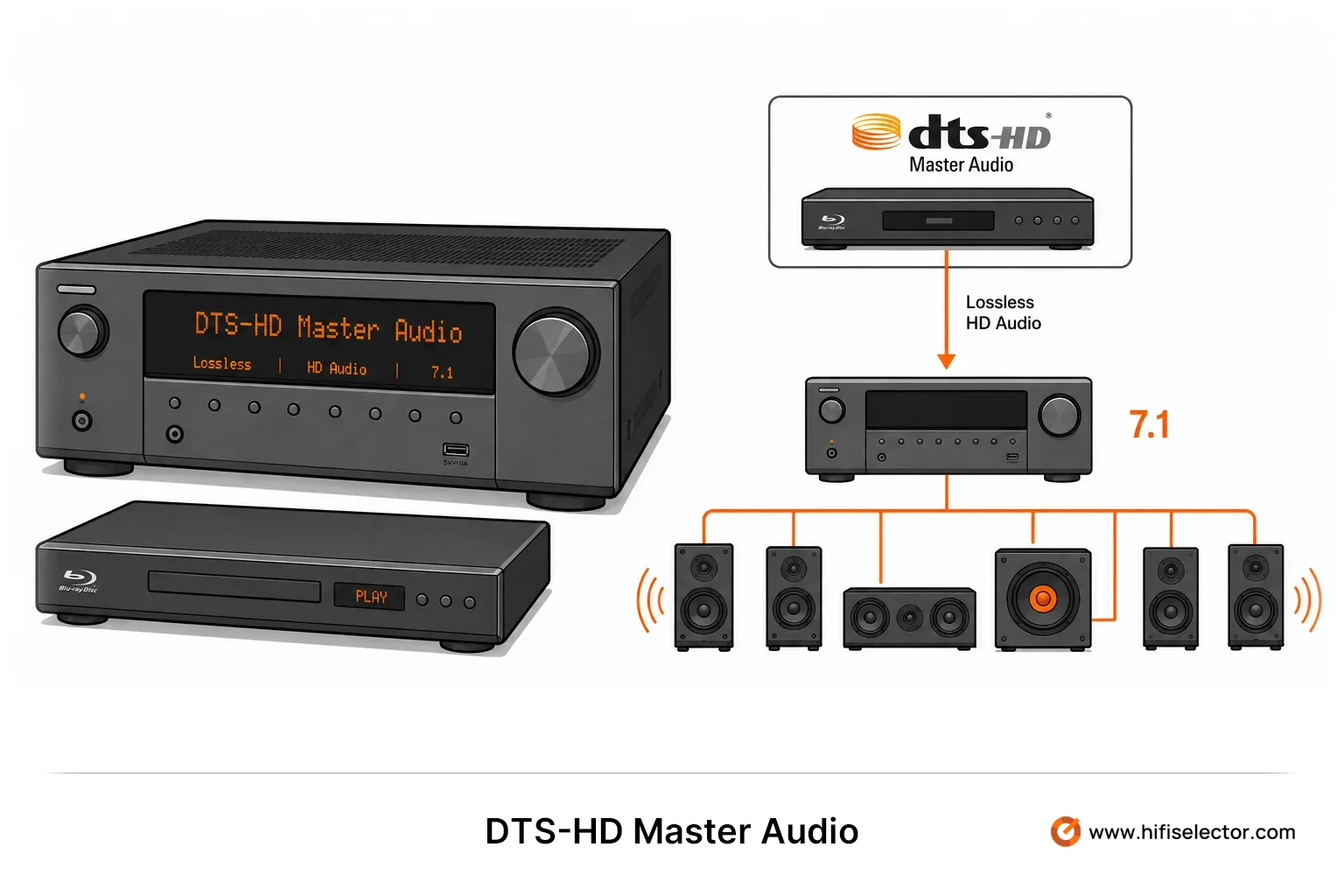
A lossless multichannel codec used primarily on Blu-ray media, reconstructing the studio master while also supporting compatibility with DTS core decoding.
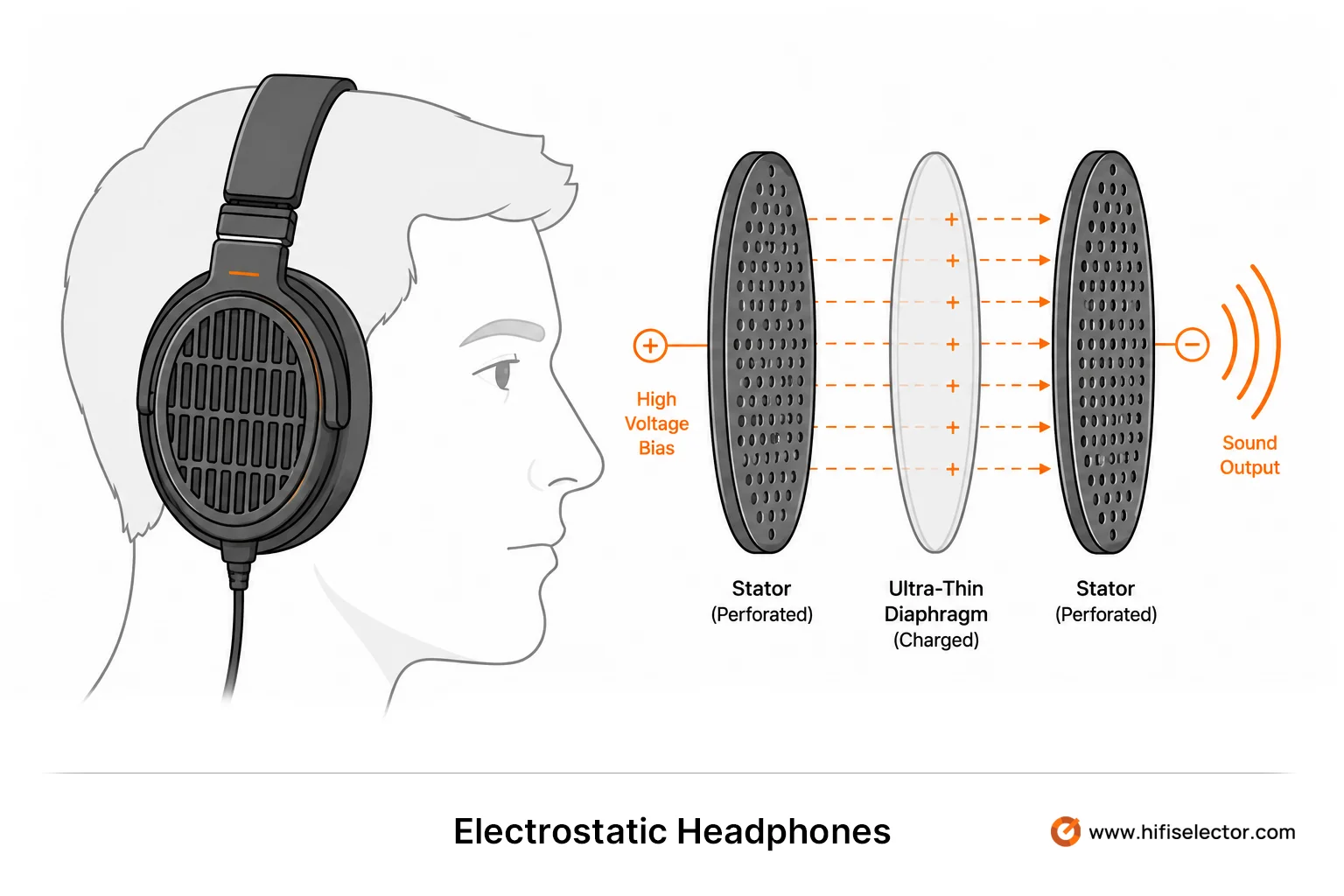
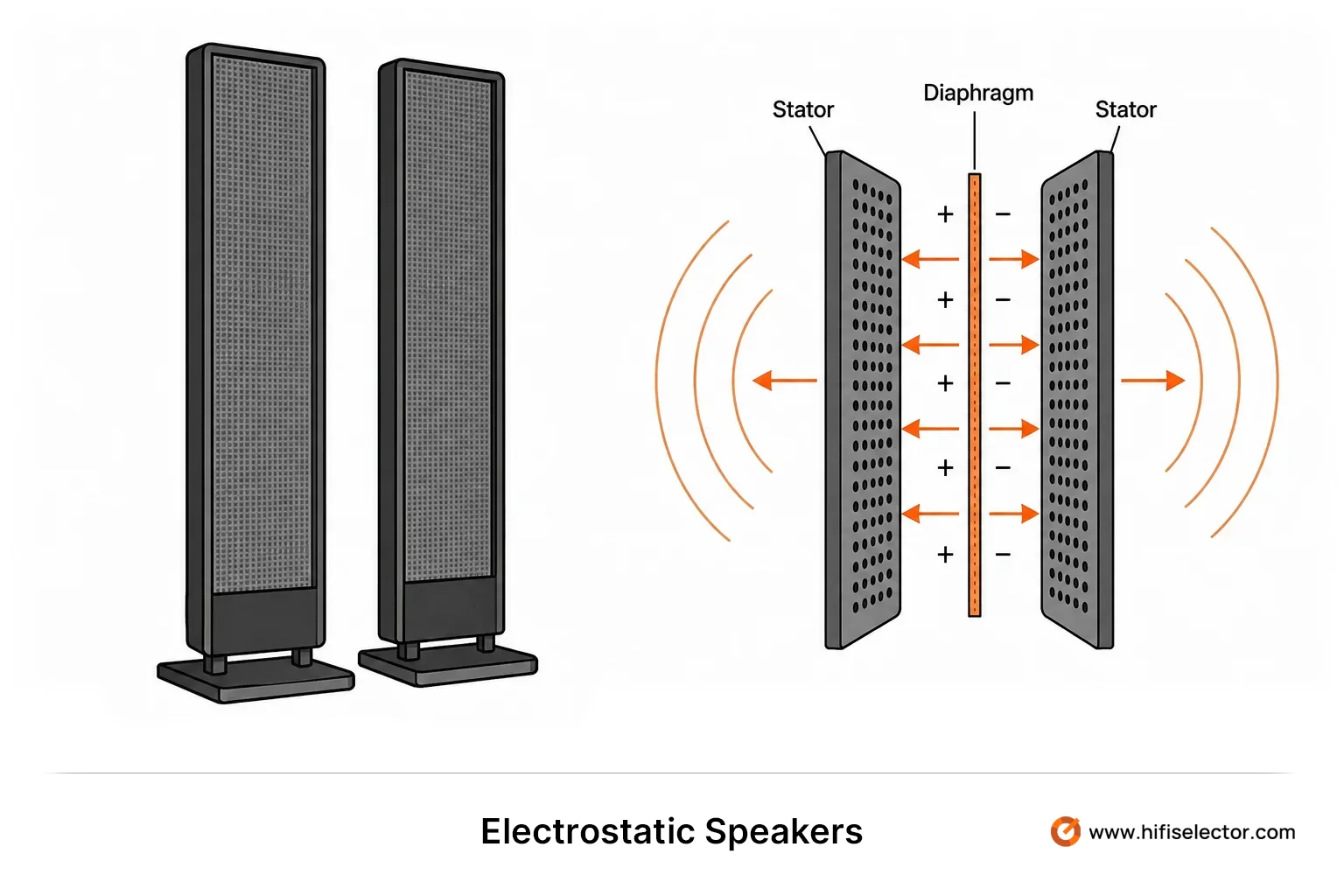
Loudspeakers using a thin electrically charged diaphragm driven by electrostatic forces between perforated stators, known for low moving mass and fast transient response.
HFS Ad Rotator · default · slot 1
HFS Ad Rotator · default · slot 2
Have a suggestion or found a flaw? Help us improve