Master the language of high-fidelity audio and advanced home cinema. Explore clear, professional definitions of acoustic concepts, AV technology, and audiophile terminology.
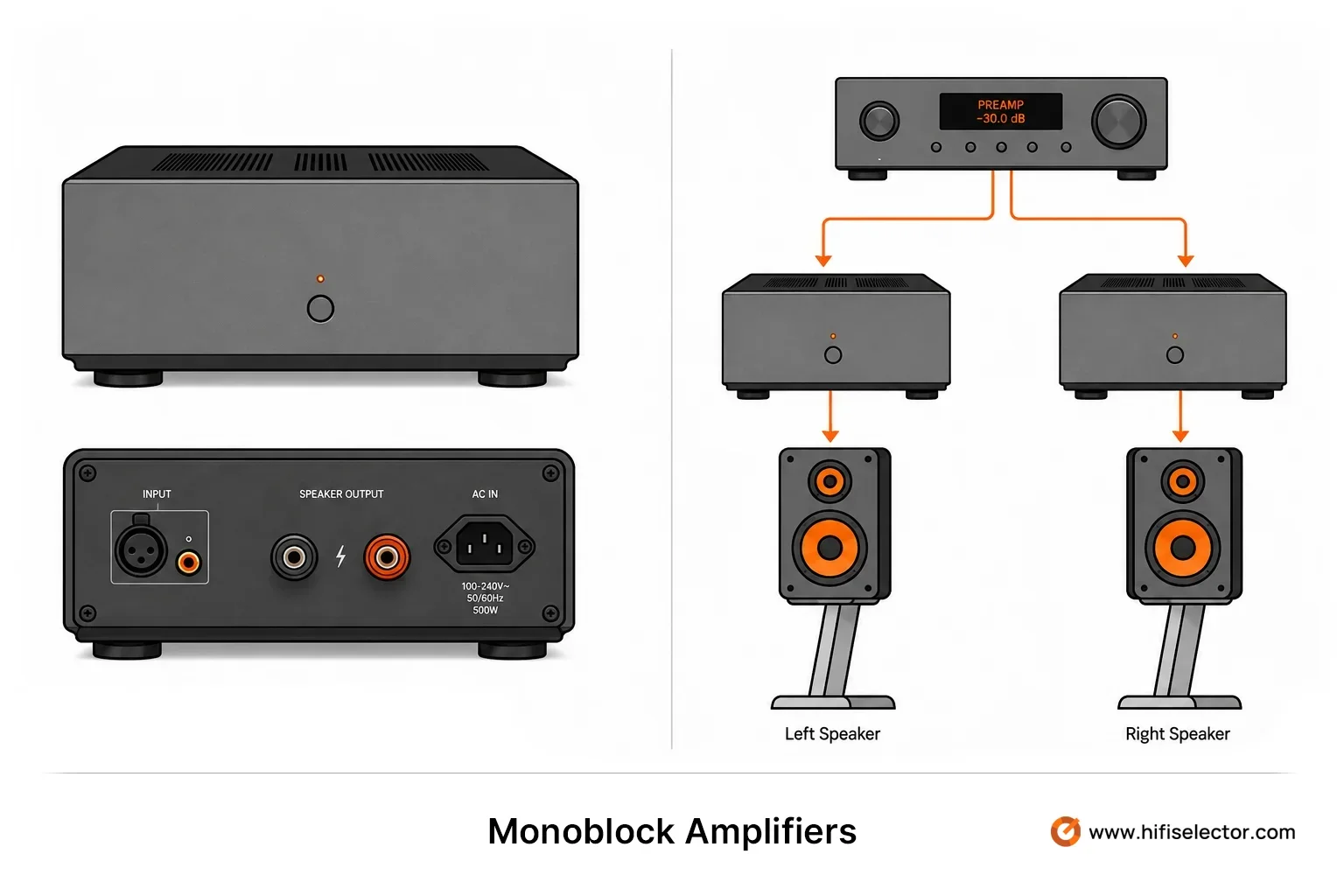
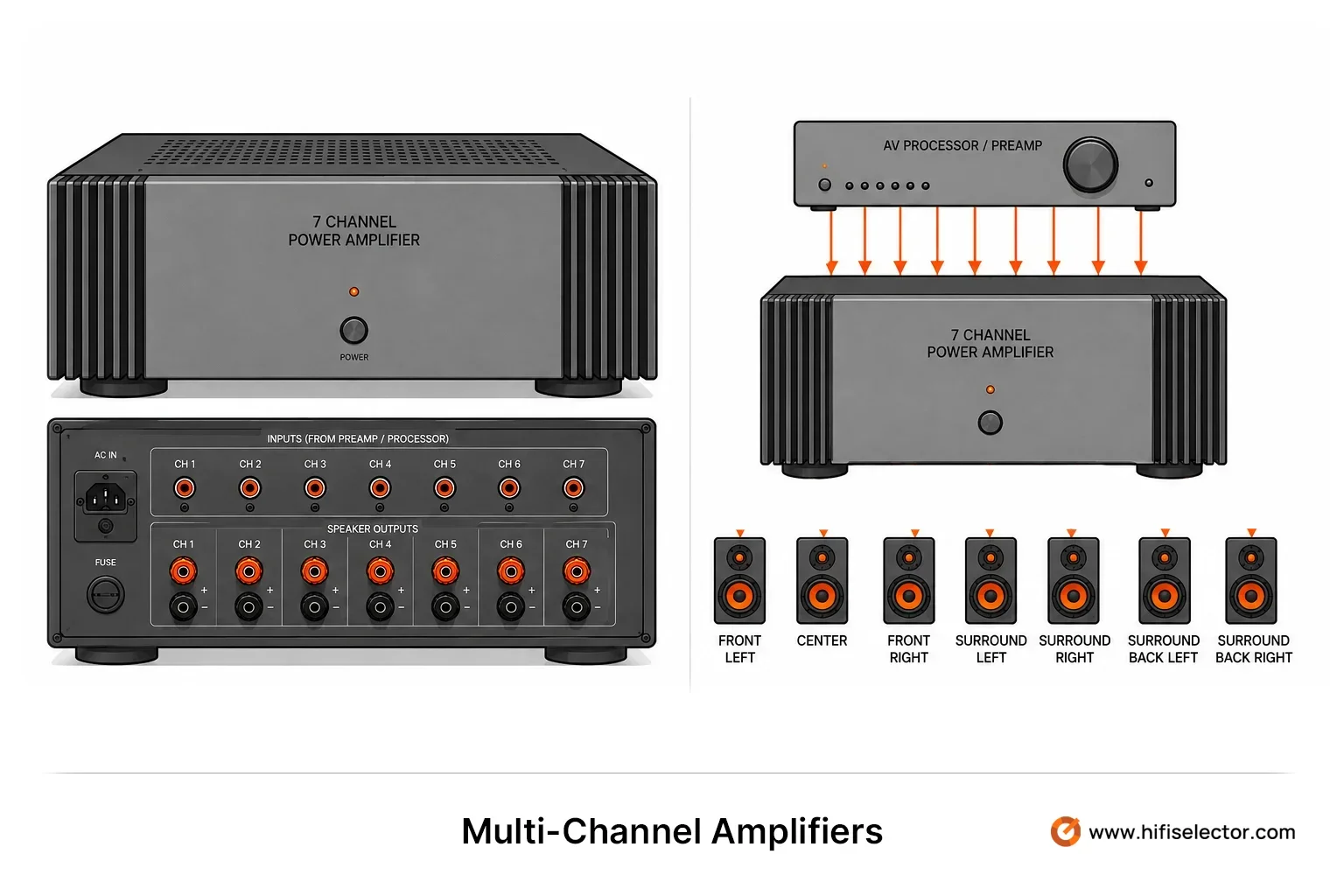
Single-channel power amplifiers housed separately, allowing each loudspeaker channel to use its own amplifier chassis, power supply, and physical placement.
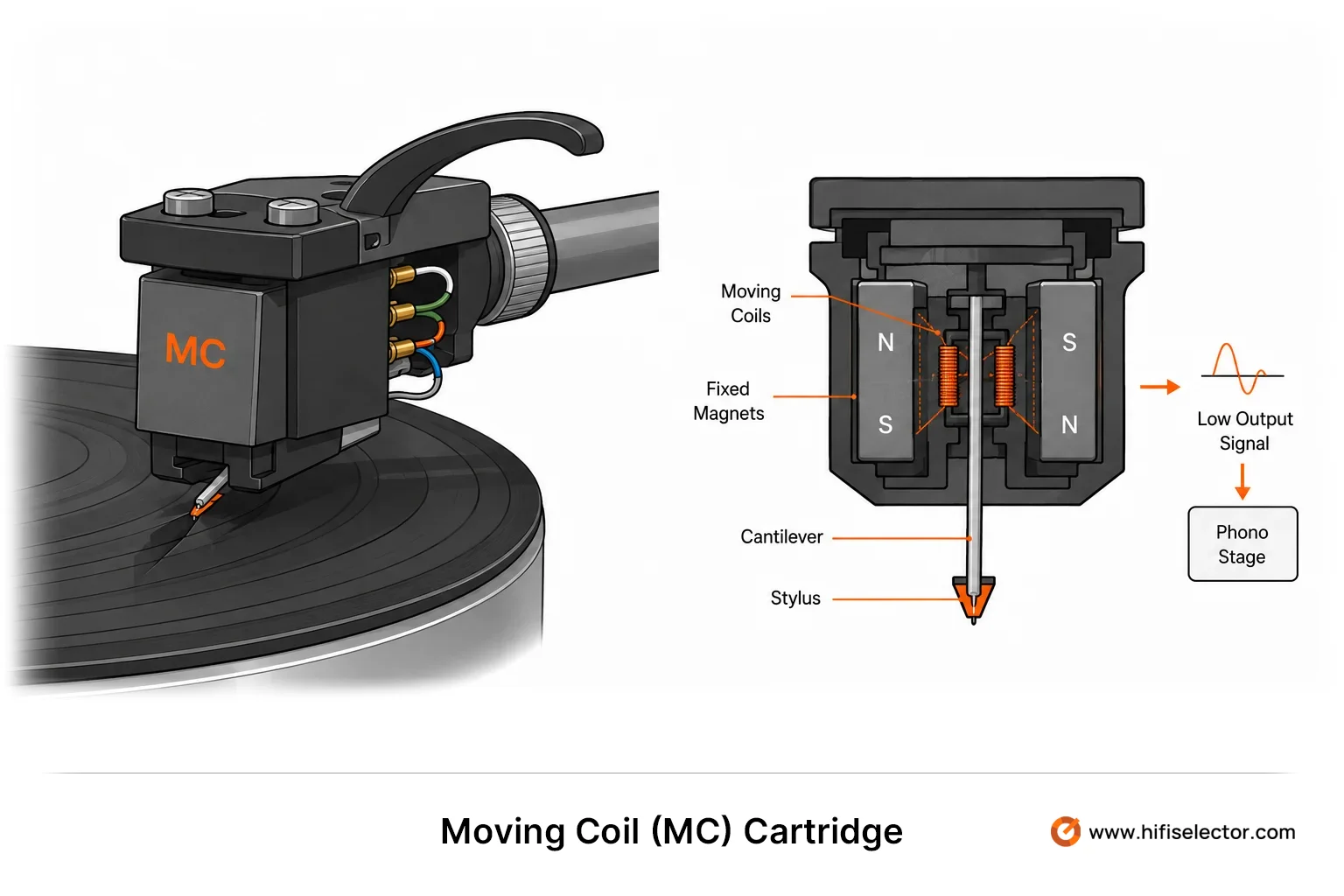
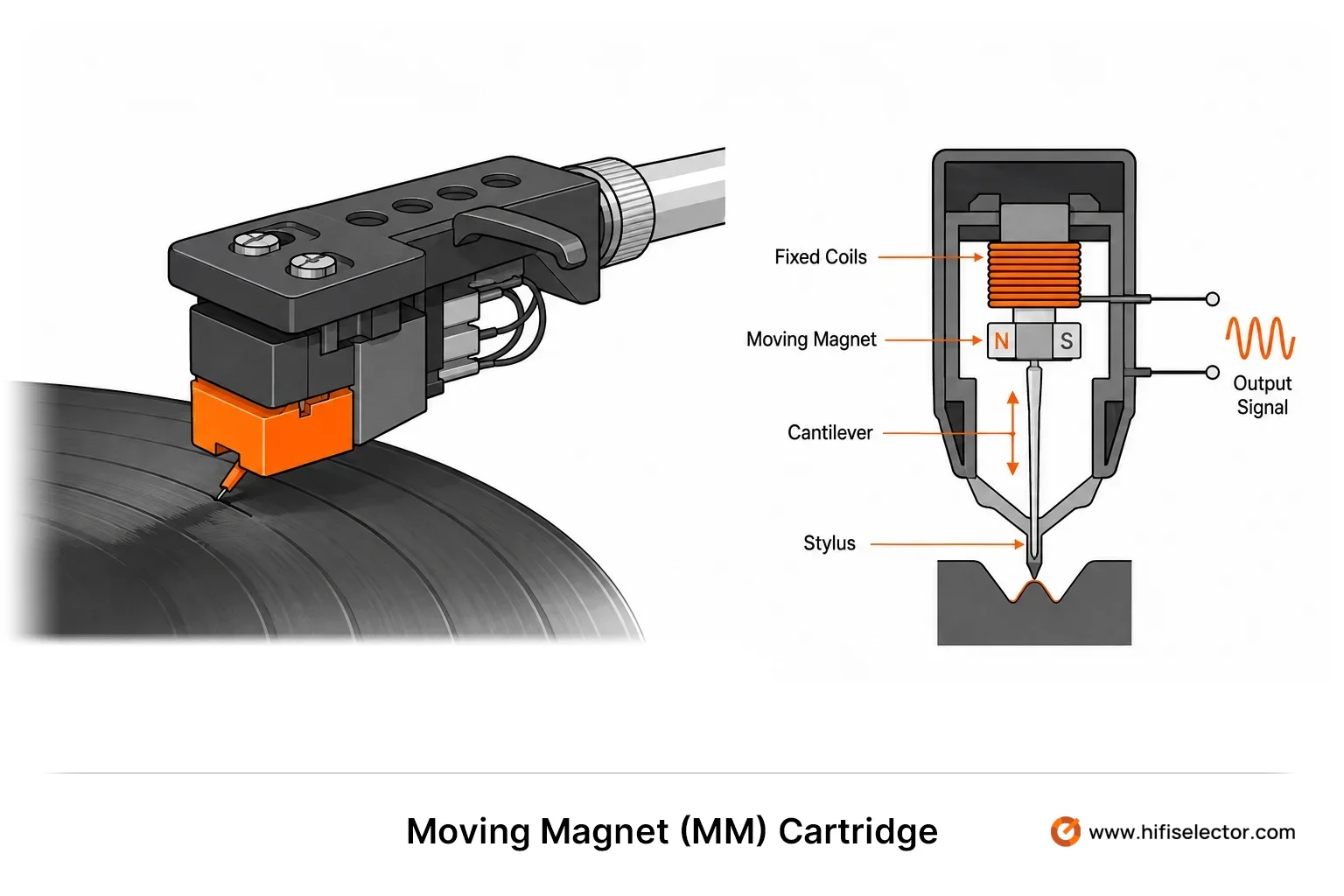
A phono cartridge in which small coils move with the stylus assembly inside a magnetic field, usually producing lower output than moving-magnet designs.
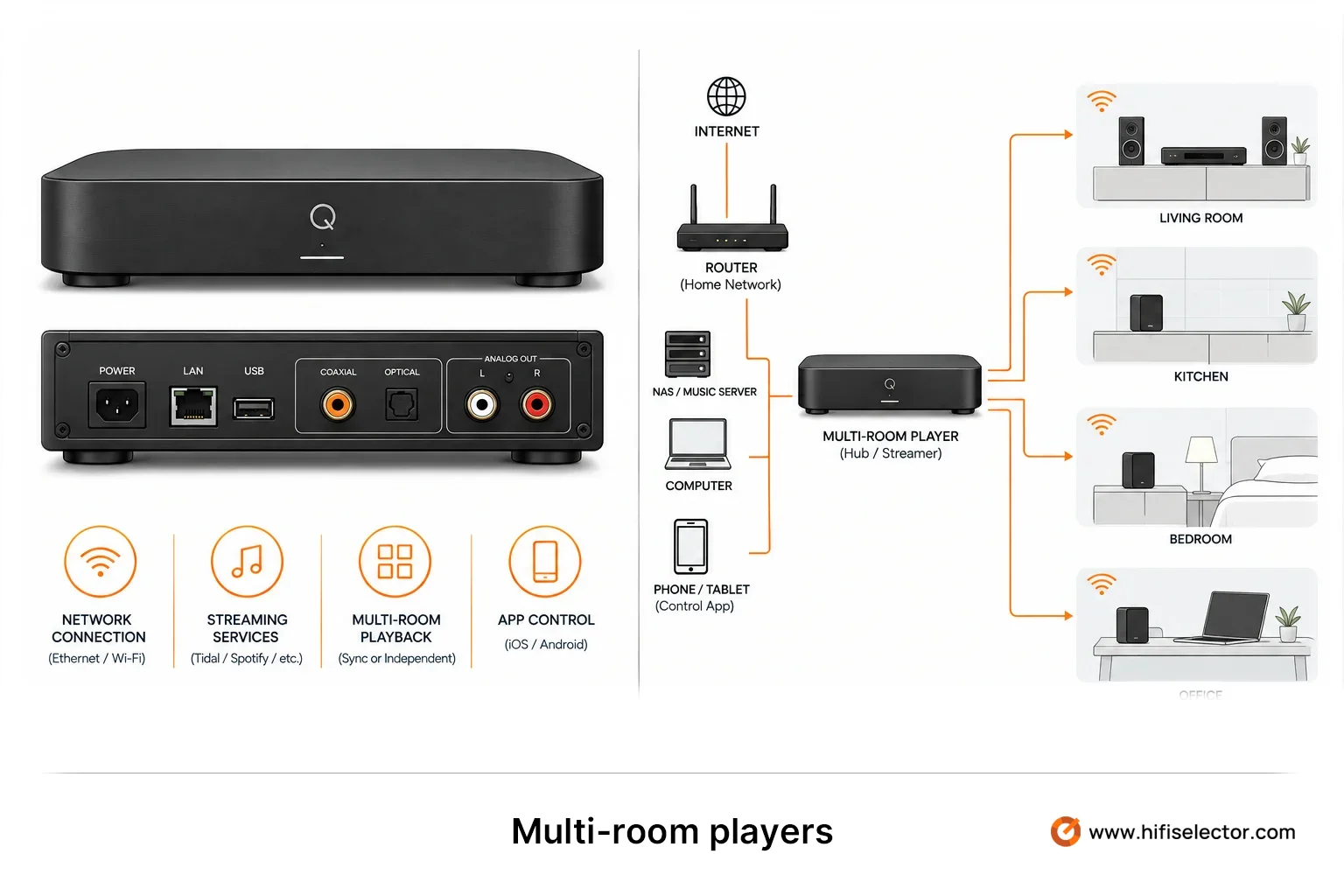
Network audio players designed for synchronized or independent playback across multiple rooms or zones, usually controlled through an app or central platform.
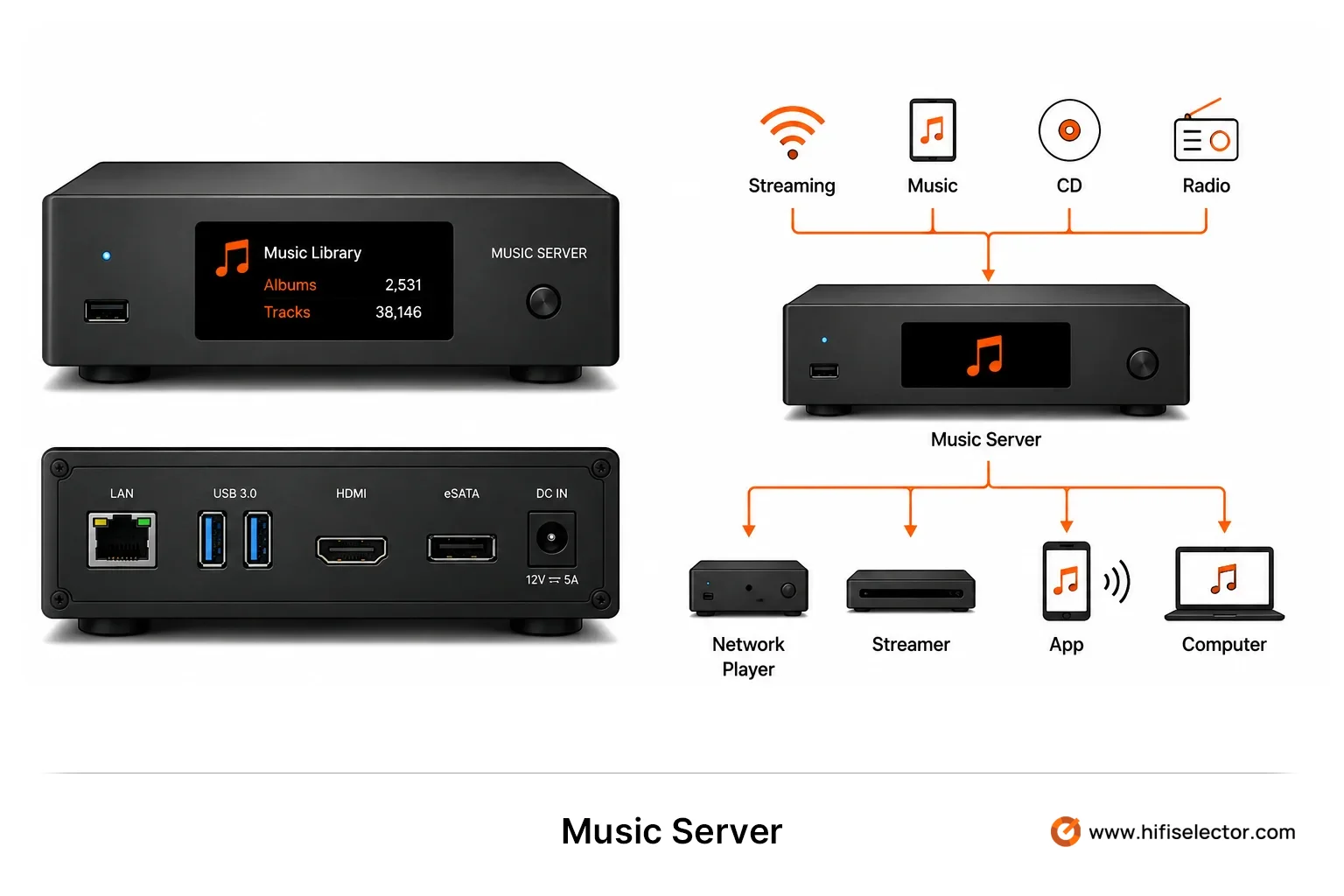
A dedicated computer or appliance that stores, indexes, manages, and serves a digital music library to network players, streamers, or control applications.
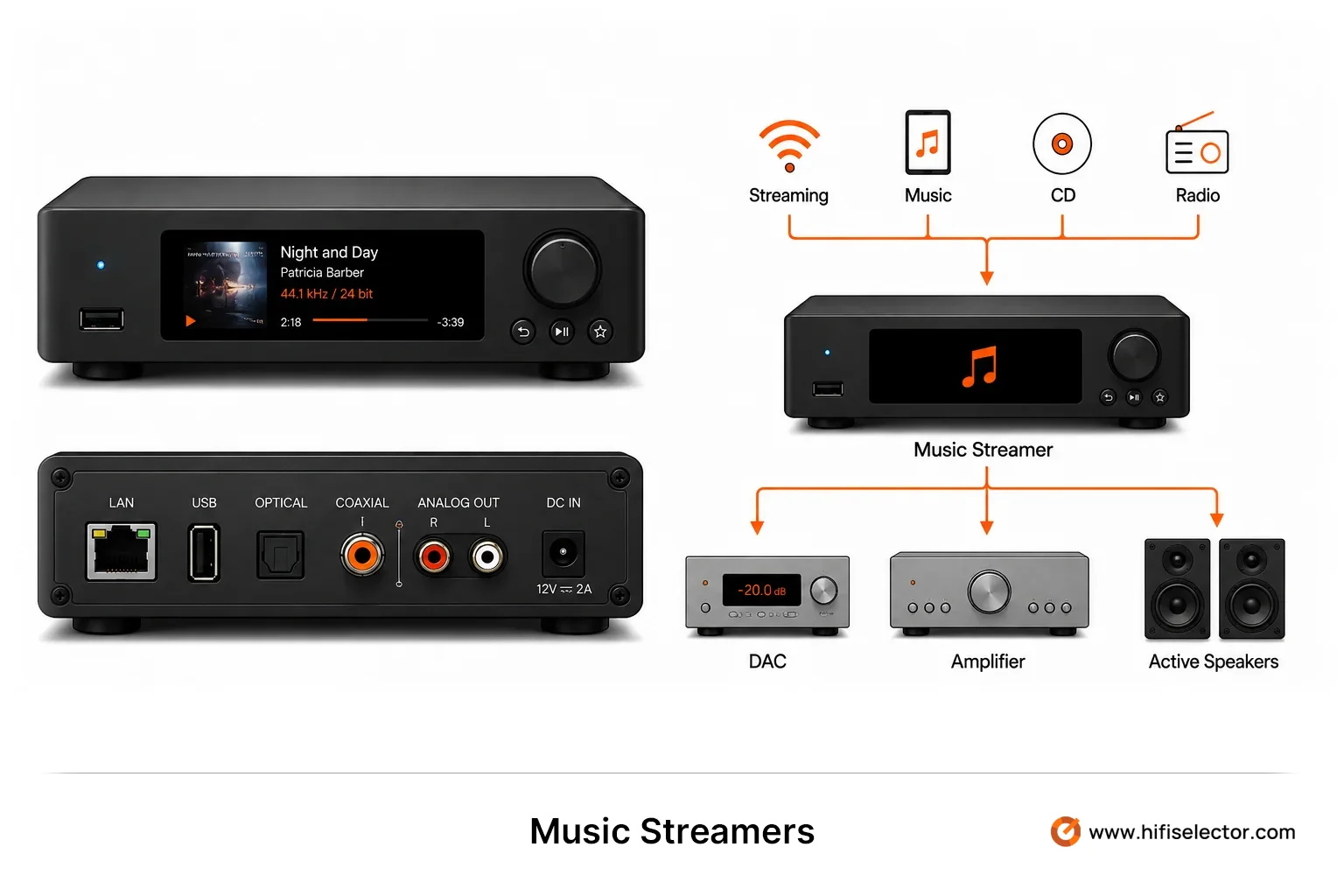
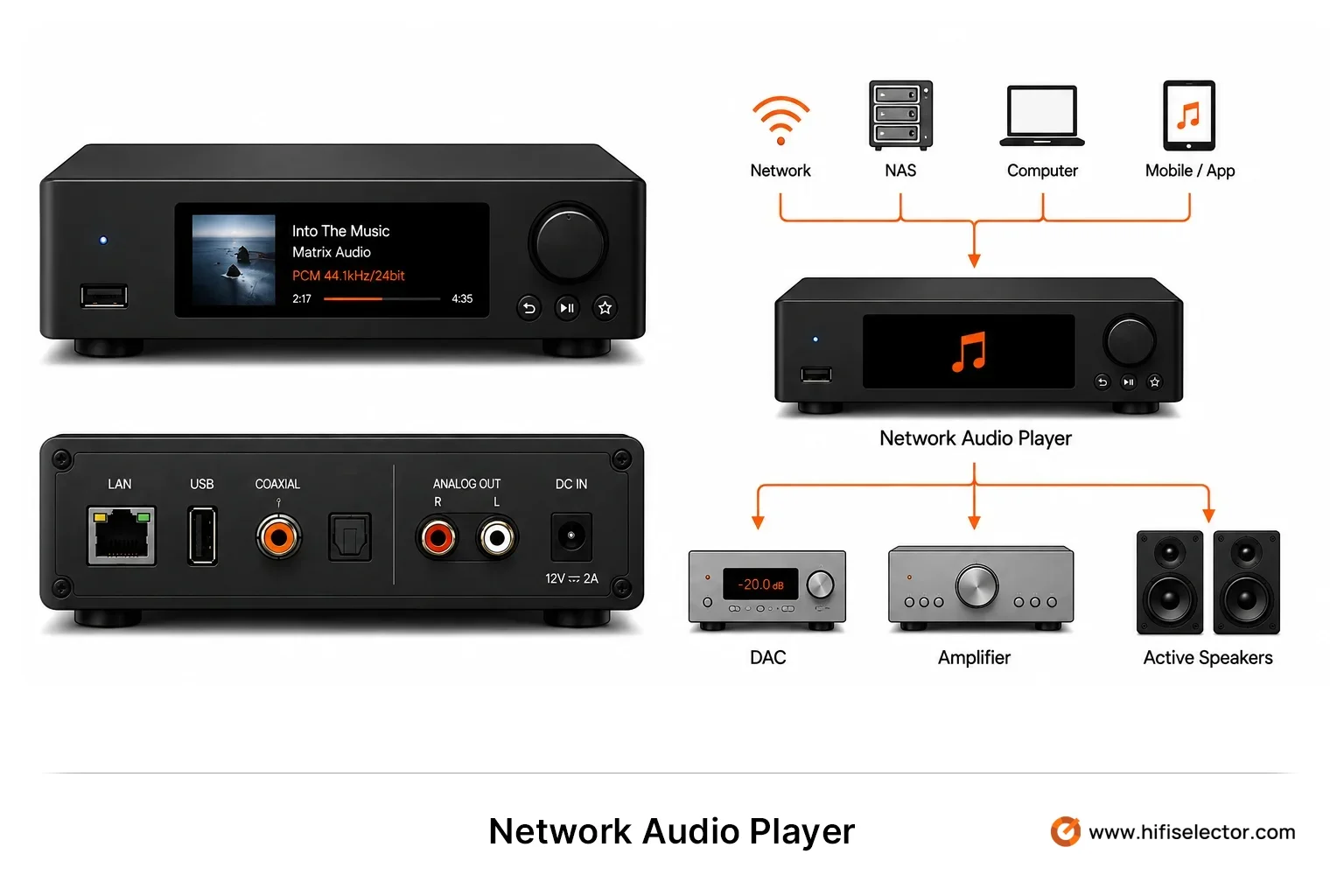
Network playback devices that receive music from streaming services, servers, or local libraries and deliver digital or analog audio to a Hi-Fi system.
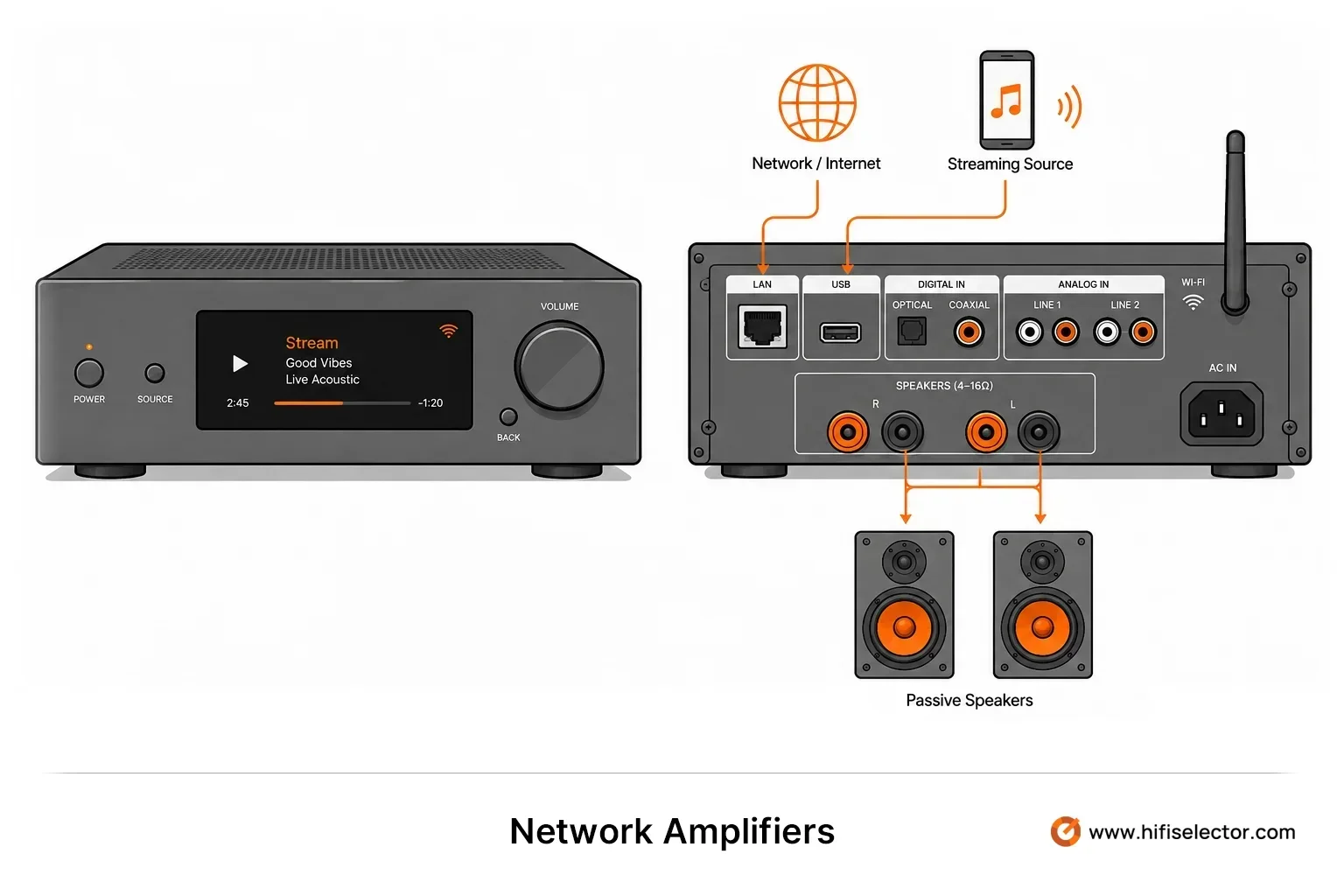
Amplifiers with built-in network streaming and control, combining music playback from online or local sources with power amplification for passive loudspeakers.
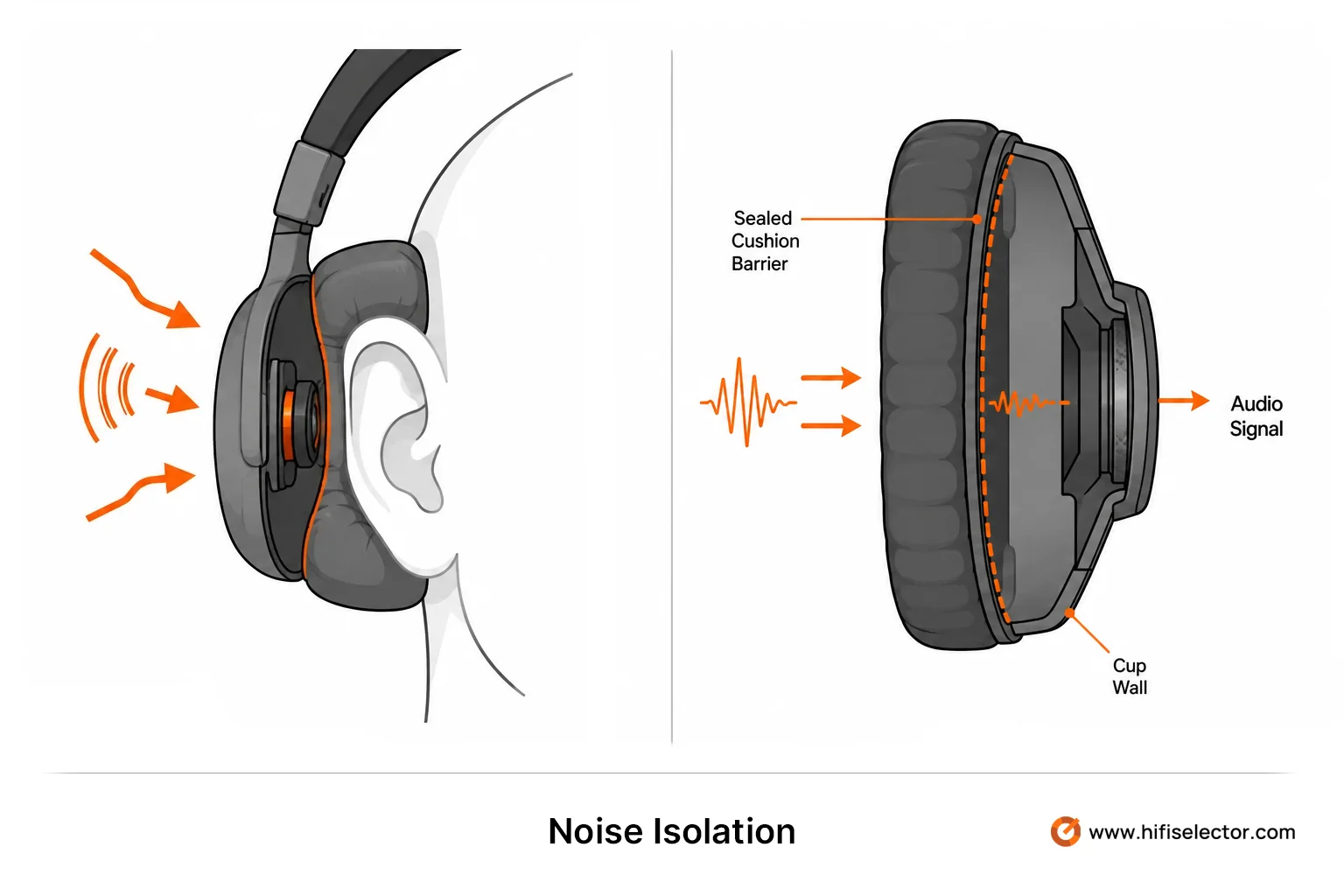
Passive attenuation of external sound achieved through the physical seal, ear-cup structure, tips, or pads, without microphones or active cancellation circuitry.
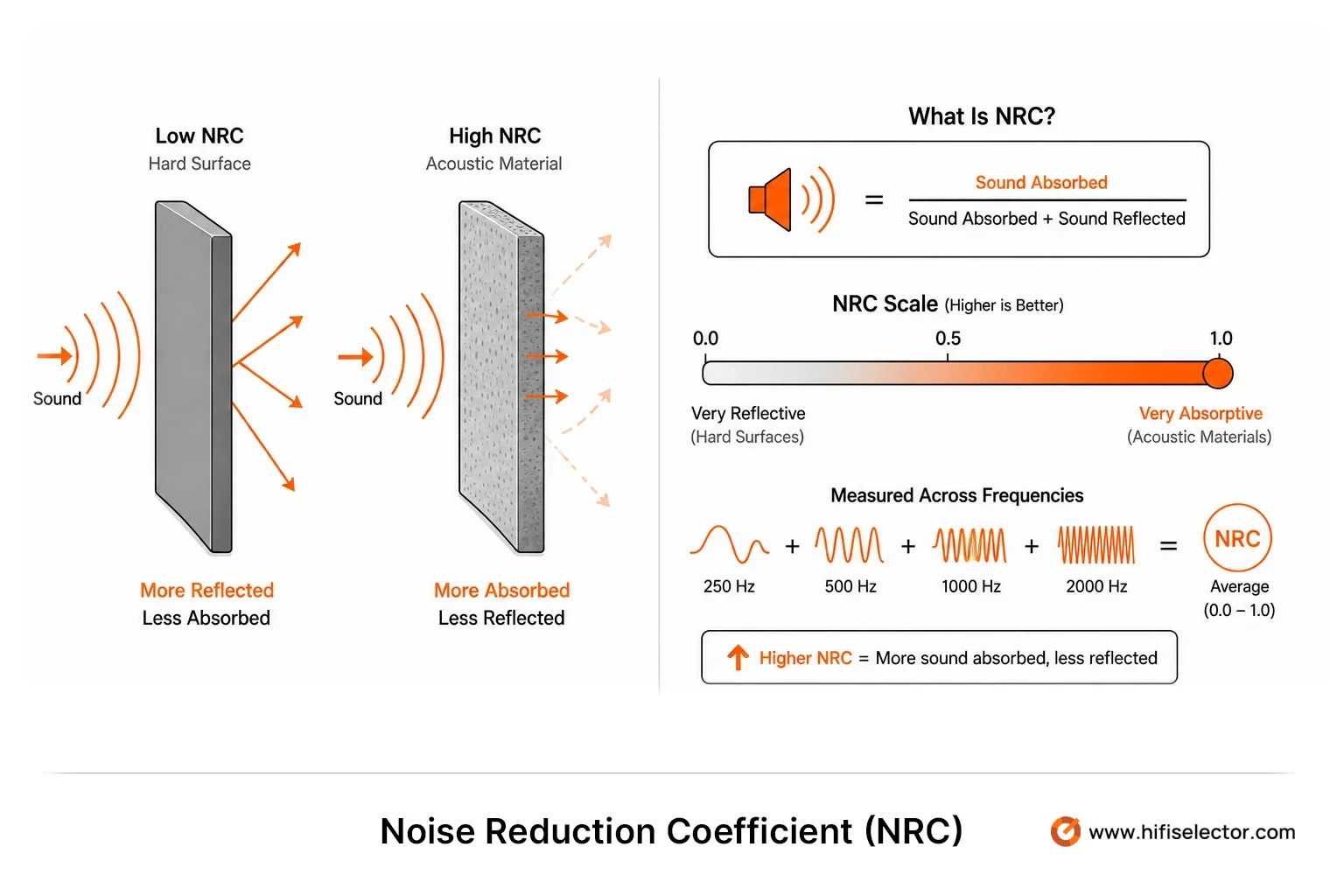
A scalar representation of the amount of sound energy absorbed upon striking a particular surface; ranges from 0 (no absorption) to 1 (complete absorption).
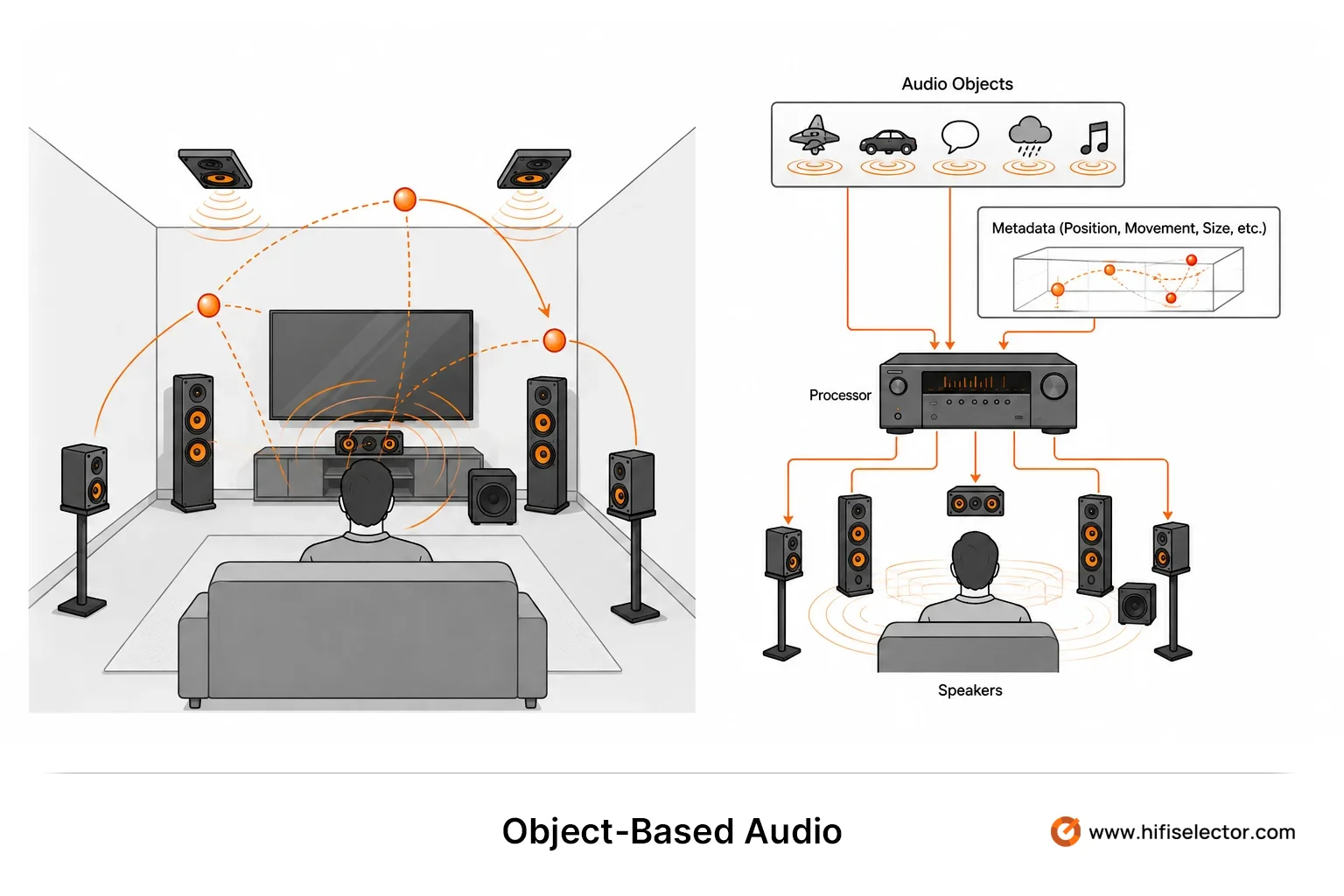
Audio production and playback that represents sounds as positioned objects with metadata, allowing a renderer to adapt them to different speaker layouts.
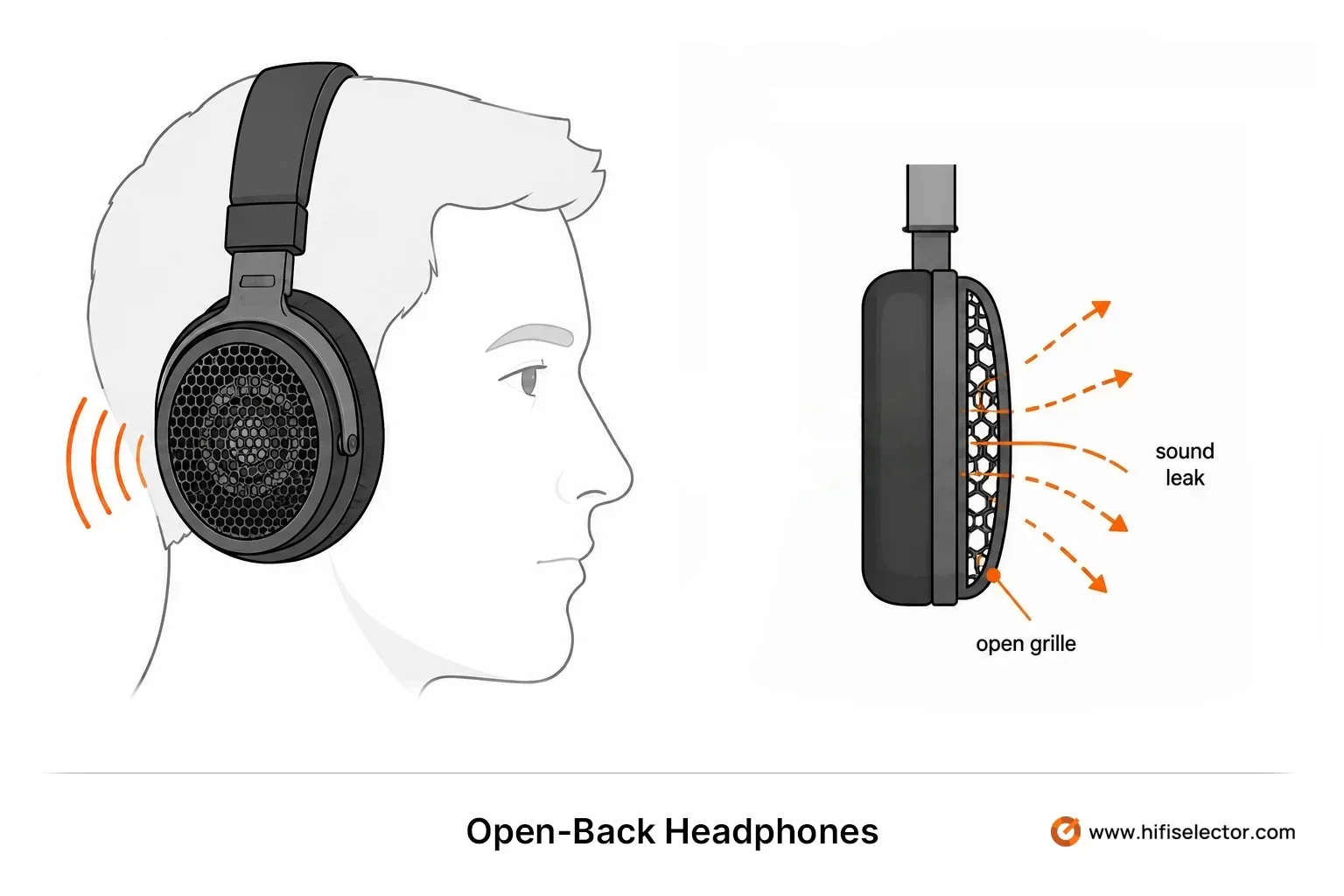
Headphones with acoustically open ear cups that allow air and sound to pass through, reducing isolation while often producing a more spacious presentation.
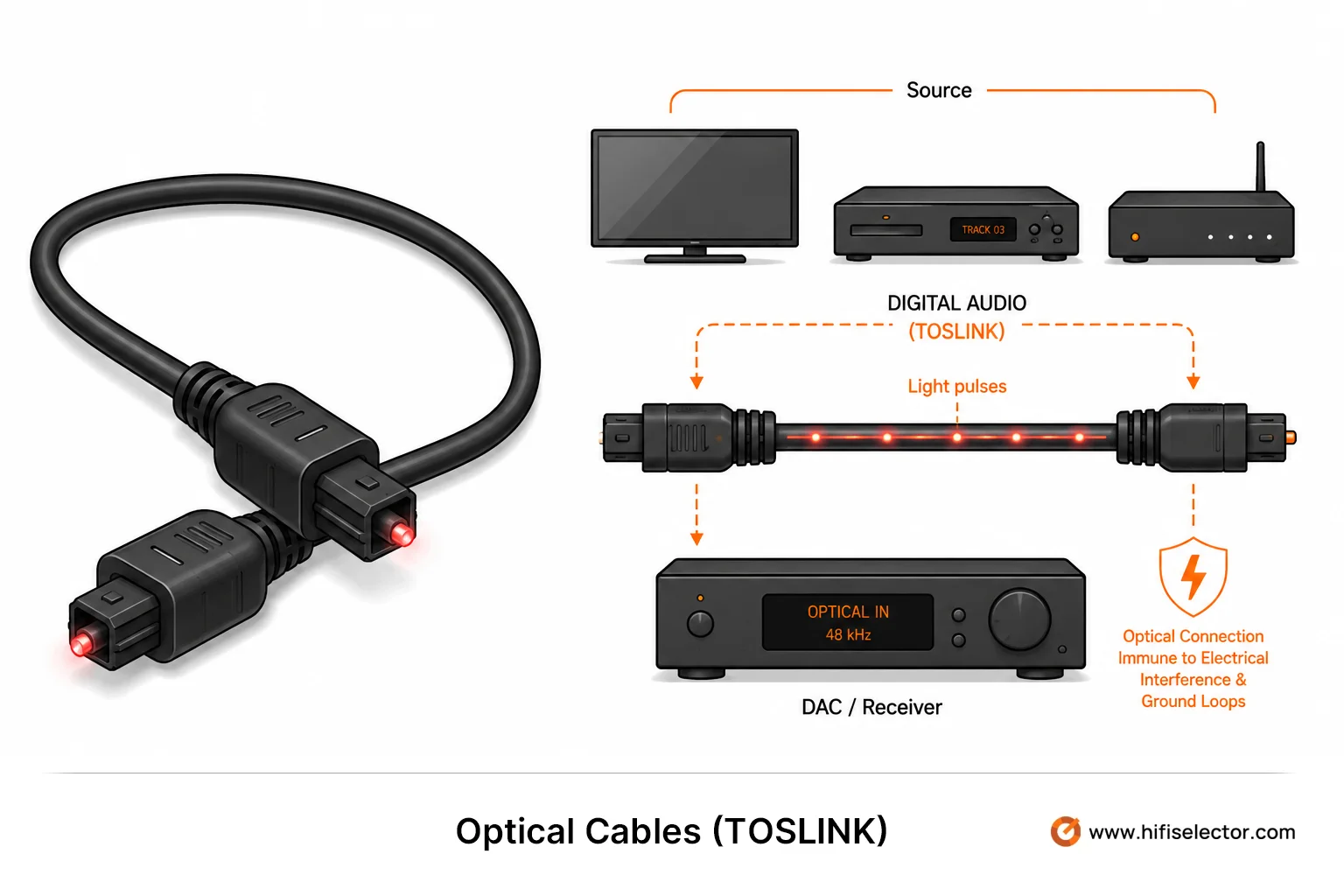
Fiber-optic cables that carry S/PDIF digital audio as light, providing galvanic isolation between components but with bandwidth limits set by the interface implementation.
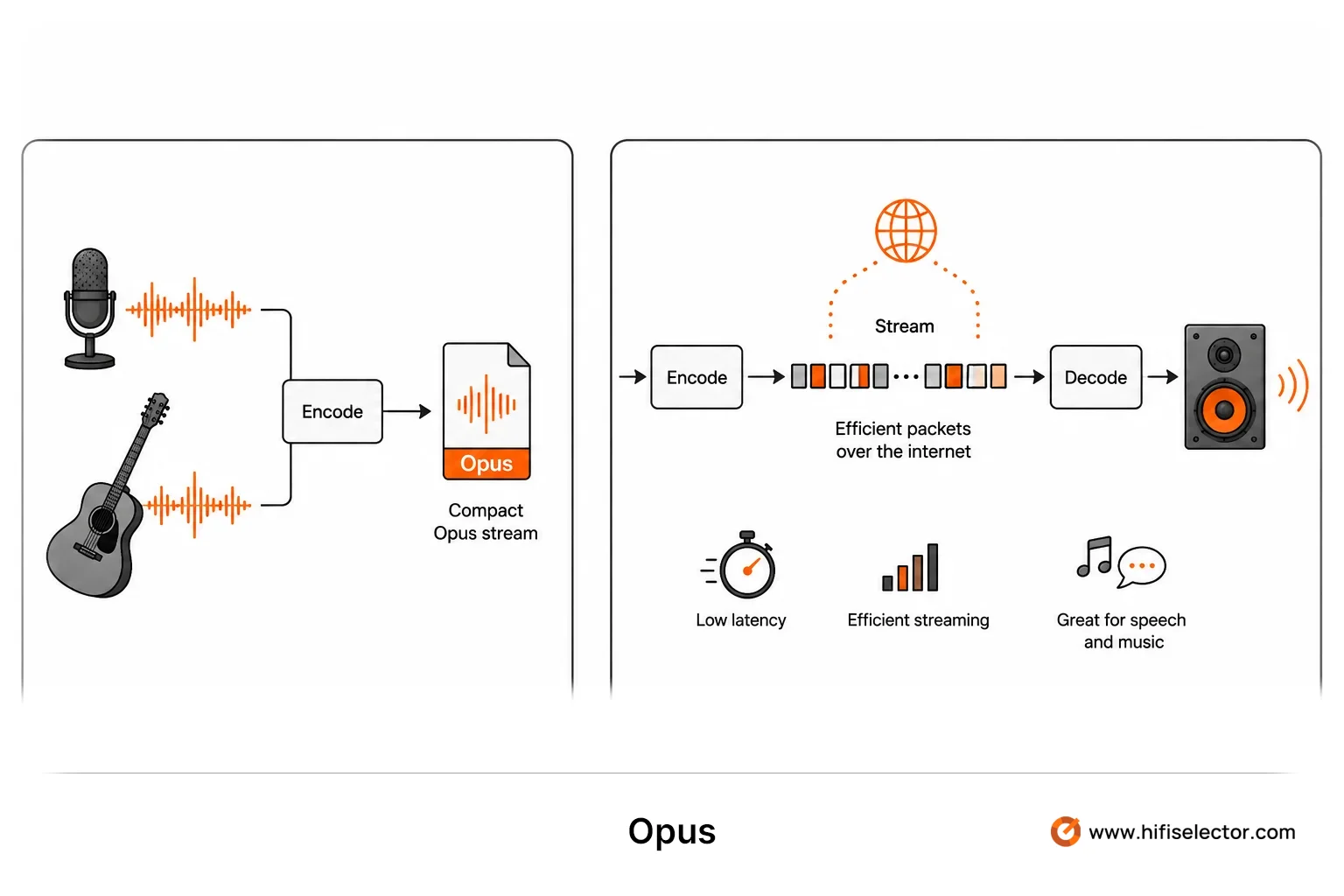
A royalty-free lossy codec designed for both speech and music, supporting low-latency communication as well as efficient high-quality streaming across wide bitrates.