Master the language of high-fidelity audio and advanced home cinema. Explore clear, professional definitions of acoustic concepts, AV technology, and audiophile terminology.
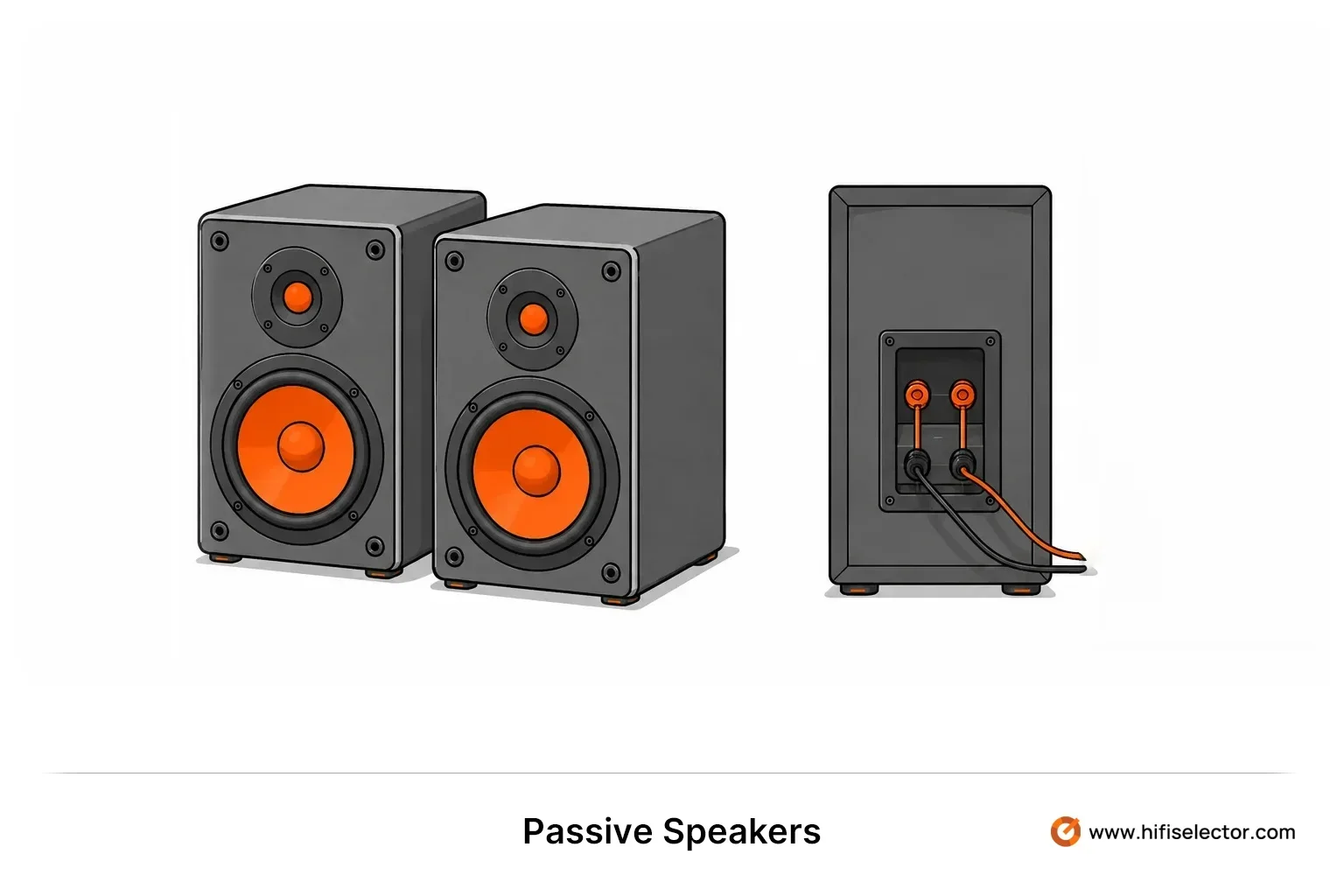
Speakers that require an external amplifier to power them, offering flexibility in component selection for tailored audio setups.
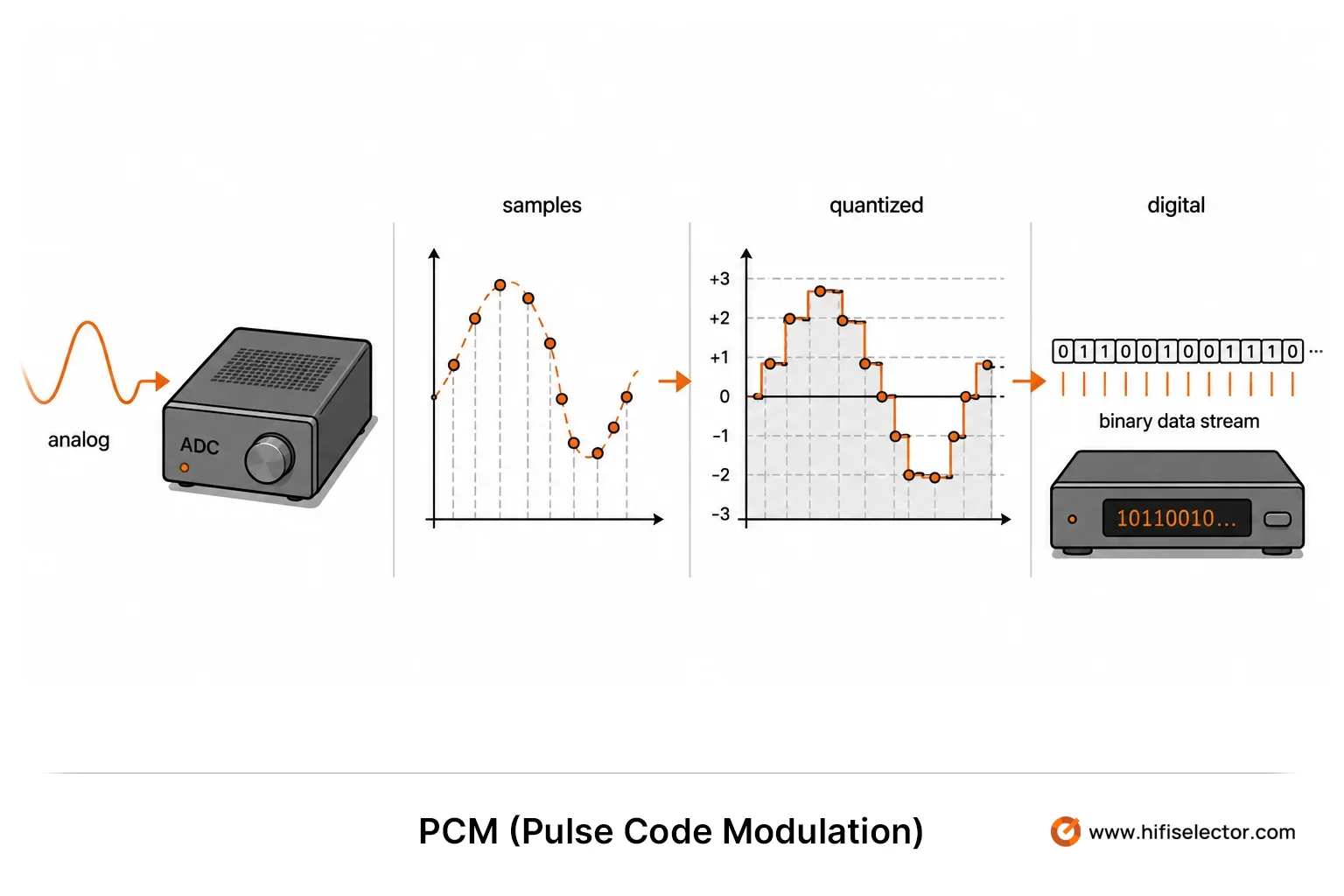
A method for digitally representing analog audio by sampling the amplitude of the waveform at uniform intervals.
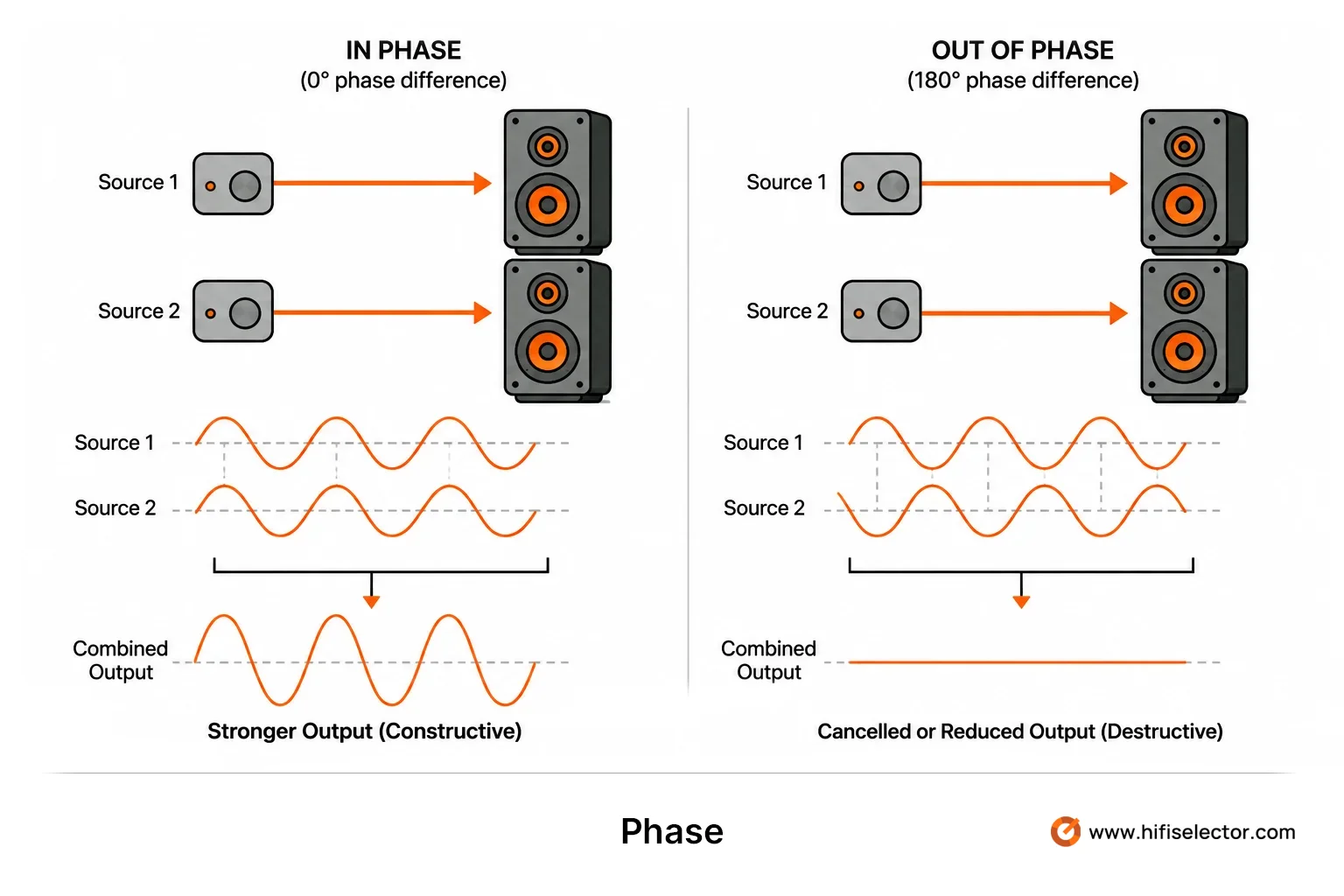
The relative alignment in time of two or more waveforms, affecting how they combine and influencing spatial perception in audio.
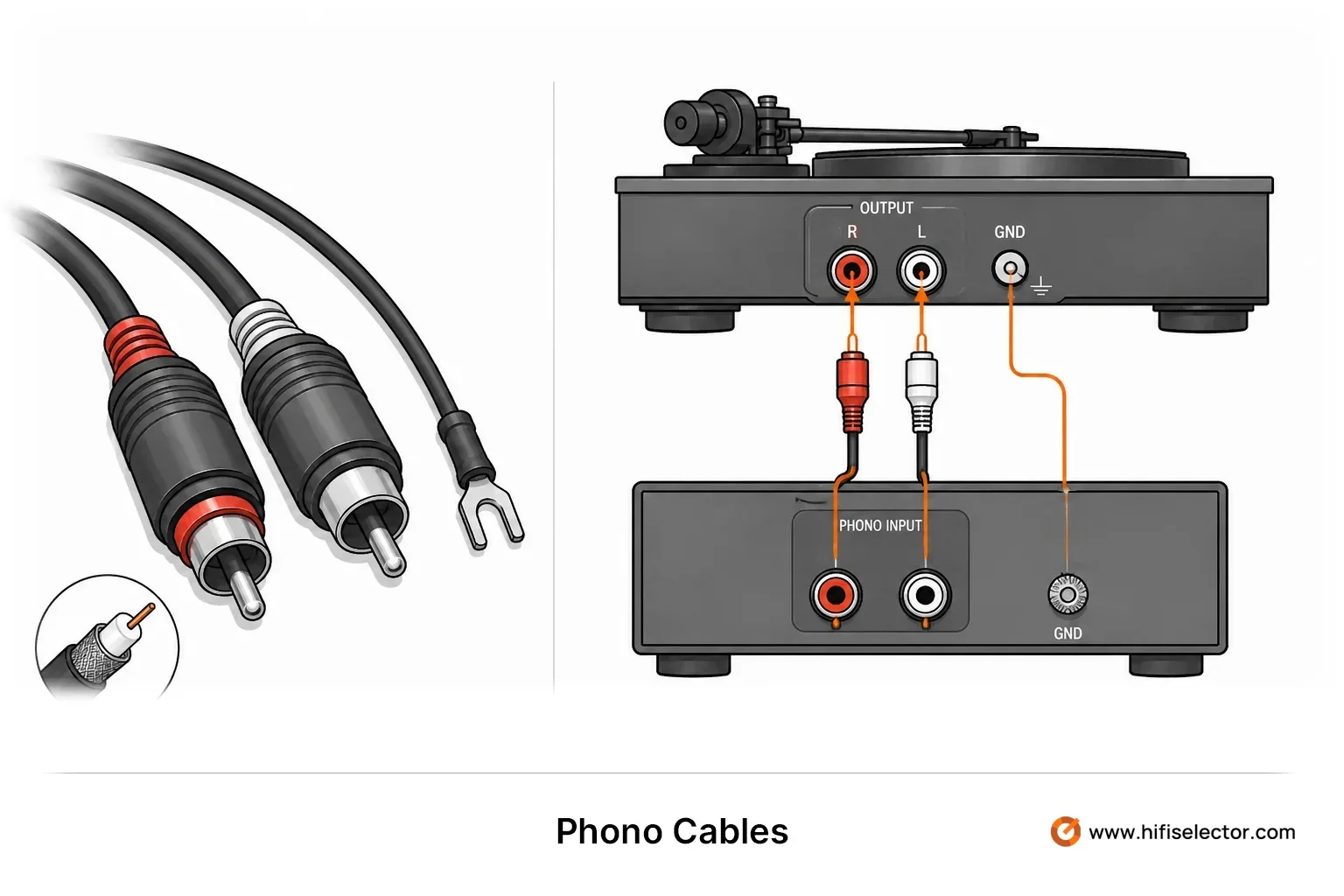
Specialized cables for connecting turntables to phono preamps, designed to maintain the delicate details and dynamics of vinyl playback.
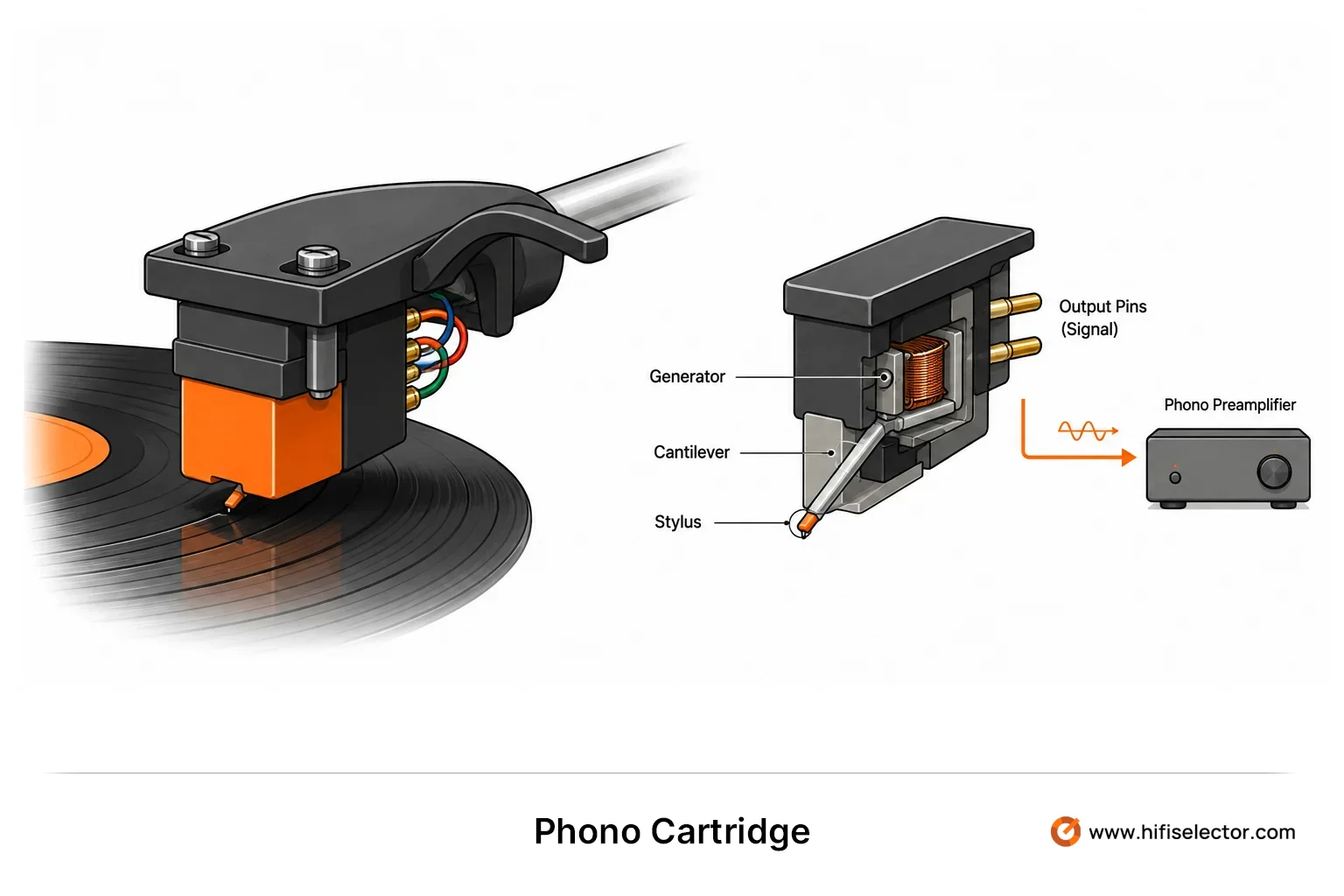
The transducer attached to a tonearm that converts stylus motion in the record groove into a small electrical audio signal.
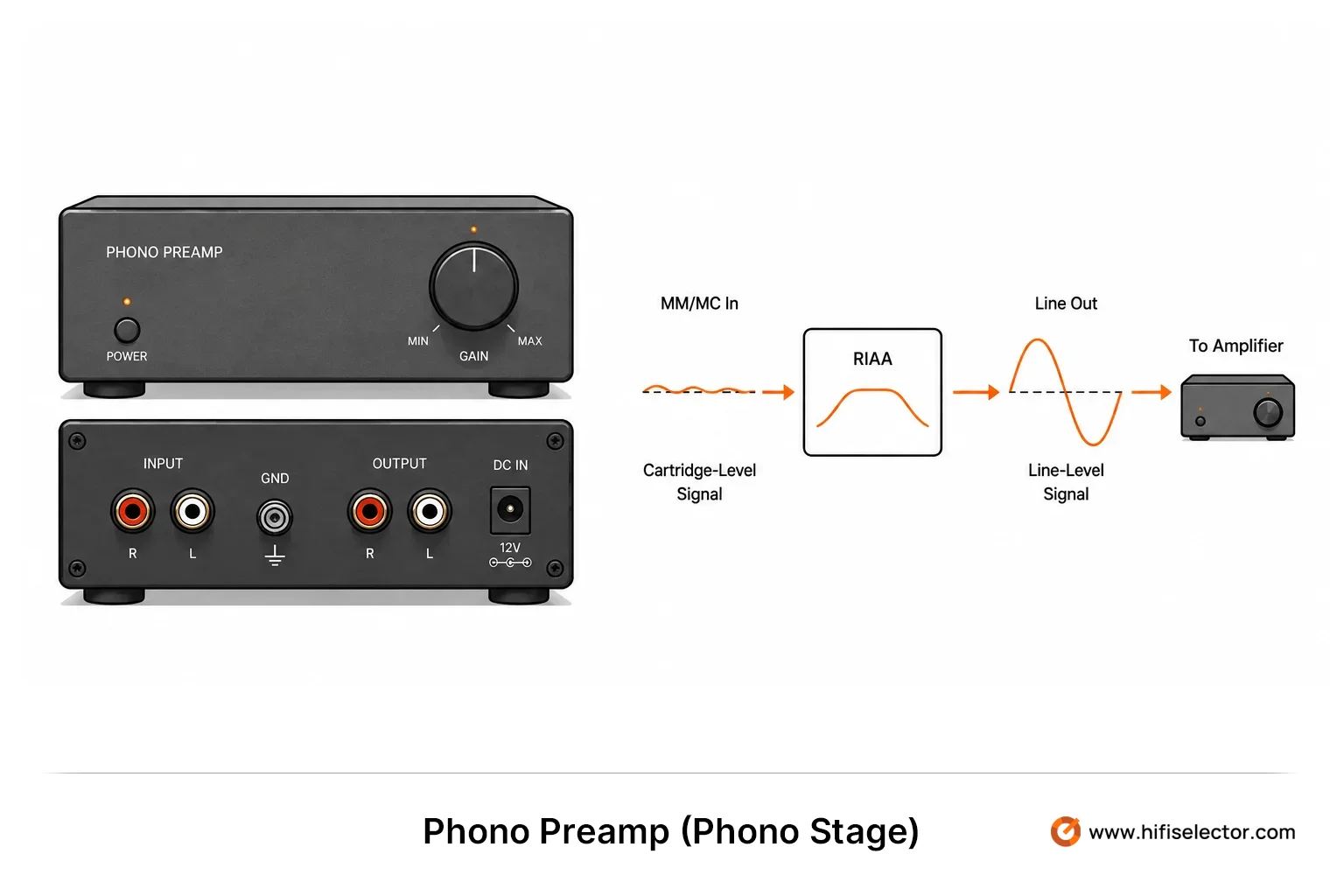
Amplifies a cartridge’s very low-level signal and applies RIAA playback equalization before sending a line-level signal to an amplifier or preamplifier.
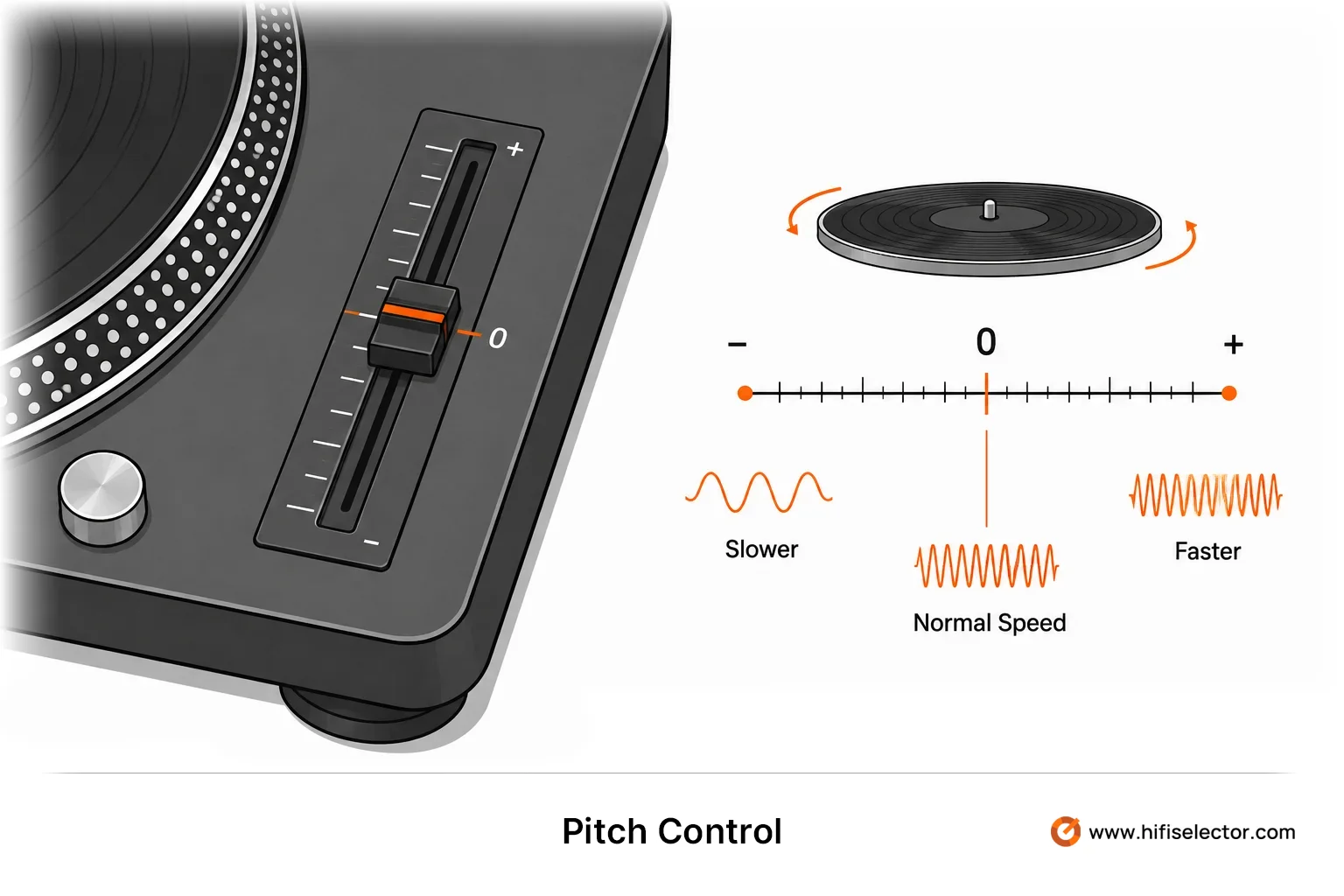
A feature that allows fine adjustments to the turntable’s rotational speed, ensuring accurate tempo and pitch during playback.
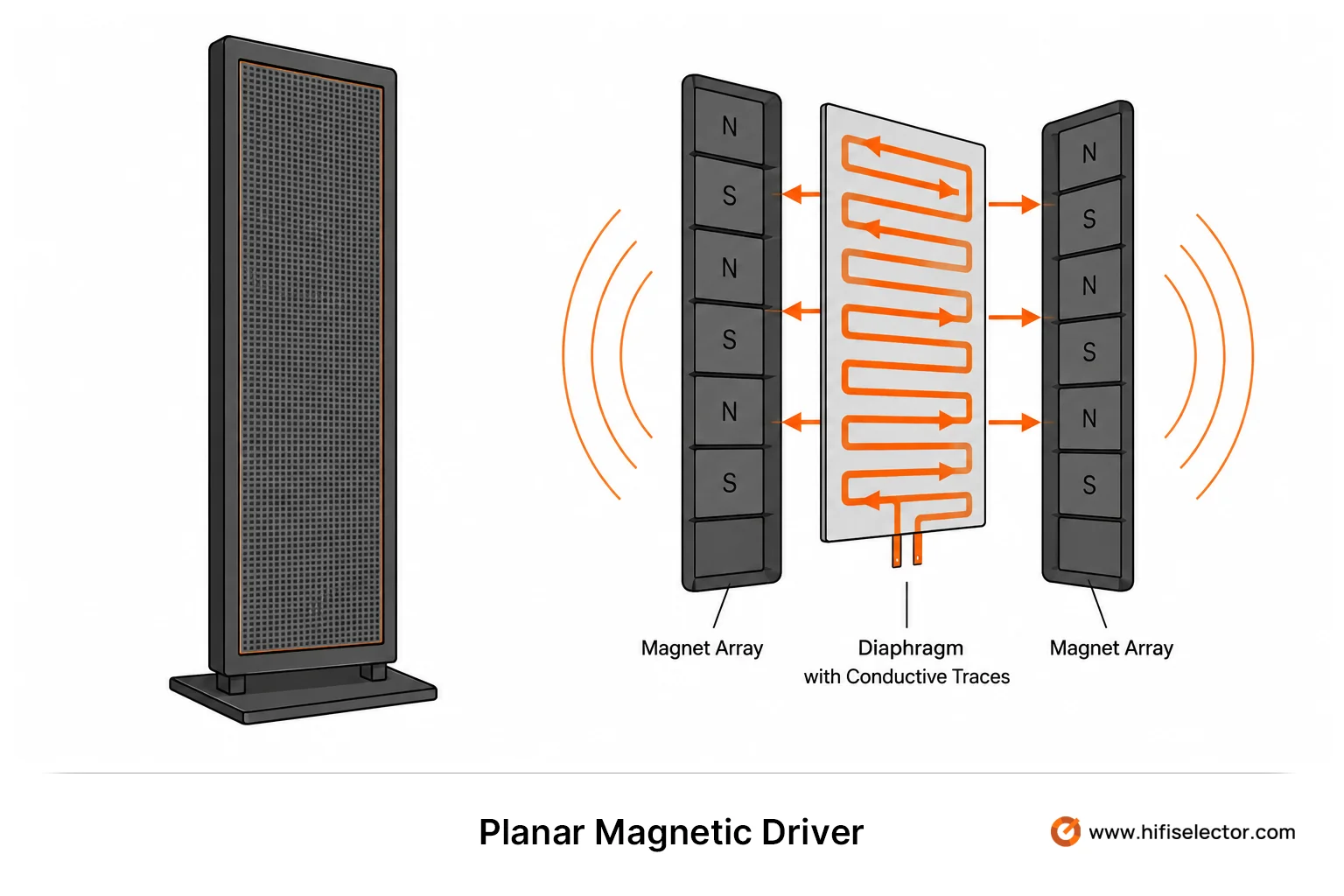
A flat diaphragm carrying conductive traces and driven across its surface by a magnetic field, offering distributed force and low mechanical mass.
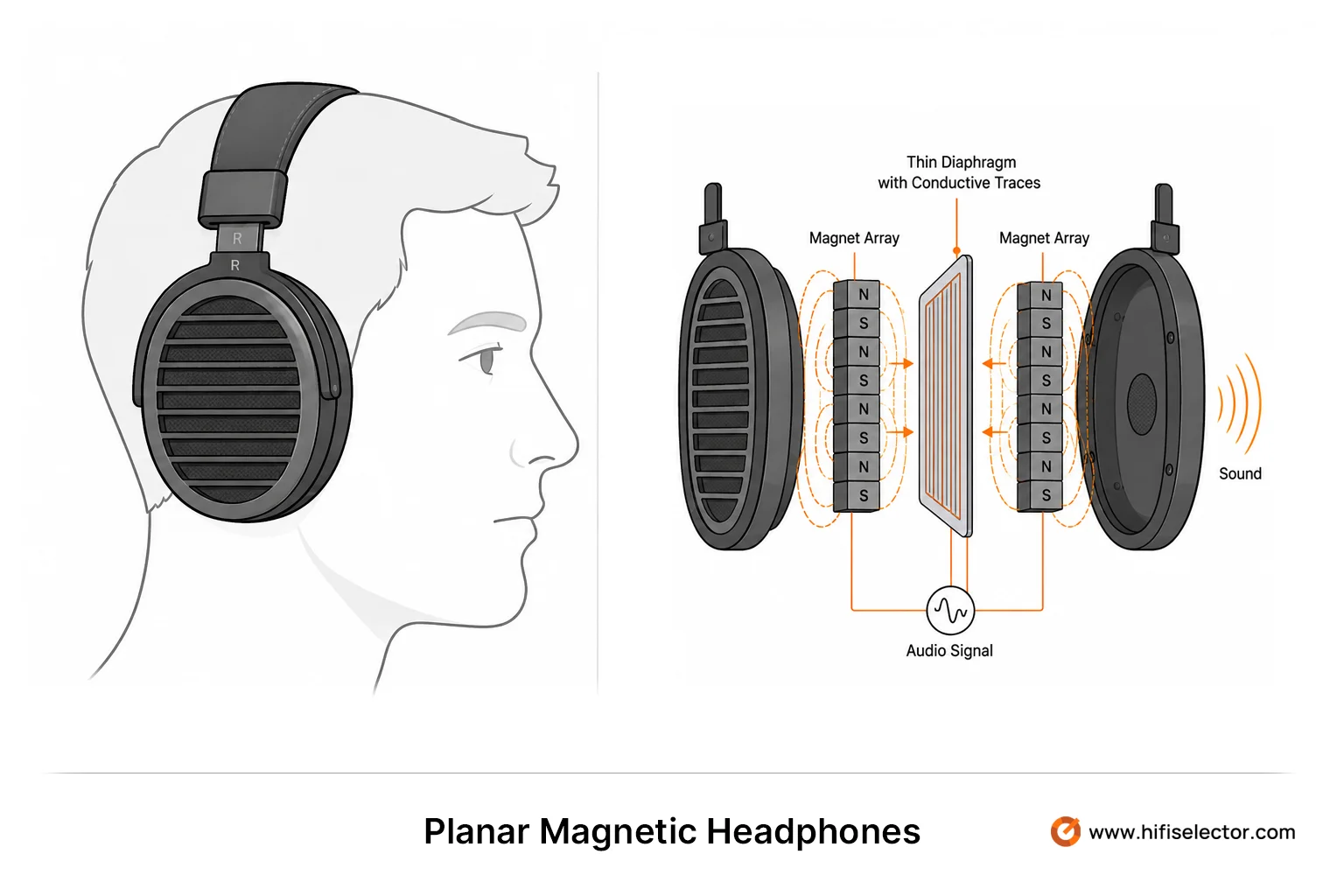
Headphones using a thin diaphragm driven across much of its surface by magnetic force, typically offering low distortion and controlled transient behavior.
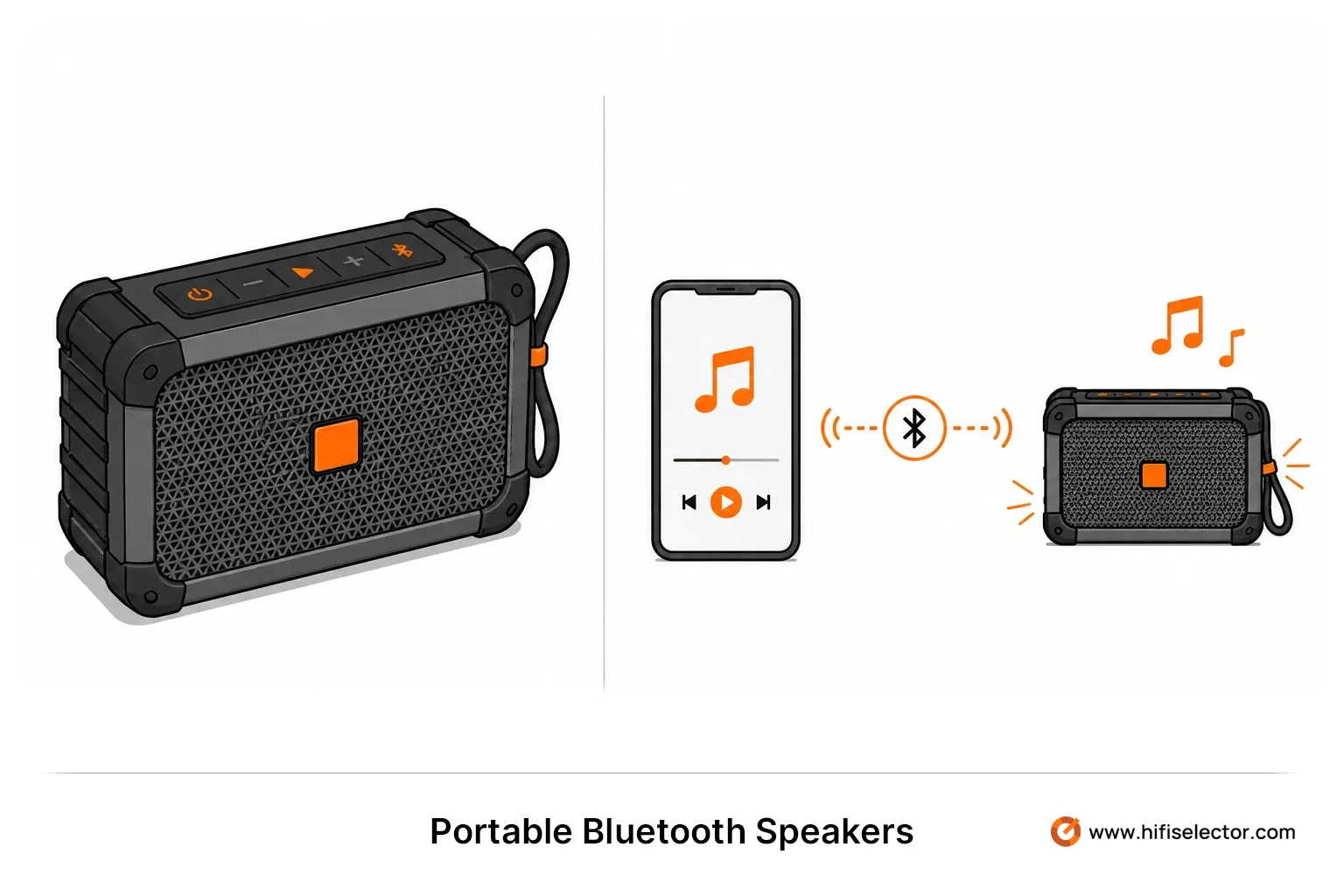
Wireless speakers with Bluetooth connectivity that deliver quality sound outdoors or during travel without cumbersome cables.
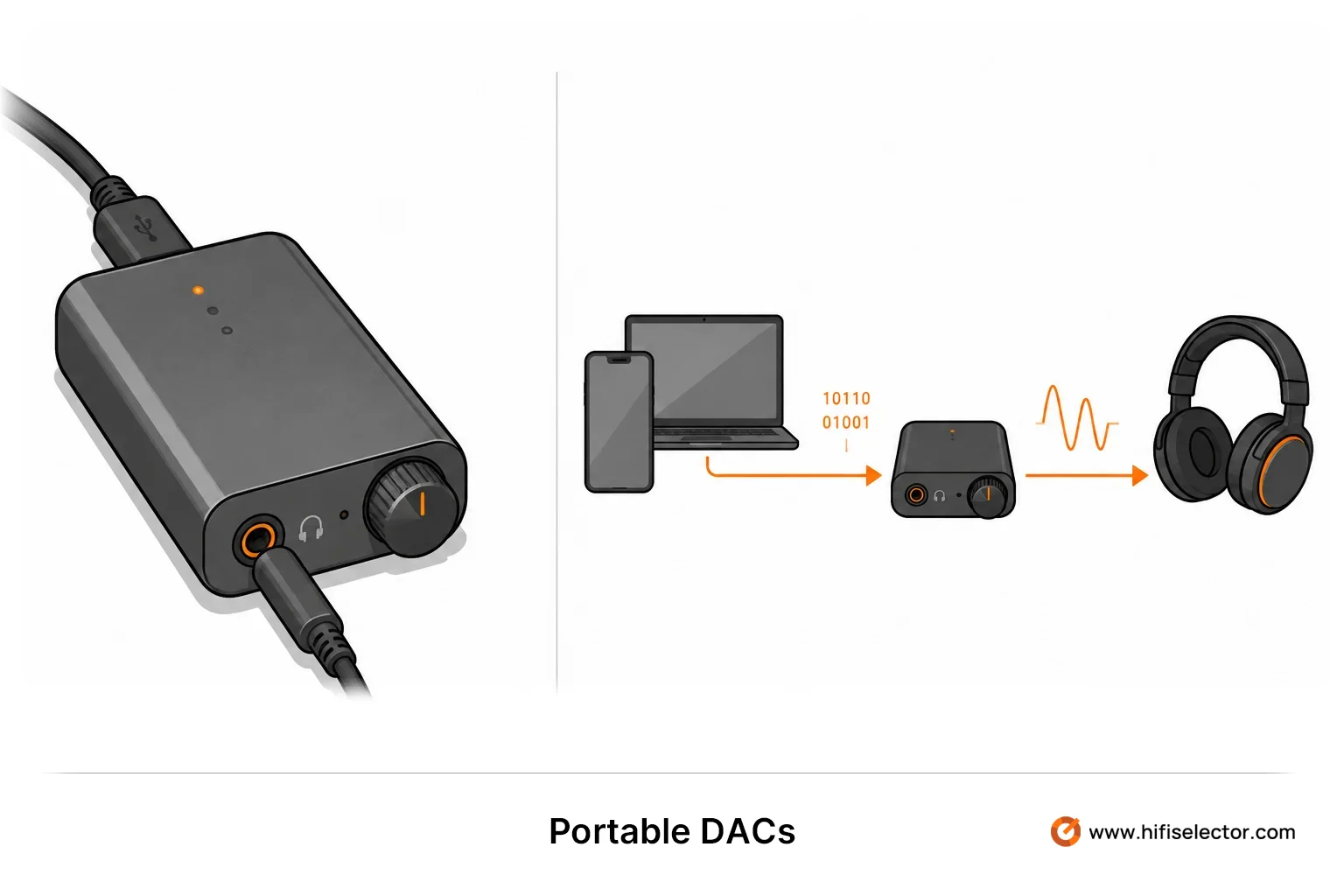
Compact digital-to-analog converters for phones, tablets, or laptops, often combining headphone amplification and USB connectivity for higher-quality mobile listening.
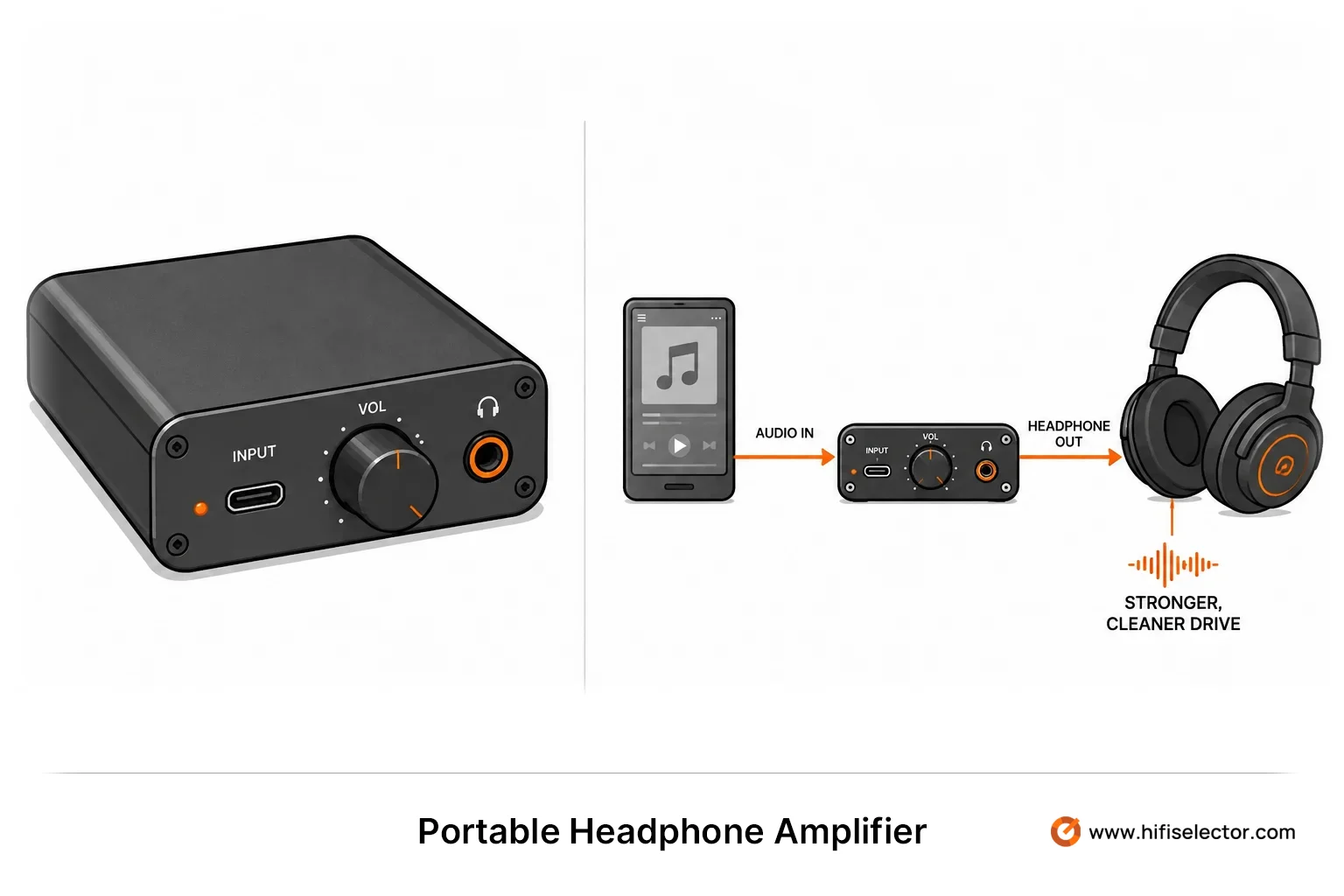
A compact, usually battery-powered amplifier designed to provide headphones with more voltage or current than a mobile device can supply directly.
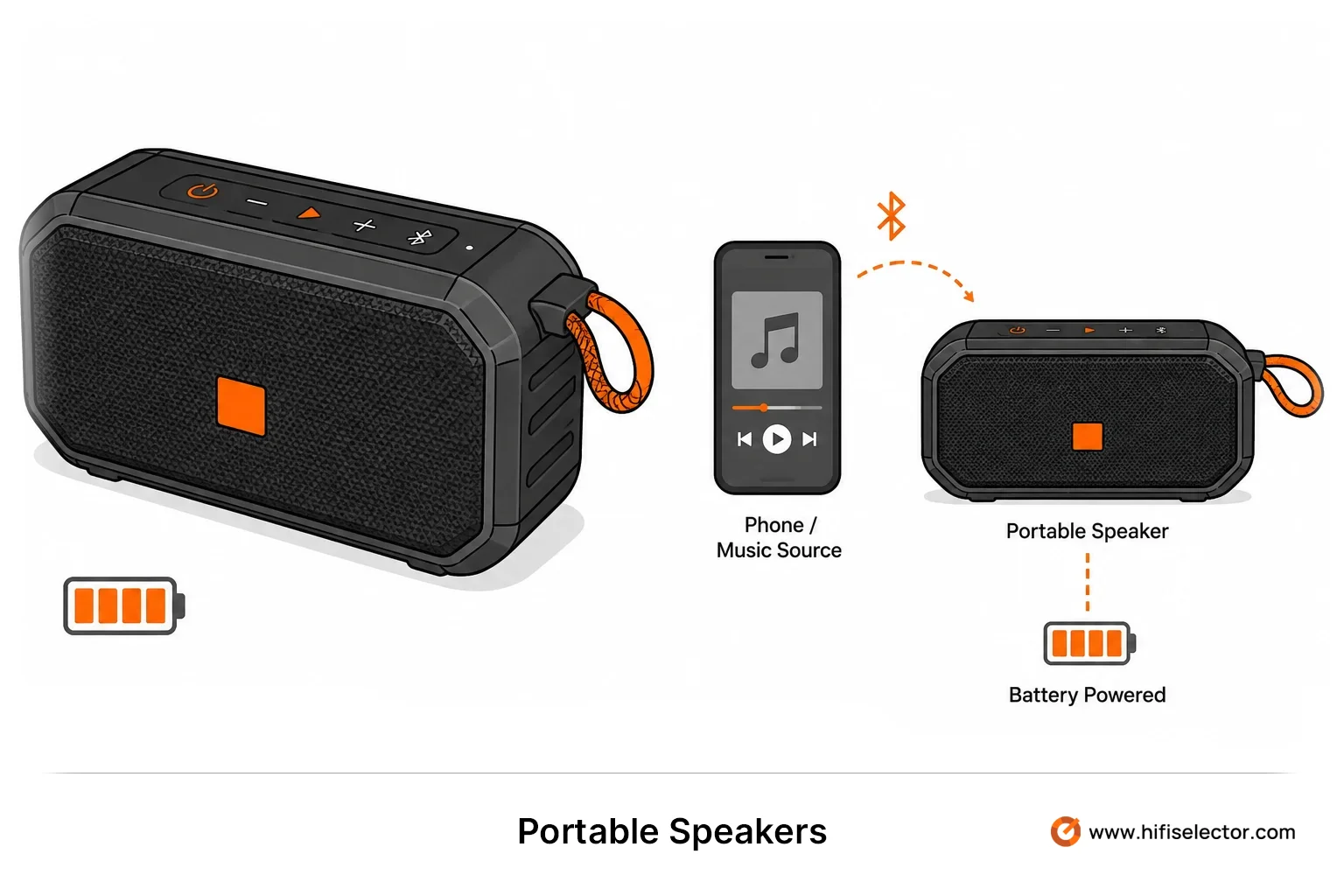
Compact and lightweight speakers designed for on‑the‑go listening, often battery‑powered for mobility without sacrificing audio quality.
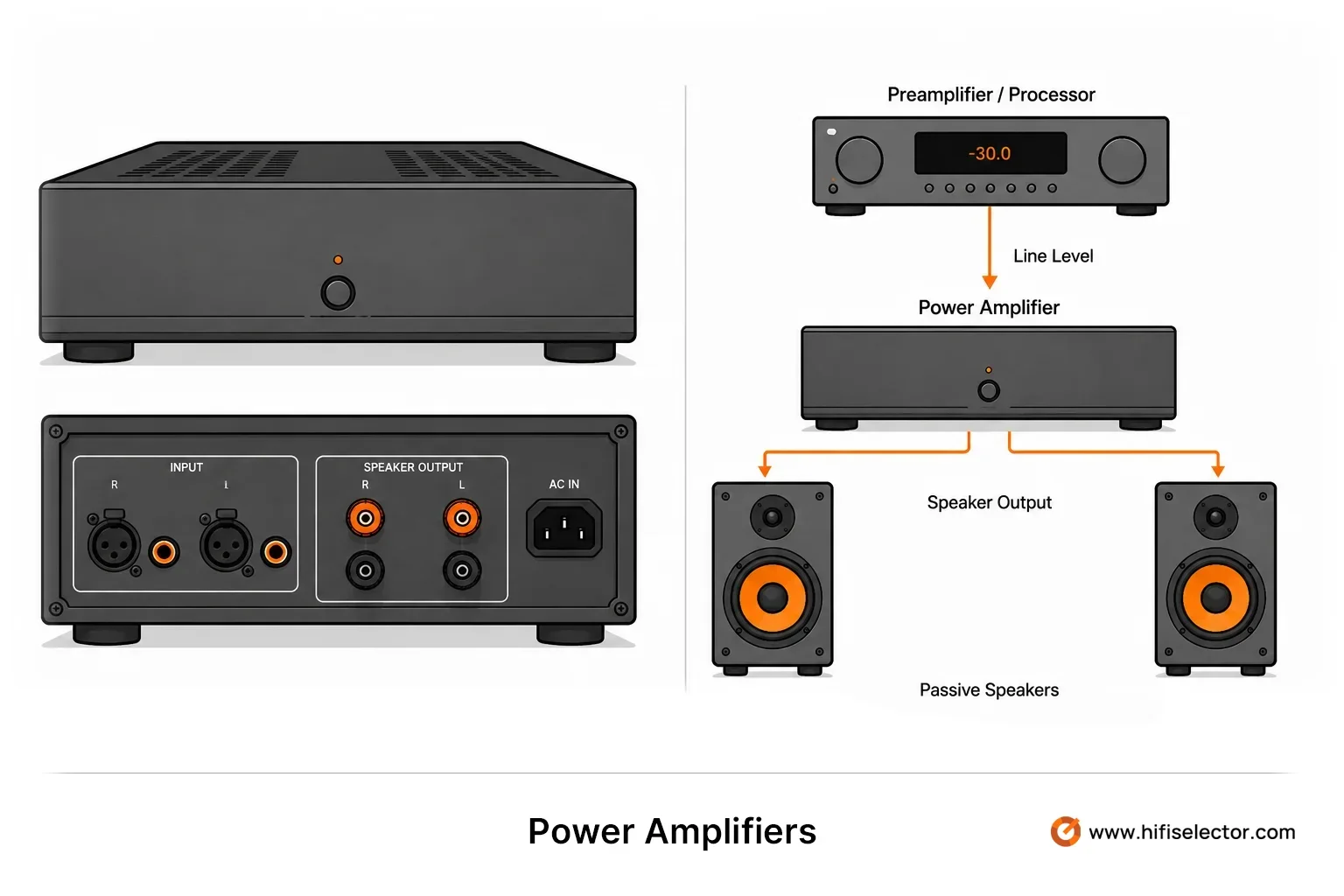
Dedicated amplifiers that accept line-level signals from a preamplifier or processor and provide the voltage and current needed to drive passive loudspeakers.
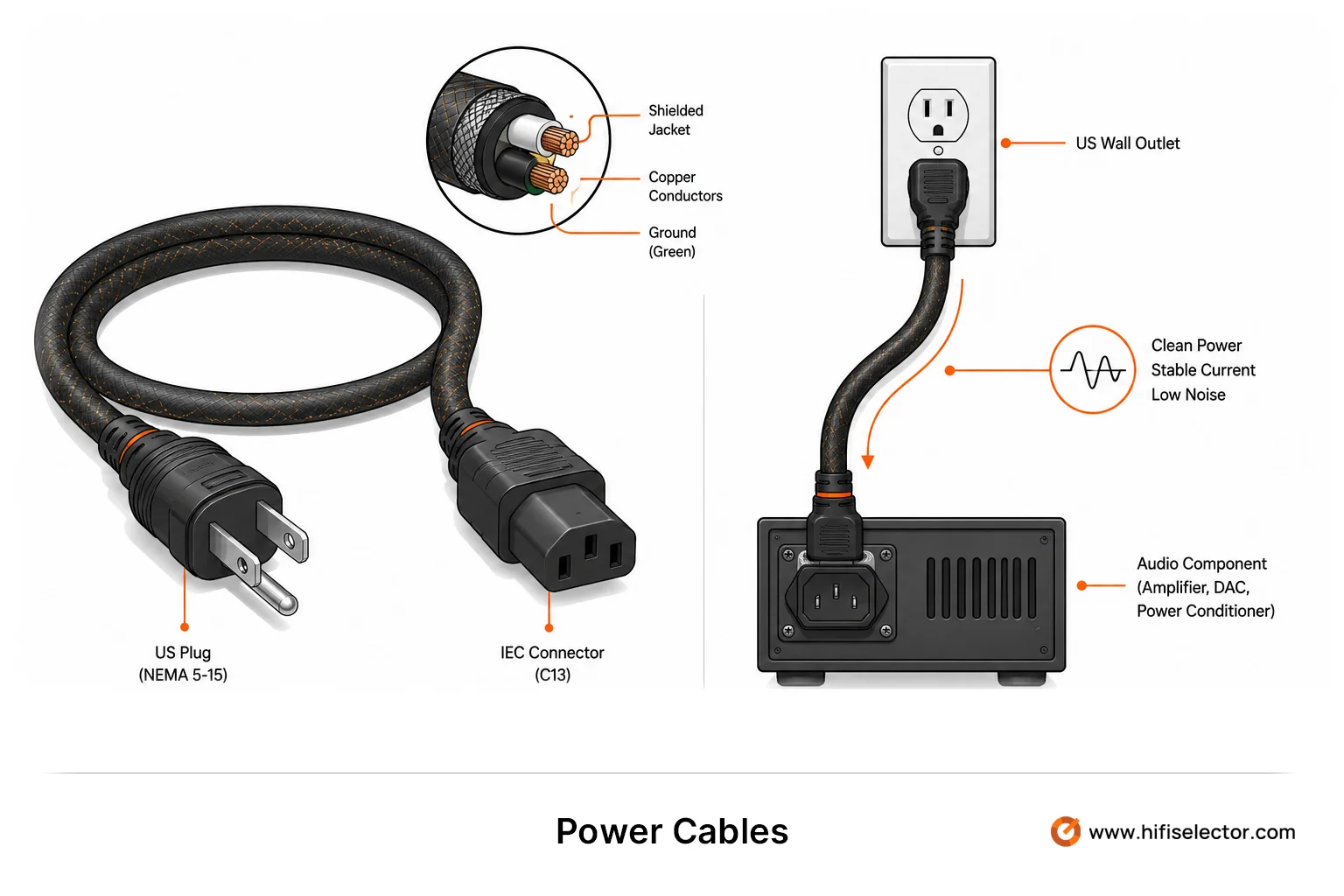
Mains cables that deliver AC electrical power from an outlet or power device to audio equipment, with safety rating and connector compatibility as primary requirements.
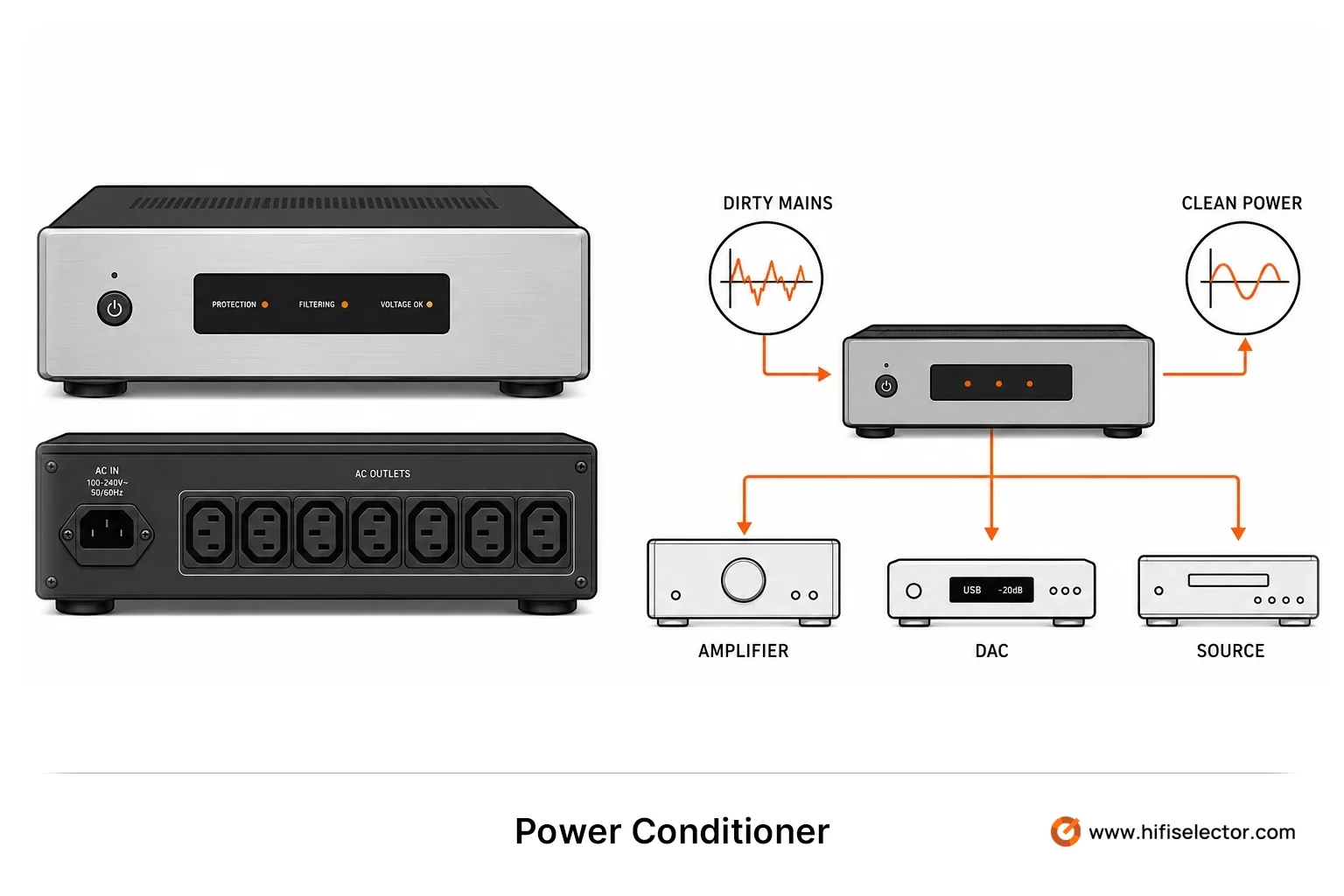
A device placed between the mains supply and audio equipment to provide filtering, distribution, protection, or voltage-related functions depending on its design.
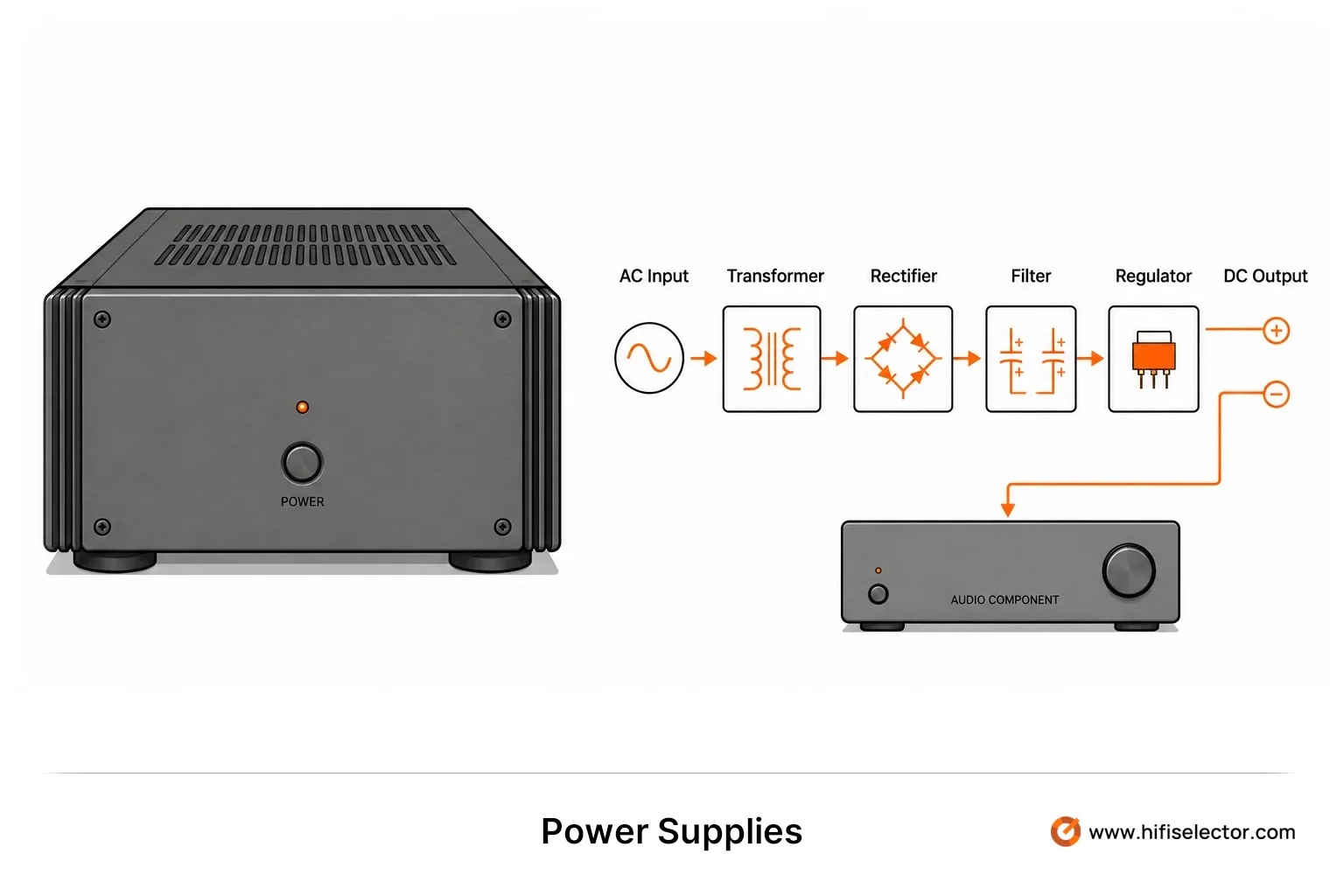
Circuits or external units that convert incoming electrical power into the regulated voltages required by audio equipment and its internal stages.
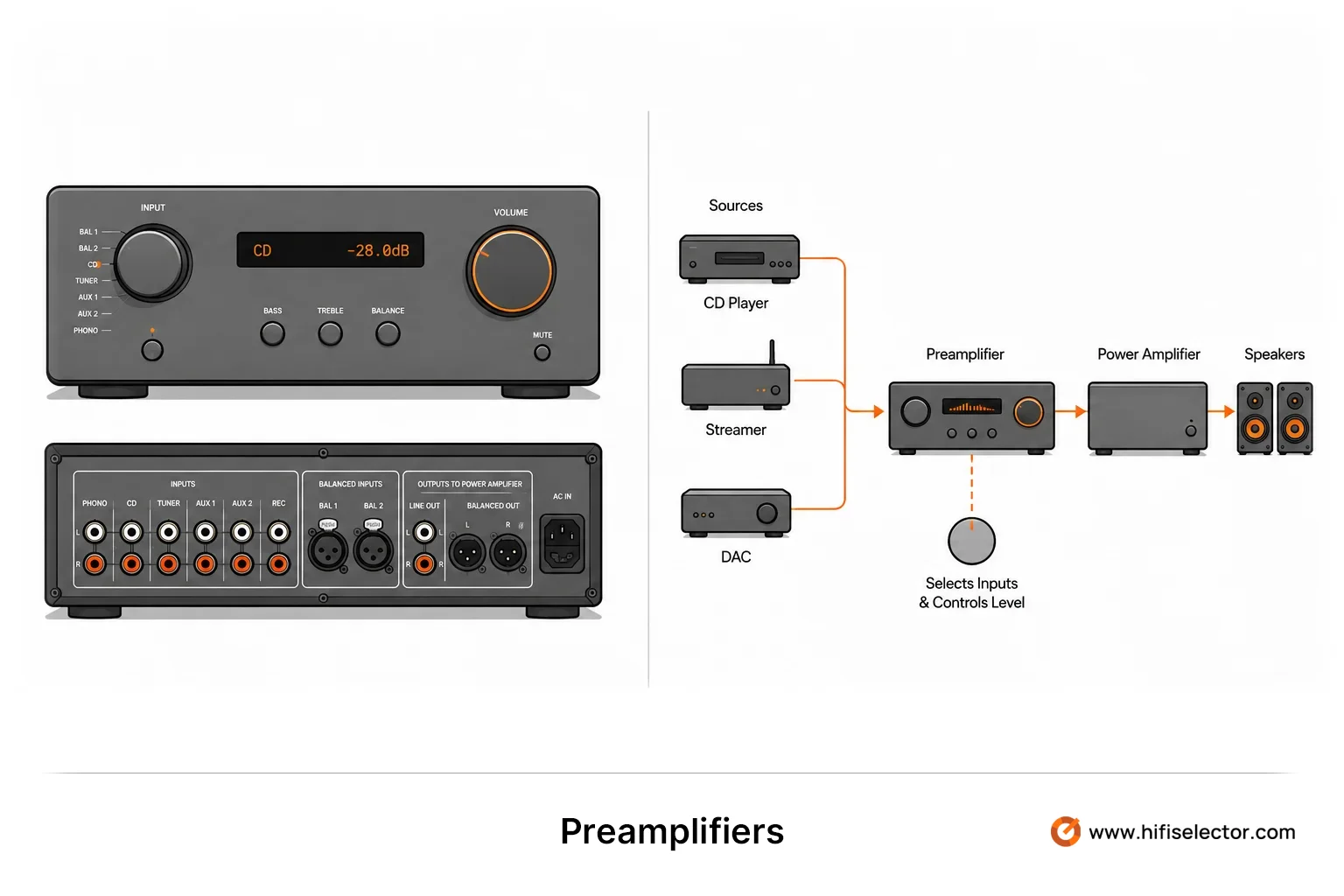
Control-stage components that select sources, regulate volume, provide buffering or gain, and send line-level signals to power amplifiers or active loudspeakers.
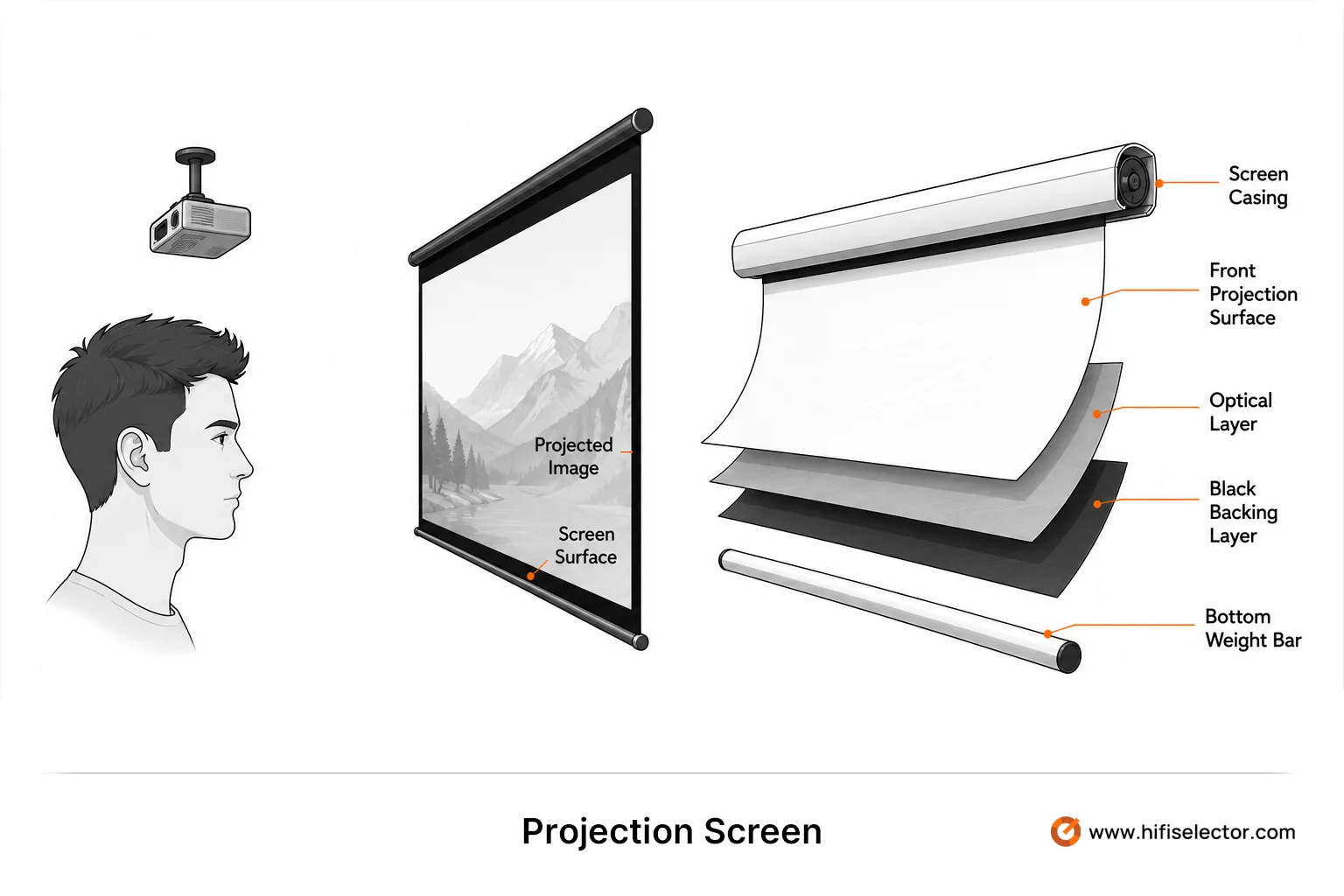
A dedicated screen that provides an optimized surface for projected images, enhancing clarity and brightness.
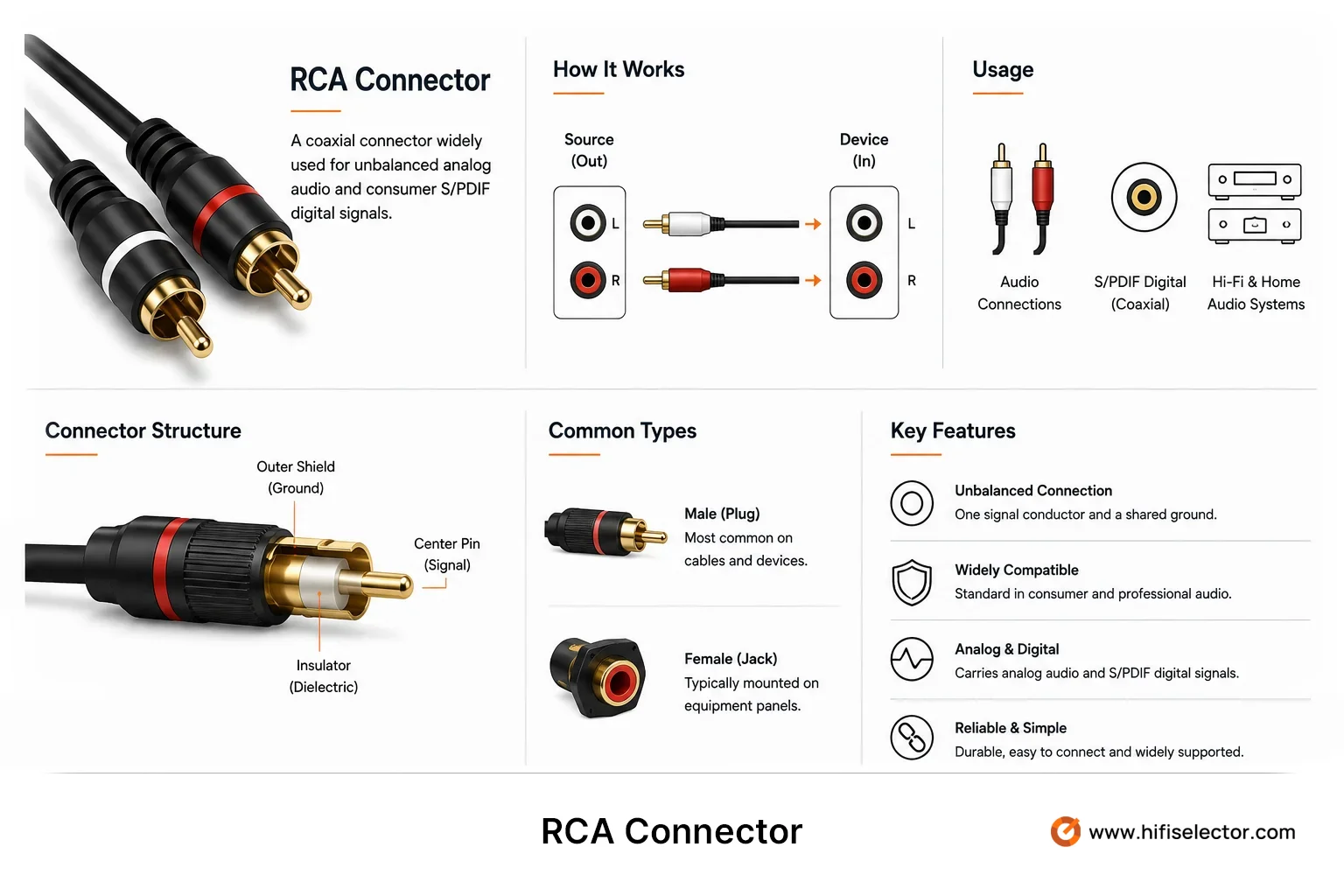
A coaxial connector widely used for unbalanced analog audio and consumer S/PDIF digital signals, typically with separate connectors for left and right channels.
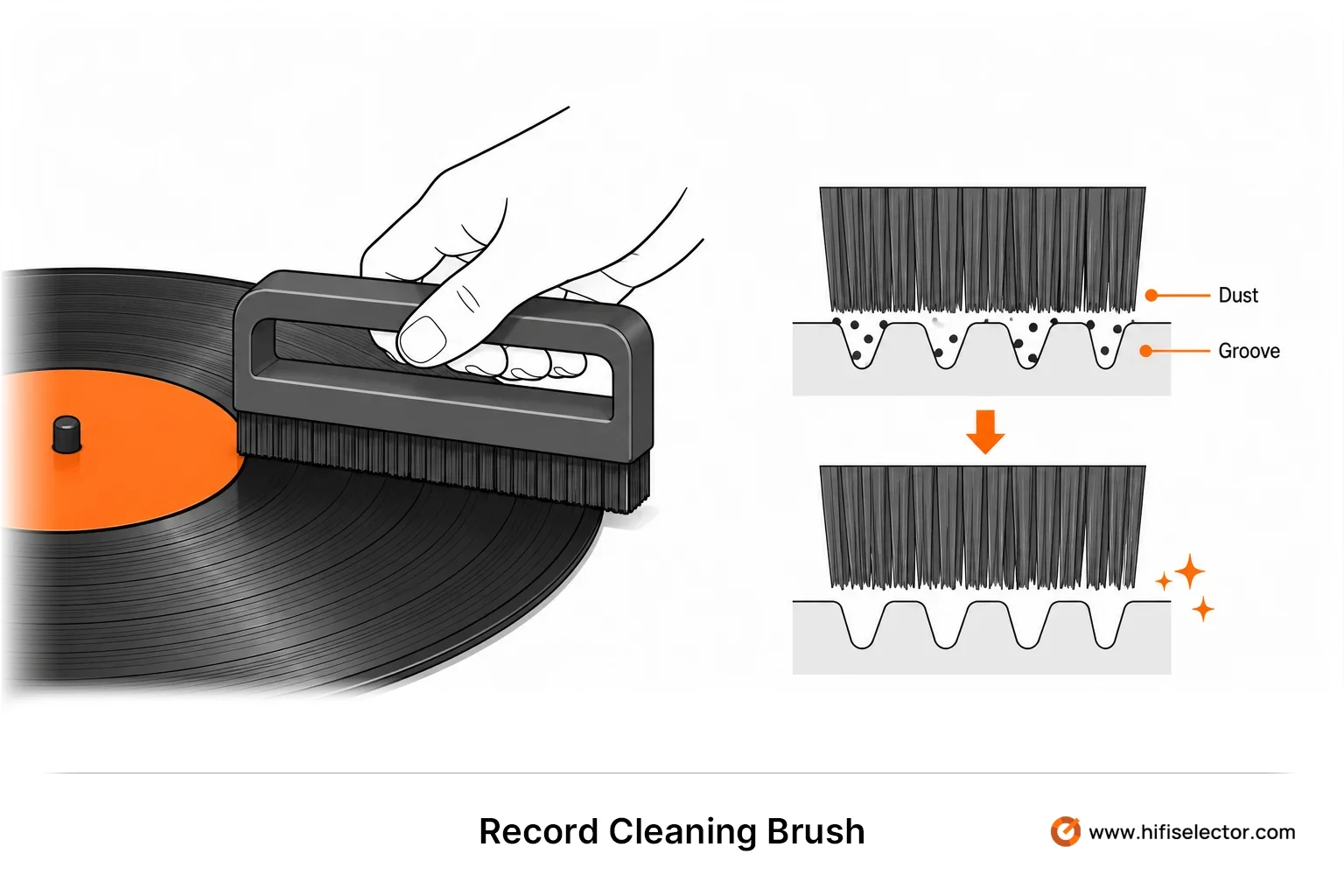
A soft brush used to remove dust and debris from vinyl records, helping to maintain optimal playback quality and prolong record life.
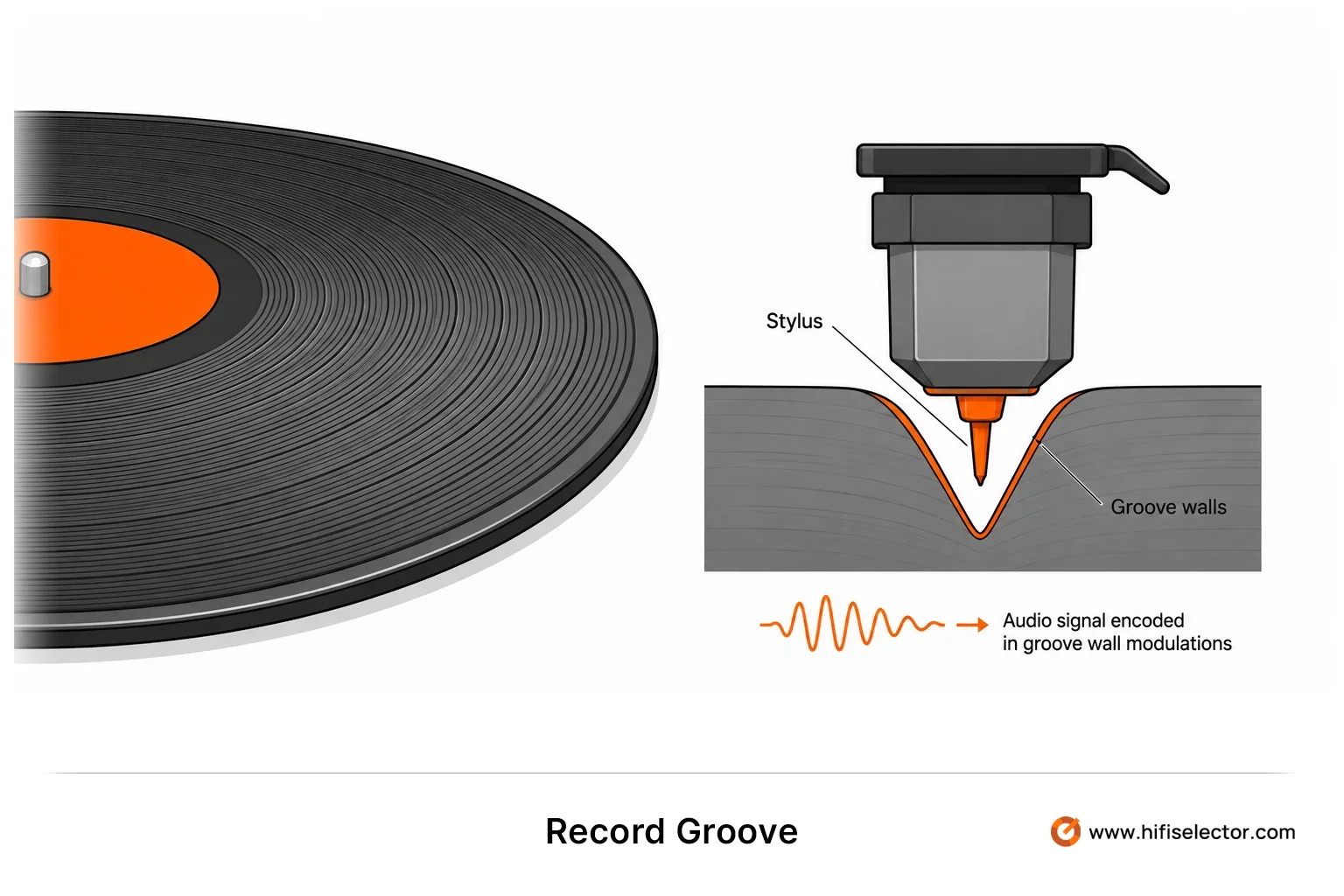
The modulated spiral etched into a vinyl record that encodes the audio information, determining fidelity and sound character.
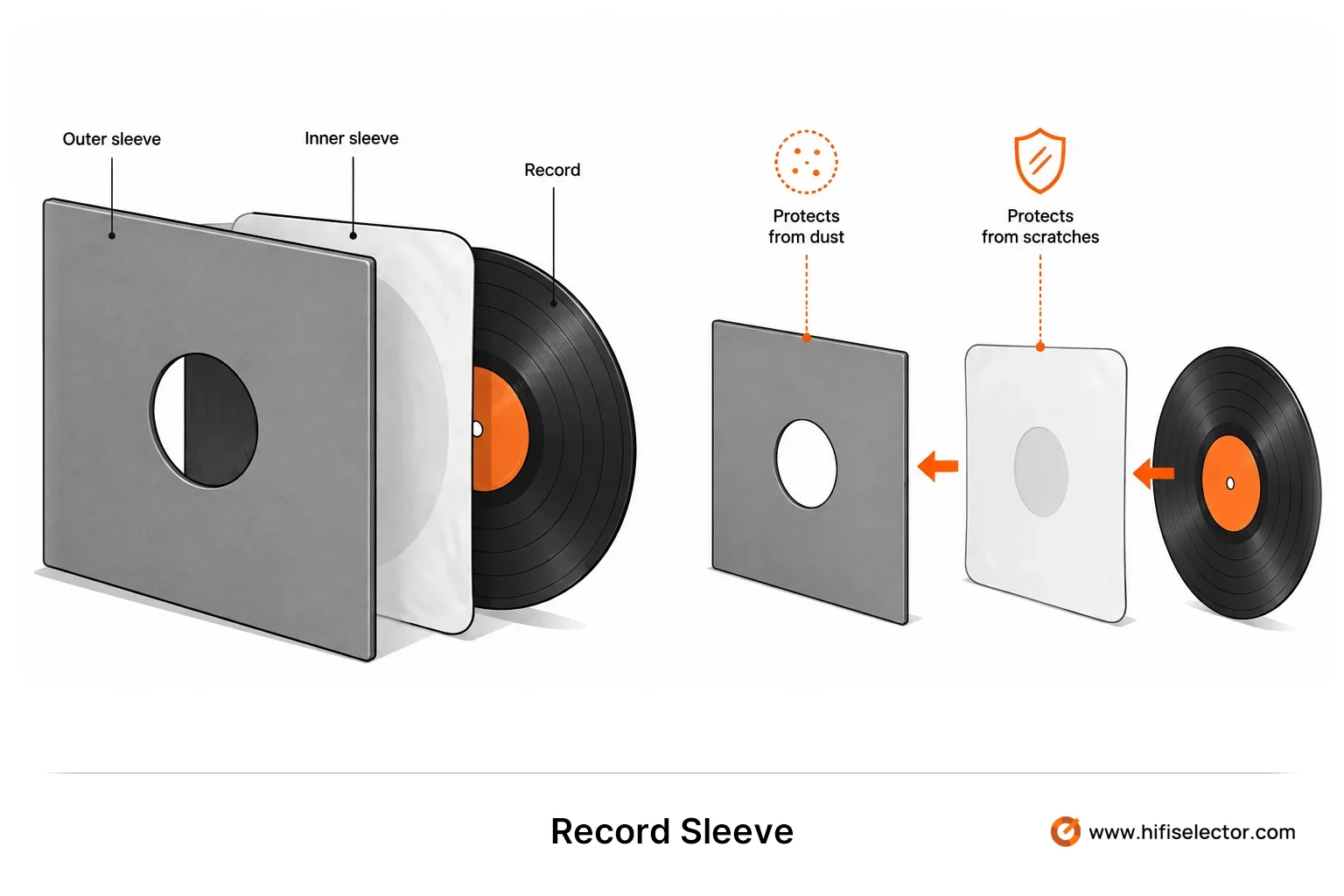
A protective cover for vinyl records that guards against dust, scratches, and environmental damage, preserving audio quality.
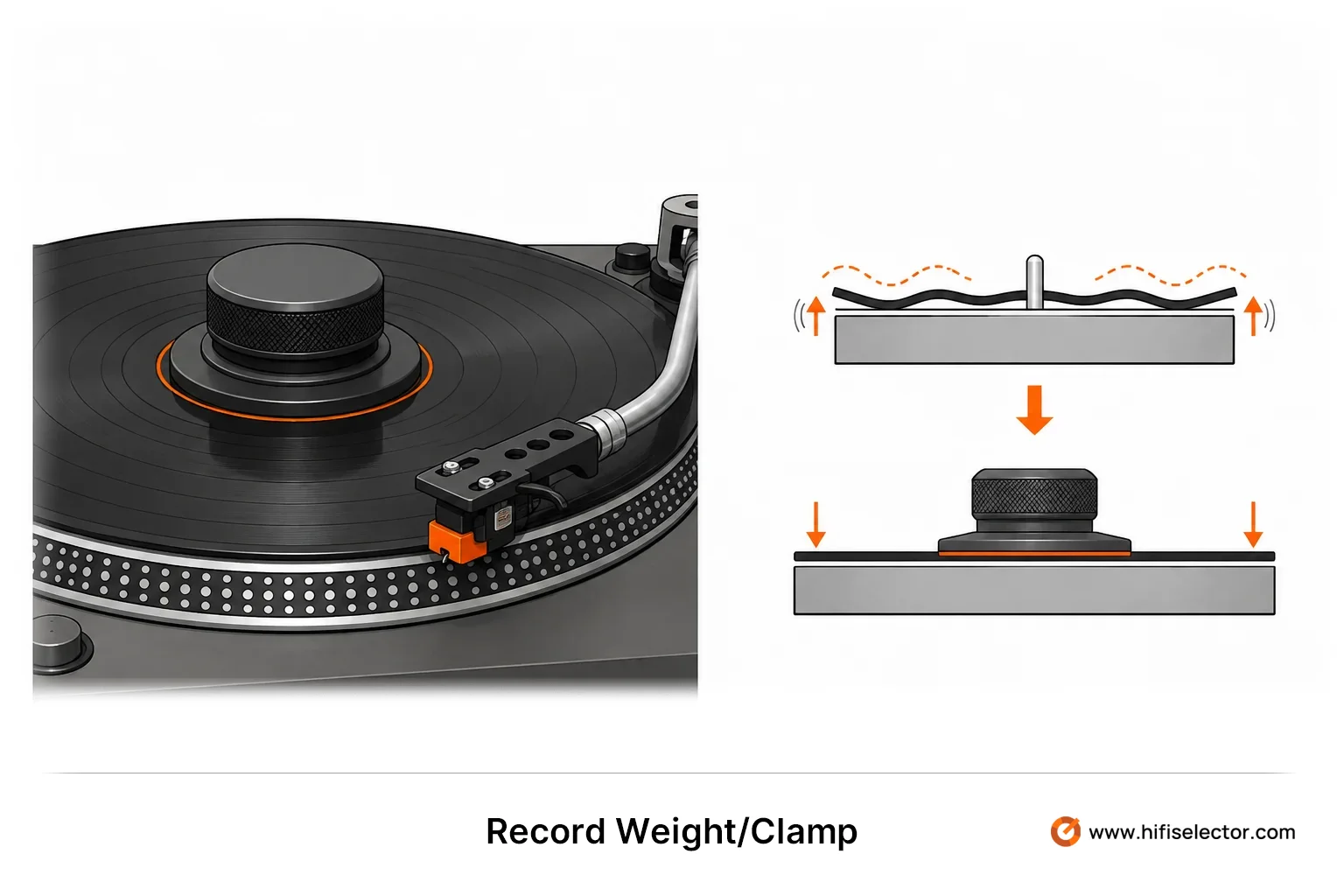
A device used to secure a vinyl record to the platter, reducing resonance and ensuring stable, accurate playback speed.