
In-Ear Earbuds
Earbuds are the most popular type of ultra-portable listening device, designed to be compact, convenient, and easy to use. This category includes everything from simple wired models to the ubiquitous “True Wireless” (TWS) earbuds, which offer a completely cable-free experience. Focused on daily life, commuting, and fitness, they often feature technologies like active noise cancellation and integrated microphones. This page lists the leading brands in this massive consumer audio market.
Hi-Fi brands in the category
Summary information and image
Direct links to official websites
1MORE

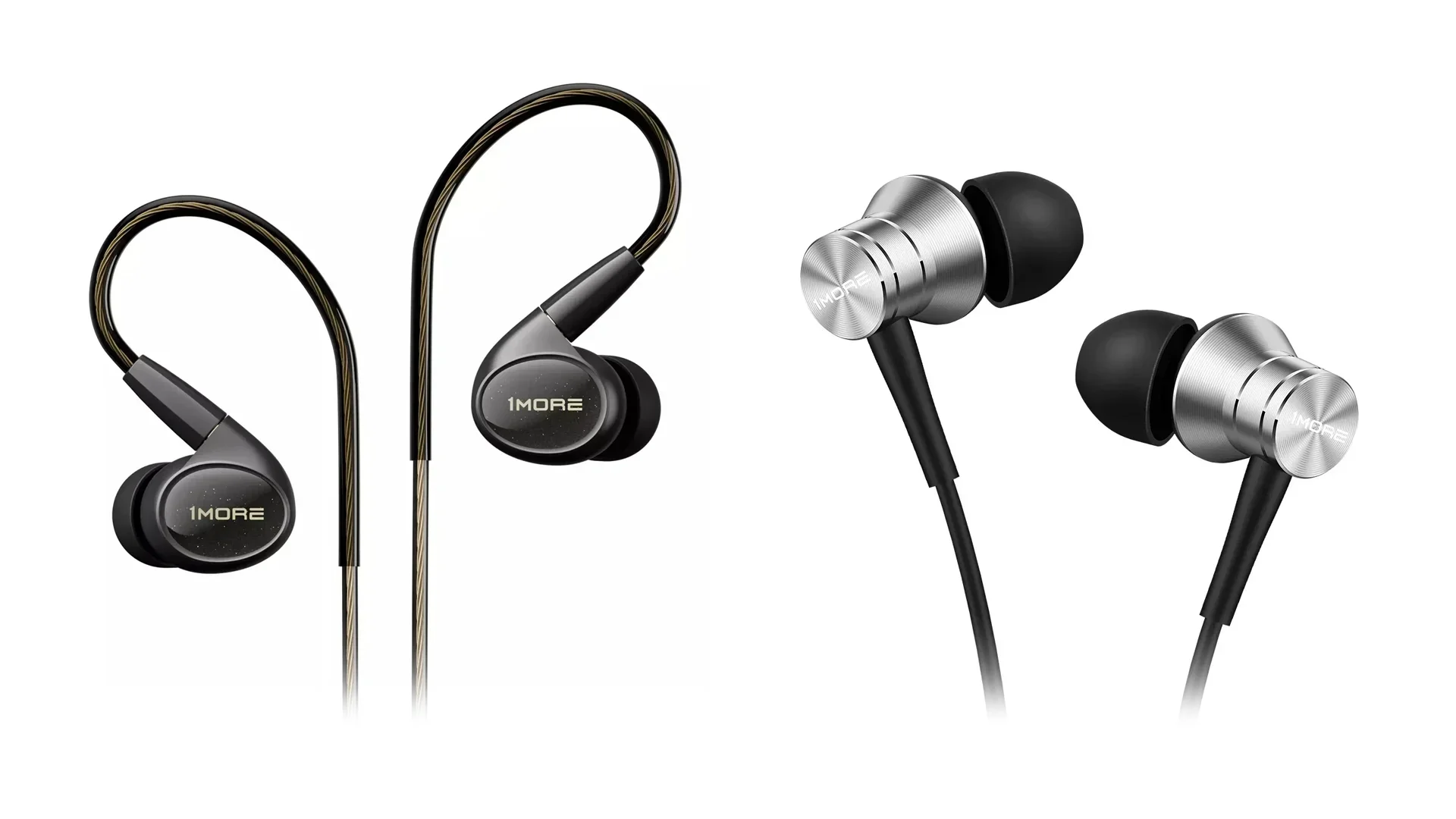
1MORE makes earphones and headphones that bring multi-driver designs and professional sound tuning to everyday listening. Its wired Triple Driver earphones combine two balanced armatures with a dynamic driver, with final tuning developed alongside recording engineer Luca Bignardi. Co-founded in China in 2013 by former Foxconn executive Gary Hsieh, the company set out to build its own audio brand rather than remain a contract manufacturer. The Triple Driver illustrates the brand’s approach: a technically ambitious design at an accessible price, with practical features such as an inline microphone and playback controls. The wider catalogue includes wireless earbuds and over-ear headphones, giving listeners a choice between a wired connection and the convenience of wireless listening.
Argon Audio

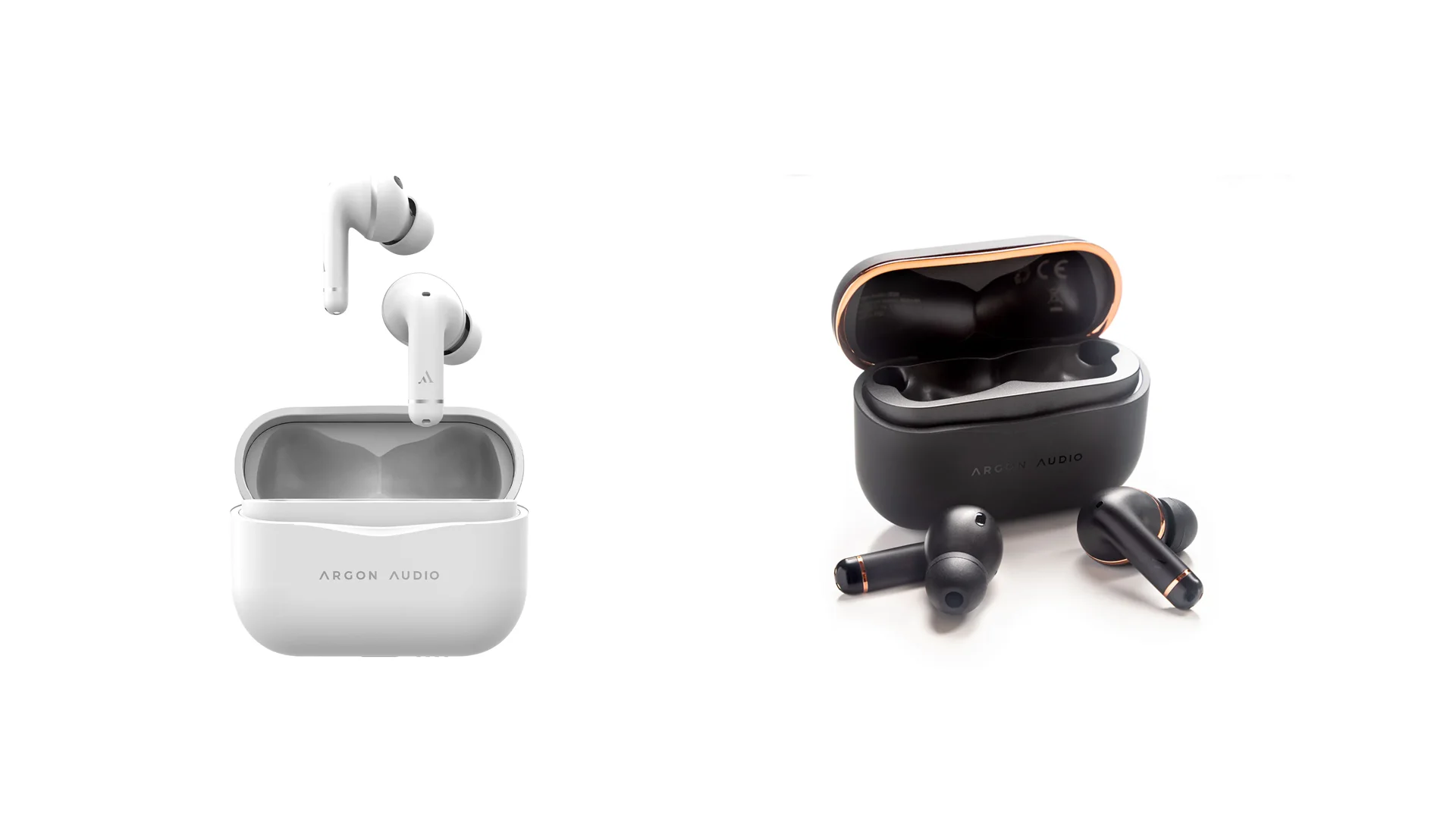
Argon Audio makes compact, affordable hi-fi that reduces the number of separate boxes needed to start listening. Its Danish roots are in HiFi Klubben, where Klaus Philipsen helped develop the brand in the early 2000s. A DAB radio was an early product, followed by active loudspeakers and turntables; the business became a separate limited company in 2019. Today, FENRIS active speakers combine amplification with connections for several sources, including television, while the turntable range offers a straightforward entry into vinyl. The consistent idea is a usable first system—or a smaller second one—with restrained Scandinavian styling and functions selected around everyday listening.
Astell & Kern

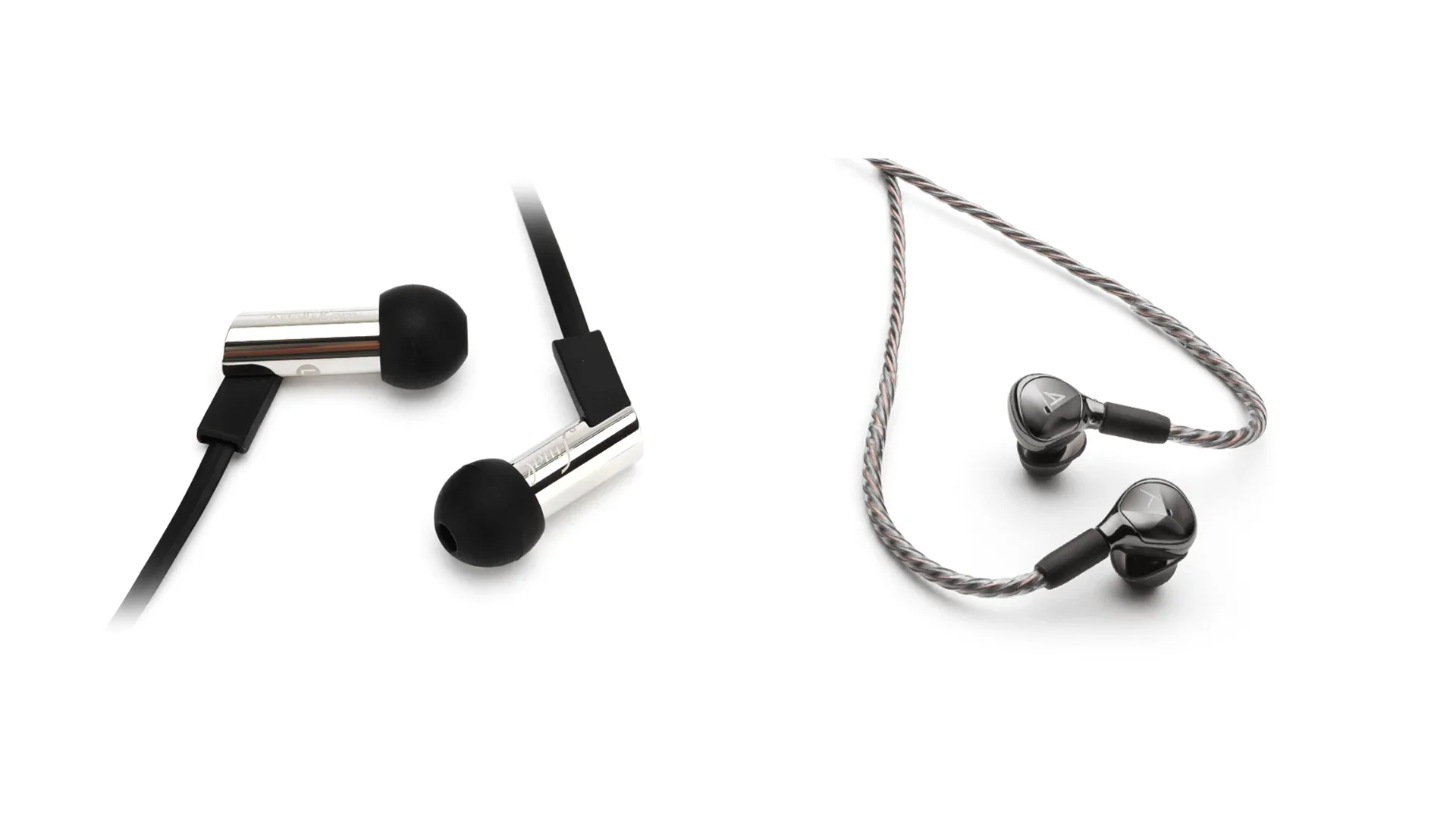
Astell&Kern builds dedicated portable music players that bring file playback, digital conversion and headphone amplification into one purpose-designed device. IRIVER launched the South Korean brand in 2012 with the AK100. Later AK models and the A&ultima, A&futura, A&norma and KANN families explored different balances of size, output capability and circuit complexity. The newer catalogue includes the PD series alongside flagship players. Distinctive machined enclosures and physical volume controls are part of the identity, but the range also reaches beyond players into headphone amplifiers, earphones and home-audio components. Collaborations with specialist IEM makers connect its source electronics with different approaches to personal listening.
Audio-Technica

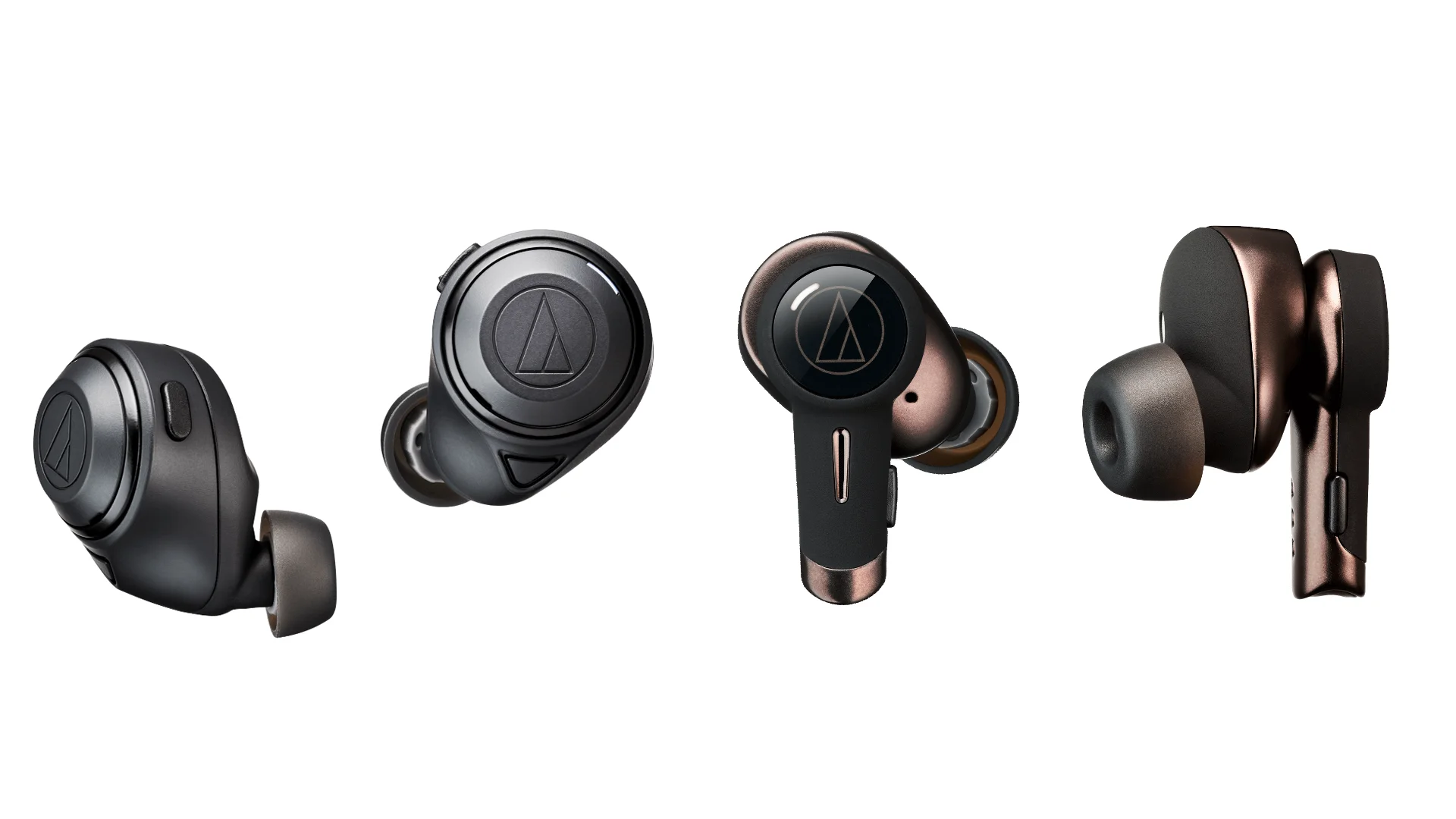
Audio-Technica began with the part that reads a record groove and grew into one of Japan’s broadest audio manufacturers. Hideo Matsushita founded the company above a ramen shop in Shinjuku on 17 April 1962; its first products were the AT-1 and AT-3 phono cartridges. Cartridge engineering remains a defining strength, spanning affordable VM models, long-running AT-OC9 moving-coil designs and the direct-power AT-ART1000 series. The company later applied its transducer expertise to studio, broadcast and live microphones, professional and domestic headphones, wireless systems and turntables. Products such as the ATH-M50x became working tools as well as consumer favourites, while high-end cartridges continue to be serviced and tested at the Japanese production facility. The unusually wide catalogue is connected by practical transducer design rather than by a single audiophile price tier.
Ausounds

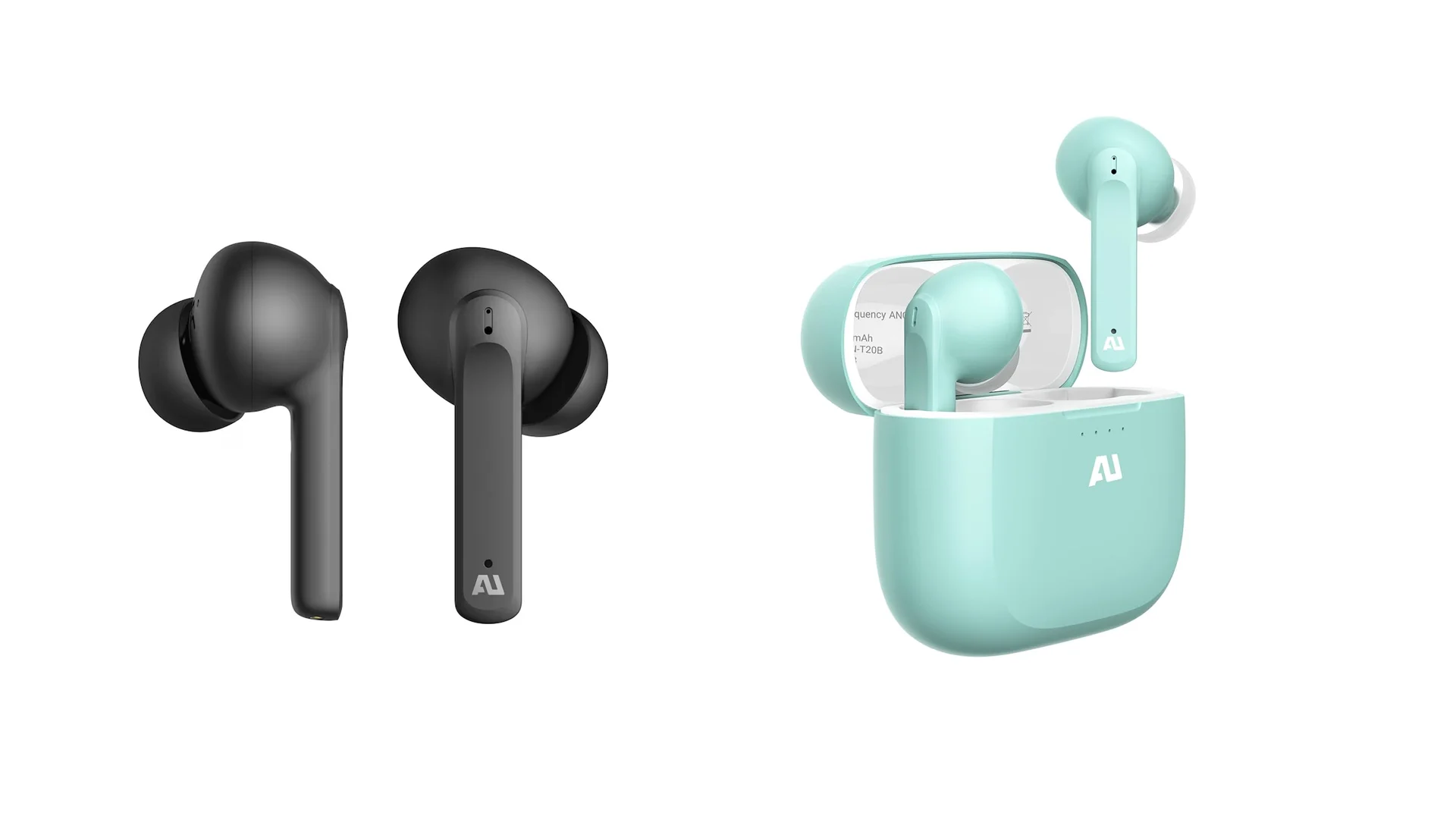
Ausounds applies audiophile driver ideas to wireless headphones and earphones intended for daily use. The US-based brand entered the market in 2019 with products designed around active noise cancellation, portable operation and higher-grade transducers rather than a single lifestyle feature. Its range has included AU-Stream true-wireless earphones, AU-Flex neckband models and AU-XT over-ear headphones using graphene-coated dynamic drivers. The AU-X pushed the concept further by combining a planar-magnetic over-ear driver with active noise cancellation, an unusual pairing in portable audio. Across the line, Bluetooth, wired listening, travel-friendly construction and long battery operation sit alongside the acoustic design. Ausounds is therefore best understood as a headphone specialist trying to bridge consumer convenience and more ambitious driver technology.
Bang & Olufsen

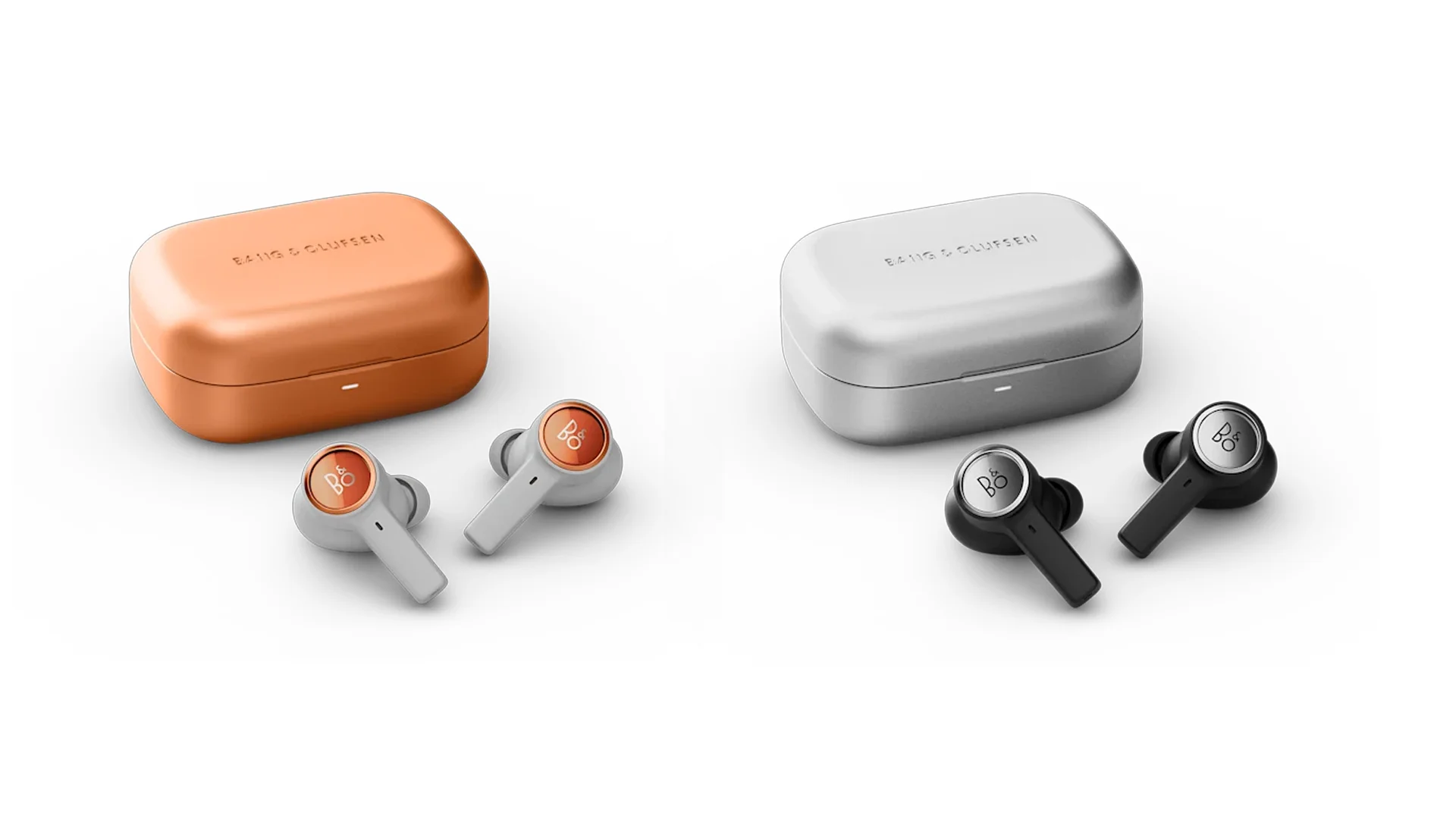
Bang & Olufsen has spent a century treating sound, mechanics and furniture-scale design as one discipline. Engineers Peter Bang and Svend Olufsen founded the Danish company in 1925 at the Olufsen family estate, Quistrup. From early radios and the mains-powered Eliminator to Beomaster systems and active Beolab loudspeakers, B&O repeatedly integrated technology that other manufacturers left in separate boxes. Beolab 90 represents the engineering extreme with multiple amplified drivers, beam-width control and room compensation; Beosound speakers, Beovision televisions, soundbars and Beoplay headphones carry the approach into everyday rooms and portable use. Aluminium machining, acoustic textiles, motorised movement and long software support are used as parts of the experience rather than surface decoration. The strongest B&O products are identifiable before music plays, yet their form is built around active acoustic and interaction engineering.
Beyerdynamic

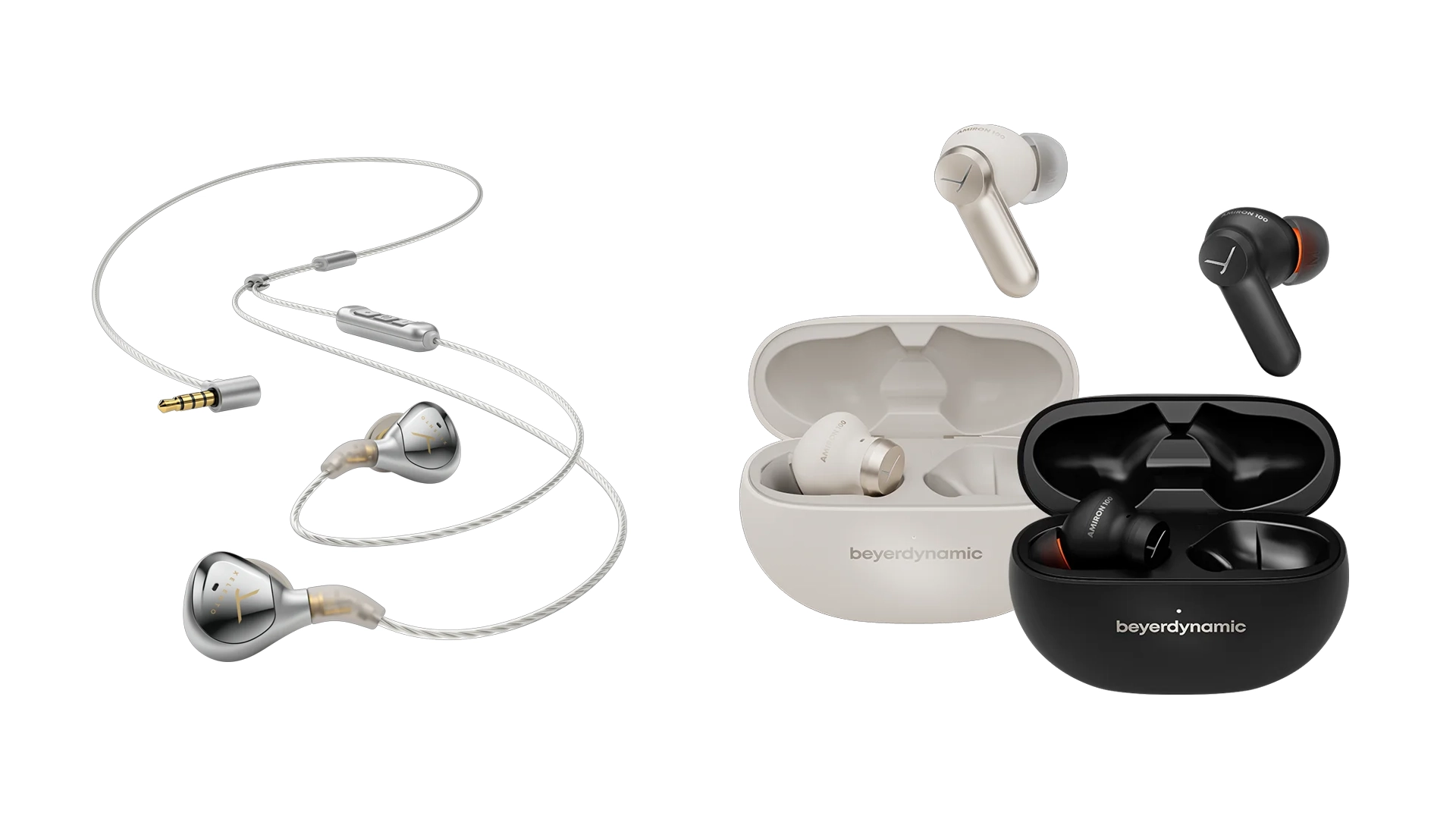
Beyerdynamic is one of the companies that defined the dynamic headphone and still develops key studio and listening models in Heilbronn, Germany. Eugen Beyer founded Elektrotechnische Fabrik Eugen Beyer in Berlin in 1924, initially making cinema loudspeakers; the DT 48 followed in 1937 as an early production dynamic headphone. Today’s DT 770, DT 880 and DT 990 remain studio standards, while the PRO X range modernises that working format and the T1 and T5 use the company’s high-flux Tesla driver technology for home listening. Beyerdynamic also makes broadcast, stage and studio microphones, including the ribbon-based M 160 lineage. The previous claim that the company specialised in planar-magnetic headphones was incorrect and has been removed. Chinese acoustic-component manufacturer Cosonic completed its acquisition of Beyerdynamic in June 2026, while the brand remains based in Heilbronn.
Bose

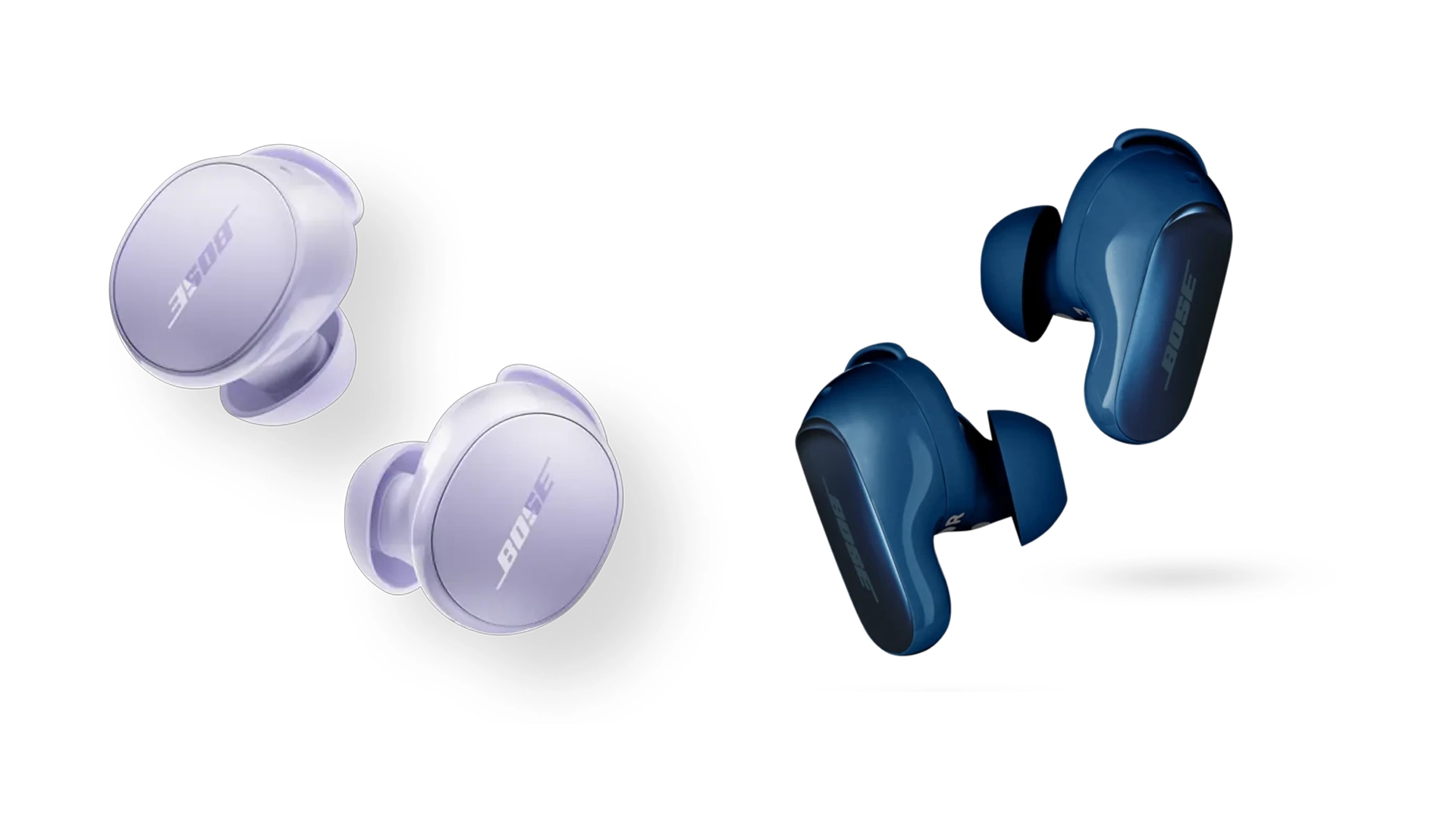
Bose built its reputation by using acoustic research and signal processing to solve practical listening problems at consumer scale. Dr Amar G. Bose founded the Massachusetts company in 1964 after studying why technically competent loudspeakers often failed to reproduce the experience of live music. The 901 Direct/Reflecting speaker became its early landmark, deliberately using room reflections as part of the presentation. Later work produced Wave music systems, compact home-theatre speakers and, after research beginning in 1978, active noise reduction for aviation and the QuietComfort consumer headphone family. Today’s range includes headphones, earbuds, Bluetooth speakers, soundbars and home audio, alongside automotive and professional systems. Bose’s strength is not traditional high-end component minimalism; it is the integration of acoustics, electronics, psychoacoustics and industrial design into products that make complex technology easy to use.
Cerwin-Vega!

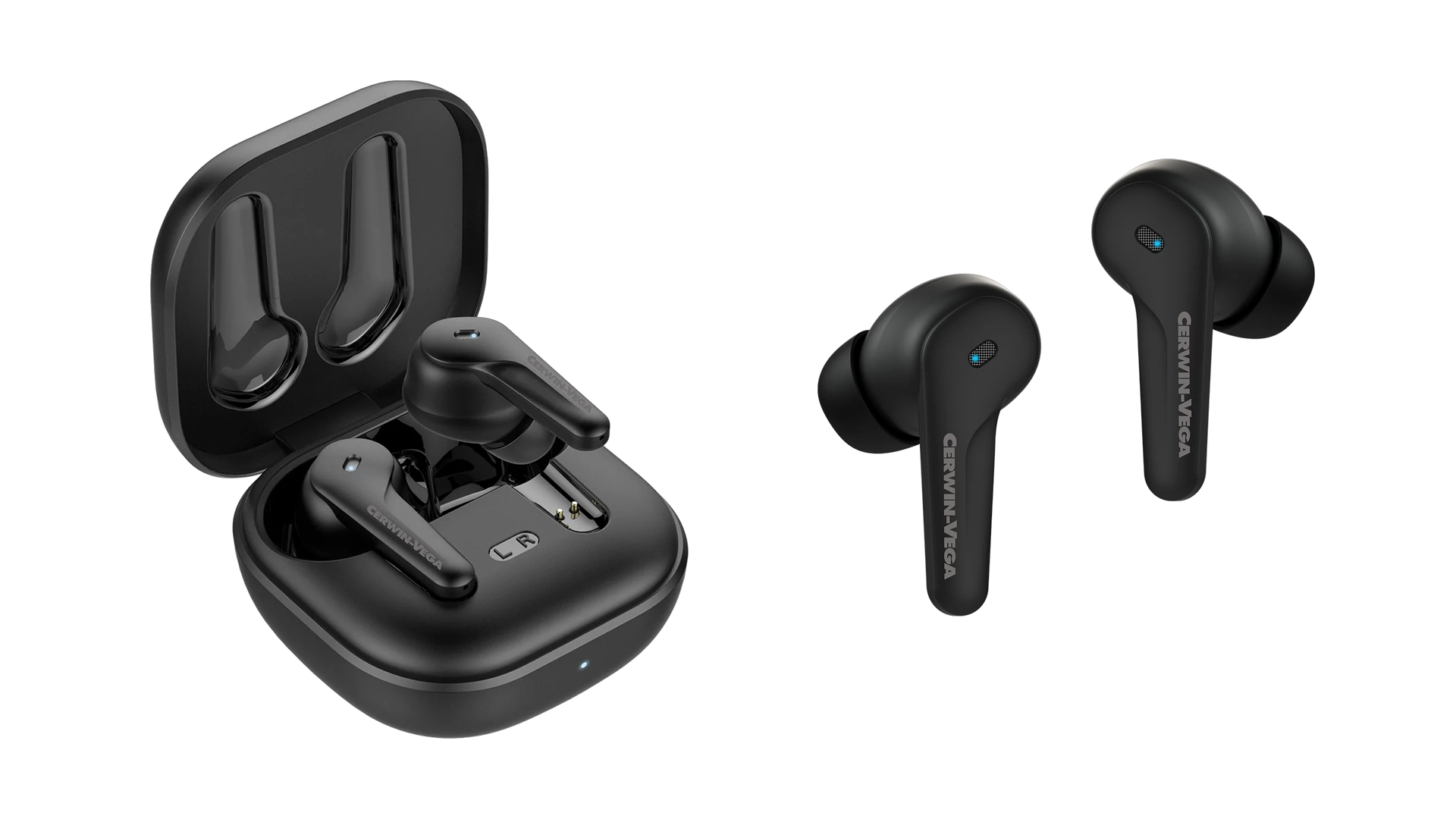
Cerwin-Vega! designs loudspeakers around high efficiency, deep bass and the ability to produce convincing live-event sound pressure without fragile construction. Aerospace engineer Eugene ‘Gene’ Czerwinski founded Vega Associates in Los Angeles in 1954; the company later became Cerwin-Vega. An early 18-inch system capable of exceptional output at 30 Hz established its low-frequency reputation, while professional systems, instrument speakers and the red-surround home models made the brand visually unmistakable. Cerwin-Vega also supplied the folded-horn subwoofer technology used for Universal’s Sensurround presentation of Earthquake in 1974, work recognised with a special technical Academy Award. The brand later passed through several owners and was split between mobile and pro/home operations, but those divisions were reunited under Cerwin-Vega Inc. in 2020. Current ranges cover home speakers and subwoofers, professional PA systems, amplifiers and car audio, preserving the original emphasis on robust drivers, high output and bass with physical impact.
Cleer Audio

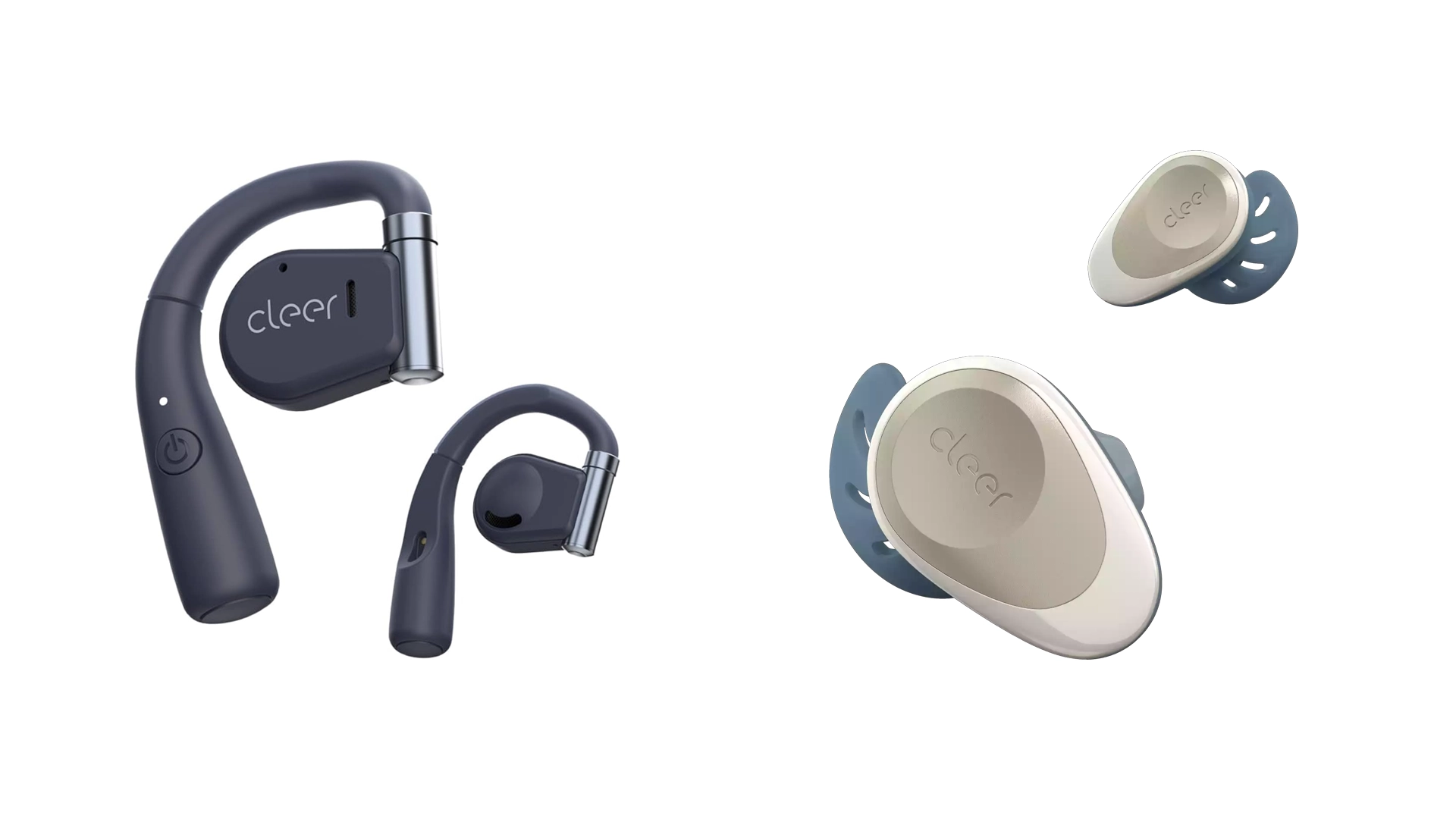
Cleer Audio is a San Diego personal-audio brand focused on wireless products that combine ambitious features with everyday ergonomics. Established in 2012 by a team with experience at larger consumer-electronics companies, Cleer first became known for over-ear headphones and later made open-ear listening its most recognisable category. The ARC family positions a driver near the ear canal on an articulated earhook, keeping the ear open to surrounding sound; current ARC 4 and ARC 5 variants add spatial-audio, gaming and sport-focused options, including THX-certified models. ALPHA and ENDURO cover conventional over-ear listening with active noise cancellation and long battery life, while the catalogue also includes true-wireless earphones and SCENE and CRESCENT speakers. Technologies vary by product and include multipoint Bluetooth, high-resolution codecs, beamforming microphones, adaptive noise control and app-based sound adjustment. Cleer’s identity is therefore modern connected personal audio rather than the hand-built cables made by the unrelated British company Clearer Audio.
Denon

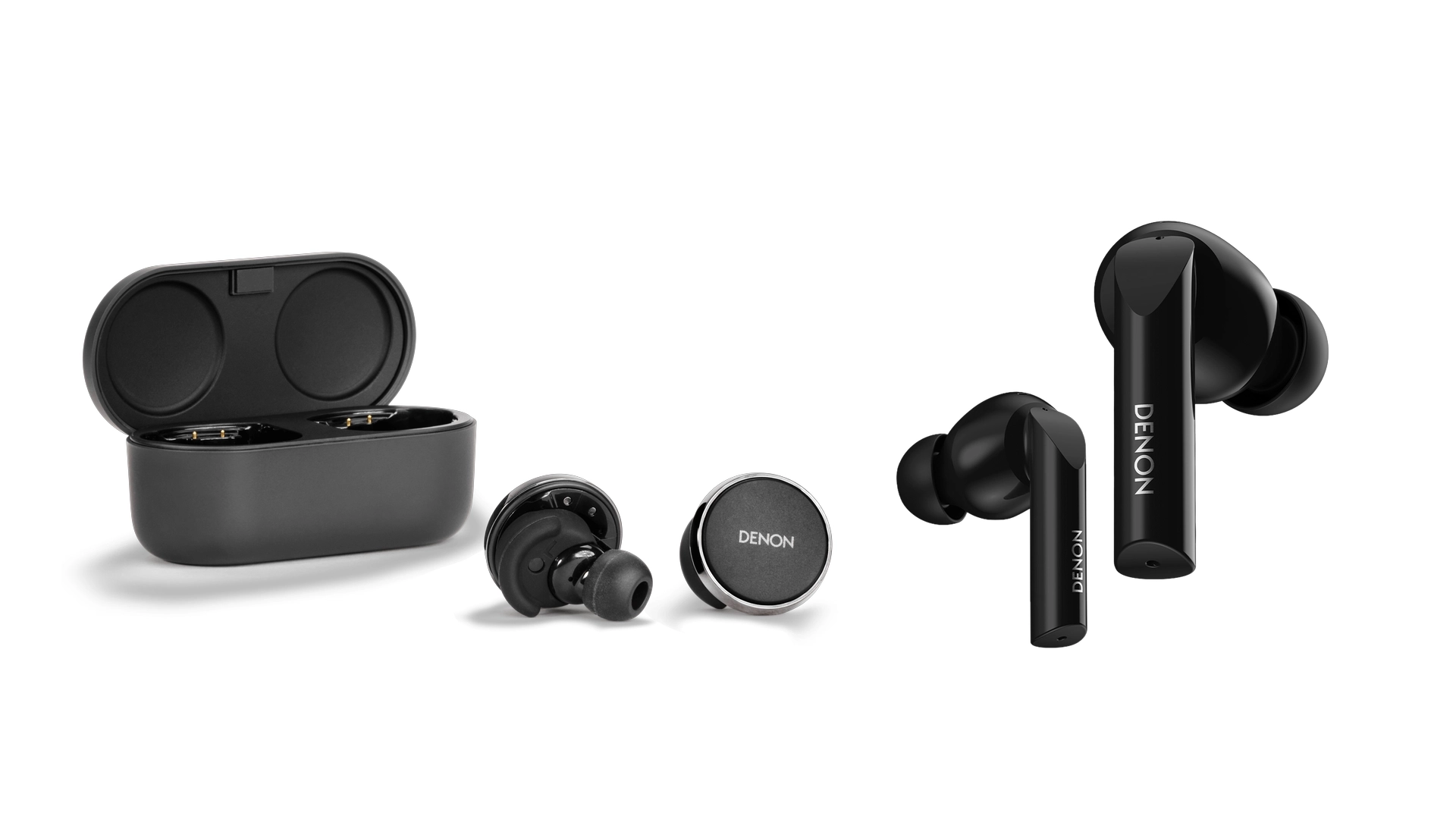
Denon’s history begins in 1910, when American entrepreneur Frederick Whitney Horn established the Japan Recorders Corporation, the antecedent of today’s Japanese audio brand, to manufacture records and gramophones. The company subsequently linked recording and playback in ways few consumer manufacturers can claim: it built Japan’s first professional disc recorder, released the country’s first commercial LP records, developed the broadcast-standard DL-103 moving-coil cartridge in 1963 and introduced an eight-channel PCM digital recorder in 1972. That combination of analogue, digital and broadcast experience still appears in a broad catalogue. AVR and AVC home-cinema receivers integrate amplification, decoding, room correction and HEOS network audio; PMA amplifiers and DCD disc players serve stereo systems; turntables, cartridges, headphones and soundbars cover other parts of the chain. The DL-103 remains in production decades after its broadcast origins, while modern receivers adopt current HDMI and immersive-audio standards. Denon’s strength is not merely age or product count, but a continuous ability to translate professional recording and format changes into durable home-audio products.
Devialet

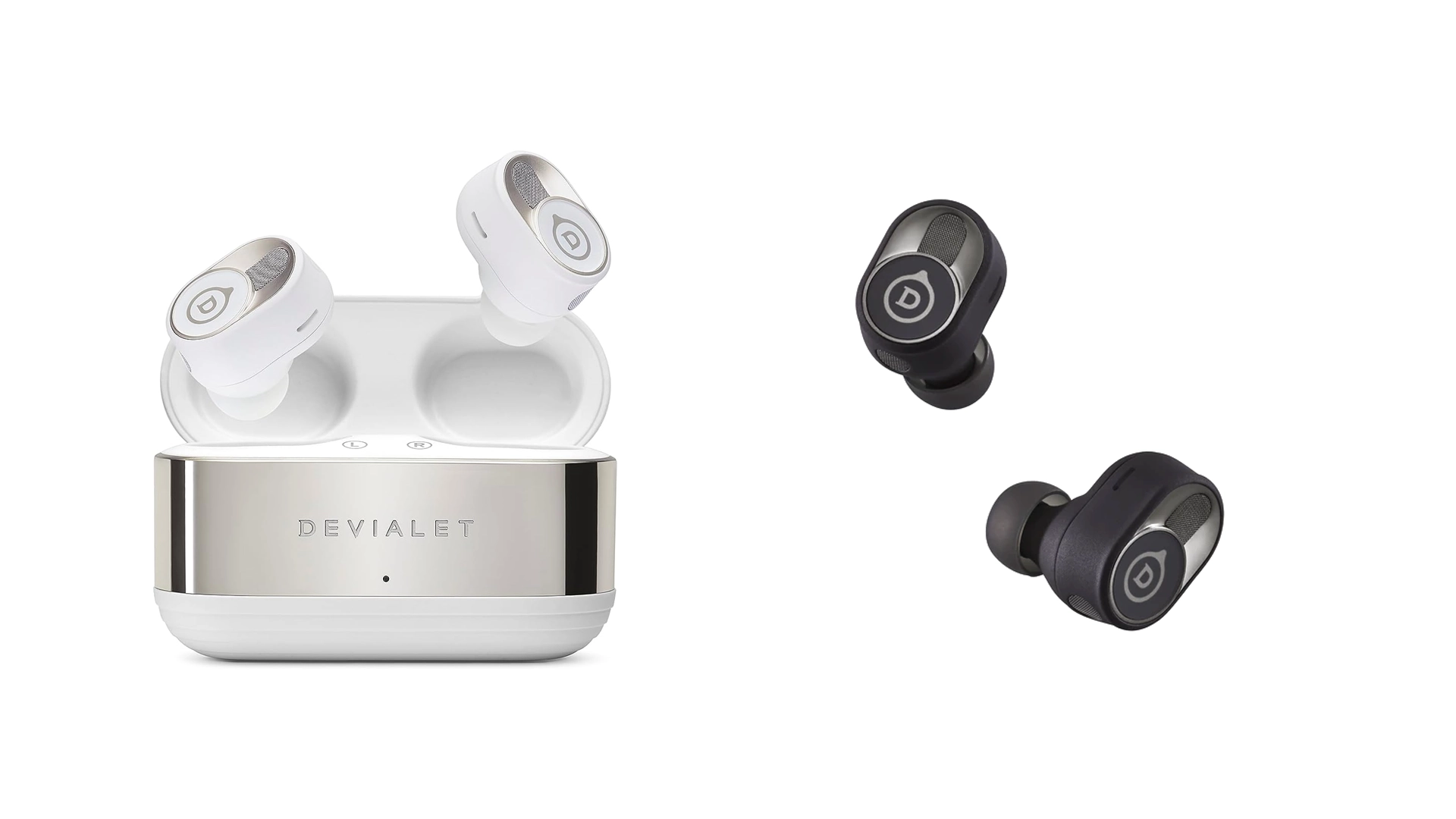
Devialet is a Paris audio-engineering company whose identity rests on packing proprietary amplification, signal processing and acoustic control into unusually compact products. Founded in 2007 by engineer Pierre-Emmanuel Calmel with Quentin Sannié and Emmanuel Nardin, it commercialised Calmel’s ADH architecture, in which a Class A stage controls the signal while Class D supplies most of the power. The original D-Premier evolved into the Expert and Astra amplifier platforms, while the Phantom family translated the same systems approach into active wireless loudspeakers with opposed woofers and extreme excursion. Devialet’s other distinctive technologies include SAM, which tailors amplifier output to a measured passive loudspeaker, and the pressure-controlled bass architecture used in Phantom. The range has expanded to Mania portable speakers, Dione soundbars and Gemini earphones, but the common thread remains tight integration of analogue circuitry, switching power, DSP, mechanics and industrial design. Devialet is therefore best understood not simply as a luxury speaker brand, but as a technology-led manufacturer that develops the complete signal-to-sound chain.
Etymotic

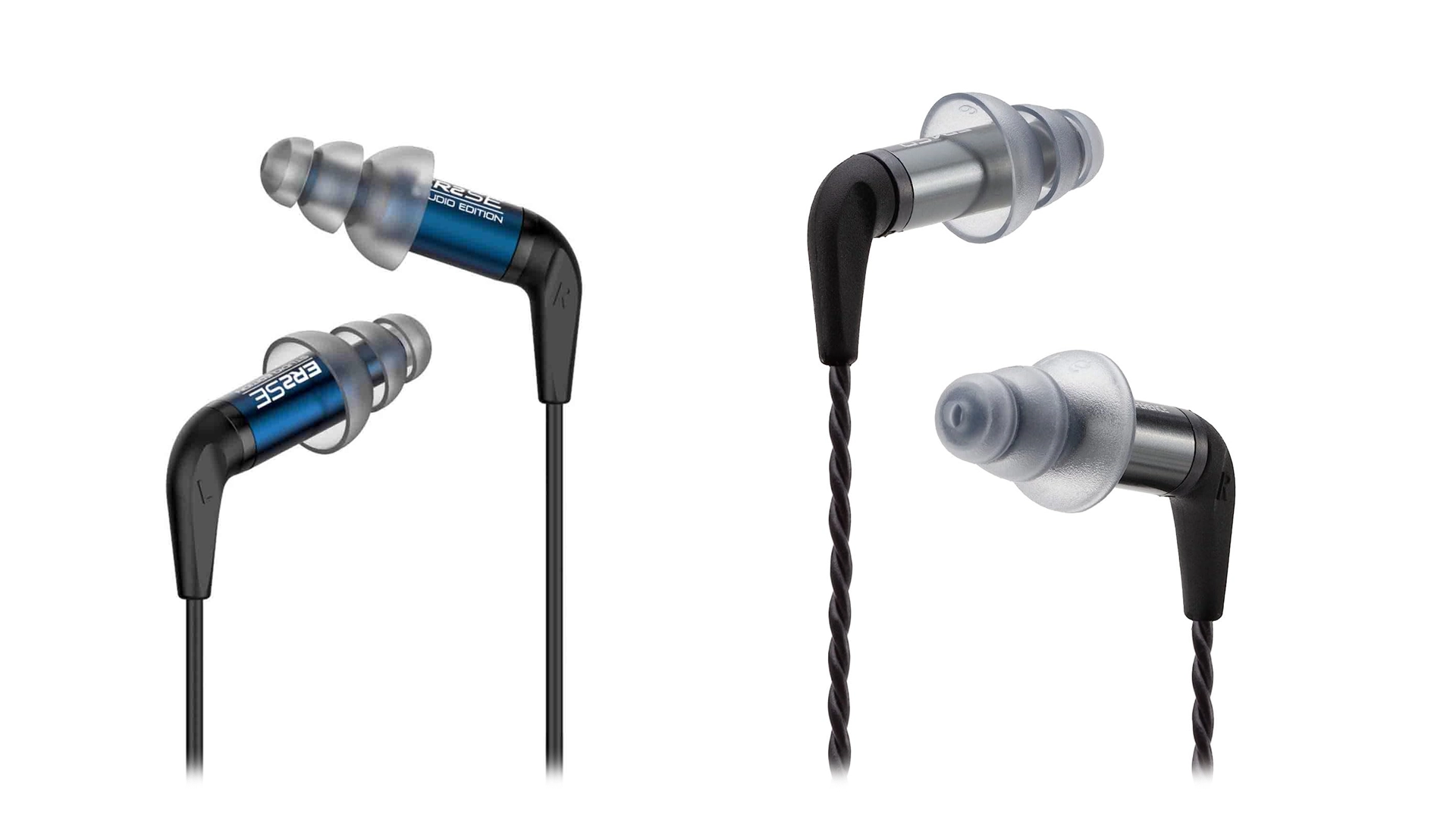
Etymotic Research was founded near Chicago in 1983 by hearing scientist and inventor Mead Killion. Its name means ‘true to the ear’, and the company grew from work in hearing measurement, protection and assistive listening rather than from conventional consumer hi-fi. The ER-4, introduced in 1991, helped establish the universal high-fidelity in-ear monitor: a balanced-armature transducer, deep insertion, replaceable acoustic filters and carefully specified eartips delivered a repeatable response and unusually high passive isolation. Today’s ER2, ER3 and ER4 families extend that reference-oriented approach with dynamic or balanced-armature drivers. Etymotic also makes musician’s earplugs, electronic hearing protection and auditory test products. The distinctive know-how is the link between psychoacoustics, ear-canal acoustics and hearing conservation—not simply a neutral-sounding earphone catalogue.
FiiO

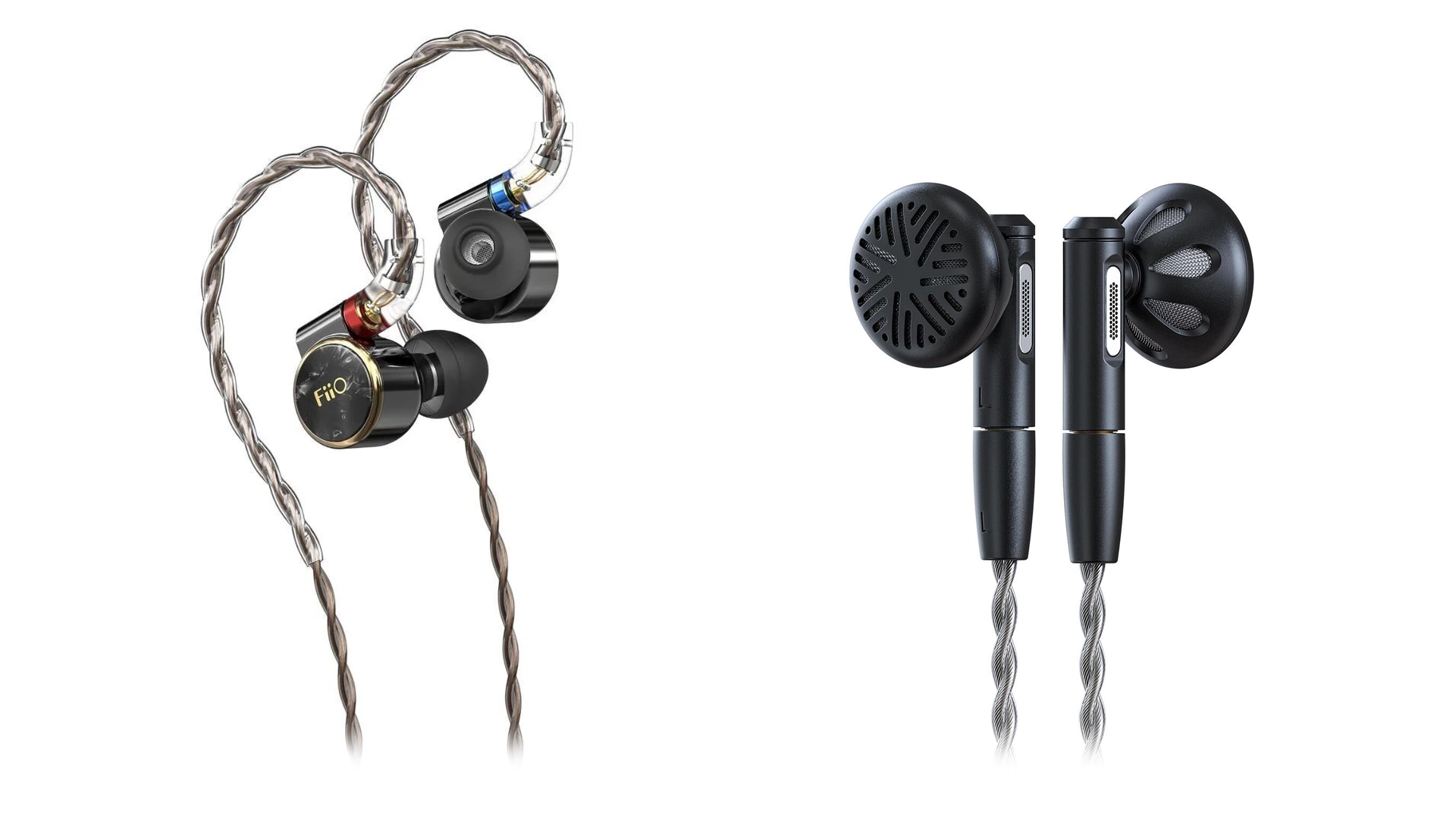
FiiO was founded in Guangzhou in 2007 and helped move serious personal audio from improvised accessories into complete, affordable systems. Early E-series portable headphone amplifiers built its reputation; the X3 player in 2013 made high-resolution playback central to the brand, and today’s Android-based M-series players combine local storage, streaming services, balanced outputs and replaceable or carefully engineered amplification stages. The broader catalogue now includes K-series desktop DAC/headphone amplifiers, BTR Bluetooth receivers, portable dongles, IEMs, full-size headphones and desktop source components. FiiO develops electronics, firmware, apps and transducers rather than depending on one fashionable product category, while sub-brand Snowsky explores smaller and more playful designs. Its distinctive strength is vertical product integration at attainable prices: a listener can build a portable, desktop or living-room chain whose interfaces and power requirements were designed to work together.
Final

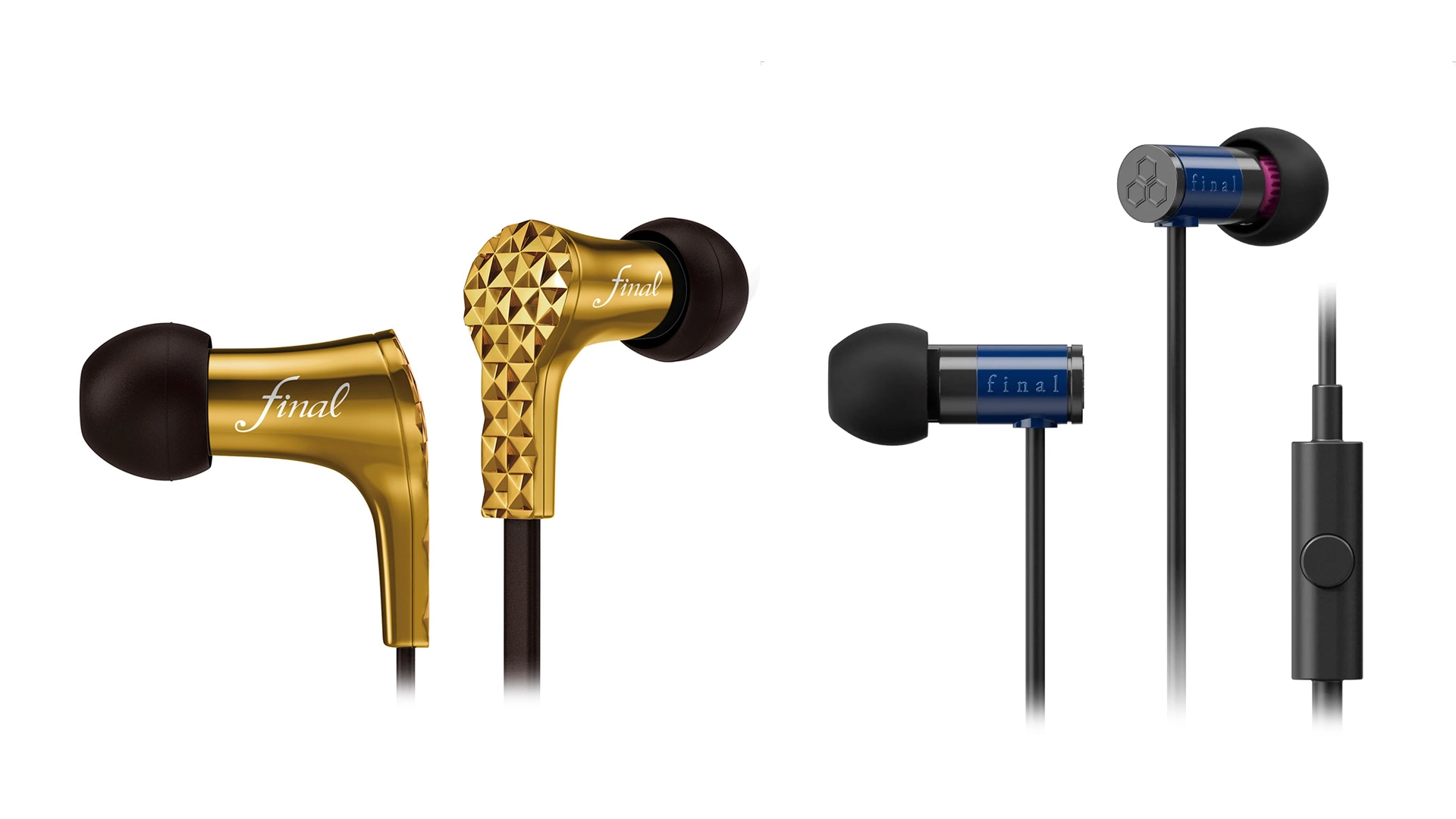
Final traces its Japanese audio lineage to 1974, when Kanemori Takai established the original Final brand and pursued unconventional analogue and transducer designs, including a cartridge with a one-piece diamond cantilever and stylus. The modern company began a new chapter when Takai and engineer Takashi Yamaguchi established Final Audio Design in 2007; earphone production followed in 2009, and S’NEXT brought the operation and final name together after a management buyout in 2014. Current products range from E-, A- and B-series earphones to D-series headphones and true-wireless models. Landmark projects show the engineering range: the user-tunable MAKE earphones, the titanium 3D-printed LAB I and the D8000 planar-magnetic headphone with Air Film Damping System. The brand is therefore neither a generic IEM maker nor an uninterrupted single corporation—the accurate story is a 1974 design lineage continued by today’s S’NEXT team.
Grado

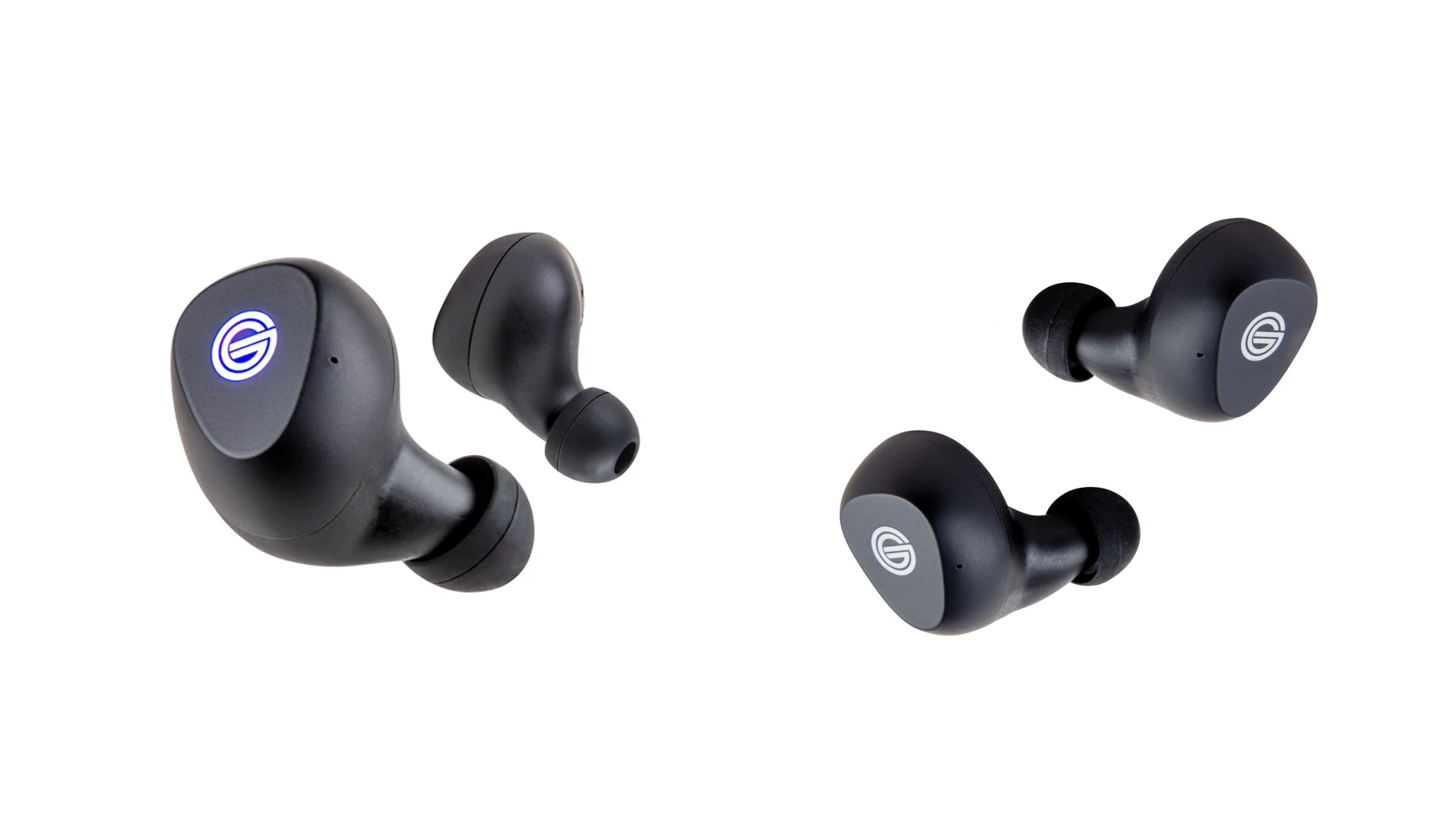
Grado Labs is a family-owned Brooklyn manufacturer whose two specialties—open-back headphones and phono cartridges—share an emphasis on light moving systems and hand assembly. Joseph Grado founded the company with his brother John in 1953, working from the family building where production still takes place. Joseph became known for early stereo moving-coil cartridge work; John Grado assumed leadership in the early 1990s and launched the headphones that made the name familiar to a wider audience. Richard Grado has led the company since 2023, with third-generation family members Jonathan and Matthew also involved. Today Grado offers Prestige, Timbre and Lineage cartridges together with Classic, Reference and Signature headphones, plus wireless models such as the GW series. Continuity of ownership, repairable construction and small-batch Brooklyn production define the brand more clearly than any single model.
Hiby

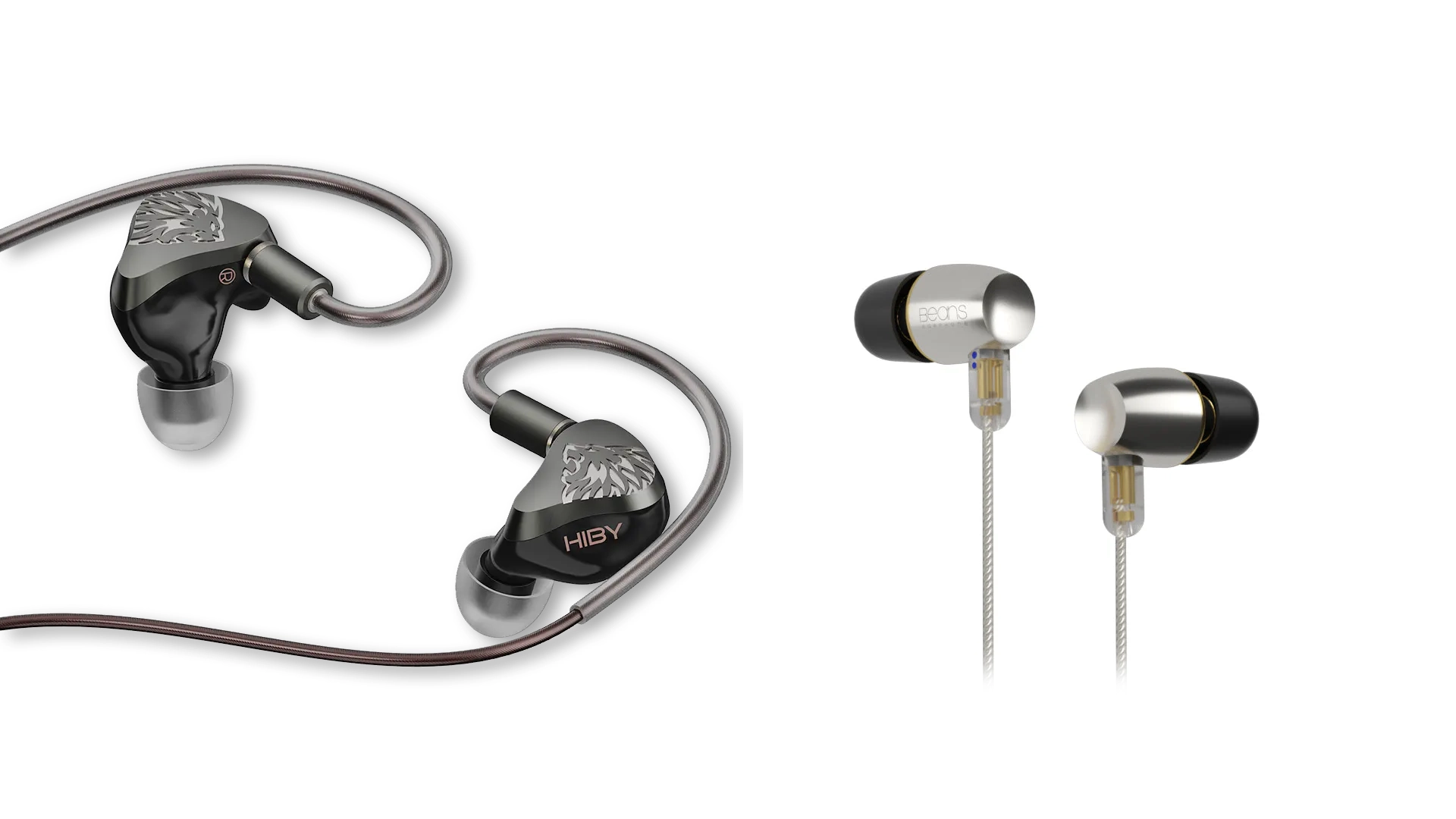
HiBy began in China in 2011 as a software and firmware specialist for portable audio, years before its own digital players became widely known. That background still explains the brand better than any single product: HiBy develops the playback environment as well as the hardware, including HiByMusic, HiByOS, system-level audio processing and control software used across its own devices and by other manufacturers. The R-series players made the company a direct hardware brand, while the RS models introduced its Darwin architecture for configurable R-2R conversion. HiBy now covers digital audio players, USB DAC and headphone-amplifier dongles, Bluetooth devices and earphones, with features such as MSEB sound adjustment linking the products to its software roots. Its particular strength is vertical integration in portable hi-fi—interface, operating system, decoding, DSP and analogue output are developed as parts of one user experience.
HiFiMAN

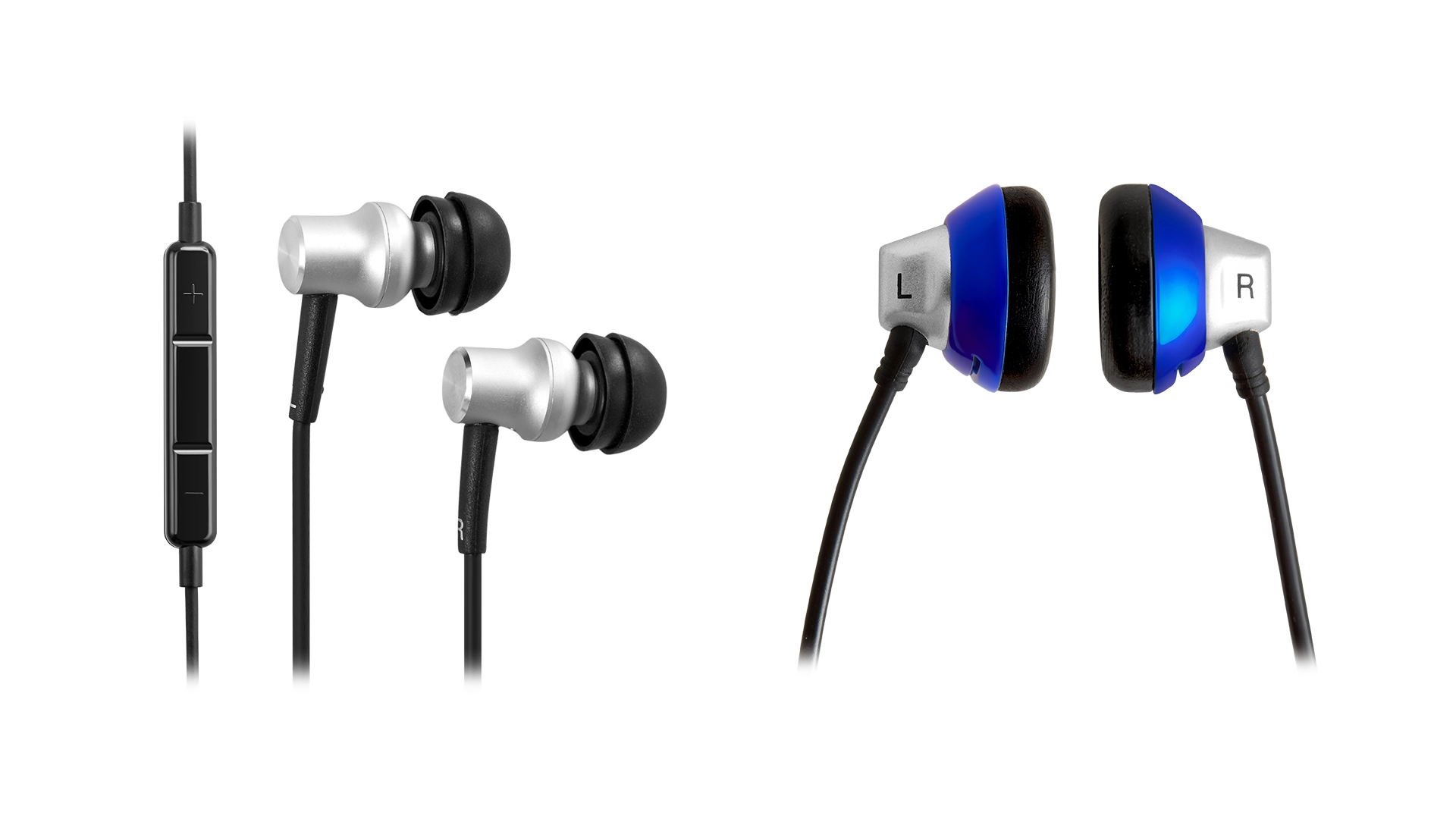
HiFiMAN is one of the companies most responsible for bringing planar-magnetic headphones back into mainstream high-end audio. Dr Fang Bian started Head-Direct in New York in 2005 and adopted the HiFiMAN name in 2007; early products such as the HM-801 portable player and HE-5 headphone established both its digital and transducer ambitions. The core range now runs from accessible models such as Sundara through Ananda, Arya and HE1000 to the flagship Susvara. Across these families, very thin planar diaphragms, distributed conductor traces and increasingly acoustically transparent magnet structures are used to reduce moving mass and obstruction; the company describes later versions as Stealth Magnet designs. HiFiMAN also produces DAC/headphone amplifiers, R-2R portable players and in-ear monitors. Its real significance is the scale at which it has developed planar technology—from attainable everyday models to uncompromised reference designs.
HUAWEI

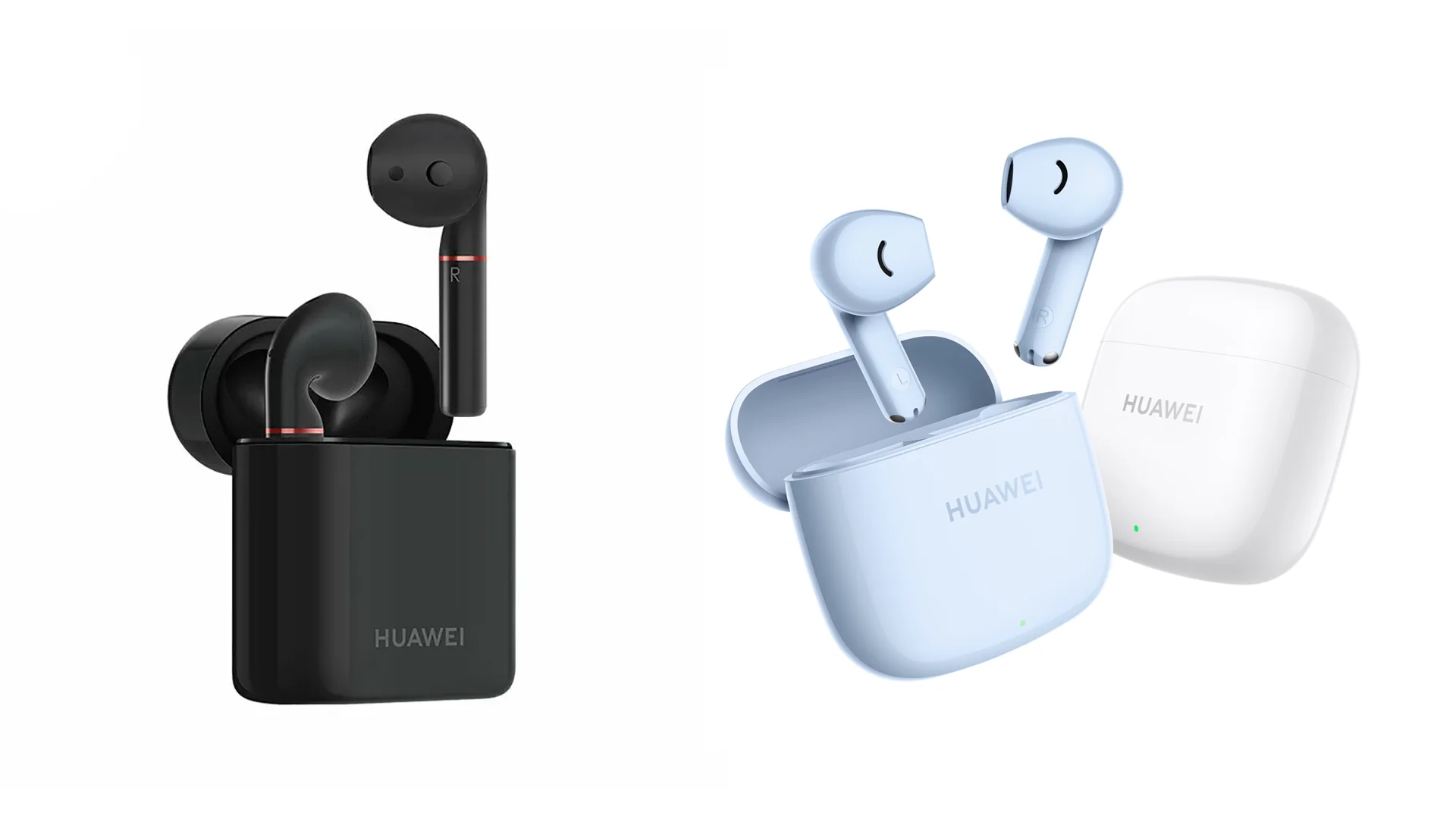
HUAWEI brings the scale of a global communications company to a tightly integrated range of wireless personal audio. Founded in China by Ren Zhengfei in 1987, Huawei is far broader than an audio brand, but its FreeBuds earphones, FreeClip open-ear models and FreeBuds Studio headphones form a coherent ecosystem rather than occasional accessories. Across the range the company combines miniature multi-driver acoustics, adaptive active-noise cancellation, beam-forming microphones, spatial processing and fast switching between Huawei phones, tablets and computers. Its open-ear FreeClip format is a particularly distinctive piece of industrial design, using a flexible bridge to balance comfort and secure fit without sealing the ear canal. Huawei has also produced wireless speakers, including earlier Sound models developed with Devialet, but today the strongest identity is in compact wearable audio backed by the company’s radio, battery, sensor and software expertise.
Jade Audio

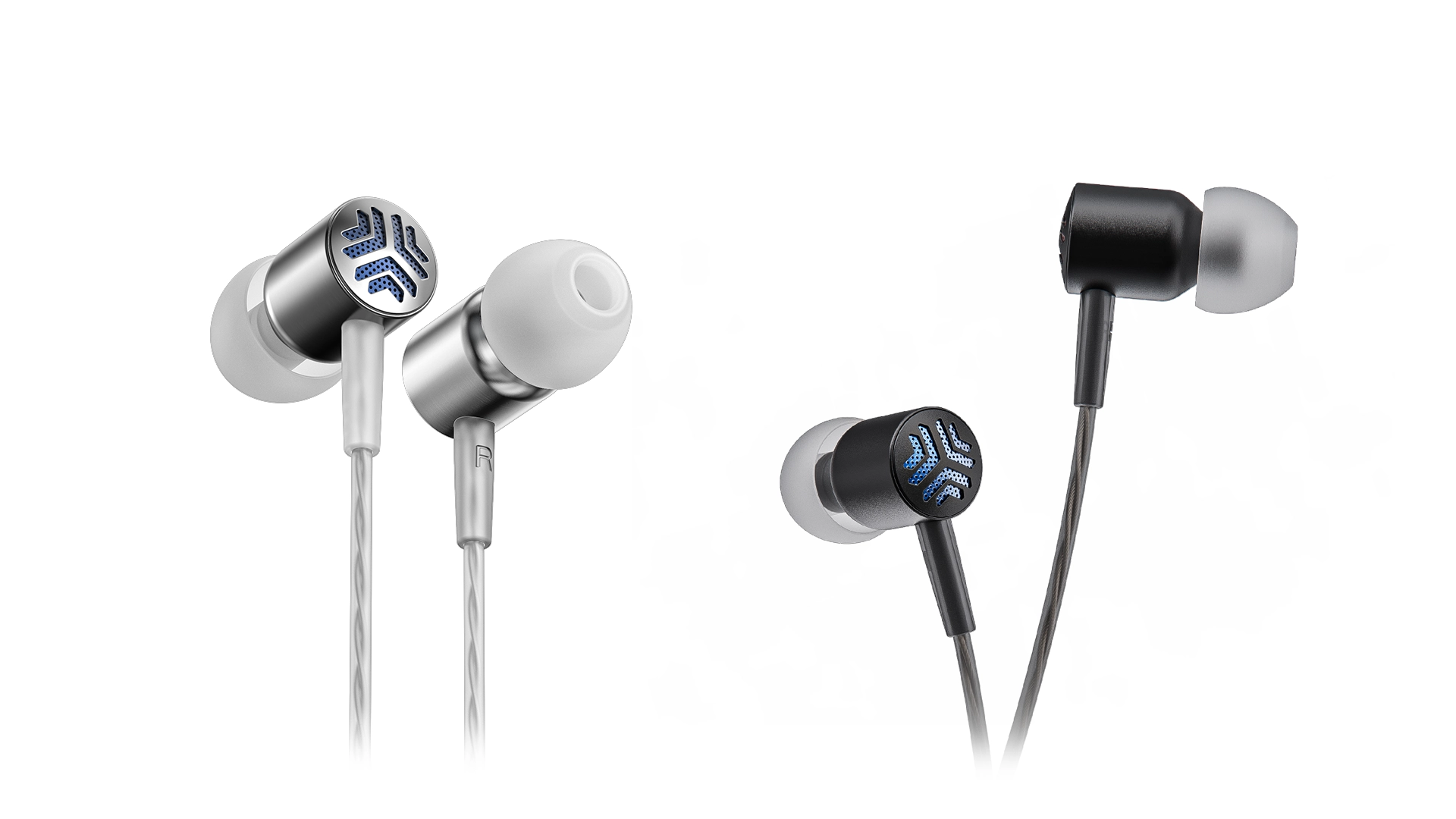
Jade Audio is FiiO’s value-focused personal-audio brand, created in China in 2018 to carry proven engineering into simpler, more accessible products. Its point is not to imitate FiiO’s entire catalogue at a lower price, but to concentrate spending on the parts that directly affect listening: transducers, acoustic loading, DAC and amplifier stages, useful connectivity and dependable construction. The range has included JD-series in-ear monitors, JT-series full-size headphones and compact KA-series USB DAC/headphone amplifiers, giving newcomers a practical path from a phone’s basic output to wired hi-res listening. Models are often sold through direct online channels and supplied with fewer luxury extras, which helps keep prices controlled. The unusual name comes from the Chinese expression translated as “sound of jade,” but the real distinction is more concrete: Jade Audio borrows FiiO’s experience in portable audio while maintaining a deliberately lean product brief. It is therefore best understood as an entry point into enthusiast headphones and IEMs, not as a separate maker of unrelated lifestyle electronics.
JLab

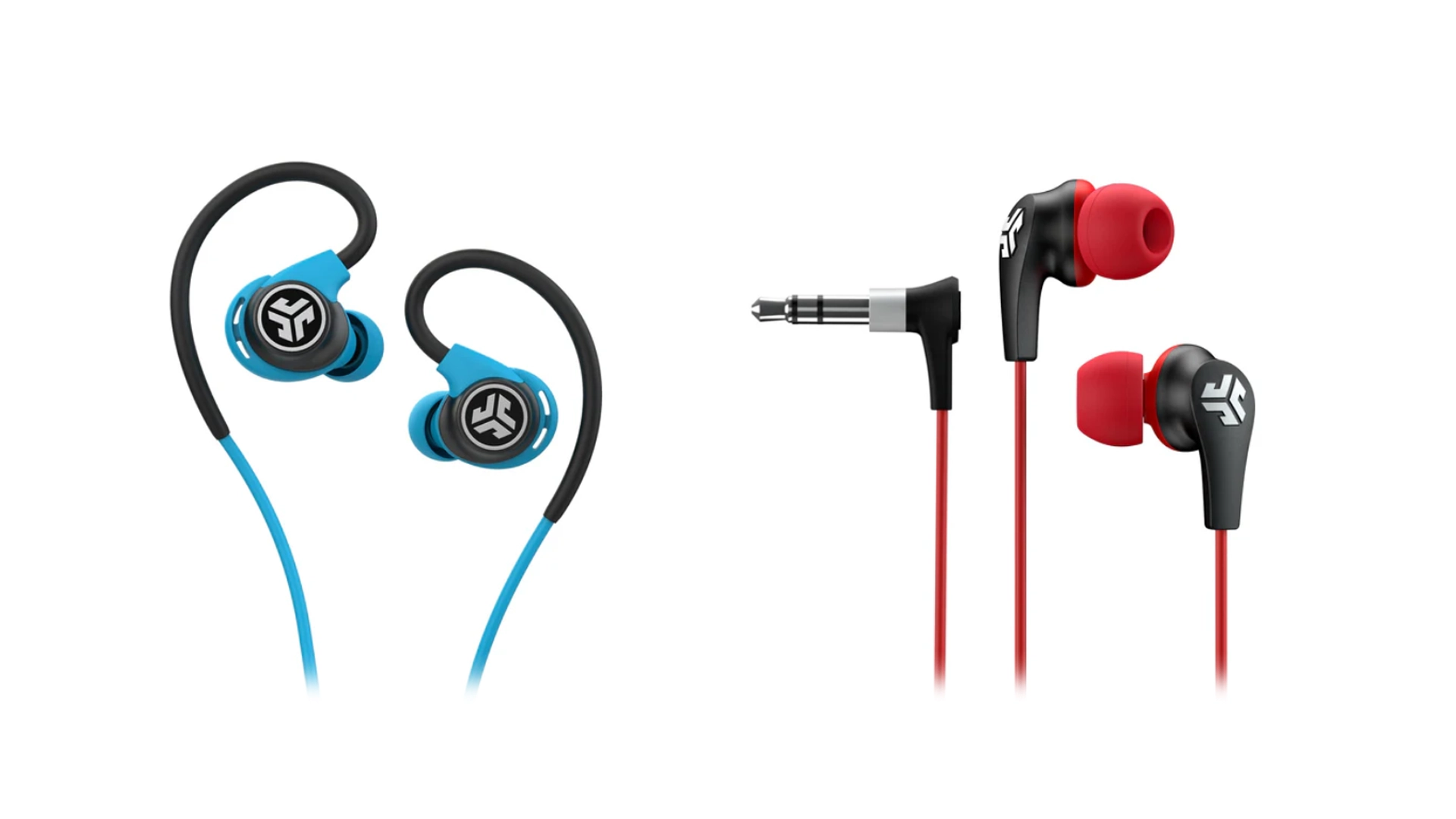
JLab is an American personal-audio brand built around aggressive value rather than stripped-down specifications. Joshua Rosenfield founded it in Tucson in 2005; the business later moved to California and, since 2021, has been owned by Japan’s Noritsu. JLab’s range spans GO and JBuds true-wireless earbuds, Epic performance models, over-ear headphones, children’s headphones, gaming headsets, microphones and small computer accessories. Across those categories it tends to prioritise long battery life, selectable EQ presets, multipoint Bluetooth, compact charging cases and fit options that make everyday use less troublesome. Sport models add ear hooks or secure shapes, while work-oriented products bring boom microphones and USB connectivity. The products are not positioned as studio references, and that is precisely the point: JLab competes by deciding which current features can be delivered at mass-market prices and by offering many formats for school, calls, exercise and travel. Its strongest identity is practical experimentation at scale—often adopting a useful wireless feature quickly, then packaging it in a product ordinary buyers can replace or upgrade without a luxury premium.
JVC

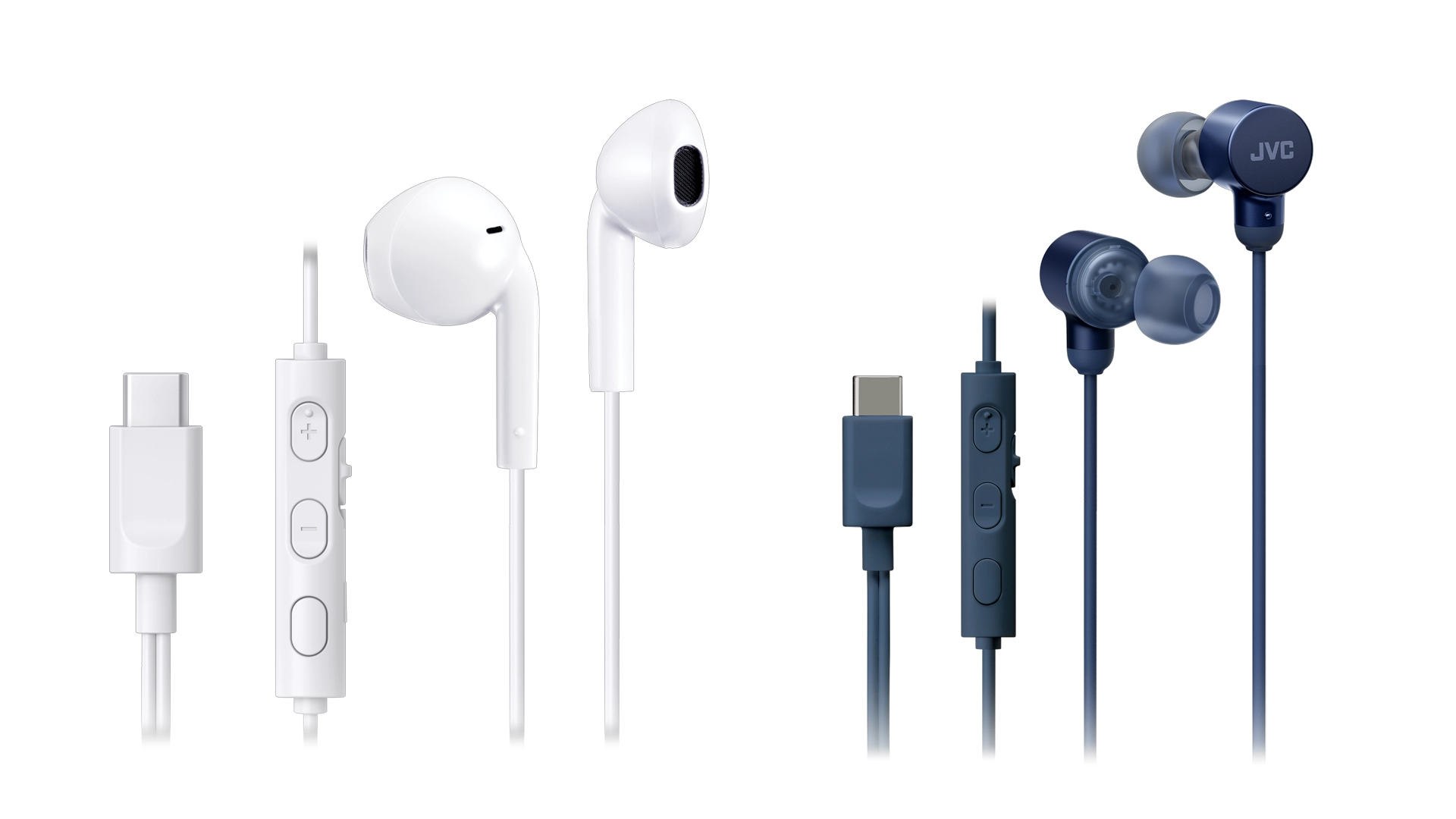
JVC is a Japanese audio-video brand whose history reaches from phonographs and recording media to headphones, car receivers and projectors. The Victor Company of Japan was established in Yokohama in 1927 as a Japanese subsidiary of the US Victor Talking Machine Company, then developed its own engineering and manufacturing base. Its best-known global achievement was VHS, introduced in 1976 and designed as a practical home-video system that could be licensed widely. Audio work ran alongside it: the Nivico export name, compact systems, tape equipment, speakers, headphones and later EXOFIELD spatial-processing products all belong to different periods of the same company. JVC merged with Kenwood in 2008 and now operates as a brand of JVCKENWOOD, so it should not be described as a fully independent multinational company. The current audio identity is concentrated in wireless and wired headphones, car multimedia and selected home products, while D-ILA projection represents another important specialist branch. JVC’s real strength is format and application engineering across sound and image, not a single timeless product range.