
In-Ear Earbuds
Earbuds are the most popular type of ultra-portable listening device, designed to be compact, convenient, and easy to use. This category includes everything from simple wired models to the ubiquitous “True Wireless” (TWS) earbuds, which offer a completely cable-free experience. Focused on daily life, commuting, and fitness, they often feature technologies like active noise cancellation and integrated microphones. This page lists the leading brands in this massive consumer audio market.
Hi-Fi brands in the category
Summary information and image
Direct links to official websites
Koss

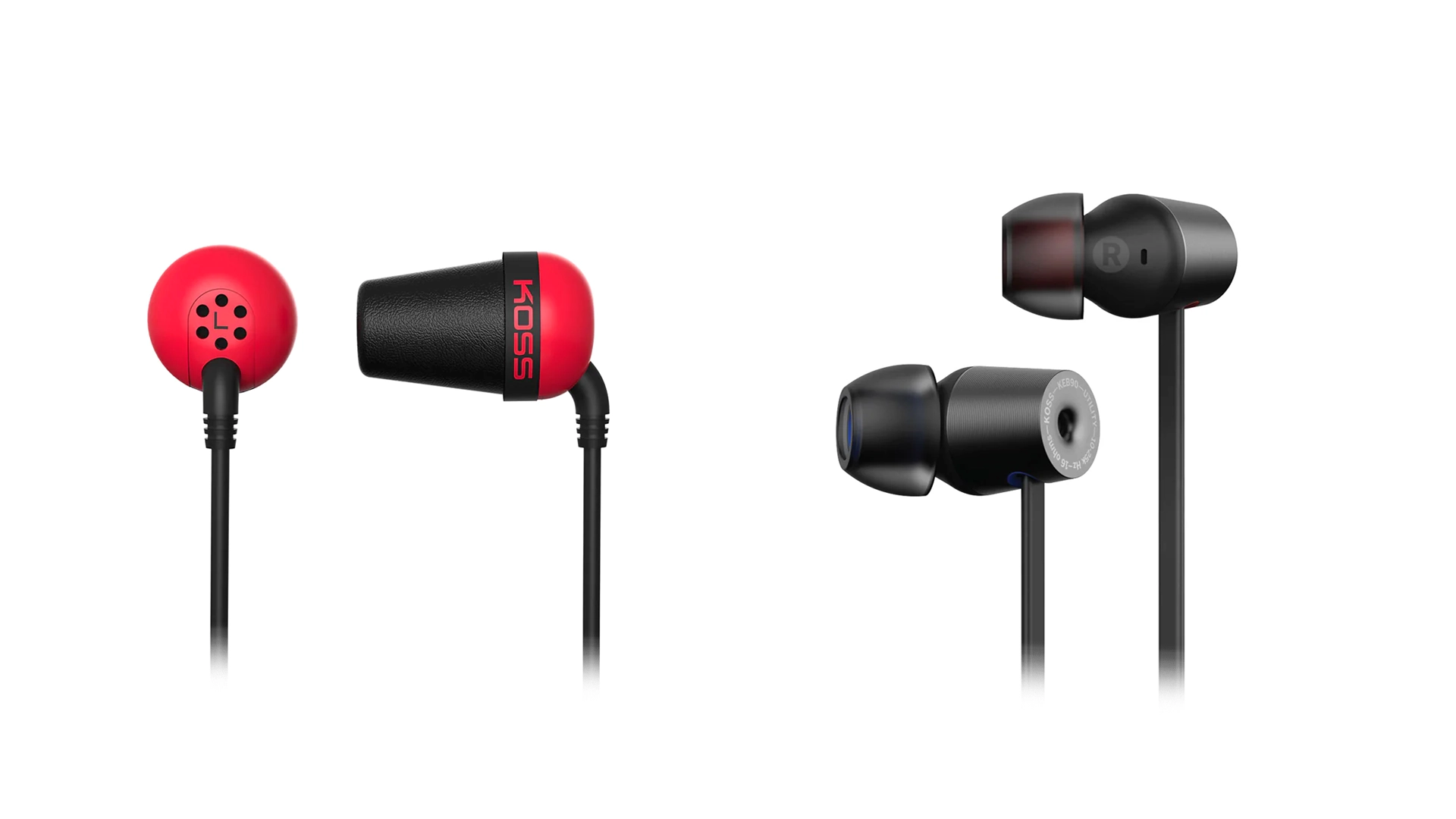
Koss is an American headphone company founded in Milwaukee by John C. Koss in 1953. The business initially rented televisions, but its direction changed in 1958 when Koss and engineer Martin Lange demonstrated a portable stereo phonograph with the SP/3 stereophone. That product is widely recognised as the first commercial high-fidelity stereo headphone and established personal stereo listening as Koss’s defining field; 1958 is the breakthrough year, not the company’s founding date. The later Pro/4AA became a durable studio and broadcast reference, while the open-back Porta Pro of 1984 created an even longer-lived design through its light frame, adjustable temple pads and replaceable foam cushions. Current favourites such as KSC75, KPH30i and KPH40 reuse aspects of the brand’s practical on-ear engineering, alongside Bluetooth and communication models. Koss has never depended on luxury materials or rapid annual replacement. Its strength is a rare continuity of affordable, repairable or parts-supported headphones whose basic acoustic platforms often remain useful for decades.
Lypertek

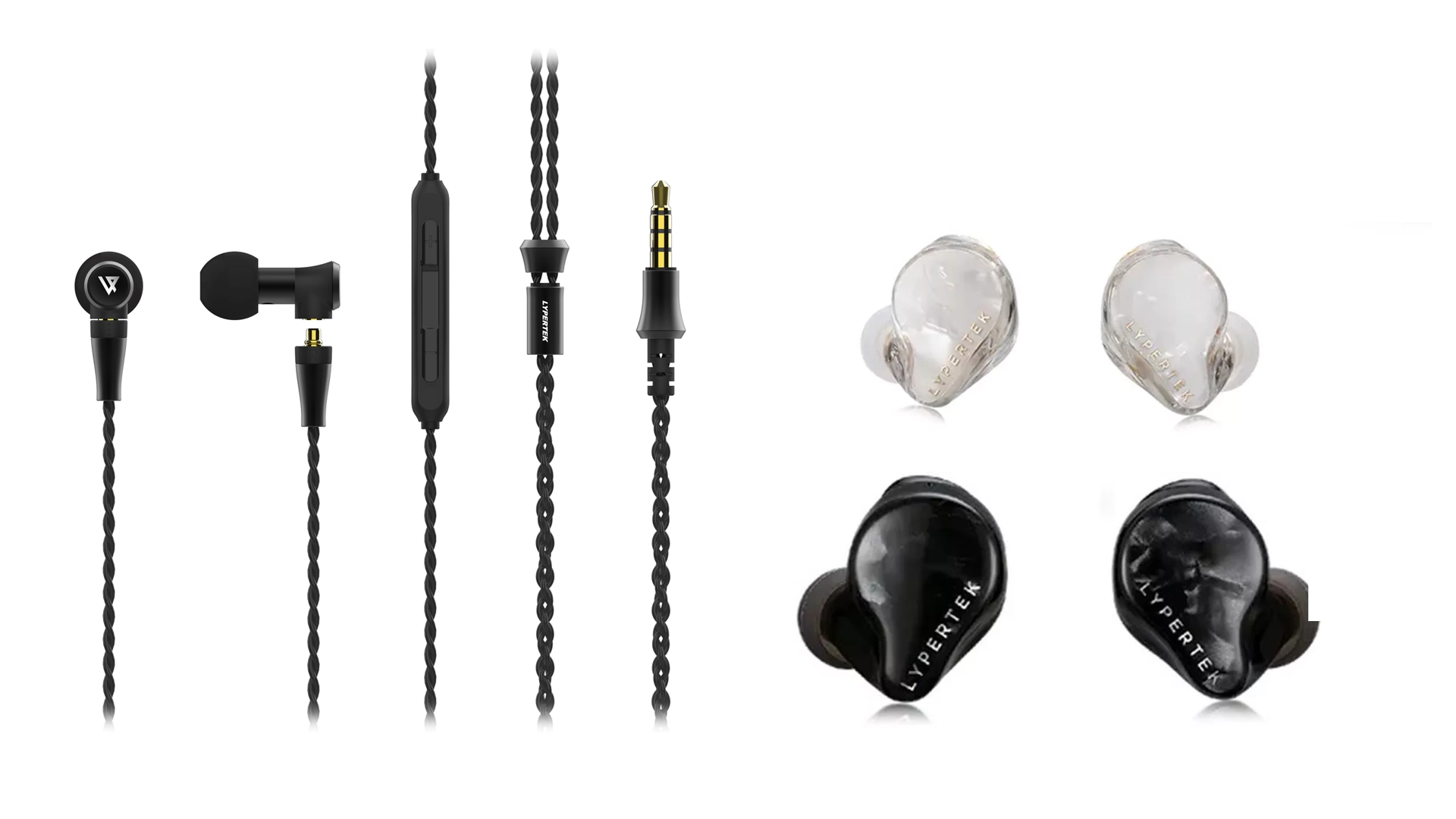
Lypertek is a portable-audio brand introduced in 2017 with a deliberately focused goal: true-wireless earphones tuned for sound quality without flagship-brand pricing. Its breakthrough model was the TEVI, later renamed PurePlay Z3, which paired a balanced tonal approach with unusually long battery life, IP-rated protection and a compact charging case. The PurePlay range subsequently split into distinct solutions. Z5 added hybrid active noise cancellation and app-based adjustment, while Z7 used a three-driver hybrid arrangement—one dynamic driver and two balanced armatures per side—to pursue greater resolution without abandoning wireless convenience. Simpler SoundFree models address everyday listening, and the newer S30 applies an open-ear bone-conduction format with IP68 protection and onboard MP3 playback for exercise. Across the range, Lypertek has emphasised practical details such as Qualcomm Bluetooth platforms on selected models, codec support, wireless charging, ambient modes and configurable controls. Products and availability have changed more quickly than in traditional hi-fi, so older TEVI branding should not be presented as the whole catalogue. The brand’s distinctive achievement was proving that battery endurance, weather resistance and a considered audio tuning could coexist in affordable true-wireless earphones.
Marshall

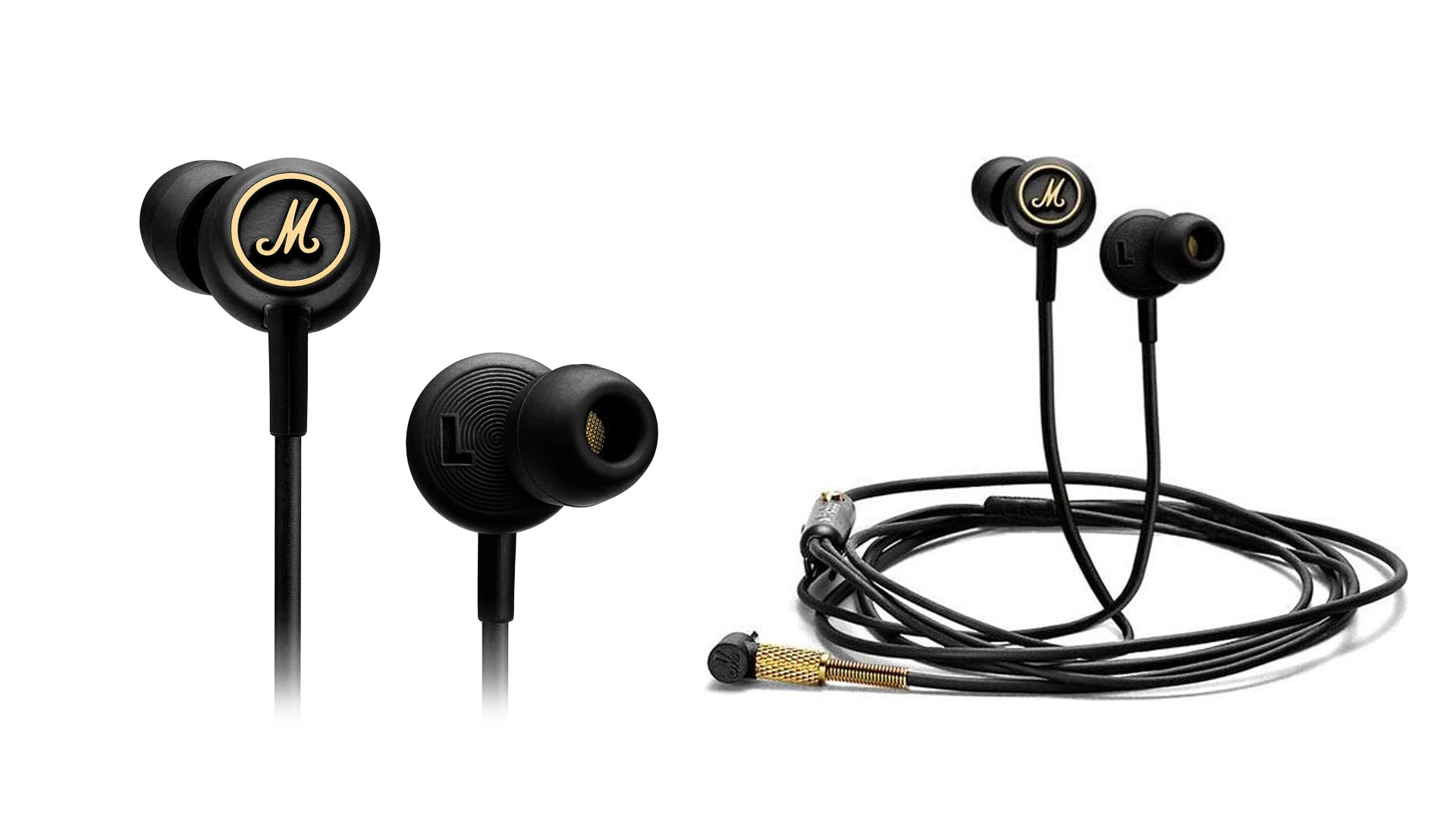
Marshall is the British amplification name that turned the sound and appearance of a guitar stack into a global rock-and-roll signature, then carried that identity into headphones and wireless speakers. Drum-shop owner and former drummer Jim Marshall founded the business in London in 1962 with technicians Ken Bran and Dudley Craven. Their early JTM45 amplifier responded to musicians seeking more volume and a different voice from the American designs then available; later Plexi, Super Lead and JCM models became fixtures on stages and recordings. The current catalogue still includes guitar and bass amplifiers, cabinets and effects, alongside consumer products such as the Major and Monitor headphones, Motif and Minor earbuds, and portable or home Bluetooth speakers including Emberton, Middleton, Stanmore and Woburn. Since the Marshall amplification and former Zound consumer-audio businesses were brought together in Marshall Group in 2023, product development, licensing and brand stewardship sit within one company, while the Marshall family remains involved. What makes Marshall unusual is the continuity between professional music equipment and everyday listening products: tactile controls, durable construction and amplifier-inspired design are tied to a genuine manufacturing and performance history rather than an invented retro theme.
Master & Dynamic

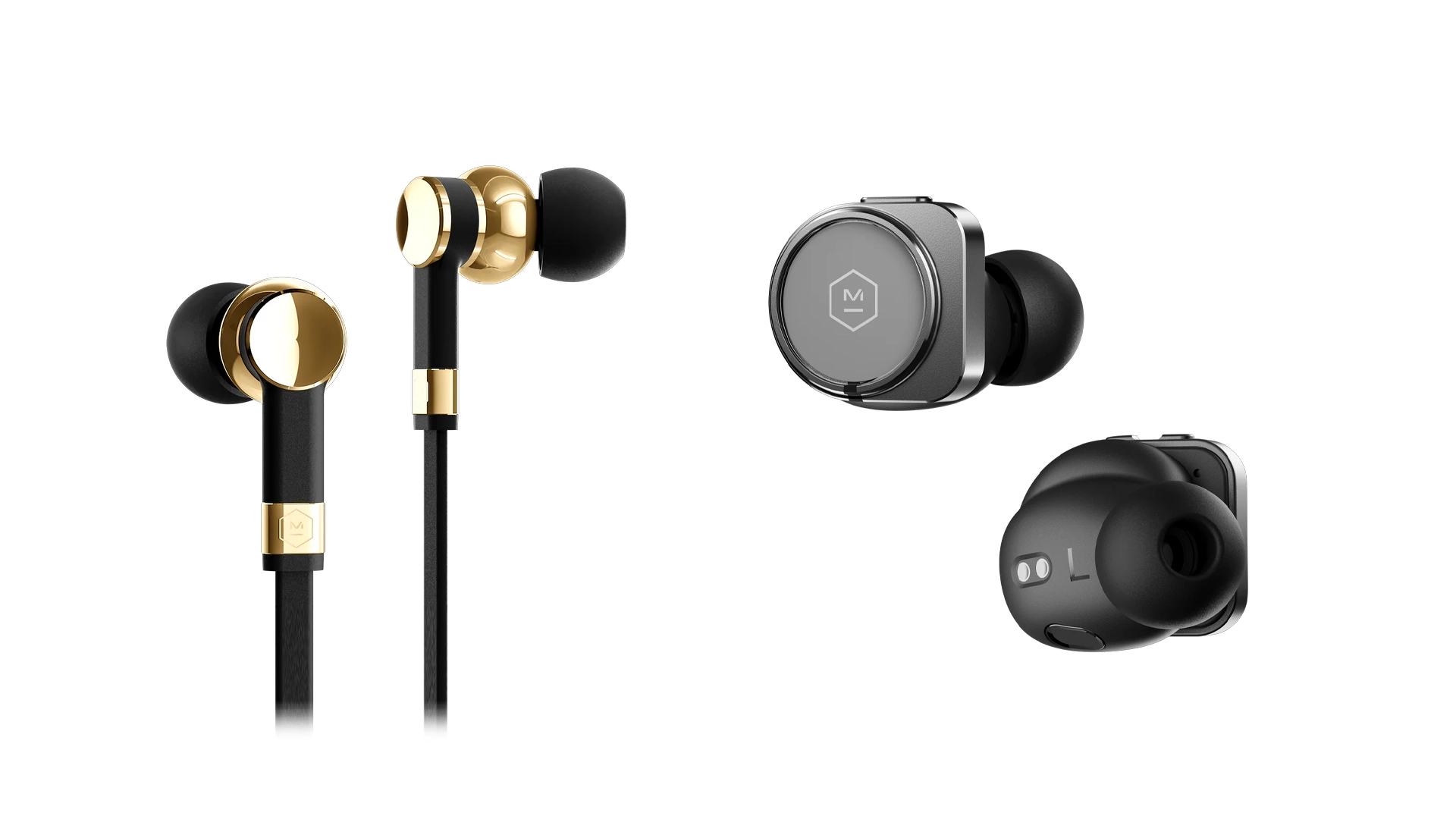
Master & Dynamic is a New York personal-audio brand that treats material choice, service life and industrial design as part of acoustic engineering. Jonathan Levine began developing the company in 2013 and launched its first headphones and earphones in May 2014, working with co-founder Vicki Gross and designer Mårten Wallby. The early MH40 established the formula: machined or forged metal, replaceable lambskin ear pads and a construction intended to age more like a durable instrument than disposable consumer electronics. The range now includes wired studio-style headphones, wireless over-ear models such as the MW75, true-wireless earphones and gaming headsets. Master & Dynamic combines custom acoustic drivers and tuned enclosures with active noise cancellation, beam-forming microphones and modern wireless codecs where the format requires them. Collaborations with fashion, automotive and cultural partners are frequent, but the underlying product language remains consistent. The brand’s real distinction is not luxury vocabulary alone; it is the unusually tactile, repair-conscious approach to portable audio, using aluminium, stainless steel, magnesium, leather and tempered glass where many competitors depend on molded plastic.
Meze Audio

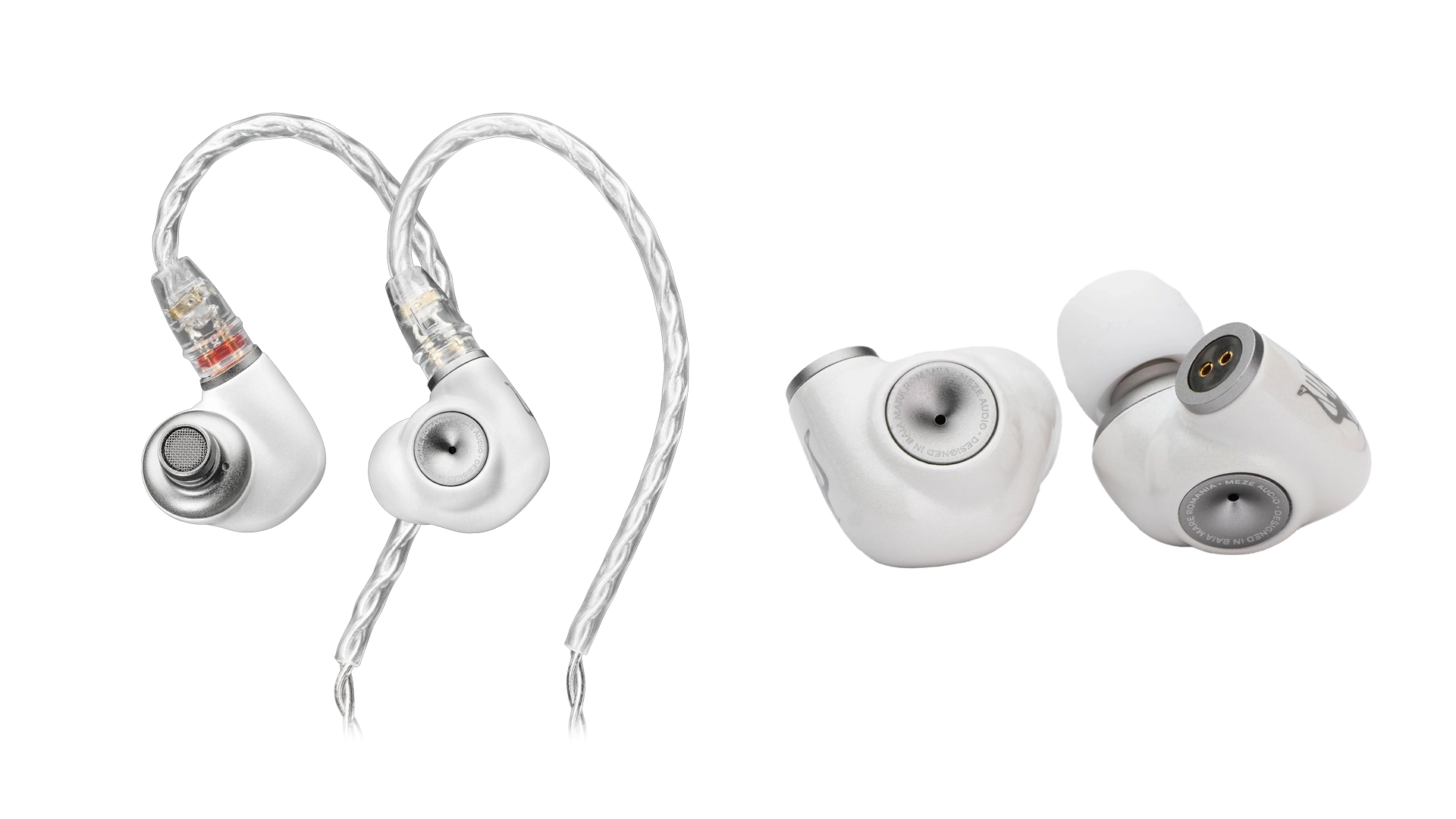
Meze Audio is a Romanian headphone specialist that combines distinctive industrial design with replaceable parts and acoustic platforms developed for long service. Designer Antonio Meze founded the company in Baia Mare in 2011. The wooden 99 Classics established its international identity in 2015, showing that a comfortable, repairable headphone could also have a recognizable visual and sonic character. The range now spans dynamic open- and closed-back headphones, planar-magnetic flagships and in-ear monitors. Empyrean, Empyrean II and Elite use isodynamic hybrid-array drivers developed with Rinaro, a Ukrainian-founded planar specialist; differently shaped voice-coil traces direct low and high frequencies toward appropriate areas of the ear. Models such as 109 Pro, 105 AER and 99 Classics use dynamic drivers and carefully shaped earcups, while Alba, Advar and Rai Penta address portable in-ear listening. Materials include wood, machined aluminium, carbon fibre and leather, but longevity is more important than ornament: ear pads, headbands, cables and many structural parts can be replaced. Meze’s genuine signature is the integration of ergonomics, sculptural form and serviceability with serious driver development.
Nagaoka

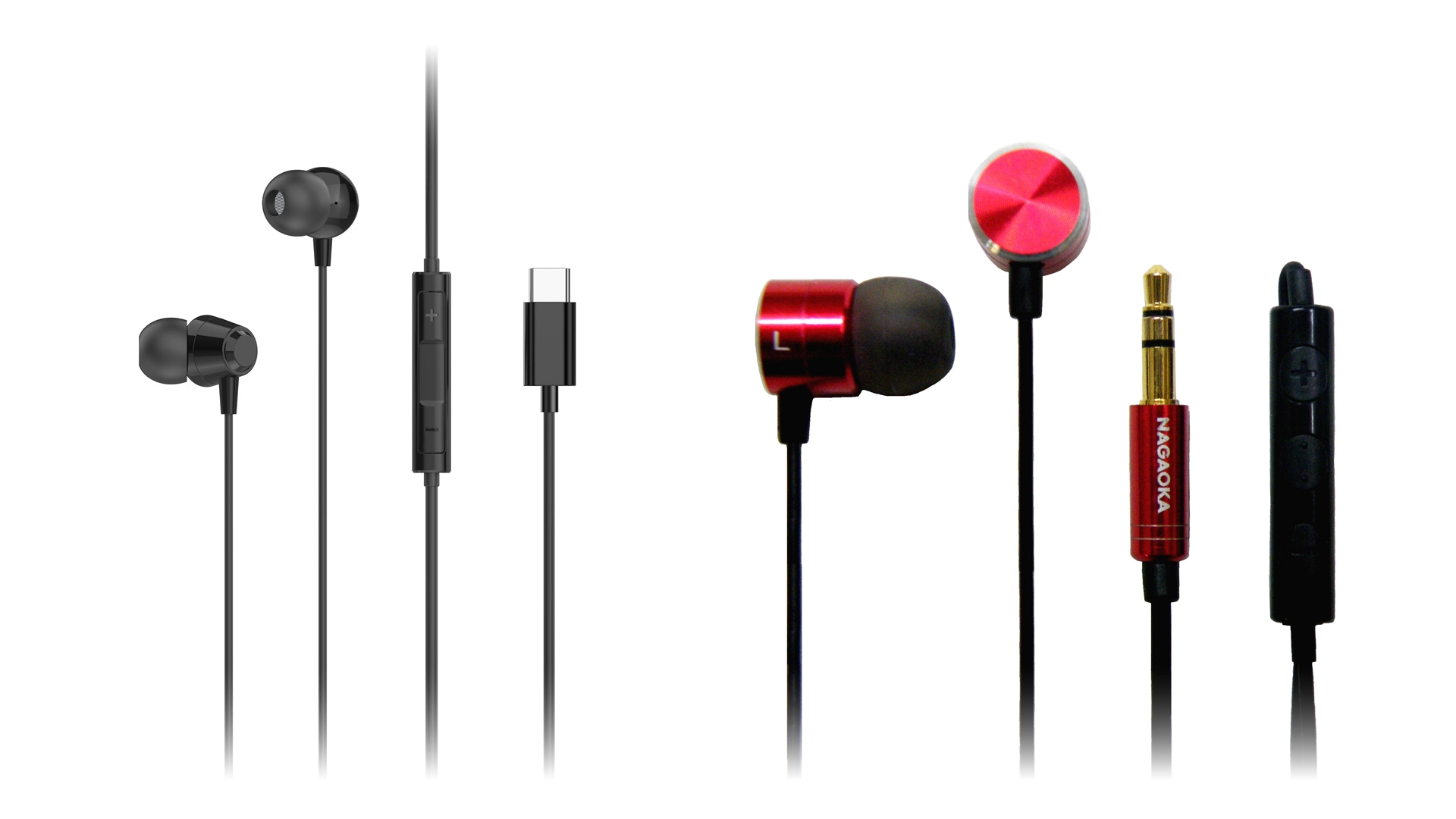
Nagaoka is the Japanese precision manufacturer best known to vinyl listeners for replaceable styli and Moving Permalloy phono cartridges. It began in Tokyo in 1940 as Nagaoka Clock Parts Manufacturing, machining small, hard materials for the watch industry. That expertise led to diamond record styli in 1961 and eventually to complete cartridges, giving the company unusually deep control over the tiny parts that determine tracking and groove contact. The MP range is Nagaoka’s signature. It is a moving-iron principle in which a low-mass permalloy element moves within a fixed magnetic circuit, providing output compatible with a conventional MM phono stage while keeping the replaceable stylus assembly light. Models from the widely used MP-110 through MP-150, MP-200, MP-300 and MP-500 vary in cantilever, stylus profile, body and generator refinement; the MP-700 marks a newer flagship generation. Nagaoka also supplies mono cartridges, headshells, record sleeves, cleaning fluids and stylus-care tools, and remains an important OEM producer. The valuable part of its story is not ornamental language about Japanese craftsmanship: Nagaoka has decades of in-house experience cutting and bonding diamond styli, forming cantilevers and assembling the complete mechanical system that must follow a microscopic groove accurately.
Nothing

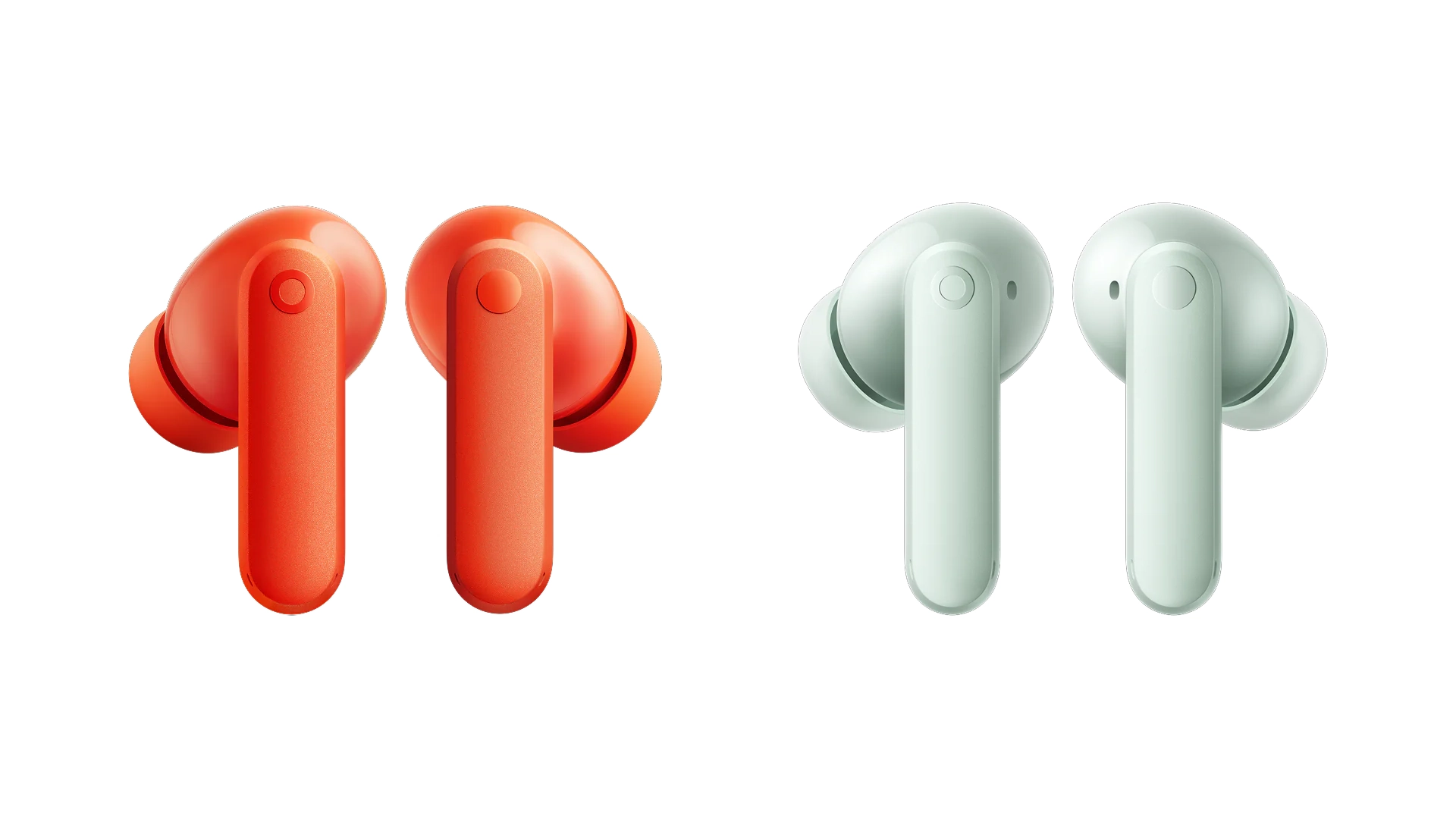
Nothing is the London consumer-technology company founded in 2020 by Carl Pei after he left OnePlus. Audio was not a side category but the company’s point of entry: Ear (1), launched in 2021, introduced the transparent housings, exposed visual details and dot-matrix graphics that became Nothing’s design signature. The product showed the central idea clearly—make familiar electronics legible and characterful again, while competing on everyday usability rather than presenting transparency as decoration alone. The Ear family now spans true-wireless models with active noise cancellation and app-based equalisation, while the over-ear Headphone (1) added physical controls and acoustic tuning developed with KEF. Nothing’s phones extended the same identity through the Glyph lighting interface and Nothing OS; the more accessible CMF line explores modular colour and form across earbuds, watches and phones. The company also acquired the brand assets of Essential Products early in its development, but it was not a continuation of that failed smartphone business. Nothing is therefore relevant to an audio catalogue for a precise reason: headphones were its first commercial product and remain one of its core product pillars. Its distinction is a unified interaction and industrial-design language carried across wireless audio and mobile devices, not a claim to traditional audiophile manufacturing.
Oppo

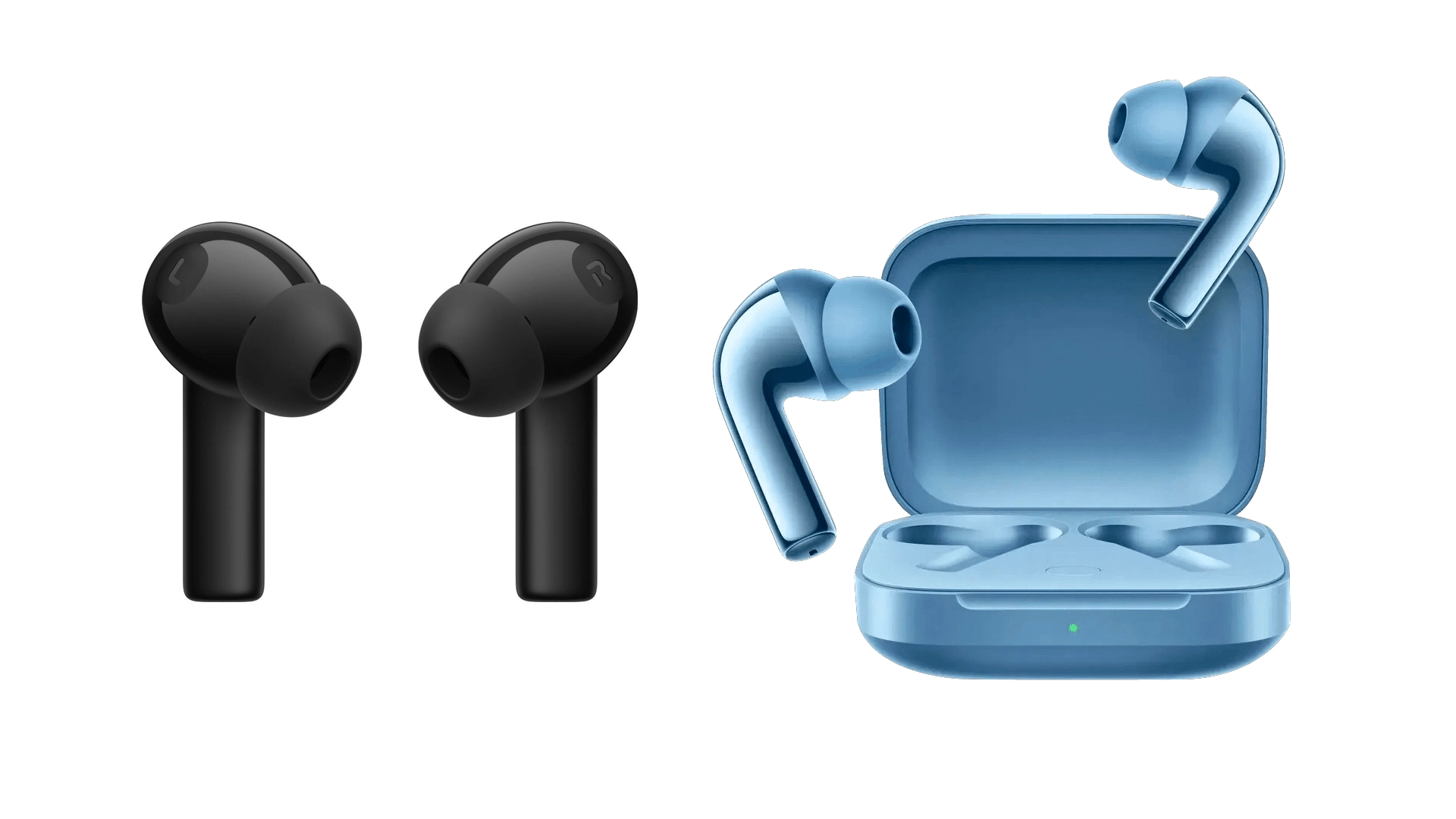
OPPO is the Chinese consumer-technology company established in 2004 and represented by the listed oppo.com site. It is primarily a smartphone and connected-device brand, with audio centred on the Enco family of true-wireless earphones rather than on traditional separates. That distinction matters: this entry should not be confused with OPPO Digital, the former California-based specialist that made universal disc players, DACs and planar headphones and stopped developing new products in 2018. Within the current OPPO range, Enco X models occupy the premium end, combining active noise cancellation, high-resolution Bluetooth features and multi-driver acoustic systems in selected generations. Enco Air and Enco Buds target lighter, more accessible everyday use, while open-ear and clip-style designs extend the catalogue beyond sealed earbuds. The audio products are integrated with ColorOS for pairing, controls, firmware and spatial or personalised listening features, and draw on the same industrial-design and battery-engineering resources as OPPO’s phones, tablets and wearables. OPPO’s relevance here is therefore modern personal audio at global scale, not an ongoing line of audiophile Blu-ray players. Keeping the two similarly named histories separate prevents the most common error in descriptions of the brand and aligns this record with its country, founding year and official URL.
Periodic Audio

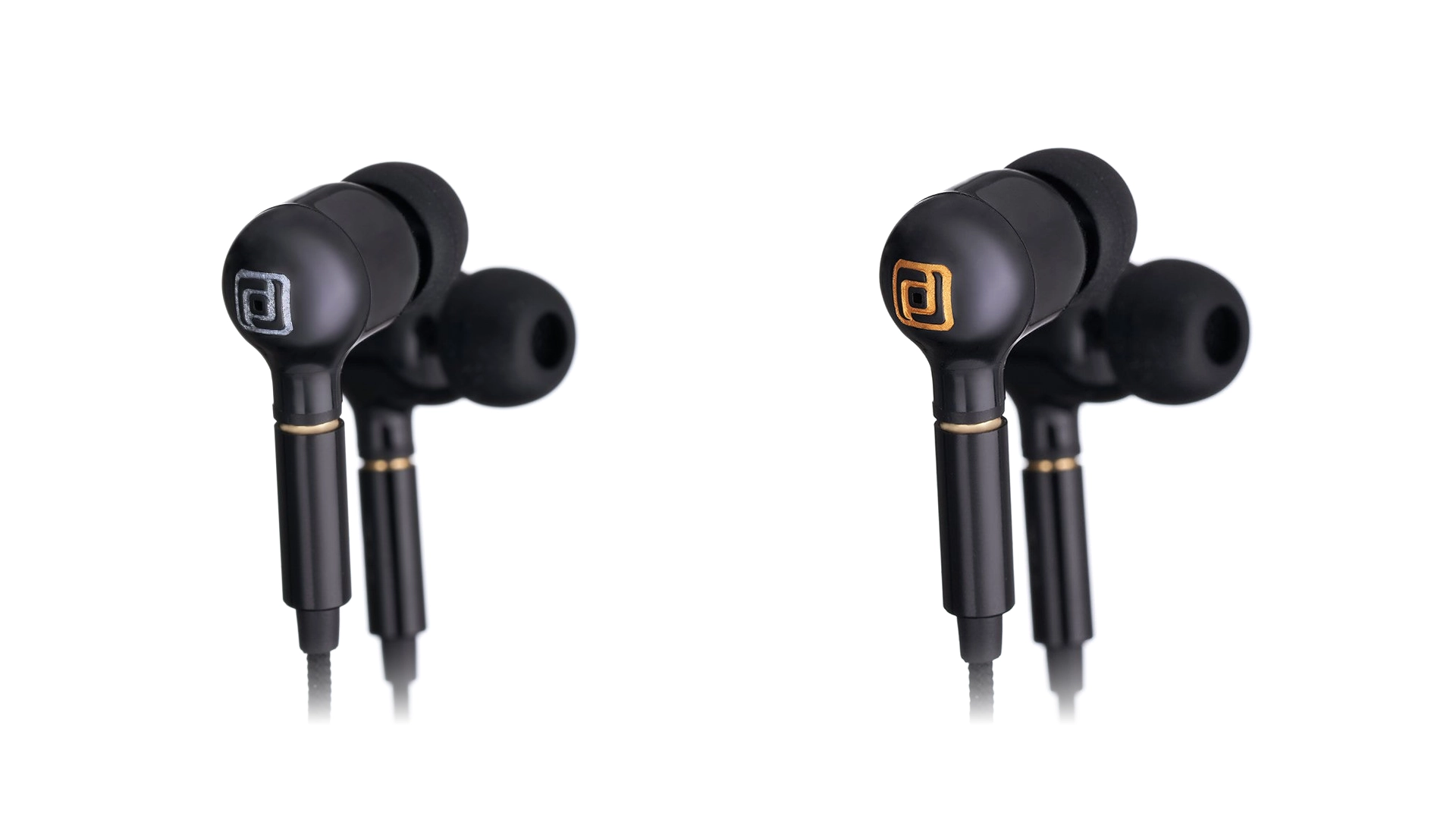
Periodic Audio is an American personal-audio company founded in 2016 by Dan Wiggins, Mike Kim, Zeke Burgess and Ben Webster. Its catalogue is organised like a compact materials experiment: most earphones use one 10 mm dynamic driver, and the model name identifies the diaphragm material rather than an invented lifestyle category. That makes the differences between magnesium, titanium, beryllium and carbon-based diaphragms central to the design rather than a line of marketing copy. Mg, Ti and Be are the core IEMs, with Be using pure beryllium for a particularly stiff, light moving surface; Carbon uses a diamond-like-carbon diaphragm, while N addresses a different tonal target. The V3 generation moved to lightweight Eastman Tritan bodies after an extended material study and introduced the miniature IDEEL removable-cable connector, designed to avoid the bulk of common MMCX or two-pin sockets. Periodic also applies the elemental naming system to very small electronics: Rhodium is a USB DAC, Nickel a portable amplifier, Ne a Bluetooth receiver able to work with two sources, and Silicon a compact DAC/headphone amplifier. The products deliberately avoid ornate shells and multi-driver complexity, concentrating engineering budget on the transducer, acoustical volume and useful portable circuitry. Periodic Audio’s defining claim is testable and easy to understand: vary the physical material and supporting geometry of a single well-controlled driver, then let that engineering—not driver count—separate the models.
Questyle Audio

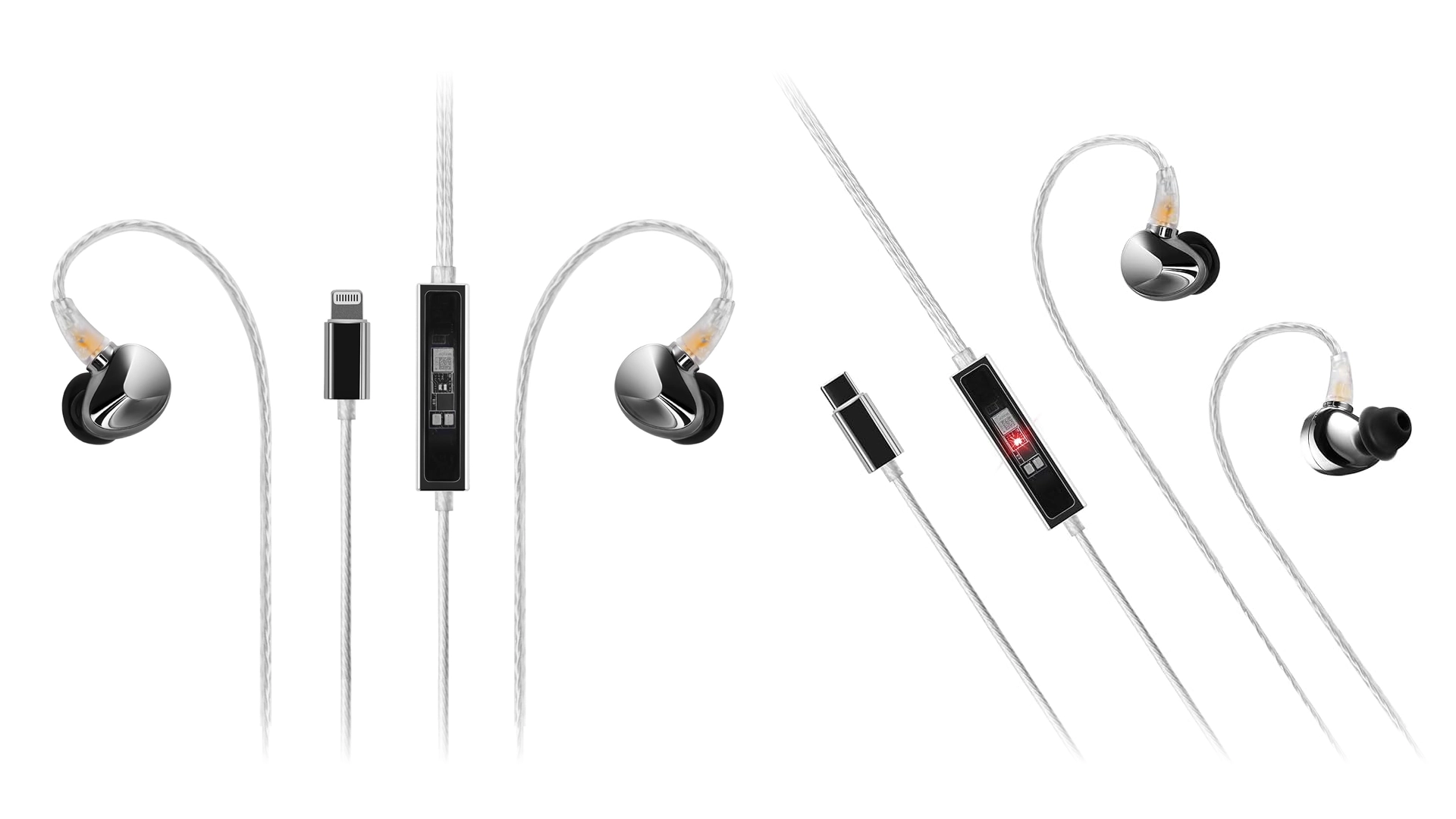
Questyle Audio was founded in Shenzhen in 2012 by engineer Jason Wang. Its identity is built around one circuit approach rather than a generic catalogue of DACs: patented Current Mode Amplification. In a current-mode stage the signal is processed as current through a very low-impedance node, allowing extremely high bandwidth and fast feedback when implemented correctly. Questyle uses the topology in discrete Class A modules, often four per channel in fully balanced desktop products, with the aim of achieving low distortion and stable control of headphones. The CMA family made the technology visible in combined DAC, preamplifier and headphone-amplifier components. CMA Twelve and CMA Fifteen became reference models; CMA Fifteen pairs four current-mode modules with an ESS ES9038PRO converter and can operate as a headphone amplifier, DAC or variable-output preamplifier. Newer CMA18 models continue the desktop line. QP1R and QP2R portable players brought the same amplifier idea to battery-powered listening, while M12, M15 and M15i dongle DAC/amps made it practical with phones and laptops. NHB earphones extend the mobile ecosystem through direct digital connections on supported devices. Product specifications and supported codecs vary by generation, so the brand should not be reduced to a claim that every model is wireless or handles every format. The important point is consistency: Questyle repeatedly redesigns complete source-and-amplifier products around its high-bandwidth current-mode stage, from a pocket dongle to a balanced desktop hub. The founding year has been added only because the 2012 date and Jason Wang’s role are consistently documented; the earlier text had left it blank.
Sennheiser

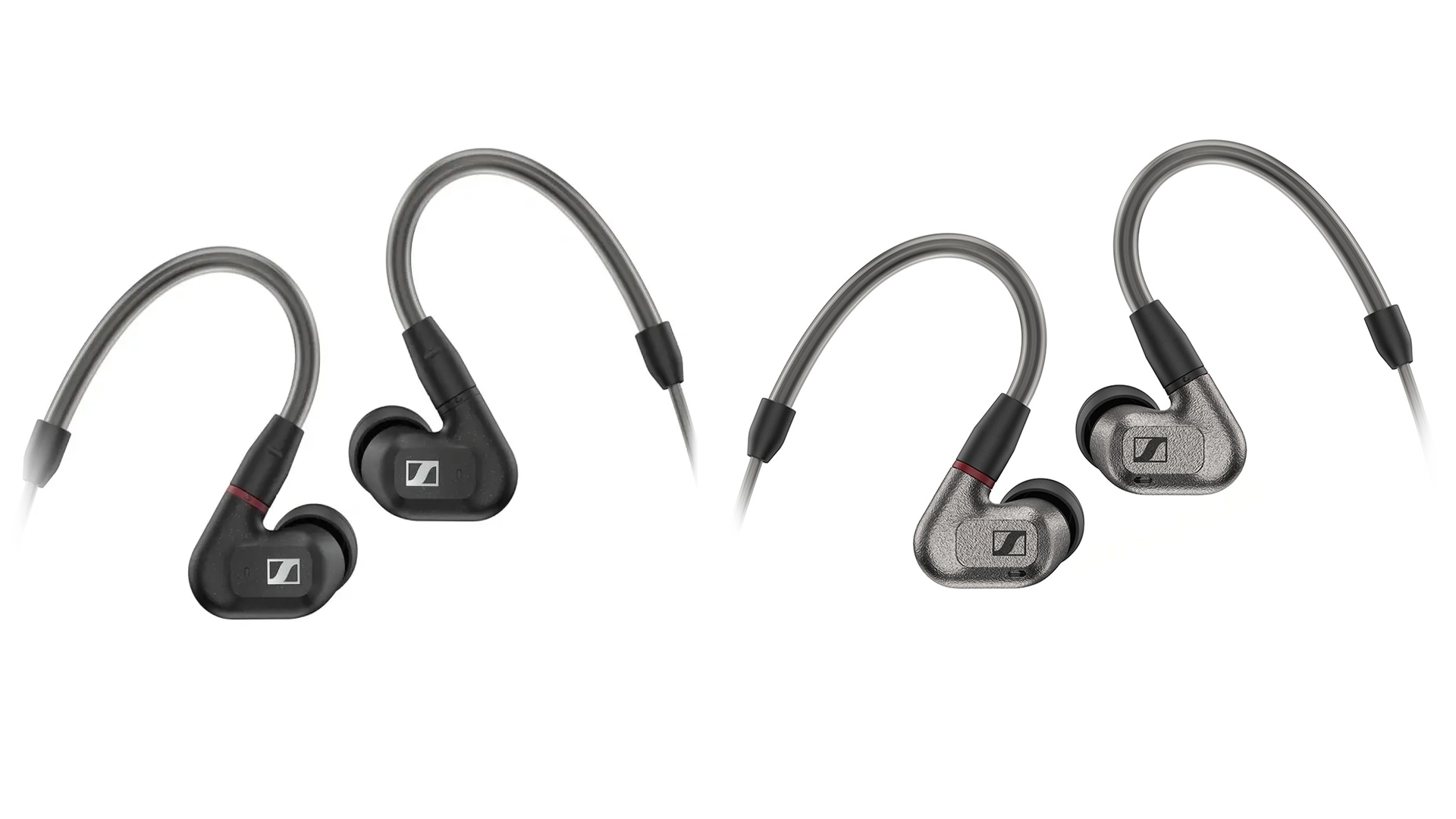
Sennheiser is a German audio company founded in 1945 by electrical engineer Fritz Sennheiser as Laboratorium Wennebostel, or “Labor W,” near Hanover. Microphones established the business: the MD 2 followed soon after its first measuring equipment, the MD 421 became a studio and broadcast standard, and the MKH and evolution families carried the name into film, stage and location sound. Headphones form the other great strand. The open-back HD 414 of 1968 was produced on an extraordinary scale; later HD 600, HD 650 and HD 800 models became long-lived references for home listening, while the Orpheus/HE 1 electrostatic system demonstrated the company’s no-compromise engineering. Wireless microphone systems, aviation and broadcast headsets, in-ear monitoring and AMBEO immersive-audio products broaden the professional portfolio. Ownership now needs careful distinction. The Sennheiser family-owned company continues to run the professional-audio business. Its consumer headphone and hearable division was acquired by Swiss hearing-care group Sonova in 2022 and operates under a perpetual licence to the Sennheiser brand; in March 2026 Sonova announced that it intends to divest this Consumer Hearing business, with a transaction expected during its 2026/27 financial year. Until a sale is completed, Sonova remains the owner of that division. The original country therefore remains Germany, but “Sennheiser” no longer describes one corporate unit. What connects the products is an unusually deep history in transducers, acoustics and wireless transmission—knowledge applied from stage microphones to open-back audiophile headphones rather than a brand assembled around a single consumer trend.
Shanling

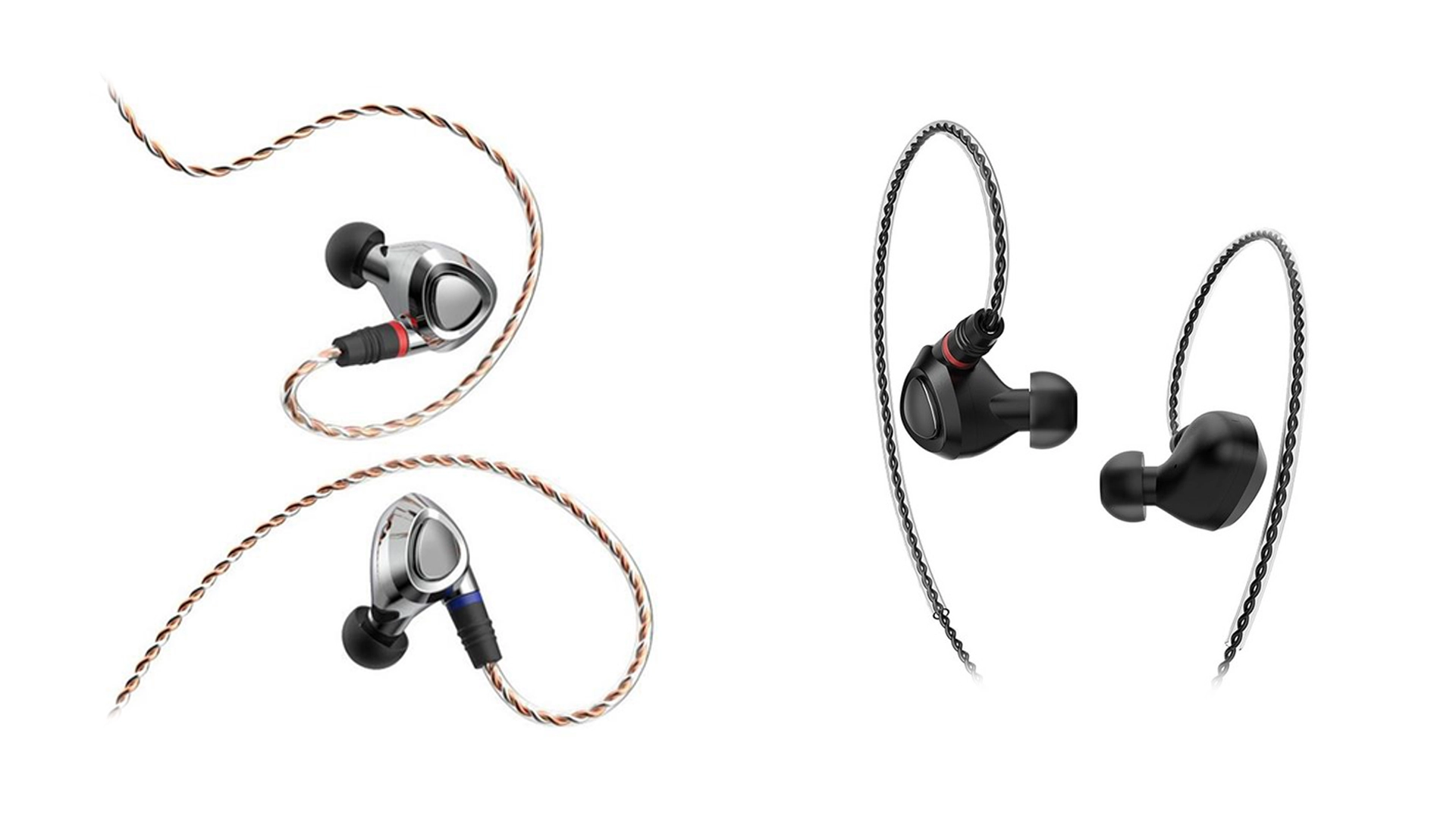
Shanling is a Chinese audio manufacturer founded in 1988, when it developed and released its first stereo amplifier. The company subsequently built CD, HDCD and SACD players, valve-output disc players, tuners, amplifiers and power products, acquiring the manufacturing depth that later distinguished it from brands created solely for the portable-audio boom. The CD-T100 helped Shanling enter international markets, while its M3 of 2014 was the first portable high-resolution player and opened the most visible chapter of the modern range. M-series digital audio players now span tiny entry models to Android flagships, with Shanling’s own MTouch interface used where a lighter operating system is preferable. The miniature M0 became especially influential by combining touchscreen control, high-resolution playback and two-way Bluetooth in a genuinely pocketable body. Portable DAC/headphone amplifiers in the UA and H families, Bluetooth receivers, desktop DACs, streamers and the revived EC/CD lines extend the digital source chain; ME and MG earphones give the company control over the final transducer as well. Shanling regularly works with established DAC, amplifier and Bluetooth platforms, but implements them through its own circuit layouts, clocking, power supplies, firmware and precisely machined aluminium cases. Its Shenzhen offices and Dongguan factory combine R&D, metalwork, assembly and sales, while licences and certifications have included LDAC, Hi-Res Audio, HDCD, Dolby, DTS, DVD and SACD technologies over the firm’s history. Shanling’s strength is continuity across formats: it understands optical discs, desktop hi-fi, wireless links and battery-powered players, so its portable products are not isolated gadgets but compact expressions of a much broader audio-engineering practice.
Sony

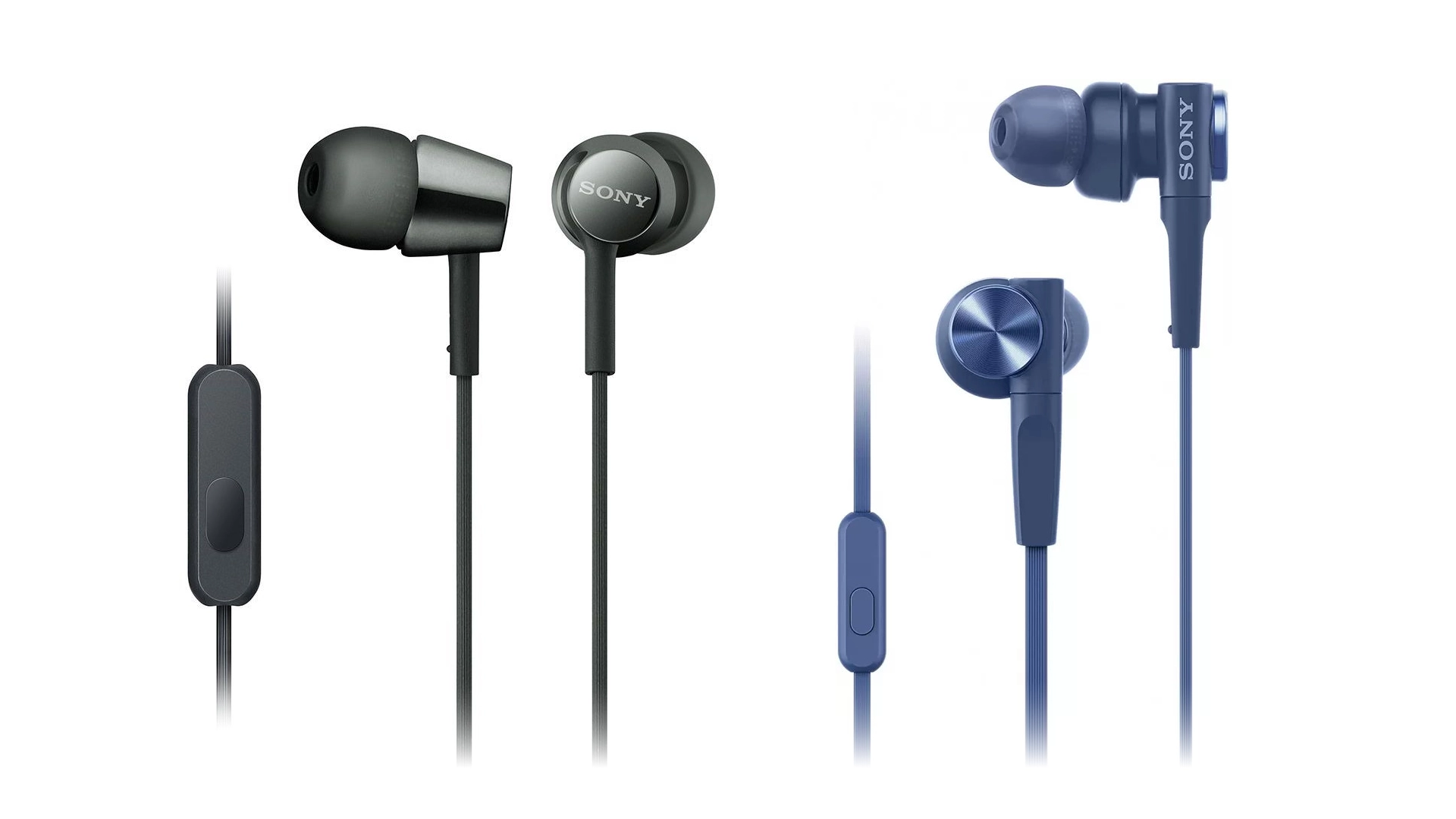
Sony helped shape both personal listening and home entertainment, from the Walkman and Compact Disc era to televisions, headphones and cinema systems. Masaru Ibuka and Akio Morita established the company in Tokyo in 1946 as Tokyo Tsushin Kogyo; the Sony name became its corporate identity in 1958. Tape recorders and transistor radios provided early foundations, but the 1979 TPS-L2 Walkman changed how people carried music with them. The CDP-101 followed in 1982, and the compact D-50 portable CD player in 1984 helped bring digital discs beyond the living room. Sony also played a central role with Philips in developing the Compact Disc and later SACD formats. Its hi-fi history includes ES amplifiers and disc players, while Walkman continued into digital music players. Headphones became another major field, spanning studio use, dedicated home listening and wireless noise-cancelling models. In video, the progression from Trinitron to BRAVIA televisions sits alongside home-cinema projectors and professional imaging equipment. Soundbars, receivers and disc players connect these audio and video interests within domestic systems. Sony’s scale matters because it works across recording, signal processing, playback hardware and entertainment production, with technologies moving between those areas. The consumer brand therefore encompasses far more than its professional AV division: it includes several of the products and formats through which generations of listeners first encountered recorded music and film.
SoundMAGIC

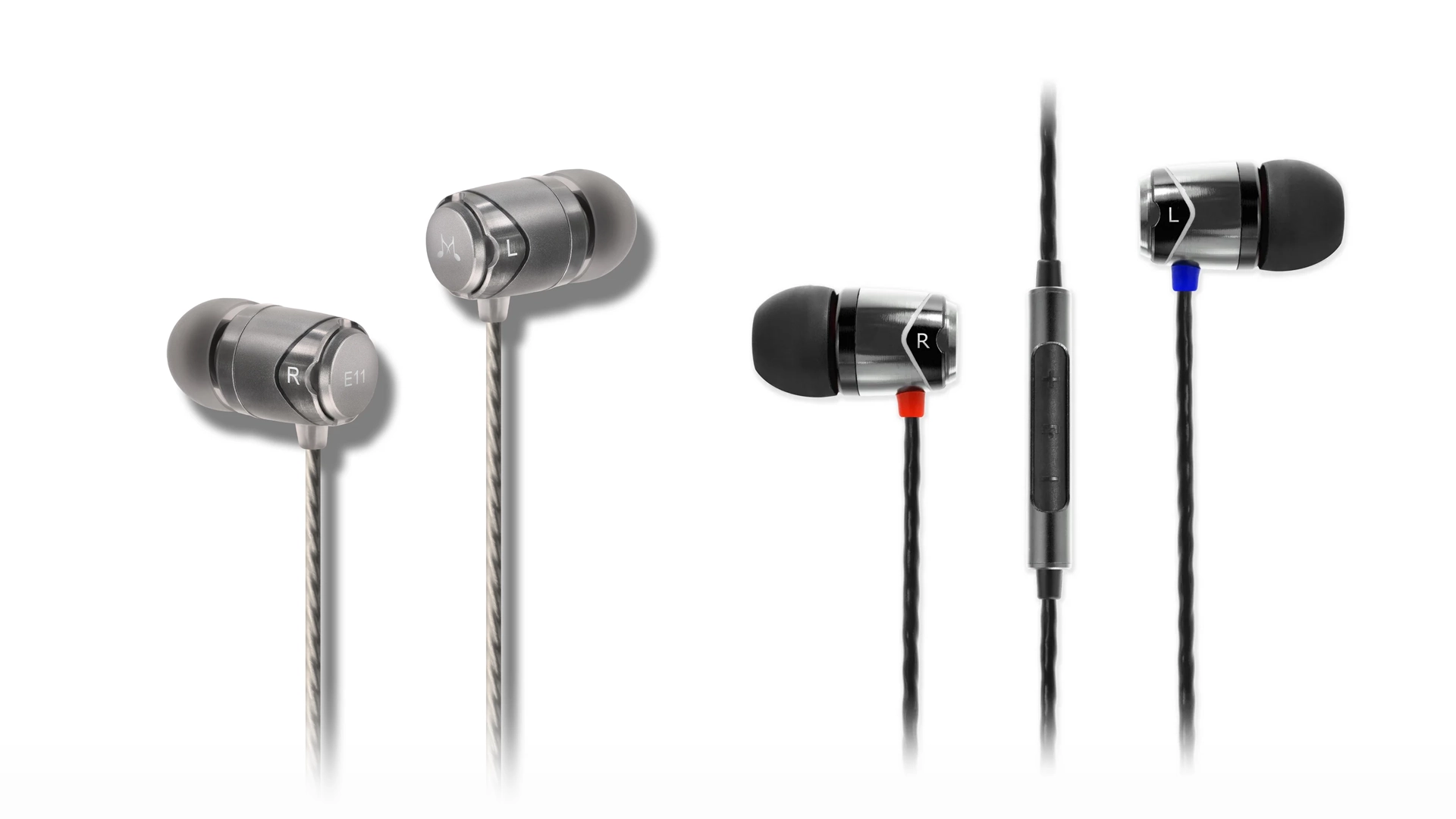
SoundMAGIC built its reputation by making affordable earphones that could be taken seriously for music listening. Acoustic design engineer Tony Xu founded the Chinese brand in 2005, and the E-series wired in-ear models became its most recognisable products. The E10 established a particularly durable place in the range, followed by designs such as E11, E50 and E80 that offered different steps in performance and construction. Small housings, straightforward connections and a choice of eartips made these products practical for everyday use as well as a first dedicated headphone purchase. Their relevance has continued as the source device changes: USB-C versions bring the same basic in-ear format to phones and computers without a conventional headphone socket. SoundMAGIC’s catalogue also includes full-size headphones, with the HP family serving listeners who prefer an over-ear fit, and it has developed wireless products alongside the wired range. The engineering emphasis is on the acoustic driver and enclosure, fit and usable construction at accessible prices. That focus explains why individual models have remained more prominent than elaborate lifestyle campaigns. For listeners, the attraction is a clear choice of form and connection: a compact wired earphone, a USB-C model with the necessary digital interface, or a larger headphone for another setting. SoundMAGIC’s identity is rooted in making these everyday audio products well enough that an inexpensive pair can become a long-term part of someone’s listening rather than merely an accessory supplied with a phone.
Technics

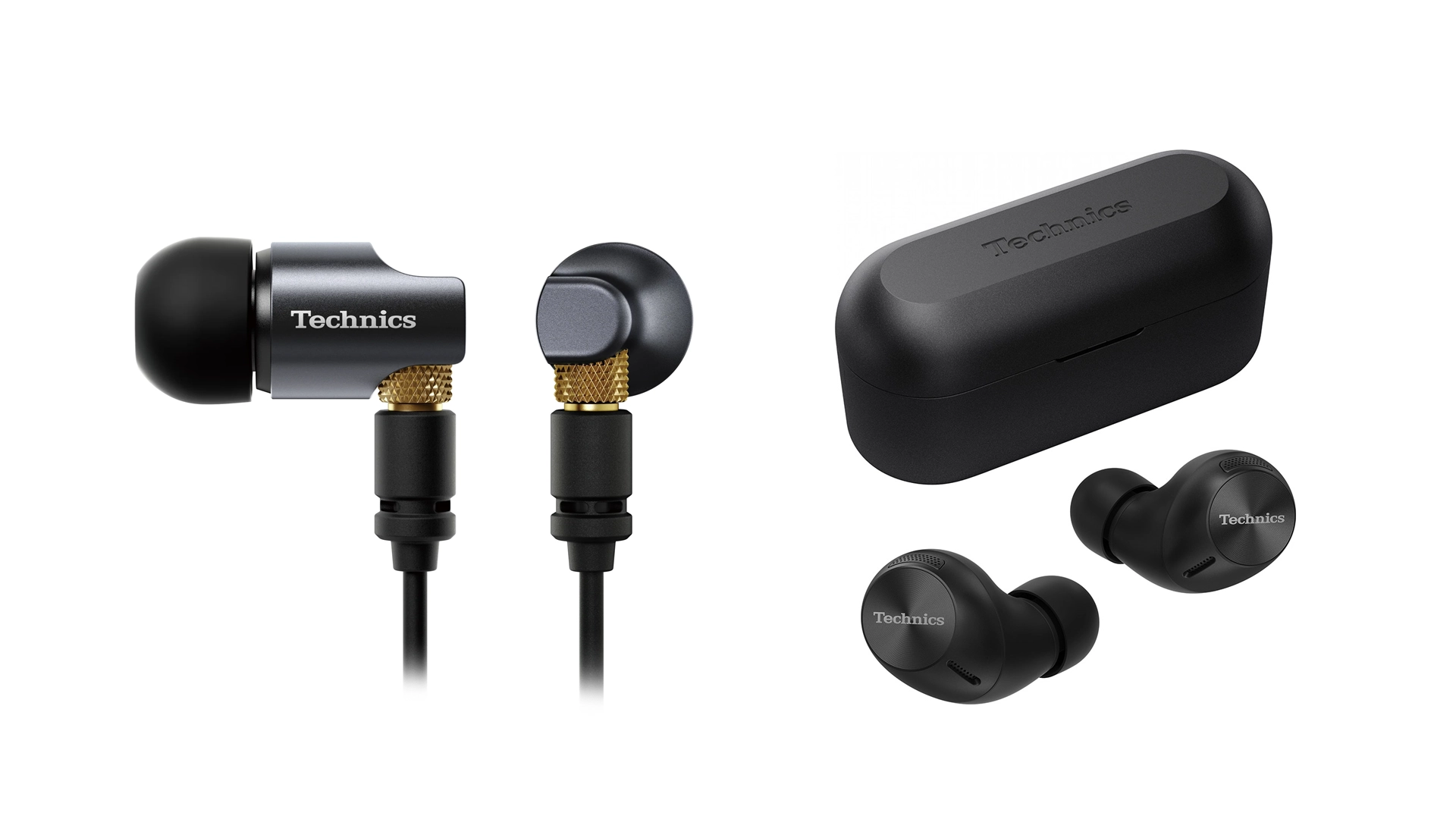
Technics is Panasonic’s Japanese hi-fi brand, introduced in 1965 and defined above all by its transformation of the turntable. The first product to carry the name was the Technics 1 loudspeaker, but the SP-10 of 1970 created the decisive legacy: it was the first commercially available direct-drive turntable, placing the platter directly on the motor and eliminating belts and idlers. The SL-1200 followed in 1972, and the quartz-controlled SL-1200MK2 of 1979 became an enduring tool for broadcasters, clubs, DJs and home listeners. That achievement can obscure the breadth of the company. Technics also built amplifiers, cassette and open-reel machines, CD players and loudspeakers, often using advanced motor, power-supply and digital research from the wider Panasonic organisation. After a pause in dedicated hi-fi production, the brand returned in 2014 with new Reference and Grand Class systems rather than a purely retro catalogue.
Modern turntables range from the accessible SL-1500C and SL-1200GR2 to the SL-1200G and Reference SP-10R, whose coreless direct-drive motors address cogging and rotational stability with current control technology. Electronics such as the SU-R1000 integrated amplifier use digital signal processing for functions including cartridge calibration and load-adaptive speaker control, while wireless systems and loudspeakers broaden the range. Technics remains distinctive because one engineering idea became both an audiophile reference and a global musical instrument, yet the company continues to refine it instead of merely reproducing the past.
Westone Audio

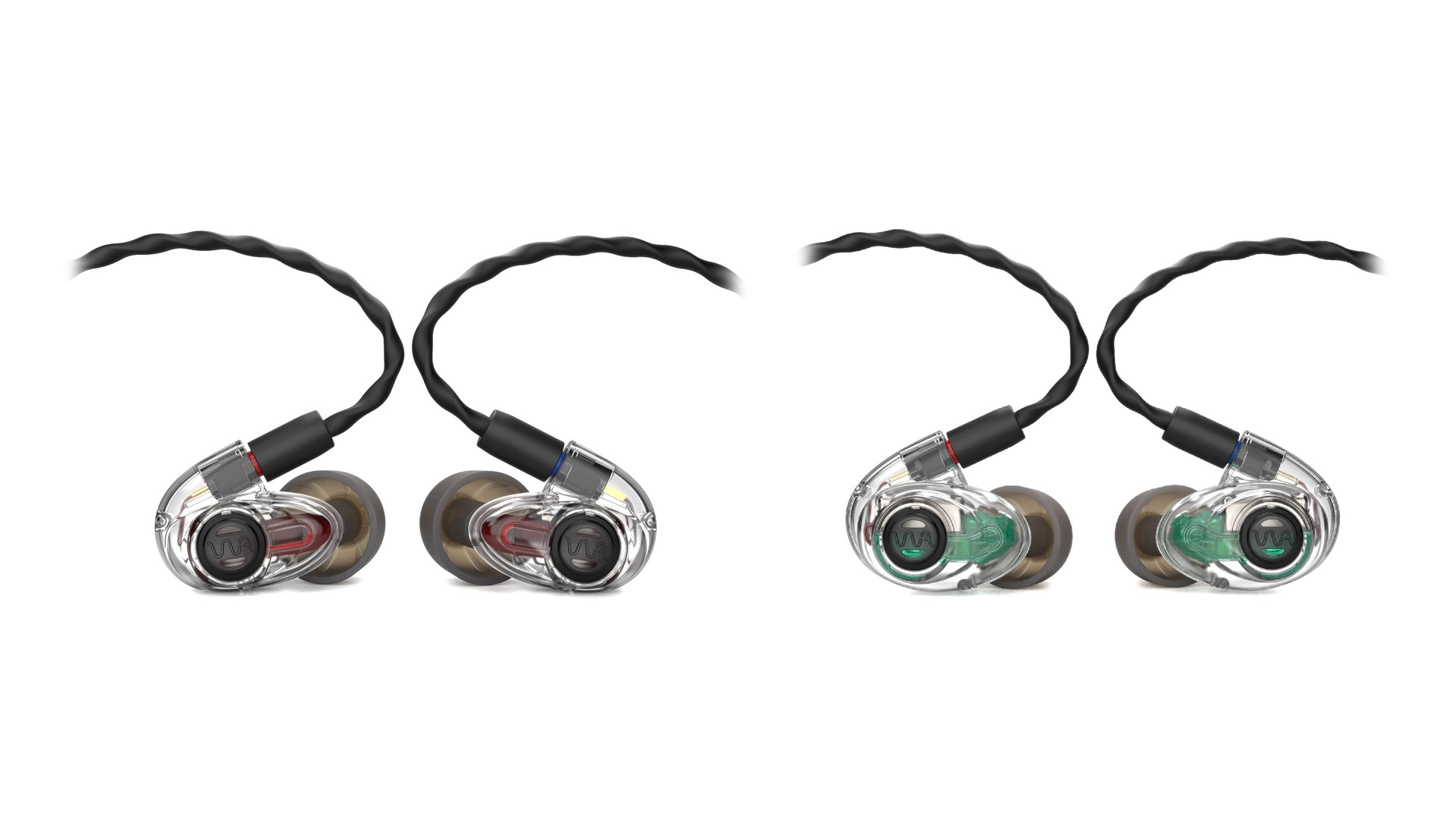
Westone Audio began in Colorado in 1959 as a maker of custom earpieces and hearing-care products, and that audiological foundation became its decisive advantage in professional music monitoring. During the 1980s, Westone worked with touring musicians to place miniature balanced-armature drivers inside custom-moulded earpieces, helping establish the in-ear stage monitor as an alternative to loud floor wedges. Fit, acoustic sealing and hearing protection were therefore part of the product from the beginning, not conveniences added after a consumer earphone had been designed. The company later brought that experience to universal-fit monitors and, in 2002, formally expanded both universal and custom music ranges. Current families include Pro X monitors, ambient AM Pro X models that preserve controlled awareness of the stage, the multi-driver MACH series and custom ES monitors shaped from individual ear impressions. Replaceable cables, compact balanced-armature arrays and carefully tuned passive crossovers allow models to serve performers, engineers and personal listeners with different requirements. Lucid Audio acquired Westone’s music division in 2020 and now operates Westone Audio, while the original American brand identity and custom-laboratory expertise remain central to the range. That ownership change should not obscure the deeper continuity: more than six decades of working with the human ear, followed by pioneering work with touring artists, gave Westone a practical understanding of isolation, comfort and safe monitoring that cannot be reduced to driver count or fashionable tuning.
Yamaha

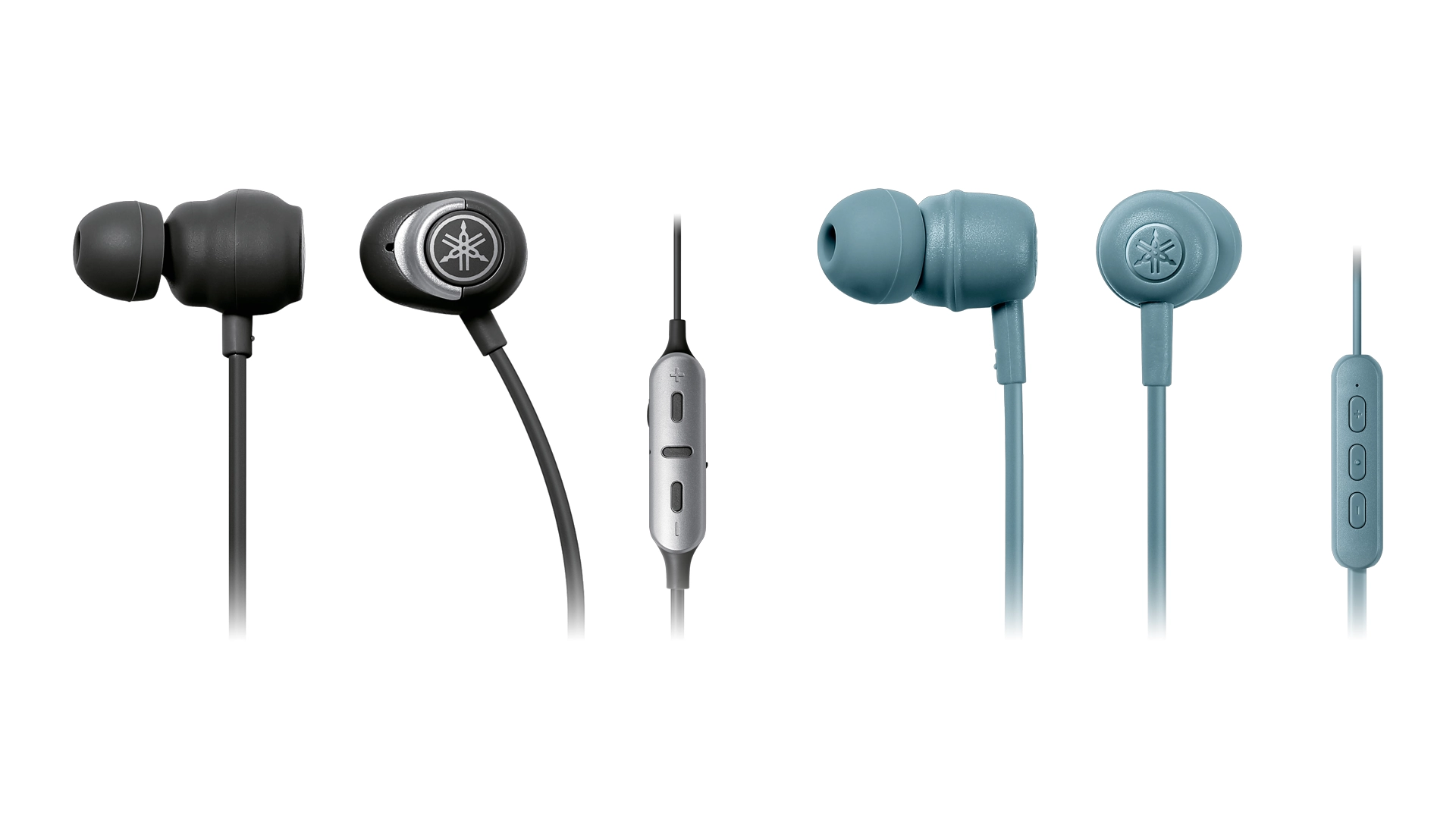
Yamaha began in 1887 when Torakusu Yamaha repaired a reed organ in Hamamatsu and built his own instrument; the tuning-fork emblem still reflects that origin. The company became Nippon Gakki and developed pianos, organs and other instruments long before expanding into electronics, professional sound and home audio. Yamaha’s audio strength comes from this unusually broad view of the chain—from the instrument and recording venue to mixing, amplification and reproduction. The NS-1000 loudspeaker of 1974 was a landmark use of beryllium domes for both midrange and treble, while the B-1 introduced a powerful vertical-FET amplifier and the GT turntables explored extreme mechanical stability. Modern hi-fi retains those threads. A-S integrated amplifiers range from accessible models to the fully balanced A-S3200; R-N network receivers add MusicCast streaming and multi-room control; the C-5000/M-5000 separates and GT-5000 turntable form the flagship 5000 Series. NS-2000A and NS-5000 loudspeakers use Yamaha’s Zylon-based Harmonious Diaphragm concept across multiple drivers to improve tonal continuity. At the same time, Yamaha remains a major force in AV receivers, soundbars, studio monitors, digital mixers and concert systems. Yamaha Motor has been a separate company since 1955, so motorcycles should not blur this audio history. The enduring identity is integration: acoustic-instrument knowledge, professional production tools, cinema processing and domestic hi-fi developed within one Japanese engineering culture.