Analog Cables
Analog interconnects are used to transmit line-level audio signals between your components, such as from a DAC to an amplifier. The two primary types are RCA, the common unbalanced standard, and XLR, a balanced connection used in high-end and professional gear for its superior noise rejection. These cables are tasked with preserving the purity of the delicate audio signal as it travels between devices. This guide lists manufacturers of both high-quality RCA and balanced XLR interconnects.
Hi-Fi brands in the category
Summary information and image
Direct links to official websites
ADL
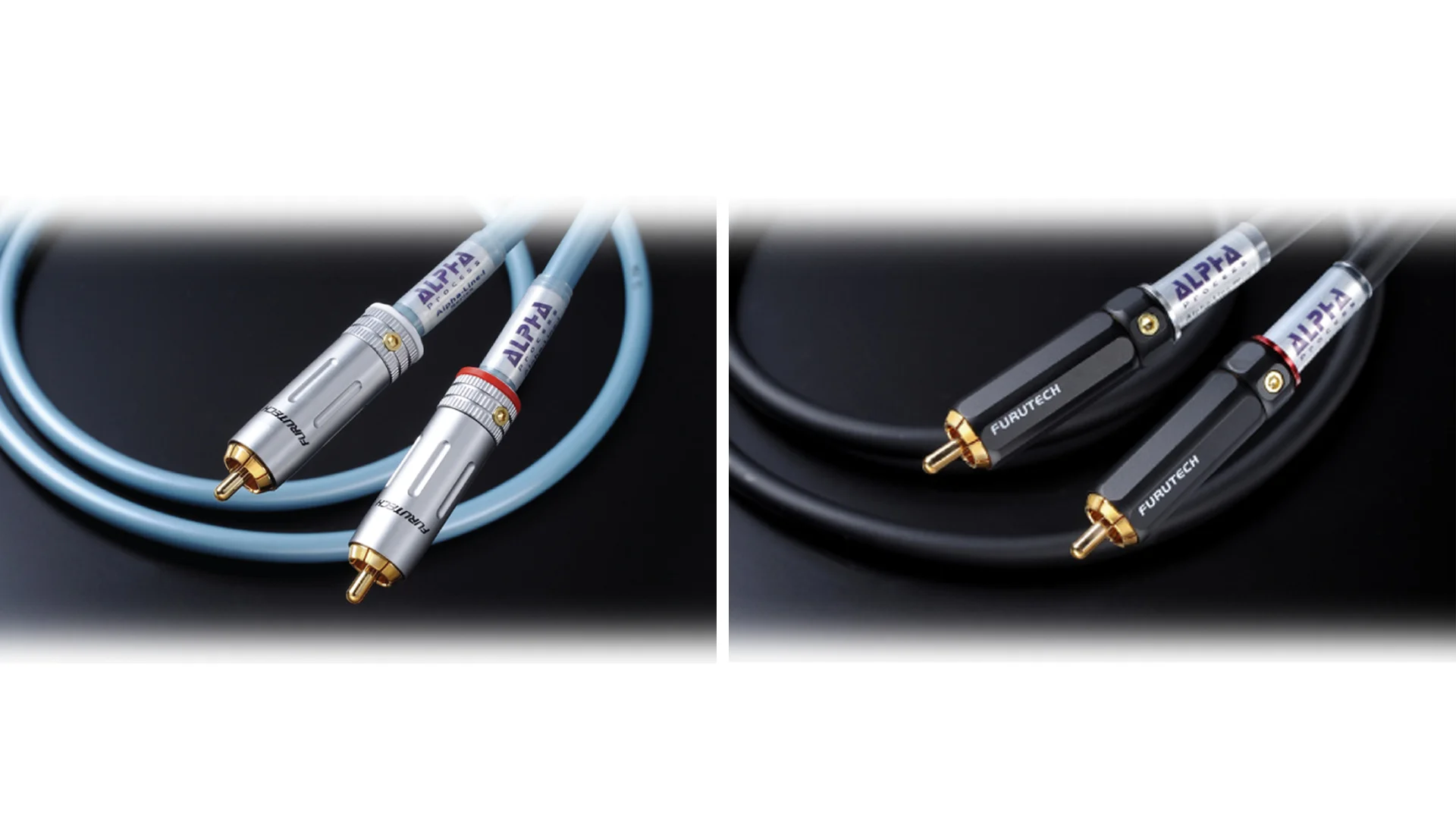
Alpha Design Labs, or ADL, brings Furutech’s audio engineering into compact desktop and portable components. A particularly useful example is the GT40a: it combines a USB DAC, headphone amplifier and MM/MC phono input with analogue-to-digital conversion, allowing records or other analogue sources to be recorded to a computer. The catalogue also covers portable headphone amplifiers, headphones, earphones and cables. Originally introduced as Furutech’s entry-level line, ADL is especially interesting where several connections or functions need to fit into a small listening setup. Its documented products bridge computer audio, personal listening and conventional analogue sources.
Alexandria Audio
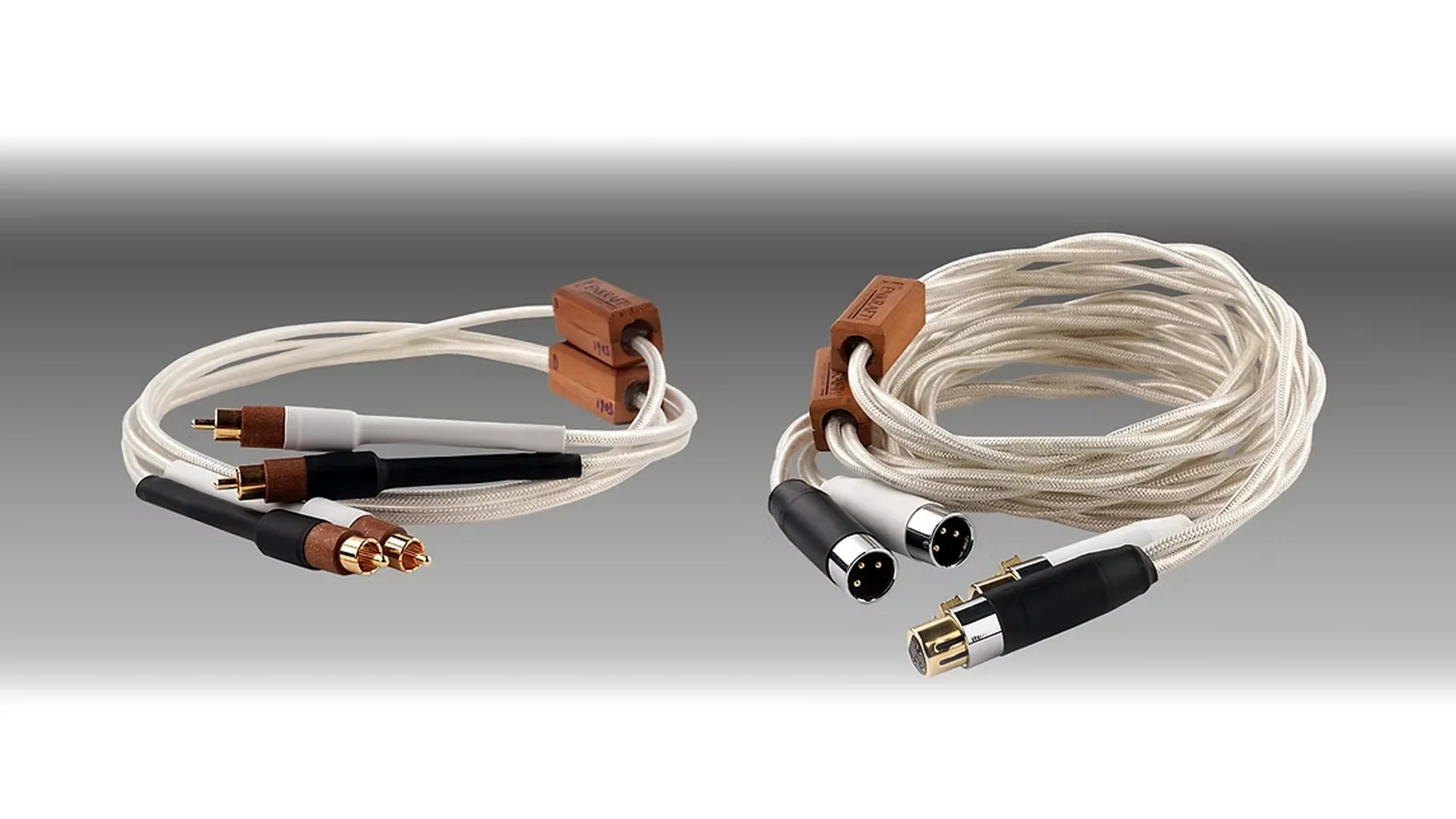
Alexandria Audio builds loudspeakers in Bali with a particular interest in high sensitivity and compatibility with low-powered amplifiers. Henry Kristanto and Kenneth Lin founded the Indonesian company in 2019, bringing together loudspeaker development and cabinet-making experience. Its designs are not confined to one format: The Monitor combines a paper/carbon mid/bass driver with a waveguide-loaded dome tweeter, while Praetoria uses a large paper woofer and horn-loaded compression driver. Those choices distinguish the individual models more usefully than a single claimed house sound. Alongside loudspeakers, Alexandria offers audio electronics and cables, but speaker design and locally made cabinetry provide the clearest introduction to the brand.
Analysis Plus

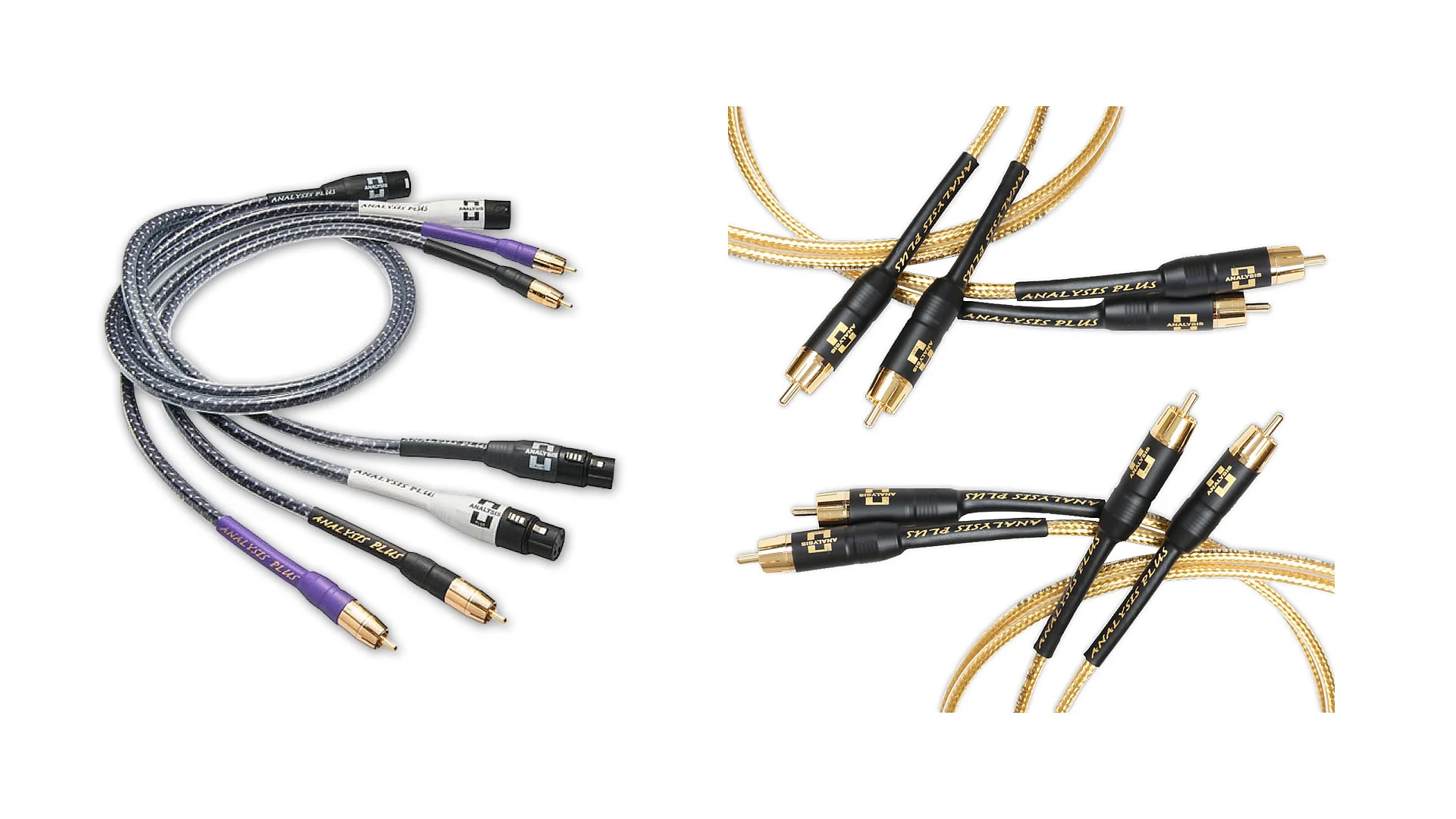
Analysis Plus designs cables around a hollow oval conductor geometry, developed through electrical modelling rather than the conventional assumption that a round conductor is the obvious starting point. Founded in 1993 as a research and design company, the American business is associated with engineer Mark Markel. Its Hollow Oval approach is intended to address how current distributes through a conductor as frequency changes. The catalogue spans home-audio connections and professional instrument cables, linking hi-fi systems with the recording and performing side of music. Speaker cables and interconnects sit alongside power and digital connections, with different conductor materials and constructions across the range.
Anzus Acoustics

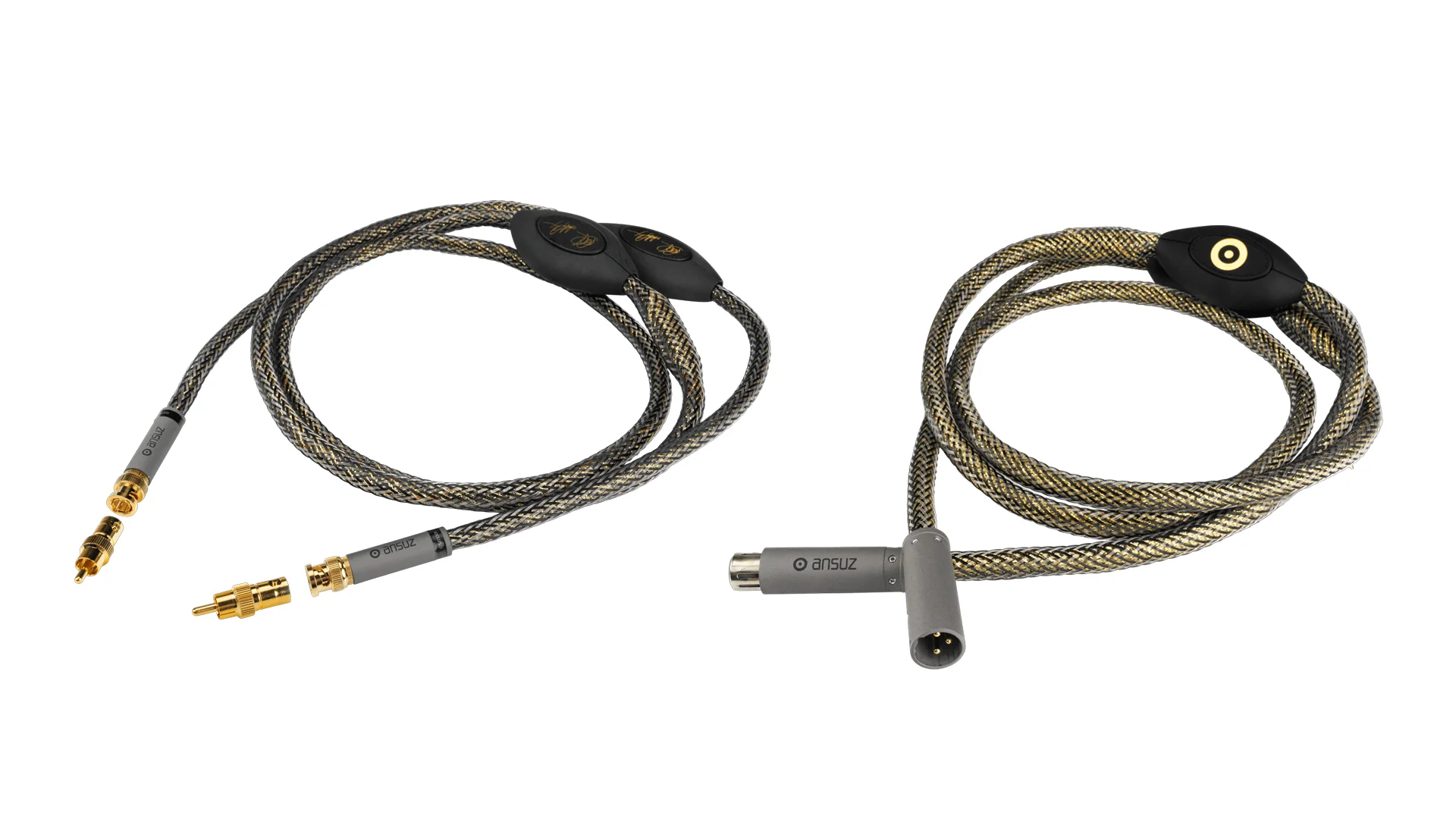
Ansuz Acoustics concentrates on the connections and supports around an audio system: signal and power cables, Mainz8 power distributors, PowerSwitch Ethernet switches and Darkz mechanical supports. Lars Kristensen and Michael Børresen founded the Danish brand in 2012; it now sits within Audio Group Denmark alongside Aavik, Børresen and Axxess. Its proprietary approach includes active Tesla-coil circuits and other measures intended to address electrical noise, while Darkz products deal with the mechanical interface beneath equipment. These ideas appear in different combinations across the product tiers. The range therefore extends beyond cable construction into power distribution, network hardware and equipment support.
Aperion Audio

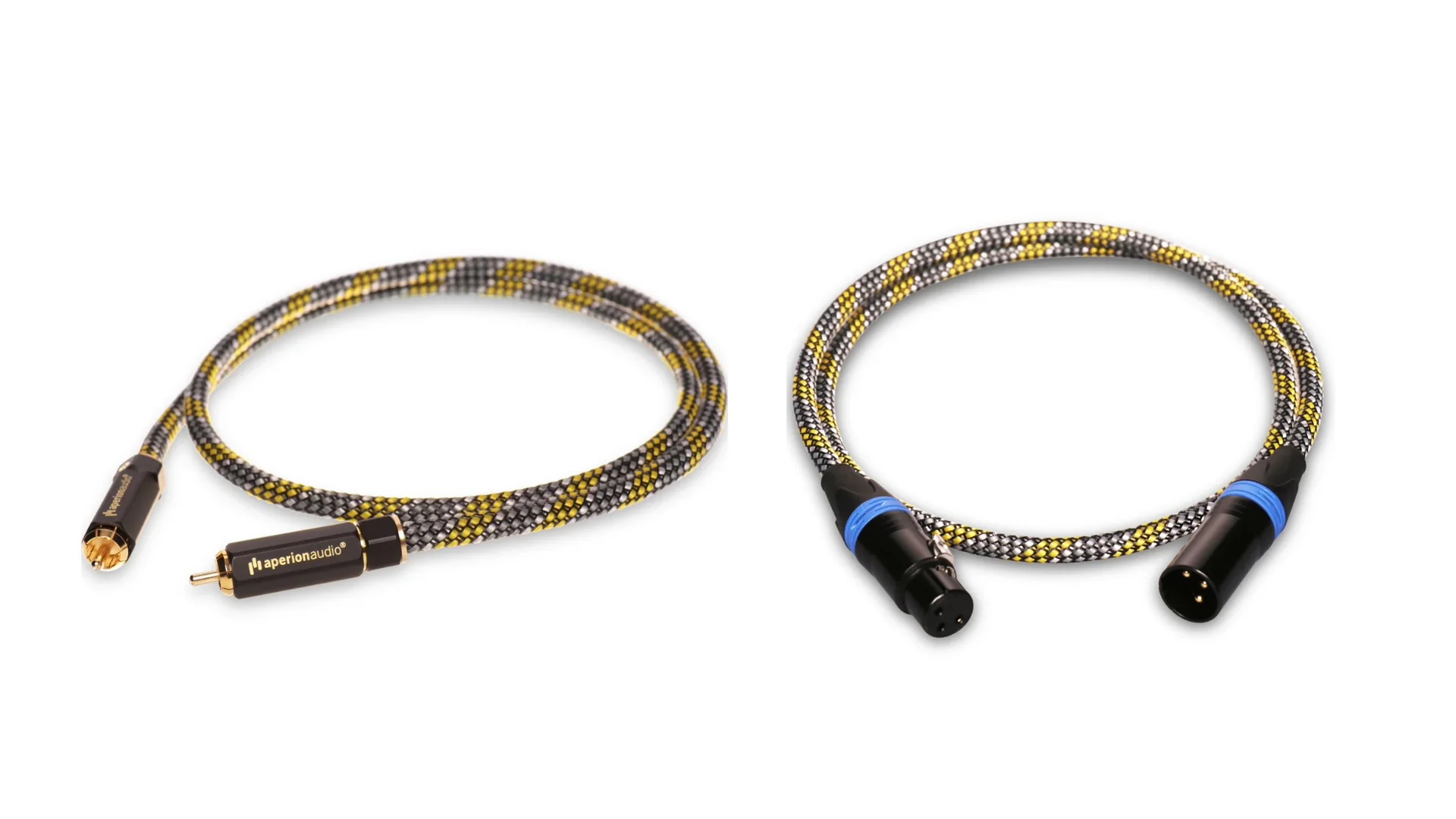
Aperion Audio grew from a practical question: could people choose serious loudspeakers at home instead of relying entirely on a showroom audition? Win Jeanfreau’s search for a replacement music system in 1998 led to the American direct-to-consumer speaker business. Its early Intimus home-theatre system established a path that now includes Verus and Novus speakers, subwoofers and architectural models. The catalogue also has an unusual accessory category: add-on super tweeters for existing loudspeakers. Bookshelf, floorstanding and centre-channel designs let buyers assemble either a stereo pair or a coordinated surround system. Direct sales and the opportunity to audition at home remain part of the brand’s identity.
Argento Audio
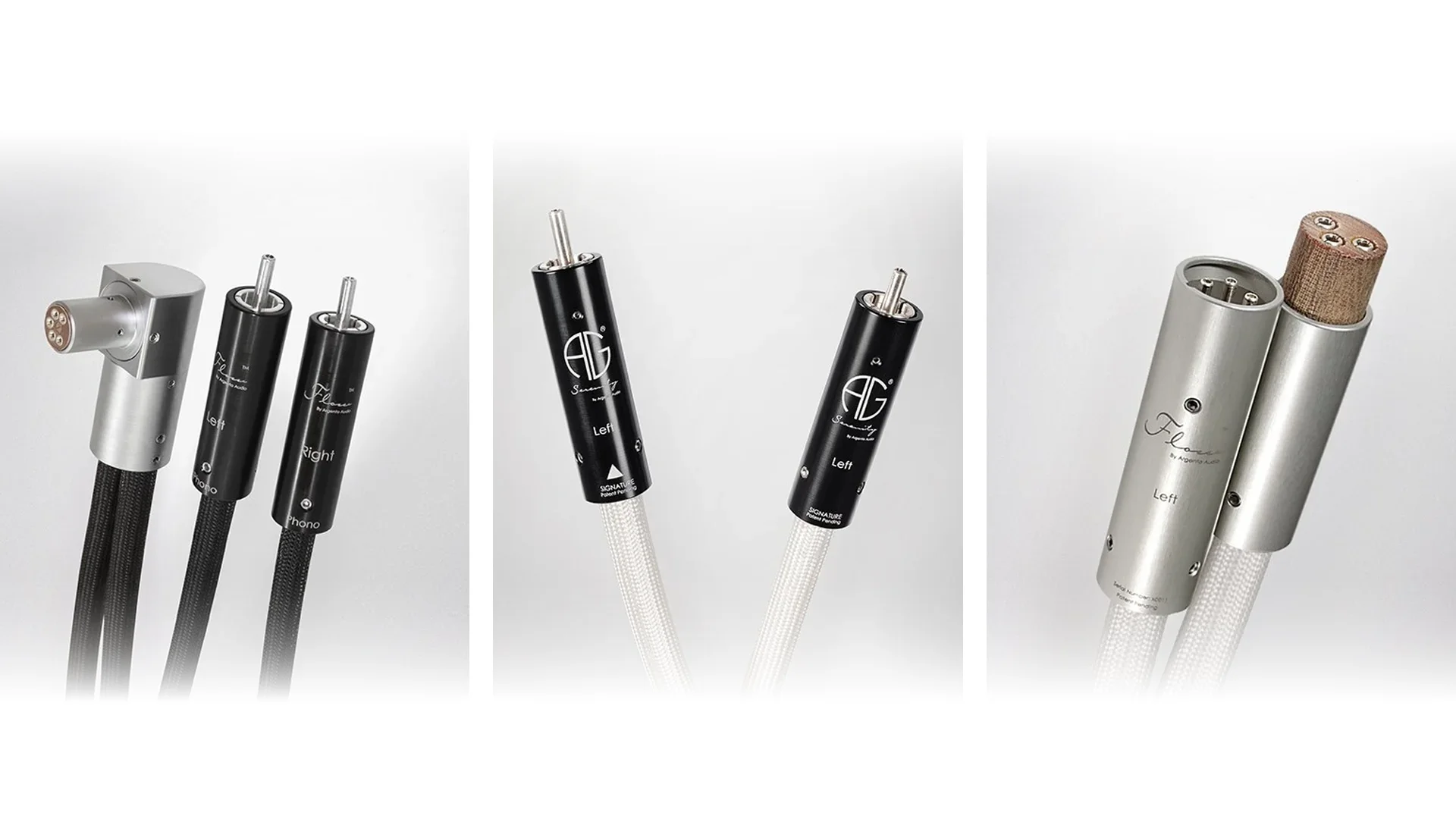
Argento Audio builds cables around silver conductors and purpose-designed connectors, carrying its material choices through the connection rather than stopping at the wire. Three enthusiasts started the Danish company in 1991; the Serenity series followed in 2003, and Ulrik Gydesen Madsen became sole owner in 2005. Handmade construction in Denmark remains part of the business. Its development work includes VDM damping material, intended to control mechanical vibration within the cable assembly, and silver contact parts in its connectors. Flow, Flow Master Reference and higher-tier designs apply these ideas in different constructions. Argento’s identity is rooted in this sustained attention to conductors, connectors and mechanical behaviour.
Argon Audio
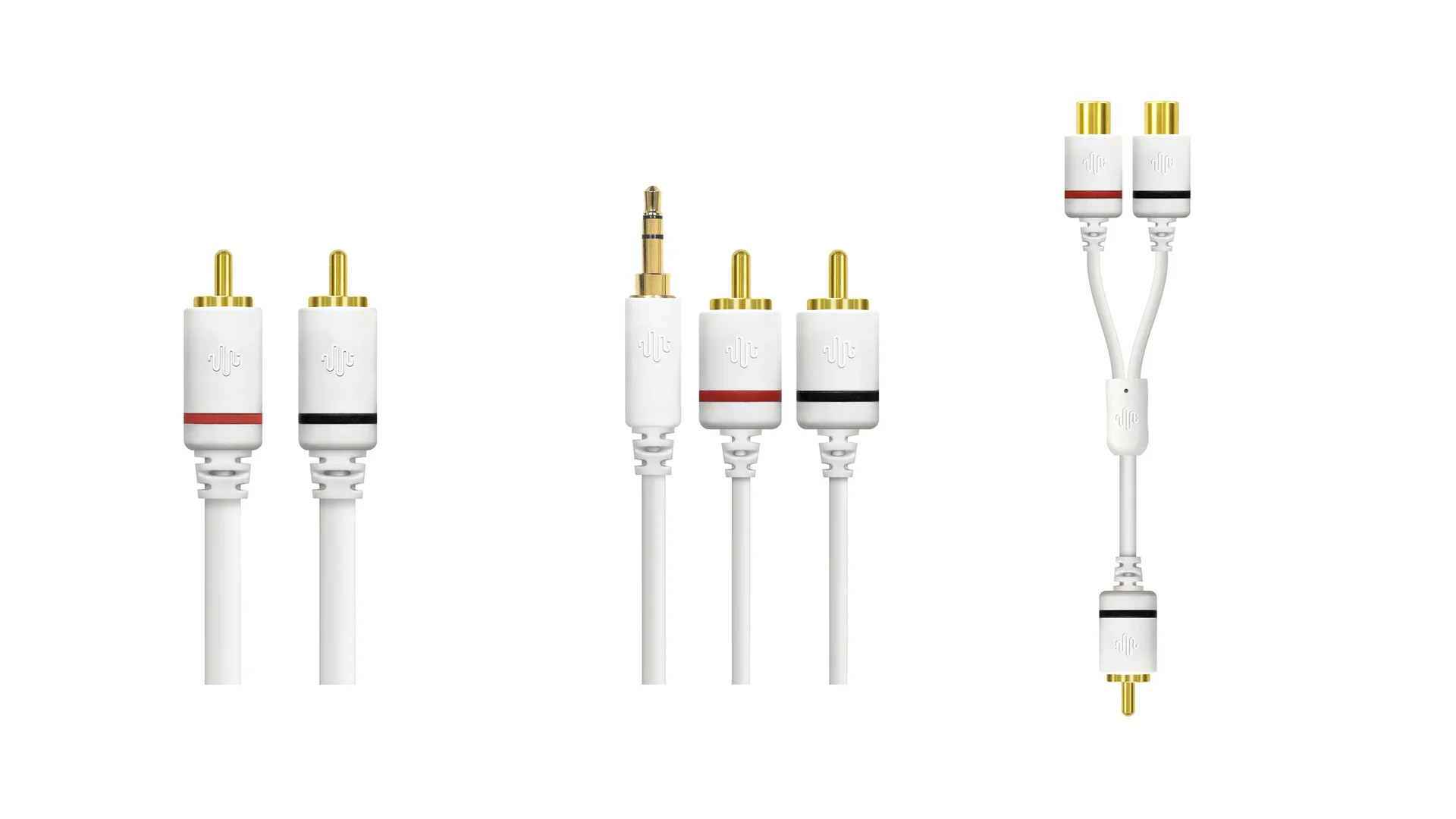
Argon Audio makes compact, affordable hi-fi that reduces the number of separate boxes needed to start listening. Its Danish roots are in HiFi Klubben, where Klaus Philipsen helped develop the brand in the early 2000s. A DAB radio was an early product, followed by active loudspeakers and turntables; the business became a separate limited company in 2019. Today, FENRIS active speakers combine amplification with connections for several sources, including television, while the turntable range offers a straightforward entry into vinyl. The consistent idea is a usable first system—or a smaller second one—with restrained Scandinavian styling and functions selected around everyday listening.
Atlas

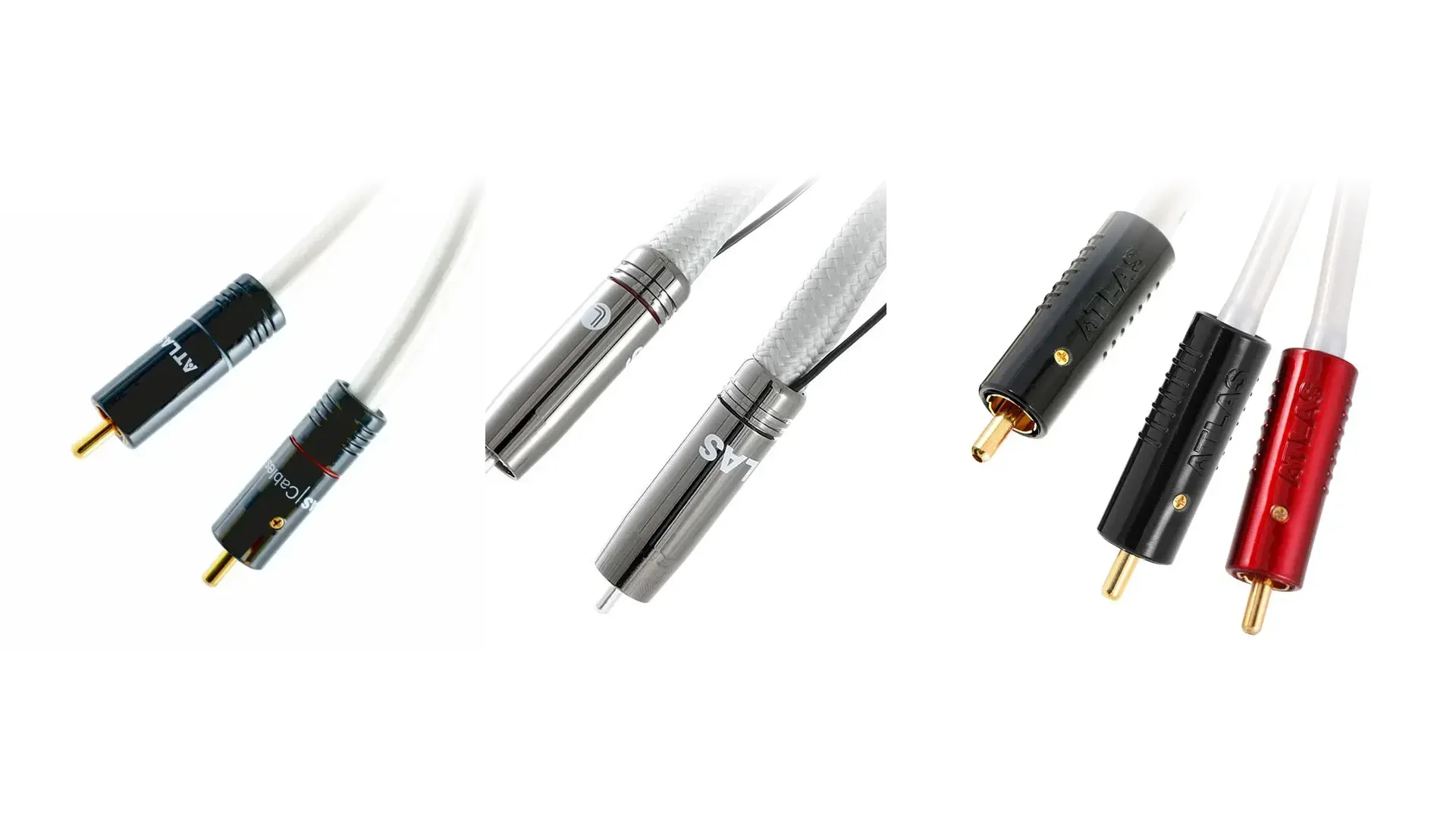
Atlas Cables designs and hand-builds audio connections in Kilmarnock, Scotland, with attention to the connector as well as the cable itself. The brand began in 2000 and spans analogue interconnects, speaker cables, digital links and power products. Equator, Hyper and Mavros are among its established families, with different conductor, dielectric and termination choices across the range. A practical distinction is the factory’s support for existing cables: selected products can be reconditioned, reterminated, fitted with newer connectors or converted to support Atlas’s Grun system. Custom lengths and this ability to repair or repurpose a cable make the manufacturing operation relevant well after the initial purchase.
Atohm

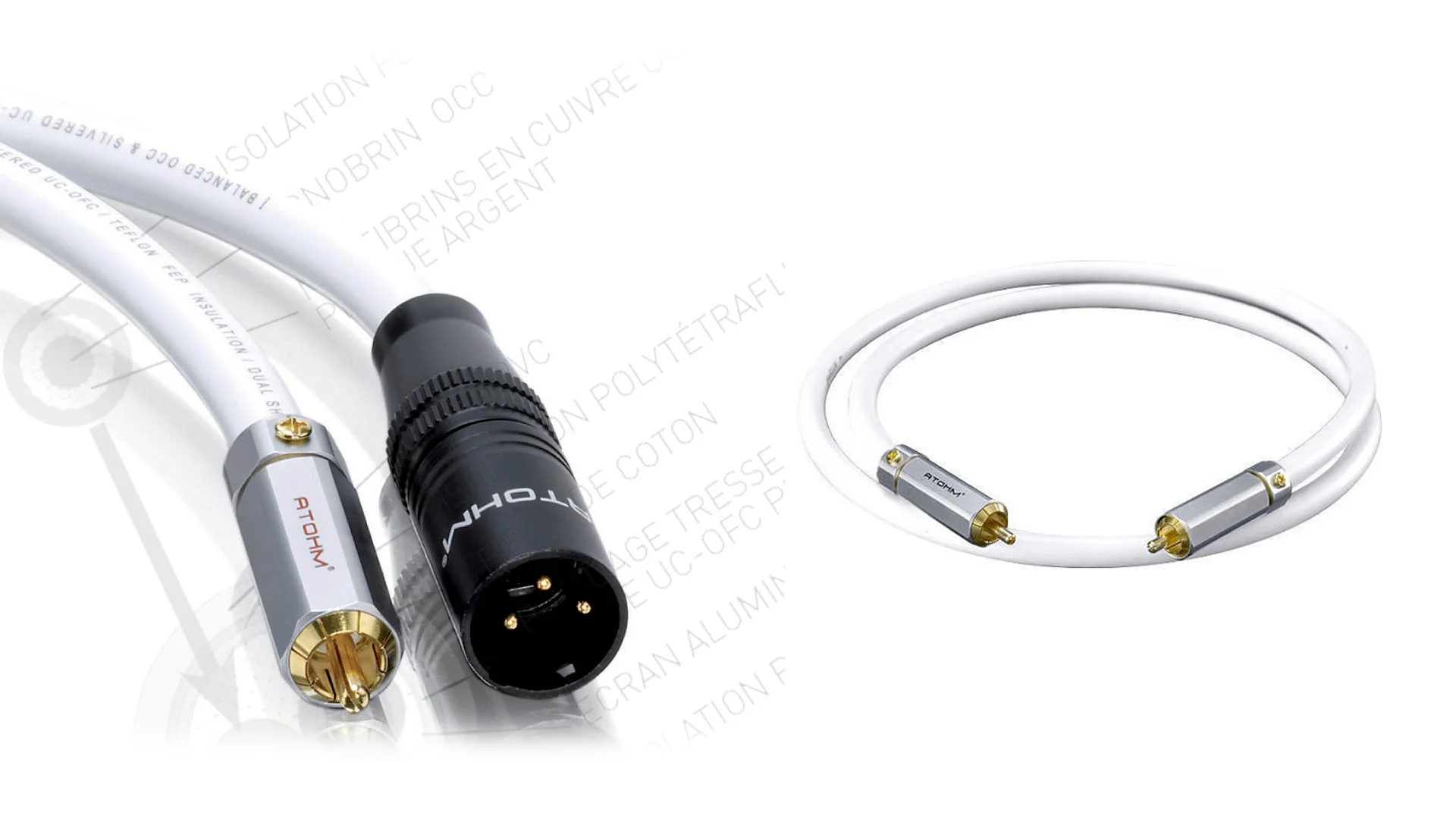
Atohm develops the drive units as well as the finished loudspeaker, and also supplies drivers and kits to people building their own systems. Thierry Comte established the French business behind the brand, Welcohm Technology, in 2000. Its catalogue connects GT and Sirocco loudspeakers with Rafale subwoofers, amplification and ZEF cables. The GT technical platform illustrates the detail of its driver engineering: the Absolute Series tweeter combines a treated silk dome, a neodymium motor and a copper ring intended to reduce and linearise inductance. Motor geometry and dispersion are developed together with the diaphragm and suspension. The same engineering interests extend into its component and DIY offerings.
Audience

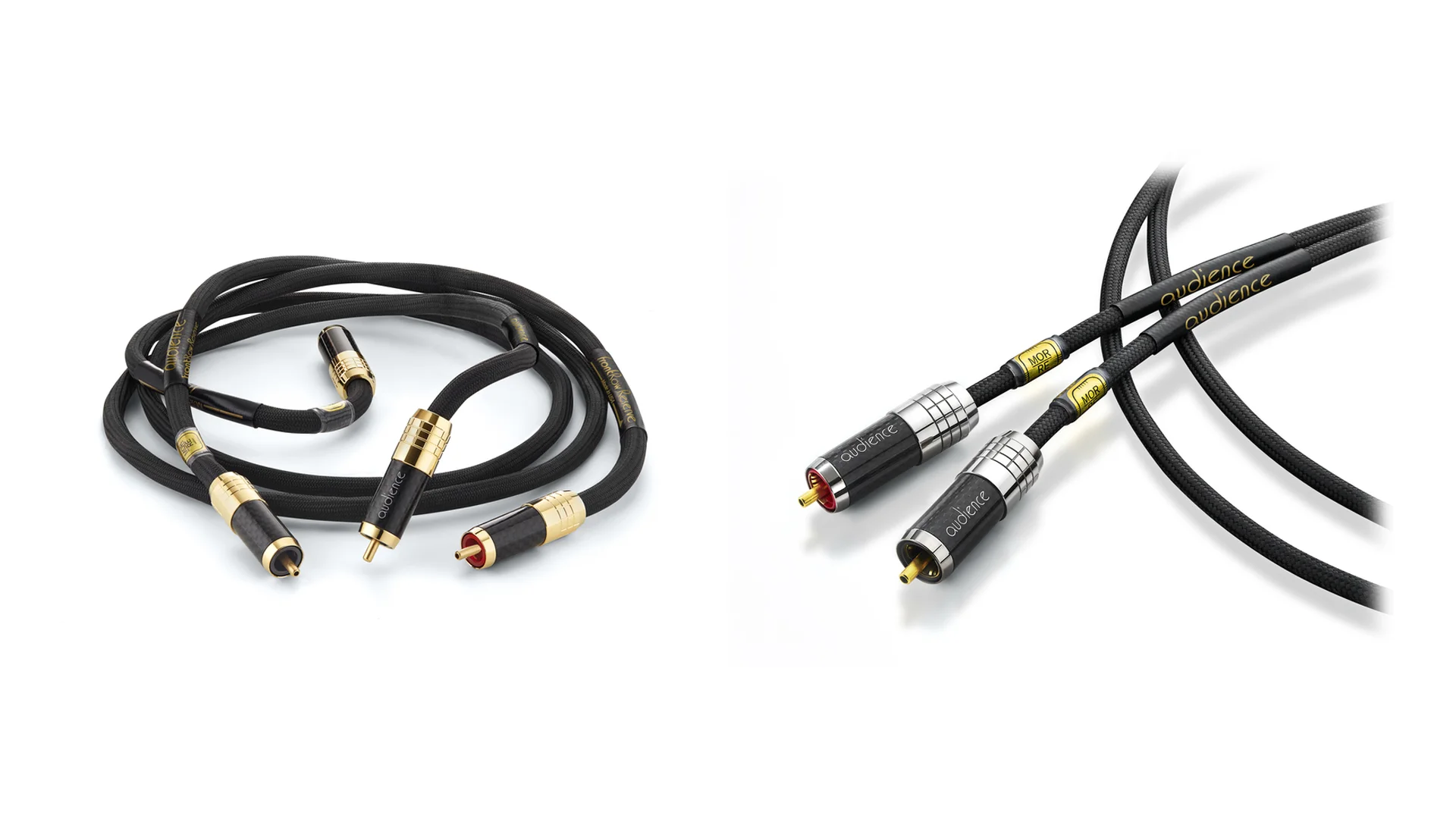
Audience’s cables and power conditioners grew alongside a long-running effort to build loudspeakers without a conventional crossover. John McDonald and Richard Smith founded the American company with engineer Roger Sheker in 1997, following an earlier venture together. Work on full-range drivers eventually led to the ClairAudient speakers, with the ClairAudient 16 debuting in 2009. Au24 and later cable families developed around low-mass construction, while adeptResponse conditioners brought the company’s power-filtration work into a separate product range. Audience also supplies drivers and Auricap capacitors for other manufacturers and DIY projects. The shared thread is component-level development across connections, power and sound reproduction.
Audio Analogue

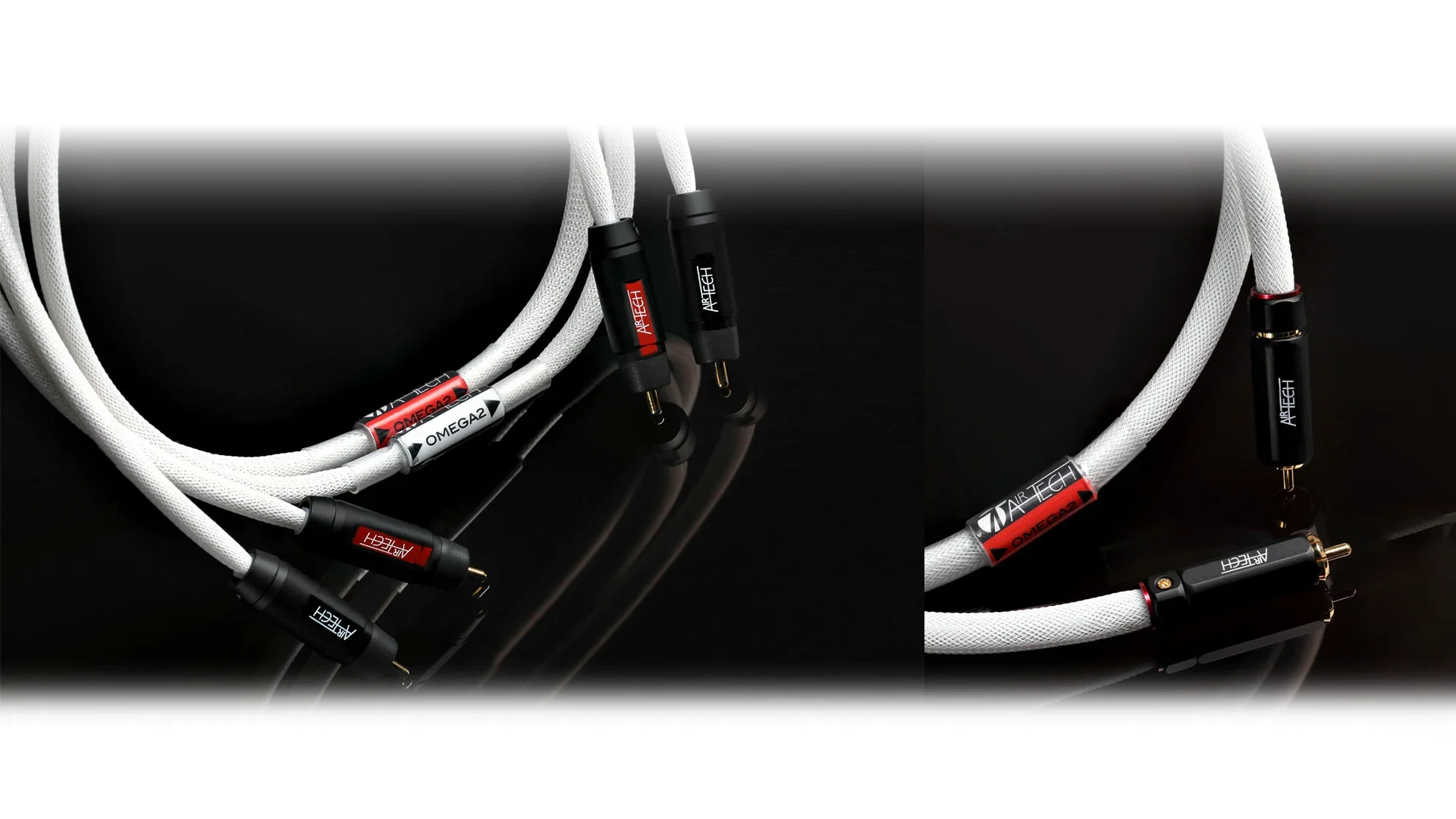
Audio Analogue gives Italian hi-fi electronics a clear identity: substantial power supplies, restrained controls and circuits developed around the needs of two-channel listening. Founded in Tuscany in 1995, the company established its name with amplifiers such as the Puccini. Co-founder Claudio Bertini later created the AirTech design laboratory, which develops the brand’s most ambitious electronics. The Anniversary models pursue a deliberately reduced signal path, while the PureAA range carries related design work into more versatile amplifiers, a phono stage and a DAC. At the top, the ABsolute integrated amplifier combines class-A operation with the scale of a separate pre/power system. This is a specialist in stereo electronics rather than a lifestyle-audio label.
Audio Note

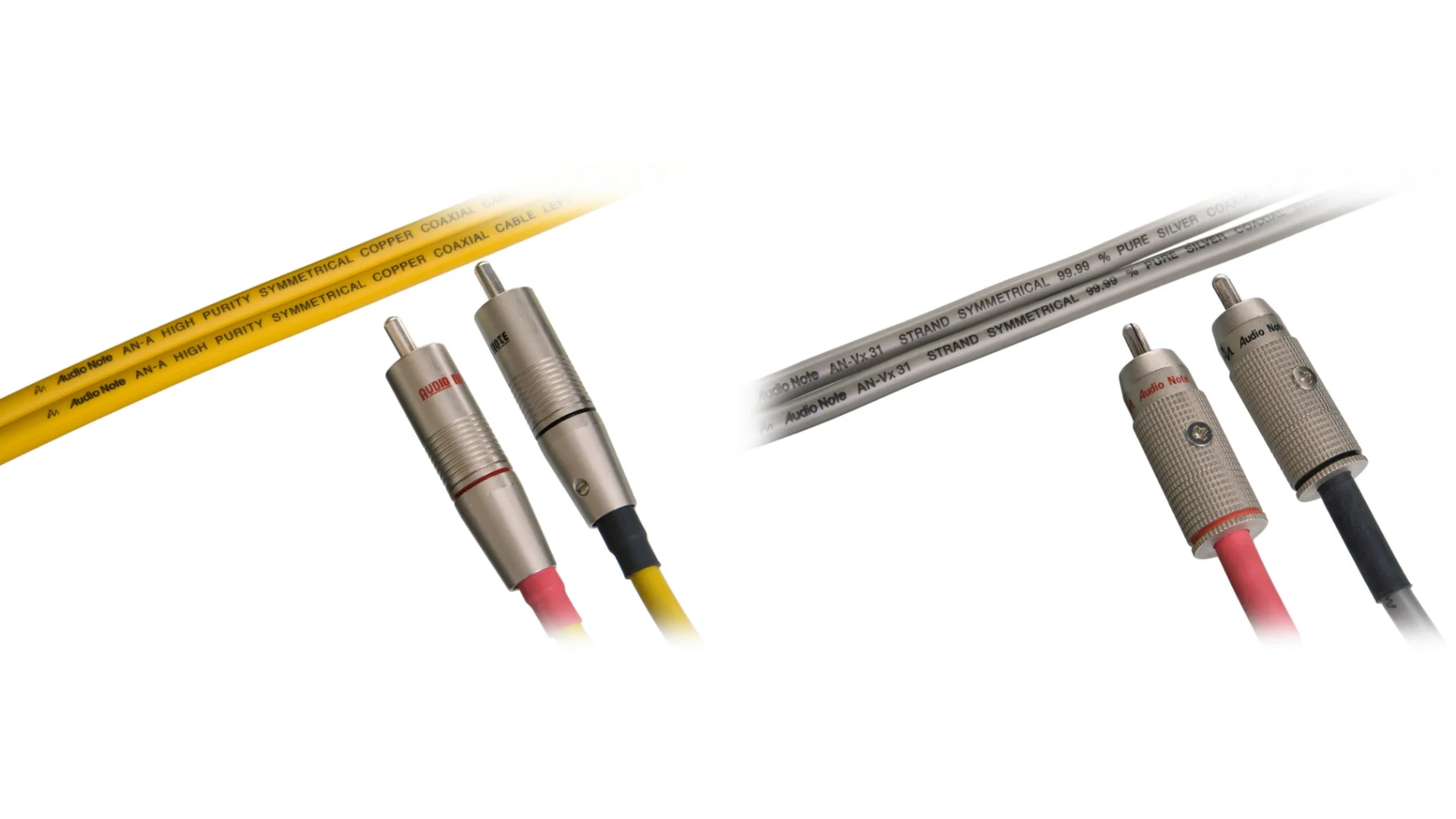
Audio Note (UK) builds complete valve-based playback systems, from cartridges and digital sources to amplifiers, cables and loudspeakers. The UK company led by Peter Qvortrup introduced the OTO PP integrated amplifier in 1991, and that long-lived model still captures its preference for simple circuits and serviceable products. Single-ended triode amplifiers, custom output transformers and internally developed resistors, capacitors and wiring are central to the range. Its DACs deliberately avoid oversampling, digital filtering and conventional reconstruction filters, pursuing timing and musical continuity through a different engineering route. Products are organised by levels from Zero to Five, with models such as Meishu and Ongaku showing how parts quality and transformer design are progressively developed. The name here refers specifically to Audio Note (UK), not Kondo Audio Note Japan.
Audiomica

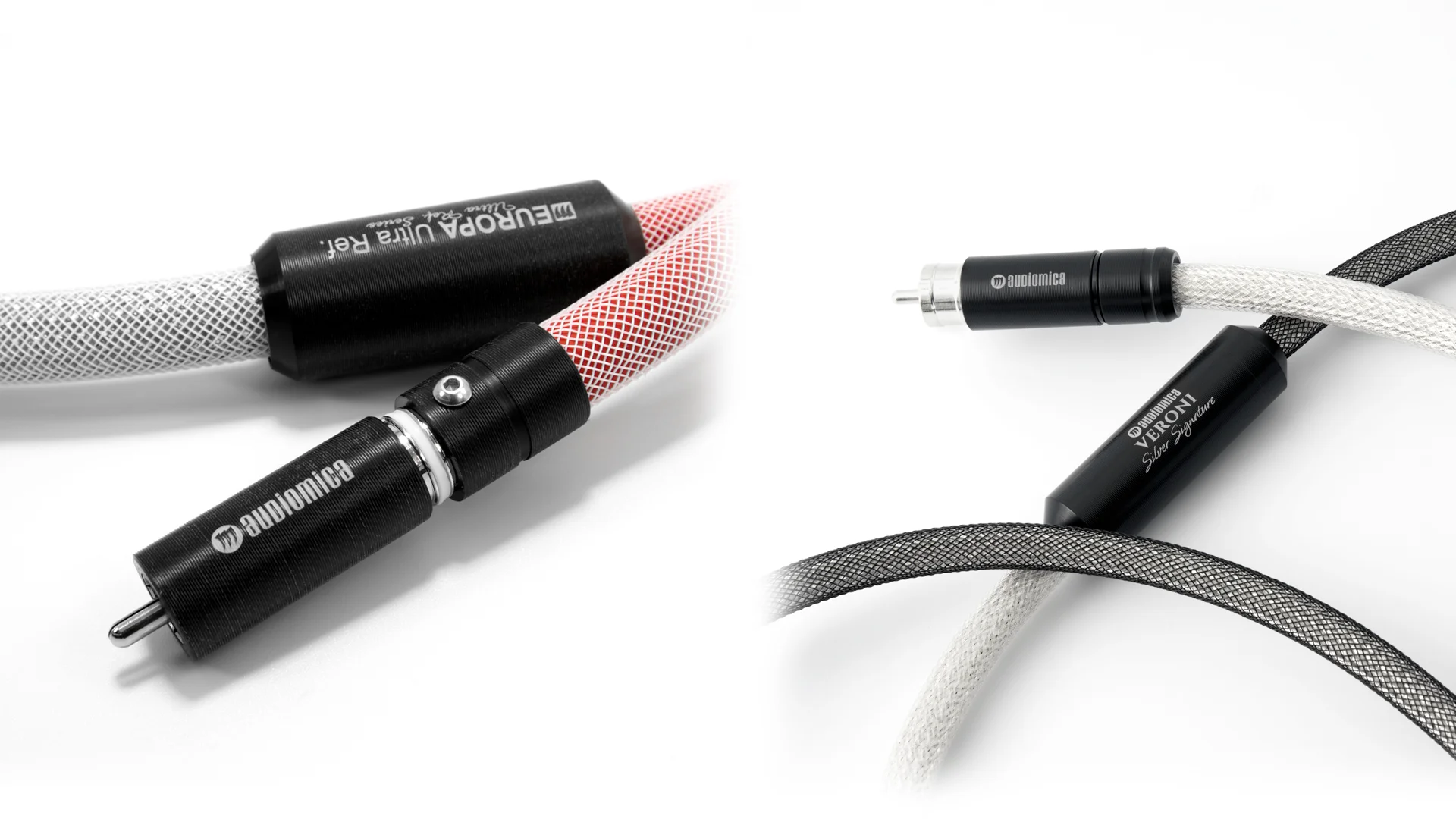
Audiomica Laboratory treats a cable range as a coordinated system rather than a collection of unrelated upgrades. The Polish company was brought to life in 2005 by engineer and artisan Łukasz Mika, who combined laboratory analysis with repeated listening tests. Its speaker, interconnect, power, digital, phono and grounding cables are organised into complete series so conductor material, dielectric, geometry and filtering can be developed together. Early work included the Mica Transparent cable and proprietary DFSS filtering; current families extend from Transparent and Reference through Excellence, Ultra Reference, Consequence and Silver Signature. Each cable is assembled by one technician and receives a serialised, signed quality certificate after electrical and mechanical inspection. Following Mika’s death in 2022, the team that worked with him continued the designs and Polish hand production.
AudioQuest

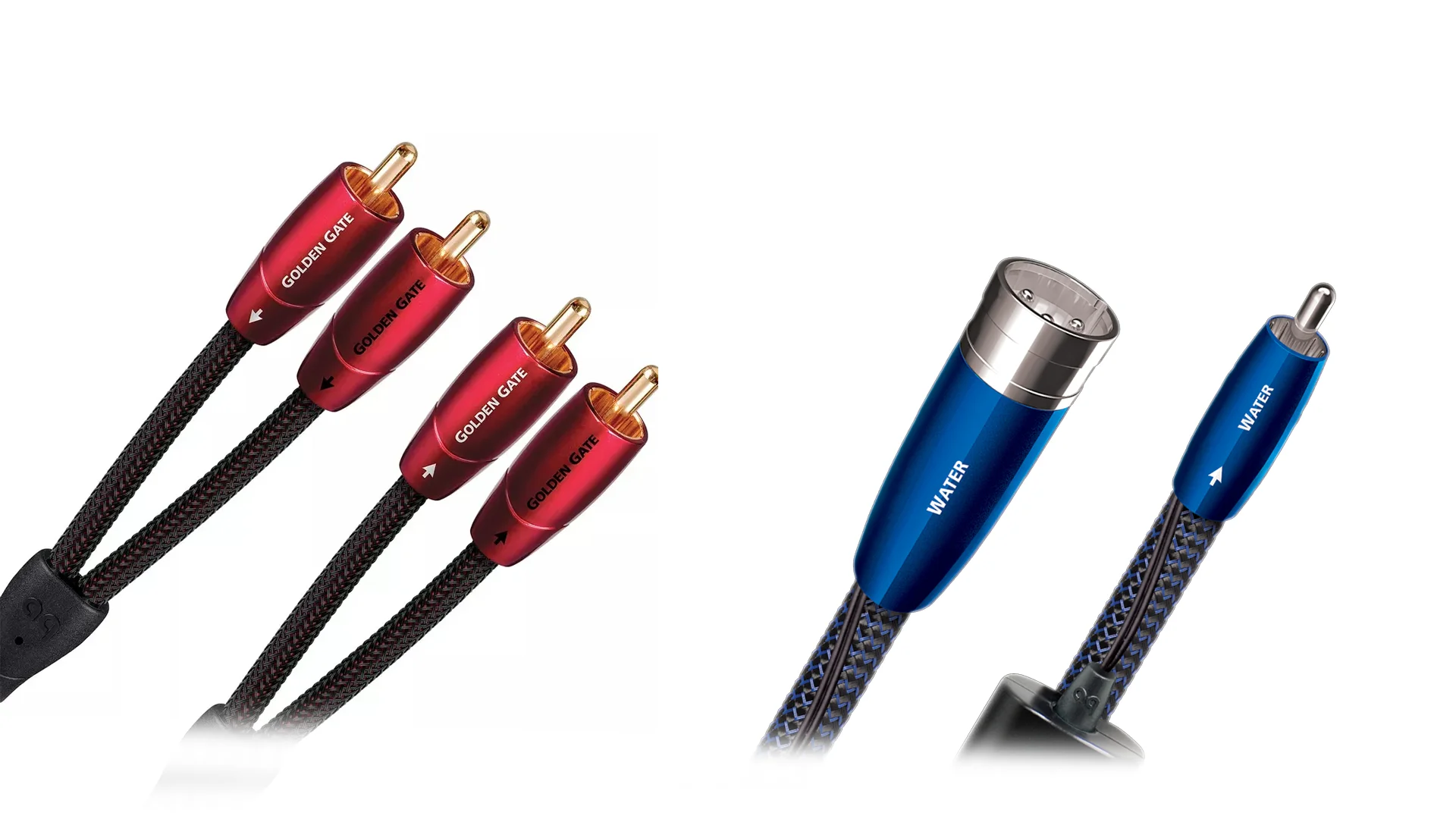
AudioQuest designs cables around one persistent aim: preserve the source signal by reducing added noise and distortion. William ‘Bill’ Low began making custom cables for his hi-fi shop in 1978 and founded the California company in 1980. Its work has progressed from advanced conductor metallurgy and HyperLitz construction to solid and semi-solid conductors, controlled directionality, RF noise dissipation and the Dielectric-Bias System introduced in 2004. The catalogue covers analogue, speaker, digital, HDMI and AC power cables across accessible and reference ranges, including William Tell, ThunderBird and Dragon. AudioQuest also developed DragonFly USB DACs and Niagara and PowerQuest power conditioners, applying the same noise-control priorities beyond cables. The useful distinction is the coherent engineering vocabulary used across a very broad range, rather than exotic materials alone.
Austere

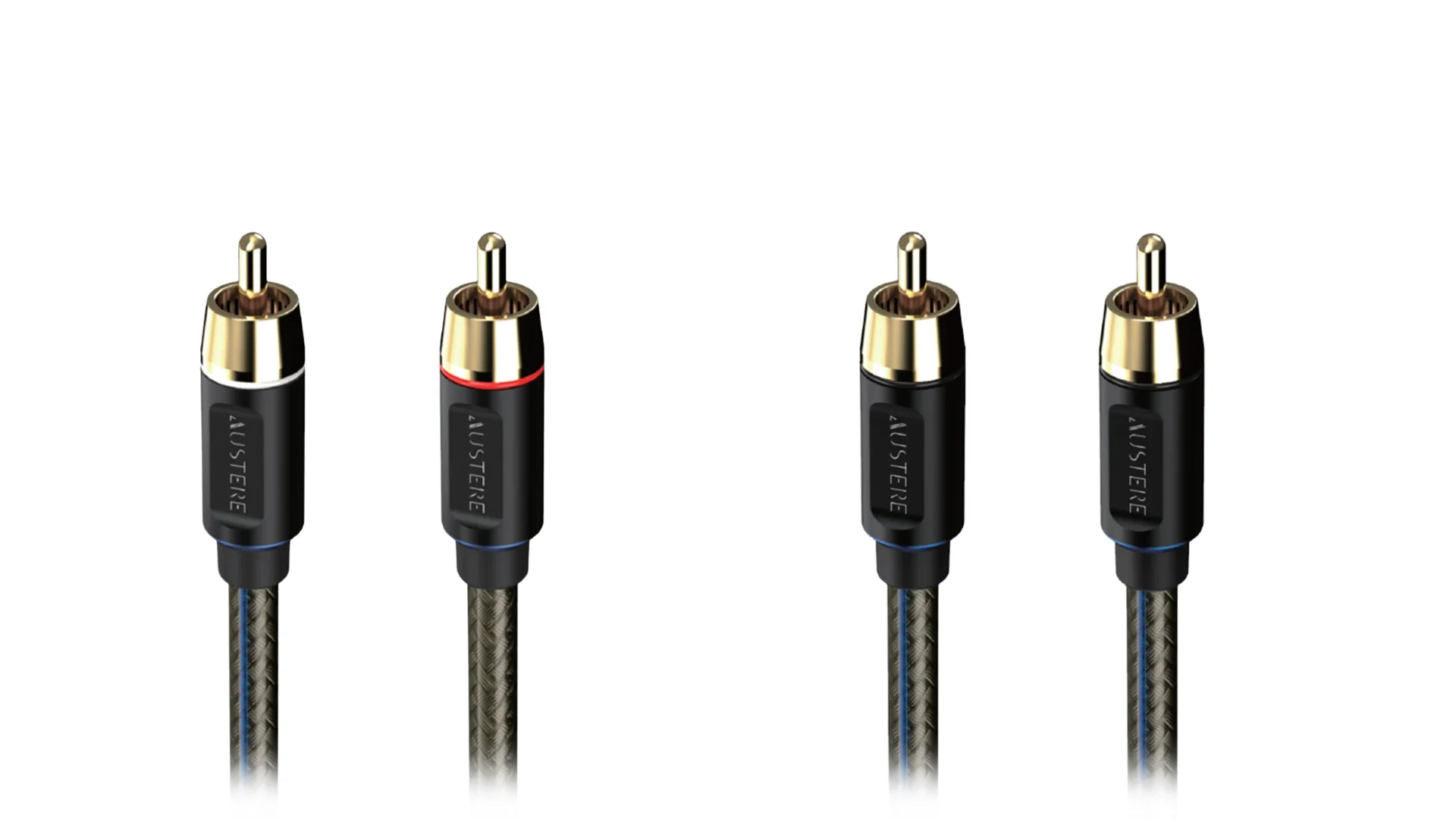
Austere concentrates on the parts of an AV system that carry signal and power. Deena Ghazarian founded the US company in 2019 after a career in consumer electronics, building the range around HDMI cables, analogue and digital audio cables, speaker cable, power products and screen-care accessories. Its HDMI products are organised by certified bandwidth and installation need, while the power units combine surge protection, filtration and USB charging in enclosures designed to remain visible in a living space. Durable jackets, protected connectors and lifetime guarantees are central to the proposition because these accessories are often installed once and used through several equipment upgrades. Austere’s identity is practical premium system infrastructure with consistent industrial design, rather than an audio component manufacturer claiming to change the character of the source.
Benchmark Media Systems
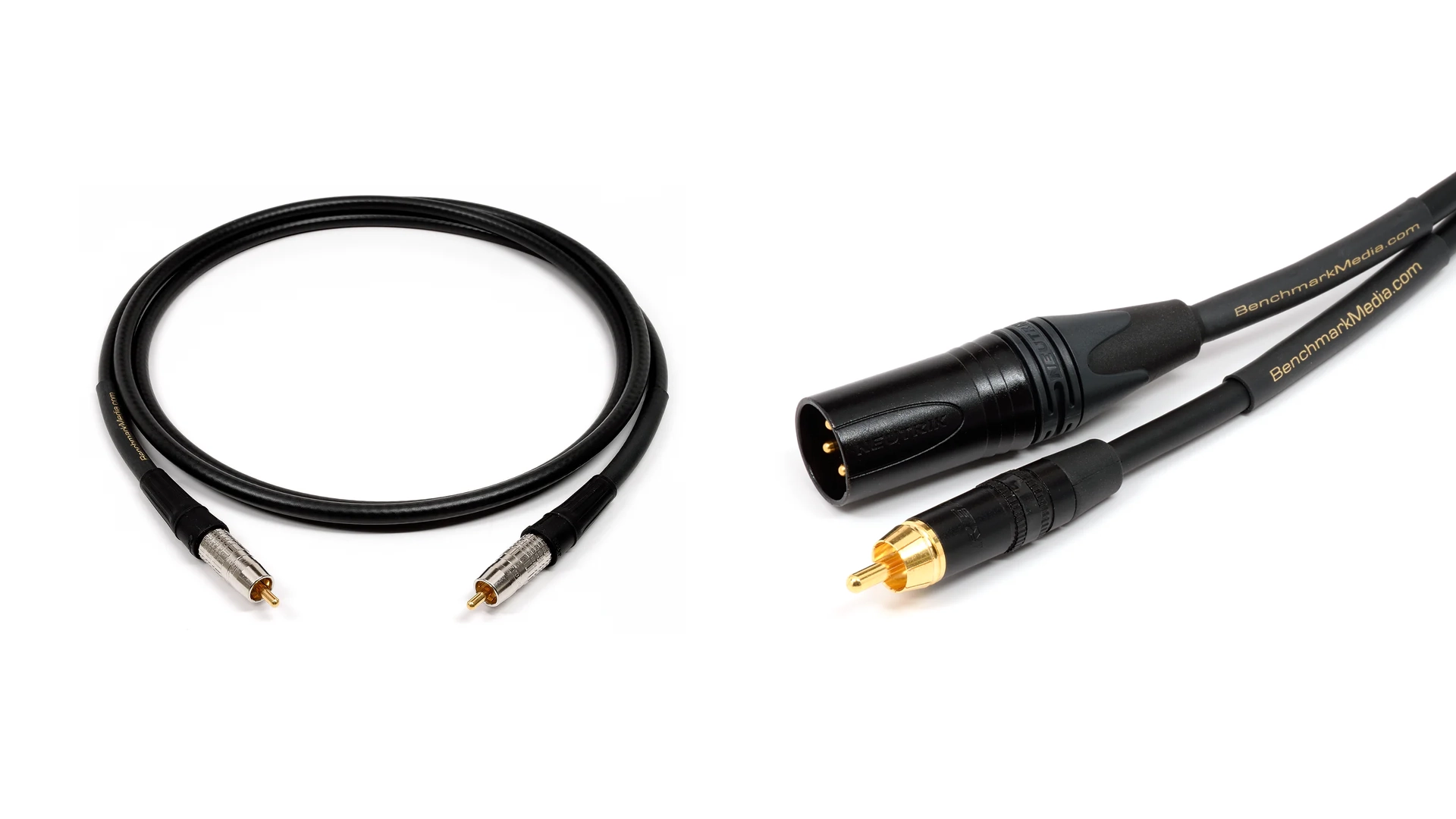
Benchmark Media Systems brings measurement-led studio engineering into compact home and professional audio components. Allen H. Burdick began Benchmark Sound Company in a garage in Garland, Texas, in 1983; the business incorporated as Benchmark Media Systems in 1985 and later moved to Syracuse, New York, where products are designed, assembled and tested. Benchmark became widely known for transparent DAC and headphone-amplifier combinations, and the DAC3 continues that line. The AHB2 power amplifier—named for Burdick—uses THX Achromatic Audio Amplifier technology to achieve exceptionally low noise and distortion, while the HPA4 and LA4 provide relay-controlled analogue preamplification and headphone drive. The brand’s real speciality is predictable, documented performance: engineering decisions are supported by published measurements and products serve mastering rooms as comfortably as domestic systems.
Black Rhodium
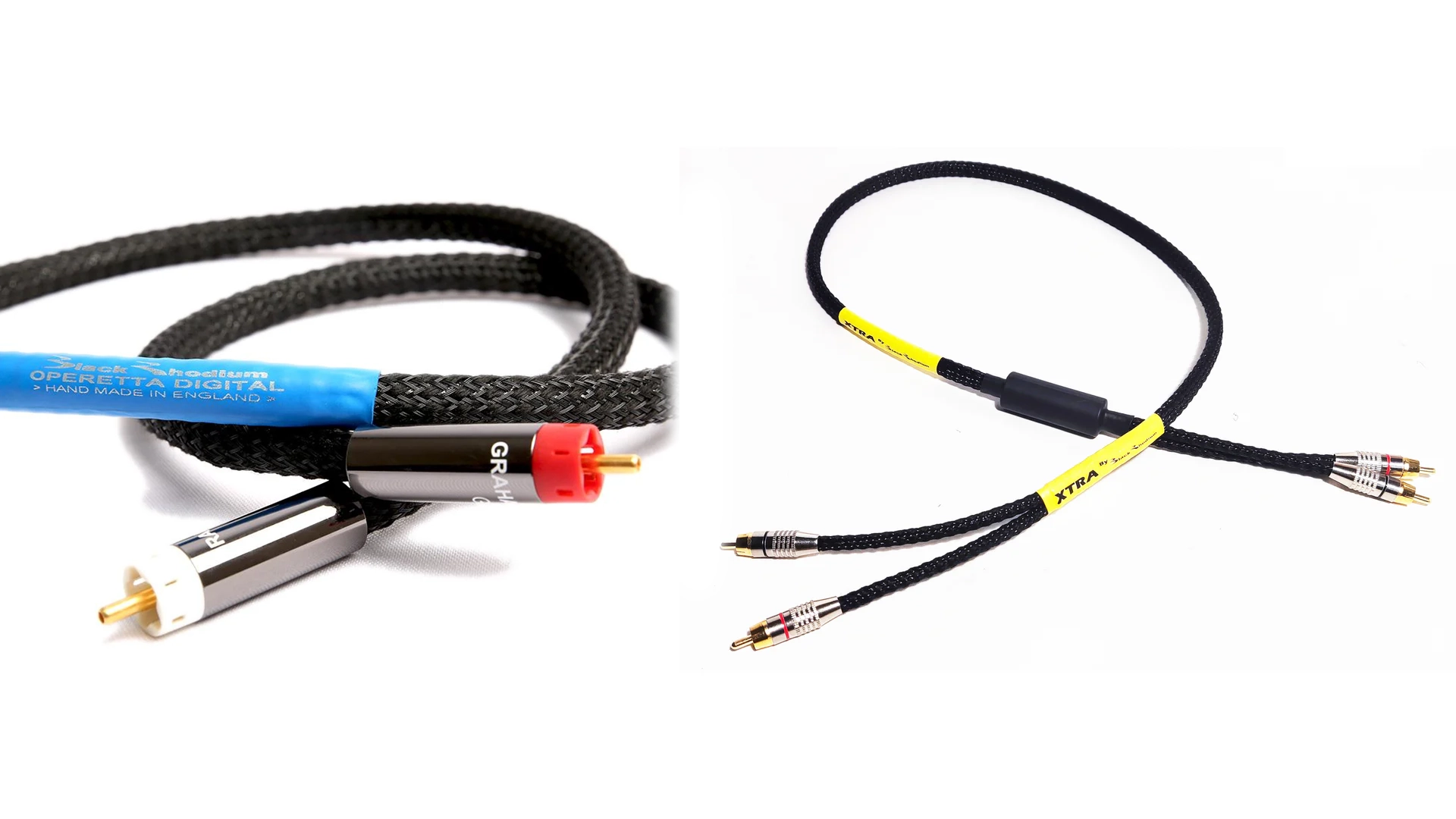
Black Rhodium is a British cable specialist founded by engineer Graham Nalty in Derby in 2002. Its range covers analogue interconnects, loudspeaker cables, mains leads, digital connections and specialist headphone and tonearm wiring, allowing complete systems to be cabled within one design family. Rather than relying on one conductor for every application, the company varies conductor material and gauge, dielectric, geometry, shielding, connector choice and mechanical damping according to the signal or power role. Products range from accessible assembled cables to more elaborate designs using silver conductors, low-loss insulation and additional vibration control. Black Rhodium’s value is this application-specific approach and long continuity under its founder, not a promise that one material automatically suits every system. The previously missing foundation year has been filled with the documented date 2002.
Boenicke Audio
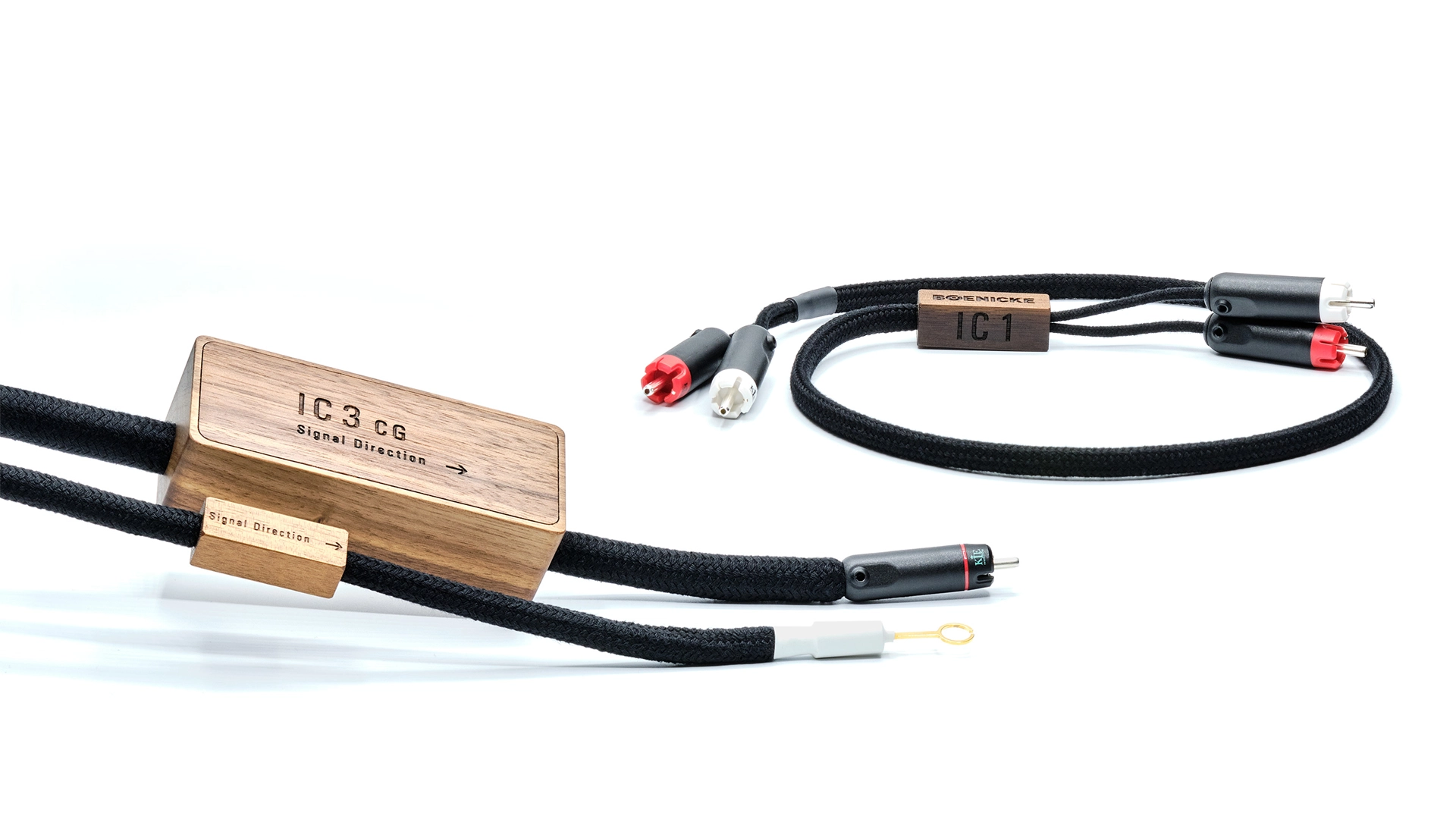
Boenicke Audio makes compact solid-wood loudspeakers whose unconventional internal and mechanical details matter as much as their sculpted cabinets. Swiss designer and recording engineer Sven Boenicke founded the company in 1998 after years of making his own live recordings and experimenting with loudspeakers. W5, W8, W11 and larger models use CNC-machined wooden shells, side-firing woofers and carefully chosen wideband drivers to achieve generous scale from a narrow frontage. Depending on the model, swing-base suspension, electromechanical resonators, unusual component treatments and deliberately minimal crossover sections are used to manage stored energy and preserve timing. The catalogue also includes electronics and cables, but loudspeaker voicing remains rooted in Boenicke’s own recordings and listening work. The previously empty foundation field has been completed with the company’s documented year, 1998.
Canton

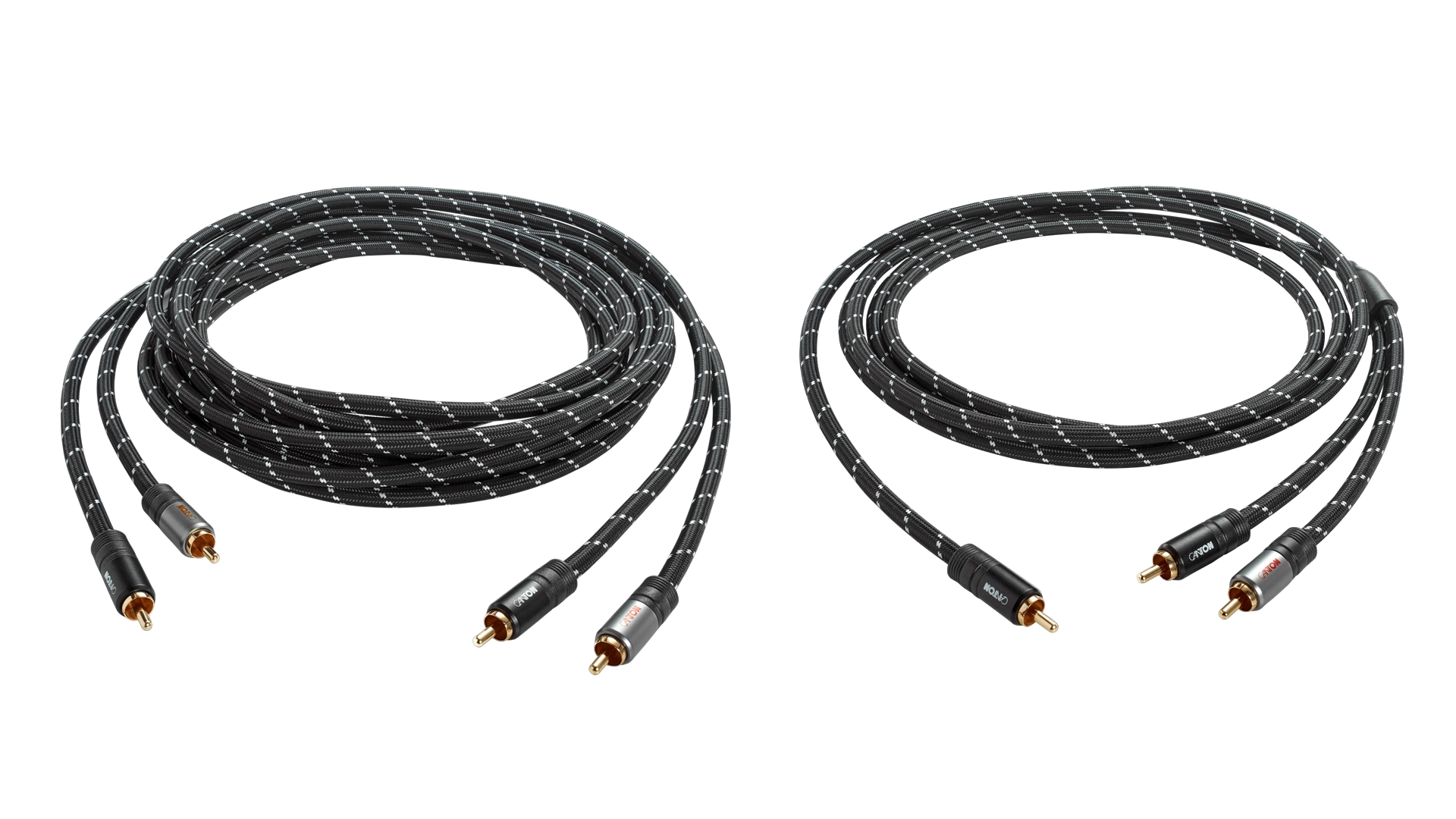
Canton is a family-owned German loudspeaker company with enough scale to develop drivers, cabinets, electronics and measurement facilities under one programme. Hubert Milbers, Otfried Sandig, Wolfgang Seikritt and Günther Seitz founded it in Weilrod in 1972. The early LE 250 compact speaker was followed by one of the company’s recurring themes: achieving substantial bandwidth and output in forms suited to real living spaces. Today’s catalogue extends from GLE and Townus through Vento to the Reference and Reference Alpha lines, with centre speakers, subwoofers and installation models for complete cinema systems. The Smart series adds active wireless stereo and surround configurations, while soundbars cover television systems. Aluminium-ceramic and later ceramic-tungsten diaphragms, waveguides, cabinet simulations and measurements in Canton’s own anechoic chamber support the range. Reference models and selected production remain closely tied to the Weilrod facility.
Cardas
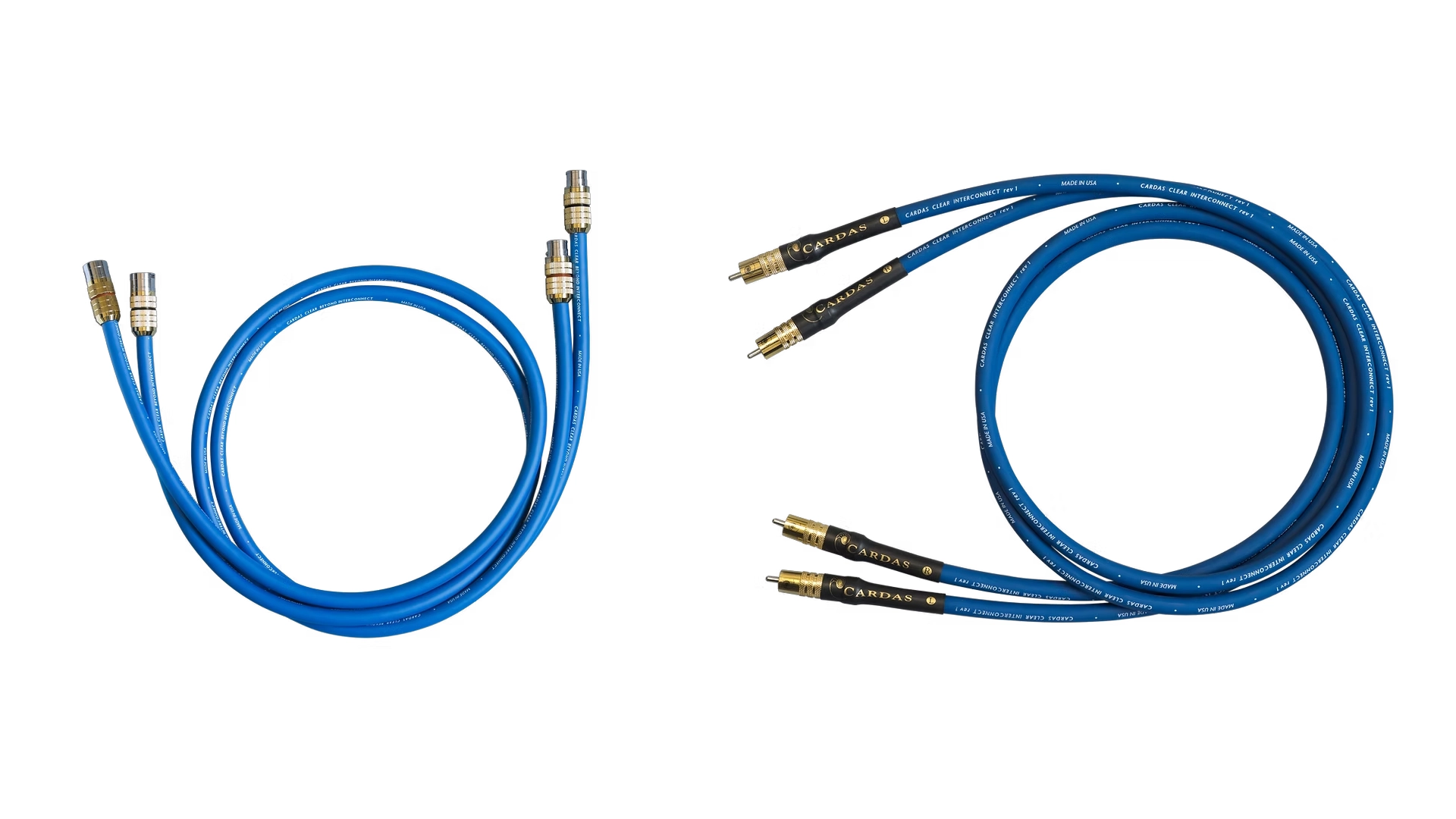
Cardas Audio controls cable behaviour by designing and manufacturing the conductor itself, not only its outer geometry and connectors. Former telephone transmission engineer George Cardas founded the company in Ontario, California, in 1987 and moved it to Bandon, Oregon, in 1992. His patented Golden Section stranding arranges progressively sized conductors according to the golden ratio to spread mechanical and electrical resonances. Each fine strand is individually enamelled in a Litz construction, limiting oxidation and interaction between strands. Later Matched Propagation designs coordinate conductor and dielectric behaviour throughout the Clear range. Cardas produces its own ultra-pure copper conductors and also makes interconnects, speaker and power cables, bulk wire, solder, binding posts, RCA, XLR, DIN and headphone connectors for manufacturers and DIY builders. George remains head designer, while his daughter Angela manages the company.
Cayin

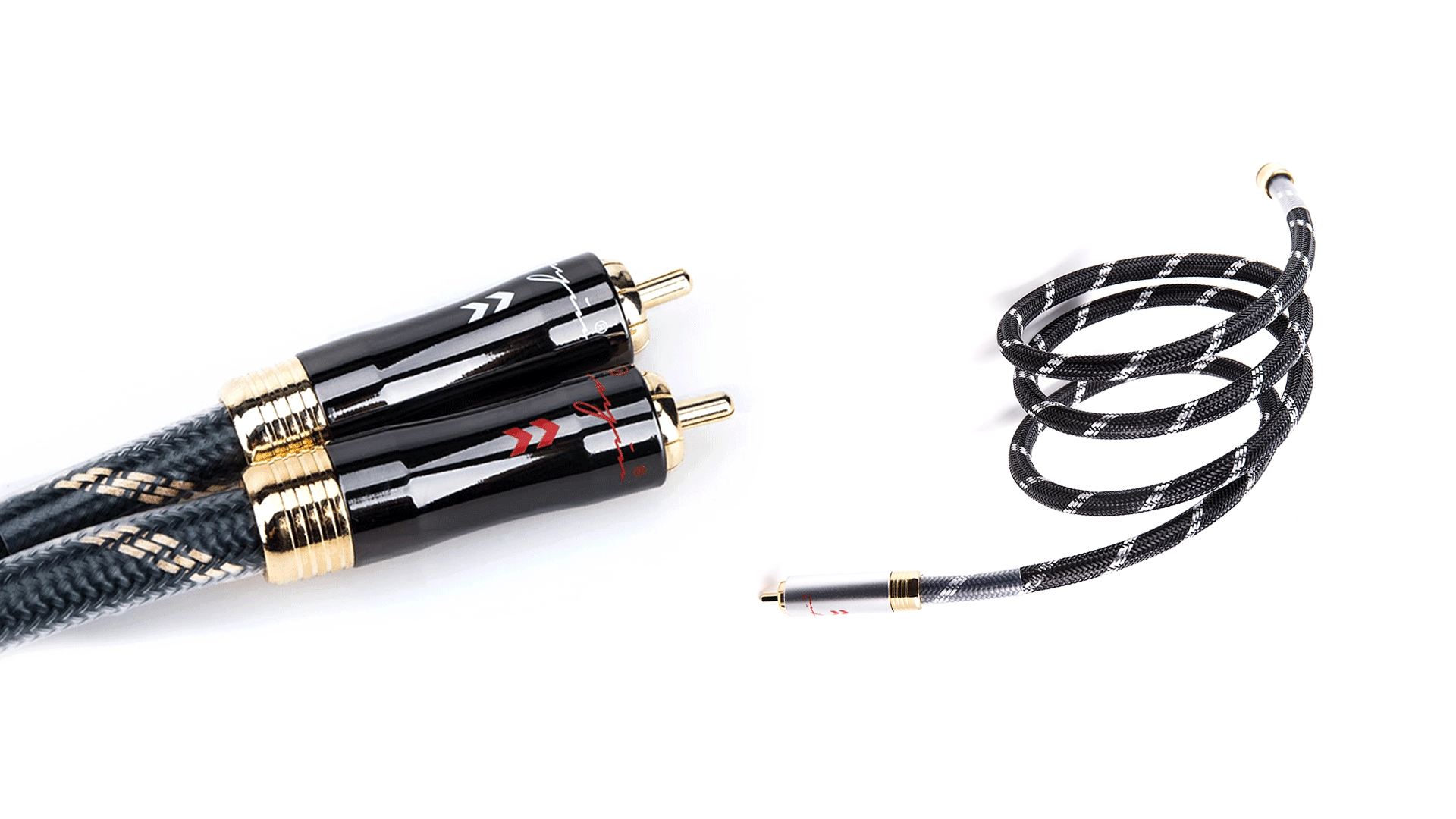
Cayin is one of the few large audio manufacturers to develop valve electronics for both full-size hi-fi systems and genuinely portable listening. Zhuhai Spark Electronic Equipment Co., Ltd. was founded in China in 1993 and markets its audio products under the Cayin name. Its home range spans single-ended 300B amplifiers, push-pull integrated amplifiers using valves such as EL34 and KT88, pre/power combinations, DACs and digital sources. Cayin later brought the same interest in tube operating modes and user-adjustable voicing to desktop headphone amplifiers and N-series digital audio players. Several products allow listeners to change output stage, feedback, bias or valve/solid-state timbre without replacing the component, making configurability part of the brand’s engineering rather than a software preset alone. Cayin also produces portable DAC/amplifiers and in-ear monitors. Broad in price and format, the catalogue links traditional transformer-coupled tube circuits with modern high-resolution digital and personal audio.
Clarus Cables

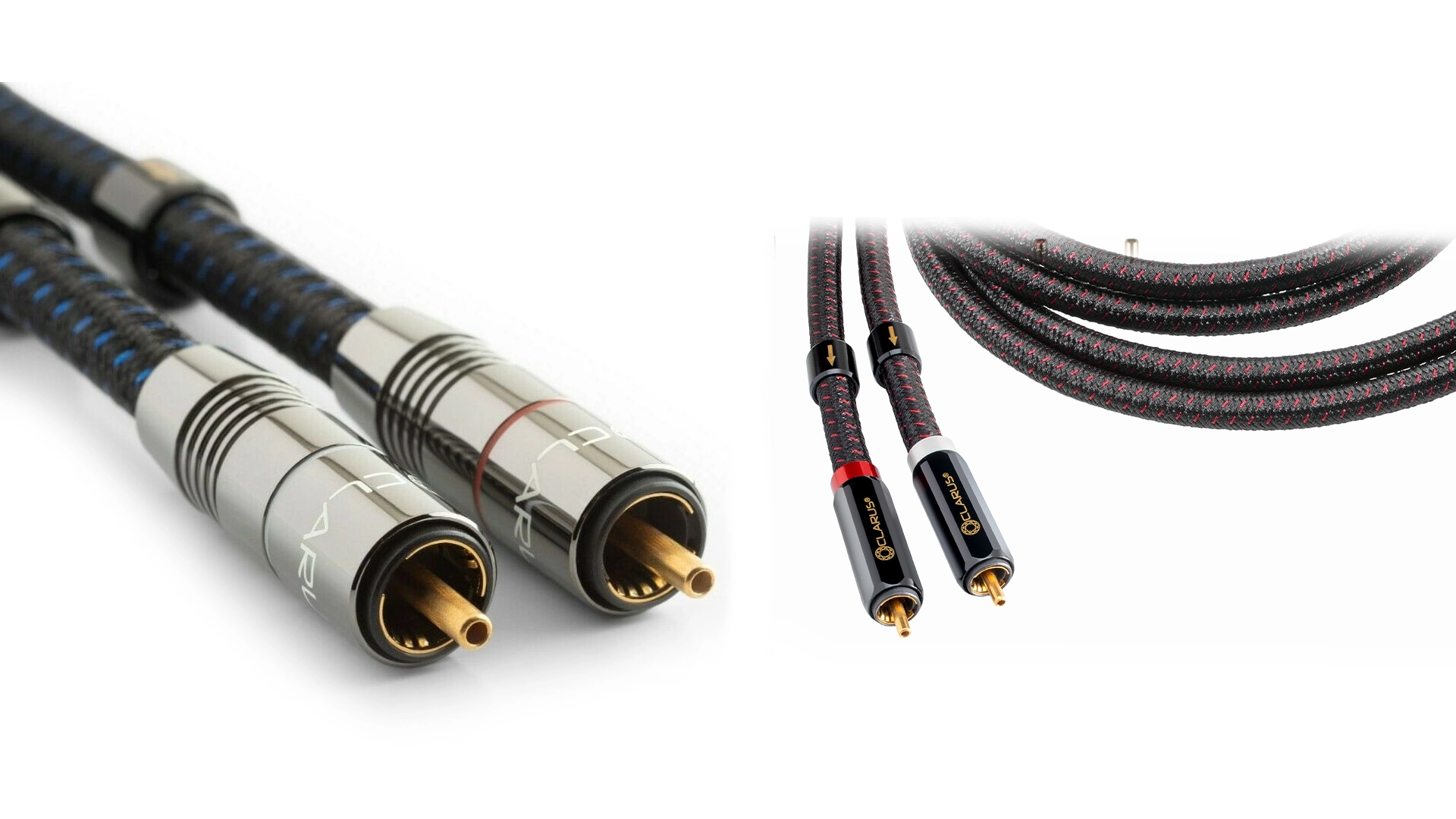
Clarus is the dedicated two-channel audiophile line of Gordon J. Gow Technologies, positioned above its sister brand Tributaries. Established in Orlando in 2011 under company founder Joe Perfito, the range was developed by cable designer Jay Victor rather than adapted from standard AV products. Clarus combines PCOCC copper with several conductor shapes and gauges: solid cores, flat conductors and spiral ribbons are individually insulated and arranged for the electrical demands of analogue, digital, speaker and mains applications. Purpose-designed terminations and controlled impedance accompany the metallurgy. Aqua and Crimson form the main cable families, covering RCA and XLR interconnects, phono, USB, AES/EBU and coaxial digital links, speaker cables and power cords. The catalogue has expanded into Duet and Concerto power distribution and the compact CODA USB DAC/headphone amplifier. The brand’s real distinction is not simply expensive copper, but a consistent geometry developed separately for low-level signals, digital transmission, loudspeaker current and AC power.