Analog Cables
Analog interconnects are used to transmit line-level audio signals between your components, such as from a DAC to an amplifier. The two primary types are RCA, the common unbalanced standard, and XLR, a balanced connection used in high-end and professional gear for its superior noise rejection. These cables are tasked with preserving the purity of the delicate audio signal as it travels between devices. This guide lists manufacturers of both high-quality RCA and balanced XLR interconnects.
Hi-Fi brands in the category
Summary information and image
Direct links to official websites
GutWire

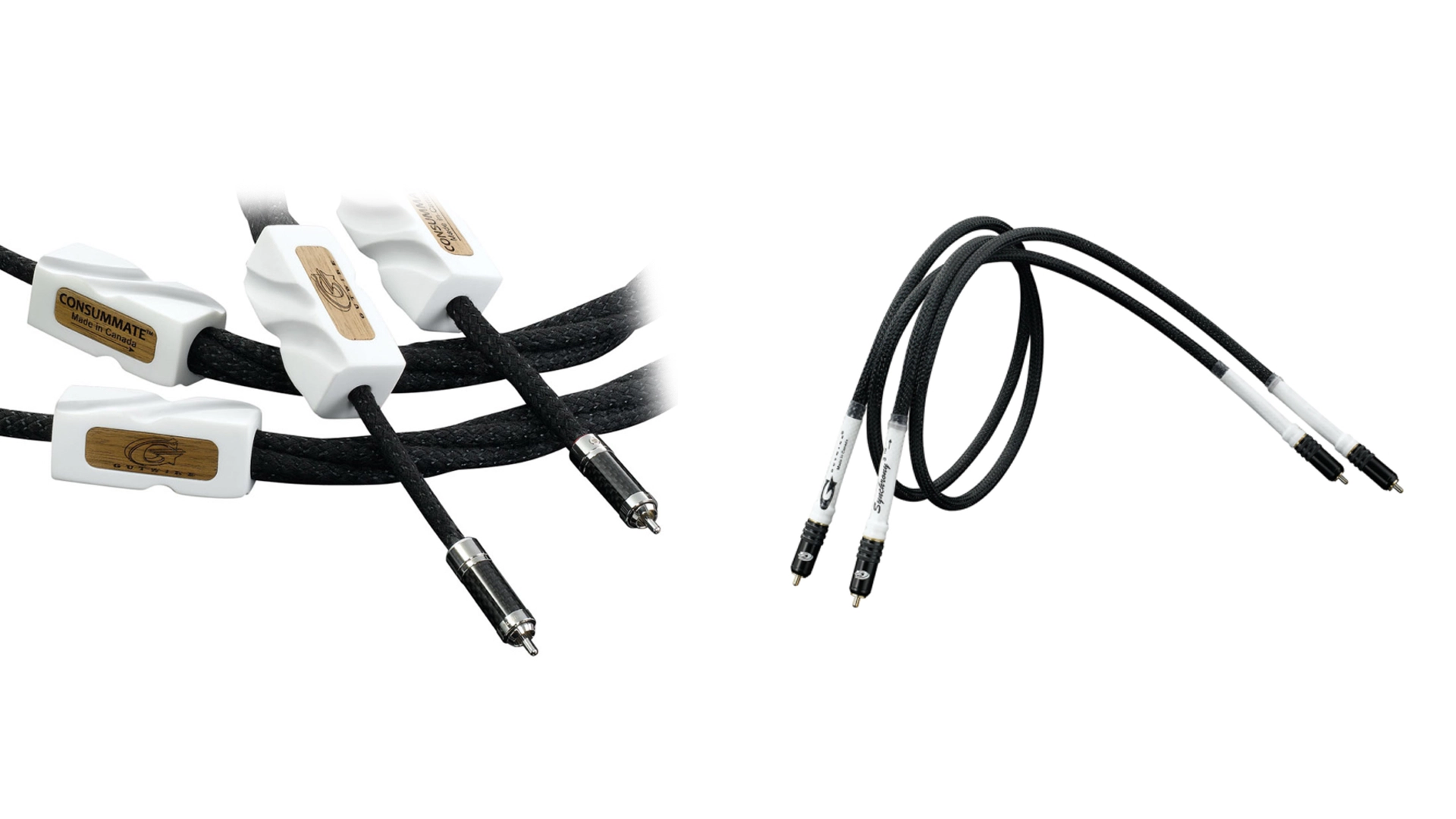
GutWire is a Canadian cable maker, active since 2000, whose designs centre on conductor geometry and mechanically secure terminations rather than frequency-shaping networks. Its cables are handcrafted near Toronto from high-purity oxygen-free copper using proprietary weave patterns, extensive shielding and cold-welded or crimped connections; the company explicitly avoids adding capacitors, coils or resistors to tailor the response. The range is unusually broad for a small specialist, covering analogue interconnects, loudspeaker, digital and power cables as well as outlets, grounding products, conditioners, DIY materials and vibration-control accessories. Early GutWire products were developed and manufactured by Herbert Wong and Alex Yeung, and the company’s construction philosophy has remained recognisably consistent. The distinguishing claim is straightforward: solve noise rejection and mechanical reliability through cable structure and termination, not through an attached filter box.
Habst Cables
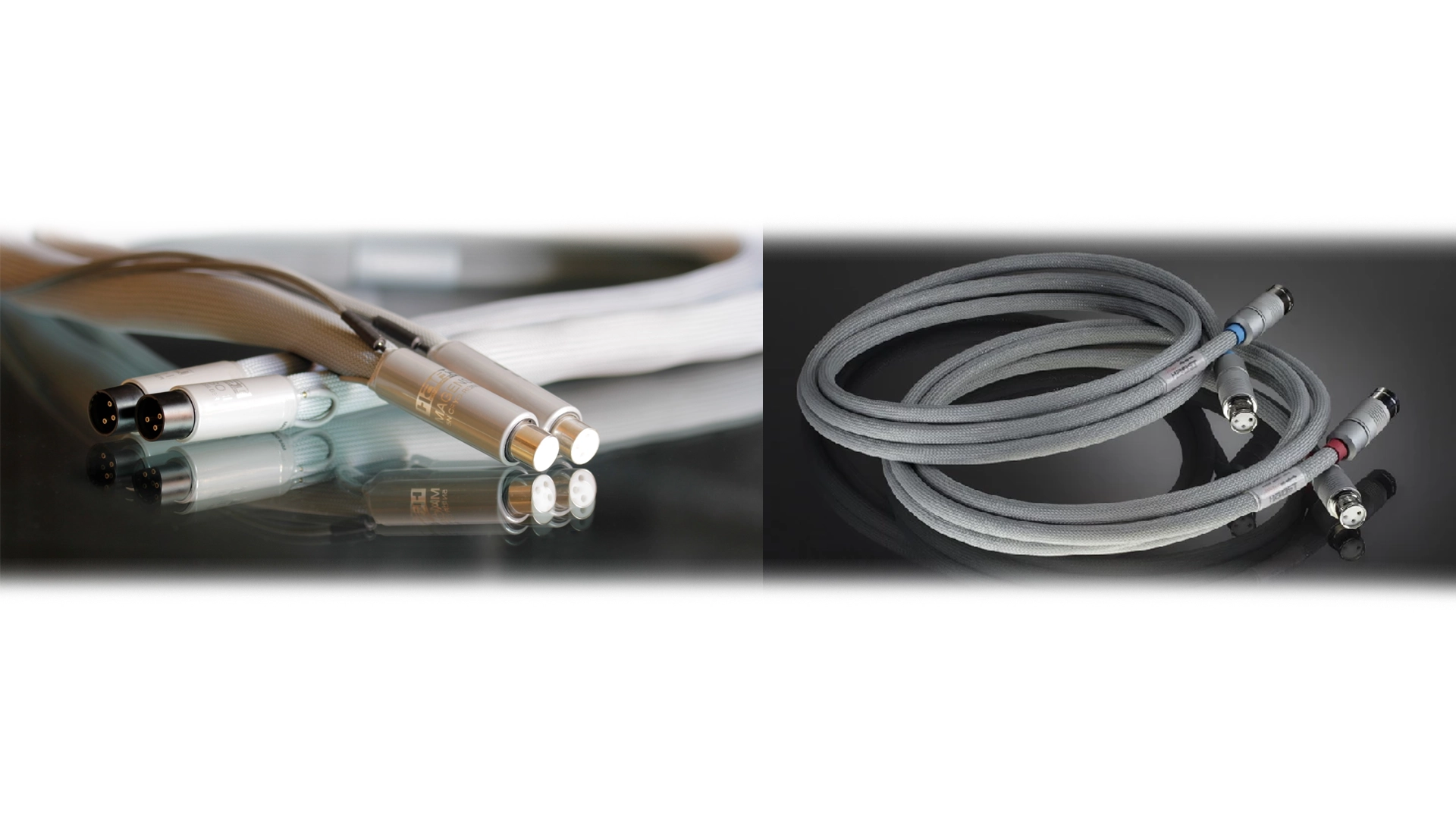
Habst Cables is a small cable atelier whose work began in Berlin and is now carried out in Denmark, with each ordered length assembled by hand rather than cut from generic finished stock. Its principal conductor is 5N (99.999%) cryogenically treated silver manufactured in Germany to Habst’s specification. Depending on the model, the company routes conductors through PTFE or ePTFE air tubes, adds carbon-based shielding and applies its AP resonance-reduction treatment. Analogue and digital interconnects, USB and network cables, loudspeaker and power cables, plus custom headphone leads are made in one piece where the requested length permits. The Majesty headphone cable appeared in 2012, but Habst does not present that date as the foundation of the company. Made-to-order geometry, material control and willingness to build non-standard terminations are the brand’s real points of difference.
Harmonic Technology
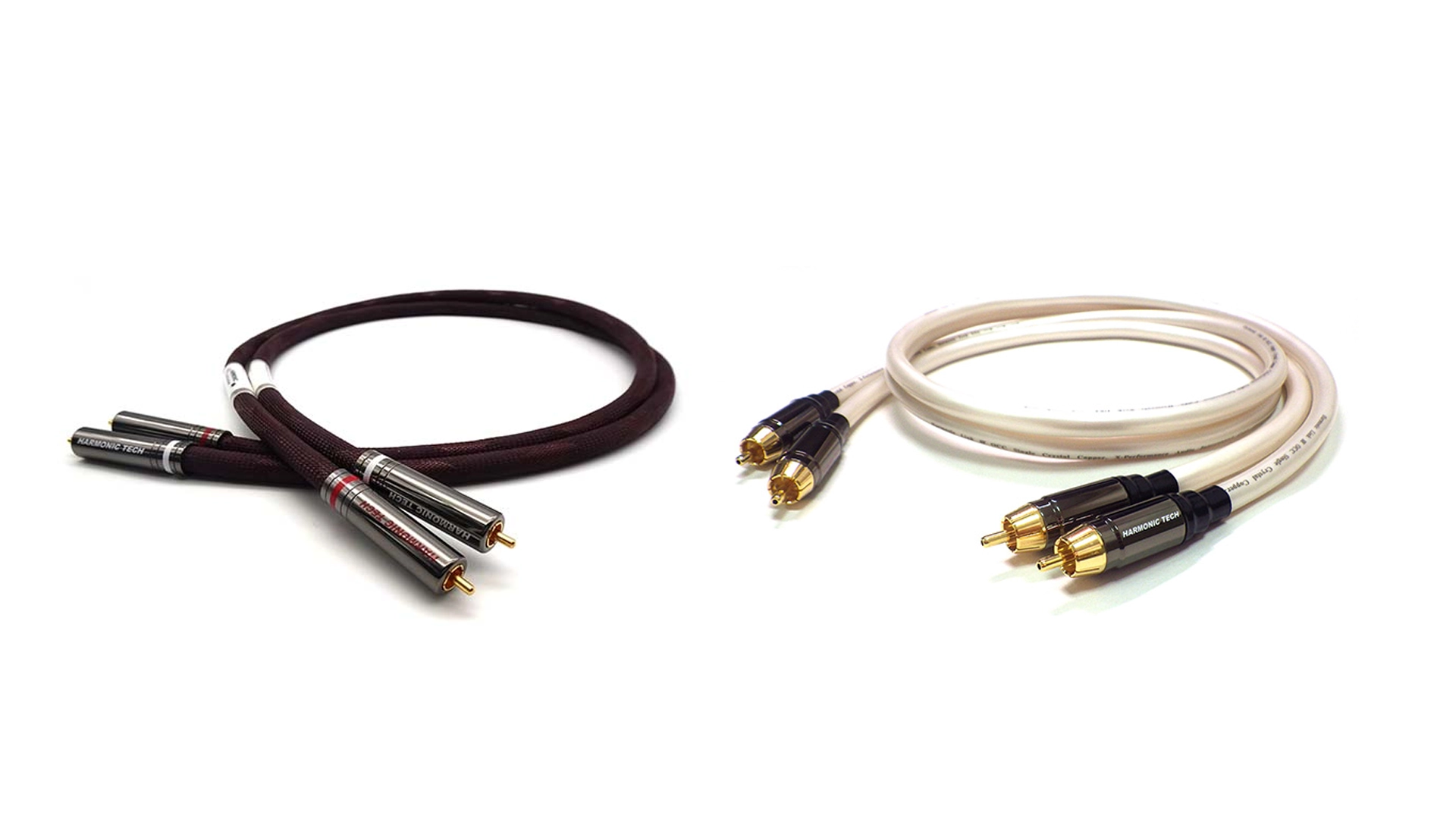
Harmonic Technology is an American cable specialist founded in 1998 by Jim Wang, with engineer Robert Lee among the company’s early principals. Its reputation was built around Ohno Continuous Casting conductors: unusually long-crystal copper and silver intended to reduce the boundaries found in conventional drawn wire. The company does not treat conductor purity alone as a complete cable design. Its products combine selected OCC metals with individually insulated strands or solid conductors, controlled geometry, dielectric materials, shielding and termination methods chosen for speaker, analogue, digital and mains applications. Families such as Melody, Pro, Magic and the rectangular-conductor RecTa range show how the same materials platform is adapted at different levels rather than repeated under new names. Harmonic Technology’s distinctive contribution is therefore materials-led cable engineering, especially the long-running use of single-crystal copper and silver across a broad system loom.
HMS
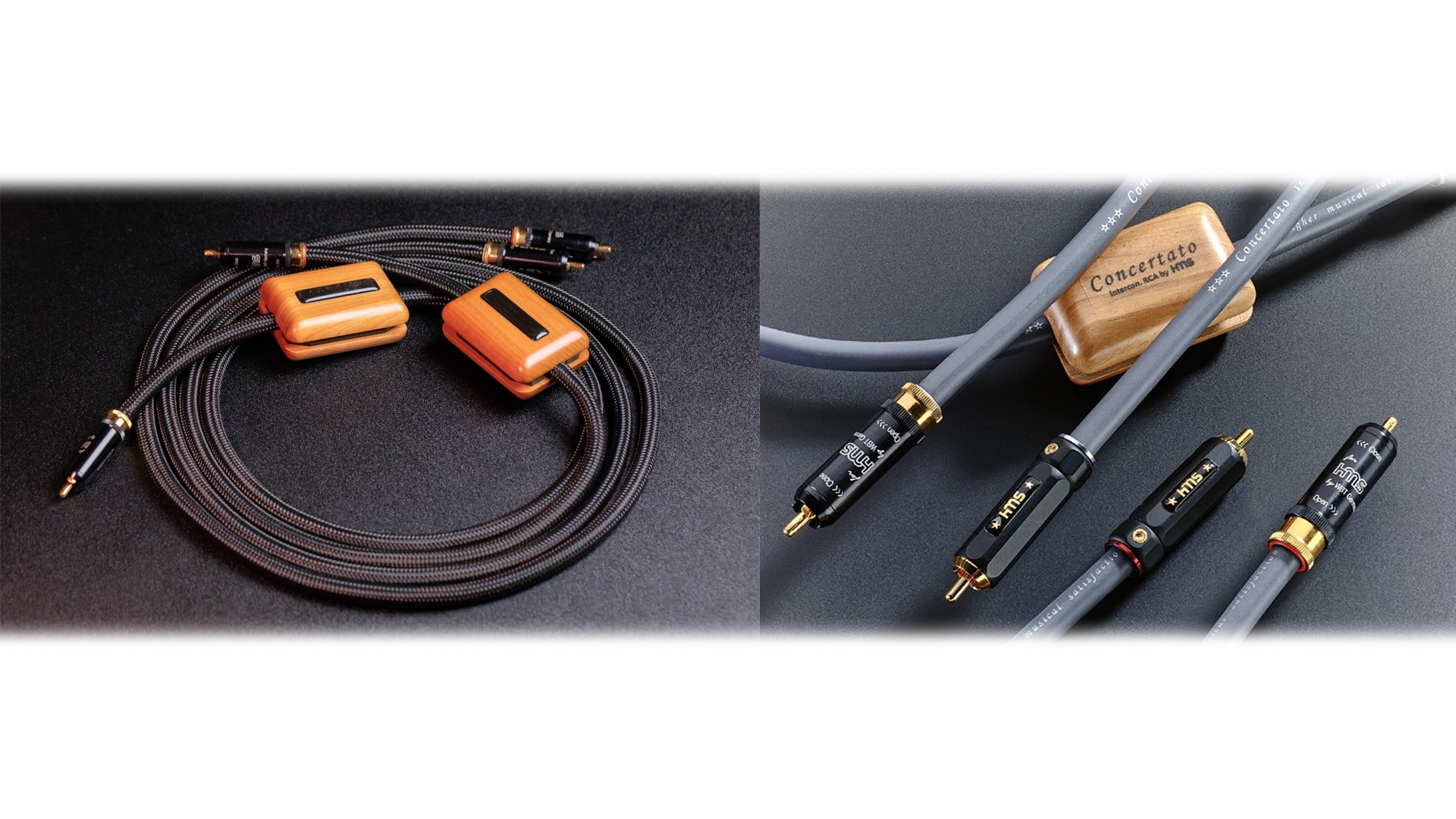
HMS is a cable and power-treatment brand founded in Germany in 1975 by engineer Hans M. Strassner. It built its reputation by approaching cables as defined electrical networks, paying close attention to conductor material, geometry, dielectric behaviour, shielding and the way a cable interacts with connected equipment. Its ranges have included Foundations, Concertato, Armonia, Gran Finale and Suprema interconnects and speaker cables, as well as Energia mains filters and distribution products. Technologies such as air insulation, carbon-based shielding and selectable grounding or termination concepts are used where the application demands them, rather than presented as one cure for every system. A major recent change is that HMS became part of the Dutch Siltech group in 2024; current HMS products are handcrafted in the Netherlands while the brand’s origin and engineering heritage remain German. That distinction is important when describing both its history and its present production.
Ikigai Audio
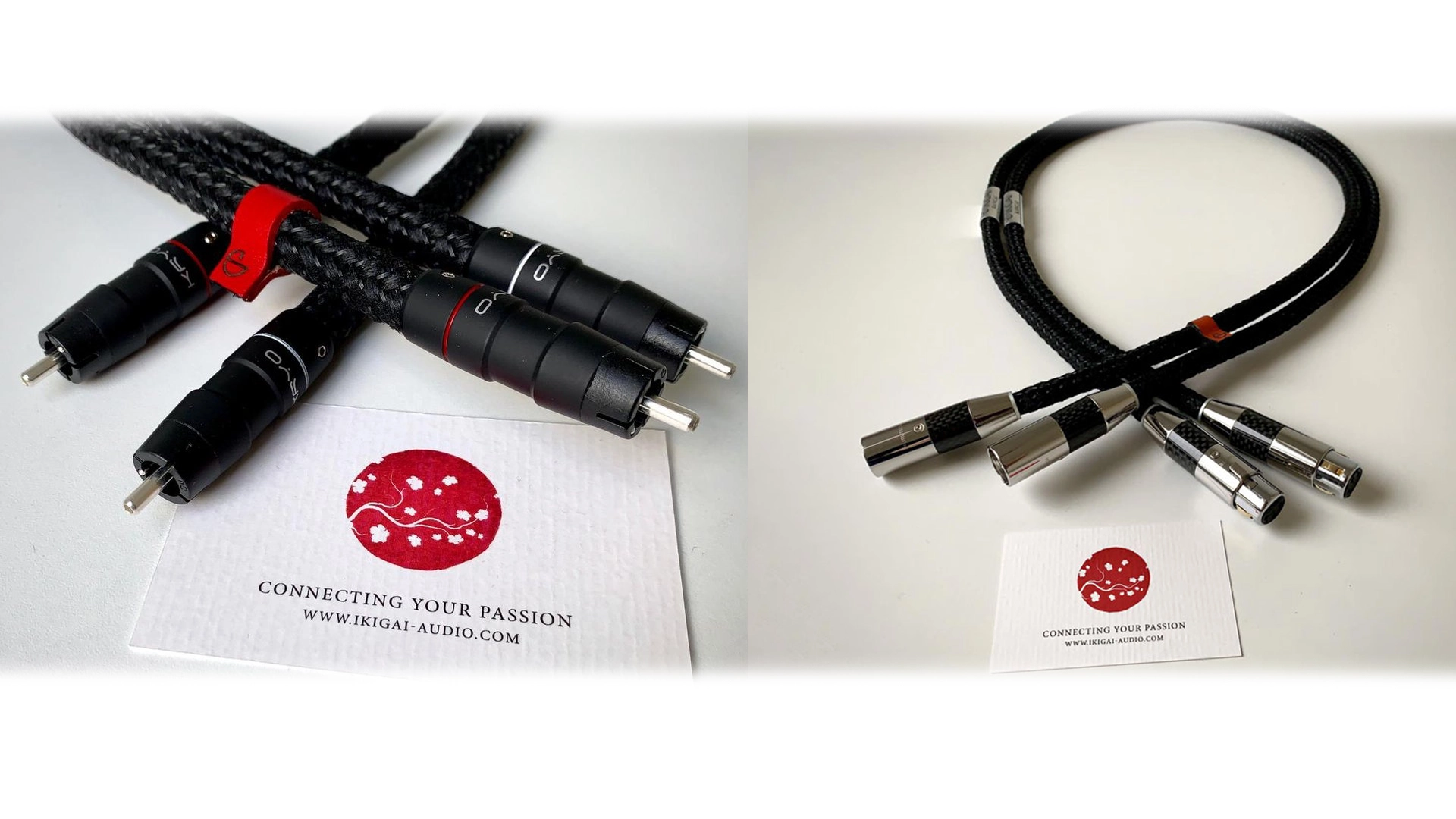
Ikigai Audio is Jeffrey Dam’s Dutch high-end cable company, founded in 2018 around product-design discipline rather than mystical claims. Dam studied Product Design and worked on loudspeakers and cables at Kharma as well as products for Philips, experience that shaped Ikigai’s attention to geometry, material interfaces and finish. The range is organised into five clearly named levels—Tanoshimi, Sugure, Kangai, Kinzan and Tanso—covering speaker cables, analogue and digital interconnects, power cords and associated connections. Moving upward changes the conductor materials, mechanical construction, shielding, damping and termination rather than merely adding a more luxurious sleeve. Ikigai also makes equipment feet, extending the same concern with unwanted mechanical energy beyond the cable itself. The brand’s character lies in combining technically controlled cable architecture with unusually refined industrial design, giving each family a distinct construction and purpose while keeping the progression intelligible.
In-akustik

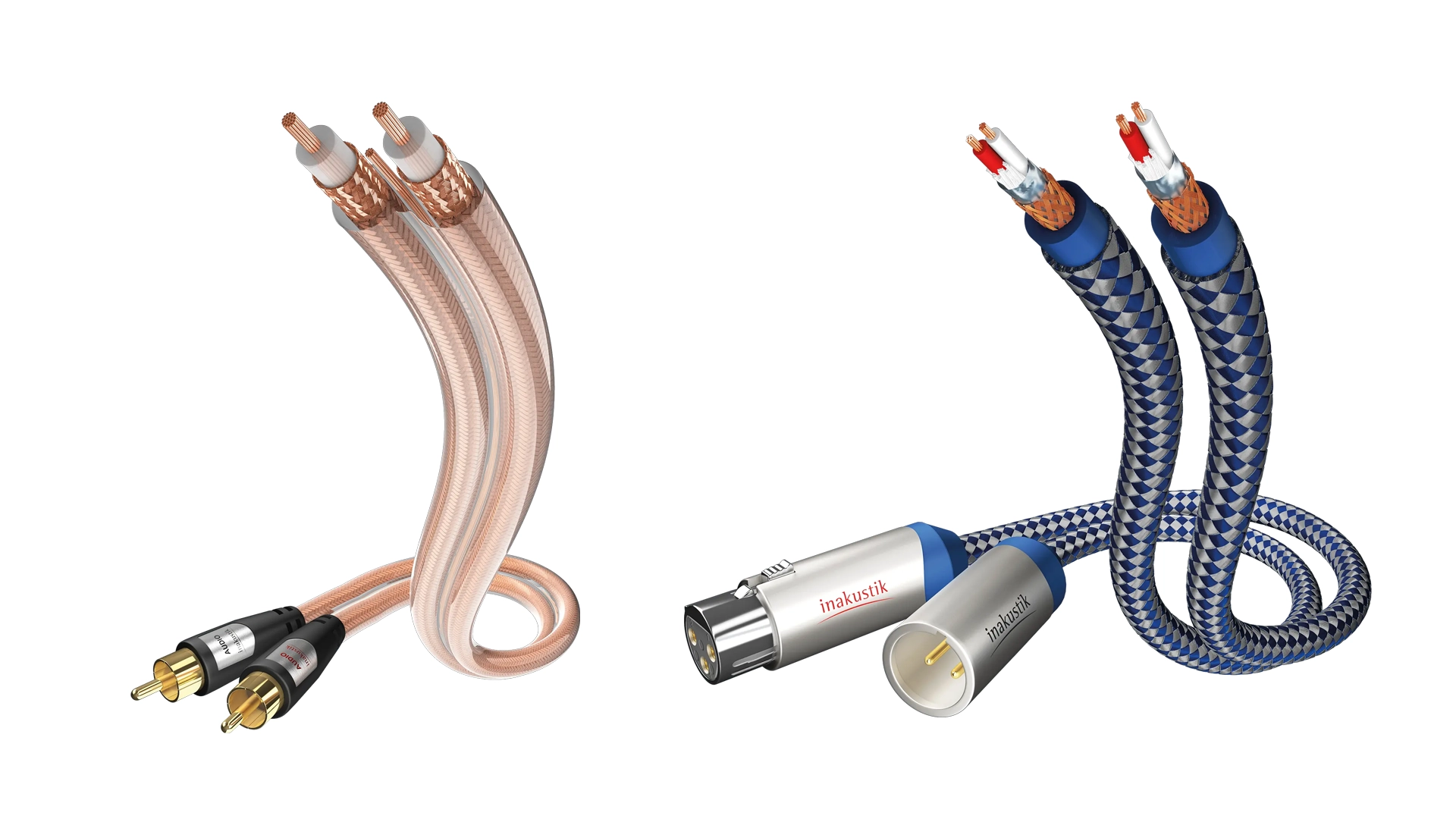
in-akustik is a German cable manufacturer whose strongest claim is that its reference products are built by hand at its own facility in Ballrechten-Dottingen. Founded in 1977, the company spans hi-fi cables, power distribution and accessories, while a separate music label and distribution business give it long contact with complete audio systems. Its defining AIR technology reduces the dielectric around the conductors: in Referenz AIR and Air Helix cables, precision clips hold conductors in an open helical structure so that air becomes the principal insulator. This construction is designed to control capacitance, inductance, resistance and skin-effect behaviour without filling the cable with conventional plastic. The approach appears across speaker cables, analogue and phono interconnects, digital links and mains products, with different geometries scaled to purpose. in-akustik therefore stands apart through manufacturing know-how that is visible in the cable’s physical architecture, not only in conductor metallurgy or marketing terminology.
JMF Audio

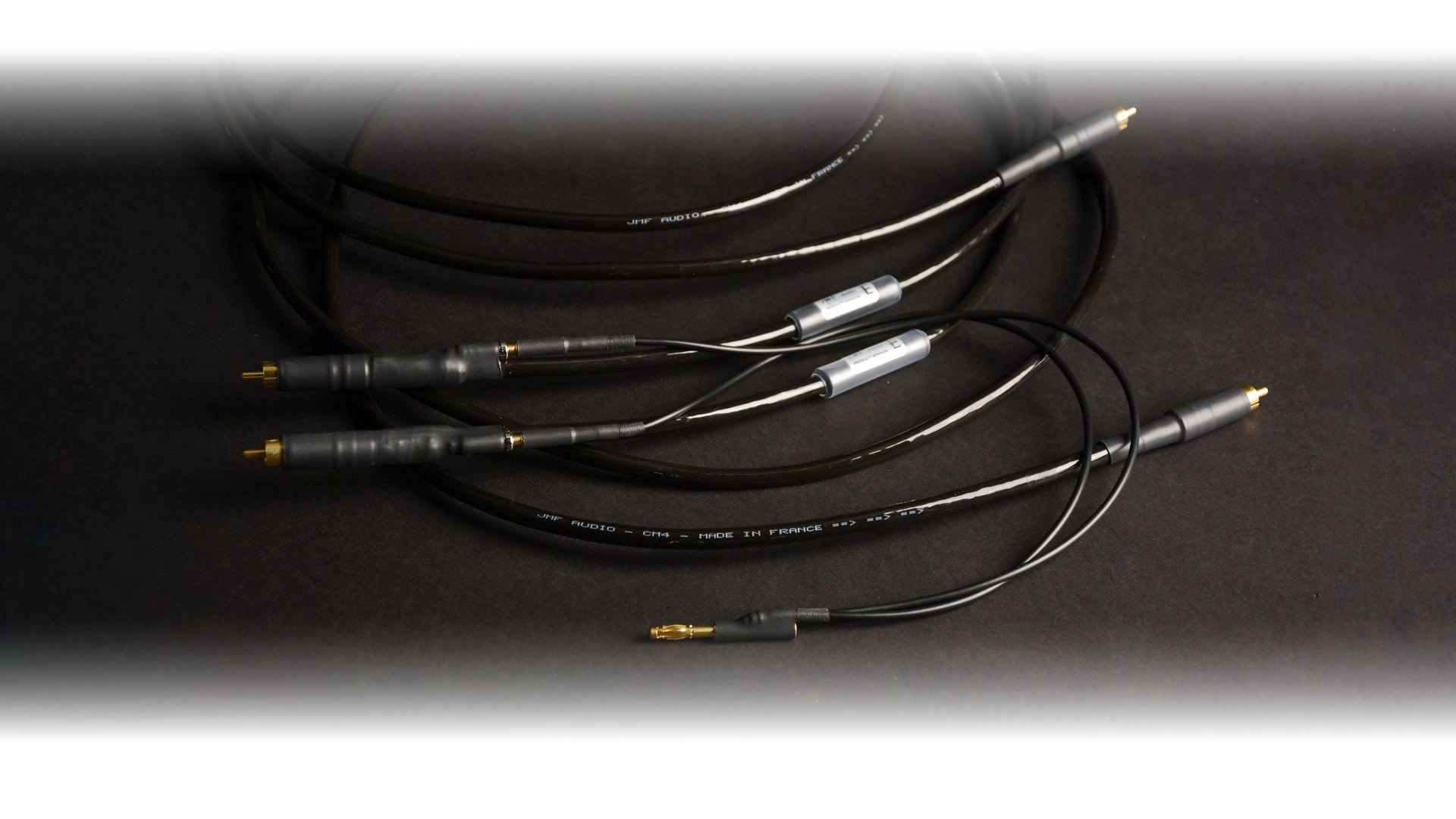
JMF Audio is a French ultra-high-end manufacturer with an unusually broad command of the complete signal chain. Established in 1985 by Jean-Marie Fusil, it develops and builds power amplifiers, preamplifiers, phono stages, digital converters, disc transports, cables and mains filtering at its facility in Anould, France. The HQS power amplifiers are central to the name: massive power supplies, carefully controlled grounding, wide bandwidth and high current delivery are engineered for difficult loudspeaker loads without relying on decorative complexity. PRS preamplifiers, PHS phono stages and DXC conversion products extend the same system-level approach, while current digital offerings include dedicated disc transport and DAC components rather than the generic “Blu-ray players” claimed in the previous text. JMF also designs the interconnect, loudspeaker and power cables used to complete its reference installations. The brand’s small production scale permits close component selection, mechanical construction and testing. Its defining strength is not a promised sonic adjective, but vertical engineering continuity from source and low-level gain through power amplification and cabling.
Jorma Design

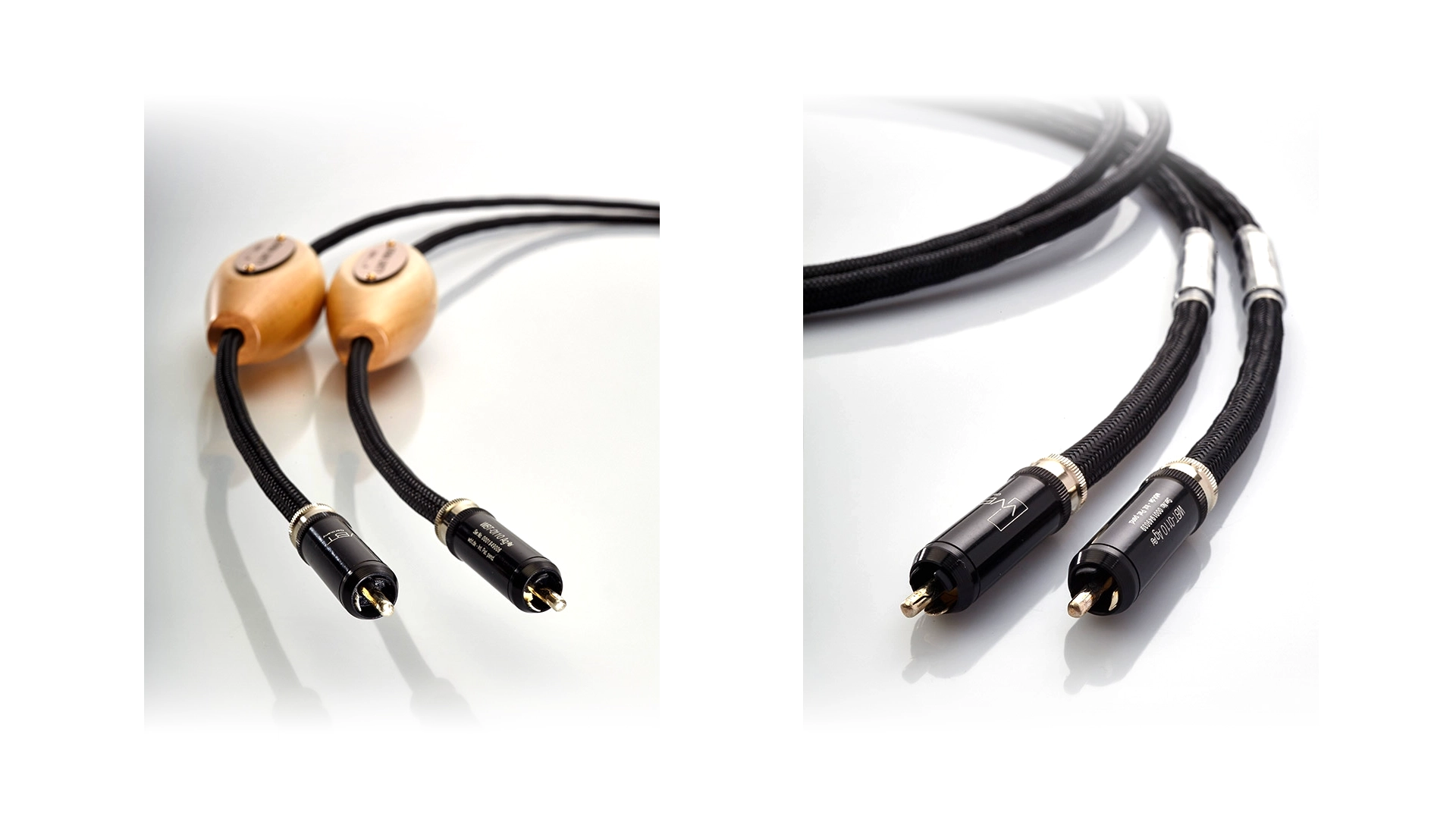
Jorma Design—marketed today as Jorma Audio—is a Swedish cable maker founded by Jorma Koski in 2001. Its products are designed and assembled in Sweden for high-end home systems, covering analogue interconnects, loudspeaker cables, power cords, phono leads and digital connections including USB and Ethernet. The design approach is deliberately reductive: conductor geometry, insulation, shielding, mechanical stability and connector quality are treated as an integrated electrical system, with unnecessary metal and junctions avoided where possible. Current families run from Trinity, Duality and Unity through Origo and Statement Encore to the flagship Paragon; this replaces the older description’s outdated “Prime” hierarchy. Selected upper ranges use cryogenically treated conductors and Furutech connectors, while cable types are offered in configurations appropriate to RCA, XLR, DIN, bi-wire and other applications. Jorma also adds NFC identity tags to help owners verify genuine products in a category vulnerable to counterfeiting. The brand’s character is precise Swedish manufacture and a consistent system philosophy, not vague promises that any cable will transform every installation.
JPS Labs

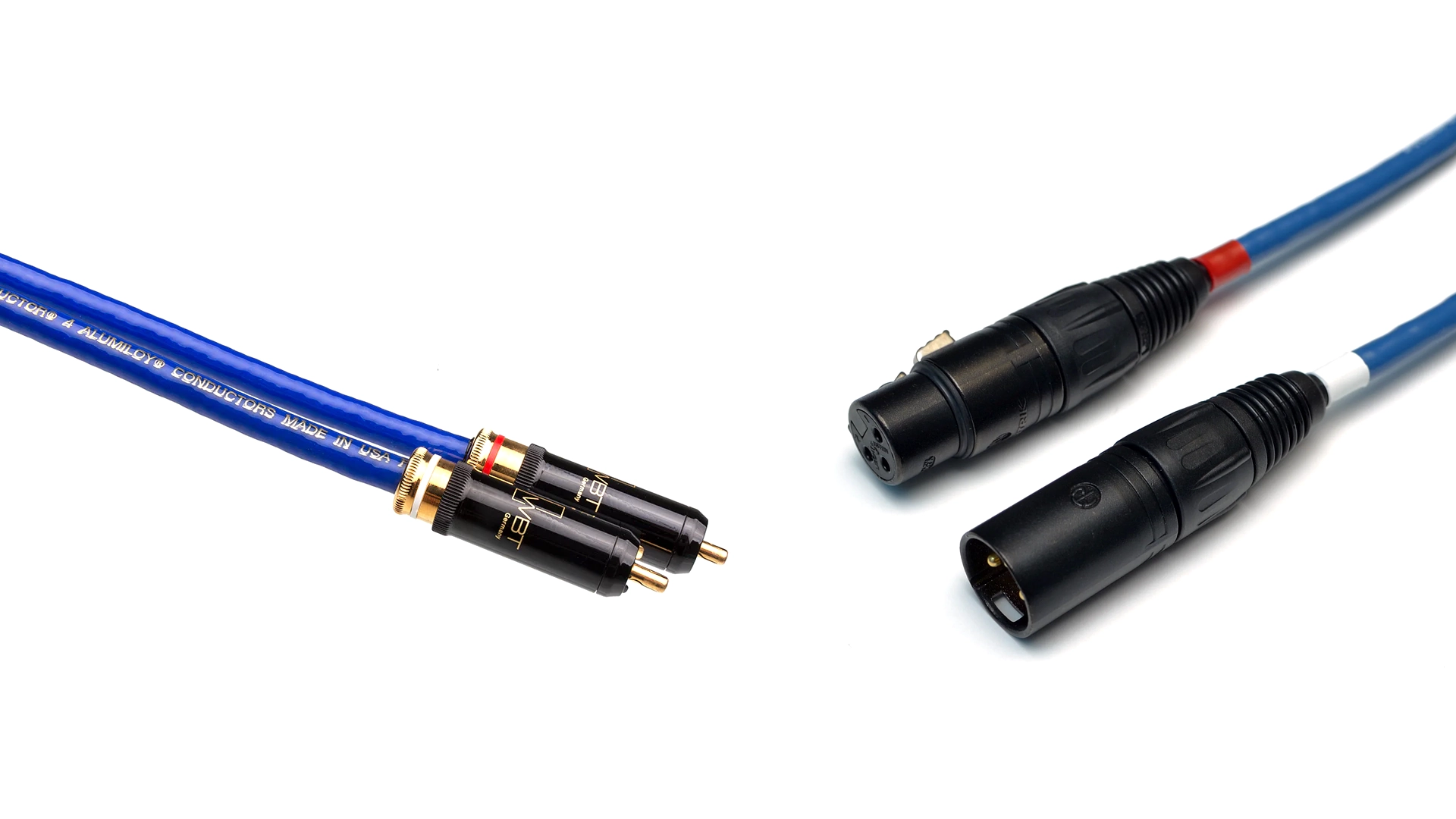
JPS Labs is a New York manufacturer that approaches audio cables from the conductor outward. Founder and designer Joe Skubinski built the company around proprietary alloys, controlled geometry, shielding and mechanical construction rather than buying generic bulk cable and adding connectors. Its range covers analogue interconnects, loudspeaker cables, digital links and AC power cords. Aluminata sits at the reference level, joined by Superconductor and UltraConductor families, while Kaptovator and PAC designs address different power-delivery demands. Products are assembled in the US, with cable gauge, termination and shielding chosen for the application instead of presented as one universal recipe. JPS Labs is also the parent engineering force behind ABYSS planar-magnetic headphones: its New York facility manufactures the planar drivers and complete headphones, extending the company’s work from signal transfer into transducer design. A reliable founding year could not be confirmed from the available primary material, so it is intentionally not invented here. What can be stated confidently is the brand’s distinctive combination of in-house cable design, hand assembly and planar-headphone manufacturing.
KBL Sound

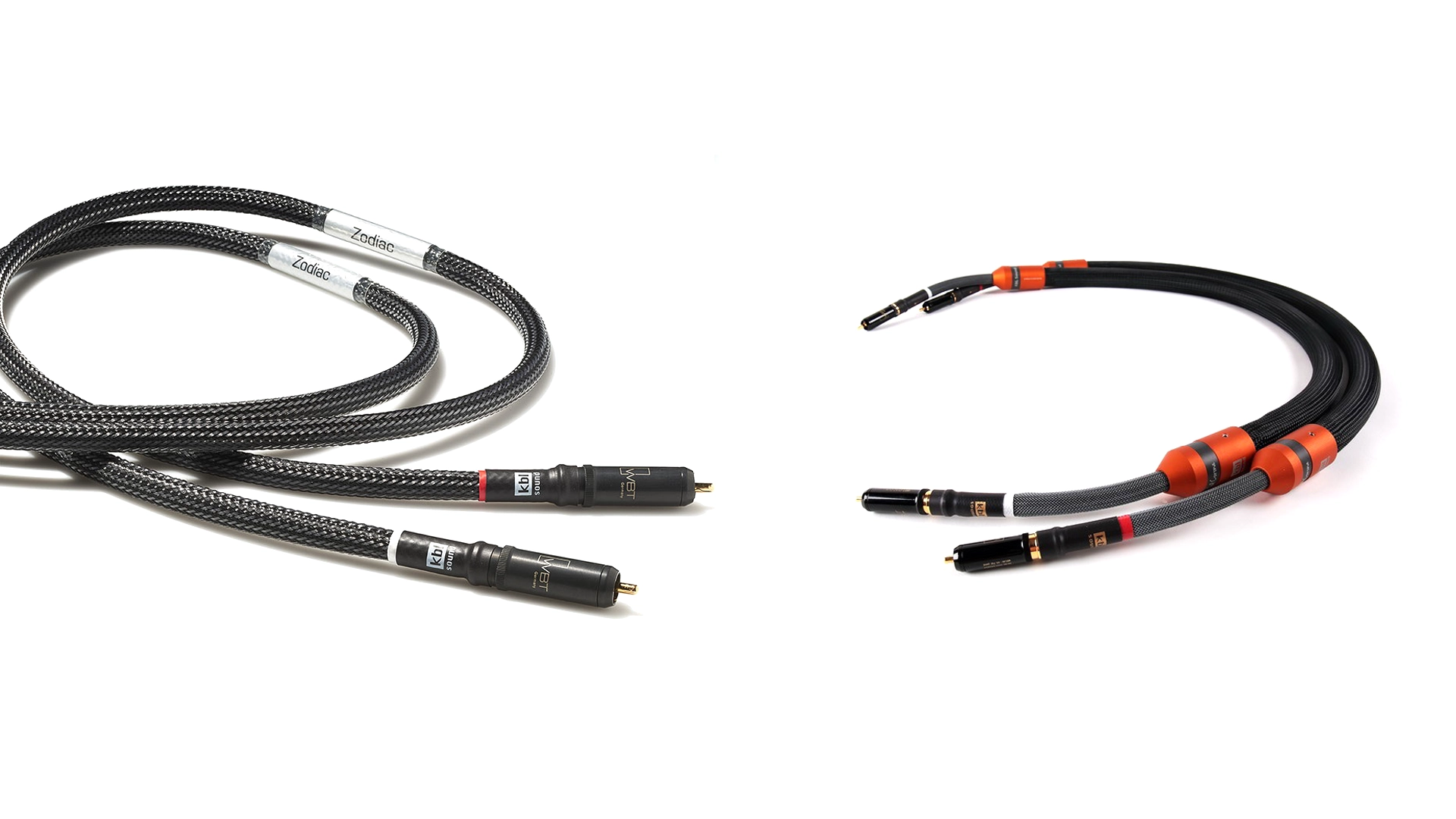
KBL Sound is a Polish specialist in handcrafted audio cables and power-distribution products, established in 2013. Its catalogue covers analogue interconnects, loudspeaker cables, power cords and digital connections, plus power strips and accessories intended to complete one consistent wiring system. Rather than offering a single conductor recipe at every price, KBL develops distinct families with different materials, geometries, dielectric choices, shielding and connector treatments. Red Corona SRX, Himalaya SX, Zodiac SR and the flagship Extrema illustrate that progression, while XDMI addresses HDMI transmission and Power Terminal products handle mains distribution. Conductors may use high-purity copper, silver or combinations selected for a particular design; the company also pays close attention to mechanical damping and termination quality. The relevant strength is small-series workmanship backed by a broad, clearly tiered range, allowing an owner to match cables by application without mixing unrelated design approaches.
Kharma

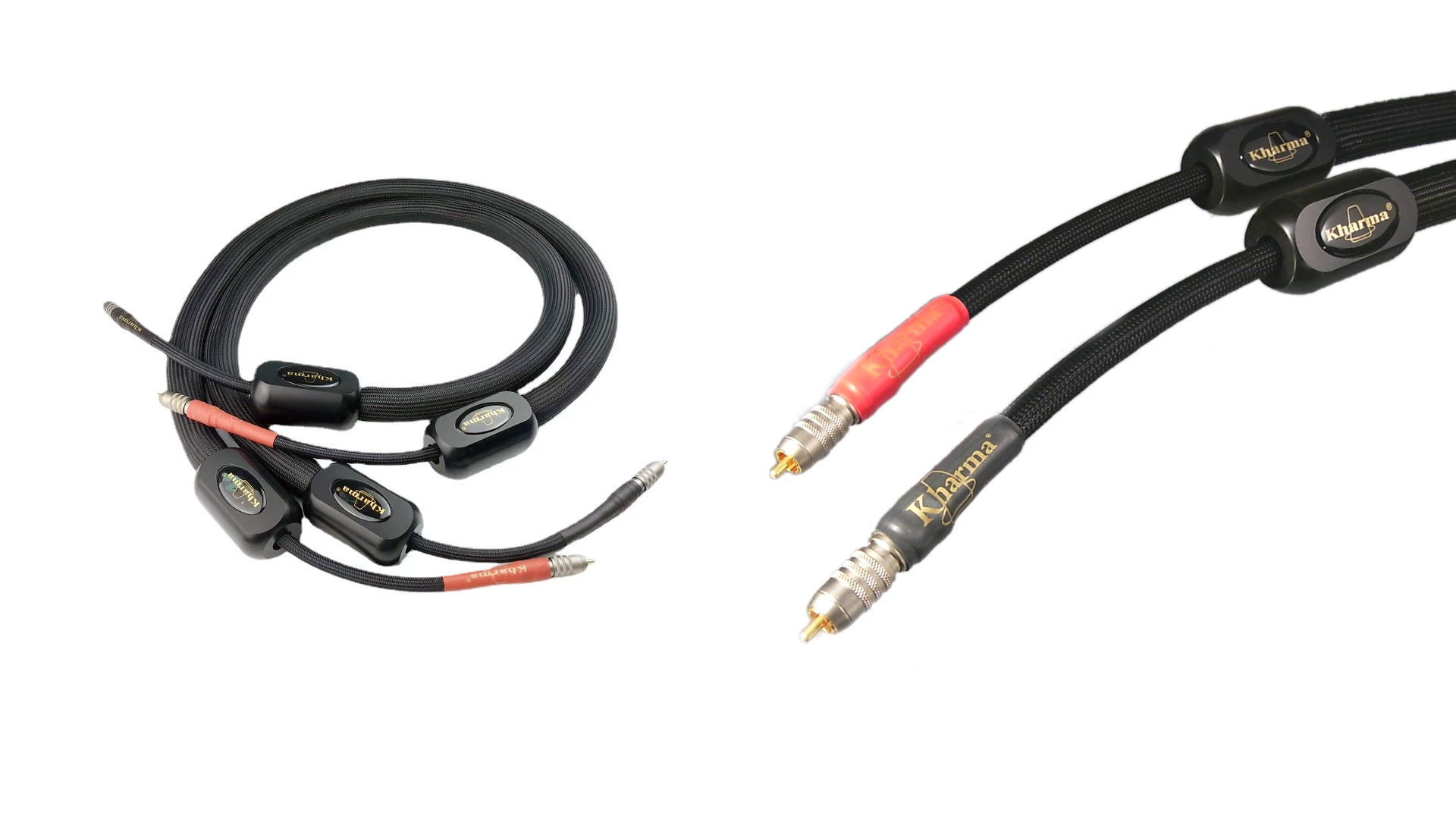
Kharma is a Dutch high-end loudspeaker brand founded by Charles van Oosterum in 1993, after the loudspeaker work he began under Oosterum Loudspeaker Systems in 1982. That distinction matters: 1982 marks the predecessor activity, while Kharma itself emerged in the following decade. The company designs complete systems in which cabinet shape, driver behaviour, crossover parts and internal wiring are treated as one mechanical and electrical structure. Its best-known technologies include diamond tweeters and proprietary Omega mid/bass drivers, used alongside carefully formed composite cabinets to control stored energy and diffraction. Elegance is the most approachable expression of the concept, Exquisite moves into larger reference systems, and Enigma Veyron is the statement range. Kharma also produces matching subwoofers, electronics and cables, but loudspeakers remain the centre of its identity. These are low-volume products built in the Netherlands for installations where material execution, visual finish and system integration are as important as headline specifications.
Kimber Kable

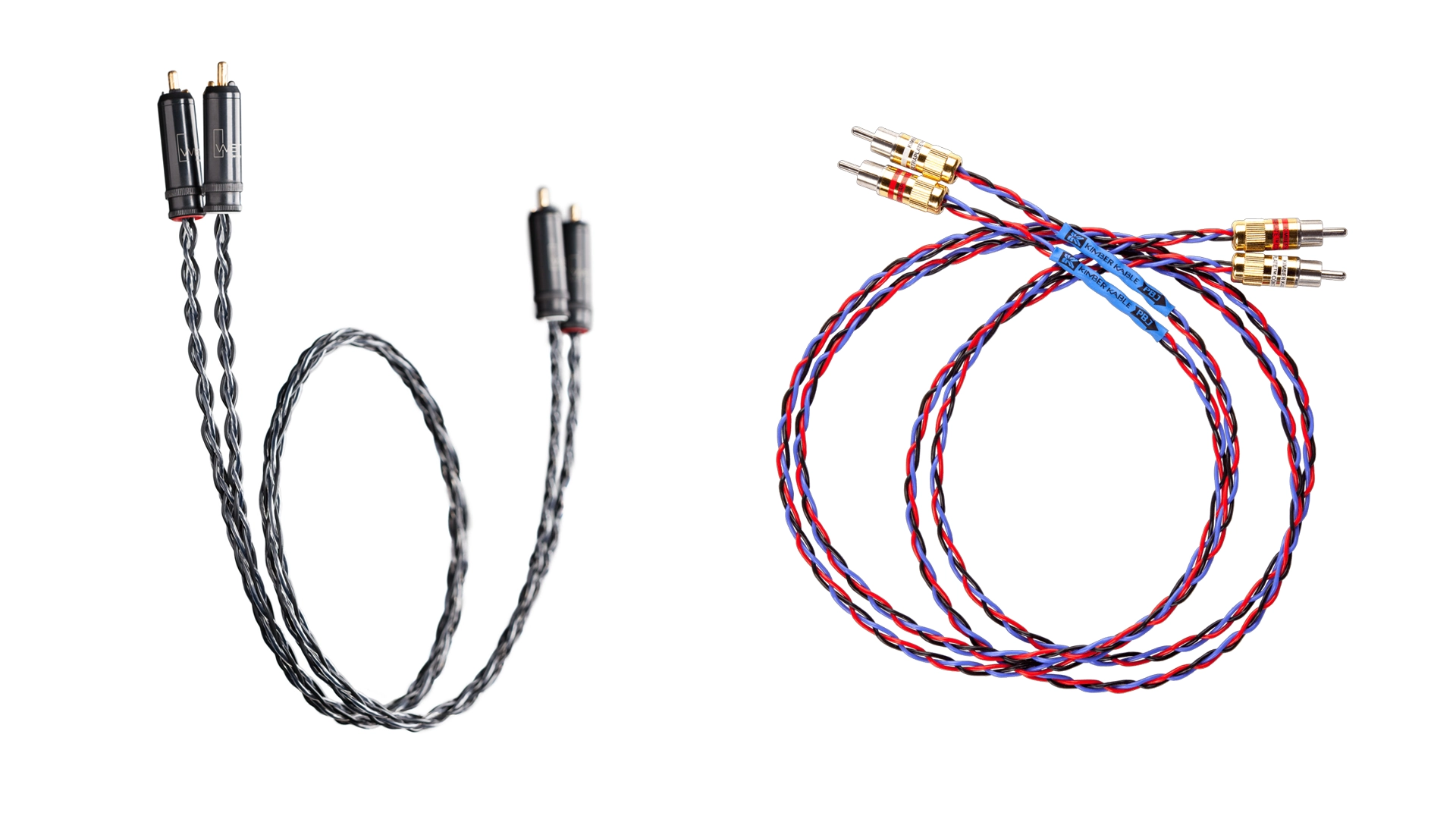
Kimber Kable is the American cable company that made woven conductor geometry its recognisable engineering signature. Ray Kimber founded the business in 1979 after encountering interference from stage-lighting systems while working with professional sound; braiding signal conductors offered a practical way to reduce electromagnetic and radio-frequency pickup without relying on a conventional heavy shield. That idea remains visible in long-running products such as 4PR and 8PR speaker cable and the PBJ interconnect. The broader range now includes analogue and digital interconnects, power cords, USB and HDMI cables, with conductor materials and construction becoming more elaborate through Carbon and Kimber Select. The company uses copper, silver and hybrid designs, but geometry, dielectric selection and careful termination are at least as important as metal purity. Many cables are assembled at the company’s Utah facility, and established models remain available alongside newer formats. Kimber’s strength is continuity: a clearly identifiable technical solution has been refined for different system levels rather than replaced by changing fashion.
Kondo Audio Note

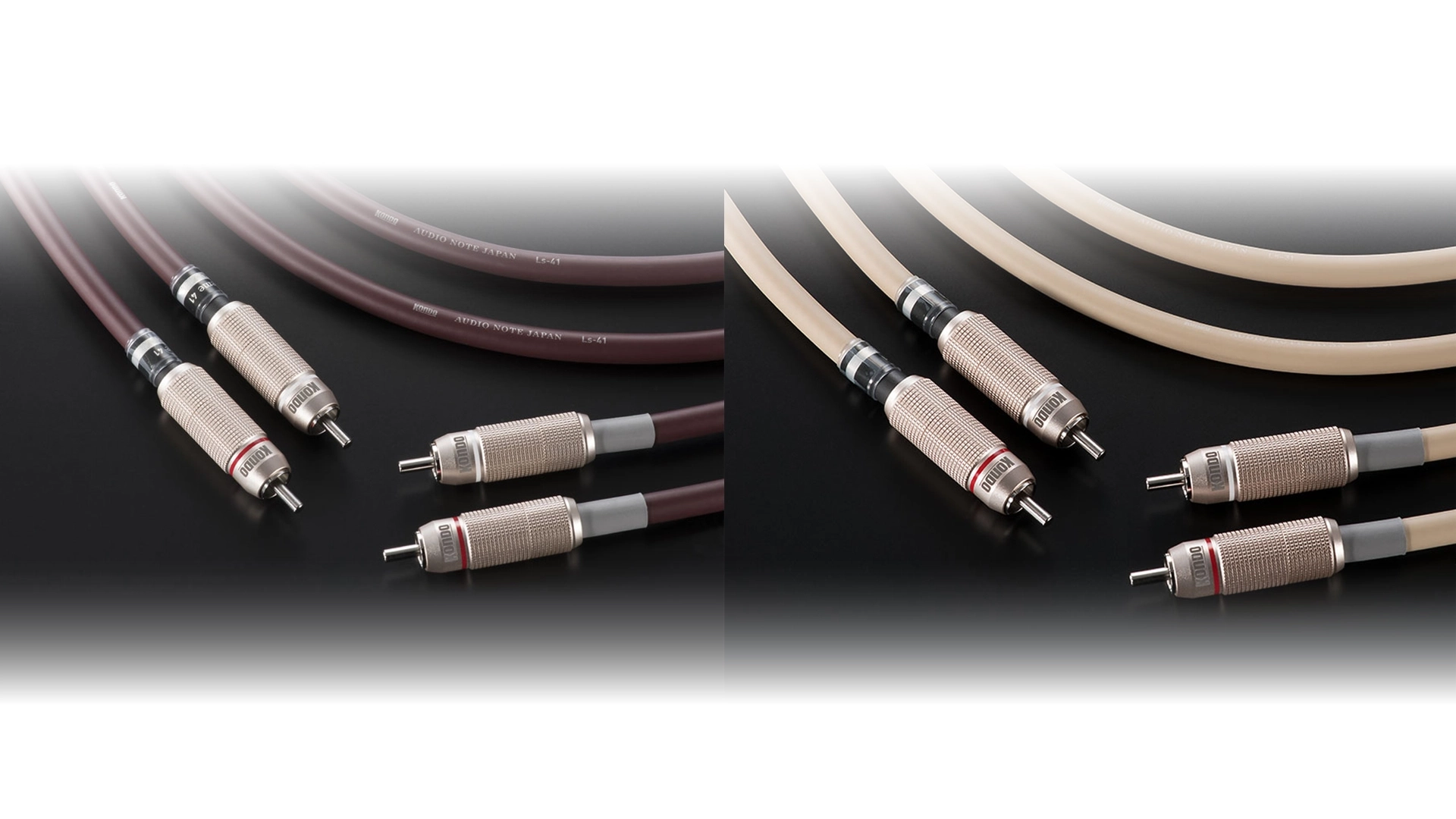
Kondo Audio Note is the Japanese company founded by Hiroyasu Kondo in 1976 and should not be confused with the separate British Audio Note business. Kondo, a former recording engineer, pursued extremely simple valve circuits supported by exceptional passive parts, hand-wound transformers and meticulous point-to-point assembly. The company became an early and influential advocate for using high-purity silver throughout an audio component, from internal wiring and capacitors to transformer windings and cables. Its best-known product is the Ongaku, a single-ended 211 integrated amplifier whose silver output transformers made it a landmark of Japanese high-end audio. The current catalogue extends that thinking through amplifiers such as Kagura and Gakuoh, M7 and G-1000 preamplification, phono stages, step-up transformers and KSL cables. Production remains deliberately small and labour-intensive in Japan. Kondo’s real know-how lies not in “tube warmth,” but in controlling materials, magnetic components, grounding and signal paths as one complete analogue circuit.
Lab12

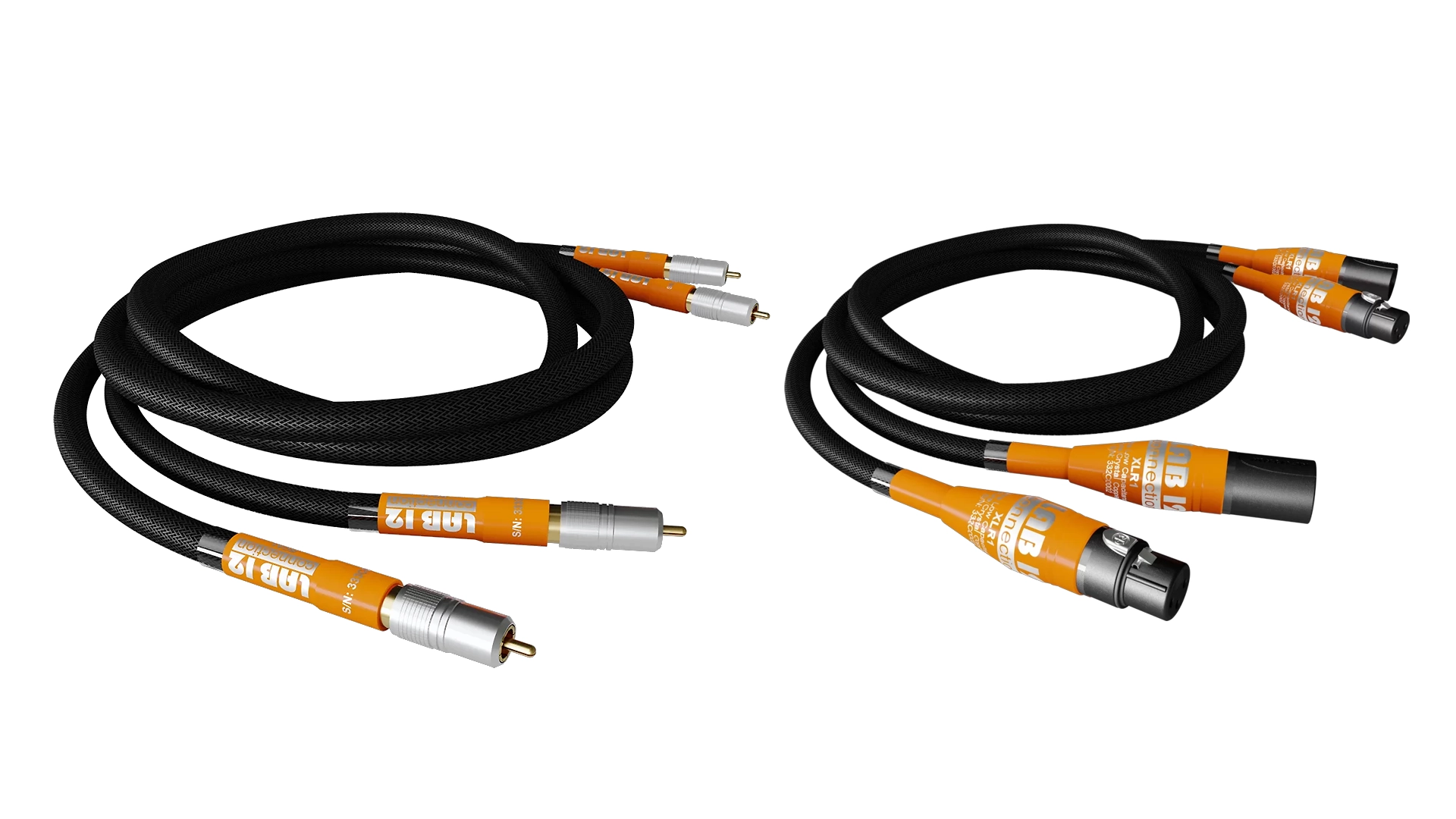
Lab12 is a Greek high-end electronics manufacturer that uses valves as practical circuit elements, not as a shortcut to retro styling. Designer Stratos Vichos founded the company in Athens in 2012 after years of building and refining audio circuits, and production remains focused on hand-assembled components made in Greece. The catalogue spans integrated and power amplifiers, line and phono preamplifiers, a non-oversampling digital-to-analogue converter and power-conditioning products. Models such as the integre4 Mk2 allow users to work with several compatible output-valve types and provide front-panel bias indication, making setup and maintenance less opaque. The Suara Mk2 power amplifier pursues pure Class A operation, while Melto phono stages offer flexible gain and loading for moving-magnet and moving-coil cartridges. Lab12’s dac1 reference follows a deliberately minimalist digital path and a valve output stage. The Gordian conditioner is a different kind of speciality: it analyses mains quality, selects an appropriate filtering network and displays electrical conditions in real time. Together these products reveal the brand’s real character—accessible controls, robust power supplies and tube circuits designed for daily use.
LampizatOr

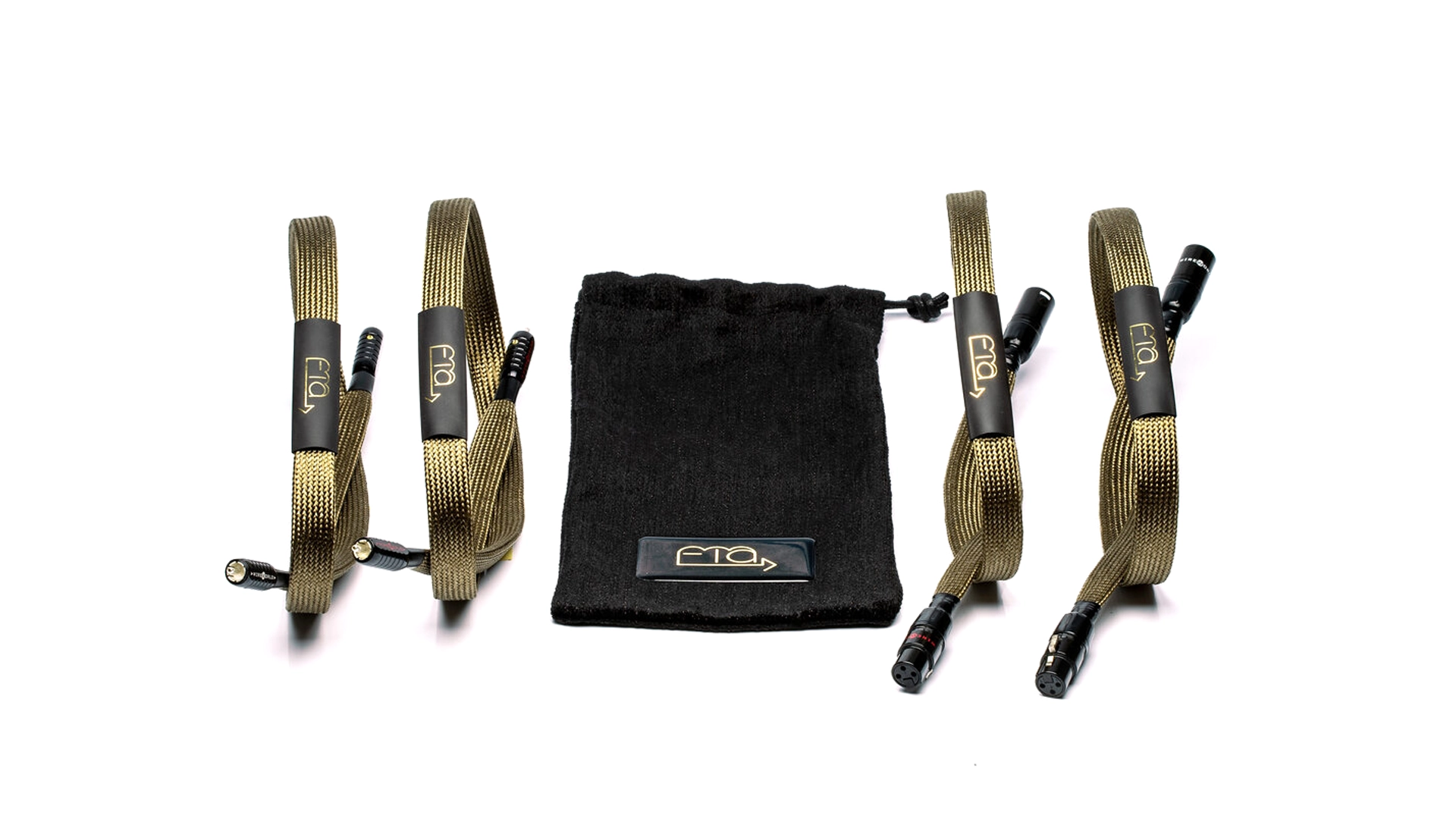
LampizatOr is a Polish digital-audio specialist founded by engineer Łukasz Fikus, best known for DACs in which valves form an essential part of the analogue conversion path. The unusual name combines the Polish word “lampa,” meaning valve, with a playful reference to the Terminator; it began with Fikus’s published experiments modifying commercial CD players before growing into a manufacturer with its own hardware. LampizatOr rejects the assumption that every converter should be a compact, fully integrated chip-based appliance. Depending on the model, its DACs combine proprietary digital processing, substantial linear power supplies and valve output stages, with directly heated triodes used in the upper ranges. The Horizon, Pacific, Golden Gate, Baltic and Atlantic families show how the concept scales from comparatively approachable designs to multi-chassis statement products, and many units offer selectable output valves or modular options. The company also builds digital transports and analogue components. LampizatOr’s appeal lies in this crossover of computer-era source engineering and traditional valve practice: not a generic promise of “analogue sound,” but a deliberately serviceable, configurable architecture with a strong designer’s fingerprint.
Lavardin Technologies

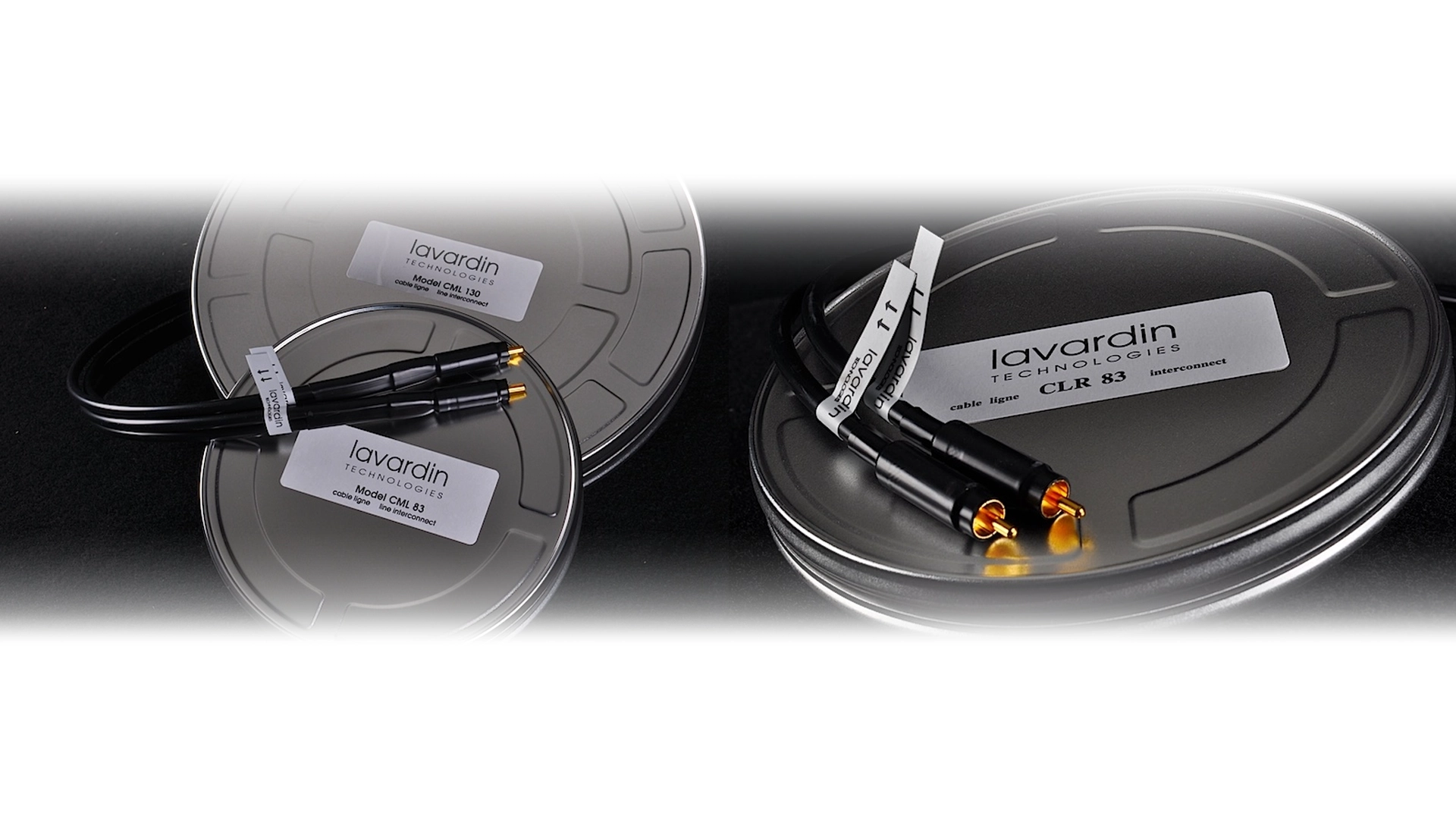
Lavardin Technologies is a French amplifier manufacturer built around a specific—and deliberately unconventional—view of solid-state distortion. The company was founded in September 1996 after eight years of research into what it calls “memory distortion”: the claim that semiconductor materials retain a short-lived trace of previous signal conditions, obscuring fine timing and low-level information even when conventional harmonic measurements look excellent. Lavardin’s Memory Free circuit architecture is designed to minimise that effect. Whether approached as proprietary theory or listening-led engineering, it gives the range a clear purpose beyond generic minimalism. Integrated amplifiers such as the Model ISx and Model IT, together with matching line and power amplifiers, use short signal paths, carefully matched parts and tightly controlled in-house assembly in France. Power ratings are often modest beside heavyweight competitors, but the designs prioritise stability, silence and consistent behaviour rather than specification-sheet excess. Lavardin also pays attention to mechanical support and dedicated cables as parts of the installation. Its individuality lies in pursuing transistor amplification through an original distortion model, with the restraint to refine a small product family over long periods.
Levin Design

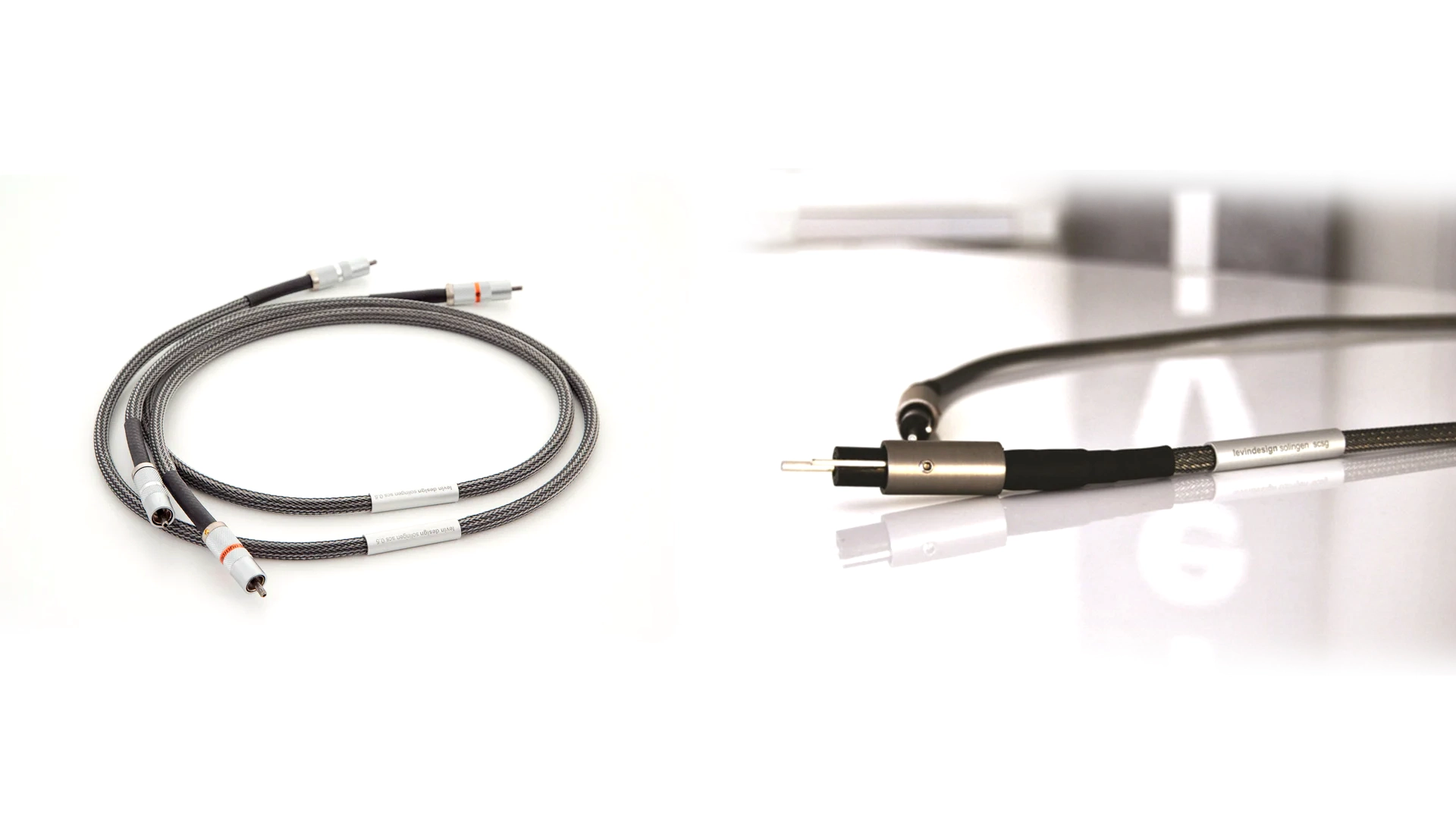
Levin Design is a German industrial-design and development studio whose audio work centres on accessories, resonance control and system furniture—not complete turntables and tonearms. Frank and Kim Levin run the Solingen-based operation, combining functional engineering with a restrained visual language influenced by classic industrial design. Its best-known analogue products include handmade record-cleaning brushes, turntable mats and record weights. The Sandwich platter mat uses a layered construction rather than a single sheet of rubber or felt, while the company’s resonance absorbers were developed to isolate turntables and other components from footfall and structure-borne vibration. Levin Design also creates direct-connect audio cables intended to eliminate a conventional plug interface, modular racks and equipment supports, and more recently complete loudspeaker concepts. Much of the catalogue is produced in small quantities and can be adapted in materials or finish. The brand’s real speciality is therefore the interface around a hi-fi component: how it is supported, coupled, cleaned and connected, with product form treated as part of the engineering rather than decoration added afterwards.
Luna Cables

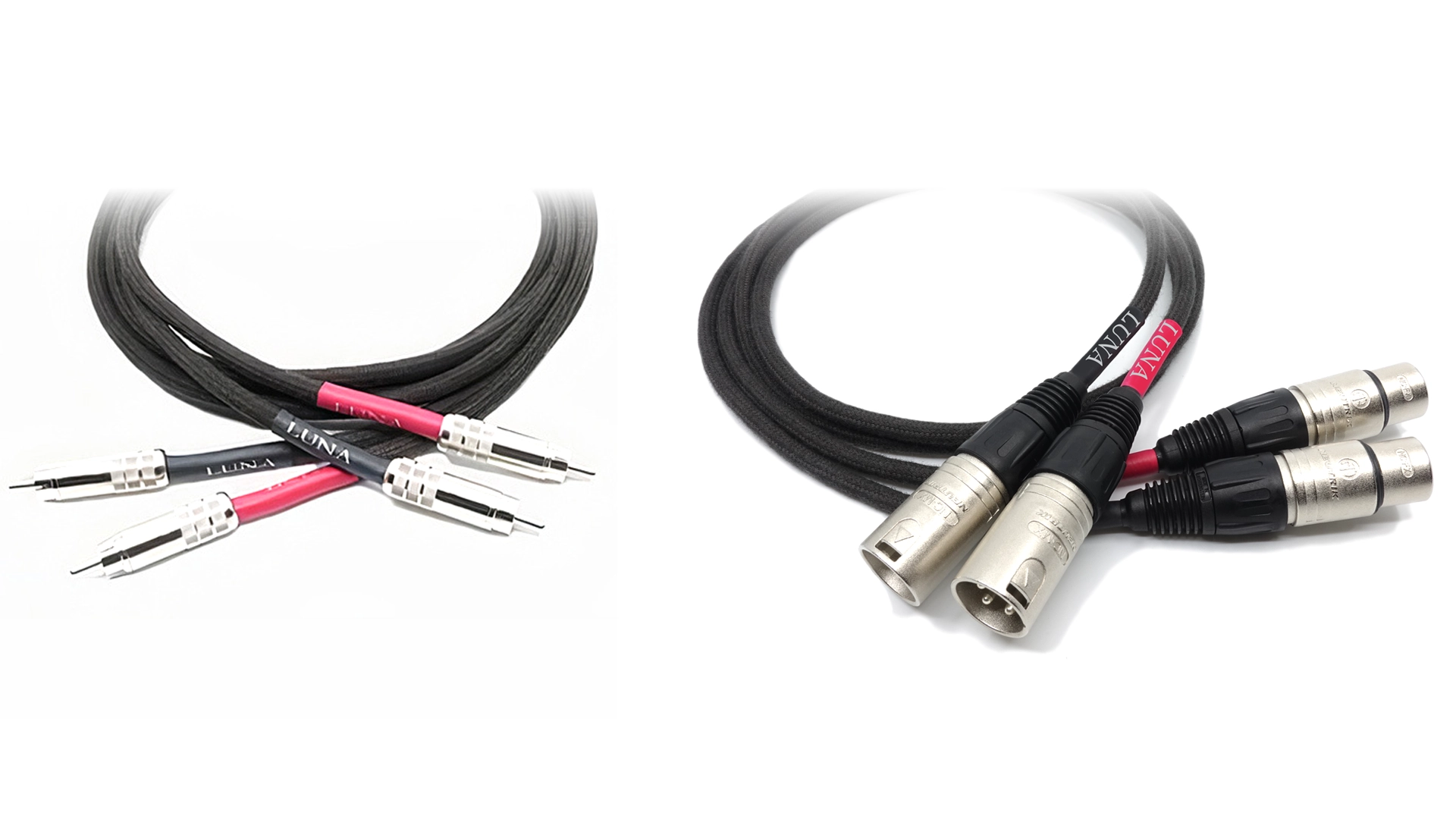
Luna Cables is a Canadian cable manufacturer founded in Quebec in 2015 by designer Danny Labrecque with architect and audiophile Erik Fortier. The company’s “Neo-Vintage” approach is based on materials common before modern plastic insulation became standard: custom-made stranded tinned-copper conductors, cotton and silk fibres, wax treatment and minimally plated or unplated connections where appropriate. Tinning protects individual copper strands from oxidation and changes how the strands interact, while natural-fibre dielectrics keep plastic close to the signal path to a minimum. Conductors are braided, sleeved and terminated by hand, with much of the material and packaging sourced locally in Quebec or elsewhere in North America. The range uses colour rather than abstract model numbers: Gris, Orange, Mauve, Rouge and flagship Noir represent progressively more complex conductor geometries and construction. Analogue interconnects, speaker cables, power cords, digital links and tonearm cables share the same material philosophy, so owners can build a consistent loom at different budget levels. The previous 2016 date was one year late; Luna’s official history identifies 2015 as its establishment. The brand’s individuality comes from a clearly documented construction recipe, not vague claims about “musical” wire.
Luxman

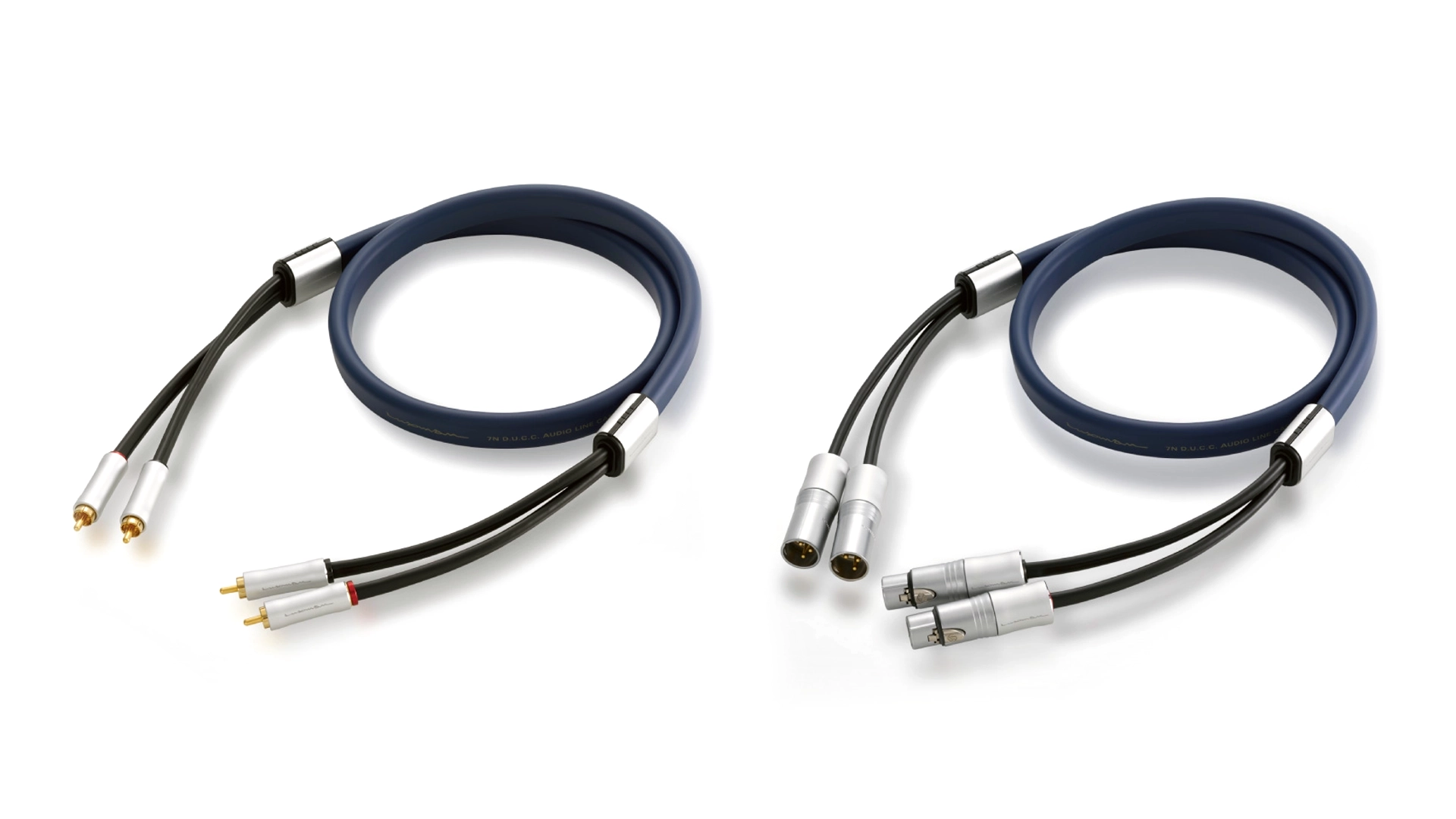
Luxman is one of Japan’s longest-established specialist hi-fi manufacturers, with roots in an Osaka radio department opened in 1925 as broadcasting began in the country. Its catalogue is broad, but amplification remains the centre of gravity: integrated amplifiers, control amplifiers and power amplifiers sit alongside SACD/CD players, network transports, DACs, phono stages and the PD-191A turntable. Luxman develops recurring circuit platforms rather than dressing standard modules in new cases. The current LIFES feedback engine, introduced as the successor to the long-running ODNF concept, is designed to apply correction only to detected distortion components while preserving the music signal’s immediacy. LECUA electronically controlled attenuators provide repeatable volume adjustment with carefully matched channels, and substantial custom transformers and power supplies are used throughout the upper ranges. Products such as the L-509Z integrated amplifier, C-10X/M-10X separates and D-10X disc player pair this engineering with the brand’s characteristic analogue meters and understated industrial design. Luxman’s appeal is the continuity between eras: tube components, modern solid-state circuits, digital sources and vinyl replay are all treated as parts of one coherent Japanese audio tradition.
McIntosh

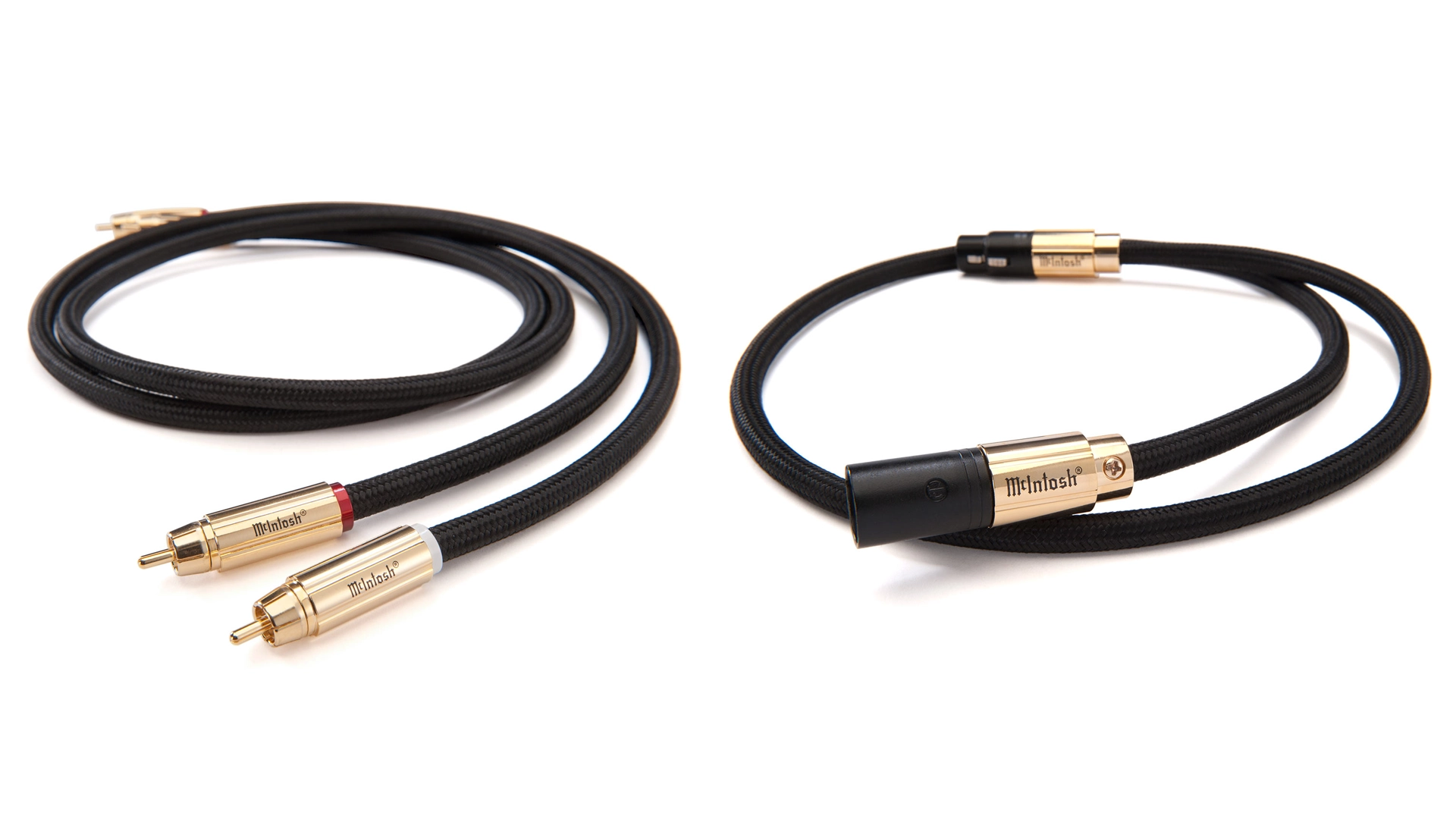
McIntosh is an American high-end audio manufacturer whose blue power meters and black-glass front panels identify products built around unusually durable amplifier engineering. Frank H. McIntosh and Gordon Gow founded the company in 1949 after developing the Unity Coupled Circuit, a transformer-coupled output topology designed to deliver high power with low distortion across the audible band. McIntosh moved to Binghamton, New York, in 1951 and continues to design and assemble products there. The catalogue covers valve and solid-state power amplifiers, preamplifiers, integrated amplifiers, source components, streamers, turntables, speakers and home-cinema processors. Many transistor power amplifiers use Autoformers to deliver their rated power into different loudspeaker impedances, while Power Guard monitors the waveform to reduce clipping-related distortion and Sentry Monitor protects against unsafe operating conditions. The company still winds key transformers in house, and signature glass panels are printed and assembled for long service life. McIntosh’s appeal extends beyond styling: its defining know-how is the marriage of protective circuitry, stable load behavior and conservative construction with a product ecosystem that can support both two-channel and large cinema systems.
Naim

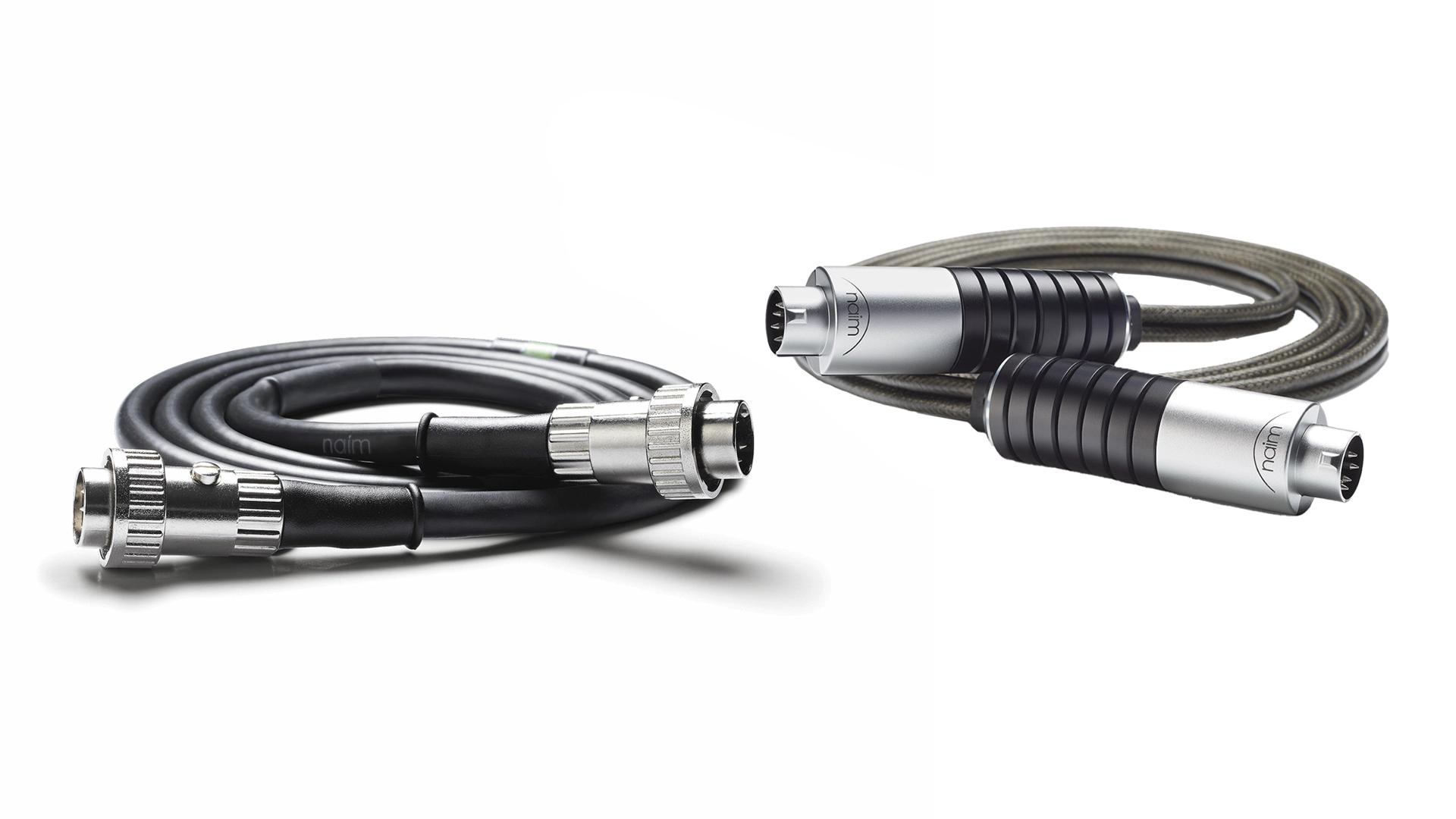
Naim Audio is the Salisbury electronics maker whose reputation rests on amplifiers and sources designed to preserve musical timing and momentum. Julian Vereker’s early amplifier work grew from a contract for Capital Radio, and Naim Audio was incorporated in 1973 with Vereker and Shirley Clarke as directors. The first consumer power amplifiers established a deliberately direct circuit philosophy; the NAP 250, introduced in 1975, became the long-running reference, while the compact NAIT integrated amplifier showed that the same priorities could work in an affordable system. Naim later built complete upgradeable systems around separate preamps, power amps and external power supplies, then became an early serious adopter of network replay. Uniti streaming amplifiers and Mu-so wireless systems broadened the audience, while ND sources, the New Classic separates and Statement amplification maintain the specialist end. Mechanical isolation, low-noise power regulation, carefully controlled grounding and proprietary streaming software matter more to the engineering than the familiar shorthand “PRaT.” Naim joined French loudspeaker maker Focal in 2011 under VerVent Audio Group, while design and production remained centred in Salisbury. In August 2026 Belgium’s Barco completed its acquisition of VerVent, so Naim is now part of Barco while retaining its British origin, brand and manufacturing identity.
Neotech

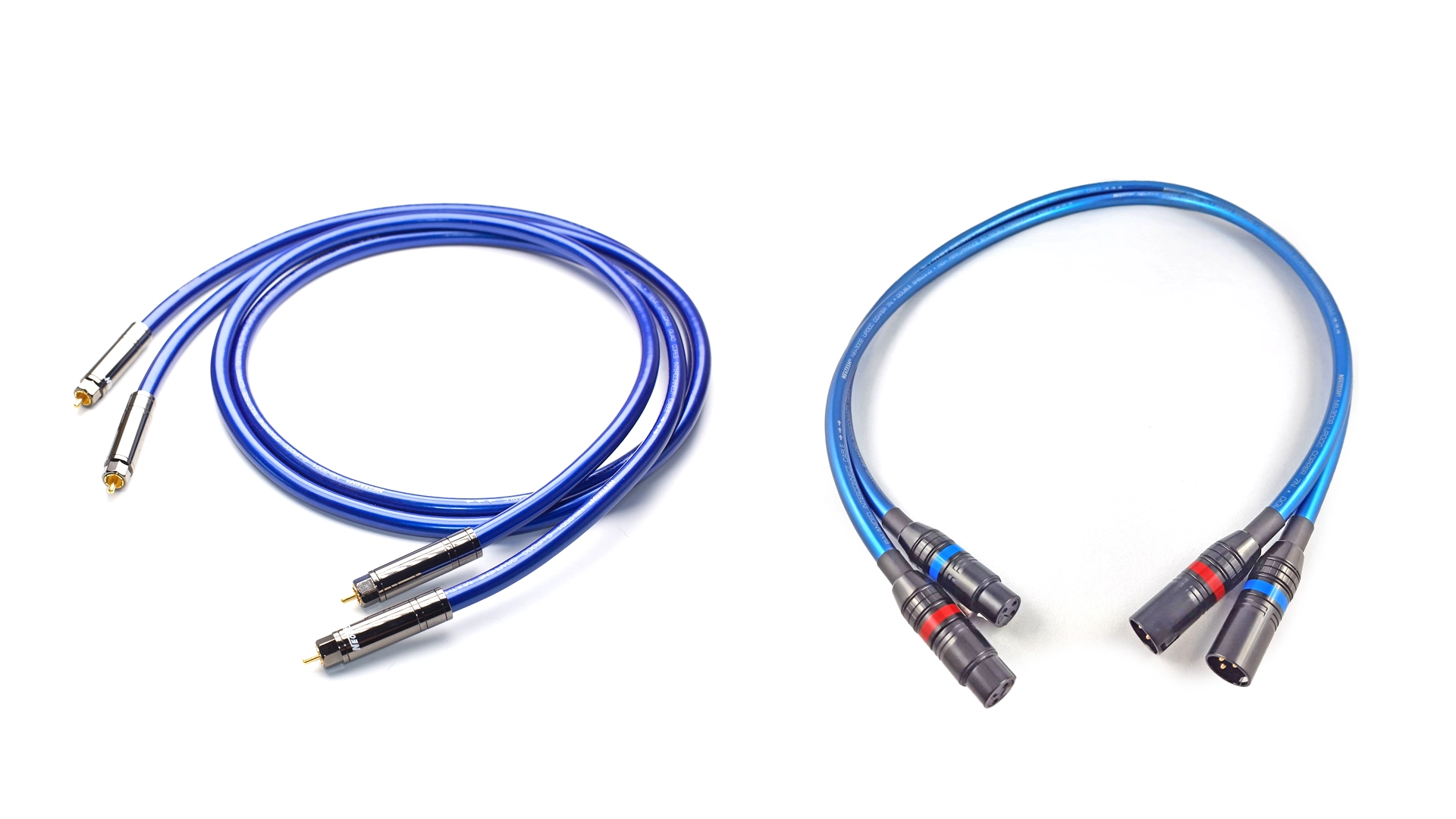
Neotech is the specialist audio-cable brand of Taiwan’s Wan Lung Electric Wire & Cable, a manufacturer established in 1980. The Neotech marque itself appeared in 1988, which is the more accurate date for the brand field. Its importance comes from conductor production as much as finished cable assembly: Wan Lung is a licensed user of Professor Atsumi Ohno’s continuous-casting process and supplies both its own ranges and OEM customers. UP-OCC—Ultra-Pure Ohno Continuous Casting—forms copper or silver with exceptionally long crystal structure and far fewer grain boundaries than conventional drawn wire. Neotech applies it in solid-core, stranded and rectangular conductors, pairing the metal with insulation and geometry chosen for analogue interconnects, speaker cables, mains leads, digital links and internal wiring. The catalogue also includes RCA, XLR, banana, spade and power connectors, enabling builders to use the same conductor system in finished or DIY assemblies. Not every Neotech product uses identical purity, plating or geometry, so those claims belong at model level. What distinguishes the company is its vertical position in the chain: it is not merely terminating bought-in wire, but drawing and processing high-purity conductors for its own cables while serving other audio brands as an OEM supplier.