An icon for analog audio cables like RCA or XLR.

Analog Cables

Analog interconnects are used to transmit line-level audio signals between your components, such as from a DAC to an amplifier. The two primary types are RCA, the common unbalanced standard, and XLR, a balanced connection used in high-end and professional gear for its superior noise rejection. These cables are tasked with preserving the purity of the delicate audio signal as it travels between devices. This guide lists manufacturers of both high-quality RCA and balanced XLR interconnects.

118

Hi-Fi brands in the category

Summary information and image

Direct links to official websites

Filters
Search
Country
See more See less

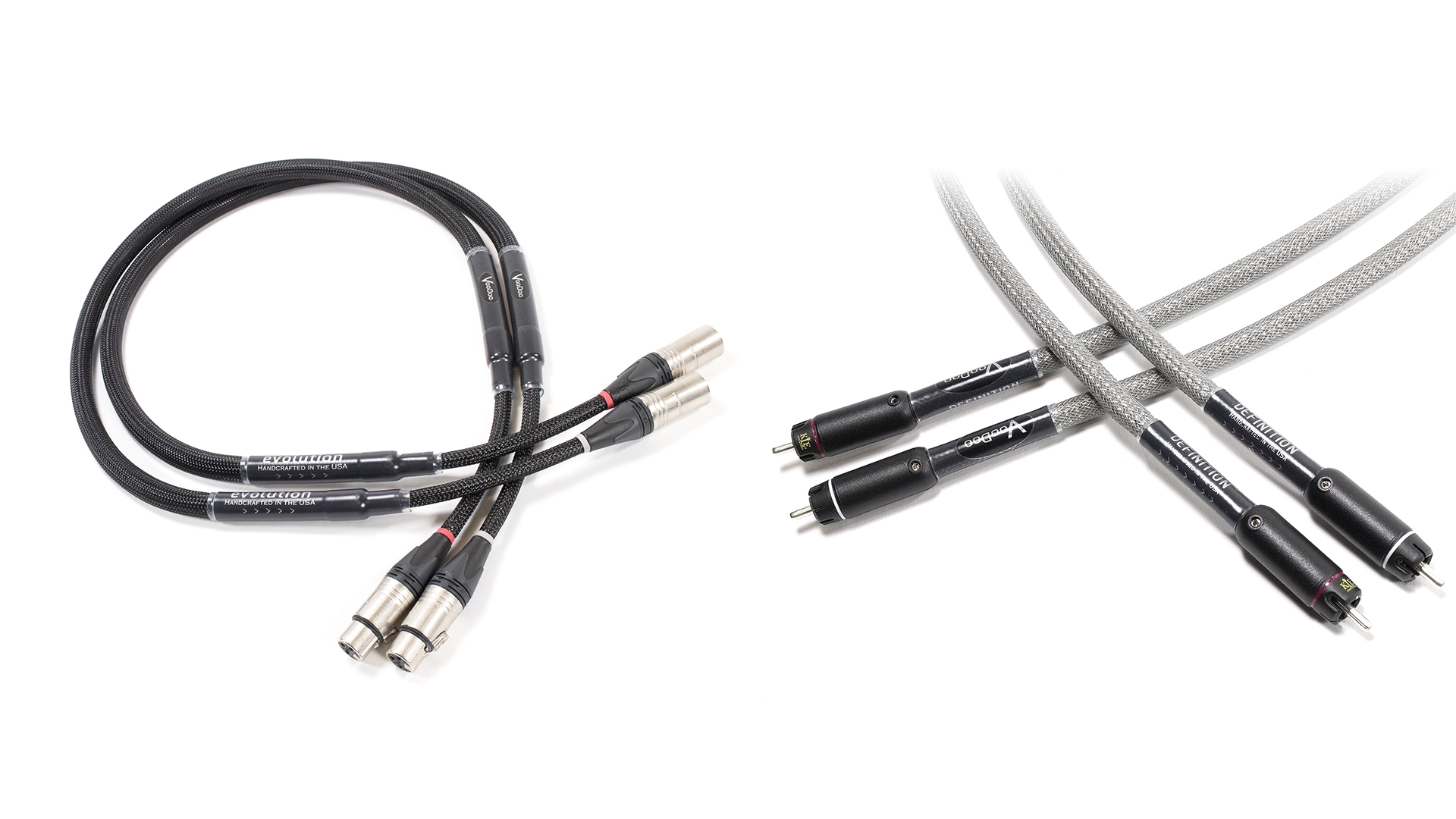
VooDoo Cable is a small American manufacturer that builds audio and video cables to order in Oakland, California. Since 1999, the company has centred its work on conductor preparation rather than buying finished bulk cable and adding connectors. Copper and silver conductors are selected for each application, wound in proprietary geometries and insulated with fluoropolymers such as PTFE; shielding and connectors are treated as parts of the same electrical system. The brand’s signature process is Cold Fusion, a computer-controlled cryogenic cycle applied to conductors, shields and connector parts. VooDoo describes slow cooling, immersion or vapour exposure near liquid-nitrogen temperature and controlled return to ambient conditions, and attributes lower resistance and more stable metallurgy to the treatment. Those sonic benefits are the manufacturer’s claim, but the process itself is a consistent part of the company’s production rather than a decorative option. The catalogue spans analogue interconnects, phono and digital cables, loudspeaker cables, headphone leads and an extensive family of power cords and distribution products. Different models combine high-purity copper, silver or the company’s Cryo-Alloy formulations with application-specific dielectric and shielding arrangements. Custom lengths and terminations are normal because each cable is assembled in-house. VooDoo Cable’s identity therefore rests less on one famous model than on a repeatable workshop method: raw conductors, controlled geometry, cryogenic processing and hand termination carried across every connection in an audio system.

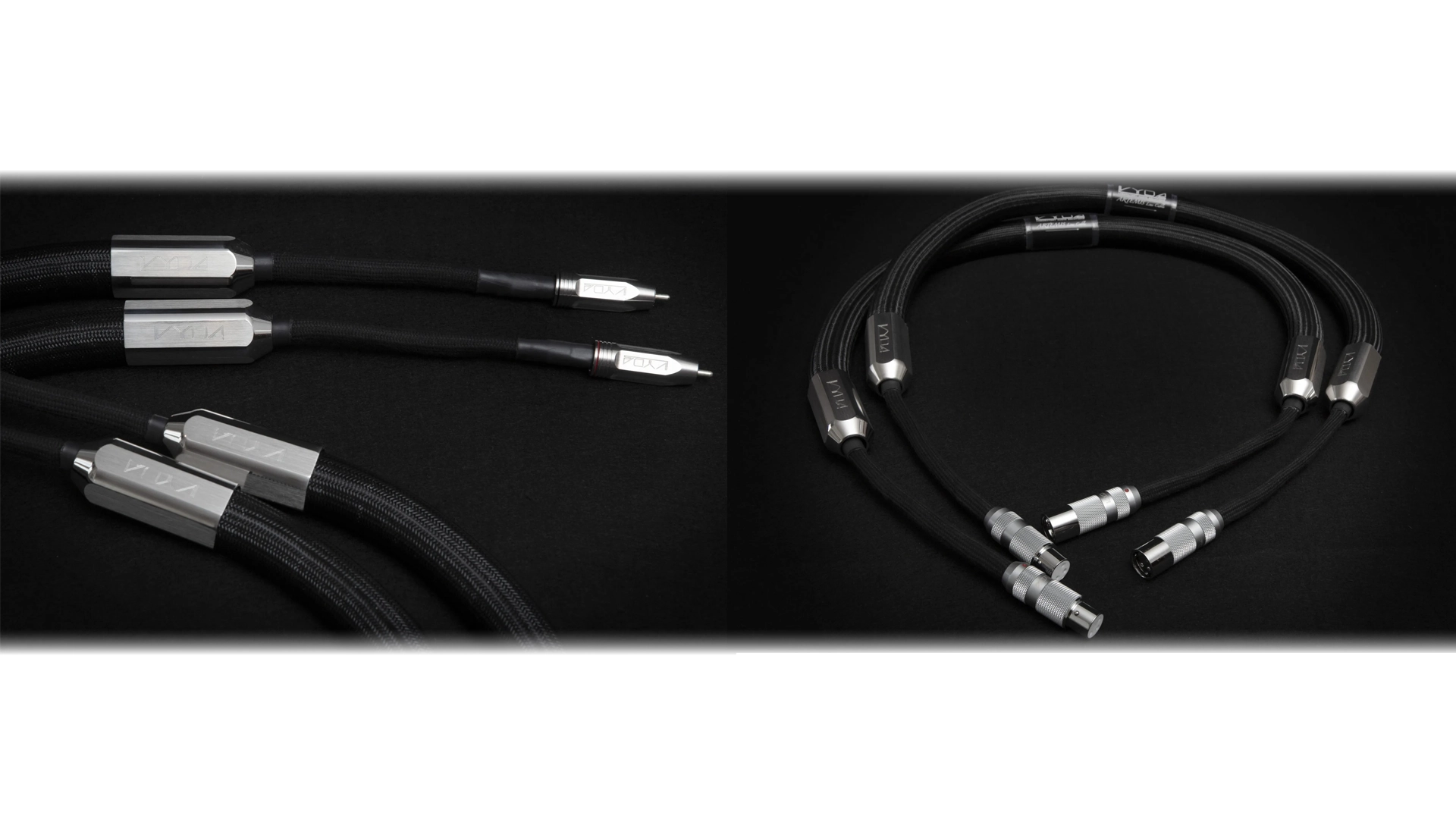
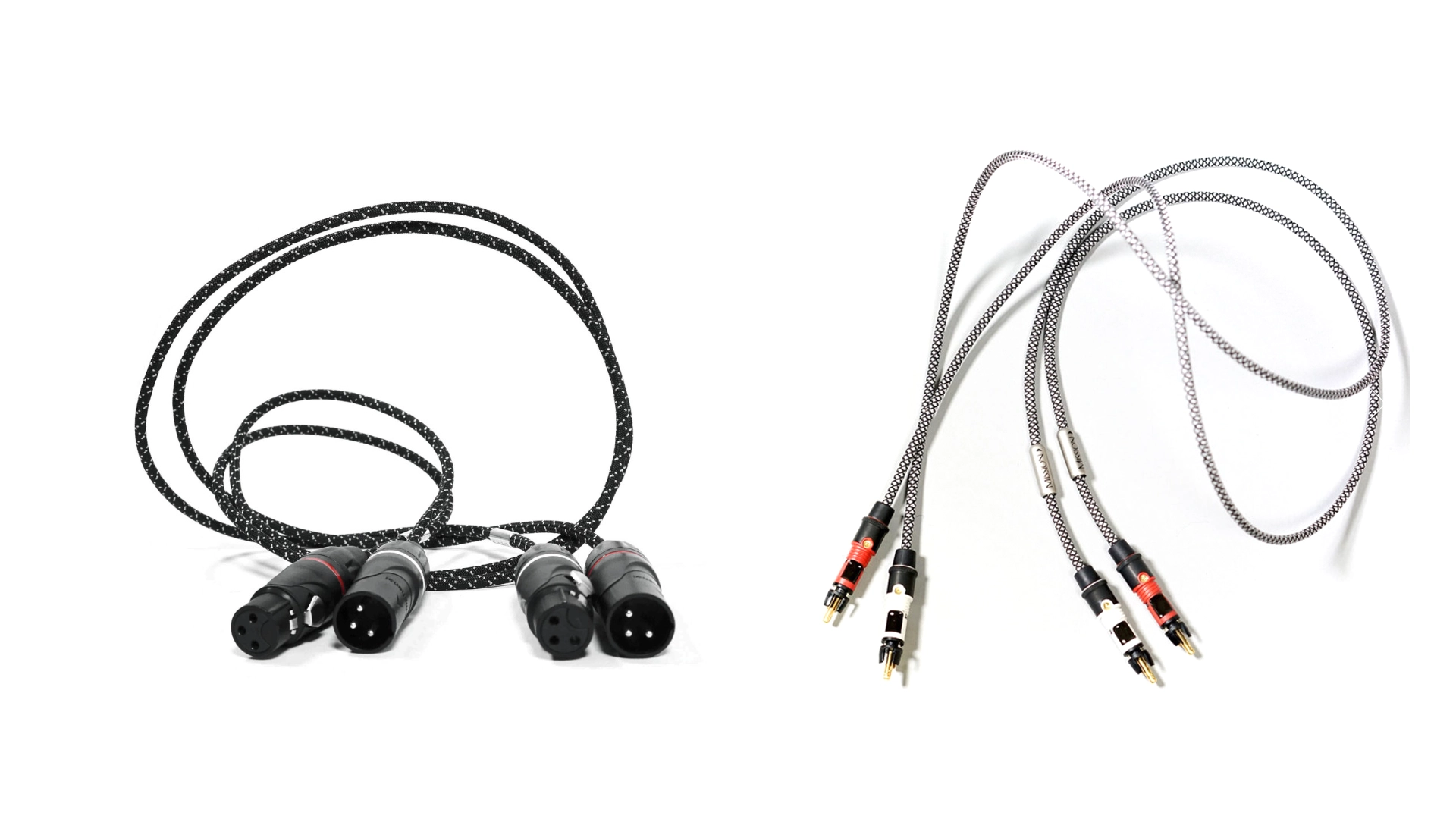
VYDA Laboratories is an Italian high-end cable maker led by founder, chief designer and engineer Enrico Datti. Rather than presenting a large ladder of cosmetically differentiated models, the company has concentrated its research in the ORION family of interconnects, loudspeaker cables and power products. Conductor purity, electrical geometry, mechanical control and the connector interface are treated as one design problem. VYDA specifies controlled inductance, resistance and capacitance, extensive electromagnetic shielding and construction intended to limit resonance around the conductors. Its connector bodies are machined from non-magnetic AISI 303 stainless steel, with contact surfaces given unusually thick silver or rhodium plating; terminations are developed and tested in-house instead of being selected only from an external catalogue. Another recurring stage is a proprietary cryogenic cycle in which conductive parts are cooled gradually to roughly –184 °C and then returned through a controlled warming process. VYDA says this stabilises the metal structure and improves performance; that interpretation should be understood as the manufacturer’s position, while the documented process and construction choices remain factual. Measurement is followed by listening tests during development, reflecting Datti’s attempt to connect repeatable electrical behaviour with use in complete systems. Public sources do not establish a sufficiently reliable founding year, so none is asserted. The clearer identity is technical and personal: a focused Italian laboratory applying one tightly controlled material and termination philosophy across every cable in the chain.
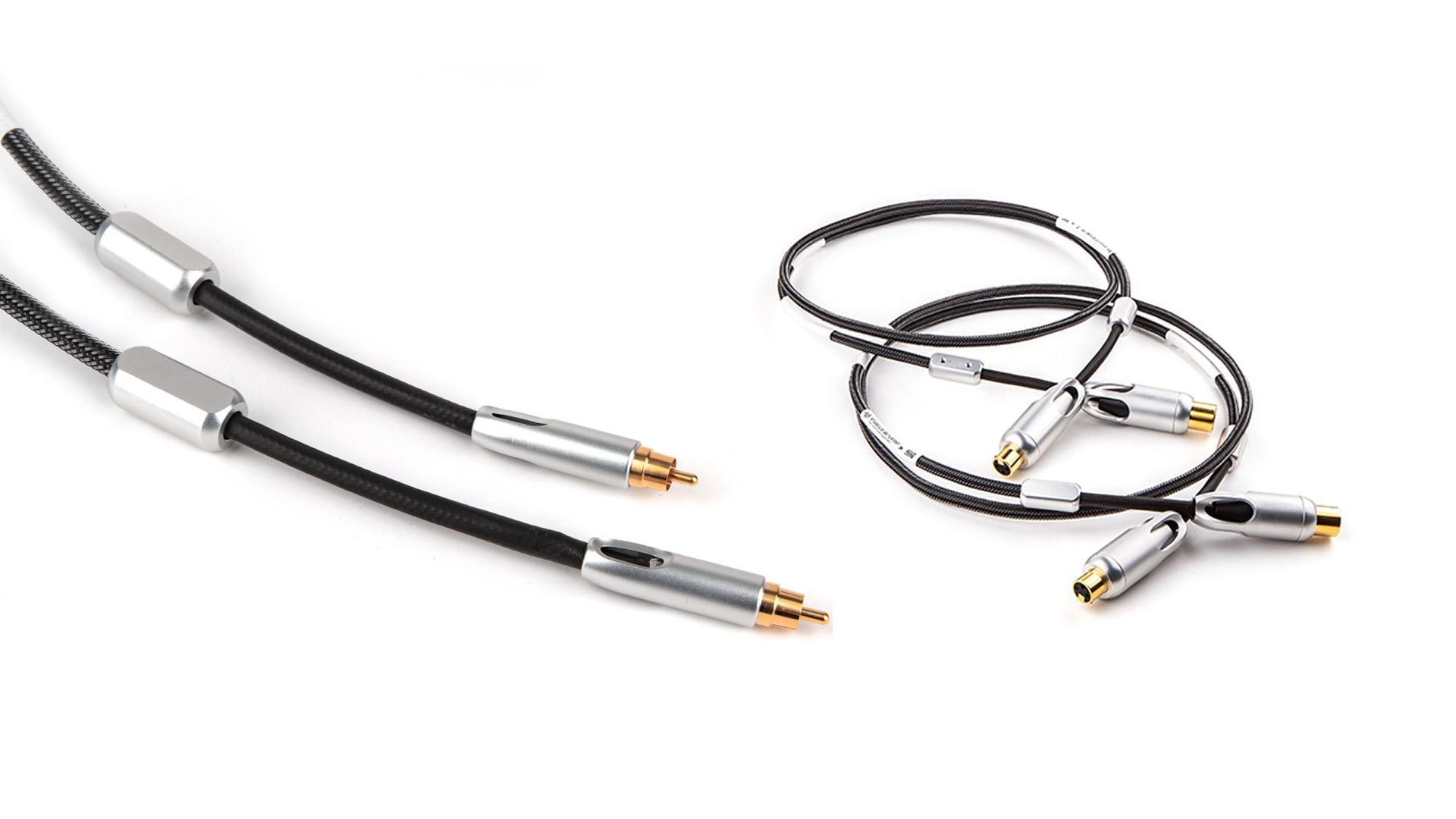
Waversa Systems is a South Korean digital-audio company founded in 2012 by engineer Dr Collin Shin. Before entering high-end audio, Shin worked on semiconductor and system design, experience that shaped a catalogue unusually focused on the behaviour of data, clocks, networks and power inside a complete replay chain. The company announced its WAP—Waversa Audio Processor—platform in 2013 and later developed WNDR, Waversa Network Direct Rendering, as a proprietary route for delivering audio over a network with tighter control of timing and processing. These technologies appear across network players, DACs, servers and hubs rather than belonging to one showcase product. The range spans compact WMini components, WStreamer bridges, WDAC converters, WCore servers and WRouter or WSmartHub network products, as well as integrated players, amplifiers, phono stages and the reference WV series. Waversa also makes Ethernet and USB filters because it treats electrical noise entering through digital connections as part of the source design. Product names and formats vary widely, but the unifying objective is consistent: minimise jitter and unwanted processing, isolate noisy subsystems and preserve the signal through conversion and amplification. Waversa’s distinctiveness lies in approaching a hi-fi system as a networked electronic architecture, not a stack of unrelated boxes. Hardware, FPGA or processor code and control software are developed together in Korea, giving the brand a coherent technical vocabulary that extends from an inexpensive interface filter to its largest source and amplification components.
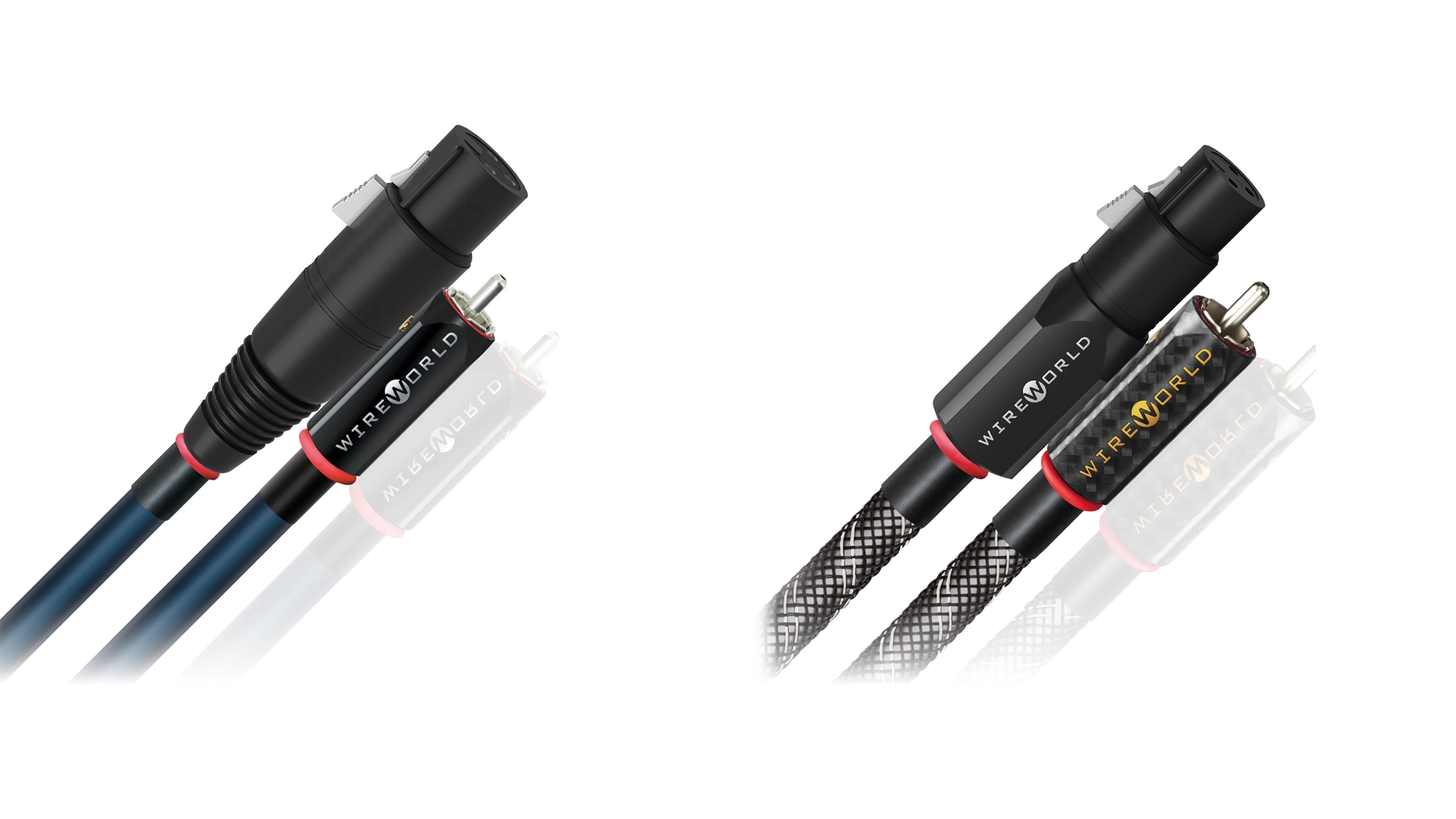
Wireworld Cable Technology is an American cable manufacturer founded in 1992 by industrial designer David Salz. Salz developed the company around comparative testing: a cable is evaluated against a direct connection with as little added conductor as possible, so the design target becomes preservation of the source rather than creation of a preferred tonal signature. Wireworld’s most recognisable construction is DNA Helix, in which flat conductor strands are arranged in parallel layers. The geometry is intended to keep electromagnetic paths consistent and reduce interaction among strands, while Composilex insulation was formulated to lower triboelectric and dielectric noise compared with common plastics. Those ideas are scaled through clearly differentiated ranges rather than reserved for one flagship. Solstice and Oasis provide accessible copper models; Equinox, Eclipse and Silver Eclipse add increasingly sophisticated geometries and silver-clad conductors; Platinum Eclipse uses solid silver at the top. The catalogue covers analogue interconnects, speaker cable, phono leads, power cords, Ethernet, USB, HDMI and specialist digital interfaces, each designed for the impedance and shielding demands of its application. Flat profiles and factory termination are practical consequences of the internal layout, not merely styling. Wireworld also publishes measured design information and maintains test facilities in Florida. The brand’s strength is a coherent engineering vocabulary carried across a very broad range: minimise electromagnetic loss, use low-noise insulation, preserve interface impedance and let direct bypass comparisons expose what the cable adds or removes.

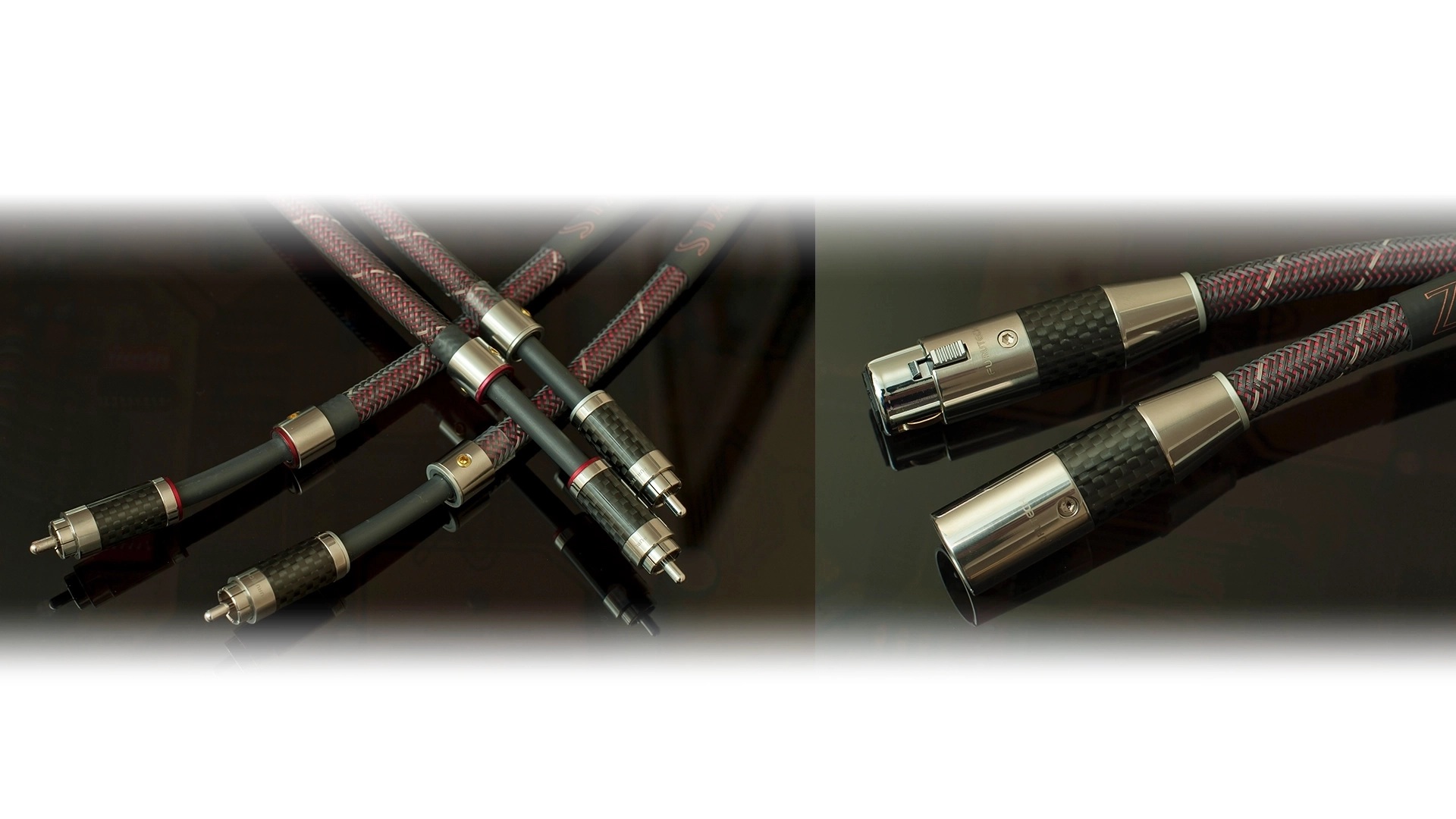
Z:Axis Audio is a British maker of audio cables and equipment supports run by master furniture craftsman Paul Stratton in Sussex. The previous description’s suggestion that the company mainly designs loudspeakers with angled baffles was incorrect: Z:Axis is centred on connection and mechanical support products, all built by hand in the UK. Its cable range includes Infinity interconnects, loudspeaker cables, mains leads and the higher Reference SL series. Depending on model, the designs use copper or pure-silver conductors, individual insulation, carefully controlled geometry and substantial but deliberately managed shielding. Stratton treats plugs and terminations as part of the design, and offers home trials because system compatibility cannot be inferred from conductor material alone. The Symetrica support system draws more directly on his furniture-making background. Modular shelves, hardwood structures, aluminium details and acrylic interface layers create racks that can expand sideways for multi-box systems while controlling how equipment is coupled to the floor. The visual result is refined furniture, but dimensions, load paths and access for cables are practical considerations rather than styling afterthoughts. Public documentation does not provide a dependable founding year, so the date remains blank. Z:Axis is best understood as a small specialist workshop whose two skills meet in a coherent catalogue: meticulous low-volume cable assembly and precision furniture construction for systems where electrical connection, vibration and domestic appearance all matter.
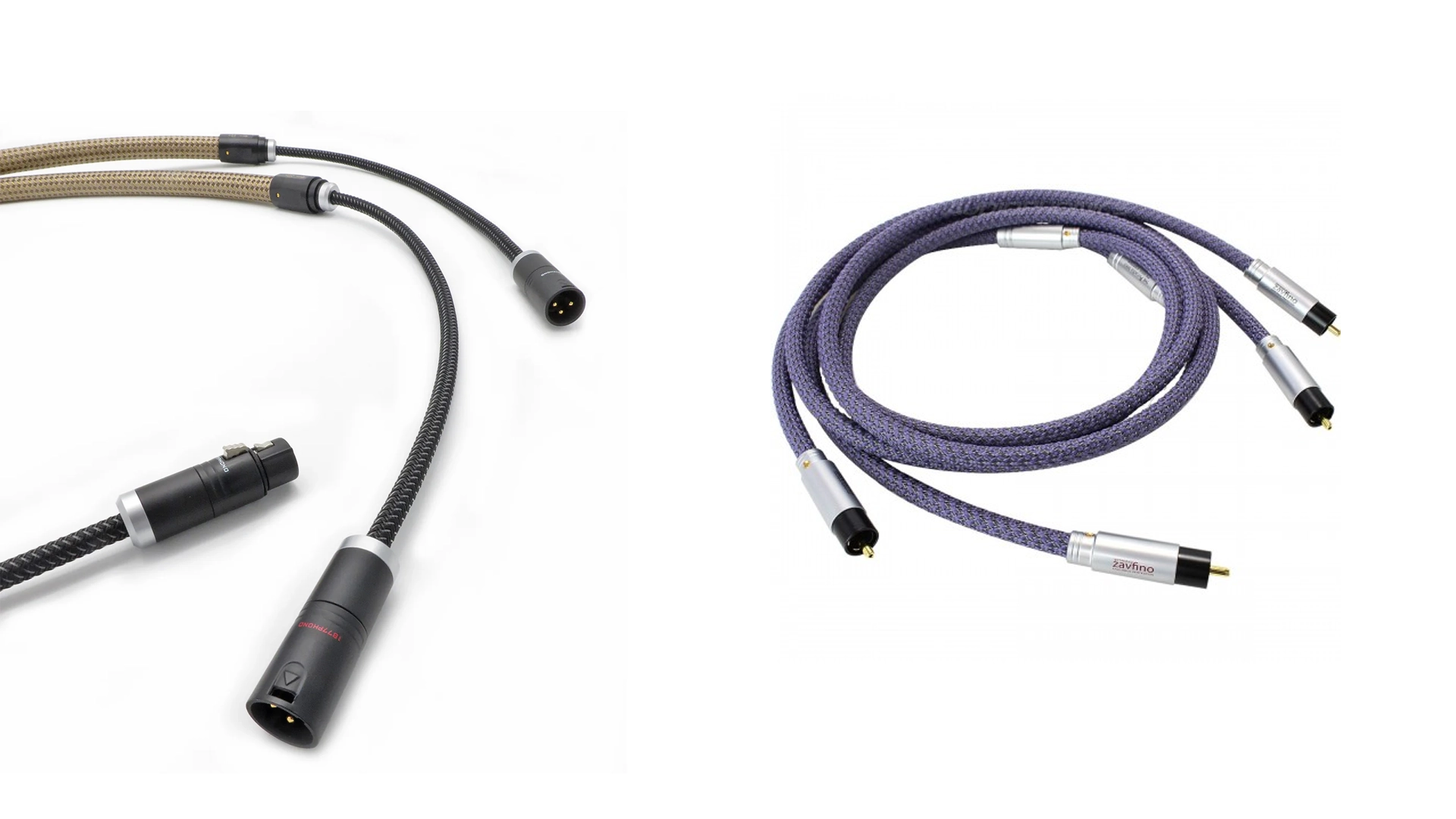
Zavfino is a Canadian-owned analogue and cable brand created around 2009 alongside the 1877Phono name. Its founder came from industrial wire extrusion and OEM cable manufacture, and the company retains unusually direct control over conductor drawing, insulation, geometry and termination instead of sourcing generic finished cable. The catalogue ranges from fine tonearm wire, headshell leads and DIN/RCA connectors to interconnects, loudspeaker cables and power cords. Pure copper, OCC copper, silver and hybrid conductors are used in different constructions, with products such as Fusion, Arcadia, Prima and Silver Dart offering clear steps in material and geometry. 1877Phono originally focused on vinyl accessories, but the business expanded into complete analogue hardware. ZV turntables, Copperhead and Aeshna models use substantial plinths, precision bearings and external motors, while Blackbird and other tonearms extend the same mechanical programme. Canadian offices and ownership are paired with manufacturing expertise and facilities in Asia, including Taiwan; describing the company as exclusively Canadian-made would therefore be misleading. The original country field remains Canada because that is the brand’s commercial identity and home base. Zavfino’s distinguishing strength is vertical knowledge across two scales: manufacturing the minute conductors and connectors between cartridge and phono stage, then designing the turntable and tonearm that generate and carry that signal. This makes its cable work part of a broader analogue system rather than an unrelated accessory line.
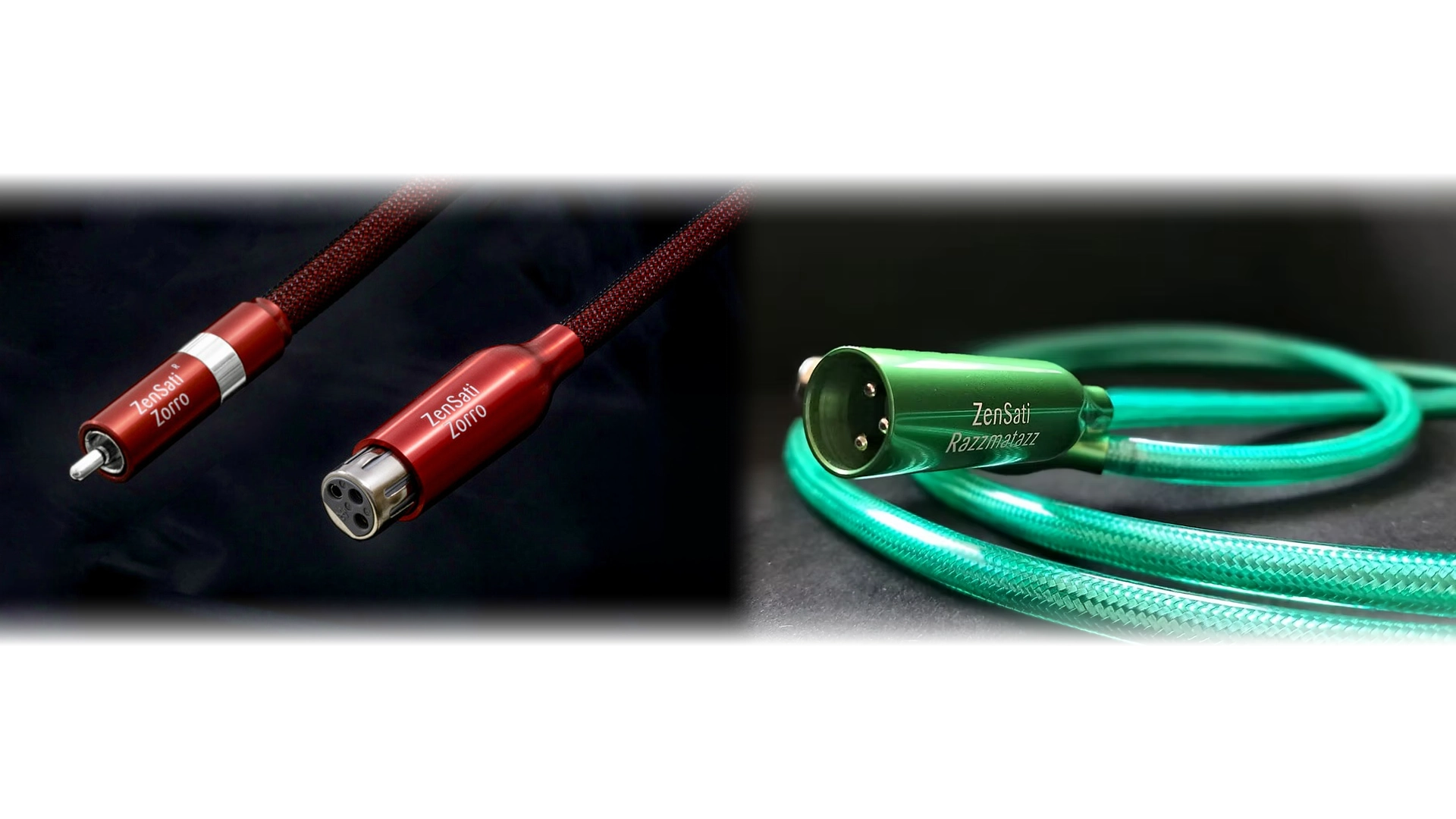
ZenSati is a Danish high-end cable company founded in 2009 by designer and musician Mark Johansen. Its name combines “zen” with the Sanskrit-derived idea of sati, or mindful awareness, reflecting Johansen’s stated goal of removing audible obstruction rather than imposing a house sound. The products are designed and hand-assembled in Denmark in small numbers, with conductor material, strand arrangement, dielectric, shielding and mechanical damping revised together for each series. Cherub and Angel provide the entry to the range; Seraphim, sILENzIO and the extreme #X line move through increasingly complex combinations of silver, gold-plated conductors and proprietary structures. Analogue interconnects, speaker cables, digital links and power cords allow a complete loom to use related construction, while termination is performed as part of the cable rather than delegated to the buyer. Some models use precious metals in quantities that make them among the most expensive cables in audio. Their claimed sonic effects remain dependent on system and listener, so price and material should not be presented as objective proof of improvement. The factual distinction is the consistency of Johansen’s programme and the unusually intensive handwork behind it. ZenSati has remained focused on cables rather than expanding into unrelated electronics, refining the same priorities—speed, neutrality, low mechanical storage and stable contact—across successive families. The newly established 2009 date replaces an empty field and matches the company’s first public period before its international show appearances around 2011.

Zu Audio is an American loudspeaker and cable manufacturer founded in 2000 in Ogden, Utah, by Sean Casey and Adam Decaria. The company rejects the assumption that domestic speakers must trade efficiency and dynamic ease for flat measured response. Most Zu models use a large, high-efficiency full-range driver through the critical vocal band, supplemented by a tweeter above it and, where required, dedicated bass support. With no conventional crossover in the main driver’s path, phase shift and component loss are reduced. Zu-Griewe loading—developed from Sean Casey’s earlier work with Ron Griewe—uses a controlled gap between cabinet and floor to couple the enclosure to the room, functioning differently from a normal reflex port. Druid introduced the formula in 2001; Soul and Soul Supreme made it more compact, while Definition added powered bass and greater scale. Union and DW series bring the approach to wider price points, and Experience models explore more ambitious drivers and finishes. High sensitivity allows low-powered valve amplifiers, yet the speakers are designed to preserve impact with modern solid-state power as well. Zu also manufactures cables, driver assemblies, cabinets, metal parts and finishes in-house, giving its Ogden factory unusual control over both loudspeakers and their internal wiring. The result is a coherent alternative to conventional multiway design: minimal filtering, generous radiating area and room-aware loading used to reproduce tone, timing and live-scale dynamics rather than to chase specifications in isolation.

HFS Ad Rotator · default · slot 1
HFS Ad Rotator · default · slot 2
Add a missing AV-brand or update an existing one

Add a missing AV-brand or update an existing one

Any user can submit a Quick Submission Form to suggest a new AV-brand or suggest update details for an existing one. Brand owners or official representatives of brand can fill a Official Brand Submission Form to provide complete company information, ensuring maximum accuracy and visibility in our portal. All submissions are moderated before publication. 

For suggesting new AV-brands or suggesting updating existing one by users.

Complete official form for brand owners and representatives to provide complete company details to add a new one or update an existing one

Brand Categories:
  • SPEAKERS
    • Bookshelf Speakers — Compact loudspeakers designed for placement on a shelf or dedicated stands.
    • Floorstanding Speakers — Large, full-range loudspeakers that stand directly on the floor, designed for powerful and expansive sound.
    • In-wall Custom Install Speakers — Speakers designed to be installed flush into walls or ceilings for a discreet, "zero-footprint" audio solution.
    • On-Wall Speakers — Slim, low-profile speakers designed to be mounted directly on a wall, often to complement a flat-panel TV.
    • Studio Monitors — Speakers designed for professional audio production, offering a flat, accurate, and uncolored sound reproduction.
    • Planar Ribbon Electrostatic Speakers — Speakers using large, thin diaphragms (panels) instead of cones, prized for their transparent and detailed sound.
    • Horn Speakers — Highly efficient speakers that use a flared horn to amplify a driver, known for their dynamic, "live" sound.
    • Active Powered Speakers — Loudspeakers with built-in amplifiers, creating a simple all-in-one audio solution.
    • Wireless Portable Speakers — Compact, battery-powered speakers with Bluetooth for on-the-go music.
    • Outdoor Speakers — Durable, weather-resistant speakers engineered to provide high-quality audio in open-air spaces like patios and gardens.
    • Marine Extreme Speakers — Rugged, waterproof, and corrosion-resistant speakers built to withstand harsh marine environments on boats and yachts.
    • Commercial Speakers — Durable loudspeaker systems designed for background music and public address in business environments.
    • Invisible Speakers — Architectural speakers installed in a wall and plastered over, making them completely invisible.
    • Subwoofers Bass Speakers — Specialized speakers dedicated to reproducing only the lowest bass frequencies for impact and depth for all purposes
  • AMPLIFIERS
    • Integrated Amplifiers — An all-in-one component combining a preamplifier and a power amplifier in a single chassis.
    • PreAmplifiers — The control hub of a separates audio system, used for source selection and volume control.
    • Power Amplifiers — A component with the sole job of taking a line-level signal and amplifying it to drive loudspeakers.
    • Phono Preamps Phono Stages — A device that amplifies the weak signal from a turntable's cartridge and applies necessary RIAA equalization.
    • Tube Amplifiers — Amplifiers that use vacuum tubes (valves) instead of transistors, prized for their warm and rich sound character.
    • Multi-Zone Multi-Room Amplifiers — Amplifiers that power speakers in multiple different rooms or "zones" from a single, centralized unit.
    • Network Amplifiers — An integrated amplifier with built-in networking and streaming capabilities, creating a modern "just add speakers" system.
    • Desktop Headphone Amplifiers — Mains-powered amplifiers designed to drive high-quality headphones in a desktop or home audio system.
    • Portable Headphone Amplifiers Players — Compact, battery-powered devices (DAPs or amps) for delivering high-quality sound on the move.
  • DAC STREAMERS
    • DAC Desktop — Digital-to-Analog Converters designed to improve sound quality from a computer or other home digital source.
    • DAC Portable — Compact, battery-powered Digital-to-Analog Converters for improving audio from smartphones and laptops.
    • Music Streamers — Devices that connect to the internet to access and play music from online services like Tidal and Spotify.
    • Network Players — Source components focused on high-fidelity playback of digital audio files from a local network (NAS drive).
    • Music Servers HDD Storages — Dedicated devices for storing, managing, and playing a local digital music library with high fidelity.
    • CD Transport Media Players — High-precision disc players that read physical media (CDs, SACDs) and output a pure digital signal to an external DAC.
    • Compact All-in-One Systems — Self-contained audio systems that combine source, amplification, and often speakers into a single, compact unit.
    • Streaming Amplifier — An integrated amplifier with built-in streaming capabilities.
  • TURNTABLES VINYL
    • Turntables — Electromechanical devices that play vinyl records by rotating them at a stable speed.
    • Tonearms — The precision arm on a turntable that holds the cartridge, allowing the stylus to track the record groove.
    • Cartridges — The transducer on a turntable's tonearm that holds the stylus and converts groove vibrations into an electrical signal.
    • Vinyl Cleaning Machine — Specialized machines that use fluid and vacuum/ultrasonic action to deep-clean vinyl records.
    • Vinyl Accessories — Essential tools for setup and maintenance, like clamps, brushes, and alignment protractors.
  • HEADPHONES
    • In-Ear Earbuds — Ultra-portable listening devices, including True Wireless (TWS) models, designed for convenience and daily use.
    • In-Ear Monitors IEM — High-performance in-ear headphones that seal in the ear canal for superior sound isolation and detail.
    • On-Ear Headphones — Headphones with cushions that rest directly on the ears, offering a balance of portability and sound quality.
    • Over-Ear Headphones — Full-sized headphones with large earcups that completely encircle the ears for maximum comfort and immersion.
    • Wireless Headphones — Headphones that connect to source devices via Bluetooth, often featuring Active Noise Cancellation (ANC).
    • Planar Magnetic Ribbon Headphones — High-end headphones using a thin, flat diaphragm driven by magnets, known for their detailed and low-distortion sound.
    • Electrostatic Headphones — High-end headphones using a massless diaphragm in an electrostatic field, requiring a special energizer/amplifier.
  • HOME THEATER
    • AV Receivers Media Players — Central components of a home cinema, combining audio/video processing, amplification, and playback.
    • Home Theater Speakers — Matched sets of speakers (front, center, surround) designed to create an immersive cinematic soundfield.
    • Soundbars — A simple, all-in-one speaker bar that provides a significant audio upgrade over a television's built-in speakers.
    • Subwoofers — Specialized speakers dedicated to reproducing only the lowest bass frequencies for impact and depth for home theaters
    • Processors Amplifiers — High-end home cinema "separates" consisting of a surround sound processor and a multi-channel power amplifier.
    • Screens — High-quality projection surfaces designed to provide an optimal image for a home cinema projector.
    • Projectors — Video projectors optimized for home cinema use, focusing on color accuracy, contrast, and black levels.
  • CABLES ACCESSORIES
    • Speaker Cables — Cables that carry the amplified, high-level signal from an amplifier to passive loudspeakers.
    • Analog Cables — Cables (RCA, XLR) used to transmit analog audio signals between components like DACs and amplifiers.
    • Digital Cables — Cables (Coaxial, Optical, USB) that transmit digital audio data between components.
    • Phono Cables — Specially shielded cables designed to carry the delicate, low-level signal from a turntable to a phono preamp.
    • Headphone Cables — Aftermarket and replacement cables used to upgrade or customize high-quality headphones.
    • Connectors Terminals — The fundamental hardware (plugs, jacks, spades, etc.) used to terminate cables and connect equipment.
    • Power Cables — High-performance AC cords designed to deliver clean, noise-free power to audio components.
    • Power Supplies Conditioners — Devices that filter, stabilize, and protect the AC power supplied to an audio system for improved performance.
  • FURNITURE
    • Speaker Stands Mounts — Stands and mounts used to position speakers at the correct height and angle for optimal sound.
    • Furniture Racks — Purpose-built furniture designed to house audio/video components with a focus on stability, ventilation, and vibration control.
    • Isolation Footers Spikes Shelves — Specialized accessories (spikes, footers, platforms) designed to manage vibrations and isolate components.
    • Soundproof Solutions — Products designed to control room acoustics, including treatment (panels, diffusers) and sound-blocking materials.
  • PROFESSIONAL
    • Concert Speakers — Large-scale PA systems, including line arrays and stage monitors, for live music and public events.
    • Cinema Speakers — Specialized, high-output loudspeaker systems certified for use in large commercial movie theaters.
    • Concert Electronics — Robust electronics including mixing consoles, processors, and amplifiers for live sound reinforcement.
    • Cinema Electronics — Professional, DCI-compliant processors and amplifiers for use in commercial movie theaters.
    • Cinema Screens — Large-format, often acoustically transparent, projection screens built to professional cinema standards.
    • Cinema Projectors — Ultra-high-brightness, DCI-compliant projectors designed for continuous use in commercial movie theaters.
    • Professional Cables Accessories — Rugged, reliable cables and hardware (e.g., snake cables, Speakon connectors) for touring and professional installation.
  • DIY Components
    • Speaker drivers Tweeters — The individual transducers (woofers, mid-range, tweeters) that are the fundamental building blocks of a loudspeaker.
    • Coaxial Speaker Drivers — Speaker drivers where the tweeter is mounted in the center of the woofer, creating a single point source for sound.
    • DIY Speaker Kits — Complete packages including drivers, crossovers, and plans for enthusiasts to build their own loudspeakers.
    • Electron Vacuum Tubes — Glass valves used in tube amplifiers that provide amplification and can be replaced to tune the sound.
    • Electronic Components — Discrete parts (capacitors, resistors, transistors) used by manufacturers and DIYers to build audio circuits.
  • OTHERS
    • Line Stage — A type of preamplifier that exclusively handles line-level sources, without a built-in phono stage.
    • Time Alignment Device — A signal processor that corrects timing delays between drivers or speakers for improved sound coherence.
    • Smart Portable Speakers — Wireless portable speakers with integrated voice assistants (e.g., Alexa, Google Assistant) and smart home functionality.
    • DJ Turntables — Durable, high-torque direct-drive turntables with pitch control, built for performance and DJing applications.
    • Motor Drives — External motor units and power supplies for turntables, providing improved rotational stability and isolation.
    • Crossovers — Electronic circuits that split an audio signal into different frequency bands to route to the correct speaker driver.
    • Car Audio — Audio equipment, including speakers, amplifiers, and source units, specifically designed for use in vehicles.

Brand Categories:
  • Active Powered Speakers — Loudspeakers with built-in amplifiers, creating a simple all-in-one audio solution.
  • Analog Cables — Cables (RCA, XLR) used to transmit analog audio signals between components like DACs and amplifiers.
  • AV Receivers Media Players — Central components of a home cinema, combining audio/video processing, amplification, and playback.
  • Bookshelf Speakers — Compact loudspeakers designed for placement on a shelf or dedicated stands.
  • Car Audio — Audio equipment, including speakers, amplifiers, and source units, specifically designed for use in vehicles.
  • Cartridges — The transducer on a turntable's tonearm that holds the stylus and converts groove vibrations into an electrical signal.
  • CD Transport Media Players — High-precision disc players that read physical media (CDs, SACDs) and output a pure digital signal to an external DAC.
  • Cinema Electronics — Professional, DCI-compliant processors and amplifiers for use in commercial movie theaters.
  • Cinema Projectors — Ultra-high-brightness, DCI-compliant projectors designed for continuous use in commercial movie theaters.
  • Cinema Screens — Large-format, often acoustically transparent, projection screens built to professional cinema standards.
  • Cinema Speakers — Specialized, high-output loudspeaker systems certified for use in large commercial movie theaters.
  • Coaxial Speaker Drivers — Speaker drivers where the tweeter is mounted in the center of the woofer, creating a single point source for sound.
  • Commercial Speakers — Durable loudspeaker systems designed for background music and public address in business environments.
  • Compact All-in-One Systems — Self-contained audio systems that combine source, amplification, and often speakers into a single, compact unit.
  • Concert Electronics — Robust electronics including mixing consoles, processors, and amplifiers for live sound reinforcement.
  • Concert Speakers — Large-scale PA systems, including line arrays and stage monitors, for live music and public events.
  • Connectors Terminals — The fundamental hardware (plugs, jacks, spades, etc.) used to terminate cables and connect equipment.
  • Crossovers — Electronic circuits that split an audio signal into different frequency bands to route to the correct speaker driver.
  • DAC Desktop — Digital-to-Analog Converters designed to improve sound quality from a computer or other home digital source.
  • DAC Portable — Compact, battery-powered Digital-to-Analog Converters for improving audio from smartphones and laptops.
  • Desktop Headphone Amplifiers — Mains-powered amplifiers designed to drive high-quality headphones in a desktop or home audio system.
  • Digital Cables — Cables (Coaxial, Optical, USB) that transmit digital audio data between components.
  • DIY Speaker Kits — Complete packages including drivers, crossovers, and plans for enthusiasts to build their own loudspeakers.
  • DJ Turntables — Durable, high-torque direct-drive turntables with pitch control, built for performance and DJing applications.
  • Electron Vacuum Tubes — Glass valves used in tube amplifiers that provide amplification and can be replaced to tune the sound.
  • Electronic Components — Discrete parts (capacitors, resistors, transistors) used by manufacturers and DIYers to build audio circuits.
  • Electrostatic Headphones — High-end headphones using a massless diaphragm in an electrostatic field, requiring a special energizer/amplifier.
  • Floorstanding Speakers — Large, full-range loudspeakers that stand directly on the floor, designed for powerful and expansive sound.
  • Furniture Racks — Purpose-built furniture designed to house audio/video components with a focus on stability, ventilation, and vibration control.
  • Headphone Cables — Aftermarket and replacement cables used to upgrade or customize high-quality headphones.
  • Home Theater Speakers — Matched sets of speakers (front, center, surround) designed to create an immersive cinematic soundfield.
  • Horn Speakers — Highly efficient speakers that use a flared horn to amplify a driver, known for their dynamic, "live" sound.
  • In-Ear Earbuds — Ultra-portable listening devices, including True Wireless (TWS) models, designed for convenience and daily use.
  • In-Ear Monitors IEM — High-performance in-ear headphones that seal in the ear canal for superior sound isolation and detail.
  • In-wall Custom Install Speakers — Speakers designed to be installed flush into walls or ceilings for a discreet, "zero-footprint" audio solution.
  • Integrated Amplifiers — An all-in-one component combining a preamplifier and a power amplifier in a single chassis.
  • Invisible Speakers — Architectural speakers installed in a wall and plastered over, making them completely invisible.
  • Isolation Footers Spikes Shelves — Specialized accessories (spikes, footers, platforms) designed to manage vibrations and isolate components.
  • Line Stage — A type of preamplifier that exclusively handles line-level sources, without a built-in phono stage.
  • Marine Extreme Speakers — Rugged, waterproof, and corrosion-resistant speakers built to withstand harsh marine environments on boats and yachts.
  • Motor Drives — External motor units and power supplies for turntables, providing improved rotational stability and isolation.
  • Multi-Zone Multi-Room Amplifiers — Amplifiers that power speakers in multiple different rooms or "zones" from a single, centralized unit.
  • Music Servers HDD Storages — Dedicated devices for storing, managing, and playing a local digital music library with high fidelity.
  • Music Streamers — Devices that connect to the internet to access and play music from online services like Tidal and Spotify.
  • Network Amplifiers — An integrated amplifier with built-in networking and streaming capabilities, creating a modern "just add speakers" system.
  • Network Players — Source components focused on high-fidelity playback of digital audio files from a local network (NAS drive).
  • On-Ear Headphones — Headphones with cushions that rest directly on the ears, offering a balance of portability and sound quality.
  • On-Wall Speakers — Slim, low-profile speakers designed to be mounted directly on a wall, often to complement a flat-panel TV.
  • Outdoor Speakers — Durable, weather-resistant speakers engineered to provide high-quality audio in open-air spaces like patios and gardens.
  • Over-Ear Headphones — Full-sized headphones with large earcups that completely encircle the ears for maximum comfort and immersion.
  • Phono Cables — Specially shielded cables designed to carry the delicate, low-level signal from a turntable to a phono preamp.
  • Phono Preamps Phono Stages — A device that amplifies the weak signal from a turntable's cartridge and applies necessary RIAA equalization.
  • Planar Magnetic Ribbon Headphones — High-end headphones using a thin, flat diaphragm driven by magnets, known for their detailed and low-distortion sound.
  • Planar Ribbon Electrostatic Speakers — Speakers using large, thin diaphragms (panels) instead of cones, prized for their transparent and detailed sound.
  • Portable Headphone Amplifiers Players — Compact, battery-powered devices (DAPs or amps) for delivering high-quality sound on the move.
  • Power Amplifiers — A component with the sole job of taking a line-level signal and amplifying it to drive loudspeakers.
  • Power Cables — High-performance AC cords designed to deliver clean, noise-free power to audio components.
  • Power Supplies Conditioners — Devices that filter, stabilize, and protect the AC power supplied to an audio system for improved performance.
  • PreAmplifiers — The control hub of a separates audio system, used for source selection and volume control.
  • Processors Amplifiers — High-end home cinema "separates" consisting of a surround sound processor and a multi-channel power amplifier.
  • Professional Cables Accessories — Rugged, reliable cables and hardware (e.g., snake cables, Speakon connectors) for touring and professional installation.
  • Projectors — Video projectors optimized for home cinema use, focusing on color accuracy, contrast, and black levels.
  • Screens — High-quality projection surfaces designed to provide an optimal image for a home cinema projector.
  • Smart Portable Speakers — Wireless portable speakers with integrated voice assistants (e.g., Alexa, Google Assistant) and smart home functionality.
  • Soundbars — A simple, all-in-one speaker bar that provides a significant audio upgrade over a television's built-in speakers.
  • Soundproof Solutions — Products designed to control room acoustics, including treatment (panels, diffusers) and sound-blocking materials.
  • Speaker Cables — Cables that carry the amplified, high-level signal from an amplifier to passive loudspeakers.
  • Speaker drivers Tweeters — The individual transducers (woofers, mid-range, tweeters) that are the fundamental building blocks of a loudspeaker.
  • Speaker Stands Mounts — Stands and mounts used to position speakers at the correct height and angle for optimal sound.
  • Streaming Amplifier — An integrated amplifier with built-in streaming capabilities.
  • Studio Monitors — Speakers designed for professional audio production, offering a flat, accurate, and uncolored sound reproduction.
  • Subwoofers — Specialized speakers dedicated to reproducing only the lowest bass frequencies for impact and depth for home theaters
  • Subwoofers Bass Speakers — Specialized speakers dedicated to reproducing only the lowest bass frequencies for impact and depth for all purposes
  • Time Alignment Device — A signal processor that corrects timing delays between drivers or speakers for improved sound coherence.
  • Tonearms — The precision arm on a turntable that holds the cartridge, allowing the stylus to track the record groove.
  • Tube Amplifiers — Amplifiers that use vacuum tubes (valves) instead of transistors, prized for their warm and rich sound character.
  • Turntables — Electromechanical devices that play vinyl records by rotating them at a stable speed.
  • Vinyl Accessories — Essential tools for setup and maintenance, like clamps, brushes, and alignment protractors.
  • Vinyl Cleaning Machine — Specialized machines that use fluid and vacuum/ultrasonic action to deep-clean vinyl records.
  • Wireless Headphones — Headphones that connect to source devices via Bluetooth, often featuring Active Noise Cancellation (ANC).
  • Wireless Portable Speakers — Compact, battery-powered speakers with Bluetooth for on-the-go music.

Sales Channels:
  • Dealer & Distributor Network — The traditional sales model where products are sold through a network of authorized, independent retail stores and custom installers. This is the primary channel for most specialized Hi-Fi brands.
  • Direct-to-Consumer (DTC) — The brand sells its products directly to end-users through its own official website, bypassing traditional retail channels. A rapidly growing model in the industry.
  • Custom Installation (CI) Channel — Products are sold primarily through professional firms that design and install integrated smart home and audio-visual systems. This channel is crucial for architectural and high-end integrated solutions.
  • Mass Market Retail — Products are available in large, non-specialized consumer electronics chain stores. This typically applies to more mainstream product lines from larger brands.
  • Brand-Owned Stores / Showrooms — The brand operates its own physical, flagship retail stores or dedicated showrooms to offer a direct and immersive brand experience. This is the least common model, typically used by top-tier brands.

For companies: For any questions about listings & partnership opportunities, please contact us at contact@hifiselector.com

Have a suggestion or found a flaw? Help us improve​

Have a suggestion or found a flaw?