Analog Cables
Analog interconnects are used to transmit line-level audio signals between your components, such as from a DAC to an amplifier. The two primary types are RCA, the common unbalanced standard, and XLR, a balanced connection used in high-end and professional gear for its superior noise rejection. These cables are tasked with preserving the purity of the delicate audio signal as it travels between devices. This guide lists manufacturers of both high-quality RCA and balanced XLR interconnects.
Hi-Fi brands in the category
Summary information and image
Direct links to official websites
Stage III Concepts


Stage III Concepts is an American cable manufacturer identified with flat silver conductors suspended in an air-dominant dielectric. Luis de la Fuente founded the company in 1996 and developed its products around a simple electrical priority: keep conductor mass and dielectric interaction low while maintaining stable geometry and effective shielding. Thin, solid high-purity silver ribbons provide a large surface area with little cross-sectional mass. They are routed through fluoropolymer tubes so that much of the material immediately surrounding the conductor is air, rather than solid insulation. The company describes this as a floating ribbon architecture, and it became particularly distinctive in its high-current power cords as well as its signal cables. Construction is elaborate but not decorative for its own sake. Multiple layers address conductor spacing, mechanical stability, radio-frequency interference and electromagnetic noise, while proprietary connectors are designed as part of the cable rather than selected only at the final assembly stage. The catalogue has included analogue and digital interconnects, speaker cables and power products under names such as Ckahron, Medusa, Leviathan and A.S.P. Reference. Products are assembled by hand in the United States, and the company offers a limited lifetime warranty. Stage III’s strongest identity is therefore not a single flagship model but a consistent construction method carried across the system: silver ribbon, minimal solid dielectric, controlled geometry and shielding engineered for the electrical demands of each connection.
Sternklang

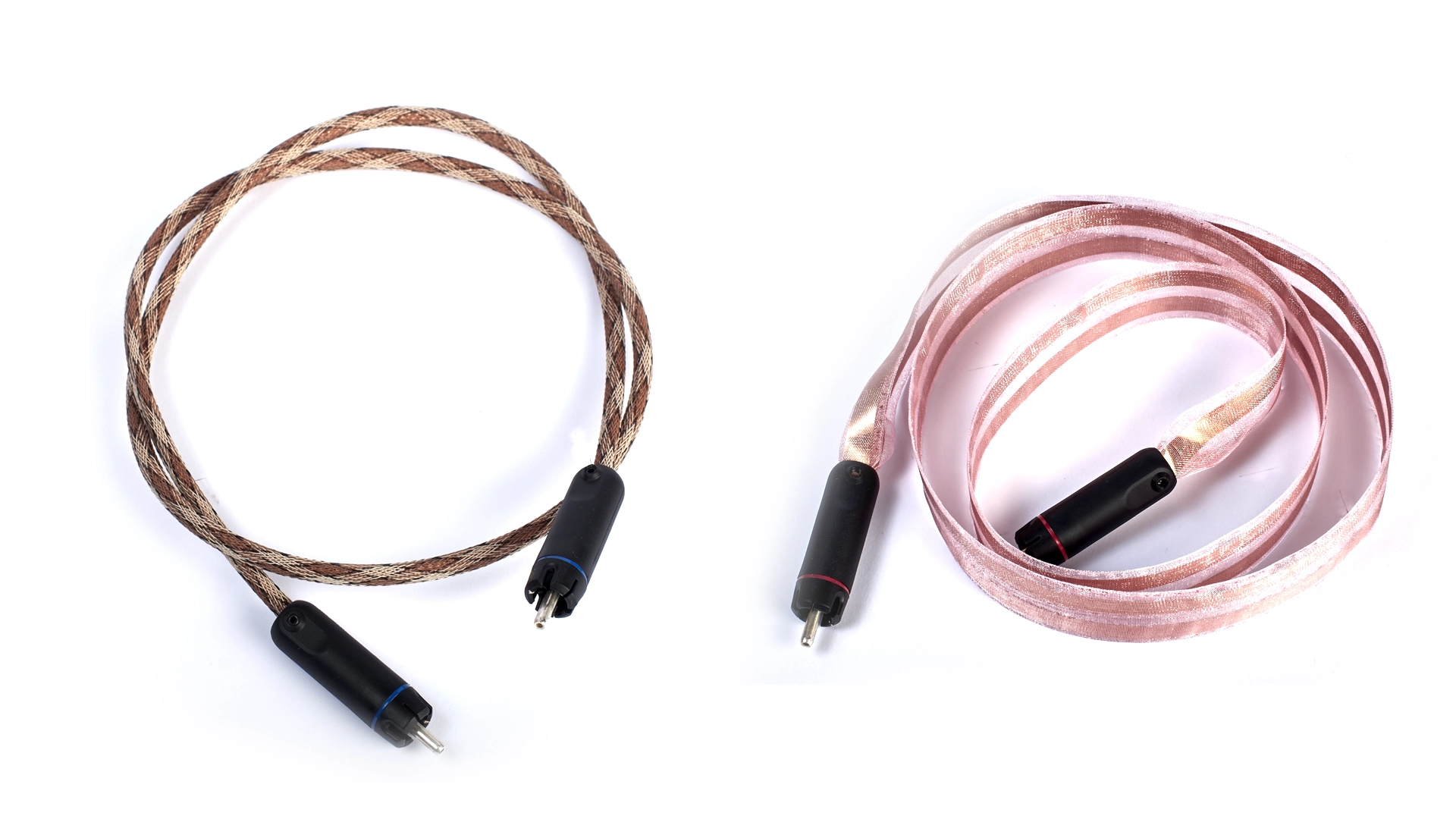
Sternklang is the Japanese cable marque of designer Koji Teramura, built around reducing the mechanical and electrical burden placed on a small audio signal. Its products are deliberately light and supple rather than massively jacketed. Teramura describes the underlying goal as improving “energy metabolism”: in practical construction terms, this leads to low-mass conductors, minimal surrounding material and geometries chosen to avoid storing unnecessary energy. The Ephemera series is the clearest expression of the idea. Its almost ribbon-like cables use thin copper-foil conductors and very little structural mass, making them visually and physically unlike the thick hoses common at the top of the cable market. Ephemera is offered for line-level, phono, digital and loudspeaker connections. The later Sarume series carries the low-mass concept into a coaxial geometry intended to improve resistance to external noise, with versions suited to different signal duties. Power-distribution and grounding-related products complete the system approach. Production is small-scale and closely associated with Teramura’s own listening and development work in Japan; European distribution has helped the brand become known outside its home market. Sternklang’s concept is distinctive enough that it should be stated without embellishment: use as little conductor-support material as the design safely permits, keep the cable flexible, and minimise what is placed around the signal. Reliable public documentation does not establish the 1990 founding date previously attached to the brand, so no precise year is asserted here.
Straight Wire

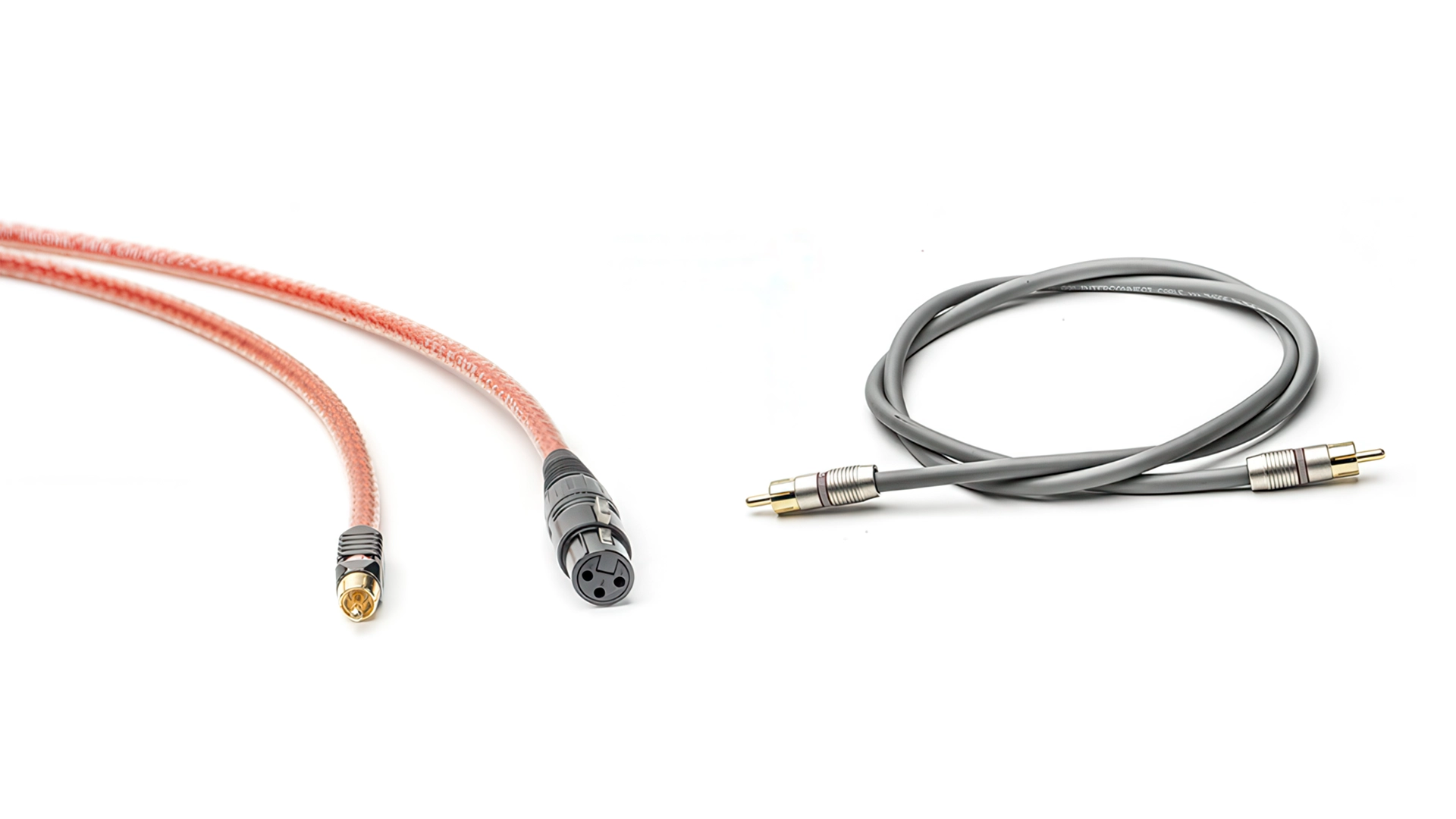
Straight Wire is a Florida cable manufacturer founded by Steven Hill in 1983, not 1980 as previously listed. Hill entered the field when specialist audio cables were still regarded by many buyers as an unfamiliar category, and the company built its reputation through clearly tiered products for stereo, home cinema and professional installation. Its catalogue covers analogue interconnects, loudspeaker cables, digital audio, HDMI and power connections, with bulk cable and termination services for custom projects. The familiar Level system groups products by construction and intended system context instead of asking a buyer to decode every material claim from scratch. Long-running names such as Rhapsody, Virtuoso and Crescendo mark successive steps in the audio range, while entry-level families provide practical lengths and terminations for less elaborate systems. Straight Wire varies conductor gauge and geometry, insulation, shielding and connector design according to the electrical job. The company also developed its Push-Prong banana connector to make field termination easier and more repeatable. Manufacturing and custom assembly in South Florida allow unusual lengths, bi-wire configurations and installation requirements to be handled without reducing the catalogue to packaged retail cables. Straight Wire’s lasting strength is this combination of engineering variety and practical guidance: it treats a phono signal, line-level interconnect, loudspeaker run and video connection as different problems, then offers a consistent way to specify, terminate and integrate them within one system.
SVS
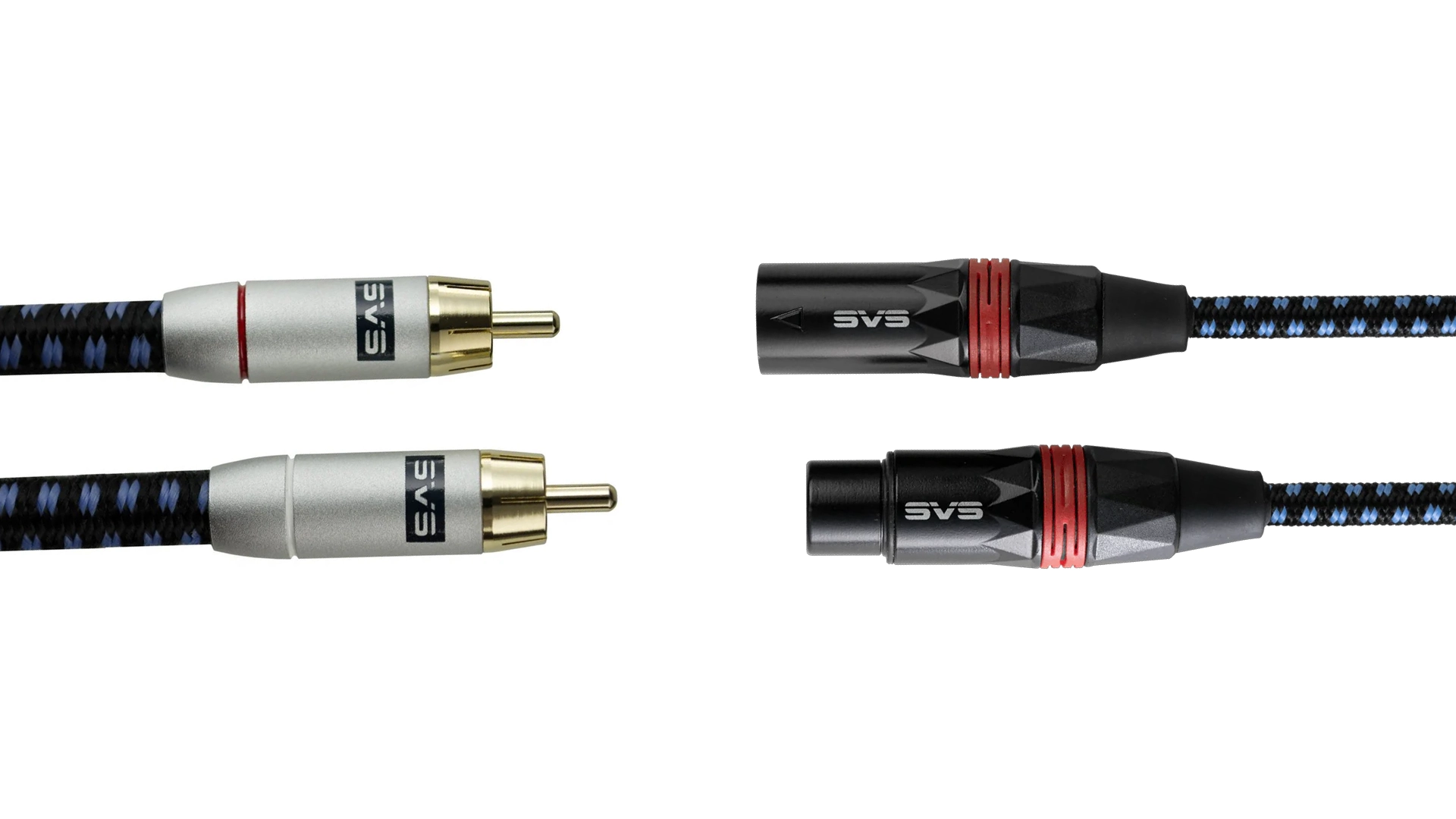
SVS is an American company specializing in high-performance subwoofers, loudspeakers, and audio accessories, known for its direct-to-consumer sales model and its focus on delivering exceptional value for money. The company’s subwoofers are particularly well-regarded, known for their deep bass extension, high output, and ability to provide a powerful and impactful low-frequency foundation for both music and home theater systems. SVS offers a wide range of subwoofers, from compact sealed models to large ported designs, catering to different room sizes and listening preferences. They also produce a range of loudspeakers, designed to complement their subwoofers and provide a complete audio solution. The “PB” (Ported Box) and “SB” (Sealed Box) prefixes are commonly used to denote their subwoofer models, while the “Prime” and “Ultra” series represent different tiers within their loudspeaker lineup.
Synergistic Research
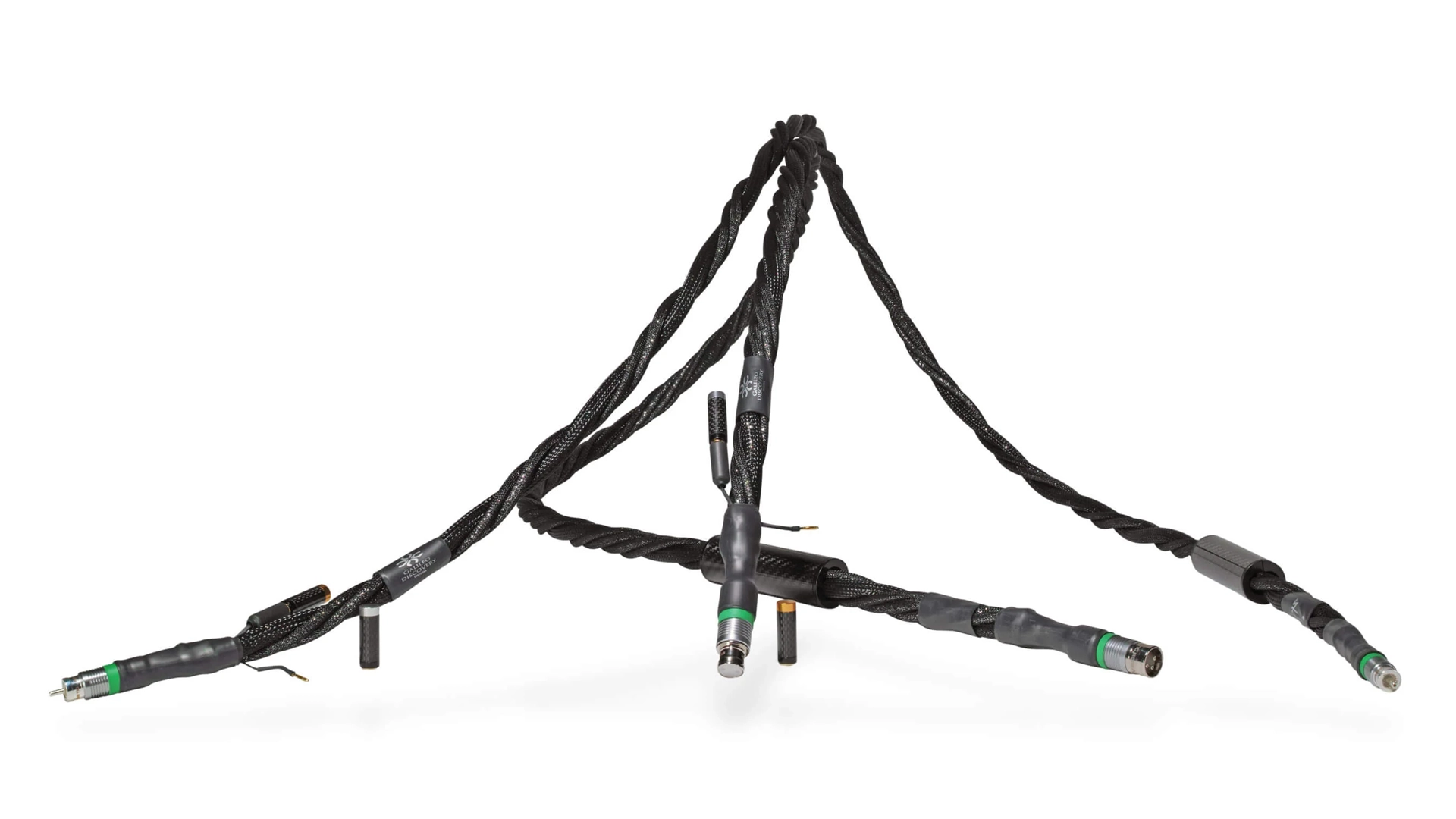
Synergistic Research is an American company specializing in high-end audio cables, power conditioners, acoustic treatment products, and other accessories. Founded by Ted Denney III. The company is known for its innovative and often unconventional technologies, which are claimed to improve the performance of audio systems through various means, including reducing noise, optimizing signal transfer, and controlling resonances. Synergistic Research products often feature unique designs and utilize high-quality materials, such as pure silver conductors, advanced shielding, and proprietary treatments. They offer a wide range of cables, power conditioners, and acoustic treatment solutions, catering to different needs and system configurations. The “Galileo” series and the “Atmosphere” series represent different points in their product line. Synergistic Research products are positioned in the high-end.
TAD

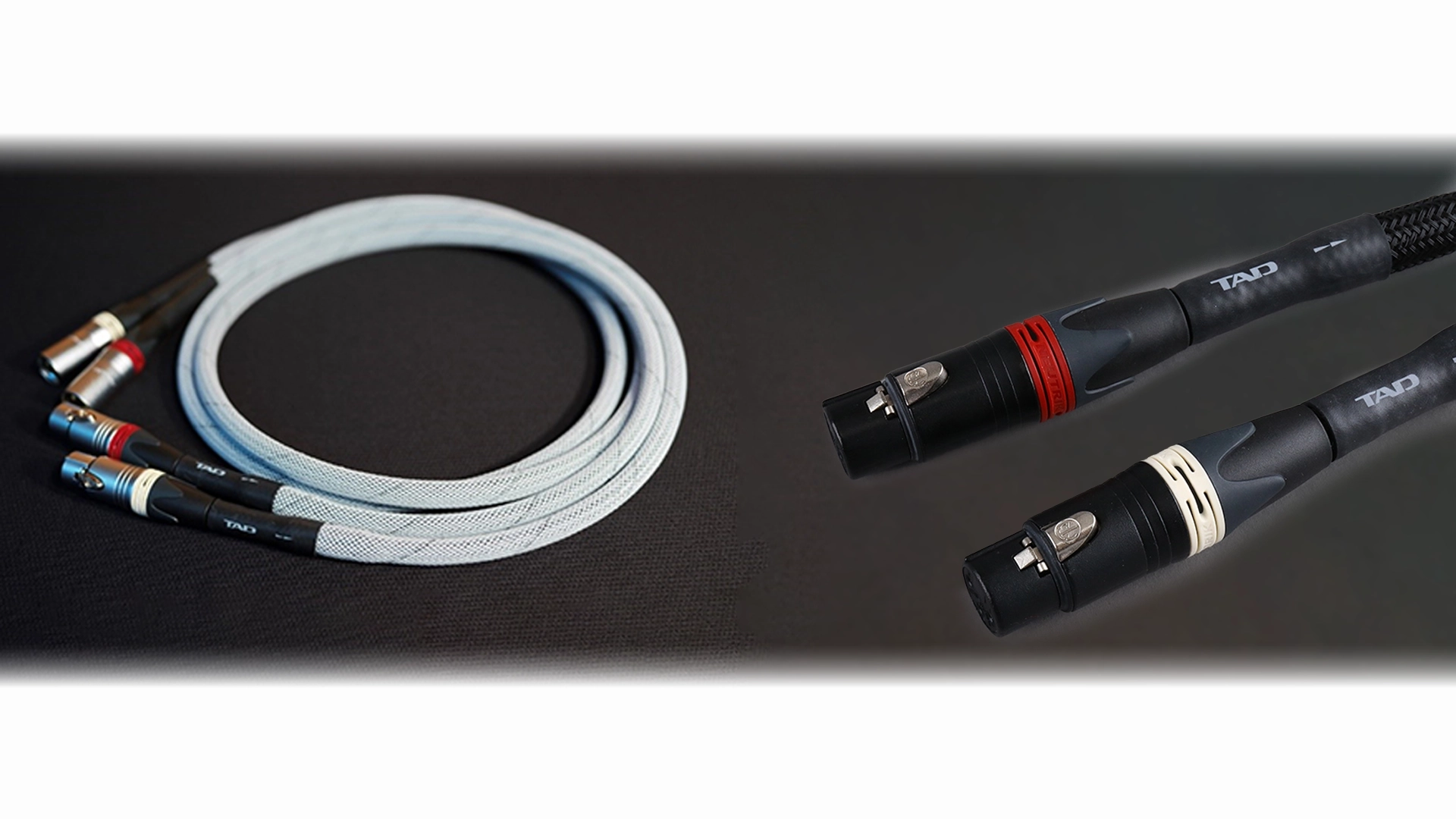
TAD (Technical Audio Devices Laboratories, Inc.), a high-end audio brand and division of Pioneer, was initially focused on professional studio monitors. Founded by Bart Locanthi. Their entry into the consumer market began in 2002 with the TAD-M1 speaker system, unveiled at the Consumer Electronics Show (CES). The TAD-M1, and subsequent TAD speakers, are built around their proprietary CST (Coherent Source Transducer) Driver. This coaxial driver combines a beryllium tweeter dome and a beryllium midrange cone, achieving ultra-wide-range reproduction from 250 Hz to 100 kHz. The CST driver acts as a point source, providing uniform directional characteristics both horizontally and vertically, for natural sound dispersion. The use of beryllium is key: it’s the lightest and most rigid metal with high internal loss, ideal for reproducing ultra-high frequencies (including harmonic overtones that enhance the audible band). The shallow, large-diameter beryllium midrange also contributes to lower bass response. The CST Driver, incorporating high-precision processing and a proprietary vapor deposition technique for the beryllium diaphragm, represents the culmination of years of TAD’s technical expertise. The technology is found in models like the TAD Reference One (released 2007) and other speakers.
Taga Harmony


TAGA Harmony is a company specializing in loudspeakers, audio electronics, and cables, known for its focus on providing high-quality sound at accessible price points. While having European roots, the company has significant operations and design influence from Japan. TAGA Harmony offers a wide range of products, including floor-standing speakers, bookshelf speakers, center channel speakers, subwoofers, integrated amplifiers, and various cables. Their products often feature a modern aesthetic and are designed to deliver a balanced and engaging sound. The company’s design philosophy emphasizes a combination of engineering principles and subjective listening evaluations to achieve optimal performance. TAGA Harmony products are positioned in the
Tara Labs

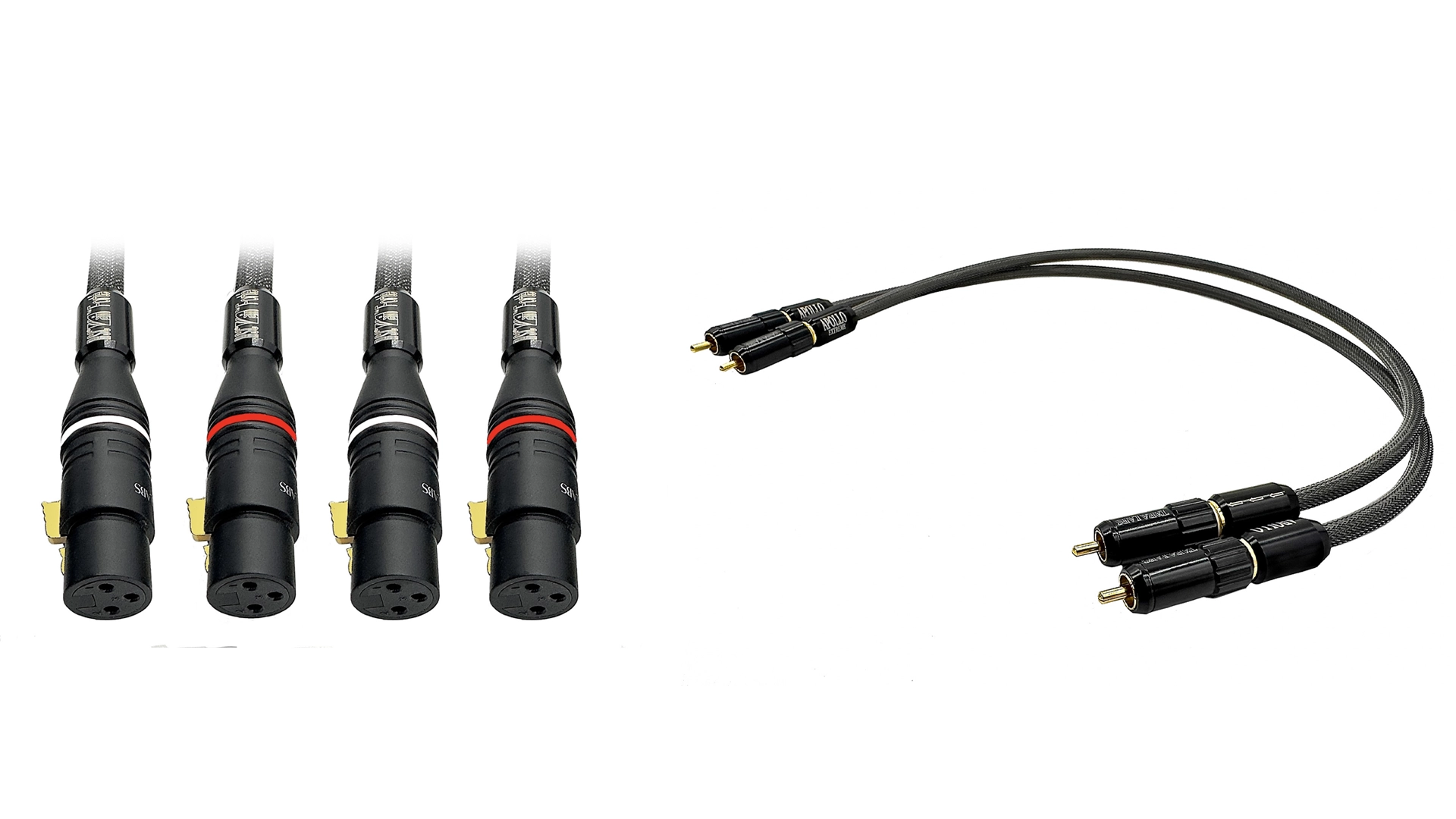
Tara Labs is an American manufacturer of high-end audio cables, known for its “Rectangular Solid Core” (RSC) conductor technology and its focus on minimizing signal degradation and interference. The company offers a wide range of cables, including interconnects, speaker cables, power cords, and digital cables. Tara Labs products often feature high-purity copper or silver conductors, advanced shielding, and carefully chosen dielectric materials. Their design philosophy emphasizes a combination of scientific principles and subjective listening evaluations to achieve optimal performance. The “ISM Onboard” series, “The Zero” series, and “Air” series represent different points in their product line. Tara Labs cables are positioned in the high-end segment of the market, appealing to audiophiles who believe that high-quality cables can make a significant difference in the overall sound of their system.
Tellurium Q

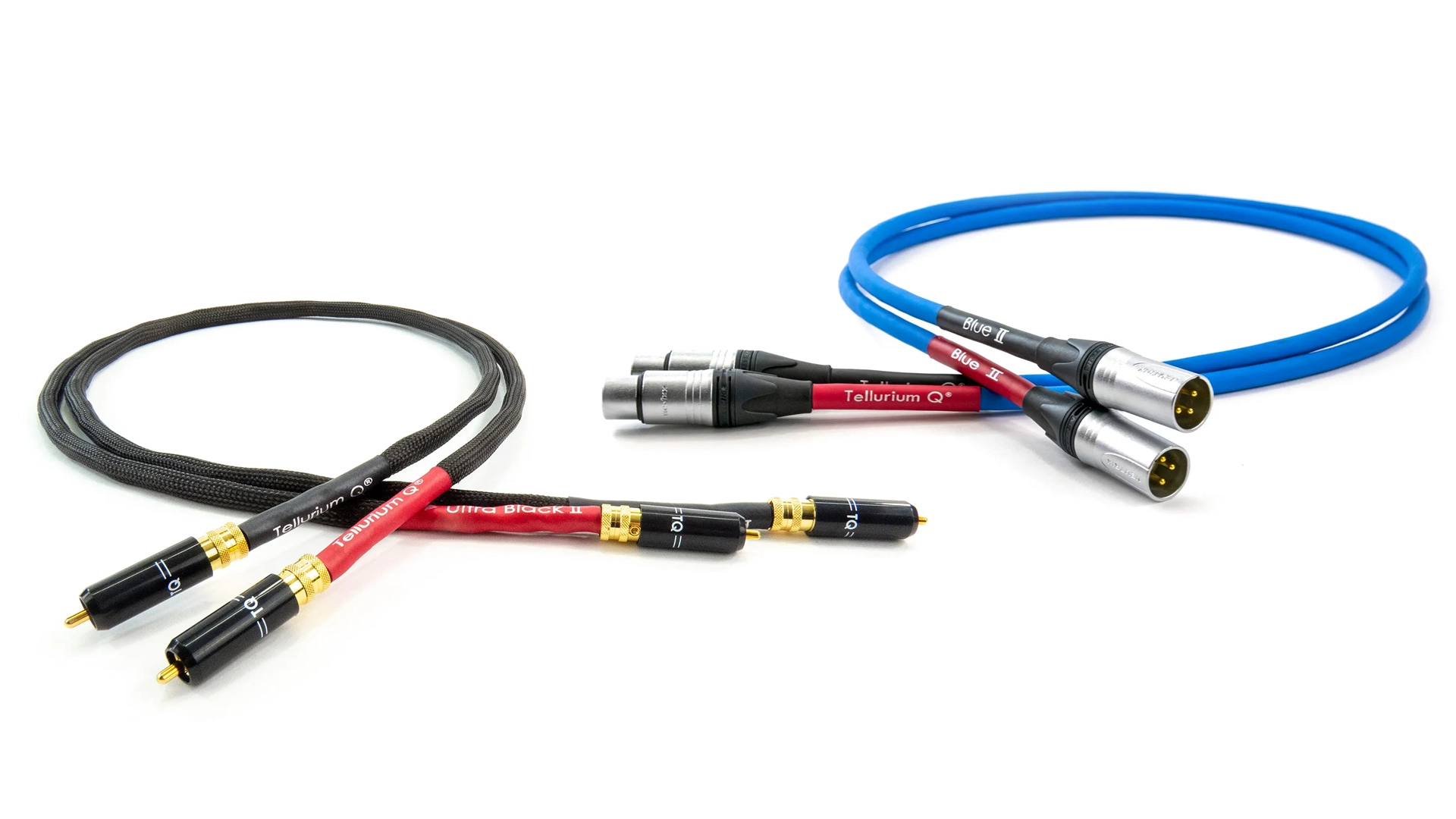
Tellurium Q is a British cable manufacturer founded in 2009, known for organising its range by audible system behaviour rather than publishing a recipe of conductor purity and geometry. Managing director Geoff Merrigan trained in industrial chemistry and materials, and he helped establish an iterative development method in which prototypes are built, compared and refined by a dedicated listening team. The company deliberately keeps some construction details confidential, so its products should be assessed by application and comparison rather than by invented specifications.
Blue, Black and Silver families provide the main structure, with Ultra and Diamond versions marking progressively more ambitious designs. Statement sits at the top of the range. Each family includes combinations of loudspeaker cables, analogue interconnects, digital links, USB and power cables, allowing a system to be assembled with a broadly consistent balance without requiring every cable to be identical. The current II generations show that Tellurium Q treats successful models as development platforms rather than permanent formulas.
The company’s stated technical focus is phase distortion and the way a complete cable behaves across frequency, not resistance alone. That explanation is a manufacturer claim, and cable effects remain debated, but Tellurium Q has a more coherent identity than a catalogue based only on expensive metals. Merrigan’s materials background, extensive prototype work and clearly differentiated families give dealers and listeners a repeatable way to audition the products. The brand’s strength is therefore controlled variation: cables are offered as system-matching tools, with each range intended to solve a different balance of openness, weight and smoothness.
The Gryphon
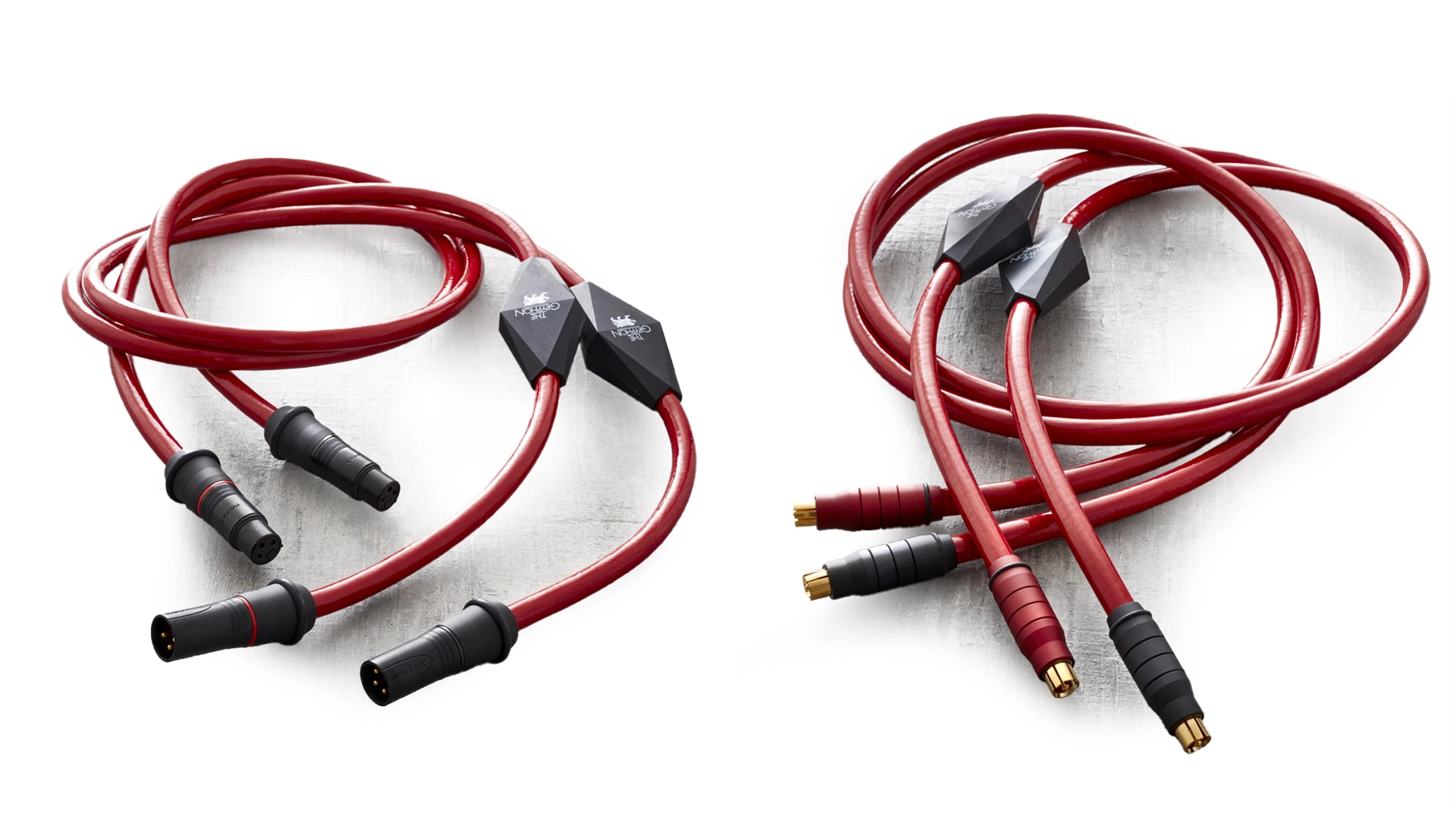
Gryphon Audio Designs is a Danish high-end manufacturer founded in 1985 by artist and industrial designer Flemming E. Rasmussen. The company began as an offshoot of his import business when a one-off moving-coil head amplifier, built for his own system, drew unexpected attention at a hi-fi exhibition. That first Gryphon Head Amp established two traits that still define the brand: electrically ambitious circuits and sculptural objects that do not disguise their scale.
Gryphon became best known for wide-bandwidth, high-current amplification, often operating in pure Class A and built in dual-mono form. The Antileon lineage made that approach internationally recognisable. Current Apex power amplifiers and Commander preamplifier occupy the reference level, while the Essence and Diablo ranges bring the company’s topology and control to more attainable systems. The Diablo 333 integrated amplifier is a good example of Gryphon’s refusal to treat an integrated product as a lightweight compromise.
The catalogue now covers a complete playback chain. Ethos handles CD and digital conversion, and loudspeakers from EOS through Pantheon, Trident and Kodo are designed to exploit the amplifiers’ current delivery and dynamic scale. Gryphon develops and assembles its products in Denmark, using custom metalwork and an unmistakable black visual language. The design can be theatrical, but the brand was not created by styling alone. Its lasting identity comes from Rasmussen’s combination of visual authorship, minimalist signal paths and amplifiers engineered to remain composed with demanding loudspeaker loads.
TiGLON
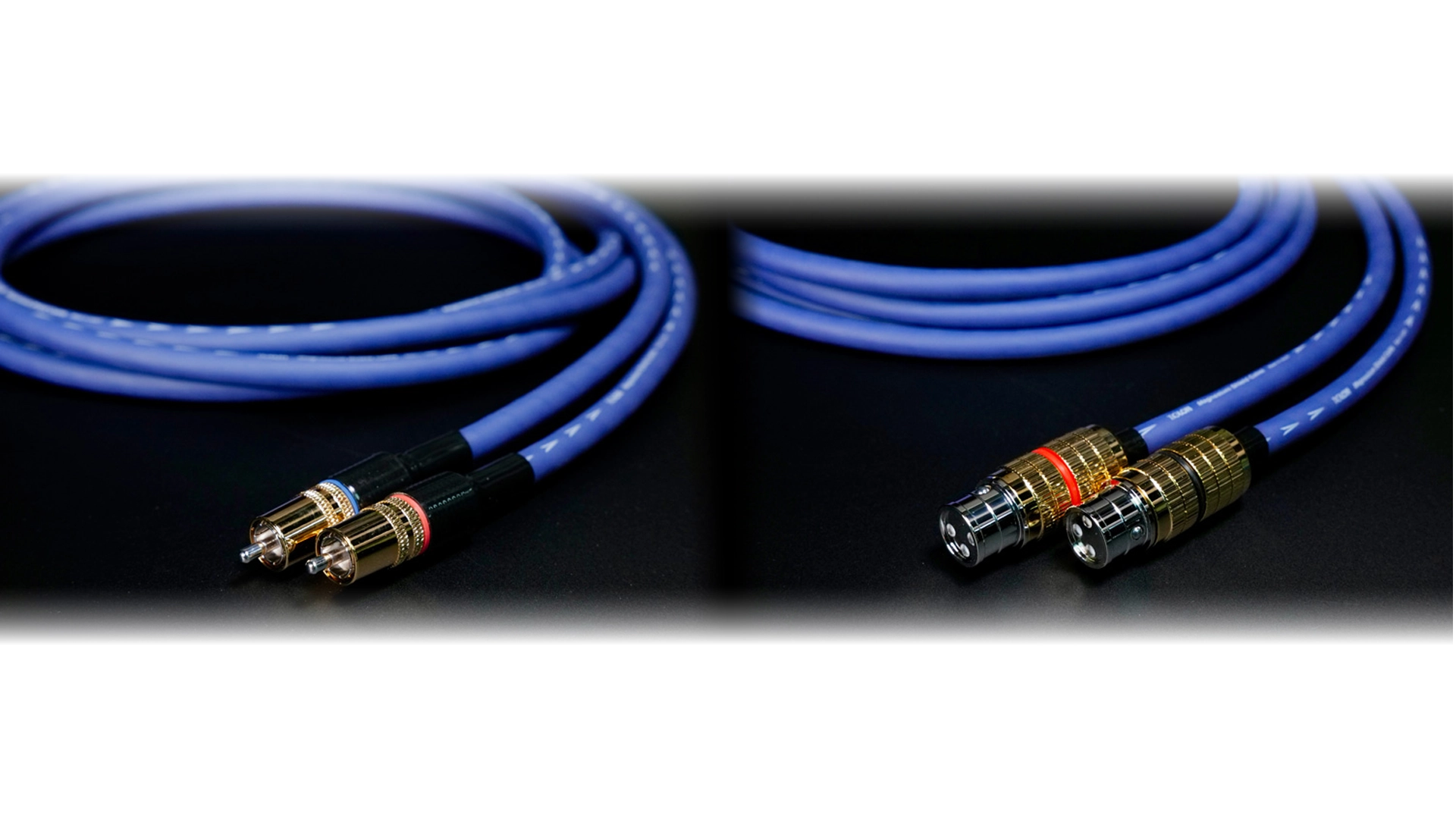
TiGLON is a Japanese cable and vibration-control manufacturer established in 2008 by Kentaro Okino. The business began as KRYNA PRO and adopted the TiGLON company name in 2010, but its defining material had appeared earlier: magnesium. Okino developed magnesium speaker stands and insulators before applying the metal to electromagnetic shielding and structural control, creating a technical thread that still joins the company’s cables, racks and accessories.
TiGLON received patents for its Magnesium Shield technology, in which magnesium elements are used around cable conductors to address external noise and vibration. The concept appears across power, speaker, analogue and digital cables, from White Tiger and Azure Dragon families to the flagship TPL series. Grand Magnesia racks, speaker stands and audio boards extend the same material thinking into equipment support, while D-REN insulators and record-playback accessories solve smaller mechanical interfaces.
The company also developed HSE—Hyper Saturated Energizer—a treatment process offered for cables, components and media. TiGLON describes it as a controlled conditioning method, and those claimed audible effects should be understood as the manufacturer’s position rather than a universally established measurement. More concrete is the continuity of the product design: magnesium is not a word added to one flagship but a material investigated across shielding, resonance and support since the company’s beginnings. That sustained specialisation, Japanese small-batch production and Okino’s willingness to refine existing products through successive generations give TiGLON a recognisable place in a crowded accessory market.
Totaldac
Totaldac is the French digital-audio company founded in 2010 by engineer Vincent Brient. It grew from Brient’s long personal work on digital conversion and became known for refusing the standard integrated DAC chip. Instead, Totaldac builds discrete resistor-ladder converters from proprietary boards populated with closely selected resistors, then controls them with FPGA-based digital processing. This architecture gives the company direct responsibility for the conversion behaviour rather than limiting it to the configuration of another maker’s silicon.
The original d1 series established the approach, followed by more ambitious multi-chassis and multi-ladder models. Current families include d1-unity and higher-order variants such as tri-unity and twelve, alongside server, streamer, reclocker and clock products. Tube or transistor output choices appear in parts of the range, and Totaldac has also developed amplification and loudspeakers to form complete systems. The names can be complex, but they generally indicate how many proprietary DAC boards and channels are used and how the analogue stages are arranged.
Totaldac’s importance comes from the coherence of its independent path. Resistor matching, switching, clocking, digital filtering, power supplies and analogue output stages are all treated as audible parts of conversion. Brient also offers proprietary filtering choices rather than pursuing a single textbook response. The result is not a nostalgic “non-oversampling” label attached to ordinary hardware, but a French-built platform refined across sources and systems. Totaldac remains one of the clearest examples of a small manufacturer turning an original discrete DAC module into a complete digital ecosystem.
Totem Acoustic

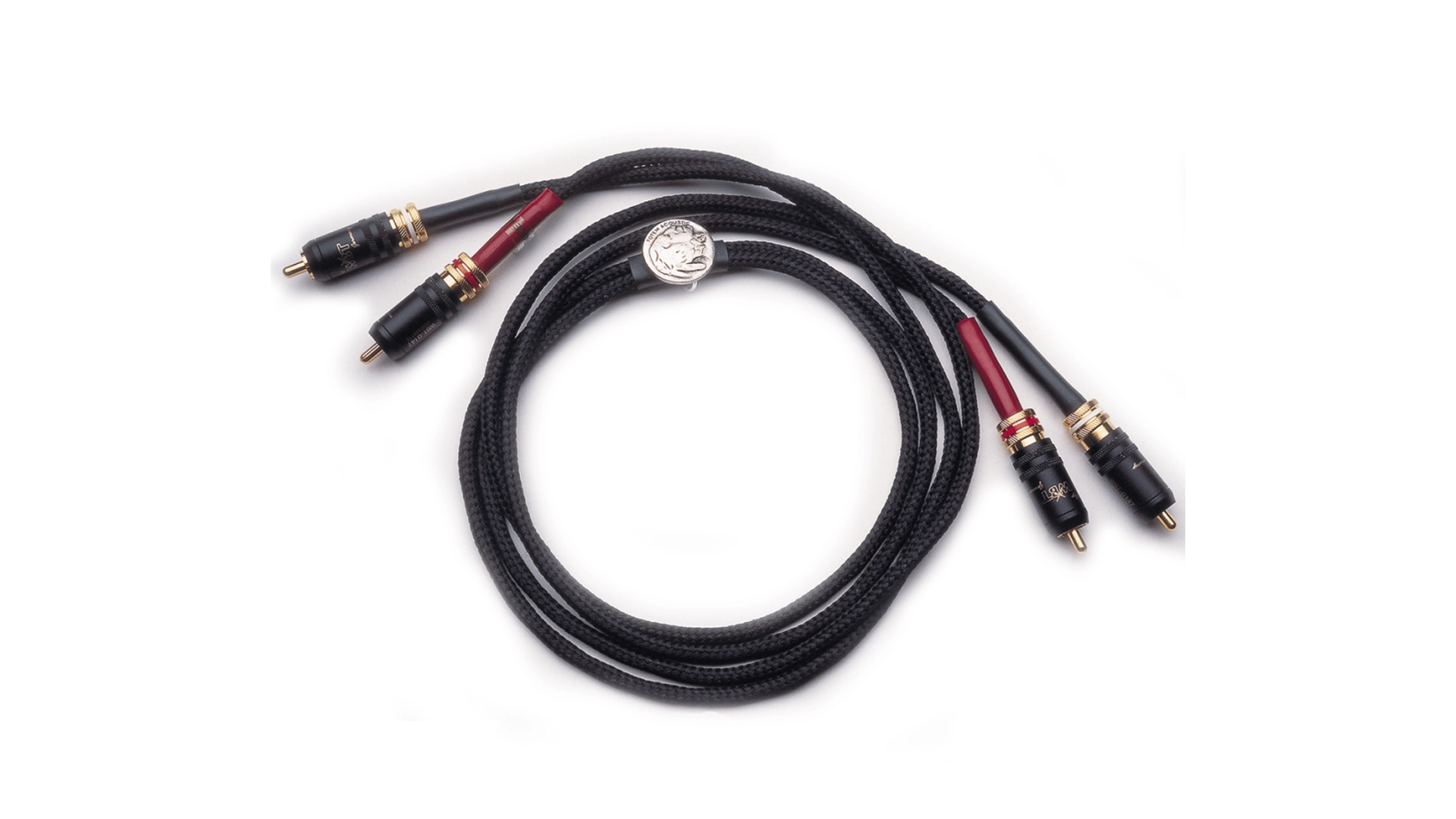
Totem Acoustic is a Canadian loudspeaker company founded in 1987 by Vince Bruzzese. Its reputation was built on a difficult promise: compact speakers should preserve scale, rhythm and bass authority instead of sounding like reduced versions of larger boxes. The original Model 1 monitor made that philosophy audible and established a design language based on carefully selected drivers, extensively tuned cabinets and crossovers kept as simple as the acoustic behaviour allows.
Models such as Mani-2, Arro, Hawk and Forest expanded the idea across stand-mount and floorstanding formats. Totem often uses long-throw drivers, mass-loaded or interlocked enclosures and unusually broad placement tolerance to obtain energy from modest cabinet volume. The Element series introduced Torrent woofers developed for high magnetic control and operation with minimal crossover intervention. Tribe on-wall and in-wall speakers carry the same priorities into architectural systems, while KIN products add powered, wireless and home-cinema options.
Bruzzese remains the central designer, and development is based in Montreal, with many premium models built in Canada. Totem does not pursue a single visual monument; it creates speakers intended to work in real rooms, often closer to walls and with smaller amplifiers than their output suggests. That practical side is part of the brand’s personality. Its best products feel lively without depending on spectacular cabinet size, and the range moves convincingly from a personal stereo to concealed theatre. Totem became distinctive by making compactness an engineering challenge, not a reason to lower musical ambition.
Townshend

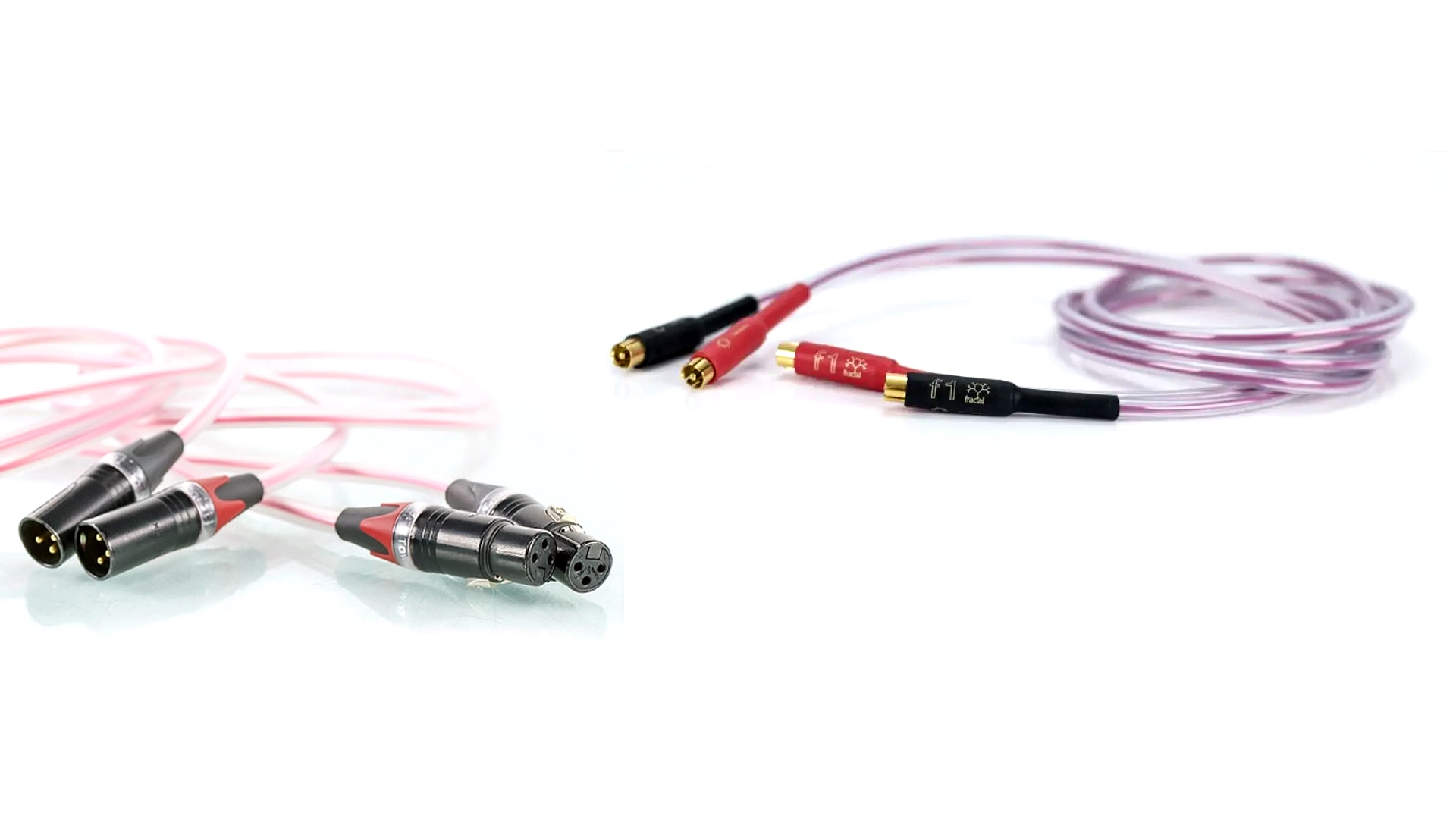
Townshend Audio is the British-based company founded by Australian engineer Max Townshend in Sydney in 1975, initially to market parabolic diamond styli under the Elite name. Townshend moved the business to the United Kingdom in 1978. The previous 1972 date was too early: that period belongs to his first experiments, while 1975 is the documented company foundation. Max died in 2021, but the company continues to develop and manufacture products from his work.
The Rock turntable and Excalibur tonearm made Townshend famous by using a damping trough near the cartridge end of the arm, controlling resonance where conventional suspended decks did not. Later, Max’s attention shifted increasingly to seismic energy entering an audio system through floors and furniture. Seismic Pods, Podiums, Bars and Corners use compliant spring-and-damper structures selected for load, isolating loudspeakers, equipment racks and individual components at very low frequencies.
Townshend’s catalogue also includes the Allegri transformer-based passive preamplifiers, Super Tweeters and F1 Fractal cables, reflecting Max’s willingness to work across mechanical, electrical and acoustic boundaries. Some of his cable and isolation explanations challenged conventional industry thinking and remain subjects for listening and measurement, but the products are not generic accessories with a story added later. They emerged from specific engineering questions pursued over decades. Townshend Audio’s legacy is precisely that restlessness: from stylus geometry and tonearm damping to whole-system isolation, Max repeatedly identified energy paths others treated as fixed and built an adjustable product around them.
Transparent

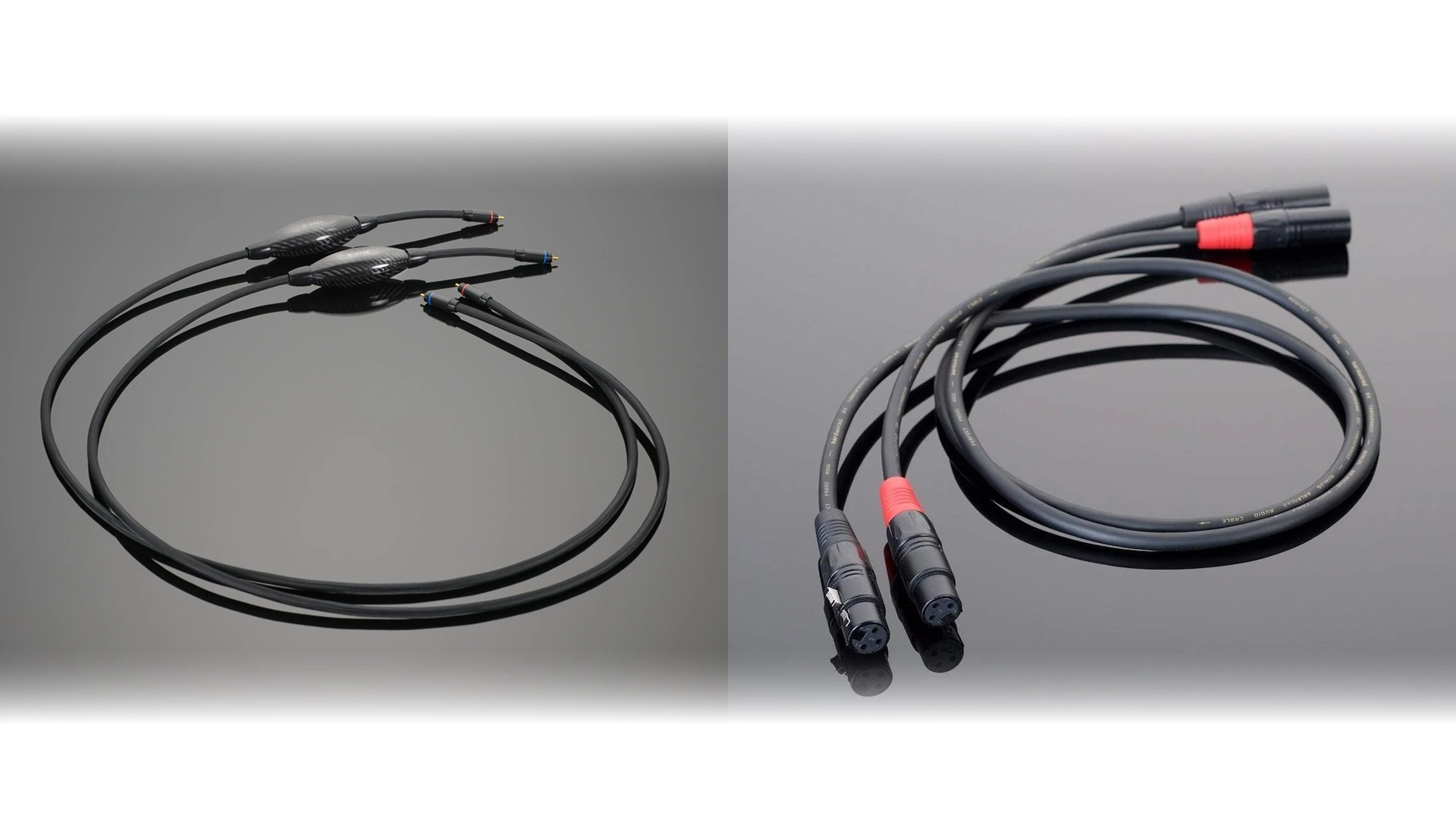
Transparent Audio is an American cable manufacturer founded in 1980 by Karen Sumner, Jack Sumner and Carl Smith. The company first worked in high-end distribution; Transparent Audio in the form listeners recognise today took shape in 1993, when the team introduced its own networked audio cables. Both dates matter: 1980 is the foundation of the company, while 1993 marks the distinct cable technology and product identity.
Transparent’s characteristic network modules are designed for the electrical behaviour of a specific cable type and length, with the stated goal of controlling noise and preserving consistent transfer across the audio band. They are not interchangeable decorative boxes. Speaker cables, analogue interconnects, digital cables and power products are developed in ascending families including Plus, Super, Ultra, Reference, XL, Opus and Magnum Opus. At higher levels, networks can be calibrated to the electrical characteristics of the owner’s components and system.
The company manufactures and tests products in Maine and supports an established upgrade programme, allowing qualifying owners to move upward without discarding the full value of an earlier cable. Cable audibility and network explanations are debated subjects, so results should be judged in the intended system rather than presented as universal fact. Transparent’s historical importance is nevertheless clear. It made the externally networked cable a recognisable high-end category and has refined that architecture for more than three decades under the same founding team, with unusually systematic matching, documentation and long-term customer support.
Tributaries Cable

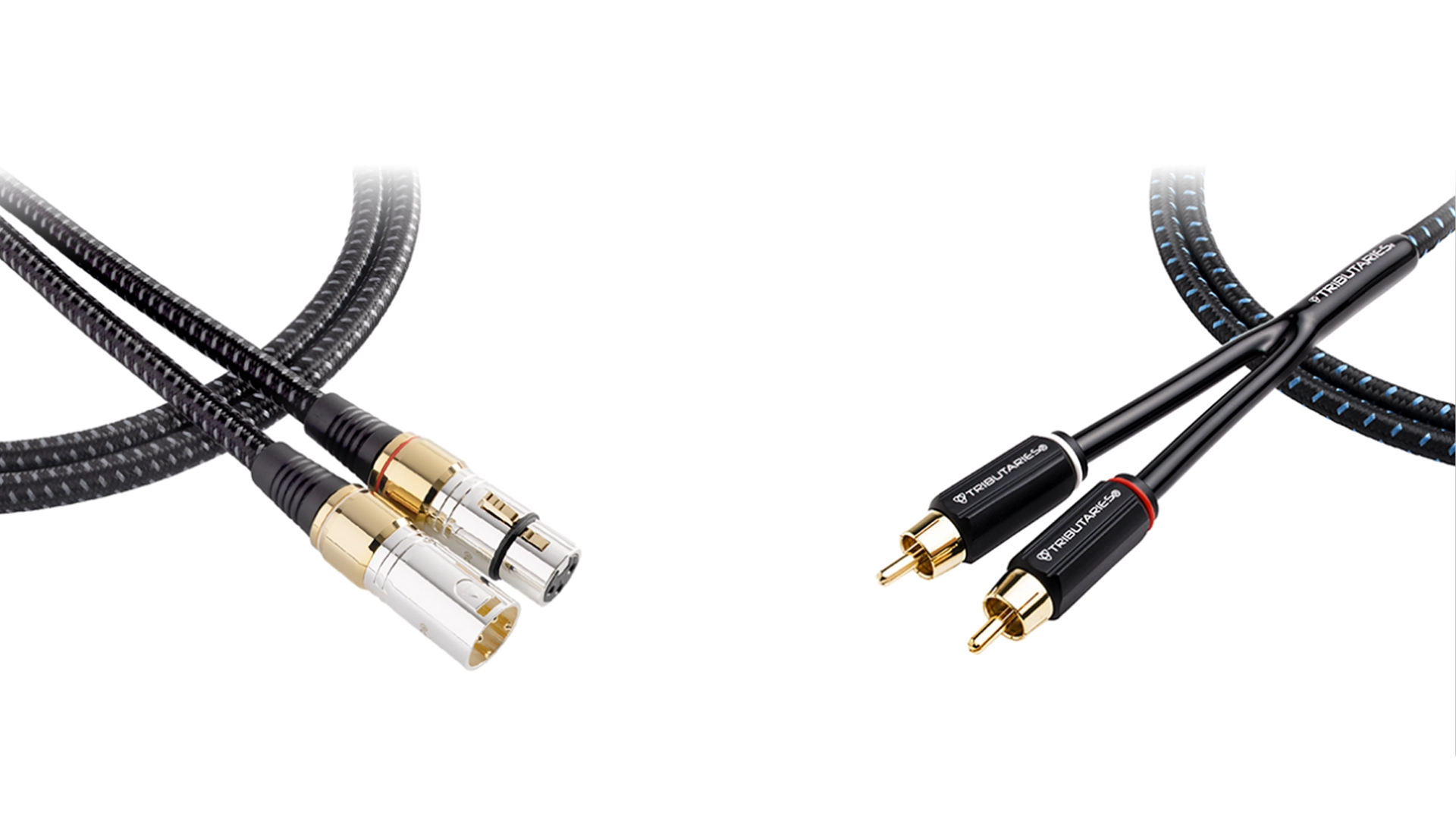
Tributaries is an American cable and power-products company founded in 1991 by electrical engineer Joe Perfito after fifteen years at McIntosh Laboratory. Perfito named the company as a tribute to the late Gordon J. Gow, the McIntosh president whose insistence on engineering discipline and responsible product claims shaped his own approach. Tributaries remains a family-owned brand of Gordon J Gow Technologies in Orlando, Florida.
The range covers analogue and digital interconnects, speaker cables, HDMI and USB links, power cords, distribution and surge-protection products. Its numbered cable families provide clear steps in conductor geometry, shielding, connectors and construction rather than presenting every model as a separate invention. In 2013, designer Jay Victor began work on a new generation that drew on principles also used in the more ambitious Clarus cable line; three years of engineering and cosmetic development preceded its release.
Most Tributaries analogue interconnect and speaker-cable assemblies are made by hand in Orlando, while HDMI, USB, optical and power products follow separate production routes. Finished products pass application-specific tests, and cables carry a limited lifetime warranty. Tributaries’ strength is practical consistency: a dealer can specify an entire stereo, cinema or installed system from one coordinated range, with documented construction and domestic termination where it matters. The company does not need extravagant mythology; its identity comes from Perfito’s McIntosh-era quality culture, long-term support and a catalogue built around dependable signal and power connections.
Van Den Hul

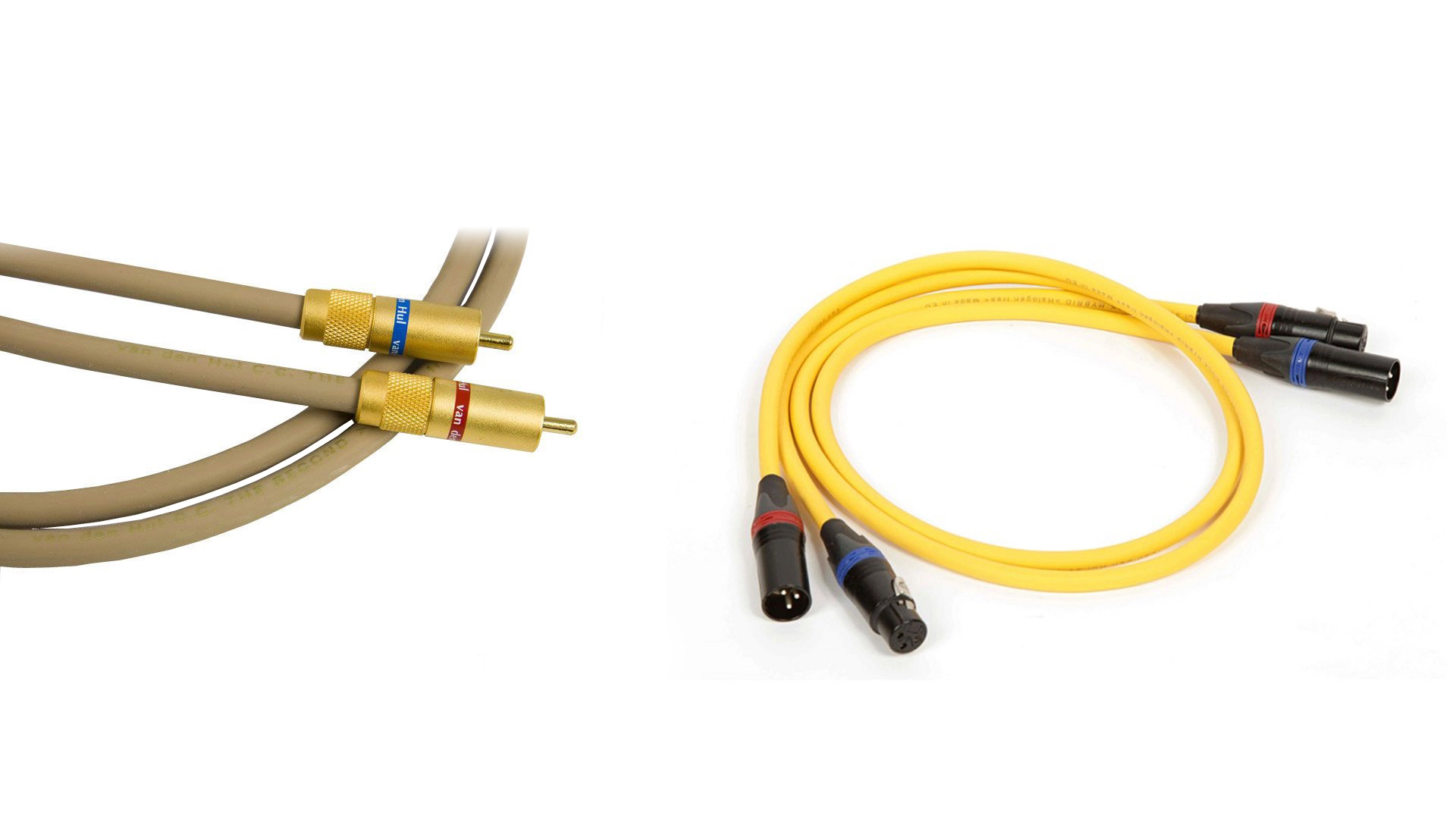
Van den Hul is a Dutch specialist whose identity spans three demanding parts of analogue playback: moving-coil cartridges, signal cables and the electronics that connect them. Aalt Jouk van den Hul founded the company in 1980 after years of cartridge repair and stylus research, and his name remains inseparable from the firm’s phono work. The Van den Hul stylus profile, developed to improve groove contact while reducing wear, led naturally to complete cartridges. Grasshopper established the marque internationally; Colibri, Condor, Crimson, Canary and Frog continue a range in which many units are built or serviced by hand. Cable development followed the same concern for preserving very small signals. Van den Hul introduced Linear Structured Carbon and used it in The First, presented as the first interconnect whose conductors contain no metal. The Second and The Third extended that carbon-conductor idea, while Hybrid designs combine carbon layers with proprietary metal conductors such as Fusion Technology alloys. The catalogue now includes interconnects, loudspeaker, digital and power cables, phono accessories, cartridge transformers and electronics including The Grail phono stages. Production is concentrated in Western Europe and the company also supplies materials and cables to professional and industrial users. What makes Van den Hul unusual is not one fashionable material but the continuity between groove geometry, microscopic cartridge signals and the conductors expected to carry them without adding a recognisable signature.
Verictum
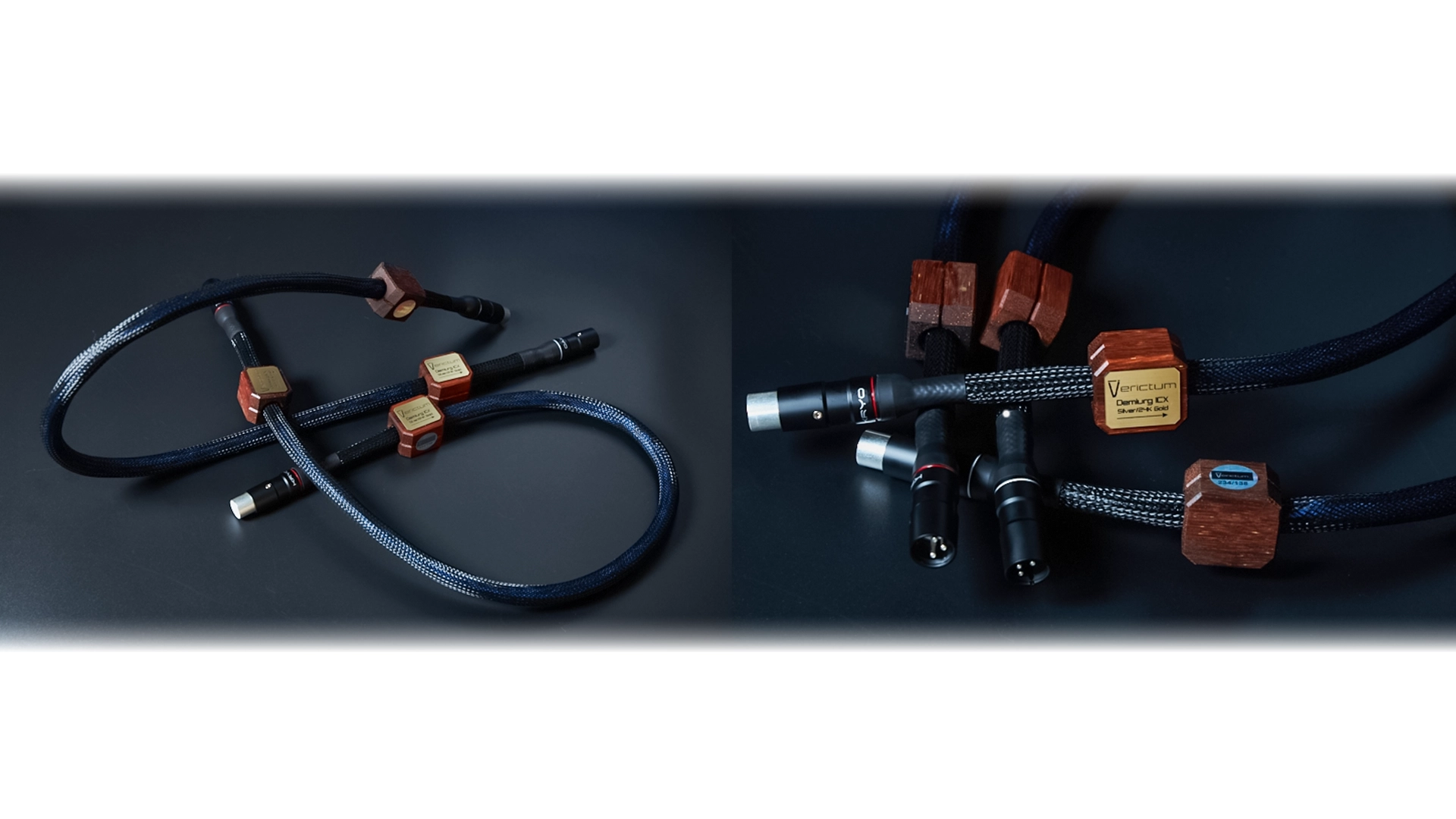
Verictum is a Polish high-end audio accessory brand created within LCM to address noise entering a system through power, signal connections and the surrounding electromagnetic environment. The name derives from the Latin words for “true impact”, but the catalogue is more concrete than the slogan: power cords, distribution blocks, passive EMI/RFI filters, loudspeaker cables, interconnects and replacement fuses are designed as a coordinated set. Its most characteristic technology is N.G.M., or Nanotechnology Graphene Matrix, a proprietary composite used in products intended to absorb or redirect high-frequency interference. X Block and X Bulk filters apply the concept near individual components or cables, while larger power products such as Cogitari and Arbitri integrate filtering, mechanical construction and carefully selected contacts. The Demiurg and Celatio cable families extend the approach to power and signal transmission, and X Fuse brings it to a frequently overlooked connection inside the component. Verictum also pays unusual attention to the physical form of its products, using dense natural materials including merbau wood alongside metal and composite structures. Most assembly is carried out by hand in Poland. Public evidence places the brand’s first market activity around 2016, although its corporate story is less extensively documented than those of older manufacturers. The defensible description is therefore its engineering focus rather than an embellished history: Verictum builds a system of passive products around graphene-based materials, interference control and vibration-sensitive construction for listeners seeking to treat power and noise as part of the audio chain.
Vertere

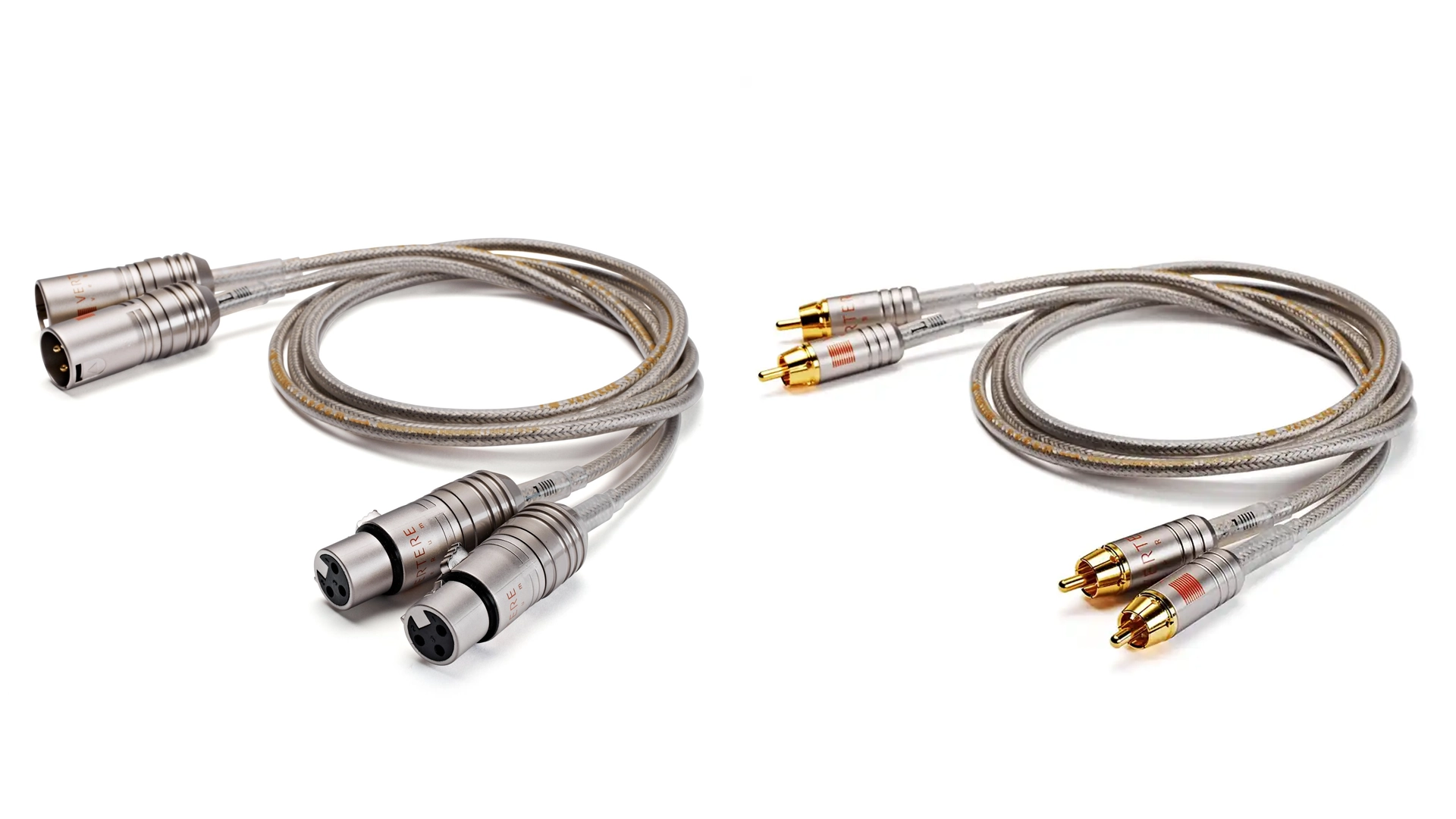
Vertere is the British analogue specialist founded in 2010 by Touraj Moghaddam, the engineer who had earlier co-founded Roksan and designed the Xerxes turntable. The company began with high-performance cables, but its defining work is now a complete vinyl-replay chain in which turntable, motor drive, tonearm, cartridge, phono stage and connections are developed together. At the top, the RG-1 Reference Groove and SG-1 Super Groove platforms pursue extreme control of bearing, structure and motor noise. MG-1 Magic Groove brings related ideas to a less rarefied level, while DG-1 Dynamic Groove—and its later DG X development—uses an immediately recognisable layered acrylic structure to make careful mechanical engineering easier to own and set up. Vertere’s tonearms include Reference, SG-1 and Groove Runner designs; Mystic is its moving-coil cartridge, Phono-1 MkII its adjustable phono stage, and Imperium a high-grade motor-drive power supply. The cable catalogue remains central rather than incidental, reflecting Moghaddam’s view that microscopic cartridge signals are especially vulnerable to conductor geometry, shielding and connector behaviour. Across the range, the recurring task is to prevent unwanted movement from being confused with the modulation in the record groove. Vertere products are modular and upgradeable where practical, so a system can evolve without discarding its mechanical foundation. The brand’s character comes from this unusually coherent engineering authorship: four decades of turntable experience distilled into a modern British ecosystem rather than a collection of unrelated accessories.
Viablue

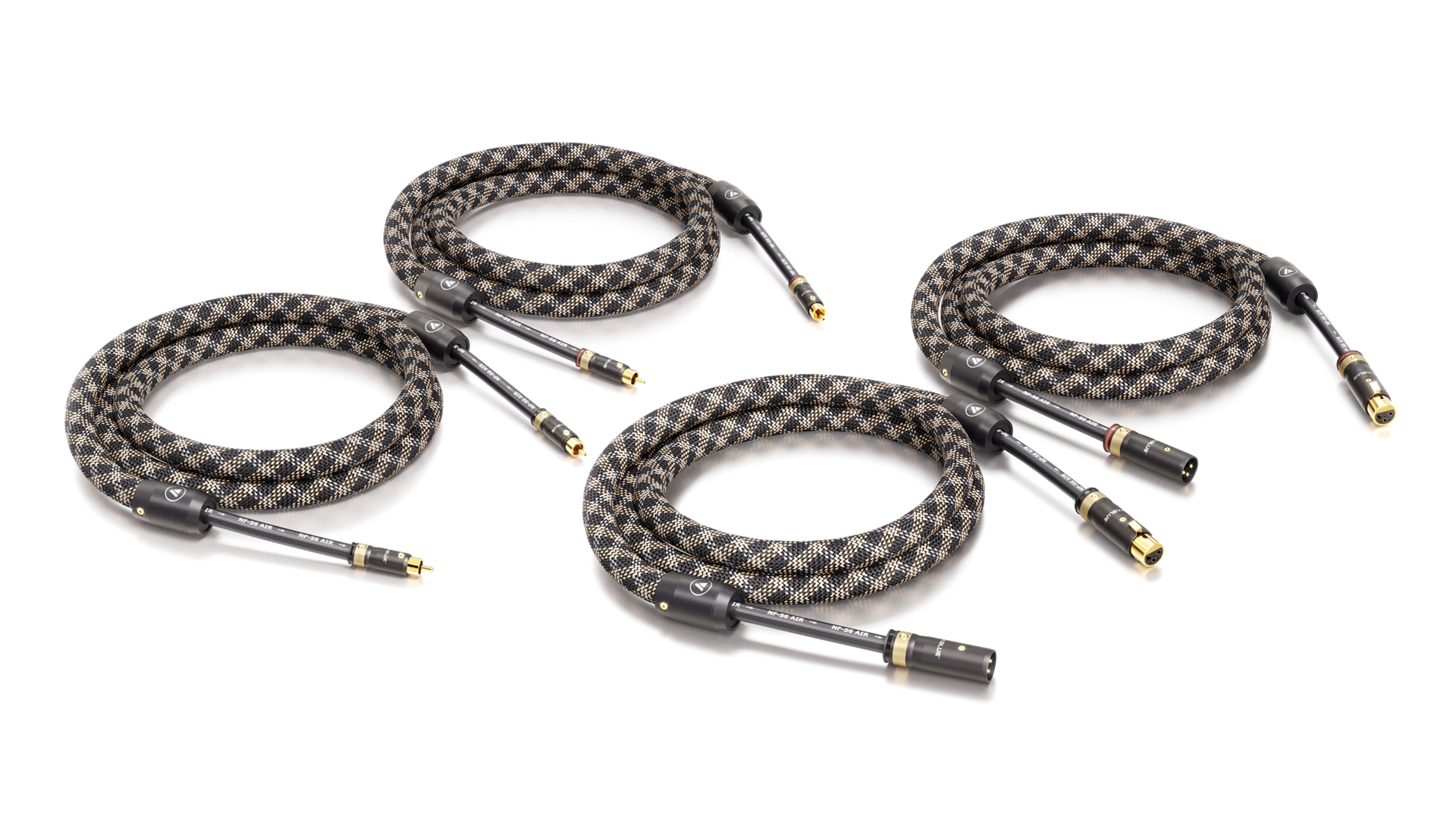
VIABLUE is a German manufacturer of cables, connectors and resonance-control accessories whose products are engineered and assembled as complete interfaces rather than as bulk wire with decorative plugs. Established in 2001, the company develops its range in Malsch and performs cable assembly by hand in Germany. Its catalogue covers analogue RCA and XLR interconnects, phono cables, loudspeaker and subwoofer cables, USB, Ethernet, optical and coaxial digital connections, as well as mains products and installation cable. Silver-plated oxygen-free copper strands, multiple shields and carefully separated conductor groups recur across the range. VIABLUE AIR technology uses air-filled tubes to reduce dielectric contact around critical conductors, while current SC-6 AIR and NF-S6 AIR products show how the company carries this principle into speaker and line-level applications. Connectors are treated as their own engineering family. T6s and T8 plugs use substantial full-metal housings, strain relief and interchangeable contact formats, allowing factory-finished cables and custom assemblies to share a consistent mechanical interface. The brand also makes braided sleeves, splitters and ferrules for installers, plus UFO absorbers, Rocket cable lifters, QTC spikes and related accessories for equipment and loudspeakers. That breadth is useful because it reveals VIABLUE’s real strength: a system of compatible cable construction, termination and mechanical finishing produced to repeatable standards. The visual language is bold, but beneath it is a practical German manufacturing proposition—specialist materials, serviceable connectors and enough formats to wire an entire stereo, cinema or network-audio installation coherently.
Vincent

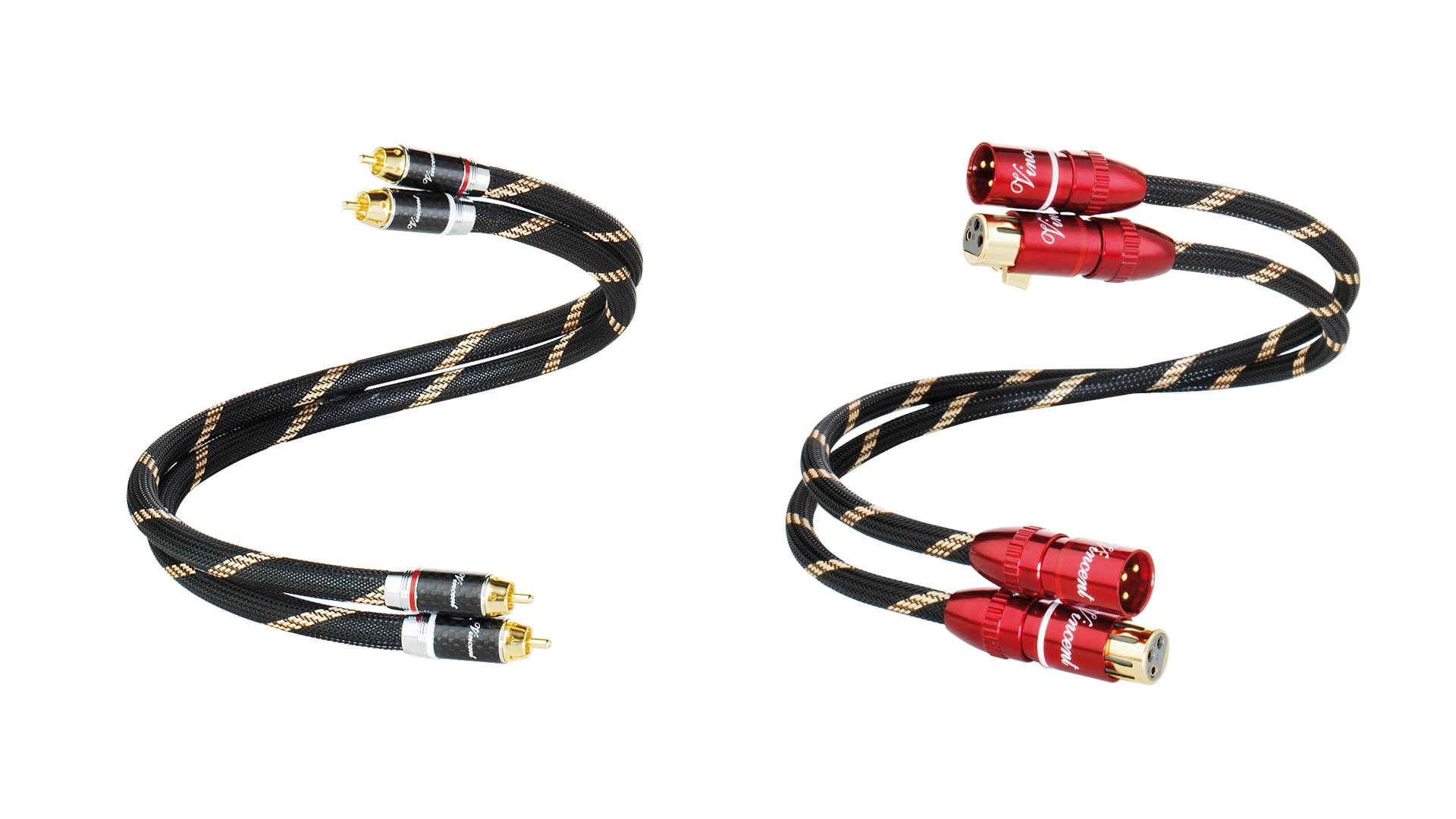
Vincent is a German high-fidelity electronics marque registered in 1995 by Sintron Distribution GmbH of Iffezheim. Product conception and tuning take place in Germany, while manufacturing is carried out in Asia under the company’s specifications—a more accurate description than implying that the components are wholly German-made. Vincent concentrates on two-channel systems and divides its catalogue into complementary design families. SolidLine products use transistor circuitry throughout, whereas tubeLine models combine valves in input or driver stages with solid-state output sections. That hybrid architecture is the brand’s signature: it seeks the voltage gain and harmonic character of tubes without giving up the current delivery, speaker control and everyday practicality of powerful transistor outputs. Integrated amplifiers such as SV-237, SV-700 and SV-737 embody the concept, while SA-T7 preamplifiers and SP-T700 monoblocks separate it into larger systems. PowerLine and solid-state models including SP-332, SV-228 and SV-500 address listeners who prefer an all-transistor path. Vincent also offers CD players, DACs, phono stages, headphone facilities, power conditioning and matching accessories, allowing coherent systems at prices below much boutique high-end electronics. The designs are visually substantial, often exposing their valve complement rather than hiding it, but the engineering proposition is practical: generous power supplies, remote operation, multiple inputs and serviceable conventional circuitry. Vincent’s position is therefore not simply “warm-sounding German hi-fi”. It is a long-running European-developed brand that has made hybrid tube/transistor amplification accessible across integrated, pre/power and source components.
Violectric

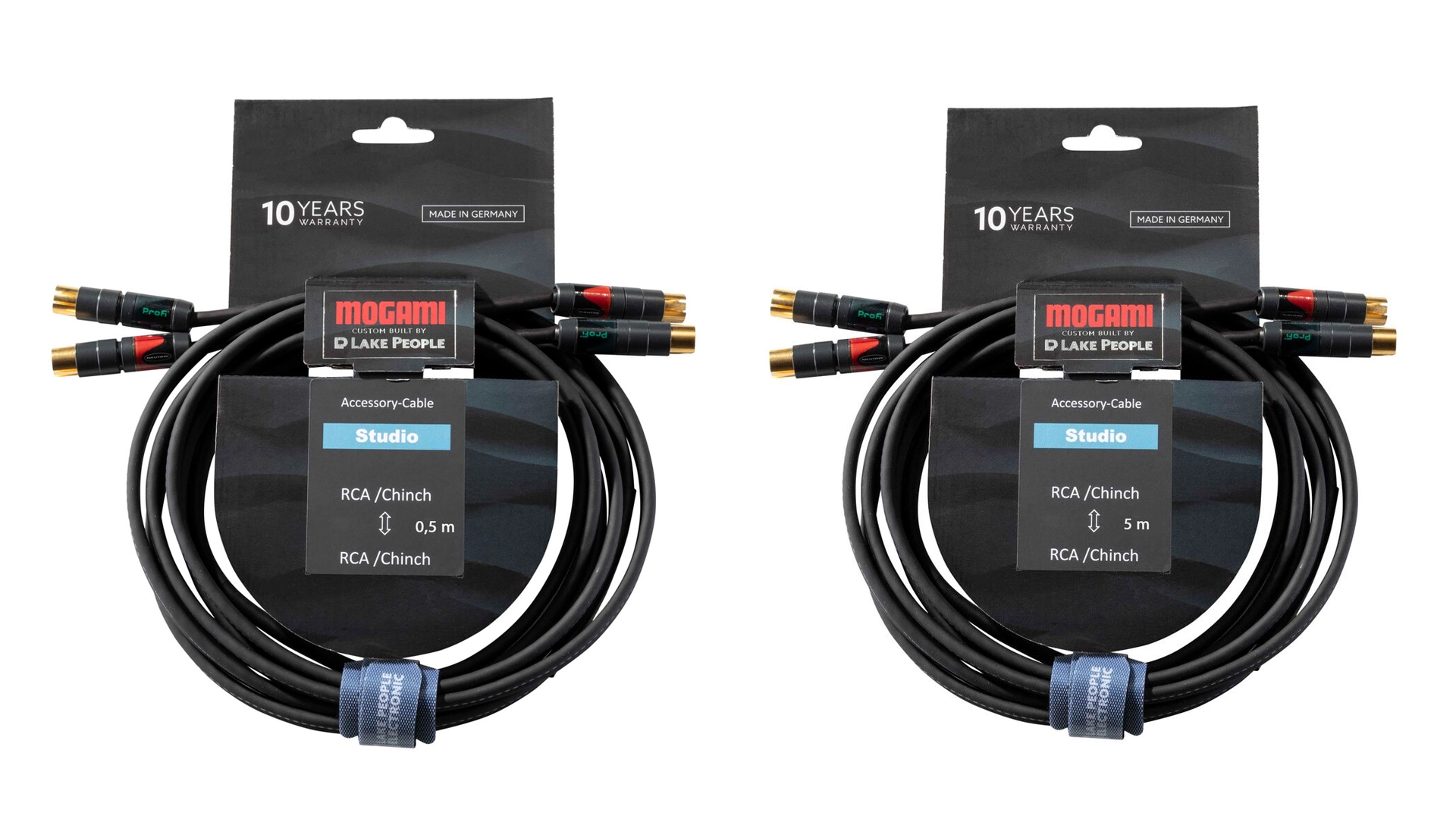
Violectric is the German domestic-audio brand created in 2009 by engineer Fried Reim and his Lake People team. Lake People had designed professional headphone amplifiers and converters since 1986; Violectric translated that studio experience into products for demanding home listeners, with heavier casework, broader feature sets and a deliberately neutral design philosophy. Headphone amplification remains the core. Models such as HPA V202, V222, V340 and V550 are designed around high supply voltage, substantial output current, low noise and low output impedance so that they can accommodate very different headphone sensitivities and impedances. Adjustable pre-gain lets the user place the volume control in a useful range instead of solving every mismatch with excessive feedback or digital attenuation. DHA V590 combines this analogue stage with conversion and preamplifier functions, while DAC V850 and related components support separate systems. Niimbus sits above Violectric as a sister flagship line rather than a model family within it. In 2020, cma audio acquired Lake People and its brands; development and manufacturing nevertheless remained associated with the German operation and Fried Reim’s engineering platform. That ownership change belongs in an accurate modern description because Violectric is no longer simply a founder-owned label. Its individuality remains clear: rugged, measurement-led headphone electronics derived from professional practice, but configured for domestic systems where source selection, remote volume, balanced connections and the ability to drive almost any headphone are as important as raw studio utility.