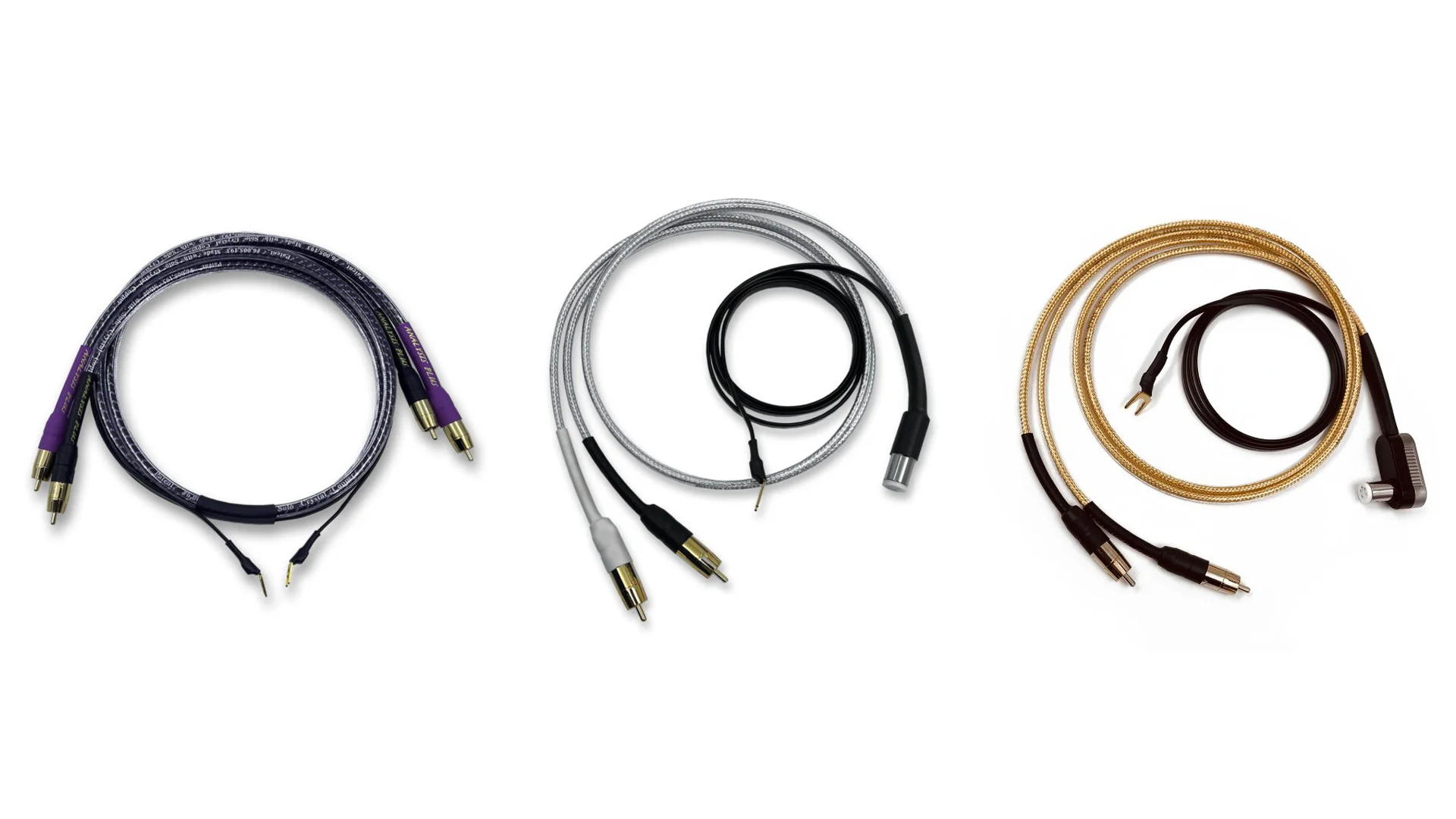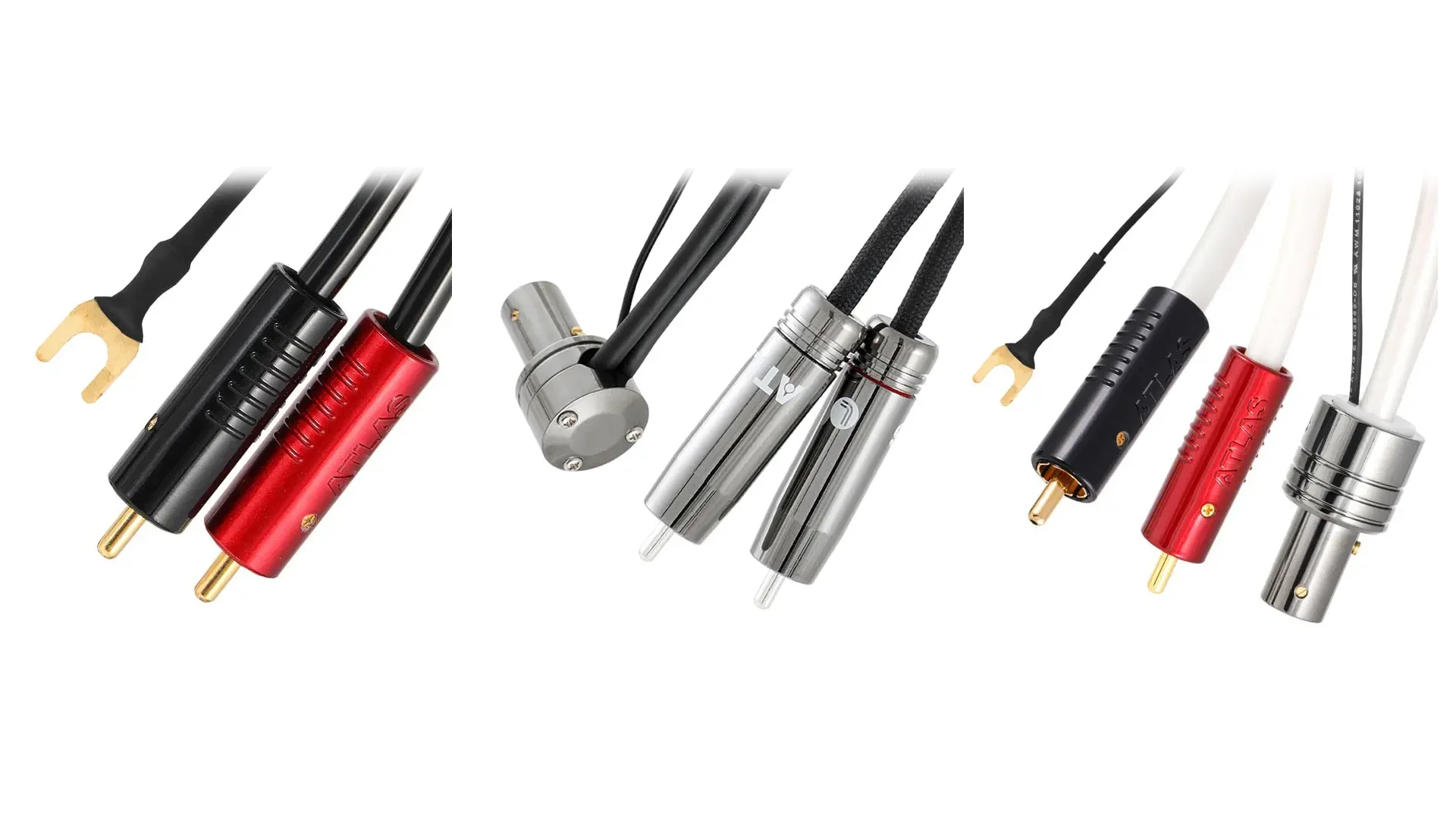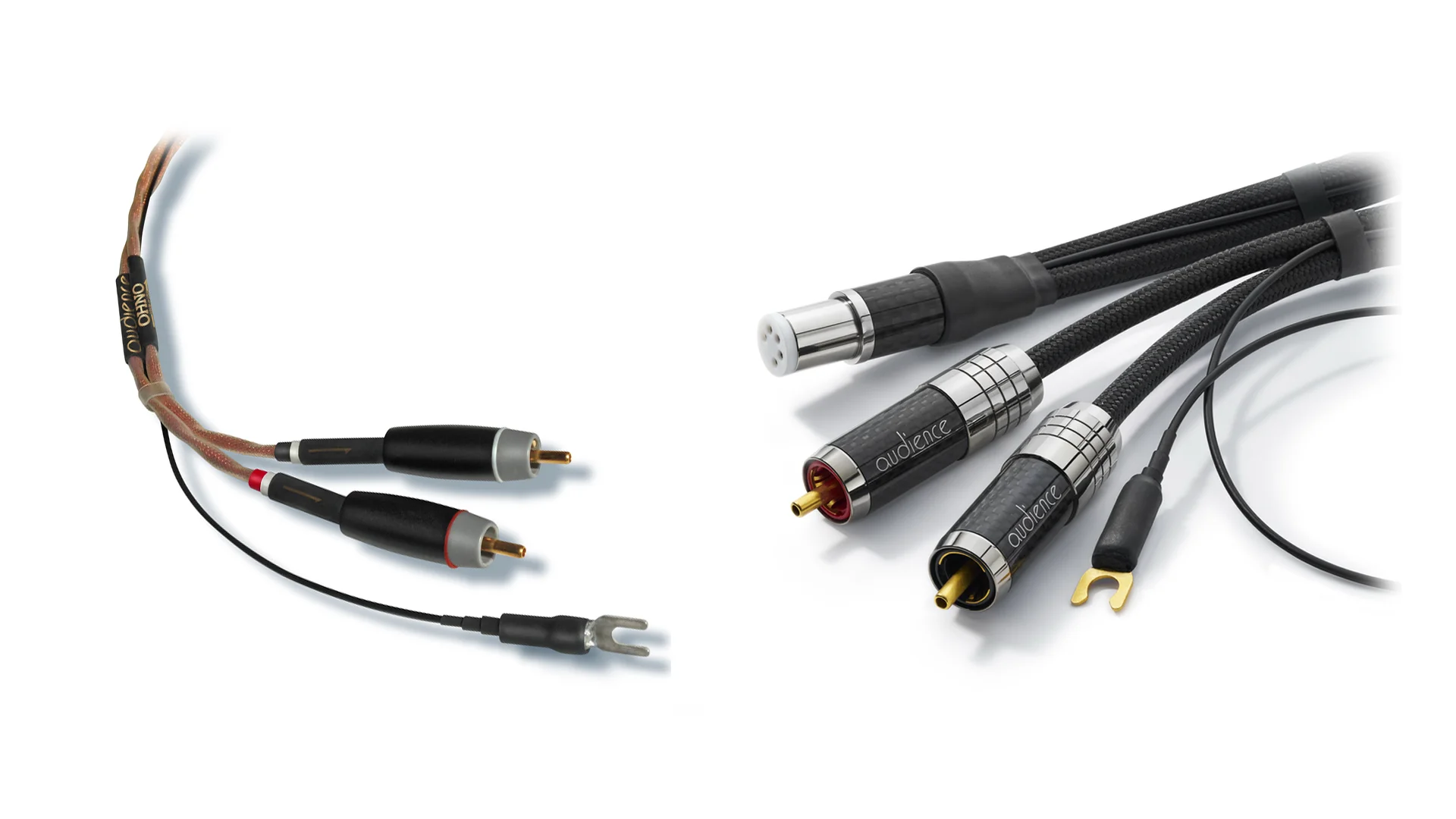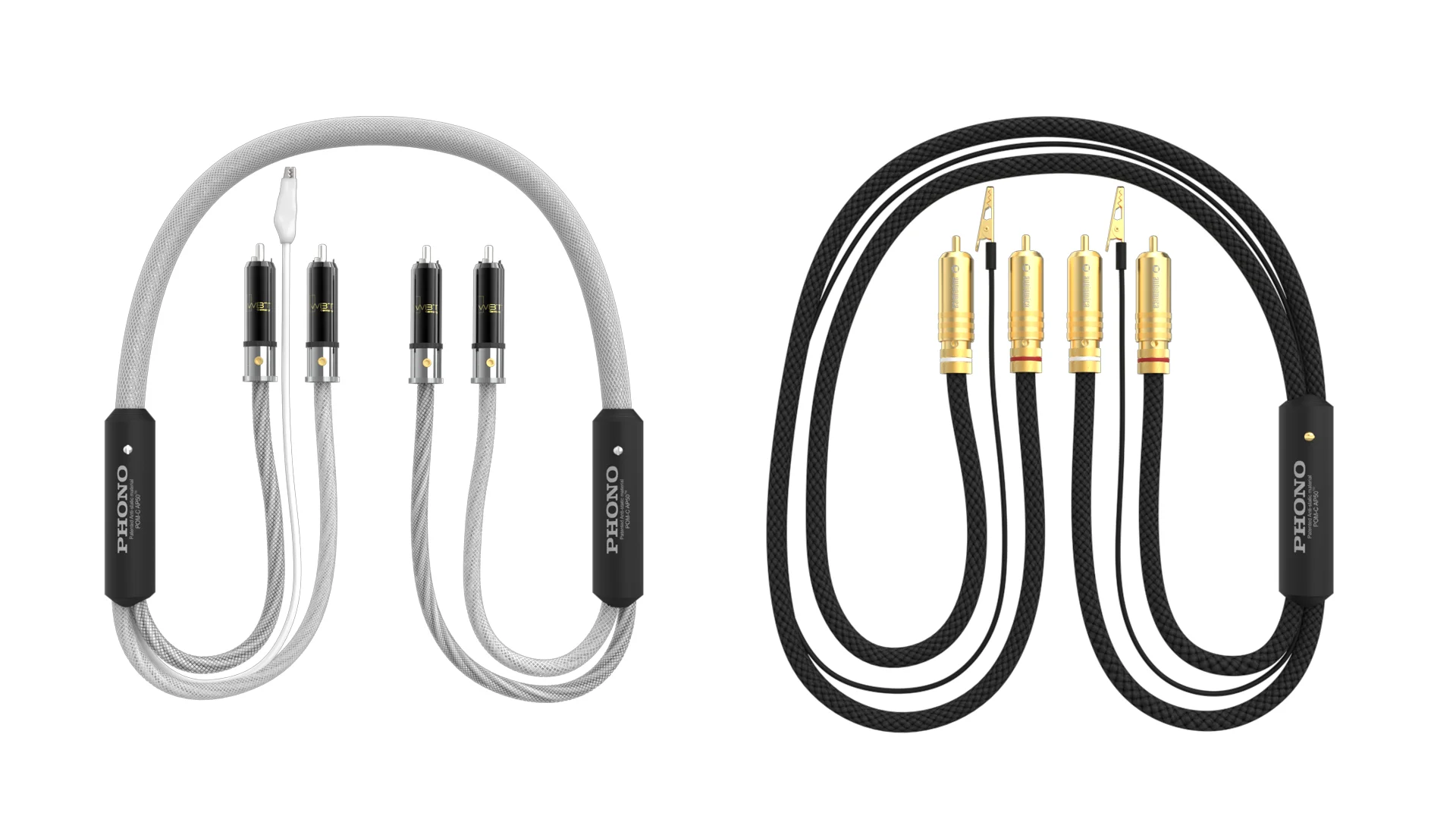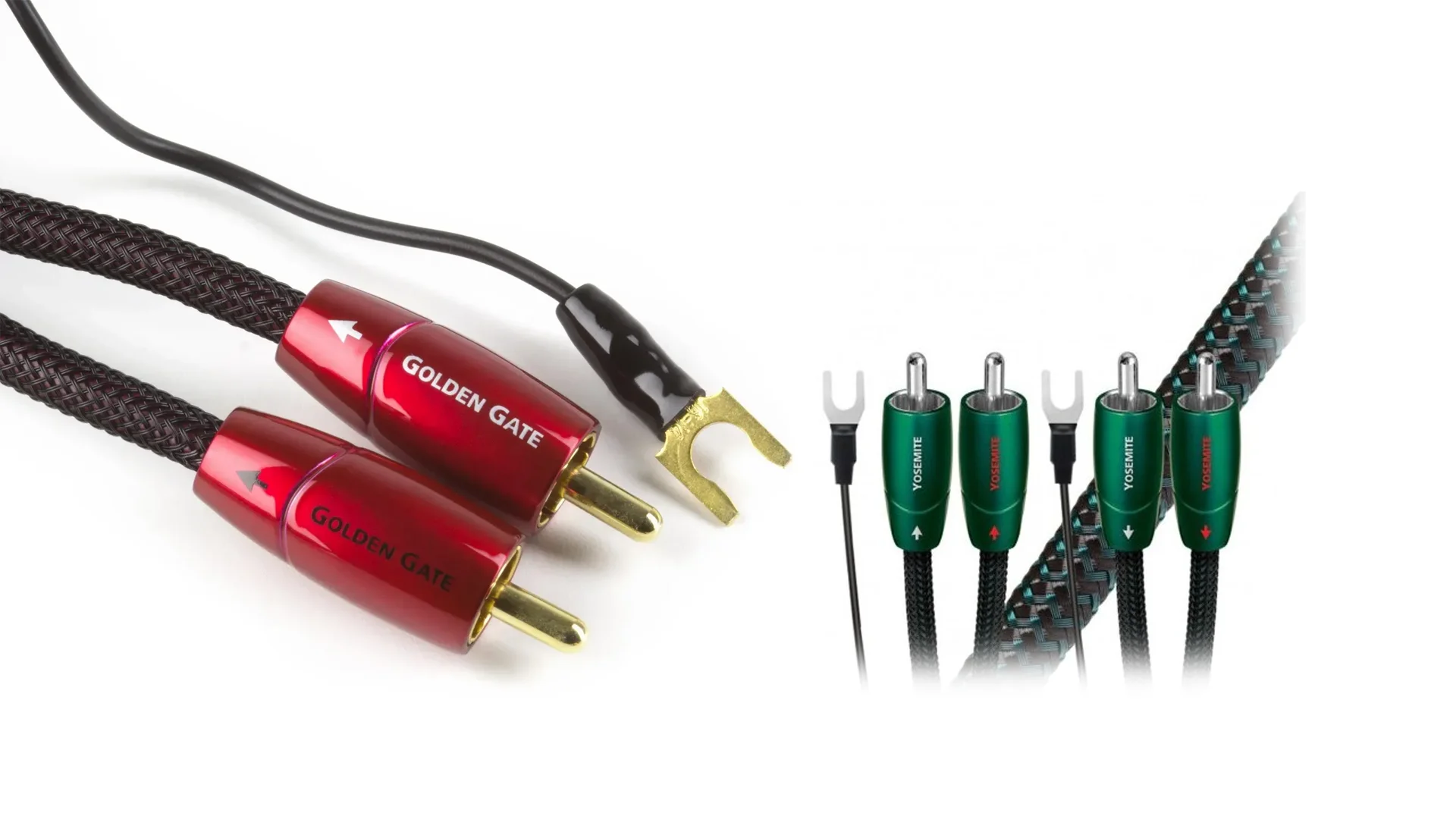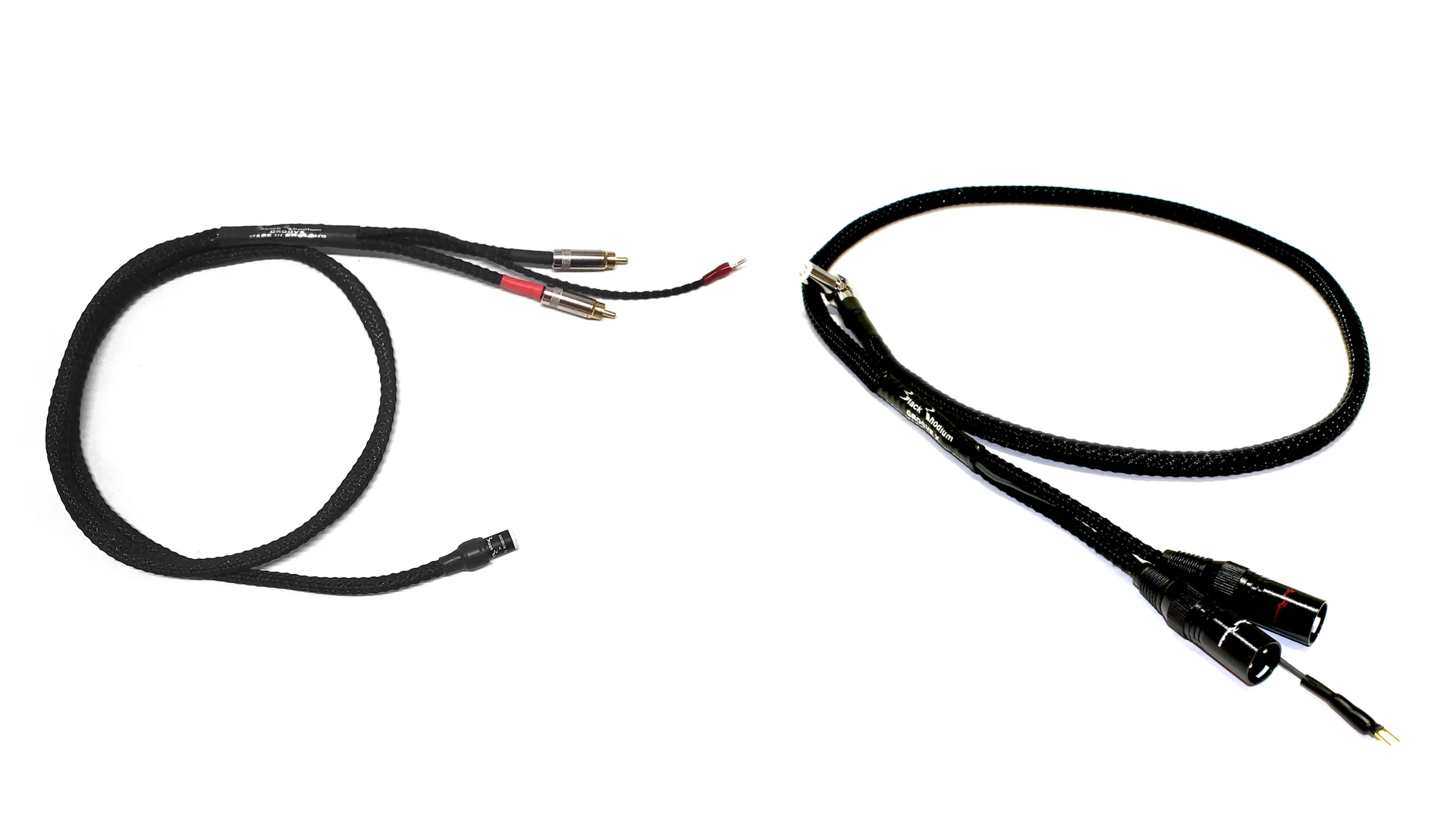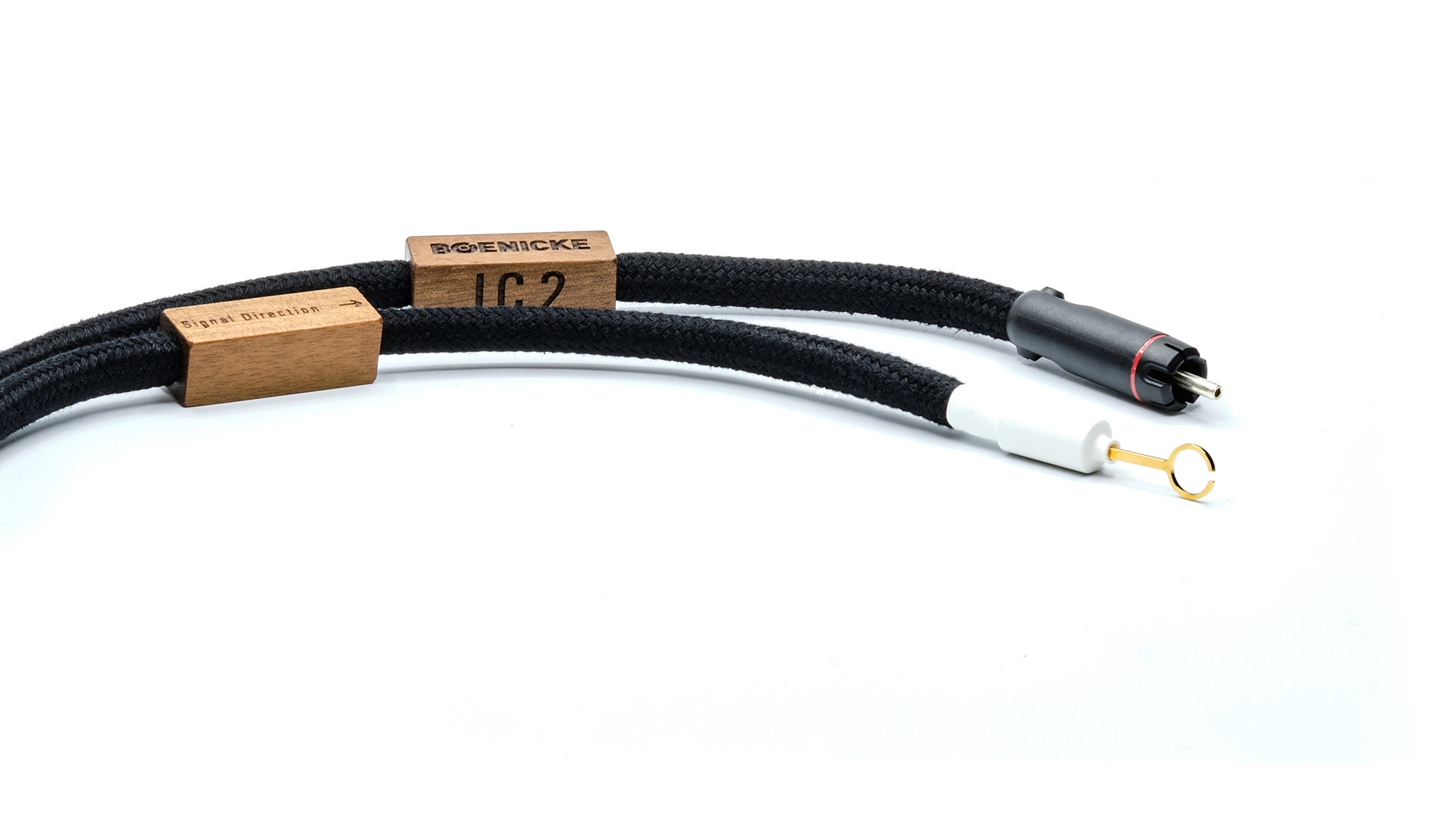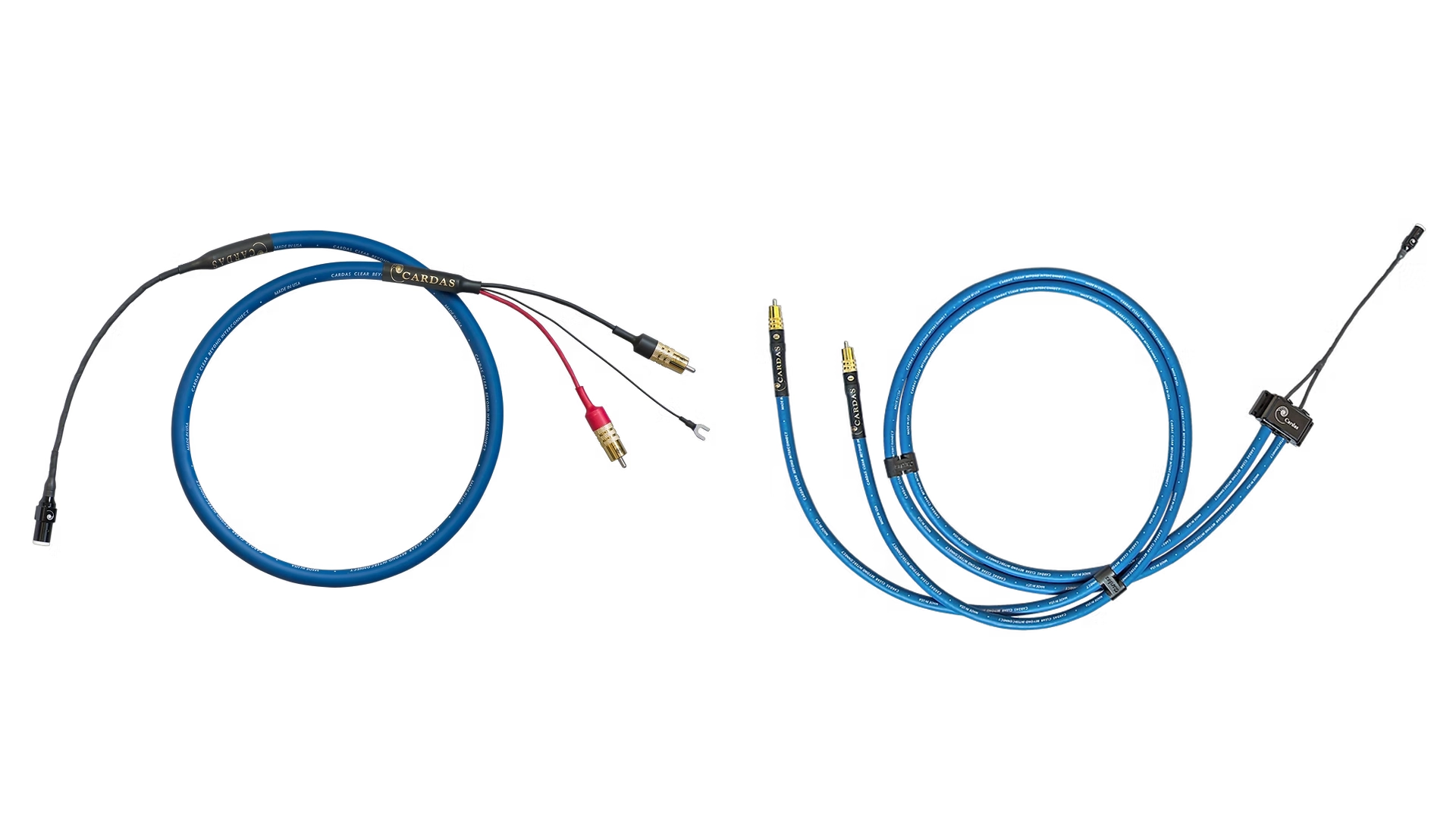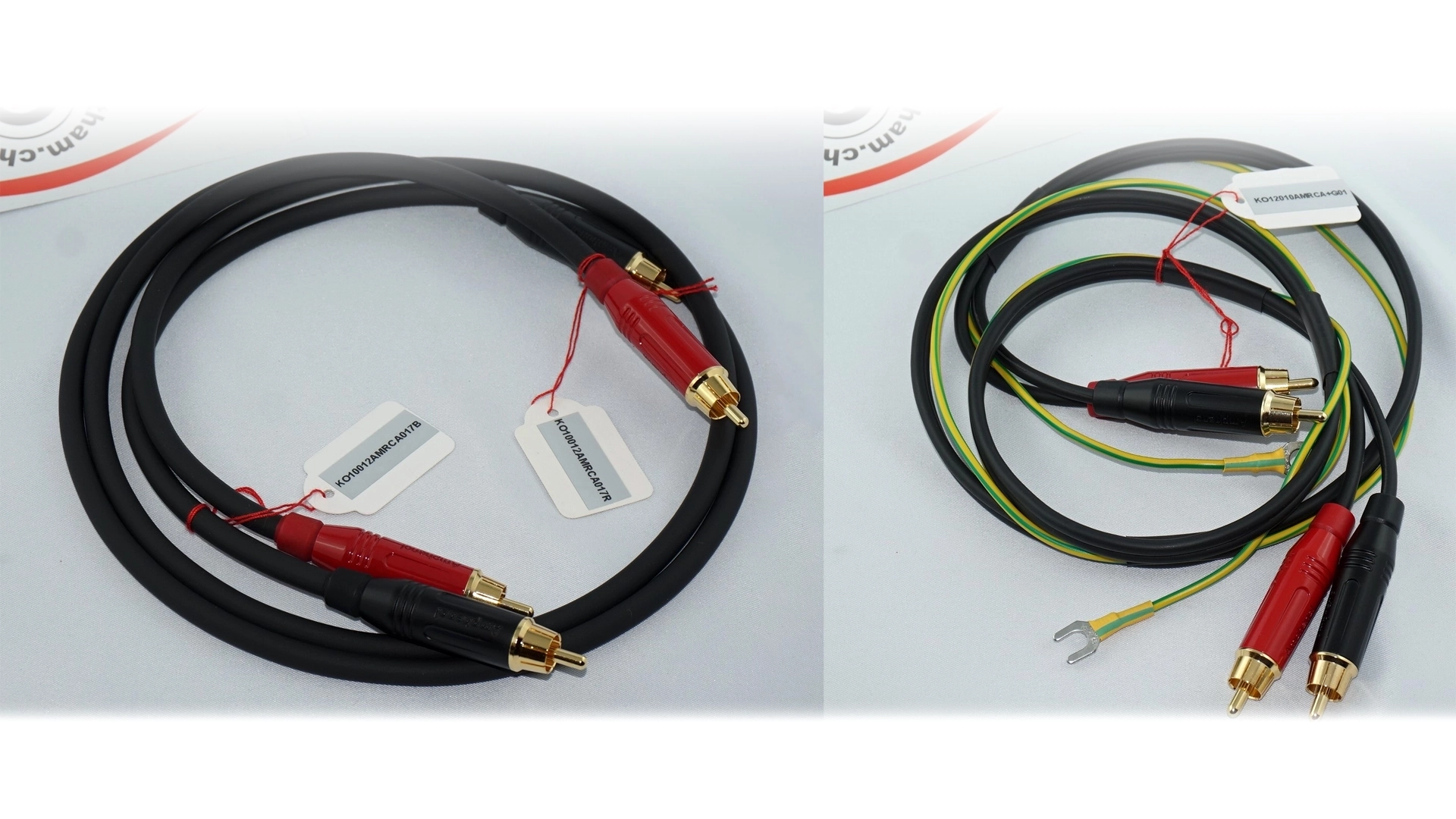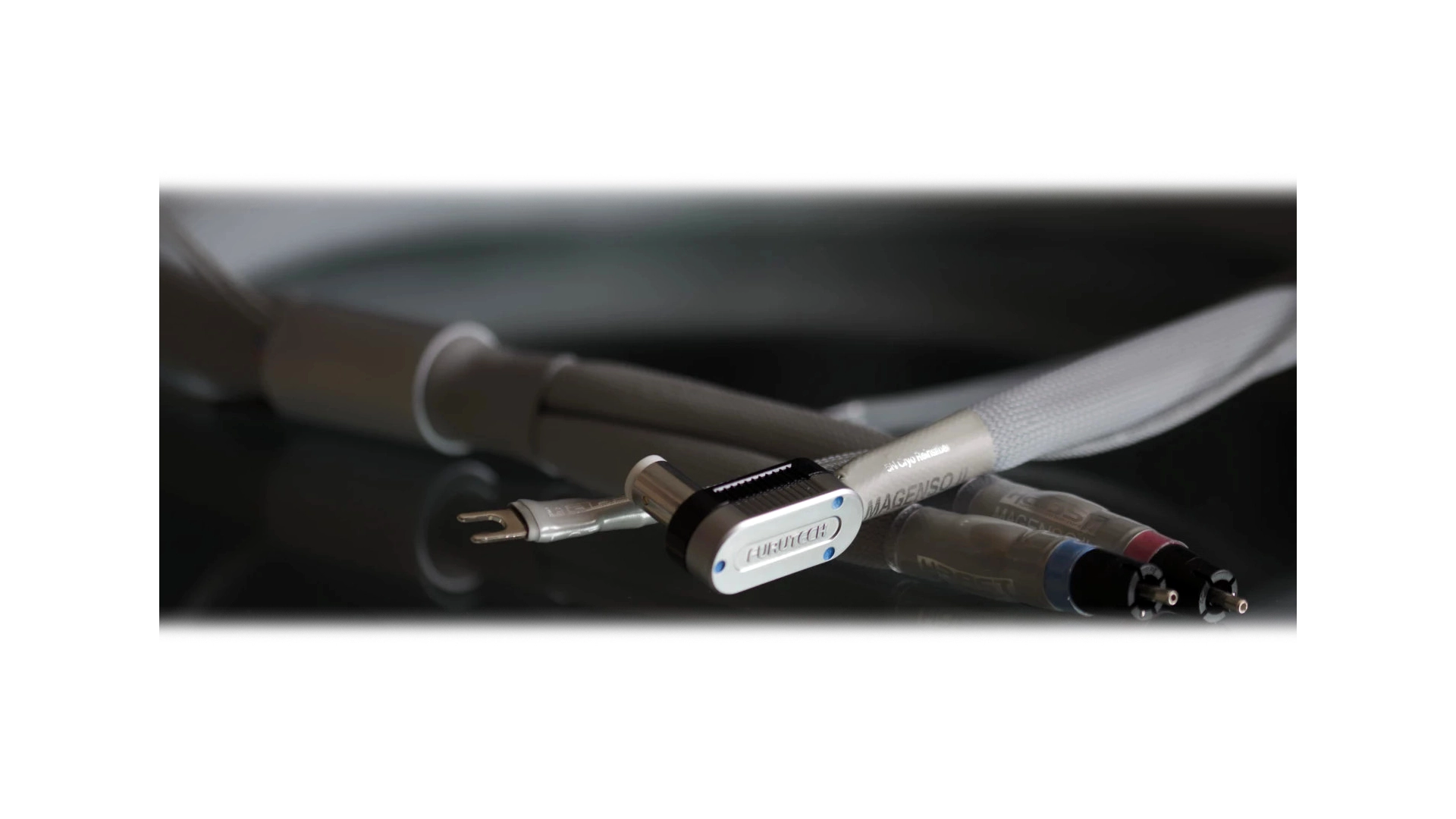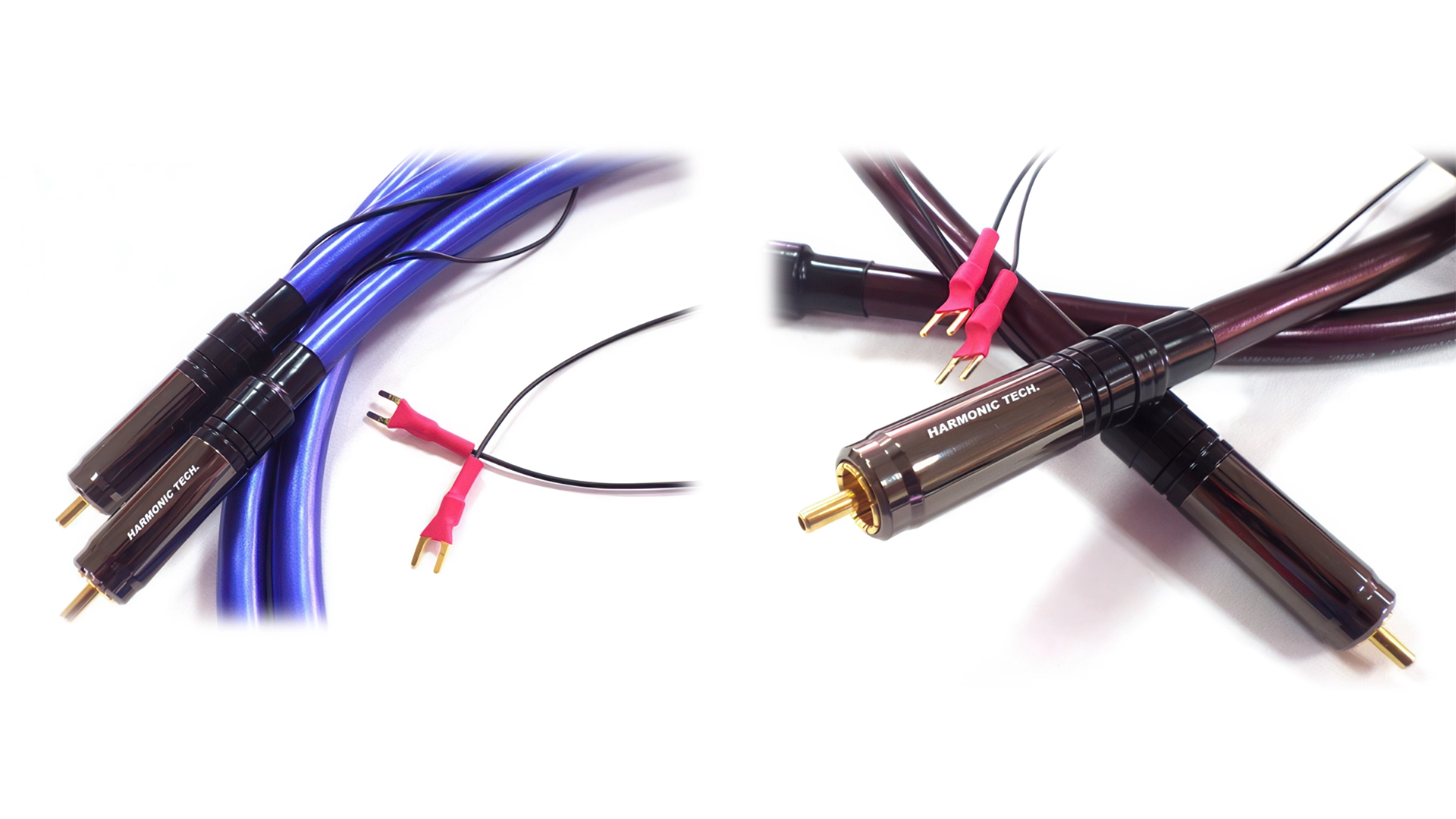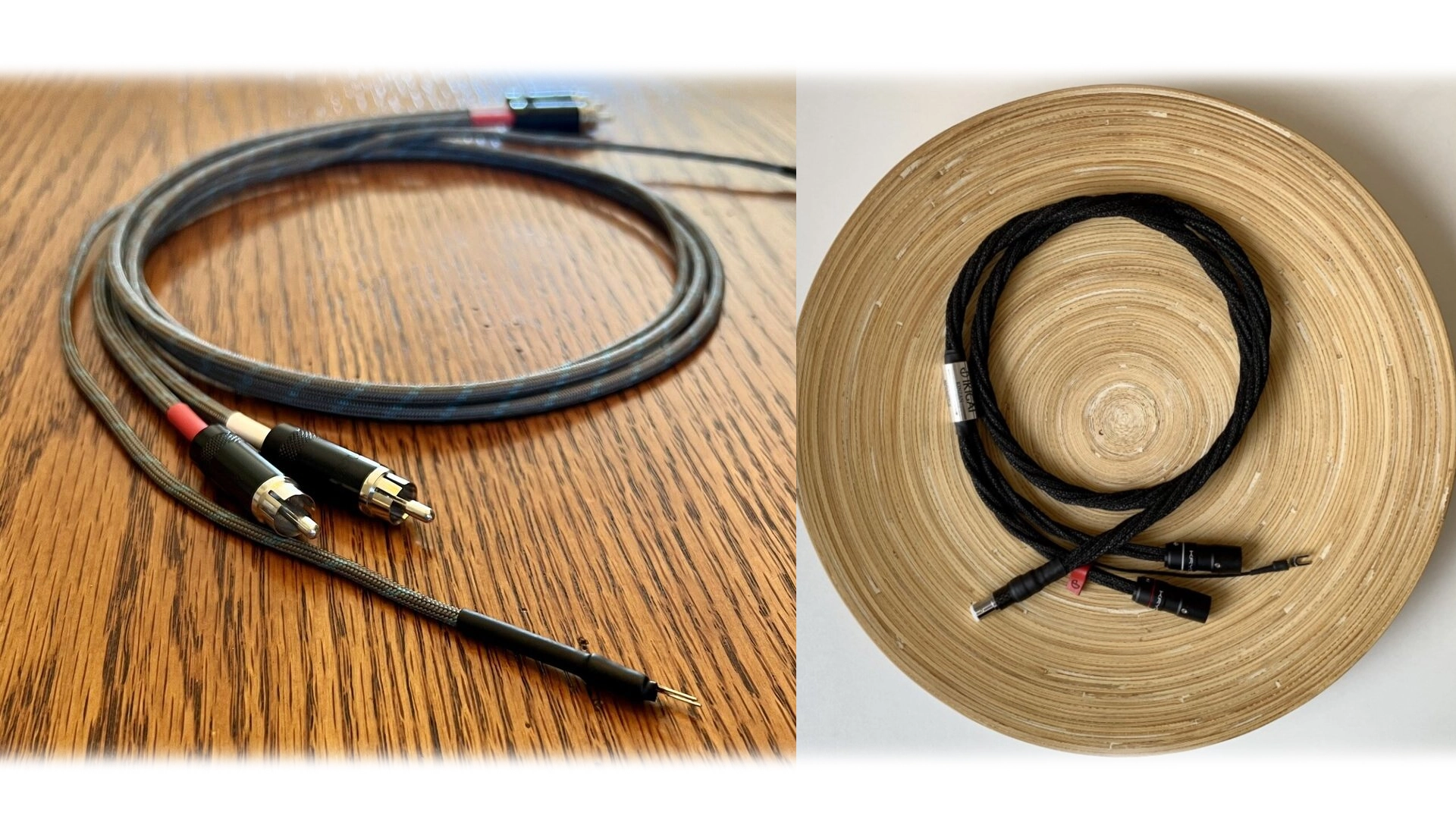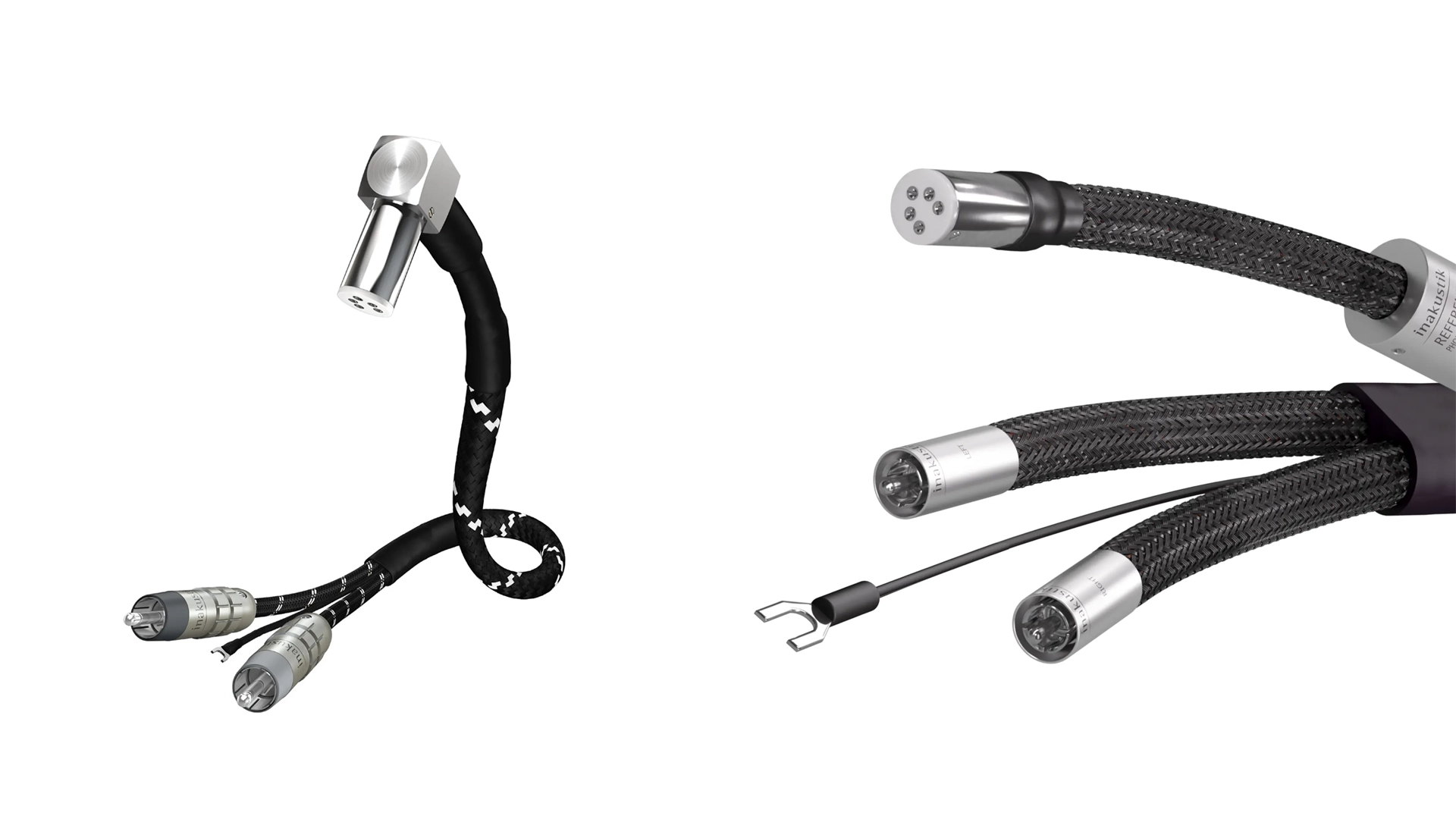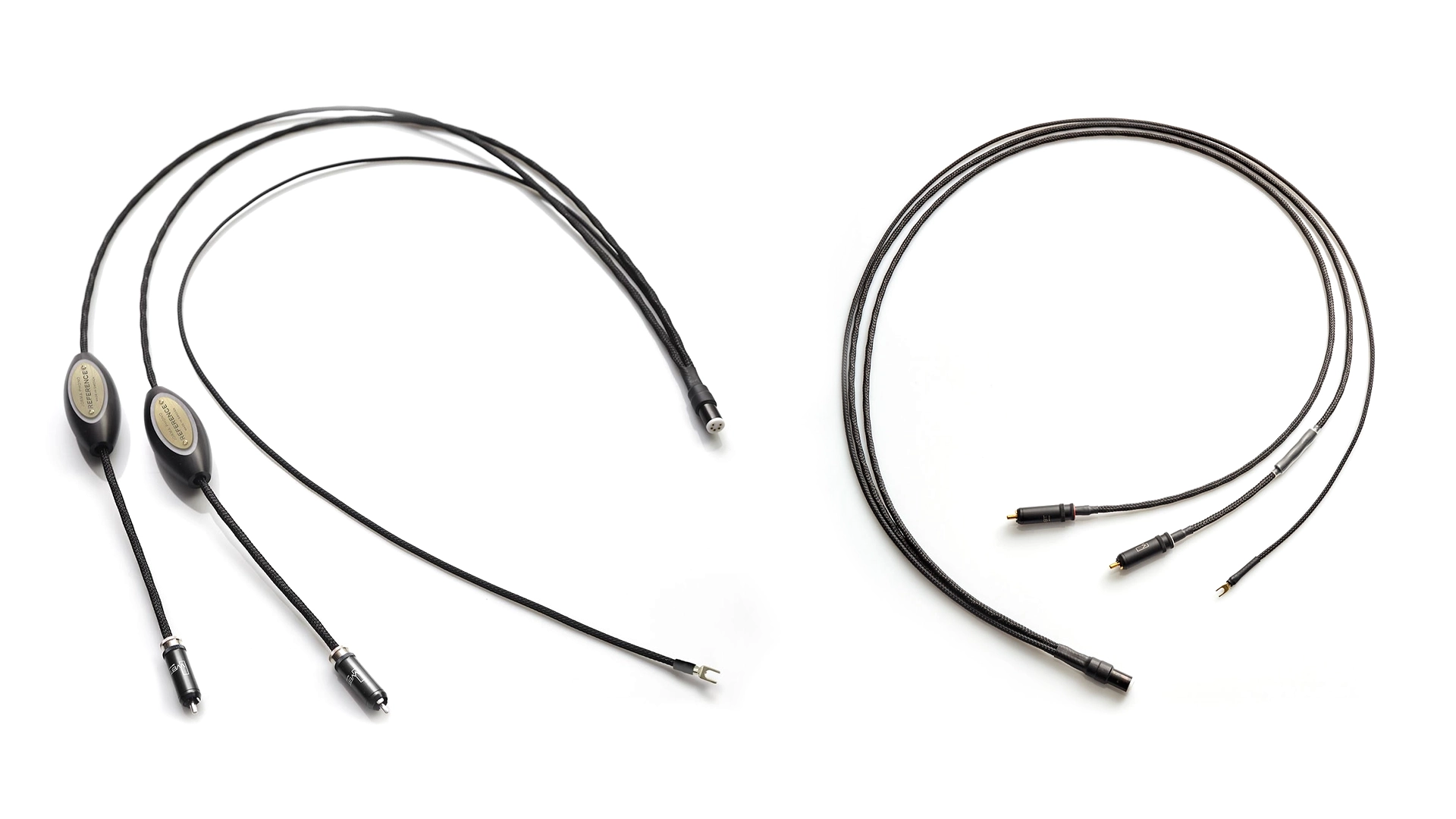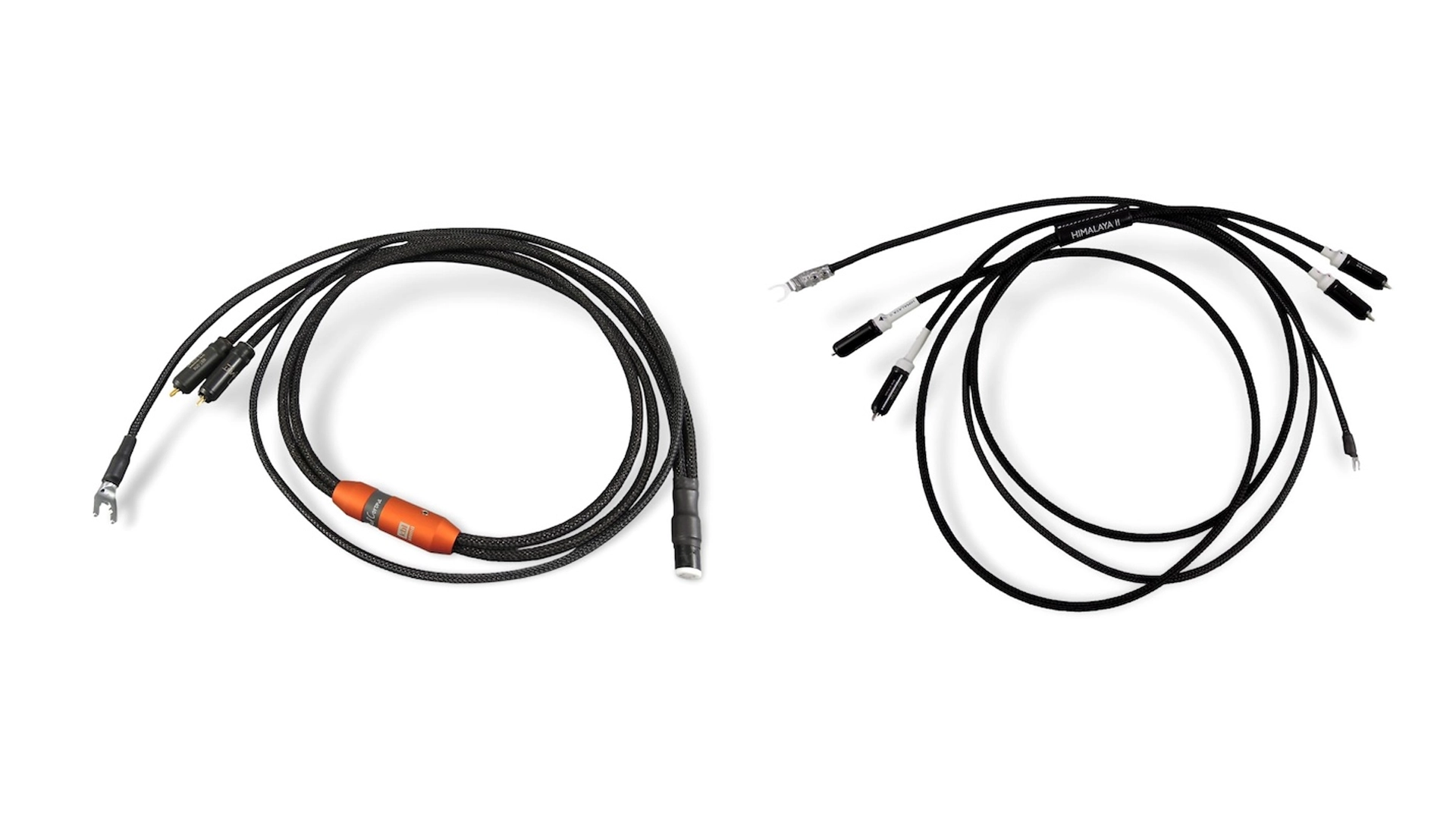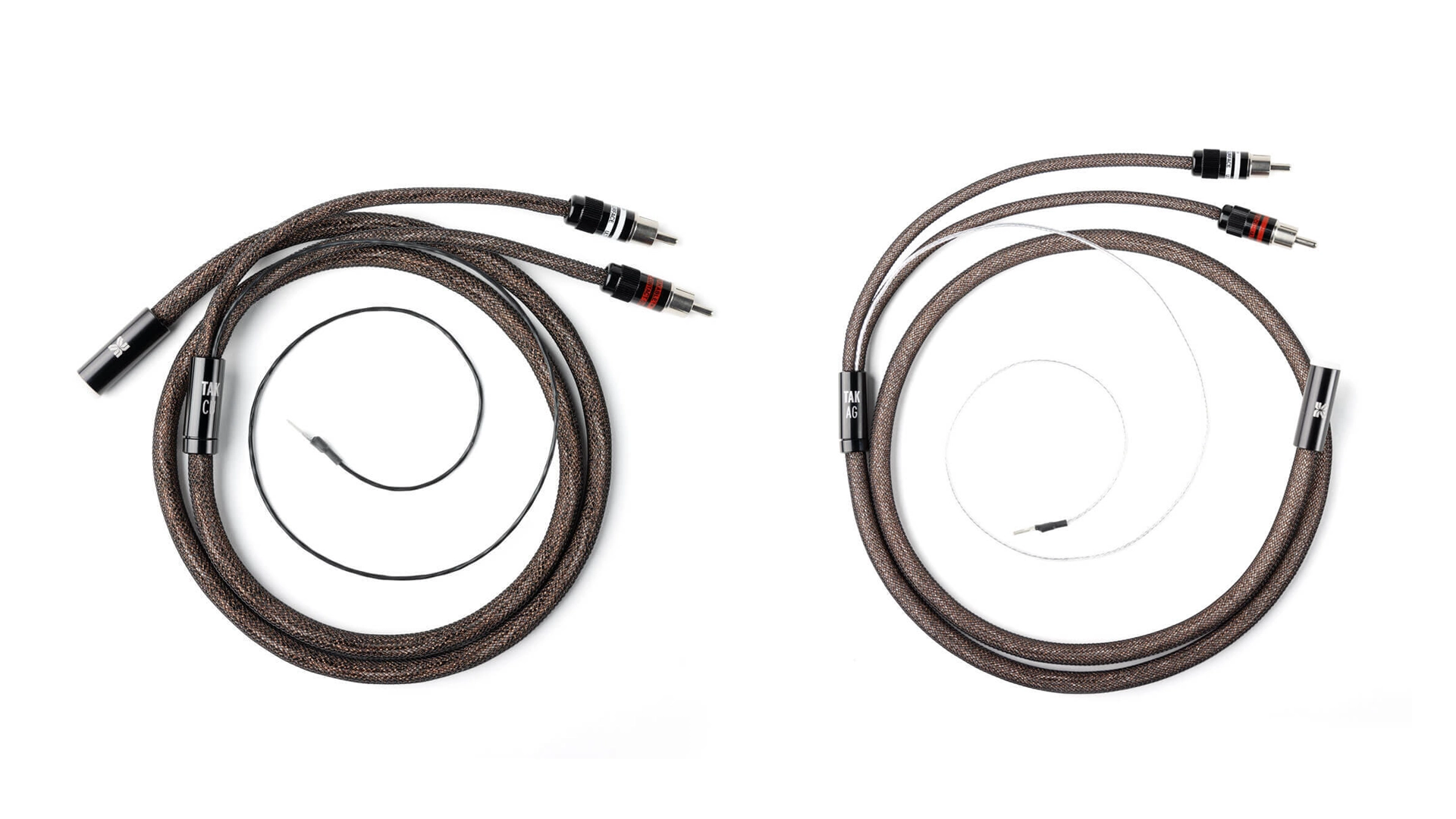
An icon for dedicated phono cables for turntables.

Phono Cables

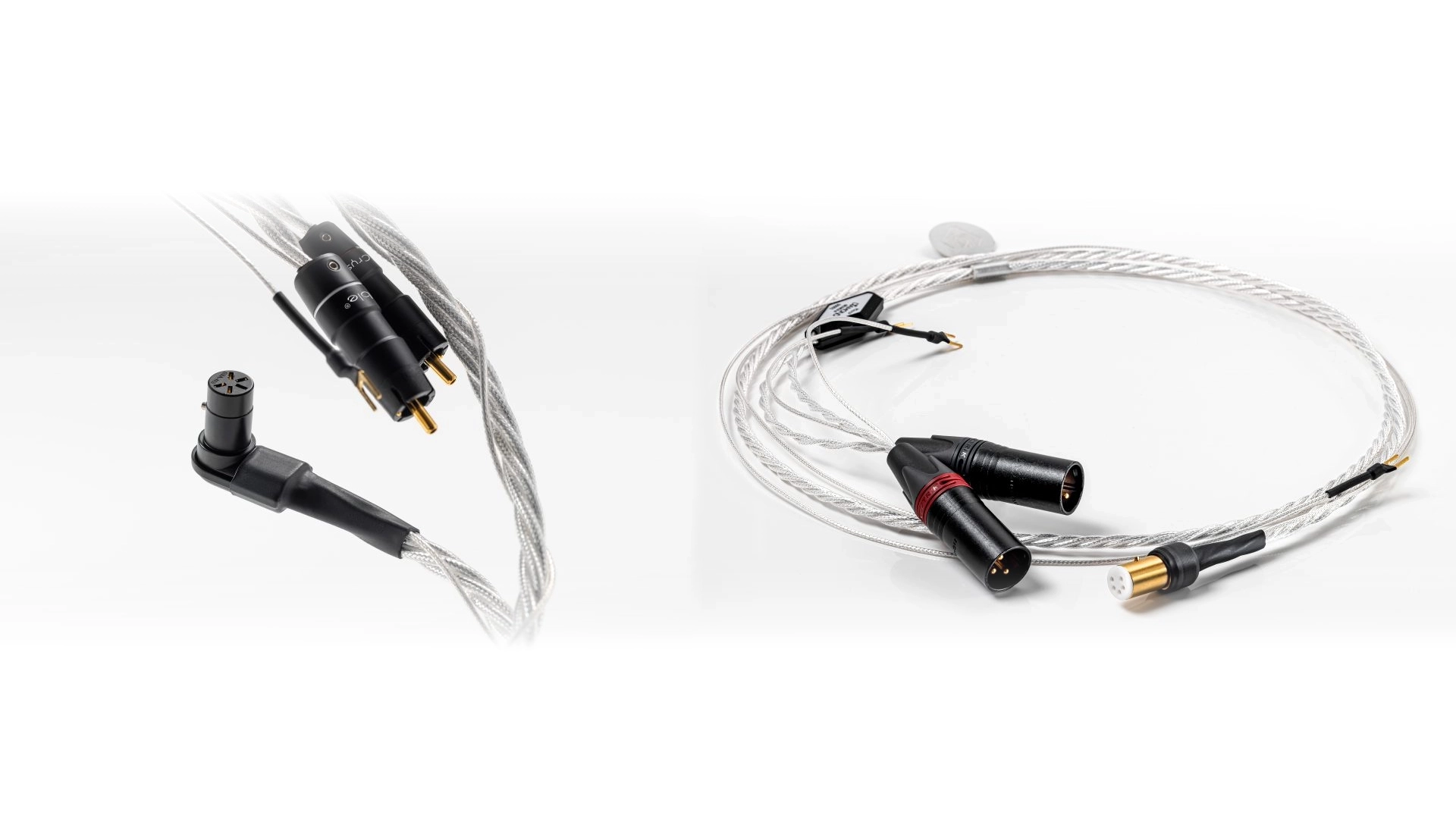
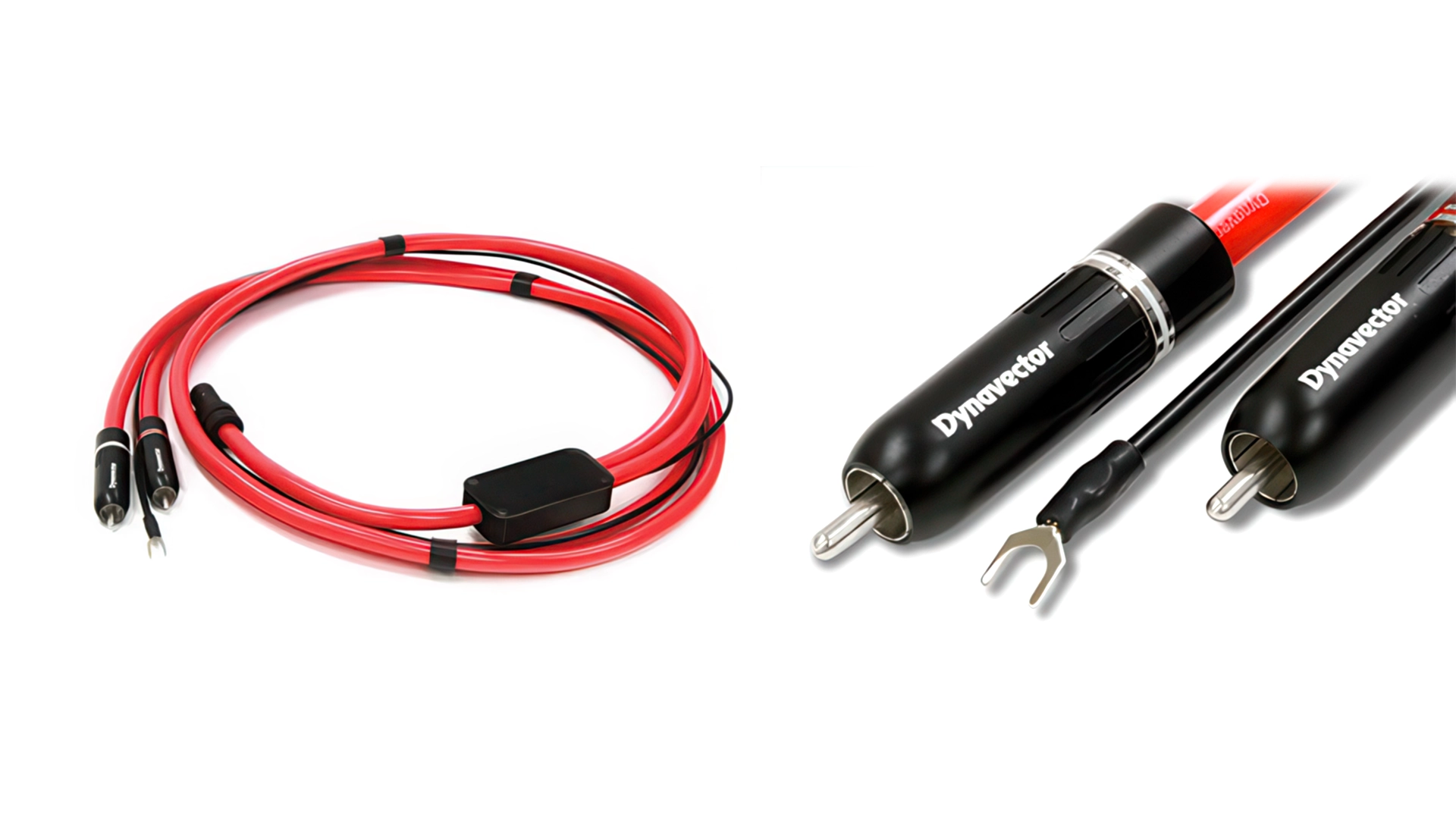
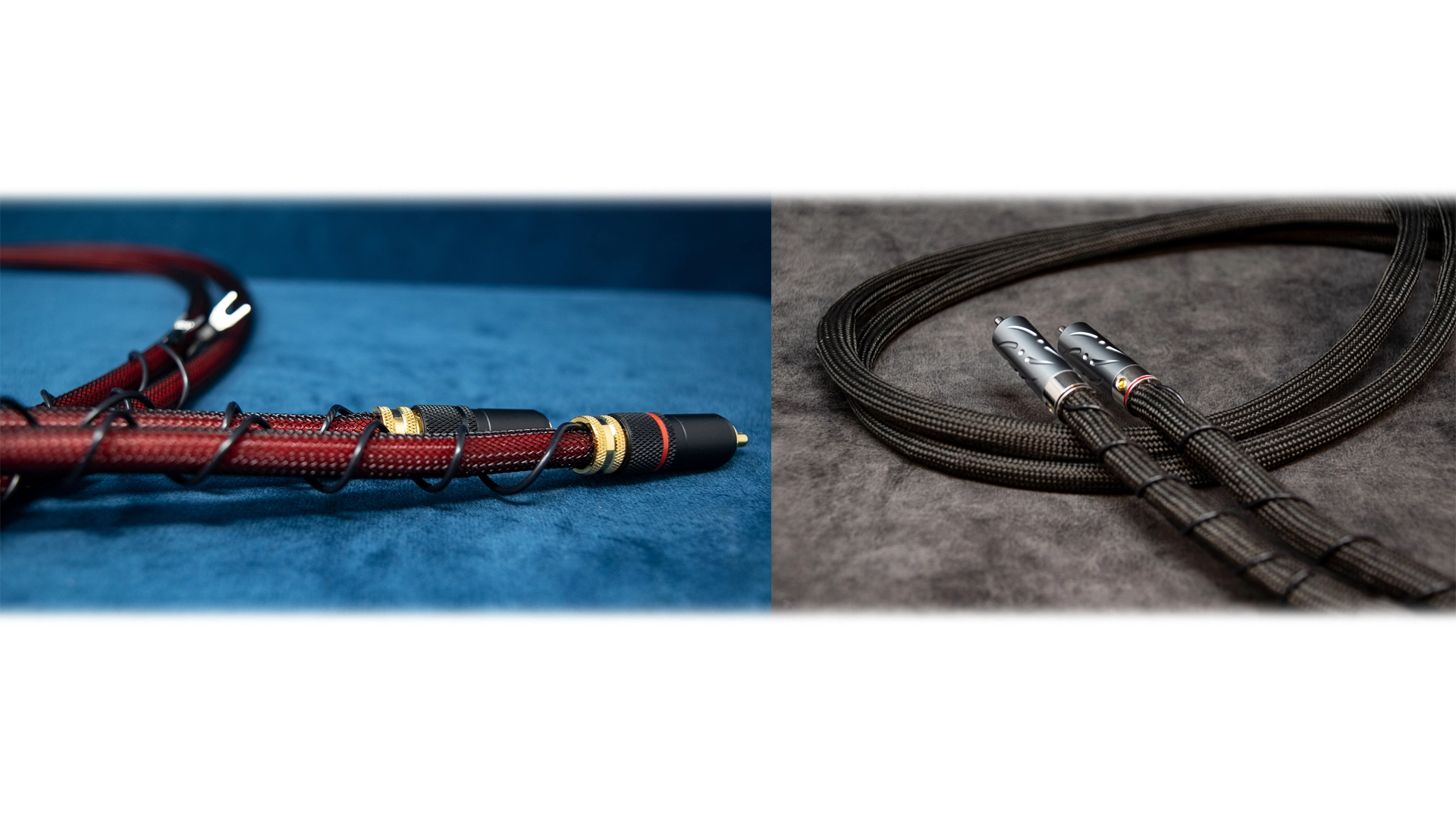
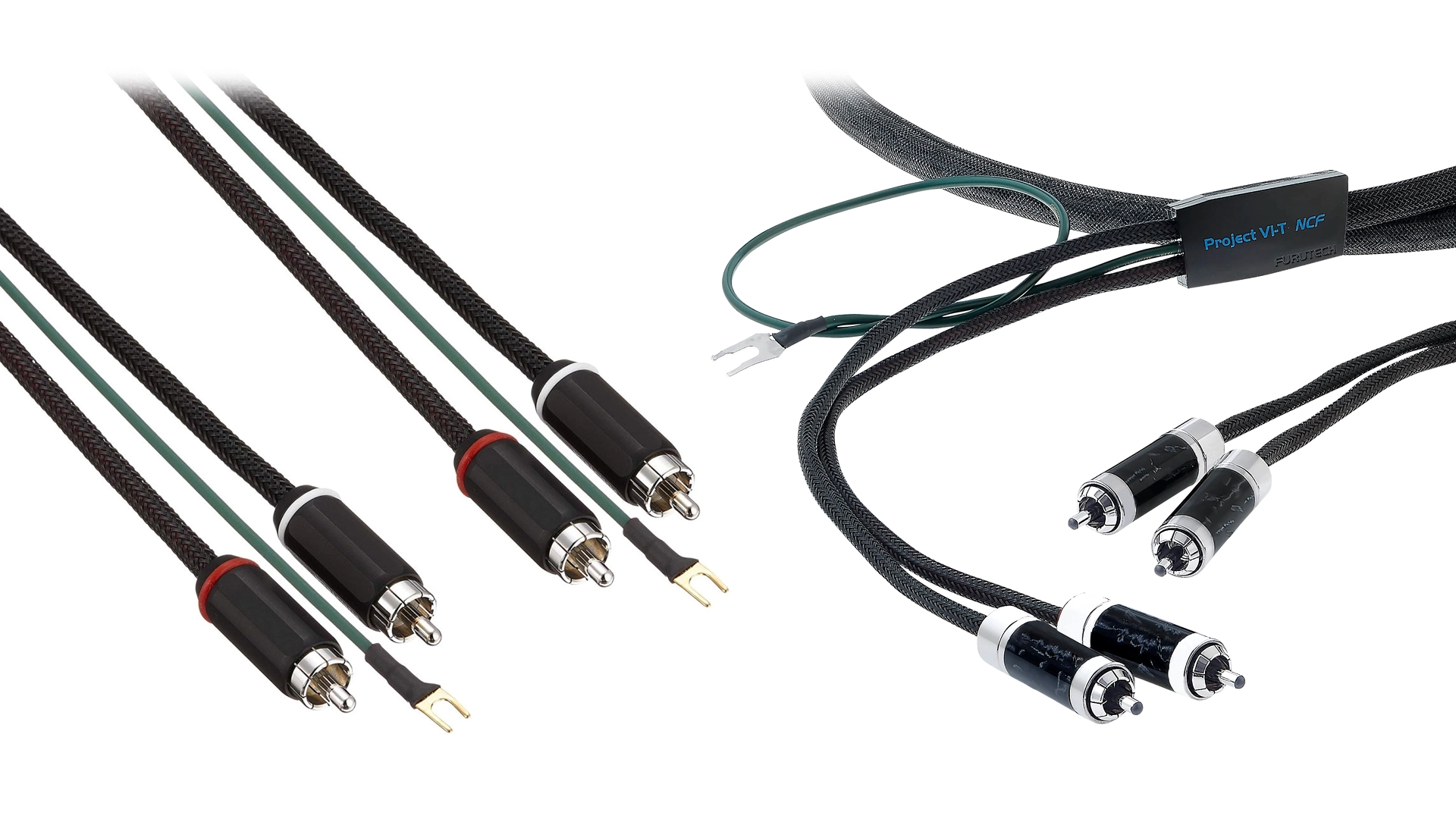
Phono cables are specialized interconnects purpose-built for the unique demands of a turntable. They are designed to carry the extremely weak and fragile signal from a phono cartridge to a preamp, requiring exceptional shielding to protect it from hum and interference. Low capacitance is also a key design element for preserving tonal accuracy. This directory is your guide to the brands that create these essential, purpose-built cables for vinyl enthusiasts.

50

Hi-Fi brands in the category

Summary information and image

Direct links to official websites

Filters
Search
Country
See more See less

Analysis Plus designs cables around a hollow oval conductor geometry, developed through electrical modelling rather than the conventional assumption that a round conductor is the obvious starting point. Founded in 1993 as a research and design company, the American business is associated with engineer Mark Markel. Its Hollow Oval approach is intended to address how current distributes through a conductor as frequency changes. The catalogue spans home-audio connections and professional instrument cables, linking hi-fi systems with the recording and performing side of music. Speaker cables and interconnects sit alongside power and digital connections, with different conductor materials and constructions across the range.

Atlas Cables designs and hand-builds audio connections in Kilmarnock, Scotland, with attention to the connector as well as the cable itself. The brand began in 2000 and spans analogue interconnects, speaker cables, digital links and power products. Equator, Hyper and Mavros are among its established families, with different conductor, dielectric and termination choices across the range. A practical distinction is the factory’s support for existing cables: selected products can be reconditioned, reterminated, fitted with newer connectors or converted to support Atlas’s Grun system. Custom lengths and this ability to repair or repurpose a cable make the manufacturing operation relevant well after the initial purchase.

Audience’s cables and power conditioners grew alongside a long-running effort to build loudspeakers without a conventional crossover. John McDonald and Richard Smith founded the American company with engineer Roger Sheker in 1997, following an earlier venture together. Work on full-range drivers eventually led to the ClairAudient speakers, with the ClairAudient 16 debuting in 2009. Au24 and later cable families developed around low-mass construction, while adeptResponse conditioners brought the company’s power-filtration work into a separate product range. Audience also supplies drivers and Auricap capacitors for other manufacturers and DIY projects. The shared thread is component-level development across connections, power and sound reproduction.

Audiomica Laboratory treats a cable range as a coordinated system rather than a collection of unrelated upgrades. The Polish company was brought to life in 2005 by engineer and artisan Łukasz Mika, who combined laboratory analysis with repeated listening tests. Its speaker, interconnect, power, digital, phono and grounding cables are organised into complete series so conductor material, dielectric, geometry and filtering can be developed together. Early work included the Mica Transparent cable and proprietary DFSS filtering; current families extend from Transparent and Reference through Excellence, Ultra Reference, Consequence and Silver Signature. Each cable is assembled by one technician and receives a serialised, signed quality certificate after electrical and mechanical inspection. Following Mika’s death in 2022, the team that worked with him continued the designs and Polish hand production.

AudioQuest designs cables around one persistent aim: preserve the source signal by reducing added noise and distortion. William ‘Bill’ Low began making custom cables for his hi-fi shop in 1978 and founded the California company in 1980. Its work has progressed from advanced conductor metallurgy and HyperLitz construction to solid and semi-solid conductors, controlled directionality, RF noise dissipation and the Dielectric-Bias System introduced in 2004. The catalogue covers analogue, speaker, digital, HDMI and AC power cables across accessible and reference ranges, including William Tell, ThunderBird and Dragon. AudioQuest also developed DragonFly USB DACs and Niagara and PowerQuest power conditioners, applying the same noise-control priorities beyond cables. The useful distinction is the coherent engineering vocabulary used across a very broad range, rather than exotic materials alone.

Black Rhodium is a British cable specialist founded by engineer Graham Nalty in Derby in 2002. Its range covers analogue interconnects, loudspeaker cables, mains leads, digital connections and specialist headphone and tonearm wiring, allowing complete systems to be cabled within one design family. Rather than relying on one conductor for every application, the company varies conductor material and gauge, dielectric, geometry, shielding, connector choice and mechanical damping according to the signal or power role. Products range from accessible assembled cables to more elaborate designs using silver conductors, low-loss insulation and additional vibration control. Black Rhodium’s value is this application-specific approach and long continuity under its founder, not a promise that one material automatically suits every system. The previously missing foundation year has been filled with the documented date 2002.
Boenicke Audio makes compact solid-wood loudspeakers whose unconventional internal and mechanical details matter as much as their sculpted cabinets. Swiss designer and recording engineer Sven Boenicke founded the company in 1998 after years of making his own live recordings and experimenting with loudspeakers. W5, W8, W11 and larger models use CNC-machined wooden shells, side-firing woofers and carefully chosen wideband drivers to achieve generous scale from a narrow frontage. Depending on the model, swing-base suspension, electromechanical resonators, unusual component treatments and deliberately minimal crossover sections are used to manage stored energy and preserve timing. The catalogue also includes electronics and cables, but loudspeaker voicing remains rooted in Boenicke’s own recordings and listening work. The previously empty foundation field has been completed with the company’s documented year, 1998.
Cardas Audio controls cable behaviour by designing and manufacturing the conductor itself, not only its outer geometry and connectors. Former telephone transmission engineer George Cardas founded the company in Ontario, California, in 1987 and moved it to Bandon, Oregon, in 1992. His patented Golden Section stranding arranges progressively sized conductors according to the golden ratio to spread mechanical and electrical resonances. Each fine strand is individually enamelled in a Litz construction, limiting oxidation and interaction between strands. Later Matched Propagation designs coordinate conductor and dielectric behaviour throughout the Clear range. Cardas produces its own ultra-pure copper conductors and also makes interconnects, speaker and power cables, bulk wire, solder, binding posts, RCA, XLR, DIN and headphone connectors for manufacturers and DIY builders. George remains head designer, while his daughter Angela manages the company.
Crystal Cable is a Dutch high-end cable brand founded in 2004 by Gabi van der Kley-Rynveld as an offshoot of Siltech. Its visual signature — unusually thin, flexible cables instead of thick sculptural jackets — follows from the engineering rather than fashion. Crystal uses high-purity silver-gold metallurgy, compact conductor geometries, carefully controlled insulation and purpose-matched connectors to reduce losses while keeping the finished cable easy to route. The catalogue covers analogue interconnects, loudspeaker, power, digital and portable-audio cables, with families such as Diamond Series 2, Future Dream 22, Art Series and Infinite Dream defining successive levels of conductor and shielding technology. The company has also applied its materials experience to compact Minissimo loudspeakers. Crystal Cable and Siltech now operate within the same Dutch audio group and share research resources, but they remain distinct design identities: Siltech generally uses more conventional cable dimensions, whereas Crystal pursues minimal mass and elegance. The result is a rare brand whose technical and aesthetic ideas are immediately recognisable before any price or model name is seen.

Dynavector Systems is a Japanese analogue-audio company founded in 1975 by engineering professor Dr Noboru Tominari, best known for moving-coil phono cartridges that combine advanced magnetic design with practical system compatibility. Dynavector helped make high-output MC cartridges a serious category, allowing models such as the 10X series to work with many moving-magnet phono inputs, while low-output designs such as 20X, XX-2A, Te Kaitora Rua and XV-1t serve progressively more specialised arms and phono stages. Two patented ideas recur across the range: Flux Damper stabilises unwanted variations in the magnetic circuit, and Softened Magnetism controls abrupt magnetic behaviour that can contribute to distortion. Fine wire coils, carefully shaped armatures, powerful magnets and cantilevers selected for each performance level complete the generator system. The company has also produced tonearms and electronics, but cartridges remain its central identity. Dynavector’s strength is not simply exotic material choice; it is the sustained application of magnetic-circuit theory to preserve tracking energy, dynamics and tonal information while offering both accessible high-output and reference low-output MC solutions.
Finley Audio is an American boutique cable company that hand-builds complete wiring systems for two-channel audio. Its Cirrus and Stratus families cover RCA and XLR interconnects, phono leads, loudspeaker cables, jumpers, power cords and USB connections; related products include the PowerCube distribution block and cable risers. Rather than claiming one exotic conductor as a universal answer, the company describes a process of electrical measurement, prototype comparison and extended listening, with geometry, shielding, dielectric materials and termination selected for the cable’s task. Production and customer support remain in the United States, and custom lengths or configurations are part of the small-maker model. Finley Audio’s individuality is breadth within one focused craft: source, amplifier, loudspeaker and mains connections can be voiced and constructed as a family. Public information does not establish an exact founding year confidently enough to populate that field.
Furutech is a Japanese specialist in the physical interfaces of an audio system: plugs, sockets, terminals, power distribution and finished signal or power cables. Founded in 1988, the company applies its two-stage Alpha Process to many metal parts, combining deep cryogenic treatment with ring demagnetisation before assembly and plating. Its catalogue reaches from IEC, mains and XLR/RCA connectors to wall outlets, power distributors, bulk cable, phono accessories, record clamps and static-elimination devices. Nano Crystal² Formula, or NCF, appears in selected connector bodies and support accessories, where a composite of damping and electrostatic-control materials is used to address vibration and static charge around a contact. Furutech also develops Piezo Ceramic housings, floating-field structures and cable supports rather than treating the conductor as the only variable. The breadth matters: engineers, installers and DIY builders can specify individual parts, while listeners who do not assemble cables can choose complete Evolution, Lineflux, Powerflux and NanoFlux products.

Gotham is a Swiss cable company whose reputation was built in studios, broadcast facilities and installed sound rather than in decorative consumer accessories. Operating since 1958 and now based in Dietikon as Gotham AG, it supplies both bulk cable and finished assemblies. The catalogue includes microphone and star-quad lines, analogue multicore, AES/EBU and DMX cable, loudspeaker and mains cable, video, data and internal hook-up wire. Dense copper coverage, flexible jackets, clearly documented electrical specifications and application-specific geometries are recurring priorities, because the same cable may need to survive touring, permanent installation or low-level studio signals. Gotham also manufactures terminated cables in Switzerland and offers many formats by the metre. Its principal strength is a broad, technically coherent professional range that can connect an entire audio infrastructure.

Habst Cables is a small cable atelier whose work began in Berlin and is now carried out in Denmark, with each ordered length assembled by hand rather than cut from generic finished stock. Its principal conductor is 5N (99.999%) cryogenically treated silver manufactured in Germany to Habst’s specification. Depending on the model, the company routes conductors through PTFE or ePTFE air tubes, adds carbon-based shielding and applies its AP resonance-reduction treatment. Analogue and digital interconnects, USB and network cables, loudspeaker and power cables, plus custom headphone leads are made in one piece where the requested length permits. The Majesty headphone cable appeared in 2012, but Habst does not present that date as the foundation of the company. Made-to-order geometry, material control and willingness to build non-standard terminations are the brand’s real points of difference.

Harmonic Technology is an American cable specialist founded in 1998 by Jim Wang, with engineer Robert Lee among the company’s early principals. Its reputation was built around Ohno Continuous Casting conductors: unusually long-crystal copper and silver intended to reduce the boundaries found in conventional drawn wire. The company does not treat conductor purity alone as a complete cable design. Its products combine selected OCC metals with individually insulated strands or solid conductors, controlled geometry, dielectric materials, shielding and termination methods chosen for speaker, analogue, digital and mains applications. Families such as Melody, Pro, Magic and the rectangular-conductor RecTa range show how the same materials platform is adapted at different levels rather than repeated under new names. Harmonic Technology’s distinctive contribution is therefore materials-led cable engineering, especially the long-running use of single-crystal copper and silver across a broad system loom.

Ikigai Audio is Jeffrey Dam’s Dutch high-end cable company, founded in 2018 around product-design discipline rather than mystical claims. Dam studied Product Design and worked on loudspeakers and cables at Kharma as well as products for Philips, experience that shaped Ikigai’s attention to geometry, material interfaces and finish. The range is organised into five clearly named levels—Tanoshimi, Sugure, Kangai, Kinzan and Tanso—covering speaker cables, analogue and digital interconnects, power cords and associated connections. Moving upward changes the conductor materials, mechanical construction, shielding, damping and termination rather than merely adding a more luxurious sleeve. Ikigai also makes equipment feet, extending the same concern with unwanted mechanical energy beyond the cable itself. The brand’s character lies in combining technically controlled cable architecture with unusually refined industrial design, giving each family a distinct construction and purpose while keeping the progression intelligible.
in-akustik is a German cable manufacturer whose strongest claim is that its reference products are built by hand at its own facility in Ballrechten-Dottingen. Founded in 1977, the company spans hi-fi cables, power distribution and accessories, while a separate music label and distribution business give it long contact with complete audio systems. Its defining AIR technology reduces the dielectric around the conductors: in Referenz AIR and Air Helix cables, precision clips hold conductors in an open helical structure so that air becomes the principal insulator. This construction is designed to control capacitance, inductance, resistance and skin-effect behaviour without filling the cable with conventional plastic. The approach appears across speaker cables, analogue and phono interconnects, digital links and mains products, with different geometries scaled to purpose. in-akustik therefore stands apart through manufacturing know-how that is visible in the cable’s physical architecture, not only in conductor metallurgy or marketing terminology.

Jorma Design—marketed today as Jorma Audio—is a Swedish cable maker founded by Jorma Koski in 2001. Its products are designed and assembled in Sweden for high-end home systems, covering analogue interconnects, loudspeaker cables, power cords, phono leads and digital connections including USB and Ethernet. The design approach is deliberately reductive: conductor geometry, insulation, shielding, mechanical stability and connector quality are treated as an integrated electrical system, with unnecessary metal and junctions avoided where possible. Current families run from Trinity, Duality and Unity through Origo and Statement Encore to the flagship Paragon; this replaces the older description’s outdated “Prime” hierarchy. Selected upper ranges use cryogenically treated conductors and Furutech connectors, while cable types are offered in configurations appropriate to RCA, XLR, DIN, bi-wire and other applications. Jorma also adds NFC identity tags to help owners verify genuine products in a category vulnerable to counterfeiting. The brand’s character is precise Swedish manufacture and a consistent system philosophy, not vague promises that any cable will transform every installation.

KBL Sound is a Polish specialist in handcrafted audio cables and power-distribution products, established in 2013. Its catalogue covers analogue interconnects, loudspeaker cables, power cords and digital connections, plus power strips and accessories intended to complete one consistent wiring system. Rather than offering a single conductor recipe at every price, KBL develops distinct families with different materials, geometries, dielectric choices, shielding and connector treatments. Red Corona SRX, Himalaya SX, Zodiac SR and the flagship Extrema illustrate that progression, while XDMI addresses HDMI transmission and Power Terminal products handle mains distribution. Conductors may use high-purity copper, silver or combinations selected for a particular design; the company also pays close attention to mechanical damping and termination quality. The relevant strength is small-series workmanship backed by a broad, clearly tiered range, allowing an owner to match cables by application without mixing unrelated design approaches.

Kimber Kable is the American cable company that made woven conductor geometry its recognisable engineering signature. Ray Kimber founded the business in 1979 after encountering interference from stage-lighting systems while working with professional sound; braiding signal conductors offered a practical way to reduce electromagnetic and radio-frequency pickup without relying on a conventional heavy shield. That idea remains visible in long-running products such as 4PR and 8PR speaker cable and the PBJ interconnect. The broader range now includes analogue and digital interconnects, power cords, USB and HDMI cables, with conductor materials and construction becoming more elaborate through Carbon and Kimber Select. The company uses copper, silver and hybrid designs, but geometry, dielectric selection and careful termination are at least as important as metal purity. Many cables are assembled at the company’s Utah facility, and established models remain available alongside newer formats. Kimber’s strength is continuity: a clearly identifiable technical solution has been refined for different system levels rather than replaced by changing fashion.

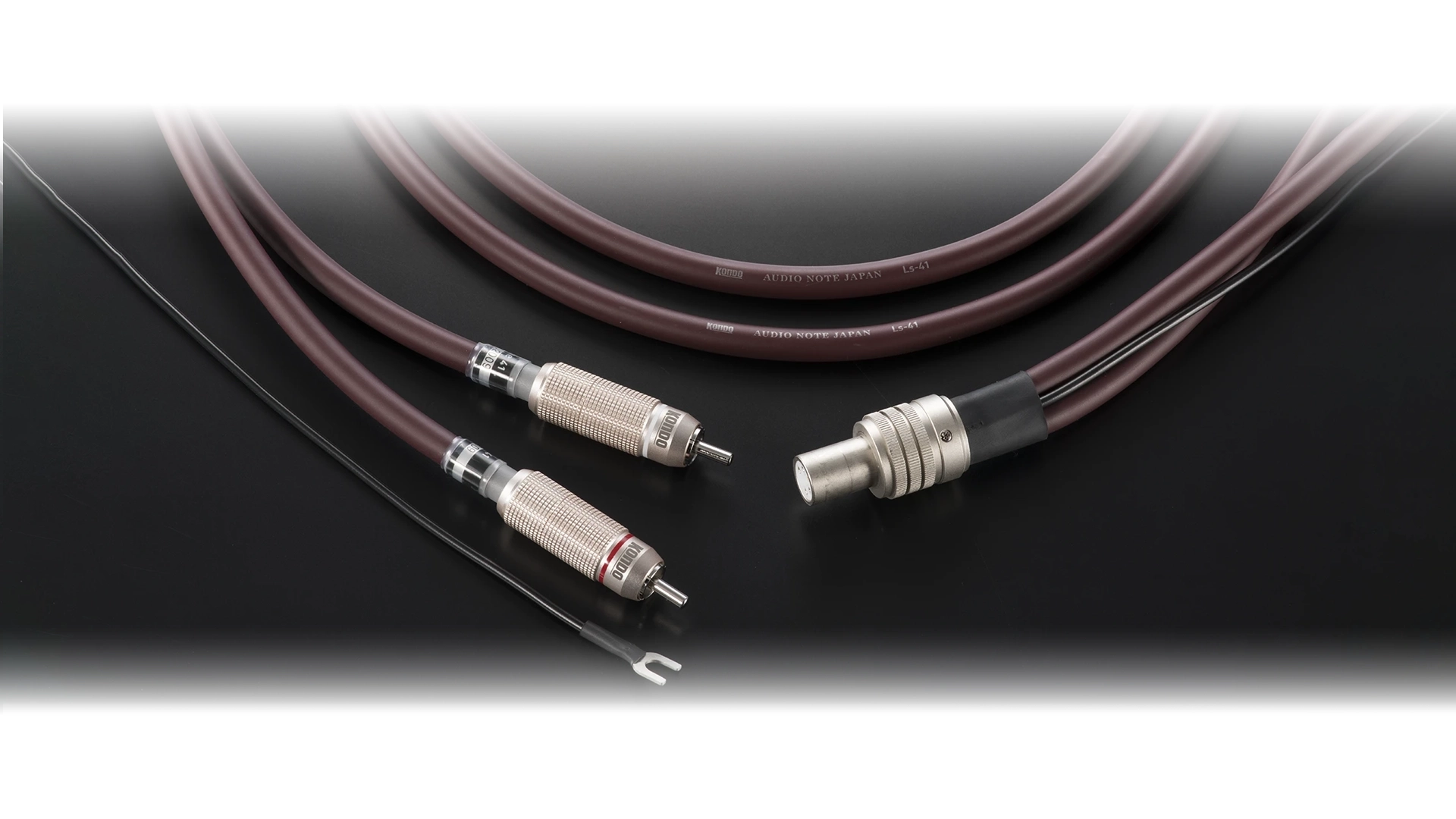
Kondo Audio Note is the Japanese company founded by Hiroyasu Kondo in 1976 and should not be confused with the separate British Audio Note business. Kondo, a former recording engineer, pursued extremely simple valve circuits supported by exceptional passive parts, hand-wound transformers and meticulous point-to-point assembly. The company became an early and influential advocate for using high-purity silver throughout an audio component, from internal wiring and capacitors to transformer windings and cables. Its best-known product is the Ongaku, a single-ended 211 integrated amplifier whose silver output transformers made it a landmark of Japanese high-end audio. The current catalogue extends that thinking through amplifiers such as Kagura and Gakuoh, M7 and G-1000 preamplification, phono stages, step-up transformers and KSL cables. Production remains deliberately small and labour-intensive in Japan. Kondo’s real know-how lies not in “tube warmth,” but in controlling materials, magnetic components, grounding and signal paths as one complete analogue circuit.

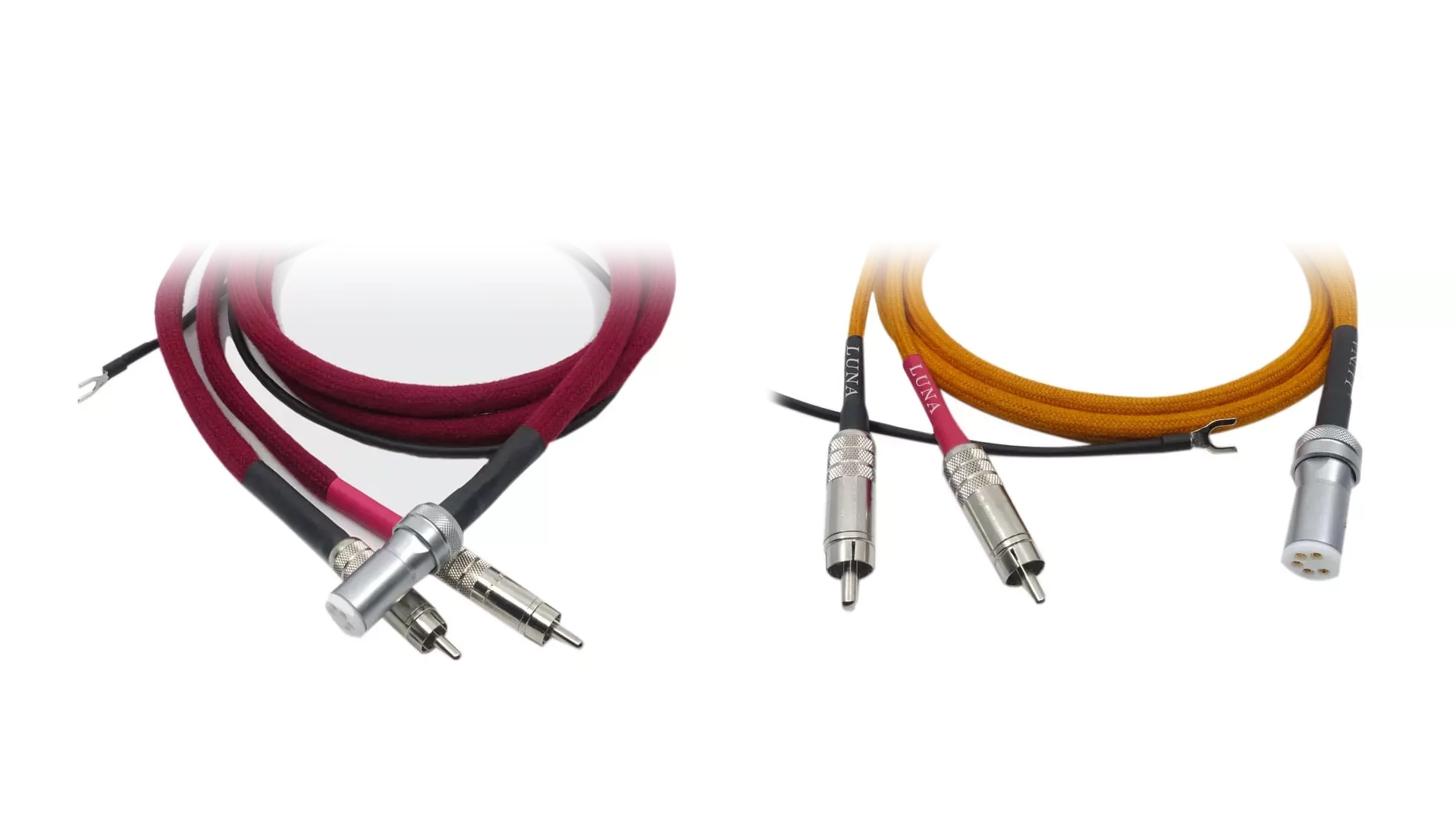
Luna Cables is a Canadian cable manufacturer founded in Quebec in 2015 by designer Danny Labrecque with architect and audiophile Erik Fortier. The company’s “Neo-Vintage” approach is based on materials common before modern plastic insulation became standard: custom-made stranded tinned-copper conductors, cotton and silk fibres, wax treatment and minimally plated or unplated connections where appropriate. Tinning protects individual copper strands from oxidation and changes how the strands interact, while natural-fibre dielectrics keep plastic close to the signal path to a minimum. Conductors are braided, sleeved and terminated by hand, with much of the material and packaging sourced locally in Quebec or elsewhere in North America. The range uses colour rather than abstract model numbers: Gris, Orange, Mauve, Rouge and flagship Noir represent progressively more complex conductor geometries and construction. Analogue interconnects, speaker cables, power cords, digital links and tonearm cables share the same material philosophy, so owners can build a consistent loom at different budget levels. The previous 2016 date was one year late; Luna’s official history identifies 2015 as its establishment. The brand’s individuality comes from a clearly documented construction recipe, not vague claims about “musical” wire.

HFS Ad Rotator · default · slot 1
HFS Ad Rotator · default · slot 2
Add a missing AV-brand or update an existing one

Add a missing AV-brand or update an existing one

Any user can submit a Quick Submission Form to suggest a new AV-brand or suggest update details for an existing one. Brand owners or official representatives of brand can fill a Official Brand Submission Form to provide complete company information, ensuring maximum accuracy and visibility in our portal. All submissions are moderated before publication. 

For suggesting new AV-brands or suggesting updating existing one by users.

Complete official form for brand owners and representatives to provide complete company details to add a new one or update an existing one

Brand Categories:
  • SPEAKERS
    • Bookshelf Speakers — Compact loudspeakers designed for placement on a shelf or dedicated stands.
    • Floorstanding Speakers — Large, full-range loudspeakers that stand directly on the floor, designed for powerful and expansive sound.
    • In-wall Custom Install Speakers — Speakers designed to be installed flush into walls or ceilings for a discreet, "zero-footprint" audio solution.
    • On-Wall Speakers — Slim, low-profile speakers designed to be mounted directly on a wall, often to complement a flat-panel TV.
    • Studio Monitors — Speakers designed for professional audio production, offering a flat, accurate, and uncolored sound reproduction.
    • Planar Ribbon Electrostatic Speakers — Speakers using large, thin diaphragms (panels) instead of cones, prized for their transparent and detailed sound.
    • Horn Speakers — Highly efficient speakers that use a flared horn to amplify a driver, known for their dynamic, "live" sound.
    • Active Powered Speakers — Loudspeakers with built-in amplifiers, creating a simple all-in-one audio solution.
    • Wireless Portable Speakers — Compact, battery-powered speakers with Bluetooth for on-the-go music.
    • Outdoor Speakers — Durable, weather-resistant speakers engineered to provide high-quality audio in open-air spaces like patios and gardens.
    • Marine Extreme Speakers — Rugged, waterproof, and corrosion-resistant speakers built to withstand harsh marine environments on boats and yachts.
    • Commercial Speakers — Durable loudspeaker systems designed for background music and public address in business environments.
    • Invisible Speakers — Architectural speakers installed in a wall and plastered over, making them completely invisible.
    • Subwoofers Bass Speakers — Specialized speakers dedicated to reproducing only the lowest bass frequencies for impact and depth for all purposes
  • AMPLIFIERS
    • Integrated Amplifiers — An all-in-one component combining a preamplifier and a power amplifier in a single chassis.
    • PreAmplifiers — The control hub of a separates audio system, used for source selection and volume control.
    • Power Amplifiers — A component with the sole job of taking a line-level signal and amplifying it to drive loudspeakers.
    • Phono Preamps Phono Stages — A device that amplifies the weak signal from a turntable's cartridge and applies necessary RIAA equalization.
    • Tube Amplifiers — Amplifiers that use vacuum tubes (valves) instead of transistors, prized for their warm and rich sound character.
    • Multi-Zone Multi-Room Amplifiers — Amplifiers that power speakers in multiple different rooms or "zones" from a single, centralized unit.
    • Network Amplifiers — An integrated amplifier with built-in networking and streaming capabilities, creating a modern "just add speakers" system.
    • Desktop Headphone Amplifiers — Mains-powered amplifiers designed to drive high-quality headphones in a desktop or home audio system.
    • Portable Headphone Amplifiers Players — Compact, battery-powered devices (DAPs or amps) for delivering high-quality sound on the move.
  • DAC STREAMERS
    • DAC Desktop — Digital-to-Analog Converters designed to improve sound quality from a computer or other home digital source.
    • DAC Portable — Compact, battery-powered Digital-to-Analog Converters for improving audio from smartphones and laptops.
    • Music Streamers — Devices that connect to the internet to access and play music from online services like Tidal and Spotify.
    • Network Players — Source components focused on high-fidelity playback of digital audio files from a local network (NAS drive).
    • Music Servers HDD Storages — Dedicated devices for storing, managing, and playing a local digital music library with high fidelity.
    • CD Transport Media Players — High-precision disc players that read physical media (CDs, SACDs) and output a pure digital signal to an external DAC.
    • Compact All-in-One Systems — Self-contained audio systems that combine source, amplification, and often speakers into a single, compact unit.
    • Streaming Amplifier — An integrated amplifier with built-in streaming capabilities.
  • TURNTABLES VINYL
    • Turntables — Electromechanical devices that play vinyl records by rotating them at a stable speed.
    • Tonearms — The precision arm on a turntable that holds the cartridge, allowing the stylus to track the record groove.
    • Cartridges — The transducer on a turntable's tonearm that holds the stylus and converts groove vibrations into an electrical signal.
    • Vinyl Cleaning Machine — Specialized machines that use fluid and vacuum/ultrasonic action to deep-clean vinyl records.
    • Vinyl Accessories — Essential tools for setup and maintenance, like clamps, brushes, and alignment protractors.
  • HEADPHONES
    • In-Ear Earbuds — Ultra-portable listening devices, including True Wireless (TWS) models, designed for convenience and daily use.
    • In-Ear Monitors IEM — High-performance in-ear headphones that seal in the ear canal for superior sound isolation and detail.
    • On-Ear Headphones — Headphones with cushions that rest directly on the ears, offering a balance of portability and sound quality.
    • Over-Ear Headphones — Full-sized headphones with large earcups that completely encircle the ears for maximum comfort and immersion.
    • Wireless Headphones — Headphones that connect to source devices via Bluetooth, often featuring Active Noise Cancellation (ANC).
    • Planar Magnetic Ribbon Headphones — High-end headphones using a thin, flat diaphragm driven by magnets, known for their detailed and low-distortion sound.
    • Electrostatic Headphones — High-end headphones using a massless diaphragm in an electrostatic field, requiring a special energizer/amplifier.
  • HOME THEATER
    • AV Receivers Media Players — Central components of a home cinema, combining audio/video processing, amplification, and playback.
    • Home Theater Speakers — Matched sets of speakers (front, center, surround) designed to create an immersive cinematic soundfield.
    • Soundbars — A simple, all-in-one speaker bar that provides a significant audio upgrade over a television's built-in speakers.
    • Subwoofers — Specialized speakers dedicated to reproducing only the lowest bass frequencies for impact and depth for home theaters
    • Processors Amplifiers — High-end home cinema "separates" consisting of a surround sound processor and a multi-channel power amplifier.
    • Screens — High-quality projection surfaces designed to provide an optimal image for a home cinema projector.
    • Projectors — Video projectors optimized for home cinema use, focusing on color accuracy, contrast, and black levels.
  • CABLES ACCESSORIES
    • Speaker Cables — Cables that carry the amplified, high-level signal from an amplifier to passive loudspeakers.
    • Analog Cables — Cables (RCA, XLR) used to transmit analog audio signals between components like DACs and amplifiers.
    • Digital Cables — Cables (Coaxial, Optical, USB) that transmit digital audio data between components.
    • Phono Cables — Specially shielded cables designed to carry the delicate, low-level signal from a turntable to a phono preamp.
    • Headphone Cables — Aftermarket and replacement cables used to upgrade or customize high-quality headphones.
    • Connectors Terminals — The fundamental hardware (plugs, jacks, spades, etc.) used to terminate cables and connect equipment.
    • Power Cables — High-performance AC cords designed to deliver clean, noise-free power to audio components.
    • Power Supplies Conditioners — Devices that filter, stabilize, and protect the AC power supplied to an audio system for improved performance.
  • FURNITURE
    • Speaker Stands Mounts — Stands and mounts used to position speakers at the correct height and angle for optimal sound.
    • Furniture Racks — Purpose-built furniture designed to house audio/video components with a focus on stability, ventilation, and vibration control.
    • Isolation Footers Spikes Shelves — Specialized accessories (spikes, footers, platforms) designed to manage vibrations and isolate components.
    • Soundproof Solutions — Products designed to control room acoustics, including treatment (panels, diffusers) and sound-blocking materials.
  • PROFESSIONAL
    • Concert Speakers — Large-scale PA systems, including line arrays and stage monitors, for live music and public events.
    • Cinema Speakers — Specialized, high-output loudspeaker systems certified for use in large commercial movie theaters.
    • Concert Electronics — Robust electronics including mixing consoles, processors, and amplifiers for live sound reinforcement.
    • Cinema Electronics — Professional, DCI-compliant processors and amplifiers for use in commercial movie theaters.
    • Cinema Screens — Large-format, often acoustically transparent, projection screens built to professional cinema standards.
    • Cinema Projectors — Ultra-high-brightness, DCI-compliant projectors designed for continuous use in commercial movie theaters.
    • Professional Cables Accessories — Rugged, reliable cables and hardware (e.g., snake cables, Speakon connectors) for touring and professional installation.
  • DIY Components
    • Speaker drivers Tweeters — The individual transducers (woofers, mid-range, tweeters) that are the fundamental building blocks of a loudspeaker.
    • Coaxial Speaker Drivers — Speaker drivers where the tweeter is mounted in the center of the woofer, creating a single point source for sound.
    • DIY Speaker Kits — Complete packages including drivers, crossovers, and plans for enthusiasts to build their own loudspeakers.
    • Electron Vacuum Tubes — Glass valves used in tube amplifiers that provide amplification and can be replaced to tune the sound.
    • Electronic Components — Discrete parts (capacitors, resistors, transistors) used by manufacturers and DIYers to build audio circuits.
  • OTHERS
    • Line Stage — A type of preamplifier that exclusively handles line-level sources, without a built-in phono stage.
    • Time Alignment Device — A signal processor that corrects timing delays between drivers or speakers for improved sound coherence.
    • Smart Portable Speakers — Wireless portable speakers with integrated voice assistants (e.g., Alexa, Google Assistant) and smart home functionality.
    • DJ Turntables — Durable, high-torque direct-drive turntables with pitch control, built for performance and DJing applications.
    • Motor Drives — External motor units and power supplies for turntables, providing improved rotational stability and isolation.
    • Crossovers — Electronic circuits that split an audio signal into different frequency bands to route to the correct speaker driver.
    • Car Audio — Audio equipment, including speakers, amplifiers, and source units, specifically designed for use in vehicles.

Brand Categories:
  • Active Powered Speakers — Loudspeakers with built-in amplifiers, creating a simple all-in-one audio solution.
  • Analog Cables — Cables (RCA, XLR) used to transmit analog audio signals between components like DACs and amplifiers.
  • AV Receivers Media Players — Central components of a home cinema, combining audio/video processing, amplification, and playback.
  • Bookshelf Speakers — Compact loudspeakers designed for placement on a shelf or dedicated stands.
  • Car Audio — Audio equipment, including speakers, amplifiers, and source units, specifically designed for use in vehicles.
  • Cartridges — The transducer on a turntable's tonearm that holds the stylus and converts groove vibrations into an electrical signal.
  • CD Transport Media Players — High-precision disc players that read physical media (CDs, SACDs) and output a pure digital signal to an external DAC.
  • Cinema Electronics — Professional, DCI-compliant processors and amplifiers for use in commercial movie theaters.
  • Cinema Projectors — Ultra-high-brightness, DCI-compliant projectors designed for continuous use in commercial movie theaters.
  • Cinema Screens — Large-format, often acoustically transparent, projection screens built to professional cinema standards.
  • Cinema Speakers — Specialized, high-output loudspeaker systems certified for use in large commercial movie theaters.
  • Coaxial Speaker Drivers — Speaker drivers where the tweeter is mounted in the center of the woofer, creating a single point source for sound.
  • Commercial Speakers — Durable loudspeaker systems designed for background music and public address in business environments.
  • Compact All-in-One Systems — Self-contained audio systems that combine source, amplification, and often speakers into a single, compact unit.
  • Concert Electronics — Robust electronics including mixing consoles, processors, and amplifiers for live sound reinforcement.
  • Concert Speakers — Large-scale PA systems, including line arrays and stage monitors, for live music and public events.
  • Connectors Terminals — The fundamental hardware (plugs, jacks, spades, etc.) used to terminate cables and connect equipment.
  • Crossovers — Electronic circuits that split an audio signal into different frequency bands to route to the correct speaker driver.
  • DAC Desktop — Digital-to-Analog Converters designed to improve sound quality from a computer or other home digital source.
  • DAC Portable — Compact, battery-powered Digital-to-Analog Converters for improving audio from smartphones and laptops.
  • Desktop Headphone Amplifiers — Mains-powered amplifiers designed to drive high-quality headphones in a desktop or home audio system.
  • Digital Cables — Cables (Coaxial, Optical, USB) that transmit digital audio data between components.
  • DIY Speaker Kits — Complete packages including drivers, crossovers, and plans for enthusiasts to build their own loudspeakers.
  • DJ Turntables — Durable, high-torque direct-drive turntables with pitch control, built for performance and DJing applications.
  • Electron Vacuum Tubes — Glass valves used in tube amplifiers that provide amplification and can be replaced to tune the sound.
  • Electronic Components — Discrete parts (capacitors, resistors, transistors) used by manufacturers and DIYers to build audio circuits.
  • Electrostatic Headphones — High-end headphones using a massless diaphragm in an electrostatic field, requiring a special energizer/amplifier.
  • Floorstanding Speakers — Large, full-range loudspeakers that stand directly on the floor, designed for powerful and expansive sound.
  • Furniture Racks — Purpose-built furniture designed to house audio/video components with a focus on stability, ventilation, and vibration control.
  • Headphone Cables — Aftermarket and replacement cables used to upgrade or customize high-quality headphones.
  • Home Theater Speakers — Matched sets of speakers (front, center, surround) designed to create an immersive cinematic soundfield.
  • Horn Speakers — Highly efficient speakers that use a flared horn to amplify a driver, known for their dynamic, "live" sound.
  • In-Ear Earbuds — Ultra-portable listening devices, including True Wireless (TWS) models, designed for convenience and daily use.
  • In-Ear Monitors IEM — High-performance in-ear headphones that seal in the ear canal for superior sound isolation and detail.
  • In-wall Custom Install Speakers — Speakers designed to be installed flush into walls or ceilings for a discreet, "zero-footprint" audio solution.
  • Integrated Amplifiers — An all-in-one component combining a preamplifier and a power amplifier in a single chassis.
  • Invisible Speakers — Architectural speakers installed in a wall and plastered over, making them completely invisible.
  • Isolation Footers Spikes Shelves — Specialized accessories (spikes, footers, platforms) designed to manage vibrations and isolate components.
  • Line Stage — A type of preamplifier that exclusively handles line-level sources, without a built-in phono stage.
  • Marine Extreme Speakers — Rugged, waterproof, and corrosion-resistant speakers built to withstand harsh marine environments on boats and yachts.
  • Motor Drives — External motor units and power supplies for turntables, providing improved rotational stability and isolation.
  • Multi-Zone Multi-Room Amplifiers — Amplifiers that power speakers in multiple different rooms or "zones" from a single, centralized unit.
  • Music Servers HDD Storages — Dedicated devices for storing, managing, and playing a local digital music library with high fidelity.
  • Music Streamers — Devices that connect to the internet to access and play music from online services like Tidal and Spotify.
  • Network Amplifiers — An integrated amplifier with built-in networking and streaming capabilities, creating a modern "just add speakers" system.
  • Network Players — Source components focused on high-fidelity playback of digital audio files from a local network (NAS drive).
  • On-Ear Headphones — Headphones with cushions that rest directly on the ears, offering a balance of portability and sound quality.
  • On-Wall Speakers — Slim, low-profile speakers designed to be mounted directly on a wall, often to complement a flat-panel TV.
  • Outdoor Speakers — Durable, weather-resistant speakers engineered to provide high-quality audio in open-air spaces like patios and gardens.
  • Over-Ear Headphones — Full-sized headphones with large earcups that completely encircle the ears for maximum comfort and immersion.
  • Phono Cables — Specially shielded cables designed to carry the delicate, low-level signal from a turntable to a phono preamp.
  • Phono Preamps Phono Stages — A device that amplifies the weak signal from a turntable's cartridge and applies necessary RIAA equalization.
  • Planar Magnetic Ribbon Headphones — High-end headphones using a thin, flat diaphragm driven by magnets, known for their detailed and low-distortion sound.
  • Planar Ribbon Electrostatic Speakers — Speakers using large, thin diaphragms (panels) instead of cones, prized for their transparent and detailed sound.
  • Portable Headphone Amplifiers Players — Compact, battery-powered devices (DAPs or amps) for delivering high-quality sound on the move.
  • Power Amplifiers — A component with the sole job of taking a line-level signal and amplifying it to drive loudspeakers.
  • Power Cables — High-performance AC cords designed to deliver clean, noise-free power to audio components.
  • Power Supplies Conditioners — Devices that filter, stabilize, and protect the AC power supplied to an audio system for improved performance.
  • PreAmplifiers — The control hub of a separates audio system, used for source selection and volume control.
  • Processors Amplifiers — High-end home cinema "separates" consisting of a surround sound processor and a multi-channel power amplifier.
  • Professional Cables Accessories — Rugged, reliable cables and hardware (e.g., snake cables, Speakon connectors) for touring and professional installation.
  • Projectors — Video projectors optimized for home cinema use, focusing on color accuracy, contrast, and black levels.
  • Screens — High-quality projection surfaces designed to provide an optimal image for a home cinema projector.
  • Smart Portable Speakers — Wireless portable speakers with integrated voice assistants (e.g., Alexa, Google Assistant) and smart home functionality.
  • Soundbars — A simple, all-in-one speaker bar that provides a significant audio upgrade over a television's built-in speakers.
  • Soundproof Solutions — Products designed to control room acoustics, including treatment (panels, diffusers) and sound-blocking materials.
  • Speaker Cables — Cables that carry the amplified, high-level signal from an amplifier to passive loudspeakers.
  • Speaker drivers Tweeters — The individual transducers (woofers, mid-range, tweeters) that are the fundamental building blocks of a loudspeaker.
  • Speaker Stands Mounts — Stands and mounts used to position speakers at the correct height and angle for optimal sound.
  • Streaming Amplifier — An integrated amplifier with built-in streaming capabilities.
  • Studio Monitors — Speakers designed for professional audio production, offering a flat, accurate, and uncolored sound reproduction.
  • Subwoofers — Specialized speakers dedicated to reproducing only the lowest bass frequencies for impact and depth for home theaters
  • Subwoofers Bass Speakers — Specialized speakers dedicated to reproducing only the lowest bass frequencies for impact and depth for all purposes
  • Time Alignment Device — A signal processor that corrects timing delays between drivers or speakers for improved sound coherence.
  • Tonearms — The precision arm on a turntable that holds the cartridge, allowing the stylus to track the record groove.
  • Tube Amplifiers — Amplifiers that use vacuum tubes (valves) instead of transistors, prized for their warm and rich sound character.
  • Turntables — Electromechanical devices that play vinyl records by rotating them at a stable speed.
  • Vinyl Accessories — Essential tools for setup and maintenance, like clamps, brushes, and alignment protractors.
  • Vinyl Cleaning Machine — Specialized machines that use fluid and vacuum/ultrasonic action to deep-clean vinyl records.
  • Wireless Headphones — Headphones that connect to source devices via Bluetooth, often featuring Active Noise Cancellation (ANC).
  • Wireless Portable Speakers — Compact, battery-powered speakers with Bluetooth for on-the-go music.

Sales Channels:
  • Dealer & Distributor Network — The traditional sales model where products are sold through a network of authorized, independent retail stores and custom installers. This is the primary channel for most specialized Hi-Fi brands.
  • Direct-to-Consumer (DTC) — The brand sells its products directly to end-users through its own official website, bypassing traditional retail channels. A rapidly growing model in the industry.
  • Custom Installation (CI) Channel — Products are sold primarily through professional firms that design and install integrated smart home and audio-visual systems. This channel is crucial for architectural and high-end integrated solutions.
  • Mass Market Retail — Products are available in large, non-specialized consumer electronics chain stores. This typically applies to more mainstream product lines from larger brands.
  • Brand-Owned Stores / Showrooms — The brand operates its own physical, flagship retail stores or dedicated showrooms to offer a direct and immersive brand experience. This is the least common model, typically used by top-tier brands.

For companies: For any questions about listings & partnership opportunities, please contact us at contact@hifiselector.com

Have a suggestion or found a flaw? Help us improve​

Have a suggestion or found a flaw?