
Outdoor Speakers
Outdoor speakers are engineered to bring high-quality sound to your patio, garden, or any open-air space while withstanding the elements. Built with durable, weather-resistant materials, they can handle exposure to rain, humidity, and extreme temperatures. They come in various styles, including wall-mountable models, discreet landscape speakers, and even designs disguised as rocks. This index is your guide to the manufacturers who build robust and reliable audio solutions specifically for outdoor living.
Hi-Fi brands in the category
Summary information and image
Direct links to official websites
Angstrom Loudspeakers

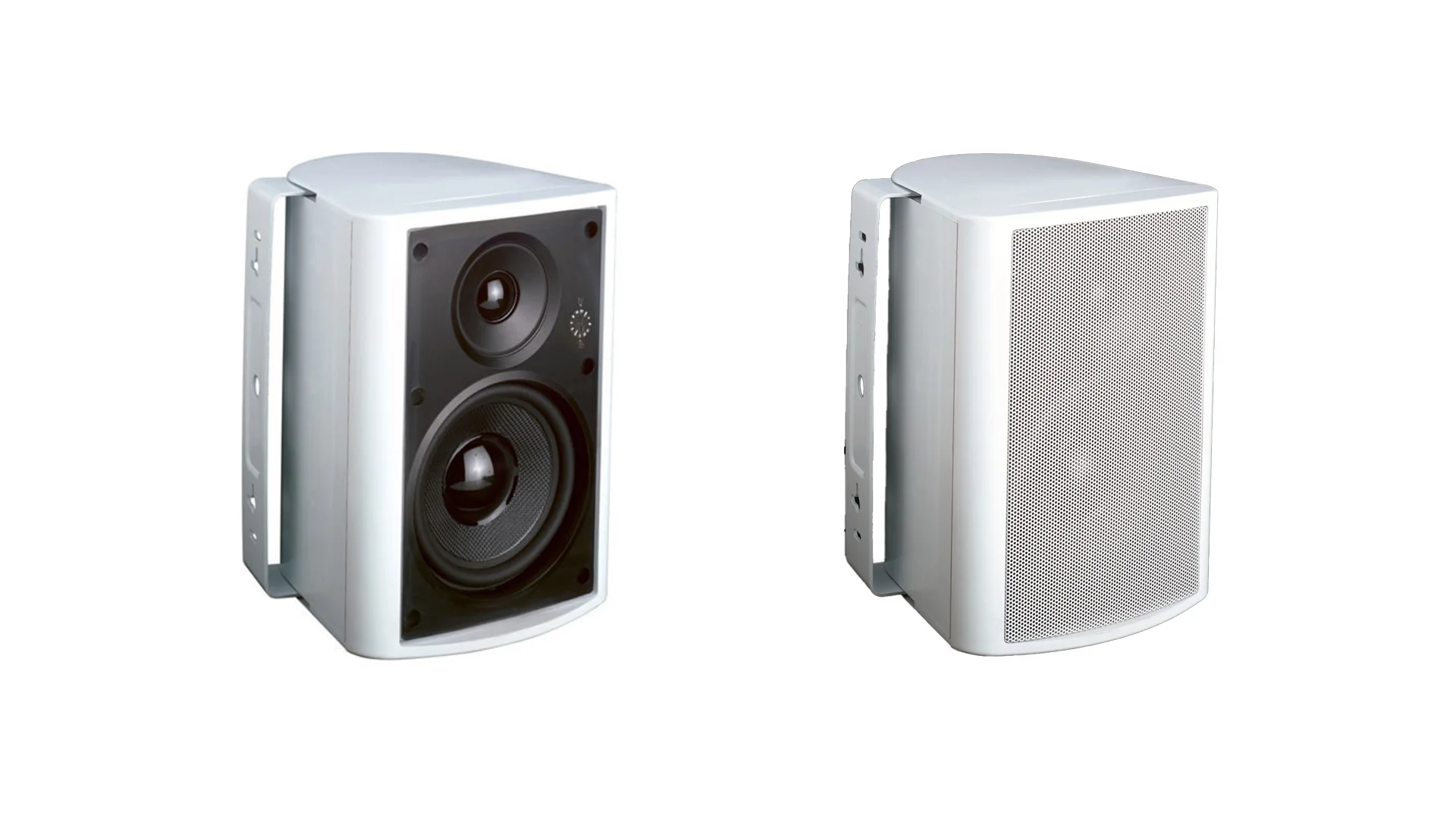
Angstrom makes loudspeakers for places where conventional speaker boxes do not fit: beside a television, within a wall or ceiling, and in architectural installations. The Canadian company’s history begins in 1978 as Angstrom Acoustic Laboratories and includes loudspeaker testing at the National Research Council in Ottawa. Its Suono Spatial Diffuser designs add side-firing tweeters to the forward-radiating drivers. In the Suono 600SD, two cabinets also accommodate the left, centre and right channels of a home-theatre system. This combination of acoustic layout and installation practicality is more representative of Angstrom than a generic focus on floorstanding hi-fi speakers. The wider range includes architectural and outdoor models.
Bose

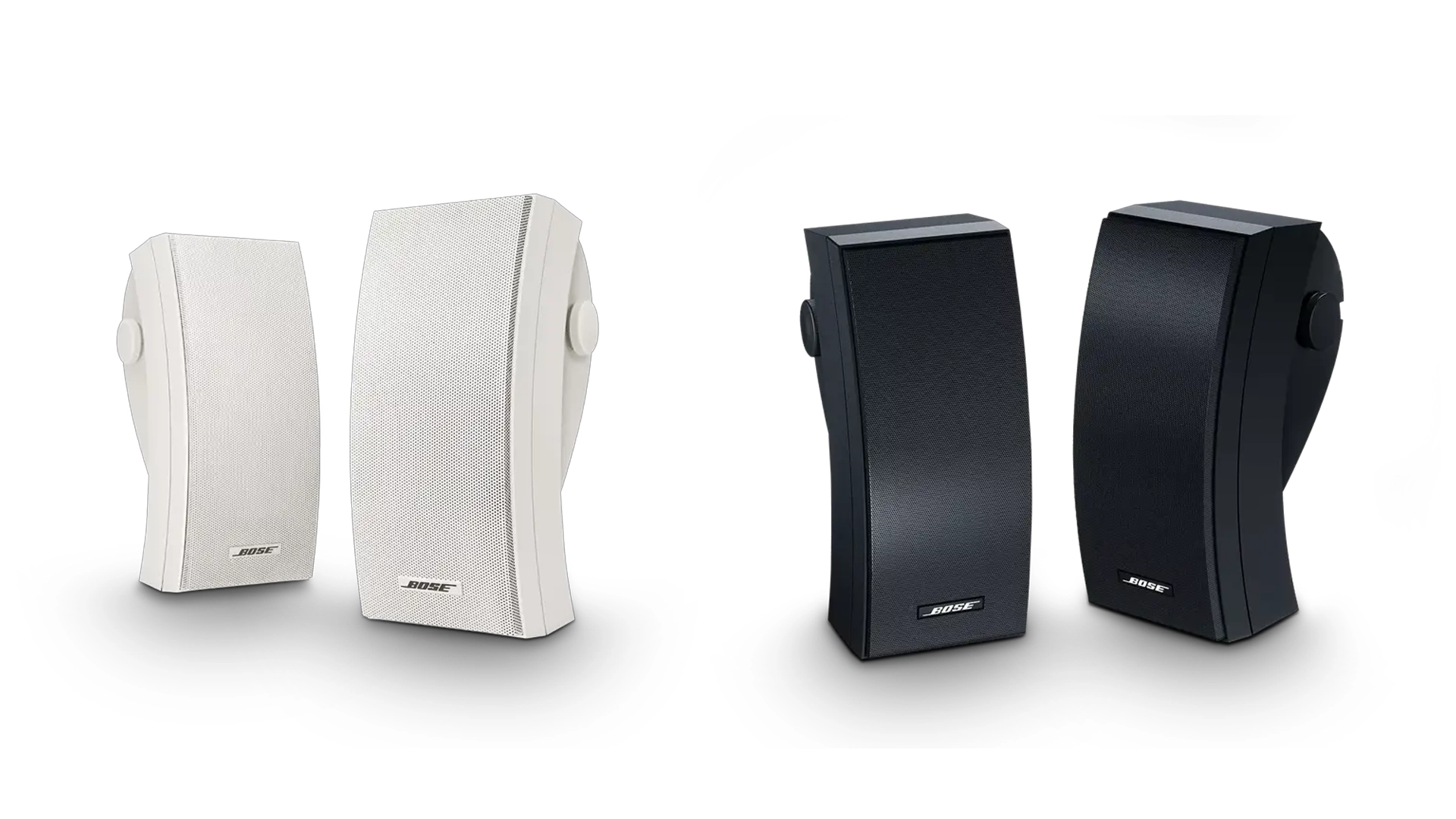
Bose built its reputation by using acoustic research and signal processing to solve practical listening problems at consumer scale. Dr Amar G. Bose founded the Massachusetts company in 1964 after studying why technically competent loudspeakers often failed to reproduce the experience of live music. The 901 Direct/Reflecting speaker became its early landmark, deliberately using room reflections as part of the presentation. Later work produced Wave music systems, compact home-theatre speakers and, after research beginning in 1978, active noise reduction for aviation and the QuietComfort consumer headphone family. Today’s range includes headphones, earbuds, Bluetooth speakers, soundbars and home audio, alongside automotive and professional systems. Bose’s strength is not traditional high-end component minimalism; it is the integration of acoustics, electronics, psychoacoustics and industrial design into products that make complex technology easy to use.
Bowers & Wilkins

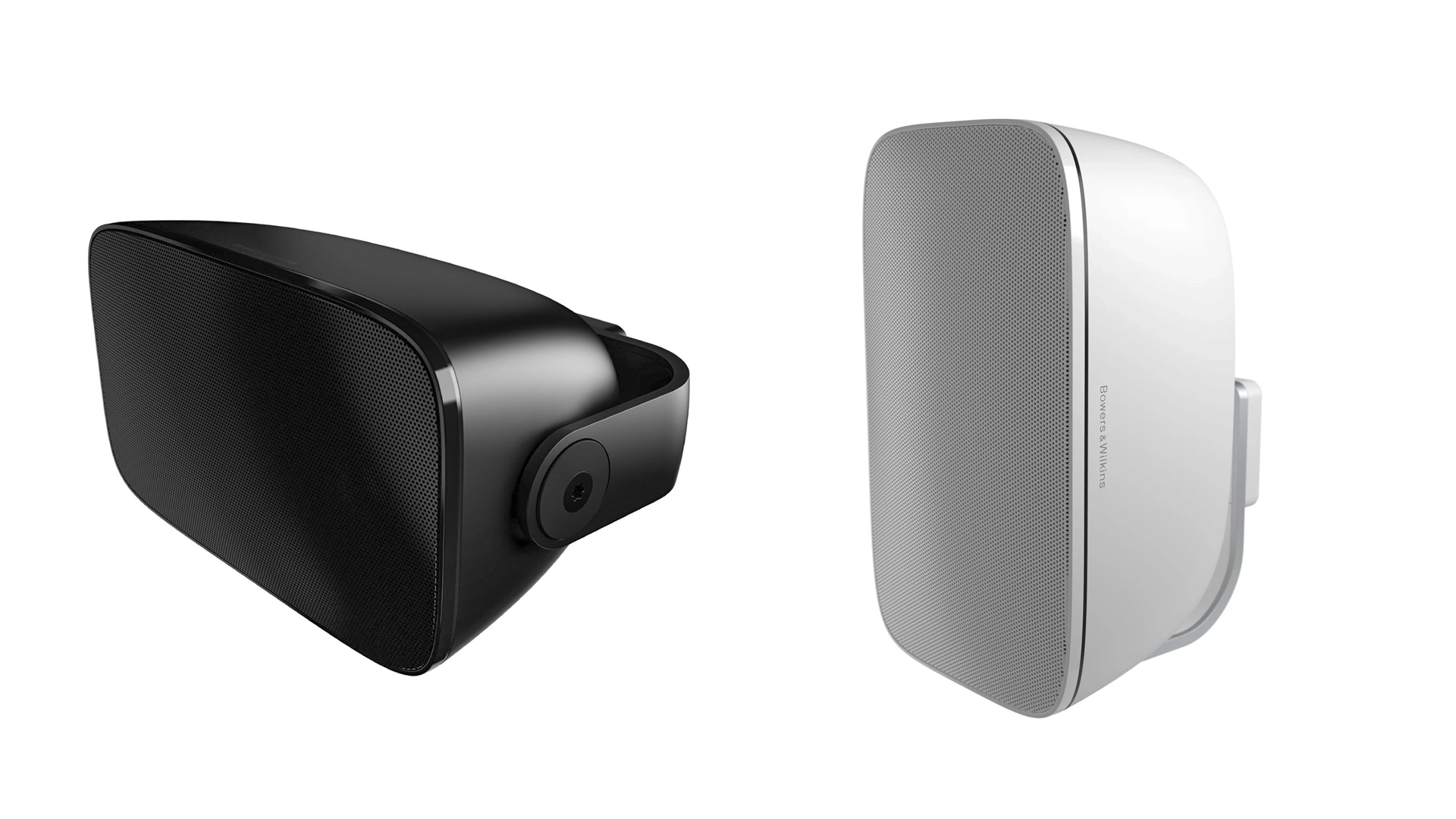
Bowers & Wilkins develops loudspeakers from the driver, enclosure and measurement system outward rather than assembling standard parts into a cabinet. John Bowers established the speaker company in Worthing in 1966 after operating an electronics shop with Roy Wilkins. The P1 funded early measurement equipment, and the later 801 became an influential studio monitor adopted by Abbey Road. Matrix bracing, tapered Nautilus tubes, diamond-dome tweeters, Continuum midrange cones, Aerofoil bass cones and Biomimetic Suspension mark successive stages of its research. The 800 Series Diamond D5 is the current flagship family, with 700 and 600 Series models covering more accessible stereo and home-cinema systems. Bowers & Wilkins also makes headphones, wireless speakers and soundbars. The brand is now part of Sound United within Harman, while its high-end loudspeaker development and 800 Series production remain centred in Worthing.
C SEED

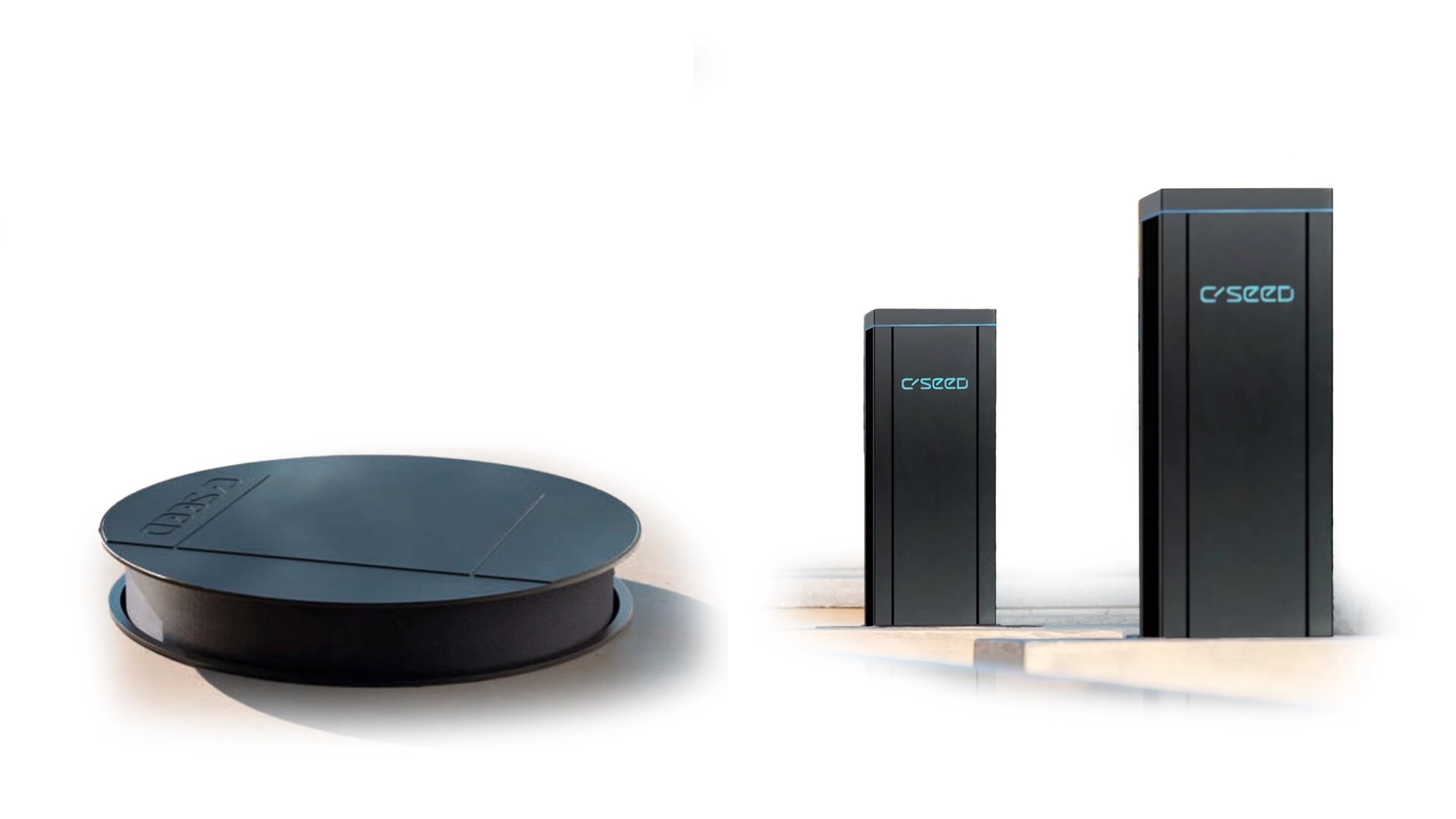
C SEED hides very large MicroLED displays inside floors or sculptural furniture, then unfolds them through precisely engineered motorised mechanisms. Alexander Swatek founded the Vienna company in 2009 with former Bang & Olufsen managers Jakob Odgaard and Jørn Sterup. Its defining first project was the C SEED 201, developed with Porsche Design Studio as a 201-inch outdoor screen that rises from an underground enclosure and opens seven display panels automatically. Later outdoor models refined the weatherproof lifting system, while M1 and N1 products brought folding MicroLED screens indoors and onto yachts without leaving a permanent cinema-sized black rectangle in the room. Image processing, structural engineering, installation and safety are as central to these products as the display panels themselves. The previously missing foundation year has been filled with the documented date 2009.
Cambridge Audio

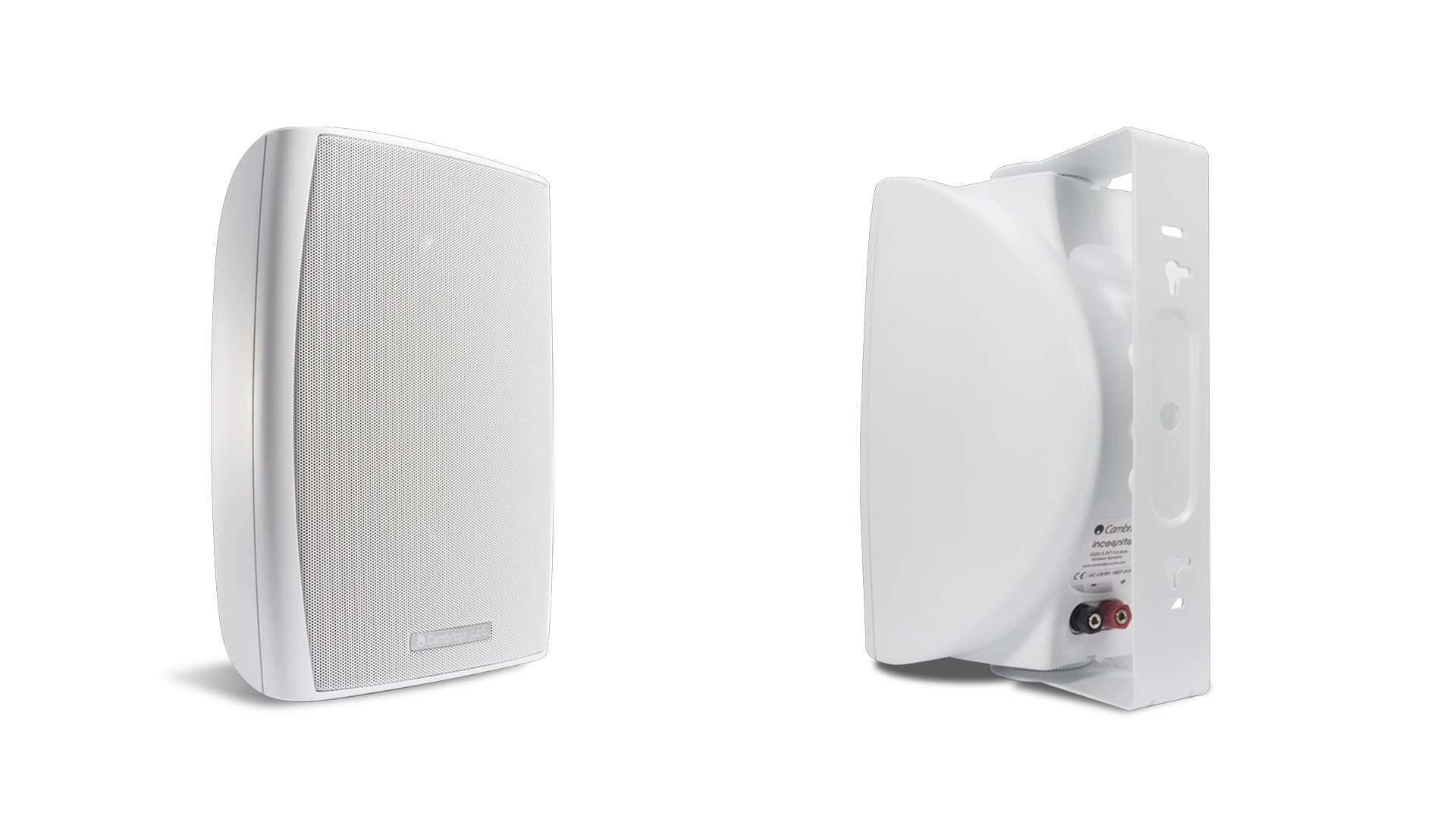
Cambridge Audio has spent more than five decades bringing useful engineering advances into attainable hi-fi components. The company began in Cambridge in 1968, when a team including Gordon Edge and Peter Lee created the P40 integrated amplifier. It was an early commercial amplifier built around a toroidal transformer, a solution that later became standard throughout the industry. Today’s AX and CX ranges cover integrated amplification, CD playback and network sources. Edge uses the company’s Class XA amplifier topology at the flagship level, while Evo combines StreamMagic streaming, conversion and speaker amplification in a compact system. Alva turntables add direct-drive vinyl playback and Bluetooth transmission. StreamMagic remains a major strength because Cambridge controls both the network hardware and the software platform, and continues adding service support to older generations. Product design is led from London, with the range aimed at complete systems rather than one specialist category.
Coastal Source

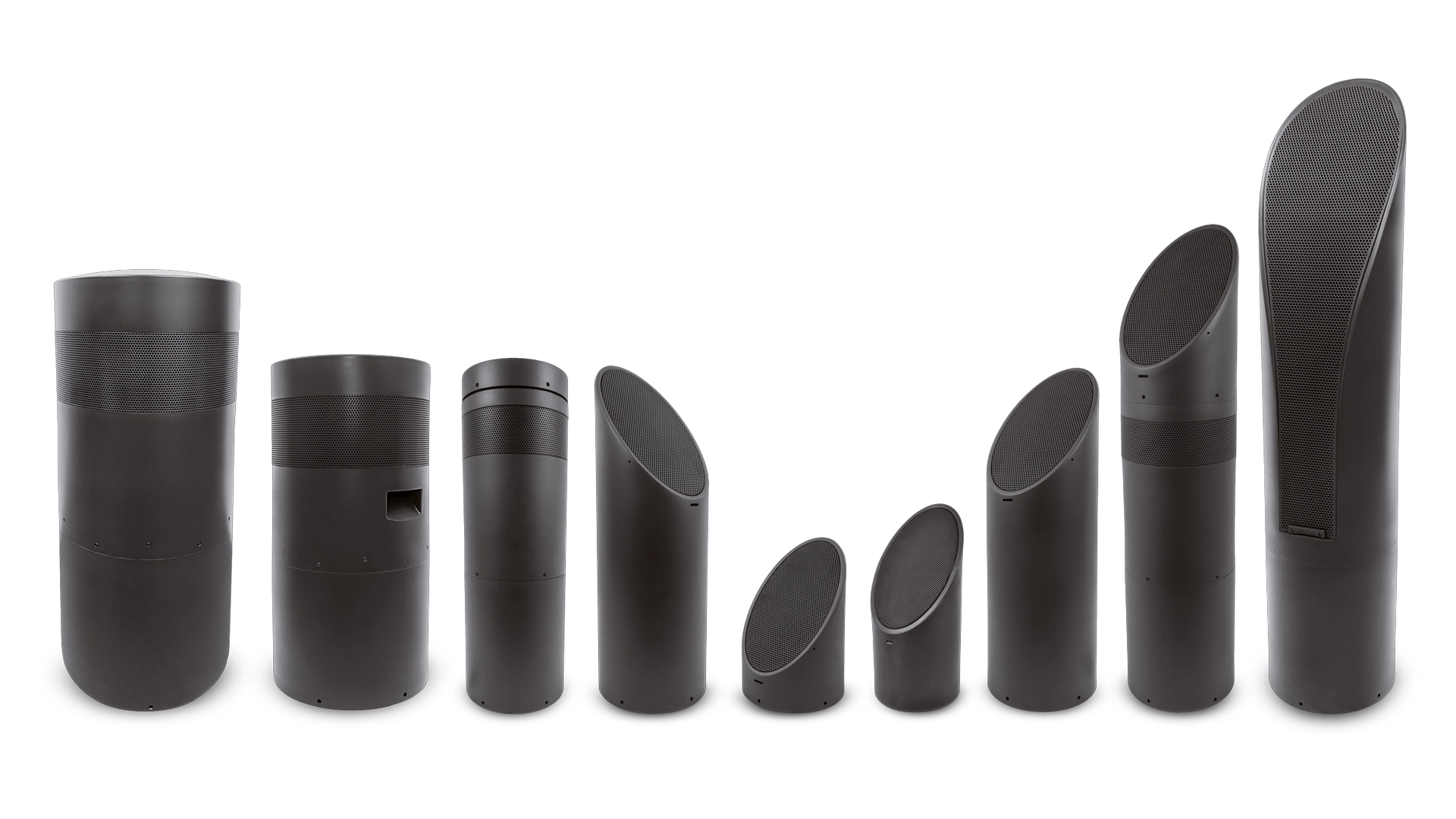
Coastal Source engineers outdoor audio and lighting as complete systems able to survive salt, humidity, ultraviolet exposure, wind and irrigation. The D’Ascanio brothers founded the company in Marathon, Florida, in 2009 after their design-build business repeatedly encountered outdoor products that failed in coastal estates. Founder and CEO Franco D’Ascanio turned that field experience into loudspeakers, subwoofers, amplification, cabling and solid-cast-brass LED lighting developed for permanent landscape installation. Audio products include discreet point-source speakers, bollard and line-array formats, high-output subwoofers and electronics sized as parts of a designed system rather than isolated garden accessories. Weather-resistant enclosures, drainage, corrosion-conscious materials and sealed plug-and-play connections address the failure points installers see outdoors. Because the same company develops lighting, audio, transformers, cabling and mounting hardware, a project can use common installation logic across an entire property. Durability in genuinely hostile environments, not merely an outdoor rating, is the central Coastal Source speciality.
Dayton Audio

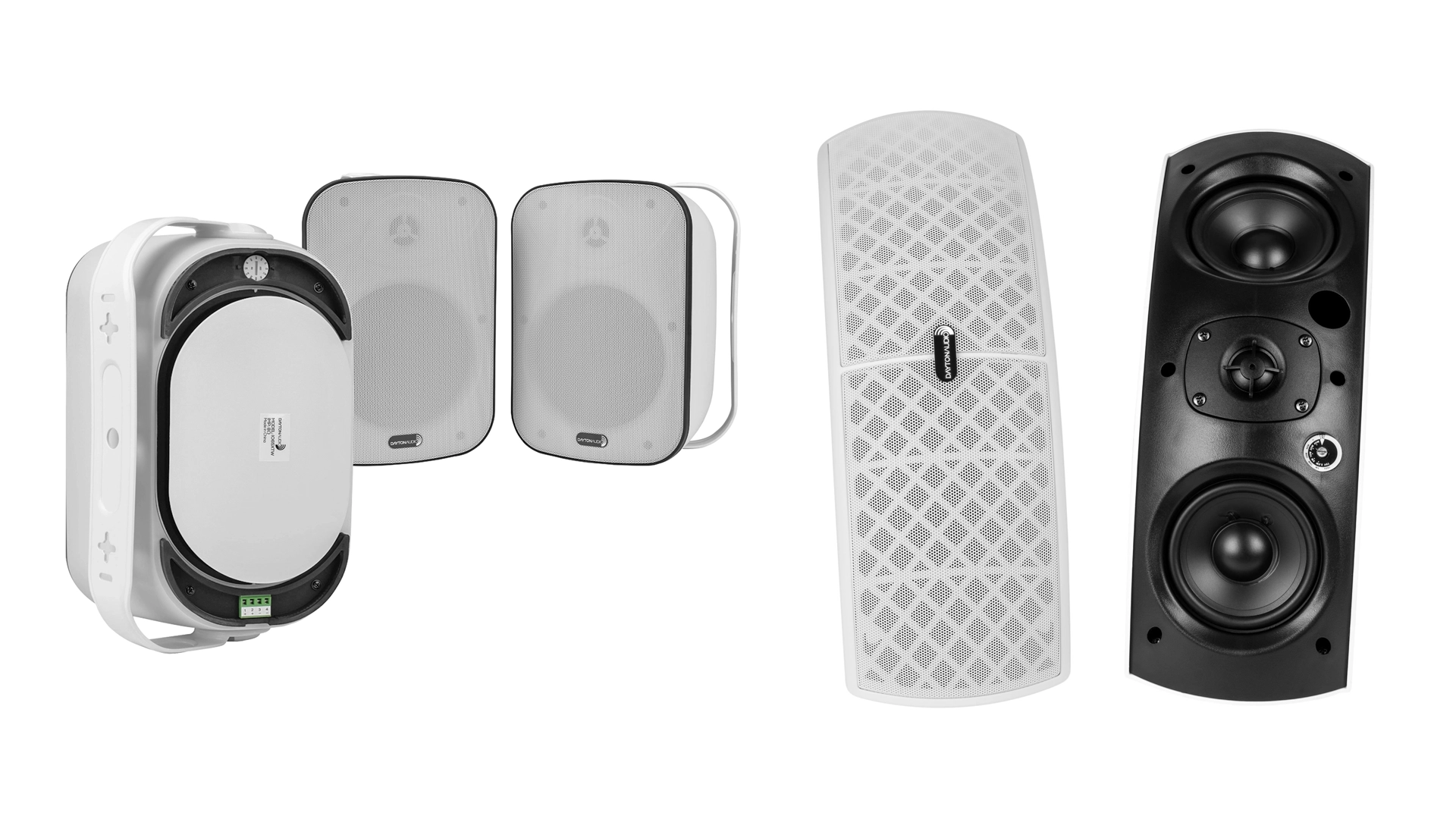
Dayton Audio is the house audio brand associated with Ohio-based Parts Express, serving builders, installers and value-conscious listeners with components that are normally sourced from many separate suppliers. Its catalogue spans individual tweeters, midrange and woofer drivers, passive radiators, subwoofer plate amplifiers, class-D amplifier boards, DSP modules, finished subwoofers, compact speakers and complete kits. Reference and Signature drivers provide measured parameters for original loudspeaker designs, while Ultimax subwoofers prioritise long excursion and power handling. Just as important is the supporting tool chain: the DATS measurement system helps builders determine driver impedance and Thiele-Small parameters, and project documentation makes the parts usable rather than merely inexpensive. Dayton also collaborates with independent designers on kits and supplies OEM or custom-installation solutions through Parts Express. Its distinctive strength is breadth with technical accessibility — drivers, electronics, measurement and practical documentation within one ecosystem — making it especially useful to DIY loudspeaker builders who want compatible parts and test tools from one source.
Definitive Technology

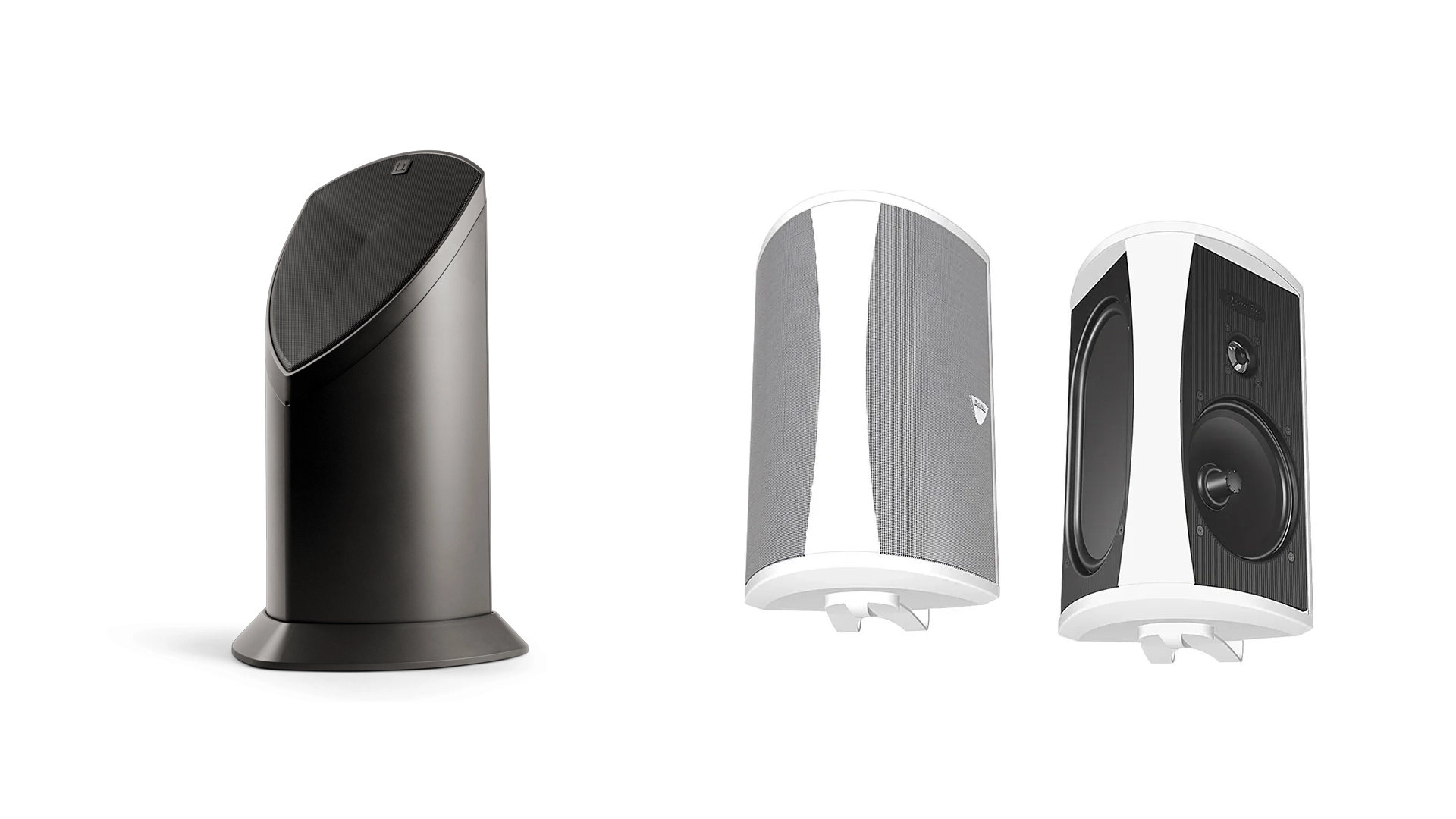
Definitive Technology is the American loudspeaker brand founded in 1990 by Sandy Gross, Don Givogue and Ed Blais, initially around a tower that combined bipolar radiation with its own powered subwoofer. That pairing remains central to the company’s identity. Front- and rear-facing driver arrays create a broader, more enveloping field than a conventional forward-radiating box, while active bass sections allow deep low-frequency output from a relatively narrow cabinet and reduce the burden on an external amplifier. The current Dymension family develops this formula with bipolar towers, integrated powered woofers and optional height modules for immersive home cinema; Mythos applies Definitive’s acoustic approach in slimmer wall-friendly enclosures. Matching centres, surrounds, subwoofers and architectural speakers allow complete multichannel systems rather than isolated stereo models. Although the company has passed through several corporate owners since its 2004 acquisition, the more useful story for users is product continuity: spacious bipolar presentation, substantial built-in bass and visually restrained cabinets designed to make one system effective for both films and music.
Elac

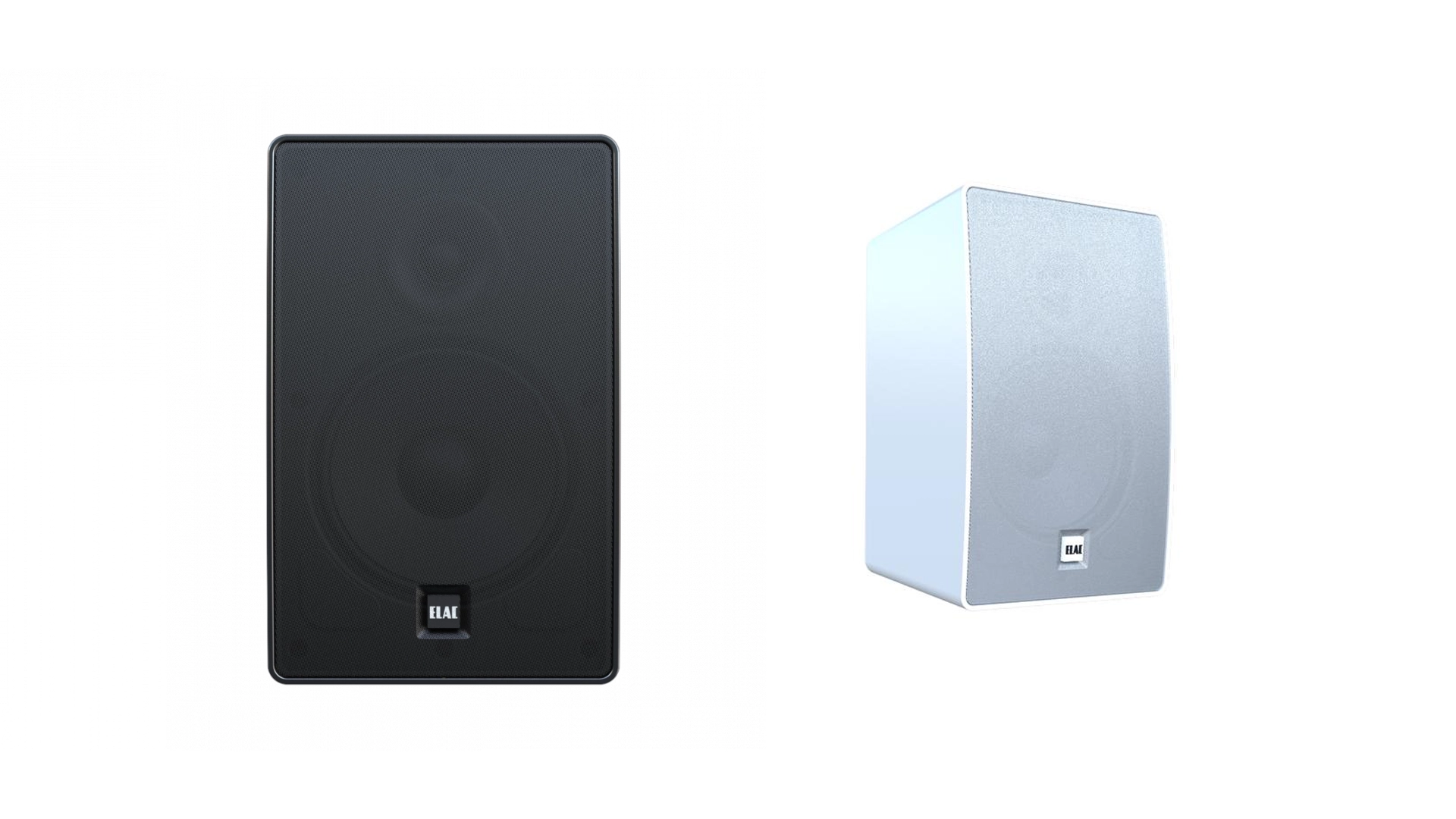
ELAC is a German audio company founded in Kiel on 1 September 1926 by Dr Heinrich Hecht, Dr Wilhelm Rudolph and Gerhard Schmidt. Its near-century history is unusually broad: the company began in electroacoustics and sonar, became a major post-war maker of turntables and cartridges, and shifted its centre of gravity to loudspeakers in the 1980s. Modern ELAC is therefore more than the affordable speakers often associated with designer Andrew Jones. The Debut and Uni-Fi families use carefully engineered cone drivers and, in Uni-Fi, concentric midrange/tweeter geometry to bring controlled directivity and coherent imaging to accessible systems. Carina, Vela and higher ranges draw on the folded JET tweeter, while active subwoofers and electronics complete stereo and cinema installations. Turntables keep the brand’s analogue history visible rather than treating it as a retro licensing exercise. ELAC’s lasting advantage is range backed by real transducer engineering: it can translate its knowledge of motors, diaphragms, wave launch and cabinet behaviour from compact entry models to elaborate floorstanders, while the 1926 date describes the actual company lineage rather than a recently revived name.
Elipson

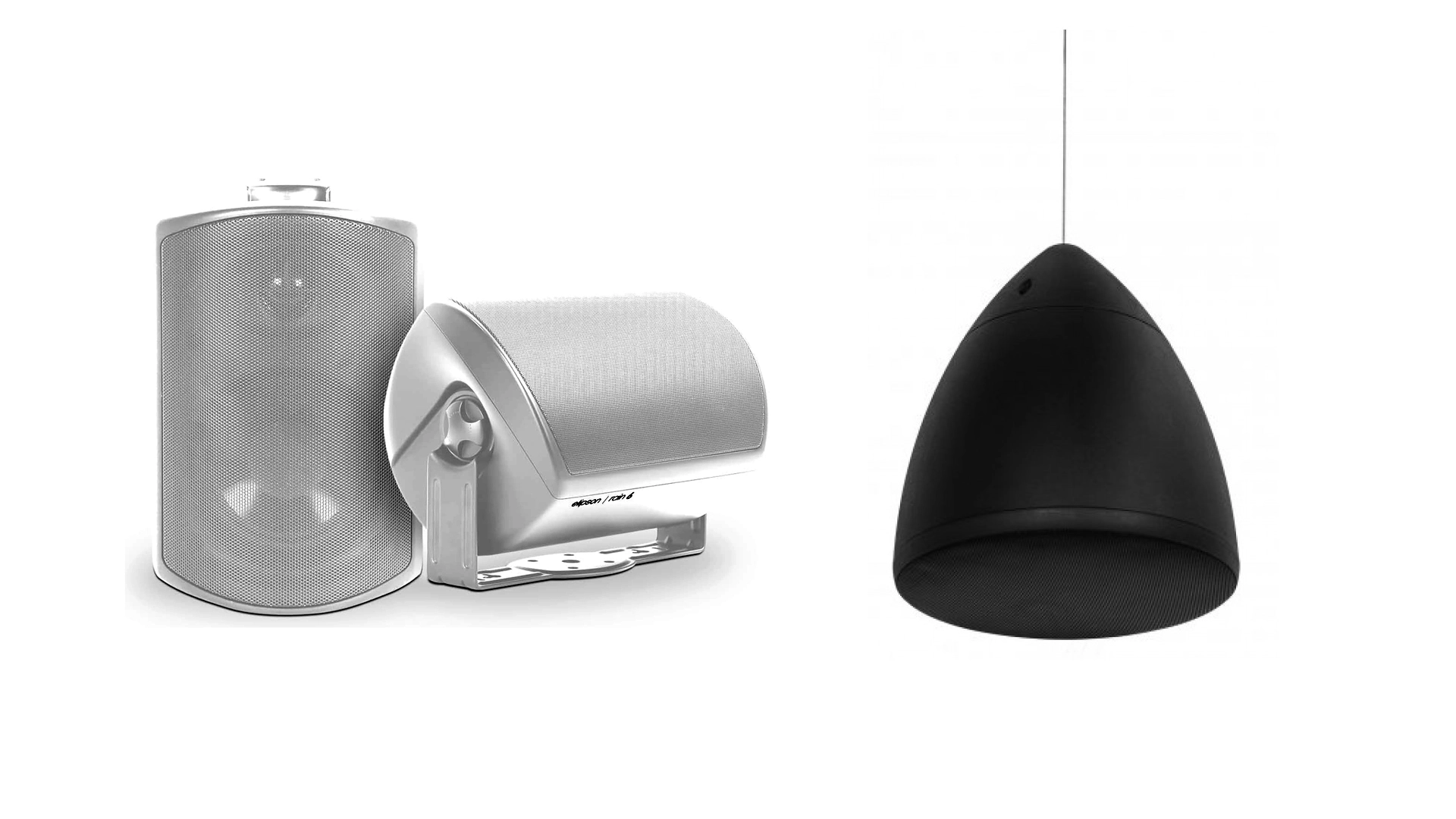
Elipson is France’s oldest surviving specialist loudspeaker name, tracing its company origin to 1938 and its distinctive acoustic identity to engineer Joseph Léon. The historical sequence deserves precision: the business began as Multimoteur, early audio research started around 1940, Léon joined in 1946 and led the company from 1948, and the Elipson name—formed from “ellipse” and the French word “son”—was adopted in 1951. Under Léon, spheres, reflectors and resonators were engineering tools for controlling diffraction, radiation and time alignment, not merely futuristic styling. The BS50 Chambord and later 402 made those experiments iconic in French broadcasting and public installations. Today the Planet series keeps the spherical enclosure visible, while Heritage models revisit large-format designs and newer Prestige, Legacy and wireless products cover conventional home systems. Elipson also offers turntables and electronics, but loudspeaker form remains its signature. Its strength is the unusually direct link between acoustic research and industrial design: shapes that are instantly recognisable because they were first chosen to solve propagation and enclosure problems.
Emotiva

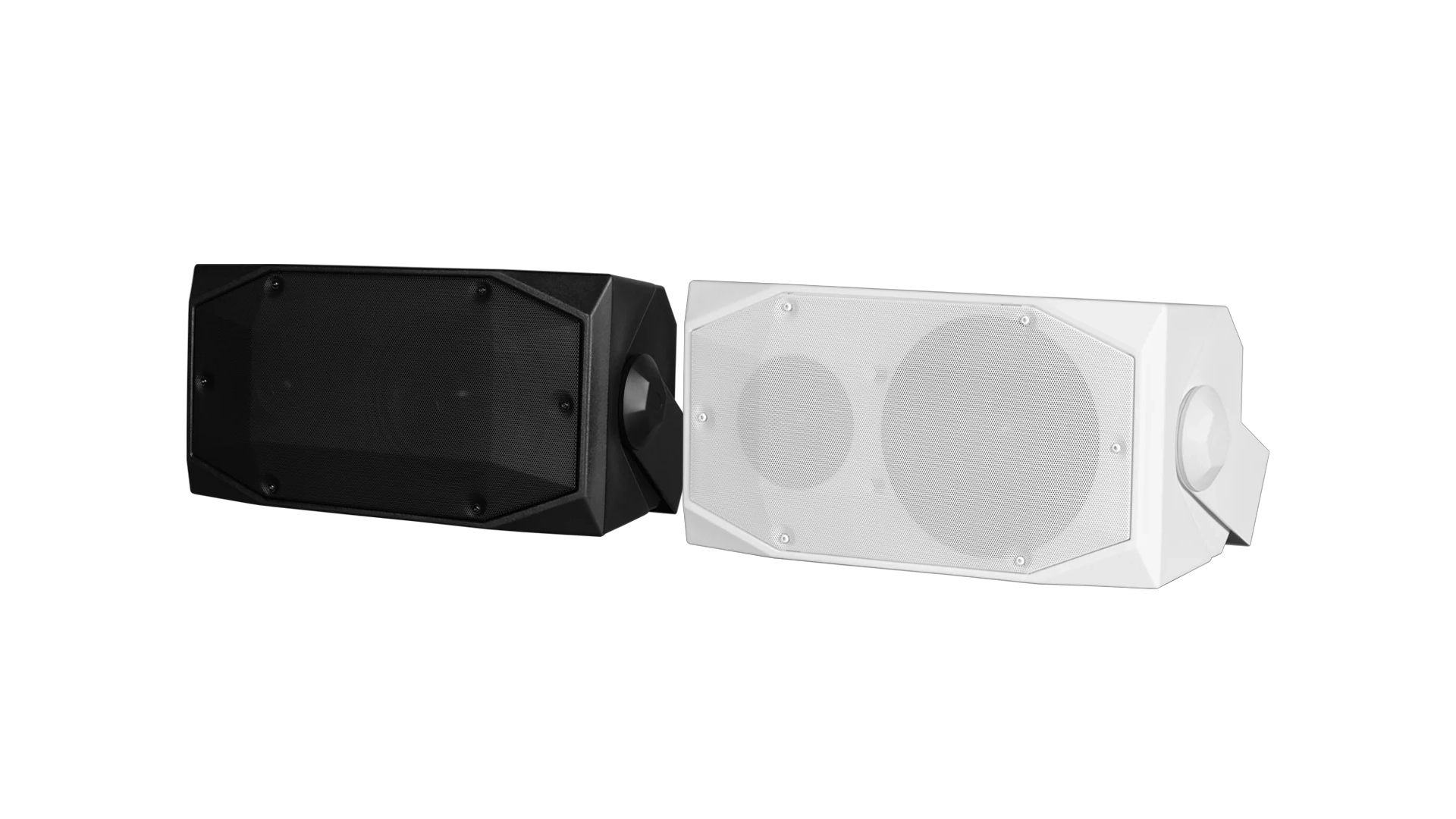
Emotiva is an American audio company founded in 2003 by Dan Laufman to sell serious stereo and home-theatre electronics directly to listeners, removing several layers of conventional distribution cost. That business model matters because it shaped the products: substantial power supplies, high channel counts and upgrade-friendly platforms offered at prices below many specialist competitors. BasX covers accessible amplifiers, preamps and cinema electronics, while XPA power amplifiers scale from stereo systems to multichannel installations through modular high-current Class A/B stages and efficient switch-mode supplies. Differential Reference models use fully balanced, fully differential signal paths and Optimized Class H supply operation for demanding front channels or two-channel systems. Surround processors and receivers address immersive formats, and loudspeakers extend the catalogue into complete systems. Emotiva’s identity is not simply “value for money”; it is the combination of direct sales with unusually powerful, configurable hardware for enthusiasts who may need two channels today and a large cinema later. Design and final product development are centred in Tennessee, with model-specific manufacturing choices rather than a blanket claim that every component is built in the United States.
Focal

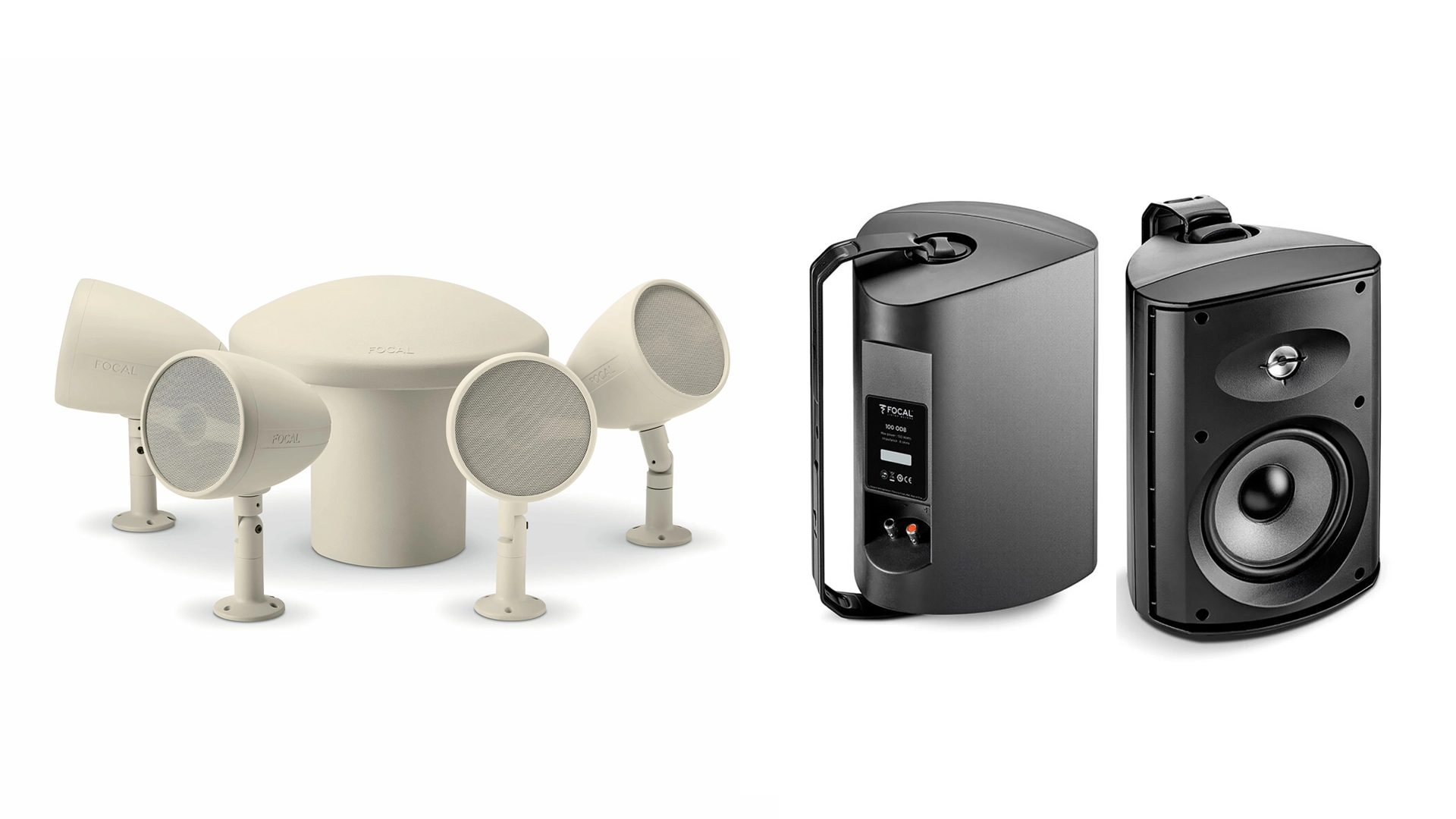
Few audio manufacturers cover as much of the reproduction chain as Focal while still developing and making key drivers in-house. Engineer Jacques Mahul founded Focal-JMlab in Saint-Étienne in 1979, initially building loudspeaker drivers and complete systems in a family precision-engineering workshop. The French company now serves home hi-fi and cinema, professional studios, car audio, headphones and custom installation. Its technical identity is visible in pure-beryllium tweeters, W-composite and K2 cones, flax-sandwich diaphragms, M-shaped profiles and Tuned Mass Damper surrounds; each technology is used where its stiffness, mass or resonance behaviour suits the product. Landmark Utopia loudspeakers established Focal’s high-end reputation, while Sopra, Kanta, Aria Evo X and Vestia broaden the home range. Bathys, Clear, Stellia and Utopia headphones bring the same driver-led philosophy closer to the listener. Cabinet making for the upper loudspeaker lines and much of the driver production remain centred in France.
Gallo Acoustics

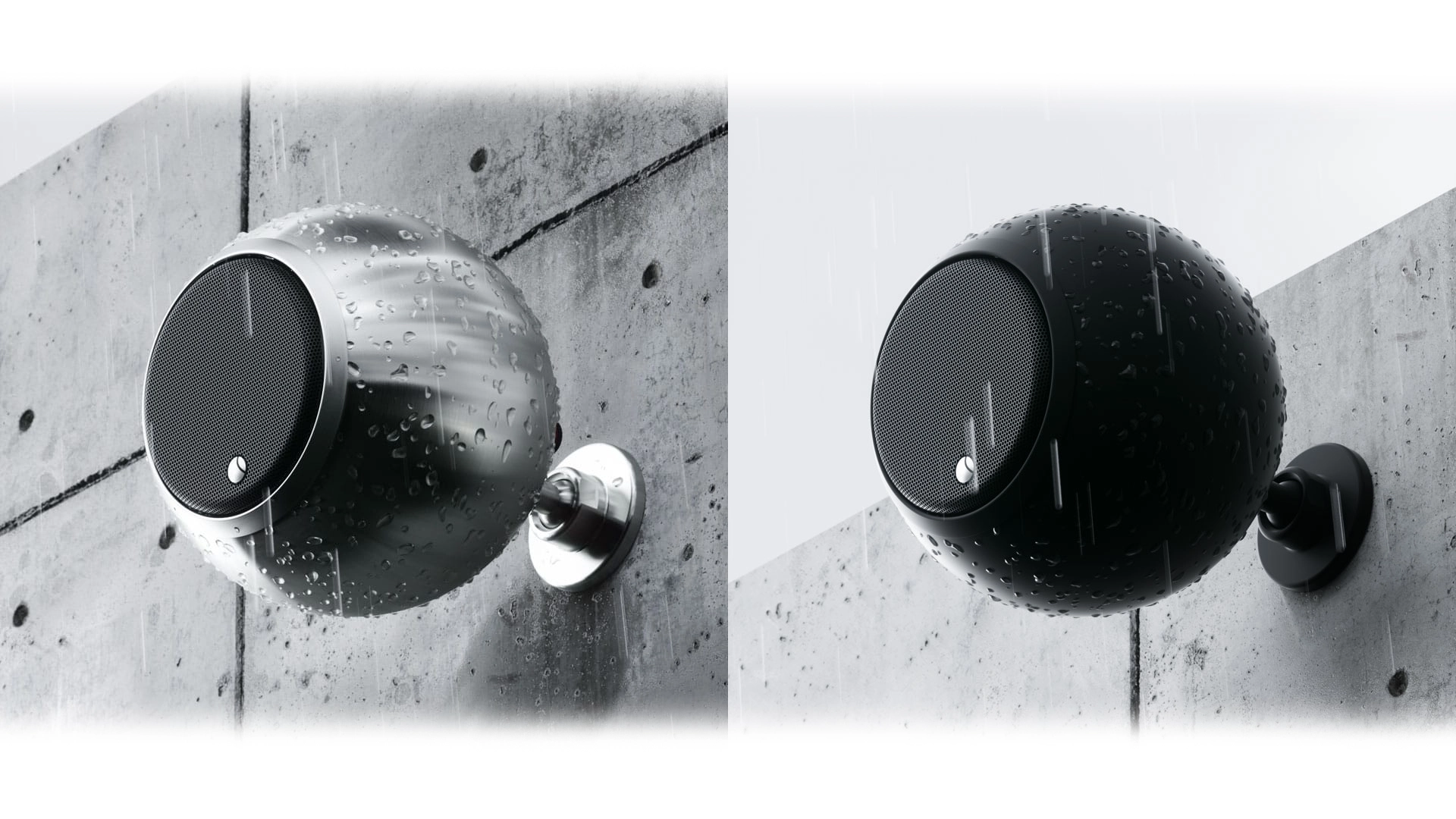
Gallo Acoustics turns the loudspeaker enclosure into a sphere, reducing parallel-panel standing waves and edge diffraction while keeping the product compact enough for domestic and architectural use. American designer Anthony Gallo developed the first commercial Nucleus loudspeaker in 1994 after years of experiments with electrostatic, ribbon and piezo-film transducers. The later Micro and A’Diva models placed small dynamic drivers in rigid steel spheres, while proprietary S2 loading extended useful bass response from the limited internal volume. Strada 2 uses twin spherical bass/mid units around Gallo’s cylindrical-diaphragm CDT3 tweeter, which provides broad horizontal dispersion without a conventional voice coil. The current Scottish-based company assembles products in Lanark and supports stereo, home-cinema and custom-install systems with Micro, A’Diva, Droplet and Strada speakers plus RoomSub and ProfileSub subwoofers. Its history is American, its present operating base is British, and the spherical form follows an acoustic argument rather than styling alone.
James Loudspeaker
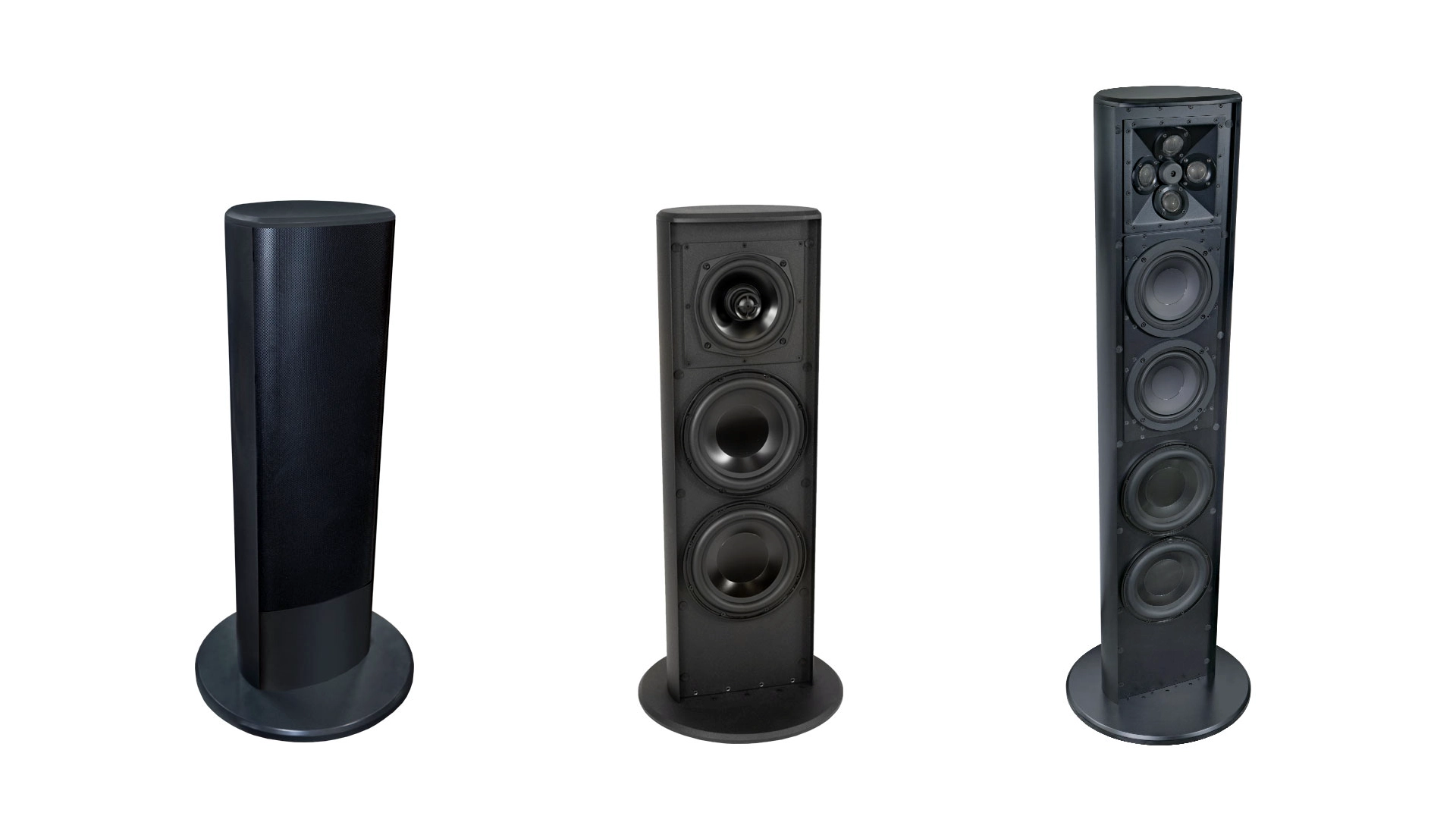
James Loudspeaker designs high-performance speakers for rooms in which conventional boxes are visually or physically unacceptable. Founded in California in 1999 and now part of Sonance, the company specialises in architectural, custom and outdoor systems built around rigid aluminium enclosures, purpose-designed drivers and unusually flexible fabrication. Its Small Aperture models place the visible opening at lighting-fixture scale while locating the enclosure behind the wall or ceiling. PowerPipe subwoofers move low-frequency output through a remote port when the cabinet must be hidden, and the high-output Mavericks range addresses dedicated cinemas. James also makes on-wall, in-wall, landscape, marine and soundbar solutions, including custom widths, colours and finishes for a particular screen or interior. Technologies such as quad-tweeter arrays and the EMB low-frequency platform serve installation problems rather than acting as generic badges. The brand’s strongest advantage is therefore not one signature speaker: it is the ability to engineer an acoustically serious system around architectural constraints, then manufacture the enclosure and finish to suit the project.
JBL

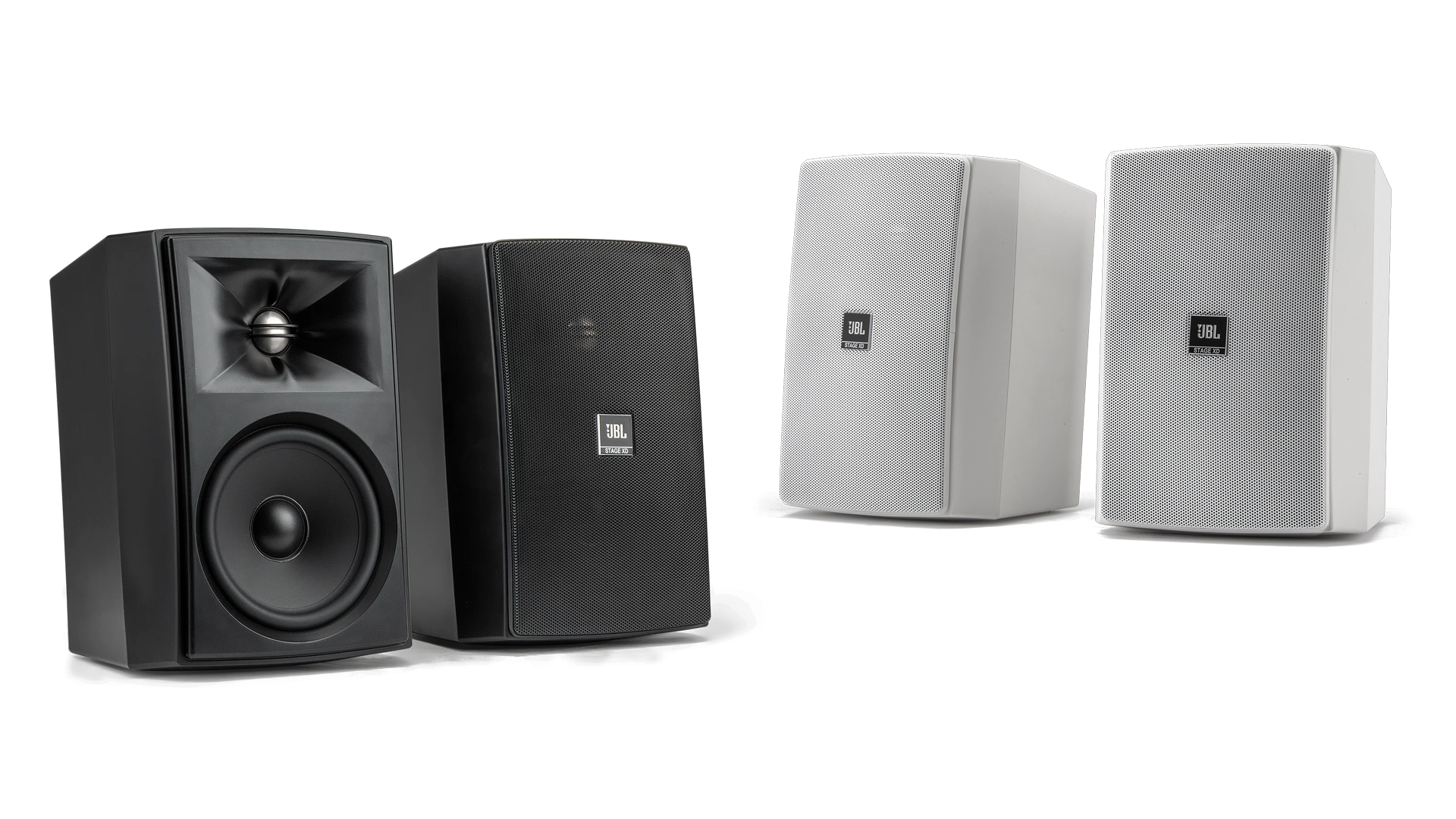
JBL is one of the few audio brands with equally deep roots in cinema, recording studios, touring sound and domestic loudspeakers. Engineer James Bullough Lansing founded James B. Lansing Sound in Los Angeles in 1946, and the early D130 driver introduced a four-inch flat-wire voice coil that helped establish the company’s reputation for high efficiency and power handling. JBL later became a studio reference through 4300-series monitors and translated that visual and acoustic language into the L100 for the home. Its professional division now covers cinema systems, installed sound, stage monitors and large-format arrays, while consumer products range from portable Bluetooth speakers and headphones to Classic and Synthesis systems. Compression drivers, horns and controlled-directivity waveguides recur across many categories because JBL designs for predictable output beyond a single listening seat. The company has belonged to Harman since 1969; Harman has been owned by Samsung since 2017. Scale is part of JBL’s know-how: transducer engineering developed for venues and studios can inform car, home and portable products without erasing the differences between them.
JL Audio

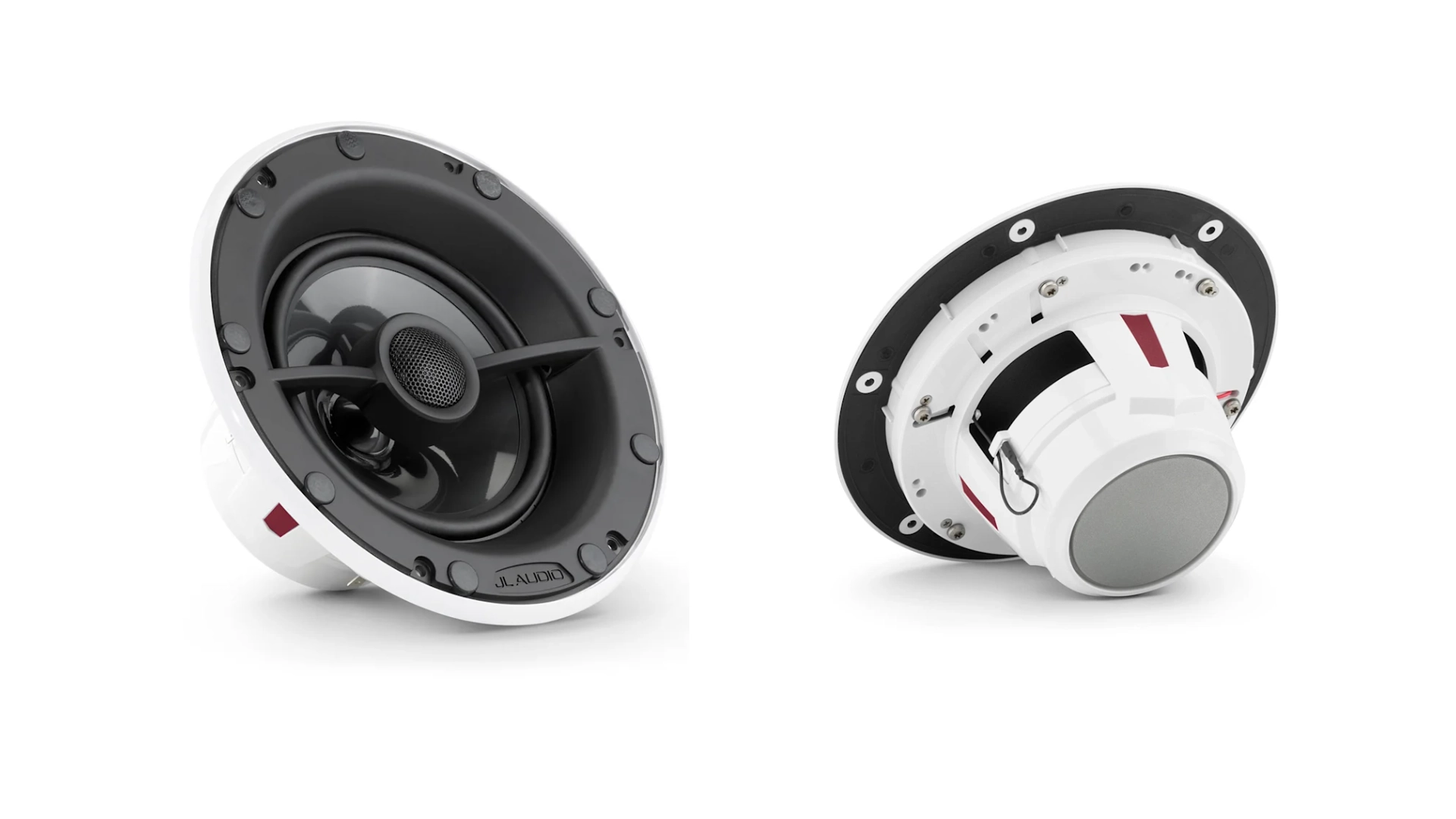
JL Audio is an American transducer and amplifier specialist whose strongest signature is controlled, high-output bass in difficult environments. Friends James Birch and Lucio Proni founded the company in Florida in 1975—the initials of their first names supplied “JL”—and its early speaker work evolved into a major presence in custom car audio. The W7 subwoofer platform showcased technologies developed to keep the voice coil, suspension and cone geometry stable at large excursion, while matching amplifiers and signal processors made complete installations easier to engineer. JL later adapted that low-frequency expertise to marine systems and home subwoofers. Fathom and Gotham use powerful drivers, substantial amplification and automatic room optimisation; Dominion offers a more compact entry to the same category. The company also produces coaxial speakers, component systems and amplifiers for vehicles, boats, powersports and home use, with products designed around the thermal, moisture and space constraints of each application. Garmin acquired JL Audio in 2023, but the brand’s technical centre remains its long-developed command of transducers, amplification and system integration.
KEF

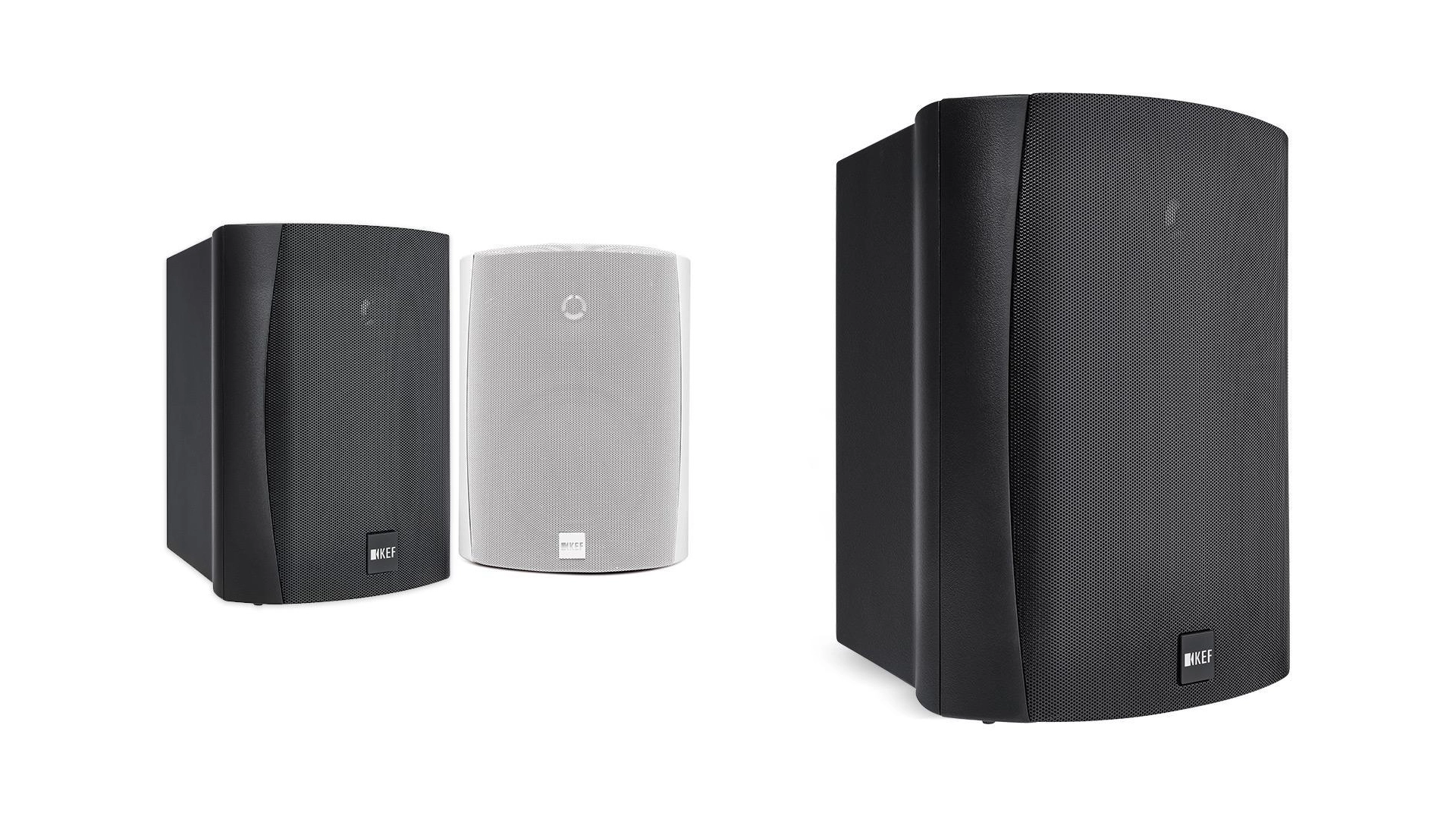
KEF is a British loudspeaker company whose identity rests on acoustic research and driver engineering rather than a house style applied to conventional boxes. BBC engineer Raymond Cooke founded it in Maidstone in 1961; the name comes from Kent Engineering & Foundry, the site of the first workshop. KEF’s defining invention is Uni-Q, introduced in 1988, which places the tweeter at the acoustic centre of the midrange cone so the two behave more like one source across a wide listening area. Recent generations add Metamaterial Absorption Technology behind the tweeter to manage rear radiation, while Uni-Core allows opposed subwoofer drivers to share a compact motor structure. These ideas appear at different scales across the Q, R and Reference ranges, the sculptural Blade models, KC subwoofers and the active LS50 Wireless II and LS60 Wireless. The catalogue spans passive, wireless, architectural and personal audio, but the common thread is unusually deep in-house modelling, measurement and transducer development.
Klipsch

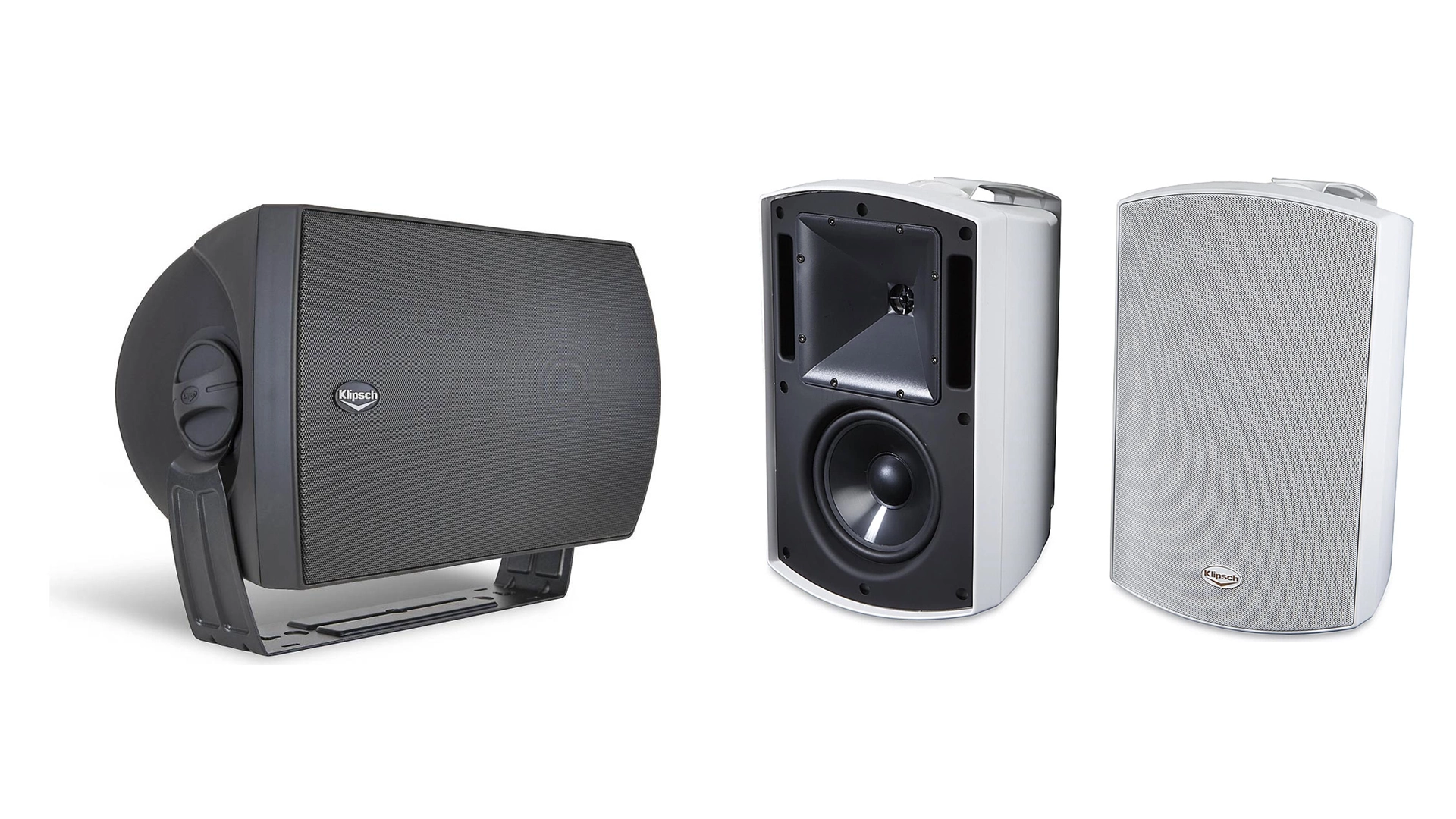
Klipsch is an American loudspeaker company founded by engineer Paul W. Klipsch in Hope, Arkansas, in 1946. His central solution was horn loading: coupling a driver to a shaped acoustic horn raises efficiency and controls dispersion, allowing high output and wide dynamics from comparatively little amplifier power. The corner-loaded Klipschorn put that idea into a domestic loudspeaker and remains in production, joined in the Heritage range by La Scala, Cornwall, Heresy and Forte. Modern Reference Premiere models use Tractrix-based horns in more conventional towers, monitors and centre channels, while the company also makes subwoofers, soundbars, architectural speakers and powered stereo systems. The designs vary widely, but high sensitivity and controlled directivity remain the recognisable technical thread. Klipsch now operates within Premium Audio Company, owned by Gentex, yet Heritage models are still assembled in Hope. Few audio brands can point to both an original flagship still being made and a current mass-market range built around the same underlying acoustic principle.
Krix

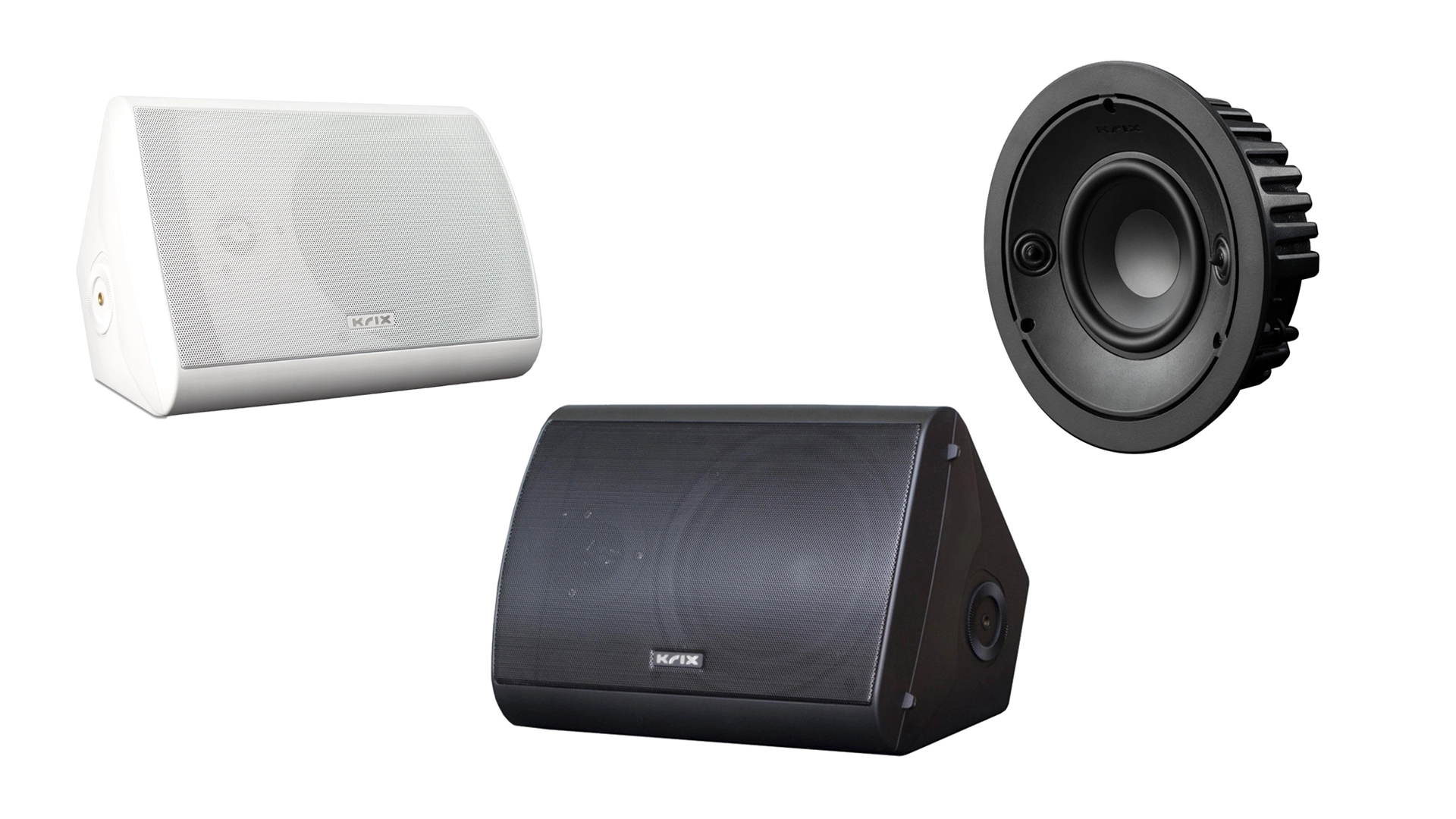
Krix is an Australian loudspeaker company with an unusually direct link between home audio and the commercial cinema. Scott Krix began building loudspeakers in Adelaide in 1974 and installed his first cinema system in 1980; today the company designs and manufactures speakers for dedicated theatres, living rooms and professional auditoriums at its South Australian facility. Cinema experience is central to the brand’s know-how: controlled directivity, high sensitivity, generous headroom and consistent coverage across a seating area. Krix develops its own constant-directivity horns, uses finite-element analysis and extensive acoustic measurement, and builds cabinets in-house with model-specific bracing. For home cinema, the modular Series MX systems place screen, surround and subwoofer channels behind an acoustically transparent screen or within a baffle wall, bringing commercial-cinema architecture into private rooms. Series SX and architectural models address flexible installations, while Esoterix loudspeakers show the same engineering discipline in two-channel hi-fi. The result is a brand whose strength is not a house sound slogan, but predictable dynamics and coverage at real cinema levels.
Lithe Audio

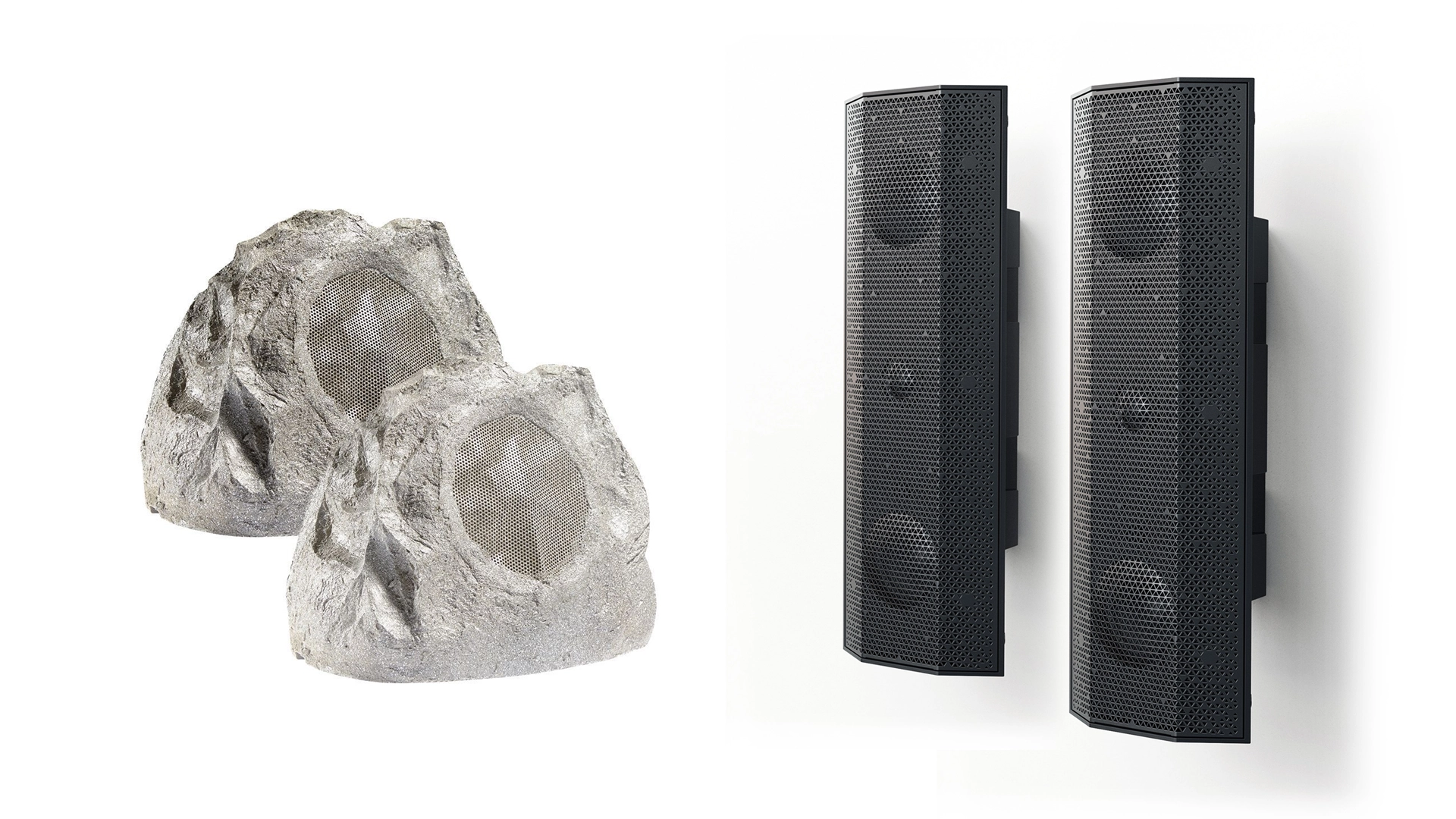
Lithe Audio is a British installation-audio company founded in 2014 to remove the separate amplifier, speaker cable and control hardware from everyday built-in sound. Co-founder Amit Ravat and the development team made the active ceiling speaker the centre of the system: amplification and wireless connectivity sit inside the speaker, so an installer normally adds mains power and a network or Bluetooth source rather than a remote equipment rack. The range includes simple Bluetooth ceiling speakers and Wi-Fi models with AirPlay 2 and Google Cast for synchronised multiroom playback. Pro-series speakers address larger installations, IP-rated models serve bathrooms and outdoor locations, and the iO1 combines an integrated amplifier with multiple mounting options for indoor or exterior use. Lithe Cinema uses WiSA wireless multichannel transport to build scalable surround systems with active ceiling speakers and subwoofers, while newer Auracast products target broadcast audio in commercial spaces. Passive variants and fire or acoustic hoods remain available where regulations or system architecture require them. Lithe Audio’s strength is practical integration: it packages amplification, streaming and loudspeaker engineering into an installer-friendly format without pretending that every room needs traditional hi-fi furniture.
Martin Logan

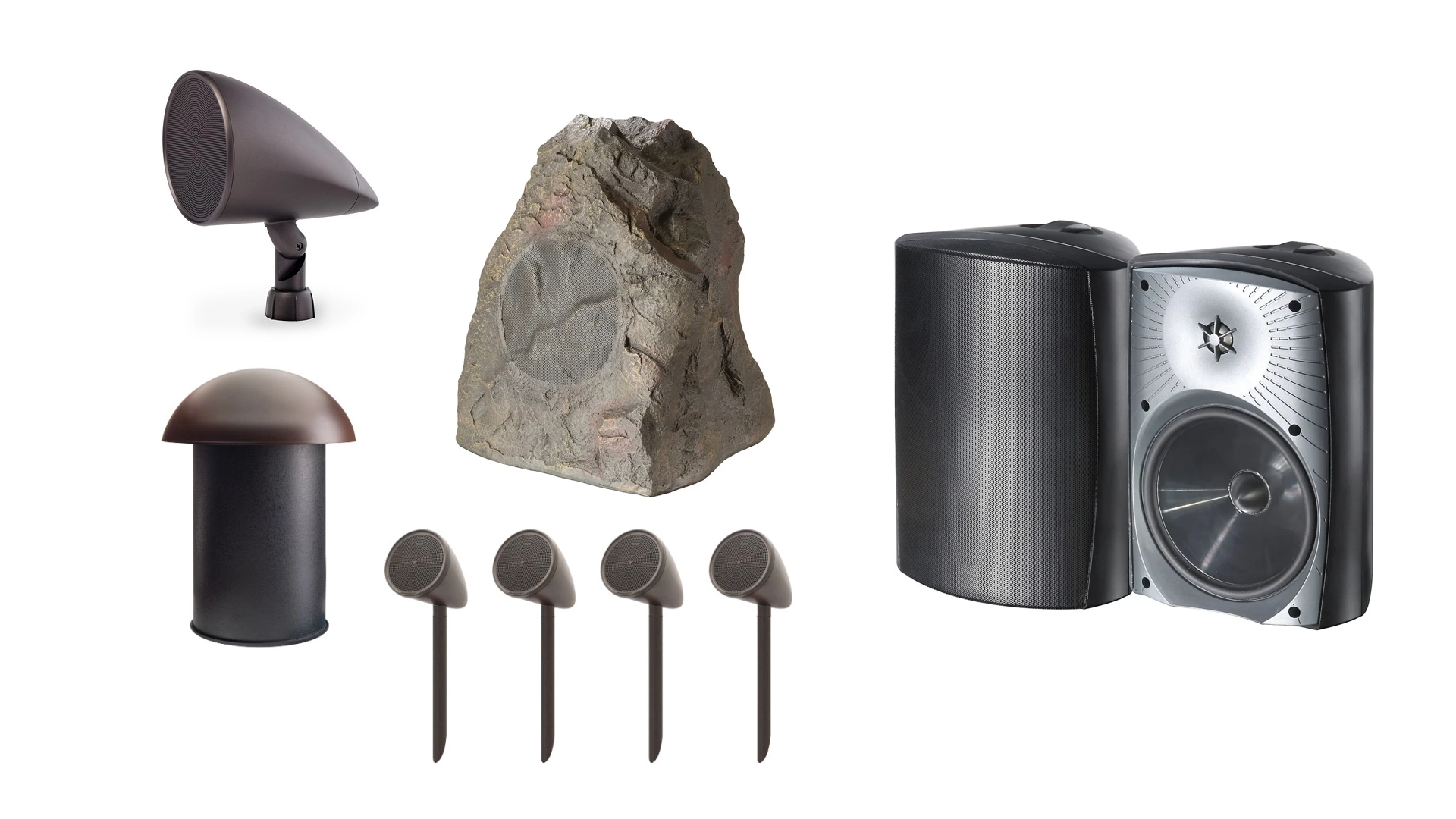
MartinLogan is the American loudspeaker specialist that made the curved electrostatic panel practical for full-range domestic systems. Gayle Martin Sanders and Ron Logan Sutherland developed their first production model, the Monolith, in 1983 after several years of experiments. Its hybrid architecture paired a transparent electrostatic membrane with a dynamic bass driver, solving one of the central limitations of earlier electrostatic designs while preserving their speed and low moving mass. The brand’s large electrostatic models use Curvilinear Line Source panels to control dispersion, MicroPerf stators to increase radiating area and AirFrame structures that hold the panel rigidly without a conventional box. Powered bass sections in selected models add Anthem Room Correction and controlled-force woofer arrangements. MartinLogan also applies its Folded Motion and Folded Motion XT tweeters to the more conventional Motion range, and offers subwoofers, architectural speakers and home-theatre solutions. The important distinction is that MartinLogan is not simply a maker of unusual-looking panels: its know-how lies in integrating electrostatic midrange and treble with dynamic bass, useful room behavior and manageable domestic proportions.
Monitor Audio

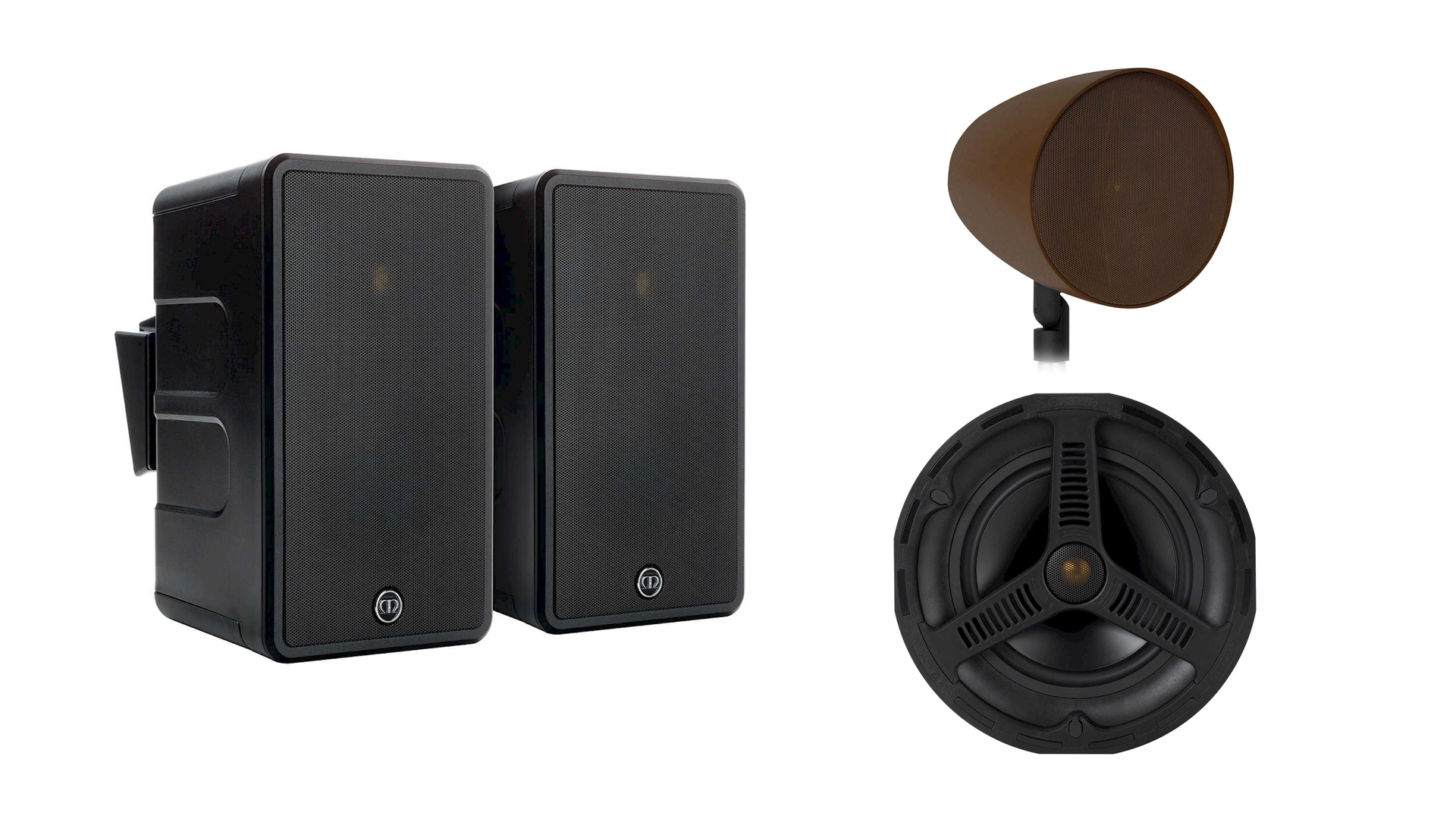
Monitor Audio is a British loudspeaker manufacturer whose strongest identity lies in developing its own metal-diaphragm driver families across products from entry-level stereo to architectural and flagship systems. Mo Iqbal founded the company in 1972 in Teversham near Cambridge, and the MA1 was its first loudspeaker. Design and engineering remain centred in Britain, while the catalogue now spans standmount and floorstanding speakers, home-cinema channels, subwoofers, creator-series installation models and outdoor audio. C-CAM—Ceramic-Coated Aluminium/Magnesium—is the foundation technology, providing a light, rigid diaphragm used in cones and the familiar gold-dome tweeter. Higher ranges extend it through RDT III sandwich cones, MPD III micro-pleated high-frequency transducers, DCF coupling and Hive II reflex ports. The Hyphn flagship arranges six RDT III midrange units around an MPD III transducer as a point-source M-Array and uses opposed, force-cancelling bass drivers. Bronze, Silver, Gold and Platinum apply related ideas at different levels without pretending they are identical. Monitor Audio’s advantage is this continuous driver-development ladder, backed by a broad system range rather than a single celebrated model.