
Desktop Headphone Amplifiers
A desktop headphone amplifier is a dedicated device designed to properly drive high-quality headphones, providing far more power and fidelity than a standard computer or phone output. Its purpose is to unlock the full sonic potential of your headphones for an immersive personal listening experience. Many models also include a high-performance Digital-to-Analog Converter (DAC) to improve the audio signal from your source. This directory is your guide to the essential components for high-end desktop audio.
Hi-Fi brands in the category
Summary information and image
Direct links to official websites
Abyss

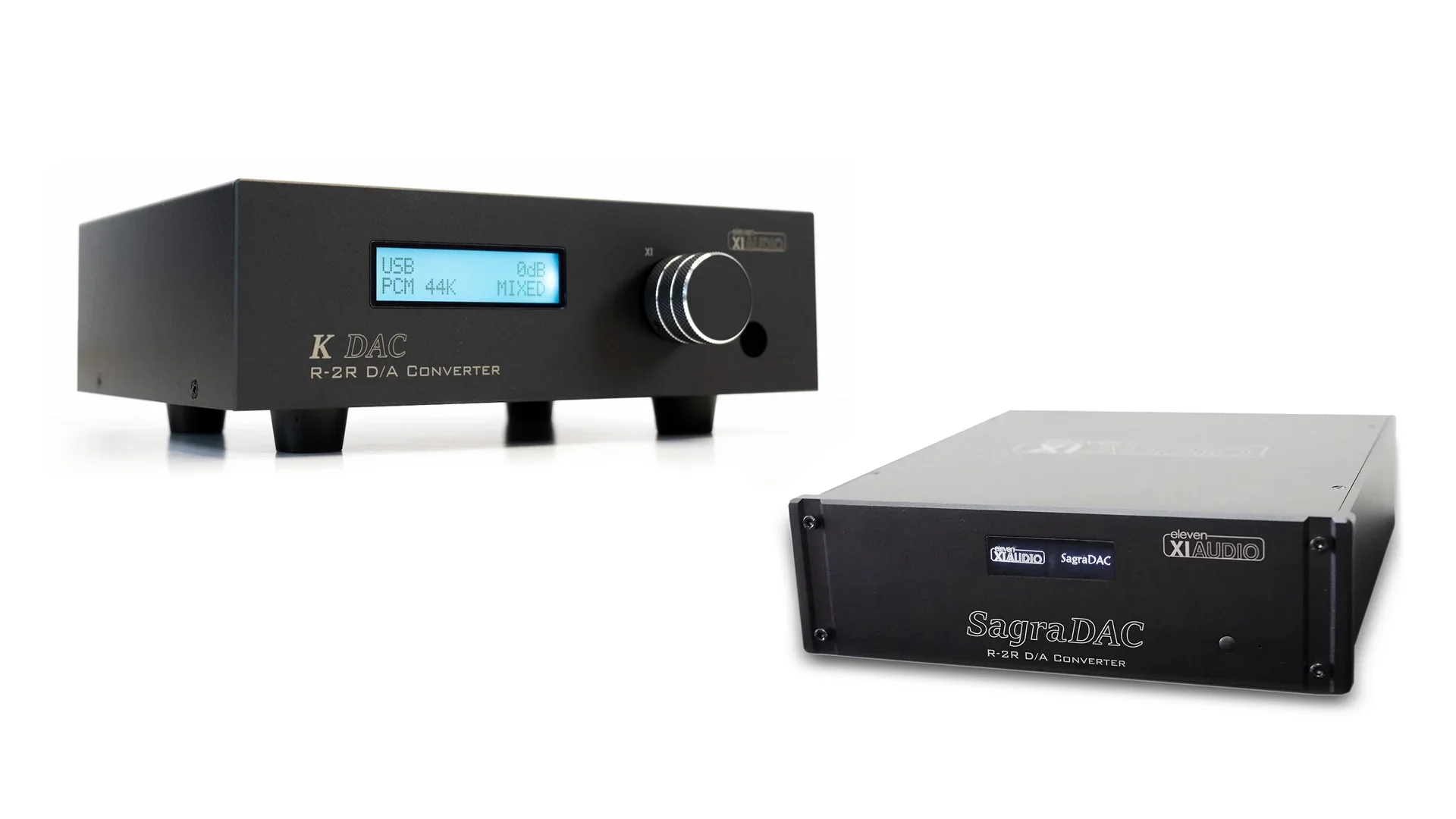
ABYSS specialises in planar magnetic headphones, producing its drivers and machining its aluminium frames in New York. The AB-1266 makes that engineering unusually visible: its machined metal frame and magnetically adjustable ear pads make physical fit part of the acoustic setup. The headphone business grew out of JPS Labs, founded by Joe Skubinski; he and his son Eric developed the original AB-1266 together. The Diana family takes a more compact approach to the same broad type of driver technology. In-house driver production and metalwork are central to the brand, rather than simply cosmetic details. Its headphones are intended for dedicated personal listening, with model choice involving both physical fit and the requirements of the partnering headphone amplifier.
ADL
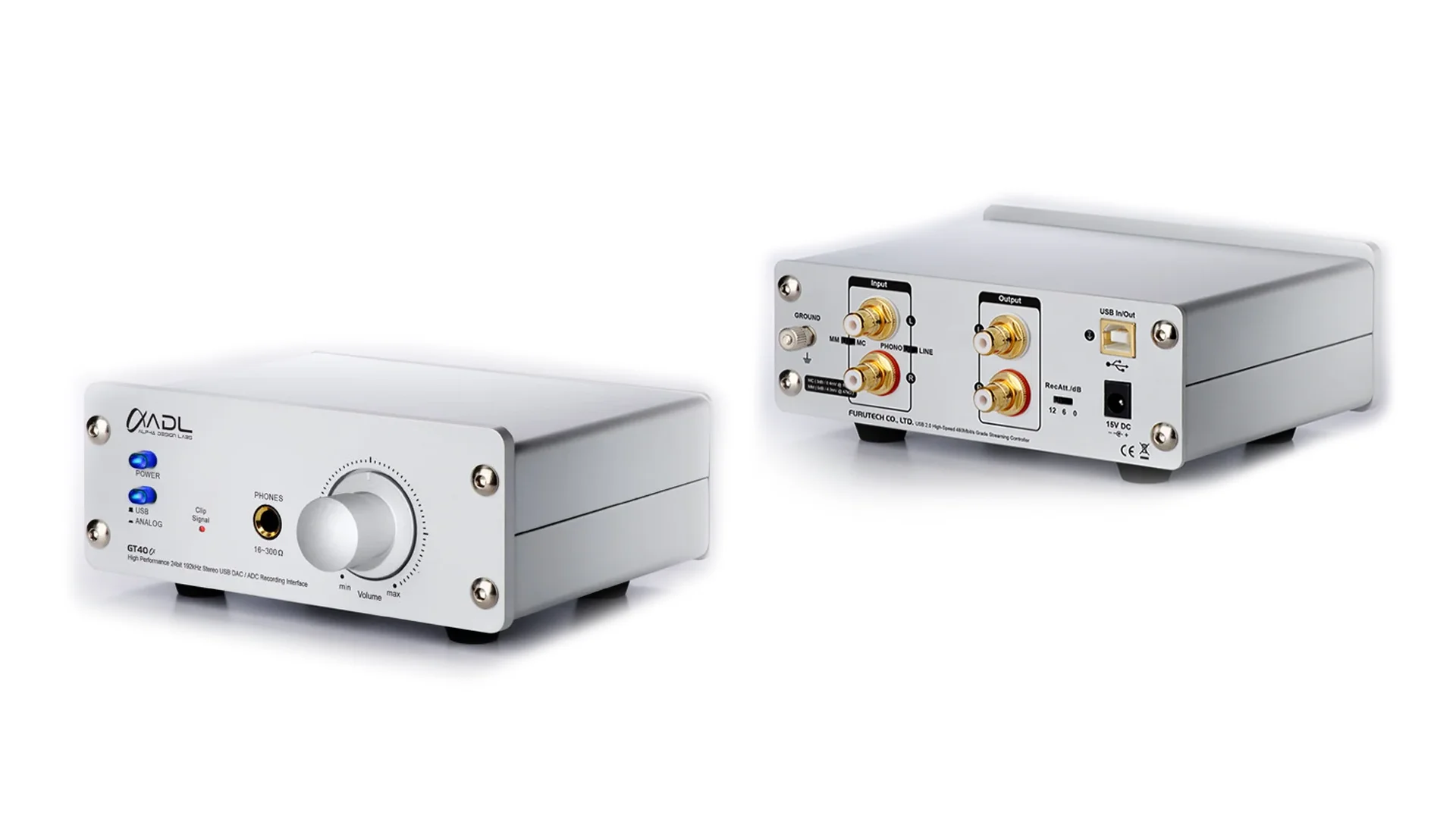
Alpha Design Labs, or ADL, brings Furutech’s audio engineering into compact desktop and portable components. A particularly useful example is the GT40a: it combines a USB DAC, headphone amplifier and MM/MC phono input with analogue-to-digital conversion, allowing records or other analogue sources to be recorded to a computer. The catalogue also covers portable headphone amplifiers, headphones, earphones and cables. Originally introduced as Furutech’s entry-level line, ADL is especially interesting where several connections or functions need to fit into a small listening setup. Its documented products bridge computer audio, personal listening and conventional analogue sources.
Ampsandsound

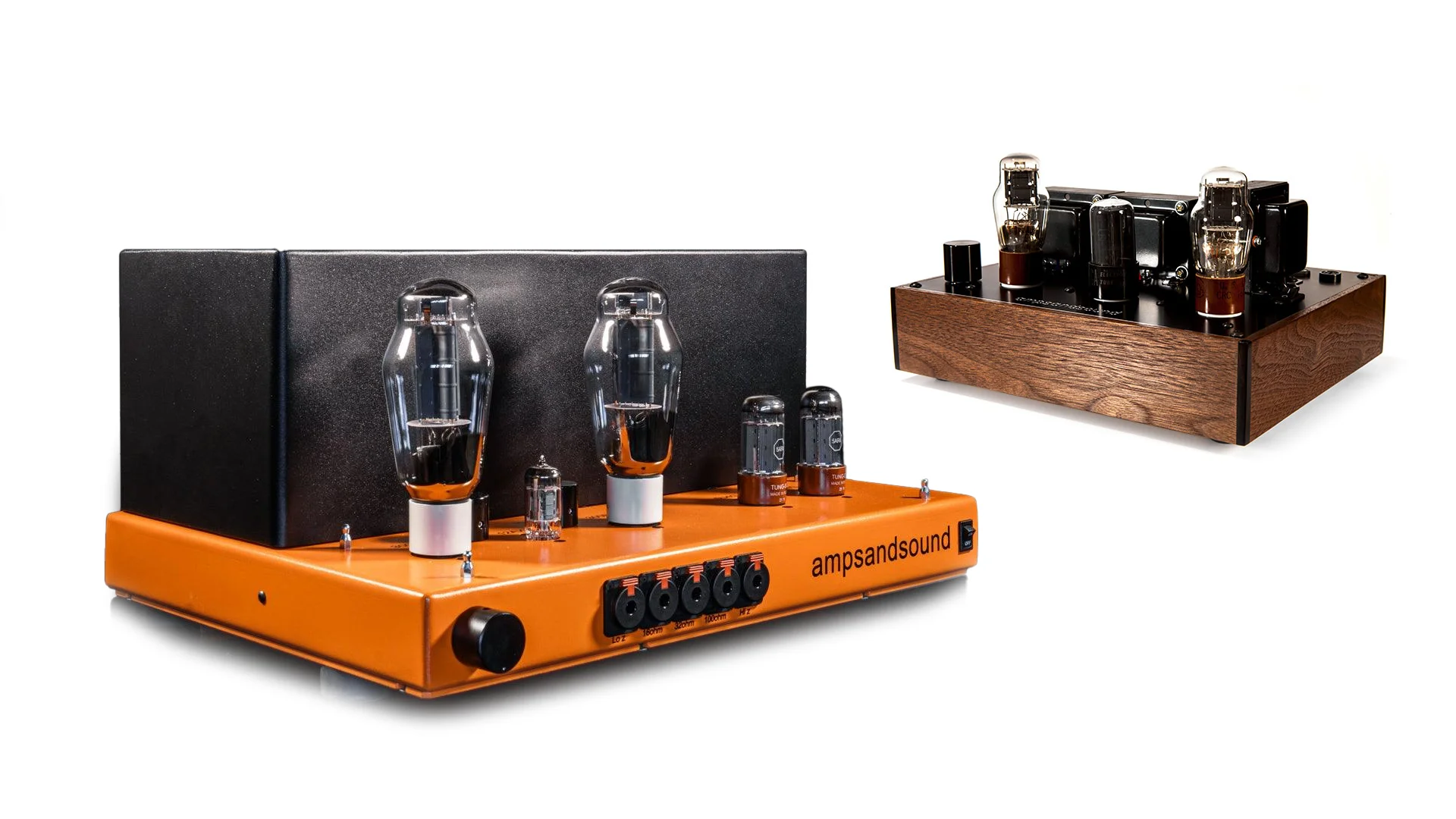
Ampsandsound builds tube amplifiers for headphone listeners as well as owners of high-sensitivity loudspeakers. Justin Weber’s work with vintage Luxman, Dynaco and RCA equipment helped shape the American company’s approach: transformer-coupled circuits, accessible construction and hands-on assembly. Kenzie, Bigger Ben and Agartha represent different amplifier designs rather than one circuit repeated in different boxes. Weber develops the transformers in-house, and turret-board construction features prominently in the headphone range. The business also makes loudspeakers and stereo electronics, extending its interest in tube amplification beyond the desktop. Equipment is assembled by a small family operation and tested by Weber himself.
Aroma Audio
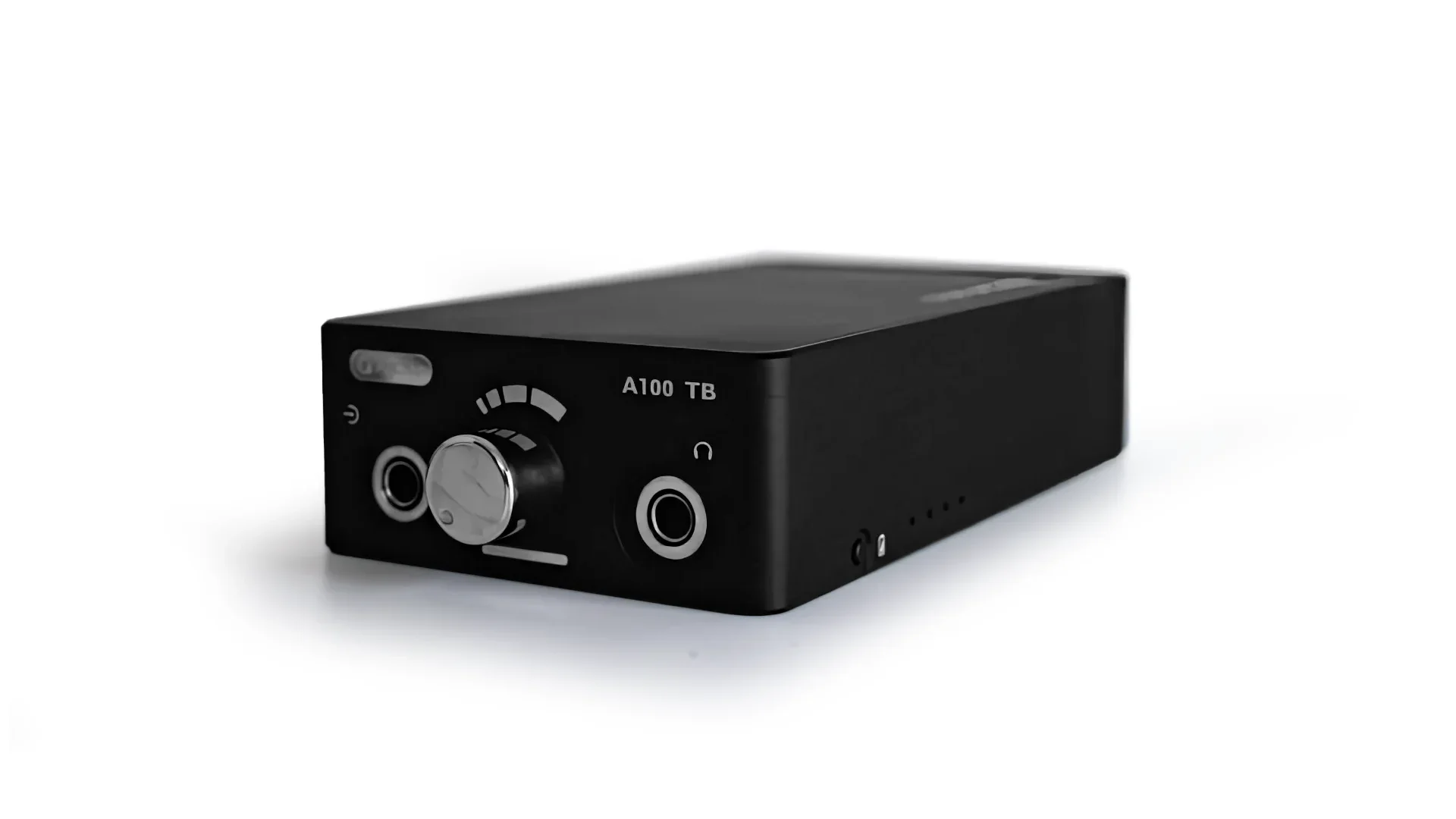
Aroma Audio explores different ways of combining miniature drivers inside an in-ear monitor. Established in Hong Kong in 2015, it offers both universal-fit and custom IEMs, alongside portable headphone amplification and accessories. The Jewel uses a three-way mix of dynamic, balanced-armature and electrostatic driver technologies, while other models take different approaches to driver selection and tuning. Earlier Witch Girl and Musical Box products form part of that development history, followed by designs such as Fei Wan. The range is not built around one uniform sound signature: the choice of model is central to Aroma’s approach, with distinct configurations for different listening preferences.
Astell & Kern

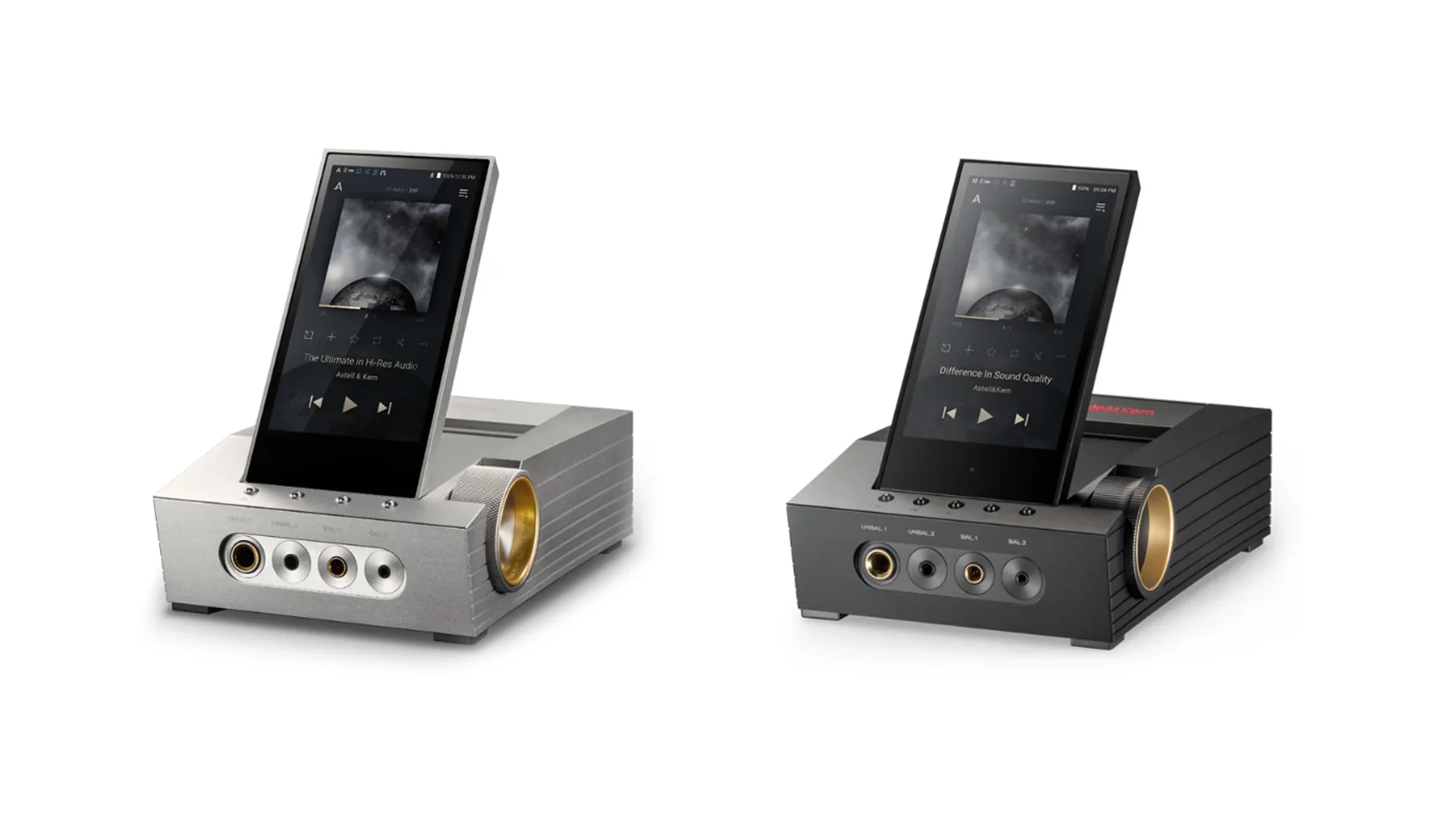
Astell&Kern builds dedicated portable music players that bring file playback, digital conversion and headphone amplification into one purpose-designed device. IRIVER launched the South Korean brand in 2012 with the AK100. Later AK models and the A&ultima, A&futura, A&norma and KANN families explored different balances of size, output capability and circuit complexity. The newer catalogue includes the PD series alongside flagship players. Distinctive machined enclosures and physical volume controls are part of the identity, but the range also reaches beyond players into headphone amplifiers, earphones and home-audio components. Collaborations with specialist IEM makers connect its source electronics with different approaches to personal listening.
Auris Audio

Auris Audio gives valve electronics a recognisable Serbian identity through hand assembly and extensive use of wood, leather and metalwork. Founder and CEO Milomir Trosic formally established the company in 2013 after years of designing amplifiers and other electronics. Integrated and power amplifiers form the core of the range, joined by preamplifiers, DACs, loudspeakers and a particularly strong headphone line. Headonia is the statement headphone amplifier, while Nirvana and the compact Euterpe address different headphones and system roles; Forte power amplifiers extend the same tube-led approach to loudspeakers. Transformers and power supplies are treated as fundamental parts of each circuit rather than hidden commodities. The result is a manufacturer defined by its own valve engineering and material craft, not simply retro styling.
Austrian Audio

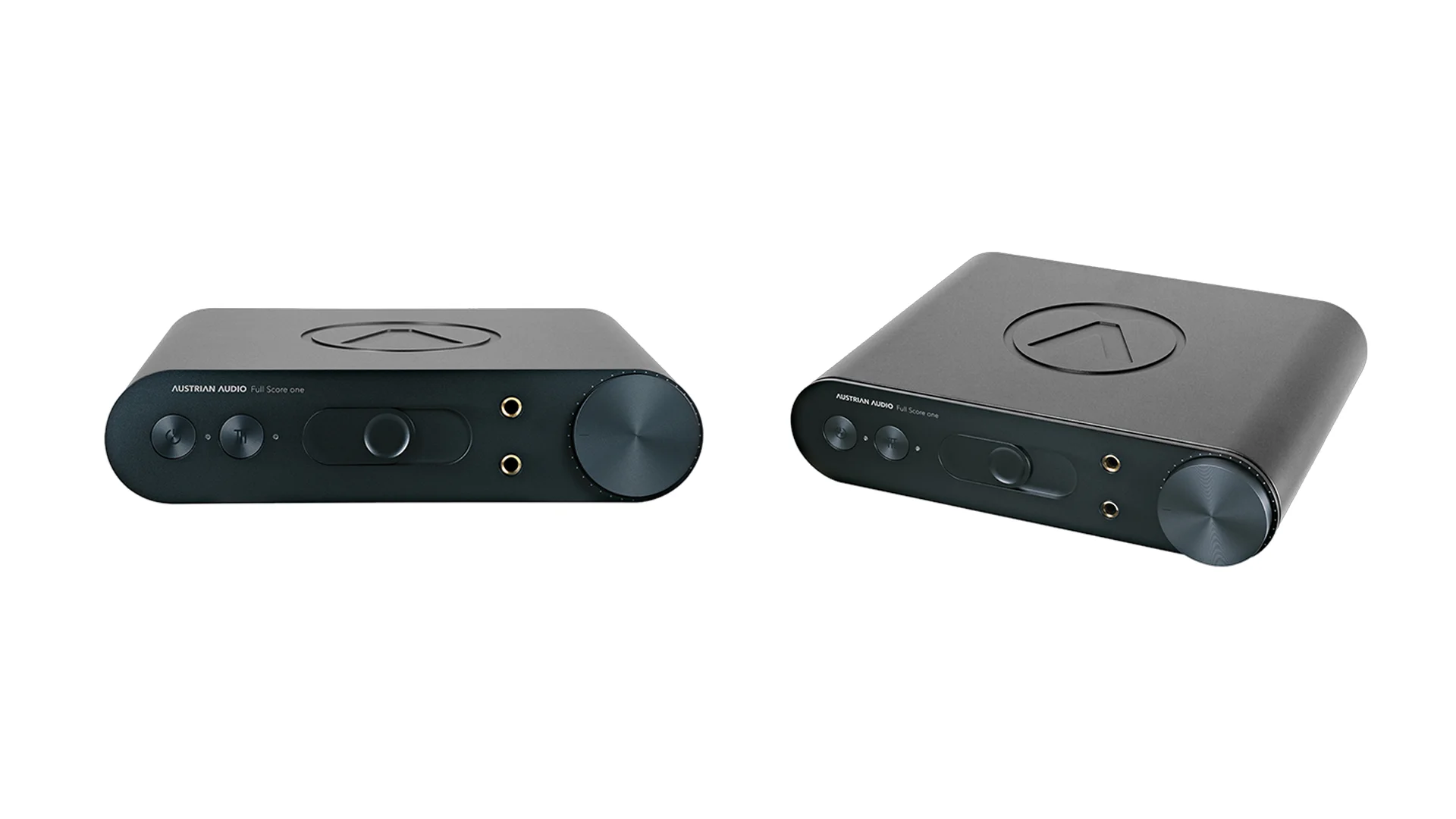
Austrian Audio carries Vienna’s professional transducer knowledge into a new independent company. It opened in July 2017 after AKG’s Vienna offices closed, beginning with a core team of 22 former AKG specialists in acoustics, electronics, mechanics, RF, software and measurement. The OC818 and OC18 studio microphones established the brand around the handmade CKR12 ceramic capsule; the dual-output OC818 also permits remote or post-production control of polar behaviour. Hi-X professional headphones followed, and the catalogue now spans recording, broadcast, live sound and high-end listening, including The Composer headphones and Full Score one amplifier. Products are developed and key parts are made or assembled in Vienna. The important continuity is engineering expertise, while the designs and patents belong to Austrian Audio rather than being reproductions of old AKG models.
Ayre Acoustics

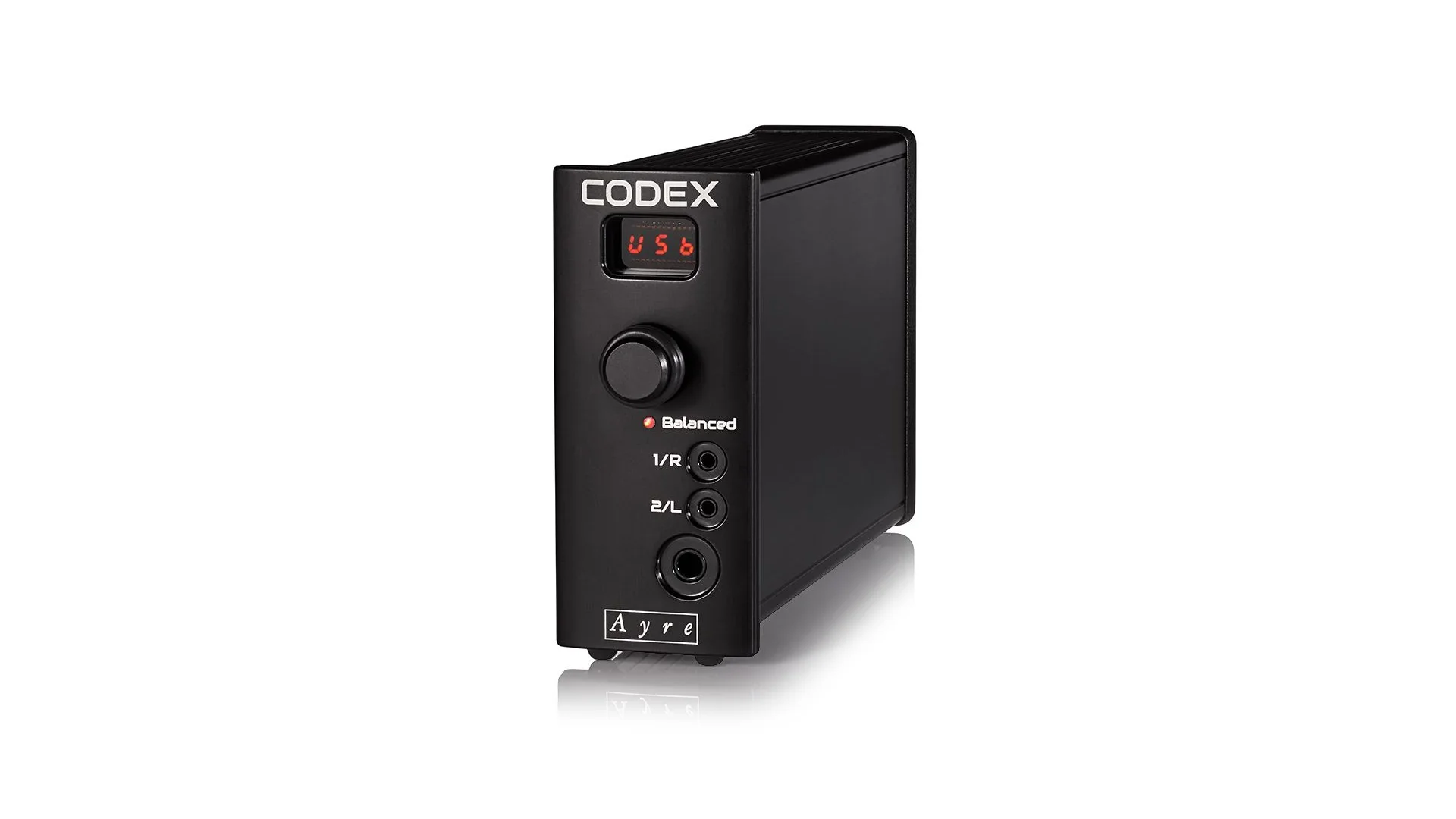
Ayre Acoustics is defined by fully balanced, zero-feedback electronics designed and built in Boulder, Colorado. Charles Hansen founded the company in 1993 after his work as a loudspeaker designer and founder of Avalon Acoustics; its first product, the V-3 power amplifier, already used the topology that became Ayre’s signature. The catalogue spans integrated, pre and power amplifiers, phono stages, DACs and digital sources, with strong attention to power supplies and time-domain behaviour. The KX-R and MX-R established the reference line, while the 8-series and Codex brought related thinking to more compact products. After Hansen’s death in 2017, long-time engineer Ariel Brown preserved and developed the circuits and became the company’s lead figure. This corrects the previous attribution of current direction to Brent Hefley.
Benchmark Media Systems
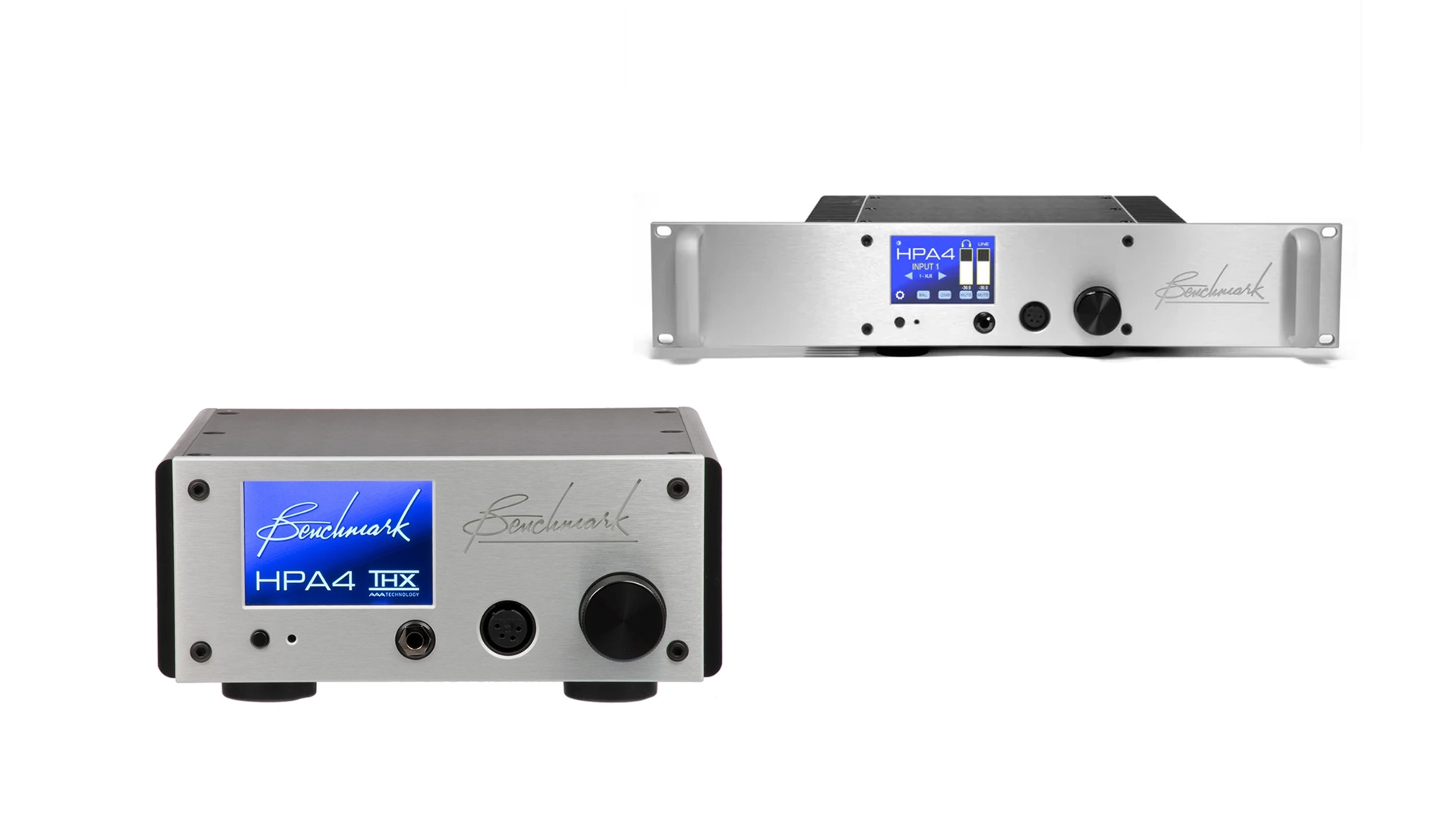
Benchmark Media Systems brings measurement-led studio engineering into compact home and professional audio components. Allen H. Burdick began Benchmark Sound Company in a garage in Garland, Texas, in 1983; the business incorporated as Benchmark Media Systems in 1985 and later moved to Syracuse, New York, where products are designed, assembled and tested. Benchmark became widely known for transparent DAC and headphone-amplifier combinations, and the DAC3 continues that line. The AHB2 power amplifier—named for Burdick—uses THX Achromatic Audio Amplifier technology to achieve exceptionally low noise and distortion, while the HPA4 and LA4 provide relay-controlled analogue preamplification and headphone drive. The brand’s real speciality is predictable, documented performance: engineering decisions are supported by published measurements and products serve mastering rooms as comfortably as domestic systems.
Bryston

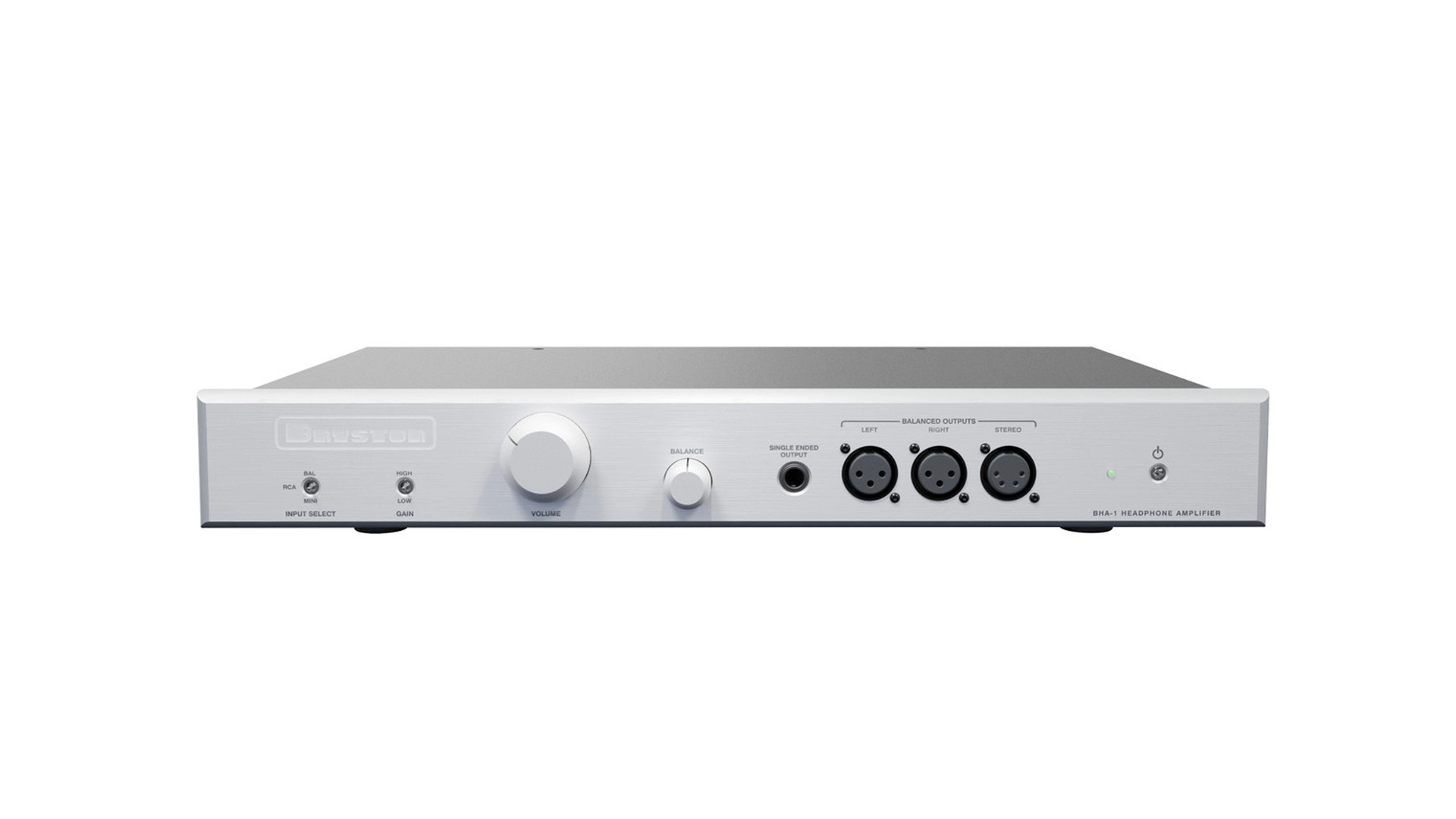
Bryston builds Canadian audio electronics around serviceability, stable operation and the ability to work for long periods under professional conditions. The company was incorporated in 1962 for medical electronics and moved into audio during the 1970s under the Russell family, bringing the testing culture of its earlier work with it. Power amplifiers became the core business, with the Cubed series continuing the company’s modular channel architecture and conservative thermal design. BR-20 and BP preamplifiers, BDA converters, BDP digital players, phono stages and active or passive loudspeakers make the range much broader than amplification alone. Products are developed and built in Ontario, and current owner Colquhoun Audio Laboratories also operates Axiom Audio. Bryston’s famous warranty remains longer than most competitors’, but the old blanket statement of 20 years is no longer current: new analogue products now carry a ten-year factory warranty.
Cary Audio

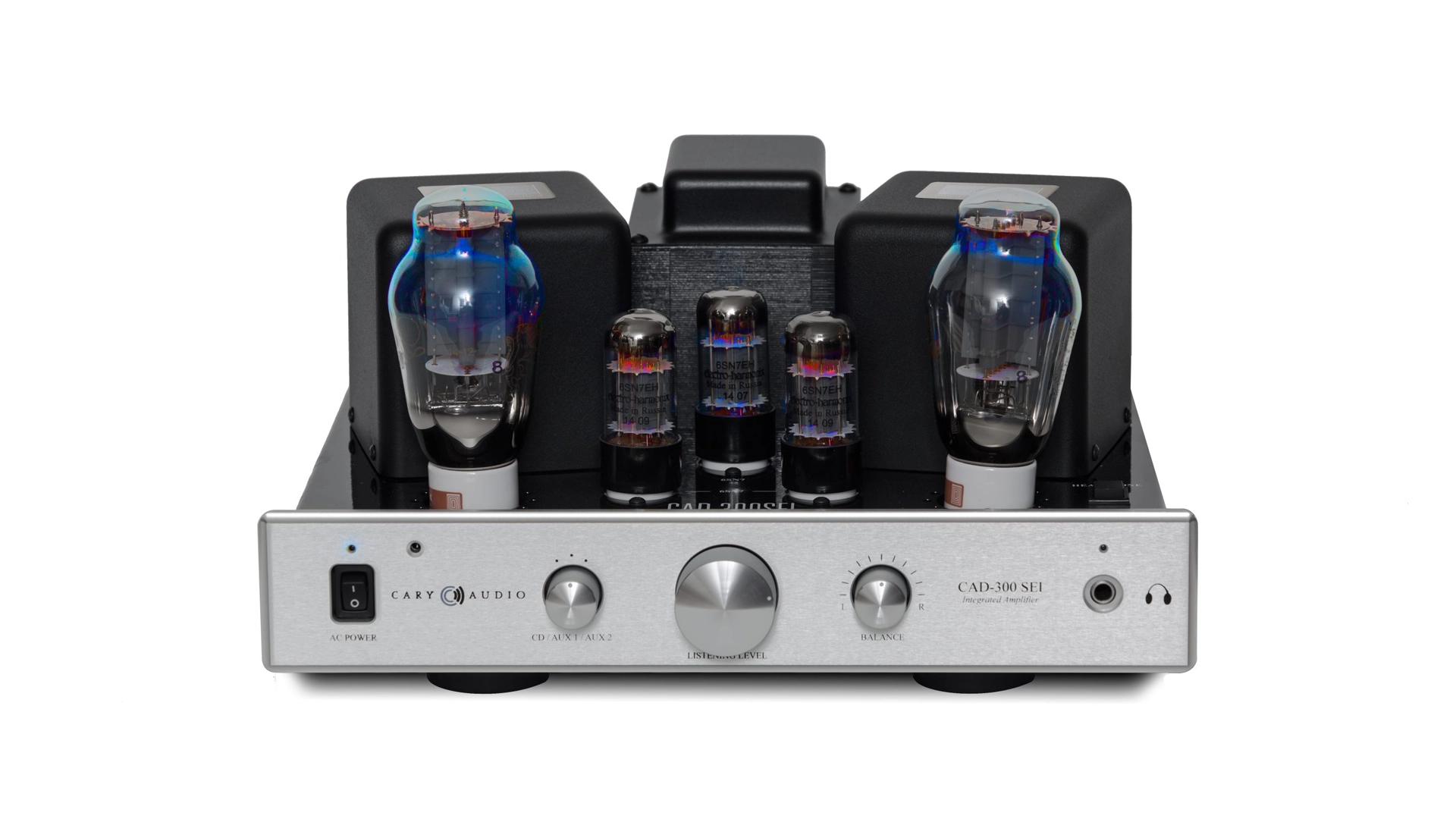
Cary Audio helped establish single-ended triode amplification as a serious modern high-end category in the United States. Dennis and Donna Had founded Cary Audio Design in North Carolina in 1989, initially concentrating on handcrafted vacuum-tube electronics. Dennis Had’s influential SET designs, particularly the CAD-805 monoblock and 300B-based amplifiers, gave the company an identity built around simple signal paths, output-transformer expertise and the expressive qualities of directly heated triodes. Today’s range retains that lineage through products such as the CAD-300SEI, CAD-805RS, CAD-211FE, SLI integrated amplifiers and SLP preamplifiers, while also covering solid-state power amplifiers and phono stages. Cary’s DMS network players and DMC digital sources add streaming, DAC and disc-playback functions to a catalogue that is no longer tube-only. The result is an unusual brand whose classic valve engineering and current digital platform are developed as parts of one complete system.
Cayin

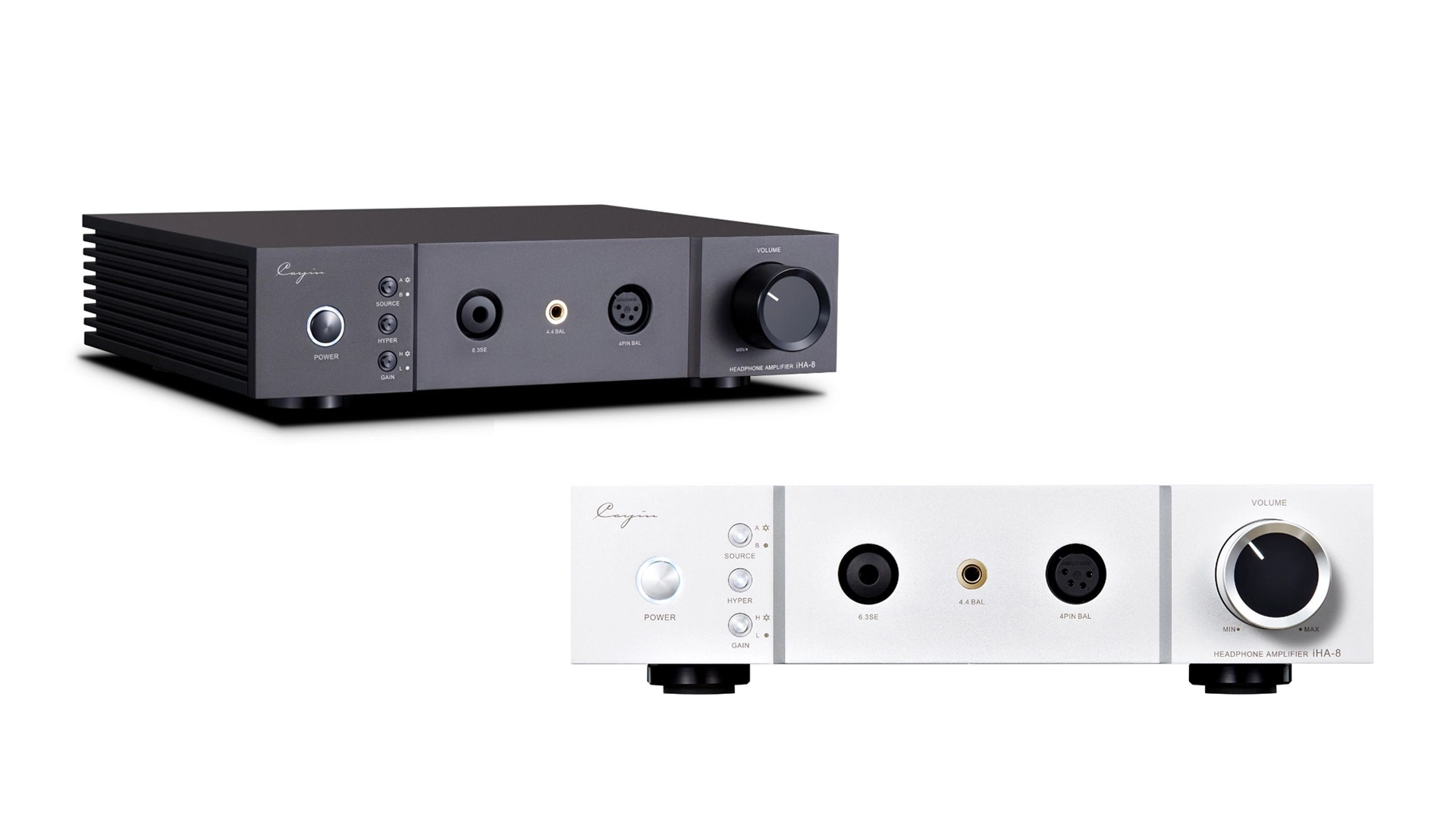
Cayin is one of the few large audio manufacturers to develop valve electronics for both full-size hi-fi systems and genuinely portable listening. Zhuhai Spark Electronic Equipment Co., Ltd. was founded in China in 1993 and markets its audio products under the Cayin name. Its home range spans single-ended 300B amplifiers, push-pull integrated amplifiers using valves such as EL34 and KT88, pre/power combinations, DACs and digital sources. Cayin later brought the same interest in tube operating modes and user-adjustable voicing to desktop headphone amplifiers and N-series digital audio players. Several products allow listeners to change output stage, feedback, bias or valve/solid-state timbre without replacing the component, making configurability part of the brand’s engineering rather than a software preset alone. Cayin also produces portable DAC/amplifiers and in-ear monitors. Broad in price and format, the catalogue links traditional transformer-coupled tube circuits with modern high-resolution digital and personal audio.
Chord Electronics
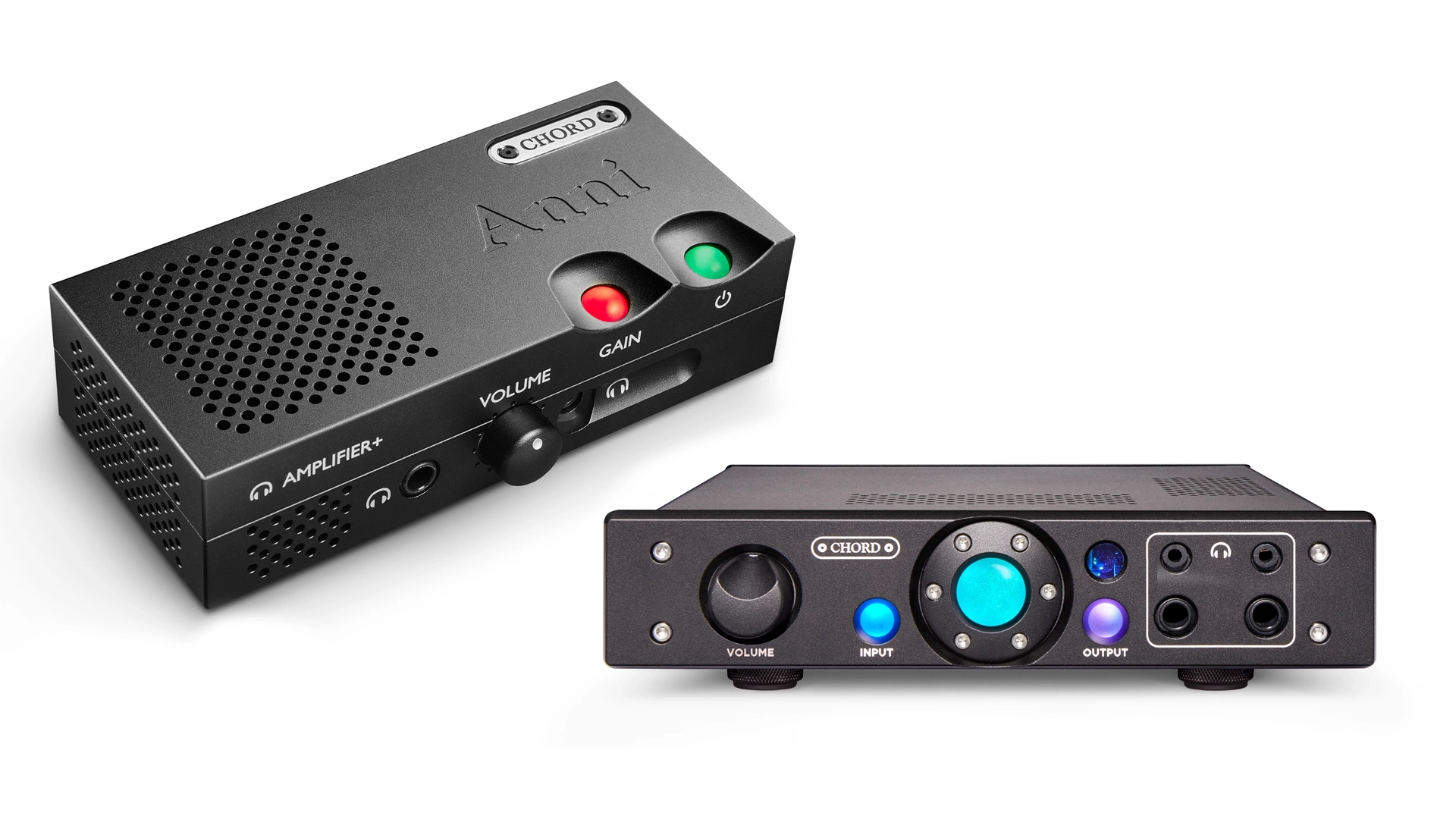
Chord Electronics combines aerospace-derived power-supply engineering with proprietary FPGA digital conversion, giving its amplifiers and DACs two distinct but connected technical lineages. Former avionics engineer John Franks founded the British company in 1989; its first amplifiers went to the BBC and were later used by studios including Abbey Road and Sony Music. Designer Rob Watts subsequently developed Chord’s digital architecture, implementing conversion, noise shaping and the long-tap WTA interpolation filter in programmable logic instead of an off-the-shelf DAC chip. That platform runs from portable Mojo and Hugo products through Qutest, Hugo TT and the reference DAVE, often paired with dedicated streamers or upscalers. Chord’s analogue range includes compact Table Top and Choral components as well as Ultima integrated, stereo and mono power amplifiers using the company’s dual-feed-forward topology. Machined aluminium cases and unusually compact forms are visually distinctive, but the real common thread is control over core circuitry rather than dependence on standard modules.
Cocktail Audio

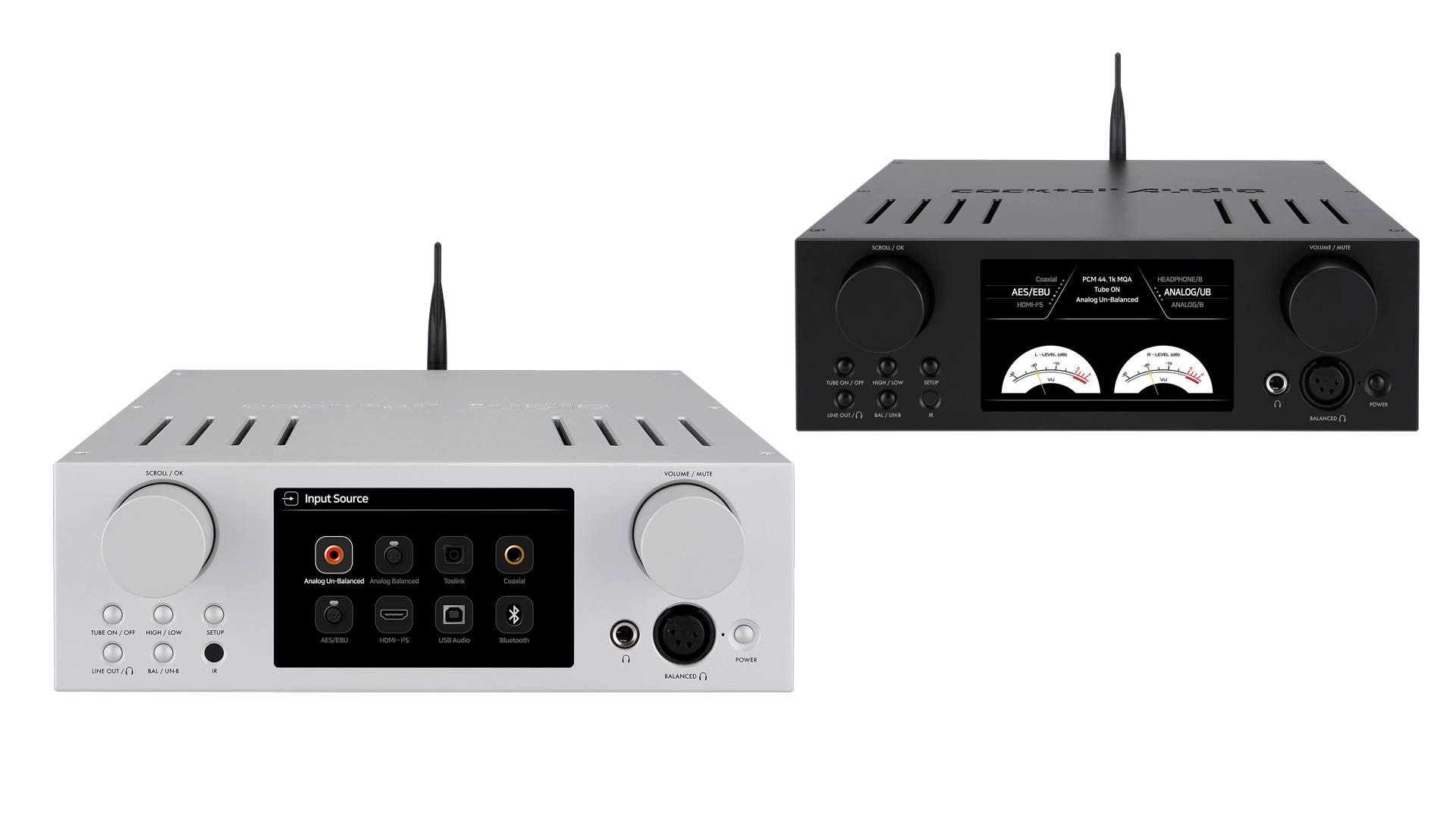
Cocktail Audio turns a physical CD collection and modern streaming services into one library that can be managed without a computer. The South Korean brand was launched by NOVATRON in 2006, three years after its parent company was established, with a CD-ripper and music server designed for home audio rather than the IT market. Its X-series components combine several jobs that are usually split among separate boxes: ripping and tagging discs, storing music on an internal drive, network playback, internet radio, digital-to-analogue conversion and, on selected models, amplification. Broad file-format support and large front-panel displays make the systems useful to listeners who want the convenience of a music database while retaining their existing discs and local files. Models have ranged from source-only servers such as the X50 family to all-in-one players such as the X14 and X35. Cocktail Audio’s distinctive know-how is therefore not a single circuit but the integration of storage, metadata, playback and hi-fi hardware into one practical component.
Consonance

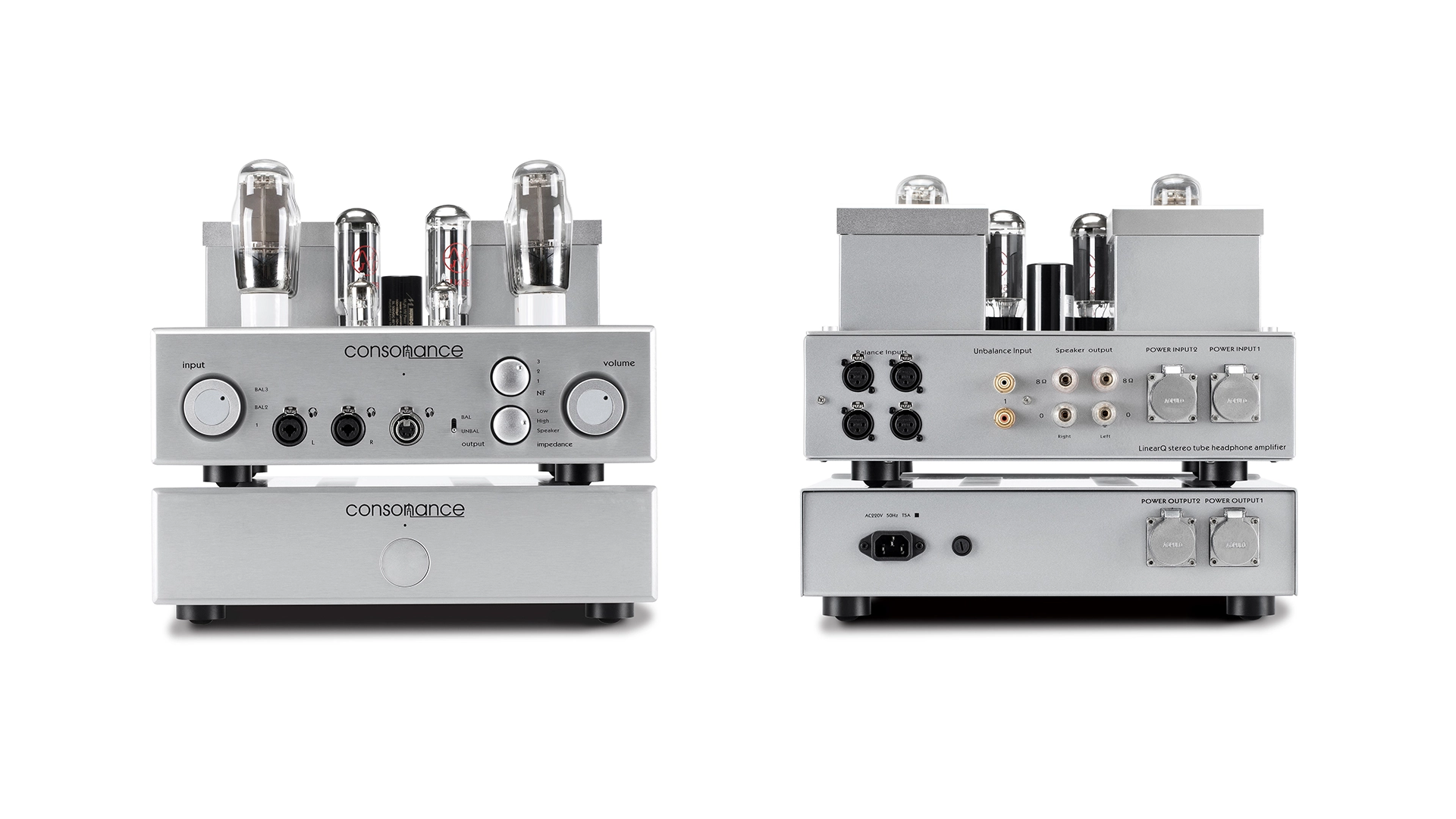
Consonance is the product brand of Opera Audio, one of China’s early internationally distributed high-end audio manufacturers. Opto-mechanical engineer and opera enthusiast Shi Hui Liu founded the Beijing company in 1994 after building a valve amplifier for himself and then being asked to make another. That origin still explains the range: tube and solid-state amplifiers sit alongside CD players, DACs, streamers, loudspeakers, cables and an especially substantial analogue line. Opera became an early Chinese high-end turntable manufacturer, and Consonance decks such as the Droplet, Die Walküre and Wax Engine show a willingness to develop complete mechanisms, plinths and tonearms rather than treat vinyl as a sideline. Many model names reference European opera, but the engineering is not confined to retro styling; the company combines traditional valve circuits with digital sources and modern manufacturing. Its “Simple. Human.” philosophy is a useful summary of the house character: direct circuits, restrained interfaces and a broad, internally designed system intended to serve music rather than specification theatre.
Copland

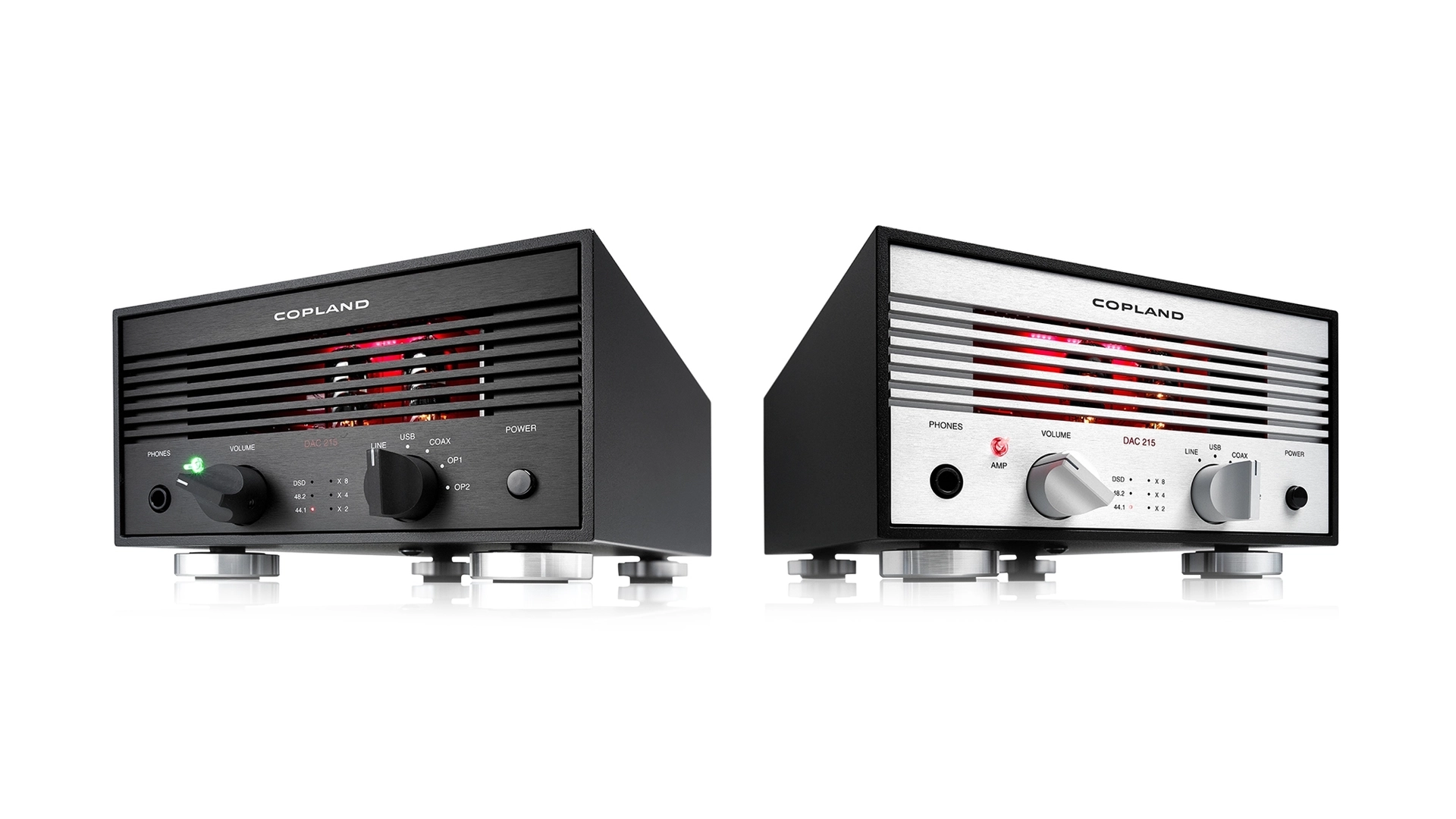
Copland is the Danish electronics company of founder and principal designer Ole Møller, whose earlier work at Ortofon focused on the very low-noise amplification required by phono cartridges and recording equipment. His first Copland product, the 12-watt-per-channel CTA15 valve power amplifier, appeared in 1984. It established an approach the company still follows: use modern circuit boards, component selection and industrial production to make valve technology stable and practical rather than nostalgic. Copland subsequently became known for valve preamplifiers and power amplifiers, CD players and digital sources, while its CSA integrated amplifiers combine a tube line stage with solid-state output power. Current CTA and CSA models retain the clean Scandinavian exterior and internally direct signal paths that distinguish the brand from more theatrical tube equipment. Copland’s particular strength is this continuity between analogue experience and contemporary use — preserving the overload behaviour and tonal qualities valued in valves while adding the power, connectivity and day-to-day reliability expected from a modern hi-fi component.
Dared

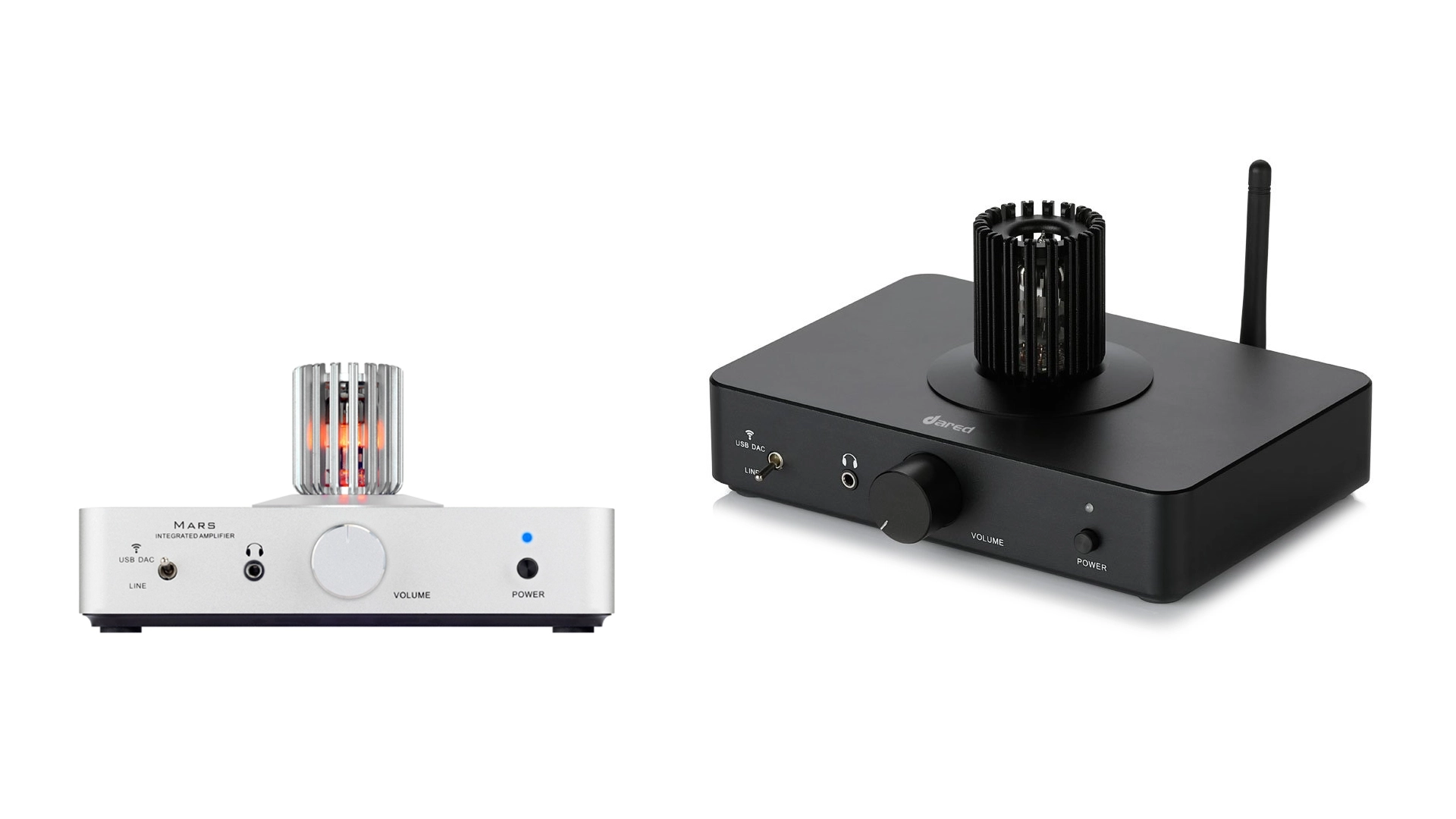
Dared is a Chinese audio manufacturer founded in 1995, initially drawing on transformer-design and production experience before making valve amplification its defining speciality. The registered DARED brand covers integrated amplifiers, power amplifiers, preamplifiers and headphone amplifiers, alongside selected guitar amplifiers and compact multimedia systems. Its products use familiar output valves such as EL34, KT88 and 300B in visually open layouts that make tube ownership approachable to listeners entering this part of hi-fi. The important strength is not extravagant “high-end” language but integration: Dared designs the power supply, output-transformer matching, bias arrangement and user interface as a complete product at prices below many boutique valve makers. Models in the MP family have also combined valves with USB DACs, headphone outputs or compact speaker amplification, showing an early willingness to place traditional circuits in modern desktop systems. Dared’s catalogue is therefore best understood as affordable, factory-produced tube audio with a long manufacturing history, rather than as a small Western-style artisan workshop or a generic badge placed on unrelated electronics.
dCS

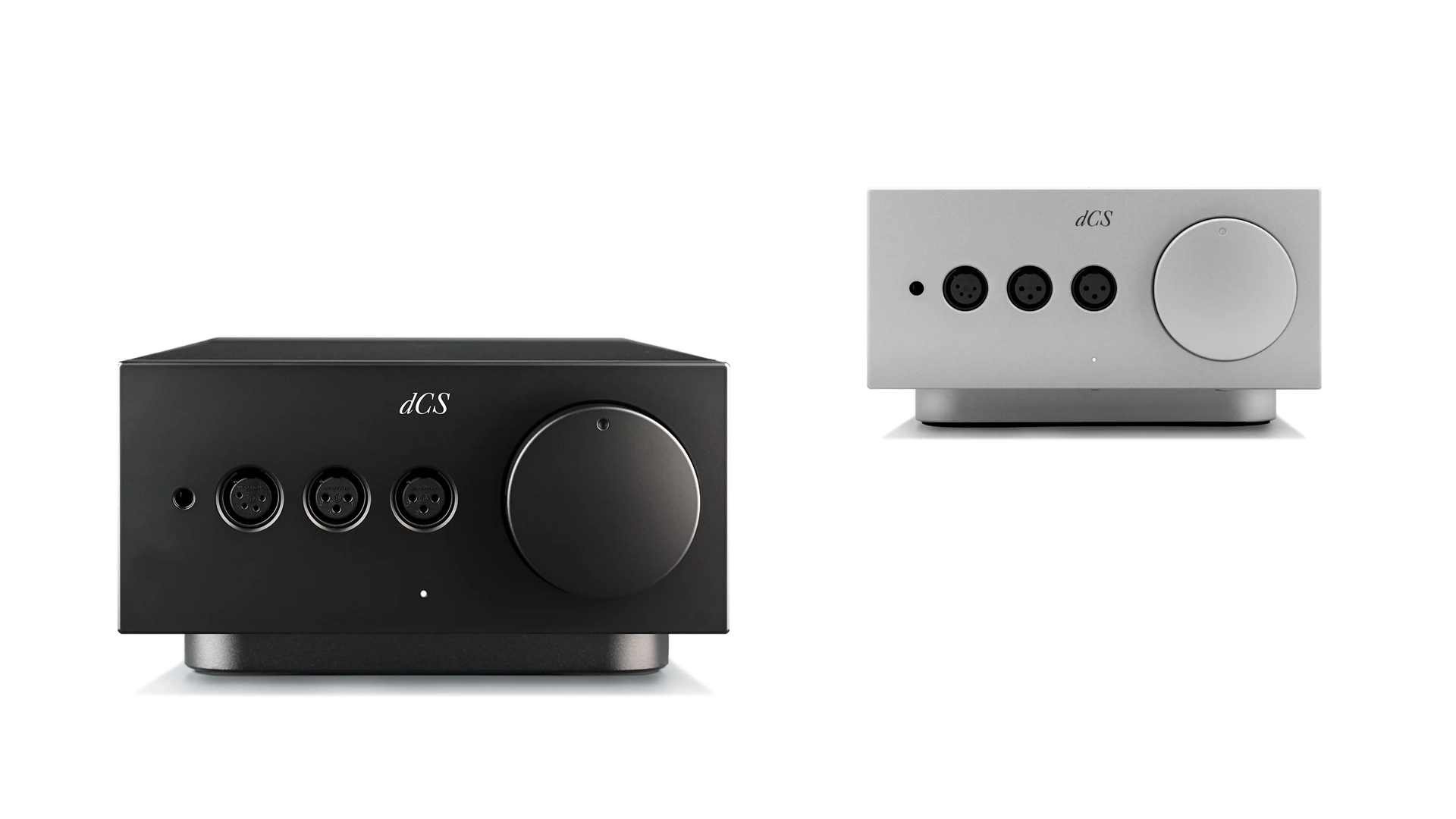
dCS — Data Conversion Systems — is the Cambridge, UK digital-audio company founded in 1987 by electronics engineers whose early work served telecommunications, aerospace and defence applications. That background in high-speed conversion led to professional studio ADCs and DACs, then to consumer components built around the proprietary Ring DAC. Instead of using a conventional off-the-shelf converter chip, Ring DAC maps data across an array of current sources under software control, allowing dCS to refine its noise shaping, mapping and filtering over time. Vivaldi, Rossini and Bartók combine conversion with network playback, upsampling and external master clocks at different system levels, while APEX hardware upgrades revised analogue output and clocking stages without forcing owners to replace complete units. The Varèse platform goes further with separate mono DACs and the ACTUS interface linking Core, clock and conversion chassis. dCS’s defining advantage is long-lived, software-led architecture: precision clocks, digital processing and discrete conversion hardware are designed together, then supported through firmware and factory upgrades as formats and engineering improve.
EAR Yoshino

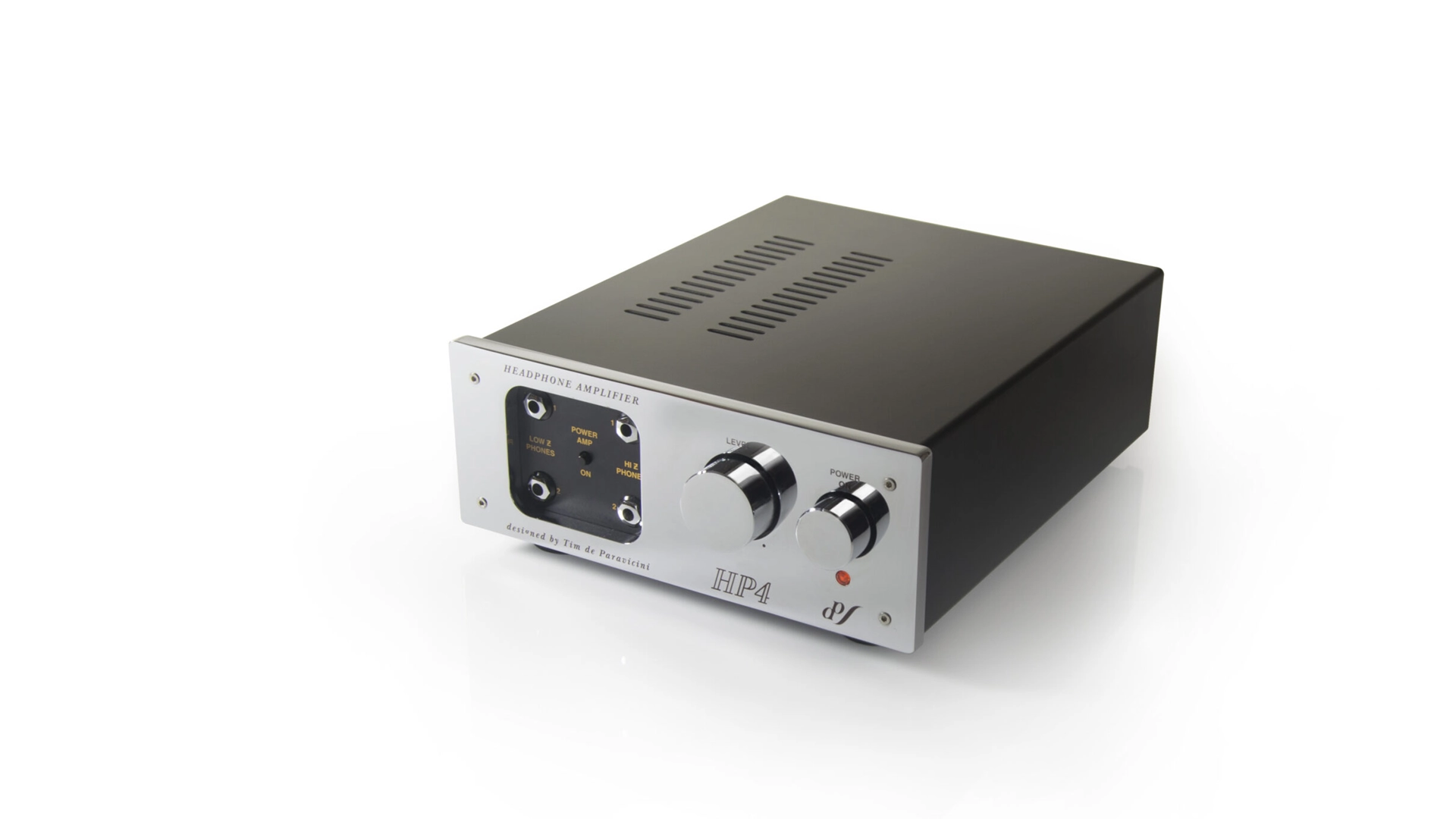
EAR Yoshino is the British high-end audio company through which Tim de Paravicini turned deep knowledge of valves, transformers and studio electronics into products with unmistakable circuit identities. Esoteric Audio Research began in England in 1976 with the EAR 509, a 100-watt valve monoblock whose transformer-coupled output stage challenged the assumption that tube amplifiers must be low-powered or soft. De Paravicini remained the designer behind the company’s amplifiers, line stages, phono stages and specialist tape electronics, and his custom transformer work is central to the brand rather than a purchased finishing touch. The compact 834P phono stage became one of EAR’s most widely known products; the 868 and 912 preamplifiers, V12 integrated amplifier and 509-derived power amplifiers show different applications of the same expertise. EAR equipment often uses unconventional tube operating points and transformer arrangements to obtain bandwidth, drive and low noise while retaining serviceable analogue circuitry. The company’s distinction is not simply that it uses valves: it is the way one engineer’s experience across recording, mastering and reproduction shaped complete circuits from input stage to output transformer.
Enleum

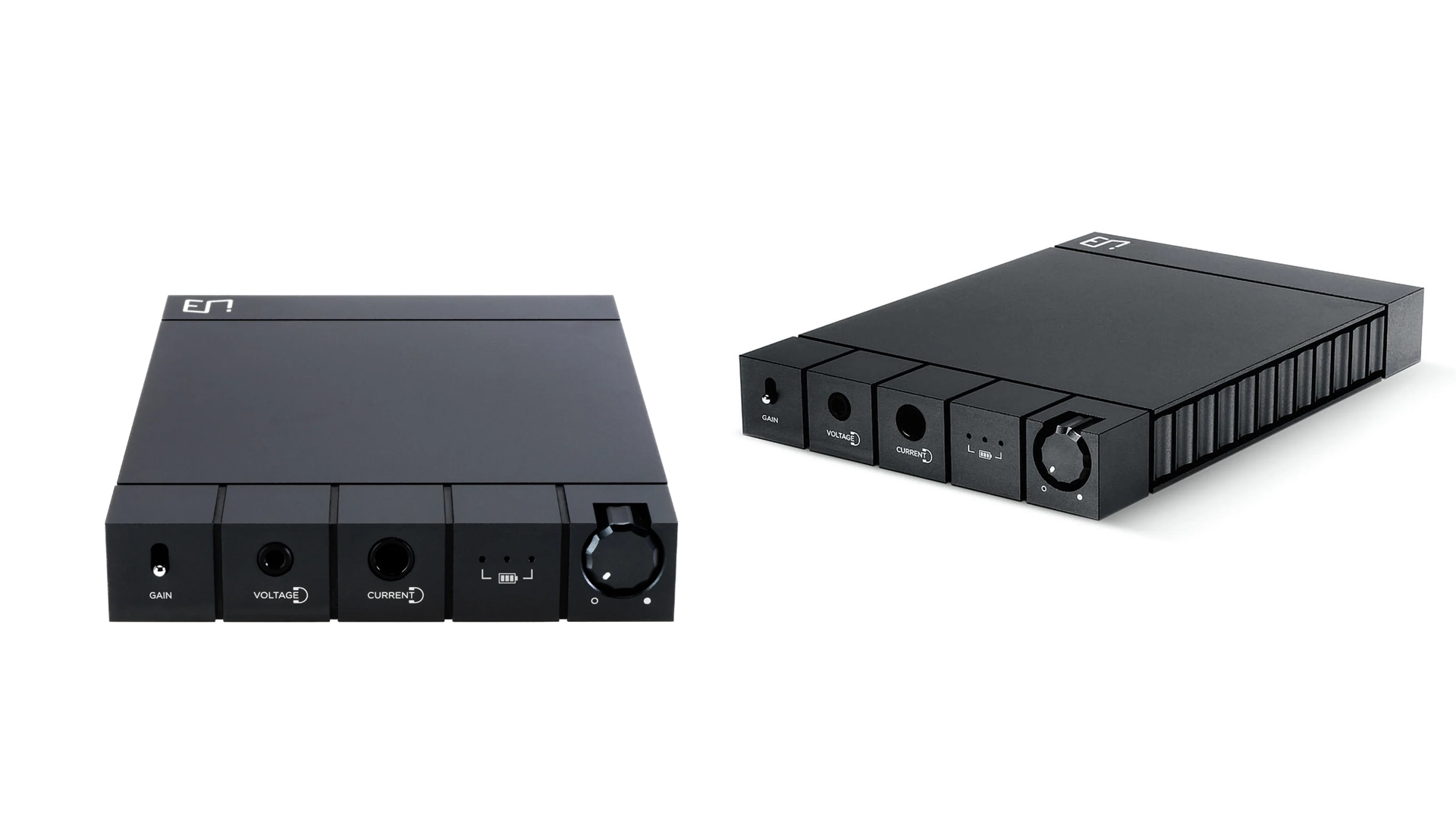
Enleum is the current identity of a South Korean amplifier company originally established by Soo In Chae in 2009. Its earlier compact amplifiers and headphone products were sold under the Bakoon lineage; in 2021 the circuitry, design language and product programme were brought together under the Enleum name. The AMP-23R is the clearest expression of the idea: a very compact integrated amplifier designed to drive both loudspeakers and demanding headphones, using the company’s current-output heritage and JET Bias development rather than a conventional feature-heavy architecture. The battery-powered HPA-23RM carries the same priorities into a portable headphone amplifier. Enleum’s speciality is not miniaturisation for its own sake, but the combination of short circuits, thermal and mechanical design, precise volume control and quiet operation in products that serve both speaker and personal-audio systems.
Erzetich Audio

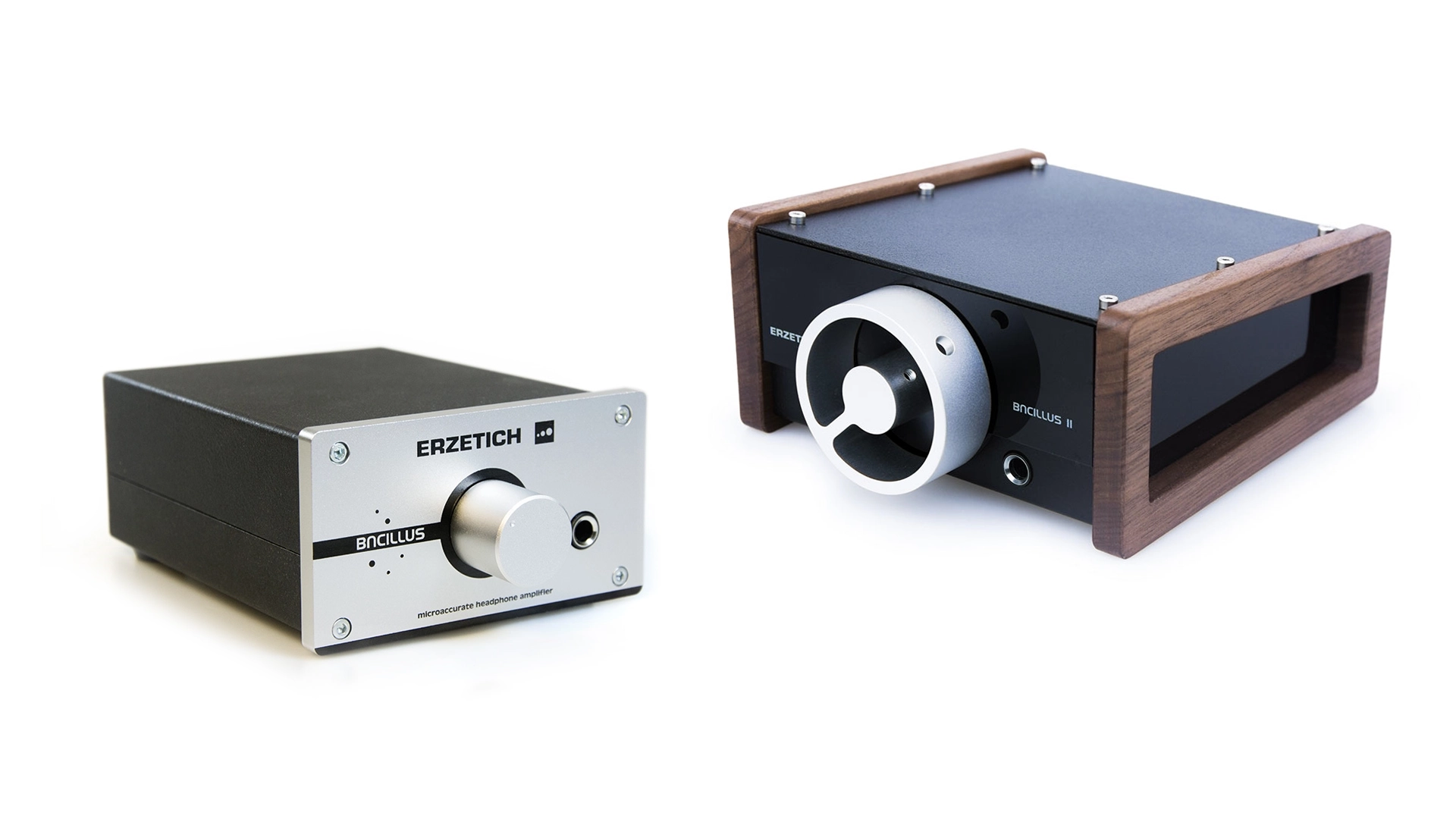
Erzetich Audio is a Slovenian personal-audio workshop founded by Blaž Erzetič in 2012. The first product was the compact Bacillus headphone amplifier, followed by larger designs including the dual-mono Class A Deimos and balanced Scylla. The company later added headphones, with open planar-magnetic models such as Phobos and the flagship Charybdis becoming central to the range. Erzetič’s background spans electronics, recording, music and visual design, which explains products that are technically purposeful but visually unlike mass-market studio gear. Wood, metal and locally sourced craft work are used selectively rather than as decoration applied to a standard chassis. The brand’s real niche is a coherent headphone system—amplifiers and transducers developed by the same small team, built in Slovenia and offered in limited-production forms.
Eversolo

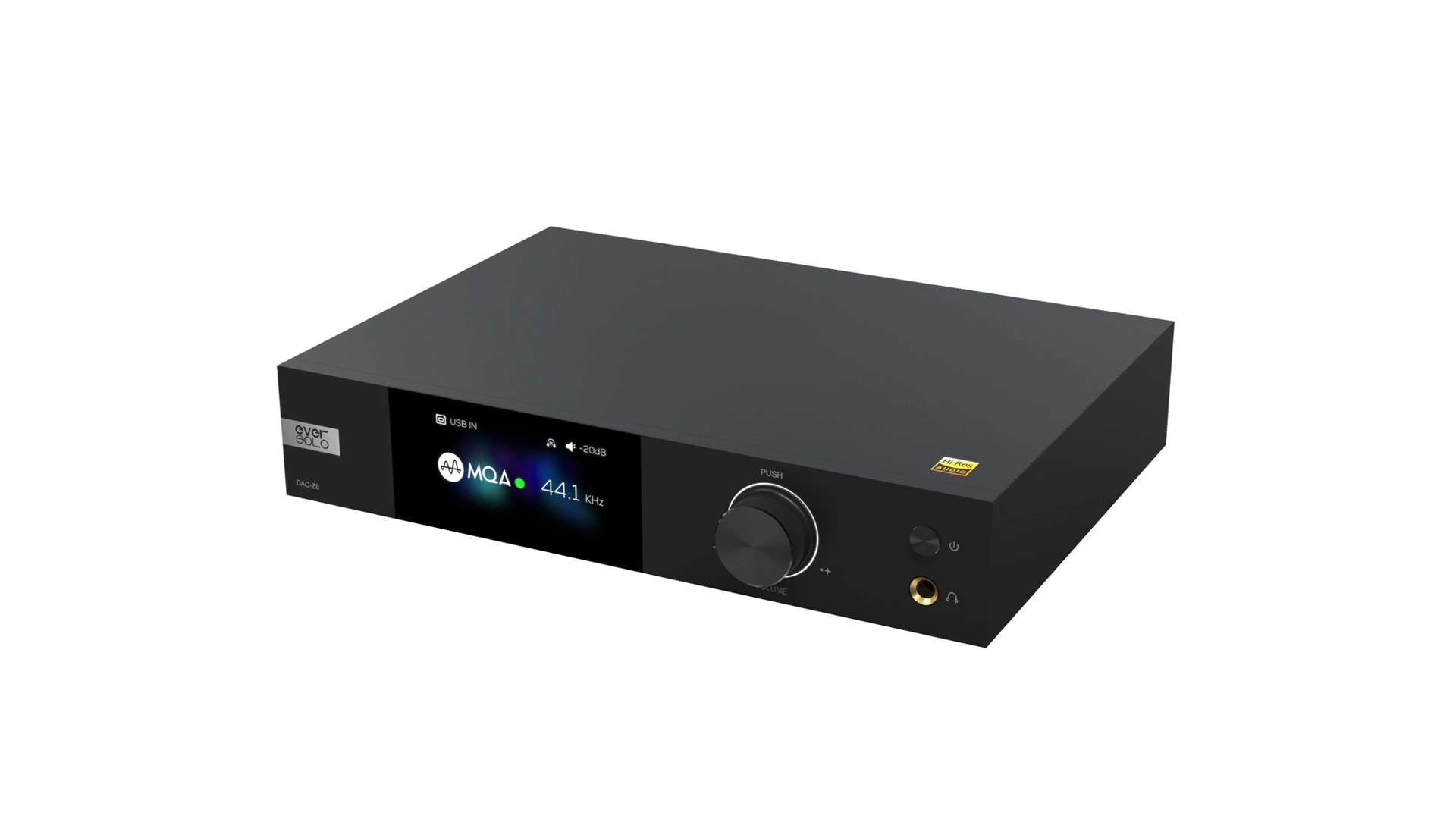
Eversolo is a Shenzhen digital-audio brand backed by Zidoo Technology and staffed by engineers working across decoding, analogue circuitry, amplification, system integration and user-interface design. Its early DAC-Z6 and DAC-Z8 established the visual language, but the DMP-A6 streamer made the name widely known by combining a large touchscreen, local SSD storage, network services, high-resolution conversion and preamplifier functions in one compact chassis. The range has since expanded through DMP-A8 and DMP-A10 streamers, T-series transports, DACs, power amplifiers and the Play streaming amplifier. Eversolo’s real strength is integrated hardware and software: library management, control apps, digital processing, clocking, conversion and analogue outputs are developed as one user-facing system rather than assembled as unrelated functions. It is a modern digital front-end specialist, not an old loudspeaker or amplifier marque.