
Desktop Headphone Amplifiers
A desktop headphone amplifier is a dedicated device designed to properly drive high-quality headphones, providing far more power and fidelity than a standard computer or phone output. Its purpose is to unlock the full sonic potential of your headphones for an immersive personal listening experience. Many models also include a high-performance Digital-to-Analog Converter (DAC) to improve the audio signal from your source. This directory is your guide to the essential components for high-end desktop audio.
Hi-Fi brands in the category
Summary information and image
Direct links to official websites
Exposure

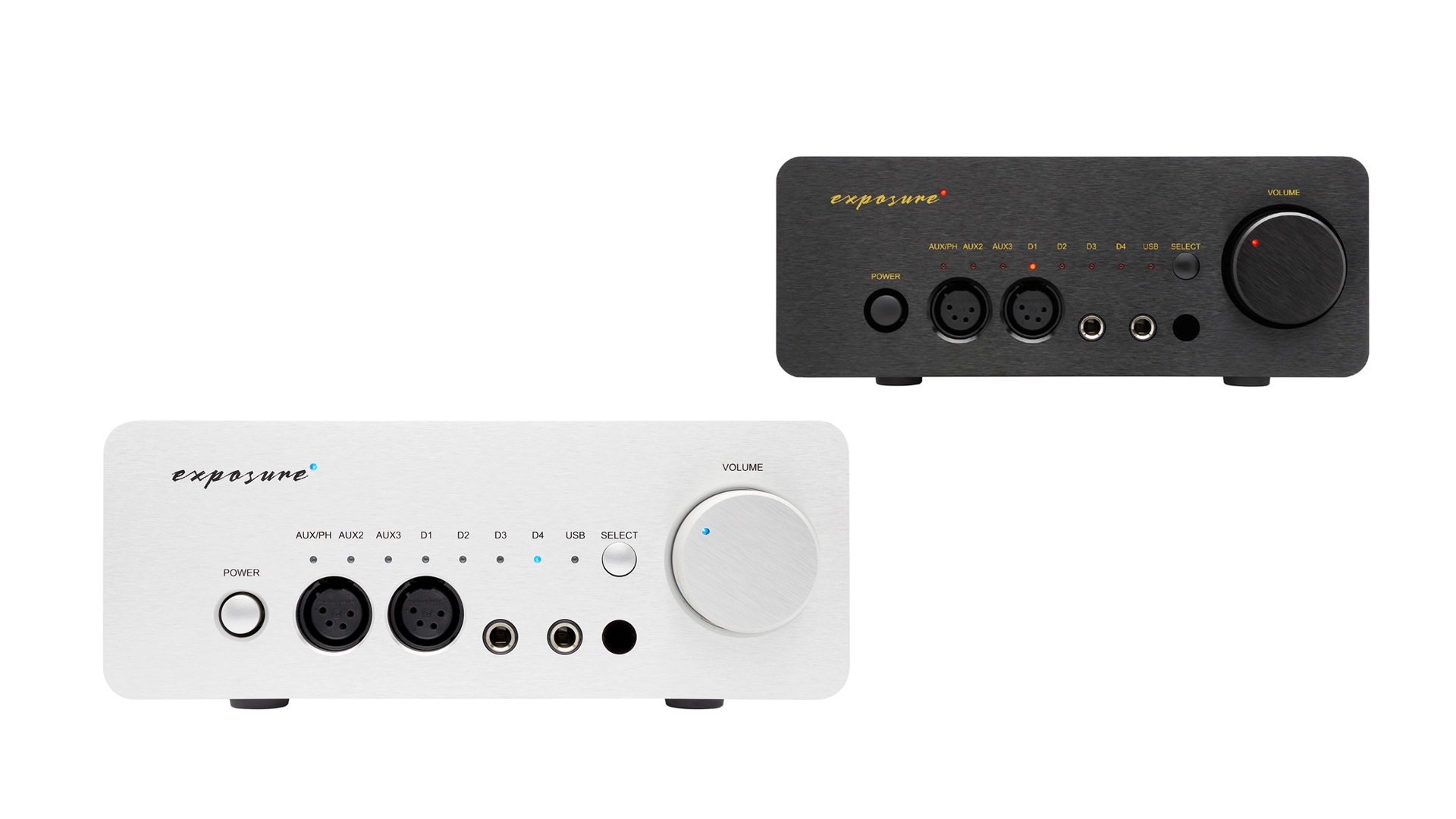
Exposure Electronics is a British hi-fi manufacturer founded in 1974 by John Farlowe. Farlowe’s experience building electronics for studios and musicians shaped amplifiers that favoured current delivery, timing and simple signal paths over extensive controls or decorative casework. Current XM, 3510 and 5010 components continue that practical hierarchy across integrated, pre- and power amplification, phono stages and digital sources. Typical Exposure engineering includes custom toroidal transformers, generous power-supply reserves, discrete transistor stages and short circuit paths; selected amplifiers can accept optional phono or DAC boards without turning into disposable all-in-one products. The brand’s individuality lies in system building: compact XM components, the modular 3510 level and reference 5010 separates share the same restrained design and can be upgraded in logical steps.
Feliks-Audio

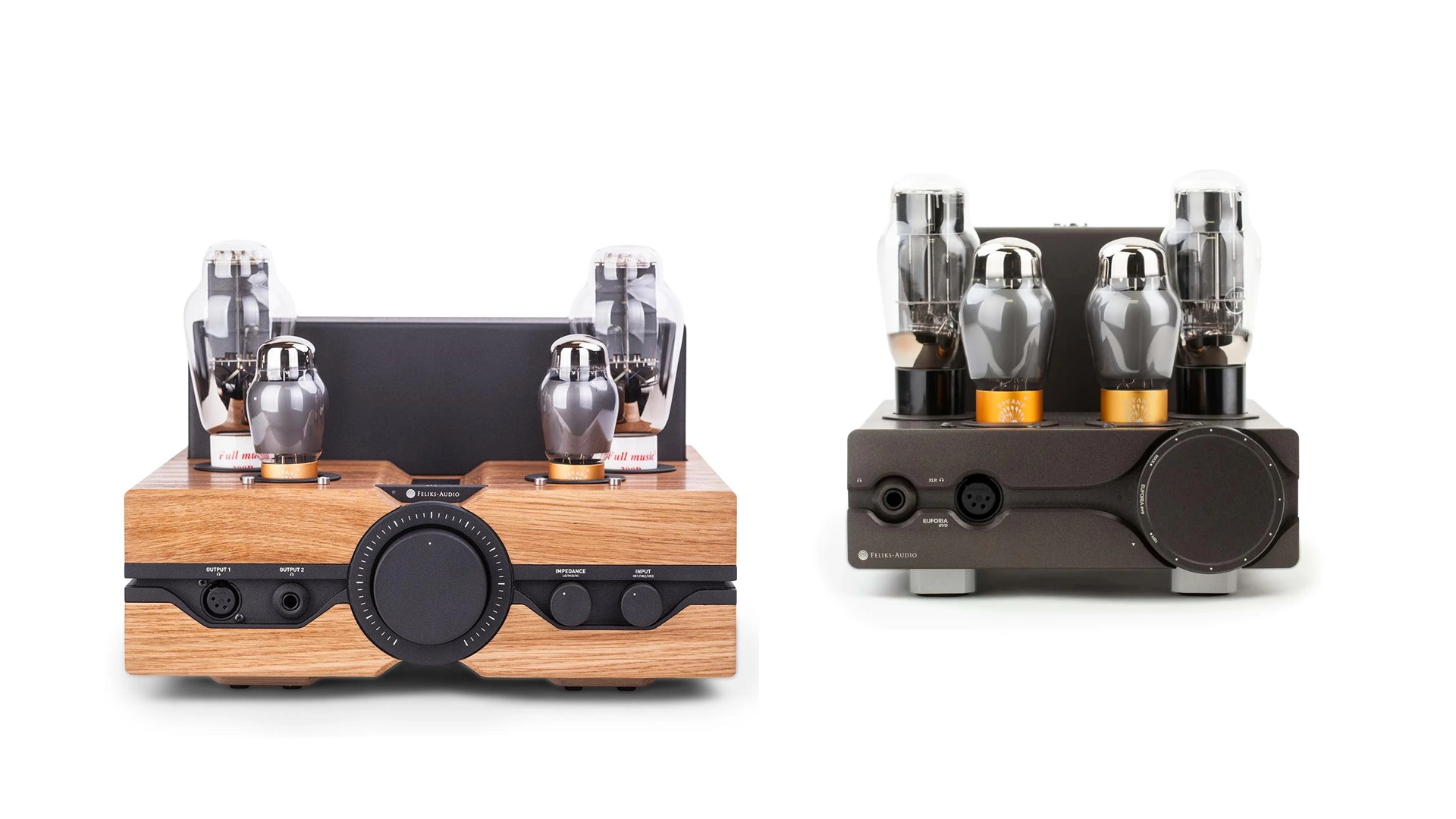
Feliks Audio is a family-owned Polish manufacturer of valve headphone amplifiers based in Lubliniec. The Feliks family has more than 25 years of experience with valve circuits, and engineering, tuning and assembly are carried out in-house. Its range is unusually easy to distinguish by topology: Echo provides an accessible transformer-coupled design; Elise and Euforia use output-transformerless circuitry suited to higher-impedance dynamic headphones; and the flagship Envy is a transformer-coupled 300B amplifier developed for demanding dynamic and planar-magnetic models. This matters more than a generic promise of ‘tube warmth’, because the output stage determines power, impedance matching and the headphones each amplifier can drive well. Point-to-point work, selected transformers and replaceable valves also make the products serviceable and open to careful tube rolling. Available sources support a long family history but not one exact founding year, so the date remains unset.
Ferrum

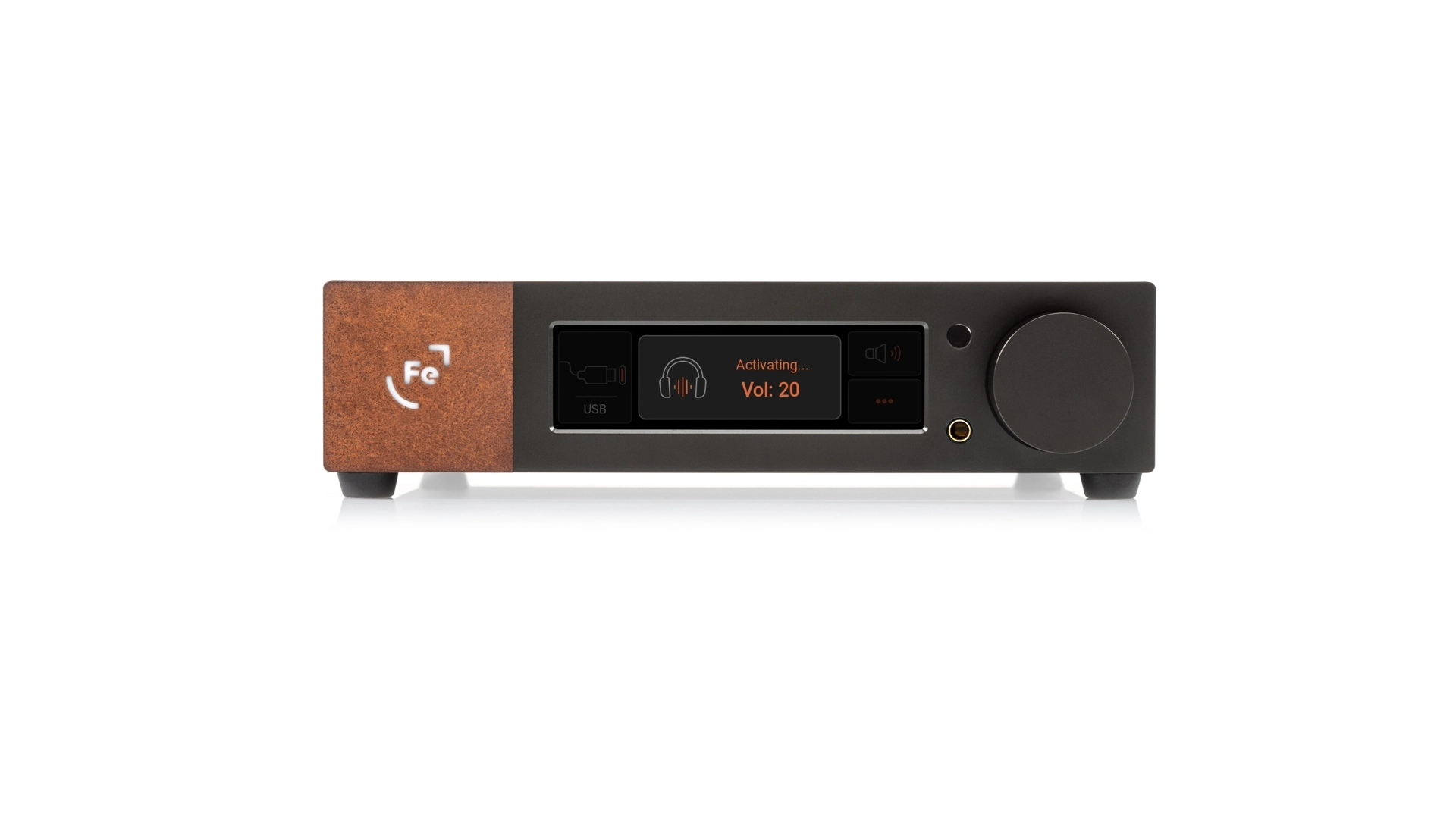
Ferrum is the Polish audio brand launched in 2020 by HEM, a Warsaw engineering and manufacturing company with decades of experience behind other electronics marques. Its first product, HYPSOS, established the system concept: a hybrid linear and switching power supply with adjustable 5–30-volt output, four-terminal sensing and Sweet Spot Tuning for compatible components. OOR followed as a fully balanced discrete headphone amplifier, ERCO combined conversion and headphone drive, and WANDLA developed into a DAC and preamplifier platform built around Ferrum’s SERCE processing module. The compact components connect through the proprietary Ferrum Power Link, allowing HYPSOS to monitor and power matching units through one cable. Ferrum’s distinction is a genuinely coordinated desktop ecosystem—power regulation, digital processing, analogue control and headphone amplification engineered and manufactured in Poland rather than a collection of rebadged small boxes.
Fezz

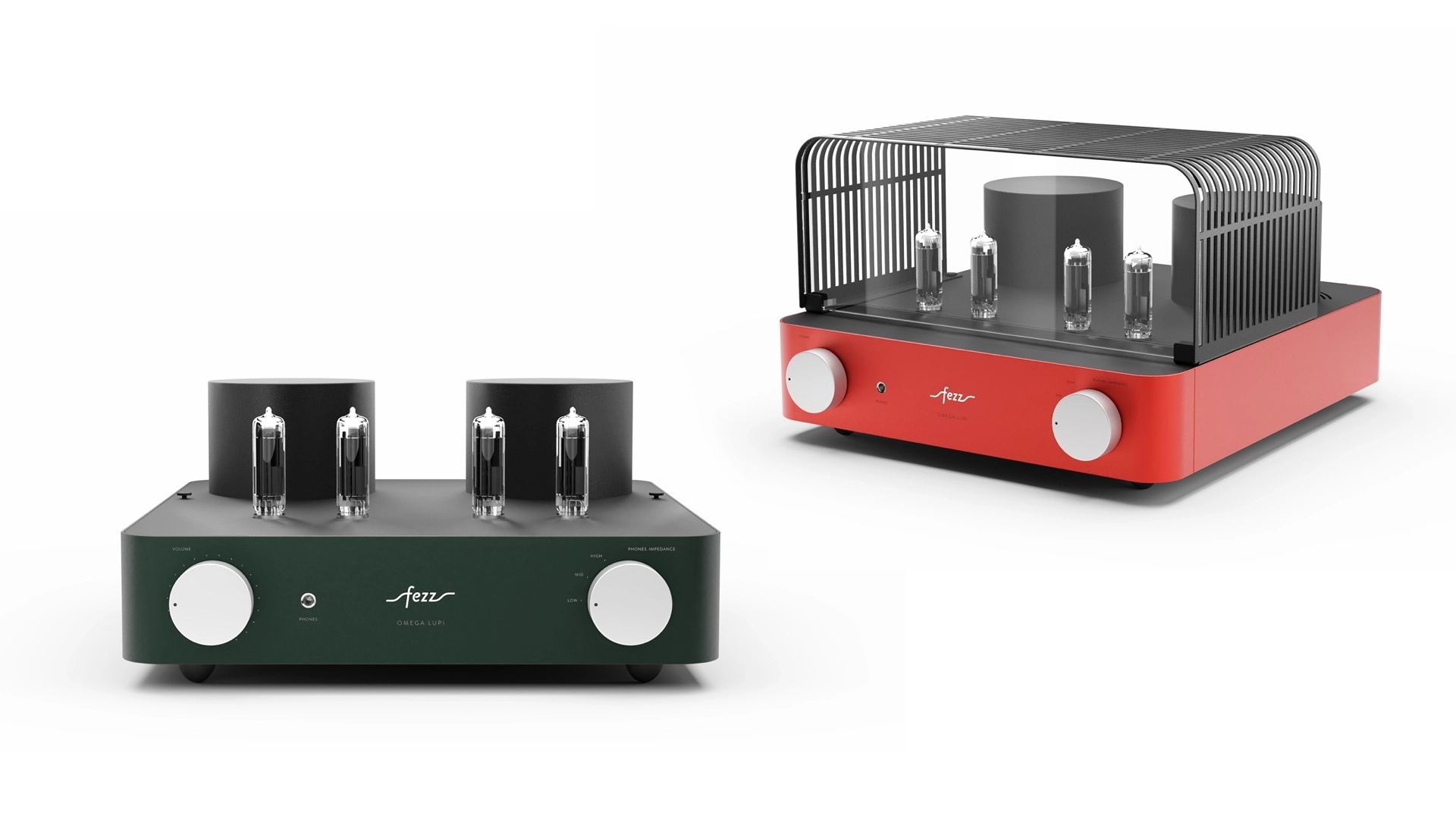
Fezz is a Polish valve-amplifier company created in 2014 by brothers Maciej and Tomasz Lachowski alongside their family transformer business, Toroidy.pl. The first Laura prototype demonstrated that a tube amplifier could be designed around an in-house toroidal output transformer; the production Silver Luna followed in 2015 and established the brand internationally. Fezz’s patented toroidal output transformers are smaller and exhibit lower stray magnetic fields than conventional EI types, while consistent winding under the same roof gives the designers close control over bandwidth and matching. The current range covers integrated and power amplifiers using EL34, KT88, 300B and other valves, including Silver Luna, Titania and Mira Ceti, plus phono and line components. The important point is not retro styling or a vague ‘warm’ sound: Fezz applies specialist transformer manufacturing to make valve electronics repeatable, serviceable and comparatively accessible.
FiiO

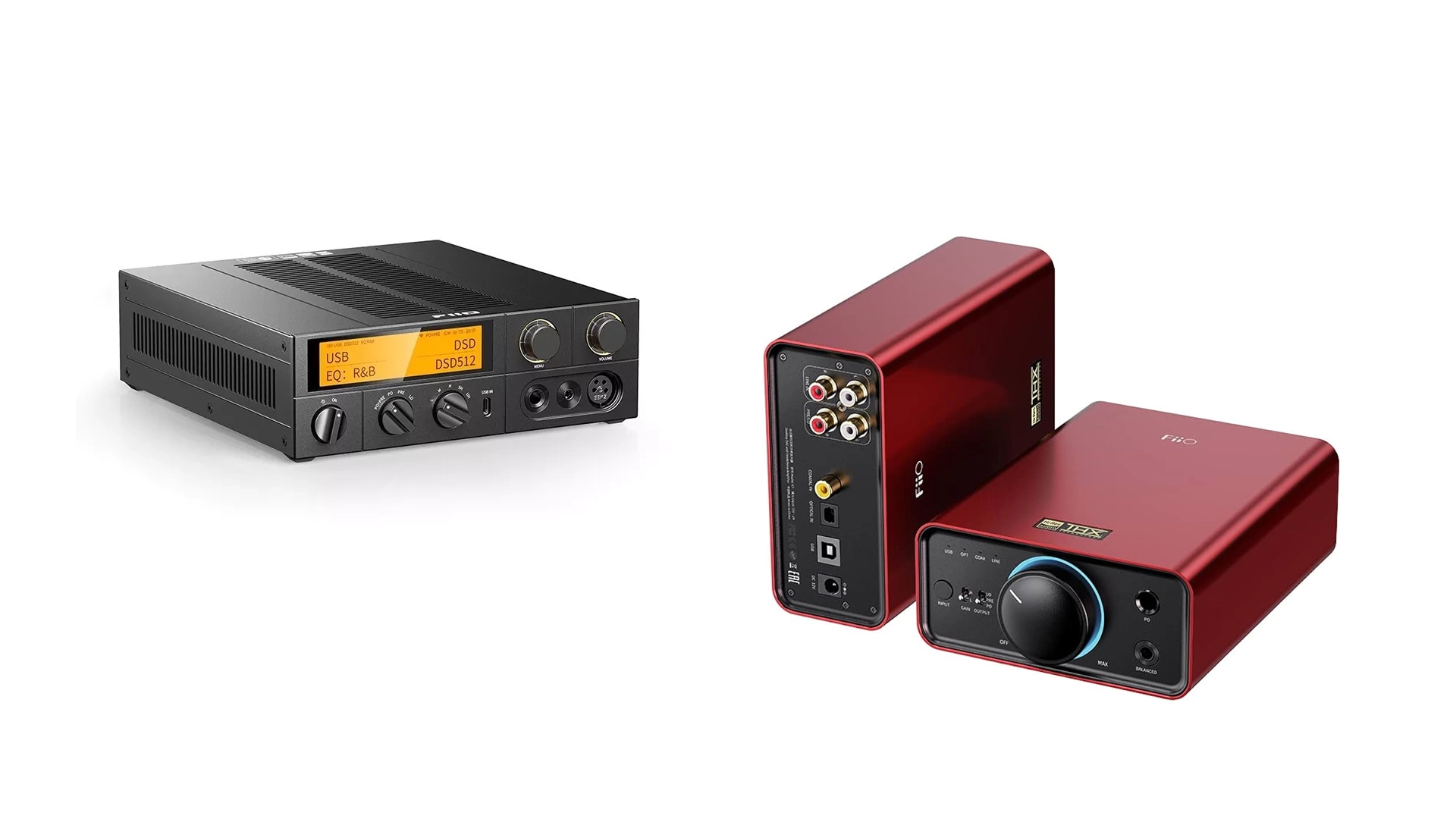
FiiO was founded in Guangzhou in 2007 and helped move serious personal audio from improvised accessories into complete, affordable systems. Early E-series portable headphone amplifiers built its reputation; the X3 player in 2013 made high-resolution playback central to the brand, and today’s Android-based M-series players combine local storage, streaming services, balanced outputs and replaceable or carefully engineered amplification stages. The broader catalogue now includes K-series desktop DAC/headphone amplifiers, BTR Bluetooth receivers, portable dongles, IEMs, full-size headphones and desktop source components. FiiO develops electronics, firmware, apps and transducers rather than depending on one fashionable product category, while sub-brand Snowsky explores smaller and more playful designs. Its distinctive strength is vertical product integration at attainable prices: a listener can build a portable, desktop or living-room chain whose interfaces and power requirements were designed to work together.
Fostex

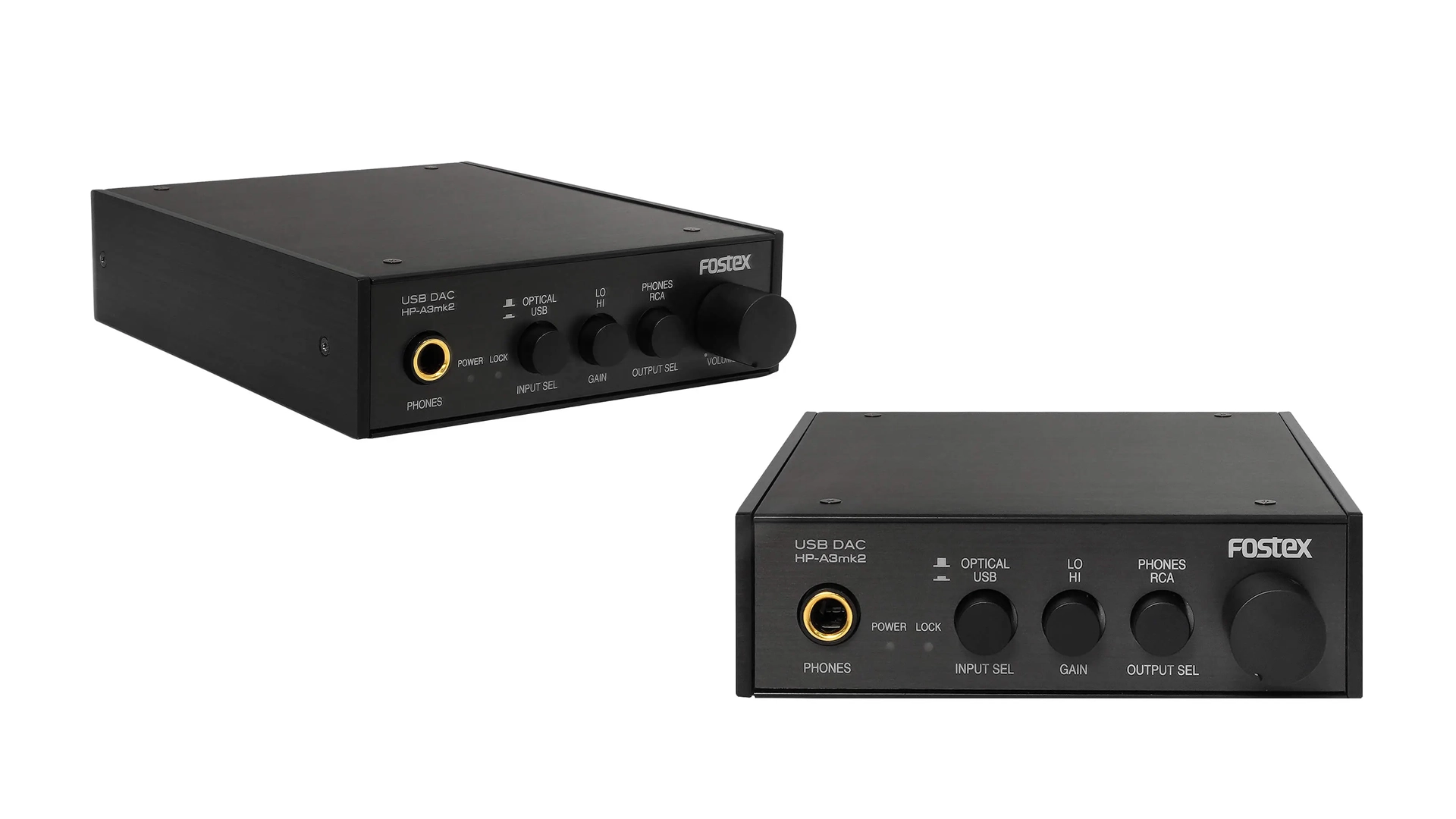
Fostex connects Japanese transducer manufacturing with tools used by recording engineers, musicians and hands-on loudspeaker builders. The company was created in 1973 as an independently managed subsidiary of Foster Electric, whose OEM loudspeaker experience gave the new brand an unusually deep production base. In 1974 it introduced RP, or Regular Phase, technology: a planar diaphragm carrying a printed conductor and driven across its surface in phase. Successive RP generations power the long-running T50RP family and newer premium planar-magnetic headphones, while the TH series explores dynamic drivers and crafted wooden housings. Fostex also makes active studio monitors, field and multitrack recorders, headphone amplifiers, microphones and professional accessories. A second, equally distinctive part of the catalogue is its raw loudspeaker components, including full-range drivers, compression tweeters and enclosure kits used in commercial and DIY designs. That breadth explains why the name appears both in studios and in enthusiast-built speaker systems.
Gato Audio

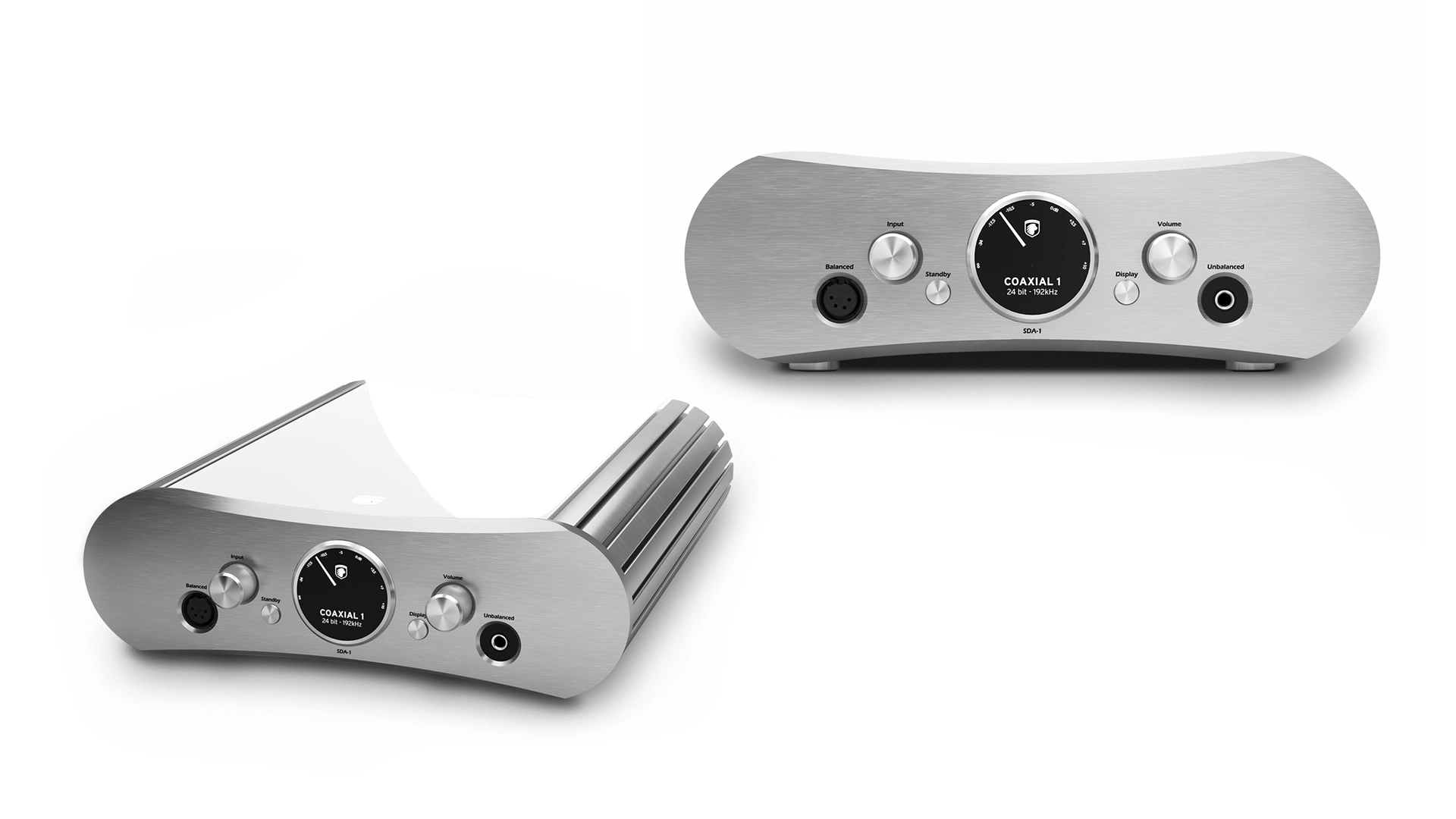
Gato Audio combines Danish industrial design with a complete hi-fi chain rather than concentrating on one component category. Kresten Dinesen, Rasmus Holm and Frederik Johansen founded the company in 2008, bringing experience from Scandinavian audio development and production. Its electronics place large displays and compact curved cabinets around several distinct platforms: TwinFET MOSFET push-pull amplification in the AMP-150, high-power Class D in the DIA integrated amplifiers and PWR-222 monoblock, plus DAC, phono and network functions in products such as SDA-1, PPA-1 and PRD-3S NPM. The replaceable NPM module adds network playback to compatible models, allowing the digital section to evolve without replacing the amplifier. Gato loudspeakers use laminated FusedMASS cabinets, Danish drivers and PurePHASE crossover design across the FM family and the newer CLC65. Products are designed and built in Denmark, and the visual restraint is supported by unusually broad engineering across sources, amplification and speakers.
Gold Note

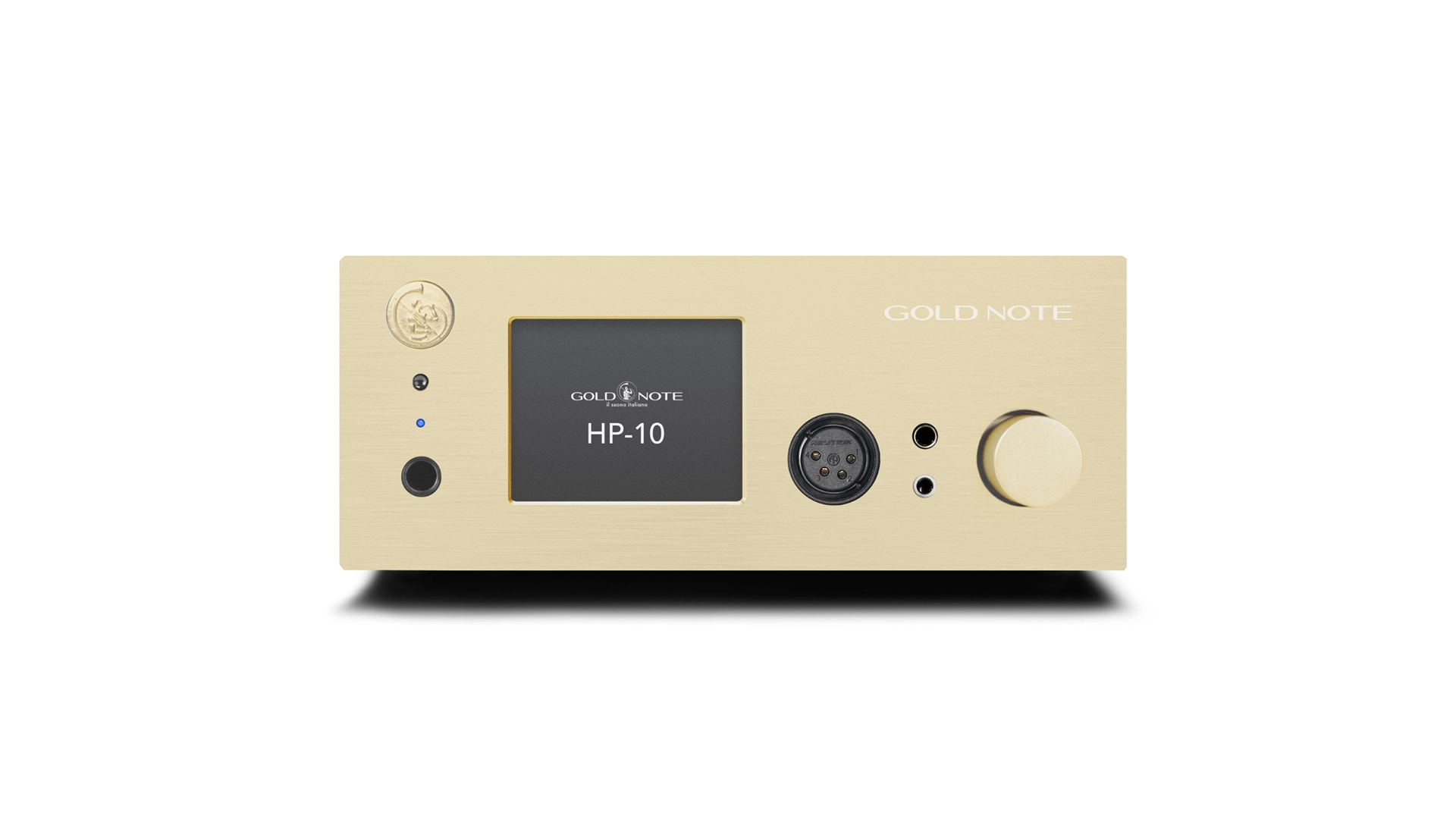
Gold Note is an Italian full-system audio manufacturer whose modern brand grew from Maurizio Aterini’s engineering studio, established in Florence in 1992 to design analogue products for other companies. The Gold Note name itself was founded in 2012, after Elena Basciano and later Alessio Oronti joined the enterprise. Its catalogue now links turntables and cartridges with phono stages, digital sources, all-in-one players, amplifiers, loudspeakers, racks and cables. Recognisable products include the Mediterraneo turntable, PH-10 phono stage, DS-series streamers and IS-series integrated systems. A useful feature of the range is modular upgrading: many components accept dedicated external power supplies, allowing the core unit to remain in service while its power section is improved. Design, development and much of the production remain concentrated in Tuscany.
Graham Slee

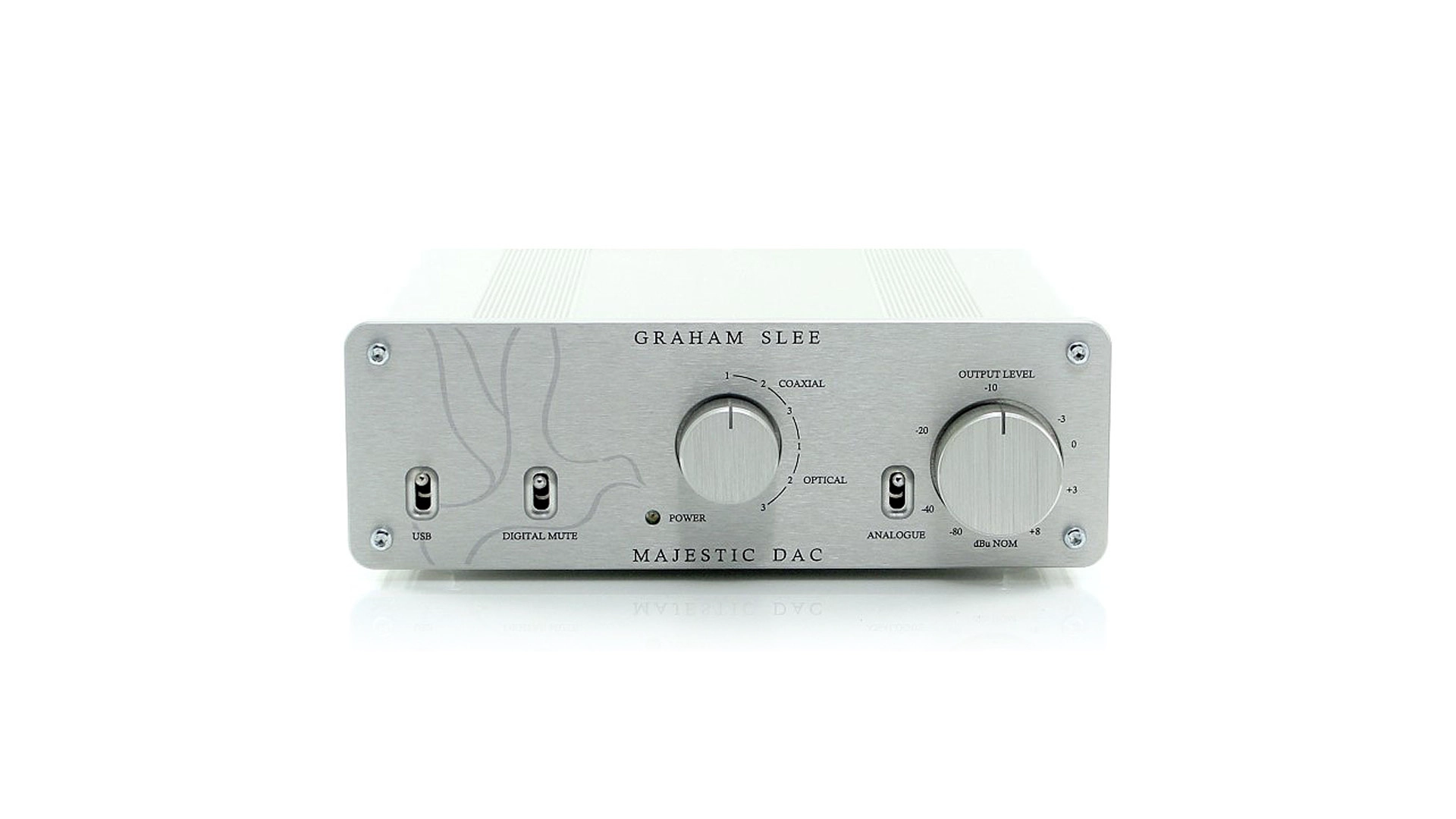
Graham Slee is a British audio-electronics specialist best known for extracting low-level signals from cartridges without turning the phono stage into a feature-heavy control centre. Graham Slee, an electronics designer active professionally since 1974, established Graham Slee Projects in 1998. The catalogue ranges from the compact Gram Amp through Era Gold, Reflex and Accession phono stages, with the Elevator EXP providing active step-up for moving-coil cartridges. It also includes Solo and Ultra-Linear headphone amplifiers, the Majestic DAC/preamplifier, Proprius mono power amplifiers and purpose-designed interconnects. Several products use separate outboard power supplies, and the company documents loading, equalisation and circuit behaviour in unusual depth. Units are designed and hand-built in Britain, with long production runs and upgrade paths valued over frequent cosmetic replacement.
Heed Audio

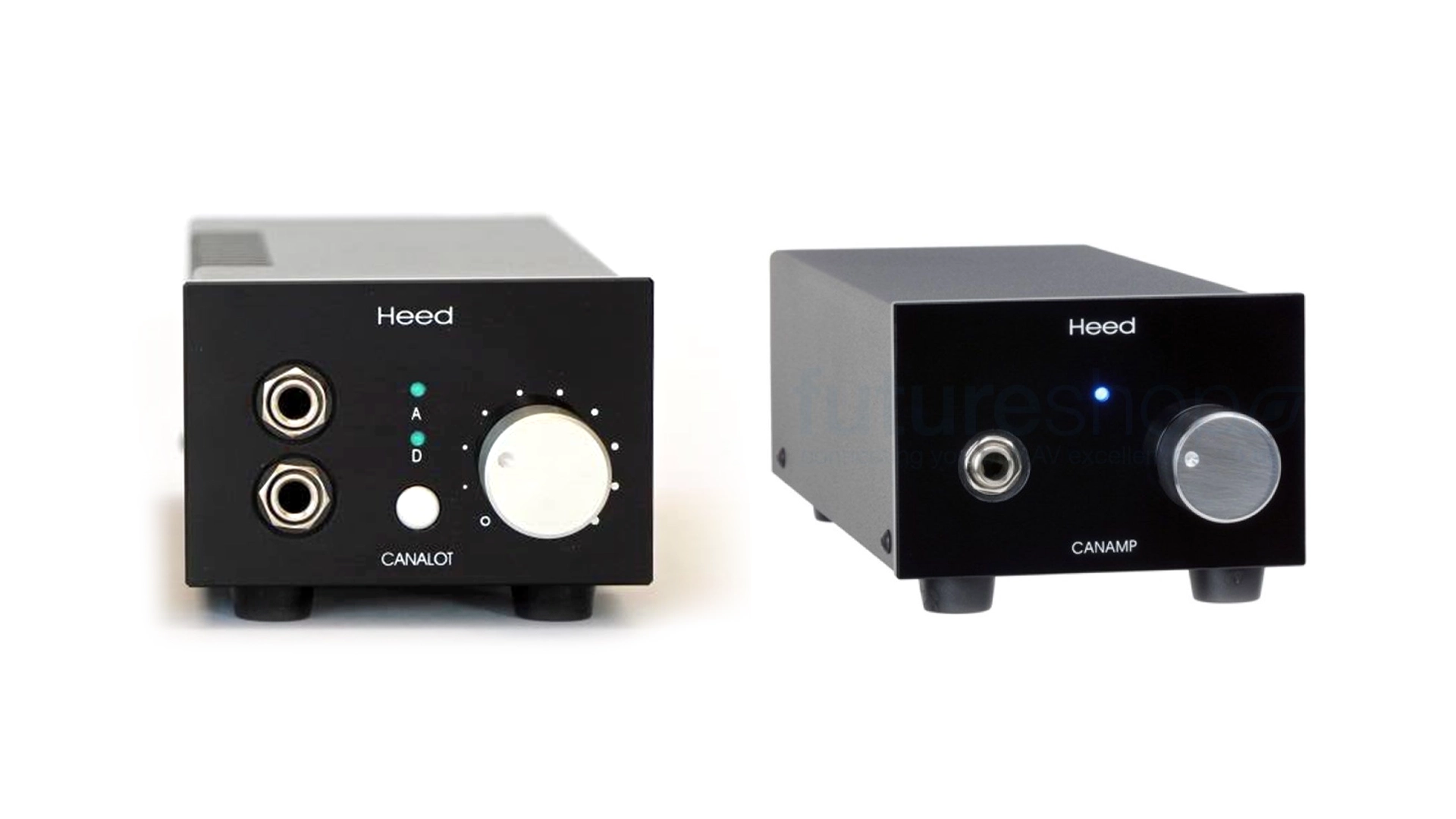
Heed Audio grew from Zsolt Huszti’s work in the Hungarian hi-fi scene of the 1980s and from his close connection with British designer Richard Hay’s Ion amplifiers. After Ion left the market in the early 1990s, Huszti continued developing the compact Obelisk concept under the Heed name, later working with engineer László Evellei on a new generation of half-width components. The brand’s best-known technical signature is Transcap, a capacitor-coupled output topology—not a transformer-coupled circuit—in which large output capacitors form part of the amplifier’s direct relationship with the loudspeaker. Heed applies this deliberately non-mainstream architecture in amplifiers such as the Obelisk and Elixir, while the wider catalogue includes the Lagrange and Thesis electronics, Quasar phono stage, Canamp headphone amplifier and digital sources. Compact proportions, upgradeable power supplies and an emphasis on musical timing give Heed a character distinct from conventional specification-led hi-fi.
HiFiMAN

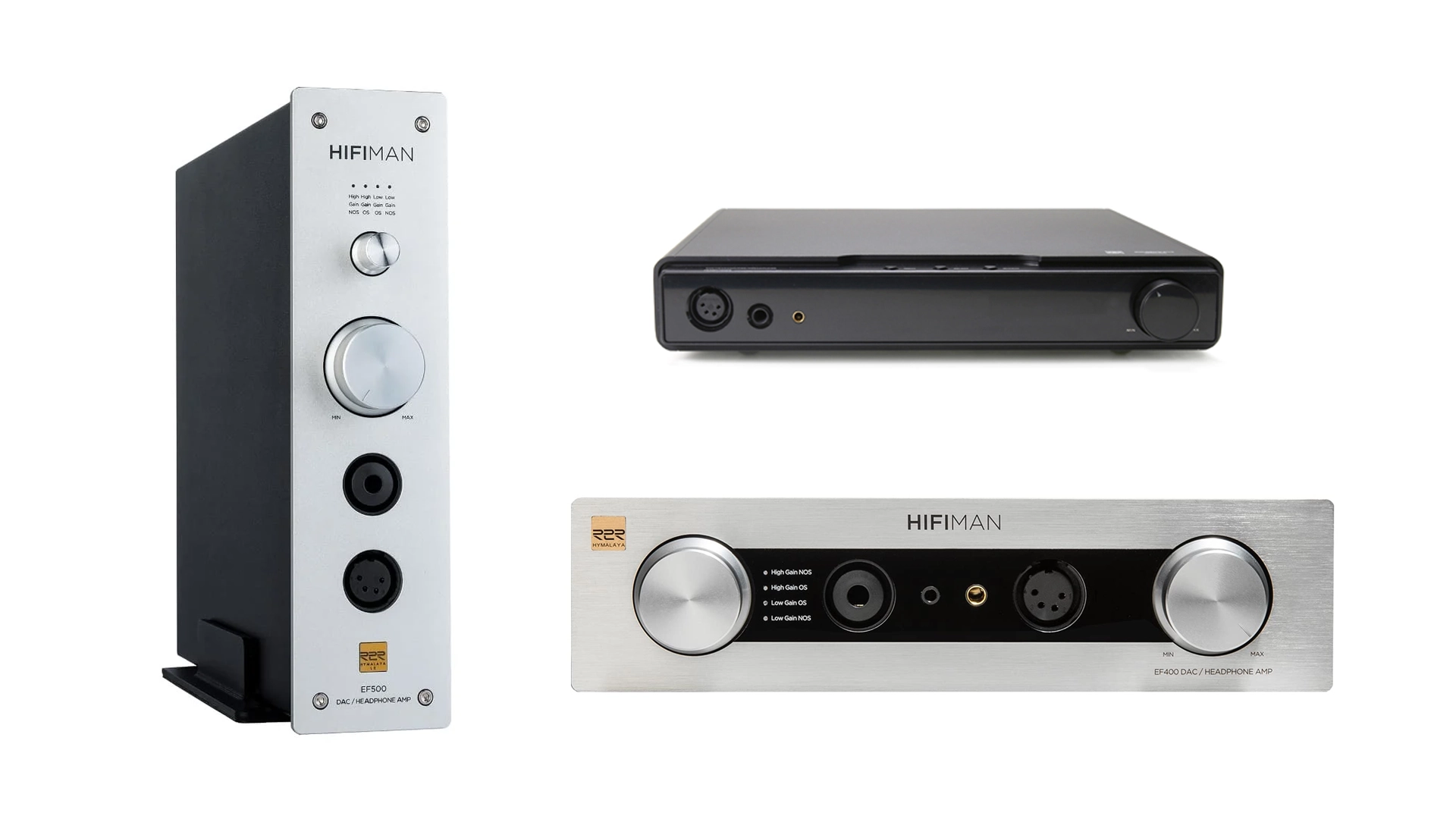
HiFiMAN is one of the companies most responsible for bringing planar-magnetic headphones back into mainstream high-end audio. Dr Fang Bian started Head-Direct in New York in 2005 and adopted the HiFiMAN name in 2007; early products such as the HM-801 portable player and HE-5 headphone established both its digital and transducer ambitions. The core range now runs from accessible models such as Sundara through Ananda, Arya and HE1000 to the flagship Susvara. Across these families, very thin planar diaphragms, distributed conductor traces and increasingly acoustically transparent magnet structures are used to reduce moving mass and obstruction; the company describes later versions as Stealth Magnet designs. HiFiMAN also produces DAC/headphone amplifiers, R-2R portable players and in-ear monitors. Its real significance is the scale at which it has developed planar technology—from attainable everyday models to uncompromised reference designs.
iFi audio

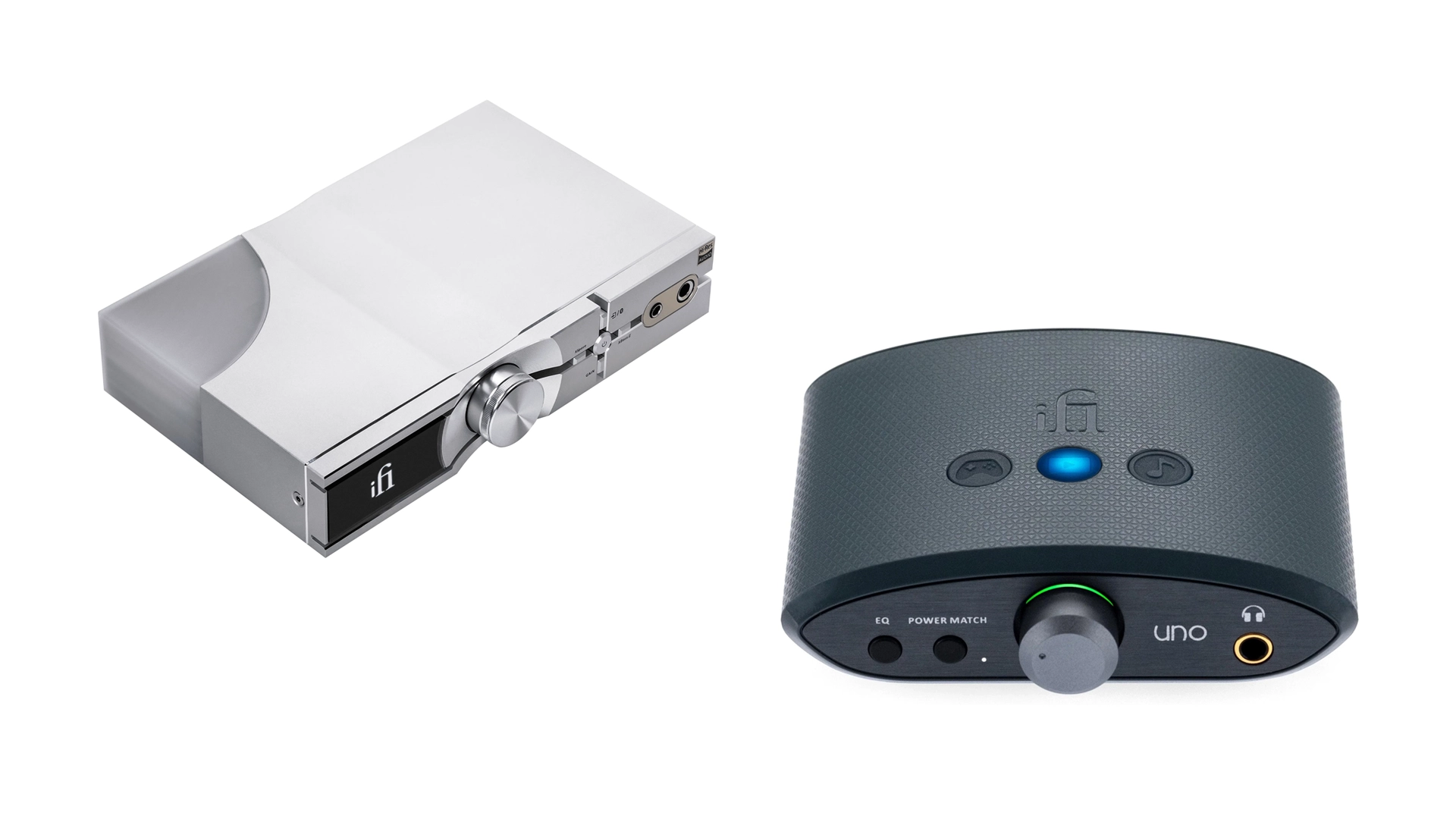
iFi audio is the British specialist that brought serious DAC and headphone-amplifier engineering into genuinely portable and desktop formats. Launched in 2012 as a sister brand to Abbingdon Music Research, iFi develops its products from its headquarters in Southport, UK. The ZEN range made compact DACs, headphone amplifiers, phono stages and streamers easy to combine, while the hip-dac, GO and xDSD families address phones, laptops, Bluetooth listening and travel. Many designs use Burr-Brown conversion, balanced or symmetrical analogue stages and practical proprietary functions such as XBass, XSpace and iEMatch rather than relying on specification-sheet features alone. At the upper end, the Pro and iCAN products explore more elaborate power supplies and amplification; the SilentPower line tackles USB, network and mains noise around the system. iFi’s strength is the breadth of problems it solves without abandoning small enclosures or approachable system building.
JDS Labs

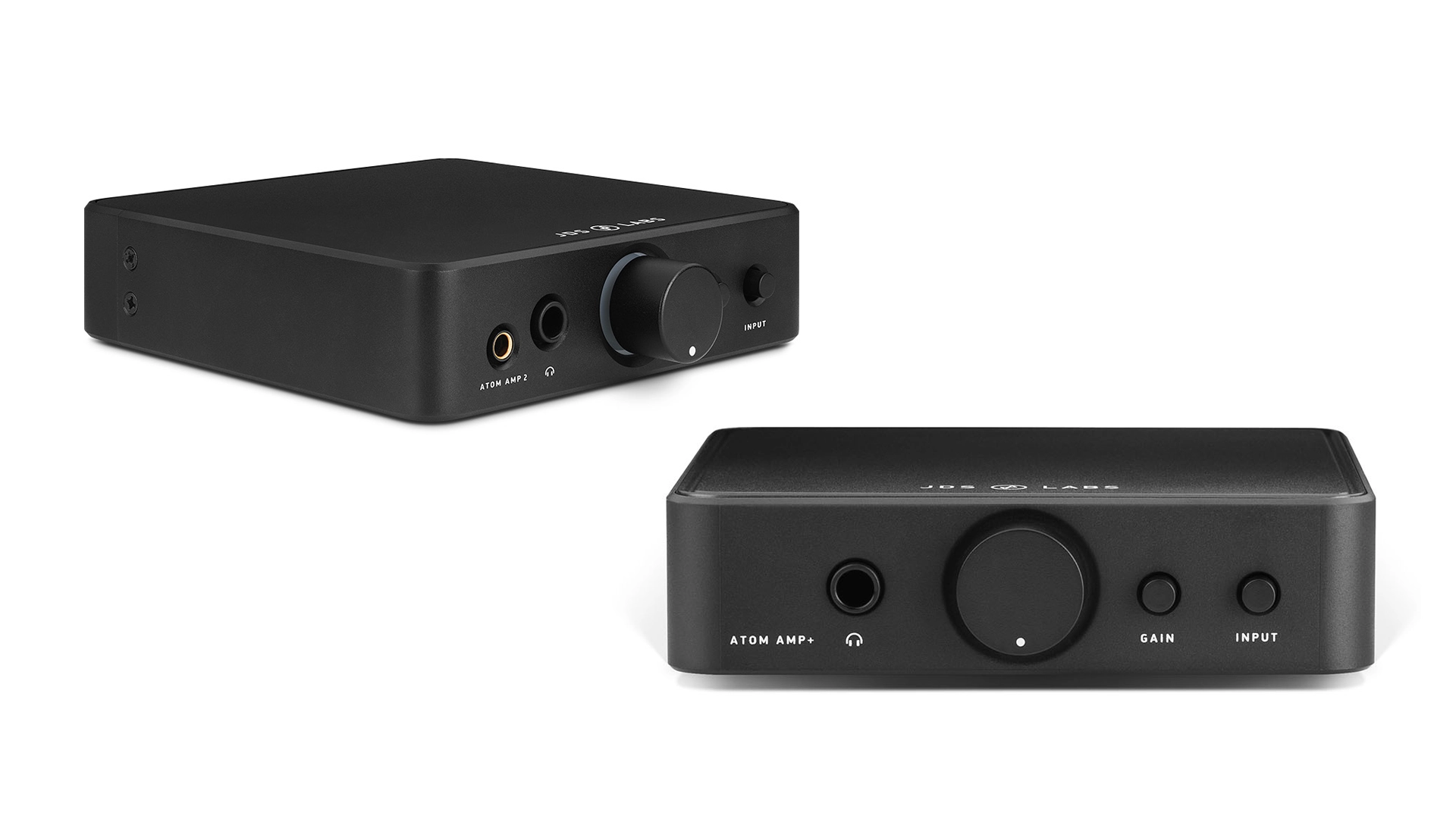
JDS Labs makes desktop headphone electronics for listeners who prefer published performance and useful controls to audio mystique. Electrical engineer John Seaber founded the company in 2007 after building a portable amplifier while at university, and it grew through direct online sales and manufacturing in Illinois. The Atom line applies the company’s measurement-led approach to separate headphone amplifiers, DACs and a phono stage at comparatively accessible prices. Element integrates DAC and amplifier in a machined enclosure centred on a large, precise volume control; the current Element IV adds configurable DSP, parametric EQ profiles and companion Core software without abandoning simple front-panel operation. JDS Labs pays close attention to low noise, channel balance, gain structure and enough output for demanding headphones, then publishes specifications that let buyers judge the design. Firmware support and in-house assembly are also meaningful parts of the offer. The result is not “objective” as a slogan, but a coherent method: engineer audibly transparent electronics, document them, and make desktop audio easier to configure.
King Sound

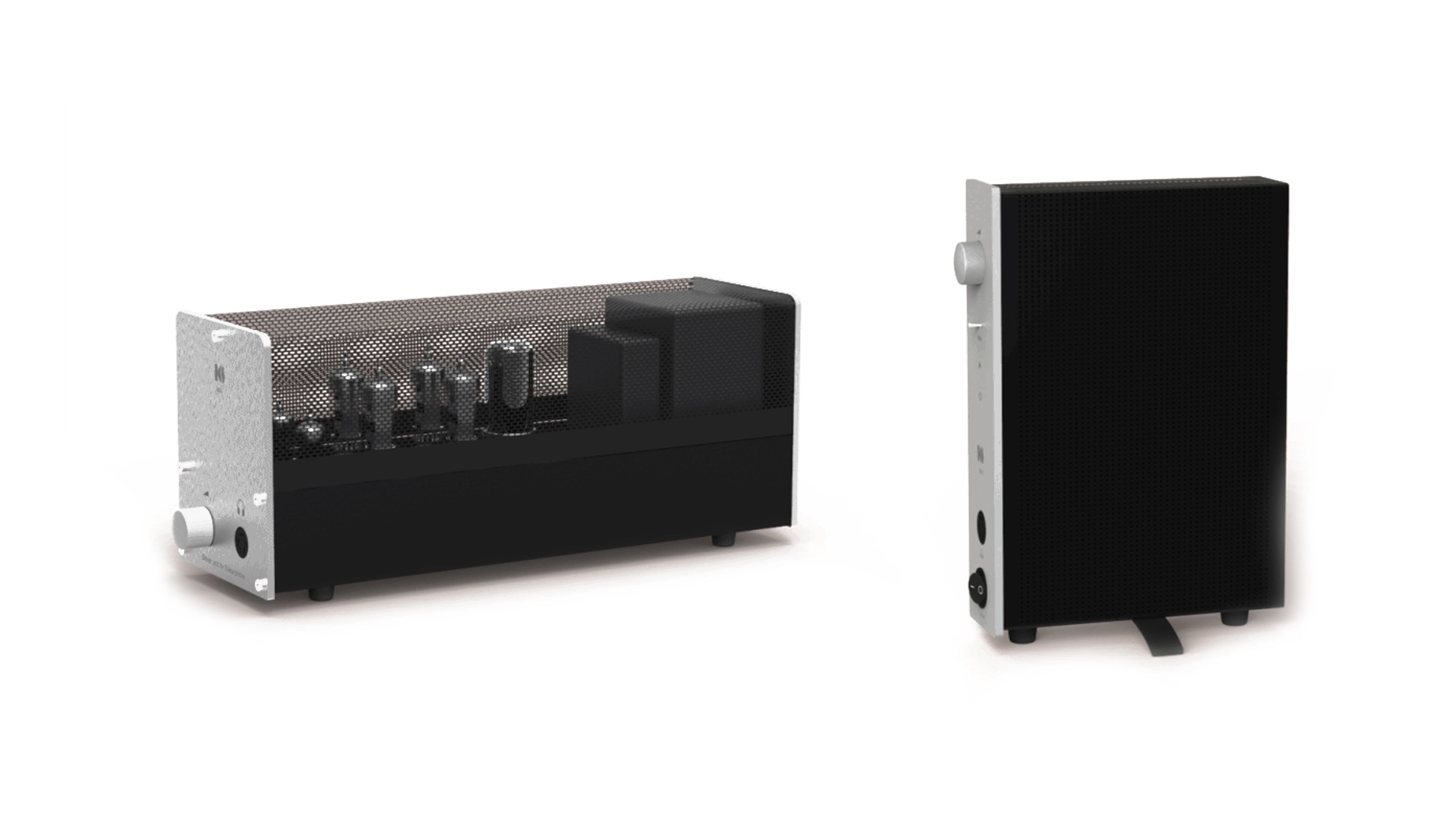
King Sound, also presented as King’s Audio, is a Hong Kong specialist best known for making electrostatic loudspeakers and headphones accessible in several sizes. An electrostatic panel moves an extremely light diaphragm suspended between charged stators, giving the brand a route to low moving mass and rapid transient response that differs fundamentally from conventional cone drivers. The company has used this principle in full-height models such as King and King III, smaller Prince variants and later KS-series designs. Some loudspeakers combine electrostatic panels with dynamic bass sections, so the range should not be reduced to the inaccurate claim that every model is a crossover-free full-range panel. King Sound has also produced matching high-voltage energisers, headphone amplifiers and electrostatic headphones, allowing the same expertise to serve personal listening. Product availability and naming have varied by market, but the technical identity is consistent: complete electrostatic playback systems built by a rare Asian manufacturer with experience in both room and headphone formats.
Lehmann Audio

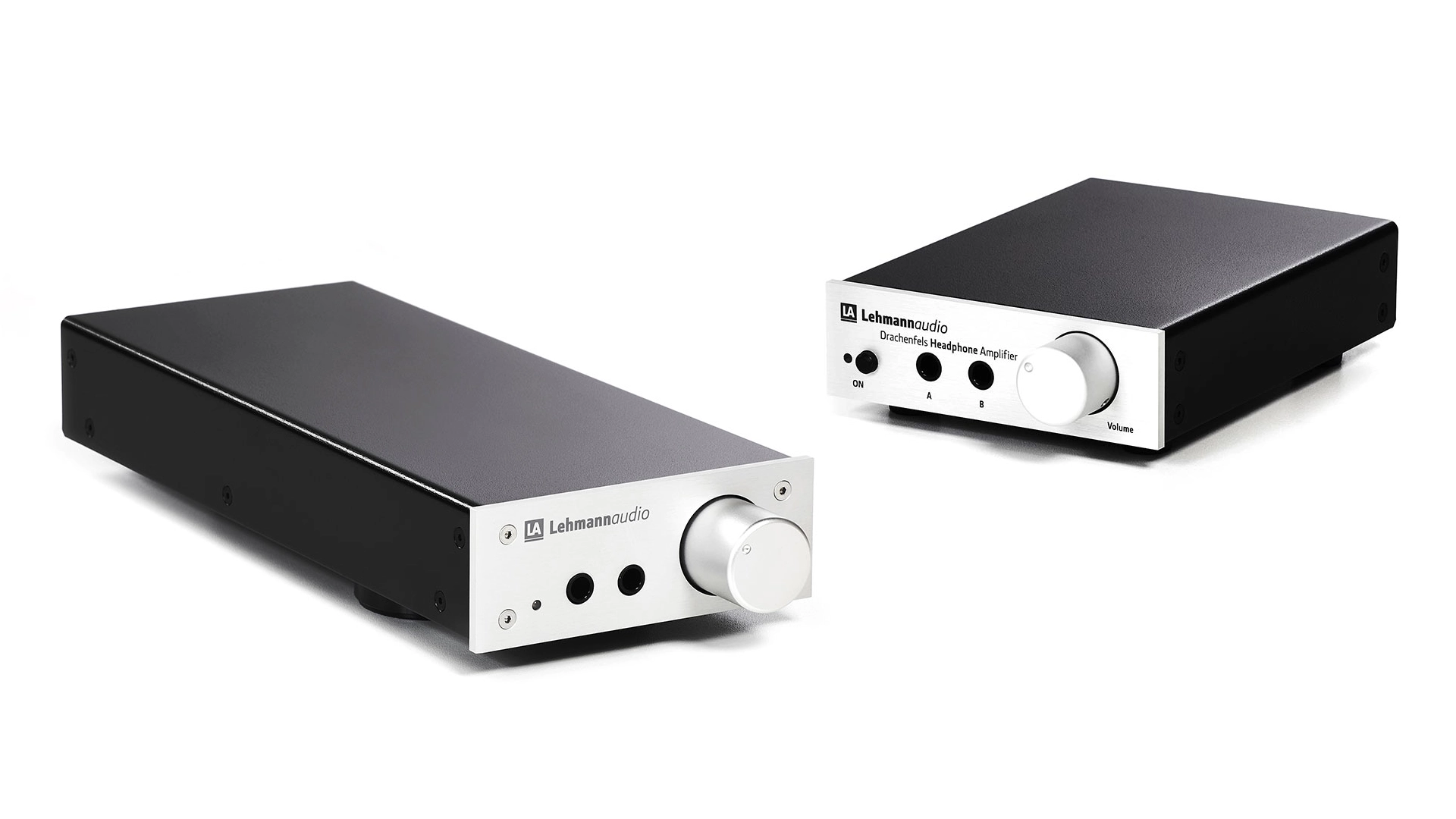
Lehmann Audio is a German specialist whose reputation rests on two demanding low-level tasks: amplifying a phono cartridge and driving headphones without masking fine signal detail. Norbert Lehmann founded the company in Cologne in 1988 while studying audio engineering. The Black Cube phono stage, introduced in 1995, became the breakthrough product by offering adjustable gain and loading in a compact chassis with an external power supply; the Statement, Decade and Silver Cube now extend that family from entry level to reference systems. Headphone amplifiers form the second pillar. The Linear, launched in 2004, is used in domestic systems and professional mastering environments, while the Linear SE, decade, Drachenfels and Traveller models adapt the core expertise to different sources and use cases. The modular Drachenfels platform can accept alternative digital or analogue input modules, helping the product evolve without a complete replacement. Lehmann designs and manufactures in Germany, with close attention to power supplies, channel matching, low noise and mechanically robust construction. Its strength is disciplined signal conditioning: small components whose influence on a system is far larger than their footprint suggests.
Liedson

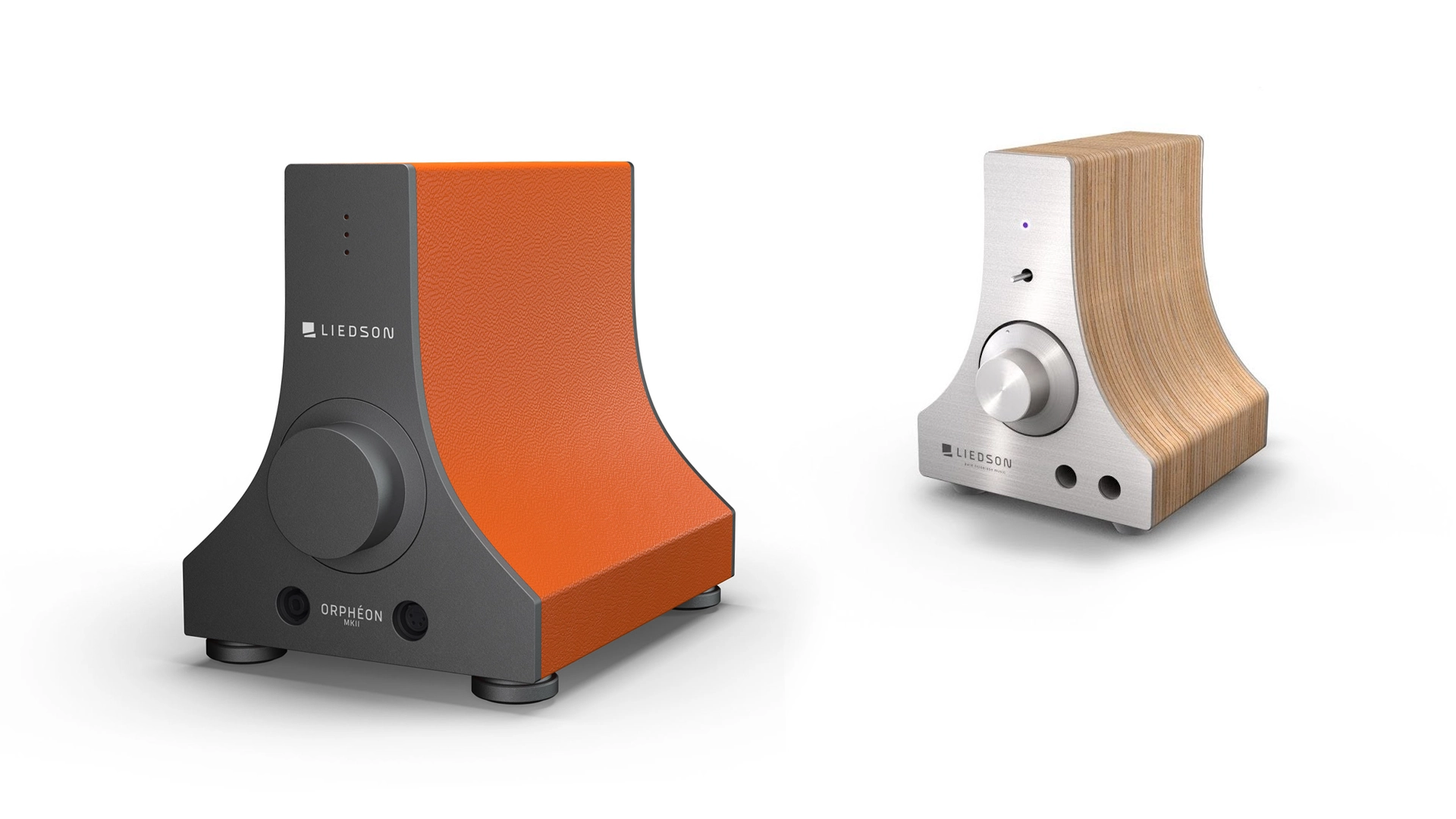
Liedson is a French designer and manufacturer of network-audio electronics, music servers and headphone amplification—not a maker of turntables or tonearms. Gilles and Claire Aguilera founded the company in southern France, combining the German musical term “Lied” with the French word for sound. Gilles Aguilera’s interest in Linux-based audio servers predates the brand, and several years of development led to the Oratorio: a high-end music server and streamer with CD playback, automatic ripping, internal storage and a dedicated control environment. Liedson later adopted a customised Volumio platform to provide mature library and streaming functions while retaining its own hardware and interface design. The Prestige range has included the Oratorio and Odeon digital sources, Fidelio streamer and the distinctive Orpheon network player/headphone amplifier, whose sculptural stand allows headphones to rest directly on the unit. Aficionado products such as the Stream 4.7 and Liedbox address more compact systems. Circuit boards, aluminium chassis and woodwork are sourced or manufactured in France wherever practical. Liedson’s signature is the integration of storage, network playback, conversion and ergonomic product design in a single coherent source.
Linear Tube Audio

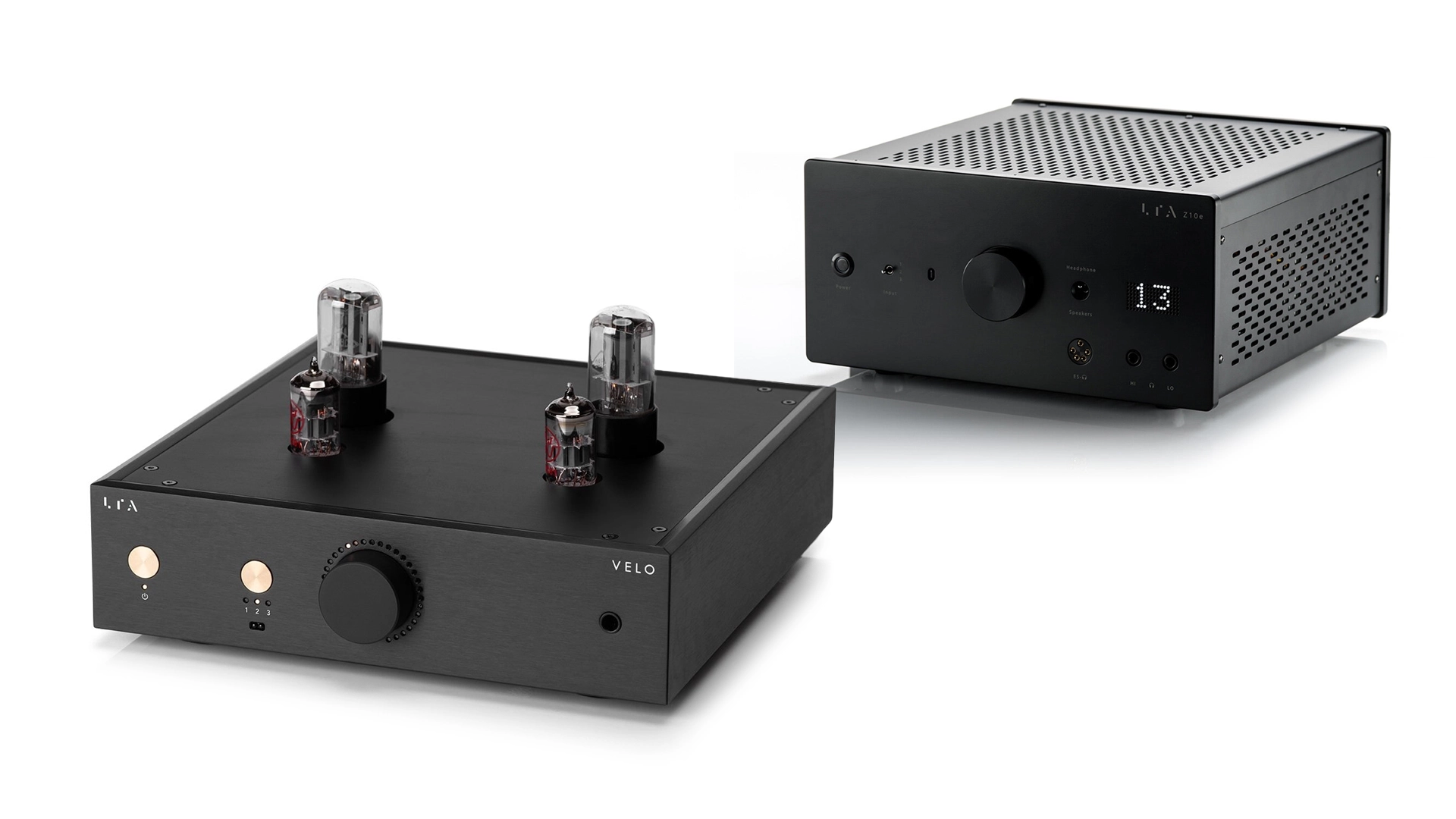
Linear Tube Audio is an American valve-electronics manufacturer built around David Berning’s patented ZOTL architecture. Mark Schneider founded the company in 2015 and began with the MicroZOTL 2.0, an updated version of Berning’s compact amplifier. A conventional tube power amplifier requires a large audio-frequency output transformer to match the valves to a loudspeaker. ZOTL instead transfers that impedance through a radio-frequency conversion stage, avoiding the hysteresis, bandwidth limits and stored energy associated with a traditional output transformer while retaining valves in the signal-amplifying circuit. Berning designs the core amplifier topology to LTA’s requirements, and the Takoma Park, Maryland team develops the power supplies, control systems, chassis and production engineering around it. Current products include Z40+ and Ultralinear+ integrated and power amplifiers, the MicroZOTL preamplifier, Z10e electrostatic-headphone amplifier, Velo headphone amplifier/preamplifier and Aero DAC. Units are hand-built in the United States and designed for long tube life and relatively low heat. LTA’s strength is therefore specific and testable: it industrialises a difficult alternative to the valve output transformer.
Luxman

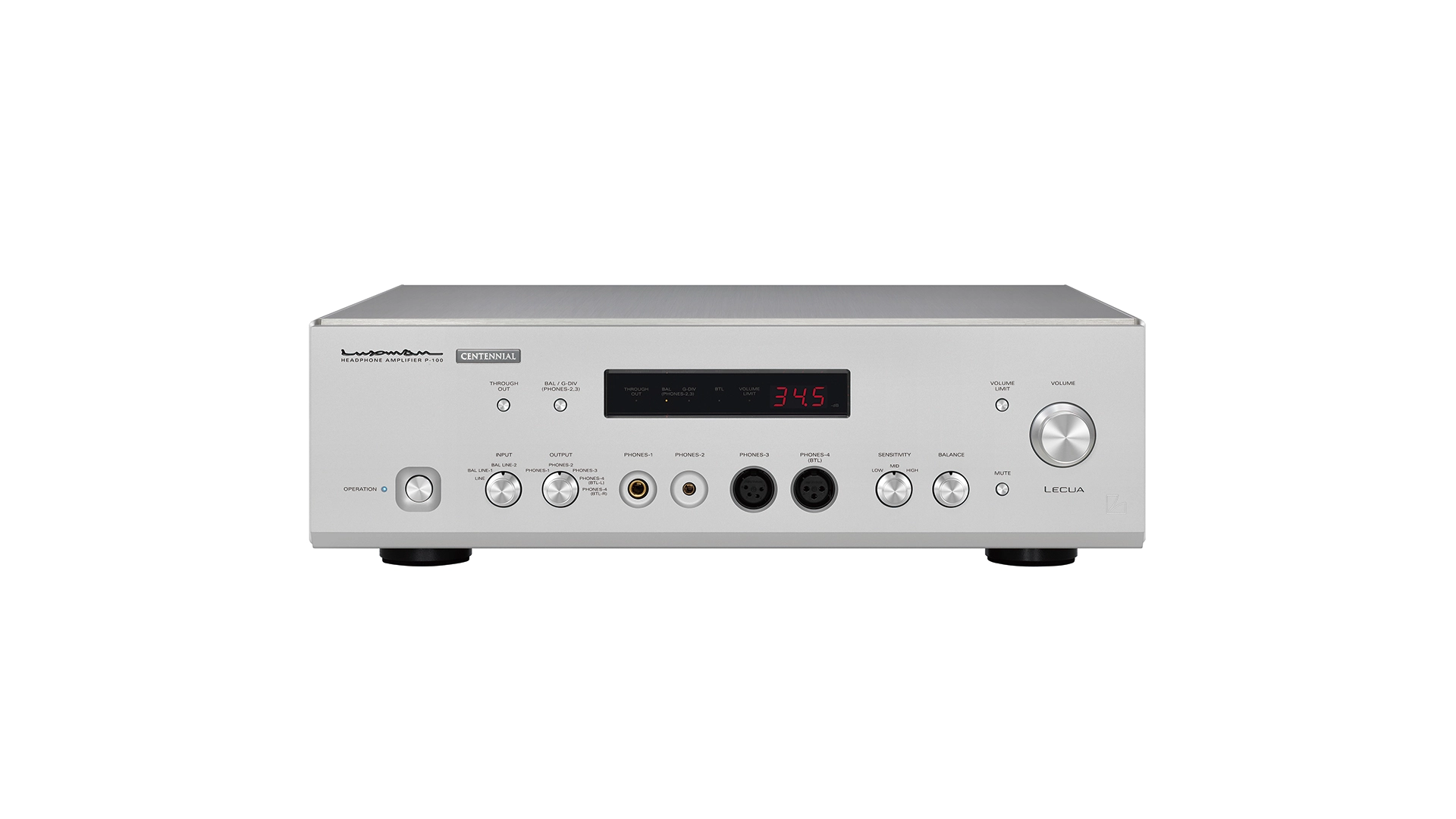
Luxman is one of Japan’s longest-established specialist hi-fi manufacturers, with roots in an Osaka radio department opened in 1925 as broadcasting began in the country. Its catalogue is broad, but amplification remains the centre of gravity: integrated amplifiers, control amplifiers and power amplifiers sit alongside SACD/CD players, network transports, DACs, phono stages and the PD-191A turntable. Luxman develops recurring circuit platforms rather than dressing standard modules in new cases. The current LIFES feedback engine, introduced as the successor to the long-running ODNF concept, is designed to apply correction only to detected distortion components while preserving the music signal’s immediacy. LECUA electronically controlled attenuators provide repeatable volume adjustment with carefully matched channels, and substantial custom transformers and power supplies are used throughout the upper ranges. Products such as the L-509Z integrated amplifier, C-10X/M-10X separates and D-10X disc player pair this engineering with the brand’s characteristic analogue meters and understated industrial design. Luxman’s appeal is the continuity between eras: tube components, modern solid-state circuits, digital sources and vinyl replay are all treated as parts of one coherent Japanese audio tradition.
M2Tech

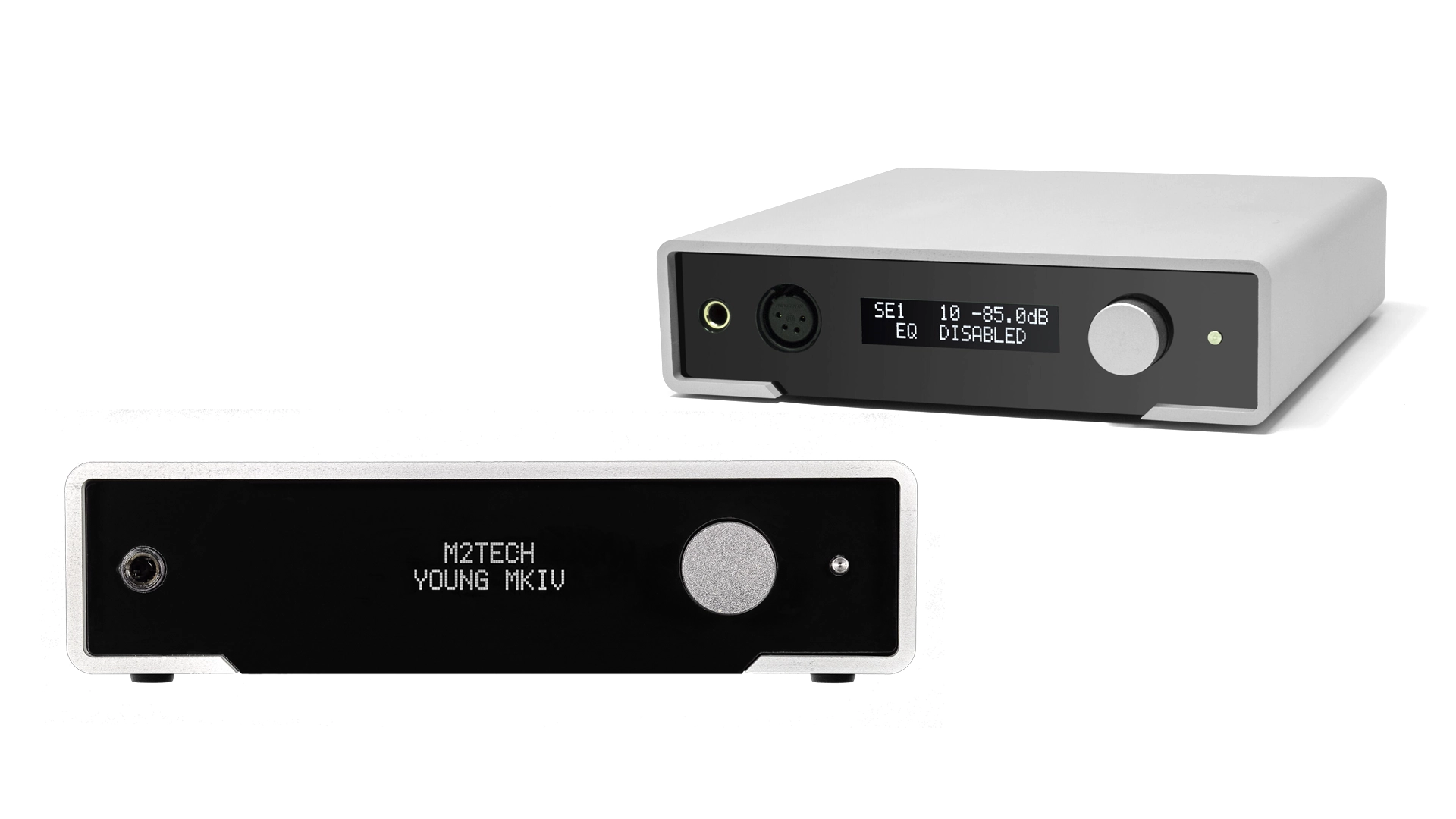
M2Tech is an Italian digital-audio company founded in Pisa in 2007 by electronics designers Nadia Marino and Marco Manunta. It first operated as a consultancy, then became internationally visible with the 2009 hiFace—an asynchronous USB-to-S/PDIF interface created when few DACs could accept high-resolution computer audio reliably. The compact device delivered bit-perfect 24-bit/192 kHz data and helped establish USB conversion as a serious upgrade rather than a convenience input. M2Tech followed it with the Young 384/32 DAC, among the first consumer converters to handle 384 kHz files over asynchronous USB, and the Joplin analogue-to-digital converter, which incorporated flexible phono equalisation. Products such as the Vaughan DAC, Nash phono stage, Crosby power amplifier and EVO modular components expanded the range without losing the emphasis on clocks, conversion and adaptable interfaces. The founders have also continued design work for other manufacturers. The M2Tech heritage is now being carried forward through Manunta by M2Tech, including compact EVO products and more integrated electronics sold with a closer direct relationship to customers. That evolution is important: M2Tech is best understood as an engineering platform behind several generations of original digital and analogue tools, not merely the maker of one successful USB dongle.
Matrix Audio

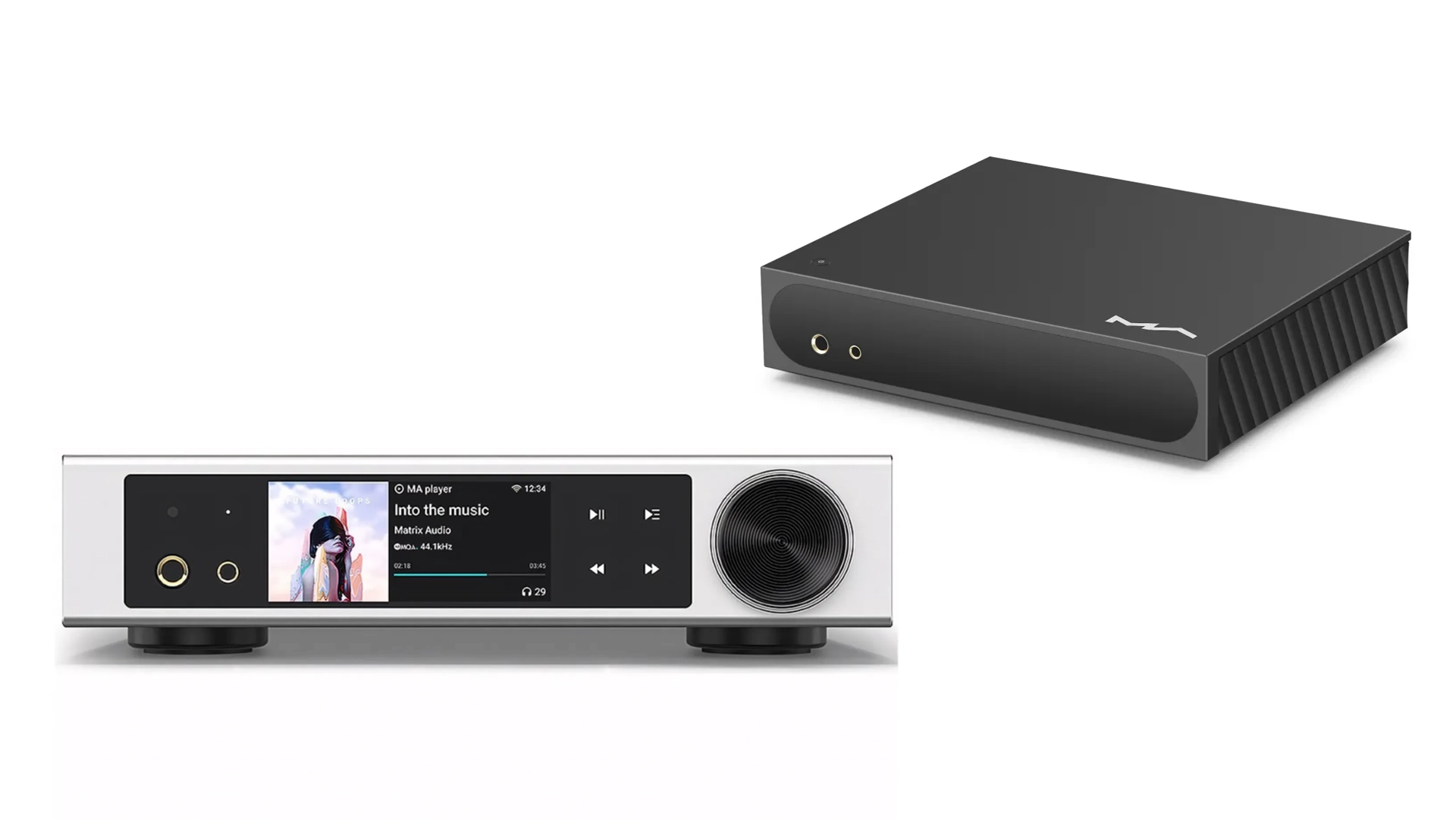
Matrix Audio is a digital-audio specialist from Xi’an, China, known for combining serious conversion hardware with unusually complete network playback and control software. The company traces its beginning to 2006 and later formalized Matrix Electronic Technology and the Matrix Audio trademark. Its early DACs and headphone amplifiers established a reputation for clean circuit layouts and competitive engineering; the element series expanded that expertise into integrated music streamers. Current products cover network players, DACs, headphone amplifiers, preamplifiers, power amplifiers, clocks and all-in-one sources. Matrix develops its own MA Player platform and MA Remote application, allowing local storage, NAS libraries and supported streaming services to be handled within one interface. Higher models use carefully partitioned digital and analogue sections, femtosecond clocking, linear power supplies, balanced outputs and CNC-machined enclosures; implementation varies by model rather than following a single chip recipe. Lines such as element, mini-i and X-SABRE address different system scales. Matrix Audio’s strength is the integration of hardware, firmware and everyday usability: it approaches a network player as a complete audio source, not merely a DAC with a streaming module attached.
MoFi Electronics

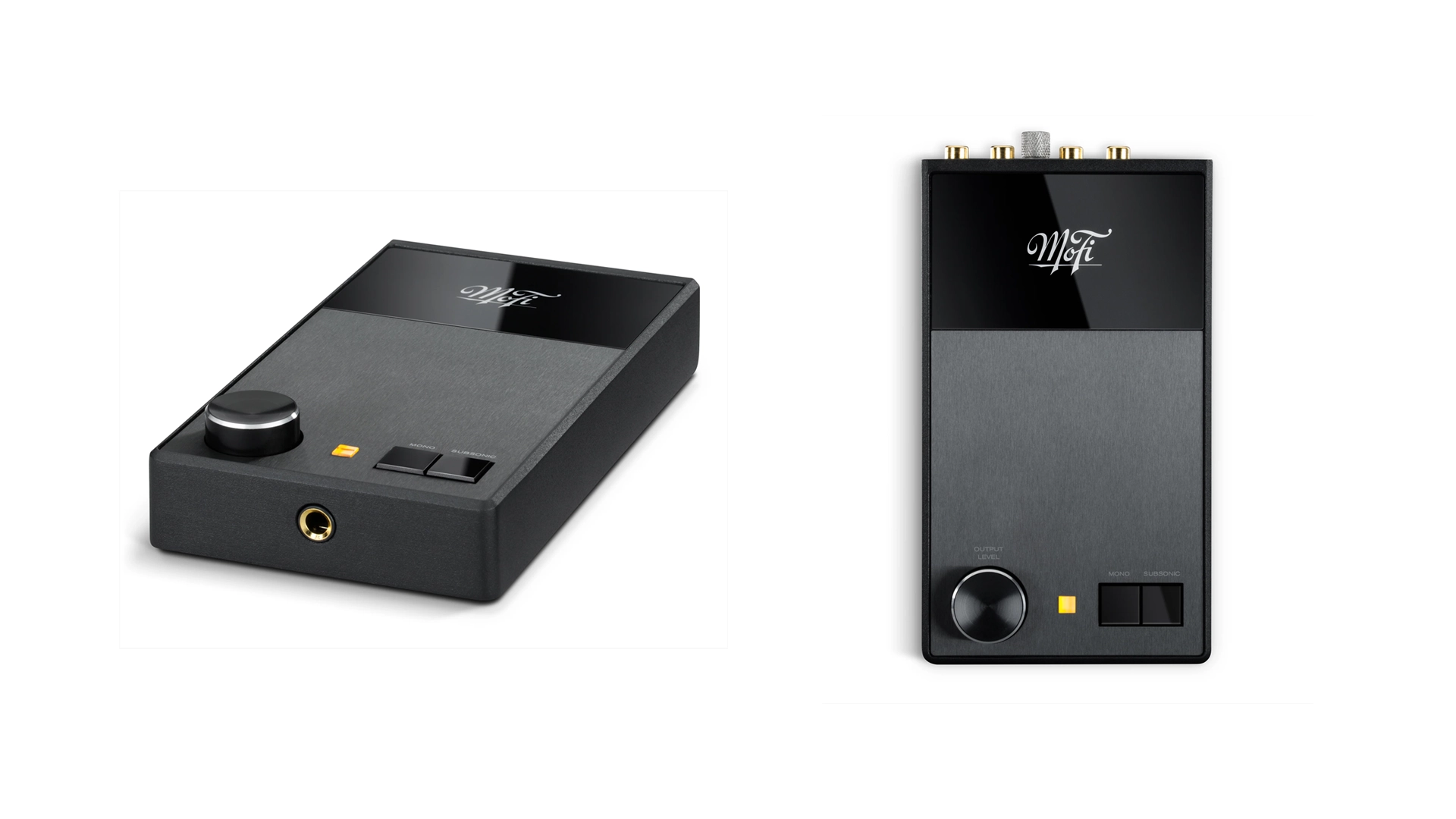
MoFi Electronics is the hardware arm of the Mobile Fidelity family, translating the record label’s analogue experience into turntables, cartridges, phono stages and loudspeakers. The business was formed in 2014 and introduced its first hardware publicly in 2016, drawing on outside specialists rather than claiming that mastering expertise alone is sufficient to design equipment. Turntable engineer Allen Perkins led the analogue platform, while later loudspeakers were created by Andrew Jones and the MasterPhono by Peter Madnick. StudioDeck and UltraDeck established the line with isolated AC motors, constrained-layer plinths and proprietary tonearms; the Allen Perkins-designed MasterDeck adds three-speed operation and fine speed adjustment. UltraGold, MasterTracker and other cartridges are voiced as part of the same playback chain. SourcePoint speakers use Jones’s concentric driver architecture to control directivity and integrate treble with the mid/bass unit from a common acoustic centre. MoFi Electronics is distinctive because its catalogue is not a label-logo exercise: it is a set of purpose-designed components by identifiable engineers, informed by how records are cut, evaluated and replayed.
Musical Fidelity

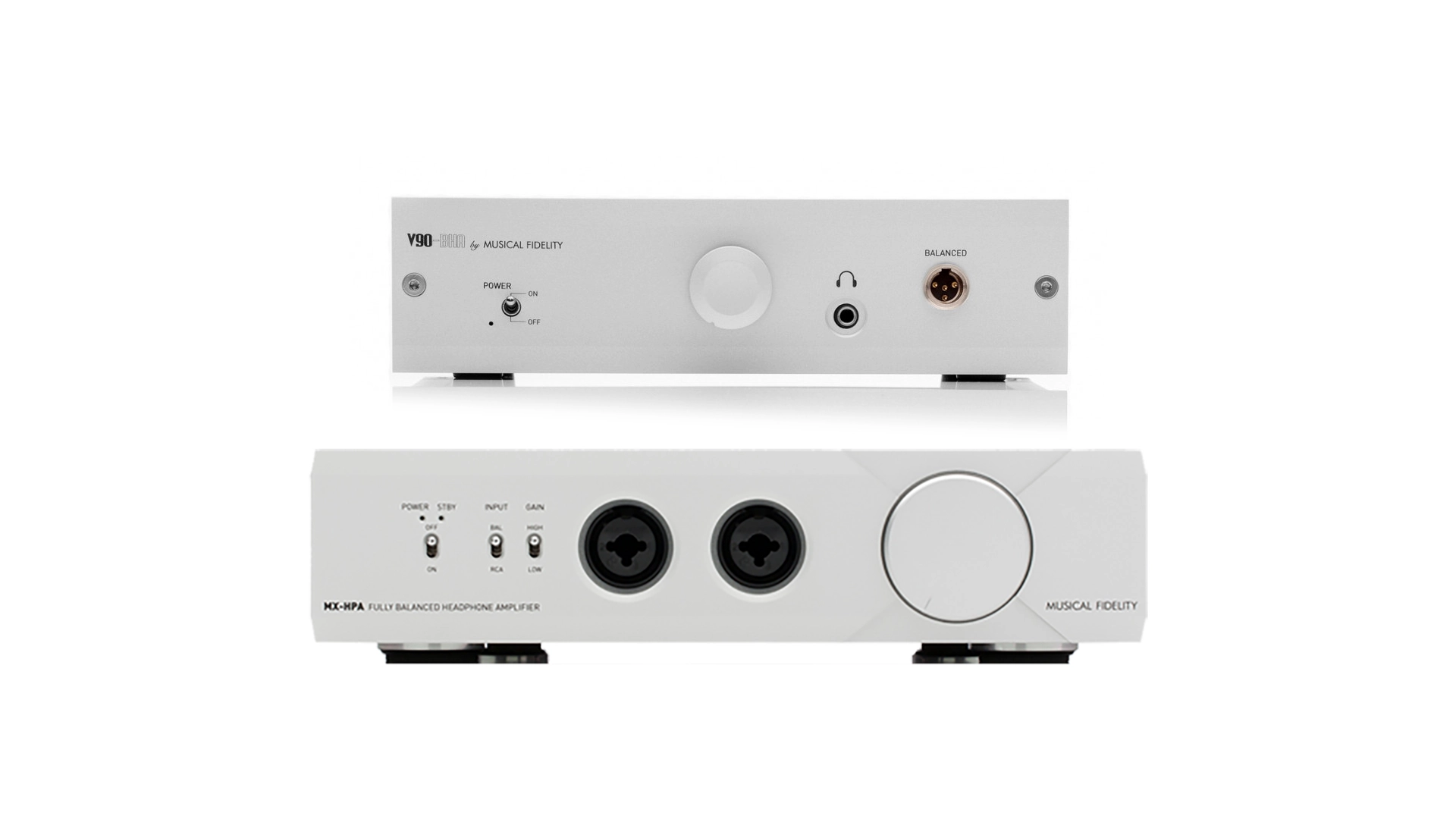
Musical Fidelity is a British hi-fi electronics brand founded in 1982 by clarinettist and audio enthusiast Antony Michaelson. It became known for amplifiers that combined generous power reserves with compact or unconventional formats: the original A1 integrated amplifier, launched in 1985, ran heavily biased in Class A, while the cylindrical X-series made serious phono, DAC and headphone functions accessible as separate components. The Nu-Vista line later adopted nuvistor valves, a low-noise miniature tube technology rarely used in modern consumer audio. The current catalogue includes integrated, pre and power amplifiers, phono stages, DACs, CD players, streamers, turntables and power conditioning. A1 and X-series products have been re-engineered rather than merely cosmetically revived, while M3, M5, M6, M8 and Nu-Vista cover progressively larger systems. Since 2018 the brand has been owned and operated by Austria’s Audio Tuning, but product identity remains explicitly British and analogue-led. Musical Fidelity’s strength is range without anonymity: high-current transistor amplification, discrete phono circuitry and the unusual nuvistor platform give different families real technical character instead of the same chassis being repackaged at several prices.