
Subwoofers Вass Speakers
A subwoofer is a specialized loudspeaker designed exclusively to reproduce the lowest audio frequencies, or deep bass, which regular speakers often struggle to deliver. It’s an essential component for adding impact, weight, and visceral rumble to home theater systems and for providing a full, foundational low-end in music setups. This page serves as a complete directory of manufacturers who specialize in the art of bass, from companies making powerful home cinema subwoofers to brands crafting precise, musical models for audiophiles.
Hi-Fi brands in the category
Summary information and image
Direct links to official websites
Acoustic Energy

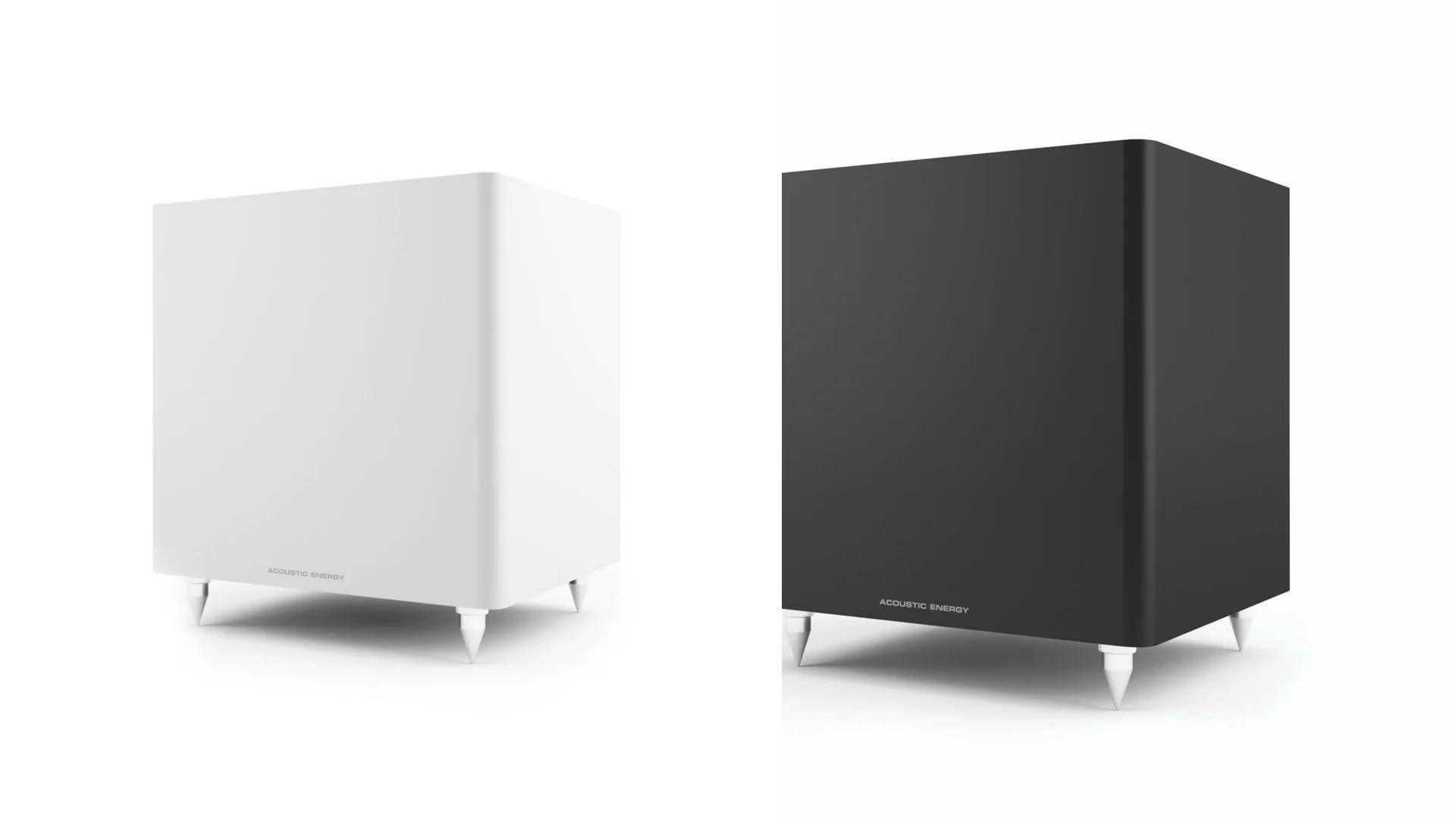
Acoustic Energy’s story began with the compact AE1, and its loudspeakers continue to explore how driver and cabinet design can deliver substantial performance from domestic-sized enclosures. The British company develops standmount and floorstanding speakers, with different materials chosen for different ranges. Corinium, for example, combines carbon-fibre midrange and bass cones with a soft-dome tweeter, an aluminium front baffle and a layered Resonance Suppression Composite cabinet. Founded in London in 1987, Acoustic Energy links its original compact-monitor heritage with larger home-listening designs.
ADAM Audio

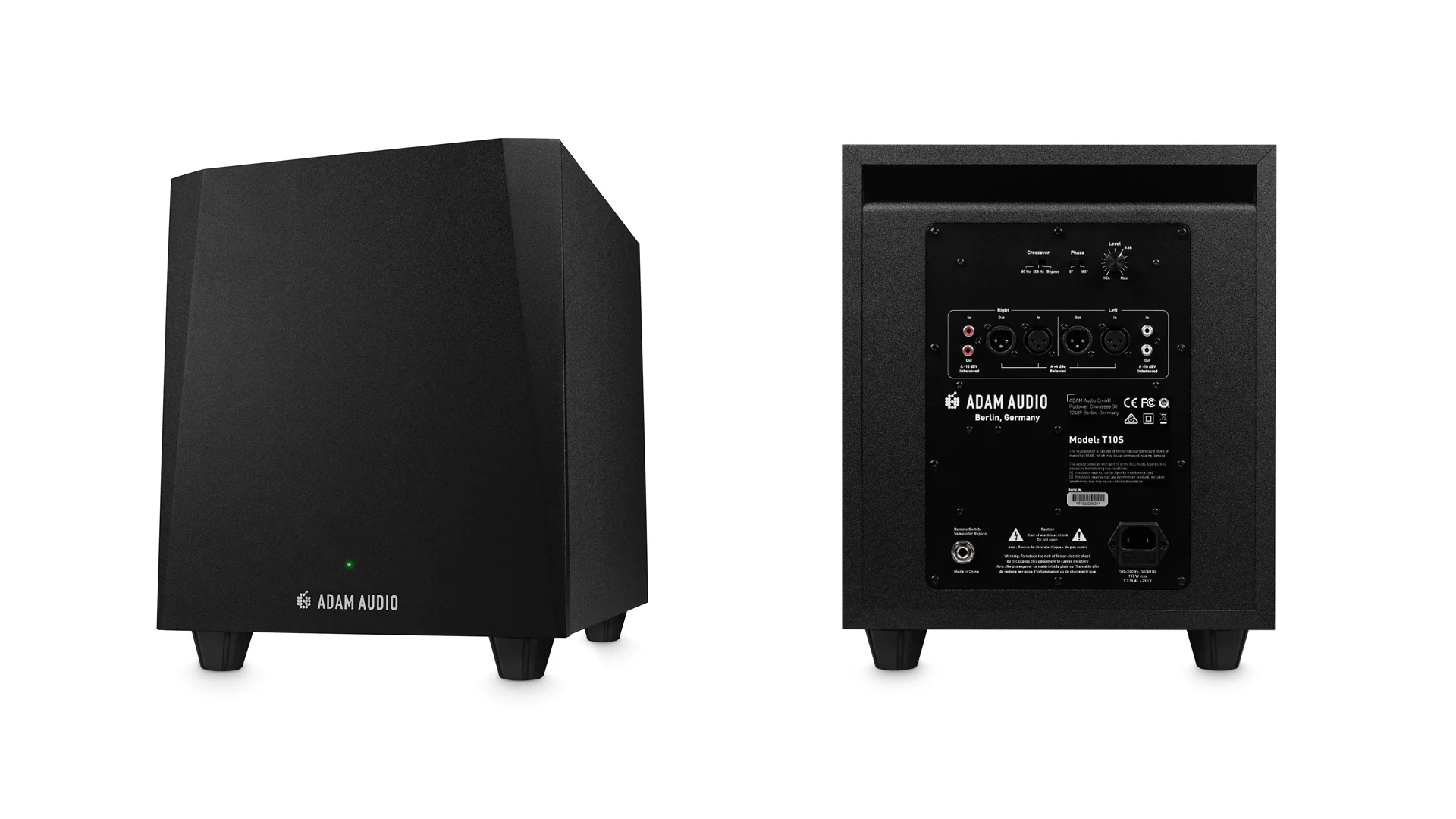
ADAM Audio makes active studio monitors distinguished by ART-family tweeters, whose folded diaphragms move air through an accordion-like motion. That driver principle has been central to the Berlin company’s identity since its early monitors. Klaus Heinz and Roland Stenz founded ADAM Audio in Berlin in 1999, developing ART from Oskar Heil’s Air Motion Transformer principle. Room adaptation is another important part of its newer designs: A Series monitors can be adjusted through A Control software and store Sonarworks calibration filters in their own DSP. This allows the correction to run in the speakers rather than relying on a permanent software plug-in in the playback chain. Across its monitor ranges, ADAM addresses home studios, professional production and installation, with features and tweeter versions varying by series.
Amina

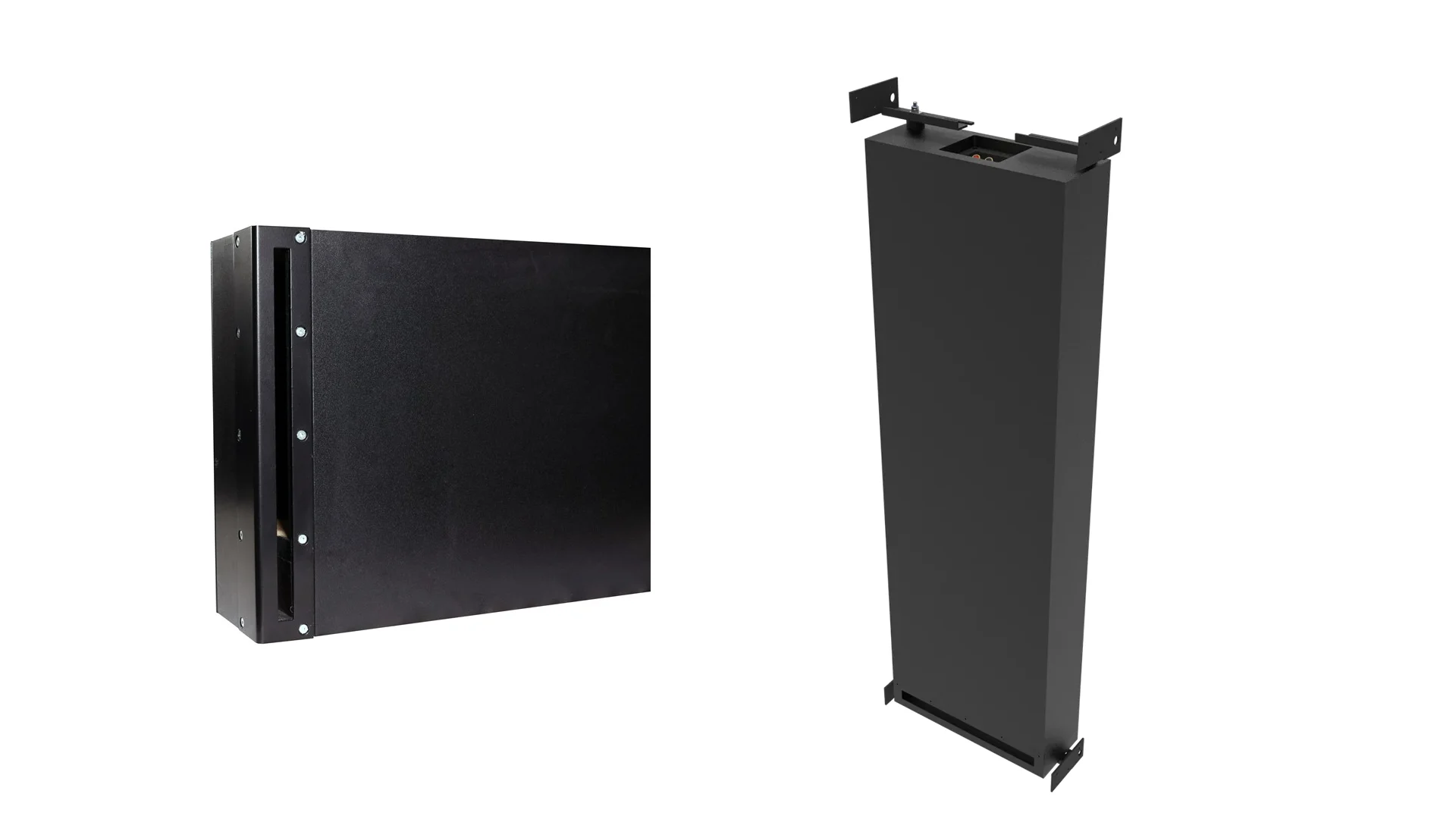
Amina makes loudspeakers intended to disappear into the interior: their sound-radiating panels are installed in walls or ceilings and finished to match the surrounding surface. Richard Newlove founded the British company in 1999 after working with NXT’s distributed-mode loudspeaker technology. Instead of a conventional cone, an exciter drives bending waves across a lightweight panel. Installation differs by range: Edgei integrates with plasterboard and a painted finish, while Mobius systems can be concealed beneath specified finishing materials. The panel and its covering must be treated as a designed acoustic assembly, not simply a speaker hidden behind any wall. Amina’s particular expertise is combining that engineering with the practical requirements of architects and installers.
Aperion Audio

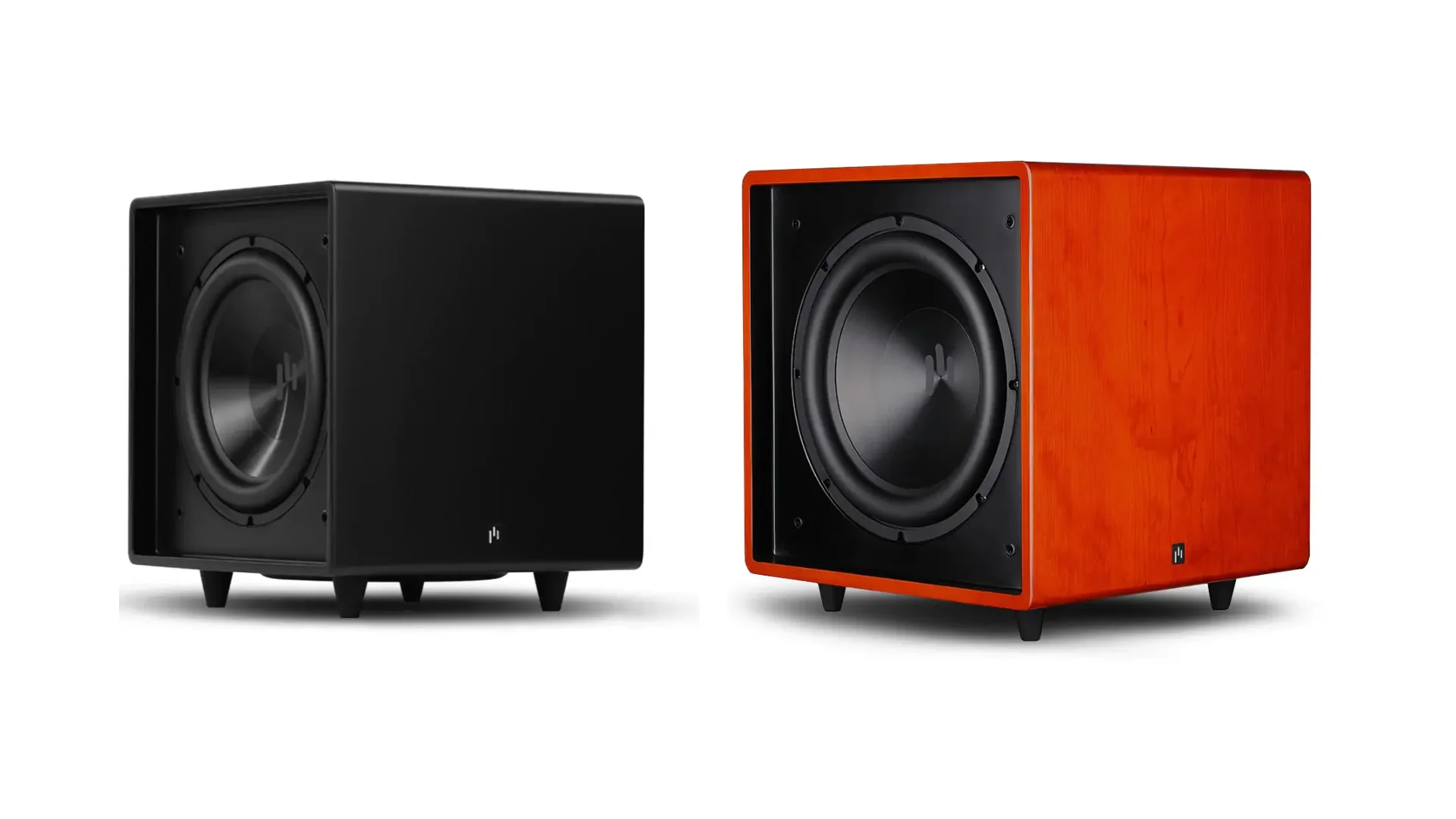
Aperion Audio grew from a practical question: could people choose serious loudspeakers at home instead of relying entirely on a showroom audition? Win Jeanfreau’s search for a replacement music system in 1998 led to the American direct-to-consumer speaker business. Its early Intimus home-theatre system established a path that now includes Verus and Novus speakers, subwoofers and architectural models. The catalogue also has an unusual accessory category: add-on super tweeters for existing loudspeakers. Bookshelf, floorstanding and centre-channel designs let buyers assemble either a stereo pair or a coordinated surround system. Direct sales and the opportunity to audition at home remain part of the brand’s identity.
Architettura Sonora

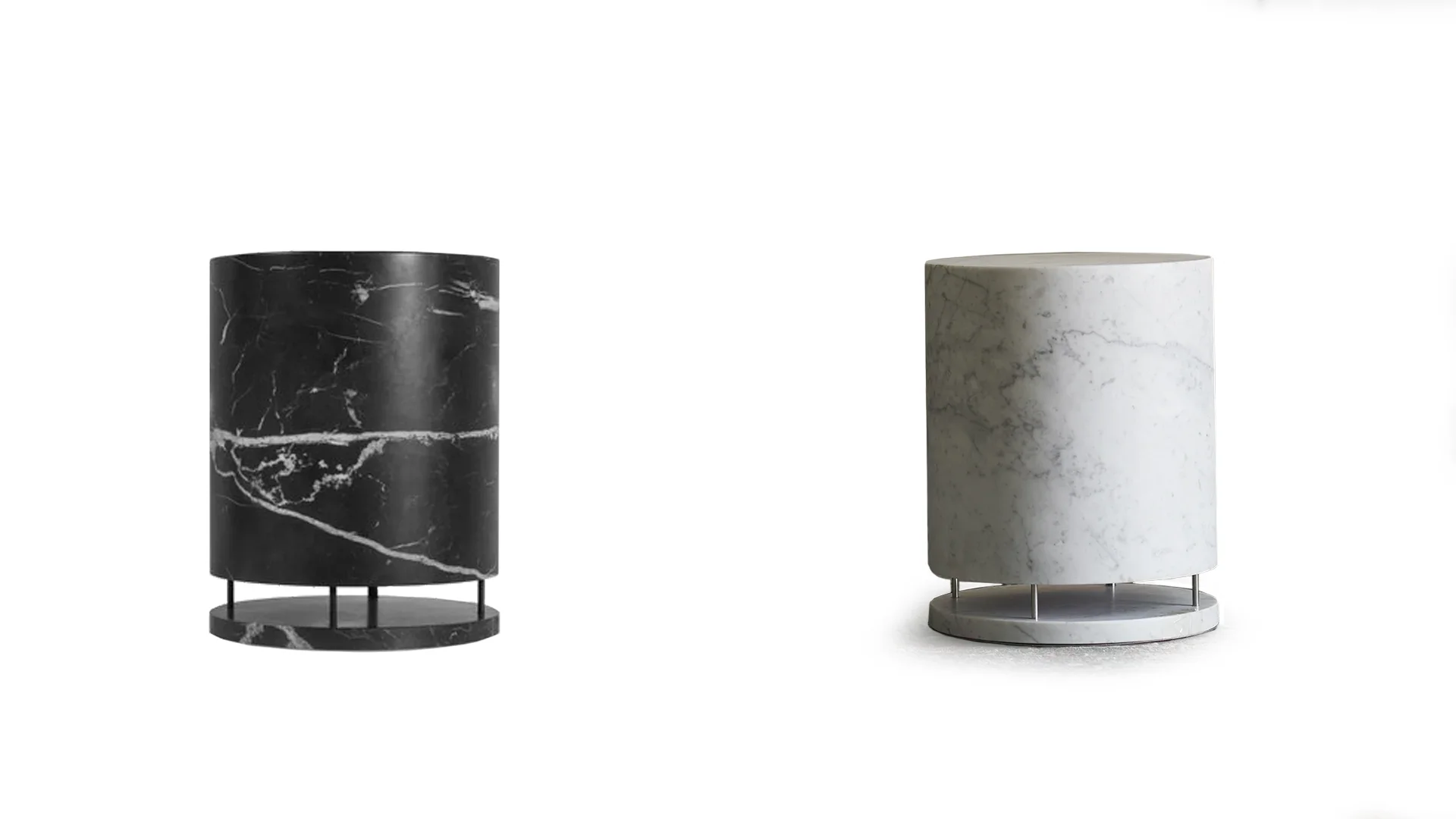
Architettura Sonora makes loudspeakers that function as architectural objects, using forms such as spheres, cylinders and cubes in stone, concrete and terracotta. Established in 2009 as a division of Italian driver manufacturer B&C Speakers, it joins loudspeaker engineering with material and spatial design. Its products are intended for interiors as well as gardens, terraces and other outdoor settings, with construction and placement chosen for the installation. The sculptural forms are not simply disguises for conventional boxes: the relationship between the driver, enclosure and surrounding space is part of the design. Bespoke finishes and installation-oriented models serve residential, hospitality and other architectural projects.
Argon Audio

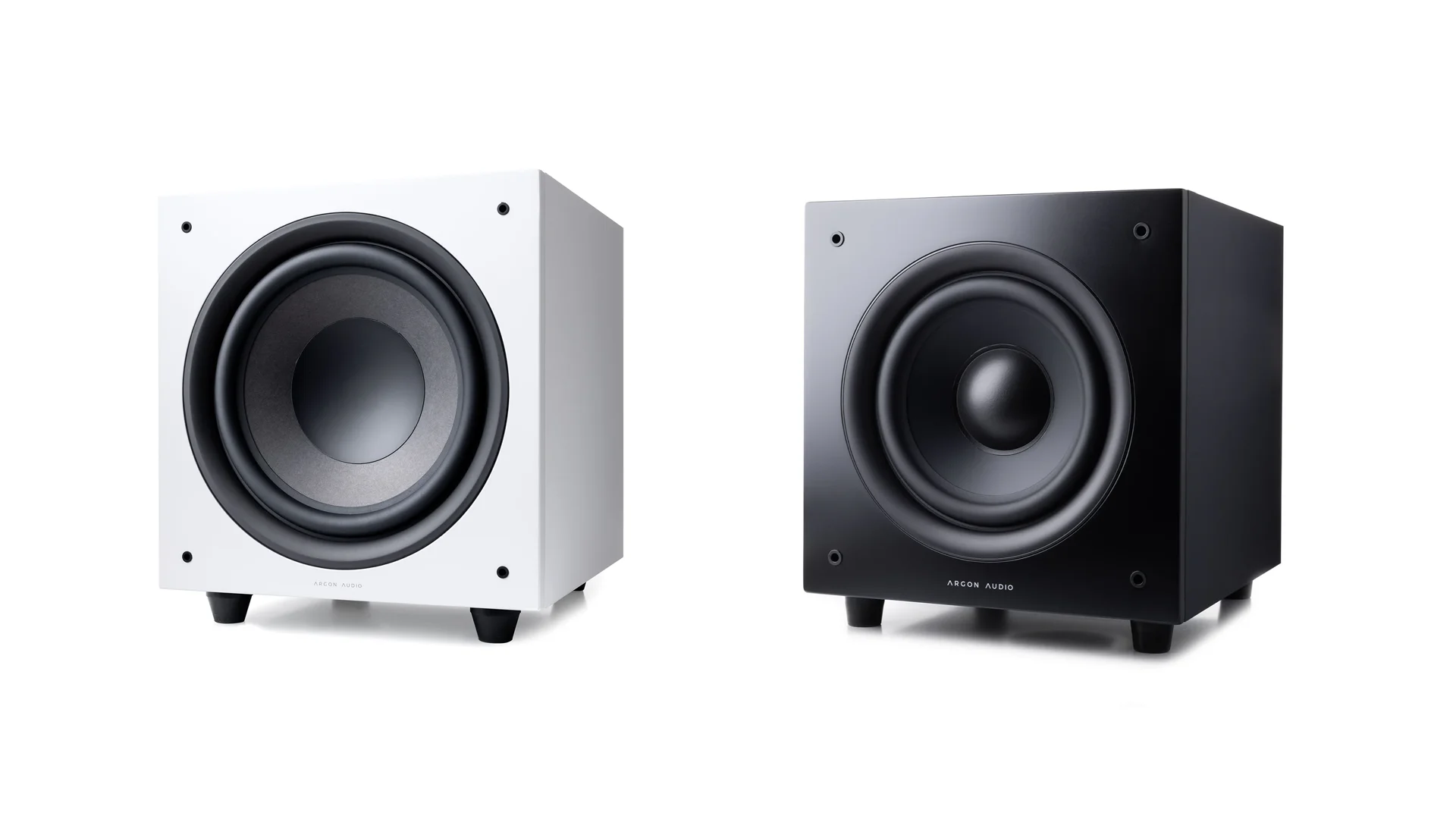
Argon Audio makes compact, affordable hi-fi that reduces the number of separate boxes needed to start listening. Its Danish roots are in HiFi Klubben, where Klaus Philipsen helped develop the brand in the early 2000s. A DAB radio was an early product, followed by active loudspeakers and turntables; the business became a separate limited company in 2019. Today, FENRIS active speakers combine amplification with connections for several sources, including television, while the turntable range offers a straightforward entry into vinyl. The consistent idea is a usable first system—or a smaller second one—with restrained Scandinavian styling and functions selected around everyday listening.
Artcoustic

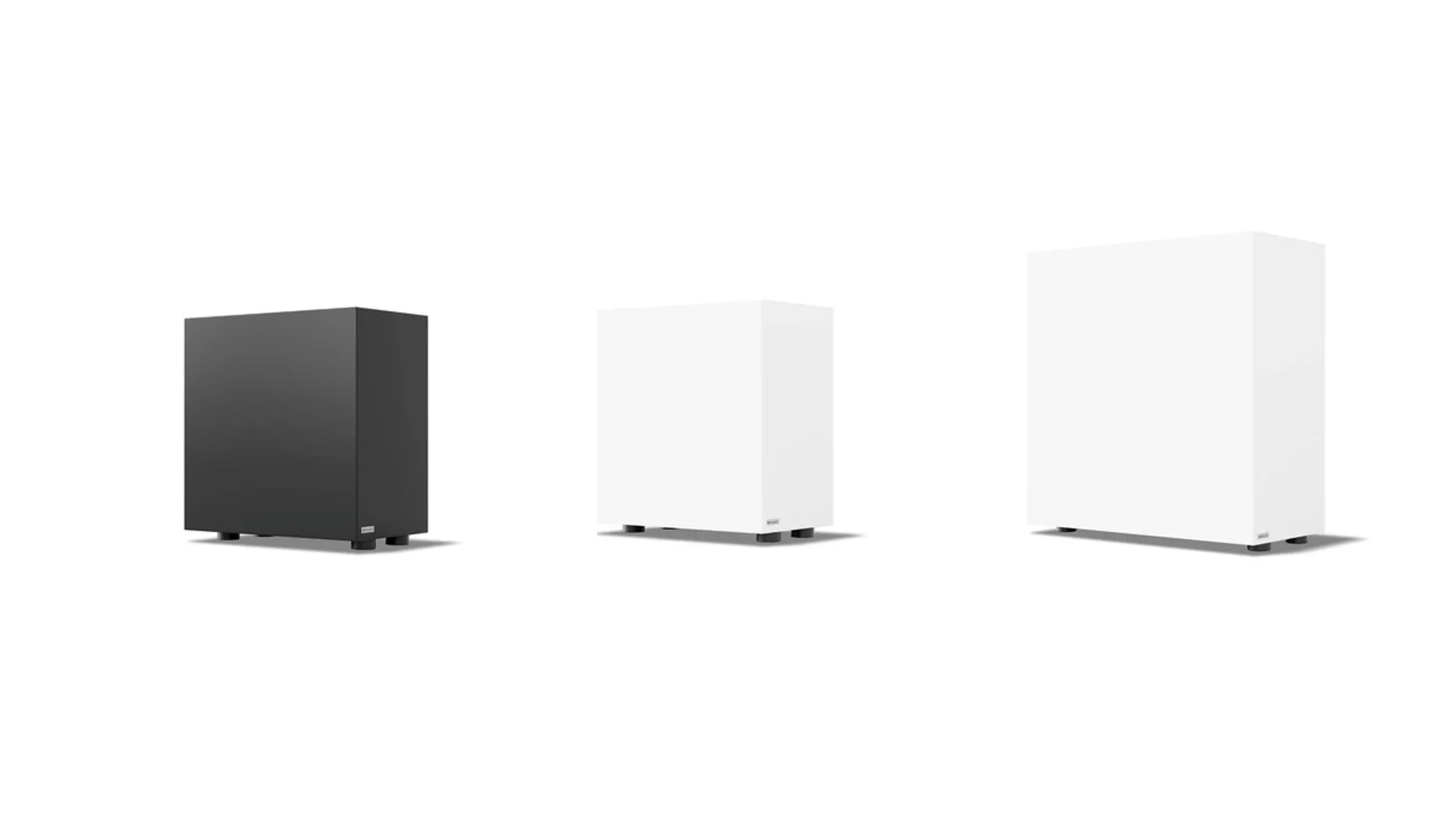
Artcoustic makes shallow loudspeakers whose appearance can be changed as readily as the artwork in a room. Kim Donvig and Patricia Ljungberg founded the Danish brand in 1998, combining an interest in pro-audio performance with Scandinavian interior design. On-wall models can be specified in RAL or NCS colours and fitted with interchangeable magnetic screens, including printed artwork. Behind that visual flexibility is a system-oriented range: SL speakers for domestic installations, Spitfire cinema models, soundbars, ceiling speakers and subwoofers. Different cabinet sizes and driver arrays let an installer build anything from a discreet stereo system to a dedicated cinema without abandoning the same visual language.
Ascend Acoustics

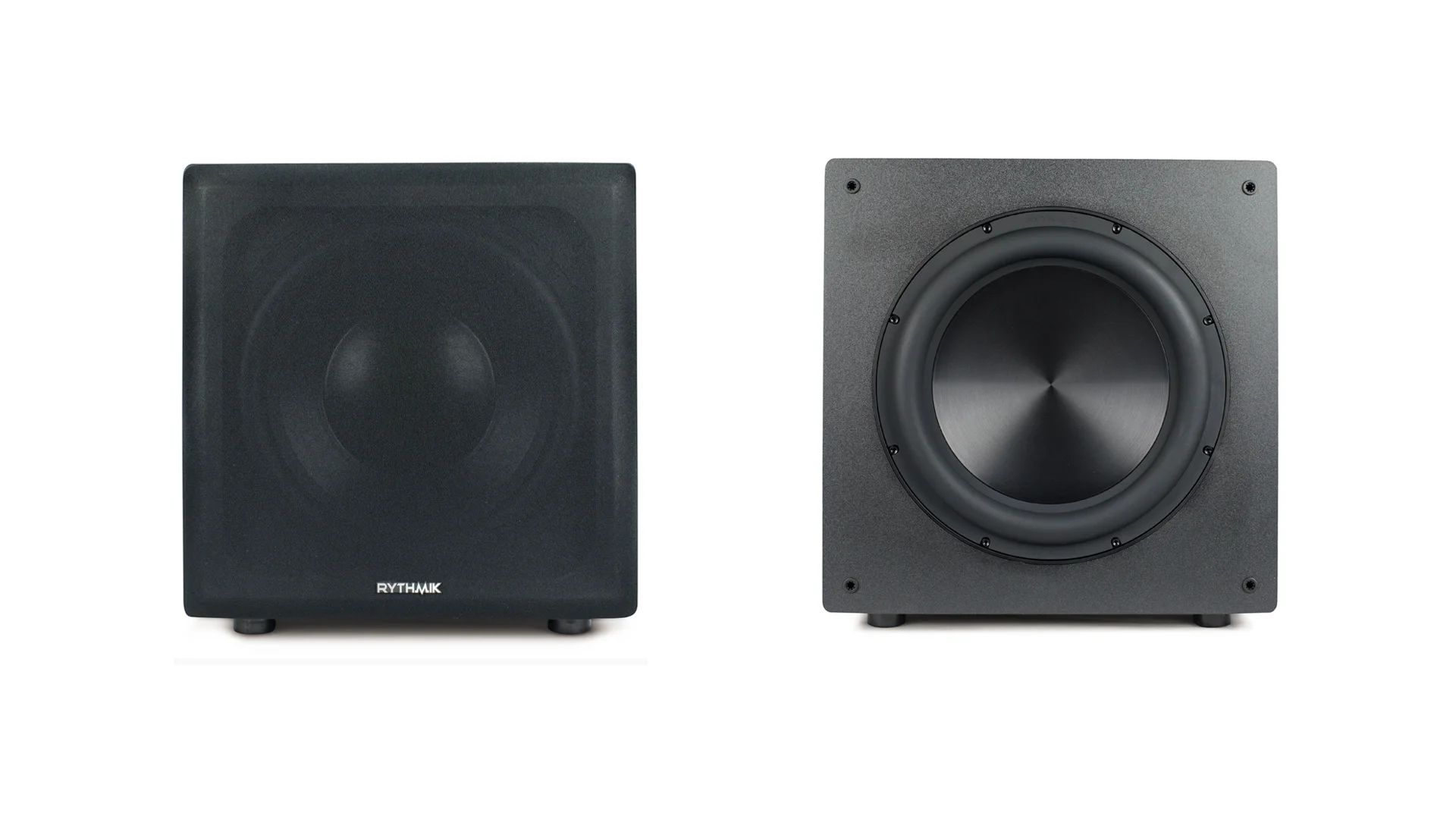
Ascend Acoustics sells loudspeakers directly to listeners, putting much of its development effort into measured acoustic behaviour and practical upgrade paths. David Fabrikant founded the Californian company in 1999. The catalogue spans Signature, Sierra and ELX speakers for stereo and home cinema, with compact monitors, centre channels and floorstanding designs. Recent revisions use Klippel Near Field Scanner measurements to refine the crossover and the speaker’s radiation pattern. In some cases, that work is also offered as an upgrade kit for existing owners: the Duo V2 kit, for example, updates the crossover and cabinet treatment of an earlier Duo. This links ongoing engineering development to products already in customers’ systems.
ATC
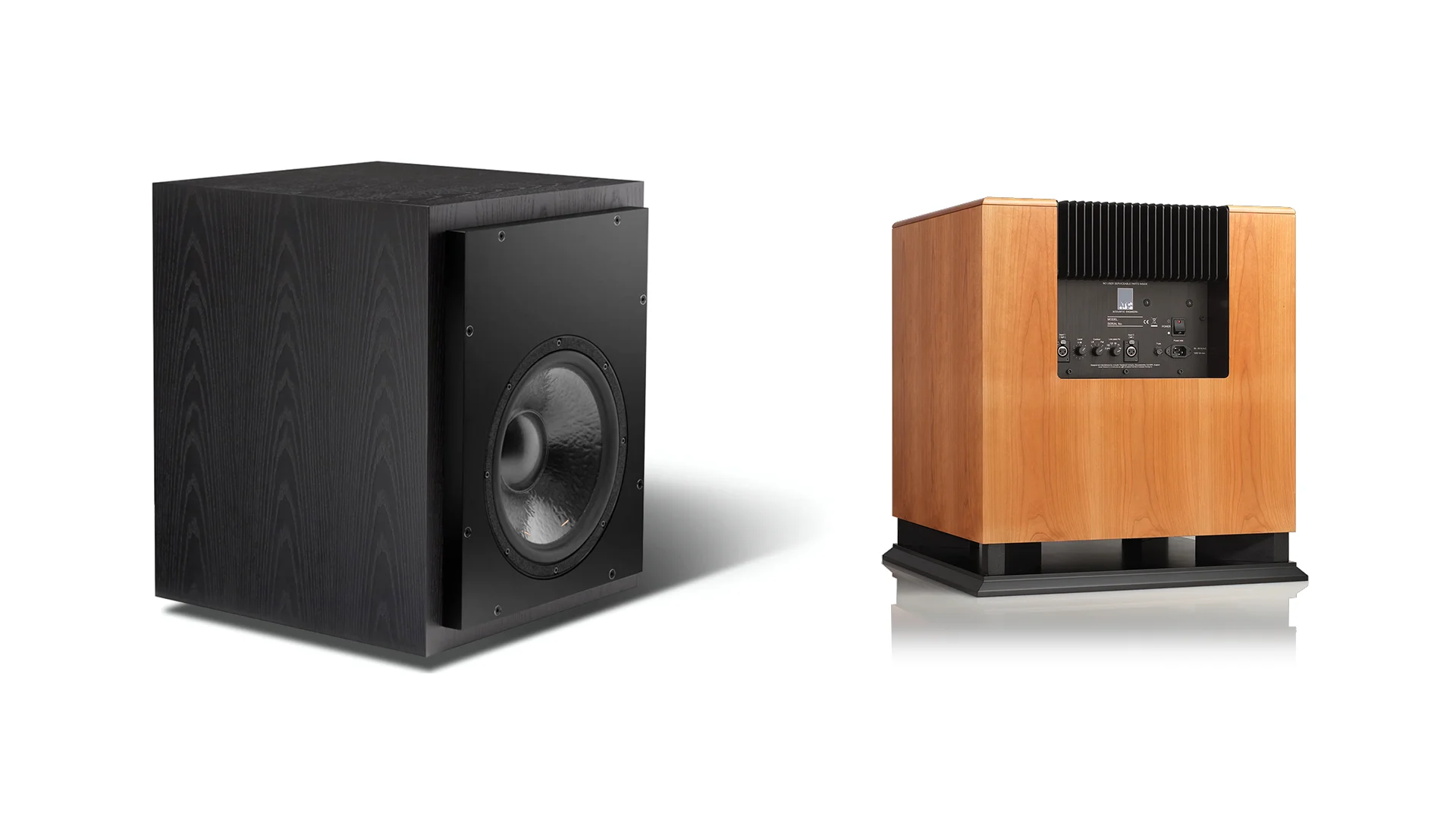
ATC grew from making professional loudspeaker drivers into building complete studio monitors and domestic hi-fi systems. Billy Woodman founded the British company in 1974; its large soft-dome midrange driver followed in 1976 and remains a defining part of many three-way designs. Another development, Super Linear motor technology, addresses distortion associated with magnetic hysteresis. Active models combine electronic crossovers with separate amplification for the drive units, while passive versions allow owners to choose their own power amplifiers. The SCM50 and SCM100 families connect the studio and home catalogues, supported by smaller speakers and separate electronics. Driver development is the thread running through both sides of the business.
Atohm

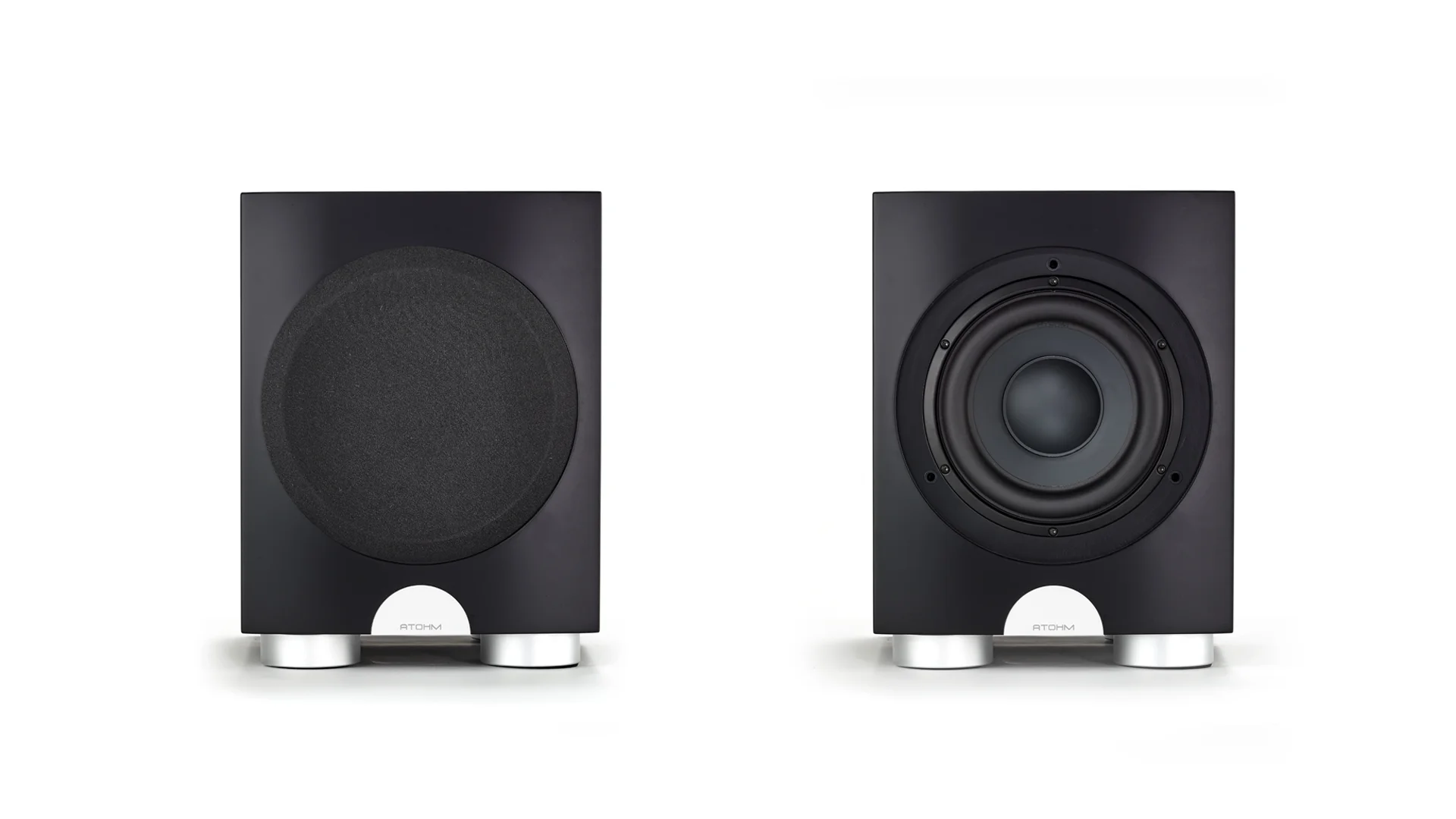
Atohm develops the drive units as well as the finished loudspeaker, and also supplies drivers and kits to people building their own systems. Thierry Comte established the French business behind the brand, Welcohm Technology, in 2000. Its catalogue connects GT and Sirocco loudspeakers with Rafale subwoofers, amplification and ZEF cables. The GT technical platform illustrates the detail of its driver engineering: the Absolute Series tweeter combines a treated silk dome, a neodymium motor and a copper ring intended to reduce and linearise inductance. Motor geometry and dispersion are developed together with the diaphragm and suspension. The same engineering interests extend into its component and DIY offerings.
Audio Pro

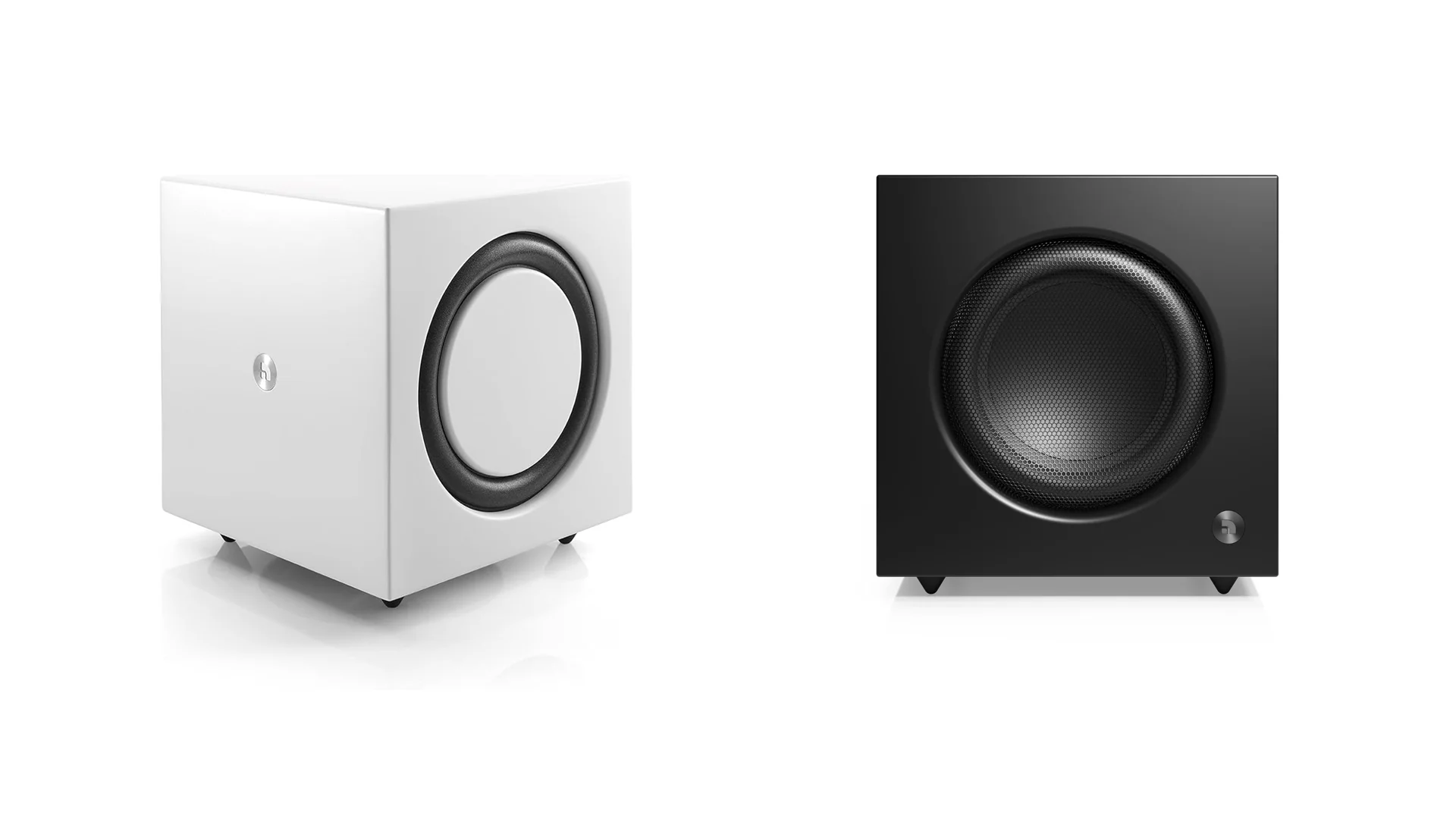
Audio Pro was building compact powered speakers long before wireless multiroom audio became a consumer category. The Swedish company started in 1978 with active speakers and subwoofers developed around engineer Karl-Erik Ståhl’s ACE-Bass technology, which uses amplifier control to obtain deeper, cleaner bass from a small enclosure. The B2.50 subwoofer and A4.14 active speaker established that technical direction. Today’s A, C and Drumfire families translate the same small-box, powered-speaker idea into Wi-Fi, Bluetooth and multiroom products, while models such as C20 also connect televisions and analogue sources. Scandinavian form, direct operation and unusually ambitious bass for the cabinet size remain more useful identifiers than generic smart-speaker features. The previous 1970 foundation date was incorrect.
Audioengine

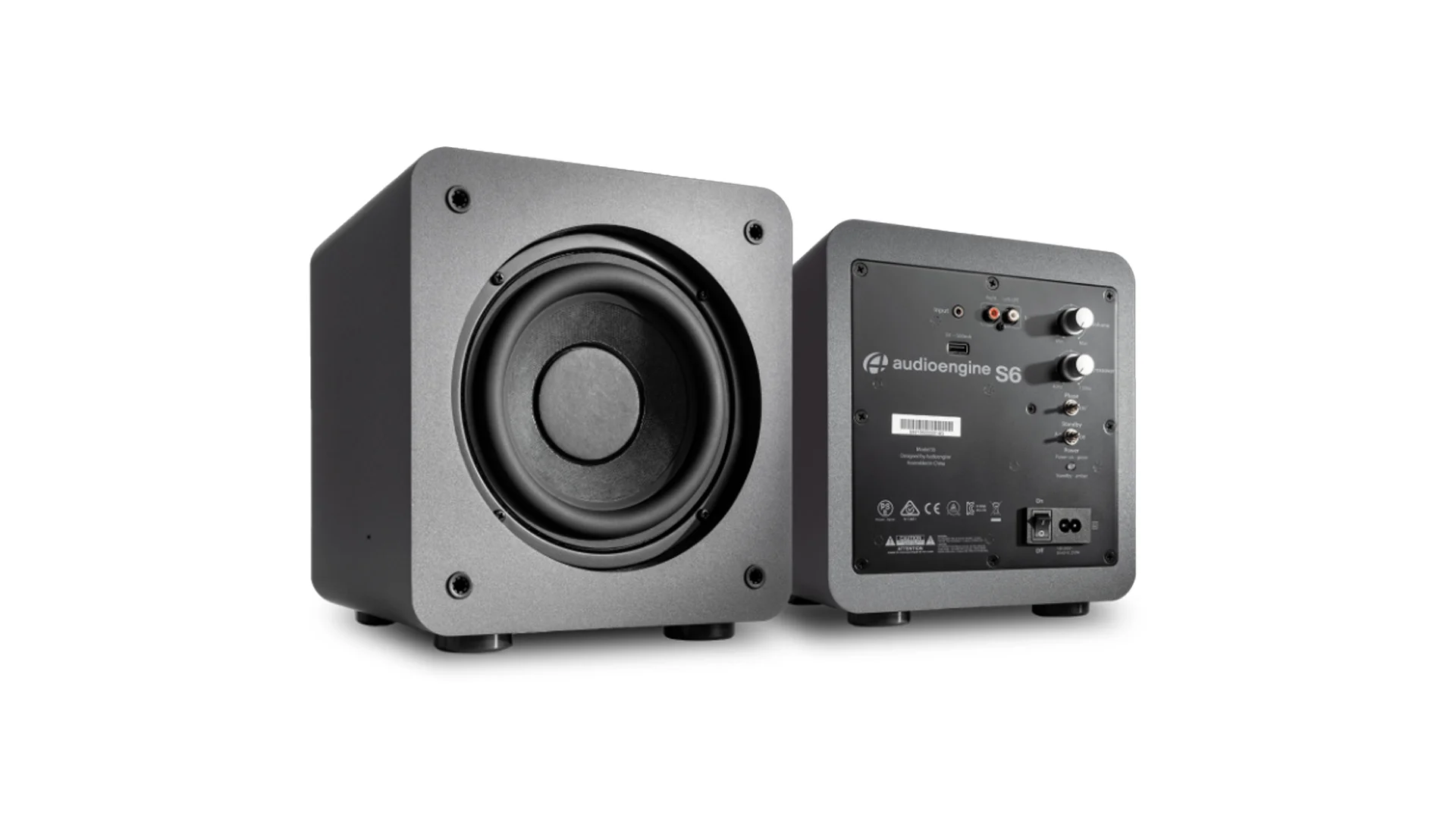
Audioengine helped make a pair of compact powered speakers a credible main music system for a desk, office or small room. Industry veterans Brady and Dave founded the company in Austin, Texas, in 2005 after work with firms including Harman, Apple, Gibson and Alesis. The original A5 put amplification inside a conventional wooden bookshelf cabinet and connected directly to everyday sources. Subsequent A2+, A5+ and HD models added USB, optical and high-quality Bluetooth options without turning setup into a network project. The range also includes passive speakers, subwoofers, DAC/headphone amplifiers and receivers such as the B1 for adding wireless playback to an existing system. Audioengine’s consistent strength is integration: useful connections, matched amplification and domestic-scale cabinets in products that remain recognisably stereo pairs.
Audiovector

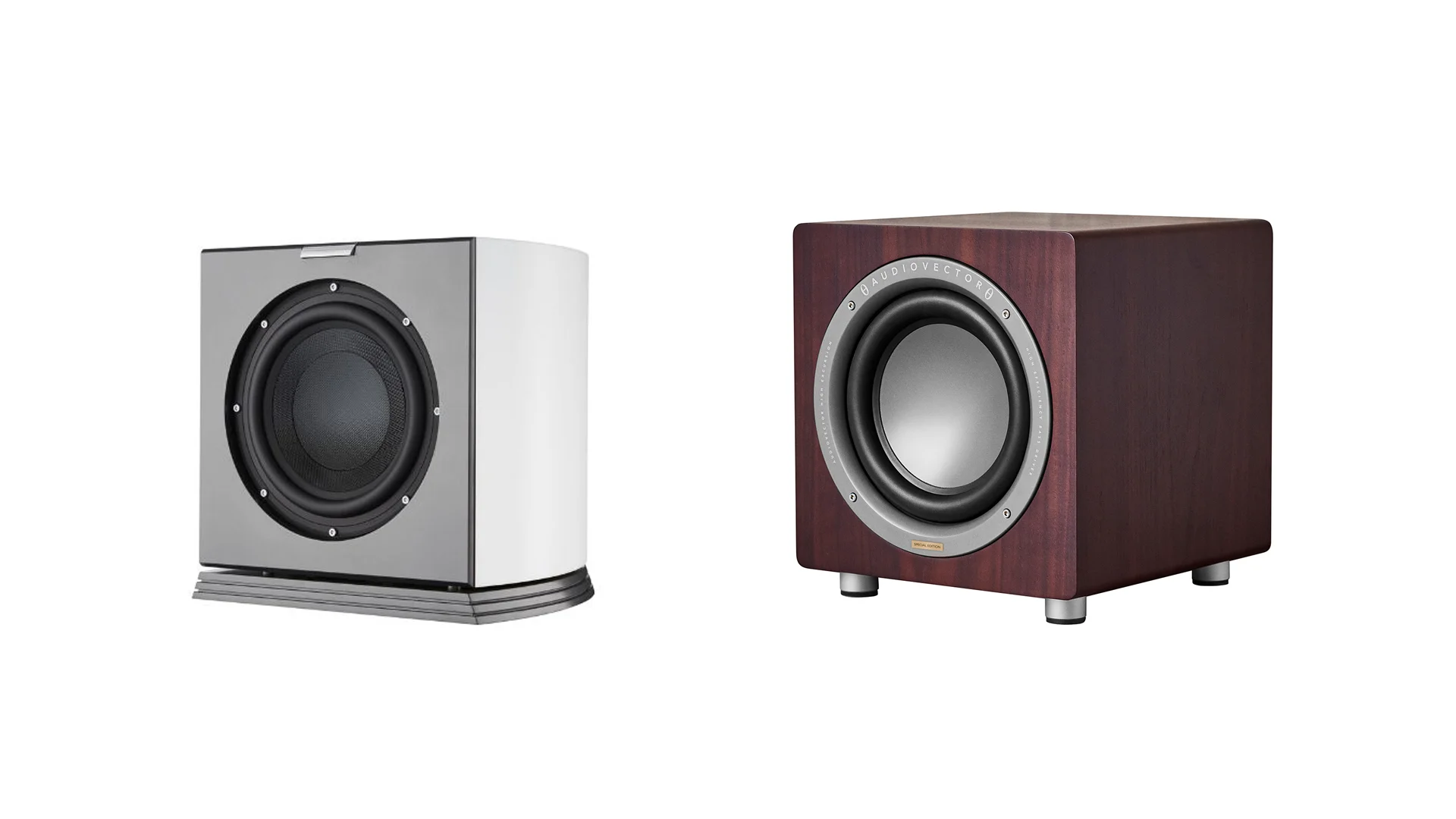
Audiovector makes upgradeability part of the loudspeaker itself. Ole Klifoth founded the Copenhagen company in 1979 and introduced the original Trapeze that year; today his son Mads Klifoth leads the family-owned business. Its Individual Upgrade Concept allows eligible speakers to be rebuilt to a higher version with revised drivers, crossovers and internal parts, extending the useful life of the original cabinet. The R and QR families cover stand-mount, floorstanding, centre, surround and subwoofer roles, while the Trapeze Reimagined reconnects the range with Klifoth’s first design. Air Motion Transformer tweeters, mechanically isolated enclosures and careful attention to phase and low compression recur across the catalogue. Audiovector designs, hand-assembles and tests its speakers in Denmark.
Betonart Audio

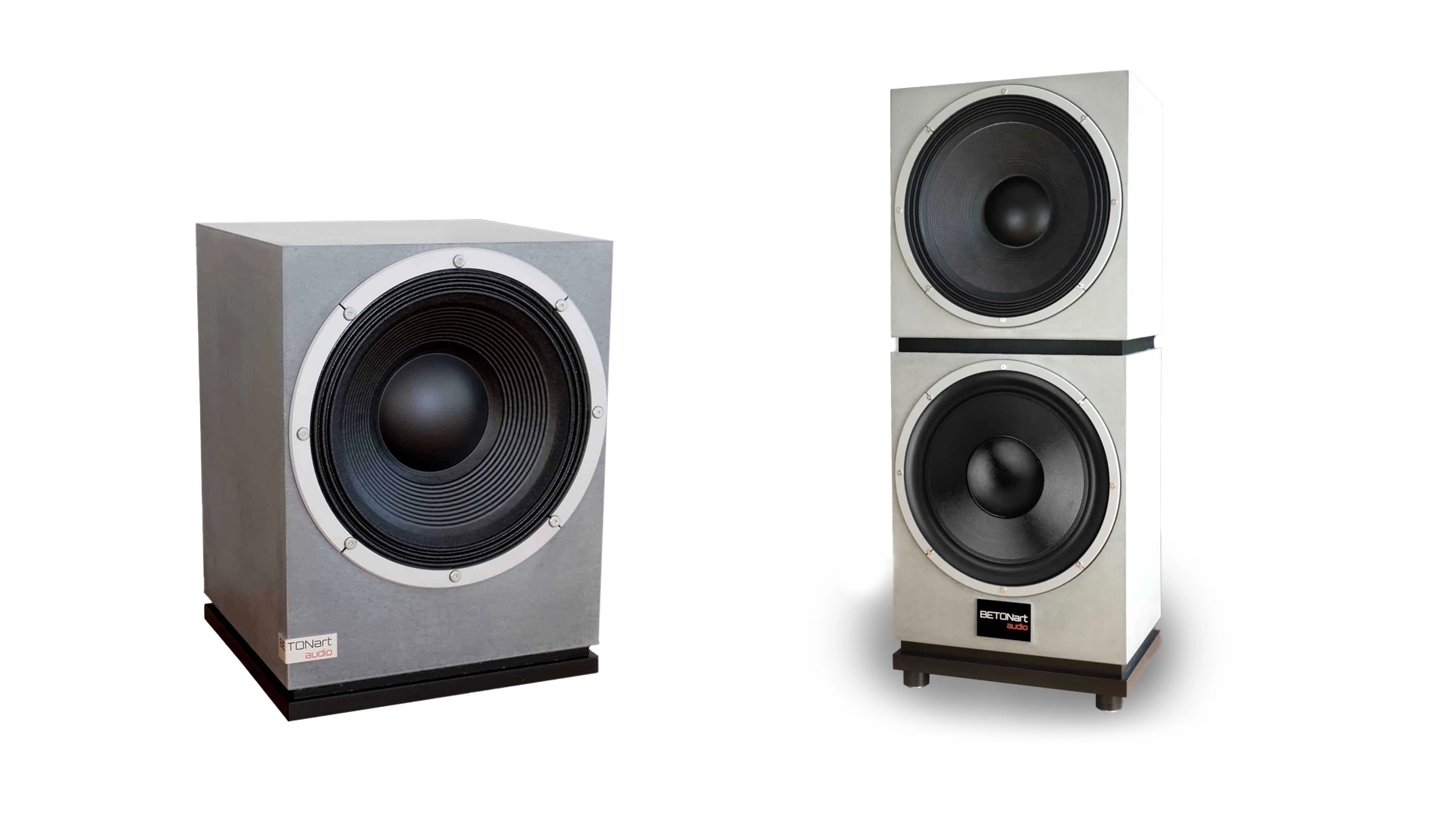
Betonart Audio uses carbon-reinforced concrete to build loudspeaker enclosures whose mass, rigidity and damping are difficult to achieve with conventional wood panels. German physicist Jörg Wähdel founded and directs the specialist workshop, developing monolithic shells and mechanically decoupled internal modules rather than treating concrete as a decorative outer skin. The range includes large Tycoon and Tonale Pro systems, the more compact Diverso and the sculptural Syno, offered in active or passive configurations according to model. Complex moulding allows curved forms and controlled wall thickness while the dense structure limits cabinet radiation around the drivers. Betonart’s individuality lies in combining materials engineering, hand finishing and loudspeaker development in one process. Unsupported numerical comparisons for stiffness, weight and material content have been removed, and no exact foundation year is given because a reliable public date could not be confirmed.
Bowers & Wilkins

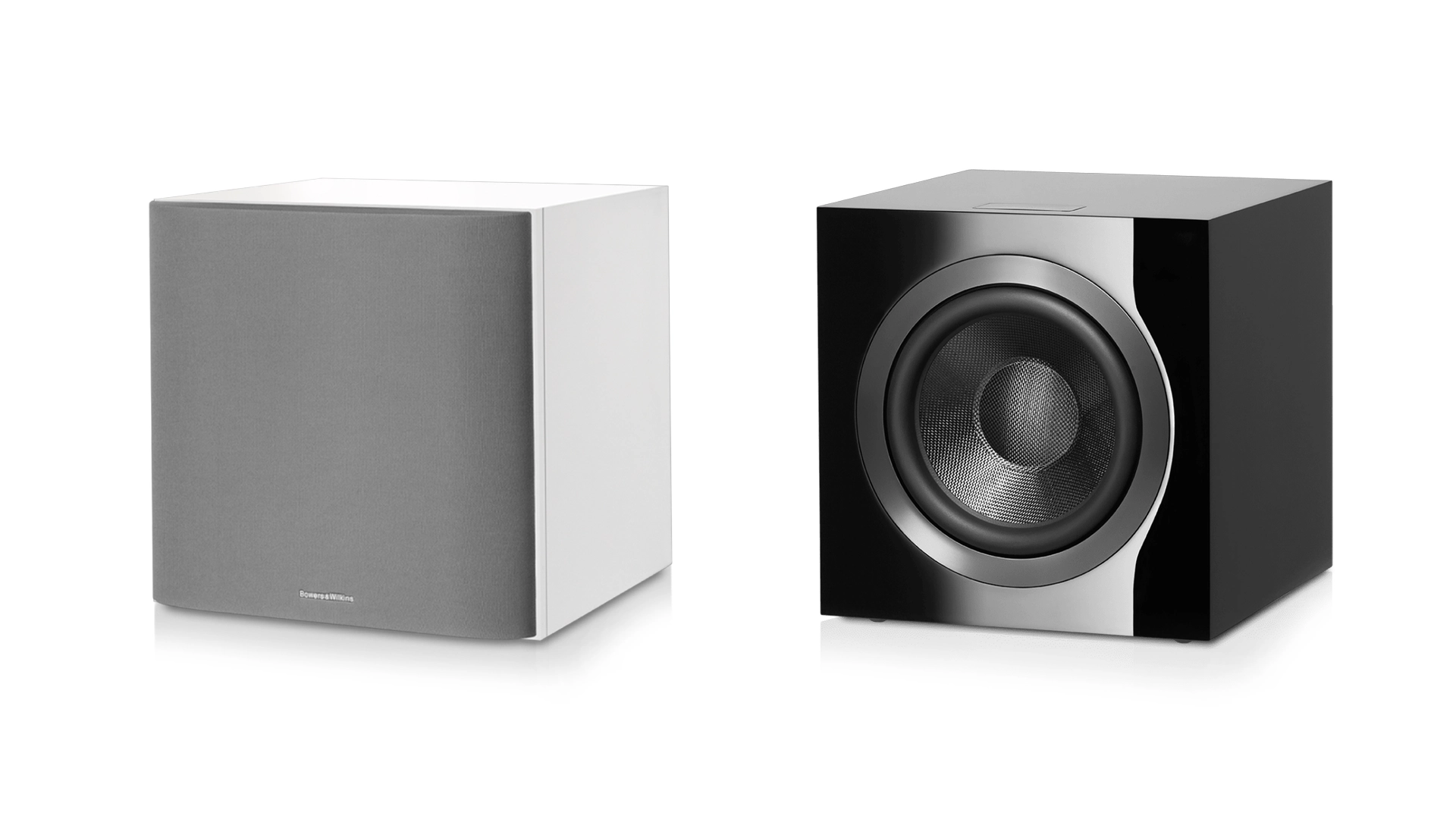
Bowers & Wilkins develops loudspeakers from the driver, enclosure and measurement system outward rather than assembling standard parts into a cabinet. John Bowers established the speaker company in Worthing in 1966 after operating an electronics shop with Roy Wilkins. The P1 funded early measurement equipment, and the later 801 became an influential studio monitor adopted by Abbey Road. Matrix bracing, tapered Nautilus tubes, diamond-dome tweeters, Continuum midrange cones, Aerofoil bass cones and Biomimetic Suspension mark successive stages of its research. The 800 Series Diamond D5 is the current flagship family, with 700 and 600 Series models covering more accessible stereo and home-cinema systems. Bowers & Wilkins also makes headphones, wireless speakers and soundbars. The brand is now part of Sound United within Harman, while its high-end loudspeaker development and 800 Series production remain centred in Worthing.
Cabasse

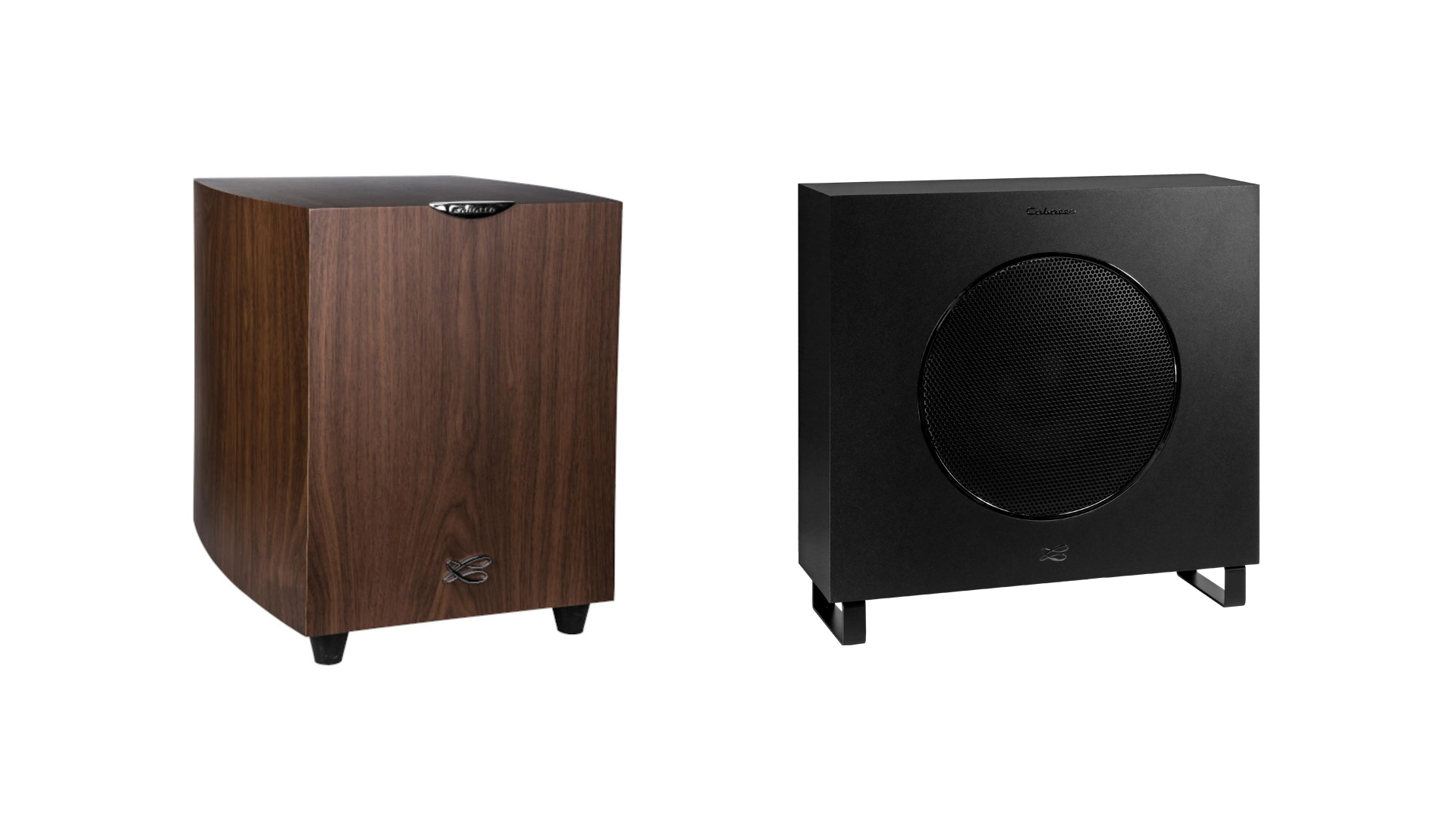
Cabasse has pursued the point-source loudspeaker for decades, progressing from cinema coaxials to active connected spheres. Electrical engineer Georges Cabasse founded the company in Brittany in 1950, continuing a family tradition associated with musical-instrument making. A two-way coaxial driver was already used for the Grand Rex cinema installation in 1952. Later Spatially Coherent System research placed several frequency ranges on the same acoustic axis, culminating in the four-way La Sphère and the compact Baltic. The Pearl Collection carries that geometry into self-powered wireless speakers with amplification, digital processing, room correction and network playback, while passive models and custom-installation products cover conventional stereo and cinema systems. Loewe Technology acquired Cabasse in April 2026 after the French company entered receivership, allowing the brand and its acoustic development to continue within the German group.
Cambridge Audio

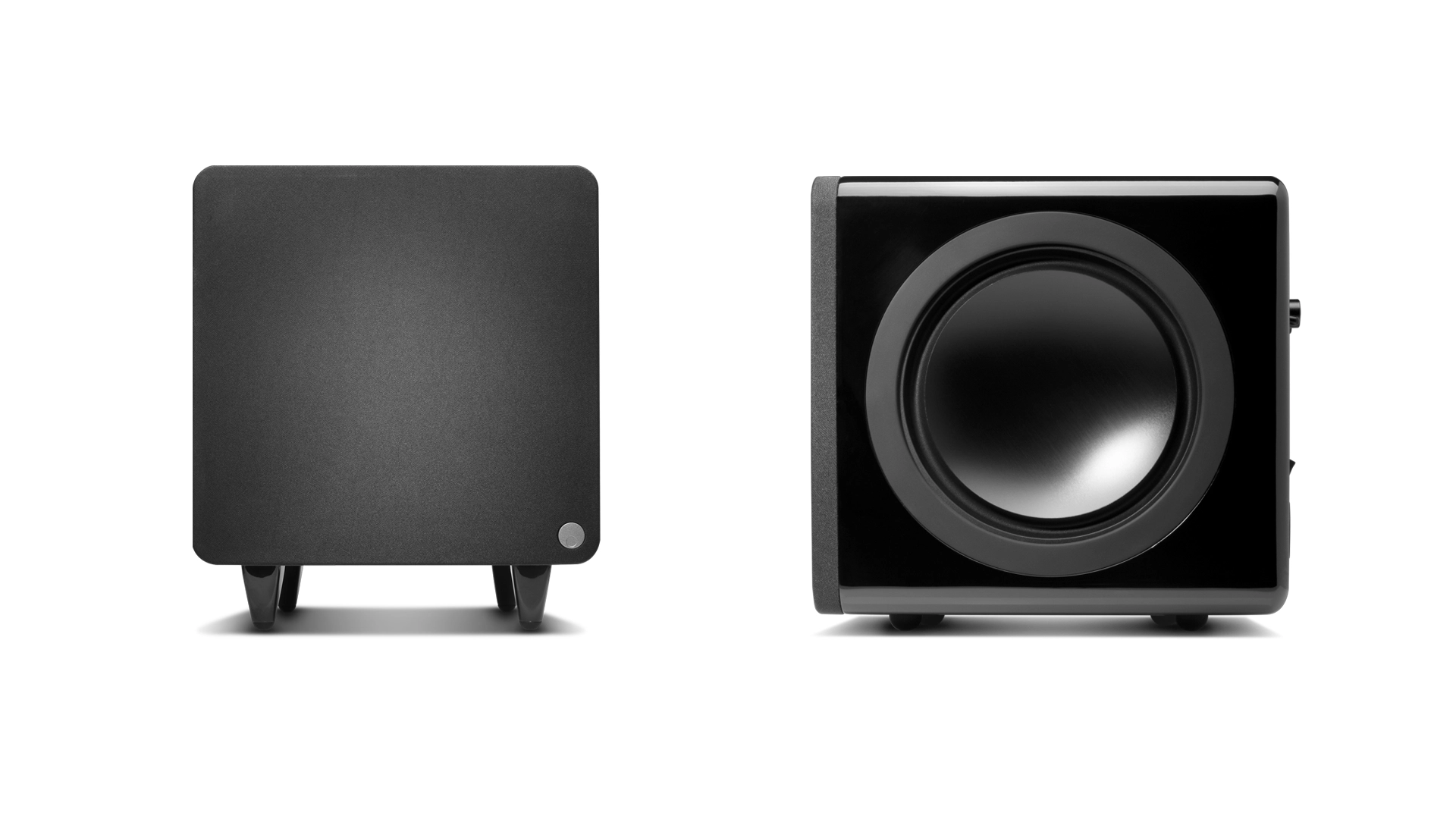
Cambridge Audio has spent more than five decades bringing useful engineering advances into attainable hi-fi components. The company began in Cambridge in 1968, when a team including Gordon Edge and Peter Lee created the P40 integrated amplifier. It was an early commercial amplifier built around a toroidal transformer, a solution that later became standard throughout the industry. Today’s AX and CX ranges cover integrated amplification, CD playback and network sources. Edge uses the company’s Class XA amplifier topology at the flagship level, while Evo combines StreamMagic streaming, conversion and speaker amplification in a compact system. Alva turntables add direct-drive vinyl playback and Bluetooth transmission. StreamMagic remains a major strength because Cambridge controls both the network hardware and the software platform, and continues adding service support to older generations. Product design is led from London, with the range aimed at complete systems rather than one specialist category.
Canton

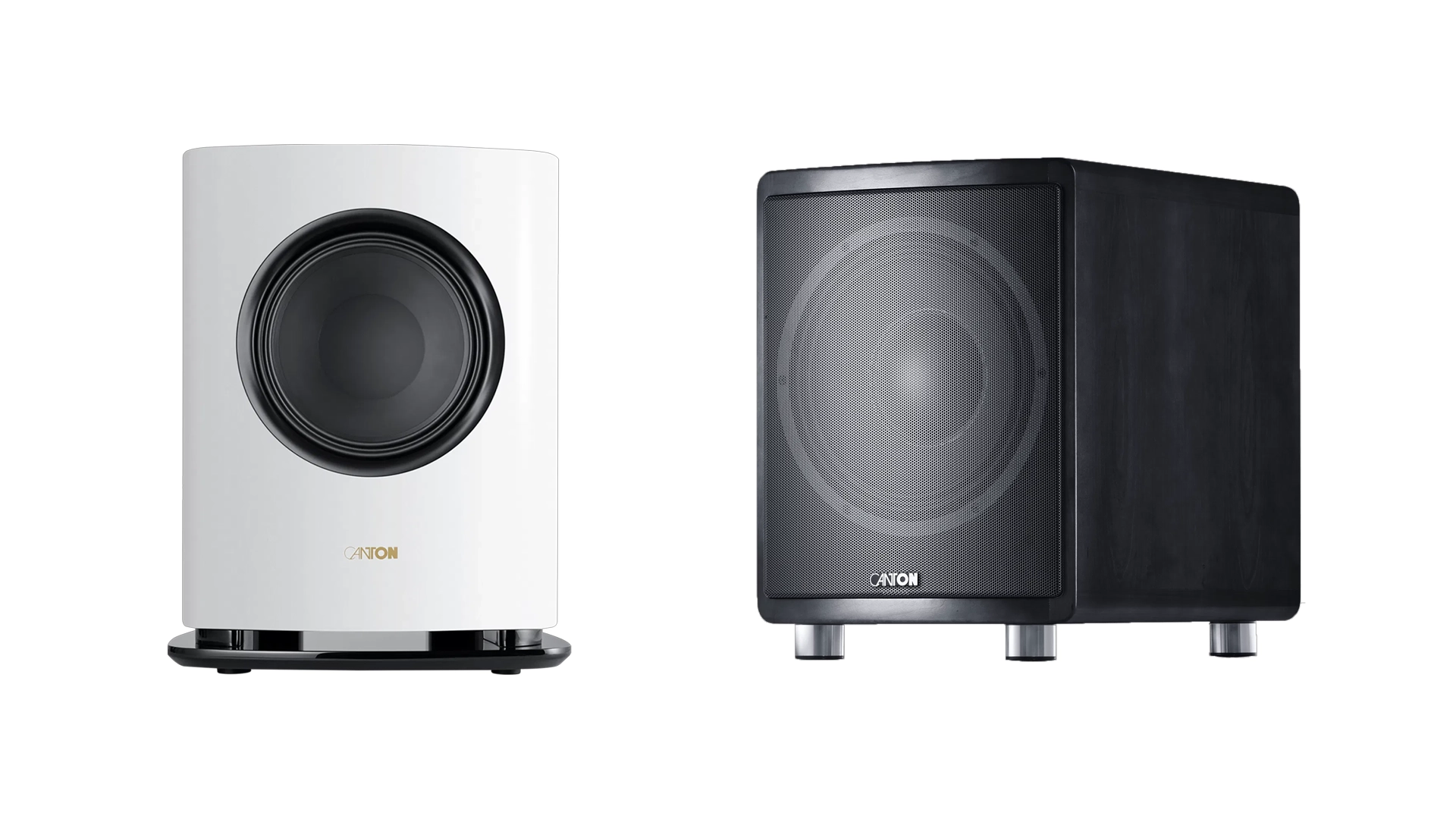
Canton is a family-owned German loudspeaker company with enough scale to develop drivers, cabinets, electronics and measurement facilities under one programme. Hubert Milbers, Otfried Sandig, Wolfgang Seikritt and Günther Seitz founded it in Weilrod in 1972. The early LE 250 compact speaker was followed by one of the company’s recurring themes: achieving substantial bandwidth and output in forms suited to real living spaces. Today’s catalogue extends from GLE and Townus through Vento to the Reference and Reference Alpha lines, with centre speakers, subwoofers and installation models for complete cinema systems. The Smart series adds active wireless stereo and surround configurations, while soundbars cover television systems. Aluminium-ceramic and later ceramic-tungsten diaphragms, waveguides, cabinet simulations and measurements in Canton’s own anechoic chamber support the range. Reference models and selected production remain closely tied to the Weilrod facility.
Cerwin-Vega!

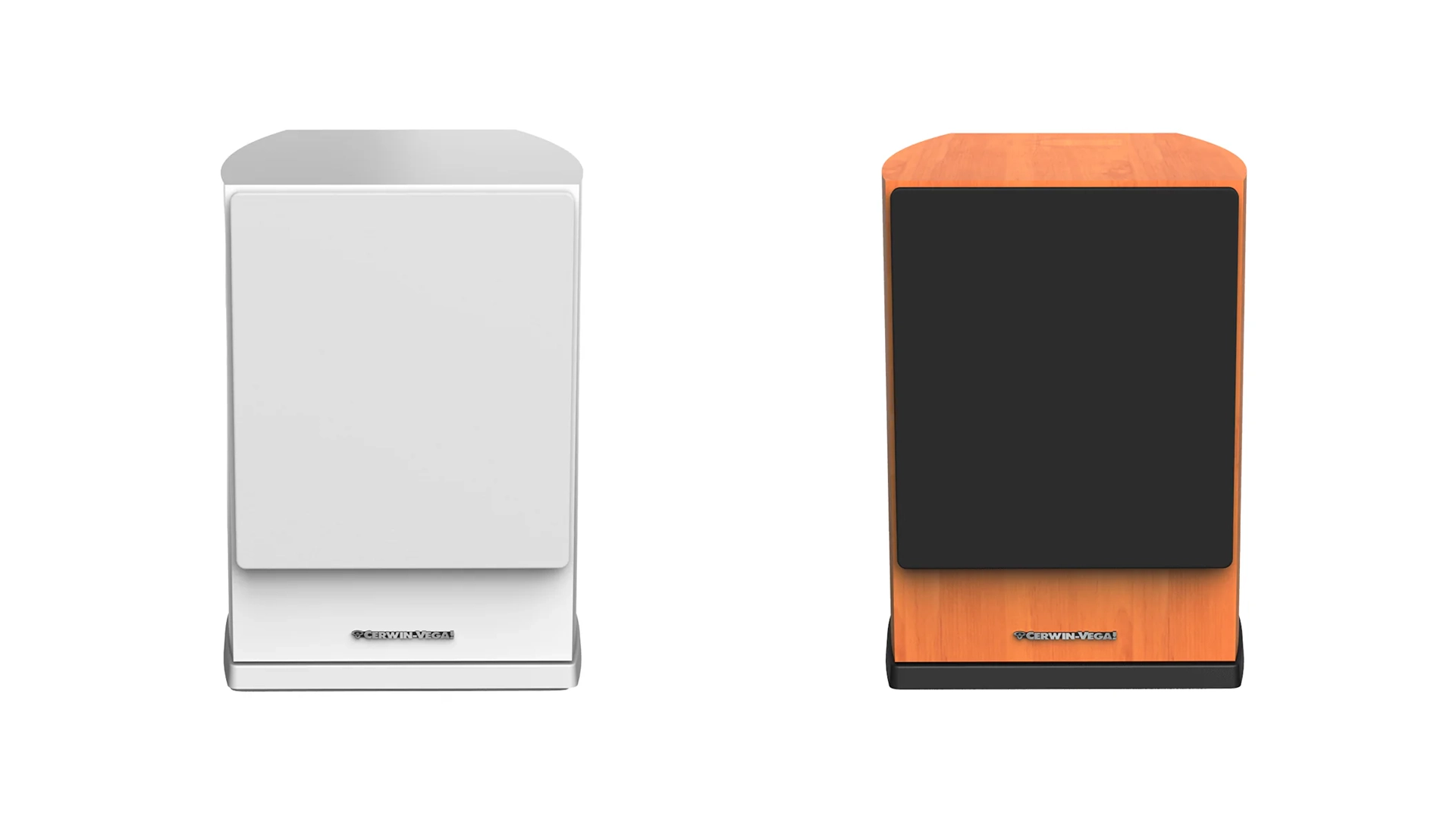
Cerwin-Vega! designs loudspeakers around high efficiency, deep bass and the ability to produce convincing live-event sound pressure without fragile construction. Aerospace engineer Eugene ‘Gene’ Czerwinski founded Vega Associates in Los Angeles in 1954; the company later became Cerwin-Vega. An early 18-inch system capable of exceptional output at 30 Hz established its low-frequency reputation, while professional systems, instrument speakers and the red-surround home models made the brand visually unmistakable. Cerwin-Vega also supplied the folded-horn subwoofer technology used for Universal’s Sensurround presentation of Earthquake in 1974, work recognised with a special technical Academy Award. The brand later passed through several owners and was split between mobile and pro/home operations, but those divisions were reunited under Cerwin-Vega Inc. in 2020. Current ranges cover home speakers and subwoofers, professional PA systems, amplifiers and car audio, preserving the original emphasis on robust drivers, high output and bass with physical impact.
DALI

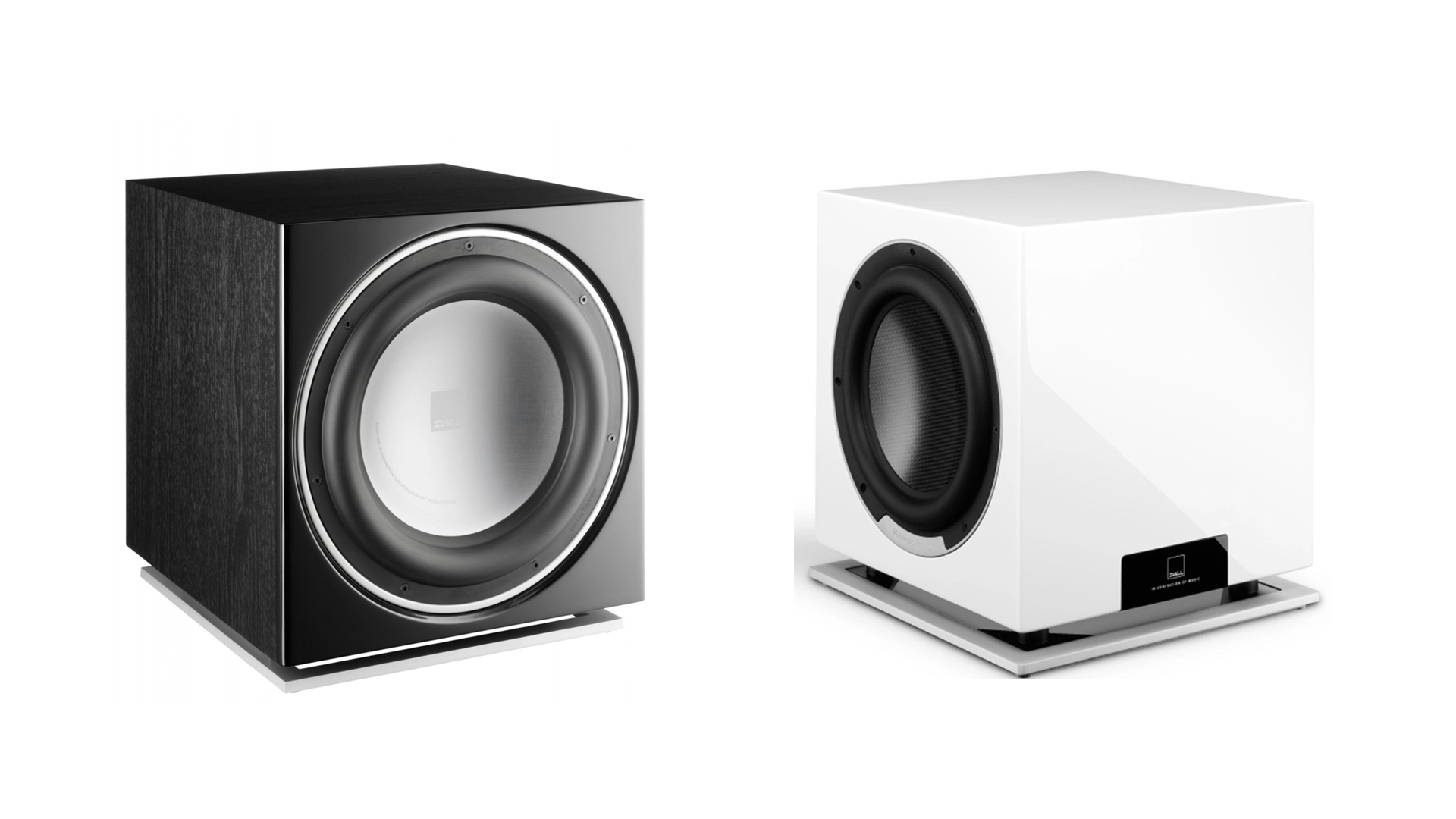
DALI — Danish Audiophile Loudspeaker Industries — was founded by Peter Lyngdorf in 1983 to build loudspeakers that reproduce music honestly across a wide listening area. The company opened its factory in Nørager in 1986, creating the vertically integrated development and production base that still shapes the brand. Several technologies make a DALI speaker easy to identify technically: low-mass wood-fibre cones, wide-dispersion driver geometry, soft-dome or hybrid dome-and-ribbon tweeter modules, and in upper ranges the company’s low-loss SMC magnetic material. These choices are intended to reduce distortion and preserve consistent tonal balance when the listener is not locked to one narrow seat. DALI applies the same principles across compact, floorstanding, on-wall, active and custom-installation models, from accessible OBERON and OPTICON families through RUBIKORE and EPICON to the KORE flagship. The breadth of the catalogue is important, but the stronger story is continuity: driver materials, magnet systems and dispersion behaviour developed for statement products are progressively adapted for speakers intended for ordinary living rooms.
Dayton Audio

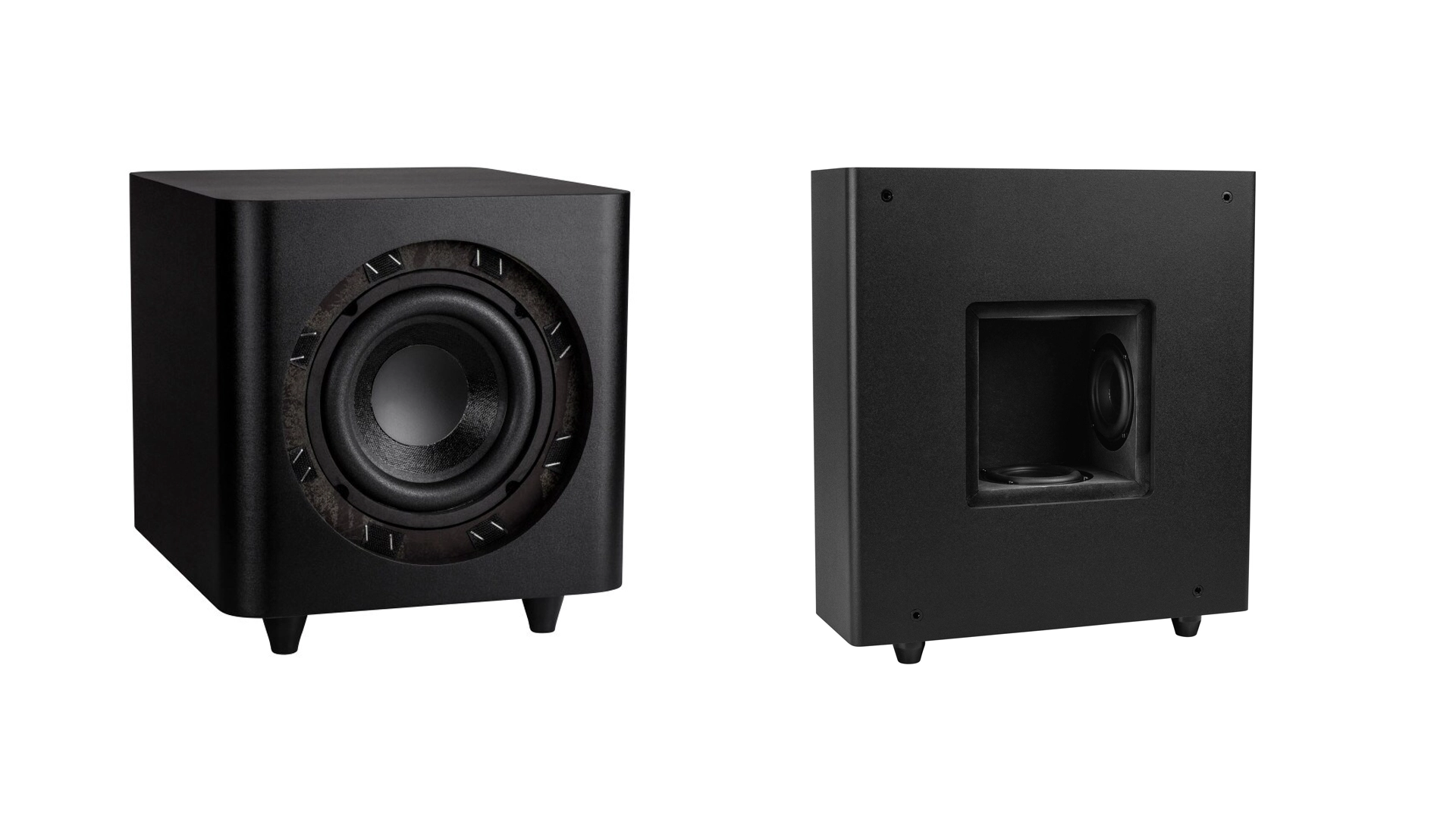
Dayton Audio is the house audio brand associated with Ohio-based Parts Express, serving builders, installers and value-conscious listeners with components that are normally sourced from many separate suppliers. Its catalogue spans individual tweeters, midrange and woofer drivers, passive radiators, subwoofer plate amplifiers, class-D amplifier boards, DSP modules, finished subwoofers, compact speakers and complete kits. Reference and Signature drivers provide measured parameters for original loudspeaker designs, while Ultimax subwoofers prioritise long excursion and power handling. Just as important is the supporting tool chain: the DATS measurement system helps builders determine driver impedance and Thiele-Small parameters, and project documentation makes the parts usable rather than merely inexpensive. Dayton also collaborates with independent designers on kits and supplies OEM or custom-installation solutions through Parts Express. Its distinctive strength is breadth with technical accessibility — drivers, electronics, measurement and practical documentation within one ecosystem — making it especially useful to DIY loudspeaker builders who want compatible parts and test tools from one source.
Definitive Technology

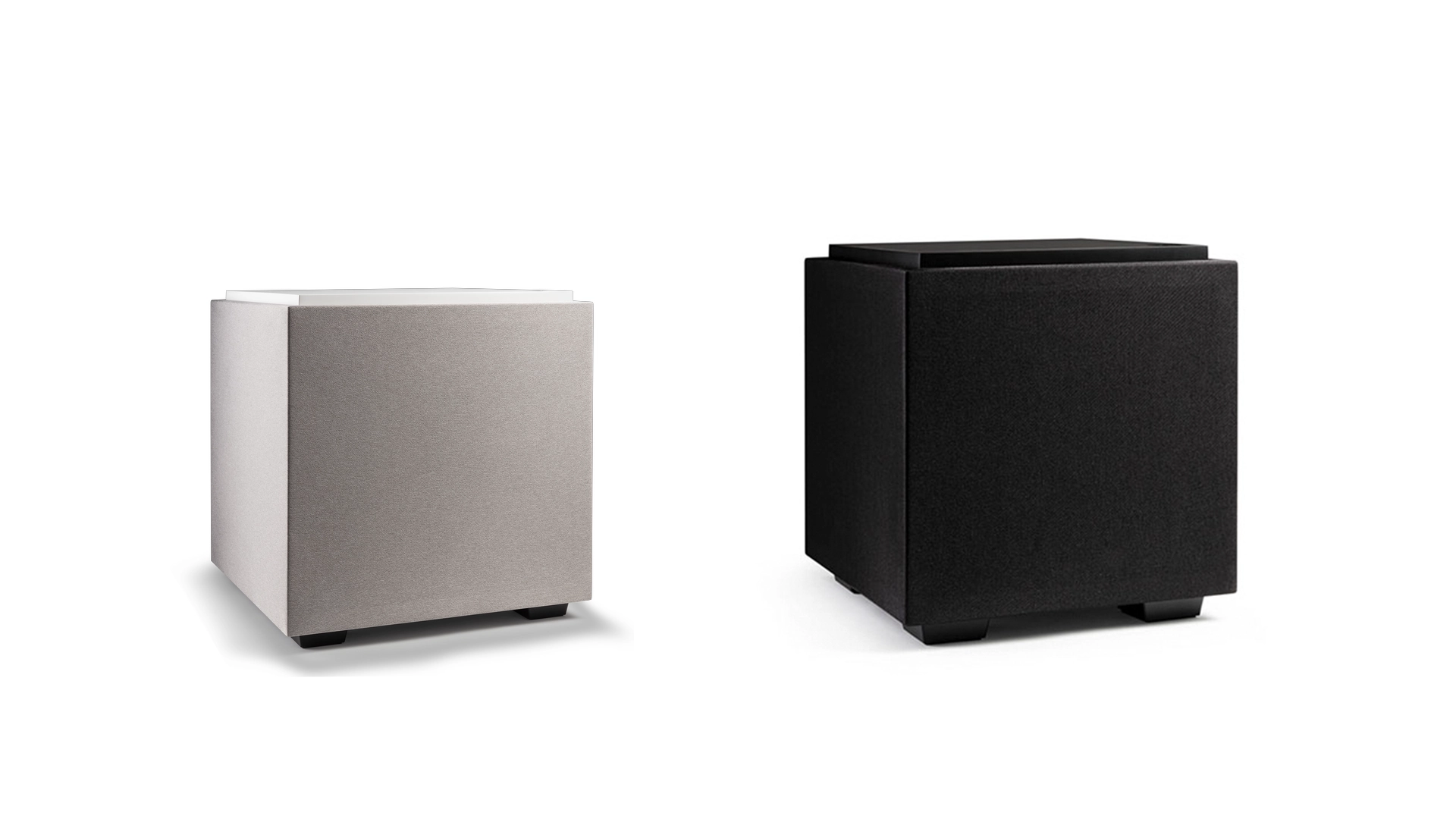
Definitive Technology is the American loudspeaker brand founded in 1990 by Sandy Gross, Don Givogue and Ed Blais, initially around a tower that combined bipolar radiation with its own powered subwoofer. That pairing remains central to the company’s identity. Front- and rear-facing driver arrays create a broader, more enveloping field than a conventional forward-radiating box, while active bass sections allow deep low-frequency output from a relatively narrow cabinet and reduce the burden on an external amplifier. The current Dymension family develops this formula with bipolar towers, integrated powered woofers and optional height modules for immersive home cinema; Mythos applies Definitive’s acoustic approach in slimmer wall-friendly enclosures. Matching centres, surrounds, subwoofers and architectural speakers allow complete multichannel systems rather than isolated stereo models. Although the company has passed through several corporate owners since its 2004 acquisition, the more useful story for users is product continuity: spacious bipolar presentation, substantial built-in bass and visually restrained cabinets designed to make one system effective for both films and music.