
Subwoofers Вass Speakers
A subwoofer is a specialized loudspeaker designed exclusively to reproduce the lowest audio frequencies, or deep bass, which regular speakers often struggle to deliver. It’s an essential component for adding impact, weight, and visceral rumble to home theater systems and for providing a full, foundational low-end in music setups. This page serves as a complete directory of manufacturers who specialize in the art of bass, from companies making powerful home cinema subwoofers to brands crafting precise, musical models for audiophiles.
Hi-Fi brands in the category
Summary information and image
Direct links to official websites
Klipsch

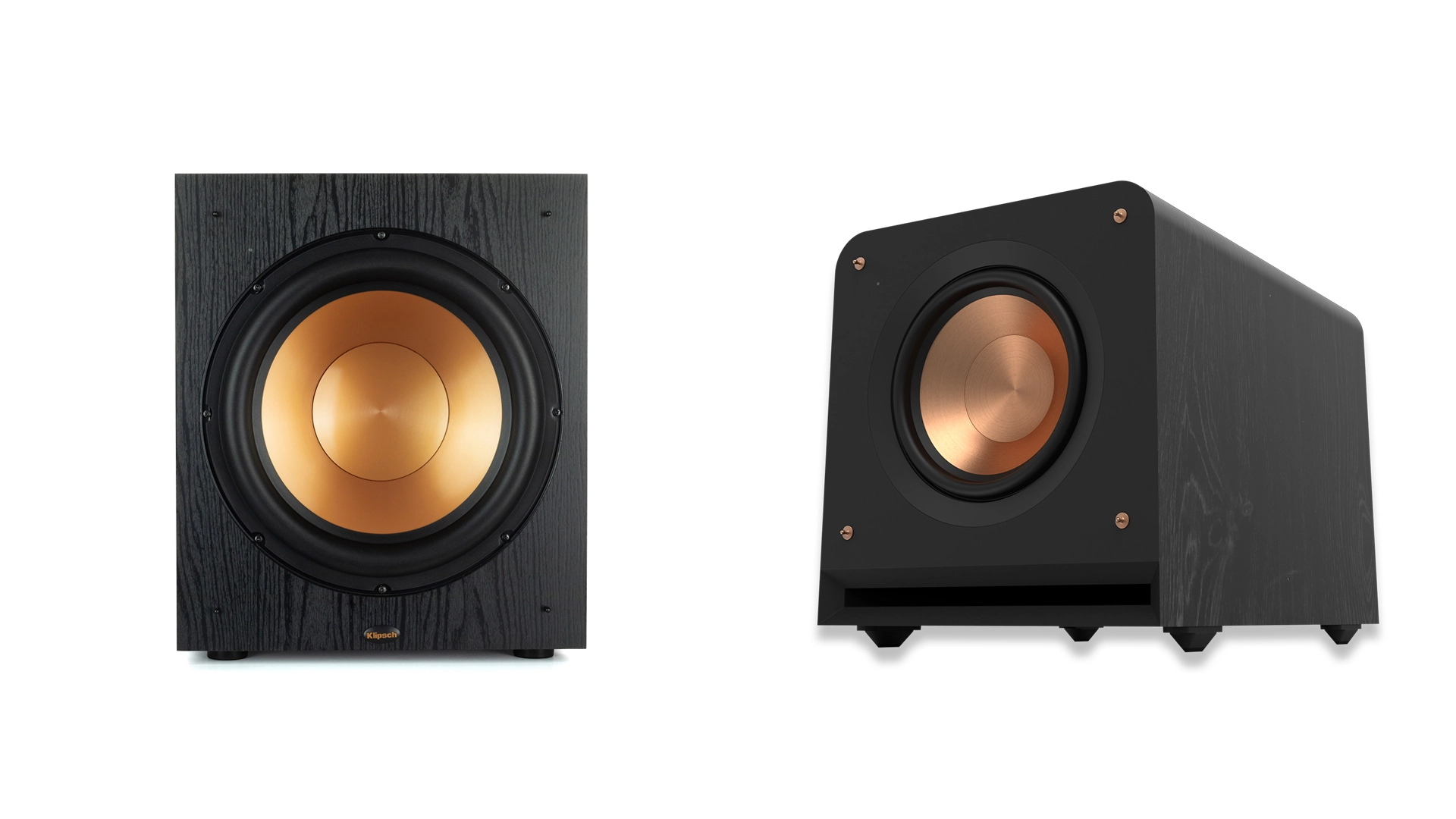
Klipsch is an American loudspeaker company founded by engineer Paul W. Klipsch in Hope, Arkansas, in 1946. His central solution was horn loading: coupling a driver to a shaped acoustic horn raises efficiency and controls dispersion, allowing high output and wide dynamics from comparatively little amplifier power. The corner-loaded Klipschorn put that idea into a domestic loudspeaker and remains in production, joined in the Heritage range by La Scala, Cornwall, Heresy and Forte. Modern Reference Premiere models use Tractrix-based horns in more conventional towers, monitors and centre channels, while the company also makes subwoofers, soundbars, architectural speakers and powered stereo systems. The designs vary widely, but high sensitivity and controlled directivity remain the recognisable technical thread. Klipsch now operates within Premium Audio Company, owned by Gentex, yet Heritage models are still assembled in Hope. Few audio brands can point to both an original flagship still being made and a current mass-market range built around the same underlying acoustic principle.
Krix

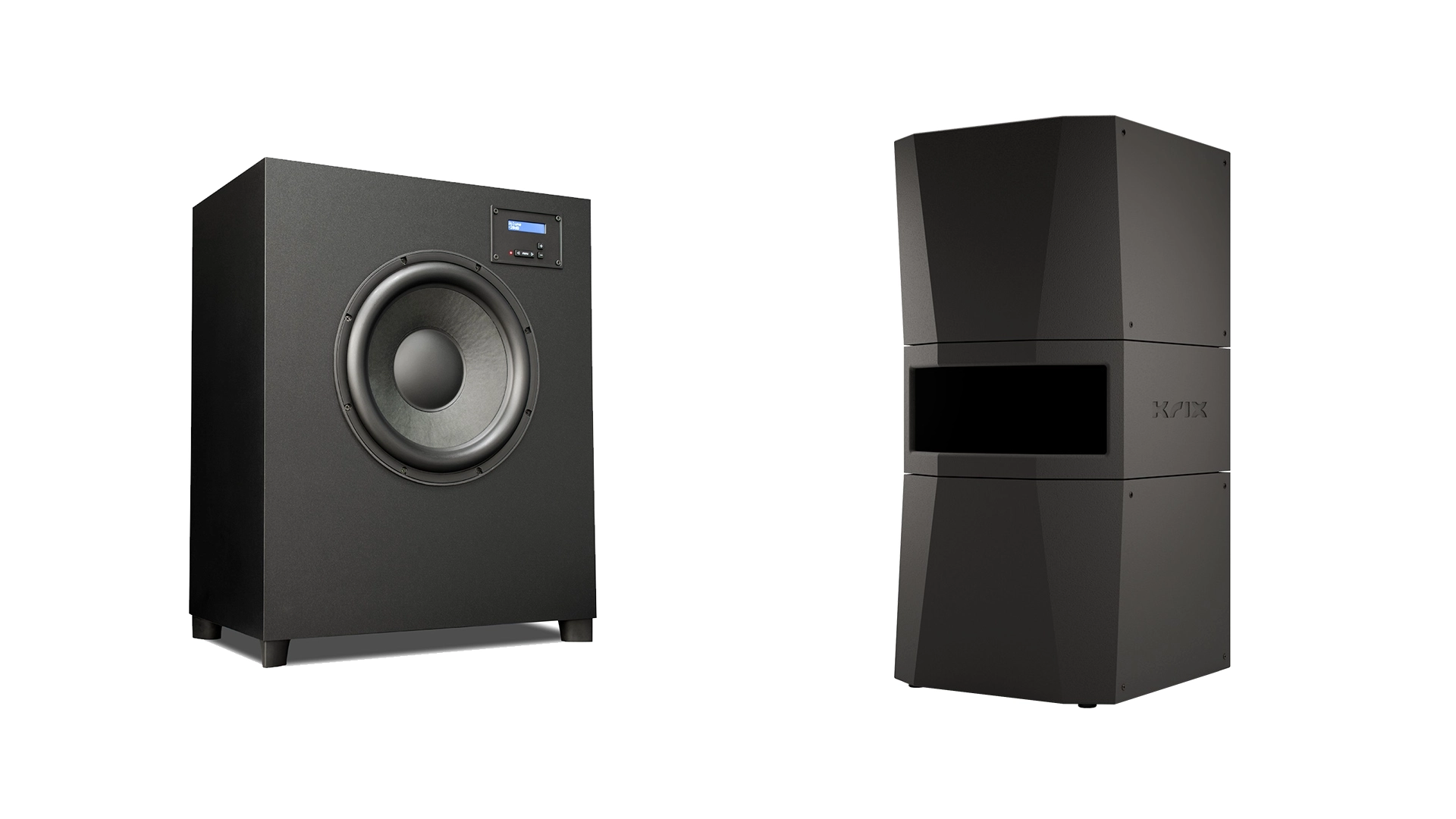
Krix is an Australian loudspeaker company with an unusually direct link between home audio and the commercial cinema. Scott Krix began building loudspeakers in Adelaide in 1974 and installed his first cinema system in 1980; today the company designs and manufactures speakers for dedicated theatres, living rooms and professional auditoriums at its South Australian facility. Cinema experience is central to the brand’s know-how: controlled directivity, high sensitivity, generous headroom and consistent coverage across a seating area. Krix develops its own constant-directivity horns, uses finite-element analysis and extensive acoustic measurement, and builds cabinets in-house with model-specific bracing. For home cinema, the modular Series MX systems place screen, surround and subwoofer channels behind an acoustically transparent screen or within a baffle wall, bringing commercial-cinema architecture into private rooms. Series SX and architectural models address flexible installations, while Esoterix loudspeakers show the same engineering discipline in two-channel hi-fi. The result is a brand whose strength is not a house sound slogan, but predictable dynamics and coverage at real cinema levels.
Loewe

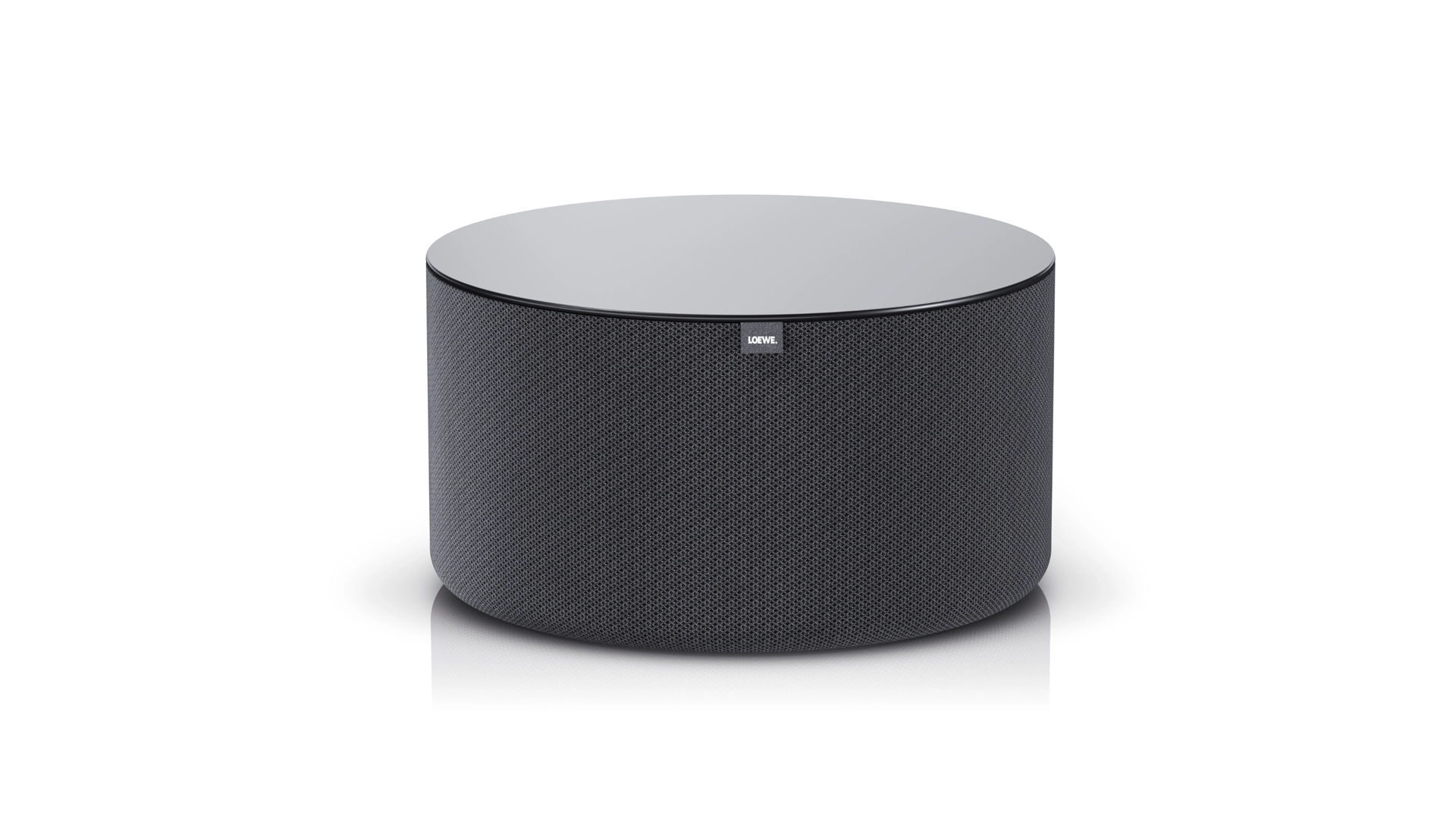
Loewe is a German premium home-entertainment manufacturer founded in Berlin in 1923 by brothers Siegmund and David Ludwig Loewe. Radio engineering came first, but television quickly became central: at the 1931 Berlin Radio Show, Manfred von Ardenne demonstrated an electronic television system using components and support connected with Loewe’s laboratory. The company later moved its headquarters and production to Kronach, where it continues to assemble selected televisions. Modern Loewe concentrates on design-led OLED displays such as the bild and Stellar families, supported by integrated sound systems, external soundbars and matching floor stands or wall solutions. The klang range covers soundbars, subwoofers, wireless speakers and headphones, while more accessible We. by Loewe products broaden the portfolio. Aluminium, stone-like or concrete finishes and concealed cable management are used to make the television part of the room rather than a generic black panel. Loewe has passed through insolvencies and ownership changes, so its present organisation should not be described as uninterrupted corporate continuity. What remains continuous is the brand’s combination of German industrial design, display integration and unusually serious built-in audio.
Lyngdorf
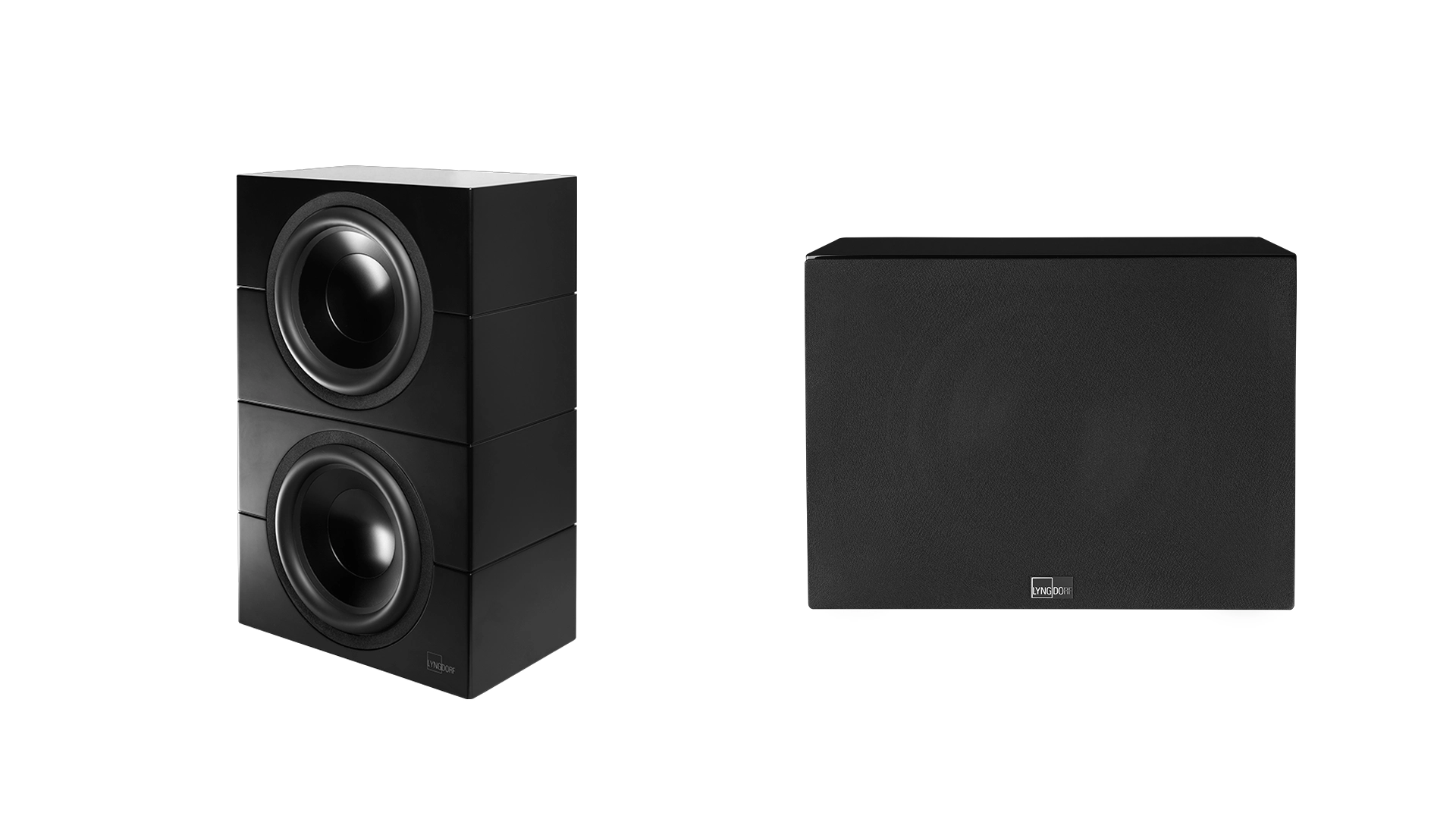
Lyngdorf Audio is a Danish manufacturer built around digital signal processing, system integration and the acoustic behaviour of real rooms. Peter Lyngdorf founded the brand in 2005 after decades of work in loudspeakers, digital amplification and speaker calibration. Its signature RoomPerfect system, developed by Jan Abildgaard Pedersen and a Danish engineering team, measures both a principal listening position and multiple locations around the room. It then reduces room-induced errors while retaining the loudspeaker’s intended tonal character, offering Focus and Global listening modes rather than imposing a generic target curve. The TDAI integrated amplifiers keep sources in the digital domain through volume control and switching, converting close to the output stage; they combine streaming, optional HDMI and analogue modules, bass management and RoomPerfect in a single chassis. MP-series processors extend the same approach to immersive home cinema, while SDA/MXA power amplifiers, compact loudspeakers and boundary woofers allow complete systems to be designed around it. Lyngdorf’s real strength is not room correction as an isolated feature. Amplification, crossover functions, speaker placement and calibration are engineered together so a sophisticated installation can remain comparatively simple to operate.
M&K Sound

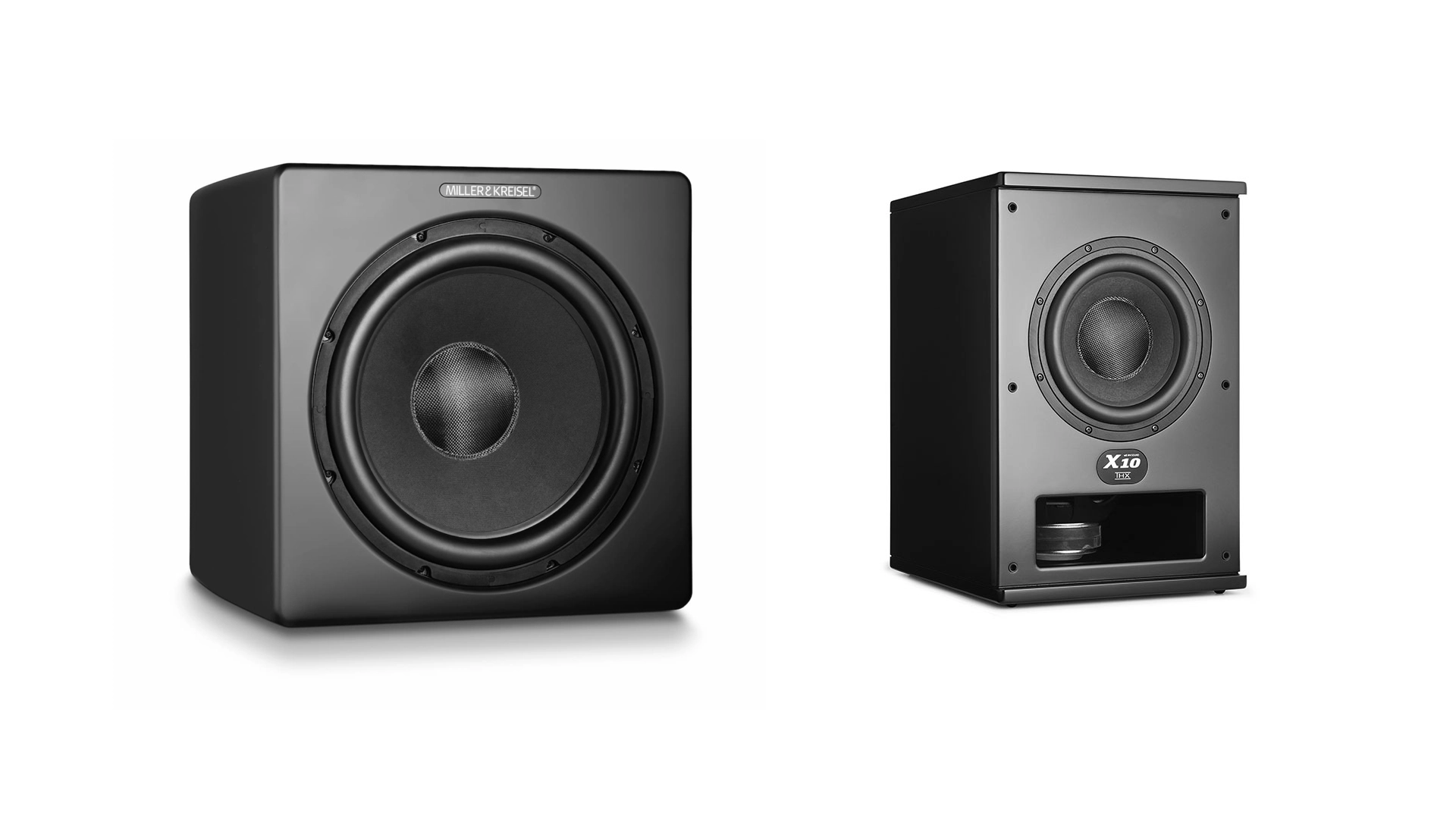
M&K Sound—originally Miller & Kreisel—is a studio-monitor and home-cinema loudspeaker brand with American roots and a present-day base in Denmark. Jonas Miller and Ken Kreisel began the company in Beverly Hills in 1973 after Walter Becker of Steely Dan requested a reference bass system for work on Pretzel Logic. The resulting balanced dual-driver subwoofer made low-frequency reproduction a separate engineering task, and M&K subsequently helped establish the compact satellite-plus-subwoofer format. Its monitors became fixtures in music, film mixing and post-production, creating a direct connection between the rooms where soundtracks are made and the systems used to reproduce them at home. The S150 remains the reference point for the brand’s controlled directivity and high output, while S300, 950 and 750 series address different room sizes. X+ subwoofers use opposed or push-pull driver arrangements to reduce cabinet reaction and distortion, and dedicated surrounds support multichannel installations. Numerous models carry THX certifications, including demanding Dominus applications, but certification is a consequence of measurable output and consistency rather than the whole identity. M&K’s lasting speciality is system scale: compact, closely matched speakers hand the deepest bass to purpose-designed subwoofers, allowing predictable results from stereo through immersive cinema.
Magico

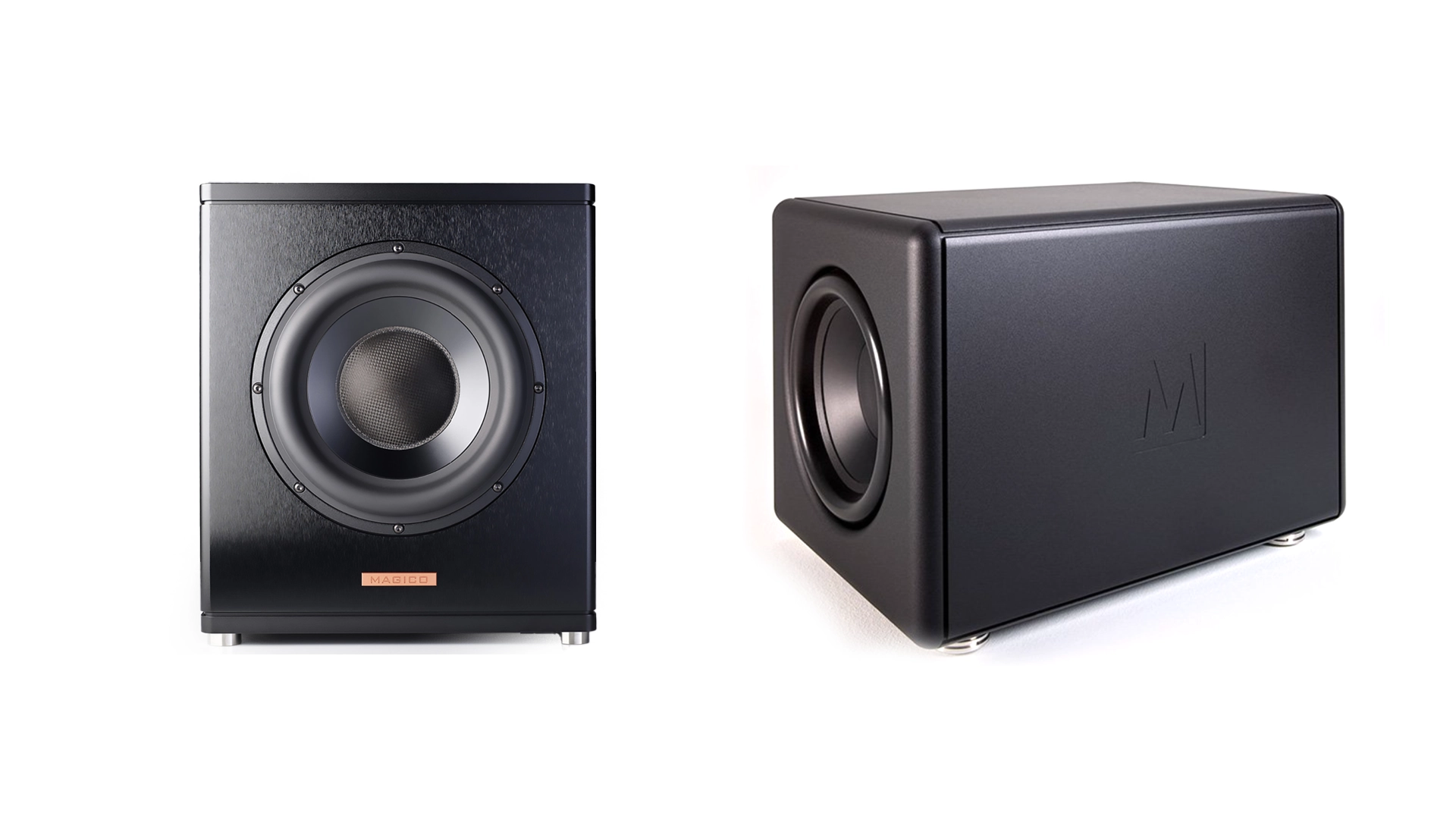
Magico is a California loudspeaker manufacturer founded by Alon Wolf in 2004 to reduce the cabinet, driver and crossover artefacts that obscure recorded information. Instead of conventional veneered fibreboard, the company builds rigid enclosures from machined aluminium sections, constrained-layer assemblies and, in selected M-series designs, carbon-fibre structures. Internal bracing is modelled to move resonances away from critical regions and verified with tools including laser vibrometry and Klippel near-field scanning. Magico’s Nano-Tec cones combine advanced fibre skins with lightweight cores and graphene-based reinforcement, while upper models use diamond-coated beryllium tweeter diaphragms to increase stiffness without excessive moving mass. Elliptical Symmetry crossover networks are developed alongside the drivers rather than treated as final voicing components. The catalogue is organised into A, S and M families: A-series models make the aluminium construction more attainable, S-series balances scale with domestic proportions, and products such as the M7 and semi-active M9 represent the unconstrained reference programme. Active bass and separate crossover electronics appear where they solve a specific system problem. Magico’s distinction is not the use of expensive materials by itself, but the closed engineering loop between simulation, in-house machining, measurement and purpose-designed transducers.
Magnat

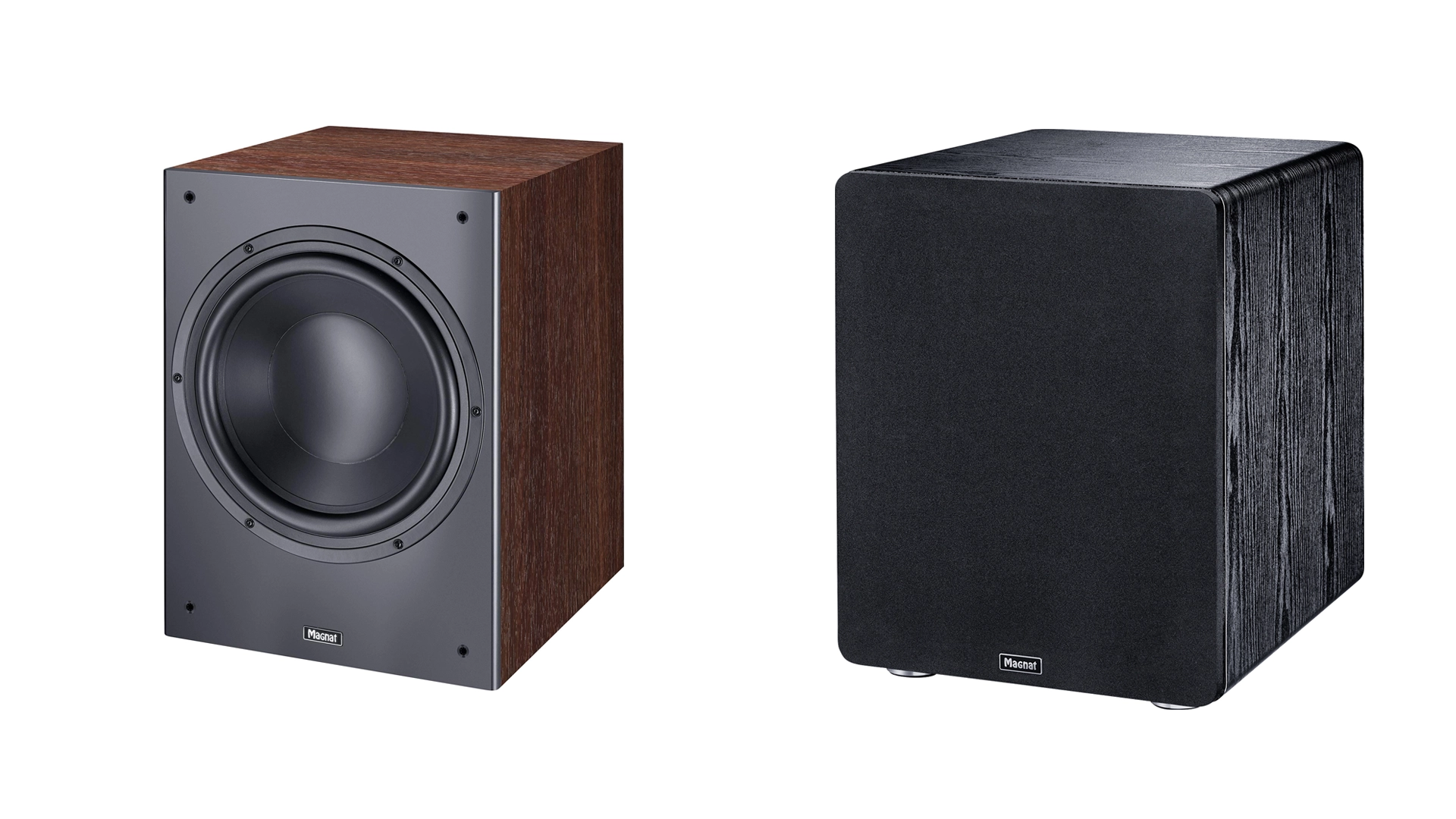
Magnat is a German loudspeaker and audio-electronics brand founded in Cologne by Rainer Haas in 1973. Loudspeaker engineering came first, and bass reproduction has remained a recurring speciality, but the company’s history is more varied than a generic mass-market description suggests. The early Log series established the name internationally; an omnidirectional plasma tweeter followed in 1979, the All-Ribbon family in 1981, and Magnat entered car audio in 1983. Its present home catalogue ranges from compact Monitor S models to Signature loudspeakers, retro-proportioned Transpuls systems and the THX-certified Cinema Ultra family. Active Monitor Reference designs, subwoofers, on-wall and architectural speakers extend the range into lifestyle and custom installation. Magnat also makes electronics, including hybrid valve/solid-state receivers, a network receiver and the substantial MTT 990 direct-drive turntable. Different families serve very different budgets, so the brand should not be characterised only as affordable or only as high-end. Measurement facilities, driver development and crossover optimisation provide the continuity between them. Magnat is now part of Premium Audio Company, but its identity remains German product development applied across stereo, cinema and installation rather than a badge placed on one narrow type of component.
Martin Logan

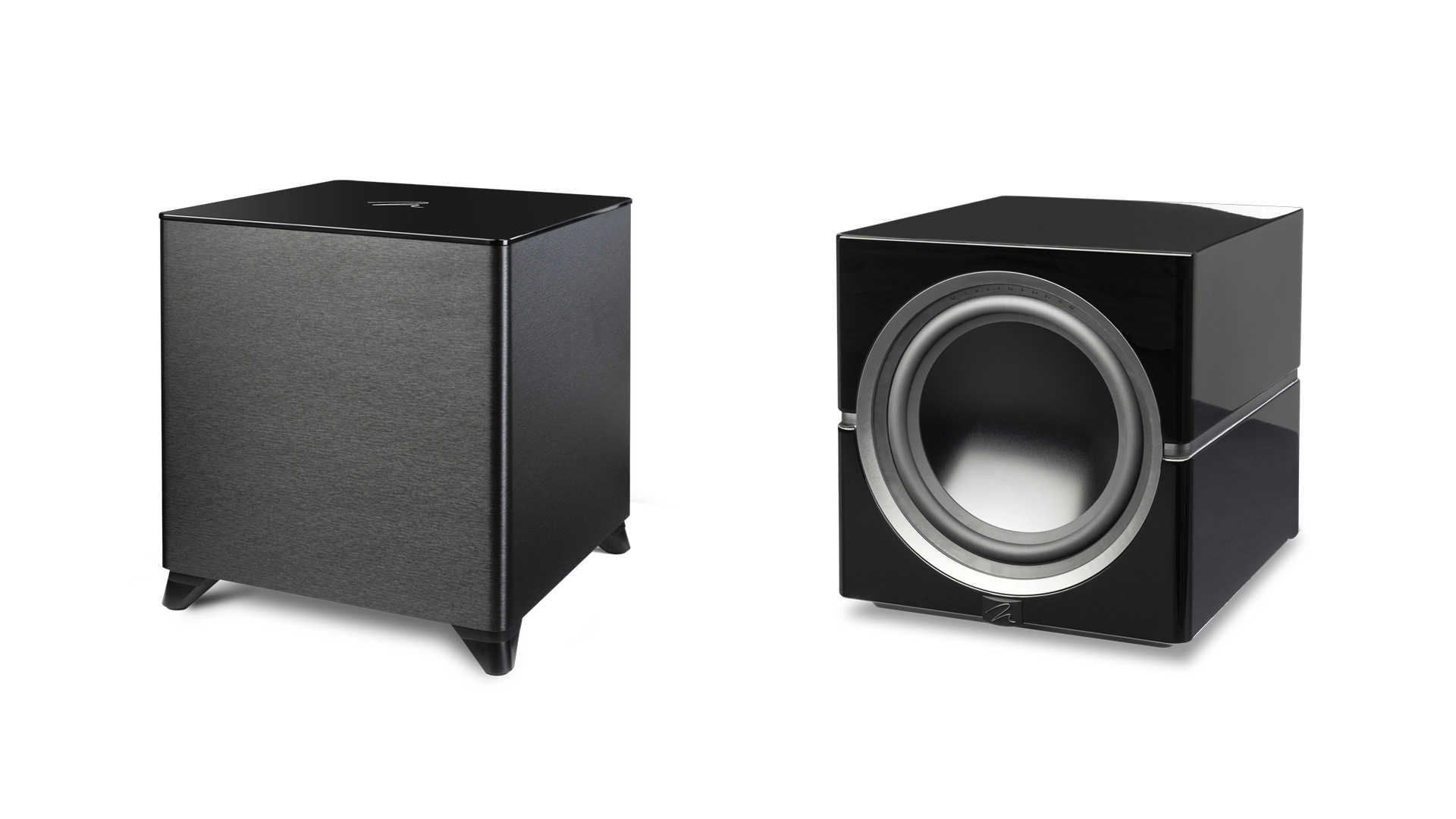
MartinLogan is the American loudspeaker specialist that made the curved electrostatic panel practical for full-range domestic systems. Gayle Martin Sanders and Ron Logan Sutherland developed their first production model, the Monolith, in 1983 after several years of experiments. Its hybrid architecture paired a transparent electrostatic membrane with a dynamic bass driver, solving one of the central limitations of earlier electrostatic designs while preserving their speed and low moving mass. The brand’s large electrostatic models use Curvilinear Line Source panels to control dispersion, MicroPerf stators to increase radiating area and AirFrame structures that hold the panel rigidly without a conventional box. Powered bass sections in selected models add Anthem Room Correction and controlled-force woofer arrangements. MartinLogan also applies its Folded Motion and Folded Motion XT tweeters to the more conventional Motion range, and offers subwoofers, architectural speakers and home-theatre solutions. The important distinction is that MartinLogan is not simply a maker of unusual-looking panels: its know-how lies in integrating electrostatic midrange and treble with dynamic bass, useful room behavior and manageable domestic proportions.
McIntosh

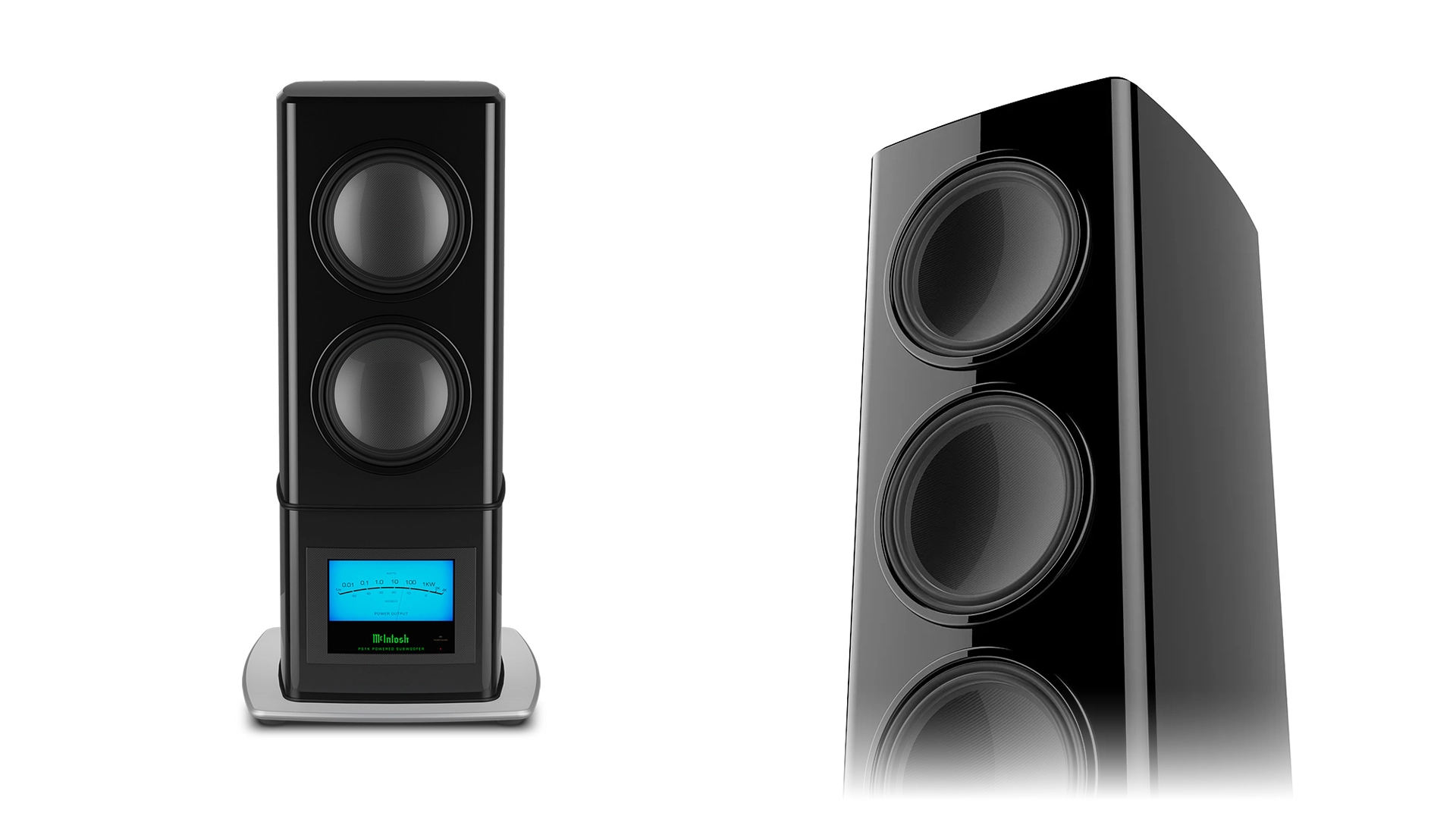
McIntosh is an American high-end audio manufacturer whose blue power meters and black-glass front panels identify products built around unusually durable amplifier engineering. Frank H. McIntosh and Gordon Gow founded the company in 1949 after developing the Unity Coupled Circuit, a transformer-coupled output topology designed to deliver high power with low distortion across the audible band. McIntosh moved to Binghamton, New York, in 1951 and continues to design and assemble products there. The catalogue covers valve and solid-state power amplifiers, preamplifiers, integrated amplifiers, source components, streamers, turntables, speakers and home-cinema processors. Many transistor power amplifiers use Autoformers to deliver their rated power into different loudspeaker impedances, while Power Guard monitors the waveform to reduce clipping-related distortion and Sentry Monitor protects against unsafe operating conditions. The company still winds key transformers in house, and signature glass panels are printed and assembled for long service life. McIntosh’s appeal extends beyond styling: its defining know-how is the marriage of protective circuitry, stable load behavior and conservative construction with a product ecosystem that can support both two-channel and large cinema systems.
Mission

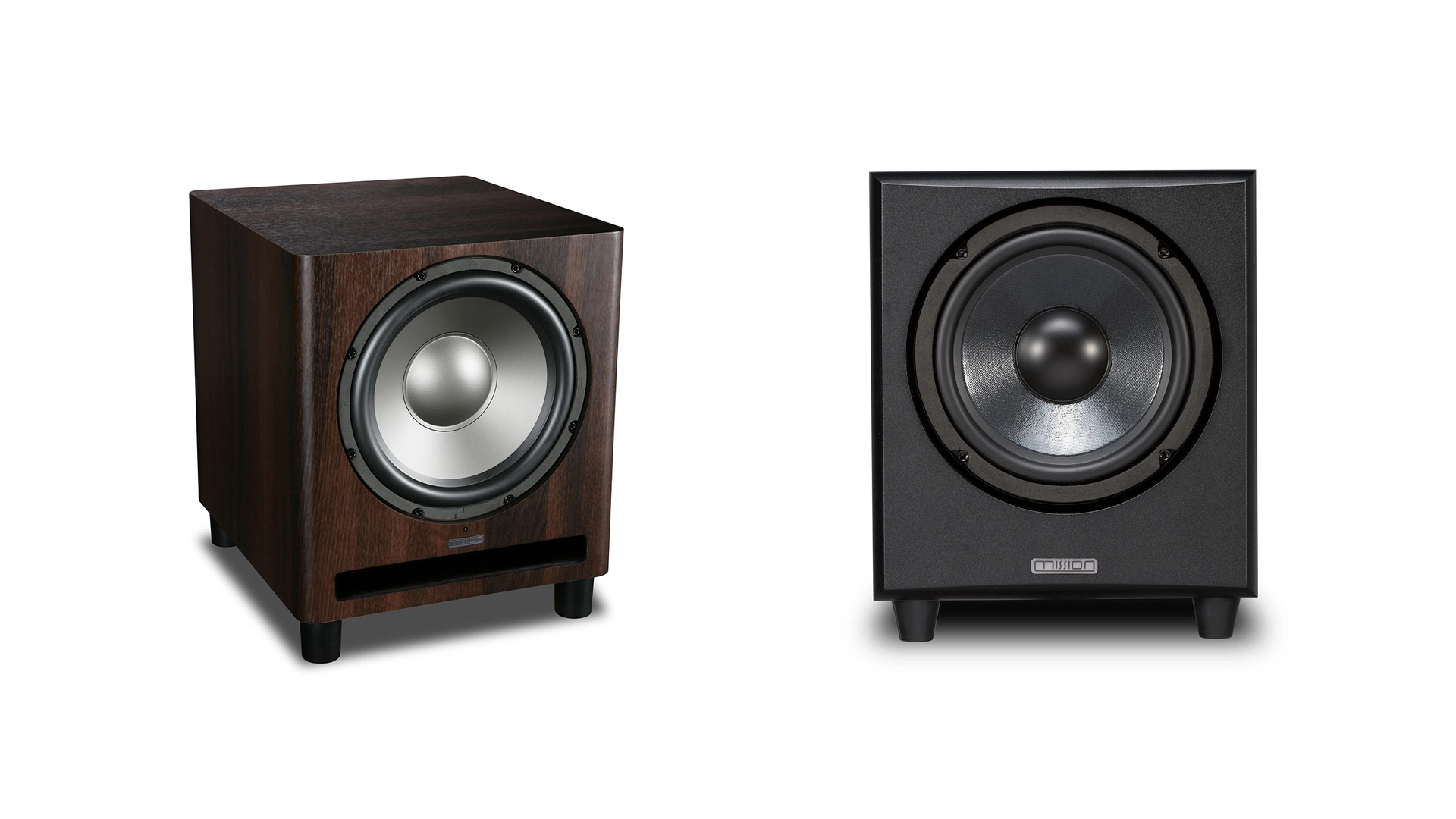
Mission is a British loudspeaker brand whose identity was established by compact, affordable speakers that used unconventional geometry to solve practical acoustic problems. Farad Azima founded Mission in 1977, and the original 770 quickly became a reference point for the company. One of its most recognizable ideas is Inverted Driver Geometry: placing the treble unit below the bass/mid driver to align the acoustic paths at the listening position and improve integration through the crossover region. Mission now offers standmount and floorstanding loudspeakers, centre and surround channels, subwoofers, active wireless systems and the revived 778 electronics. The LX MKII and QX MKII families bring the brand’s core concepts to accessible systems, while the modern 700, 750 and 770 reinterpret historic models with contemporary drivers, crossovers and cabinets. Depending on the range, Mission uses DiaDrive-style mid/bass diaphragms, ring-dome or microfibre-dome tweeters and carefully profiled cabinet structures. Its lasting distinction is not generic “British sound,” but the ability to turn specific engineering choices—driver order, crossover timing and cabinet proportions—into complete ranges that remain straightforward to own.
Monitor Audio

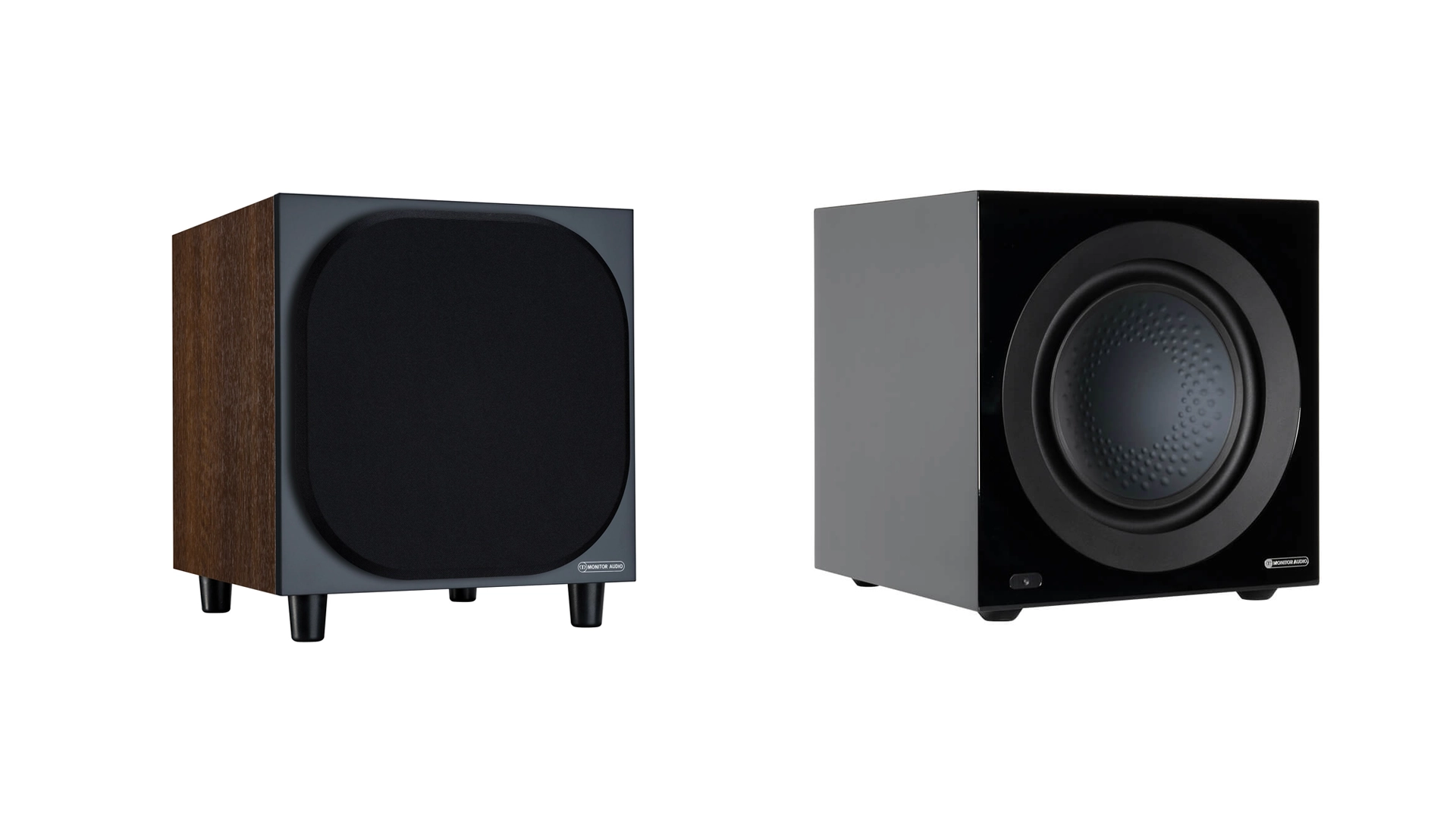
Monitor Audio is a British loudspeaker manufacturer whose strongest identity lies in developing its own metal-diaphragm driver families across products from entry-level stereo to architectural and flagship systems. Mo Iqbal founded the company in 1972 in Teversham near Cambridge, and the MA1 was its first loudspeaker. Design and engineering remain centred in Britain, while the catalogue now spans standmount and floorstanding speakers, home-cinema channels, subwoofers, creator-series installation models and outdoor audio. C-CAM—Ceramic-Coated Aluminium/Magnesium—is the foundation technology, providing a light, rigid diaphragm used in cones and the familiar gold-dome tweeter. Higher ranges extend it through RDT III sandwich cones, MPD III micro-pleated high-frequency transducers, DCF coupling and Hive II reflex ports. The Hyphn flagship arranges six RDT III midrange units around an MPD III transducer as a point-source M-Array and uses opposed, force-cancelling bass drivers. Bronze, Silver, Gold and Platinum apply related ideas at different levels without pretending they are identical. Monitor Audio’s advantage is this continuous driver-development ladder, backed by a broad system range rather than a single celebrated model.
Morel

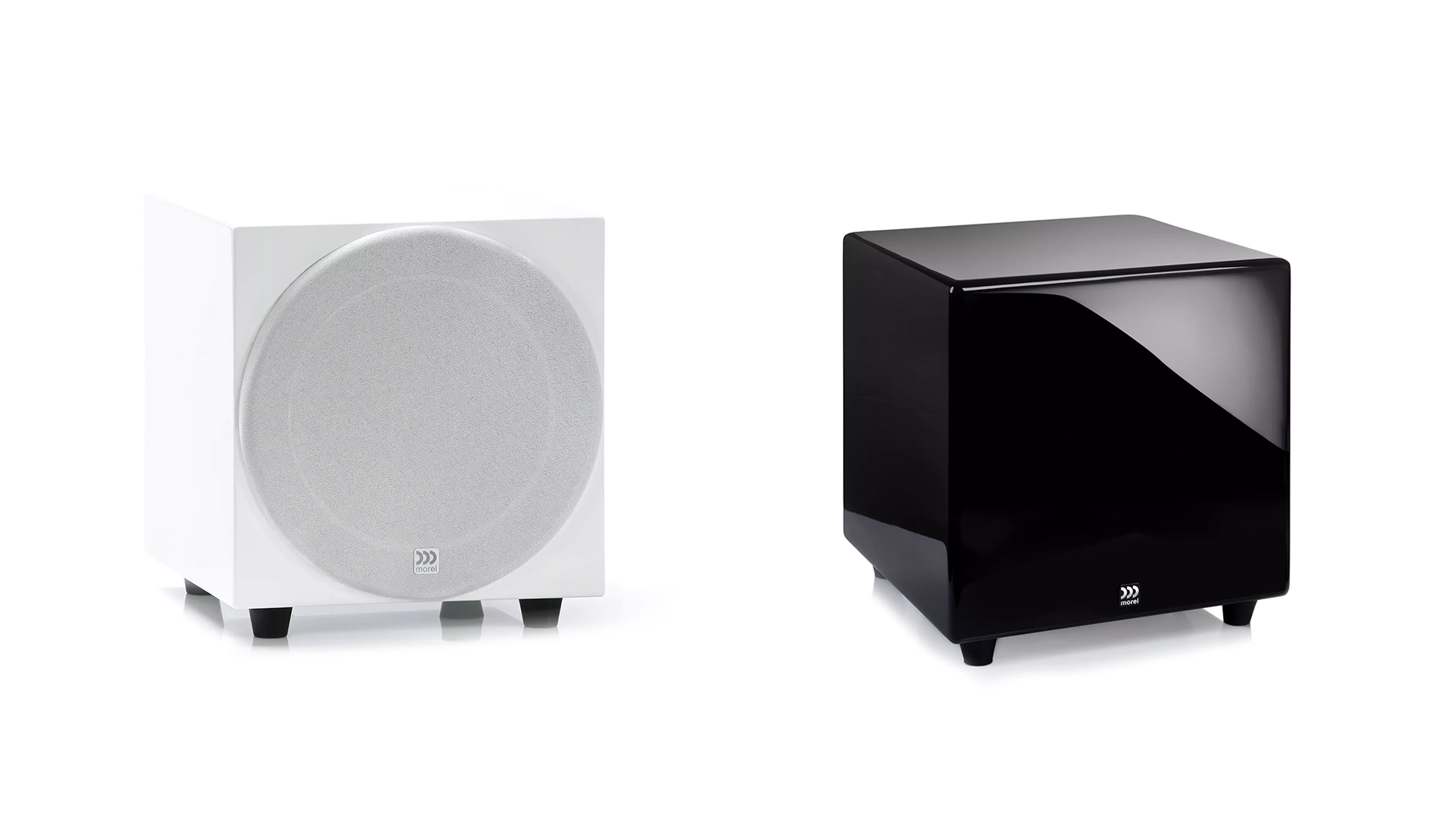
Morel is an Israeli loudspeaker and drive-unit specialist whose complete home and car systems are grounded in nearly five decades of transducer manufacturing. Meir Mordechai founded the company in 1975; the name derives from Mordechai Electro-acoustics. Morel remains family owned and develops raw drivers as well as finished products, giving it control over the motor, suspension, diaphragm and enclosure rather than forcing a speaker design around catalogue parts. The brand’s signature technologies include large External Voice Coils, which place the magnetic motor inside the coil for efficient use of magnetic energy, and Hexatech aluminium wire shaped to pack the winding with minimal air gaps. Hybrid neodymium/ferrite magnet systems, damped polymer composite cones and soft-dome midrange units appear across different applications. Home-audio lines such as Sopran, Avyra and Högtalare sit alongside architectural models, car-audio components and OEM drivers supplied to other makers. Morel’s distinction is therefore broader than a particular “sound”: it is the unusual overlap of specialist driver engineering, hand assembly and the ability to carry the same motor and diaphragm know-how from a raw transducer to a complete loudspeaker.
Nice

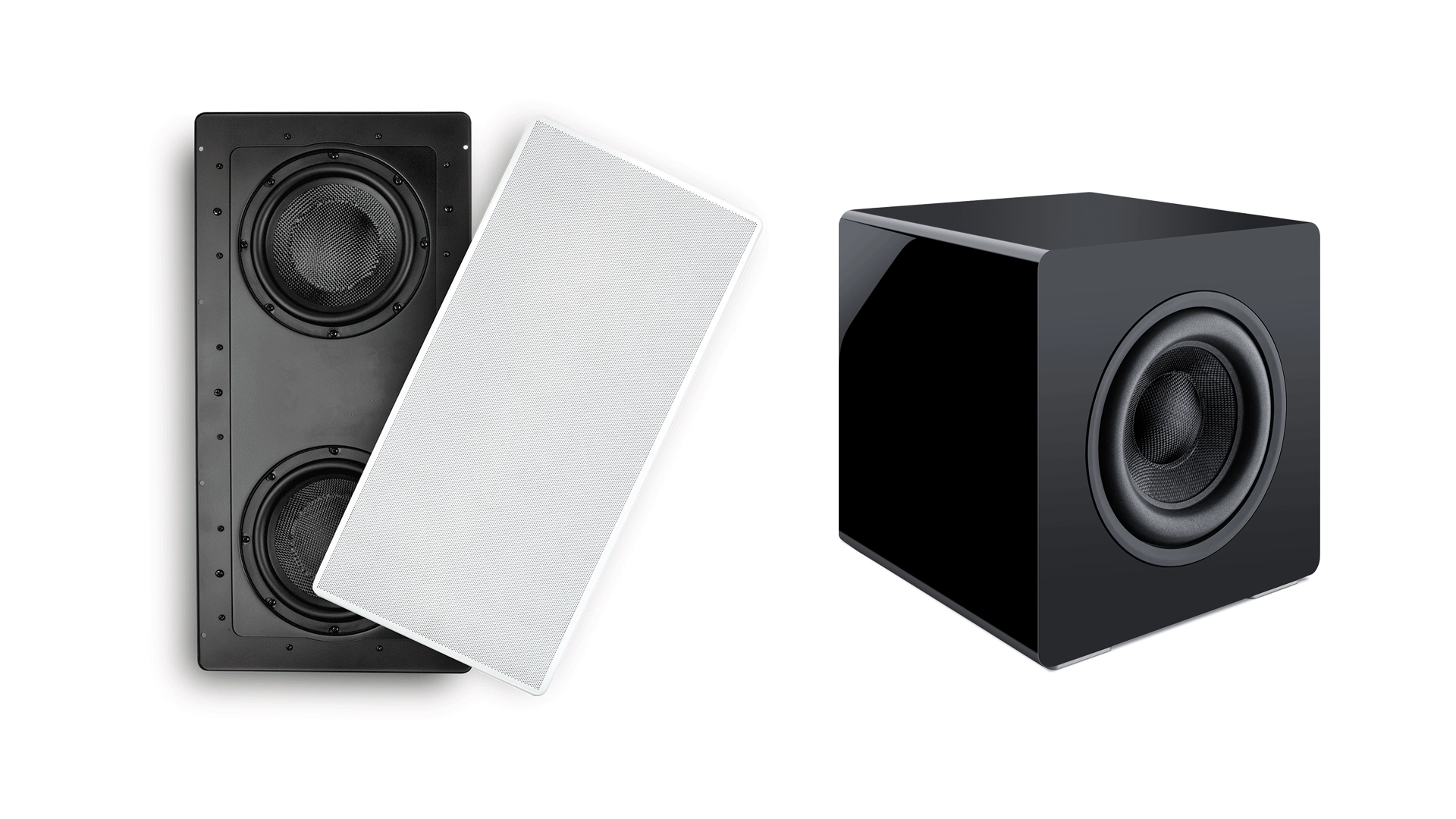
Nice is an Italian home-automation group, not a conventional standalone hi-fi manufacturer. Lauro Buoro founded the company in 1993 in Oderzo, and it grew through gate, door, shading, security and whole-home control systems. The audio products linked from the listed North American site belong to that integrated-home strategy: architectural loudspeakers, multi-room distribution, control interfaces and power management intended for professional installers rather than two-channel components sold in isolation. The decisive expansion came in October 2021, when Nice acquired Nortek Security & Control. That transaction brought established custom-installation names including ELAN, SpeakerCraft, Proficient, Panamax and Furman into the group. Nice subsequently converged parts of ELAN control, SpeakerCraft audio and Panamax energy management under the Nice name, while some heritage brands and product identities continue in the wider portfolio. The practical result is a single ecosystem in which in-wall and in-ceiling speakers, amplifiers, media sources, surveillance, lighting and motorised systems can be managed through ELAN OS and protected by specialised power products. An accurate description should therefore resist presenting Nice as a boutique Italian loudspeaker maker. Its audio relevance comes from owning and integrating decades of North American installation know-how into a broader Italian automation platform.
Origin Acoustics

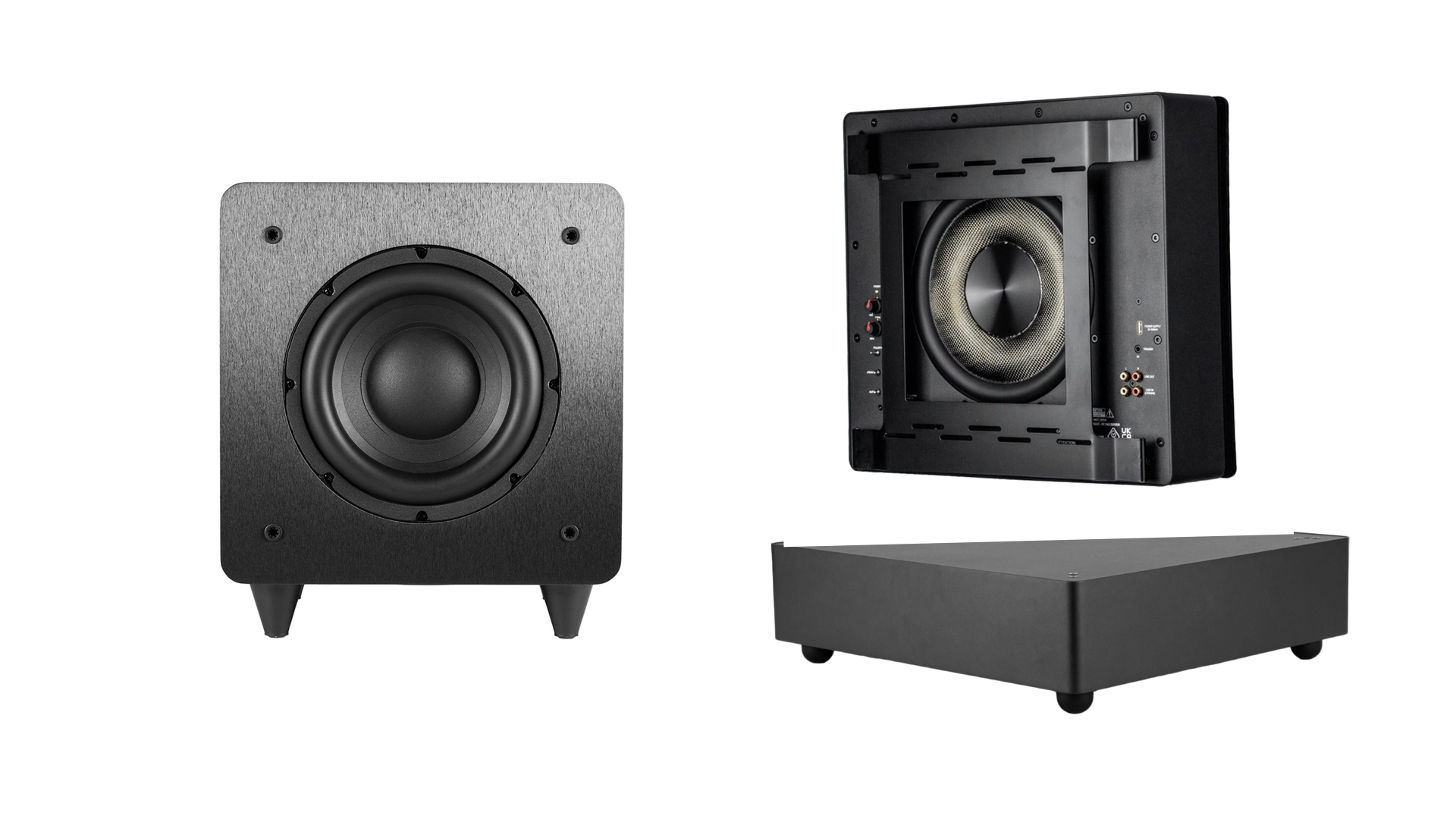
Origin Acoustics is the American architectural-audio company launched in 2014 by Jeremy Burkhardt, Ken Humphreys and Ed Haase. Its roots reach further back: Humphreys and Haase opened a Riverside, California stereo shop in 1976 and helped pioneer the flush-mounted in-wall loudspeaker in the early 1980s; Burkhardt later joined them in building SpeakerCraft into a major custom-installation brand. Origin reunited that experience around products designed from the outset for installers and interior integration. The catalogue covers in-ceiling and in-wall speakers, subwoofers, outdoor and marine systems, soundbars, amplifiers and dedicated cinema products. ThinFit addresses shallow cavities, Minimal Opening models reduce the visible aperture, and BLENDS uses an acoustically active surface for installations intended to disappear under the finish. ZipClip mounting and tool-conscious mechanical details shorten installation and make servicing more predictable, while Director Collection speakers use adjustable or directed arrays to aim sound from fixed ceiling positions. Marquee cinema systems and bollard or landscape products extend the same design language into dedicated rooms and outdoor zones. Origin’s key advantage is not simply hiding a loudspeaker. It combines decades of architectural-speaker experience with mounting hardware, dispersion control and product families that let a designer achieve consistent sound across ceilings, walls, gardens and yachts without compromising the visual plan.
Origin Live

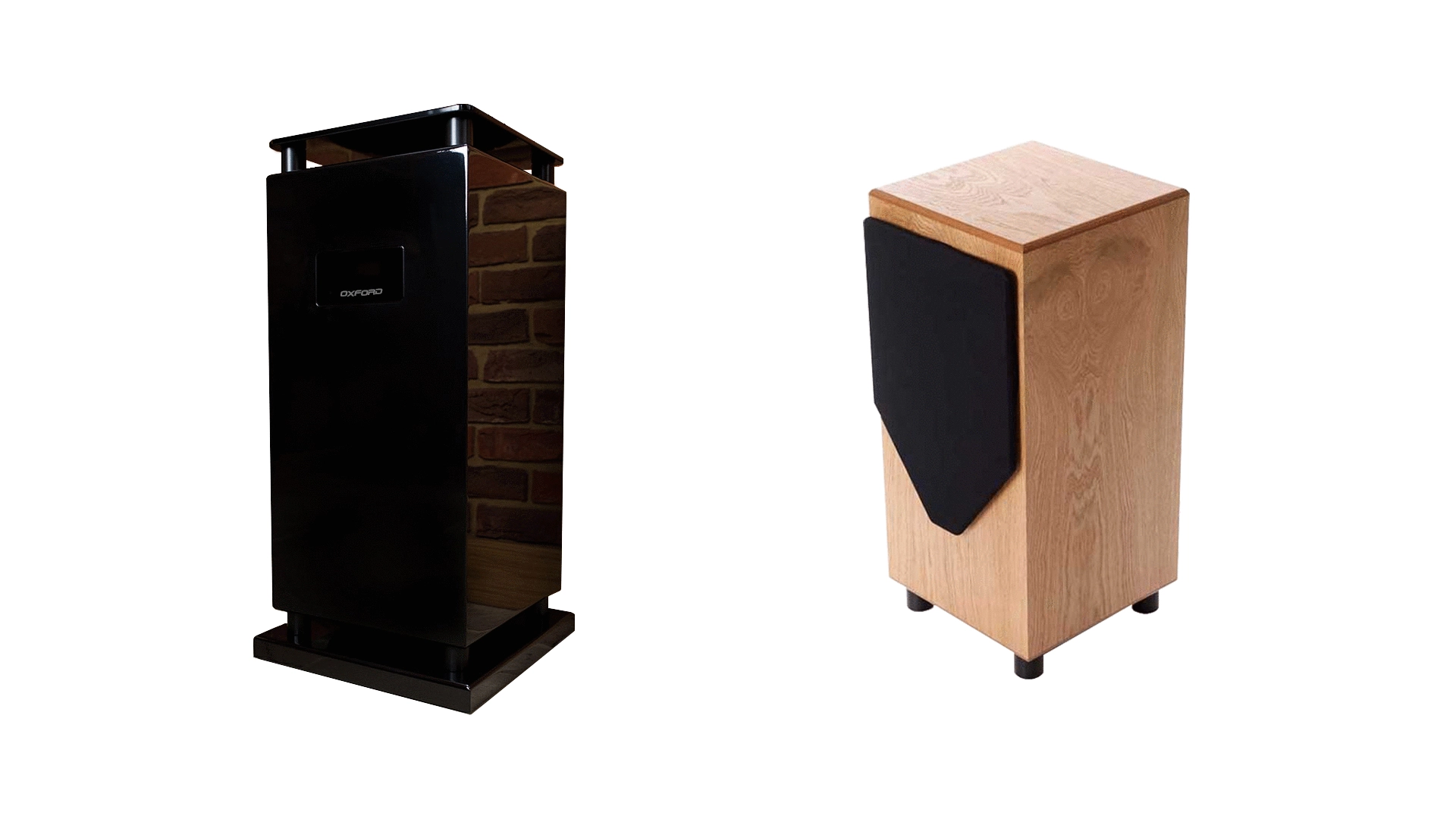
Origin Live is the British analogue manufacturer founded by engineer Mark Baker and operating from Southampton since 1986, not 1990. The company first became known for modifying turntables and developing a replacement DC motor power supply; that practical upgrade work grew into complete decks, tonearms and accessories built around the control of vibration and energy flow. Its turntable range progresses from Aurora and Swift through Calypso, Resolution and Sovereign to the flagship Voyager. Rather than rely on one fashionable material, Origin Live combines low-friction bearings, carefully decoupled motors, layered plinth structures and platter interfaces according to the model. Tonearms are equally central: Onyx and Silver open the range, followed by Zephyr, Encounter, Illustrious, Conqueror, Enterprise, Agile and Renown. Their development focuses on bearing behaviour, tube rigidity, counterweight placement and how mechanical energy leaves the cartridge. Motor kits and structural upgrades remain available for decks from other manufacturers, preserving the company’s original problem-solving role. Origin Live designs and manufactures in Britain and uses listening alongside measurement to judge changes. Its individuality lies in treating the entire record-playing mechanism—motor, bearing, platter, arm and support—as an energy-management system, then offering that knowledge both as complete products and as upgrades.
Paradigm

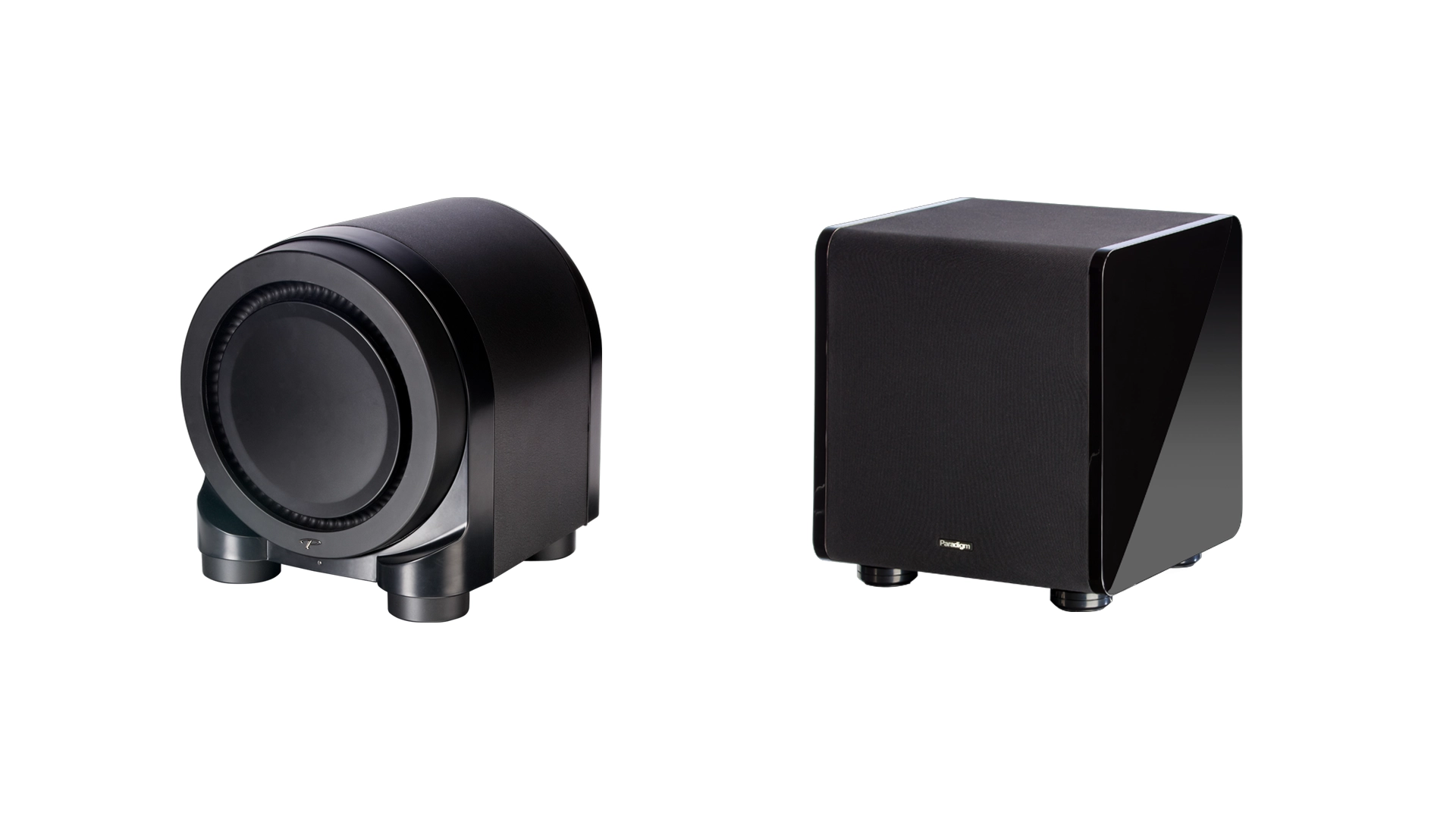
Paradigm is the Canadian loudspeaker manufacturer founded in Toronto in 1982 by Jerry VanderMarel and Scott Bagby. The early Model 7 and Model 9 established an unusual promise for the time: use controlled listening and serious measurement to improve performance while keeping production efficient. Collaboration with Canada’s National Research Council gave the young company access to psychoacoustic research and anechoic testing, a discipline Paradigm later brought into its own engineering facilities. That research-led approach now spans several clear product levels. Monitor SE and Premier make the core technology accessible; Founder combines proprietary aluminium-magnesium ceramic and carbon-based drivers with advanced cabinet isolation, while Persona uses beryllium diaphragms in its premium midrange and tweeter systems. Defiance subwoofers add app control and, on selected models, Anthem Room Correction. Millenia, CI architectural speakers and outdoor models extend the same voicing principles beyond traditional floorstanders. Paradigm designs drivers, crossovers and cabinets together and manufactures many key components and higher-level speakers at its Canadian facility rather than assembling a range solely from catalogue parts. The brand’s signature is not a single famous cone material: it is the long feedback loop between blind listening, anechoic measurement, in-house driver development and scalable Canadian production.
Perlisten


Perlisten Audio was founded in 2016 by an international engineering team led by Dan Roemer, Lars Johansen and Erik Wiederholtz; its name contracts “perceptual listening.” The company spent several years developing before releasing its first six products in 2020. It entered the market with complete loudspeaker and subwoofer systems for both two-channel music and large home cinemas, then became the first manufacturer to earn THX Dominus certification, including for the S7t loudspeaker and D215s subwoofer. The S Series is built around Perlisten’s DPC—Directivity Pattern Control—array: a beryllium tweeter sits between two thin-ply-carbon midrange domes in a shaped waveguide. The three drivers operate together to control vertical and horizontal dispersion, reduce floor and ceiling reflections and keep tonal balance more consistent across seats. Woofers, cabinet geometry and crossover behaviour are developed with the same directivity target rather than added around a generic tweeter module. The R Series translates that architecture into different diaphragm materials and more accessible systems, while the A Series extends the range further; matching subwoofers use opposed or multiple drivers, powerful DSP and app control according to model. Perlisten’s key strength is the integration of psychoacoustics, beam control and cinema-level output. THX certification is a consequence of that work, not the whole story: the brand designs speaker families whose directivity and dynamic capability remain coherent from a stereo pair to a multichannel room.
PIEGA

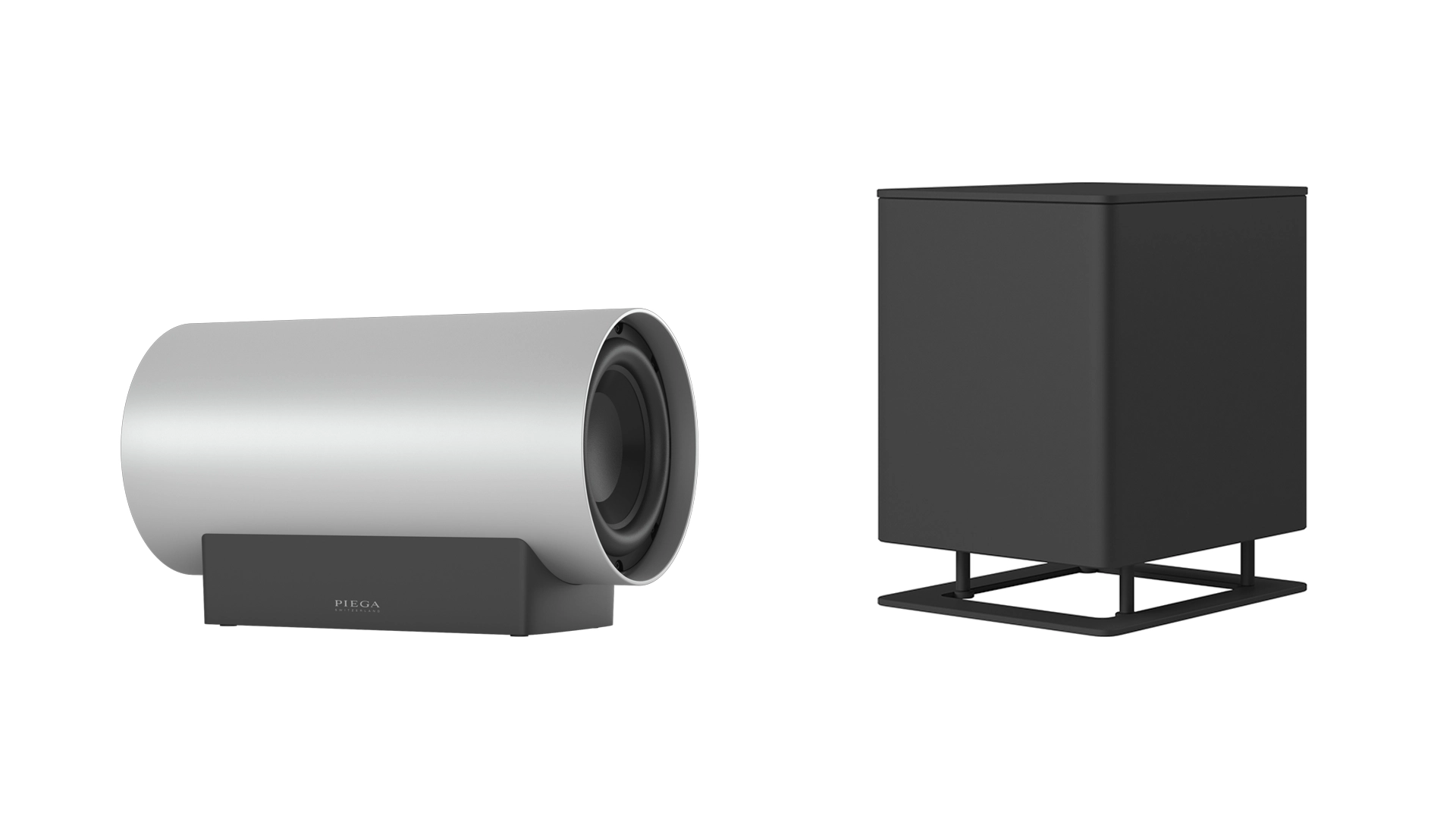
PIEGA is the Swiss loudspeaker manufacturer founded in 1986 by Leo Greiner and Kurt Scheuch. Scheuch’s early work on an extremely light foil tweeter gave the company its technical direction: reproduce high frequencies with a low-mass ribbon system, then design the rest of the loudspeaker around its speed and radiation pattern. Ribbon manufacture remains a skilled in-house process at PIEGA’s Horgen facility near Lake Zurich, and the family company is now led by the next Greiner generation, including Alexander and Manuel. PIEGA introduced a ribbon midrange in 1993 and the first coaxial midrange/tweeter ribbon in the C1 in 2000. In that same period, extruded aluminium enclosures became the other defining technology. Their curved, rigid shells provide a slim form while controlling panel resonance, but require internal damping and carefully shaped end structures to avoid the ringing associated with untreated metal. Coax Gen2 is the present expression of the coaxial ribbon concept; Premium Gen2 and the compact Ace family carry PIEGA engineering into smaller rooms, with wireless variants for active systems. Master Line Source is the flagship: a large dipole line-source array of ribbon elements designed to control vertical dispersion and reduce room interaction. PIEGA’s identity therefore comes from two capabilities developed together over decades—hand-built foil transducers and mechanically controlled aluminium cabinets—rather than from aluminium styling alone.
PMC

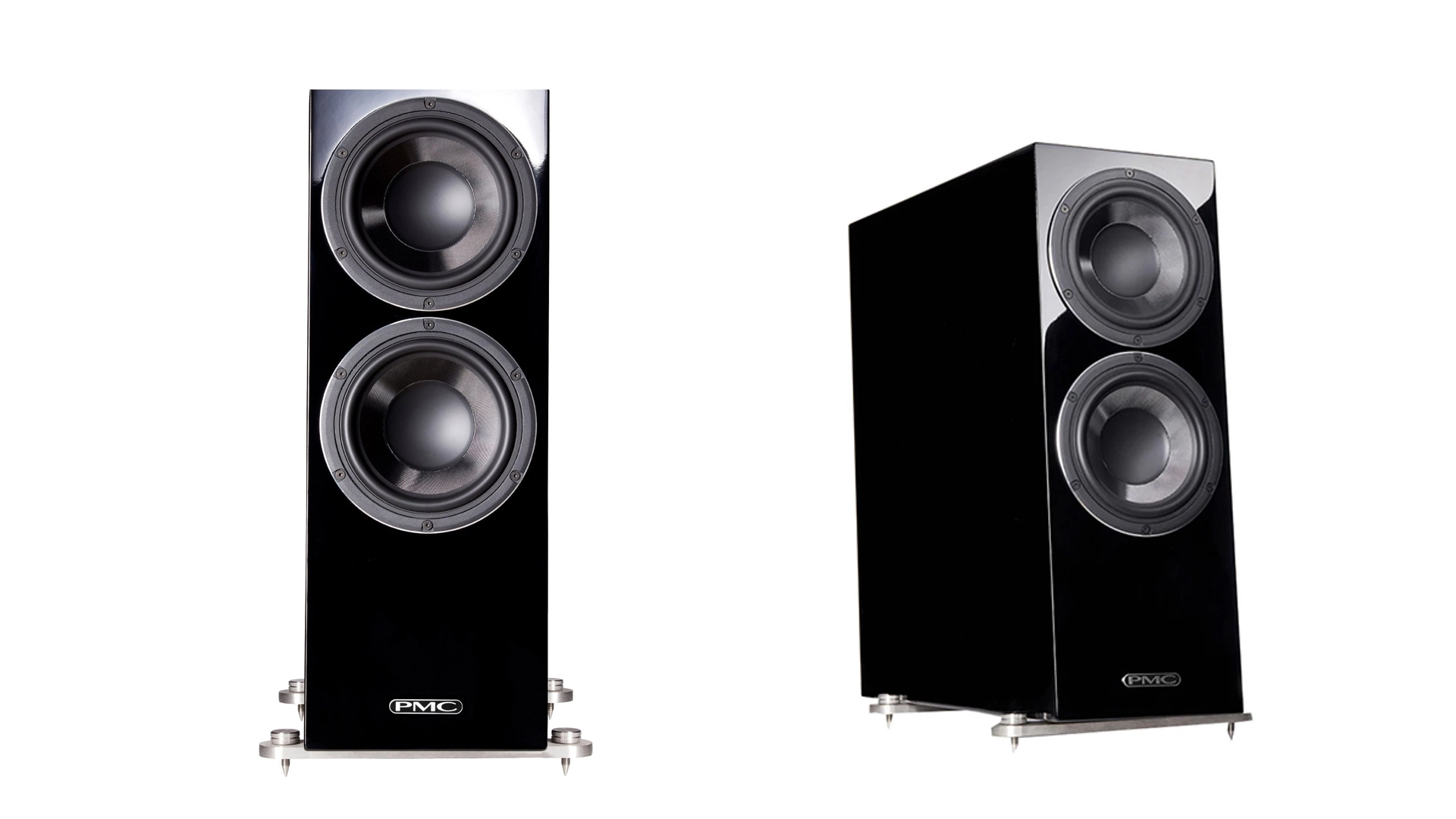
PMC—Professional Monitor Company—was founded in Britain in 1991 by Peter Thomas, then manager of the BBC’s Music Studios, and engineer Adrian Loader. Their first loudspeaker, the BB5-A, was created because they could not find a large monitor that combined the level, bass extension and neutrality required for critical studio work. The design established a rare continuity between professional control rooms and domestic hi-fi: PMC does not maintain one acoustic philosophy for engineers and another for music listeners. The company’s core technology is the Advanced Transmission Line, or ATL. The rear output of the bass driver enters a long, folded, heavily damped passage inside the cabinet. Absorbent material removes much of the unwanted midrange energy, while the lowest frequencies emerge from a tuned vent in phase with the front radiation. Done correctly, this extends bass and reduces driver excursion rather than producing the single-note emphasis of a poorly tuned port. Laminair aerodynamic vents, derived from airflow research, further reduce turbulence and compression at high levels. Current domestic ranges run from prodigy and twenty5i to fact and the flagship fact fenestria; the slim ci series brings the same controlled behaviour to on-wall and in-wall installations. result6, PMC6, PMC6-2 and larger main monitors continue the professional side. PMC’s identity is not merely “accurate British speakers,” but a transmission-line system refined in studios, mastering rooms and broadcast facilities, then scaled coherently for home listening.
Polk

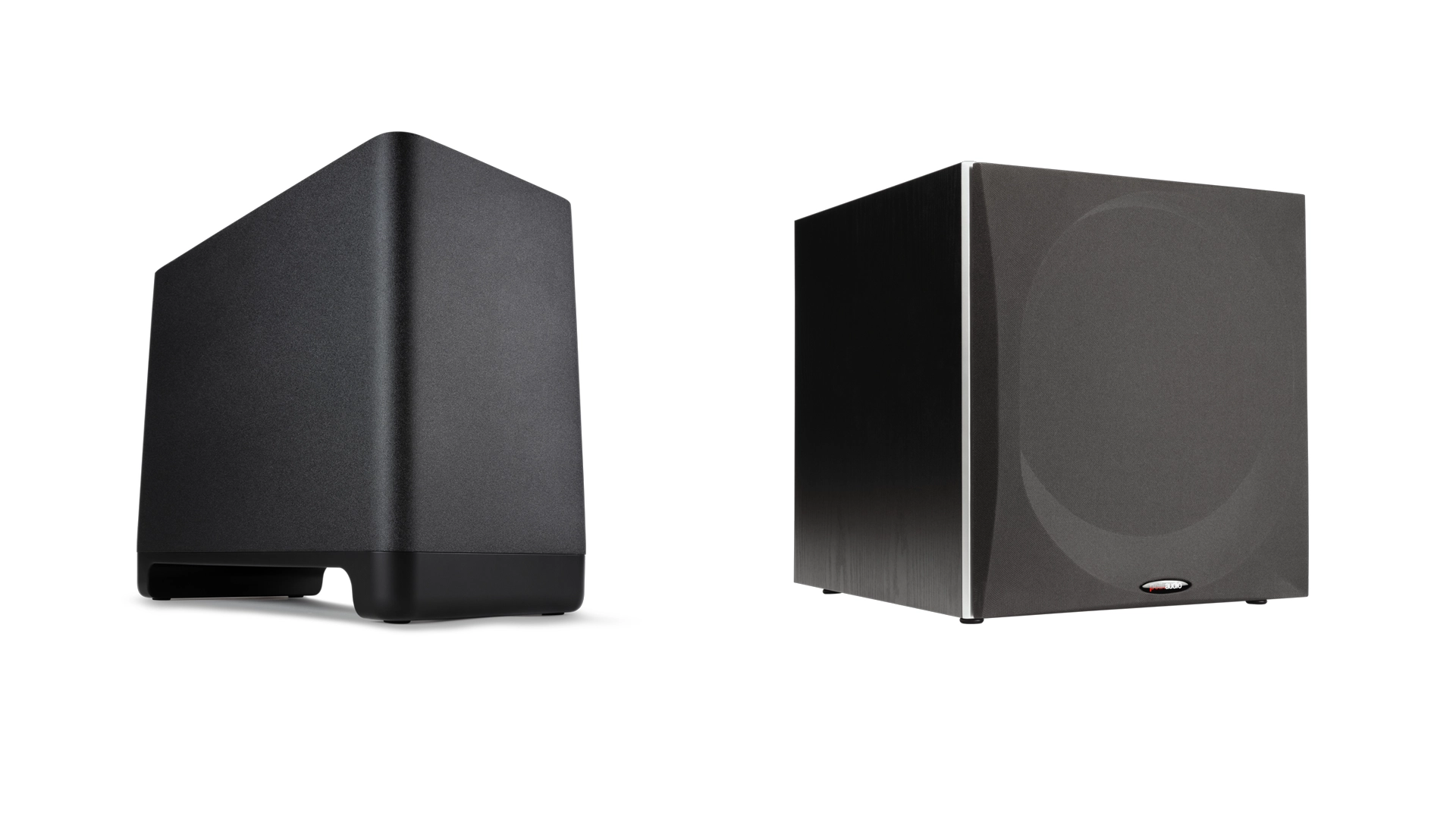
Polk Audio was founded in Baltimore in 1972 by Johns Hopkins graduates Matthew Polk, George Klopfer and Sandy Gross. The company grew by applying serious loudspeaker engineering to products ordinary music lovers could buy, beginning with early Monitor models rather than positioning itself as an inaccessible laboratory brand. That combination of broad availability and distinctive acoustic ideas has remained Polk’s place in American audio. Its most original contribution is Stereo Dimensional Array, introduced in the 1980s. SDA uses additional drivers and a controlled cancellation signal to reduce interaural crosstalk—the sound from the left speaker reaching the right ear and vice versa—so a stereo recording can create a wider, more stable spatial field. The modern Legend L800 revives the concept as SDA-PRO. Dynamic Balance is Polk’s broader method of using modelling and measurement to identify resonances in cones, suspensions and cabinets, while Power Port shapes the transition from reflex port to room to reduce turbulence and increase useful bass output. Legend and Reserve form the upper passive-speaker ranges; Signature Elite and Monitor XT cover more accessible stereo and cinema systems, alongside MagniFi soundbars, architectural, outdoor, car and marine audio. The old description’s ownership note is now obsolete: after periods within Directed Electronics and Sound United, Polk became part of HARMAN in September 2025; HARMAN is a Samsung subsidiary. The brand remains American in origin and engineering identity, even though its corporate parent has changed.
Pro-Ject

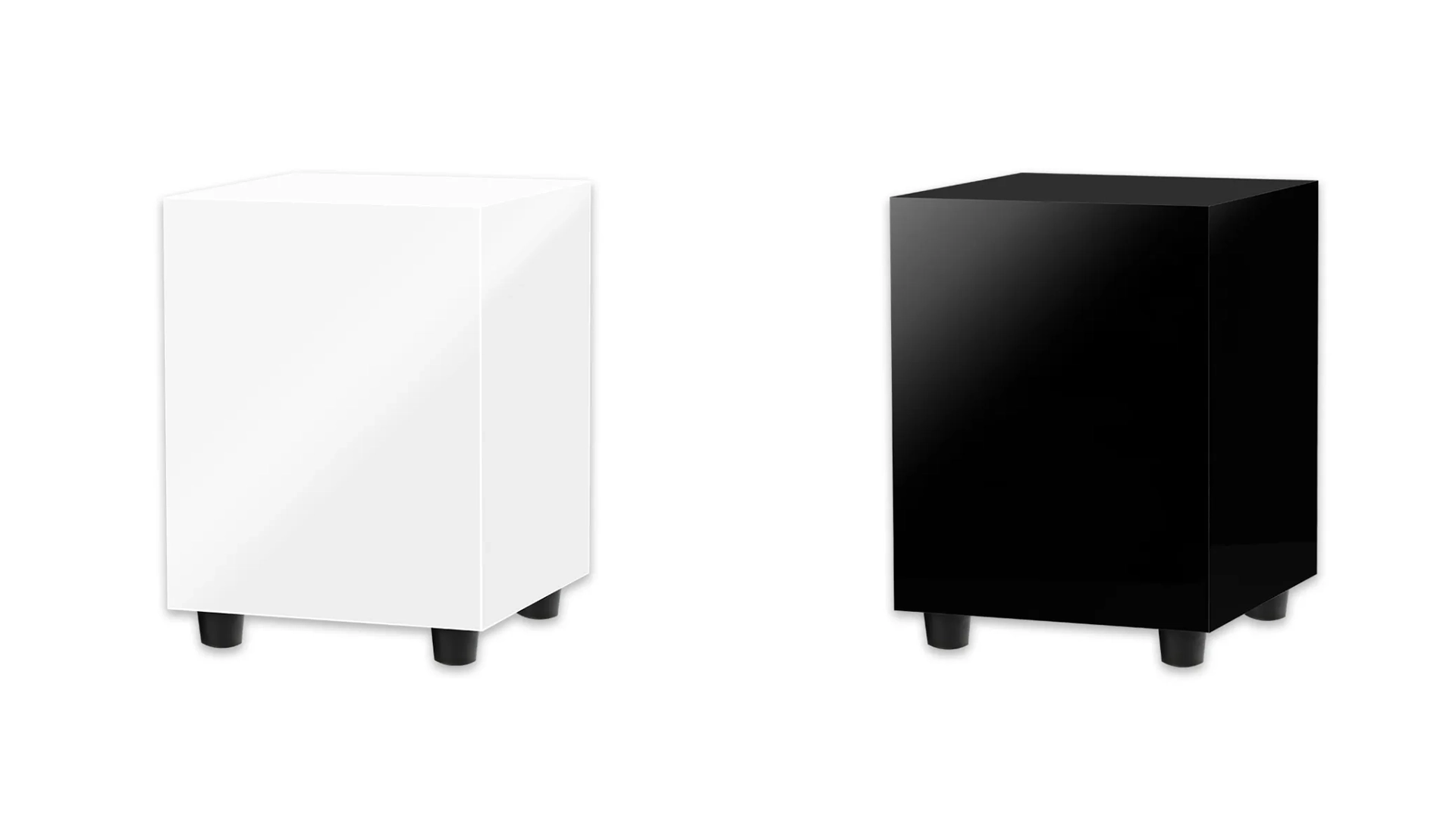
Pro-Ject Audio Systems was founded in Austria in 1991 by Heinz Lichtenegger, at a moment when the audio industry was treating the compact disc as vinyl’s replacement. Lichtenegger’s counterargument was the Pro-Ject 1: a simple belt-drive turntable built around the parts necessary for stable speed and accurate tracking, without automatic mechanisms or cosmetic complexity. The strategy proved prescient, and the Debut, introduced in 1999, became the model that brought the company to a much wider generation of record listeners. Pro-Ject now covers almost every scale of manual turntable. E and T families address first systems; Debut remains the recognisable centre; X, RPM and Xtension add more elaborate plinths, bearings, platters and tonearms; and Signature represents the flagship engineering. Many decks are assembled by hand in the Czech Republic, preserving production skills from the region’s long record-player history. The company also makes phono stages, speed controls, cartridges, record-cleaning machines and accessories, so a turntable can be upgraded rather than discarded. Box Design electronics—compact phono stages, amplifiers, DACs, streamers and CD transports—are largely produced in Slovakia and extend the same space-efficient philosophy beyond vinyl. Artist Collection editions use visual collaborations and licensed themes, but beneath the artwork they remain functional Pro-Ject platforms. The brand’s significance is not simply that it sells many turntables: it maintained European manual-turntable production through the digital era and built a clear path from an inexpensive first deck to genuinely ambitious analogue systems.
Proficient Audio

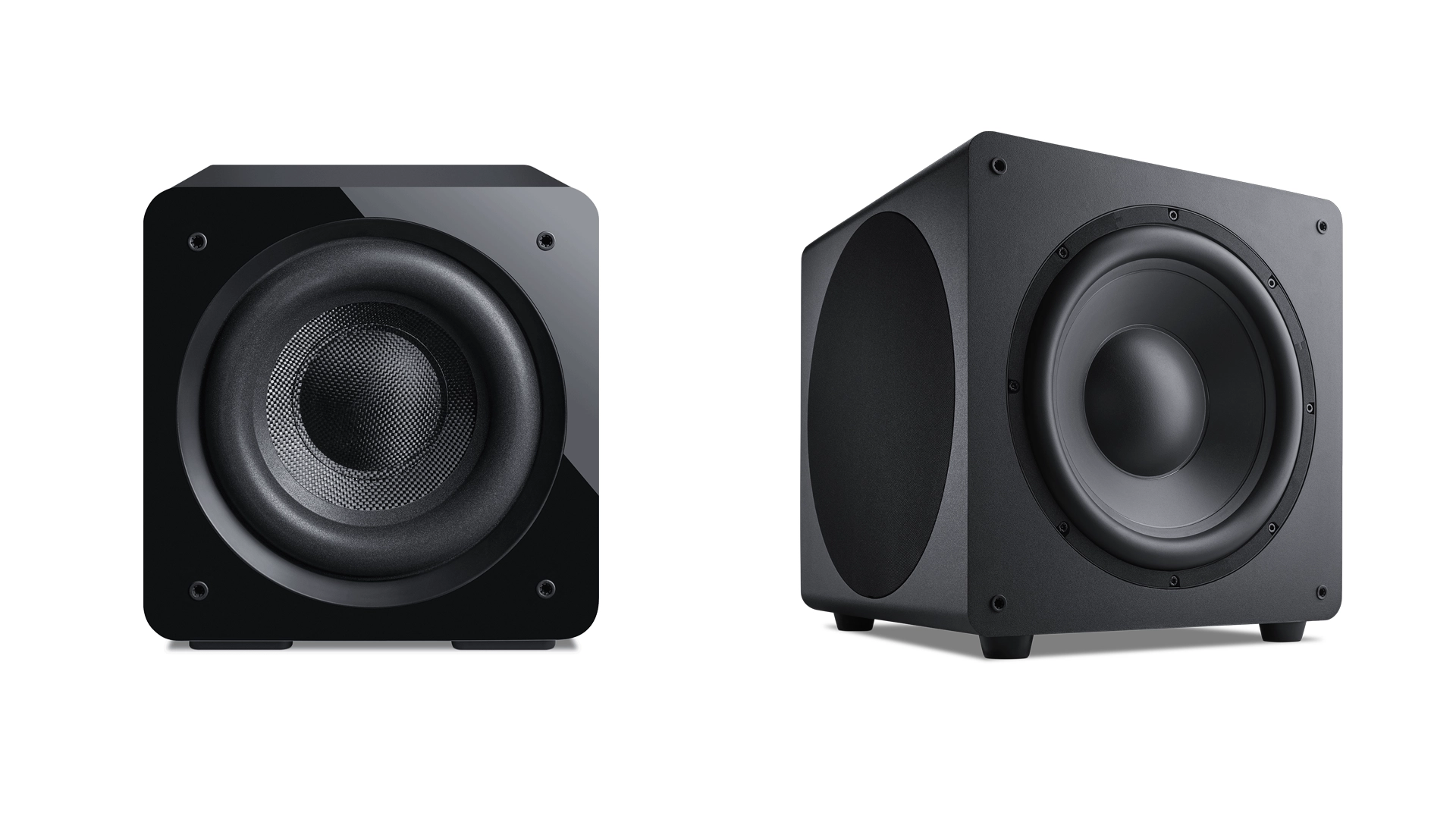
Proficient Audio is an American custom-installation brand built around loudspeakers that disappear into architecture rather than compete with it. Its range is intended for integrators who need repeatable solutions for a whole project: in-ceiling and in-wall speakers, LCR and surround models, subwoofers, outdoor and landscape systems, plus distribution amplifiers and controls. The old description correctly identified this focus but names an obsolete parent company. Nortek Control was acquired by Nice in 2021 and became Nice North America; Proficient now sits within that organisation. Signature is the performance-led series, with pivoting or aimable driver assemblies and models for stereo, cinema and distributed audio. Reference and Protege broaden the choice for rooms where mounting depth, coverage, moisture resistance or budget matters more than maximum output. For outdoor systems, wide-dispersion satellite speakers can be distributed through a garden and paired with partially buried subwoofers, producing more even level than trying to cover the whole area from one wall. Weather-resistant enclosures, protected connectors and purpose-designed rock, planter and surface-mount forms address installation rather than merely repainting an indoor speaker. The company also supplies multi-channel amplifiers and volume-control hardware that help an installer complete a system from one catalogue. A dependable founding year has not been added because the brand’s published corporate material does not establish one clearly. Proficient’s real strength is practical breadth: architecturally discreet loudspeakers and outdoor products designed to be specified, installed and serviced as part of an integrated home.