
Streamіng Amplifier
A streaming amplifier is a modern, all-in-one component that combines a network streamer, a DAC, and an integrated amplifier into a single, elegant chassis. This minimalist “just add speakers” approach offers a complete, high-performance system without the clutter of multiple separate boxes. It’s the perfect solution for anyone seeking world-class sound in a simple and convenient package. This directory showcases the brands at the forefront of this popular and growing hi-fi category.
Hi-Fi brands in the category
Summary information and image
Direct links to official websites
Advance Paris
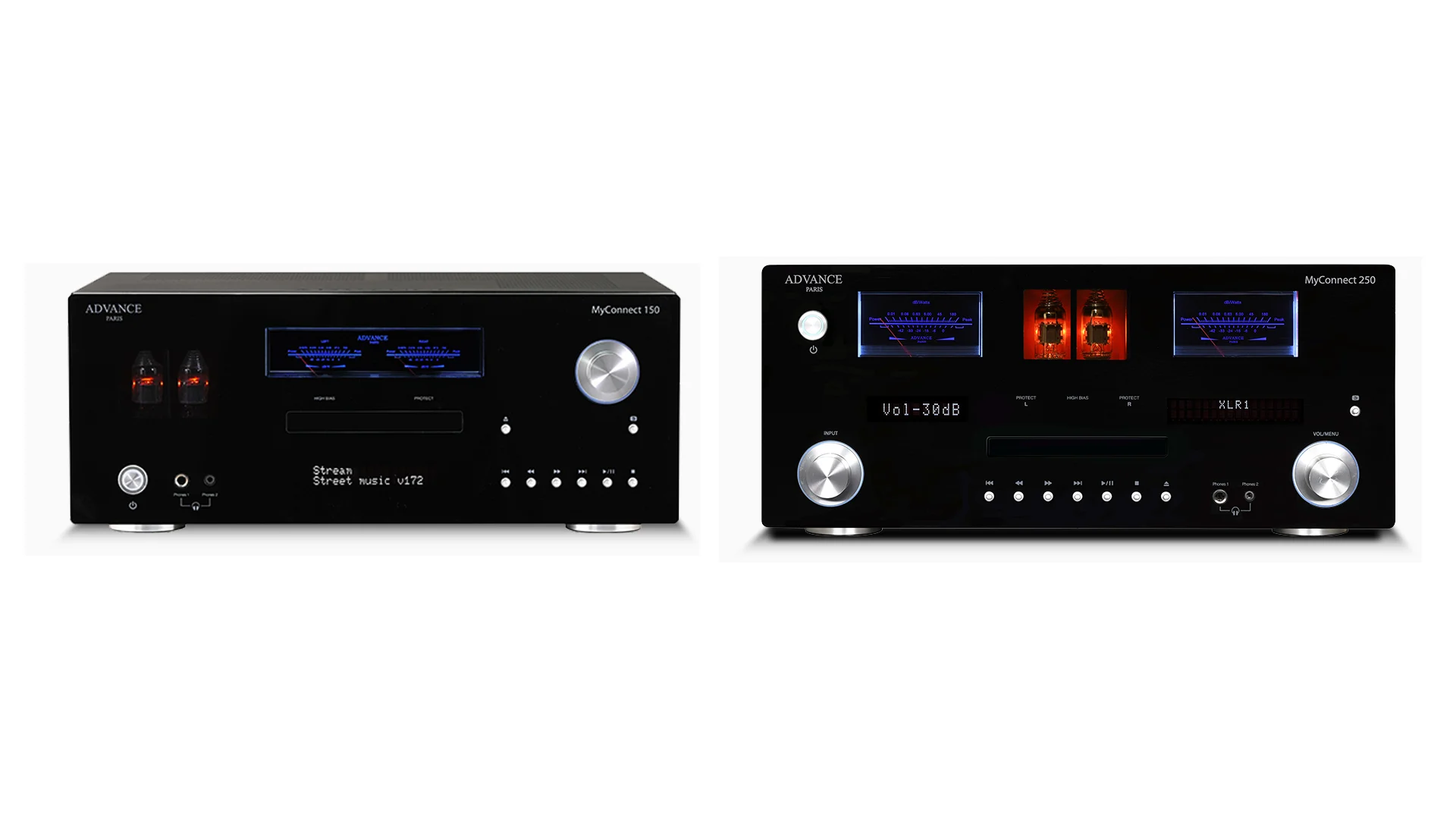
Advance Paris builds stereo electronics with a recognisable combination of illuminated VU meters, extensive connections and, in selected amplifiers, valve preamplification. Its roots are in Advance Acoustic, launched in France in 1995 with five loudspeakers; the first product bearing the Advance Paris name followed in 2013. The catalogue now spans amplifiers, separates, CD players and network sources. Its MyConnect range brings several of those functions into one chassis: the MyConnect 250 combines a CD player, network streaming and FM/DAB radio with a valve preamplifier and transistor power amplification. A configurable MM/MC phono input and HDMI ARC also accommodate a turntable and television. The result is a range that accommodates records, discs, television and streaming while retaining the controls and visual character of a traditional stereo system.
Arcam

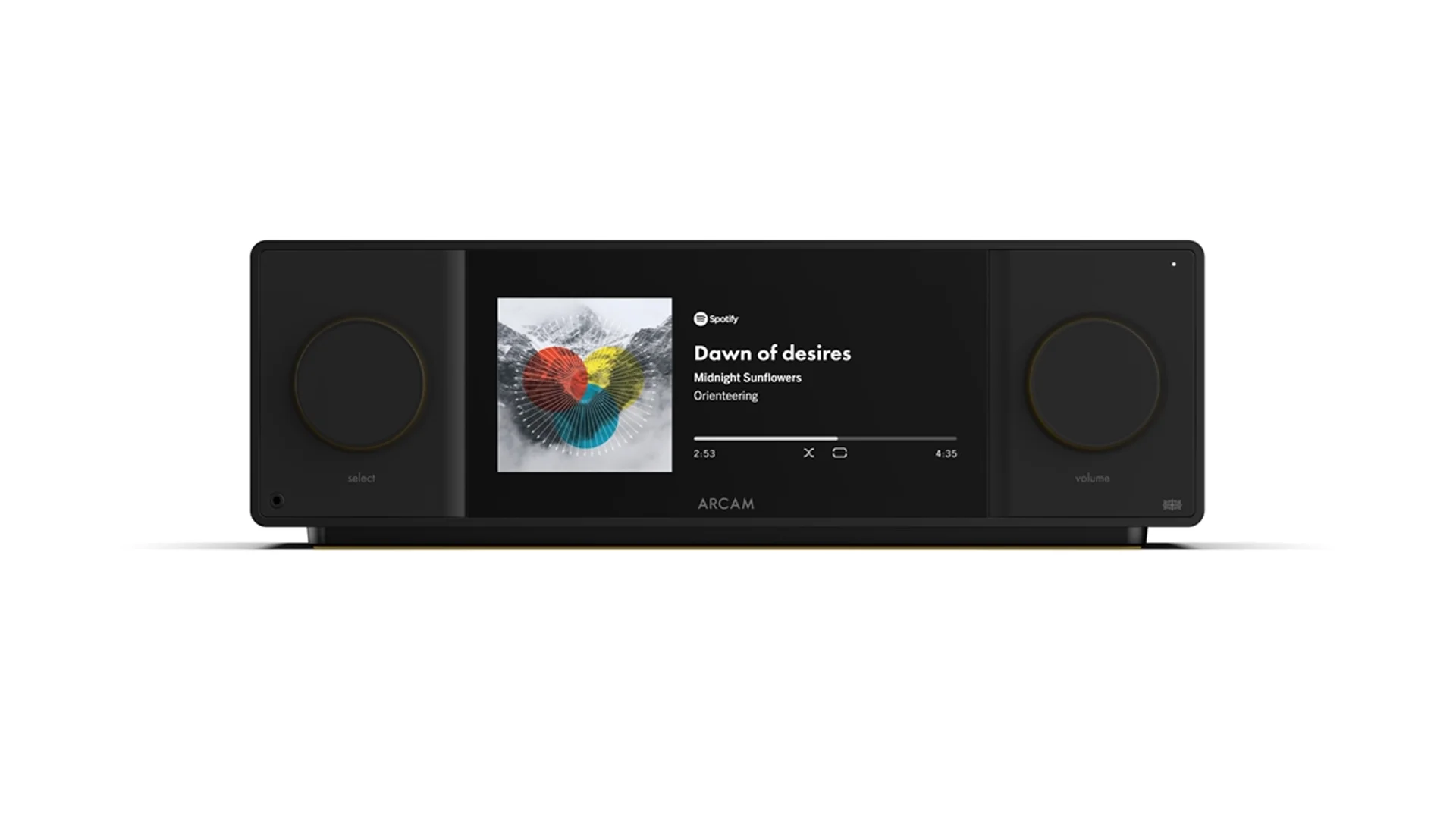
Arcam’s story starts with the A60 integrated amplifier, created in Cambridge in 1976 by John Dawson and Chris Evans. The two students had met through a tape-recording society; their Amplification and Recording Cambridge business later expanded into CD players, DACs and home cinema. A continuing specialism is Class G amplification, which changes the output stage’s supply voltage with signal demand to reduce wasted heat while retaining headroom for musical peaks. The Radia family carries that amplifier heritage into products with modern digital connections, while Arcam’s wider range serves both stereo and surround systems. The A25+, for example, combines Class G amplification with phono, USB-C and HDMI eARC inputs.
Aurender

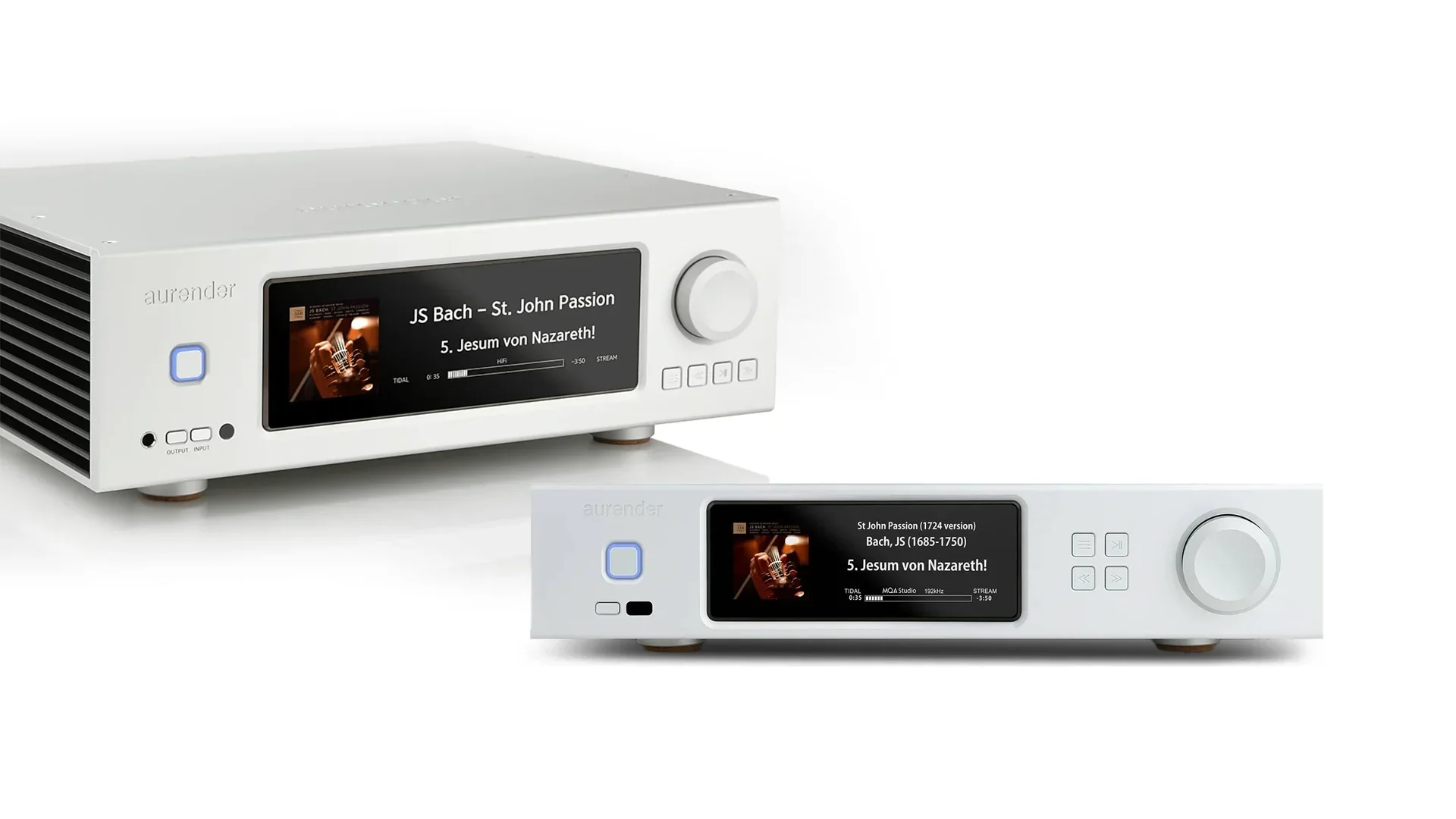
Aurender specialises in the dedicated digital front end: music servers, network transports and streaming DACs built to replace a general-purpose computer in a high-end system. Engineer Harry Lee established the South Korean company in 2010, and the S10 music server followed in 2011. A defining feature is cache playback, which moves music to solid-state memory before reproduction so storage drives and network activity can be reduced during listening. The Aurender Conductor app manages local files, NAS libraries and supported streaming services from one interface. N-series transports, A-series streaming DACs, ACS library servers and W-series reference machines combine the idea with different levels of storage, clocking, connectivity and analogue conversion. The brand’s strength lies in controlling the complete path from library management to the digital or analogue output.
AVM

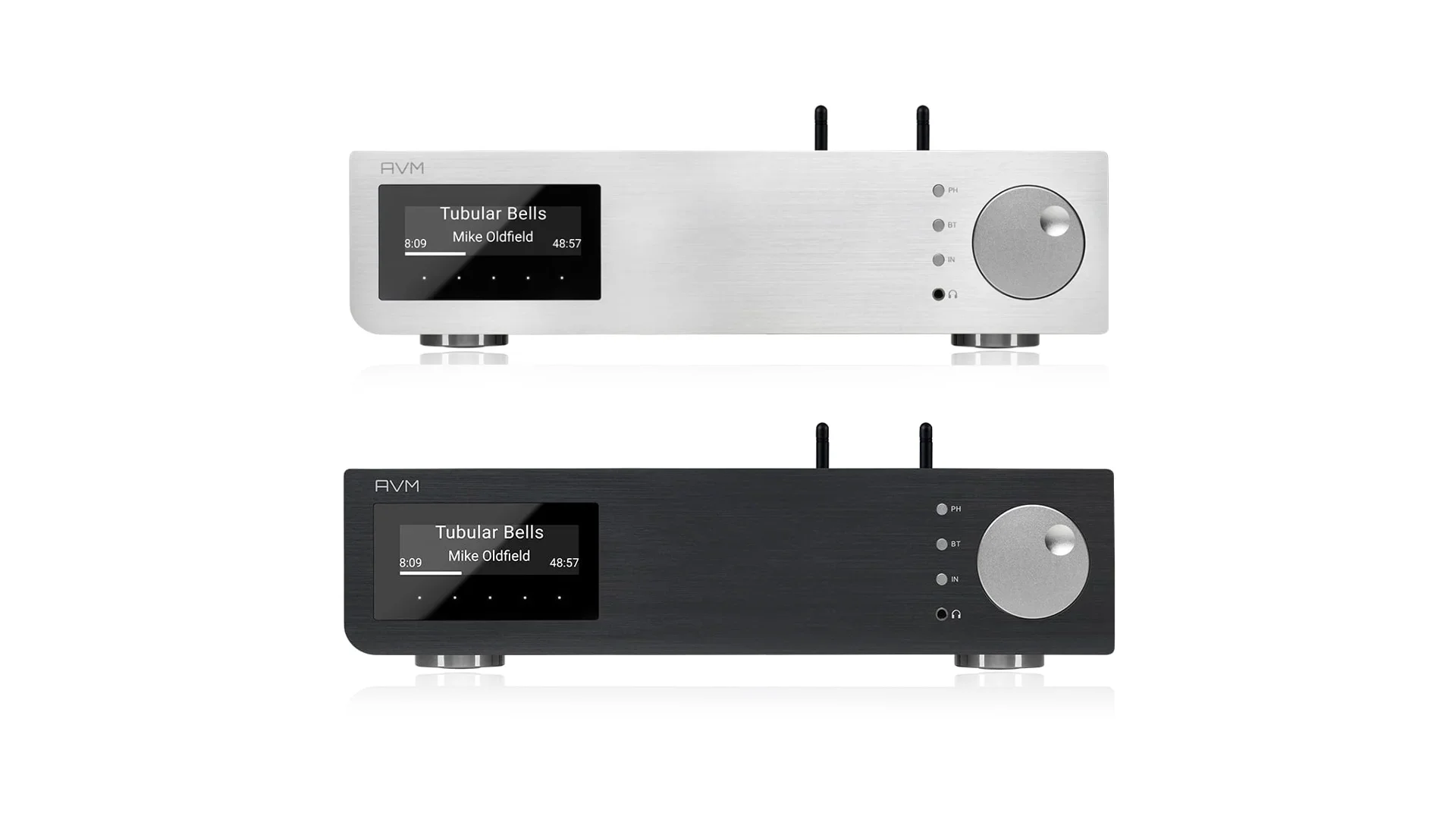
AVM builds complete German hi-fi systems around modular electronics and long product life. Engineers Günther Mania and Robert Winiarski founded Audio Video Manufaktur in April 1986, first gaining attention with the M1 monoblock amplifier. Udo Besser acquired the company in 2010 and broadened its reach while retaining development and hand assembly in Malsch. Inspiration, Evolution and Ovation families cover integrated, pre and power amplification, streaming, DAC and CD functions at progressively higher levels; Rotation turntables added an analogue source developed to work within the same system. AVM often combines transistor output stages with valve line stages where the design calls for it, and its modular streaming platform allows network functions to evolve without redefining the whole product. The brand’s character is system breadth backed by in-house electronics rather than one signature circuit topology.
Axxess

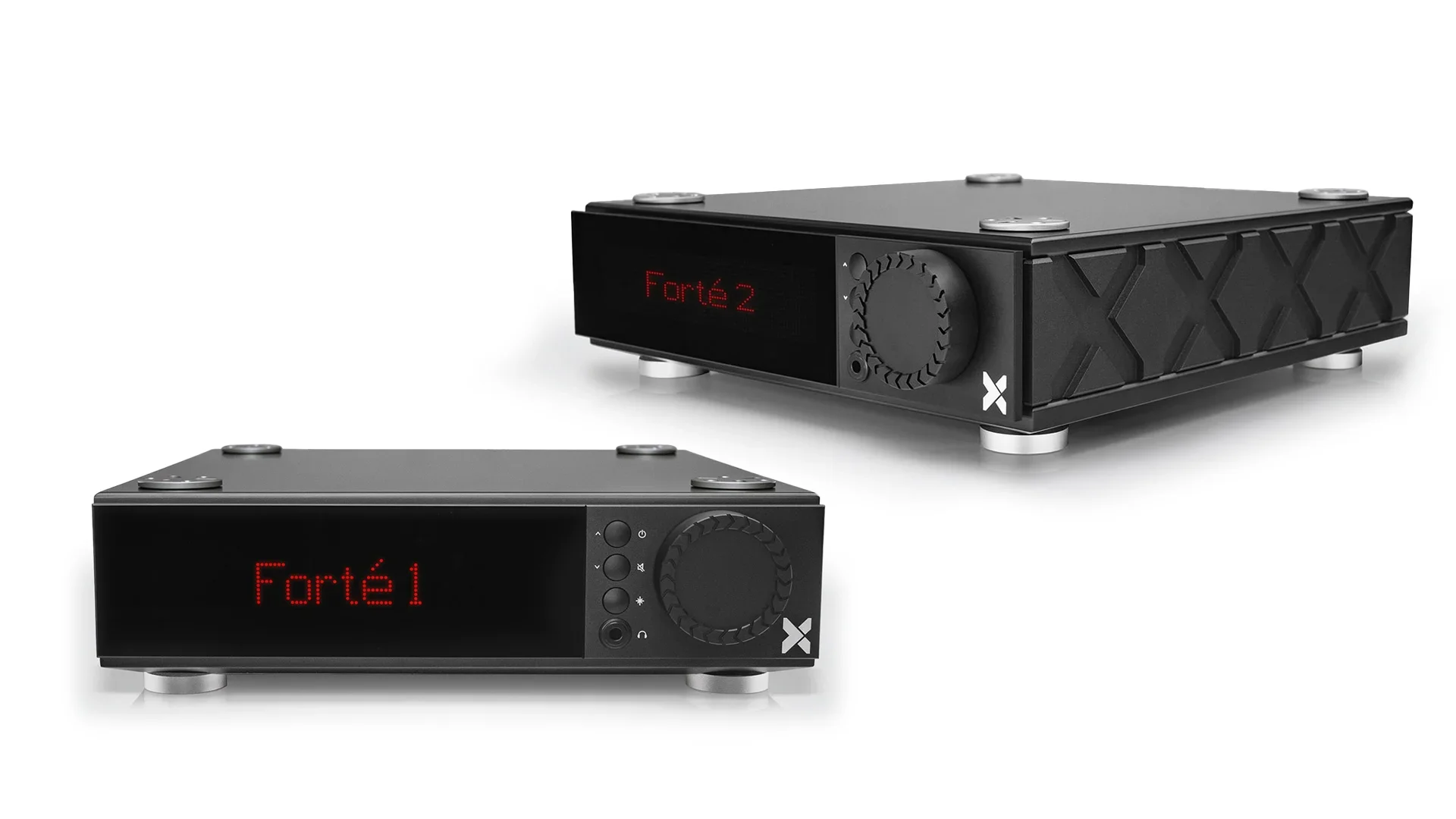
Axxess brings technology from Audio Group Denmark’s costlier brands into simpler complete systems. Launched in 2023 as the group’s fourth brand alongside Ansuz, Aavik and Børresen, it was shaped by the organisation led by Lars Kristensen and Michael Børresen. The Forté 1, 2 and 3 place a network streamer, DAC, analogue input, headphone amplifier and UMAC Class-D speaker amplification in one Danish-built enclosure; the three versions differ mainly in the amount of noise-control technology and refinement inside. Axxess has since expanded beyond that first all-in-one concept with loudspeakers, cables and resonance-control products. Its point is access to a coordinated Audio Group Denmark system with fewer boxes and a lower entry price, while retaining the group’s emphasis on switching amplification, mechanical grounding and electrical noise reduction.
B.Audio

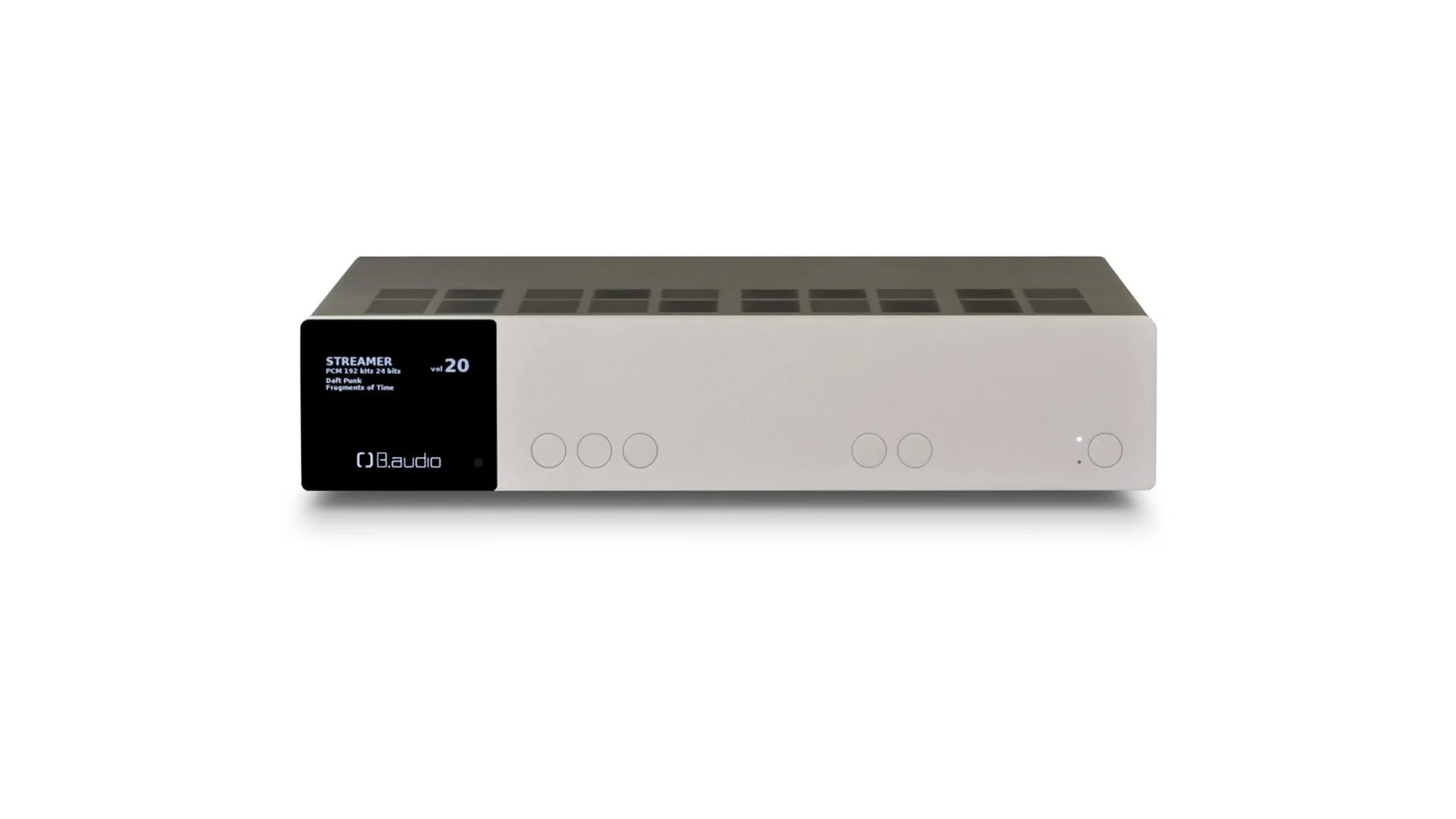
B.Audio attacks digital reproduction at its most fragile point: timing. Brothers Cédric and Sébastien Bermann founded the French company in 2016, combining experience in electronics, signal processing, precision measurement and acoustic engineering. Its proprietary SJR process addresses jitter across incoming digital signals, while asynchronous network interfaces and locally managed clocks reduce dependence on the source device. The B.dac and B.dpr established the architecture; EX versions add network playback, and the B.amp and B.amp mono extend the same low-noise approach into power amplification. The more accessible One series combines DAC, preamplifier and optional streaming functions with matching amplification. Components are developed and assembled in Alsace. B.Audio’s real distinction is a coherent digital-clock and analogue-stage design philosophy carried through an entire electronics system.
Bluesound

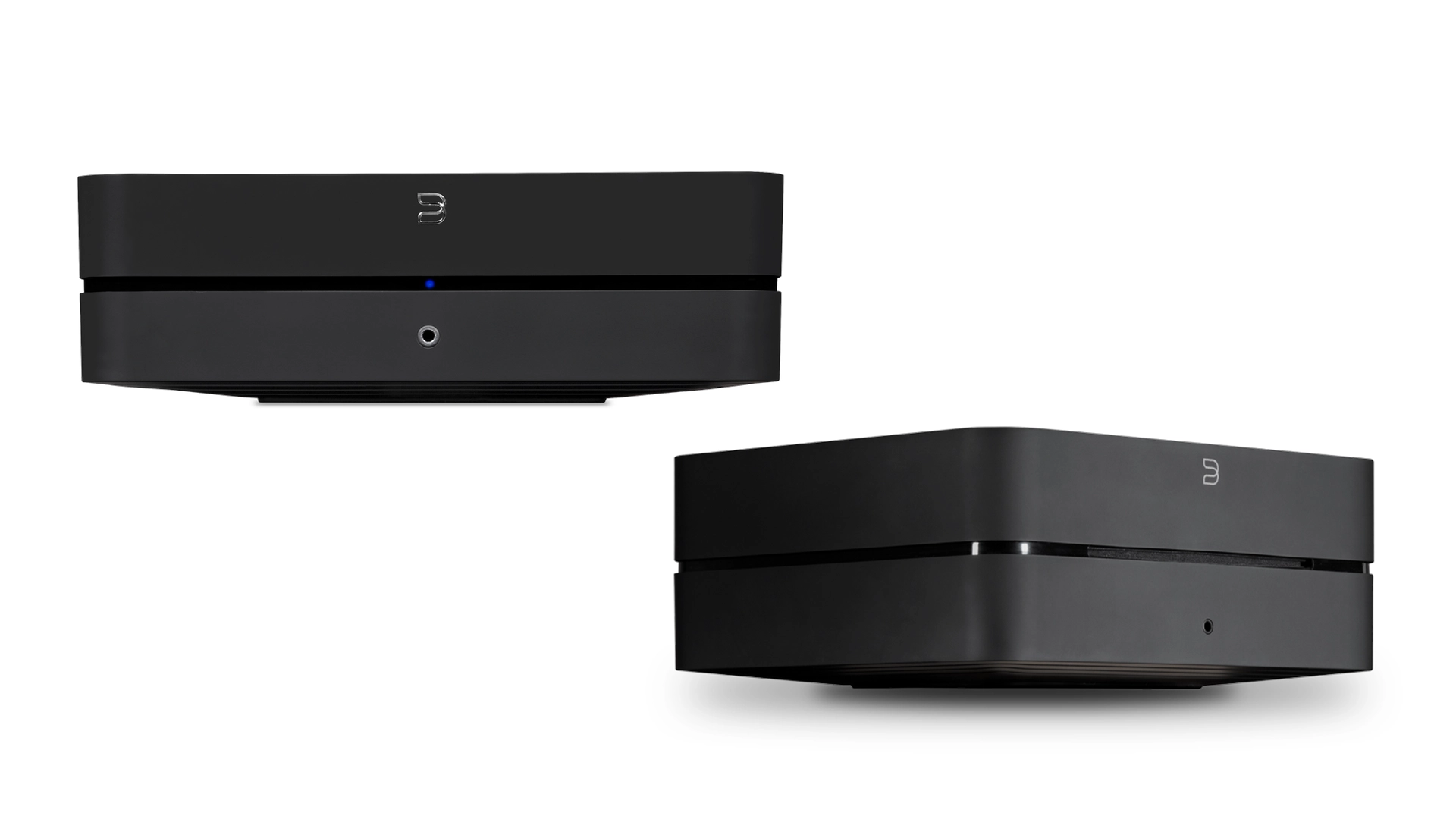
Bluesound brought high-resolution multi-room audio into a compact product family without reducing the system to background listening. Lenbrook launched the Canadian brand in 2013 around BluOS, a network platform that joins local libraries, internet radio and numerous streaming services in one app-controlled ecosystem. NODE streamers add BluOS to an existing hi-fi system; POWERNODE models include speaker amplification; VAULT combines playback with CD ripping and internal storage; PULSE wireless speakers and soundbars extend the platform through the home. Products communicate over the network, can be grouped by room and support lossless high-resolution playback up to 24-bit/192 kHz where the source and model allow. Bluesound’s advantage is the relationship between mature control software and purpose-built audio hardware, backed by Lenbrook’s longer experience with NAD and PSB rather than a stand-alone wireless speaker app.
Boulder

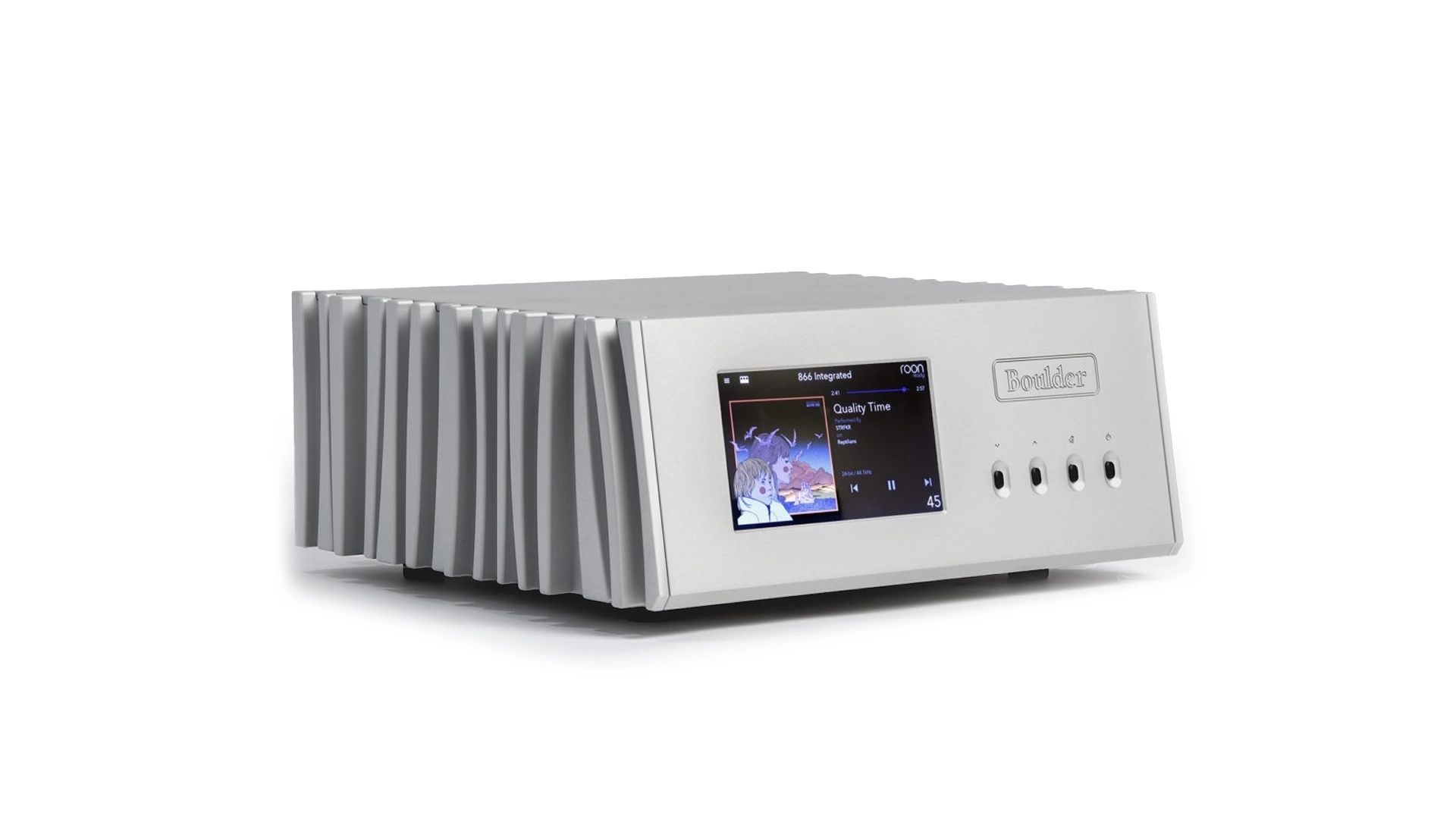
Boulder Amplifiers carries professional broadcast discipline into some of the most ambitious solid-state electronics made for home audio. Jeff Nelson founded the Colorado company in 1984 after running a recording studio, building consoles and designing broadcast equipment. Its first product, the rugged 500 power amplifier, served studios and loudspeaker manufacturers before the 500AE adapted the design for domestic systems. Boulder now builds preamplifiers, stereo and mono power amplifiers, integrated amplifiers, phono stages and digital source components across the 1100, 2100 and reference 3000 series. Fully balanced circuits, proprietary discrete gain stages, large regulated power supplies and precise analogue volume control recur throughout the range. Circuit design, metal machining, assembly and testing are handled at the company’s purpose-built facility near Boulder, preserving unusually close control over both electronics and chassis construction.
Burmester

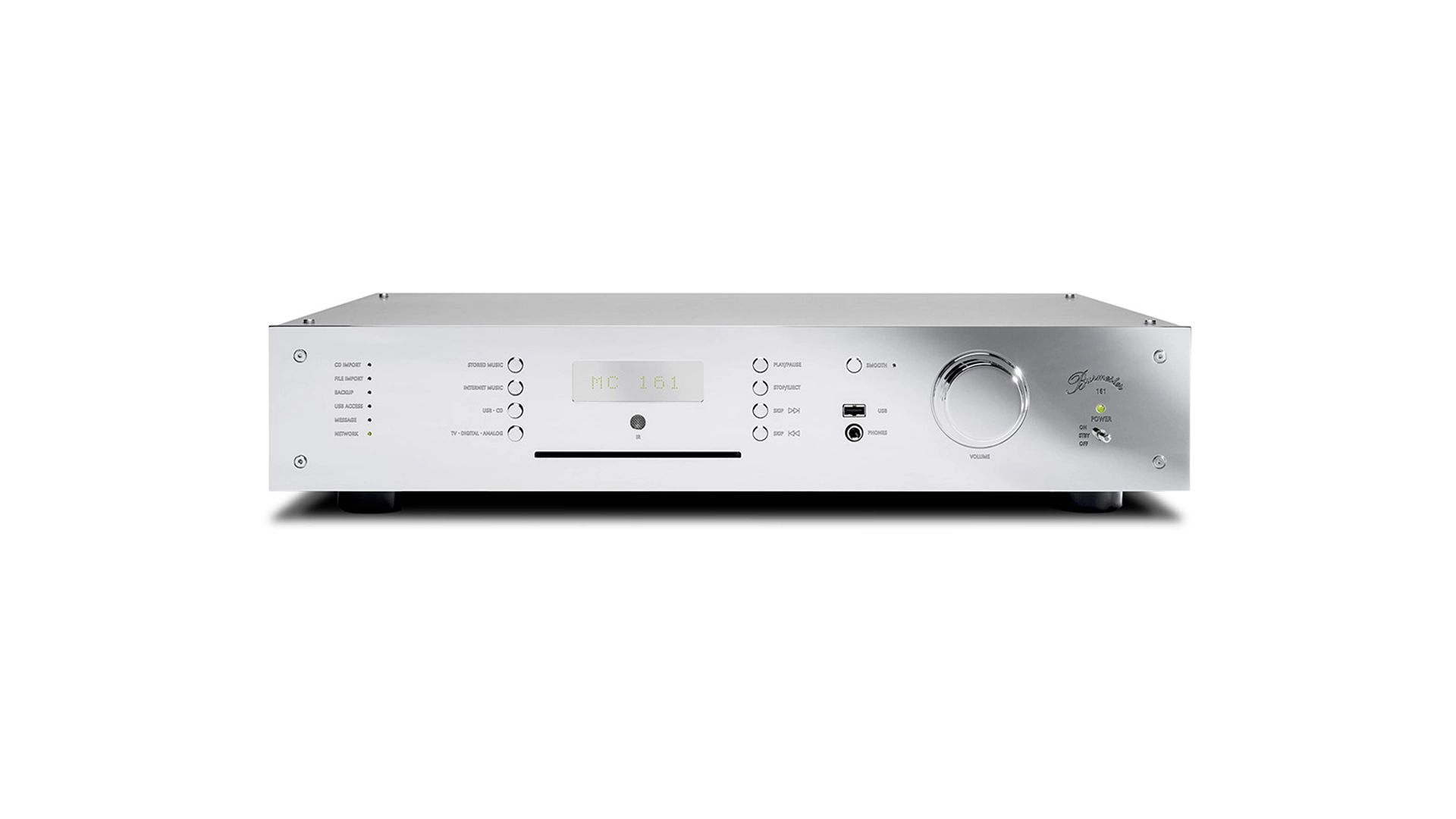
Burmester combines Berlin manufacturing, balanced electronics and a visual language that makes its components immediately recognisable. Musician and engineer Dieter Burmester founded the company in 1977 after building the 777 preamplifier to replace an unsatisfactory unit in his own system. The model number recorded its launch in July 1977 and began a naming convention still used today. The modular 808 preamplifier, DC-coupled signal paths and early symmetrical circuit work became important milestones, while polished chrome fronts became the exterior signature. Current Classic, Top, Reference and Signature products include sources, preamplifiers, power amplifiers, integrated systems, turntables, power treatment and loudspeakers. Burmester also develops factory audio systems with luxury car manufacturers. Despite that breadth, final assembly and much of the specialised production remain in Berlin, keeping the brand closer to a manufactory than a mass-market luxury label.
Cambridge Audio

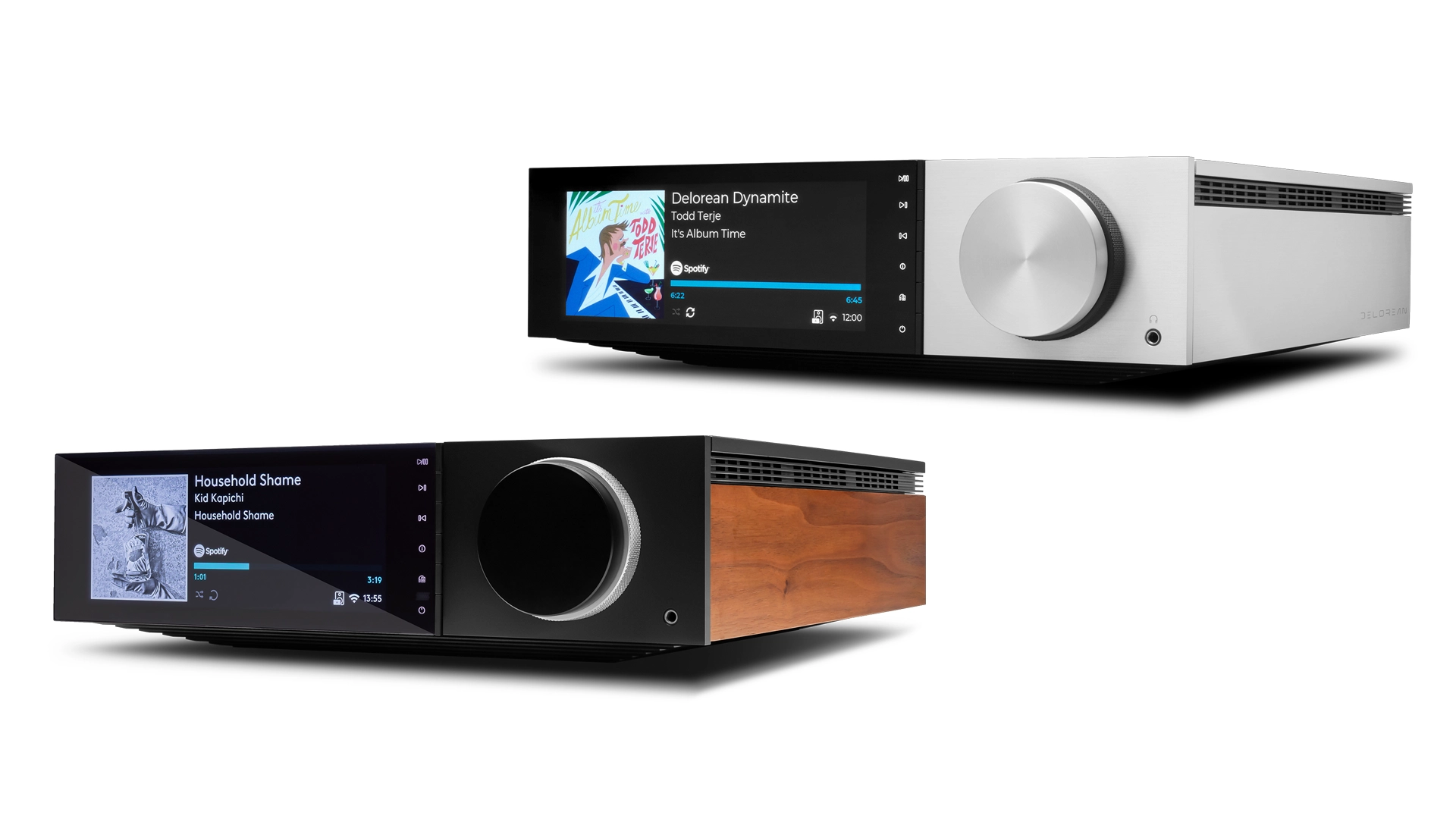
Cambridge Audio has spent more than five decades bringing useful engineering advances into attainable hi-fi components. The company began in Cambridge in 1968, when a team including Gordon Edge and Peter Lee created the P40 integrated amplifier. It was an early commercial amplifier built around a toroidal transformer, a solution that later became standard throughout the industry. Today’s AX and CX ranges cover integrated amplification, CD playback and network sources. Edge uses the company’s Class XA amplifier topology at the flagship level, while Evo combines StreamMagic streaming, conversion and speaker amplification in a compact system. Alva turntables add direct-drive vinyl playback and Bluetooth transmission. StreamMagic remains a major strength because Cambridge controls both the network hardware and the software platform, and continues adding service support to older generations. Product design is led from London, with the range aimed at complete systems rather than one specialist category.
Cary Audio

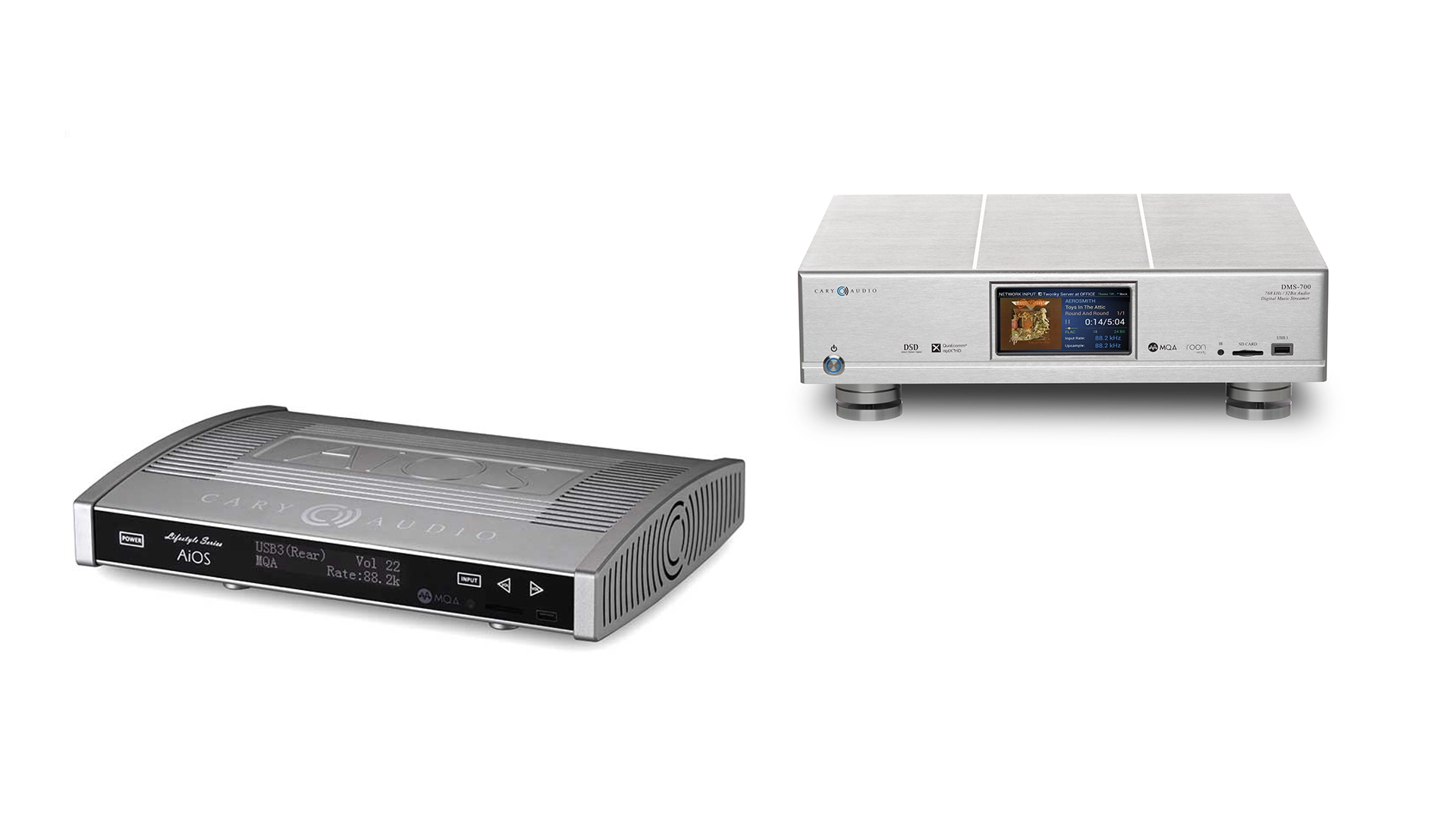
Cary Audio helped establish single-ended triode amplification as a serious modern high-end category in the United States. Dennis and Donna Had founded Cary Audio Design in North Carolina in 1989, initially concentrating on handcrafted vacuum-tube electronics. Dennis Had’s influential SET designs, particularly the CAD-805 monoblock and 300B-based amplifiers, gave the company an identity built around simple signal paths, output-transformer expertise and the expressive qualities of directly heated triodes. Today’s range retains that lineage through products such as the CAD-300SEI, CAD-805RS, CAD-211FE, SLI integrated amplifiers and SLP preamplifiers, while also covering solid-state power amplifiers and phono stages. Cary’s DMS network players and DMC digital sources add streaming, DAC and disc-playback functions to a catalogue that is no longer tube-only. The result is an unusual brand whose classic valve engineering and current digital platform are developed as parts of one complete system.
Cocktail Audio

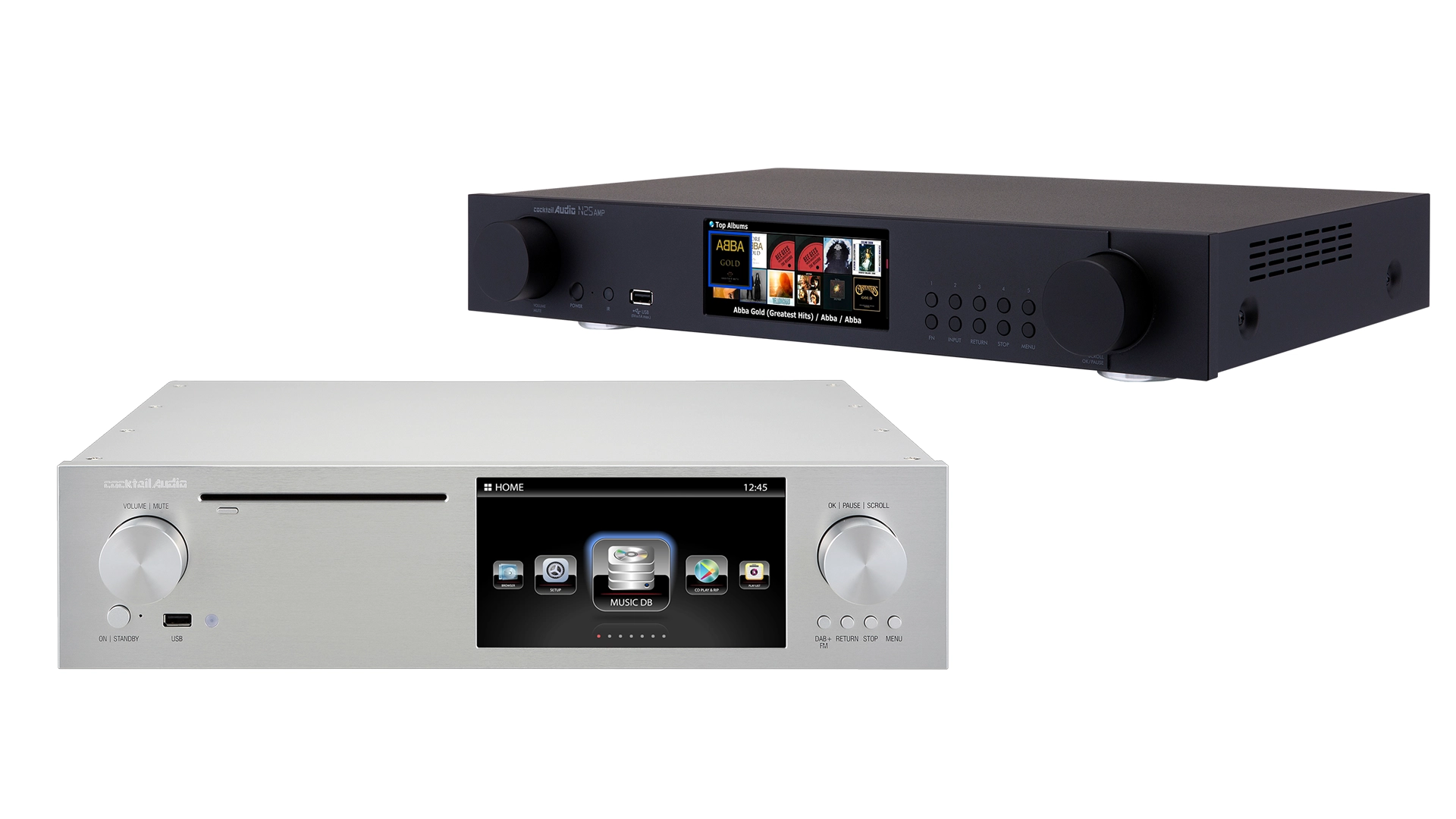
Cocktail Audio turns a physical CD collection and modern streaming services into one library that can be managed without a computer. The South Korean brand was launched by NOVATRON in 2006, three years after its parent company was established, with a CD-ripper and music server designed for home audio rather than the IT market. Its X-series components combine several jobs that are usually split among separate boxes: ripping and tagging discs, storing music on an internal drive, network playback, internet radio, digital-to-analogue conversion and, on selected models, amplification. Broad file-format support and large front-panel displays make the systems useful to listeners who want the convenience of a music database while retaining their existing discs and local files. Models have ranged from source-only servers such as the X50 family to all-in-one players such as the X14 and X35. Cocktail Audio’s distinctive know-how is therefore not a single circuit but the integration of storage, metadata, playback and hi-fi hardware into one practical component.
darTZeel

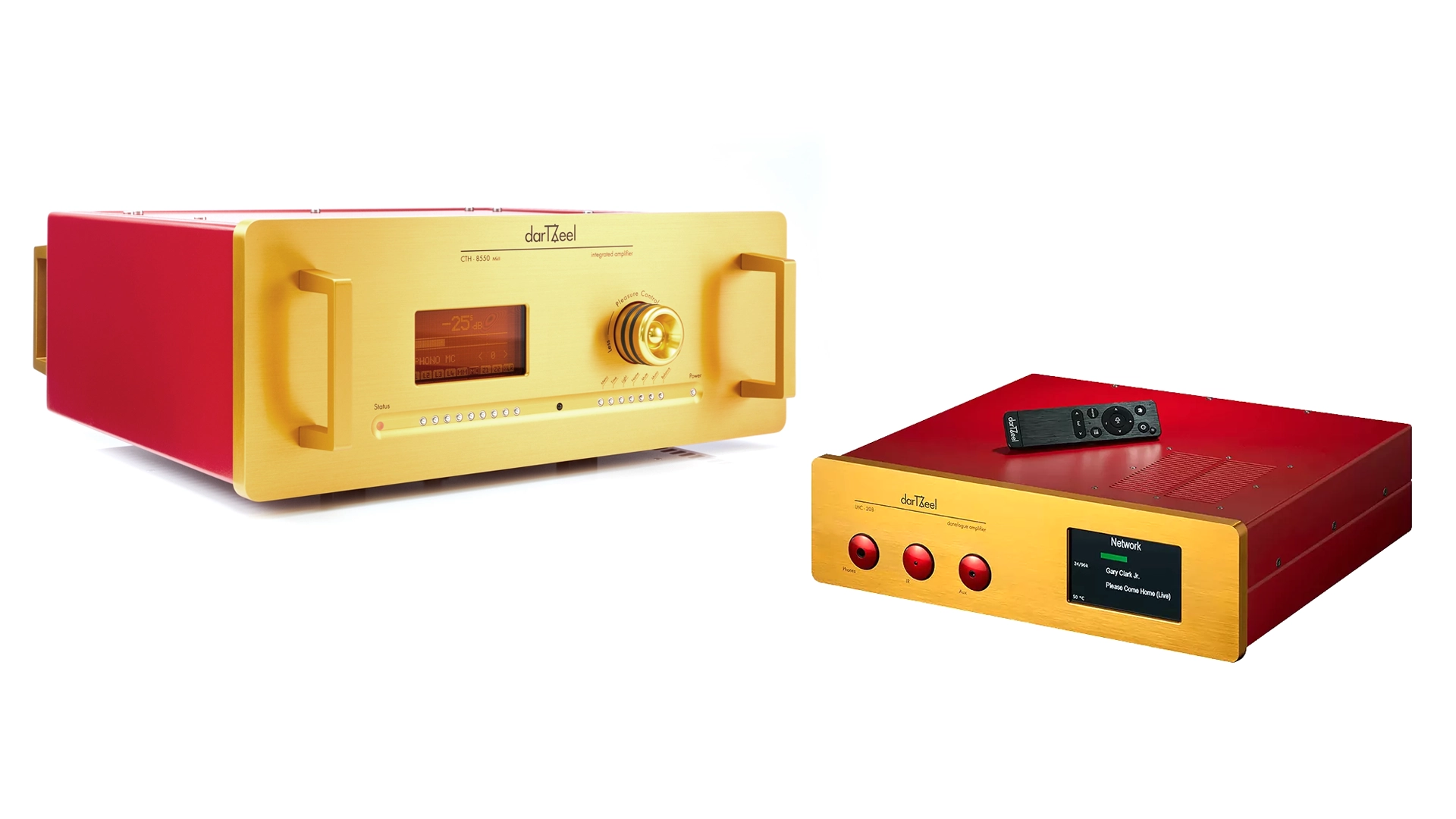
darTZeel is the Geneva amplifier company of Swiss engineer Hervé Delétraz, whose red-and-gold NHB-108 power amplifier established one of high-end audio’s most recognisable design languages after the brand’s formation in 2000. Beneath the colour scheme is a deliberately unusual circuit philosophy: short signal paths, minimal circuit stages, no global negative feedback and symmetrical power arrangements are used to preserve speed and phase behaviour. The NHB-108 Model Two remains a single-ended class-AB stereo design with true dual-mono construction, while the larger NHB-468 monoblocks, NHB-18NS preamplifier and CTH-8550 integrated amplifier apply related ideas at different scales. darTZeel also offers its proprietary 50-ohm Zeel connection on BNC alongside conventional RCA and balanced inputs, aiming to maintain a defined interface between components. The tactile “Pleasure Control” volume system and suspended internal assemblies show how user interaction and mechanical resonance receive the same attention as electrical measurements. These products are handmade in Switzerland in low volume and are intended for long service rather than frequent model replacement.
Denon

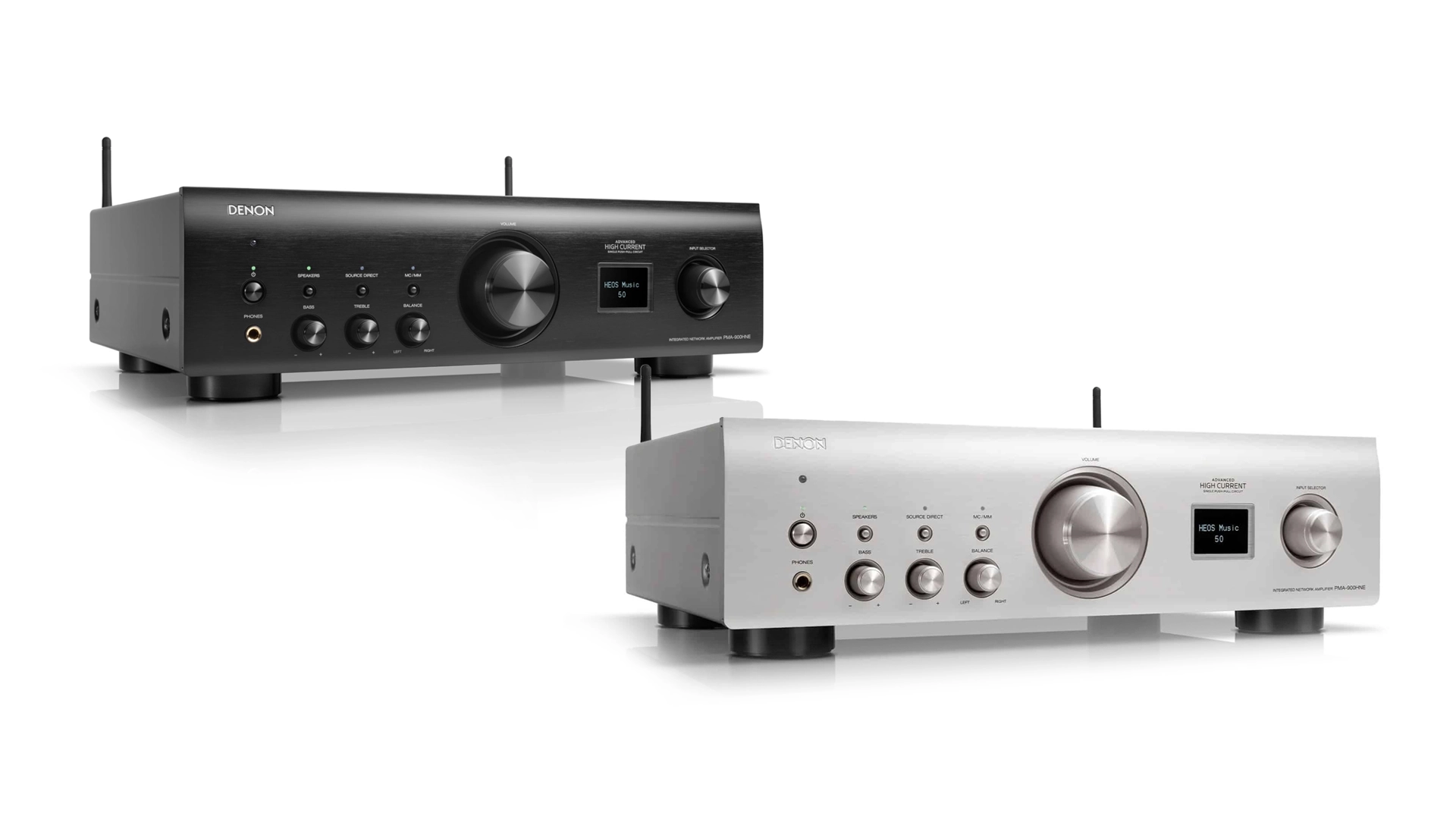
Denon’s history begins in 1910, when American entrepreneur Frederick Whitney Horn established the Japan Recorders Corporation, the antecedent of today’s Japanese audio brand, to manufacture records and gramophones. The company subsequently linked recording and playback in ways few consumer manufacturers can claim: it built Japan’s first professional disc recorder, released the country’s first commercial LP records, developed the broadcast-standard DL-103 moving-coil cartridge in 1963 and introduced an eight-channel PCM digital recorder in 1972. That combination of analogue, digital and broadcast experience still appears in a broad catalogue. AVR and AVC home-cinema receivers integrate amplification, decoding, room correction and HEOS network audio; PMA amplifiers and DCD disc players serve stereo systems; turntables, cartridges, headphones and soundbars cover other parts of the chain. The DL-103 remains in production decades after its broadcast origins, while modern receivers adopt current HDMI and immersive-audio standards. Denon’s strength is not merely age or product count, but a continuous ability to translate professional recording and format changes into durable home-audio products.
Devialet

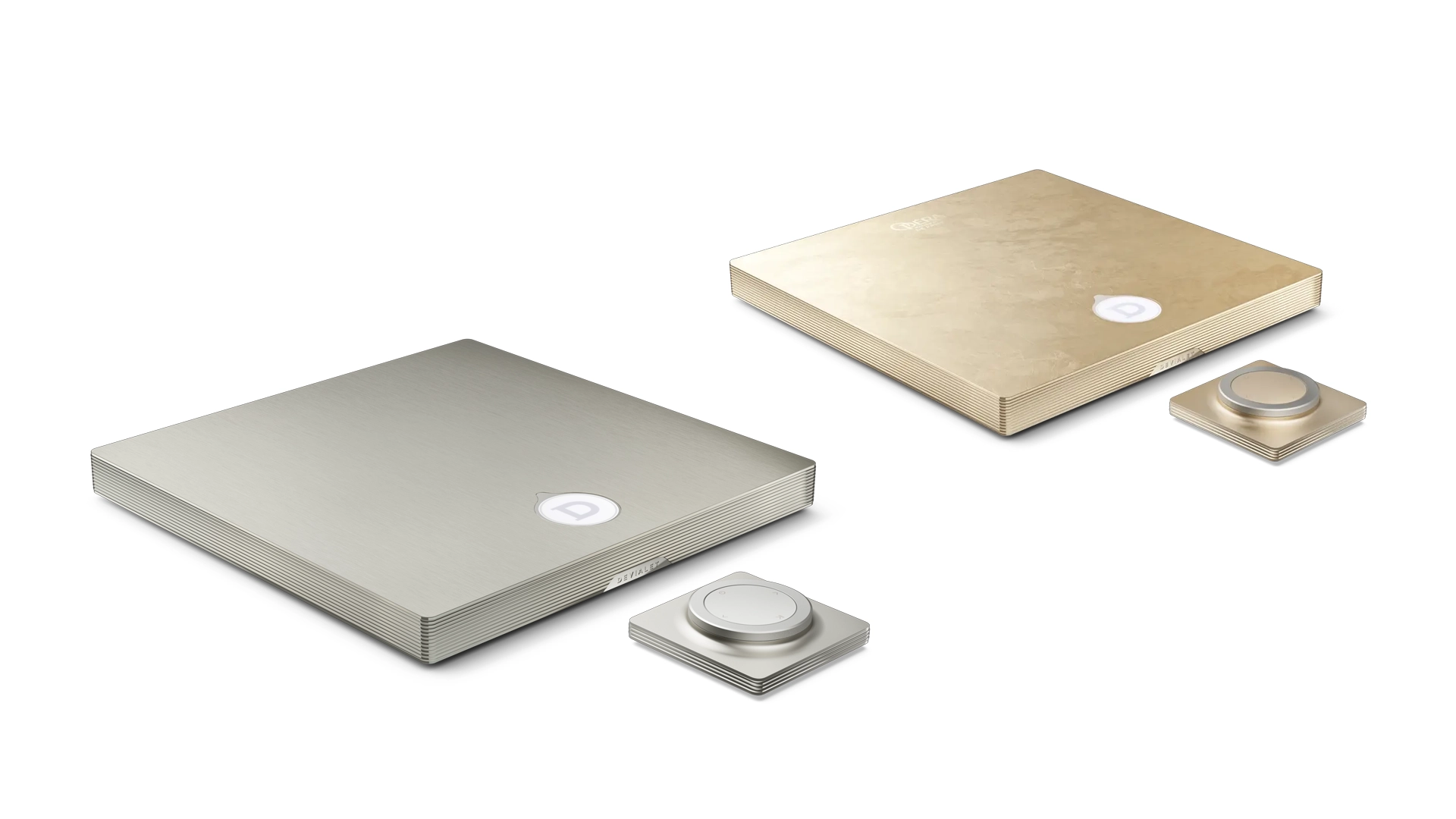
Devialet is a Paris audio-engineering company whose identity rests on packing proprietary amplification, signal processing and acoustic control into unusually compact products. Founded in 2007 by engineer Pierre-Emmanuel Calmel with Quentin Sannié and Emmanuel Nardin, it commercialised Calmel’s ADH architecture, in which a Class A stage controls the signal while Class D supplies most of the power. The original D-Premier evolved into the Expert and Astra amplifier platforms, while the Phantom family translated the same systems approach into active wireless loudspeakers with opposed woofers and extreme excursion. Devialet’s other distinctive technologies include SAM, which tailors amplifier output to a measured passive loudspeaker, and the pressure-controlled bass architecture used in Phantom. The range has expanded to Mania portable speakers, Dione soundbars and Gemini earphones, but the common thread remains tight integration of analogue circuitry, switching power, DSP, mechanics and industrial design. Devialet is therefore best understood not simply as a luxury speaker brand, but as a technology-led manufacturer that develops the complete signal-to-sound chain.
Electrocompaniet

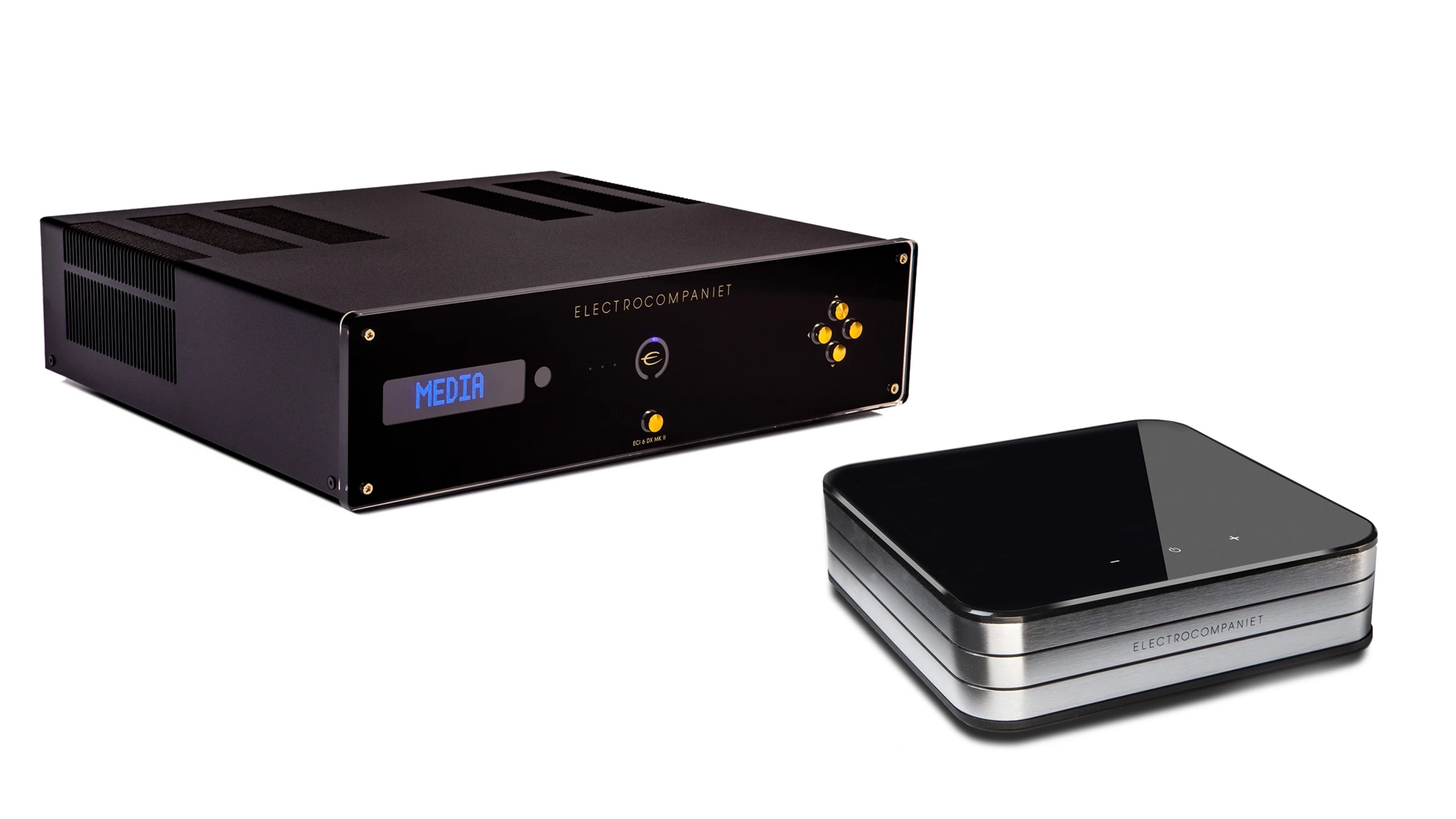
Electrocompaniet is a Norwegian high-end electronics company founded in 1973 by Per Abrahamsen and Svein Erik Børja to build an amplifier informed by Dr Matti Otala’s work on transient intermodulation distortion. The resulting 25-watt power amplifier earned international attention not through brute force, but by showing that measured dynamic behaviour and listening quality could challenge accepted solid-state design practice. That origin still explains the brand better than generic references to Scandinavian style. The Classic Line centres on analogue preamplifiers, integrated amplifiers and high-current power amplifiers, including the AW series and large Nemo monoblocks, complemented by digital players and sources. EC Living brings streaming, wireless control and multiroom operation to a more compact family while maintaining the company’s system approach. Products are developed and assembled in Norway, with substantial power supplies, balanced signal paths where appropriate and amplifier stages designed for difficult loudspeaker loads. Electrocompaniet’s hallmark is a particular combination of authority and ease: solid-state equipment whose circuit choices grew from studying distortion under real transient signals, then evolved across five decades of two-channel and connected audio.
Gato Audio

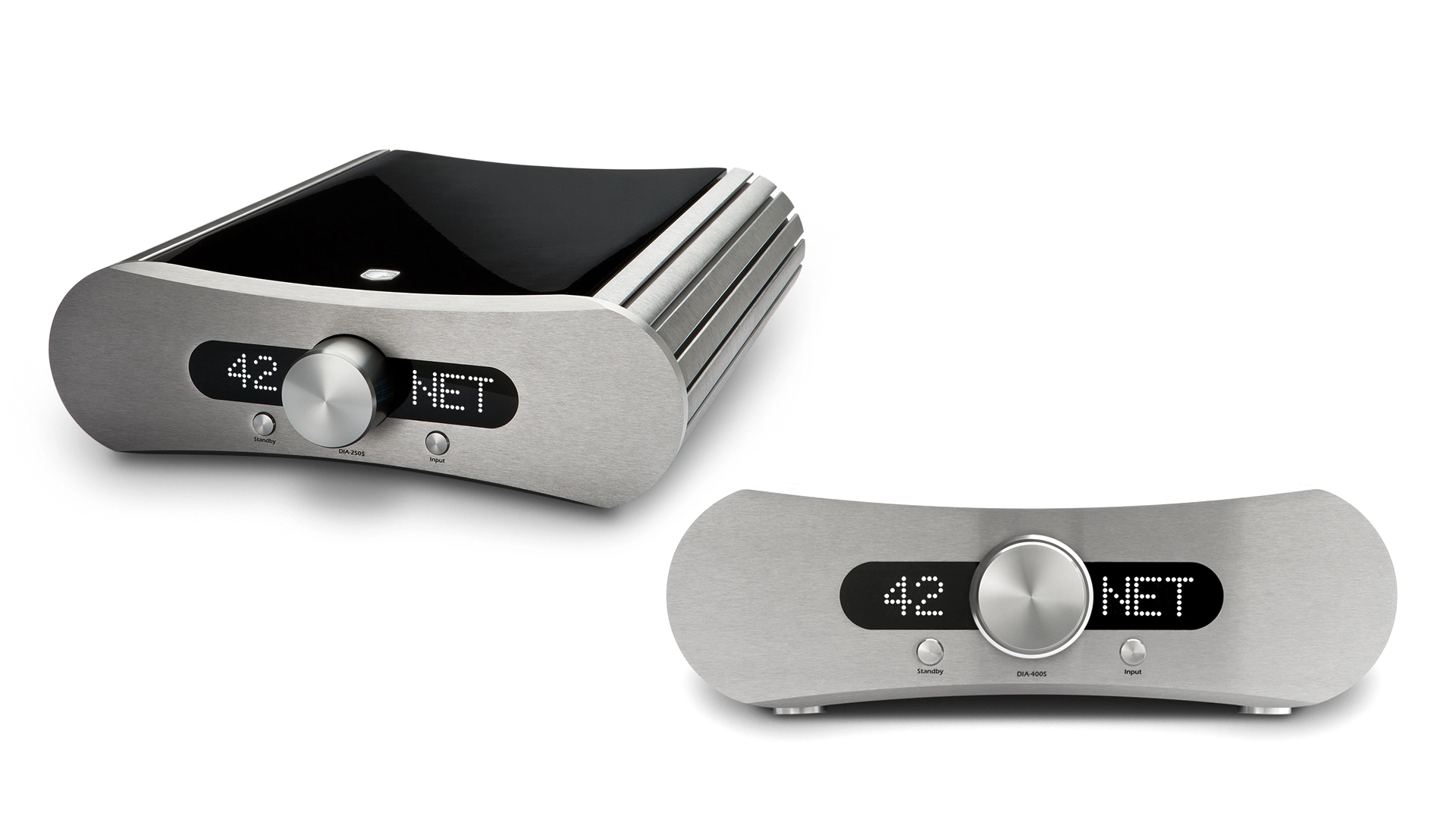
Gato Audio combines Danish industrial design with a complete hi-fi chain rather than concentrating on one component category. Kresten Dinesen, Rasmus Holm and Frederik Johansen founded the company in 2008, bringing experience from Scandinavian audio development and production. Its electronics place large displays and compact curved cabinets around several distinct platforms: TwinFET MOSFET push-pull amplification in the AMP-150, high-power Class D in the DIA integrated amplifiers and PWR-222 monoblock, plus DAC, phono and network functions in products such as SDA-1, PPA-1 and PRD-3S NPM. The replaceable NPM module adds network playback to compatible models, allowing the digital section to evolve without replacing the amplifier. Gato loudspeakers use laminated FusedMASS cabinets, Danish drivers and PurePHASE crossover design across the FM family and the newer CLC65. Products are designed and built in Denmark, and the visual restraint is supported by unusually broad engineering across sources, amplification and speakers.
Gold Note

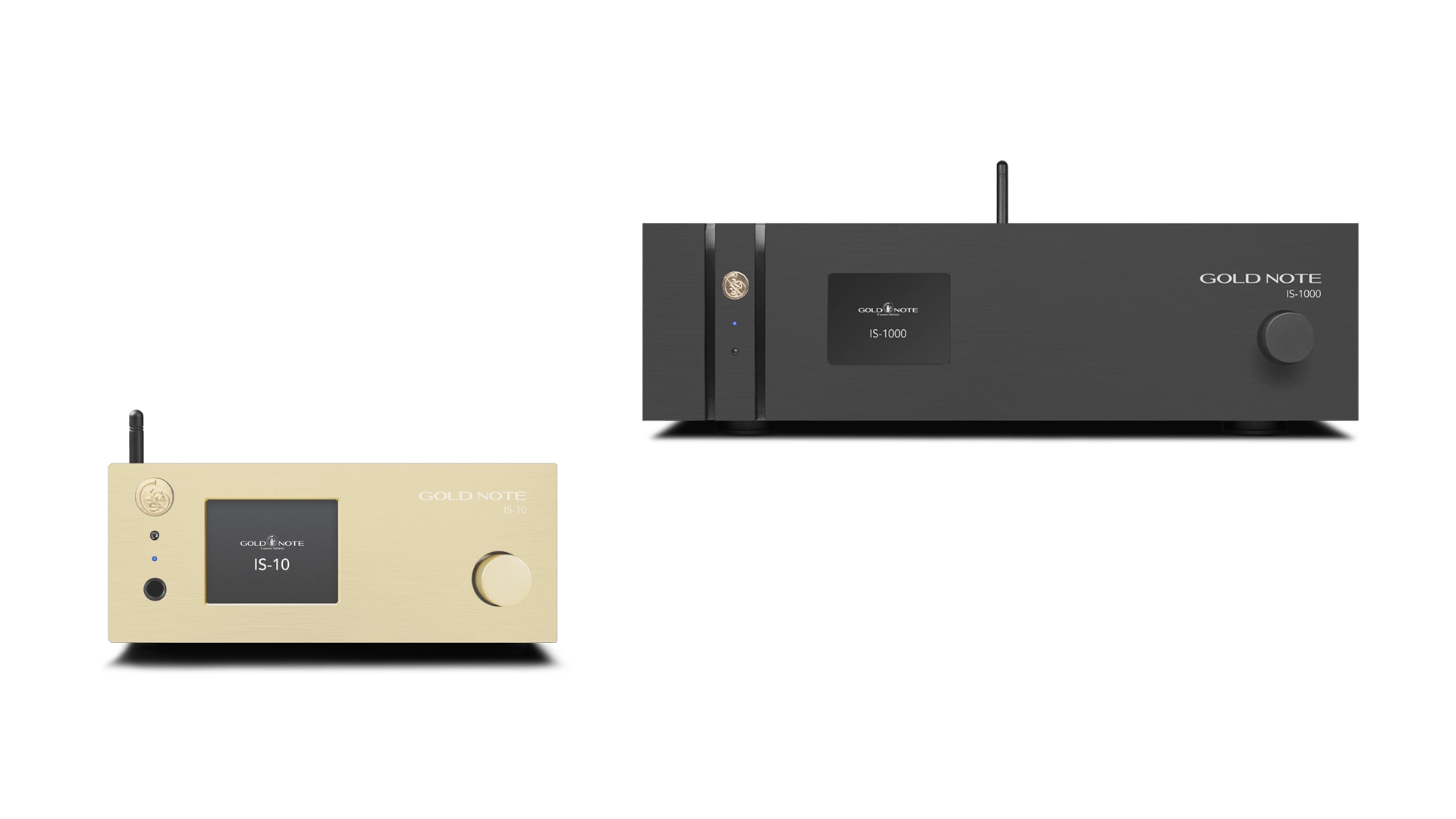
Gold Note is an Italian full-system audio manufacturer whose modern brand grew from Maurizio Aterini’s engineering studio, established in Florence in 1992 to design analogue products for other companies. The Gold Note name itself was founded in 2012, after Elena Basciano and later Alessio Oronti joined the enterprise. Its catalogue now links turntables and cartridges with phono stages, digital sources, all-in-one players, amplifiers, loudspeakers, racks and cables. Recognisable products include the Mediterraneo turntable, PH-10 phono stage, DS-series streamers and IS-series integrated systems. A useful feature of the range is modular upgrading: many components accept dedicated external power supplies, allowing the core unit to remain in service while its power section is improved. Design, development and much of the production remain concentrated in Tuscany.
HiFi ROSE

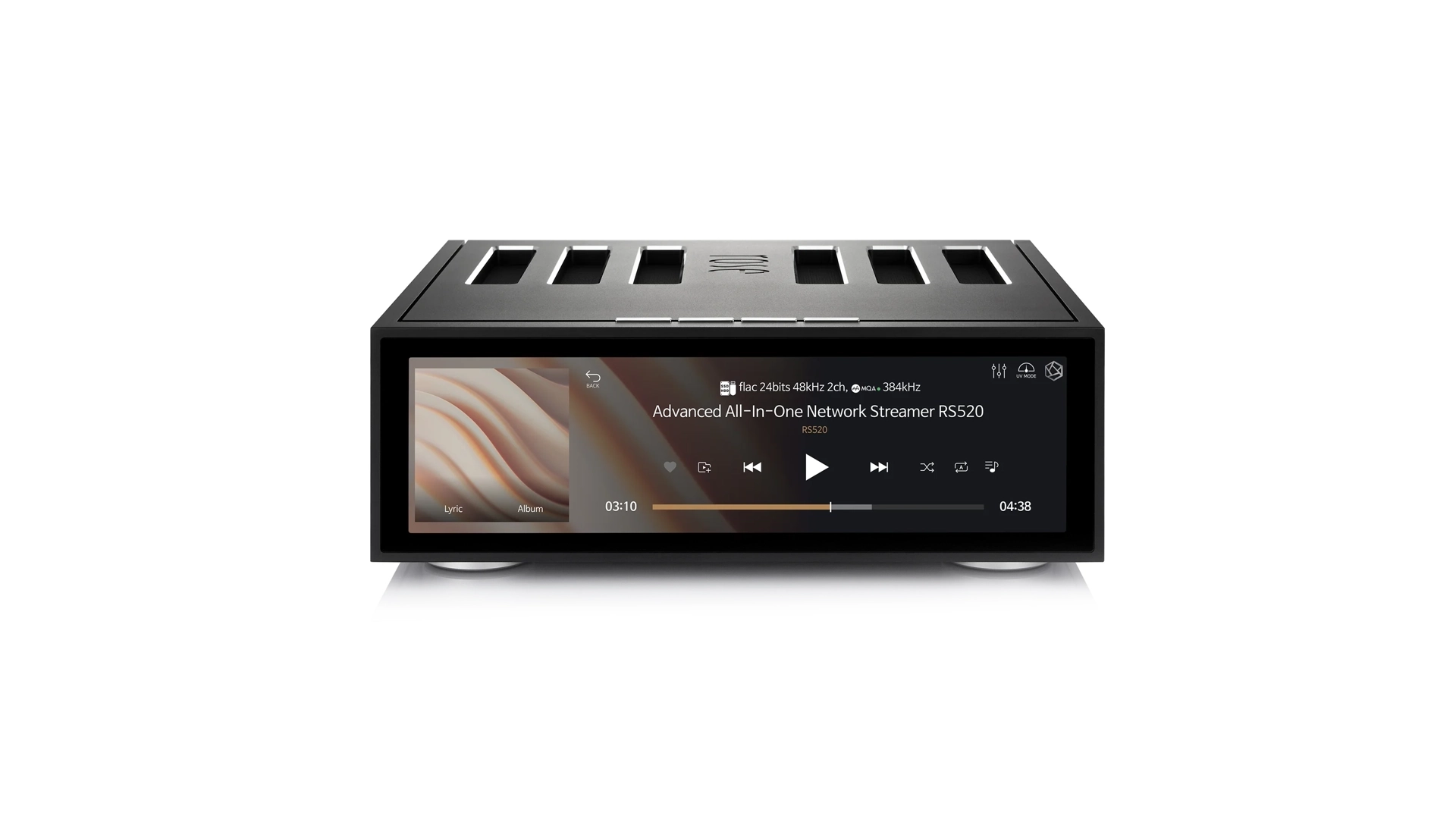
HiFi ROSE is the premium audio brand developed by South Korean technology company CITECH, which entered this field in 2017 and launched ROSE products domestically the following year. The brand made its name by rethinking the network player as a visual component: wide front-panel touchscreens combine album browsing, music and video playback, system control and the company’s Rose OS interface. Its range now extends well beyond all-in-one streamers. RS-series players and transports sit alongside the RD160 DAC and RA-series amplifiers, allowing either a compact integrated system or a separated digital chain. Models such as the RS520 combine streaming, conversion and amplification, while the RS130 is built as a dedicated network transport. HiFi ROSE’s distinctive know-how lies in joining modern interface design and network-media software with purpose-built audio hardware, rather than attaching a generic display to a traditional hi-fi component.
Lindemann

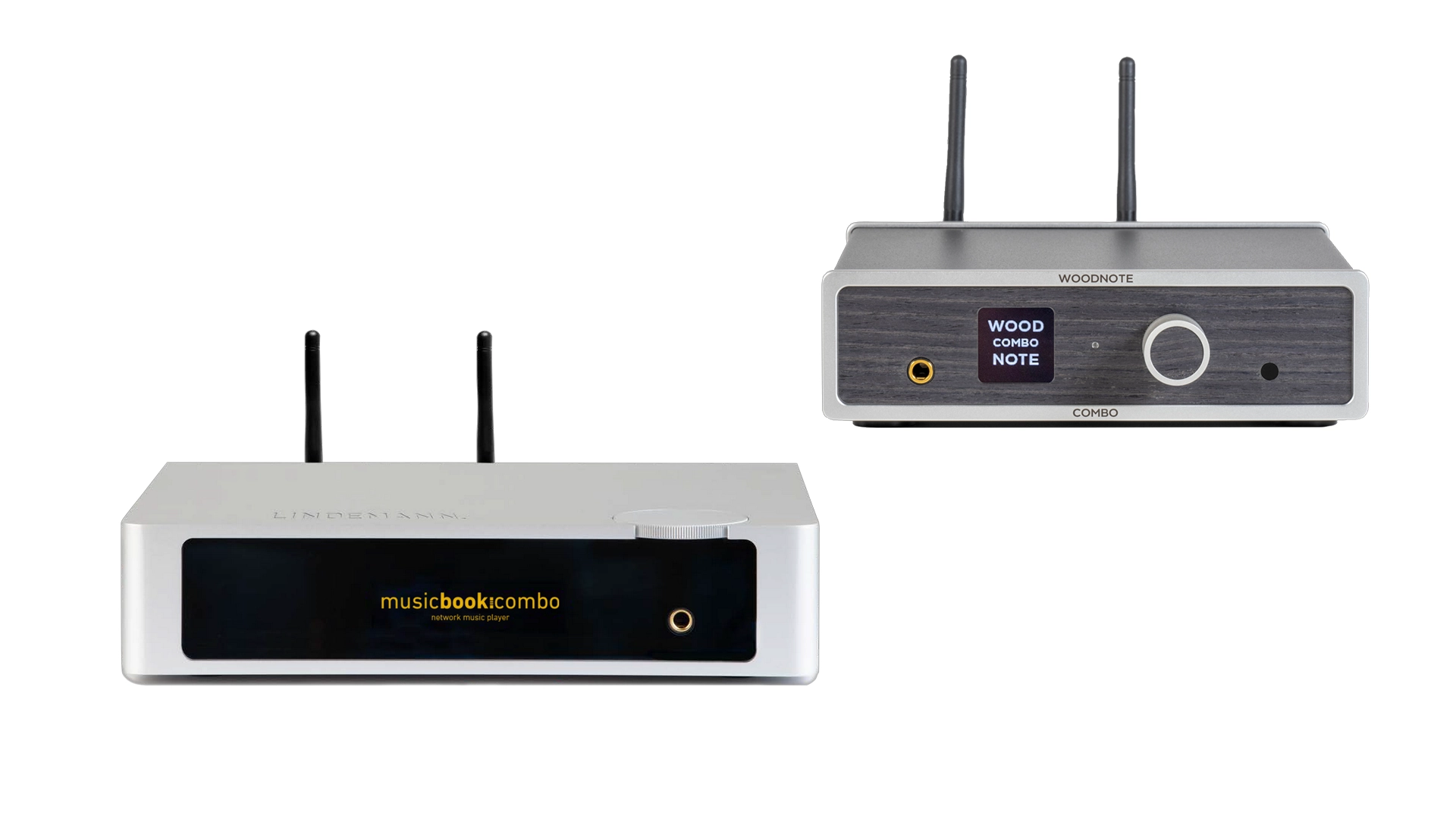
Lindemann is a German high-end electronics company founded by engineer Norbert Lindemann in 1992. From its first AMP 1 integrated amplifier through early high-resolution disc players and today’s network products, the company has concentrated on timing, signal integrity and short, controlled circuit paths rather than feature count for its own sake. The compact Musicbook family is the core of the modern range. Musicbook SOURCE combines streaming, DAC and analogue preamplifier functions, with an optional CD drive on selected versions, while Musicbook POWER provides matching Class D amplification. The smaller Limetree components divide functions such as network playback, USB conversion, phono amplification and headphone drive into affordable, upgradeable modules. Newer Woodnote products continue the same compact-system idea. Lindemann develops hardware and software in Germany and pays particular attention to clocking, power-supply separation, analogue output stages and app-based operation. The brand’s distinction is not simply miniature cases: it builds complete digital front ends whose streaming software, conversion and volume control are engineered together, then offers matching amplification without forcing owners into an oversized stack.
Linn

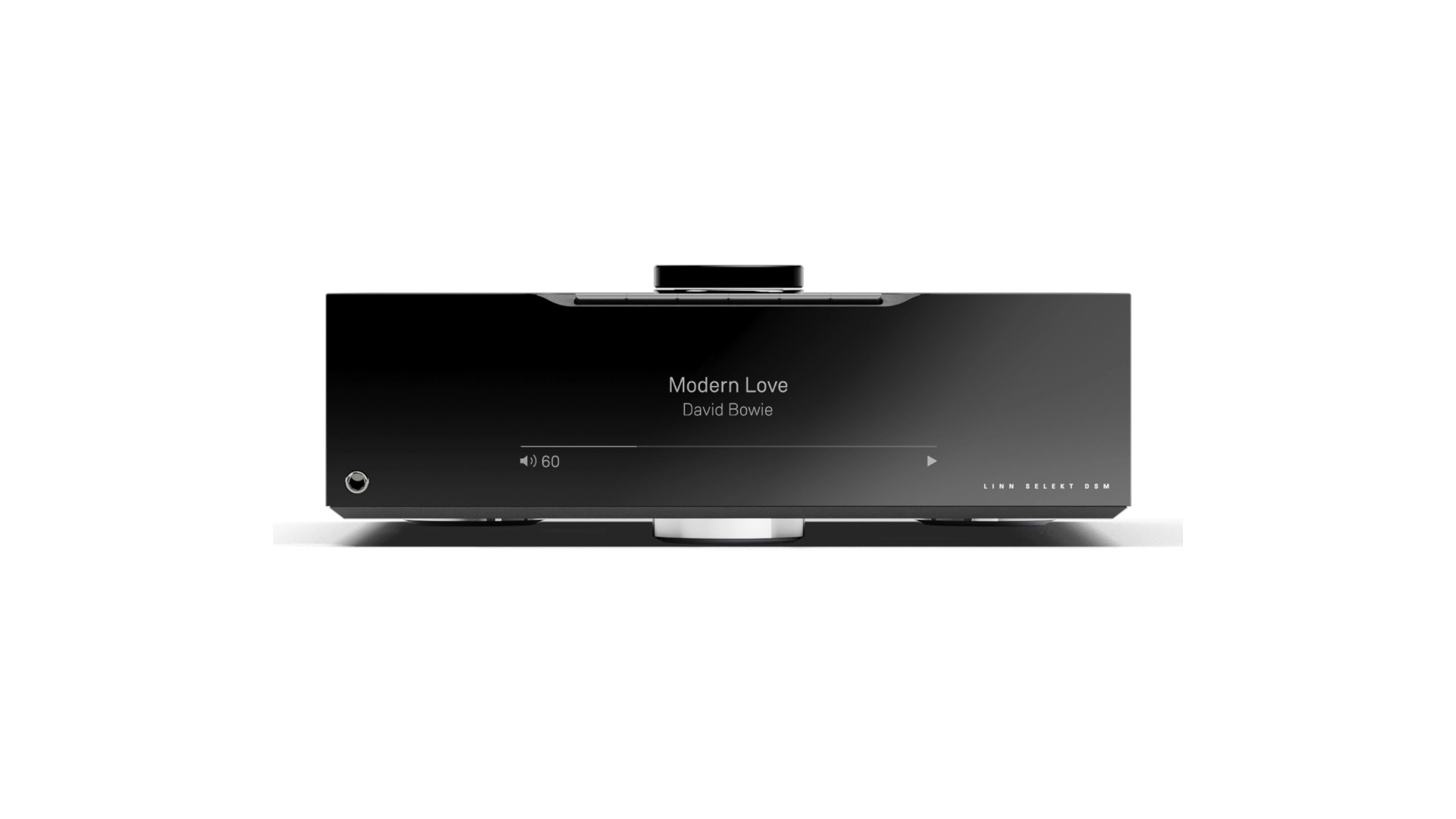
Linn is a Scottish hi-fi manufacturer founded by Ivor Tiefenbrun in 1973, the year the Sondek LP12 established the company’s “source first” argument: information lost at the beginning of a replay chain cannot be recovered later. The suspended, belt-driven LP12 remains in production, but its significance is also structural. Bearings, subchassis, power supplies, tonearms and cartridges can be upgraded individually, allowing decades-old decks to incorporate current engineering. Linn carried the same system thinking into digital audio with its DS network players and today’s Klimax, Selekt and Majik DSM products. Organik is Linn’s in-house discrete DAC architecture; Exakt moves the crossover into the digital domain and time-aligns individual drive units; Space Optimisation models a specific loudspeaker and room to reduce low-frequency interaction without requiring a calibration microphone. Selekt DSM can be configured as a source, preamplifier, integrated amplifier or multichannel hub and upgraded with different DAC and amplification modules. Loudspeakers and complete active systems close the loop. Designed and manufactured near Glasgow, Linn’s defining strength is controlled evolution: analogue and digital platforms are built to accept meaningful upgrades instead of being discarded.
Marantz

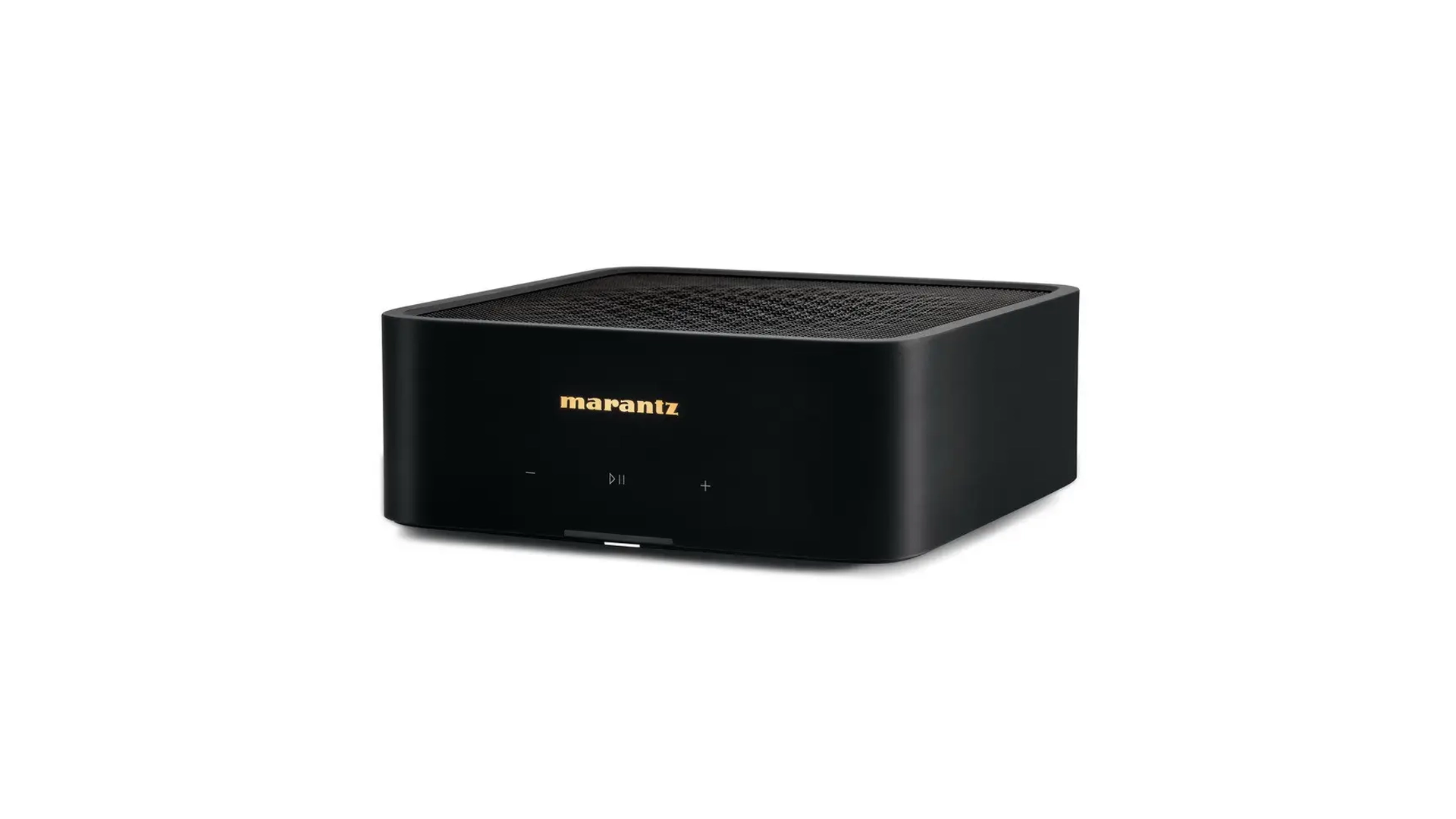
Marantz is a historic high-fidelity brand whose modern amplifiers, network players and home-cinema electronics combine American roots with Japanese audio engineering. Saul B. Marantz began by building the Audio Consolette for his own record collection; its success led to the Marantz company in New York in 1953. The Model 1 preamplifier, Model 7, Model 9 power amplifier and Model 10B tuner established a reputation for elegant circuits, low distortion and unusually thoughtful industrial design. Today the range spans stereo integrated amplifiers, SACD and network sources, turntables, AV receivers and processors. A defining element of many premium models is the company’s discrete Hyper Dynamic Amplifier Module (HDAM), used instead of generic integrated op-amps in critical analogue stages. Current reference components also emphasize short signal paths, carefully separated power supplies, shielding and rigid multi-layer chassis construction. Products such as the MODEL 30 and MODEL 40n bring that approach to contemporary systems, while the CINEMA series applies it to immersive home theatre. Marantz is distinctive because it has repeatedly translated its classic emphasis on musical, usable equipment into each new playback era rather than treating heritage as decoration.