Power Supplies Conditioners
Power conditioners and regenerators act as a firewall between your sensitive audio equipment and the “dirty” AC power from your wall outlet. Their function is to filter out electrical noise, stabilize voltage fluctuations, and protect your valuable components from power surges. By providing a clean and stable foundation of power, these devices allow your system to perform at its absolute best. This directory lists the brands that manufacture these crucial solutions for system protection and performance enhancement.
Hi-Fi brands in the category
Summary information and image
Direct links to official websites
432 EVO
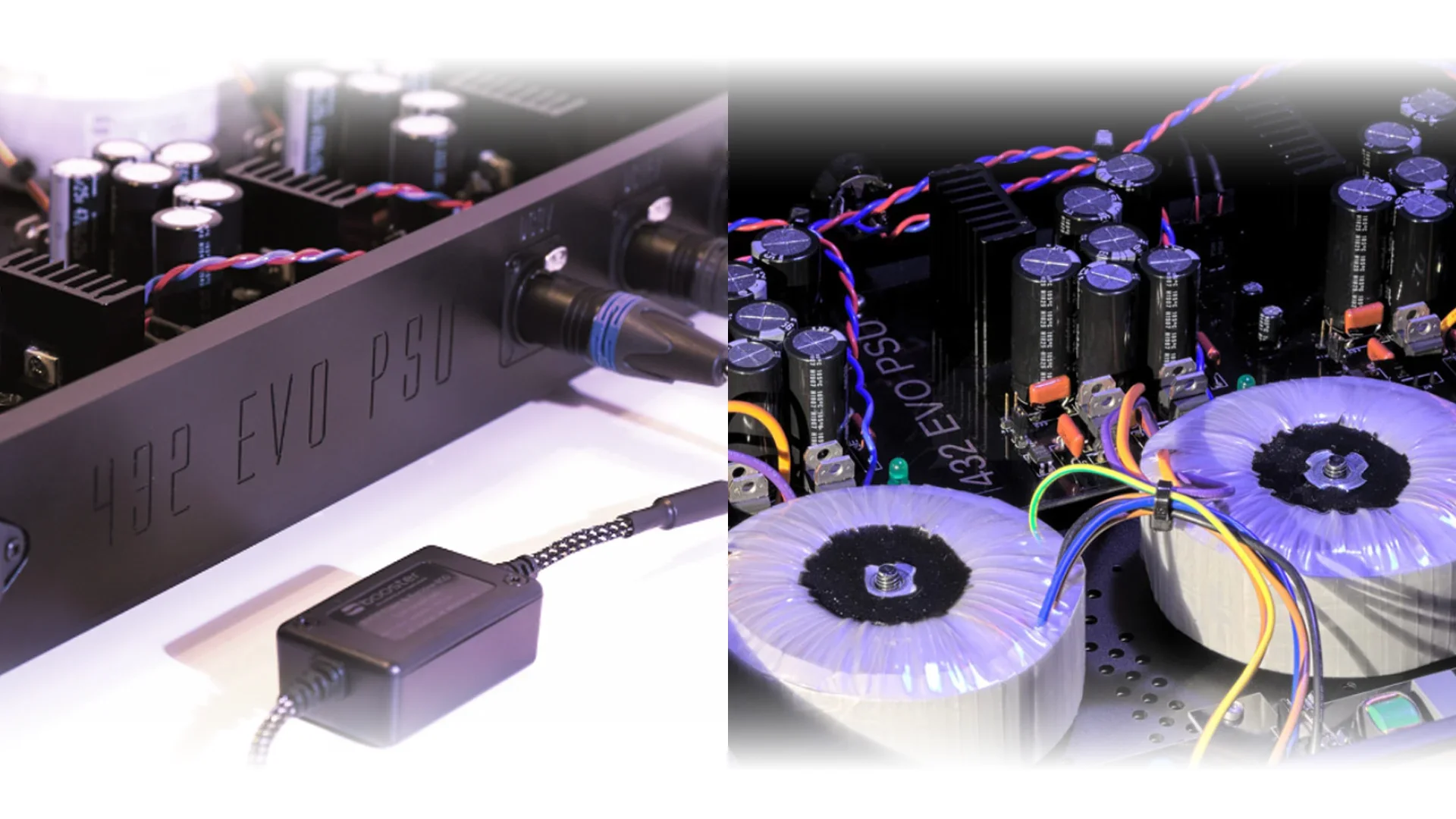
432 EVO builds music servers around a choice of playback modes: bit-perfect output, upsampling, or optional real-time pitch conversion to a 432 Hz tuning reference. This flexibility is central to the Belgian brand, whose parent company Klinkt Beter has a background in Linux and network systems. The brand was established in 2013 by Klinkt Beter, which had been founded in 2008. Its servers use a customised Linux operating system, internal SSD storage and USB output for an external DAC; models such as the Standard also include a CD-ripping drive. Listeners can therefore bring a disc collection and stored music into one playback system, while choosing whether to leave the digital signal unchanged or use processing.
Accuphase

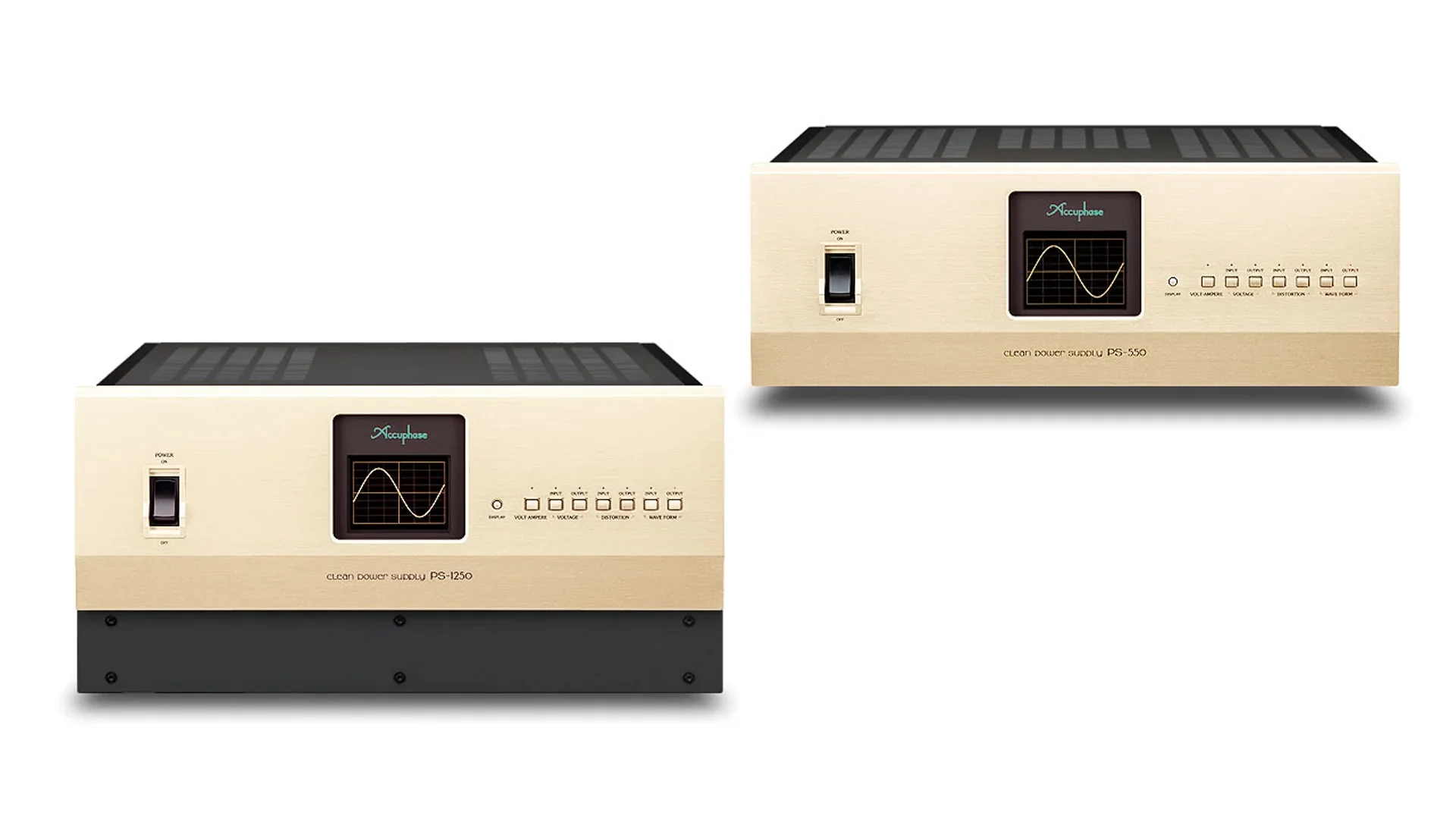
Japan’s Accuphase builds amplifiers and digital source components around proprietary circuit designs, with volume control itself forming part of its engineering identity. Its AAVA system adjusts level without a conventional variable resistor in the music signal path, while MCS operates multiple amplification circuits in parallel to improve their combined performance. Its history began in 1972 as Kensonic, founded by brothers Nakaichi and Jiro Kasuga with a team from Kenwood that included Shigemasa Saito and Yasumasa Ishizuka. The original products included the P-300 power amplifier, C-200 preamplifier and T-100 tuner. The catalogue spans integrated and separate amplifiers, disc players, digital processors and equalisation equipment. Accuphase documents its circuit principles and product history in detailed technical literature.
Audience

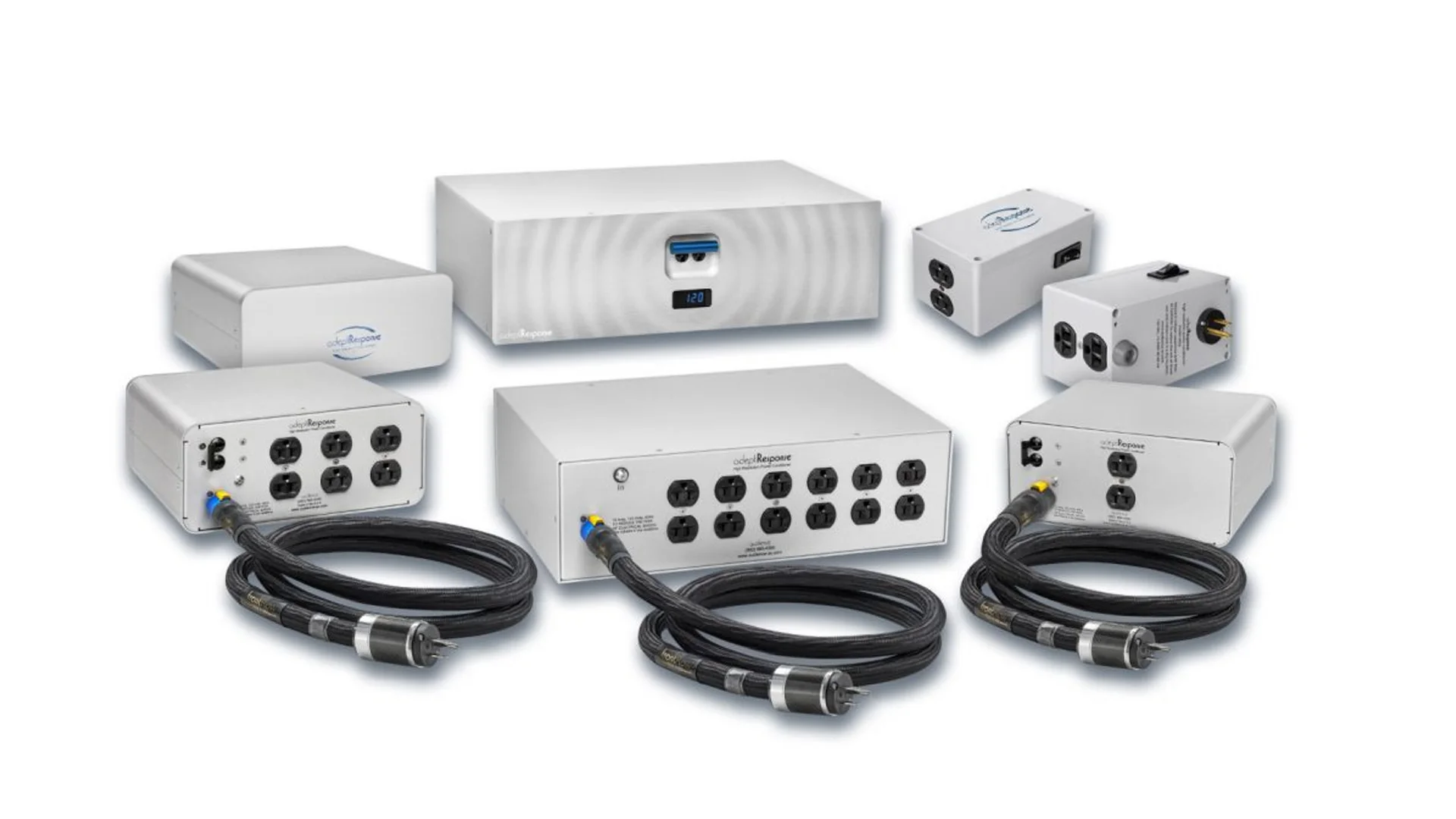
Audience’s cables and power conditioners grew alongside a long-running effort to build loudspeakers without a conventional crossover. John McDonald and Richard Smith founded the American company with engineer Roger Sheker in 1997, following an earlier venture together. Work on full-range drivers eventually led to the ClairAudient speakers, with the ClairAudient 16 debuting in 2009. Au24 and later cable families developed around low-mass construction, while adeptResponse conditioners brought the company’s power-filtration work into a separate product range. Audience also supplies drivers and Auricap capacitors for other manufacturers and DIY projects. The shared thread is component-level development across connections, power and sound reproduction.
Audionet

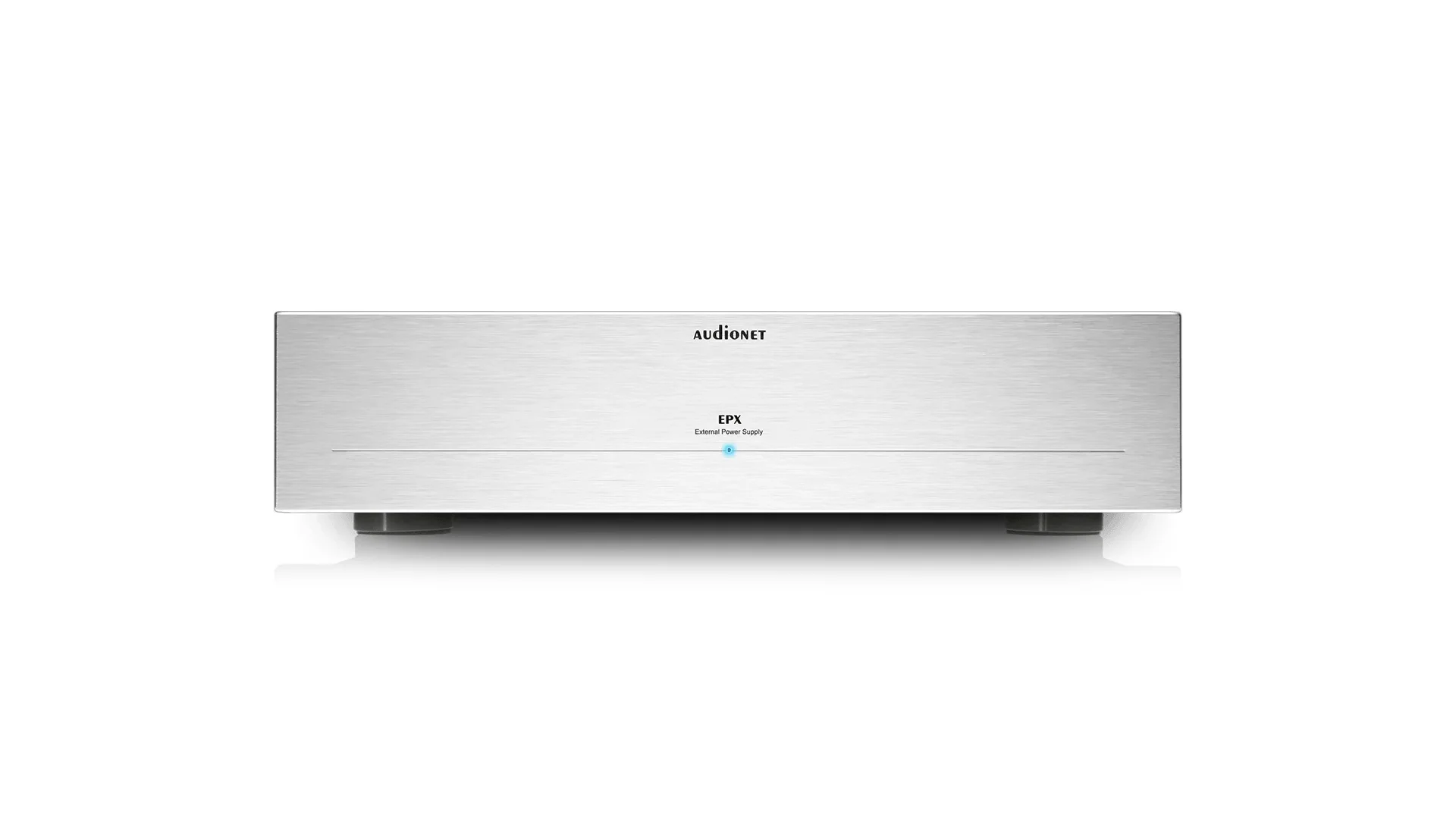
Audionet applies laboratory-style electronics design to high-end amplification and digital sources. Founded in Bochum in 1994 by Thomas Gessler and engineers connected with Ruhr University, the German company developed wide-bandwidth circuits whose near-flat response extends far beyond the audible range. That technical discipline appears in integrated, preamplifier and power-amplifier families as well as network sources. The Scientist range includes the Humboldt integrated amplifier, Stern preamplifier and Heisenberg monoblocks; their patented Floating Pane chassis separates functional layers and was styled with designer Hartmut Esslinger. Current Mach and Schrödinger models bring related ideas to the Ultimate line. Audionet now operates from Berlin under electrical engineer Dr Stefan Schwehr, with products developed and handcrafted in Germany.
AudioQuest

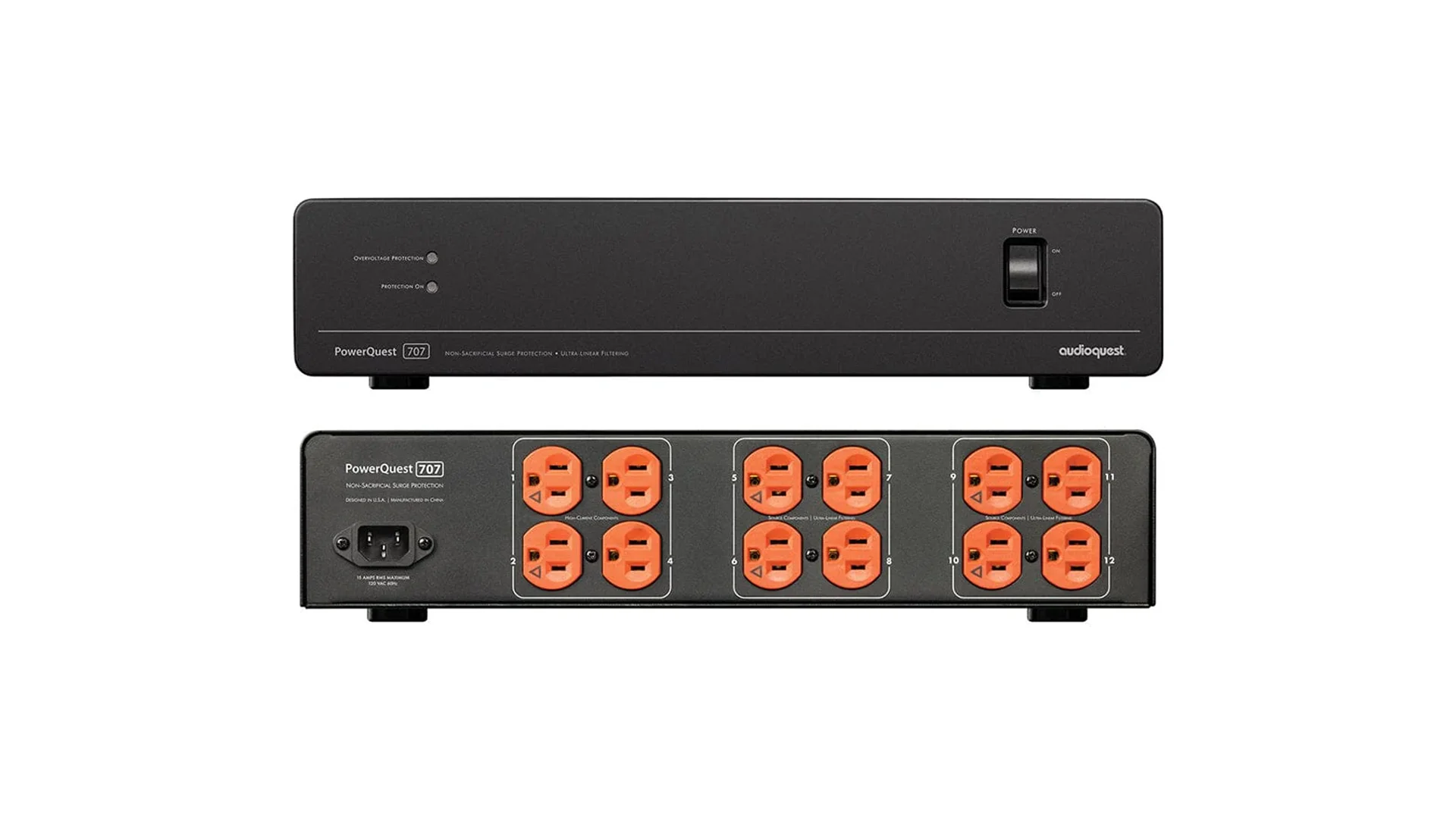
AudioQuest designs cables around one persistent aim: preserve the source signal by reducing added noise and distortion. William ‘Bill’ Low began making custom cables for his hi-fi shop in 1978 and founded the California company in 1980. Its work has progressed from advanced conductor metallurgy and HyperLitz construction to solid and semi-solid conductors, controlled directionality, RF noise dissipation and the Dielectric-Bias System introduced in 2004. The catalogue covers analogue, speaker, digital, HDMI and AC power cables across accessible and reference ranges, including William Tell, ThunderBird and Dragon. AudioQuest also developed DragonFly USB DACs and Niagara and PowerQuest power conditioners, applying the same noise-control priorities beyond cables. The useful distinction is the coherent engineering vocabulary used across a very broad range, rather than exotic materials alone.
Austere

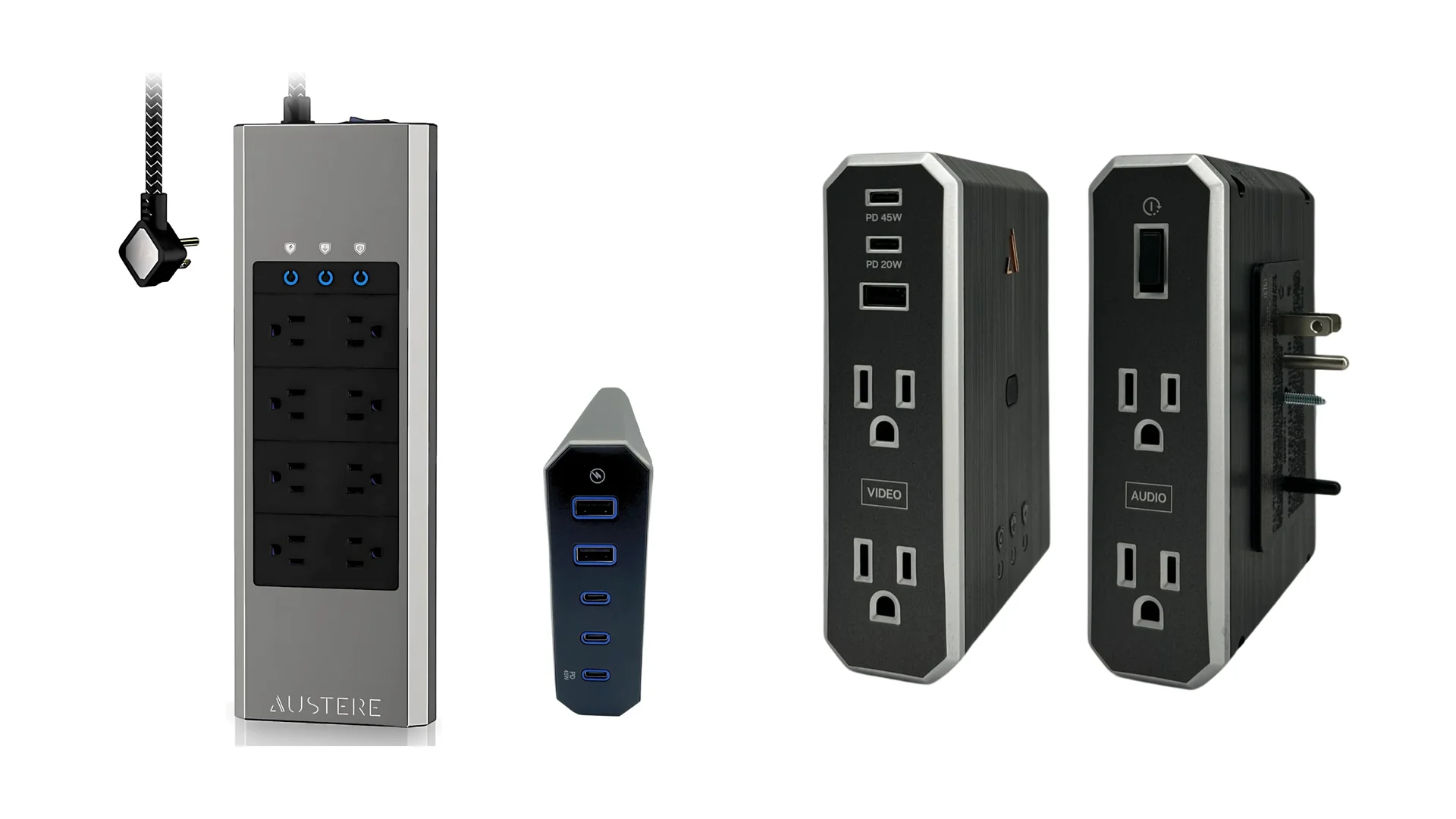
Austere concentrates on the parts of an AV system that carry signal and power. Deena Ghazarian founded the US company in 2019 after a career in consumer electronics, building the range around HDMI cables, analogue and digital audio cables, speaker cable, power products and screen-care accessories. Its HDMI products are organised by certified bandwidth and installation need, while the power units combine surge protection, filtration and USB charging in enclosures designed to remain visible in a living space. Durable jackets, protected connectors and lifetime guarantees are central to the proposition because these accessories are often installed once and used through several equipment upgrades. Austere’s identity is practical premium system infrastructure with consistent industrial design, rather than an audio component manufacturer claiming to change the character of the source.
AVM
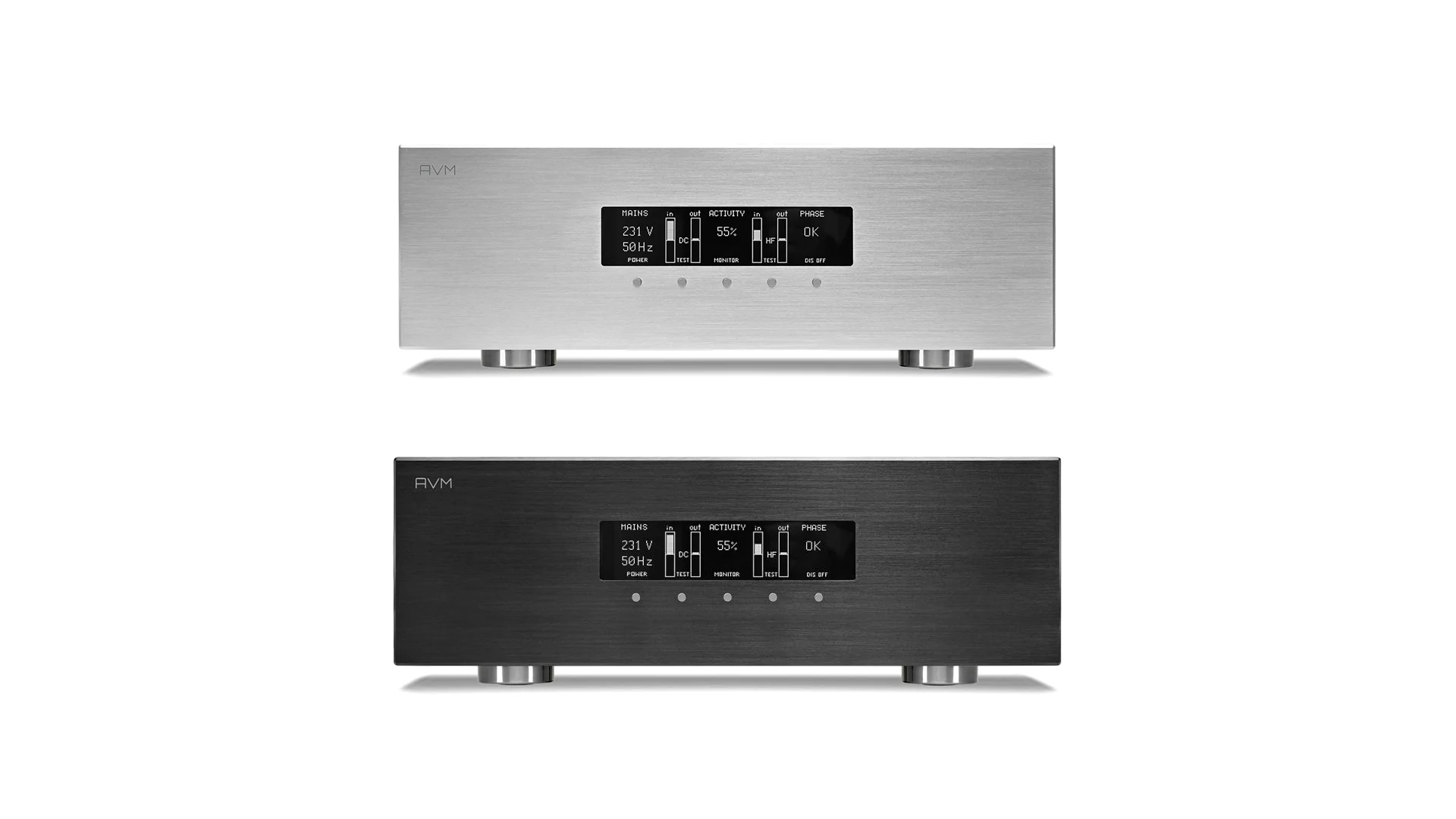
AVM builds complete German hi-fi systems around modular electronics and long product life. Engineers Günther Mania and Robert Winiarski founded Audio Video Manufaktur in April 1986, first gaining attention with the M1 monoblock amplifier. Udo Besser acquired the company in 2010 and broadened its reach while retaining development and hand assembly in Malsch. Inspiration, Evolution and Ovation families cover integrated, pre and power amplification, streaming, DAC and CD functions at progressively higher levels; Rotation turntables added an analogue source developed to work within the same system. AVM often combines transistor output stages with valve line stages where the design calls for it, and its modular streaming platform allows network functions to evolve without redefining the whole product. The brand’s character is system breadth backed by in-house electronics rather than one signature circuit topology.
Bryston
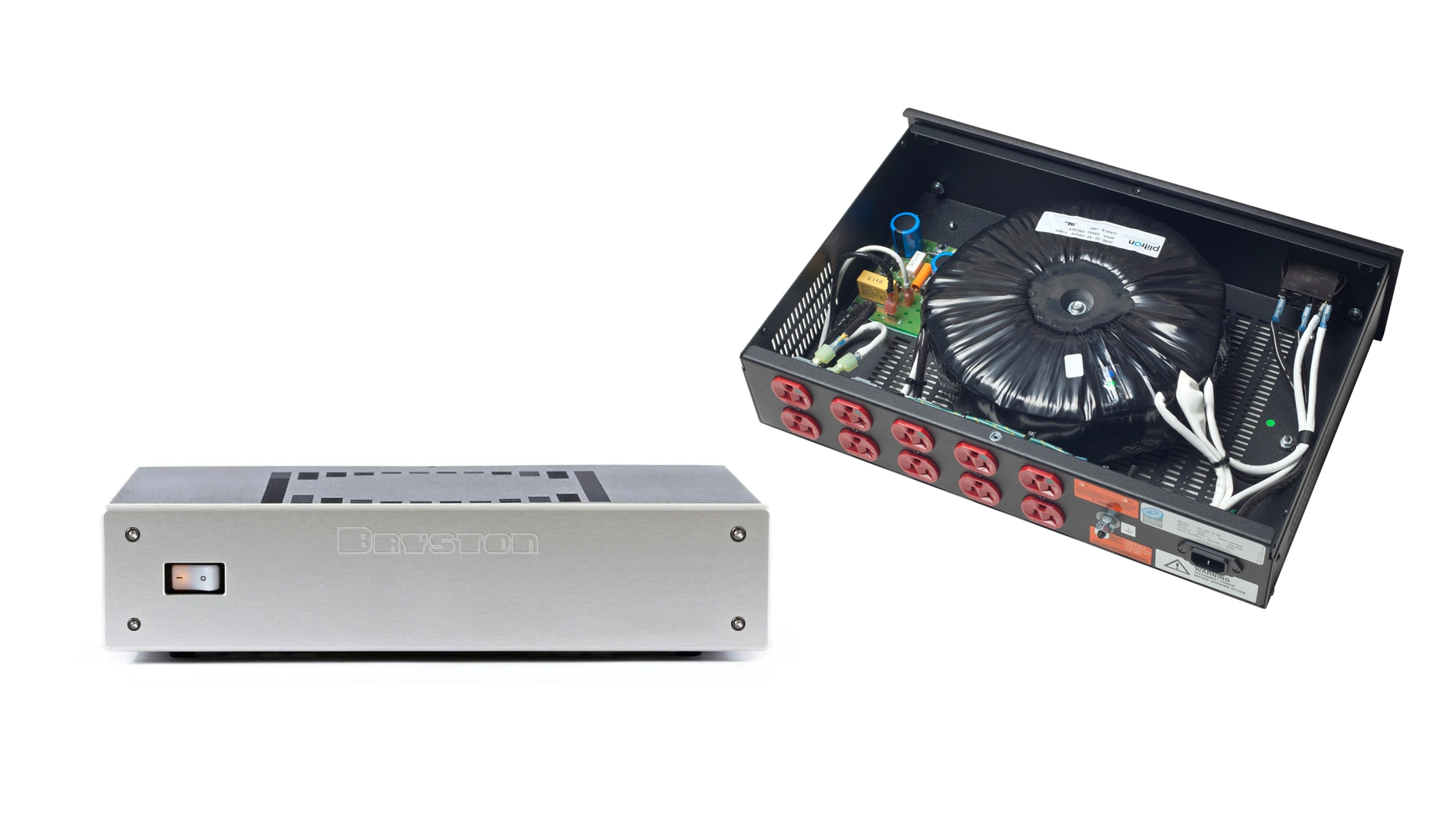
Bryston builds Canadian audio electronics around serviceability, stable operation and the ability to work for long periods under professional conditions. The company was incorporated in 1962 for medical electronics and moved into audio during the 1970s under the Russell family, bringing the testing culture of its earlier work with it. Power amplifiers became the core business, with the Cubed series continuing the company’s modular channel architecture and conservative thermal design. BR-20 and BP preamplifiers, BDA converters, BDP digital players, phono stages and active or passive loudspeakers make the range much broader than amplification alone. Products are developed and built in Ontario, and current owner Colquhoun Audio Laboratories also operates Axiom Audio. Bryston’s famous warranty remains longer than most competitors’, but the old blanket statement of 20 years is no longer current: new analogue products now carry a ten-year factory warranty.
Burmester

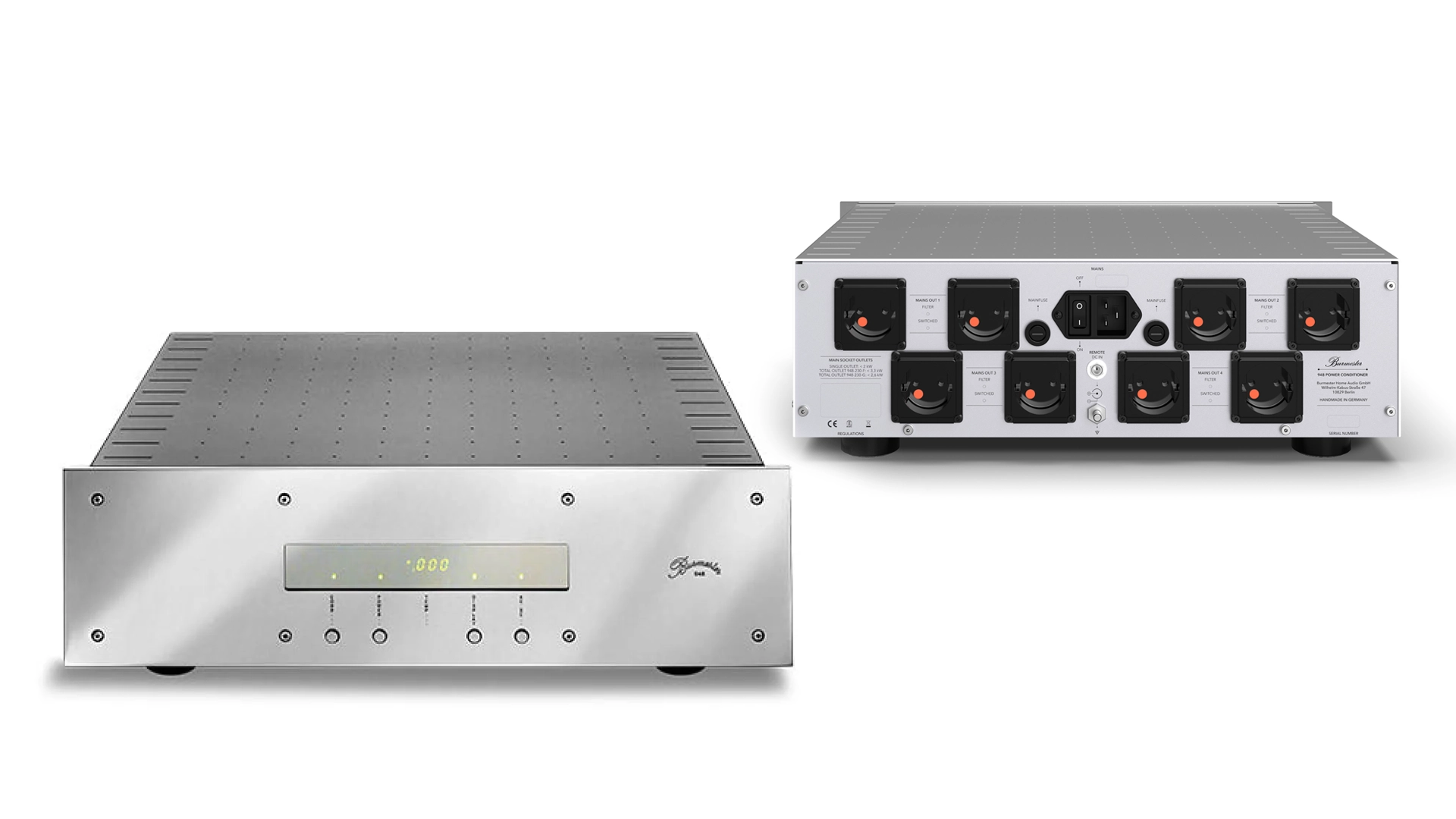
Burmester combines Berlin manufacturing, balanced electronics and a visual language that makes its components immediately recognisable. Musician and engineer Dieter Burmester founded the company in 1977 after building the 777 preamplifier to replace an unsatisfactory unit in his own system. The model number recorded its launch in July 1977 and began a naming convention still used today. The modular 808 preamplifier, DC-coupled signal paths and early symmetrical circuit work became important milestones, while polished chrome fronts became the exterior signature. Current Classic, Top, Reference and Signature products include sources, preamplifiers, power amplifiers, integrated systems, turntables, power treatment and loudspeakers. Burmester also develops factory audio systems with luxury car manufacturers. Despite that breadth, final assembly and much of the specialised production remain in Berlin, keeping the brand closer to a manufactory than a mass-market luxury label.
Cardas
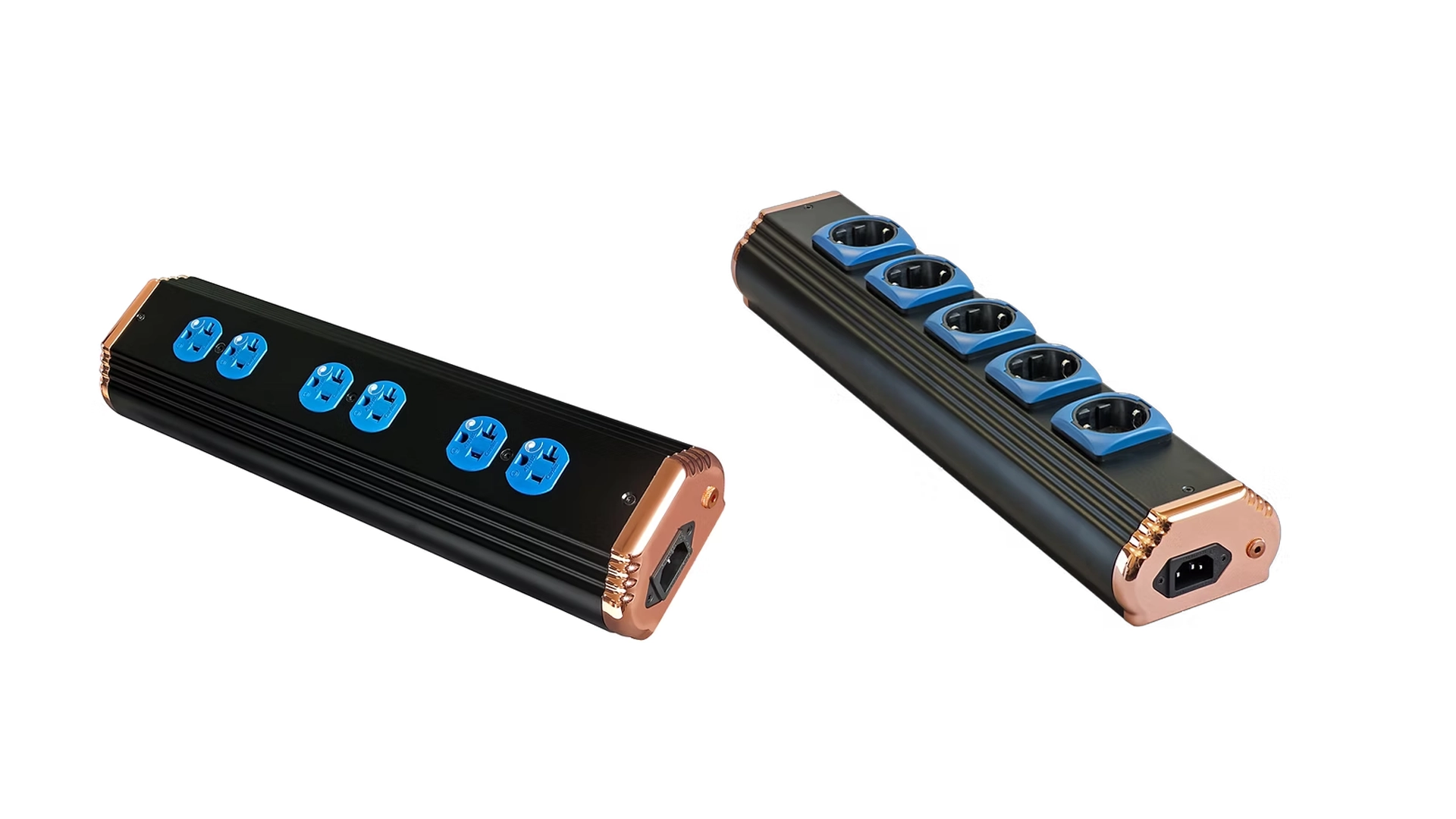
Cardas Audio controls cable behaviour by designing and manufacturing the conductor itself, not only its outer geometry and connectors. Former telephone transmission engineer George Cardas founded the company in Ontario, California, in 1987 and moved it to Bandon, Oregon, in 1992. His patented Golden Section stranding arranges progressively sized conductors according to the golden ratio to spread mechanical and electrical resonances. Each fine strand is individually enamelled in a Litz construction, limiting oxidation and interaction between strands. Later Matched Propagation designs coordinate conductor and dielectric behaviour throughout the Clear range. Cardas produces its own ultra-pure copper conductors and also makes interconnects, speaker and power cables, bulk wire, solder, binding posts, RCA, XLR, DIN and headphone connectors for manufacturers and DIY builders. George remains head designer, while his daughter Angela manages the company.
CH Precision

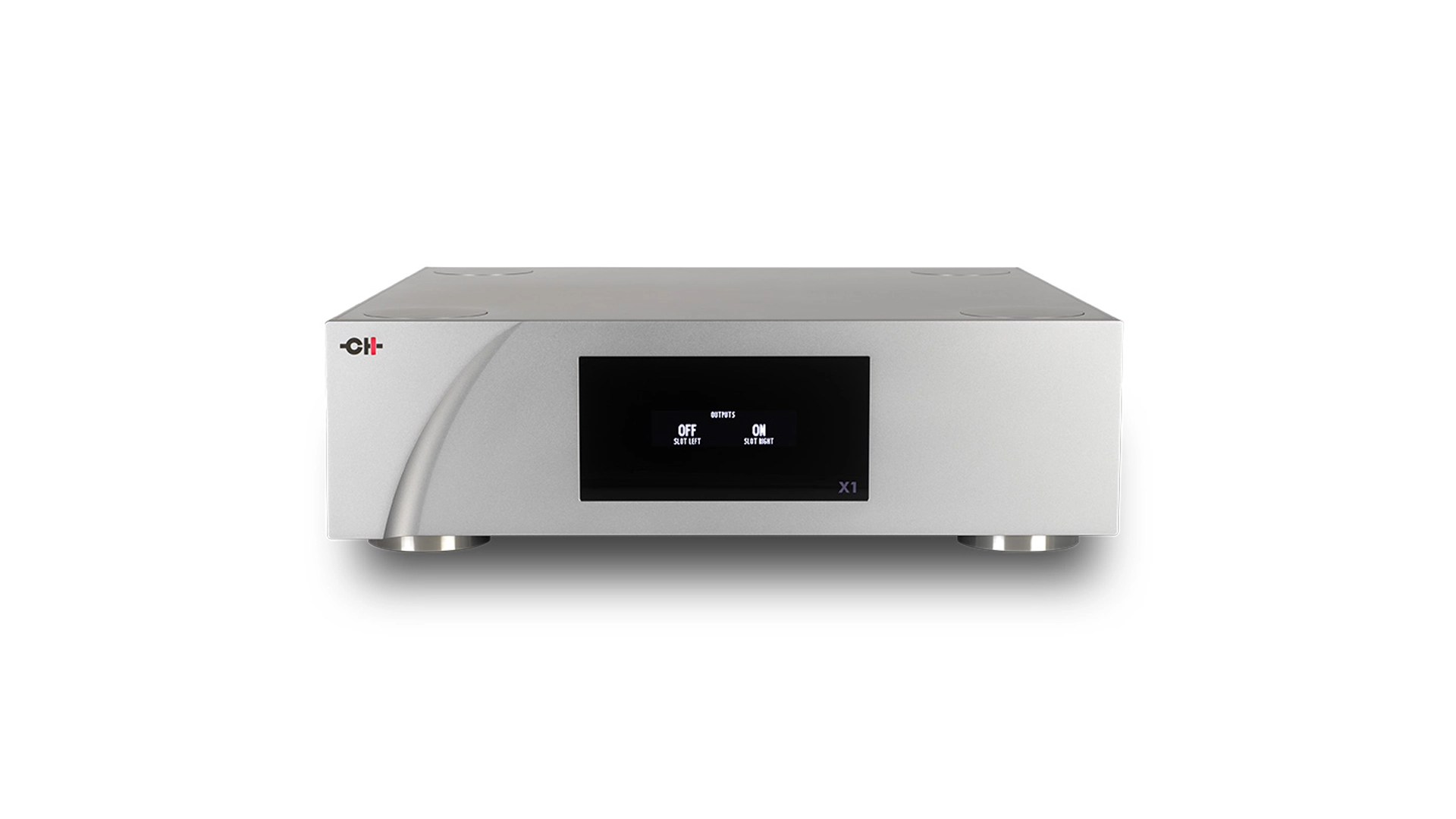
CH Precision makes Swiss reference electronics whose analogue circuits can be configured, monitored and upgraded through a tightly integrated digital-control platform. Engineers Florian Cossy and Thierry Heeb founded the company in 2009 after earlier work in high-end audio and digital engineering. The 1 Series covers transport, DAC, line and phono preamplifiers, integrated and power amplifiers, clock and external power supply; modular option cards let an owner change interfaces or functions without replacing the component. The 10 Series extends that architecture into dual-chassis reference designs with separate power supplies. Proprietary features include ExactBias monitoring for compatible power valves in connected systems, user-adjustable amplifier feedback and extensive software-defined setup. Signal paths remain fully discrete and complementary, while control electronics are galvanically isolated from the analogue domain. Circuit, software and mechanical development are performed in-house, with final assembly, testing and quality control at the company’s facility in Préverenges, Switzerland.
Connected-fidelity

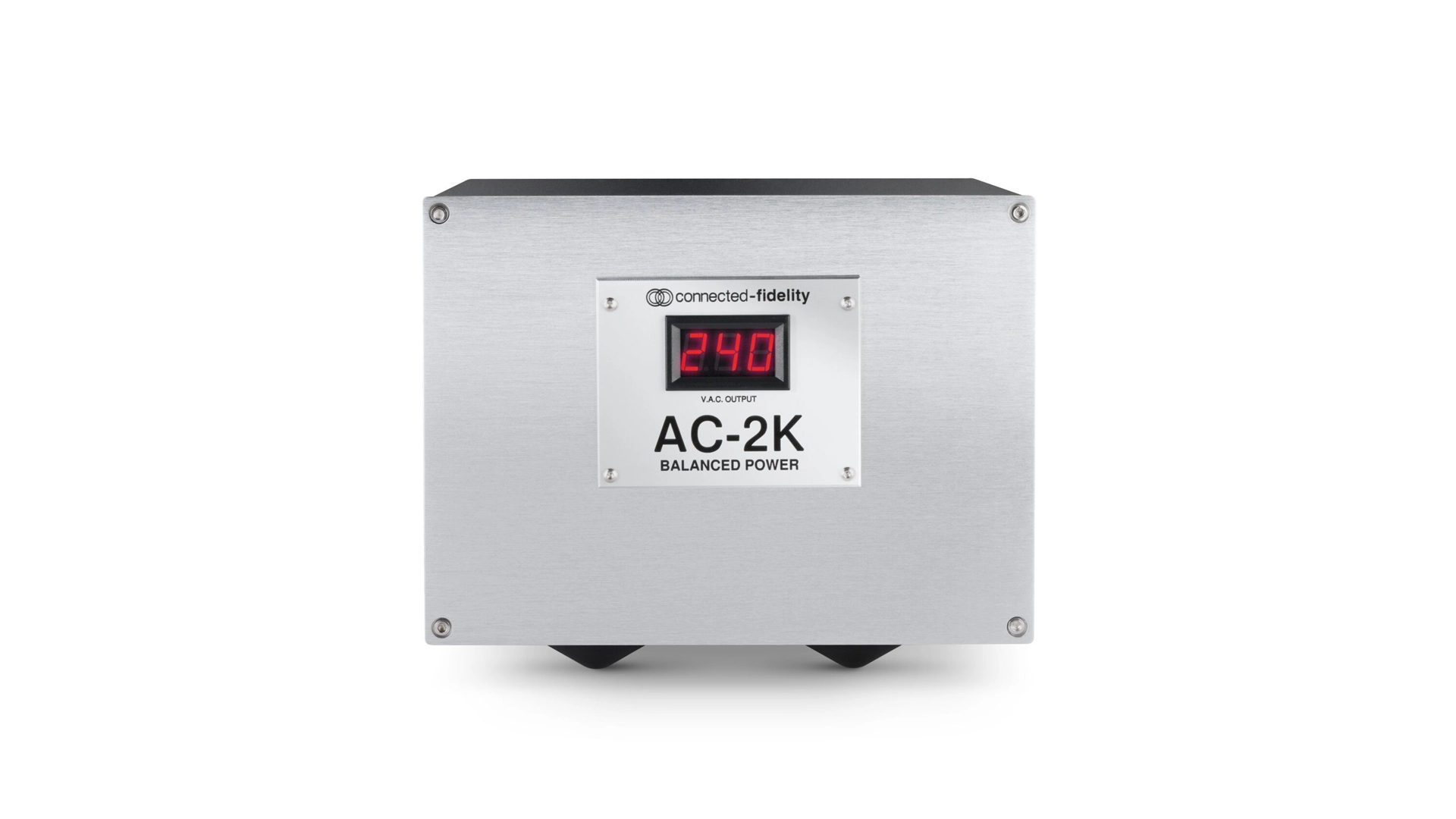
Connected-Fidelity is a British designer and manufacturer of analogue front ends, power products, isolation devices and cables — not merely a grounding-accessory brand. Its catalogue has included turntables and tonearms, balanced mains supplies, distribution blocks, RF filters, audiophile fuses and the Unity cable family, with manufacture carried out in the UK. The same system-level idea links these otherwise different products: reduce mechanical movement, radio-frequency contamination and mains-related noise before they obscure low-level musical information. Float 30 pucks and related supports address vibration beneath components and loudspeakers, while the power and cable ranges provide complementary electrical paths. The company describes an unusually iterative development method involving material research, prototypes and extensive comparative listening, and it explains much of the construction while keeping proprietary processes confidential. Connected-Fidelity is therefore best understood as a focused ecosystem of source, power and support products intended to work at several noise-entry points in a high-resolution audio system.
Consonance

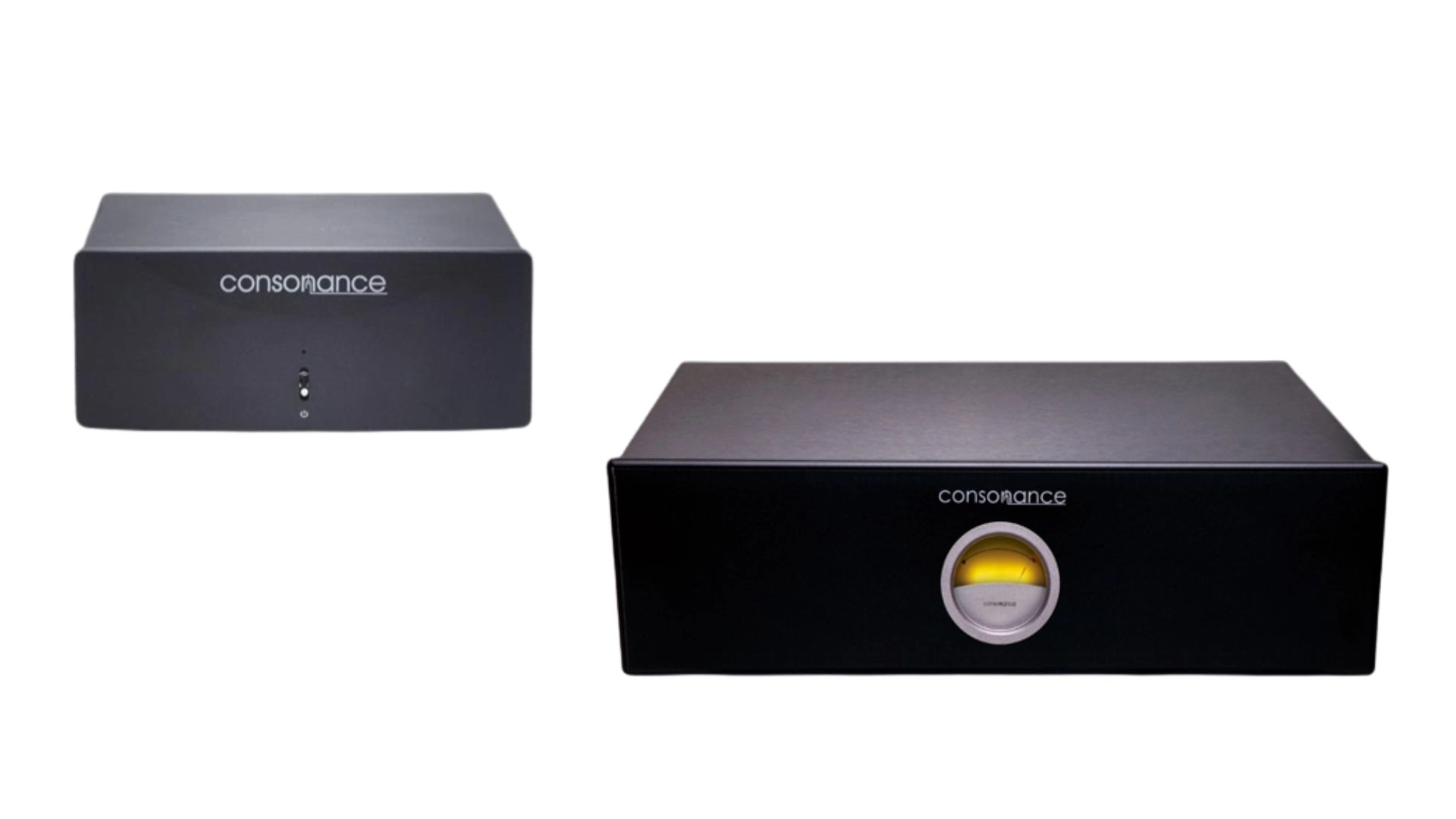
Consonance is the product brand of Opera Audio, one of China’s early internationally distributed high-end audio manufacturers. Opto-mechanical engineer and opera enthusiast Shi Hui Liu founded the Beijing company in 1994 after building a valve amplifier for himself and then being asked to make another. That origin still explains the range: tube and solid-state amplifiers sit alongside CD players, DACs, streamers, loudspeakers, cables and an especially substantial analogue line. Opera became an early Chinese high-end turntable manufacturer, and Consonance decks such as the Droplet, Die Walküre and Wax Engine show a willingness to develop complete mechanisms, plinths and tonearms rather than treat vinyl as a sideline. Many model names reference European opera, but the engineering is not confined to retro styling; the company combines traditional valve circuits with digital sources and modern manufacturing. Its “Simple. Human.” philosophy is a useful summary of the house character: direct circuits, restrained interfaces and a broad, internally designed system intended to serve music rather than specification theatre.
Cyrus
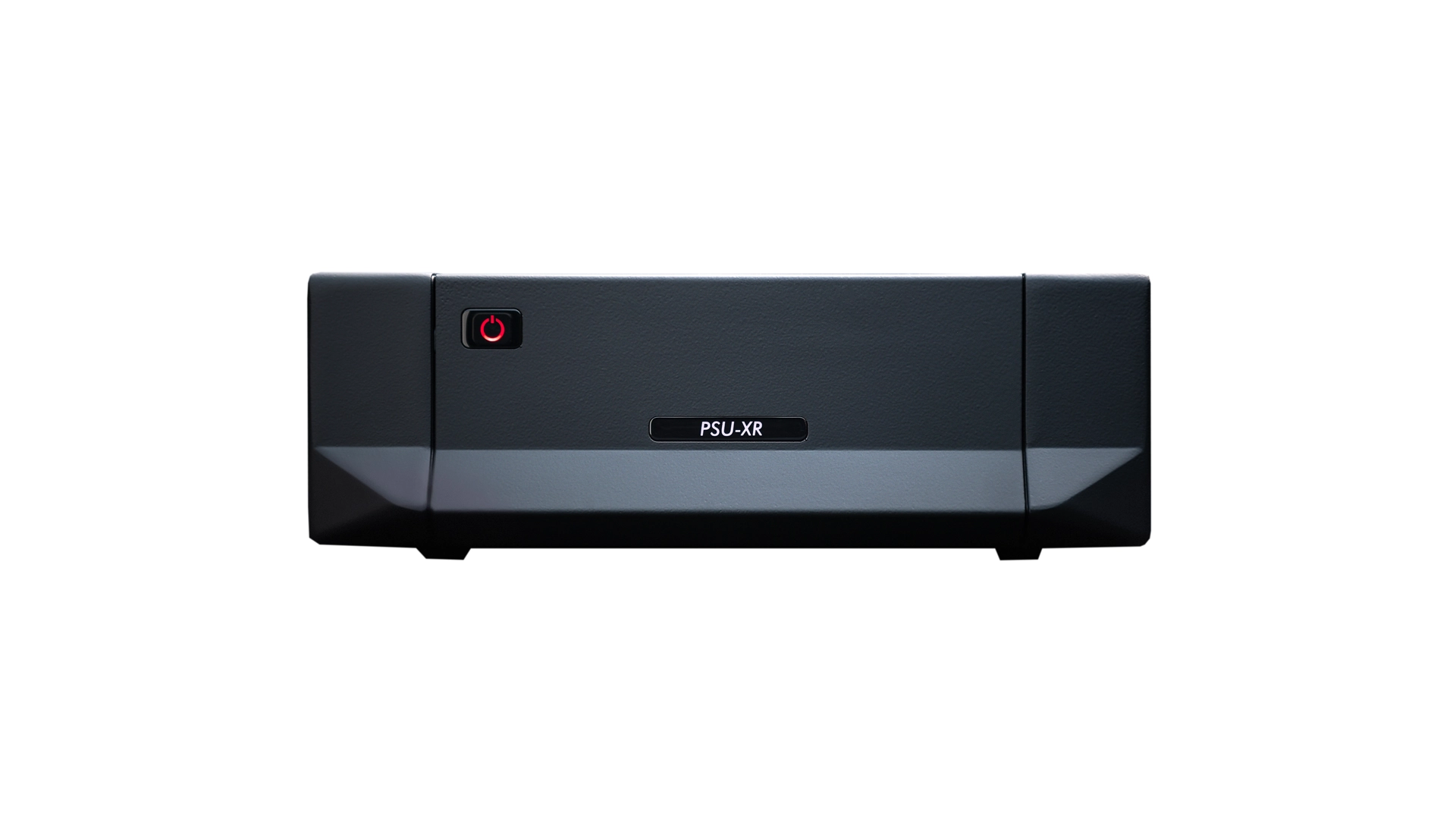
Cyrus Audio is the British company that made half-width hi-fi separates a serious system format. The original Cyrus One integrated amplifier appeared in 1984, when Cyrus was the electronics arm associated with Mission, and established the compact die-cast chassis, clean fascia and upgrade path that became the brand’s visual and technical language. Cyrus later became independent and remains based in Cambridgeshire. Its range has covered integrated and power amplifiers, preamplifiers, CD players, streamers, phono stages and external power supplies, allowing a system to grow without abandoning its core components. The 40 Series carries the concept into a wider but still compact aluminium case with dedicated 40 AMP, 40 ST streamer, 40 CD and 40 PSU models, while the 80 range develops the performance tier further. External PSUs and trade-in or servicing programmes reinforce the long-life, modular philosophy. Cyrus’s individuality is not compactness alone: it is the disciplined use of a consistent footprint, separated power options and interoperable components to build a high-performance system progressively.
Emotiva
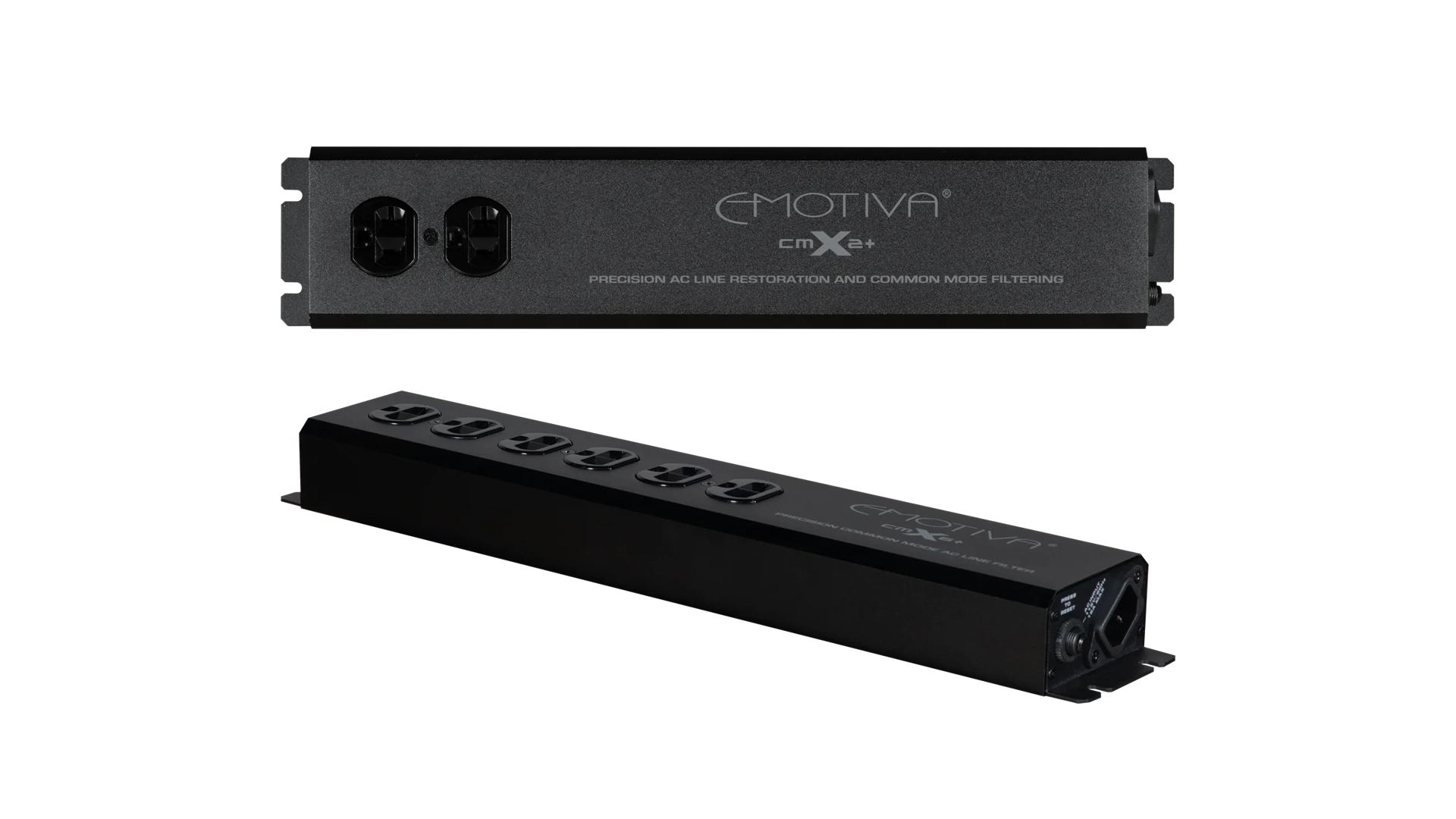
Emotiva is an American audio company founded in 2003 by Dan Laufman to sell serious stereo and home-theatre electronics directly to listeners, removing several layers of conventional distribution cost. That business model matters because it shaped the products: substantial power supplies, high channel counts and upgrade-friendly platforms offered at prices below many specialist competitors. BasX covers accessible amplifiers, preamps and cinema electronics, while XPA power amplifiers scale from stereo systems to multichannel installations through modular high-current Class A/B stages and efficient switch-mode supplies. Differential Reference models use fully balanced, fully differential signal paths and Optimized Class H supply operation for demanding front channels or two-channel systems. Surround processors and receivers address immersive formats, and loudspeakers extend the catalogue into complete systems. Emotiva’s identity is not simply “value for money”; it is the combination of direct sales with unusually powerful, configurable hardware for enthusiasts who may need two channels today and a large cinema later. Design and final product development are centred in Tennessee, with model-specific manufacturing choices rather than a blanket claim that every component is built in the United States.
Eon-Art

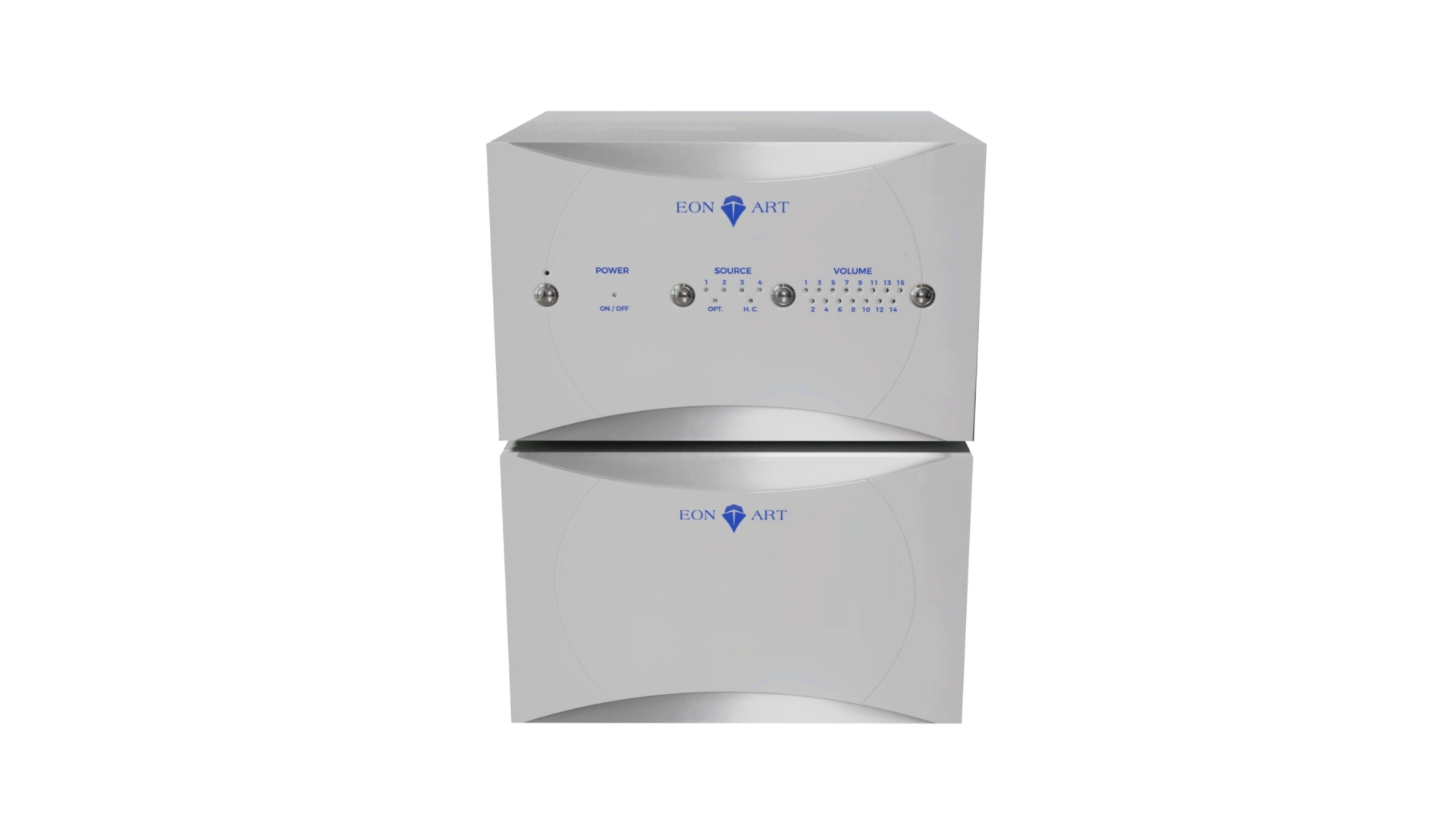
Eon Art is a Canadian high-end audio company based in Chandler, Quebec, and led by Stéphane Hautcoeur. Incorporated in 2017, Eon Art Canada united its electronics work with the French loudspeaker expertise of Venus Acoustic; this French connection is sometimes mistaken for the company’s country of origin. Its best-known electronics, including the Quark integrated amplifier, combine valve gain and regulated valve power supplies with a high-power solid-state output stage, extensive local power regulation and modular multi-board construction. The company also develops digital conversion and Venus-series loudspeakers such as Cybela, whose CFTA internal geometry redirects rear radiation to reduce enclosure resonances. Products are made and assembled in Canada, with the emphasis on complete-system engineering, laboratory measurement and documented quality control rather than a catalogue of conventional separate boxes.
ESD Acoustic

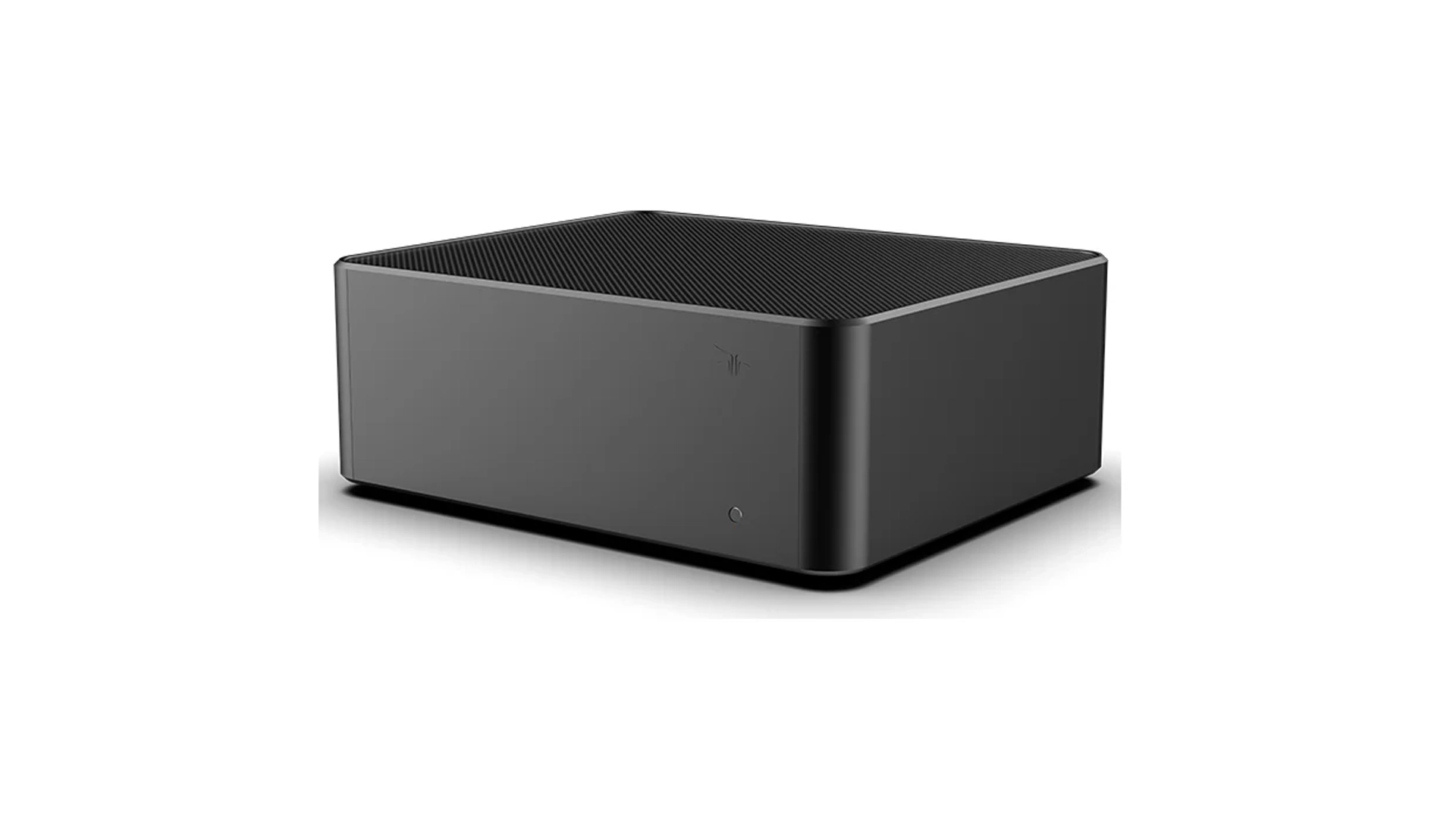
ESD Acoustic is a Chinese ultra-high-end audio manufacturer whose project began in 2016 with David Dai and Jacky Dai. Early development drew on technology and guidance acquired from horn specialists Bruce Edgar and Sam Saye; the Hangzhou company followed in 2017. ESD’s signature is the complete field-coil horn system: externally energised drivers, large carbon-fibre horns and, in selected units, beryllium diaphragms are combined for high efficiency and wide dynamic range. Systems range from comparatively compact models to the immense Dragon and Super Dragon installations. ESD also makes the field-coil power supplies, active crossovers, Class A amplification and source components needed to operate them as an integrated chain. The scale is spectacular, but the important know-how lies in controlling magnetic fields, horn geometry, diaphragm behaviour and system alignment across many ways.
Faber’s Cables

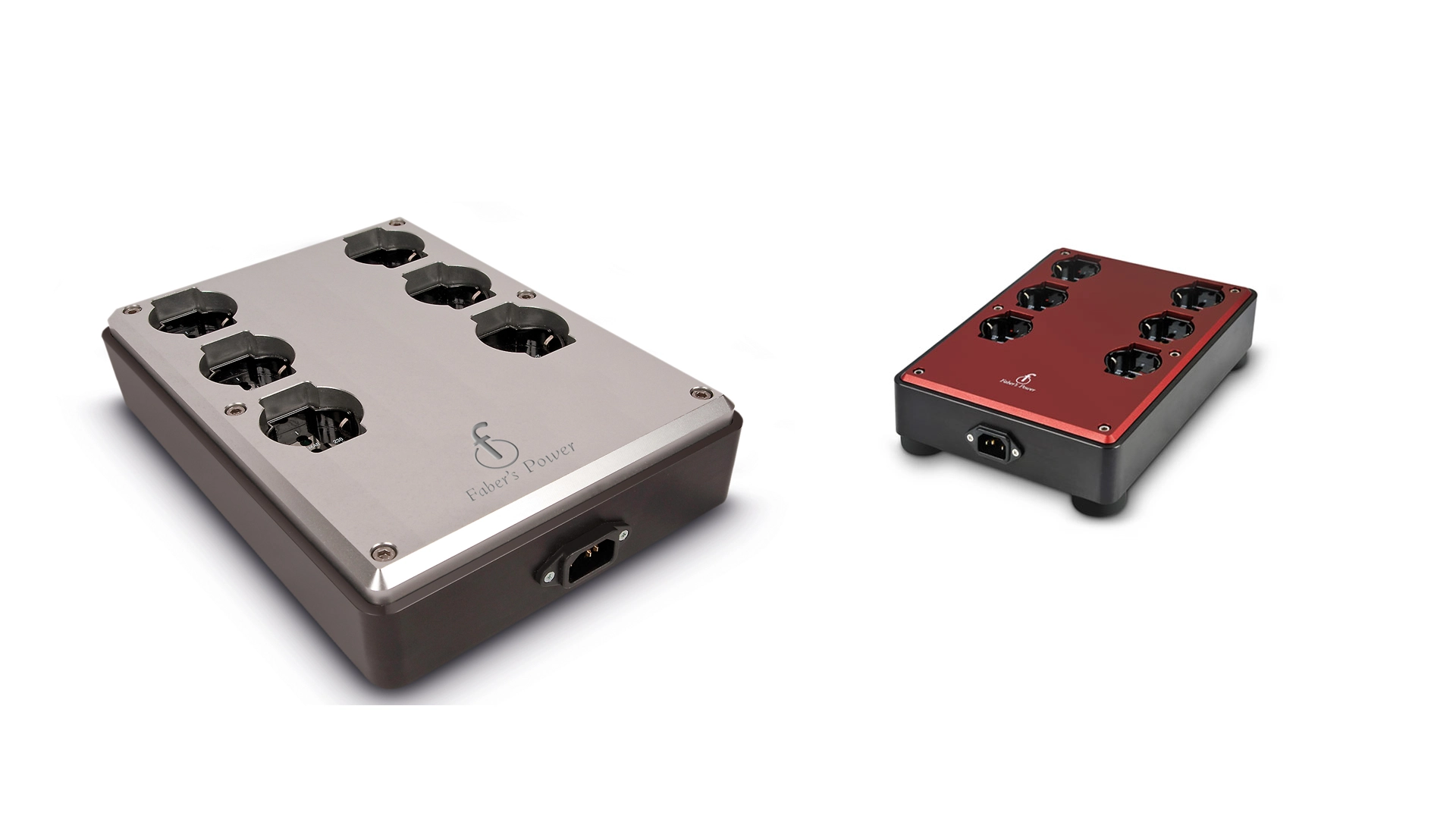
Faber’s Cables is an Italian family workshop created by Fabrizio Baretta and now developed with his son Enrico. It hand-builds analogue interconnects, loudspeaker cables, digital links and power cables, together with Faber’s Power distribution products. The company’s constructions use purpose-selected conductors, PTFE insulation, shielding and proprietary woven geometries designed to control inductance, capacitance, interference and mechanical behaviour. In several ranges, silver-plated stranded copper with military-specification origins is used as an engineering material rather than as a prestige slogan. Cable families differ in geometry and screening instead of relying only on progressively more expensive connectors. Faber’s individuality comes from keeping design, assembly and listening evaluation within a small Italian operation, with a continuous line of development between signal cables and mains products; no exact founding year is stated reliably enough to add one here.
Finley Audio
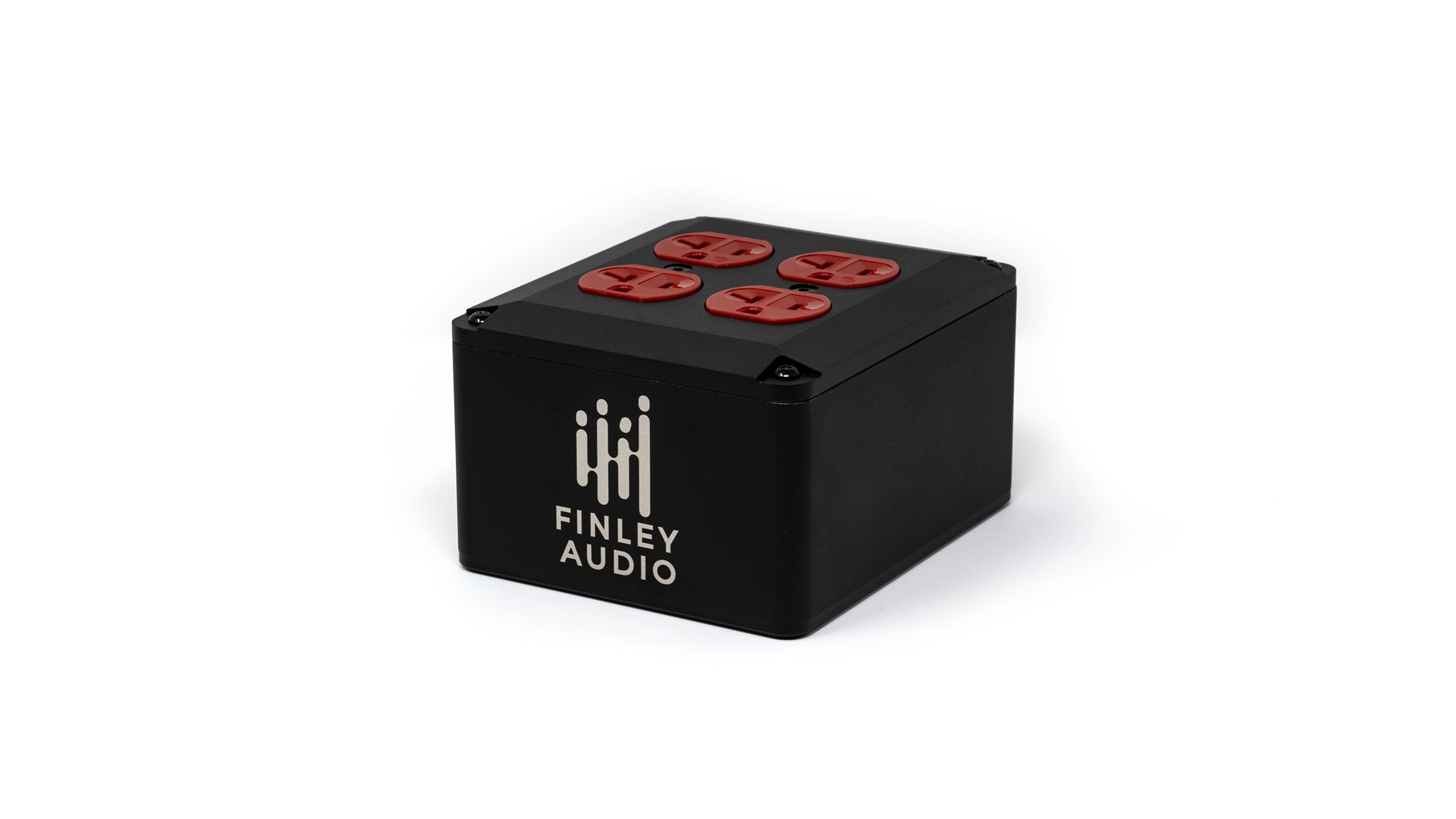
Finley Audio is an American boutique cable company that hand-builds complete wiring systems for two-channel audio. Its Cirrus and Stratus families cover RCA and XLR interconnects, phono leads, loudspeaker cables, jumpers, power cords and USB connections; related products include the PowerCube distribution block and cable risers. Rather than claiming one exotic conductor as a universal answer, the company describes a process of electrical measurement, prototype comparison and extended listening, with geometry, shielding, dielectric materials and termination selected for the cable’s task. Production and customer support remain in the United States, and custom lengths or configurations are part of the small-maker model. Finley Audio’s individuality is breadth within one focused craft: source, amplifier, loudspeaker and mains connections can be voiced and constructed as a family. Public information does not establish an exact founding year confidently enough to populate that field.
Fono Acustica

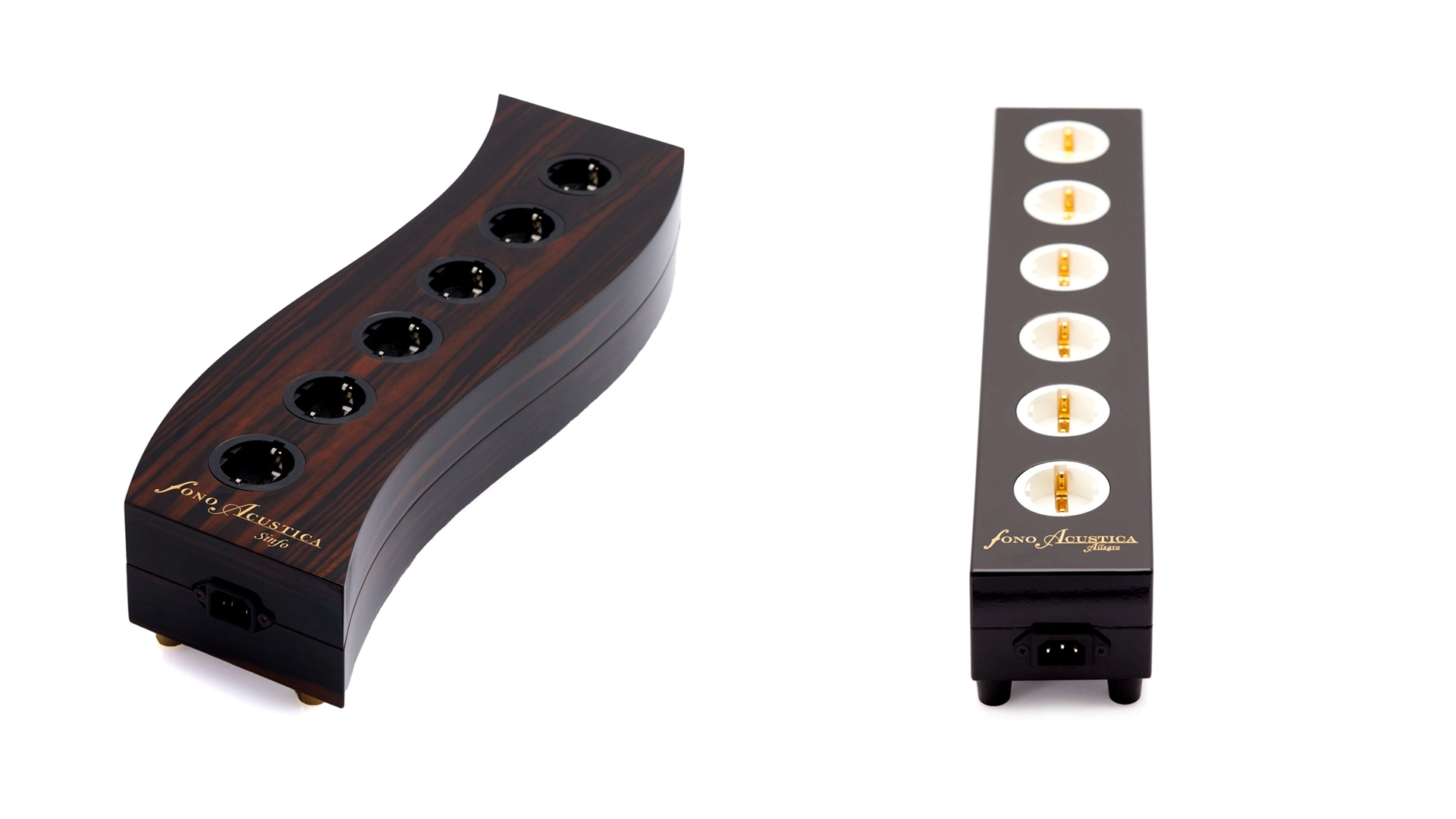
Fono Acustica hand-builds complete high-end audio cables in Spain, starting with its own conductors rather than re-terminating standard bulk cable. Designer Felix Avalos developed the brand around a proprietary solid-core silver-and-gold alloy obtained from a single specialist supplier in Canada. Conductor gauge, geometry, dielectric and mechanical treatment vary by cable and by product family instead of being presented as one universal recipe. The Armonico project, for example, followed extended trials with copper, silver, gold and palladium, and combines the chosen alloy with Teflon and air insulation, carefully controlled soldering and hardwood elements intended to manage mechanical energy. Interconnects, speaker cables, power cords, digital links and grounding products are built in small quantities, with families such as Armonico, Virtuoso, Allegro and Grandioso occupying distinct levels. The unusually supple construction and understated finish separate these cables from the heavy, rigid designs common in the category.
Gigawatt

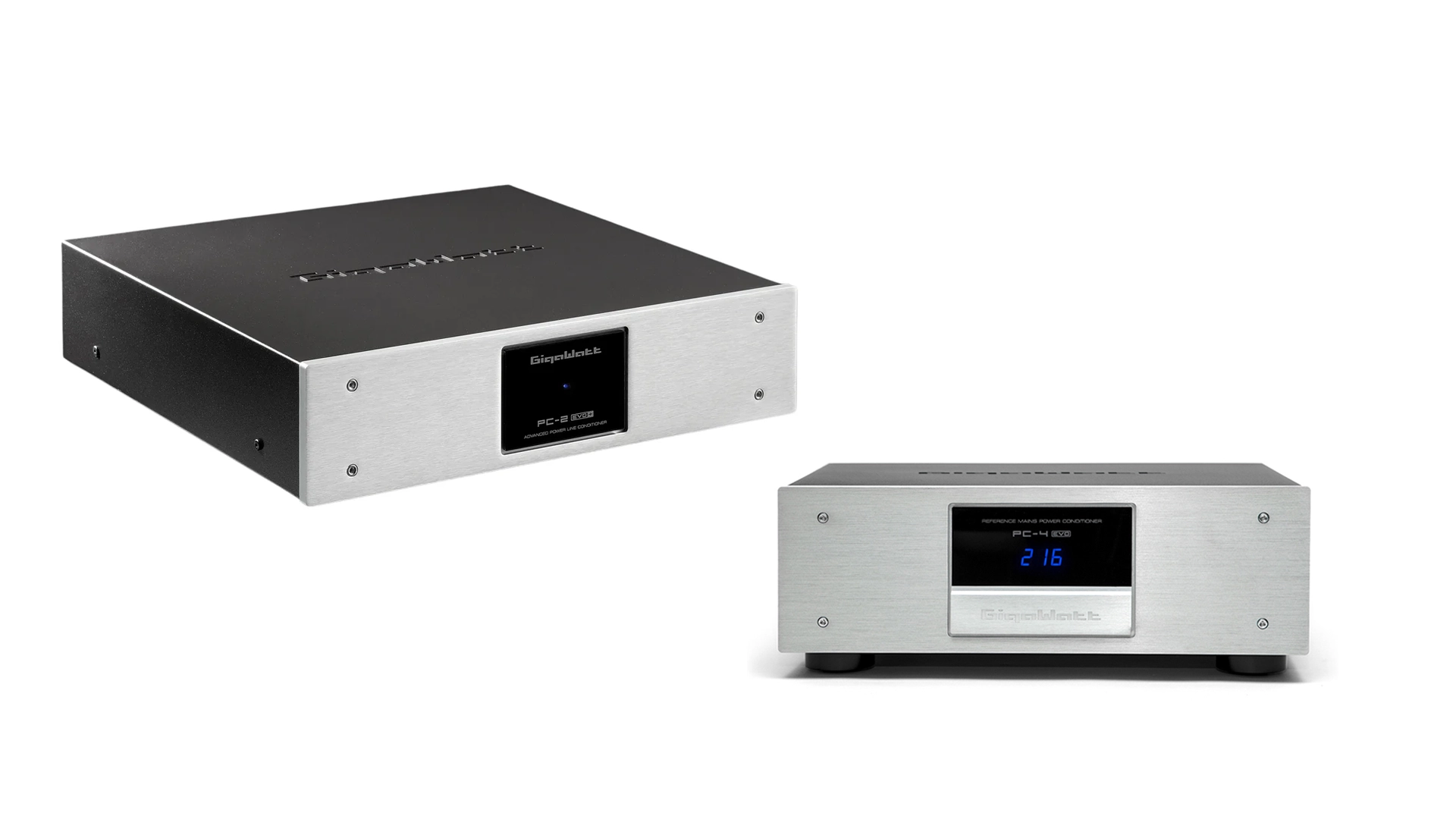
GigaWatt is a Polish specialist in mains distribution, filtration and protection for audio and video systems. Electronics engineer Adam Schubert founded the company in 2007 and remains its principal designer. The catalogue extends from in-wall cable and heavy-duty wall sockets to distribution strips, LC-series power cords, DC blockers and PC-series or PowerMaster conditioners. Rather than regenerating the AC waveform, its passive conditioners combine multi-stage filtering, star-wired power paths, surge protection and mechanically robust outlets. Higher models replace a conventional fuse with the company’s hydraulic-magnetic circuit breaker, chosen to provide protection without placing a fine fuse wire in the current path. This systems approach—from the wall to every connected component—is the practical core of GigaWatt’s know-how.
Gold Note
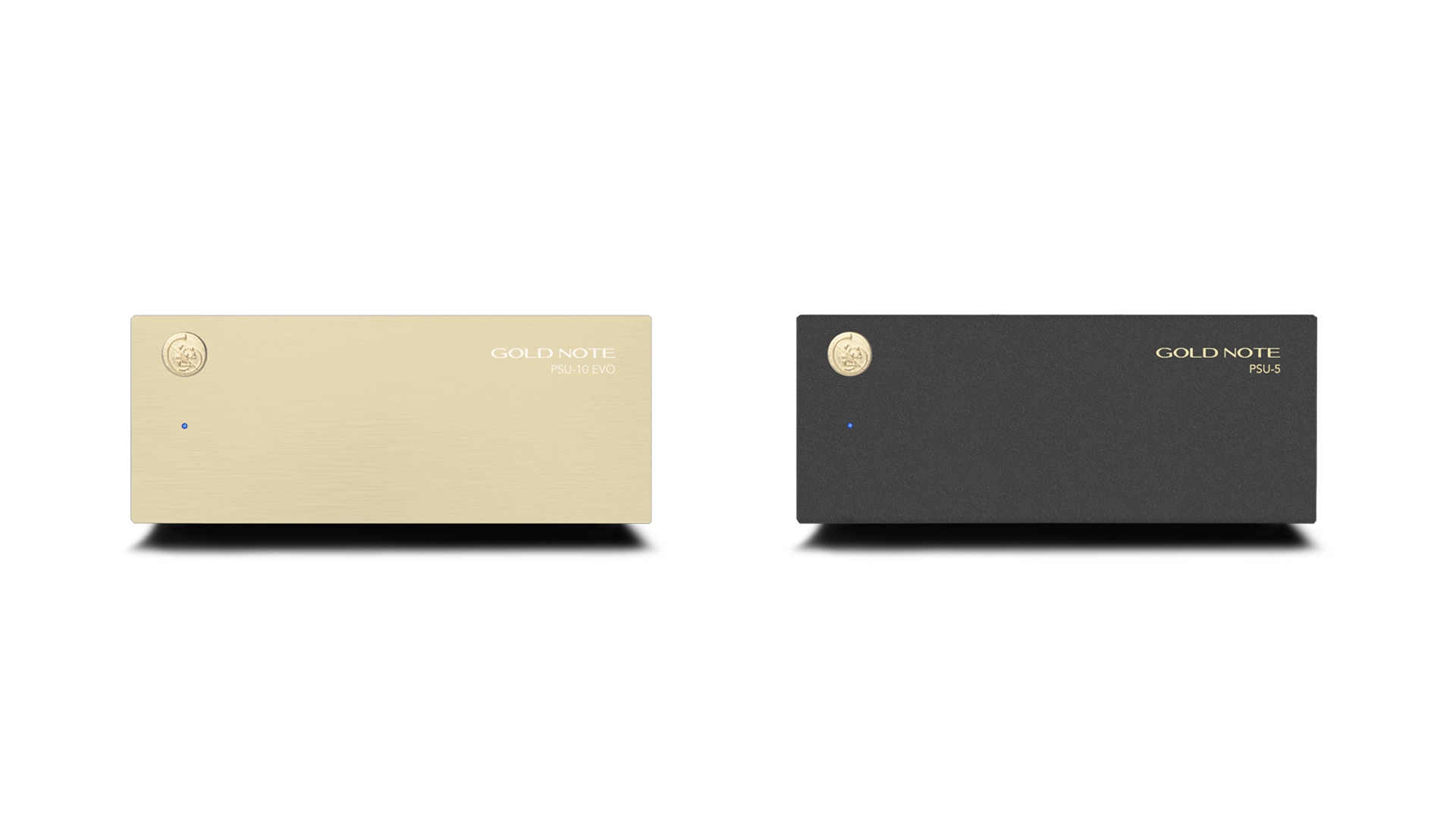
Gold Note is an Italian full-system audio manufacturer whose modern brand grew from Maurizio Aterini’s engineering studio, established in Florence in 1992 to design analogue products for other companies. The Gold Note name itself was founded in 2012, after Elena Basciano and later Alessio Oronti joined the enterprise. Its catalogue now links turntables and cartridges with phono stages, digital sources, all-in-one players, amplifiers, loudspeakers, racks and cables. Recognisable products include the Mediterraneo turntable, PH-10 phono stage, DS-series streamers and IS-series integrated systems. A useful feature of the range is modular upgrading: many components accept dedicated external power supplies, allowing the core unit to remain in service while its power section is improved. Design, development and much of the production remain concentrated in Tuscany.