
Power Supplies Conditioners
Power conditioners and regenerators act as a firewall between your sensitive audio equipment and the “dirty” AC power from your wall outlet. Their function is to filter out electrical noise, stabilize voltage fluctuations, and protect your valuable components from power surges. By providing a clean and stable foundation of power, these devices allow your system to perform at its absolute best. This directory lists the brands that manufacture these crucial solutions for system protection and performance enhancement.
Hi-Fi brands in the category
Summary information and image
Direct links to official websites
Heed Audio

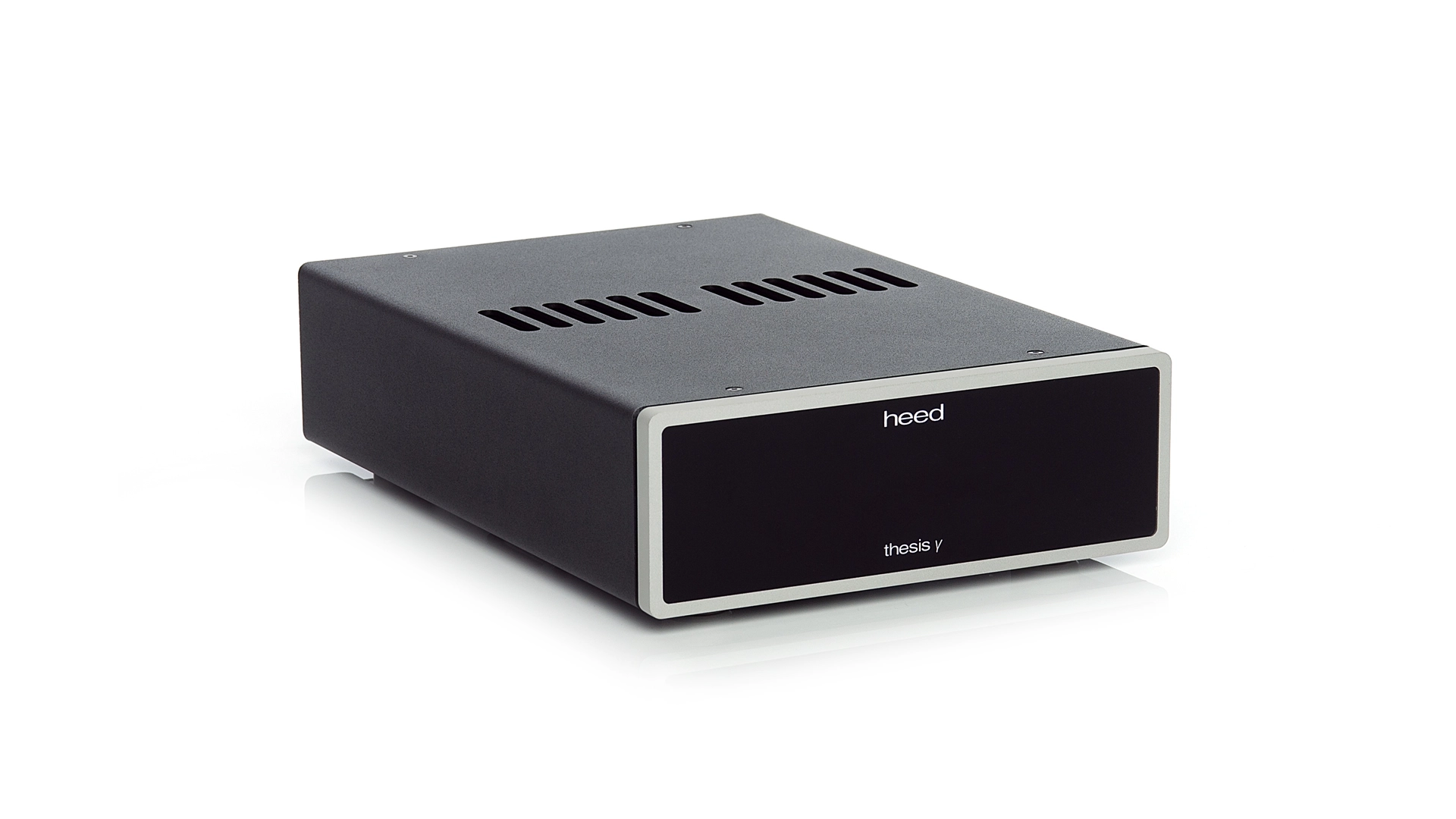
Heed Audio grew from Zsolt Huszti’s work in the Hungarian hi-fi scene of the 1980s and from his close connection with British designer Richard Hay’s Ion amplifiers. After Ion left the market in the early 1990s, Huszti continued developing the compact Obelisk concept under the Heed name, later working with engineer László Evellei on a new generation of half-width components. The brand’s best-known technical signature is Transcap, a capacitor-coupled output topology—not a transformer-coupled circuit—in which large output capacitors form part of the amplifier’s direct relationship with the loudspeaker. Heed applies this deliberately non-mainstream architecture in amplifiers such as the Obelisk and Elixir, while the wider catalogue includes the Lagrange and Thesis electronics, Quasar phono stage, Canamp headphone amplifier and digital sources. Compact proportions, upgradeable power supplies and an emphasis on musical timing give Heed a character distinct from conventional specification-led hi-fi.
HMS

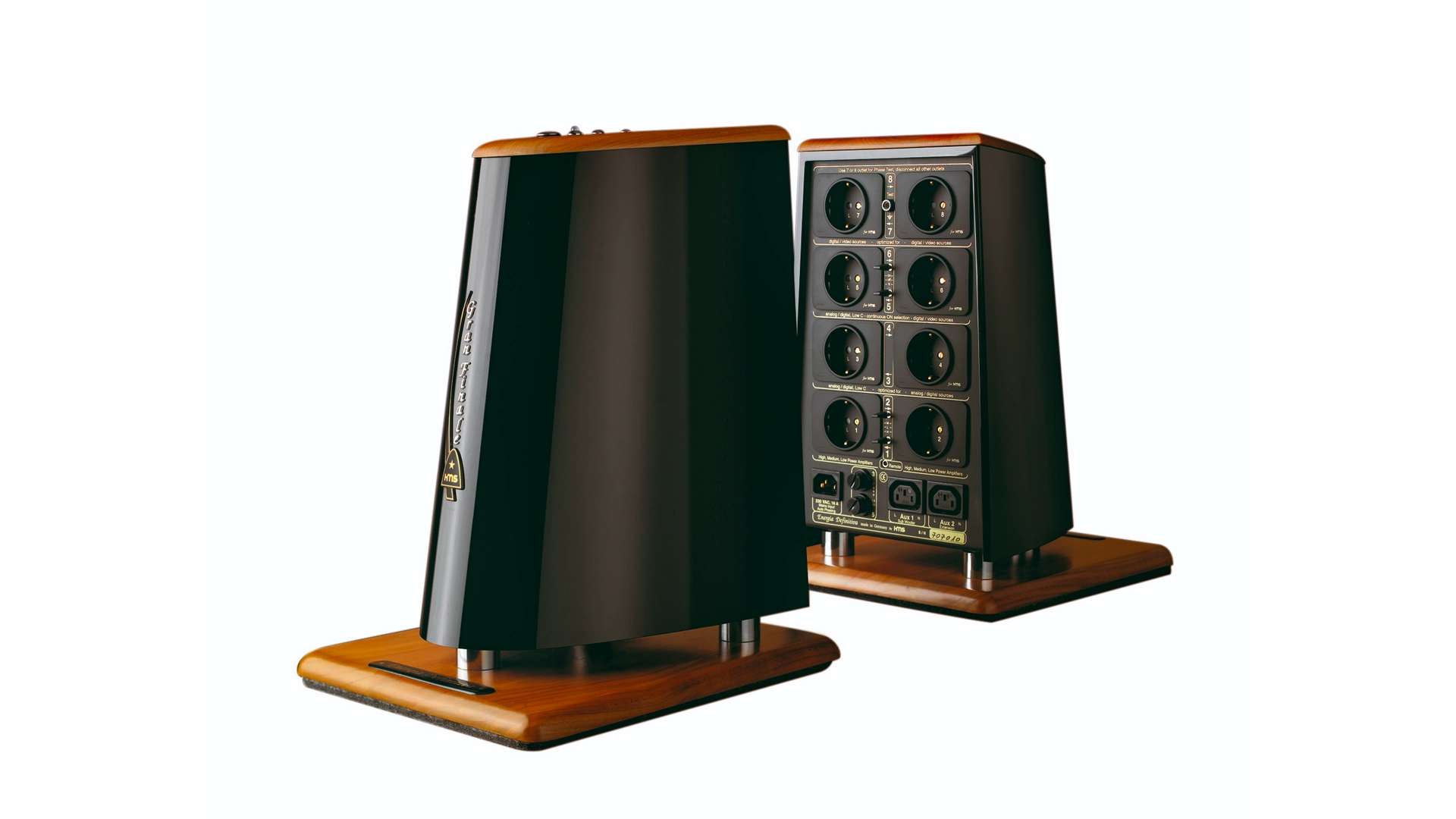
HMS is a cable and power-treatment brand founded in Germany in 1975 by engineer Hans M. Strassner. It built its reputation by approaching cables as defined electrical networks, paying close attention to conductor material, geometry, dielectric behaviour, shielding and the way a cable interacts with connected equipment. Its ranges have included Foundations, Concertato, Armonia, Gran Finale and Suprema interconnects and speaker cables, as well as Energia mains filters and distribution products. Technologies such as air insulation, carbon-based shielding and selectable grounding or termination concepts are used where the application demands them, rather than presented as one cure for every system. A major recent change is that HMS became part of the Dutch Siltech group in 2024; current HMS products are handcrafted in the Netherlands while the brand’s origin and engineering heritage remain German. That distinction is important when describing both its history and its present production.
Holton Precision Audio

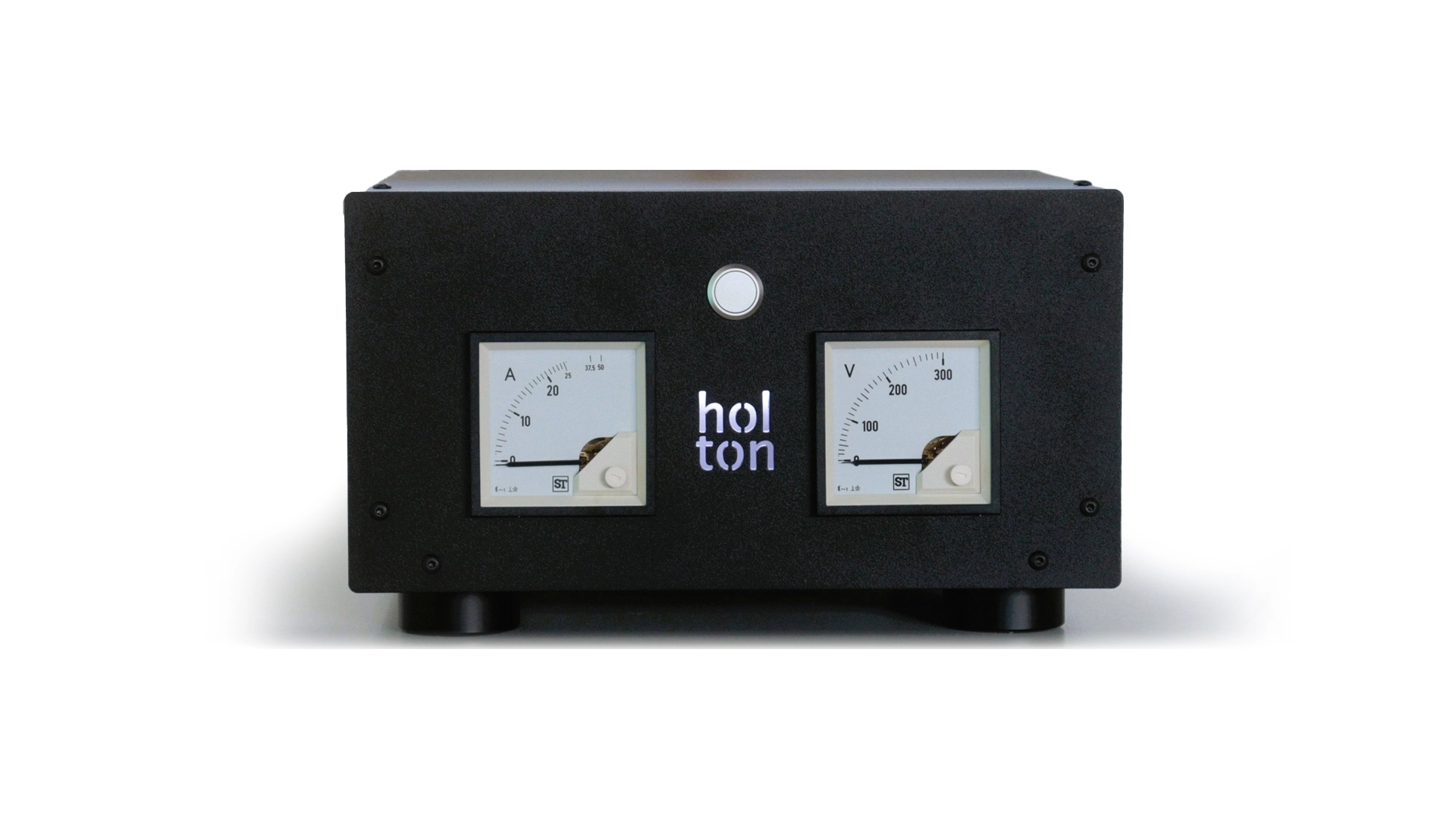
Holton Precision Audio is a Tasmanian amplifier specialist founded by Anthony Holton in 2002. The company first became known for discrete Class A/AB amplifier modules and power-supply boards that allowed experienced builders and other manufacturers to use Holton circuit designs, then expanded into complete handcrafted components. Its amplifiers favour substantial linear supplies, short signal paths, carefully managed bias and thermal behaviour, and high current capability rather than fashionable switching topologies. The range includes the Gambit II monoblock power amplifiers and One-Zero-One dual-mono design, supported by products such as Power Board One, DC Blocker One and balanced mains conditioning. Small-scale Australian manufacture and a willingness to serve both finished-product owners and technically capable builders remain unusual strengths. “Holton” elsewhere in this database is an abbreviated duplicate of this same company, not an independent brand.
In-akustik

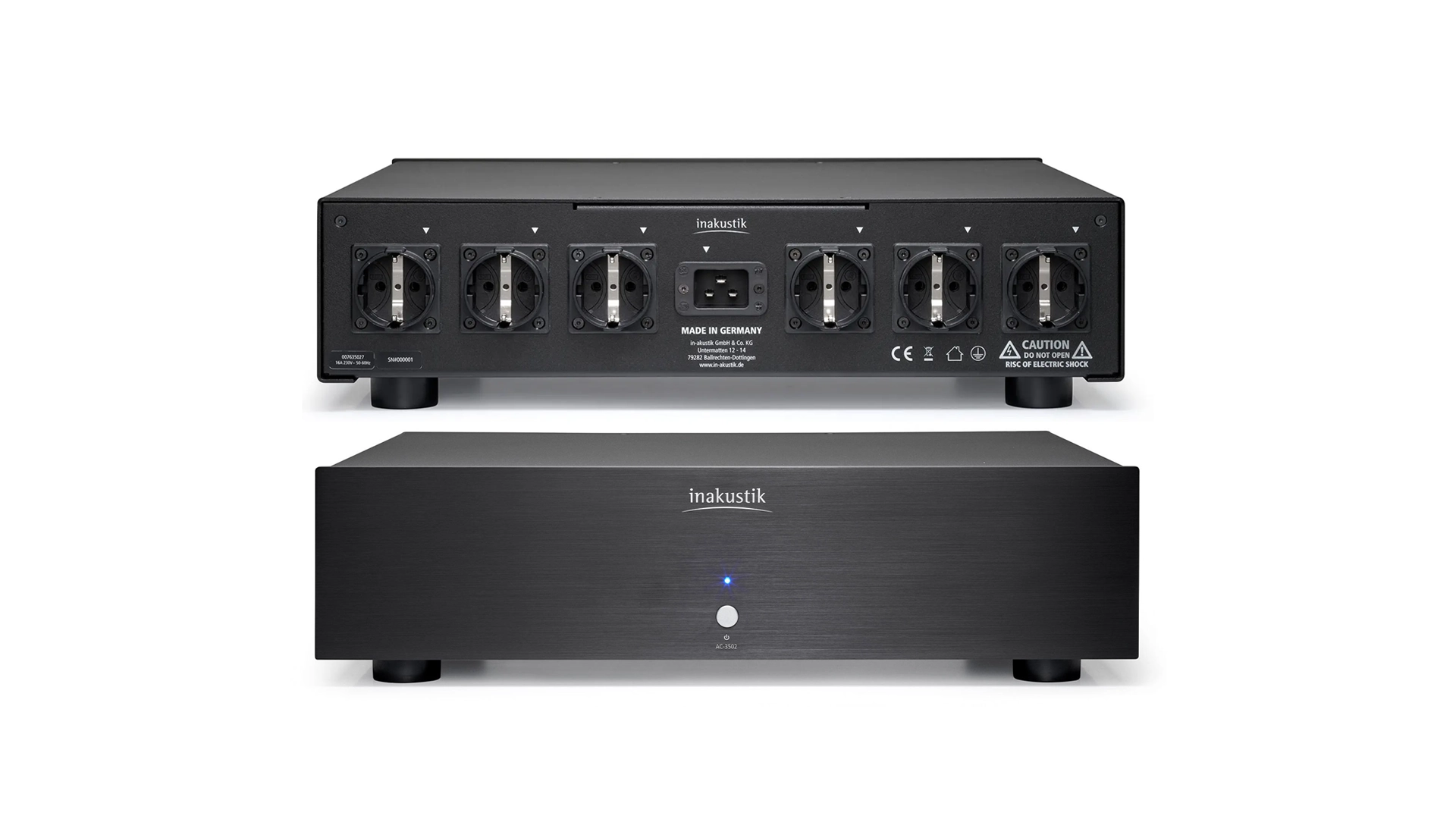
in-akustik is a German cable manufacturer whose strongest claim is that its reference products are built by hand at its own facility in Ballrechten-Dottingen. Founded in 1977, the company spans hi-fi cables, power distribution and accessories, while a separate music label and distribution business give it long contact with complete audio systems. Its defining AIR technology reduces the dielectric around the conductors: in Referenz AIR and Air Helix cables, precision clips hold conductors in an open helical structure so that air becomes the principal insulator. This construction is designed to control capacitance, inductance, resistance and skin-effect behaviour without filling the cable with conventional plastic. The approach appears across speaker cables, analogue and phono interconnects, digital links and mains products, with different geometries scaled to purpose. in-akustik therefore stands apart through manufacturing know-how that is visible in the cable’s physical architecture, not only in conductor metallurgy or marketing terminology.
ISOL-8

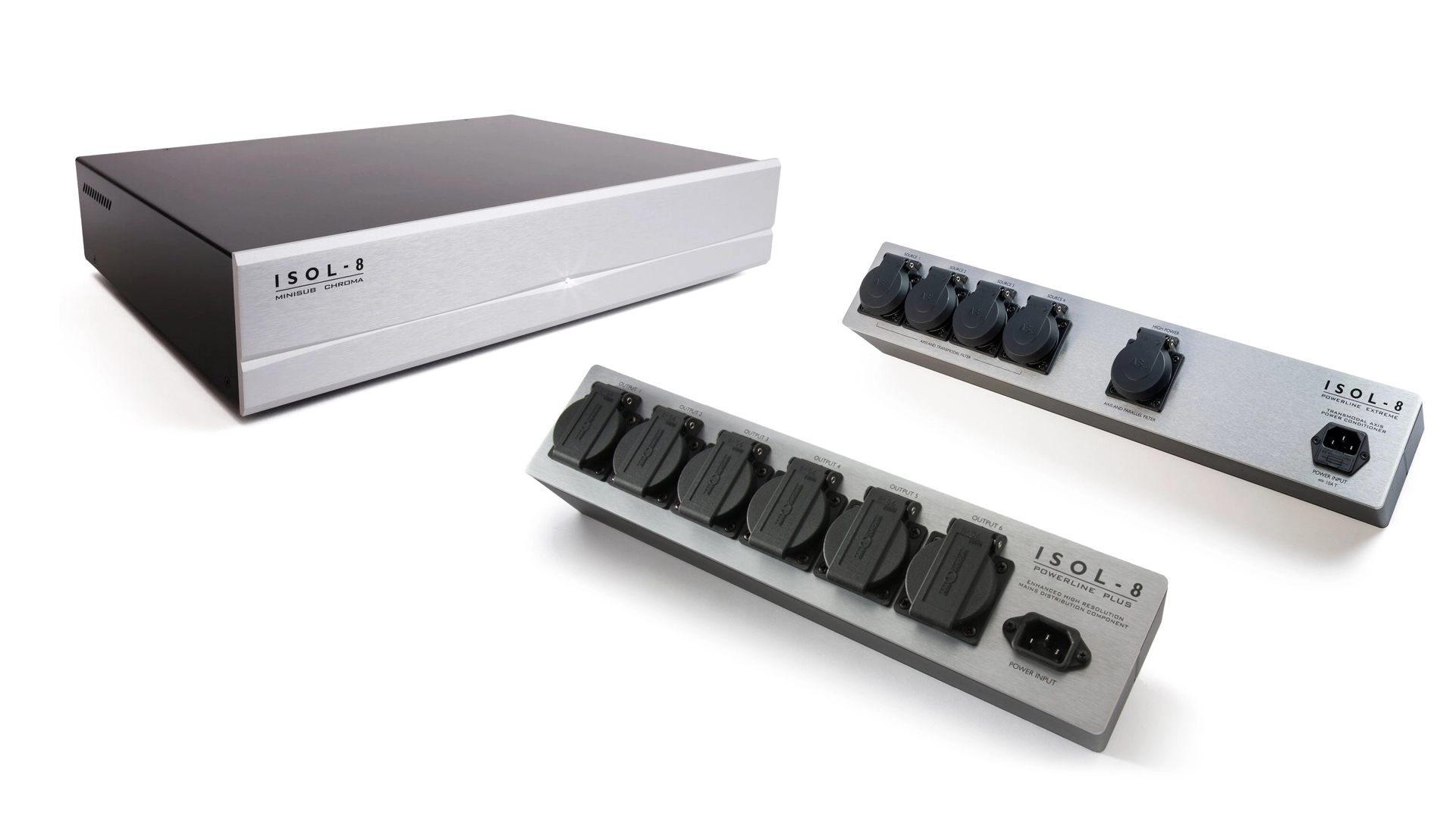
ISOL-8 is Nic Poulson’s British power-conditioning company, built on experience that began with broadcast engineering at the BBC and continued through audio amplification and early mains research. Incorporated in 2004, ISOL-8 develops conditioners for complete hi-fi, AV and custom-install systems rather than treating filtration as one power strip for every load. Poulson pioneered multiple independent filter sections to reduce cross-contamination between connected components and also championed DC blocking for transformers affected by asymmetrical mains. The company’s Transmodal topology targets common- and differential-mode noise without shunting it to earth. MiniSub and PowerLine products package these ideas for compact systems, while SubStation models separate low-current sources from high-current amplifiers; custom-install products address larger multichannel systems. The design priority is to remove electrical contamination without placing excessive impedance in the path of components that need sudden current.
IsoTek

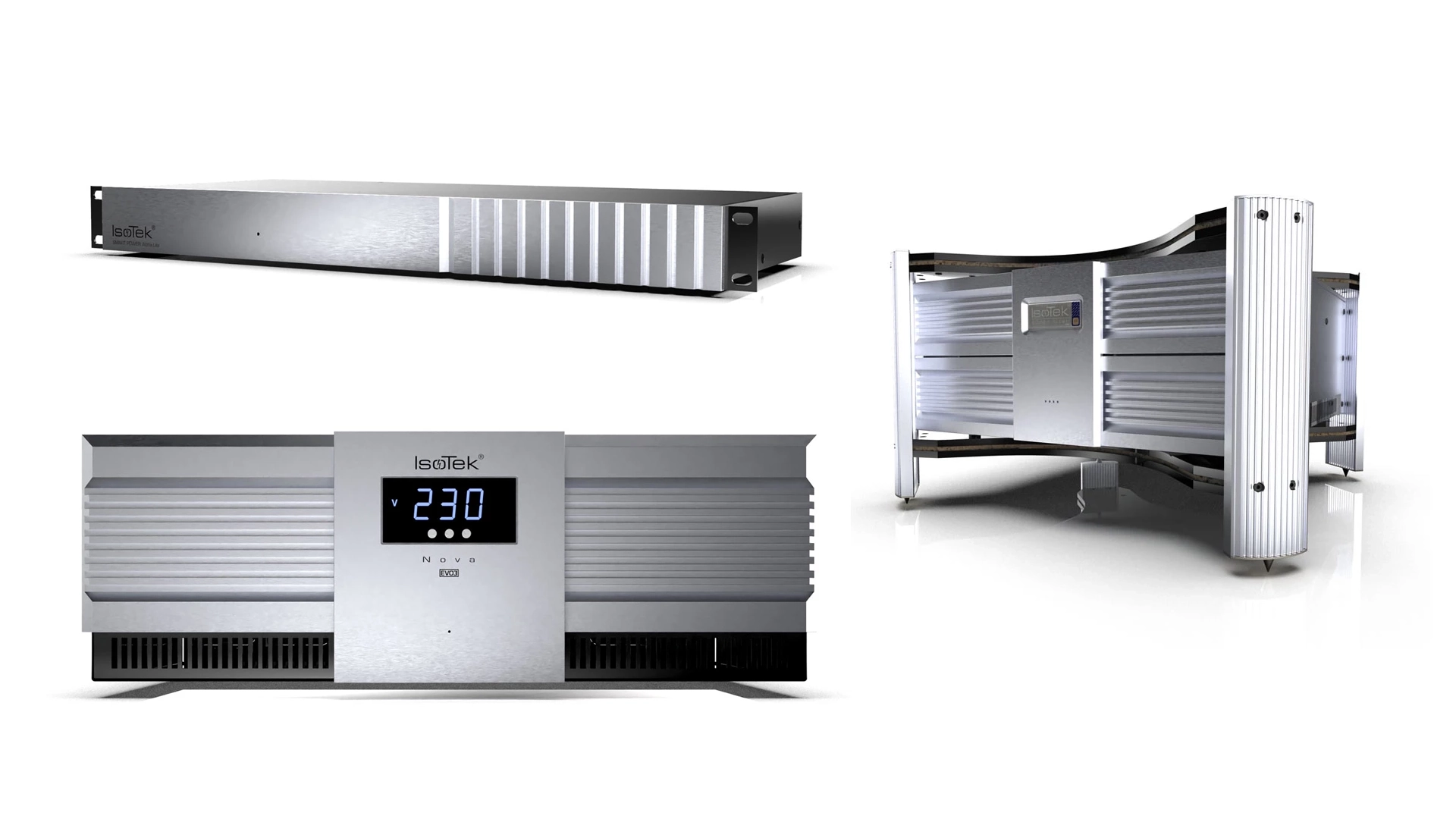
IsoTek is a British specialist that has focused exclusively on mains treatment for audio and AV systems since 2001. Its first modular SubStation established the idea that source components and power amplifiers should not all receive identical filtering, and the company has since developed a broad hierarchy of power bars, conditioners, regenerators and purpose-built cables. Current V5 products range from Polaris and Corvus distribution units through Aquarius and Sigmas conditioners to high-current Titan and Genesis solutions. Separate filter cells are used to limit differential- and common-mode noise as well as contamination passed from one connected component to another, while high-current outlets are engineered to preserve dynamic demand. Keith Martin has been the company’s long-standing managing director and public driving force; IsoTek’s early technical history also intersects with engineer Nic Poulson, who later founded ISOL-8. That distinction matters because the two British brands now pursue separate product architectures.
Jeff Rowland Group
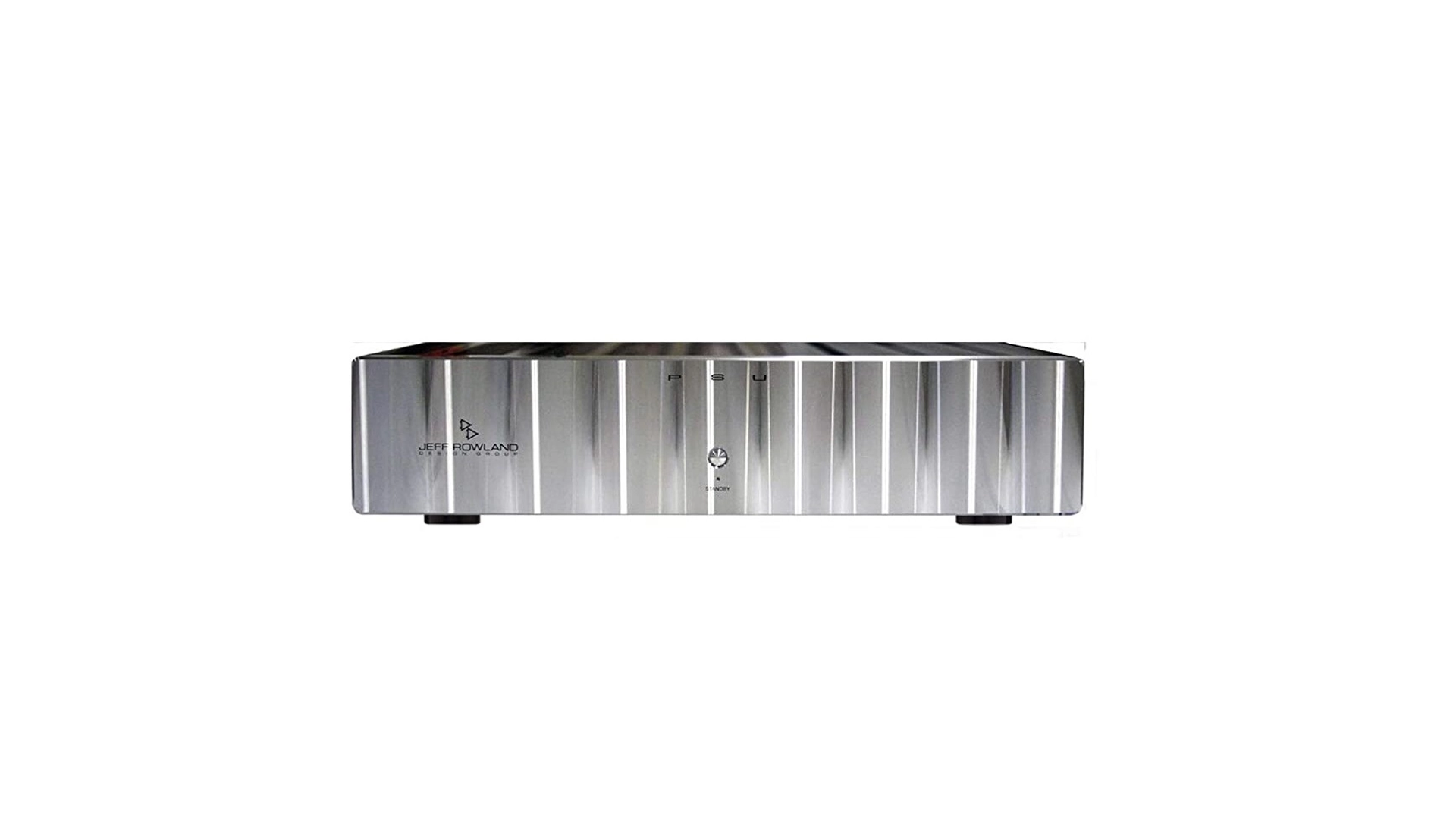
Jeff Rowland Design Group has made Colorado-built high-end amplifiers since 1984, pairing sophisticated power-supply and circuit work with some of the industry’s most recognisable metalwork. Founder Jeff Rowland established the company around low-noise, wide-bandwidth electronics and meticulous construction. Chassis are machined from aluminium and finished with a diamond-cut pattern that is functional as well as decorative, providing a rigid, non-magnetic enclosure and substantial heat management. Across generations, the company has used fully balanced topologies, transformer coupling in selected inputs or outputs, switch-mode power supplies where their efficiency and regulation are advantageous, and both linear and class-D output stages according to the model. Products have included Capri and Corus preamplifiers, Model-series power amplifiers, Continuum integrated amplifiers and the high-power Daemon super-integrated. Model names change, so the lasting distinction is the integration of mechanical, electrical and thermal design rather than a single circuit fashion. Jeff Rowland components target systems where silence, control and long-term build quality matter as much as rated power.
JMF Audio
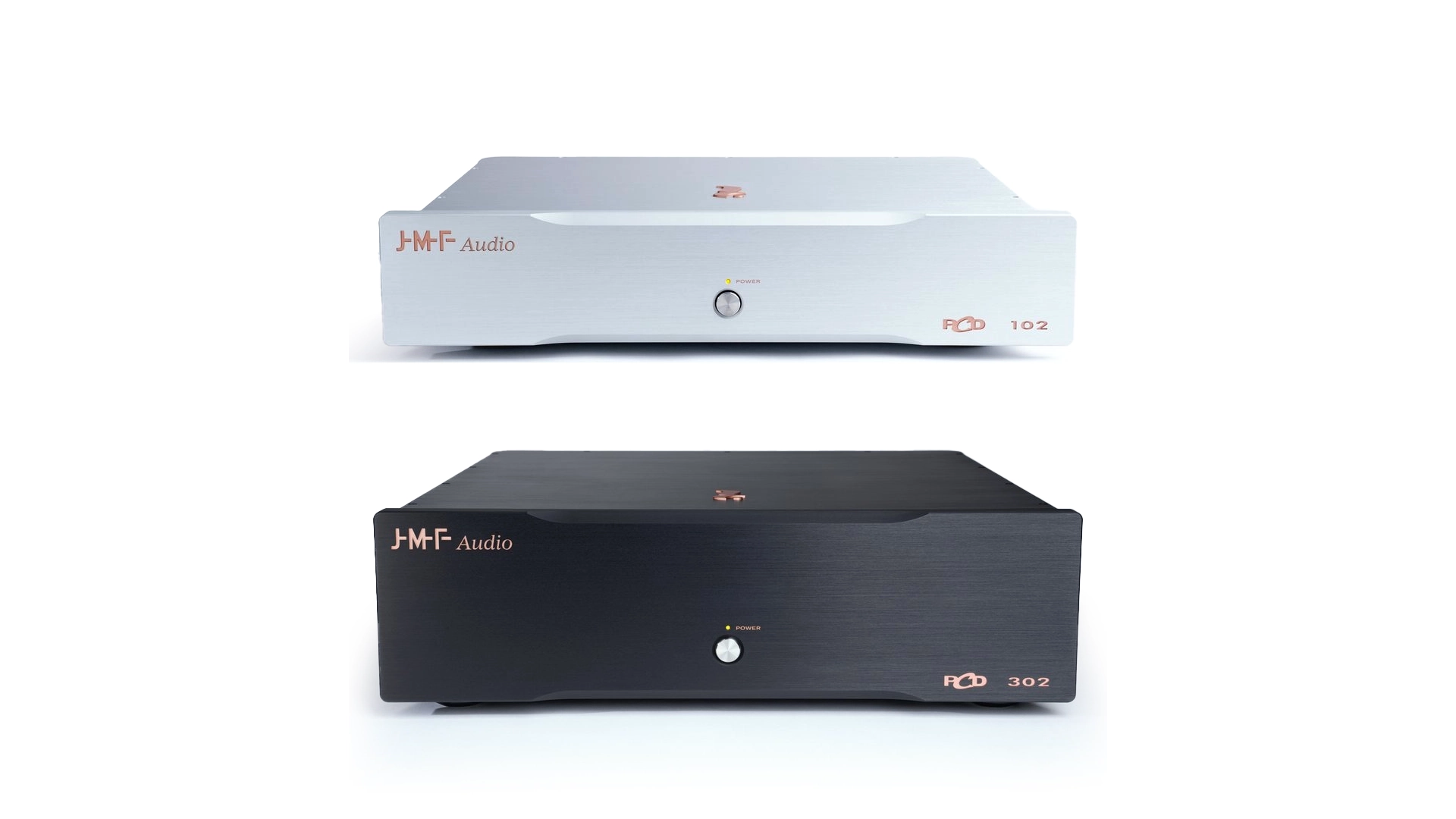
JMF Audio is a French ultra-high-end manufacturer with an unusually broad command of the complete signal chain. Established in 1985 by Jean-Marie Fusil, it develops and builds power amplifiers, preamplifiers, phono stages, digital converters, disc transports, cables and mains filtering at its facility in Anould, France. The HQS power amplifiers are central to the name: massive power supplies, carefully controlled grounding, wide bandwidth and high current delivery are engineered for difficult loudspeaker loads without relying on decorative complexity. PRS preamplifiers, PHS phono stages and DXC conversion products extend the same system-level approach, while current digital offerings include dedicated disc transport and DAC components rather than the generic “Blu-ray players” claimed in the previous text. JMF also designs the interconnect, loudspeaker and power cables used to complete its reference installations. The brand’s small production scale permits close component selection, mechanical construction and testing. Its defining strength is not a promised sonic adjective, but vertical engineering continuity from source and low-level gain through power amplification and cabling.
Jorma Design

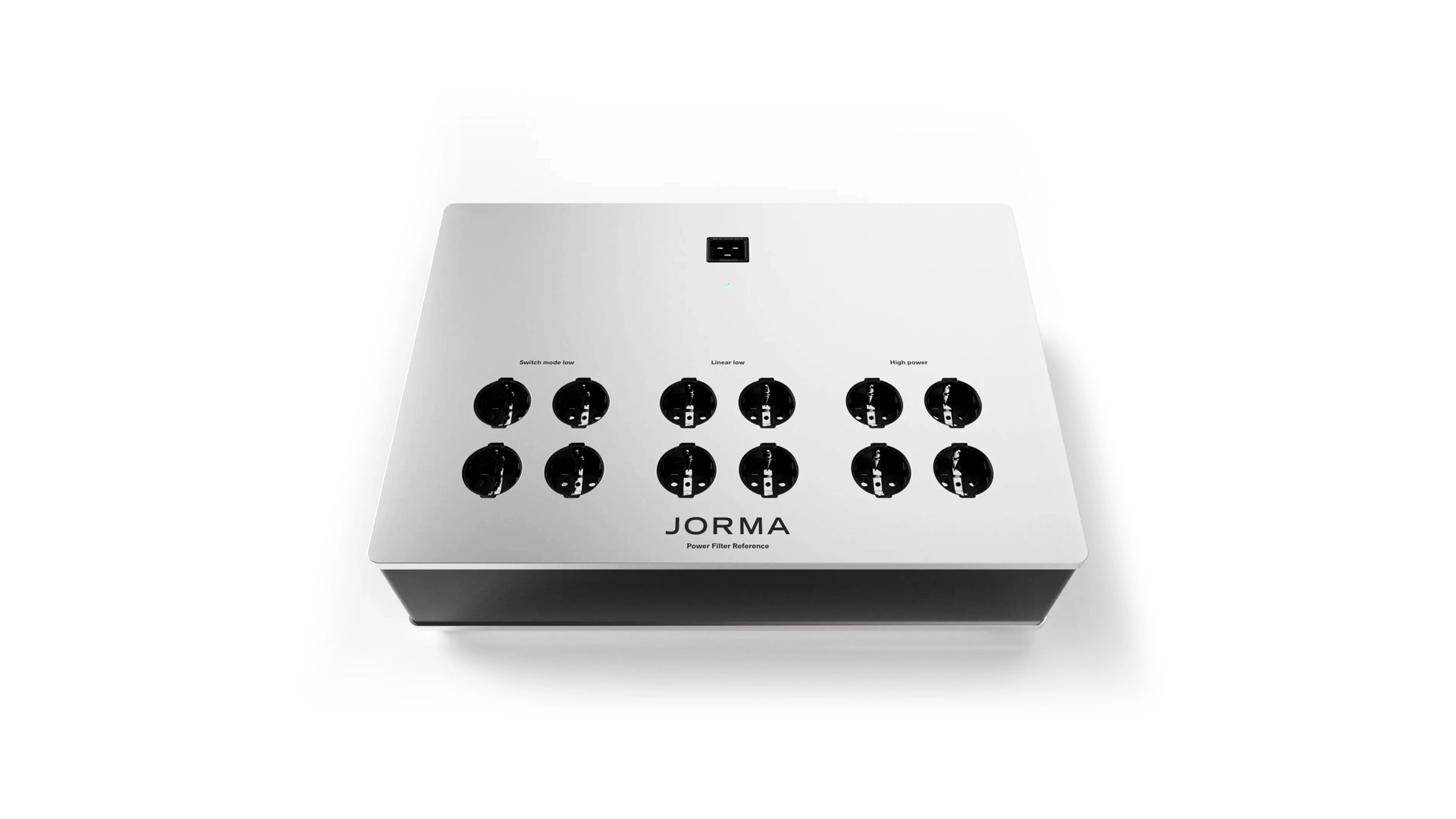
Jorma Design—marketed today as Jorma Audio—is a Swedish cable maker founded by Jorma Koski in 2001. Its products are designed and assembled in Sweden for high-end home systems, covering analogue interconnects, loudspeaker cables, power cords, phono leads and digital connections including USB and Ethernet. The design approach is deliberately reductive: conductor geometry, insulation, shielding, mechanical stability and connector quality are treated as an integrated electrical system, with unnecessary metal and junctions avoided where possible. Current families run from Trinity, Duality and Unity through Origo and Statement Encore to the flagship Paragon; this replaces the older description’s outdated “Prime” hierarchy. Selected upper ranges use cryogenically treated conductors and Furutech connectors, while cable types are offered in configurations appropriate to RCA, XLR, DIN, bi-wire and other applications. Jorma also adds NFC identity tags to help owners verify genuine products in a category vulnerable to counterfeiting. The brand’s character is precise Swedish manufacture and a consistent system philosophy, not vague promises that any cable will transform every installation.
Keces

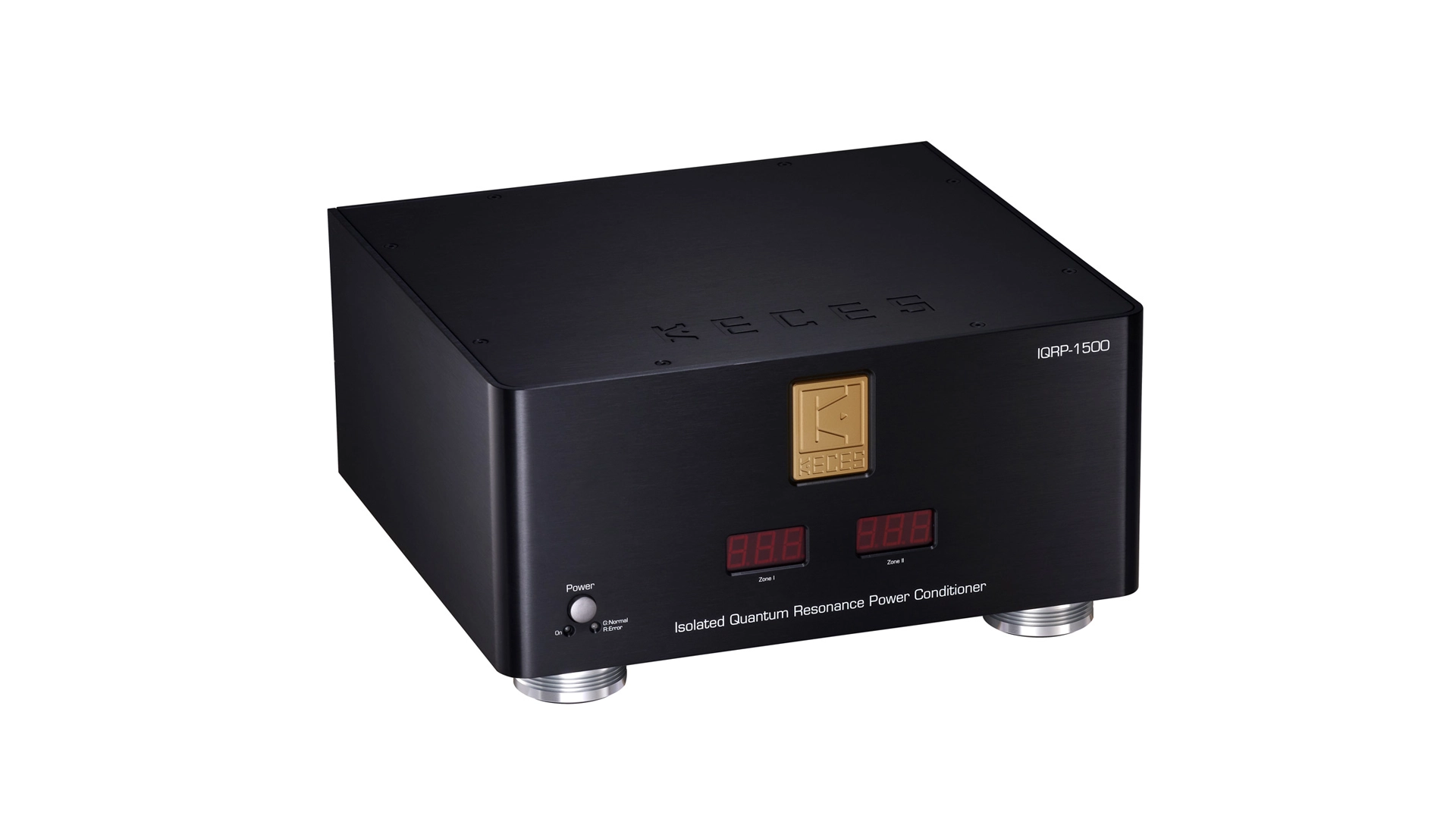
KECES Audio is a Taiwanese electronics manufacturer whose clearest specialty is clean power for hi-fi systems. Founded in 2002, the company first became widely known for low-noise linear power supplies and later expanded the same power-supply know-how into conditioners, amplifiers, preamplifiers, DACs, phono stages and streaming components. Current ranges make those roles easy to distinguish: models such as the P28 supply external components with high-current linear DC power, while the IQRP-1500 combines isolation and mains conditioning; products including the S4 preamplifier and Euphony DAC show how the company applies its engineering inside complete audio components. KECES uses substantial transformers, separated supply sections, metal shielding and protective circuitry to reduce noise without turning everyday operation into a laboratory exercise. The brand occupies a useful position between accessories and full electronics: it can solve a specific power problem in an existing system or provide matched components for a compact two-channel setup.
Lector Audio
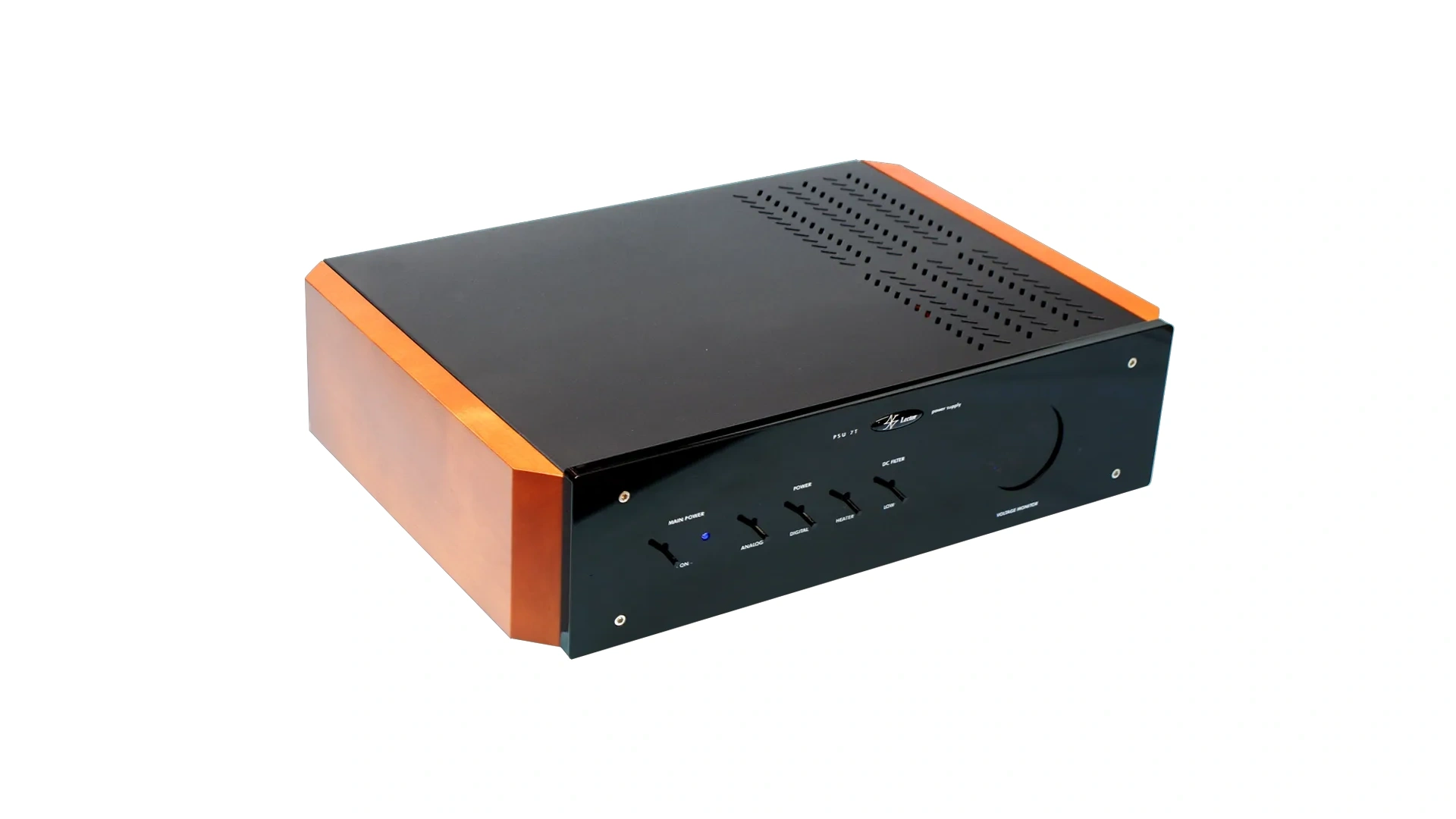
Lector Audio is an Italian manufacturer that has been designing and hand-building high-end electronics since 1982, with particular expertise in combining valve analogue stages with digital sources. Long before tube-output DACs became common, Lector treated the transport, conversion circuitry, clocking, power supply and output stage as separate engineering problems. Its multi-box CD players and the DigiCode/DigiDrive combinations isolate sensitive digital and analogue functions, while the Digitube converters use valves after conversion to avoid a conventional op-amp output path. The range extends beyond digital: Zoe line preamplifiers, VM-series hybrid power amplifiers, ZAX integrated amplifiers and moving-magnet/moving-coil phono stages apply the same preference for substantial external power supplies and short analogue paths. Network products such as Diginet add streaming and file playback without abandoning the modular architecture. Manufacturing in Italy and a willingness to retain serviceable, upgradeable platforms give the catalogue continuity across generations of formats. Lector’s speciality is not simply adding a visible valve to a digital product, but designing the power and analogue sections so optical discs, streamed files and vinyl can share a coherent system character.
Line Magnetic Audio
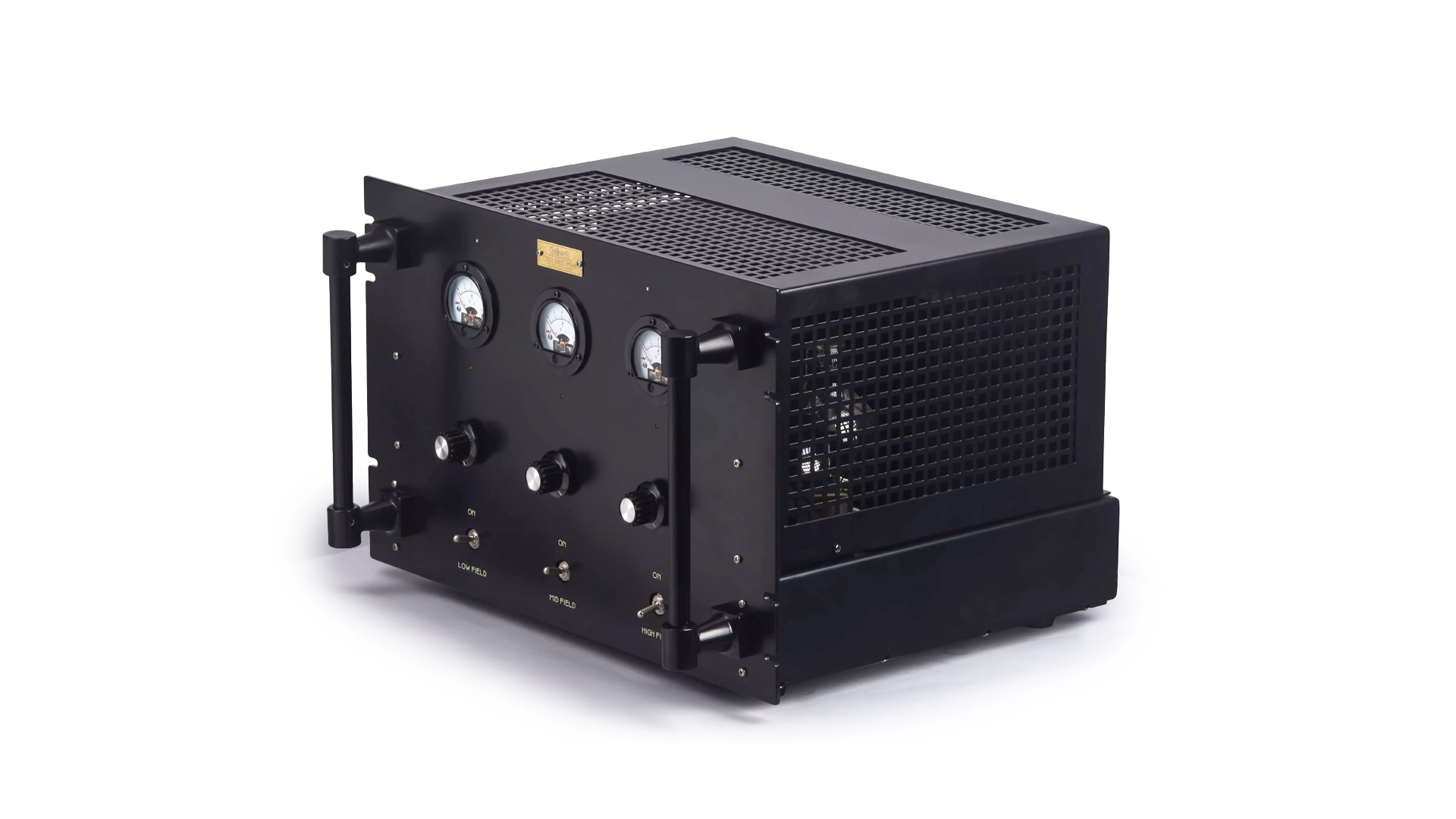
Line Magnetic Audio is a Chinese high-end manufacturer whose work connects present-day valve electronics with the engineering of Western Electric, Altec and Jensen cinema systems. Brothers Zheng Cai and Zheng Xi founded the company in Zhuhai in 2005 after years spent repairing, collecting and studying historic amplifiers, field-coil drivers and horns. The company first became known for painstaking replicas of classic loudspeaker drivers and theatre electronics, then developed an extensive range of original integrated amplifiers, preamplifiers, power amplifiers, digital sources and loudspeakers. Single-ended Class A models built around 845, 805, 211 or 300B output valves are central to the catalogue, while push-pull designs offer greater power for less sensitive speakers. Products such as the LM-845IA, LM-805IA and LM-88IA show that Line Magnetic does not rely on a single tube topology. Large output transformers, point-to-point wiring in many valve models and user-accessible bias adjustment reflect practical manufacturing know-how. Its horn systems and replica drivers preserve a separate, historically informed side of the business. Line Magnetic’s individuality lies in learning directly from early cinema audio while producing usable contemporary components rather than decorative copies.
Linear Tube Audio

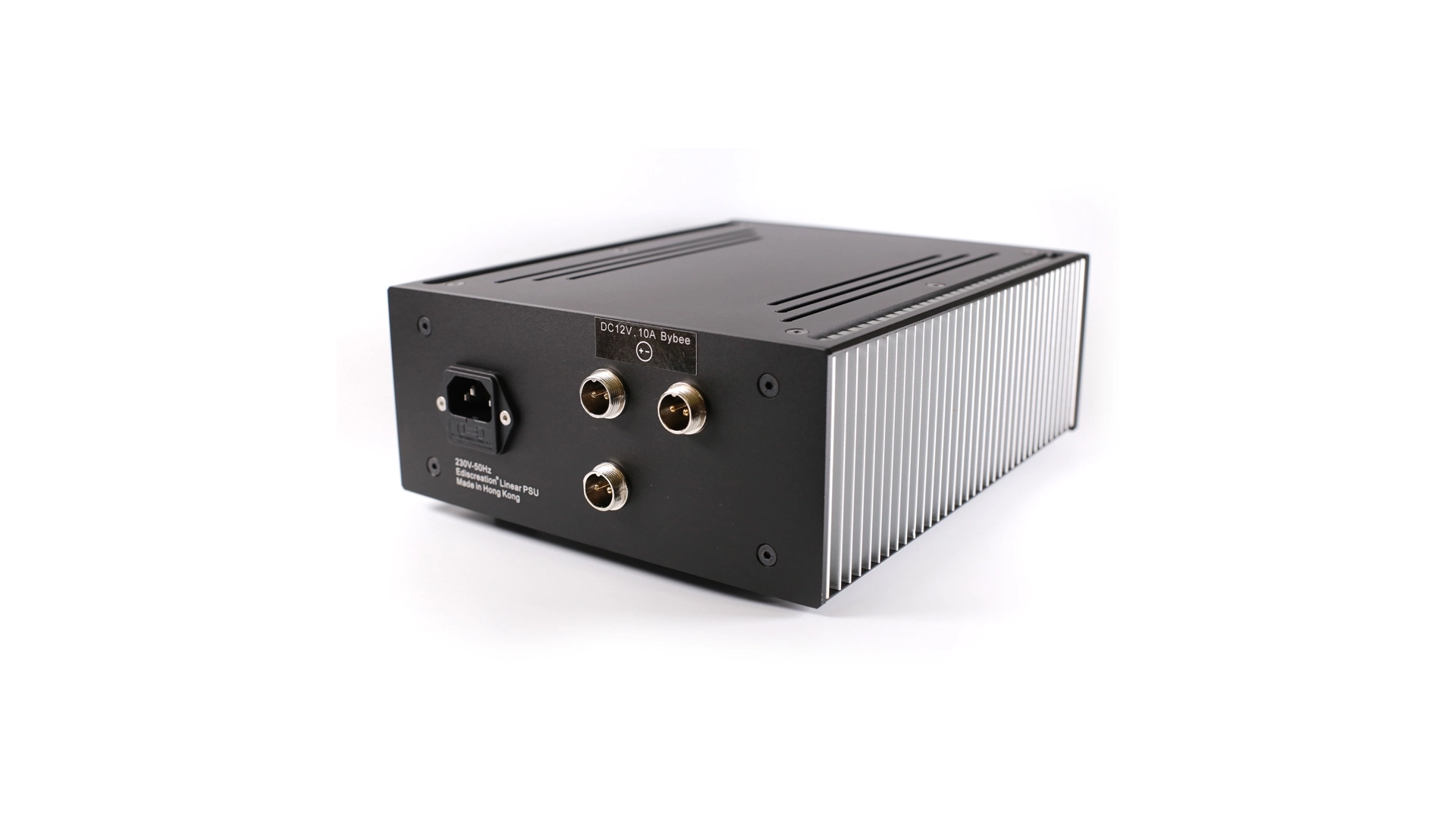
Linear Tube Audio is an American valve-electronics manufacturer built around David Berning’s patented ZOTL architecture. Mark Schneider founded the company in 2015 and began with the MicroZOTL 2.0, an updated version of Berning’s compact amplifier. A conventional tube power amplifier requires a large audio-frequency output transformer to match the valves to a loudspeaker. ZOTL instead transfers that impedance through a radio-frequency conversion stage, avoiding the hysteresis, bandwidth limits and stored energy associated with a traditional output transformer while retaining valves in the signal-amplifying circuit. Berning designs the core amplifier topology to LTA’s requirements, and the Takoma Park, Maryland team develops the power supplies, control systems, chassis and production engineering around it. Current products include Z40+ and Ultralinear+ integrated and power amplifiers, the MicroZOTL preamplifier, Z10e electrostatic-headphone amplifier, Velo headphone amplifier/preamplifier and Aero DAC. Units are hand-built in the United States and designed for long tube life and relatively low heat. LTA’s strength is therefore specific and testable: it industrialises a difficult alternative to the valve output transformer.
M2Tech

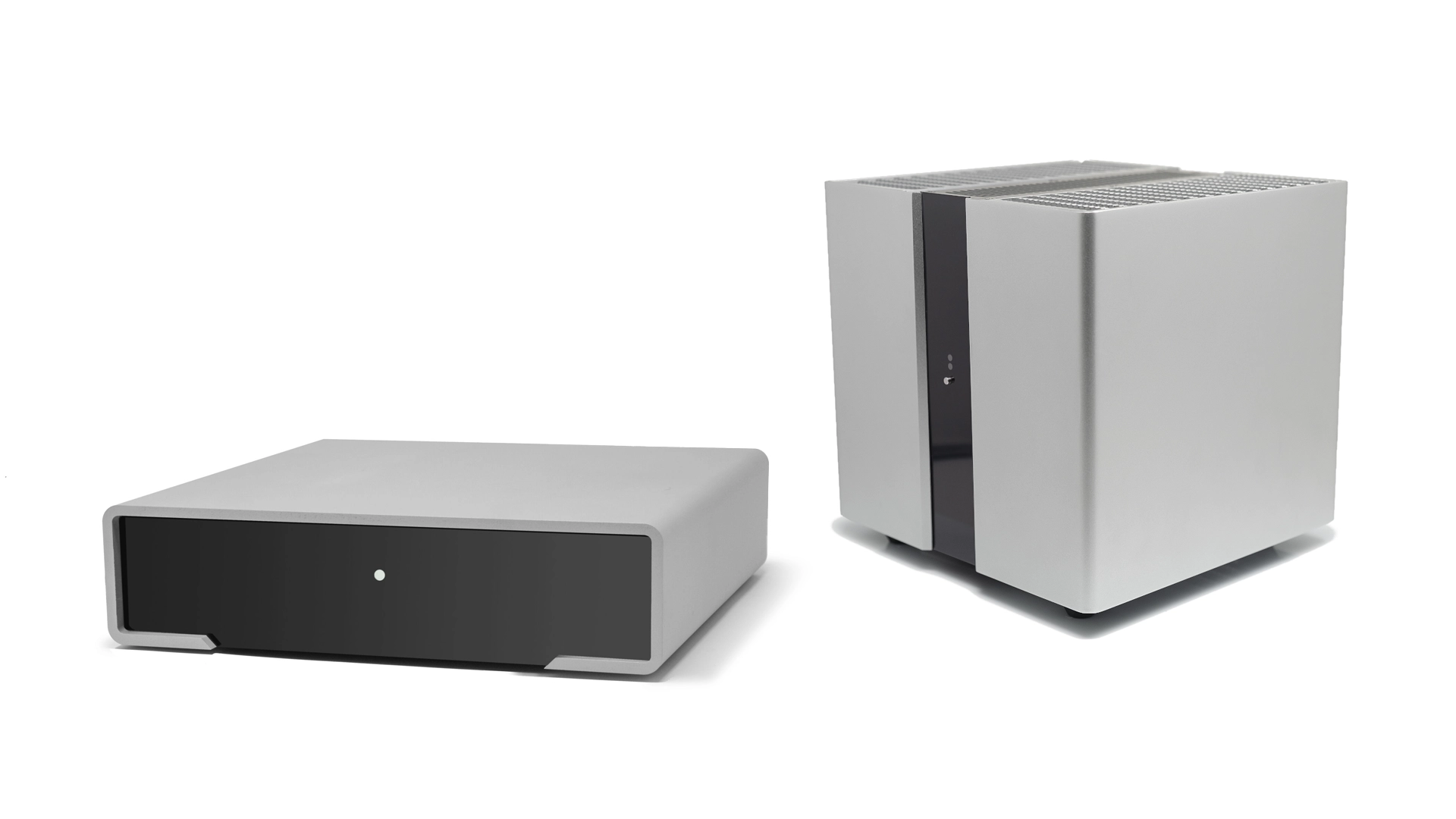
M2Tech is an Italian digital-audio company founded in Pisa in 2007 by electronics designers Nadia Marino and Marco Manunta. It first operated as a consultancy, then became internationally visible with the 2009 hiFace—an asynchronous USB-to-S/PDIF interface created when few DACs could accept high-resolution computer audio reliably. The compact device delivered bit-perfect 24-bit/192 kHz data and helped establish USB conversion as a serious upgrade rather than a convenience input. M2Tech followed it with the Young 384/32 DAC, among the first consumer converters to handle 384 kHz files over asynchronous USB, and the Joplin analogue-to-digital converter, which incorporated flexible phono equalisation. Products such as the Vaughan DAC, Nash phono stage, Crosby power amplifier and EVO modular components expanded the range without losing the emphasis on clocks, conversion and adaptable interfaces. The founders have also continued design work for other manufacturers. The M2Tech heritage is now being carried forward through Manunta by M2Tech, including compact EVO products and more integrated electronics sold with a closer direct relationship to customers. That evolution is important: M2Tech is best understood as an engineering platform behind several generations of original digital and analogue tools, not merely the maker of one successful USB dongle.
McIntosh

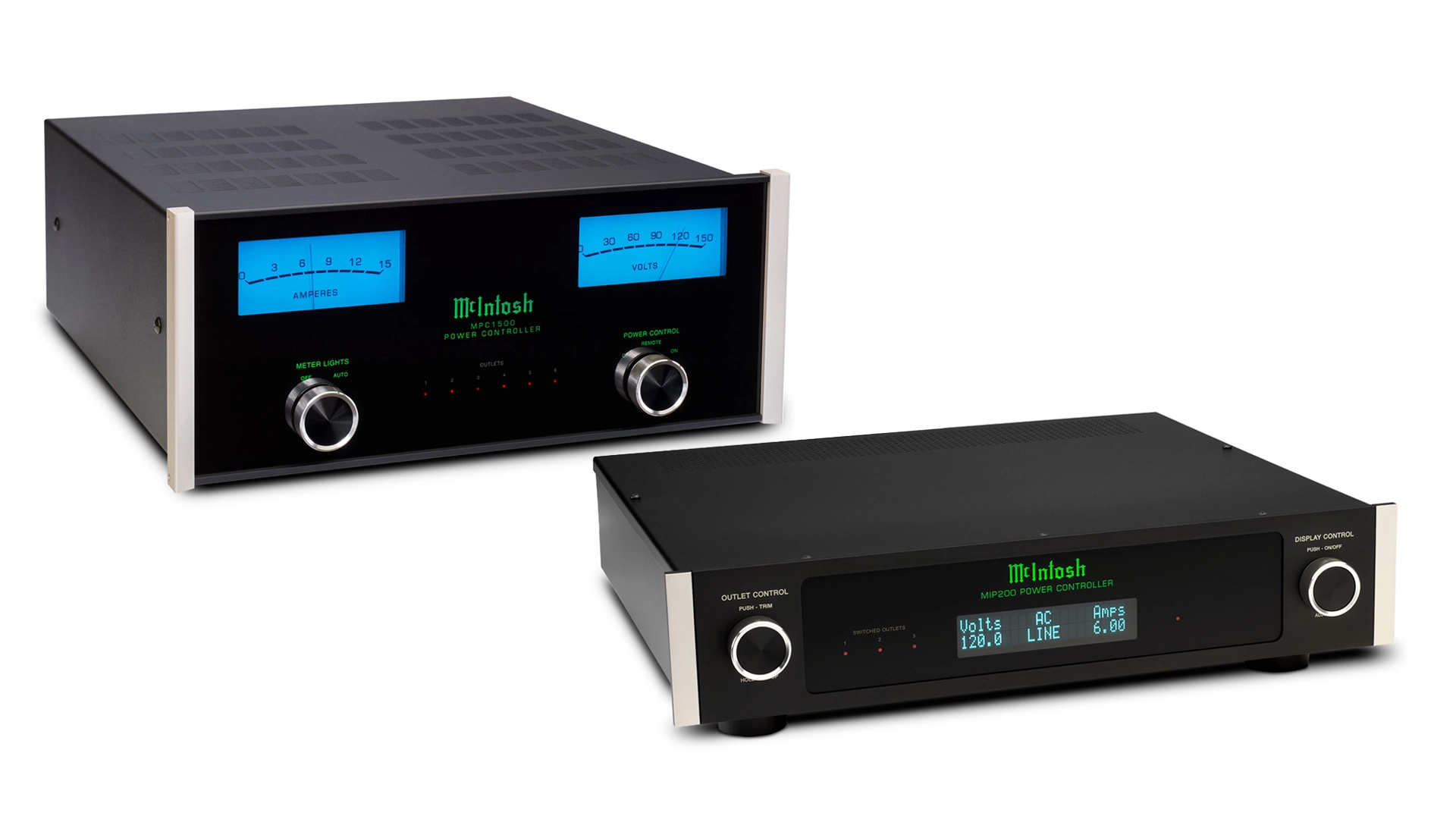
McIntosh is an American high-end audio manufacturer whose blue power meters and black-glass front panels identify products built around unusually durable amplifier engineering. Frank H. McIntosh and Gordon Gow founded the company in 1949 after developing the Unity Coupled Circuit, a transformer-coupled output topology designed to deliver high power with low distortion across the audible band. McIntosh moved to Binghamton, New York, in 1951 and continues to design and assemble products there. The catalogue covers valve and solid-state power amplifiers, preamplifiers, integrated amplifiers, source components, streamers, turntables, speakers and home-cinema processors. Many transistor power amplifiers use Autoformers to deliver their rated power into different loudspeaker impedances, while Power Guard monitors the waveform to reduce clipping-related distortion and Sentry Monitor protects against unsafe operating conditions. The company still winds key transformers in house, and signature glass panels are printed and assembled for long service life. McIntosh’s appeal extends beyond styling: its defining know-how is the marriage of protective circuitry, stable load behavior and conservative construction with a product ecosystem that can support both two-channel and large cinema systems.
MS HD Power

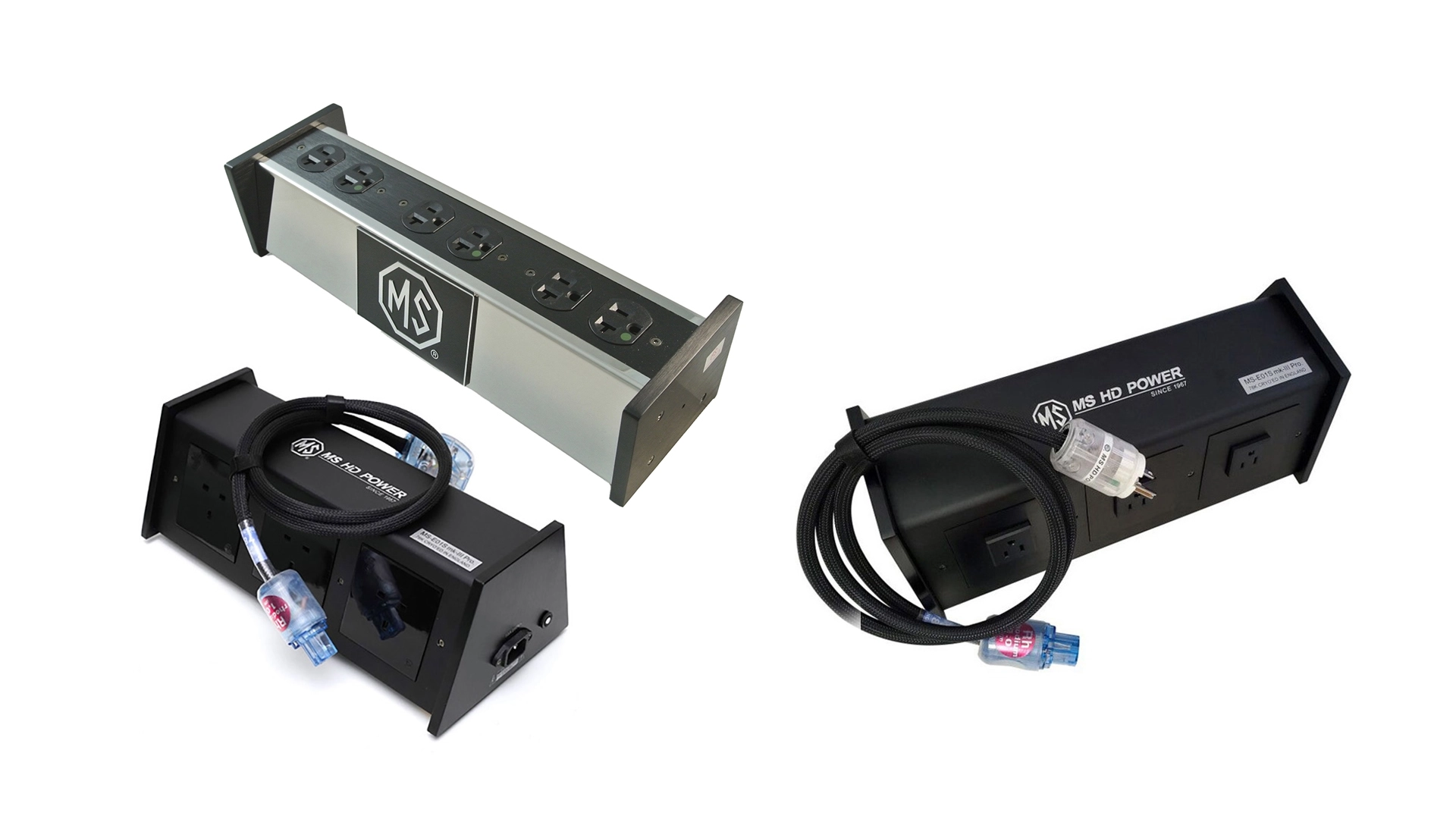
MS HD Power is the high-performance audio and AV power-accessory marque of Winbo Industries in Hong Kong, a long-established designer and manufacturer of electrical plugs, sockets, cord sets and wiring accessories. That parentage matters: the brand approaches mains products from practical electrical-component engineering and safety compliance, not from vague claims about “energy.” Its range covers UK, EU and US plugs, IEC connectors, wall outlets, distribution blocks, mains cables and related accessories. Products vary from straightforward, heavy-duty connectors to ambitious distribution blocks with metal chassis, plated contacts, surge protection and filtering. Selected premium models use silver-plated internal wiring, rhodium-plated terminals and MS HD Power’s dry-vapour 78K cryogenic treatment; these features should be attributed only to the models that specify them, not to the whole catalogue. Winbo maintains an engineering and quality-control base serving several international electrical standards. The key appeal is value and breadth: installers and enthusiasts can specify individual terminations or a complete distribution solution from a company that already understands mechanical contact pressure, conductor materials and mains safety. An exact launch year for the MS HD Power brand is not reliably documented.
Musical Fidelity

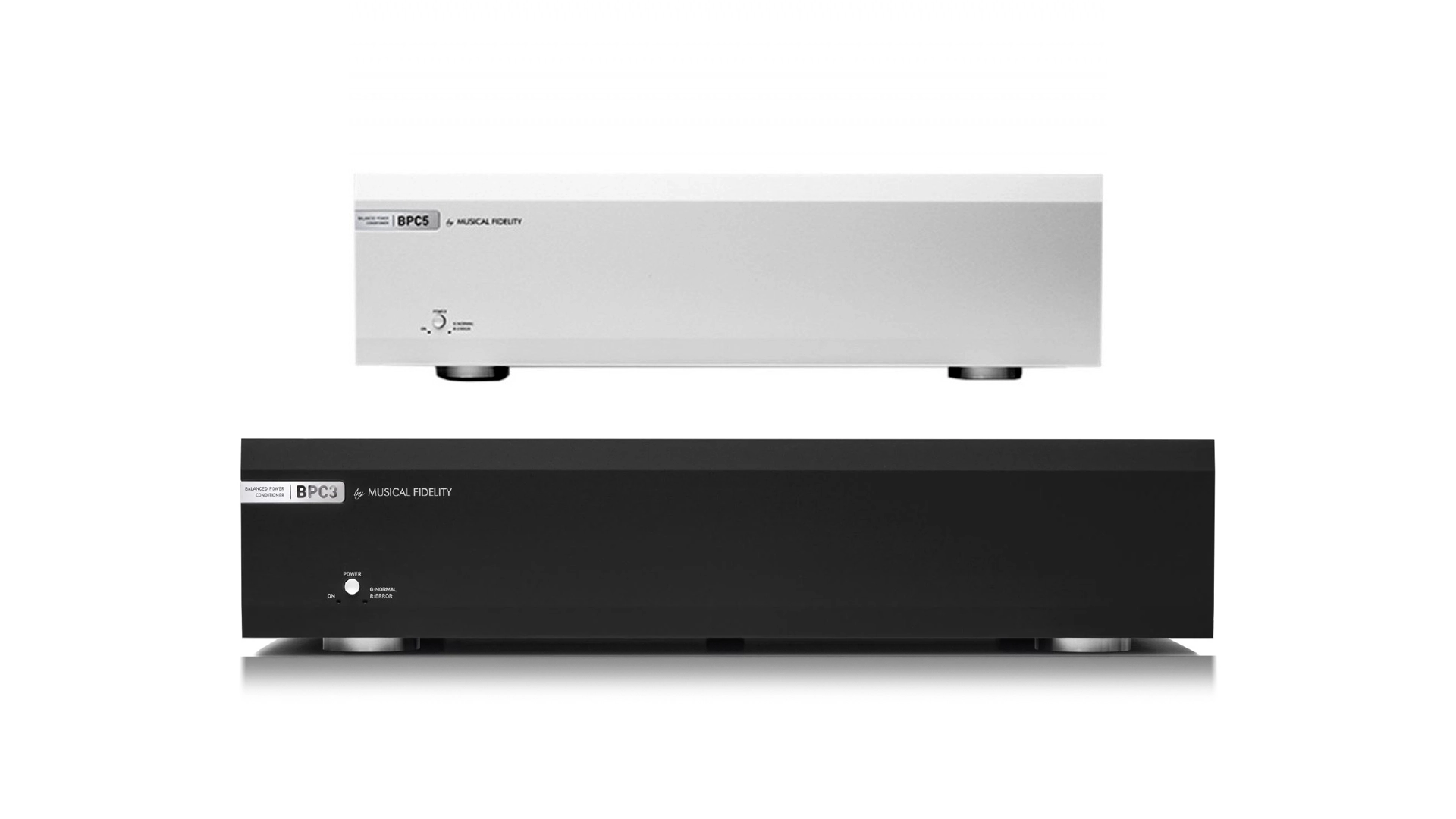
Musical Fidelity is a British hi-fi electronics brand founded in 1982 by clarinettist and audio enthusiast Antony Michaelson. It became known for amplifiers that combined generous power reserves with compact or unconventional formats: the original A1 integrated amplifier, launched in 1985, ran heavily biased in Class A, while the cylindrical X-series made serious phono, DAC and headphone functions accessible as separate components. The Nu-Vista line later adopted nuvistor valves, a low-noise miniature tube technology rarely used in modern consumer audio. The current catalogue includes integrated, pre and power amplifiers, phono stages, DACs, CD players, streamers, turntables and power conditioning. A1 and X-series products have been re-engineered rather than merely cosmetically revived, while M3, M5, M6, M8 and Nu-Vista cover progressively larger systems. Since 2018 the brand has been owned and operated by Austria’s Audio Tuning, but product identity remains explicitly British and analogue-led. Musical Fidelity’s strength is range without anonymity: high-current transistor amplification, discrete phono circuitry and the unusual nuvistor platform give different families real technical character instead of the same chassis being repackaged at several prices.
NuPrime

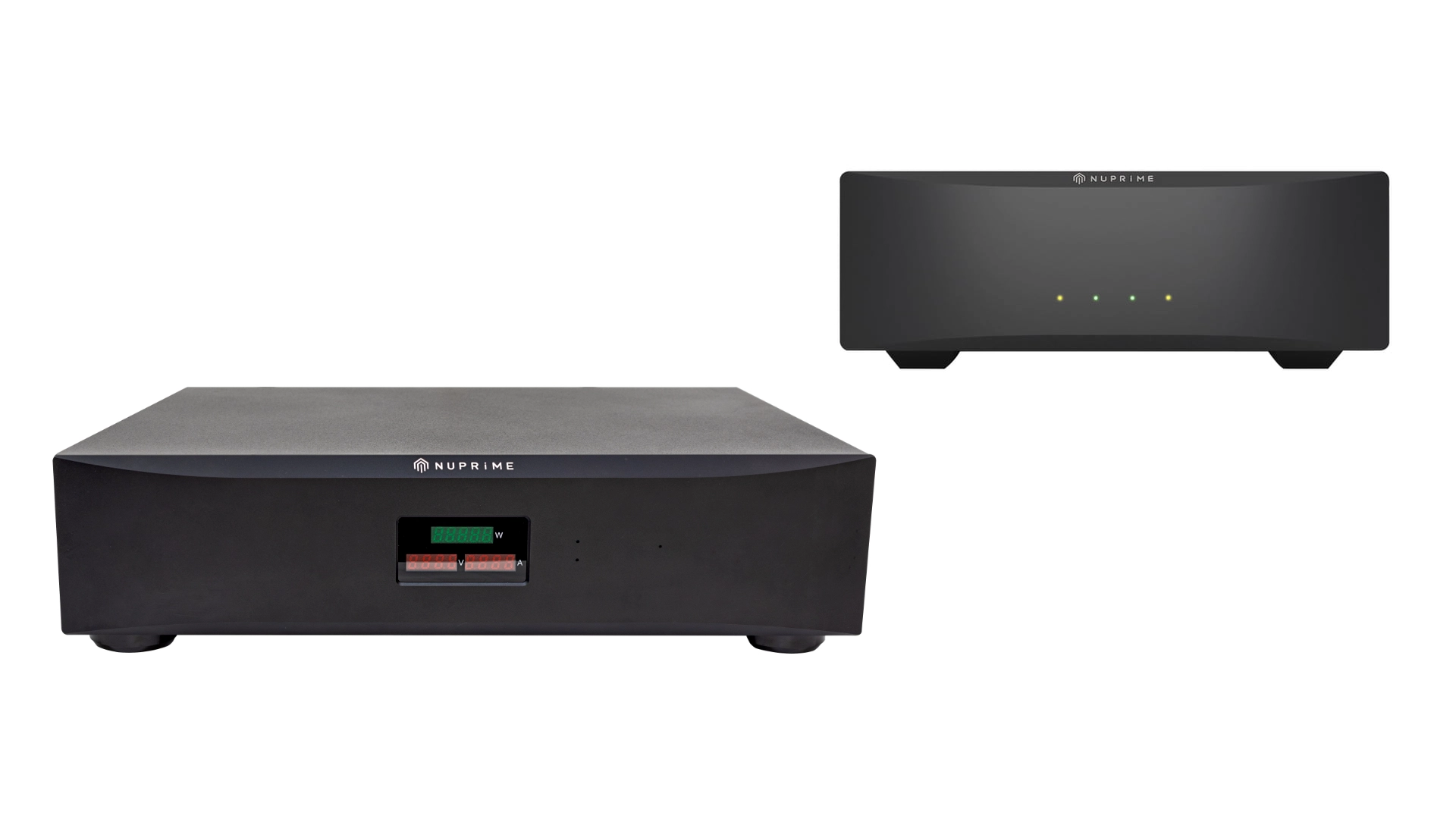
NuPrime Audio is the high-end electronics company Jason Lim created in 2014 after co-founding NuForce. With backing from a Taiwanese OEM partner, Lim acquired the assets of NuForce’s premium division and formed NuPrime to continue developing compact, efficient amplifiers and digital components. That lineage matters because NuPrime was not simply a renamed catalogue: it retained the high-end engineering direction while NuForce’s consumer brand followed a separate path. Amplification is the centre of the range. NuPrime designs its own switching stages and control loops instead of building every model around an off-the-shelf Class-D module; it describes the result as hybrid Class-D, combining a tailored analogue front end with a high-frequency switching output stage. Evolution is the reference family, AMG emphasises compact separates, and the 9 Series offers accessible DACs, preamps and power amplifiers with matching proportions. Integrated amplifiers, phono stages, streamers and the NuPrime-X multi-channel platform extend the architecture into complete and installed systems. As of 2026 the brand is managed by Singapore-based Nuoem Pte. Ltd., while NuPrime Audio, Inc. retains its American origin. The defining advantage is a coherent ecosystem of small, low-heat electronics built around proprietary amplification rather than Class-D efficiency alone.
NVA

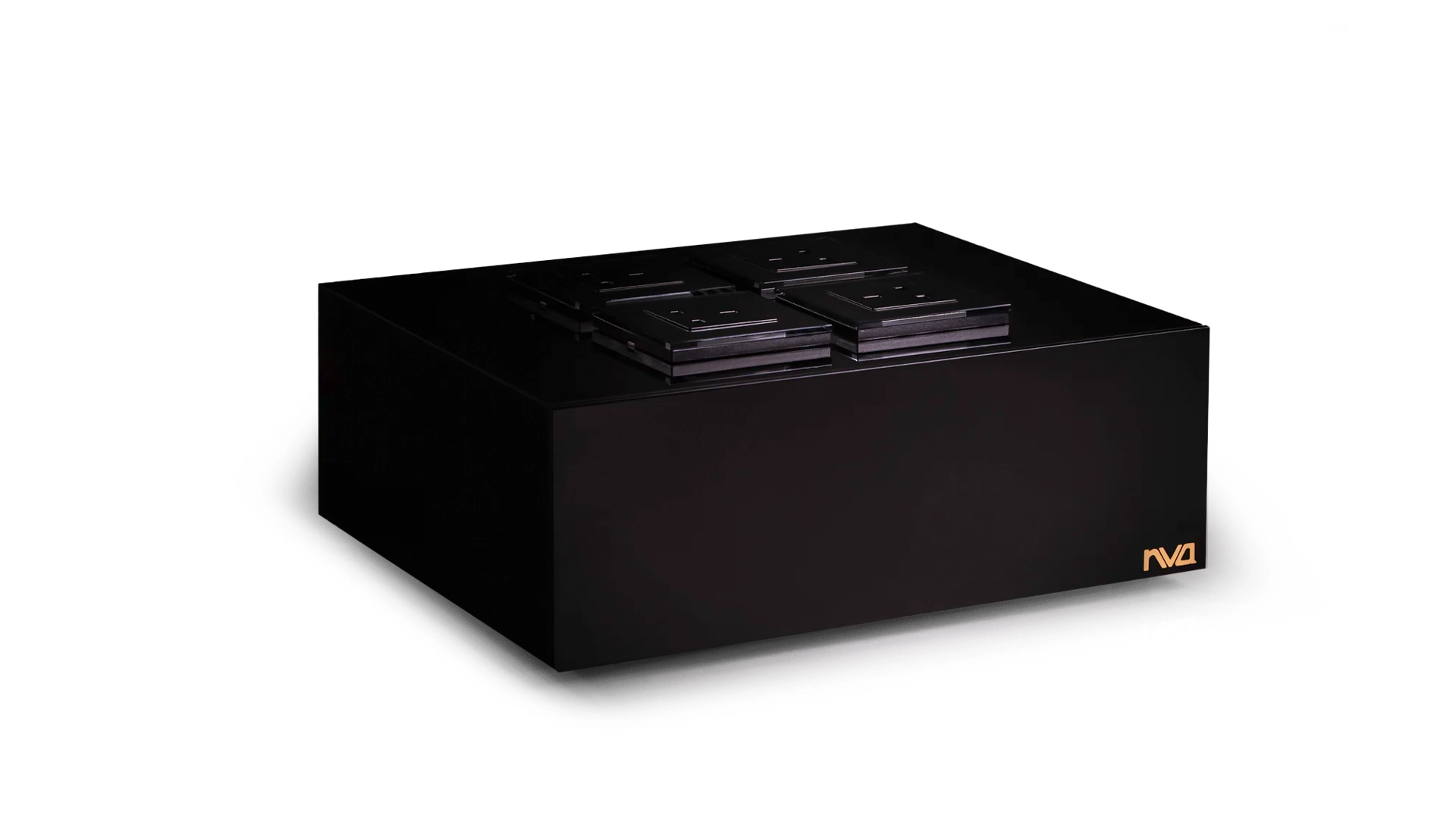
NVA—originally Nene Valley Audio—is the British specialist amplifier brand founded in 1982 by Richard Dunn, formerly of professional-audio maker Tresham. Dunn’s maxim was “if you can do without it, do without it,” and his products removed active preamplifier stages, unnecessary protection networks and long signal paths wherever practical. Acrylic cases avoided the eddy-current paths of conductive metal chassis, while passive volume controls, hard-wired power connections and deliberately low-capacitance NVA cables formed a tightly matched system. The original description is critically wrong in saying NVA ceased trading in 2019. Dunn died that May, but former employee Tomasz Danus and long-time customer Paul Tiernan bought the remaining assets in August and established Hi-fi Subjectivist Audio Ltd to revive the brand. Mark McVitty joined as a shareholder and UK builder in 2022. Current products include P-series passive preamps, S and M power amplifiers, INT integrated amplifiers, phono and headphone stages, Cube semi-omnidirectional speakers, low-capacitance interconnects and speaker cables, and a balanced mains unit. The new team has preserved Dunn’s circuits while improving boards, transformers, capacitors, assembly and service support. NVA remains hand-built and direct-sold in Britain, with home trials and repair paths for legacy units.
Octave

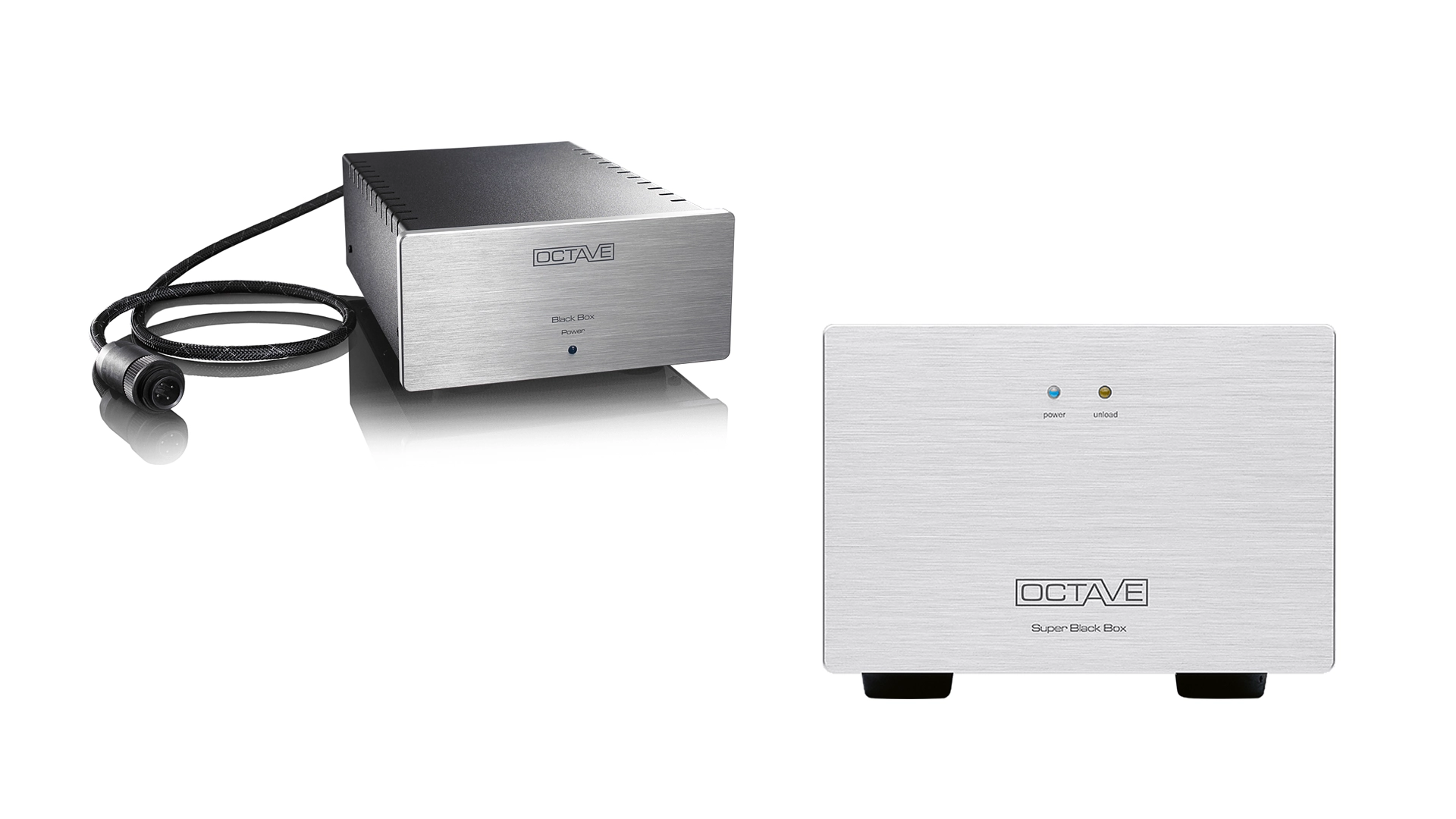
Octave is the German valve-electronics manufacturer whose modern identity grew from a transformer-winding business founded by Karl-Heinz Hofmann in 1968. His son Andreas Hofmann began experimenting with valve amplifiers in the 1970s and developed the output transformers and pentode push-pull circuits that became Octave’s foundation. The 1968 date therefore marks the company’s industrial roots; the recognisable audio range arrived later, with the HP 500 preamplifier appearing in 1986 and becoming an early reference product. Octave builds integrated, pre- and power amplifiers that aim to combine valve harmonic behaviour with the stability and loudspeaker control expected from modern solid state. Proprietary output transformers, regulated power supplies, soft-start sequencing and electronic protection allow models to use several compatible output-valve types safely. The external Black Box and Super Black Box modules increase power-supply storage for selected amplifiers, improving current reserve without replacing the component. V-series integrateds, HP preamps, RE and MRE power amplifiers and the Jubilee reference line carry this architecture from compact systems to ambitious monoblocks; newer Class-A and 300B designs broaden it without abandoning in-house magnetics. Andreas Hofmann now leads the company. Octave’s know-how is not simply “tube warmth,” but transformer design and power management that make valves practical with a wide range of contemporary loudspeakers.
Plixir Power

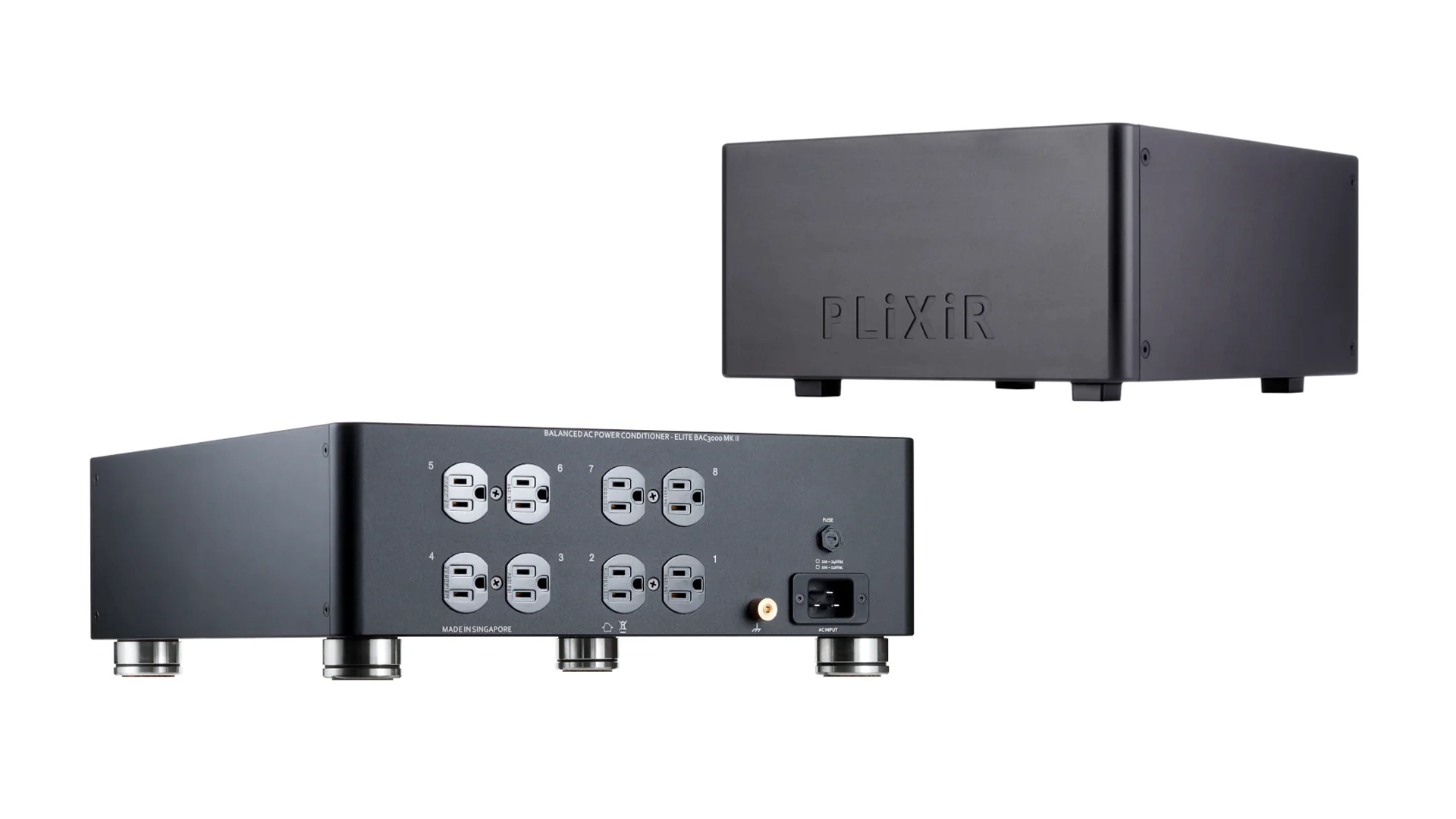
PLiXiR Power is the Singapore power-products company founded by engineer James Soh in 2014. Its background reaches to 2003, when Soh began Effective Audio Mod, later Sound Affairs, to improve digital players and audio systems. He had previously worked on Philips SACD development in Singapore and held engineering roles connected with Cirrus Logic and Behringer. Repeatedly finding that source modifications were limited by the quality of the incoming supply led him to create a separate brand devoted to AC and DC power. PLiXiR’s central idea is a complete balanced-power chain. BAC conditioners use specially specified balanced transformers to present symmetrical live and neutral voltages around earth, reducing common-mode noise before it reaches the component. BDC linear DC supplies extend the approach to routers, switches, DACs and other low-voltage devices, while matching balanced power cables preserve the intended connection. The first product was the BAC 3000, followed in late 2014 by the first BDC; current Elite BAC MK II and compact Cube conditioners, Elite BDC MK II and Statement BDC models cover systems of different size. Multi-stage filtering is arranged to reduce both incoming interference and noise fed back by connected equipment, and custom transformer work is carried out with specialist supplier Noratel. Units are assembled and finally tuned in Singapore. PLiXiR’s strength is not the broad claim of “clean power,” but a consistent AC-to-DC architecture developed by one engineer for complete audio and network chains.
Portento Audio

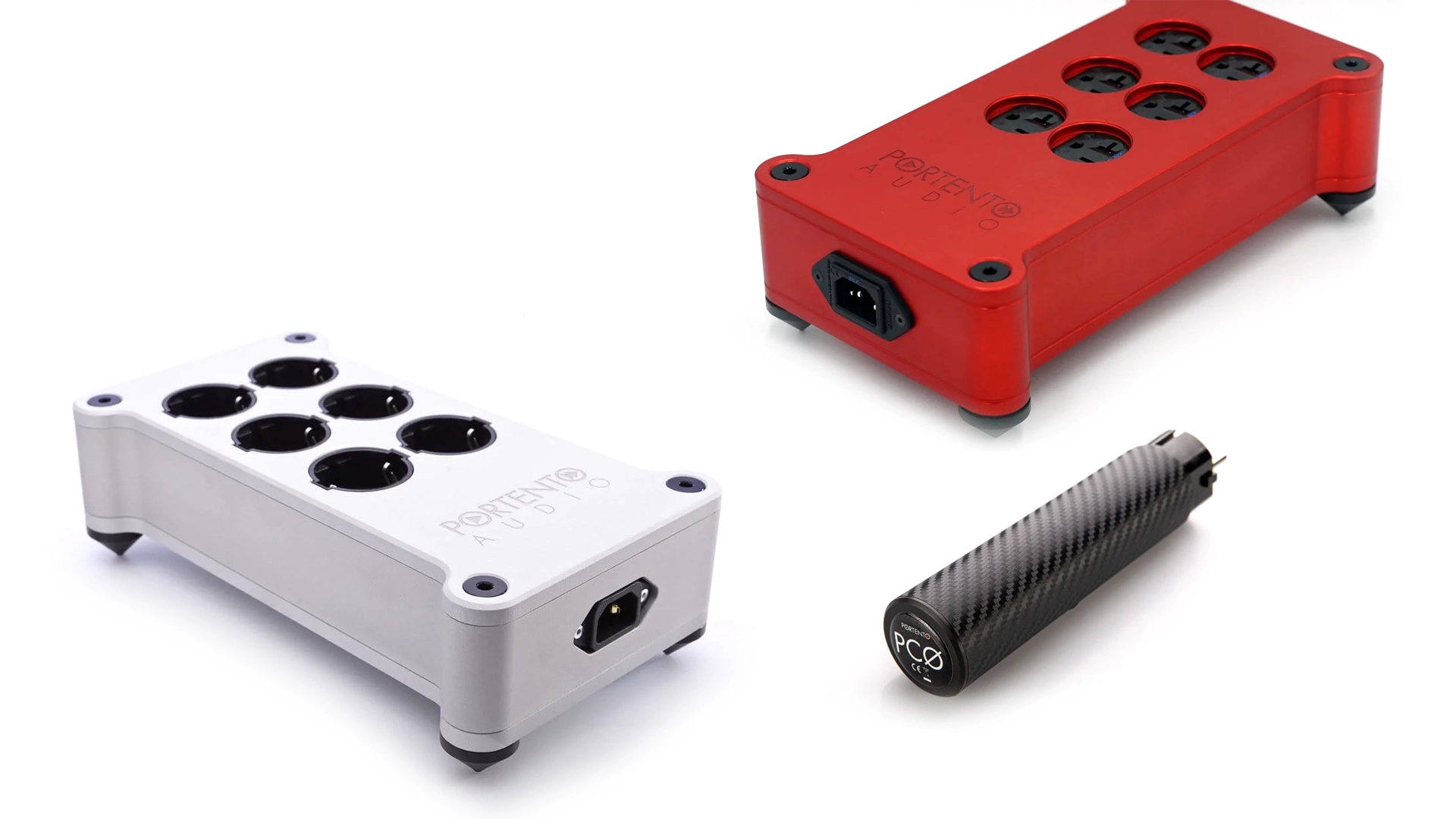
Portento Audio is the Italian cable and power-accessory company founded in 2014 by Pier Paolo Prospero. Its catalogue is broad, but its focus is specific: build the links around a hi-fi system in repeatable families, from an attainable complete loom to specialised digital, headphone and mains products. Interconnects, speaker cables and power cords are joined by phono, AES/EBU, S/PDIF and USB cables, adapters, distribution blocks and filters, so the brand is better understood as a system-cabling specialist than as a maker of one expensive flagship wire. Performer is the practical entry series and includes RCA, XLR, speaker, power, phono and headphone connections. Musica and Reference increase the level of conductor, dielectric, screening and termination work, while Signature sits at the top of selected applications. The Digital range distinguishes between the electrical requirements of USB, S/PDIF and AES/EBU instead of presenting every digital link as the same cable with a different plug. MODU is a particularly useful idea: a modular headphone-cable system whose main lead and short equipment-side tails can be changed separately as headphones or balanced connectors change. Power Clean Zerø filters, The Core NCF and Portento power strips address mains distribution without turning the company into an electronics brand. Products are assembled and terminated in Italy, with custom lengths and connections available where a standard catalogue item does not fit. Portento’s individuality lies less in unverifiable promises of “more detail” than in a coherent, serviceable range shaped around real analogue, digital, headphone and power interfaces.