Power Supplies Conditioners
Power conditioners and regenerators act as a firewall between your sensitive audio equipment and the “dirty” AC power from your wall outlet. Their function is to filter out electrical noise, stabilize voltage fluctuations, and protect your valuable components from power surges. By providing a clean and stable foundation of power, these devices allow your system to perform at its absolute best. This directory lists the brands that manufacture these crucial solutions for system protection and performance enhancement.
Hi-Fi brands in the category
Summary information and image
Direct links to official websites
Pro-Ject
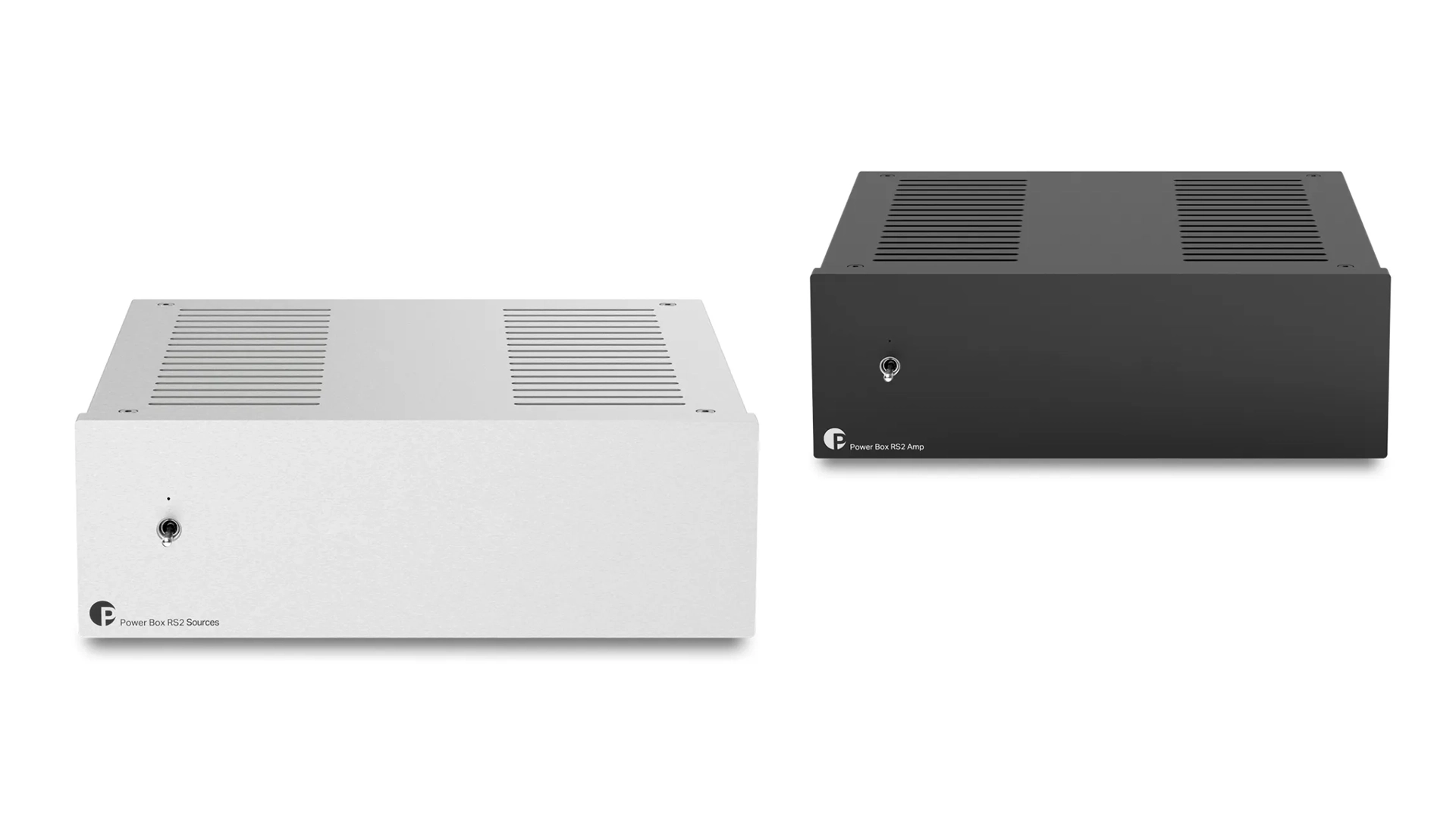
Pro-Ject Audio Systems was founded in Austria in 1991 by Heinz Lichtenegger, at a moment when the audio industry was treating the compact disc as vinyl’s replacement. Lichtenegger’s counterargument was the Pro-Ject 1: a simple belt-drive turntable built around the parts necessary for stable speed and accurate tracking, without automatic mechanisms or cosmetic complexity. The strategy proved prescient, and the Debut, introduced in 1999, became the model that brought the company to a much wider generation of record listeners. Pro-Ject now covers almost every scale of manual turntable. E and T families address first systems; Debut remains the recognisable centre; X, RPM and Xtension add more elaborate plinths, bearings, platters and tonearms; and Signature represents the flagship engineering. Many decks are assembled by hand in the Czech Republic, preserving production skills from the region’s long record-player history. The company also makes phono stages, speed controls, cartridges, record-cleaning machines and accessories, so a turntable can be upgraded rather than discarded. Box Design electronics—compact phono stages, amplifiers, DACs, streamers and CD transports—are largely produced in Slovakia and extend the same space-efficient philosophy beyond vinyl. Artist Collection editions use visual collaborations and licensed themes, but beneath the artwork they remain functional Pro-Ject platforms. The brand’s significance is not simply that it sells many turntables: it maintained European manual-turntable production through the digital era and built a clear path from an inexpensive first deck to genuinely ambitious analogue systems.
PSAudio

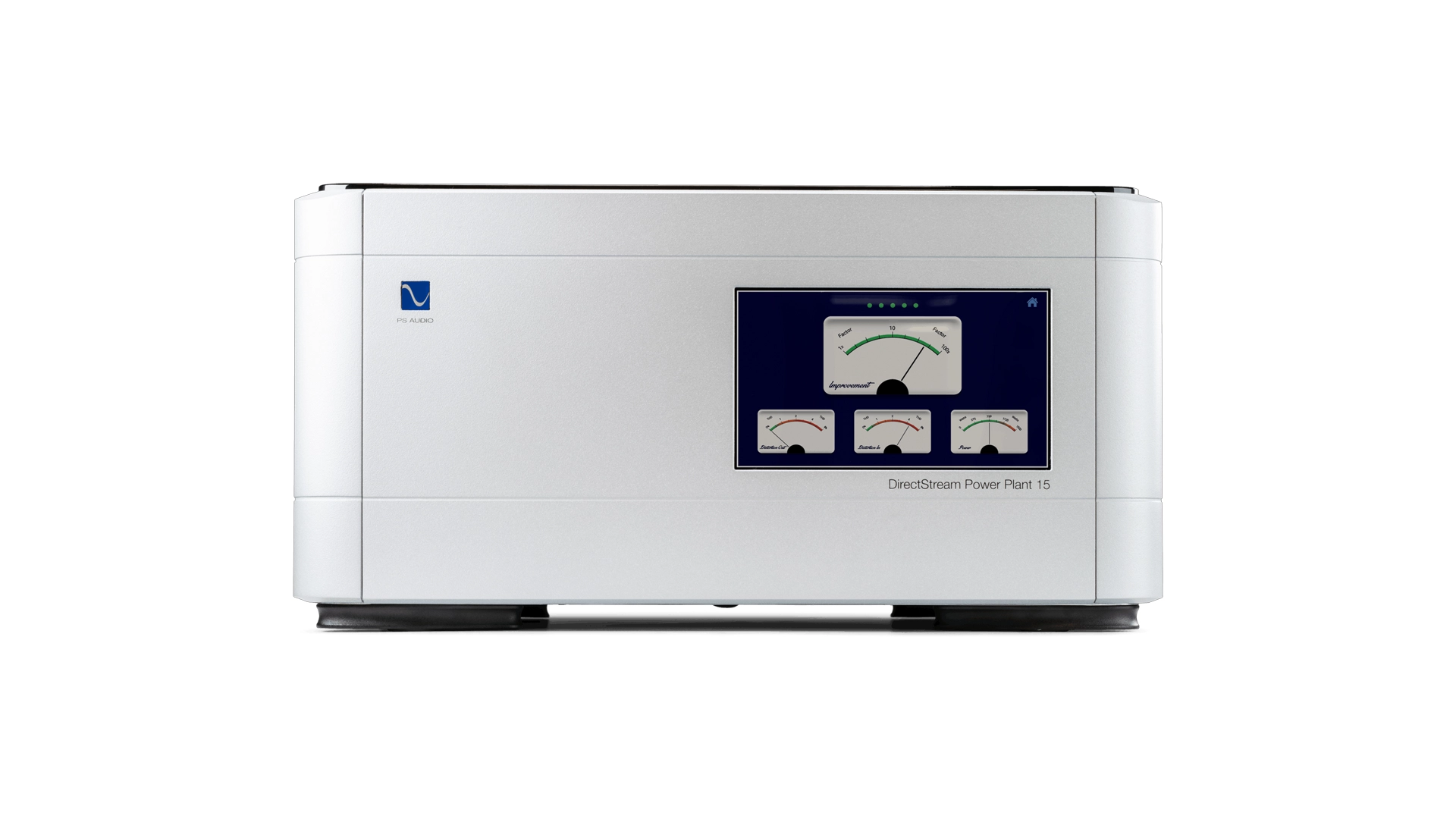
PS Audio was founded in Santa Maria, California, in 1973 by Paul McGowan and Stan Warren—the initials of their surnames supplied the name. Early phono stages and preamplifiers established the company, but its most distinctive modern contribution is power regeneration. Unlike a passive conditioner that only filters the wall supply, a Power Plant converts incoming AC and synthesises a new, regulated low-distortion waveform for the connected system. Successive generations, including the P12, P15 and P20, made that approach central to the brand. Digital products form the other major strand. The DirectStream DAC, designed around Ted Smith’s programmable FPGA architecture, converts incoming PCM to a high-rate DSD-related stream and can receive substantial processing changes through firmware rather than a new converter chip. DirectStream transports and AirLens network interfaces extend that digital ecosystem. BHK Signature hybrid amplifiers, created with the late Bascom H. King, combine valve input stages with MOSFET output power; Stellar components bring amplification, conversion and control to a more compact level. The Aspen FR30, FR20 and FR10 loudspeakers later expanded PS Audio into complete systems, using planar-magnetic midrange and high-frequency drivers with separately loaded woofers. The company also operates Octave Records in Boulder, Colorado, recording releases in high-resolution DSD and using the studio as a practical reference for product development. The original description ended mid-sentence; the completed story is a founder-led American manufacturer spanning regenerated power, reprogrammable digital audio, hybrid amplification and loudspeakers.
› Paul McGowan YouTube on Hi-Fi Selector
Purist Audio Design
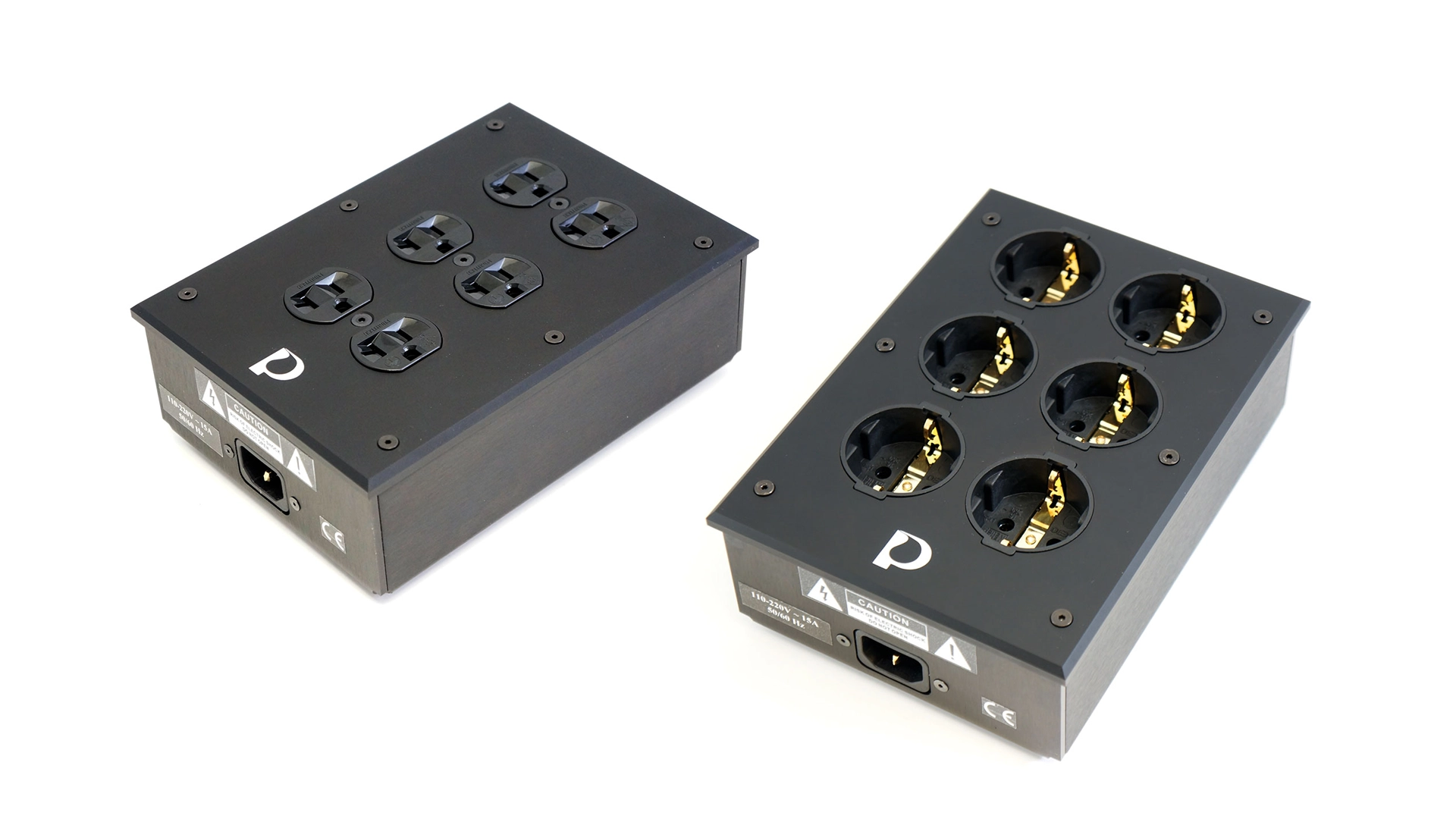
Purist Audio Design is the American cable company founded by Jim Aud, who turned it into a full-time business in 1986. Its first defining product was an Aqueous interconnect whose conductors were surrounded by a fluid-based shielding and damping system. Nicknamed the “Texas Water Cable,” it was unconventional for a practical reason: Aud was trying to control radio-frequency and electromagnetic interference together with mechanical vibration, treating a cable as an electrical and physical environment rather than as conductor metal alone. That approach developed into several shielding and damping media, selected by cable family and application. Jade, Aqueous Aureus, Corvus, Neptune, Dominus and Diamond occupy progressively more ambitious levels across analogue interconnects, speaker cables and power cords, while phono, digital, USB, Ethernet, HDMI and I²S products address interfaces with their required impedance and connector formats. Fluid-filled designs remain part of the identity, but not every Purist cable uses the same material or geometry. The company also introduced Cryomag-treated conductors, unusually durable woven jackets and a System Enhancer recording intended to exercise a system before critical use. Cables are made and terminated in the United States, with custom lengths and connections available for complex installations. Purist Audio Design’s history is worth preserving because it explains the catalogue: Jim Aud did not begin with generic claims about “air” and “musicality,” but with a distinctive attempt to manage electrical noise and vibration, then extended that idea across complete cable looms over four decades.
Puritan Audio Laboratories


Puritan Audio Laboratories is a British specialist in mains-noise reduction and grounding, founded in 2000 and led by designer Mike Lester. Its products are passive power-purification devices rather than AC regenerators: they filter interference already present on the mains and noise returned by connected equipment while trying to avoid the current restriction that can make a large amplifier sound dynamically compressed. The distinction is important because it defines both the engineering and the appropriate comparison. The PSM156 is the best-known purifier, providing six individually treated outlets with multi-stage differential- and common-mode filtering, star-connected earthing and surge protection. PSM1512 expands the concept to twelve outlets, while PSM136 offers a simpler six-way route. PS106 and PS108 distribution strips, Ultimate and Classic power cables, and DC Blocker products address systems that need fewer stages or suffer transformer hum from DC on the supply. GroundMaster provides a controlled path for high-frequency interference on protective earth; GroundMaster City is intended for locations where a dedicated external ground rod is impractical, and RouteMaster manages grounding connections across a system. These tools are complementary, not interchangeable, and their safety earth function must remain intact. Puritan’s individuality is this joined-up view of power: line and neutral filtering, DC management, outlet-to-outlet isolation and high-frequency grounding are treated as different problems with specific products, rather than hidden behind the single promise of “cleaner electricity.”
RDacoustic

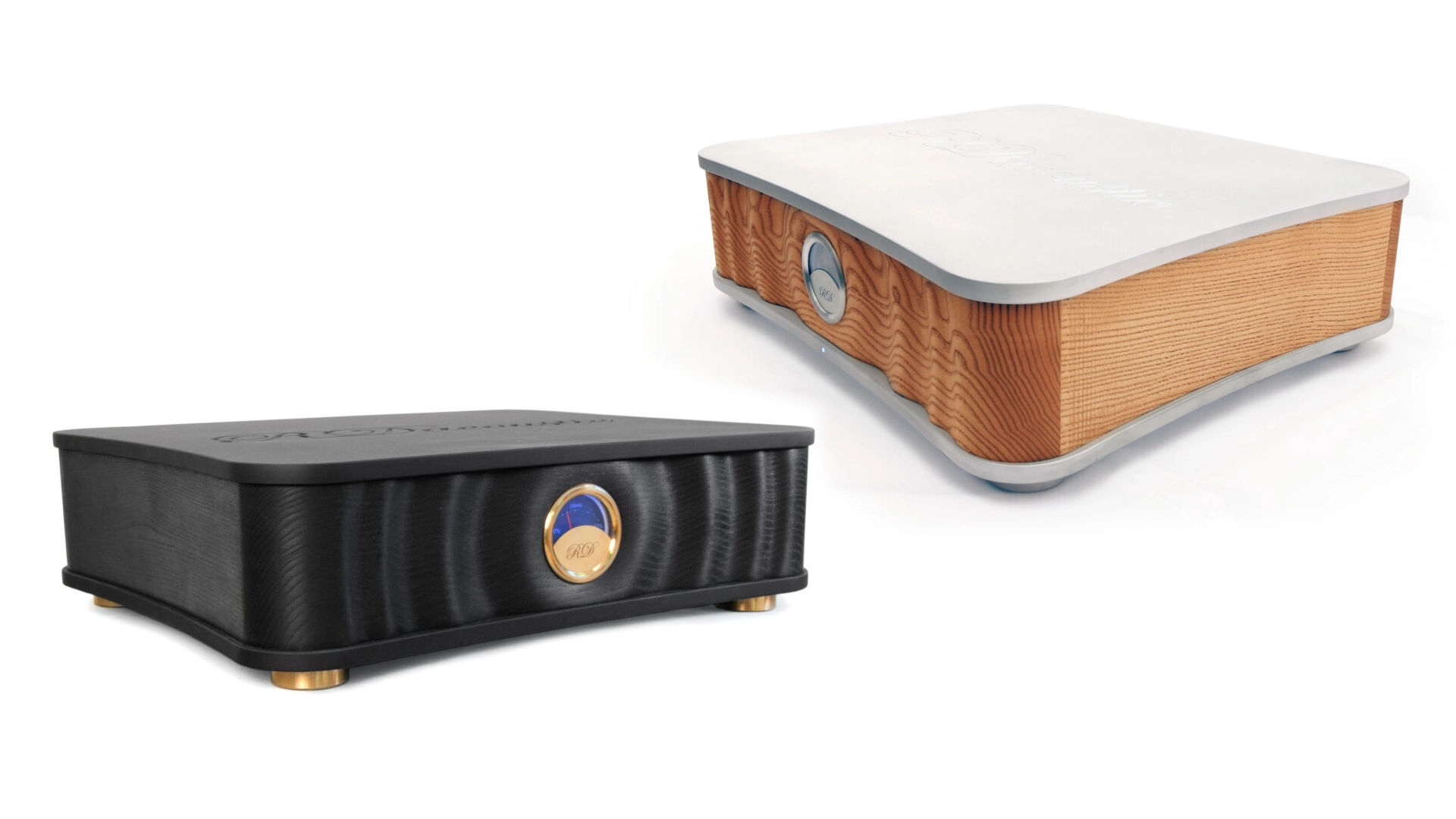
RDacoustic is a Czech company founded by Radovan Řehořek and David Piska after years of experiments with high-sensitivity loudspeakers. Řehořek began a first horn prototype in 2002; the company itself was established in 2014 when the Evolution design was ready to move beyond prototypes. That date has been added to the since field rather than treating the first experiment as a formal launch. Development and much of the production take place around Rožnov pod Radhoštěm in the Czech Republic. Evolution is the product that explains the brand: a high-efficiency loudspeaker built around a single full-range driver and a carefully developed rear horn, avoiding an electrical crossover through most or all of the audible range. Euphoria expands the concept for larger rooms by combining a broad-band driver with a 15-inch bass unit; the crossover is placed low so the main driver remains uninterrupted through the phase-sensitive midrange. Cabinet geometry and horn loading, rather than an assortment of unrelated premium drivers, do the central acoustic work. The original record also named a “Voyager” model that does not belong to RDacoustic’s documented current range and has been removed. The company has grown beyond loudspeakers into the surrounding listening environment: hybrid acoustic diffusers, Silentmax absorption panels, EVO isolation pads and room-design services. EMI Neutralizer products address high-frequency contamination on the mains without replacing the safety-earth function. RDacoustic’s individuality is this joined-up view of a system—efficient crossover-light speakers, mechanical support, power-noise control and the acoustic treatment of the room in which they operate.
Russ Andrews

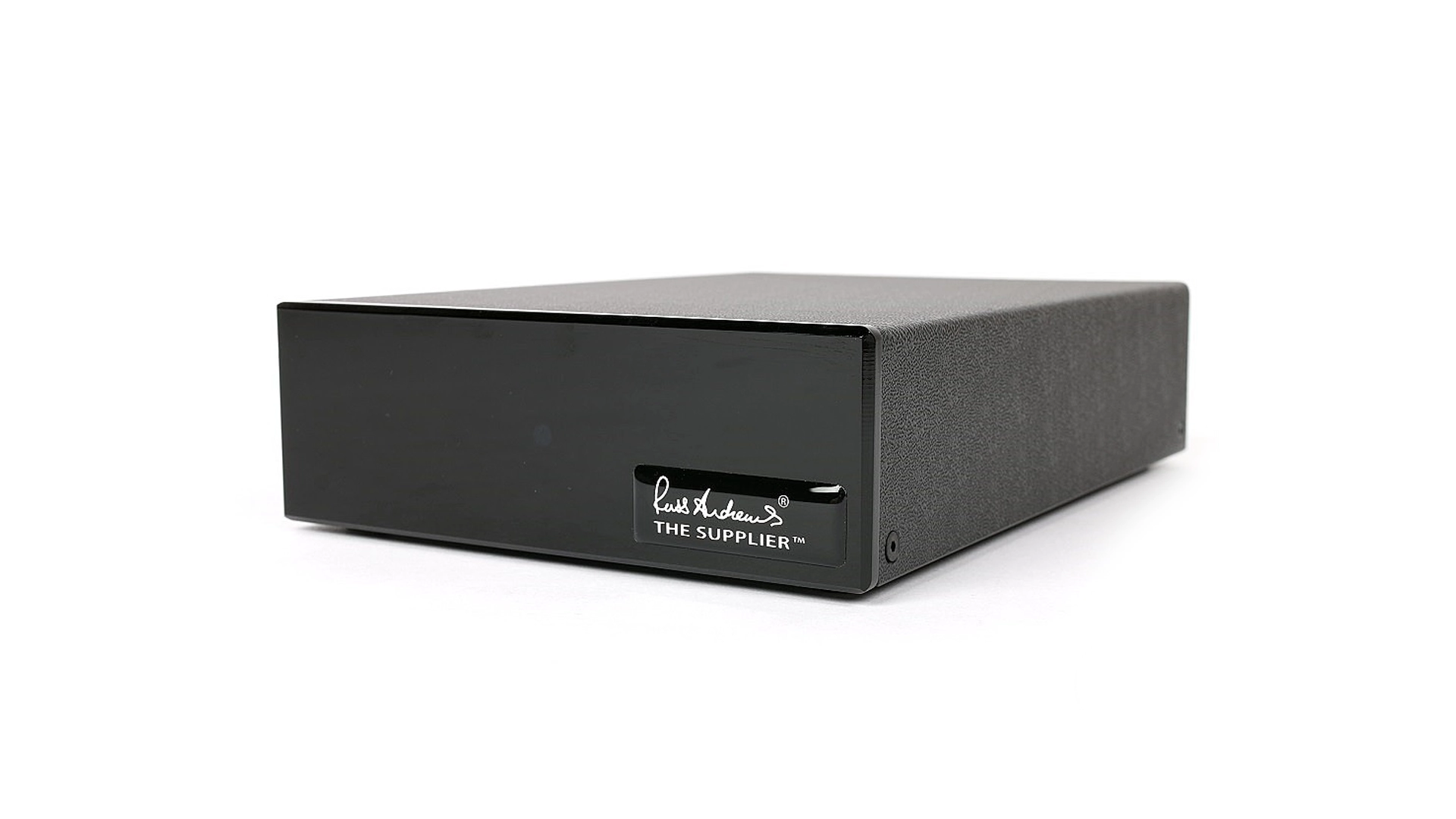
Russ Andrews is a British specialist in hi-fi cables, mains power, grounding and equipment support. Russ Andrews Accessories was incorporated in 1985 and began trading in 1986, initially selling Kimber Kable, Torlyte supports and turntable accessories through dealers. The company later developed a direct-sales model and a broad catalogue built around the parts of a system that sit between the wall socket, components and loudspeakers. Its best-known products include PowerKord mains leads, distribution blocks, conditioners and filters; SuperKord and Signature variants extend the same families, while grounding devices, RF-control accessories, fuses and connectors address installation-specific noise problems. Russ Andrews remains closely associated with the American cable designer Kimber Kable and supplies its analogue, digital and loudspeaker cables alongside products developed in-house. Torlyte racks, platforms and isolation accessories continue the original interest in mechanical support, and the company also offers upgrade parts and practical tools for system setup. Claims made for power and cable products naturally invite debate, so the most meaningful distinction is the way the business lets customers evaluate them in their own systems: a 60-day return period, an upgrade scheme and long warranties—at least 25 years on many Russ Andrews products—reduce dependence on a brief showroom demonstration. The brand’s history should not be reduced to vague “tweaks” or to the controversy surrounding them. It has spent four decades building a coherent accessories business around power delivery, signal connection, vibration control and after-sales support, with clear product hierarchies and unusually long ownership pathways.
Shunyata Research
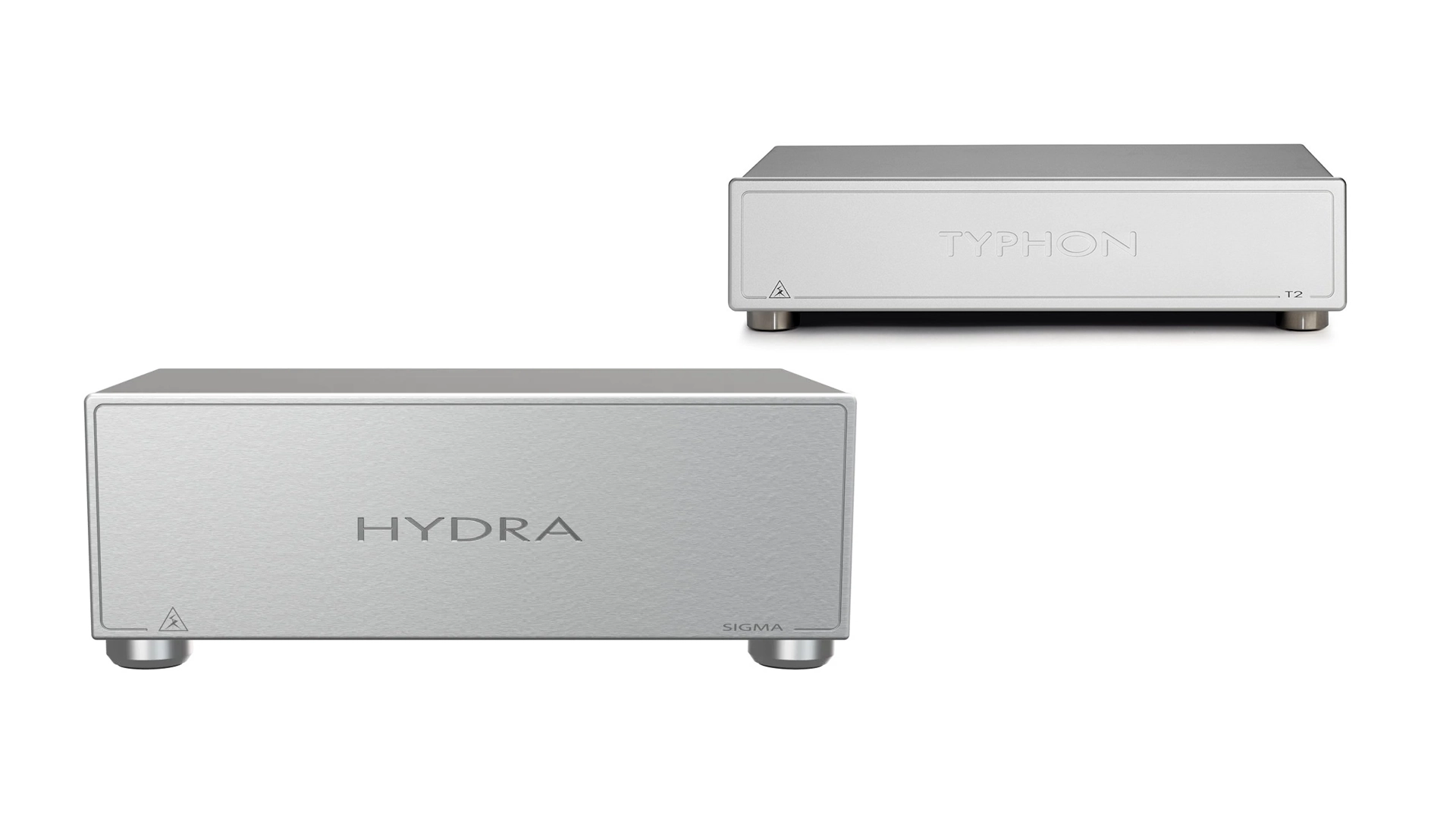
Shunyata Research is an American specialist in power distribution, grounding and signal cabling founded in 1997 by Caelin Gabriel. Gabriel had worked as a research scientist on highly sensitive military data-acquisition systems, experience that directed the company toward measurable transient-current delivery and noise rather than cable appearance alone. Shunyata developed its own DTCD analysis to examine instantaneous current through conductors, connectors and power devices—behaviour conventional steady-state resistance measurements can miss. Its power distributors became the best-known products: Hydra established the category, while Denali and Everest families combine high-current outlets with technologies such as the patented NIC, or Noise Isolation Chamber, and CCI filters intended to reduce interference between connected components. ALTAIRA grounding hubs address chassis and signal-ground noise separately from protective-earth safety, giving complex systems a central, purpose-built grounding reference. Power cords and analogue, digital, speaker and headphone cables are organised into Venom, Alpha, Sigma and Omega levels. Proprietary elements include VTX conductor geometries and, in speaker cables, HARP modules designed to limit cable-related current resonances; the useful point is not the acronyms themselves but a consistent effort to model the cable, load and power interface as a dynamic electrical system. Products are designed and assembled at the company’s facility near Seattle, and related technology is used in recording, film, medical and surgical environments as well as domestic audio. Shunyata’s individuality lies in applying instrumentation, repeatable testing and application-specific filtering to a field too often described only through listening adjectives, then supporting those measurements with controlled evaluation in complete systems.
Signal Projects
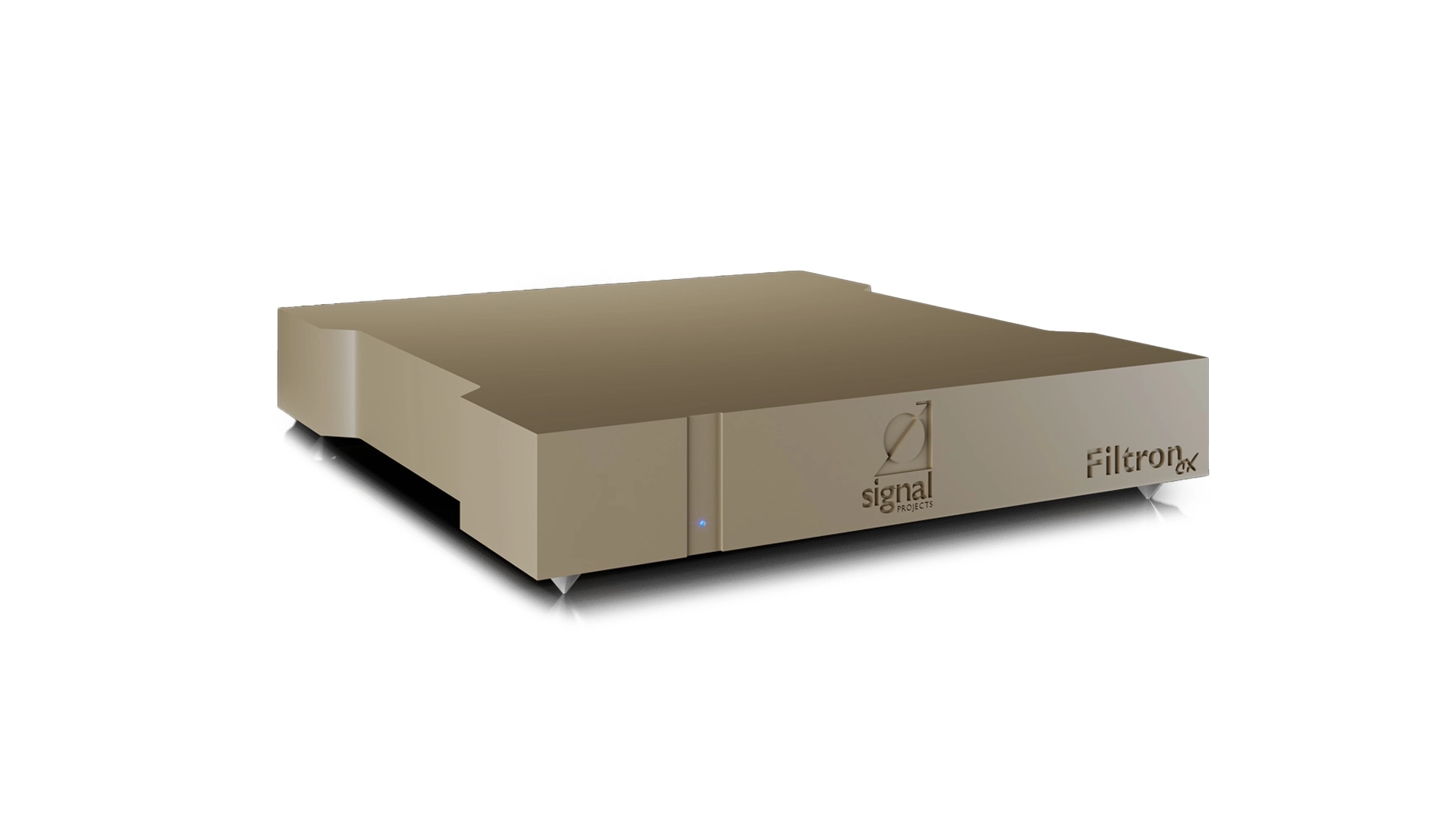
Signal Projects is a Greek high-end cable and power-products manufacturer established in 2007. The company presents cable design as applied physics: conductor material, geometry, dielectric behaviour, shielding, mechanical stability and termination are developed as one electrical structure, then evaluated in complete audio systems. Its range is unusually broad for a specialist maker, covering analogue interconnects, loudspeaker cables, phono leads, USB, Ethernet and other digital connections, AC power cords, internal wiring and power-management units. Product families form distinct engineering and price levels rather than a collection of unrelated names. Studio models such as Moonstone and Alpha introduce the approach; Reference lines include Lynx, SilverQuest and Hydra; Signature and higher ranges use names including UltraViolet, Apollon, Atlantis, Golden Sequence, Avaton and the statement Andromeda. Different models employ selected copper, silver or hybrid conductors, carefully controlled spacing and shielding, with connector choice and hand termination matched to the intended current or signal task. Power distributors and conditioners apply the same attention to contact quality, grounding paths and current delivery, while DC-blocking and grounding solutions address installation problems that cannot be solved by an interconnect alone. The company does not claim that one cable suits every system; source type, impedance, current demand, length and surrounding electrical noise all influence the design choice. Signal Projects remains a specialised Greek manufacturer rather than a marketing label attached to generic bulk cable. Its value lies in a coherent ladder of products and in treating connection as engineering at system scale—from a low-level phono signal to the AC supply feeding an entire reference installation.
Silent Angel
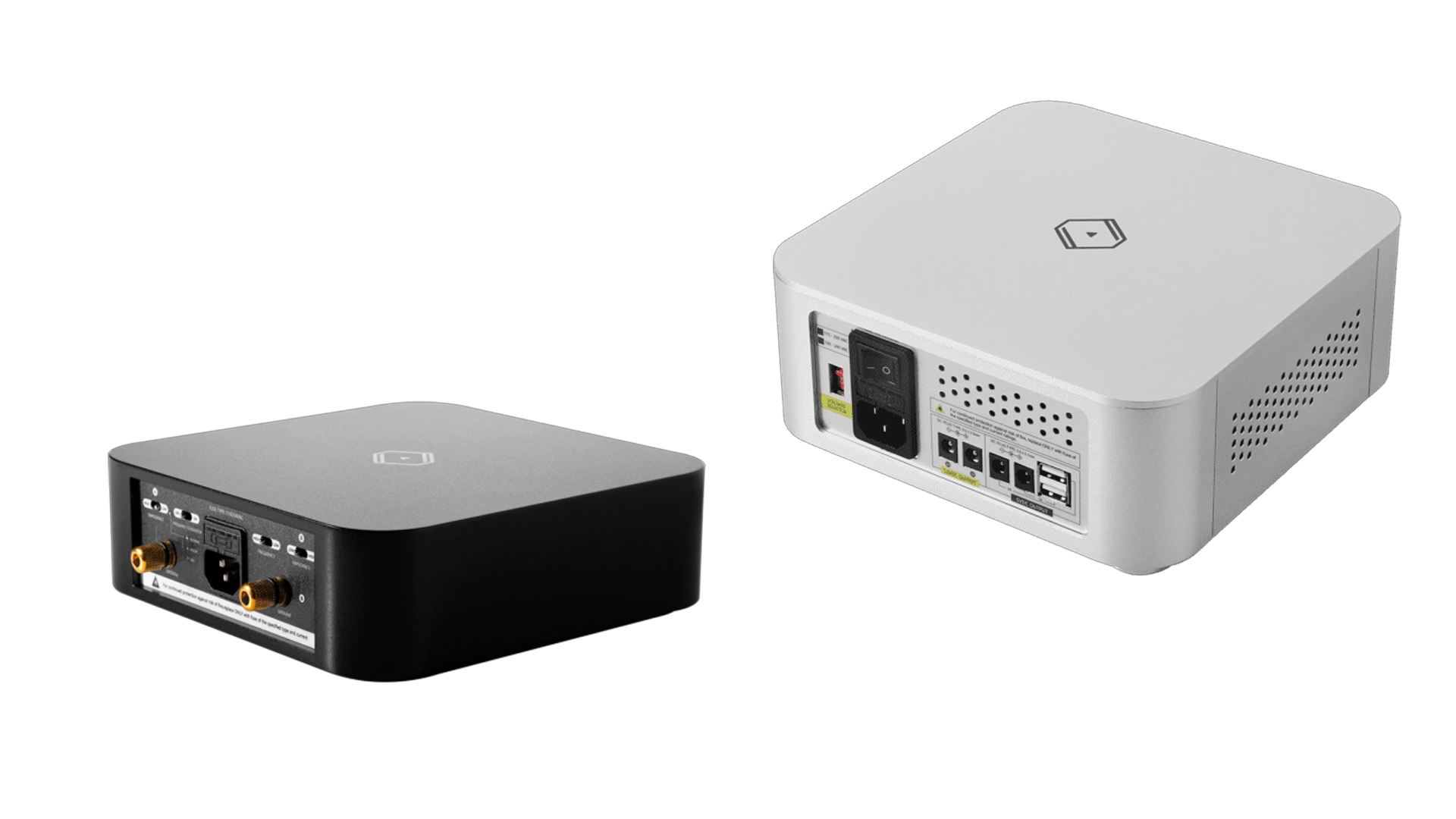
Silent Angel is the network-audio brand of Thunder Data, a technology company established in 2014 with experience in storage, networking and embedded computing. The brand focuses on the digital source before the DAC: music servers, streaming transports, network switches, master clocks, low-noise power supplies and the software required to control them as one system. Rhein Z1 and Z1 Plus servers run Silent Angel’s VitOS platform and can host music libraries and services, including Roon-based workflows, without placing a general-purpose computer beside the audio rack. Munich and Bremen players address network playback, while the Bonn family of switches—from the compact N8 to higher N8 Pro, N8C, NX and dual-zone N16 designs—adds low-noise power, clock control and, on selected models, SFP fibre connections. Genesis GX/GC clock products provide an external timing reference for compatible network devices, and Forester linear supplies or ground-control products let owners improve power without replacing the whole source. VitOS Manager and current companion apps handle configuration, playback and integration with local storage, NAS libraries and streaming platforms. Silent Angel’s claims about network noise and jitter should be judged in a complete system, but the architecture is clear: separate the compute-intensive server, the network link and the endpoint feeding the DAC, then control electrical coupling through fanless hardware, regulated power and optical isolation where useful. Although the brand is Taiwanese in origin, development and company operations are international. Its distinguishing feature is not any single “audiophile switch,” but a modular ecosystem in which computing, networking, clocking, power and user software are designed to work together.
Simaudio
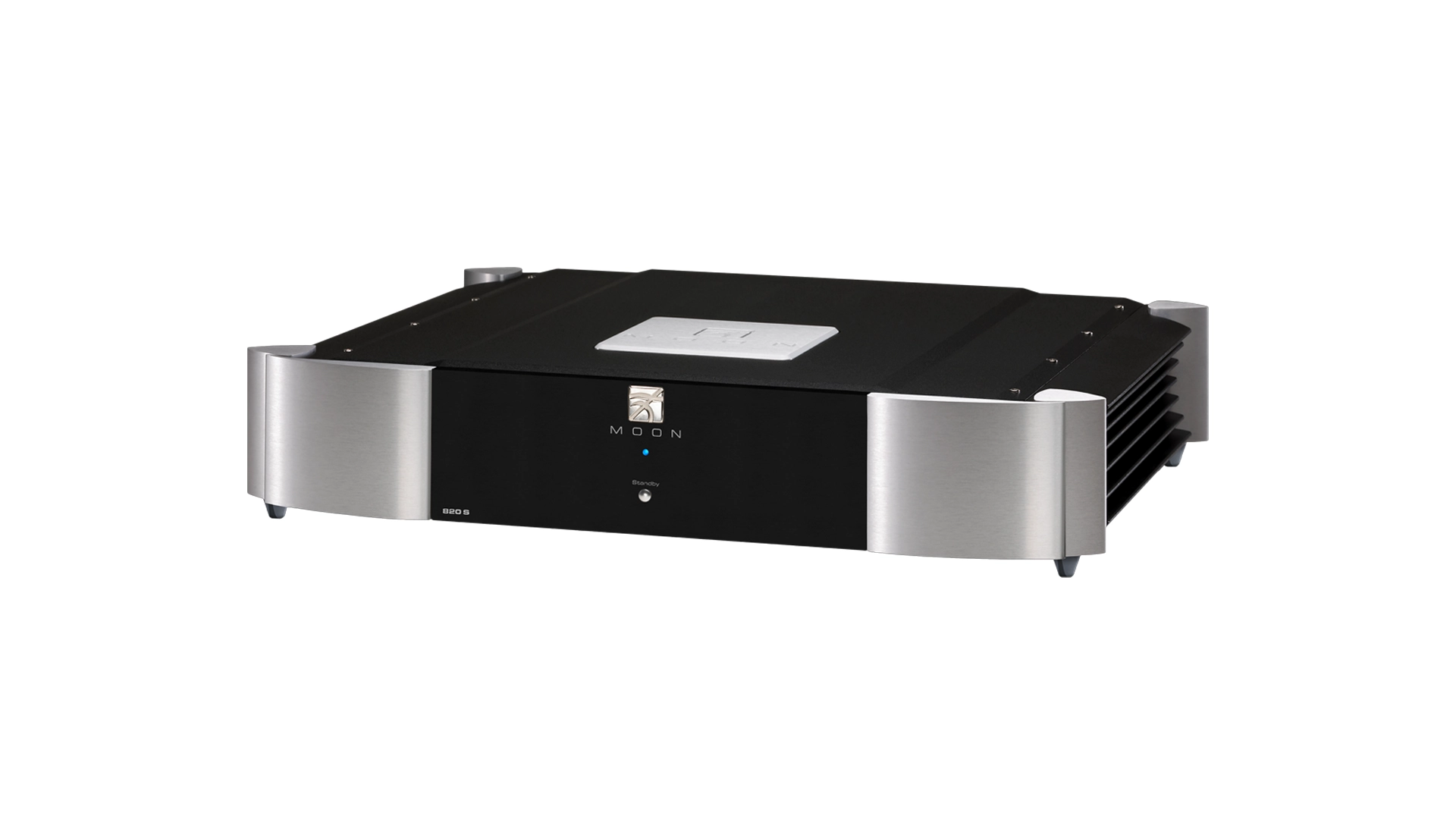
Simaudio is a Canadian high-end electronics manufacturer founded in 1980 as Sima Electronics by Victor Sima. The early company became known for muscular amplifiers able to control demanding loudspeakers; in 1994 Jean Poulin and partners acquired the business, and the MOON name gradually became the public identity of its products. Design and manufacturing remain near Montreal, with metalwork, circuit assembly, testing and long-term service kept unusually close for a modern audio company. MOON electronics cover integrated and power amplifiers, preamplifiers, network players, DACs and phono stages. The Evolution series established technologies such as M-LoVo low-voltage regulation, M-eVOL2 volume control and the MiND network platform, while the compact ACE combined streaming, conversion, amplification and phono input in one chassis. MiND 2 supports contemporary network playback and multiroom control without making a computer the front end. The flagship North Collection develops this architecture in the 681 streamer/DAC, 791 network player/preamplifier, 761 and 861 power amplifiers, and the 891/888 reference separates, with the BRM remote giving tactile control across the system. Simaudio does not use one circuit unchanged at every price: power-supply scale, dual-mono separation, output topology, conversion and control are adjusted to each product, but low noise, high current and operational longevity remain consistent priorities. The company is still independently Canadian rather than a legacy badge owned abroad. Its distinction is the ability to join serious analogue amplification with mature streaming and interface design while preserving repairability and factory support—an evolutionary approach that has kept MOON components current without erasing their two-channel roots.
Sine
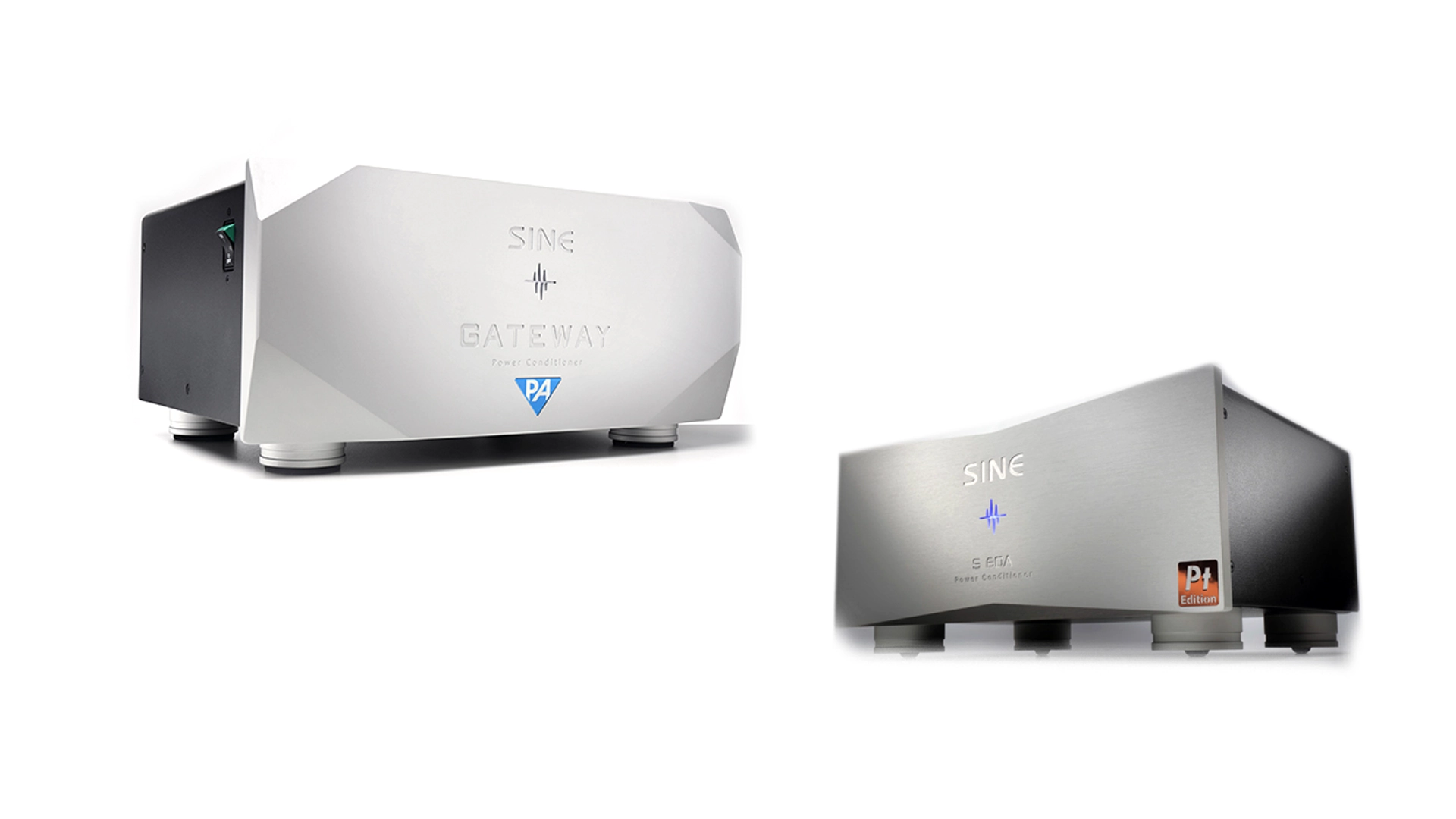
SINE is a Hong Kong high-end specialist in AC power products and audio cabling. It began from an audiophile founder’s concern with the electrical supply feeding an entire system and now operates under MIC Audio Group. The range is broader than power cords alone: conditioners, isolation transformers, voltage regulators, power distributors and wall outlets sit beside analogue interconnects, loudspeaker, digital and bulk cables. Current products include MC-series conditioners, S-series distribution and power components, and cable families such as Lineverse, Miniverse and Louis. This lets SINE address high-current amplifiers, delicate sources and low-level signals with different geometries and filtering rather than applying one construction everywhere. The most recognisable process is CRYO-196, a computer-controlled cycle that cools selected conducting materials to –196 °C, holds them at temperature and returns them slowly to ambient conditions. SINE states that the treatment relieves internal stresses and improves conductor consistency; such performance claims should be evaluated in context, but the treatment itself is a defined 48-hour manufacturing step rather than an undefined “cryogenic” label. Products also use screened structures intended to limit EMI/RF pickup, aircraft-grade metals in selected parts, and platinum- or gold-plated contacts. Recent MC30 and MC40 conditioners use dual filtration and parallel conductor paths with the aim of reducing noise without starving connected equipment of current. SINE’s identity is a system-level view of electricity: socket, protection, filtering, grounding, conductor and connector are treated as linked parts. No reliable public founding year was found, so the date remains blank rather than turning marketing history into a false precision.
Small Green Computer

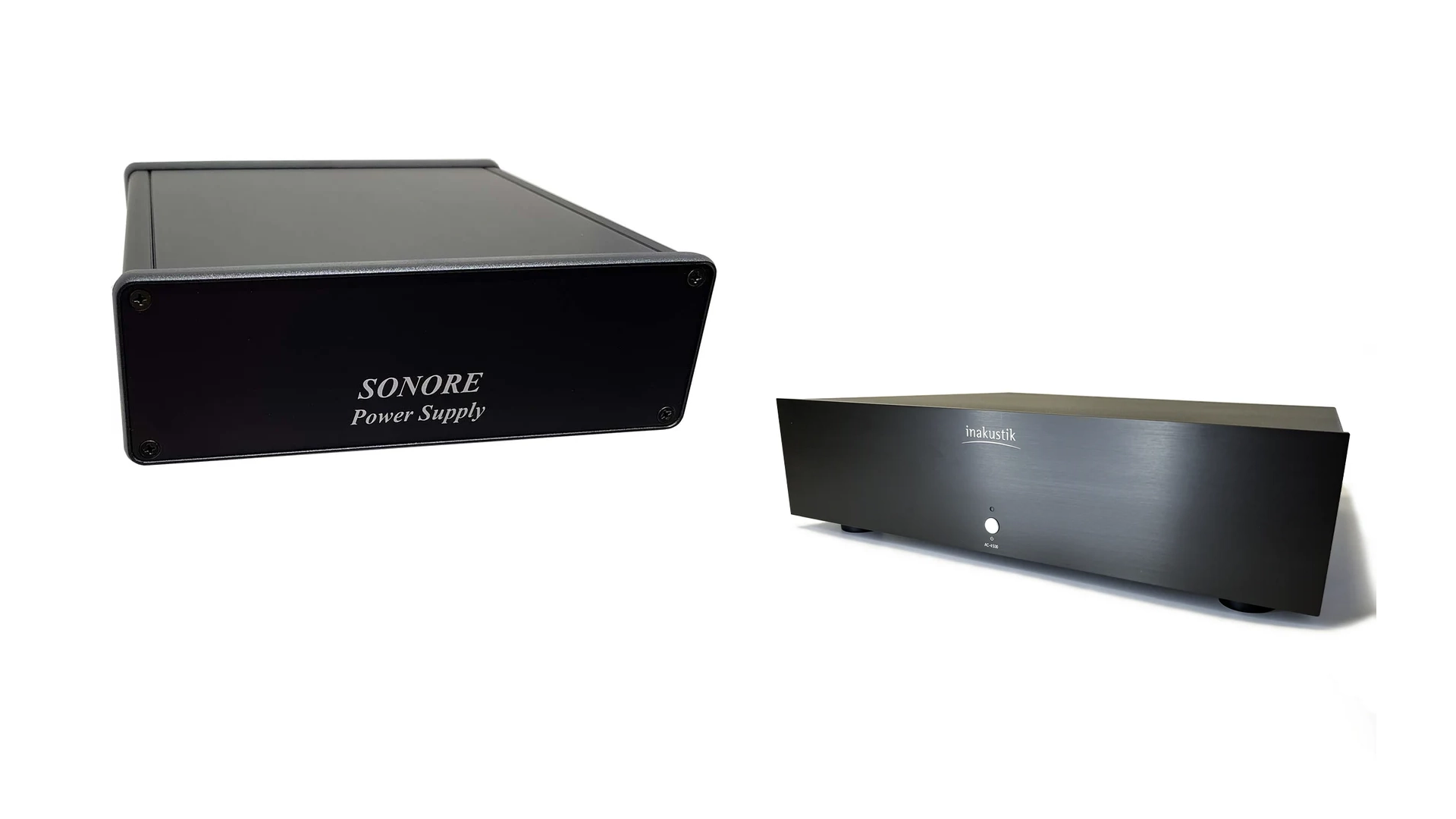
Small Green Computer is an American specialist in fanless music servers and network-audio systems. Its central idea is to remove the noisy, maintenance-heavy general-purpose computer from the listening room and divide digital playback into clear jobs. A sonicTransporter server stores the library and runs software such as Roon, Audirvāna, HQPlayer, Squeezebox or DLNA services; a separate Rendu network endpoint receives the stream and hands it to a DAC, usually over USB. Current sonicTransporter i7 and i9 generations provide different processing headroom for large libraries, multiroom playback and demanding HQPlayer upsampling, while the WhirlWind offers another server configuration. The endpoint side includes Sonore-branded ultraRendu, opticalRendu and Signature Rendu SE models. This brand relationship is important: Small Green Computer supplies the servers and complete system pathway, while the Rendu products carry the Sonore name rather than being renamed SGC devices. The systemOptique concept uses fibre Ethernet to break the conductive electrical path between network sections, and the company also supplies compatible optical modules, switches and low-noise linear DC power. Fanless cases, purpose-built operating images and remote support make the products appliances rather than DIY Linux computers, yet advanced users retain access to multiple playback ecosystems. Small Green Computer’s strength is integration and long-term human support: server, optical network, endpoint and power can be selected as one chain, while users are not locked into a single library application. No sufficiently reliable founding year is published, so the date remains blank.
Stein Music

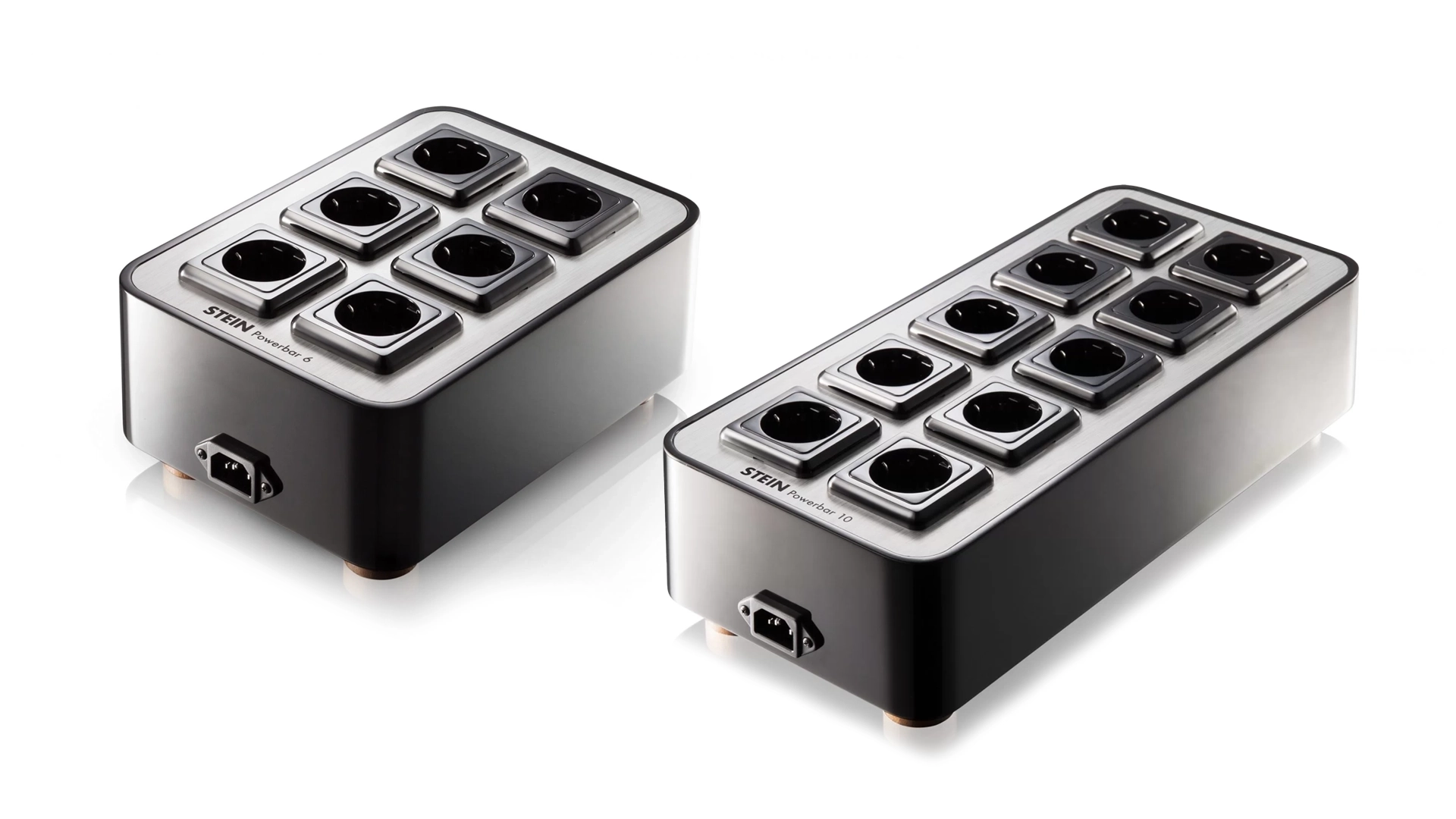
SteinMusic is the unusually broad high-end audio project of German physicist and designer Holger Stein. He built his first amplifier at fourteen and founded the company in Mülheim an der Ruhr in 1982. Over more than four decades, the catalogue has expanded far beyond electronics to include loudspeakers, vinyl accessories, cables, grounding products and room-treatment devices. That breadth reflects Stein’s view that music reproduction depends on the interaction of the entire system and room, not on one component measured in isolation. The Bobby and Bob loudspeakers are current anchors of the range, using modular concepts and dedicated bass solutions to adapt the system to different spaces. Amplifiers provide the matching electronics, while the Perfect Interface mats and cartridge-related products address the mechanical contact points in vinyl replay. SteinMusic is also known for accessories whose operation is less conventional, including Harmonizer room systems, Magic Stones and Super Ground products. Their claimed effects should be understood as the manufacturer’s approach rather than universal engineering consensus; the relevant fact is that these products form a coherent and long-running part of the brand, not a recent marketing detour. More conventional interfaces, including LAN and USB isolators, sit alongside them. Products are developed and assembled in Germany. SteinMusic’s individuality comes from Holger Stein’s willingness to treat acoustics, resonance, electrical grounding and component design as one connected listening problem—and to build a catalogue that lets users explore that philosophy at very different levels.
Synergistic Research
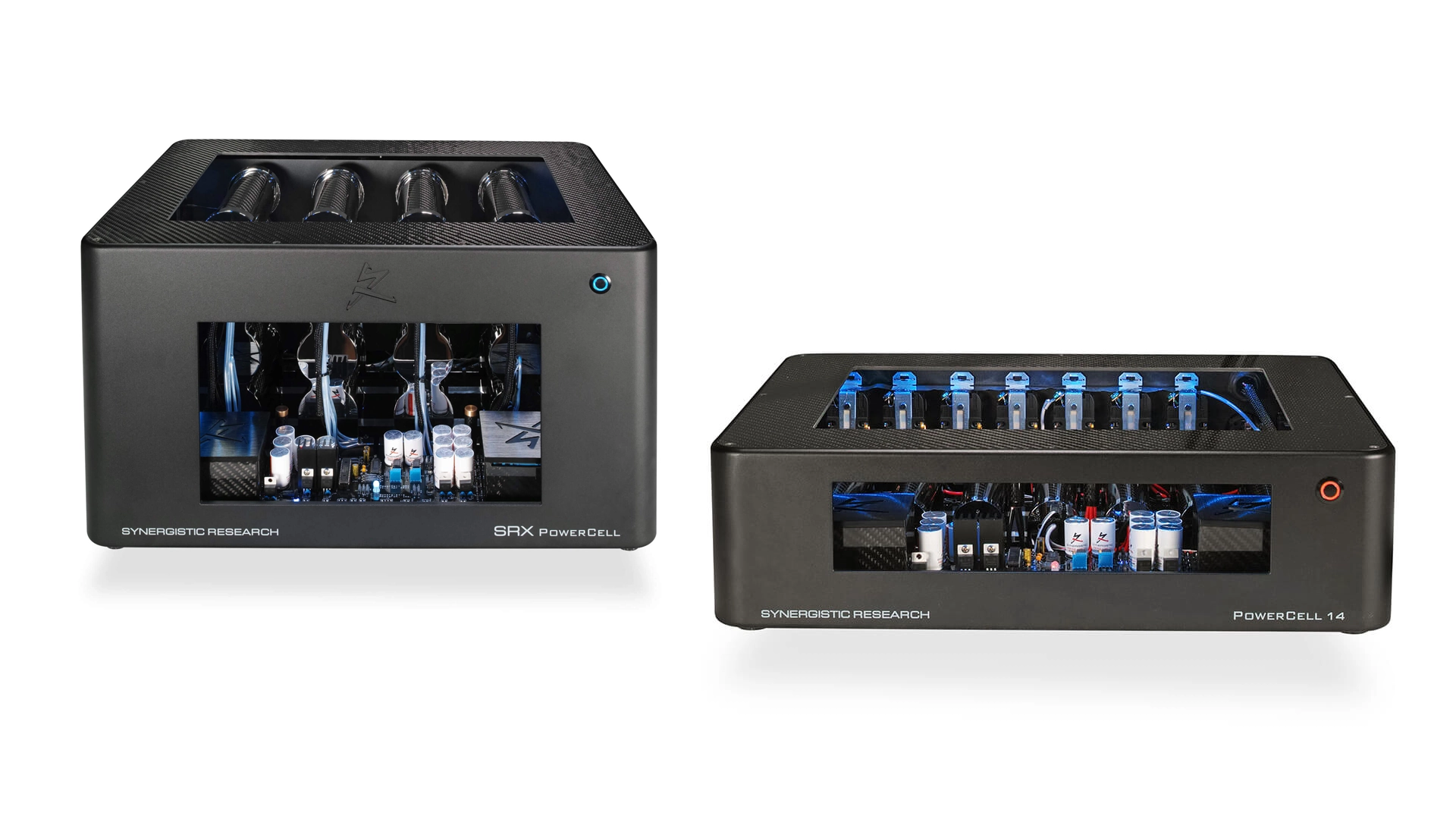
Synergistic Research is an American company specializing in high-end audio cables, power conditioners, acoustic treatment products, and other accessories. Founded by Ted Denney III. The company is known for its innovative and often unconventional technologies, which are claimed to improve the performance of audio systems through various means, including reducing noise, optimizing signal transfer, and controlling resonances. Synergistic Research products often feature unique designs and utilize high-quality materials, such as pure silver conductors, advanced shielding, and proprietary treatments. They offer a wide range of cables, power conditioners, and acoustic treatment solutions, catering to different needs and system configurations. The “Galileo” series and the “Atmosphere” series represent different points in their product line. Synergistic Research products are positioned in the high-end.
T+A

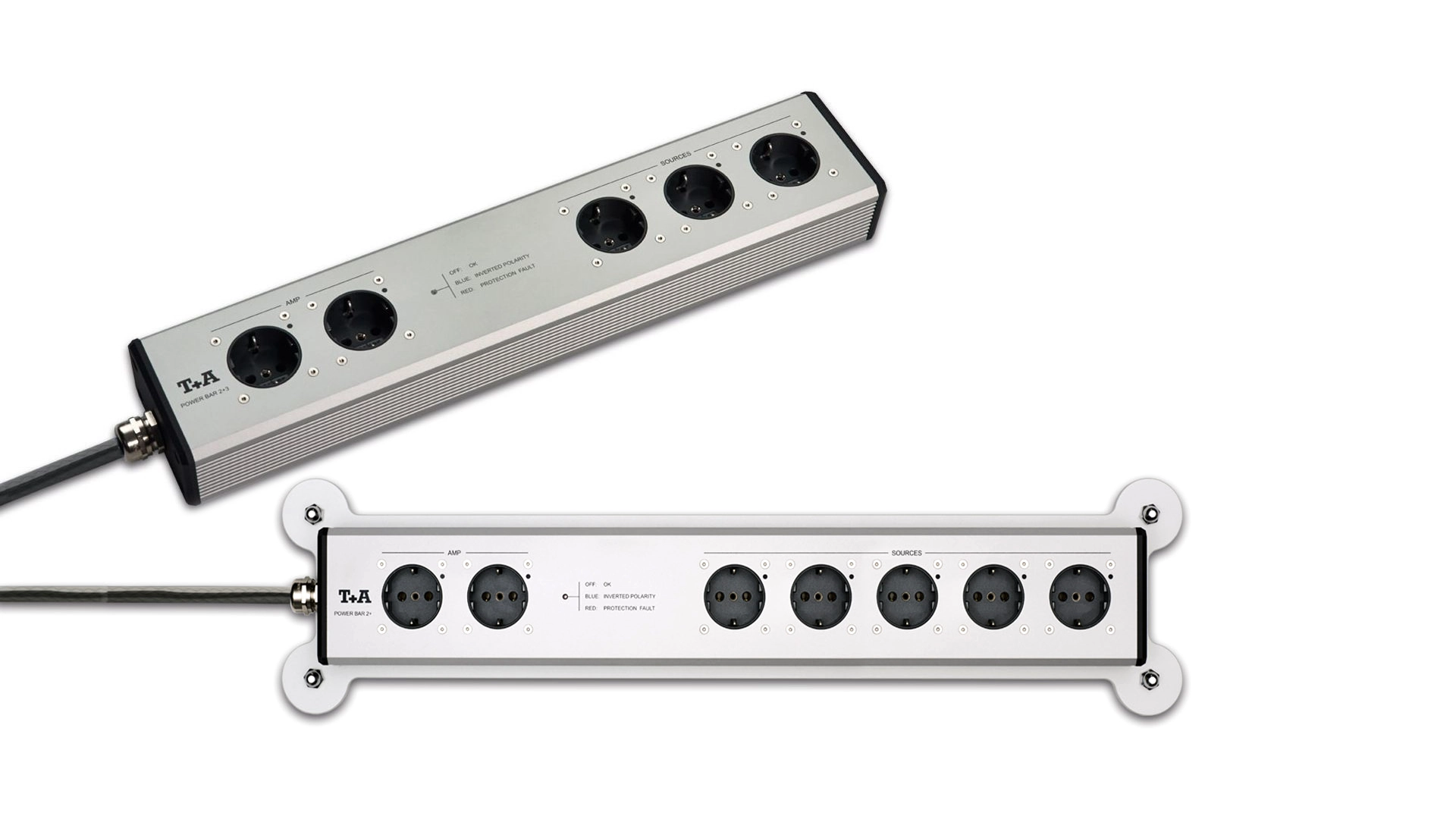
T+A elektroakustik (Theory + Application) is a German manufacturer of high-end audio equipment, known for its wide range of products, innovative technologies, and a focus on delivering both exceptional sound quality and comprehensive features. The company’s product range includes amplifiers, preamplifiers, integrated amplifiers, CD players, streamers, all-in-one systems, loudspeakers, and even headphones. T+A often utilizes proprietary technologies and advanced engineering in its designs, aiming to push the boundaries of audio performance. Their products are characterized by their robust build quality, elegant aesthetics, and a sonic signature that emphasizes detail, dynamics, and a natural, unforced presentation. The “HV” (High Voltage), “R” series , and “Cala” series represent different facets of their product offerings. T+A products are positioned in the high-end segment of the market, appealing to audiophiles who value both performance and German engineering.
Taga Harmony


TAGA Harmony is a company specializing in loudspeakers, audio electronics, and cables, known for its focus on providing high-quality sound at accessible price points. While having European roots, the company has significant operations and design influence from Japan. TAGA Harmony offers a wide range of products, including floor-standing speakers, bookshelf speakers, center channel speakers, subwoofers, integrated amplifiers, and various cables. Their products often feature a modern aesthetic and are designed to deliver a balanced and engaging sound. The company’s design philosophy emphasizes a combination of engineering principles and subjective listening evaluations to achieve optimal performance. TAGA Harmony products are positioned in the
Telos

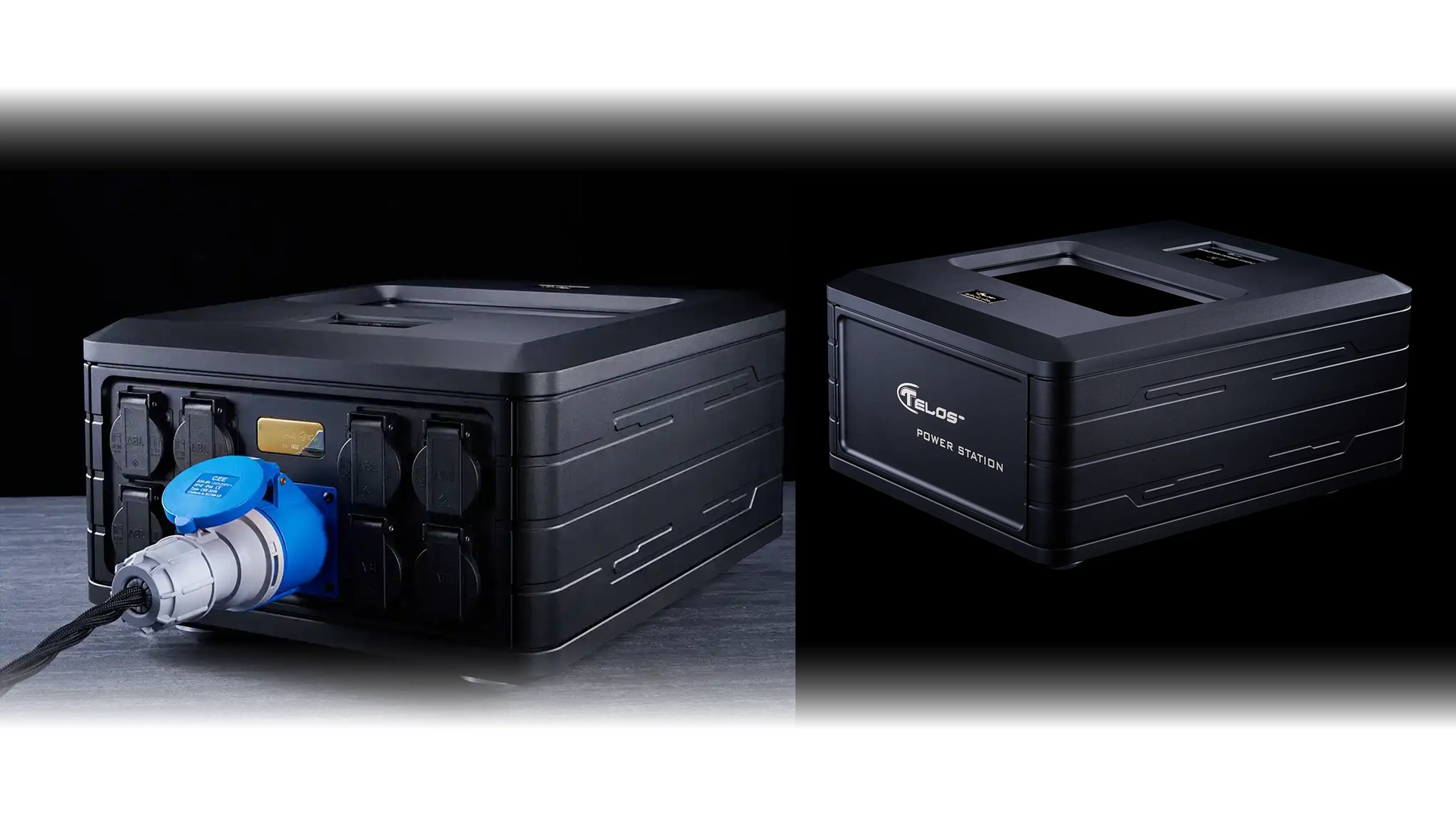
Telos Audio Design is a Taiwanese high-end company founded in 2006 by Jeff Lin. It began with cables, connectors and power accessories, then developed an extensive ecosystem for grounding and electrical-noise management. The brand’s work is aimed at the conditions around an audio component as much as the component itself: mains quality, ground potential, radio-frequency contamination and network activity are treated as possible routes by which noise enters a system.
The Grounding Noise Reducer established the Telos name by providing an active reference ground rather than relying only on a passive box of conductive material. Later Grounding Noise Reducer and Grounding Monster products expanded the number and type of connections. Quantum Noise Resonator units, Power Station conditioners and Foundation Power Core products extend the approach to mains and local electromagnetic conditions. Telos also produces connectors, signal and power cables, burn-in and demagnetising devices, plus Master Server, Streamer and network products for digital systems.
Much of the company’s terminology, particularly references to quantum effects and audible grounding changes, represents Telos’s own technical explanation and is not universally accepted as established audio science. It is more accurate to present these as design claims than as guaranteed outcomes. What is not in doubt is the consistency of the company’s direction. Telos has spent two decades building measurement tools, accessories and digital sources around one problem: controlling the electrical environment of a high-resolution system. That sustained focus, and not a generic promise of better sound, is what distinguishes the brand.
The Gryphon
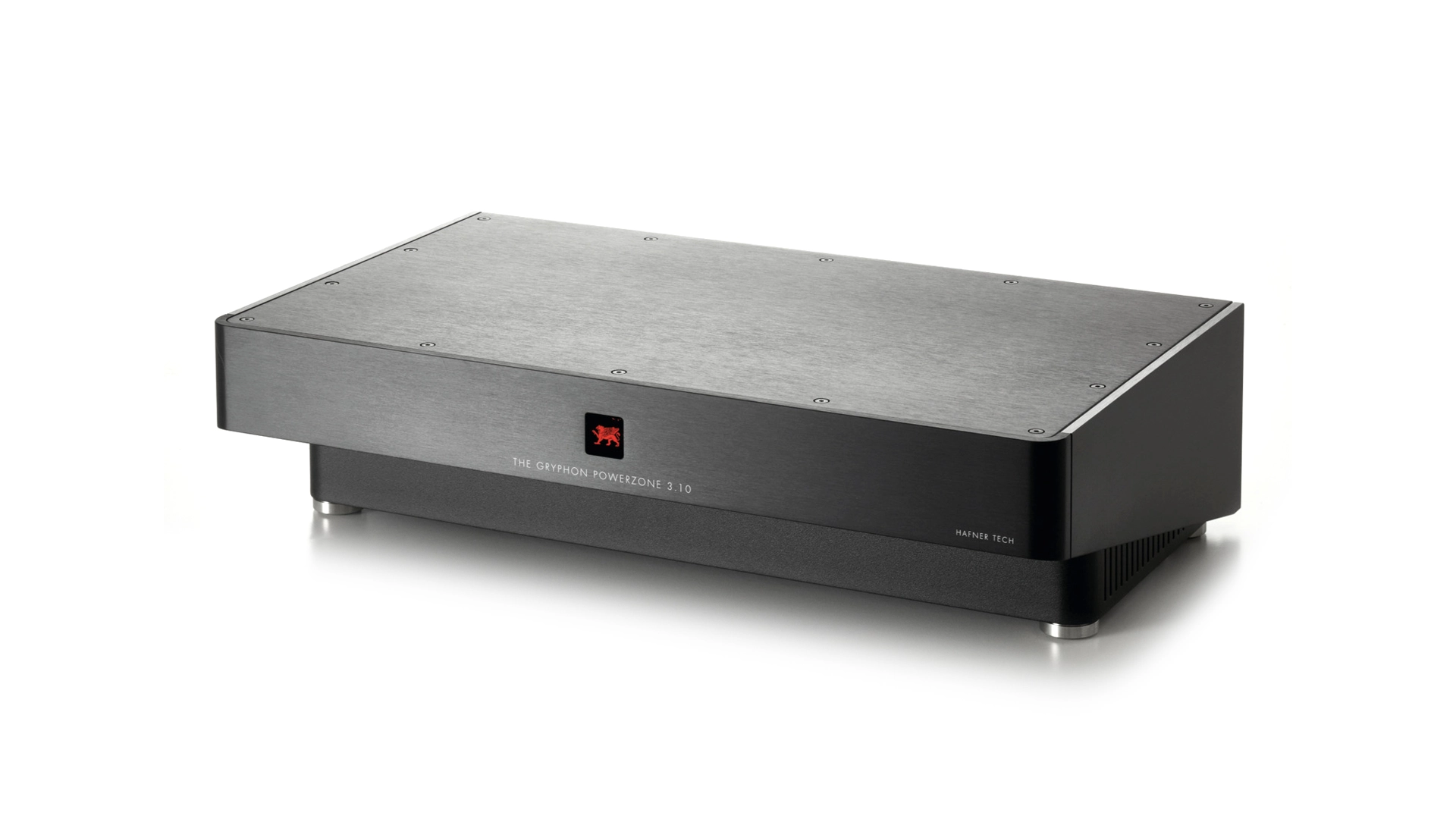
Gryphon Audio Designs is a Danish high-end manufacturer founded in 1985 by artist and industrial designer Flemming E. Rasmussen. The company began as an offshoot of his import business when a one-off moving-coil head amplifier, built for his own system, drew unexpected attention at a hi-fi exhibition. That first Gryphon Head Amp established two traits that still define the brand: electrically ambitious circuits and sculptural objects that do not disguise their scale.
Gryphon became best known for wide-bandwidth, high-current amplification, often operating in pure Class A and built in dual-mono form. The Antileon lineage made that approach internationally recognisable. Current Apex power amplifiers and Commander preamplifier occupy the reference level, while the Essence and Diablo ranges bring the company’s topology and control to more attainable systems. The Diablo 333 integrated amplifier is a good example of Gryphon’s refusal to treat an integrated product as a lightweight compromise.
The catalogue now covers a complete playback chain. Ethos handles CD and digital conversion, and loudspeakers from EOS through Pantheon, Trident and Kodo are designed to exploit the amplifiers’ current delivery and dynamic scale. Gryphon develops and assembles its products in Denmark, using custom metalwork and an unmistakable black visual language. The design can be theatrical, but the brand was not created by styling alone. Its lasting identity comes from Rasmussen’s combination of visual authorship, minimalist signal paths and amplifiers engineered to remain composed with demanding loudspeaker loads.
Torus Power
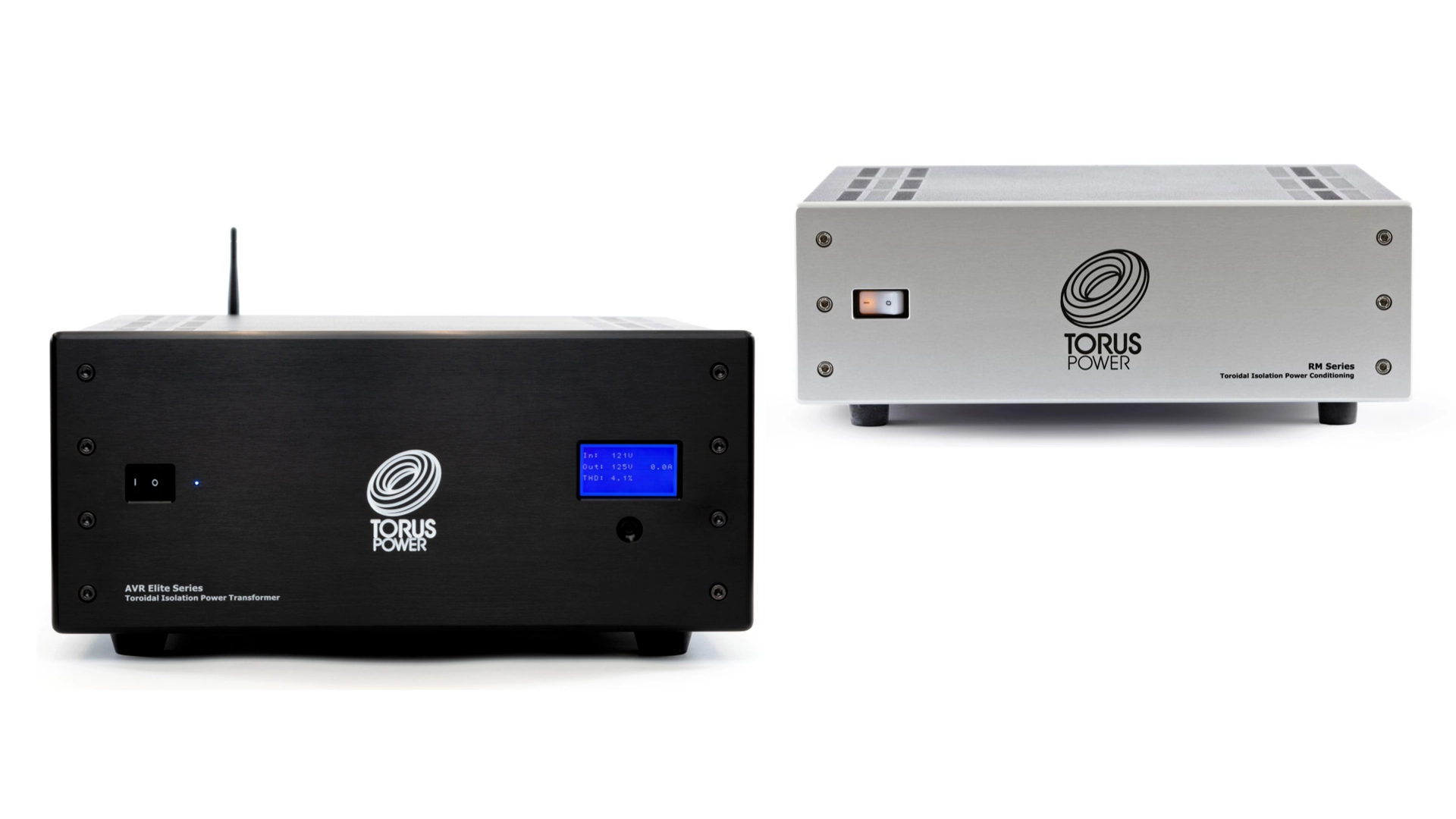
Torus Power is a Canadian power-management company founded in 2006 by Howard Gladstone from the transformer expertise of Plitron Manufacturing. Its first products were created around a simple distinction: instead of placing a small filter in series with an audio system, Torus uses large toroidal isolation transformers designed to supply substantial instantaneous current while separating connected equipment from common-mode noise and other mains disturbances.
Plitron’s patented Narrow Bandwidth Technology is central to the design. The transformer architecture is engineered to attenuate noise while avoiding the current restriction that can trouble power amplifiers and active subwoofers. Depending on model, Torus adds surge suppression, over-voltage protection, balanced power, automatic voltage regulation and network monitoring. RM rack-mount units, compact TOT products, AVR and AVR Elite conditioners, and wall-mounted systems cover a single listening system through dedicated rooms and professional installations.
In 2016 Torus Power became an independent company while retaining production at Plitron’s Toronto factory and a close technical relationship with it. That corporate change is worth stating because it clarifies both the brand’s autonomy and the source of its transformer know-how. Torus does not promise to repair bad building wiring or make equipment immune to every electrical event. Its contribution is more precise: transformer-based isolation, protection and voltage control engineered with the current demands of audio, video and control systems in mind, made in Canada from technology developed by a specialist magnetics company.
Trafomatic Audio

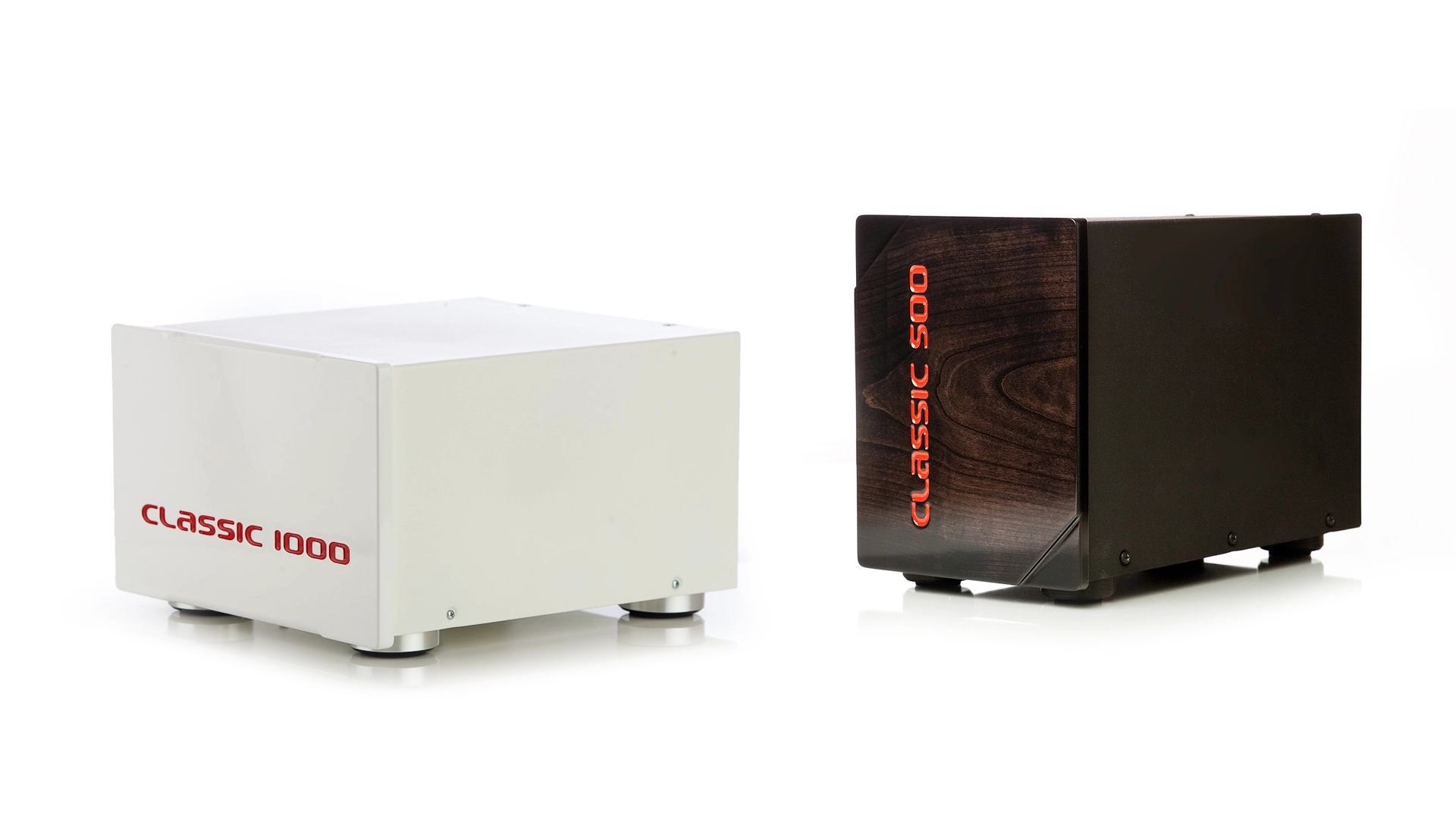
Trafomatic Audio is a Serbian valve-electronics manufacturer founded in 1997 by Saša Čokić in Mladenovac. The company began with transformers, the component that often determines whether a tube amplifier fulfils its circuit on the test bench and with a real loudspeaker. That magnetics background remains its decisive advantage: output transformers, interstage transformers, chokes and power transformers can be developed together with the amplifier rather than purchased as an afterthought.
Early Experience amplifiers introduced Trafomatic internationally, including simple single-ended designs built around classic triodes. The range now reaches from the Rhapsody integrated amplifier and Luna phono stage to Lara and Tara line stages, Primavera headphone amplification and statement power amplifiers such as Elysium, Pandora and Elysian. Directly heated triodes, transformer coupling and pure Class A operation appear where they suit the product, while higher-powered push-pull models serve loudspeakers that need more output.
Čokić’s team builds in Serbia and also supplies transformer expertise beyond its own finished components. This makes Trafomatic more than a boutique assembling famous tubes into attractive cases. Winding geometry, core material, insulation, bandwidth and power-supply behaviour are part of the company’s own daily work. The catalogue has become visually ambitious, but its common DNA is still magnetic. Trafomatic’s strongest amplifiers unite expressive tube topologies with the less glamorous discipline of making the iron correctly—a combination that explains how a small Serbian manufacturer gained lasting international recognition.
Transparent

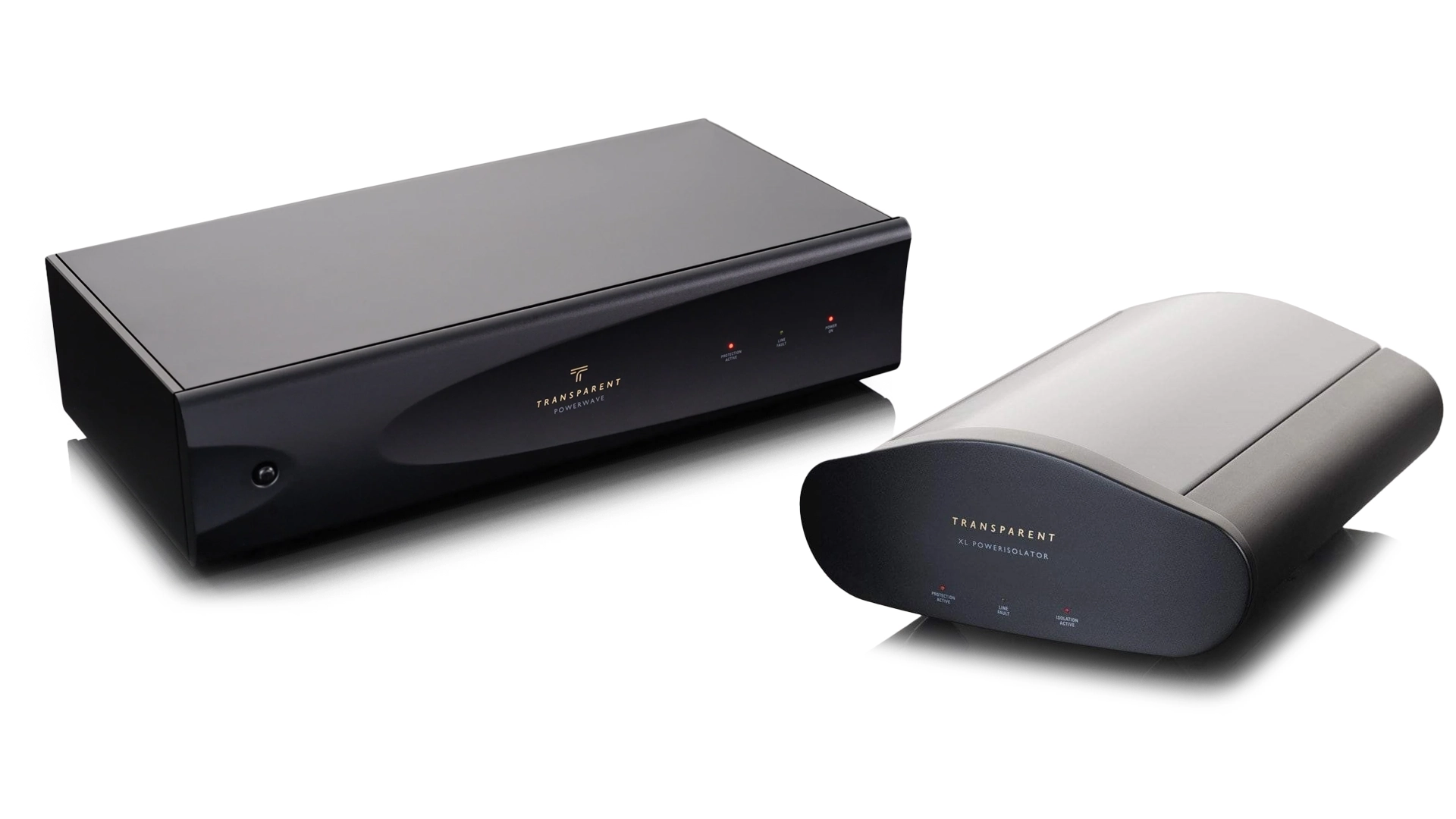
Transparent Audio is an American cable manufacturer founded in 1980 by Karen Sumner, Jack Sumner and Carl Smith. The company first worked in high-end distribution; Transparent Audio in the form listeners recognise today took shape in 1993, when the team introduced its own networked audio cables. Both dates matter: 1980 is the foundation of the company, while 1993 marks the distinct cable technology and product identity.
Transparent’s characteristic network modules are designed for the electrical behaviour of a specific cable type and length, with the stated goal of controlling noise and preserving consistent transfer across the audio band. They are not interchangeable decorative boxes. Speaker cables, analogue interconnects, digital cables and power products are developed in ascending families including Plus, Super, Ultra, Reference, XL, Opus and Magnum Opus. At higher levels, networks can be calibrated to the electrical characteristics of the owner’s components and system.
The company manufactures and tests products in Maine and supports an established upgrade programme, allowing qualifying owners to move upward without discarding the full value of an earlier cable. Cable audibility and network explanations are debated subjects, so results should be judged in the intended system rather than presented as universal fact. Transparent’s historical importance is nevertheless clear. It made the externally networked cable a recognisable high-end category and has refined that architecture for more than three decades under the same founding team, with unusually systematic matching, documentation and long-term customer support.
Tributaries Cable

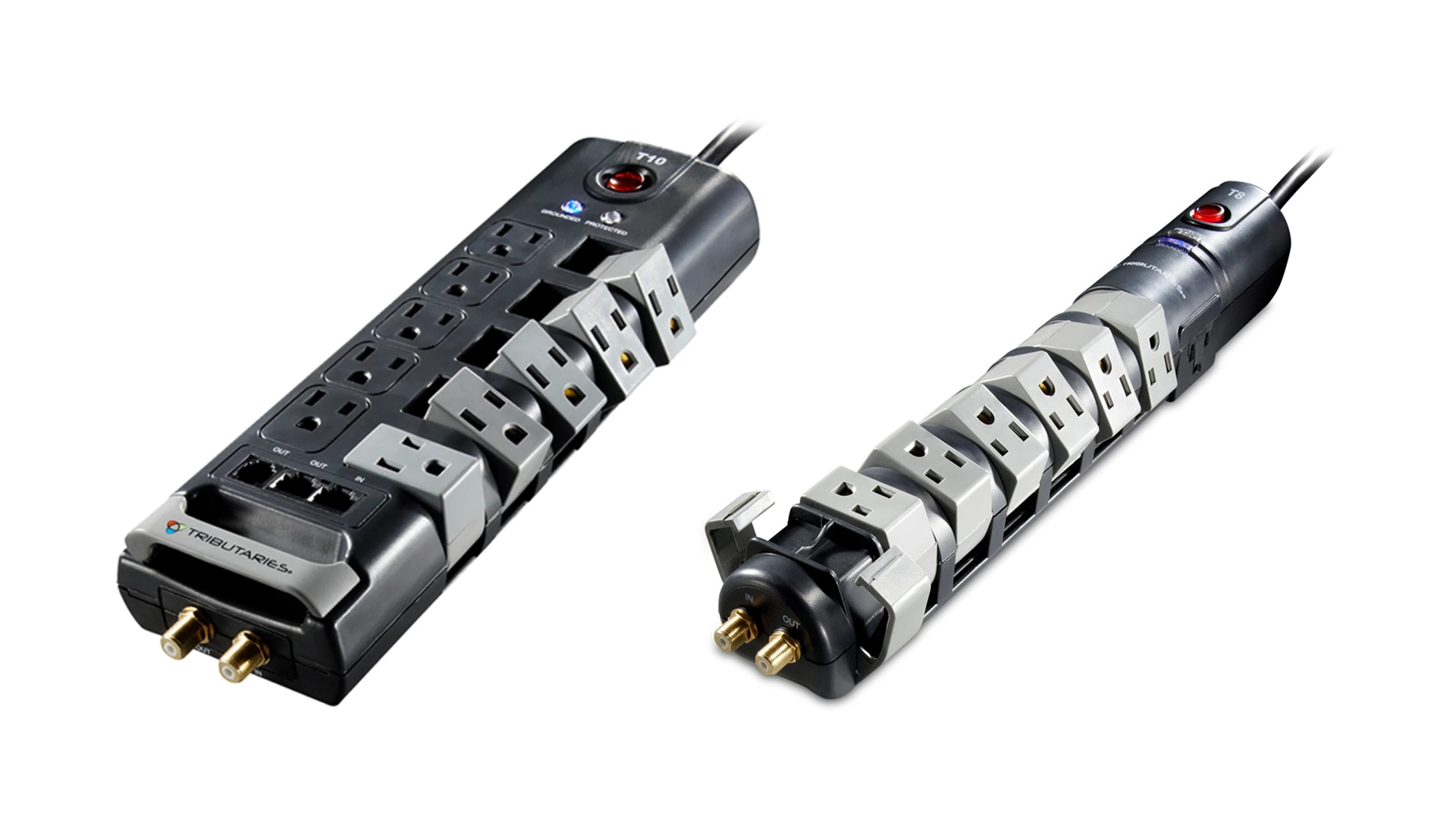
Tributaries is an American cable and power-products company founded in 1991 by electrical engineer Joe Perfito after fifteen years at McIntosh Laboratory. Perfito named the company as a tribute to the late Gordon J. Gow, the McIntosh president whose insistence on engineering discipline and responsible product claims shaped his own approach. Tributaries remains a family-owned brand of Gordon J Gow Technologies in Orlando, Florida.
The range covers analogue and digital interconnects, speaker cables, HDMI and USB links, power cords, distribution and surge-protection products. Its numbered cable families provide clear steps in conductor geometry, shielding, connectors and construction rather than presenting every model as a separate invention. In 2013, designer Jay Victor began work on a new generation that drew on principles also used in the more ambitious Clarus cable line; three years of engineering and cosmetic development preceded its release.
Most Tributaries analogue interconnect and speaker-cable assemblies are made by hand in Orlando, while HDMI, USB, optical and power products follow separate production routes. Finished products pass application-specific tests, and cables carry a limited lifetime warranty. Tributaries’ strength is practical consistency: a dealer can specify an entire stereo, cinema or installed system from one coordinated range, with documented construction and domestic termination where it matters. The company does not need extravagant mythology; its identity comes from Perfito’s McIntosh-era quality culture, long-term support and a catalogue built around dependable signal and power connections.