
Integrated Amplifiers
An integrated amplifier is the heart of many classic hi-fi systems, combining two essential components into a single chassis: a preamplifier for input switching and volume control, and a power amplifier to drive the speakers. This all-in-one design offers a straightforward and convenient way to build a high-quality audio system without the complexity of separate boxes. This page is a comprehensive directory of manufacturers that produce these versatile components, from simple, purely analog models to modern amplifiers with built-in DACs and streaming capabilities.
Hi-Fi brands in the category
Summary information and image
Direct links to official websites
Aavik

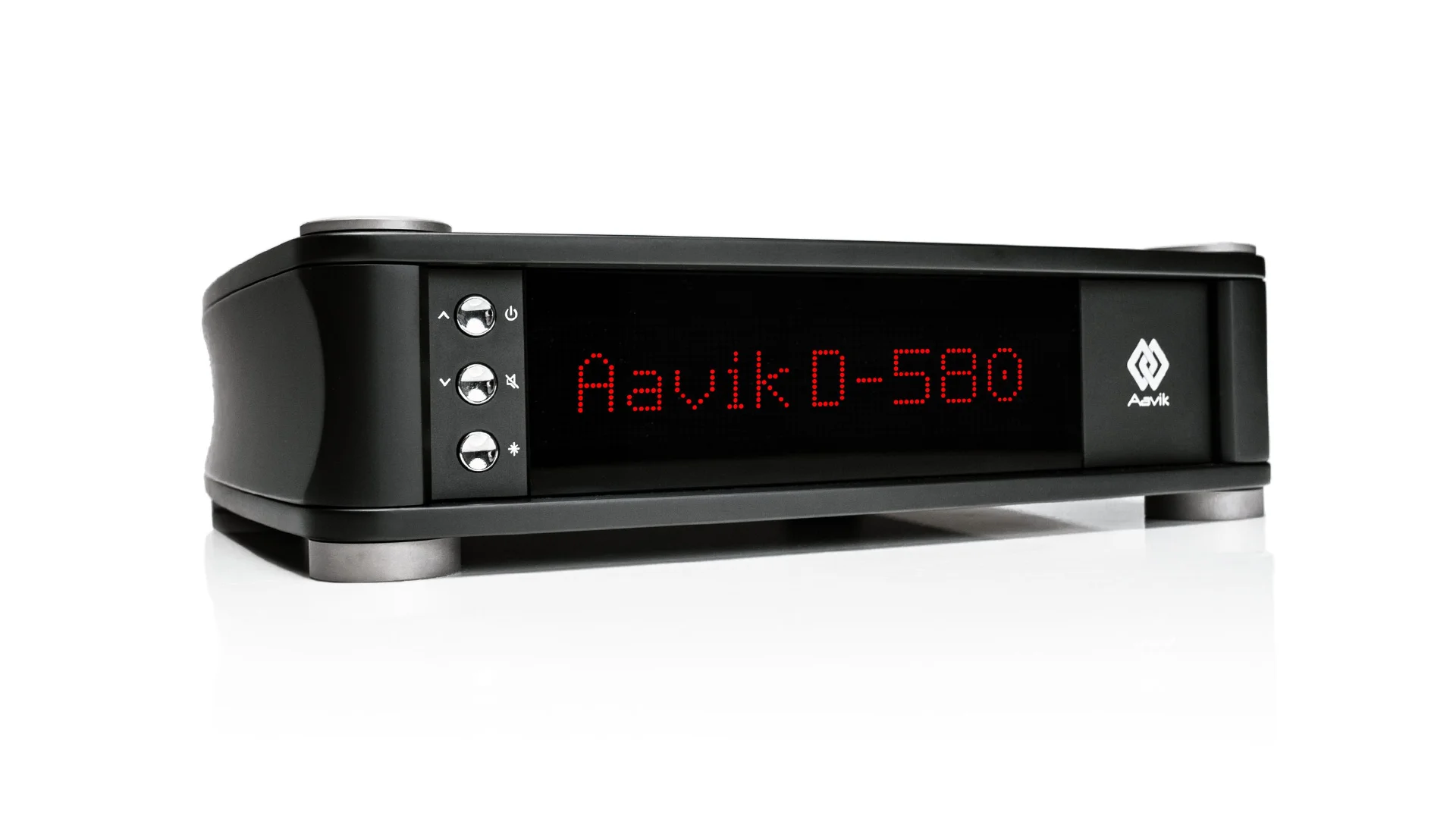
Aavik develops amplifiers and source components with a strong emphasis on power-supply design and noise control. Part of Audio Group Denmark, it offers integrated and power amplifiers, DACs, streamers and phono stages. Aavik grew out of the partnership between Lars Kristensen and Michael Børresen, whose work also led to Ansuz and Børresen loudspeakers. Its amplification follows more than one route: UMAC-based models use Class D technology, while the I-880 is specified by Aavik as a non-switching Class A design. Selected components also incorporate Ansuz noise-reduction circuitry and resonance-control measures. The distinction between these platforms matters when exploring the range; one amplifier topology or set of features does not describe every Aavik product.
Accuphase

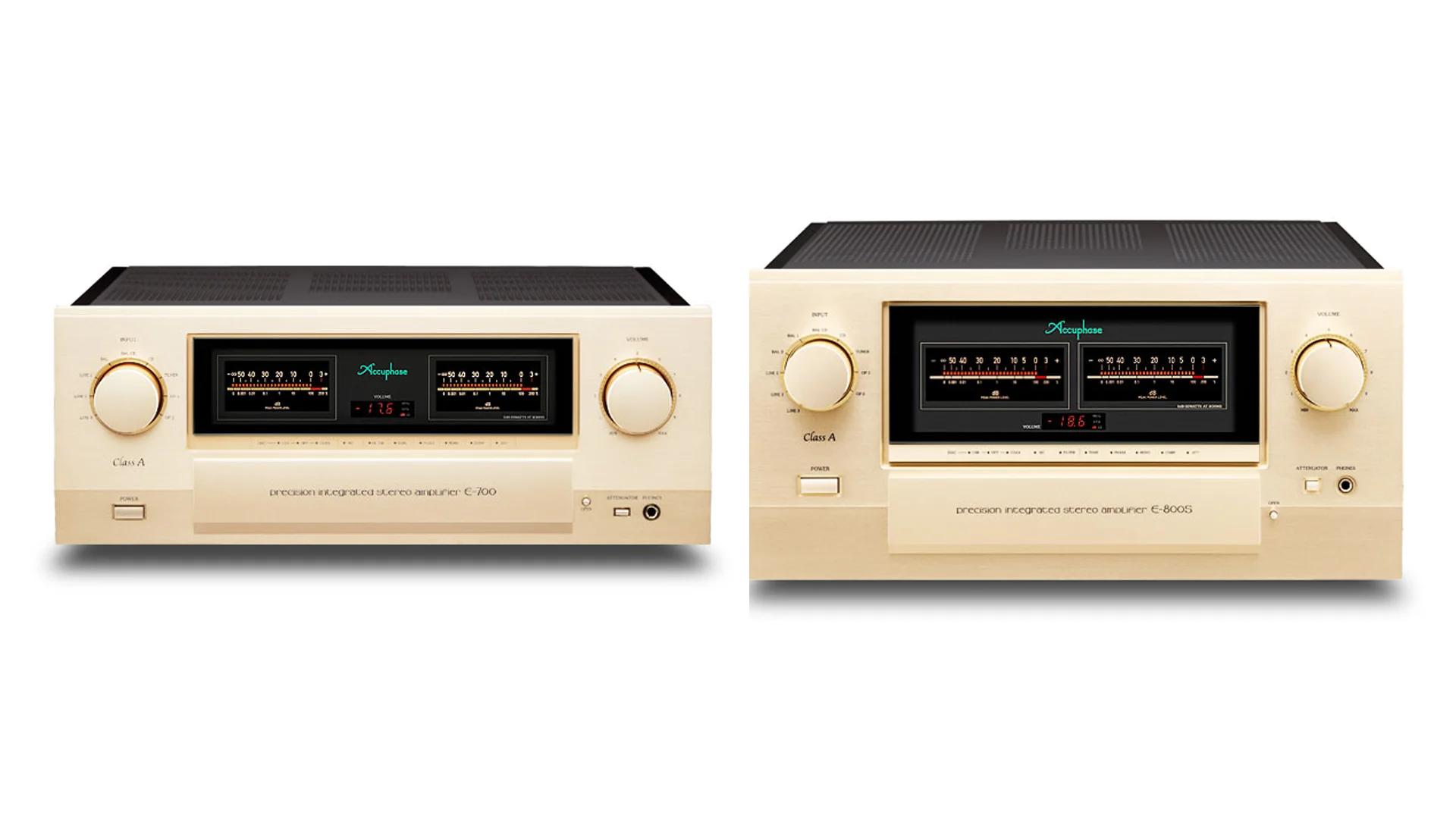
Japan’s Accuphase builds amplifiers and digital source components around proprietary circuit designs, with volume control itself forming part of its engineering identity. Its AAVA system adjusts level without a conventional variable resistor in the music signal path, while MCS operates multiple amplification circuits in parallel to improve their combined performance. Its history began in 1972 as Kensonic, founded by brothers Nakaichi and Jiro Kasuga with a team from Kenwood that included Shigemasa Saito and Yasumasa Ishizuka. The original products included the P-300 power amplifier, C-200 preamplifier and T-100 tuner. The catalogue spans integrated and separate amplifiers, disc players, digital processors and equalisation equipment. Accuphase documents its circuit principles and product history in detailed technical literature.
Accustic Arts

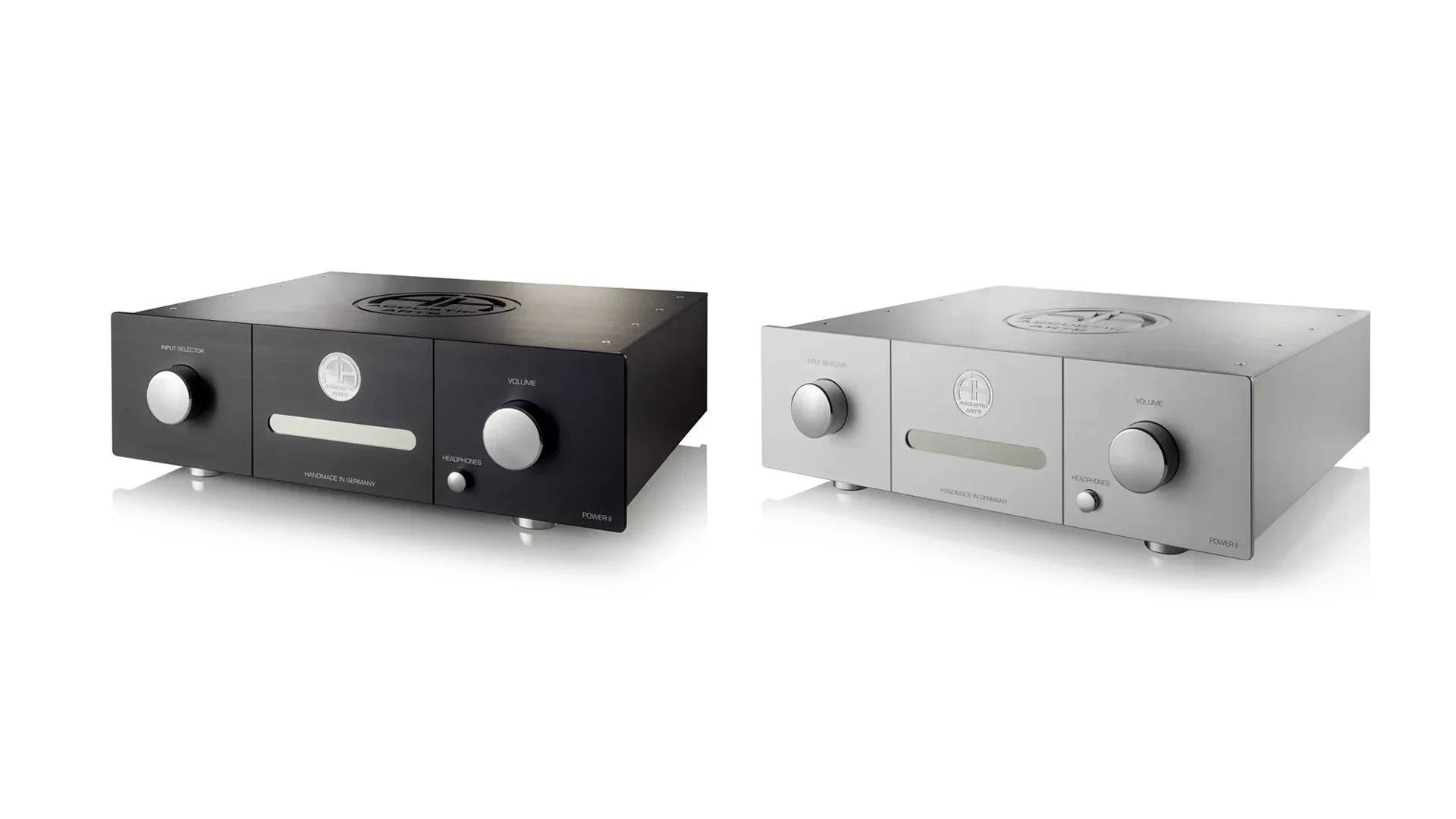
ACCUSTIC ARTS manufactures audio electronics in Germany, with power-amplifier construction and extended testing central to its approach. The AMP II illustrates this in a dual-mono layout with separate power supplies for the two channels, MOSFET output devices and large heat sinks. The brand was introduced in 1997 after several years of development, with the AMP II among its first products. Its wider range includes integrated amplifiers, preamplifiers and CD players, built at the company’s Lauffen am Neckar facility. There is also a direct connection to recording: the premises include a professional studio, and the company established its own audiophile recording label. That background gives the brand a concrete link between making recordings and building the equipment used to play them.
Advance Paris

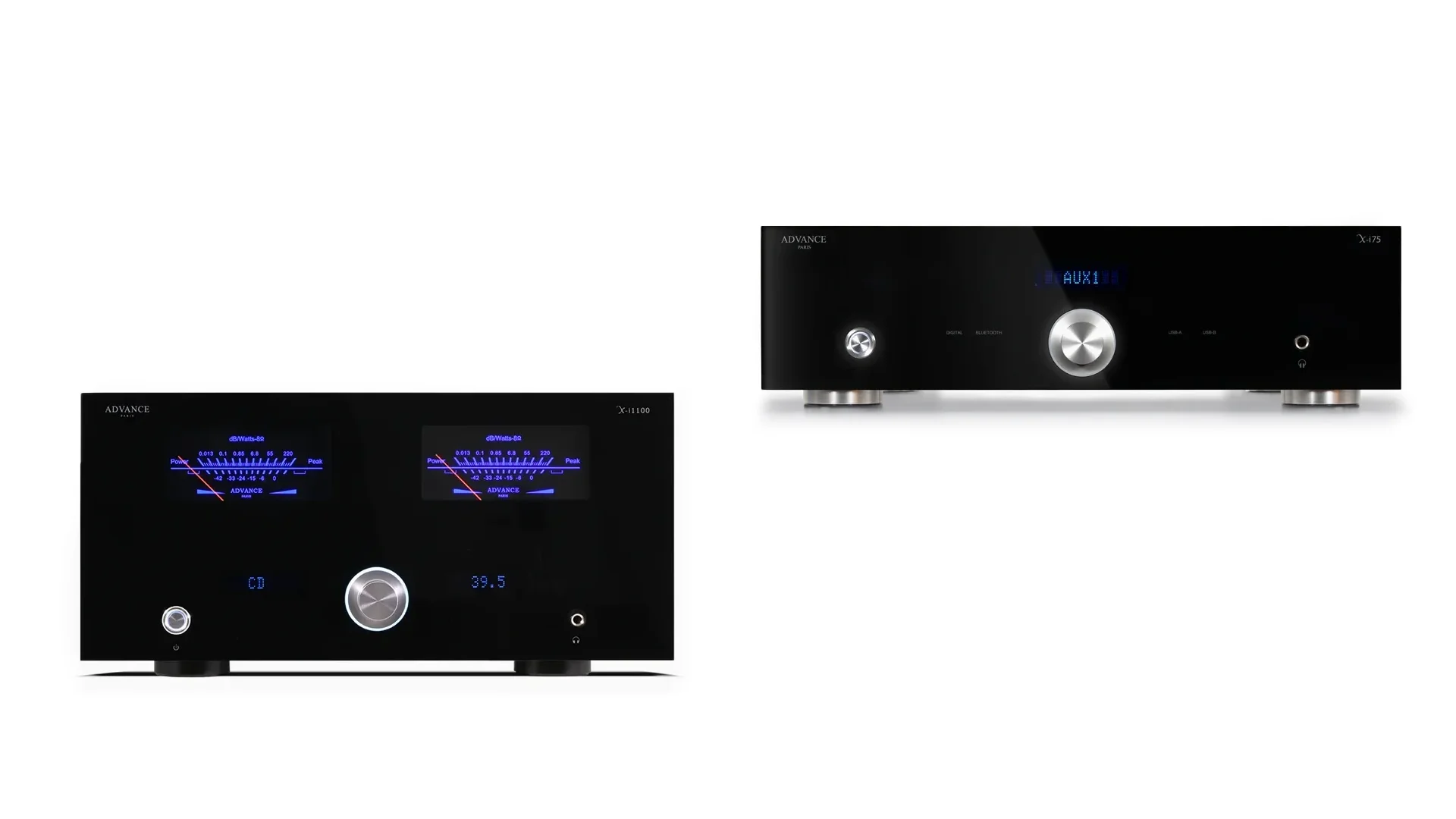
Advance Paris builds stereo electronics with a recognisable combination of illuminated VU meters, extensive connections and, in selected amplifiers, valve preamplification. Its roots are in Advance Acoustic, launched in France in 1995 with five loudspeakers; the first product bearing the Advance Paris name followed in 2013. The catalogue now spans amplifiers, separates, CD players and network sources. Its MyConnect range brings several of those functions into one chassis: the MyConnect 250 combines a CD player, network streaming and FM/DAB radio with a valve preamplifier and transistor power amplification. A configurable MM/MC phono input and HDMI ARC also accommodate a turntable and television. The result is a range that accommodates records, discs, television and streaming while retaining the controls and visual character of a traditional stereo system.
Aesthetix

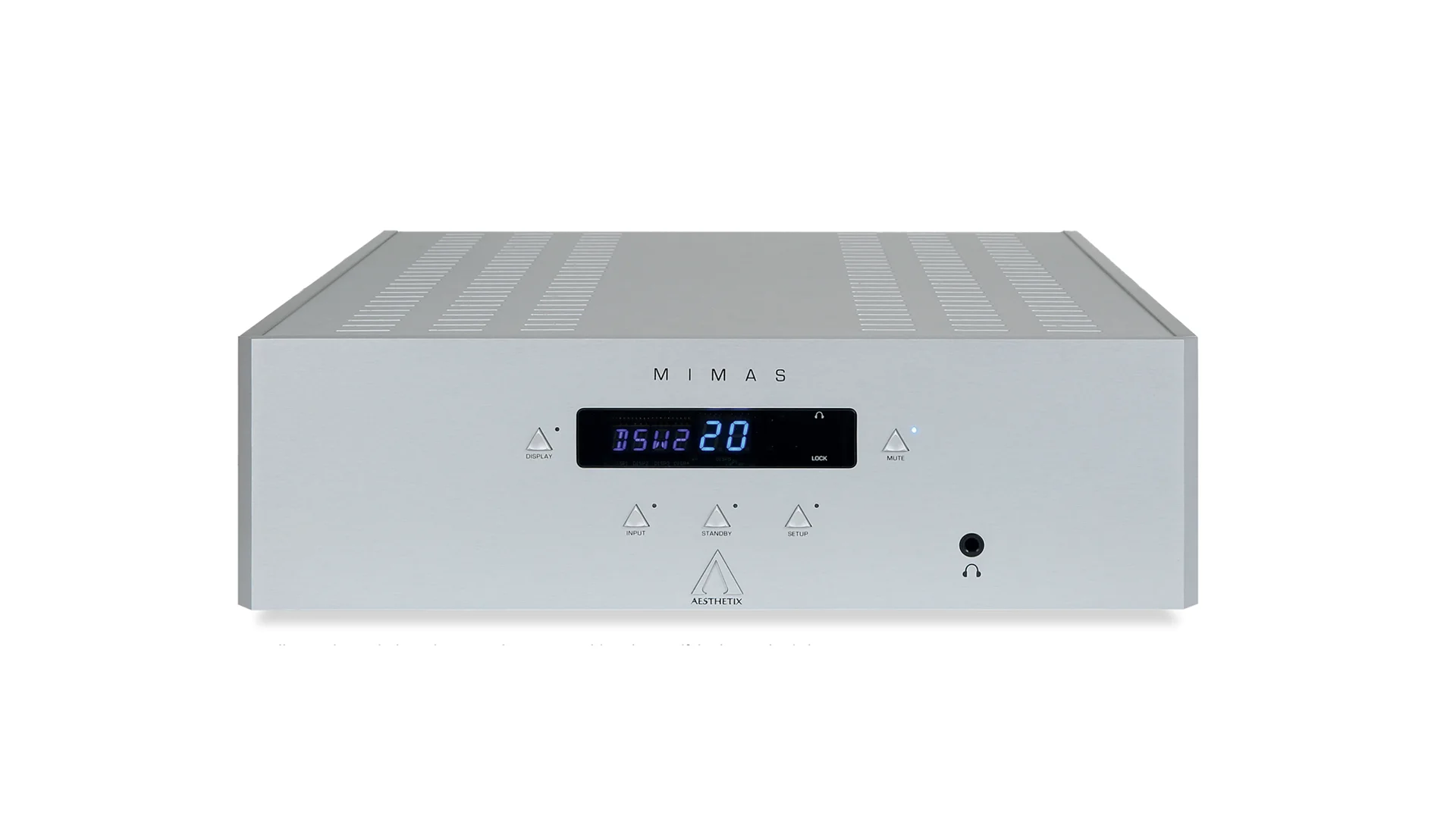
Aesthetix grew from a valve phono-stage project into a range of phono stages, preamplifiers and hybrid amplification built by hand in California. Jim White began the project in his garage in 1993 after working at Theta Digital; the Io phono stage entered production the following year. Io and the later Rhea remain central to the brand’s identity: vinyl replay treated as a substantial circuit-design task, rather than an extra input on an amplifier. White’s approach combines differential, zero-feedback circuitry with valves or transistors according to their role in the design. The wider catalogue extends that thinking to power and integrated amplifiers and digital playback, without making every product an all-valve device.
AMC

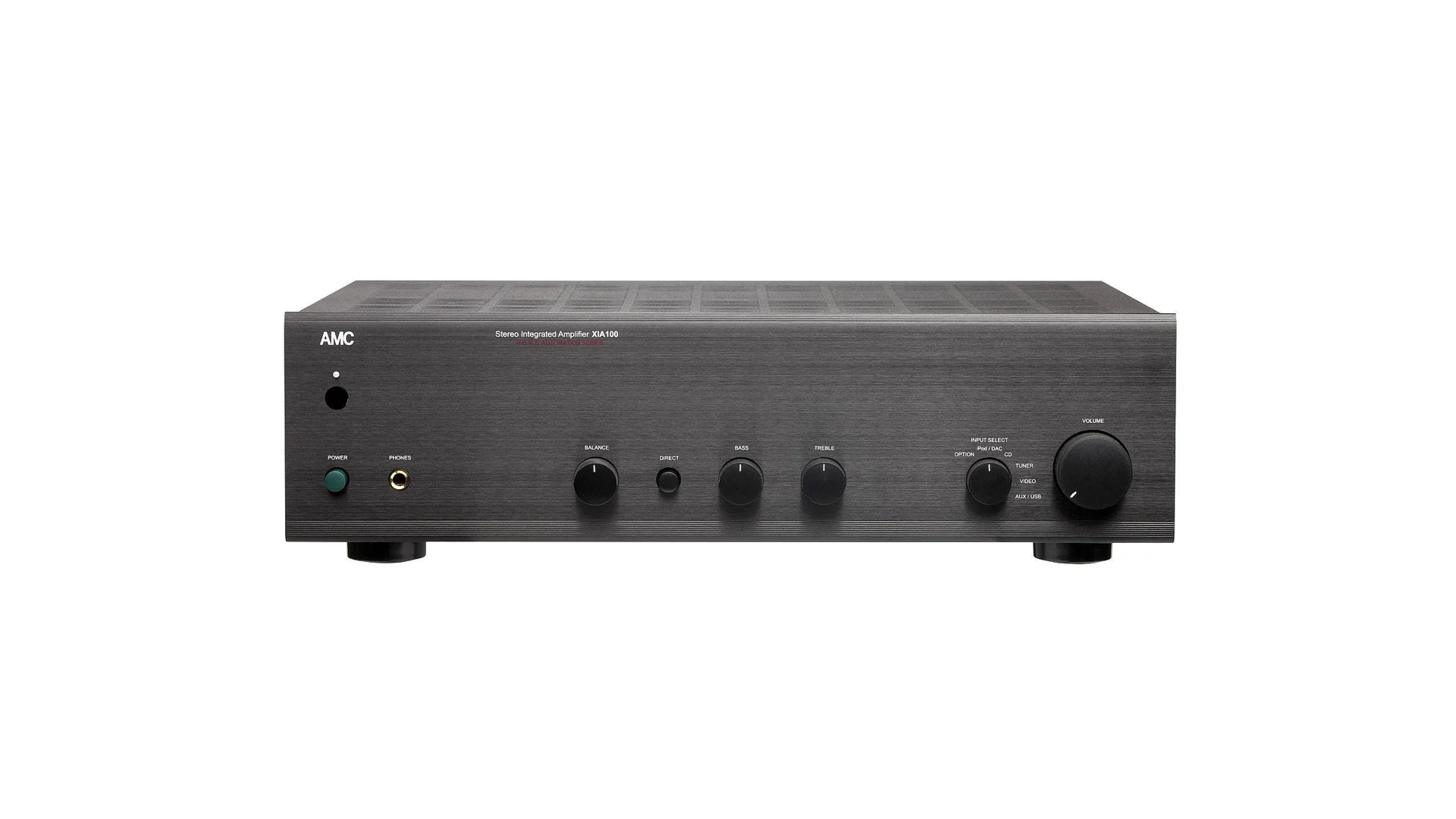
AMC offers both conventional hi-fi components and multiroom audio equipment, connecting two-channel listening with installed sound around the home. The company dates its work to 1970 and lists its headquarters in South Pasadena, California. Its hi-fi catalogue includes transistor integrated amplifiers, CVT valve amplifiers, CD players and digital-to-analogue conversion, alongside multichannel amplification. The multiroom side is organised around distributing and controlling sources in different rooms. This breadth is the useful distinction: AMC is not solely a budget stereo-amplifier label, and the technology varies across its ranges. Product choice depends on whether the task is a standalone music system, valve amplification or a distributed installation.
Ampsandsound

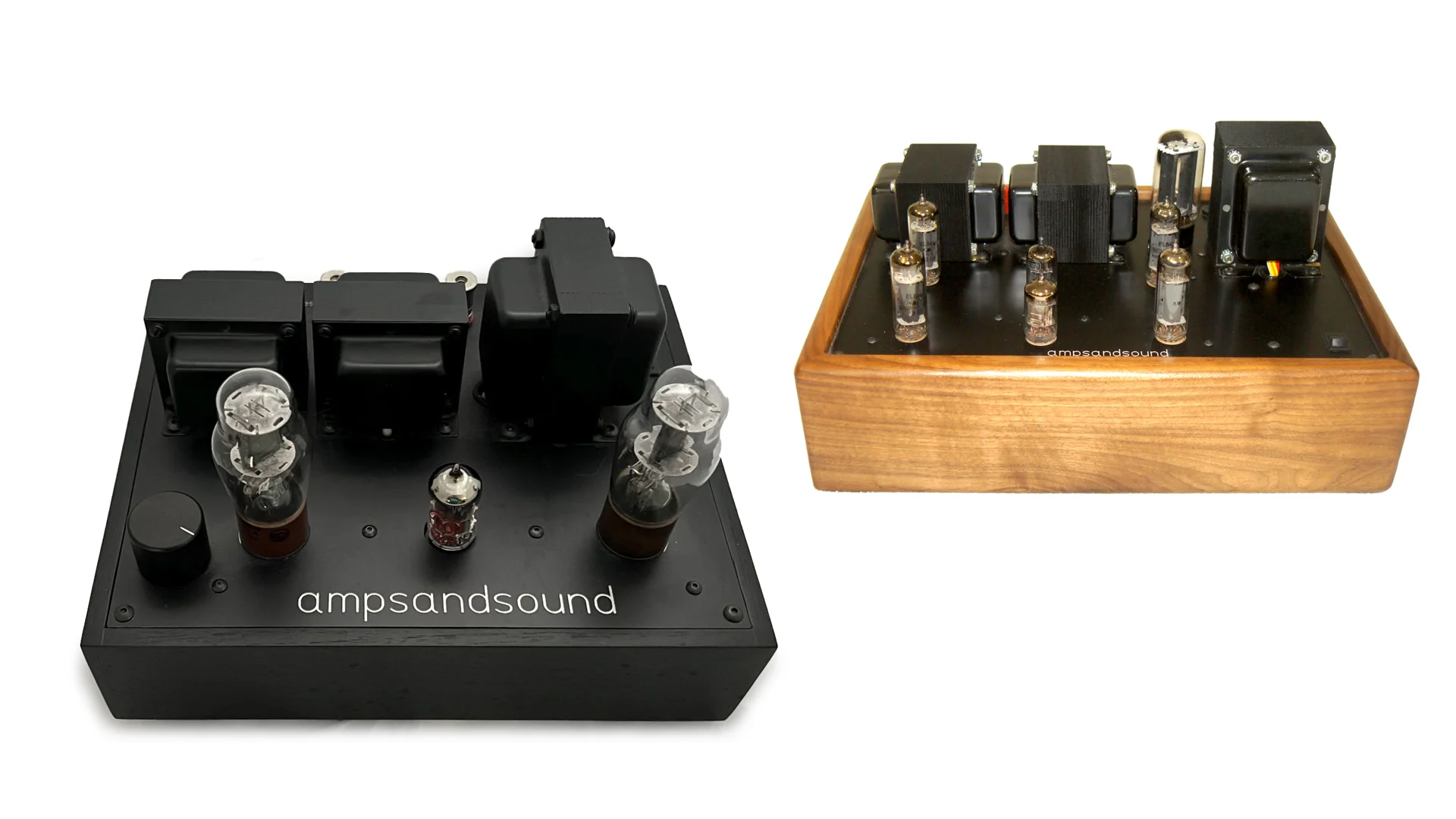
Ampsandsound builds tube amplifiers for headphone listeners as well as owners of high-sensitivity loudspeakers. Justin Weber’s work with vintage Luxman, Dynaco and RCA equipment helped shape the American company’s approach: transformer-coupled circuits, accessible construction and hands-on assembly. Kenzie, Bigger Ben and Agartha represent different amplifier designs rather than one circuit repeated in different boxes. Weber develops the transformers in-house, and turret-board construction features prominently in the headphone range. The business also makes loudspeakers and stereo electronics, extending its interest in tube amplification beyond the desktop. Equipment is assembled by a small family operation and tested by Weber himself.
Analog Domain Audio

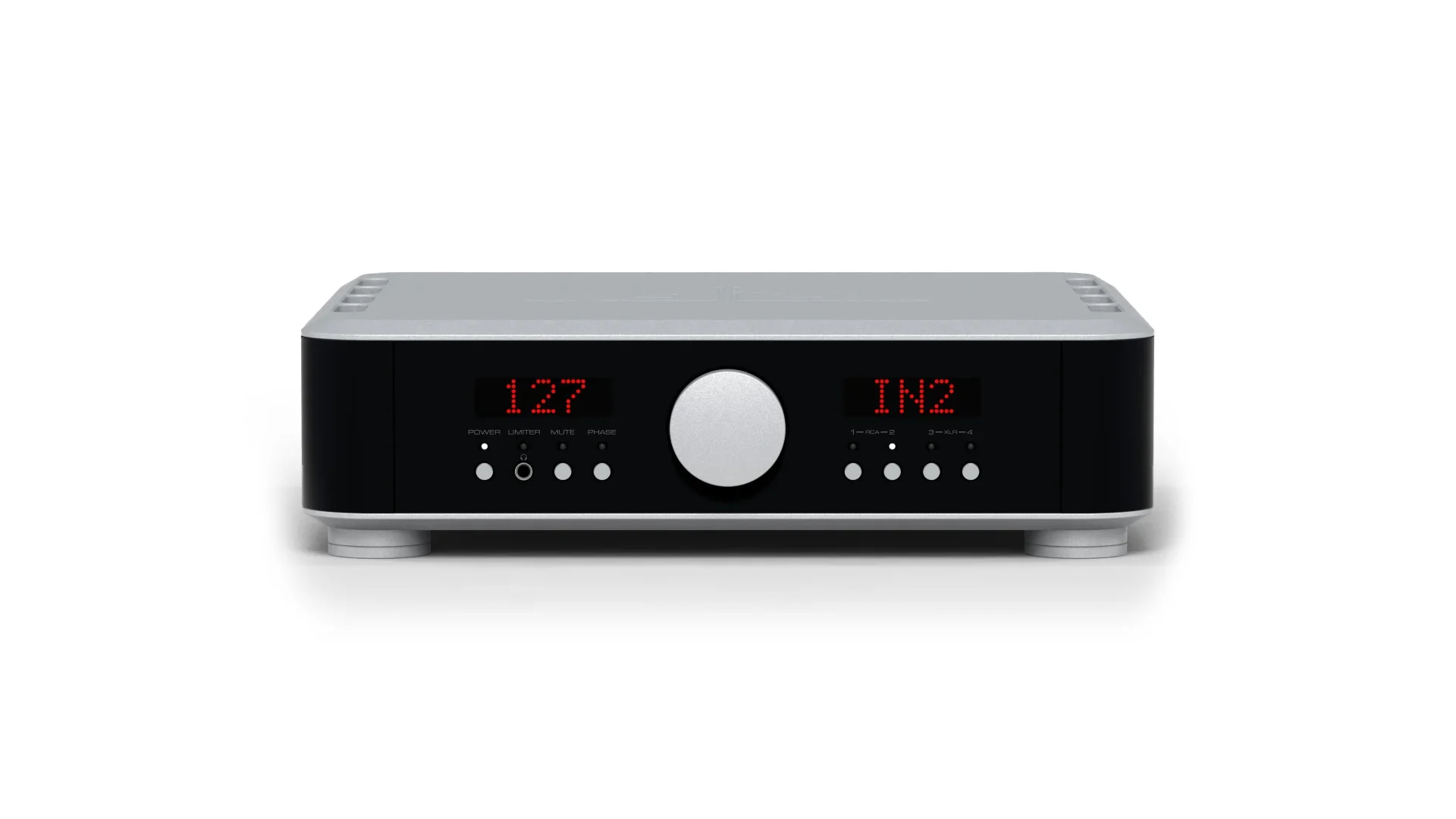
Analog Domain develops solid-state amplifiers around a specific engineering problem: keeping the output stage correctly biased as operating conditions change. Its proprietary DXDrive circuitry monitors idle current directly and adjusts bias dynamically, rather than relying only on a temperature sensor. Based in Germany and led by Angel Despotov, the company offers amplification under names including Isis, Artemis and Apollo, alongside digital conversion and loudspeakers. Large power supplies and substantial chassis are visible features, but the more distinctive work is inside the amplifier’s control circuitry. The range is aimed at systems needing dedicated stereo electronics, with different amplifier formats rather than a single all-in-one platform.
Anthem

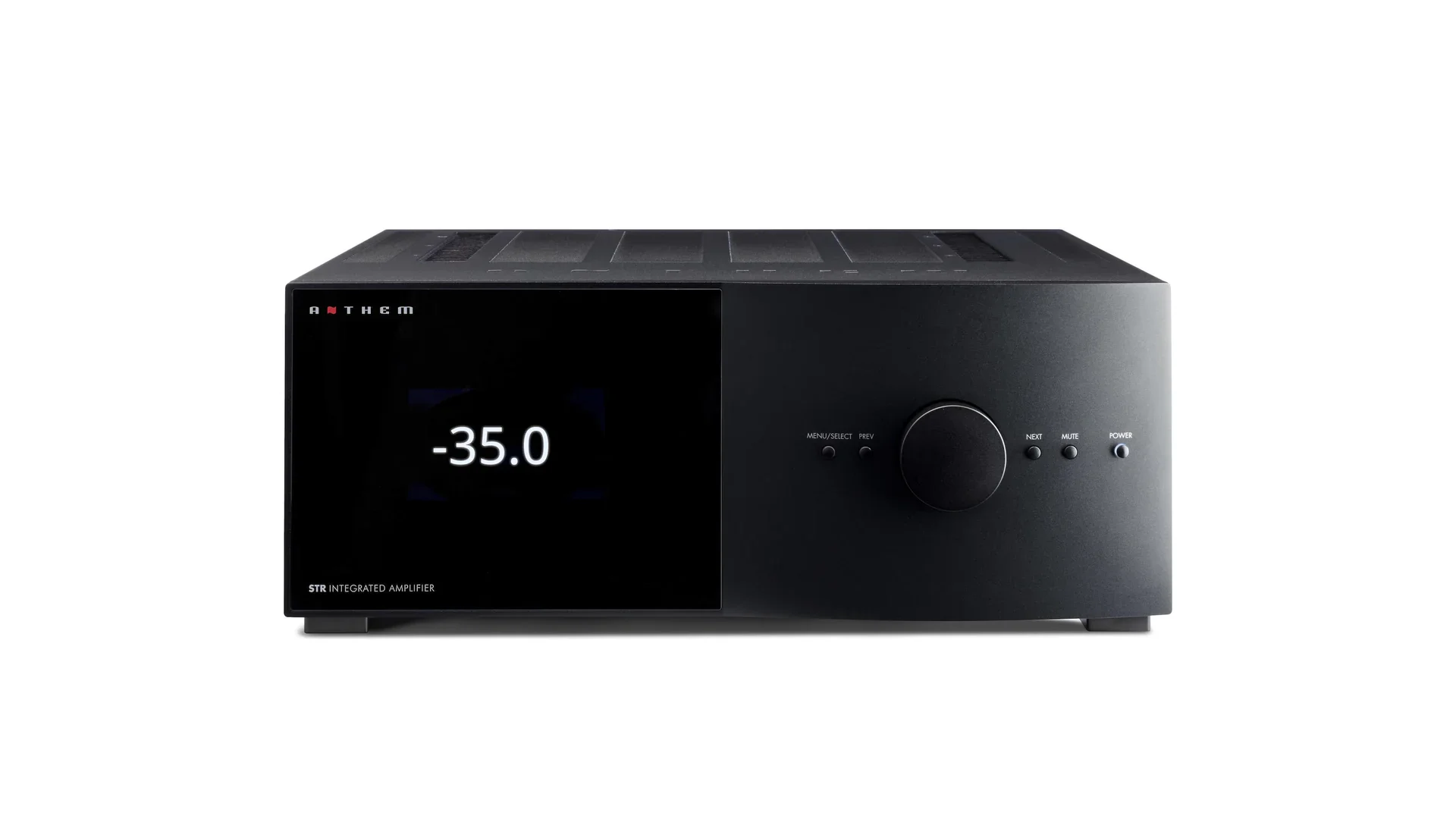
Anthem builds AV receivers, surround processors and amplifiers with room calibration at the centre of the system. Its ARC Genesis software uses microphone measurements to calculate correction filters, while allowing users to adjust target curves and the frequency range being corrected. The Canadian-engineered catalogue separates MRX receivers from AVM processors and MCA power amplifiers, giving home-theatre owners a choice between integrated and separate electronics. STR components bring room correction and bass management into two-channel listening. Developed within the same audio family as Paradigm, Anthem focuses on the interaction between electronics, loudspeakers and the room—not just the amplifier’s specifications in isolation.
Arcam

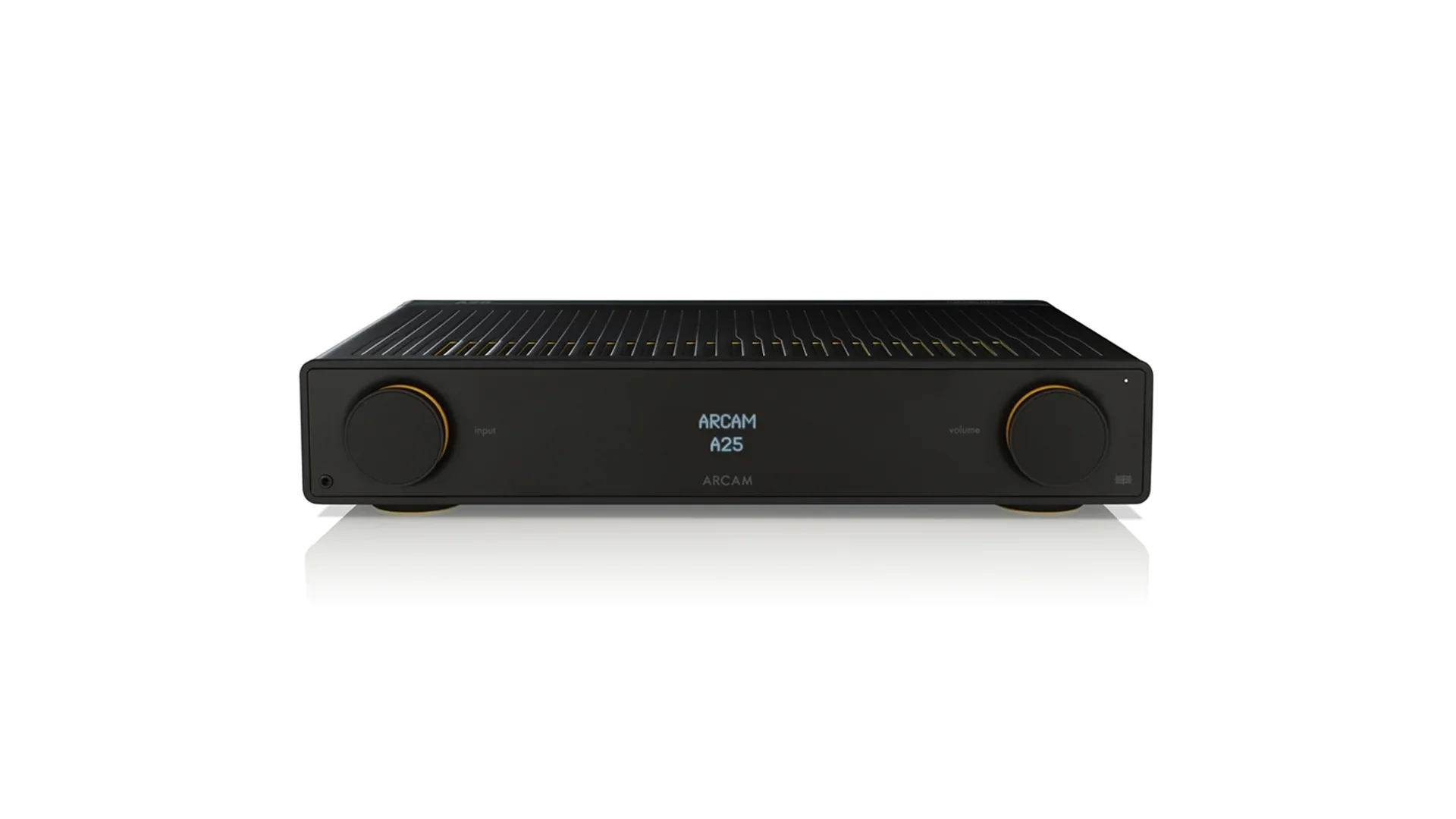
Arcam’s story starts with the A60 integrated amplifier, created in Cambridge in 1976 by John Dawson and Chris Evans. The two students had met through a tape-recording society; their Amplification and Recording Cambridge business later expanded into CD players, DACs and home cinema. A continuing specialism is Class G amplification, which changes the output stage’s supply voltage with signal demand to reduce wasted heat while retaining headroom for musical peaks. The Radia family carries that amplifier heritage into products with modern digital connections, while Arcam’s wider range serves both stereo and surround systems. The A25+, for example, combines Class G amplification with phono, USB-C and HDMI eARC inputs.
Argon Audio

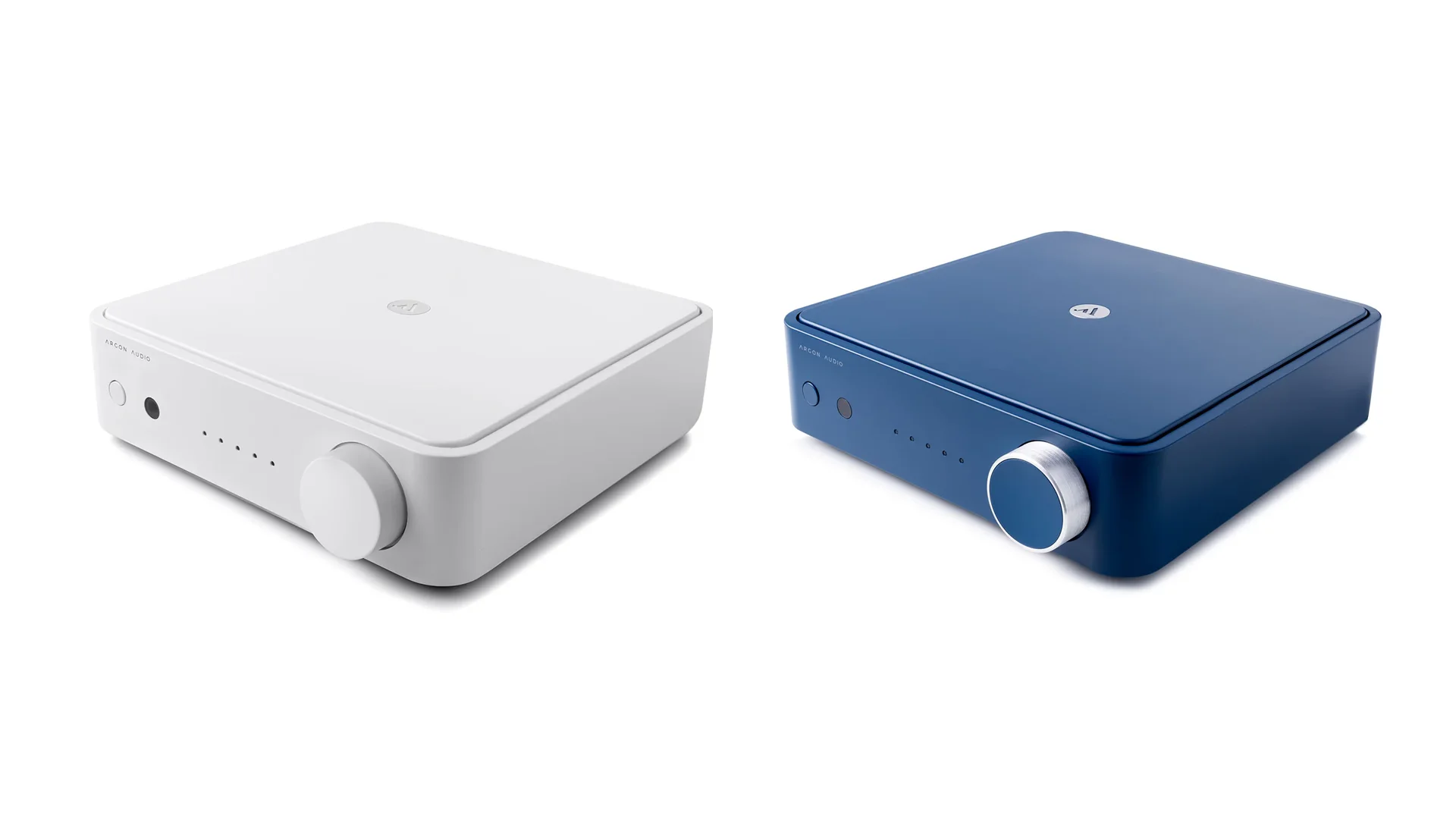
Argon Audio makes compact, affordable hi-fi that reduces the number of separate boxes needed to start listening. Its Danish roots are in HiFi Klubben, where Klaus Philipsen helped develop the brand in the early 2000s. A DAB radio was an early product, followed by active loudspeakers and turntables; the business became a separate limited company in 2019. Today, FENRIS active speakers combine amplification with connections for several sources, including television, while the turntable range offers a straightforward entry into vinyl. The consistent idea is a usable first system—or a smaller second one—with restrained Scandinavian styling and functions selected around everyday listening.
Aries Cerat

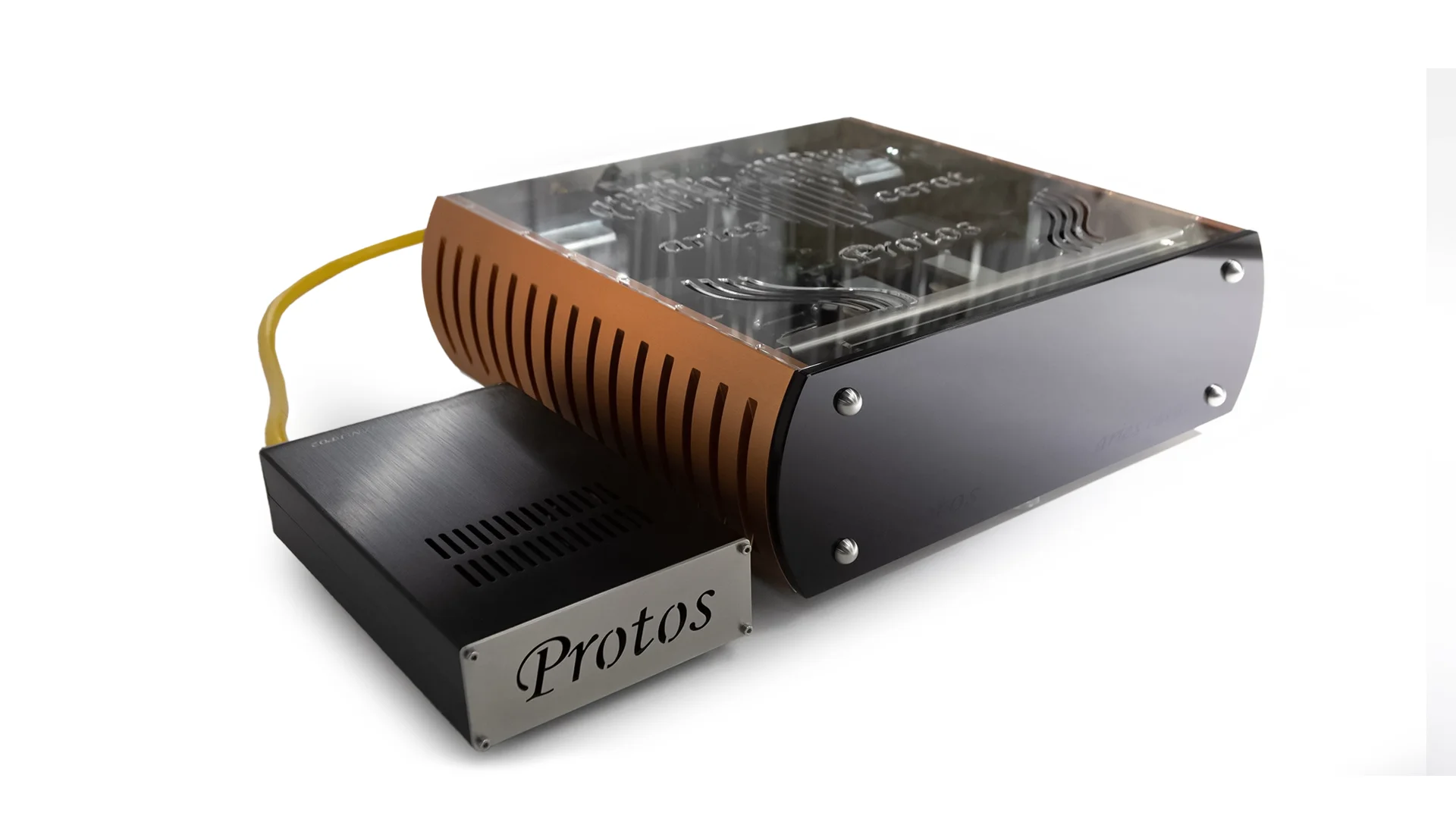
Aries Cerat builds audio electronics around large-scale tube circuits and custom transformers, with digital conversion receiving the same attention as amplification. Stavros Danos founded the company in Cyprus in 2010. Its range includes power amplifiers, preamplifiers and DACs, with different circuit approaches across the families. The Heléne DAC shows how those interests meet: parallel R-2R converter chips operate without oversampling, transformers perform current-to-voltage conversion, and a tube stage provides the analogue output. The company also develops its own Inverted Triode designs. Heléne is the smaller DAC in the range, rather than its flagship; much of its architecture draws on the larger Kassandra models.
Astin Trew

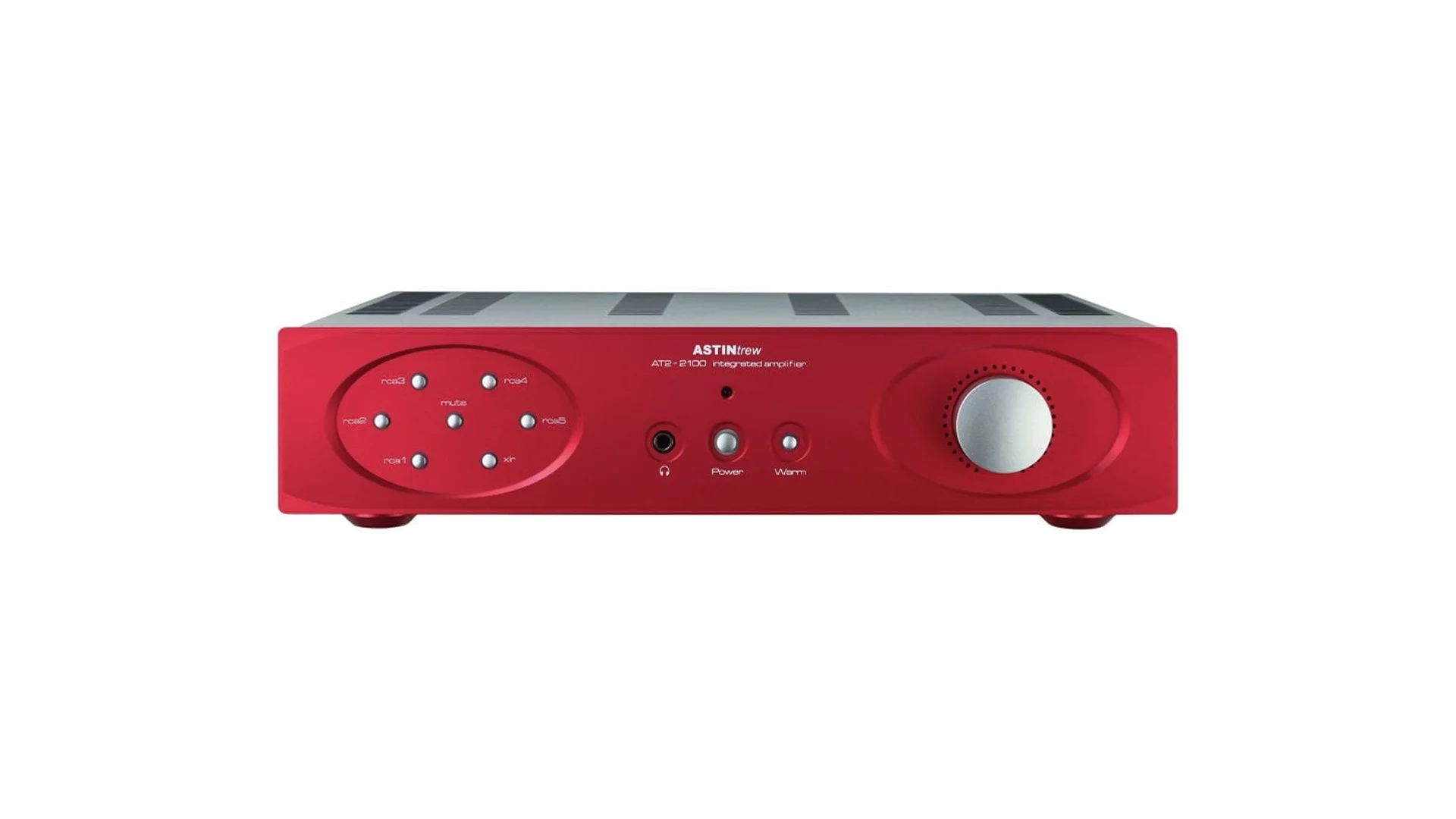
Astin Trew makes stereo electronics for listeners who want separate, conventional hi-fi components with carefully developed analogue circuitry. The British brand, established by Michael Osborn, dates its beginnings to 2003. Its catalogue includes integrated and separate amplifiers, CD players and MM/MC phono stages, while earlier Concord products explored digital conversion. The AT2-2100 integrated amplifier combines a transformer/active preamplifier stage with a Class AB MOSFET power stage. Its transformer-based input circuitry gives this solid-state design a distinctive place in the range. The AT2 family develops the brand’s earlier AT designs, retaining dedicated controls and the option to build a system from separates.
Audia Flight

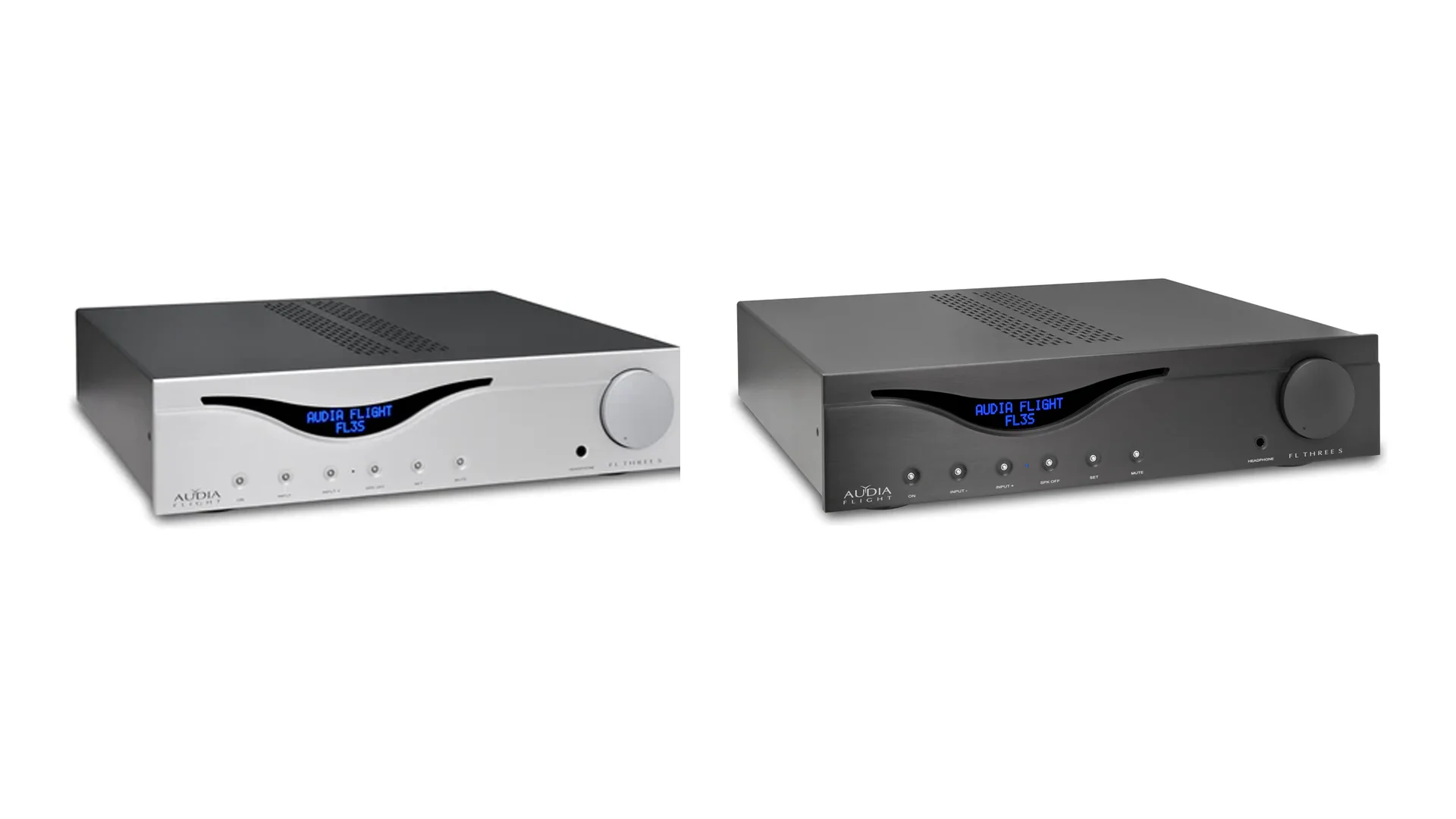
Audia Flight develops solid-state audio electronics around its own approach to current-feedback amplification. Massimiliano Marzi and Andrea Nardini founded the company in 1996 in Civitavecchia, Italy, after researching how amplifier circuits respond to changing signals. The range progresses from FL Three S through FLS to the Strumento and Strumento Signature families. Substantial power supplies are accompanied by mechanical engineering: selected Strumento amplifiers isolate the transformers from the audio circuit structure to manage vibration. Products are designed and manufactured at the Italian facility. The brand’s character is rooted in this combination of circuit development, power-supply design and construction.
Audio Analogue

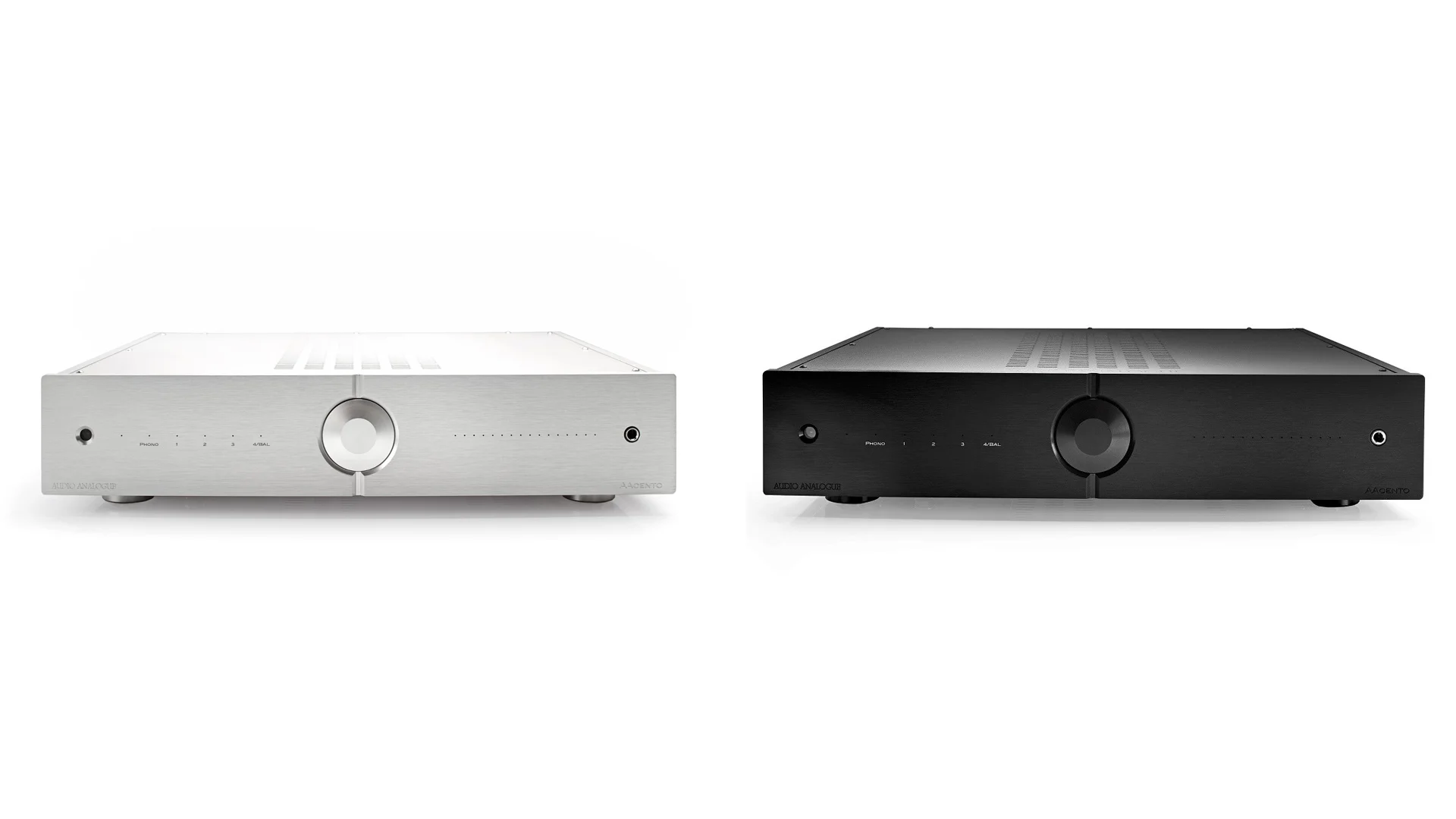
Audio Analogue gives Italian hi-fi electronics a clear identity: substantial power supplies, restrained controls and circuits developed around the needs of two-channel listening. Founded in Tuscany in 1995, the company established its name with amplifiers such as the Puccini. Co-founder Claudio Bertini later created the AirTech design laboratory, which develops the brand’s most ambitious electronics. The Anniversary models pursue a deliberately reduced signal path, while the PureAA range carries related design work into more versatile amplifiers, a phono stage and a DAC. At the top, the ABsolute integrated amplifier combines class-A operation with the scale of a separate pre/power system. This is a specialist in stereo electronics rather than a lifestyle-audio label.
Audio Exklusiv

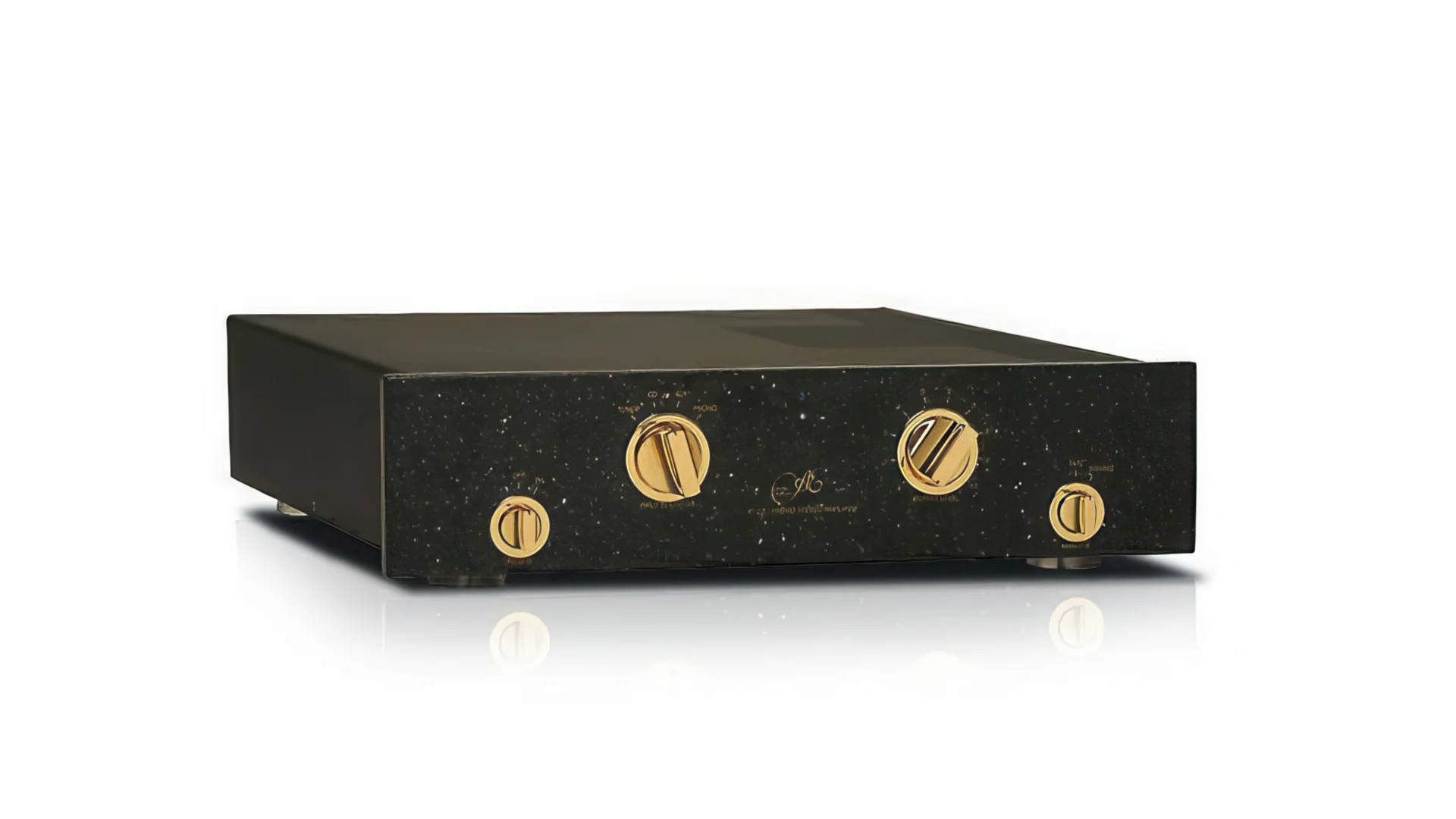
Audio Exklusiv began with Gerd Pütz’s determination to escape the cabinet colouration of conventional loudspeakers. He founded the German company on 1 October 1979 after developing speakers at HECO, then introduced the Tubular Bell I in 1980 and the P3 electrostatic loudspeaker in 1982. Electronics followed because the electrostatics required suitable amplification; the catalogue grew to include tube and transistor preamplifiers, power amplifiers and analogue sources. After Pütz died in 1990, his family continued the business, and Andreas Schönberg acquired the trademark and technical rights in 2009 to restart development. Current products retain the electrostatic heritage while also addressing resonance control, phono playback and system accessories, with development and production carried out in Germany.
Audio Note

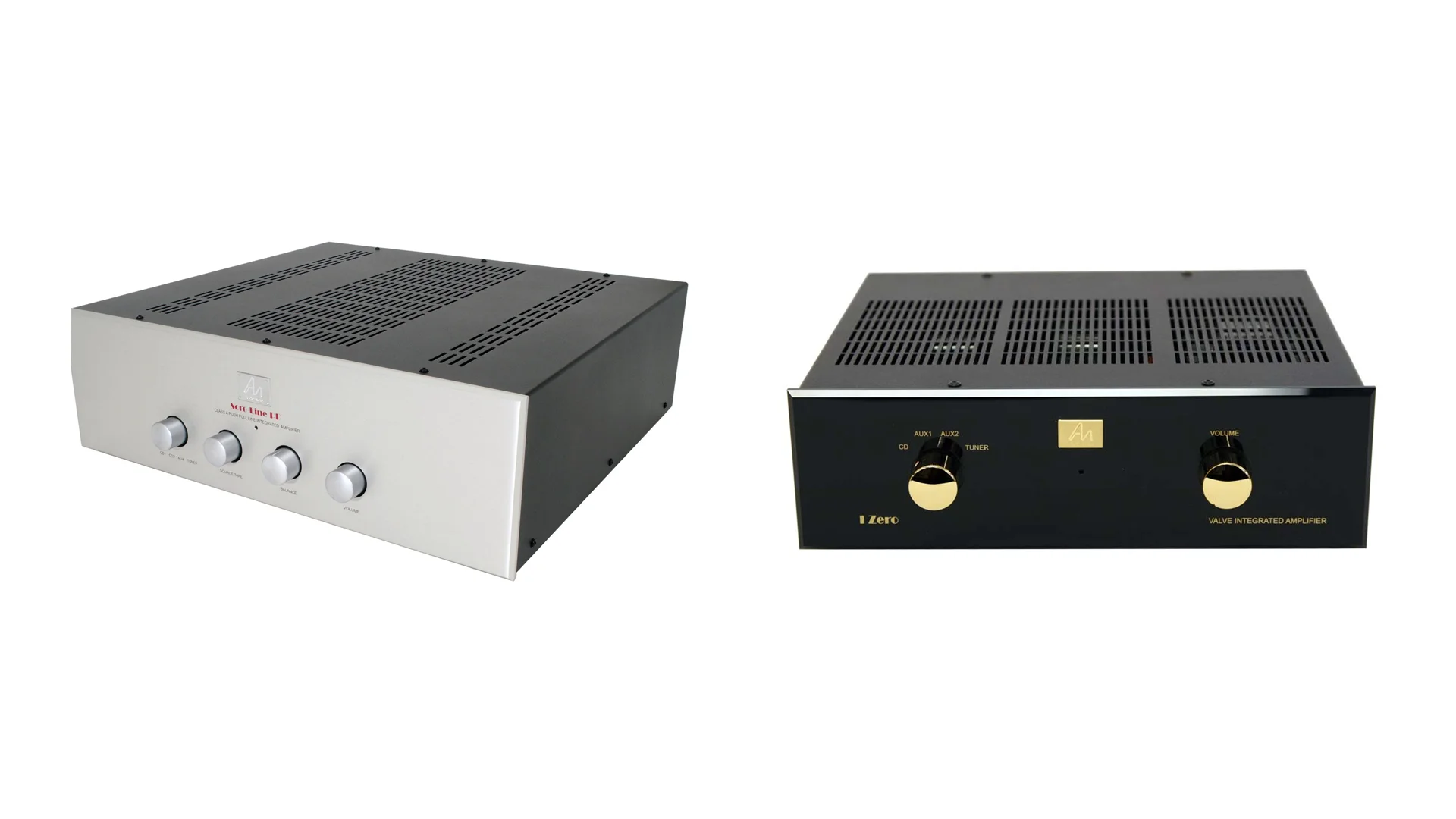
Audio Note (UK) builds complete valve-based playback systems, from cartridges and digital sources to amplifiers, cables and loudspeakers. The UK company led by Peter Qvortrup introduced the OTO PP integrated amplifier in 1991, and that long-lived model still captures its preference for simple circuits and serviceable products. Single-ended triode amplifiers, custom output transformers and internally developed resistors, capacitors and wiring are central to the range. Its DACs deliberately avoid oversampling, digital filtering and conventional reconstruction filters, pursuing timing and musical continuity through a different engineering route. Products are organised by levels from Zero to Five, with models such as Meishu and Ongaku showing how parts quality and transformer design are progressively developed. The name here refers specifically to Audio Note (UK), not Kondo Audio Note Japan.
Audio Research

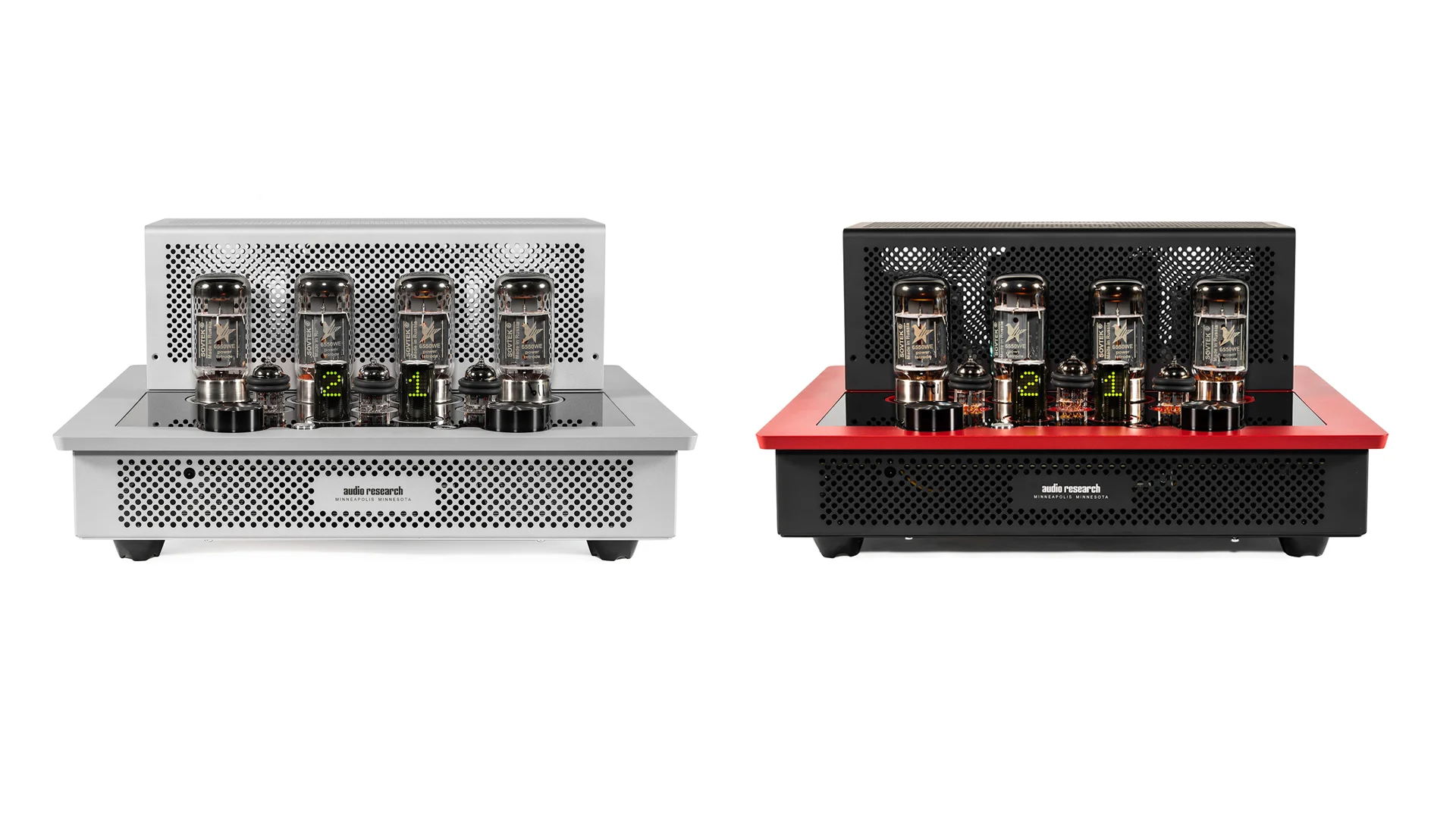
Audio Research helped keep vacuum-tube amplification at the centre of serious American hi-fi during an era dominated by transistors. William Zane ‘Bill’ Johnson established the company in Minnesota in 1970 and applied tubes to wide-bandwidth, high-definition circuits rather than treating them as a source of deliberate warmth. That approach still shapes the Reference preamplifiers, power amplifiers and phono stages, as well as the more compact I/50 integrated amplifier. The Reference 330M monoblock shows the modern end of the lineage with an all-tube signal path, KT170 outputs and automatic bias control. Audio Research also uses hybrid and solid-state devices where the circuit requires them, so the brand is defined by engineering choices rather than tube nostalgia. Products are assembled and tested in Minnesota, with long-term serviceability forming an important part of their value.
AudioControl

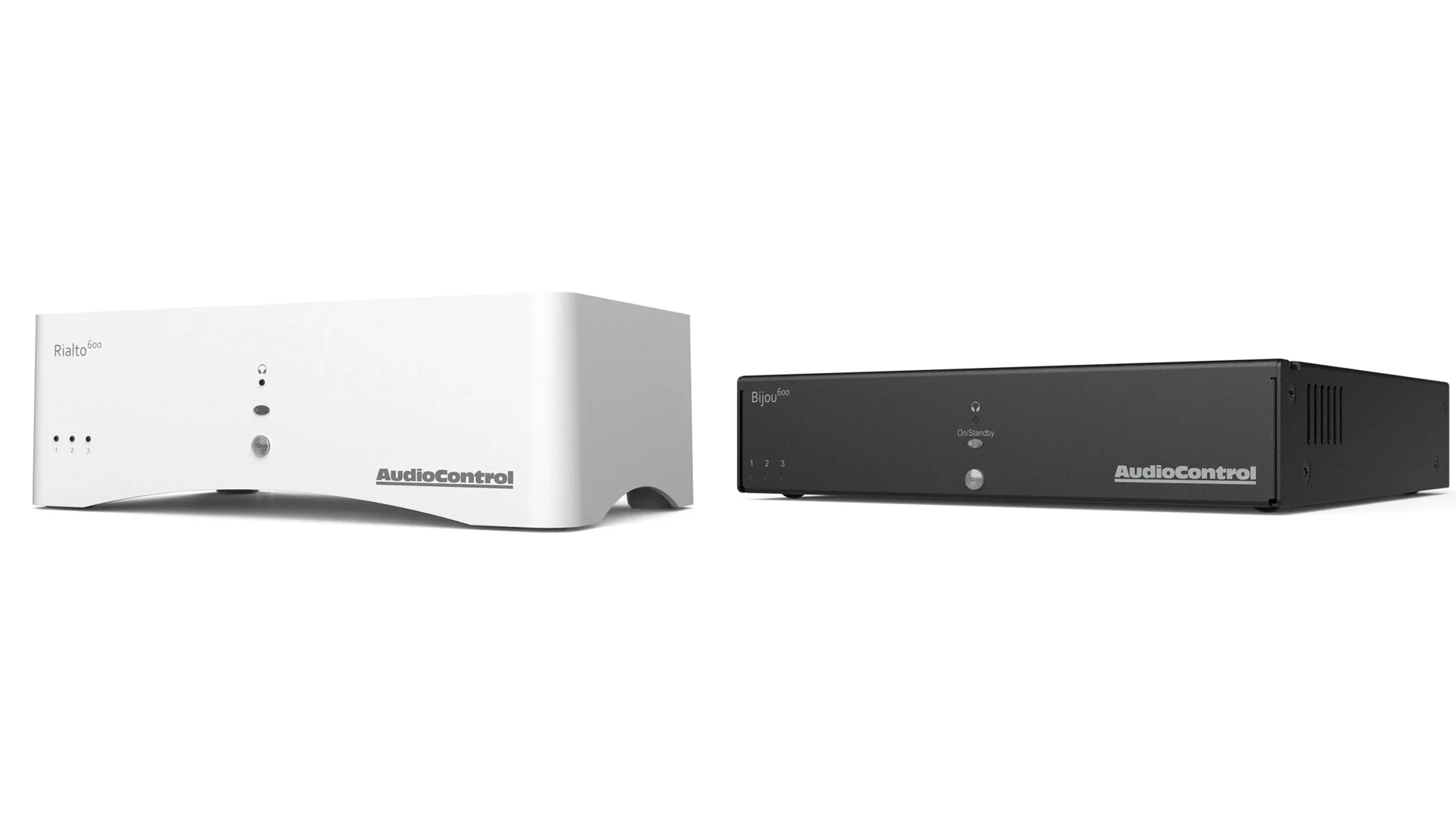
AudioControl built its reputation by solving system-integration problems with signal processing. Greg Mackie founded the company in the Pacific Northwest in 1977, initially producing stereo equalizers and analysers for home audio. That experience developed into two practical specialities: DSP, amplification and signal interfaces for car audio, plus multichannel and multi-zone electronics for home cinema and custom installation. The car range combines line-output converters, equalisation, crossovers and amplification for factory-system upgrades. Architect and Director amplifiers address distributed audio, while Concert receivers and Maestro processors serve dedicated cinemas with room correction and flexible control. AudioControl’s value lies in measurement, calibration and installation tools built into robust hardware, rather than in a single signature amplifier topology.
Audioengine

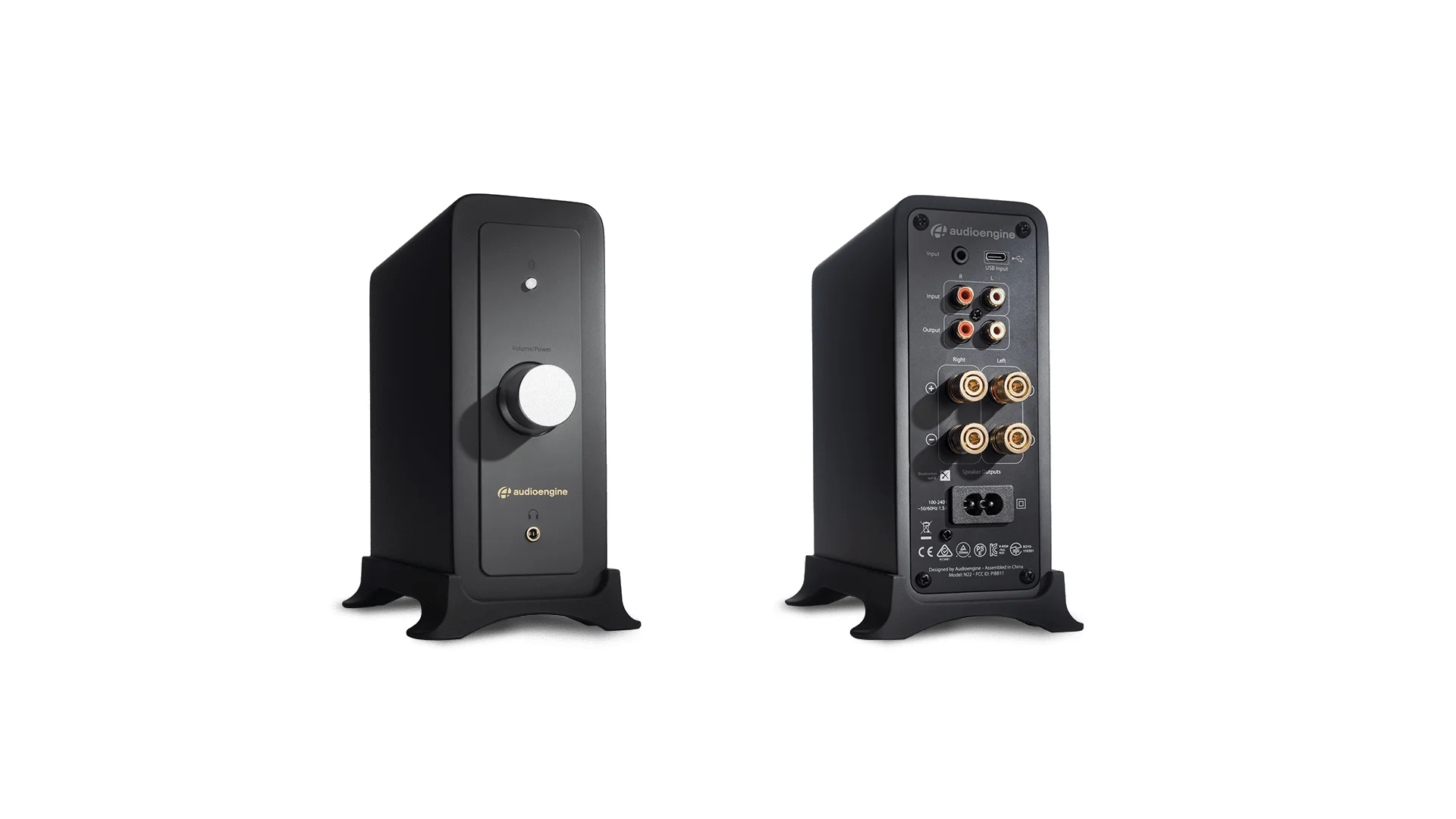
Audioengine helped make a pair of compact powered speakers a credible main music system for a desk, office or small room. Industry veterans Brady and Dave founded the company in Austin, Texas, in 2005 after work with firms including Harman, Apple, Gibson and Alesis. The original A5 put amplification inside a conventional wooden bookshelf cabinet and connected directly to everyday sources. Subsequent A2+, A5+ and HD models added USB, optical and high-quality Bluetooth options without turning setup into a network project. The range also includes passive speakers, subwoofers, DAC/headphone amplifiers and receivers such as the B1 for adding wireless playback to an existing system. Audioengine’s consistent strength is integration: useful connections, matched amplification and domestic-scale cabinets in products that remain recognisably stereo pairs.
Audiolab

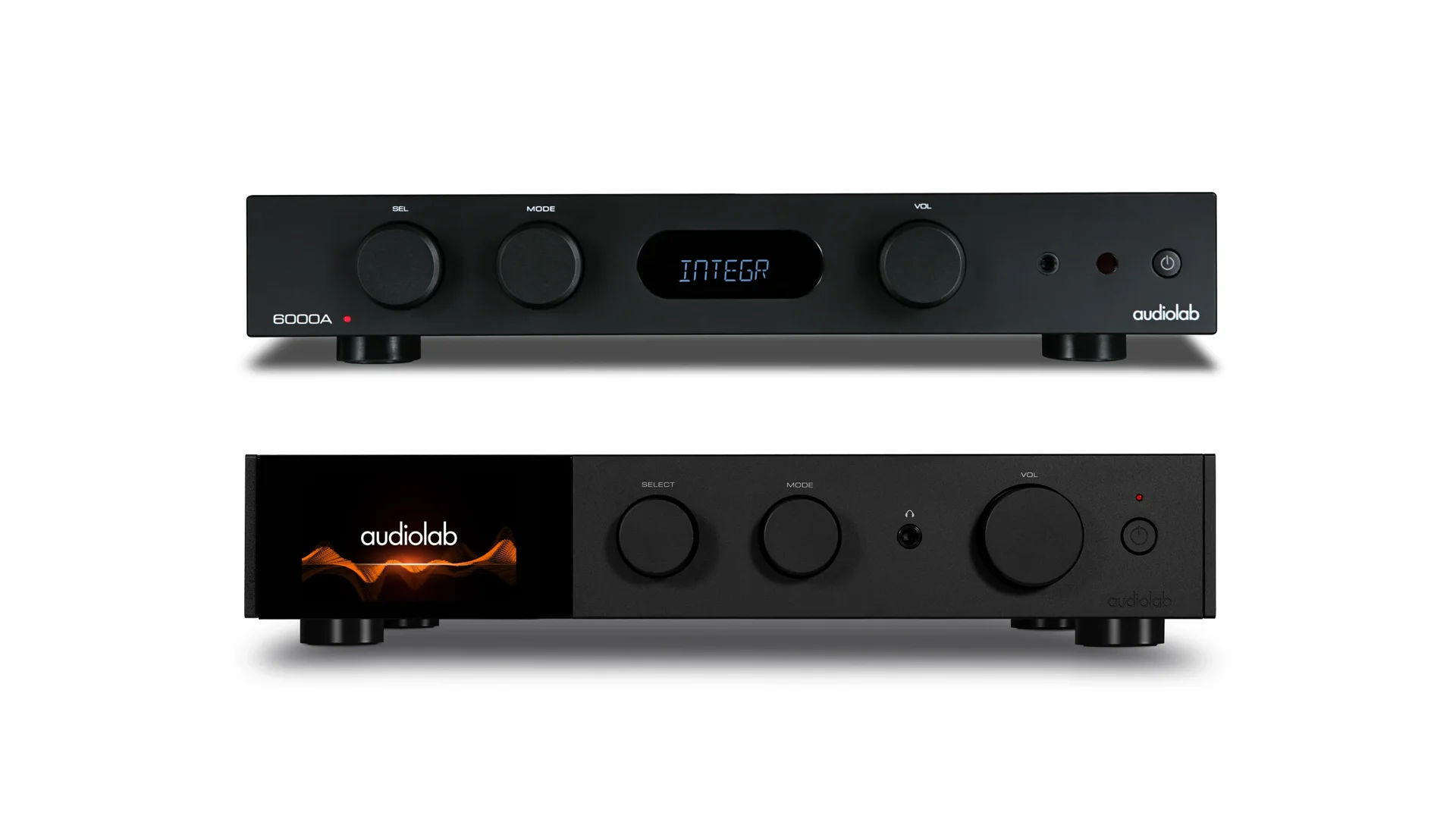
Audiolab grew from a simple British proposition: serious hi-fi electronics should be affordable, stable with real loudspeakers and straightforward to use. Philip Swift and Derek Scotland founded the company in 1983 after meeting at Imperial College London. Their first product, the 8000A integrated amplifier, set the pattern with solid engineering, useful controls and performance that raised expectations in its price class. After a period under the TAG McLaren name, Audiolab returned under International Audio Group and rebuilt the catalogue around stereo amplifiers and digital sources. The current 6000, 7000 and 9000 families cover integrated and power amplification, CD transport and playback, DACs and network streaming. Models at different prices share a clean, functional layout, while the 9000 series extends the architecture rather than abandoning the practical character established by the 8000A.
Audion

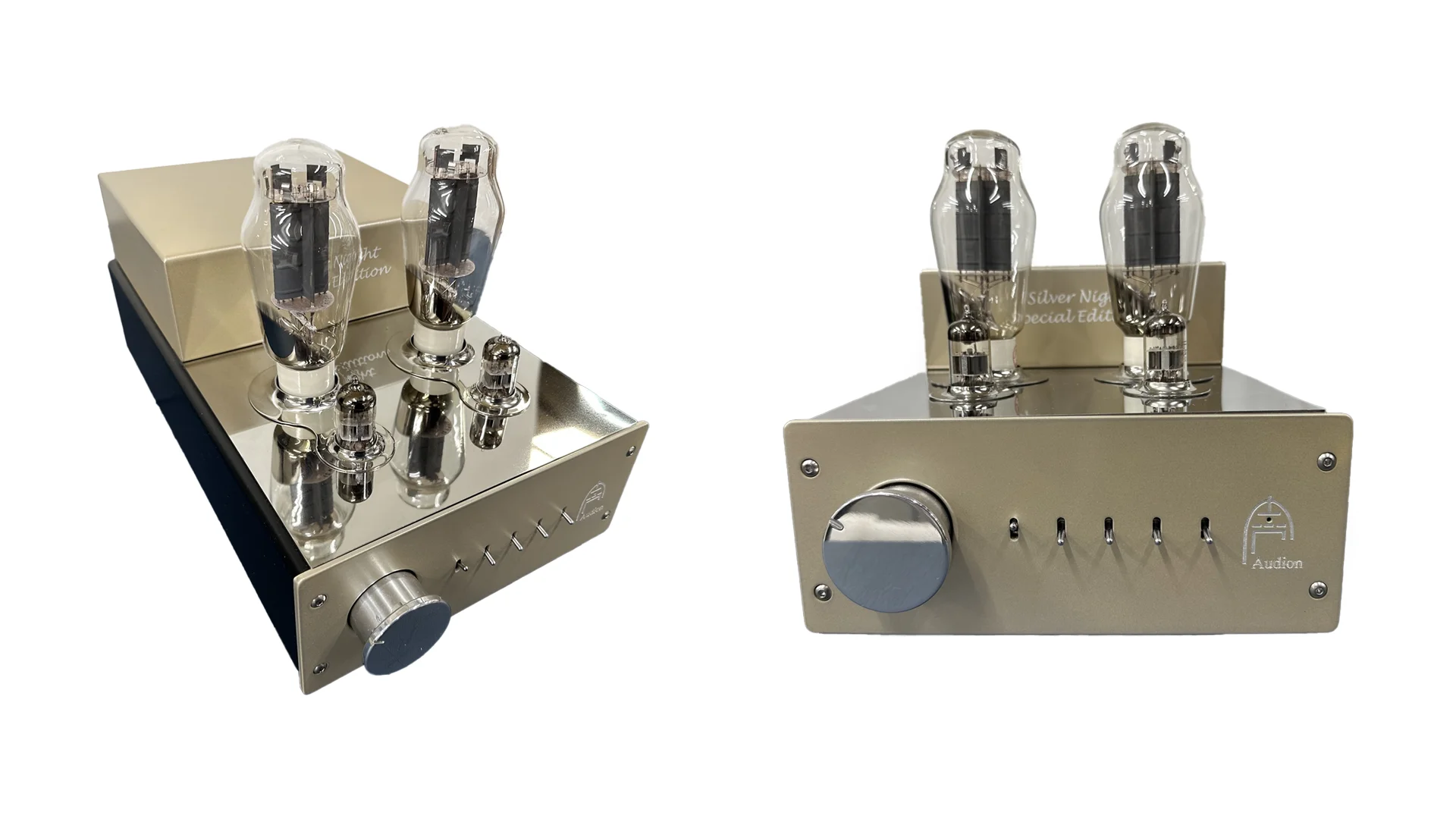
Audion brought single-ended triode amplification to a wider European audience before the modern valve revival was fully established. David Chessell and Swedish designer Erik Andersson founded the British company in 1987 after working together at Audio Innovations. Their early triode amplifiers led to the Silver Night monoblocks, developed around the newly available 300B tube in 1992 and built without global feedback. The present catalogue includes Sterling, Silver Night, Golden Night and Golden Dream power amplifiers, plus line and phono preamplifiers, with 300B, 2A3 and other output-valve options serving different loudspeakers and power requirements. Graeme Holland has owned the company since 2000, while Andersson has continued to contribute designs. Hand wiring, transformer quality and deliberately direct circuits are the technical core of Audion’s identity.