An icon representing an integrated amplifier.

Integrated Amplifiers

An integrated amplifier is the heart of many classic hi-fi systems, combining two essential components into a single chassis: a preamplifier for input switching and volume control, and a power amplifier to drive the speakers. This all-in-one design offers a straightforward and convenient way to build a high-quality audio system without the complexity of separate boxes. This page is a comprehensive directory of manufacturers that produce these versatile components, from simple, purely analog models to modern amplifiers with built-in DACs and streaming capabilities.

179

Hi-Fi brands in the category

Summary information and image

Direct links to official websites

Filters
Search
Country
See more See less

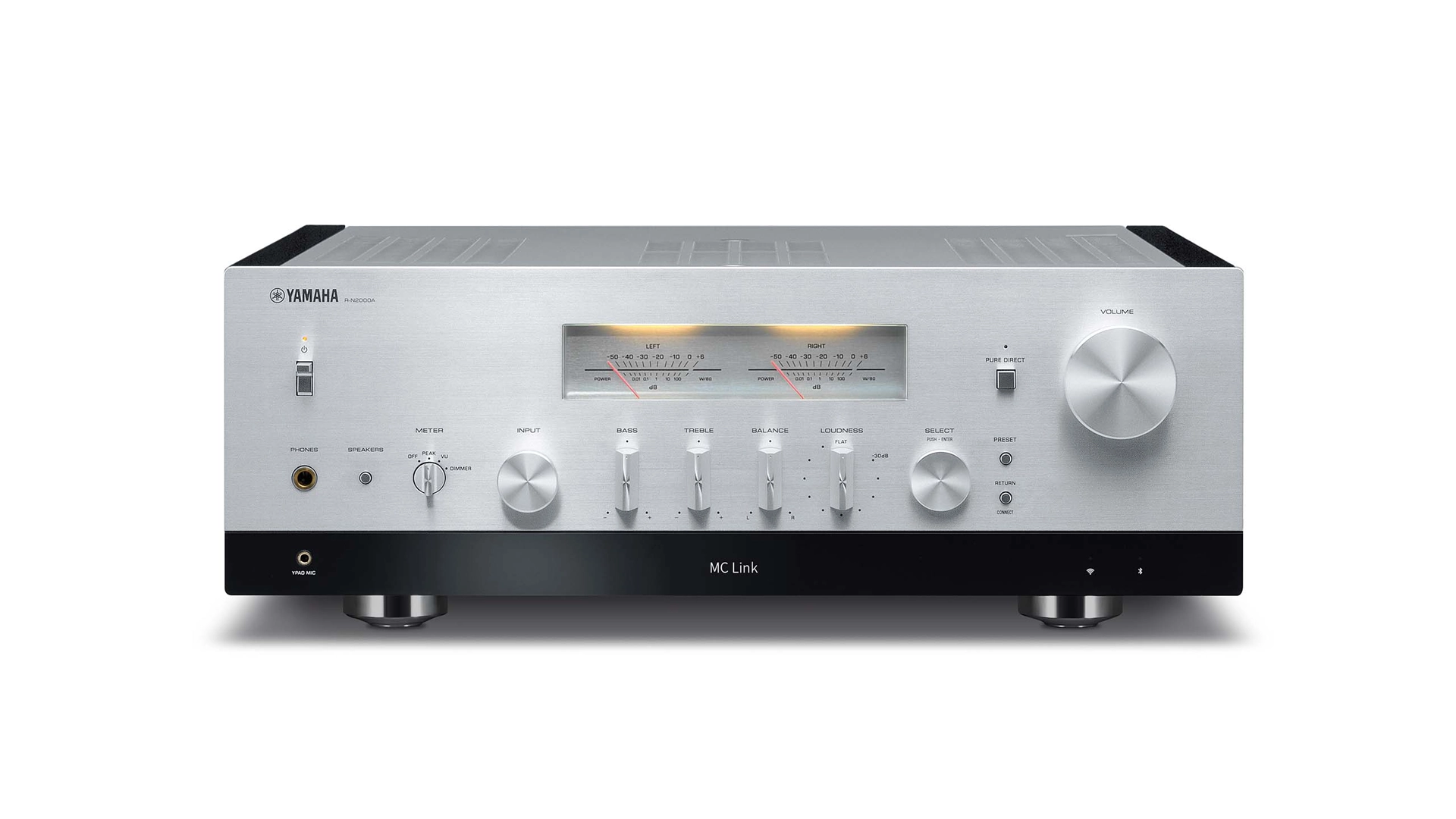
Yamaha began in 1887 when Torakusu Yamaha repaired a reed organ in Hamamatsu and built his own instrument; the tuning-fork emblem still reflects that origin. The company became Nippon Gakki and developed pianos, organs and other instruments long before expanding into electronics, professional sound and home audio. Yamaha’s audio strength comes from this unusually broad view of the chain—from the instrument and recording venue to mixing, amplification and reproduction. The NS-1000 loudspeaker of 1974 was a landmark use of beryllium domes for both midrange and treble, while the B-1 introduced a powerful vertical-FET amplifier and the GT turntables explored extreme mechanical stability. Modern hi-fi retains those threads. A-S integrated amplifiers range from accessible models to the fully balanced A-S3200; R-N network receivers add MusicCast streaming and multi-room control; the C-5000/M-5000 separates and GT-5000 turntable form the flagship 5000 Series. NS-2000A and NS-5000 loudspeakers use Yamaha’s Zylon-based Harmonious Diaphragm concept across multiple drivers to improve tonal continuity. At the same time, Yamaha remains a major force in AV receivers, soundbars, studio monitors, digital mixers and concert systems. Yamaha Motor has been a separate company since 1955, so motorcycles should not blur this audio history. The enduring identity is integration: acoustic-instrument knowledge, professional production tools, cinema processing and domestic hi-fi developed within one Japanese engineering culture.

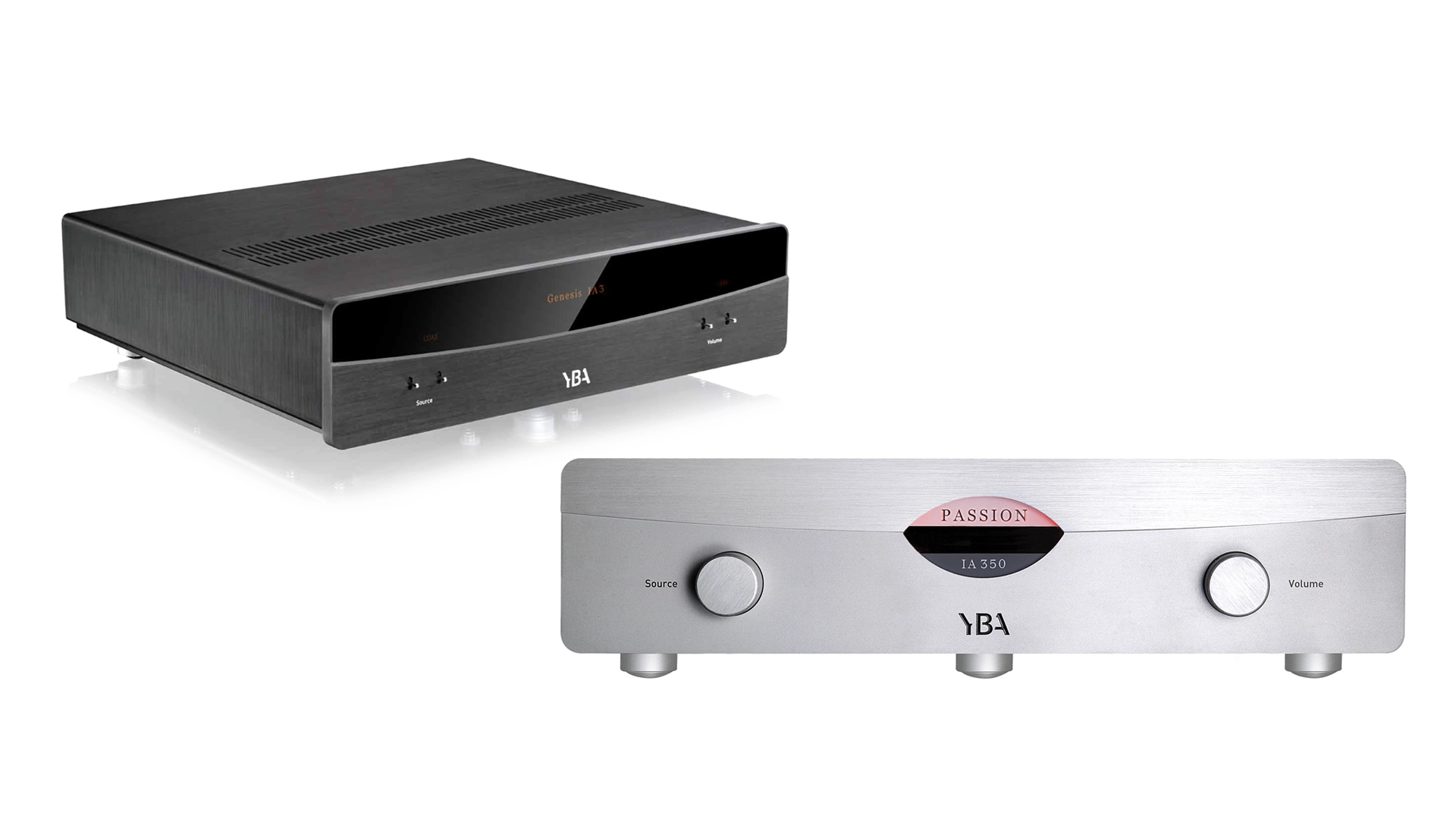
YBA is the French electronics marque founded in 1981 by engineer and electronics professor Yves-Bernard André. His designs became known for short signal paths, carefully selected components and unusual attention to mechanical and electrical details: transformer orientation, non-magnetic fasteners, three-point support and restrained power-supply layout were treated as audible engineering choices rather than accessories. The original YBA 1 amplifiers and later Signature components established the reference line, while Audio Refinement brought related thinking to a wider audience. Today’s catalogue is organised into Signature, Passion, Genesis, Heritage and Design families. It includes integrated, pre- and power amplifiers, phono stages, CD players, DACs and network-capable sources, allowing the core circuit philosophy to appear at several prices rather than only in statement products. Ownership and production changed materially in 2009, when Chinese manufacturer Shanling took a majority stake to stabilise the company and expand manufacturing capacity. André retained an interest and continued to guide product design; current components are therefore designed under a French brand philosophy and manufactured with Shanling’s industrial resources in China. That relationship should be stated openly while the catalog country remains France, where YBA was created and voiced. YBA’s individuality is not a vague promise of “musicality,” but a four-decade design language in which circuit simplicity, component orientation, grounding and mechanical support are refined together—and remain recognisable despite the later ownership structure.

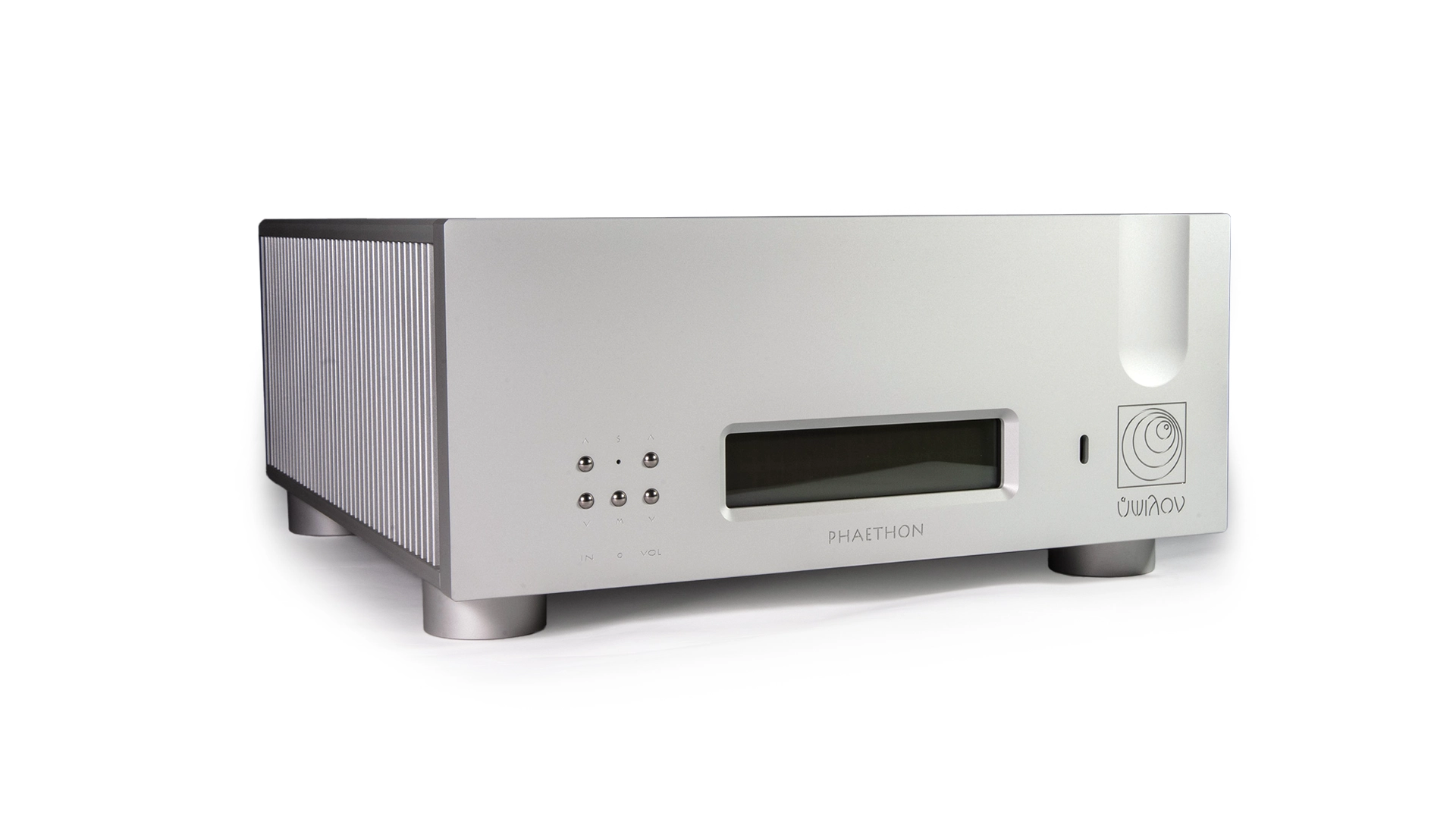
Ypsilon Electronics is a Greek high-end manufacturer founded in 1995 by two sound engineers whose work in live performance shaped the company’s reference for dynamics and tonal scale. Designer Demetris Baklavas and the Athens team build amplifiers, preamplifiers, phono stages and transformers in small numbers, often combining valves with solid-state devices rather than treating either technology as an ideology. Transformers are the central thread. Ypsilon winds many signal and power transformers in-house and uses transformer attenuation in its passive and active preamplifiers, avoiding a conventional resistive volume control in the signal path. The VPS phono stage partners valve gain with external MC step-up transformers, while PST units let cartridges see carefully chosen loading and turns ratios. Aelius and Hyperion power amplifiers use hybrid input and output stages for greater loudspeaker-driving ability; the SET 100 Ultimate applies a single-ended topology at power levels far beyond a traditional low-wattage triode amplifier. Silver-wound transformer options and separate power supplies extend the architecture at the reference level. The products’ substantial metalwork is restrained because the engineering emphasis is inside: magnetic component design, short signal paths, low feedback and a deliberate balance between valve voltage gain and transistor current delivery. Ypsilon’s strongest identity is therefore not simply “Greek tube sound,” but a rare depth of transformer expertise applied consistently from a cartridge’s microvolts to the output stage of a powerful amplifier.
HFS Ad Rotator · default · slot 1
HFS Ad Rotator · default · slot 2
Add a missing AV-brand or update an existing one

Add a missing AV-brand or update an existing one

Any user can submit a Quick Submission Form to suggest a new AV-brand or suggest update details for an existing one. Brand owners or official representatives of brand can fill a Official Brand Submission Form to provide complete company information, ensuring maximum accuracy and visibility in our portal. All submissions are moderated before publication. 

For suggesting new AV-brands or suggesting updating existing one by users.

Complete official form for brand owners and representatives to provide complete company details to add a new one or update an existing one

Brand Categories:
  • SPEAKERS
    • Bookshelf Speakers — Compact loudspeakers designed for placement on a shelf or dedicated stands.
    • Floorstanding Speakers — Large, full-range loudspeakers that stand directly on the floor, designed for powerful and expansive sound.
    • In-wall Custom Install Speakers — Speakers designed to be installed flush into walls or ceilings for a discreet, "zero-footprint" audio solution.
    • On-Wall Speakers — Slim, low-profile speakers designed to be mounted directly on a wall, often to complement a flat-panel TV.
    • Studio Monitors — Speakers designed for professional audio production, offering a flat, accurate, and uncolored sound reproduction.
    • Planar Ribbon Electrostatic Speakers — Speakers using large, thin diaphragms (panels) instead of cones, prized for their transparent and detailed sound.
    • Horn Speakers — Highly efficient speakers that use a flared horn to amplify a driver, known for their dynamic, "live" sound.
    • Active Powered Speakers — Loudspeakers with built-in amplifiers, creating a simple all-in-one audio solution.
    • Wireless Portable Speakers — Compact, battery-powered speakers with Bluetooth for on-the-go music.
    • Outdoor Speakers — Durable, weather-resistant speakers engineered to provide high-quality audio in open-air spaces like patios and gardens.
    • Marine Extreme Speakers — Rugged, waterproof, and corrosion-resistant speakers built to withstand harsh marine environments on boats and yachts.
    • Commercial Speakers — Durable loudspeaker systems designed for background music and public address in business environments.
    • Invisible Speakers — Architectural speakers installed in a wall and plastered over, making them completely invisible.
    • Subwoofers Bass Speakers — Specialized speakers dedicated to reproducing only the lowest bass frequencies for impact and depth for all purposes
  • AMPLIFIERS
    • Integrated Amplifiers — An all-in-one component combining a preamplifier and a power amplifier in a single chassis.
    • PreAmplifiers — The control hub of a separates audio system, used for source selection and volume control.
    • Power Amplifiers — A component with the sole job of taking a line-level signal and amplifying it to drive loudspeakers.
    • Phono Preamps Phono Stages — A device that amplifies the weak signal from a turntable's cartridge and applies necessary RIAA equalization.
    • Tube Amplifiers — Amplifiers that use vacuum tubes (valves) instead of transistors, prized for their warm and rich sound character.
    • Multi-Zone Multi-Room Amplifiers — Amplifiers that power speakers in multiple different rooms or "zones" from a single, centralized unit.
    • Network Amplifiers — An integrated amplifier with built-in networking and streaming capabilities, creating a modern "just add speakers" system.
    • Desktop Headphone Amplifiers — Mains-powered amplifiers designed to drive high-quality headphones in a desktop or home audio system.
    • Portable Headphone Amplifiers Players — Compact, battery-powered devices (DAPs or amps) for delivering high-quality sound on the move.
  • DAC STREAMERS
    • DAC Desktop — Digital-to-Analog Converters designed to improve sound quality from a computer or other home digital source.
    • DAC Portable — Compact, battery-powered Digital-to-Analog Converters for improving audio from smartphones and laptops.
    • Music Streamers — Devices that connect to the internet to access and play music from online services like Tidal and Spotify.
    • Network Players — Source components focused on high-fidelity playback of digital audio files from a local network (NAS drive).
    • Music Servers HDD Storages — Dedicated devices for storing, managing, and playing a local digital music library with high fidelity.
    • CD Transport Media Players — High-precision disc players that read physical media (CDs, SACDs) and output a pure digital signal to an external DAC.
    • Compact All-in-One Systems — Self-contained audio systems that combine source, amplification, and often speakers into a single, compact unit.
    • Streaming Amplifier — An integrated amplifier with built-in streaming capabilities.
  • TURNTABLES VINYL
    • Turntables — Electromechanical devices that play vinyl records by rotating them at a stable speed.
    • Tonearms — The precision arm on a turntable that holds the cartridge, allowing the stylus to track the record groove.
    • Cartridges — The transducer on a turntable's tonearm that holds the stylus and converts groove vibrations into an electrical signal.
    • Vinyl Cleaning Machine — Specialized machines that use fluid and vacuum/ultrasonic action to deep-clean vinyl records.
    • Vinyl Accessories — Essential tools for setup and maintenance, like clamps, brushes, and alignment protractors.
  • HEADPHONES
    • In-Ear Earbuds — Ultra-portable listening devices, including True Wireless (TWS) models, designed for convenience and daily use.
    • In-Ear Monitors IEM — High-performance in-ear headphones that seal in the ear canal for superior sound isolation and detail.
    • On-Ear Headphones — Headphones with cushions that rest directly on the ears, offering a balance of portability and sound quality.
    • Over-Ear Headphones — Full-sized headphones with large earcups that completely encircle the ears for maximum comfort and immersion.
    • Wireless Headphones — Headphones that connect to source devices via Bluetooth, often featuring Active Noise Cancellation (ANC).
    • Planar Magnetic Ribbon Headphones — High-end headphones using a thin, flat diaphragm driven by magnets, known for their detailed and low-distortion sound.
    • Electrostatic Headphones — High-end headphones using a massless diaphragm in an electrostatic field, requiring a special energizer/amplifier.
  • HOME THEATER
    • AV Receivers Media Players — Central components of a home cinema, combining audio/video processing, amplification, and playback.
    • Home Theater Speakers — Matched sets of speakers (front, center, surround) designed to create an immersive cinematic soundfield.
    • Soundbars — A simple, all-in-one speaker bar that provides a significant audio upgrade over a television's built-in speakers.
    • Subwoofers — Specialized speakers dedicated to reproducing only the lowest bass frequencies for impact and depth for home theaters
    • Processors Amplifiers — High-end home cinema "separates" consisting of a surround sound processor and a multi-channel power amplifier.
    • Screens — High-quality projection surfaces designed to provide an optimal image for a home cinema projector.
    • Projectors — Video projectors optimized for home cinema use, focusing on color accuracy, contrast, and black levels.
  • CABLES ACCESSORIES
    • Speaker Cables — Cables that carry the amplified, high-level signal from an amplifier to passive loudspeakers.
    • Analog Cables — Cables (RCA, XLR) used to transmit analog audio signals between components like DACs and amplifiers.
    • Digital Cables — Cables (Coaxial, Optical, USB) that transmit digital audio data between components.
    • Phono Cables — Specially shielded cables designed to carry the delicate, low-level signal from a turntable to a phono preamp.
    • Headphone Cables — Aftermarket and replacement cables used to upgrade or customize high-quality headphones.
    • Connectors Terminals — The fundamental hardware (plugs, jacks, spades, etc.) used to terminate cables and connect equipment.
    • Power Cables — High-performance AC cords designed to deliver clean, noise-free power to audio components.
    • Power Supplies Conditioners — Devices that filter, stabilize, and protect the AC power supplied to an audio system for improved performance.
  • FURNITURE
    • Speaker Stands Mounts — Stands and mounts used to position speakers at the correct height and angle for optimal sound.
    • Furniture Racks — Purpose-built furniture designed to house audio/video components with a focus on stability, ventilation, and vibration control.
    • Isolation Footers Spikes Shelves — Specialized accessories (spikes, footers, platforms) designed to manage vibrations and isolate components.
    • Soundproof Solutions — Products designed to control room acoustics, including treatment (panels, diffusers) and sound-blocking materials.
  • PROFESSIONAL
    • Concert Speakers — Large-scale PA systems, including line arrays and stage monitors, for live music and public events.
    • Cinema Speakers — Specialized, high-output loudspeaker systems certified for use in large commercial movie theaters.
    • Concert Electronics — Robust electronics including mixing consoles, processors, and amplifiers for live sound reinforcement.
    • Cinema Electronics — Professional, DCI-compliant processors and amplifiers for use in commercial movie theaters.
    • Cinema Screens — Large-format, often acoustically transparent, projection screens built to professional cinema standards.
    • Cinema Projectors — Ultra-high-brightness, DCI-compliant projectors designed for continuous use in commercial movie theaters.
    • Professional Cables Accessories — Rugged, reliable cables and hardware (e.g., snake cables, Speakon connectors) for touring and professional installation.
  • DIY Components
    • Speaker drivers Tweeters — The individual transducers (woofers, mid-range, tweeters) that are the fundamental building blocks of a loudspeaker.
    • Coaxial Speaker Drivers — Speaker drivers where the tweeter is mounted in the center of the woofer, creating a single point source for sound.
    • DIY Speaker Kits — Complete packages including drivers, crossovers, and plans for enthusiasts to build their own loudspeakers.
    • Electron Vacuum Tubes — Glass valves used in tube amplifiers that provide amplification and can be replaced to tune the sound.
    • Electronic Components — Discrete parts (capacitors, resistors, transistors) used by manufacturers and DIYers to build audio circuits.
  • OTHERS
    • Line Stage — A type of preamplifier that exclusively handles line-level sources, without a built-in phono stage.
    • Time Alignment Device — A signal processor that corrects timing delays between drivers or speakers for improved sound coherence.
    • Smart Portable Speakers — Wireless portable speakers with integrated voice assistants (e.g., Alexa, Google Assistant) and smart home functionality.
    • DJ Turntables — Durable, high-torque direct-drive turntables with pitch control, built for performance and DJing applications.
    • Motor Drives — External motor units and power supplies for turntables, providing improved rotational stability and isolation.
    • Crossovers — Electronic circuits that split an audio signal into different frequency bands to route to the correct speaker driver.
    • Car Audio — Audio equipment, including speakers, amplifiers, and source units, specifically designed for use in vehicles.

Brand Categories:
  • Active Powered Speakers — Loudspeakers with built-in amplifiers, creating a simple all-in-one audio solution.
  • Analog Cables — Cables (RCA, XLR) used to transmit analog audio signals between components like DACs and amplifiers.
  • AV Receivers Media Players — Central components of a home cinema, combining audio/video processing, amplification, and playback.
  • Bookshelf Speakers — Compact loudspeakers designed for placement on a shelf or dedicated stands.
  • Car Audio — Audio equipment, including speakers, amplifiers, and source units, specifically designed for use in vehicles.
  • Cartridges — The transducer on a turntable's tonearm that holds the stylus and converts groove vibrations into an electrical signal.
  • CD Transport Media Players — High-precision disc players that read physical media (CDs, SACDs) and output a pure digital signal to an external DAC.
  • Cinema Electronics — Professional, DCI-compliant processors and amplifiers for use in commercial movie theaters.
  • Cinema Projectors — Ultra-high-brightness, DCI-compliant projectors designed for continuous use in commercial movie theaters.
  • Cinema Screens — Large-format, often acoustically transparent, projection screens built to professional cinema standards.
  • Cinema Speakers — Specialized, high-output loudspeaker systems certified for use in large commercial movie theaters.
  • Coaxial Speaker Drivers — Speaker drivers where the tweeter is mounted in the center of the woofer, creating a single point source for sound.
  • Commercial Speakers — Durable loudspeaker systems designed for background music and public address in business environments.
  • Compact All-in-One Systems — Self-contained audio systems that combine source, amplification, and often speakers into a single, compact unit.
  • Concert Electronics — Robust electronics including mixing consoles, processors, and amplifiers for live sound reinforcement.
  • Concert Speakers — Large-scale PA systems, including line arrays and stage monitors, for live music and public events.
  • Connectors Terminals — The fundamental hardware (plugs, jacks, spades, etc.) used to terminate cables and connect equipment.
  • Crossovers — Electronic circuits that split an audio signal into different frequency bands to route to the correct speaker driver.
  • DAC Desktop — Digital-to-Analog Converters designed to improve sound quality from a computer or other home digital source.
  • DAC Portable — Compact, battery-powered Digital-to-Analog Converters for improving audio from smartphones and laptops.
  • Desktop Headphone Amplifiers — Mains-powered amplifiers designed to drive high-quality headphones in a desktop or home audio system.
  • Digital Cables — Cables (Coaxial, Optical, USB) that transmit digital audio data between components.
  • DIY Speaker Kits — Complete packages including drivers, crossovers, and plans for enthusiasts to build their own loudspeakers.
  • DJ Turntables — Durable, high-torque direct-drive turntables with pitch control, built for performance and DJing applications.
  • Electron Vacuum Tubes — Glass valves used in tube amplifiers that provide amplification and can be replaced to tune the sound.
  • Electronic Components — Discrete parts (capacitors, resistors, transistors) used by manufacturers and DIYers to build audio circuits.
  • Electrostatic Headphones — High-end headphones using a massless diaphragm in an electrostatic field, requiring a special energizer/amplifier.
  • Floorstanding Speakers — Large, full-range loudspeakers that stand directly on the floor, designed for powerful and expansive sound.
  • Furniture Racks — Purpose-built furniture designed to house audio/video components with a focus on stability, ventilation, and vibration control.
  • Headphone Cables — Aftermarket and replacement cables used to upgrade or customize high-quality headphones.
  • Home Theater Speakers — Matched sets of speakers (front, center, surround) designed to create an immersive cinematic soundfield.
  • Horn Speakers — Highly efficient speakers that use a flared horn to amplify a driver, known for their dynamic, "live" sound.
  • In-Ear Earbuds — Ultra-portable listening devices, including True Wireless (TWS) models, designed for convenience and daily use.
  • In-Ear Monitors IEM — High-performance in-ear headphones that seal in the ear canal for superior sound isolation and detail.
  • In-wall Custom Install Speakers — Speakers designed to be installed flush into walls or ceilings for a discreet, "zero-footprint" audio solution.
  • Integrated Amplifiers — An all-in-one component combining a preamplifier and a power amplifier in a single chassis.
  • Invisible Speakers — Architectural speakers installed in a wall and plastered over, making them completely invisible.
  • Isolation Footers Spikes Shelves — Specialized accessories (spikes, footers, platforms) designed to manage vibrations and isolate components.
  • Line Stage — A type of preamplifier that exclusively handles line-level sources, without a built-in phono stage.
  • Marine Extreme Speakers — Rugged, waterproof, and corrosion-resistant speakers built to withstand harsh marine environments on boats and yachts.
  • Motor Drives — External motor units and power supplies for turntables, providing improved rotational stability and isolation.
  • Multi-Zone Multi-Room Amplifiers — Amplifiers that power speakers in multiple different rooms or "zones" from a single, centralized unit.
  • Music Servers HDD Storages — Dedicated devices for storing, managing, and playing a local digital music library with high fidelity.
  • Music Streamers — Devices that connect to the internet to access and play music from online services like Tidal and Spotify.
  • Network Amplifiers — An integrated amplifier with built-in networking and streaming capabilities, creating a modern "just add speakers" system.
  • Network Players — Source components focused on high-fidelity playback of digital audio files from a local network (NAS drive).
  • On-Ear Headphones — Headphones with cushions that rest directly on the ears, offering a balance of portability and sound quality.
  • On-Wall Speakers — Slim, low-profile speakers designed to be mounted directly on a wall, often to complement a flat-panel TV.
  • Outdoor Speakers — Durable, weather-resistant speakers engineered to provide high-quality audio in open-air spaces like patios and gardens.
  • Over-Ear Headphones — Full-sized headphones with large earcups that completely encircle the ears for maximum comfort and immersion.
  • Phono Cables — Specially shielded cables designed to carry the delicate, low-level signal from a turntable to a phono preamp.
  • Phono Preamps Phono Stages — A device that amplifies the weak signal from a turntable's cartridge and applies necessary RIAA equalization.
  • Planar Magnetic Ribbon Headphones — High-end headphones using a thin, flat diaphragm driven by magnets, known for their detailed and low-distortion sound.
  • Planar Ribbon Electrostatic Speakers — Speakers using large, thin diaphragms (panels) instead of cones, prized for their transparent and detailed sound.
  • Portable Headphone Amplifiers Players — Compact, battery-powered devices (DAPs or amps) for delivering high-quality sound on the move.
  • Power Amplifiers — A component with the sole job of taking a line-level signal and amplifying it to drive loudspeakers.
  • Power Cables — High-performance AC cords designed to deliver clean, noise-free power to audio components.
  • Power Supplies Conditioners — Devices that filter, stabilize, and protect the AC power supplied to an audio system for improved performance.
  • PreAmplifiers — The control hub of a separates audio system, used for source selection and volume control.
  • Processors Amplifiers — High-end home cinema "separates" consisting of a surround sound processor and a multi-channel power amplifier.
  • Professional Cables Accessories — Rugged, reliable cables and hardware (e.g., snake cables, Speakon connectors) for touring and professional installation.
  • Projectors — Video projectors optimized for home cinema use, focusing on color accuracy, contrast, and black levels.
  • Screens — High-quality projection surfaces designed to provide an optimal image for a home cinema projector.
  • Smart Portable Speakers — Wireless portable speakers with integrated voice assistants (e.g., Alexa, Google Assistant) and smart home functionality.
  • Soundbars — A simple, all-in-one speaker bar that provides a significant audio upgrade over a television's built-in speakers.
  • Soundproof Solutions — Products designed to control room acoustics, including treatment (panels, diffusers) and sound-blocking materials.
  • Speaker Cables — Cables that carry the amplified, high-level signal from an amplifier to passive loudspeakers.
  • Speaker drivers Tweeters — The individual transducers (woofers, mid-range, tweeters) that are the fundamental building blocks of a loudspeaker.
  • Speaker Stands Mounts — Stands and mounts used to position speakers at the correct height and angle for optimal sound.
  • Streaming Amplifier — An integrated amplifier with built-in streaming capabilities.
  • Studio Monitors — Speakers designed for professional audio production, offering a flat, accurate, and uncolored sound reproduction.
  • Subwoofers — Specialized speakers dedicated to reproducing only the lowest bass frequencies for impact and depth for home theaters
  • Subwoofers Bass Speakers — Specialized speakers dedicated to reproducing only the lowest bass frequencies for impact and depth for all purposes
  • Time Alignment Device — A signal processor that corrects timing delays between drivers or speakers for improved sound coherence.
  • Tonearms — The precision arm on a turntable that holds the cartridge, allowing the stylus to track the record groove.
  • Tube Amplifiers — Amplifiers that use vacuum tubes (valves) instead of transistors, prized for their warm and rich sound character.
  • Turntables — Electromechanical devices that play vinyl records by rotating them at a stable speed.
  • Vinyl Accessories — Essential tools for setup and maintenance, like clamps, brushes, and alignment protractors.
  • Vinyl Cleaning Machine — Specialized machines that use fluid and vacuum/ultrasonic action to deep-clean vinyl records.
  • Wireless Headphones — Headphones that connect to source devices via Bluetooth, often featuring Active Noise Cancellation (ANC).
  • Wireless Portable Speakers — Compact, battery-powered speakers with Bluetooth for on-the-go music.

Sales Channels:
  • Dealer & Distributor Network — The traditional sales model where products are sold through a network of authorized, independent retail stores and custom installers. This is the primary channel for most specialized Hi-Fi brands.
  • Direct-to-Consumer (DTC) — The brand sells its products directly to end-users through its own official website, bypassing traditional retail channels. A rapidly growing model in the industry.
  • Custom Installation (CI) Channel — Products are sold primarily through professional firms that design and install integrated smart home and audio-visual systems. This channel is crucial for architectural and high-end integrated solutions.
  • Mass Market Retail — Products are available in large, non-specialized consumer electronics chain stores. This typically applies to more mainstream product lines from larger brands.
  • Brand-Owned Stores / Showrooms — The brand operates its own physical, flagship retail stores or dedicated showrooms to offer a direct and immersive brand experience. This is the least common model, typically used by top-tier brands.

For companies: For any questions about listings & partnership opportunities, please contact us at contact@hifiselector.com

Have a suggestion or found a flaw? Help us improve​

Have a suggestion or found a flaw?