
Integrated Amplifiers
An integrated amplifier is the heart of many classic hi-fi systems, combining two essential components into a single chassis: a preamplifier for input switching and volume control, and a power amplifier to drive the speakers. This all-in-one design offers a straightforward and convenient way to build a high-quality audio system without the complexity of separate boxes. This page is a comprehensive directory of manufacturers that produce these versatile components, from simple, purely analog models to modern amplifiers with built-in DACs and streaming capabilities.
Hi-Fi brands in the category
Summary information and image
Direct links to official websites
Pro-Ject

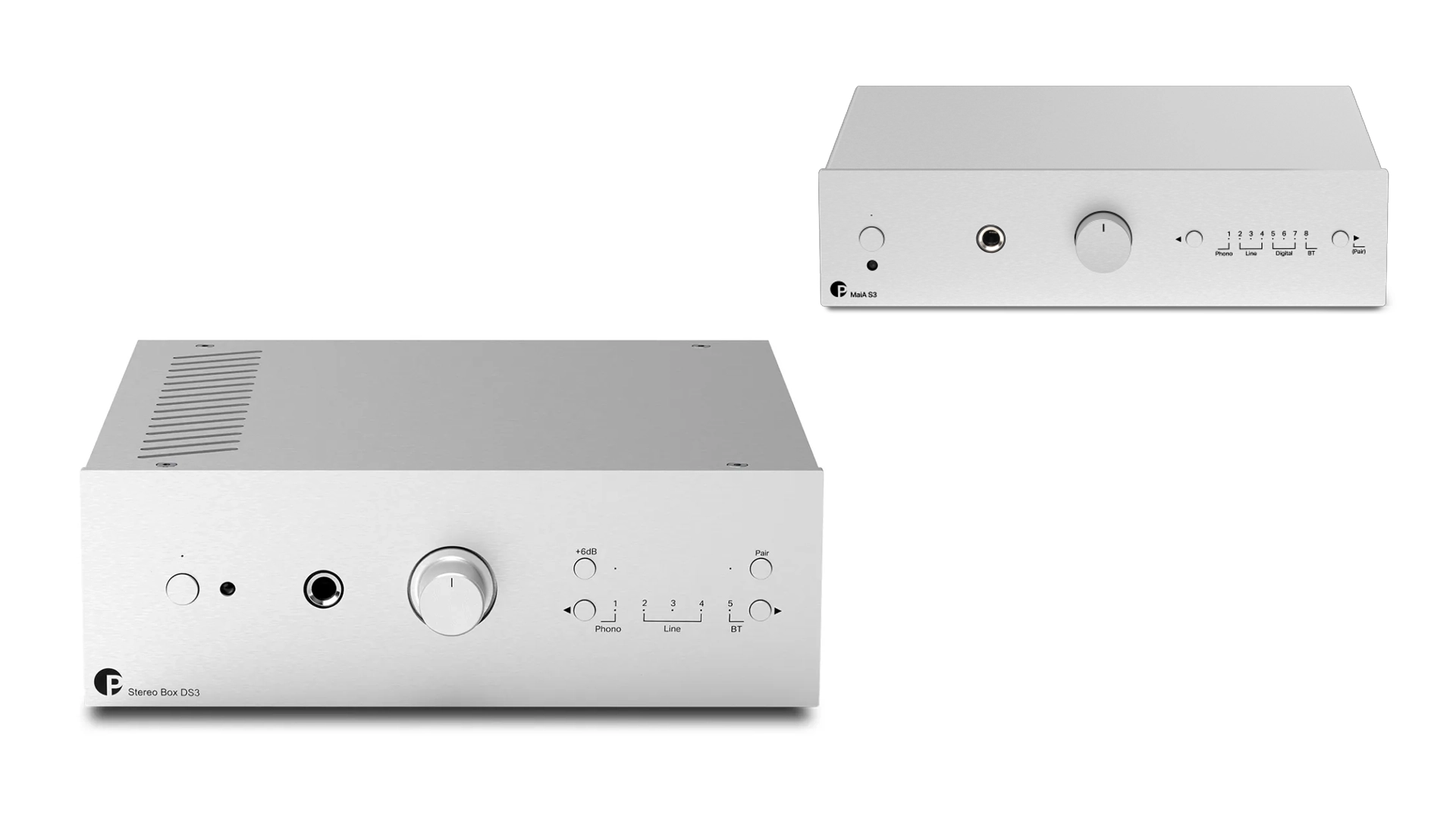
Pro-Ject Audio Systems was founded in Austria in 1991 by Heinz Lichtenegger, at a moment when the audio industry was treating the compact disc as vinyl’s replacement. Lichtenegger’s counterargument was the Pro-Ject 1: a simple belt-drive turntable built around the parts necessary for stable speed and accurate tracking, without automatic mechanisms or cosmetic complexity. The strategy proved prescient, and the Debut, introduced in 1999, became the model that brought the company to a much wider generation of record listeners. Pro-Ject now covers almost every scale of manual turntable. E and T families address first systems; Debut remains the recognisable centre; X, RPM and Xtension add more elaborate plinths, bearings, platters and tonearms; and Signature represents the flagship engineering. Many decks are assembled by hand in the Czech Republic, preserving production skills from the region’s long record-player history. The company also makes phono stages, speed controls, cartridges, record-cleaning machines and accessories, so a turntable can be upgraded rather than discarded. Box Design electronics—compact phono stages, amplifiers, DACs, streamers and CD transports—are largely produced in Slovakia and extend the same space-efficient philosophy beyond vinyl. Artist Collection editions use visual collaborations and licensed themes, but beneath the artwork they remain functional Pro-Ject platforms. The brand’s significance is not simply that it sells many turntables: it maintained European manual-turntable production through the digital era and built a clear path from an inexpensive first deck to genuinely ambitious analogue systems.
PSAudio

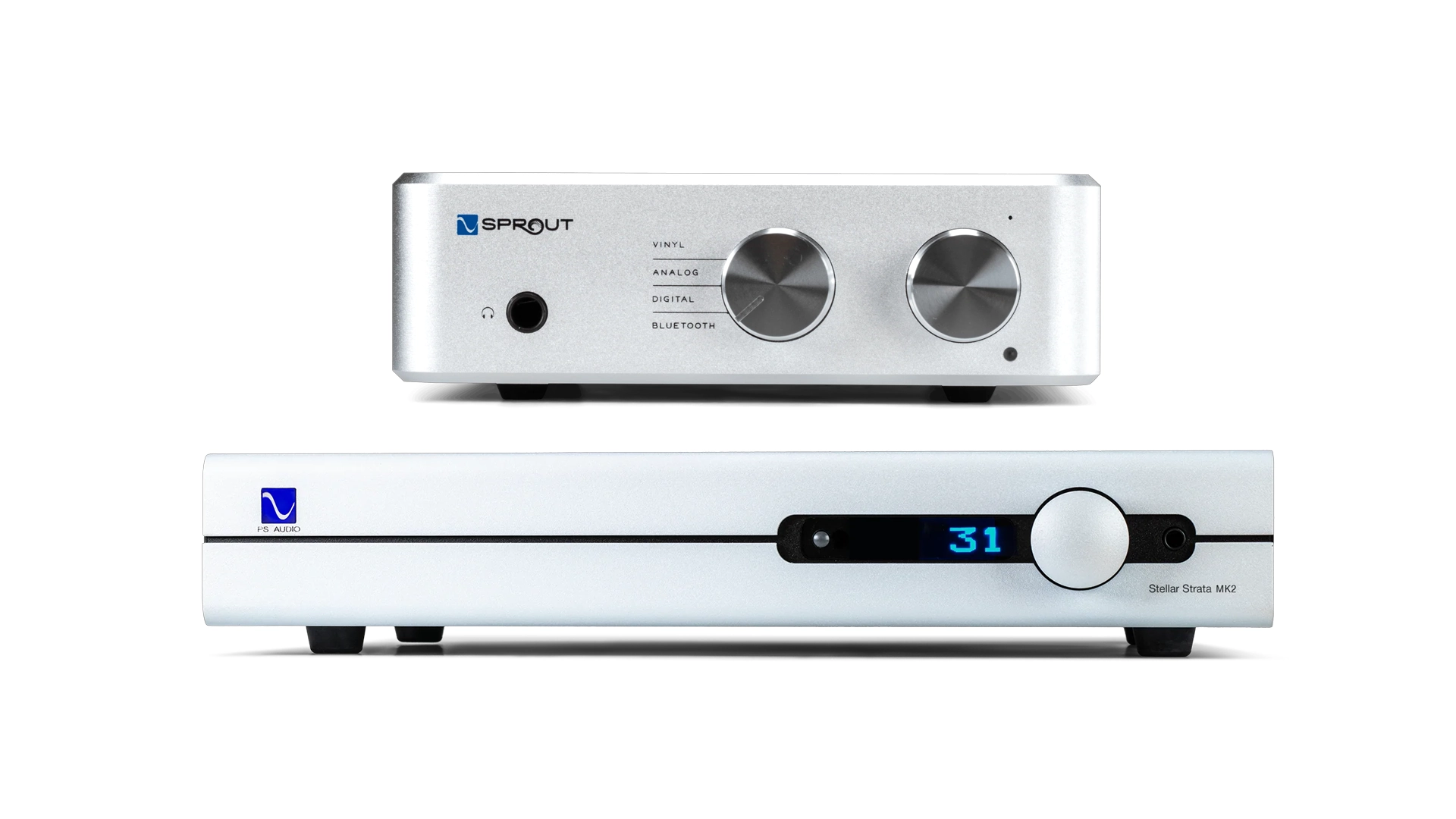
PS Audio was founded in Santa Maria, California, in 1973 by Paul McGowan and Stan Warren—the initials of their surnames supplied the name. Early phono stages and preamplifiers established the company, but its most distinctive modern contribution is power regeneration. Unlike a passive conditioner that only filters the wall supply, a Power Plant converts incoming AC and synthesises a new, regulated low-distortion waveform for the connected system. Successive generations, including the P12, P15 and P20, made that approach central to the brand. Digital products form the other major strand. The DirectStream DAC, designed around Ted Smith’s programmable FPGA architecture, converts incoming PCM to a high-rate DSD-related stream and can receive substantial processing changes through firmware rather than a new converter chip. DirectStream transports and AirLens network interfaces extend that digital ecosystem. BHK Signature hybrid amplifiers, created with the late Bascom H. King, combine valve input stages with MOSFET output power; Stellar components bring amplification, conversion and control to a more compact level. The Aspen FR30, FR20 and FR10 loudspeakers later expanded PS Audio into complete systems, using planar-magnetic midrange and high-frequency drivers with separately loaded woofers. The company also operates Octave Records in Boulder, Colorado, recording releases in high-resolution DSD and using the studio as a practical reference for product development. The original description ended mid-sentence; the completed story is a founder-led American manufacturer spanning regenerated power, reprogrammable digital audio, hybrid amplification and loudspeakers.
› Paul McGowan YouTube on Hi-Fi Selector
Quad

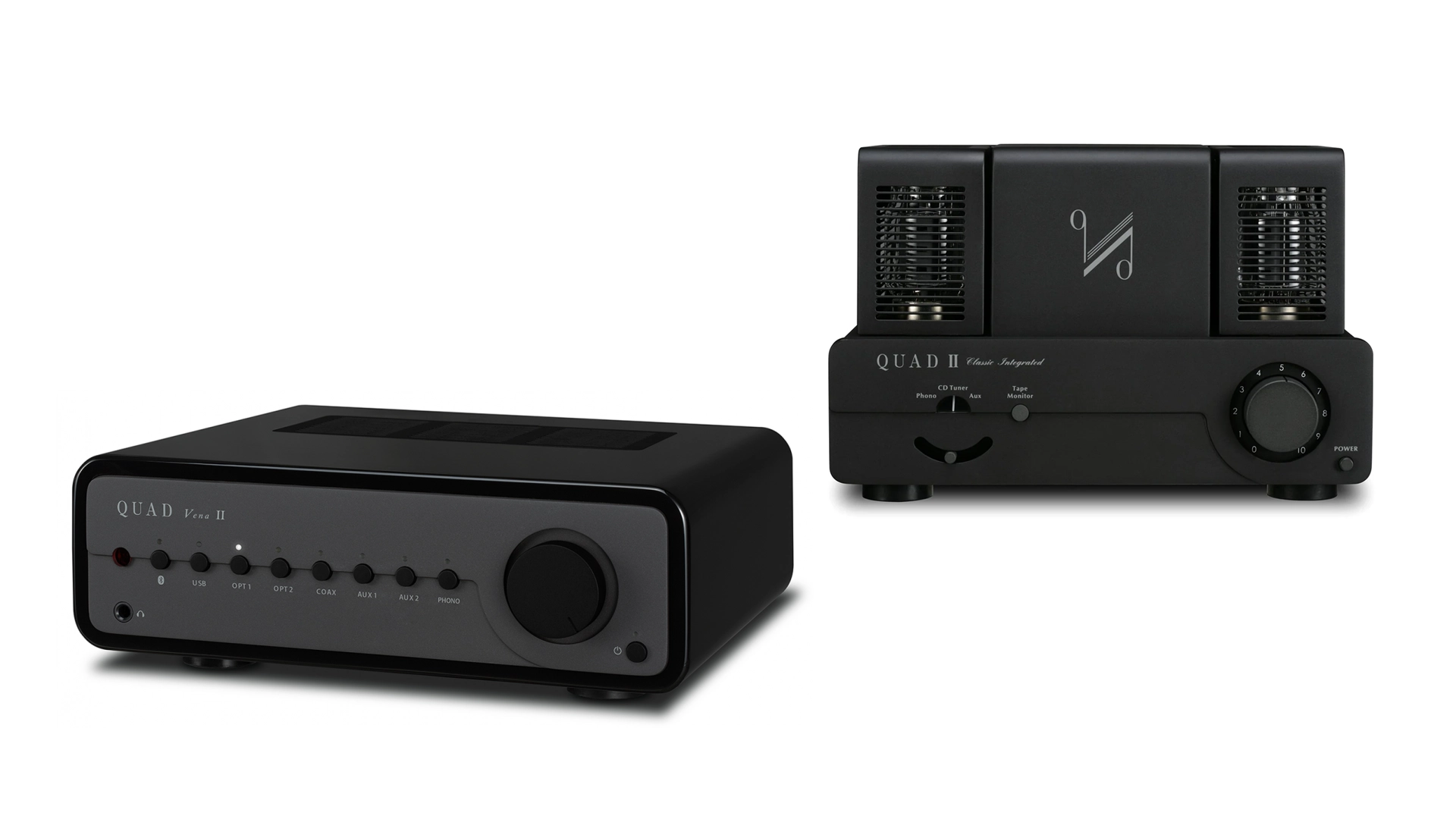
QUAD was founded by Peter J. Walker in 1936 as S.P. Fidelity Sound Systems, later becoming the Acoustical Manufacturing Company. The name came from “Quality Unit Amplifier Domestic,” but the brand’s lasting reputation rests on two different inventions: full-range electrostatic loudspeakers and current-dumping amplification. Both pursued Walker’s famous aim of making the closest approach to the original sound through low distortion rather than theatrical voicing. The original Electrostatic Loudspeaker of 1957—now commonly called the ESL-57—used a charged film diaphragm driven over its area instead of a conventional cone and voice coil. Its transparency made it a reference, while the ESL-63 introduced concentric delay-line stators that approximate a point source. Current ESL-2812X and ESL-2912X models continue that lineage with improved structure, protection and power handling. A factual error in the old description has been corrected: the Quad 303 was a conventional transistor amplifier; Peter Walker’s current-dumping circuit reached production in the Quad 405 in the mid-1970s. It combines a low-power precision amplifier with high-power “dumpers,” using error correction to achieve low distortion efficiently. QUAD also made enduring valve electronics such as the QUAD II and now offers Artera, Vena, Quad 3, the revived 33/303 pairing and Platina electronics, alongside Revela and other dynamic loudspeakers. Since 1997 the company has been part of International Audio Group; management, design and service remain in Huntingdon, including support for many historic products. QUAD therefore remains British in origin and engineering identity even within an international owner.
Qualiton

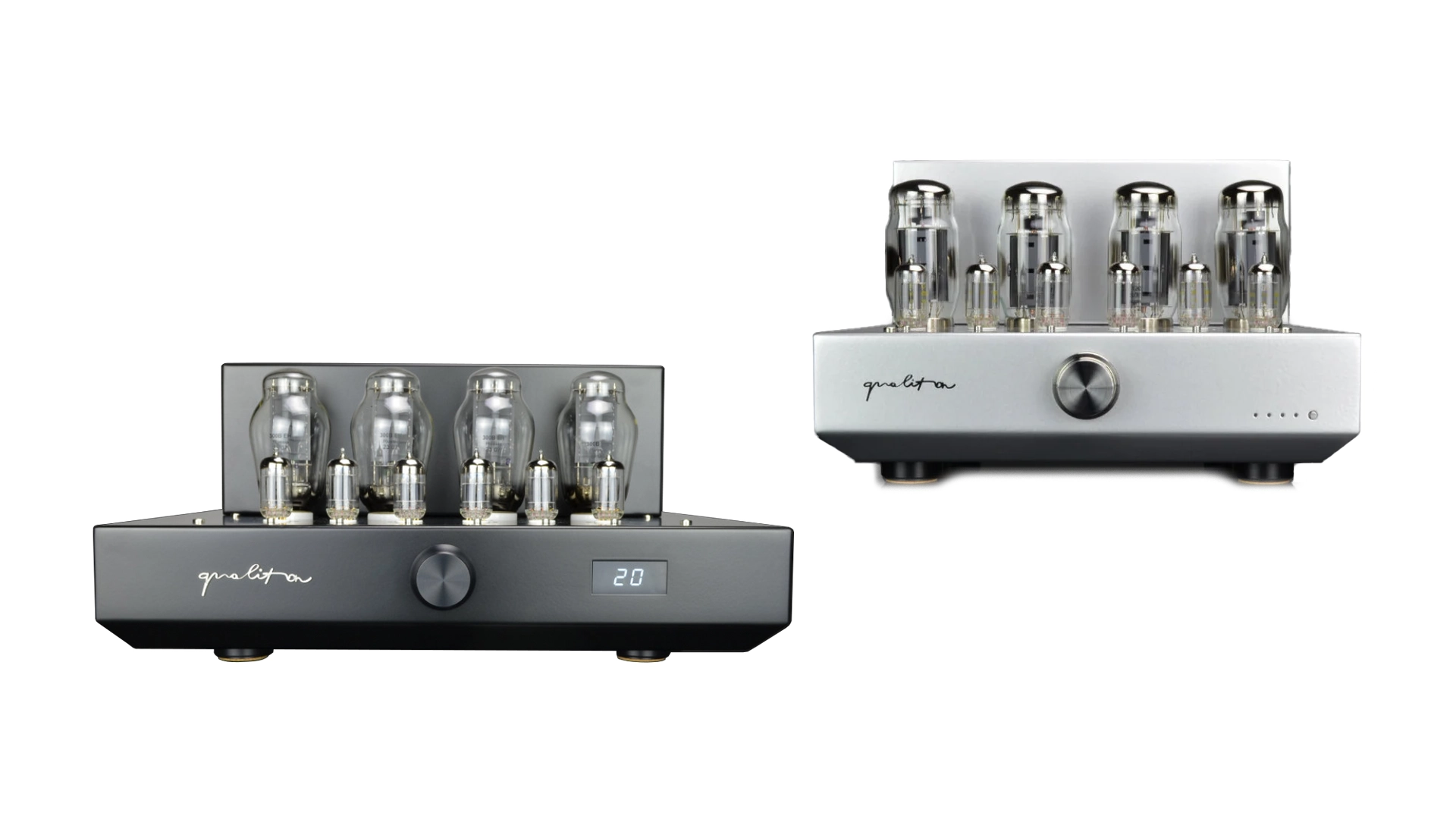
Qualiton is the high-end electronics brand of Audio-Hungary in Nyíregyháza. Its roots are genuine but were blurred in the old record: the present company was not founded in 1950. Hungarian electroacoustic production traces back through state-owned RAFILM, renamed AUDIO in 1951, EAG in 1956 and BEAG in 1960. BEAG opened its Nyíregyháza plant in 1971, initially making transformers; after BEAG broke up, former employees continued there through Univox. Audio-Hungary acquired the struggling operation in 2014, retained its experienced staff and built the modern Qualiton range on that industrial inheritance. The since field is therefore corrected to 2014 for the current company and brand, while the longer heritage remains in the text. Its first high-end products were the APX 200 power amplifier and APR 204 preamplifier. A20i and A50i integrated valve amplifiers then established the recognisable glass, metal and wood visual language. Current models include the 300B integrated amplifier, A35 and A75 tube amplifiers, and the X200 integrated design, alongside a dedicated mains Filter. Qualiton’s practical advantage is direct control of transformer production and metalwork at the Hungarian factory, combined with protective and convenience circuits such as automatic bias, soft start and relay-controlled functions where the model provides them. The catalogue is not limited to a romantic recreation of old tube gear: circuit layout, serviceability and daily operation are treated as seriously as valve choice. Under chief executive András Fábián, Audio-Hungary joins people trained in the older professional-audio factory with a younger development team. That continuity—rather than an inaccurate 1950 founding date—is the real historical value of Qualiton.
Redgum

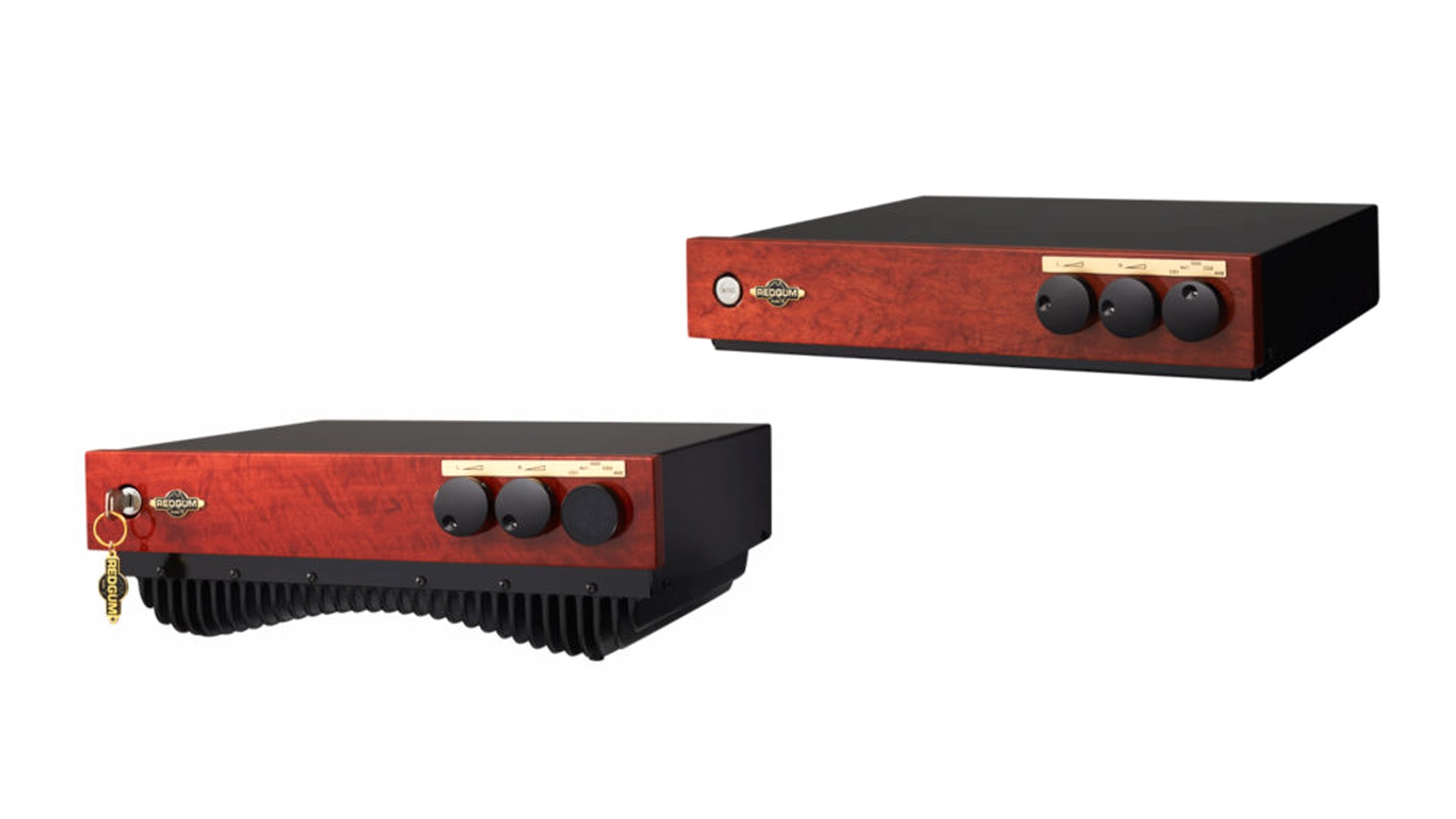
REDGUM Audio was founded in Melbourne in 1993 by Ian Robinson, after two decades of retail and service experience through the Contemporary Sound Centre he had opened in 1972. Hearing unamplified orchestral music convinced him that an amplifier needed transient current and dynamic freedom, not simply an attractive continuous-power figure. Customer response to his early prototypes led to the first commercial integrated amplifier, and the company name supplied the immediately recognisable Australian red-gum timber front panels. High-current solid-state amplification remains the centre of the range. RGi integrated amplifiers and separate power amplifiers are designed with short signal paths, substantial power supplies and protection intended to survive difficult loudspeaker loads; higher ENR versions use “Enhanced Non-Resonant” chassis construction and selected parts. The key-shaped power switch and individually figured timber fascia make each unit visually distinct without hiding its controls. REDGUM has also produced DACs, CD players, phono stages and loudspeakers, including speaker work with John Reilly of Axis. The use of serviceable computer CD-ROM mechanisms in earlier disc players was a practical response to transport obsolescence, not a cost-saving detail to conceal. Model availability has varied as a small manufacturer, so the brand should not be described as maintaining every historic category continuously. What remains consistent is Robinson’s emphasis on locally engineered, repairable electronics with generous current reserve and a seven-year warranty on many products. The original text contained valuable history and has been retained, but reorganised so the products and engineering reasons appear before colourful anecdotes.
Rega

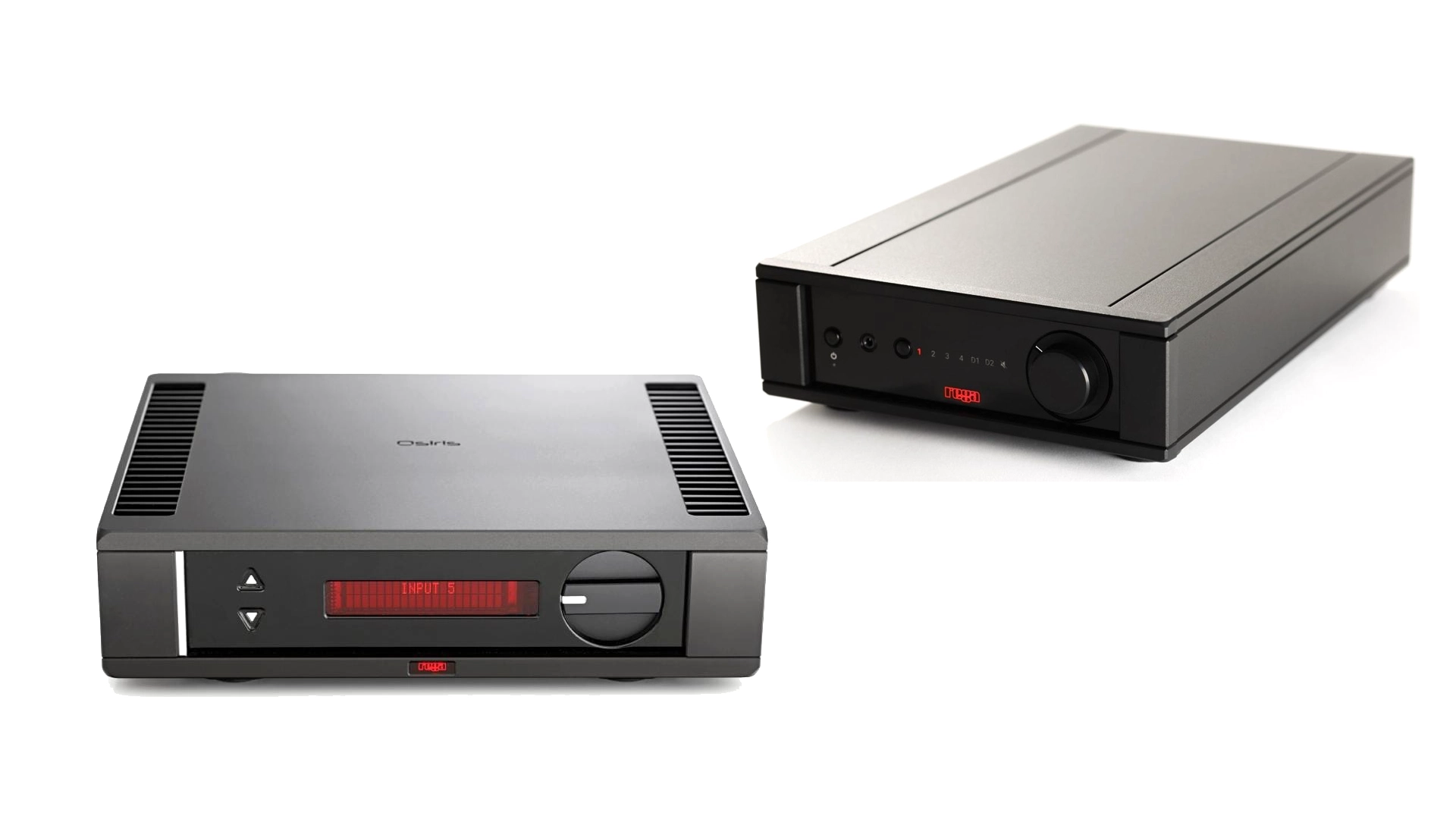
Rega Research was founded in England in 1973 by Roy Gandy and Tony Relph; the name combines parts of their surnames. Its first commercial turntable was the unconventional Planet, but the Planar 3 of 1976 created the enduring template: a simple belt drive, rigid low-mass plinth, glass platter and an integrated tonearm developed as one mechanical system. Rega’s influence comes not from preserving that design unchanged, but from repeatedly refining the same priorities while manufacturing a remarkably broad range in Essex. The central principle is lightweight rigidity. Gandy argues that excessive mass can store vibration and release it later, so current Planar models remove material where it is unnecessary and add stiffness between the main bearing and tonearm through double-brace structures. One-piece RB tonearm tubes minimise joints from headshell to bearing housing; higher models use increasingly precise bearings, ceramic platters and sophisticated power supplies. Planar 1, 2, 3, 6, 8 and 10 form the main progression, while Naia translates research from the limited Naiad into the production flagship. Rega also develops Nd moving-magnet and Ania, Apheta and Aphelion moving-coil cartridges, Fono and Aria phono stages, so the complete record-playing chain can be engineered together. Io, Brio, Elex, Elicit, Aethos and Osiris amplifiers, Apollo and Saturn digital sources, and Kyte or Aya loudspeakers broaden the system without displacing vinyl from the centre. Rega’s lasting strength is purposeful reduction: spend materials and tolerance where they control speed, bearing behaviour, rigidity and cartridge alignment, then leave out mechanisms that do not help record playback.
Restek

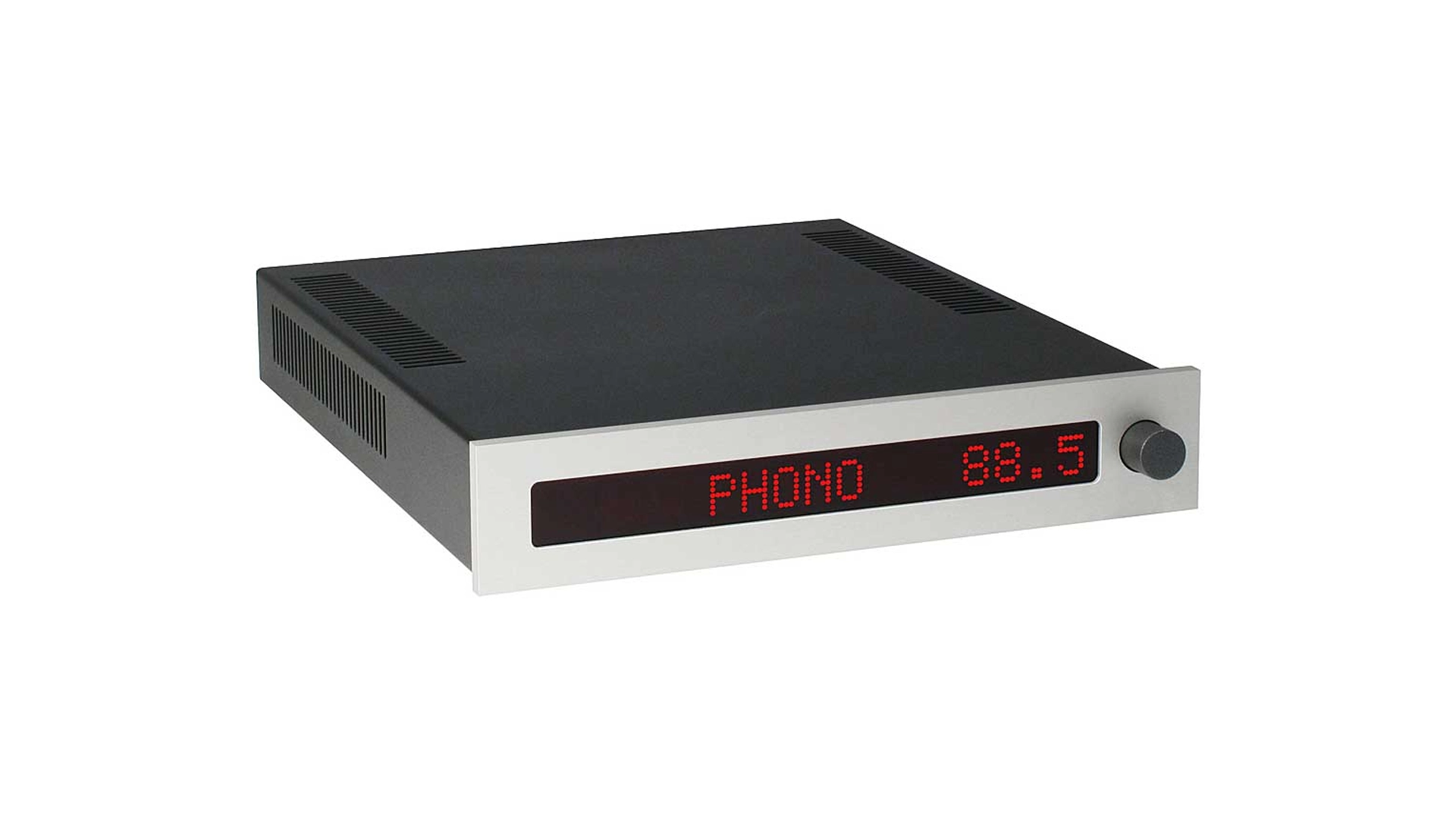
RESTEK is a German high-end electronics manufacturer founded in September 1975 by engineers Adrianus Elschot and Bernd Hugo. Production moved to Fuldabrück near Kassel in 1977, and the company has remained closely associated with local manufacture, long product life and unusually extensive factory service. Early work included cooperation with Thorens, but RESTEK established its own identity with components such as the FM-3003 and later SCALAR tuners—products that made radio reception a serious audiophile source rather than a secondary feature. Today the full-width E-Series covers EDITOR preamplification, EXTRACT and EXTENT power amplifiers, EMAS phono amplification, EPOS+ CD playback and ERGO or EDAB+ radio reception. The compact M-Series translates the same modular thinking into smaller components: MPLA+ preamplifier, MAMP power amplifier, MDAC+ converter, MTUN+ tuner and source-specific modules can form a system without forcing every function into one chassis. RESTEK designs analogue and digital products together, but avoids rapid replacement cycles; many older units can still be repaired, revised or upgraded at the factory. That continuity is central to the brand. Controls, displays and casework follow a restrained family language, while the engineering emphasis is on low noise, stable power delivery and straightforward operation rather than fashion-driven features. RESTEK’s distinction lies in treating a hi-fi component as durable equipment: designed and assembled in Germany, supported over decades and allowed to evolve without making the previous generation disposable.
Riviera

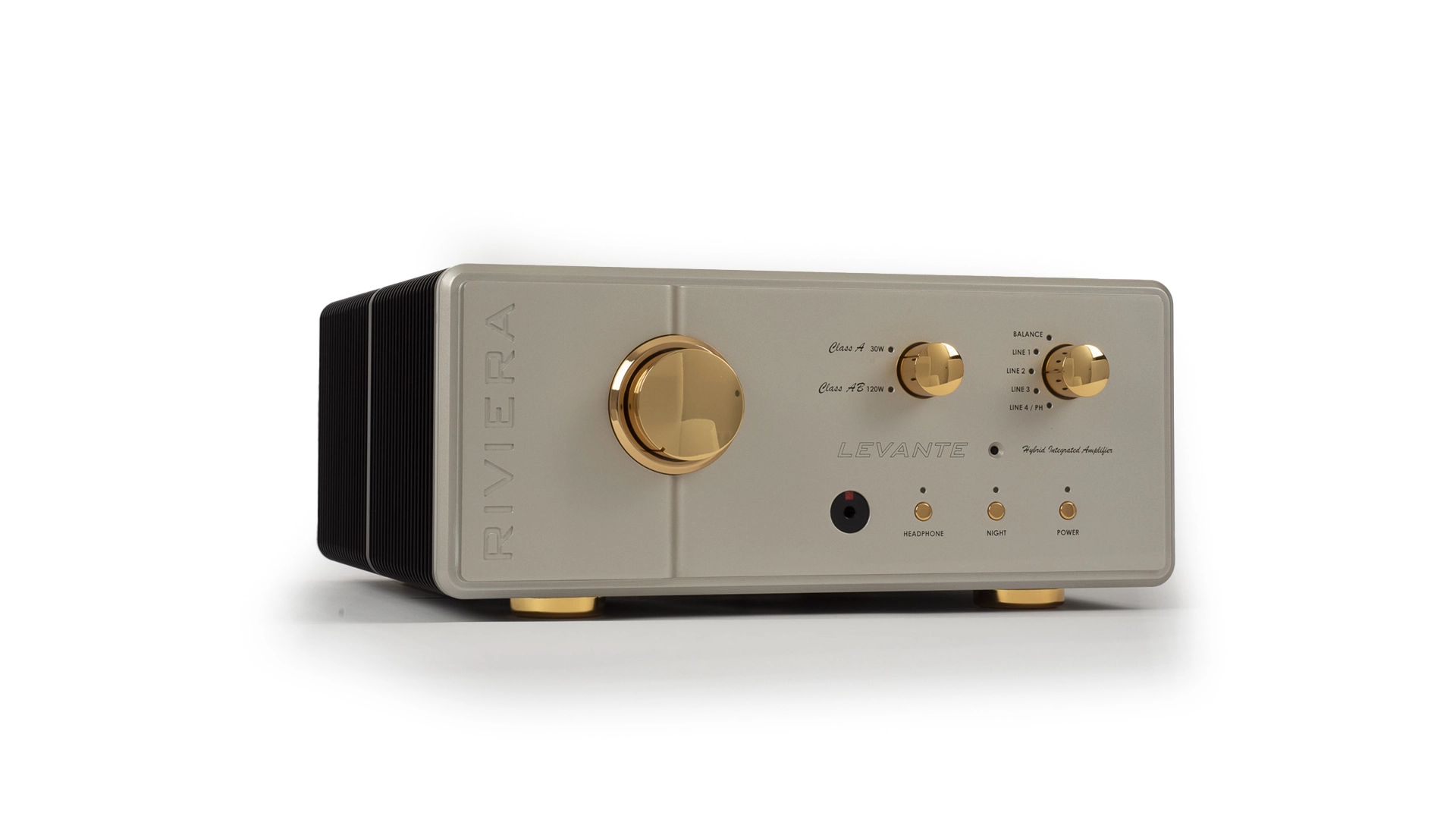
Riviera Audio Laboratories is an Italian high-end electronics company founded in January 2017 by engineer Luca Chiomenti and Silvio Delfino. Marco Muzio has collaborated with the project from its beginning on mechanical and industrial design, but the company’s own history identifies Chiomenti and Delfino as the founding partners. Riviera’s amplifiers are built around an unusual technical position: the voltage-gain stages use directly heated or small-signal triodes, while solid-state devices provide the current needed to control a loudspeaker. The aim is not to advertise a fashionable “hybrid” label, but to assign each device type the job it performs best. Circuits avoid global negative feedback, operate important stages in Class A and are developed as wide-bandwidth analogue systems with carefully regulated power supplies. The AIC-10 headphone amplifier and control unit introduced many listeners to the brand because it can drive demanding headphones while functioning as a compact line preamplifier. Levante applies the philosophy to an integrated amplifier, APL-10 is the dedicated line preamplifier, and AFM-25 and AFM-100 monoblocks provide power at different system scales. Chassis construction, thermal management and internal layout are treated as parts of the electrical design, and production remains deliberately limited. Riviera’s distinguishing feature is the coherence between theory and product: Chiomenti’s research into distortion, feedback and device behaviour is expressed through a small range whose valve input stages and transistor outputs are not compromises but complementary tools. The result is a recognisably Italian brand without reliance on decorative luxury alone.
Rogers

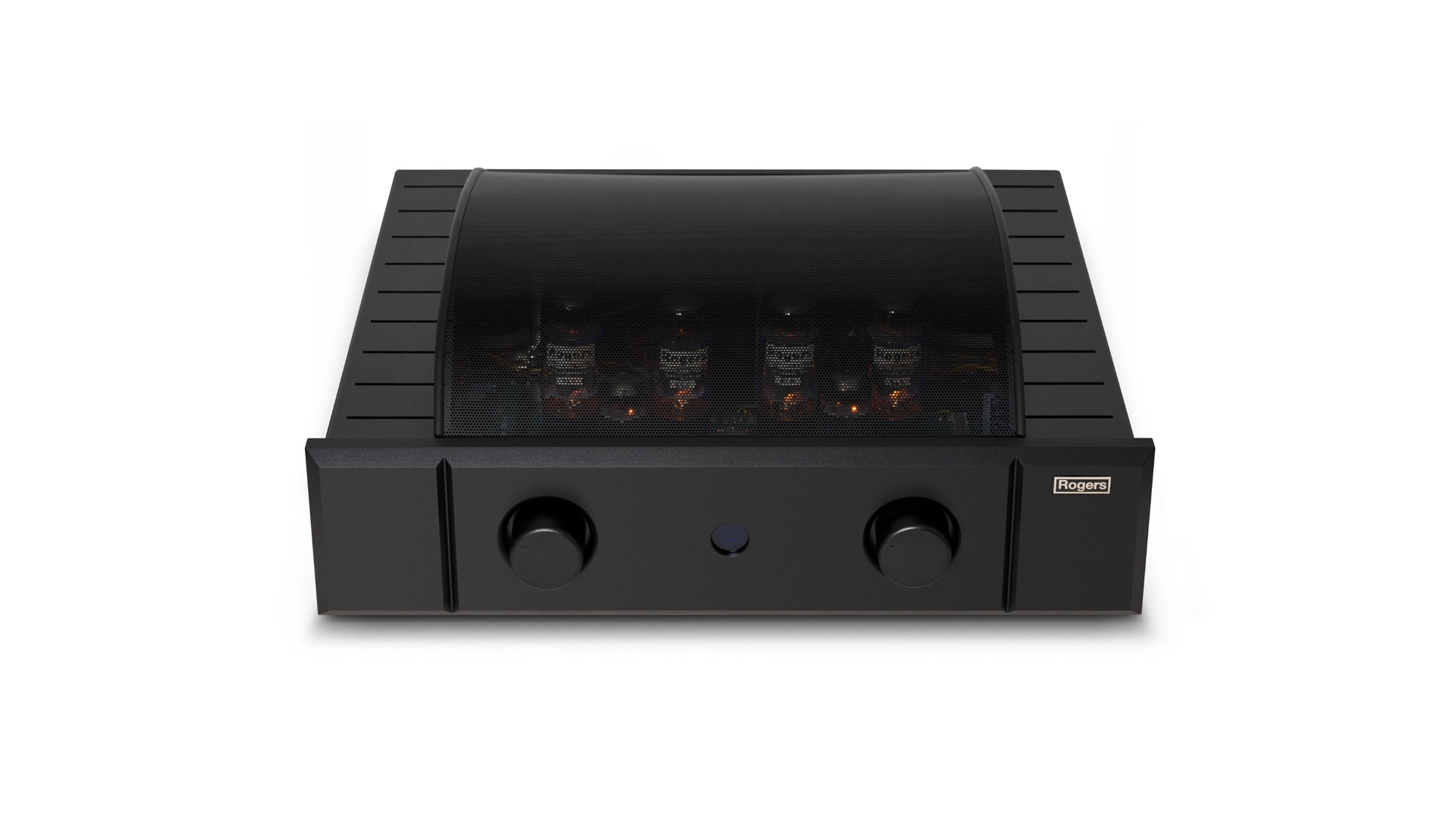
Rogers is a British audio company founded in 1947 by Jim Rogers. It first built amplifiers and tuners, but its enduring place in hi-fi history comes from work with BBC monitor designs. Rogers was among the licensed manufacturers of the compact LS3/5A and became one of the model’s most recognised producers; the larger LS5/9 and LS5/8, together with the LS3/6 and Export Monitor, extended the same concern for vocal accuracy, tonal consistency and controlled cabinet behaviour to different listening levels. These were engineering specifications for broadcast monitoring, not a retro styling exercise, and surviving examples remain reference points for the British thin-wall loudspeaker tradition. Corporate ownership changed in 1993 when Hong Kong-based Wo Kee Hong Group acquired Rogers. British production later ceased, but the brand re-established manufacturing in the United Kingdom in 2018 and now offers renewed Classic and SE versions of the LS3/5A, LS5/9 and LS5/8 rather than merely licensing the badge to unrelated products. The catalogue also reconnects with Rogers’ earlier electronics through valve amplifiers such as the E20a II and E40a II. Modern versions necessarily use current parts and production controls, yet their value depends on respecting the acoustic proportions, crossover relationships and listening purpose of the originals. Rogers is therefore more than one famous small monitor. Its significance lies in translating BBC research into commercially available loudspeakers, sustaining those designs across decades and, under present overseas ownership, restoring genuine UK manufacture for products whose identity is inseparable from British broadcast history.
Roksan

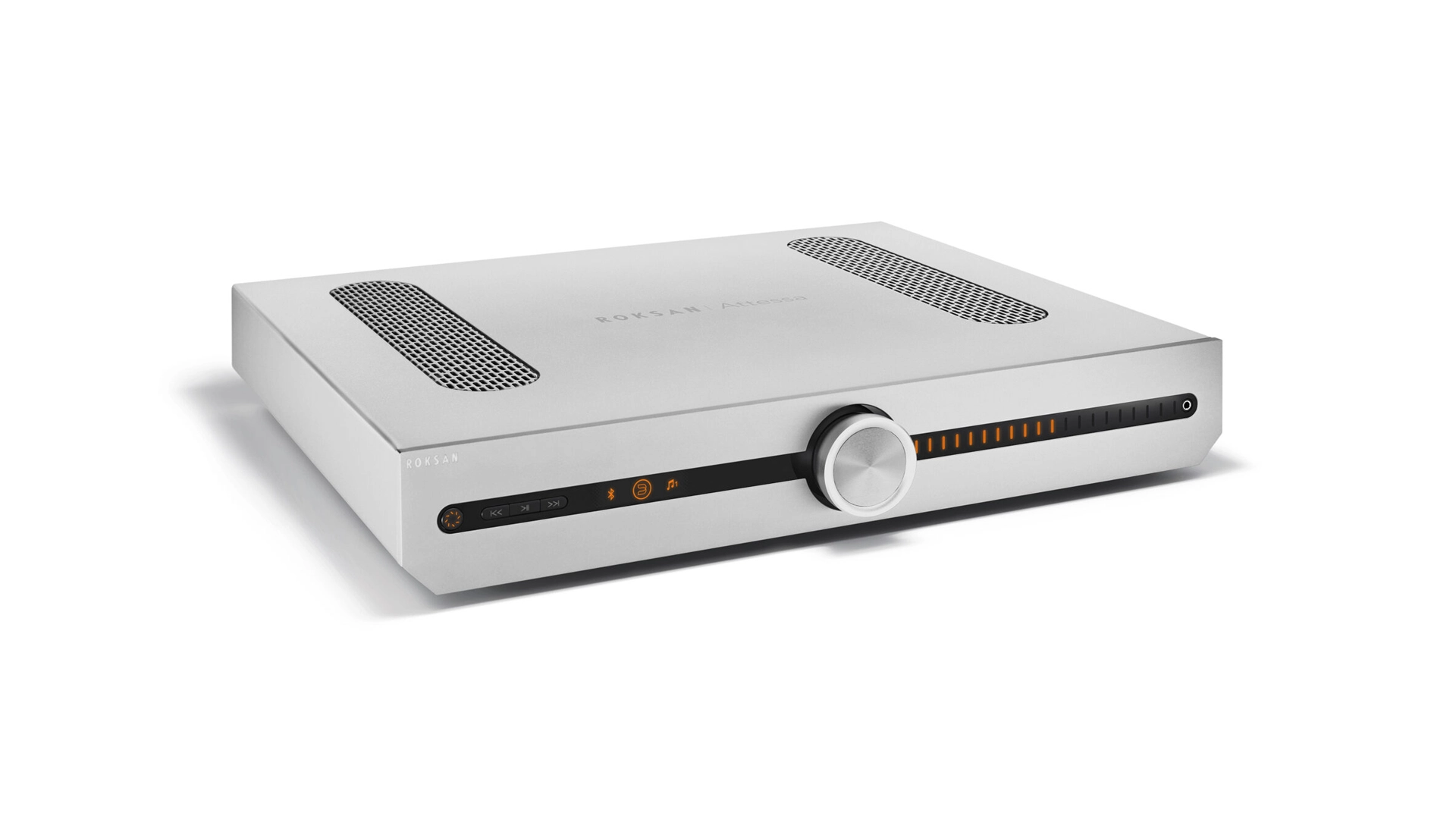
Roksan is a British hi-fi manufacturer founded in London in 1985 by Touraj Moghaddam and Tufan Hashemi. The first product, the Xerxes turntable, challenged the suspended-subchassis orthodoxy with a distinctive multi-layer plinth and bearing arrangement designed to control energy between record, arm and support. Xerxes quickly became the product that defined the company and remains in evolved form as Xerxes 20 Plus, supported by dedicated power supplies and tonearms. Roksan subsequently built complete systems rather than remaining a turntable specialist. Caspian electronics established its reputation in amplification and digital sources; the K3 range brought muscular integrated amplification and matching components to a wider audience. Attessa is the current entry point, combining an integrated or streaming amplifier, CD transport and turntable with app-based control and contemporary connectivity. The newer Caspian 4G generation develops the long-running series with modern streaming and amplification architecture, while vinyl playback remains visible rather than being treated as nostalgia. Monitor Audio acquired Roksan in 2016, giving the brand access to a larger British engineering and manufacturing group while retaining the Roksan name and its original country. This ownership should be stated because current products are developed within that group, but it does not erase the founders or the importance of Xerxes. Roksan’s character comes from that continuity: mechanically inventive analogue sources, energetic amplification and increasingly integrated digital systems, all intended to work as a complete British hi-fi ecosystem rather than a single iconic turntable.
Rotel

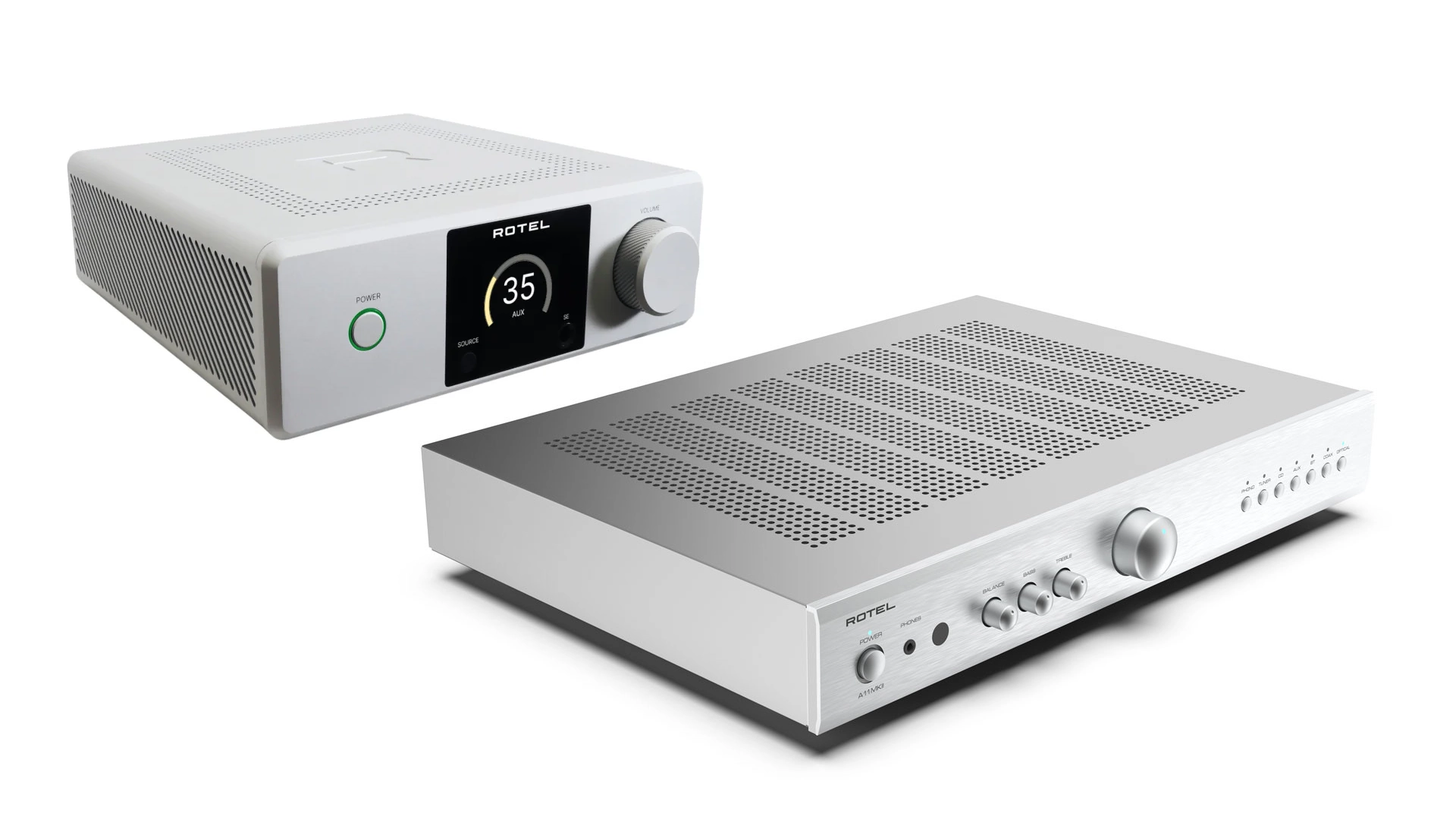
Rotel is a Japanese audio manufacturer founded in 1961 and still closely identified with the Tachikawa family. It built its reputation by offering serious engineering at attainable prices rather than chasing a single exotic circuit or luxury finish. The company’s “Balanced Design Concept” joins three disciplines: selecting parts for their measured and audible behaviour, refining the circuit topology, and listening critically to the complete product. One practical expression is Rotel’s long-standing use of custom toroidal transformers, many wound to its specification, together with carefully regulated power supplies and conservative output ratings. The range spans integrated amplifiers, preamplifiers, power amplifiers, CD players, network streamers and multichannel home-theatre electronics. The 14 and 15 Series cover compact and full-size systems, Diamond models mark anniversary engineering, and the revived Michi name forms the flagship line with components such as the X3 and X5 integrated amplifiers, P5 preamplifier, S5 stereo power amplifier and M8 monoblocks. Rotel also builds distribution amplifiers and custom-installation products, so the same design culture serves both a two-channel listening room and a whole-home system. Streaming, HDMI and modern control have been added without abandoning physical source support or straightforward front-panel operation. Rotel’s importance lies in continuity: it has spent decades improving power supplies, analogue stages and system integration rather than repeatedly reinventing its identity. The result is recognisably Japanese hi-fi—disciplined, durable and engineered to deliver useful current, dynamics and low noise at several price levels.
Schiit

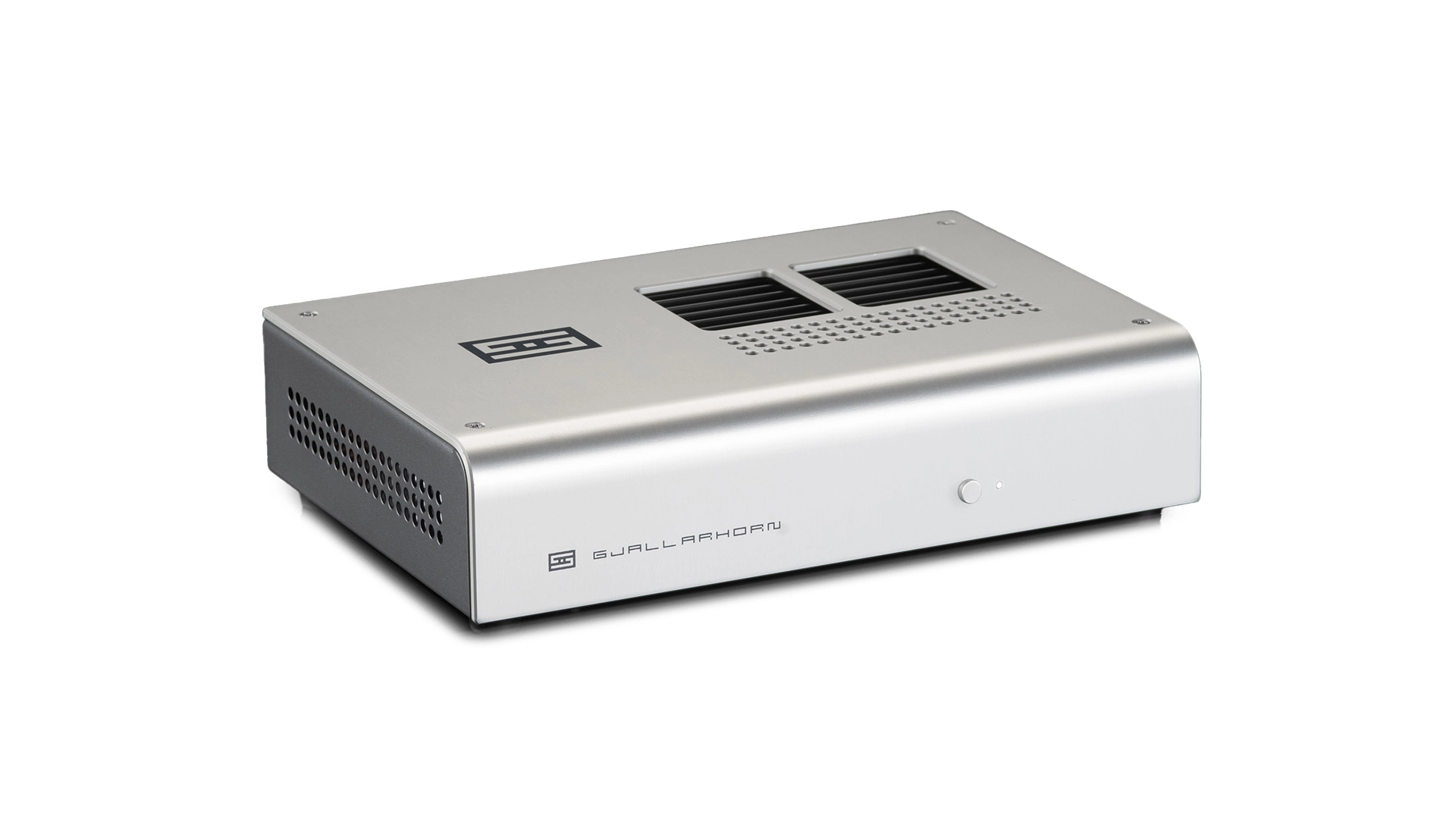
Schiit Audio is an American electronics company founded in June 2010 by Jason Stoddard, formerly of Sumo, and Mike Moffat, known for Theta Digital. It began with the compact Asgard solid-state and Valhalla valve headphone amplifiers, then used direct online sales and deliberately plain industrial design to make specialist audio circuits available without conventional dealer mark-ups. Magni headphone amplifiers and Modi DACs became gateway products, but the catalogue now spans a complete two-channel system. Jotunheim and Lyr offer modular desktop amplification, Midgard introduces the Halo mixed-mode feedback output, and tube designs such as Valhalla and Folkvangr explore different circuit priorities. Bifrost and Yggdrasil are built around Schiit’s proprietary digital filters and multibit conversion options rather than treating every DAC as an interchangeable chip application. Freya and Kara preamplifiers, Vidar, Aegir and Tyr power amplifiers, the Ragnarok integrated amplifier and Mani phono stage extend the range to loudspeakers and vinyl. Many components are designed and assembled in California or Texas with substantial US-sourced chassis and circuit-board work; some lower-cost parts and subassemblies are necessarily global. Modular cards, firmware updates and upgradeable flagship products resist rapid obsolescence. Schiit’s irreverent name and candid engineering essays attract attention, but the lasting contribution is more serious: the company made measurement, circuit topology, domestic manufacturing and price trade-offs unusually visible to customers. Its products are varied rather than tuned to one formula, yet share a practical goal—useful performance and repairable hardware without luxury-audio ceremony.
Serblin & Son

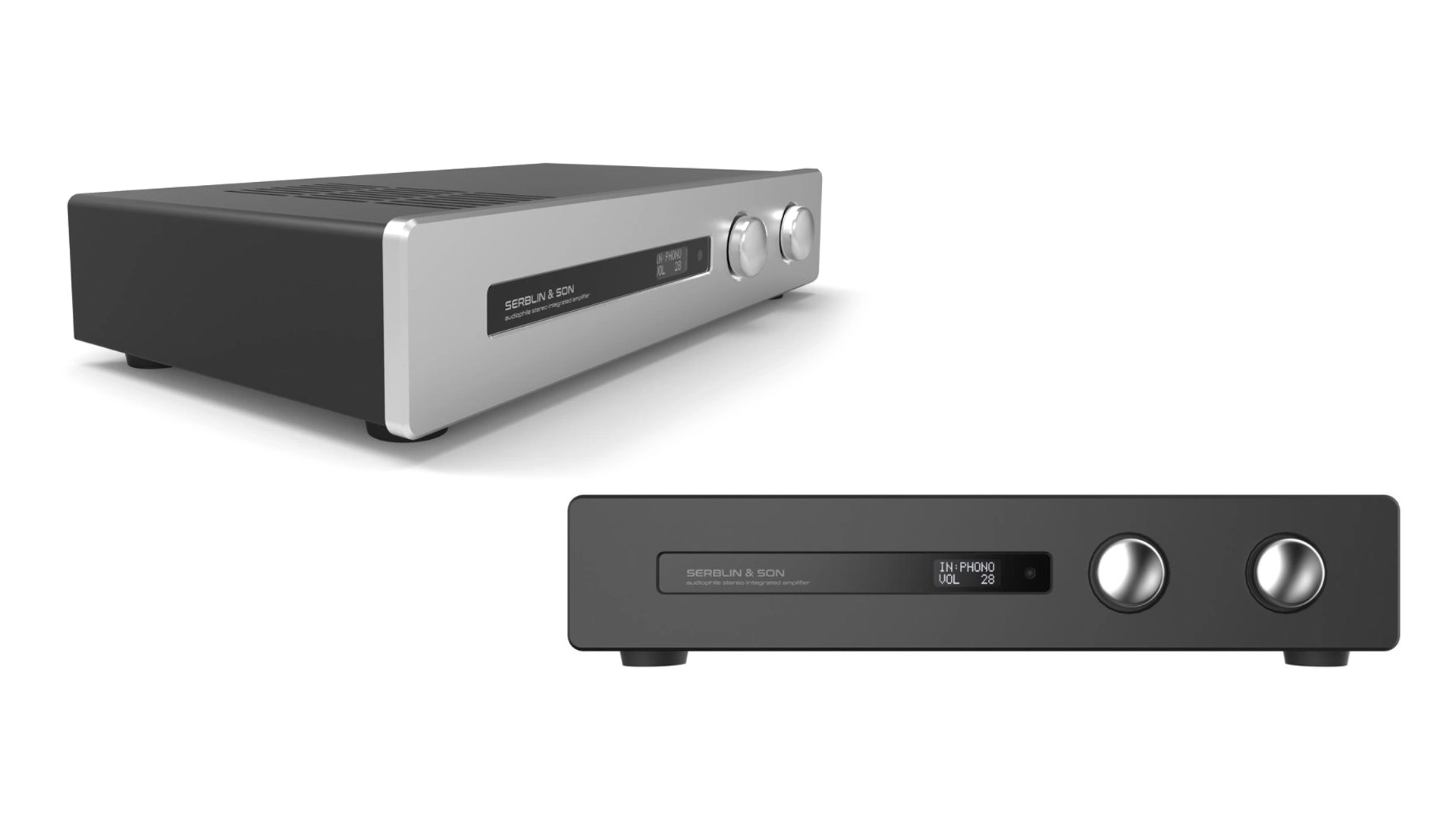
Serblin & Son is an Italian high-end electronics company founded in 2019 by Fabio Serblin, nephew of Sonus faber founder Franco Serblin. The previous description confused it with the Franco Serblin loudspeaker brand and incorrectly attributed products such as Lignea and Accordo Essence to this company. Fabio’s own path is centred on amplification. He worked as a designer during Sonus faber’s early years and in 1991 established Fase Evoluzione Audio, which produced integrated and separate amplifiers and digital sources before he paused manufacturing in 2002 and moved into distribution. Serblin & Son marks his return to designing electronics with modern simulation tools and small-scale Italian production. Its first product, the Frankie integrated amplifier, was named in tribute to Franco and combined valve input stages with solid-state power output. The Frankie concept later expanded into a hybrid preamplifier and matching monoblock power amplifiers, separating control and current delivery while retaining the valve/solid-state architecture. Performer is a substantial integrated amplifier focused on short signal paths, dual-mono construction and high-current Class AB output, while Raptor 1000 develops the integrated format with greater power and system flexibility. The designs are visually restrained and mechanically precise, avoiding the carved-wood language commonly associated with the Serblin surname. Serblin & Son’s identity is therefore not inherited loudspeaker styling. It is Fabio Serblin’s continuation of Faseaudio knowledge: Italian analogue amplification that assigns valves and transistors complementary roles and connects a family history in hi-fi to a distinct, current engineering practice.
Simaudio

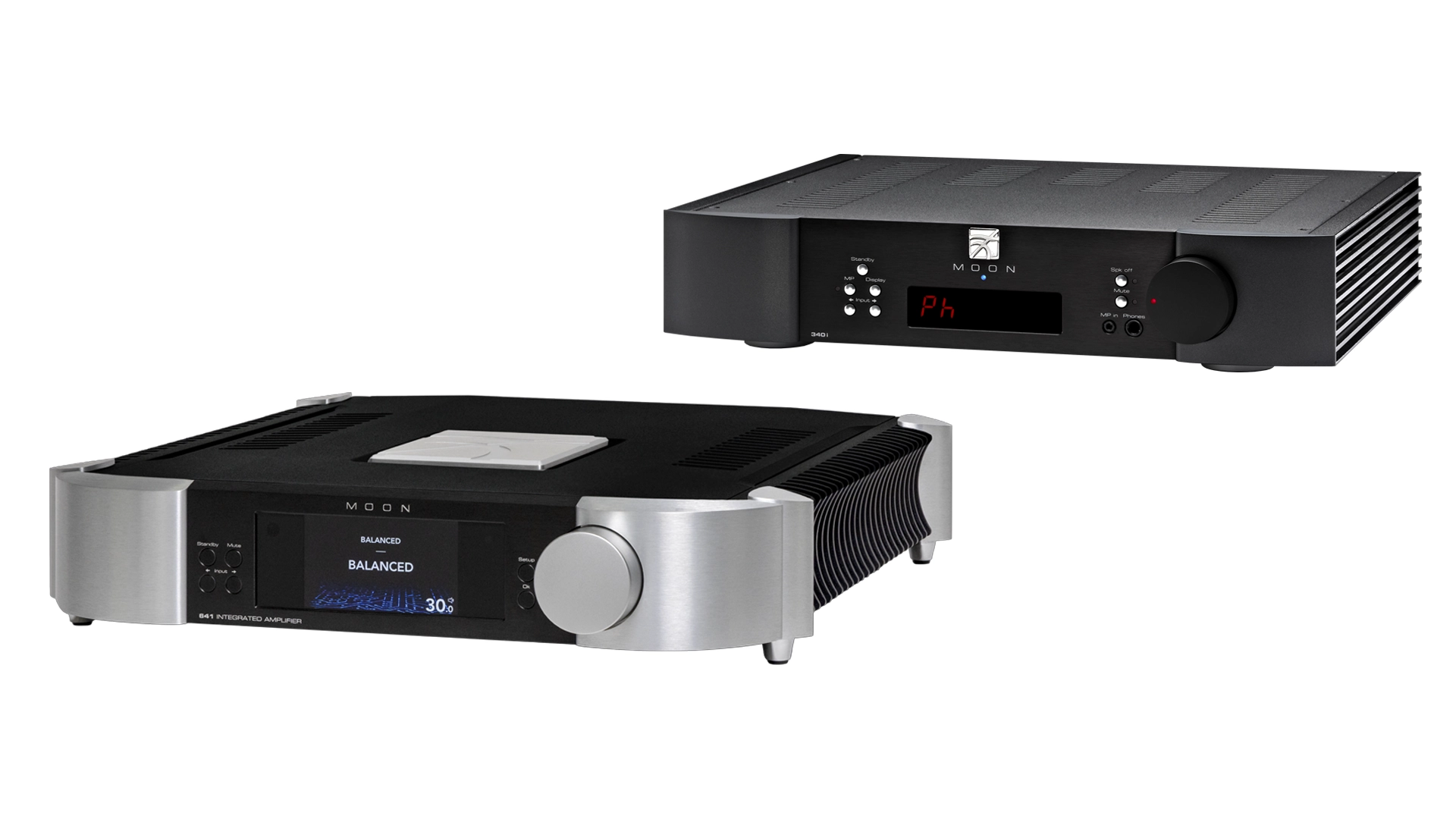
Simaudio is a Canadian high-end electronics manufacturer founded in 1980 as Sima Electronics by Victor Sima. The early company became known for muscular amplifiers able to control demanding loudspeakers; in 1994 Jean Poulin and partners acquired the business, and the MOON name gradually became the public identity of its products. Design and manufacturing remain near Montreal, with metalwork, circuit assembly, testing and long-term service kept unusually close for a modern audio company. MOON electronics cover integrated and power amplifiers, preamplifiers, network players, DACs and phono stages. The Evolution series established technologies such as M-LoVo low-voltage regulation, M-eVOL2 volume control and the MiND network platform, while the compact ACE combined streaming, conversion, amplification and phono input in one chassis. MiND 2 supports contemporary network playback and multiroom control without making a computer the front end. The flagship North Collection develops this architecture in the 681 streamer/DAC, 791 network player/preamplifier, 761 and 861 power amplifiers, and the 891/888 reference separates, with the BRM remote giving tactile control across the system. Simaudio does not use one circuit unchanged at every price: power-supply scale, dual-mono separation, output topology, conversion and control are adjusted to each product, but low noise, high current and operational longevity remain consistent priorities. The company is still independently Canadian rather than a legacy badge owned abroad. Its distinction is the ability to join serious analogue amplification with mature streaming and interface design while preserving repairability and factory support—an evolutionary approach that has kept MOON components current without erasing their two-channel roots.
Sophia Electric

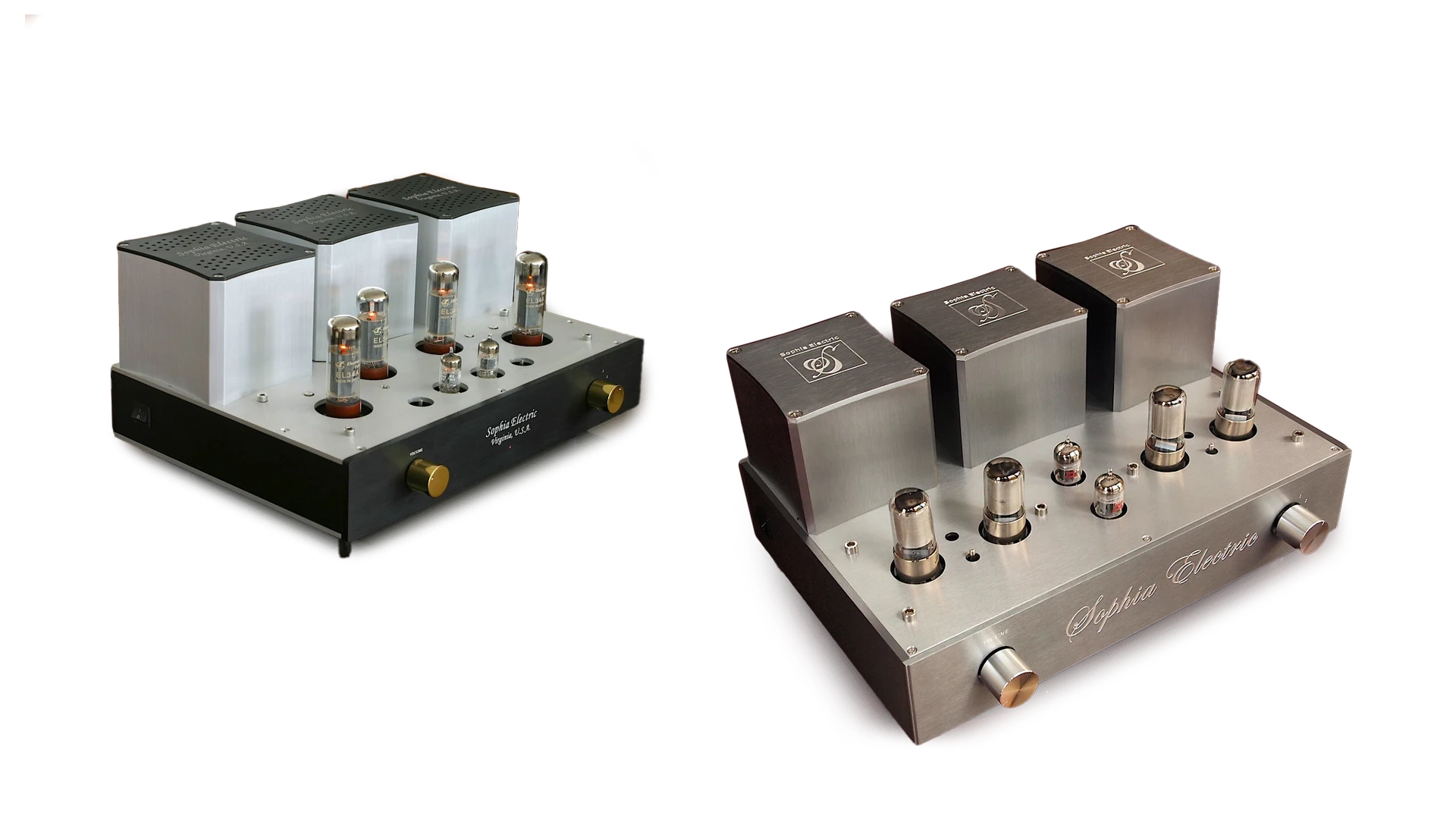
Sophia Electric specialises in the vacuum tubes and amplifiers that keep directly heated triode audio an active engineering tradition. Its best-known work centres on the 300B, with different tube constructions developed for listeners using single-ended amplifiers. The American company grew from two East Coast custom amplifier businesses. In 2001, Richard Wugang and his family supplied capital and industrial resources, and Wugang brought together additional designers and engineers to expand the range. His interest in vintage amplifiers helped shape a catalogue that connects classic circuit ideas with newly produced components. Mesh-plate 300B tubes were an early signature, followed by Princess and later Classic designs. Rectifiers form another important speciality: the 274B family has progressed through several versions, including the Aqua series. Small-signal tubes such as the 6SN7 and output types including KT66, KT88 and EL84 broaden the applications beyond 300B amplification. Sophia also developed complete amplifiers, including 300B designs drawing on the Western Electric tradition, and its historical catalogue extends to speakers and audio capacitors. The significance of the brand lies in this link between complete equipment and the parts inside it. It serves owners maintaining or developing existing valve systems as well as listeners seeking a finished amplifier. Different tube types and versions have their own electrical requirements, so the range is best understood as a set of specific components for compatible circuits, each with a defined role in the audio chain.
Soulnote

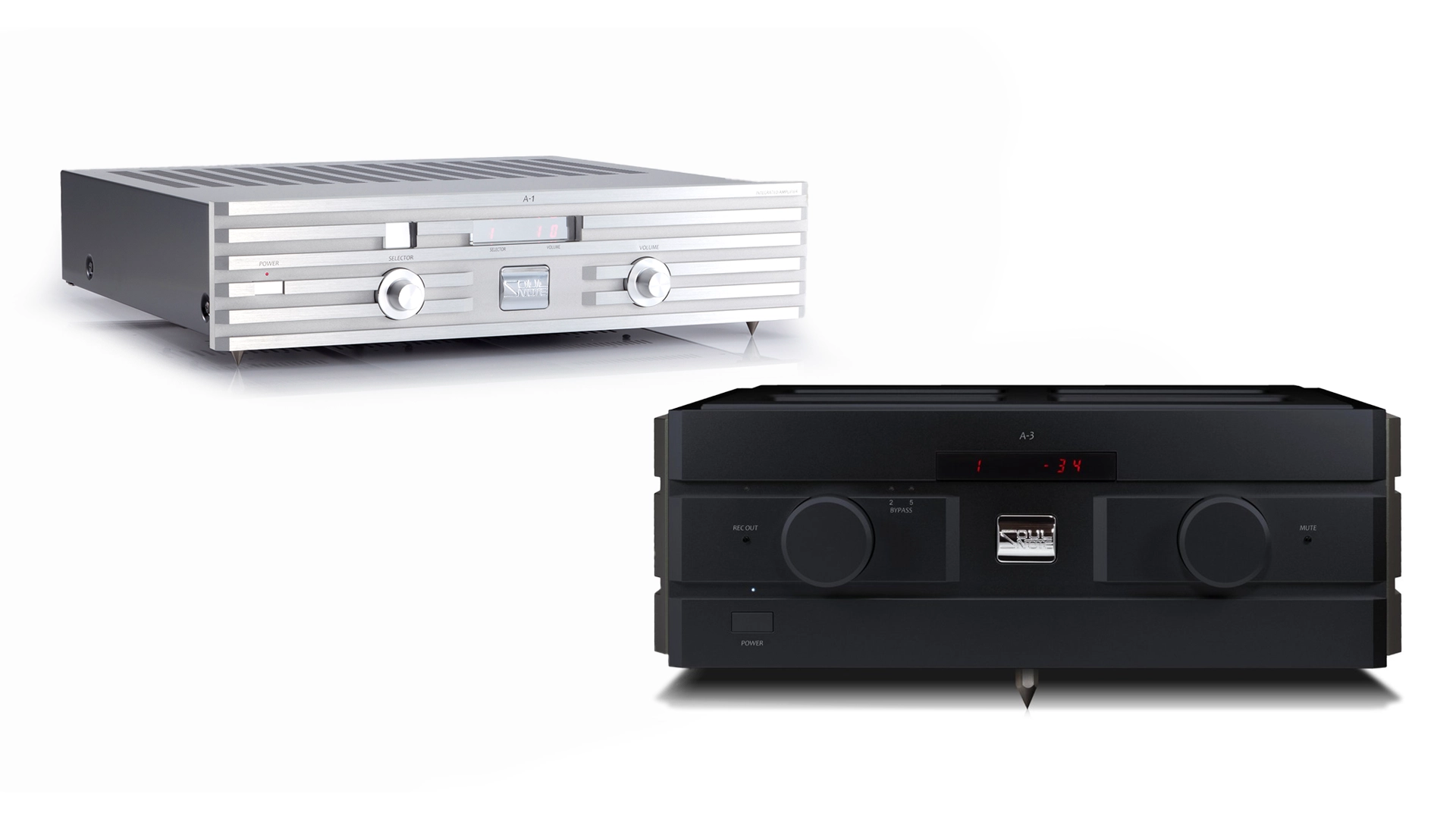
SOULNOTE makes Japanese amplifiers, DACs and phono stages shaped by a particularly explicit listening-led design philosophy. The brand was launched in 2006 by CSR, the Kanagawa company founded in 2004 by former Marantz Japan personnel. SOULNOTE Co., Ltd. was established in 2023. A major change in design direction had come in 2016 when Hideki Kato became Chief Sound Manager. His experience included NEC’s A-10 amplifiers and Philips LHH equipment, and his subsequent SOULNOTE work placed emphasis on what he calls dynamic performance: the behaviour of music in time as heard during playback. This is the rationale behind the use of amplification without negative feedback and non-oversampling options in digital conversion. These are deliberate design choices, not a claim that one circuit approach is universally superior. Listening informs component selection and mechanical construction as well as circuit development. The A-series integrated amplifiers, D-series converters and E-series phono stages provide the main routes into the catalogue. More ambitious systems can use P-3 preamplification, M-3 monoblocks and the S-3 Reference disc player, with X-3 clock and Z-3 network products extending the digital platform. This breadth allows analogue and digital listeners to encounter the same design thinking in different components. SOULNOTE’s individuality lies in the consistency of that programme: it is an engineering team willing to make unusual electrical and mechanical choices in pursuit of its preferred presentation, with Kato’s professional history providing continuity behind the modern range.
Soulution

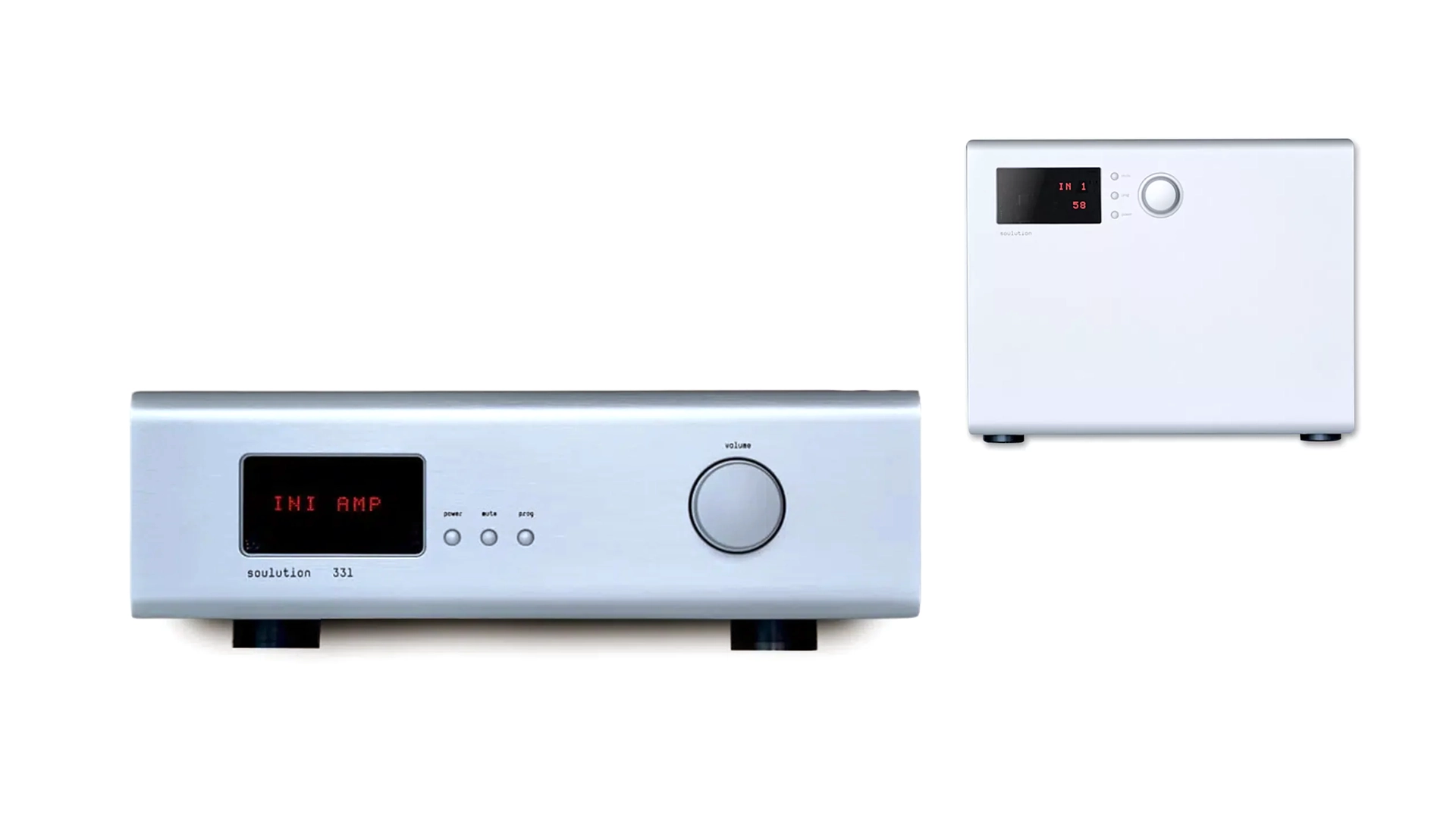
Soulution is a Swiss high-end audio manufacturer whose amplifiers combine exceptionally wide-band circuitry with substantial, carefully regulated power supplies. The brand was created by Cyrill Hammer and Roland Manz, the managing directors of Spemot in Dulliken, bringing an established industrial electronics and motor company’s resources to a shared interest in music reproduction. Its 3, 5 and 7 Series organise integrated amplifiers, separate amplification and digital and analogue source components into different levels of system ambition. The 511 power amplifier offers a useful view of the engineering. A proprietary voltage-gain stage is followed by multiple current-amplification stages, while short signal and supply paths receive close attention. Separate supplies serve different functions, with audio and control circuitry electrically isolated where required. Its four switched-mode supply modules feed extensive energy storage and fast linear regulation, showing that Soulution selects a supply architecture for the job rather than relying on the visual reassurance of a large transformer alone. Stereo, dual and mono operating modes make the same chassis adaptable to different systems. Preamplifiers, DACs and phono stages extend the programme, and the 787 turntable adds an analogue source to the upper range. The large enclosures have a restrained appearance, with their design addressing stability and heat dissipation alongside room placement. Soulution’s defining strength is the development of complete electronic systems around bandwidth, current delivery and controlled operating conditions.
Stein Music

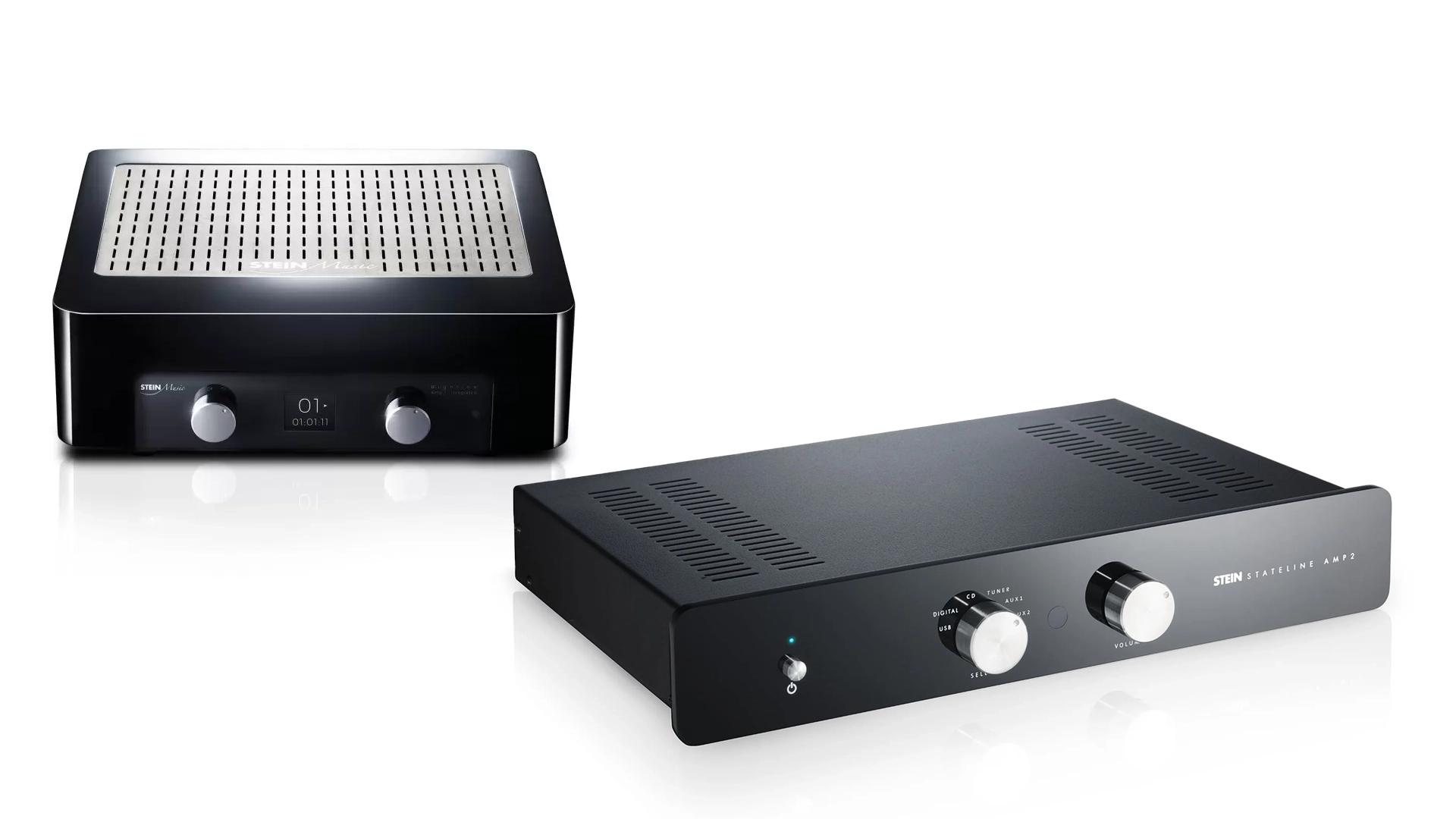
SteinMusic is the unusually broad high-end audio project of German physicist and designer Holger Stein. He built his first amplifier at fourteen and founded the company in Mülheim an der Ruhr in 1982. Over more than four decades, the catalogue has expanded far beyond electronics to include loudspeakers, vinyl accessories, cables, grounding products and room-treatment devices. That breadth reflects Stein’s view that music reproduction depends on the interaction of the entire system and room, not on one component measured in isolation. The Bobby and Bob loudspeakers are current anchors of the range, using modular concepts and dedicated bass solutions to adapt the system to different spaces. Amplifiers provide the matching electronics, while the Perfect Interface mats and cartridge-related products address the mechanical contact points in vinyl replay. SteinMusic is also known for accessories whose operation is less conventional, including Harmonizer room systems, Magic Stones and Super Ground products. Their claimed effects should be understood as the manufacturer’s approach rather than universal engineering consensus; the relevant fact is that these products form a coherent and long-running part of the brand, not a recent marketing detour. More conventional interfaces, including LAN and USB isolators, sit alongside them. Products are developed and assembled in Germany. SteinMusic’s individuality comes from Holger Stein’s willingness to treat acoustics, resonance, electrical grounding and component design as one connected listening problem—and to build a catalogue that lets users explore that philosophy at very different levels.
Sugden Audio

Sugden Audio is the British manufacturer most closely associated with solid-state amplification operated in pure Class A. Engineer James Edward Sugden founded the company in West Yorkshire in 1967 after developing scientific instruments through Research Electronics. His early Si 402 amplifier attacked the crossover distortion inherent in many transistor Class B designs by keeping the output devices conducting throughout the waveform. The commercially viable A21 brought that principle to a wider market and became the product that defined the company. More than half a century later, A21 variants remain in production, making the model a genuine continuous design lineage rather than a heritage name revived for an anniversary. Pure Class A operation is inefficient and generates substantial heat, but it lets Sugden prioritise a simple, stable amplification path without output-stage switching at the zero crossing. The current A21 Series includes integrated and power-amplifier options, while Masterclass and Sapphire components scale the approach into separate preamplifiers, stereo power amplifiers and monoblocks. Dedicated phono stages and digital sources complete systems without forcing every product into the same circuit format. Sugden moved to Heckmondwike in 1981 and continues to build its electronics by hand in Britain. The brand’s identity is unusually clear: conservative casework, long product lives, serviceable construction and a commitment to Class A that began as an engineering solution in the 1960s and remains the organising principle of the modern catalogue.
Synthesis

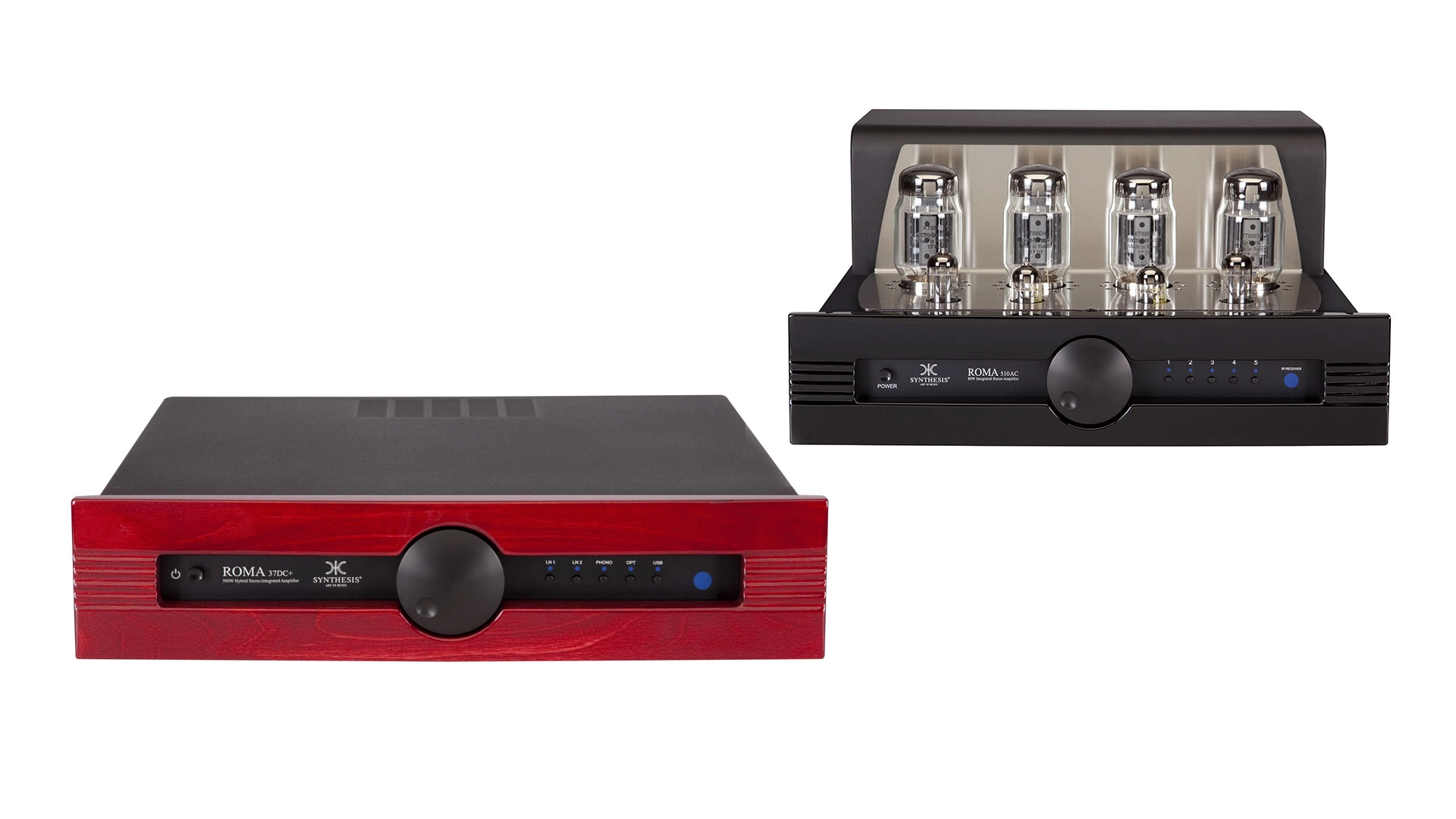
Synthesis: Art In Music, founded in Italy in 1992 by Luigi Lorenzon, is a high-end audio manufacturer specializing in valve (tube) amplifiers. The company is known for its “electronically perfect and aesthetically innovative” designs, often featuring lacquered wood, making them instantly recognizable. Lorenzon’s family history is deeply intertwined with audio: his father founded FASEL in 1961, a renowned manufacturer of transformers for valve amplifiers, including those used in the iconic VOX AC30 amplifier and the red Fasel inductor in Dunlop’s Cry Baby wah-wah. Lorenzon inherited this expertise and combined it with his love for music to create Synthesis. The NIMIS amplifier (15W valve, now discontinued) was a turning point, establishing the company’s reputation worldwide. Synthesis emphasizes that every component, especially the transformers, is entirely handmade in Italy. The company represents a continuation of over 60 years of experience in high-end electronics.
T+A

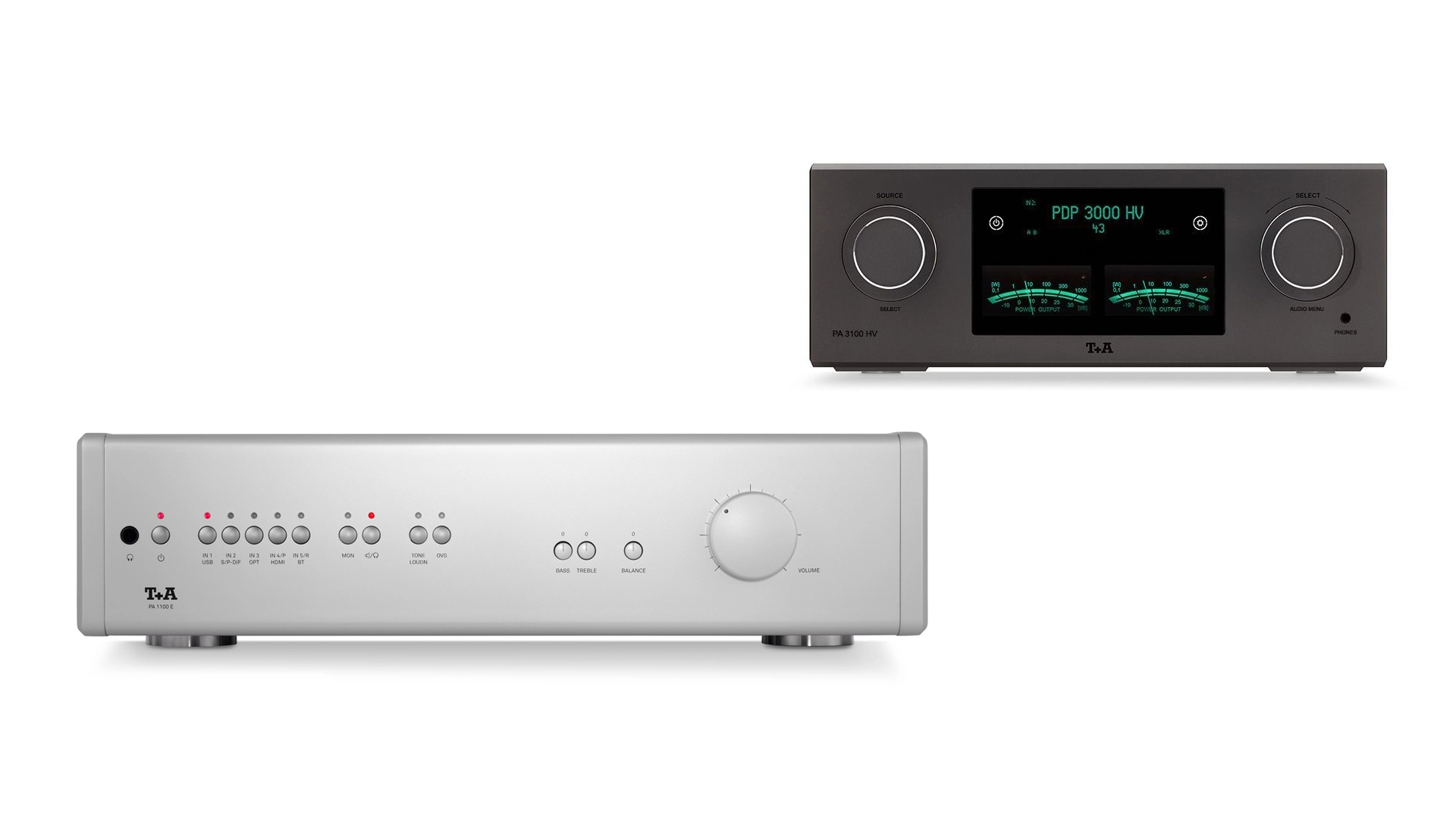
T+A elektroakustik (Theory + Application) is a German manufacturer of high-end audio equipment, known for its wide range of products, innovative technologies, and a focus on delivering both exceptional sound quality and comprehensive features. The company’s product range includes amplifiers, preamplifiers, integrated amplifiers, CD players, streamers, all-in-one systems, loudspeakers, and even headphones. T+A often utilizes proprietary technologies and advanced engineering in its designs, aiming to push the boundaries of audio performance. Their products are characterized by their robust build quality, elegant aesthetics, and a sonic signature that emphasizes detail, dynamics, and a natural, unforced presentation. The “HV” (High Voltage), “R” series , and “Cala” series represent different facets of their product offerings. T+A products are positioned in the high-end segment of the market, appealing to audiophiles who value both performance and German engineering.
Taga Harmony


TAGA Harmony is a company specializing in loudspeakers, audio electronics, and cables, known for its focus on providing high-quality sound at accessible price points. While having European roots, the company has significant operations and design influence from Japan. TAGA Harmony offers a wide range of products, including floor-standing speakers, bookshelf speakers, center channel speakers, subwoofers, integrated amplifiers, and various cables. Their products often feature a modern aesthetic and are designed to deliver a balanced and engaging sound. The company’s design philosophy emphasizes a combination of engineering principles and subjective listening evaluations to achieve optimal performance. TAGA Harmony products are positioned in the