
Integrated Amplifiers
An integrated amplifier is the heart of many classic hi-fi systems, combining two essential components into a single chassis: a preamplifier for input switching and volume control, and a power amplifier to drive the speakers. This all-in-one design offers a straightforward and convenient way to build a high-quality audio system without the complexity of separate boxes. This page is a comprehensive directory of manufacturers that produce these versatile components, from simple, purely analog models to modern amplifiers with built-in DACs and streaming capabilities.
Hi-Fi brands in the category
Summary information and image
Direct links to official websites
MBL

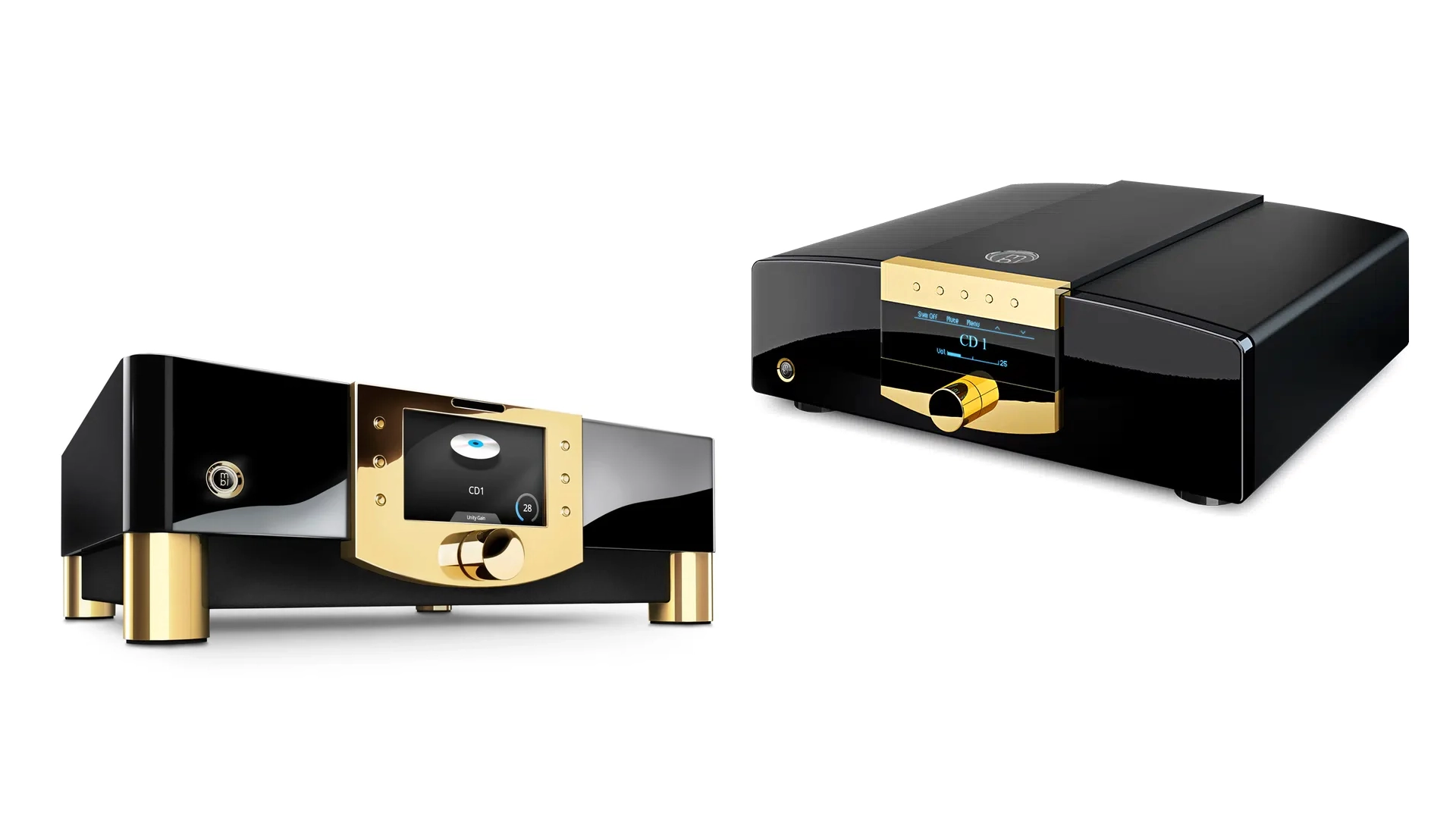
MBL is a German ultra-high-end manufacturer defined by the Radialstrahler, an omnidirectional bending-wave loudspeaker that radiates sound through 360 degrees. Wolfgang Meletzky’s original radial transducer and the MBL 100 were presented at IFA Berlin in 1979. Instead of a conventional forward-firing cone, the design uses vertical lamellae arranged around a central axis; when driven, they flex together to form an expanding and contracting acoustic surface. That principle remains central to models such as the 101, 111 and 126, with separate radial elements optimized for different frequency bands and dynamic woofers handling the lowest octaves where required. MBL also builds matching digital sources, preamplifiers and power amplifiers in its Reference, Noble and Cadenza lines. The electronics emphasize high current capability, low-noise power supplies and the stability needed to control demanding loudspeaker loads. Engineering and manufacturing are carried out at the company’s facility near Berlin. MBL’s genuine distinction is spatial: the Radialstrahler excites a room more like an acoustic instrument than a narrowly aimed box speaker, creating a broad listening area while placing unusual demands on driver precision and system setup.
McIntosh

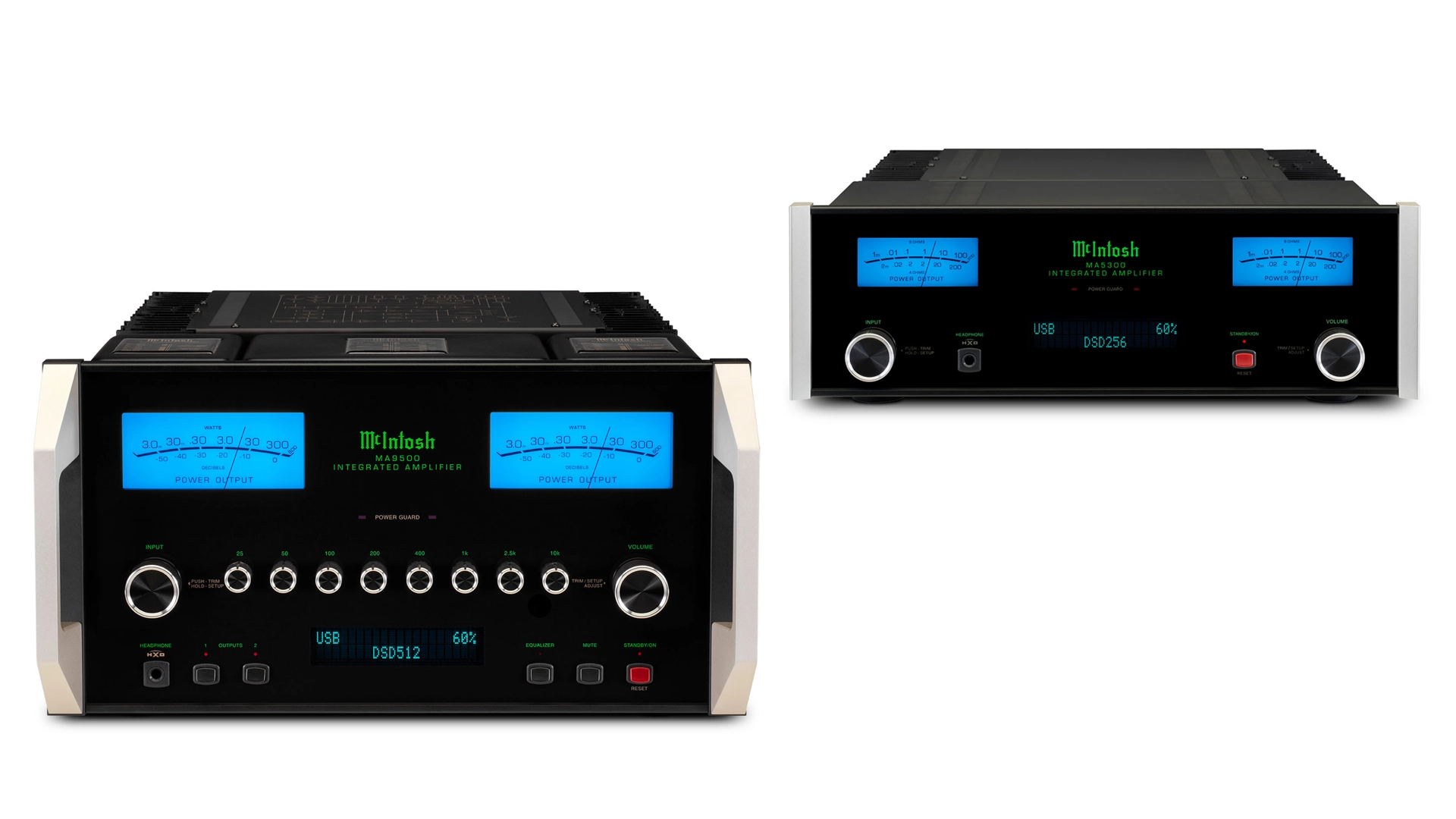
McIntosh is an American high-end audio manufacturer whose blue power meters and black-glass front panels identify products built around unusually durable amplifier engineering. Frank H. McIntosh and Gordon Gow founded the company in 1949 after developing the Unity Coupled Circuit, a transformer-coupled output topology designed to deliver high power with low distortion across the audible band. McIntosh moved to Binghamton, New York, in 1951 and continues to design and assemble products there. The catalogue covers valve and solid-state power amplifiers, preamplifiers, integrated amplifiers, source components, streamers, turntables, speakers and home-cinema processors. Many transistor power amplifiers use Autoformers to deliver their rated power into different loudspeaker impedances, while Power Guard monitors the waveform to reduce clipping-related distortion and Sentry Monitor protects against unsafe operating conditions. The company still winds key transformers in house, and signature glass panels are printed and assembled for long service life. McIntosh’s appeal extends beyond styling: its defining know-how is the marriage of protective circuitry, stable load behavior and conservative construction with a product ecosystem that can support both two-channel and large cinema systems.
Mission

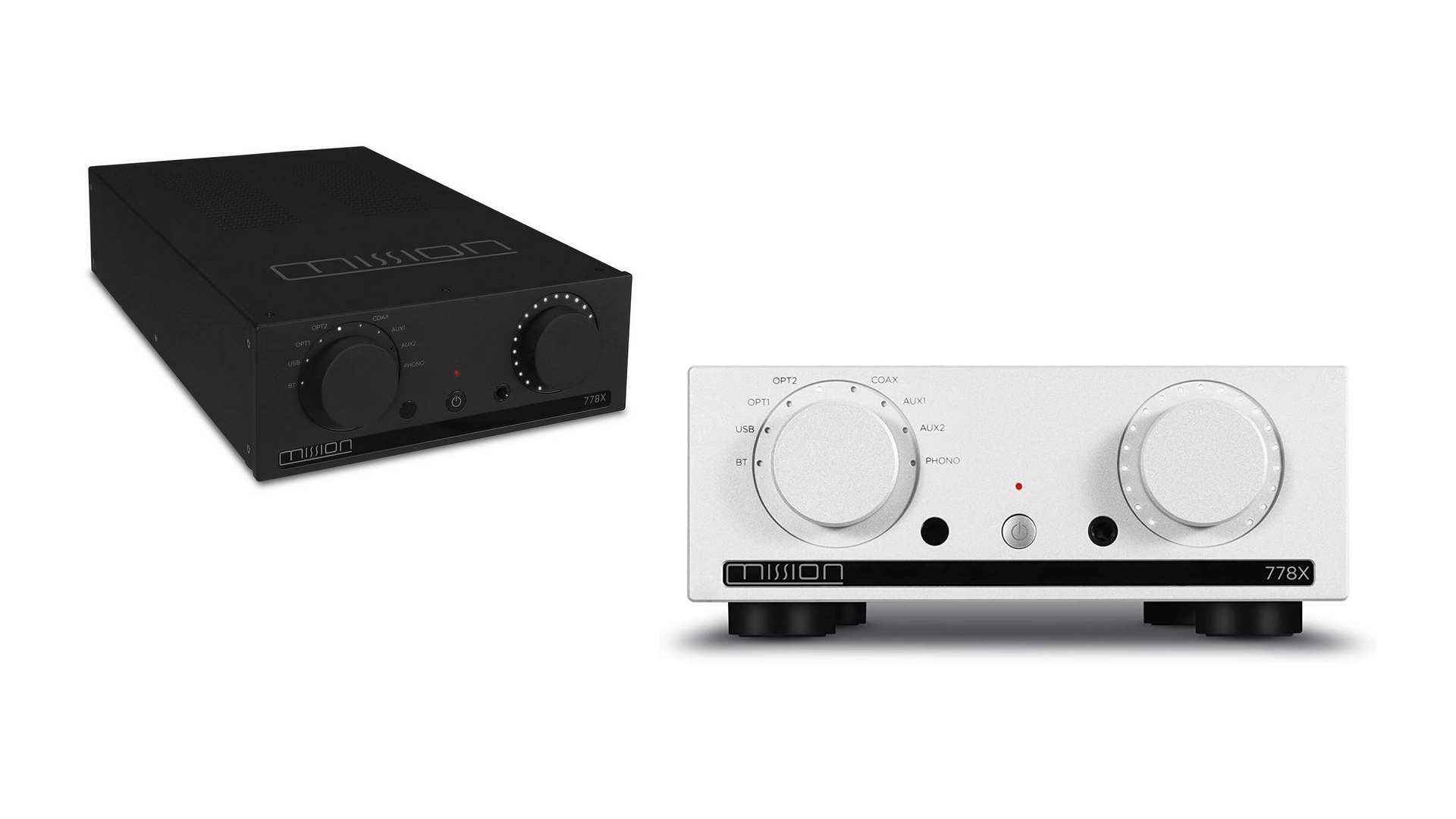
Mission is a British loudspeaker brand whose identity was established by compact, affordable speakers that used unconventional geometry to solve practical acoustic problems. Farad Azima founded Mission in 1977, and the original 770 quickly became a reference point for the company. One of its most recognizable ideas is Inverted Driver Geometry: placing the treble unit below the bass/mid driver to align the acoustic paths at the listening position and improve integration through the crossover region. Mission now offers standmount and floorstanding loudspeakers, centre and surround channels, subwoofers, active wireless systems and the revived 778 electronics. The LX MKII and QX MKII families bring the brand’s core concepts to accessible systems, while the modern 700, 750 and 770 reinterpret historic models with contemporary drivers, crossovers and cabinets. Depending on the range, Mission uses DiaDrive-style mid/bass diaphragms, ring-dome or microfibre-dome tweeters and carefully profiled cabinet structures. Its lasting distinction is not generic “British sound,” but the ability to turn specific engineering choices—driver order, crossover timing and cabinet proportions—into complete ranges that remain straightforward to own.
Miyajima Lab


Miyajima Laboratory is the small Japanese analogue specialist whose moving-coil cartridges are built around Noriyuki Miyajima’s patented Cross Ring generator. Miyajima established the business in Fukuoka on 27 March 1980, initially as an audio shop, and still designs the products. The Cross Ring arrangement places the coil’s pivot and centre of gravity at the same point, addressing the asymmetrical motion found in many conventional moving-coil suspensions and allowing the stylus movement to be converted more directly into an electrical signal. The catalogue includes stereo cartridges such as Shilabe, Kansui, Madake and Saboten, dedicated mono designs, step-up transformers and selected amplification. Miyajima treats mono as a separate engineering problem: its true-mono cartridges use vertical-axis concentration so the generator responds appropriately to lateral groove modulation rather than merely wiring a stereo cartridge for mono. Cantilevers and bodies vary by model—bamboo and cactus materials appear where their mechanical behavior serves the design—but the generator architecture is the constant. The brand’s individuality lies in rethinking the cartridge mechanism itself, then hand-building a focused range around that solution.
ModWright Instruments

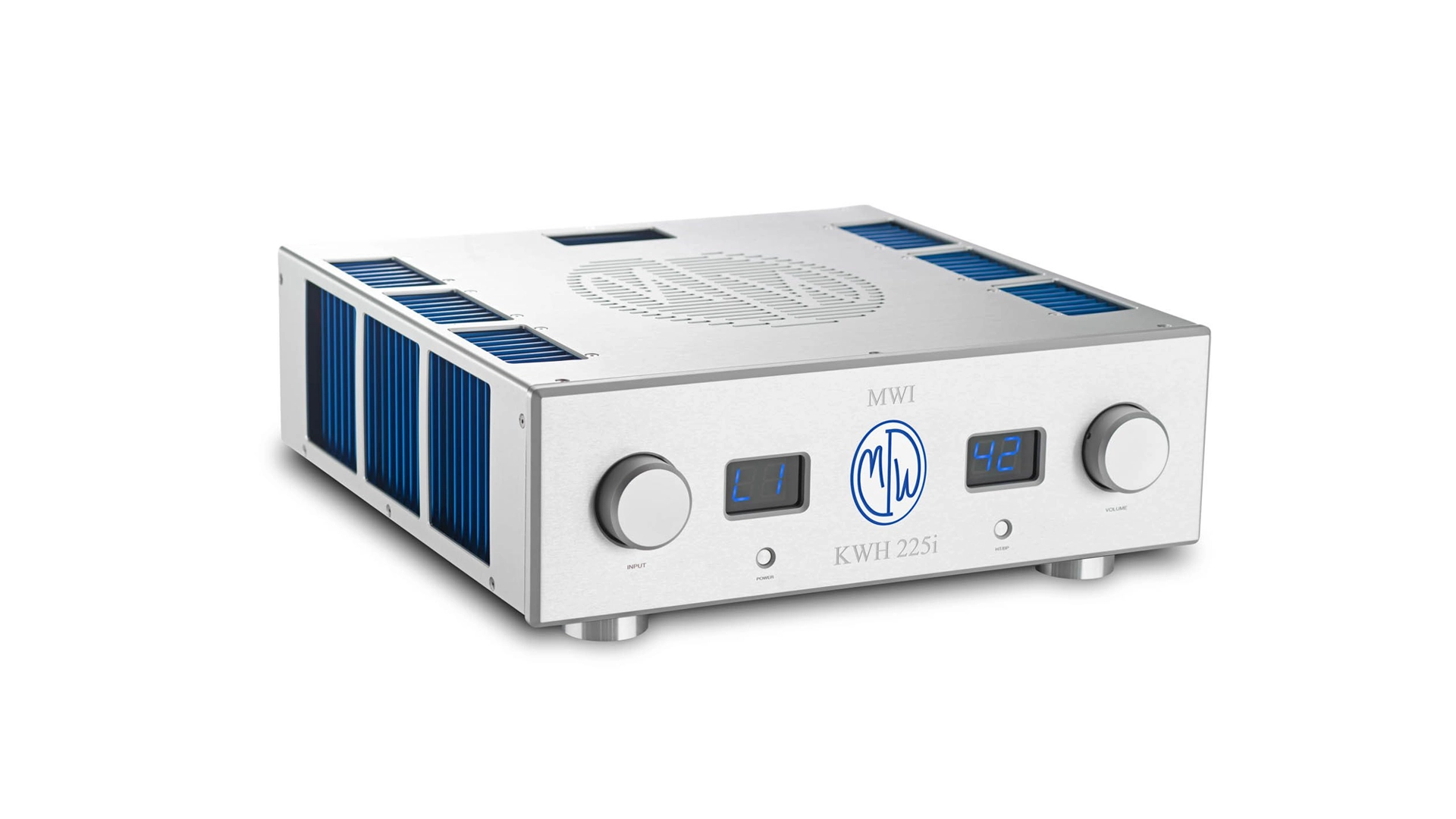
ModWright Instruments is an American maker of tube and solid-state electronics that grew out of Dan Wright’s hands-on modification work. Wright founded the company in 2000 in Washington State, first becoming known for “Truth” upgrades to CD and SACD players. Those modifications replaced or reworked critical analogue output and power-supply stages, often with valves, and gave the business the experience and customer base to develop complete components of its own. Today’s range includes tube line stages and phono stages, solid-state power amplifiers, integrated amplifiers and continuing source modifications. Products such as the LS 99 and LS 300 preamplifiers use transformer coupling and separate power-supply strategies, while KWA amplifiers apply high-current solid-state output stages with substantial power reserves. Assembly is carried out in the United States and the designs are deliberately serviceable rather than sealed around short-lived platforms. “Elegance. Simplicity. Truth.” is more than a slogan here: ModWright’s niche is the combination of valve-based gain and rectification where they are useful, transistor power where loudspeaker control demands it, and the practical knowledge gained from improving other manufacturers’ circuits.
Moonriver Audio

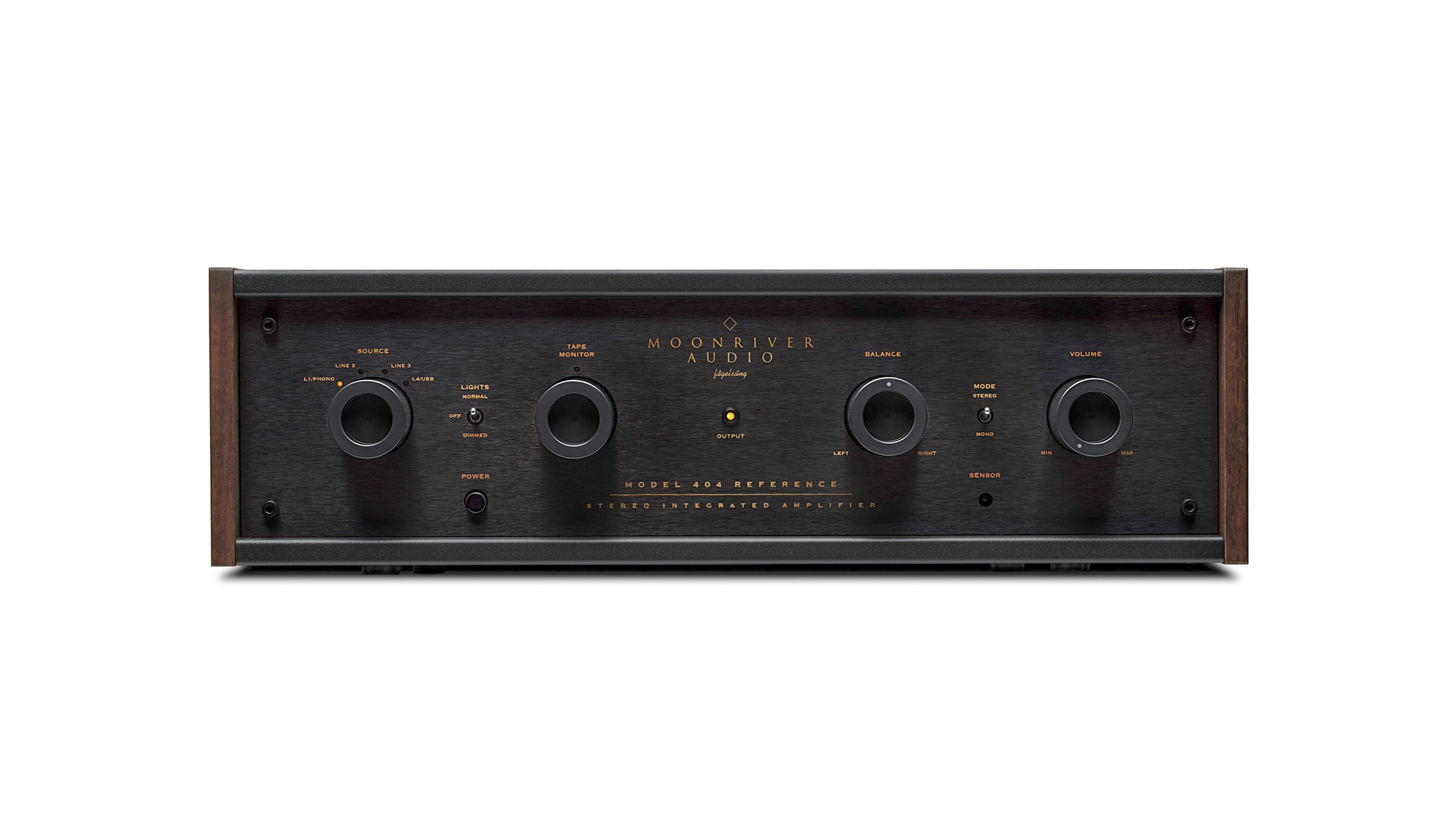
Moonriver Audio is a Swedish boutique manufacturer built around deliberately analogue, repairable components with the direct controls many modern amplifiers omit. Founder and chief designer George Polychronidis established the company in Malmö in 2015; the Model 404 integrated amplifier, launched at High End Munich in 2019, made the brand visible internationally. Its retro appearance follows the operating concept rather than serving as decoration: separate knobs, balance control, tape monitor and mono functions keep adjustment immediate. The Model 404 and 404 Reference use modular construction, substantial linear power supplies and conservative output stages chosen for stability and serviceability instead of headline wattage. Optional MM or MM/MC phono modules can be fitted internally, while the matching Model 505 phono stage and Model 555 integrated amplifier broaden the system without abandoning the same priorities. Units are designed and hand-assembled in Sweden. Moonriver’s particular strength is resisting feature churn: no display, streaming platform or menu stands between the listener and the amplifier, yet the circuit, protection and phono options are contemporary. It is old-school hi-fi as an engineering and ownership philosophy, not merely a visual theme.
Musical Fidelity

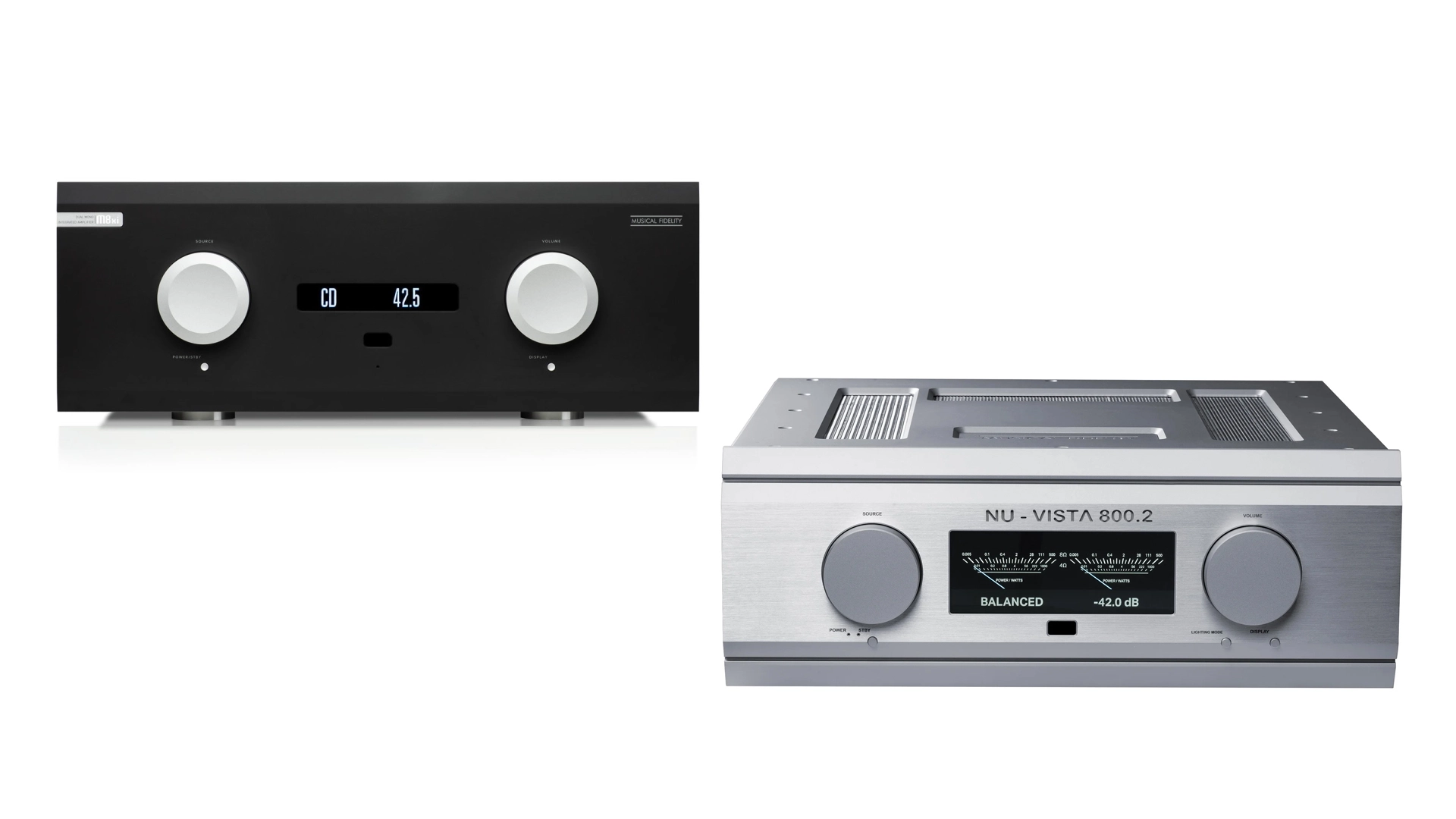
Musical Fidelity is a British hi-fi electronics brand founded in 1982 by clarinettist and audio enthusiast Antony Michaelson. It became known for amplifiers that combined generous power reserves with compact or unconventional formats: the original A1 integrated amplifier, launched in 1985, ran heavily biased in Class A, while the cylindrical X-series made serious phono, DAC and headphone functions accessible as separate components. The Nu-Vista line later adopted nuvistor valves, a low-noise miniature tube technology rarely used in modern consumer audio. The current catalogue includes integrated, pre and power amplifiers, phono stages, DACs, CD players, streamers, turntables and power conditioning. A1 and X-series products have been re-engineered rather than merely cosmetically revived, while M3, M5, M6, M8 and Nu-Vista cover progressively larger systems. Since 2018 the brand has been owned and operated by Austria’s Audio Tuning, but product identity remains explicitly British and analogue-led. Musical Fidelity’s strength is range without anonymity: high-current transistor amplification, discrete phono circuitry and the unusual nuvistor platform give different families real technical character instead of the same chassis being repackaged at several prices.
NAD

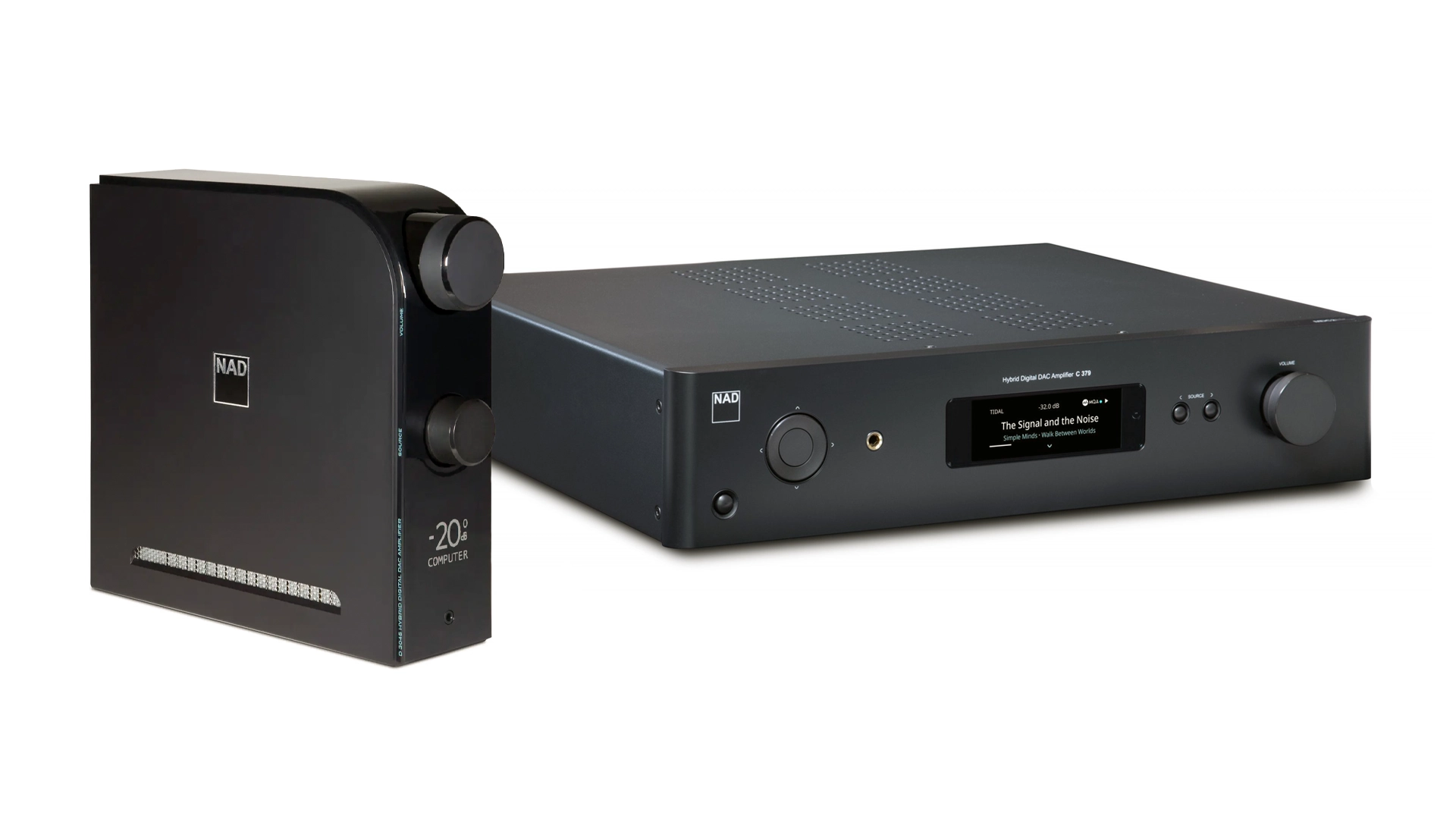
NAD—New Acoustic Dimension—is the British-founded electronics brand that made high-current, musically convincing amplification available without luxury-casework pricing. The company began in London in 1972 when audio-industry entrepreneur Dr Martin “Marty” Borish brought together a group of European distributors. Its turning point was the 3020 integrated amplifier, designed by Bjørn Erik Edvardsen and launched in 1978. Modestly rated at 20 watts per channel, it could drive demanding loudspeakers far beyond what the specification suggested and became one of hi-fi’s landmark affordable amplifiers. That practical engineering continues in the Classic and Masters ranges: integrated, pre- and power amplifiers, streamers, AV receivers and custom-installation components. PowerDrive manages voltage and current reserves for real loudspeaker loads, while Modular Design Construction lets selected amplifiers and receivers accept replaceable digital or HDMI modules. Current products also combine BluOS multi-room streaming with technologies such as Purifi Eigentakt amplification in appropriate models. NAD passed through Danish ownership before Canada’s Lenbrook acquired it in 1999; product development and headquarters are now Canadian, but the brand’s country of origin remains the United Kingdom. The lasting NAD idea is simple: spend the budget on usable power, upgradeability and music rather than decorative excess.
Norma Audio Electronics
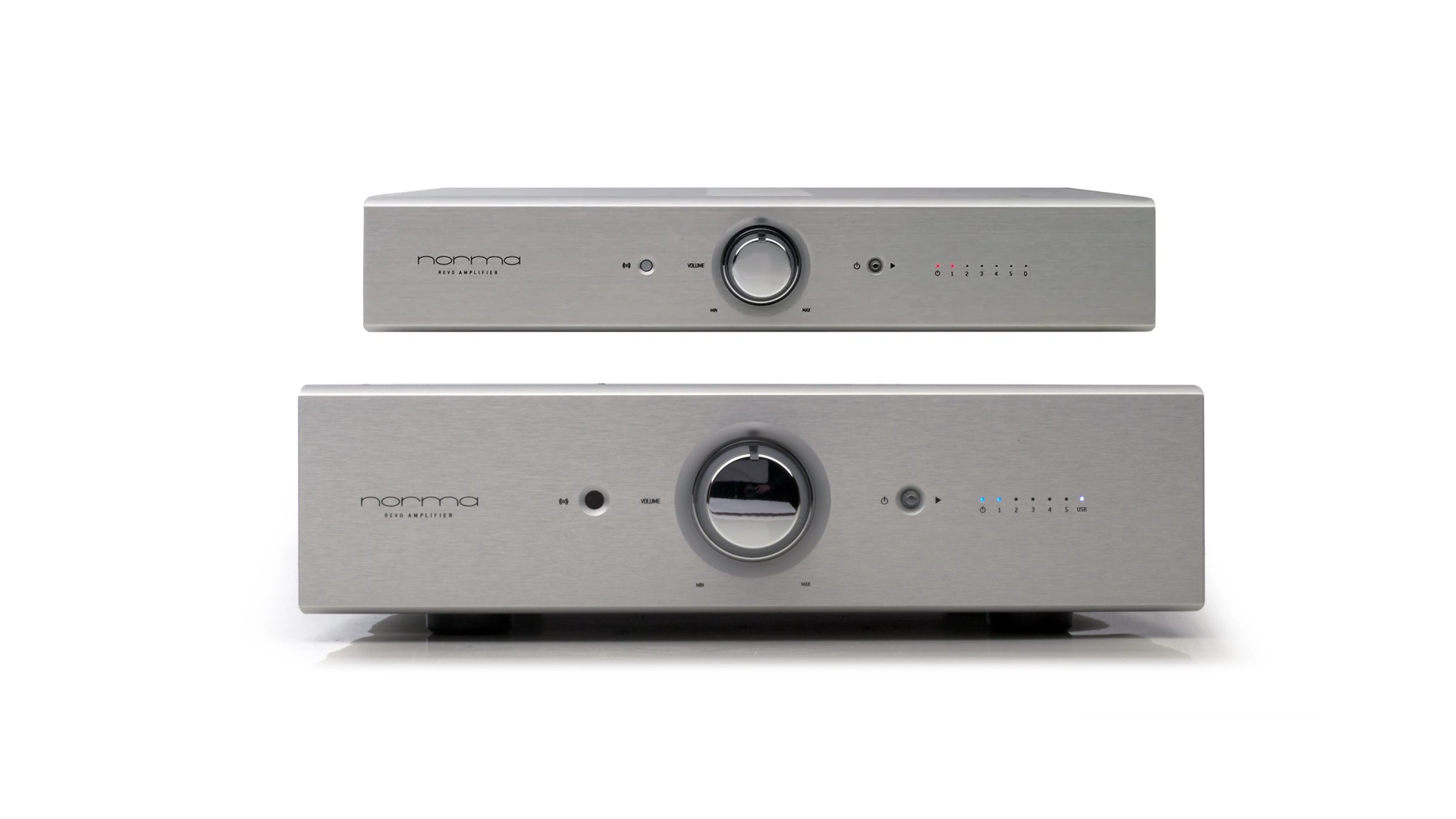
Norma Audio Electronics is an Italian high-end electronics maker founded in Cremona in 1987 by engineer Enrico Rossi. The first amplifier, the NS 123, established the project; in 1991 Norma was acquired by Opal Electronics, a specialist measurement-instrument company. That relationship gave Rossi time and laboratory resources to develop the designs over several years before relaunching a complete range, grounding the brand in wide-bandwidth measurement and circuit behaviour rather than romantic claims about “Italian musicality.” The Revo line covers integrated amplifiers, preamplifiers, stereo and mono power amplifiers, CD/DAC sources and phono stages. IPA integrated models combine substantial current delivery with optional DAC or phono modules, while the SC preamplifiers and PA power amplifiers separate control and output stages for larger systems. Norma favours very wide bandwidth, fast rise time, low feedback, carefully regulated power supplies and discrete circuits designed to remain linear beyond the audible band; the intention is to reproduce transient structure without adding hardness or a manufactured tonal signature. Compact HS components apply related principles at a smaller scale. Norma’s identity is unusually coherent: Enrico Rossi’s long stewardship, Opal’s instrumentation background and a focused family of serviceable analogue and digital electronics developed and built in Italy.
NuPrime

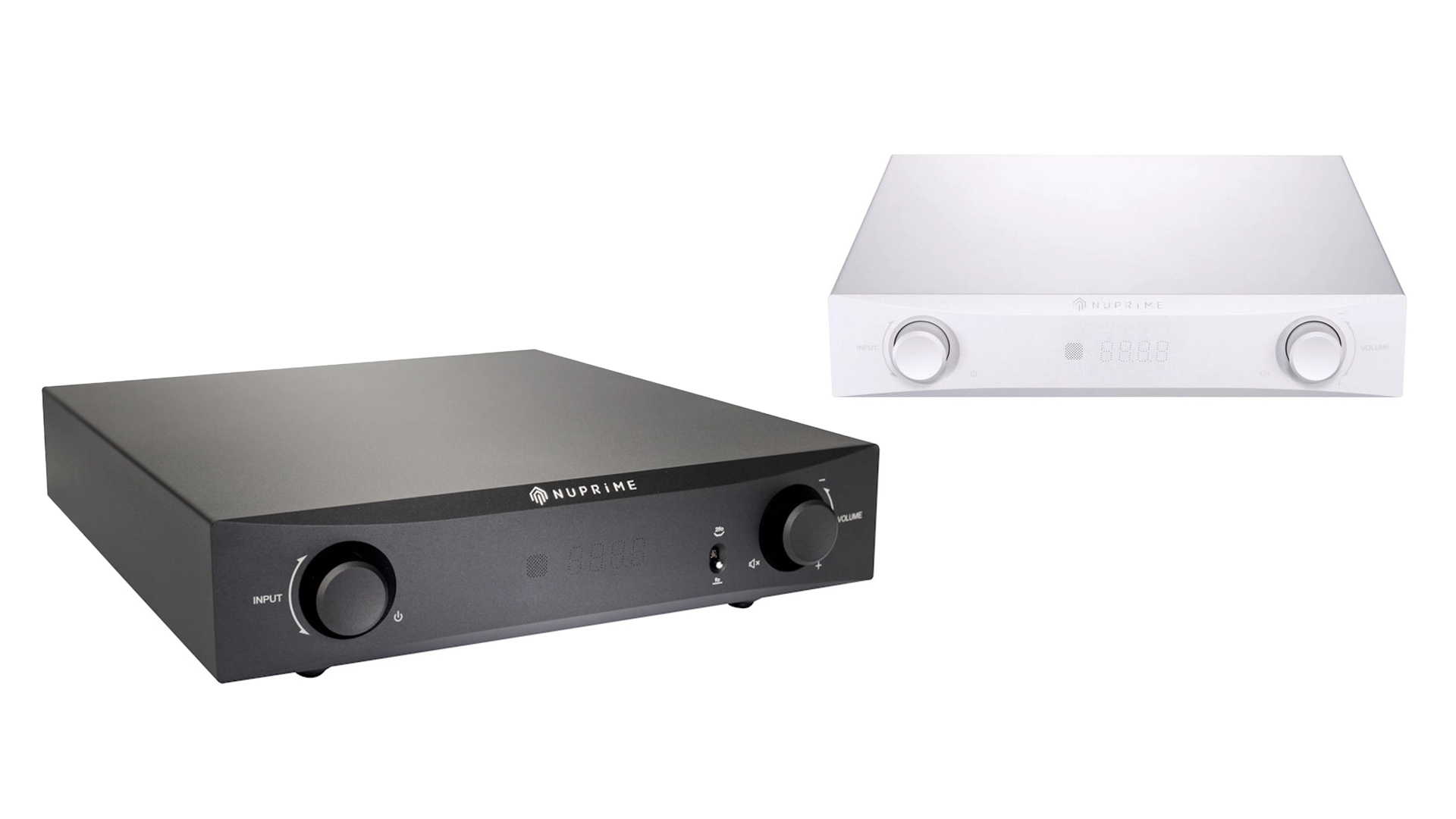
NuPrime Audio is the high-end electronics company Jason Lim created in 2014 after co-founding NuForce. With backing from a Taiwanese OEM partner, Lim acquired the assets of NuForce’s premium division and formed NuPrime to continue developing compact, efficient amplifiers and digital components. That lineage matters because NuPrime was not simply a renamed catalogue: it retained the high-end engineering direction while NuForce’s consumer brand followed a separate path. Amplification is the centre of the range. NuPrime designs its own switching stages and control loops instead of building every model around an off-the-shelf Class-D module; it describes the result as hybrid Class-D, combining a tailored analogue front end with a high-frequency switching output stage. Evolution is the reference family, AMG emphasises compact separates, and the 9 Series offers accessible DACs, preamps and power amplifiers with matching proportions. Integrated amplifiers, phono stages, streamers and the NuPrime-X multi-channel platform extend the architecture into complete and installed systems. As of 2026 the brand is managed by Singapore-based Nuoem Pte. Ltd., while NuPrime Audio, Inc. retains its American origin. The defining advantage is a coherent ecosystem of small, low-heat electronics built around proprietary amplification rather than Class-D efficiency alone.
NVA

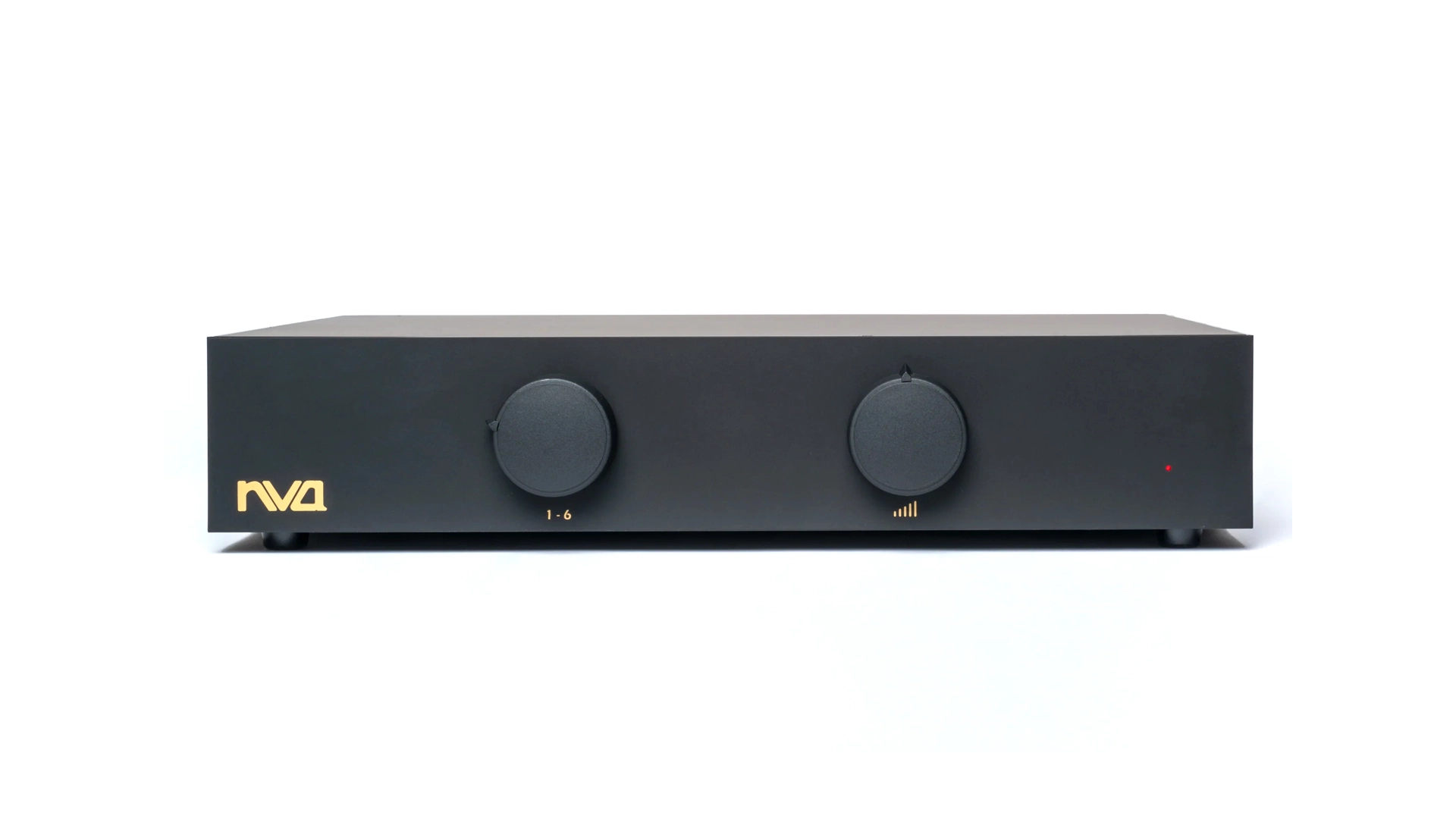
NVA—originally Nene Valley Audio—is the British specialist amplifier brand founded in 1982 by Richard Dunn, formerly of professional-audio maker Tresham. Dunn’s maxim was “if you can do without it, do without it,” and his products removed active preamplifier stages, unnecessary protection networks and long signal paths wherever practical. Acrylic cases avoided the eddy-current paths of conductive metal chassis, while passive volume controls, hard-wired power connections and deliberately low-capacitance NVA cables formed a tightly matched system. The original description is critically wrong in saying NVA ceased trading in 2019. Dunn died that May, but former employee Tomasz Danus and long-time customer Paul Tiernan bought the remaining assets in August and established Hi-fi Subjectivist Audio Ltd to revive the brand. Mark McVitty joined as a shareholder and UK builder in 2022. Current products include P-series passive preamps, S and M power amplifiers, INT integrated amplifiers, phono and headphone stages, Cube semi-omnidirectional speakers, low-capacitance interconnects and speaker cables, and a balanced mains unit. The new team has preserved Dunn’s circuits while improving boards, transformers, capacitors, assembly and service support. NVA remains hand-built and direct-sold in Britain, with home trials and repair paths for legacy units.
Onkyo

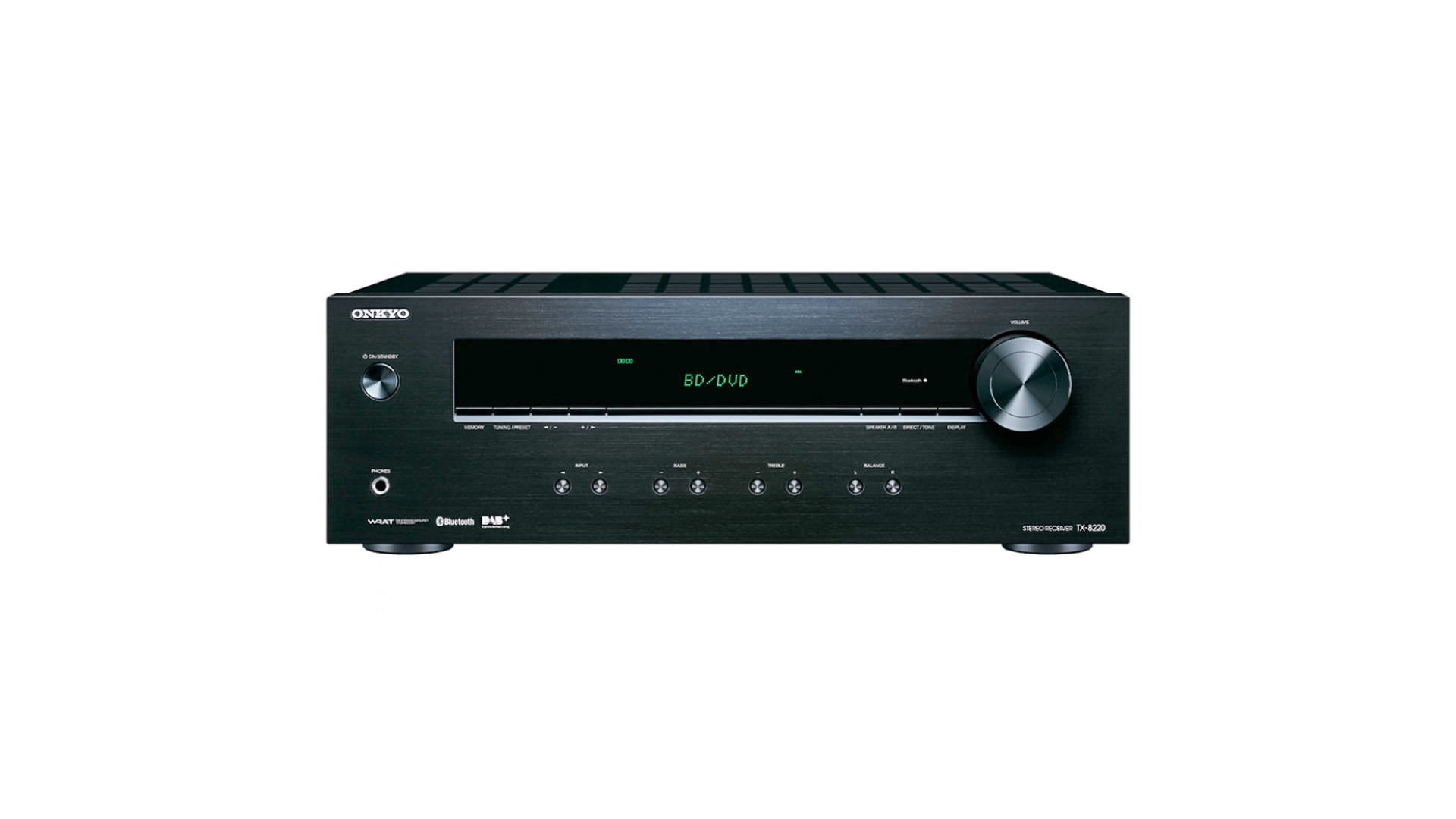
Onkyo is the Japanese audio brand founded in Osaka in 1946 by Takeshi Godai as Osaka Denki Onkyo. Its early products included a locally made phono pickup, and the company grew through loudspeakers, amplifiers, tuners and cassette decks before becoming especially influential in home cinema. Onkyo helped make high-channel-count AV receivers, network audio and advanced room processing accessible to enthusiasts without abandoning traditional two-channel components. TX-NR and TX-RZ receivers remain the centre of the range, combining HDMI switching, Dolby Atmos and DTS:X decoding, multi-zone operation and, on selected models, Dirac Live calibration. The revived Icon Series adds the P-80 network preamplifier, M-80 power amplifier and A-50 integrated amplifier, reconnecting the brand with serious stereo separates. The corporate history changed decisively before the bankruptcy of the former Onkyo Home Entertainment company in 2022: in 2021 the Onkyo and Integra home-audio assets were acquired by a joint venture led by Premium Audio Company with Sharp as manufacturing partner. Premium Audio Company is now part of Gentex following its 2025 acquisition of VOXX. Onkyo is therefore active, not a dormant brand with an uncertain future. Its continuing role is to unite Japanese audio heritage with practical networked stereo and cinema platforms produced under new ownership.
Parasound

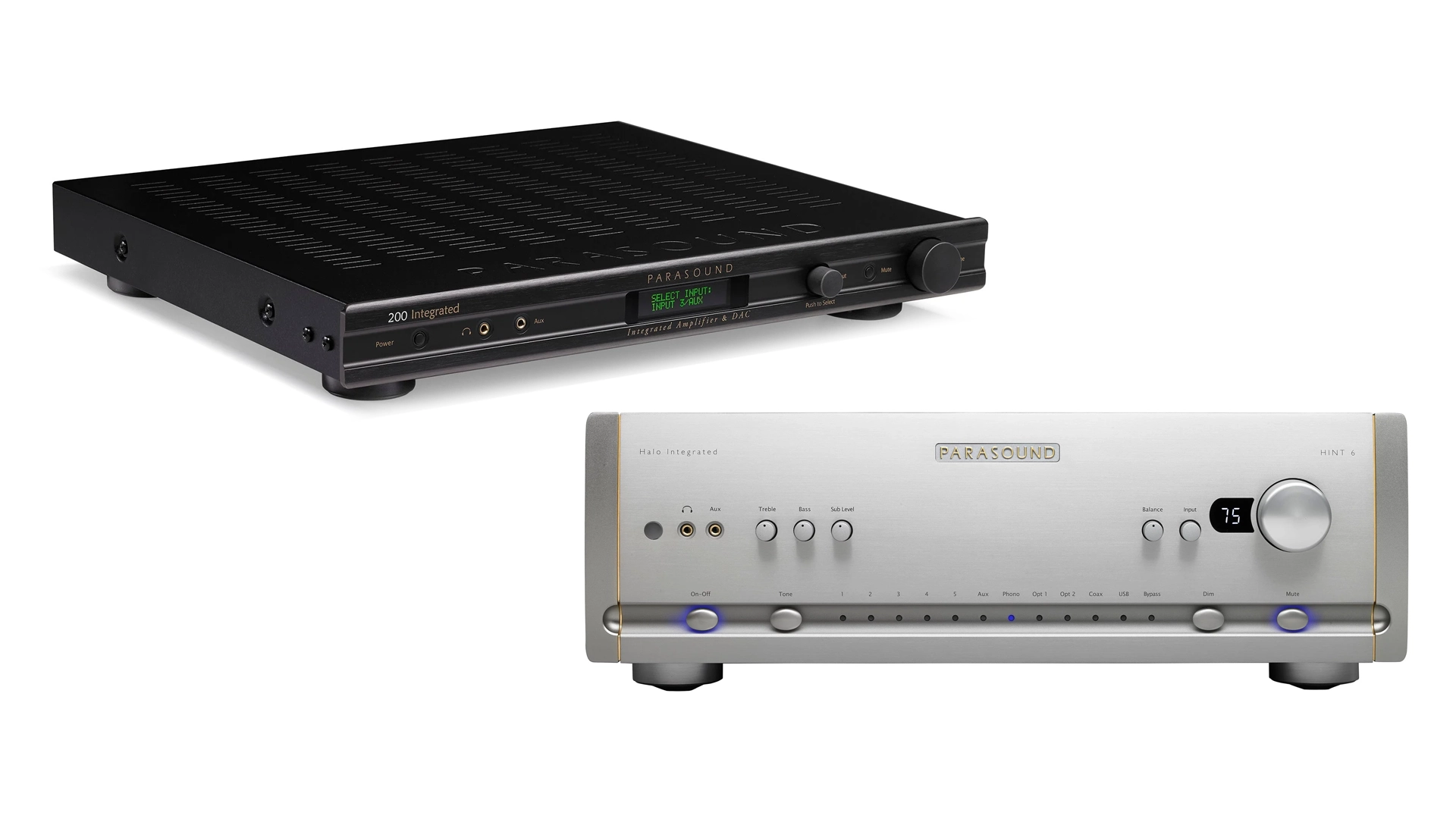
Parasound is the American electronics company founded in San Francisco in 1981 by Richard Schram to deliver serious amplifier engineering without luxury-object pricing. A defining partnership began in 1989 with circuit designer John Curl, whose earlier work included the Mark Levinson JC-2 preamplifier and studio equipment. Curl’s low-noise, high-current circuits became the foundation of Parasound’s Halo and JC reference products and gave the brand a recognisable technical lineage rather than a succession of anonymous OEM designs. Current reference models include the JC 1+ monoblock, JC 5 stereo power amplifier and JC 3+ phono stage; Halo A23+, A31, A51, A52+, HINT 6 integrated amplifier and P6 preamplifier bring related architecture to a wider range of stereo and cinema systems. NewClassic focuses on value-oriented full-size amplification, ZoneMaster powers multi-room installations, and compact ZCustom components fit smaller racks. David Sheriff acquired Parasound from Schram in December 2022, and engineer Darren Myers now leads new product development while Curl’s designs remain central to the catalogue. The company designs in the United States and uses carefully selected overseas manufacturing to control cost. Parasound’s enduring strength is practical power: stable operation into real loudspeaker loads, useful connectivity and repairable components whose budgets are concentrated in transformers, output stages and signal circuitry.
Pass Labs

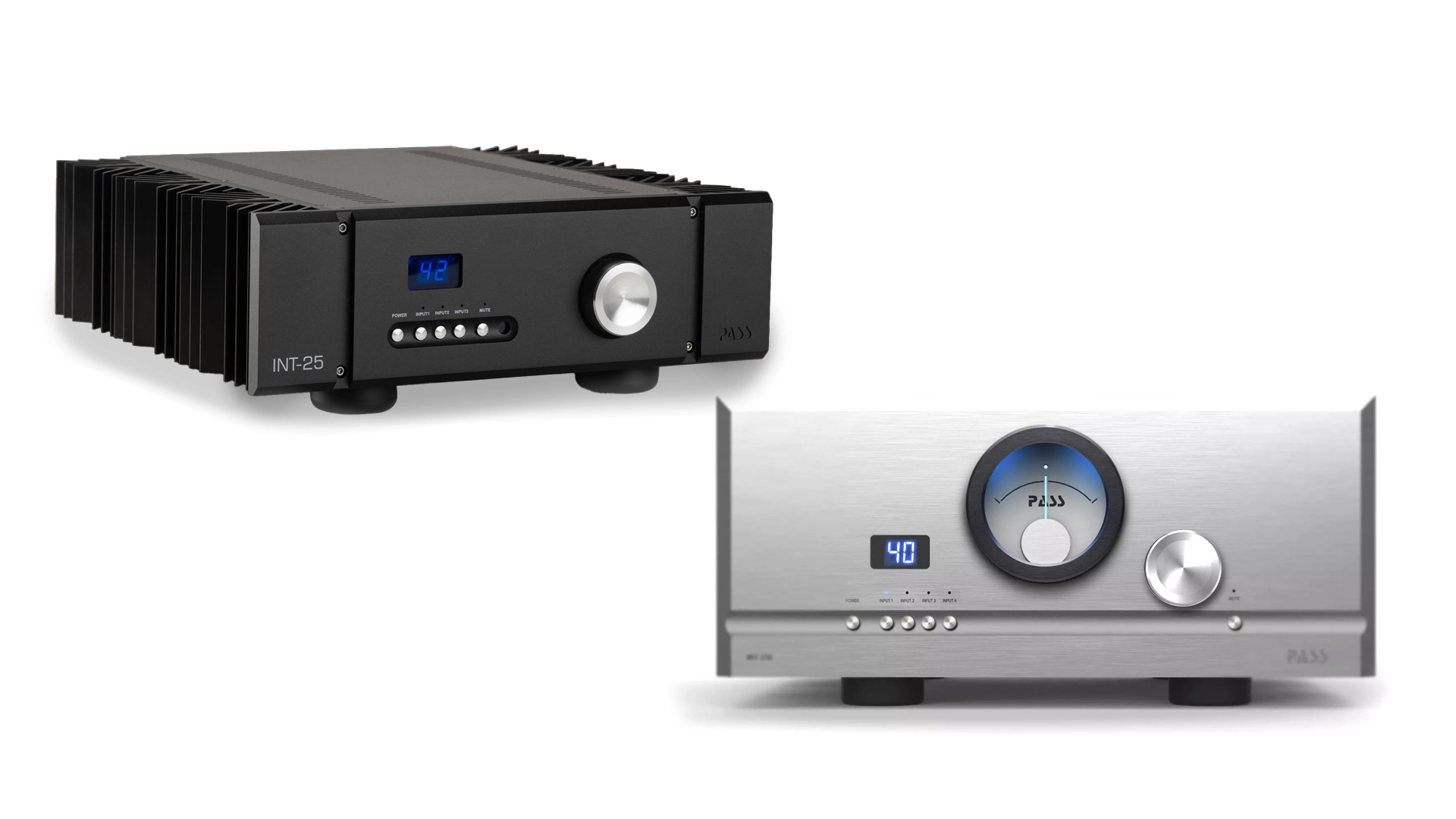
Pass Labs is the American high-end electronics company Nelson Pass founded in 1991 after his years at Threshold. Its reputation rests less on fashionable features than on a sustained investigation of simple, high-bias amplifier circuits. The large heat sinks are functional: many designs keep their output stages in Class A for all or a substantial part of their operating range, accepting heat and weight in exchange for low crossover distortion and an unusually direct signal path. The XA.8 series is the clearest expression of this philosophy in pure Class A, while the X.8 amplifiers deliver more power through a Class A/AB architecture. Both families use Pass Labs’ SuperSymmetry concept, introduced in the late 1990s, to cancel distortion in a balanced circuit without relying on heavy global feedback. The cost-no-object XS line extends the same thinking with separate power supplies and enormous current reserves. XP and XS preamplifiers, XP phono stages, INT integrated amplifiers and the HPA-1 headphone amplifier complete the system. Earlier Aleph amplifiers remain important because they established Nelson Pass’s single-ended Class A direction before the X and XA generations. Pass Labs is therefore defined by continuity: one designer-led school of analogue engineering, refined across power amplifiers, preamplifiers and integrated models rather than reinvented for each product cycle.
Pathos

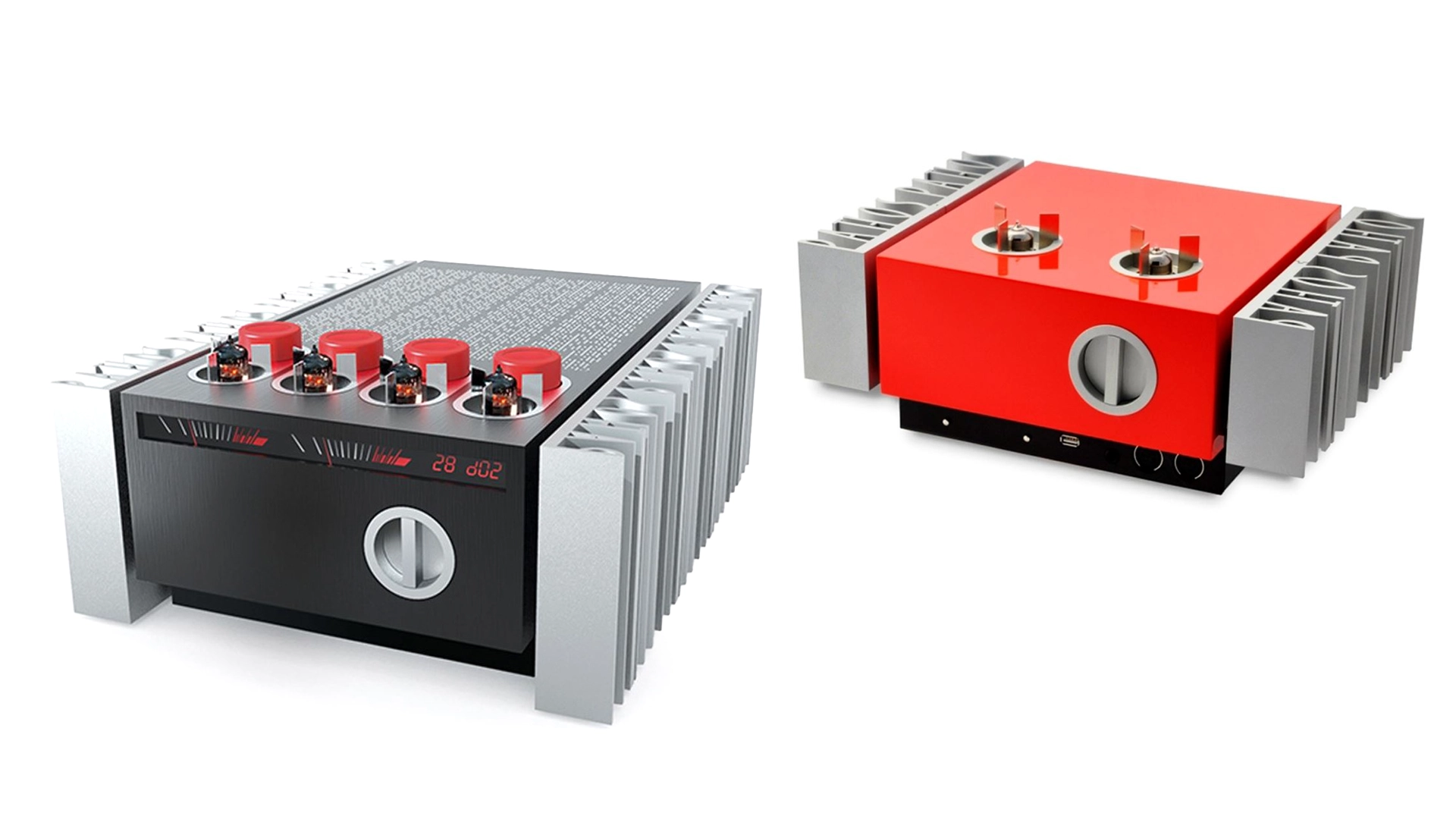
Pathos Acoustics was founded in Vicenza in 1994 by Gaetano Zanini, Gianni Borinato and Paolo Andriolo. Its first amplifier, the T.T. or Twin Towers, made the company’s identity immediately visible: valves handle voltage gain, solid-state devices provide current, and industrial design is treated as part of the component rather than as a box around it. The combination became a recognisable Italian alternative to both traditional tube amplifiers and conventional transistor designs. The technical centre of Pathos is Gianni Borinato’s patented InPoL—Inseguitore Pompa Lineare, or Linear Pump Tracker—topology. In an InPoL amplifier a tube stage provides the gain and a solid-state follower operating at unity gain supplies current in pure Class A; a large energy-storage inductor helps improve efficiency, while the output stage avoids global negative feedback. InPoL Legacy, InPoL Heritage MkII, InPoL2 MkII, the compact InPoL Remix MkII and the InPoL Ear headphone amplifier apply that principle at different scales. Logos, Classic One and Aurium broaden the range beyond the full InPoL architecture, while Adrenalin and InPower Mk2 address high-power systems. Units are assembled in Vicenza using metal, wood and exposed valves with unusually sculptural layouts. Pathos’s real distinction is not merely “warm tube sound,” but a proprietary hybrid circuit that separates voltage gain from current delivery and has been developed continuously since the original Twin Towers.
Peachtree Audio

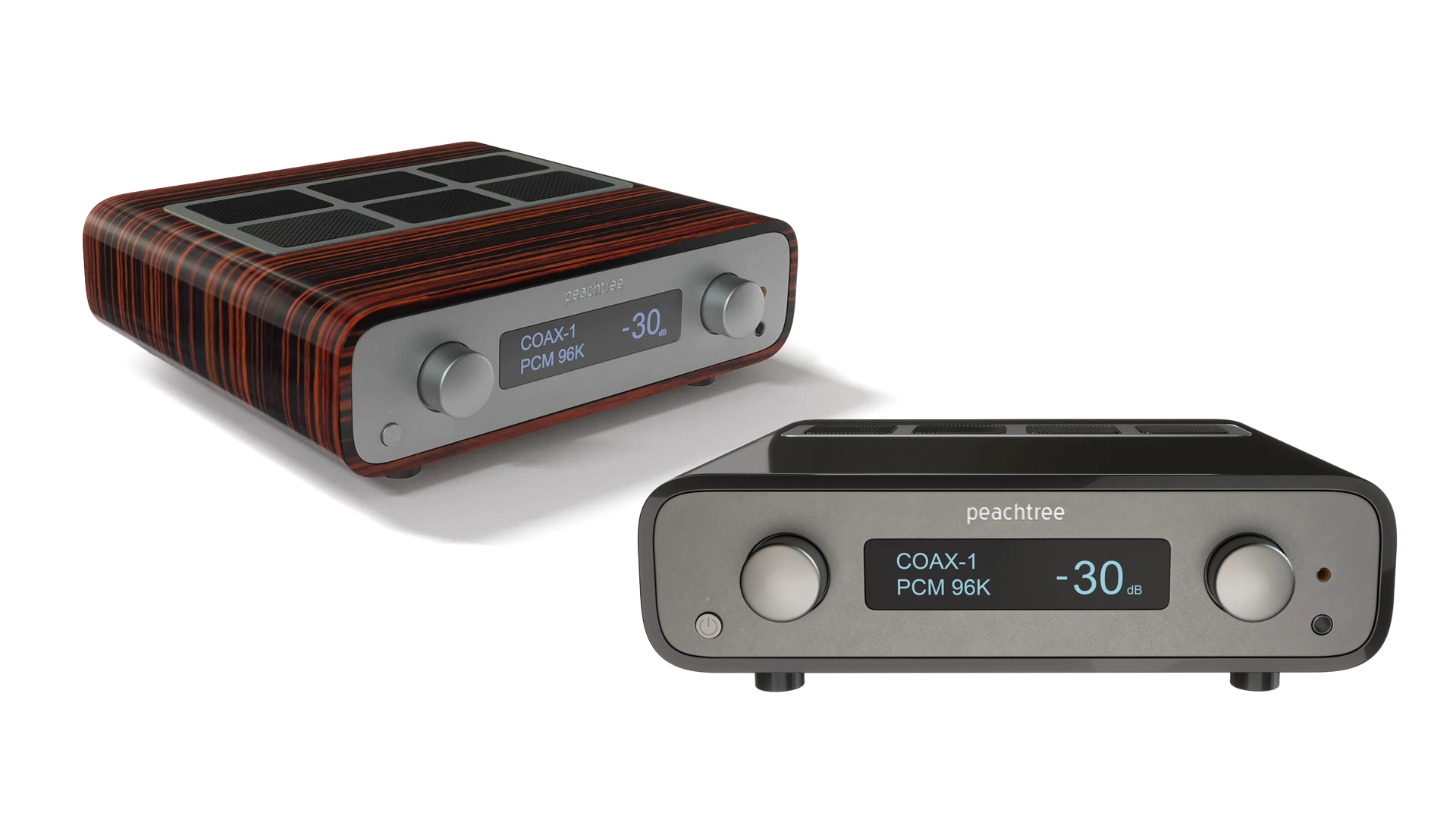
Peachtree Audio was founded in the United States in 2007 by audio veterans Jim Spainhour and David Solomon. Its debut product, Decco, anticipated the way many people would actually use hi-fi: it placed an integrated amplifier and a serious USB DAC in one compact component so music from a computer could enter the system directly. Nova followed in 2009 and turned that idea into the company’s best-known product family. Peachtree’s strength is the one-box amplifier for listeners who want modern digital access without abandoning proper loudspeaker drive. Current Carina components combine analogue inputs, high-resolution digital conversion, headphone output and power amplification in clean, domestically friendly cases. Carina X uses Hypex NCOREx amplification, while the matching Carina preDAC and power amplifier allow the same design language to grow into separates. Earlier nova generations, the compact iNova and the high-power GaN400 power amplifier mark important steps in the company’s development, even where they are no longer the centre of the catalogue. Products are designed, assembled and tested at Peachtree’s facility in North Carolina, with specialised manufacturing partners supplying major subassemblies. Peachtree did not invent the integrated amplifier or the DAC, but it was early to recognise that computer audio needed both in a coherent, easy-to-use product. That practical bridge between digital sources and full-size passive loudspeakers remains the brand’s clearest contribution.
Perreaux

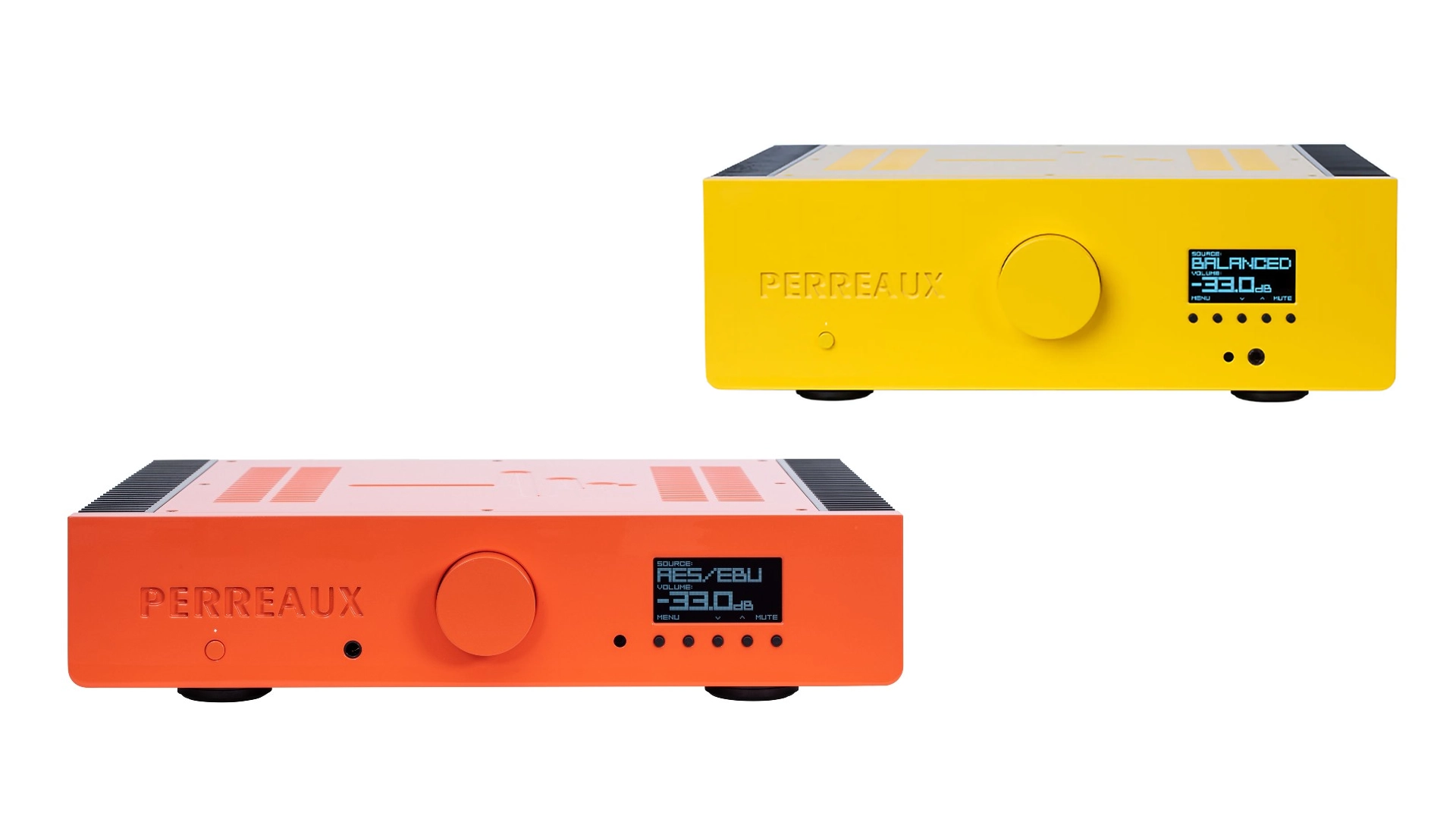
Perreaux is the New Zealand electronics manufacturer Peter Perreaux founded in Napier in 1974 with a modest investment and a conviction that locally built amplifiers could compete internationally. The company broke into the United States in the early 1980s with combinations such as the SM2 preamplifier and PMF2150B power amplifier, helping establish its long association with high-current MOSFET output stages. Operations later moved to Auckland and then, in 2005, to Dunedin. Perreaux has been owned since 2018 by Edwin Nieman, who leads the company while maintaining design and manufacture in Dunedin. The present 200iX and 300iX integrated amplifiers combine substantial MOSFET power sections with a modular digital platform, phono and headphone facilities, allowing the product to be updated without discarding its analogue core; the compact 80i serves smaller systems. Separate preamplifiers and power amplifiers continue the traditional range, and the newer SR35 loudspeaker and system cables extend Perreaux beyond electronics. The amplifier cases are machined and assembled with the same emphasis on thermal management and serviceable construction as the circuitry inside. This ownership and product continuity are important: Perreaux is not merely a surviving 1970s badge. It is an active New Zealand manufacturer whose modern integrated amplifiers connect its original robust, load-tolerant MOSFET engineering with the inputs and control expected in a current music system.
Pilium Audio

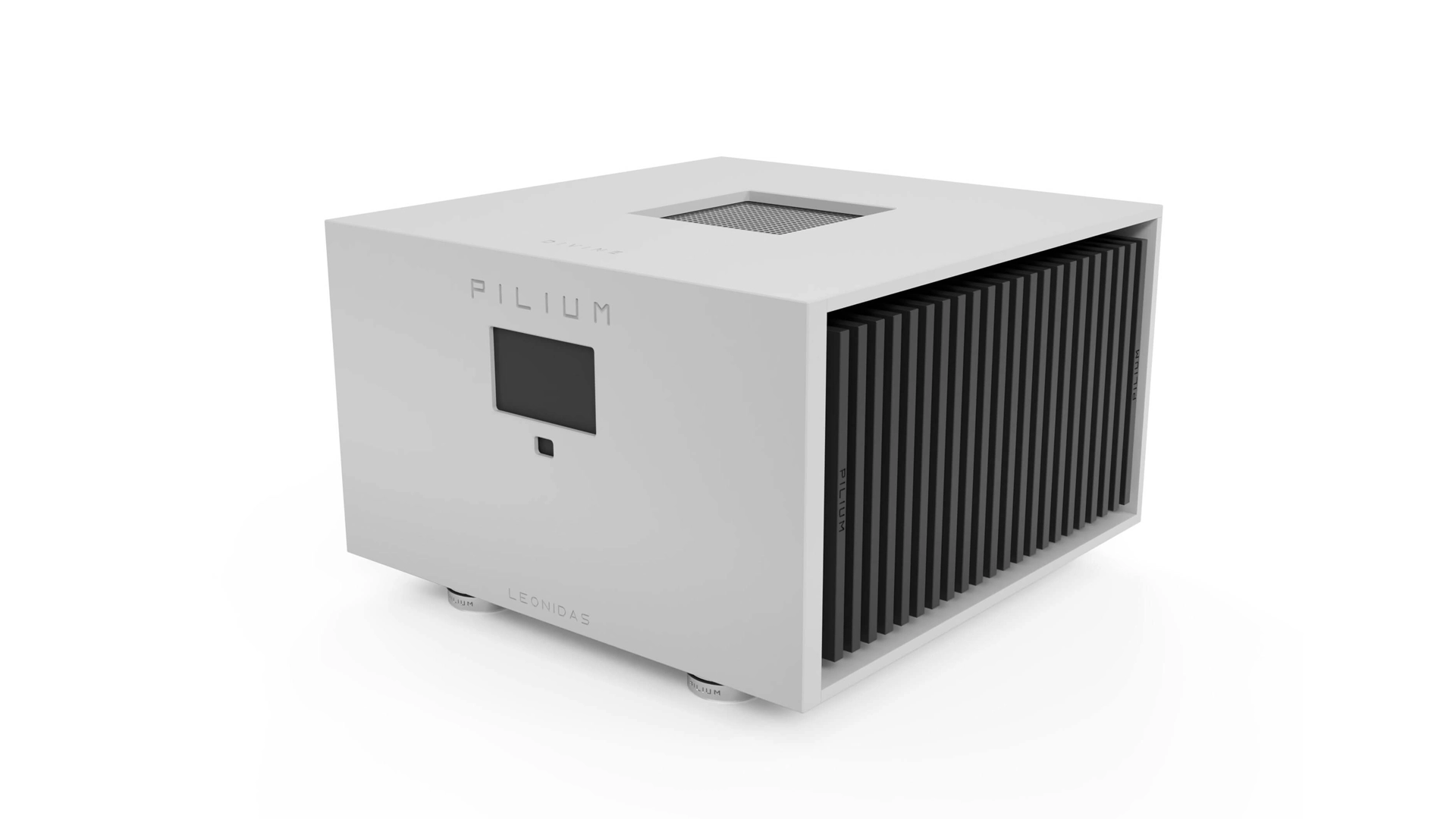
Pilium Audio is the Greek high-end electronics company founded by Konstantinos Pilios in 2014. Its amplifiers are designed and hand-built in Greece around a straightforward priority: maintain voltage and current control when a loudspeaker’s impedance, phase angle and musical demand become difficult at the same moment. The massive cases and power supplies are therefore not theatrical styling but consequences of very large transformers, capacitor banks, heat sinking and channel separation. The Divine line is the clearest statement of that approach. Olympus is a three-chassis, quad-mono preamplifier with separate power-supply and control architecture; Zeus is the matching stereo power amplifier, while Atlas, Kratos and Cronus monoblocks offer different output levels. Leonidas MY25 brings much of the same construction into an integrated amplifier. Earlier Divine models such as Alexander, Hercules and Elektra and the Brutale Ares/Achilles pairing established the company’s preference for fully balanced layouts, short signal paths and abundant reserve rather than layers of processing. Components are selected and matched for each channel, internal wiring is kept deliberate, and the heavy aluminium chassis isolates supplies and audio boards mechanically as well as electrically. Pilium does not need generic “no compromise” language to sound impressive: the brand’s individuality is visible in multi-chassis preamplification, true dual- or quad-mono organisation and Greek small-series manufacture aimed at maintaining composure into genuinely demanding loudspeakers.
Plinius

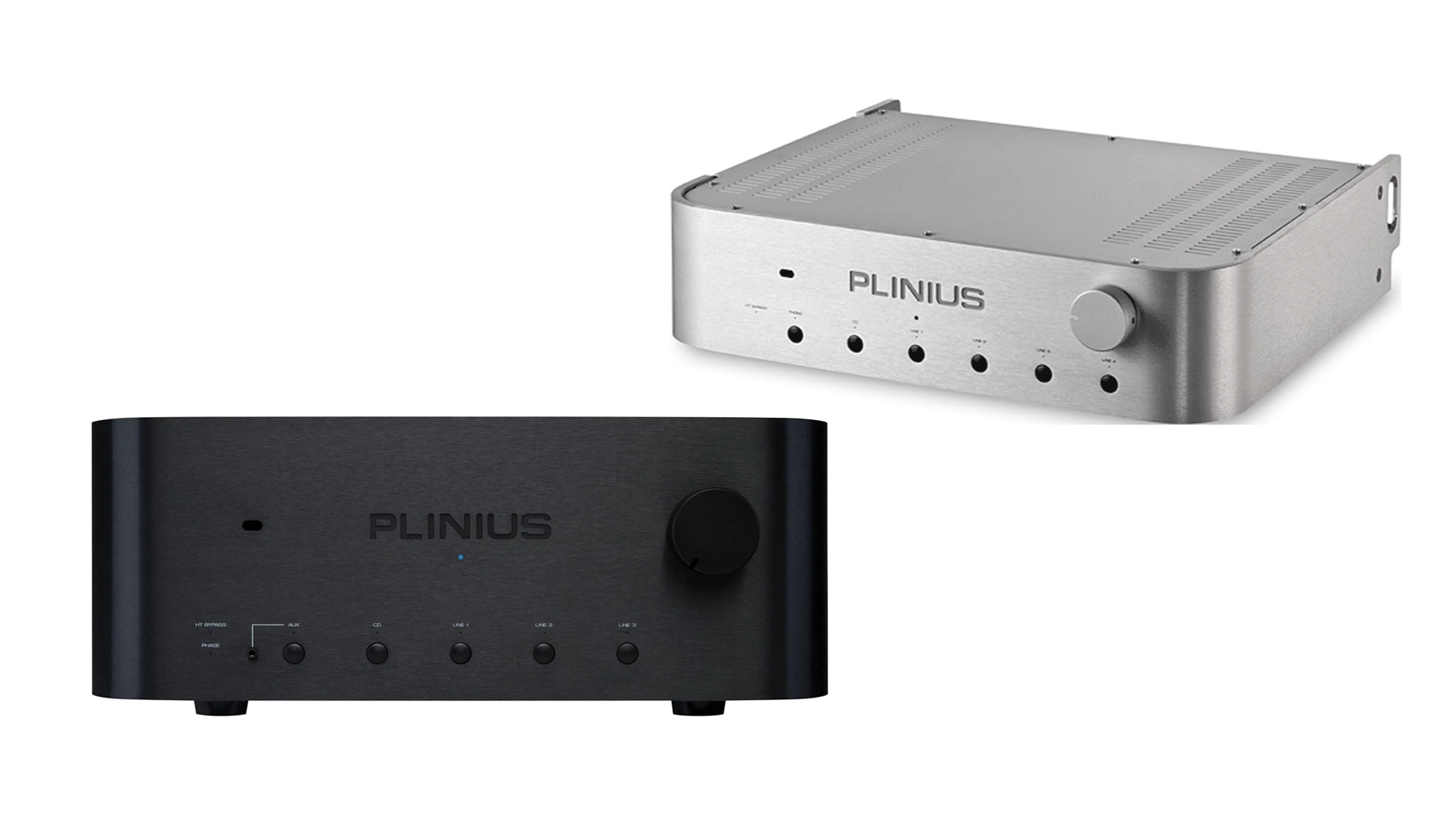
Plinius is a New Zealand audio-electronics manufacturer established in 1980. Its international reputation was built by muscular analogue amplifiers that could deliver high current into difficult loudspeaker loads while retaining the smoothness associated with heavily biased Class A operation. The company designs, assembles and tests its components in Christchurch, where each unit is built individually rather than treated as an anonymous imported platform. Power amplification remains the centre of the range. P10 provides a relatively compact stereo entry, while Reference A-150 and A-300 scale the supply, output stage and thermal capacity for demanding systems. Hiato and Hautonga integrated amplifiers combine that drive with line-level control in a single chassis. Kaitaki and Reference M-10 preamplifiers, P100 and Koru phono stages, and Tiki, Toko and Arataki network/source components allow a complete Plinius system without reducing the brand to amplifiers alone. Earlier SA-series designs are important to its identity because their Class A and switchable-bias architecture showed that high power and refined low-level behaviour need not be opposing goals. Current cases are visually restrained, with short control paths and generous power supplies taking precedence over rapidly changing display features. Plinius’s character is the continuity of New Zealand manufacture and analogue power engineering: substantial components made to control real loudspeakers, supported by phono and network products rather than displaced by them.
PMC

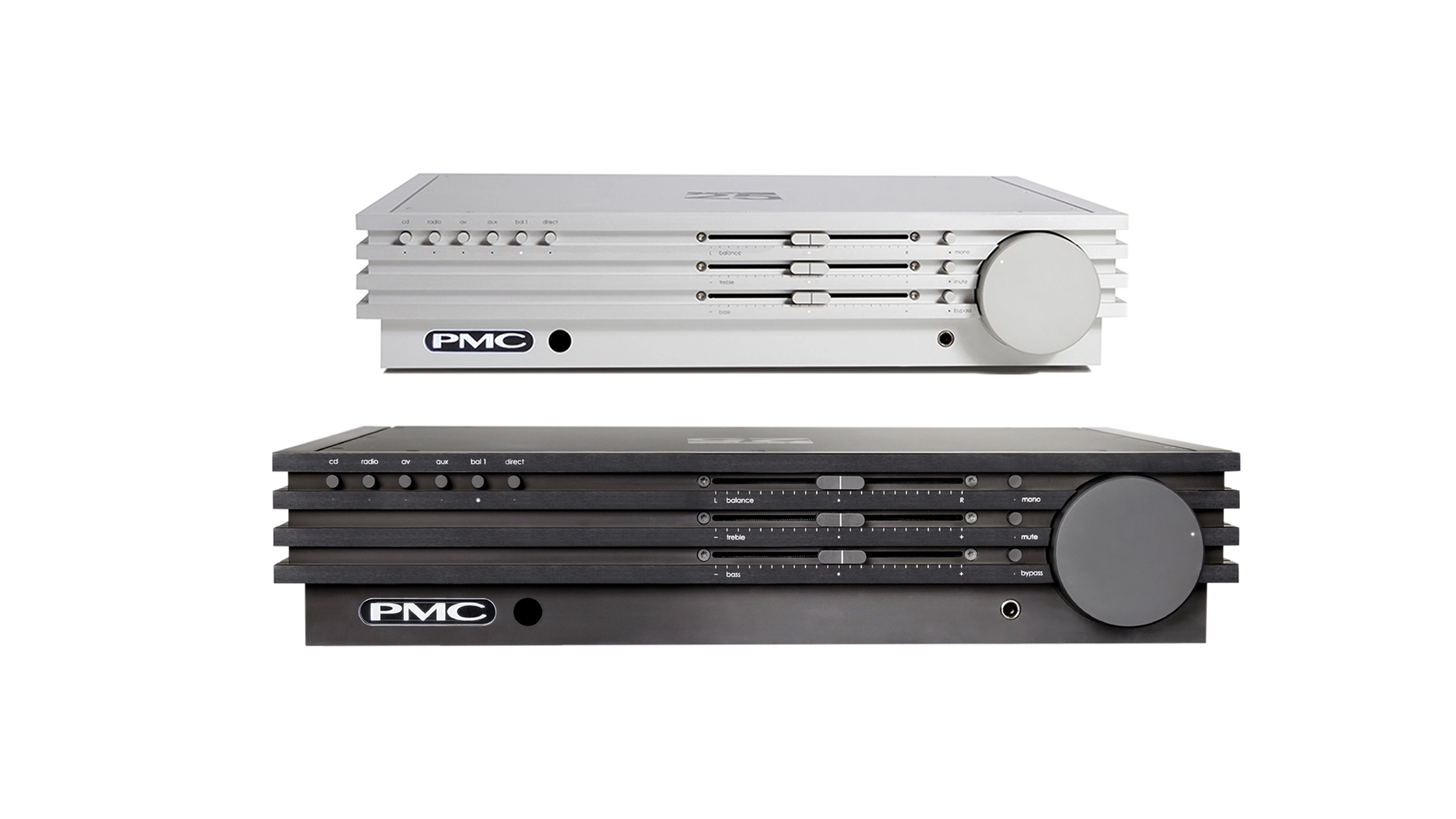
PMC—Professional Monitor Company—was founded in Britain in 1991 by Peter Thomas, then manager of the BBC’s Music Studios, and engineer Adrian Loader. Their first loudspeaker, the BB5-A, was created because they could not find a large monitor that combined the level, bass extension and neutrality required for critical studio work. The design established a rare continuity between professional control rooms and domestic hi-fi: PMC does not maintain one acoustic philosophy for engineers and another for music listeners. The company’s core technology is the Advanced Transmission Line, or ATL. The rear output of the bass driver enters a long, folded, heavily damped passage inside the cabinet. Absorbent material removes much of the unwanted midrange energy, while the lowest frequencies emerge from a tuned vent in phase with the front radiation. Done correctly, this extends bass and reduces driver excursion rather than producing the single-note emphasis of a poorly tuned port. Laminair aerodynamic vents, derived from airflow research, further reduce turbulence and compression at high levels. Current domestic ranges run from prodigy and twenty5i to fact and the flagship fact fenestria; the slim ci series brings the same controlled behaviour to on-wall and in-wall installations. result6, PMC6, PMC6-2 and larger main monitors continue the professional side. PMC’s identity is not merely “accurate British speakers,” but a transmission-line system refined in studios, mastering rooms and broadcast facilities, then scaled coherently for home listening.
PrimaLuna

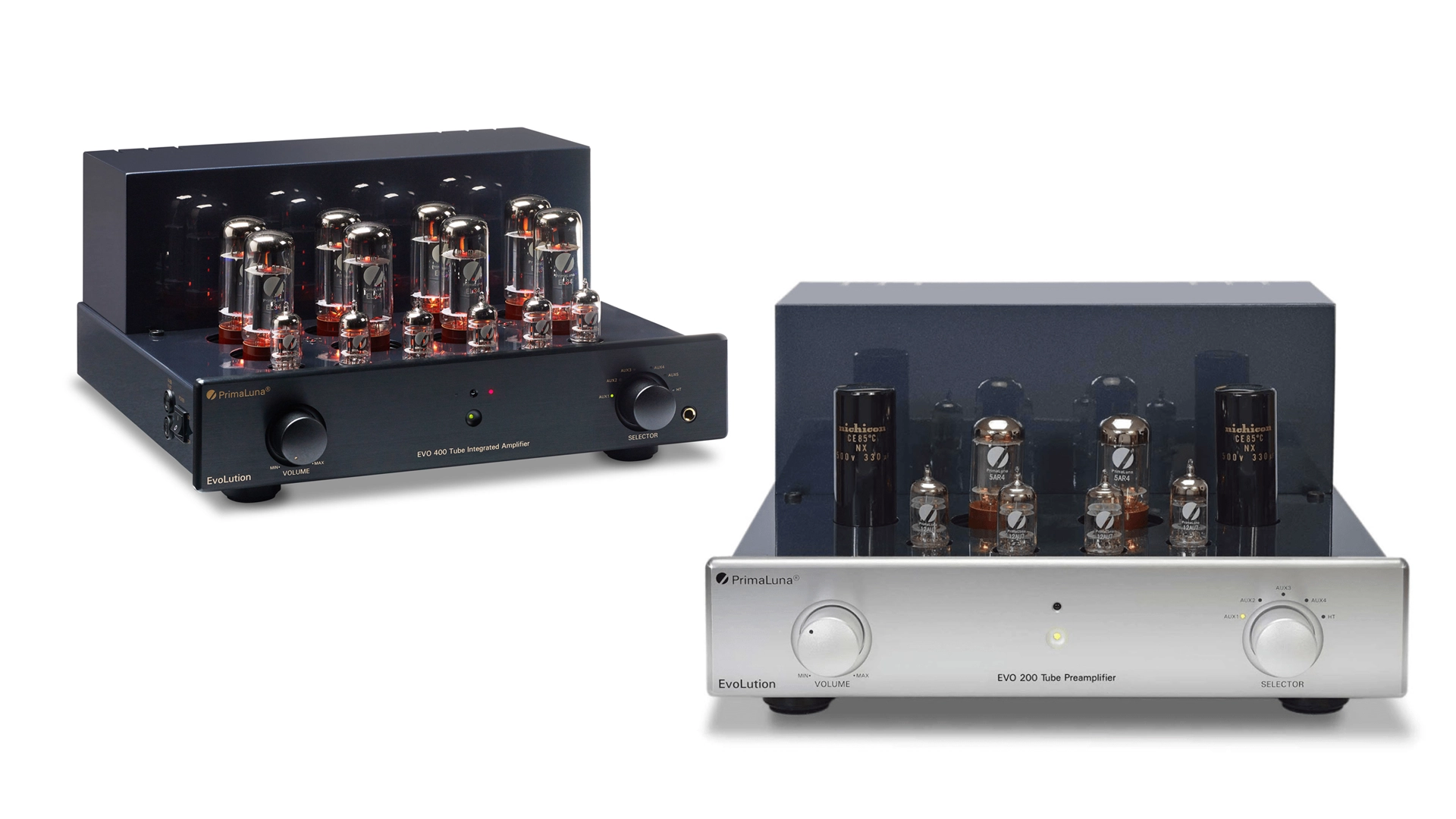
PrimaLuna was founded in 2003 by Dutch audio distributor Herman van den Dungen to make valve electronics less temperamental without removing the qualities that attract listeners to tubes. The brand is Dutch in origin and product direction, while production takes place in China under its own supervision and after-sales support is organised from the Netherlands. That arrangement—rather than vague “European design” language—is central to how PrimaLuna combines labour-intensive point-to-point construction with unusually extensive protection and control circuits. Adaptive AutoBias continuously monitors each output valve and adjusts its operating point, so matched sets and manual meter adjustments are not required and, on compatible EVO models, owners can choose among EL34, KT88, KT120 and KT150 families. A bad-tube indication system identifies a failing valve and helps protect the amplifier, while AC Offset Killer circuitry reduces transformer hum caused by DC on the mains. Soft-start operation, carefully specified output transformers, point-to-point wiring and enclosed valve cages address longevity and daily use rather than merely appearance. The current EVO range progresses through 100, 200, 300 and 400 integrated amplifiers, preamplifiers and power amplifiers, with an EVO 100 tube DAC extending the concept to digital playback. The products are voiced and serviced as complete amplifiers, not as platforms for constant modification. PrimaLuna’s achievement is practical: it retained visible valves, transformer-coupled outputs and the possibility of tube choice while engineering away much of the biasing anxiety and failure risk traditionally associated with owning a valve system.
Primare

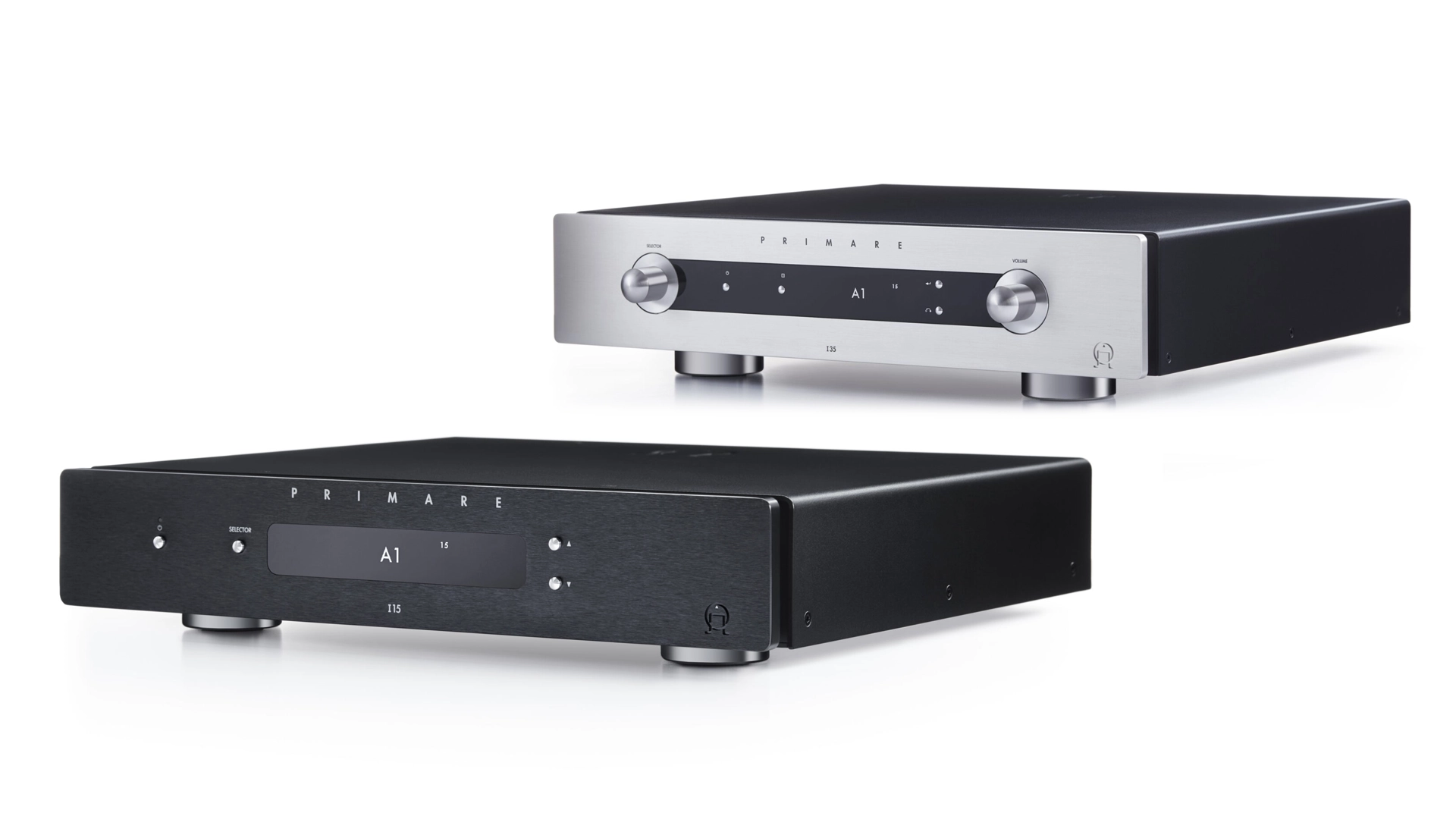
Primare began in 1985 when Danish industrial designer Bo Christensen set out to make audio components whose operation, proportions and sound belonged to one coherent object. Working with engineer Bent Nielsen and a Scandinavian development team, he produced the 928 series in 1986, followed by the 200 and 300 series. The company later came under Swedish leadership through Lars Pedersen and the Xena organisation; the 30 Series of 1998 established the clean forms and modular thinking associated with modern Primare. The present range still follows that idea of “lagom”—neither too much nor too little. I15, I25 and I35 integrated amplifiers anchor the 15, 25 and 35 families, joined by CD transports and players, R15 and R35 phono stages, PRE35 control and A35.2/A35.8 power amplifiers. UFPD and current UFPD 2 are Primare’s proprietary Class D amplifier platforms, designed for consistent gain across the audio band and high-current stability rather than adopted simply to make smaller boxes. Prisma is the network layer: it adds streaming, multiroom control and major service protocols to compatible electronics while keeping the core amplifier usable independently. Plug-in DAC and Prisma modules let selected models be updated instead of replaced, a direct continuation of the “living product” idea. SPA25, SP25 and A35.8 bring the same architecture to multichannel systems without treating cinema as a separate design language. Primare is Swedish in corporate identity, Danish at its creative origin and recognisably Scandinavian in its insistence that technical capability, restraint and ease of use should reinforce one another.