
Top Magazines and Websites for Audiophiles
This page compiles a directory of influential magazines and websites dedicated to high-fidelity audio. The list includes established audio publications and key online platforms that provide equipment reviews, industry news, and in-depth analysis of sound quality. The purpose of this collection is to offer a centralized reference to trusted sources within the audiophile community. Each entry serves as a gateway to valuable content for both new enthusiasts and experienced listeners seeking reliable information on high-end audio.
Magazines & websites about Hi-Fi
Edition & language sorting
Summary information about
Áudio & Vídeo Magazine
- Portuguese
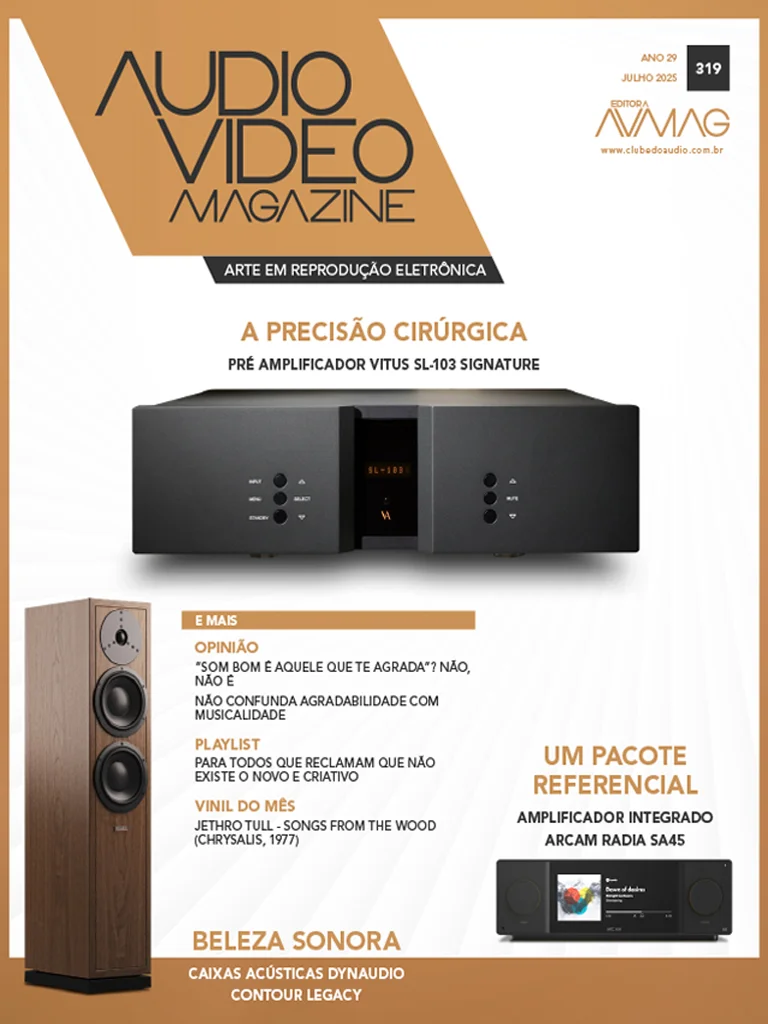
Áudio & Vídeo Magazine is a Brazilian specialist publication devoted to high-fidelity audio, home cinema and music. It began in 1996 around the Clube do Áudio e Vídeo community and developed from a club-oriented title into a broader editorial platform for enthusiasts, installers and readers comparing serious playback equipment.
The magazine publishes listening-based reviews of loudspeakers, amplifiers, digital sources, turntables, cables and accessories, alongside system guides, interviews and music coverage. Its perspective is distinctly Brazilian: imported high-end products appear beside equipment and distributors active in the local market, and the editorial discussion reflects the practical realities of building a system in Brazil rather than simply translating foreign buying advice.
In 2026 the publication introduced a new digital address, avmag.com.br, while presenting the change as a continuation of the same editorial project. That transition is important because the previous database text incorrectly described the French home-cinema magazine Les Années Laser. Áudio & Vídeo Magazine remains an active Portuguese-language publication with a history rooted in Brazil’s organised audiophile community.
Audio Asylum
- English
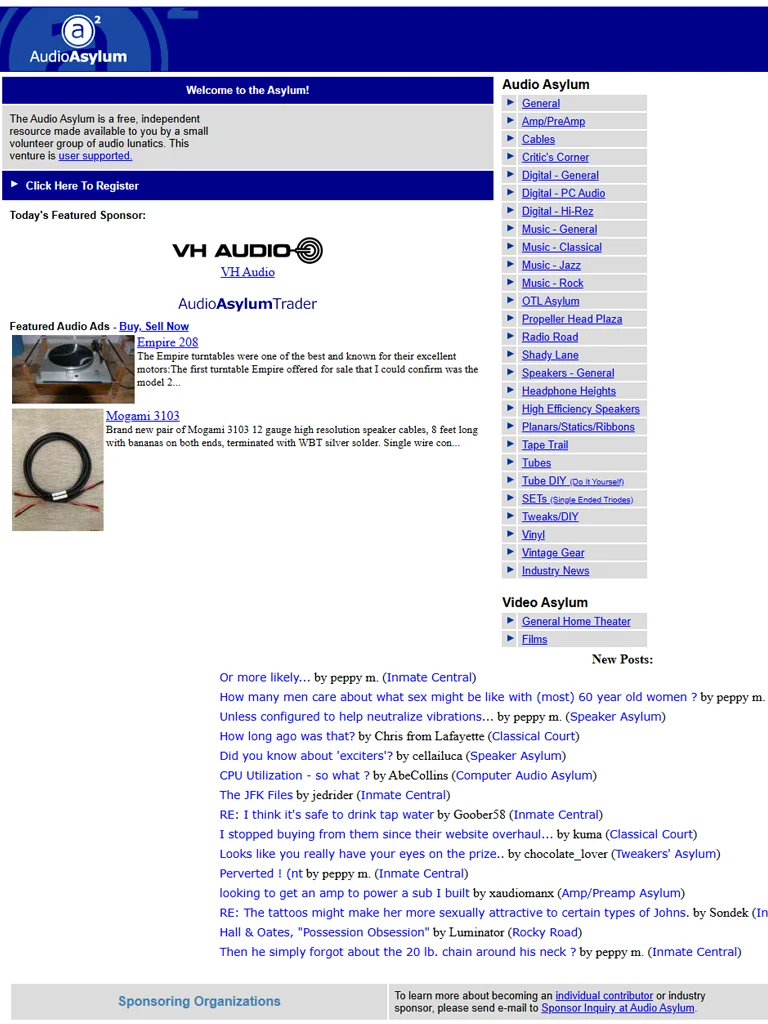
Audio Asylum is an independent American discussion community for audio enthusiasts. Online since 1999, it belongs to the first generation of specialist web forums that moved hi-fi conversation beyond local clubs, dealer listening rooms and printed letters pages. Its deliberately simple interface has changed little, making the site feel more like a searchable public archive than a modern social network.
Discussion is organised into focused “asylums” for subjects such as vinyl, tubes, digital audio, speakers, home theater, music and system setup. That structure keeps technical questions and listening impressions close to the relevant topic, while a separate database search makes older posts useful long after their original threads have ended. The value lies in accumulated experience: troubleshooting notes, comparisons and historical product information often cover equipment that no longer receives current editorial attention.
Audio Asylum is community-led rather than a conventional magazine, so posts reflect individual knowledge and opinion rather than a single house verdict. It remains active and user-supported, and its longevity gives researchers and collectors an unusually deep record of English-language audiophile discussion from the turn of the millennium onward.
Audiofanzine
- French, English
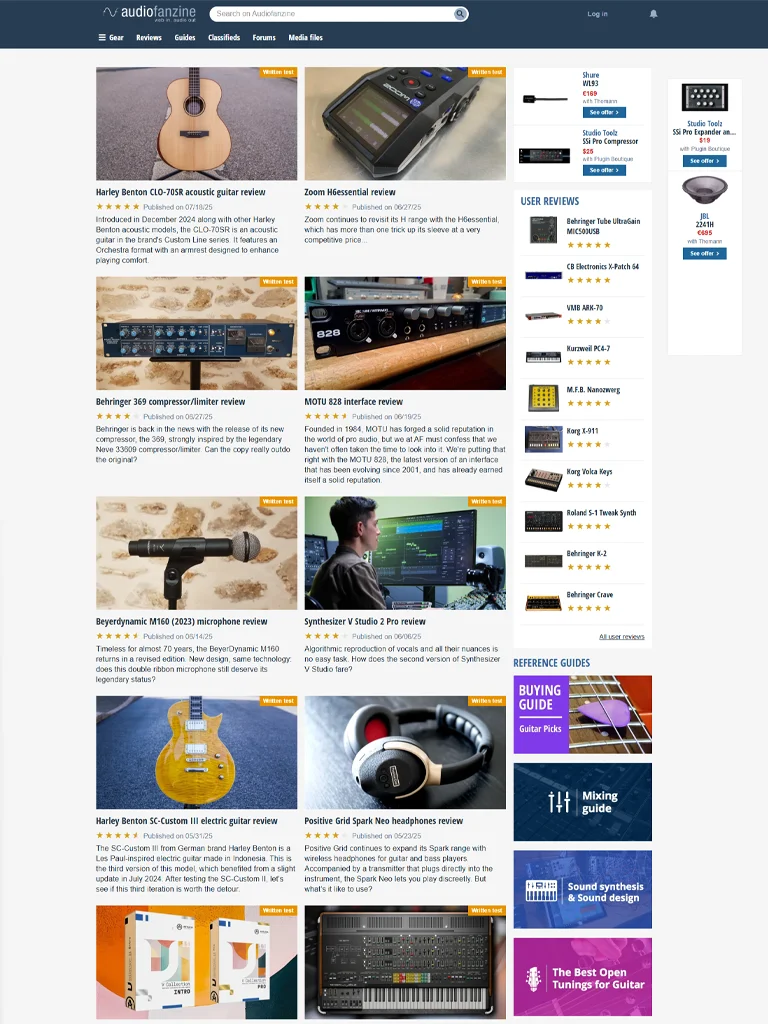
Audiofanzine is a French online media and community platform for musicians, recording engineers, producers and music-technology users. Created in 2000 by Philippe Raynaud, it grew from a specialist information site into a large product database supported by editorial articles, user reviews, forums and classified advertising. The corrected founding year is 2000, not 1998.
Its scope is wider than domestic hi-fi. Coverage includes instruments, studio hardware, microphones, software, DJ equipment, public-address systems and recording techniques, with product pages bringing specifications, editorial tests, user opinions and second-hand listings together. That combination makes Audiofanzine useful both for researching older gear and for following current tools and production workflows.
The original and most extensive edition is in French, while an English-language edition provides translated or separately produced material for an international audience. The previous language value, “English, France,” mixed a language with a country and has been corrected to “French, English.” Audiofanzine remains active under P. Bordas SARL and is best understood as a participatory music-gear reference platform rather than a traditional print hi-fi magazine.
Audioholics
- English
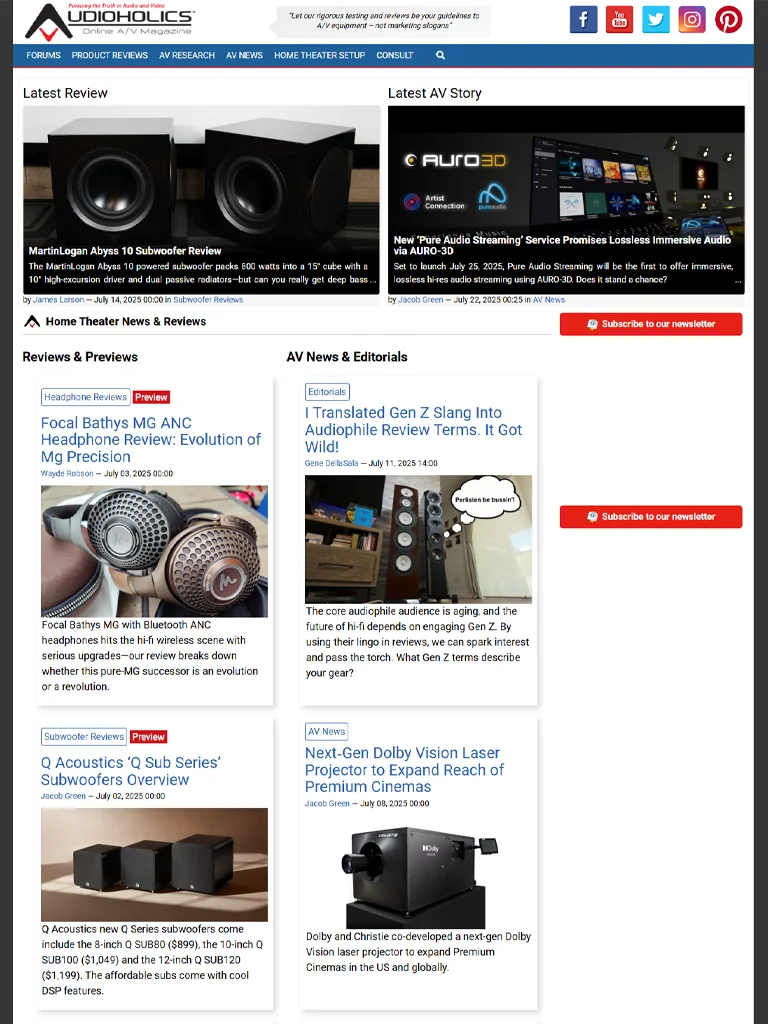
Audioholics is an American online publication and community founded in 1999 by electrical engineer Gene DellaSala. It was created to bring technical scrutiny to audio and home-theater claims at a time when online product coverage was still emerging, and it has remained closely associated with DellaSala and co-owner Berta DellaSala.
The site covers loudspeakers, subwoofers, AV receivers, amplifiers, processors, displays, room acoustics and installation. Reviews commonly combine listening or viewing impressions with laboratory measurements, while educational articles explain amplifier power, impedance, bass management, placement and common marketing misconceptions. Its video channels and forums extend that work into interviews, debates and direct troubleshooting with readers.
Audioholics is not limited to expensive two-channel systems: much of its usefulness comes from practical guidance for complete rooms and multichannel setups at different budgets. The publication remains active, and its historical role is significant because it helped establish measurement-supported, web-native home-theater journalism outside the older print-magazine structure.
AV Magazin
- German
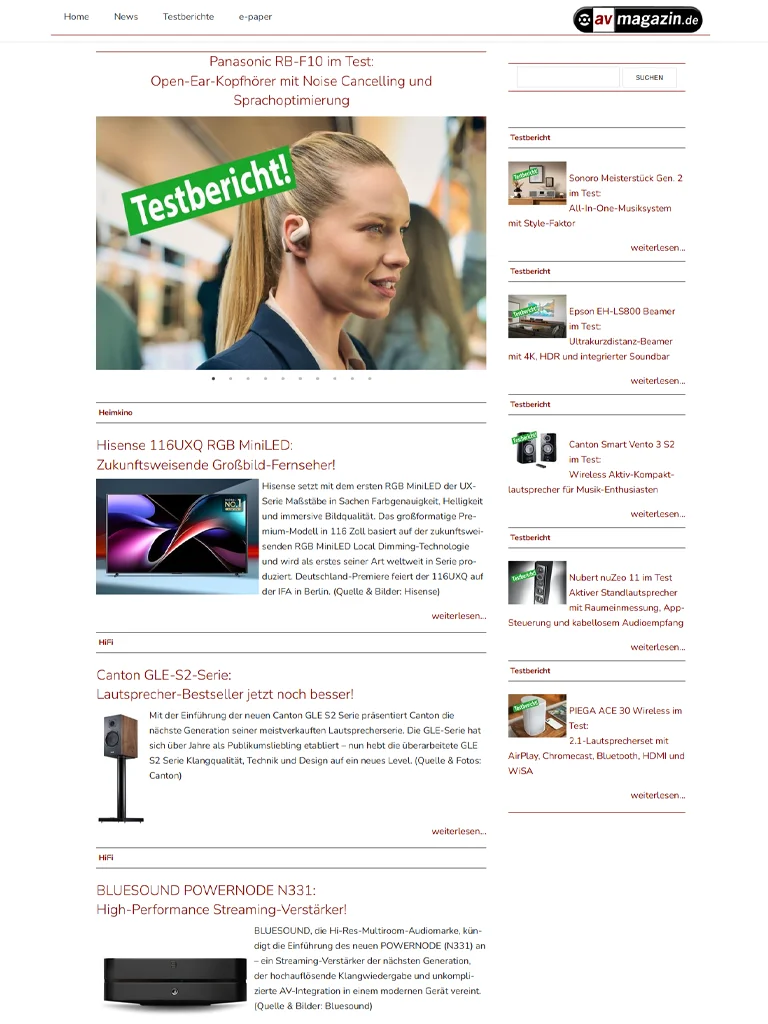
AV Magazin is a German online publication for consumer audio, video and connected-home technology. Founded in 2005 by Stefan Witzel, it developed as a web-native alternative to print buying guides, publishing structured tests and explanatory features for readers choosing complete entertainment systems as well as individual components.
Coverage spans hi-fi electronics, loudspeakers, headphones, televisions, projectors, soundbars, streaming products, smart-home equipment and installation. Reviews generally describe construction, functions and operation before assessing picture or sound quality, which makes the archive useful for identifying the capabilities and market position of products from different generations.
Founder and publisher Stefan Witzel died in June 2025, a major loss for the publication he shaped. AV Magazin nevertheless remains online and active under OSW-Medien, with new German-language reviews and news continuing after his death. That continuity belongs in its history: the site is both Witzel’s long-running editorial project and an operating specialist publication rather than a closed archive.
AVForums
- English
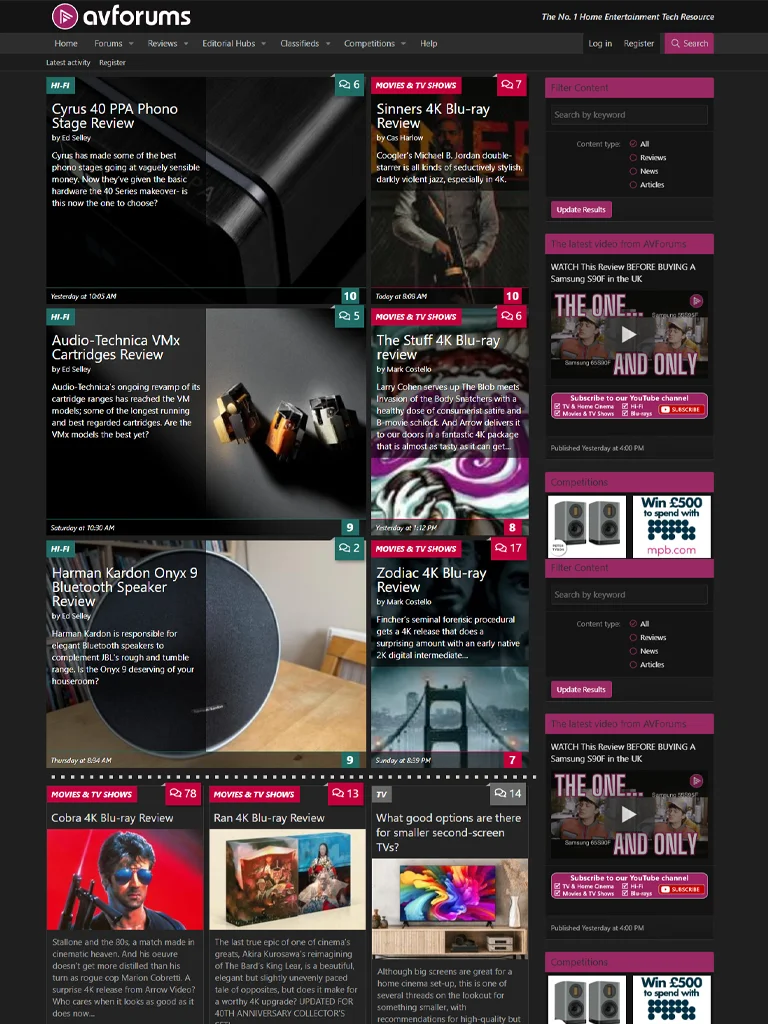
AVForums is a British technology publication and community founded by Stuart Wright in early 2000. It began as a forum for home-cinema enthusiasts and expanded into a combined editorial and discussion platform operated by M2N Ltd. The community remains central: professional reviews sit beside long-running owner threads, setup advice and member-to-member problem solving.
Editorial coverage includes televisions, projectors, home-cinema audio, hi-fi, headphones, gaming, movies and smart-home products. Reviews use repeatable picture and sound assessment methods, while podcasts and video programmes add interviews, roundtables and buying guidance. The forums provide a complementary record of firmware changes, reliability and real-world ownership that a launch review cannot capture.
AVForums has been active continuously since 2000 and is one of the UK’s most established web-native AV communities. Its historical importance comes from joining magazine-style testing with a large public discussion archive at the point when enthusiast publishing was moving online, rather than simply reproducing print articles on a website.
Fairaudio
- German
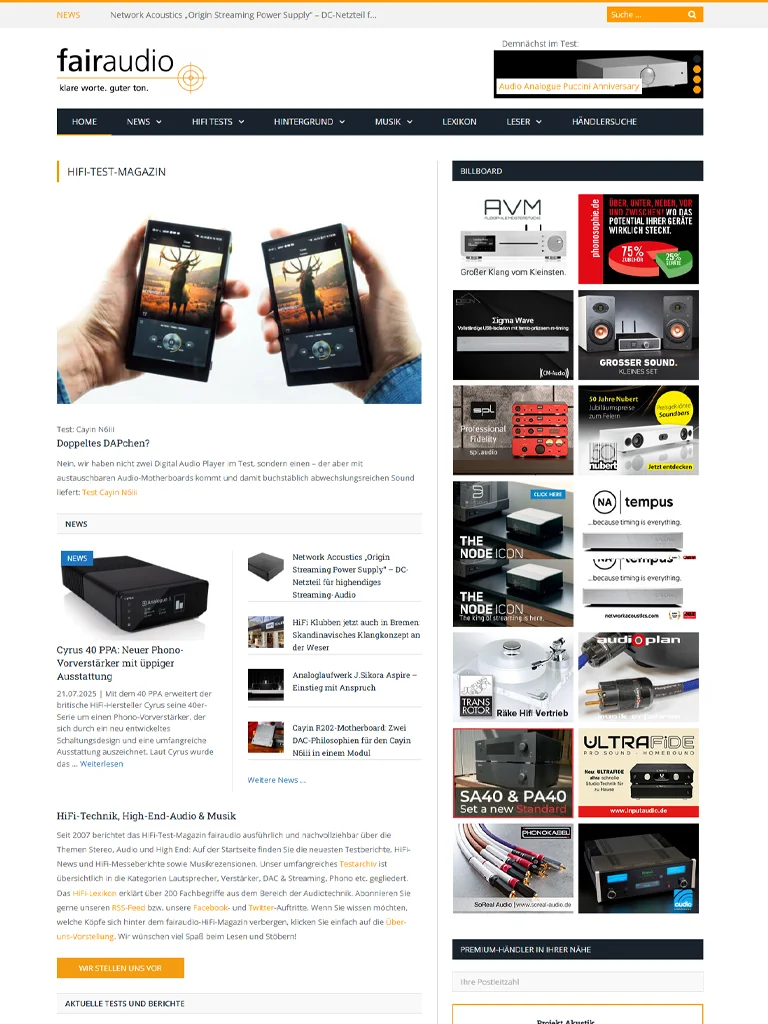
Fairaudio is an independent German online magazine for hi-fi and high-end audio, founded in Berlin by Jörg Dames and Ralph Werner. The site has operated under the fairaudio name since the mid-2000s and is recorded here from 2007, when its established web publication took shape.
Its core is the long-form equipment review. Amplifiers, loudspeakers, digital sources, analogue components, headphones and accessories are examined through extended listening, system matching and practical description rather than reduced to a score. Interviews, factory visits and show reports add industry context, while the site’s audio lexicon explains technical terms and makes specialist material accessible to readers who are still learning.
Fairaudio is published by Jörg Dames & Ralph Werner Medien GbR and remains active. The editorial voice is recognisable for carefully qualified comparisons and for separating description from recommendation. In historical terms, it represents the generation of German specialist outlets built for the web rather than migrated from a newsstand title, with an archive that documents nearly two decades of European high-end audio.
Head‑Fi
- English
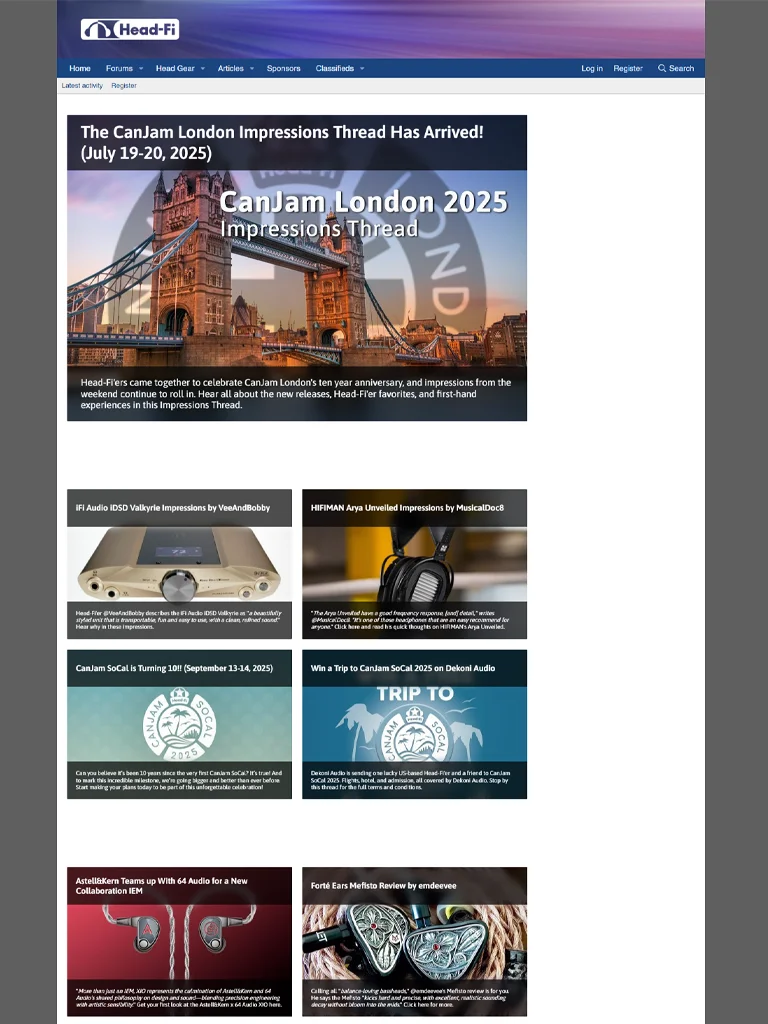
Head-Fi is an international headphone and personal-audio community founded in 2001 by Jude Mansilla. It emerged just before portable digital listening and premium headphones became major product categories, giving enthusiasts a dedicated place to discuss equipment that traditional loudspeaker-focused magazines often treated as secondary.
The site combines forums, member reviews, editorial features, measurements, buying discussions and classified listings. Its coverage extends from headphones and in-ear monitors to amplifiers, DACs, portable players, cables and streaming sources. Long product threads preserve impressions across revisions and system combinations, while measurements and event reports provide reference points beyond individual posts.
Head-Fi also created CanJam, a series of public headphone-audio shows that grew from community meetings into international events where listeners can compare equipment directly and meet designers. The platform remains active and influential, though its forum content should be read as a mixture of editorial work, industry participation and member opinion. Its historical significance lies in helping turn headphone listening from a niche topic into a distinct global audio culture.
Hi‑Fi Choice
- English
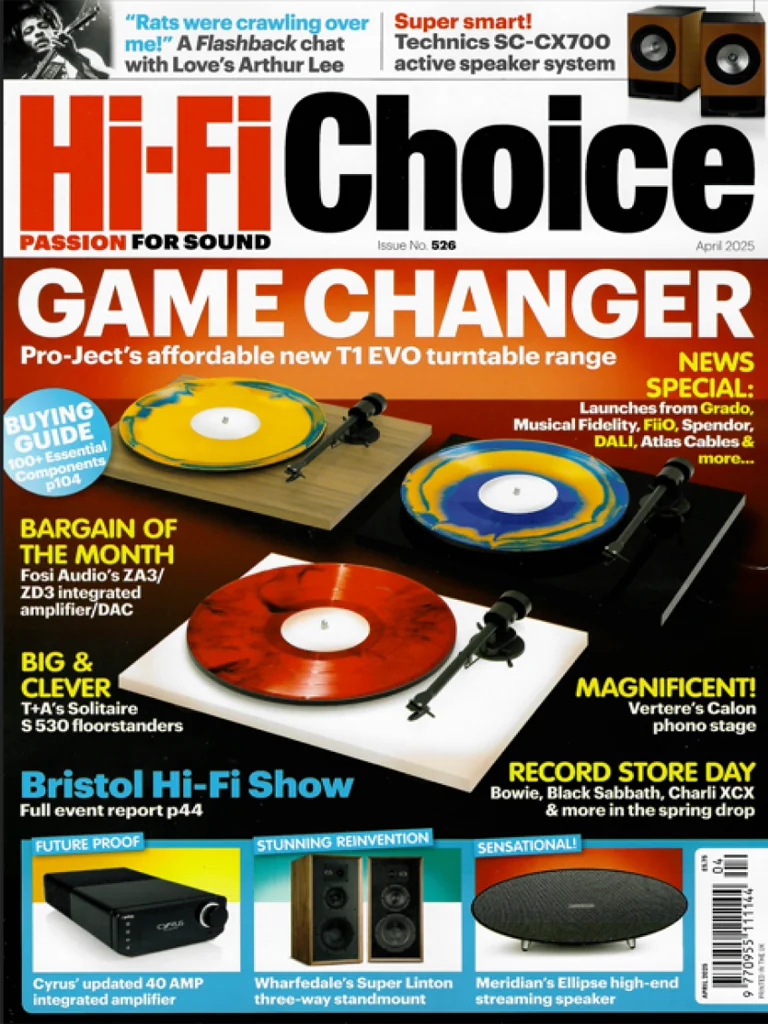
Hi-Fi Choice is a British specialist audio magazine launched in 1975. It became known for comparative group tests and listening panels that placed competing products in the same issue, helping readers understand differences in performance, features and value rather than reading isolated reviews.
The magazine covers amplifiers, loudspeakers, turntables, cartridges, digital sources, network audio, headphones and accessories. Its practical orientation distinguishes it from purely aspirational high-end publishing: system matching, setup and attainable products appear alongside more ambitious designs. The title has moved through several owners and formats while retaining its emphasis on purchasing decisions and comparative assessment.
Hi-Fi Choice joined AVTech Media in 2018 and continues as an active print and digital publication. Its archive traces major shifts from vinyl and analogue radio through compact disc, home digital audio and streaming. The blind or sight-concealed listening methods associated with parts of its history are an important editorial tradition, but the magazine’s value is broader: five decades of structured British hi-fi testing and buyer-focused explanation.
Hi‑Fi Engine
- English
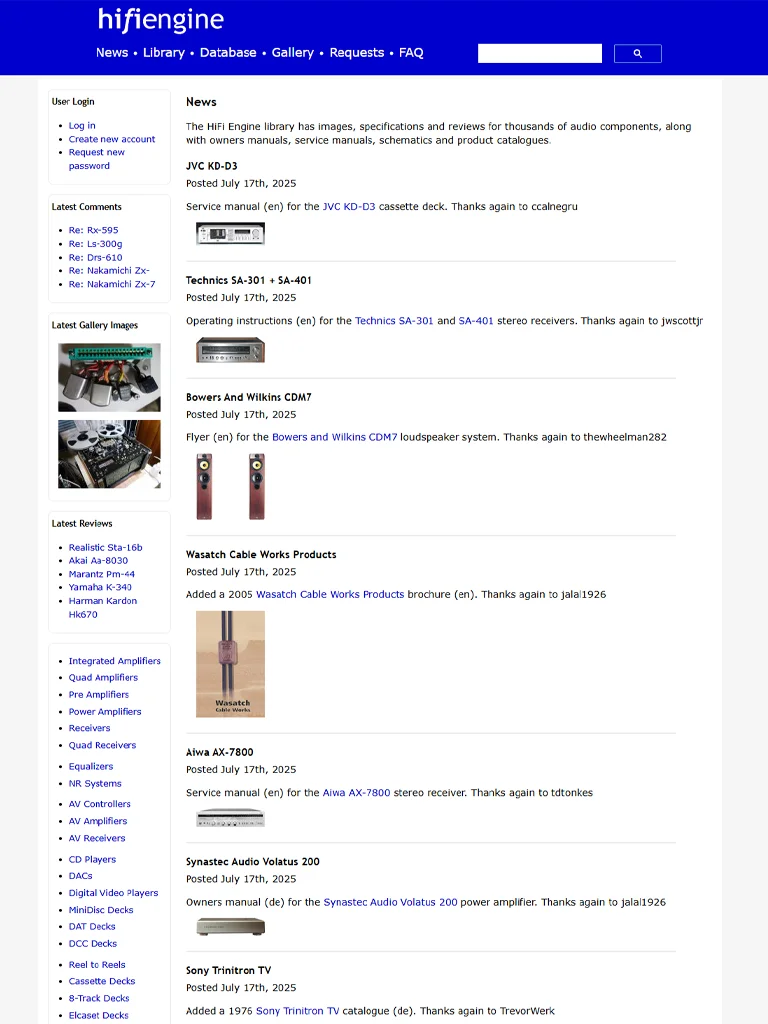
Hi-Fi Engine is an online reference archive for vintage and discontinued audio equipment. Established in 2006, it organises service manuals, user manuals, brochures, specifications and selected contemporary reviews around individual product and manufacturer records.
The archive is especially useful to owners, collectors and repair technicians working with amplifiers, receivers, turntables, tape machines, loudspeakers and other components whose original documentation is difficult to find. Model pages link technical data and available downloads, while user contributions have helped preserve material that might otherwise disappear when manufacturers close or discontinue support.
Hi-Fi Engine remains online, but access is more restricted than a normal public magazine: account creation has periodically been closed or tightly controlled because of scraping and abuse, and downloads require compliance with site limits. It should therefore be described as an active archival resource rather than a current review publication. Its historical value comes from consolidating primary product documents across decades of consumer audio, with access conditions that users should check before relying on a specific file.
Hi‑Fi News
- English
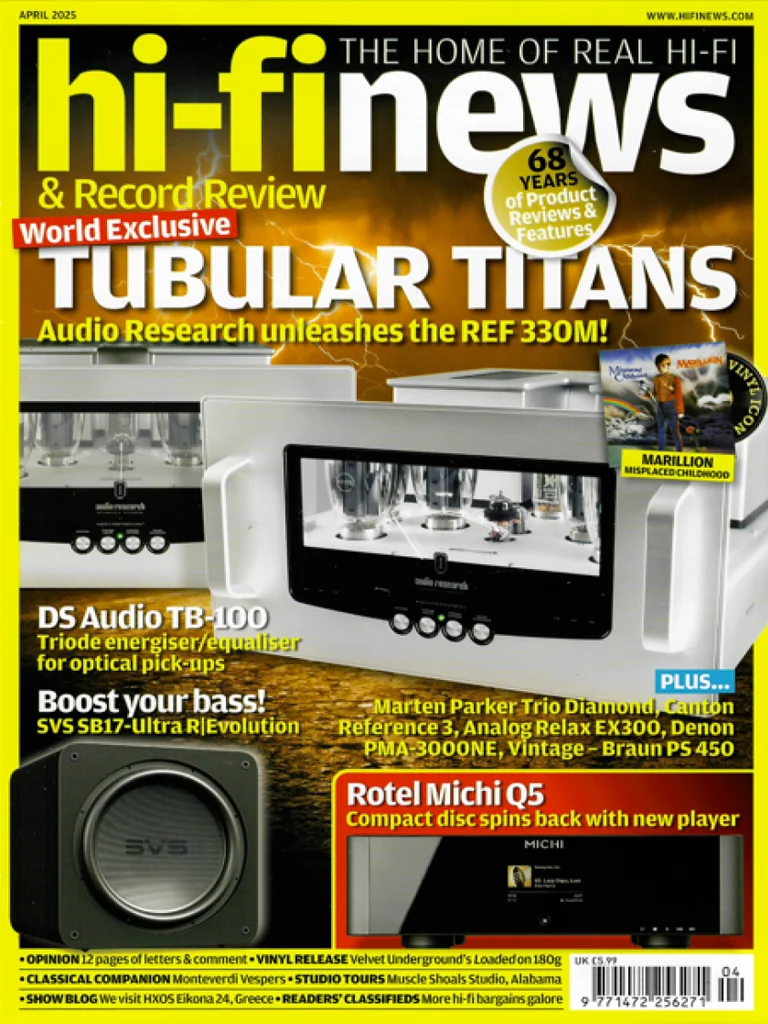
Hi-Fi News is a British specialist audio magazine first published in June 1956. Created during the emergence of domestic high fidelity, it is widely recognised as the world’s longest continuously published hi-fi title. Its archive follows the industry from valves, mono records and early stereo through solid-state electronics, digital formats and contemporary network playback.
The magazine combines equipment reviews with laboratory testing, technical commentary, interviews, factory reports, music features and coverage of historic components. Reviews pair an experienced listening account with measured performance, allowing readers to compare subjective findings with data on frequency response, distortion, noise and output capability. Vinyl, analogue replay and recorded music remain prominent alongside current digital sources and loudspeakers.
Hi-Fi News is published by AVTech Media and remains active in print and digital form. Its importance is not simply age: it preserves a continuous editorial record of how audio engineering, recording practice and listening culture changed over seven decades. That continuity makes the magazine relevant both to buyers of current equipment and to researchers tracing the development of high-fidelity reproduction.
HiFi Plus
- English
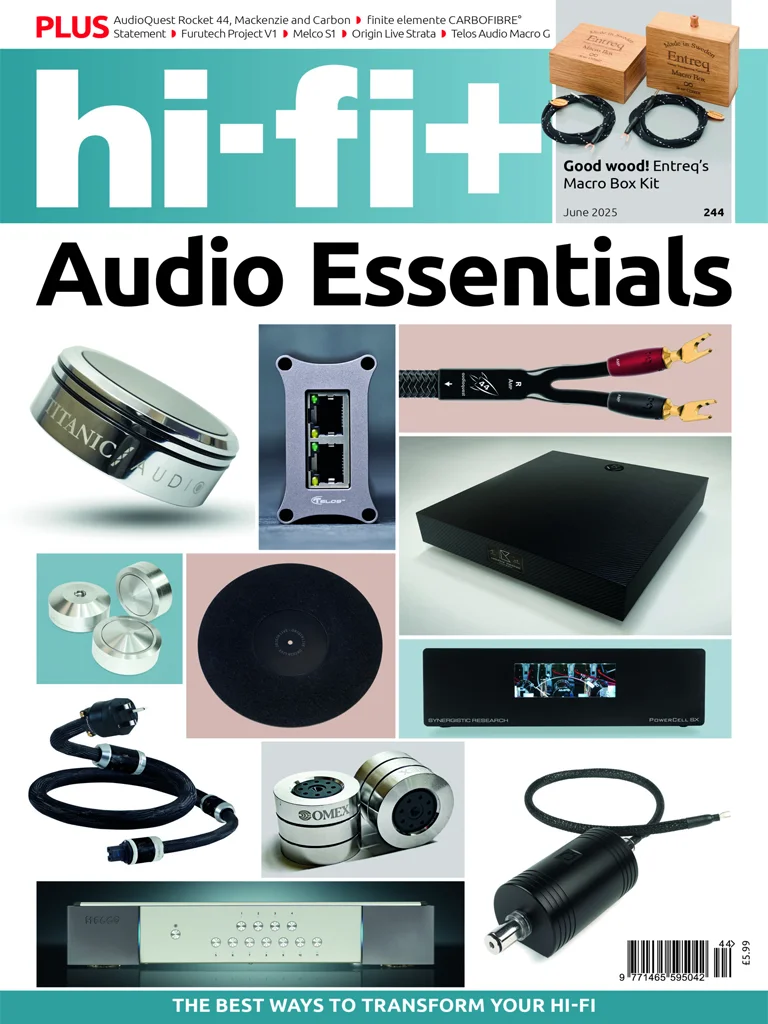
hi-fi+ is a British high-end audio magazine launched in 1999. It was created for readers interested in ambitious two-channel systems, combining detailed equipment reviews with interviews, factory visits, show reports and music coverage. The title uses the styling “hi-fi+,” although this database retains the existing post name HiFi Plus for import compatibility.
Coverage spans loudspeakers, amplification, analogue replay, digital sources, streaming, cables and system setup, with an international rather than exclusively British focus. The magazine is known for contextual reviews that discuss how products behave in a complete system and how design choices relate to listening, rather than treating specifications as a verdict by themselves.
hi-fi+ became part of NextScreen, the group that also publishes The Absolute Sound, and its digital presence has expanded while the printed magazine continues. It remains active. Historically, the title belongs to the late-1990s wave of specialist publications that treated high-end audio as an international culture of designers, systems and recordings, not only as a catalogue of products available in one national market.
Hifi.nl
- Dutch
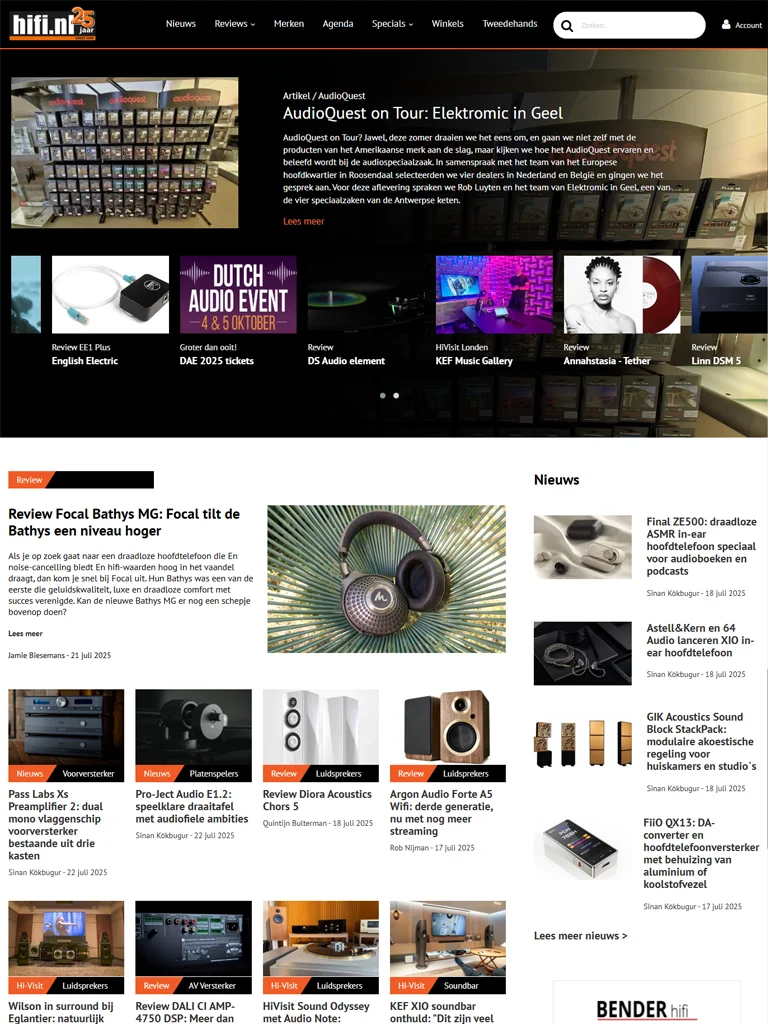
Hifi.nl is a Dutch online publication and community founded in 1999 by Jean-Pierre Joos and fellow audio enthusiasts. It was built for the web at a time when most specialist information in the Netherlands still came from print, and marked its twenty-fifth anniversary in 2024.
The site publishes reviews, news, interviews, show reports and practical articles covering loudspeakers, amplifiers, analogue replay, digital audio, streaming, headphones and home cinema. Its Dutch-language focus gives local manufacturers, distributors, dealers and events sustained visibility while also placing international products in the context of the Benelux market.
Hifi.nl remains active and has developed into a broad platform rather than a single-author review site. The archive documents the transition from CD-era systems to networked audio and contemporary vinyl revival, while current material continues to serve both experienced listeners and newcomers. Its historical importance lies in providing a continuous, locally grounded record of Dutch hi-fi culture since the early public internet.
Home Cinema Choice
- English
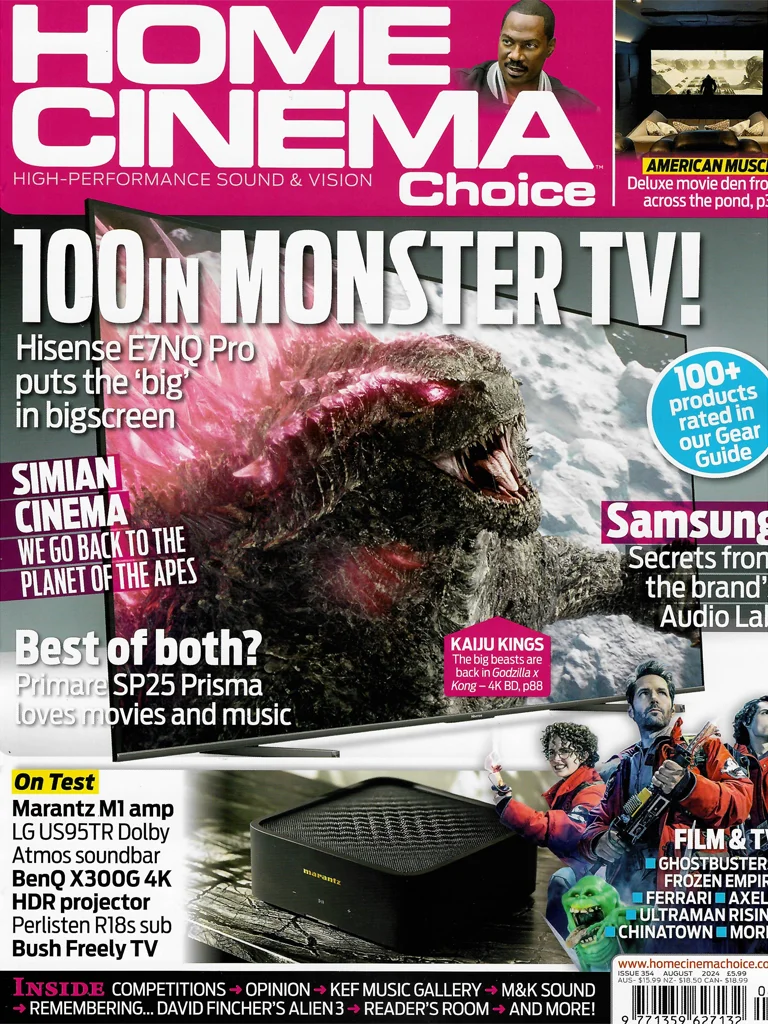
Home Cinema Choice was a British specialist magazine launched in 1995, when multichannel sound, widescreen televisions and laserdisc were turning domestic movie playback into a distinct enthusiast category. It followed the development of DVD, flat-panel displays, digital projection, Blu-ray, immersive audio and streaming across nearly three decades.
The magazine reviewed projectors, televisions, AV receivers, processors, speaker packages, subwoofers, source components and movie releases, supported by room-building features and system advice. Its emphasis was the complete cinema experience rather than treating picture and sound as unrelated product categories.
Home Cinema Choice ceased publication in 2024. Issue 351 was announced as the final issue, ending the active print and digital magazine after twenty-nine years. The website remains available as an archive with product pages and past features, so the URL is retained for historical reference, but the title should no longer be presented as a current publication.
Home Theater Review
- English
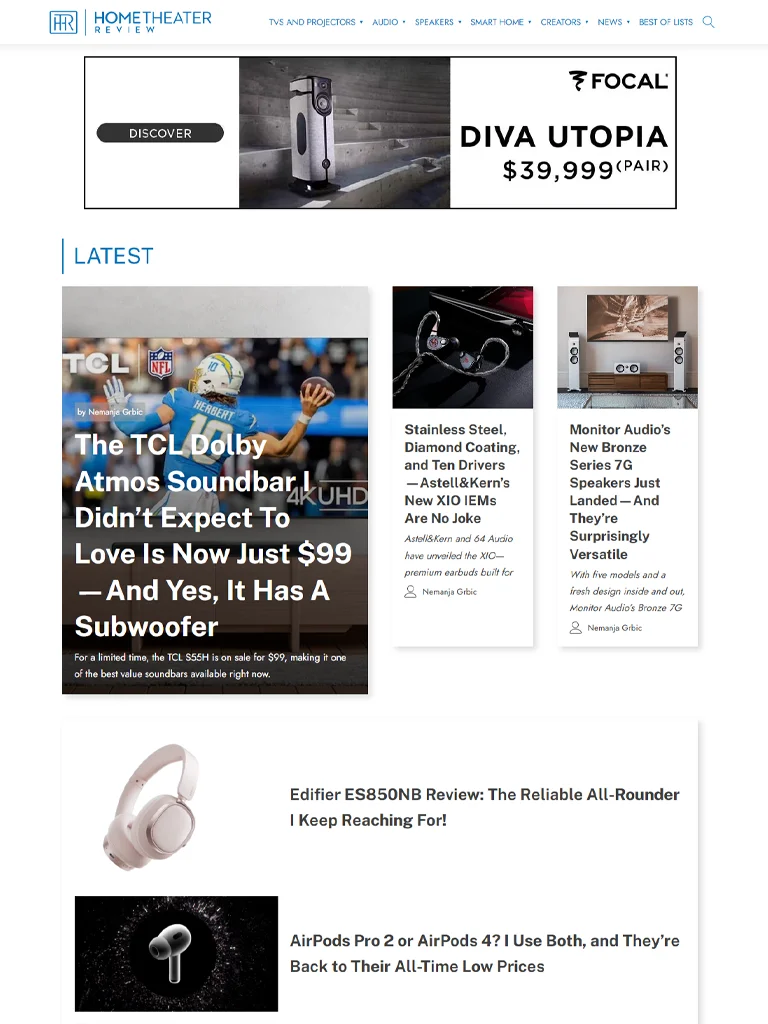
Home Theater Review is an American online publication founded in 2008 by Jerry Del Colliano. It was developed as a web-native source for home-cinema and audio reviews, buying guidance and industry commentary at a time when several established American AV print titles were shrinking or closing.
Coverage includes loudspeakers, subwoofers, amplifiers, AV receivers, processors, televisions, projectors, streaming devices and smart-home products. Reviews are supported by explanatory features, system advice and comparisons intended to help readers understand how a component fits into a complete room rather than judge it only from a specification sheet.
The publication was acquired by JRW Publishing around the end of 2019, with Eric Walasek leading the business in its next phase. It remains active online. Its history is useful because it illustrates the shift of American specialist AV journalism from monthly print cycles to continuously updated digital publishing, while retaining long-form product evaluation as the centre of the site.
HVT
- Dutch
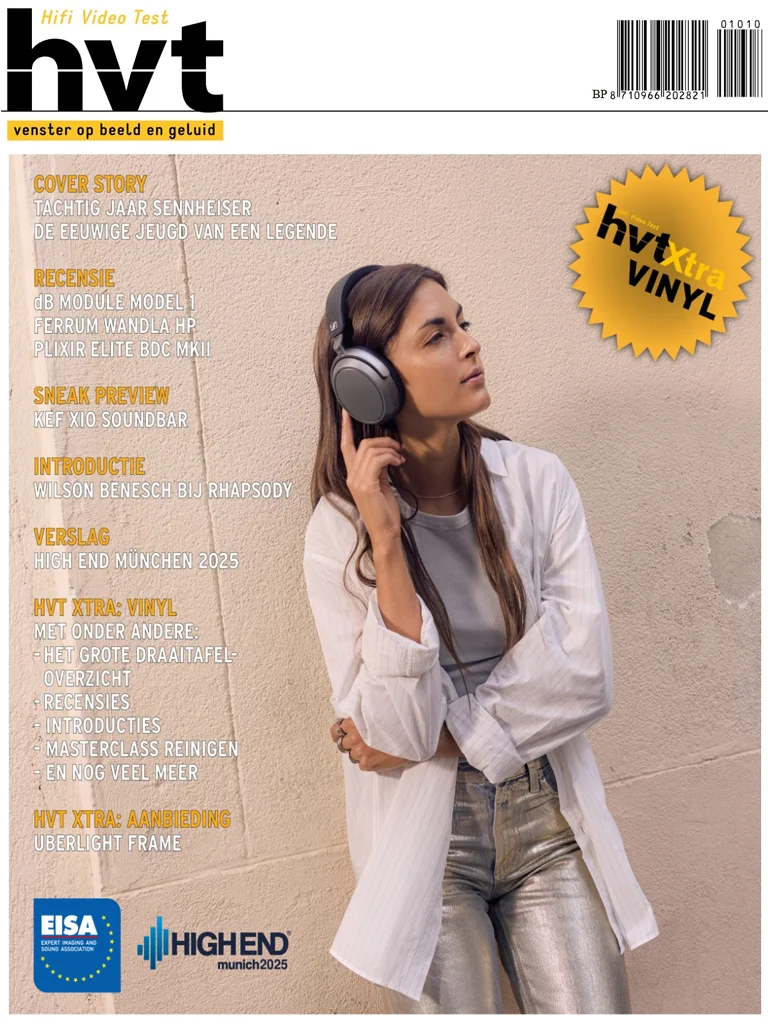
HVT is a Dutch magazine for hi-fi, high-end audio and home cinema, founded in 1972. Its initials come from “HiFi Video Test,” reflecting a history that spans classic stereo equipment, the rise of video and multichannel systems, and today’s mix of analogue and networked playback.
The magazine publishes product reviews, interviews, factory and dealer visits, show reports and music-related features. Amplifiers, loudspeakers, turntables, digital sources, headphones and video products are covered with attention to their place in a complete system. The long archive provides a Dutch perspective on both international brands and the Netherlands’ own active audio industry.
HVT remains active in print and online, with Ward Maas as editor and Brinkman Publishers Group as the current publisher. This corrects the older database description, which named BMG Home BV. More than fifty years of continuous publication make HVT an important record of how Dutch enthusiasts moved from component hi-fi through home theater and into modern streaming without abandoning vinyl and two-channel listening.
Les Années Laser
- French
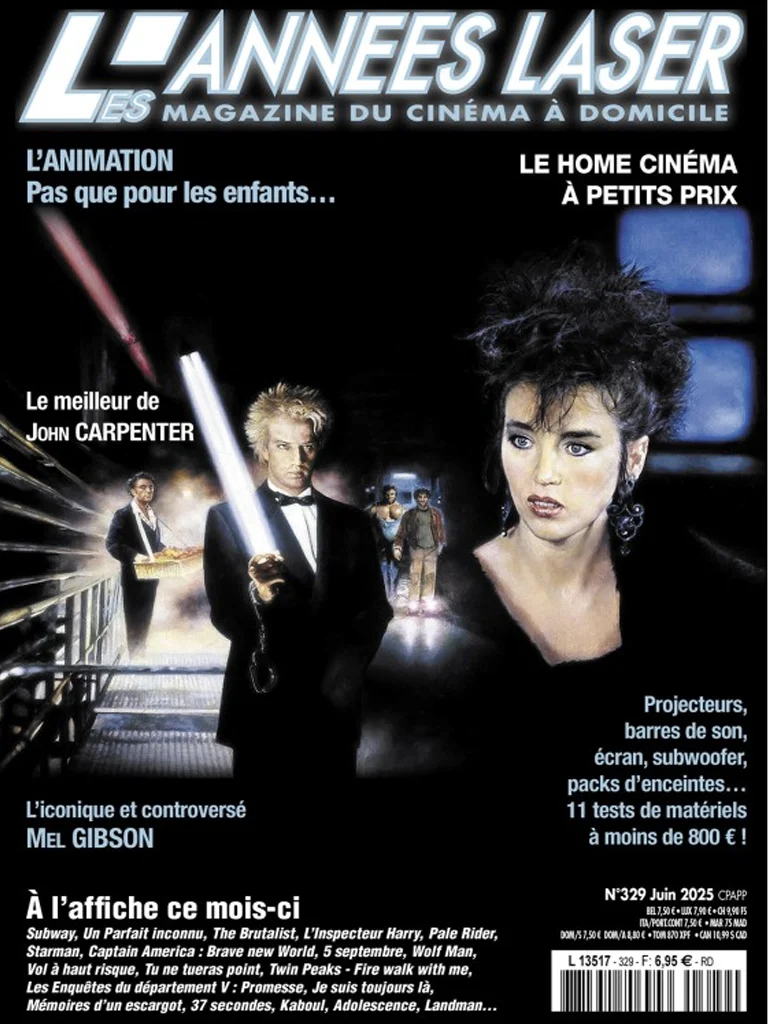
Les Années Laser is a French magazine devoted to home cinema, films and physical media. Its first issue appeared in December 1991, when laserdisc was the reference format for serious home viewing and gave the title its name. The magazine subsequently followed DVD, Blu-ray, Ultra HD Blu-ray, projection, flat-panel displays and immersive sound without abandoning its interest in editions and film catalogues.
Coverage joins hardware reviews with detailed assessments of picture, sound, supplements and packaging on new releases. Projectors, televisions, players, receivers, loudspeakers and accessories appear alongside cinema and television features, making the publication as useful to collectors as to readers planning an AV system.
Published independently by Le 15 du Mois, Les Années Laser remains active in print and online and continues to participate in the European specialist press community. Its historical identity is unusually coherent: a title born around laserdisc that became a continuing record of each major home-video format and the French market built around it.
Ljud & Bild
- Swedish
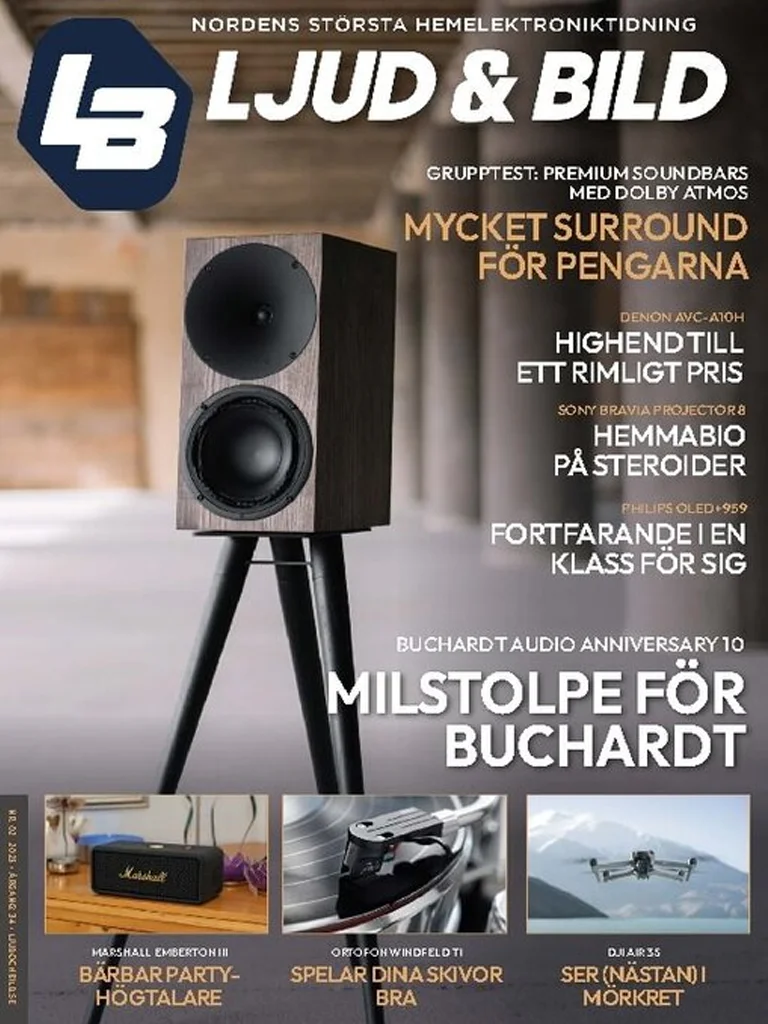
Ljud & Bild is the Swedish edition of a Nordic consumer-technology publication covering sound, picture and connected products. The present title dates from 1997, while its editorial lineage reaches back through Swedish audio and radio publishing to Populär Radio, founded in 1929. That distinction preserves the deeper history without assigning the modern brand an artificially early start date.
The magazine tests hi-fi systems, loudspeakers, headphones, televisions, projectors, cameras, mobile products and smart-home equipment. Reviews are produced within a shared Nordic editorial network, allowing products to be assessed across neighbouring markets while the Swedish edition publishes in Swedish for local readers.
Ljud & Bild is active and published within the Norwegian-owned Publish AS group, which has operated the wider Nordic network since 2009. The previous database values incorrectly listed the Swedish edition’s country as Norway and its language as “Norway.” They are corrected to Sweden and Swedish, while the About text records the Norwegian ownership separately.
Mixdown Magazine
- English
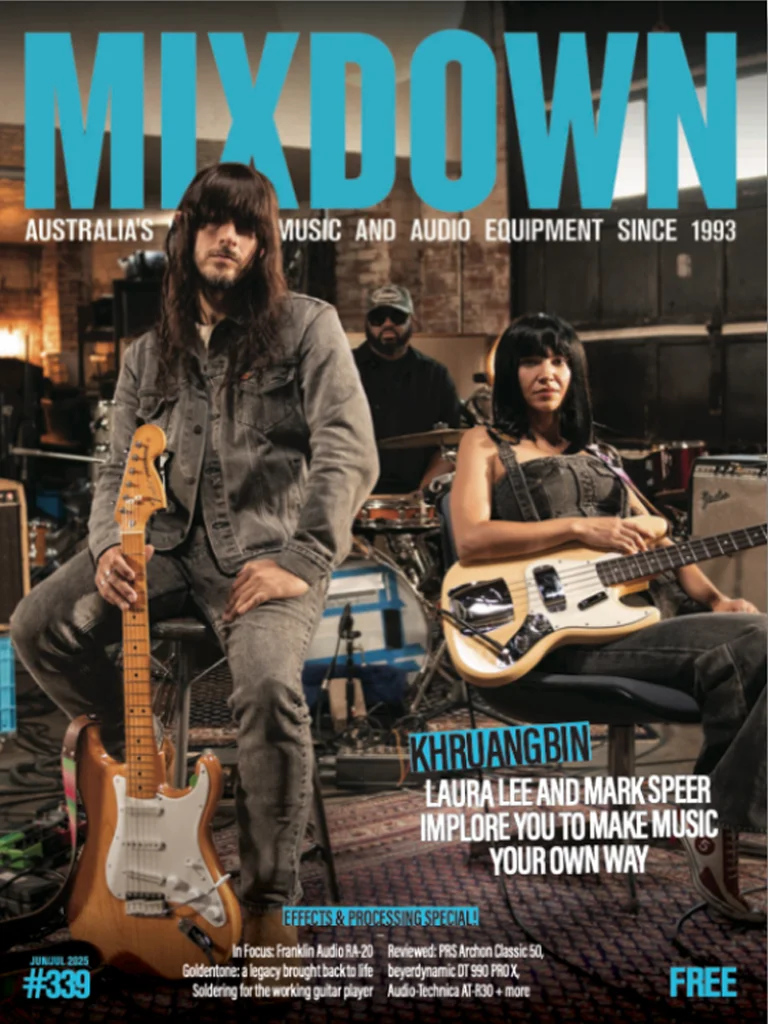
Mixdown is an Australian music and audio-production magazine founded in 1993. It was created for working musicians, engineers and gear users, and grew into a national print and digital title covering the tools used to write, record, perform and produce music.
Its editorial range includes guitars, basses, amplifiers, effects, microphones, studio monitors, recording hardware, software, synthesisers, live sound and production techniques. Artist and engineer interviews connect the equipment to real sessions and performances, while reviews and practical features help readers choose and use tools rather than treating them as collectibles.
Mixdown is published by Furst Media and remains active as a monthly print magazine and continuously updated website. Its place in this database is adjacent to, but distinct from, domestic hi-fi: it documents professional and creative audio from the Australian market. More than three decades of issues provide useful history of the move from large studios and analogue hardware to home recording, software production and modern hybrid workflows.
Novo
- English
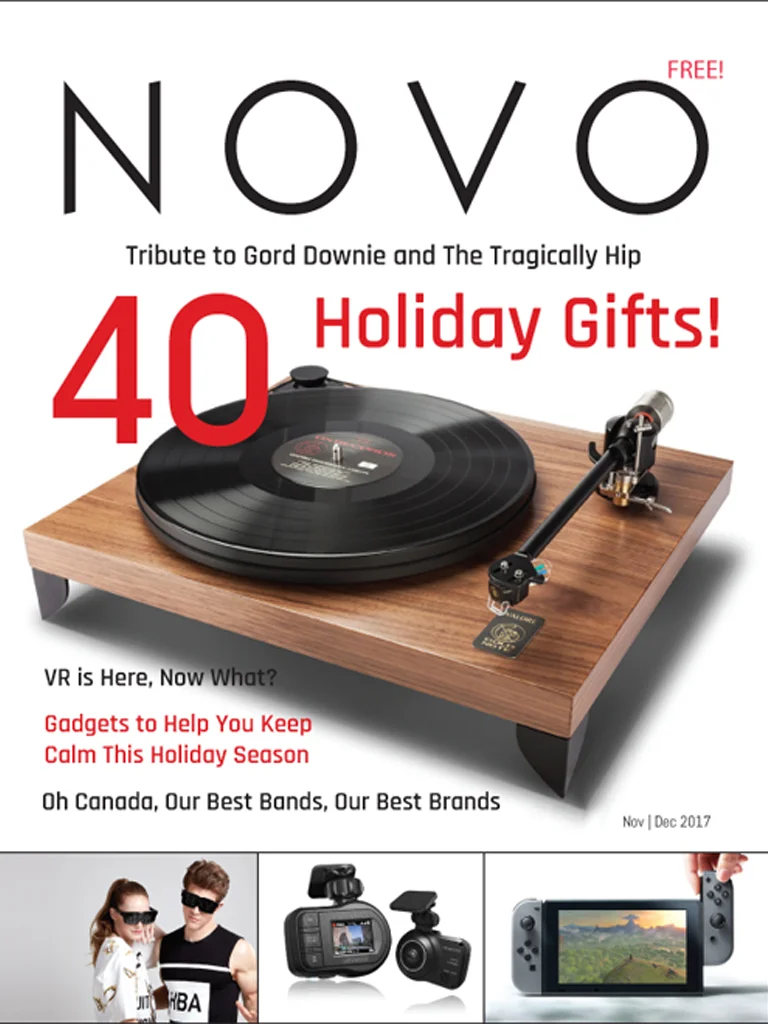
NOVO was a Canadian publication covering audio, home theater and consumer technology. It evolved from Canada HiFi, broadening the earlier title’s specialist focus to include connected devices, lifestyle technology and design while continuing to review loudspeakers, amplifiers, sources and complete entertainment systems.
The magazine was associated with publisher and editor Suave Kajko and Westside Publishing. Its print and digital archive documented the Canadian market, including brands, dealers and installations that received less attention from larger American publications. The database retains 2004 as its start year because a more precise primary-source chronology for the original Canada HiFi launch could not be verified confidently.
NOVO’s former domain no longer reliably serves the publication and currently returns unrelated material. The URL has therefore been cleared rather than directing readers to a potentially compromised or repurposed site. The current editorial status could not be confirmed, so this entry is retained as a historical publication record rather than presented as an active magazine.
Revista ON OFF
- Spanish
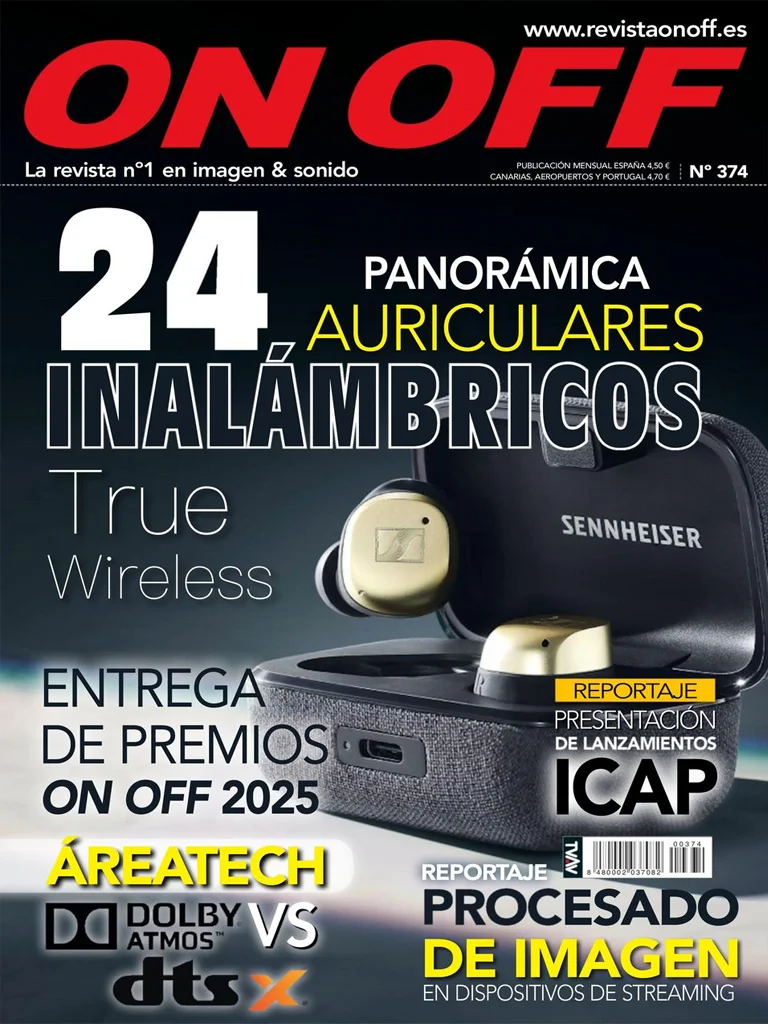
Revista ON OFF is a Spanish specialist publication founded in 1992. It covers high-fidelity audio, home cinema and consumer electronics, linking serious equipment reviews with the wider changes in how Spanish readers watch, listen and connect their homes.
The magazine tests loudspeakers, amplifiers, turntables, digital sources, headphones, televisions, projectors and related technology. News, interviews, show reports and system features complement the reviews, while the print edition provides a continuing numbered record of the market. By 2026 the title had passed issue 390 and remained available through newsstands and subscriptions as well as its frequently updated website.
Revista ON OFF is active. Its long history spans the arrival of multichannel cinema, DVD and flat-panel video, the return of vinyl and the shift to network streaming. The previous About field contained a large fragment of hidden Angular and website source code; it has been removed and replaced with a clean editorial history suitable for WordPress.
Sound & Vision
- English
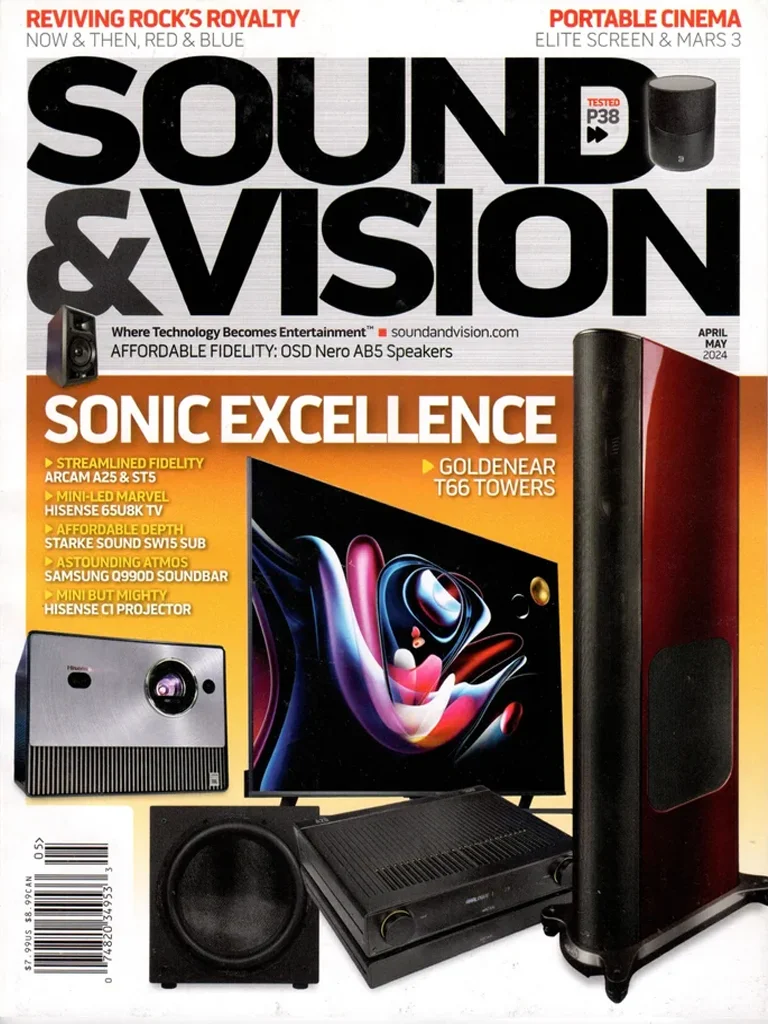
Sound & Vision is an American audio and home-theater publication whose lineage begins with HiFi and Music Review in 1958, later known as Stereo Review. The current Sound & Vision title was formed in 1999 by combining that magazine with Video, bringing music reproduction, television and movie playback into one editorial brand.
The publication has covered loudspeakers, amplifiers, receivers, televisions, projectors, source components, room systems and recorded media through major changes in both audio and video. Reviews mix practical use and performance assessment with technical measurement where appropriate, supported by buying guides, installation features and industry reporting.
The print magazine ended with the October/November 2024 issue, but Sound & Vision did not close as a website: new online articles and reviews continue. In May 2026 the title became part of Pray Media Holdings through its acquisition of AVTech Media Americas. The database uses 1999 for the launch of the current title while preserving the Stereo Review lineage back to 1958 and the 2024 end of print.