
Wireless Portable Speakers
Wireless portable speakers offer the freedom to take your music anywhere. Combining Bluetooth connectivity with built-in rechargeable batteries, these compact devices are designed for ultimate convenience and on-the-go use. Perfect for everything from a backyard party to a day at the beach, their features often include rugged, water-resistant designs and long battery life. This directory lists the leading brands in the portable audio market, from household names to innovators creating the next generation of go-anywhere sound.
Hi-Fi brands in the category
Summary information and image
Direct links to official websites
Airpulse

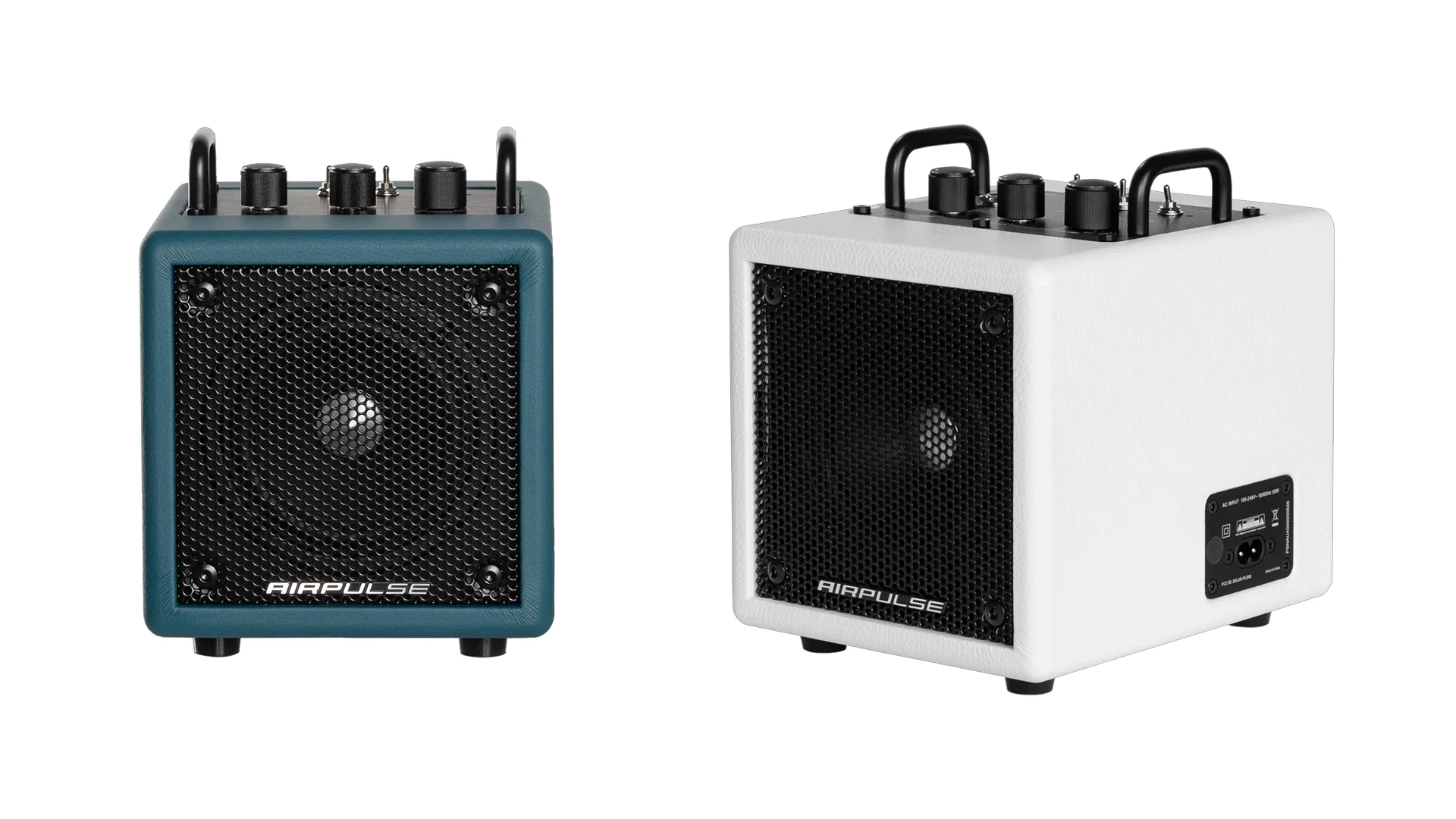
Airpulse puts Phil Jones’s loudspeaker engineering into active speakers that need no separate power amplifier. The A100 illustrates the approach: a horn-loaded ribbon tweeter works with an aluminium-cone mid/bass driver, with amplification built into the system. USB, optical, analogue and Bluetooth inputs allow the same pair to serve a computer, television or other music source, while a subwoofer output provides an expansion option. The A-series also includes larger designs such as the A300, extending the same active-speaker concept to different listening spaces. Airpulse’s identity lies in this combination of distinctive driver design and a self-contained playback system, rather than Bluetooth convenience alone.
Astell & Kern

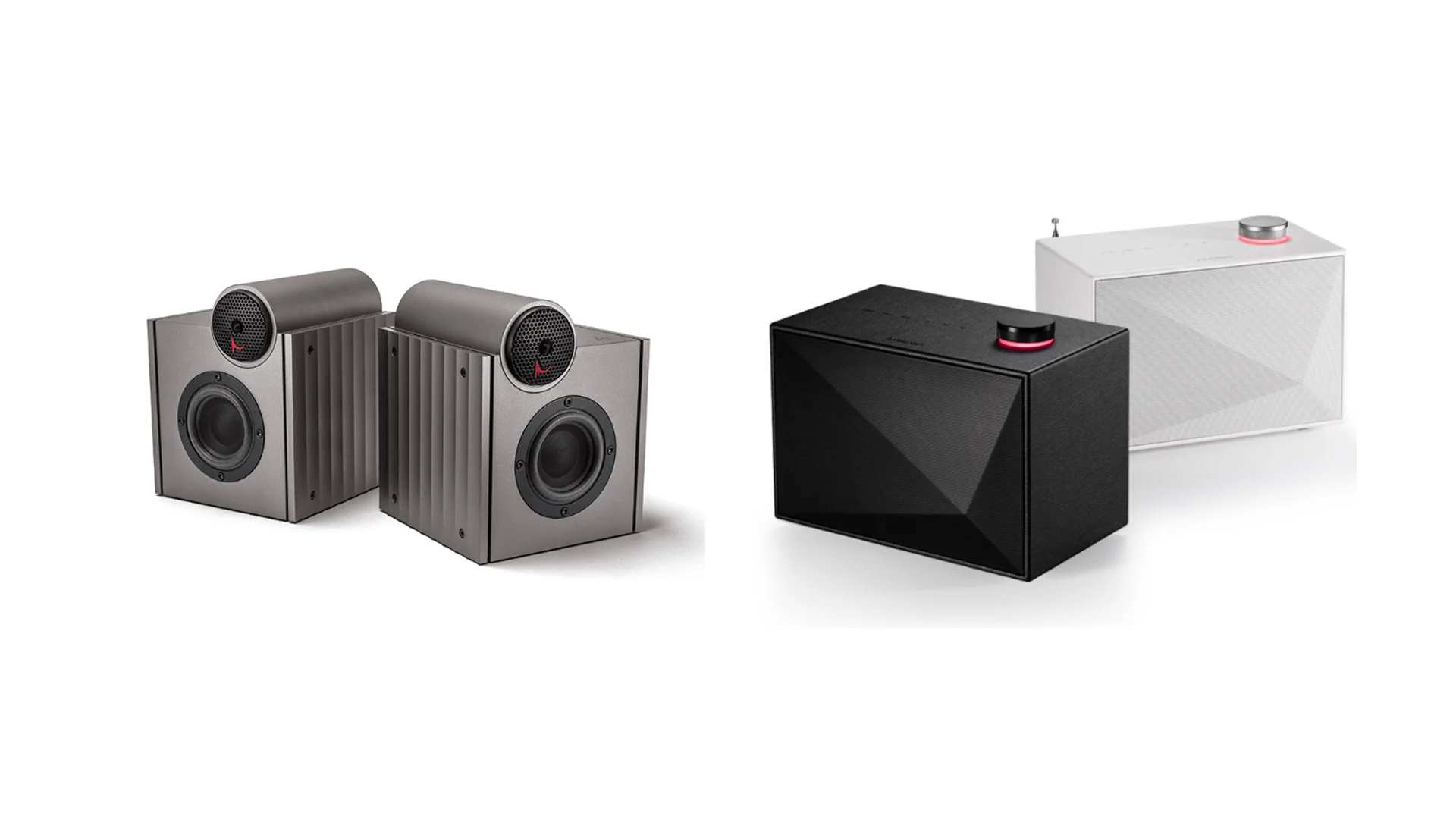
Astell&Kern builds dedicated portable music players that bring file playback, digital conversion and headphone amplification into one purpose-designed device. IRIVER launched the South Korean brand in 2012 with the AK100. Later AK models and the A&ultima, A&futura, A&norma and KANN families explored different balances of size, output capability and circuit complexity. The newer catalogue includes the PD series alongside flagship players. Distinctive machined enclosures and physical volume controls are part of the identity, but the range also reaches beyond players into headphone amplifiers, earphones and home-audio components. Collaborations with specialist IEM makers connect its source electronics with different approaches to personal listening.
Audio Pro

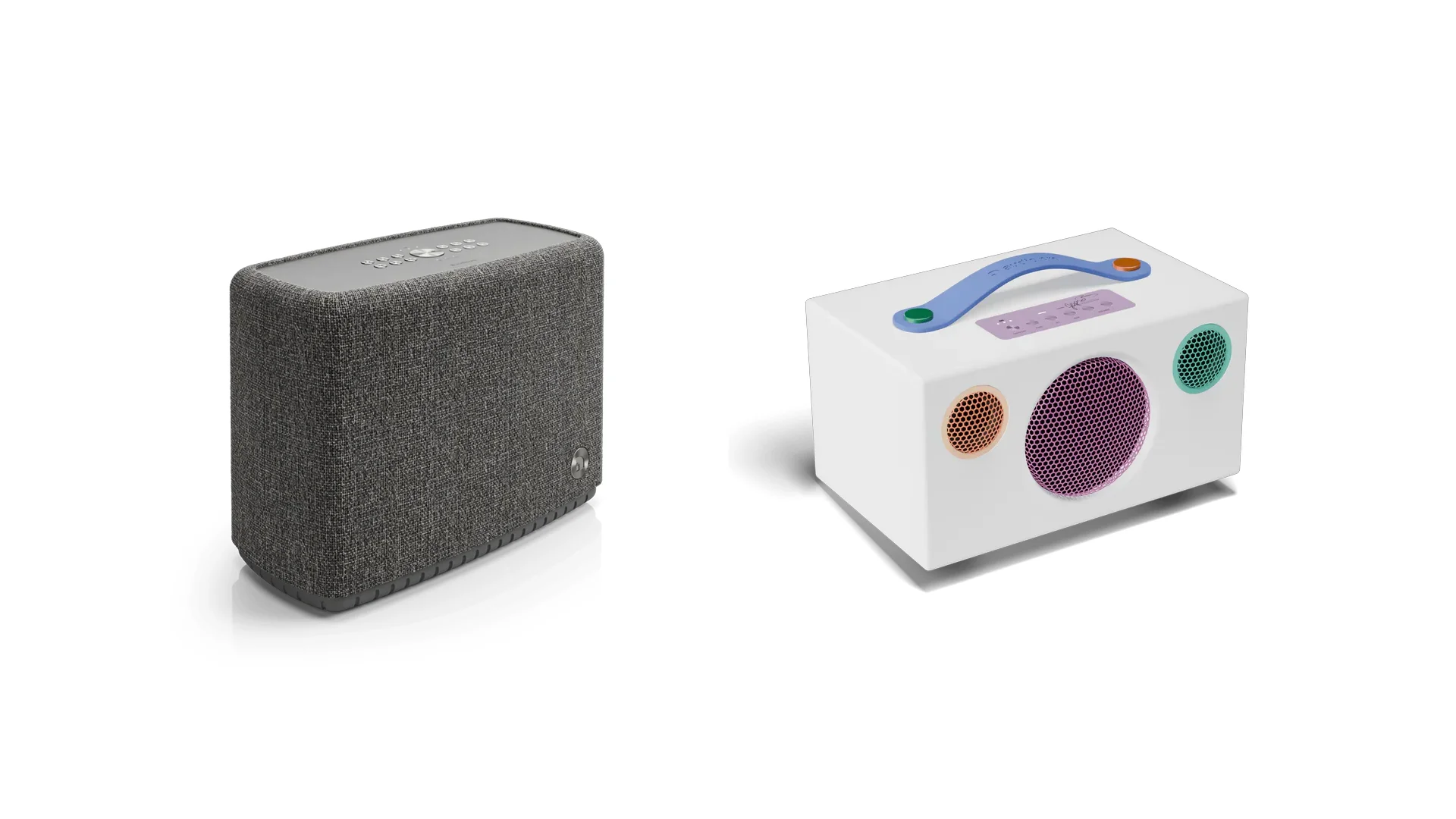
Audio Pro was building compact powered speakers long before wireless multiroom audio became a consumer category. The Swedish company started in 1978 with active speakers and subwoofers developed around engineer Karl-Erik Ståhl’s ACE-Bass technology, which uses amplifier control to obtain deeper, cleaner bass from a small enclosure. The B2.50 subwoofer and A4.14 active speaker established that technical direction. Today’s A, C and Drumfire families translate the same small-box, powered-speaker idea into Wi-Fi, Bluetooth and multiroom products, while models such as C20 also connect televisions and analogue sources. Scandinavian form, direct operation and unusually ambitious bass for the cabinet size remain more useful identifiers than generic smart-speaker features. The previous 1970 foundation date was incorrect.
Audioengine

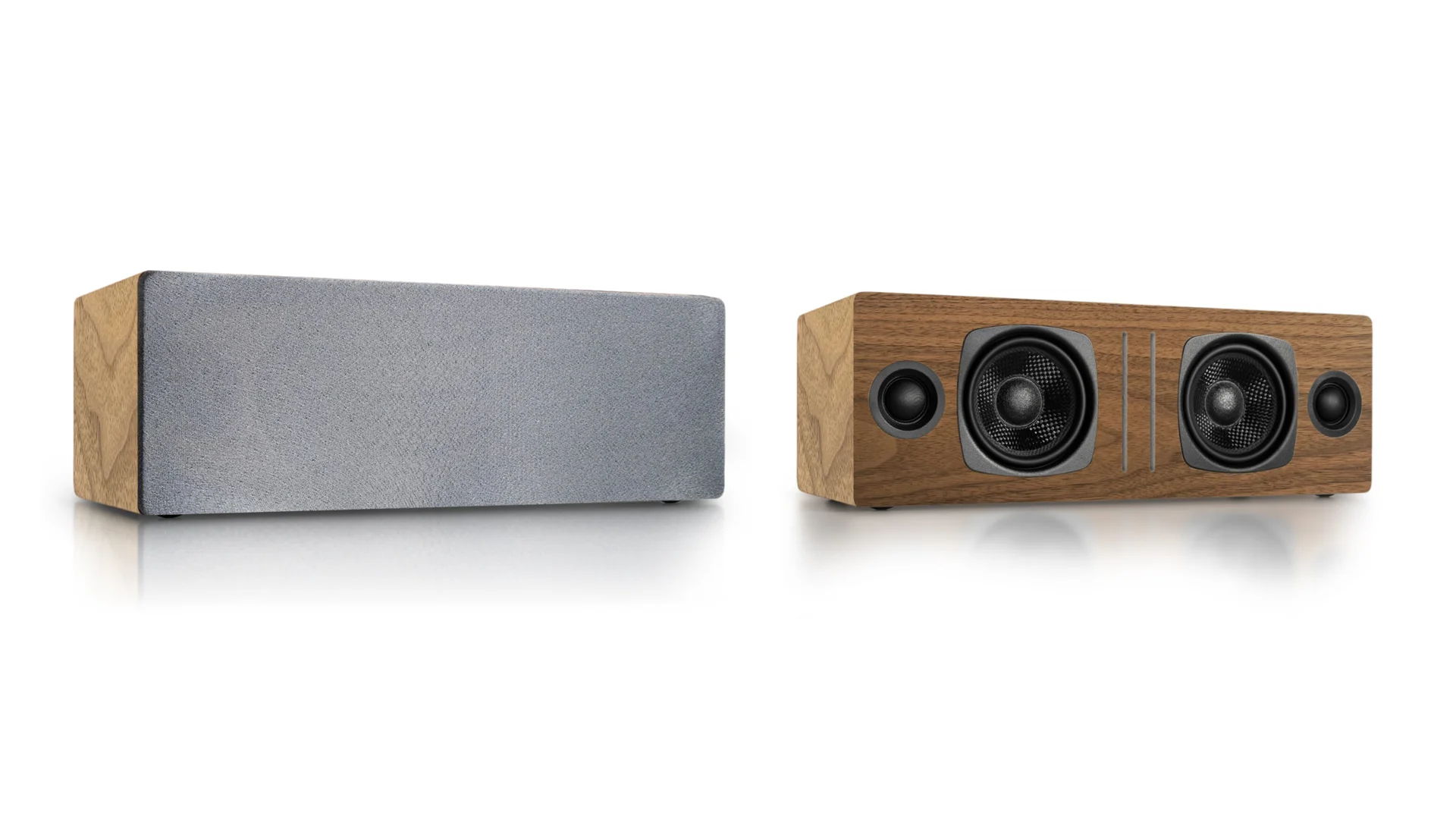
Audioengine helped make a pair of compact powered speakers a credible main music system for a desk, office or small room. Industry veterans Brady and Dave founded the company in Austin, Texas, in 2005 after work with firms including Harman, Apple, Gibson and Alesis. The original A5 put amplification inside a conventional wooden bookshelf cabinet and connected directly to everyday sources. Subsequent A2+, A5+ and HD models added USB, optical and high-quality Bluetooth options without turning setup into a network project. The range also includes passive speakers, subwoofers, DAC/headphone amplifiers and receivers such as the B1 for adding wireless playback to an existing system. Audioengine’s consistent strength is integration: useful connections, matched amplification and domestic-scale cabinets in products that remain recognisably stereo pairs.
Bang & Olufsen

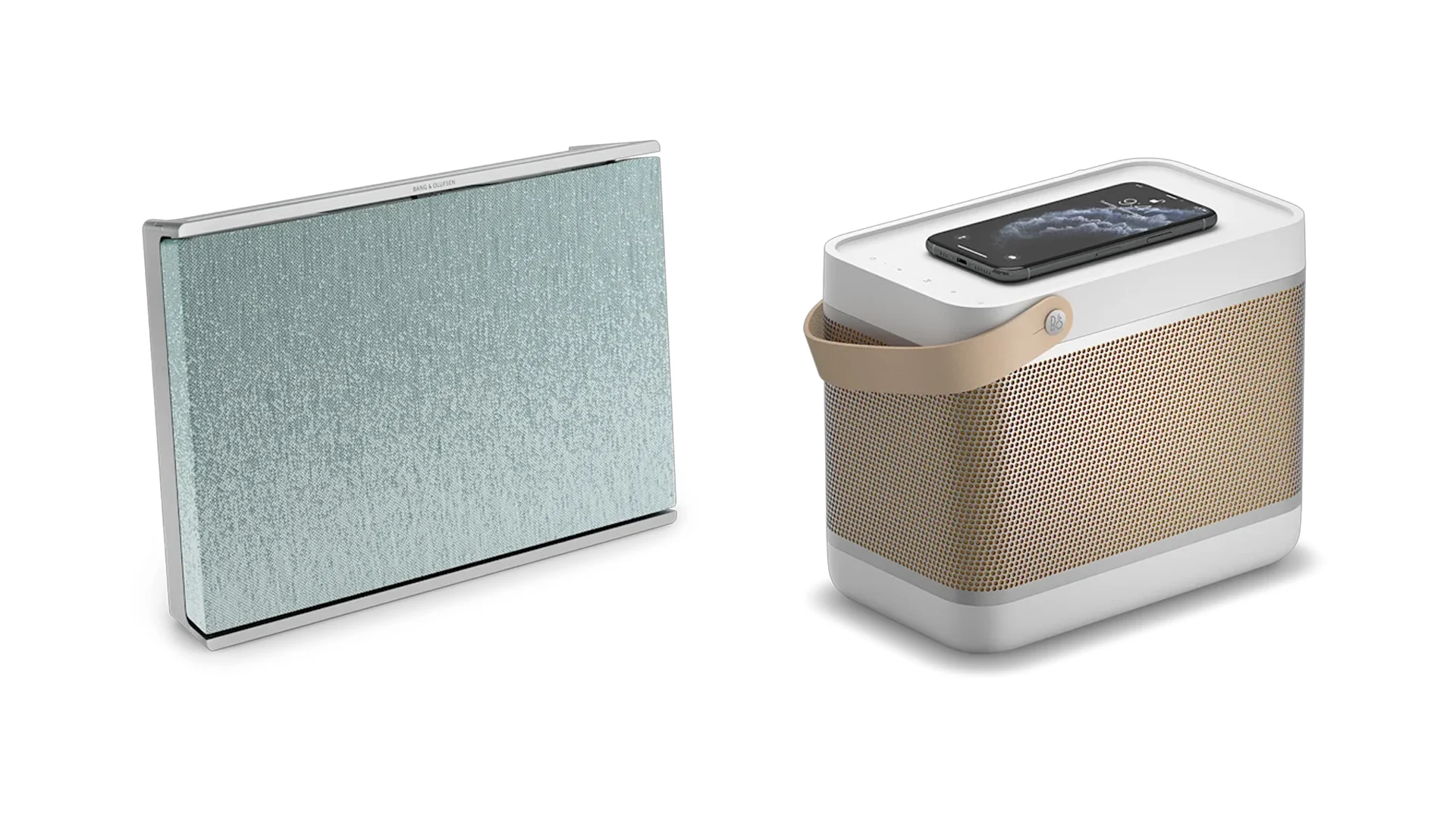
Bang & Olufsen has spent a century treating sound, mechanics and furniture-scale design as one discipline. Engineers Peter Bang and Svend Olufsen founded the Danish company in 1925 at the Olufsen family estate, Quistrup. From early radios and the mains-powered Eliminator to Beomaster systems and active Beolab loudspeakers, B&O repeatedly integrated technology that other manufacturers left in separate boxes. Beolab 90 represents the engineering extreme with multiple amplified drivers, beam-width control and room compensation; Beosound speakers, Beovision televisions, soundbars and Beoplay headphones carry the approach into everyday rooms and portable use. Aluminium machining, acoustic textiles, motorised movement and long software support are used as parts of the experience rather than surface decoration. The strongest B&O products are identifiable before music plays, yet their form is built around active acoustic and interaction engineering.
Bluesound

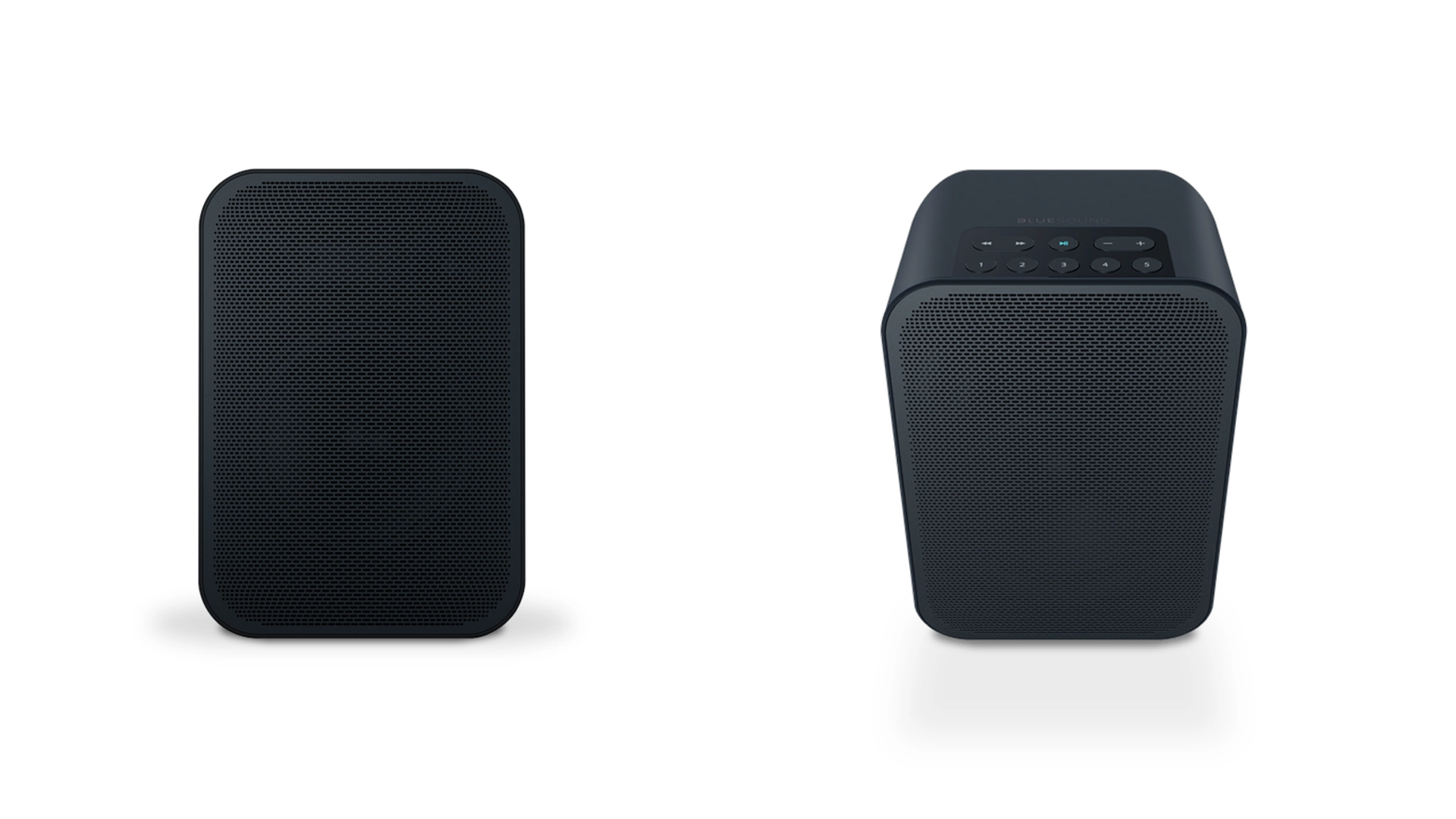
Bluesound brought high-resolution multi-room audio into a compact product family without reducing the system to background listening. Lenbrook launched the Canadian brand in 2013 around BluOS, a network platform that joins local libraries, internet radio and numerous streaming services in one app-controlled ecosystem. NODE streamers add BluOS to an existing hi-fi system; POWERNODE models include speaker amplification; VAULT combines playback with CD ripping and internal storage; PULSE wireless speakers and soundbars extend the platform through the home. Products communicate over the network, can be grouped by room and support lossless high-resolution playback up to 24-bit/192 kHz where the source and model allow. Bluesound’s advantage is the relationship between mature control software and purpose-built audio hardware, backed by Lenbrook’s longer experience with NAD and PSB rather than a stand-alone wireless speaker app.
Bose

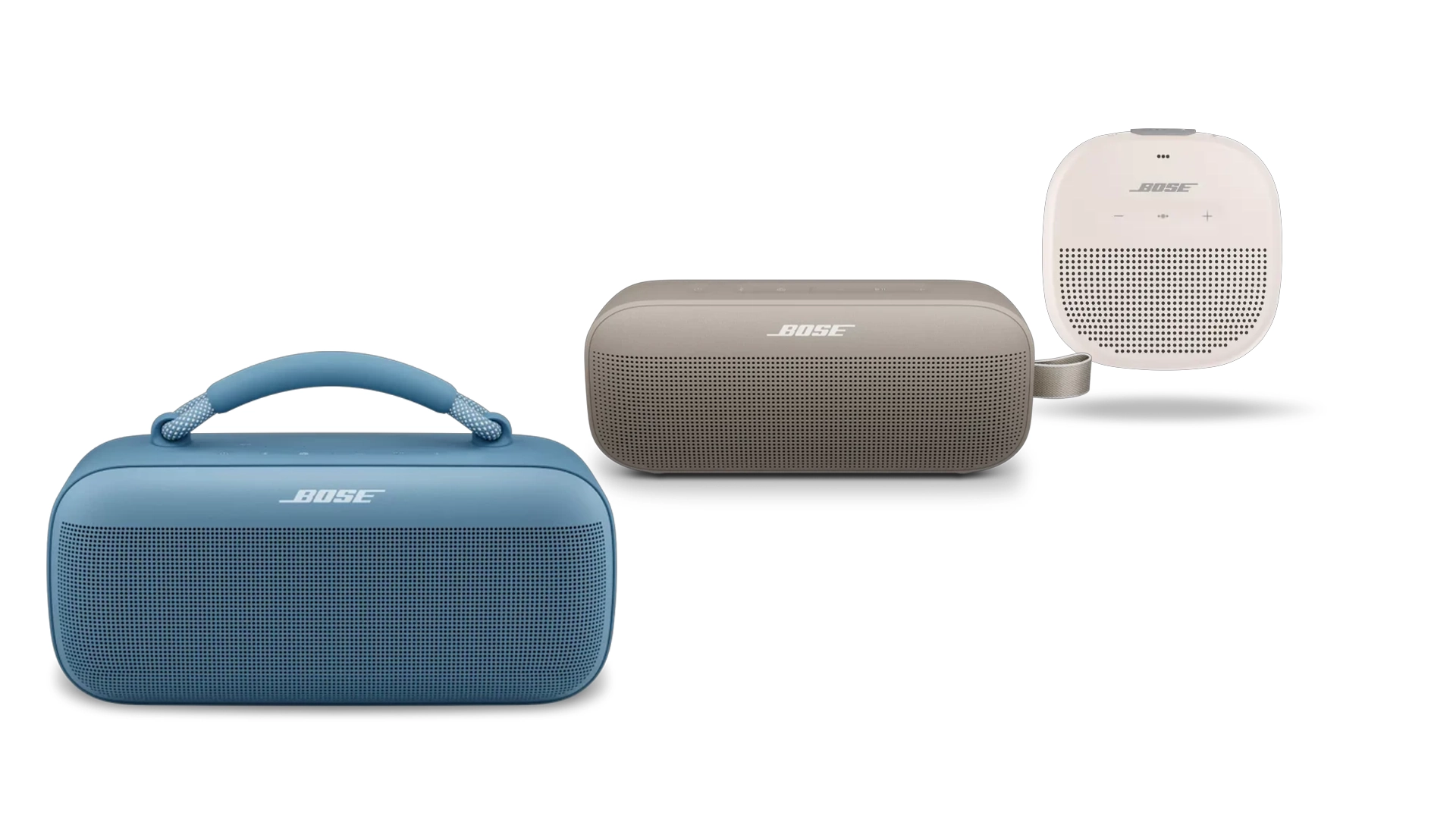
Bose built its reputation by using acoustic research and signal processing to solve practical listening problems at consumer scale. Dr Amar G. Bose founded the Massachusetts company in 1964 after studying why technically competent loudspeakers often failed to reproduce the experience of live music. The 901 Direct/Reflecting speaker became its early landmark, deliberately using room reflections as part of the presentation. Later work produced Wave music systems, compact home-theatre speakers and, after research beginning in 1978, active noise reduction for aviation and the QuietComfort consumer headphone family. Today’s range includes headphones, earbuds, Bluetooth speakers, soundbars and home audio, alongside automotive and professional systems. Bose’s strength is not traditional high-end component minimalism; it is the integration of acoustics, electronics, psychoacoustics and industrial design into products that make complex technology easy to use.
Bowers & Wilkins

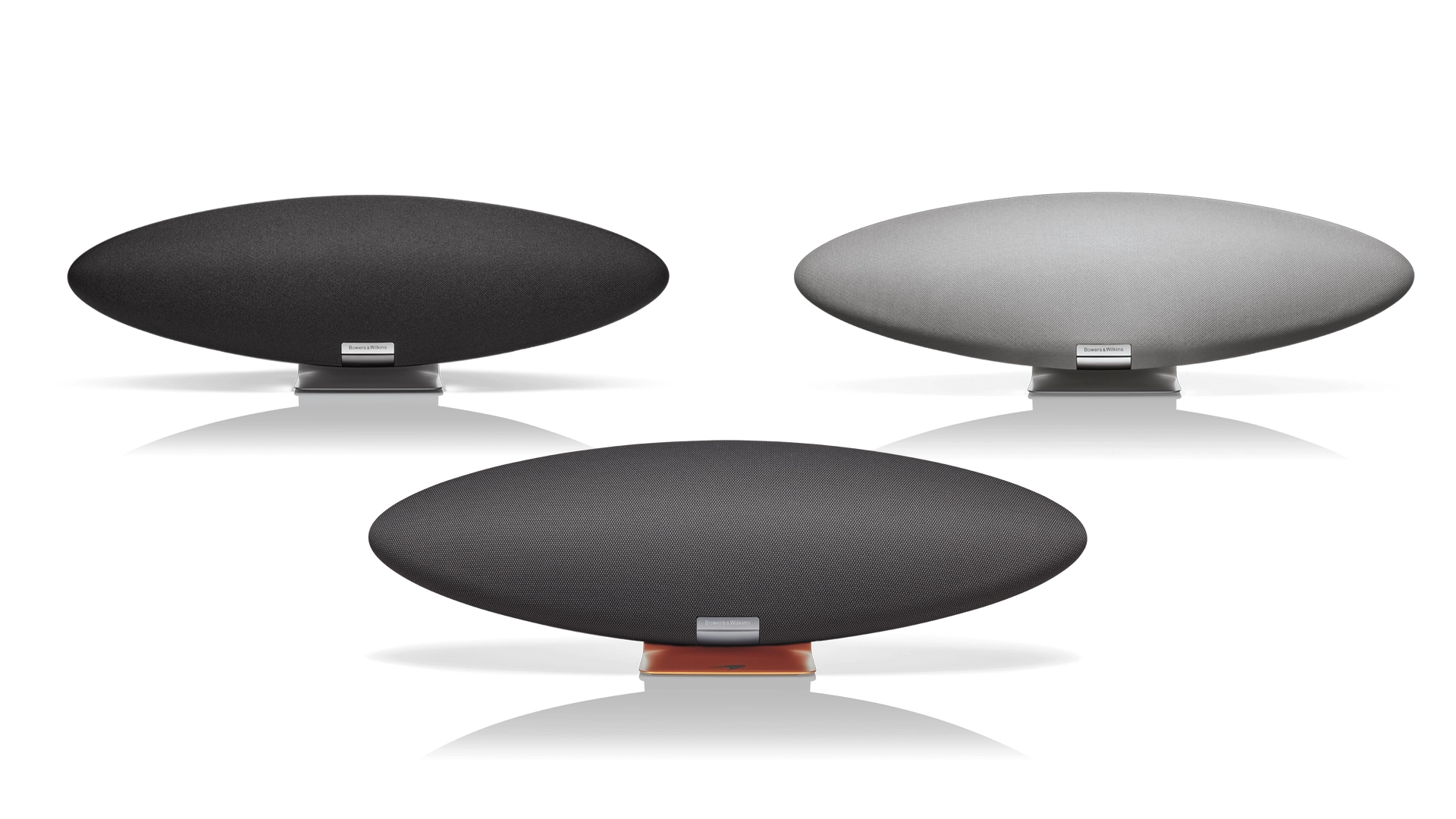
Bowers & Wilkins develops loudspeakers from the driver, enclosure and measurement system outward rather than assembling standard parts into a cabinet. John Bowers established the speaker company in Worthing in 1966 after operating an electronics shop with Roy Wilkins. The P1 funded early measurement equipment, and the later 801 became an influential studio monitor adopted by Abbey Road. Matrix bracing, tapered Nautilus tubes, diamond-dome tweeters, Continuum midrange cones, Aerofoil bass cones and Biomimetic Suspension mark successive stages of its research. The 800 Series Diamond D5 is the current flagship family, with 700 and 600 Series models covering more accessible stereo and home-cinema systems. Bowers & Wilkins also makes headphones, wireless speakers and soundbars. The brand is now part of Sound United within Harman, while its high-end loudspeaker development and 800 Series production remain centred in Worthing.
Braun Audio

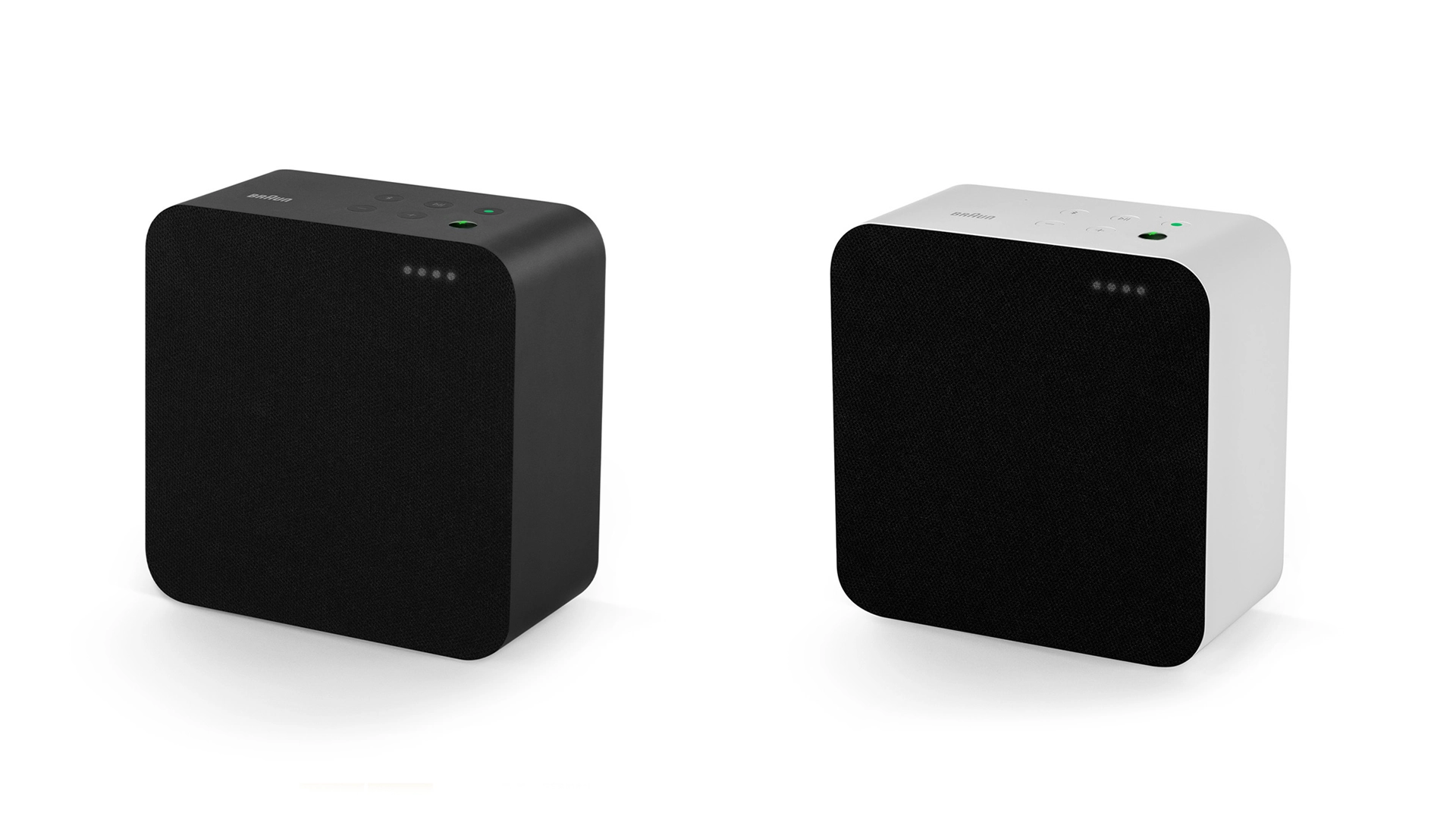
Braun Audio connects one of Germany’s strongest industrial-design traditions with a modern range of active wireless loudspeakers. Max Braun founded the original Braun company in Frankfurt in 1921 and moved into radio production during the following decade. Under design leaders including Dieter Rams, products such as the 1959 LE1 electrostatic speaker established a functional, visually restrained approach that influenced consumer electronics far beyond audio. The audio division stopped production in the 1990s. Pure International revived it under licence in 2019 with the LE01, LE02 and LE03 speakers. These self-contained systems combine amplification, DSP, wireless streaming and room-position adjustment in slim enclosures based on the historic LE proportions. The record retains 2019 as the beginning of the present Braun Audio operation while the description preserves the much earlier Braun history instead of treating the revival as a completely new design brand.
Bryston
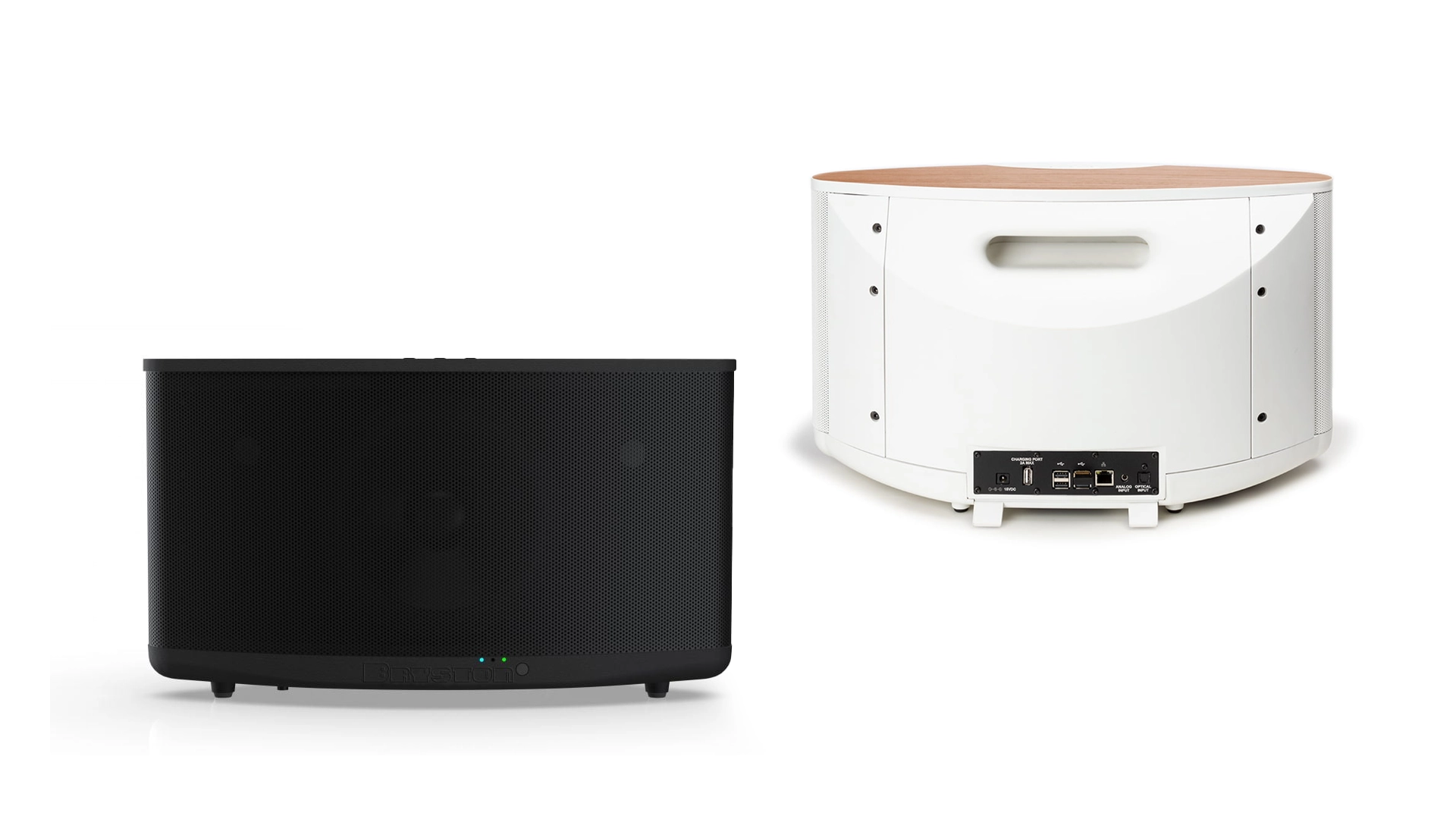
Bryston builds Canadian audio electronics around serviceability, stable operation and the ability to work for long periods under professional conditions. The company was incorporated in 1962 for medical electronics and moved into audio during the 1970s under the Russell family, bringing the testing culture of its earlier work with it. Power amplifiers became the core business, with the Cubed series continuing the company’s modular channel architecture and conservative thermal design. BR-20 and BP preamplifiers, BDA converters, BDP digital players, phono stages and active or passive loudspeakers make the range much broader than amplification alone. Products are developed and built in Ontario, and current owner Colquhoun Audio Laboratories also operates Axiom Audio. Bryston’s famous warranty remains longer than most competitors’, but the old blanket statement of 20 years is no longer current: new analogue products now carry a ten-year factory warranty.
Cabasse

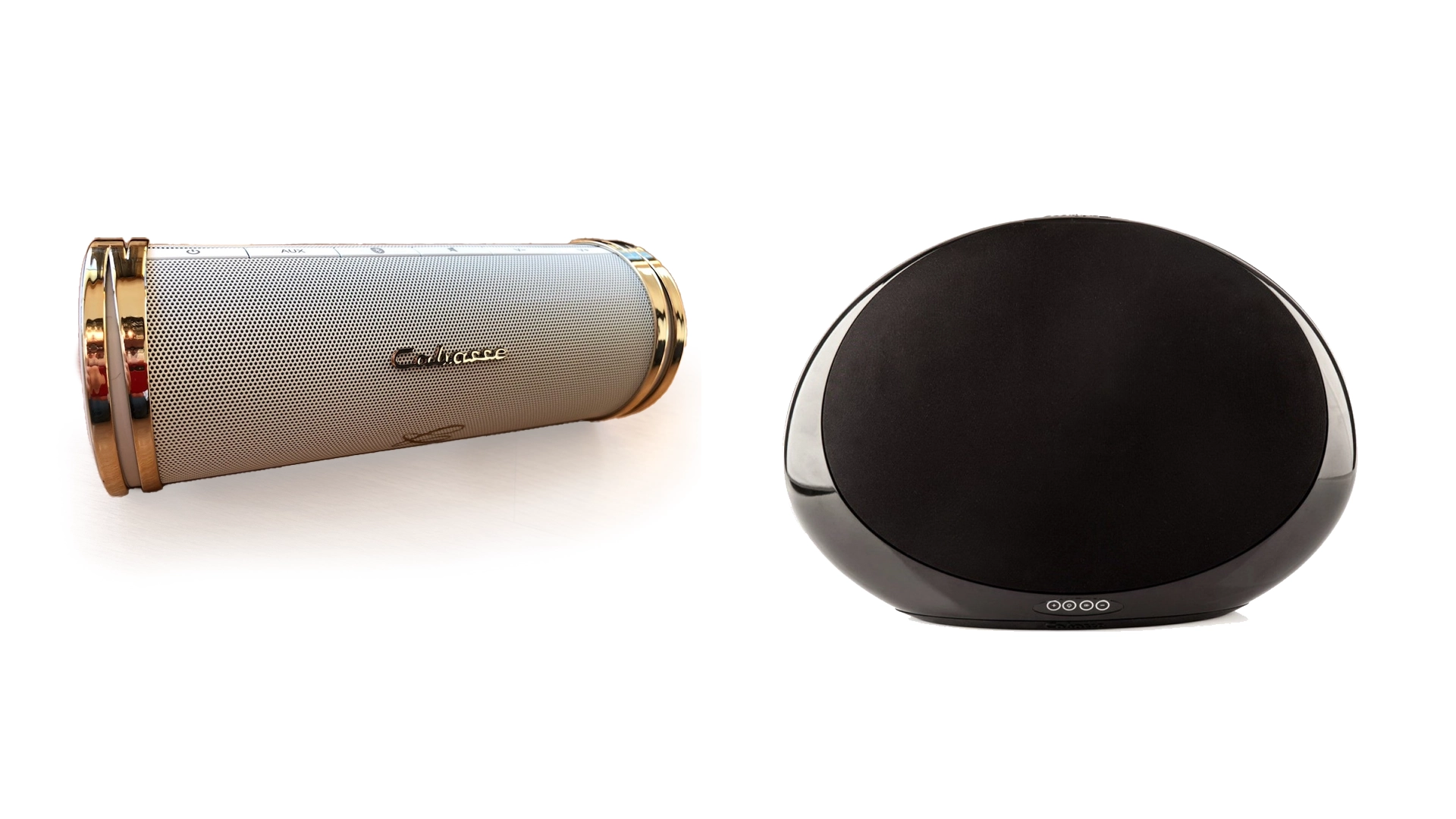
Cabasse has pursued the point-source loudspeaker for decades, progressing from cinema coaxials to active connected spheres. Electrical engineer Georges Cabasse founded the company in Brittany in 1950, continuing a family tradition associated with musical-instrument making. A two-way coaxial driver was already used for the Grand Rex cinema installation in 1952. Later Spatially Coherent System research placed several frequency ranges on the same acoustic axis, culminating in the four-way La Sphère and the compact Baltic. The Pearl Collection carries that geometry into self-powered wireless speakers with amplification, digital processing, room correction and network playback, while passive models and custom-installation products cover conventional stereo and cinema systems. Loewe Technology acquired Cabasse in April 2026 after the French company entered receivership, allowing the brand and its acoustic development to continue within the German group.
Canton

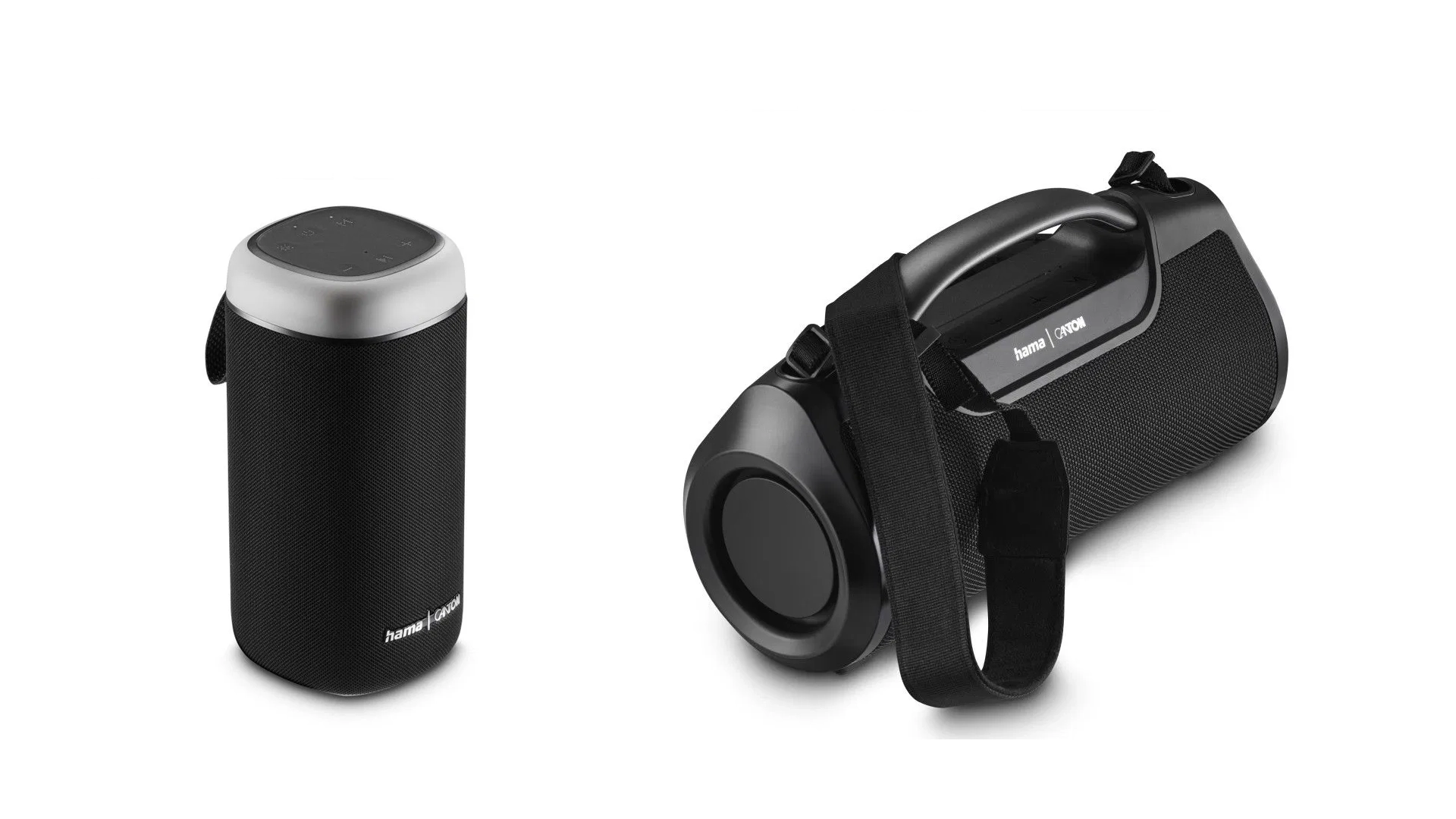
Canton is a family-owned German loudspeaker company with enough scale to develop drivers, cabinets, electronics and measurement facilities under one programme. Hubert Milbers, Otfried Sandig, Wolfgang Seikritt and Günther Seitz founded it in Weilrod in 1972. The early LE 250 compact speaker was followed by one of the company’s recurring themes: achieving substantial bandwidth and output in forms suited to real living spaces. Today’s catalogue extends from GLE and Townus through Vento to the Reference and Reference Alpha lines, with centre speakers, subwoofers and installation models for complete cinema systems. The Smart series adds active wireless stereo and surround configurations, while soundbars cover television systems. Aluminium-ceramic and later ceramic-tungsten diaphragms, waveguides, cabinet simulations and measurements in Canton’s own anechoic chamber support the range. Reference models and selected production remain closely tied to the Weilrod facility.
Cerwin-Vega!

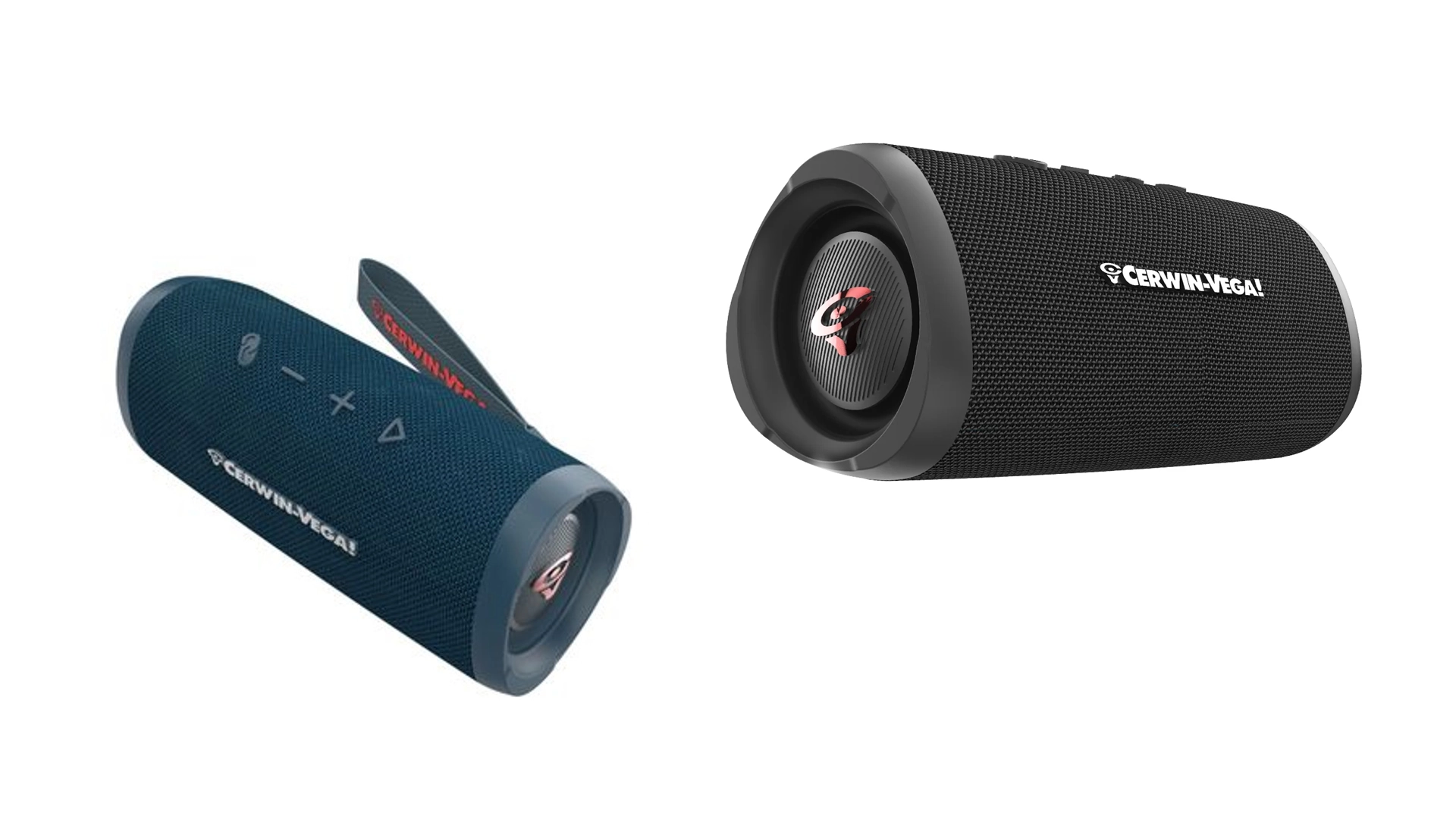
Cerwin-Vega! designs loudspeakers around high efficiency, deep bass and the ability to produce convincing live-event sound pressure without fragile construction. Aerospace engineer Eugene ‘Gene’ Czerwinski founded Vega Associates in Los Angeles in 1954; the company later became Cerwin-Vega. An early 18-inch system capable of exceptional output at 30 Hz established its low-frequency reputation, while professional systems, instrument speakers and the red-surround home models made the brand visually unmistakable. Cerwin-Vega also supplied the folded-horn subwoofer technology used for Universal’s Sensurround presentation of Earthquake in 1974, work recognised with a special technical Academy Award. The brand later passed through several owners and was split between mobile and pro/home operations, but those divisions were reunited under Cerwin-Vega Inc. in 2020. Current ranges cover home speakers and subwoofers, professional PA systems, amplifiers and car audio, preserving the original emphasis on robust drivers, high output and bass with physical impact.
DALI

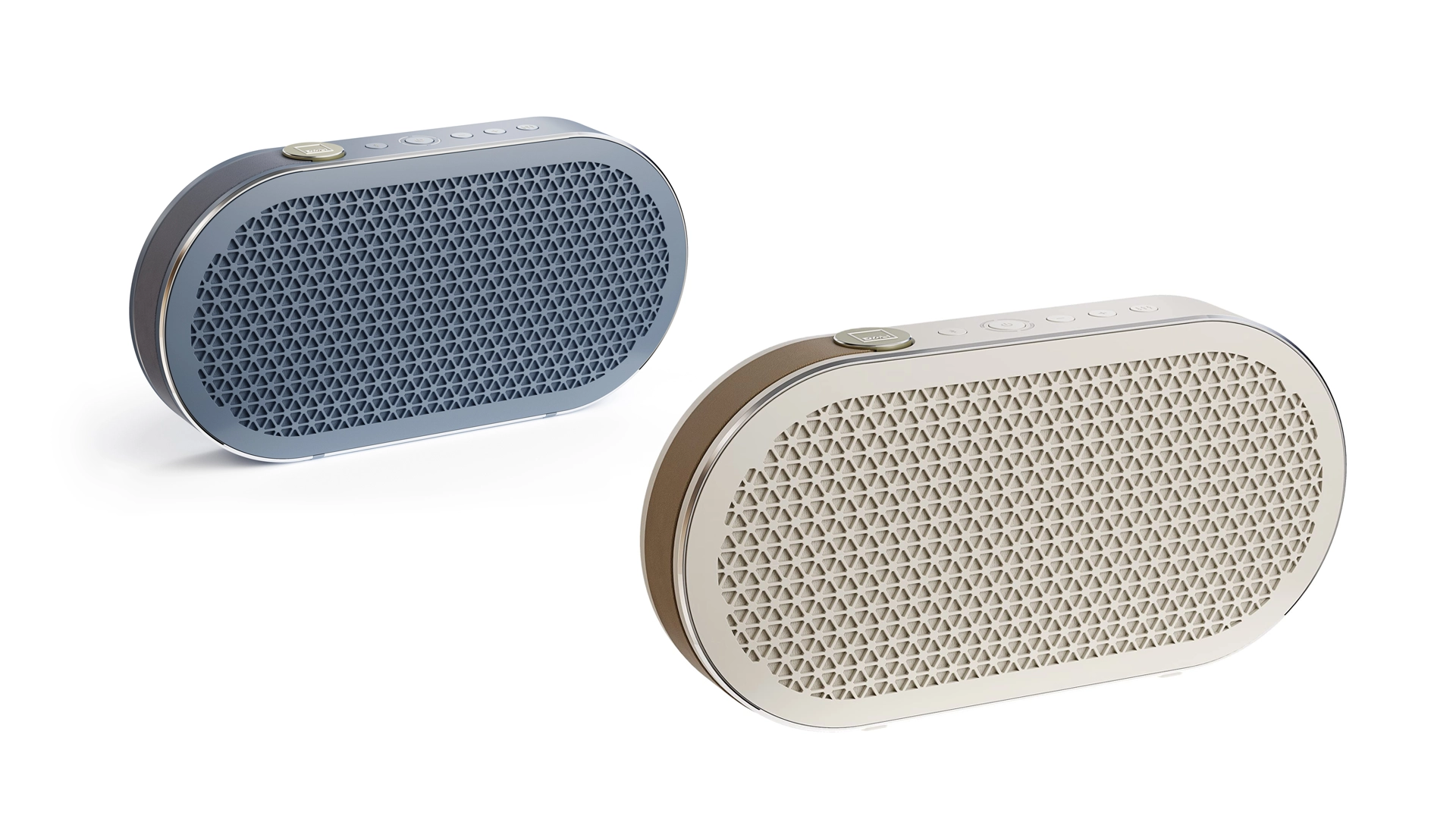
DALI — Danish Audiophile Loudspeaker Industries — was founded by Peter Lyngdorf in 1983 to build loudspeakers that reproduce music honestly across a wide listening area. The company opened its factory in Nørager in 1986, creating the vertically integrated development and production base that still shapes the brand. Several technologies make a DALI speaker easy to identify technically: low-mass wood-fibre cones, wide-dispersion driver geometry, soft-dome or hybrid dome-and-ribbon tweeter modules, and in upper ranges the company’s low-loss SMC magnetic material. These choices are intended to reduce distortion and preserve consistent tonal balance when the listener is not locked to one narrow seat. DALI applies the same principles across compact, floorstanding, on-wall, active and custom-installation models, from accessible OBERON and OPTICON families through RUBIKORE and EPICON to the KORE flagship. The breadth of the catalogue is important, but the stronger story is continuity: driver materials, magnet systems and dispersion behaviour developed for statement products are progressively adapted for speakers intended for ordinary living rooms.
Dayton Audio
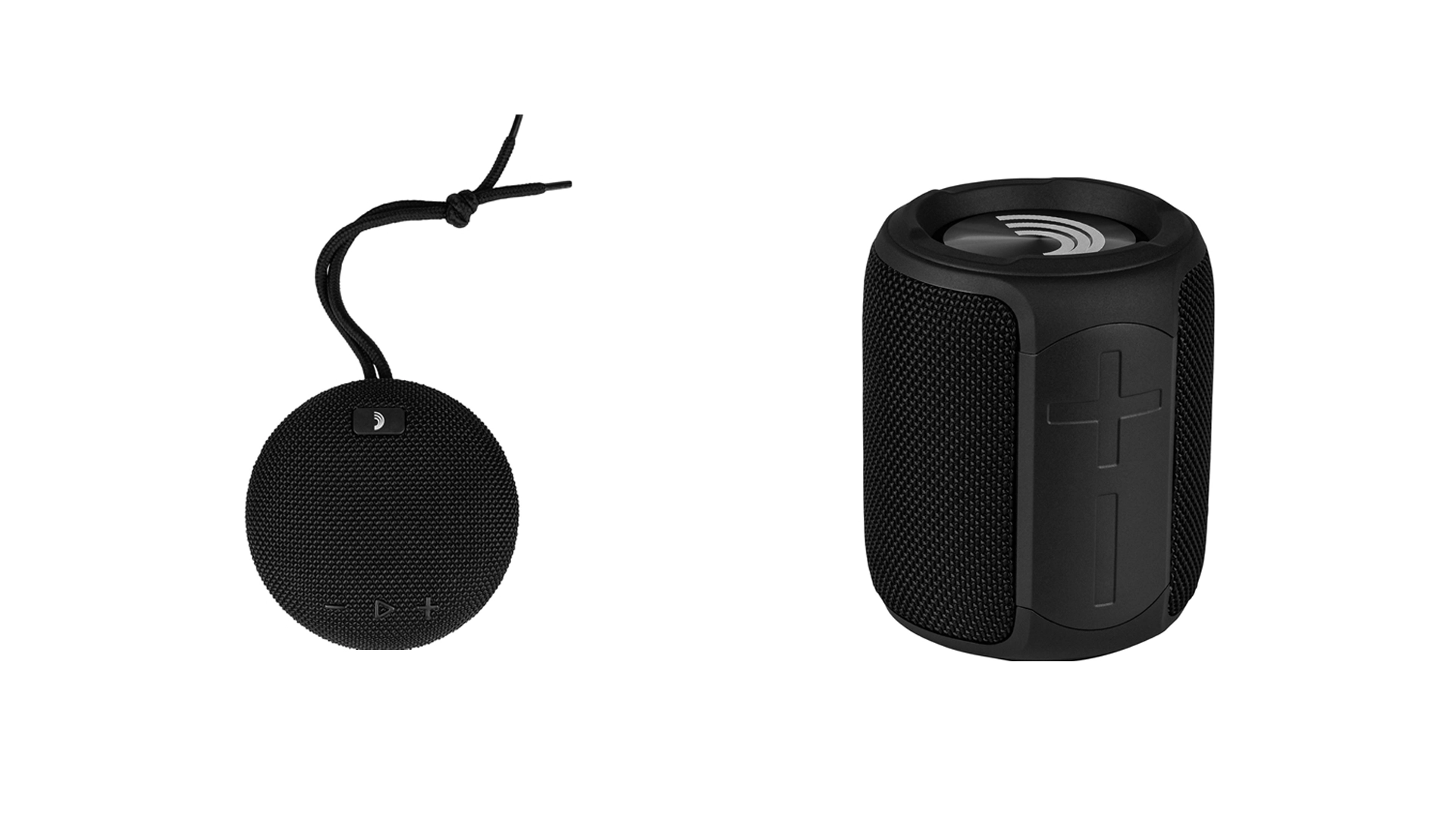
Dayton Audio is the house audio brand associated with Ohio-based Parts Express, serving builders, installers and value-conscious listeners with components that are normally sourced from many separate suppliers. Its catalogue spans individual tweeters, midrange and woofer drivers, passive radiators, subwoofer plate amplifiers, class-D amplifier boards, DSP modules, finished subwoofers, compact speakers and complete kits. Reference and Signature drivers provide measured parameters for original loudspeaker designs, while Ultimax subwoofers prioritise long excursion and power handling. Just as important is the supporting tool chain: the DATS measurement system helps builders determine driver impedance and Thiele-Small parameters, and project documentation makes the parts usable rather than merely inexpensive. Dayton also collaborates with independent designers on kits and supplies OEM or custom-installation solutions through Parts Express. Its distinctive strength is breadth with technical accessibility — drivers, electronics, measurement and practical documentation within one ecosystem — making it especially useful to DIY loudspeaker builders who want compatible parts and test tools from one source.
Denon

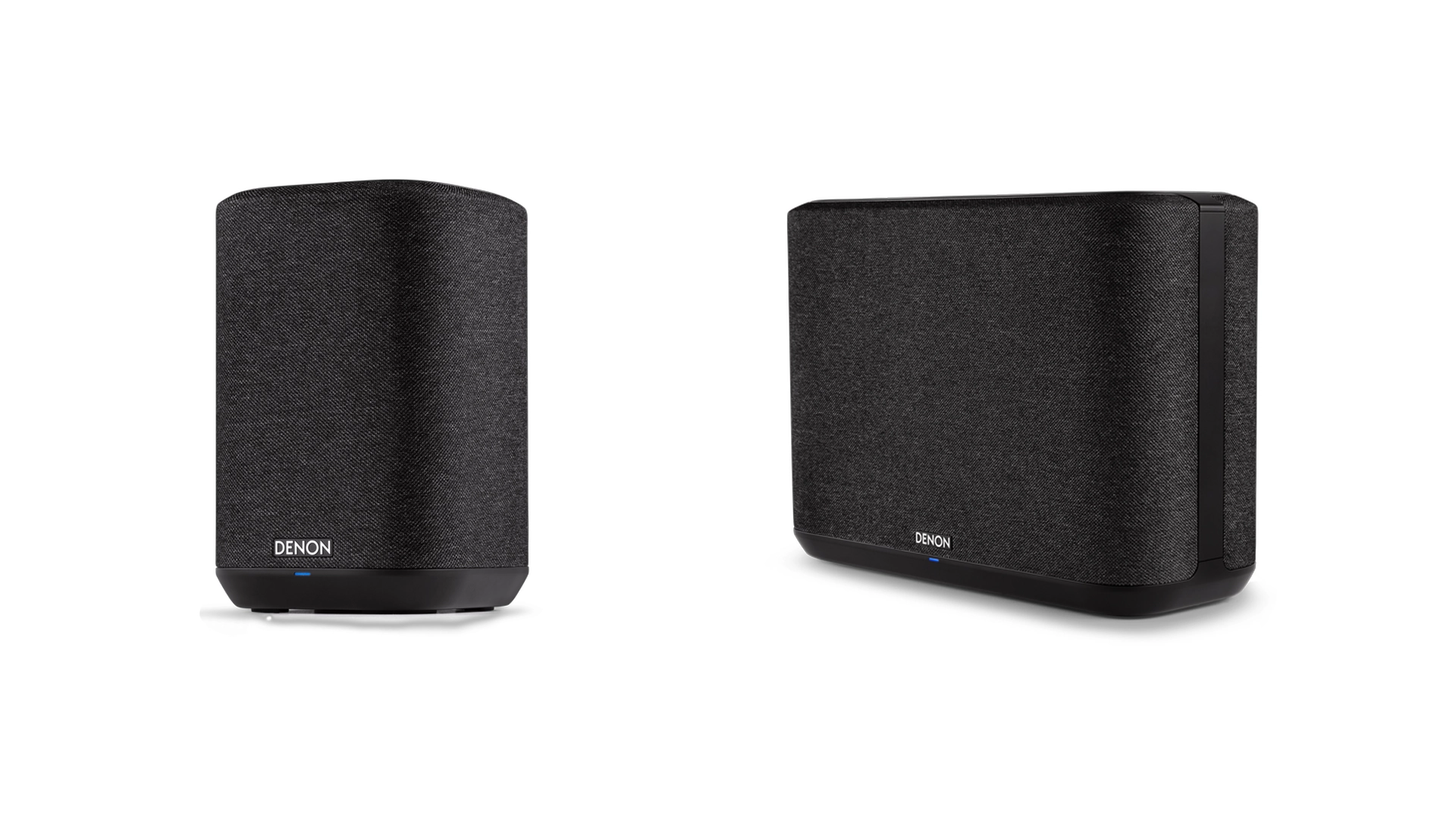
Denon’s history begins in 1910, when American entrepreneur Frederick Whitney Horn established the Japan Recorders Corporation, the antecedent of today’s Japanese audio brand, to manufacture records and gramophones. The company subsequently linked recording and playback in ways few consumer manufacturers can claim: it built Japan’s first professional disc recorder, released the country’s first commercial LP records, developed the broadcast-standard DL-103 moving-coil cartridge in 1963 and introduced an eight-channel PCM digital recorder in 1972. That combination of analogue, digital and broadcast experience still appears in a broad catalogue. AVR and AVC home-cinema receivers integrate amplification, decoding, room correction and HEOS network audio; PMA amplifiers and DCD disc players serve stereo systems; turntables, cartridges, headphones and soundbars cover other parts of the chain. The DL-103 remains in production decades after its broadcast origins, while modern receivers adopt current HDMI and immersive-audio standards. Denon’s strength is not merely age or product count, but a continuous ability to translate professional recording and format changes into durable home-audio products.
Devialet

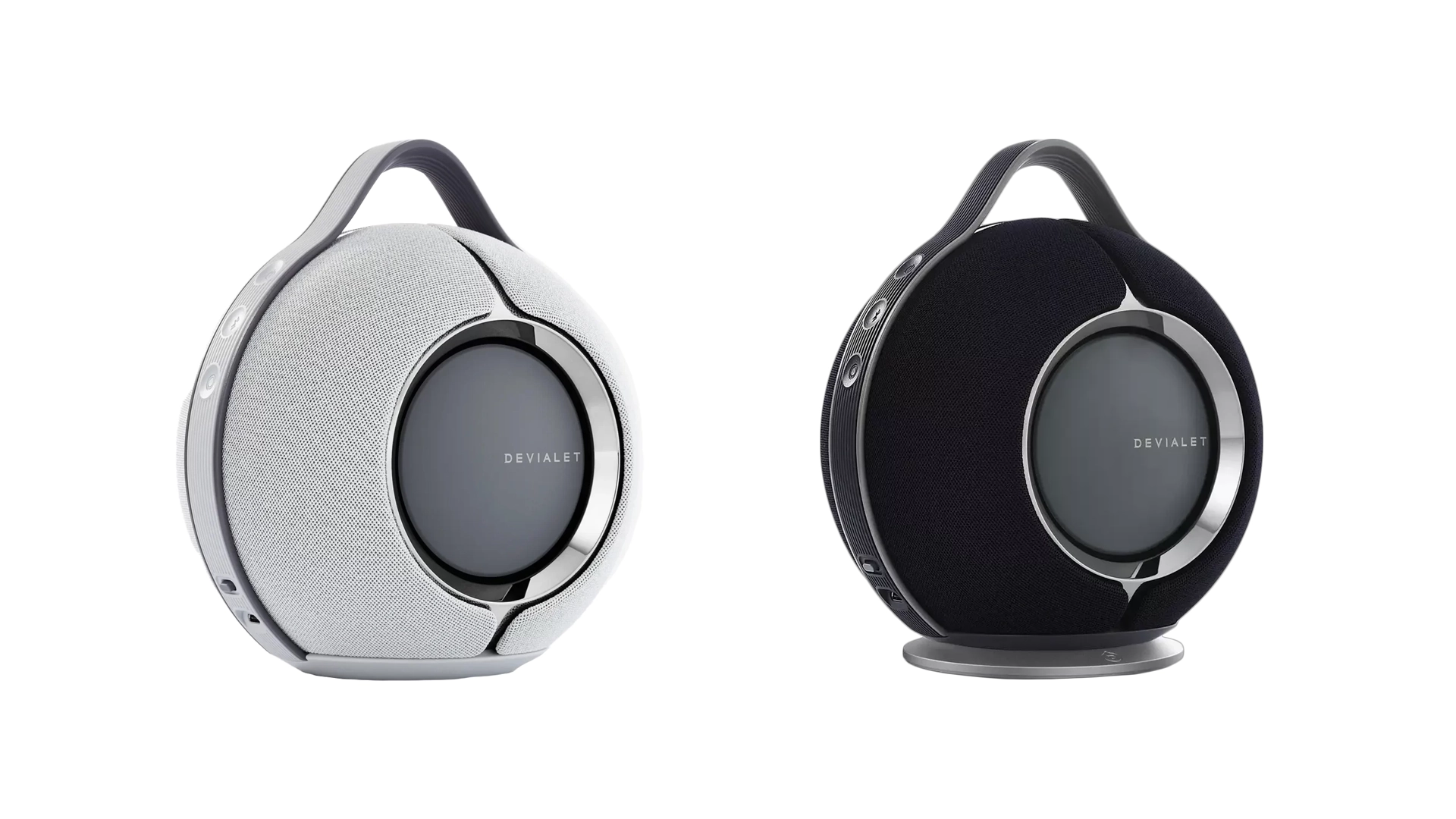
Devialet is a Paris audio-engineering company whose identity rests on packing proprietary amplification, signal processing and acoustic control into unusually compact products. Founded in 2007 by engineer Pierre-Emmanuel Calmel with Quentin Sannié and Emmanuel Nardin, it commercialised Calmel’s ADH architecture, in which a Class A stage controls the signal while Class D supplies most of the power. The original D-Premier evolved into the Expert and Astra amplifier platforms, while the Phantom family translated the same systems approach into active wireless loudspeakers with opposed woofers and extreme excursion. Devialet’s other distinctive technologies include SAM, which tailors amplifier output to a measured passive loudspeaker, and the pressure-controlled bass architecture used in Phantom. The range has expanded to Mania portable speakers, Dione soundbars and Gemini earphones, but the common thread remains tight integration of analogue circuitry, switching power, DSP, mechanics and industrial design. Devialet is therefore best understood not simply as a luxury speaker brand, but as a technology-led manufacturer that develops the complete signal-to-sound chain.
DioDIY

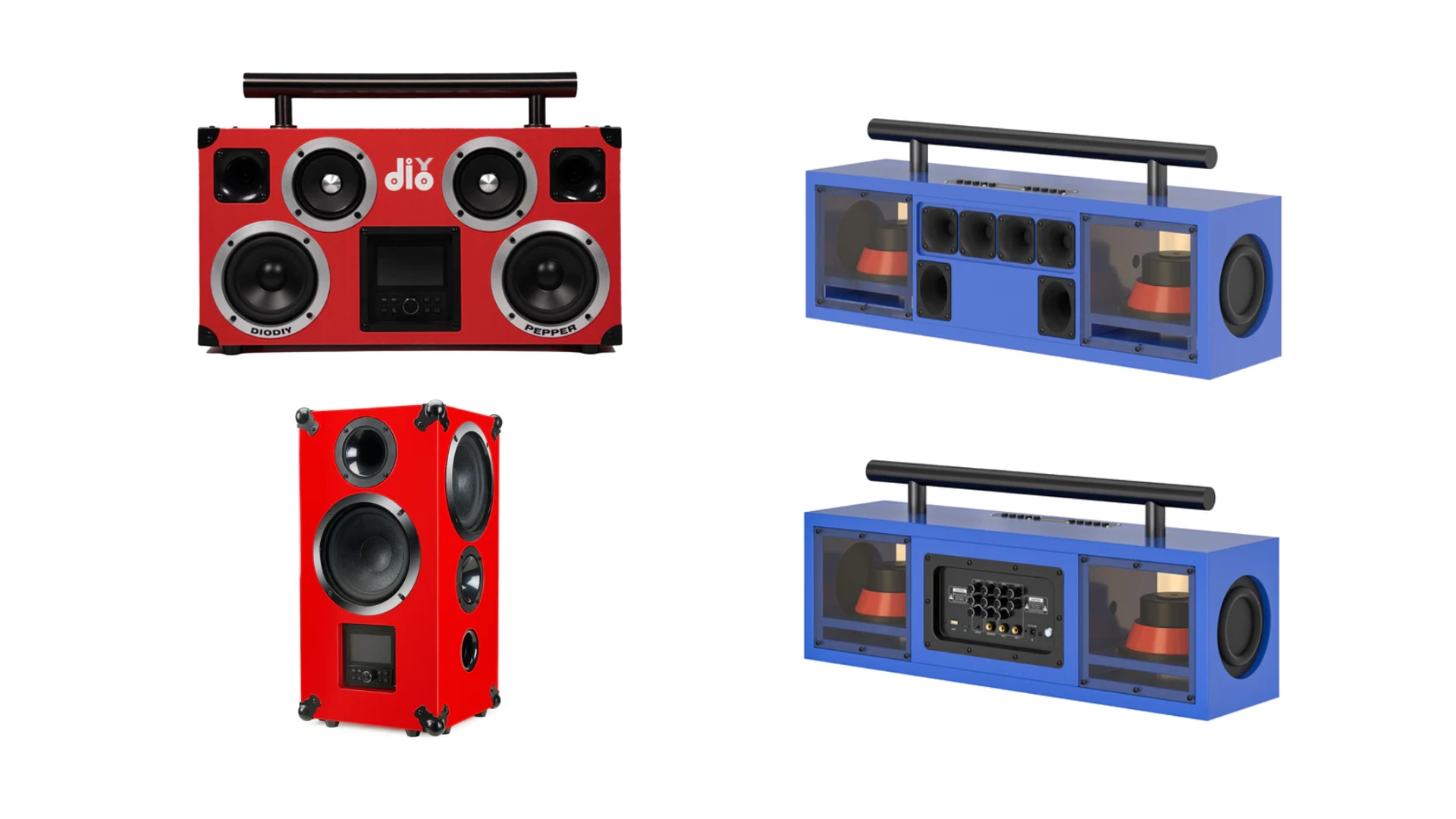
DioDIY is a Chinese loudspeaker brand introduced in 2023 by the organisation behind Bluedio, but aimed at large-format, high-output and custom speaker projects rather than personal Bluetooth audio. It draws on the parent company’s long experience in audio manufacturing and OEM/ODM development while giving designers room to adapt enclosure format, driver complement, amplification and appearance for particular customers or venues. Early public products and prototypes included DJ Box and SOLO concepts, with the company describing a broader portfolio under development for professional entertainment and high-power domestic use. The emphasis is therefore less on a fixed mass-market catalogue and more on configurable systems, substantial cabinets and visually assertive designs. Because DioDIY is young and its public product history remains limited, claims about mature proprietary technology or a long market record would be premature. Its relevant distinction today is the attempt to translate an established Chinese manufacturer’s engineering and production capacity into bespoke, large-scale loudspeakers whose configuration can be developed around the application rather than selected only from a conventional retail series.
Dynaudio
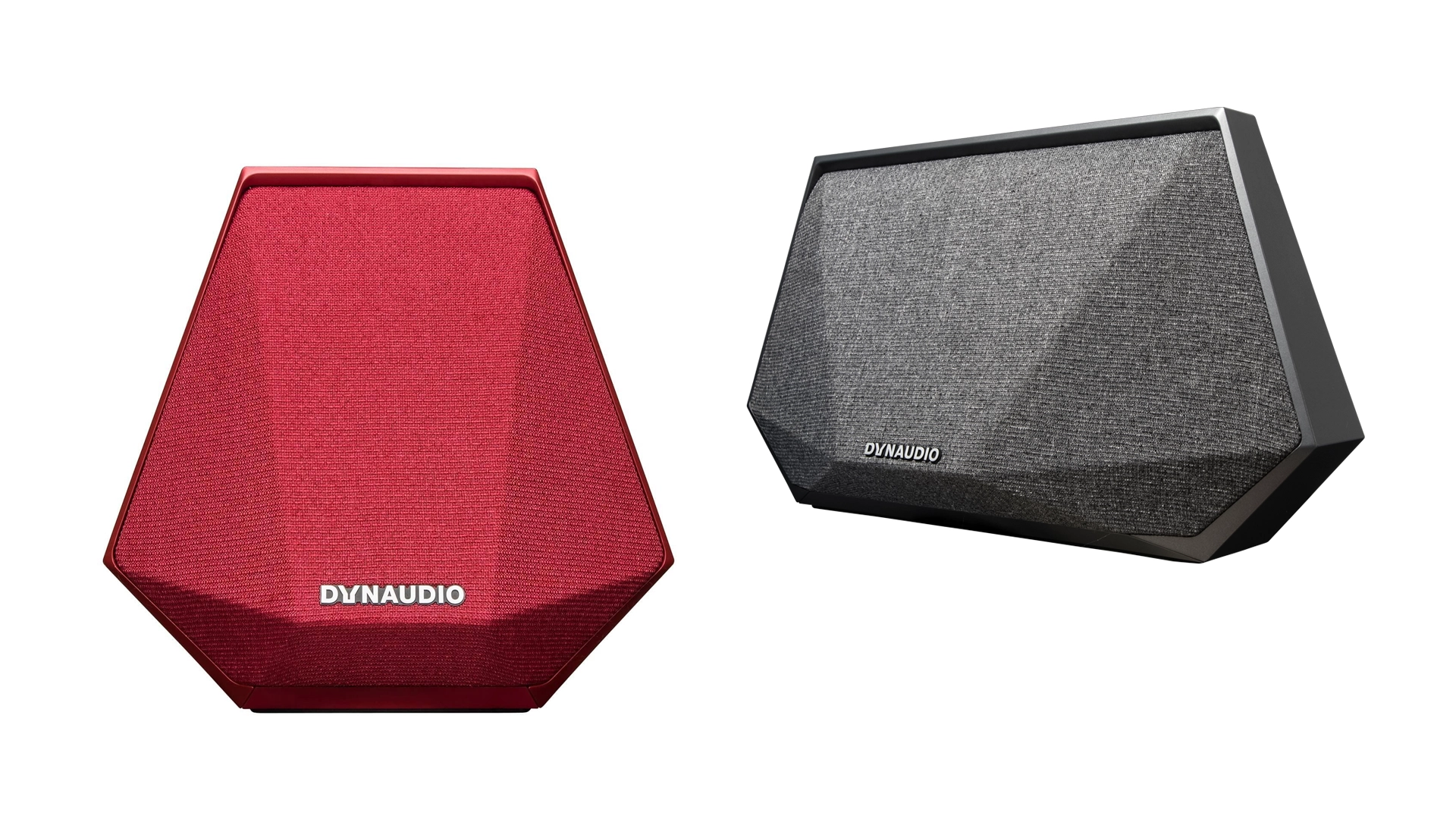
Dynaudio is a Danish loudspeaker and driver manufacturer founded in 1977 in Skanderborg, built on the decision that control over the finished speaker required control over the transducers themselves. Its long-running technical signatures include magnesium silicate polymer cone material, large-diameter lightweight voice coils and coated soft-dome tweeters, developed and manufactured in-house rather than selected from a standard supplier catalogue. Esotar tweeters represent the reference end of that work, while technologies such as Hexis inner domes manage airflow and resonance behind the diaphragm. The home range spans Emit, Evoke, Contour, Confidence and Heritage models; Focus combines active amplification, wireless streaming and room-related DSP. Dynaudio Professional applies the same driver knowledge to studio monitors, and the company also engineers custom-install and automotive systems. Product categories vary, but the defining advantage remains vertical acoustic integration: diaphragm material, motor, voice coil, crossover, cabinet and voicing can be developed together. That continuity gives Dynaudio a recognisable engineering identity across compact monitors, large floorstanders and professional control rooms.
Dynavoice
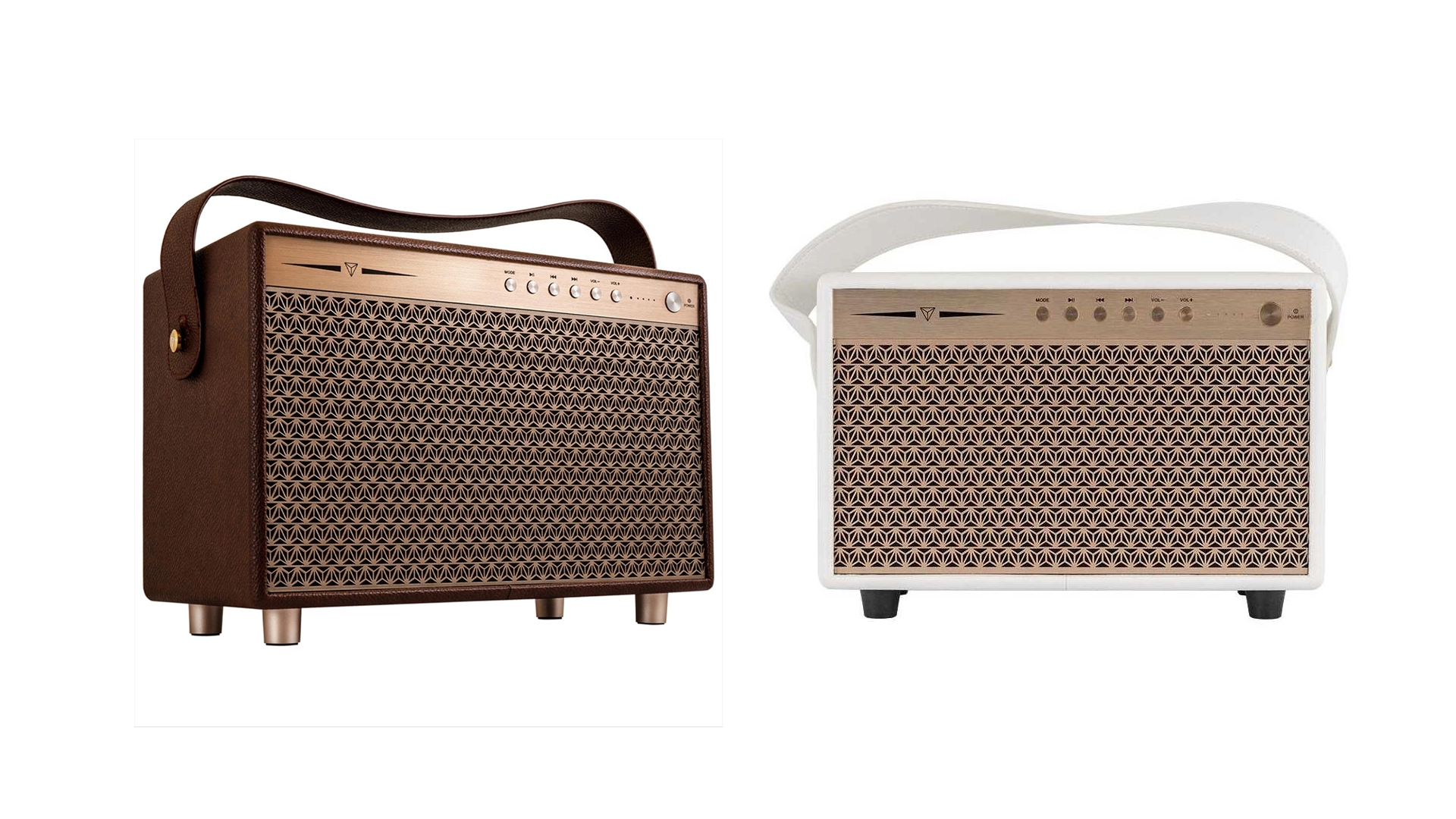
Dynavoice is a Swedish loudspeaker brand built around an unusually practical promise: full-scale stereo and home-cinema sound without turning sensible pricing into an apology. Its roots reach back to 1975, when Tommy Wadensten began the JWS loudspeaker business in Falkenberg; Dynavoice later emerged from that engineering and distribution lineage as the company’s more ambitious speaker identity. The range is structured for real systems rather than one showcase model. Magic covers accessible stereo and surround installations, Challenger adds greater output and cabinet scale, and Definition moves upward with ribbon-assisted high-frequency reproduction and more elaborate driver layouts. Matching centre, surround and subwoofer models make the same voicing available across multichannel setups. A recognisable Dynavoice feature is X-Change, a passive terminal arrangement on selected speakers that lets the owner adjust treble balance without inserting an electronic equaliser. The brand’s strength is therefore not exotic storytelling but system breadth, lively dynamics and useful tuning options developed by a company with decades of Scandinavian loudspeaker experience.
Electro-Voice

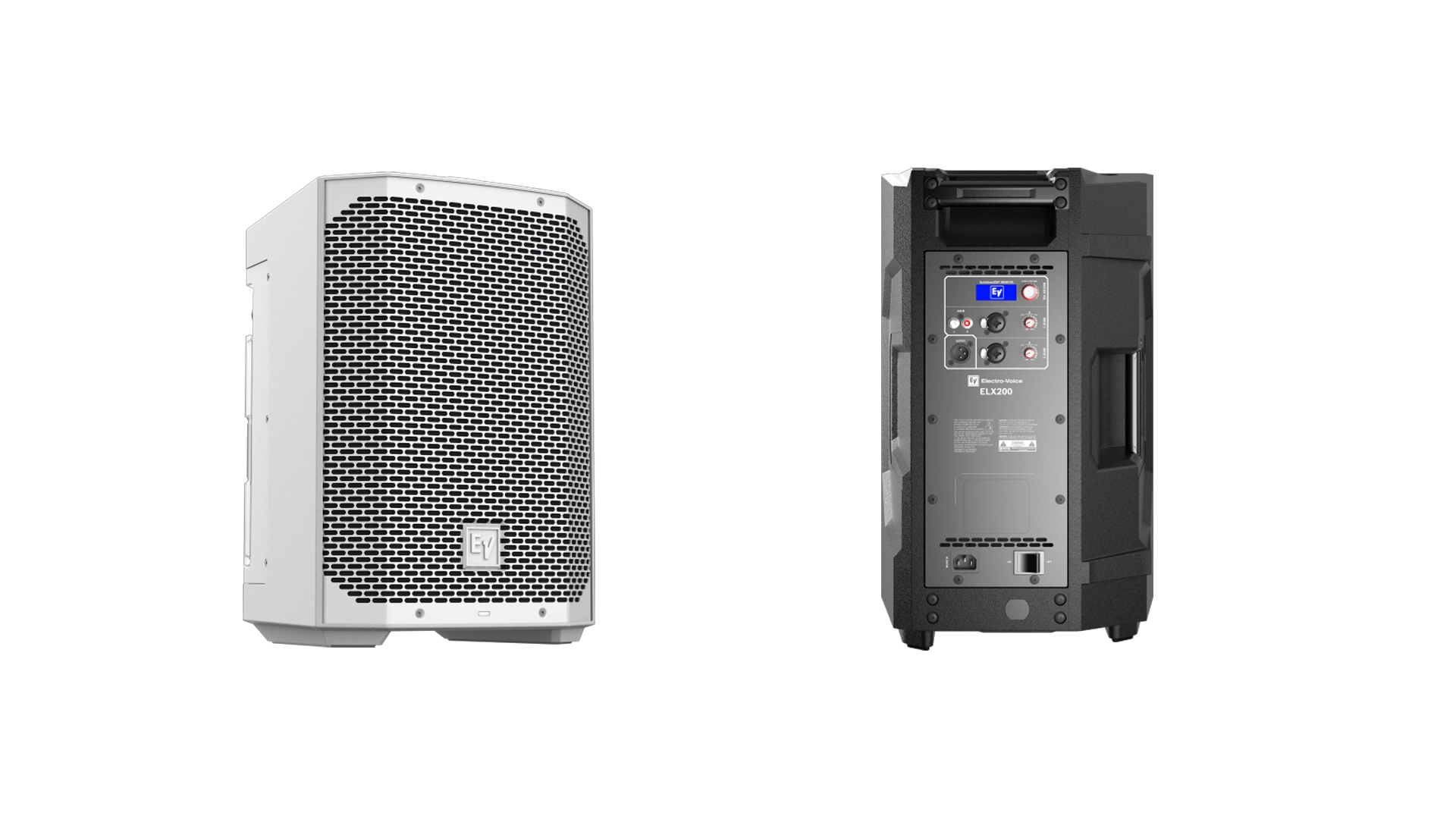
Electro-Voice is an American professional-audio manufacturer formed in 1930 by Lou Burroughs and Albert R. Kahn, whose work grew from servicing early public-address equipment into microphones and loudspeakers used on stages, in broadcast and in installed sound. The name reportedly followed football coach Knute Rockne’s description of Burroughs’ PA as his “electric voice.” EV’s importance rests on engineering that became industry vocabulary. Variable-D microphone construction controls proximity effect through rear acoustic ports and is embodied by the enduring RE20 broadcast microphone. Constant-directivity horn research helped make coverage predictable over frequency, while later powered systems integrated transducers, amplification, DSP limiting and presets as one calibrated platform. The current catalogue spans portable ZLX and EKX speakers, higher-output ETX systems, line arrays, installation loudspeakers, amplifiers, processing and wired or wireless microphones. Electro-Voice has been part of Bosch since 2006, but retains a distinct product and engineering identity. Its speciality is controlled, repeatable performance under professional conditions: intelligibility, pattern control, high output and reliability rather than domestic-audio ornament.
Electrocompaniet

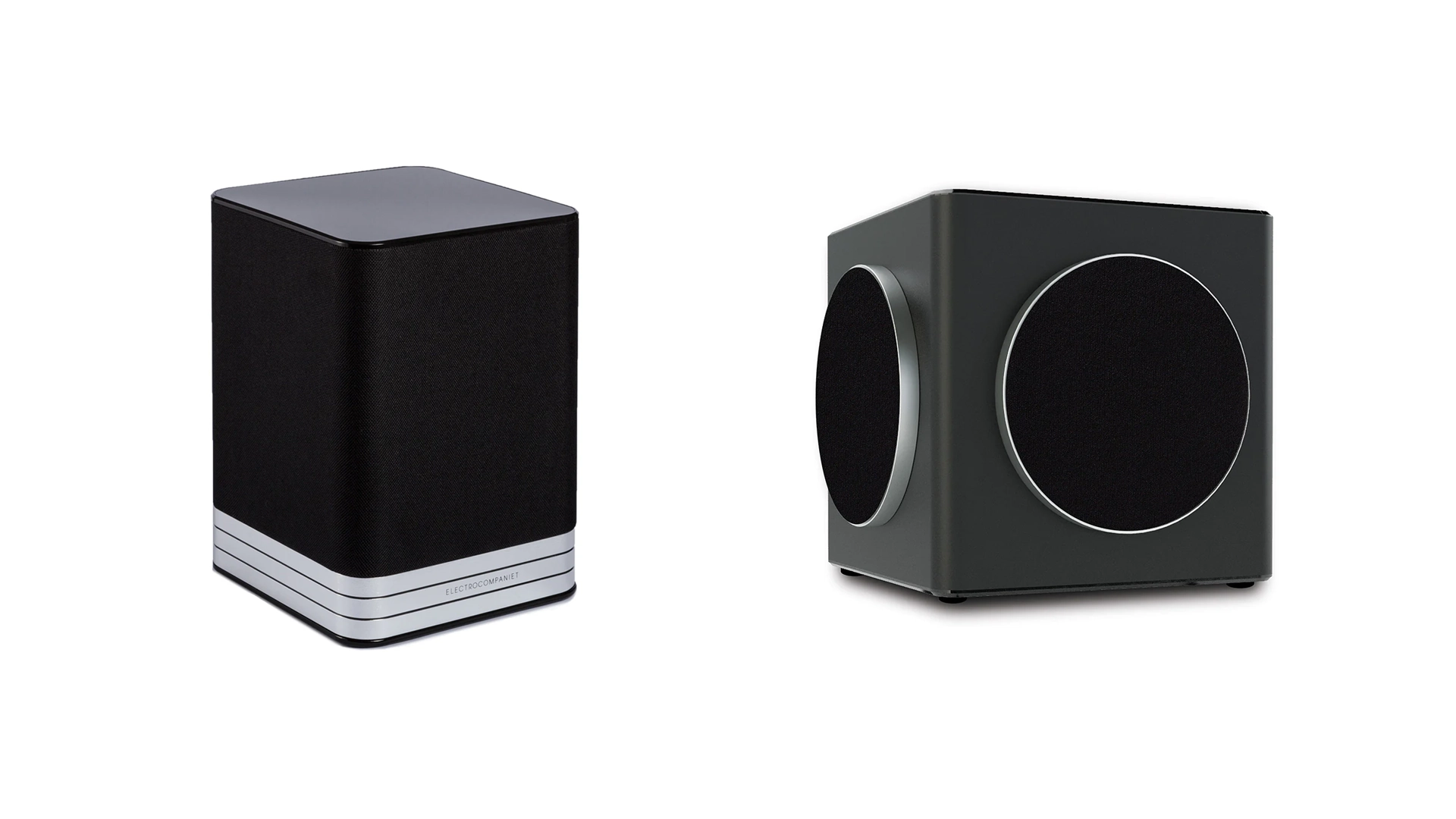
Electrocompaniet is a Norwegian high-end electronics company founded in 1973 by Per Abrahamsen and Svein Erik Børja to build an amplifier informed by Dr Matti Otala’s work on transient intermodulation distortion. The resulting 25-watt power amplifier earned international attention not through brute force, but by showing that measured dynamic behaviour and listening quality could challenge accepted solid-state design practice. That origin still explains the brand better than generic references to Scandinavian style. The Classic Line centres on analogue preamplifiers, integrated amplifiers and high-current power amplifiers, including the AW series and large Nemo monoblocks, complemented by digital players and sources. EC Living brings streaming, wireless control and multiroom operation to a more compact family while maintaining the company’s system approach. Products are developed and assembled in Norway, with substantial power supplies, balanced signal paths where appropriate and amplifier stages designed for difficult loudspeaker loads. Electrocompaniet’s hallmark is a particular combination of authority and ease: solid-state equipment whose circuit choices grew from studying distortion under real transient signals, then evolved across five decades of two-channel and connected audio.