
Wireless Portable Speakers
Wireless portable speakers offer the freedom to take your music anywhere. Combining Bluetooth connectivity with built-in rechargeable batteries, these compact devices are designed for ultimate convenience and on-the-go use. Perfect for everything from a backyard party to a day at the beach, their features often include rugged, water-resistant designs and long battery life. This directory lists the leading brands in the portable audio market, from household names to innovators creating the next generation of go-anywhere sound.
Hi-Fi brands in the category
Summary information and image
Direct links to official websites
Ruark

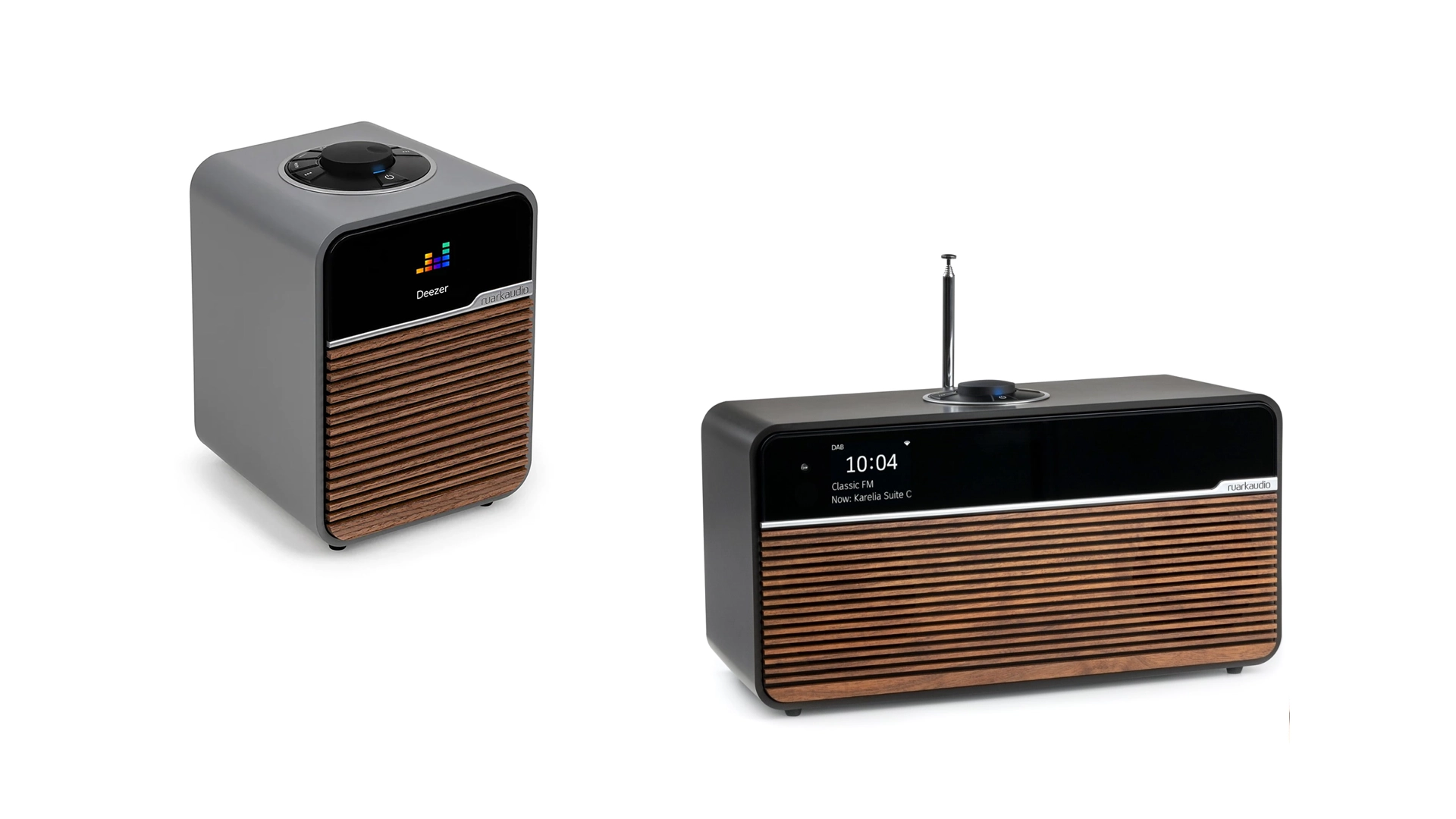
Ruark is a British audio company created in 1985 by Brian O’Rourke and his son Alan in Rayleigh, Essex. It began as Ruark Acoustics, building serious passive loudspeakers: the Sabre and Broadsword arrived in 1986, followed by models such as Accolade, Talisman and Crusader. That loudspeaker background matters because Ruark’s later success did not begin with generic radios. Seeing how poorly many early DAB receivers reproduced music, the company developed the original R1 tabletop radio, launched in 2006 under the Vita Audio name; since 2012 the products have again carried the Ruark name. The R1 and stereo R2 established the formula—purpose-designed drivers and enclosures, tactile controls, readable displays and furniture-grade finishes in a compact product. Today’s range stretches from R1S and R2 connected radios to R3S, R410 and the large R810 radiogram-style system, combining DAB/DAB+, FM, internet radio, Bluetooth, Wi-Fi streaming and service integration according to model. R610 revives the separate music-console idea for use with external speakers, while Sabre-R—and, in 2026, Talisman-R—reconnect the catalogue directly with Ruark’s original loudspeaker craft. The products use real-wood veneers, carefully formed cabinets and the distinctive RotoDial controller instead of disguising audio hardware as anonymous smart technology. Ruark’s strength is this unusual continuity between traditional British speaker making and modern connected listening. It understands that a compact system lives in full view and must be pleasant to operate, but it earns its place through acoustics and long-term design rather than appearance alone.
Sangean

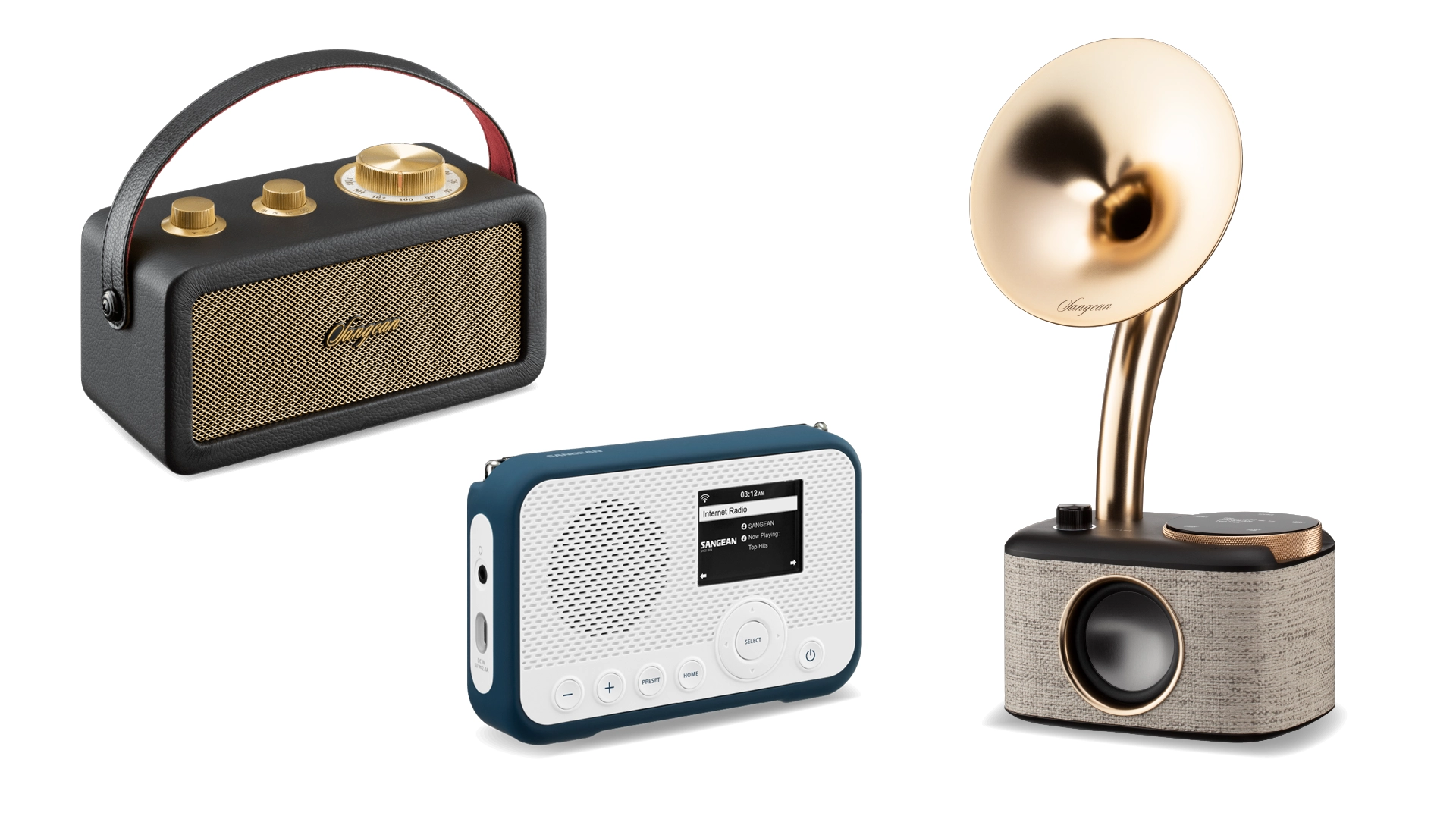
Sangean is a Taiwanese radio and audio manufacturer founded in 1974. While many consumer brands treated radio as a minor feature inside another product, Sangean built its identity around reception itself: tuner sensitivity, selectivity, antenna behaviour, useful controls and dependable operation. The catalogue covers compact FM/AM portables, tabletop and clock radios, DAB/DAB+ receivers, internet radios, worksite models, emergency sets and specialist multiband equipment. The ATS-909 line is especially important among shortwave listeners; the current ATS-909X2 receives FM, medium wave, long wave, shortwave and air band, combining DSP filtering, multiple bandwidths, memories, RDS and external-antenna support in a portable unit. WR tabletop radios emphasise simple tuning and substantial sound from wooden cabinets, while PR and DT portables serve everyday listening. WFR models add Wi-Fi, internet stations, podcasts and network playback, and DPR products address digital broadcasting. The MMR family is designed for emergencies and outdoor use, pairing radio reception with rechargeable power, hand-crank or solar charging on selected models, lights and device-charging functions. Sangean also has extensive OEM manufacturing experience, but products under its own name are recognisable for putting radio behaviour ahead of disposable styling. The company continually adds Bluetooth, streaming and digital standards without abandoning analogue bands or tactile controls. Its strength is therefore breadth with a clear centre: from a bedside set to an enthusiast world-band receiver, Sangean treats reliable access to broadcasts as an engineering discipline rather than a nostalgic extra.
Sonoro


Sonoro brings radio, discs and streaming into music systems designed to live comfortably in an ordinary room. Founded in Germany in 2006 by Marcell Faller, the company develops its products in Neuss with equal attention to their controls, proportions and audio functions. Compact all-in-one systems made its name: products such as Elite, Prestige and Meisterstück gather sources and loudspeakers into a single enclosure, reducing the equipment and cabling needed for everyday listening. Depending on the model, the source selection combines CD playback, FM and DAB+ radio, internet radio and network services. That mixture is an important part of Sonoro’s identity, accommodating a physical music collection alongside newer listening habits. Meisterstück has developed into a more substantial all-in-one platform; its second generation adds facilities including AirPlay, Chromecast and room calibration. Sonoro has also expanded beyond self-contained radios and music centres. Maestro supplies the electronics for a separate stereo system, Orchestra loudspeakers provide the matching speaker option, and Platinum turntables bring vinyl into the catalogue. This gives the brand a path from a single bedroom or living-room unit to a system with physically separated speakers. The common design language remains restrained and domestic, with clearly arranged controls and cabinets intended to be seen. Sonoro’s particular strength is assembling familiar and modern sources into approachable products whose use and appearance matter as much as their specification lists.
Sonos

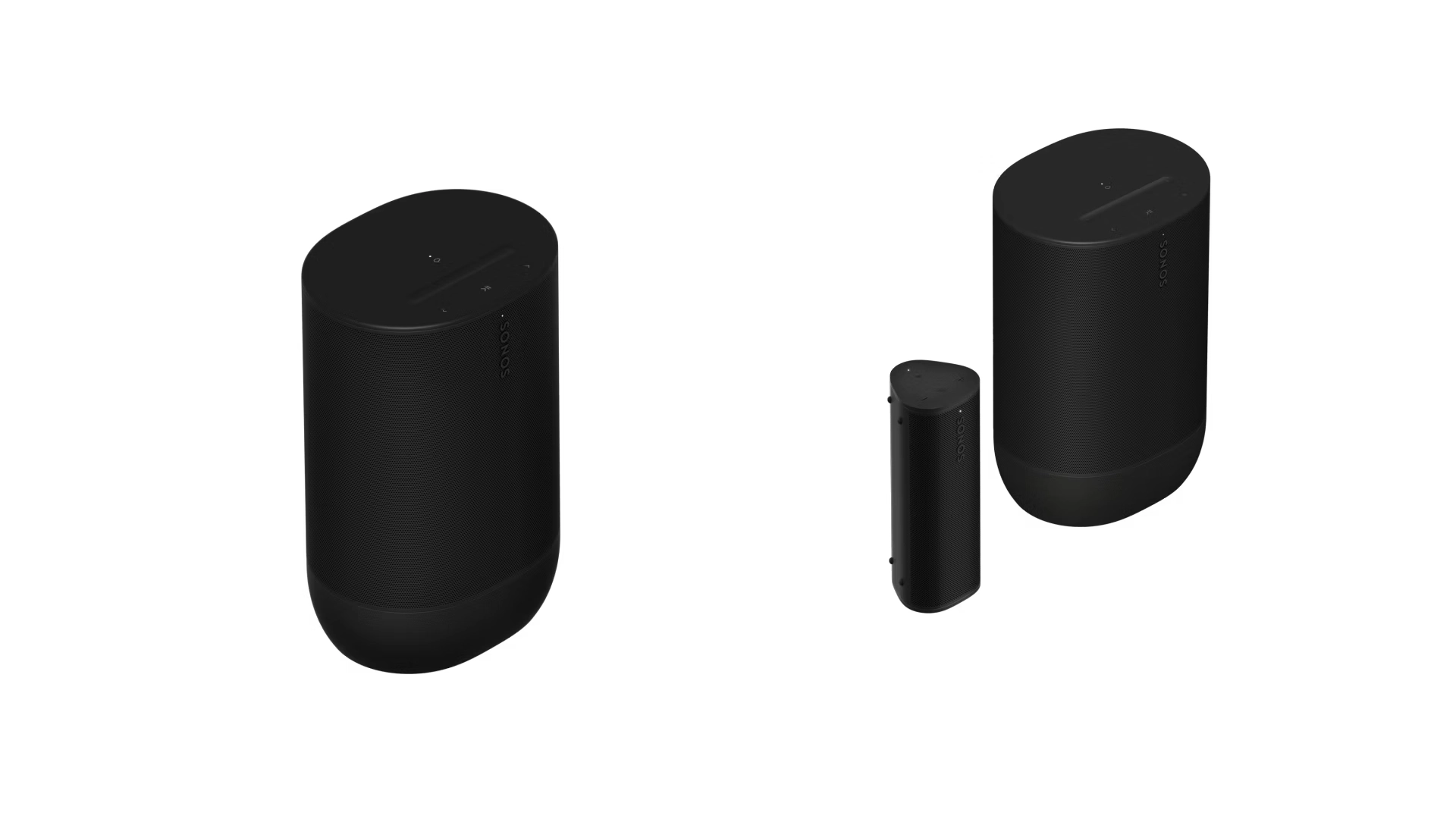
Sonos made synchronised music in different rooms the foundation of an audio system that can grow one speaker at a time. John MacFarlane, Tom Cullen, Trung Mai and Craig Shelburne founded the company in Santa Barbara, California, in 2002. Their idea was to use home networking to make music accessible throughout a house, with playback and room selection managed through a common interface. Early ZonePlayer components established the system approach; the arrival of all-in-one speakers in 2009 made it accessible without a separate amplifier and speakers in every room. Products such as Play:5 and One became familiar expressions of that idea, followed by the Era family. Matching speakers can form stereo pairs, and selected models can work with soundbars and subwoofers in a home-theatre configuration. Arc and Beam brought television into the ecosystem, while Move and Roam added portable listening. Sonos also makes Amp and Port components for connecting conventional loudspeakers or an existing hi-fi system. Its more recent range includes Arc Ultra, Move 2, Roam 2 and Ace headphones, the latter extending compatible television sound to private listening through TV Audio Swap. Across these different forms, Sonos’s defining product is the connected system as much as the individual enclosure: software, synchronisation and compatible hardware make it possible to use rooms separately or bring them together. That continuity explains how a brand associated with wireless speakers also has a substantial role in installed home audio.
Sonus Faber

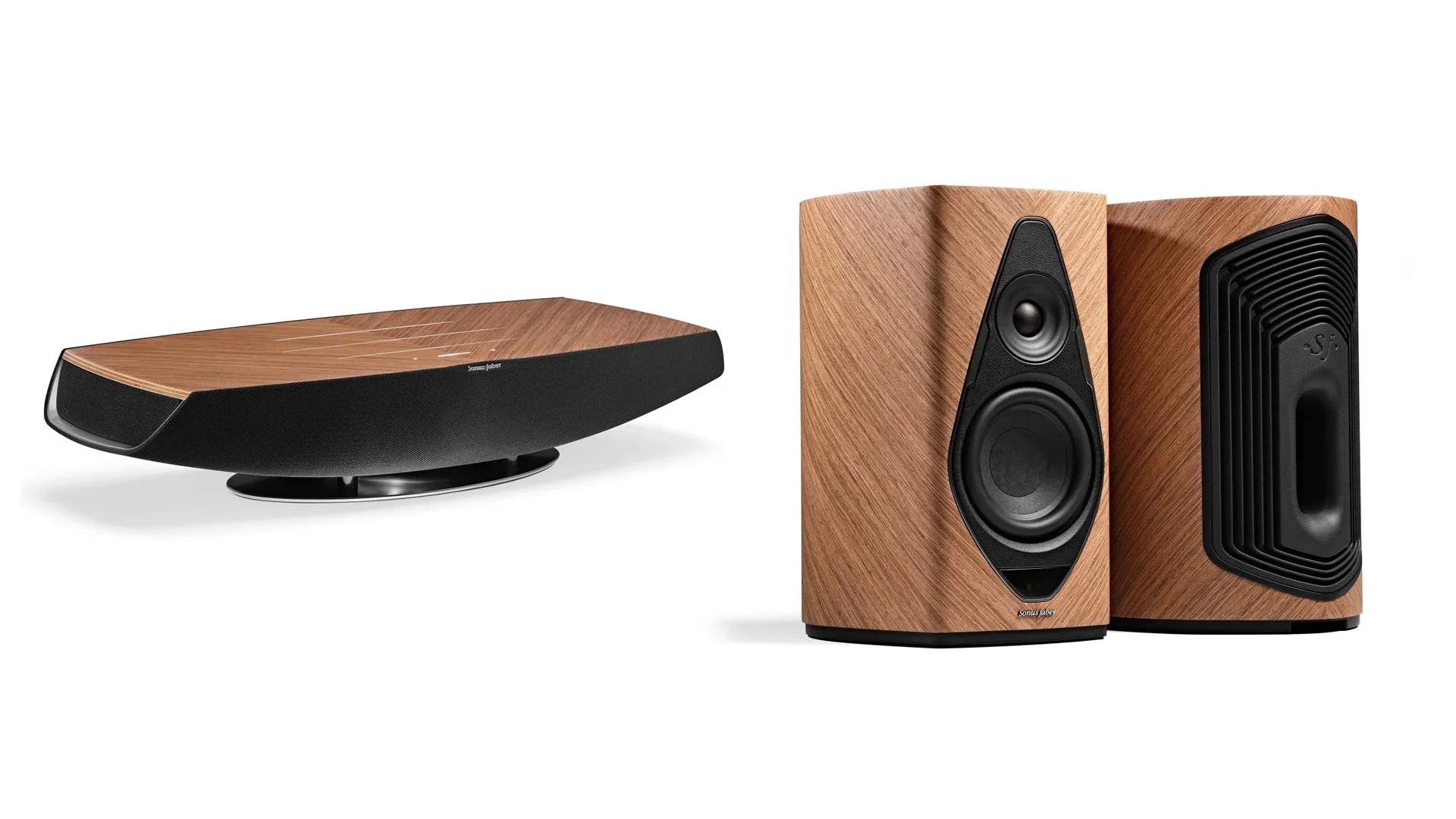
Sonus faber gives loudspeakers the visual and material character of fine musical instruments, combining sculpted cabinets with a long tradition of acoustic development in Vicenza, Italy. Franco Serblin founded the company in 1983, and early designs established the importance of wood, careful proportions and a natural presentation of voices and instruments. Guarneri Homage became a defining model: its lute-inspired cabinet and reference to Italian violin making helped establish a design language that would recur throughout the Homage family. Leather details, shaped wooden surfaces and cabinet construction are part of the engineering and craft rather than a finish applied to an anonymous box. The catalogue now ranges from Lumina and Sonetto loudspeakers to Olympica, Homage and large reference systems, with compact monitors and substantial floorstanders serving different rooms. The company also develops wireless products, Gravis subwoofers and Palladio installation speakers, extending its work into home cinema and distributed audio. Automotive and marine collaborations take its sound engineering into still different environments. Sonus faber became part of Bose’s portfolio through the acquisition of McIntosh Group announced in November 2024; its origin and manufacturing identity remain Italian. The thread connecting the early workshop to the broader modern range is the combination of cabinet craftsmanship, driver development and listening-led tuning. Its most recognisable speakers are objects with a strong physical presence, designed to remain part of the room even when the music has stopped.
Sony

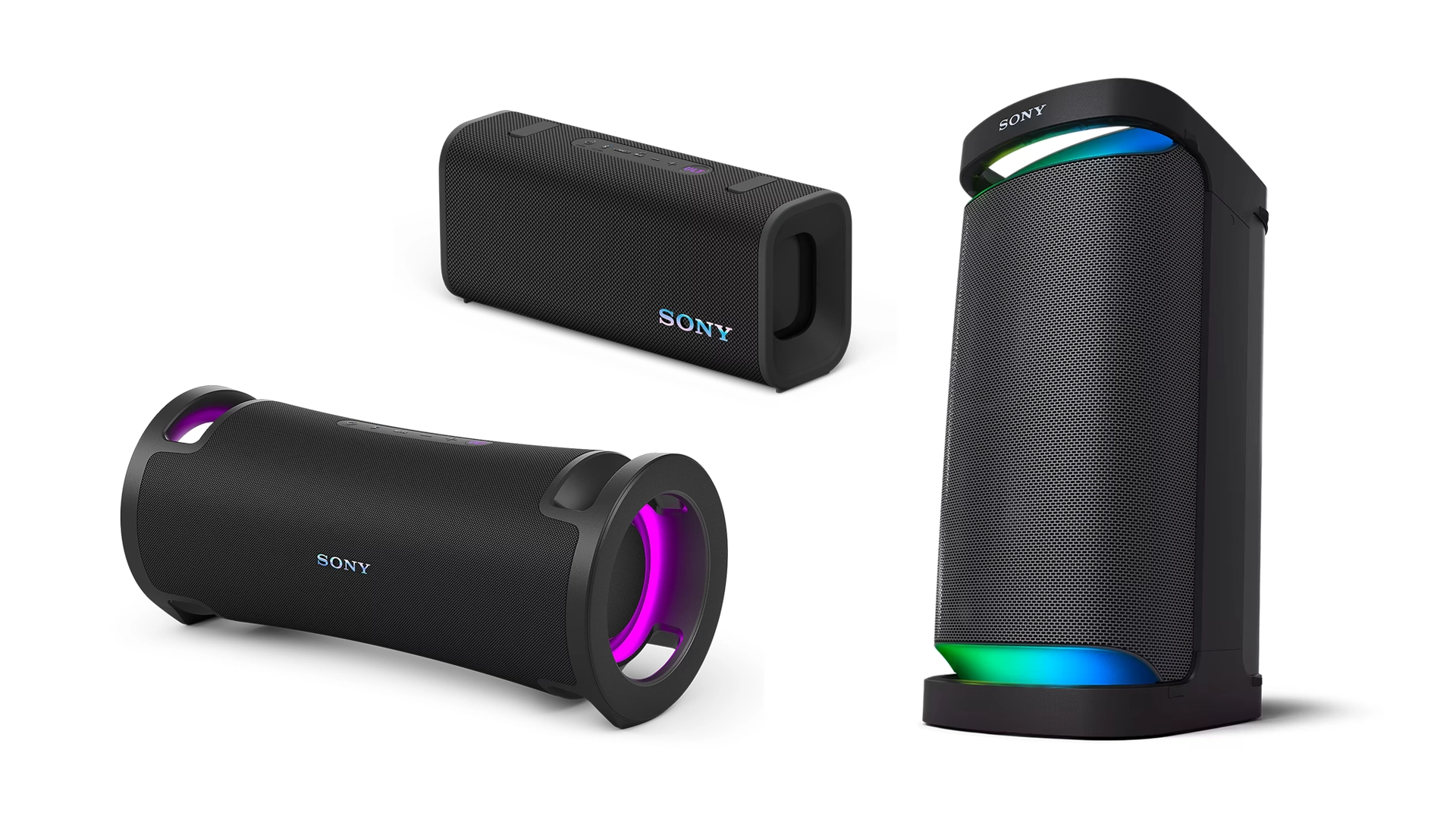
Sony helped shape both personal listening and home entertainment, from the Walkman and Compact Disc era to televisions, headphones and cinema systems. Masaru Ibuka and Akio Morita established the company in Tokyo in 1946 as Tokyo Tsushin Kogyo; the Sony name became its corporate identity in 1958. Tape recorders and transistor radios provided early foundations, but the 1979 TPS-L2 Walkman changed how people carried music with them. The CDP-101 followed in 1982, and the compact D-50 portable CD player in 1984 helped bring digital discs beyond the living room. Sony also played a central role with Philips in developing the Compact Disc and later SACD formats. Its hi-fi history includes ES amplifiers and disc players, while Walkman continued into digital music players. Headphones became another major field, spanning studio use, dedicated home listening and wireless noise-cancelling models. In video, the progression from Trinitron to BRAVIA televisions sits alongside home-cinema projectors and professional imaging equipment. Soundbars, receivers and disc players connect these audio and video interests within domestic systems. Sony’s scale matters because it works across recording, signal processing, playback hardware and entertainment production, with technologies moving between those areas. The consumer brand therefore encompasses far more than its professional AV division: it includes several of the products and formats through which generations of listeners first encountered recorded music and film.
SVS

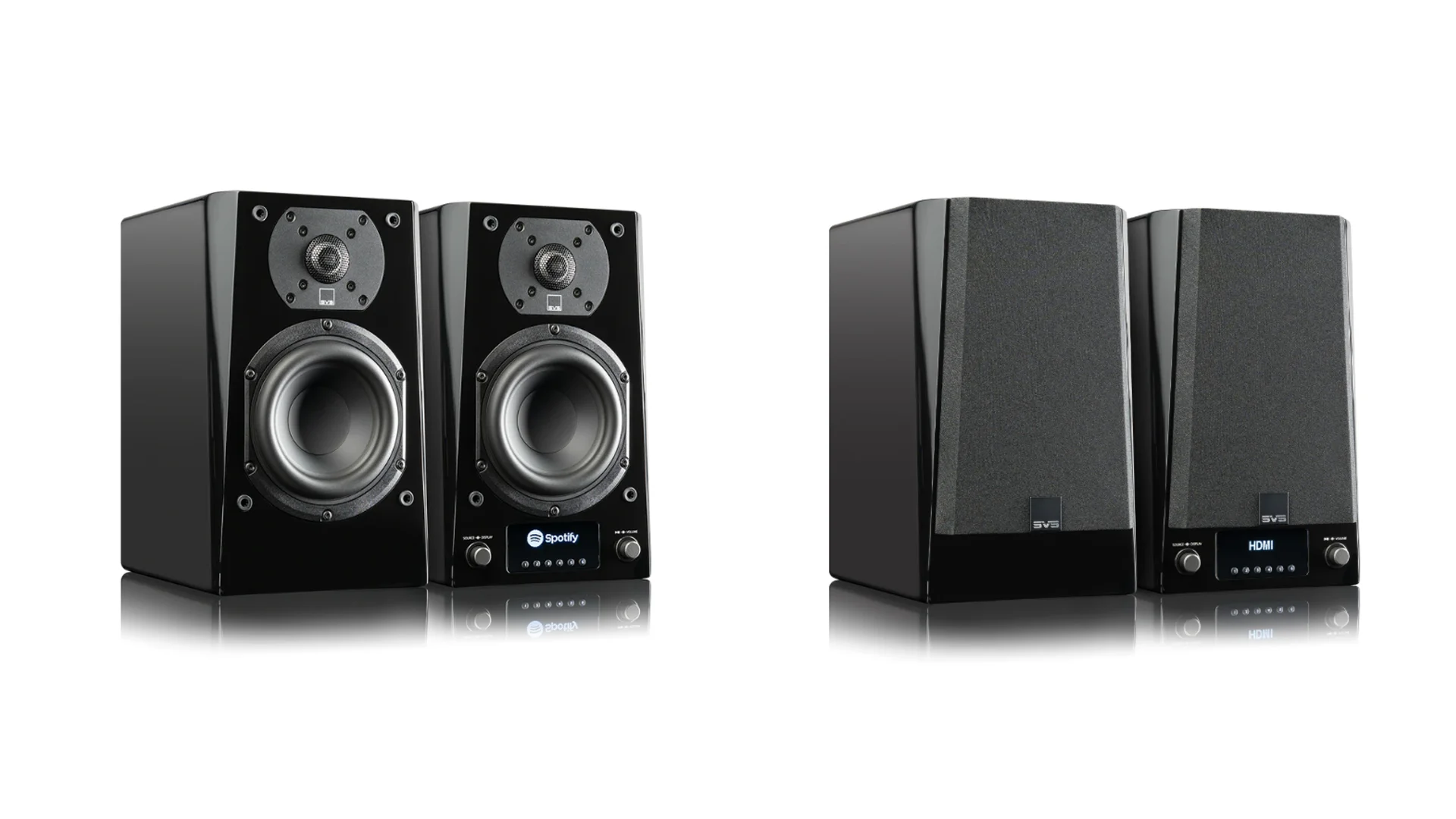
SVS is an American company specializing in high-performance subwoofers, loudspeakers, and audio accessories, known for its direct-to-consumer sales model and its focus on delivering exceptional value for money. The company’s subwoofers are particularly well-regarded, known for their deep bass extension, high output, and ability to provide a powerful and impactful low-frequency foundation for both music and home theater systems. SVS offers a wide range of subwoofers, from compact sealed models to large ported designs, catering to different room sizes and listening preferences. They also produce a range of loudspeakers, designed to complement their subwoofers and provide a complete audio solution. The “PB” (Ported Box) and “SB” (Sealed Box) prefixes are commonly used to denote their subwoofer models, while the “Prime” and “Ultra” series represent different tiers within their loudspeaker lineup.
Swan Speakers

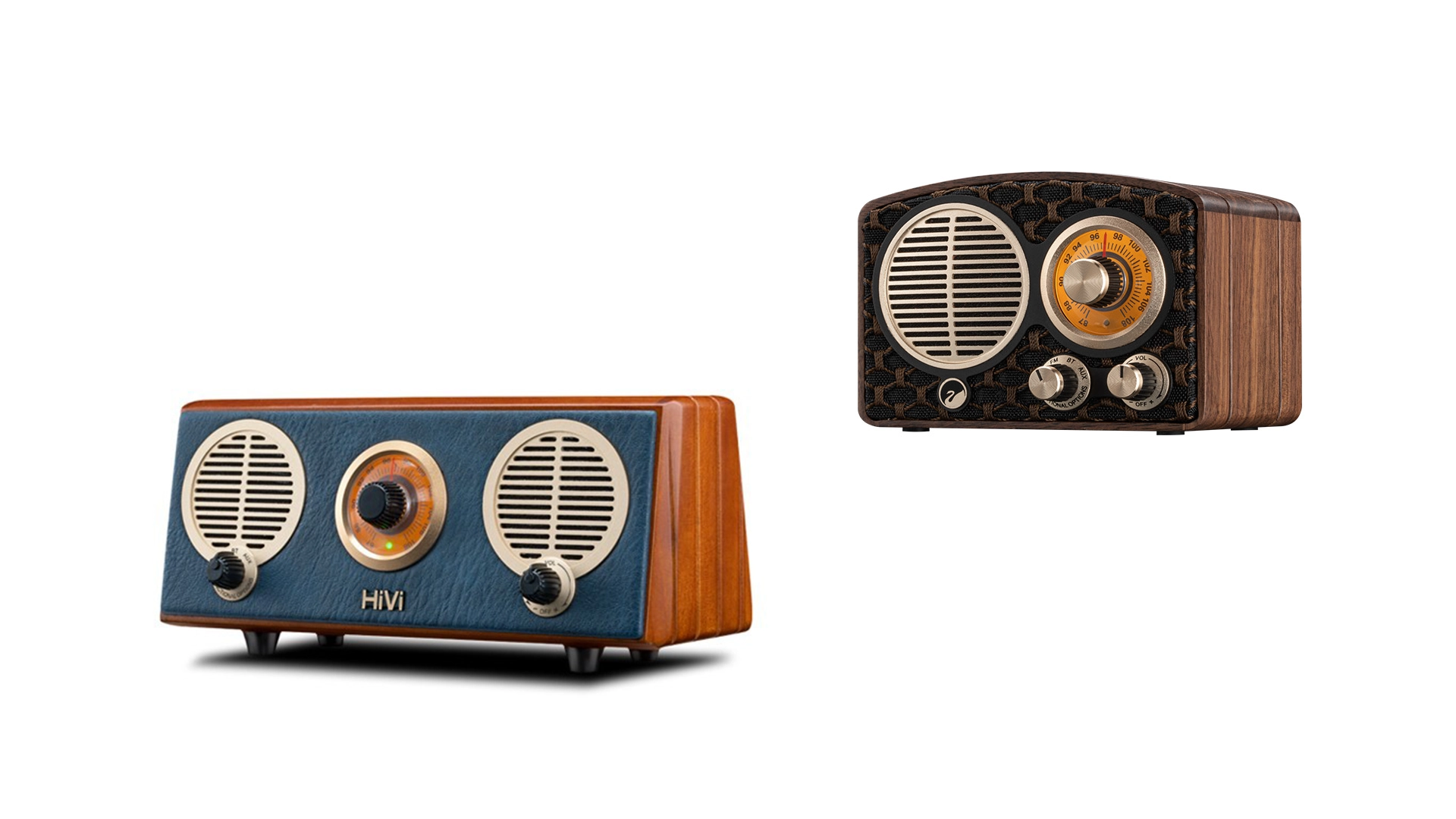
Swan Speakers (HiVi Technology, stock code 002888) is a Chinese audio manufacturer founded in 1991, initially focused on high-end speakers. Their philosophy is “Hear the Difference.” In 1997, they merged with Swan Speaker Systems (USA), acquiring the Swan brand and Frank Hale as chief designer. Hale, known for his work on the Swan M1 speaker, had previously designed the world’s first isodynamic ribbon speaker. The company has grown significantly, with three major industrial bases totaling 200,000 square meters, including a Zhuhai production base established in 2011. They have a full product range, including Hi-Fi, home theater, multimedia active audio, power amplifiers, internet cloud audio, headphones, car audio, professional audio, smart radios, conference systems, and speaker drivers. Swan possesses advanced facilities, including two large anechoic chambers. Their speaker drivers are used by many other audio manufacturers in Europe and America. Swan has won 17 CES Innovation Awards, including two Best of CES. They emphasize innovation, combining advanced electroacoustic technology with Chinese precision manufacturing.
System Audio

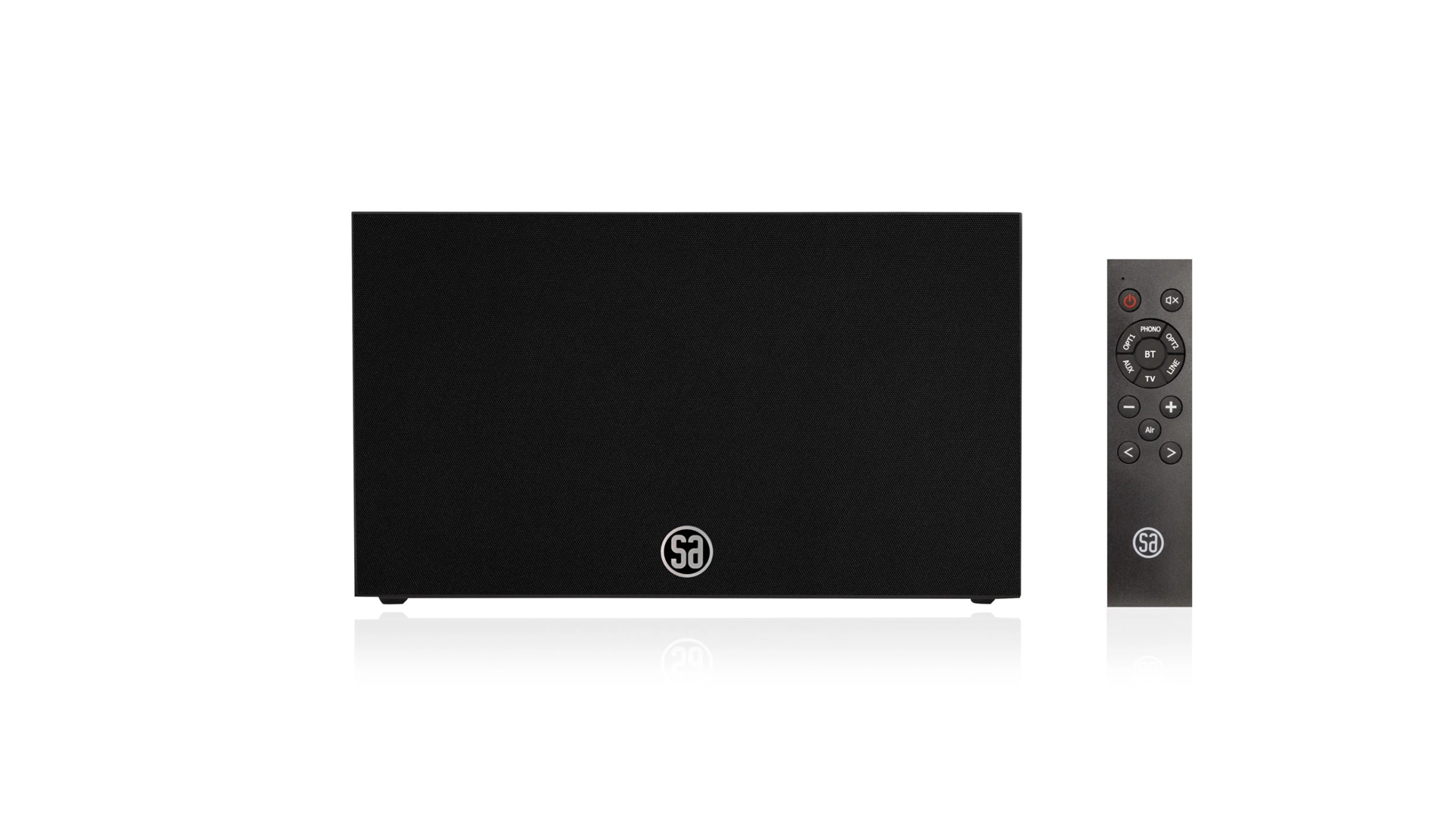
System Audio is a Danish loudspeaker manufacturer known for its slim and elegant designs, focus on fast and dynamic sound, and a commitment to making high-quality audio accessible to a wide audience. Founded by Ole Witthøft. The company’s loudspeakers often feature narrow baffles, which are intended to minimize diffraction and improve imaging. System Audio utilizes a variety of driver technologies and cabinet construction techniques to achieve their desired sonic characteristics. They offer a wide range of models, from compact bookshelf speakers to larger floor-standing designs, as well as on-wall speakers and subwoofers. The “SA legend,” “SA saxo,” and “SA aura” series represent different points in their product line. System Audio products are positioned in the mid-to-high-end segment of the market, appealing to audiophiles and music lovers who value both performance and Scandinavian design.
Tangent

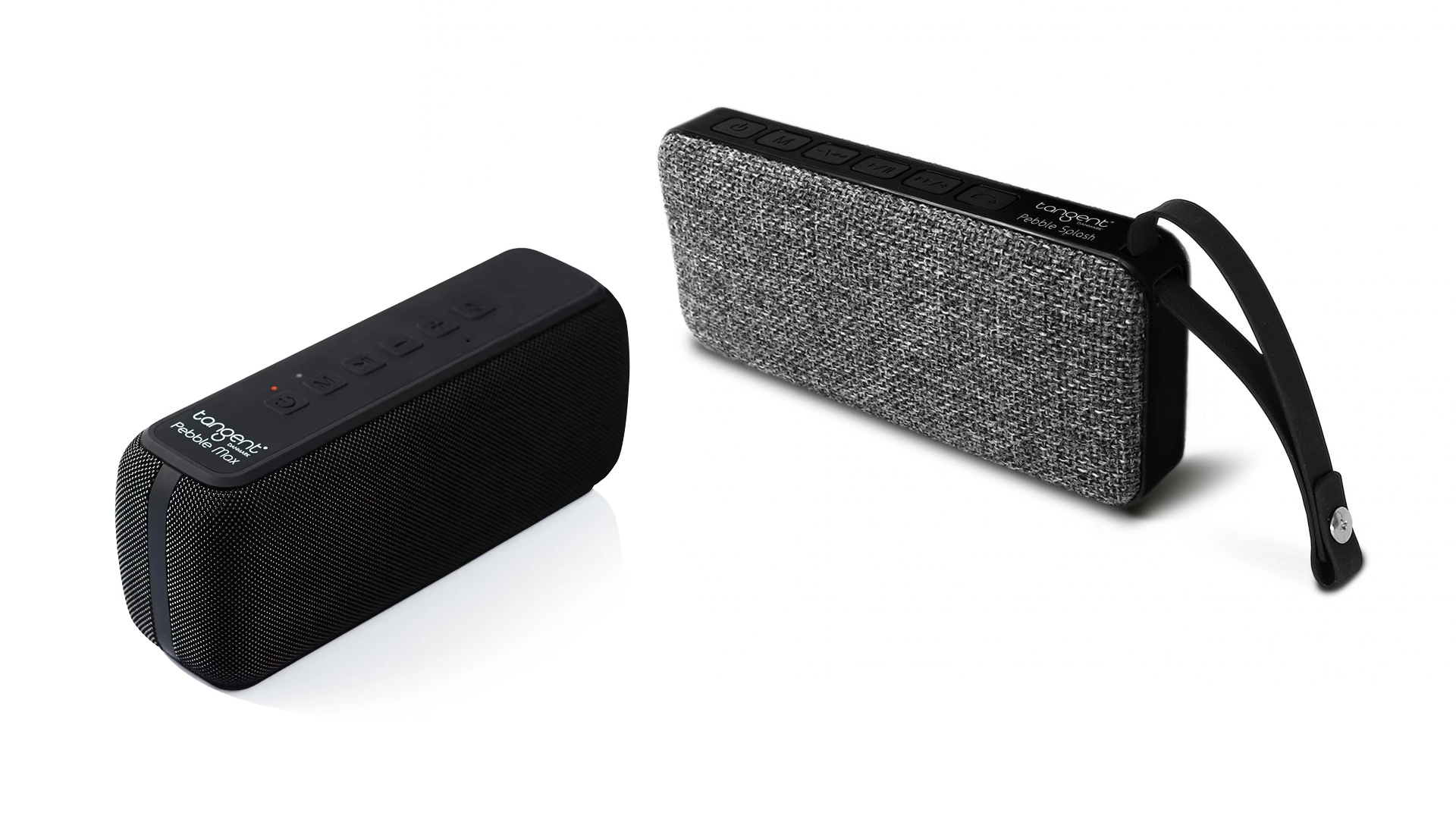
Tangent is a Danish brand of audio electronics, known for its stylish and compact designs, often featuring a minimalist Scandinavian aesthetic. The company offers a range of products, including radios, CD players, amplifiers, speakers, and all-in-one music systems. Tangent products are often characterized by their ease of use, intuitive controls, and support for various wireless technologies, such as Bluetooth and Wi-Fi. They are designed to be versatile and user-friendly, integrating seamlessly into modern living spaces. The company’s focus is on providing a good balance of sound quality, features, and design, at accessible price points. Tangent products are positioned in the mid-range consumer market, appealing to a broad audience who appreciate both aesthetics and functionality.
Tannoy

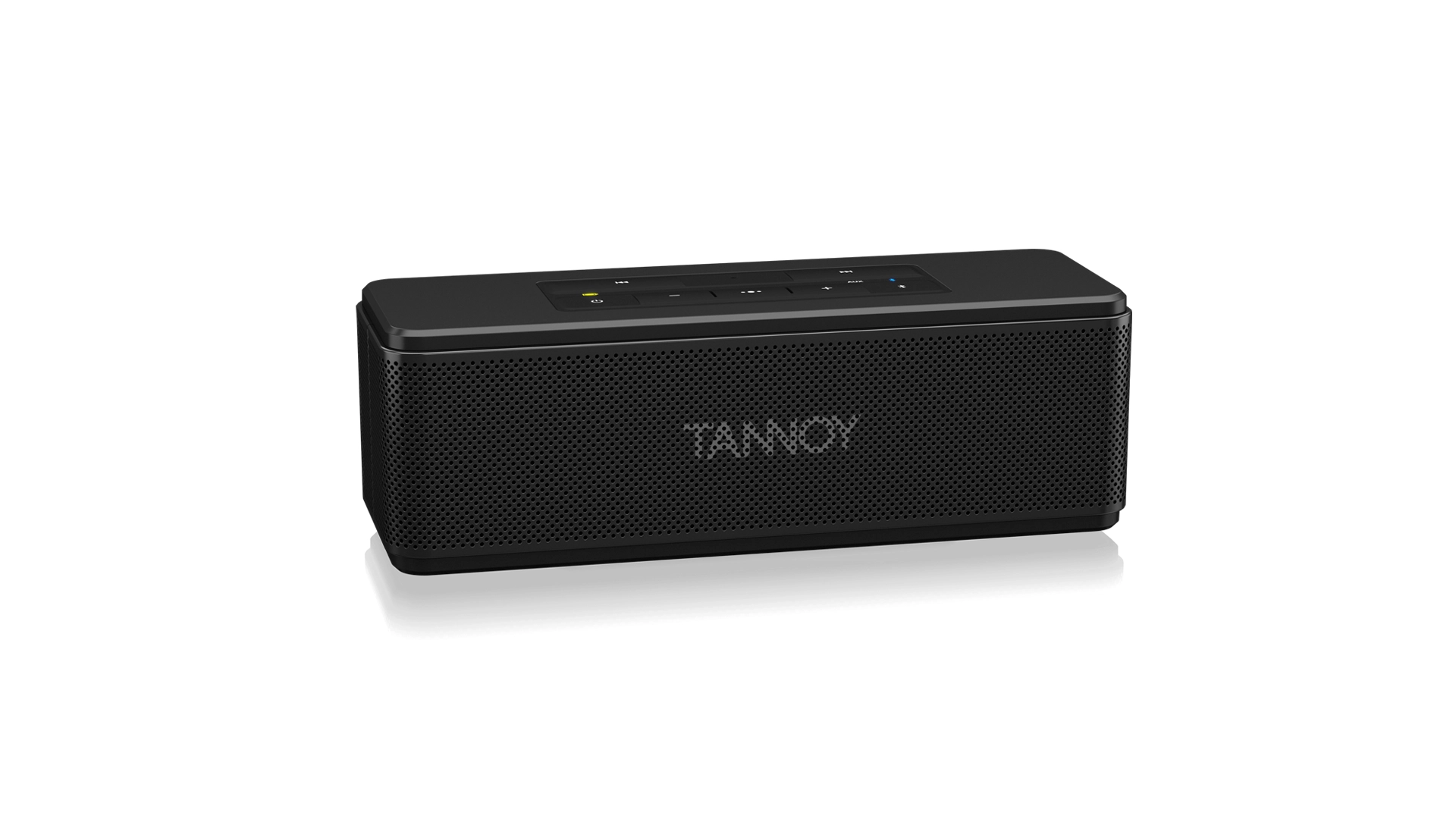
Tannoy is a classic British loudspeaker manufacturer with a long and storied history in the audio industry, particularly known for its “Dual Concentric” driver technology. Founded by Guy Fountain. The company’s Dual Concentric design places the tweeter at the center of the woofer, aiming to create a point-source sound with improved imaging and coherence. Tannoy loudspeakers are used in a variety of applications, from professional studio monitoring and sound reinforcement to high-end home audio. They offer a wide range of models, from compact bookshelf speakers to large, floor-standing designs. The “Prestige,” “Legacy,” and “Definition” series represent different points in their product line. Tannoy products are often characterized by their warm, musical, and engaging sound, with a particular emphasis on midrange clarity and naturalness. The company is a major player in the global loudspeaker market, with a reputation for quality, innovation, and a distinctive sonic signature.
Tivoli Audio

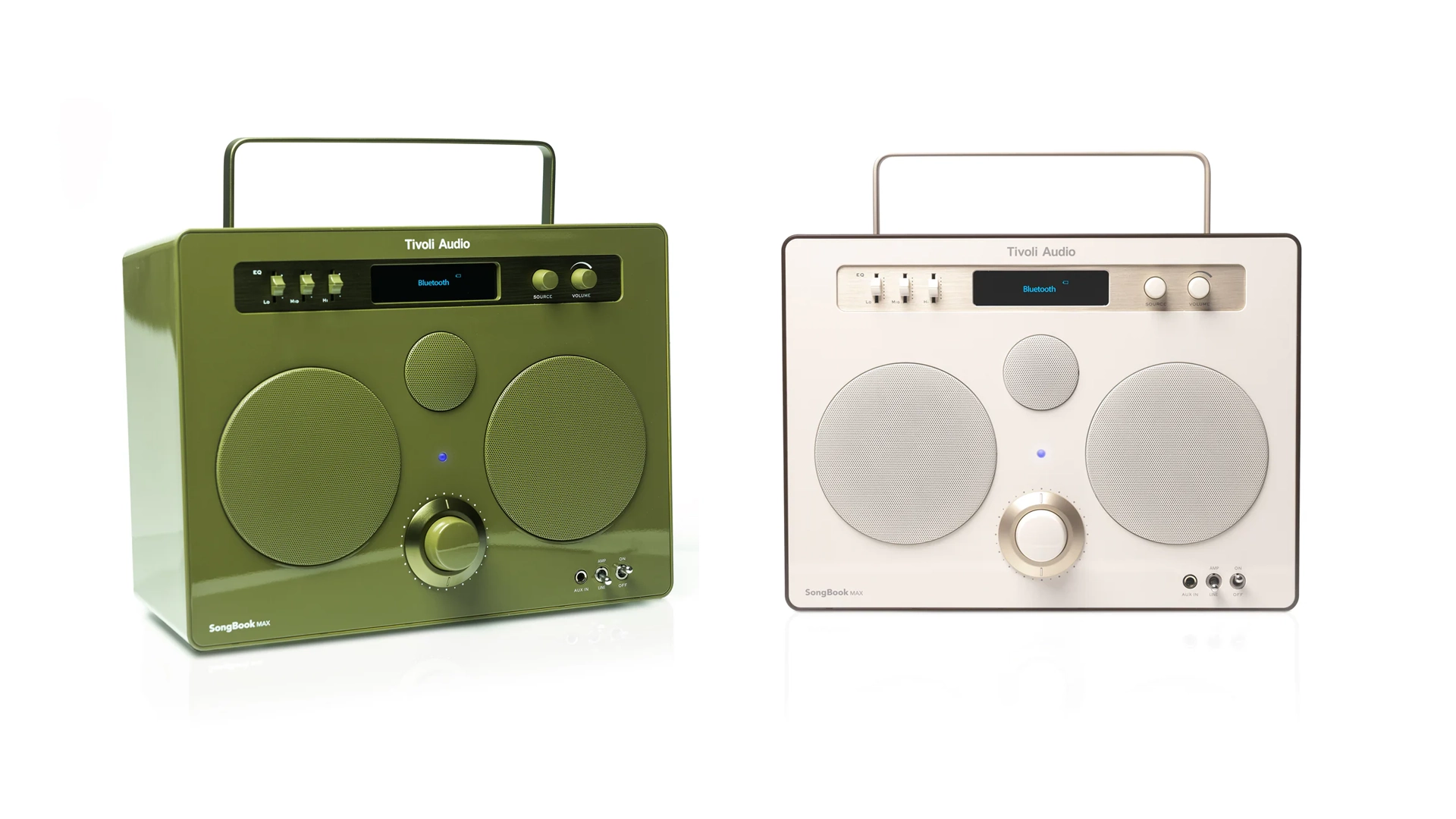
Tivoli Audio is the American radio and compact-audio company founded in Boston in 2000 by Tom DeVesto. Its first product, the Model One table radio, was designed by legendary engineer Henry Kloss. At a time when portable electronics were becoming visually disposable, that small wooden cabinet, analogue tuning dial and room-filling mono sound made a strong argument for a simple object designed to be lived with for years.
The Model One was followed by the stereo Model Two and the portable PAL, turning Tivoli into a recognisable category rather than a single hit. Kloss’s contribution was central to the original acoustic and tuner design, while DeVesto built the brand, distribution and product family around it. The radios combined long tuning scales, useful FM reception, a single full-range driver and furniture-grade veneers; their appeal came from disciplined function, not from pretending a tabletop radio was a miniature component system.
Tivoli later added Bluetooth, Wi-Fi streaming, DAB reception and multiroom products, including Model One Digital and Music System variants. Some generations have changed as network platforms evolved, but the core idea remains visible: contemporary sources in controls and cabinets that do not demand attention. Tivoli Audio is strongest when it preserves that restraint. Its place in audio history comes from making the radio desirable again at the beginning of the twenty-first century—and from proving that approachable industrial design, understandable operation and careful voicing can matter as much as a long feature list.
Tonewinner

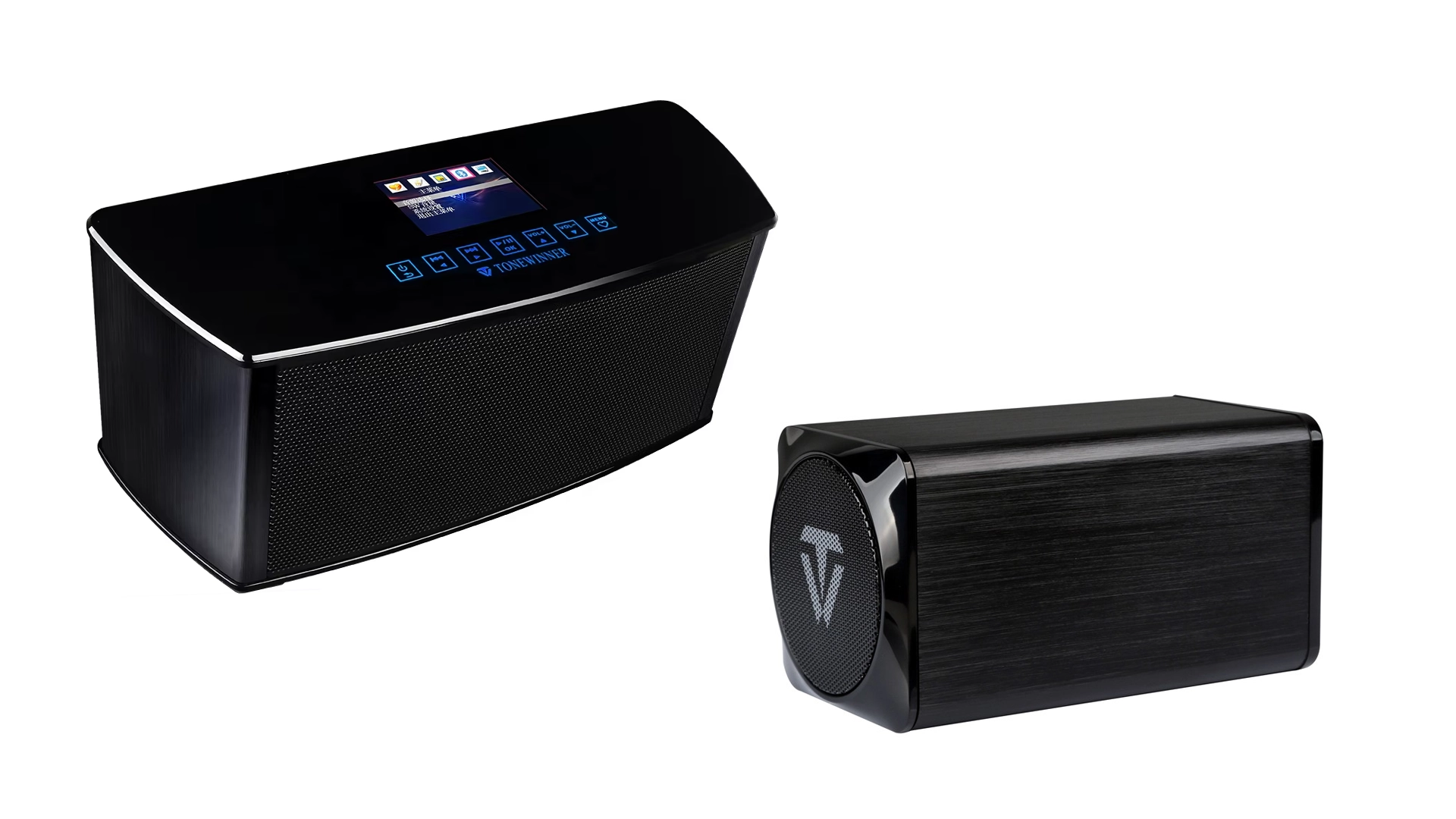
ToneWinner is a Chinese audio manufacturer founded in 1992 and based in Guangzhou. The company is best known internationally for home-cinema electronics that deliver high channel counts and substantial power without the pricing of boutique brands, but its work spans stereo amplifiers, DACs, headphone products, loudspeakers and professional or OEM manufacturing. Large-scale production and in-house engineering are central to its value proposition.
The AT-series processors and AD-series multichannel power amplifiers made ToneWinner particularly visible to cinema builders. Models such as the AT-300 provide immersive decoding and room-calibration functions, while amplifiers including the AD-7300PA+ supply separate high-current channels for demanding speaker arrays. The catalogue also includes integrated stereo components, monoblock and Class A amplification, source electronics and subwoofers, allowing the brand to serve both two-channel listeners and complete theatres.
ToneWinner’s identity should not be reduced to “affordable Chinese hi-fi.” It has decades of experience with power supplies, thermal management, metalwork and the repeatability required for multi-channel hardware, and it manufactures at a scale smaller high-end companies cannot match. At the same time, model specifications and software features vary by market and generation, so individual products deserve evaluation rather than blanket claims. The brand’s strongest contribution is practical: bringing balanced connections, powerful amplification and modern surround processing to systems whose budgets would otherwise force a compromise in channel count or output capability.
Wharfedale

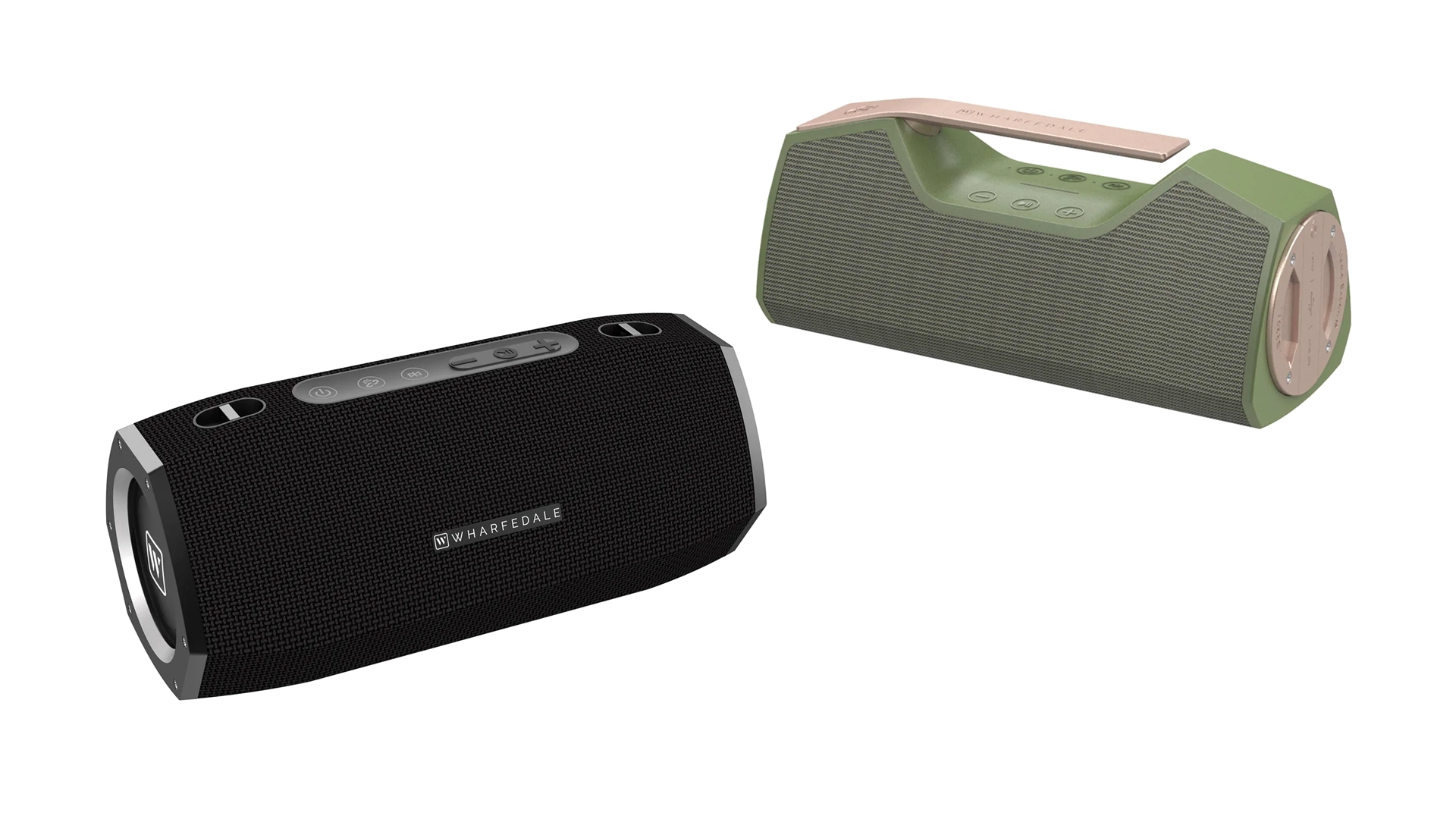
Wharfedale was founded in 1932 by Gilbert Briggs in Ilkley, Yorkshire, and named after the nearby valley of the River Wharfe. Briggs combined practical cabinet and driver development with unusually public demonstrations, comparing live musicians with reproduced sound in major halls to show what domestic loudspeakers could achieve. The company introduced influential techniques in cone manufacture, cabinet damping and multiway design, but its strongest long-term achievement has been bringing serious engineering to attainable price levels. The Diamond series, launched in 1982, became one of hi-fi’s enduring affordable loudspeaker families and remains the entry point to the modern range. EVO and AURA move upward with AMT high-frequency drivers and more elaborate cabinets, while the Heritage line revisits classic proportions without merely reproducing old internals. Denton, Linton, Super Linton and the large Dovedale combine wide baffles, substantial bass drivers and contemporary crossovers; Dovedale also marked a return of selected Wharfedale production to Britain. International Audio Group acquired Wharfedale in the late 1990s. The brand remains British in origin and design direction—now led by long-time acoustic designer Peter Comeau—while IAG’s Chinese manufacturing base supplies most series and its UK facility builds Dovedale. That mixed reality is more accurate than either calling Wharfedale unchanged since Briggs or dismissing it as a badge. Its identity survives in value-conscious loudspeakers that balance tonal ease, useful bass and domestic practicality across unusually broad price levels.