
Wireless Portable Speakers
Wireless portable speakers offer the freedom to take your music anywhere. Combining Bluetooth connectivity with built-in rechargeable batteries, these compact devices are designed for ultimate convenience and on-the-go use. Perfect for everything from a backyard party to a day at the beach, their features often include rugged, water-resistant designs and long battery life. This directory lists the leading brands in the portable audio market, from household names to innovators creating the next generation of go-anywhere sound.
Hi-Fi brands in the category
Summary information and image
Direct links to official websites
Elipson

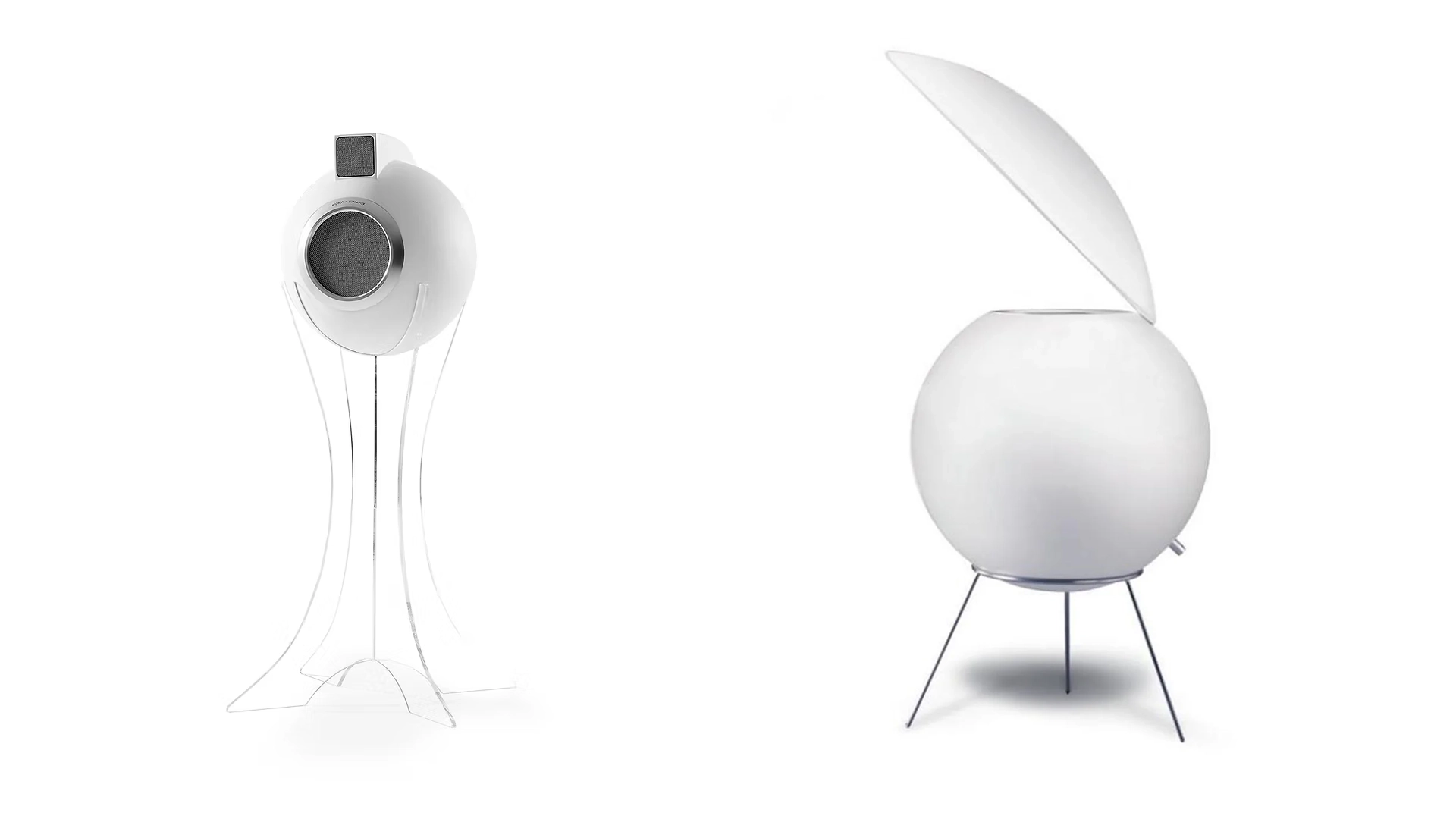
Elipson is France’s oldest surviving specialist loudspeaker name, tracing its company origin to 1938 and its distinctive acoustic identity to engineer Joseph Léon. The historical sequence deserves precision: the business began as Multimoteur, early audio research started around 1940, Léon joined in 1946 and led the company from 1948, and the Elipson name—formed from “ellipse” and the French word “son”—was adopted in 1951. Under Léon, spheres, reflectors and resonators were engineering tools for controlling diffraction, radiation and time alignment, not merely futuristic styling. The BS50 Chambord and later 402 made those experiments iconic in French broadcasting and public installations. Today the Planet series keeps the spherical enclosure visible, while Heritage models revisit large-format designs and newer Prestige, Legacy and wireless products cover conventional home systems. Elipson also offers turntables and electronics, but loudspeaker form remains its signature. Its strength is the unusually direct link between acoustic research and industrial design: shapes that are instantly recognisable because they were first chosen to solve propagation and enclosure problems.
Eltax

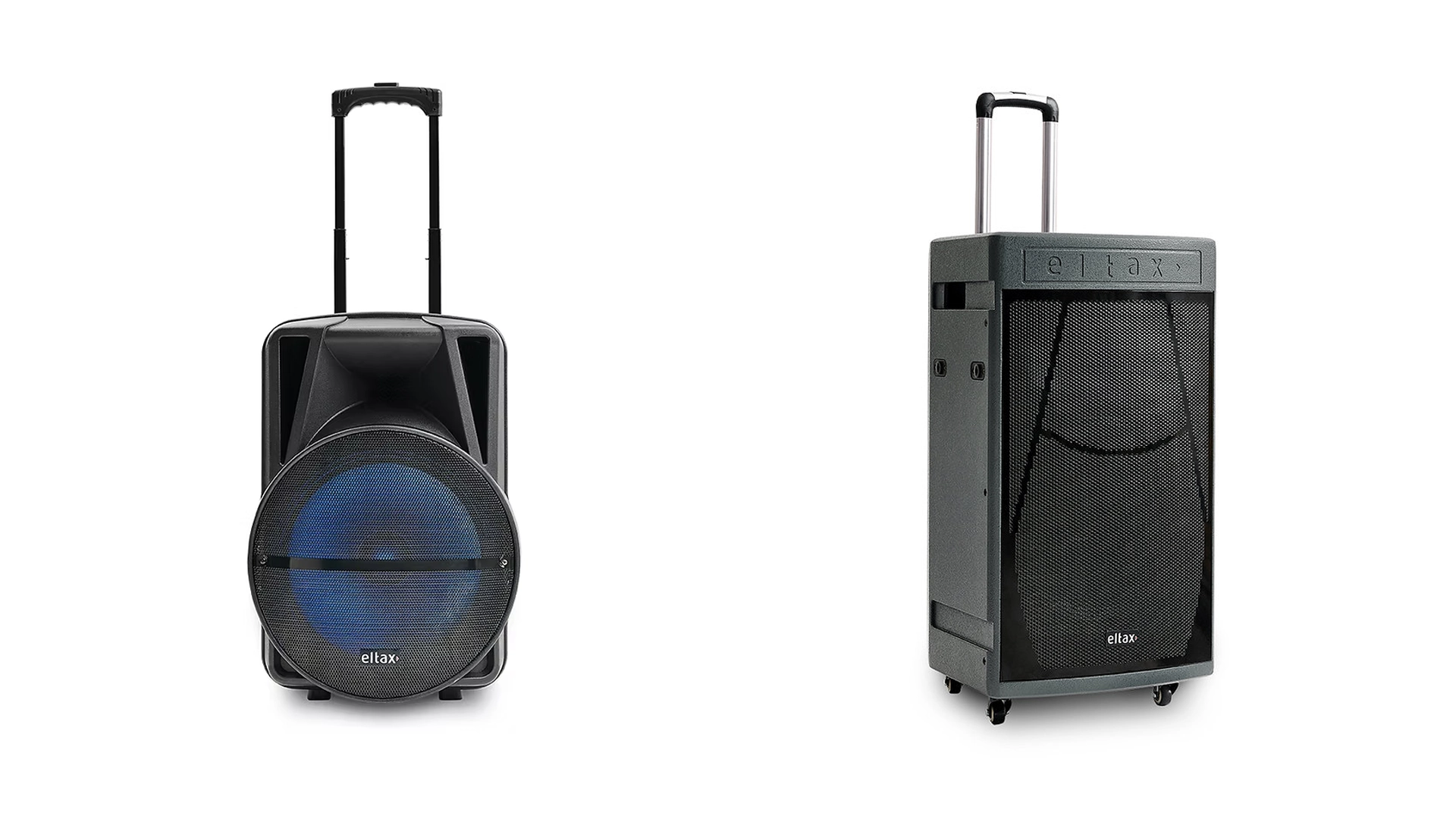
Eltax is a Danish loudspeaker brand founded in Herning in 1959 by Ingemann Marius Nielsen, initially as a hi-fi wholesaler and soon as one of Denmark’s early makers of standalone speaker systems. That documented date corrects the often repeated 1954 claim. Eltax built its reputation on straightforward, attainable speakers rather than prestige pricing, and the long-running Monitor line expresses that philosophy through compact bookshelf, floorstanding, centre and surround models that can form either a stereo pair or a complete home-cinema package. The modern Vintage series gives the range a more individual voice: broad front baffles, large cellulose-cone woofers, horn-assisted treble and high sensitivity recall 1970s studio and domestic monitors without simply reissuing an old cabinet. The imposing Monitor PWR 1959, for example, uses a 38 cm bass driver in a reinforced three-way enclosure to deliver scale and efficiency uncommon at the brand’s price level. Now part of France’s AV Industry group, Eltax remains Danish in origin and design language. Its enduring strength is accessible system building, with robust conventional engineering and enough model variety to serve first hi-fi systems, vinyl setups and multichannel rooms.
Geneva

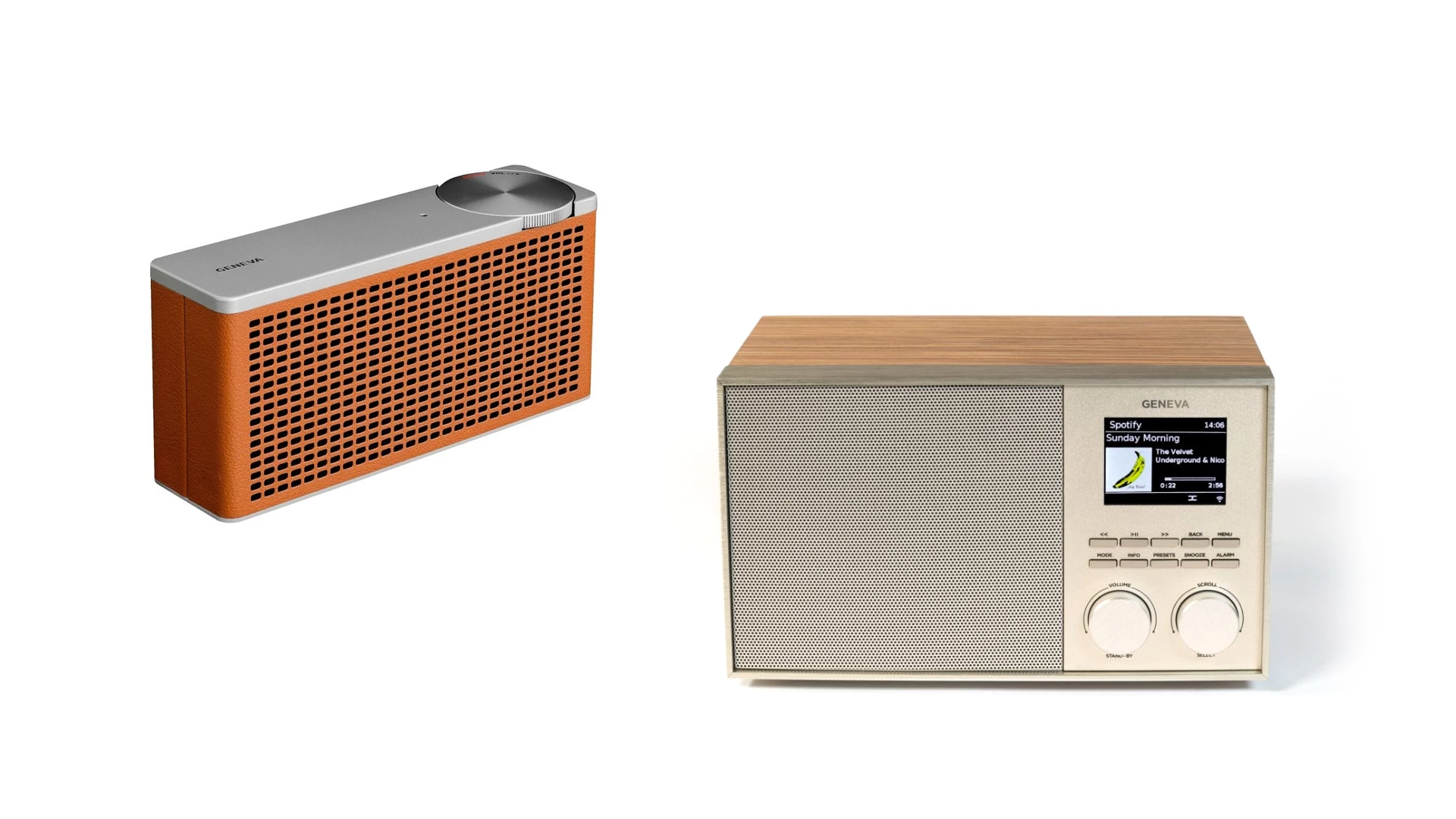
Geneva helped turn the all-in-one music system from a convenience product into a serious piece of home audio. Founder and CEO Jan-Erik Lundberg launched the Swiss brand in 2005 with the Model L, integrating stereo drivers, digital amplification, source control and an iPod dock in one furniture-grade wooden cabinet. The important idea was not miniaturisation alone: internal chambers, DSP and carefully placed drivers were used to create a stereo presentation without two visible speaker boxes. Geneva removed dock connectors as listening habits changed and added wireless playback, radio and streaming while retaining direct controls and a domestic rather than technical appearance. The current family includes DeCon connected hi-fi systems in several sizes, the Duo stereo concept and Geneva Time analogue/digital radios, following earlier Classic, Touring, Acustica and AeroSphère lines. Hand-finished walnut veneer and multilayer piano lacquer remain part of the cabinet identity, pairing Swiss system engineering with an object intended to live openly in a room.
Goldmund

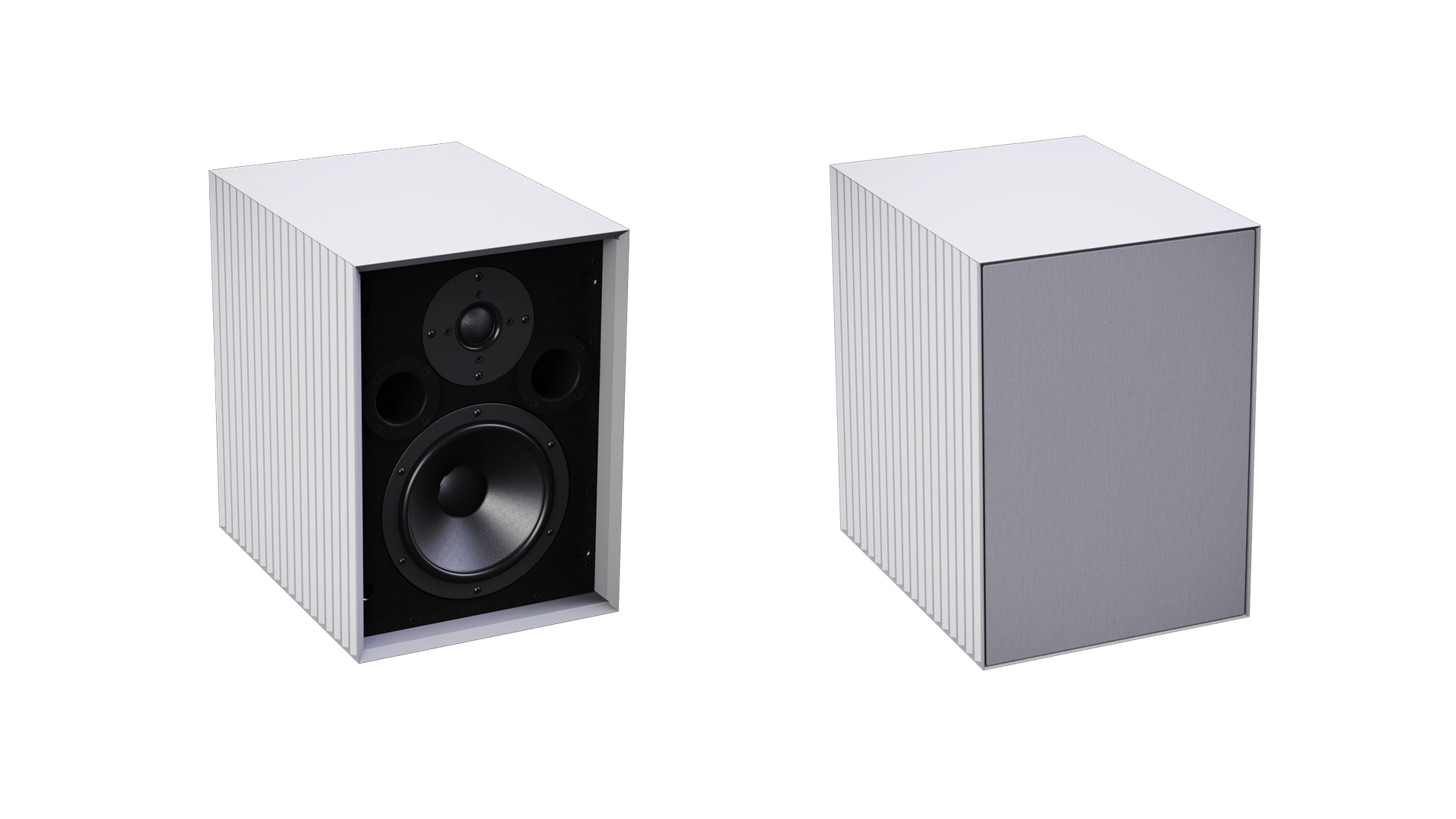
Goldmund is a Geneva-based audio house whose work joins precision mechanics, high-speed amplification and digital system control. The company began in France in 1978 with the servo-controlled T3 tonearm; Michel Reverchon acquired it in 1980 and moved it to Switzerland. The Studio direct-drive turntable and 1983 Reference established Goldmund’s Mechanical Grounding principle, intended to drain vibration through a controlled structural path. Later milestones include Mimesis electronics, Claudio Rotta-Loria’s Apologue loudspeaker, Alize digital conversion and the Proteus mathematical model used to align active speaker systems in time and amplitude. Today the range spans Telos/NextGen amplifiers, preamplifiers, music sources, processors and active or wireless loudspeakers. Goldmund is most distinctive when these elements operate as one engineered system rather than as unrelated luxury components.
Harman Kardon

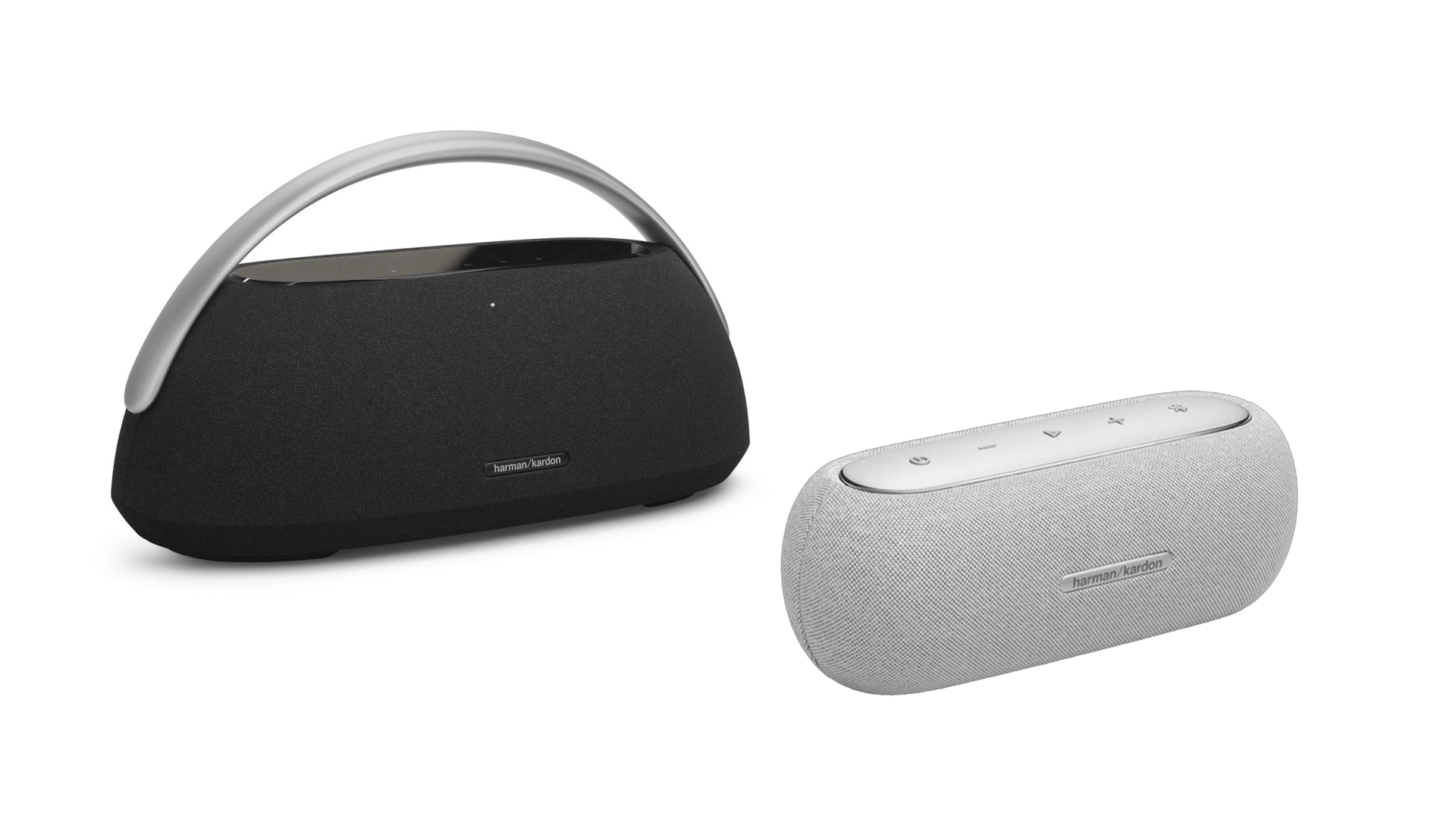
Harman Kardon helped turn separate hi-fi components into products that ordinary music lovers could use as a coherent system. Sidney Harman and Bernard Kardon founded the company in New York in 1953 after leaving the David Bogen Company, and the early Festival receivers brought tuner, preamplifier and power amplifier functions together in a refined domestic component. The Citation series then showed the brand’s more ambitious engineering side, with wide-bandwidth amplifiers and preamplifiers that became enduring collector pieces. Harman Kardon later carried this combination of audio engineering and industrial design into cassette decks, CD players, home-cinema receivers and landmark desktop products such as SoundSticks. Today the name is used across wireless speakers, home-audio systems and selected automotive installations. Its strongest legacy is not one circuit or format, but the repeated effort to make serious audio technology elegant, integrated and approachable.
Jays Headphones

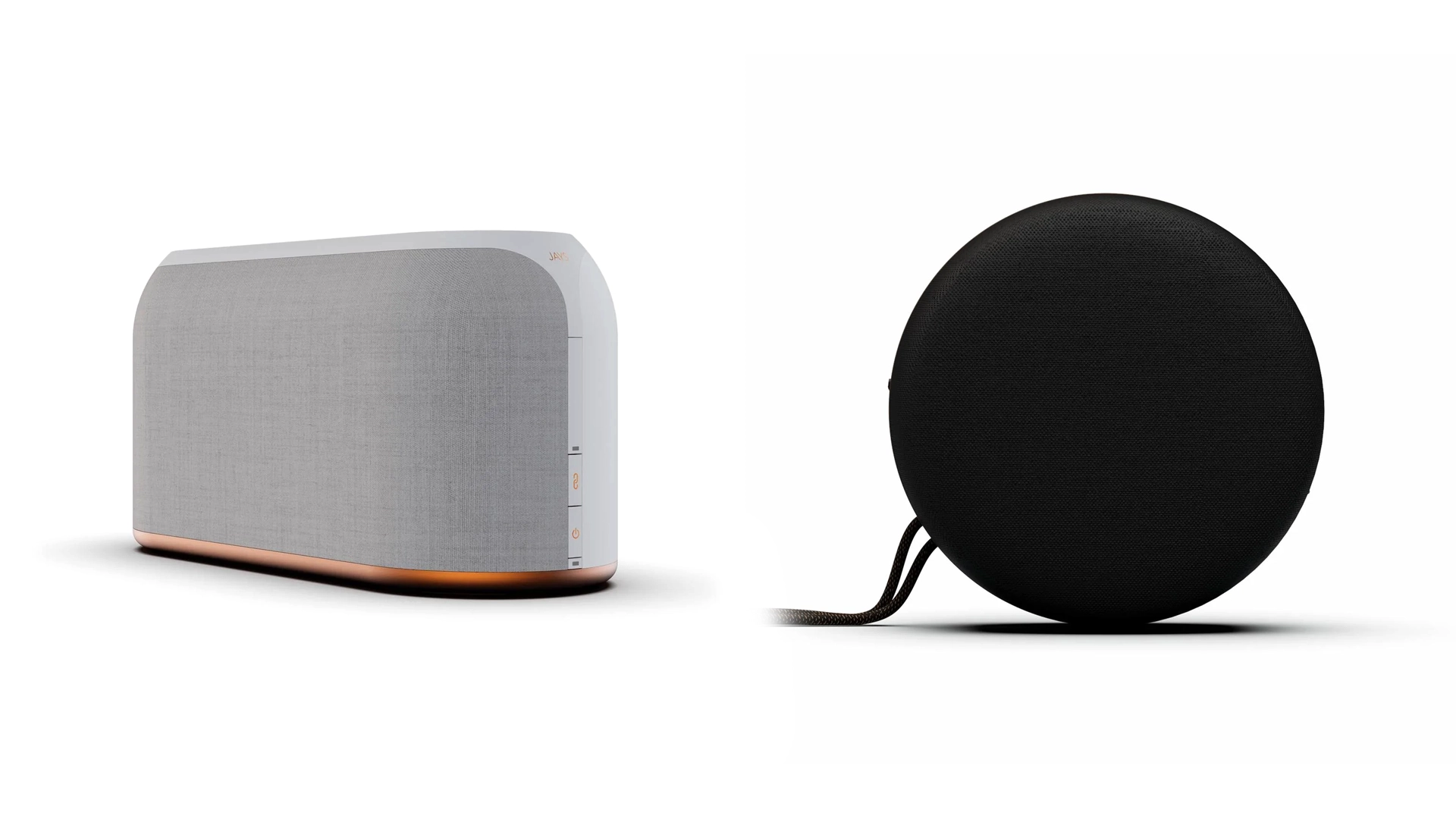
JAYS is a Swedish personal-audio brand that treats headphones as everyday objects: compact, visually quiet and straightforward to use. Entrepreneur Jens Nylander founded the company in Stockholm in 2006, and its early a-JAYS and q-JAYS earphones established an alphabet-based naming system that later expanded across wired, wireless and true-wireless products. Rather than relying on one exotic driver technology, JAYS concentrates on fit, restrained Scandinavian styling, voice-call practicality and tuning suited to long daily listening. Its catalogue has included the m-series Bluetooth earphones, x-series wired models, t-series true-wireless earbuds, u-series headphones and s-Go portable speakers; some names belong to earlier generations and should be read as part of the brand’s development, not assumed to be perpetually current. JAYS now sits within the Swedish Northbaze Group, which broadens its resources while retaining the brand identity. The useful distinction is consistency: clean industrial design, portable formats and uncomplicated controls, with products aimed at commuters and mobile listeners rather than studio professionals or luxury-audio collectors.
JBL

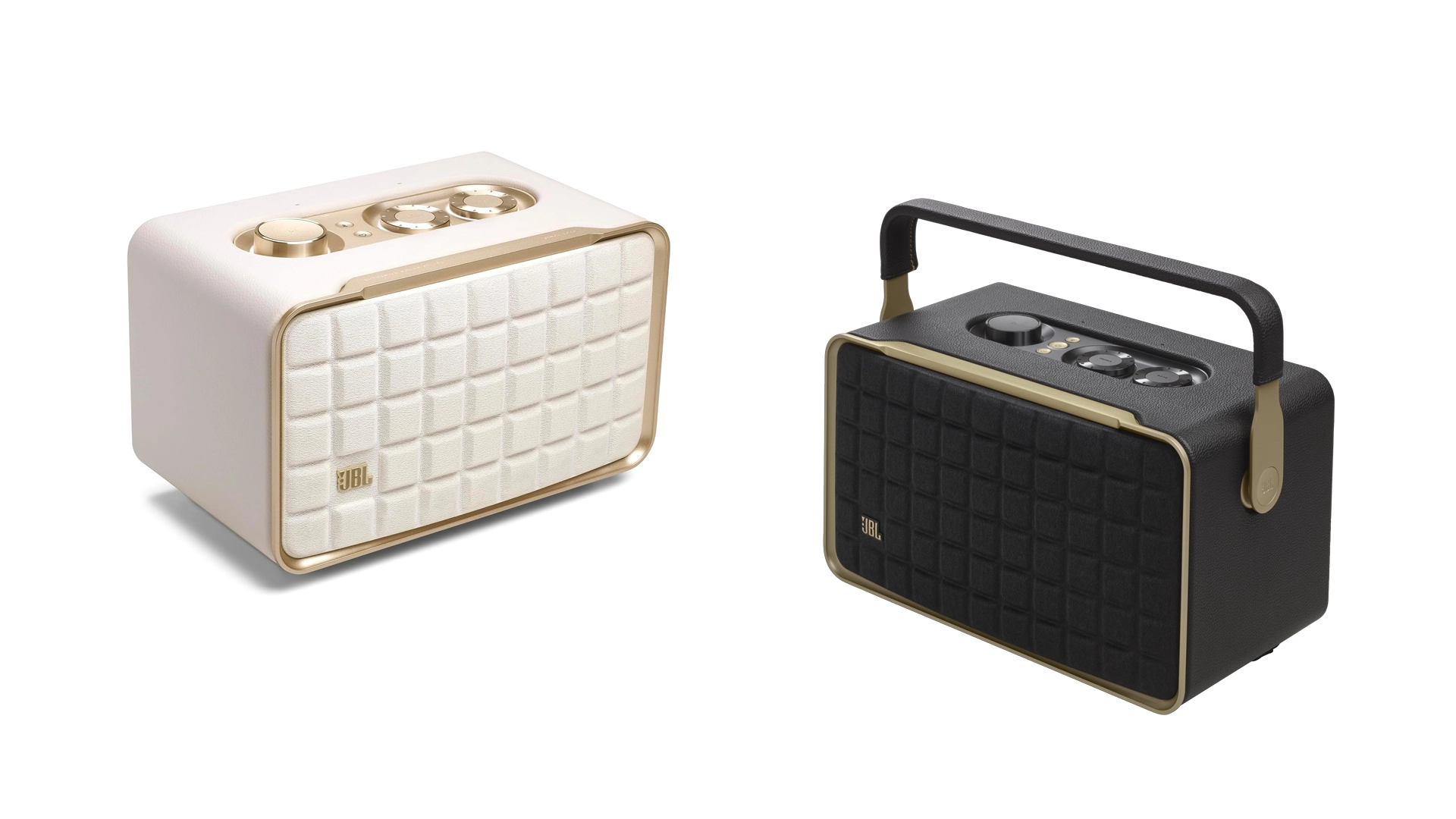
JBL is one of the few audio brands with equally deep roots in cinema, recording studios, touring sound and domestic loudspeakers. Engineer James Bullough Lansing founded James B. Lansing Sound in Los Angeles in 1946, and the early D130 driver introduced a four-inch flat-wire voice coil that helped establish the company’s reputation for high efficiency and power handling. JBL later became a studio reference through 4300-series monitors and translated that visual and acoustic language into the L100 for the home. Its professional division now covers cinema systems, installed sound, stage monitors and large-format arrays, while consumer products range from portable Bluetooth speakers and headphones to Classic and Synthesis systems. Compression drivers, horns and controlled-directivity waveguides recur across many categories because JBL designs for predictable output beyond a single listening seat. The company has belonged to Harman since 1969; Harman has been owned by Samsung since 2017. Scale is part of JBL’s know-how: transducer engineering developed for venues and studios can inform car, home and portable products without erasing the differences between them.
Kanto

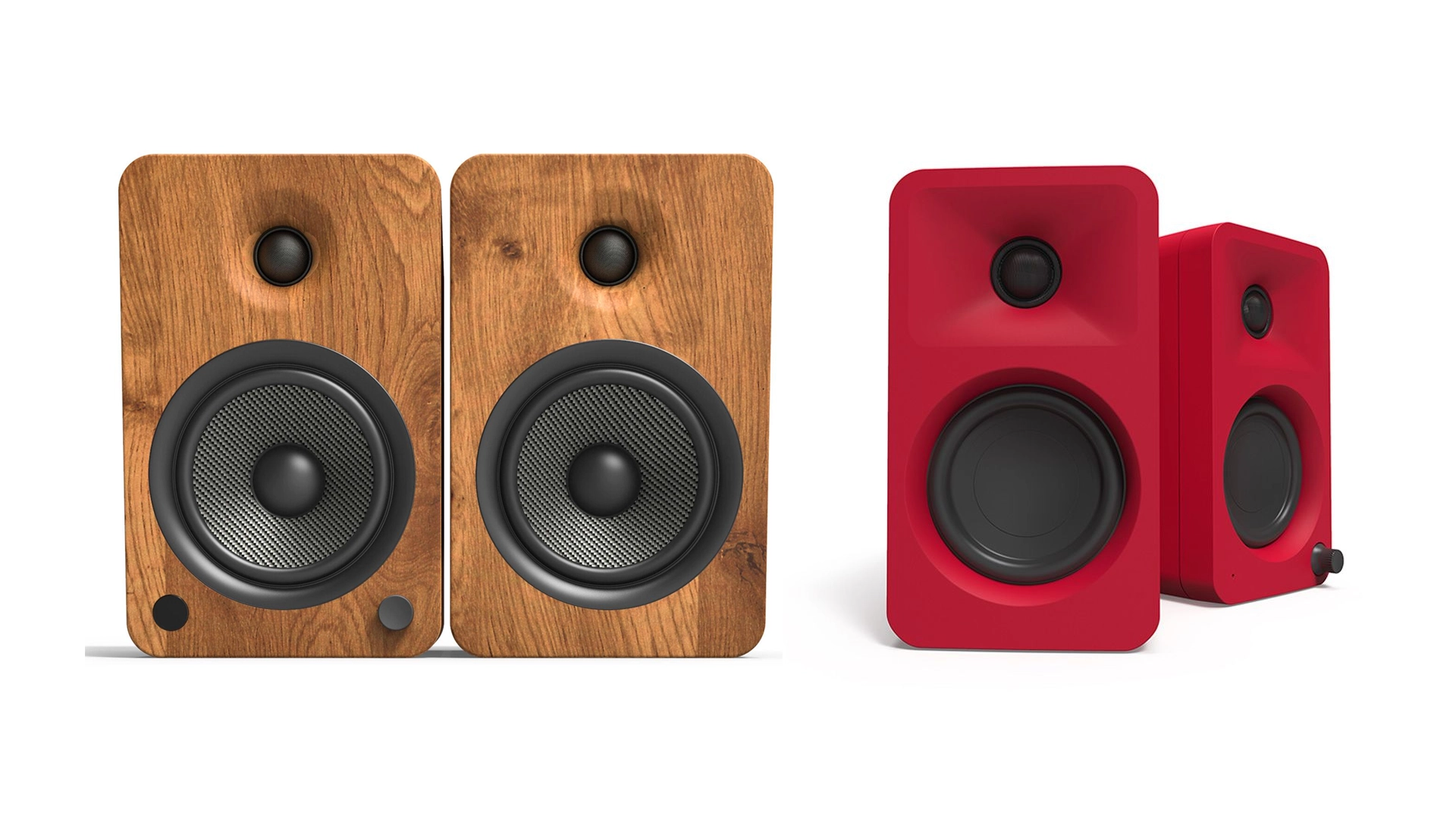
Kanto is a Canadian audio company best known for powered speakers that connect directly to the sources people actually keep on a desk or in a living room. Founded in 2007, it packages amplification, input switching and loudspeaker engineering in compact systems that avoid a separate receiver. The YU family ranges from small desktop models to larger bookshelf speakers, typically combining Bluetooth with analogue inputs; selected versions add USB audio, optical input, a moving-magnet phono stage and a subwoofer output. TUK moves upward with an AMT tweeter, greater power and broader digital connectivity, while ORA targets near-field computer listening in an even smaller enclosure. Matching SUB subwoofers, desktop and floor stands, and mounting products let the speakers form a coherent workspace or TV system. Kanto does not pretend that every model serves the same listener: input sets, cabinet size and bass capability change clearly across the range. Its strength is thoughtful integration—clean industrial design, useful controls and enough connection options to bridge a turntable, computer, television and phone without turning a simple system into a rack of electronics.
KEF

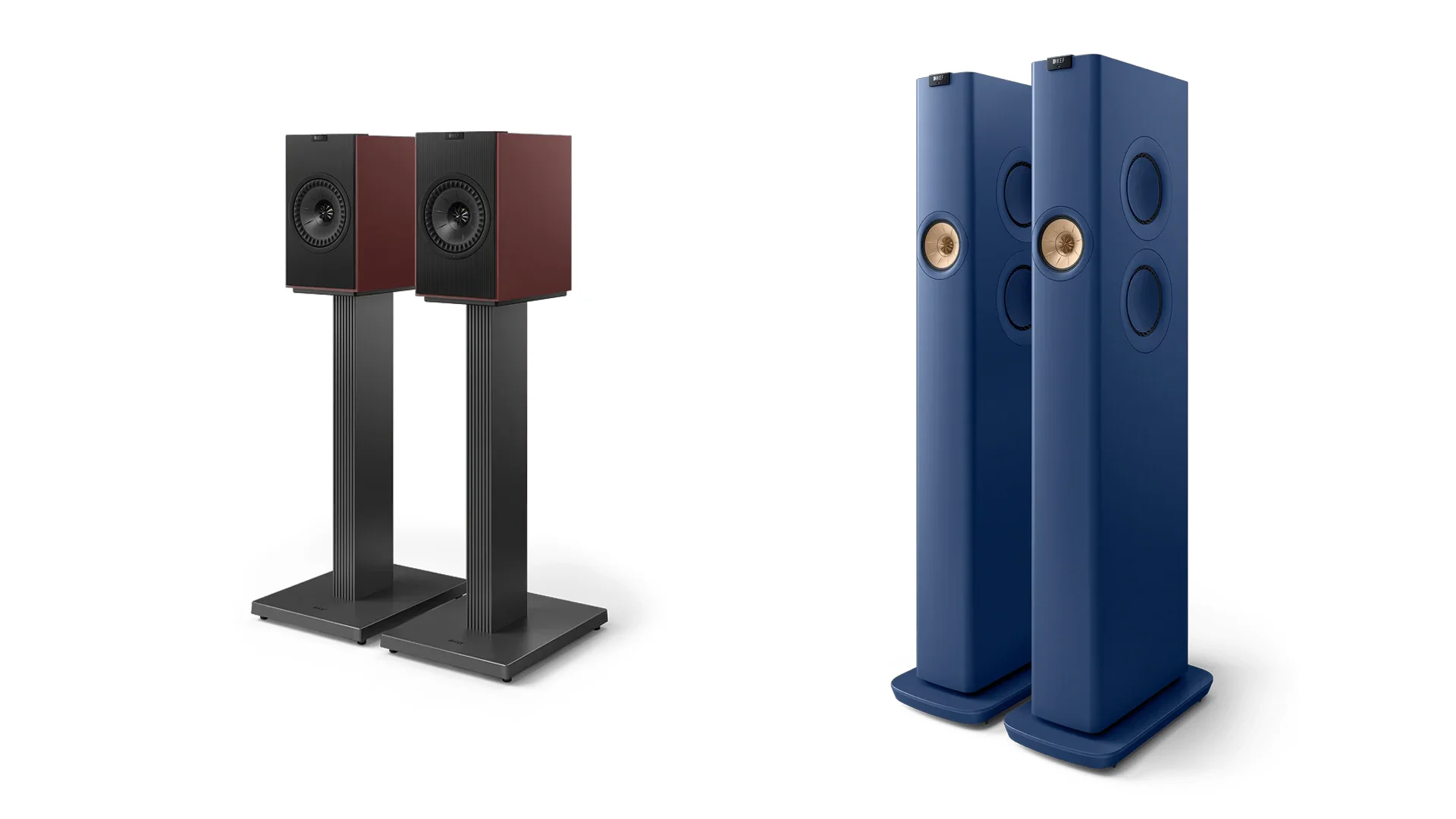
KEF is a British loudspeaker company whose identity rests on acoustic research and driver engineering rather than a house style applied to conventional boxes. BBC engineer Raymond Cooke founded it in Maidstone in 1961; the name comes from Kent Engineering & Foundry, the site of the first workshop. KEF’s defining invention is Uni-Q, introduced in 1988, which places the tweeter at the acoustic centre of the midrange cone so the two behave more like one source across a wide listening area. Recent generations add Metamaterial Absorption Technology behind the tweeter to manage rear radiation, while Uni-Core allows opposed subwoofer drivers to share a compact motor structure. These ideas appear at different scales across the Q, R and Reference ranges, the sculptural Blade models, KC subwoofers and the active LS50 Wireless II and LS60 Wireless. The catalogue spans passive, wireless, architectural and personal audio, but the common thread is unusually deep in-house modelling, measurement and transducer development.
Lenco

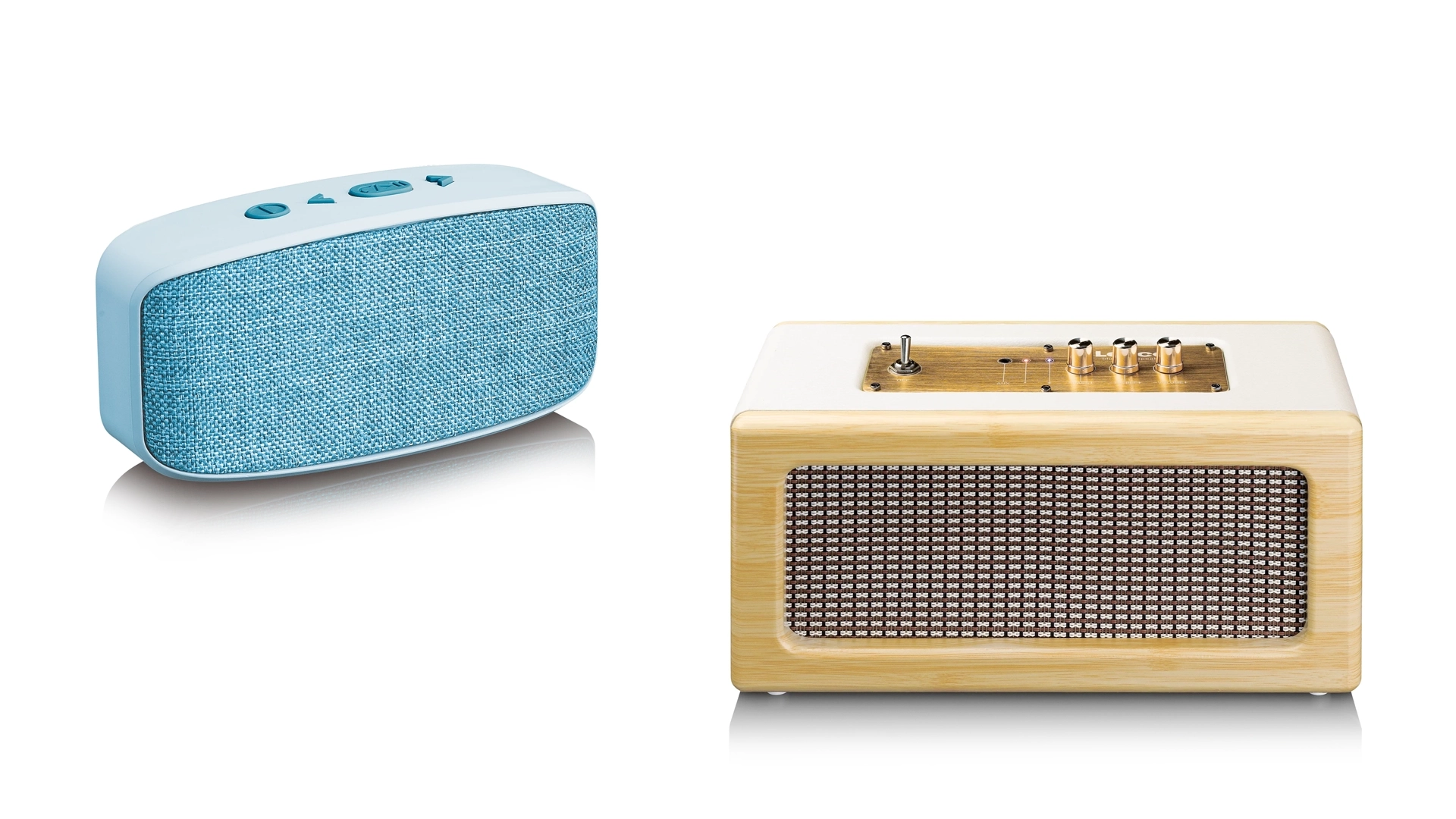
Lenco is a heritage turntable name with Swiss origins and a modern Dutch consumer-audio business. Fritz Laeng, Marie Laeng-Stucki and technician Bruno Grütter established Lenco in Burgdorf, Switzerland, in 1946; the company produced its first record player in 1949 and later became famous for robust idler-drive decks such as the L75, introduced in 1967. The original Swiss manufacturer failed in the late 1970s, and the trademark subsequently passed through several owners. Today Lenco is based in the Netherlands and has belonged to the Dutch Commaxx Group since 2015. For that reason, 2015 describes the current ownership chapter, not the birth of the brand. The contemporary catalogue is deliberately broad and accessible: manual and automatic turntables, direct-drive DJ models, record players with built-in speakers, radios, portable audio and related accessories. USB recording, Bluetooth and integrated phono stages appear where they make vinyl easier to use in present-day systems. Modern Lenco does not claim to reproduce the engineering organisation behind every classic Swiss deck; its value is keeping a historically important name active through affordable products while the surviving L75 and related models retain a separate enthusiast following.
LG

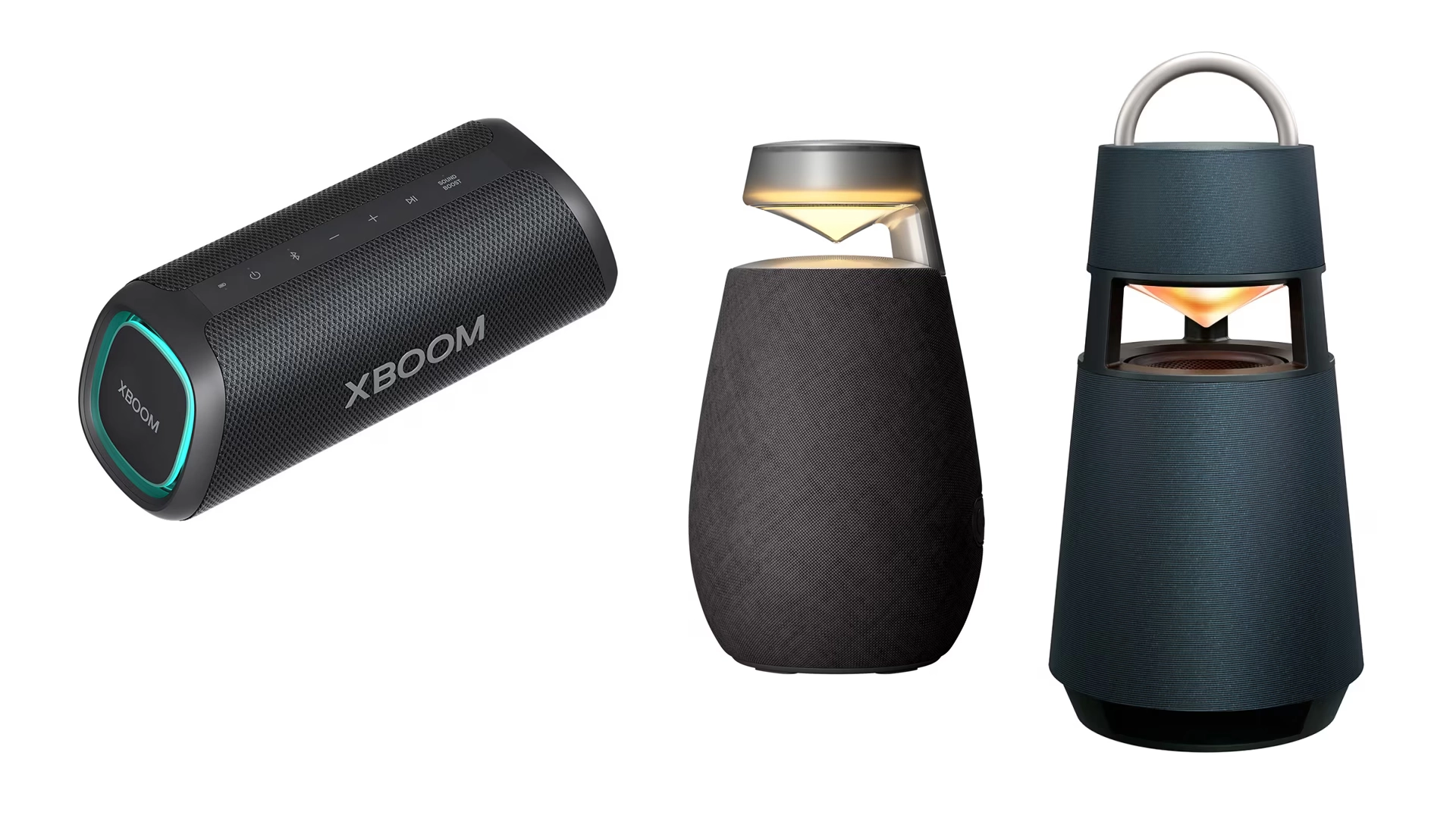
LG Electronics is a South Korean consumer-technology company whose relevance to audio and video lies in complete home-entertainment ecosystems rather than traditional separate-component hi-fi. The electronics business began as GoldStar in 1958 under founder Koo In-hwoi; the group’s 1947 origin belongs to Lucky Chemical, while the LG name was adopted in 1995. That makes 1958 the meaningful starting point for the electronics manufacturer. LG is a major developer of OLED televisions and display processing, with current ranges combining self-emissive panels, gaming features, webOS and AI-assisted picture and sound optimisation. Its audio portfolio includes Dolby Atmos soundbars, wireless rear-channel and subwoofer packages, xboom portable and party speakers, earbuds and integrated television audio. Selected earlier premium products were developed or tuned with Meridian Audio, but this collaboration should not be treated as the definition of every present model. LG’s strength is integration: HDMI eARC, wireless surround, streaming applications and television control are designed to work as one accessible system. It belongs in an AV directory primarily for displays, soundbars and connected home cinema, not as a specialist two-channel amplifier brand.
Loewe

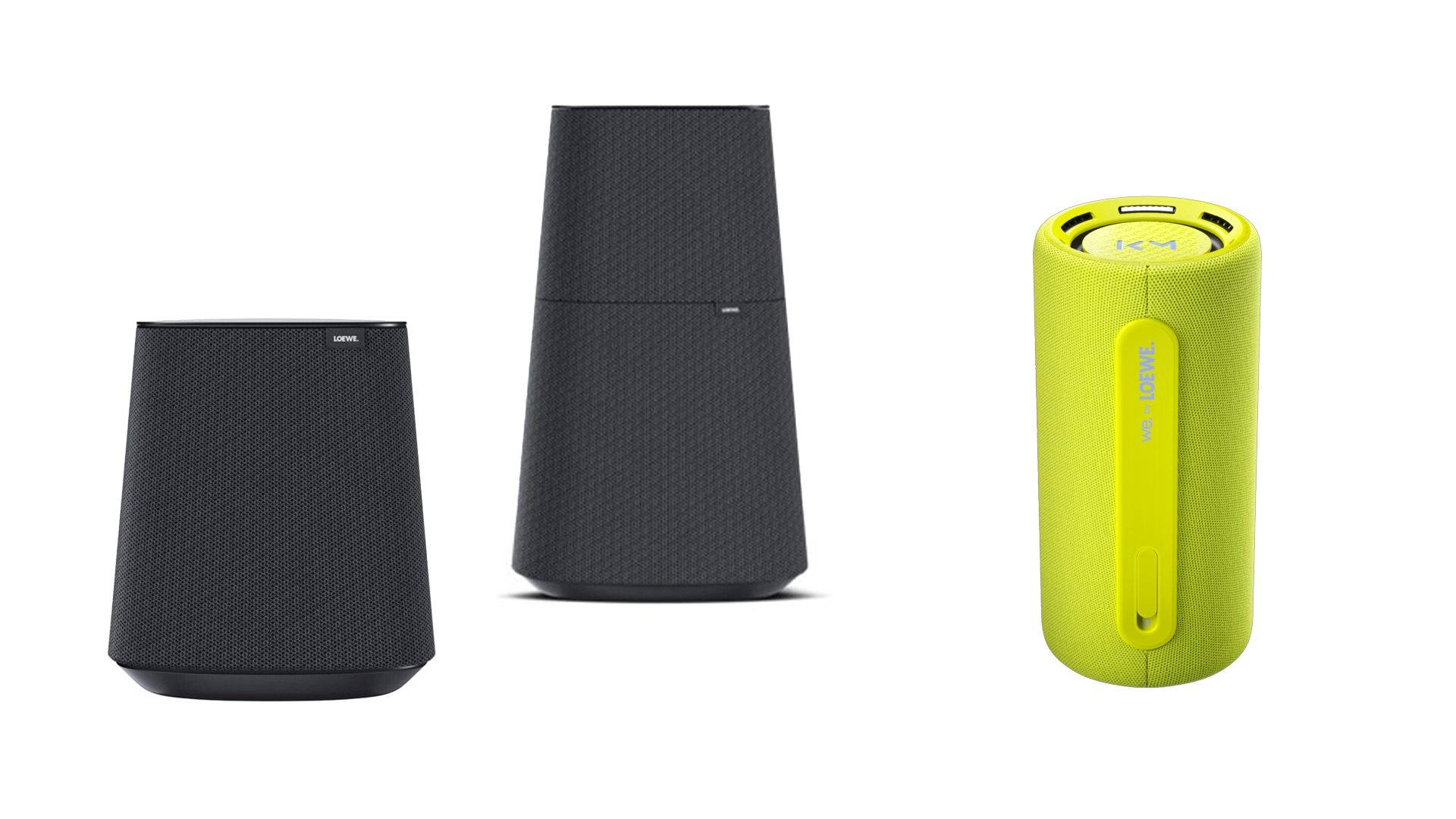
Loewe is a German premium home-entertainment manufacturer founded in Berlin in 1923 by brothers Siegmund and David Ludwig Loewe. Radio engineering came first, but television quickly became central: at the 1931 Berlin Radio Show, Manfred von Ardenne demonstrated an electronic television system using components and support connected with Loewe’s laboratory. The company later moved its headquarters and production to Kronach, where it continues to assemble selected televisions. Modern Loewe concentrates on design-led OLED displays such as the bild and Stellar families, supported by integrated sound systems, external soundbars and matching floor stands or wall solutions. The klang range covers soundbars, subwoofers, wireless speakers and headphones, while more accessible We. by Loewe products broaden the portfolio. Aluminium, stone-like or concrete finishes and concealed cable management are used to make the television part of the room rather than a generic black panel. Loewe has passed through insolvencies and ownership changes, so its present organisation should not be described as uninterrupted corporate continuity. What remains continuous is the brand’s combination of German industrial design, display integration and unusually serious built-in audio.
Marantz

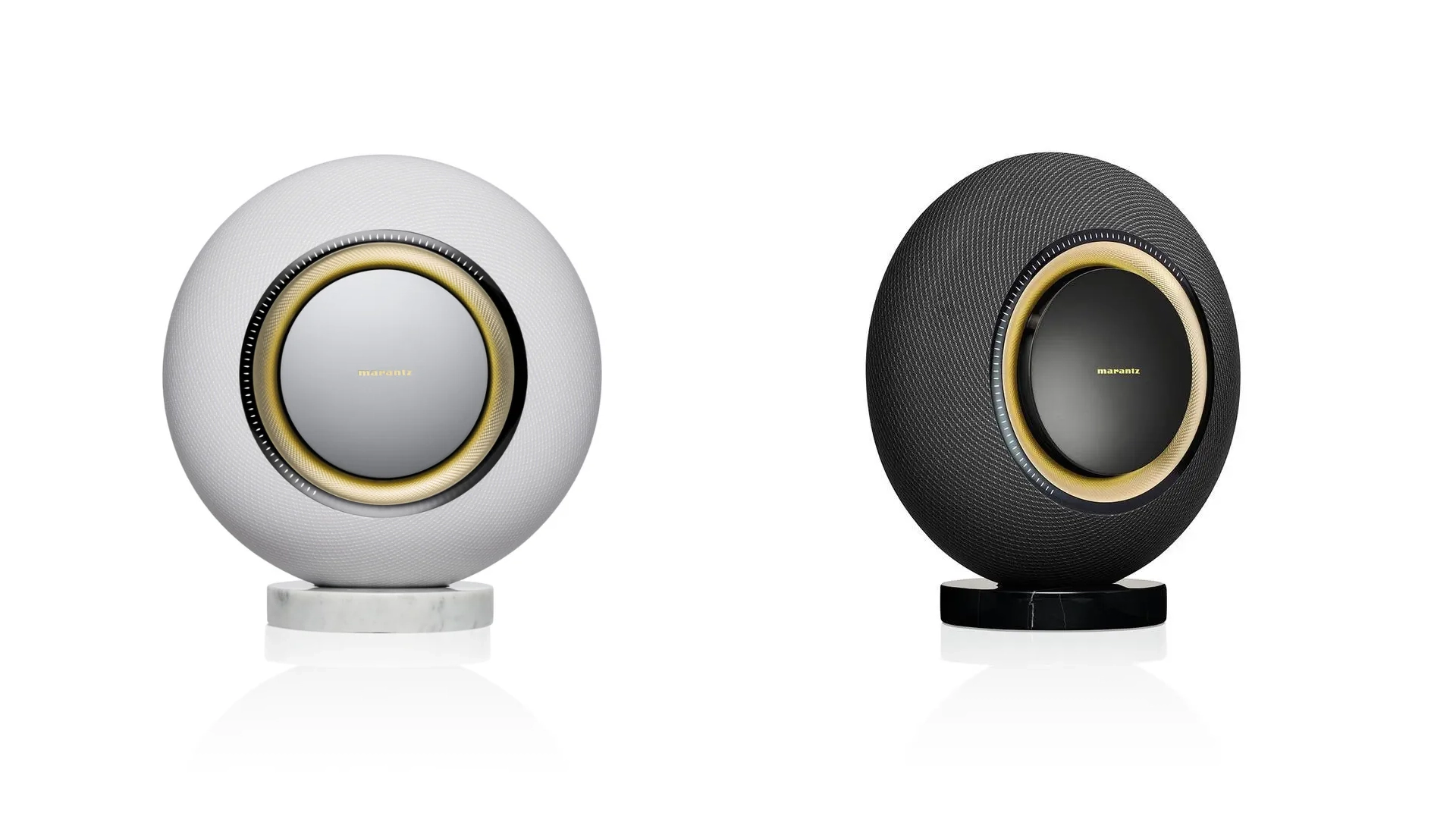
Marantz is a historic high-fidelity brand whose modern amplifiers, network players and home-cinema electronics combine American roots with Japanese audio engineering. Saul B. Marantz began by building the Audio Consolette for his own record collection; its success led to the Marantz company in New York in 1953. The Model 1 preamplifier, Model 7, Model 9 power amplifier and Model 10B tuner established a reputation for elegant circuits, low distortion and unusually thoughtful industrial design. Today the range spans stereo integrated amplifiers, SACD and network sources, turntables, AV receivers and processors. A defining element of many premium models is the company’s discrete Hyper Dynamic Amplifier Module (HDAM), used instead of generic integrated op-amps in critical analogue stages. Current reference components also emphasize short signal paths, carefully separated power supplies, shielding and rigid multi-layer chassis construction. Products such as the MODEL 30 and MODEL 40n bring that approach to contemporary systems, while the CINEMA series applies it to immersive home theatre. Marantz is distinctive because it has repeatedly translated its classic emphasis on musical, usable equipment into each new playback era rather than treating heritage as decoration.
Marshall

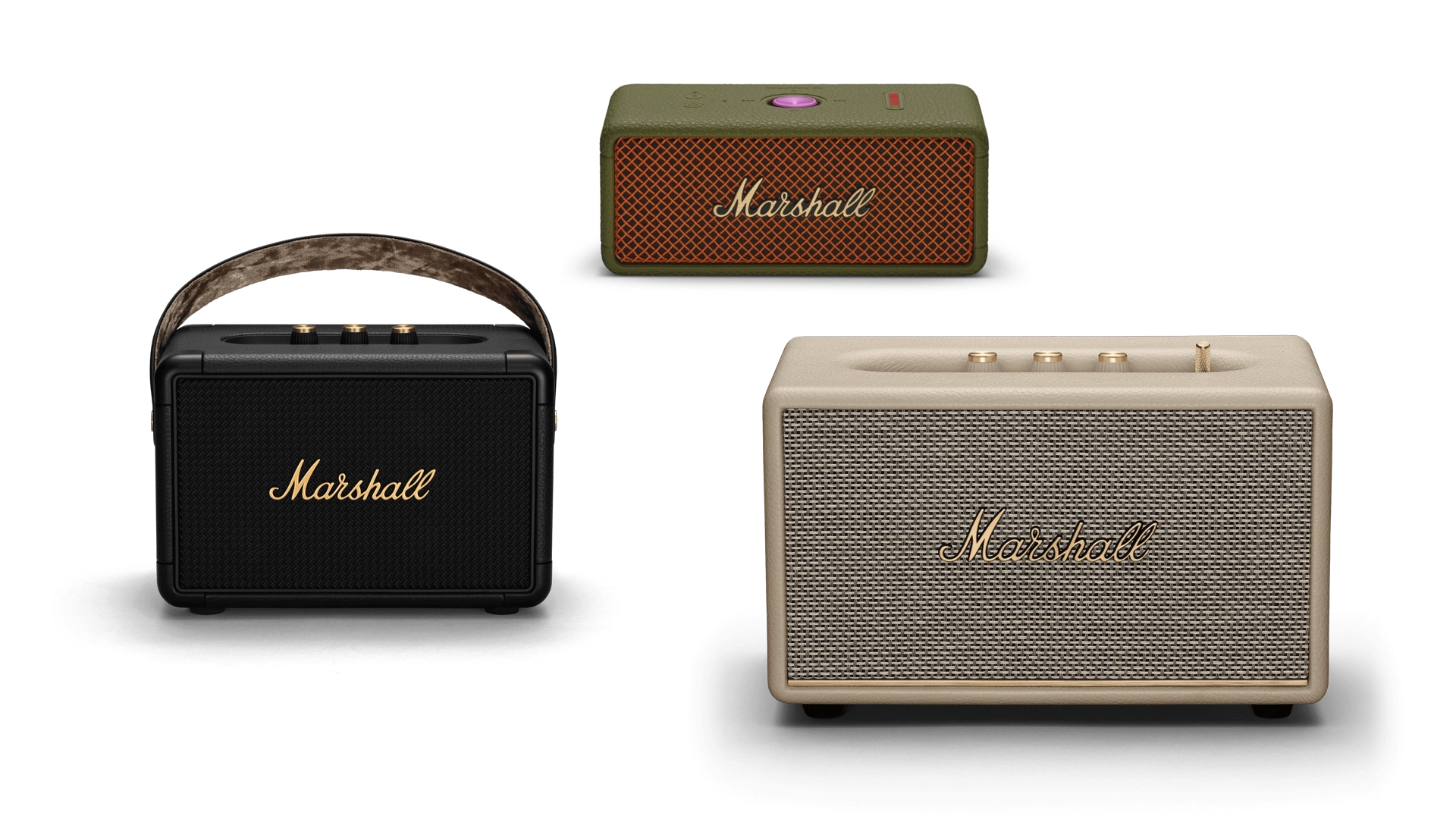
Marshall is the British amplification name that turned the sound and appearance of a guitar stack into a global rock-and-roll signature, then carried that identity into headphones and wireless speakers. Drum-shop owner and former drummer Jim Marshall founded the business in London in 1962 with technicians Ken Bran and Dudley Craven. Their early JTM45 amplifier responded to musicians seeking more volume and a different voice from the American designs then available; later Plexi, Super Lead and JCM models became fixtures on stages and recordings. The current catalogue still includes guitar and bass amplifiers, cabinets and effects, alongside consumer products such as the Major and Monitor headphones, Motif and Minor earbuds, and portable or home Bluetooth speakers including Emberton, Middleton, Stanmore and Woburn. Since the Marshall amplification and former Zound consumer-audio businesses were brought together in Marshall Group in 2023, product development, licensing and brand stewardship sit within one company, while the Marshall family remains involved. What makes Marshall unusual is the continuity between professional music equipment and everyday listening products: tactile controls, durable construction and amplifier-inspired design are tied to a genuine manufacturing and performance history rather than an invented retro theme.
McIntosh

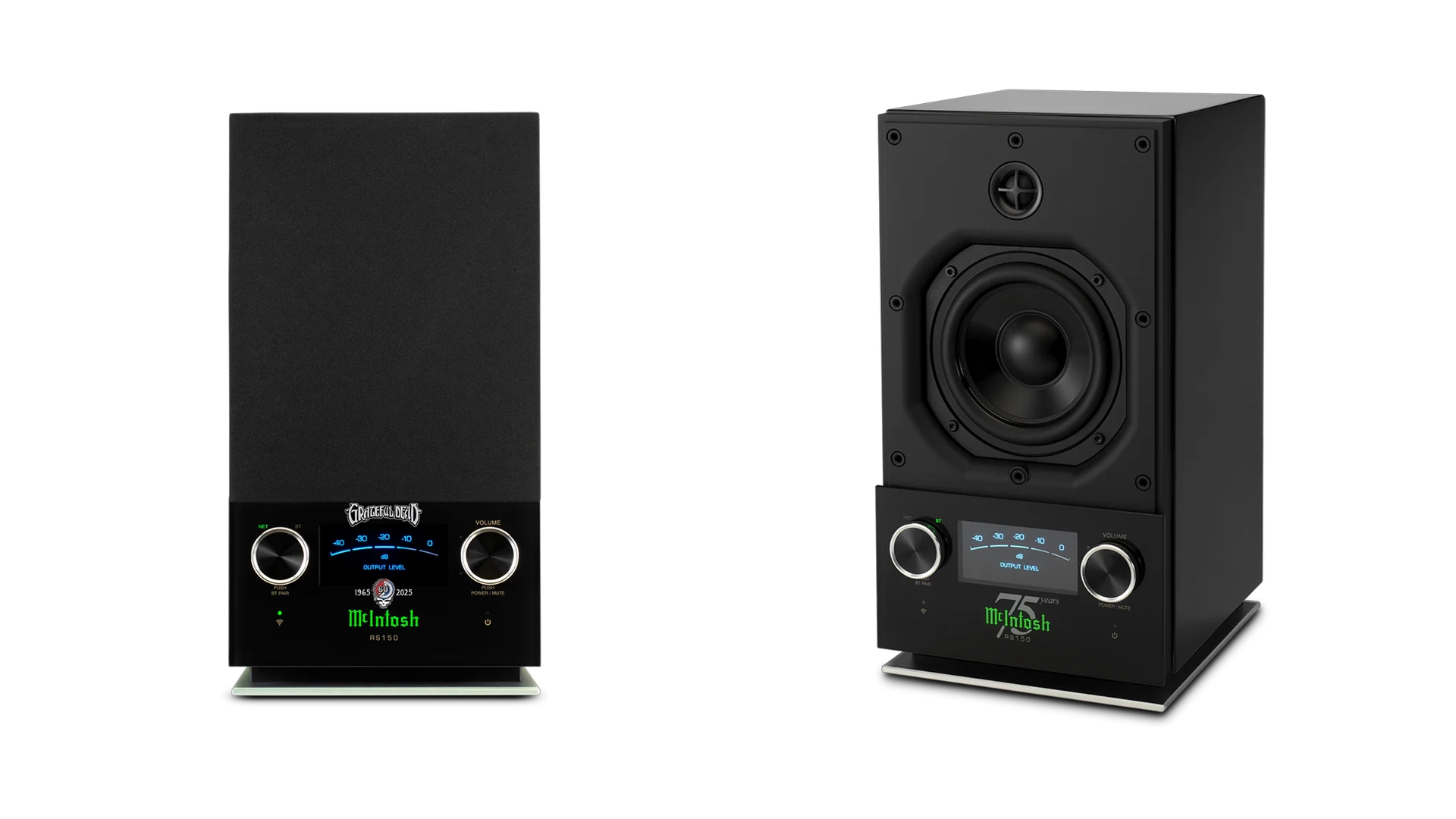
McIntosh is an American high-end audio manufacturer whose blue power meters and black-glass front panels identify products built around unusually durable amplifier engineering. Frank H. McIntosh and Gordon Gow founded the company in 1949 after developing the Unity Coupled Circuit, a transformer-coupled output topology designed to deliver high power with low distortion across the audible band. McIntosh moved to Binghamton, New York, in 1951 and continues to design and assemble products there. The catalogue covers valve and solid-state power amplifiers, preamplifiers, integrated amplifiers, source components, streamers, turntables, speakers and home-cinema processors. Many transistor power amplifiers use Autoformers to deliver their rated power into different loudspeaker impedances, while Power Guard monitors the waveform to reduce clipping-related distortion and Sentry Monitor protects against unsafe operating conditions. The company still winds key transformers in house, and signature glass panels are printed and assembled for long service life. McIntosh’s appeal extends beyond styling: its defining know-how is the marriage of protective circuitry, stable load behavior and conservative construction with a product ecosystem that can support both two-channel and large cinema systems.
Meridian

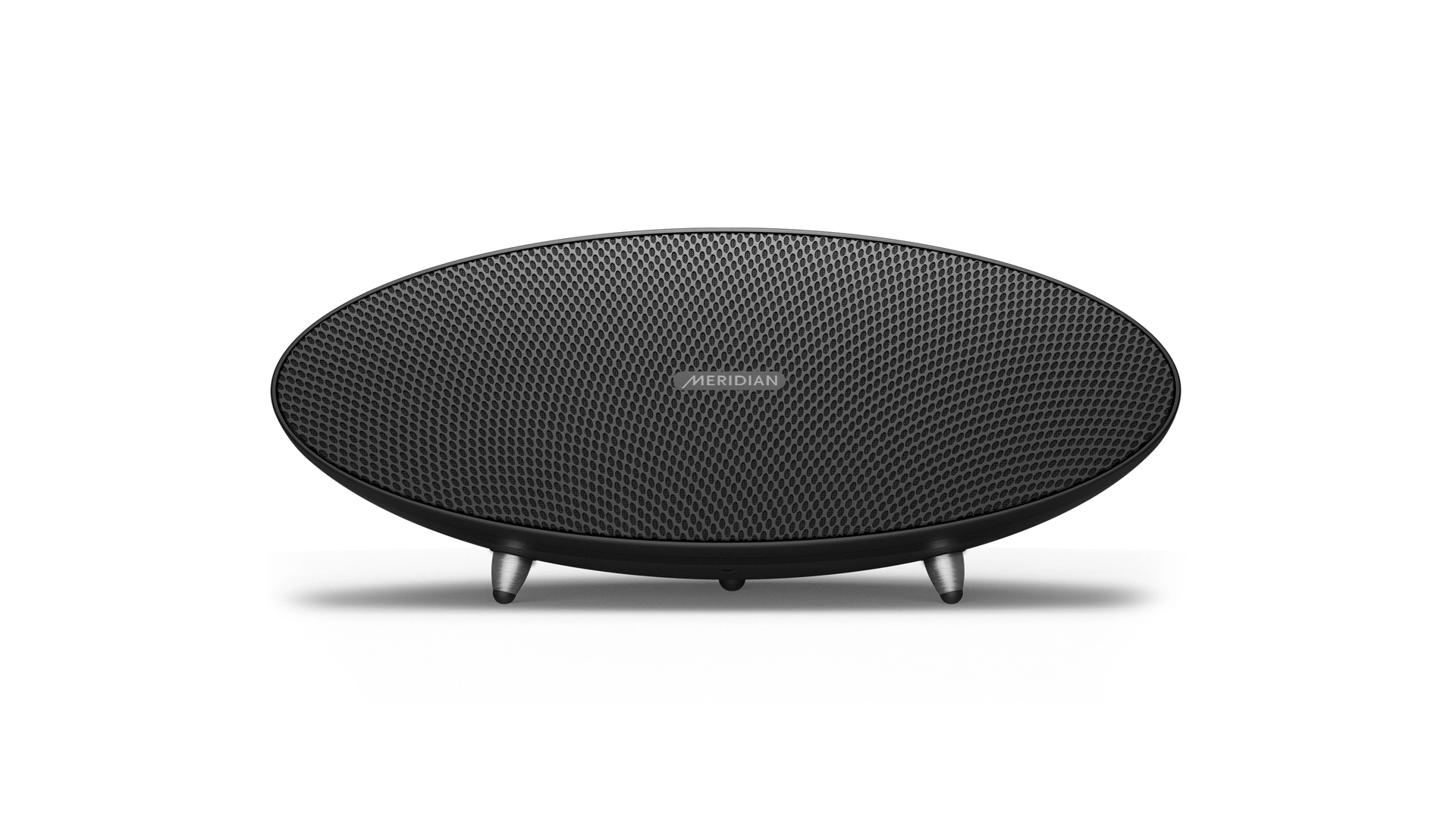
Meridian is a British digital-audio pioneer whose central achievement is treating the loudspeaker, amplification and signal processing as one engineered system. Bob Stuart and industrial designer Allen Boothroyd founded the company in 1977. The active M1 loudspeaker established their combination of electronics and acoustics, while later products helped advance digital source design, lossless coding and DSP-controlled playback. Meridian’s flagship loudspeakers place digital crossovers, dedicated amplification and drivers in the same enclosure, allowing the company to control phase, timing, bass alignment and protection far more precisely than a passive speaker permits. Proprietary techniques include apodising filters, Enhanced Bass Alignment and psychoacoustic processing, implemented in products such as the DSP9 and DSP8000 XE. The wider range includes controllers, streamers, architectural speakers and distributed-audio components, alongside engineering partnerships for automotive, marine, aviation and lifestyle brands. Meridian co-created MQA, but MQA is now independently owned and should not be presented as the company’s defining current product. Meridian’s lasting distinction is broader: decades of research into DSP, active architecture and how complete systems behave in real rooms.
Morel


Morel is an Israeli loudspeaker and drive-unit specialist whose complete home and car systems are grounded in nearly five decades of transducer manufacturing. Meir Mordechai founded the company in 1975; the name derives from Mordechai Electro-acoustics. Morel remains family owned and develops raw drivers as well as finished products, giving it control over the motor, suspension, diaphragm and enclosure rather than forcing a speaker design around catalogue parts. The brand’s signature technologies include large External Voice Coils, which place the magnetic motor inside the coil for efficient use of magnetic energy, and Hexatech aluminium wire shaped to pack the winding with minimal air gaps. Hybrid neodymium/ferrite magnet systems, damped polymer composite cones and soft-dome midrange units appear across different applications. Home-audio lines such as Sopran, Avyra and Högtalare sit alongside architectural models, car-audio components and OEM drivers supplied to other makers. Morel’s distinction is therefore broader than a particular “sound”: it is the unusual overlap of specialist driver engineering, hand assembly and the ability to carry the same motor and diaphragm know-how from a raw transducer to a complete loudspeaker.
PIEGA

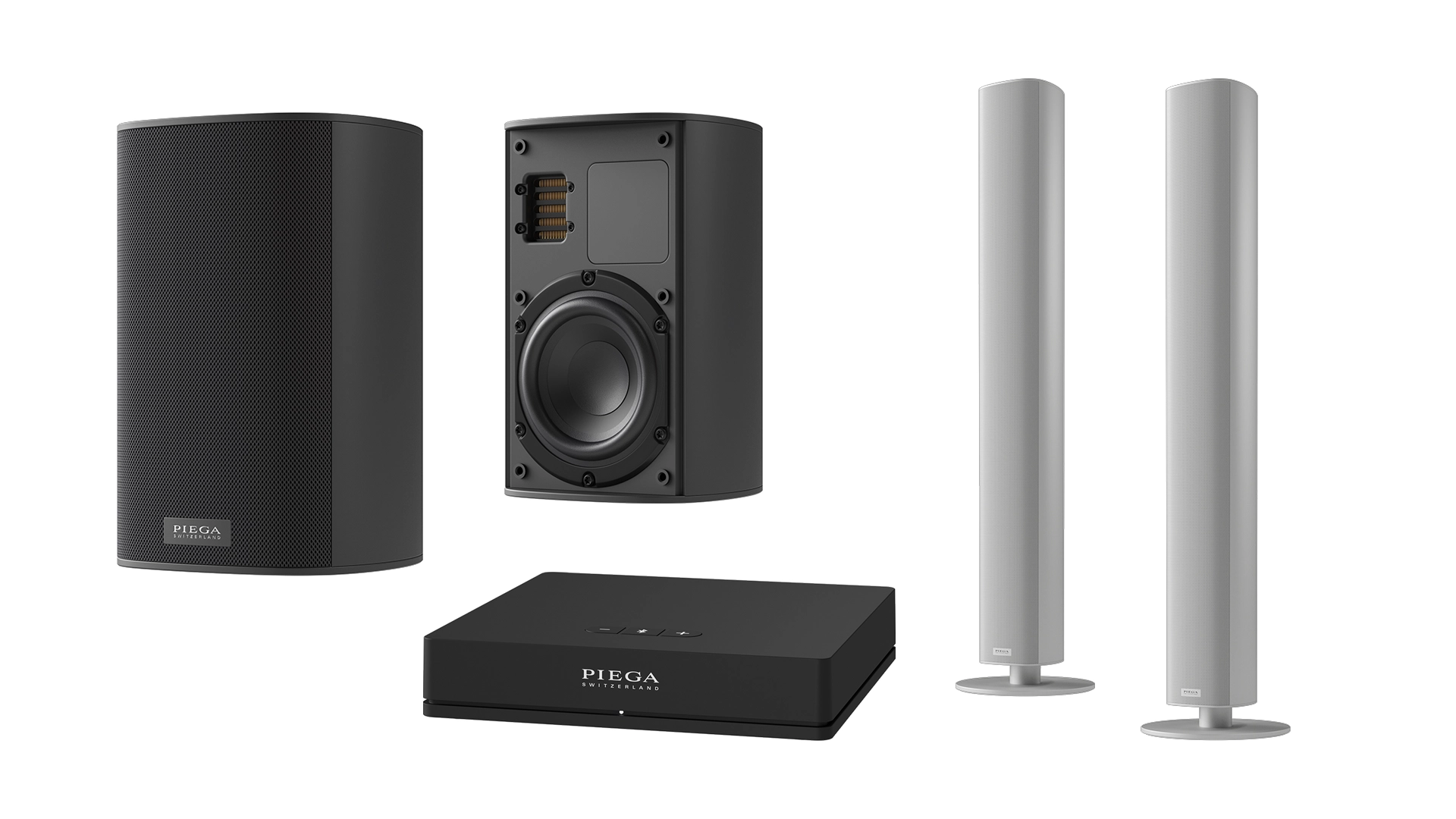
PIEGA is the Swiss loudspeaker manufacturer founded in 1986 by Leo Greiner and Kurt Scheuch. Scheuch’s early work on an extremely light foil tweeter gave the company its technical direction: reproduce high frequencies with a low-mass ribbon system, then design the rest of the loudspeaker around its speed and radiation pattern. Ribbon manufacture remains a skilled in-house process at PIEGA’s Horgen facility near Lake Zurich, and the family company is now led by the next Greiner generation, including Alexander and Manuel. PIEGA introduced a ribbon midrange in 1993 and the first coaxial midrange/tweeter ribbon in the C1 in 2000. In that same period, extruded aluminium enclosures became the other defining technology. Their curved, rigid shells provide a slim form while controlling panel resonance, but require internal damping and carefully shaped end structures to avoid the ringing associated with untreated metal. Coax Gen2 is the present expression of the coaxial ribbon concept; Premium Gen2 and the compact Ace family carry PIEGA engineering into smaller rooms, with wireless variants for active systems. Master Line Source is the flagship: a large dipole line-source array of ribbon elements designed to control vertical dispersion and reduce room interaction. PIEGA’s identity therefore comes from two capabilities developed together over decades—hand-built foil transducers and mechanically controlled aluminium cabinets—rather than from aluminium styling alone.
PSB

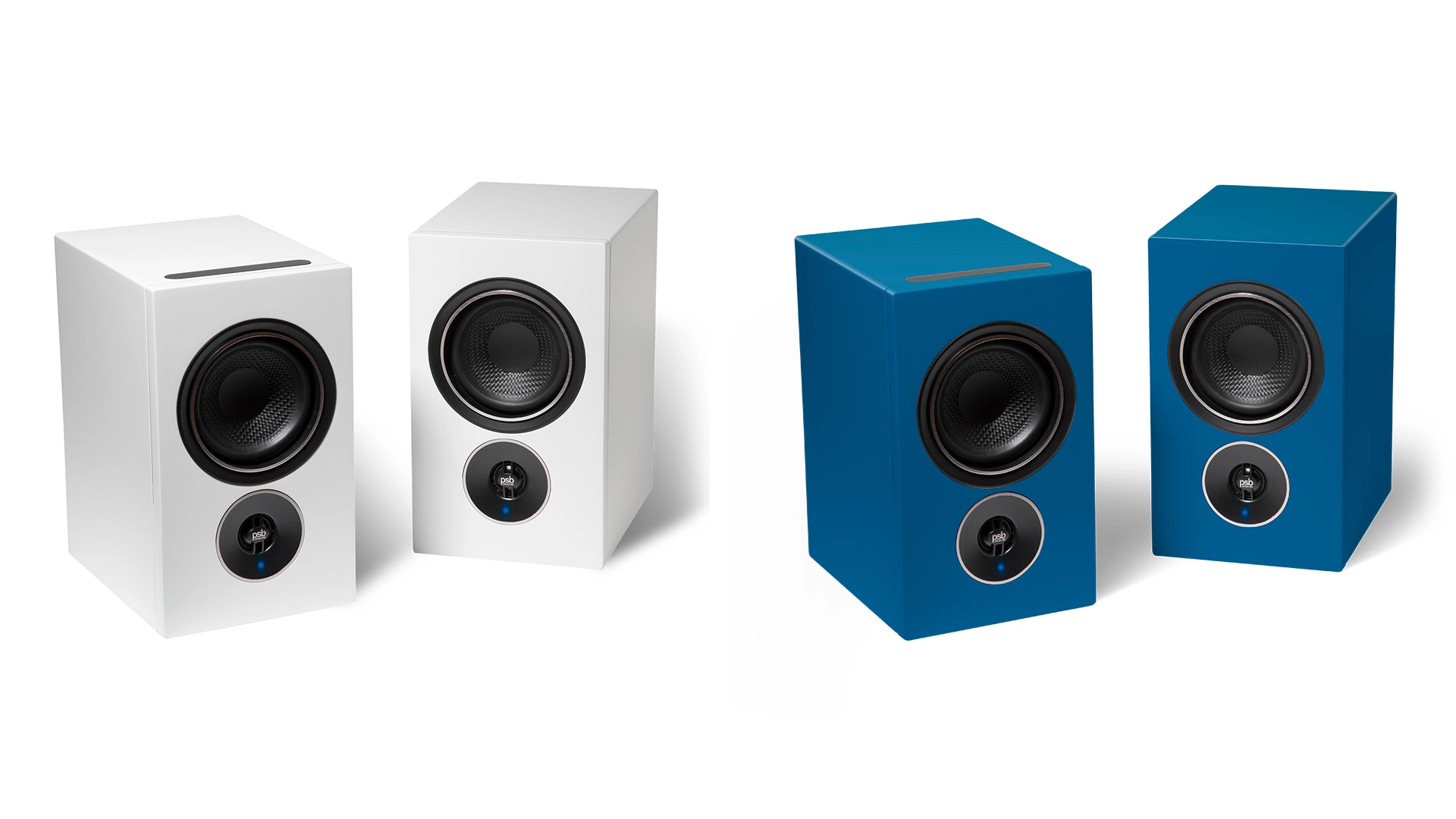
PSB Speakers was founded in 1972 by Canadian designer Paul Barton; the initials stand for Paul and Sue Barton. Rather than building a brand around one fashionable material, Barton developed a repeatable process of anechoic measurement and controlled listening. His long work at Canada’s National Research Council helped connect smooth on-axis response, well-behaved off-axis radiation and listener preference, giving PSB an engineering method that could be applied from entry-level speakers to flagships. Alpha is the accessible expression of that method and has remained important through several generations. Imagine covers stereo and home-cinema systems at a higher level, while Synchrony—including the current T800 flagship—uses more elaborate driver, cabinet and crossover engineering. Architectural PWM and CustomSound models, CS outdoor speakers and subwoofers extend the same voicing to installed systems. PSB also applies acoustic research to M4U headphones; its RoomFeel tuning is intended to reproduce the spectral balance listeners experience from well-designed loudspeakers in a room rather than the unnaturally flat pressure response of a raw headphone fixture. The company is part of Canada’s Lenbrook group alongside NAD and Bluesound, giving it access to shared research and distribution while Paul Barton remains closely associated with its acoustic direction. PSB’s lasting achievement is disciplined value: models at very different prices are developed through the same measurement-and-listening loop, so the family resemblance comes from controlled directivity and tonal balance rather than from repeated styling alone.
Pure Radio

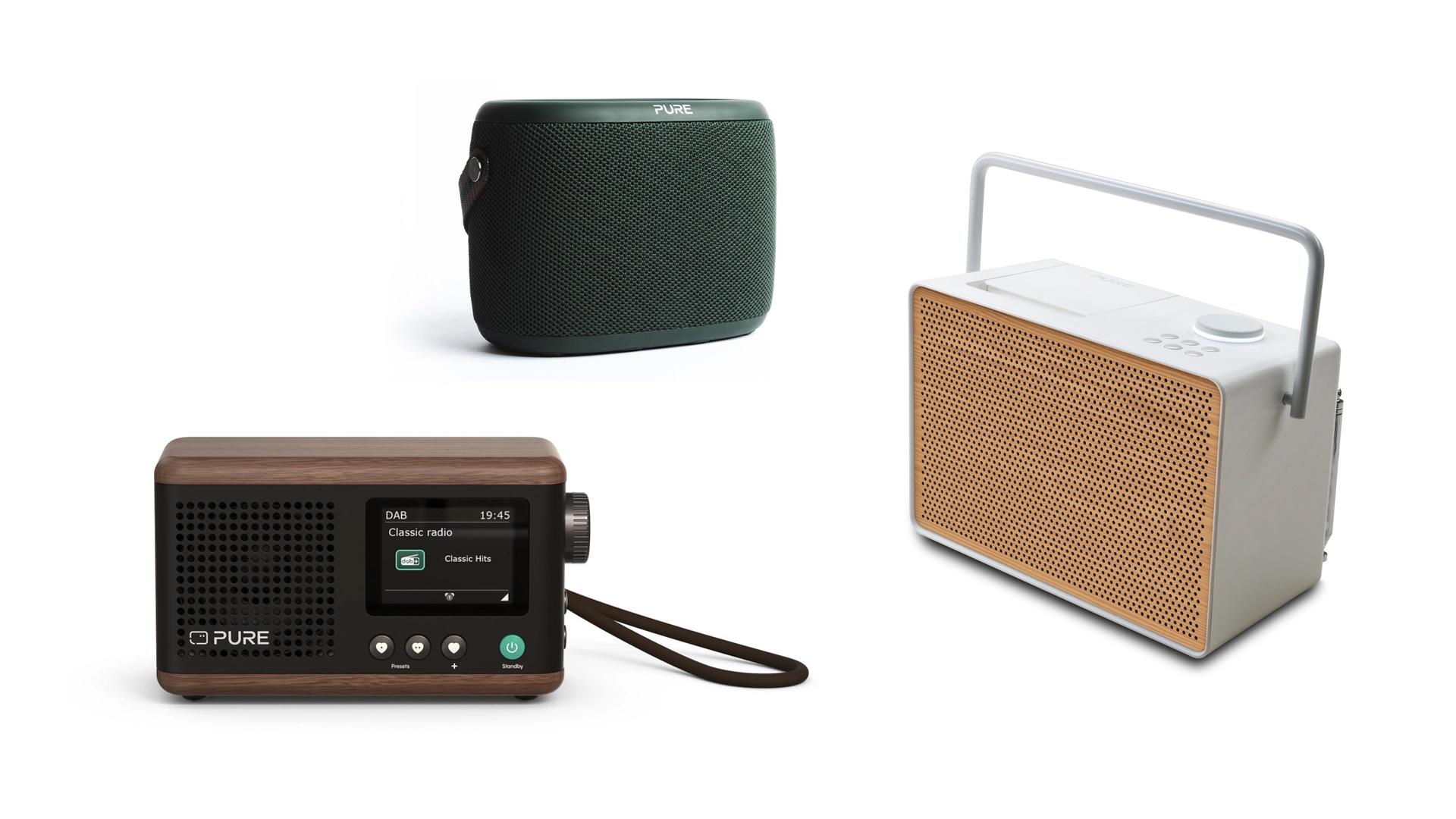
Pure is the British radio brand that helped move DAB from a specialist technology into an everyday kitchen and bedside product. Its consumer audio business emerged from VideoLogic and Imagination Technologies, and the Evoke-1, launched in 2002 below the psychologically important £100 level, became the breakthrough. The appeal was not merely digital reception: Pure made station selection, presets and display information simple enough that a new broadcasting format felt like a normal radio rather than computer equipment. Evoke remains the best-known family, now ranging from compact bedside models to Evoke Spot, Play and Home systems with combinations of DAB+, FM, internet radio, Bluetooth, Spotify Connect and, in the Home, CD playback. Elan provides simpler portable and tabletop radios, while the Classic range revisits familiar radio forms with current tuners and wireless functions. Model-specific features matter: not every Pure radio includes internet services, a battery, stereo speakers or a disc drive, so the brand should not be presented as one universal streaming platform. In 2016 Pure was acquired from Imagination Technologies by Austrian company AVenture AT. Development and ownership therefore changed, but the brand’s origin and the product category it helped establish remain British; the country field should stay UK. Pure’s durable strength is accessibility. It turned DAB into a mass-market object through the Evoke-1 and continues to combine broadcast radio with just enough network and Bluetooth functionality for people who still want a dedicated, tactile receiver rather than another phone app.
Revo Audio

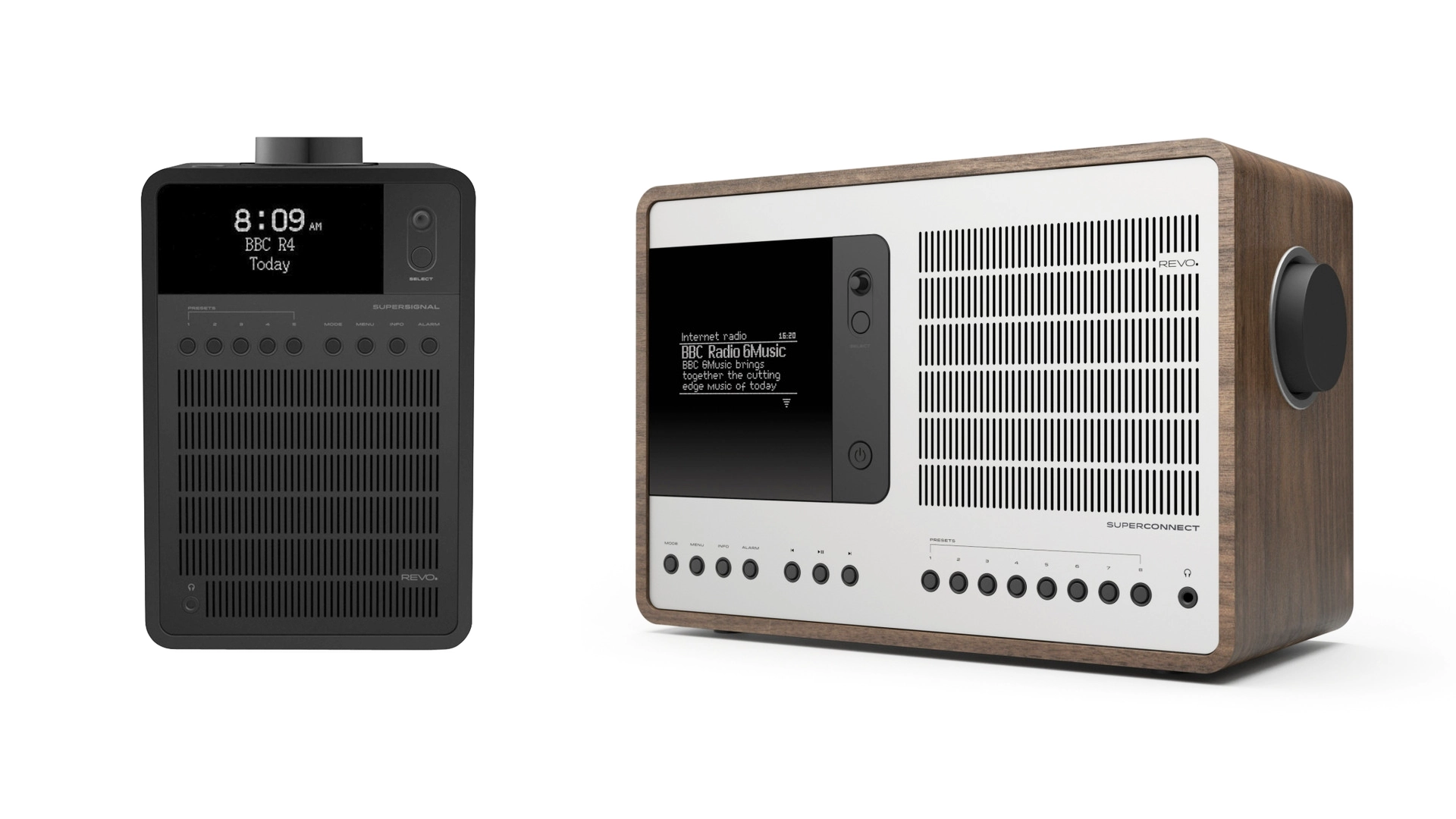
Revo is a Scottish audio brand founded in Lanark in 2004 by David Baxter and Colin Urie. It helped turn DAB and internet radio from utilitarian kitchen appliances into products that could sit comfortably beside serious hi-fi, combining solid cabinet work, clear displays and straightforward controls with modern broadcast and network sources. Models such as the original Revo DAB radios, Blik and Axis established that direction; SuperConnect later became the brand’s best-known all-in-one receiver by bringing DAB/DAB+, FM and internet radio together with network streaming, Bluetooth and access to online services. The current family develops the same idea at different scales. SuperSignal is a compact table radio, SuperConnect Stereo adds true stereo reproduction, SuperSystem provides a larger one-box system, and SuperCD combines radio and streaming with a slot-loading CD player. Real-wood veneers, aluminium details, OLED displays and the characteristic joystick controller give the range a coherent industrial identity, while BMR and conventional drivers are selected to produce wide dispersion from compact enclosures. Ownership has changed: German company TELESTAR-DIGITAL acquired Revo in 2020, and the Revo, TELESTAR and Imperial brands were subsequently acquired by the Netherlands-based Commaxx Group in 2024. The country field remains the United Kingdom because the brand was conceived and developed in Scotland. Revo’s lasting contribution is the connected radio treated as a designed audio product—multi-source, easy to live with and visually distinct rather than a generic smart speaker.
Revox

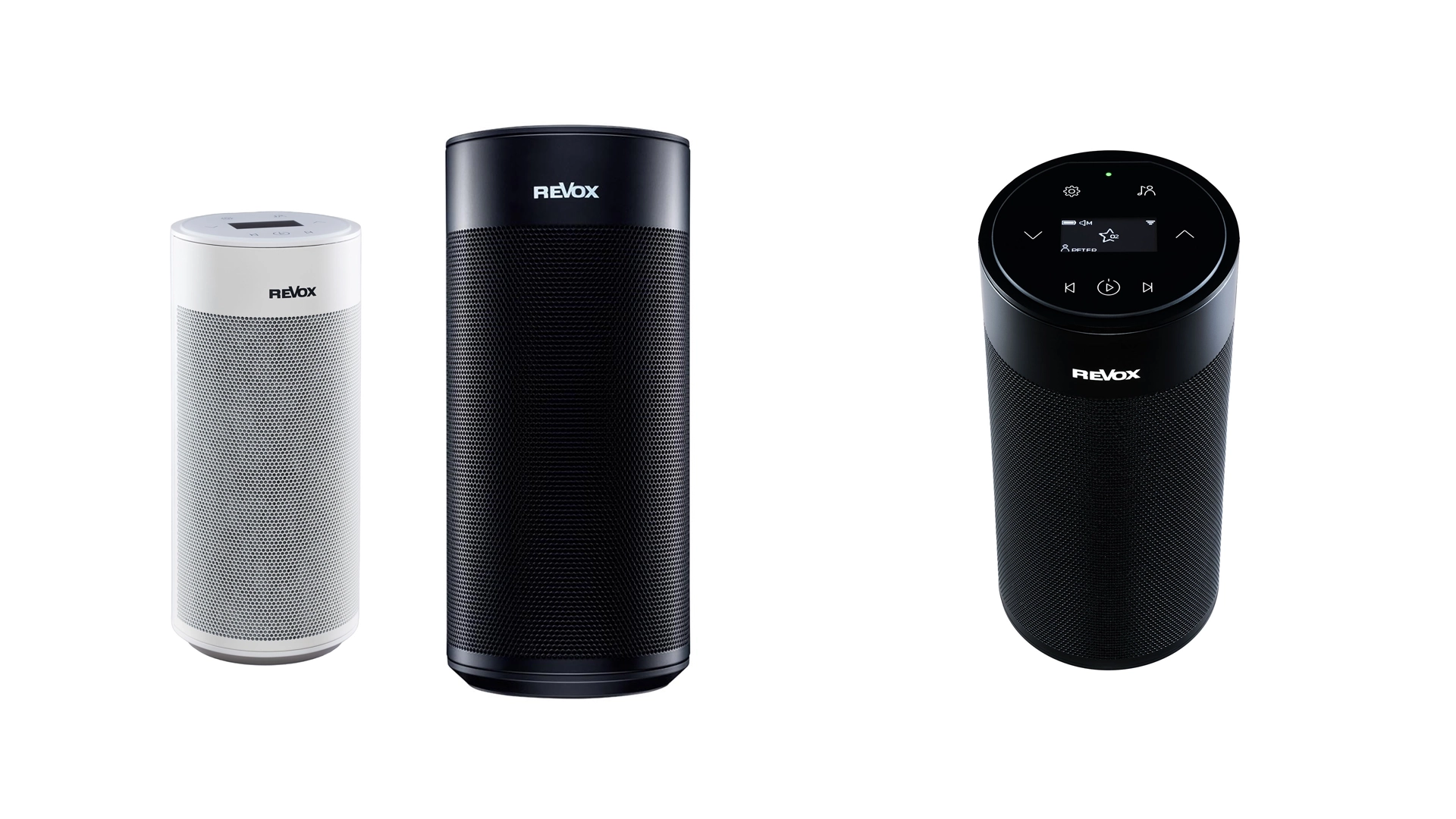
Revox is a Swiss audio company whose story began in 1948, when engineer Willi Studer opened a business in Herisau and developed the Dynavox tape recorder. Revox became the name for the consumer products, while Studer served professional studios and broadcasters; the shared engineering culture made reel-to-reel machines such as the A77 and B77 enduring references for robust mechanics, serviceability and recording quality. The brand later expanded into complete systems, including the B-series electronics and loudspeakers, but tape remains an important part of its identity. In 2024 Revox introduced the B77 MK III, a newly manufactured reel-to-reel recorder rather than a cosmetic reissue, bringing the format back into current production with revised electronics and modern manufacturing. Contemporary Revox is broader than analogue tape. The company develops modular multiroom and custom-installation systems, networked amplifiers, servers, speakers and control interfaces intended to distribute music through an entire home. STUDIOART provides compact wireless products, JOY and STUDIOMASTER components address network playback and amplification, and the T700 turntable connects the brand’s precision-mechanical tradition with vinyl. Revox also maintains restoration and service activity for classic machines, an important distinction for equipment with decades of working life. The company has passed through ownership and organisational changes since the Studer era, but its strongest products still follow the original logic: sources, electronics, speakers and control designed as a coordinated system. Revox is therefore best understood not merely as a historic tape-recorder name, but as a rare bridge between Swiss recording heritage and current integrated audio.