An icon representing an integrated amplifier.

Integrated Amplifiers

An integrated amplifier is the heart of many classic hi-fi systems, combining two essential components into a single chassis: a preamplifier for input switching and volume control, and a power amplifier to drive the speakers. This all-in-one design offers a straightforward and convenient way to build a high-quality audio system without the complexity of separate boxes. This page is a comprehensive directory of manufacturers that produce these versatile components, from simple, purely analog models to modern amplifiers with built-in DACs and streaming capabilities.

179

Hi-Fi brands in the category

Summary information and image

Direct links to official websites

Filters
Search
Country
See more See less

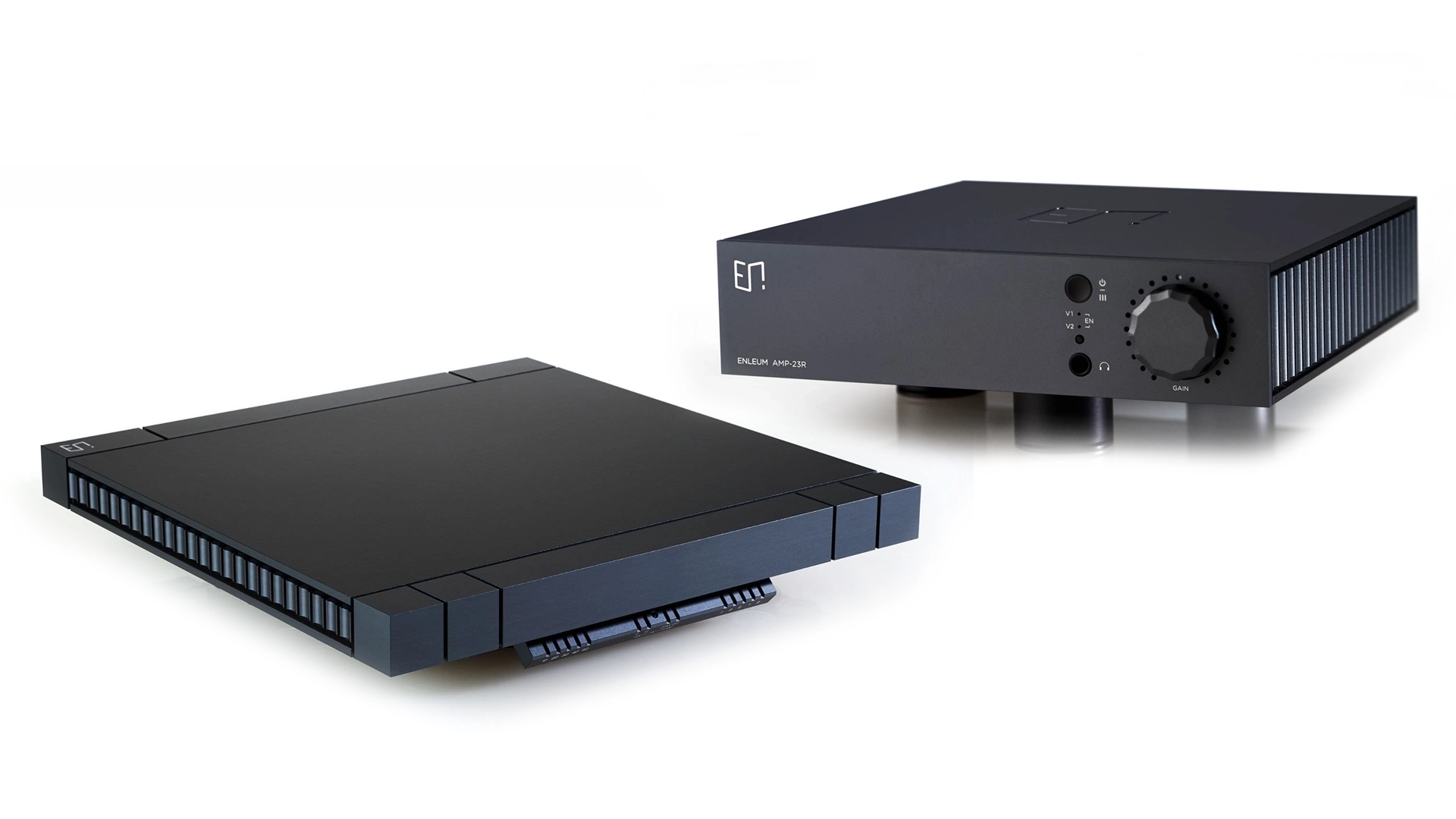
Enleum is the current identity of a South Korean amplifier company originally established by Soo In Chae in 2009. Its earlier compact amplifiers and headphone products were sold under the Bakoon lineage; in 2021 the circuitry, design language and product programme were brought together under the Enleum name. The AMP-23R is the clearest expression of the idea: a very compact integrated amplifier designed to drive both loudspeakers and demanding headphones, using the company’s current-output heritage and JET Bias development rather than a conventional feature-heavy architecture. The battery-powered HPA-23RM carries the same priorities into a portable headphone amplifier. Enleum’s speciality is not miniaturisation for its own sake, but the combination of short circuits, thermal and mechanical design, precise volume control and quiet operation in products that serve both speaker and personal-audio systems.

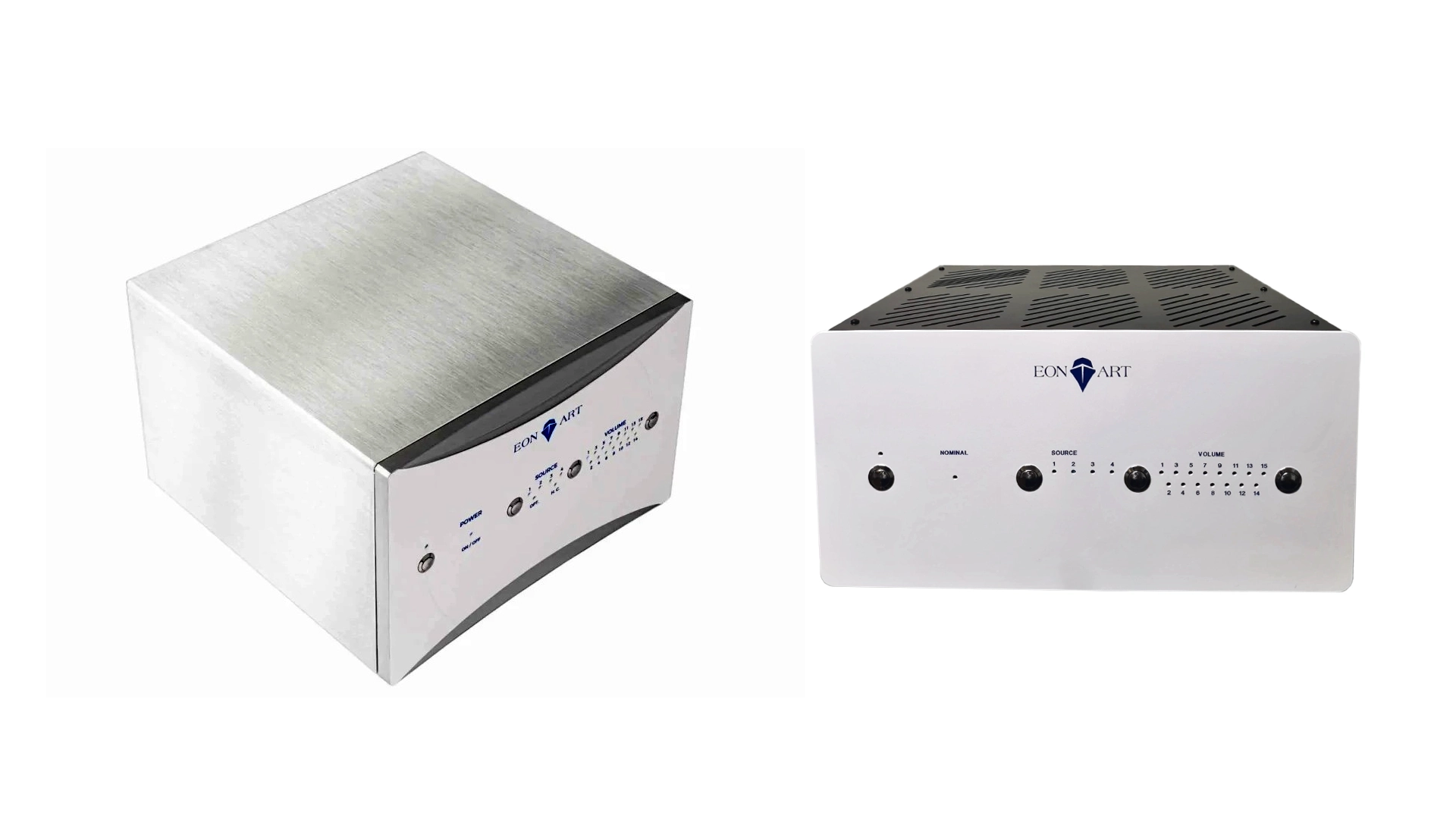
Eon Art is a Canadian high-end audio company based in Chandler, Quebec, and led by Stéphane Hautcoeur. Incorporated in 2017, Eon Art Canada united its electronics work with the French loudspeaker expertise of Venus Acoustic; this French connection is sometimes mistaken for the company’s country of origin. Its best-known electronics, including the Quark integrated amplifier, combine valve gain and regulated valve power supplies with a high-power solid-state output stage, extensive local power regulation and modular multi-board construction. The company also develops digital conversion and Venus-series loudspeakers such as Cybela, whose CFTA internal geometry redirects rear radiation to reduce enclosure resonances. Products are made and assembled in Canada, with the emphasis on complete-system engineering, laboratory measurement and documented quality control rather than a catalogue of conventional separate boxes.

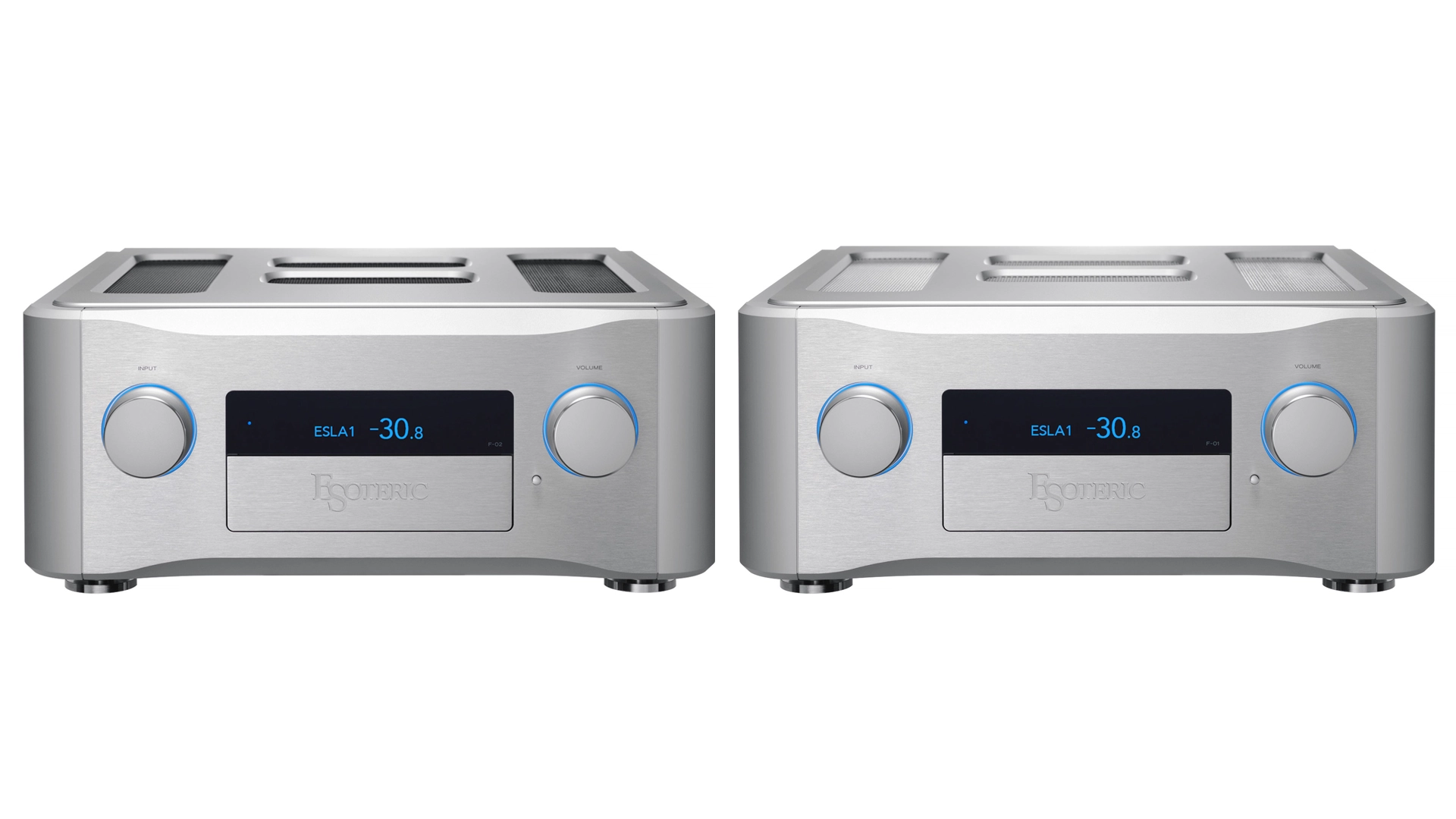
Esoteric is the high-end audio marque created by TEAC in Japan in 1987. It first became famous for extremely rigid CD and SACD transports, especially the VRDS system, which clamps a disc to a precision turntable to stabilise rotation and reduce mechanical error. The current VRDS-ATLAS mechanism extends that principle with a heavy bridge and carefully controlled centre of gravity, while Esoteric’s Master Sound Discrete DAC and clock technologies move critical conversion and timing functions into proprietary hardware. The catalogue now spans SACD/CD players, network players, DACs, master clocks, preamplifiers, power and integrated amplifiers, phono stages and the Grandioso reference series; it has also entered turntables. Esoteric’s lasting strength is vertical engineering—mechanism, chassis, clocking, conversion and analogue stages designed as parts of one playback architecture.

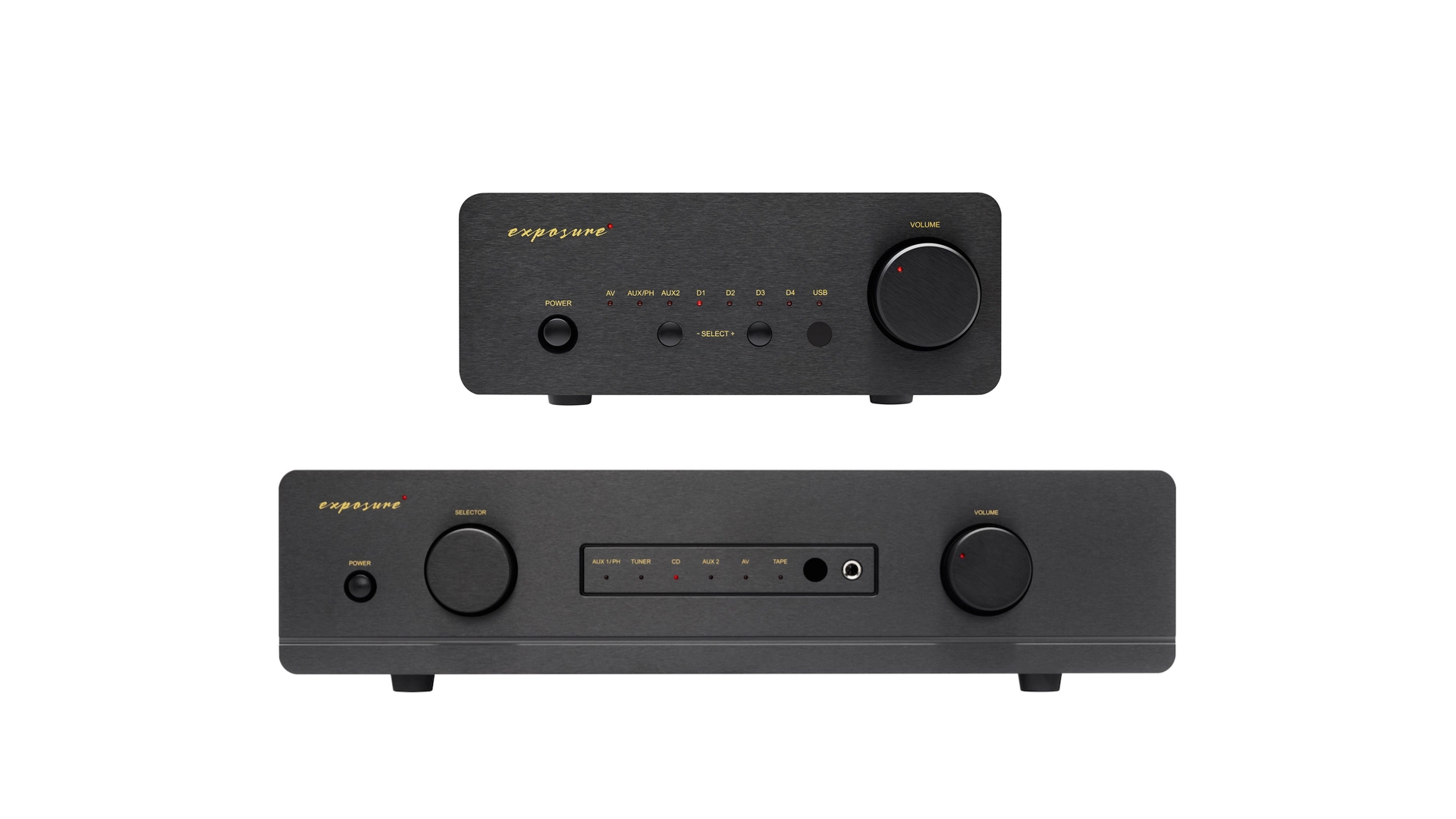
Exposure Electronics is a British hi-fi manufacturer founded in 1974 by John Farlowe. Farlowe’s experience building electronics for studios and musicians shaped amplifiers that favoured current delivery, timing and simple signal paths over extensive controls or decorative casework. Current XM, 3510 and 5010 components continue that practical hierarchy across integrated, pre- and power amplification, phono stages and digital sources. Typical Exposure engineering includes custom toroidal transformers, generous power-supply reserves, discrete transistor stages and short circuit paths; selected amplifiers can accept optional phono or DAC boards without turning into disposable all-in-one products. The brand’s individuality lies in system building: compact XM components, the modular 3510 level and reference 5010 separates share the same restrained design and can be upgraded in logical steps.

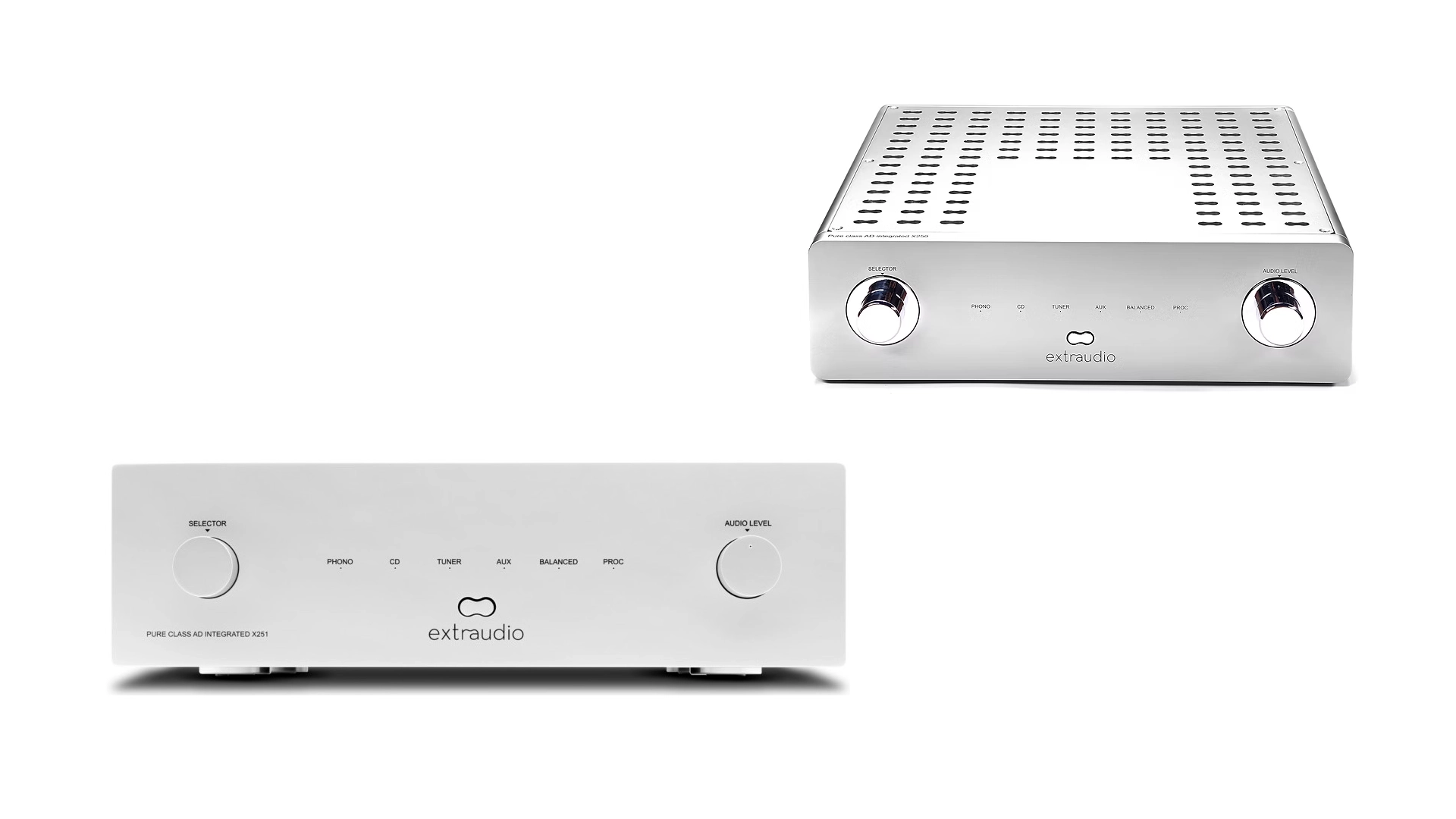
Extraudio is a Dutch high-end electronics company founded in 2008 and based in Leidschendam. Its defining development is AD Class amplification, created through a Dutch-Danish R&D collaboration with extensive switching-amplifier experience. The topology uses a proprietary EPAM amplifier module and is intended to combine high efficiency and control with the continuous behaviour expected from analogue amplification; it should not be confused with a standard Class D module in a luxury enclosure. Extraudio also applies different solutions where appropriate: the Origin line uses Class A circuitry, while Reference models use Class AB. Products span integrated and power amplifiers, preamplification and source electronics, with Discovery and higher series sharing a deliberately clean industrial design. The useful distinction is this technology-neutral approach—choosing AD, A or AB operation for a specific product rather than forcing every component into one fashionable architecture.

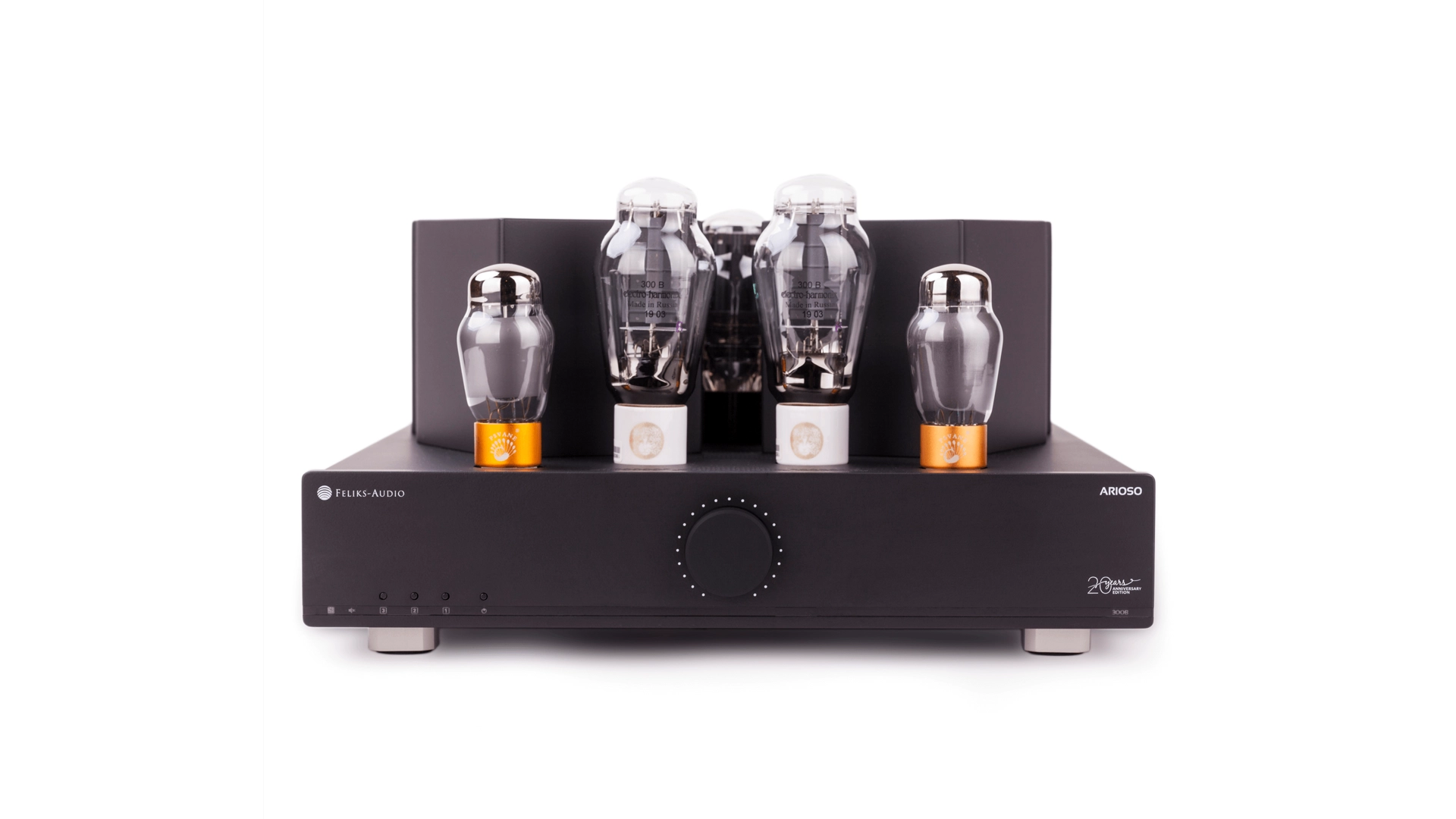
Feliks Audio is a family-owned Polish manufacturer of valve headphone amplifiers based in Lubliniec. The Feliks family has more than 25 years of experience with valve circuits, and engineering, tuning and assembly are carried out in-house. Its range is unusually easy to distinguish by topology: Echo provides an accessible transformer-coupled design; Elise and Euforia use output-transformerless circuitry suited to higher-impedance dynamic headphones; and the flagship Envy is a transformer-coupled 300B amplifier developed for demanding dynamic and planar-magnetic models. This matters more than a generic promise of ‘tube warmth’, because the output stage determines power, impedance matching and the headphones each amplifier can drive well. Point-to-point work, selected transformers and replaceable valves also make the products serviceable and open to careful tube rolling. Available sources support a long family history but not one exact founding year, so the date remains unset.

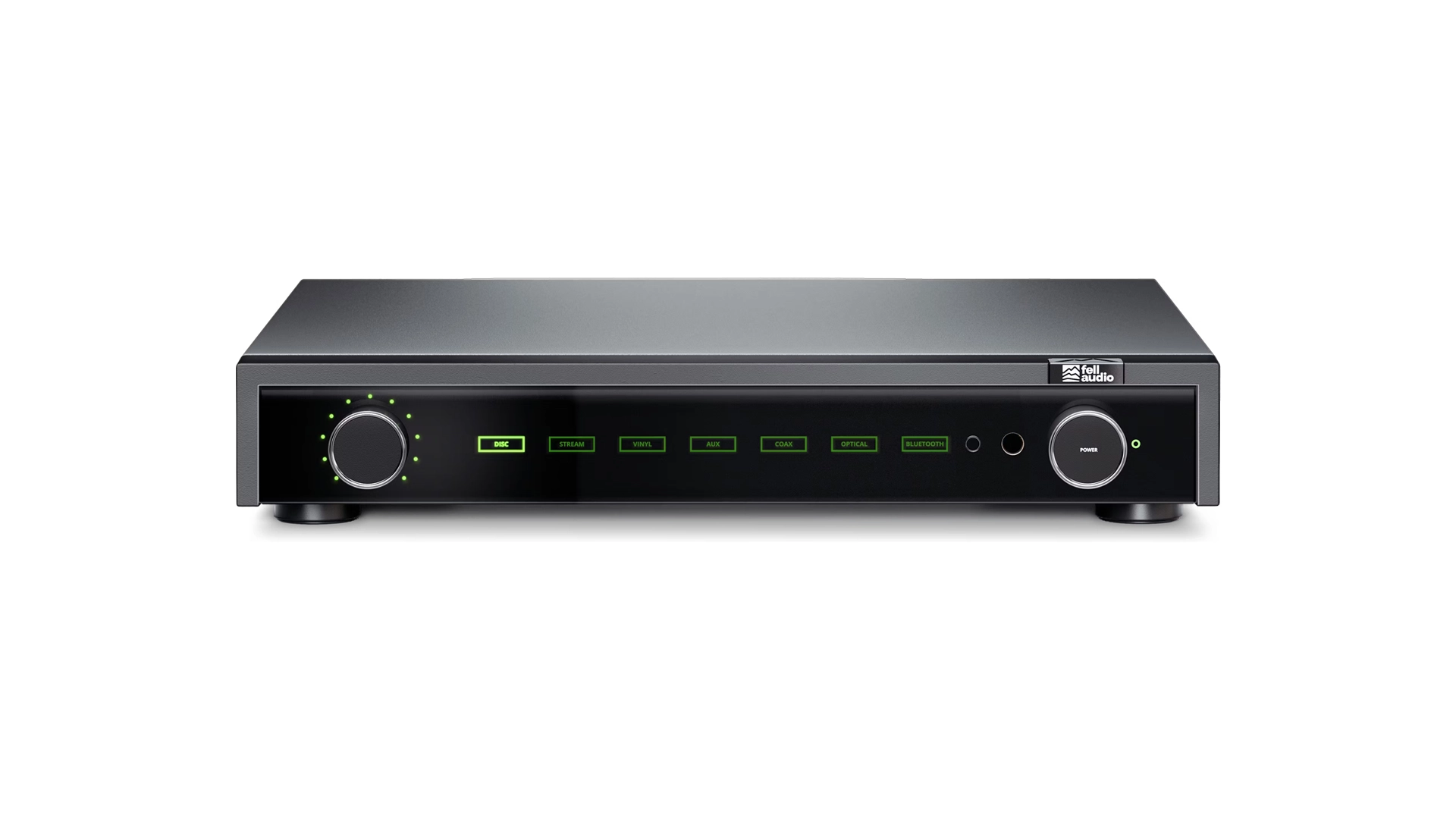
Fell Audio is a British hi-fi electronics brand launched in November 2024 by the family behind long-established retailer Peter Tyson, with Matthew Tyson as managing director. It entered the market with two deliberately straightforward, UK-made components: the Fell Amp integrated amplifier and Fell Disc CD player. The Amp delivers 89 watts per channel and combines Class D power with an ESS-based DAC, moving-magnet phono stage, aptX HD Bluetooth and headphone output; the Disc uses an ESS ES9018 converter and plays CD, CD-R and CD-RW. A network player was announced as the next part of the system. Repairability, replaceable parts and domestic manufacturing are central to the proposition, alongside a price aimed below much British-built hi-fi. This is not the unrelated professional-monitor company previously described on the page, and Christopher Fell was not its founder.

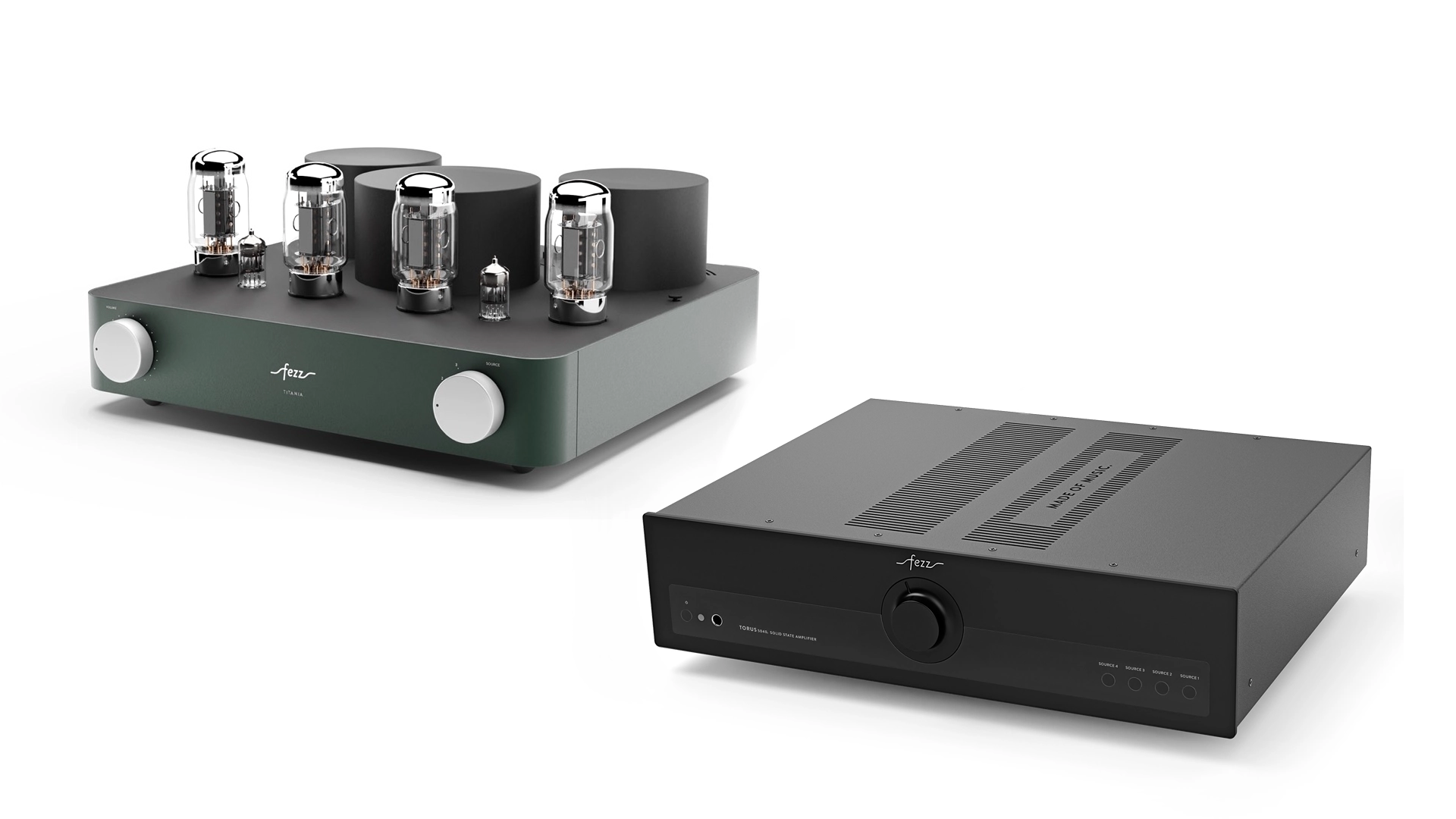
Fezz is a Polish valve-amplifier company created in 2014 by brothers Maciej and Tomasz Lachowski alongside their family transformer business, Toroidy.pl. The first Laura prototype demonstrated that a tube amplifier could be designed around an in-house toroidal output transformer; the production Silver Luna followed in 2015 and established the brand internationally. Fezz’s patented toroidal output transformers are smaller and exhibit lower stray magnetic fields than conventional EI types, while consistent winding under the same roof gives the designers close control over bandwidth and matching. The current range covers integrated and power amplifiers using EL34, KT88, 300B and other valves, including Silver Luna, Titania and Mira Ceti, plus phono and line components. The important point is not retro styling or a vague ‘warm’ sound: Fezz applies specialist transformer manufacturing to make valve electronics repeatable, serviceable and comparatively accessible.

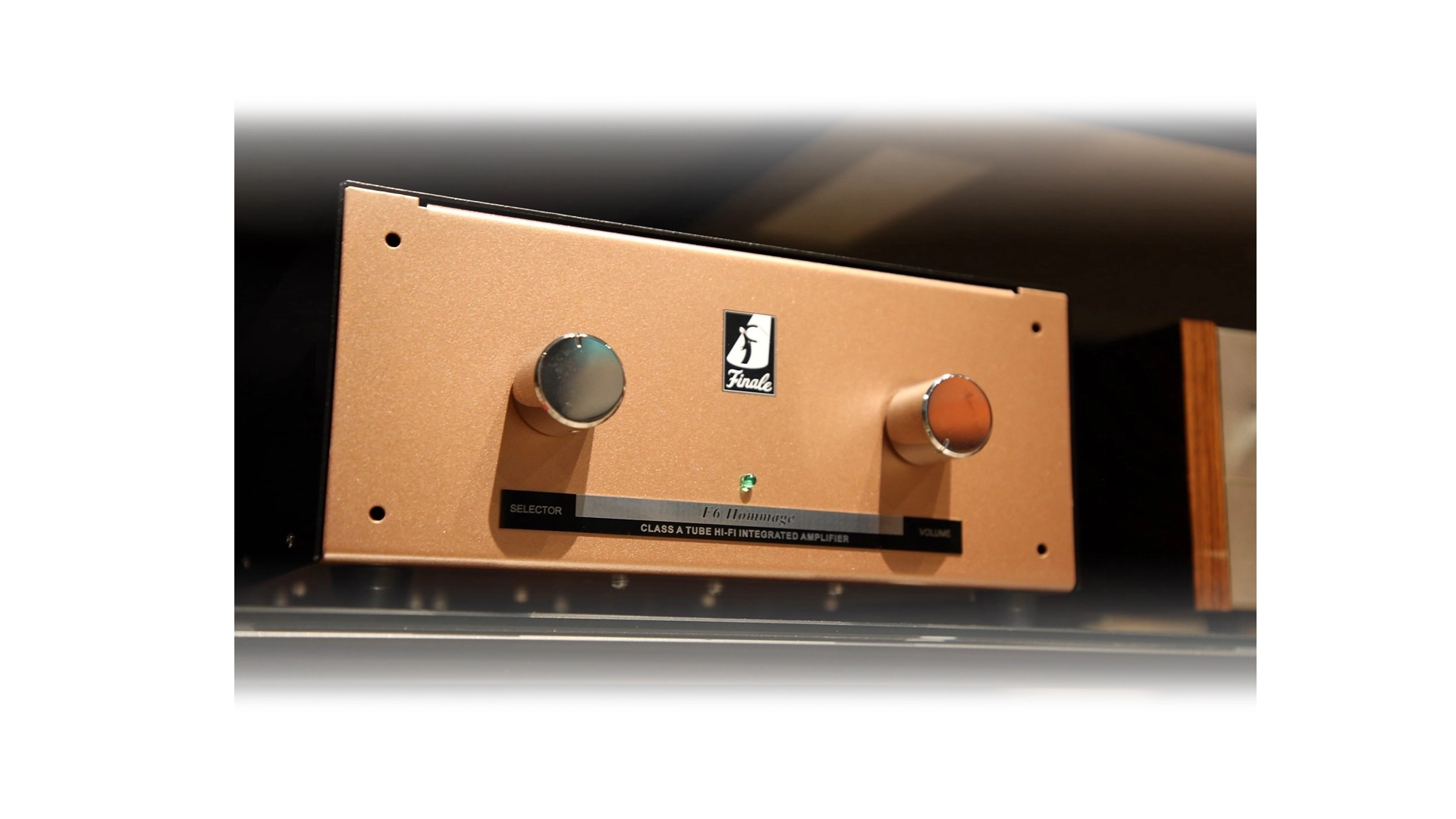
Finale Audio is a Canadian valve-amplifier brand founded by designer Frank Ng and closely linked to Triode Lab. The relationship is best described as a joint family of engineering and production: Triode Lab concentrates on more specialised made-to-order single-ended designs, while Finale has supplied standardised and dealer-oriented amplifiers across a wider range of valves and output powers. Products have extended from low-power 45, 2A3 and 300B circuits to substantially more powerful push-pull designs, all developed and manufactured in Canada. The company deliberately spends on transformers, power supplies, sockets, connectors and signal components inside the chassis rather than elaborate packaging, which gives the brand a clear value proposition without calling it mass-market. Frank Ng is now identified as the retired founder/president, and the published history spans decades but does not establish one sufficiently reliable founding year for the database.

Fostex connects Japanese transducer manufacturing with tools used by recording engineers, musicians and hands-on loudspeaker builders. The company was created in 1973 as an independently managed subsidiary of Foster Electric, whose OEM loudspeaker experience gave the new brand an unusually deep production base. In 1974 it introduced RP, or Regular Phase, technology: a planar diaphragm carrying a printed conductor and driven across its surface in phase. Successive RP generations power the long-running T50RP family and newer premium planar-magnetic headphones, while the TH series explores dynamic drivers and crafted wooden housings. Fostex also makes active studio monitors, field and multitrack recorders, headphone amplifiers, microphones and professional accessories. A second, equally distinctive part of the catalogue is its raw loudspeaker components, including full-range drivers, compression tweeters and enclosure kits used in commercial and DIY designs. That breadth explains why the name appears both in studios and in enthusiast-built speaker systems.

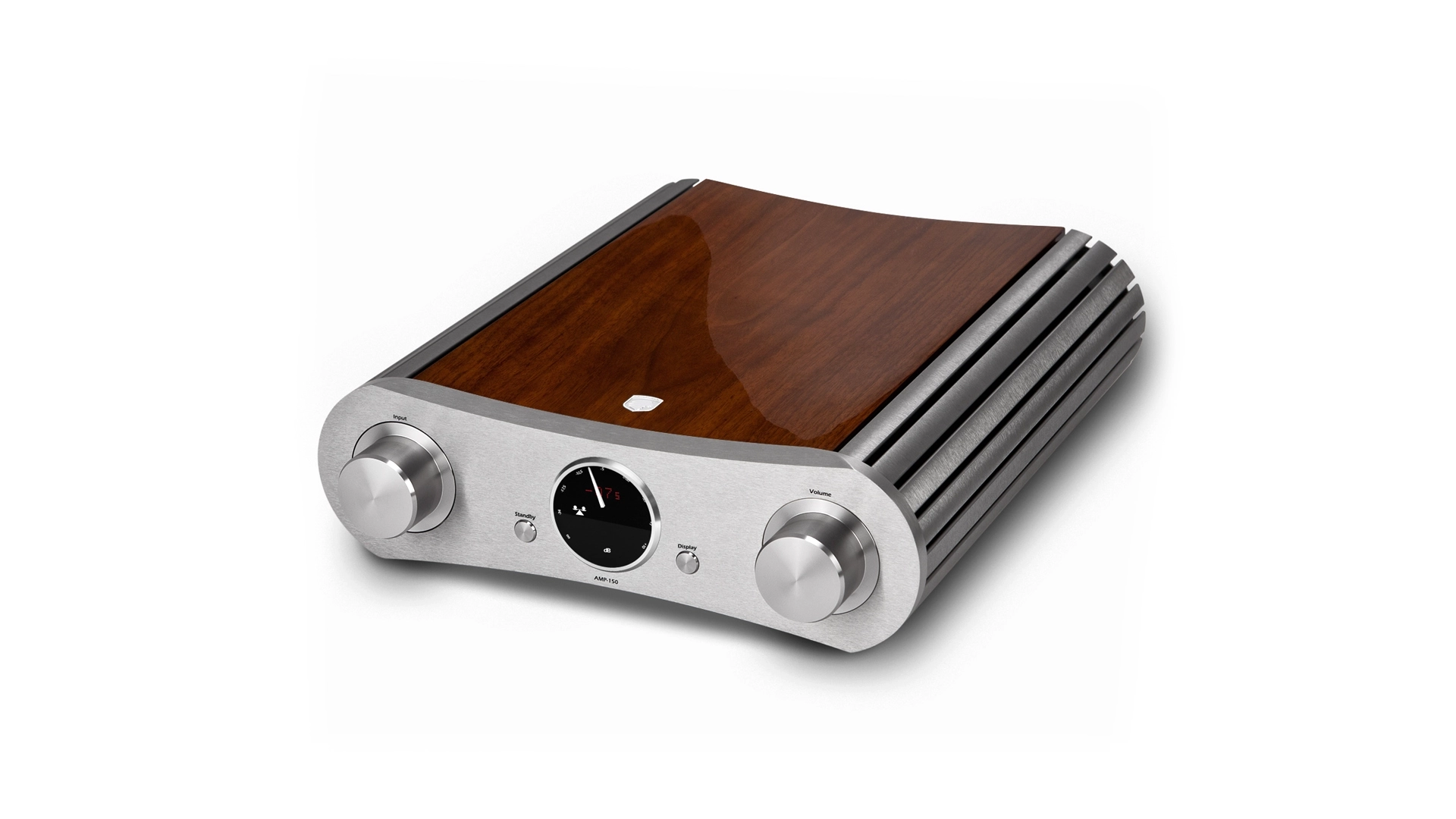
Gato Audio combines Danish industrial design with a complete hi-fi chain rather than concentrating on one component category. Kresten Dinesen, Rasmus Holm and Frederik Johansen founded the company in 2008, bringing experience from Scandinavian audio development and production. Its electronics place large displays and compact curved cabinets around several distinct platforms: TwinFET MOSFET push-pull amplification in the AMP-150, high-power Class D in the DIA integrated amplifiers and PWR-222 monoblock, plus DAC, phono and network functions in products such as SDA-1, PPA-1 and PRD-3S NPM. The replaceable NPM module adds network playback to compatible models, allowing the digital section to evolve without replacing the amplifier. Gato loudspeakers use laminated FusedMASS cabinets, Danish drivers and PurePHASE crossover design across the FM family and the newer CLC65. Products are designed and built in Denmark, and the visual restraint is supported by unusually broad engineering across sources, amplification and speakers.

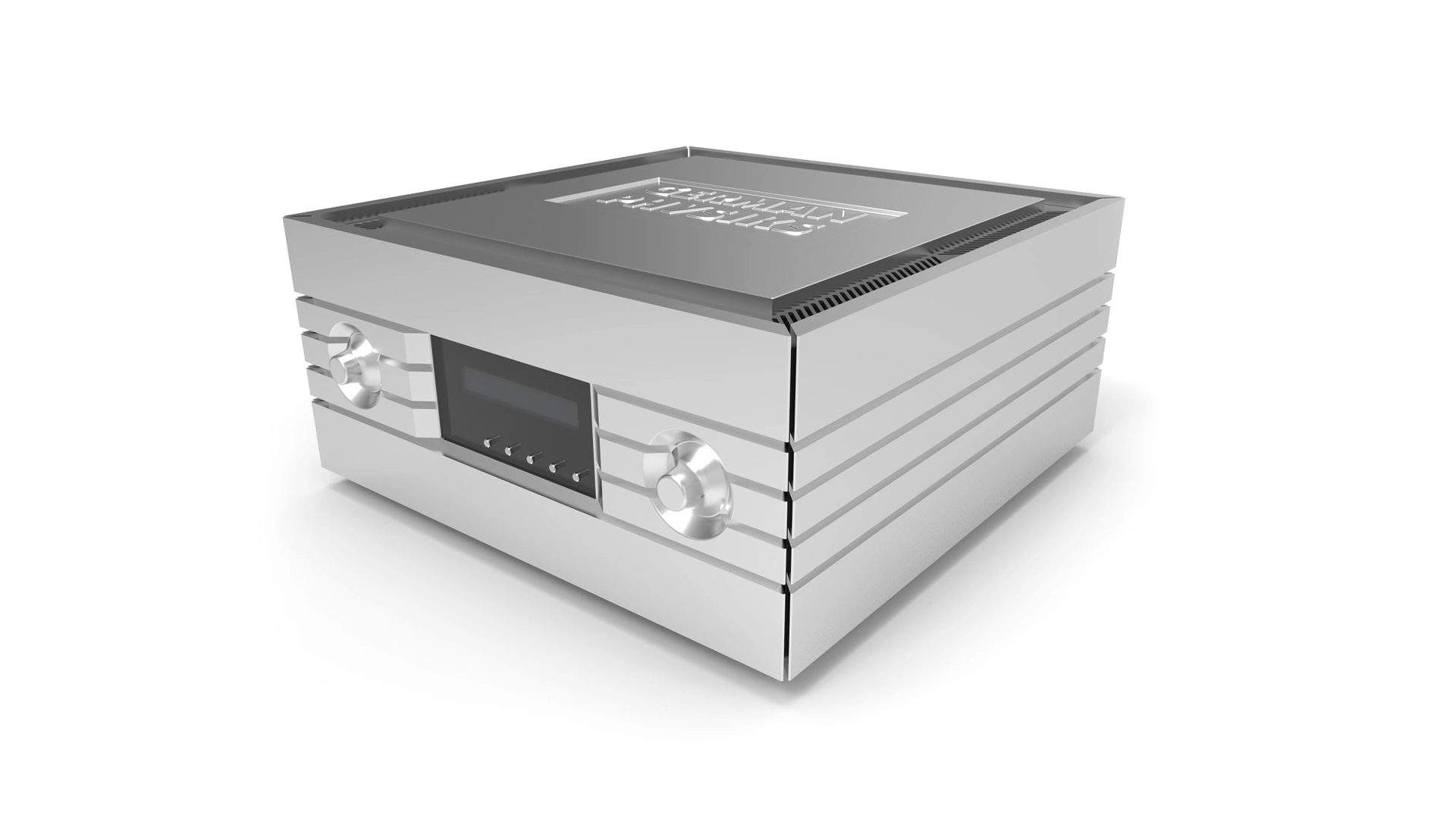
German Physiks builds omnidirectional loudspeakers around one unusual transducer that covers nearly the entire audible range. Founder Holger Mueller encountered engineer Peter Dicks in the late 1980s and financed the development needed to turn Dicks’ Walsh-inspired DDD, or Dicks Dipole Driver, into a commercial product; German Physiks followed in 1992. Instead of moving as a rigid piston, the conical diaphragm propagates bending waves and radiates through 360 degrees. Current carbon-fibre and titanium versions typically operate from about 200 Hz to 24 kHz, avoiding a crossover in the critical midrange and handing only the lowest frequencies to conventional woofers. The HRS-130, Borderland, Carbon, PQS, Loreley, Emperor and Gaudi families scale the same principle from relatively compact towers to large reference systems. German manufacture, extensive cabinet finishing and long model lifecycles support the loudspeaker range, which is now joined by Emperor Extreme amplifiers and DSP crossovers plus the Pion power cable.

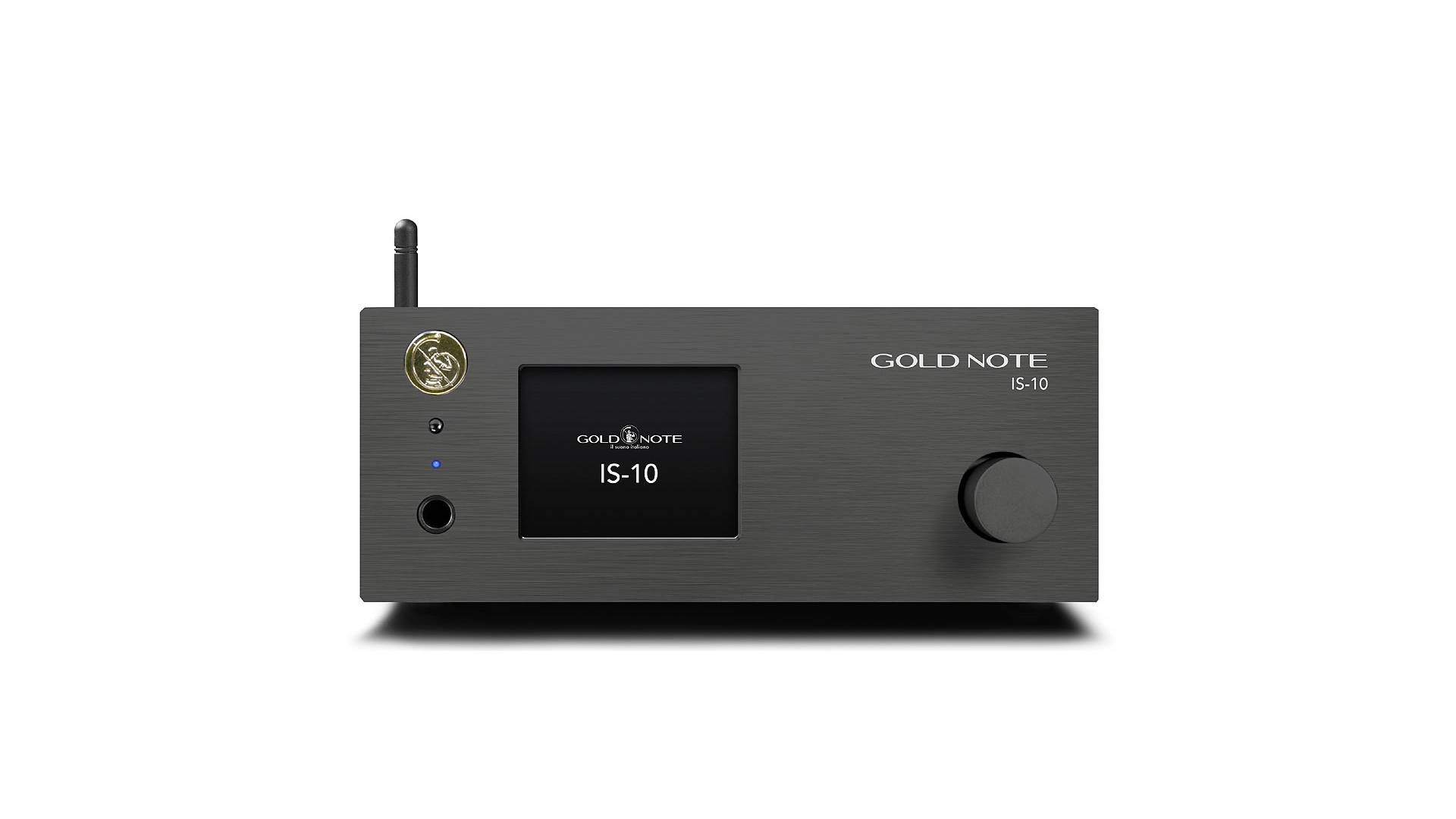
Gold Note is an Italian full-system audio manufacturer whose modern brand grew from Maurizio Aterini’s engineering studio, established in Florence in 1992 to design analogue products for other companies. The Gold Note name itself was founded in 2012, after Elena Basciano and later Alessio Oronti joined the enterprise. Its catalogue now links turntables and cartridges with phono stages, digital sources, all-in-one players, amplifiers, loudspeakers, racks and cables. Recognisable products include the Mediterraneo turntable, PH-10 phono stage, DS-series streamers and IS-series integrated systems. A useful feature of the range is modular upgrading: many components accept dedicated external power supplies, allowing the core unit to remain in service while its power section is improved. Design, development and much of the production remain concentrated in Tuscany.

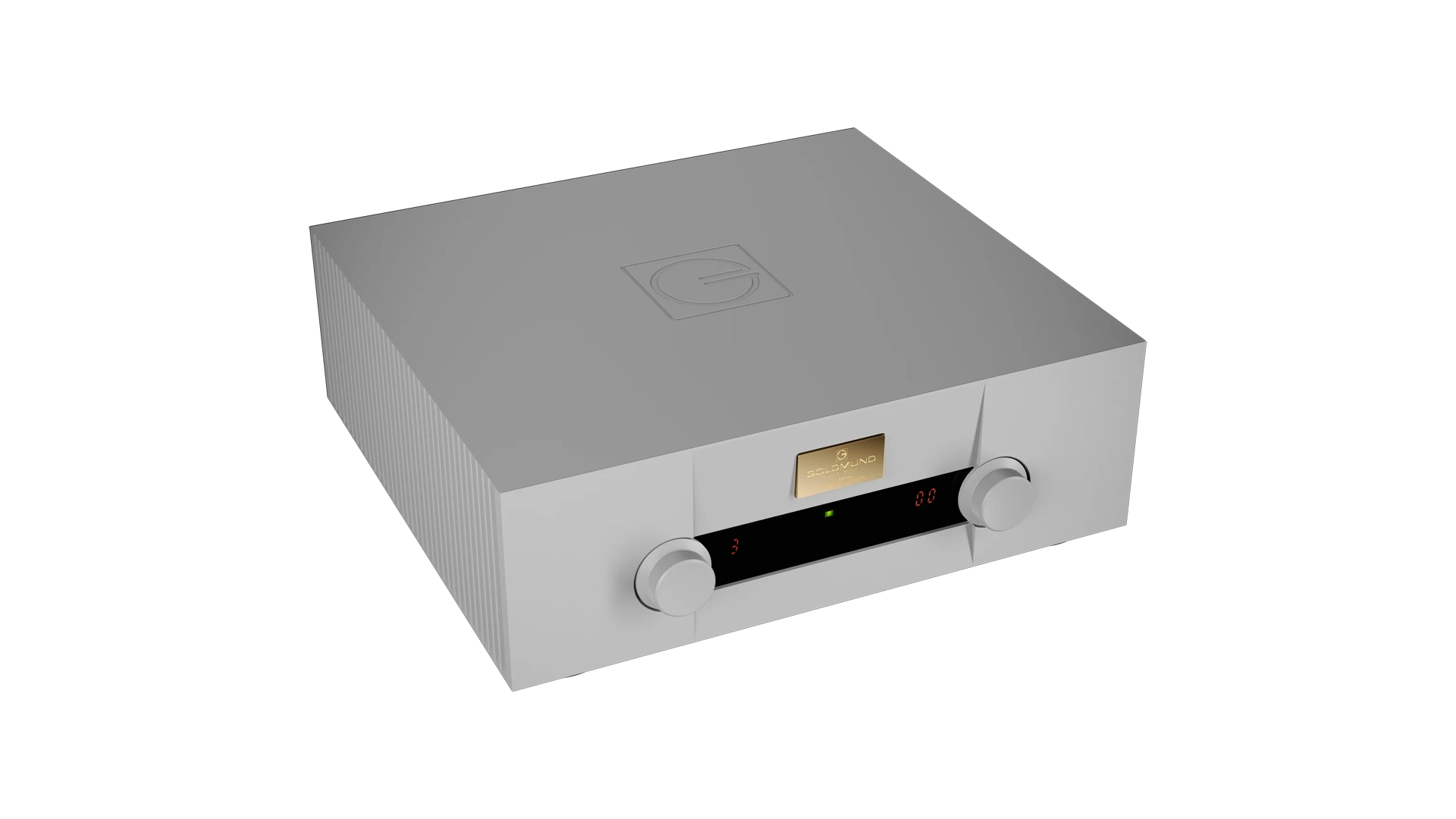
Goldmund is a Geneva-based audio house whose work joins precision mechanics, high-speed amplification and digital system control. The company began in France in 1978 with the servo-controlled T3 tonearm; Michel Reverchon acquired it in 1980 and moved it to Switzerland. The Studio direct-drive turntable and 1983 Reference established Goldmund’s Mechanical Grounding principle, intended to drain vibration through a controlled structural path. Later milestones include Mimesis electronics, Claudio Rotta-Loria’s Apologue loudspeaker, Alize digital conversion and the Proteus mathematical model used to align active speaker systems in time and amplitude. Today the range spans Telos/NextGen amplifiers, preamplifiers, music sources, processors and active or wireless loudspeakers. Goldmund is most distinctive when these elements operate as one engineered system rather than as unrelated luxury components.

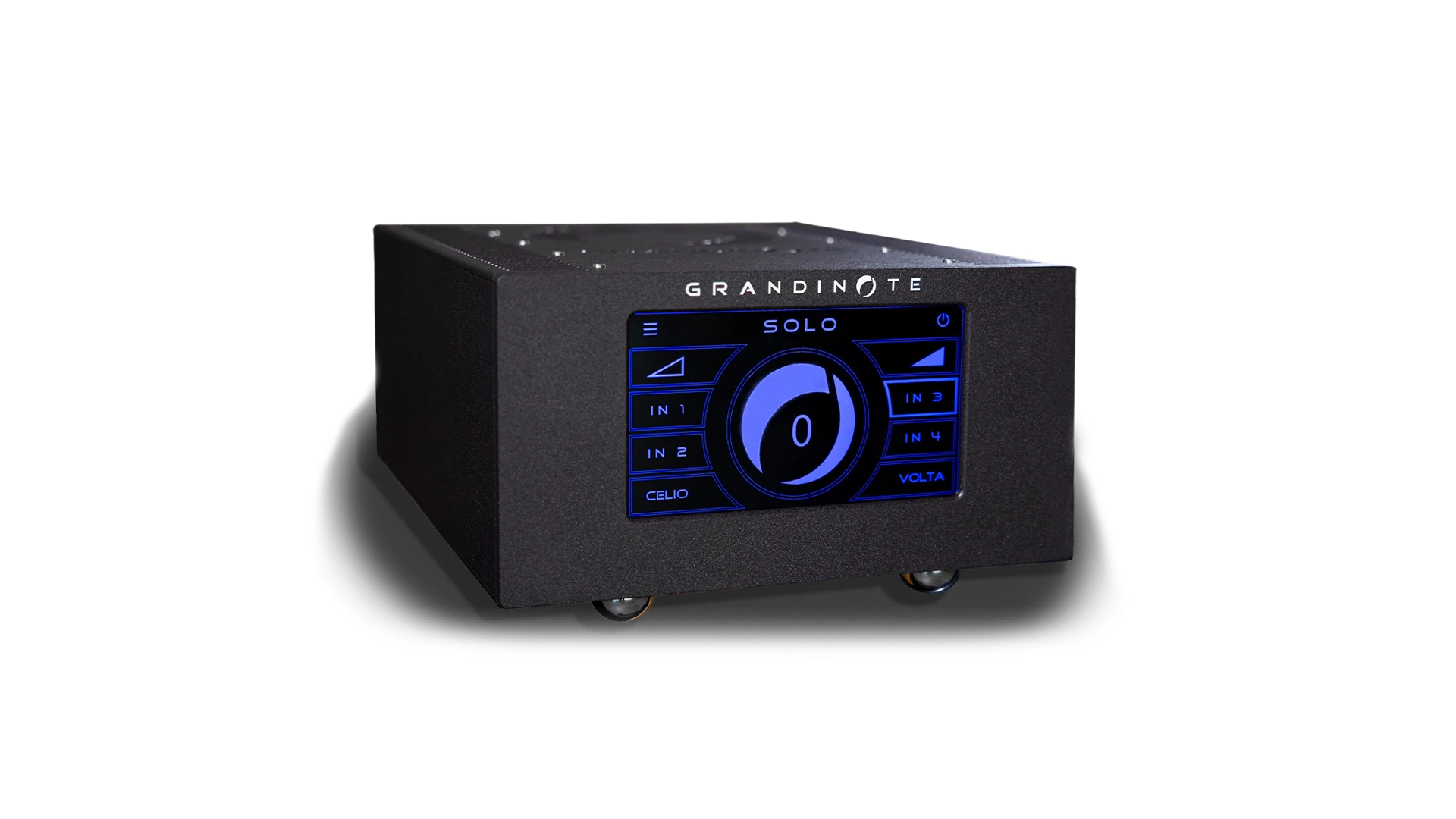
Grandinote is an Italian electronics manufacturer built around Massimiliano “Max” Magri’s Magnetosolid amplifier architecture. Magri completed his electronic-engineering studies in 1997, began developing the concept in 2000 and produced the first Magnetosolid amplifier in 2002; Grandinote was established in 2005. The circuits use solid-state devices in a topology inspired by valve amplification and couple them to ferromagnetic output transformers designed for transistor operation. This deliberately avoids a conventional hybrid of tubes and transistors. The idea runs through integrated amplifiers such as Shinai and Essenza, preamplifiers including Proemio and Genesi, and power amplifiers from Silva to the flagship models. Grandinote also makes Volta and Celio sources and Mach loudspeakers, allowing complete systems to be voiced around the same priorities. Design and production take place in Italy.

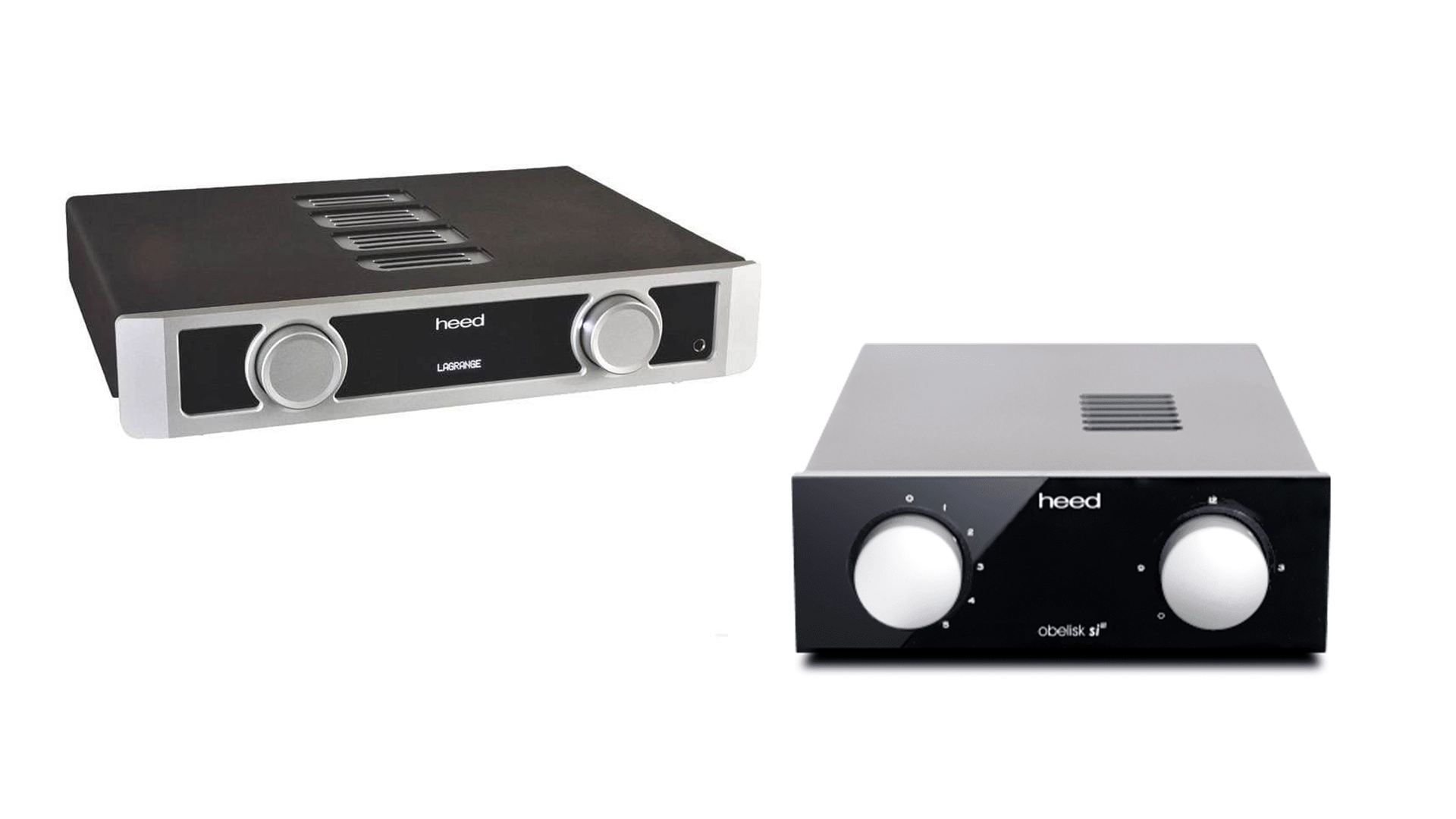
Heed Audio grew from Zsolt Huszti’s work in the Hungarian hi-fi scene of the 1980s and from his close connection with British designer Richard Hay’s Ion amplifiers. After Ion left the market in the early 1990s, Huszti continued developing the compact Obelisk concept under the Heed name, later working with engineer László Evellei on a new generation of half-width components. The brand’s best-known technical signature is Transcap, a capacitor-coupled output topology—not a transformer-coupled circuit—in which large output capacitors form part of the amplifier’s direct relationship with the loudspeaker. Heed applies this deliberately non-mainstream architecture in amplifiers such as the Obelisk and Elixir, while the wider catalogue includes the Lagrange and Thesis electronics, Quasar phono stage, Canamp headphone amplifier and digital sources. Compact proportions, upgradeable power supplies and an emphasis on musical timing give Heed a character distinct from conventional specification-led hi-fi.

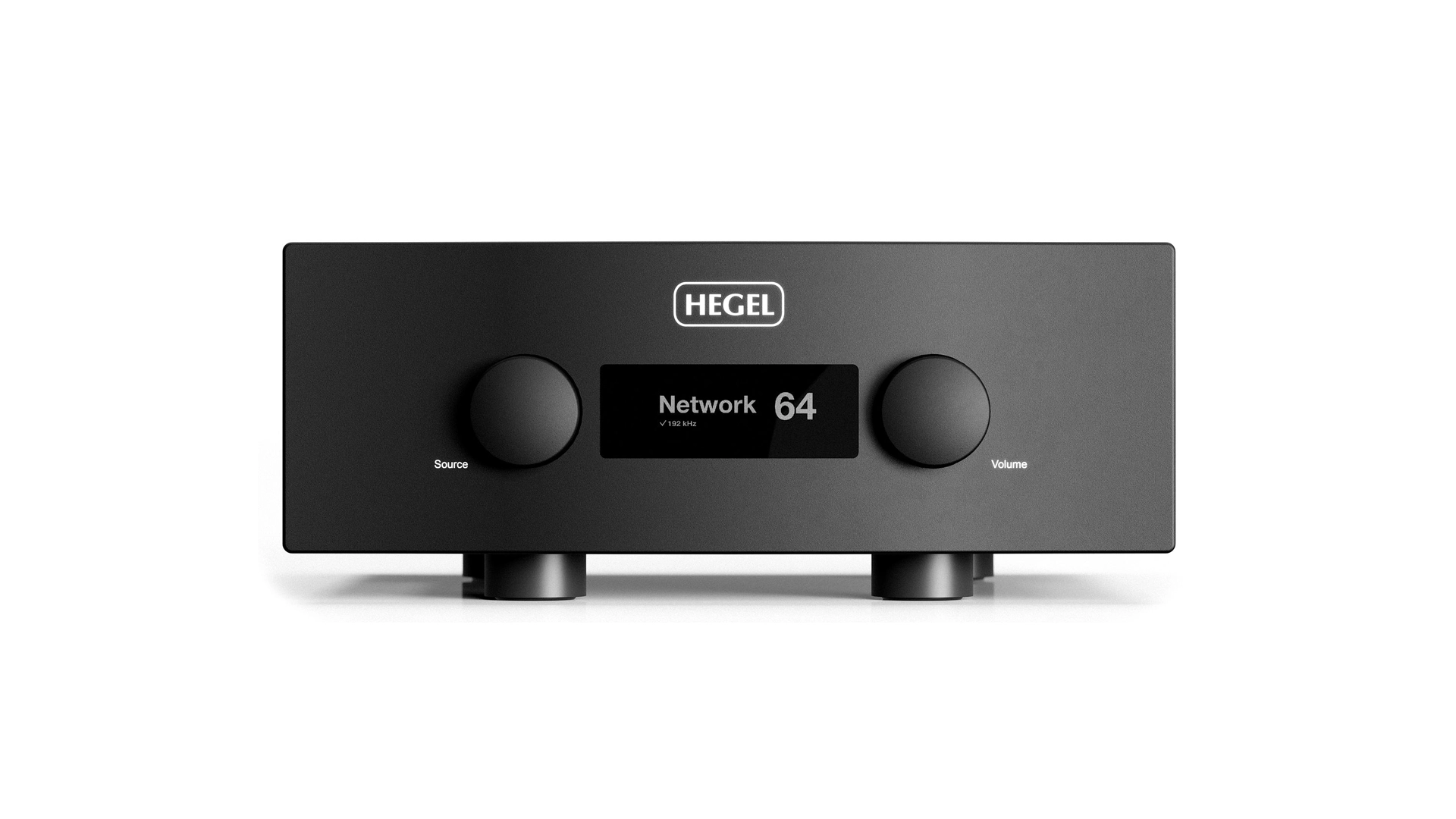
Hegel is a Norwegian electronics company whose story began in 1988, when Bent Holter was studying at the Norwegian University of Science and Technology and looking for a way to reduce the distortion created inside conventional transistor amplifiers. That work became SoundEngine, Hegel’s patented local error-cancelling approach: the circuit detects nonlinear error in the amplifier stages and counteracts it without relying on a large blanket of global feedback. Hegel has since built an unusually focused range of integrated amplifiers, preamplifiers, power amplifiers, DACs, phono stages and digital sources. Products from the compact H95 to the H400 and H600 combine high-current amplification with network playback, while the P30A and H30A separate systems scale the same design priorities upward. Technologies such as DualAmp, DualPower, SynchroDAC and MasterClock support the central aim of preserving low noise, control and resolution through the full signal path.

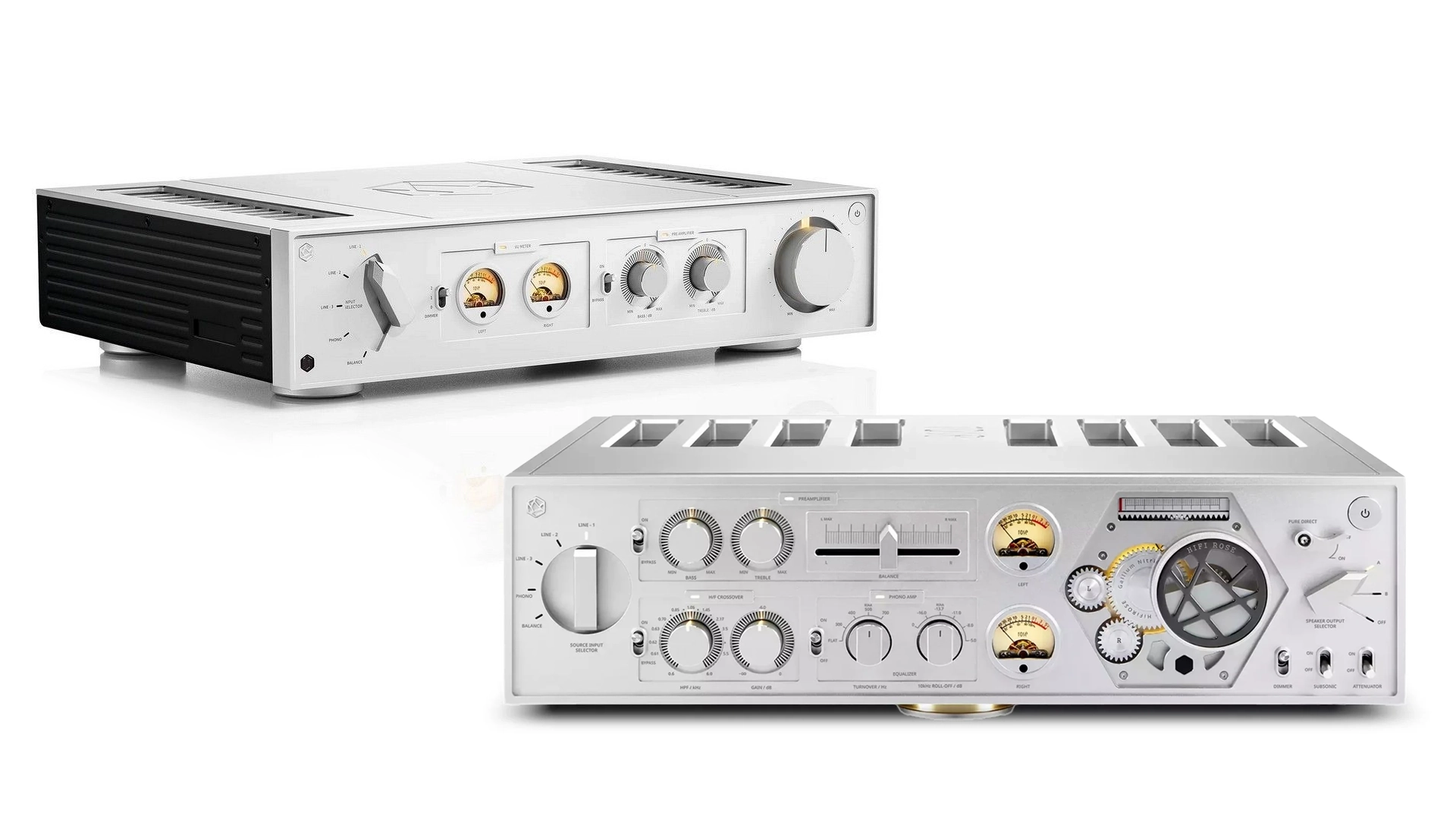
HiFi ROSE is the premium audio brand developed by South Korean technology company CITECH, which entered this field in 2017 and launched ROSE products domestically the following year. The brand made its name by rethinking the network player as a visual component: wide front-panel touchscreens combine album browsing, music and video playback, system control and the company’s Rose OS interface. Its range now extends well beyond all-in-one streamers. RS-series players and transports sit alongside the RD160 DAC and RA-series amplifiers, allowing either a compact integrated system or a separated digital chain. Models such as the RS520 combine streaming, conversion and amplification, while the RS130 is built as a dedicated network transport. HiFi ROSE’s distinctive know-how lies in joining modern interface design and network-media software with purpose-built audio hardware, rather than attaching a generic display to a traditional hi-fi component.

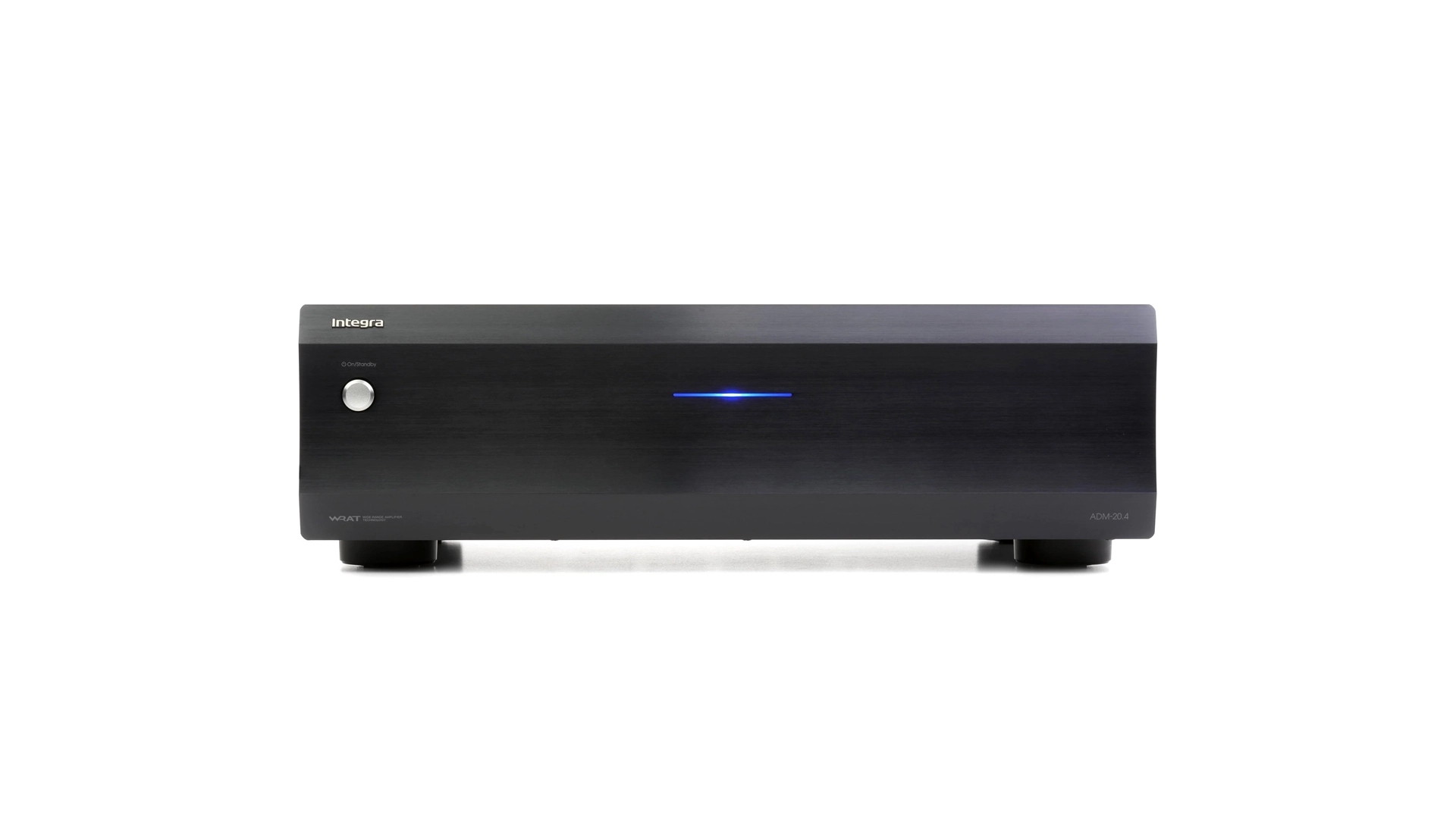
Integra is the Japanese-origin AV brand created for systems that must perform well and integrate cleanly into a professionally installed home. The name traces back to Onkyo’s premium Integra amplifier line introduced in 1969; Integra later became a dedicated division for custom residential cinema and is now operated within the Premium Audio Company and Sharp audio business. DRX network receivers, DHC processors and DTA power amplifiers are specified not only for surround formats and video switching but also for the work installers face after commissioning: IP and RS-232 control, web-based setup, rack-friendly connectivity, automation-system compatibility and remote diagnostics. Current receivers add technologies such as Dirac Live room correction and modern HDMI video support, but the lasting distinction is system integration rather than a checklist of consumer features. Integra is therefore best understood as Onkyo’s installation-focused premium lineage, not as an unrelated American receiver manufacturer.

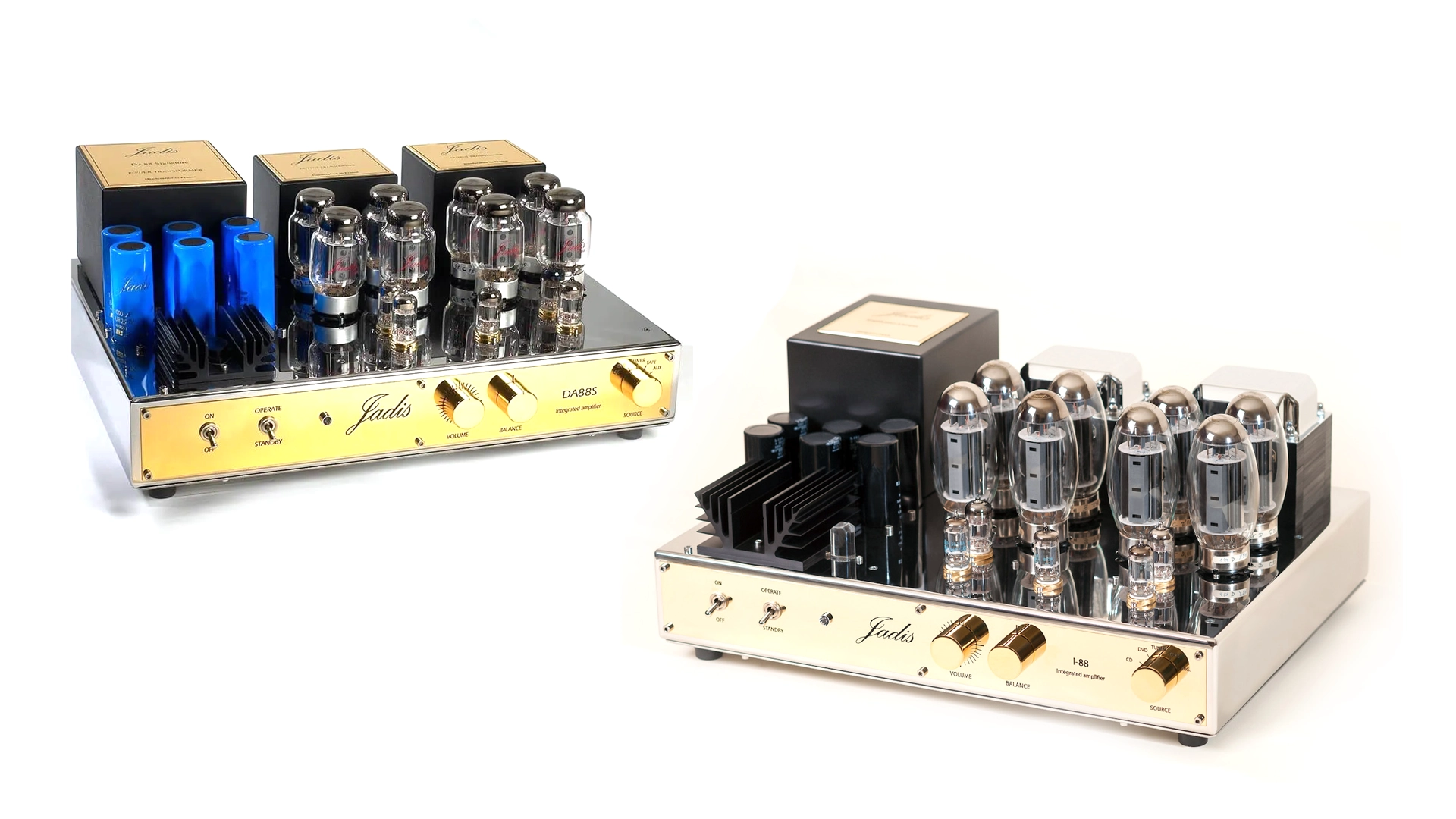
Jadis Electronics is a French specialist in valve amplification whose identity is inseparable from its transformers. André Calmettes founded the company in 1983 in Villedubert after developing amplifiers for his own pursuit of more convincing musical reproduction. Jadis designs and winds its output transformers in-house, then encapsulates them to control vibration and protect the windings—an unusually labour-intensive capability that shapes both the performance and longevity of its products. The catalogue spans integrated amplifiers such as Orchestra and I-35, power amplifiers from compact stereo designs to imposing JA monoblocks, plus matching preamplifiers and digital sources. Many circuits use point-to-point wiring and class-A or heavily class-A-biased valve operation, with tubes selected according to the electrical design rather than fashion alone. Chrome, gold-toned metalwork and exposed valves make the products visually unmistakable, but the important story is manufacturing control: transformer design, hand assembly and serviceable analogue circuits remain central. Claims of universal loudspeaker compatibility or absolute sonic neutrality are avoided here; the engineering choices are specific and verifiable enough.

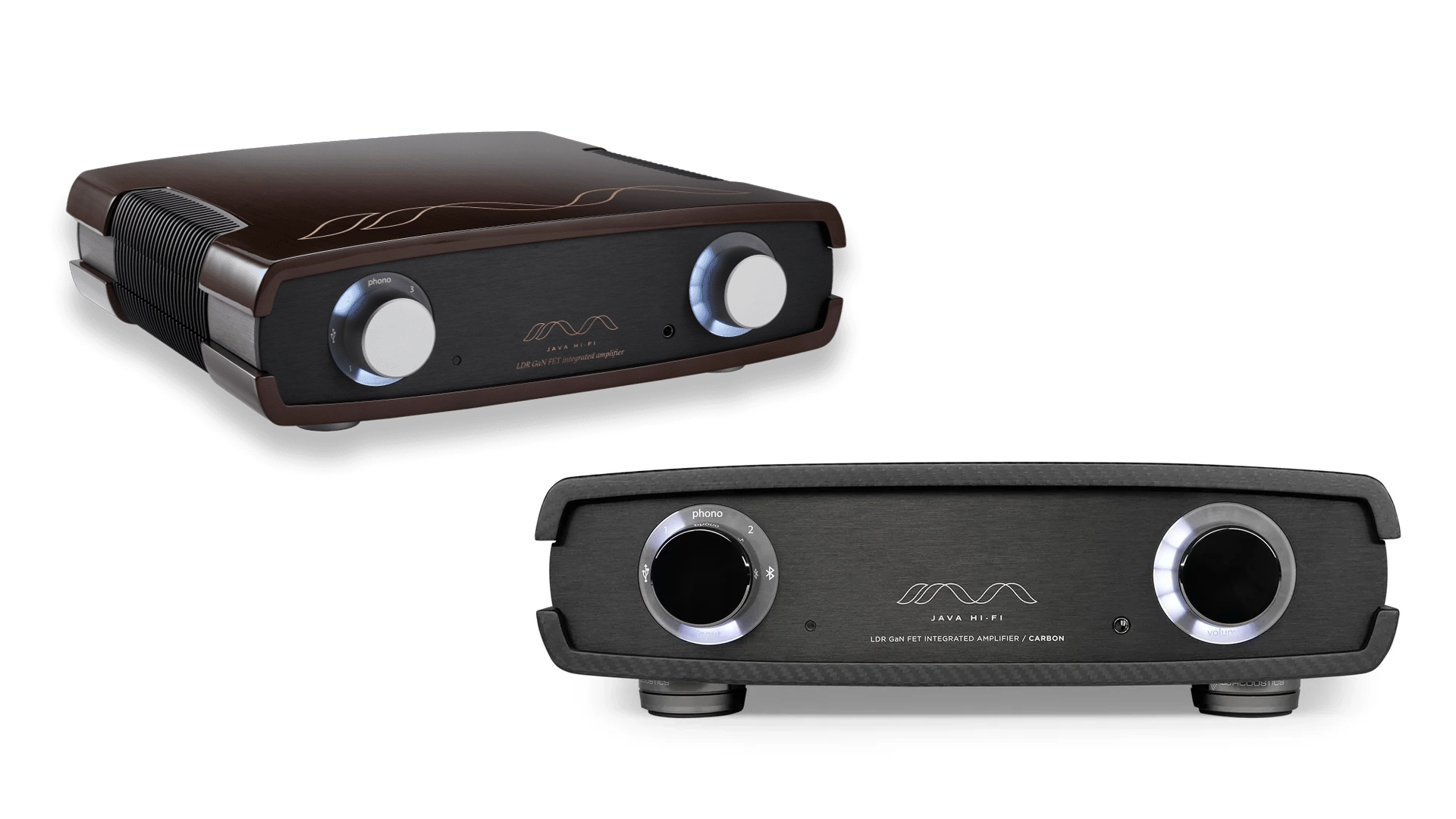
JAVA Hi-Fi is a New Zealand amplifier maker that combines two uncommon control technologies in a deliberately short signal path. The project began in Auckland in 2016 with Martin Bell and Shane Inder, later joined by Martin Young, and moved from crowdfunding-era prototypes to a family of modular preamplifiers, power amplifiers and integrated designs. JAVA’s Single Shot architecture pairs light-dependent-resistor volume control with gallium-nitride FET output devices: the LDR stage adjusts level without a conventional potentiometer in the music path, while fast-switching GaN devices form the power section. Double Shot models separate or duplicate key stages for greater output and system flexibility, and the range includes 200- and 400-series integrated and power amplifiers as well as Carbon variants. Inverted circuit-board construction and material choices are used to manage vibration and heat. Just as distinctive is the configurable casework: buyers can select front panels and finishes ranging from restrained metal to bold timber and colour combinations. JAVA’s appeal is the union of a technically specific circuit idea with unusually personal industrial design.

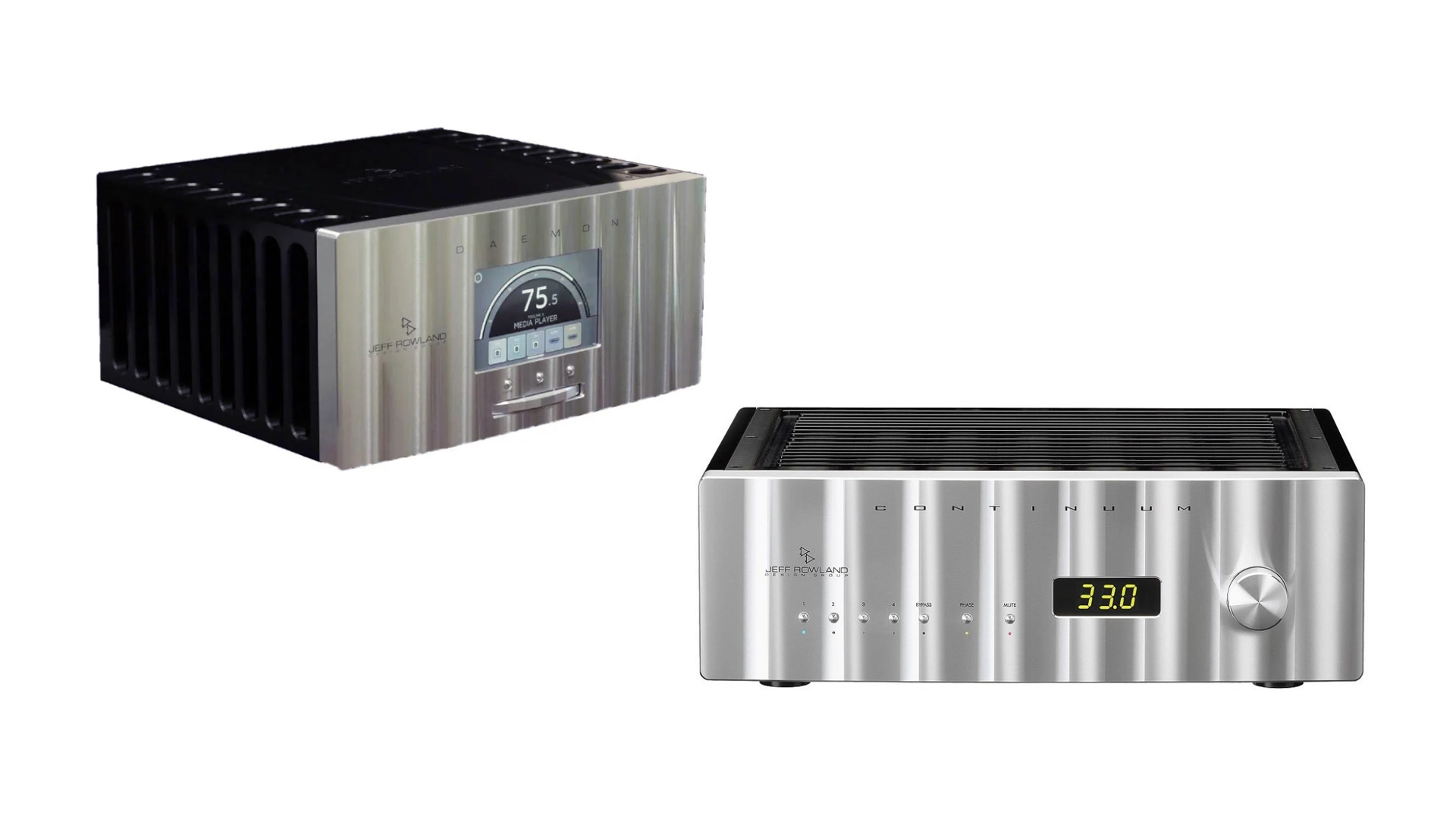
Jeff Rowland Design Group has made Colorado-built high-end amplifiers since 1984, pairing sophisticated power-supply and circuit work with some of the industry’s most recognisable metalwork. Founder Jeff Rowland established the company around low-noise, wide-bandwidth electronics and meticulous construction. Chassis are machined from aluminium and finished with a diamond-cut pattern that is functional as well as decorative, providing a rigid, non-magnetic enclosure and substantial heat management. Across generations, the company has used fully balanced topologies, transformer coupling in selected inputs or outputs, switch-mode power supplies where their efficiency and regulation are advantageous, and both linear and class-D output stages according to the model. Products have included Capri and Corus preamplifiers, Model-series power amplifiers, Continuum integrated amplifiers and the high-power Daemon super-integrated. Model names change, so the lasting distinction is the integration of mechanical, electrical and thermal design rather than a single circuit fashion. Jeff Rowland components target systems where silence, control and long-term build quality matter as much as rated power.

HFS Ad Rotator · default · slot 1
HFS Ad Rotator · default · slot 2
Add a missing AV-brand or update an existing one

Add a missing AV-brand or update an existing one

Any user can submit a Quick Submission Form to suggest a new AV-brand or suggest update details for an existing one. Brand owners or official representatives of brand can fill a Official Brand Submission Form to provide complete company information, ensuring maximum accuracy and visibility in our portal. All submissions are moderated before publication. 

For suggesting new AV-brands or suggesting updating existing one by users.

Complete official form for brand owners and representatives to provide complete company details to add a new one or update an existing one

Brand Categories:
  • SPEAKERS
    • Bookshelf Speakers — Compact loudspeakers designed for placement on a shelf or dedicated stands.
    • Floorstanding Speakers — Large, full-range loudspeakers that stand directly on the floor, designed for powerful and expansive sound.
    • In-wall Custom Install Speakers — Speakers designed to be installed flush into walls or ceilings for a discreet, "zero-footprint" audio solution.
    • On-Wall Speakers — Slim, low-profile speakers designed to be mounted directly on a wall, often to complement a flat-panel TV.
    • Studio Monitors — Speakers designed for professional audio production, offering a flat, accurate, and uncolored sound reproduction.
    • Planar Ribbon Electrostatic Speakers — Speakers using large, thin diaphragms (panels) instead of cones, prized for their transparent and detailed sound.
    • Horn Speakers — Highly efficient speakers that use a flared horn to amplify a driver, known for their dynamic, "live" sound.
    • Active Powered Speakers — Loudspeakers with built-in amplifiers, creating a simple all-in-one audio solution.
    • Wireless Portable Speakers — Compact, battery-powered speakers with Bluetooth for on-the-go music.
    • Outdoor Speakers — Durable, weather-resistant speakers engineered to provide high-quality audio in open-air spaces like patios and gardens.
    • Marine Extreme Speakers — Rugged, waterproof, and corrosion-resistant speakers built to withstand harsh marine environments on boats and yachts.
    • Commercial Speakers — Durable loudspeaker systems designed for background music and public address in business environments.
    • Invisible Speakers — Architectural speakers installed in a wall and plastered over, making them completely invisible.
    • Subwoofers Bass Speakers — Specialized speakers dedicated to reproducing only the lowest bass frequencies for impact and depth for all purposes
  • AMPLIFIERS
    • Integrated Amplifiers — An all-in-one component combining a preamplifier and a power amplifier in a single chassis.
    • PreAmplifiers — The control hub of a separates audio system, used for source selection and volume control.
    • Power Amplifiers — A component with the sole job of taking a line-level signal and amplifying it to drive loudspeakers.
    • Phono Preamps Phono Stages — A device that amplifies the weak signal from a turntable's cartridge and applies necessary RIAA equalization.
    • Tube Amplifiers — Amplifiers that use vacuum tubes (valves) instead of transistors, prized for their warm and rich sound character.
    • Multi-Zone Multi-Room Amplifiers — Amplifiers that power speakers in multiple different rooms or "zones" from a single, centralized unit.
    • Network Amplifiers — An integrated amplifier with built-in networking and streaming capabilities, creating a modern "just add speakers" system.
    • Desktop Headphone Amplifiers — Mains-powered amplifiers designed to drive high-quality headphones in a desktop or home audio system.
    • Portable Headphone Amplifiers Players — Compact, battery-powered devices (DAPs or amps) for delivering high-quality sound on the move.
  • DAC STREAMERS
    • DAC Desktop — Digital-to-Analog Converters designed to improve sound quality from a computer or other home digital source.
    • DAC Portable — Compact, battery-powered Digital-to-Analog Converters for improving audio from smartphones and laptops.
    • Music Streamers — Devices that connect to the internet to access and play music from online services like Tidal and Spotify.
    • Network Players — Source components focused on high-fidelity playback of digital audio files from a local network (NAS drive).
    • Music Servers HDD Storages — Dedicated devices for storing, managing, and playing a local digital music library with high fidelity.
    • CD Transport Media Players — High-precision disc players that read physical media (CDs, SACDs) and output a pure digital signal to an external DAC.
    • Compact All-in-One Systems — Self-contained audio systems that combine source, amplification, and often speakers into a single, compact unit.
    • Streaming Amplifier — An integrated amplifier with built-in streaming capabilities.
  • TURNTABLES VINYL
    • Turntables — Electromechanical devices that play vinyl records by rotating them at a stable speed.
    • Tonearms — The precision arm on a turntable that holds the cartridge, allowing the stylus to track the record groove.
    • Cartridges — The transducer on a turntable's tonearm that holds the stylus and converts groove vibrations into an electrical signal.
    • Vinyl Cleaning Machine — Specialized machines that use fluid and vacuum/ultrasonic action to deep-clean vinyl records.
    • Vinyl Accessories — Essential tools for setup and maintenance, like clamps, brushes, and alignment protractors.
  • HEADPHONES
    • In-Ear Earbuds — Ultra-portable listening devices, including True Wireless (TWS) models, designed for convenience and daily use.
    • In-Ear Monitors IEM — High-performance in-ear headphones that seal in the ear canal for superior sound isolation and detail.
    • On-Ear Headphones — Headphones with cushions that rest directly on the ears, offering a balance of portability and sound quality.
    • Over-Ear Headphones — Full-sized headphones with large earcups that completely encircle the ears for maximum comfort and immersion.
    • Wireless Headphones — Headphones that connect to source devices via Bluetooth, often featuring Active Noise Cancellation (ANC).
    • Planar Magnetic Ribbon Headphones — High-end headphones using a thin, flat diaphragm driven by magnets, known for their detailed and low-distortion sound.
    • Electrostatic Headphones — High-end headphones using a massless diaphragm in an electrostatic field, requiring a special energizer/amplifier.
  • HOME THEATER
    • AV Receivers Media Players — Central components of a home cinema, combining audio/video processing, amplification, and playback.
    • Home Theater Speakers — Matched sets of speakers (front, center, surround) designed to create an immersive cinematic soundfield.
    • Soundbars — A simple, all-in-one speaker bar that provides a significant audio upgrade over a television's built-in speakers.
    • Subwoofers — Specialized speakers dedicated to reproducing only the lowest bass frequencies for impact and depth for home theaters
    • Processors Amplifiers — High-end home cinema "separates" consisting of a surround sound processor and a multi-channel power amplifier.
    • Screens — High-quality projection surfaces designed to provide an optimal image for a home cinema projector.
    • Projectors — Video projectors optimized for home cinema use, focusing on color accuracy, contrast, and black levels.
  • CABLES ACCESSORIES
    • Speaker Cables — Cables that carry the amplified, high-level signal from an amplifier to passive loudspeakers.
    • Analog Cables — Cables (RCA, XLR) used to transmit analog audio signals between components like DACs and amplifiers.
    • Digital Cables — Cables (Coaxial, Optical, USB) that transmit digital audio data between components.
    • Phono Cables — Specially shielded cables designed to carry the delicate, low-level signal from a turntable to a phono preamp.
    • Headphone Cables — Aftermarket and replacement cables used to upgrade or customize high-quality headphones.
    • Connectors Terminals — The fundamental hardware (plugs, jacks, spades, etc.) used to terminate cables and connect equipment.
    • Power Cables — High-performance AC cords designed to deliver clean, noise-free power to audio components.
    • Power Supplies Conditioners — Devices that filter, stabilize, and protect the AC power supplied to an audio system for improved performance.
  • FURNITURE
    • Speaker Stands Mounts — Stands and mounts used to position speakers at the correct height and angle for optimal sound.
    • Furniture Racks — Purpose-built furniture designed to house audio/video components with a focus on stability, ventilation, and vibration control.
    • Isolation Footers Spikes Shelves — Specialized accessories (spikes, footers, platforms) designed to manage vibrations and isolate components.
    • Soundproof Solutions — Products designed to control room acoustics, including treatment (panels, diffusers) and sound-blocking materials.
  • PROFESSIONAL
    • Concert Speakers — Large-scale PA systems, including line arrays and stage monitors, for live music and public events.
    • Cinema Speakers — Specialized, high-output loudspeaker systems certified for use in large commercial movie theaters.
    • Concert Electronics — Robust electronics including mixing consoles, processors, and amplifiers for live sound reinforcement.
    • Cinema Electronics — Professional, DCI-compliant processors and amplifiers for use in commercial movie theaters.
    • Cinema Screens — Large-format, often acoustically transparent, projection screens built to professional cinema standards.
    • Cinema Projectors — Ultra-high-brightness, DCI-compliant projectors designed for continuous use in commercial movie theaters.
    • Professional Cables Accessories — Rugged, reliable cables and hardware (e.g., snake cables, Speakon connectors) for touring and professional installation.
  • DIY Components
    • Speaker drivers Tweeters — The individual transducers (woofers, mid-range, tweeters) that are the fundamental building blocks of a loudspeaker.
    • Coaxial Speaker Drivers — Speaker drivers where the tweeter is mounted in the center of the woofer, creating a single point source for sound.
    • DIY Speaker Kits — Complete packages including drivers, crossovers, and plans for enthusiasts to build their own loudspeakers.
    • Electron Vacuum Tubes — Glass valves used in tube amplifiers that provide amplification and can be replaced to tune the sound.
    • Electronic Components — Discrete parts (capacitors, resistors, transistors) used by manufacturers and DIYers to build audio circuits.
  • OTHERS
    • Line Stage — A type of preamplifier that exclusively handles line-level sources, without a built-in phono stage.
    • Time Alignment Device — A signal processor that corrects timing delays between drivers or speakers for improved sound coherence.
    • Smart Portable Speakers — Wireless portable speakers with integrated voice assistants (e.g., Alexa, Google Assistant) and smart home functionality.
    • DJ Turntables — Durable, high-torque direct-drive turntables with pitch control, built for performance and DJing applications.
    • Motor Drives — External motor units and power supplies for turntables, providing improved rotational stability and isolation.
    • Crossovers — Electronic circuits that split an audio signal into different frequency bands to route to the correct speaker driver.
    • Car Audio — Audio equipment, including speakers, amplifiers, and source units, specifically designed for use in vehicles.

Brand Categories:
  • Active Powered Speakers — Loudspeakers with built-in amplifiers, creating a simple all-in-one audio solution.
  • Analog Cables — Cables (RCA, XLR) used to transmit analog audio signals between components like DACs and amplifiers.
  • AV Receivers Media Players — Central components of a home cinema, combining audio/video processing, amplification, and playback.
  • Bookshelf Speakers — Compact loudspeakers designed for placement on a shelf or dedicated stands.
  • Car Audio — Audio equipment, including speakers, amplifiers, and source units, specifically designed for use in vehicles.
  • Cartridges — The transducer on a turntable's tonearm that holds the stylus and converts groove vibrations into an electrical signal.
  • CD Transport Media Players — High-precision disc players that read physical media (CDs, SACDs) and output a pure digital signal to an external DAC.
  • Cinema Electronics — Professional, DCI-compliant processors and amplifiers for use in commercial movie theaters.
  • Cinema Projectors — Ultra-high-brightness, DCI-compliant projectors designed for continuous use in commercial movie theaters.
  • Cinema Screens — Large-format, often acoustically transparent, projection screens built to professional cinema standards.
  • Cinema Speakers — Specialized, high-output loudspeaker systems certified for use in large commercial movie theaters.
  • Coaxial Speaker Drivers — Speaker drivers where the tweeter is mounted in the center of the woofer, creating a single point source for sound.
  • Commercial Speakers — Durable loudspeaker systems designed for background music and public address in business environments.
  • Compact All-in-One Systems — Self-contained audio systems that combine source, amplification, and often speakers into a single, compact unit.
  • Concert Electronics — Robust electronics including mixing consoles, processors, and amplifiers for live sound reinforcement.
  • Concert Speakers — Large-scale PA systems, including line arrays and stage monitors, for live music and public events.
  • Connectors Terminals — The fundamental hardware (plugs, jacks, spades, etc.) used to terminate cables and connect equipment.
  • Crossovers — Electronic circuits that split an audio signal into different frequency bands to route to the correct speaker driver.
  • DAC Desktop — Digital-to-Analog Converters designed to improve sound quality from a computer or other home digital source.
  • DAC Portable — Compact, battery-powered Digital-to-Analog Converters for improving audio from smartphones and laptops.
  • Desktop Headphone Amplifiers — Mains-powered amplifiers designed to drive high-quality headphones in a desktop or home audio system.
  • Digital Cables — Cables (Coaxial, Optical, USB) that transmit digital audio data between components.
  • DIY Speaker Kits — Complete packages including drivers, crossovers, and plans for enthusiasts to build their own loudspeakers.
  • DJ Turntables — Durable, high-torque direct-drive turntables with pitch control, built for performance and DJing applications.
  • Electron Vacuum Tubes — Glass valves used in tube amplifiers that provide amplification and can be replaced to tune the sound.
  • Electronic Components — Discrete parts (capacitors, resistors, transistors) used by manufacturers and DIYers to build audio circuits.
  • Electrostatic Headphones — High-end headphones using a massless diaphragm in an electrostatic field, requiring a special energizer/amplifier.
  • Floorstanding Speakers — Large, full-range loudspeakers that stand directly on the floor, designed for powerful and expansive sound.
  • Furniture Racks — Purpose-built furniture designed to house audio/video components with a focus on stability, ventilation, and vibration control.
  • Headphone Cables — Aftermarket and replacement cables used to upgrade or customize high-quality headphones.
  • Home Theater Speakers — Matched sets of speakers (front, center, surround) designed to create an immersive cinematic soundfield.
  • Horn Speakers — Highly efficient speakers that use a flared horn to amplify a driver, known for their dynamic, "live" sound.
  • In-Ear Earbuds — Ultra-portable listening devices, including True Wireless (TWS) models, designed for convenience and daily use.
  • In-Ear Monitors IEM — High-performance in-ear headphones that seal in the ear canal for superior sound isolation and detail.
  • In-wall Custom Install Speakers — Speakers designed to be installed flush into walls or ceilings for a discreet, "zero-footprint" audio solution.
  • Integrated Amplifiers — An all-in-one component combining a preamplifier and a power amplifier in a single chassis.
  • Invisible Speakers — Architectural speakers installed in a wall and plastered over, making them completely invisible.
  • Isolation Footers Spikes Shelves — Specialized accessories (spikes, footers, platforms) designed to manage vibrations and isolate components.
  • Line Stage — A type of preamplifier that exclusively handles line-level sources, without a built-in phono stage.
  • Marine Extreme Speakers — Rugged, waterproof, and corrosion-resistant speakers built to withstand harsh marine environments on boats and yachts.
  • Motor Drives — External motor units and power supplies for turntables, providing improved rotational stability and isolation.
  • Multi-Zone Multi-Room Amplifiers — Amplifiers that power speakers in multiple different rooms or "zones" from a single, centralized unit.
  • Music Servers HDD Storages — Dedicated devices for storing, managing, and playing a local digital music library with high fidelity.
  • Music Streamers — Devices that connect to the internet to access and play music from online services like Tidal and Spotify.
  • Network Amplifiers — An integrated amplifier with built-in networking and streaming capabilities, creating a modern "just add speakers" system.
  • Network Players — Source components focused on high-fidelity playback of digital audio files from a local network (NAS drive).
  • On-Ear Headphones — Headphones with cushions that rest directly on the ears, offering a balance of portability and sound quality.
  • On-Wall Speakers — Slim, low-profile speakers designed to be mounted directly on a wall, often to complement a flat-panel TV.
  • Outdoor Speakers — Durable, weather-resistant speakers engineered to provide high-quality audio in open-air spaces like patios and gardens.
  • Over-Ear Headphones — Full-sized headphones with large earcups that completely encircle the ears for maximum comfort and immersion.
  • Phono Cables — Specially shielded cables designed to carry the delicate, low-level signal from a turntable to a phono preamp.
  • Phono Preamps Phono Stages — A device that amplifies the weak signal from a turntable's cartridge and applies necessary RIAA equalization.
  • Planar Magnetic Ribbon Headphones — High-end headphones using a thin, flat diaphragm driven by magnets, known for their detailed and low-distortion sound.
  • Planar Ribbon Electrostatic Speakers — Speakers using large, thin diaphragms (panels) instead of cones, prized for their transparent and detailed sound.
  • Portable Headphone Amplifiers Players — Compact, battery-powered devices (DAPs or amps) for delivering high-quality sound on the move.
  • Power Amplifiers — A component with the sole job of taking a line-level signal and amplifying it to drive loudspeakers.
  • Power Cables — High-performance AC cords designed to deliver clean, noise-free power to audio components.
  • Power Supplies Conditioners — Devices that filter, stabilize, and protect the AC power supplied to an audio system for improved performance.
  • PreAmplifiers — The control hub of a separates audio system, used for source selection and volume control.
  • Processors Amplifiers — High-end home cinema "separates" consisting of a surround sound processor and a multi-channel power amplifier.
  • Professional Cables Accessories — Rugged, reliable cables and hardware (e.g., snake cables, Speakon connectors) for touring and professional installation.
  • Projectors — Video projectors optimized for home cinema use, focusing on color accuracy, contrast, and black levels.
  • Screens — High-quality projection surfaces designed to provide an optimal image for a home cinema projector.
  • Smart Portable Speakers — Wireless portable speakers with integrated voice assistants (e.g., Alexa, Google Assistant) and smart home functionality.
  • Soundbars — A simple, all-in-one speaker bar that provides a significant audio upgrade over a television's built-in speakers.
  • Soundproof Solutions — Products designed to control room acoustics, including treatment (panels, diffusers) and sound-blocking materials.
  • Speaker Cables — Cables that carry the amplified, high-level signal from an amplifier to passive loudspeakers.
  • Speaker drivers Tweeters — The individual transducers (woofers, mid-range, tweeters) that are the fundamental building blocks of a loudspeaker.
  • Speaker Stands Mounts — Stands and mounts used to position speakers at the correct height and angle for optimal sound.
  • Streaming Amplifier — An integrated amplifier with built-in streaming capabilities.
  • Studio Monitors — Speakers designed for professional audio production, offering a flat, accurate, and uncolored sound reproduction.
  • Subwoofers — Specialized speakers dedicated to reproducing only the lowest bass frequencies for impact and depth for home theaters
  • Subwoofers Bass Speakers — Specialized speakers dedicated to reproducing only the lowest bass frequencies for impact and depth for all purposes
  • Time Alignment Device — A signal processor that corrects timing delays between drivers or speakers for improved sound coherence.
  • Tonearms — The precision arm on a turntable that holds the cartridge, allowing the stylus to track the record groove.
  • Tube Amplifiers — Amplifiers that use vacuum tubes (valves) instead of transistors, prized for their warm and rich sound character.
  • Turntables — Electromechanical devices that play vinyl records by rotating them at a stable speed.
  • Vinyl Accessories — Essential tools for setup and maintenance, like clamps, brushes, and alignment protractors.
  • Vinyl Cleaning Machine — Specialized machines that use fluid and vacuum/ultrasonic action to deep-clean vinyl records.
  • Wireless Headphones — Headphones that connect to source devices via Bluetooth, often featuring Active Noise Cancellation (ANC).
  • Wireless Portable Speakers — Compact, battery-powered speakers with Bluetooth for on-the-go music.

Sales Channels:
  • Dealer & Distributor Network — The traditional sales model where products are sold through a network of authorized, independent retail stores and custom installers. This is the primary channel for most specialized Hi-Fi brands.
  • Direct-to-Consumer (DTC) — The brand sells its products directly to end-users through its own official website, bypassing traditional retail channels. A rapidly growing model in the industry.
  • Custom Installation (CI) Channel — Products are sold primarily through professional firms that design and install integrated smart home and audio-visual systems. This channel is crucial for architectural and high-end integrated solutions.
  • Mass Market Retail — Products are available in large, non-specialized consumer electronics chain stores. This typically applies to more mainstream product lines from larger brands.
  • Brand-Owned Stores / Showrooms — The brand operates its own physical, flagship retail stores or dedicated showrooms to offer a direct and immersive brand experience. This is the least common model, typically used by top-tier brands.

For companies: For any questions about listings & partnership opportunities, please contact us at contact@hifiselector.com

Have a suggestion or found a flaw? Help us improve​

Have a suggestion or found a flaw?