
Subwoofers Вass Speakers
A subwoofer is a specialized loudspeaker designed exclusively to reproduce the lowest audio frequencies, or deep bass, which regular speakers often struggle to deliver. It’s an essential component for adding impact, weight, and visceral rumble to home theater systems and for providing a full, foundational low-end in music setups. This page serves as a complete directory of manufacturers who specialize in the art of bass, from companies making powerful home cinema subwoofers to brands crafting precise, musical models for audiophiles.
Hi-Fi brands in the category
Summary information and image
Direct links to official websites
Tru Audio

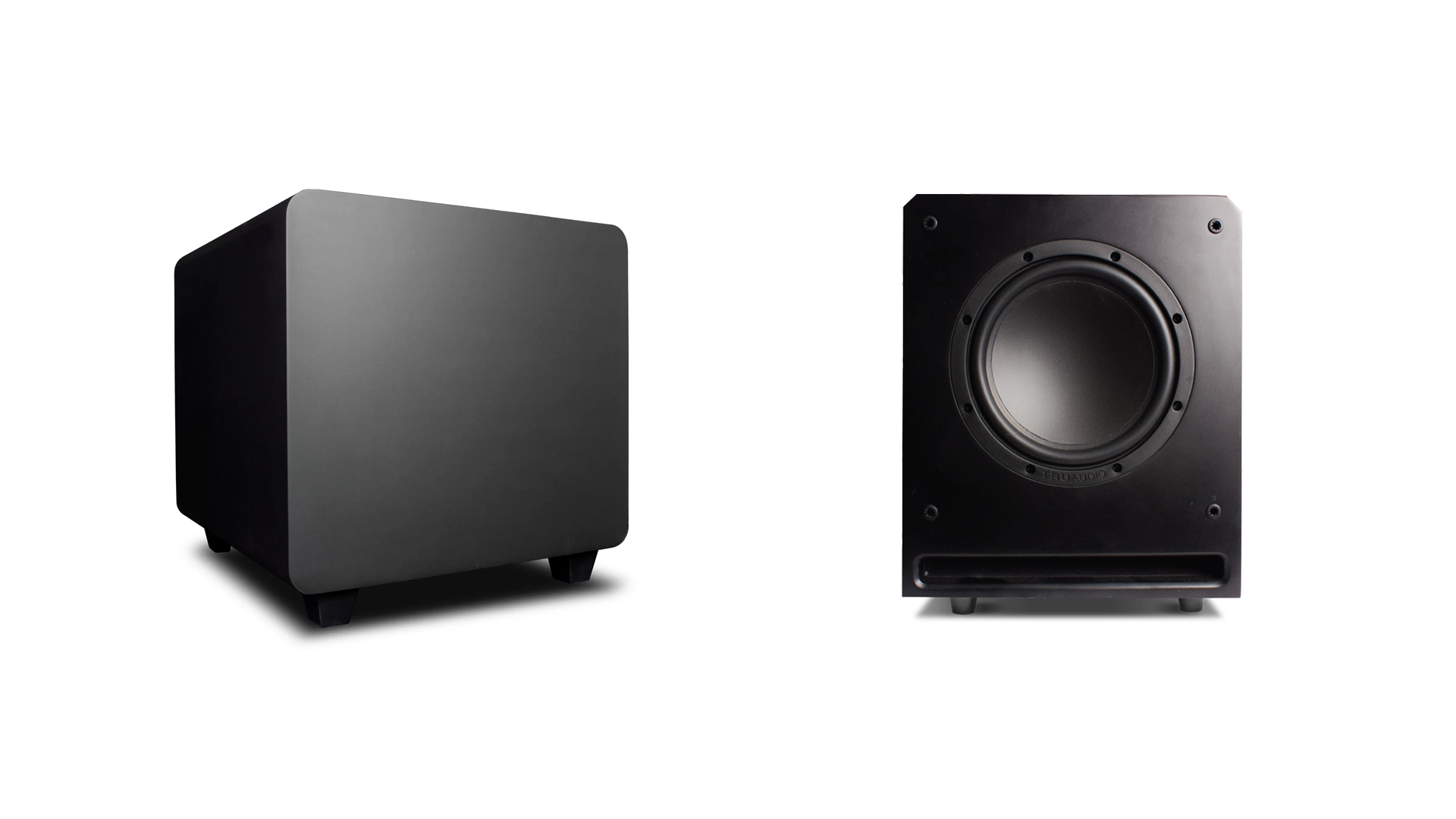
TruAudio is an American architectural-loudspeaker brand founded by custom integrators in 2000 and based in Hurricane, Utah. The founders had designed and installed thousands of theatres and multiroom systems before becoming manufacturers, so the range was shaped by conditions installers encounter: restricted depth, visible grilles, awkward outdoor locations and the need to service a finished room without damaging it.
The Ghost series made TruAudio particularly recognisable by using an almost rimless in-ceiling frame and a magnetic grille with minimal reveal. Phantom and Shadow in-wall and in-ceiling families, LCR and soundbar models, subwoofers and REV or Elite cinema speakers cover residential applications. AcoustiScape, SubTerrain and hardscape products carry distributed sound outdoors, while commercial ceiling and pendant speakers extend the same installer-oriented approach. Matching DSP and multichannel amplifiers allow complete systems to be specified from one source.
Driver materials vary by application—woven carbon fibre, titanium, aluminium and polypropylene appear where their balance of stiffness, weather resistance and cost is appropriate. The more important continuity is mechanical: flush mounting, paintable grilles, protected outdoor enclosures and practical connection details are designed alongside the acoustic system. TruAudio now operates as a division of SoundVision Technologies, but its original country and custom-installation identity remain unchanged. The brand’s real innovation is not making a speaker invisible in a photograph; it is making high-performance audio easier to integrate, align and maintain inside actual architecture.
Tune Audio

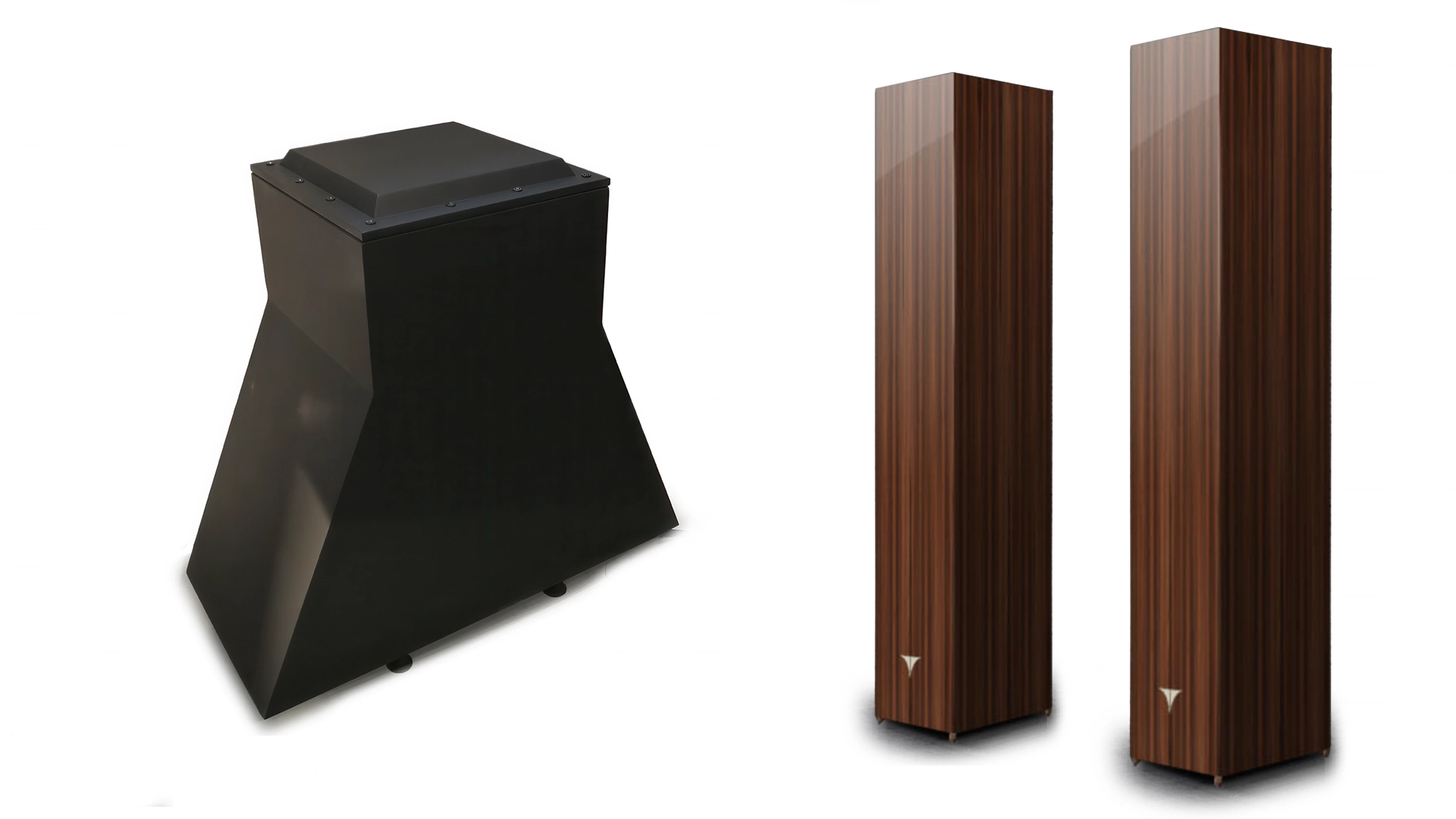
Tune Audio is the Greek horn-loudspeaker workshop of designer Manolis Proestakis. Rather than using a small horn only for the tweeter, the company develops complete high-sensitivity systems in which acoustic loading, driver choice and the physical shape of the enclosure work together. The goal is directness and dynamic scale with modest amplifier power—qualities especially valuable to listeners using single-ended triodes.
Anima brought Tune Audio broad international attention with separate horn structures for bass, midrange and treble. The larger Avaton pushes full-range horn loading and room-scale dynamics further, while Prime and Marvel translate the idea into more manageable floorstanding forms. Compact Kion and Pulse models and the Epitome system broaden the catalogue without turning it into a generic speaker range. Large flared mouths and sculpted wooden surfaces are visually dramatic, but their dimensions follow wavelength, compression and dispersion requirements rather than styling alone.
Proestakis treats the loudspeaker as a reproduction machine “in service of the music.” That phrase fits the brand better than stock claims about a huge soundstage: horns must be integrated carefully, and room distance and amplifier noise become more audible when sensitivity is high. Tune Audio’s skill lies in making those interacting parts behave as one speaker, not in assuming that efficiency alone guarantees quality. The company builds in Greece and collaborates frequently with specialist valve-electronics makers, yet its own founding year is not stated clearly enough in reliable public material to justify inventing one. The products and their author provide a much stronger identity than an uncertain date.
Unity Audio

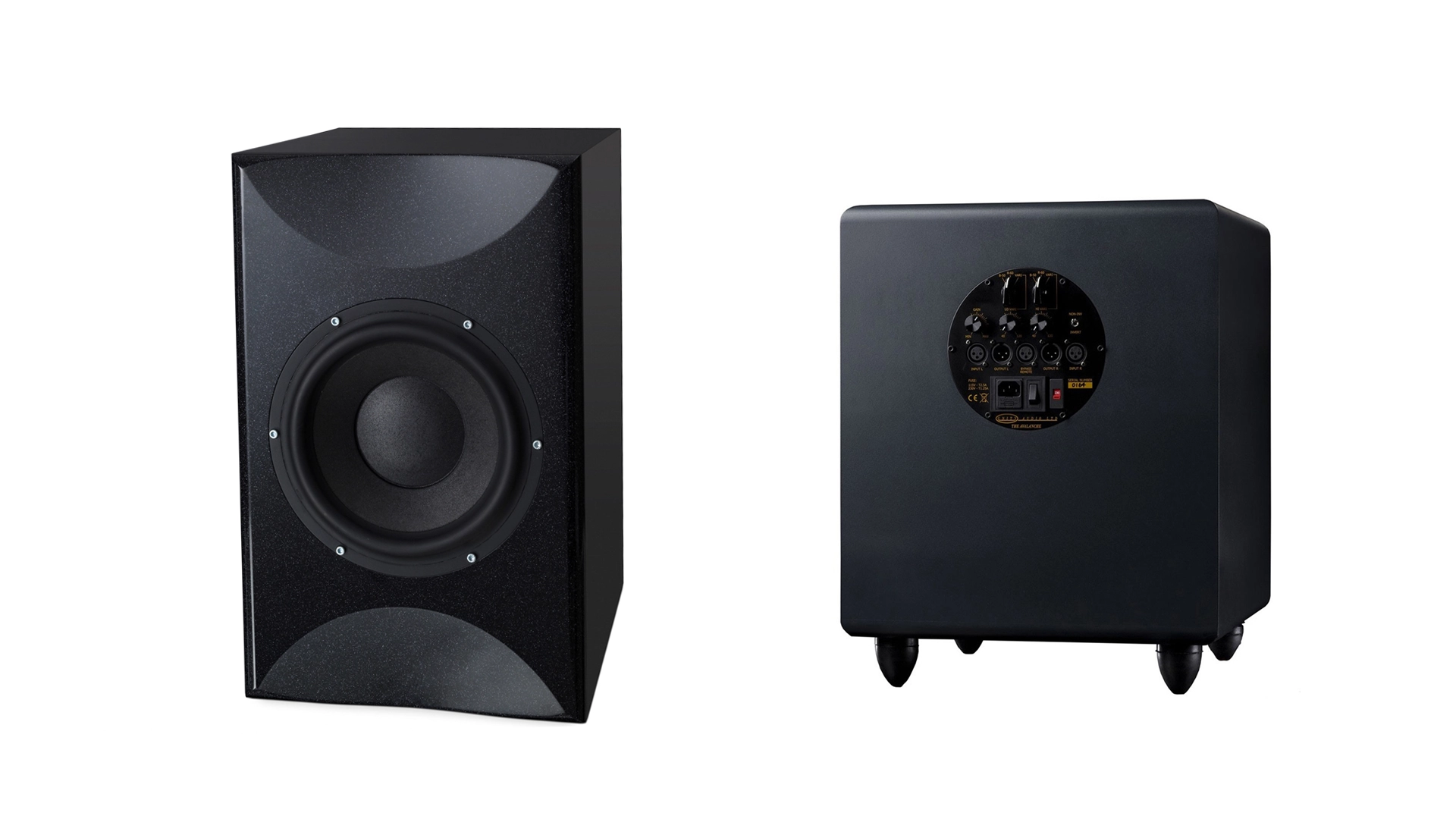
Unity Audio is a British studio-monitor manufacturer founded in 2009 by Kevin Walker, building on the distribution company he had established in 1995. Walker developed the first Unity-badged monitor with studio designer and acoustician Kevin Van Green. Their decision to use sealed cabinets set the direction: predictable low-frequency roll-off, controlled time behaviour and accurate translation were prioritised over the extra extension a reflex port can provide.
The original Rock combined an inert Corian front baffle, folded-ribbon tweeter and bespoke discrete Class A/B amplification designed with Tim de Paravicini of EAR Yoshino. It became the foundation for Mini-Rock, Super Rock and successive Rock generations, including DSP versions. Boulder and Mini Boulder add three-way scale, while Avalanche subwoofers, Monolith main monitors and the B.A.B.E. bass-extension system cover larger rooms. Selected models are also offered for high-end home listening.
Unity’s geological names are memorable, but the useful continuity is technical. Closed boxes, ribbon high-frequency drivers, robust amplifiers and carefully controlled cabinet vibration allow engineers to judge balances without port noise or exaggerated bass. DSP models add alignment and room-interface tools without erasing the analogue versions. The company also distributes and develops specialist recording hardware, yet monitors remain its public identity. Unity Audio stands out because a compact British team created a complete monitor family from one clear acoustic decision and maintained it across nearfield, midfield, main and subwoofer systems.
VAF Research

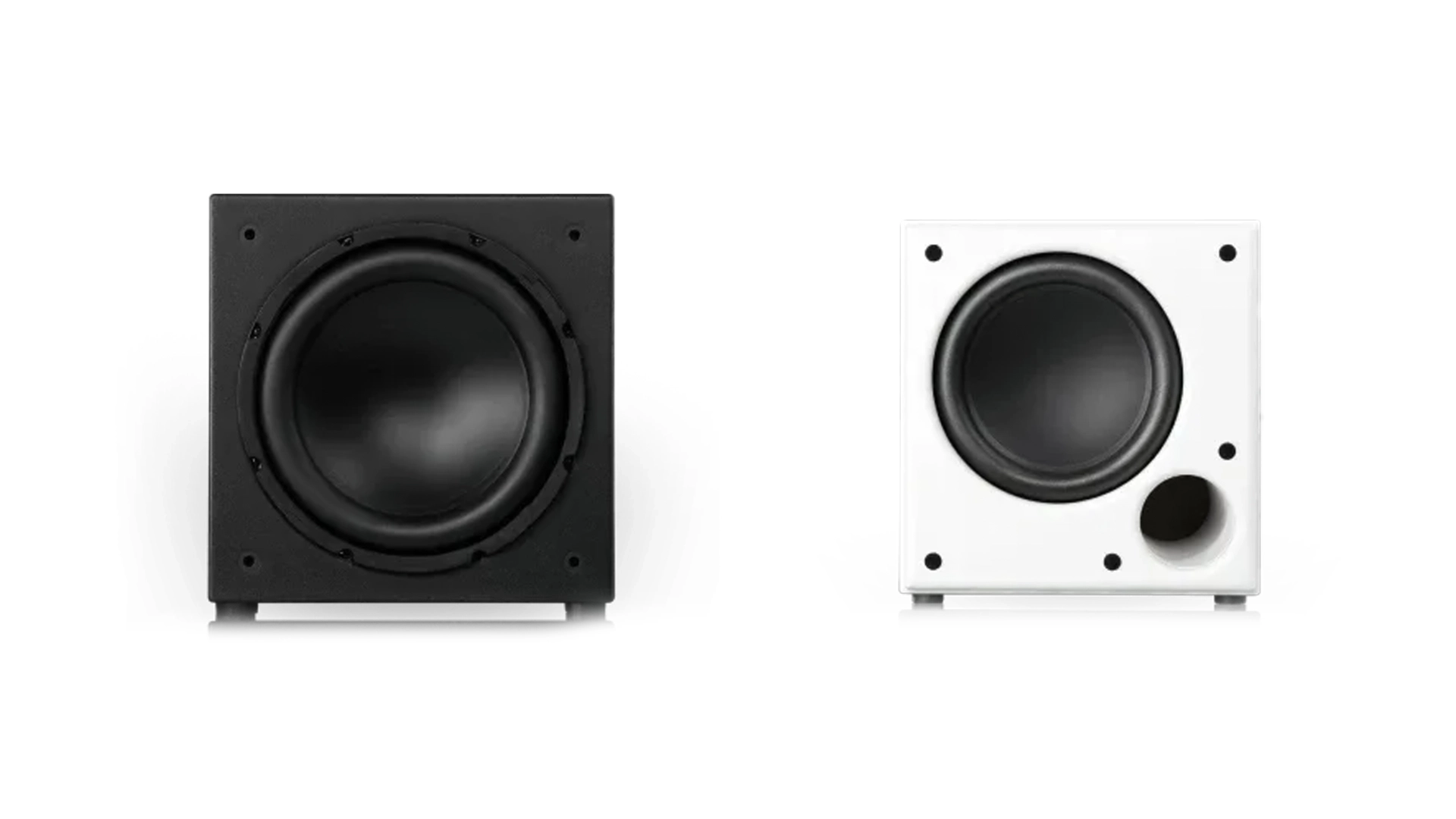
VAF Research is an Australian loudspeaker manufacturer founded in Adelaide in 1978 by Philip Vafiadis. It grew from a local specialist into one of the country’s longest-running independent audio companies, designing complete speakers and supplying cabinets, parts or manufacturing expertise to international brands including Sony, Dynaudio, Jamo, DALI and Duntech. That industrial background gave VAF experience beyond a boutique domestic catalogue.
The Signature series became the public reference. The i66 floorstander appeared in the late 1990s and led to the larger i93, an Australian statement speaker using multiple drivers and carefully controlled radiation to deliver full-scale output in large rooms. Compact i91 models bring the same family priorities to smaller spaces, while Evolution speakers, subwoofers and the SoundWall architectural system cover attainable stereo, cinema and custom installations. Products are designed and built in Adelaide with unusually long loudspeaker warranties.
VAF’s engineering has also served public and professional spaces. In 1998 it supplied a 300-loudspeaker electro-acoustic system for the Adelaide Festival Centre, and in 2003 designed speakers for the Australian Senate chamber. These projects demonstrate why “Research” belongs in the name: modelling and measurement must be reconciled with intelligibility, coverage and subjective listening under very different conditions. Philip Vafiadis remains central to the company’s history, while a broader development team now carries the range forward. VAF’s strength is this continuity between Australian domestic hi-fi, custom problem-solving and installations where acoustic performance is a public responsibility.
Velodyne Acoustics

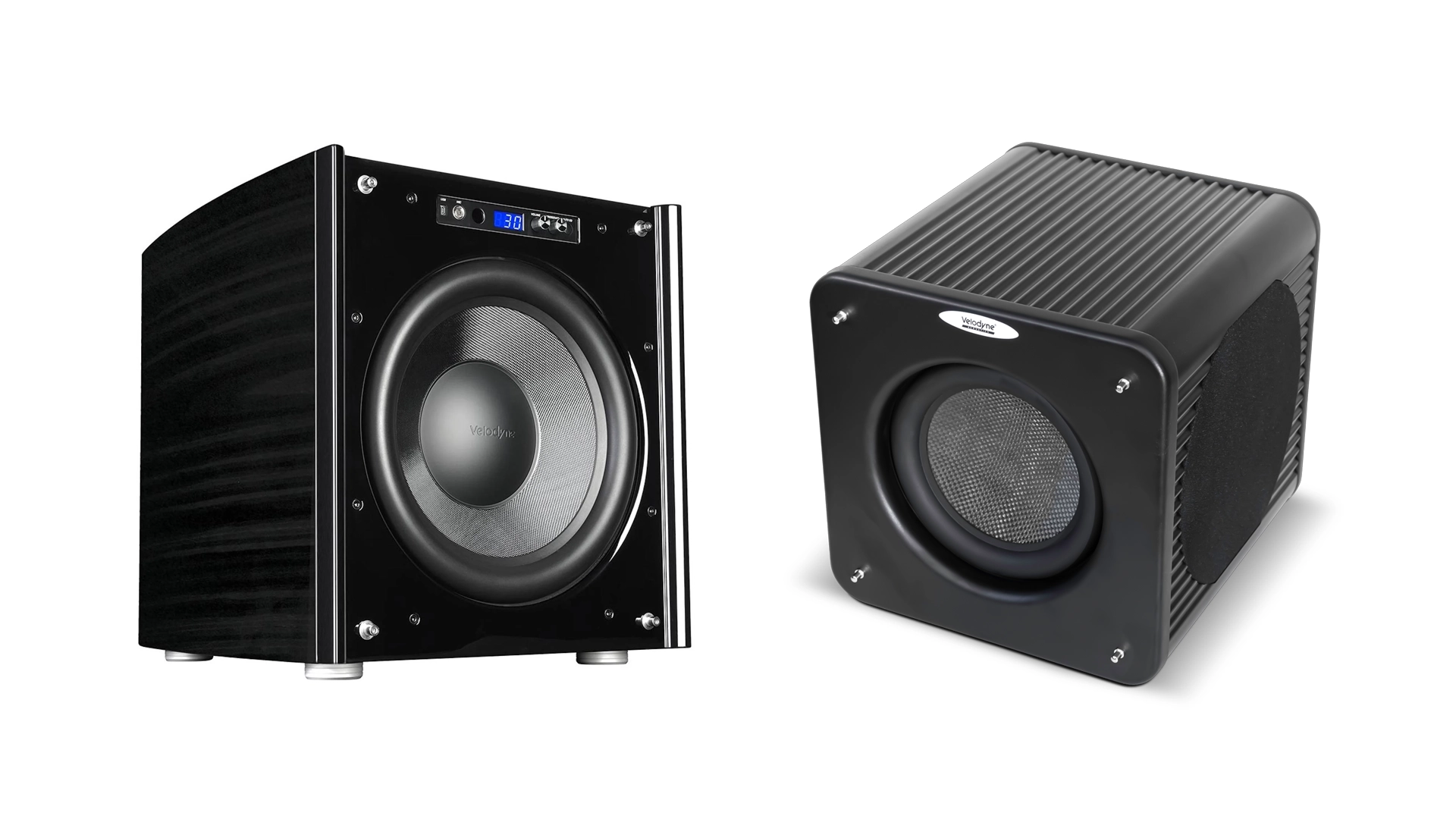
Velodyne Acoustics is the American-born subwoofer specialist that helped make controlled deep bass a serious part of high-performance home audio. Engineer David Hall founded the company in Silicon Valley in 1983 and introduced the ULD-18, an early servo-controlled subwoofer that used feedback from the driver to reduce distortion. Servo technology became a Velodyne signature, refined through products such as the F-Series and the flagship Digital Drive systems. Digital Drive added microphone-assisted room measurement, parametric equalisation and remote adjustment, letting owners address the strong interaction between a subwoofer and the room rather than judging bass by output alone. The modern range retains that focus across different formats: Digital Drive Plus represents the full control platform, Deep Blue models combine sealed cabinets with high-excursion drivers, MicroVee X and MiniVee X deliver substantial output from compact enclosures, and Impact X addresses more accessible cinema and music systems. In 2019, the Velodyne audio business was acquired by Mansour Mamaghani, head of longtime German distributor Audio Reference. Development and management subsequently moved to Hamburg while the brand retained its Californian origin and specialist mission. Velodyne’s importance is larger than a list of powerful woofers. Its best products made low-frequency distortion, enclosure behaviour, amplifier control and room response parts of the same engineering problem, helping turn the subwoofer from an effects box into a calibrated component for music as well as cinema.
Voxativ

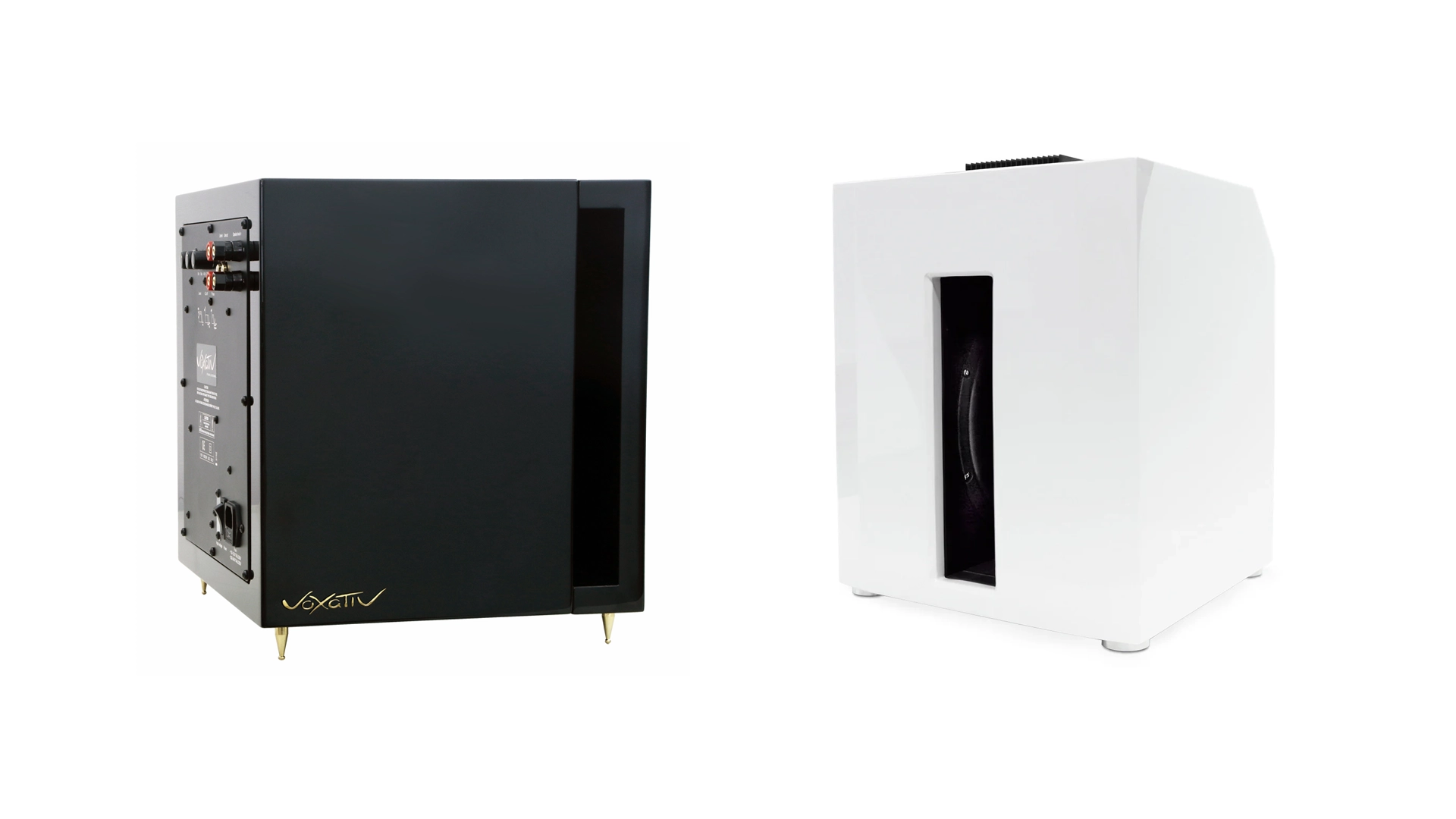
Voxativ is the Berlin loudspeaker company founded by engineer Inès Adler to pursue full-range reproduction without a conventional crossover. Its loudspeakers ask one highly specialised driver to cover most or all of the audible spectrum, avoiding the phase and integration problems created where separate bass, midrange and treble units hand the signal to one another. Making that principle work requires exceptionally light paper cones, carefully controlled suspensions and powerful magnetic motors. Voxativ designs and manufactures its own drivers in Germany, offering both permanent-magnet versions and field-coil models whose magnetic field is supplied electrically. The drivers are sold separately for specialist projects, but their natural context is the company’s complete loudspeakers. Ampeggio established the brand internationally with a rear-loaded horn folded inside a tall cabinet; the compact Hagen and Pi designs adapt the same single-driver logic to smaller rooms, while the modular 9.87 and 9.88 systems add dedicated bass sections when greater scale is required. Field-coil power supplies and low-powered amplification complete the ecosystem. Voxativ does not pretend that a crossoverless speaker is the universal answer: efficiency, cabinet loading and room placement are integral to the result. Its achievement is the depth with which one concept has been developed—from cone formulation and motor construction to horn geometry and complete systems—giving the brand a recognisable technical and musical character rather than merely another variation on a multiway box.
Wharfedale

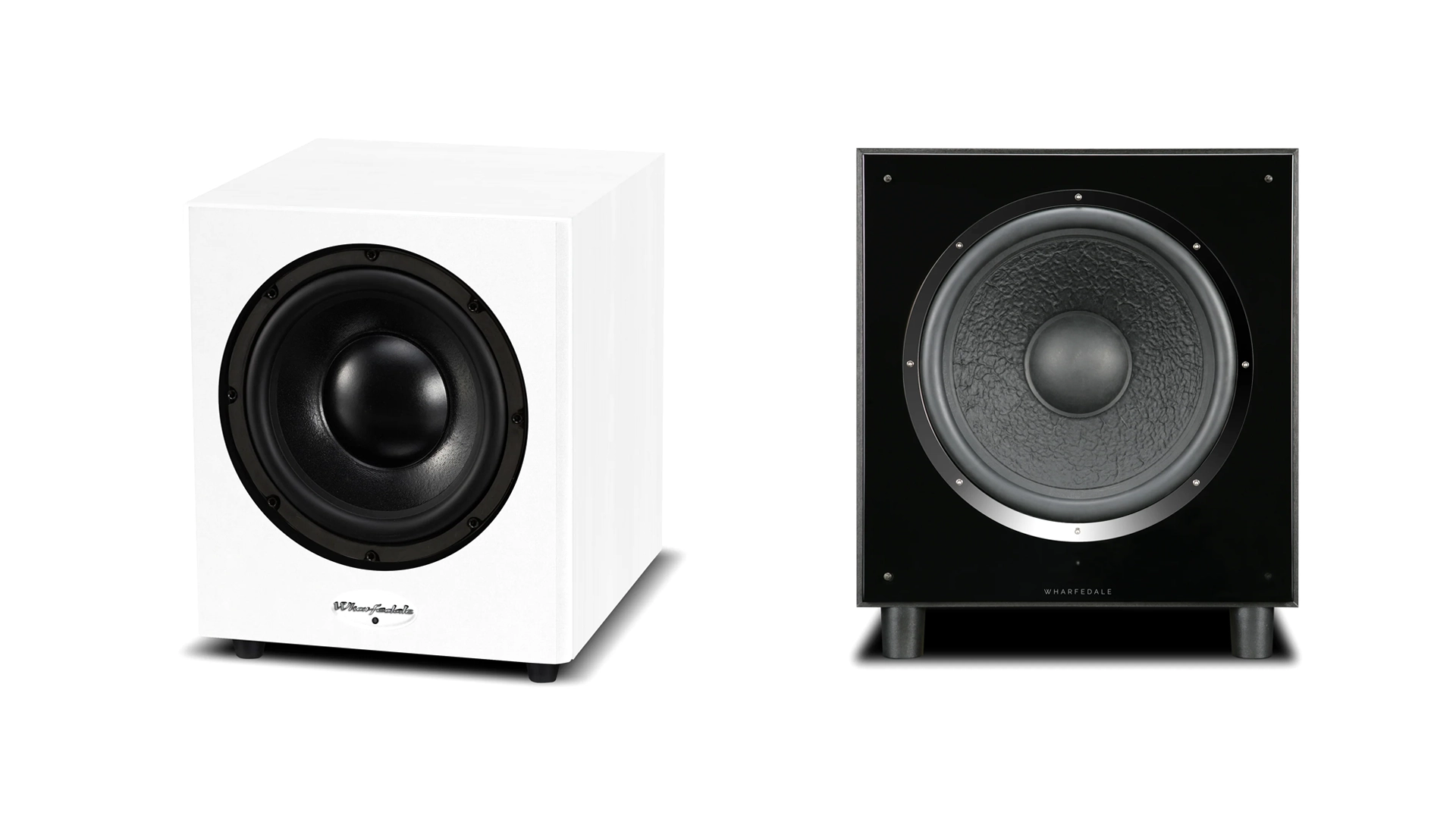
Wharfedale was founded in 1932 by Gilbert Briggs in Ilkley, Yorkshire, and named after the nearby valley of the River Wharfe. Briggs combined practical cabinet and driver development with unusually public demonstrations, comparing live musicians with reproduced sound in major halls to show what domestic loudspeakers could achieve. The company introduced influential techniques in cone manufacture, cabinet damping and multiway design, but its strongest long-term achievement has been bringing serious engineering to attainable price levels. The Diamond series, launched in 1982, became one of hi-fi’s enduring affordable loudspeaker families and remains the entry point to the modern range. EVO and AURA move upward with AMT high-frequency drivers and more elaborate cabinets, while the Heritage line revisits classic proportions without merely reproducing old internals. Denton, Linton, Super Linton and the large Dovedale combine wide baffles, substantial bass drivers and contemporary crossovers; Dovedale also marked a return of selected Wharfedale production to Britain. International Audio Group acquired Wharfedale in the late 1990s. The brand remains British in origin and design direction—now led by long-time acoustic designer Peter Comeau—while IAG’s Chinese manufacturing base supplies most series and its UK facility builds Dovedale. That mixed reality is more accurate than either calling Wharfedale unchanged since Briggs or dismissing it as a badge. Its identity survives in value-conscious loudspeakers that balance tonal ease, useful bass and domestic practicality across unusually broad price levels.
Wilson Audio

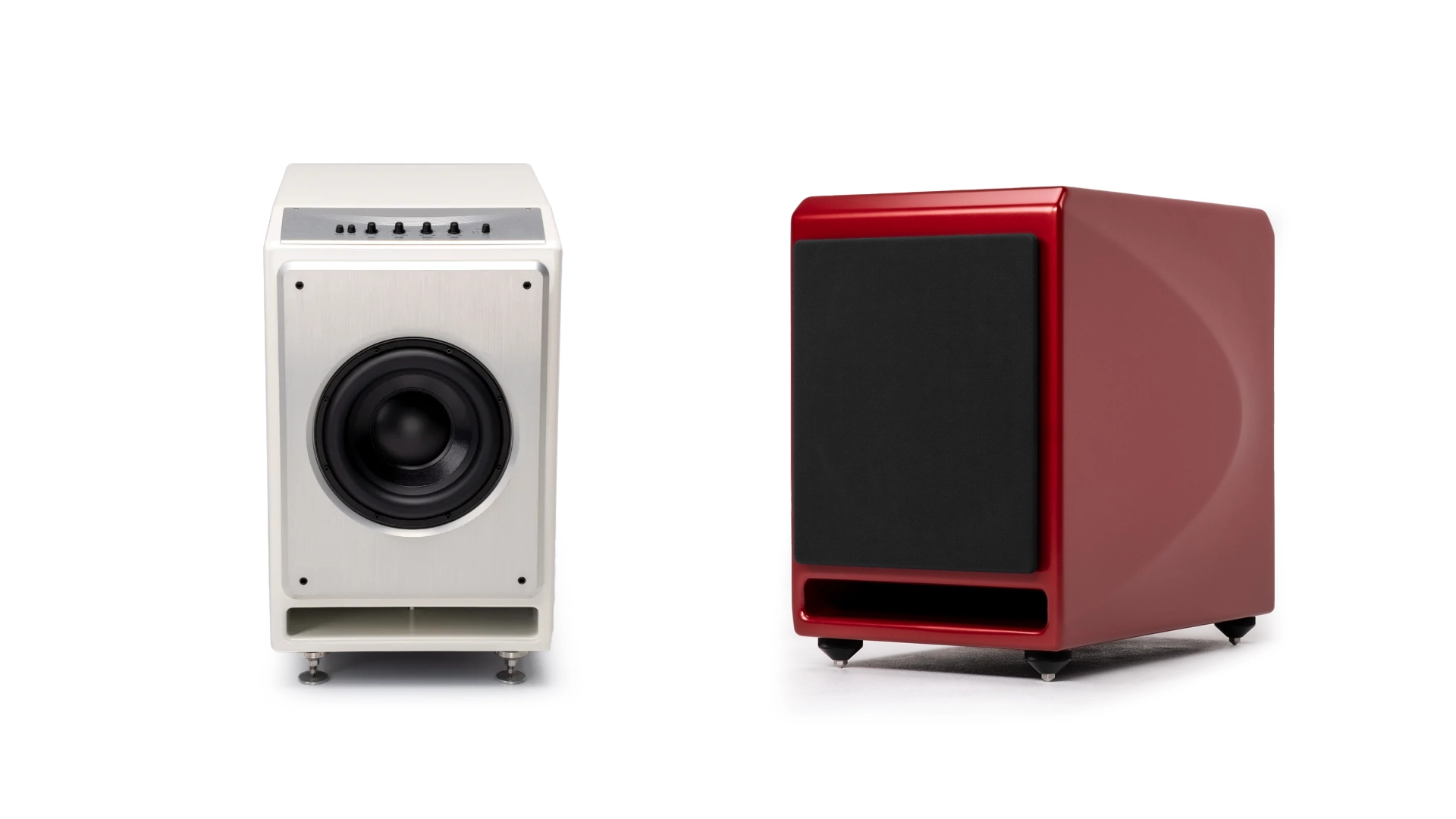
Wilson Audio is the Utah loudspeaker company founded in 1974 by David A. Wilson and Sheryl Lee Wilson. David began by building monitoring tools for his own recordings, and the original WAMM—Wilson Audio Modular Monitor—made the company’s defining concerns visible: dynamic range, low cabinet coloration and precise alignment of drivers in time. The compact WATT monitor, created for location recording and later paired with the Puppy bass module, became one of high-end audio’s most recognisable loudspeaker systems. Modern Wilson designs continue that lineage with separate, adjustable modules for midrange and treble, allowing installation technicians to align their acoustic arrival at the listening seat. The cabinets use proprietary composites rather than ordinary MDF: X-Material supplies rigidity and damping, S-Material is applied where a different mechanical behaviour is useful, and newer formulations are selected for particular enclosure sections. Sasha V, Alexia V and Alexx V scale the modular architecture, while SabrinaX and TuneTot bring Wilson construction to simpler enclosures; Chronosonic XVX and the Master Chronosonic remain statement systems descended from WAMM. Wilson also develops its own crossover components and measurement procedures, and setup geometry is documented for each room rather than left to visual approximation. After David’s death in 2018, his son Daryl Wilson continued as CEO and principal designer, with Sheryl and the family still central to the company. The brand’s individuality lies in treating a loudspeaker as an adjustable acoustic instrument whose materials, driver positions and installation are engineered together.
Wilson Benesch

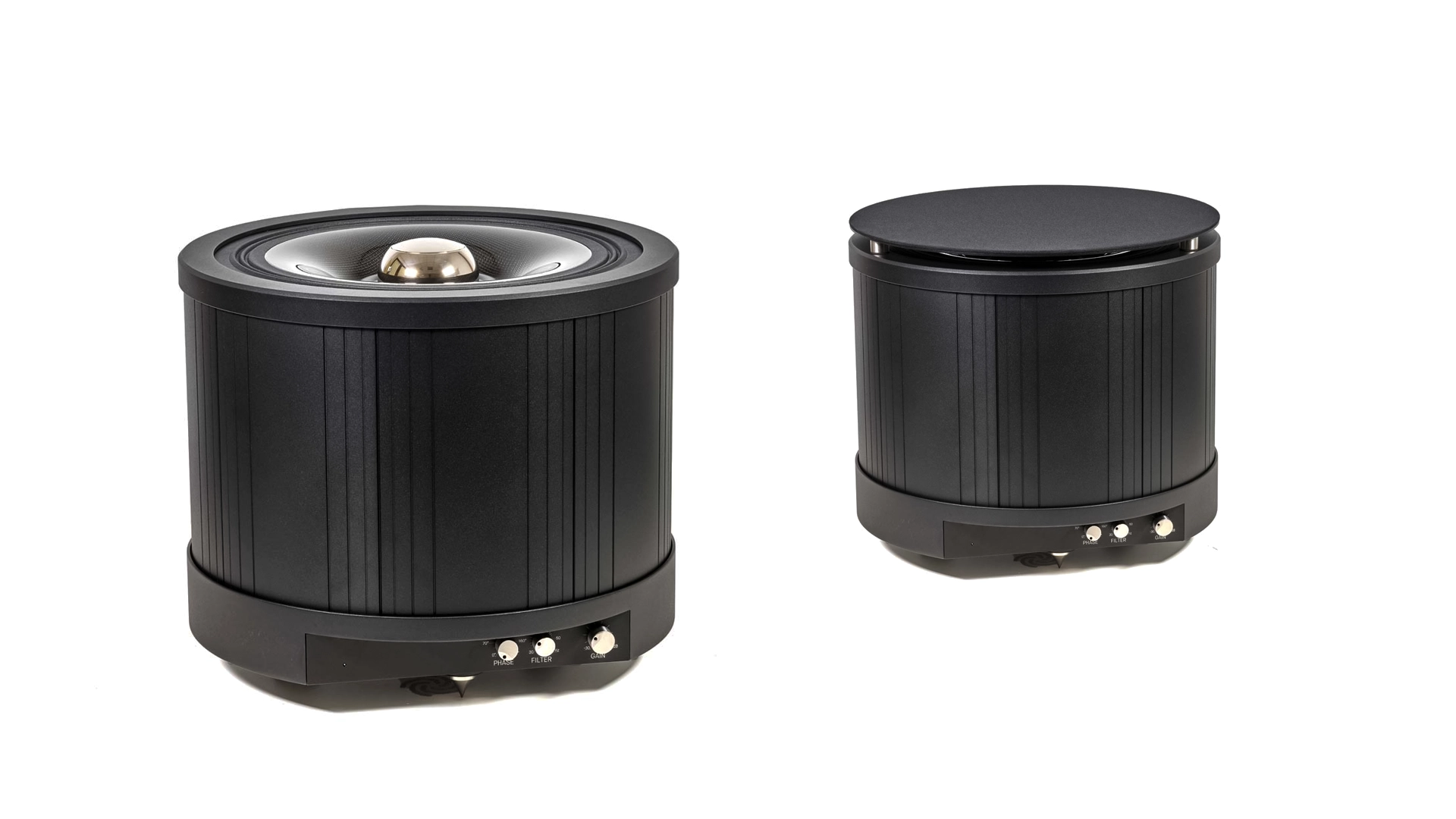
Wilson Benesch is a British engineering company founded in Sheffield in 1989 by Craig and Christina Milnes. A government-supported research programme gave the young firm access to advanced composite technology, leading to the Wilson Benesch Turntable and the A.C.T. One tonearm—among the earliest audio products to use carbon fibre as a structural material rather than decoration. The same thinking soon entered loudspeakers. Curved A.C.T. monocoque cabinets use carbon-composite shells to create a stiff, well-damped enclosure with fewer broad resonant panels, while machined alloy elements define the driver interfaces. The company subsequently developed its own Tactic mid/bass driver and the Fibonacci tweeter, whose hybrid dome and carbon-fibre structure is designed to control high-frequency breakup. Discovery, Endeavour and Resolution established the Geometry series; the newer Omnium and Eminence models extend the platform with larger isobaric bass systems and increasingly complex composite structures. Torus infrasonic generators use a large carbon-fibre diaphragm driven around its circumference, a distinctive alternative to a conventional pistonic subwoofer. Wilson Benesch still produces turntables, including the GMT One System, linking its present reference analogue work to the product that launched the company. Design, carbon-composite manufacture, machining and assembly are centred in Sheffield, with specialist British partners contributing where required. Few audio brands have applied one materials programme so consistently across tonearms, turntables, loudspeaker enclosures and low-frequency drivers.
Wisdom

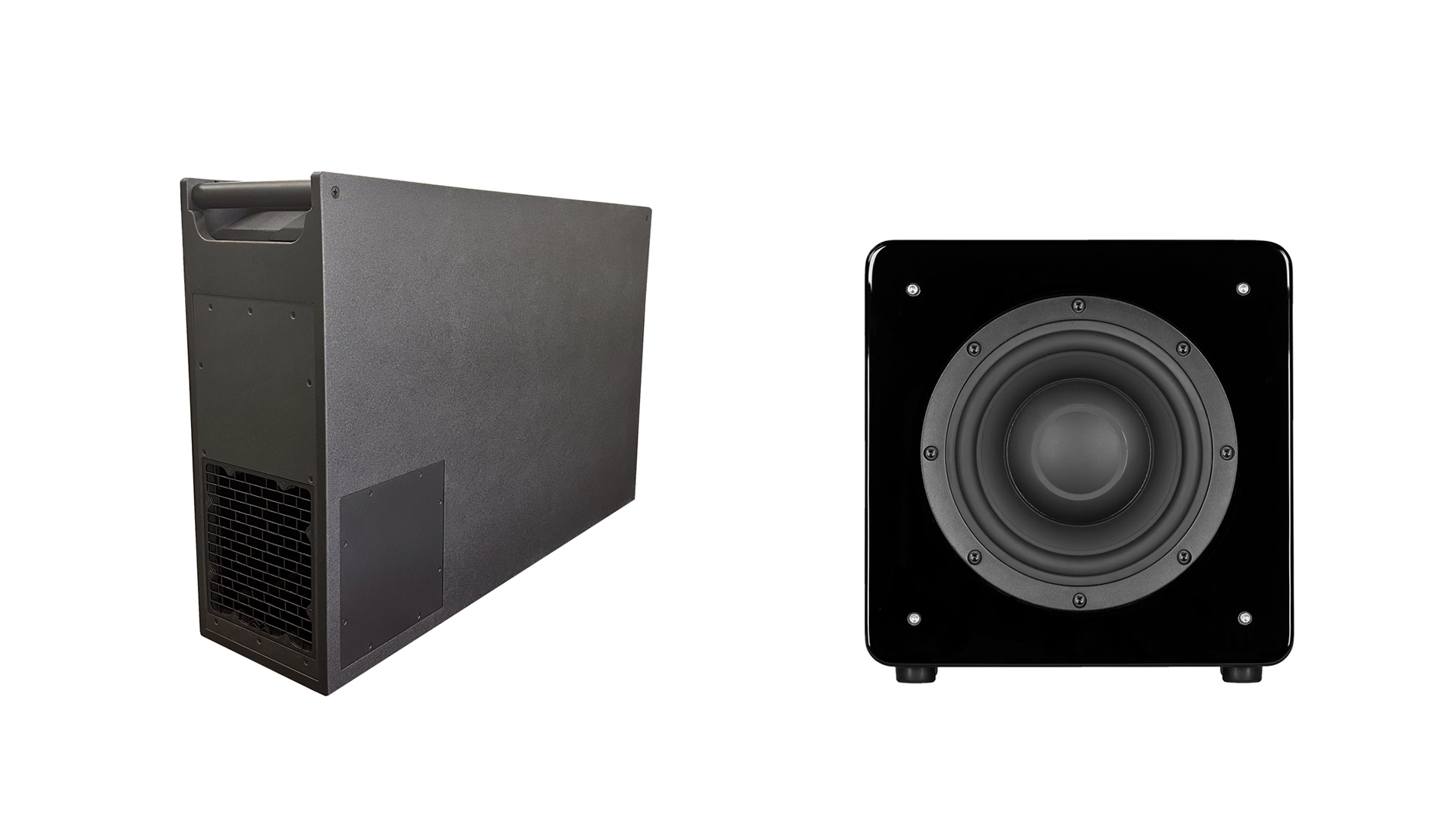
Wisdom Audio is an American loudspeaker company founded in 1996 by Tom and Debi Bohlender. Its early work grew from Bohlender’s experience with large planar-magnetic transducers, but the modern company found a distinctive role in architectural systems where high output and audiophile resolution must coexist with concealed installation. Wisdom’s planar-magnetic drivers place a lightweight conductive diaphragm in a magnetic field, spreading drive force across a large area and avoiding the voice-coil former of a conventional cone. In many models they operate as line sources, producing controlled vertical dispersion that reduces floor and ceiling reflections and maintains level more evenly with distance. Dynamic woofers supply the excursion needed for deep bass, while dedicated system controllers provide crossover, equalisation and protection. Sage is the core high-performance range, including in-wall, on-wall and freestanding line-source models; Insight brings related technology to smaller projects, and the Wisdom Series scales it into multi-metre reference arrays. Regenerative Transmission Line bass modules hide substantial low-frequency systems within walls or joinery. This architecture makes planning essential: speaker height, baffle construction, subwoofer placement, amplification and room calibration must be designed together. Based in Carson City, Nevada, Wisdom works closely with custom integrators and cinema designers rather than treating installation as an after-sale detail. Its identity is the successful translation of very large planar systems into purpose-built residential architecture—thin enough to disappear, yet capable of the dynamics and coverage demanded by serious music rooms and private cinemas.
YG Acoustics

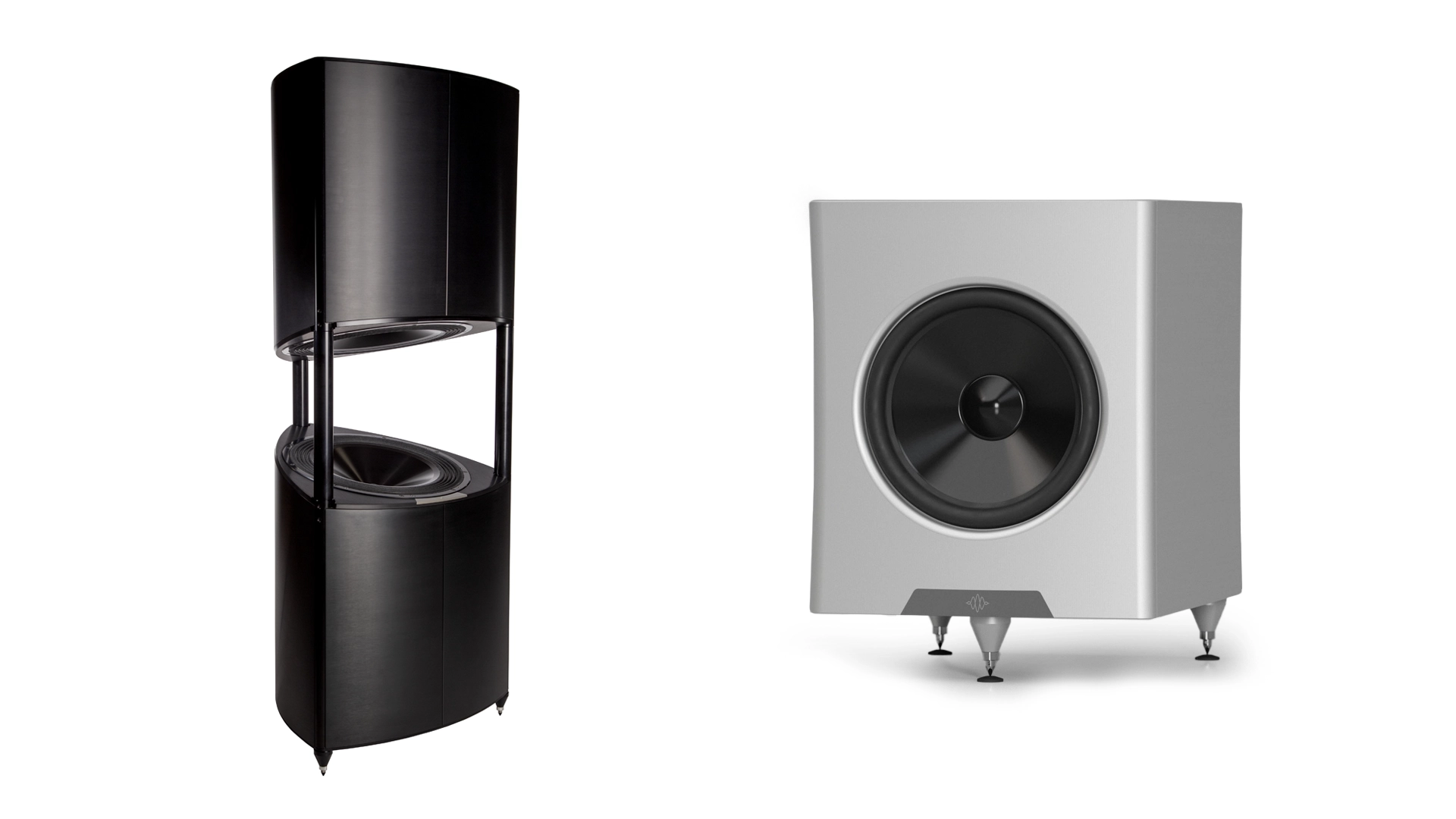
YG Acoustics is an American high-end loudspeaker manufacturer founded in 2002 by Israeli-born engineer Yoav Geva and subsequently established in Arvada, Colorado. The company became known for cabinets machined from thick aluminium plates and for applying mathematical modelling to drivers, crossovers and enclosure behaviour. Its BilletCore mid/bass cones are carved from solid aluminium stock rather than stamped from sheet, producing a stiff, precisely profiled diaphragm; ForgeCore tweeter motors are machined to control magnetic flux and reduce distortion. Earlier DualCoherent crossover work sought flat frequency response while preserving phase behaviour, a difficult combination that helped define the brand’s technical reputation. Carmel, Vantage, Hailey and Sonja form the established Reference range, from compact floorstander to modular flagship. Peaks models bring YG engineering to simpler cabinets and lower prices, while XX Live integrates amplification and active control at the top of the current programme. Ownership changed in 2017 when an investor group led by LK Capital acquired the company alongside Geva; he later departed, and mathematician and engineer Dr Matthew Webster now leads YG with an expanded design team. The factory, CNC machining and assembly remain in Colorado. That transition matters because modern YG is not merely repeating its founder’s catalogue: it preserves the aluminium construction and low-distortion priorities while introducing new drivers, software-led development and more accessible product families under new technical leadership.
Zu Audio

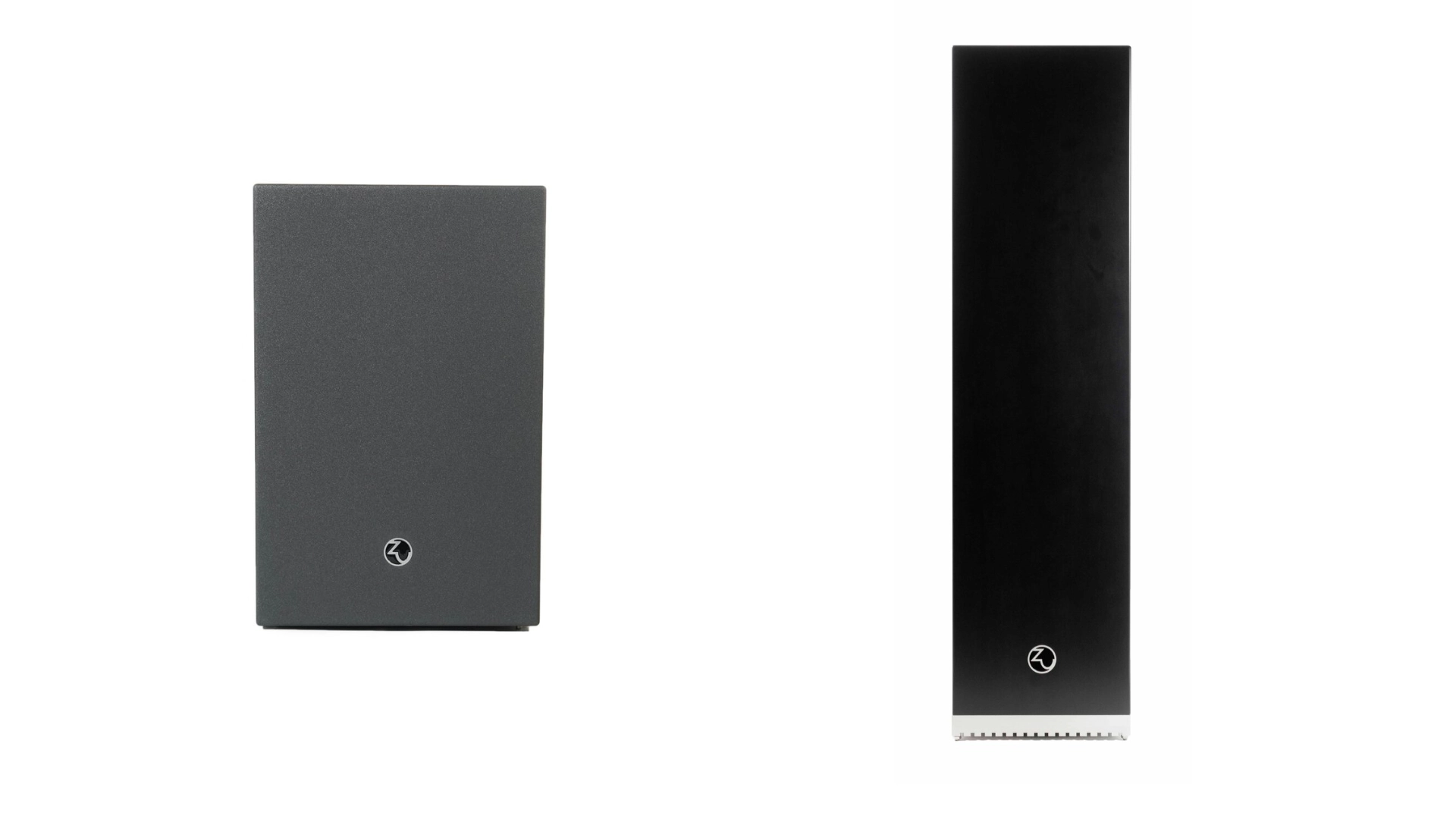
Zu Audio is an American loudspeaker and cable manufacturer founded in 2000 in Ogden, Utah, by Sean Casey and Adam Decaria. The company rejects the assumption that domestic speakers must trade efficiency and dynamic ease for flat measured response. Most Zu models use a large, high-efficiency full-range driver through the critical vocal band, supplemented by a tweeter above it and, where required, dedicated bass support. With no conventional crossover in the main driver’s path, phase shift and component loss are reduced. Zu-Griewe loading—developed from Sean Casey’s earlier work with Ron Griewe—uses a controlled gap between cabinet and floor to couple the enclosure to the room, functioning differently from a normal reflex port. Druid introduced the formula in 2001; Soul and Soul Supreme made it more compact, while Definition added powered bass and greater scale. Union and DW series bring the approach to wider price points, and Experience models explore more ambitious drivers and finishes. High sensitivity allows low-powered valve amplifiers, yet the speakers are designed to preserve impact with modern solid-state power as well. Zu also manufactures cables, driver assemblies, cabinets, metal parts and finishes in-house, giving its Ogden factory unusual control over both loudspeakers and their internal wiring. The result is a coherent alternative to conventional multiway design: minimal filtering, generous radiating area and room-aware loading used to reproduce tone, timing and live-scale dynamics rather than to chase specifications in isolation.