Analog Cables
Analog interconnects are used to transmit line-level audio signals between your components, such as from a DAC to an amplifier. The two primary types are RCA, the common unbalanced standard, and XLR, a balanced connection used in high-end and professional gear for its superior noise rejection. These cables are tasked with preserving the purity of the delicate audio signal as it travels between devices. This guide lists manufacturers of both high-quality RCA and balanced XLR interconnects.
Hi-Fi brands in the category
Summary information and image
Direct links to official websites
Clearer Audio

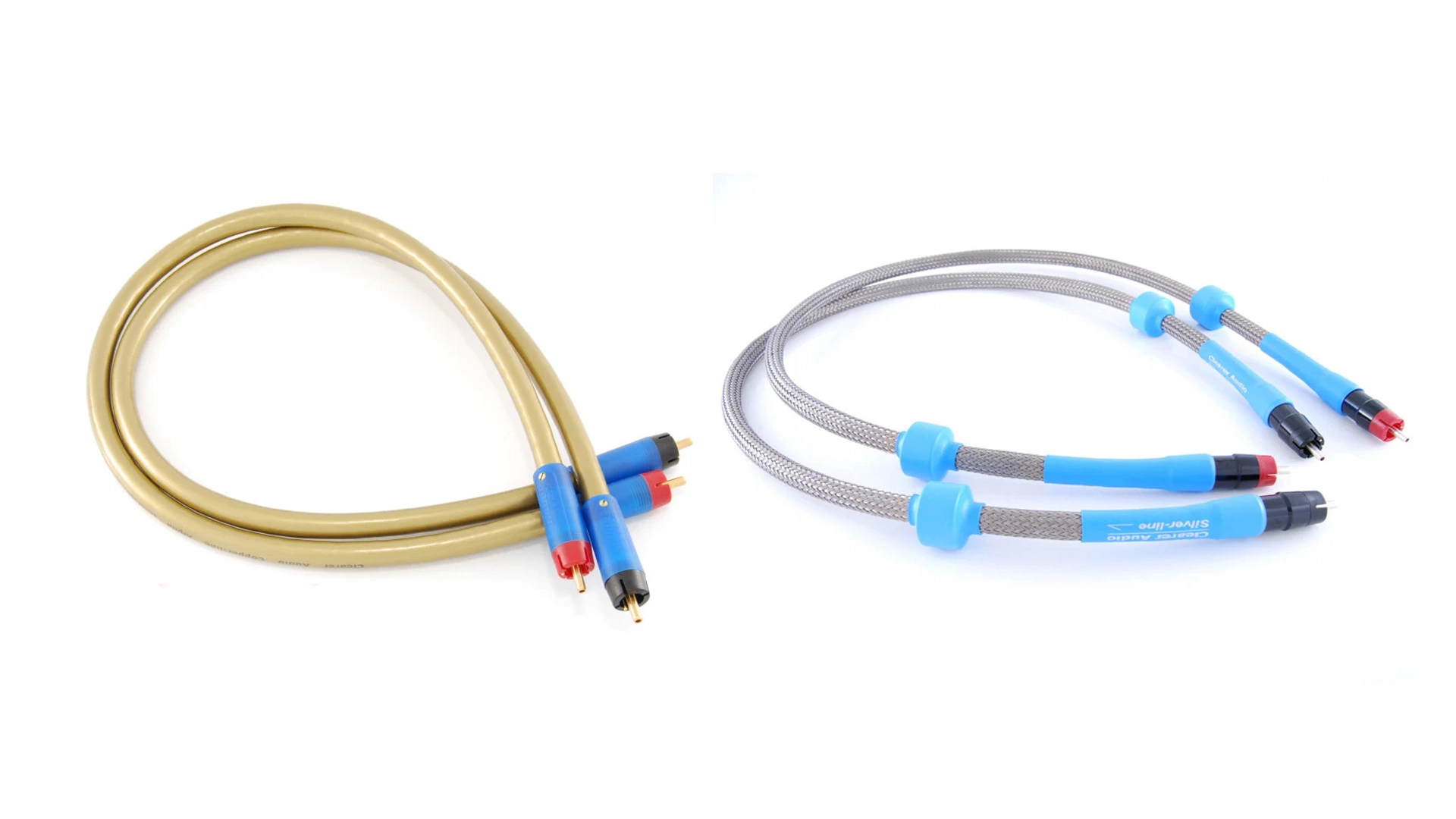
Clearer Audio is a small British cable company best known for hand-built products that brought specialist materials and termination methods to relatively attainable price levels. Darren and Emma Smith founded the business in 2003, with Darren responsible for cable design and product development. Its early Copper-line Power Cable gained a sequence of UK magazine awards, giving the company recognition beyond direct online sales. Copper-line products use high-purity copper conductors across mains, interconnect and speaker applications, while Silver-line Optimus models move to Ohno Continuous Cast silver and more elaborate balanced geometries. Clearer Audio’s 2012 ColdPlug is a particularly concrete piece of know-how: a pure-copper loudspeaker connector attached by high-pressure crimping, avoiding solder and an additional dissimilar-metal interface. The range has also included mains distribution and custom lengths. The useful distinction from similarly named brands is clear: Clearer Audio is the UK cable maker founded by Darren and Emma Smith, not the American personal-audio company Cleer Audio.
Connected-fidelity

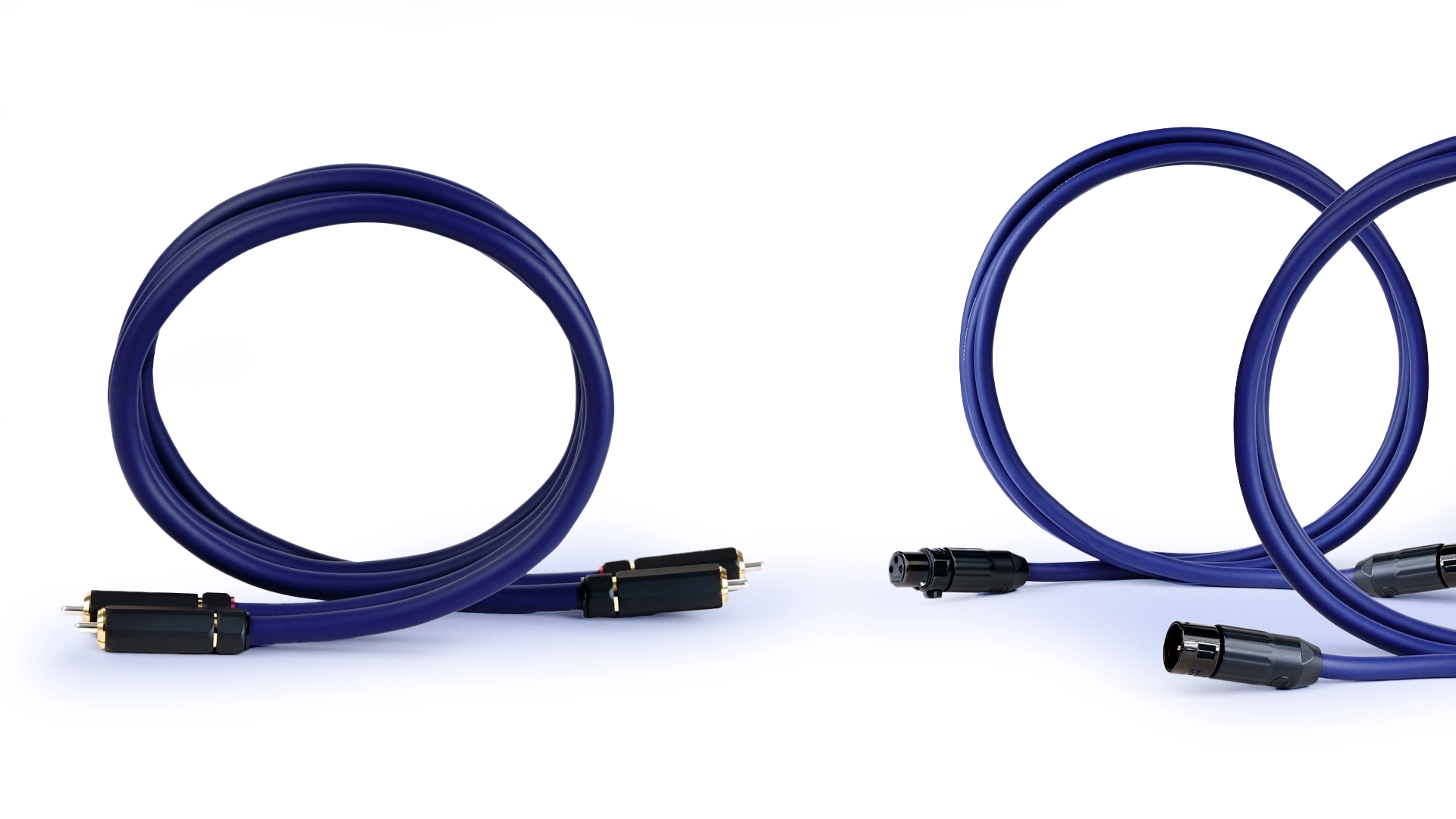
Connected-Fidelity is a British designer and manufacturer of analogue front ends, power products, isolation devices and cables — not merely a grounding-accessory brand. Its catalogue has included turntables and tonearms, balanced mains supplies, distribution blocks, RF filters, audiophile fuses and the Unity cable family, with manufacture carried out in the UK. The same system-level idea links these otherwise different products: reduce mechanical movement, radio-frequency contamination and mains-related noise before they obscure low-level musical information. Float 30 pucks and related supports address vibration beneath components and loudspeakers, while the power and cable ranges provide complementary electrical paths. The company describes an unusually iterative development method involving material research, prototypes and extensive comparative listening, and it explains much of the construction while keeping proprietary processes confidential. Connected-Fidelity is therefore best understood as a focused ecosystem of source, power and support products intended to work at several noise-entry points in a high-resolution audio system.
Consonance

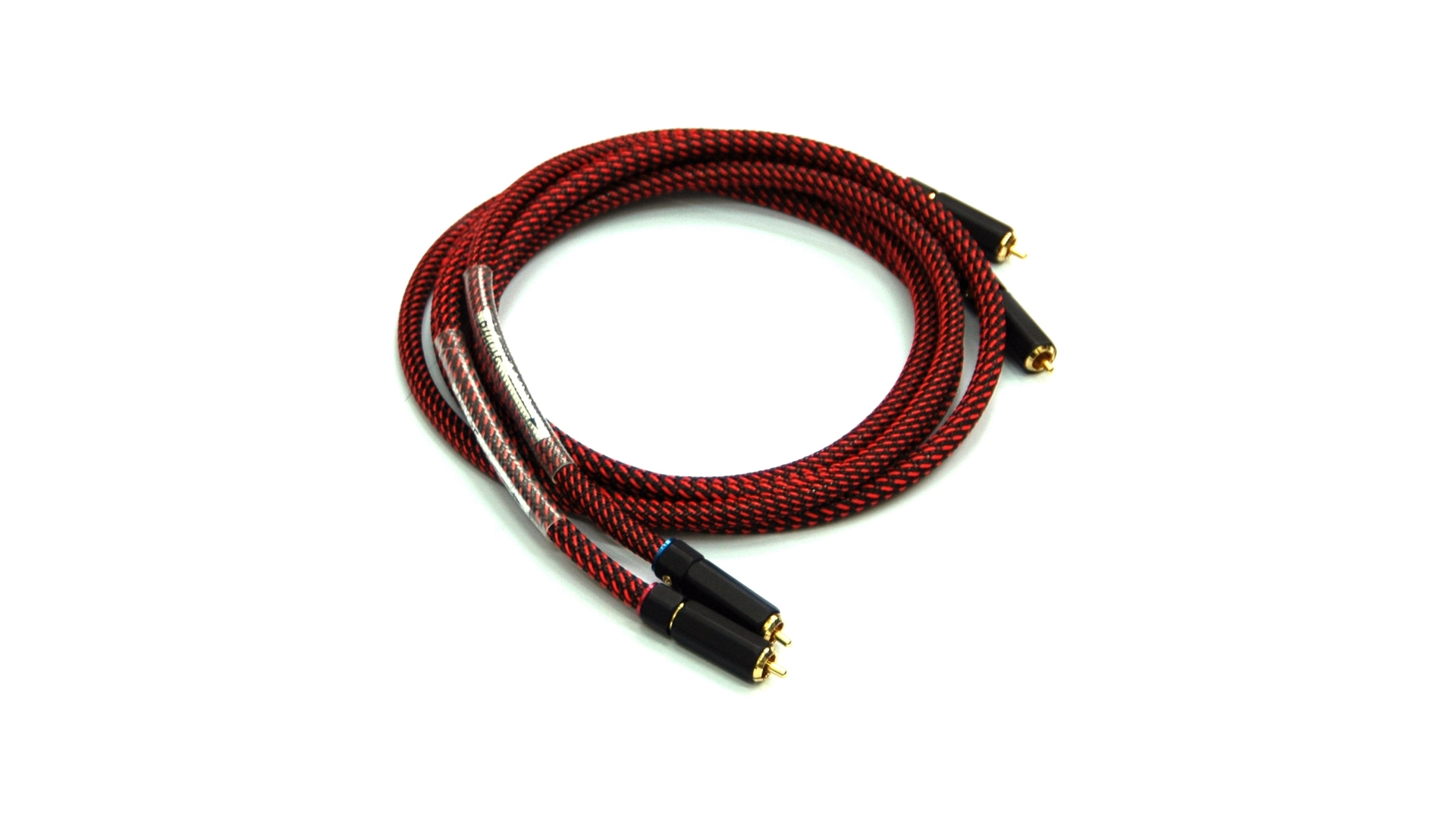
Consonance is the product brand of Opera Audio, one of China’s early internationally distributed high-end audio manufacturers. Opto-mechanical engineer and opera enthusiast Shi Hui Liu founded the Beijing company in 1994 after building a valve amplifier for himself and then being asked to make another. That origin still explains the range: tube and solid-state amplifiers sit alongside CD players, DACs, streamers, loudspeakers, cables and an especially substantial analogue line. Opera became an early Chinese high-end turntable manufacturer, and Consonance decks such as the Droplet, Die Walküre and Wax Engine show a willingness to develop complete mechanisms, plinths and tonearms rather than treat vinyl as a sideline. Many model names reference European opera, but the engineering is not confined to retro styling; the company combines traditional valve circuits with digital sources and modern manufacturing. Its “Simple. Human.” philosophy is a useful summary of the house character: direct circuits, restrained interfaces and a broad, internally designed system intended to serve music rather than specification theatre.
Crystal Cable

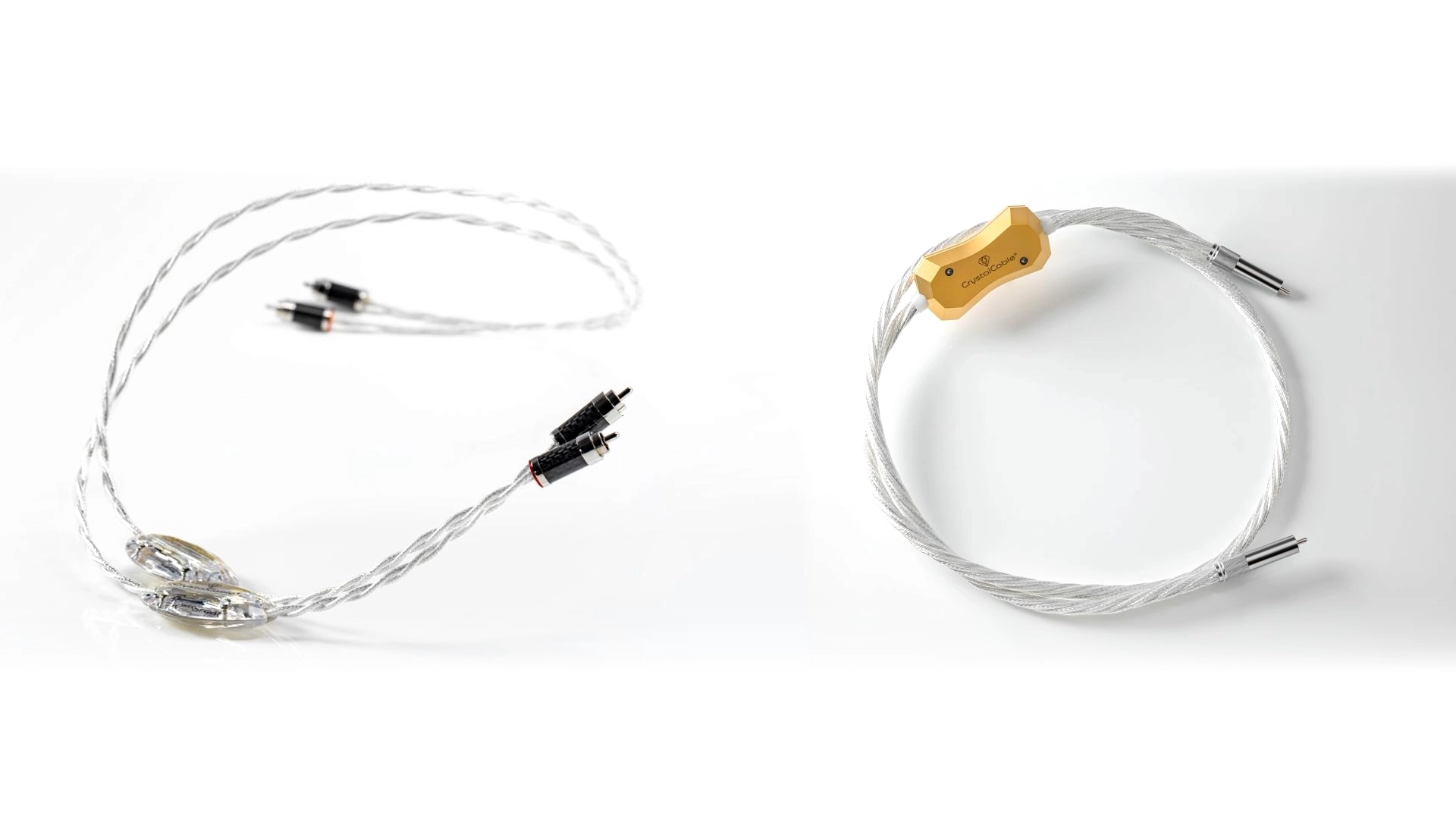
Crystal Cable is a Dutch high-end cable brand founded in 2004 by Gabi van der Kley-Rynveld as an offshoot of Siltech. Its visual signature — unusually thin, flexible cables instead of thick sculptural jackets — follows from the engineering rather than fashion. Crystal uses high-purity silver-gold metallurgy, compact conductor geometries, carefully controlled insulation and purpose-matched connectors to reduce losses while keeping the finished cable easy to route. The catalogue covers analogue interconnects, loudspeaker, power, digital and portable-audio cables, with families such as Diamond Series 2, Future Dream 22, Art Series and Infinite Dream defining successive levels of conductor and shielding technology. The company has also applied its materials experience to compact Minissimo loudspeakers. Crystal Cable and Siltech now operate within the same Dutch audio group and share research resources, but they remain distinct design identities: Siltech generally uses more conventional cable dimensions, whereas Crystal pursues minimal mass and elegance. The result is a rare brand whose technical and aesthetic ideas are immediately recognisable before any price or model name is seen.
Curious Cables

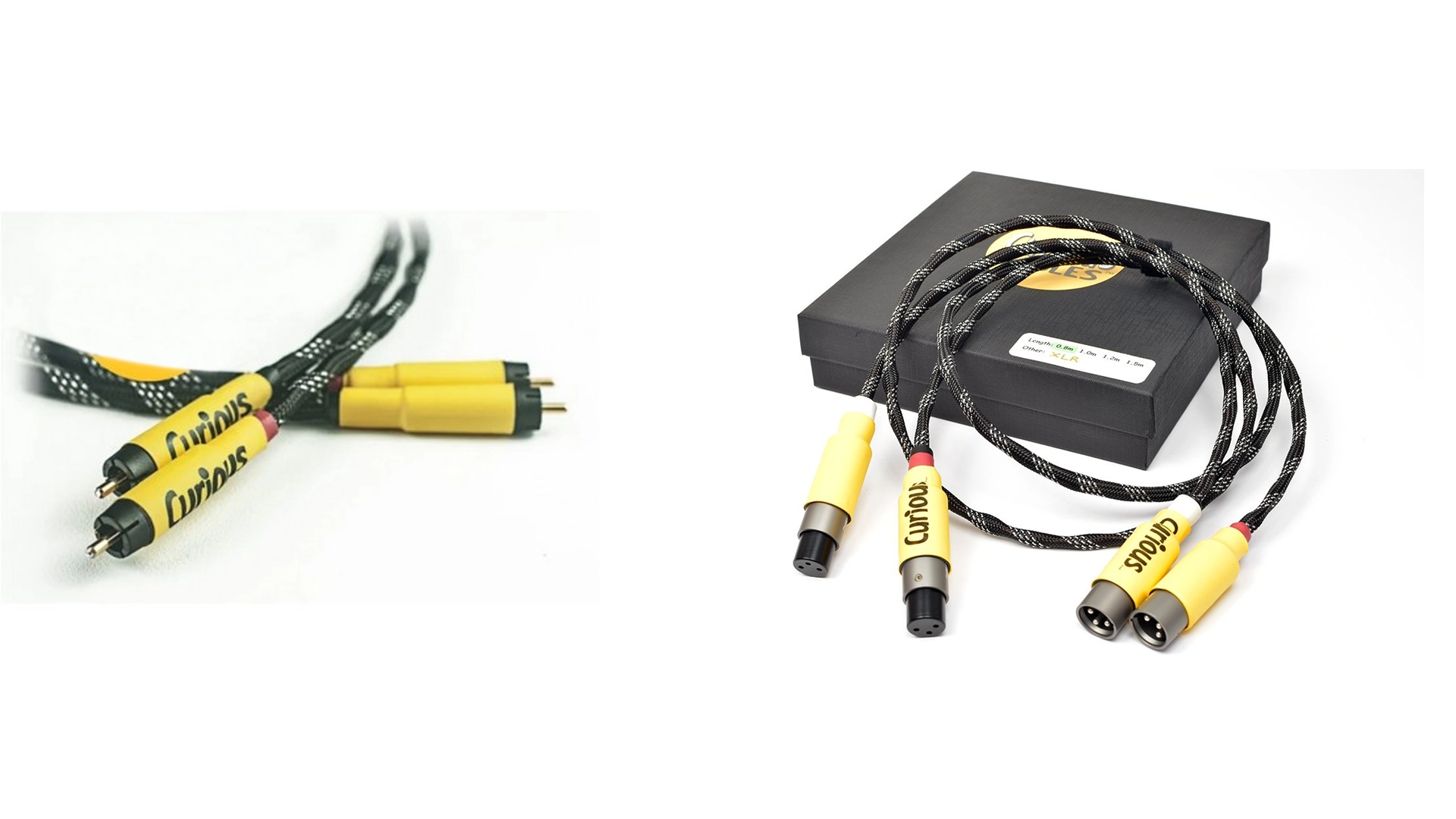
Curious Cables is the Australian specialist created by audiophile Rob Woodland to investigate a narrowly defined problem: the USB connection between a music computer or streamer and a DAC. Woodland spent a year evaluating conductor layout, shielding, power and data paths before releasing the original Curious USB cable in 2015. He was not new to connector design and production; from 1999 to 2005 he had licensed Keith Eichmann’s technology and manufactured the well-known Bullet Plug. Curious built on that practical background with hand-made USB cables, short links for USB regenerators and, later, the Evolved range. The design work focuses on geometry and on limiting interaction between the 5-volt supply and the differential data conductors, rather than treating a certified digital interface as an ordinary piece of hook-up wire. The range is deliberately compact and application-specific, including standard USB terminations and short-purpose variants. Curious Cables stands out because it does not pretend to be a universal cable house: its reputation was built through sustained development of one digital interface and careful adaptation to real computer-audio systems.
David Laboga
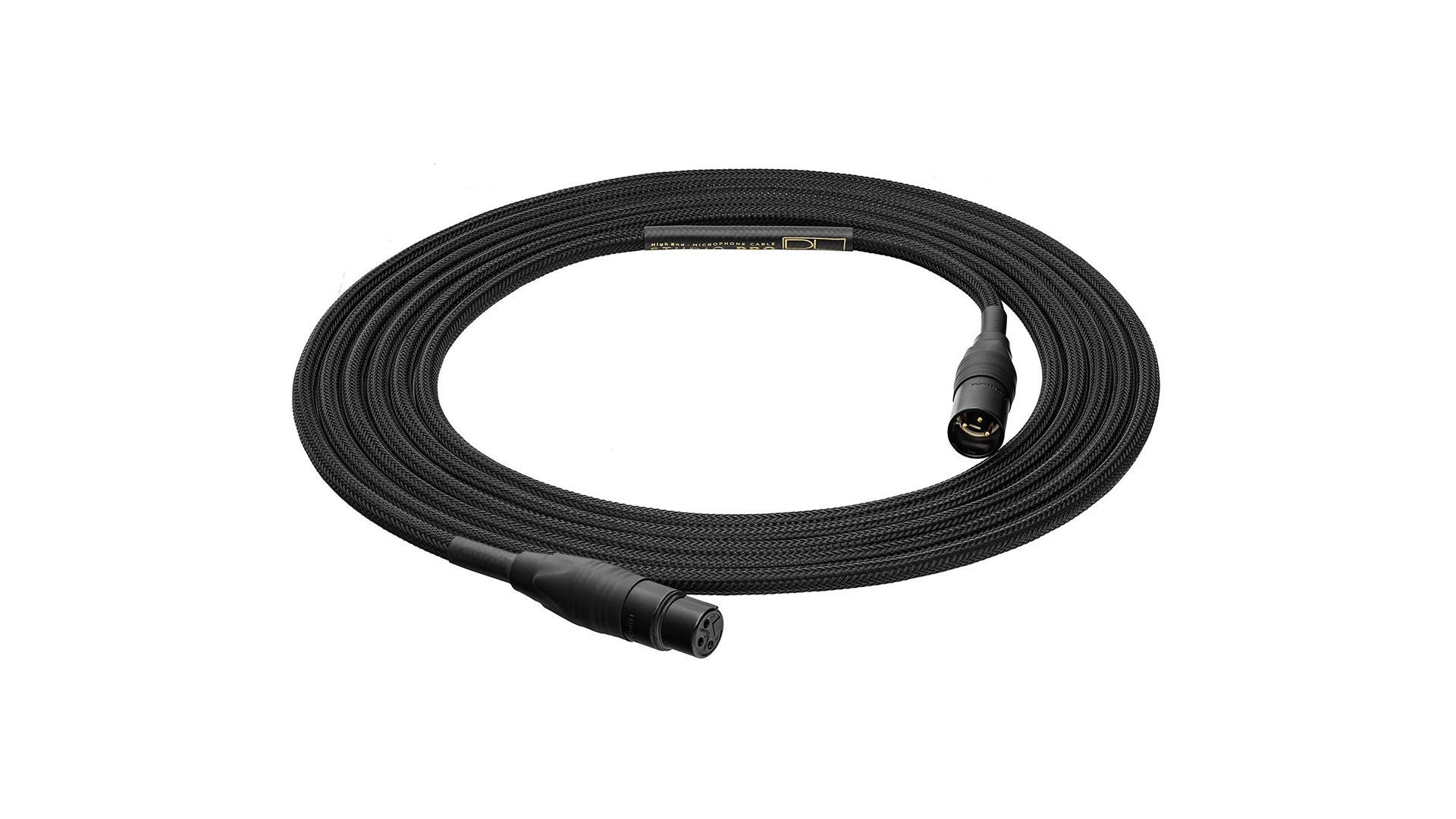
David Laboga Custom Audio is a Polish cable manufacturer whose credibility was built first with working musicians and studios, then extended into high-end home audio. David Laboga founded the company around instrument, microphone and loudspeaker-cabinet cables; the original Perfection Gold series was developed for professional performers and became associated with artists including Al Di Meola, Steve Lukather, Tommy Emmanuel and Steve Stevens. The domestic-audio range now covers analogue interconnects, loudspeaker and power cables, USB and Ethernet connections, with Emerald, Expression Ruby and newer Akoya Reference products marking different technical levels. Rather than rely on one conductor recipe across every interface, the company hand-braids copper conductors of selected purities and gauges, develops connector bodies and termination methods for each application, and sometimes offers digital cables with or without the 5-volt supply path. Leather sleeves, custom copper plugs and gemstone details give flagship models a distinctive finish, but the useful story is continuity between stage durability and listening-room refinement: these cables come from a maker experienced with both professional signal chains and audiophile systems.
Emotiva
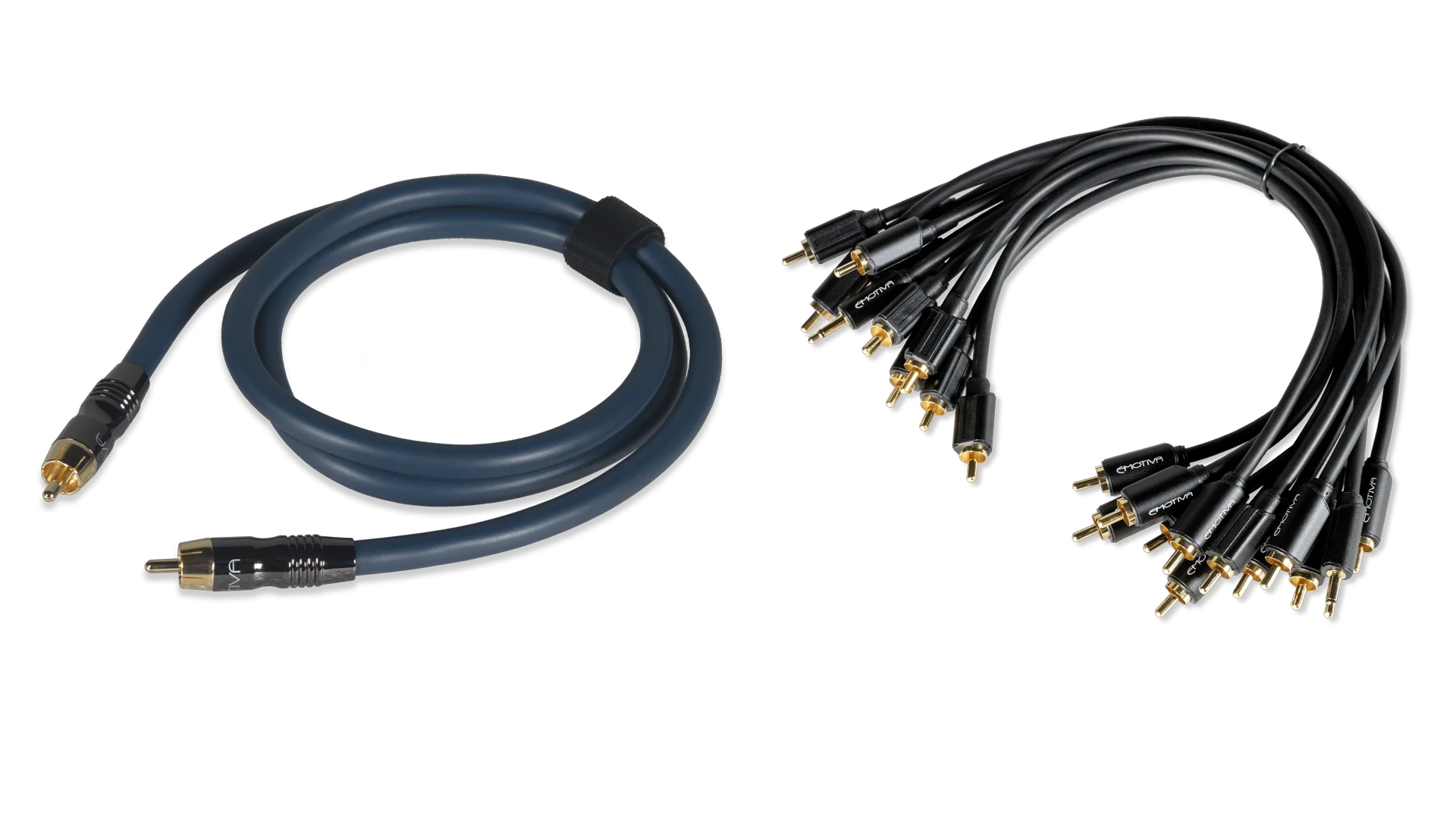
Emotiva is an American audio company founded in 2003 by Dan Laufman to sell serious stereo and home-theatre electronics directly to listeners, removing several layers of conventional distribution cost. That business model matters because it shaped the products: substantial power supplies, high channel counts and upgrade-friendly platforms offered at prices below many specialist competitors. BasX covers accessible amplifiers, preamps and cinema electronics, while XPA power amplifiers scale from stereo systems to multichannel installations through modular high-current Class A/B stages and efficient switch-mode supplies. Differential Reference models use fully balanced, fully differential signal paths and Optimized Class H supply operation for demanding front channels or two-channel systems. Surround processors and receivers address immersive formats, and loudspeakers extend the catalogue into complete systems. Emotiva’s identity is not simply “value for money”; it is the combination of direct sales with unusually powerful, configurable hardware for enthusiasts who may need two channels today and a large cinema later. Design and final product development are centred in Tennessee, with model-specific manufacturing choices rather than a blanket claim that every component is built in the United States.
Entreq
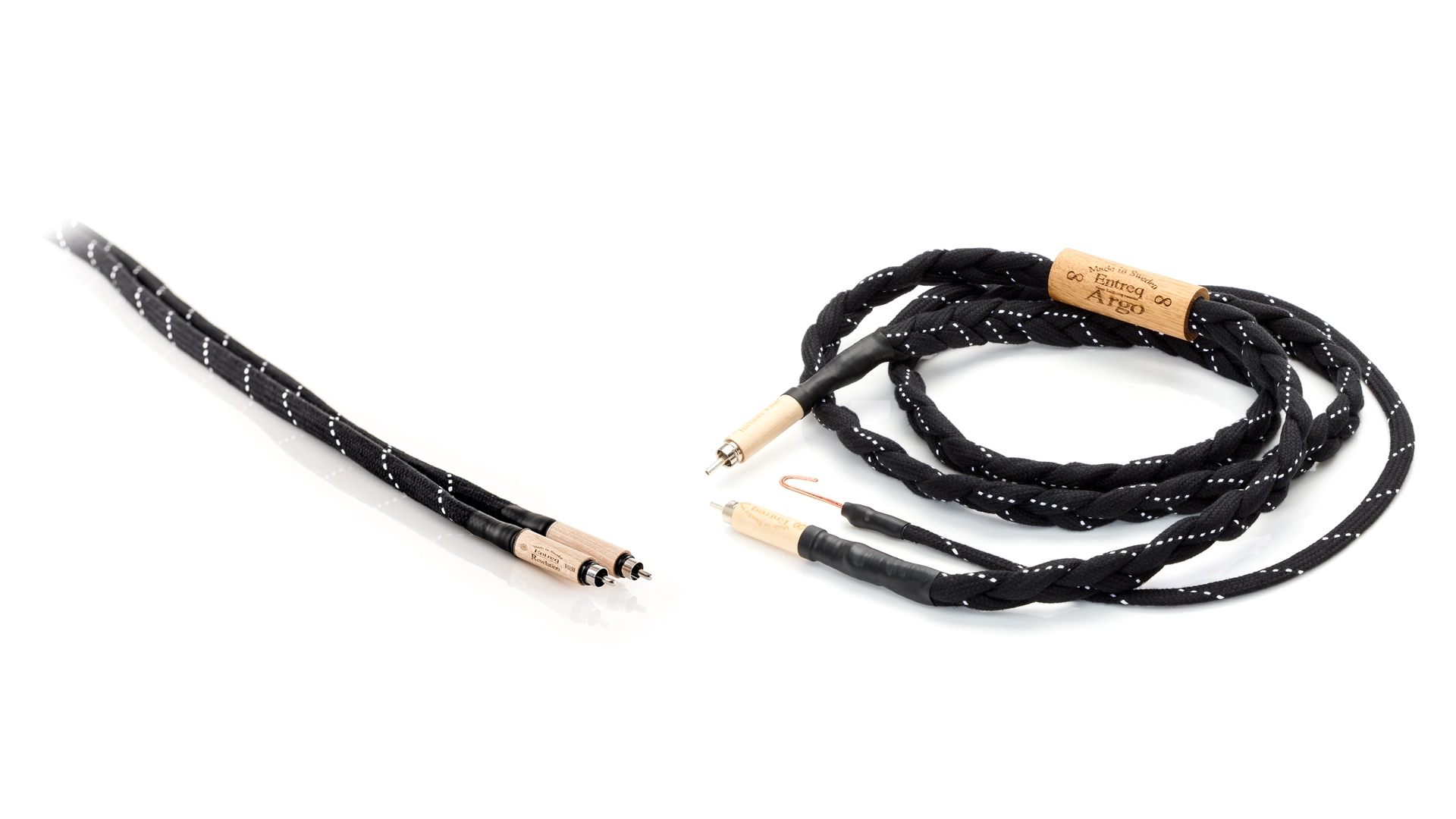
Entreq is a Swedish maker best known for passive grounding products developed by Per-Olof Friberg. Its Minimus, Tellus and Olympus ground boxes connect to signal ground points on audio components and provide a separate, frequency-selective path intended to drain high-frequency electrical noise; they do not replace or bypass protective safety earth. The wider system includes purpose-built grounding leads, analogue and digital interconnects, power cables, distribution products and accessories for controlling electromagnetic and mechanical interference. Entreq uses wood, mineral mixtures and other natural materials as functional parts of its constructions, giving the products an unmistakable visual language. Because grounding accessories often attract exaggerated claims, the important point is specific: Entreq concentrates on noise management around an existing audio system and treats connectors, cables and ground boxes as one coordinated interface.
ESD Acoustic
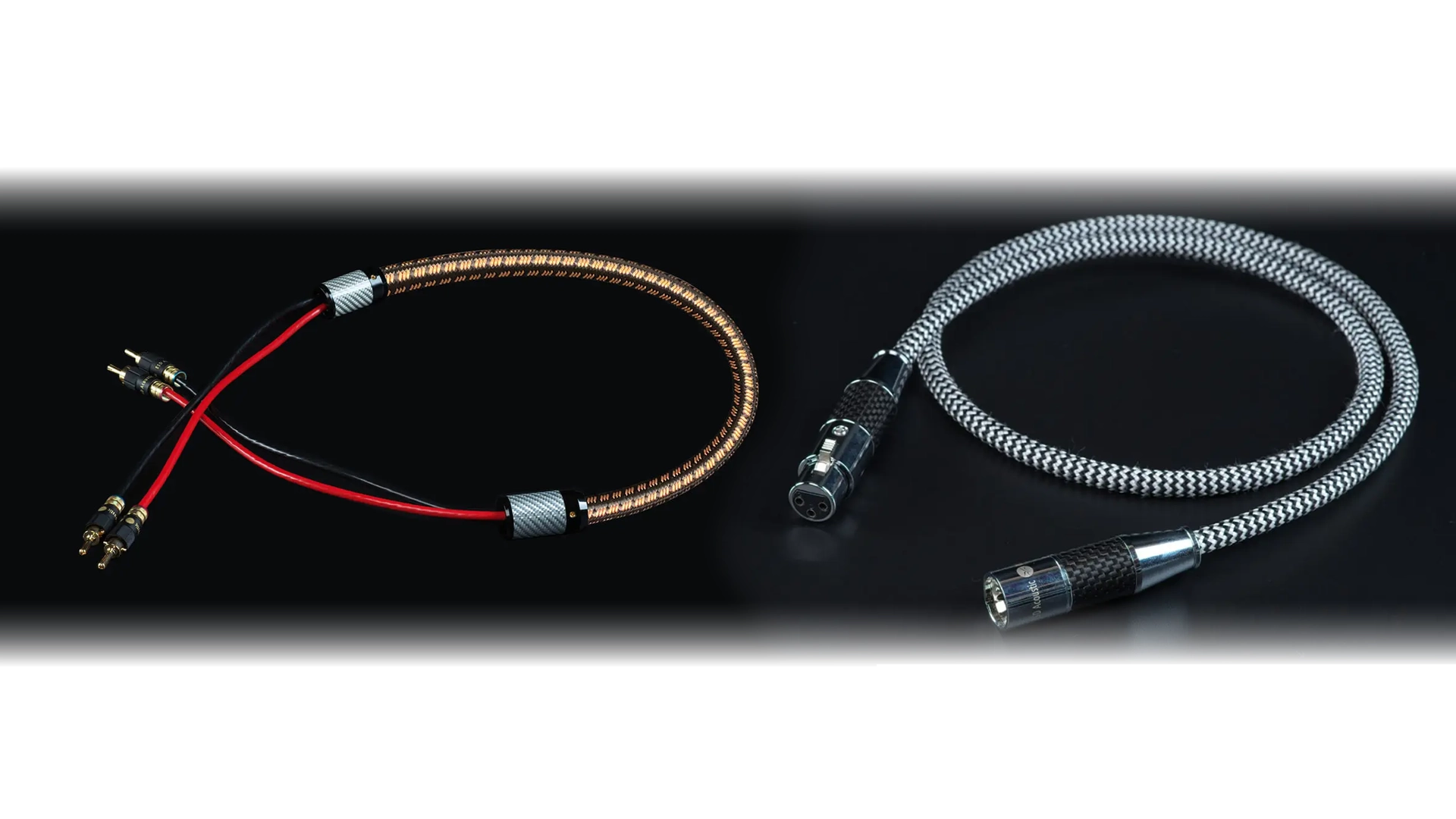
ESD Acoustic is a Chinese ultra-high-end audio manufacturer whose project began in 2016 with David Dai and Jacky Dai. Early development drew on technology and guidance acquired from horn specialists Bruce Edgar and Sam Saye; the Hangzhou company followed in 2017. ESD’s signature is the complete field-coil horn system: externally energised drivers, large carbon-fibre horns and, in selected units, beryllium diaphragms are combined for high efficiency and wide dynamic range. Systems range from comparatively compact models to the immense Dragon and Super Dragon installations. ESD also makes the field-coil power supplies, active crossovers, Class A amplification and source components needed to operate them as an integrated chain. The scale is spectacular, but the important know-how lies in controlling magnetic fields, horn geometry, diaphragm behaviour and system alignment across many ways.
Esoteric
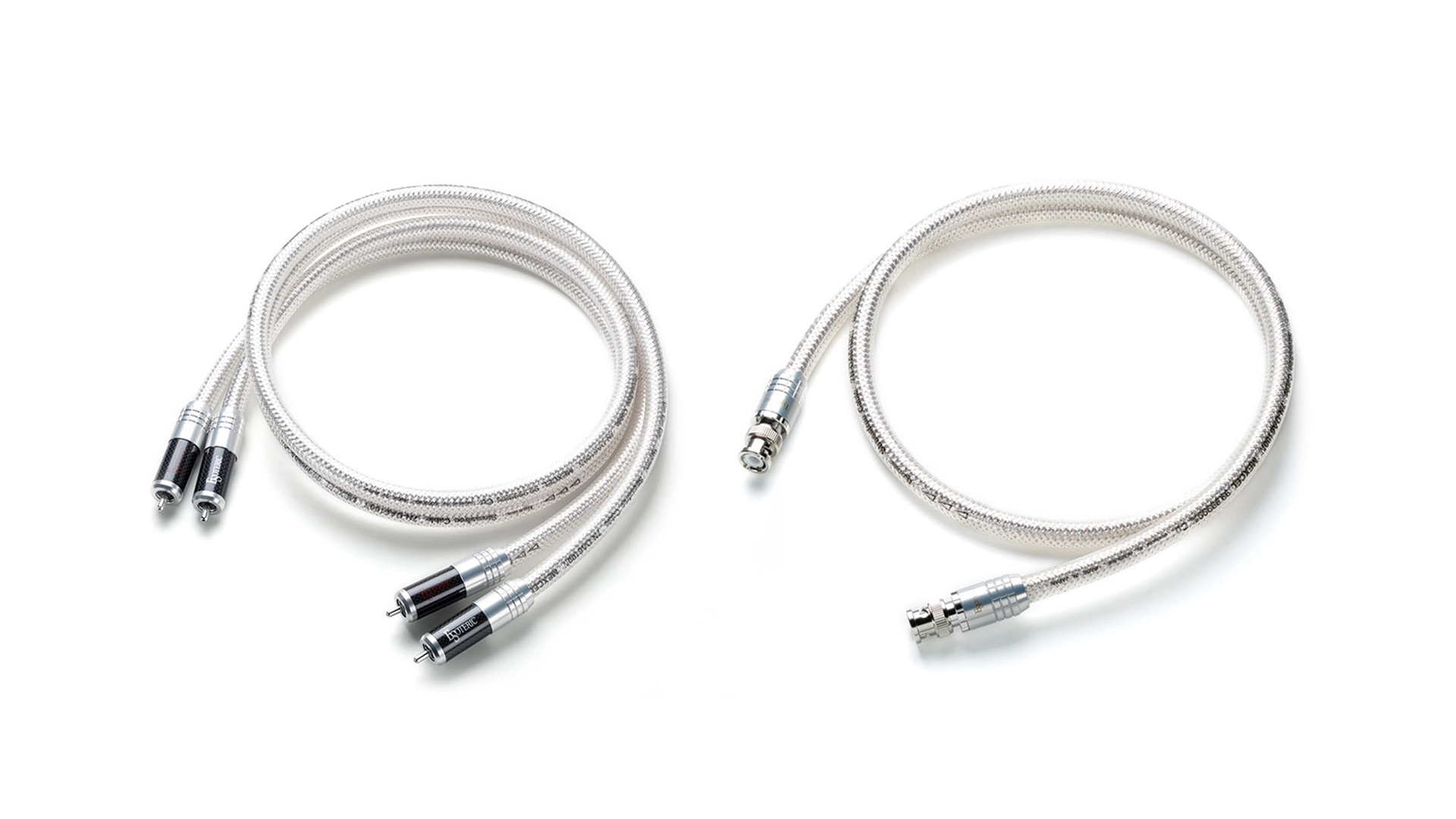
Esoteric is the high-end audio marque created by TEAC in Japan in 1987. It first became famous for extremely rigid CD and SACD transports, especially the VRDS system, which clamps a disc to a precision turntable to stabilise rotation and reduce mechanical error. The current VRDS-ATLAS mechanism extends that principle with a heavy bridge and carefully controlled centre of gravity, while Esoteric’s Master Sound Discrete DAC and clock technologies move critical conversion and timing functions into proprietary hardware. The catalogue now spans SACD/CD players, network players, DACs, master clocks, preamplifiers, power and integrated amplifiers, phono stages and the Grandioso reference series; it has also entered turntables. Esoteric’s lasting strength is vertical engineering—mechanism, chassis, clocking, conversion and analogue stages designed as parts of one playback architecture.
Esprit
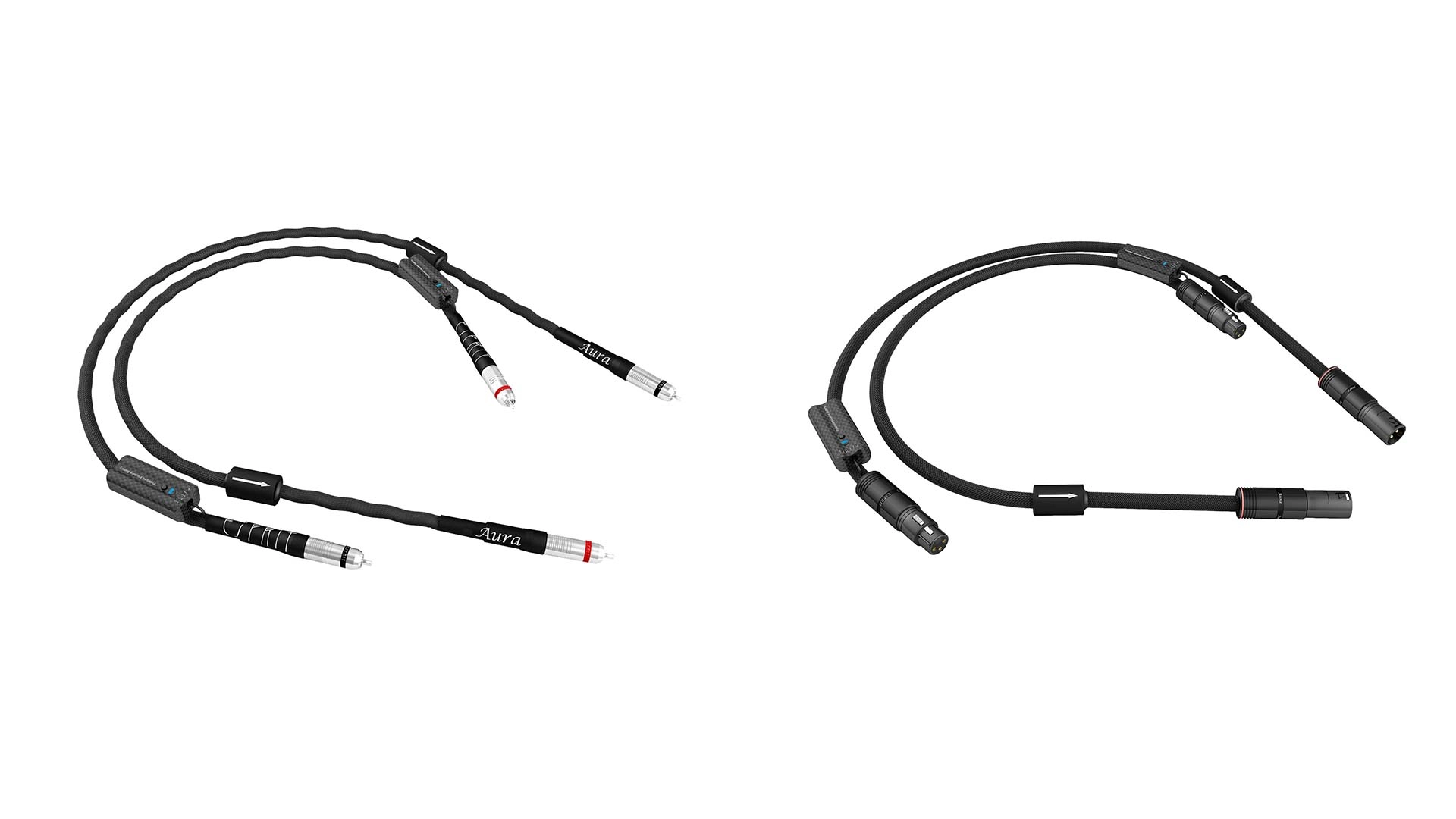
Esprit is a French specialist cable maker founded by electromechanical engineer and musician Richard Cesari in 1997. The company designs and hand-assembles analogue interconnects, loudspeaker cables, mains cables and digital connections in its Charente workshop. Rather than defining the brand through vague promises of ‘musicality’, its practical identity lies in conductor geometry, dielectric choice, shielding, mechanical construction and proprietary connectors carried through a broad family of price levels. Higher ranges use increasingly elaborate conductor bundles and screening, while every finished cable is checked and listening-tested before shipment. Esprit sells through specialist dealers and keeps production in France, allowing the same small team to control termination and repeatability. It is a mature cable house with a consistent construction philosophy, not a general electronics manufacturer.
Ethereal

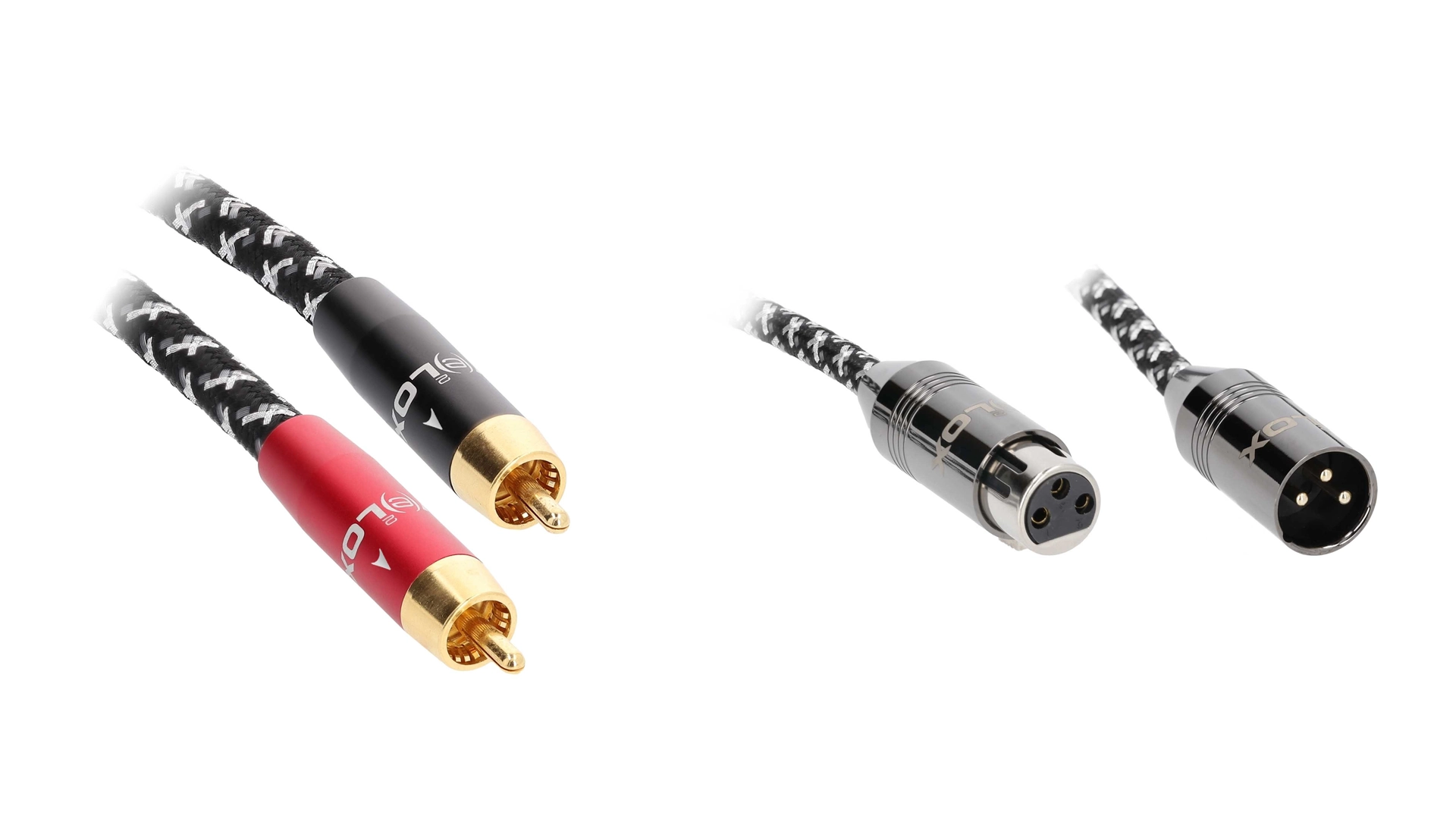
Ethereal is the American custom-installation connectivity business created by Metra Electronics as Ethereal Home Theater in 2001. The operation later traded as MetraAV and returned to the Ethereal name in 2023, bringing Ethereal Home Theater, Velox, Helios and Big Dog Power under one identity. Its core work is practical AV infrastructure: certified copper and active-optical HDMI cables, extenders, splitters, adapters, wall-plate hardware, audio interconnects, speaker cable and power-distribution products for residential and commercial systems. The engineering focus is reliable high-bandwidth signal delivery over real installation distances and diagnostic solutions for HDMI handshaking, power and compatibility problems. Ethereal is not an audiophile cable boutique; it is a Florida-based integration supplier built around standards compliance, field troubleshooting and the less visible connections that determine whether an AV system works consistently.
Faber’s Cables
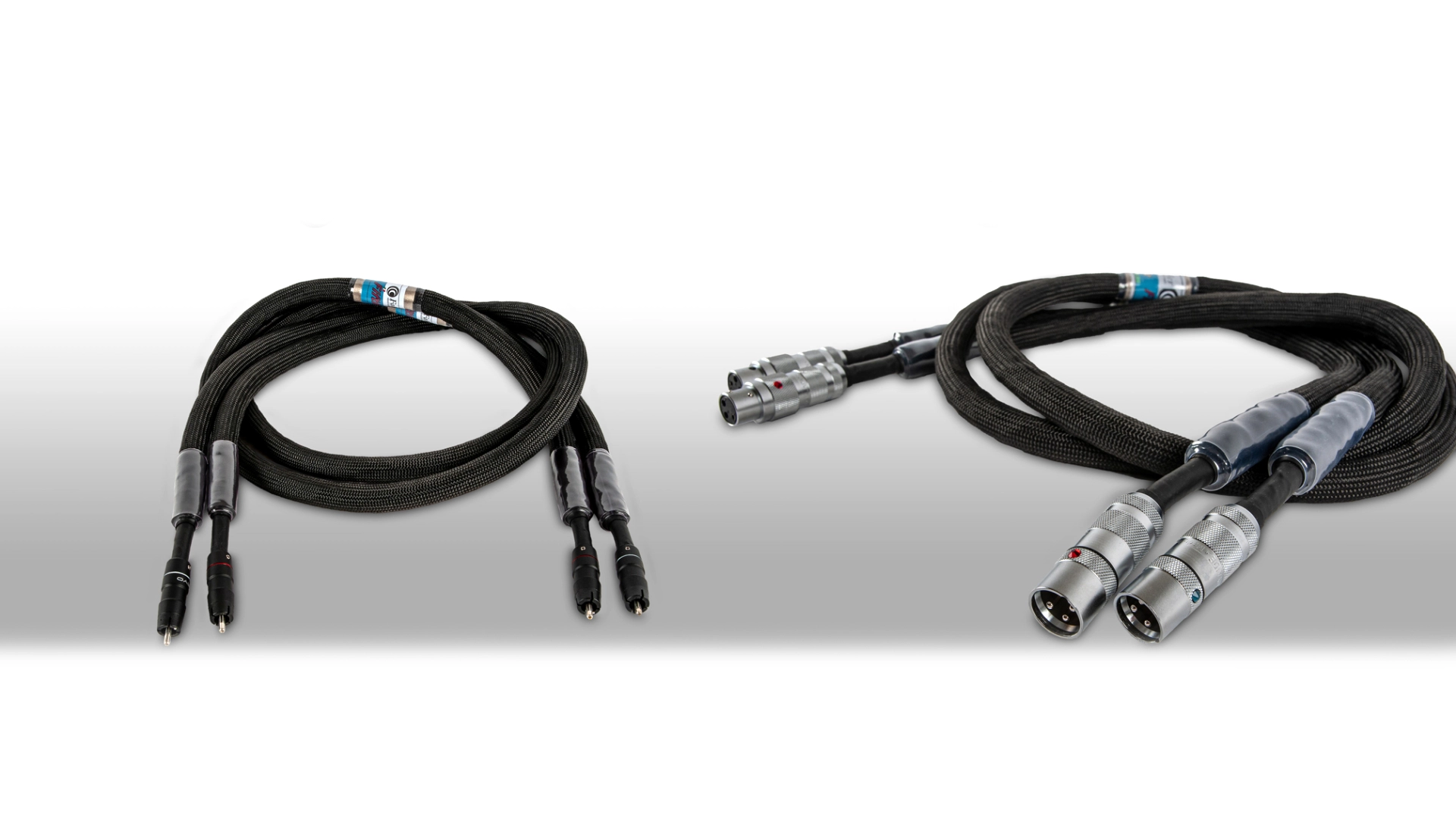
Faber’s Cables is an Italian family workshop created by Fabrizio Baretta and now developed with his son Enrico. It hand-builds analogue interconnects, loudspeaker cables, digital links and power cables, together with Faber’s Power distribution products. The company’s constructions use purpose-selected conductors, PTFE insulation, shielding and proprietary woven geometries designed to control inductance, capacitance, interference and mechanical behaviour. In several ranges, silver-plated stranded copper with military-specification origins is used as an engineering material rather than as a prestige slogan. Cable families differ in geometry and screening instead of relying only on progressively more expensive connectors. Faber’s individuality comes from keeping design, assembly and listening evaluation within a small Italian operation, with a continuous line of development between signal cables and mains products; no exact founding year is stated reliably enough to add one here.
FIBBR
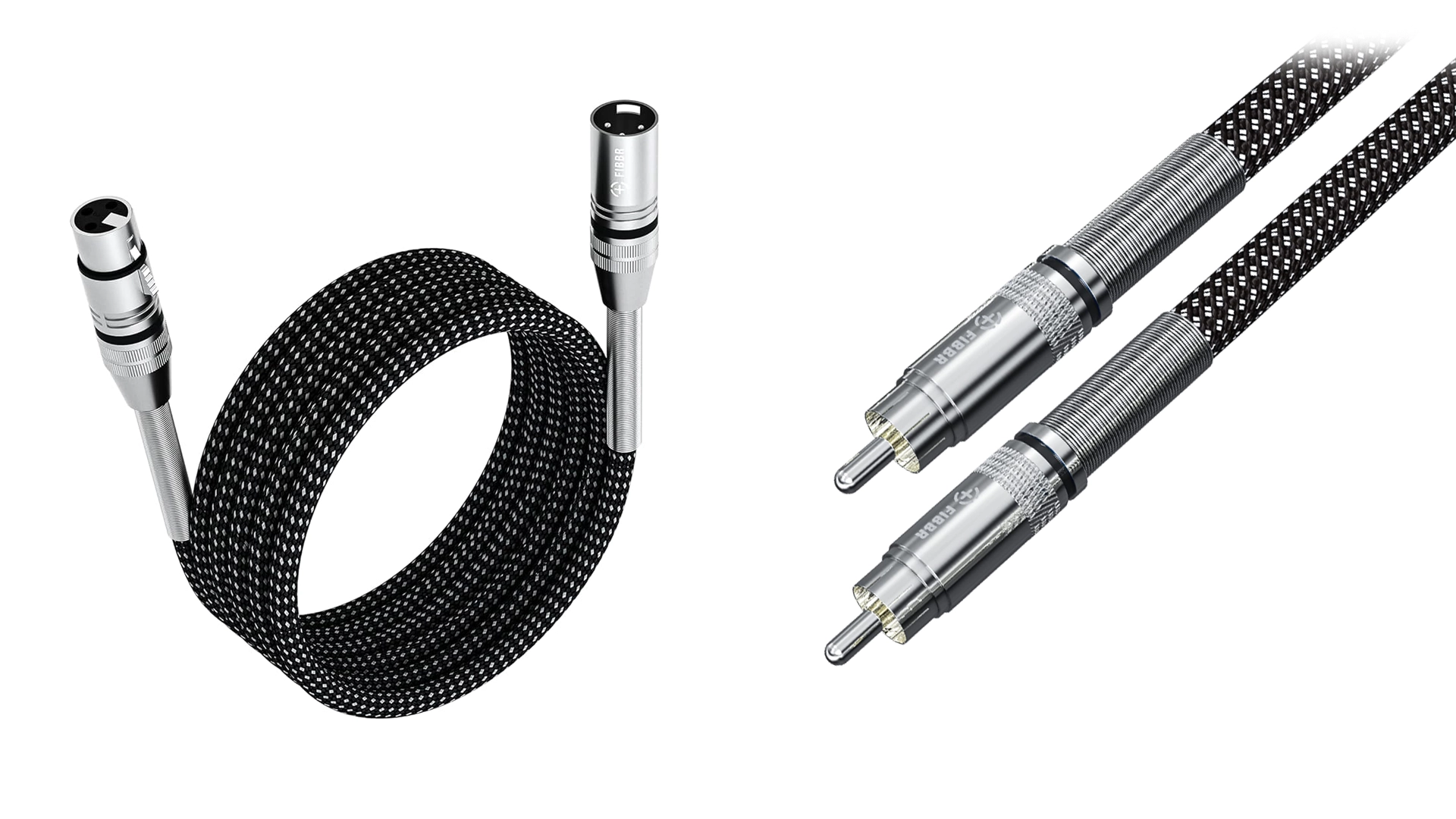
FIBBR is the global audio-video connectivity brand established in 2015 by EverPro Technologies in Wuhan, China. It specialises in active optical cables that convert electrical HDMI, DisplayPort or USB signals to light for transmission through thin fibre and back again at the receiving end. This architecture supports long runs with low weight and strong immunity to electromagnetic interference, although the cables remain directional active devices rather than passive optical fibre. FIBBR’s Pure, Ultra and related lines serve home cinema, gaming and professional installation; the Pure3 was independently tested by an HDMI Forum Authorised Testing Centre as an 8K-capable HDMI 2.1 Ultra High Speed design. EverPro’s chip-development and production-line capability is central to the brand’s know-how. The previous description called FIBBR simply part of YOFC; the more precise identity is EverPro’s connection brand, even though corporate investment relationships exist.
Finley Audio
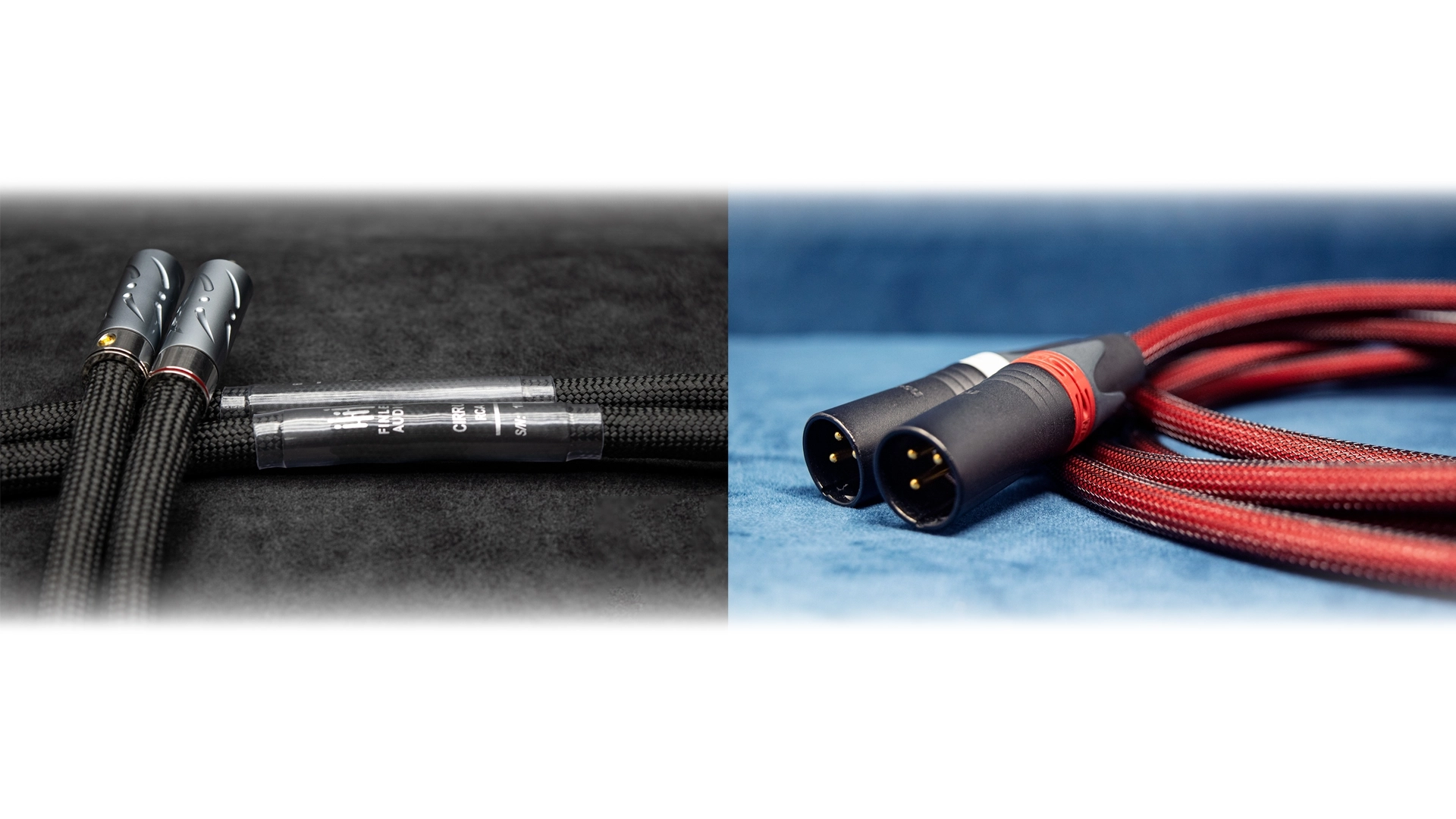
Finley Audio is an American boutique cable company that hand-builds complete wiring systems for two-channel audio. Its Cirrus and Stratus families cover RCA and XLR interconnects, phono leads, loudspeaker cables, jumpers, power cords and USB connections; related products include the PowerCube distribution block and cable risers. Rather than claiming one exotic conductor as a universal answer, the company describes a process of electrical measurement, prototype comparison and extended listening, with geometry, shielding, dielectric materials and termination selected for the cable’s task. Production and customer support remain in the United States, and custom lengths or configurations are part of the small-maker model. Finley Audio’s individuality is breadth within one focused craft: source, amplifier, loudspeaker and mains connections can be voiced and constructed as a family. Public information does not establish an exact founding year confidently enough to populate that field.
Fono Acustica
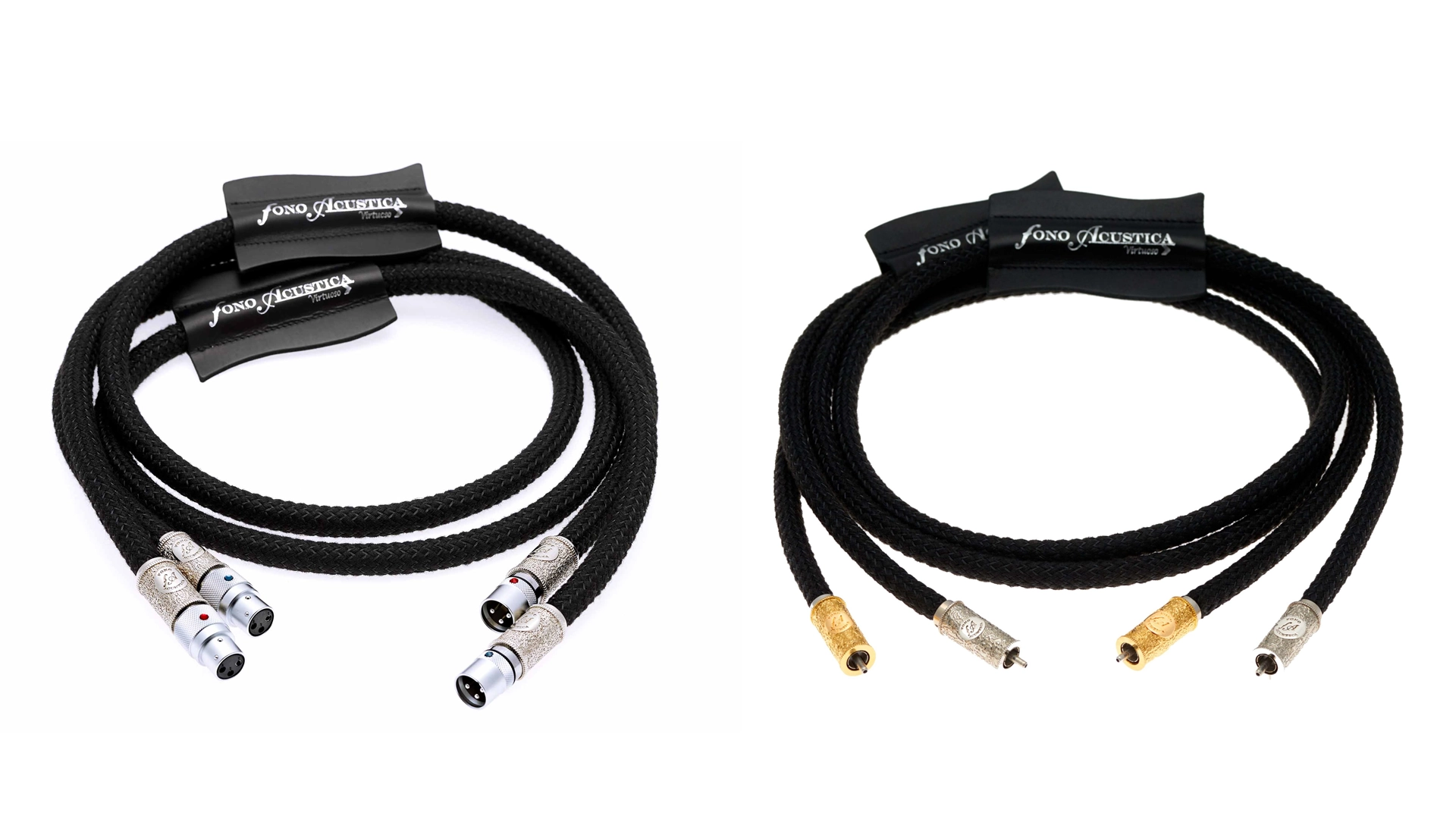
Fono Acustica hand-builds complete high-end audio cables in Spain, starting with its own conductors rather than re-terminating standard bulk cable. Designer Felix Avalos developed the brand around a proprietary solid-core silver-and-gold alloy obtained from a single specialist supplier in Canada. Conductor gauge, geometry, dielectric and mechanical treatment vary by cable and by product family instead of being presented as one universal recipe. The Armonico project, for example, followed extended trials with copper, silver, gold and palladium, and combines the chosen alloy with Teflon and air insulation, carefully controlled soldering and hardwood elements intended to manage mechanical energy. Interconnects, speaker cables, power cords, digital links and grounding products are built in small quantities, with families such as Armonico, Virtuoso, Allegro and Grandioso occupying distinct levels. The unusually supple construction and understated finish separate these cables from the heavy, rigid designs common in the category.
Furutech
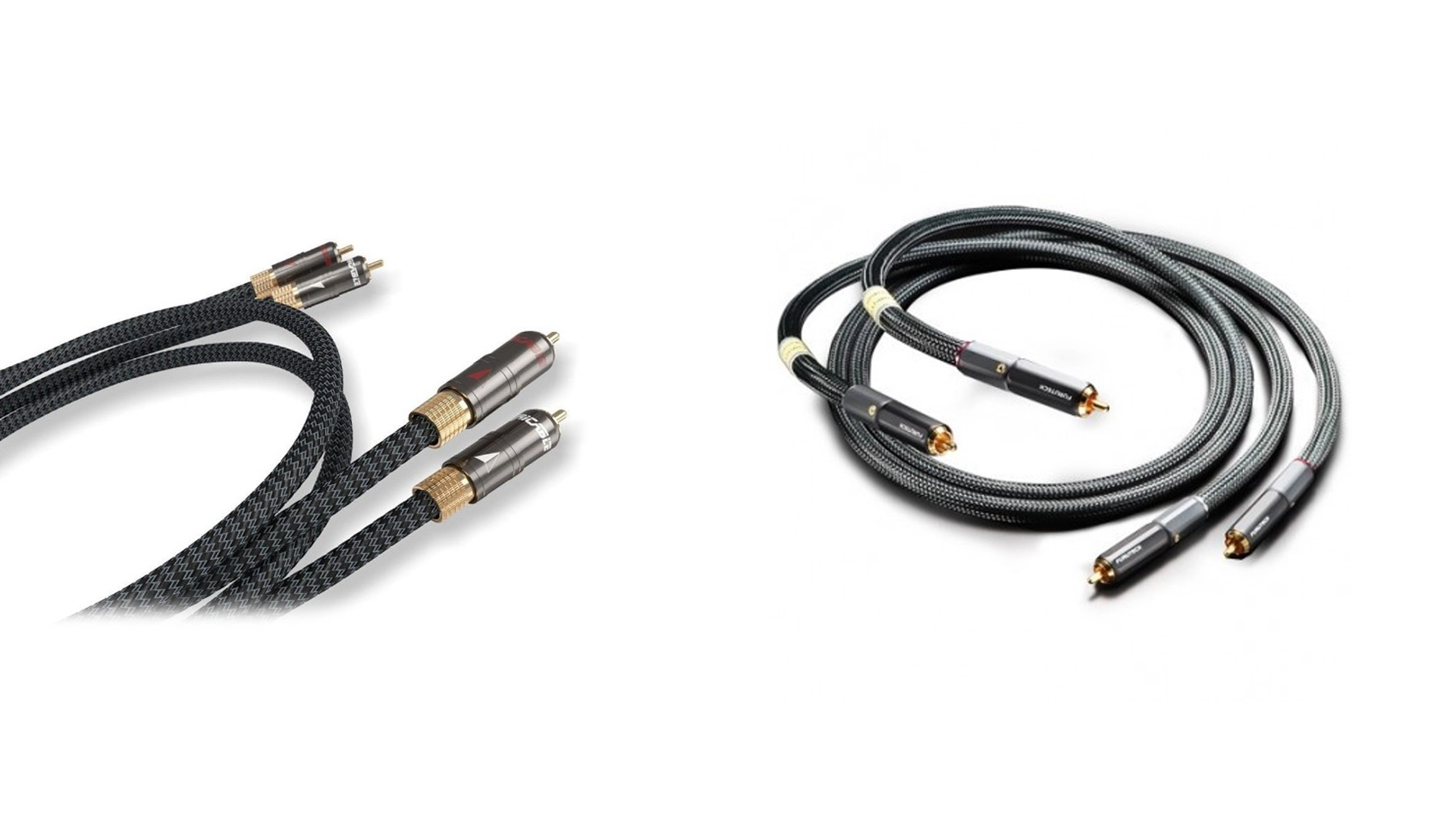
Furutech is a Japanese specialist in the physical interfaces of an audio system: plugs, sockets, terminals, power distribution and finished signal or power cables. Founded in 1988, the company applies its two-stage Alpha Process to many metal parts, combining deep cryogenic treatment with ring demagnetisation before assembly and plating. Its catalogue reaches from IEC, mains and XLR/RCA connectors to wall outlets, power distributors, bulk cable, phono accessories, record clamps and static-elimination devices. Nano Crystal² Formula, or NCF, appears in selected connector bodies and support accessories, where a composite of damping and electrostatic-control materials is used to address vibration and static charge around a contact. Furutech also develops Piezo Ceramic housings, floating-field structures and cable supports rather than treating the conductor as the only variable. The breadth matters: engineers, installers and DIY builders can specify individual parts, while listeners who do not assemble cables can choose complete Evolution, Lineflux, Powerflux and NanoFlux products.
Gekko Cables
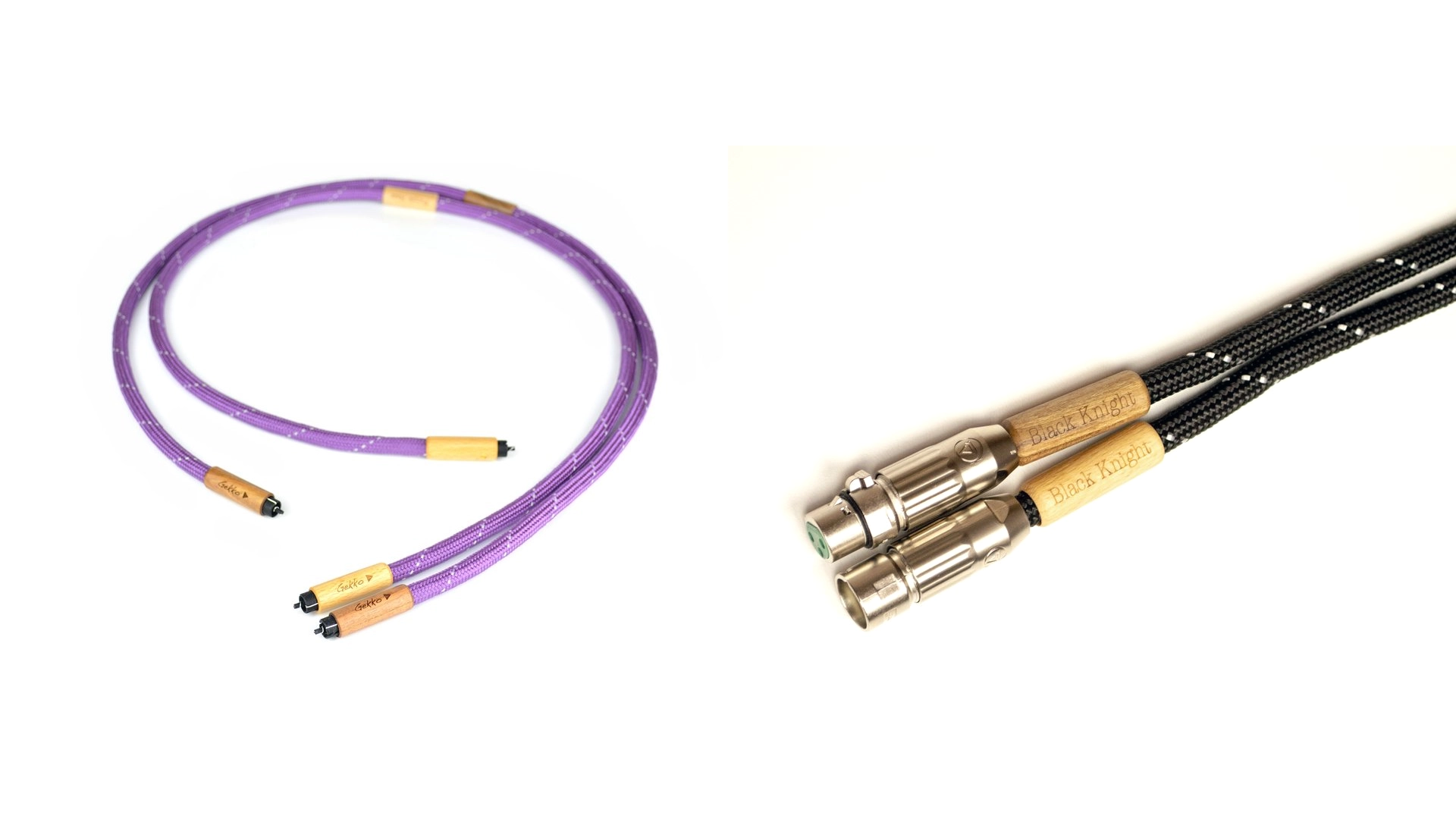
Gekko Cables grew from a working musician’s concern with the connection between instrument, studio and playback system. Serbian-born musician and designer Boban Djurdjevic founded the London company in 2012 and hand-builds its analogue, digital, speaker, power and instrument cables in the United Kingdom. Designs vary deliberately by task: conductor choices include oxygen-free copper, silver-plated copper and UP-OCC copper; cotton and air are used as low-capacitance dielectrics in selected models; twisting, shielding and mechanical damping change with the signal and environment. A particularly recognisable detail is the GAC1 RCA connector used on higher lines, where the signal conductor itself forms the contact with the socket, reducing the number of interfaces in the path. Red Dusk, Black Knight, Purple Haze, Silver Cloud and Silver Lining are distinct constructions rather than cosmetic tiers. The catalogue serves domestic hi-fi, recording and musical instruments, giving the brand a practical professional context unusual among boutique cable makers.
Goebel

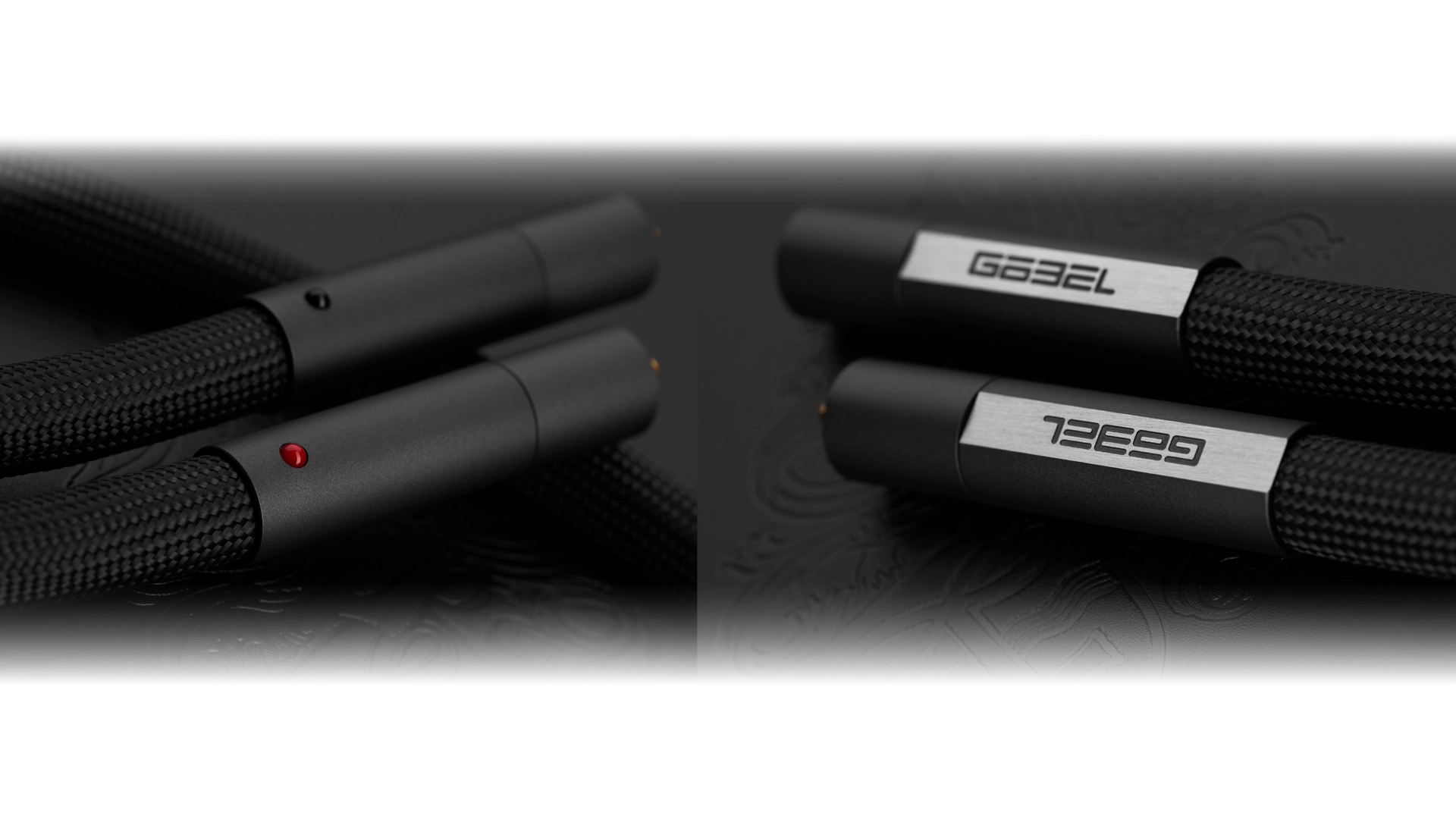
Göbel High End builds loudspeakers around a patented bending-wave transducer that operates across most of the audible spectrum without a conventional multi-driver handover in the critical midrange. Oliver Göbel founded the company in Landshut in 2003 after years of research into bending-wave radiation and materials. Its Carbon Excellence driver uses a nine-layer diaphragm and is specified to cover roughly 170 Hz to beyond 31 kHz, with very broad frontal dispersion; dedicated woofers supply the lowest octaves. The technology anchors the Epoque Aeon line and is adapted within the larger Divin systems, whose enclosures, crossovers and mechanical grounding are developed in-house. Göbel also applies its conductor, dielectric and resonance-control work to Lacorde Statement cables. The products are engineered and assembled in Germany, with unusually wide-band radiation—not visual extravagance—as the central idea.
Gold Note
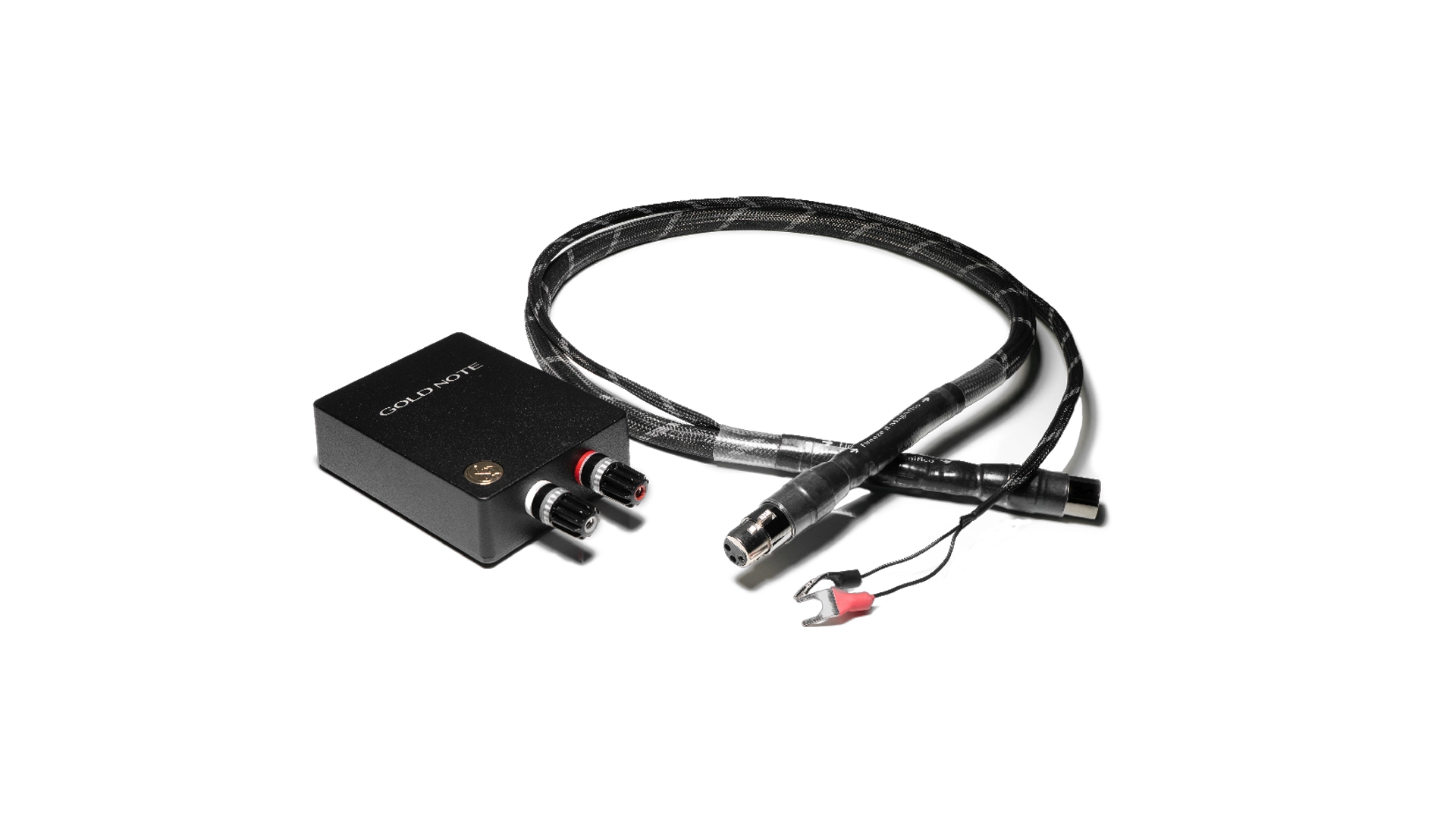
Gold Note is an Italian full-system audio manufacturer whose modern brand grew from Maurizio Aterini’s engineering studio, established in Florence in 1992 to design analogue products for other companies. The Gold Note name itself was founded in 2012, after Elena Basciano and later Alessio Oronti joined the enterprise. Its catalogue now links turntables and cartridges with phono stages, digital sources, all-in-one players, amplifiers, loudspeakers, racks and cables. Recognisable products include the Mediterraneo turntable, PH-10 phono stage, DS-series streamers and IS-series integrated systems. A useful feature of the range is modular upgrading: many components accept dedicated external power supplies, allowing the core unit to remain in service while its power section is improved. Design, development and much of the production remain concentrated in Tuscany.
Gotham

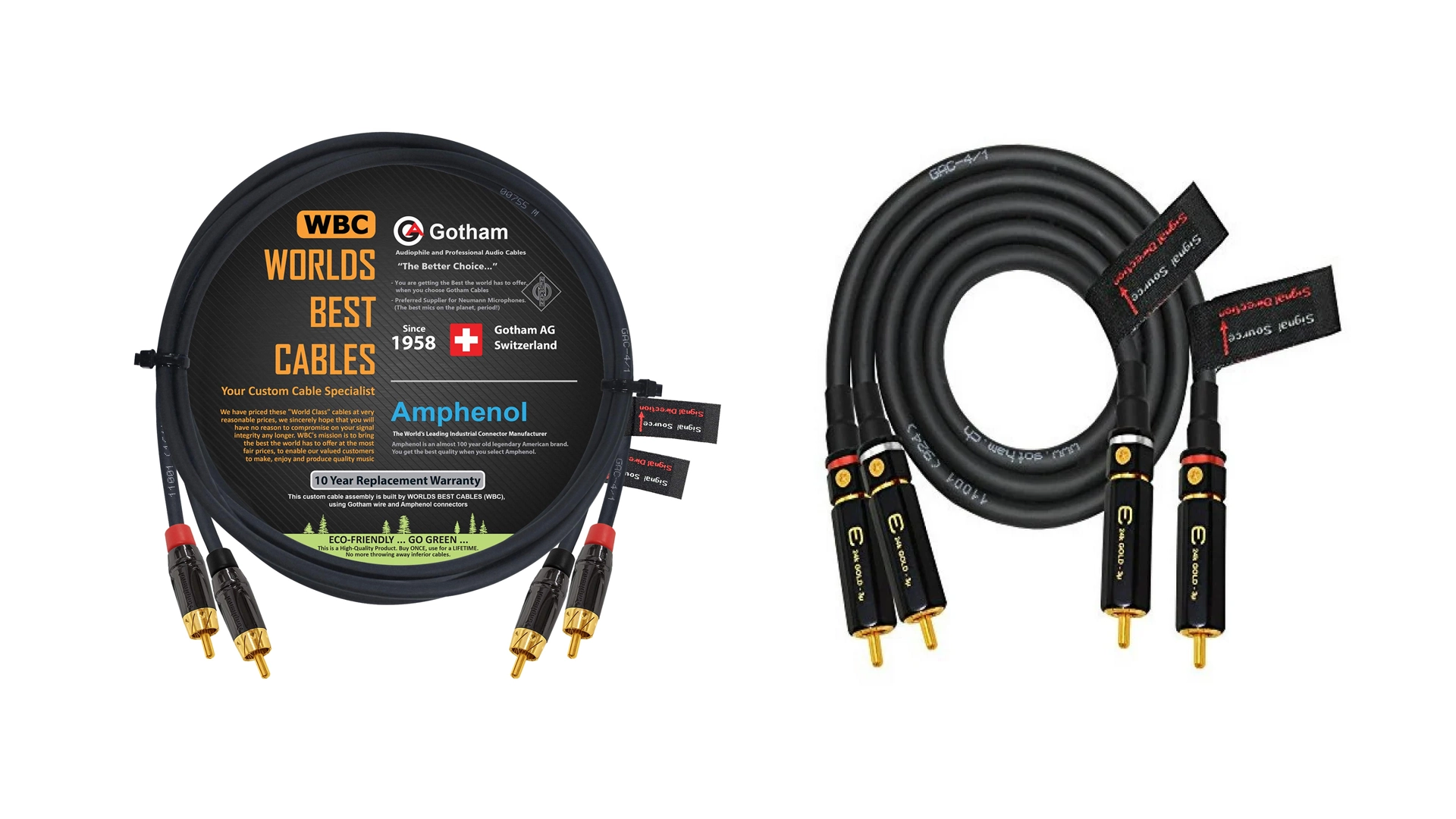
Gotham is a Swiss cable company whose reputation was built in studios, broadcast facilities and installed sound rather than in decorative consumer accessories. Operating since 1958 and now based in Dietikon as Gotham AG, it supplies both bulk cable and finished assemblies. The catalogue includes microphone and star-quad lines, analogue multicore, AES/EBU and DMX cable, loudspeaker and mains cable, video, data and internal hook-up wire. Dense copper coverage, flexible jackets, clearly documented electrical specifications and application-specific geometries are recurring priorities, because the same cable may need to survive touring, permanent installation or low-level studio signals. Gotham also manufactures terminated cables in Switzerland and offers many formats by the metre. Its principal strength is a broad, technically coherent professional range that can connect an entire audio infrastructure.
Graham Slee
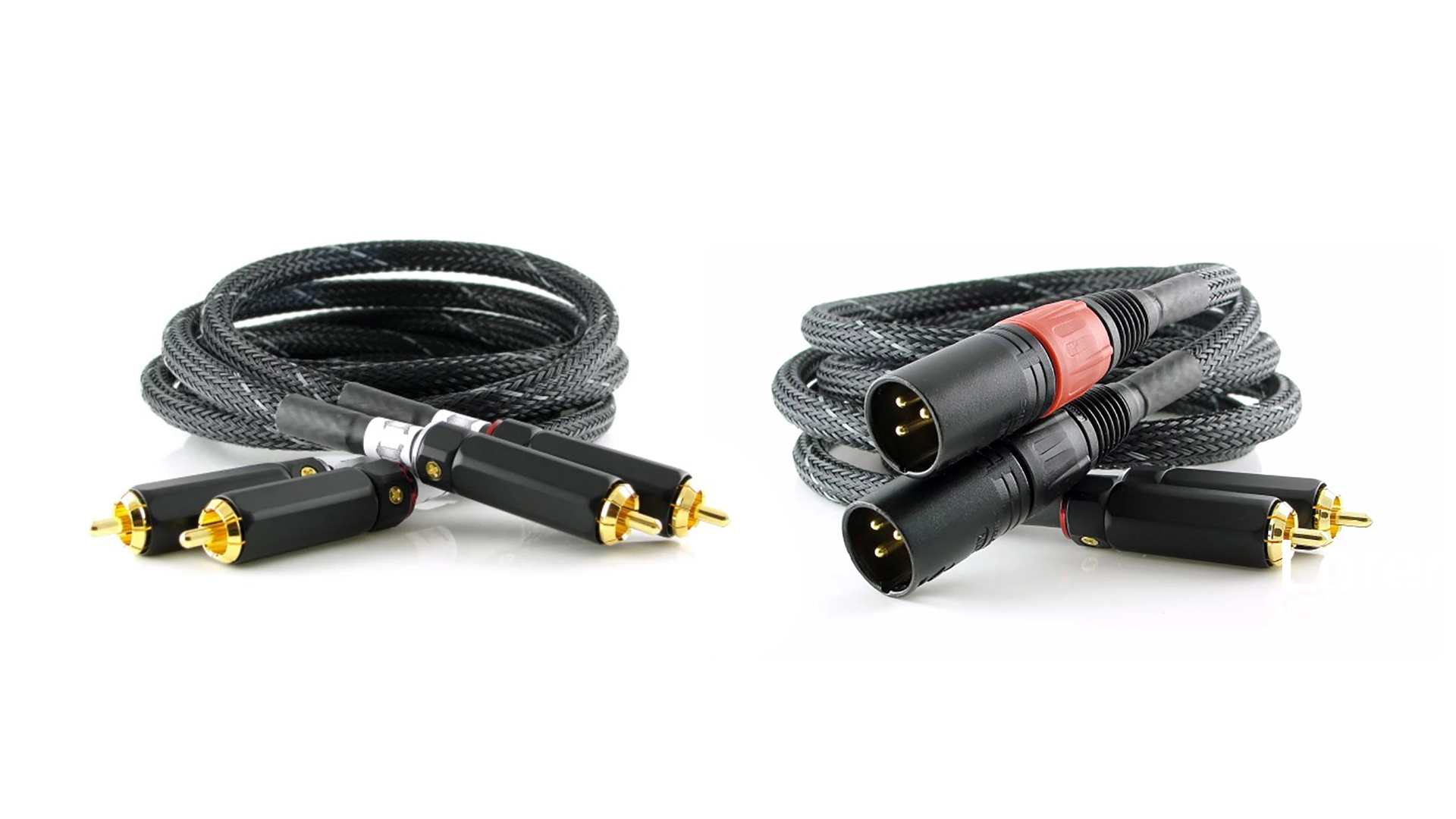
Graham Slee is a British audio-electronics specialist best known for extracting low-level signals from cartridges without turning the phono stage into a feature-heavy control centre. Graham Slee, an electronics designer active professionally since 1974, established Graham Slee Projects in 1998. The catalogue ranges from the compact Gram Amp through Era Gold, Reflex and Accession phono stages, with the Elevator EXP providing active step-up for moving-coil cartridges. It also includes Solo and Ultra-Linear headphone amplifiers, the Majestic DAC/preamplifier, Proprius mono power amplifiers and purpose-designed interconnects. Several products use separate outboard power supplies, and the company documents loading, equalisation and circuit behaviour in unusual depth. Units are designed and hand-built in Britain, with long production runs and upgrade paths valued over frequent cosmetic replacement.